


Skip to content
Bolinhas
Featured recipe

Bolinhas

Semolina and coconut cookies

Bolinhas (small balls in Portuguese) are the cookies Goan Catholic families bake in batches for the Christmas kuswar, the tins of sweets sent to friends and neighbours in Panjim and Salcete in mid-December. Fresh coconut is cooked briefly in a sugar syrup, mixed with semolina and left overnight so the grains soften, then bound with butter and egg yolks, shaped into small balls, marked with a fork or a cross and baked until golden. The texture is sandy and crumbly outside with a chewy coconut centre, and they smell of cardamom and browned butter. They contain egg yolk, so they are vegetarian with egg, not vegan. The common mistake is baking them the same day: unsoaked semolina stays gritty and the cookies spread. Chef's tip: shape with slightly damp hands and keep them small, about 3 cm; they puff a little and need room on the tray.

Read more 0 views

What to eat today?

Around the world

Today's trip: Persian

A new country every day, from every cuisine on the site.

This week's collection

Kid-friendly dinners
739 recipes · a new collection every Monday

Coming up

All occasions →

Latest recipes

RoshLamb on the bone in broth

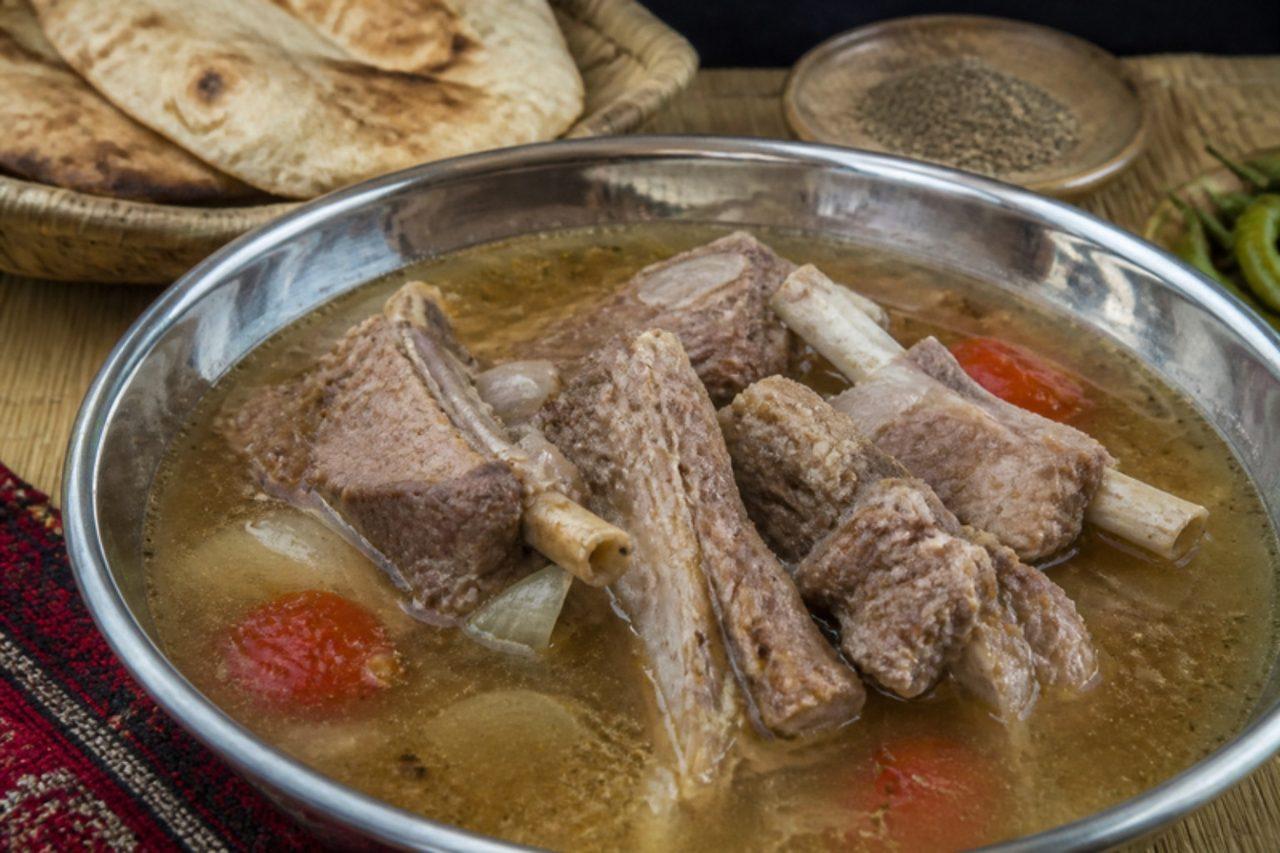
Winter in Quetta is bitterly cold, and rosh is what keeps the city warm: lamb on the bone, fat and all, simmered in a huge pot with nothing more than salt, onions and tomatoes until the broth turns golden and the meat slips off the bone. In the restaurants of Jinnah Road and on Kandahari Bazaar it is served in steel bowls, the meat piled on one plate and the broth in another, with thick Afghan-style naan torn in and eaten with the hands. Its pleasure is purity: you taste lamb, salt and a little sweetness from the onion. The frequent error is a rolling boil, which turns the broth cloudy and the meat tough; it should barely tremble. Chef's tip: use plenty of fat and some rib and tail pieces, because the fat carries the flavour in a dish with no spices.

by KrazyBadal 0 views

Rosh kodomSyrup-soaked chhana balls in khoa

Named after the round, spiky flowers of the kadam tree that bloom in the monsoon, rosh kodom is a sweet within a sweet, made by the confectioners of Rajshahi and the northern districts for weddings and festivals. At its heart is a tiny rasgulla, soft and juicy from the syrup, which is drained and wrapped in a firm shell of sweetened khoa and then rolled in white poppy seeds, giving the knobbly look of the flower. Biting in, you get a dry, crumbly coat, a nutty crunch of poppy and a burst of syrup in the middle. Wrapping wet rasgullas is where it falls apart, so drain and pat the cores well or the khoa slides off. Chef's tip: the quick khoa here, made with milk powder, is easier than reducing litres of milk and gives a very similar fudgy shell.

by KrazyBadal 0 views

Barbadine punchGranadilla milk drink

Barbadine, the giant granadilla, grows on vines over backyard fences across Trinidad and turns up at Sunday lunch blended into a pale, creamy punch. The fruit's soft white flesh and the perfumed seed pulp inside are both used, giving a gentle passion-fruit flavour that milk, nutmeg and a little sugar round out. It is alcohol-free and made for the whole family. A frequent mistake is blending the seeds hard, which cracks them and turns the drink gritty and bitter: pulse the pulp briefly and strain it. Chef's tip: if you can't find barbadine, use the pulp of 6 passion fruit plus 200 g peeled honeydew melon for a similar taste.

by KrazyBadal 0 views

RunebergintorttuAlmond cakes with raspberry jam

Runeberg's torte is baked in Finland for 5 February, the birthday of the national poet Johan Ludvig Runeberg, who lived in Porvoo; the story is that his wife Fredrika made these from what was in the cupboard. They are small cylinders of moist almond and breadcrumb cake, soaked in syrup, topped with a dot of raspberry jam inside a ring of white icing. The syrup is often flavoured with rum or arrack punch; this recipe uses orange juice and almond extract, so it is alcohol-free. A common mistake is soaking the cakes while they are cold; they absorb the syrup unevenly. Chef's tip: soak them while still warm, and bake in muffin tins if you have no torte moulds.

by KrazyBadal 0 views

Ryba po greckuFish under sweet-sour vegetables

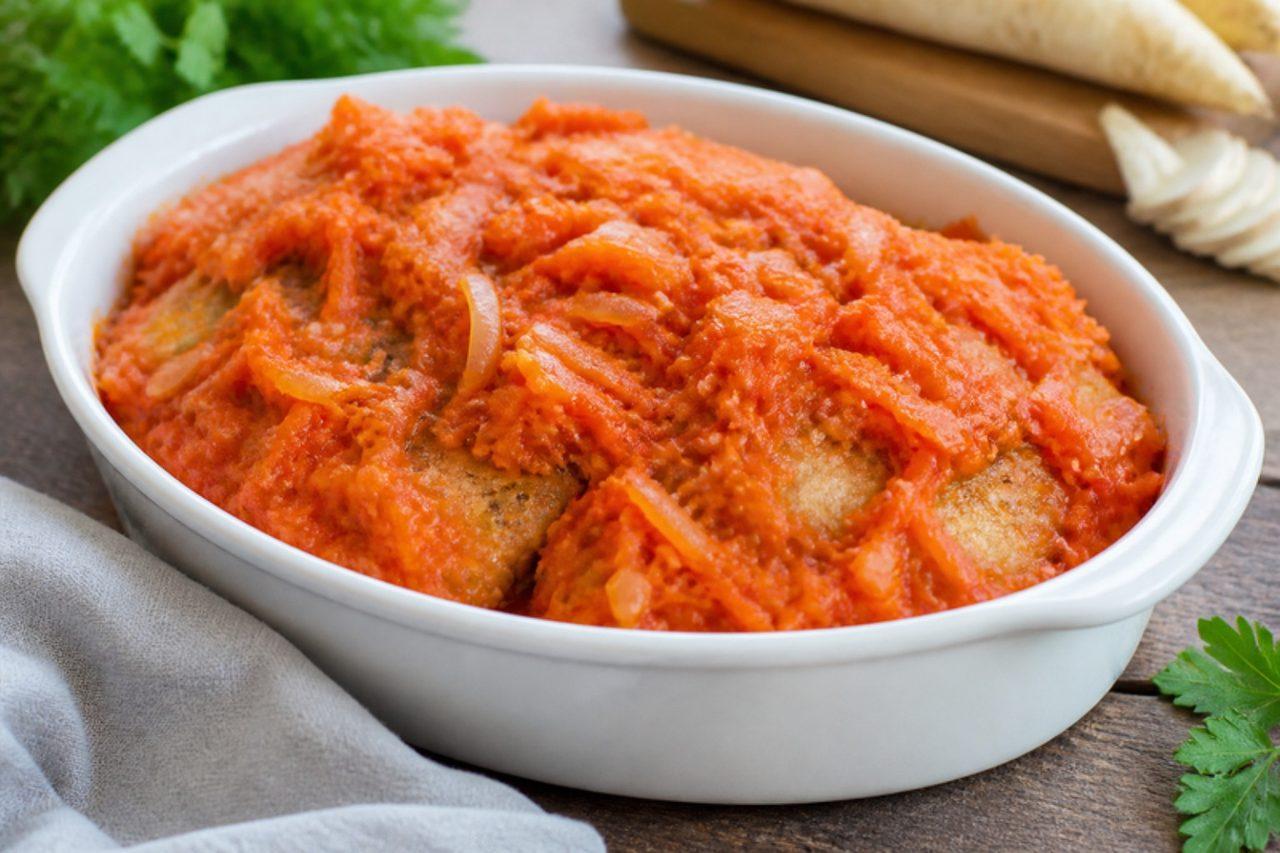
Ryba po grecku, 'Greek-style fish', has no Greek roots at all; it is a Polish invention from the communist years, when cheap frozen cod and pollock met carrot, parsley root and tomato purée to make a festive dish out of very little. Today it sits on almost every Christmas Eve table and at name-day buffets, served cold. Pieces of fried white fish disappear under a thick, orange layer of soft vegetables stewed in tomato with allspice and bay, sweet and tangy at once. It needs a night in the fridge for the vegetable sauce to soak into the fish. The usual slip is grating the vegetables too fine, which turns them to mush; use the coarse side of the grater or cut thin matchsticks. Chef's tip: let the fish and the vegetables cool before layering, then chill; it tastes better on day two and keeps for three days.

60 minPolishFish
by KrazyBadal 0 views

SajLamb and vegetable saj fry

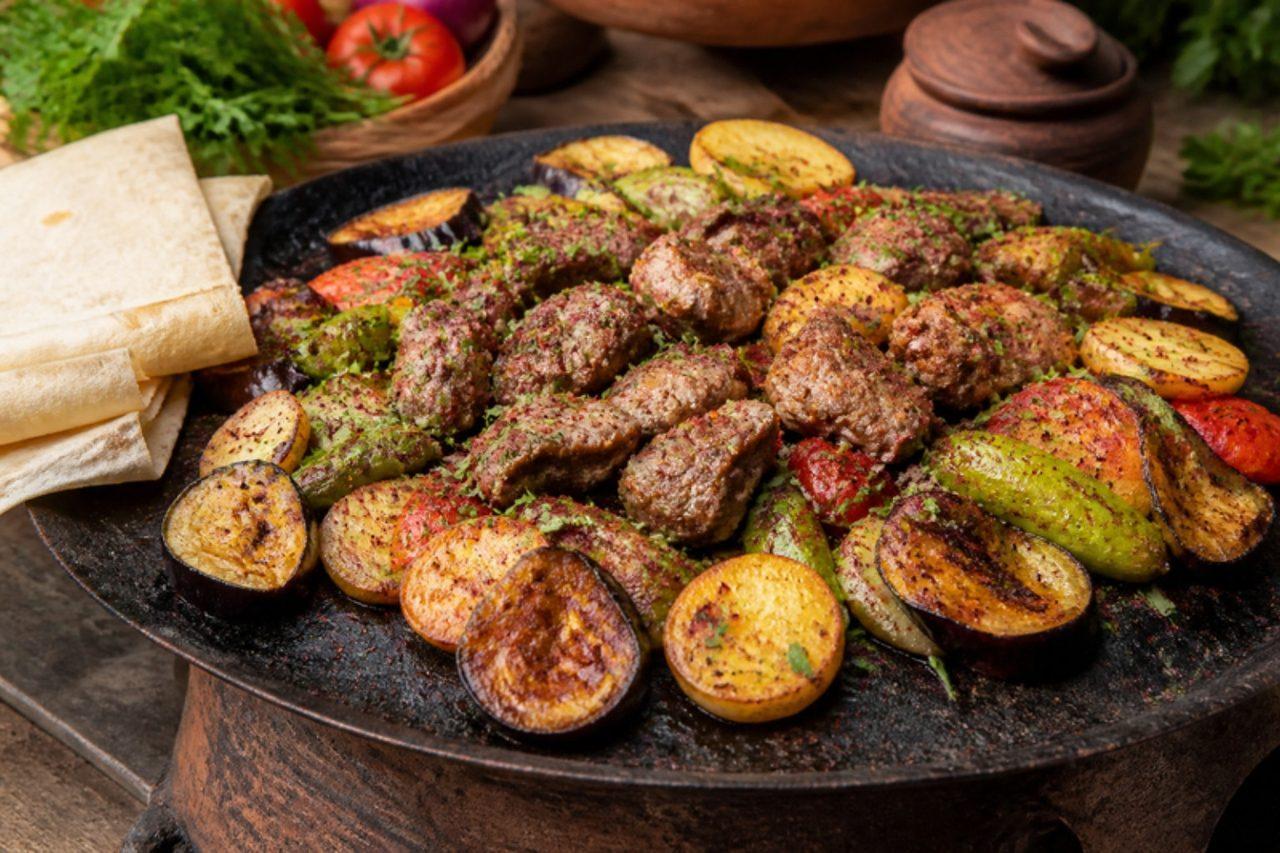
Saj is named after the shallow, domed iron pan it is cooked in, which Baku restaurants set over a tray of coals at the table so the meal keeps sizzling as you eat: lamb pieces fried in their own fat, ringed by potatoes, aubergine, peppers and tomatoes that were fried separately, all finished together on the hot metal. It is a feast dish for weddings and family celebrations across Azerbaijan. At home a wide cast-iron pan or wok works. A common mistake is frying all the vegetables together; each needs its own time and the aubergine soaks up everything. Chef's tip: fry the vegetables first, then the lamb in the same oil, so the meat picks up their flavour.

by KrazyBadal 0 views

Kac kac (Somali fried dough cubes in cardamom sugar)

Jars of kac kac sit on the table at Somali weddings, Eid gatherings and afternoon tea across the country and in the diaspora, ready to be handed round by the fistful. The dough is enriched with egg and butter, cut into small cubes, fried until hard and golden, then tossed in hot cardamom syrup that dries to a frosty white crust. Each piece cracks loudly when bitten, which is how it got its name. Undercooking the syrup is the usual problem: it stays sticky instead of turning to a dry, sugary coat, so boil it until it forms a thread and keep stirring the cubes as it cools. Chef's tip: cut the cubes no bigger than 1.5 cm; small pieces fry right through and stay crunchy for weeks in an airtight jar.

by KrazyBadal 0 views

ŠakotisBranch-shaped spit cake

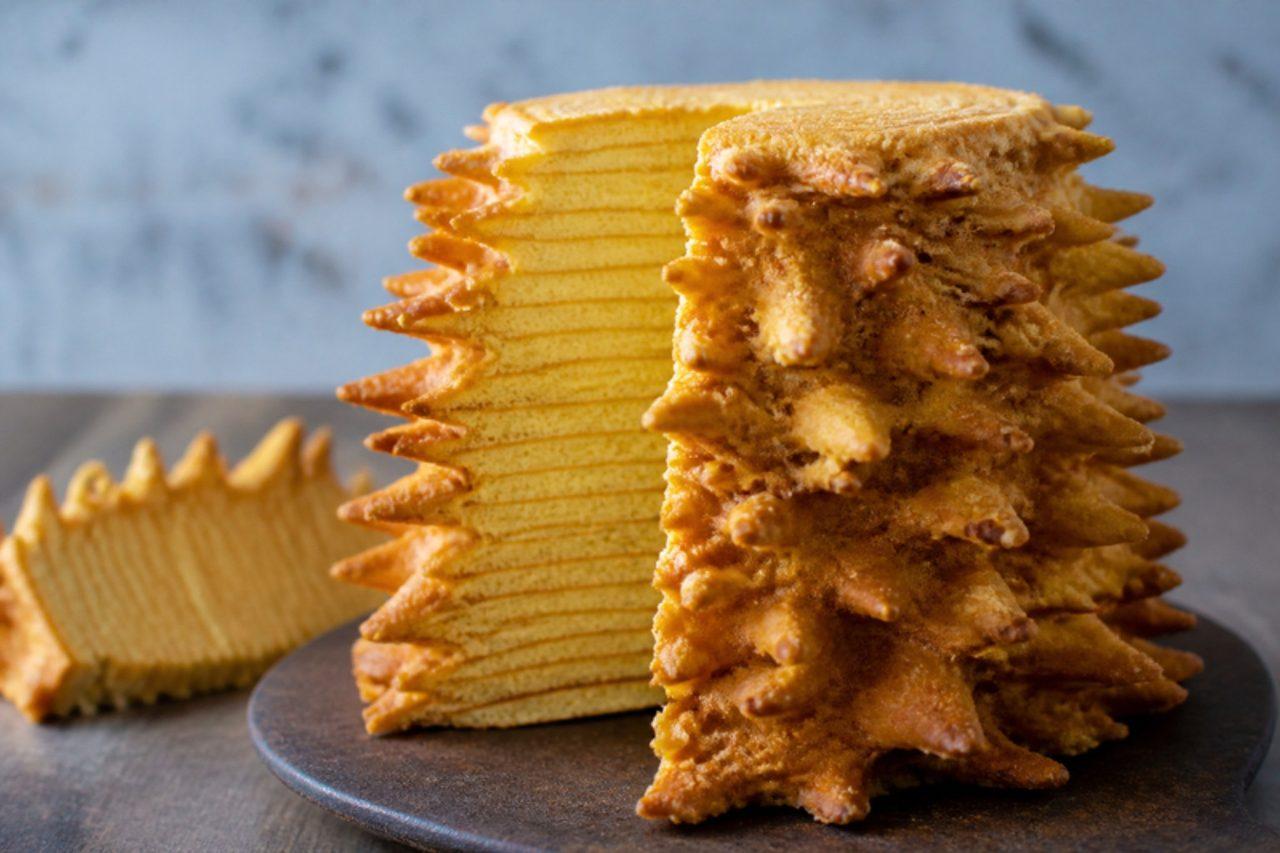
Šakotis, 'branched', is the tall, spiky cake that crowns Lithuanian weddings and christenings: a rich egg batter dripped over a turning spit in front of an open fire, layer after layer, so the drips harden into branches that stick out like a fir tree. Specialist bakers around Druskininkai and Vilnius make them to order. At home, a foil-wrapped rolling pin turned slowly under a hot grill builds a smaller version. A common mistake is a thin batter, which runs off instead of forming spikes. Chef's tip: turn the spit slowly as you ladle on each layer and let the drips set before the next coat; the spikes form where the batter drips and hardens.

280 minBalticBaking
by KrazyBadal 0 views

Salată orientalăPotato and onion salad

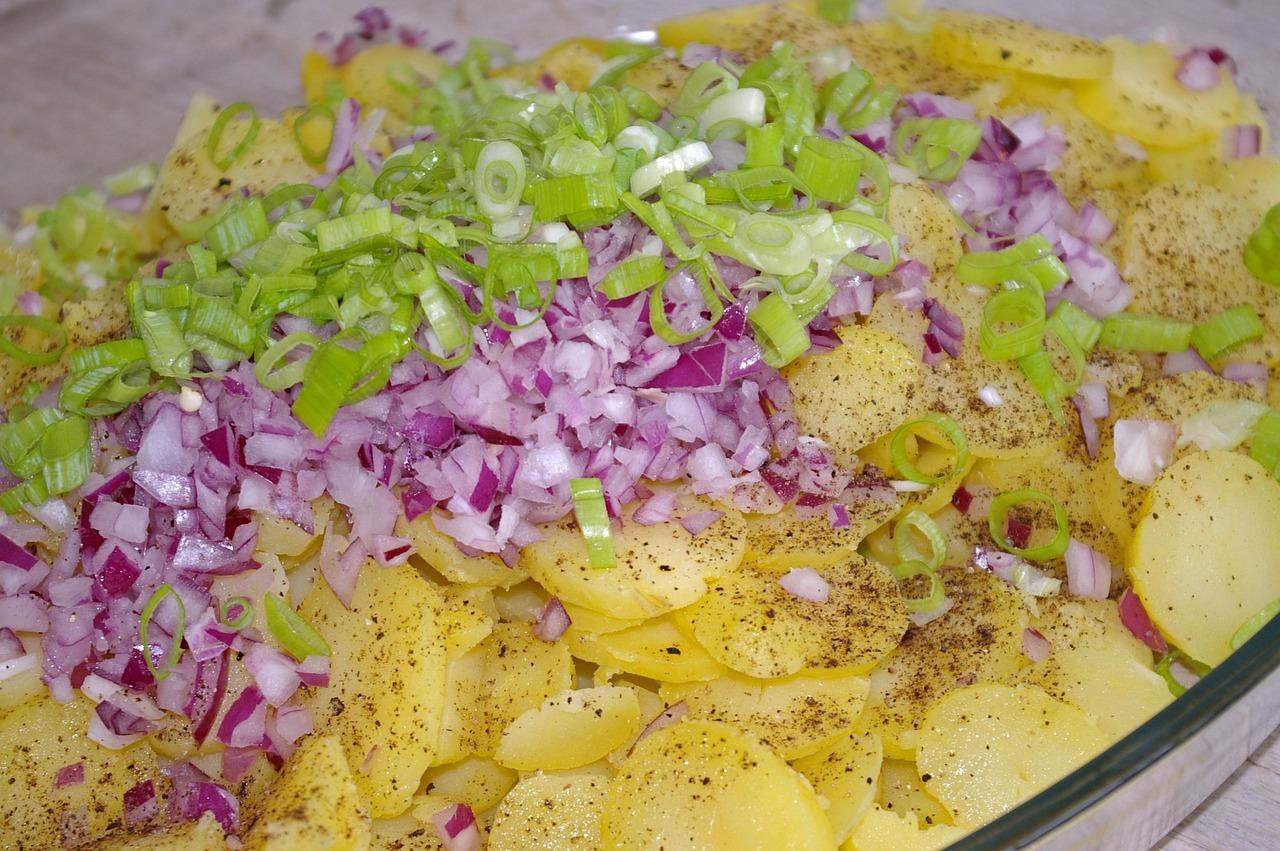
Nothing about salată orientală is particularly oriental; the name dates from interwar Bucharest, when olives and onion felt exotic on a potato salad. Today it is a fixture of student canteens, Lenten-season buffets and summer suppers on the balcony, served warm from the pot or cold from the fridge. Waxy potatoes are dressed while hot with sunflower oil and vinegar, then folded with red onion, black olives and quartered hard-boiled eggs, so it stays bright and sharp rather than creamy. A common mistake is overcooking the potatoes until they crumble; they should hold their cubes when tossed. Chef's tip: soak the sliced onion in cold salted water for 10 minutes to soften its bite while keeping the crunch.

by KrazyBadal 0 views

SaleegCreamy rice with roast chicken

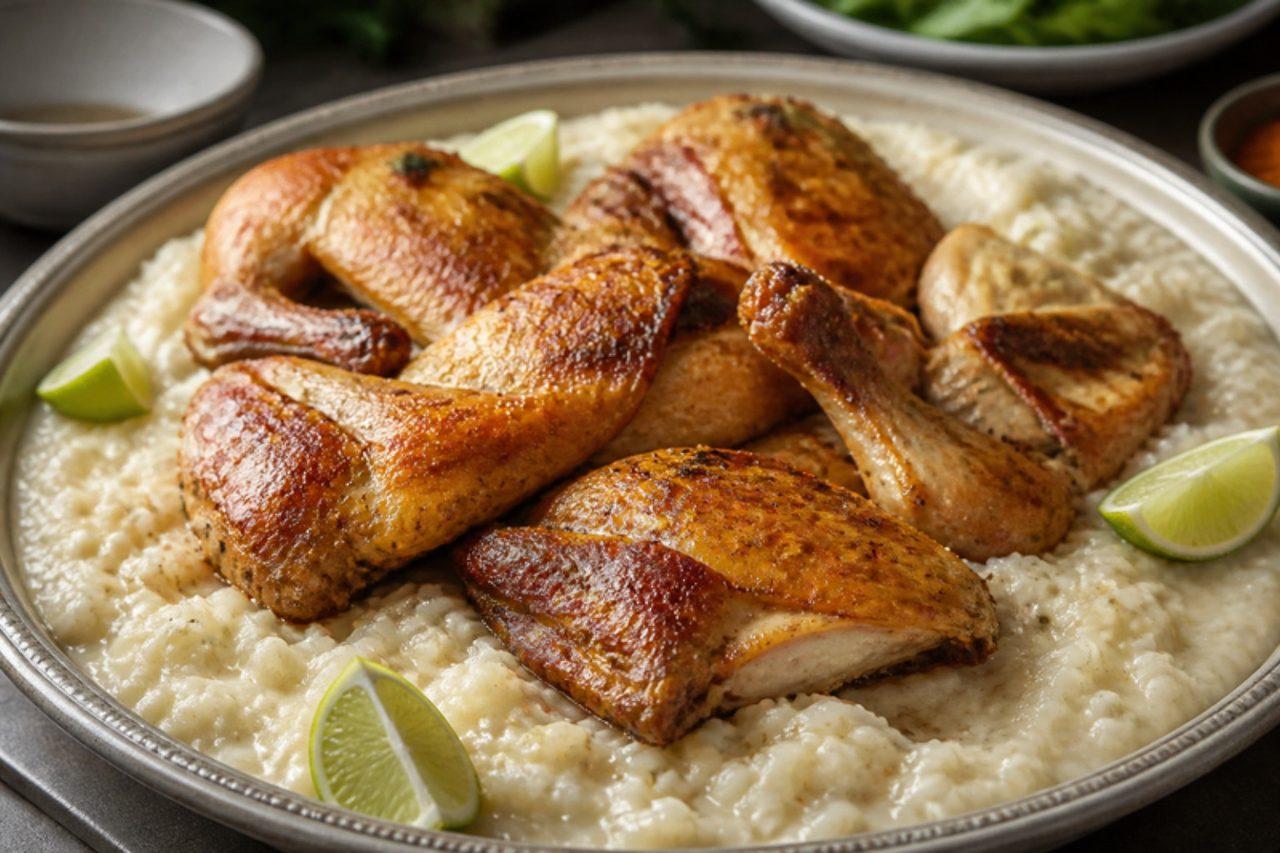
In Taif and the cities of the Hejaz in western Saudi Arabia, saleeg is what families cook when someone needs comforting, and it turns up on Friday lunch tables and at gatherings through the cooler months. Short-grain rice is simmered slowly in the broth the chicken was poached in, then loosened with milk until it is as soft and creamy as a savoury rice pudding. The chicken pieces are roasted until golden and laid on top, and a spoonful of hot ghee is poured into a well in the middle just before serving. Eat it with daqqus tomato sauce or a squeeze of lime and a plate of sliced cucumber. The usual mistake is to stop stirring once the milk goes in, so the rice catches on the base and tastes scorched. Chef's tip: keep a ladle of hot broth beside the pot and add it whenever the rice looks stiff; saleeg should slowly flow when you tilt the plate.

by KrazyBadal 0 views

Samak mofaChilli-rubbed roast fish

In Mukalla in Hadhramaut and along the Tihama coast of Yemen, samak mofa is slapped against the hot clay wall of a tannour oven, the same one used for bread, so the fish chars on the outside and steams in its own juices within. It is rubbed with a red paste of chilli, garlic, cumin and turmeric and eaten with hot flatbread, a squeeze of lime and a bowl of sahawiq chilli sauce. At home a very hot oven with the grill on gives the same blistered finish. The common mistake is using thin fillets, which dry out before they char. Chef's tip: choose a thick whole fish or thick steaks, and slash deep so the paste reaches the bone.

by KrazyBadal 0 views

Samay bajiBeaten rice festival platter

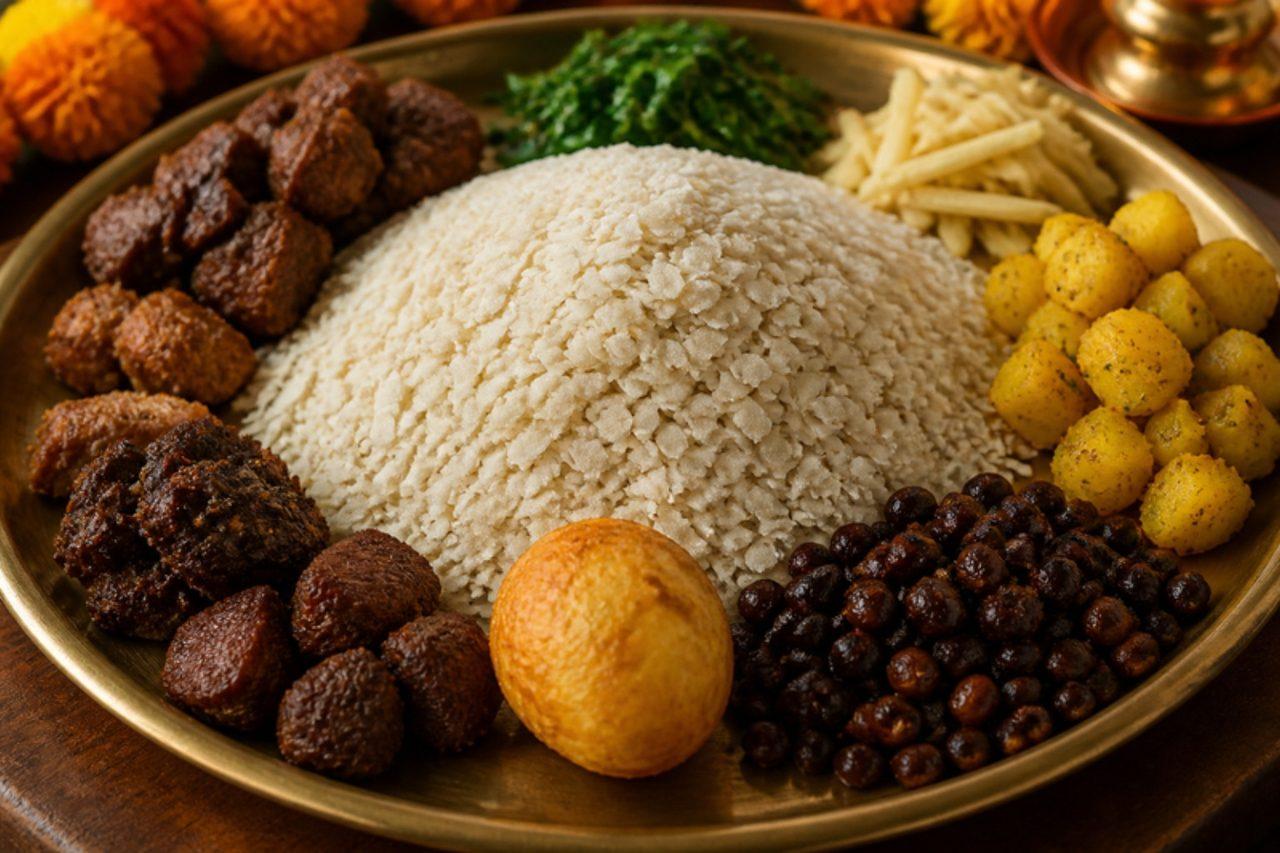
No Newari feast, puja or family gathering in Kathmandu, Patan or Bhaktapur is complete without samay baji, a ritual platter in which each item stands for something: a mound of crisp beaten rice (baji) surrounded by spiced grilled meat, a fried egg, crunchy roasted black soybeans, slivers of raw ginger, a sharp potato achar and greens. It is offered first to the gods at festivals such as Indra Jatra and then shared with the family, and it is the default snack-meal at any Newa celebration. The meat is traditionally buffalo; here chicken thighs make it easier, and for a vegetarian platter leave out the meat and egg and add a lentil bara. The pitfall to avoid is eating the soybeans underdone: raw soybeans are hard to digest and must be roasted until they crackle. Chef's tip: prepare the achar and soybeans first, since both can wait at room temperature while you grill the meat.

by KrazyBadal 0 views

Sambal goreng boontjesGreen beans in coconut sambal

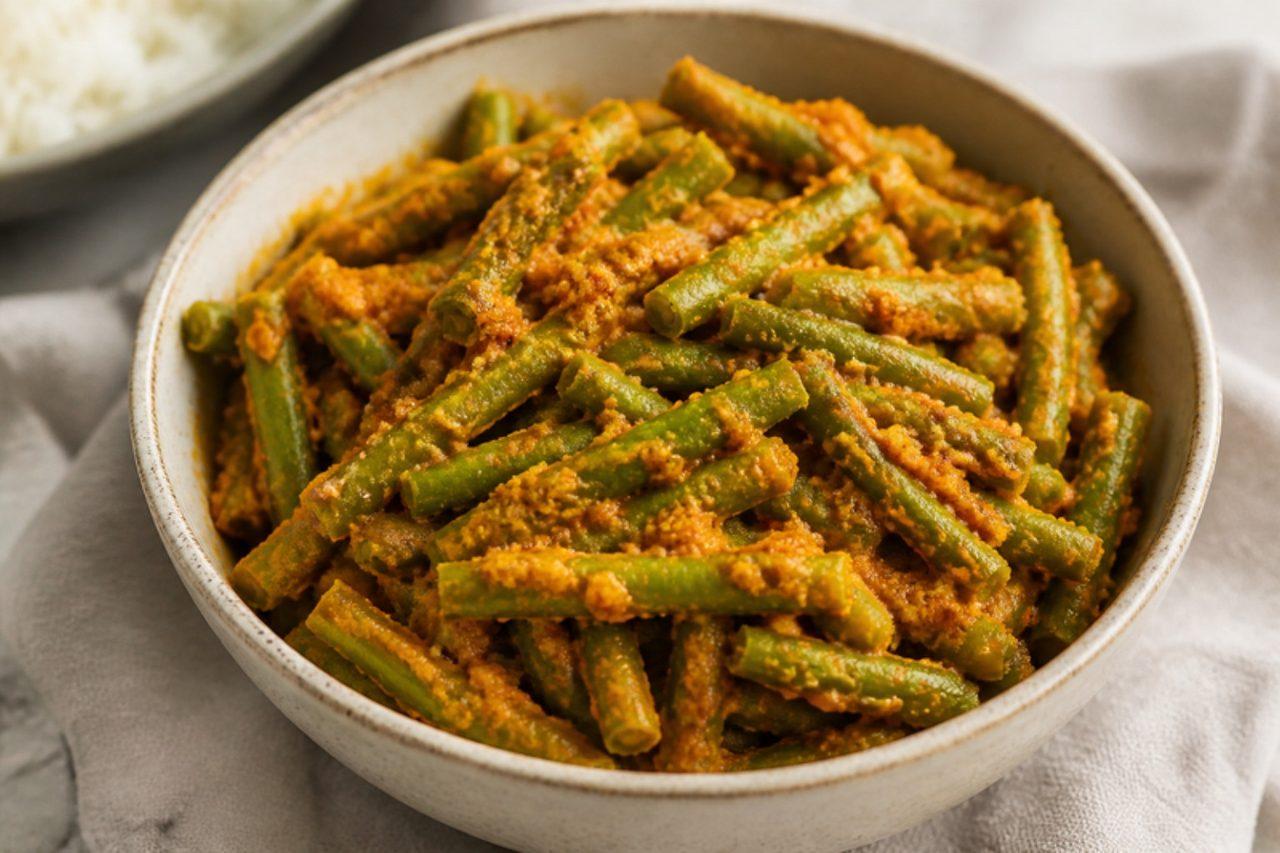
Sambal goreng boontjes is one of the most loved dishes in Dutch-Indonesian homes and toko takeaways: green beans fried in a spice paste of shallot, garlic, chilli and galangal, then simmered in coconut milk with lime leaves until just tender and coated in a rich, spicy, slightly sweet sauce. It is a regular part of a rijsttafel. Traditional versions include shrimp paste (trassi); this one is vegan. A common mistake is overcooking the beans until khaki. Chef's tip: fry the spice paste until the oil separates and it smells sweet, which takes the raw edge off the chilli and garlic.

by KrazyBadal 0 views

Doolsho (Somali cardamom sponge cake)

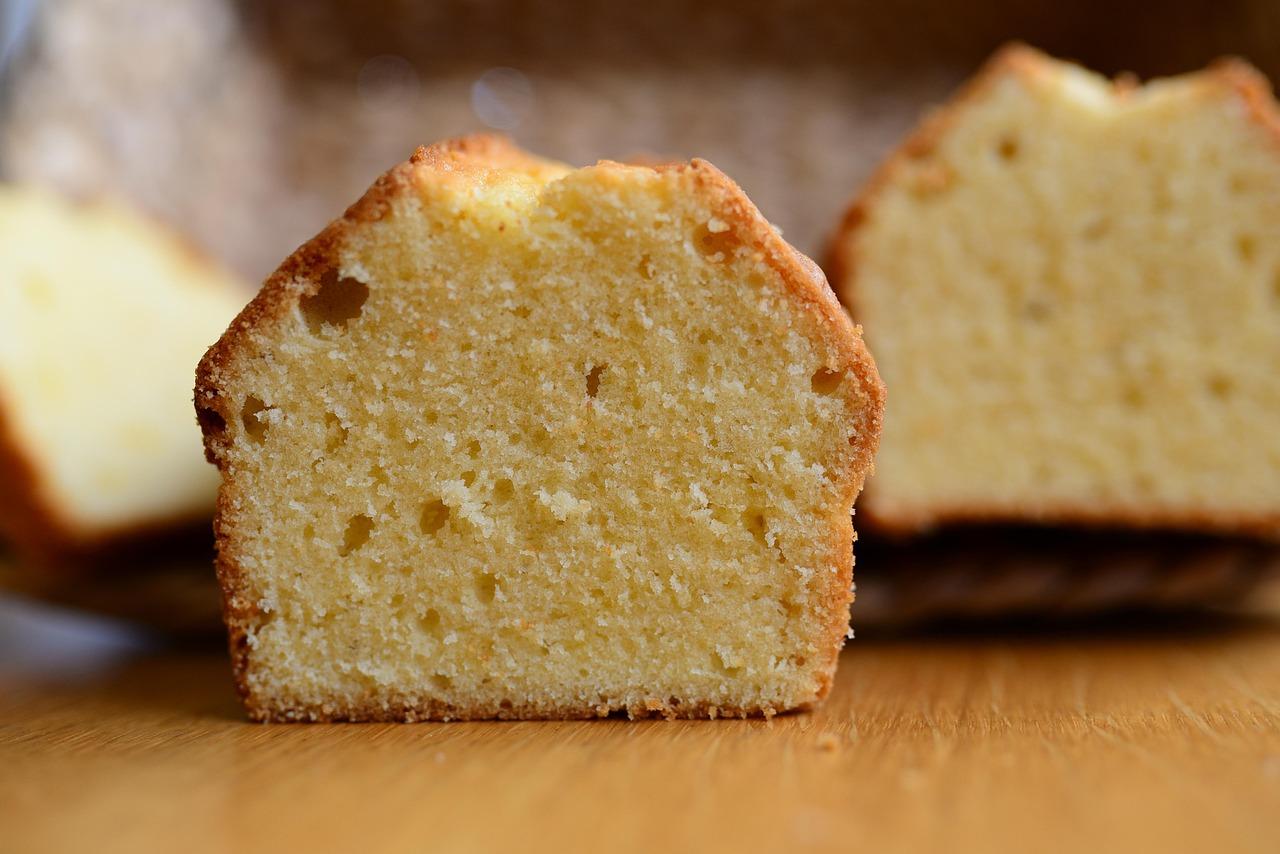
Ask a Somali host what goes with afternoon shaah and doolsho will be near the top of the list: a plain, airy sponge flavoured with cardamom and sometimes a little vanilla, baked in a tray and cut into generous squares. It turns up at Eid visits, weddings and family get-togethers, and is just as welcome at breakfast. The crumb should be fine and springy, never dense, which comes from whisking the eggs and sugar for a long time. Knocking the air out when the flour goes in is the mistake that ruins it; fold gently with a large spoon, in three goes, and stop as soon as no dry flour shows. Chef's tip: use eggs at room temperature; cold eggs never whip to the thick, pale ribbon that holds the cake up.

by KrazyBadal 0 views

Bitifoor (Sudanese Eid butter biscuits)

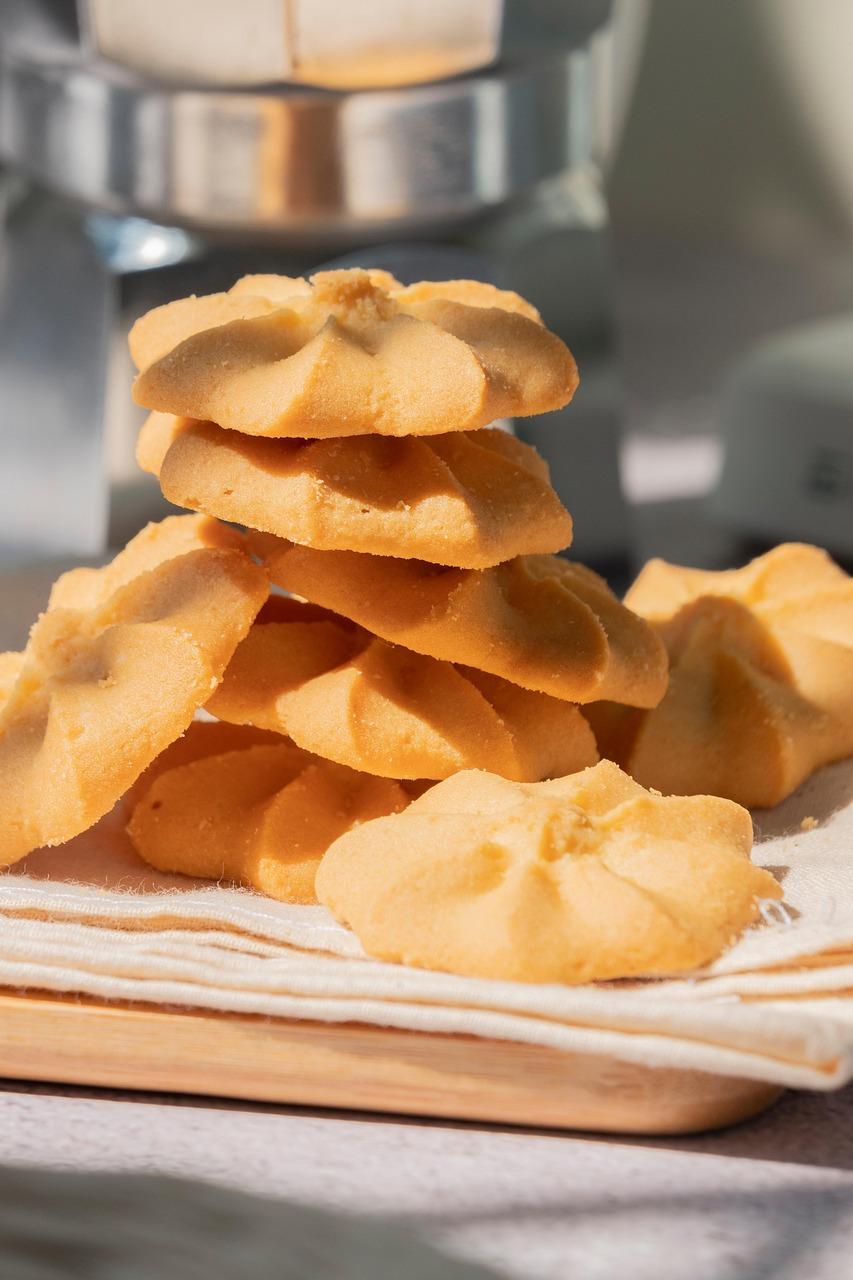
During the last days of Ramadan, Khartoum neighbourhoods smell of butter and vanilla as women bake bitifoor, the piped biscuits whose name comes from the French petit four, for the Eid visits that follow. They are piped into rosettes, fingers and swirls, sometimes topped with a piece of glacé cherry or dipped in chocolate, and arranged on platters with ka'ak and sweets for guests. The texture is melt-in-the-mouth, short and delicate. Over-soft butter is the classic mistake, giving biscuits that spread into flat puddles; use butter soft enough to dent, not oily, and chill the piped trays for 15 minutes. Chef's tip: a little cornflour in the flour keeps them extra tender and crisp.

by KrazyBadal 0 views

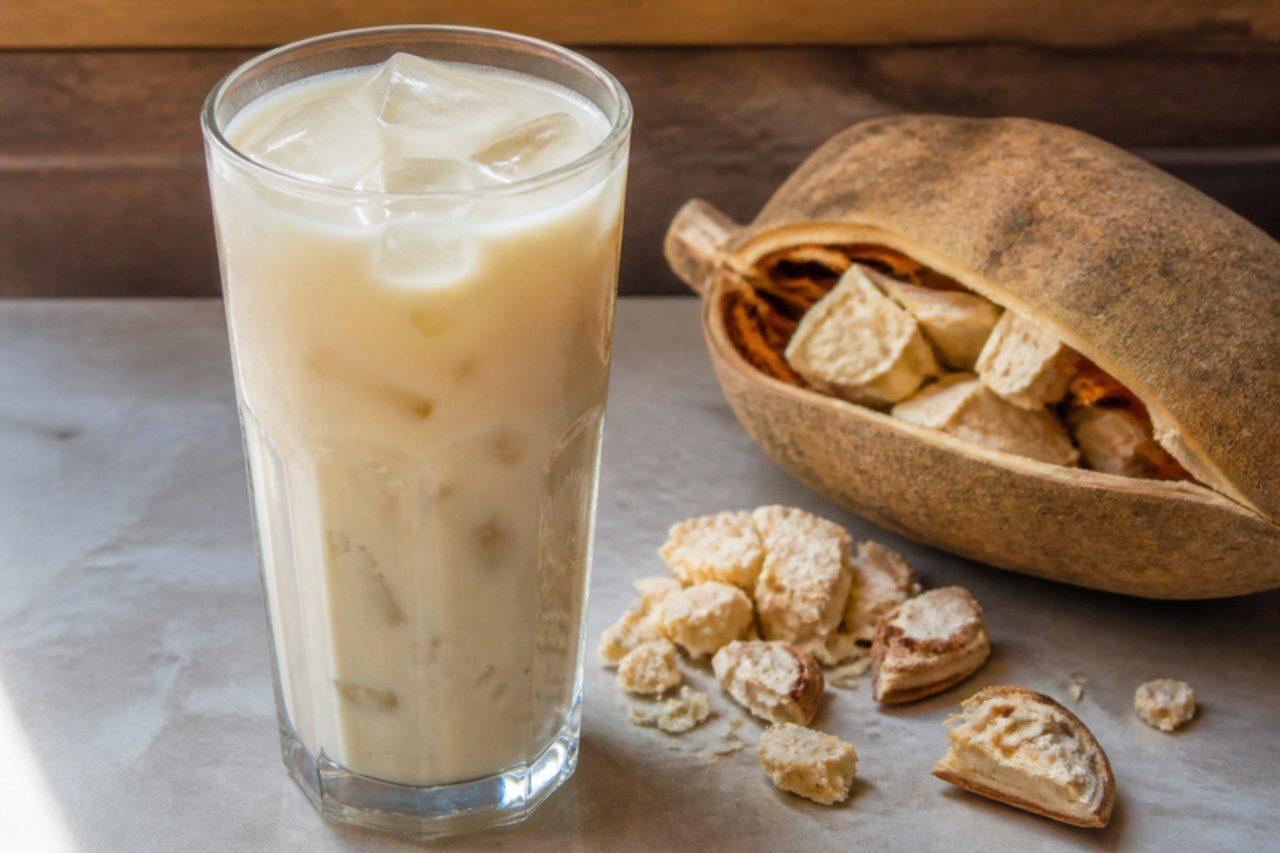
Tabaldi (Sudanese baobab drink)

The great baobab trees of Kordofan and Darfur drop hard pods full of chalky, cream-coloured pulp, and Sudanese cooks soak it in water to make tabaldi, a thick, milky-looking drink with a sherbet-like tang. It is sold from big cool-boxes in Khartoum markets in summer, served at weddings, and appears on the iftar table during Ramadan. Fresh pulp pieces with seeds are sold in African and Middle Eastern shops; baobab powder is a good substitute and needs no straining. Leave the drink to soak for an hour in the fridge before straining (soaking time is not counted in the total). The usual mistake is blending the seeds, which makes the drink bitter; rub the pulp off by hand instead. Chef's tip: a few drops of rose water or a pinch of ground cardamom makes it feel festive.

by KrazyBadal 0 views

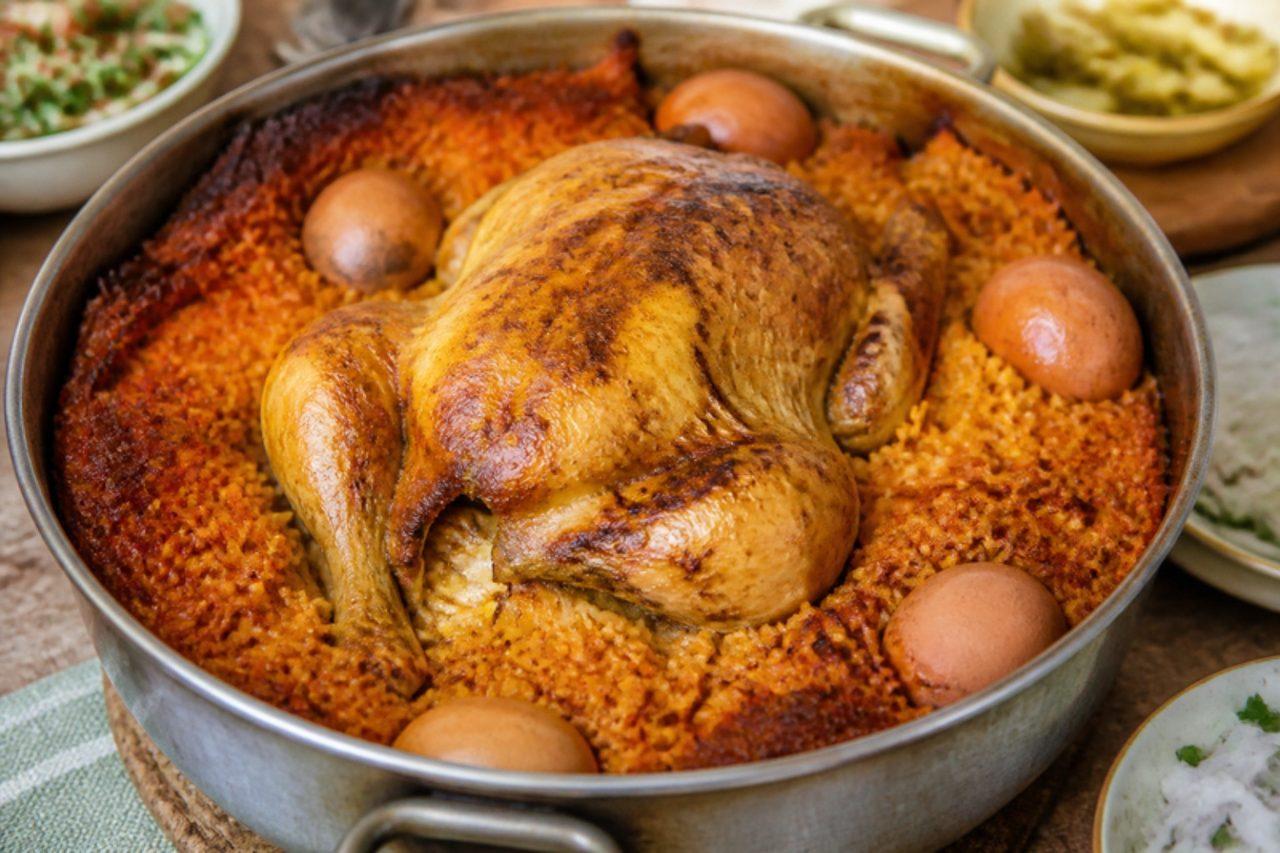
TbitOvernight chicken and rice

Tbit was the Saturday lunch of the Baghdadi Jewish community, set on a low flame before sunset on Friday so it could cook through the Sabbath without anyone touching it, and Iraqi families in Ramat Gan, Givatayim and Or Yehuda still lift the lid on it after synagogue. A whole chicken is stuffed with rice spiced with cardamom, cinnamon and baharat, then sunk in more rice and tomato and baked slowly for many hours, until the meat falls from the bone and the rice at the bottom turns into a crisp, caramelised crust everyone fights over. Eggs in their shells are often buried in the pot to brown overnight. The usual mistake is too little water: overnight rice soaks up a lot, so check the level before it goes in. Chef's tip: brown the chicken in the pot first; the fond flavours all the rice.

by KrazyBadal 0 views

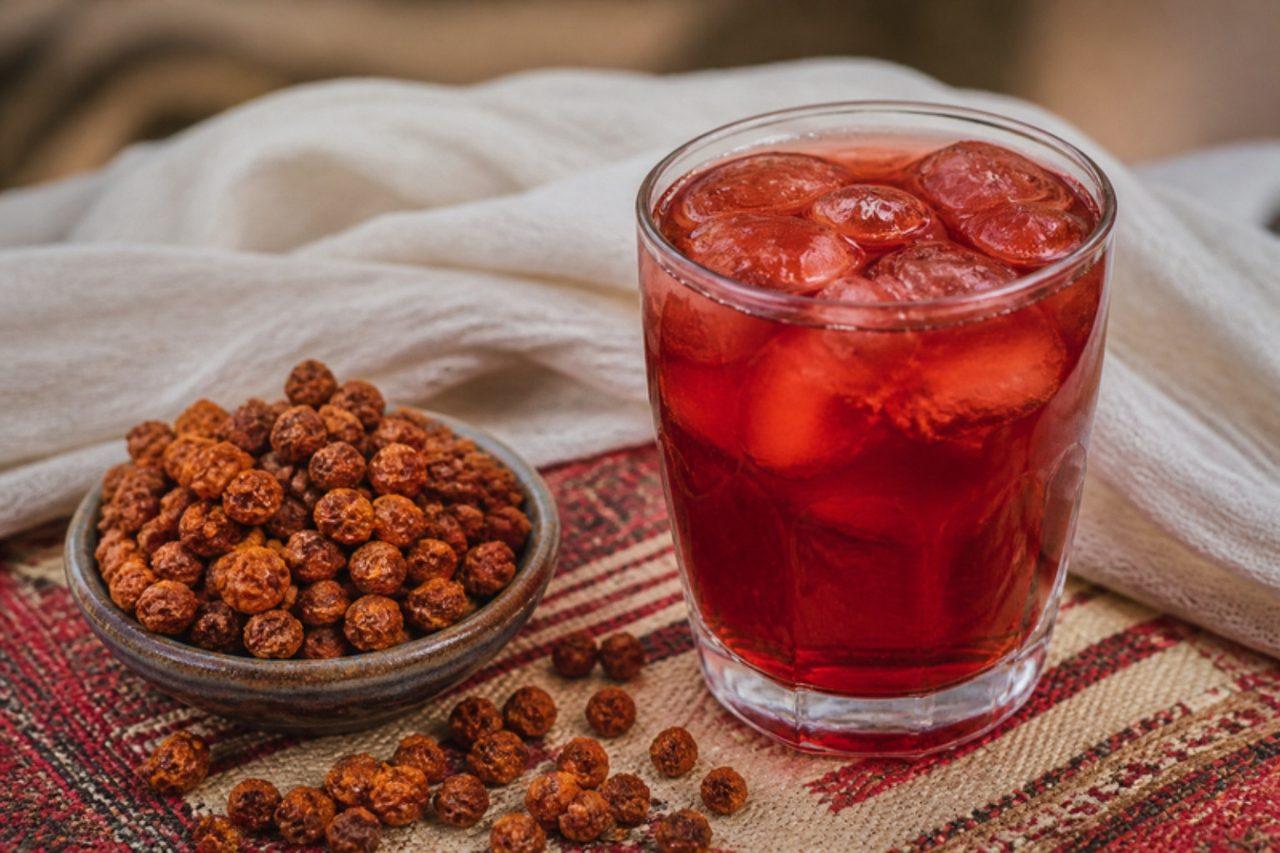
Guddaim (Sudanese grewia berry drink)

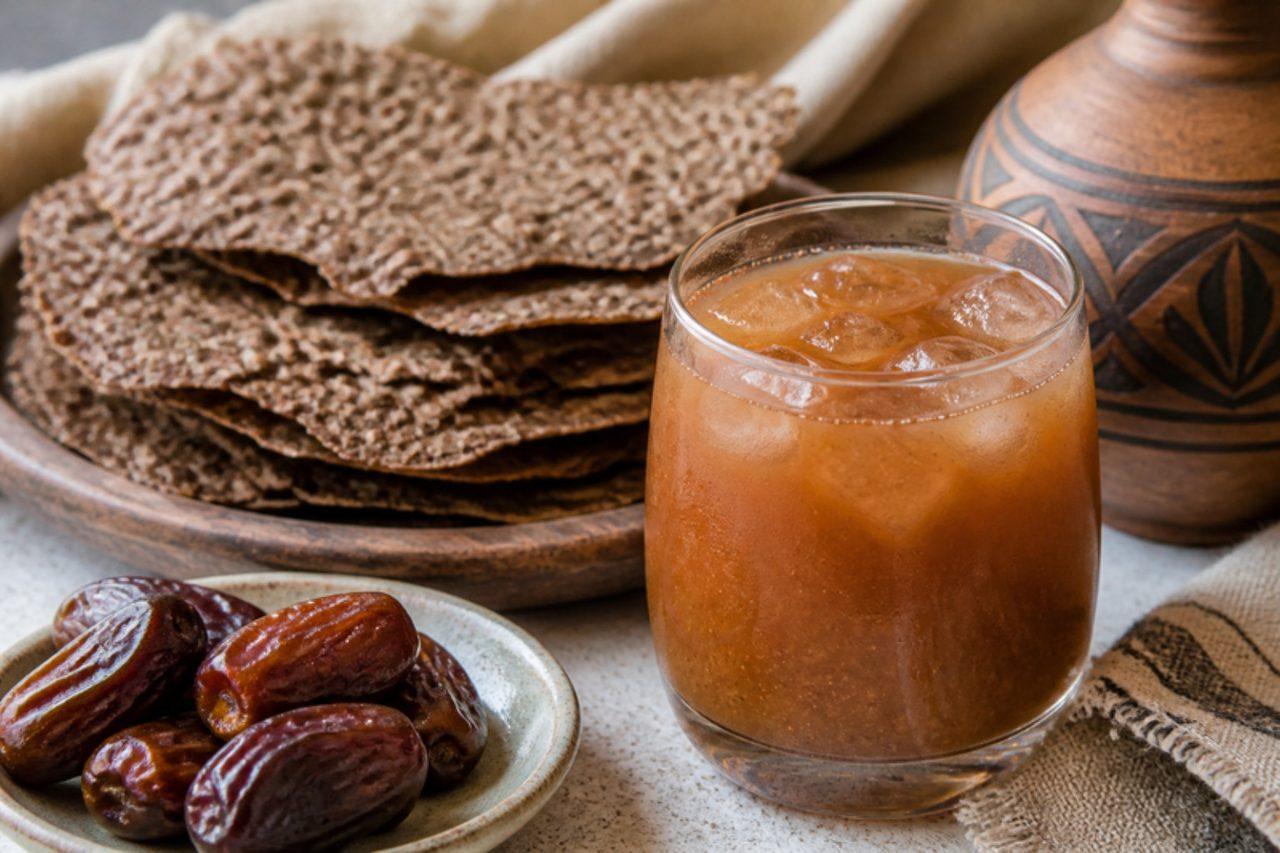
Small, round guddaim berries, the fruit of a wild grewia shrub that grows across Kordofan and Darfur, are dried and sold by the cupful in Sudanese markets. Soaked in water and rubbed off their stones, they give a cloudy reddish-brown drink that tastes a little like dates and sour cherries, with a pleasantly sharp finish. It is drunk ice-cold in the heat of the day, at iftar and to welcome guests. Look for dried guddaim in Sudanese or East African shops. If you cannot find it, a mix of 150 g pitted dates and 50 g tamarind pulp soaked the same way gives a similar sweet-sour drink, though not the same. Rubbing too hard and breaking the stones is the usual mistake, as it clouds the drink with grit; rub gently. Chef's tip: soak the berries in cool water overnight in the fridge for the fullest flavour.

by KrazyBadal 0 views

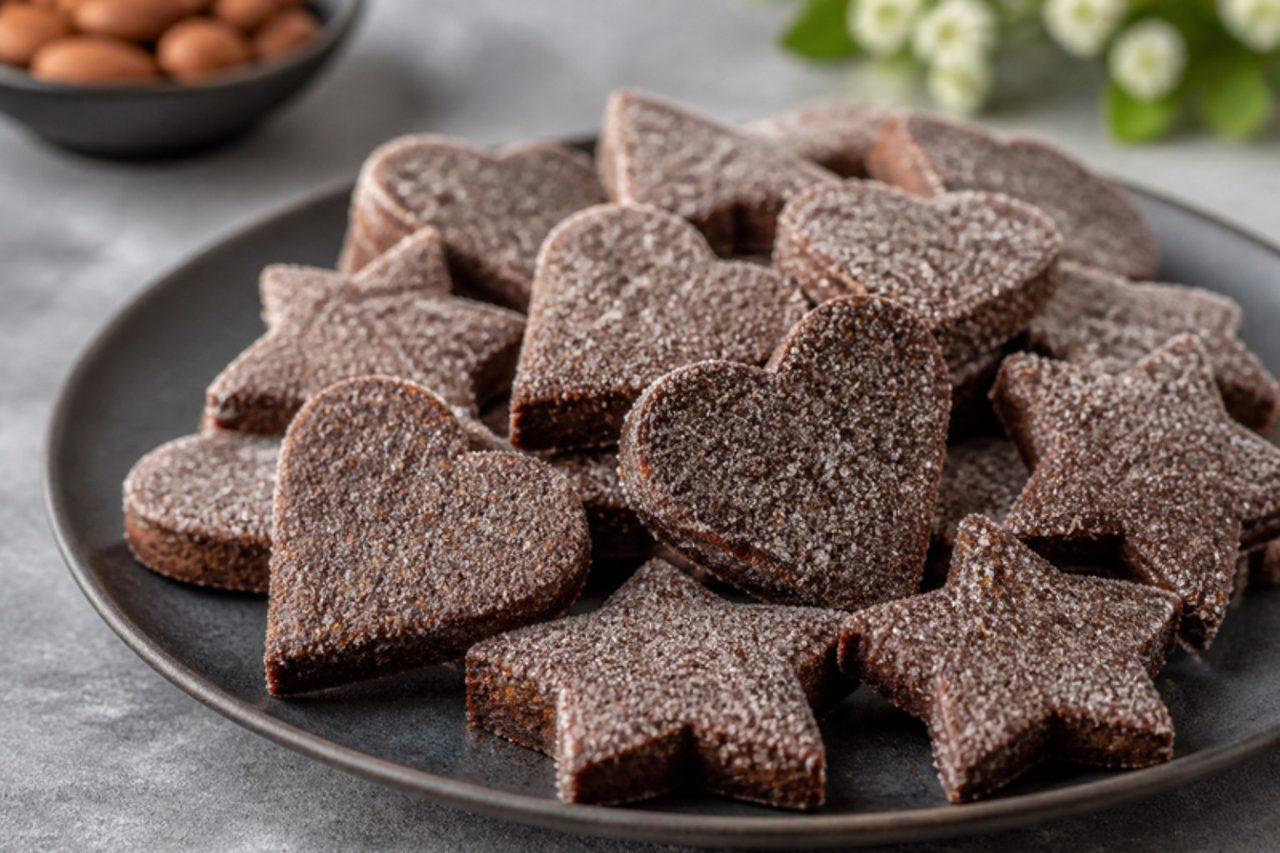
BrunsliChocolate almond biscuits

Brunsli are the dark, chewy Christmas biscuits of Basel, one of the 'Basler Weihnachtsguetzli' along with Läckerli and Zimtsterne: ground almonds, sugar, dark chocolate, cinnamon and cloves bound with egg white, rolled out on sugar and cut into hearts, stars and clovers, then dried overnight and baked briefly so they stay soft inside. They are flourless. A common mistake is baking them too long, which turns them hard. Chef's tip: leave the cut shapes to dry overnight at room temperature; they form a thin crust and keep their sharp shape in the oven. Use a dairy-free chocolate to keep them dairy-free.

by KrazyBadal 0 views

Aradeib (Sudanese tamarind drink)

Tamarind trees shade villages throughout Darfur and Kordofan, and their sticky brown pods become aradeib, one of the best-loved Sudanese cold drinks. The pulp is soaked, rubbed and strained, then sweetened to make a deep amber, puckeringly sour drink that cuts through rich food and is much loved at iftar through Ramadan. It is also drunk as a home remedy for upset stomachs and heat. Seedy block tamarind from any Asian or African shop works perfectly. Pouring boiling water straight onto the pulp and leaving it too long draws out a harsh, tannic edge, so use hot rather than boiling water and strain after an hour. Avoid squeezing the soaked tamarind through a cloth too hard; fibres get through and make the drink cloudy and gritty. Chef's tip: make a concentrate and keep it in the fridge for up to a week; dilute with cold water by the glass.

by KrazyBadal 0 views

Madeeda (Sudanese warm millet and milk drink)

Thick enough to sip slowly from a glass but thinner than porridge, madeeda is a warming drink from northern Sudan made by cooking flour, often pearl millet, in milk and sweetening it with sugar or dates. Families make it on cool winter mornings, for anyone feeling under the weather and for new mothers, and it is a gentle way to break the fast in Ramadan. This version uses millet flour with cardamom and a little cinnamon, so it is smooth, nutty and lightly spiced. Lumps are the usual problem: whisk the flour into cold milk before it goes onto the heat. A frequent slip is not stirring enough, so the millet catches and the milk scorches. Chef's tip: for a date version, blitz 6 soft pitted dates with the milk and halve the sugar.

by KrazyBadal 0 views

SargyangmaPork blood sausage

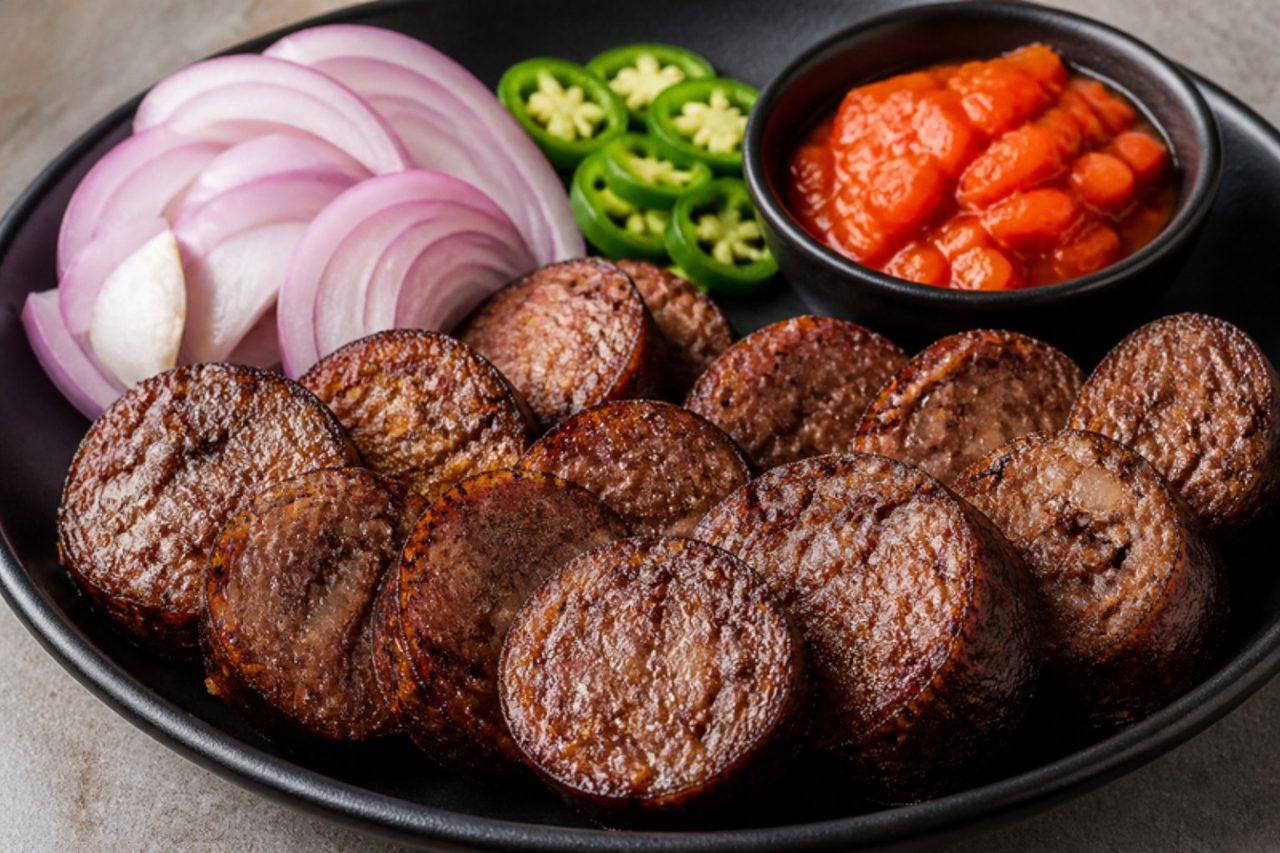
This is a pork dish: sargyangma is the blood sausage of the Limbu people of Taplejung, Panchthar and the eastern hills, made at Chasok Tangnam, weddings and whenever a pig is killed for a family celebration. Fresh pork blood is mixed with diced pork fat, rice, ginger, garlic, chilli and timur, stuffed into pork intestine, gently boiled and then sliced and fried until crisp-edged, and it is eaten hot with a tomato and timur achar or simply with rice. At home, buy fresh or frozen pork blood and natural hog casings only from a licensed butcher, keep both chilled, and cook the sausage until a thermometer in the centre reads 71 °C. The trap is boiling the water hard, which bursts the casings; it should barely simmer. Chef's tip: prick the sausages with a needle as they rise in the pot, and when the liquid that comes out is clear brown, not red, they are nearly done.

120 minNepaliMeatGluten free
by KrazyBadal 0 views

Hilu-mur (Sudanese spiced sorghum Ramadan drink)

Weeks before Ramadan, households across Sudan fill with the smell of hilu-mur, literally 'sweet-bitter', as sorghum is sprouted, dried, ground and mixed with flour, dates and a heady spice blend, left to sour for a day, then spread paper-thin on a hot griddle into brittle reddish-brown flakes. Each evening during the month a handful is soaked in water, strained and sweetened, giving the dark, tangy, clove-and-ginger-scented drink that breaks the fast. The souring is short, like a sourdough, and the flakes are cooked dry; the drink is non-alcoholic and served to the whole family. The full process takes about 5 days: 3 days to sprout, 1 to dry and a night to sour, so only active and cooking time are in the totals. Many people buy ready-made flakes from Sudanese shops. Discard any grain that smells musty or shows mould while sprouting. The usual mistake is pouring the batter too thick on the griddle; the flakes should be paper-thin to dry crisp. Chef's tip: spread the batter as thinly as you can; thick flakes stay chewy and go mouldy in storage.

by KrazyBadal 0 views

Kamounia (Sudanese cumin offal stew)

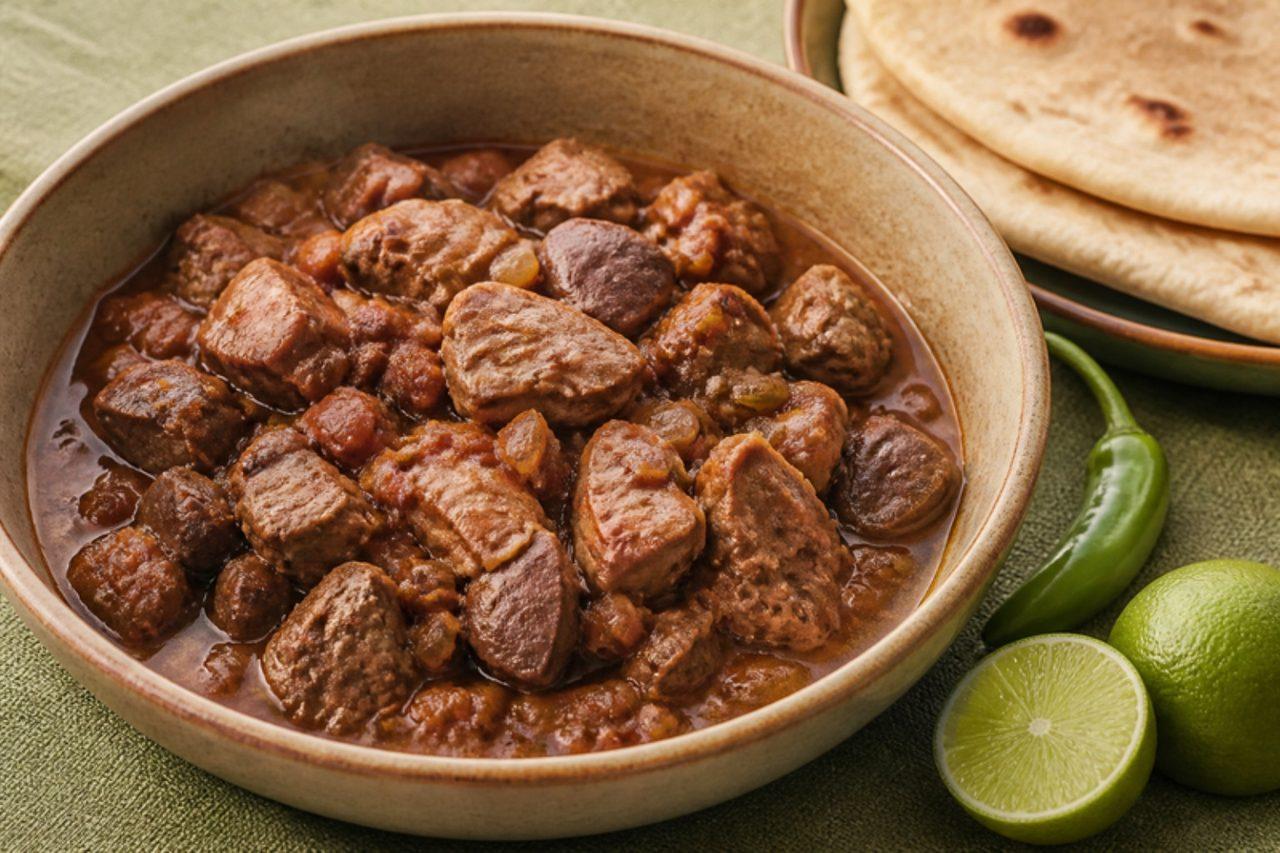
Named after kammoun, cumin, this Sudanese stew of lamb offal is a Khartoum favourite after Eid al-Adha, when every household has fresh heart, kidneys and liver from the sacrifice, and it is also sold in restaurants for breakfast and lunch. The meat is cooked with lots of onion, garlic, tomato and a heavy hand of cumin until the sauce is thick and dark and smells wonderful. It is eaten with bread or kisra and a squeeze of lime. Putting the liver in with the heart is the classic mistake: liver turns grainy and dry when overcooked, so add it only in the last 10 minutes. Chef's tip: toast whole cumin seeds in a dry pan and grind them yourself; the flavour is twice as strong.

by KrazyBadal 0 views

SatsebeliFresh tomato sauce

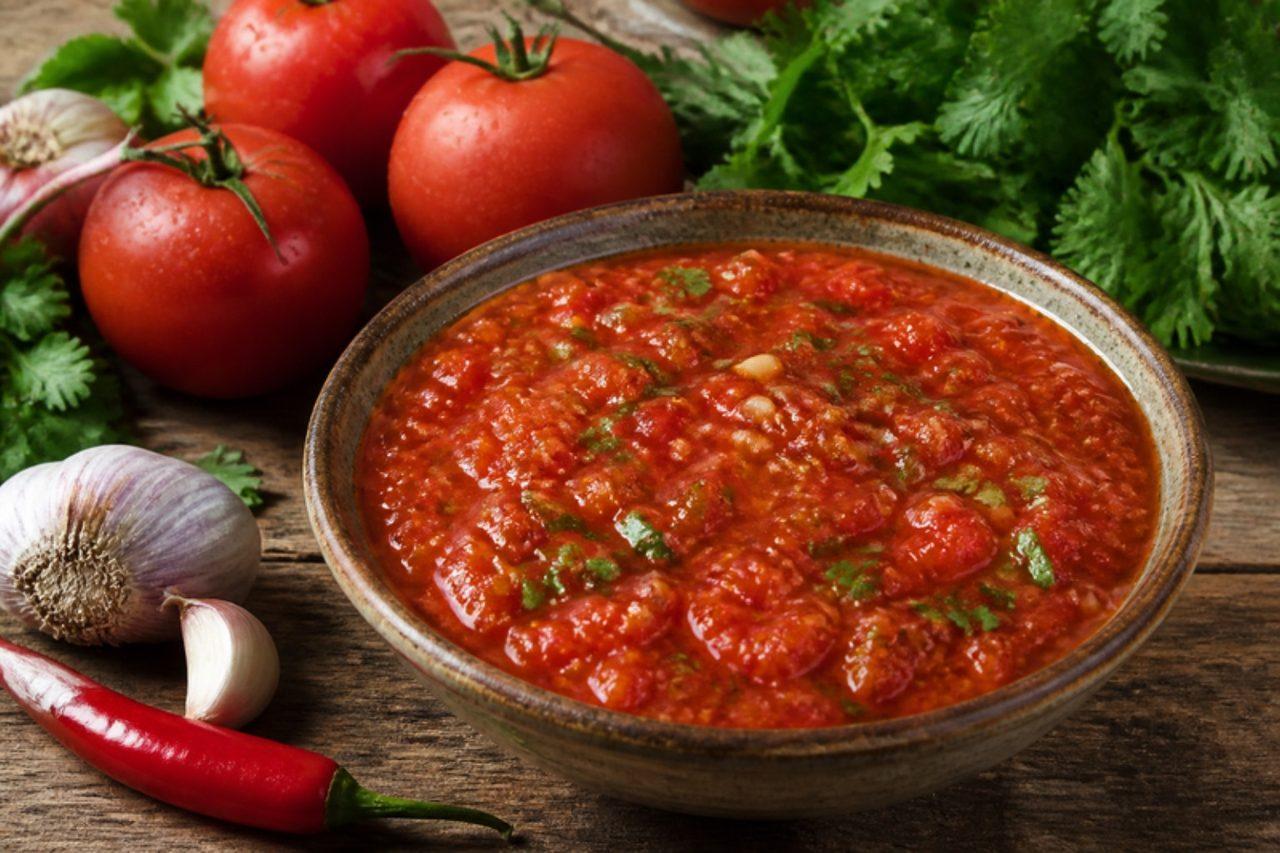
Satsebeli is the uncooked tomato sauce that comes beside mtsvadi skewers at every summer barbecue in Kakheti, and beside khinkali in Tbilisi taverns: very ripe tomatoes, rubbed to a pulp, then sharpened with garlic, hot pepper and a fistful of herbs. It should taste bright, fresh and a little fiery. A common mistake is blending it smooth, which makes it frothy and pale; Georgian cooks grate or chop by hand so it keeps some texture. Chef's tip: make it no more than an hour before eating; the herbs darken and the garlic grows harsh if it sits overnight.

by KrazyBadal 0 views

SbitenHot honey and spice drink

Long before tea reached Russia, street sellers wrapped in shawls carried copper urns of sbiten through winter markets, pouring steaming glasses of spiced honey water for traders and coachmen. It comes back every Maslenitsa at fairs in Moscow and Suzdal, drunk beside blini. The taste is warming and sweet, with the bite of ginger, a bitter edge of bay and clove, and a resinous note from St John's wort or mint. Where most people go wrong is boiling the honey hard, which dulls its perfume; simmer the spices first and dissolve the honey off the boil. Honey should not be given to babies under one year old. Chef's tip: make the spiced base ahead and keep it in the fridge, then reheat a glass at a time and finish with a squeeze of lemon.

by KrazyBadal 0 views

BataSoft sticky rice

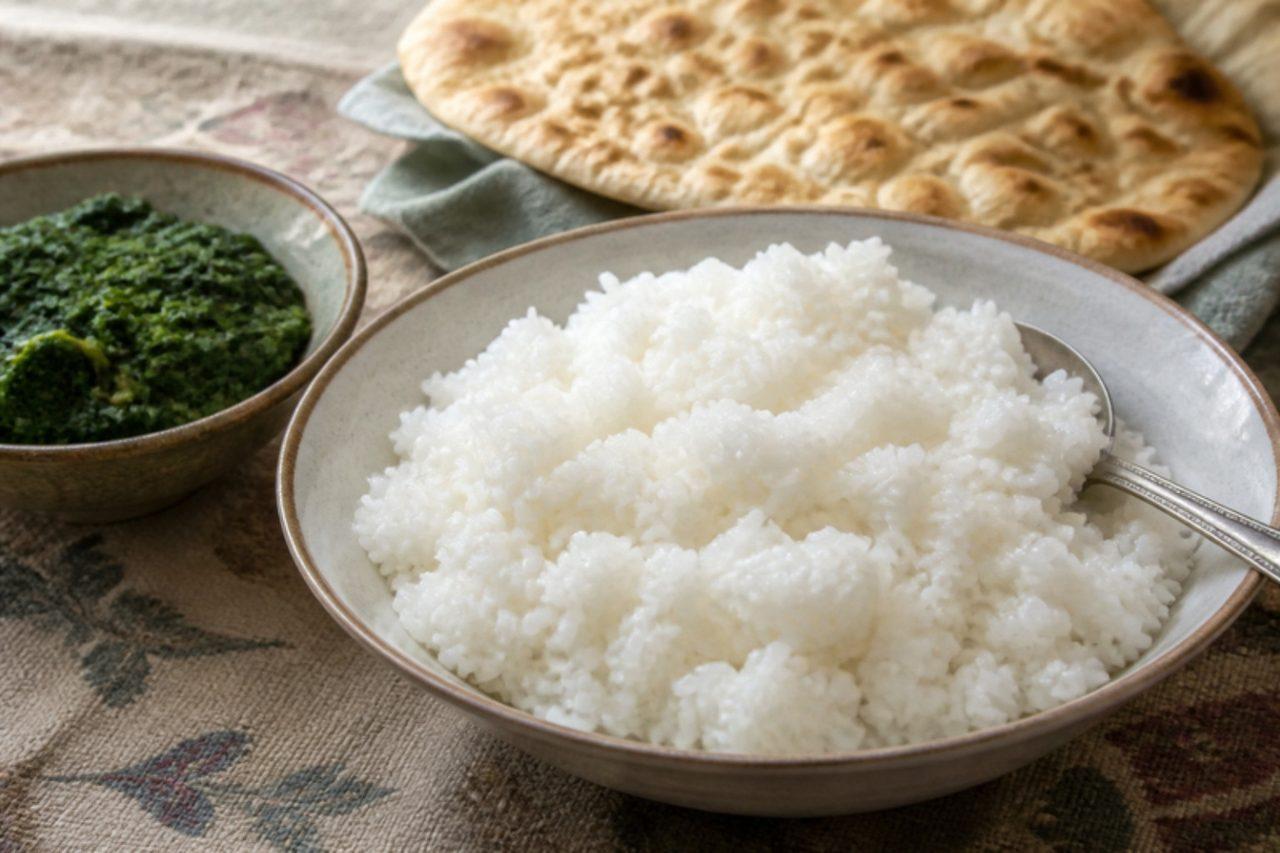
Long-grain palaw gets the glory at weddings, but on ordinary days in Herat and Kabul it is often bata that comes to the table: short-grain rice cooked until the grains burst and cling together in a glossy, gently salted mass. Its job is to sit beside something saucy, typically a qorma or sabzi, the dark, garlicky spinach, and to soak up every bit of it; children often eat it with just a spoonful of yogurt. It needs no spices at all. Rice that is drained or rinsed until the water runs clear will never go properly sticky, so rinse it once and cook it in a measured amount of water. Chef's tip: finish it under a lid wrapped in a tea towel on the lowest heat, which catches the drips of steam and keeps the top soft instead of wet.

by KrazyBadal 0 views

Seeni sambolCaramelised onion relish

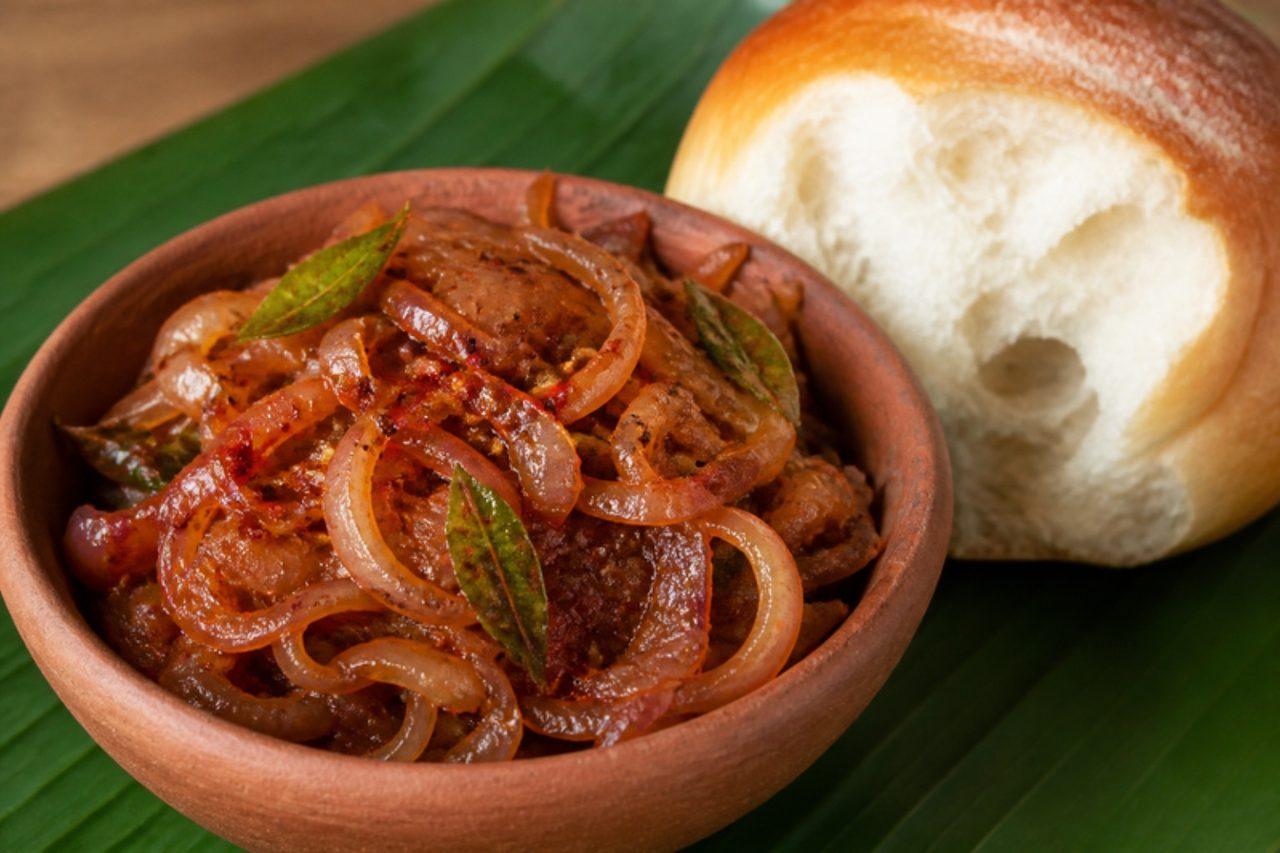
Seeni means sugar in Sinhala, yet this dark, sticky relish is as much about chilli and sour tamarind as it is about sweetness. A whole kilo of red onions cooks down to a couple of jars' worth, and in Colombo it turns up everywhere: stuffed into soft bakery buns, spooned into plain hoppers, layered on kiri bath at New Year and folded into the lamprais parcel. Most households pound a handful of Maldive fish flakes into it for a smoky, savoury depth; this version leaves the fish out so it is fully vegan, and the long, patient browning gives it plenty of body anyway. Heat is the thing people get wrong: onions pushed on a high flame scorch at the edges before they ever turn sweet, so keep the pan at medium-low and give it time. Chef's tip: slice the onions as evenly as you can, about 3 mm thick, so they collapse at the same rate and the sambol ends up glossy rather than half-crisp, half-raw.

by KrazyBadal 0 views

Sharmout (Sudanese dried beef, oven method)

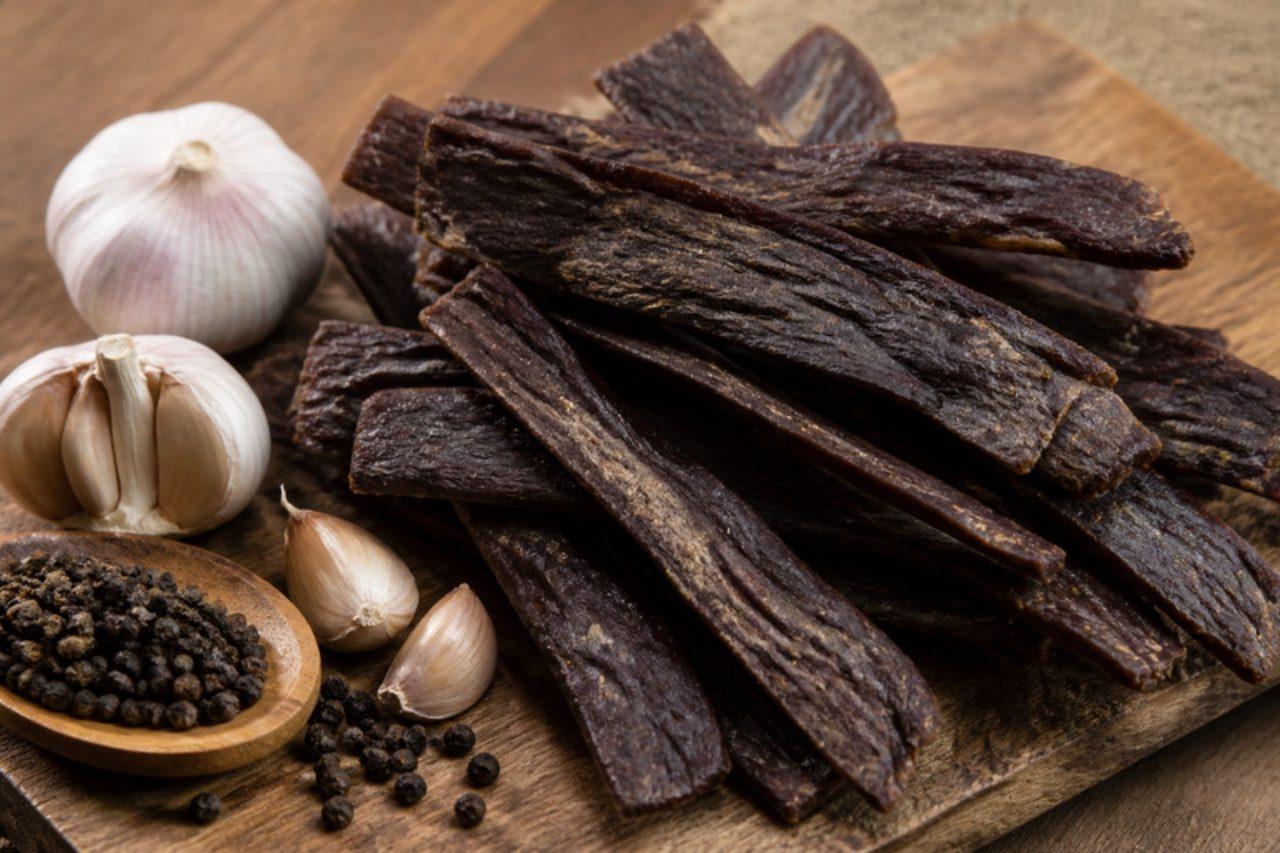
Across Darfur and Kordofan, and in kitchens throughout Sudan around Eid al-Adha, strips of lean beef are salted and hung to dry in the hot, dry air for several days until they turn hard and dark. That sharmout is then pounded and fried with onion to give tagalia, kawal and other stews their rich, savoury depth. Air-drying raw meat at home is risky, so this safer version heats the strips to 71 °C first and then dries them slowly in a low oven, and the finished sharmout is kept in the fridge. The traditional raw air-dried version is not for pregnant women, young children or anyone with a weakened immune system. Leaving fat on the strips is the usual mistake: fat does not dry and turns rancid, so trim every bit. Chef's tip: partly freeze the beef so you can slice it into even 5 mm strips along the grain.

by KrazyBadal 0 views

Leek keftesLeek and potato patties

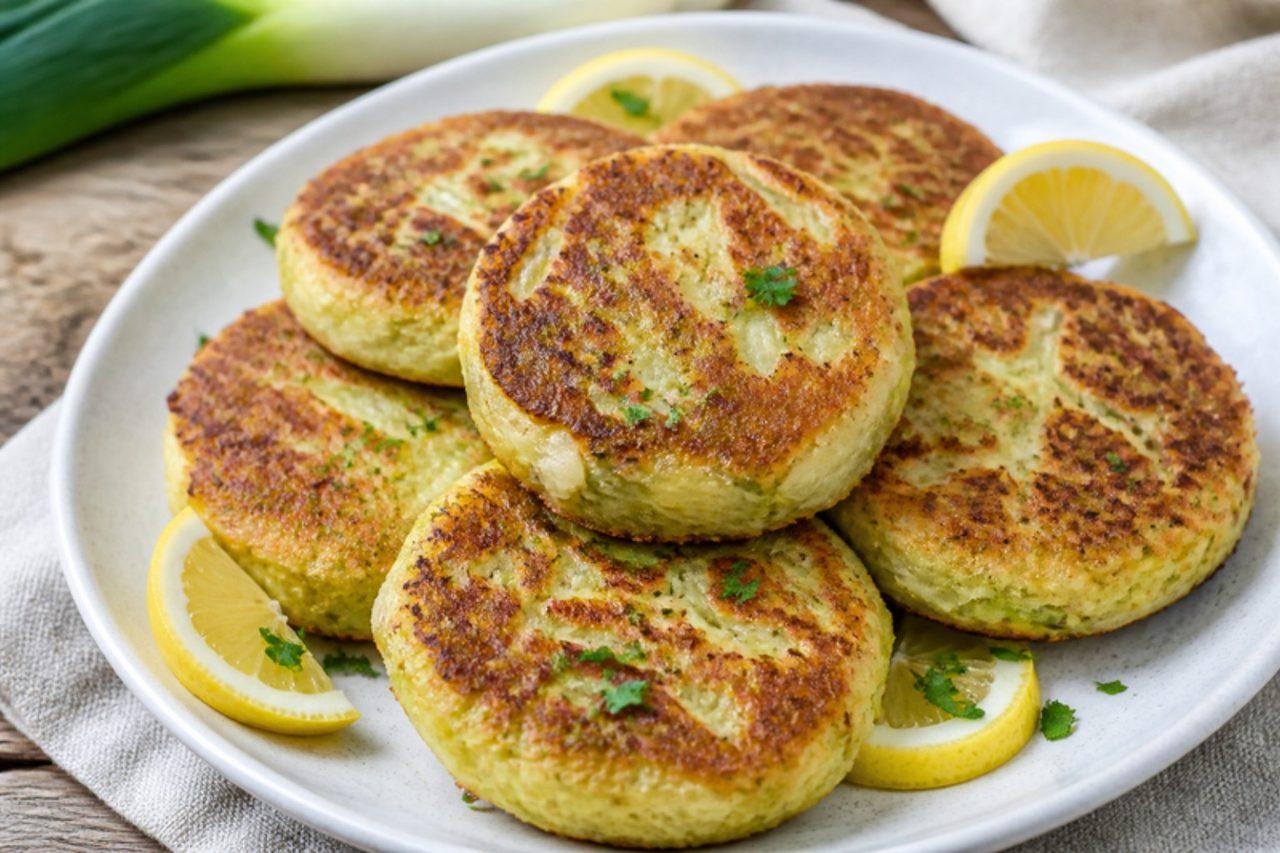
For Rosh Hashanah, Sephardic Jews from Turkey and the Balkans eat leeks as one of the symbolic foods of the new year, and in Bat Yam and Jaffa the favourite way is keftes de prasa: tender patties of leek and mashed potato bound with egg and fried golden. They also come back for Hanukkah and Passover (made with matzo meal). Crisp outside, soft and sweet with leek inside, they are served with a squeeze of lemon and a cucumber salad. The mistake is leaving the cooked leeks wet, which makes the patties fall apart in the oil. Chef's tip: squeeze the boiled leeks in a tea towel until no more water drips; the drier they are, the crispier the keftes.

by KrazyBadal 0 views

ShangiPotato and sour cream buns

From the Urals across to Siberia, shangi turn up on Sunday breakfast tables, at village markets and in the lunch bags of fishermen and hunters. They are flat rounds of soft yeast dough topped, not filled, with a thick swirl of buttery mashed potato beaten with egg, then brushed with sour cream so the top bakes into golden, slightly crisp peaks. Eat them warm with tea, milk or a bowl of mushroom soup. Older northern versions used barley dough or a millet topping, and sweet shangi carry tvorog instead. The usual slip is spreading the potato right to the edge; leave a rim so the dough rises around it like a frame. Chef's tip: brush the baked shangi with melted butter and stack them in a covered pot for ten minutes, which keeps them soft the way Siberians like them.

by KrazyBadal 0 views

Sharena solSavory and paprika coloured salt

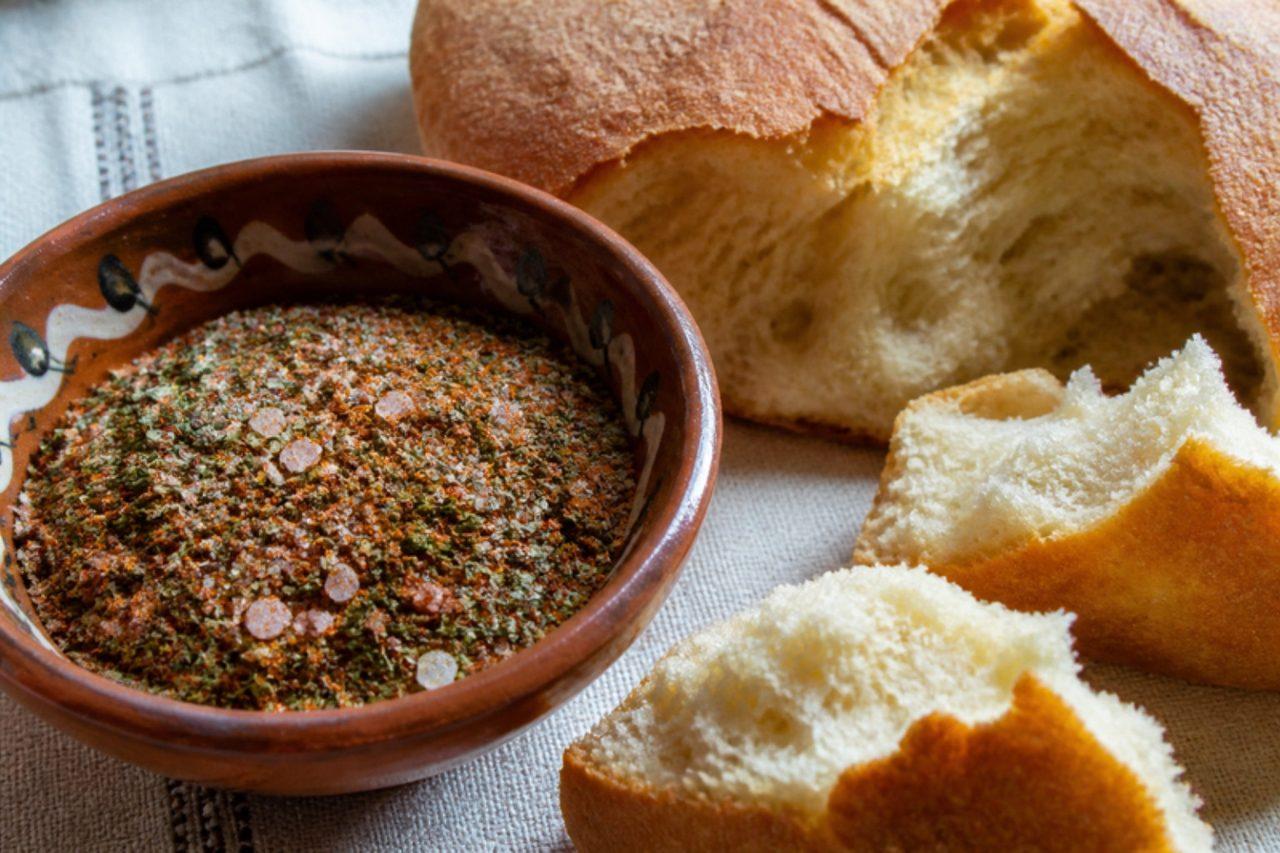
Every Bulgarian kitchen has a jar of sharena sol, 'mottled salt', and every guest knows the ritual: tear a piece of warm bread, dip it in sunflower oil or a dab of butter, then press it into the salt. The blend is earthy and herbal from summer savory (chubritsa), mellow and sweet from paprika, with a faintly maple-like warmth from blue or common fenugreek. It also goes on boiled eggs, grilled vegetables, potatoes and tomato salads. Village grandmothers in the mountains each have their own mix, sometimes with dried thyme or toasted pumpkin seeds. The usual slip is buying ready-ground old paprika, which tastes dusty and turns brown; use fresh, bright red paprika and keep the jar out of the sun. Chef's tip: toast the fenugreek seeds in a dry pan just until they smell of caramel before grinding them; a few seconds too long and they turn bitter.

by KrazyBadal 0 views

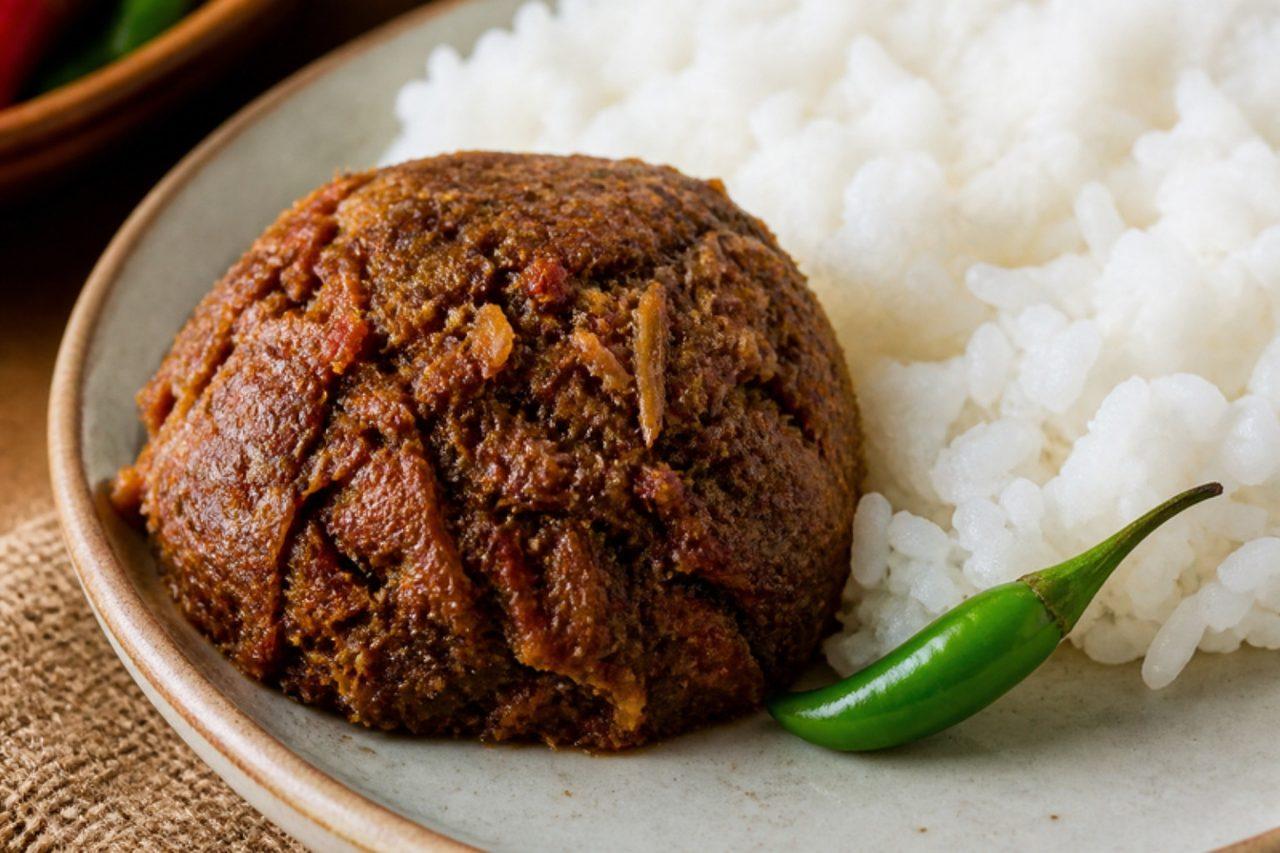
Shidol bhortaFermented dried fish mash

Shidol is one of the great preserved foods of Rangpur, Nilphamari and the far north: tiny puti fish, lightly dried, pounded with taro stem and packed into earthen jars to ferment, then shaped into flat cakes that are dried again. A small piece goes a very long way, and the most loved way to eat it is as a bhorta, fried in mustard oil with a mountain of garlic and dried chilli and mashed by hand into a rough, pungent relish eaten with hot rice. Its smell is powerful and the flavour deep, salty and funky, a bit like a Bangladeshi anchovy paste. Outside Bangladesh, buy shidol only from a reputable grocer, sealed and well within date, and never eat it uncooked. The typical blunder is frying it too briefly; it must sizzle until the raw smell turns toasty. Chef's tip: if you cannot find shidol, the same method works with good shutki.

by KrazyBadal 0 views

Shim bhortaFlat bean mash

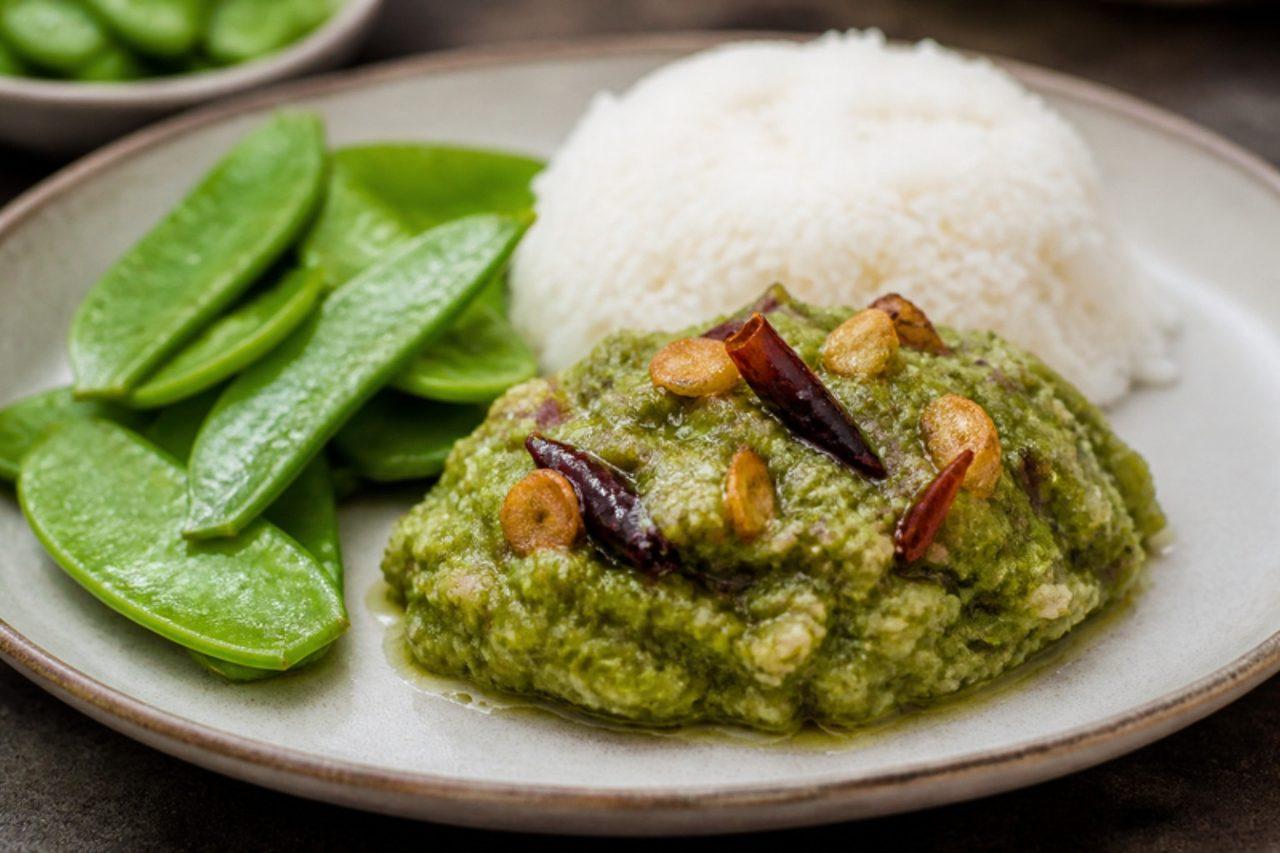
From November the bamboo trellises in courtyards across rural Bangladesh hang heavy with shim, the broad, flat hyacinth beans with purple or green edges, and they end up in curries, bhajis and, best of all, a smoky green bhorta. The beans are boiled until tender, then crushed with garlic fried golden in mustard oil, crisp dried chilli and raw onion into a coarse, nutty paste. It is one of the stars of a winter bhorta spread, served with hot rice, dal and a fried egg or fish for those who eat it. Leaving the strings on is the common slip; they stay tough and fibrous in the mash, so pull them off both edges first. Chef's tip: if the beans are mature with fat seeds inside, pop the seeds out, dry-roast them for a few minutes and pound them in for extra crunch.

by KrazyBadal 0 views

Seven-layer tea

Visitors to the tea gardens of Srimangal, in Sylhet's Moulvibazar district, queue at small tea cabins to see a glass of tea striped in seven distinct bands, from creamy white at the bottom to pale green-gold at the top. The original recipe is a closely guarded secret of the tea-maker who made it famous, but the principle is simple physics: each layer carries a different amount of sugar, so the heaviest sits at the bottom and the lightest floats on top. This home version uses condensed milk, green tea, strong black tea, milk tea, lemon tea, spiced tea and plain tea, and it is drunk slowly, layer by layer, with a long spoon. Pouring too fast is what ruins it; each layer should trickle down the inside of the glass over the back of a spoon. Chef's tip: let all the brews cool to warm, about 50 °C, so temperature differences don't stir the layers.

by KrazyBadal 0 views

ShuftaPaneer and dried fruit sweet

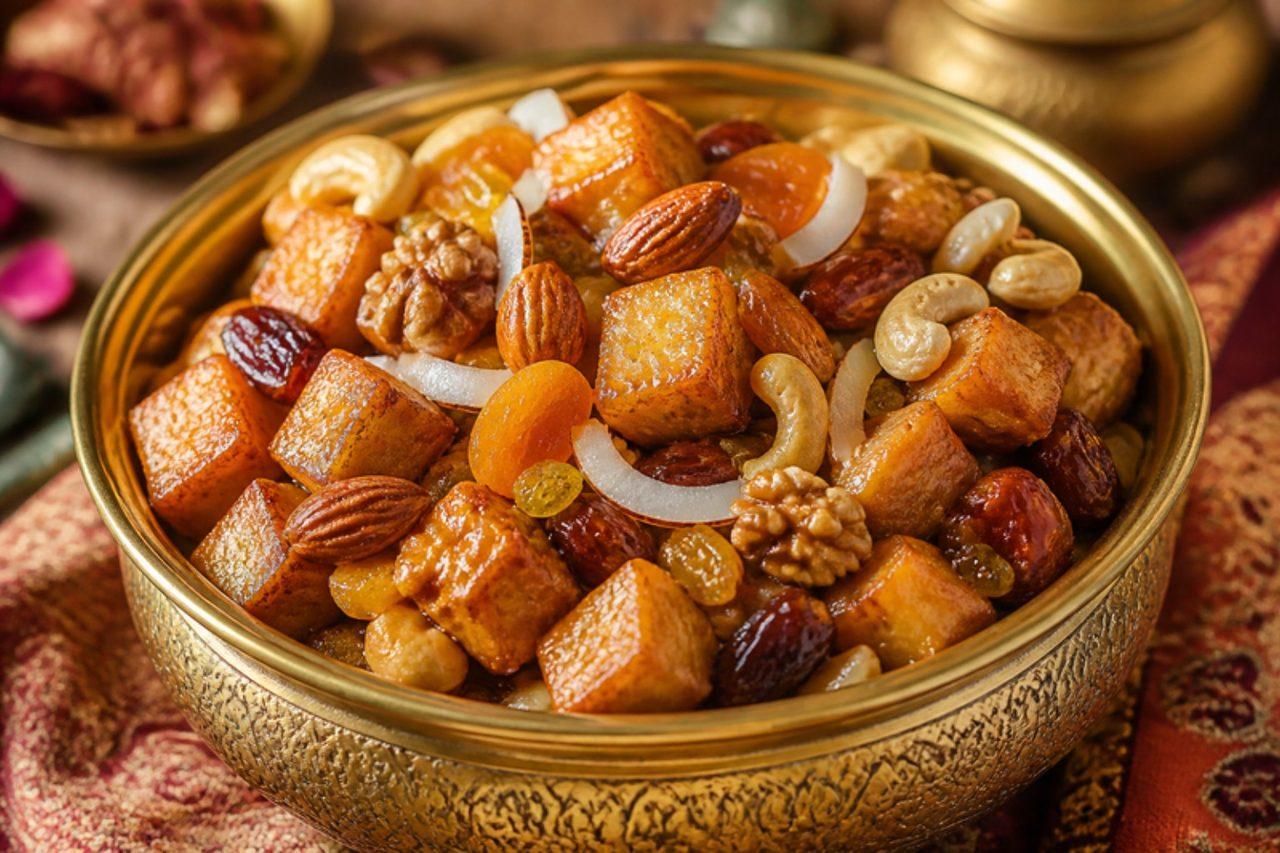
Shufta is the sweet that ends a Kashmiri wedding feast or an Eid lunch in Mirpur and Muzaffarabad, a glossy jumble of golden fried paneer, almonds, walnuts, dates, apricots and raisins bound in a thick syrup scented with saffron and cardamom. A pinch of black pepper and dry ginger runs through the sweetness, which is very old Kashmiri habit and keeps it from being cloying, and the paneer stays soft inside its crisp skin. It is eaten in small spoonfuls, warm or at room temperature, sometimes alongside kahwa. Cooking the syrup too far is the mistake to avoid, because once it reaches a hard thread it sets like toffee around the fruit as it cools. Chef's tip: use paneer that has been pressed for an hour so it fries golden without breaking; shop-bought paneer is acid-set and needs no rennet check.

by KrazyBadal 0 views

Showing 36 of 10,046 recipes

Show more recipes

Page 454 of 1,117