


Skip to content
Doi chira
Featured recipe

Doi chira

Flattened rice with curd

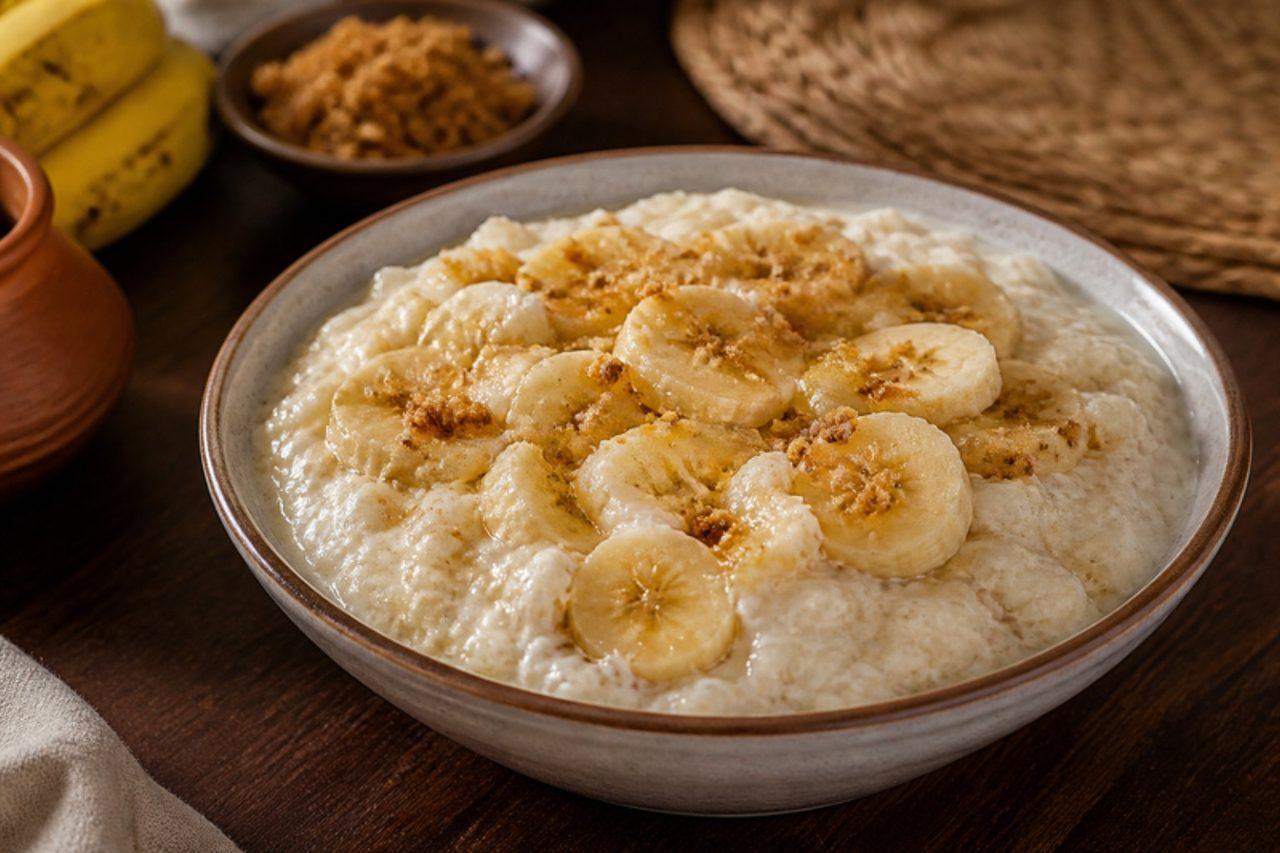
Nothing is cooked for doi chira, which is why it has been the breakfast of farmers and fishermen in Barisal for generations: flattened rice is rinsed, softened in thick, slightly sour curd and sweetened with jaggery or sugar, then mashed together with a ripe banana. The texture is soft and creamy with a little chew from the rice flakes, and the taste is cool, sweet and tangy. It is eaten on hot summer mornings, at village fairs and as part of the Pohela Boishakh spread, and it is a favourite of children and of anyone fasting who wants something gentle. The usual misstep is soaking the chira for too long, which turns it to paste; a quick rinse is all it needs before the curd does the rest. Chef's tip: use thick-cut chira, not the thin kind for frying, so the flakes hold their shape.

Read more 2 views

What to eat today?

Around the world

Today's trip: Paraguayan

A new country every day, from every cuisine on the site.

Paraguayan

Chipa

Cheese bread rings 50 minMore from Paraguayan (27) →

This week's collection

Kid-friendly dinners
537 recipes · a new collection every Monday

Latest recipes

Golab (home-distilled rosewater)

Every May the valleys around Kashan and Qamsar fill with pickers gathering Damask roses at dawn for golabgiri, the rose-water festival, when copper stills bubble in village courtyards. Golab is the backbone of Persian sweets, sharbat and rice, and a small batch can be made at home with a stockpot, an upturned lid and a bowl of ice. You need fragrant roses that have never been sprayed: florist roses are not safe to use in food. A common mistake is boiling hard, which cooks the petals and gives a grassy, dull water; the pot should only simmer. Chef's tip: pick the roses early in the morning, when their scent is strongest, and distil the same day.

by KrazyBadal 0 views

Texas fruit kolaches

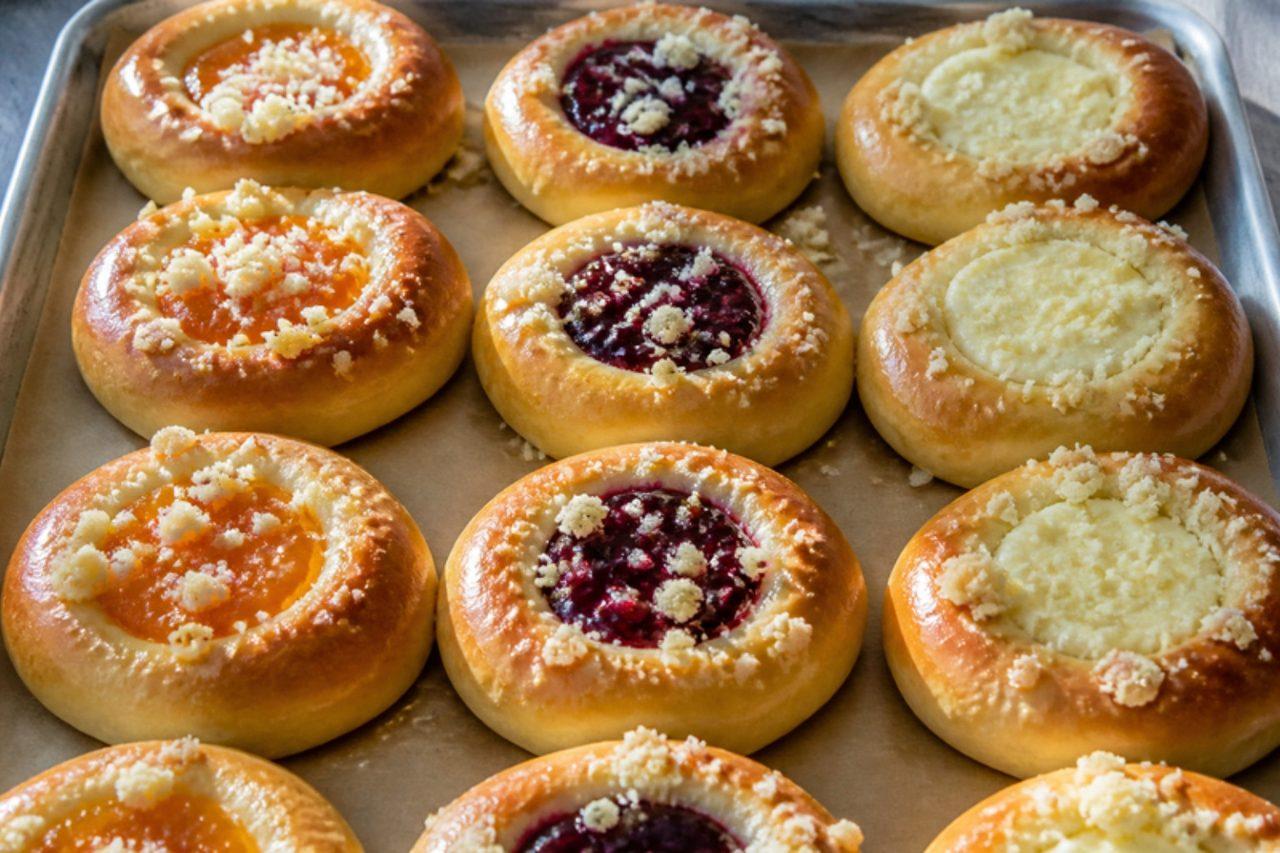
Kolaches came to central Texas with Czech settlers in the 1800s, and the bakeries along the highway through West, Caldwell and Hallettsville now sell them by the dozen for breakfast. They are soft, sweet yeast buns with a well pressed into the top, filled with apricot, cherry, prune or sweetened cream cheese and dusted with a crumbly posypka topping. Chef's tip: press the well deep and wide, nearly to the base, or the buns rise and push the filling out.

by KrazyBadal 0 views

Texas sheet cake

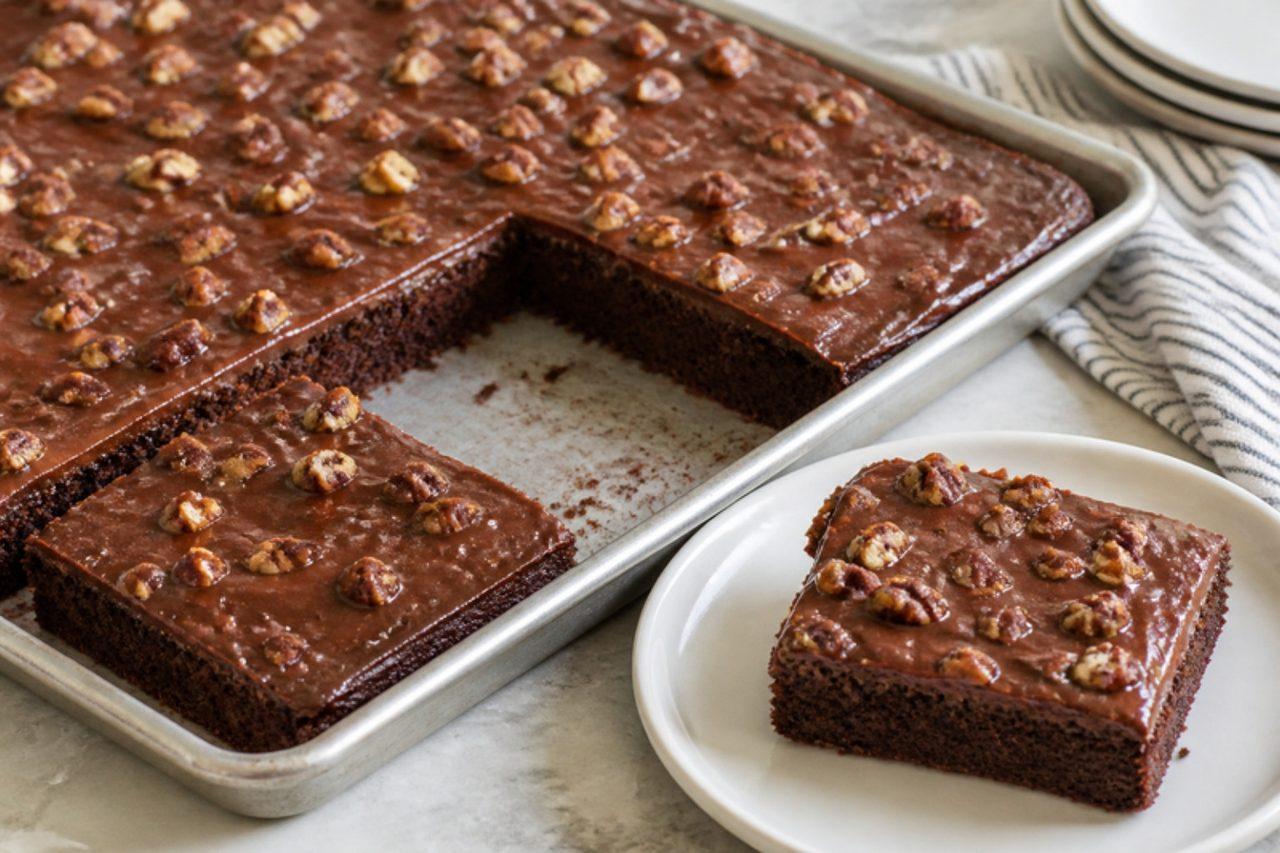
Texas sheet cake is the big, thin chocolate cake that turns up at church potlucks, funerals and family reunions all over Texas, cut into squares straight from the tray. It is made with buttermilk and boiled cocoa butter, so it is moist and light, and the icing is poured over while the cake is still hot so it sets into a fudgy layer studded with pecans. Chef's tip: have the icing ready the moment the cake leaves the oven; warm cake plus warm icing is the whole secret.

by KrazyBadal 0 views

Arroz con patoDuck and coriander rice

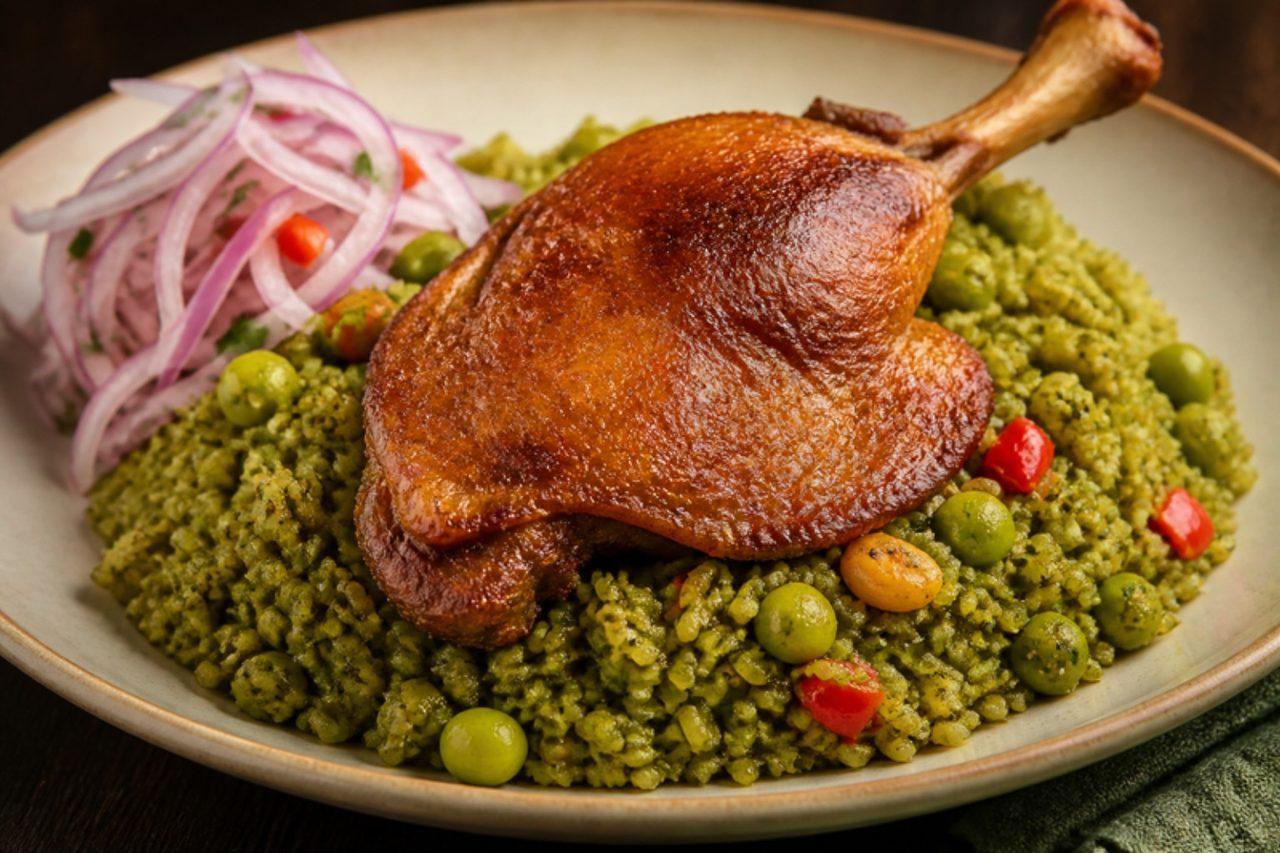
Chiclayo and the northern coast claim arroz con pato as their own, and family lunches and big Sunday gatherings there often centre on a deep pot of it: duck legs browned and simmered in dark beer and a purée of coriander and spinach, then rice cooked in the same green, duck-rich liquid with peas, red pepper and ají amarillo. The rice is moist and loose, the duck tender with crisp edges, and it is served with salsa criolla and, often, papa a la huancaína. The beer contains alcohol, and not all of it cooks off; for an alcohol-free pot use alcohol-free beer or the stock swap in the ingredients. A common mistake is skipping the browning, which leaves flabby skin and a pale, fatty rice; render the duck slowly first and pour off excess fat. Chef's tip: let the cooked rice rest under the lid off the heat for 10 minutes before fluffing.

by KrazyBadal 0 views

MarquesitasCheese and cajeta crepes

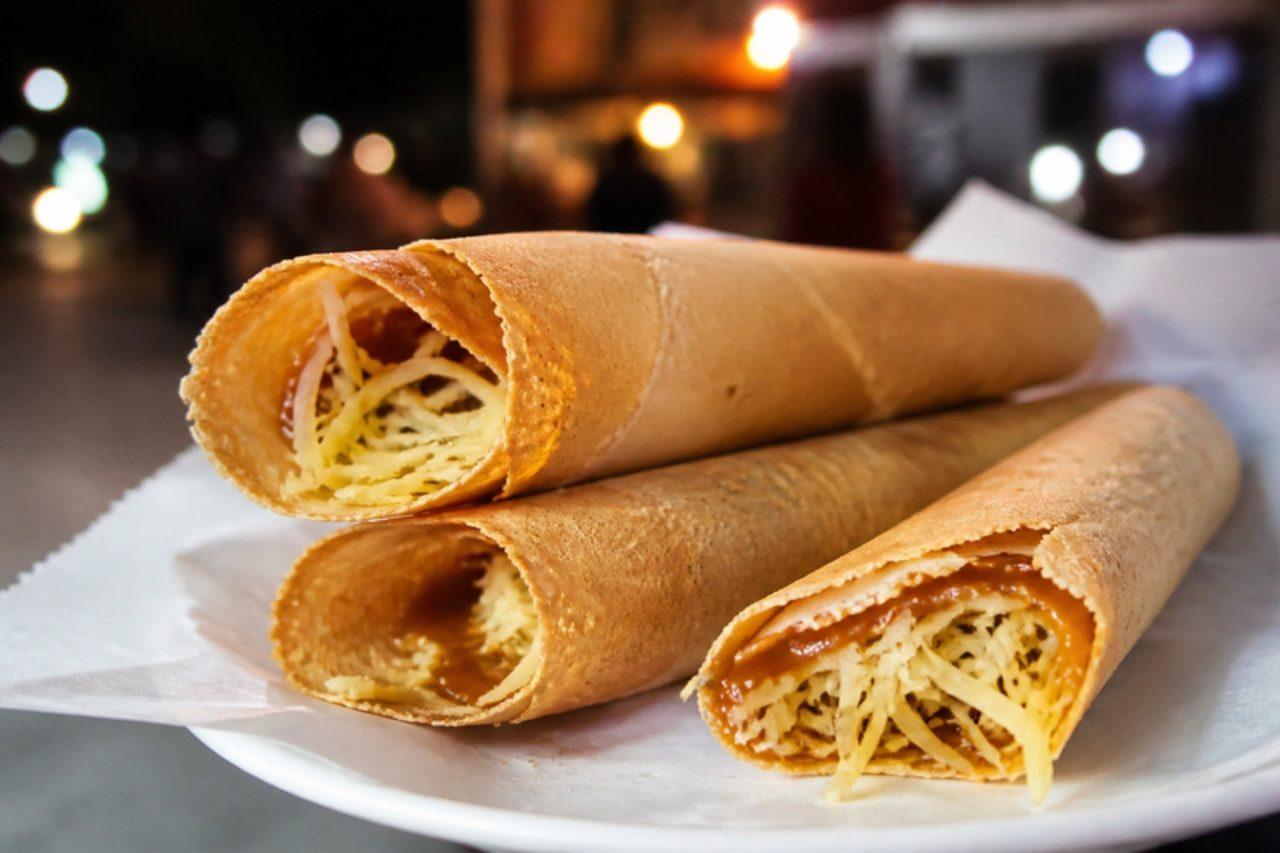
Evening in Mérida's Plaza Grande means the smell of marquesitas: thin batter pressed in hot hinged irons until crisp, then rolled like a cigar around grated Edam cheese and a sweet filling such as cajeta, chocolate-hazelnut spread or jam. Edam came to the Yucatán through the port trade with the Netherlands and became part of the local cooking, and the salty-sweet combination is the whole point. At home you can cook them in a thin, wide frying pan. Edam is usually made with animal rennet, so check the label or use a vegetarian Gouda-style cheese. Chef's tip: roll while the crêpe is still in the pan and hot; within seconds it hardens and will crack.

by KrazyBadal 1 views

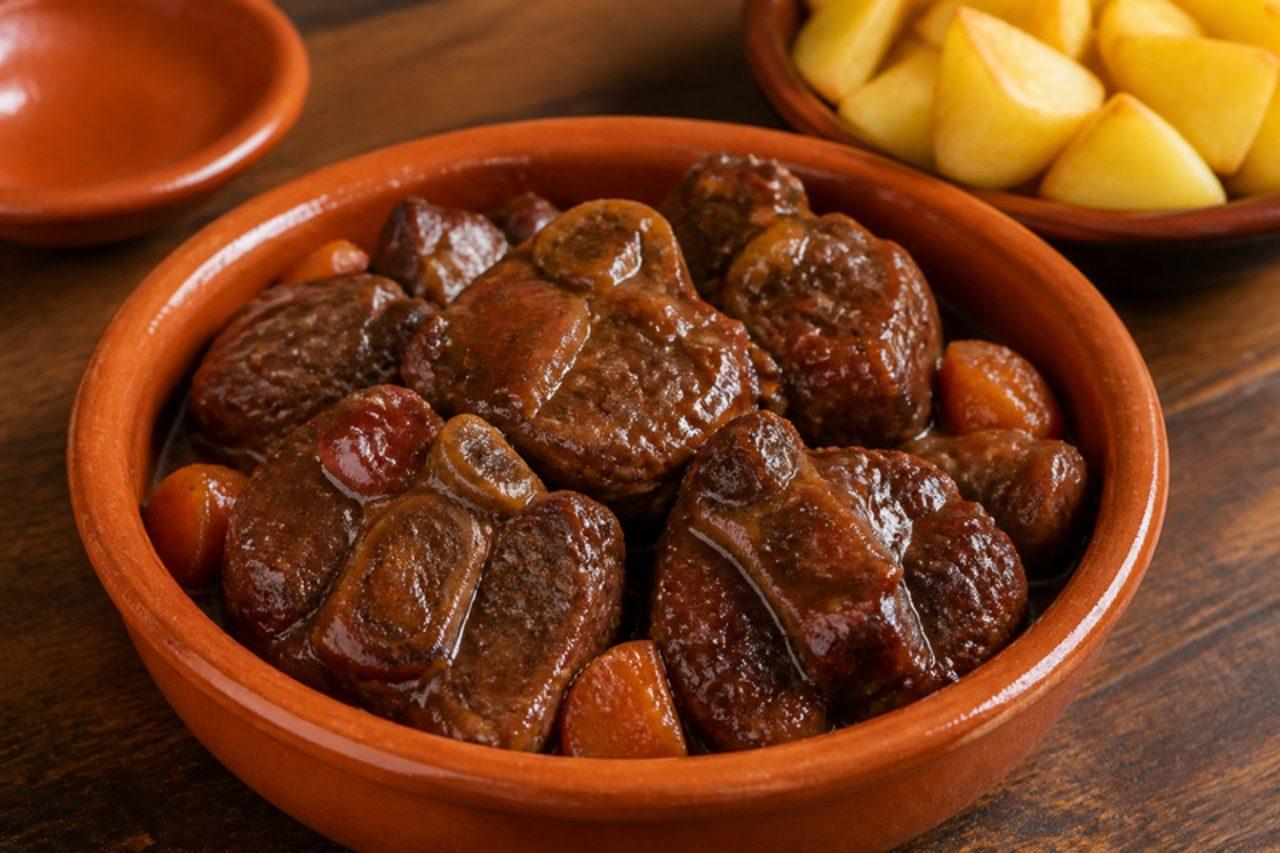
Rabo de toroRed wine braised oxtail

Córdoba claims rabo de toro as its own, and its taverns near the Mezquita serve it all year, though it is most at home on a cold winter Sunday. Once it was made with the tails of bulls from the ring; now it is beef or veal oxtail, browned and braised for hours in red wine with vegetables until the meat slips off the bone into a glossy, sticky sauce. This recipe uses wine; the alcohol-free option is in the ingredient list. Chef's tip: make it a day ahead, chill it and lift off the set fat; the sauce is cleaner and the flavour deeper.

240 minSpanishMeat
by KrazyBadal 0 views

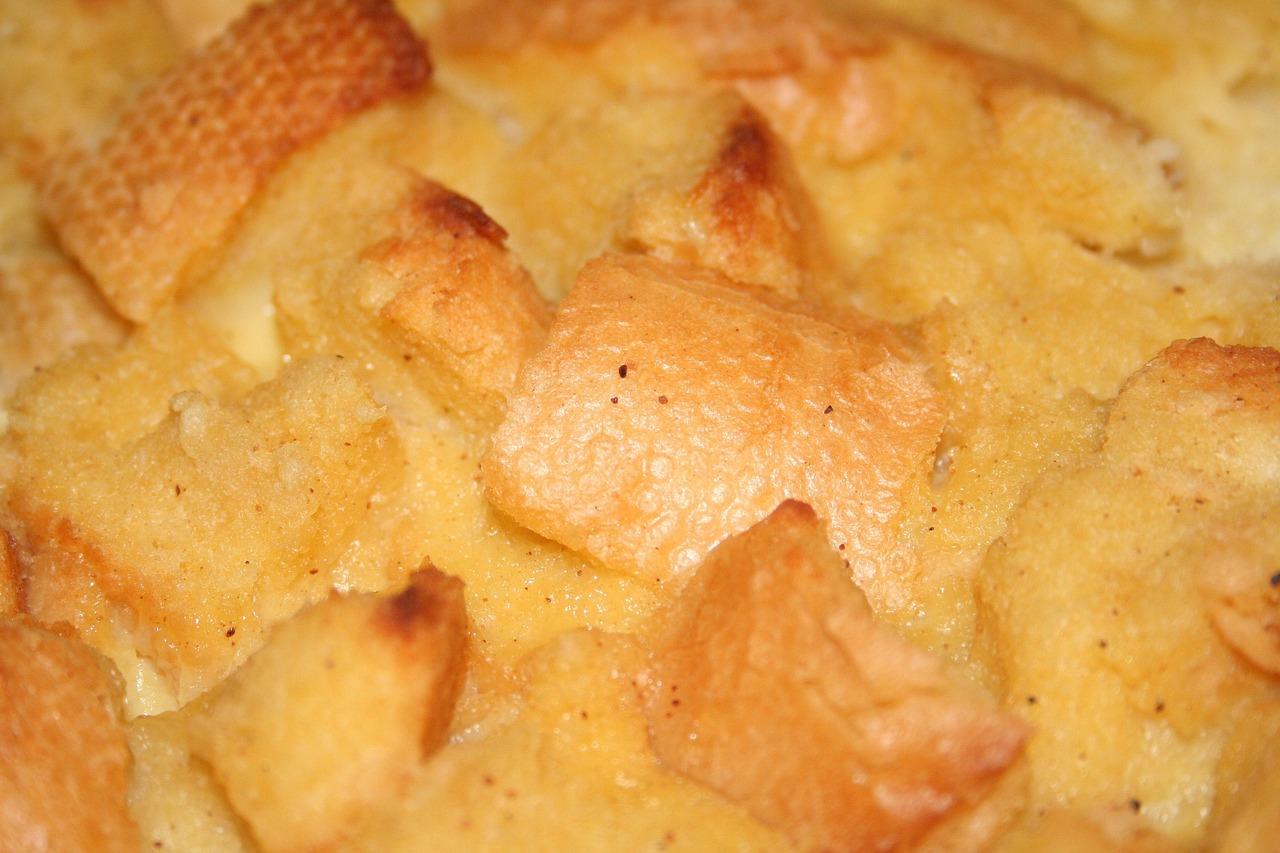
New Orleans bread pudding with whiskey sauce

Every Creole restaurant in New Orleans, from neighbourhood po'boy shops to grand old dining rooms in the Garden District, serves bread pudding, because the city's light, crusty French bread goes stale in a day. The bread soaks in a cinnamon custard with raisins and bakes until puffed and golden, then gets a warm whiskey butter sauce. The sauce contains bourbon; for an alcohol-free version use 3 tbsp apple juice and 1 tsp vanilla instead. Chef's tip: let the bread soak for a full 30 minutes so it drinks up the custard; dry patches bake hard.

by KrazyBadal 0 views

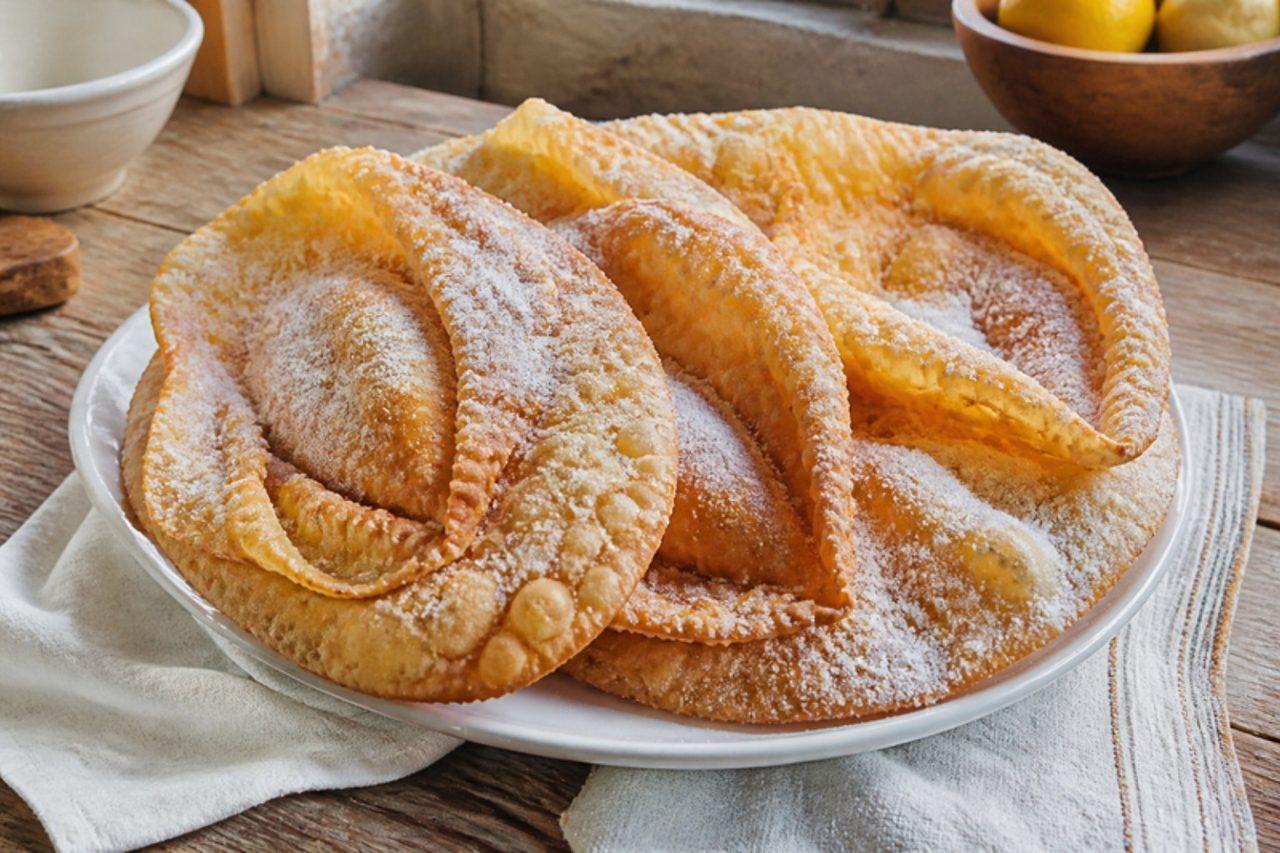
Orellas de EntroidoCrisp sugared carnival pastries

Orellas, 'ears' in Galician, are fried for Entroido in villages across Ourense and Lugo, from Laza to Xinzo de Limia, and handed round in big baskets during the carnival days. The thin dough blisters and turns crisp in hot oil, and the pastries are finished with sugar or honey. This version uses a little aniseed spirit (aguardiente), as is traditional, so it contains alcohol; for an alcohol-free version use orange juice with a pinch of ground anise. Old recipes use pork fat; this one uses butter, so it is vegetarian. A common mistake is rolling the dough too thick, which gives chewy, greasy pastries instead of crisp ones. Chef's tip: roll until you can almost see the worktop through the dough.

by KrazyBadal 0 views

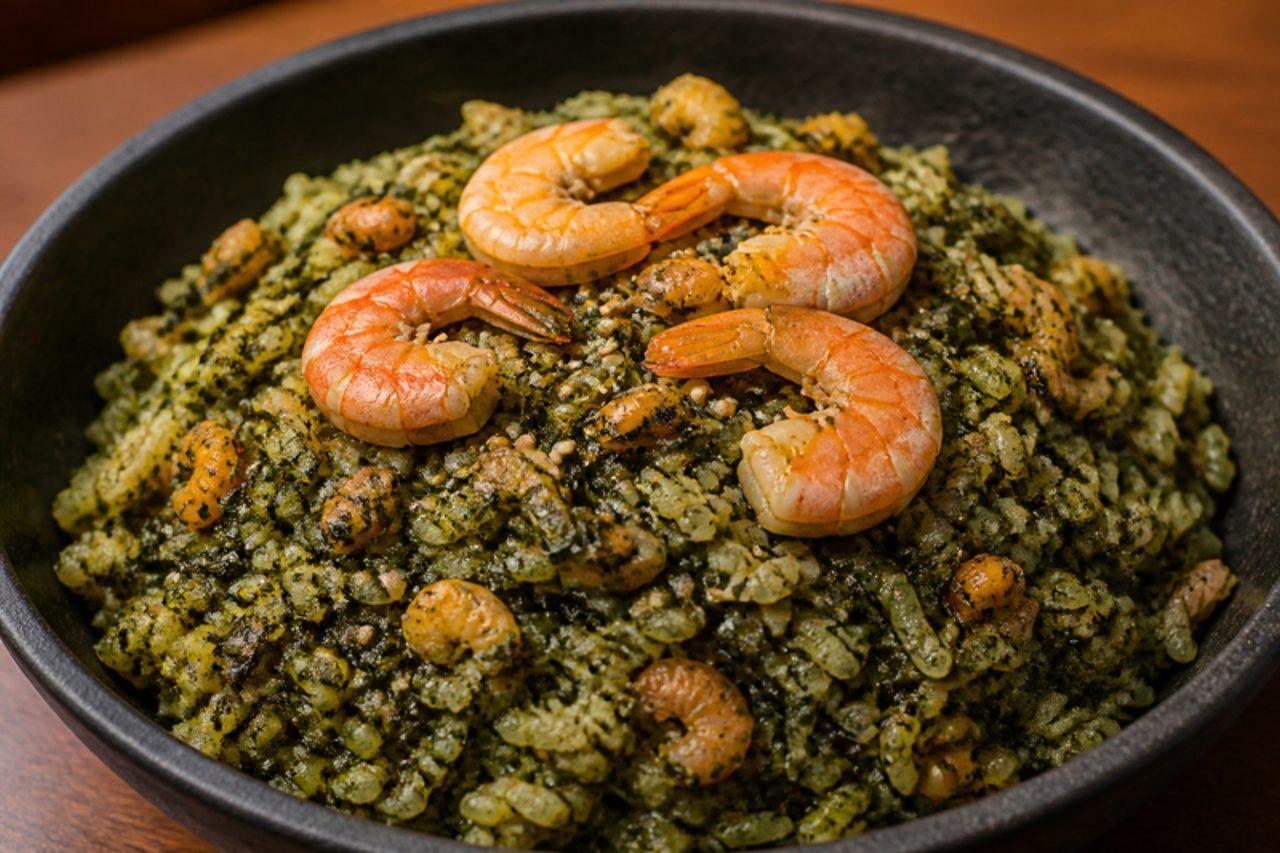
Arroz de cuxáRice with roselle leaves and shrimp

Green-flecked, sharp and nutty, arroz de cuxá is the signature rice of São Luís, served in Maranhão homes and seafood restaurants with fried fish, torta de camarão or a simple fried egg. The sourness comes from vinagreira, the leaves of the roselle hibiscus, cooked down into a thick cuxá sauce with dried shrimp, toasted sesame and a little cassava flour, then stirred into fluffy white rice. Roselle leaves are sold as gongura in Indian grocers and as sorrel leaves in Caribbean shops; spinach with lime juice is a mild stand-in. The common error is under-cooking the leaves, which leaves them stringy; they should collapse into a dark, soft purée. For a vegetarian version, leave out the shrimp and add a spoonful more sesame. Chef's tip: toast the sesame until it just turns gold and starts to pop, then grind it while warm so it releases its oil into the sauce.

by KrazyBadal 0 views

Arroz de lingueirãoRazor clam rice

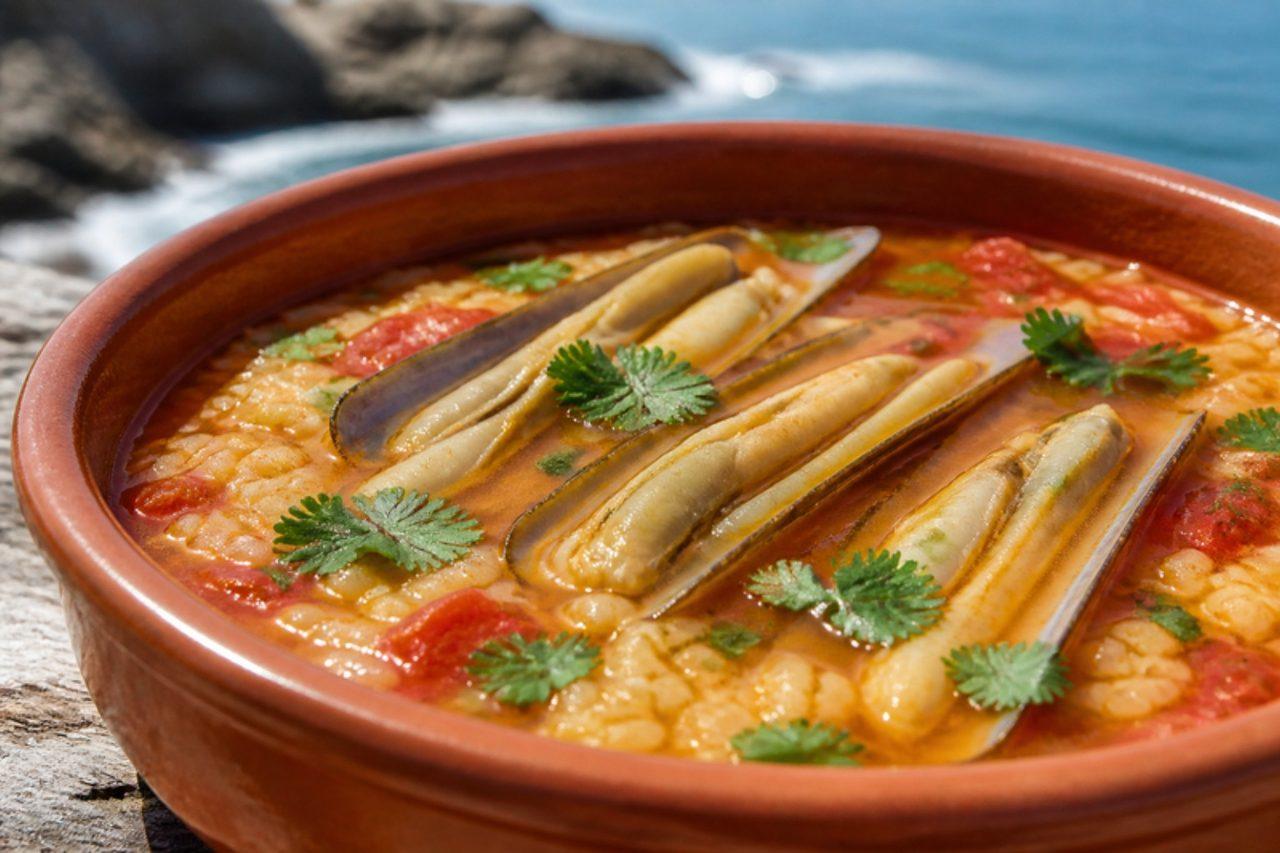
When the tide drops on the Ria Formosa near Fuzeta, pickers dig razor clams from the mud, and by lunchtime the riverside tascas are serving them in this loose, brothy rice, called malandrinho because it should still ripple in the bowl. Tomato, garlic and a big handful of coriander carry the sweet, briny clam flavour. The recipe uses a little white wine; for an alcohol-free version use the same amount of water with a teaspoon of lemon juice. Chef's tip: add the razor clams for the last 2 minutes only, or they turn rubbery.

by KrazyBadal 0 views

Arroz de mariscoSoupy seafood rice

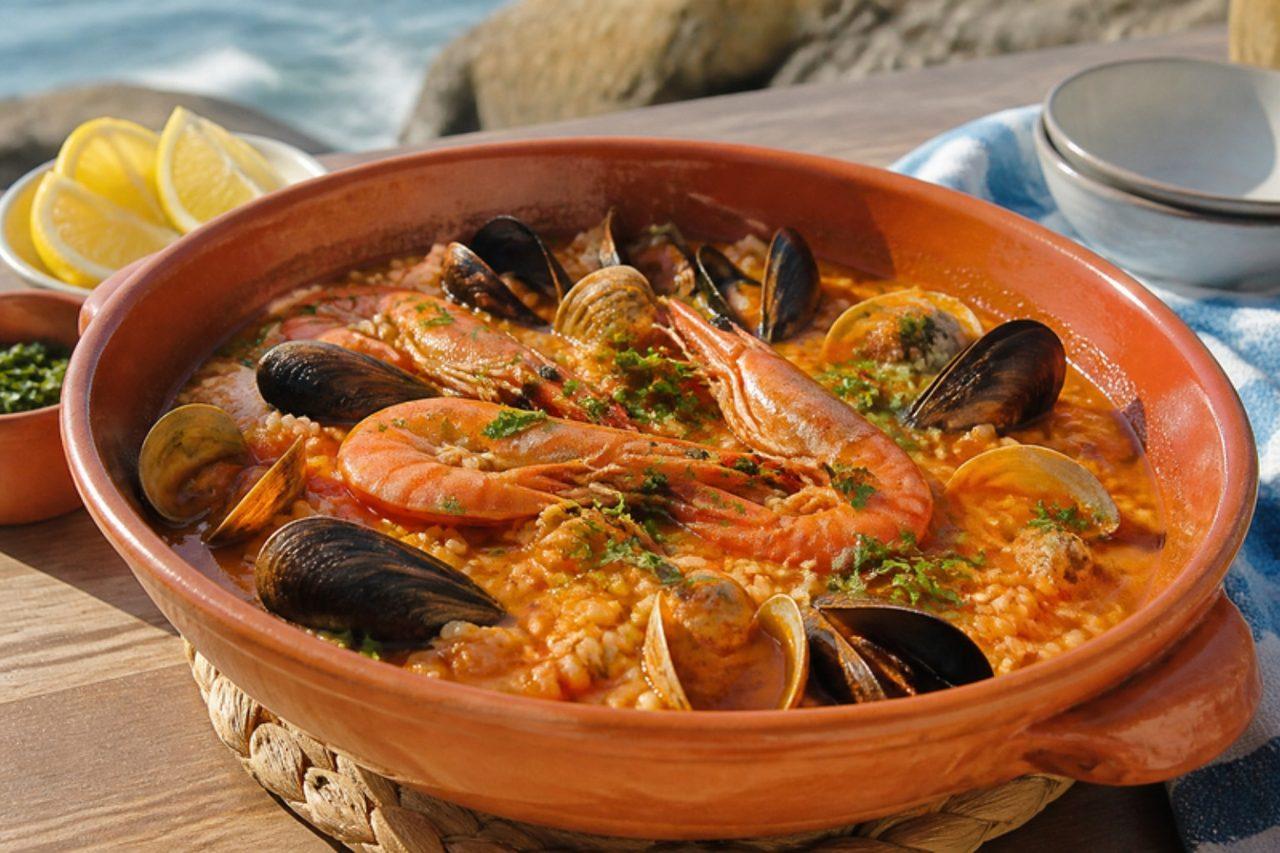
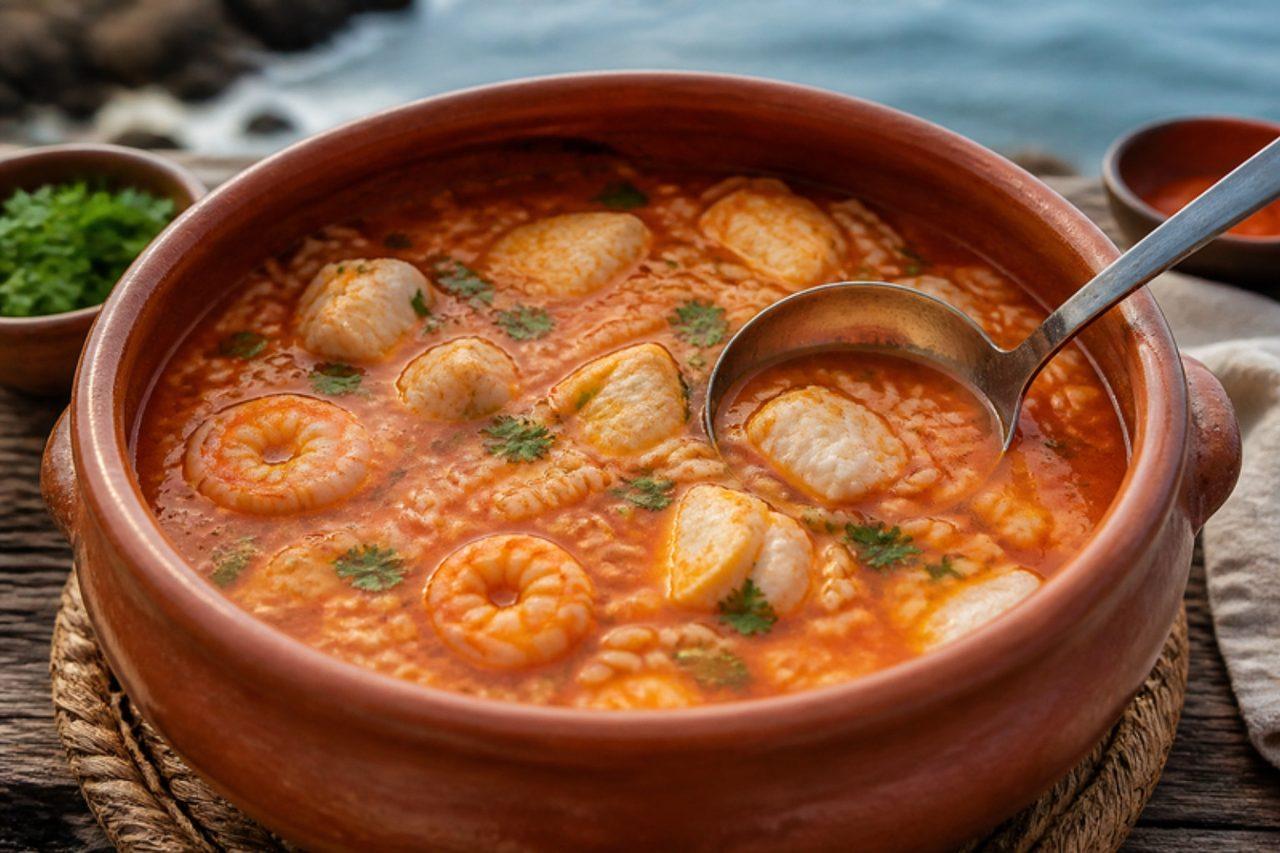
This is not paella. Portuguese arroz de marisco is wet and soupy, eaten with a spoon straight from the pot, and Lisbon families order a big one to share at seafood restaurants on a Sunday, waiting while it is made fresh. The rice simmers in a rich tomato and shellfish broth, then prawns, clams and mussels go in at the end so they stay tender. White wine is traditional and contains alcohol; use more stock instead. A common mistake is letting it stand: the rice keeps drinking the broth, so serve it the moment it is ready. Chef's tip: make the broth from the prawn heads and shells; it is where most of the flavour comes from.

by KrazyBadal 0 views

Arroz de pato à moda de BragaDuck rice with chouriço

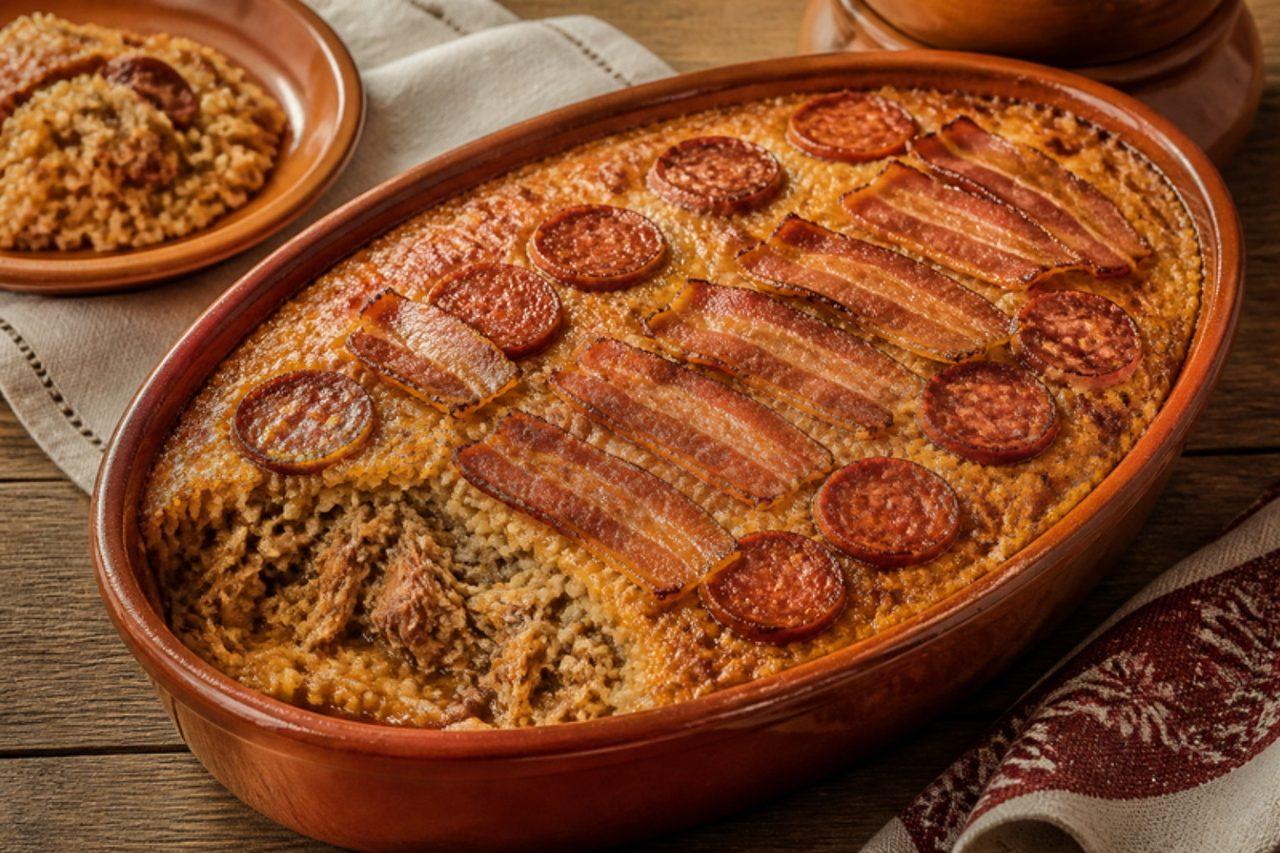
In Braga, duck rice is moister than the crisp-topped versions elsewhere: the rice is cooked in a deep duck broth, layered with shredded meat and slices of chouriço, then given a short spell in a hot oven so the top just colours. It is a festive dish for christenings, weddings and Sunday lunches. This contains pork (chouriço and smoked bacon). Chef's tip: make the broth the day before and chill it, so you can lift off the duck fat and use a spoonful of it to fry the onion.

by KrazyBadal 0 views

Arroz de pica no chãoChicken and blood rice

'Pica no chão' means 'pecks the ground', the Minho name for a free-range farmyard hen, and this soupy rice is how it is cooked for a family gathering in Barcelos or Vila Verde. Traditionally the bird's blood is stirred in at the end with vinegar, cabidela style, giving a dark, tangy, velvety sauce; without it you get a lighter but equally good chicken rice. Use a free-range bird or thighs for proper flavour. A common mistake is letting the rice sit before serving; this is a loose, soupy rice and it thickens fast, so bring it to the table at once. Chef's tip: the rice must be served the moment it is ready, still swimming in broth, because it keeps absorbing liquid.

by KrazyBadal 0 views

Arroz de sarrabulhoRice with mixed meats and blood

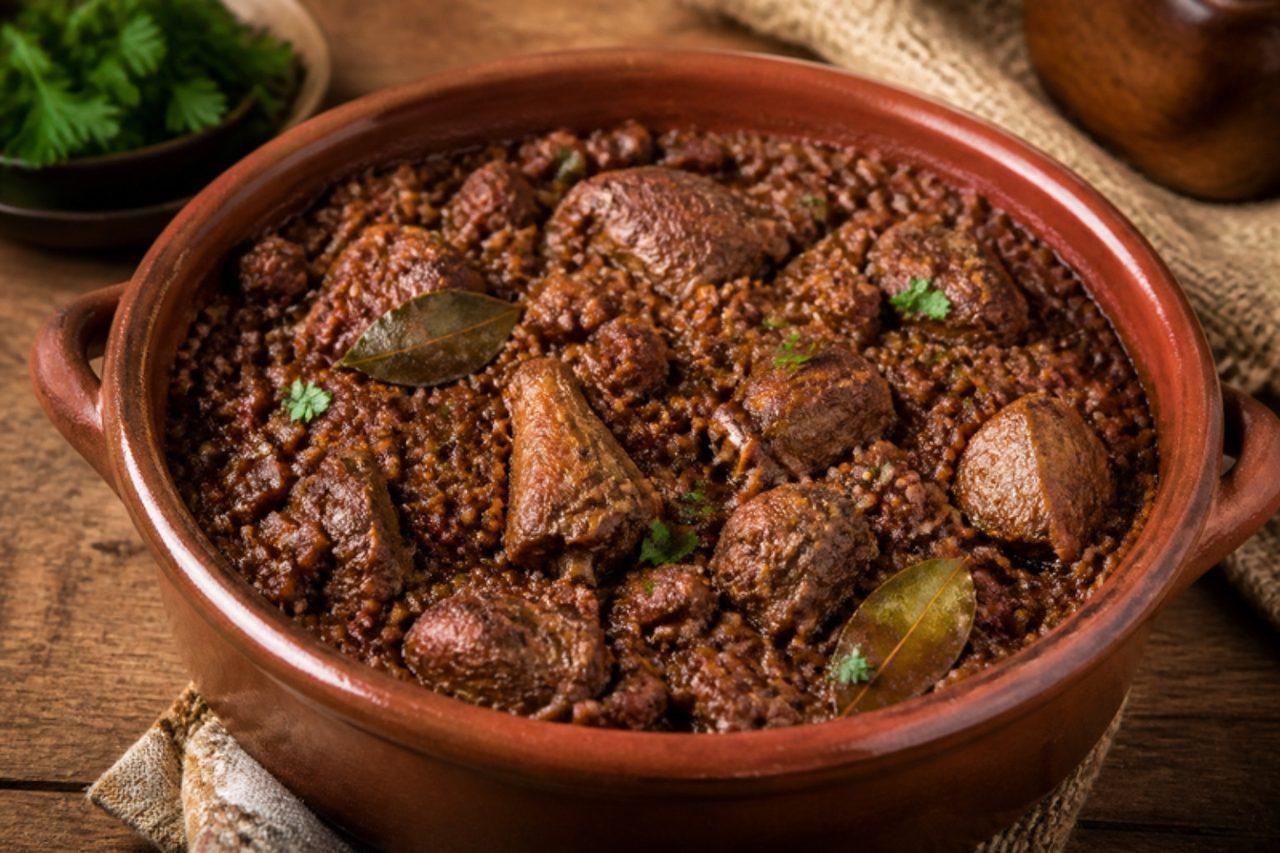
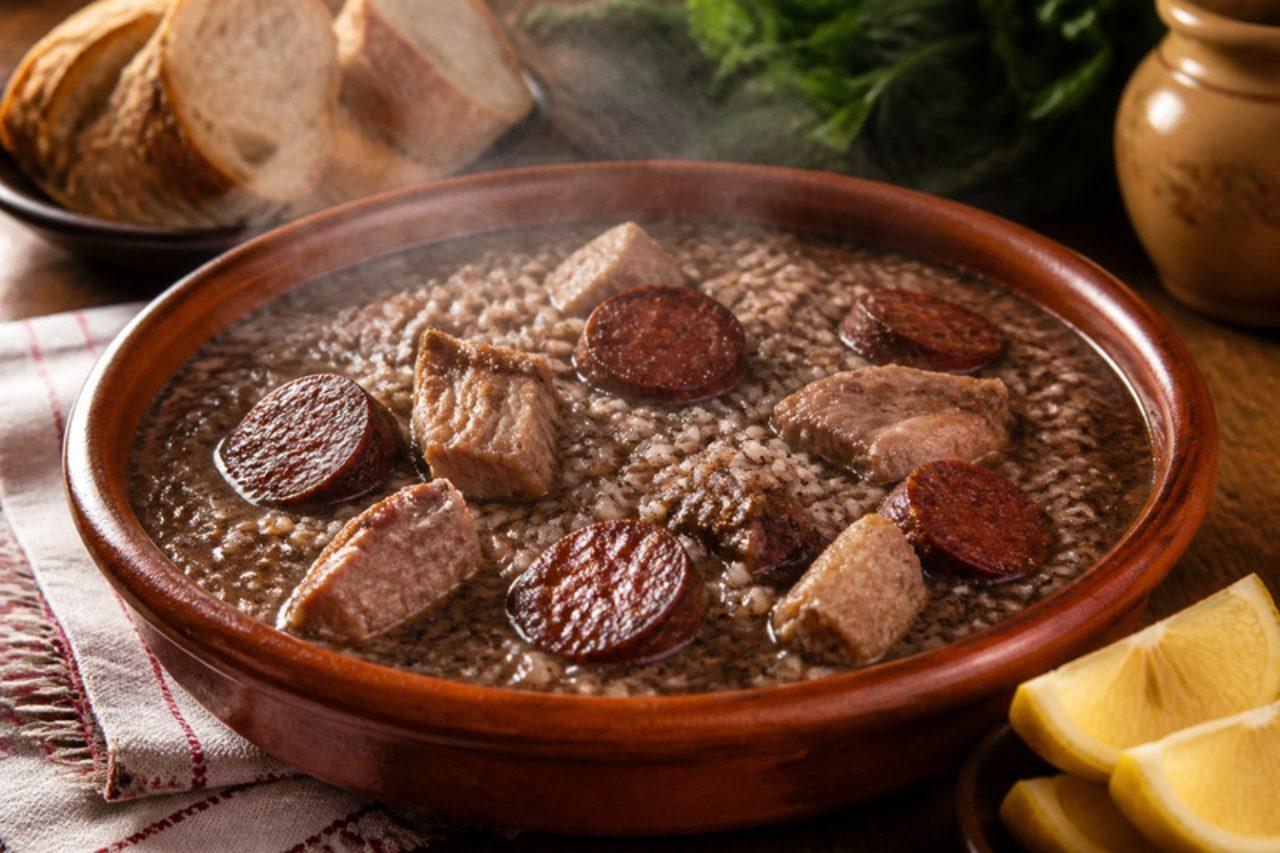
Ponte de Lima, the old market town on the river Lima, is the capital of sarrabulho, and on market Mondays its restaurants serve this dark, soupy rice from enormous pots. This contains pork (pork shoulder, belly and chouriço) and cooked pig's blood. Several meats are simmered together for a rich broth, then shredded and cooked with rice, cumin and blood until it turns deep brown and creamy. It is usually served next to rojões, with lemon to cut the richness. Chef's tip: add the blood at the very end and stir constantly, so it thickens the rice smoothly instead of forming lumps.

by KrazyBadal 0 views

Arroz de tamborilMonkfish and tomato rice

Fish restaurants in Aveiro, Figueira da Foz and the fishing town of Praia de Mira serve this rice in the pot it was cooked in, steaming and loose, with chunks of firm monkfish and a broth coloured by tomato and peppers. It is a lunch for the weekend, eaten slowly near the beach. Monkfish holds its shape well, and its head and bones make a fine stock. You can add prawns if you like. Chef's tip: it should be 'malandrinho', loose and soupy, so take it off the heat while the rice is still slightly firm; it carries on softening at the table.

by KrazyBadal 0 views

Arroz del senyoretPeeled seafood rice

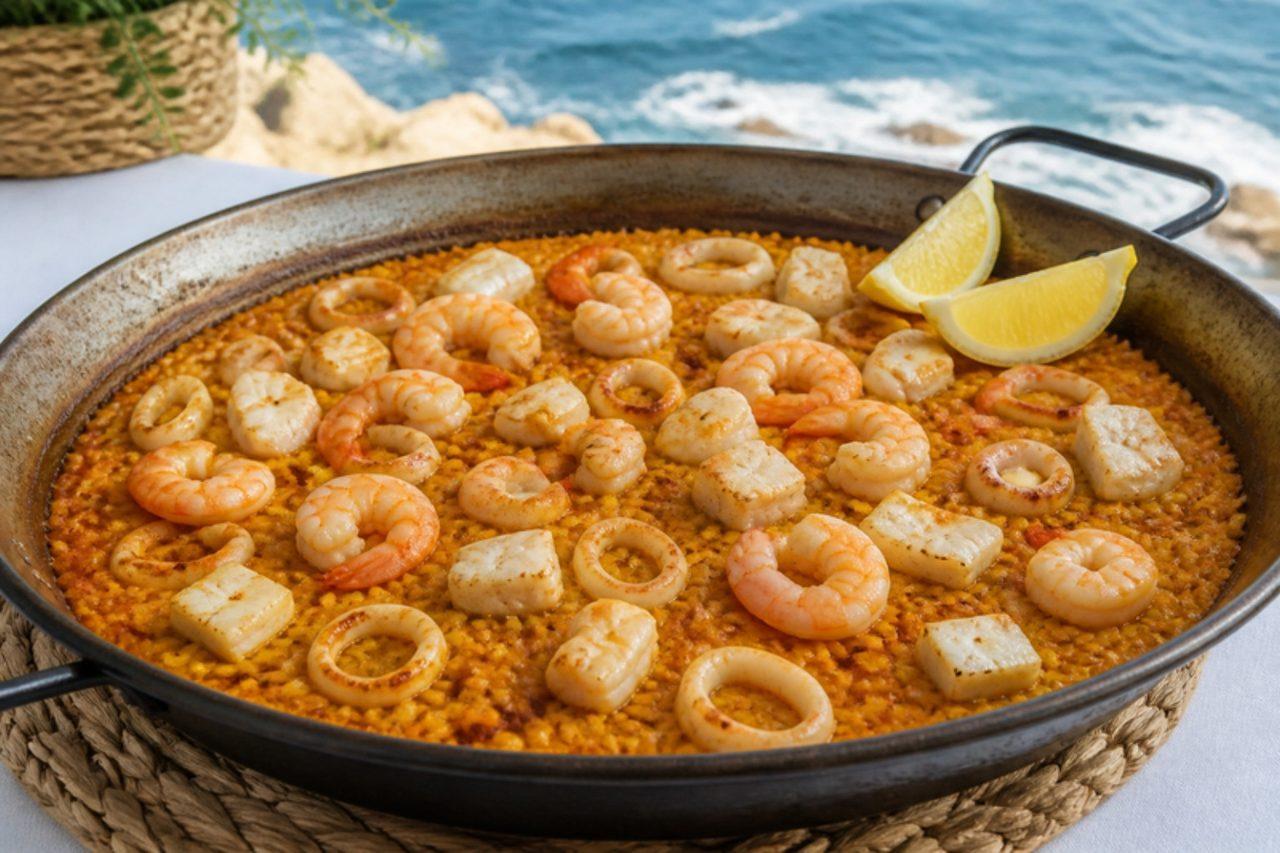
The name means "the little gentleman's rice", after the well-to-do diners at Valencia's beach restaurants in Las Arenas and El Saler who refused to get their hands dirty peeling prawns. So every piece of seafood goes into the pan already peeled and cut to fork size, while the shells are fried into the stock to keep all their flavour. The result is a thin layer of saffron-gold rice dotted with sweet prawn, squid and monkfish, eaten straight from the pan on a summer Sunday. A common mistake is throwing the prawn shells away; they give the stock its depth. Chef's tip: grate the tomato rather than chopping it; the pulp melts into the sofrito and lets it darken quickly.

by KrazyBadal 0 views

Southern pecan pie

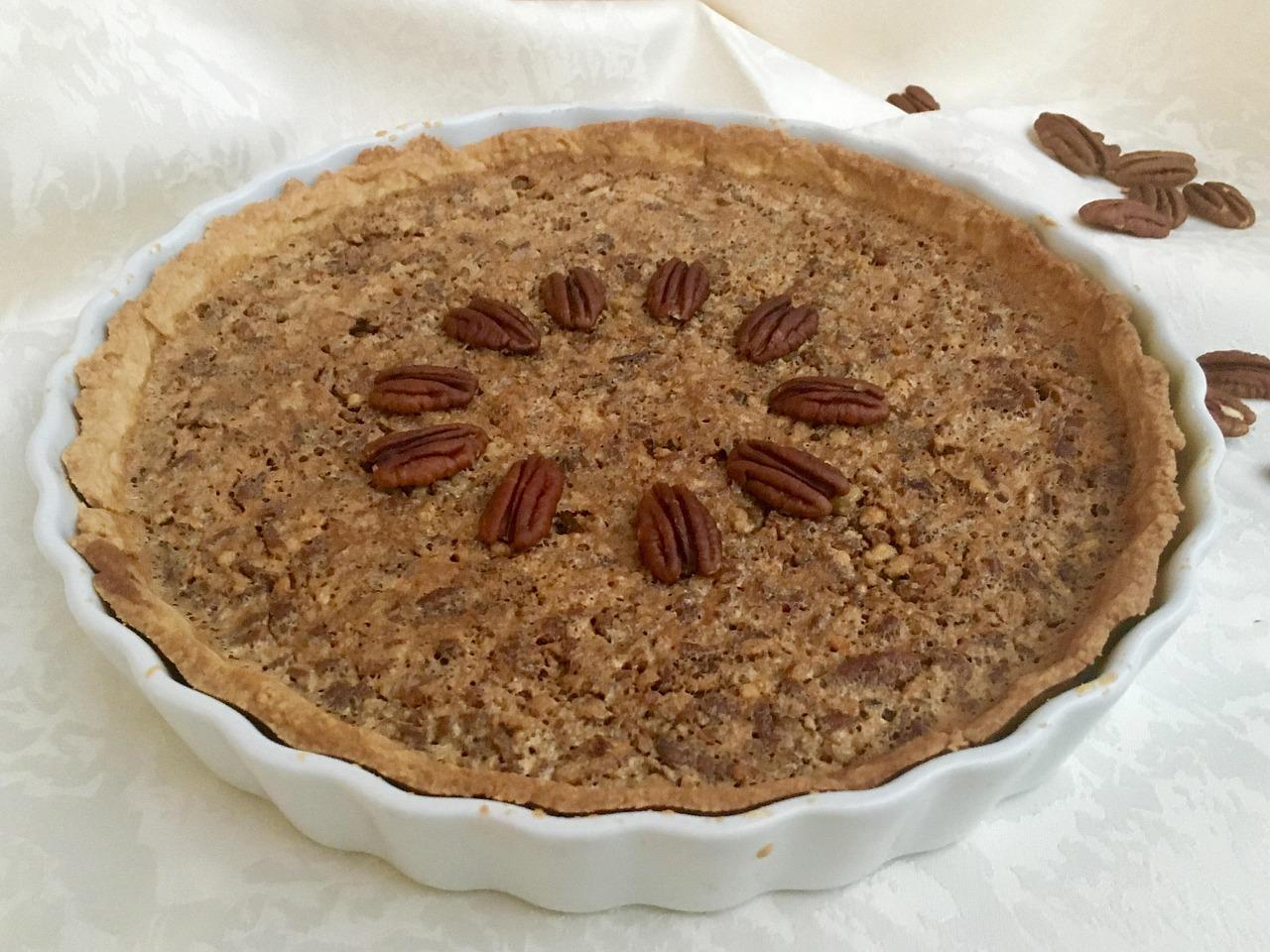
Pecans grow wild along the rivers of Georgia, Alabama and Texas, and pecan pie, a gooey brown-sugar custard packed with toasted nuts, is the star of Thanksgiving tables right across the South. This version uses golden syrup and dark brown sugar for a caramel flavour. Chef's tip: toast the pecans first; raw pecans taste flat and go soft in the filling.

by KrazyBadal 0 views

Salt-rising bread

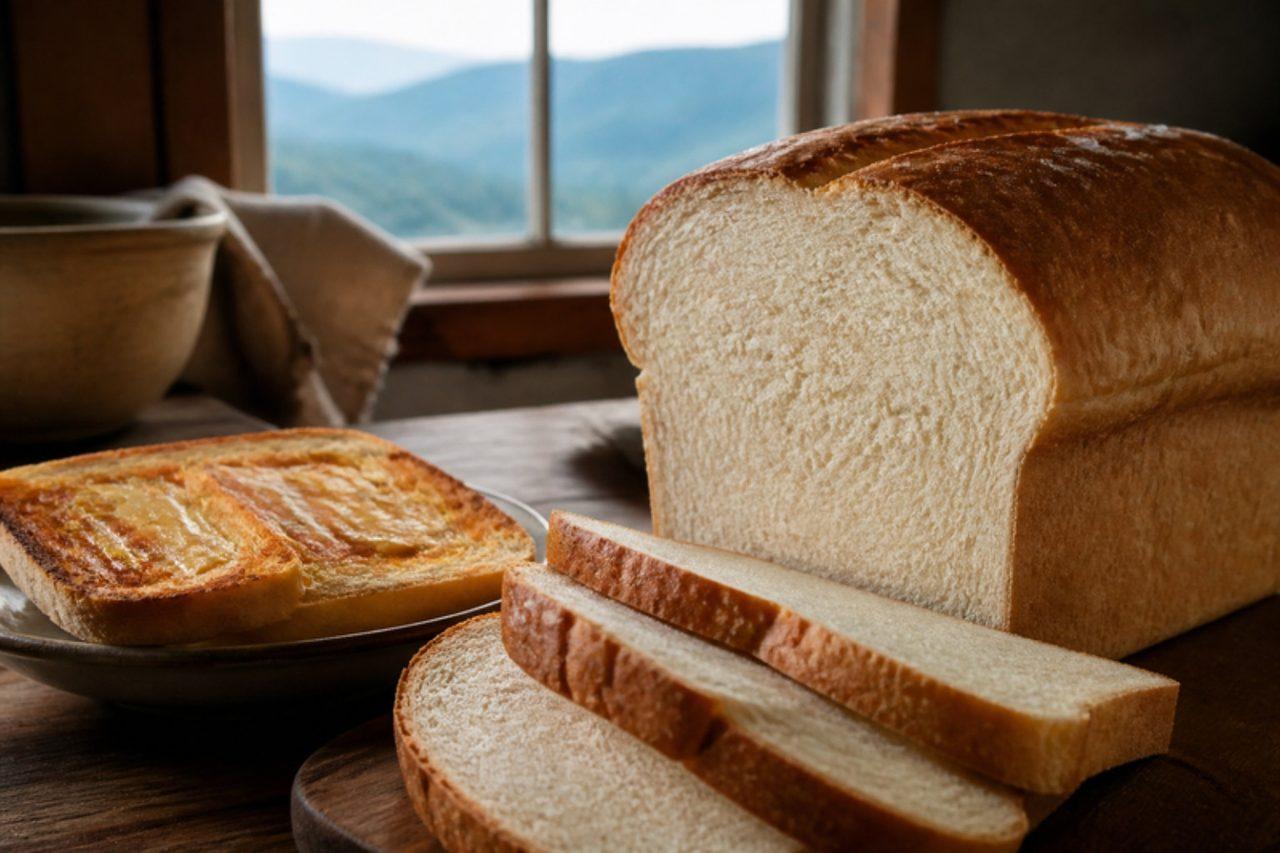
Salt-rising bread was baked by settlers in the Appalachian mountains of West Virginia and western Pennsylvania who had no yeast; a starter of potato, cornmeal and milk is kept very warm until wild bacteria make it bubble. The loaf is dense, fine-textured and famous for its cheesy, tangy smell, and is best toasted and buttered. Chef's tip: the starter needs a steady 38–40 °C, so stand it in an oven with only the light on, and check it is truly bubbling before going on.

by KrazyBadal 0 views

Midia saganakiMussels with tomato and feta

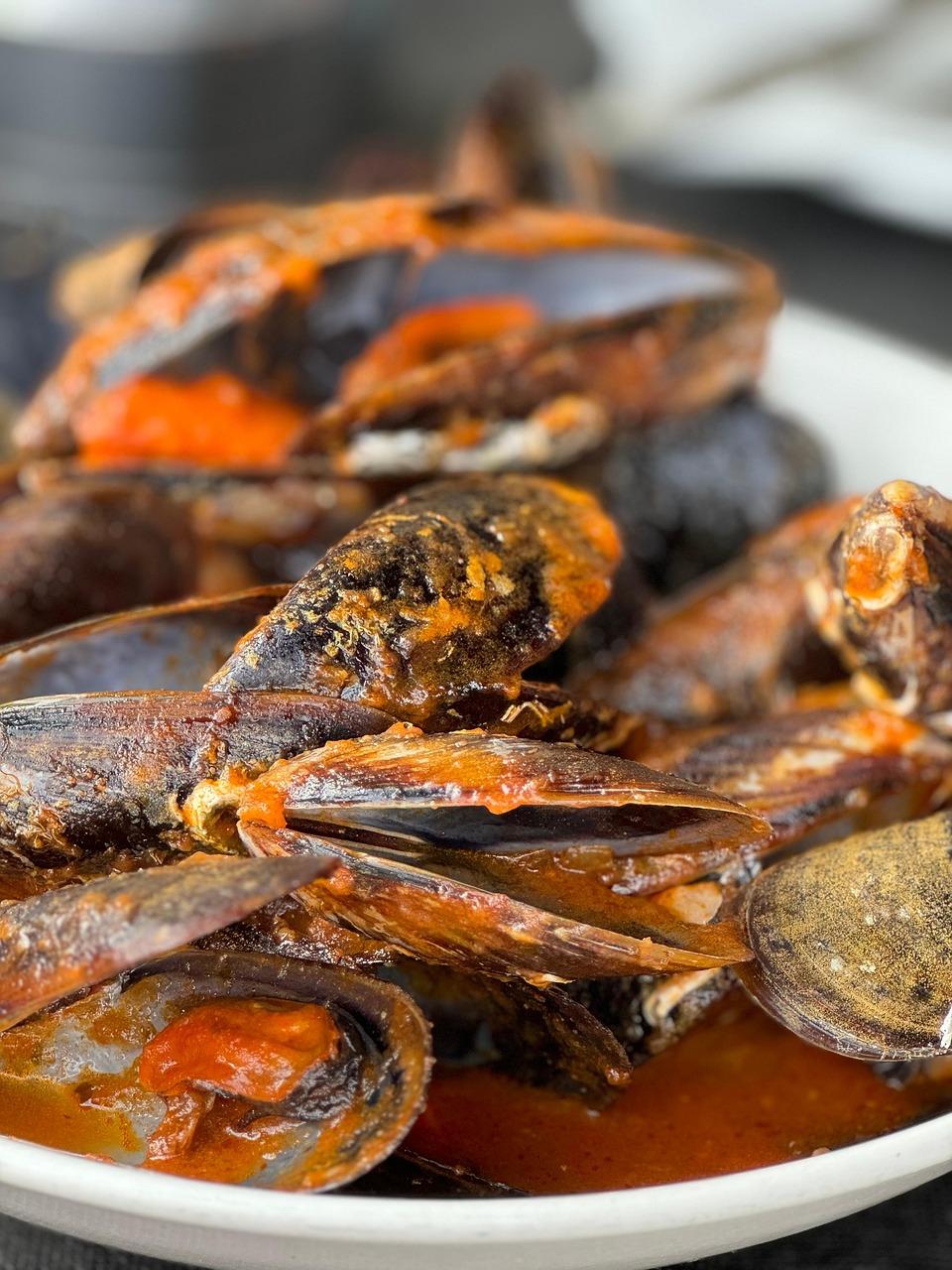
Thessaloniki is Greece's mussel capital, with farms in the Thermaic Gulf a few kilometres from the seafront ouzeries where this two-handled pan arrives, still bubbling, at the table. Mussels steam open in a quick sauce of peppers, tomato and chilli, and crumbled feta melts into the juices at the end. Bread is essential. The classic version adds a splash of ouzo; this one is alcohol-free, using a pinch of fennel seed for that aniseed note (add 2 tbsp ouzo with the tomatoes if you like). Common mistake: overcooking — take the pan off the heat as soon as the shells open. Chef's tip: buy mussels on the day and keep them in the fridge in a bowl covered with a damp cloth, never in water.

30 minGreekFishGluten freeSpicy
by KrazyBadal 1 views

Cajun dirty rice

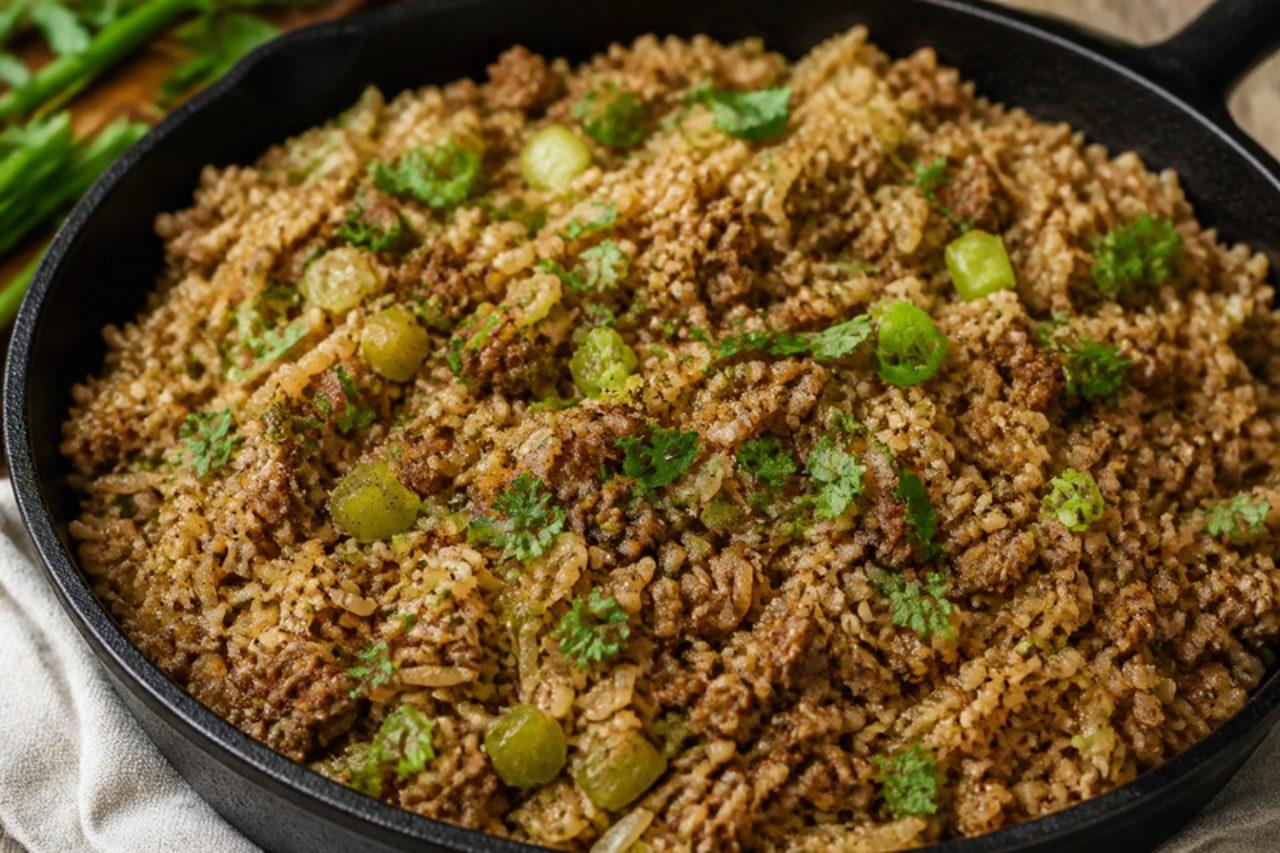
Dirty rice gets its name from the brown speckles of chicken liver and minced pork that colour it, and it is the side dish of Cajun Thanksgivings, church fairs and plate lunches around Lafayette, often served next to fried chicken. It is deeply savoury, peppery and good enough to eat as a main. This recipe contains pork. Chef's tip: chop the livers very finely, almost to a paste, so they melt into the rice rather than sitting in lumps.

by KrazyBadal 0 views

Lighvan-style brined cheese

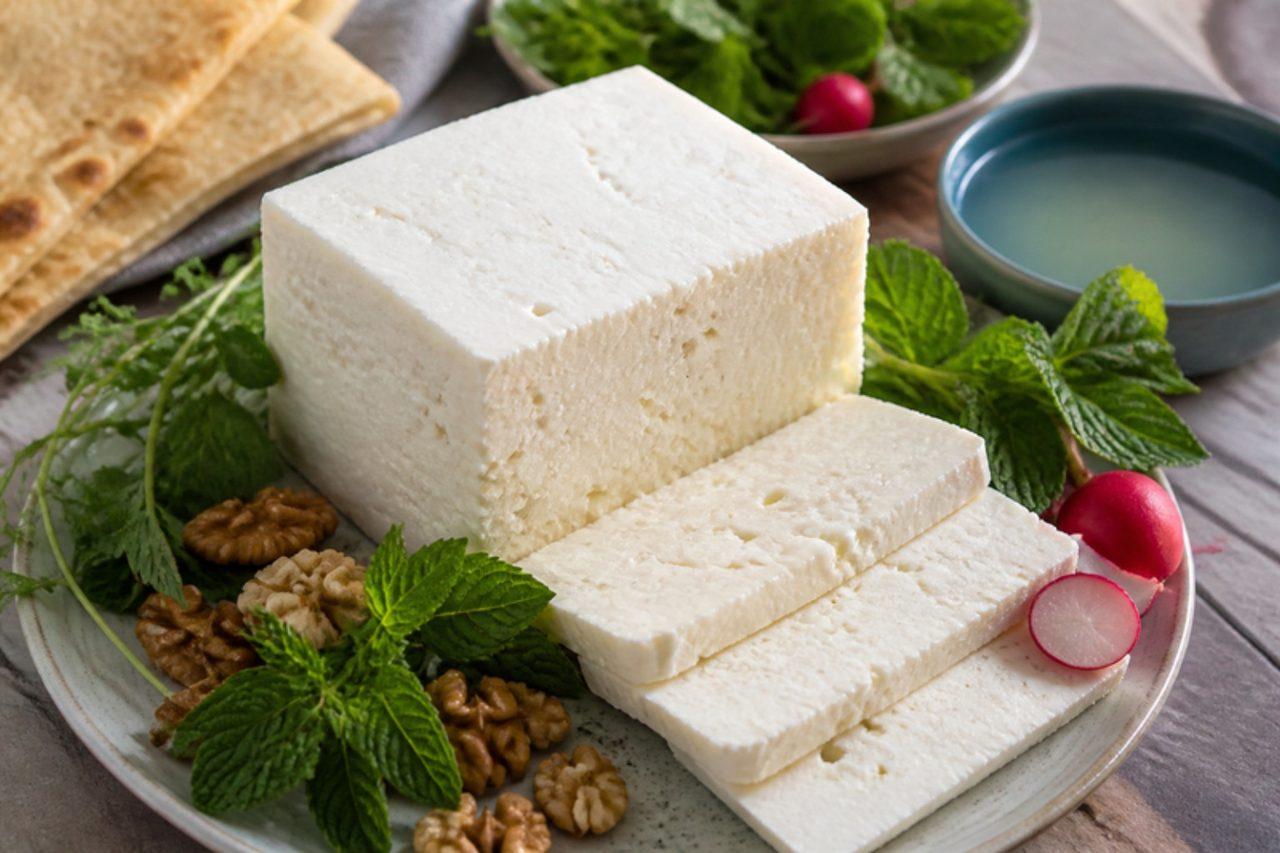
The village of Lighvan, on the slopes of Mount Sahand south of Tabriz, gives its name to Iran's most loved breakfast cheese: a white, holey, tangy sheep's milk cheese matured in brine, traditionally in goatskins or tins in mountain caves. Across Azerbaijan province it is eaten every morning with warm bread, walnuts, fresh herbs and sweet tea. This home version uses pasteurised sheep's milk (or a mix with goat's milk) so it is safe to make in your kitchen. Village Lighvan is set with animal rennet; use a vegetarian (microbial) rennet to keep it vegetarian. The commonest mistake is cutting the curd before it gives a clean break, which loses yield and makes a crumbly cheese. Chef's tip: let the cheese firm in the fridge for a full week in the brine; it develops its classic tang and little holes as it matures.

1500 minPersianBasicsGluten free
by KrazyBadal 0 views

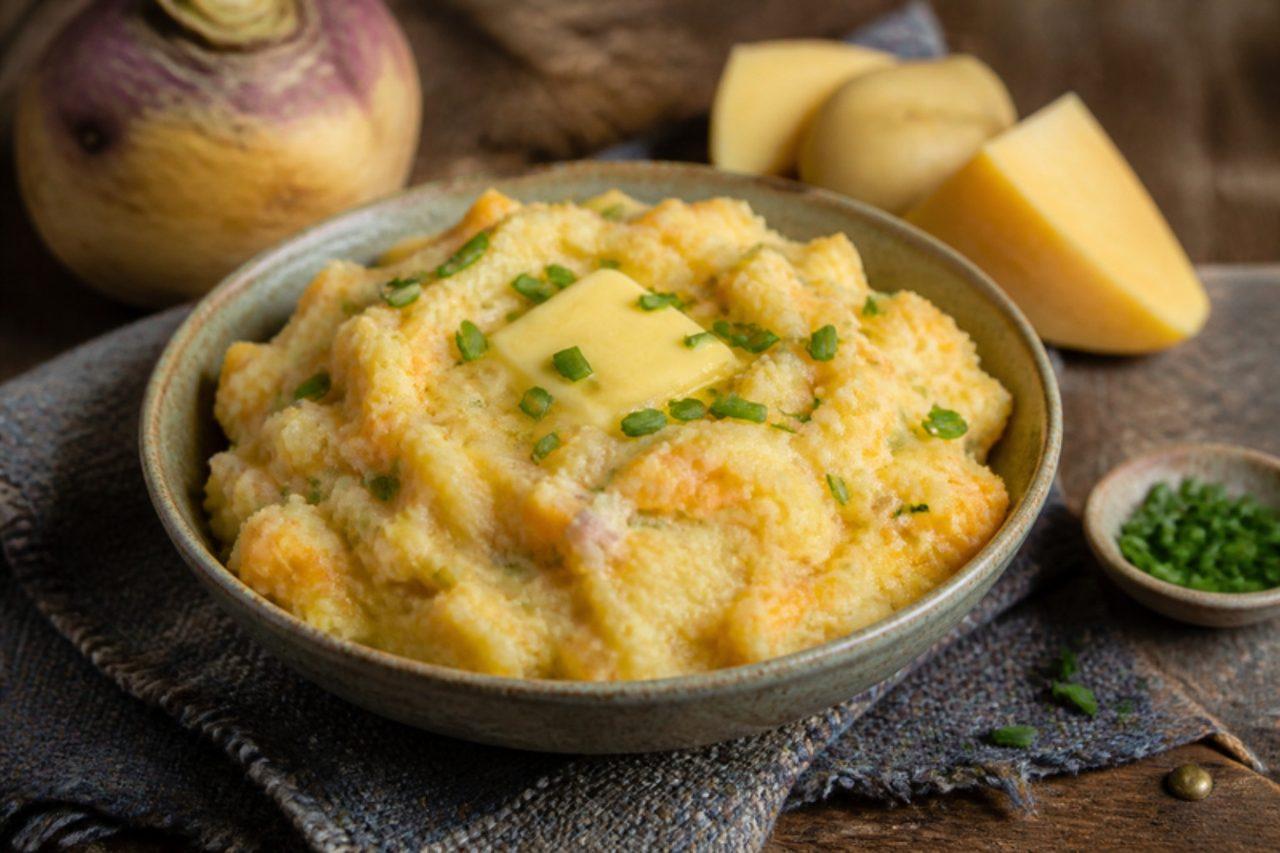
Orkney clapshotSwede and potato mash

Clapshot is the Orkney way with neeps and tatties: equal amounts of swede and potato mashed together with butter, chives and plenty of pepper, rather than served side by side. Islanders eat it with oatcakes and cheese, with mince, or alongside haggis on Burns Night. It is sweet, earthy and soft-orange. Chef's tip: dry the boiled vegetables in the hot pan before mashing, or the swede makes it watery.

by KrazyBadal 0 views

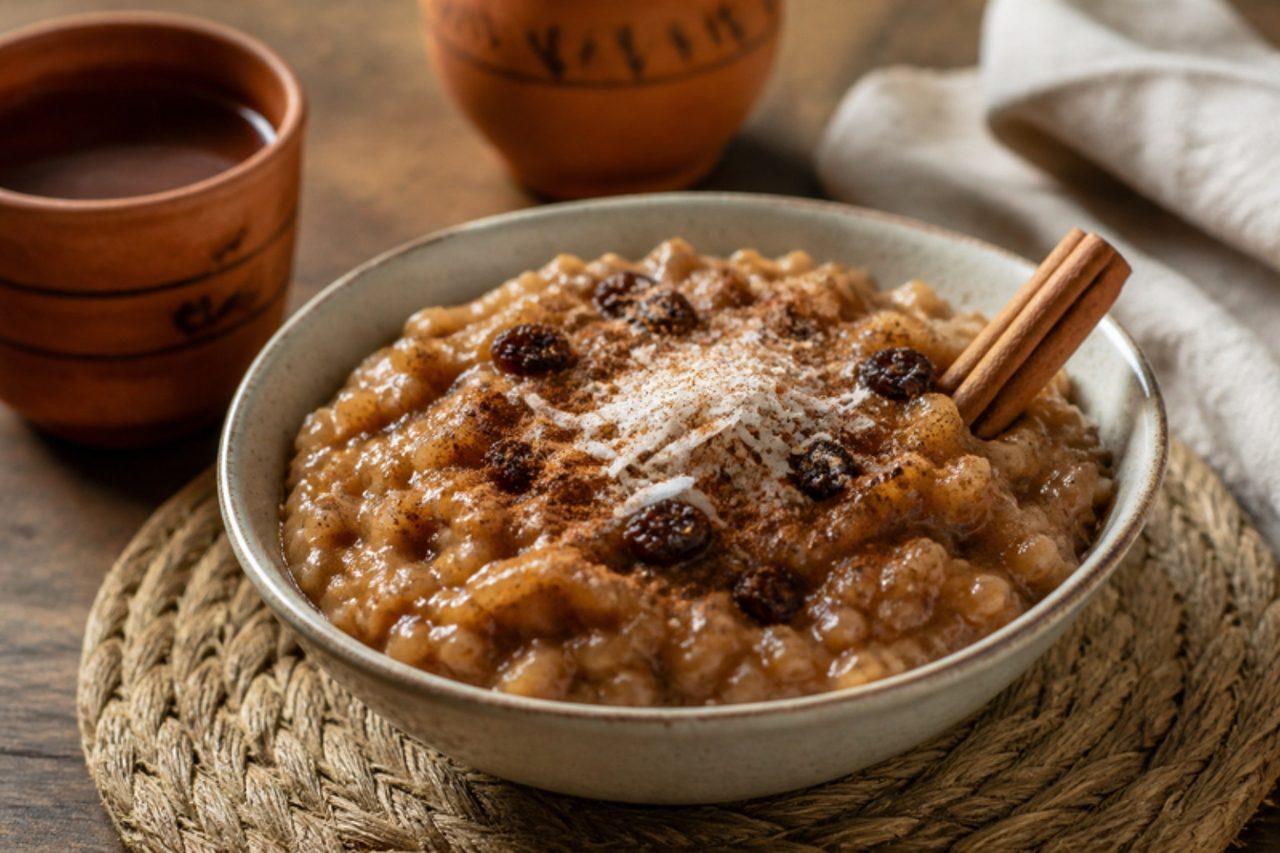
Arroz zambitoRice pudding with chancaca and raisins

Lima's Afro-Peruvian kitchens gave the city arroz zambito, the dark cousin of arroz con leche: rice simmered with cloves and cinnamon, sweetened with chancaca instead of white sugar, and enriched with milk, coconut and raisins. The name refers to its deep brown colour, and it is sold in cups at markets and from carts alongside mazamorra morada, often half and half in the same cup. It tastes of molasses and spice, soft and creamy with chewy raisins and nuggets of coconut. The way it usually goes wrong is adding the chancaca too soon, before the rice is tender; the sugar firms the grains and they never soften. Serve warm or at room temperature, dusted with cinnamon. Chancaca can be swapped for panela or dark muscovado. Chef's tip: melt the chancaca in a little water first and strain it, as the blocks often contain bits of cane fibre.

by KrazyBadal 0 views

Arrufadas de CoimbraCinnamon sweet rolls

Coimbra's bakeries have sold arrufadas since convent times, and generations of university students have taken them to class wrapped in paper. They are small, pillowy sweet breads enriched with eggs and butter, flavoured with lemon and cinnamon and shaped into neat rounds with a sugary top. They are best on the day, torn open with coffee or a glass of milk. A common mistake is adding too much flour to a sticky dough, which gives dry, tight rolls instead of soft ones. Chef's tip: the dough should feel very soft and tacky; resist adding extra flour, or the rolls turn dense.

by KrazyBadal 0 views

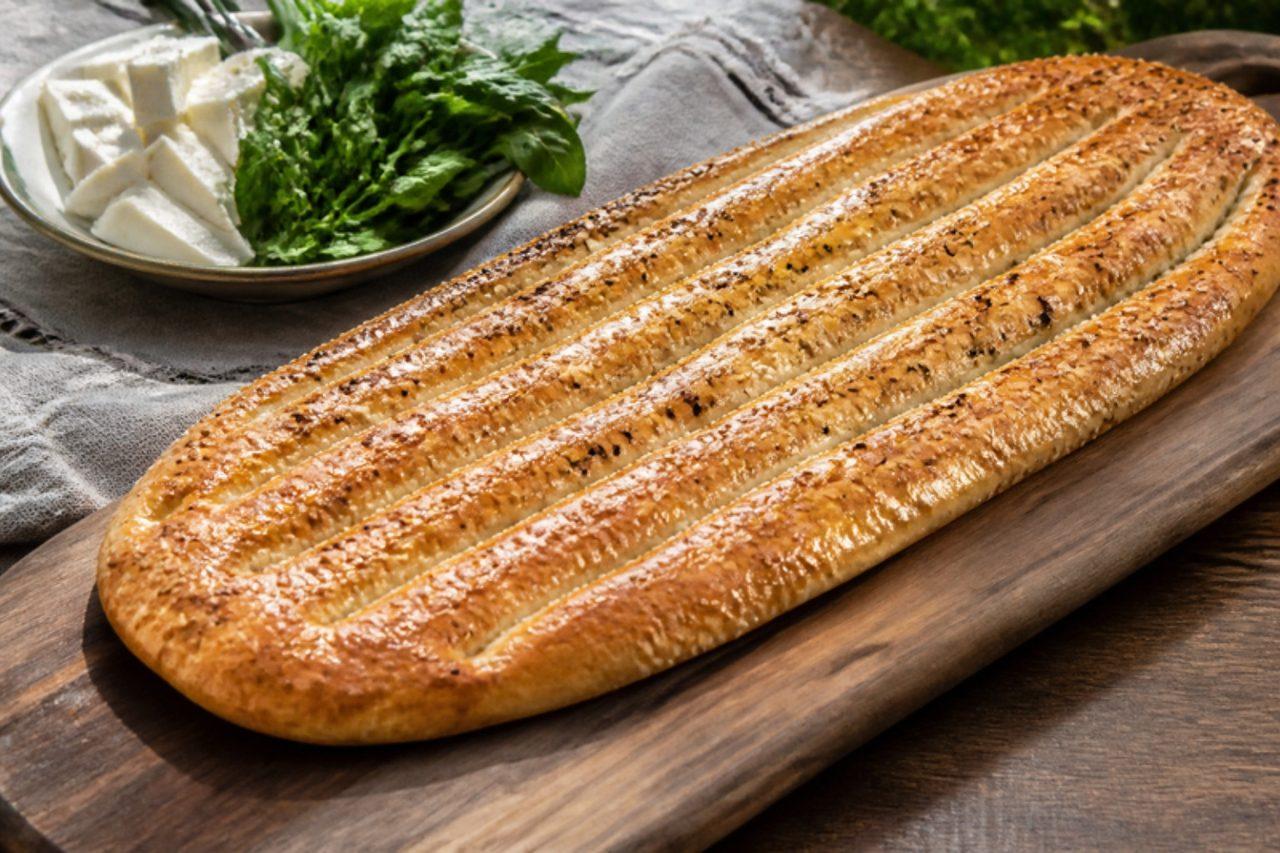
Nan-e barbariThick grooved flatbread

Barbari is Tehran and Tabriz's breakfast bread: a long, thick oval with deep lengthwise grooves, its top glazed golden-brown and scattered with sesame and nigella. Bakeries sell it hot from early morning, and it goes home to be torn and eaten with feta, walnuts, herbs, butter and jam or a glass of sweet tea. Its secret is the roomal, a quick paste of flour, baking soda and water brushed on before baking, which gives the shiny, crackly crust. The usual mistake is pressing the grooves too shallow, so they puff out in the oven and the bread loses its shape. Chef's tip: press your fingertips right down to the work surface when making the grooves, and don't worry if it looks too flat; it rises in the oven.

by KrazyBadal 0 views

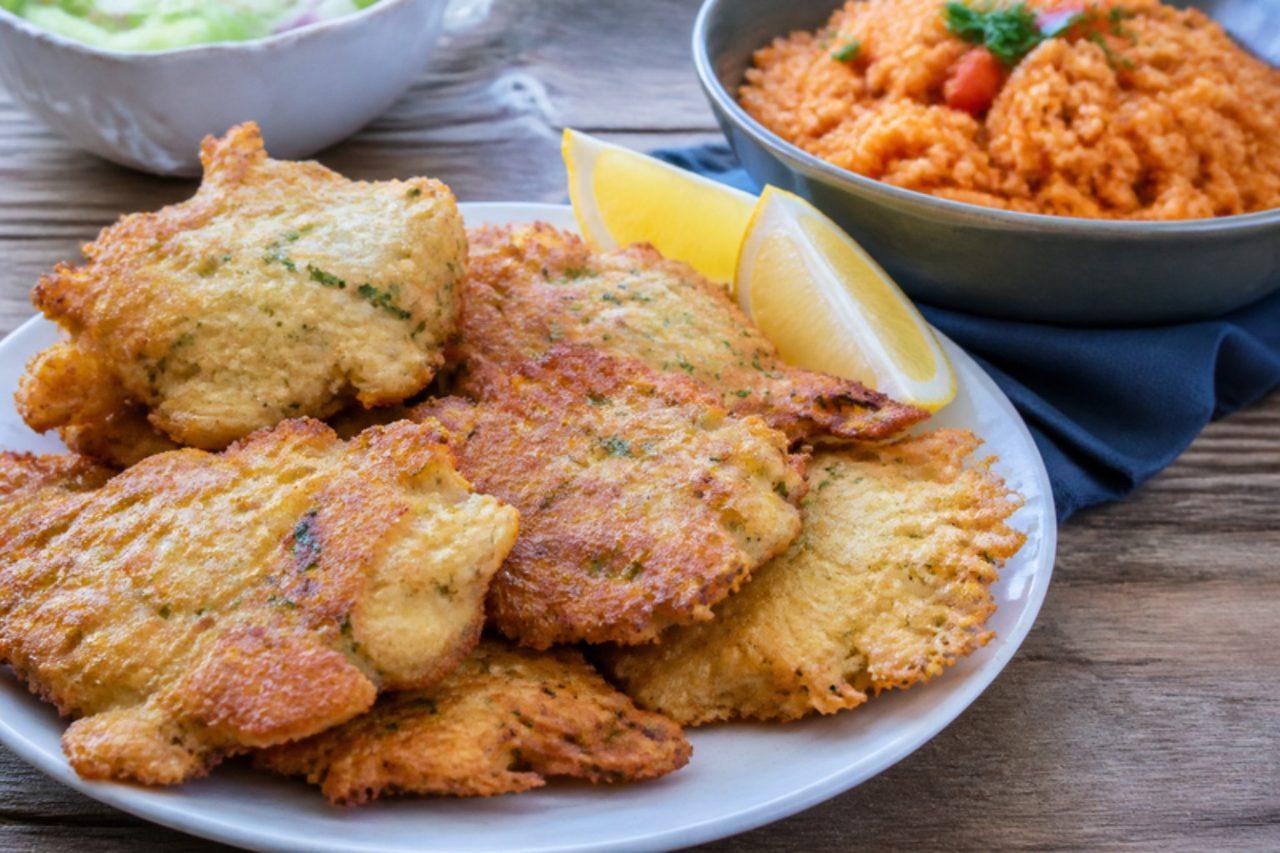
Pataniscas de bacalhauSalt cod fritters

Where pastéis de bacalhau are neat and smooth, pataniscas are rough and generous: spoonfuls of a loose batter packed with shreds of salt cod, onion and parsley, fried into wide, crisp-edged fritters. Lisbon tascas serve them at lunch with arroz de feijão, a soupy red-bean rice, or tucked into a bread roll as a snack. Soak the cod in the fridge for a day or two first. A common mistake is a batter as thick as pancake mix, which gives doughy fritters; it should drop loosely from the spoon. Chef's tip: let the batter rest for 30 minutes so the flour swells and the fritters hold together without needing more.

by KrazyBadal 0 views

PatarashcaLeaf-wrapped grilled fish

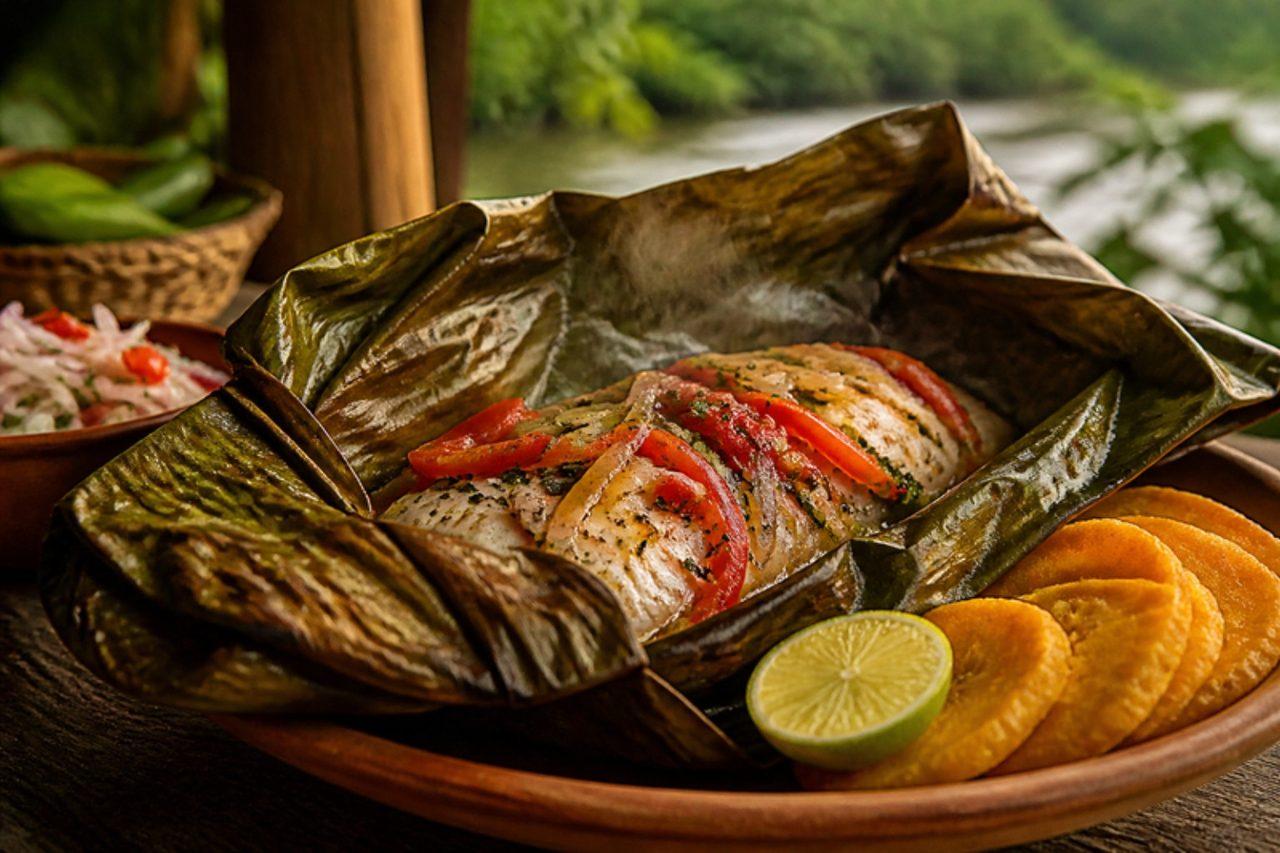
Wrapping fish in leaves and cooking it over embers is how the riverside towns of Loreto and San Martín have always cooked their catch, and in Iquitos patarashca is sold on Belén market grills and in the restaurants along the Malecón. A whole fish or thick fillet is smeared with garlic, ají dulce, tomato, onion, cumin and sacha culantro, folded in large bijao leaves and grilled until the parcel chars and the fish steams in its own juices. When you open it, the flesh is soft and fragrant with herbs. Banana leaves from Asian shops are the best swap for bijao; foil works at a pinch. Too thin a parcel is the usual mistake: the leaves burn through and the fish dries out, so use two layers. Chef's tip: serve it in the opened leaf with boiled plantain or cassava and spoon up every drop of the juices.

by KrazyBadal 0 views

Showing 27 of 7,762 recipes

Show more recipes

Page 458 of 863