


Skip to content
Yibin ya cai
Featured recipe

Yibin ya cai

Cured mustard stem

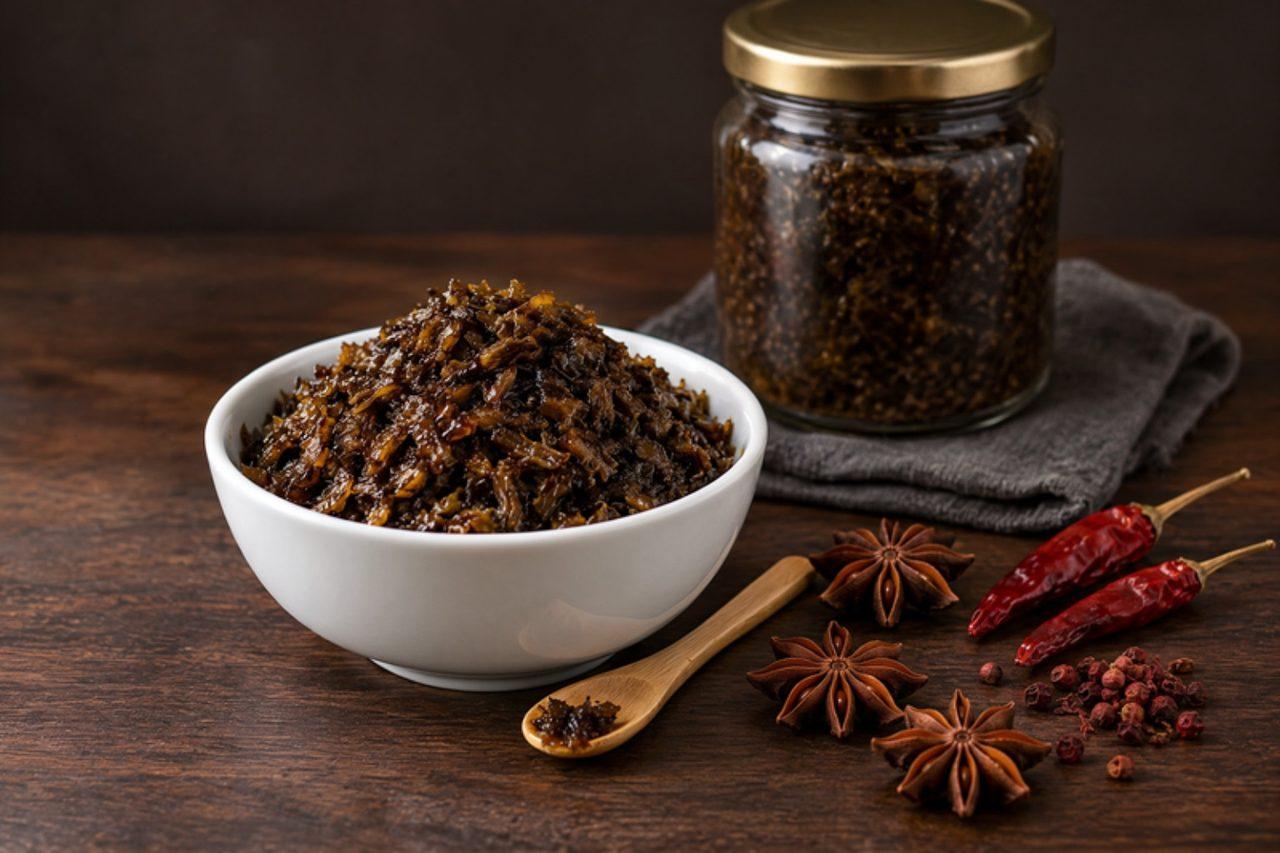
Yibin, where the Min river meets the Yangtze in southern Sichuan, has cured ya cai since the Qing dynasty, and its dark, sweet-salty shreds are what give dan dan mian, gan bian si ji dou (dry-fried green beans) and the steamed pork dish shao bai their deep savoury note. The stems of a leafy mustard are shredded, wind-dried, salted twice, then mixed with a syrup of brown sugar and spices and cured in sealed jars until almost black. The texture is chewy-tender, the taste malty, sweet, salty and warmly spiced with star anise and Sichuan pepper. Common mistake: adding the syrup while it is hot or while the shreds are still wet, which dilutes the cure and invites spoilage; both must be cold and the shreds well dried. It is ready when the shreds are uniformly dark brown and smell of molasses and anise, after 4–6 weeks in the fridge. This cure is high in salt and sugar, so it keeps 6 months refrigerated with a dry spoon; discard if mould, slime or a sour, rotten smell appears. Chef's tip: mustard greens with thick stalks (gai choy) are the best stand-in abroad; save the leaves for soup.

Read more 0 views

What to eat today?

Around the world

Today's trip: Paraguayan

A new country every day, from every cuisine on the site.

Paraguayan

Cocido quemado

Burnt sugar mate drink 14 minMore from Paraguayan (27) →

This week's collection

Kid-friendly dinners
537 recipes · a new collection every Monday

Latest recipes

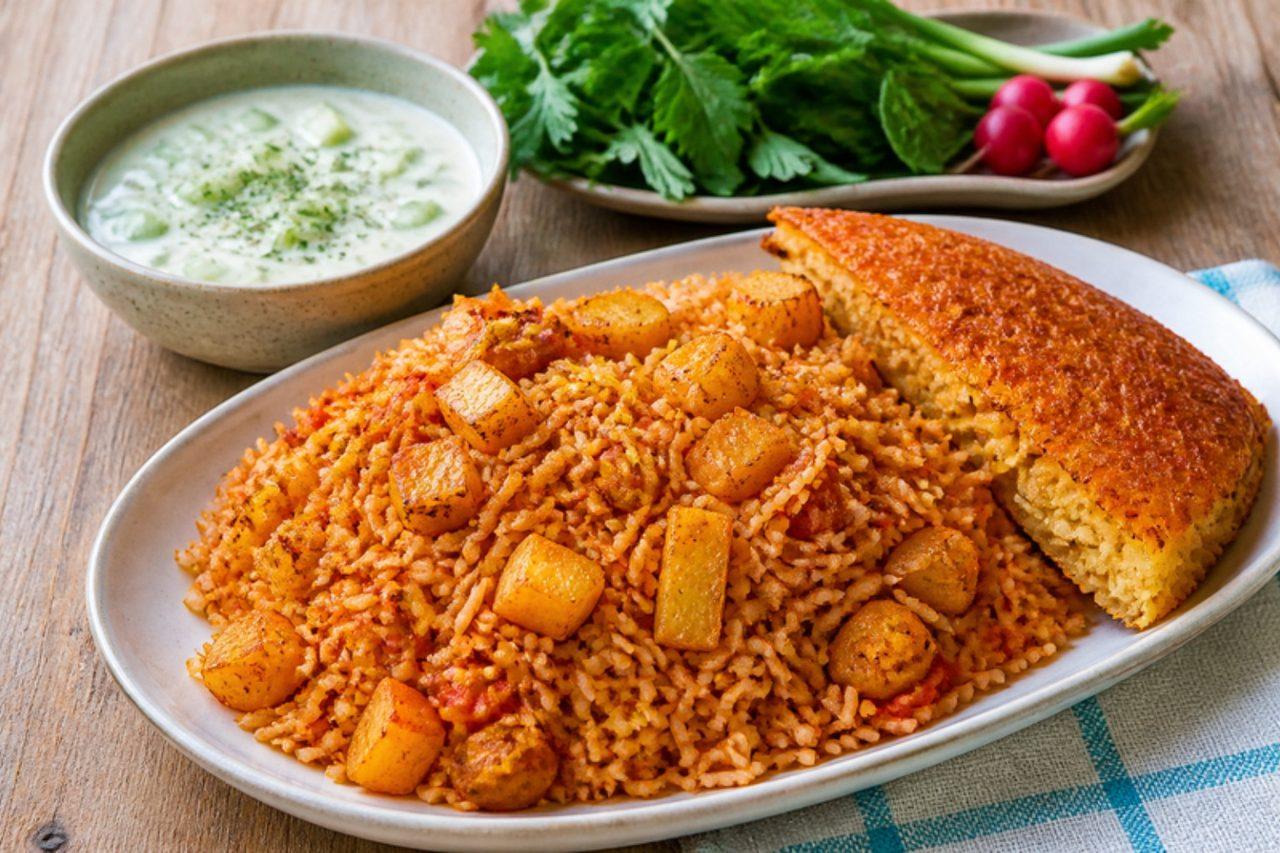
Estamboli poloTomato rice with potatoes

In Tehran flats, estamboli polo is the weeknight rice that turns up when the fridge holds little more than tomatoes and potatoes, and children ask for it by name. Basmati is par-boiled, then layered back into the pot with a turmeric-and-tomato sauce and cubes of fried potato, and steamed under a cloth-wrapped lid until each grain is separate and orange-tinged. The bottom turns into a golden, crunchy tahdig that everyone fights over. Serve it with mast-o khiar, a plate of fresh herbs and torshi. A common mistake is stirring the tomato sauce through boiling rice, which makes it sticky; layer it instead and let the steam do the work. Chef's tip: lay thin potato slices on the base of the pot for the tahdig; they crisp evenly and lift out in one piece.

by KrazyBadal 0 views

EsterházytorteAlmond meringue layer cake

Named after a Hungarian noble family and claimed by both Budapest and Vienna, this torte is a showpiece of Viennese pastry shops, where it sits in the glass counter beside richer chocolate cakes. Five or six crisp-chewy almond meringue layers are stacked with a vanilla custard buttercream, then topped with white icing and the famous feathered chocolate lines. It has no flour at all, so it suits gluten-free guests. A common mistake is baking the layers too pale; they should be light golden, or they go soft and sticky in the cream. Chef's tip: draw the circles on baking paper first and spread the meringue to the line with a palette knife, so every layer matches.

by KrazyBadal 0 views

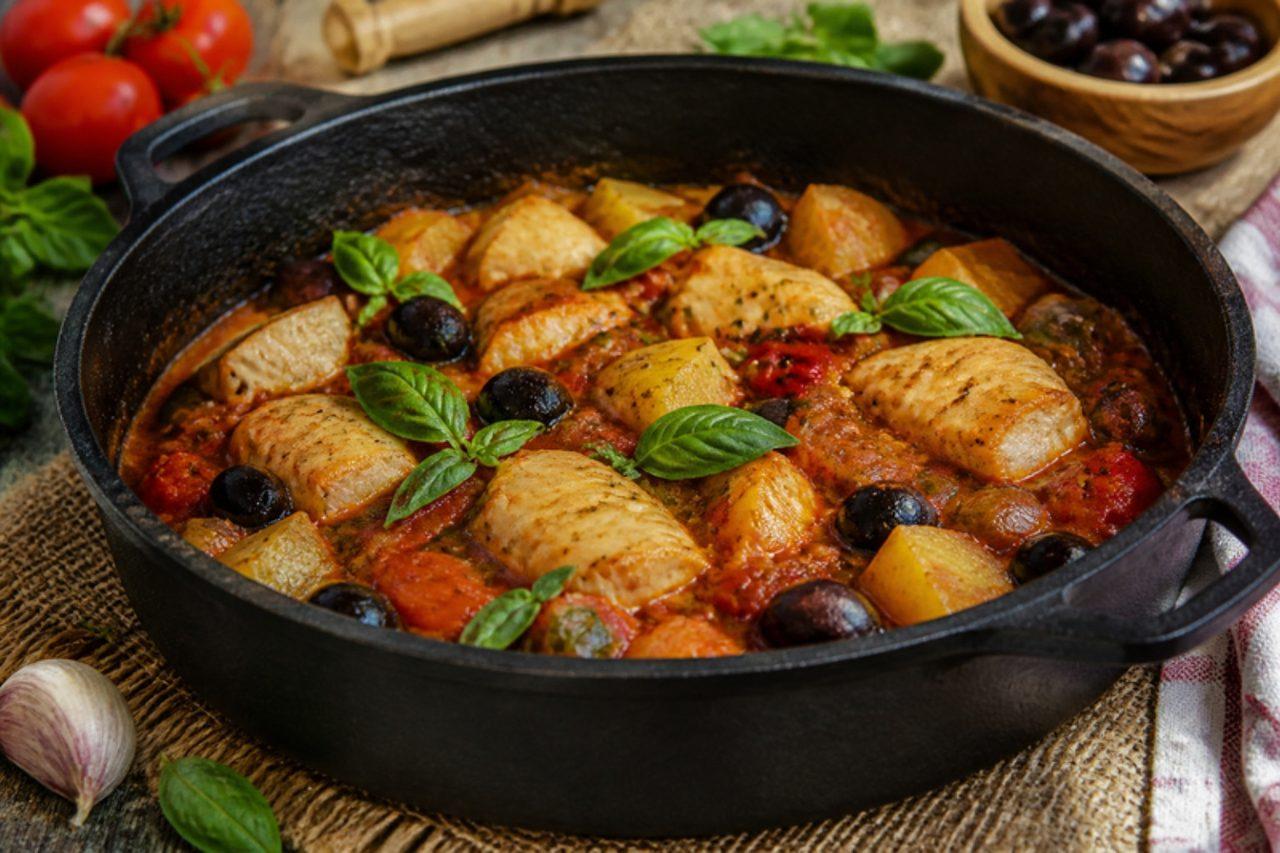
Estocaficada (stockfish niçois)Dried cod stew with tomato

Estocaficada is the old winter dish of Nice's port and old town, where Norwegian stockfish arrived in exchange for olive oil and wine centuries ago; it is still cooked for family Friday lunches and at the city's food festivals. Air-dried cod is rehydrated and stewed slowly with tomatoes, onions, peppers, black olives and potatoes, giving a rich, rust-red stew with a deep, almost meaty flavour. True stockfish is hard to find outside specialist shops and needs 4–5 days of soaking, so this recipe uses salt cod, which is easier and gives a gentler result; the note explains both. Serve in deep plates with crusty bread for the sauce. Chef's tip: add the cod at the end and keep it at a gentle simmer so it stays in juicy flakes rather than turning rubbery.

105 minFrenchFishGluten free
by KrazyBadal 0 views

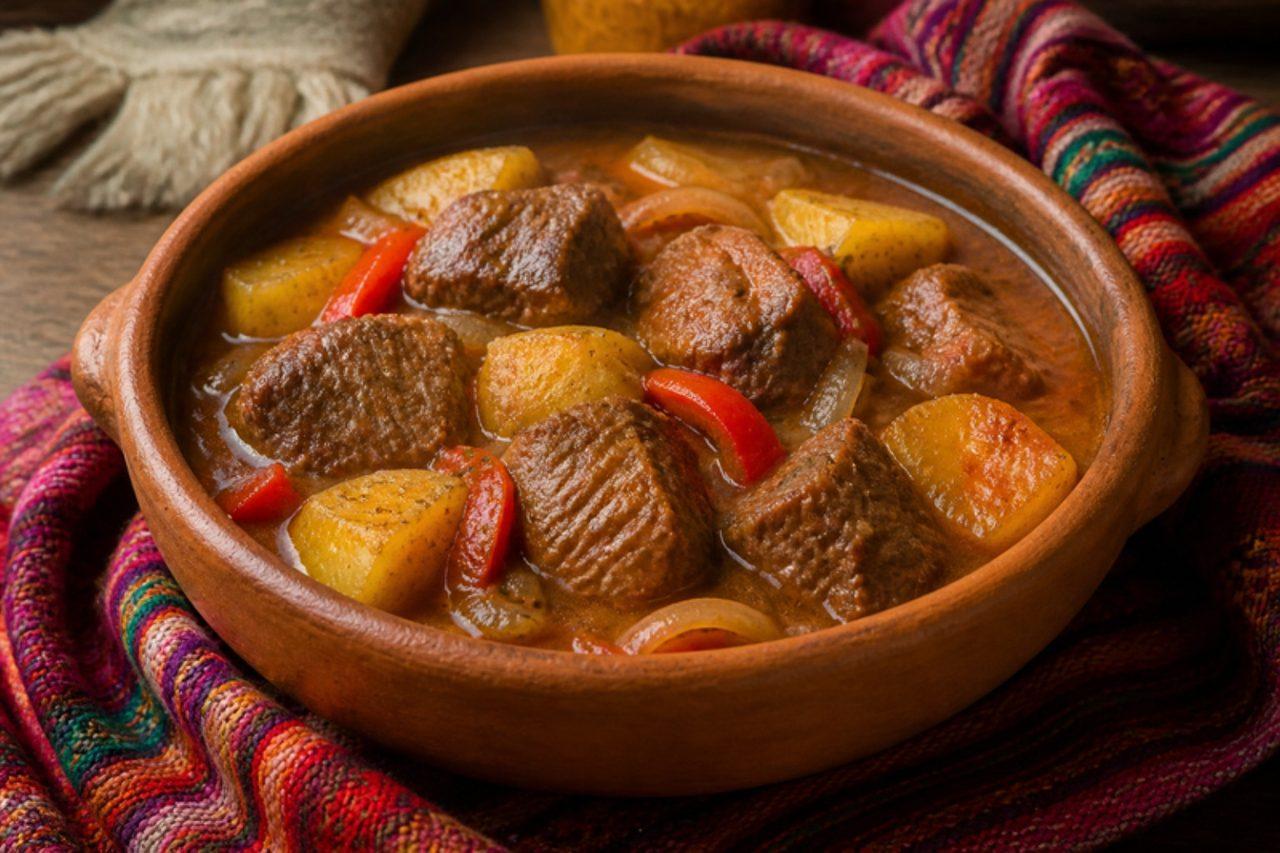
Estofado de llamaBraised llama stew

Llama herds have grazed the Puna of Jujuy for thousands of years, and in Purmamarca, Tilcara and Humahuaca restaurants now proudly serve their meat to visitors, most often as a slow estofado. The meat is very lean, dark red and mild, a little like venison, and it is braised with onion, red pepper, tomato, cumin, ají molido and a sprig of muña or oregano until tender, then served with Andean potatoes, quinoa or rice. Outside the Andes, llama is sold by a few specialist game and alpaca farms; lean venison or beef topside are the closest substitutes. Treat it like beef and braise it until fork-tender. Because the meat has almost no fat, the common mistake is cooking it at a rolling boil, which makes it dry and stringy: keep the heat low and the lid on. Chef's tip: dust the meat lightly with a little cornflour before browning; it protects the lean pieces and thickens the sauce without making it heavy.

by KrazyBadal 0 views

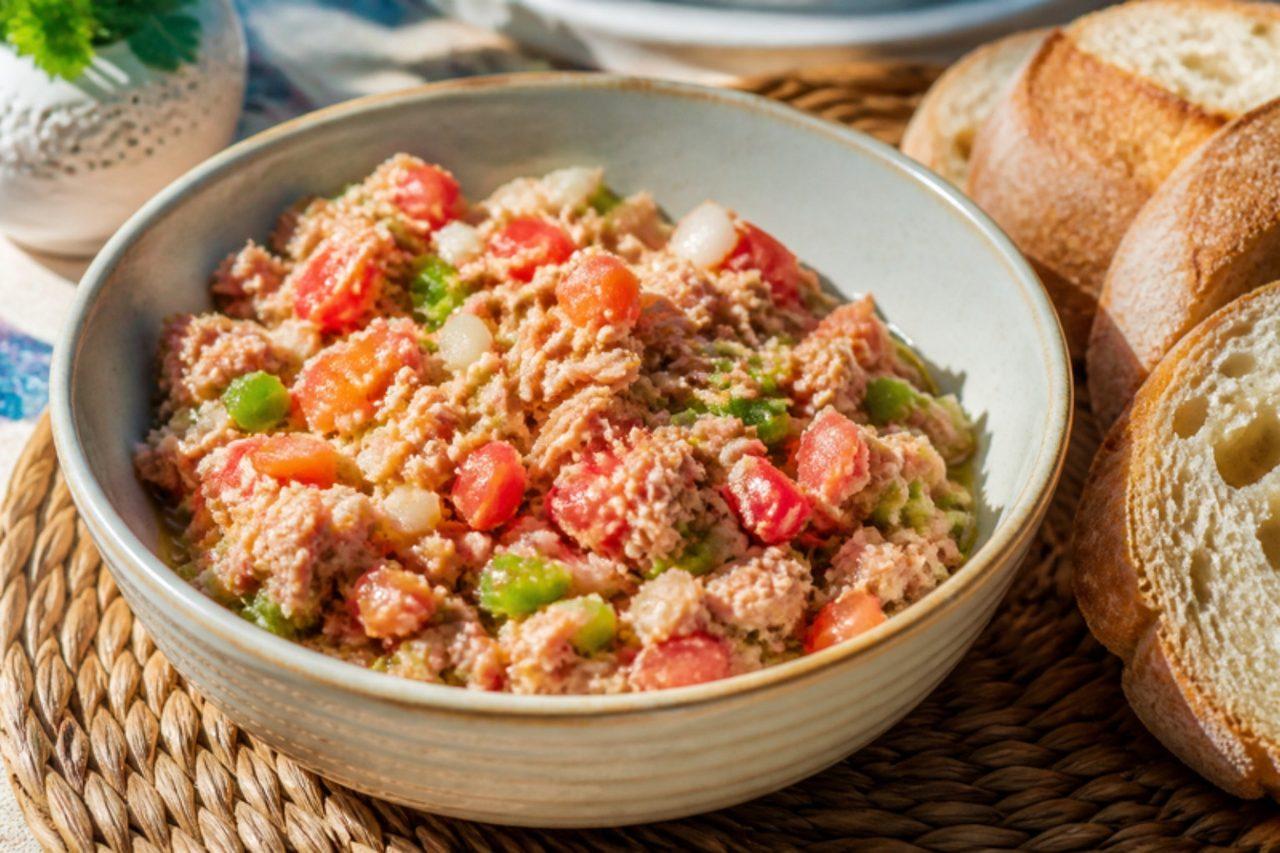
Estupeta de atumShredded tuna salad

Vila Real de Santo António and Tavira grew rich on tuna, and estupeta is what the fishing families made from the salted belly: shredded into threads and tossed with tomato, green pepper and onion in a sharp olive-oil dressing. Today it appears every summer in tascas along the Guadiana as a starter with bread and cold drinks. The traditional salted tuna is cured, not cooked, so it is not for pregnant women, young children or anyone with a weakened immune system; this version uses fresh tuna poached until cooked through, which anyone can eat. Chef's tip: shred the tuna with two forks while it is still warm, as it pulls into finer threads.

by KrazyBadal 0 views

Etli ekmekThin flatbread with lamb mince

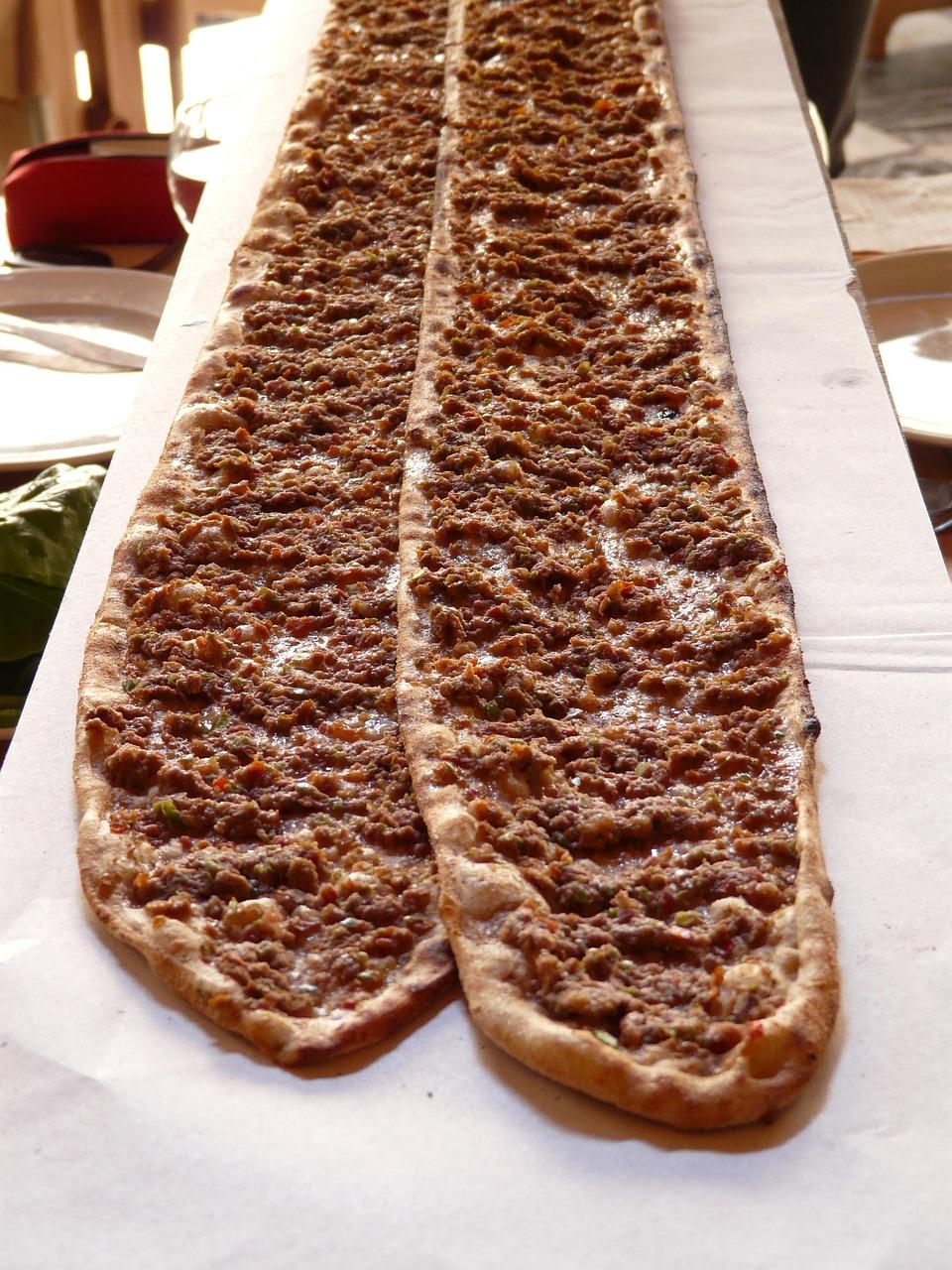
In Konya, etli ekmek is the city's own fast food: dough stretched into a strip almost a metre long and thin as card, spread with hand-chopped lamb or beef, onion, tomato and pepper, baked for a few minutes in a stone oven and cut into squares with a pizza wheel. Unlike lahmacun, the topping is generous and the bread is crisp all the way through. At home, make shorter strips on a hot tray and serve with ayran, lemon and a heap of parsley and onion. Common mistake: piling the topping thick, which keeps the base soft; spread it thin right to the edges. The meat must reach 71 °C. Chef's tip: chop the mince again on a board with the onion and peppers; it spreads thinner and cooks faster.

by KrazyBadal 0 views

Etli nohutLamb and chickpea stew

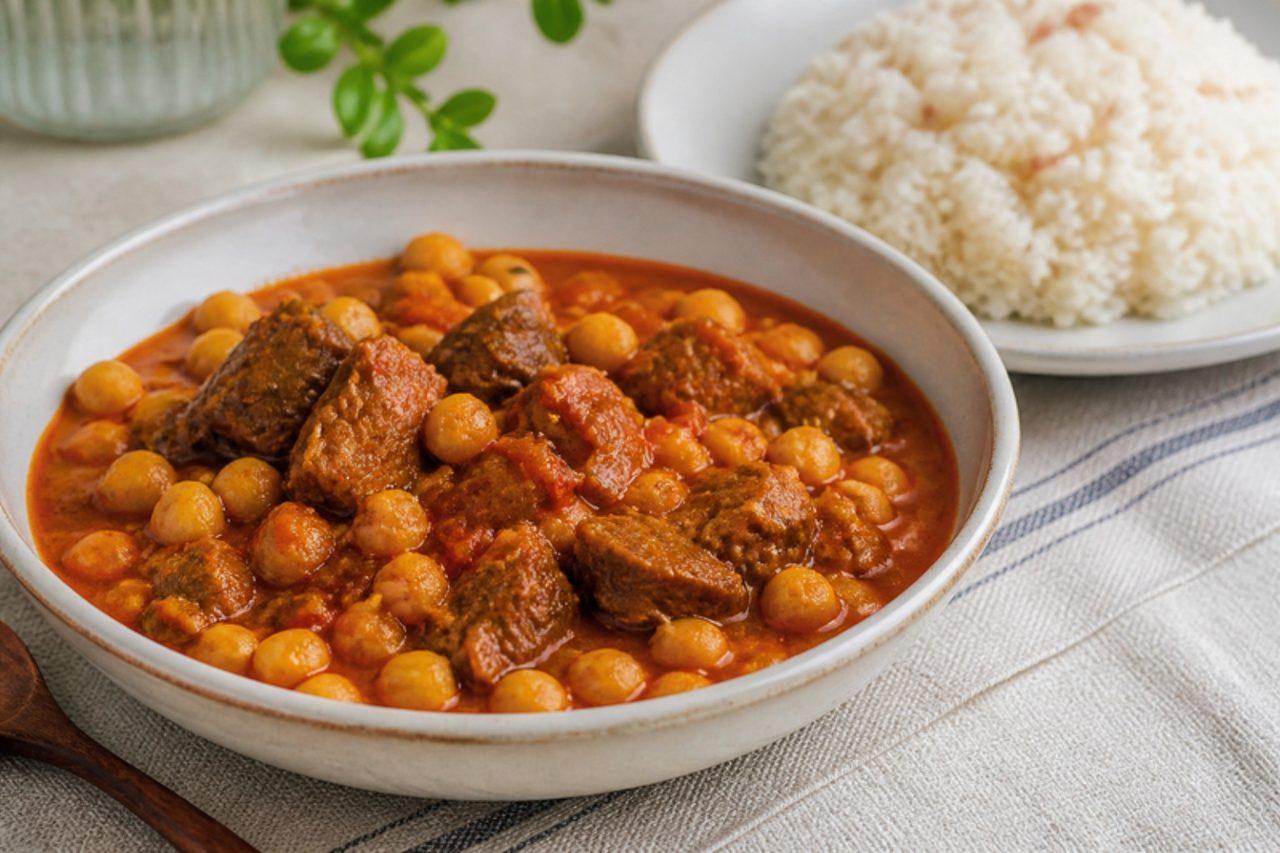
Ask anyone in Turkey for the taste of a school lunch or a lokanta set menu and many will say etli nohut with pilav: chickpeas simmered with cubes of lamb, onion, tomato and pepper paste until the sauce is thick and the chickpeas creamy. Spooned over buttery rice with a few pickles alongside, it is cheap, filling and better the next day. Soaking dried chickpeas overnight makes the biggest difference. Common mistake: adding salt and tomato paste before the chickpeas are tender, which keeps them hard. Chef's tip: brown the lamb in batches so it sears instead of stewing in its own juice; that crust flavours the whole pot.

115 minTurkishMeatGluten free
by KrazyBadal 0 views

Ev eriştesiEgg noodles with walnuts

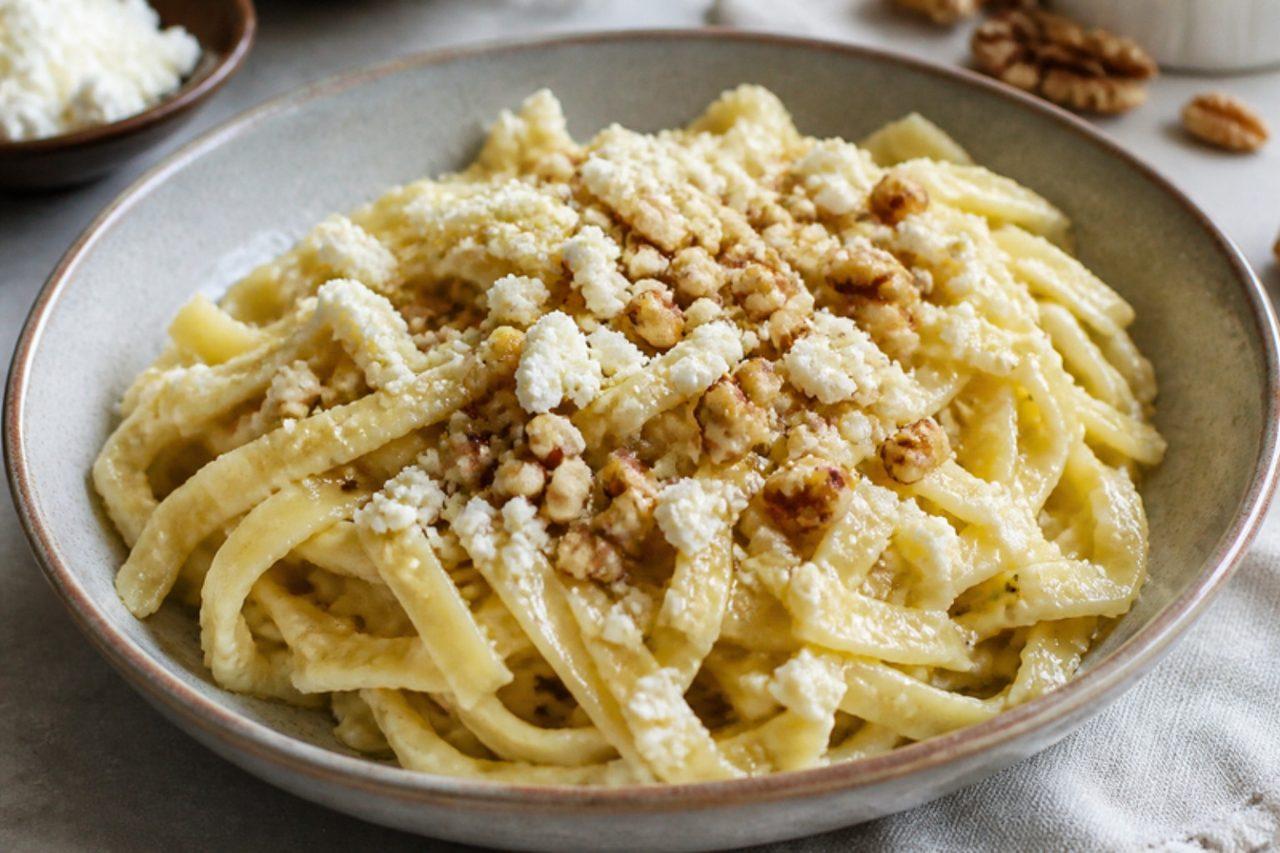
Late summer in Sivas, Tokat and Kayseri villages means erişte days, when neighbours roll out huge sheets of egg dough, cut them into ribbons and dry them on cloths to last the winter. Freshly cut, they cook in minutes and are tossed with browned butter, toasted walnuts and crumbled white cheese, a simple dish that tastes of the farm. Common mistake: cutting the noodles before the rolled sheet has dried a little, so they stick into a clump; let it sit 15–20 minutes until leathery. Feta-style white cheese is often made with animal rennet; use a vegetarian one if needed. Chef's tip: toast a few raw noodles in the butter until golden before the boiled ones go in; they add a lovely crunch.

by KrazyBadal 0 views

Fabes con almejasWhite beans with clams

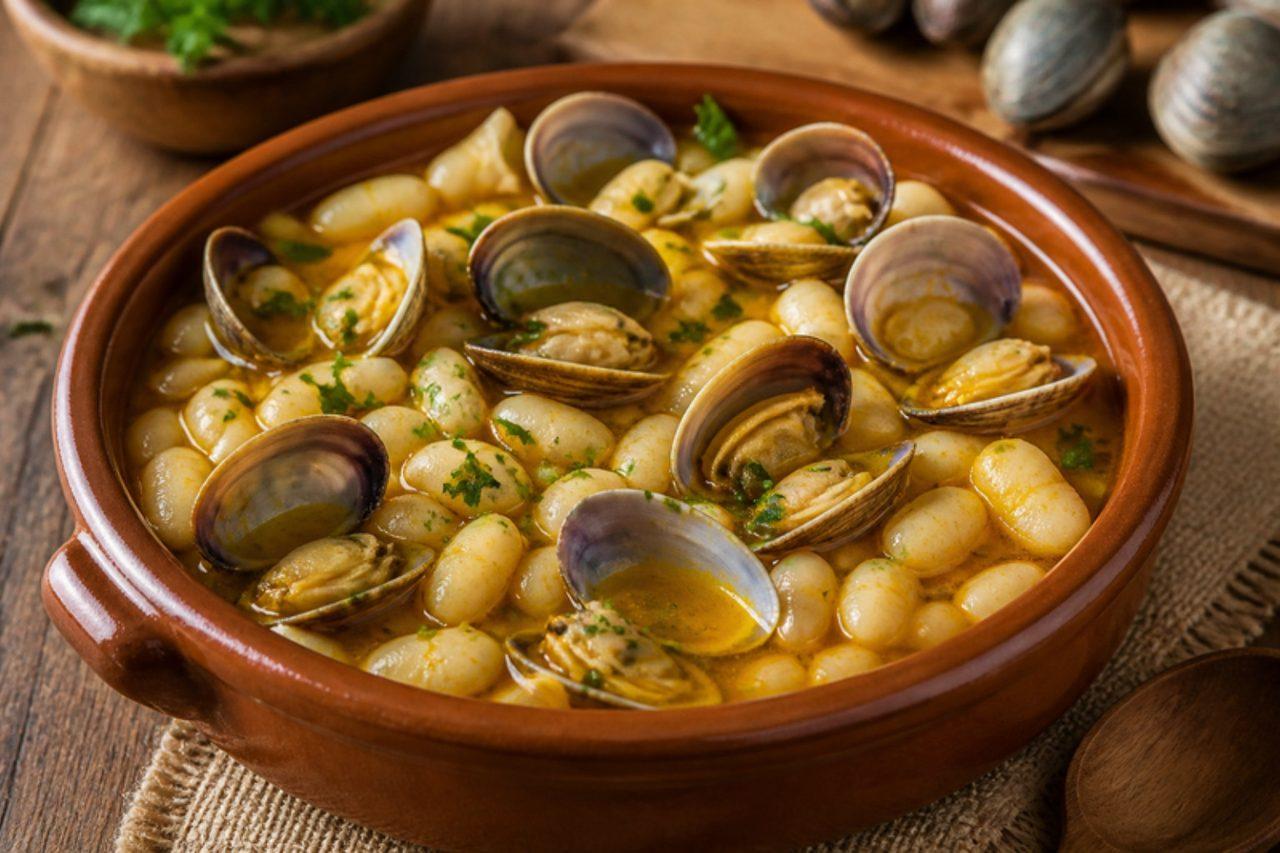
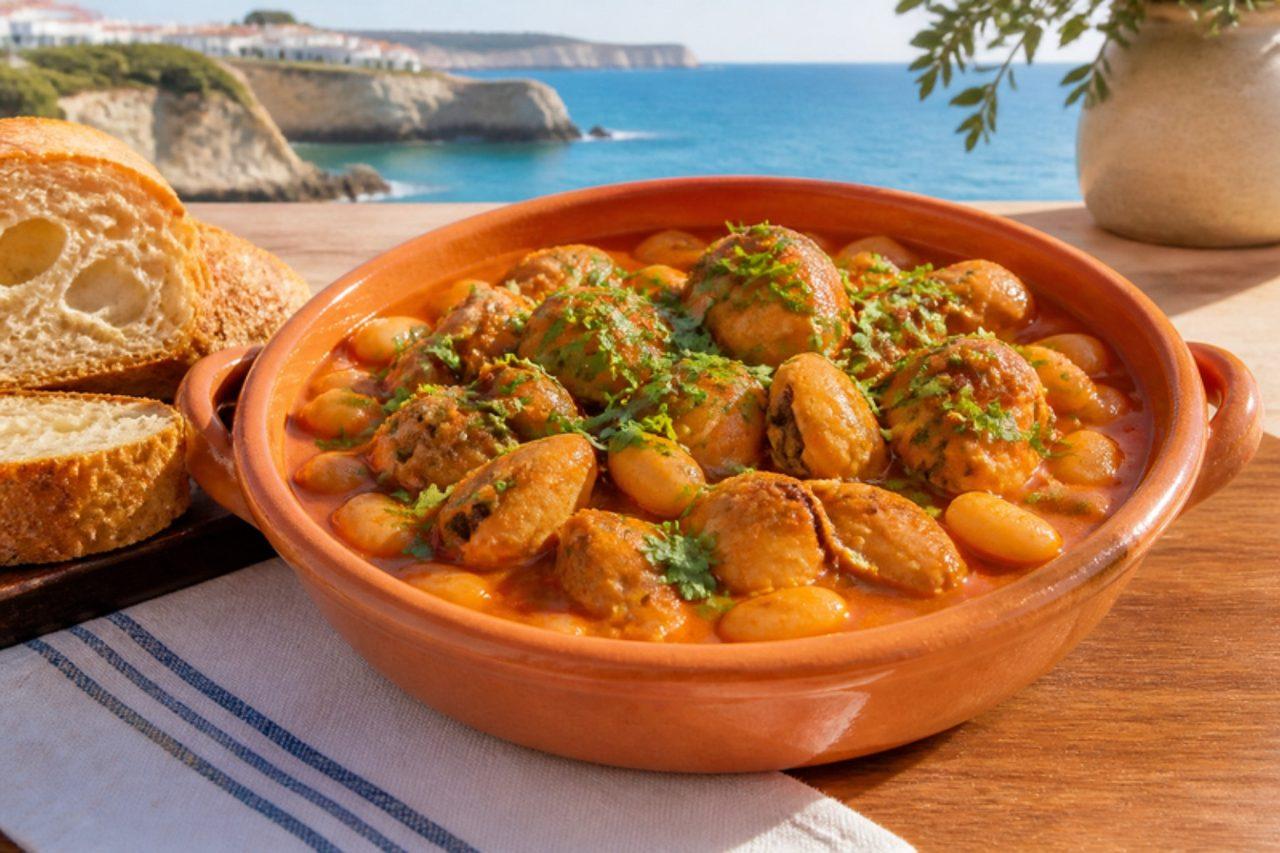
Along the coast, from Lastres to Ribadesella, fabes are cooked not with sausage but with clams, in a pale, saffron-tinted broth that tastes of the sea. It is a dish for a long weekend lunch in a seaside restaurant, eaten slowly with a spoon and bread. The broth uses a glass of dry white wine; an alcohol-free swap is given. Chef's tip: "scare" the beans by adding a splash of cold water whenever the pot boils up during cooking; it keeps the skins whole and the insides creamy.

175 minSpanishFishGluten free
by KrazyBadal 0 views

FartonsSweet glazed buns for dipping

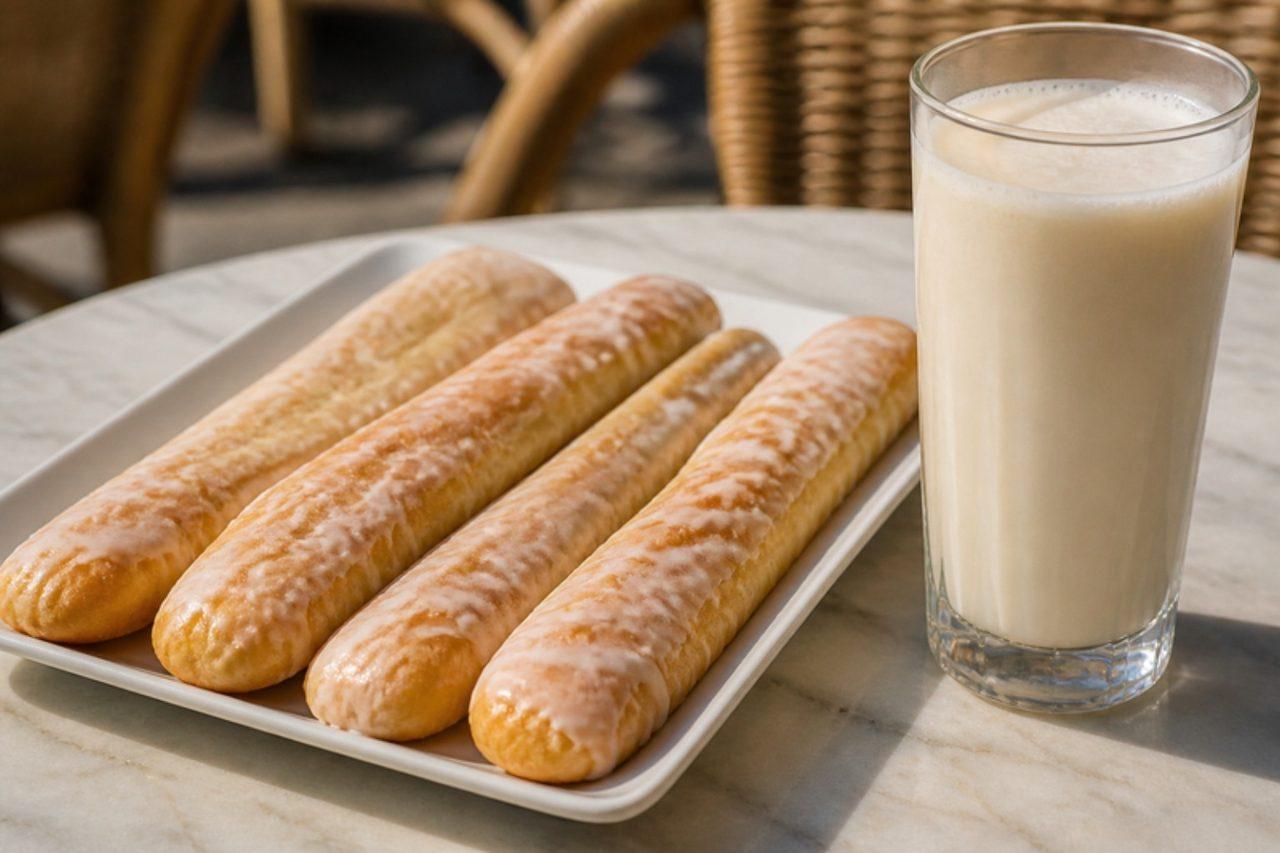
In Alboraya, just north of Valencia, the horchaterías that serve cold tiger-nut horchata in summer put a plate of fartons beside every glass: long, slim, soft buns with a shiny sugar glaze, designed to be dunked and to soak up the milky drink without falling apart. The dough is enriched with egg, milk and sunflower oil rather than butter, which gives them their light, cottony crumb. They are just as good with coffee or cold milk. A common mistake is rushing the second rise; under-proved fartons stay tight and bready instead of airy. Chef's tip: roll each strip a little thinner than you think, about as thick as your finger, because they almost double in the oven.

by KrazyBadal 0 views

Fasulye turşusu kavurmasıFried pickled green beans

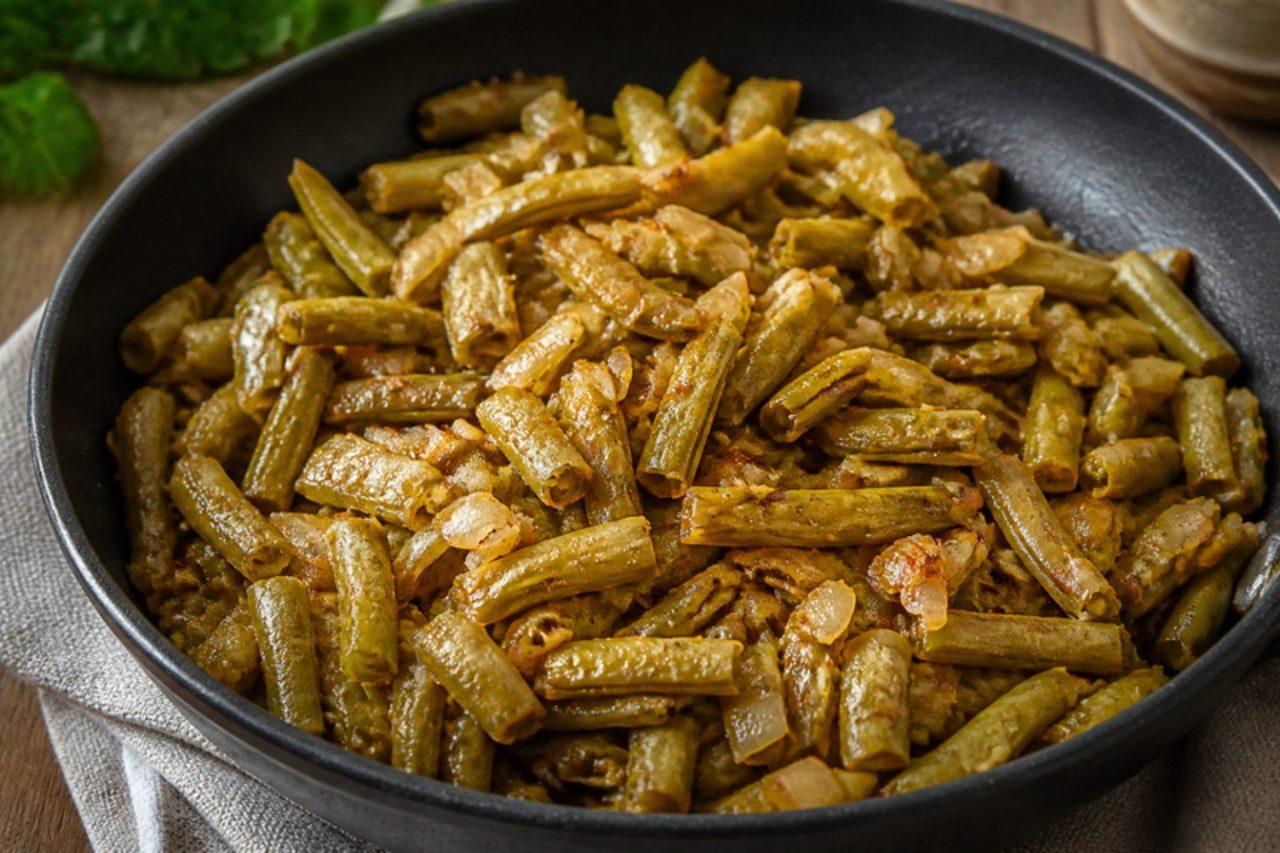
Every autumn, Black Sea households pack crocks with green beans and brine, and through the winter those sour, soft beans are fried with onion and a little butter or oil into one of the region's most loved side dishes. Kavurma means fried, and the beans take on golden edges while keeping their tangy bite; a beaten egg sometimes goes in at the end. Eat it with cornbread, rice pilaf or a bowl of fried anchovies. Common mistake: frying the beans straight from the jar; they spit and taste harshly sour. Chef's tip: soak them in fresh water for half an hour first, tasting as you go, until they are pleasantly sour rather than puckering.

by KrazyBadal 0 views

Favas guisadas com chouriçoBroad beans with chouriço

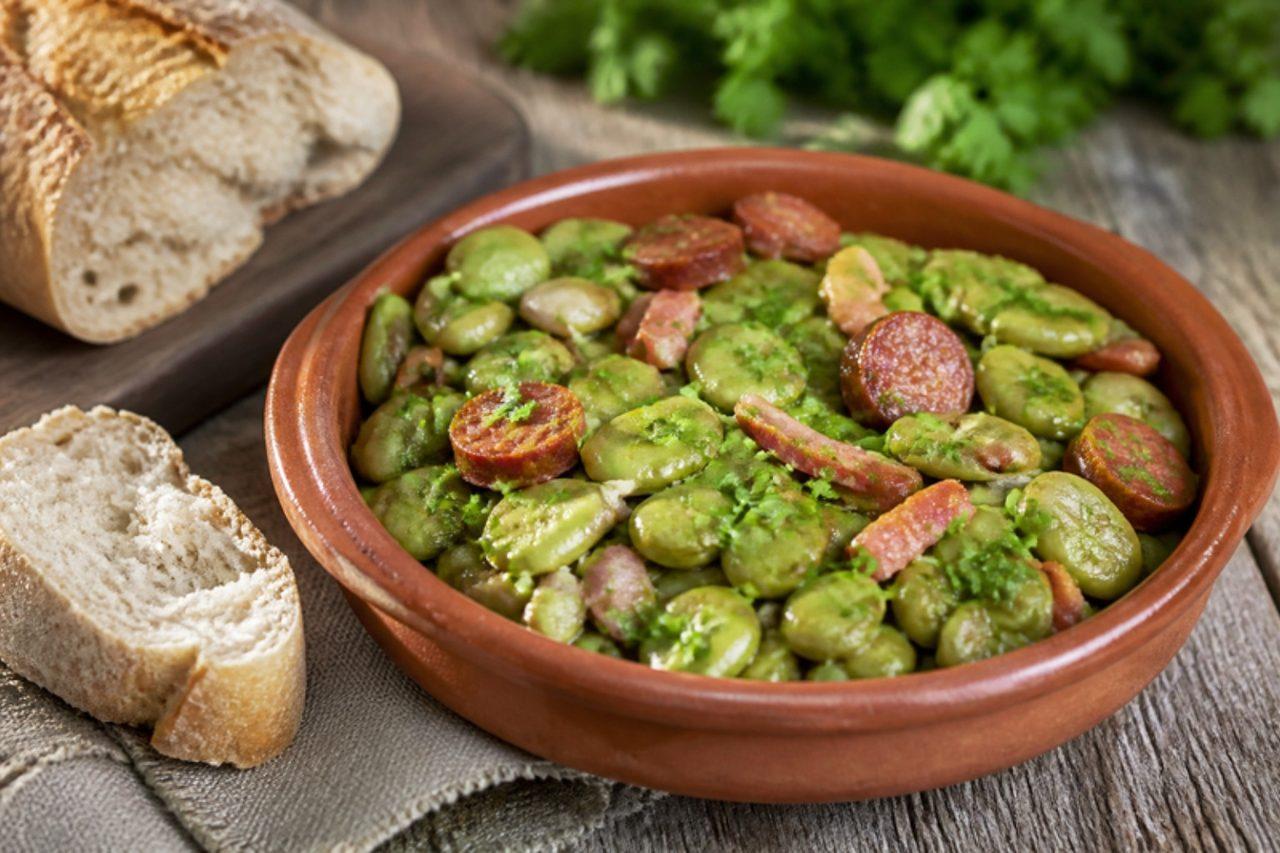
When broad beans come in across the Alentejo in April and May, this is the dish that announces them: young beans stewed with chouriço and a little cured pork belly, garlic, onion and a big handful of coriander, until the beans are soft and the sauce is red with paprika fat. It is a weekday lunch with bread, or with a poached egg on top. This contains pork (chouriço and bacon). Frozen broad beans work well out of season. A common mistake is boiling the beans until they turn grey and mealy; stop when they are tender and still green. Chef's tip: a spoonful of vinegar at the end brightens the rich, fatty sauce.

by KrazyBadal 0 views

Feijão tropeiroBeans with cassava flour and bacon

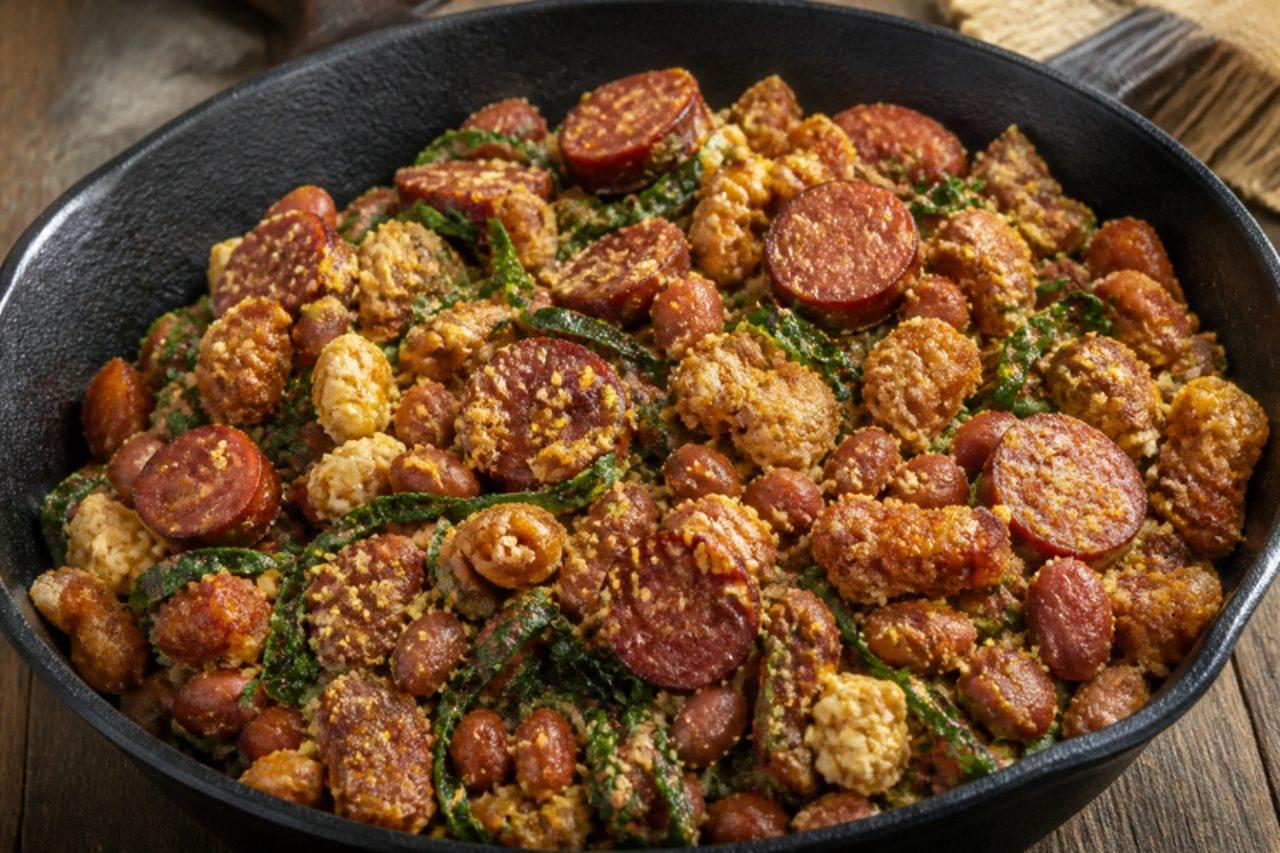
Mule drivers, the tropeiros, crossed Minas Gerais with sacks of beans, cassava flour and pork, and their trail food has become the state's pride: you will find feijão tropeiro at every comida mineira restaurant, at football grounds in Belo Horizonte and on Sunday tables, with rice, couve, torresmo and a grilled pork chop. The beans are cooked just tender, drained, and tossed in bacon and sausage fat with onions, scrambled egg, cassava flour and shredded collards, so the dish is moist but loose, smoky and very savoury. This is a pork dish: smoked bacon and pork sausage give it its flavour. If you start from dried beans, soak them overnight. The usual mistake is overcooking the beans; mushy beans turn the farofa into paste. For a vegetarian version, skip the meats and use butter and an extra egg. Chef's tip: add the farinha off the heat a handful at a time and stop when it looks moist and fluffy, not dry.

by KrazyBadal 0 views

Feijoada à transmontanaRed beans with smoked sausages

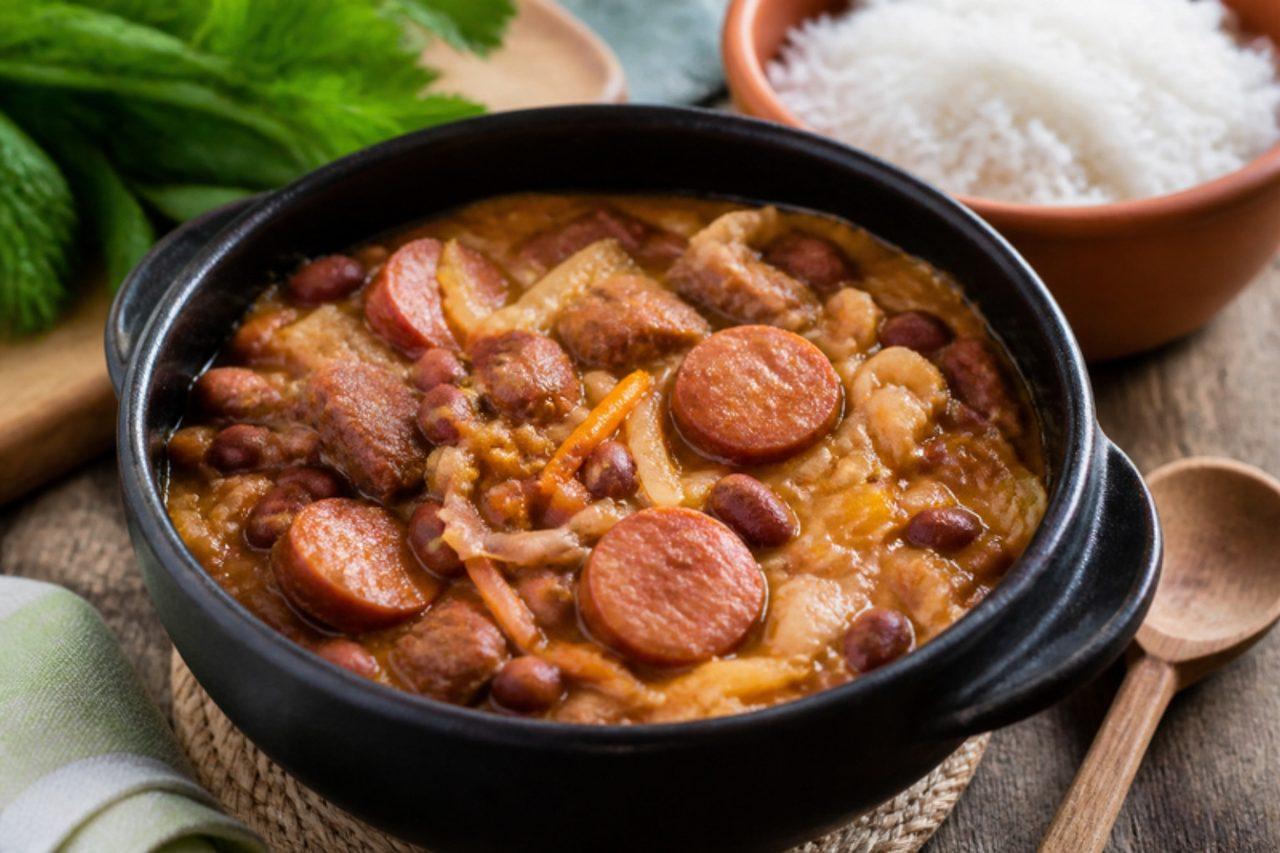
In Trás-os-Montes the cold months were the months of the fumeiro, the smoking of sausages, and this bean stew was where those sausages ended up. Unlike the Brazilian black-bean feijoada, the transmontana version uses red or white beans, with pig's ear and trotter for body, chouriço and salpicão for smoke, and carrots and cabbage cooked in at the end. It is served for Sunday lunch in Chaves and Bragança with plain rice. This contains pork (ear, trotter, belly and smoked sausages). Chef's tip: cook the beans separately in their own water first, so the cured meats do not stop them softening.

by KrazyBadal 0 views

Feijoada de búziosWhelk and butter bean stew

On the western Algarve coast around Sagres and Aljezur, whelks gathered from the rocks go into a thick, tomatoey bean stew that is the seaside cousin of the meat feijoada. It is winter food, served steaming from big pots at local festivals and in family kitchens, with rice on the side. This contains pork (chouriço); leave it out and add an extra teaspoon of smoked paprika if you prefer. Chef's tip: cook the whelks separately first so you can slice them and control their texture.

by KrazyBadal 0 views

FiadoneLemon cheesecake

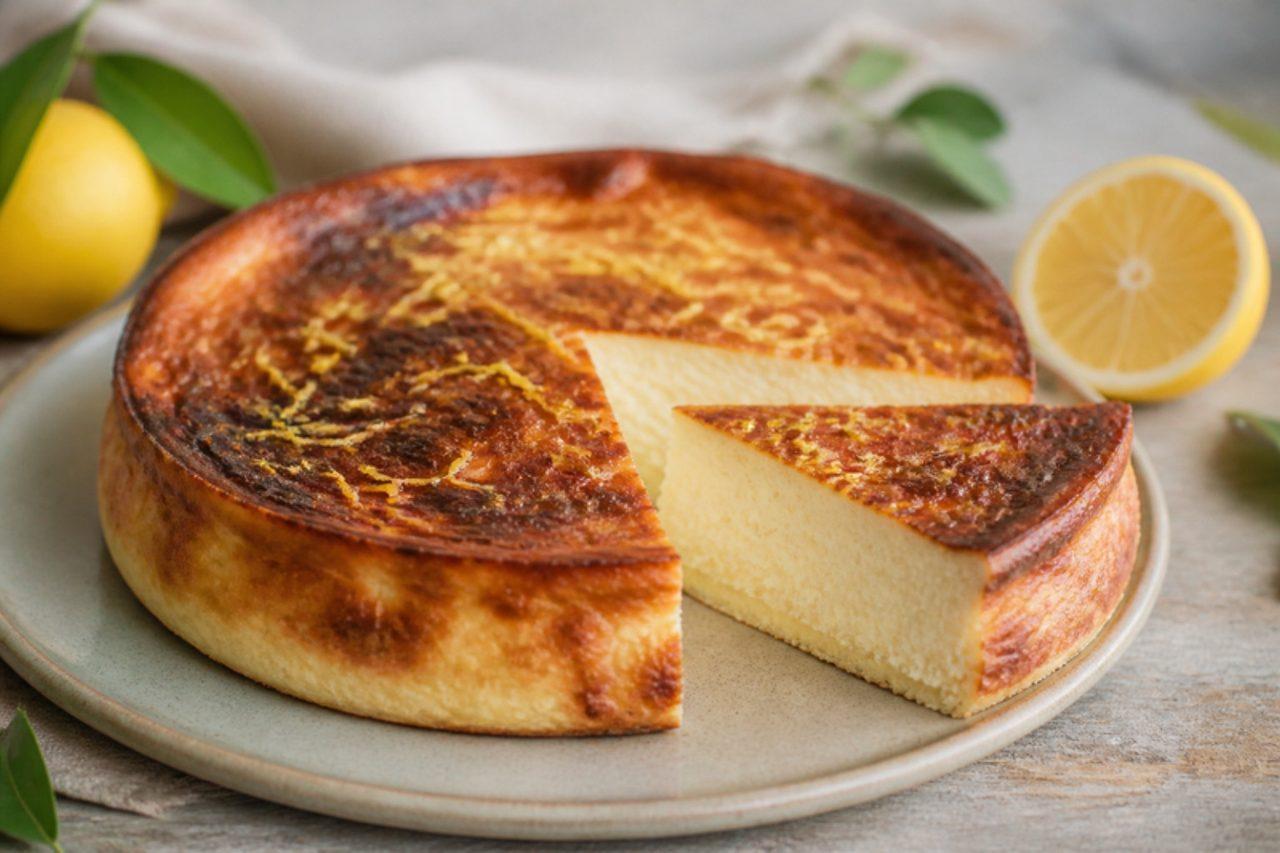
Fiadone is the cake of Corsican Easter and village feast days: fresh brocciu, the island's soft ewe's- or goat's-milk whey cheese, beaten with eggs, sugar and lemon zest and baked until the top is freckled brown. There is no base, so it is naturally gluten free, and it tastes lighter and less sweet than most cheesecakes. Brocciu is made from whey left after rennet cheesemaking, so it is not strictly vegetarian; well-drained ricotta labelled vegetarian is the usual stand-in outside Corsica. Some families add a spoon of local eau-de-vie; it is left out here. Chef's tip: drain the cheese well; a dry cheese gives the light, almost soufflé-like texture.

by KrazyBadal 0 views

Fiambre de San MiguelCold pickled meat and fruit salad

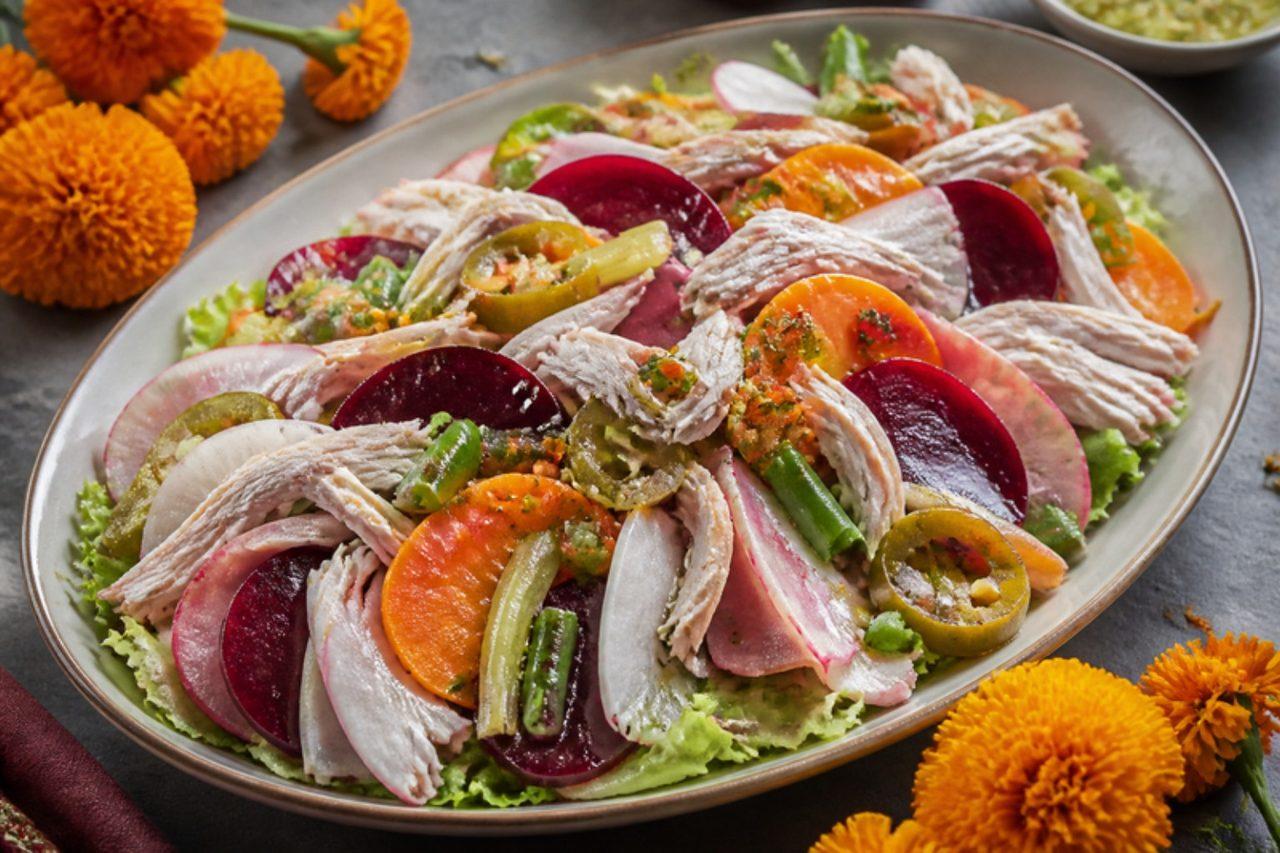
In San Miguel de Allende, families make fiambre for All Saints' and the Day of the Dead at the start of November, setting it on the table and the home altar alongside bread of the dead. It is a cold, colourful platter of vinegar-dressed vegetables, beetroot, jícama, orange, apple and banana, with cooked chicken and pork, sharp, sweet and crunchy at once. Pickled pig's trotters are the traditional meat; this version makes them optional and uses cooked pork tongue or good ham with poached chicken, so it is still a pork dish. Serve well chilled with bread or tostadas. Chef's tip: dress the sturdy vegetables and meats hours ahead, but add the lettuce, banana and avocado just before serving so they stay fresh.

by KrazyBadal 0 views

FideuàSeafood noodle paella

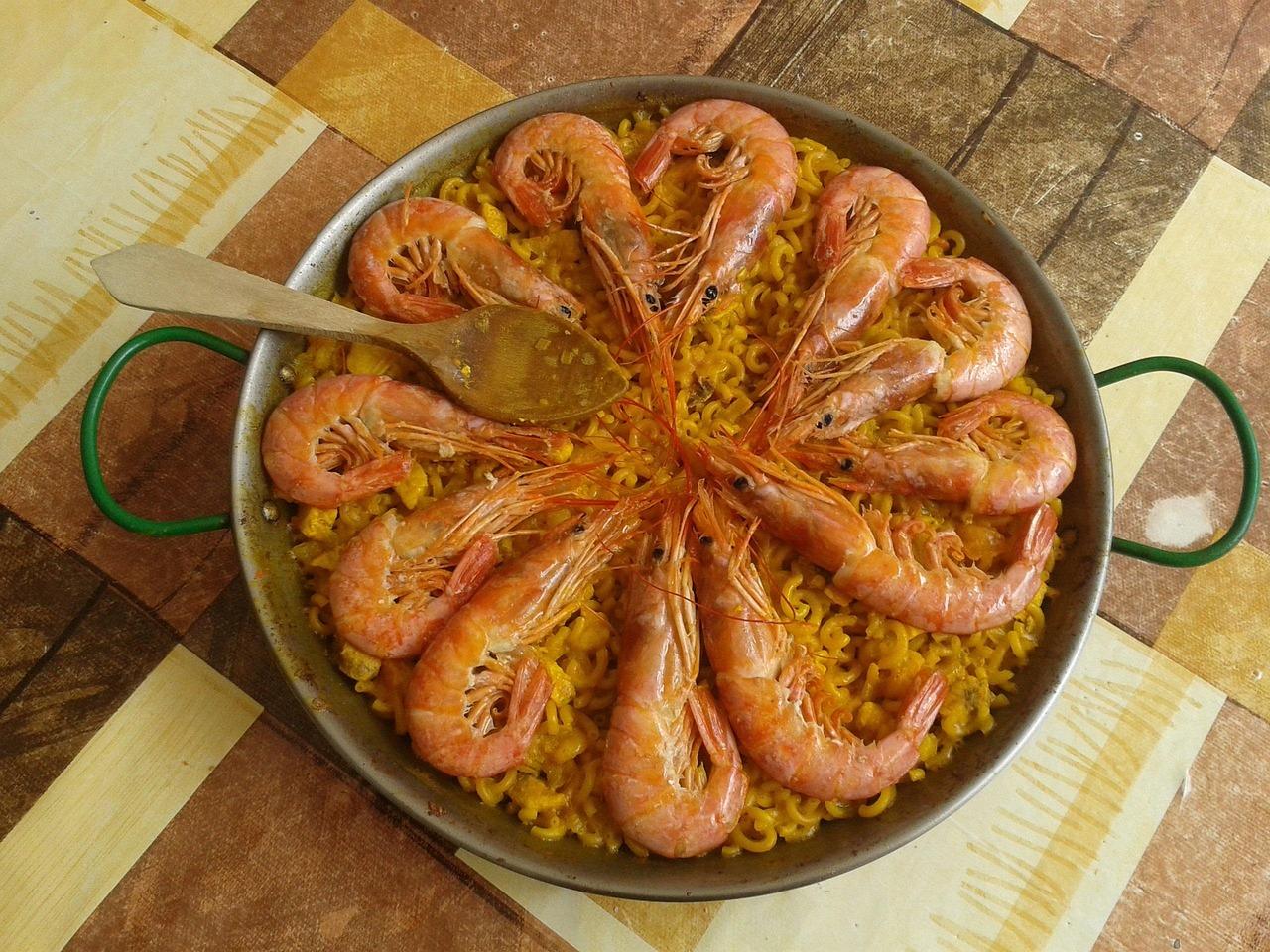
Gandia, on the coast south of Valencia, claims fideuà as its own and holds a contest for it every summer: a paella pan of short, thin noodles toasted in oil and cooked in a deep seafood stock with monkfish, squid and prawns until the liquid has gone and the tips of the noodles curl upwards. It is served straight from the pan with a bowl of allioli to stir in. A common mistake is stirring once the stock is in; the noodles release starch and turn sticky instead of separate and slightly crisp. Use a well-flavoured fish stock, as it is the backbone of the dish. Chef's tip: finish the pan for a few minutes under a hot grill, the trick that makes the noodles stand up like little hooks.

by KrazyBadal 0 views

Filé à Oswaldo AranhaBeef fillet with fried garlic

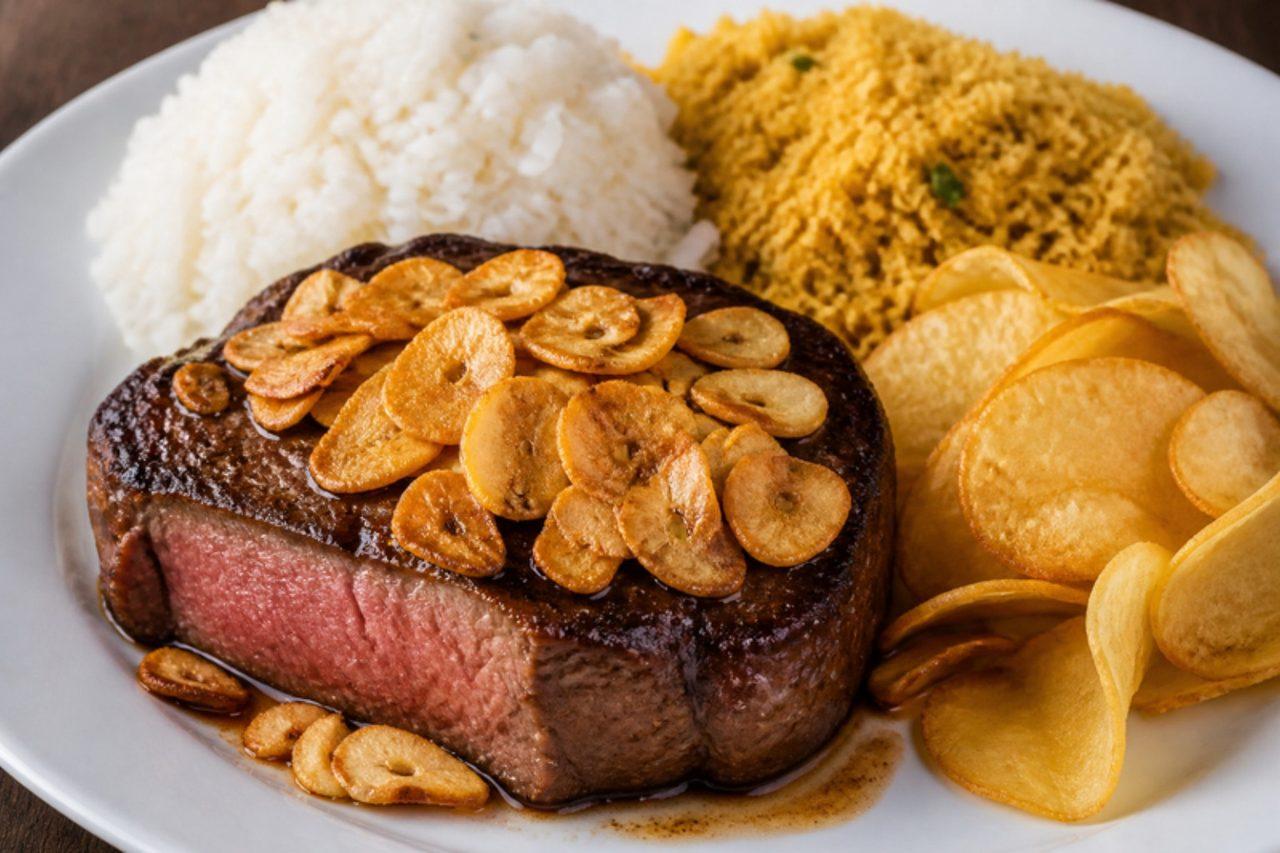
Rio de Janeiro's old-school restaurants, the ones with white-jacketed waiters in Flamengo and Centro, have served this plate since the 1930s, named after the statesman who supposedly ordered it every day. It is simple and generous: a thick fillet steak, seared hard and buried under a pile of golden fried garlic, with white rice, buttery farofa and a heap of crisp potato straws. The garlic is sweet and nutty, the steak juicy, and the farofa soaks up the juices. Cook the steak to your liking; whole beef steaks are safe pink in the middle, but take them further if you prefer. The biggest mistake is frying the garlic too hot, which turns it bitter in seconds; it should go slowly from pale to light gold. Chef's tip: take the garlic out of the oil when it is only just golden, as it keeps darkening on the paper.

by KrazyBadal 0 views

Fileja al pomodoro piccanteTwisted pasta in spicy tomato sauce

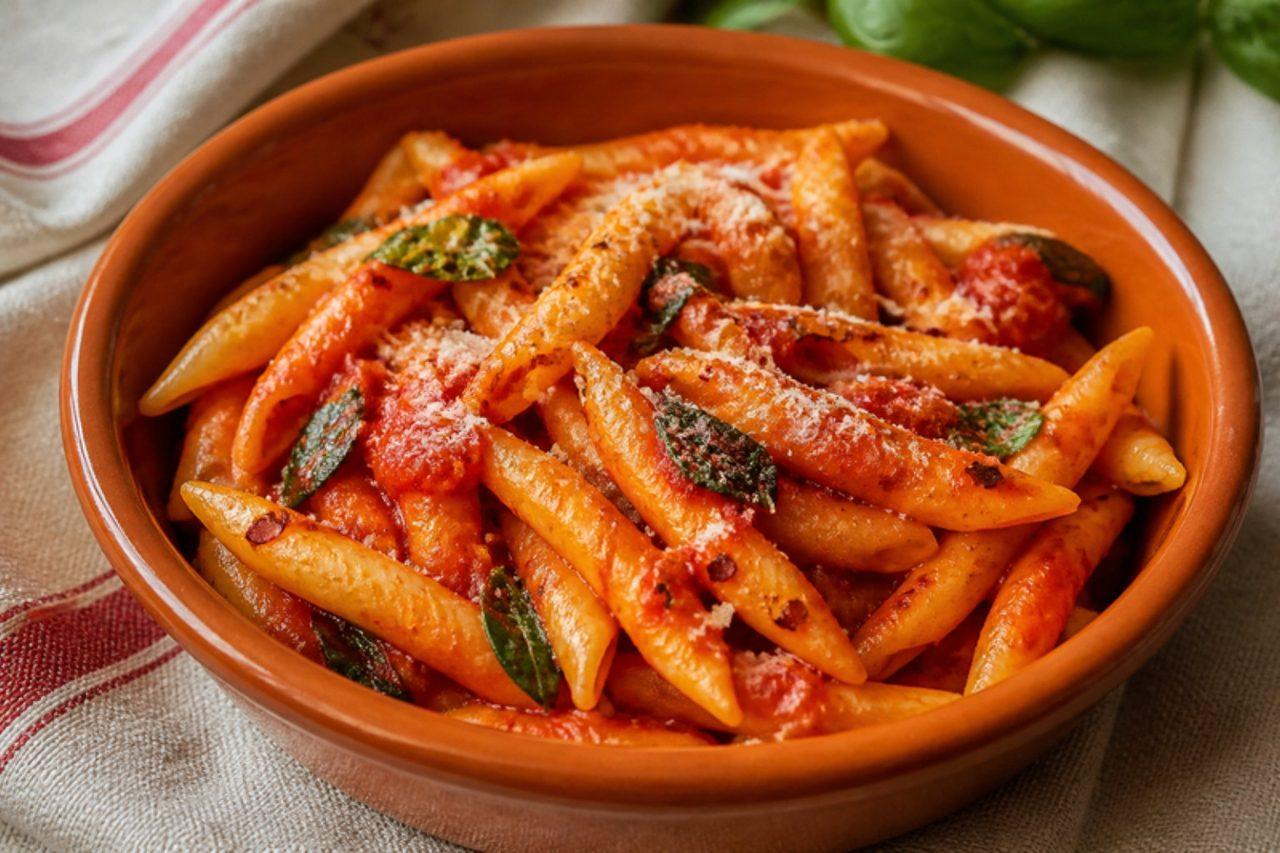
Around Vibo Valentia, on Calabria's Tyrrhenian side, fileja are still rolled by hand around a thin iron rod or knitting needle, which leaves a long, hollow twist that traps sauce inside and out. Nonne make trays of them for Sunday lunch and village sagre, and the classic dressing is a slow tomato sauce sharpened with Calabrian chilli and sweet red onion from nearby Tropea. Many local cooks melt a spoonful of 'nduja into the pan; this version keeps it vegetarian and lets the chilli carry the heat. Chef's tip: dust the needle with semolina, not flour, and twirl with the flat of your palm so each piece slides off cleanly.

by KrazyBadal 0 views

FilloasThin Galician crêpes

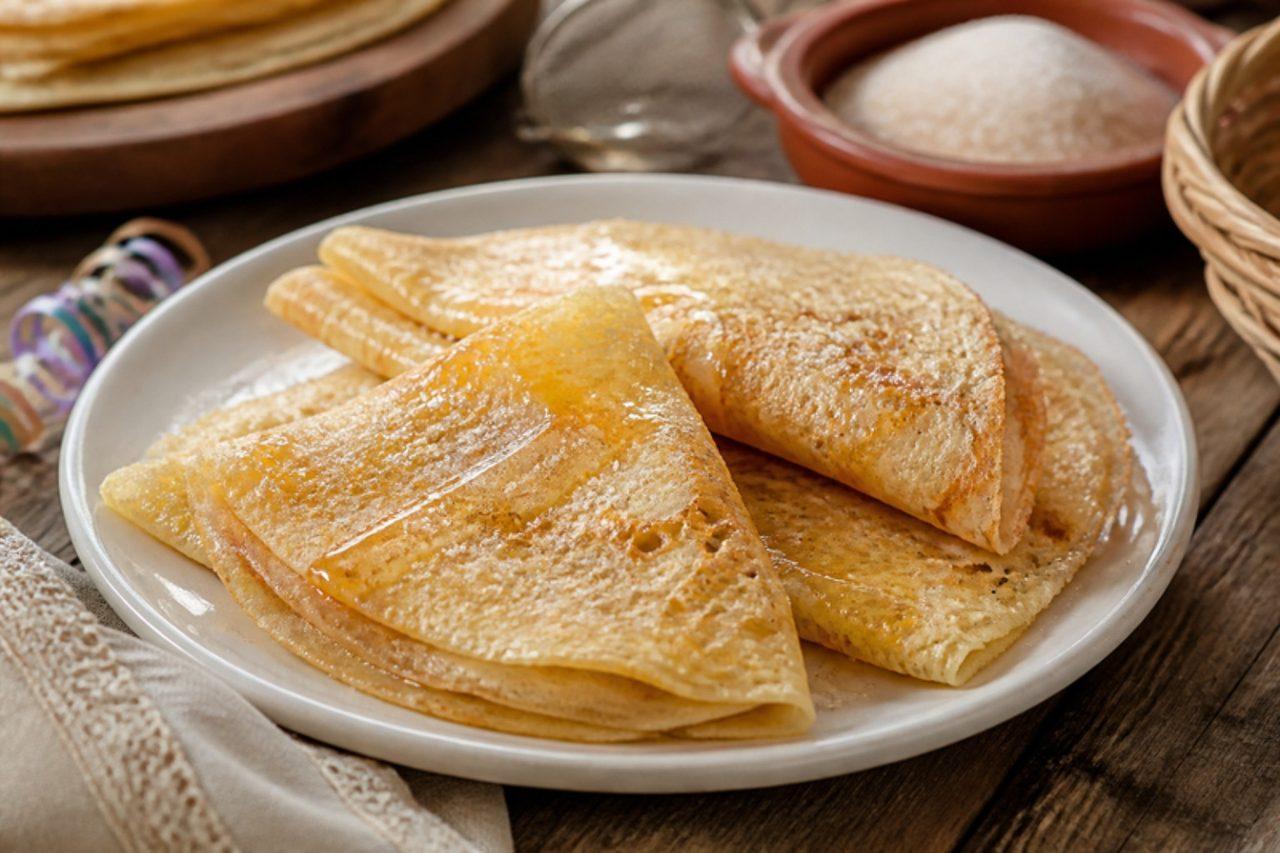
When Entroido, the Galician carnival, comes round in February, kitchens in Lugo and Ourense fill with stacks of filloas, paper-thin pancakes cooked on a hot iron pan. In the countryside the pan was greased with a piece of pork fat and some villages still make a version with pig's blood at slaughter time; this sweet version uses butter and is vegetarian. They are rolled or folded and eaten with sugar, honey or a spoon of cream. A common mistake is a batter that is too thick: it should be as thin as single cream, so it runs across the pan in a lacy sheet. Chef's tip: rest the batter in the fridge for at least 30 minutes so the flour relaxes and the filloas don't tear.

by KrazyBadal 0 views

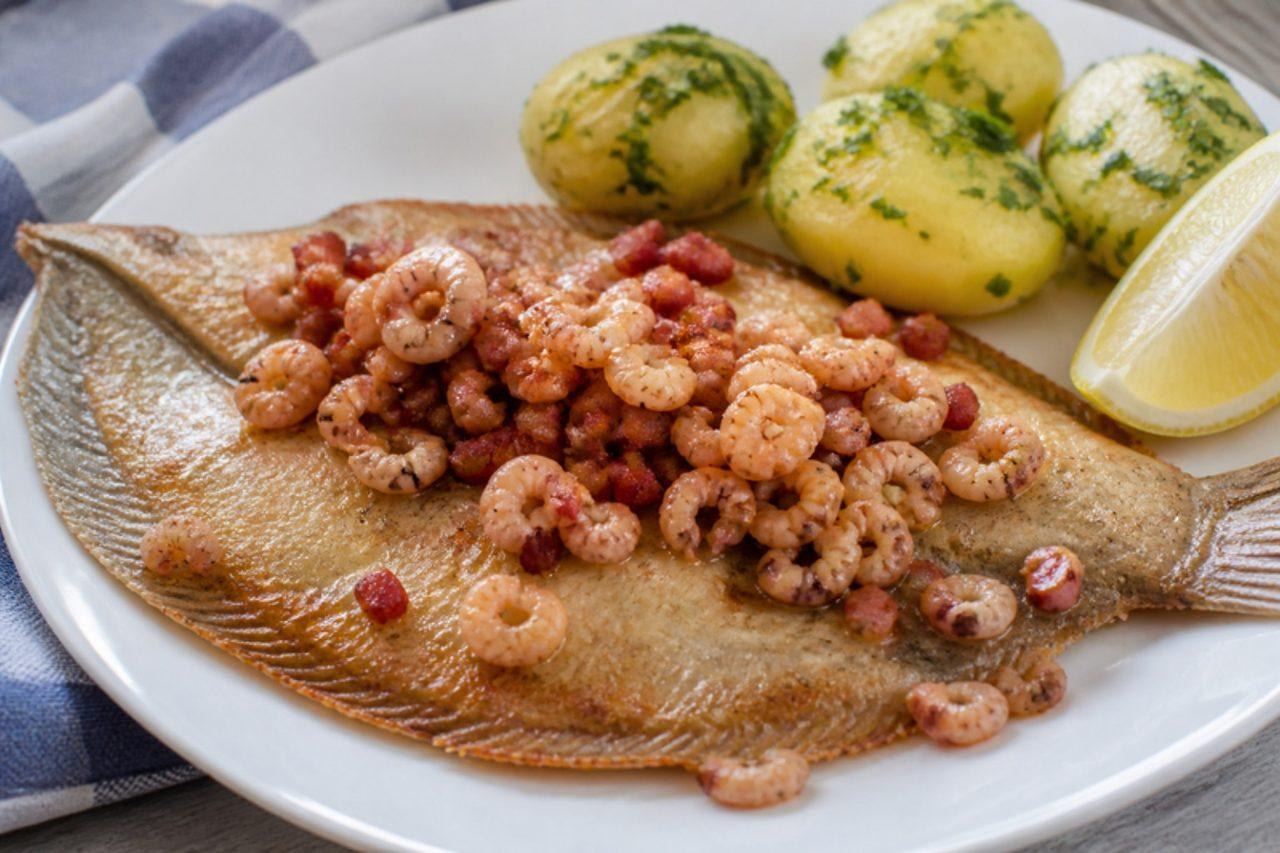
Finkenwerder ScholleFried plaice with bacon and shrimps

Finkenwerder was a fishing village on an Elbe island, and the way its fishermen cooked plaice is now Hamburg's signature fish dish, eaten from May to autumn when plaice is plump. A whole fish is dusted and fried in butter, then covered with crisp cubes of smoked pork belly bacon and a handful of tiny brown North Sea shrimps warmed in the same pan, and served with parsley potatoes and cucumber salad. The bacon is pork; leave it out and add capers for a pork-free plate. Chef's tip: score the dark skin side lightly twice so the fish stays flat in the pan and cooks evenly to the bone.

40 minGermanFishGluten free
by KrazyBadal 0 views

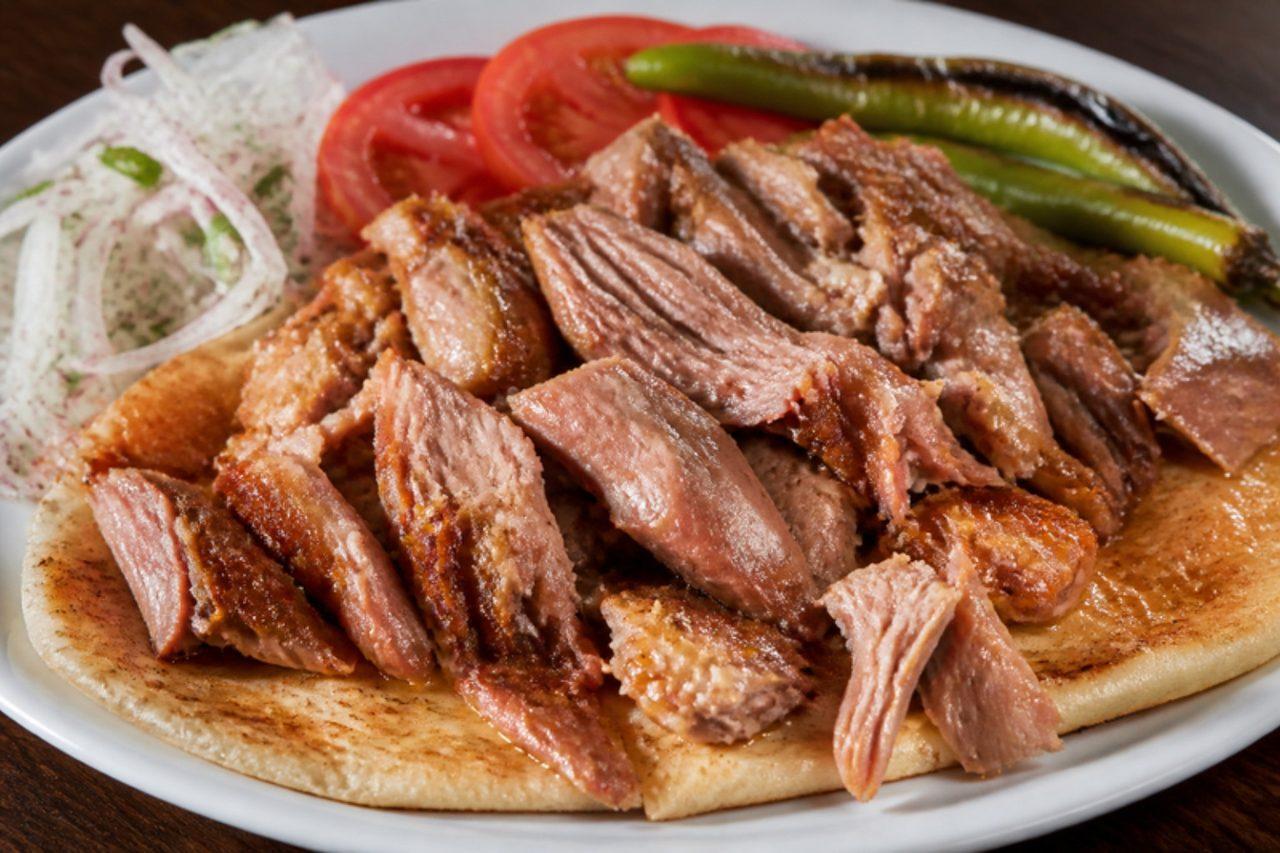
Fırın kebabıSlow-roasted lamb on bread

Konya's fırın kebabı comes from the city's old tandır ovens, where whole sides of lamb hung for hours until the meat collapsed and the fat crisped. Served on a sheet of thin pide with the cooking juices soaked in, a raw onion on the side and a jug of ayran, it is a Sunday treat and a wedding dish. A low home oven and a tightly covered tray give the same soft, juicy result. Common mistake: uncovering it too soon; the lamb needs steamy, sealed heat for hours before it gets its final browning. Chef's tip: rest the cooked lamb on the bread, not on a board; the bread drinks up every drop of juice.

255 minTurkishMeat
by KrazyBadal 0 views

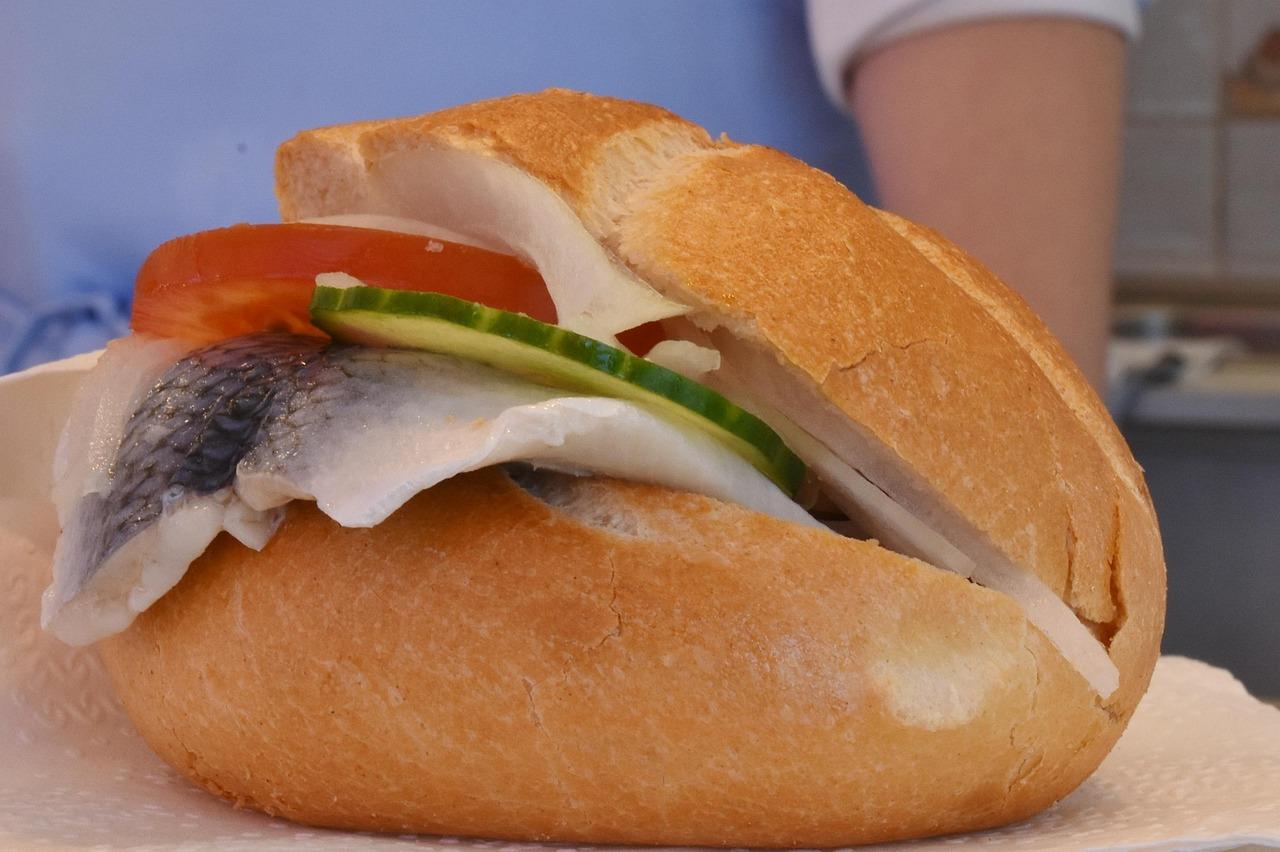
FischbrötchenHerring roll with onion and gherkin

Fischbrötchen are what people eat standing up at the Landungsbrücken piers in Hamburg, on the Sunday fish market, or from a kiosk on the dyke at any North Sea harbour. A crusty white roll is filled with sharp marinated herring, raw onion rings, gherkin and a little crisp lettuce, and eaten in a few bites with the wind in your face. The herring is cured, not cooked, so use commercially prepared Bismarck-style marinated herring from the chilled counter, which has been frozen before curing as the law requires; it is not for pregnant women, young children or anyone with a weakened immune system. Chef's tip: slice the onion paper-thin and rinse it in cold water for a minute so it stays crunchy but stops shouting over the fish.

10 minGermanFish
by KrazyBadal 0 views

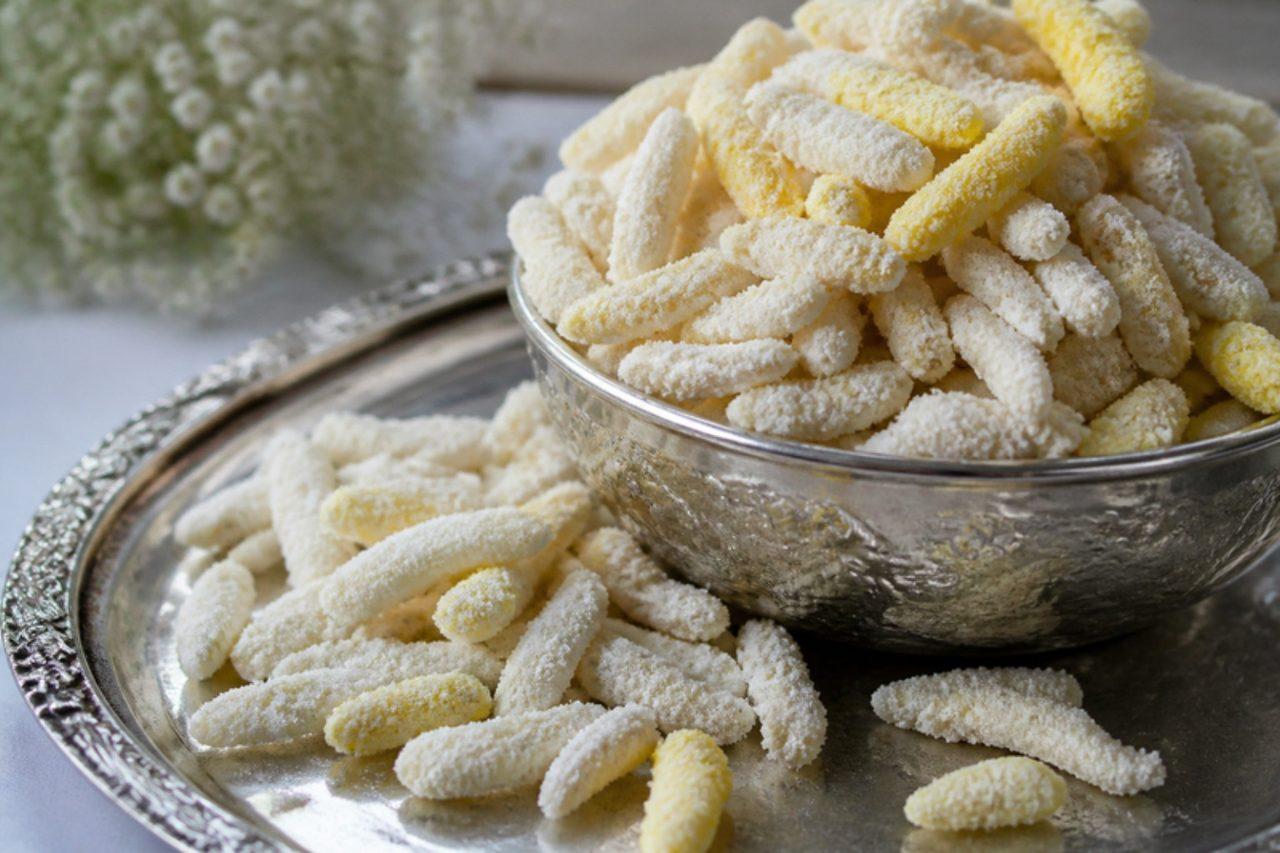
NoghlSugar-coated almond slivers

Noghl, the craggy white sugar-coated slivers of almond, is the confection of celebration in Iran, and the town of Urmia in West Azerbaijan is its home. It is showered over newlyweds at weddings, offered to guests at Nowruz and set beside tea on special days. Professionals build the spiky coat in a rotating copper pan over many hours; this home version does the same job in a wide pan, adding the rosewater syrup a little at a time. The usual mistake is adding too much syrup at once, which glues the almonds into a lump instead of building the knobbly crust. Chef's tip: keep the almonds moving constantly and wait until each coat is completely dry before the next.

by KrazyBadal 0 views

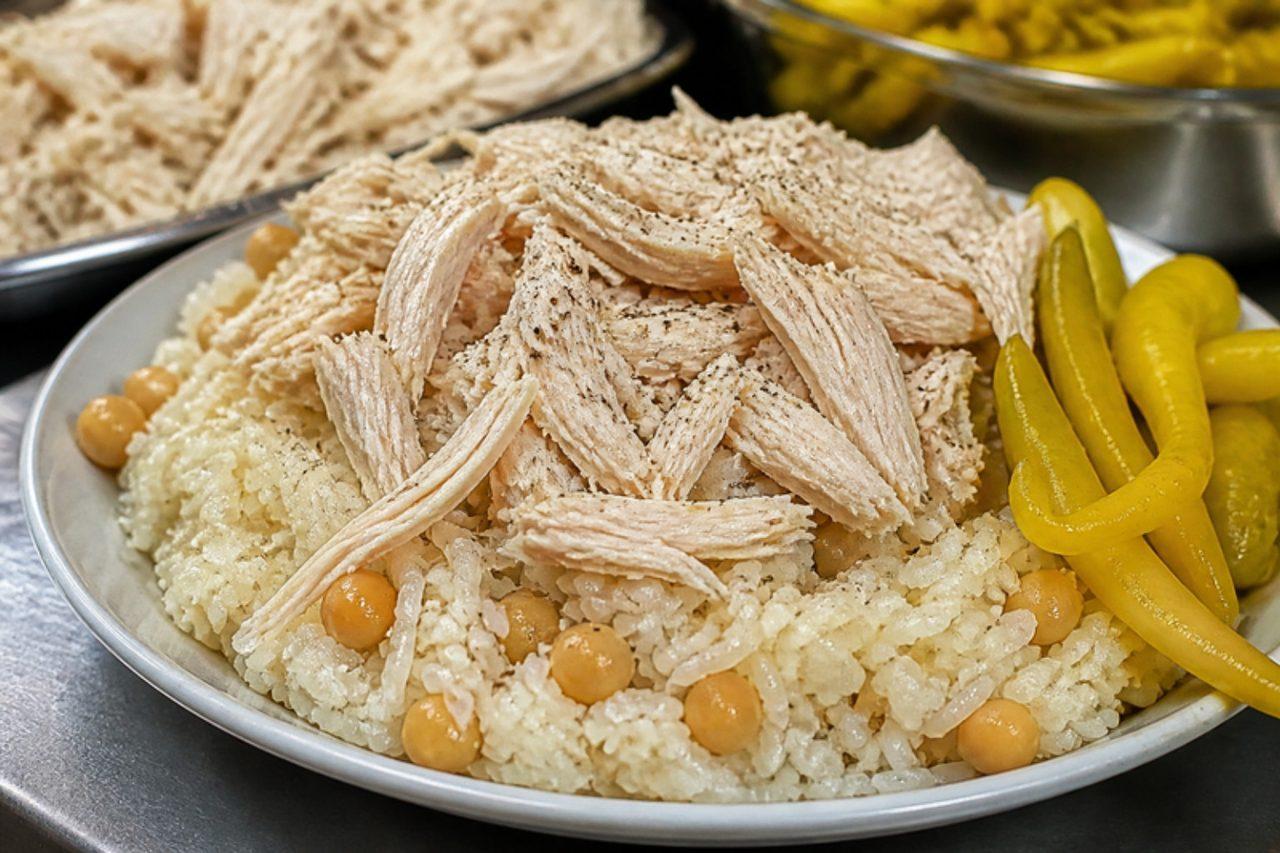
Tavuk pilavChicken and chickpea rice

Glass-fronted carts parked outside Istanbul's ferry piers and office blocks sell tavuk pilav from early morning: rice cooked in rich chicken stock with butter and chickpeas, heaped into a dish and topped with shredded chicken, black pepper and a pickled pepper on the side. Workers eat it standing up with a glass of ayran. At home it is just as easy and makes a whole chicken go a long way. Common mistake: stirring the rice while it steams; it breaks and turns sticky. Chef's tip: wash the rice until the water runs clear and soak it in warm salted water for 30 minutes; every grain stays separate and glossy.

by KrazyBadal 0 views

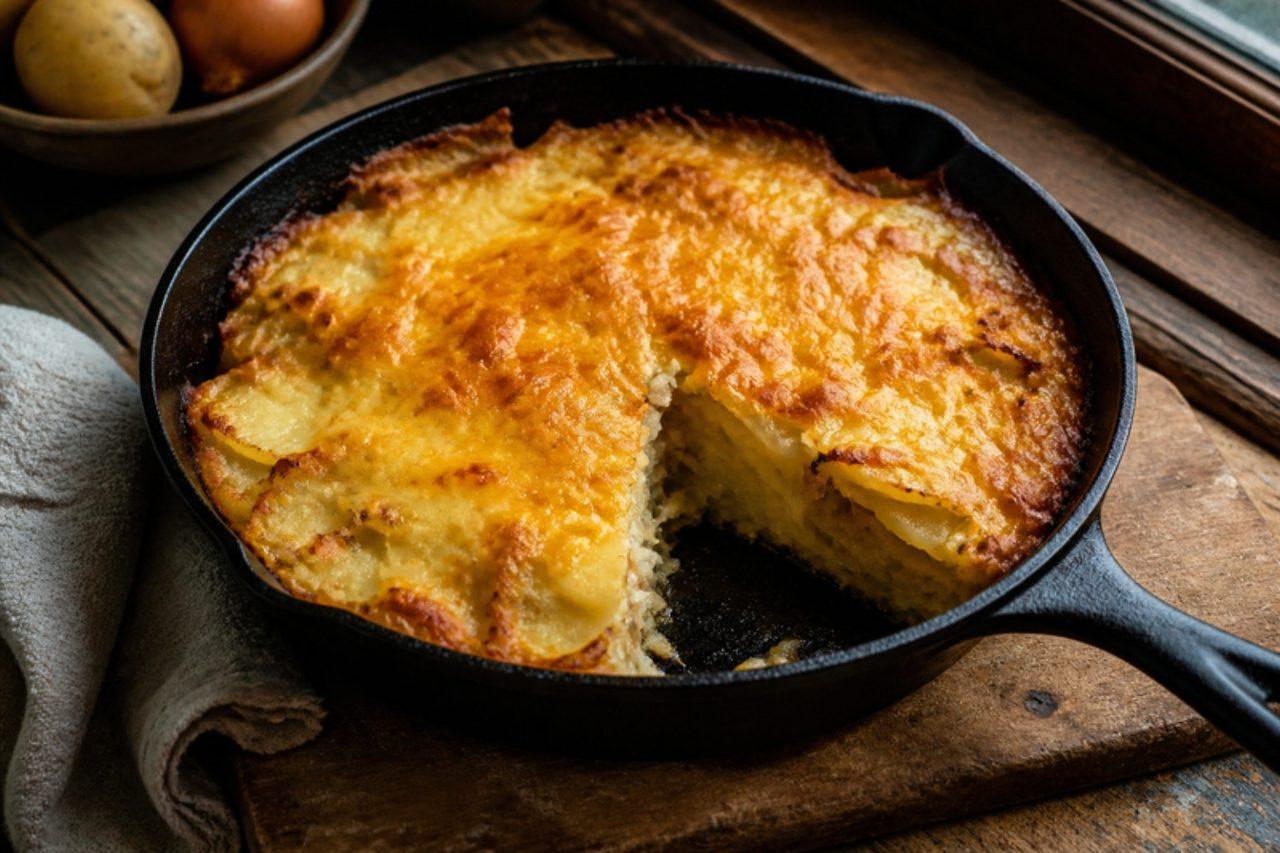
Northumberland pan haggertyLayered potato, onion and cheese

Pan haggerty is a frugal supper from Northumberland and the Durham pit villages, made in a single heavy frying pan from thin layers of potato, onion and grated cheese. The bottom turns crisp and brown while the top melts under the grill, and it is eaten straight from the pan with pickles. Cheddar is often made with animal rennet, so use a vegetarian cheddar. Chef's tip: slice the potatoes paper-thin and dry them in a tea towel; wet slices steam instead of browning.

by KrazyBadal 0 views

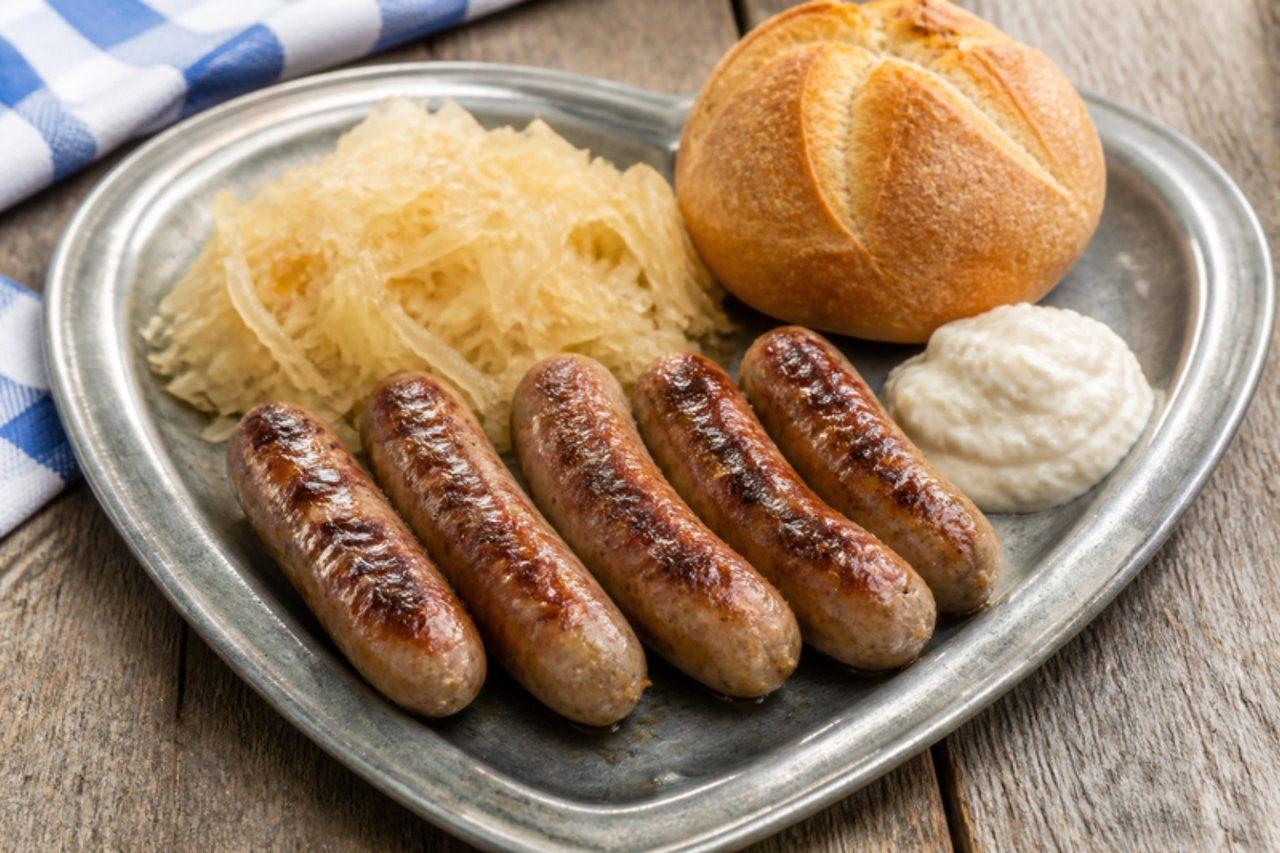
Nürnberger RostbratwürsteSmall marjoram pork sausages

Nuremberg's little pork sausages are barely longer than a finger, grilled over beechwood in the old town's sausage kitchens and sold three at a time in a crusty roll, 'Drei im Weggla', at the Christmas market and all year round. They are delicate, coarse-ground and fragrant with marjoram, mace and lemon zest, and at a sit-down meal six or twelve come on a pewter plate with sauerkraut and horseradish. Making them at home needs a mincer with a sausage nozzle and narrow sheep casings, and is a satisfying weekend project. Vegetarians can buy small vegetarian bratwursts and grill them with the same sides. Chef's tip: keep the meat and mincer ice-cold; warm fat smears and the sausages turn crumbly.

75 minGermanMeat
by KrazyBadal 0 views

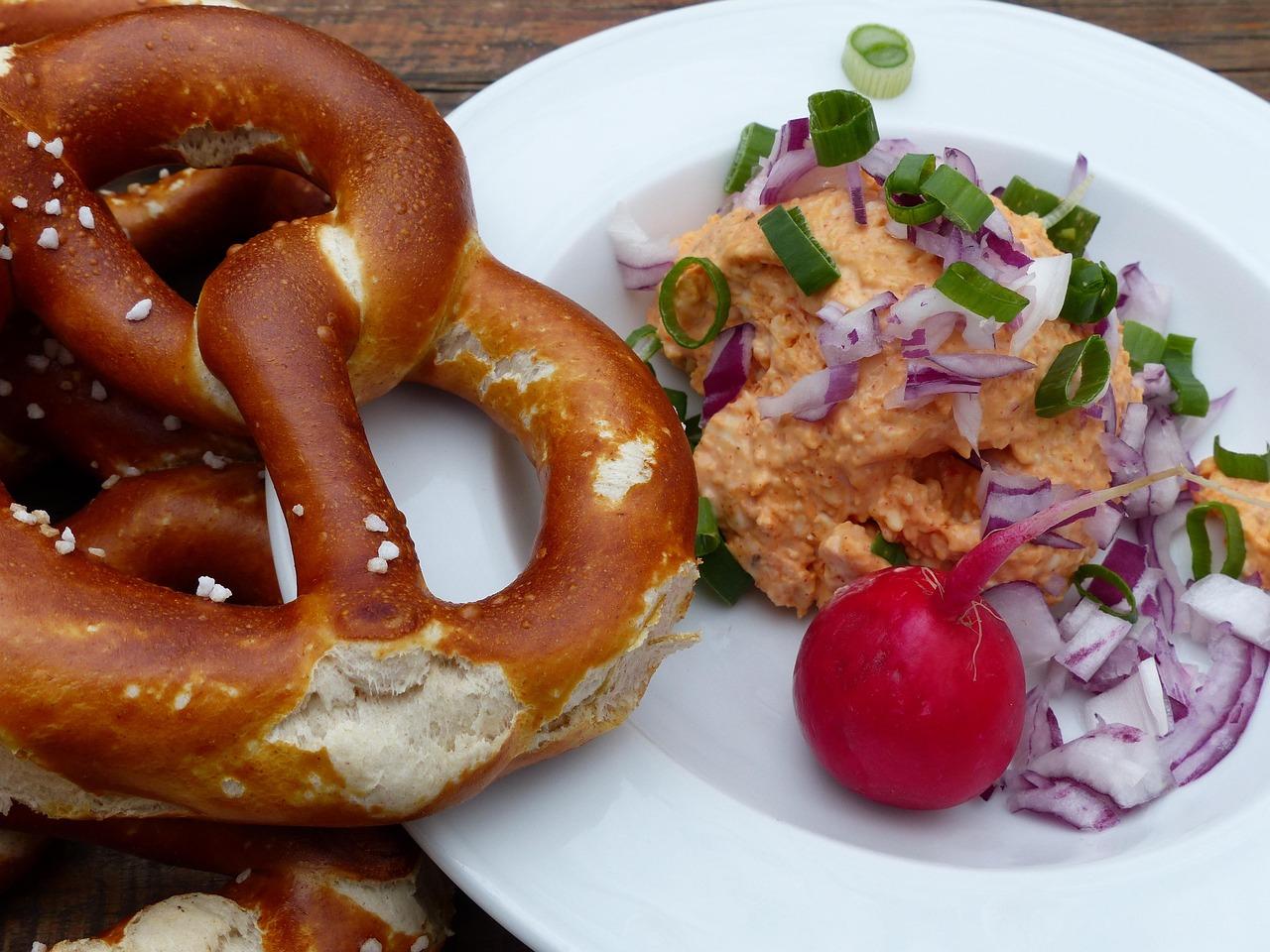
ObatzdaBeer-garden cheese spread

Obatzda is what a Munich beer garden puts beside a giant soft pretzel: overripe Camembert mashed with soft butter, sweet paprika, caraway and raw onion until it turns a creamy, rusty orange. It is a thrifty spread that grew up in Bavarian taverns as a way to use cheese that had gone a little too far, and it is still eaten in the afternoon sun with radishes and dark bread. Camembert is usually made with animal rennet, so pick one labelled vegetarian if that matters to you. A common mistake is blitzing it in a processor, which makes it gluey; mash with a fork so a few soft lumps stay. Chef's tip: make it an hour ahead and chill it, then let it stand 15 minutes before serving, so the paprika flavour blooms and it spreads easily.

by KrazyBadal 0 views

OcopaPeanut, huacatay and cheese sauce

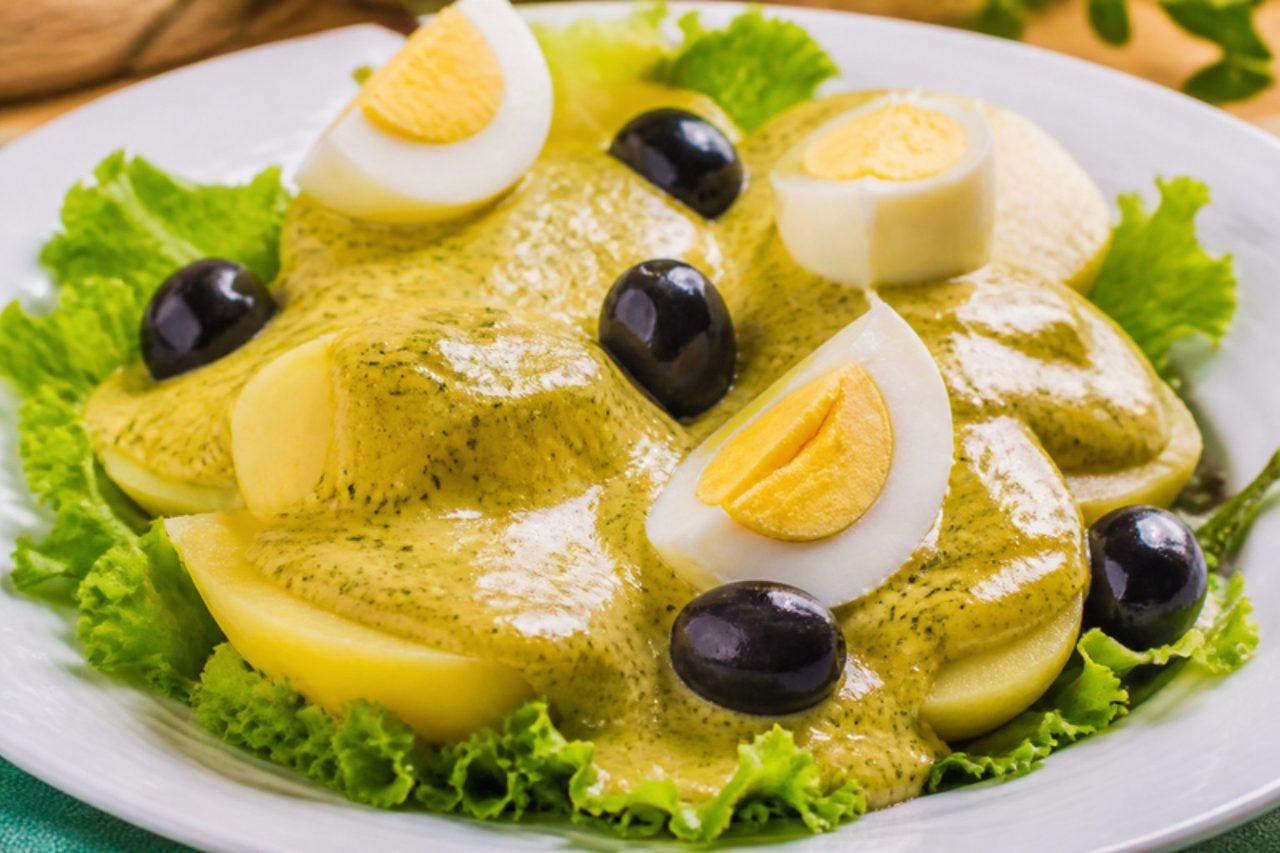
Arequipa's picanterías put ocopa on the table as a starter, a pale olive sauce spooned thickly over sliced boiled potatoes, and the smell of toasted chillies and huacatay (black mint) is what sets it apart from Lima's huancaína. The chillies are dried ají mirasol, charred in a dry pan, which gives a smoky, raisin-like warmth rather than sharp heat, and toasted peanuts make the sauce nutty and almost velvety. Many cooks thicken it with crackers; this version uses only peanuts and cheese, so it stays gluten free. Serve it at room temperature with yellow potatoes, a black olive and a few lettuce leaves, plus a halved boiled egg for anyone who eats eggs. The mistake people make is toasting the onion and chillies black, which turns the sauce bitter; they should be blistered in spots only. Queso fresco is often made with animal rennet, so look for a vegetarian fresh cheese. Chef's tip: huacatay paste comes in jars from Latin shops; without it, use a small handful of mint plus a few tarragon leaves.

by KrazyBadal 0 views

OfenschlupferBaked bread pudding with apples

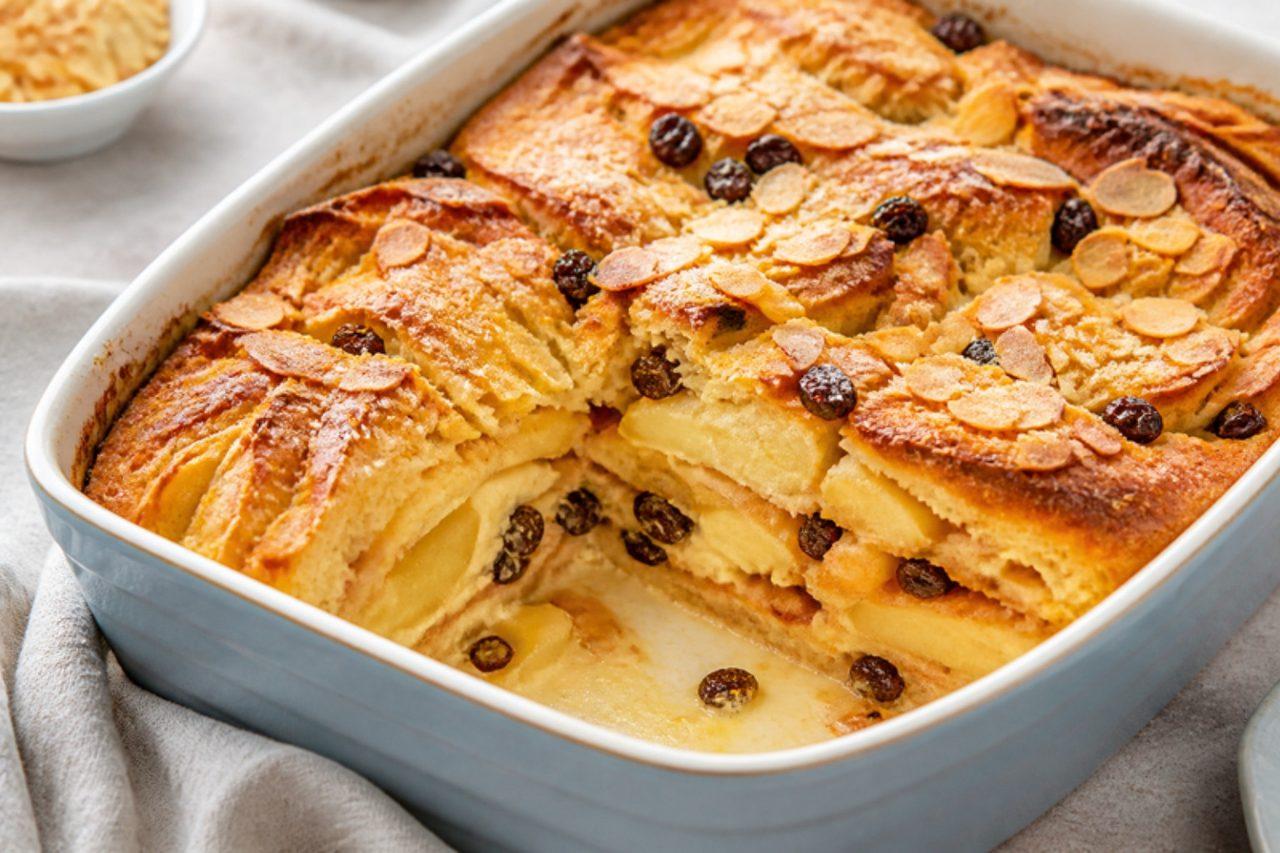
Ofenschlupfer, literally 'oven-crawler', is how Swabian farmhouse kitchens used up stale rolls on a Friday: slices of bread layered with apples, raisins and a little cinnamon in a deep dish, soaked in vanilla egg milk and baked until puffed and golden. Some families pour in a splash of rum; this version doesn't. It was once eaten as a sweet main course after a bowl of soup and is still served warm with vanilla sauce in Stuttgart cafés. A common mistake is baking it straight after pouring in the custard, which leaves dry patches on top; let it soak for 20 minutes. Chef's tip: dot the top with butter and a spoon of sugar for a crackly, caramelised crust.

by KrazyBadal 0 views

Olho de sograCoconut-stuffed prunes

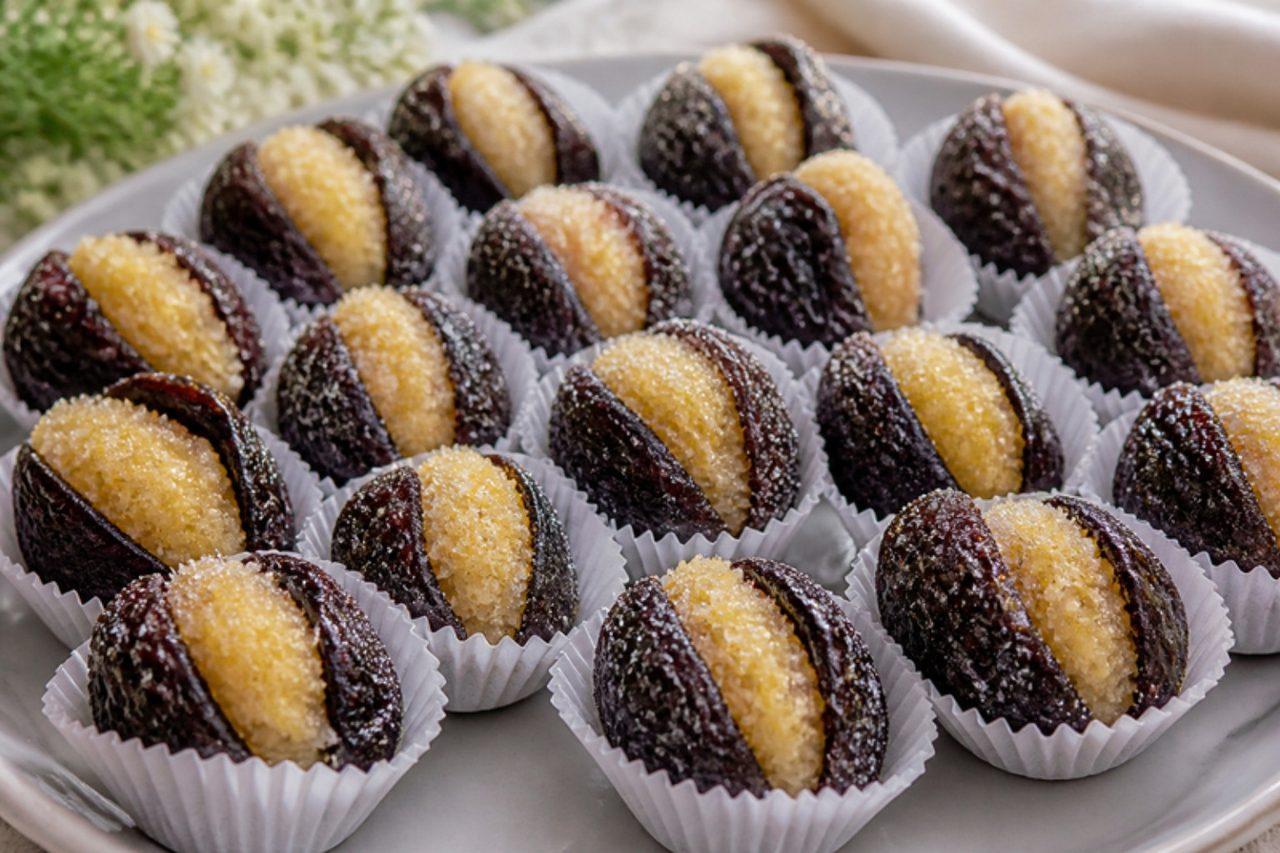
The 'mother-in-law's eye' is a slightly teasing party sweet from the docinhos tradition of weddings and birthdays: a prune slit open and filled with a pale coconut fudge, so it looks like a dark eyelid around a white eye. It shows up on Brazilian sweet tables from Rio to Porto Alegre, often finished with a single clove for the pupil and rolled in crystal sugar. Chewy, sticky prune against creamy, coconutty filling makes it less cloying than many docinhos. Older recipes add egg yolks to the filling; this one is egg free. Stuffing them while the filling is still warm is a frequent mistake; it smears and the shape is lost. Chef's tip: choose large, soft pitted prunes and open them like a book with a small knife, without cutting all the way through.

by KrazyBadal 0 views

OliaiguaOnion, pepper and tomato soup

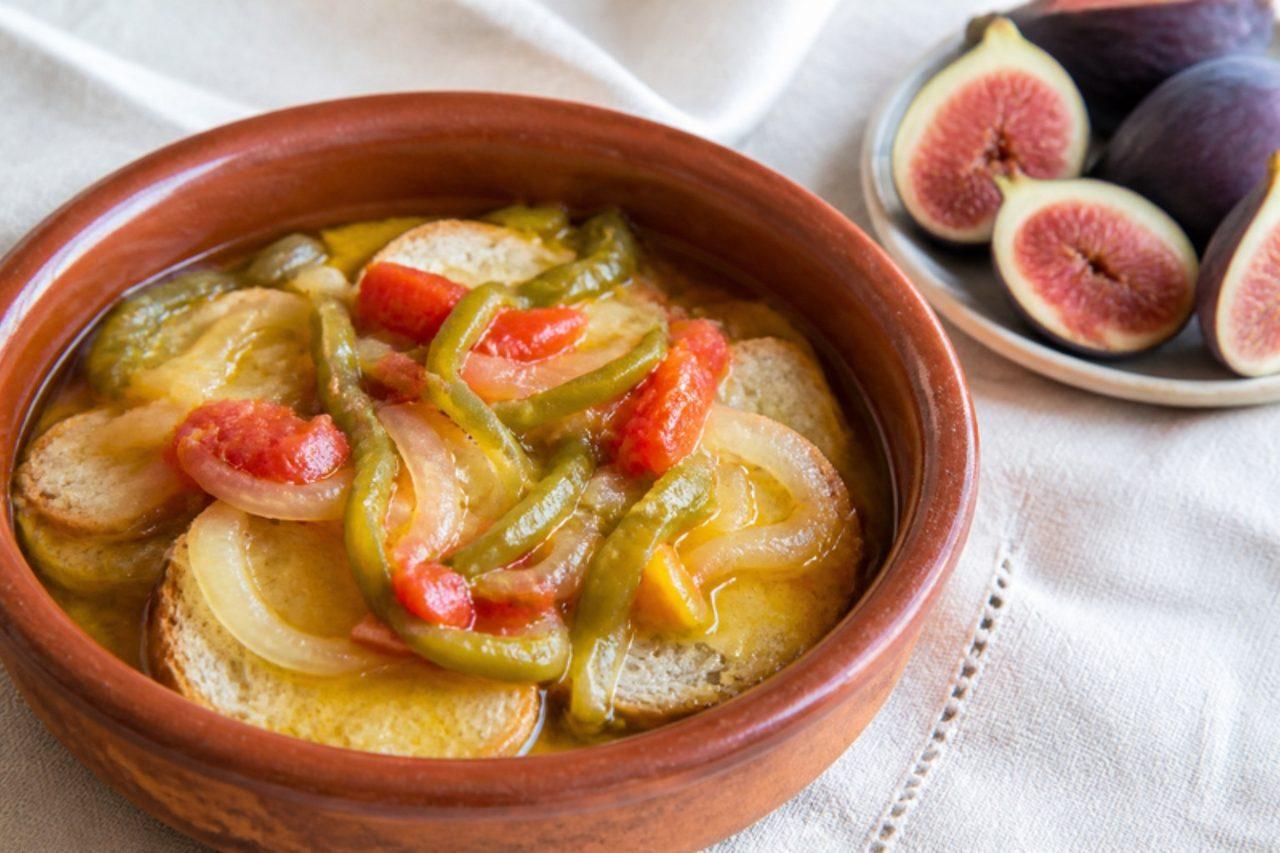
The name is simply oli i aigua, oil and water, and that is how Menorcan farm workers started it: a pan of olive oil, a little water and whatever the vegetable patch offered, poured over slices of hard bread. Today oliaigua amb tomàtigues is a July and August supper all over the island, from Ciutadella to Maó, slow-cooked onion, green pepper and ripe tomato in a light broth. Menorcans eat it with fresh figs or grapes on the side, which sounds odd and works beautifully. Chef's tip: the bread must be stale and sliced paper-thin, so it softens in the broth without dissolving into paste.

by KrazyBadal 0 views

Olive all'ascolanaStuffed fried olives

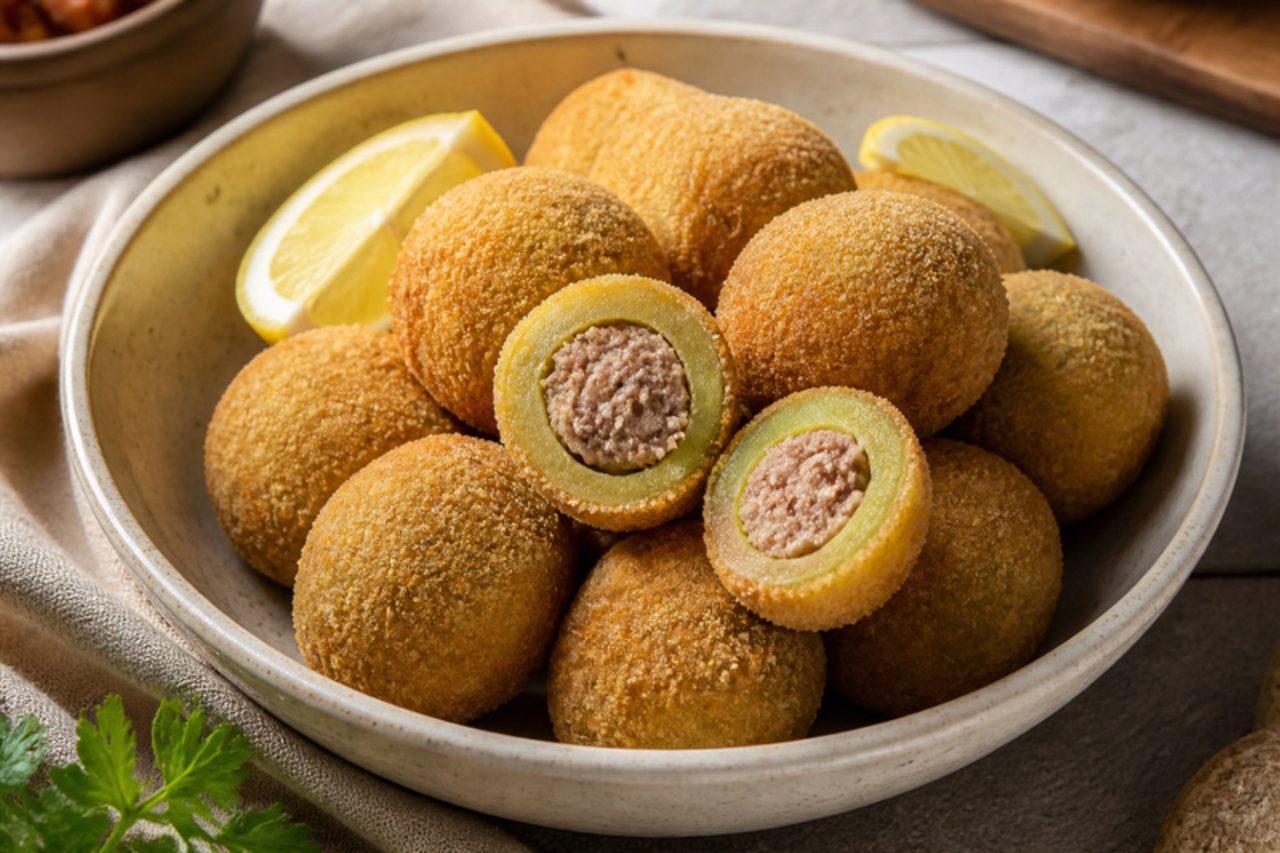
Olive all'ascolana are the pride of Ascoli Piceno in the Marche, sold in paper cones at street fairs and piled on platters of fritto misto at every celebration in the region. Large, mild green olives are cut from their stones in a spiral, wrapped around a filling of pork, beef and chicken cooked with soffritto and a splash of white wine, then breaded and fried until crunchy. The real Ascolana tenera olive is hard to find outside Italy, so any large, mild green olive in brine is a practical substitute. The filling uses white wine, and the note gives an alcohol-free option. Serve hot, with lemon wedges and other fried titbits or a glass of something cold. Chef's tip: rinse and soak the olives before stuffing them; if they are too salty they overwhelm the delicate meat filling.

by KrazyBadal 0 views

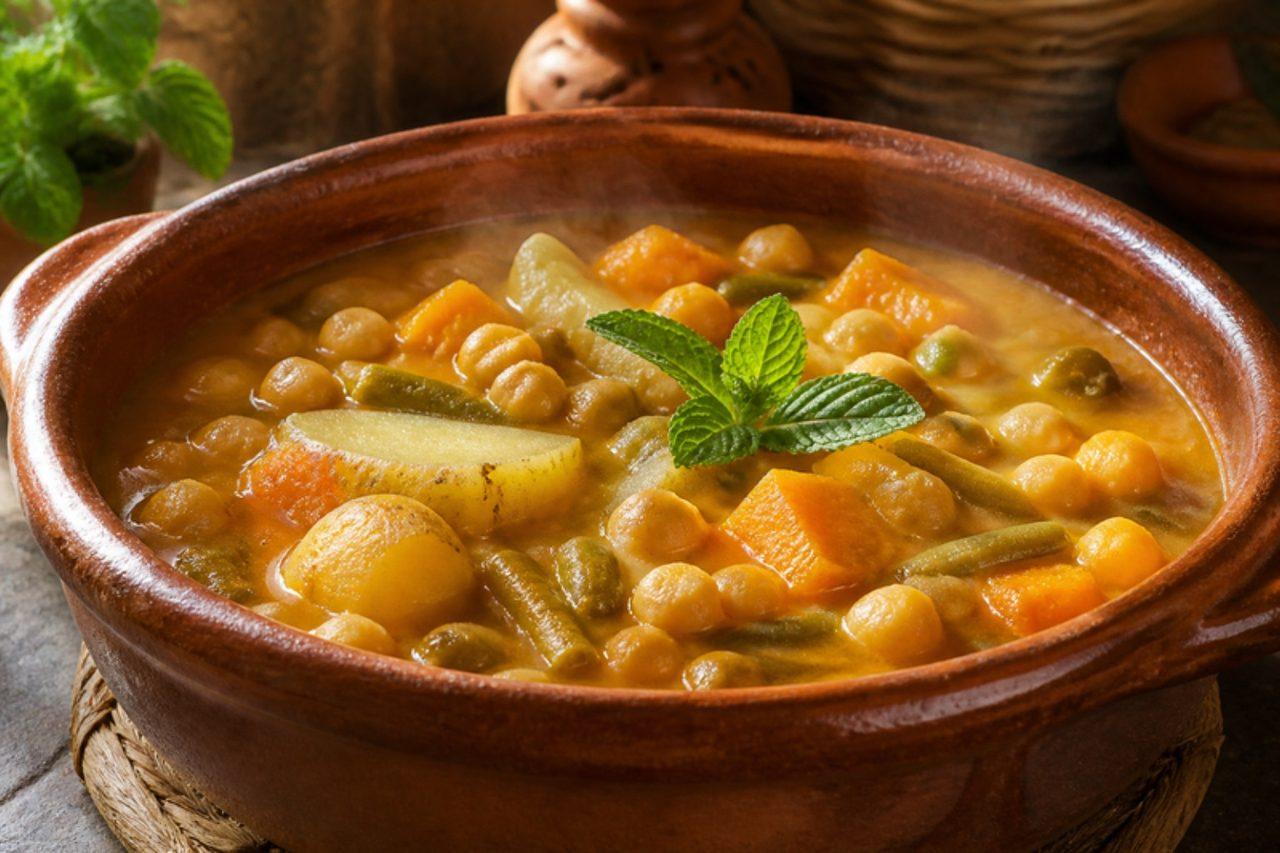
Olla gitanaChickpea, pumpkin and green bean stew

The name means gypsy pot, and in Murcia and the neighbouring Vega del Segura it is the stew of autumn and Lent: chickpeas cooked with pumpkin, green beans and potato, perfumed with saffron and mint, and finished with a crushed paste of fried almonds, garlic and bread. What makes the Murcian version stand out is the pear, added near the end so its sweetness comes through the broth. It has no meat at all and is vegan as written. Chef's tip: choose firm pears, such as Conference, that keep their shape in the pot.

by KrazyBadal 0 views

Omelette au brocciu et à la mentheFresh cheese and mint omelette

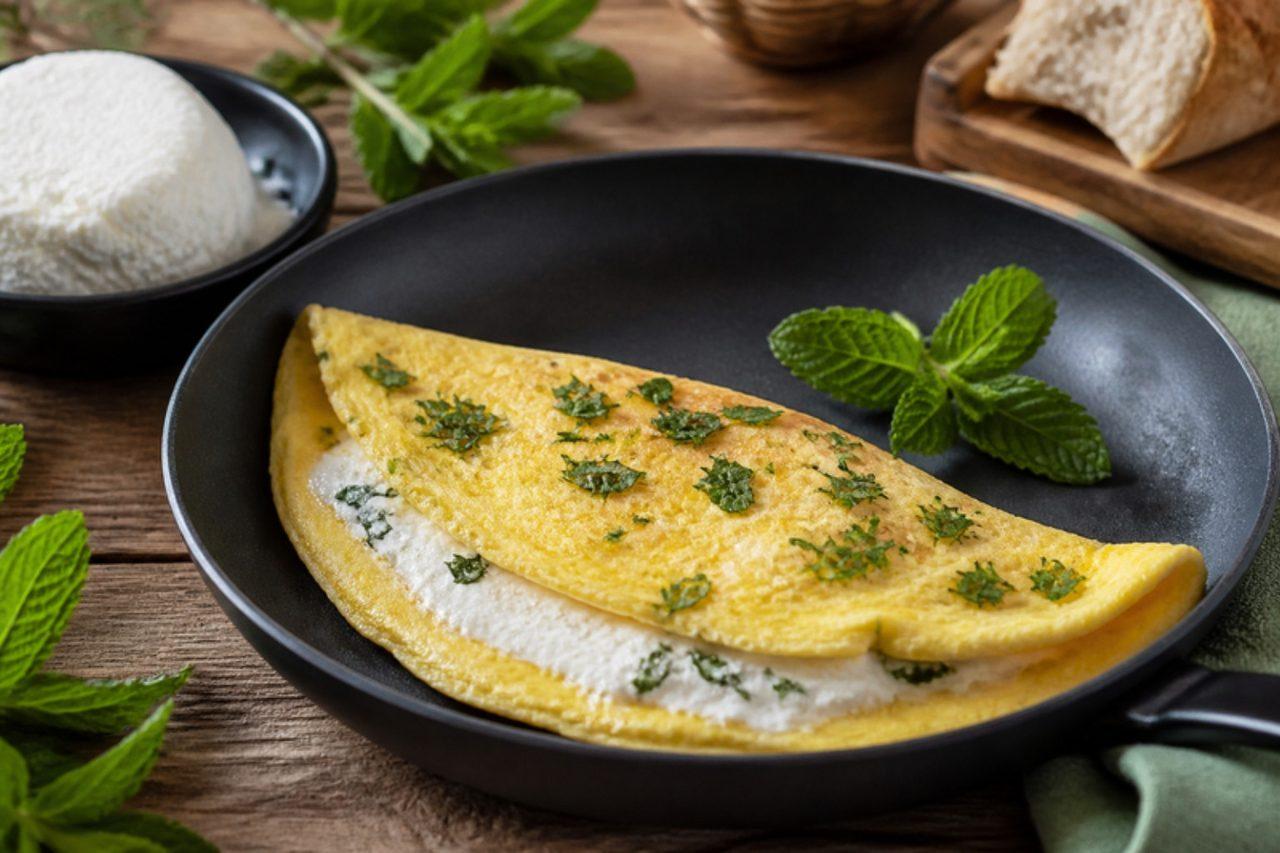
Inland Corsica, around Corte and the mountain villages, serves this omelette from late autumn to early summer, the months when shepherds make fresh brocciu. The cheese goes in at the last moment so it stays creamy, and wild mint picked from the maquis cuts through its richness; it is a light lunch or supper with a green salad and bread. Brocciu is made from the whey of rennet cheeses, so vegetarians often use ricotta labelled vegetarian instead. Chef's tip: season the cheese and mint, not just the eggs, because fresh whey cheese is very mild.

by KrazyBadal 0 views

Orellas de EntroidoCrisp sugared carnival pastries

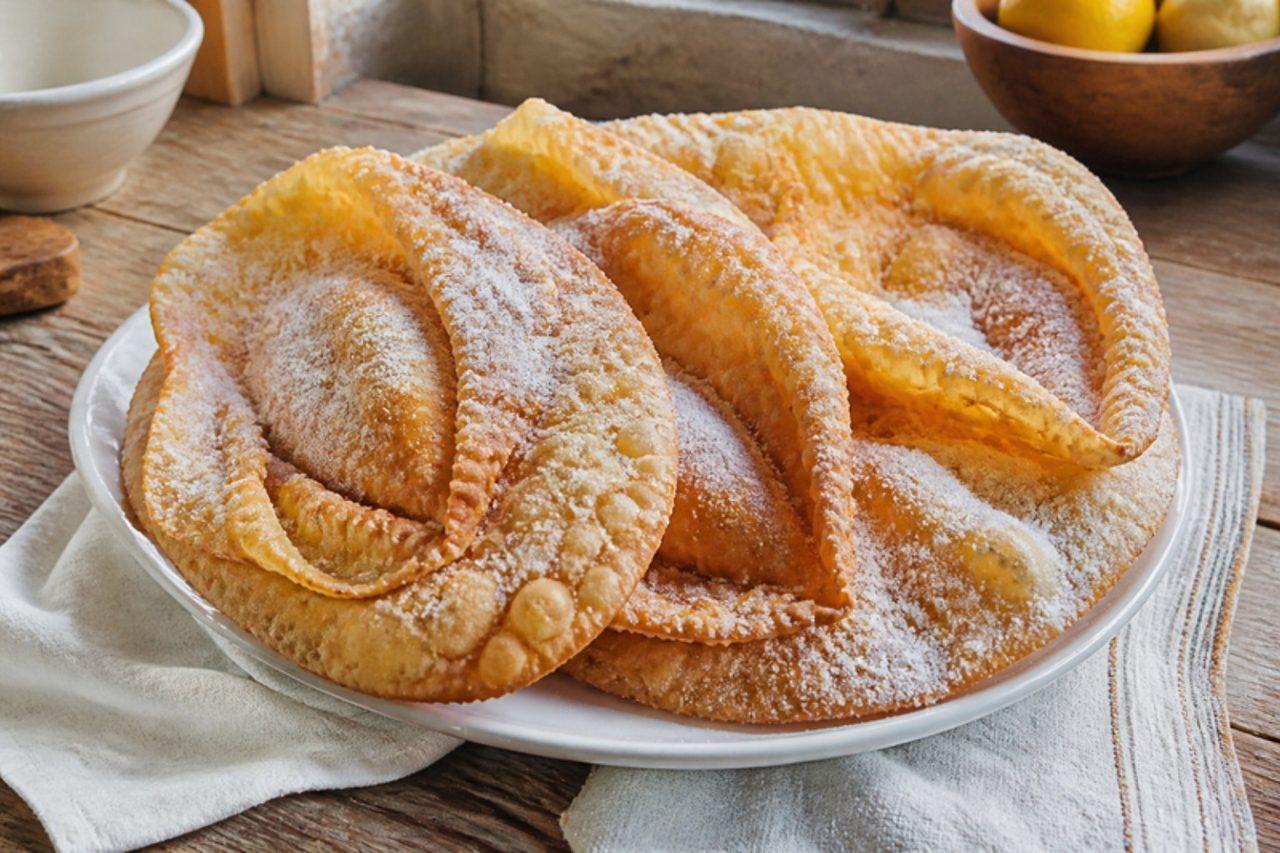
Orellas, 'ears' in Galician, are fried for Entroido in villages across Ourense and Lugo, from Laza to Xinzo de Limia, and handed round in big baskets during the carnival days. The thin dough blisters and turns crisp in hot oil, and the pastries are finished with sugar or honey. This version uses a little aniseed spirit (aguardiente), as is traditional, so it contains alcohol; for an alcohol-free version use orange juice with a pinch of ground anise. Old recipes use pork fat; this one uses butter, so it is vegetarian. A common mistake is rolling the dough too thick, which gives chewy, greasy pastries instead of crisp ones. Chef's tip: roll until you can almost see the worktop through the dough.

by KrazyBadal 0 views

Orkney clapshotSwede and potato mash

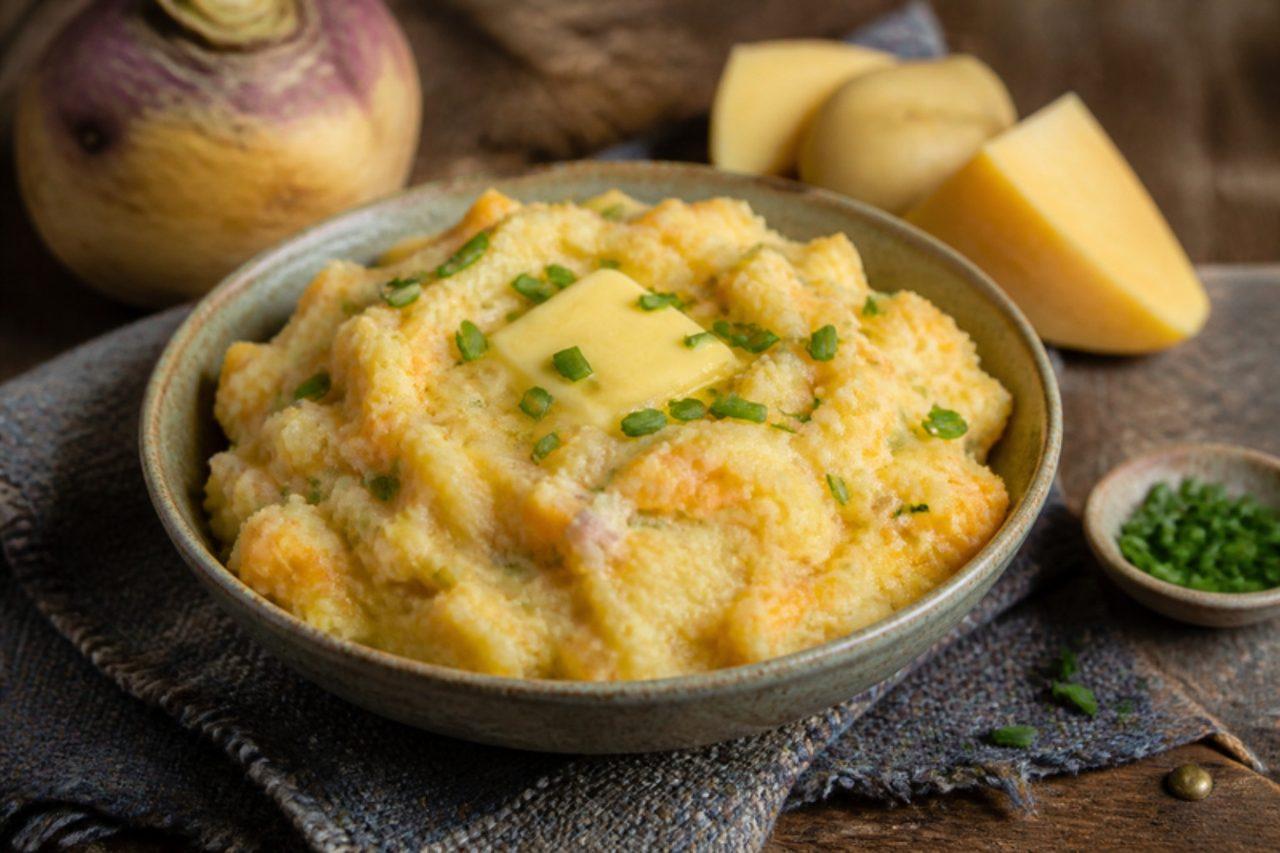
Clapshot is the Orkney way with neeps and tatties: equal amounts of swede and potato mashed together with butter, chives and plenty of pepper, rather than served side by side. Islanders eat it with oatcakes and cheese, with mince, or alongside haggis on Burns Night. It is sweet, earthy and soft-orange. Chef's tip: dry the boiled vegetables in the hot pan before mashing, or the swede makes it watery.

by KrazyBadal 0 views

PaidakiaGrilled lamb chops

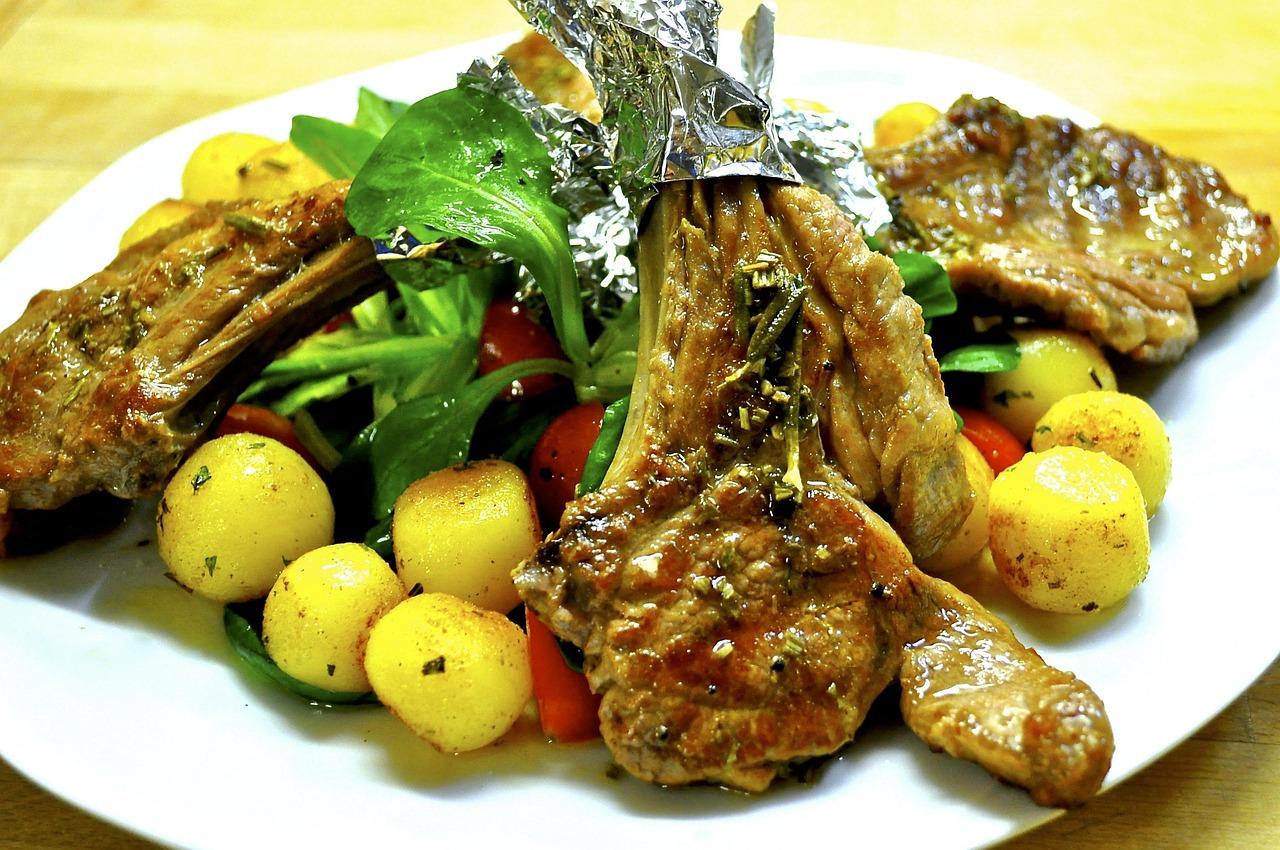
In the mountain villages around Athens and in Roumeli, families drive out on Sunday to psistaries where paidakia are sold by the kilo: thin lamb rib chops grilled over charcoal until the fat crackles, then showered with lemon, salt and oregano and eaten with your fingers. Chips, a horiatiki salad and tzatziki complete the meal. Common mistake: marinating them for hours in lemon, which makes the meat mushy; season simply and add lemon after grilling. Chef's tip: leave a thin rim of fat on each chop and grill fat-side first for a minute; it renders and bastes the meat.

20 minGreekMeatGluten free
by KrazyBadal 0 views

OuziSpiced rice and lamb filo parcels

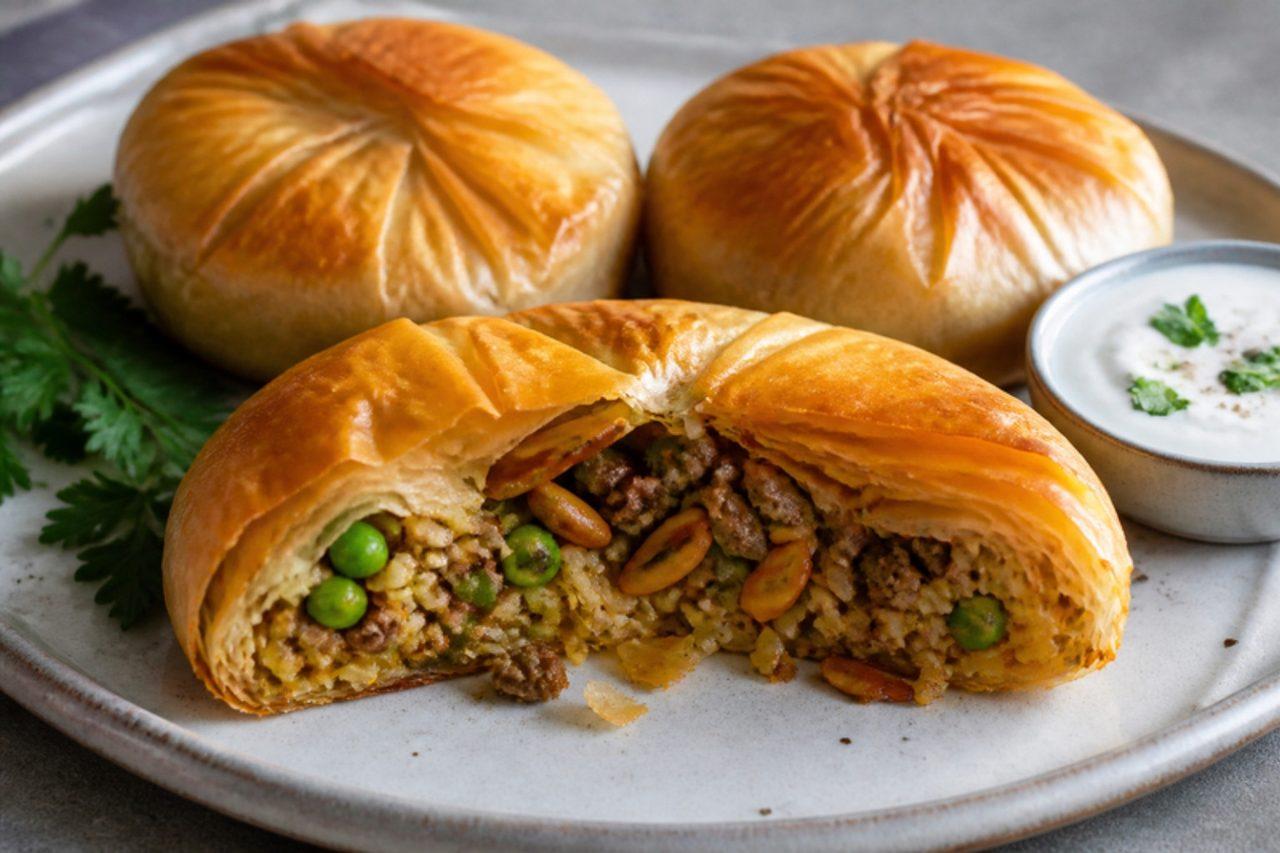
Ouzi is the showpiece of Jordanian and Damascene wedding buffets and Eid lunches: golden filo bundles that break open to spiced rice, minced lamb, peas and toasted nuts. The name comes from the whole roast lamb once served on a mountain of rice; the parcels are the neat, home-sized version, made ahead and baked as guests arrive. Serve with plain yoghurt or a cucumber-yoghurt salad. The common mistake is filling the filo with wet rice, which turns the bottoms soggy, so cook the rice until just tender and spread it out to steam dry. Chef's tip: lay a few nuts and peas in the bowl first, then the filo, then the filling, so each parcel comes out with a pretty top.

by KrazyBadal 0 views

Ovos moles de AveiroEgg-yolk and sugar cream

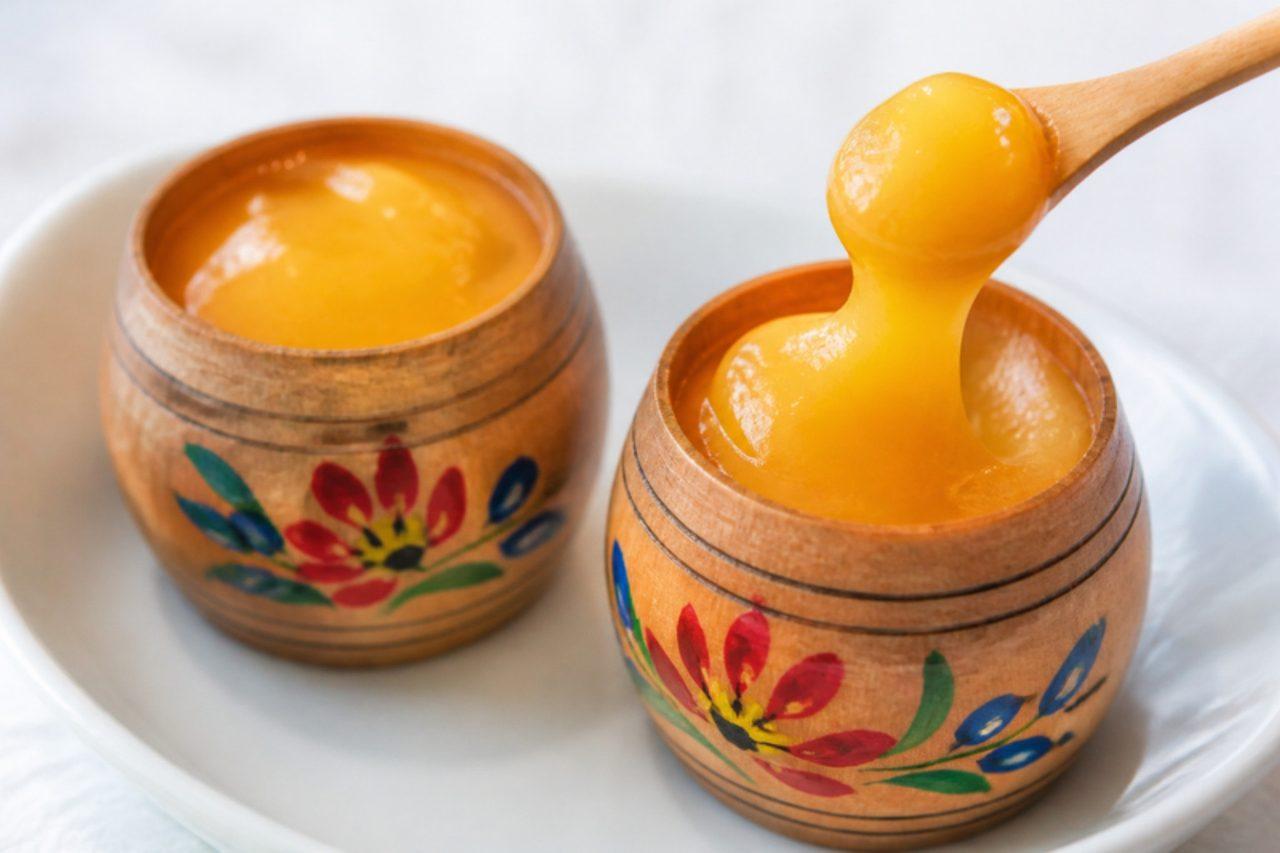
Nuns in Aveiro's convents used leftover yolks, after the whites had starched their habits, to make this soft, intensely sweet cream, and the town's shops now sell it in painted wooden barrels or wrapped in thin wafer shaped like shells and fish. Visitors buy boxes at the railway station and along the canals where the moliceiro boats run. Only yolks, sugar and water go in, cooked slowly until thick and shiny. Chef's tip: cool the syrup slightly before adding the yolks and cook over the lowest heat, as a common mistake is hurrying it and ending up with sweet scrambled egg.

by KrazyBadal 0 views

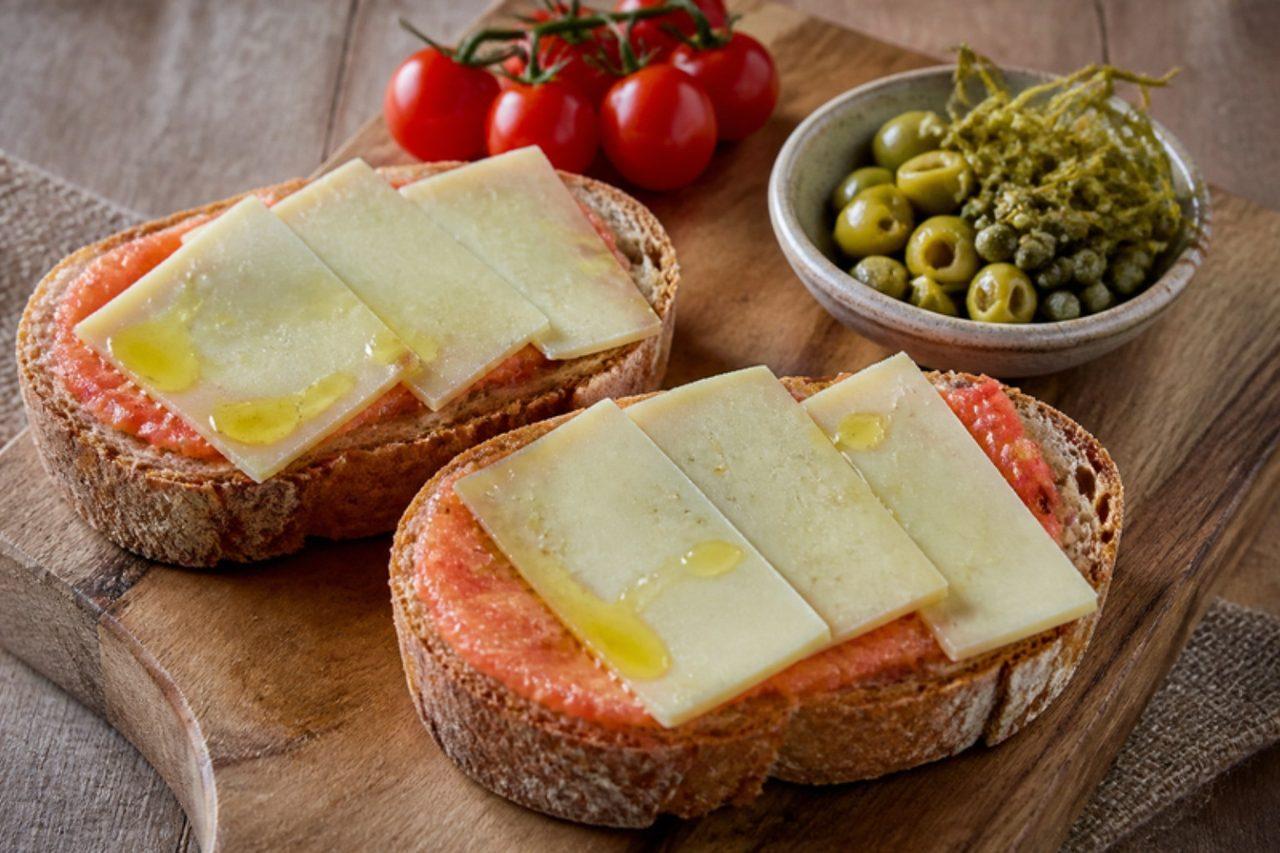
Pa amb oli mallorquíTomato olive oil bread

In Mallorca pa amb oli is supper on a hot evening, the snack in every village bar and the picnic on a boat. Slices of dense, unsalted brown country bread are rubbed with the island's tomàtigues de ramellet, small tomatoes kept hanging in bunches through winter, then soaked with olive oil and salted. On the side go green olives, capers, pickled sea fennel and slices of Mahón cheese; this vegetarian plate leaves out the usual cured ham. Mahón is normally made with animal rennet, so pick a vegetarian semi-cured cow's milk cheese if that matters to you. Chef's tip: toast the bread only lightly, or not at all, so it stays soft enough to drink up the tomato.

by KrazyBadal 0 views

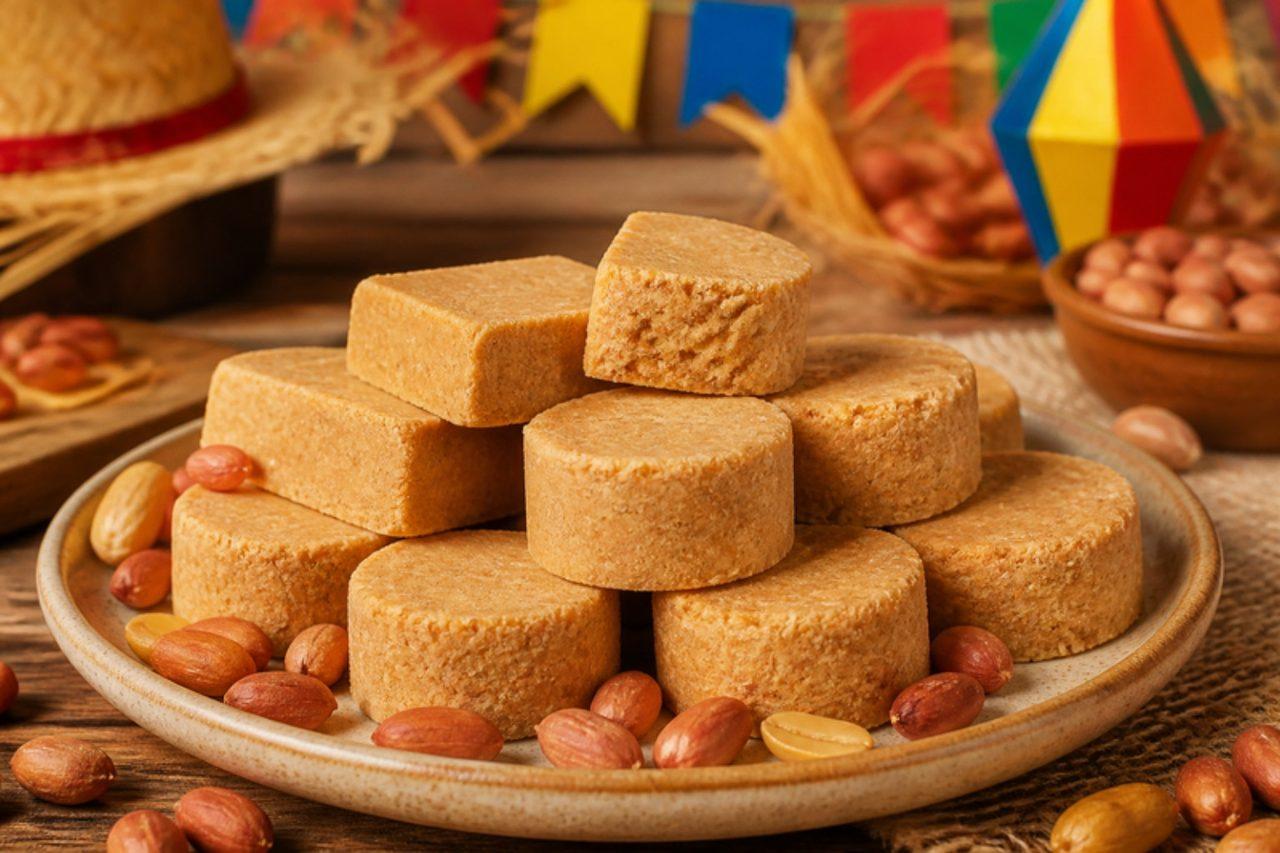
PaçocaPeanut and cassava flour sweet

Kids across Brazil grow up on paçoca, the pale peanut sweet that melts into sandy crumbs the moment it is bitten, and no festa junina bag of treats is complete without a few. It started in the countryside of São Paulo and Minas as a way to use the peanut harvest, pounded in a wooden pestle with sugar and cassava flour, and today it is mostly pressed into little discs called rolhas. The flavour is pure toasted peanut, salty-sweet, with a texture between shortbread and fudge. Fine cassava flour (farinha de mandioca fina) is sold in Brazilian shops; you can leave it out for a richer, softer paçoca. Under-roasting the peanuts is the usual pitfall: pale peanuts give a raw, beany taste. Chef's tip: grind the mixture only until it just starts to clump; if it turns to butter, it will not hold a crumbly shape.

by KrazyBadal 0 views

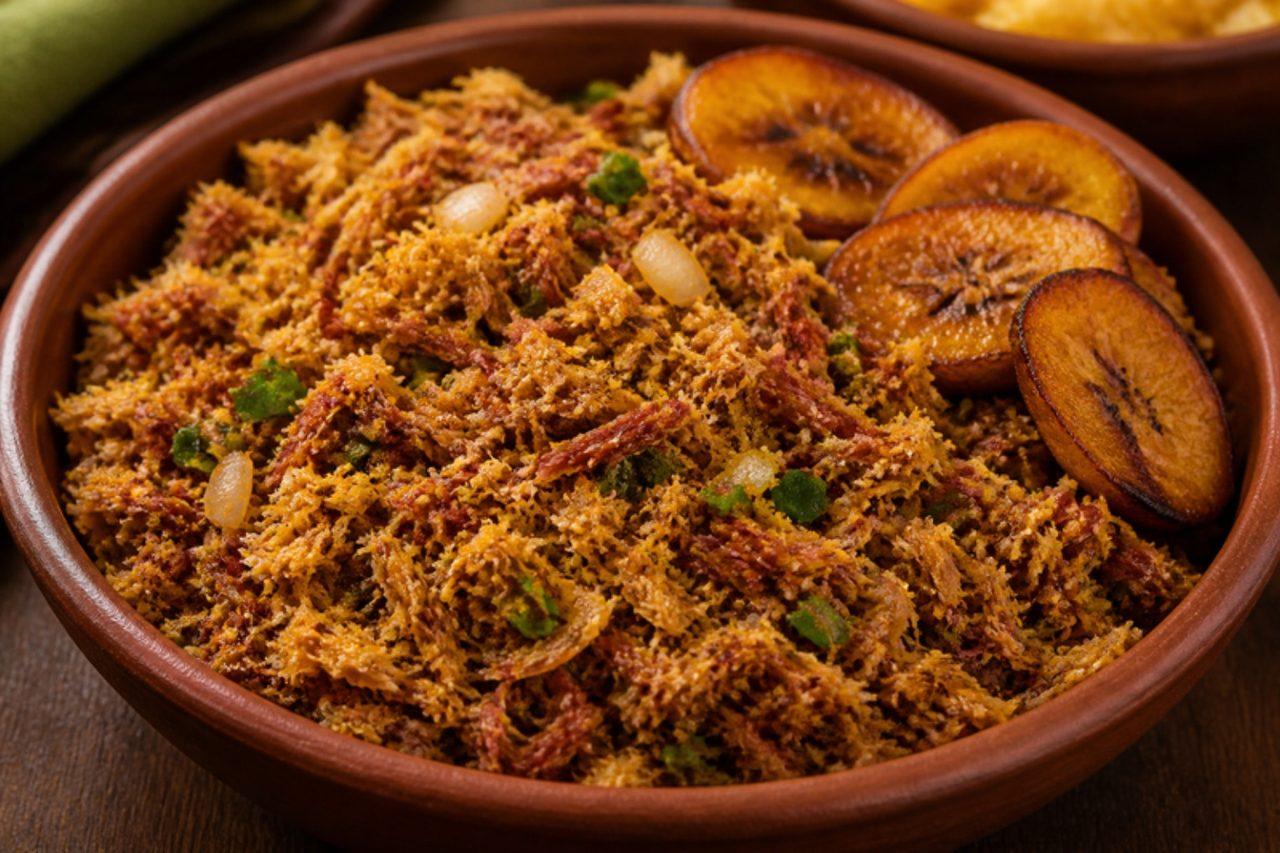
Paçoca de carne de solPounded dried beef with cassava flour

Not the peanut sweet of the same name: in Ceará, Piauí and Maranhão, paçoca is a savoury, fluffy tangle of fried carne de sol pounded with toasted cassava flour and onion in a big wooden pilão. Cowboys of the sertão carried it on long rides because it keeps for days, and today it is served at roadside restaurants and at home with baião de dois, boiled macaxeira, ripe banana and a cold glass of cajá juice. It should be dry, crumbly and full of crisp beef threads, salty and deeply savoury. The thing that goes wrong most often is adding the cassava flour to a wet pan, which turns it into paste; the beef must be fried really dry first. Without a pilão, a large mortar or short pulses in a food processor do the job. Chef's tip: let the pounded paçoca rest for ten minutes before serving; the farinha soaks up the beef fat and the texture turns soft and fluffy.

by KrazyBadal 0 views

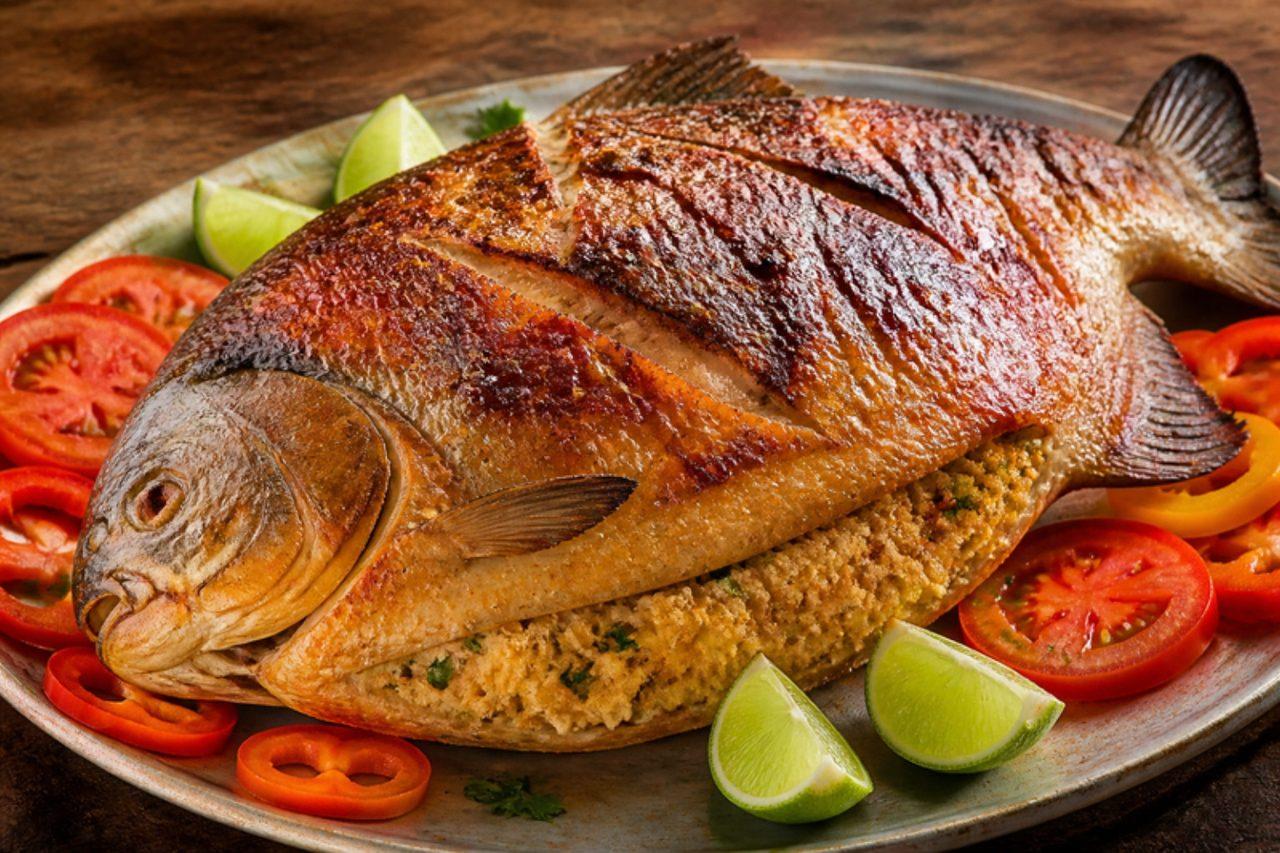
Pacu assadoRoast whole river fish

Cuiabá's fish restaurants and weekend riverside lunches in the Pantanal put a whole pacu on the table, stuffed with farofa and roasted until the skin is golden and crisp. Pacu is a round, fat-rich river fish with sweet, juicy flesh; ask your fishmonger for whole sea bream, pompano or a large tilapia if pacu is not available. The stuffing is cassava flour toasted with onion, garlic, pepper, tomato and herbs, and it soaks up the fish juices as it cooks. Serve with white rice, a tomato vinagrete and lime. The mistake to watch for is over-roasting until the flesh dries out; check at the backbone and stop when it is just opaque. Pacu has fine Y-shaped bones in the belly, so eat carefully. Chef's tip: cut deep slashes on both sides and push a little lime-garlic paste into them; it seasons the thick flesh and helps it cook evenly.

by KrazyBadal 0 views

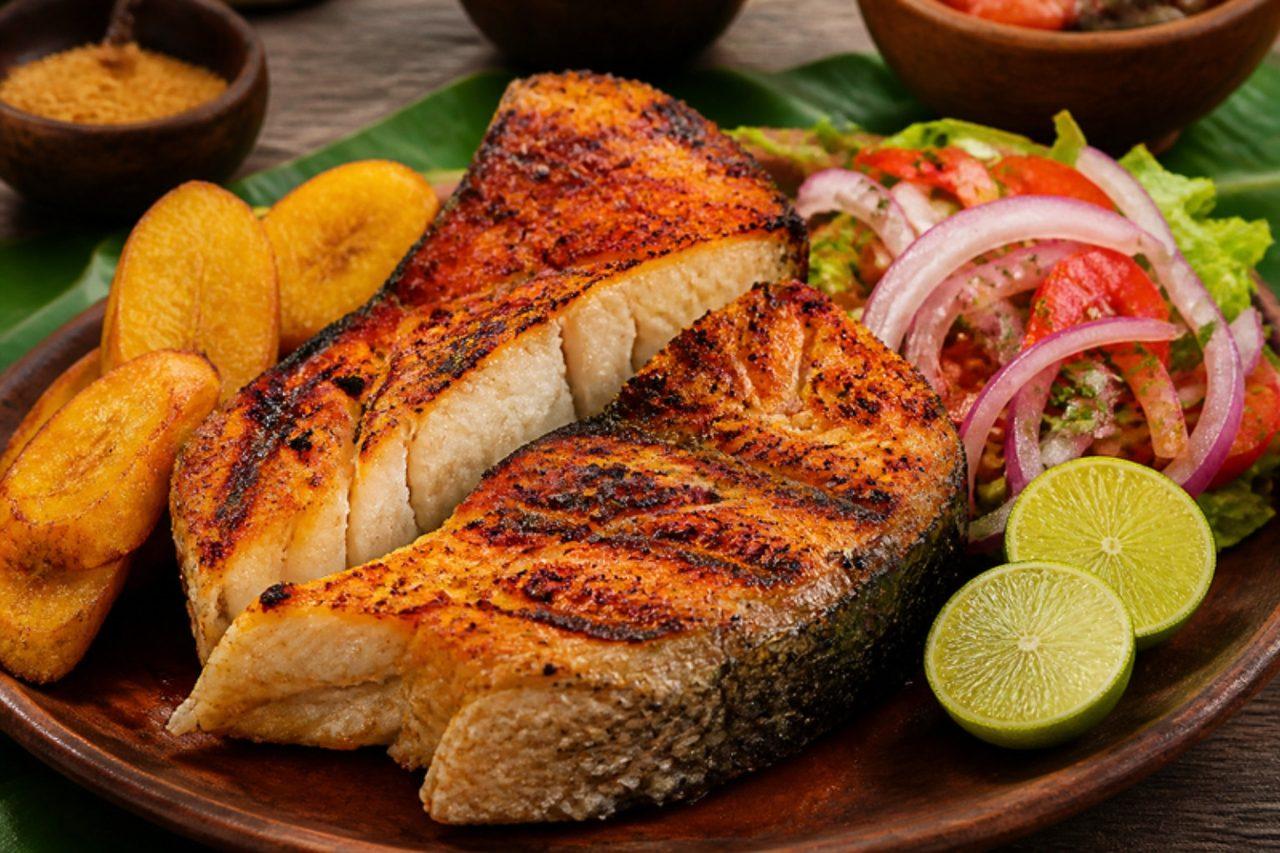
Paiche a la parrillaGrilled paiche steaks

Paiche (arapaima), one of the largest freshwater fish on earth, has thick, white, almost boneless flesh, and in Iquitos it is farmed and cut into meaty steaks that sizzle on the grills of riverside restaurants. Marinated briefly in garlic, lime, cumin and achiote, it chars on the outside and stays juicy and mild inside, a little like cod but firmer. Serve it with a tomato and onion salad, rice, or tacacho (mashed fried plantain balls). Frozen farmed paiche is sold in some fishmongers; thick cod, halibut or hake loin are good stand-ins. Leaving it in lime too long is the big mistake: the acid starts to 'cook' the surface and it sticks and tears on the grill, so 15 minutes is plenty. Chef's tip: oil the fish, not the grill, and don't move it for the first 3 minutes so it forms a crust and releases cleanly.

by KrazyBadal 0 views

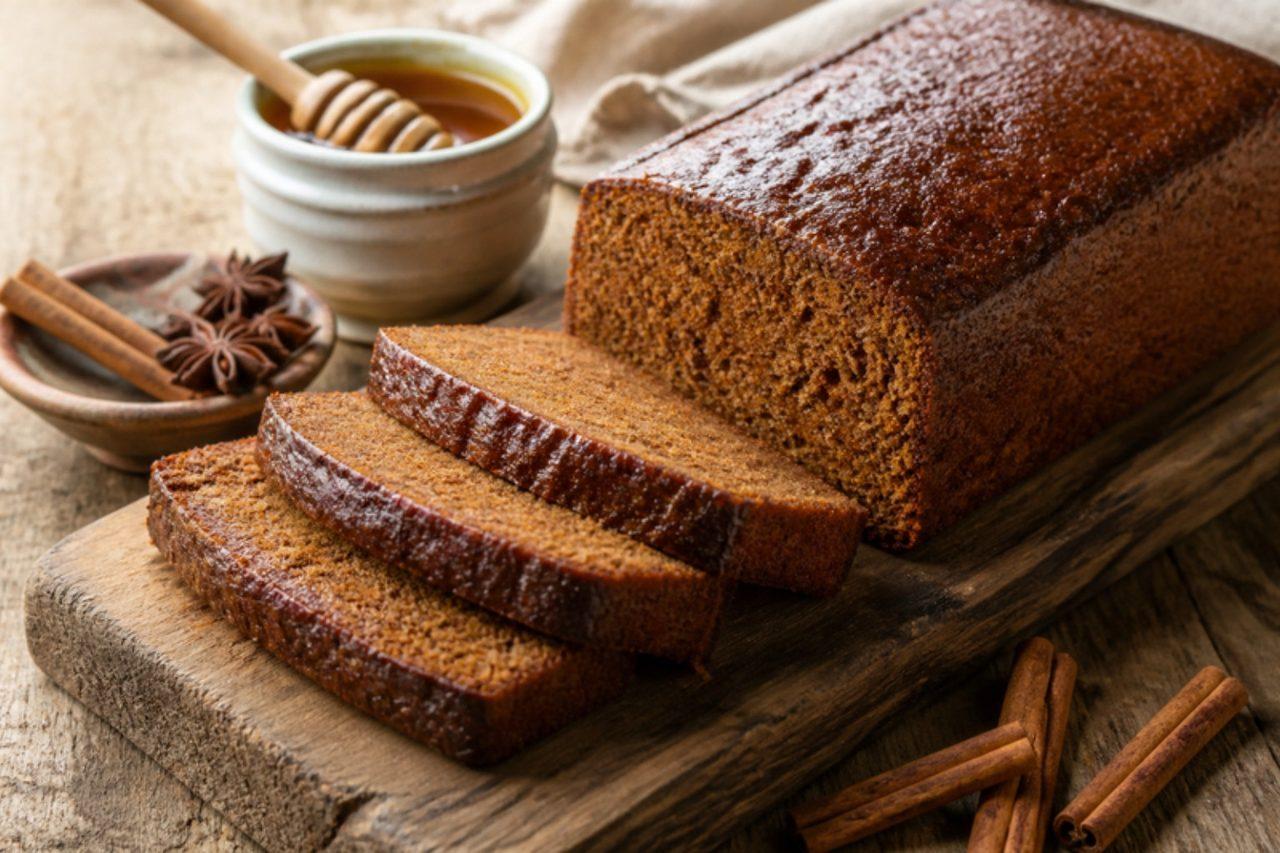
Pain d'épices de DijonHoney spice loaf

Dijon has been baking pain d'épices since the Middle Ages, and the shops near the old ducal palace still sell it by the slice, plain or glazed with orange. It is a dense, fragrant honey loaf, sold all year but eaten most in December, when Burgundian families toast slices for breakfast, spread them with butter, or serve them with cheese and pears. The Dijon style uses wheat flour and a whole egg, which makes it softer than the rye-flour loaves of Reims. Chef's tip: wrap it and wait a day before cutting; the crumb turns moist and the spices settle and deepen.

by KrazyBadal 0 views

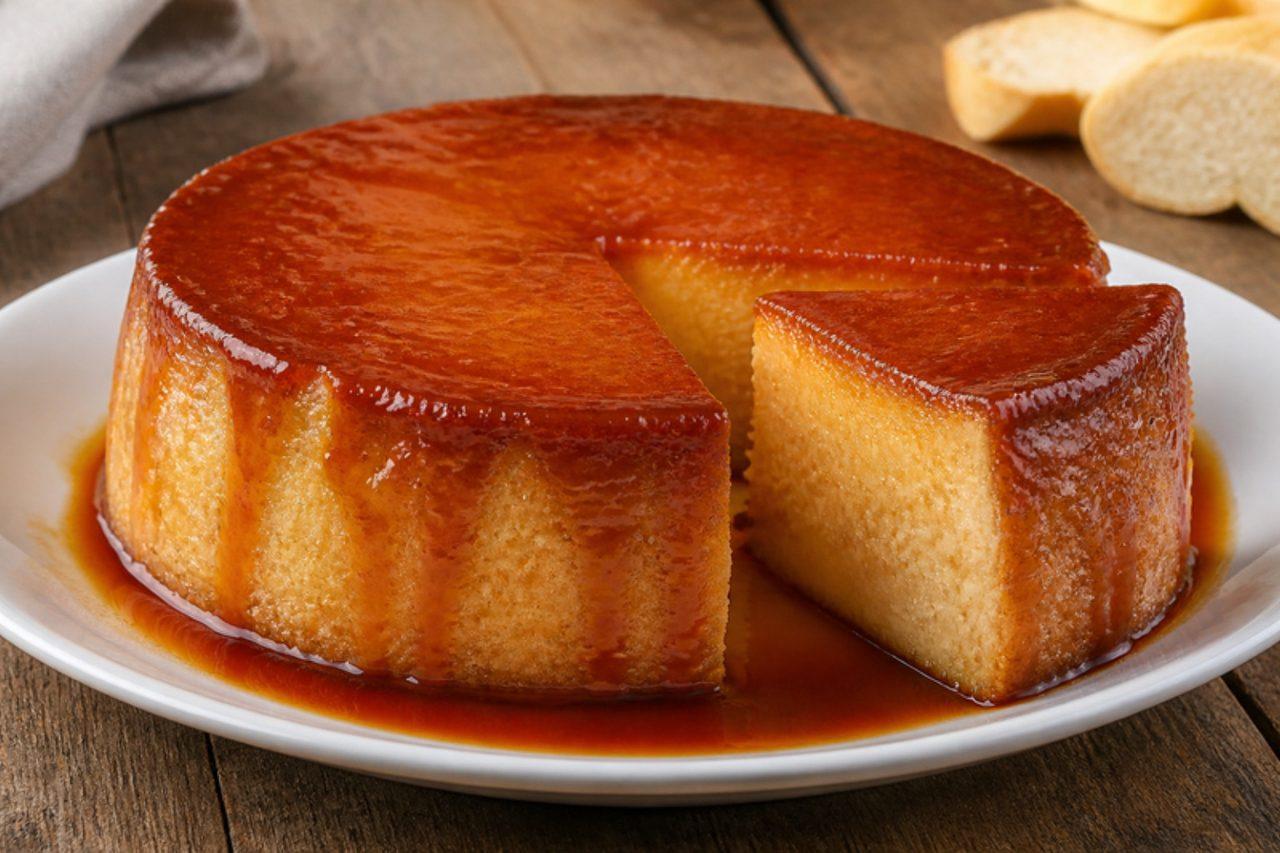
Pan de CalatravaCaramel bread pudding

Pan de Calatrava is Murcia's thrifty Sunday dessert, a flan thickened with yesterday's bread or leftover sponge and baked over a layer of dark caramel. Murcian grandmothers made it to use up the end of a loaf, and it is still on the menu at family-run restaurants across the region, cut into slices and served cold with the caramel running down. The milk is infused first with lemon peel and cinnamon. Chef's tip: let it chill overnight before turning it out, so it slices cleanly and the caramel turns to syrup.

by KrazyBadal 0 views

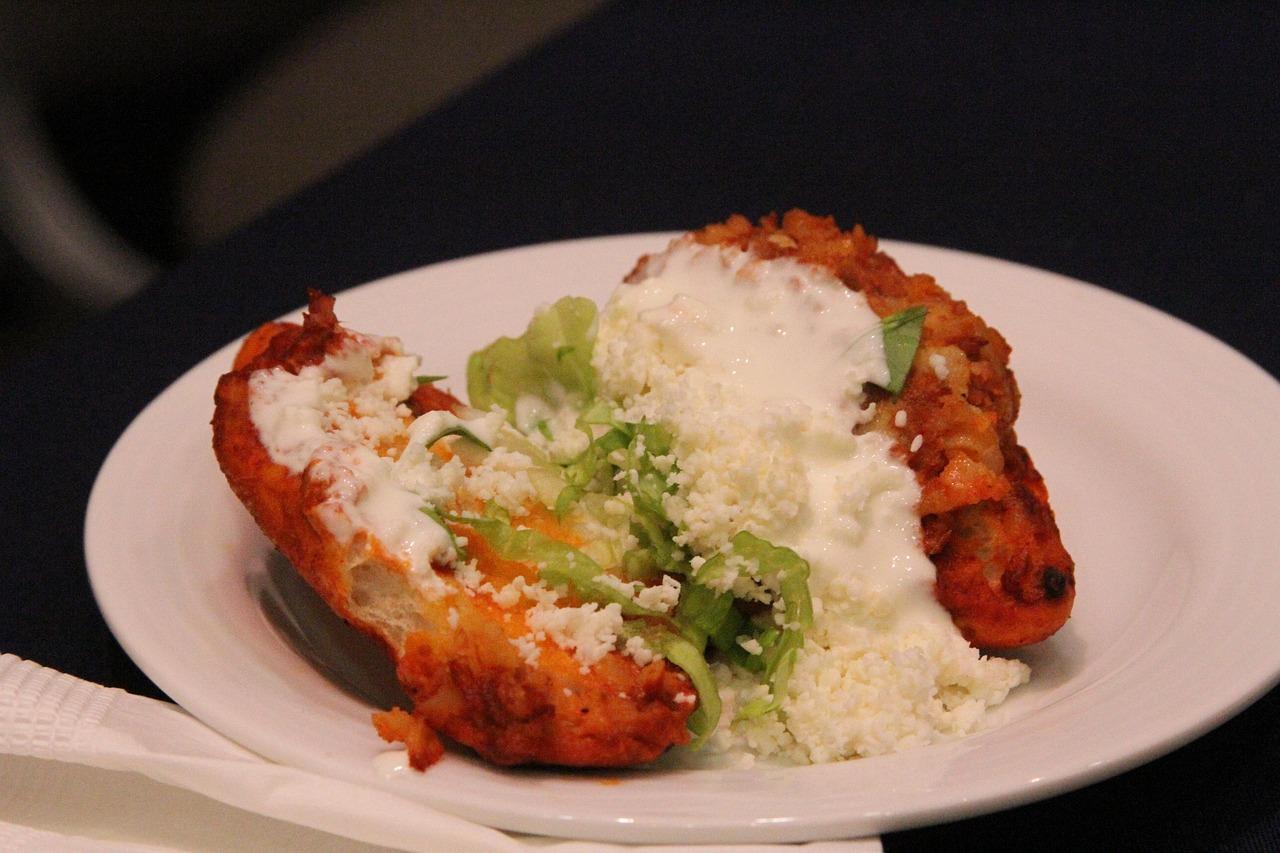
PambazoDipped roll with potato and chorizo

Pambazos are a Mexico City street classic, sold at night from griddles outside metro stations and at the fondas that open for Lent and village fiestas. A soft, light roll is split, filled with potato fried with pork chorizo, then dipped in a garlicky red guajillo sauce and crisped on the griddle, so the outside turns deep red, slightly crunchy and a little messy. Inside go shredded lettuce, cream and crumbled cheese, with salsa verde for heat. Eat it straight off the griddle with plenty of napkins. Chef's tip: use day-old rolls; fresh, soft bread soaks up too much sauce and falls apart on the griddle.

by KrazyBadal 0 views

PamonhaSteamed fresh corn parcels

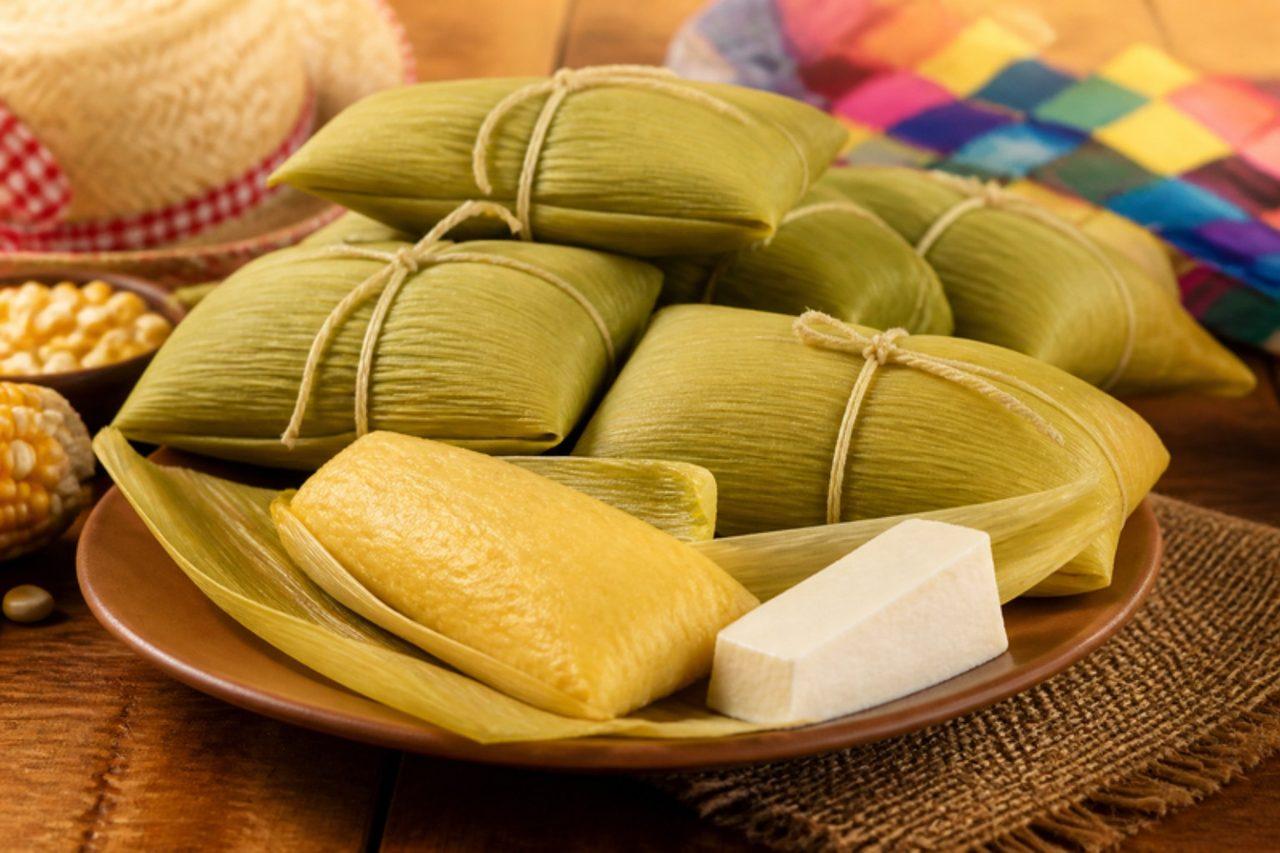
Corn season in Goiás and across the Northeast means pamonharias, roadside shops where pamonha comes out of huge steaming pots all afternoon, and in June it is one of the anchors of the festa junina table. Freshly grated green corn is mixed with milk and sugar, wrapped in its own husks, tied and boiled until it sets into a soft, sweet, slightly chewy parcel that smells of fresh corn. The Goiás way is also savoury, with salt instead of most of the sugar and cubes of cheese inside; that option is in the last step. Traditional queijo minas or curd cheese is often made with animal rennet, so pick a vegetarian cheese made with microbial rennet. Serve hot, with coffee, or with butter melting on top. The usual mistake is using mature, starchy supermarket corn or tinned kernels: the mixture will not set properly and the flavour is flat. Chef's tip: use corn so young that a fingernail pressed into a kernel squirts milky juice, and save every intact husk for wrapping.

by KrazyBadal 0 views

Pan bagnatPressed tuna and anchovy sandwich

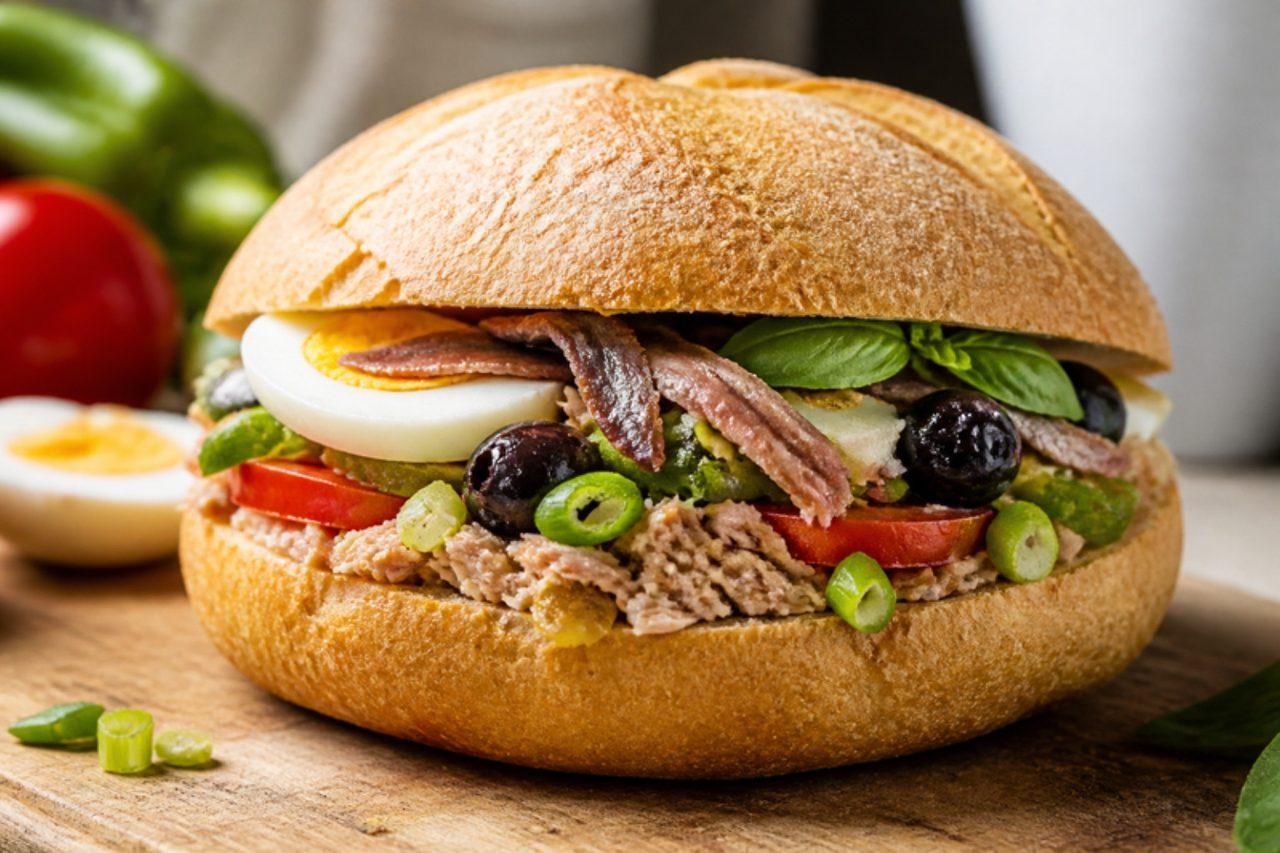
Pan bagnat, 'bathed bread' in Niçois, is the beach and market lunch of Nice, sold wrapped in paper from kiosks around the Cours Saleya and packed for picnics on the pebbles of the Promenade. A round crusty roll is soaked with fruity olive oil and filled with everything that goes into a salade niçoise: tuna, anchovies, hard-boiled egg, tomato, sweet green pepper, spring onion and black olives. Pressed for an hour, it turns juicy, compact and easy to eat in big, messy bites. Serve it on its own or with a few radishes and a glass of something cold. Chef's tip: rub the cut bread with garlic before the oil goes on; it perfumes every bite without overpowering the fish.

by KrazyBadal 0 views

Pan con chicharrónCrisp pork sandwich

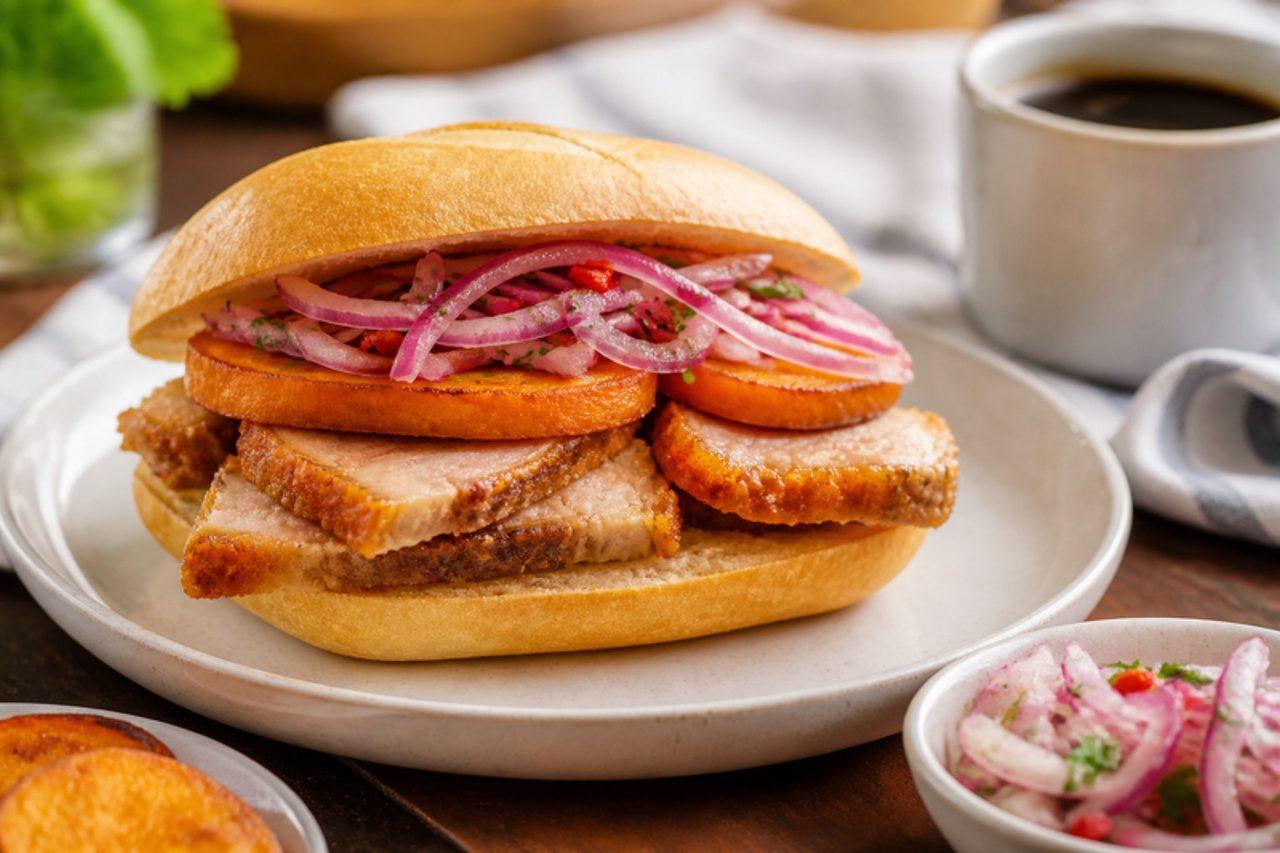
Sunday mornings in Lima mean a queue at the neighbourhood sanguchería or a stop at Barranco's old cafés for this: a crusty pan francés roll stuffed with chicharrón, pork that has been simmered in salted water until the water evaporates and then fried in its own fat, layered with slices of fried sweet potato and a crown of salsa criolla. The pork is crisp at the edges, juicy inside, the sweet potato sweet and soft, the onion sharp and cold. It comes with coffee or a hot drink. The usual mistake is frying the pork in extra oil from the start; the water has to boil off first so the meat renders and fries in its own fat, otherwise it stays pale and tough. Chef's tip: use pork belly mixed with shoulder for the right balance of crackle and meat.

by KrazyBadal 0 views

Pan de arrozRice flour cheese rings

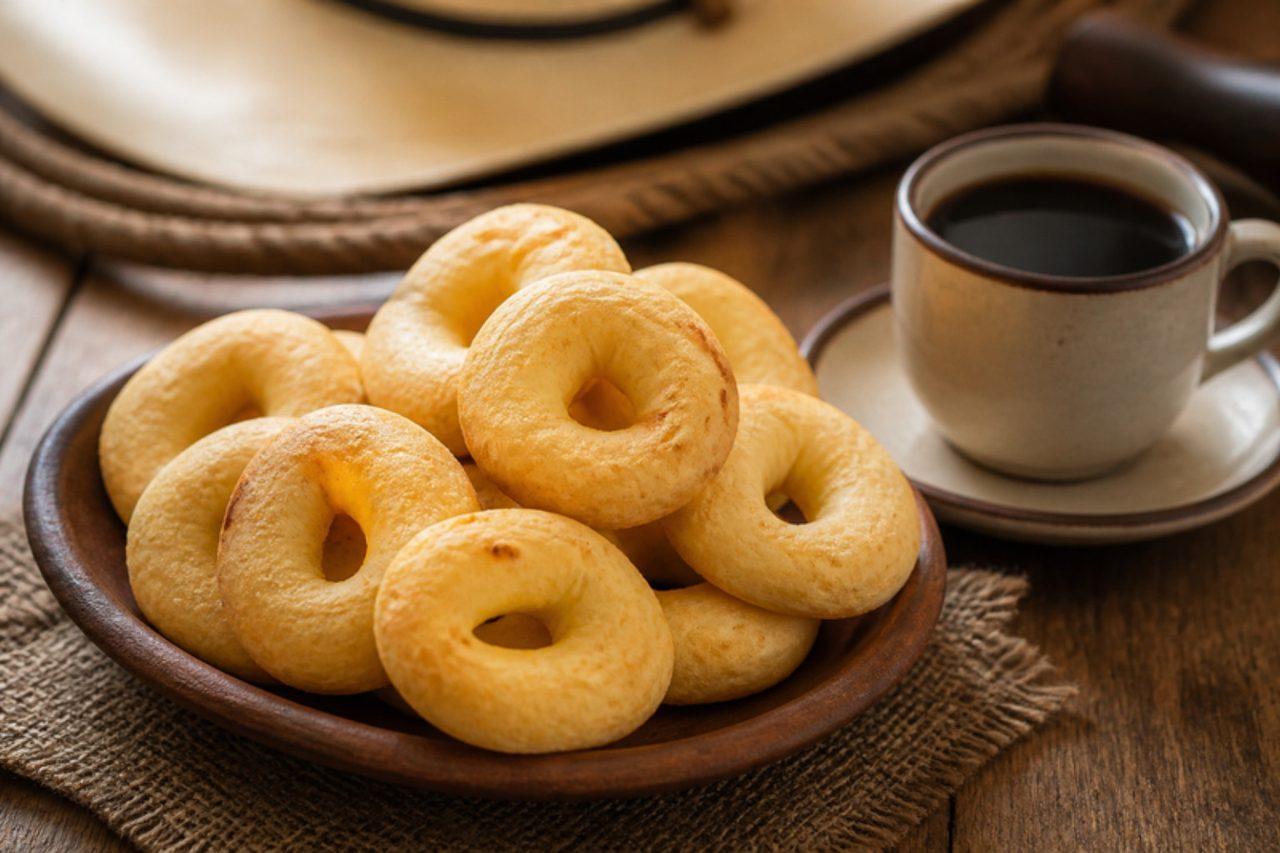
Coffee in Arauca or Casanare rarely comes alone: there is usually a basket of pan de arroz, small golden rings made from rice flour and grated salty cheese, sold at roadside stalls, bakeries and village fiestas across the plains. They bake crisp on the outside and soft, slightly chewy and cheesy within, a cousin of pandebono but lighter and more crumbly. Eat them warm with a cup of tinto or hot chocolate in the afternoon. The cheese on the plains is queso llanero, a firm, salty farm cheese; mix feta-style cheese with a little mozzarella if you cannot find it, and as both are usually made with animal rennet, choose vegetarian (microbial-rennet) ones. The mistake that causes trouble is coarse, lumpy cheese, which makes the dough crack as you shape it; crumble or grate it very finely. Chef's tip: rest the dough for 10 minutes before shaping so the rice flour hydrates and the rings close without splitting.

by KrazyBadal 0 views

Pan de milloGalician cornbread

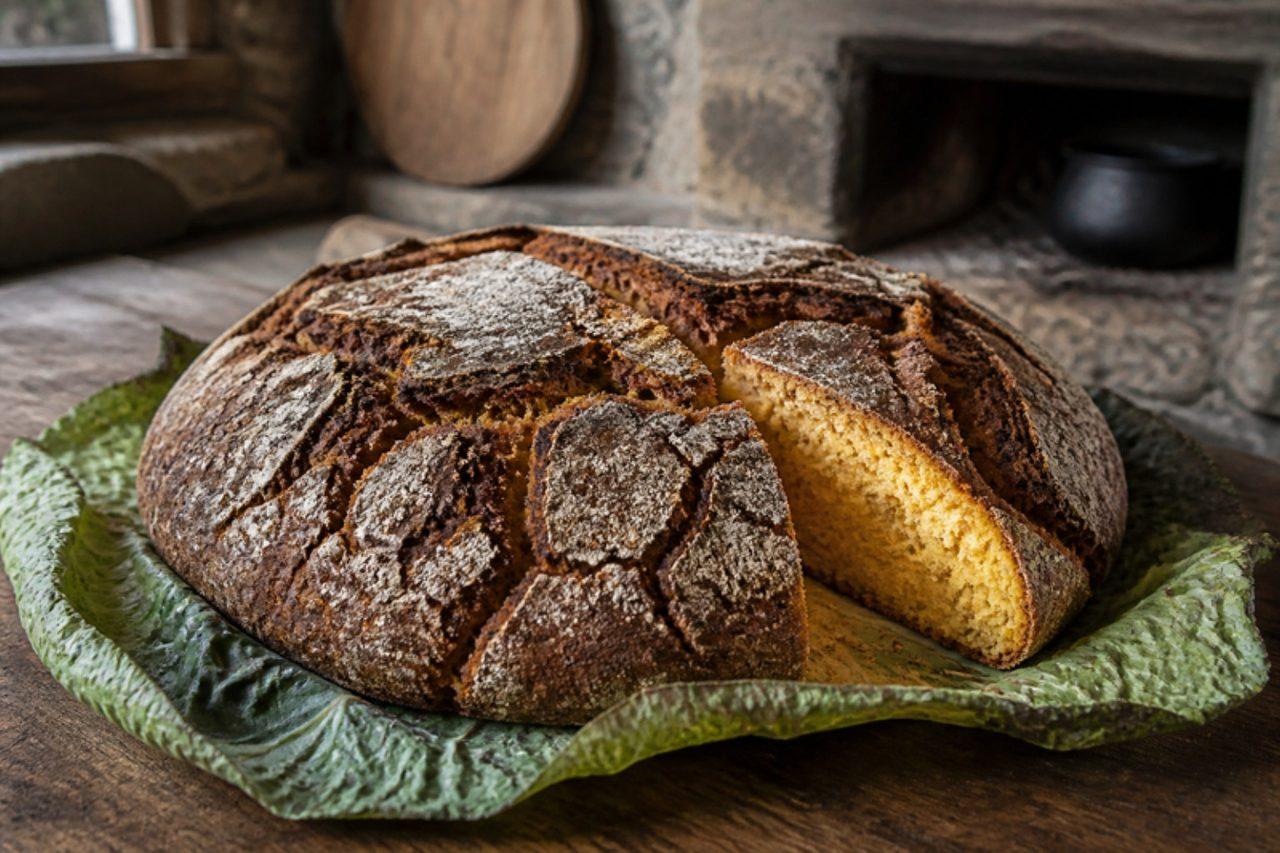
In the inland villages of Lugo and Ourense, and in the Deza area of Pontevedra, pan de millo, also called broa, was the everyday bread before wheat became common, baked in wood ovens and sometimes on a cabbage leaf. It is heavy, moist and slightly sweet inside, with a thick, cracked crust, and it is eaten with caldo, cheese or simply olive oil. Maize flour has no gluten of its own, so this version mixes in some wheat flour to help it rise; it is vegan. A common mistake is expecting a light loaf: it should feel heavy and close-textured. Chef's tip: scald the maize flour with boiling water first, which makes the crumb tender and stops it crumbling.

by KrazyBadal 0 views

Pan dulceChristmas fruit bread

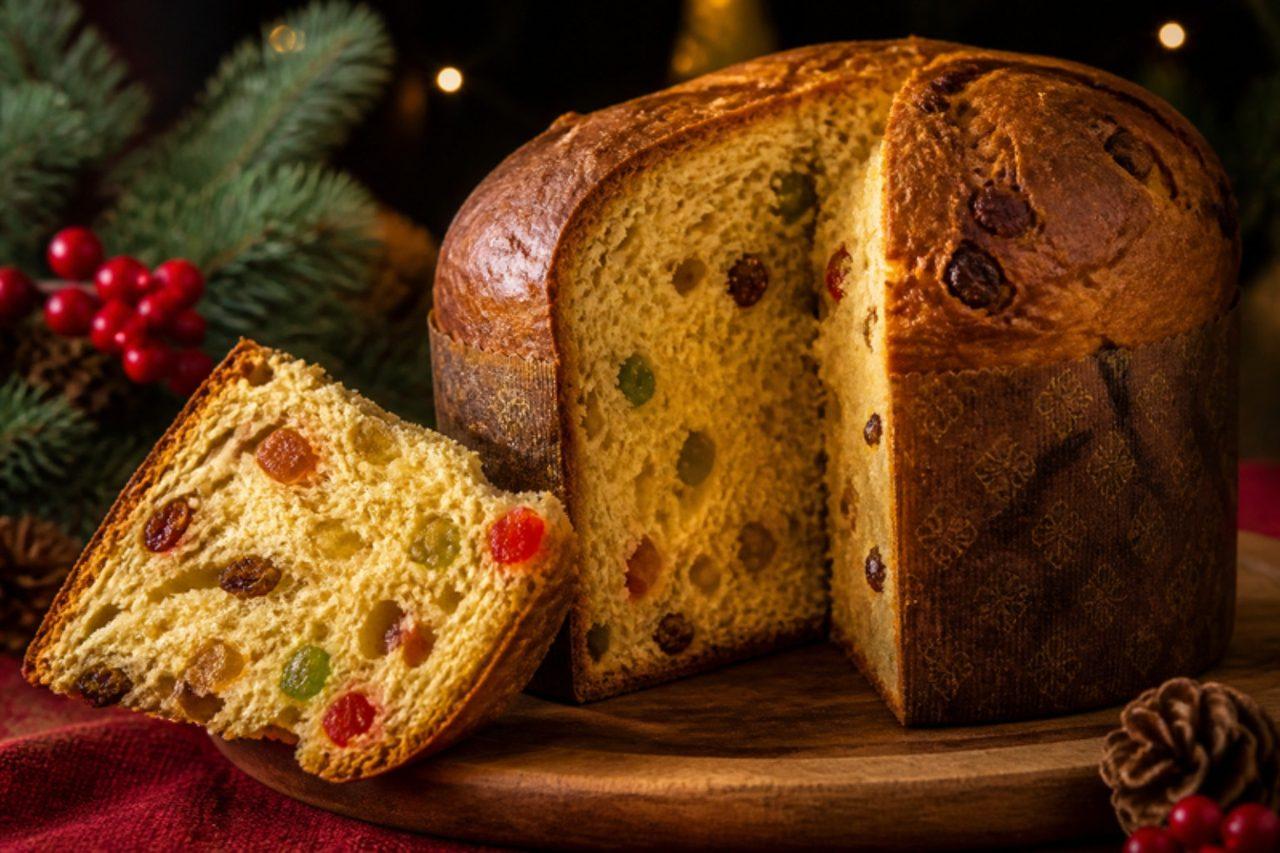
No Argentine Christmas Eve table is complete without a pan dulce, set out at midnight with turrón, nuts and a cold cider for the adults. The bread is the River Plate take on Genoese pandolce and Milanese panettone: a tall, buttery yeast dough scented with orange blossom and lemon, packed with candied fruit, raisins and walnuts. The crumb is closer and moister than panettone, and it keeps for a week wrapped in a cloth. Allow a long day, as the dough has a sponge and two rises. Some bakers soak the fruit in rum or sweet wine; here it is soaked in orange juice, so the bread is alcohol-free. People often add the fruit at the start of kneading, which shreds the gluten and gives a heavy, sunken loaf; work it in only once the dough is silky. Chef's tip: bake it in a tall paper mould or a 16 cm tin lined with a collar of baking paper, and turn it upside down onto a rack for the first 20 minutes of cooling so the top does not sink.

by KrazyBadal 0 views

PanadesLamb and pea pies

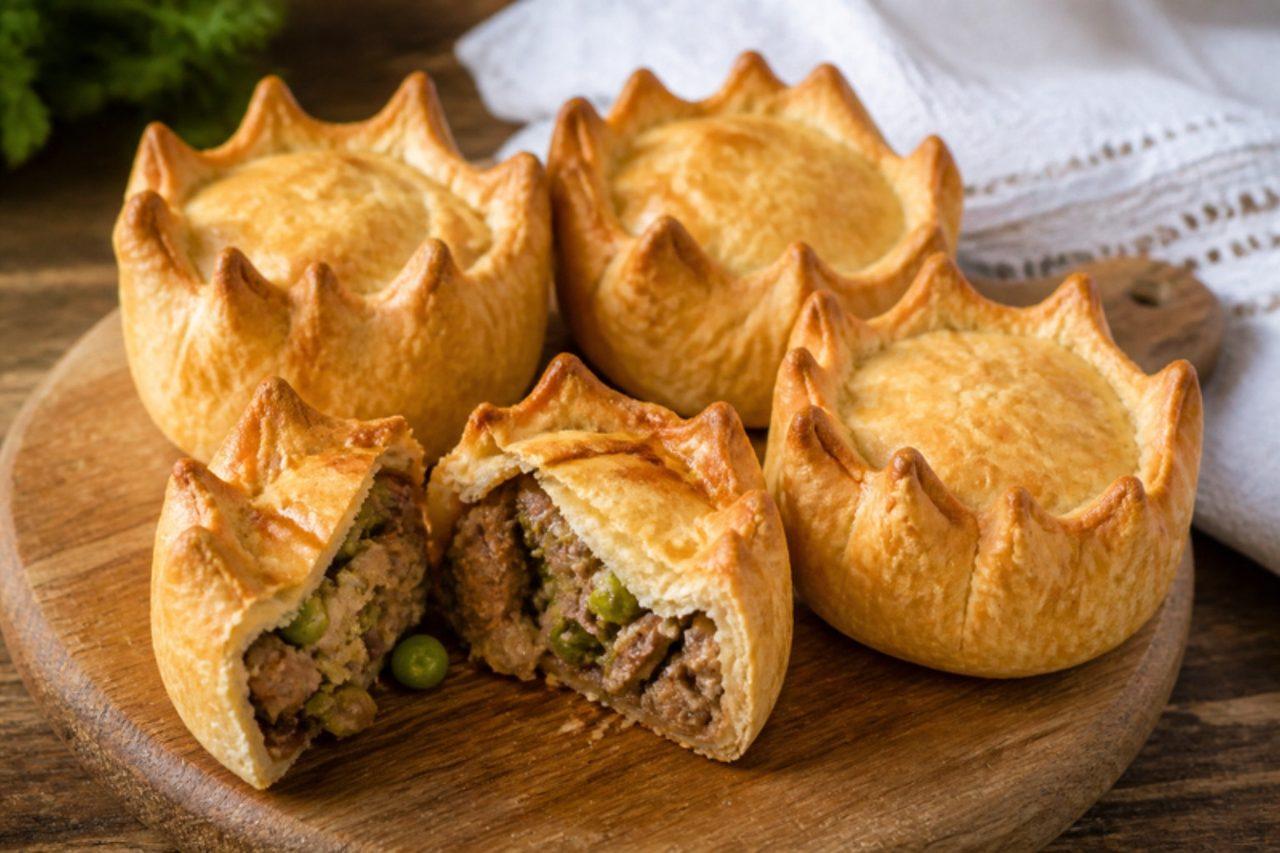
On Easter Saturday, Mallorcan kitchens turn into pie workshops: whole families shape panades, small upright pies with pinched rims and a pastry lid, filled with raw diced lamb, peas and a little pork belly, then bake them to eat on Easter Sunday and the picnics of the days after. This contains pork (lard in the pastry and pork belly in the filling); butter can replace the lard and the belly can be left out. The meat cooks inside the pastry, staying juicy. Chef's tip: cut the lamb small, no bigger than 1.5 cm, so it cooks right through in the time the pastry takes to brown.

120 minSpanishMeat
by KrazyBadal 0 views

Pan de yucaCassava starch cheese rolls

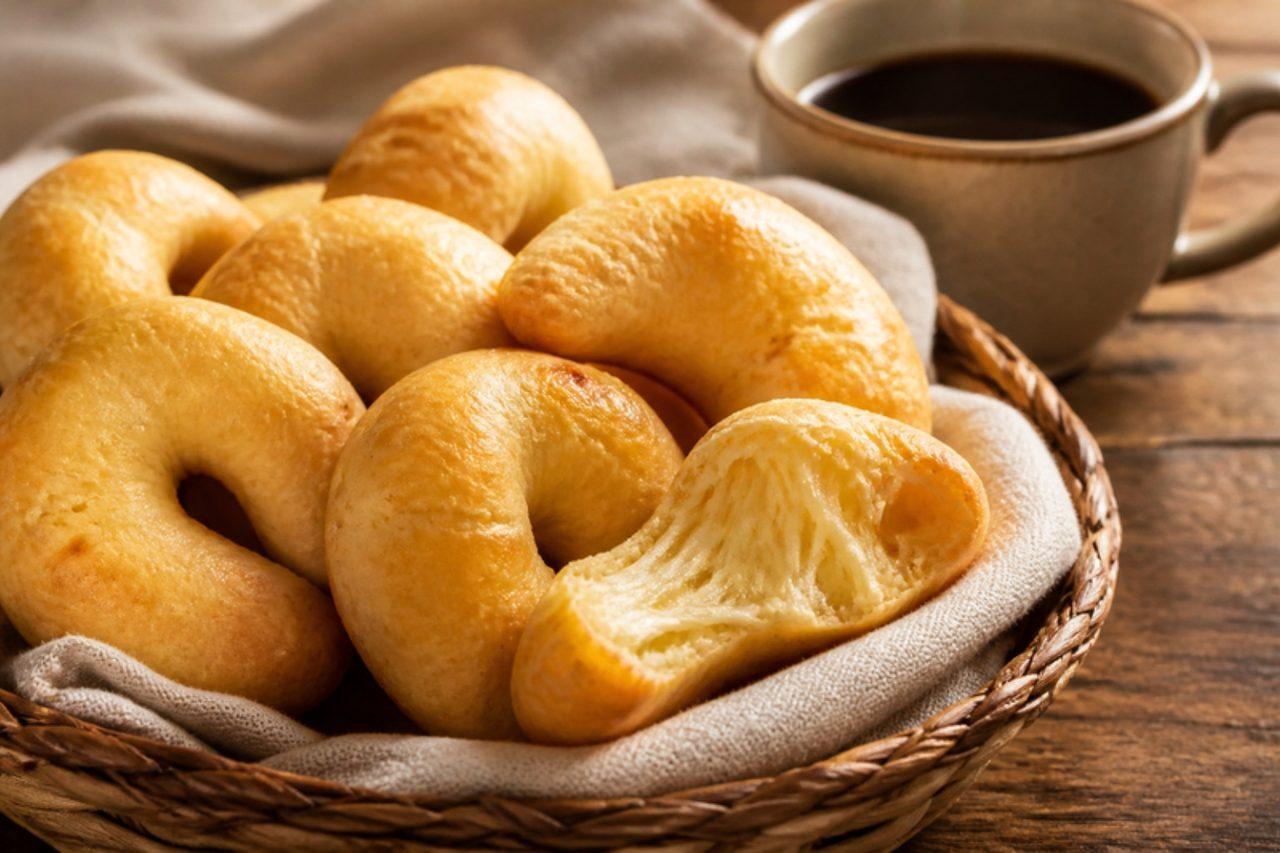
Cali bakeries sell pandeyucas warm in paper bags from early morning, often in a horseshoe shape, to go with a glass of kumis yoghurt drink or a café con leche. Made only from cassava starch, cheese, egg and a little butter, they are gluten free, puff up in the oven and stay hollow and stretchy inside with a thin crisp skin. Unlike pandebono, there is no corn flour, so they are lighter and chewier. Use tapioca (cassava) starch, sold in Asian and Latin shops; the cheese is typically a salty queso costeño made with animal rennet, so mix a vegetarian feta-style cheese with vegetarian mozzarella. Dough that is too wet makes them spread flat; it should feel like soft play dough. Chef's tip: they are at their best within 30 minutes of baking, so shape them ahead and bake just before eating.

by KrazyBadal 0 views

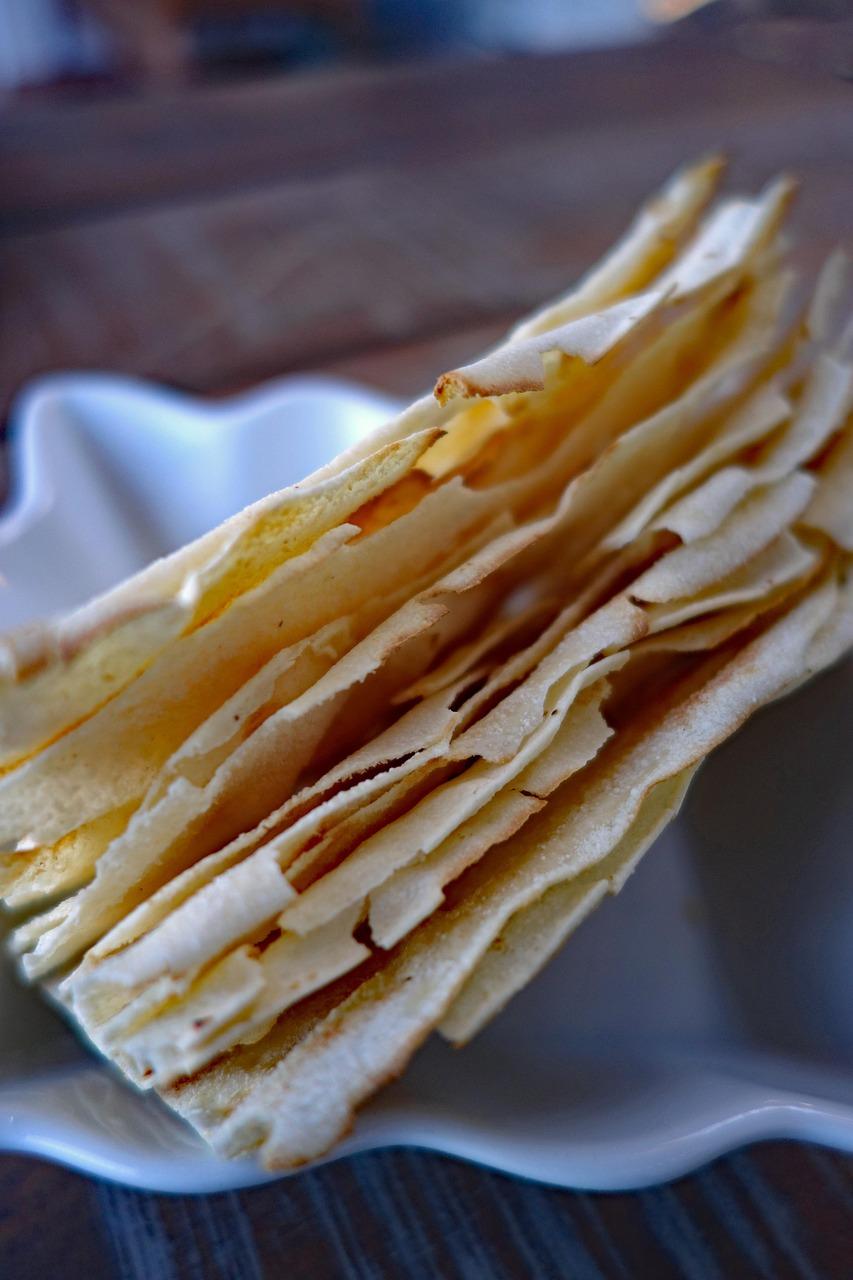
Pane carasauThin crisp flatbread

Shepherds in Barbagia, the mountainous heart of Sardinia, took stacks of pane carasau with them for weeks on the high pastures, because this dry, glass-thin flatbread never goes stale. Each disc is baked until it balloons, split in two while hot, then baked again until crisp and golden; Italians call it carta da musica, music paper, for how thin and crackly it is. Sardinians eat it with olive oil and salt as a snack, break it into soups and layer it into pane frattau. Making it at home takes patience and a very hot oven. Chef's tip: split each puffed disc the moment it comes out of the oven; once it cools, the two layers fuse together.

by KrazyBadal 0 views

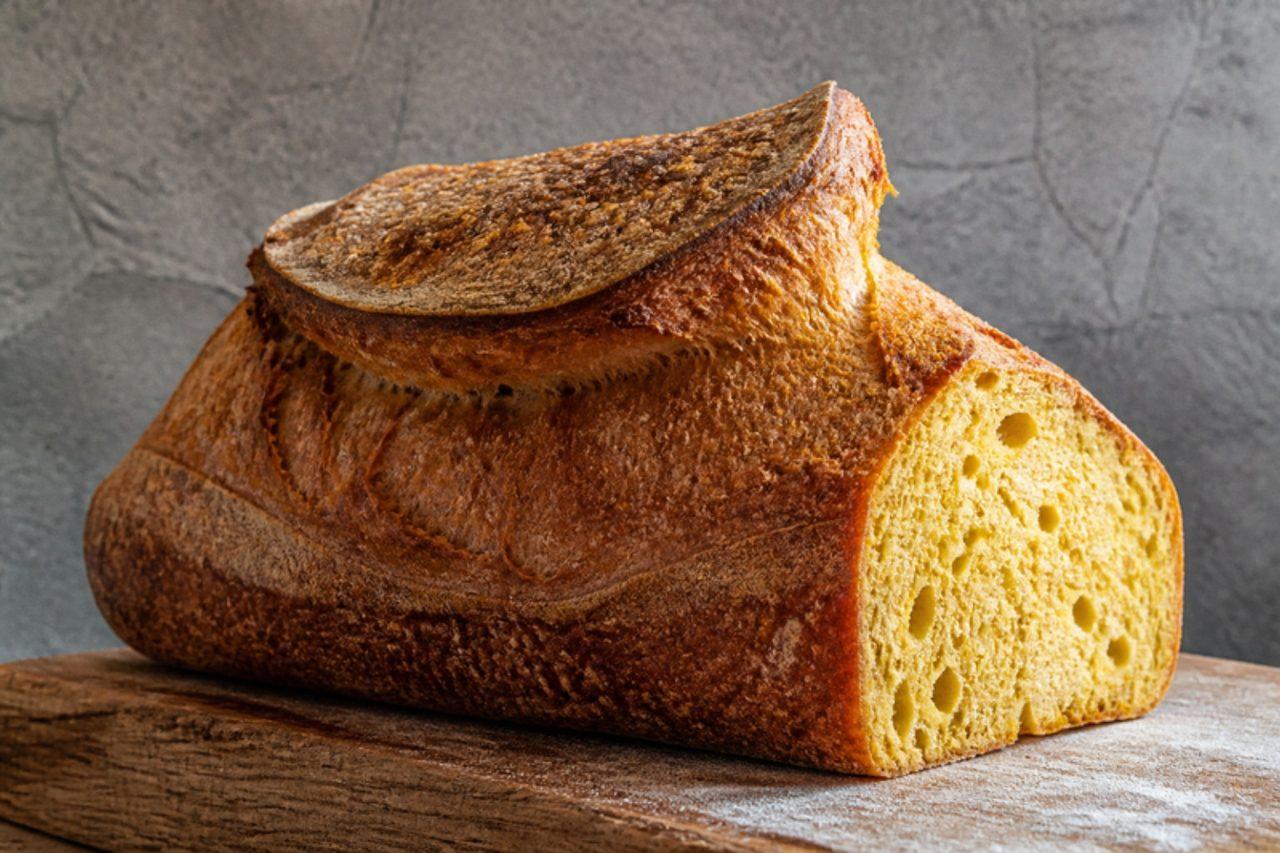
Pane di MateraDurum wheat sourdough bread

Matera's bread is a big golden loaf of durum-wheat semolina and sourdough, with a thick crackling crust and a crumb the colour of straw that stays moist for a week. It is shaped into a horned cornetto or a high-backed loaf, and until the 1950s families in the Sassi took their dough to the communal oven, each loaf marked with a carved wooden stamp so it came back to the right house. It is still eaten every day in the city, sliced thickly with olive oil and tomato or soaked in soups. Plan over two days, with a cold rise overnight. Chef's tip: feed your starter with semolina the day before, so its flavour matches the dough.

1440 minItalianBakingVegan
by KrazyBadal 0 views

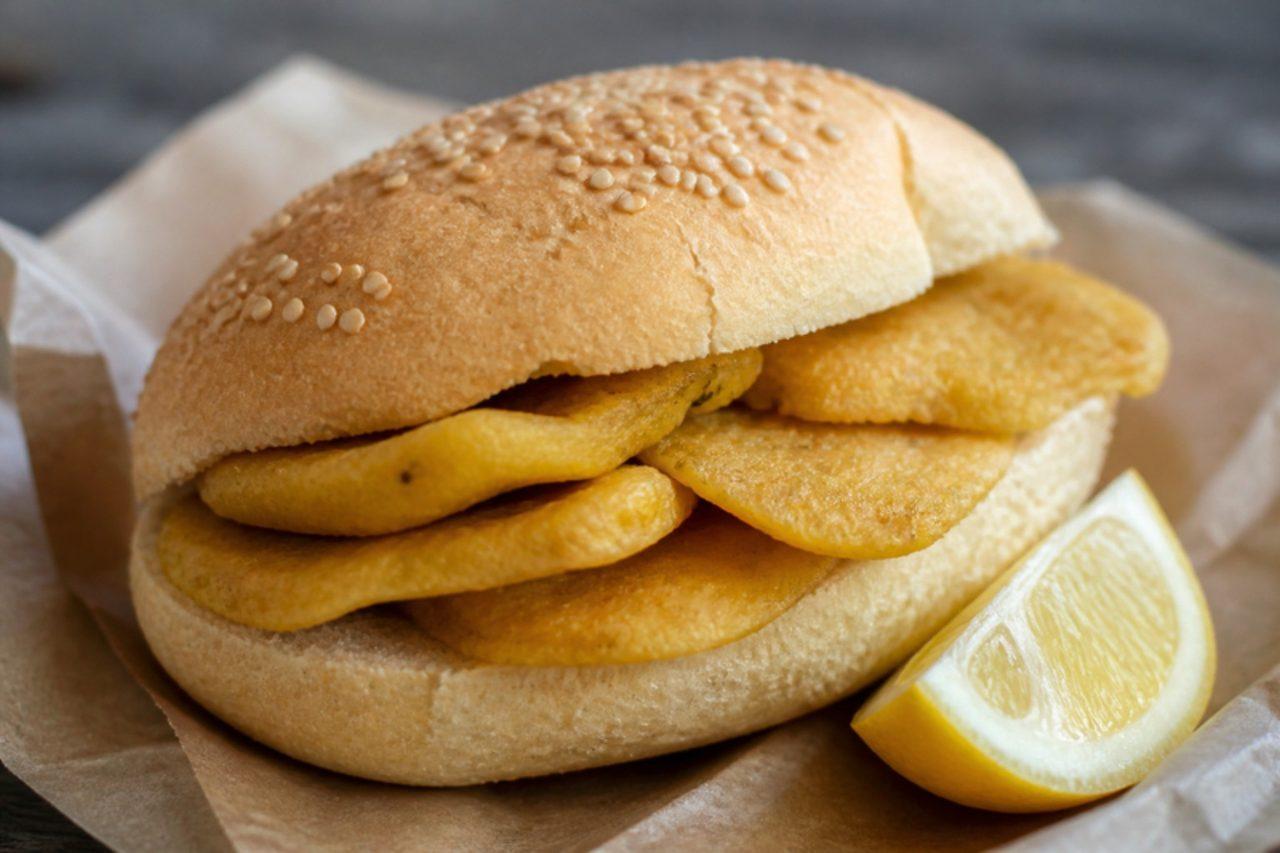
Pane e panelleChickpea fritters in a bun

Pane e panelle is Palermo's breakfast on the run: wafer-thin squares of chickpea batter fried until puffed and crisp at the edges, stuffed five or six at a time into a soft sesame roll and squeezed with lemon. Friggitorie at the Vucciria and Ballarò markets sell them from early morning, often alongside potato crocchè, and the city eats them standing at the counter. The panelle are creamy inside and nutty with a little parsley. Chef's tip: whisk the chickpea flour into cold water, never hot, and you will have no lumps.

by KrazyBadal 0 views

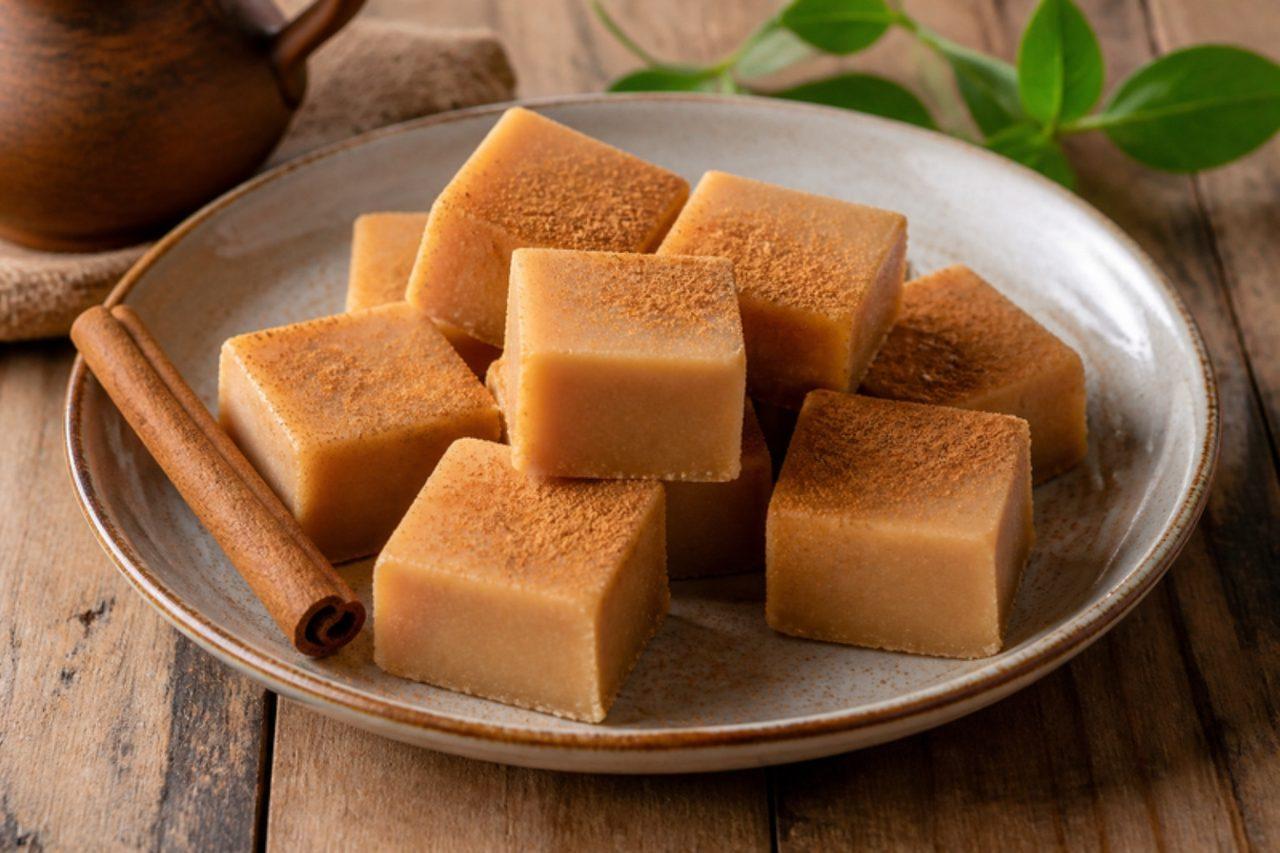
PanelitasMilk fudge squares

Small paper-wrapped panelitas are sold by the bagful at roadside sweet stalls through Santander, often next to obleas and bocadillo. They are milk boiled with sugar and panela until it becomes a thick caramel, then beaten off the heat until it loses its shine and sets into a soft, crumbly fudge with a warm cinnamon and molasses taste. Kids and grandparents both reach for them after lunch with a coffee. The batch here makes a tray of bite-sized squares that keep for a week. Most failures come from beating too little: the mixture stays glossy and never sets beyond soft arequipe, so keep going until it turns matte and starts to hold its shape. A pinch of bicarbonate of soda stops the milk from curdling as the panela heats. Chef's tip: lightly score the squares while the fudge is still warm, then cut through once cold, for neat edges.

by KrazyBadal 0 views

PanelletsPine nut marzipan sweets

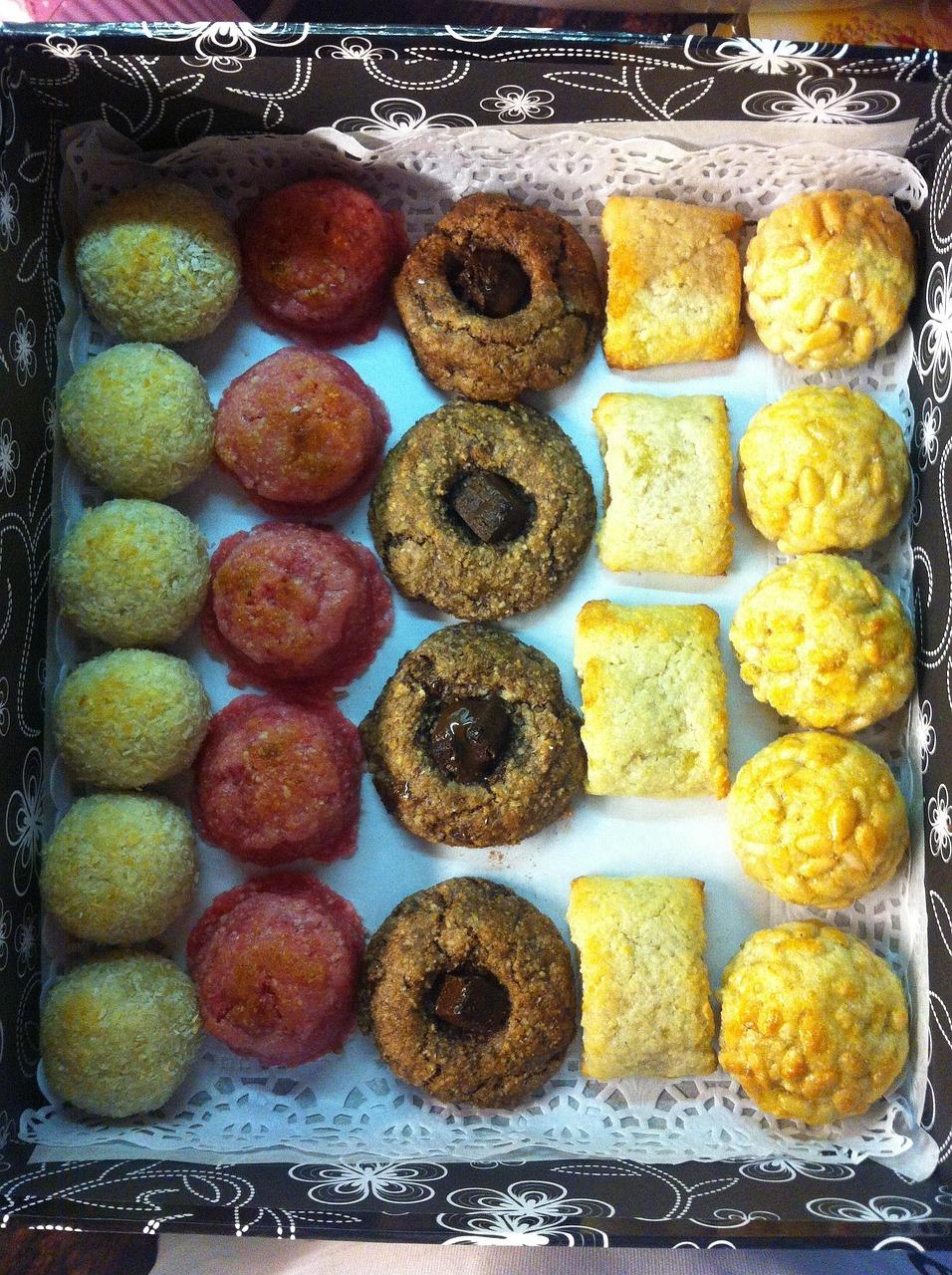
For the Castanyada on 31 October and All Saints' Day, Catalan families roast chestnuts, eat sweet potatoes and make panellets: little balls of almond marzipan, bound with a spoonful of cooked potato, then rolled in pine nuts, glazed with egg and baked until golden. The pine-nut ones are the classic, and children often help roll them. They are eaten with a glass of sweet wine or a cup of coffee. Chef's tip: wet the marzipan balls lightly with egg white before rolling; it is the glue that holds the pine nuts on.

by KrazyBadal 0 views

PanhasBuckwheat and pork loaf

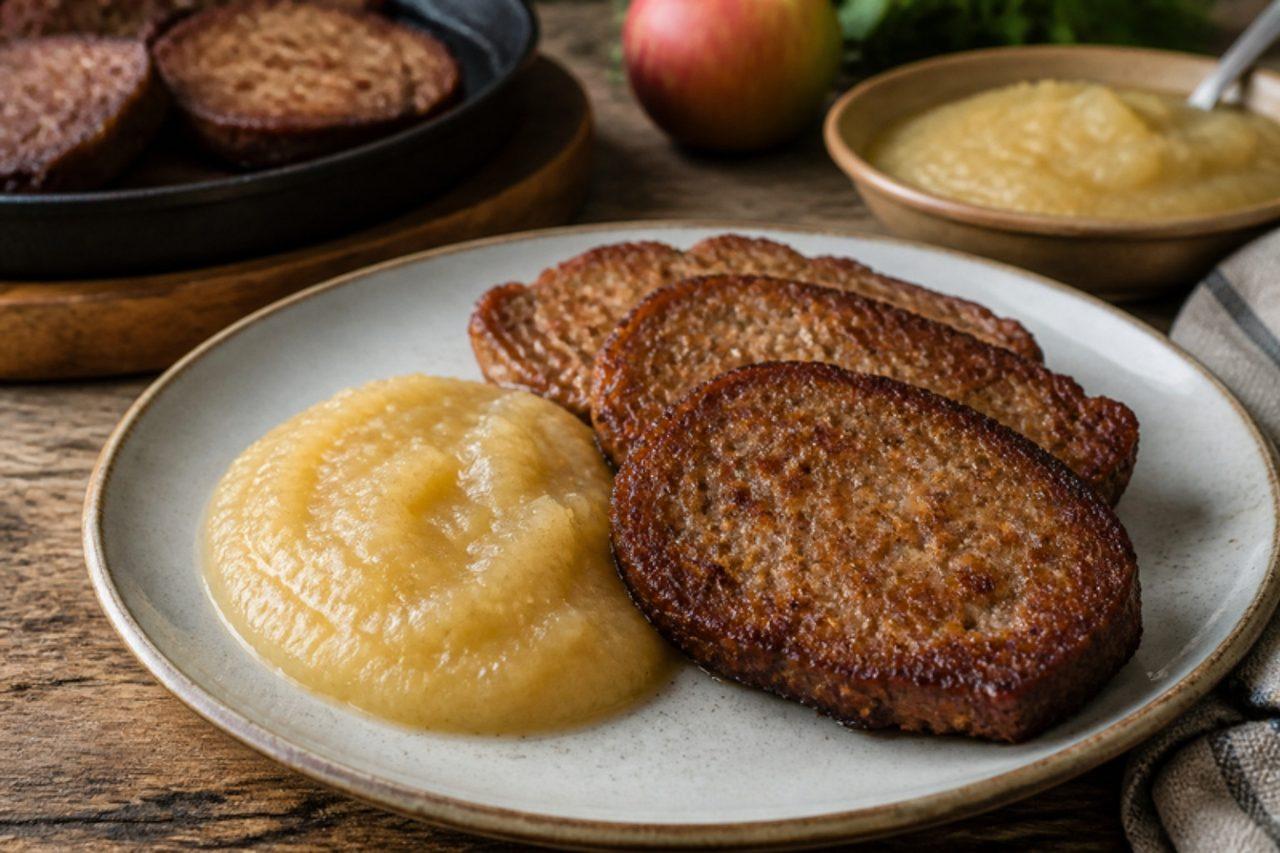
Panhas comes from the slaughter days of Westphalia and the Lower Rhine, when the pork broth left in the kettle was thickened with buckwheat flour and the scraps of meat and sausage so nothing went to waste. It sets into a firm loaf that keeps for days in the fridge; thick slices are fried until crisp and eaten for breakfast or supper with apple sauce, fried potatoes or rye bread. This version uses pork belly and coarse liver sausage. Chef's tip: fry the slices in a hot pan and leave them alone for the first 4 minutes, so a crust forms before you turn them.

90 minGermanMeat
by KrazyBadal 0 views

Showing 63 of 7,762 recipes

Show more recipes

Page 469 of 863