


Skip to content
Shab deg
Featured recipe

Shab deg

Overnight mutton and turnips

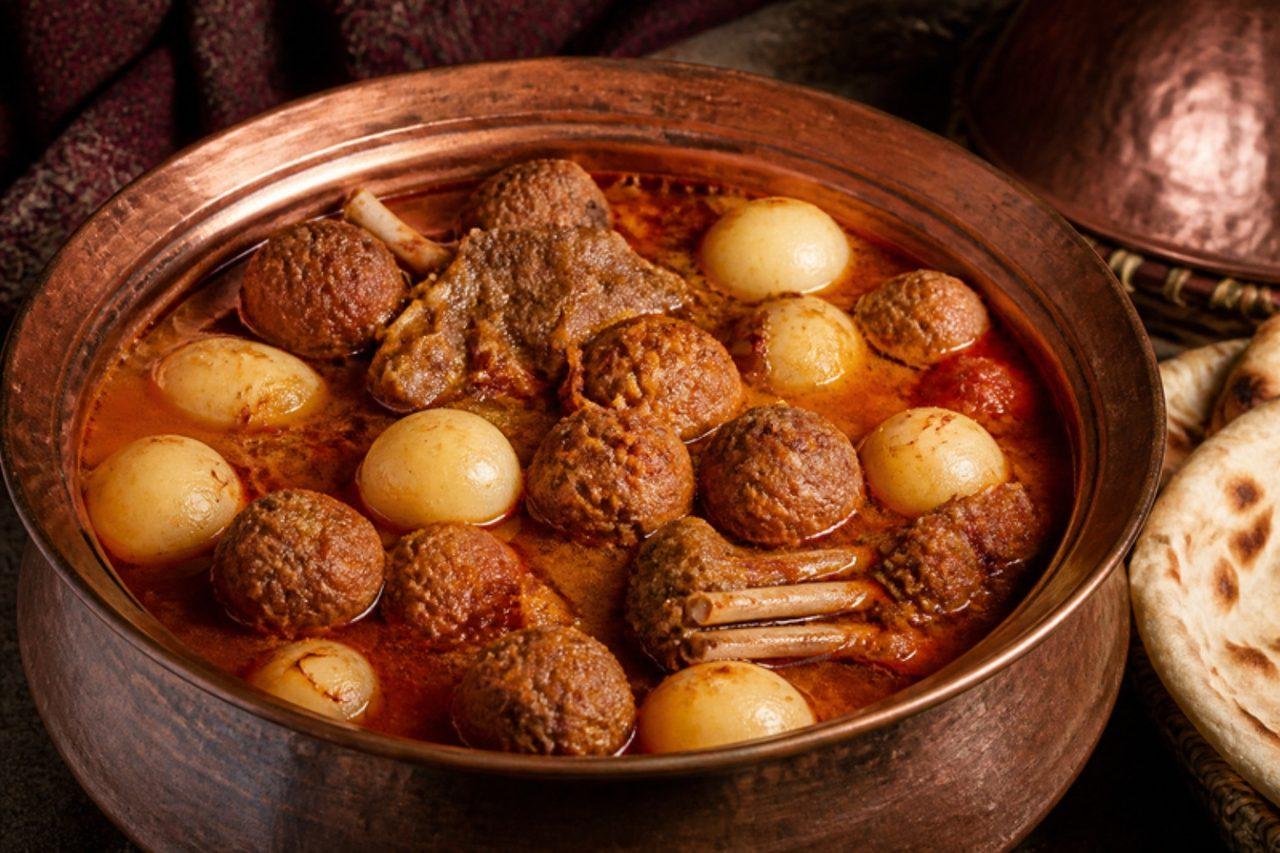
Shab deg is the "night pot": in old Lahore and in Kashmiri families the deg really was set on dying embers after the evening meal and opened at dawn, by which time whole turnips had soaked up the mutton juices and turned almost sweet. It is a winter dish made when turnips are at their best, usually for a wedding breakfast or a cold Sunday, and it arrives as tender meat on the bone, soft meatballs and golden turnips in a thick saffron-scented gravy, eaten with naan or sheermal. A low oven gives the same slow, even heat without anyone staying up. Many cooks drop the meatballs in raw and stir hard, and they fall apart; fry them first and slide them in without stirring. Chef's tip: prick the turnips all over and rub them with a little salt and sugar before frying, which draws out their bitterness and helps them colour.

Read more 0 views

What to eat today?

Around the world

Today's trip: Paraguayan

A new country every day, from every cuisine on the site.

Paraguayan

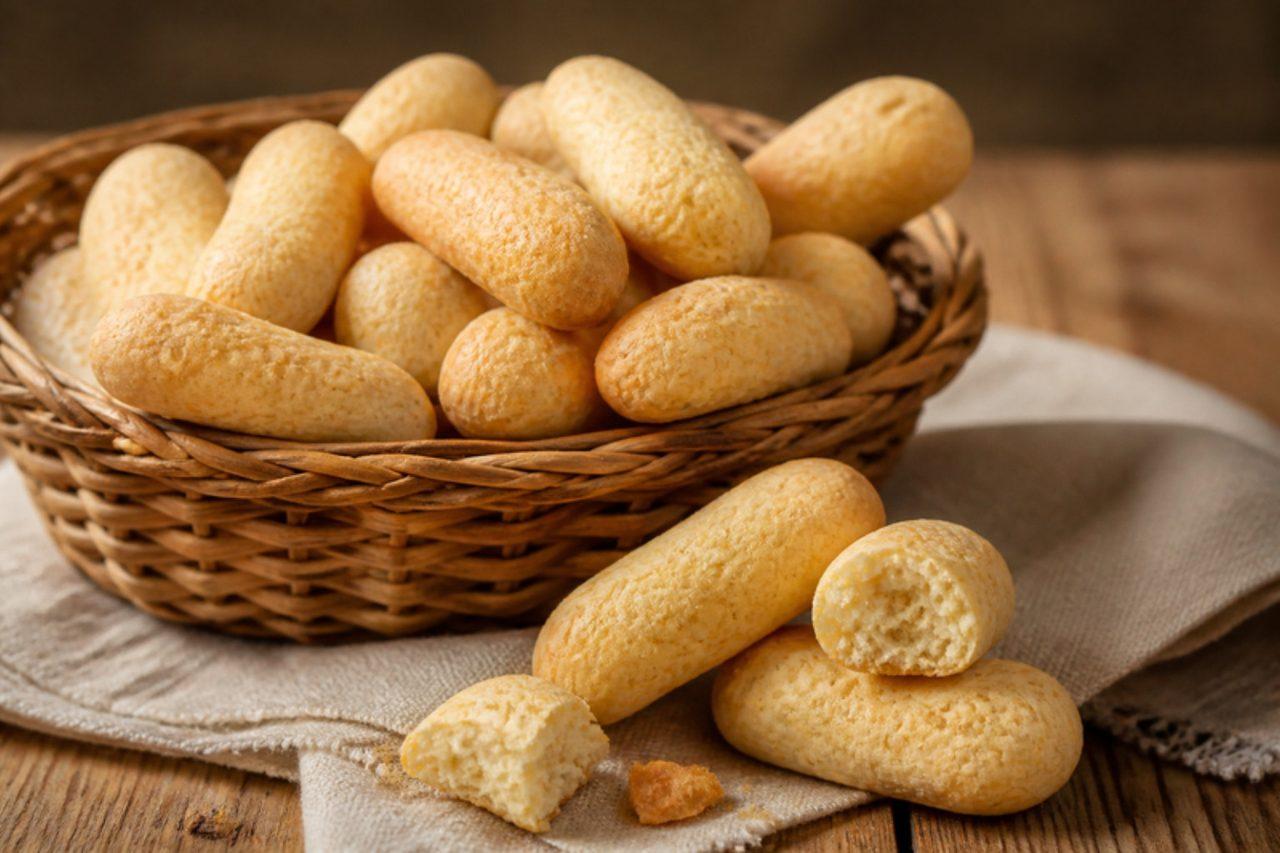
Chipa

Cheese bread rings 50 minMore from Paraguayan (27) →

This week's collection

Kid-friendly dinners
537 recipes · a new collection every Monday

Latest recipes

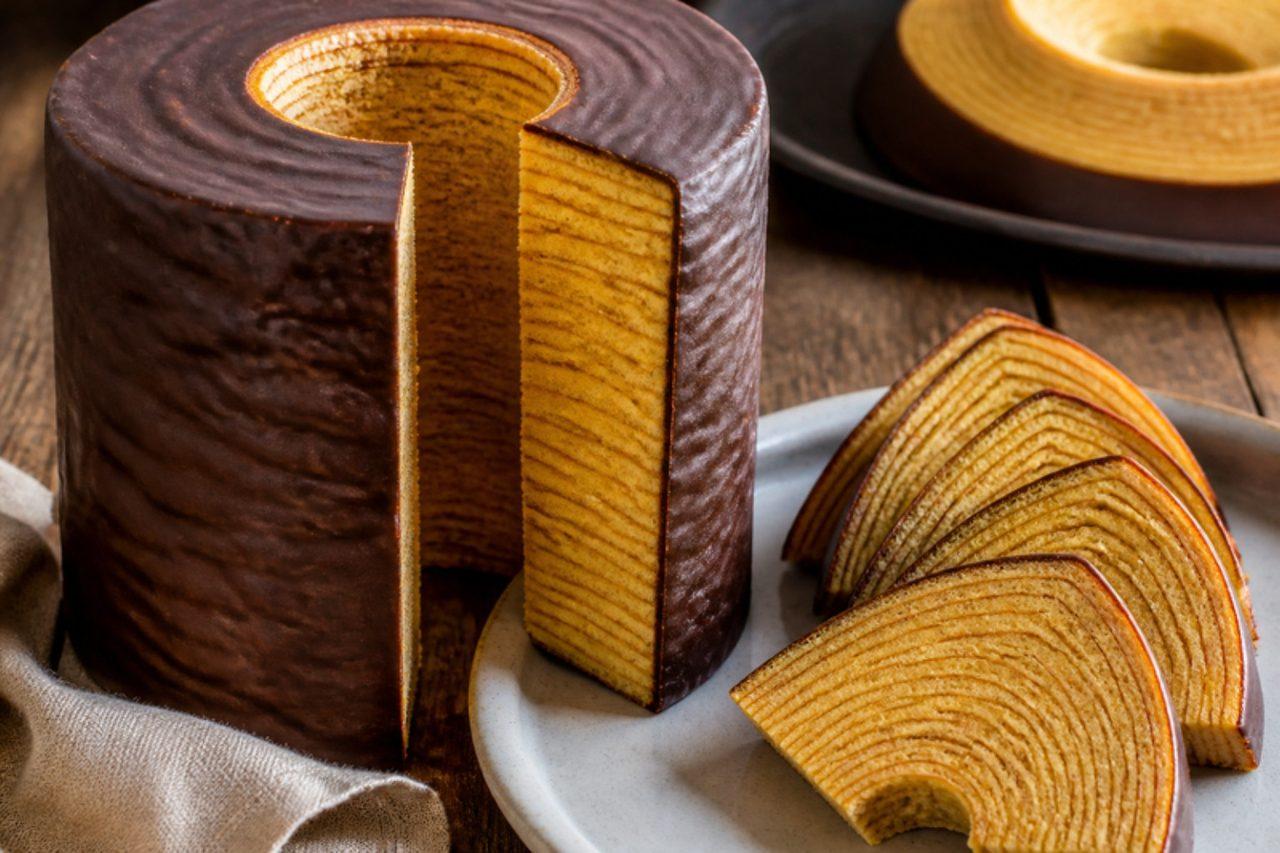
BaumkuchenLayered tree cake

Baumkuchen is the king of German cakes, and the little town of Salzwedel in Saxony-Anhalt has baked it on a turning spit over an open flame for two centuries; in December, Baumkuchenspitzen, chocolate-dipped triangles of it, fill the shelves before Christmas. Without a spit you can build it at home in a tin under the grill, one thin layer at a time, and each slice shows the golden rings of a tree. The mistake people make is spreading the batter too thickly, which gives fewer, stodgy layers that cook unevenly; aim for 2 tablespoons at a time. Chef's tip: stand by the oven; each layer turns from pale to burnt within a minute once it browns.

110 minGermanBaking
by KrazyBadal 0 views

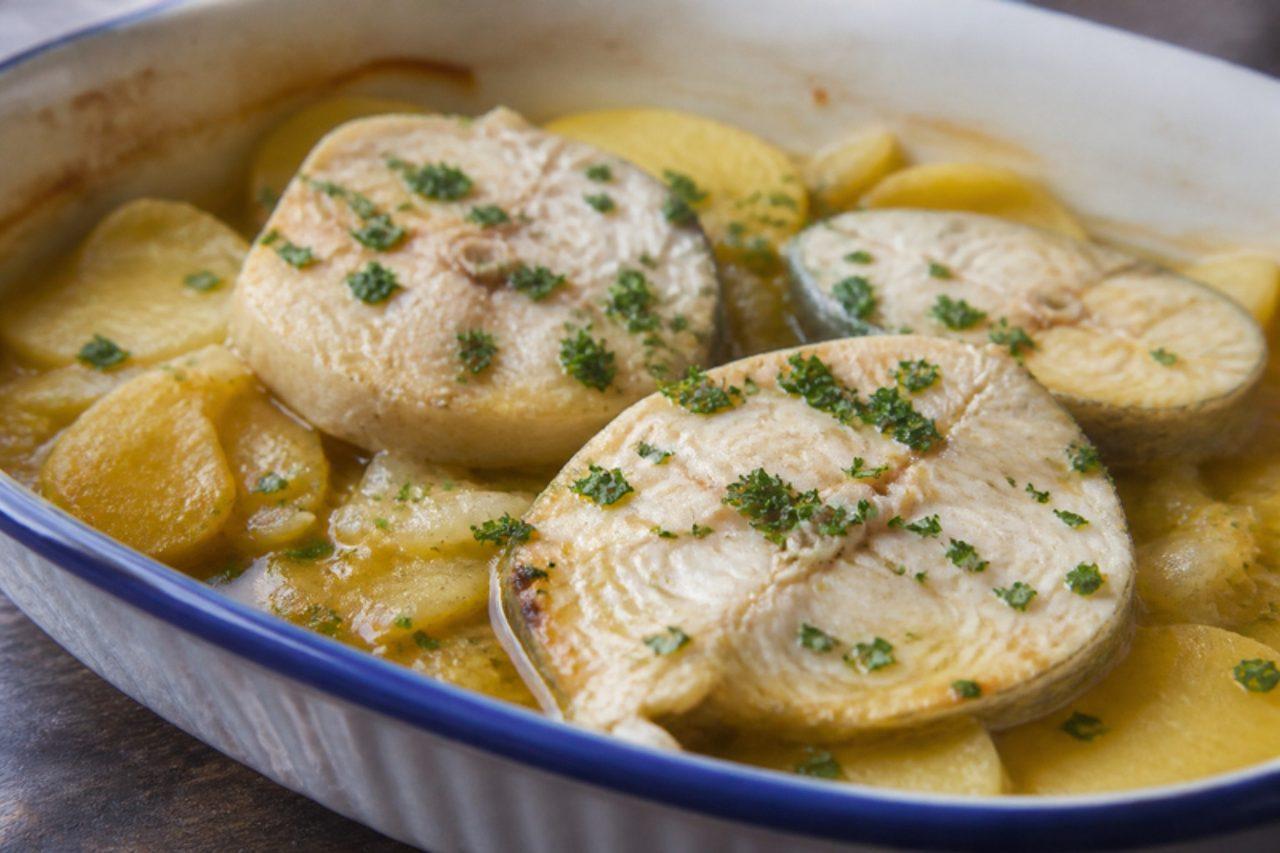
Merluza a la sidraHake baked in cider

Asturias has two great loves at table, the fish landed at ports like Cudillero and Avilés and the cider pressed from its orchards, and merluza a la sidra brings them together. Families cook it for Sunday lunch, the hake settled on a bed of soft onion and potato with cider poured over, until the sauce turns sweet-sharp. The cider is alcoholic; cloudy apple juice with a little cider vinegar makes a good alcohol-free swap. Chef's tip: add the hake only when the potatoes are nearly tender, so the fish stays juicy.

by KrazyBadal 0 views

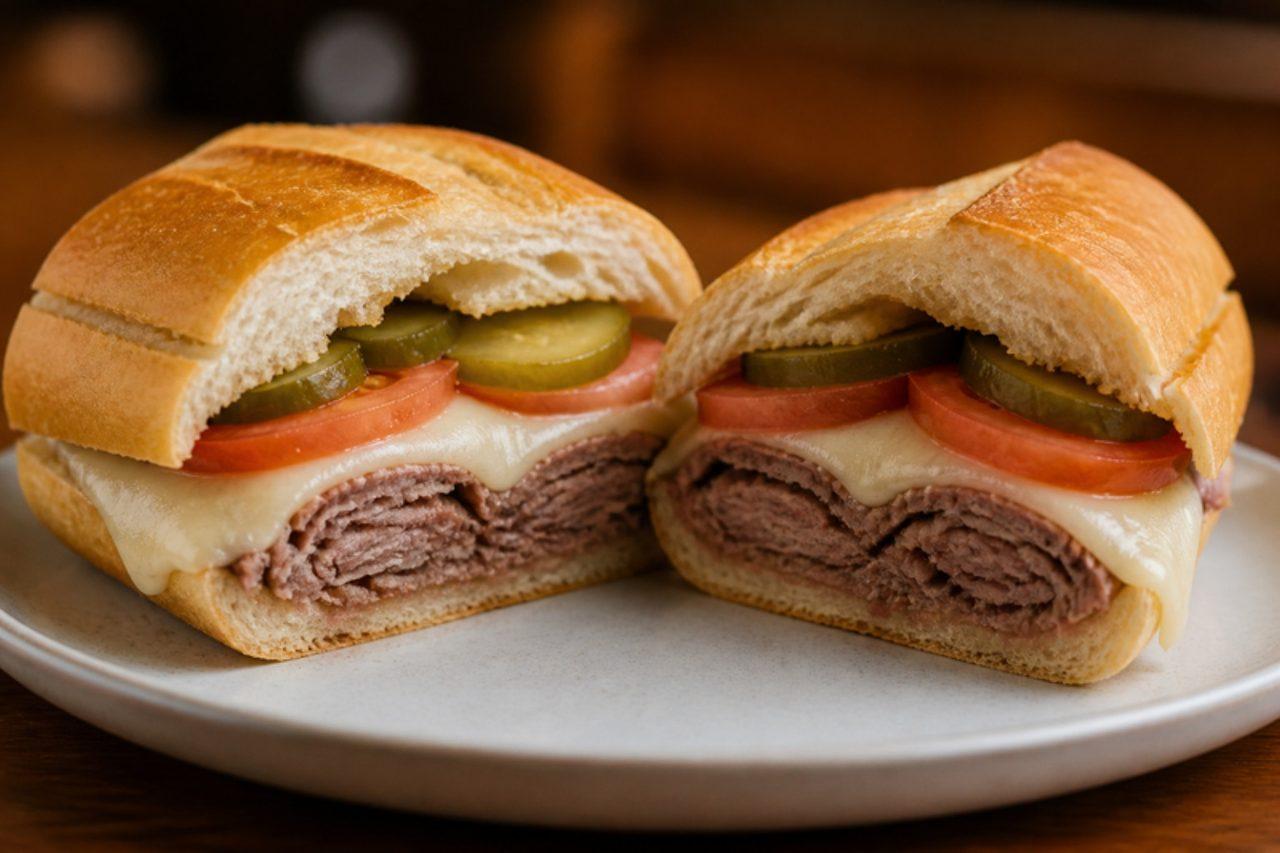
BauruRoast beef and cheese hot sandwich

Late-night students at Largo do Paissandu in São Paulo invented the Bauru in the 1930s, named after the nickname of the friend who ordered it, and the bar where it was born still makes it the original way. A French roll has its crumb pulled out so it is all crust, then it is stuffed with thin warm roast beef, a pool of cheese melted in a bain-marie until it stretches, slices of tomato and pickled cucumber, with a pinch of oregano. It is hot, tangy, juicy and stringy. Plenty of snack bars around the country use ham instead, but beef is the classic. The thing that ruins it is cheese melted straight in a dry pan, which goes oily; melting it slowly over water with a splash of milk keeps it smooth and elastic. Chef's tip: warm the roast beef in a little of its own juices or stock, just until hot, so it stays pink and tender.

by KrazyBadal 0 views

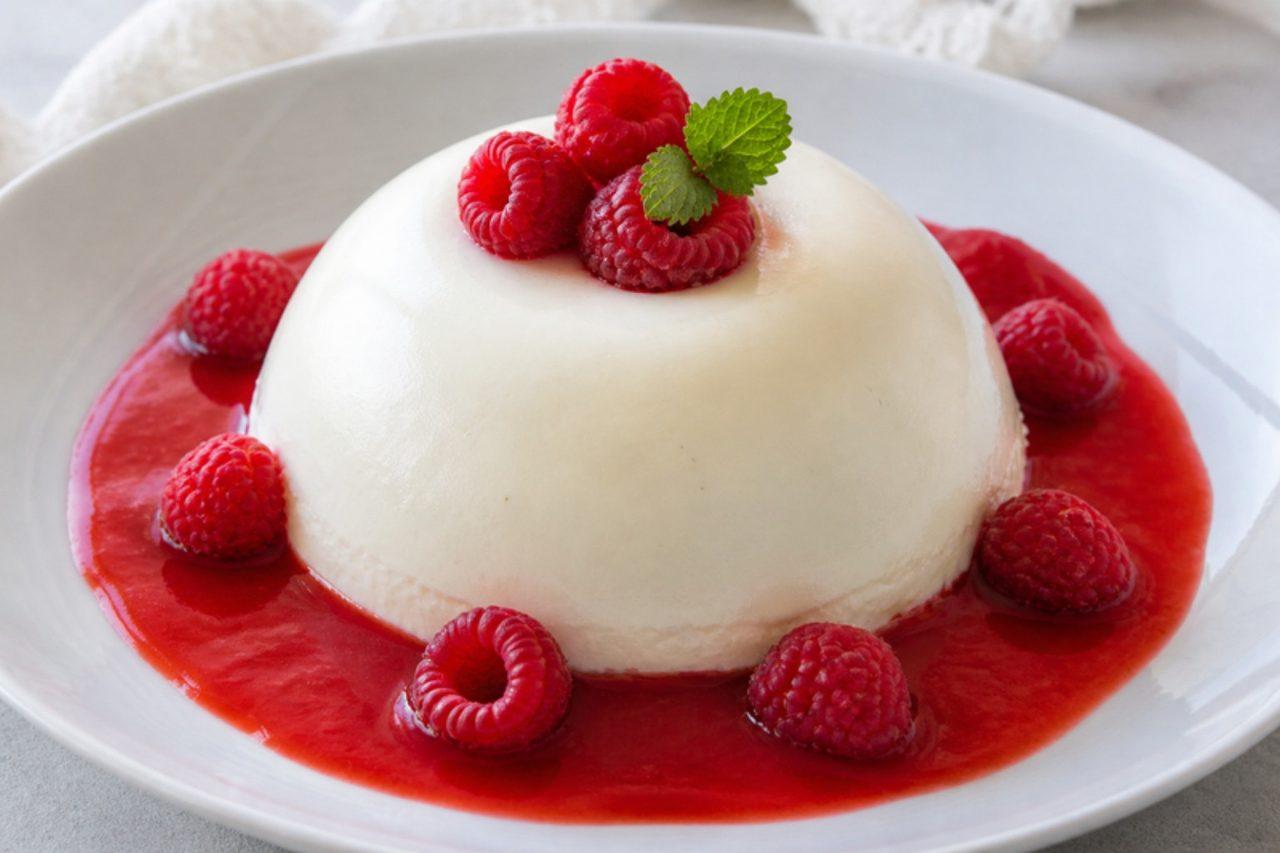
Bayerische CremeVanilla cream with raspberry sauce

Bayerische Creme is the light, wobbling vanilla cream that Munich coffee houses and Bavarian wedding buffets have served for generations: a cooked egg custard folded with whipped cream and set in moulds, then turned out onto a pool of berry sauce. It is traditionally set with gelatine, which is made from animal bones and skin; this version uses agar so it stays vegetarian. A common mistake with agar is adding it to a cool custard: it only sets after it has boiled, so it is simmered in milk first and then whisked into the warm custard. Chef's tip: fold in the cream when the custard has cooled to just warm and is starting to thicken, so the cream stays airy and doesn't melt into it.

by KrazyBadal 0 views

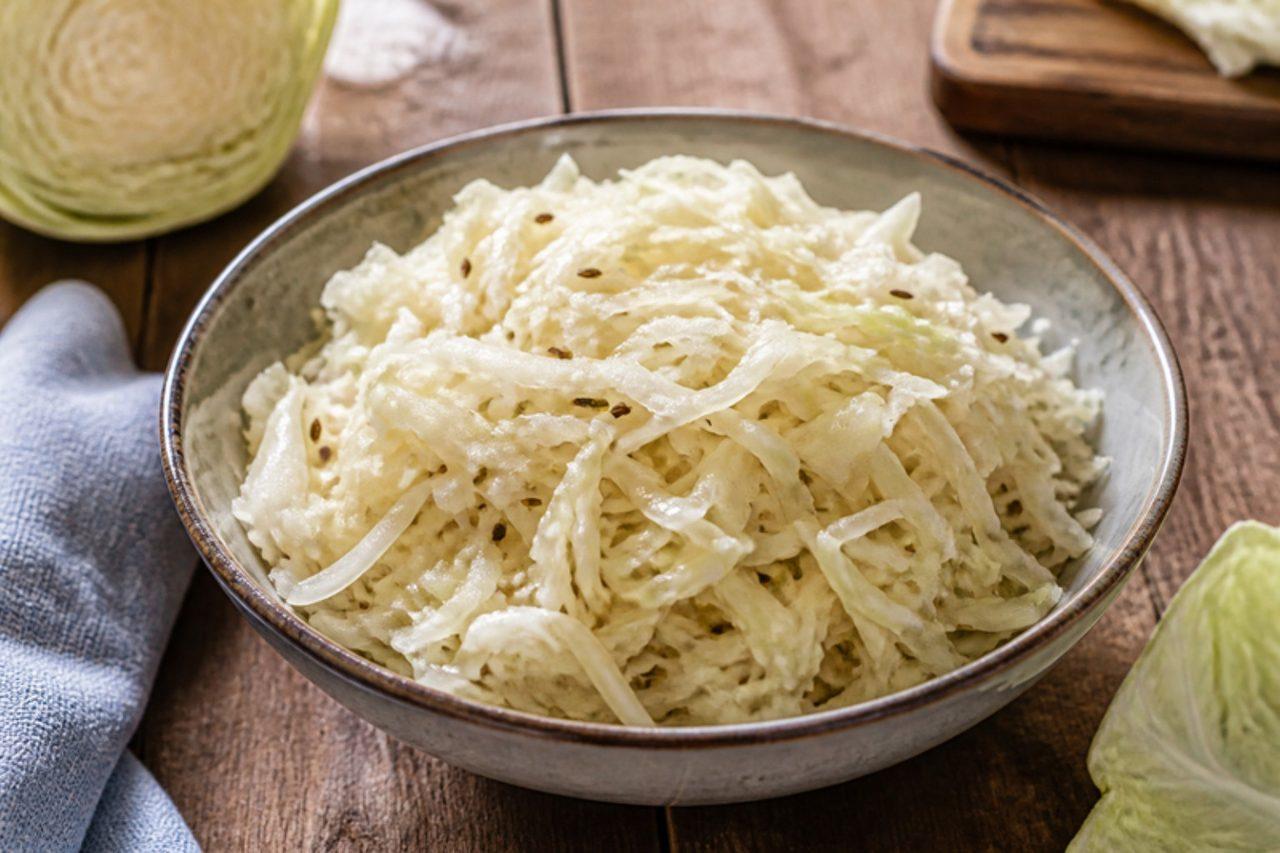
Bayerischer KrautsalatWarm-dressed cabbage salad

Every Bavarian inn serves this pale, glossy cabbage salad beside roast pork and dumplings, and it is just as good on its own at a summer barbecue. The white cabbage is shaved very finely, salted and kneaded, then dressed with hot vinegar, oil and caraway so it softens while keeping a crunch. Many cooks finish it with crisp bacon bits; this version leaves them out and is vegan. The common mistake is dressing it cold and serving it at once: it needs the warm dressing and at least half an hour to turn silky. Chef's tip: shave the cabbage as thin as paper; thick shreds never soak up the dressing properly.

by KrazyBadal 0 views

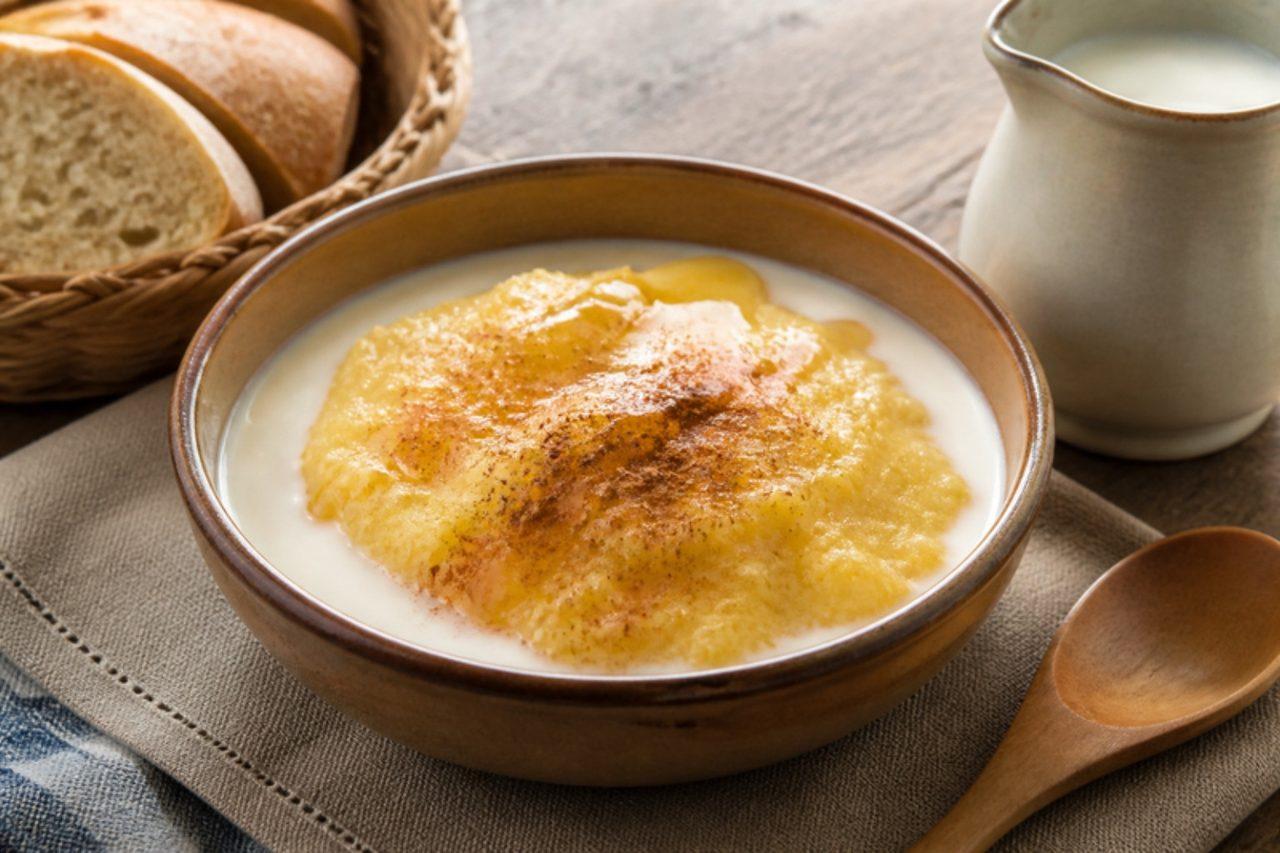
FariñesCornmeal porridge with honey

Fariñes, or farrapes in some valleys, fed Asturian farming families through the winter: a pot of maize meal stirred over the fire, eaten for breakfast or as a light supper with cold milk poured over the hot porridge. Today it is comfort food again, offered at rural guesthouses in the Oriente and made at home when the weather turns. The contrast of warm, soft porridge and cold milk is the whole point. Chef's tip: whisk the cornmeal into cold water before it heats so it never forms lumps.

by KrazyBadal 0 views

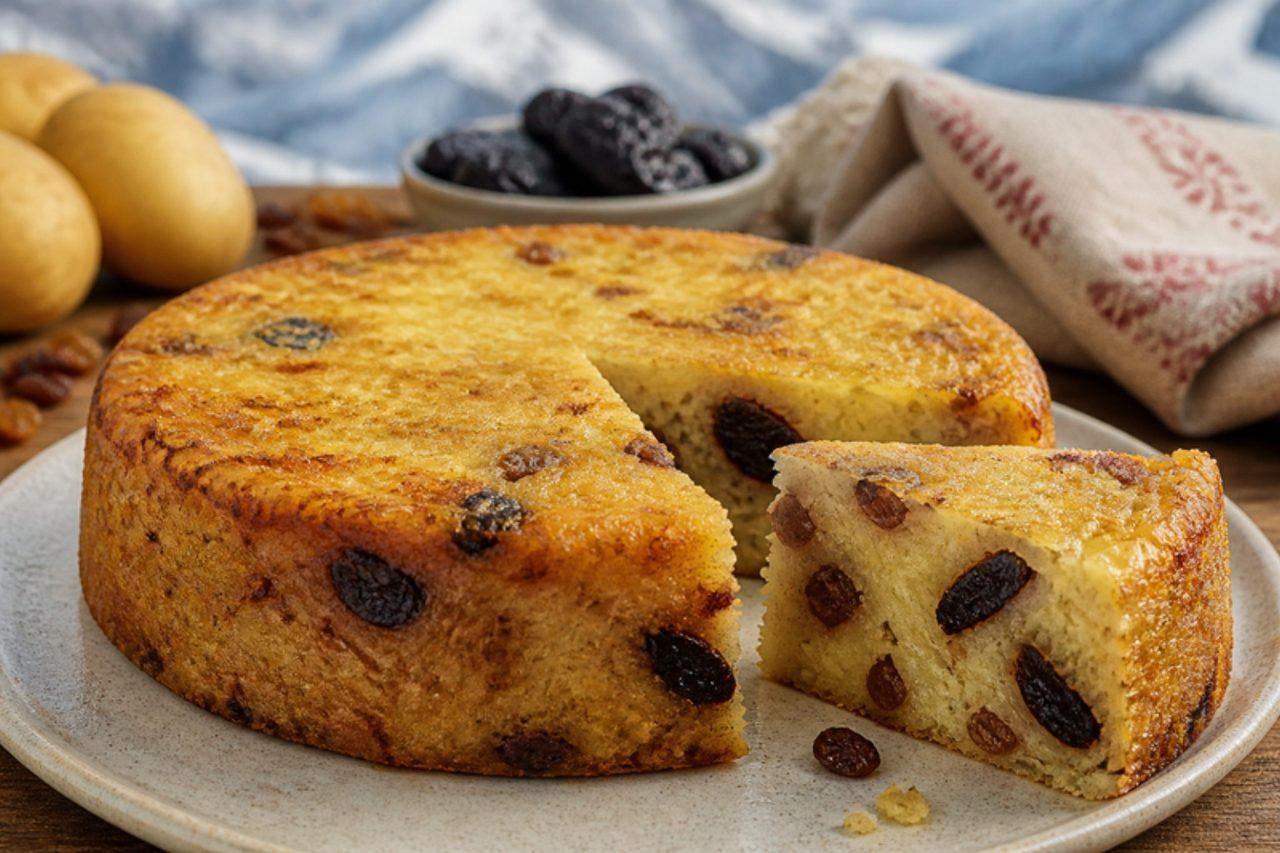
Farçon savoyardBaked potato pudding with prunes

In the Savoyard valleys, especially around Albertville and the Val d'Arly, farçon was the Sunday dish left to cook slowly while the family was at Mass: grated potatoes mixed with eggs, cream, prunes and raisins, set in a tall mould and cooked for hours in a water bath. The result is a sliceable, sweet-and-savoury cake, soft and golden, served with a green salad or as a side at a winter feast. Traditionally the mould is lined with bacon; this version uses a buttered mould instead, so it is vegetarian. Chef's tip: let it rest for 15 minutes in the mould before turning it out; it firms up and slices cleanly.

145 minFrenchSidesGluten free
by KrazyBadal 0 views

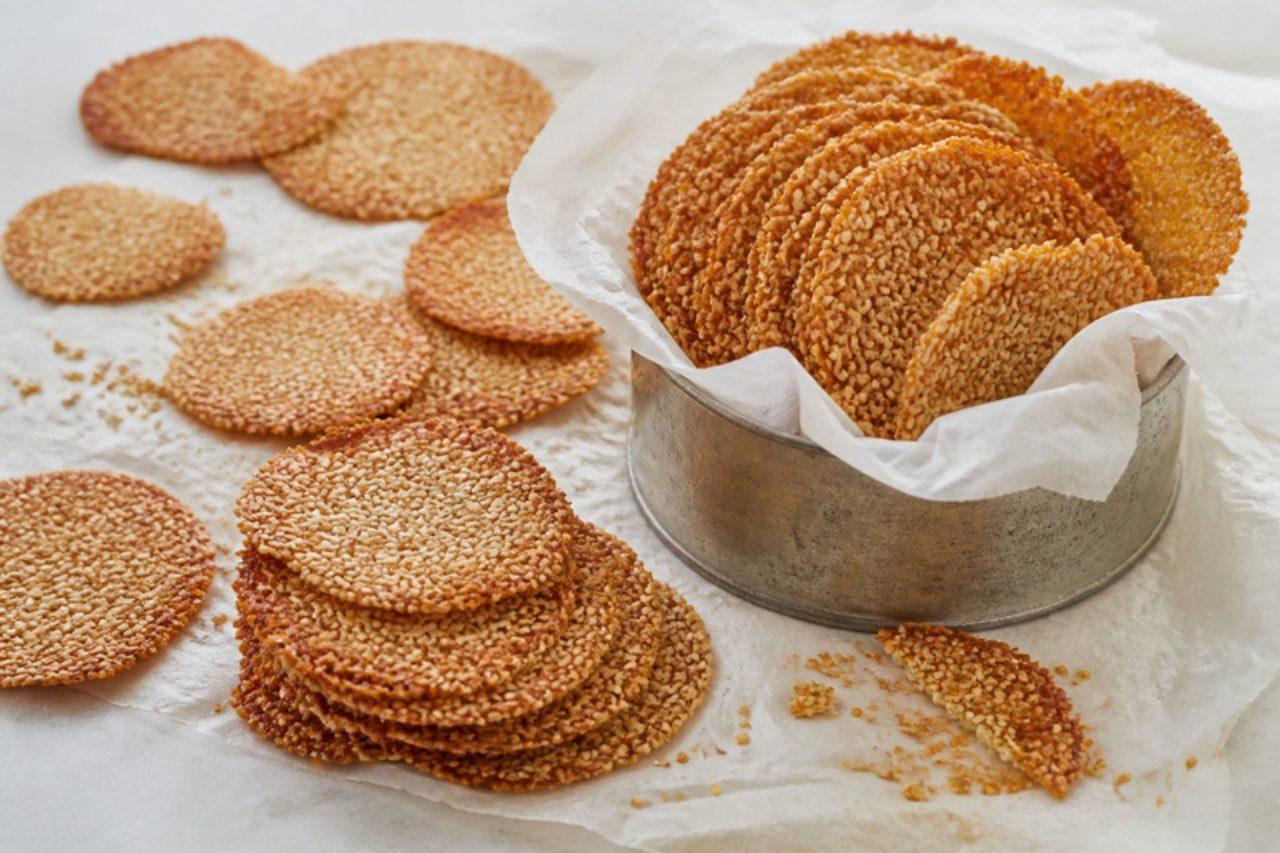
Charleston benne wafersSesame cookies

Benne is the West African word for sesame, brought to the Carolina Lowcountry by enslaved people, and these paper-thin, toasty wafers are the cookie Charleston is known for, sold in tins in the old city market. Toasted sesame seeds are folded into a buttery brown-sugar batter that spreads into lacy, crisp discs. Chef's tip: toast the seeds until they are honey-coloured; pale seeds taste of very little.

by KrazyBadal 0 views

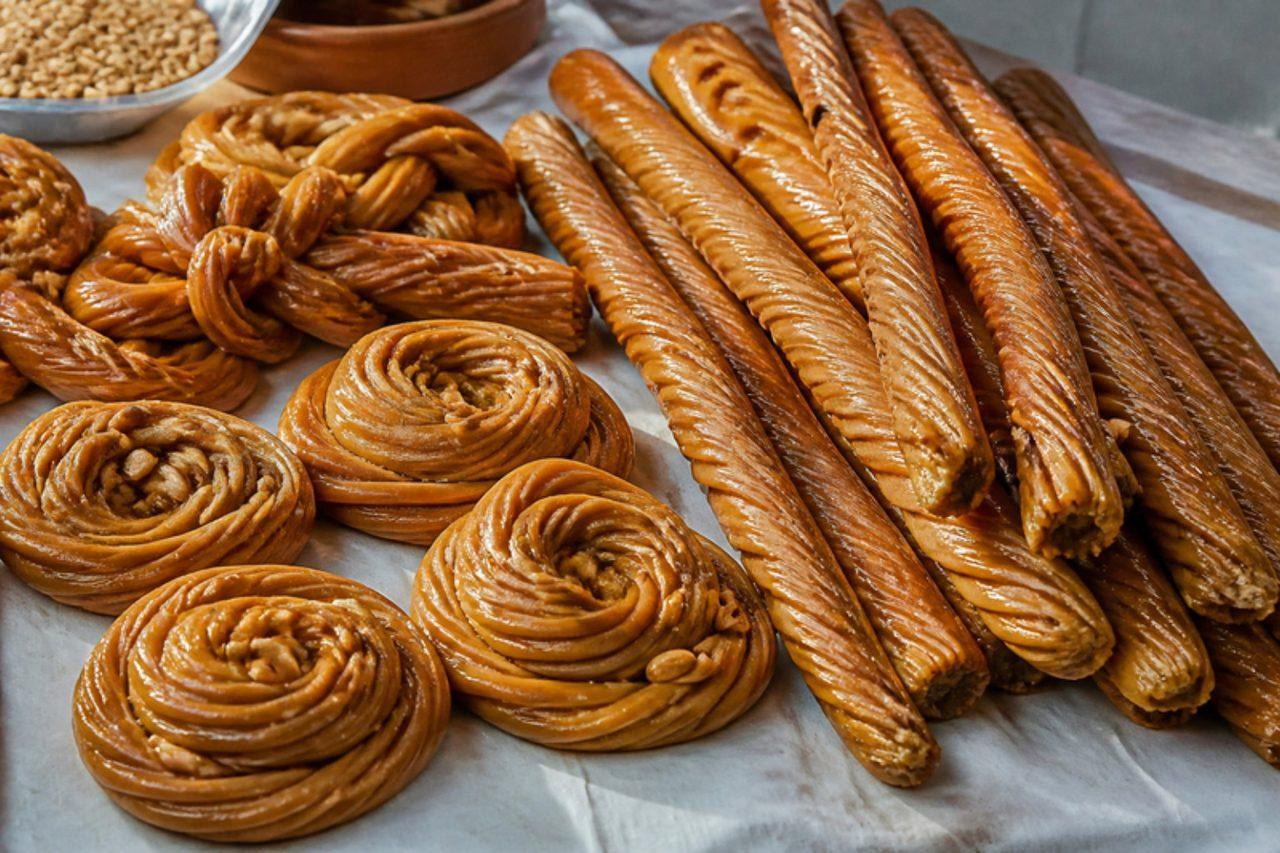
CharamuscasTwisted piloncillo taffy

Around Day of the Dead in Guanajuato city, sweet sellers display charamuscas pulled and shaped into skulls, mummies (a nod to the town's famous museum) and simple twists, glossy amber and wrapped in cellophane. The everyday ones are rope-like spirals of pulled piloncillo, chewy then brittle, with a deep molasses taste. Pulling the hot sugar is a two-person job and great fun with older children; younger ones should watch. Chef's tip: wear clean rubber kitchen gloves rubbed with oil; you can handle the sugar sooner and much more comfortably.

by KrazyBadal 0 views

ChapoPlantain and milk drink

Breakfast stalls in Iquitos and the riverside towns of Loreto pour chapo into glasses from big steaming pots before the heat of the day sets in, and by afternoon the same drink is sold chilled. It is made from plantains left until their skins are black, simmered with cinnamon and cloves until soft, then blended smooth and loosened with milk. The result is thick, naturally sweet and gently spiced, somewhere between a smoothie and a thin custard, and children love it. Some families make it with water only; evaporated milk is the common addition in town. The mistake is using plantains that are still yellow-green: they taste starchy and the drink turns grey and gluey, so wait until the skins are mostly black and the fruit gives when pressed. Serve hot with bread or a tamal, or cold over ice. Chef's tip: strain it through a sieve after blending for a silky drink, and thin it with water if it thickens as it cools.

by KrazyBadal 0 views

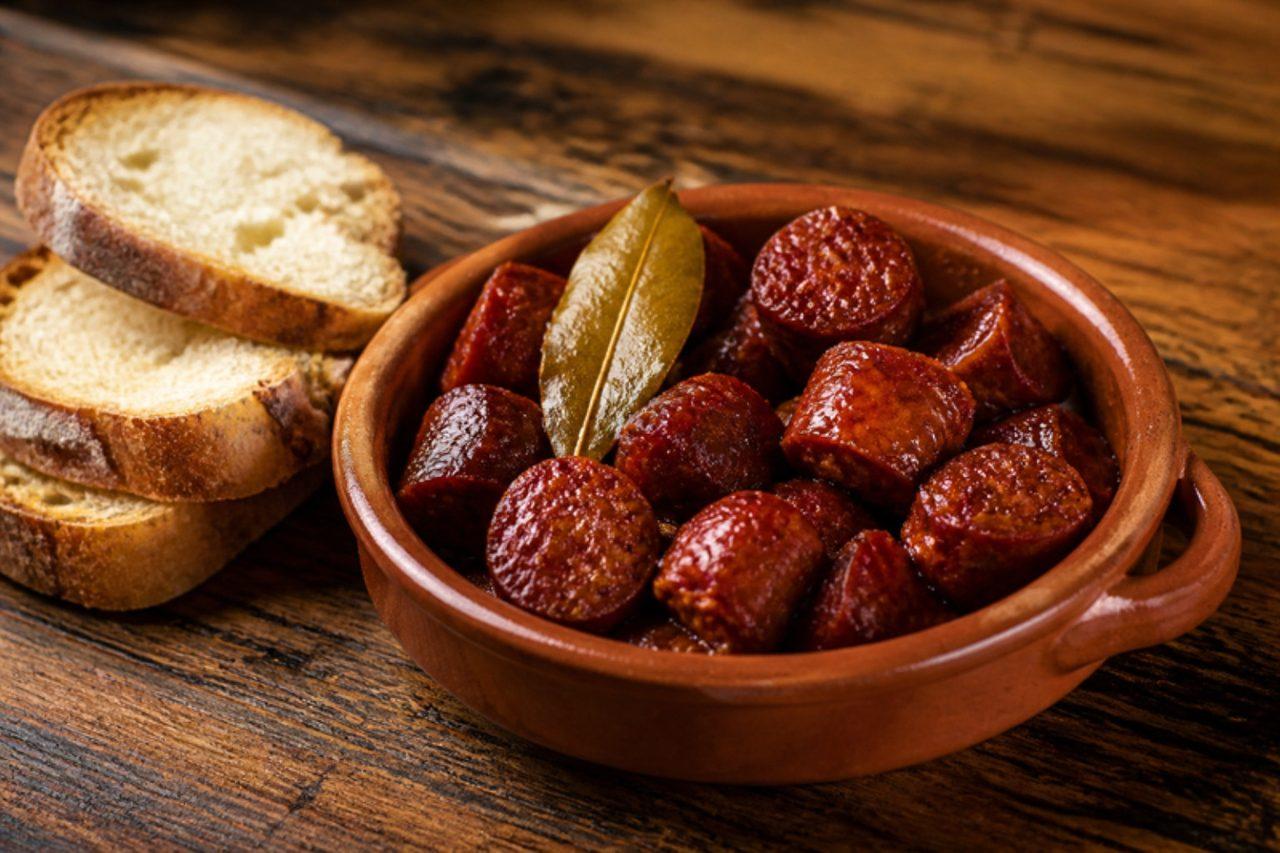
Chorizo a la sidraChorizo in cider

No sidrería in Oviedo's Calle Gascona is without a clay dish of chorizo bubbling in cider, served with bread to mop up the paprika-red juices. It takes minutes, is cheap, and is the first thing ordered while the waiter pours cider from shoulder height. This contains pork (chorizo) and uses dry Asturian cider, which is alcoholic; for an alcohol-free version use cloudy apple juice with a splash of cider vinegar, as noted below. Chef's tip: prick the chorizo all over first so it releases fat into the cider and drinks the cider back in.

by KrazyBadal 0 views

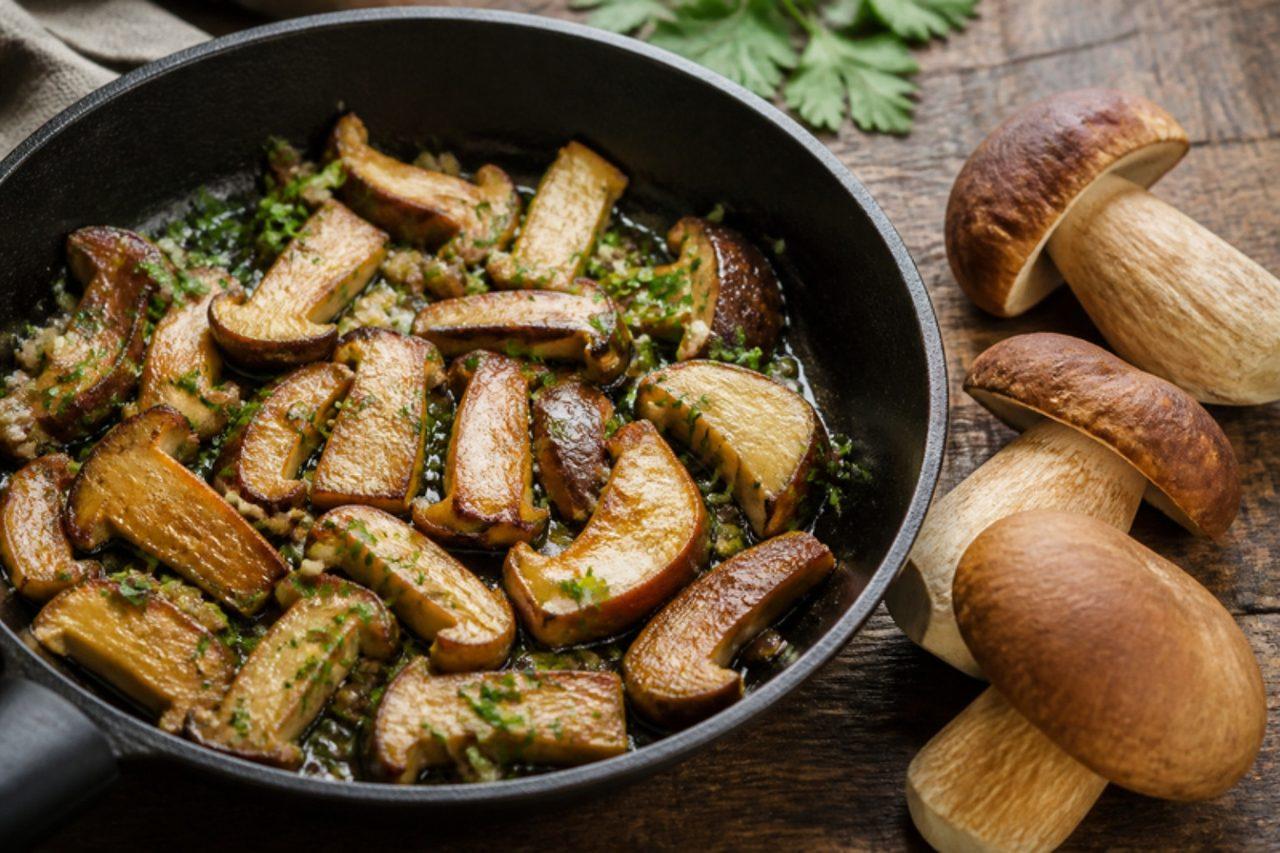
Cèpes à la bordelaisePorcini with garlic and parsley

In autumn, when cèpes push up through the pine forests of the Landes and the oak woods of the Gironde, Bordeaux families fry them the local way: thick slices browned hard in a hot pan, then tossed with shallot, garlic and plenty of parsley. They come to the table as a side for Sunday lunch, piled on toast for a starter, or beside an omelette for supper. Many cooks use duck fat; this version uses olive oil, so it is vegan. Out of season, use chestnut mushrooms with a few soaked dried porcini for flavour. Chef's tip: wipe the cèpes with a damp cloth instead of washing them; wet mushrooms steam instead of browning.

by KrazyBadal 0 views

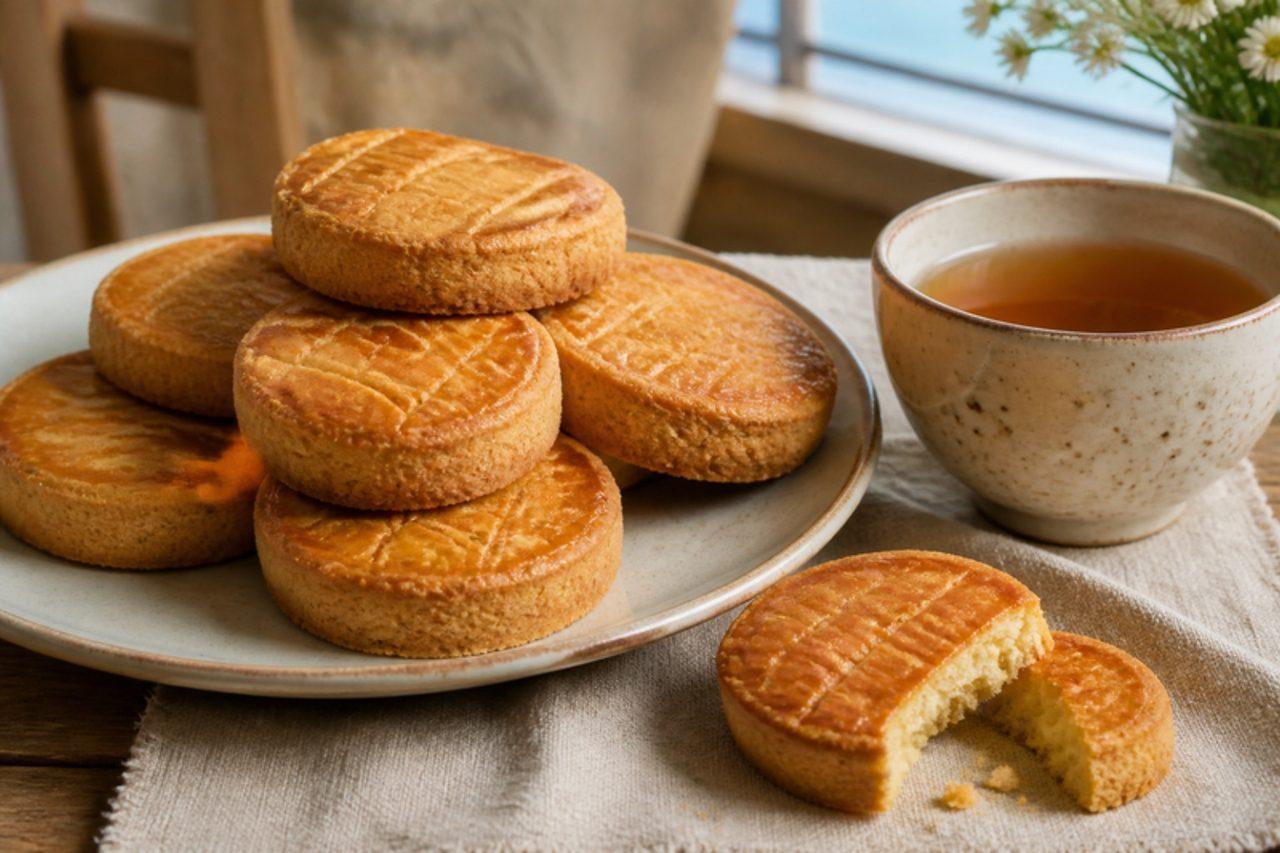
Palets bretonsSalted butter biscuits

Palets are the thick cousin of the thin Breton galette biscuit: chunky rounds as wide as a small cookie and nearly a centimetre high, crisp on the outside and crumbly within, tasting strongly of salted butter. Bakeries in Pont-Aven and all along the Finistère coast sell them in tins, and Breton families serve them with coffee, with a bowl of cider-poached apples or crumbled over ice cream. Baking them in muffin tins or metal rings keeps their shape and straight edges. Chef's tip: use proper salted butter rather than adding salt to unsalted; the flavour is rounder and the dough handles better.

by KrazyBadal 0 views

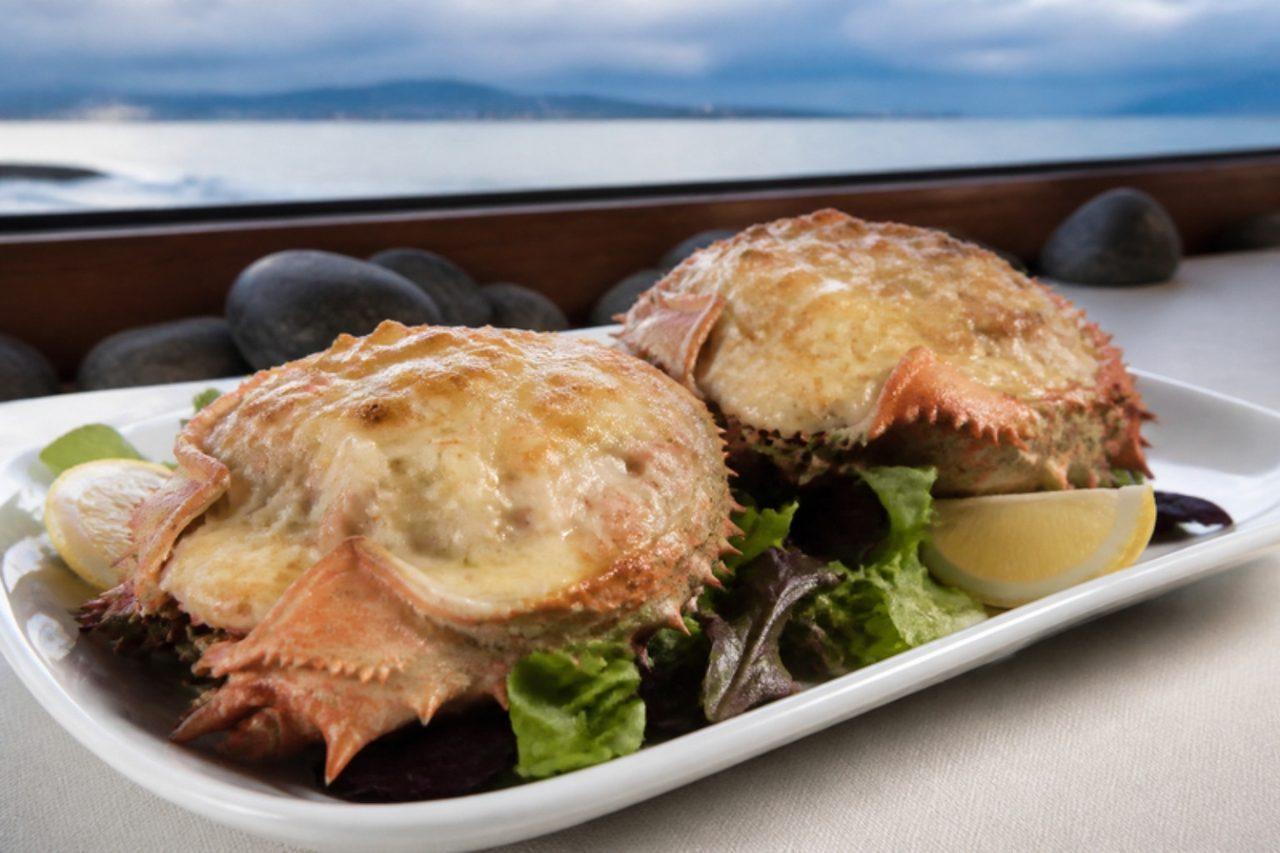
Centolla gratinadaBaked king crab with cheese

Centolla, the southern king crab hauled from the cold waters of the Beagle Channel, is Ushuaia's pride, and seafood restaurants along the harbour serve it gratinada: sweet chunks of leg meat in a light white sauce, crowned with cheese and browned under a fierce grill. It is rich, so serve it in small dishes as a starter with lemon and a green salad, plus crusty bread for anyone who can eat gluten. Buy cooked, frozen king crab legs or meat and thaw them in the fridge overnight; if you ever cook crab yourself, it must be alive when it goes into the pot. A frequent mistake is a sauce so thick and cheesy that the delicate crab disappears; keep it pourable and the cheese thin. Chef's tip: fold the crab in gently at the end, in big pieces, and let the oven only heat it; it is already cooked and turns stringy if it boils.

by KrazyBadal 0 views

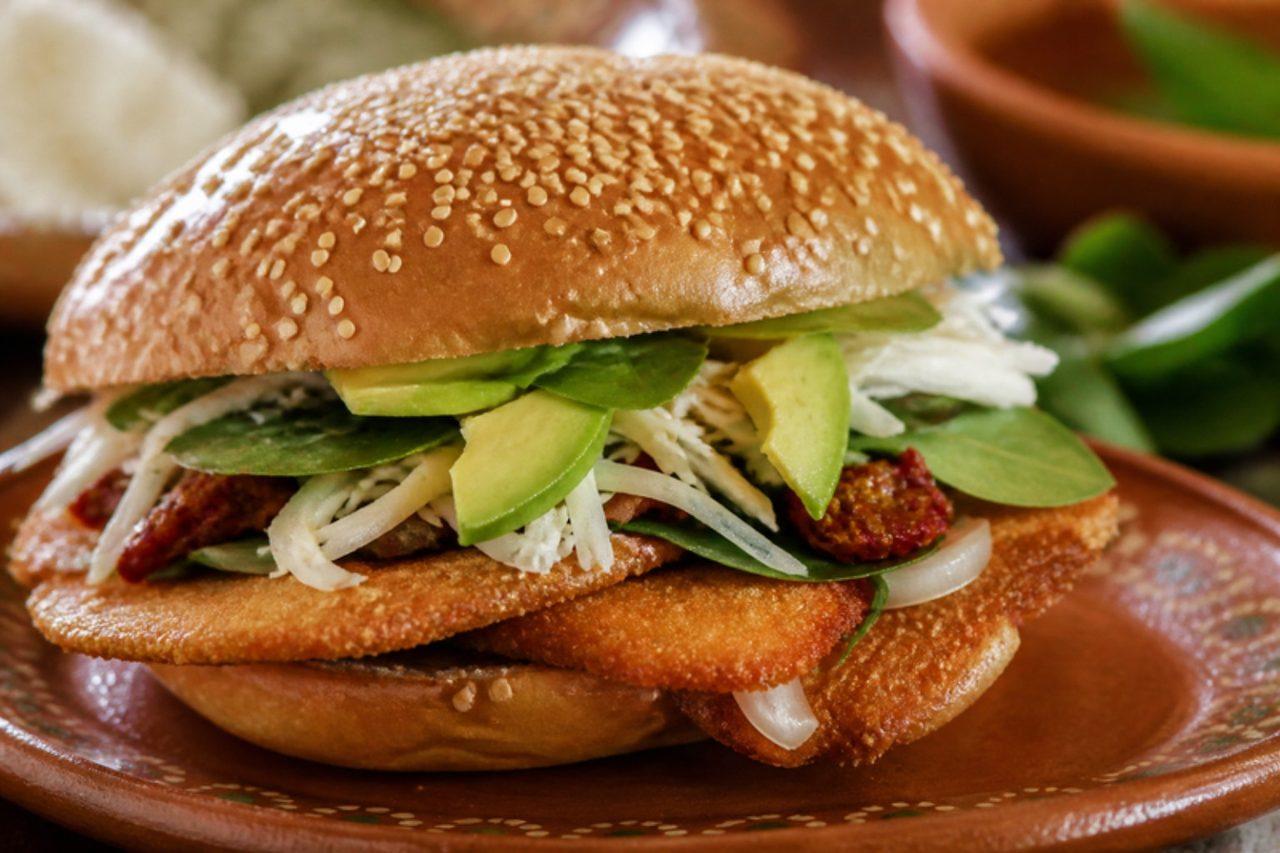
Cemita poblanaPork milanesa sandwich

Puebla's markets have whole aisles of cemita stalls, where a domed, sesame-crusted roll is split and piled with a thin, crisp milanesa, sliced avocado, a nest of stringy quesillo, smoky chipotle in adobo and leaves of pápalo, a pungent herb that tastes somewhere between rocket and coriander. This version uses pork loin for the milanesa, the most common choice alongside beef; thin beef steak works the same way. Pápalo is rarely sold outside Mexico, so coriander stands in for it here. It is a meal in itself, eaten with both hands at midday. Chef's tip: pull the quesillo into fine strands rather than slicing it, so it melts into the warm cutlet and holds the sandwich together.

by KrazyBadal 0 views

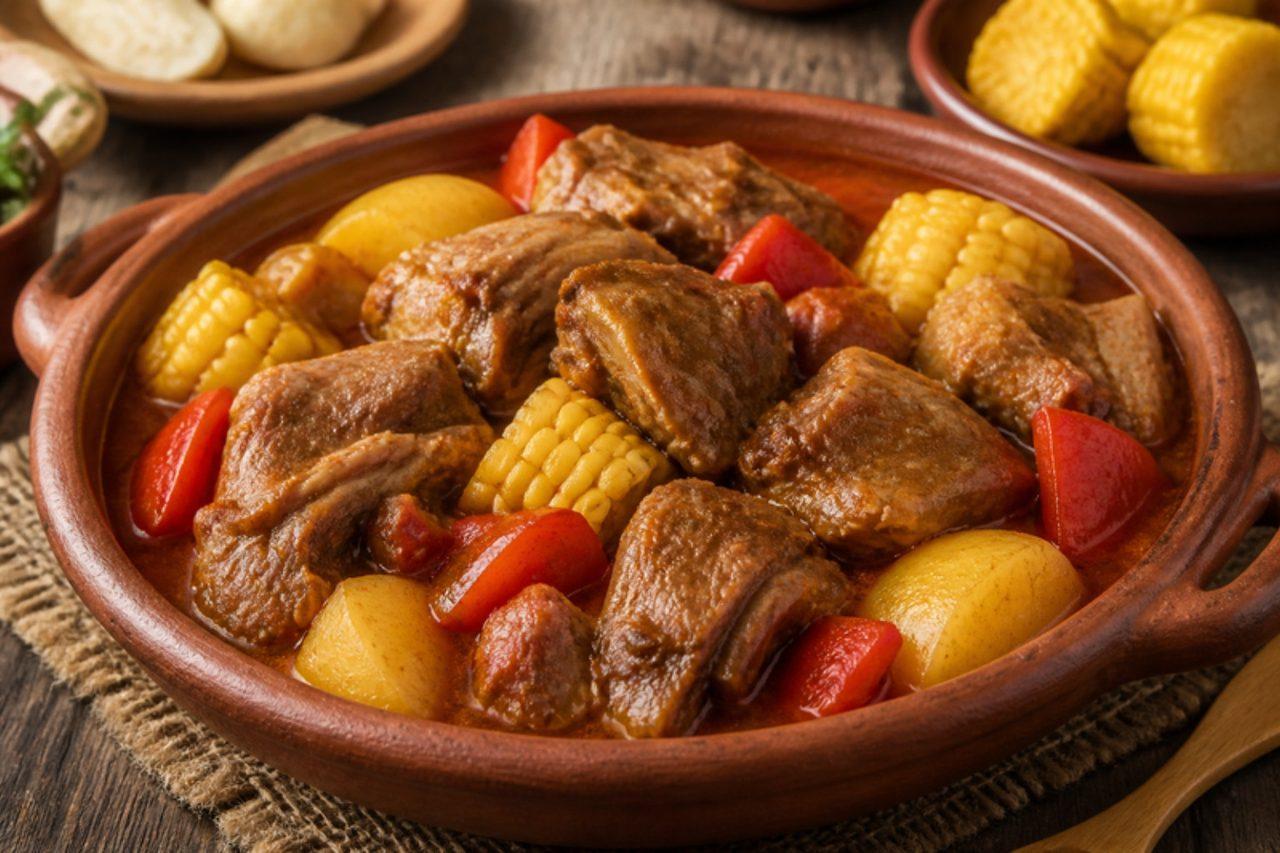
Cazuela de cabritoKid goat stew

Up in the Calchaquí valleys of Salta, where goats graze between the vineyards and the cardón cactus, cabrito ends up in a heavy clay cazuela on Sunday or feast days. The meat simmers with onion, red pepper, cumin and ají molido until it slides off the bone, and the potatoes and thick rounds of corn on the cob drink up a brick-red, gently spiced broth. Bring it to the table in the pot with bread or a simple tomato and onion salad. Kid goat can be ordered from halal butchers and some farm shops; lamb shoulder works too. People often boil it hard to save time, which squeezes the lean meat dry and stringy; it wants the barest simmer. Chef's tip: brown the pieces in two or three batches so they colour properly instead of stewing in their own juices; that browning is where most of the flavour comes from.

by KrazyBadal 0 views

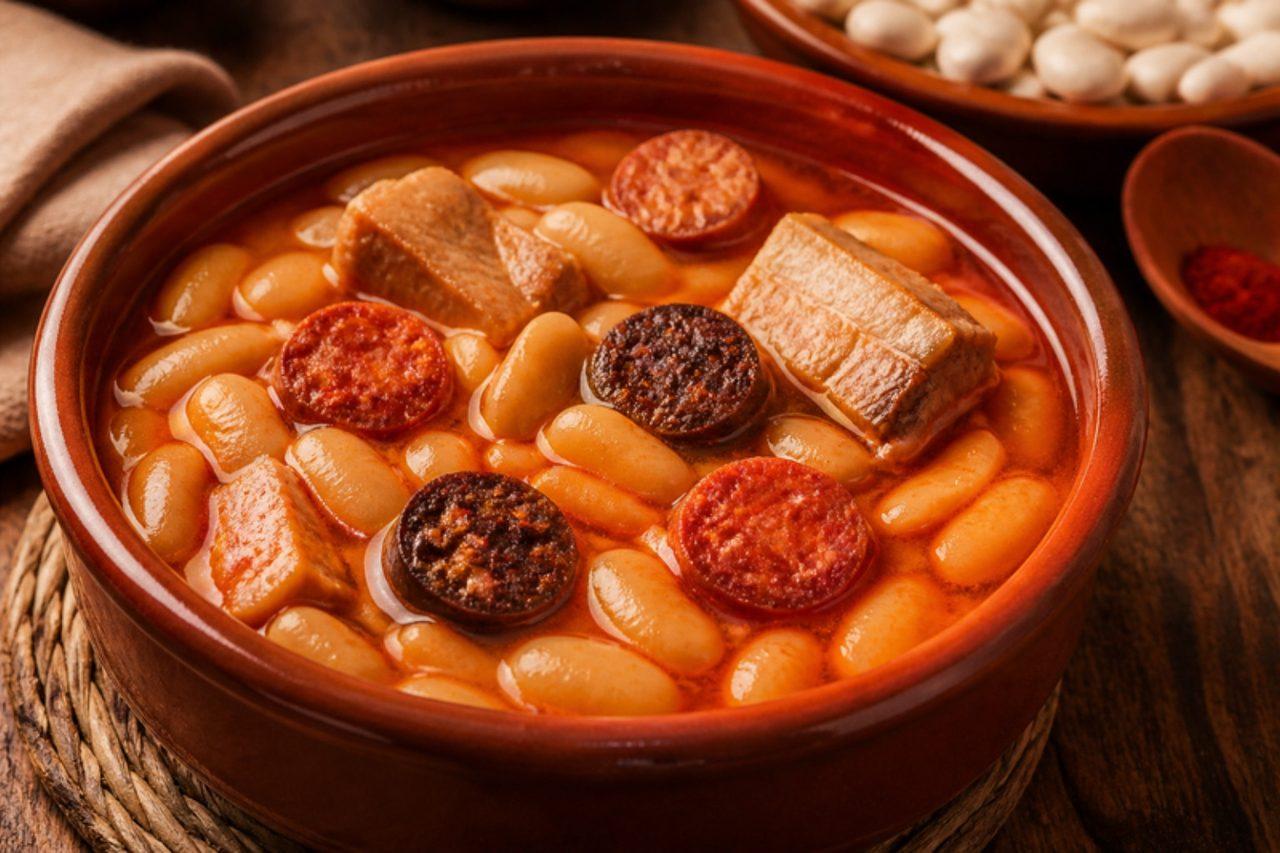
Judiones de La GranjaButter beans with chorizo and pork

In La Granja de San Ildefonso, the royal summer palace in the hills above Segovia, local farmers grow judiones, enormous flat white beans with skin so thin they melt on the tongue. Restaurants in the town and in Segovia stew them with chorizo, morcilla and pork for cold-weather lunches, followed by a roast. This contains pork (chorizo, morcilla and pork rib or ear). Large butter beans or Greek gigantes work well elsewhere. Chef's tip: never stir the beans; shake the pot instead, so they stay whole.

170 minSpanishMeat
by KrazyBadal 0 views

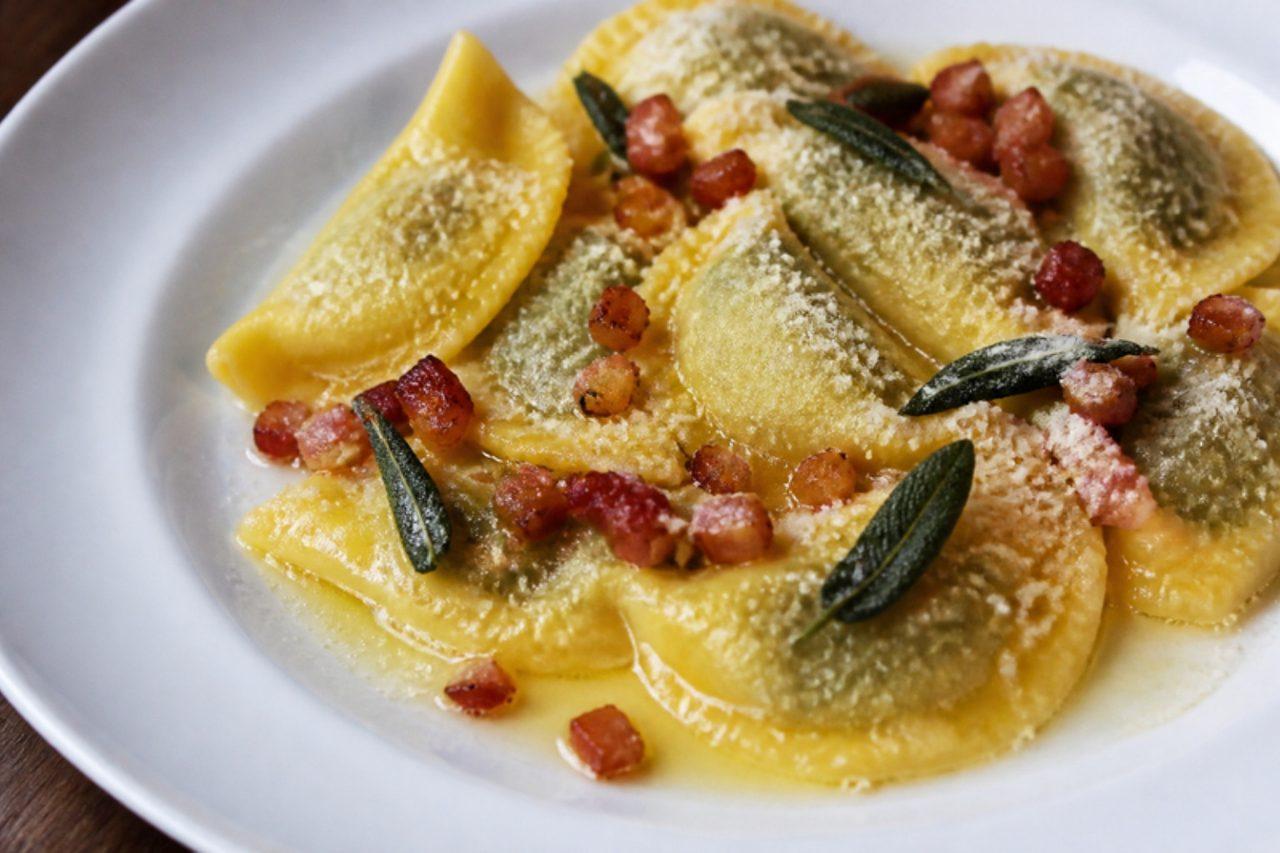
Casoncelli alla bergamascaFilled pasta in sage butter

Casoncelli (casonsei in Bergamo dialect) are the pride of the old upper town of Bergamo and of nearby Brescia, eaten at weddings, village festivals and Sunday lunch. The filling is a thrifty mix of pork sausage, leftover beef, breadcrumbs and grana, perfumed with a crushed amaretto biscuit, a few raisins and a little pear, so it tastes faintly sweet and savoury at once. The folded half-moons are pressed into a little saddle shape and served in plenty of butter with sage and crisp cubes of pancetta, which makes this a pork dish twice over. A green salad is all they need afterwards. Chef's tip: cook the sausage filling first and let it cool completely; warm filling makes the pasta soggy and hard to seal.

by KrazyBadal 0 views

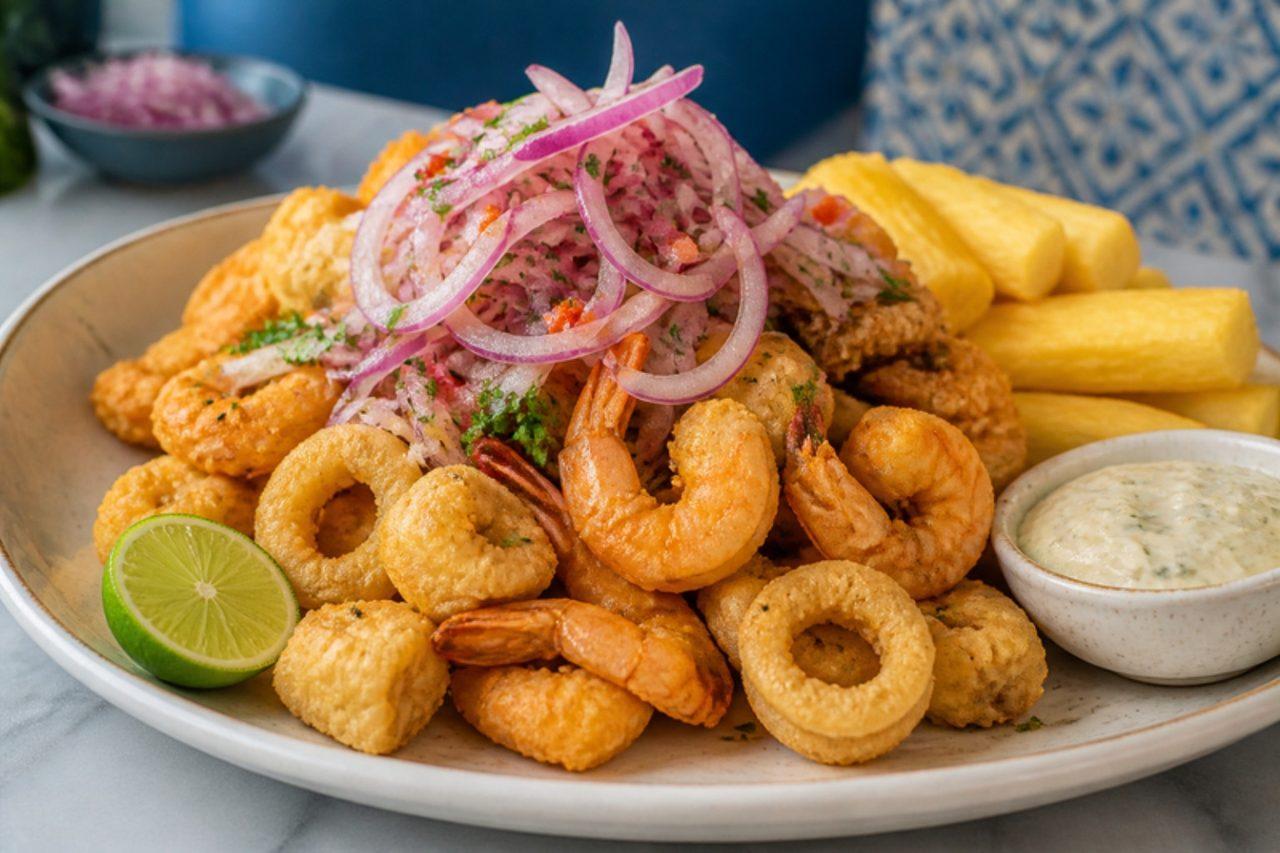
Jalea mixtaMixed fried seafood with cassava

Ordered to share at a Lima cevichería on a Sunday, jalea mixta arrives as a tall golden pile: chunks of white fish, squid rings and prawns, all in a light, crackly coat, on top of fried cassava and buried under a fresh tangle of salsa criolla. The contrast is the point, hot and crunchy underneath, cold, sour and sharp on top, with tartar sauce or ají on the side and cold drinks all round. A frequent mistake is crowding the oil, which drops its temperature and gives you a soggy, greasy coat; fry in small batches and let the oil come back up between them. Chef's tip: boil the cassava first and let it steam dry before frying; it turns fluffy inside and shatteringly crisp outside.

by KrazyBadal 0 views

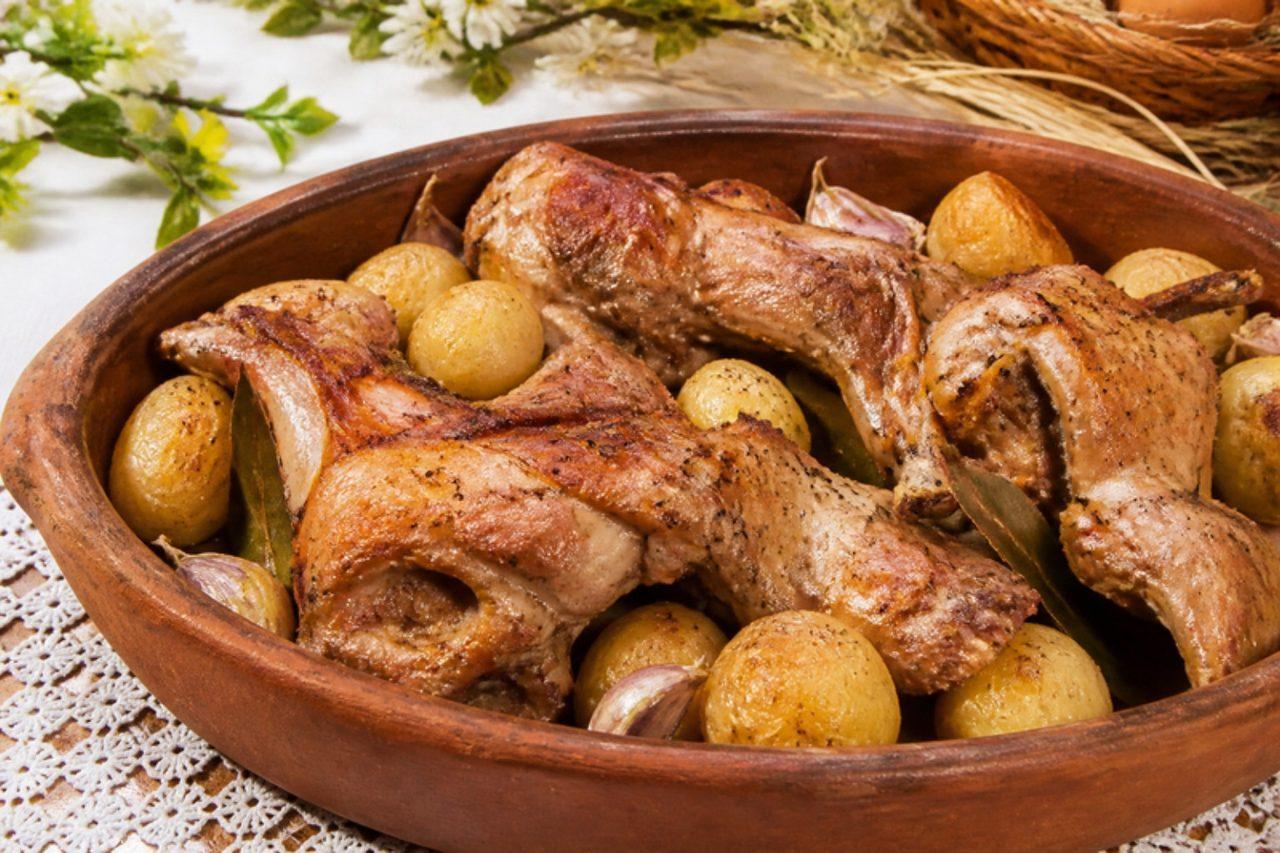
Cabrito assado à minhotaRoast kid with potatoes

Easter Sunday in the Minho means cabrito: young goat rubbed with garlic, paprika and lard, soaked overnight in white wine and roasted until the meat falls from the bone. Families in Arcos de Valdevez and Monção serve it with roast potatoes and a tray of rice baked in the meat juices. This contains pork (lard and smoked bacon) and uses wine; an alcohol-free option is in the ingredient note. Chef's tip: baste every 20 minutes, as kid is lean and dries out quickly without it.

by KrazyBadal 0 views

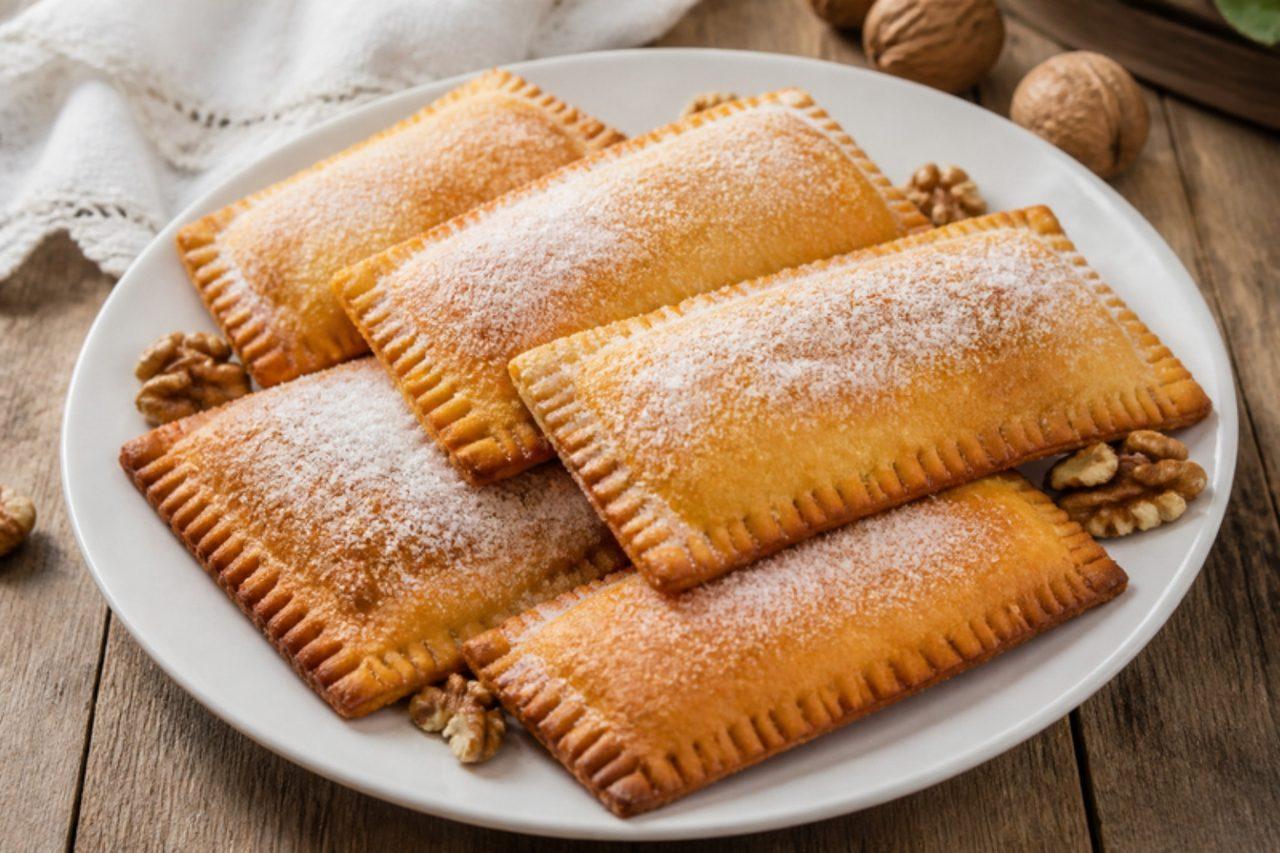
CasadiellesWalnut-filled fried pastries

Look in the window of any confitería in Oviedo or Gijón and you will find casadielles, plump little pastry rolls stuffed with ground walnuts and sugar, fried until blistered and rolled in more sugar. Village bakers turn out trays of them for patron-saint fiestas and for Antroxu, and they keep for days in a tin. The traditional dough is moistened with dry white wine and the filling scented with anise liqueur; both are given alcohol-free swaps below. Chef's tip: roll the dough very thin, about 2 mm, because thick dough stays doughy inside before the outside browns.

by KrazyBadal 0 views

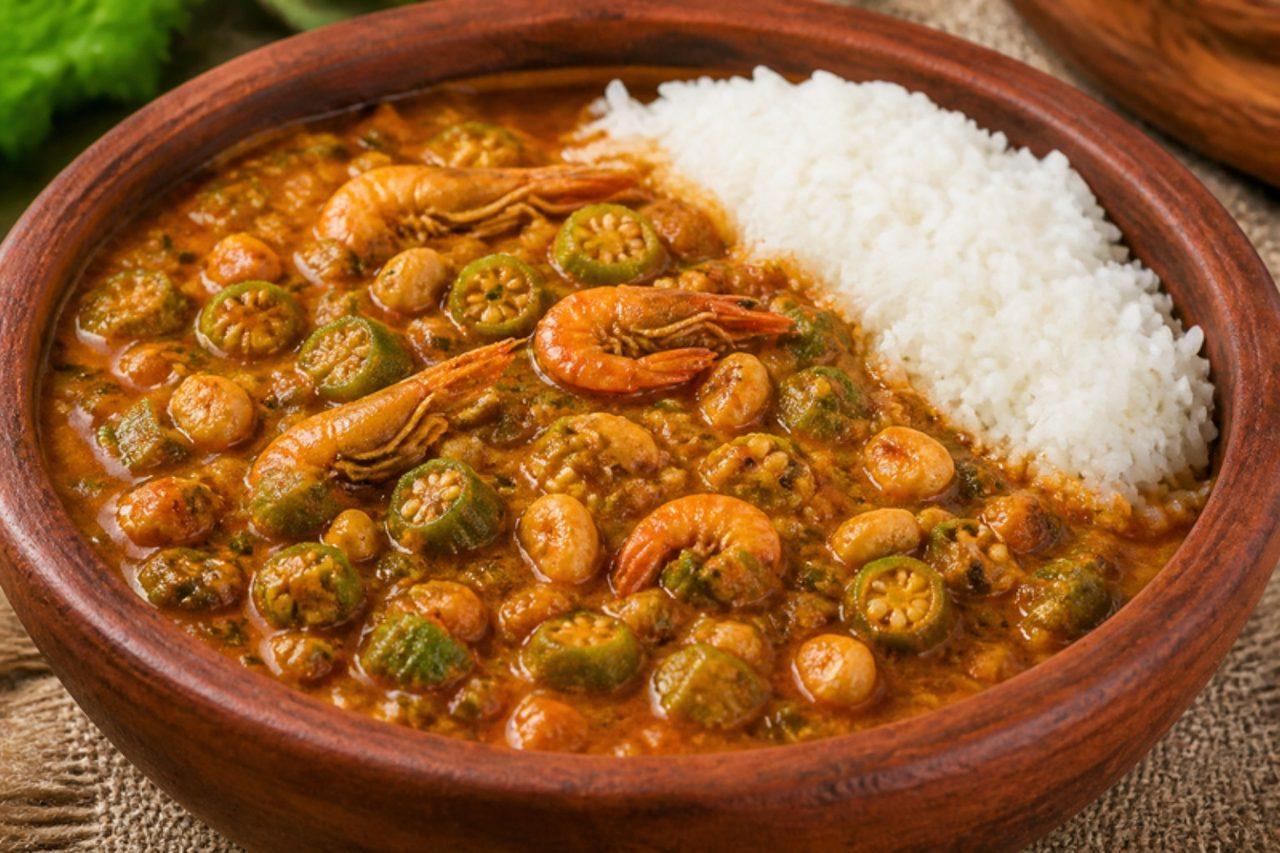
CaruruOkra and dried shrimp stew

Every 27 September, homes across Salvador and the Recôncavo cook huge pots of caruru for the feast of Saints Cosmas and Damian, and children are fed first; the rest of the year it turns up at acarajé stalls and on Bahian Sunday tables next to vatapá, rice and xinxim. Okra is chopped very small and cooked down with a paste of dried shrimp, toasted cashews and peanuts, ginger and onion, then finished with dendê oil until it is thick, glossy and gently sticky, nutty and faintly of the sea. Serve it with white rice, farofa de dendê and acarajé or abará. Most people make the mistake of slicing the okra into big rounds; cut tiny it melts into the sauce instead of sitting in slimy chunks. For a vegetarian caruru, skip the shrimp and use 40 g more of each nut. Chef's tip: toast the cashews and peanuts in a dry pan until they smell of popcorn before grinding them; it makes the stew taste deeper and less green.

by KrazyBadal 0 views

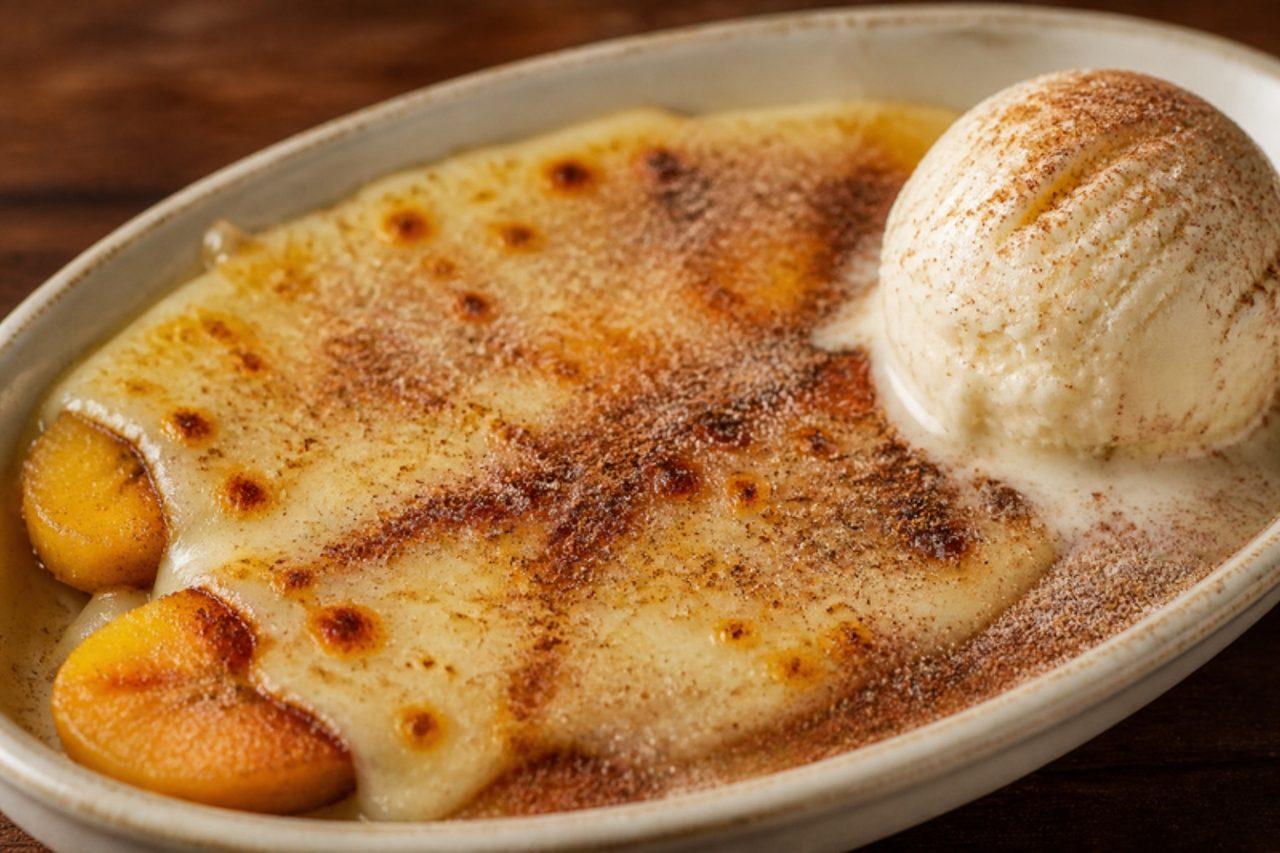
CartolaFried banana with cheese and cinnamon

Sweet, salty and hot all at once, cartola ('top hat') is a Pernambuco dessert that sounds odd and tastes like it was always meant to be. Bananas are fried in butter until caramel-edged, covered with slices of coalho or queijo manteiga that melt into a blanket, then showered with cinnamon sugar. It turns up on Recife lunch menus, in hotel buffets and in home kitchens after Sunday lunch, and needs nothing else, though a scoop of vanilla ice cream is welcome. Bananas-prata or ripe plantains are used locally; firm, just-ripe bananas are the nearest swap. Coalho is often made with animal rennet, so choose a vegetarian version or a vegetarian halloumi. Avoid overripe fruit; it collapses in the pan and the cheese slides off. Chef's tip: finish under a hot grill for a minute so the cinnamon sugar bubbles into a thin, crackly crust.

by KrazyBadal 0 views

Biscuits and sausage gravy

Biscuits and gravy is the working breakfast of the rural South and Appalachia, served at truck stops in Tennessee and diners in the Virginia mountains: fresh biscuits split open and smothered in a thick white 'sawmill' gravy made from crumbled pork sausage, its fat, flour, milk and plenty of black pepper. Chef's tip: don't drain the sausage fat; it is what thickens and flavours the gravy.

by KrazyBadal 0 views

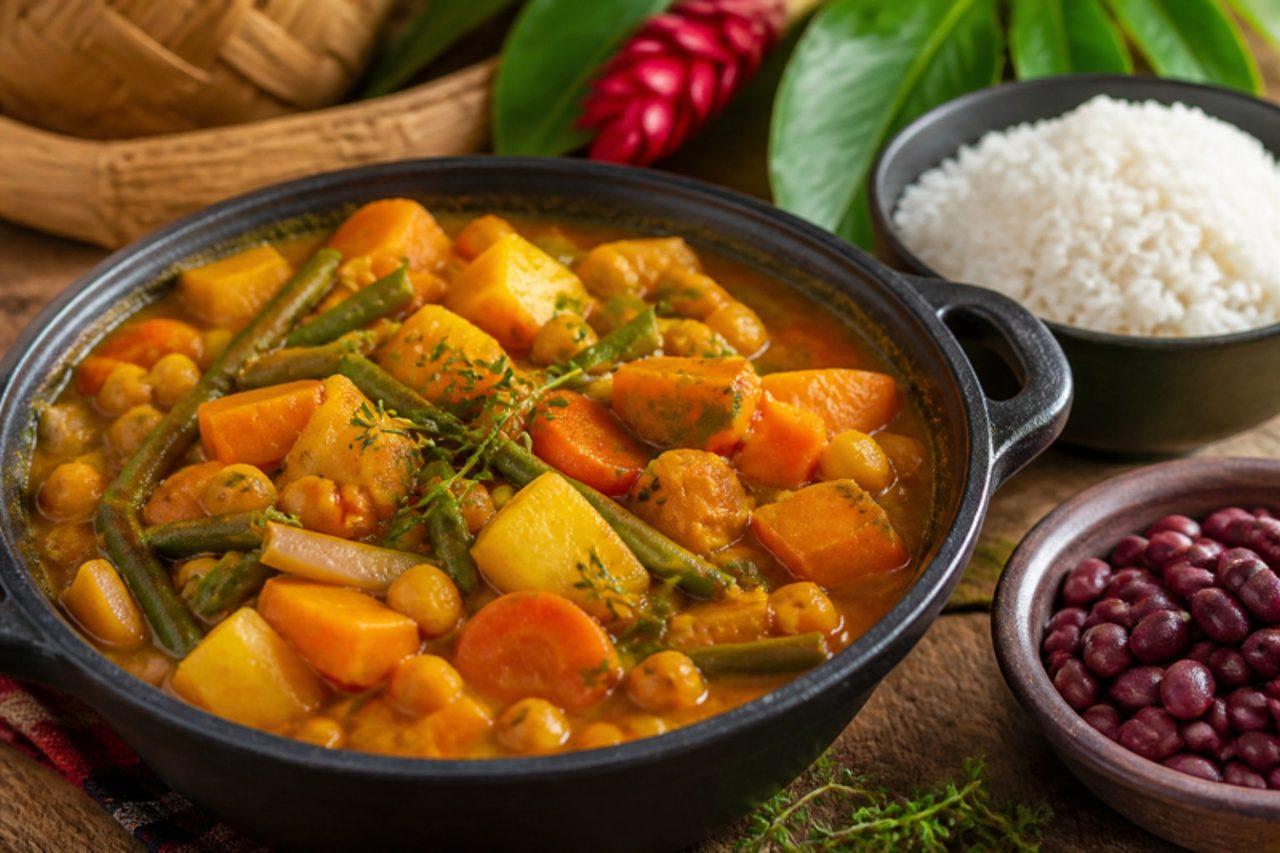
Cari de légumesVegetable curry

On Réunion, the French island in the Indian Ocean, cari is simply lunch: a pot of something gently spiced with onion, garlic, ginger, thyme and the island's turmeric, which locals call safran péi. It arrives at the table with white rice, a bowl of lentils from Cilaos or red beans, and a sharp tomato rougail, and this vegetable version uses chayote (chouchou) from the green Salazie valley, potatoes, carrots and green beans. The heat comes from the chilli in the rougail, not the cari itself, so it suits children too. Chef's tip: let the onions take real colour before the spices go in; that golden base gives a cari its depth.

by KrazyBadal 0 views

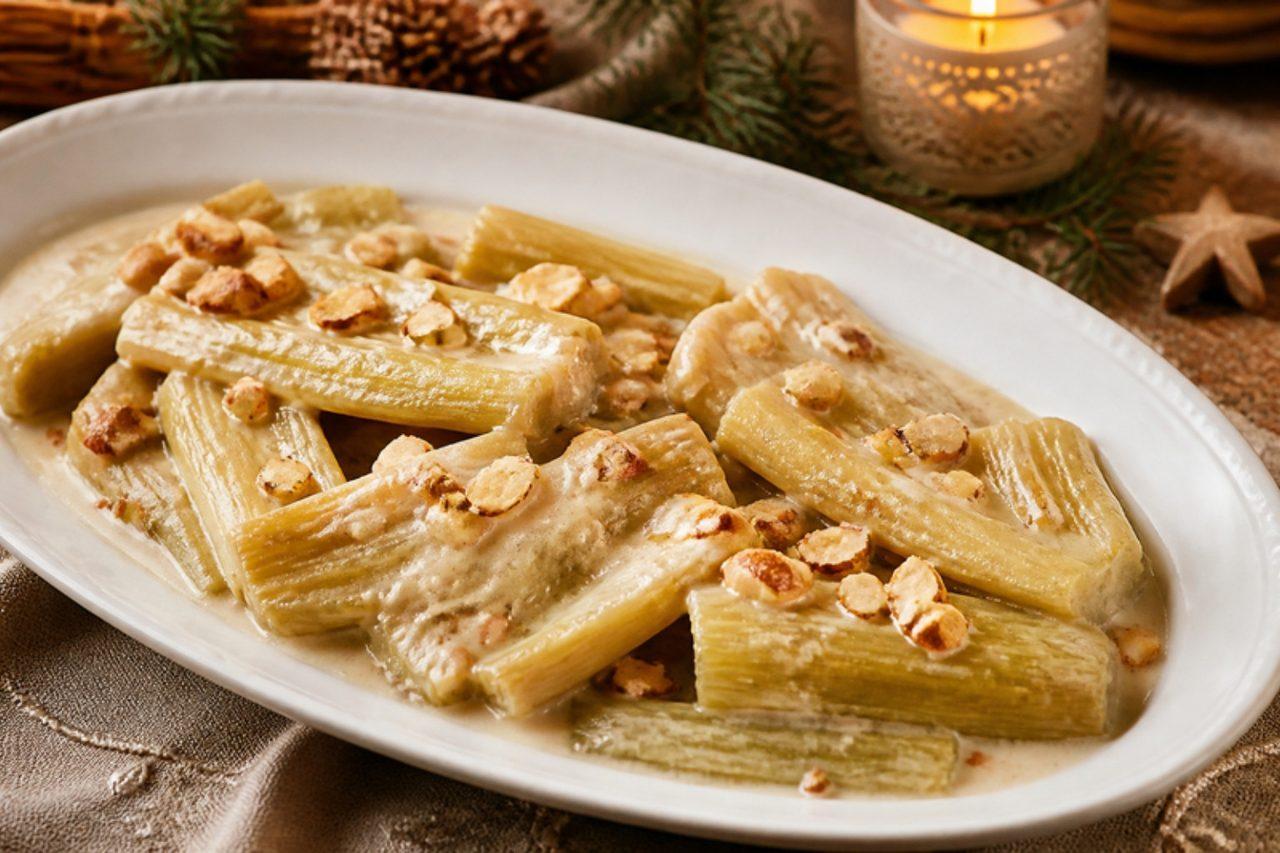
Cardo con almendrasCardoon in almond sauce

On Christmas Eve in Aragon and neighbouring Navarre, a dish of cardoon is as certain as turrón: the long, pale stalks are boiled until tender and served in a velvety sauce of ground almonds, garlic and the cooking water, often as the first course before fish or lamb. The flavour is like artichoke, gentle and slightly bitter, softened by the nutty sauce. It contains no animal products. A common mistake is leaving cut cardoon in the air; it blackens within minutes, so drop each piece into lemon water as you go. Ready-cleaned jars of cardoon are sold in Spain and work well if you skip the first two steps. Chef's tip: whisk a spoonful of flour into the cooking water; it keeps the stalks white and gives you a ready-thickened broth for the sauce.

by KrazyBadal 0 views

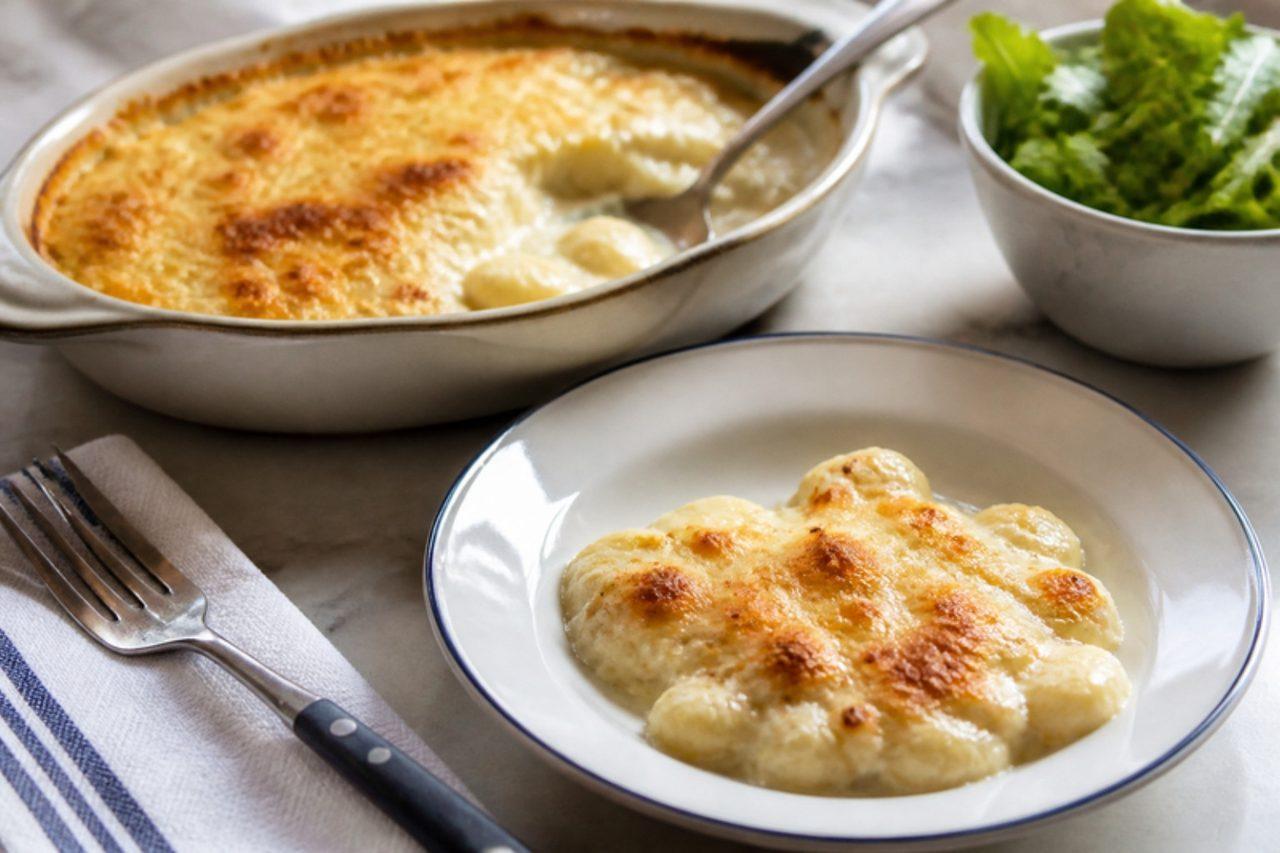
Gnocchi à la parisienneChoux dumplings in béchamel

Unlike Italian potato gnocchi, the Paris version is made from choux paste flavoured with cheese and mustard, piped straight into simmering water and cut into little logs with a knife. The poached dumplings go into a dish with béchamel and more cheese and are baked until puffed and golden. It was a classic of old Parisian brasseries and grand-hotel kitchens and still turns up as a comforting supper or a side in bistros. Gruyère and Comté are traditionally made with animal rennet, so use a vegetarian mountain cheese. Chef's tip: dip the knife in hot water between cuts; the paste drops off cleanly instead of stretching into strings.

by KrazyBadal 0 views

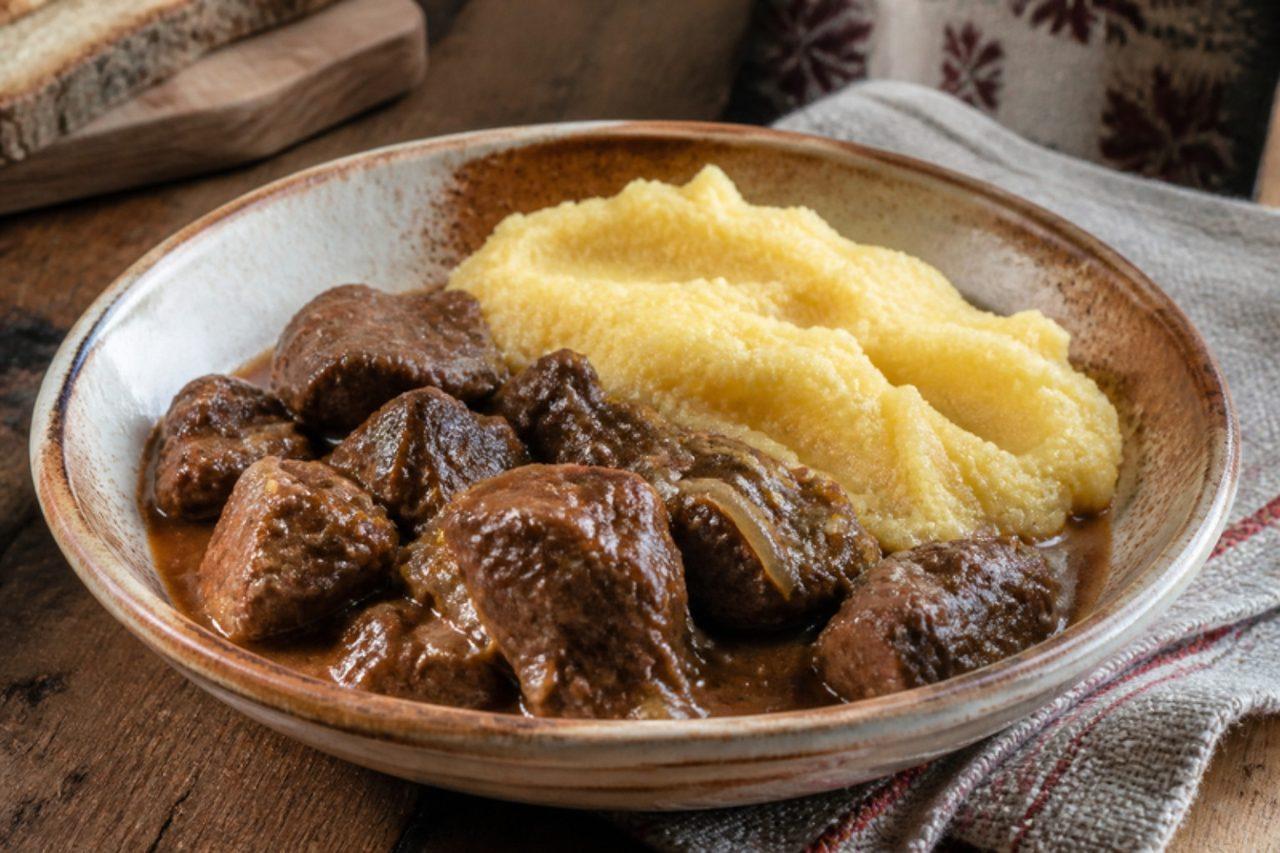
Carbonade valdostanaBeef stewed in red wine

High in the Alps of the Aosta Valley, carbonade was once made from beef preserved in salt over the winter; today mountain restaurants make it with fresh stewing beef and serve it in winter to skiers coming down from the slopes. Thin pieces of beef are browned, then simmered slowly with masses of onions, a whole bottle of red wine and cinnamon, cloves and nutmeg until the sauce turns dark, sweet and spicy and the meat falls apart. It is always spooned over soft polenta, ideally made with a little fontina stirred through. The dish uses red wine; for an alcohol-free version see the ingredient note. Chef's tip: slice the onions thin and give them the full time; they melt into the sauce and thicken it without any flour.

170 minItalianMeatGluten free
by KrazyBadal 0 views

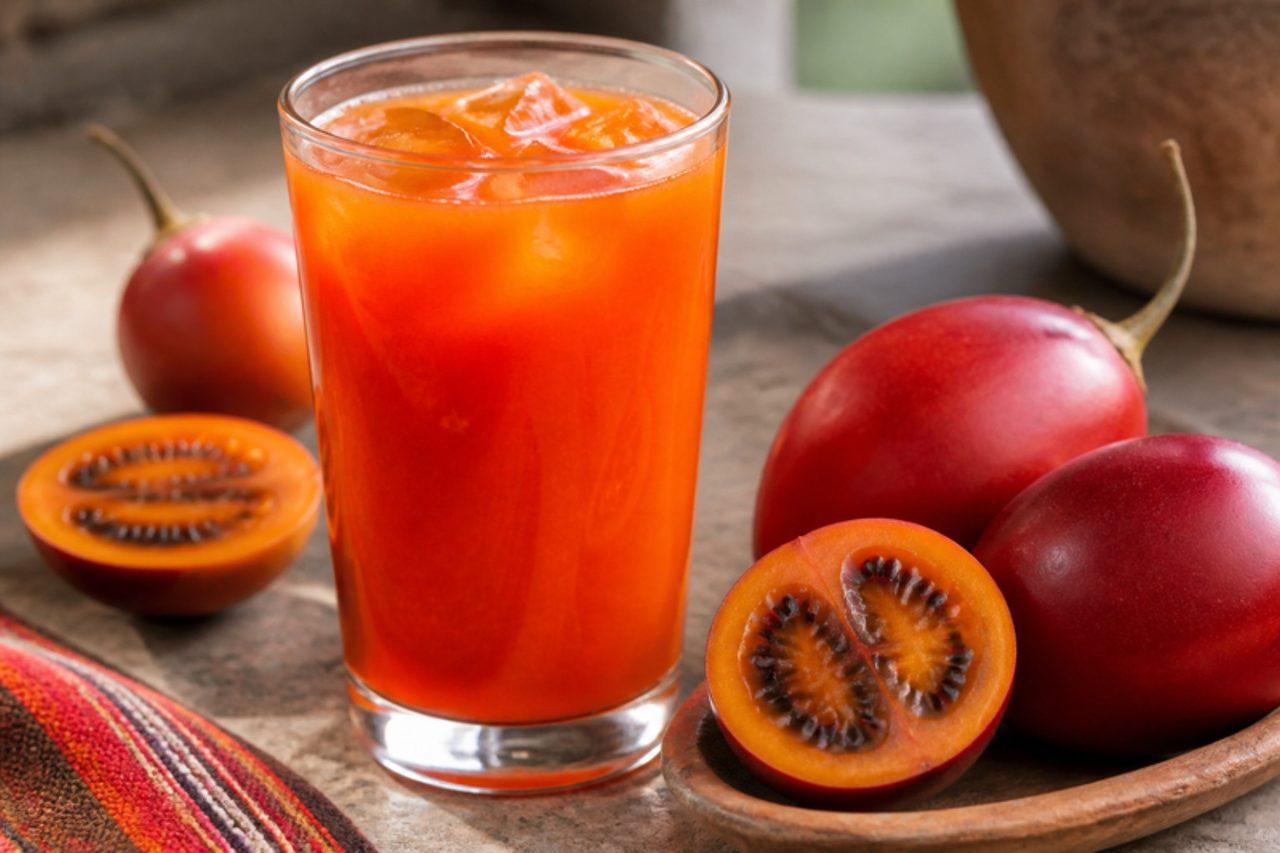
Jugo de tomate de árbolTamarillo juice

Tomate de árbol, the tree tomato or tamarillo, is everywhere in Andean Colombia: in market piles, in ají and above all in juice. Blended with water and sugar, it makes a tangy, deep orange drink with a flavour between passion fruit, tomato and apricot, and it turns up at lunch counters and family tables with almost every meal. Many people blend it with milk instead of water for a creamier glass; this version keeps it vegan. Blending the fruit with its skin is the most common misstep, as the peel is bitter and astringent; a quick blanch makes it slip off easily. Look for tamarillos in good greengrocers, or frozen pulp in Latin shops. Chef's tip: blend only briefly so you do not crush the small seeds, then strain; it stays bright and clean-tasting.

by KrazyBadal 0 views

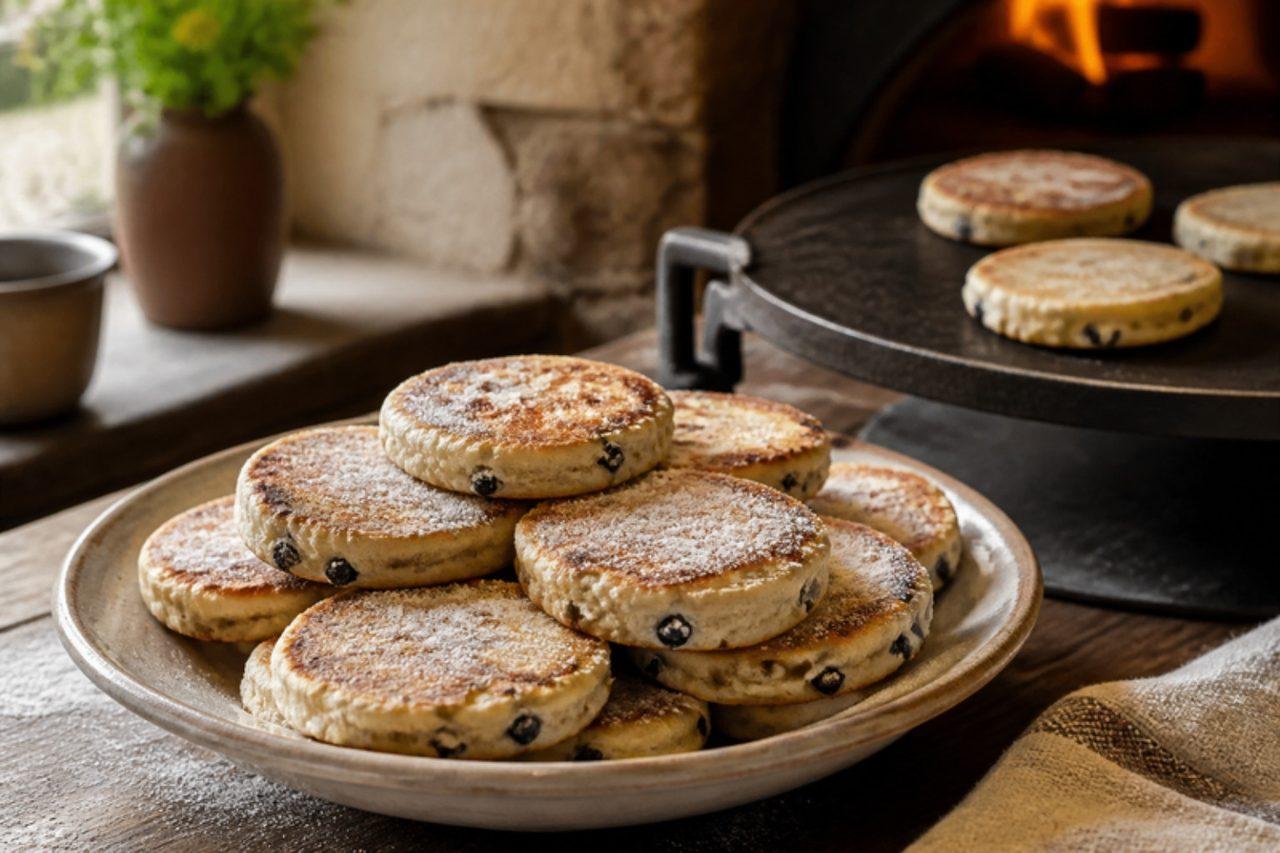
Welsh cakes

Welsh cakes, picau ar y maen or 'cakes on the stone', are cooked on a cast-iron bakestone in kitchens across Wales and sold warm at markets and rugby matches, and they are a must on St David's Day, 1 March. The dough is like a rich scone with currants and mixed spice, and they are dusted with sugar while hot. Chef's tip: keep the heat medium-low; they need time for the middle to cook before the outside darkens.

by KrazyBadal 0 views

Carbonada en zapalloBeef stew in a pumpkin

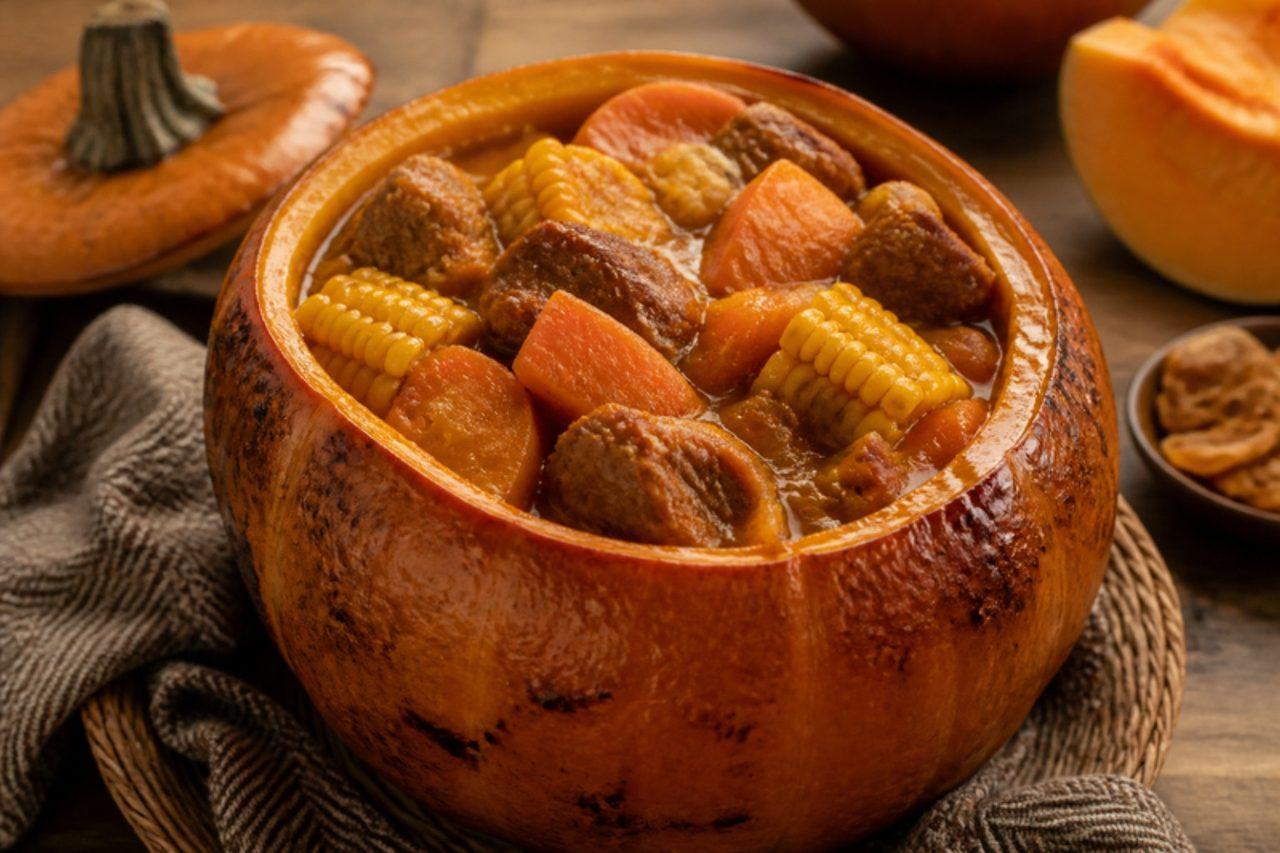
Of all the dishes served for the 25 May and 9 July national holidays, carbonada criolla is the most theatrical when it arrives inside a whole roasted pumpkin, the lid lifted at the table to let out a cloud of steam. The stew comes from the Spanish-colonial interior and is beloved across Buenos Aires Province: cubes of beef braised with onion, tomato and pepper, then joined by corn, sweet potato, squash and dried peaches (or pears) that melt into a sweet-savoury sauce. Pieces of the pumpkin wall are scooped out with each serving. Beef stew cubes are cooked until tender, well past any pinkness. Overcooking the pumpkin is the common trap: it collapses when you pour in the stew, so roast it only until a knife meets slight resistance. Chef's tip: soak the dried peaches in a little hot water and add both the fruit and the soaking liquid; it gives the sauce its rounded sweetness without extra sugar.

by KrazyBadal 0 views

Bienmesabe canarioAlmond and egg-yolk cream

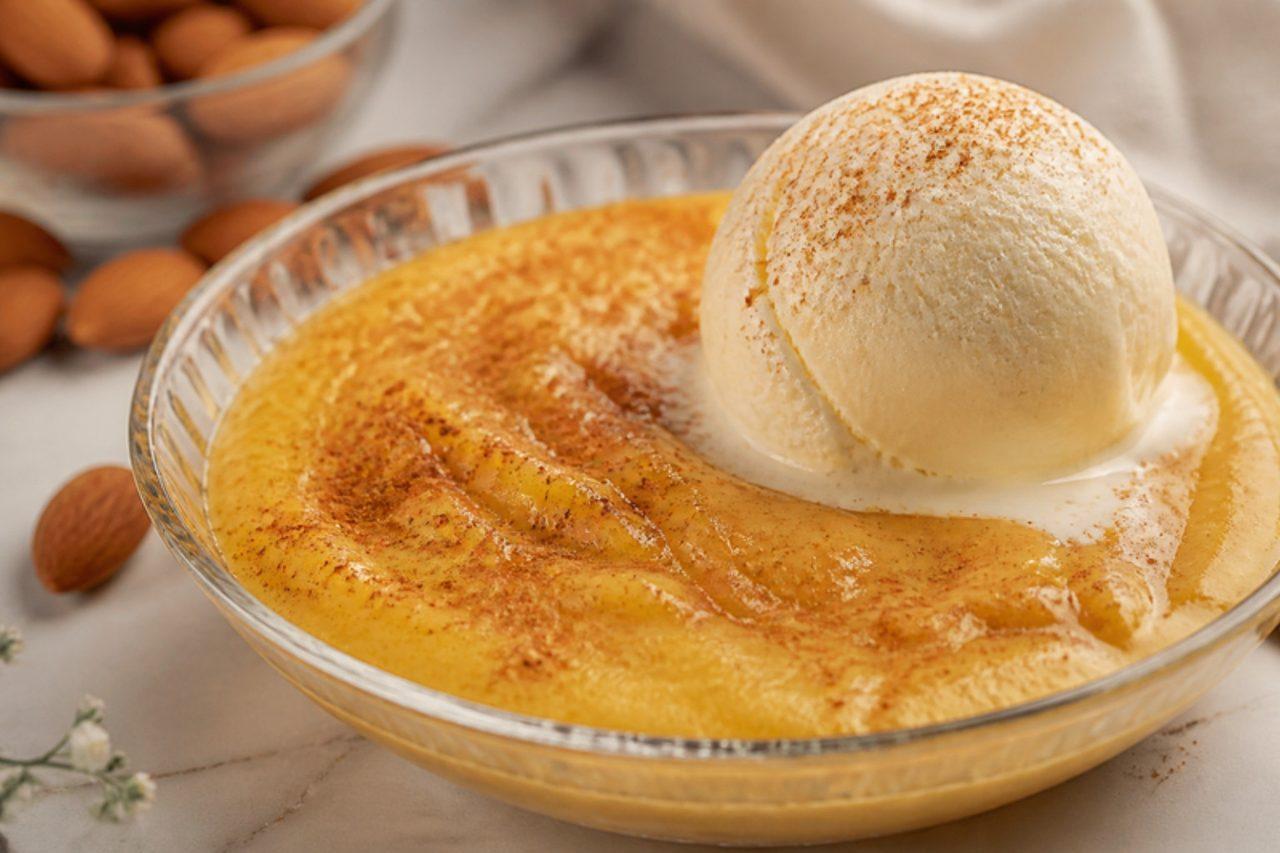
High in the mountains of Gran Canaria, the village of Tejeda is ringed by almond trees, and its pastry shops are famous for bienmesabe, 'it tastes good to me'. Finely ground almonds are cooked in a sugar syrup with lemon zest and cinnamon, then enriched with egg yolks into a thick, golden cream. Islanders eat it by the spoonful, over vanilla ice cream or layered on sponge; it is the dessert brought out in late January and February, when the Almond Blossom Festival fills the village. Chef's tip: temper the yolks with a little hot syrup before adding them, so they thicken the cream smoothly instead of scrambling.

by KrazyBadal 0 views

Bife a caballoSteak with fried eggs

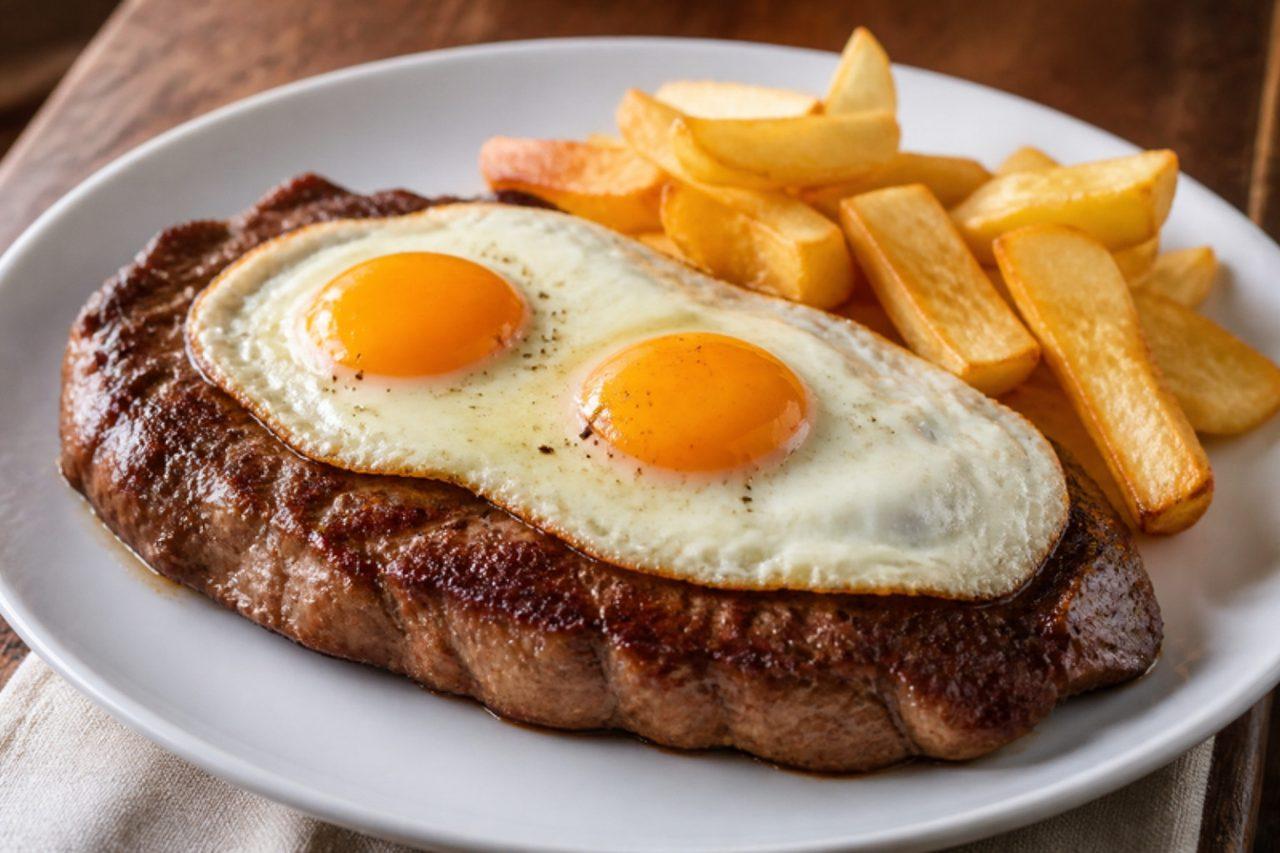
On the chalkboard of any neighbourhood bodegón in Buenos Aires you will find bife a caballo, steak "on horseback": a thick bife de chorizo (sirloin) or rump seared hard in a hot pan, crowned with two fried eggs whose yolks run into the meat juices, and served with a pile of chips. It is the plate for hungry taxi drivers at lunch and for anyone recovering from a long night. Cook the steak to your taste; Argentines usually ask for it jugoso (medium rare, about 55 °C in the centre) or a punto (medium, about 60 °C). Use eggs fried until the whites are fully set, and cook the yolks firm for anyone vulnerable. Crowding a pan that isn't hot enough is the classic mistake, which stews the steak grey, so let the pan smoke first. Chef's tip: rest the steak while you fry the eggs in the same pan; the beef juices in the fat give the whites crisp, savoury edges.

by KrazyBadal 0 views

Bifteki gemistoFeta-stuffed beef patties

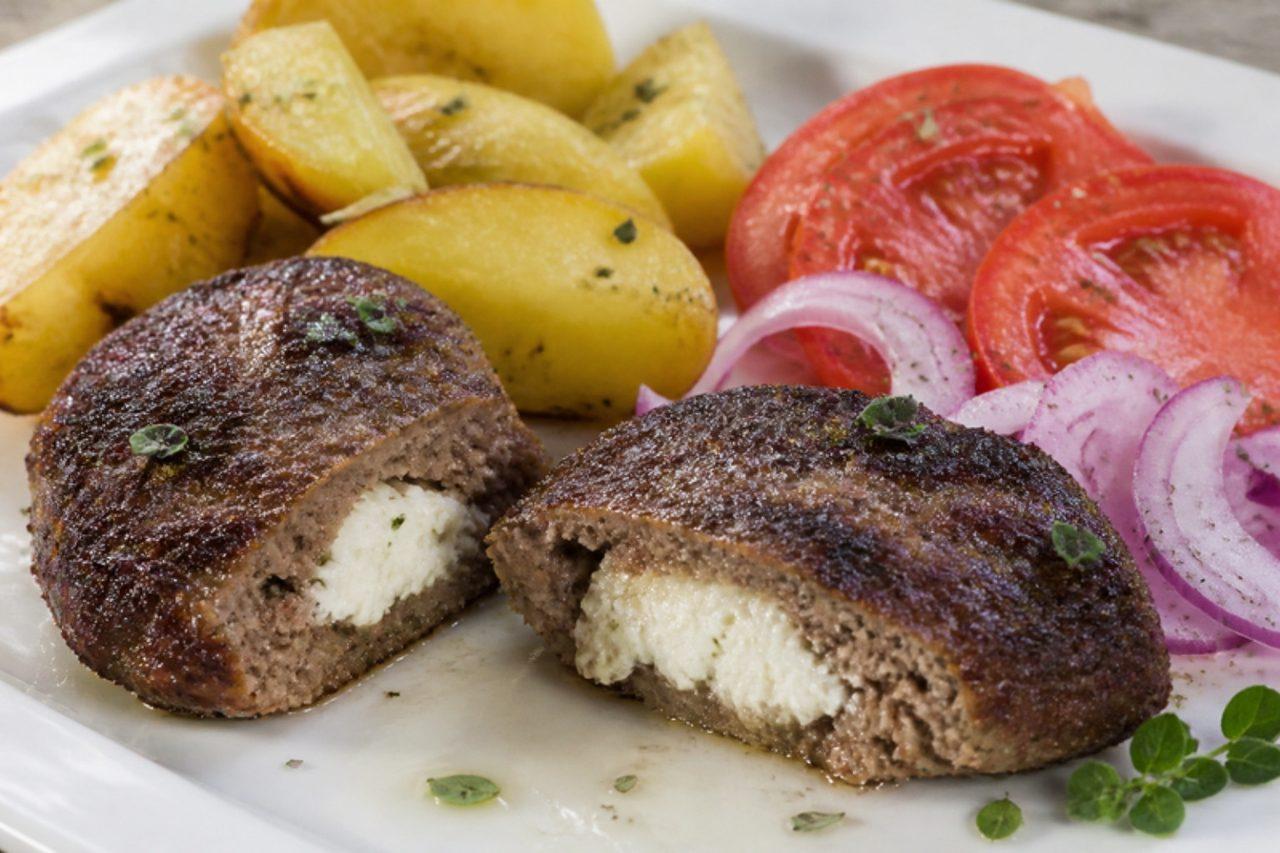
In Greek grill houses (psistaries) and in summer back gardens, bifteki are big, flattened patties of minced beef with grated onion, mint and oregano, and the stuffed version hides a slab of feta that melts as they cook. Serve with chips fried in olive oil, a village salad and tzatziki. Common mistake: using lean mince, which makes dry patties; 15–20 % fat keeps them juicy. Chef's tip: grate the onion and squeeze out its juice before mixing; you keep the flavour without making the mixture too wet to seal around the cheese.

35 minGreekMeat
by KrazyBadal 0 views

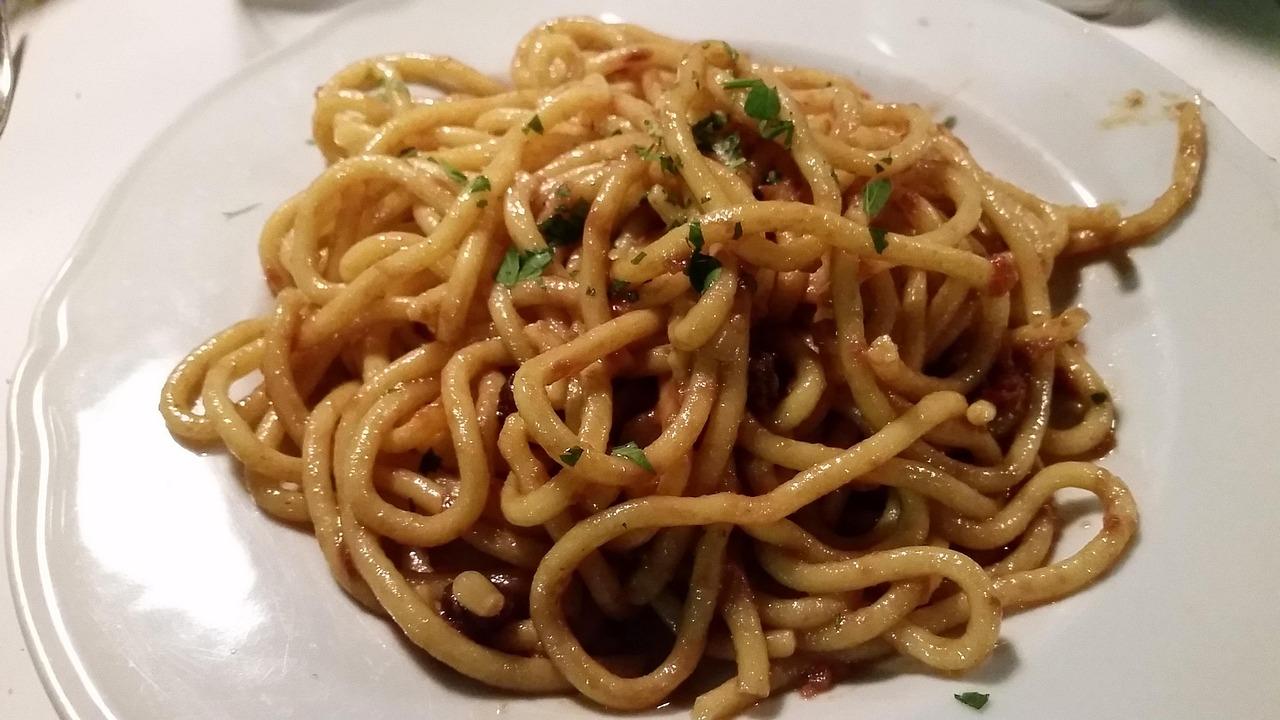
Bigoli in salsaWholewheat pasta with onion and anchovy

Bigoli in salsa is the dish of Venice's lean days, once eaten on Fridays, Christmas Eve and Ash Wednesday, and still served in the city's bacari and osterie today. Thick, rough wholewheat strands are tossed in a sauce of onions cooked slowly in olive oil until sweet and almost creamy, with salted anchovies melted through. It is salty, sweet and deeply savoury, with no cheese. If you can't find bigoli, thick wholewheat spaghetti or bucatini work well. Serve with a bitter leaf salad such as radicchio. Chef's tip: add the anchovies off the heat and let them dissolve in the warm oil; fried hard, they turn bitter.

by KrazyBadal 0 views

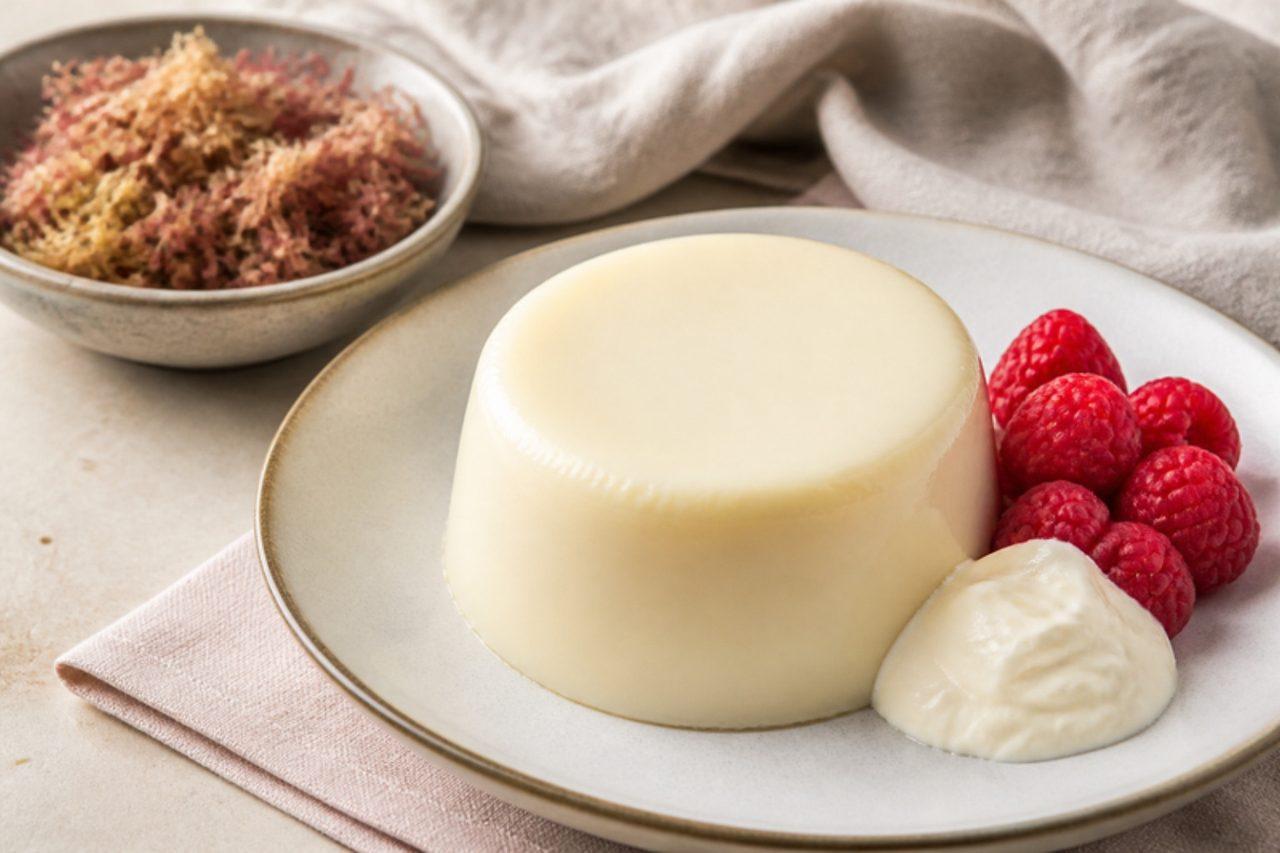
Carrageen moss puddingSeaweed milk pudding

Carrageen is a frilly red seaweed picked from the rocks of the west coast, from Donegal down to Clare, and dried on the grass in the sun. Simmered in milk, it releases a natural setting agent, so this old Irish pudding sets like a soft blancmange without gelatine. It tastes of vanilla and lemon with a faint breath of the sea, and is served chilled with stewed rhubarb or soft fruit. Chef's tip: soak the carrageen well and rinse off the sand before you start; any grit ends up in the pudding.

by KrazyBadal 0 views

Rosquillas de San IsidroAniseed doughnut rings

Every 15 May, crowds head to the Pradera de San Isidro on Madrid's southern edge for the patron saint's festival, and stalls sell rosquillas by the dozen: plain "tontas" (silly ones) and iced "listas" (clever ones). Many families now bake them at home that week. Old recipes ice the listas with raw egg white; this one uses a lemon and icing-sugar glaze, which is safer and sets just as white. Chef's tip: oil your hands to shape the rings; the dough is soft and sticky by design.

by KrazyBadal 0 views

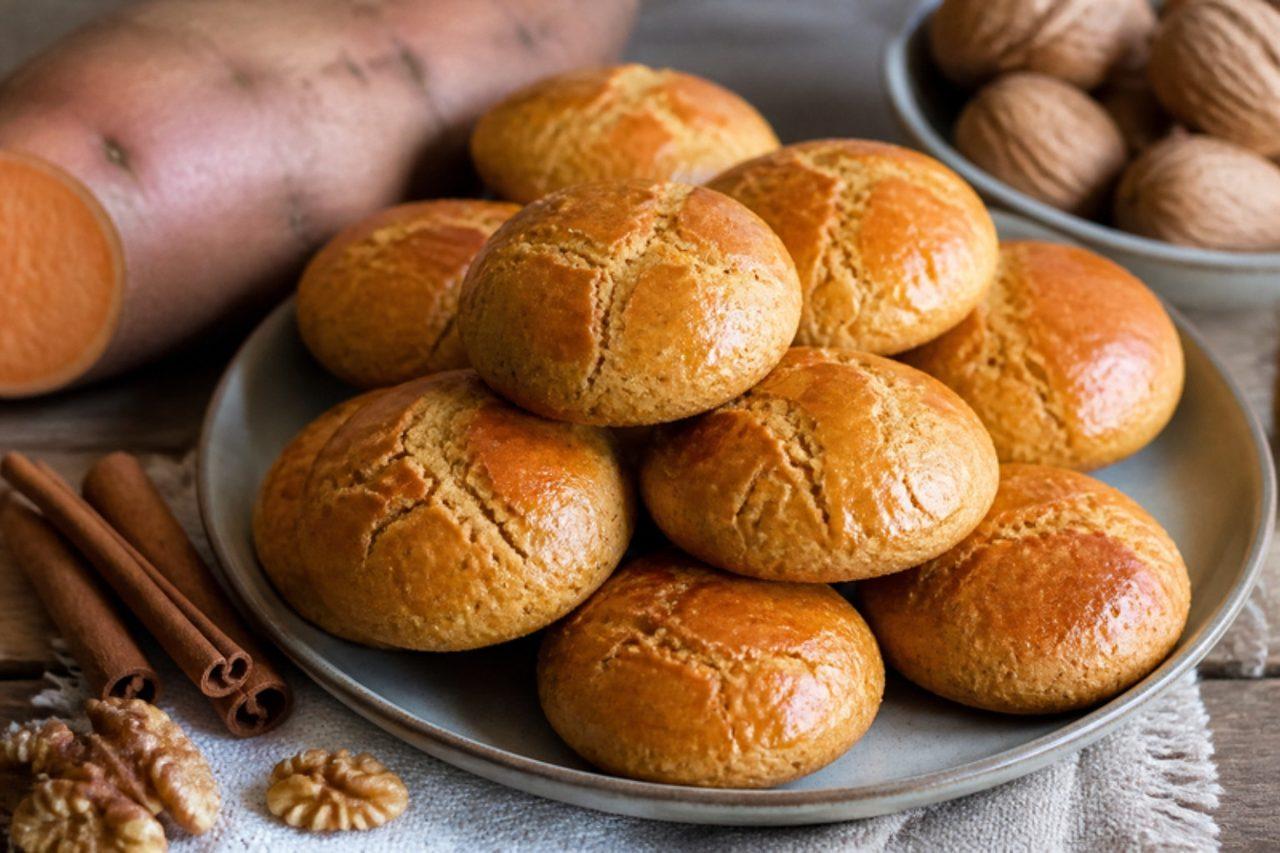
Broas de batata-doceSweet potato spiced cookies

Every December, kitchens across the Beiras fill with the smell of these broas: soft, cakey cookies made with mashed sweet potato, flour, olive oil and honey, spiced with cinnamon and fennel seed and glazed with egg yolk. Families bake big batches to share with neighbours and keep in tins over the holidays. They are only lightly sweet, with a tender crumb and a shiny top. Chef's tip: dry the cooked sweet potato in the pan for a minute before mashing, as watery mash makes a sticky dough that spreads.

by KrazyBadal 0 views

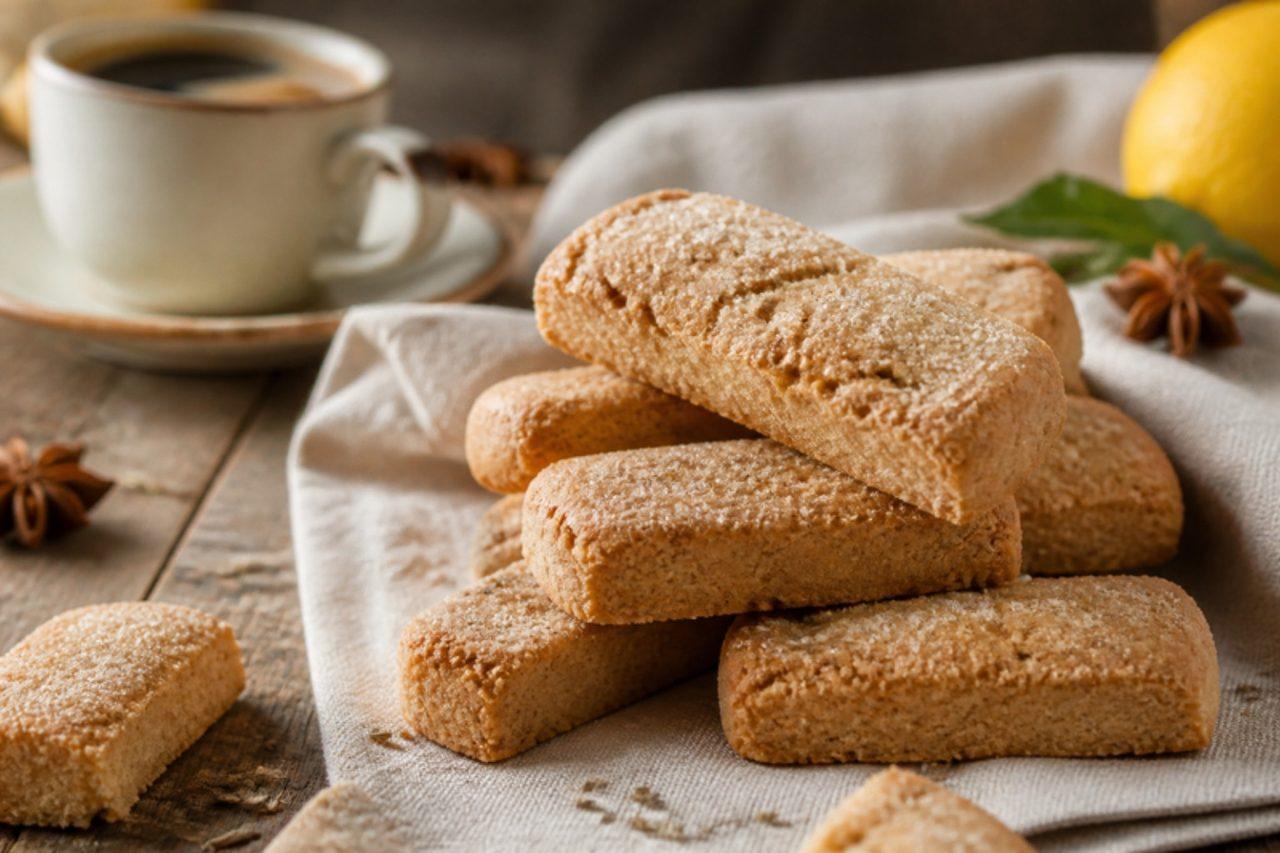
CanistrelliAnise biscuits

Every Corsican bakery, from Bastia to Bonifacio, stacks bags of canistrelli: thick, square-cut biscuits that are dry and crunchy outside and crumbly inside, made to be dipped in morning coffee. They come in many flavours, such as lemon, chestnut and almond, but anise seed is the classic. Traditionally the dough is mixed with dry white wine; most of the alcohol bakes off, but if you prefer none at all use apple juice with a squeeze of lemon, as the ingredient list says. With olive or sunflower oil instead of butter, they are vegan. Chef's tip: stop mixing as soon as the dough comes together; kneading makes them hard rather than crumbly.

by KrazyBadal 0 views

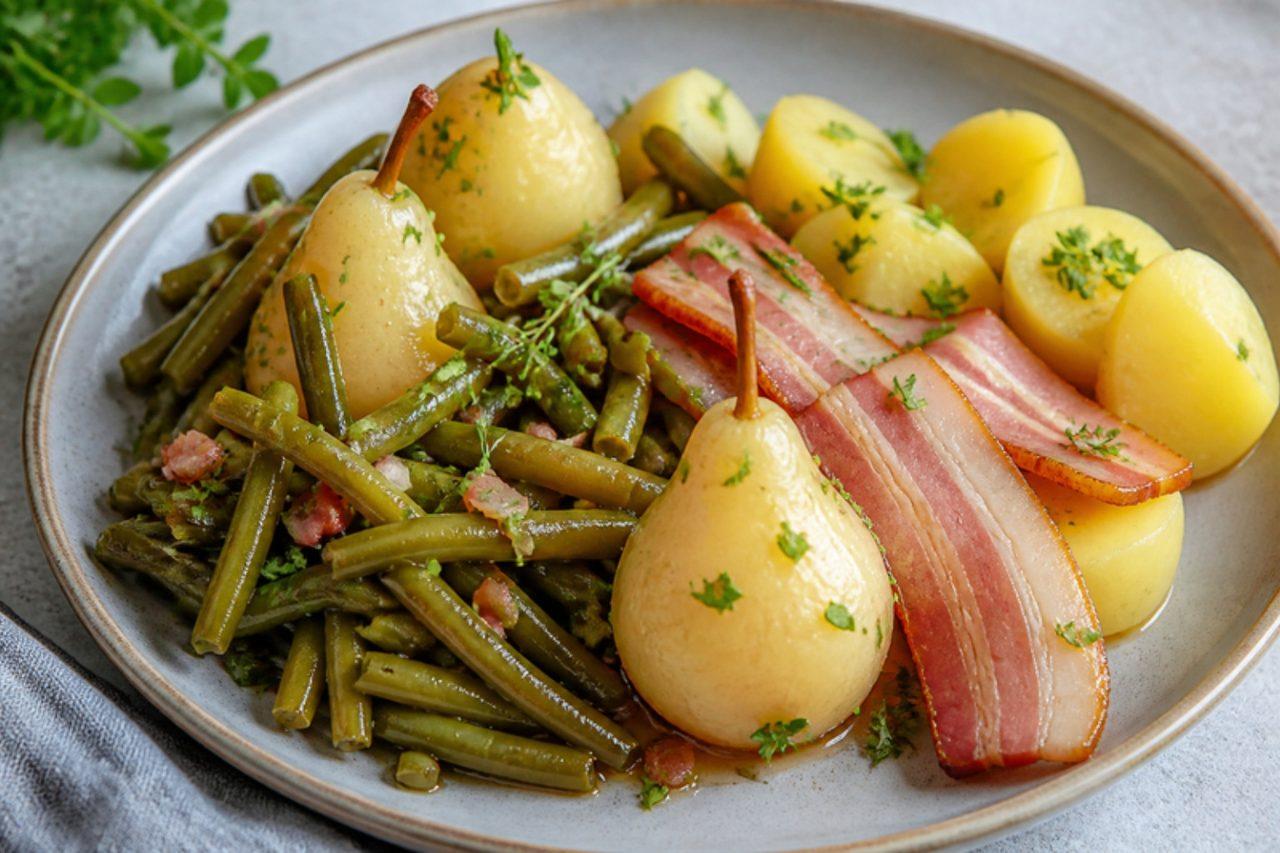
Birnen, Bohnen und SpeckGreen beans, pears and smoked bacon

Birnen, Bohnen und Speck is late-summer cooking from Hamburg and Schleswig-Holstein, made in August when green beans and small, firm cooking pears ripen at the same time in the Vierlande market gardens. A piece of smoked pork belly bacon is simmered until tender, and its smoky broth then cooks the beans, whole pears and potatoes, with summer savory to tie the sweet and salty together. It is one pot, served straight from the stove with the bacon sliced on top. Chef's tip: choose pears that are still hard; ripe dessert pears collapse into the beans.

90 minGermanMeatGluten free
by KrazyBadal 0 views

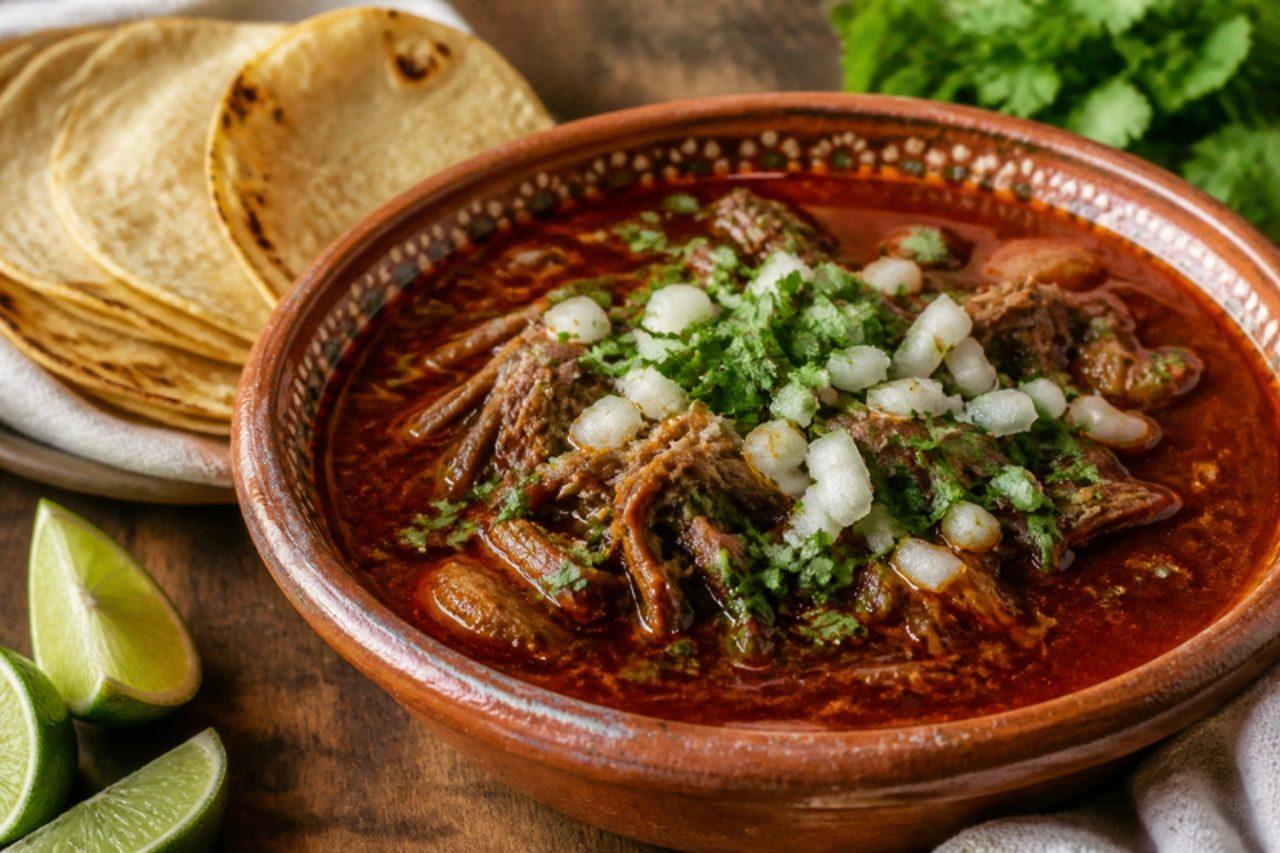
Birria de resChilli-braised beef

Birria comes from Jalisco, where it is the dish of weddings, baptisms and Sunday mornings after a long night, ladled out at market stalls in Guadalajara from dawn. Beef on the bone is rubbed with a paste of guajillo and ancho chillies, vinegar, garlic and warm spices, left overnight in the fridge, then braised for hours until it falls into soft, glossy strands. The cooking liquid becomes the consommé: sip it from a cup, spoon it over the meat in a bowl, or dip tortillas in its red fat and fry them with the beef and a little cheese for crisp-edged tacos. Serve with chopped onion, coriander, lime and a fiery chile de árbol salsa. Chef's tip: skim the red fat off the top of the finished consommé and keep it for frying the tortillas; it gives the tacos their colour and crunch.

285 minMexicanMeatGluten freeSpicy
by KrazyBadal 0 views

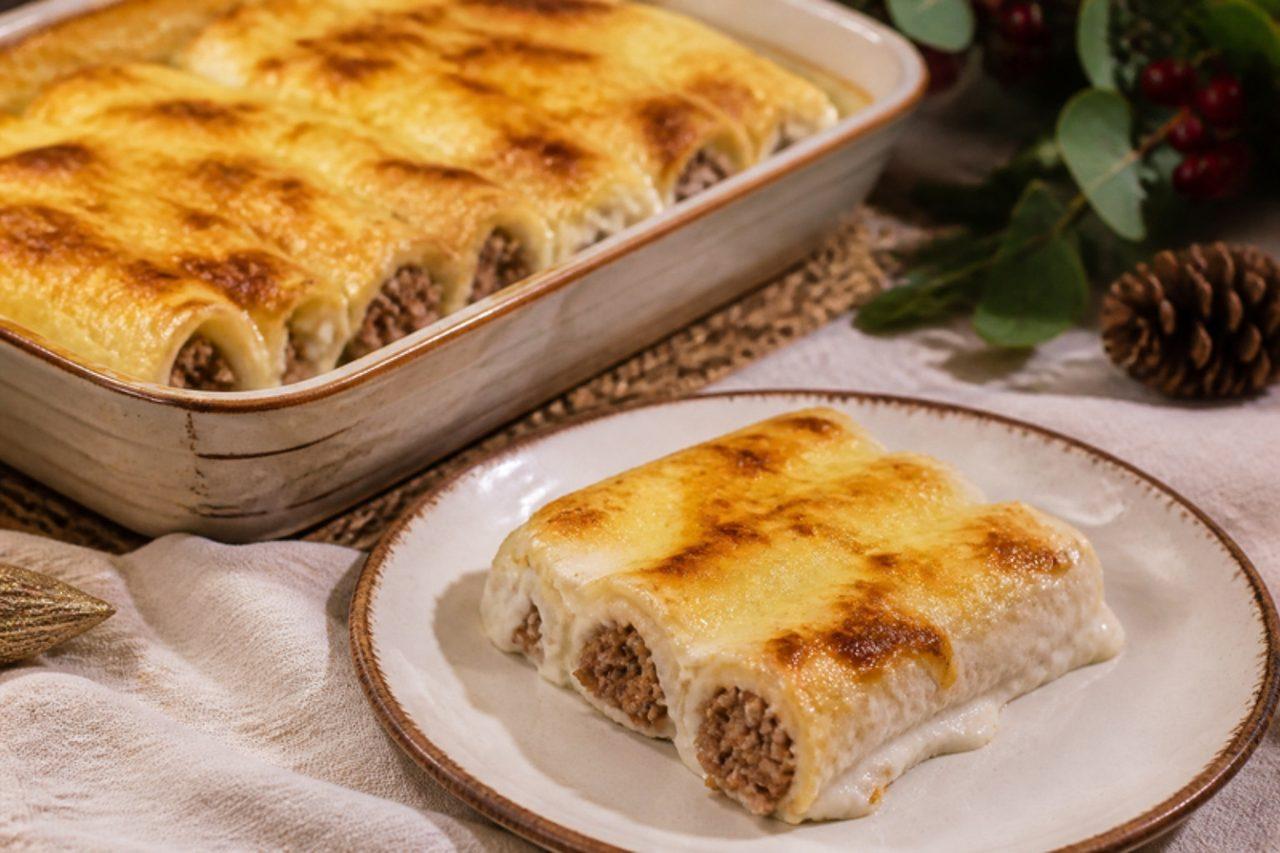
Canelons de Sant EsteveCannelloni with roast meat and béchamel

This contains pork (pork shoulder). On 26 December, Sant Esteve, Catalan families gather again and eat canelons, made from the meats left over from Christmas Day's carn d'olla or the roast. Rolled in pasta sheets, covered in béchamel and grated cheese and baked until bubbling, they are the reason many people say Sant Esteve is the better of the two feasts. This version cooks the meats from scratch, so you can make it any time. Cheeses like parmesan use animal rennet. Chef's tip: mince the meat finely and cook it down until it is moist but not wet, or the canelons go soggy.

by KrazyBadal 0 views

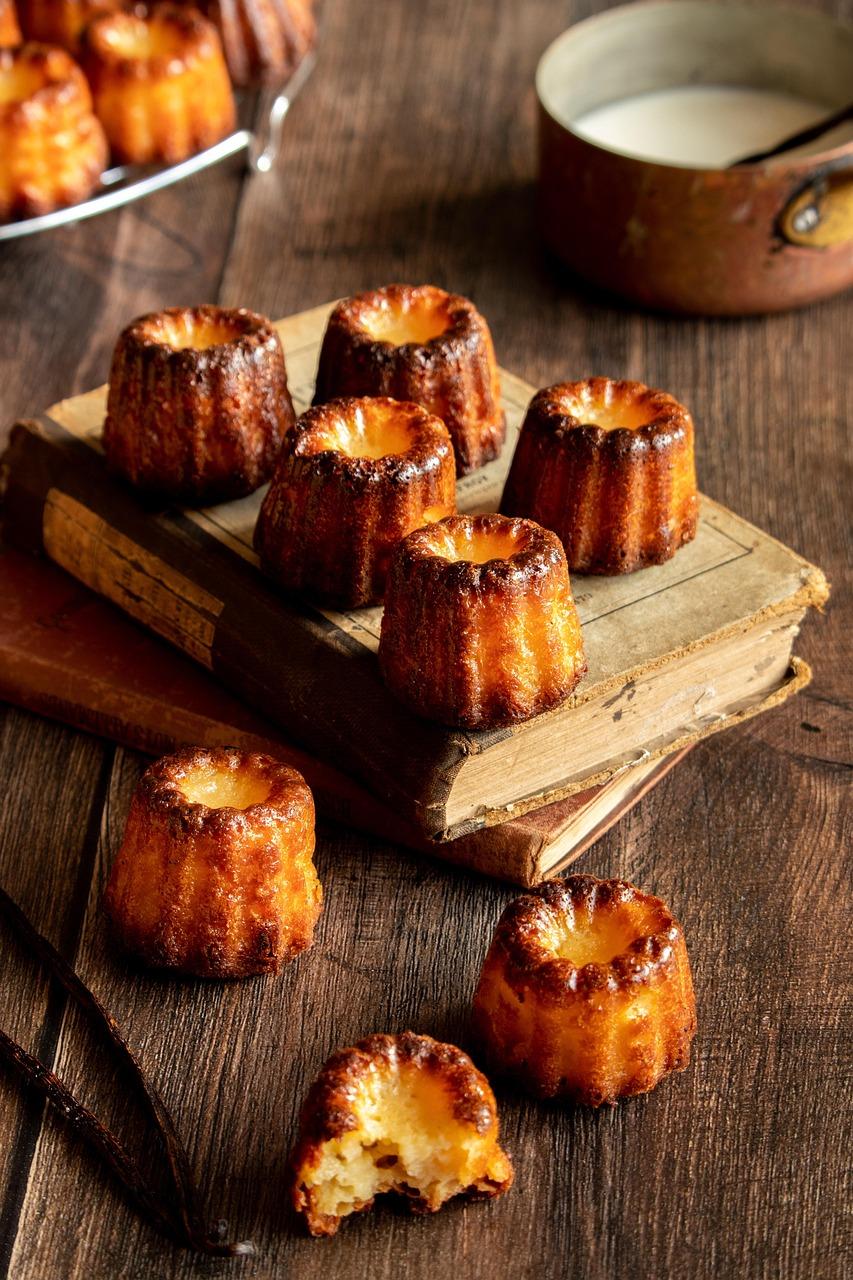
Canelés de BordeauxVanilla custard cakes

Small, fluted and almost black on the outside, canelés are the signature cake of Bordeaux, sold in pâtisseries all over the city and eaten with morning coffee or at teatime. The thick, caramelised crust cracks to reveal a soft, custardy centre scented with vanilla. The batter traditionally includes dark rum; this version gives it as an option and uses extra vanilla and a little orange zest instead, so it can be made alcohol-free. Copper moulds are traditional, but silicone canelé moulds work well at home. Chef's tip: rest the batter for at least 24 hours in the fridge; fresh batter puffs up like a soufflé and the cakes lose their shape.

1500 minFrenchBaking
by KrazyBadal 0 views

Bizcochitos de grasaSavoury beef fat biscuits

A paper bag of bizcochitos de grasa sits next to the mate gourd in kitchens, offices and roadside service stations across Argentina, from Buenos Aires to the Andes. These little rounds, a couple of bites each, are layered with beef fat, so they flake and crumble, salty and plain enough to eat by the dozen with bitter mate in the afternoon. The fat is rendered beef fat (grasa vacuna), so they are not vegetarian; ask your butcher for dripping or render suet yourself. A dough worked too warm is the mistake that robs them of their layers; the fat melts into it instead of staying in sheets. Chef's tip: chill the dough for 10 minutes between folds whenever it starts to feel greasy, and prick each round right through so it puffs in flakes rather than domes.

by KrazyBadal 0 views

Bizcochos de achiraAchira starch cheese biscuits

Achira is a canna plant whose root gives a fine, silky starch, and in Huila and Tolima it becomes bizcochos: crunchy, cheesy little sticks and rings that dissolve on the tongue. They are sold in long plastic bags at roadside stands near Neiva, Altamira and the Magdalena valley, and they travel everywhere as a snack with coffee or a cold drink. Look for achira flour in Colombian shops; arrowroot powder is the nearest substitute, while tapioca starch gives a chewier result. The cheese is traditionally a dry, aged curd made with animal rennet, so pick a vegetarian hard cheese. The usual mistake is pulling them from the oven too early: they look done but go soft as they cool. Chef's tip: bake them right through until dry and only lightly coloured; they should snap cleanly once cold.

by KrazyBadal 0 views

Showing 45 of 7,762 recipes

Show more recipes

Page 468 of 863