


Skip to content
Roz me'ammar
Featured recipe

Roz me'ammar

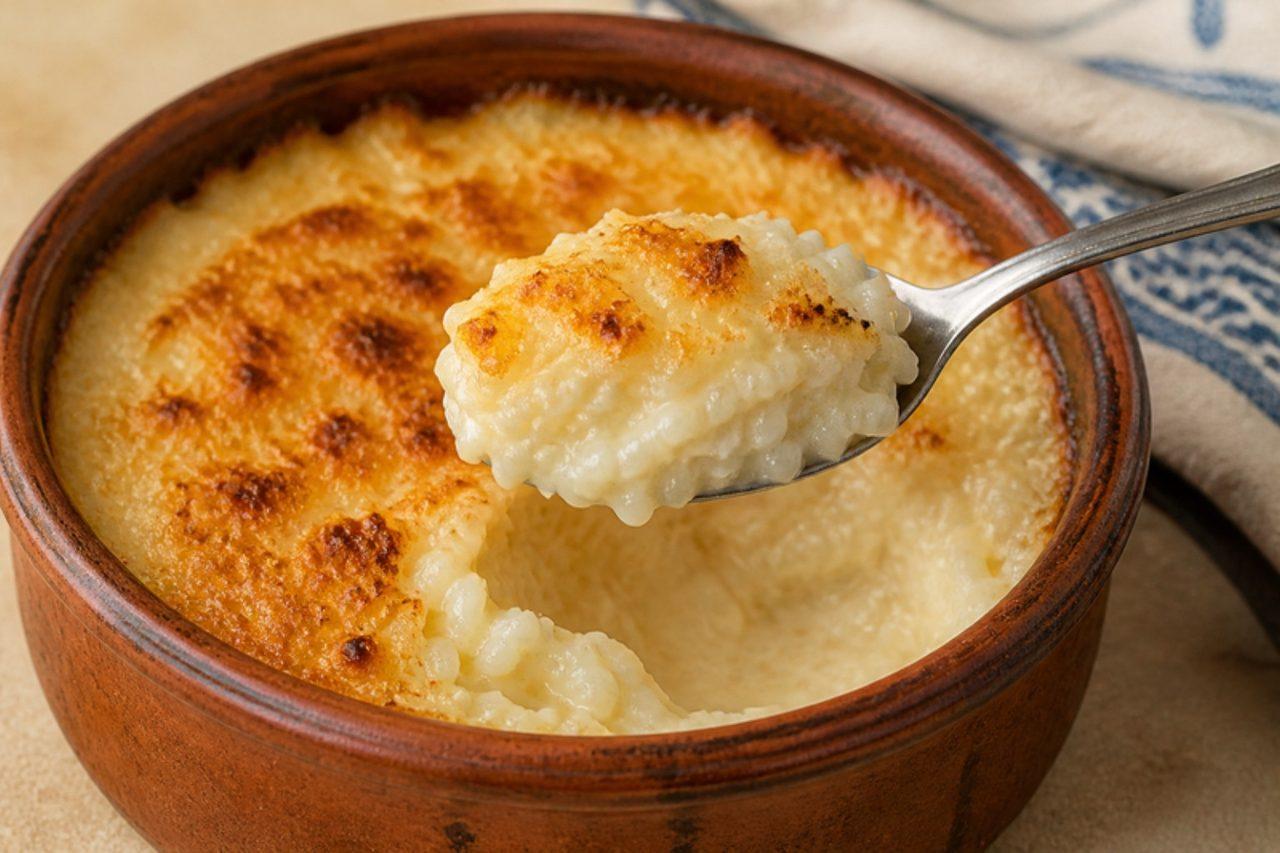
Creamy clay-pot baked rice

Village kitchens across the Nile Delta, from Menoufia to Sharqia, slide a clay pot of roz me'ammar into the bread oven for feasts, Fridays and Eid lunch. Short-grain rice bakes slowly in milk, cream and butter until it sets into a soft, rich block with a crisp, golden-brown crust on top that everyone fights over. In the Delta it usually comes with roast pigeon or duck; for a meat-free table it is just as good with a sharp salad, pickles and a dish of mish. Stirring it once it is in the oven is the mistake to avoid: it breaks the crust and makes the rice gluey. Chef's tip: use Egyptian or other round, short-grain rice; long-grain rice will not drink up the milk the same way.

Read more 0 views

What to eat today?

Around the world

Today's trip: Persian

A new country every day, from every cuisine on the site.

Persian

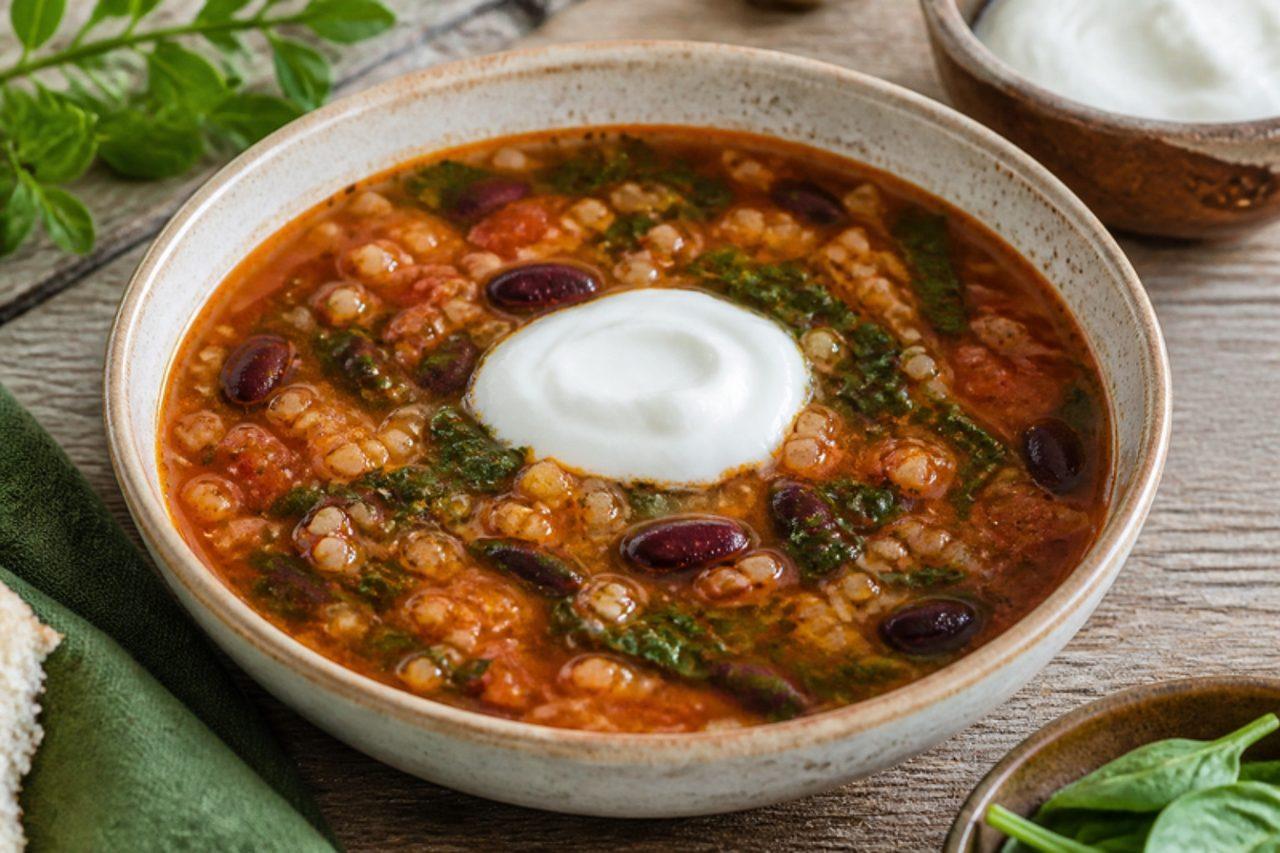
Ash-e doogh

Yogurt soup with rice and chickpeas 60 minMore from Persian (131) →

This week's collection

Kid-friendly dinners
537 recipes · a new collection every Monday

Latest recipes

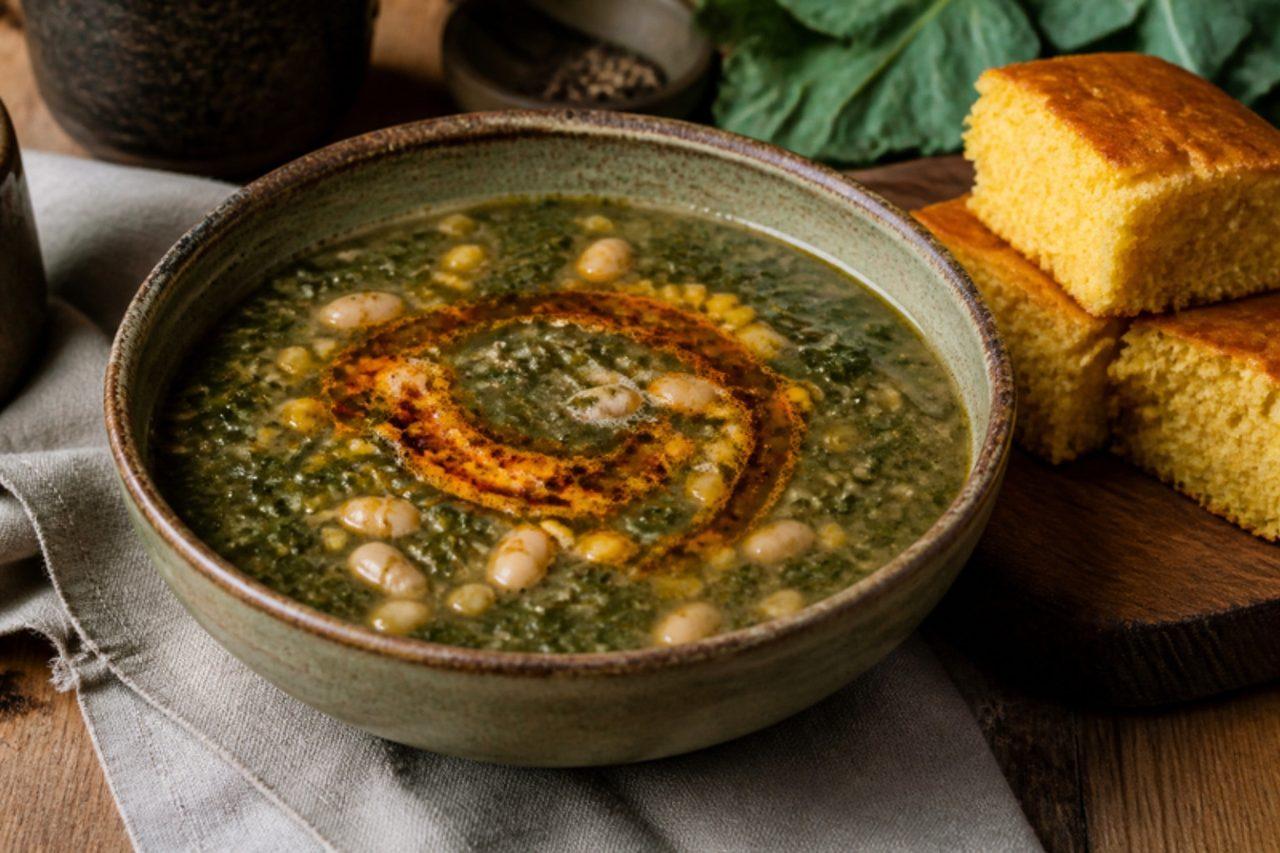
Karalahana çorbasıCollard greens and bean soup

Dark, ribbed karalahana is the cabbage of the eastern Black Sea, and in Trabzon and Rize winter kitchens it goes into a thick soup that is somewhere between a broth and a stew. Shredded leaves simmer with borlotti beans, onion and a spoon of pepper paste, then a handful of cornmeal is whisked in at the end to give the soup body and a gentle sweetness. It is served with cornbread, a wedge of onion and a few chilli pickles. Common mistake: leaving the tough central ribs in; they never soften and make the soup stringy. Chef's tip: the soup is noticeably better the next day, so make it ahead and loosen it with a little hot water when you reheat.

by KrazyBadal 0 views

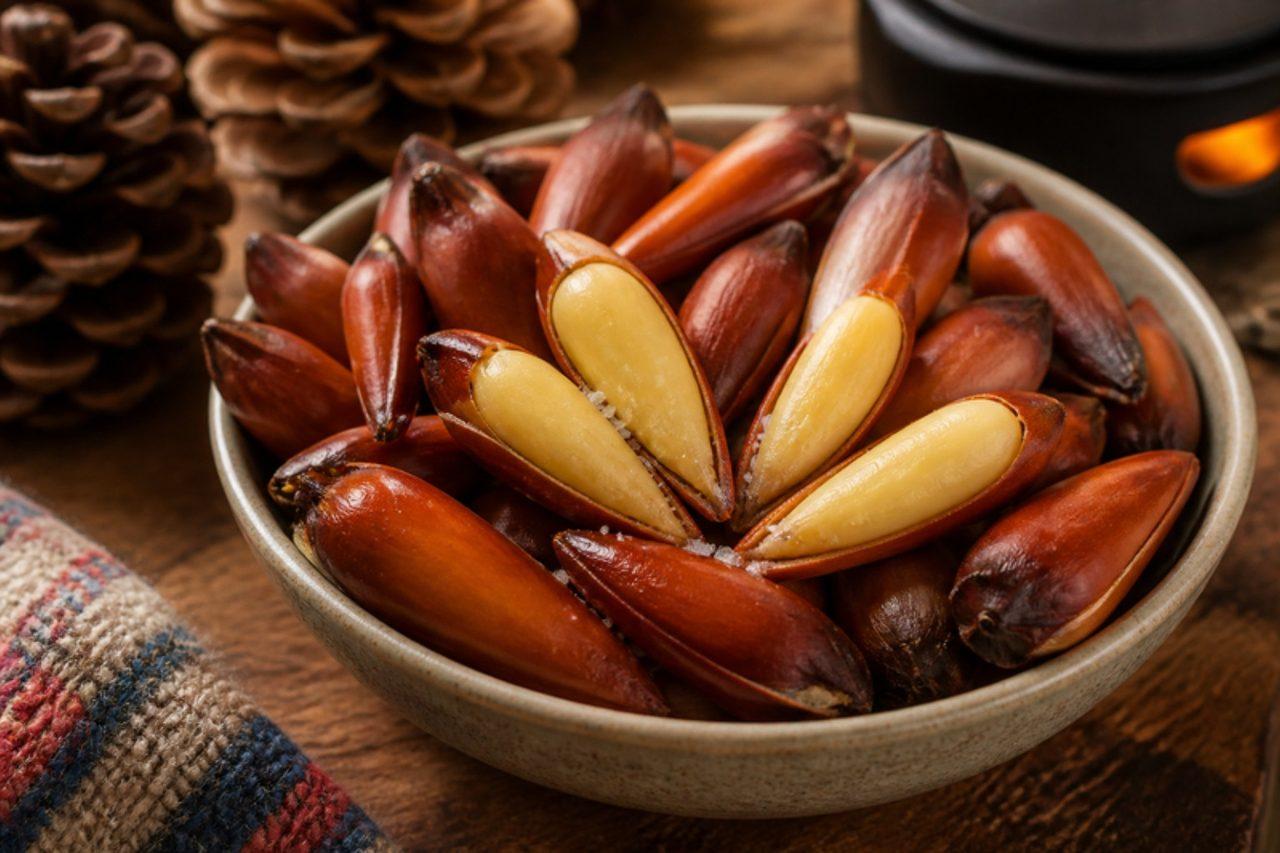
Pinhão cozidoBoiled pine nuts

When frost settles on the highlands of Paraná and Santa Catarina, every street fair and roadside stall in Curitiba, Lages and São Joaquim sells paper cones of hot pinhão. These are the seeds of the Araucaria pine, big as a thumb, with a leathery brown shell and a starchy, sweet centre that tastes somewhere between chestnut and boiled potato. Families boil a pot after supper and peel them around the wood stove, and the pinhão is also the star of the Festa do Pinhão in Lages each June. The season runs roughly April to July; outside the south, look for vacuum-packed or frozen pinhão in Brazilian shops, and if you cannot find any, fresh chestnuts cooked the same way are the closest stand-in. The common mistake is pulling them out too early: underdone pinhão is waxy, hard to peel and slightly bitter. Chef's tip: snip the pointed tip off each seed before boiling and the shell slips off in one piece once cooked.

by KrazyBadal 0 views

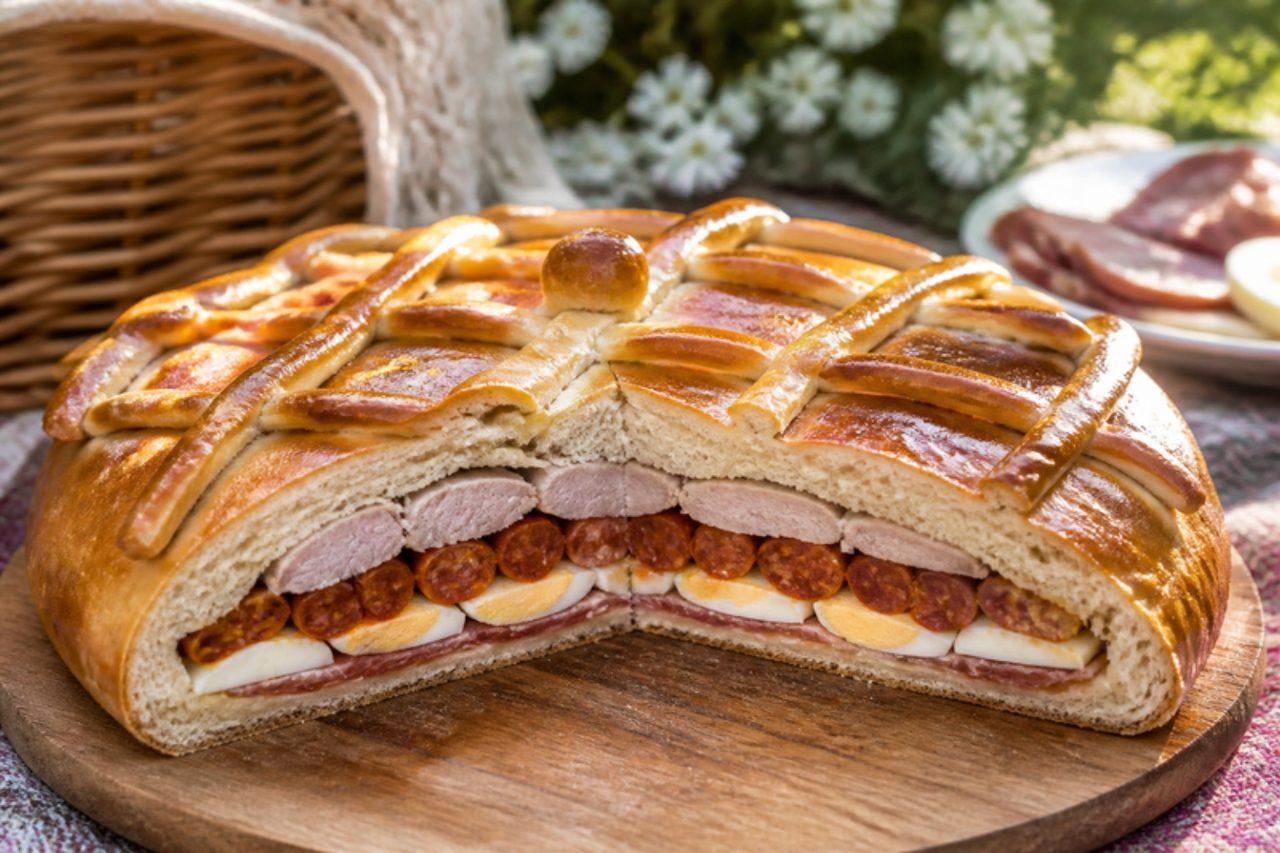
Hornazo de SalamancaPork, chorizo and egg pie

Salamanca's students and families picnic by the river Tormes on Lunes de Aguas, the Monday after Easter Monday, and the hornazo is what they unwrap: a golden pie with a bread-like crust, packed with layers of marinated pork loin, chorizo, cured ham and hard-boiled egg. It is eaten cold, in thick slices, and bakeries sell it all through spring. This contains pork (loin, chorizo and ham). The dough traditionally includes white wine; use water with a little lemon juice to keep it alcohol-free. Chef's tip: fry the loin slices first so they are cooked through before they go into the pie.

100 minSpanishMeat
by KrazyBadal 0 views

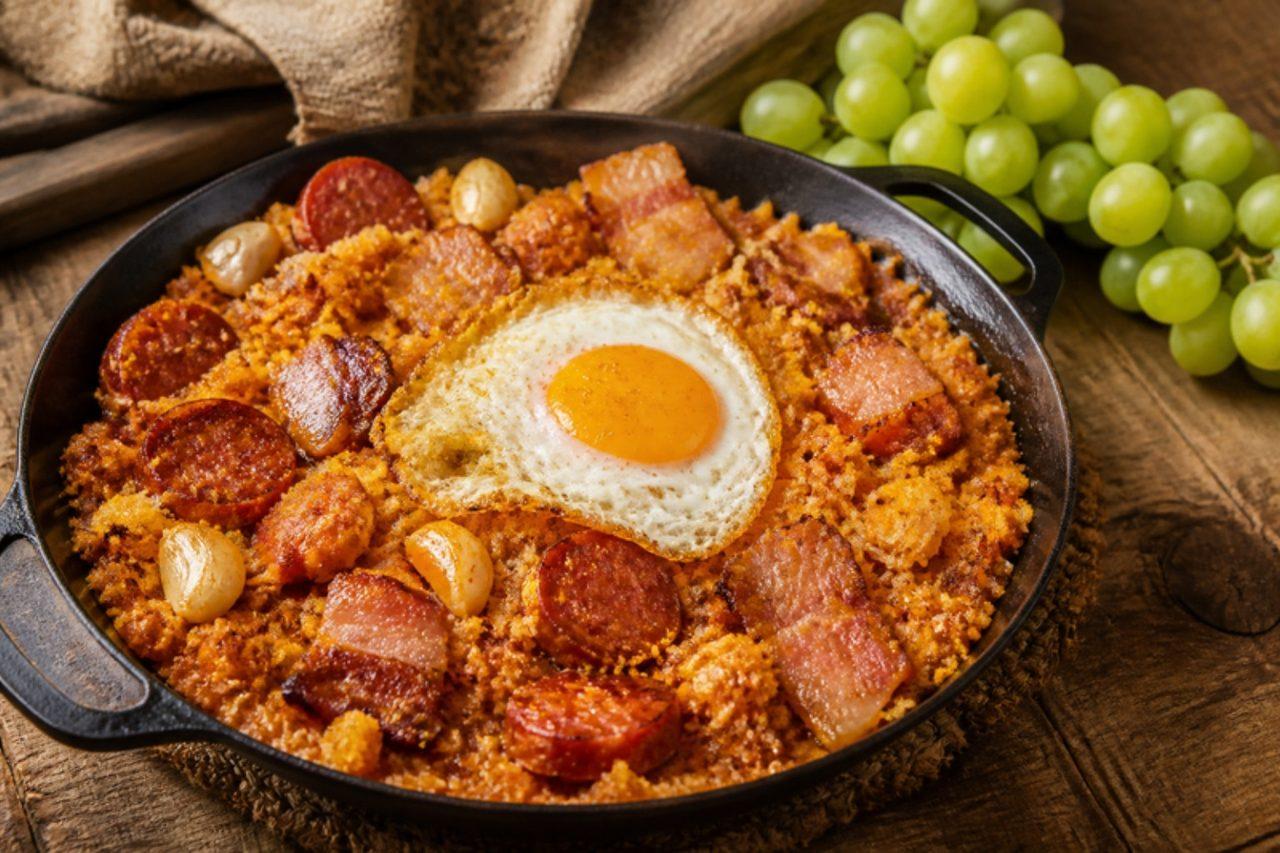
Migas a la aragonesaFried breadcrumbs with sausage and bacon

Shepherds in the Aragonese uplands made migas from yesterday's bread, a little water, garlic and whatever pork was hanging in the larder, and it is still a cold-weather breakfast, a hunters' lunch and a fiesta dish in villages from the Pyrenees to the Maestrazgo. Fried slowly in a wide pan, the dampened crumbs turn golden and crisp on the outside and stay soft inside, flecked with fried longaniza and bacon. Fresh green grapes or a fried egg on the side are the classic way to serve them. This contains pork (longaniza sausage and bacon). A common mistake is soaking the bread: sprinkle the water on and leave it overnight, or the migas turn to paste. Chef's tip: keep turning the crumbs with the edge of a spatula, chopping as you go; it is the long, patient stirring that makes them loose and crisp.

by KrazyBadal 0 views

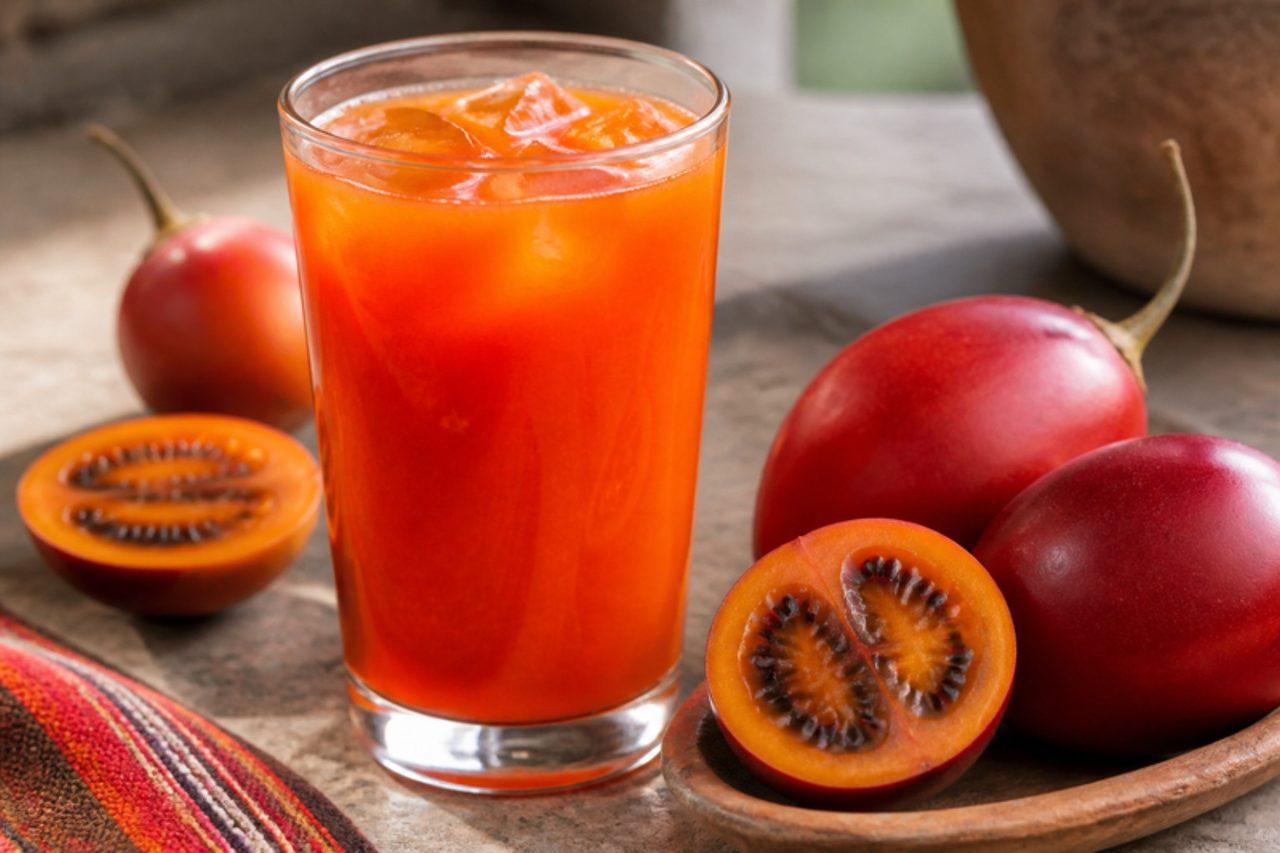
Jugo de tomate de árbolTamarillo juice

Tomate de árbol, the tree tomato or tamarillo, is everywhere in Andean Colombia: in market piles, in ají and above all in juice. Blended with water and sugar, it makes a tangy, deep orange drink with a flavour between passion fruit, tomato and apricot, and it turns up at lunch counters and family tables with almost every meal. Many people blend it with milk instead of water for a creamier glass; this version keeps it vegan. Blending the fruit with its skin is the most common misstep, as the peel is bitter and astringent; a quick blanch makes it slip off easily. Look for tamarillos in good greengrocers, or frozen pulp in Latin shops. Chef's tip: blend only briefly so you do not crush the small seeds, then strain; it stays bright and clean-tasting.

by KrazyBadal 0 views

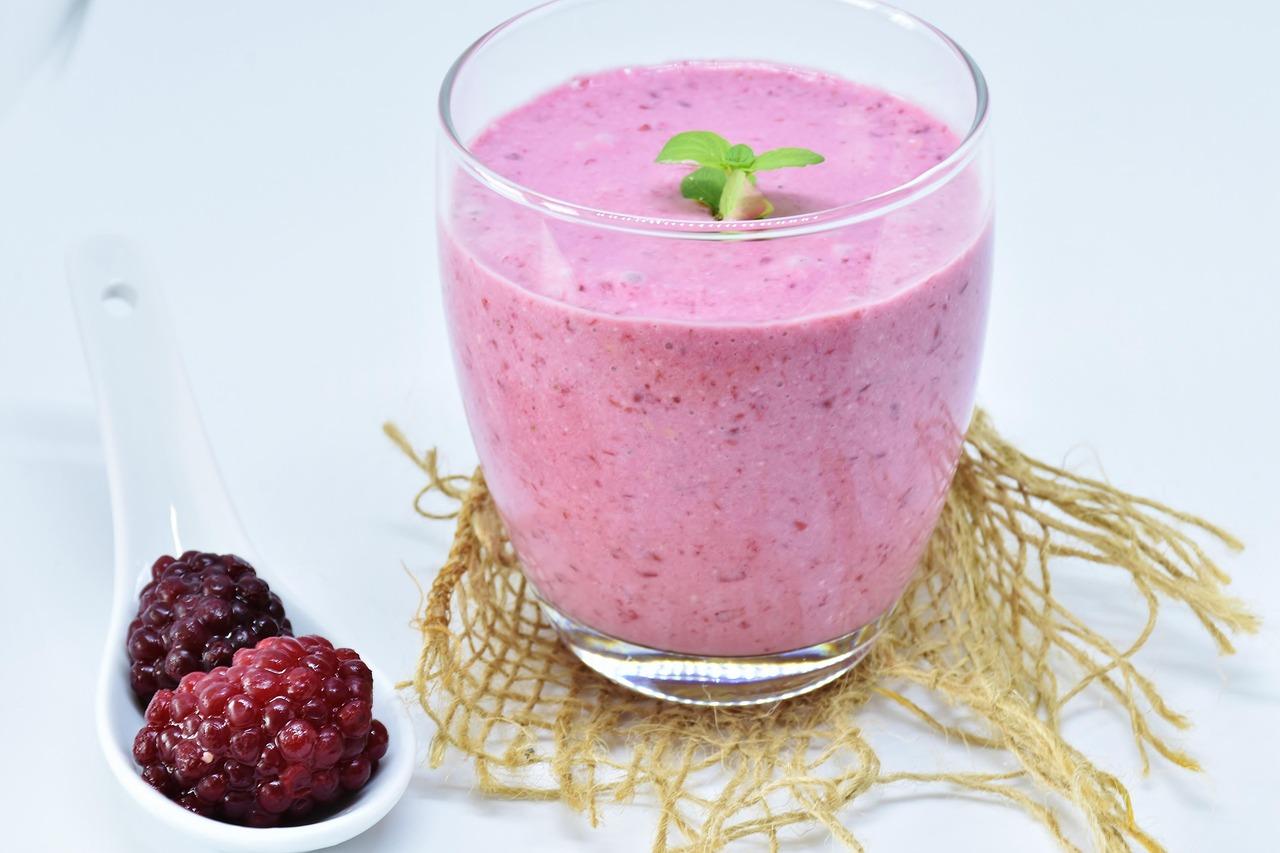
Jugo de moraBlackberry milk juice

Order a juice anywhere in Colombia and the waiter will ask: en agua o en leche? With mora, the tart Andean blackberry, the milk version is the treat: a thick, dusky-purple shake with a sour-sweet berry flavour, served with lunch at corrientazo restaurants and in tall glasses at bakeries. Mora de Castilla is longer and sharper than European blackberries and is sold frozen in Latin shops; ordinary blackberries with a squeeze of lime make a good stand-in. Straining is what makes it smooth, since the seeds are gritty. The mistake many people make is blending the berries with the milk and leaving it to stand: the fruit acid slowly curdles the milk, so blend the fruit with water first, strain, then add cold milk and serve straight away. Chef's tip: very cold milk and a few ice cubes keep the drink thick and frothy.

by KrazyBadal 0 views

Pionono de dulce de lecheDulce de leche sponge roll

Pionono is the flat, springy sponge sheet that Argentine supermarkets sell ready-made for party rolls; at home it takes 10 minutes to bake and makes a far lighter roll. The sweet version, filled with dulce de leche and softly whipped cream, is a birthday and Sunday-tea classic in Buenos Aires and Córdoba, cut into spirals that show off the swirl. Savoury piononos rolled around ham, cheese, tomato and mayonnaise are just as common at parties; this one is the sweet, vegetarian kind. The sponge is a fatless, egg-rich batter that relies on air, so whisk the eggs until they hold a trail for several seconds. Most cracked rolls come from letting the sponge cool flat before rolling. Chef's tip: turn the hot sponge out onto a clean tea towel dusted with sugar, peel off the paper and roll it up in the towel while warm, then unroll to fill once cool; it remembers the shape and doesn't split.

by KrazyBadal 0 views

Piononos de Santa FeSponge rolls with toasted cream

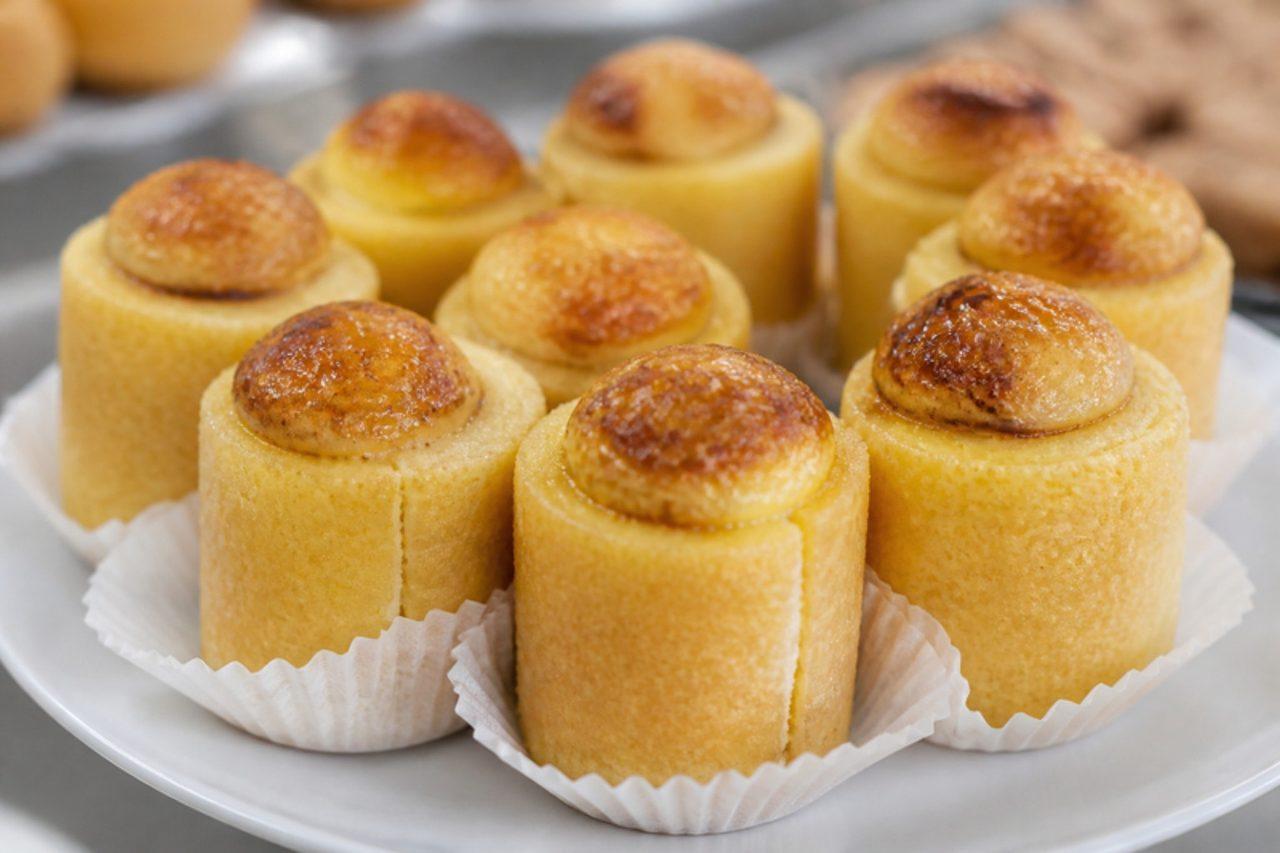
The pionono was invented in Santa Fe, on the plain outside Granada, in the late nineteenth century by a local pastry maker who named it after Pope Pius IX, Pío Nono in Spanish. The town still sells them by the dozen from its bakeries, and granadinos carry boxes home for Sunday coffee. Each one is a little standing roll of thin sponge soaked in cinnamon syrup, filled with custard and capped with a dome of custard burnt under a hot iron or torch. Chef's tip: roll the sponge while it is still warm and pliable; once cool it cracks instead of curling.

by KrazyBadal 0 views

Piperies Florinis gemistesFeta-stuffed roasted peppers

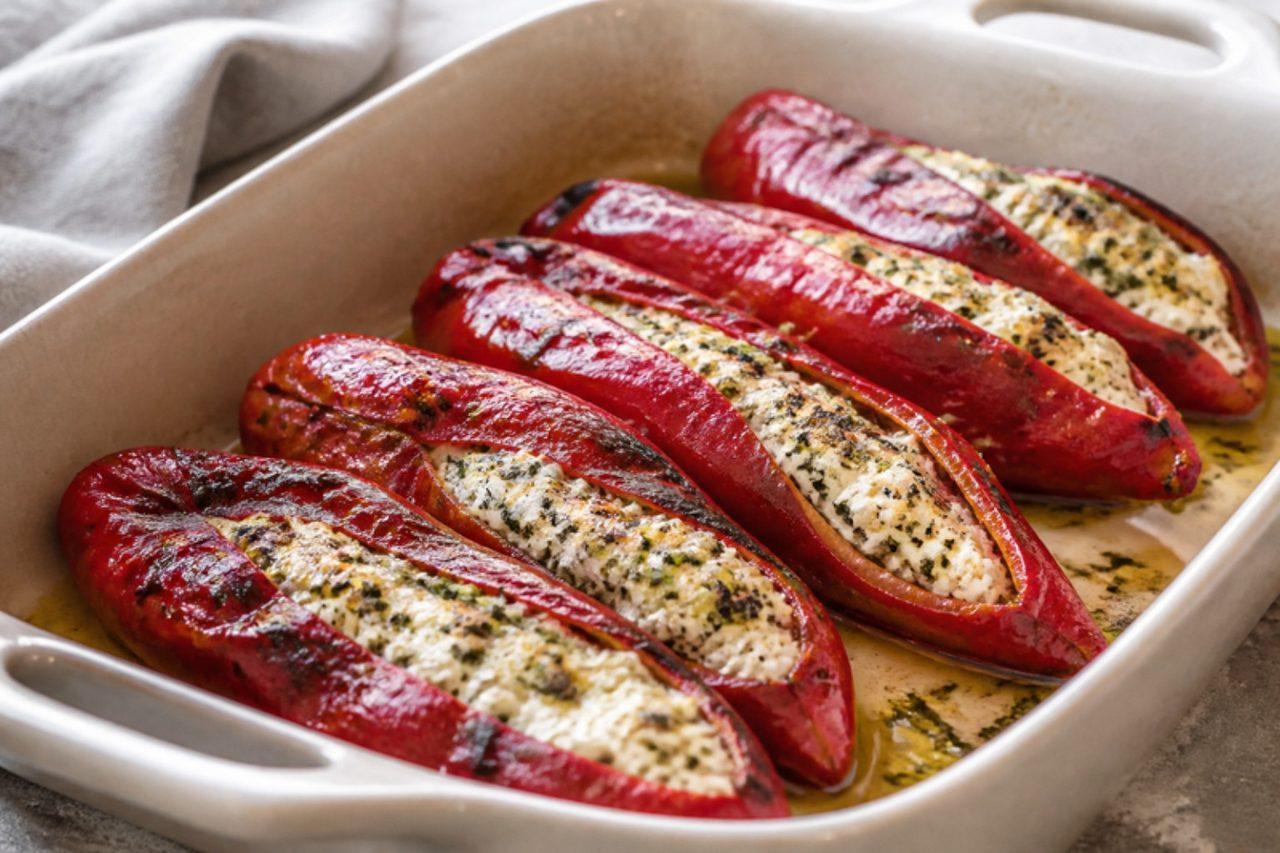
Every autumn the long crimson peppers of Florina, near the borders of north-west Macedonia, are roasted over wood in courtyards and either jarred for winter or stuffed and eaten straight away. Here they are charred, peeled and filled with soft feta beaten with herbs and a little chilli, then baked until the cheese just begins to melt. They're a meze for the ouzeri table, with bread for the juices, or a light supper with a salad. Feta is traditionally made with animal rennet, so pick a vegetarian feta-style cheese if that matters. Common mistake: tearing the peppers while peeling — let them steam under a lid first and the skins slip right off. Chef's tip: keep the stalks on; they hold the peppers together and make them easy to lift.

by KrazyBadal 0 views

PiperradaPeppers and tomato with eggs

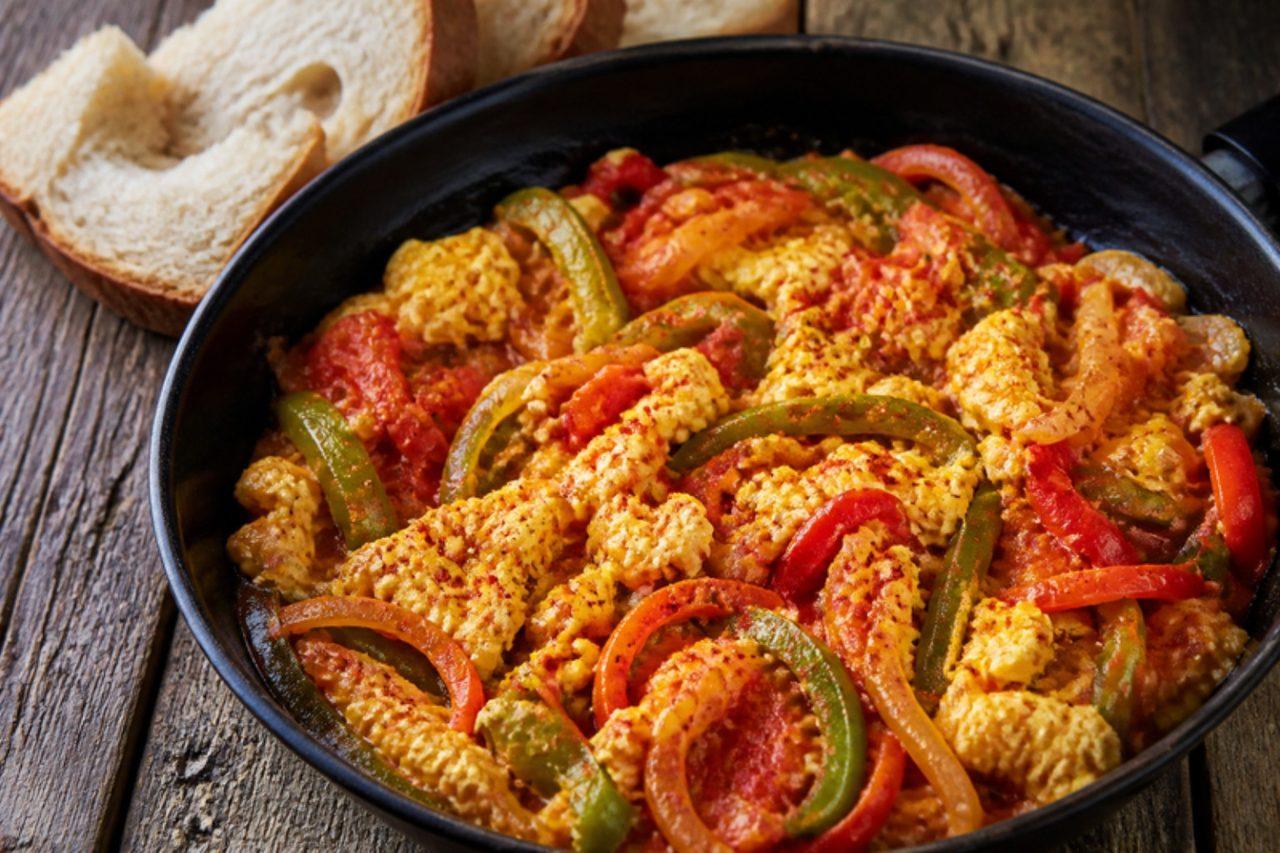
Piperrada belongs to late summer on both sides of the Pyrenees, when the market stalls of Bayonne, Gernika and Pamplona are piled with green and red peppers. The vegetables are stewed slowly in olive oil until sweet and jammy, and in many Basque homes beaten eggs are stirred in at the end for a light supper. It is often served with cured ham alongside; this version is vegetarian. A common mistake is rushing the peppers over a high heat: they should collapse slowly, or the dish tastes raw and sharp. Chef's tip: take the pan off the heat while the eggs still look slightly wet, because they keep cooking on the way to the table.

by KrazyBadal 0 views

Pipirrana jaeneraTomato pepper salad with egg yolk

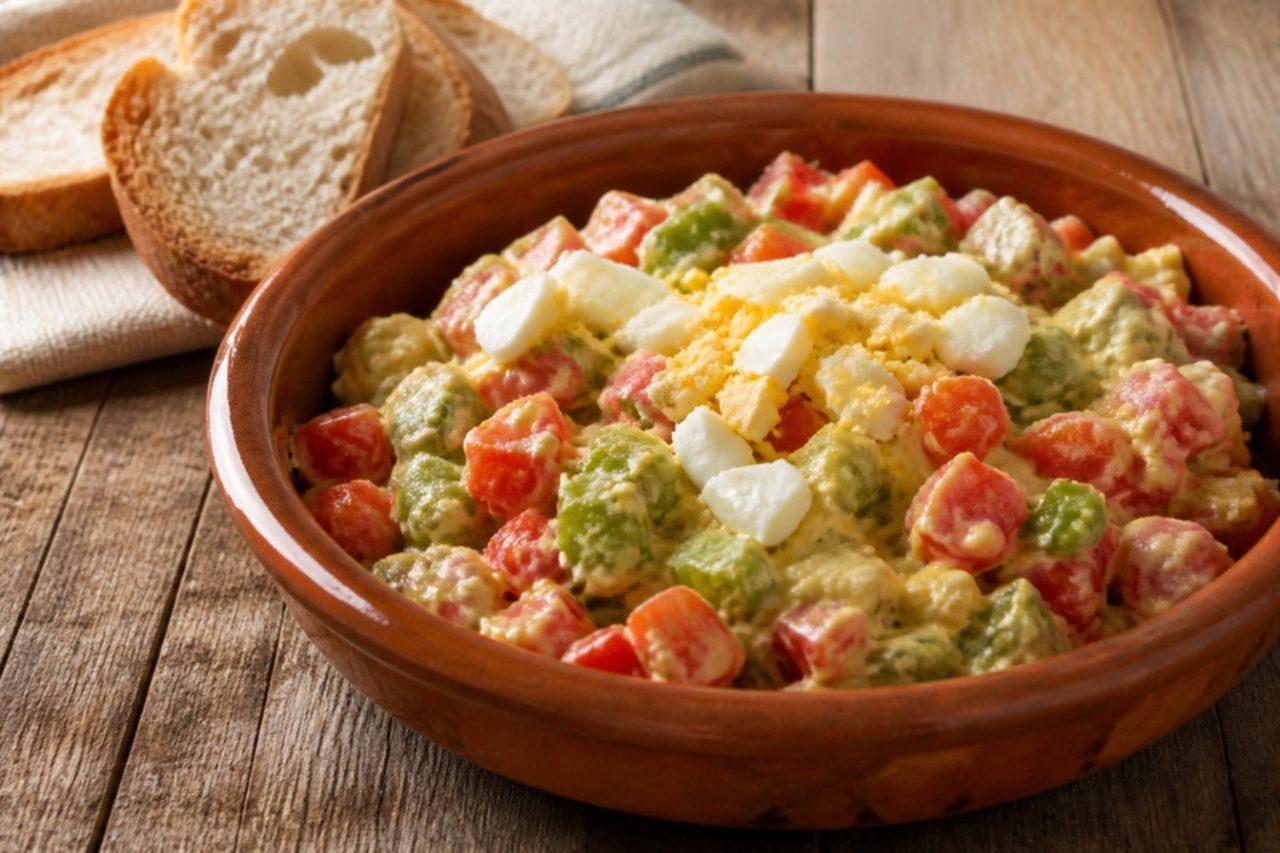
Olive pickers in the province of Jaén used to carry the makings of pipirrana into the groves, and in the city it is still the salad people set out on a hot July evening, with bread for the juices. What sets the Jaén version apart is the dressing: garlic, salt and boiled egg yolk are pounded together, then loosened with the province's own peppery oil until it turns creamy. Some cooks add tinned tuna; this one stays vegetarian. The usual mistake is chopping the vegetables in large chunks; everything should be cut small enough to fit a fork. Chef's tip: peel the tomatoes before dicing, so the dressing clings to soft flesh instead of slipping off tough skin.

by KrazyBadal 0 views

Pipoca doceCaramelised popcorn

Pink, sticky and crunchy, sweet popcorn is the smell of a São João fairground and of the pipoqueiro carts outside schools and squares all year. The popcorn pops directly in a sugar syrup, so every kernel gets a thin, glassy, crackly shell; a few drops of red colouring turn it the classic festival pink. It takes about 10 minutes, so it is a favourite to make with kids watching from a safe distance. Use a plant-based red colouring if you want it vegan, as some red colourings are made from insects. Many cooks add too much colouring or sugar, which makes a sticky clump that never goes crisp. Chef's tip: shake the pan constantly once the popping slows, then tip it out immediately onto a tray and separate the kernels with two forks while still hot.

by KrazyBadal 0 views

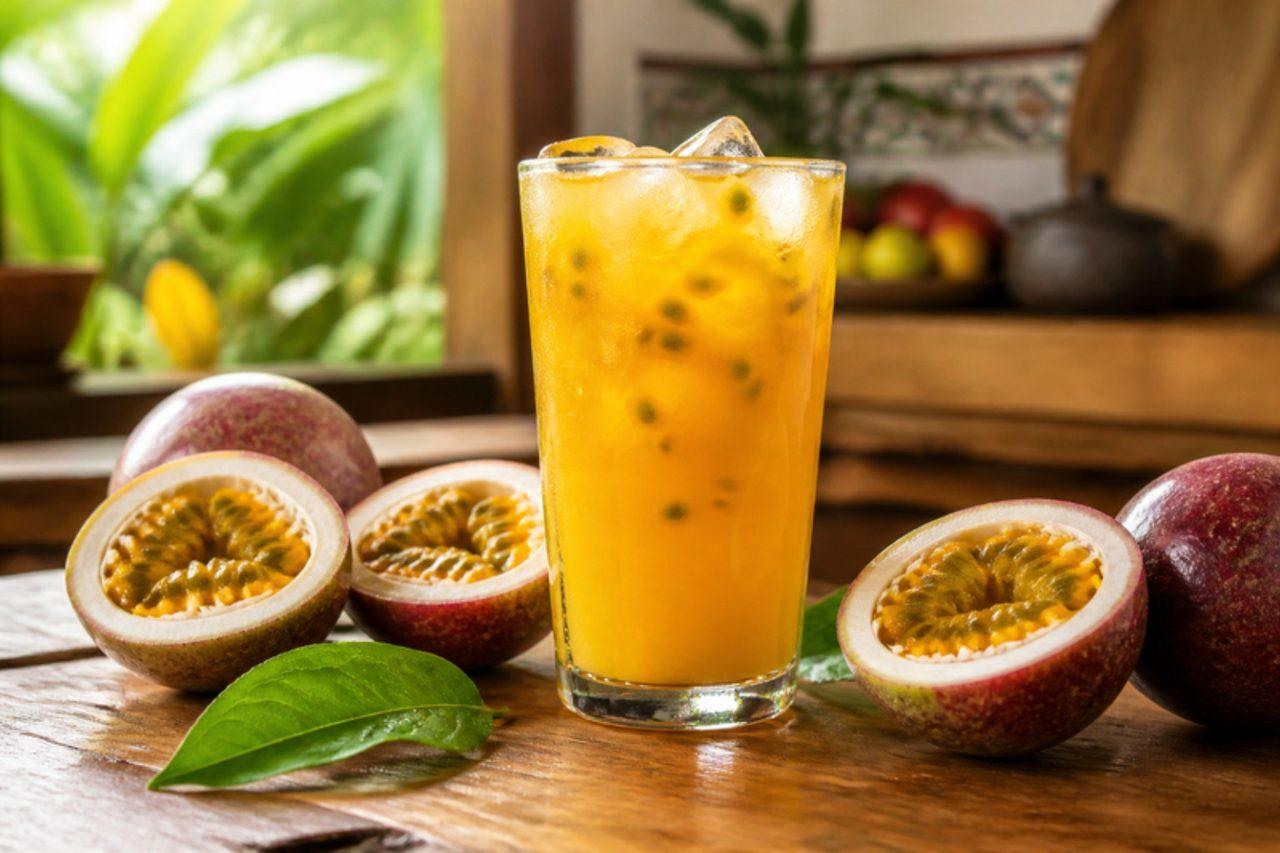
Jugo de maracuyáPassion fruit juice

Passion fruit grows easily in the warm valleys of Colombia, and maracuyá juice is the default glass at many lunch tables, from Huila to the coast. It is intensely aromatic and sharp, so it needs plenty of water and sugar, and it is served over ice; a milk version is made too, but the water one is the more refreshing. Street juice stands blend it fresh all day, and it pairs especially well with fried fish, rice and patacones, or any spicy dish. People tend to over-blend it, crushing the black seeds into gritty, bitter bits; just pulse until the pulp lets go of the seeds, then strain. Frozen passion fruit pulp from Latin shops is a good, cheaper option and needs no straining. Chef's tip: scoop the pulp from wrinkled, heavy fruit; the more wrinkled the skin, the sweeter and more fragrant the fruit inside.

by KrazyBadal 0 views

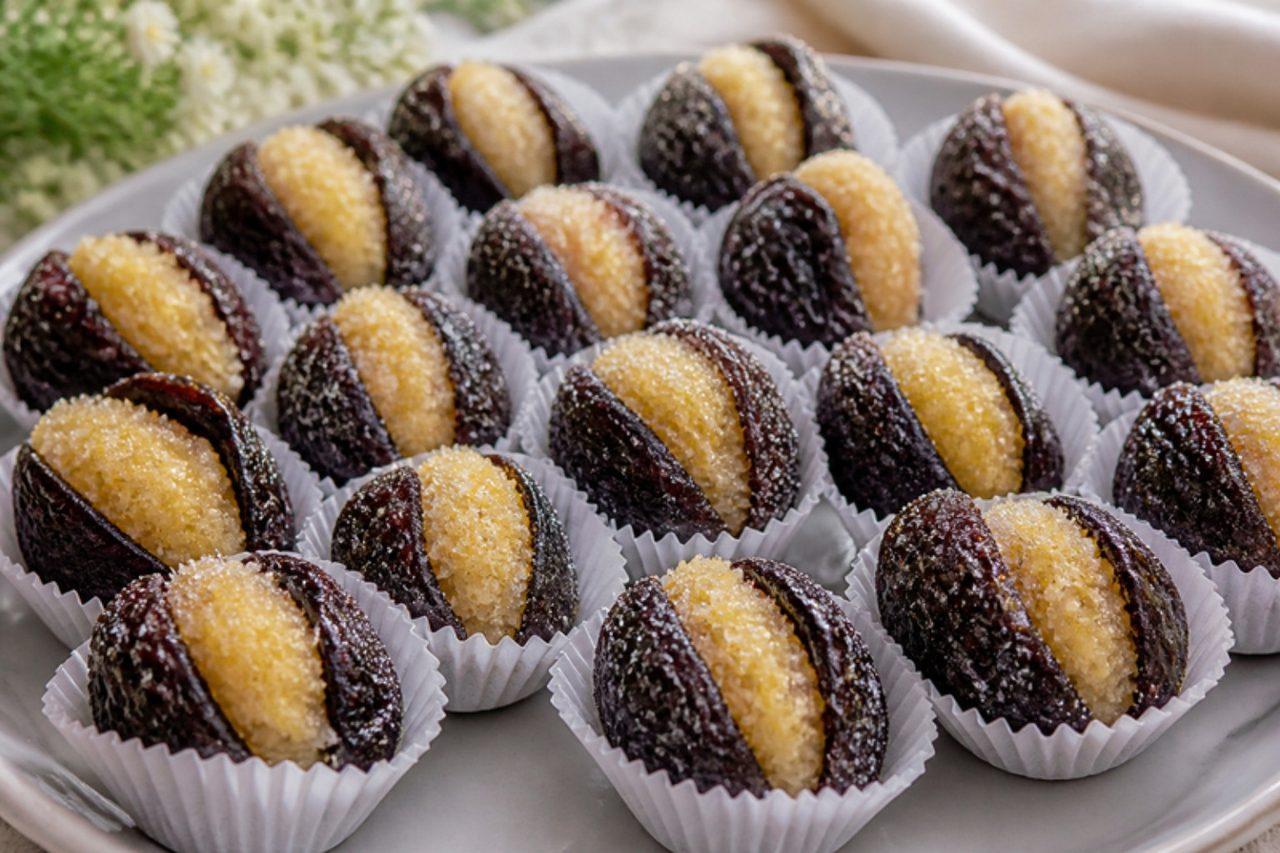
Olho de sograCoconut-stuffed prunes

The 'mother-in-law's eye' is a slightly teasing party sweet from the docinhos tradition of weddings and birthdays: a prune slit open and filled with a pale coconut fudge, so it looks like a dark eyelid around a white eye. It shows up on Brazilian sweet tables from Rio to Porto Alegre, often finished with a single clove for the pupil and rolled in crystal sugar. Chewy, sticky prune against creamy, coconutty filling makes it less cloying than many docinhos. Older recipes add egg yolks to the filling; this one is egg free. Stuffing them while the filling is still warm is a frequent mistake; it smears and the shape is lost. Chef's tip: choose large, soft pitted prunes and open them like a book with a small knife, without cutting all the way through.

by KrazyBadal 0 views

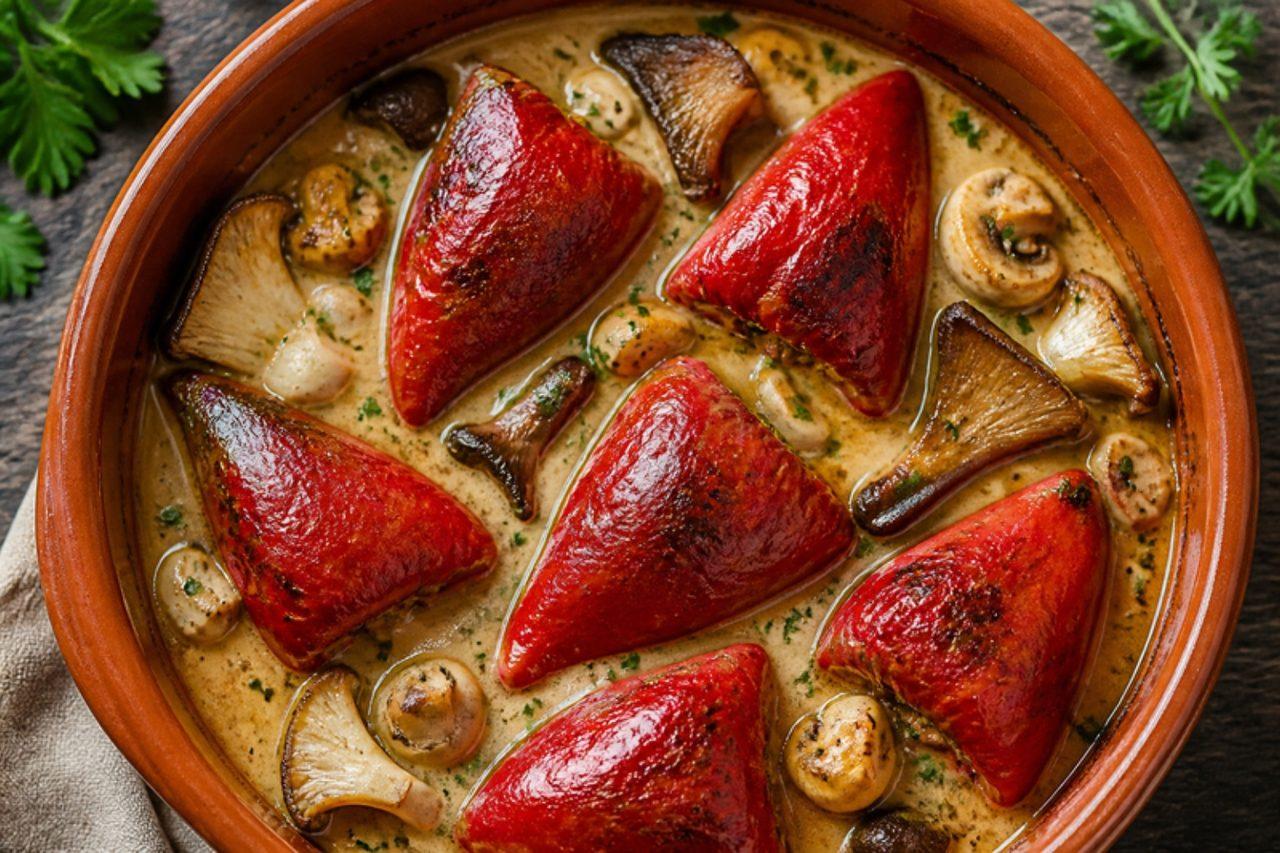
Piquillos rellenos de setasPeppers stuffed with mushrooms

Lodosa, on the Ebro in southern Navarre, roasts its little pointed piquillo peppers over wood, peels them by hand and jars them under its own protected name. When the autumn rains bring mushrooms up in the Navarrese hills, the peppers get stuffed with a thick mushroom béchamel, coated and fried, and served as a starter at family lunches or as a pintxo in the old town of Pamplona. A smooth sauce made from a few extra peppers goes underneath. Chef's tip: chill the filling until it is firm enough to scoop, which makes filling the soft peppers far easier.

by KrazyBadal 0 views

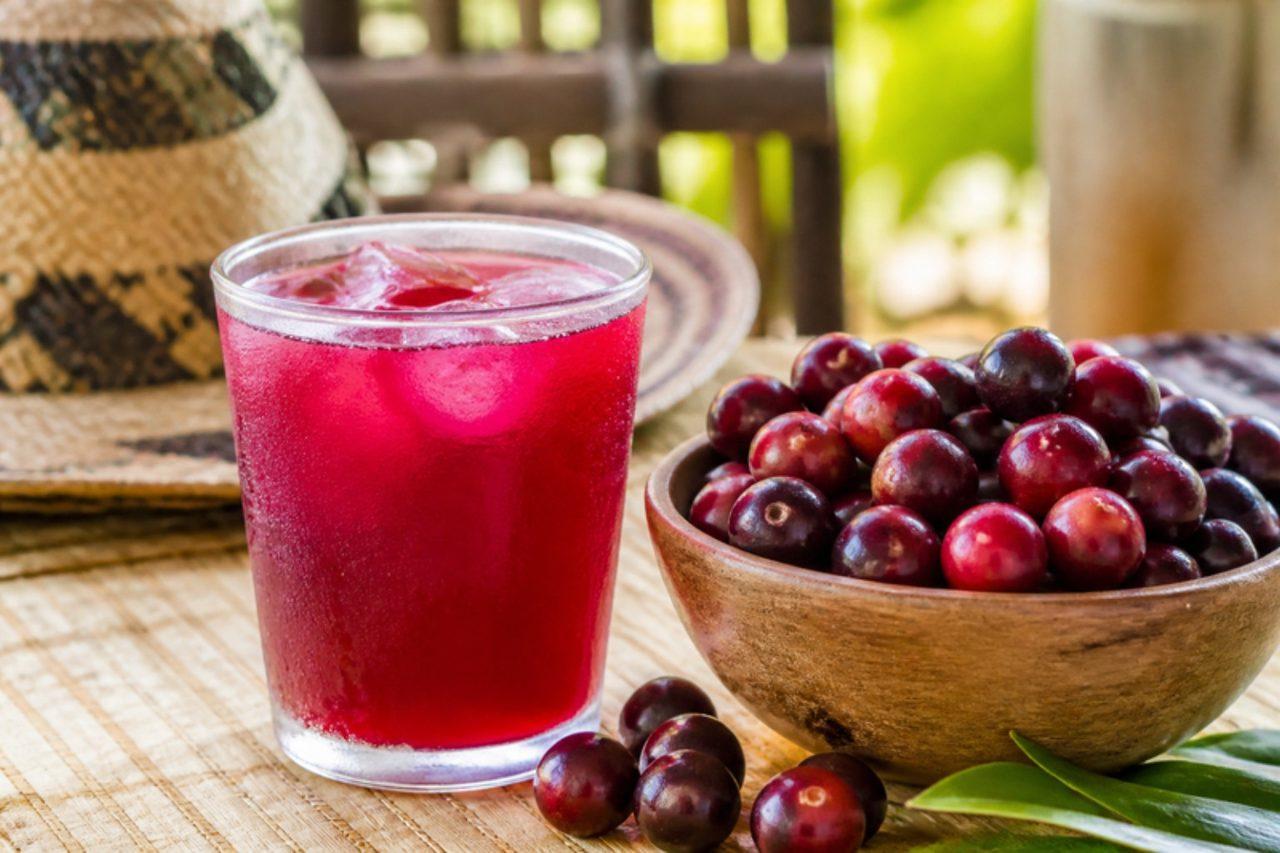
Jugo de corozoCorozo palm fruit juice

Corozo is a tiny, glossy red-black palm fruit that grows wild across Colombia's Caribbean lowlands, and in Sincelejo, Montería and Cartagena it is boiled into a deep wine-red juice that is tart, slightly bitter and very refreshing. It is sold in bags from street coolers and served with lunch at home, especially in the dry season when the fruit is plentiful. The fruit is mostly stone and skin, so it is boiled to release the colour and flavour, then mashed and strained. Blending the whole fruit is the trap here: the hard stones can break a blender and add bitterness, so only mash them. Frozen corozo pulp is sold in some Latin shops; there is no true substitute, but tart cherry juice with a squeeze of lime gives a similar colour and sourness. Chef's tip: dissolve the sugar while the juice is still warm, then chill well; it tastes sharper and brighter cold.

by KrazyBadal 0 views

OliaiguaOnion, pepper and tomato soup

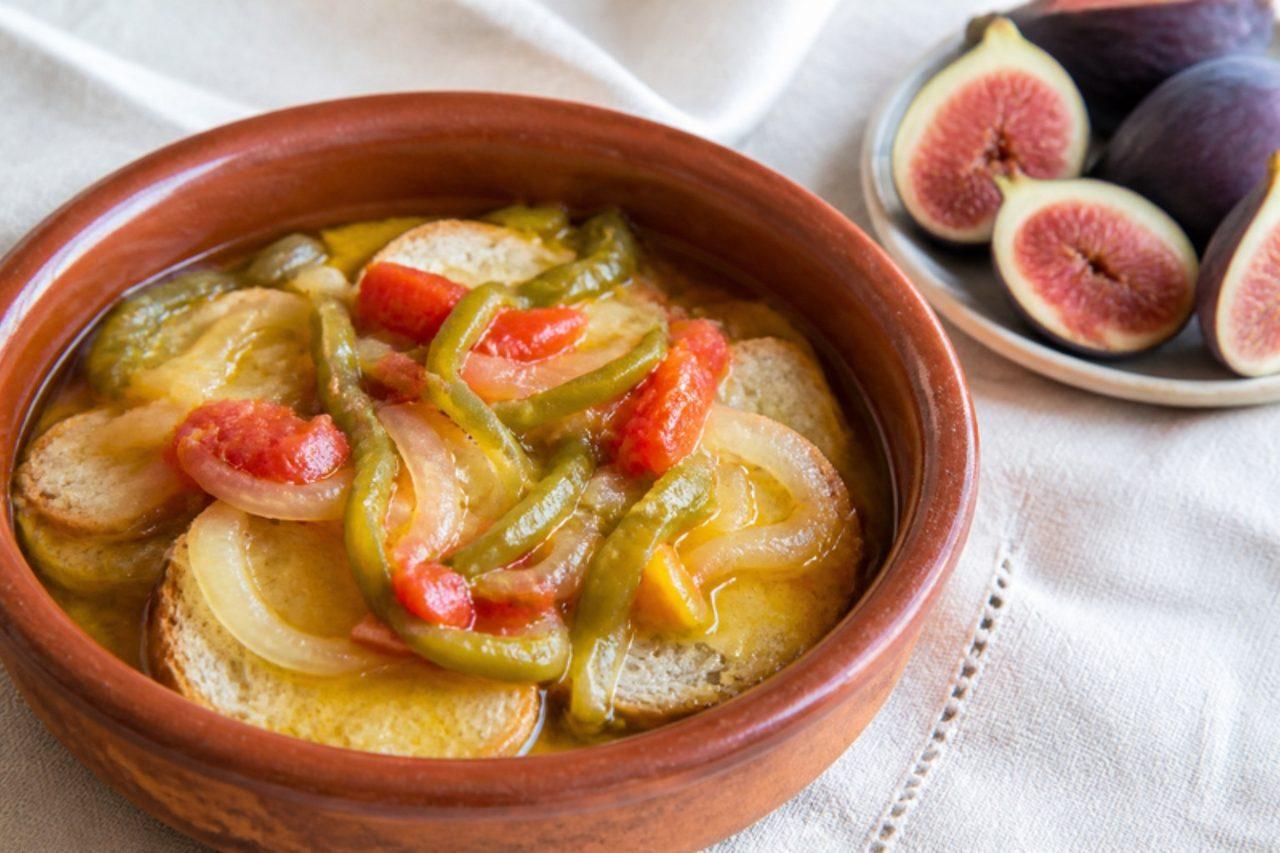
The name is simply oli i aigua, oil and water, and that is how Menorcan farm workers started it: a pan of olive oil, a little water and whatever the vegetable patch offered, poured over slices of hard bread. Today oliaigua amb tomàtigues is a July and August supper all over the island, from Ciutadella to Maó, slow-cooked onion, green pepper and ripe tomato in a light broth. Menorcans eat it with fresh figs or grapes on the side, which sounds odd and works beautifully. Chef's tip: the bread must be stale and sliced paper-thin, so it softens in the broth without dissolving into paste.

by KrazyBadal 0 views

Pirarucu de casacaLayered dried fish, farofa and plantain

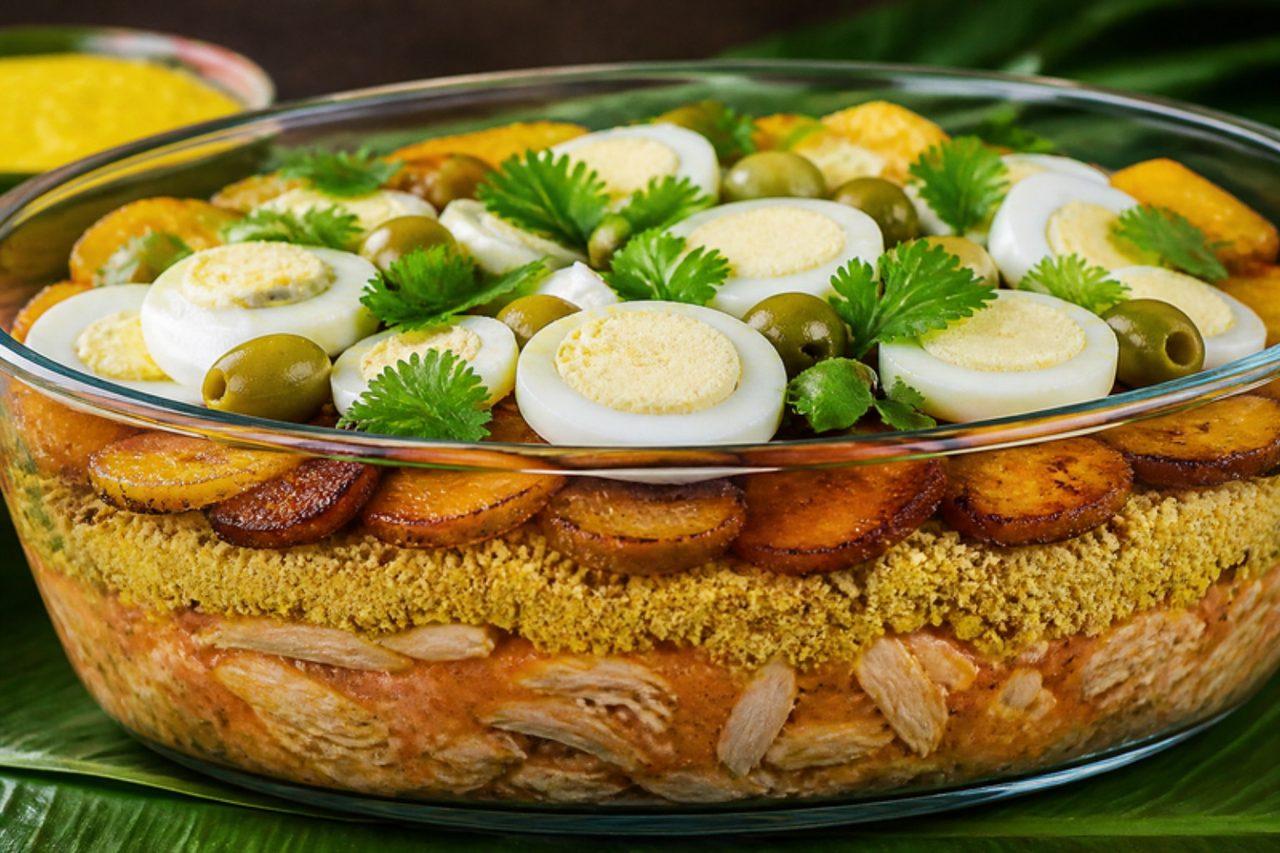
A party dish from Manaus and the Amazonas interior, pirarucu de casaca (pirarucu in a coat) is built in a big dish for birthdays and Christmas: a bed of buttery-looking farofa, a layer of shredded salt pirarucu cooked with tomato and coconut milk, golden slices of fried plantain, more farofa, and a scattering of raisins, olives, egg and herbs. Each spoonful is salty, sweet and crunchy at once. Pirarucu, the giant Amazon fish, is sold salted and dried like cod; salt cod is the easy substitute. Allow 24 hours to soak the fish in the fridge. A common slip-up is under-soaking, which makes the dish too salty to eat; taste a flake before you cook. Chef's tip: use very ripe, black-skinned plantain, fried slowly, so it caramelises and balances the salt of the fish.

by KrazyBadal 0 views

Mazorca desgranadaSweetcorn with chicken and cheese

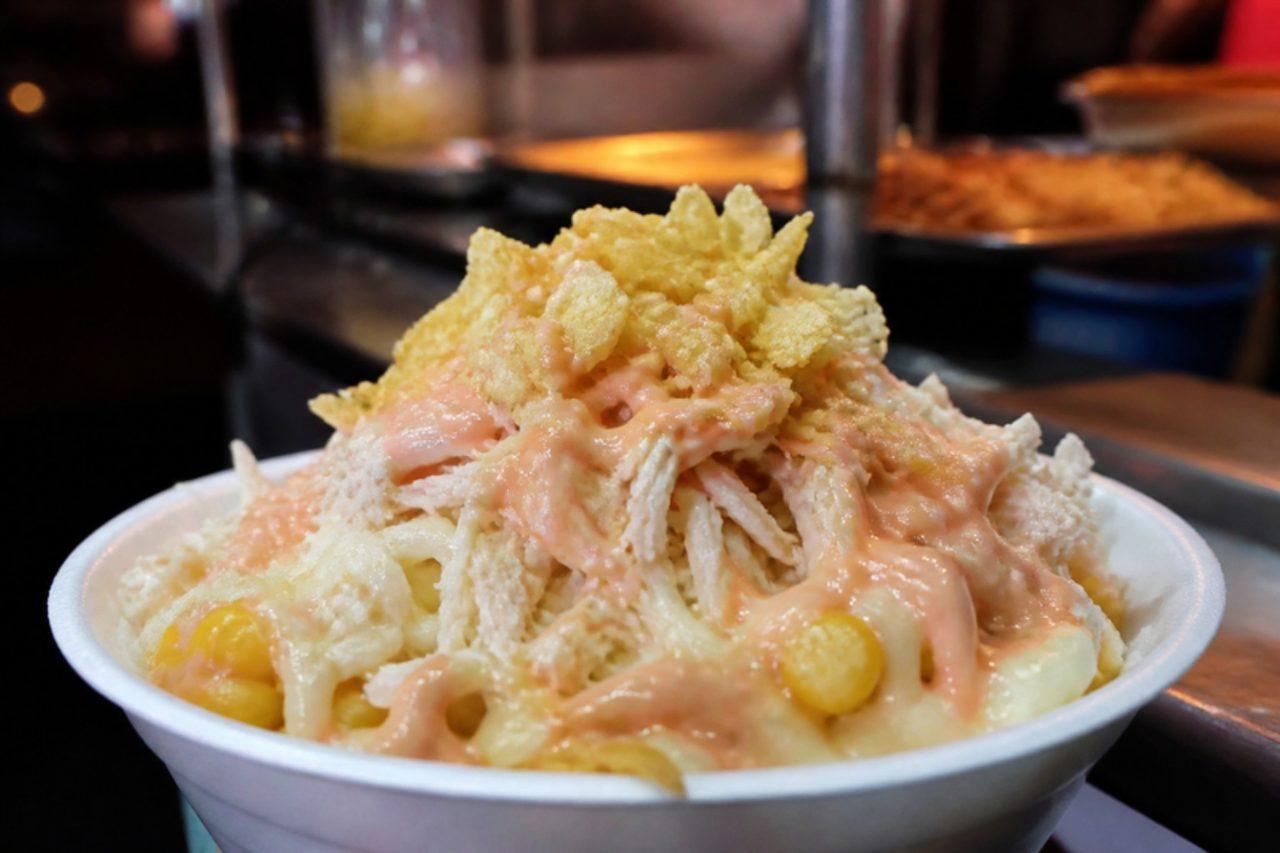
Food trucks and street corners in Bogotá and Medellín sell mazorca desgranada in plastic tubs, late into the evening: sweet corn kernels cut off the cob, fried in butter and layered with shredded chicken, melted cheese, crunchy potato sticks, pineapple sauce and salsa rosada. Some stands add bacon, beef or quail eggs; this version keeps to chicken. It is sweet, salty and gooey, and a hit with teenagers. Using tinned corn without draining it well is a common error: the water dilutes the sauces and the tub gets soggy. Chef's tip: fry the corn until a few kernels brown and pop; that caramelised edge stands up to all the sweet sauces. For a vegetarian tub, skip the chicken and use a cheese made with microbial rennet.

by KrazyBadal 0 views

Olive all'ascolanaStuffed fried olives

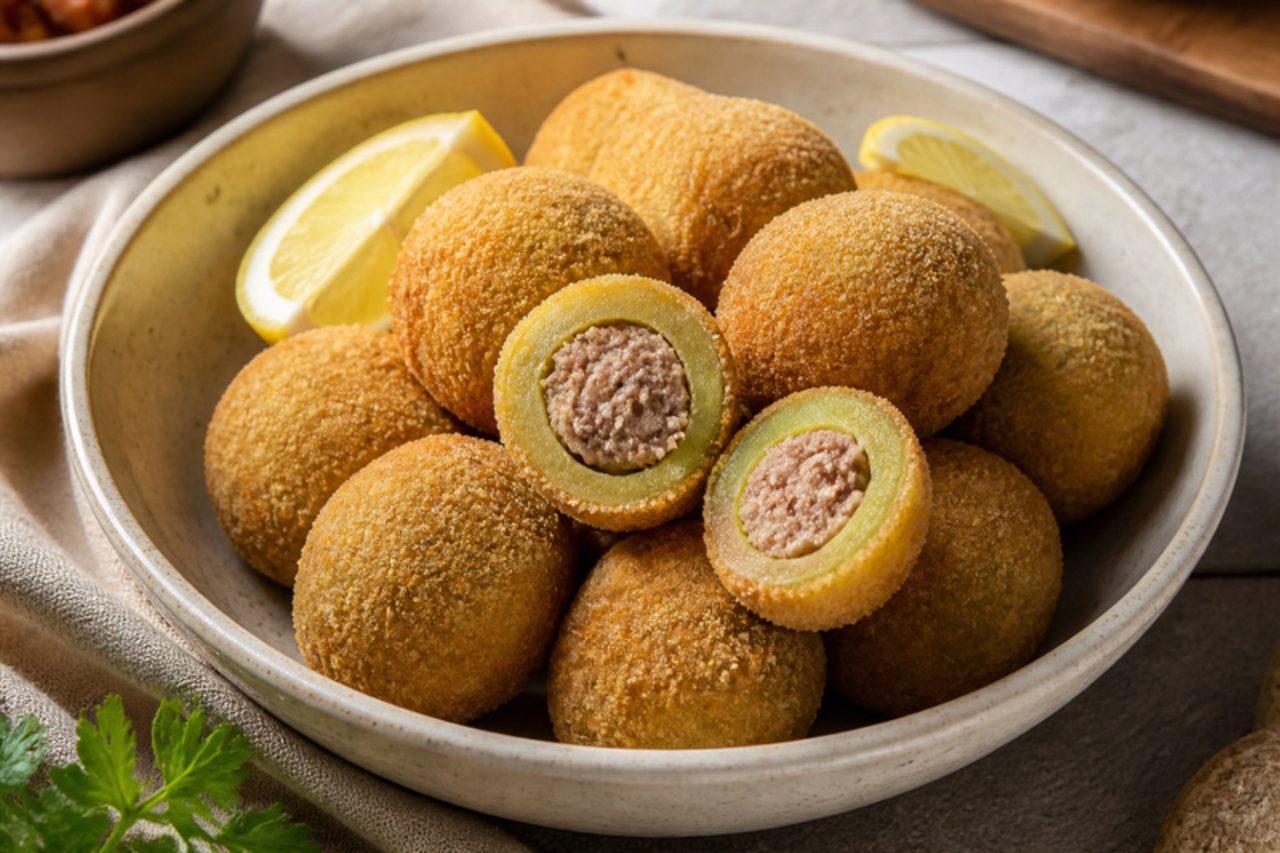
Olive all'ascolana are the pride of Ascoli Piceno in the Marche, sold in paper cones at street fairs and piled on platters of fritto misto at every celebration in the region. Large, mild green olives are cut from their stones in a spiral, wrapped around a filling of pork, beef and chicken cooked with soffritto and a splash of white wine, then breaded and fried until crunchy. The real Ascolana tenera olive is hard to find outside Italy, so any large, mild green olive in brine is a practical substitute. The filling uses white wine, and the note gives an alcohol-free option. Serve hot, with lemon wedges and other fried titbits or a glass of something cold. Chef's tip: rinse and soak the olives before stuffing them; if they are too salty they overwhelm the delicate meat filling.

by KrazyBadal 0 views

Pirpirim çorbasıPurslane, bean and bulgur soup

Purslane grows wild between the tea rows and maize fields of Giresun and Ordu, and in high summer it ends up in pirpirim çorbası, a lemony, slightly tangy soup thickened with cracked wheat and soft white beans. Families make it in big pots on hot days because it is just as good served lukewarm as piping hot. The fleshy leaves turn silky, the bulgur gives a gentle chew and a spoon of yoghurt on top makes it a full lunch. Common mistake: adding the purslane too early so it turns slimy and grey; it needs only 10 minutes. Chef's tip: keep a few raw sprigs back and stir them in at the end for crunch and a fresh green colour.

by KrazyBadal 0 views

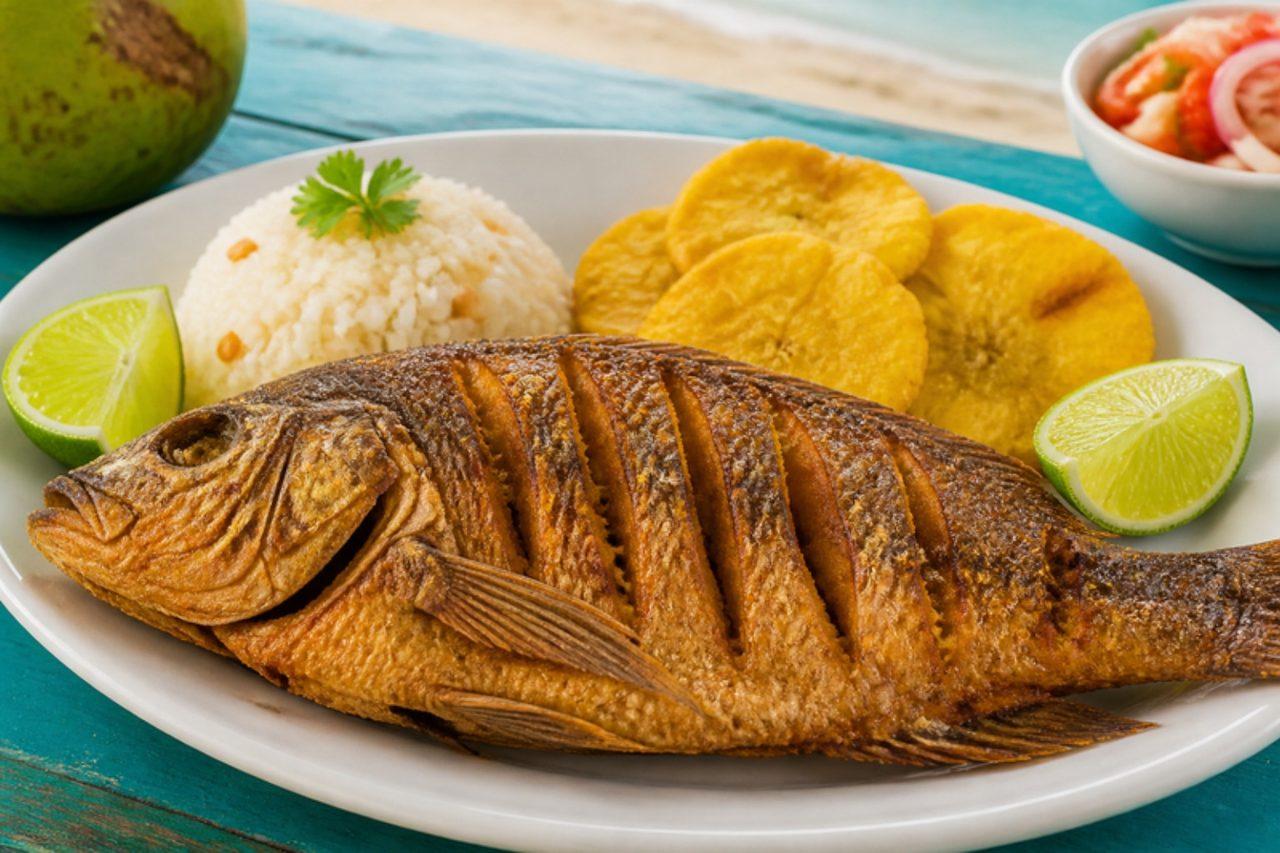
Mojarra fritaFried whole tilapia

On the beaches of Bocagrande and in the open-air kitchens of La Boquilla outside Cartagena, the lunch plate is a whole mojarra (tilapia) fried until its fins crackle, served with coconut rice, smashed green plantain patacones and a tomato and onion salad with lime. The skin goes shatteringly crisp, the flesh stays sweet and moist, and you eat it with your fingers, pulling meat off the bone. Scoring the sides lets the heat and seasoning reach the thick part near the spine. The mistake to avoid is putting a wet fish into the oil, which spits dangerously and leaves the skin soggy: pat it very dry and dust it lightly. Chef's tip: fry one fish at a time in plenty of oil and don't move it for the first 4 minutes, so the skin sets before you turn it. Serve with arroz con coco for the full Caribbean plate.

by KrazyBadal 0 views

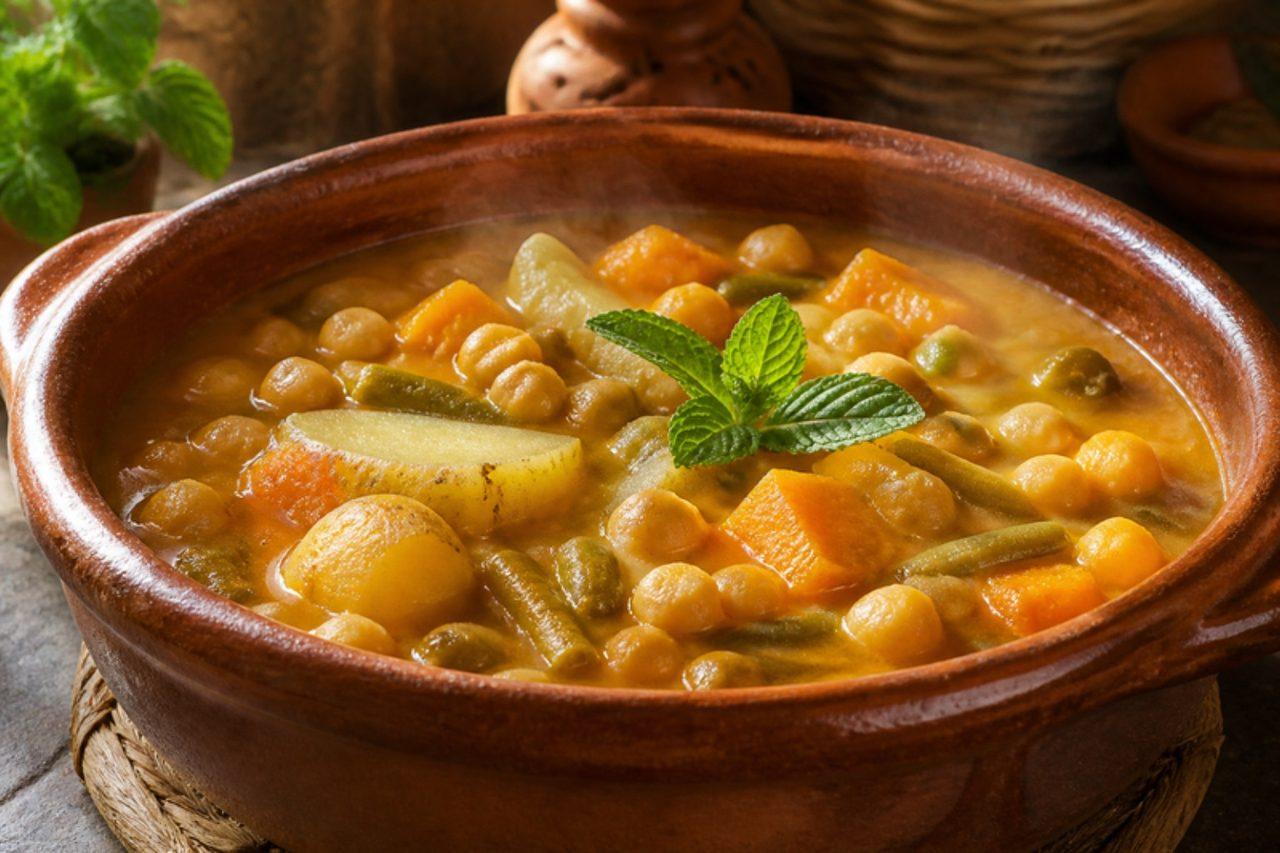
Olla gitanaChickpea, pumpkin and green bean stew

The name means gypsy pot, and in Murcia and the neighbouring Vega del Segura it is the stew of autumn and Lent: chickpeas cooked with pumpkin, green beans and potato, perfumed with saffron and mint, and finished with a crushed paste of fried almonds, garlic and bread. What makes the Murcian version stand out is the pear, added near the end so its sweetness comes through the broth. It has no meat at all and is vegan as written. Chef's tip: choose firm pears, such as Conference, that keep their shape in the pot.

by KrazyBadal 0 views

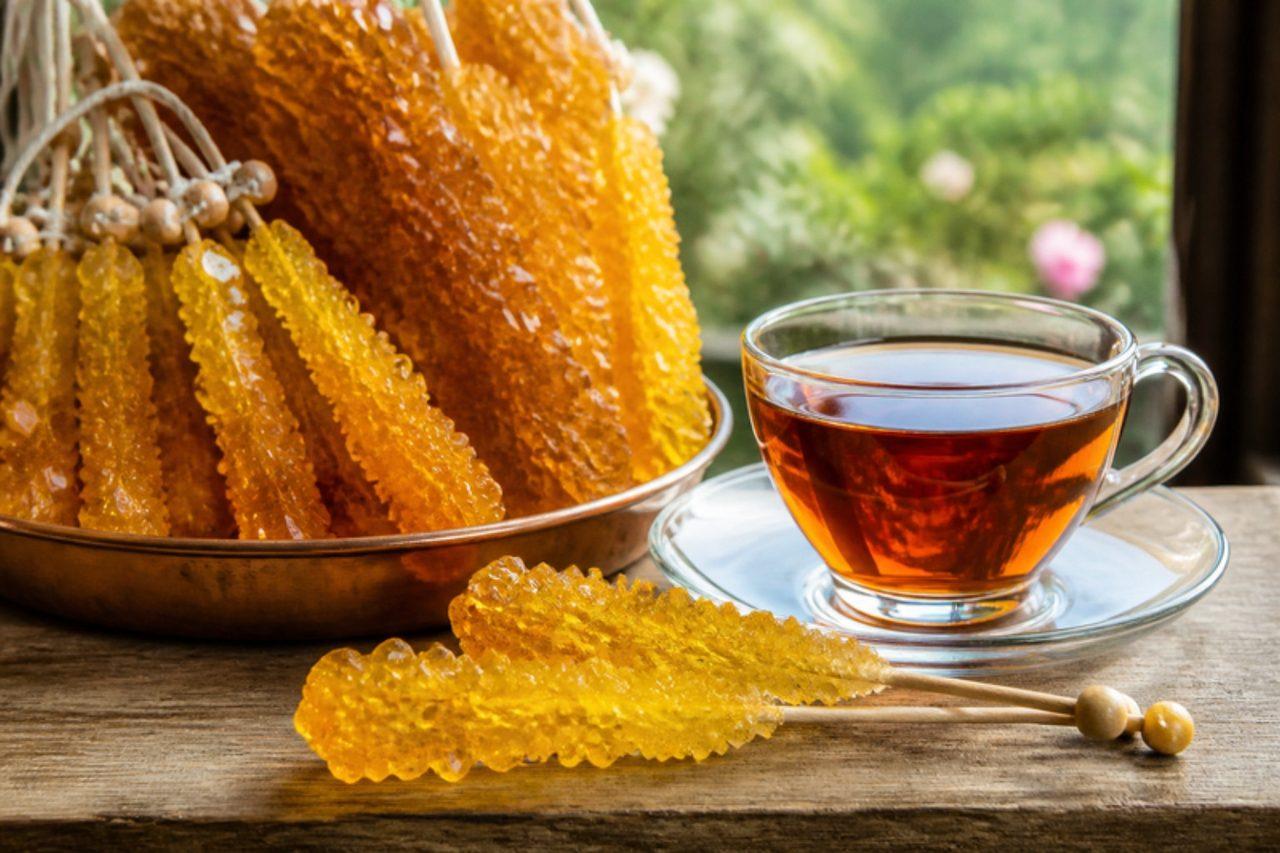
NabatSaffron rock sugar crystals

Golden saffron nabat on a stick is the souvenir pilgrims bring back from Mashhad, and across Iran a stick of it is stirred into hot tea for an upset stomach, after a fright or simply instead of a sugar cube. The crystals grow slowly on cotton strings in a saturated syrup over two or three days, and making it at home is a pleasant, slow kitchen project. A common mistake is moving or knocking the jar: every jolt sets off fine sugar grit instead of big crystals. Chef's tip: roll the wet strings in a little sugar and let them dry before hanging them; the seed crystals give the new ones something to grow on.

by KrazyBadal 0 views

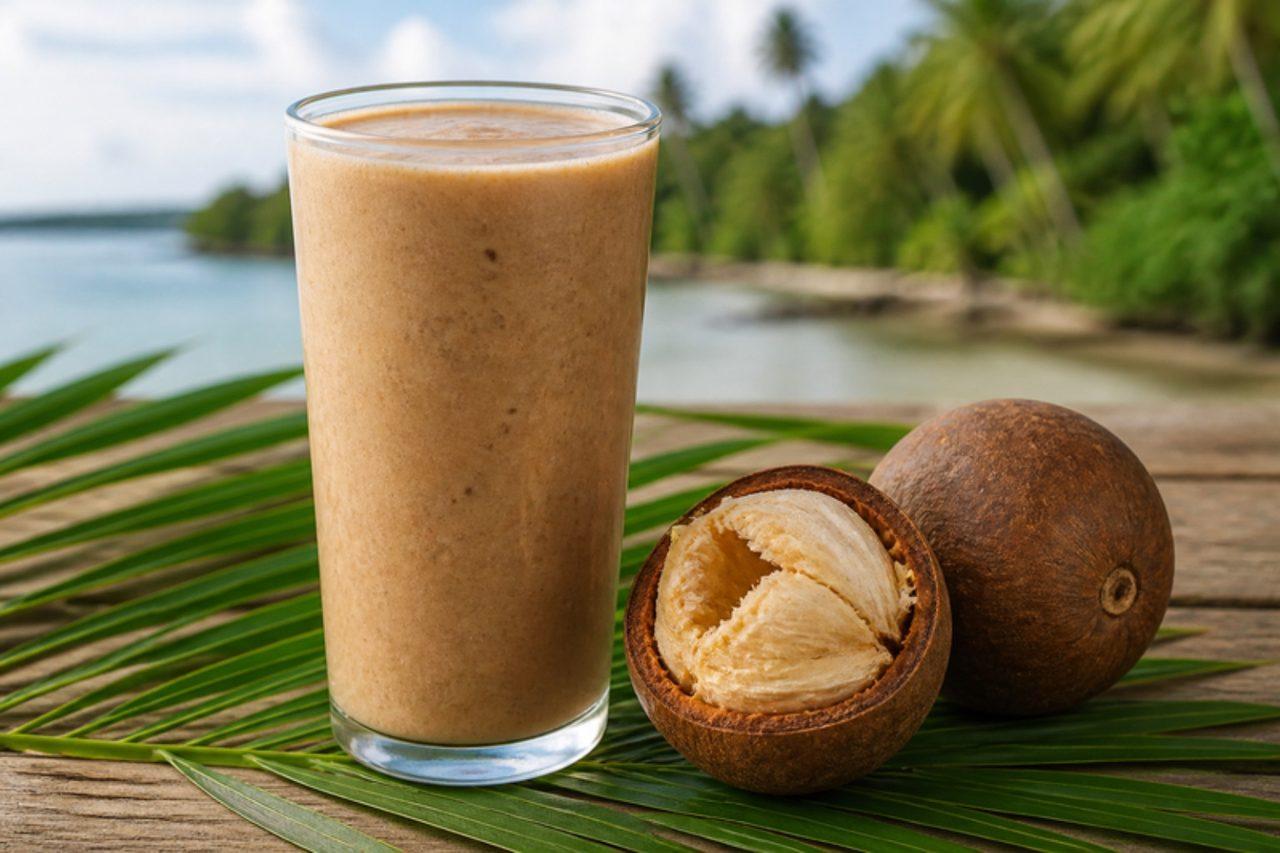
Jugo de borojóBorojó fruit milk shake

Borojó is the pride of the Chocó: a heavy brown fruit with a dense, sticky pulp and a sour, almost tamarind-like flavour. In Quibdó it is sold as pulp at the market and blended into thick shakes at juice stalls, and it carries a folk reputation as a restorative, sometimes jokingly called juice of love. Blended with cold milk and sugar it becomes creamy, tangy and filling, more a small meal than a drink. Outside Colombia, look for frozen borojó pulp in Latin American shops; there is no real substitute, though a mix of tamarind paste and banana gives a rough idea. Using too much pulp is easy to do, and the shake turns into a paste that will not go through a straw, so start with the amount below and thicken to taste. Chef's tip: blend the pulp with a little milk first to loosen it, then add the rest; borojó is so dense it can stall a blender.

by KrazyBadal 0 views

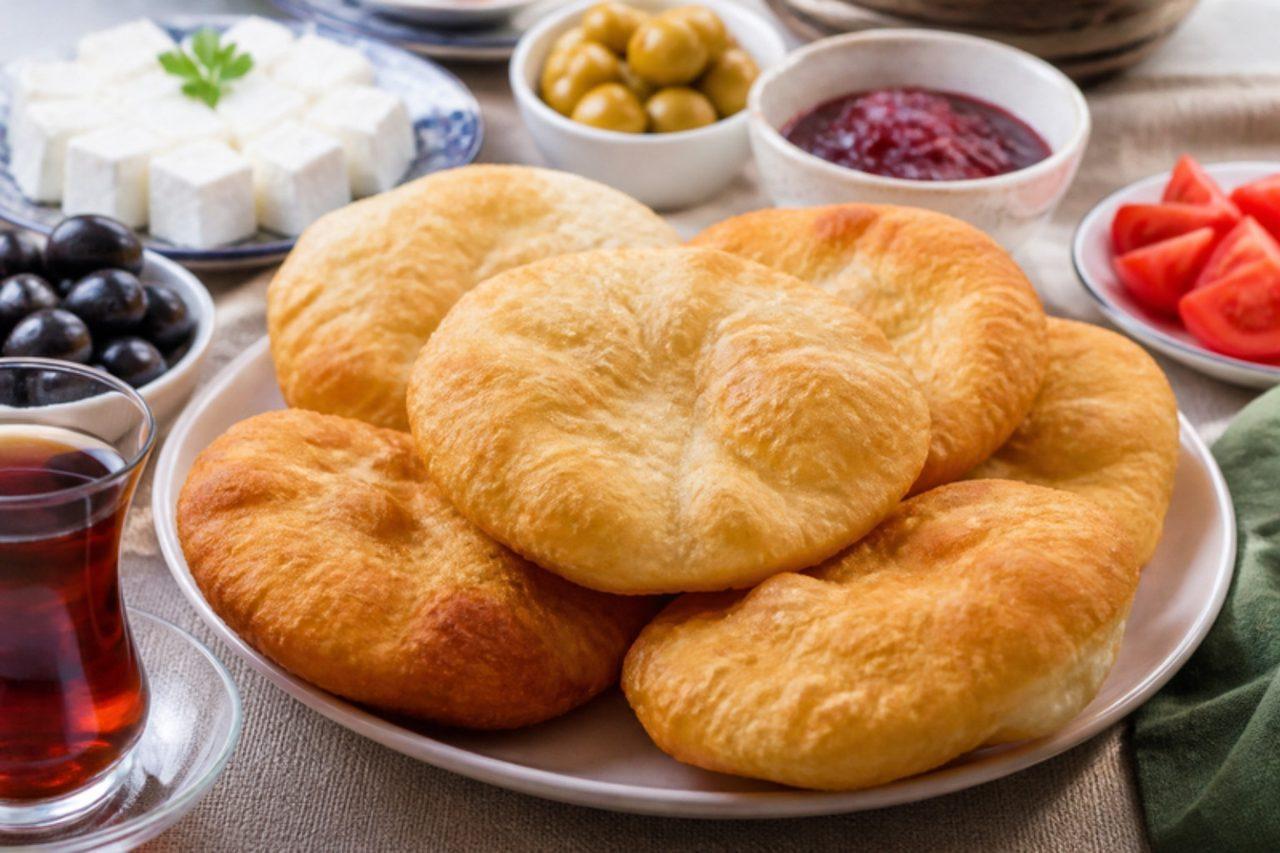
PişiFried dough puffs

When a Turkish family has time for a long Sunday breakfast, someone stands at the stove frying pişi while the rest of the table fills with white cheese, olives, tomatoes, honey and endless tea. The yeasted dough is stretched thin with oiled fingers and fried until it balloons, golden and crisp outside and chewy inside. In villages across Anatolia it is also the treat made on bread-baking day from the last of the dough. Common mistake: oil that isn't hot enough; the pişi soaks it up and turns greasy. Chef's tip: poke a hole in the middle of each round before frying so it puffs evenly and cooks through.

by KrazyBadal 0 views

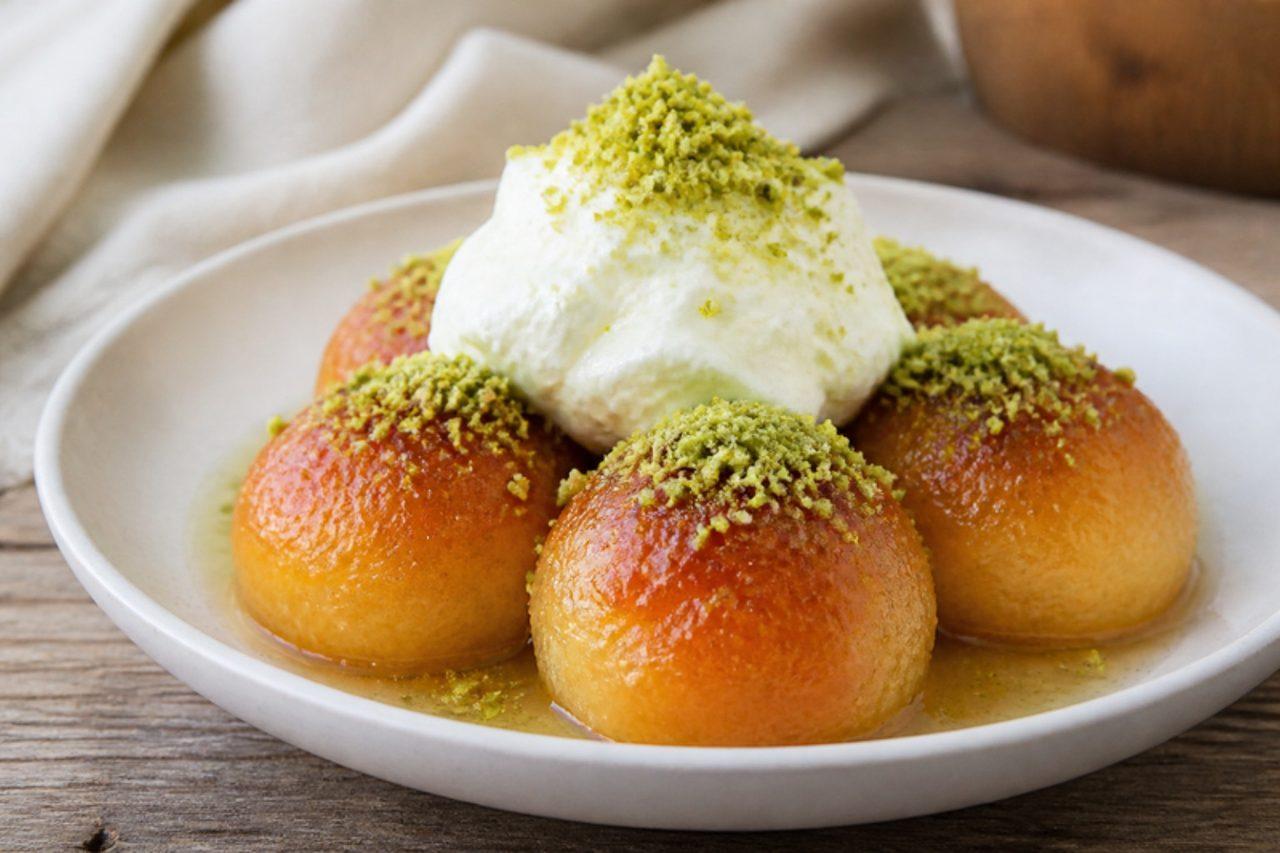
Kemalpaşa tatlısıCheese dumplings in syrup

Named after the town of Mustafakemalpaşa near Bursa, these small golden rounds are made from a soft unsalted cheese, semolina and flour, baked dry and then simmered in syrup until they swell and soak it up like sponges. In Bursa they are eaten after a plate of İskender, warm with a spoon of clotted cream or a scattering of pistachio. They are lighter than they look, with a faint cheesy tang under the sweetness. Chef's tip: let the syrup cool to lukewarm and the dumplings be at room temperature; if both are hot the dumplings collapse into mush.

by KrazyBadal 0 views

Showing 27 of 7,762 recipes

Show more recipes

Page 521 of 863