


Skip to content
Horchata de chufa
Featured recipe

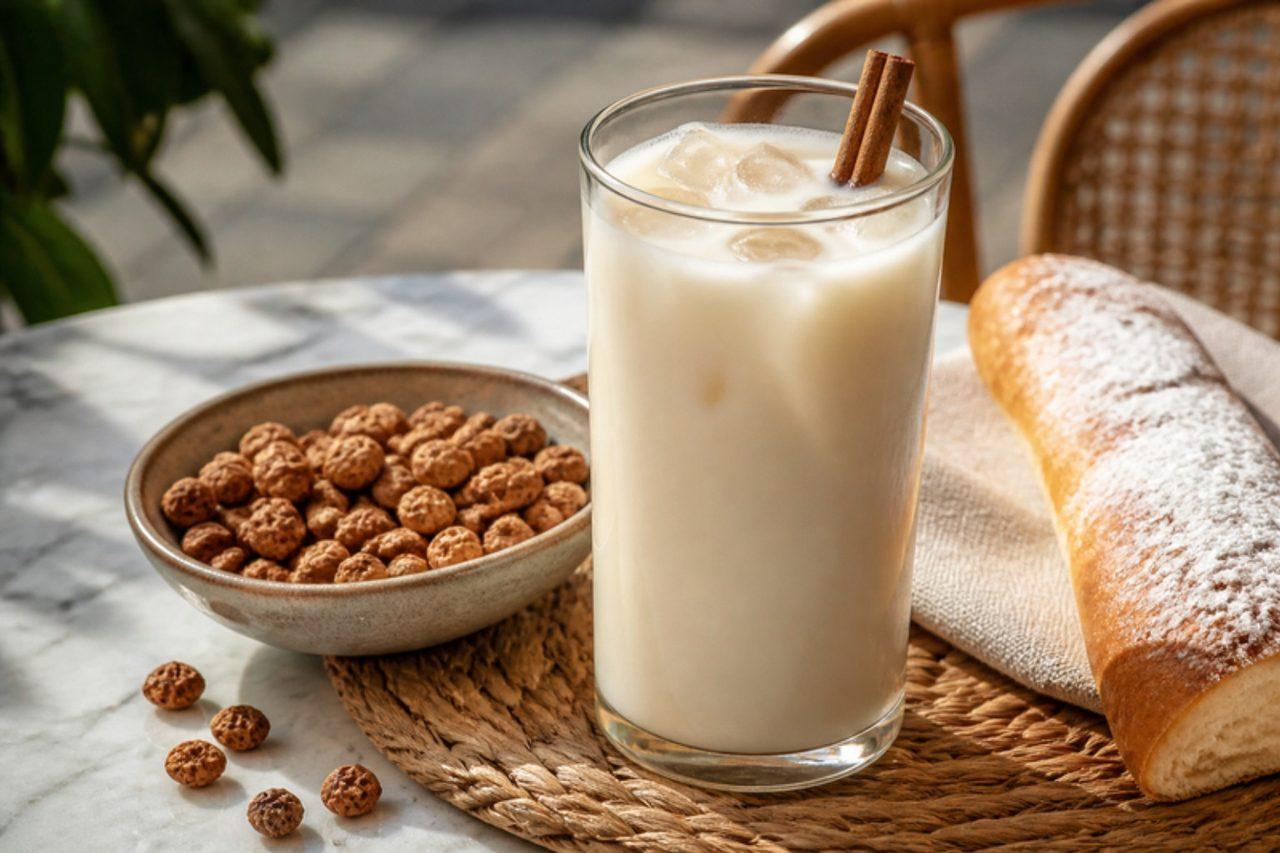
Horchata de chufa

Tiger nut milk

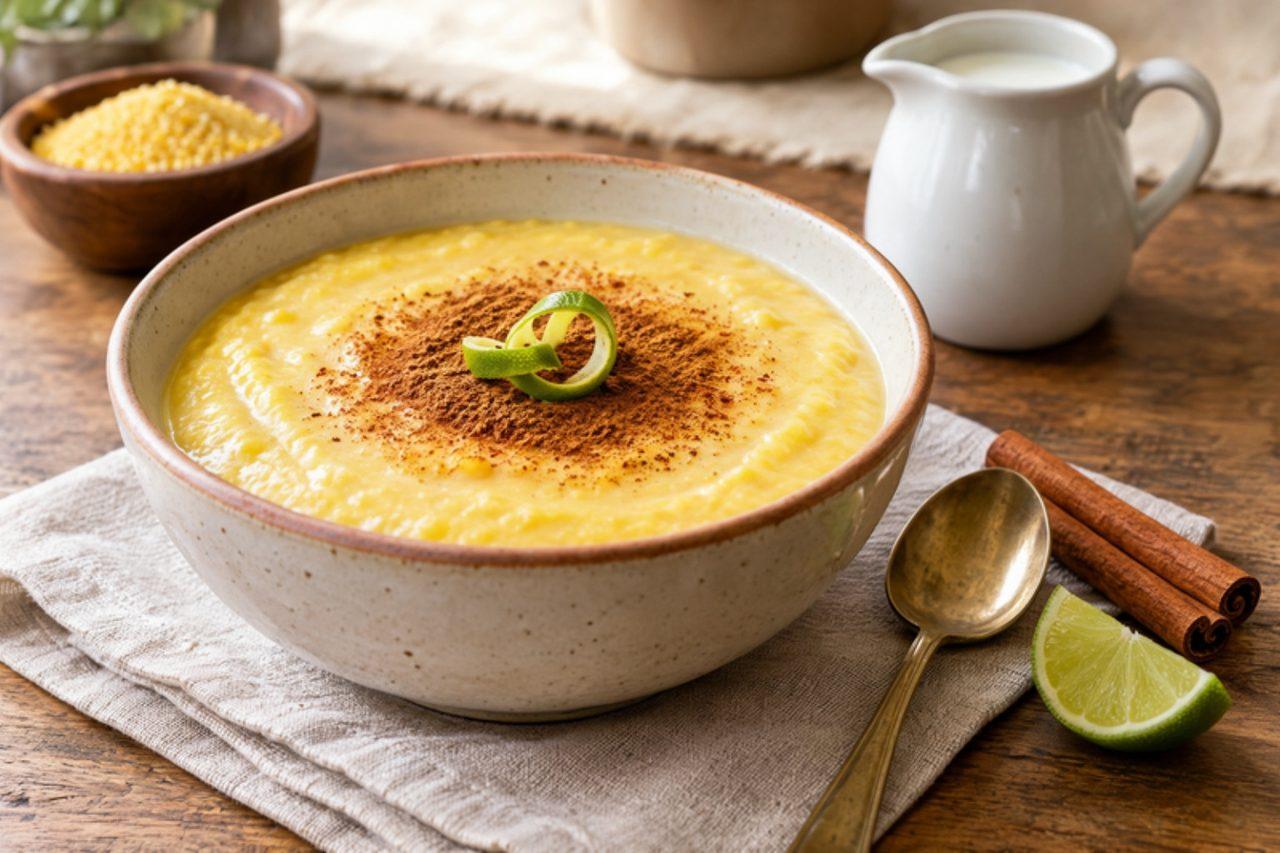
Horchata de chufa is the drink of Valencia's summer, sold ice-cold in the city's horchaterías with long, soft fartons pastries for dipping. It is made from chufas, or tiger nuts: small wrinkled tubers grown around the village of Alboraya just north of Valencia, which have their own protected designation of origin. Soaked, ground with water, strained and sweetened, they give a creamy, nutty, naturally dairy-free milk with a hint of cinnamon. Valencians drink it very cold, or half-frozen as 'granizada'. Chef's tip: soak the tiger nuts for a full 24 hours and change the water once; they must be plump and soft enough to blend into a fine pulp, or the horchata will be thin and taste of raw starch.

Read more 1 views

What to eat today?

Around the world

Today's trip: Paraguayan

A new country every day, from every cuisine on the site.

Paraguayan

Buñuelos de algas

Sea lettuce fritters 35 minMore from Paraguayan (27) →

This week's collection

Kid-friendly dinners
537 recipes · a new collection every Monday

Latest recipes

Seco de cabritoBraised kid goat with coriander

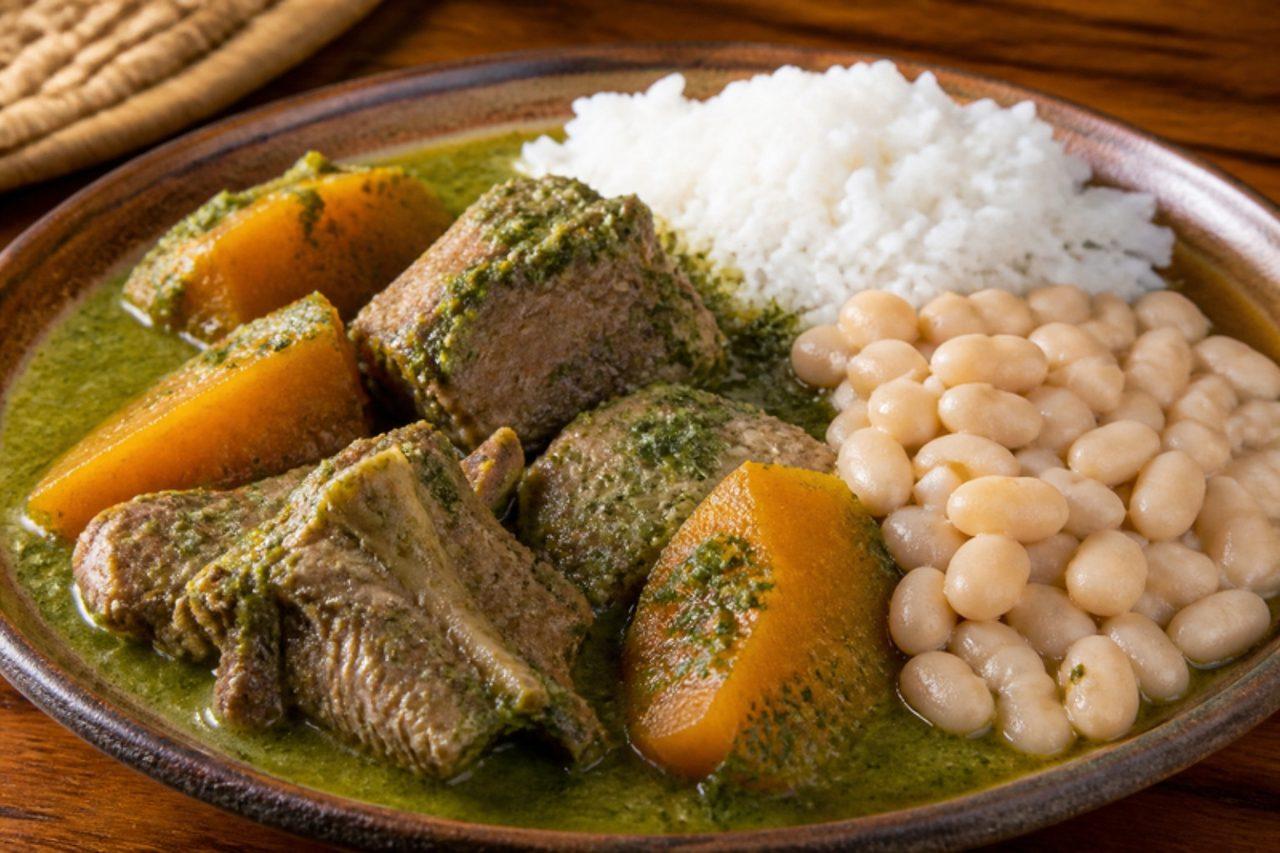
Ask anyone in Chiclayo or Lambayeque for the north's great Sunday dish and seco de cabrito comes up first: young goat, marinated in garlic and vinegar, then braised slowly in a deep green sauce of blended coriander, ají amarillo and chicha de jora, with grated loche, the local aromatic squash. The meat turns tender and the sauce is herby, sour and warm. It comes to the table with white rice and frejoles (stewed canary beans) and a sharp salsa criolla. Chicha de jora is a fermented maize beer and contains alcohol; the alcohol-free swap in the ingredients keeps the tang. Lamb shoulder stands in well for kid. People often blend the coriander with the stems discarded, but the stems carry the most flavour, so use the whole bunch. Chef's tip: add half the coriander at the start and half 10 minutes before the end, so the sauce stays bright green.

by KrazyBadal 0 views

Seco de chabeloPlantain mash with dried beef

Piura's picanterías, near the dry northern border, serve this rough, savoury mash at lunch: green plantains, roasted or boiled and pounded, mixed with fried strips of carne seca (salted dried beef) and a quick sofrito of onion, tomato and ají amarillo. It is dense, salty and smoky, with the plantain's starchy sweetness, and is eaten with salsa criolla and fried ripe plantain or chifles (plantain crisps). The legend says it was invented for a soldier called Chabelo in the War of the Pacific. Use carne seca or cecina from Latin shops, or unseasoned beef jerky. Pounding the plantains smooth is the classic mistake: chabelo should be lumpy and rustic. Chef's tip: soak the dried beef in warm water for 30 minutes and taste a piece; if it's still very salty, change the water and soak again.

by KrazyBadal 0 views

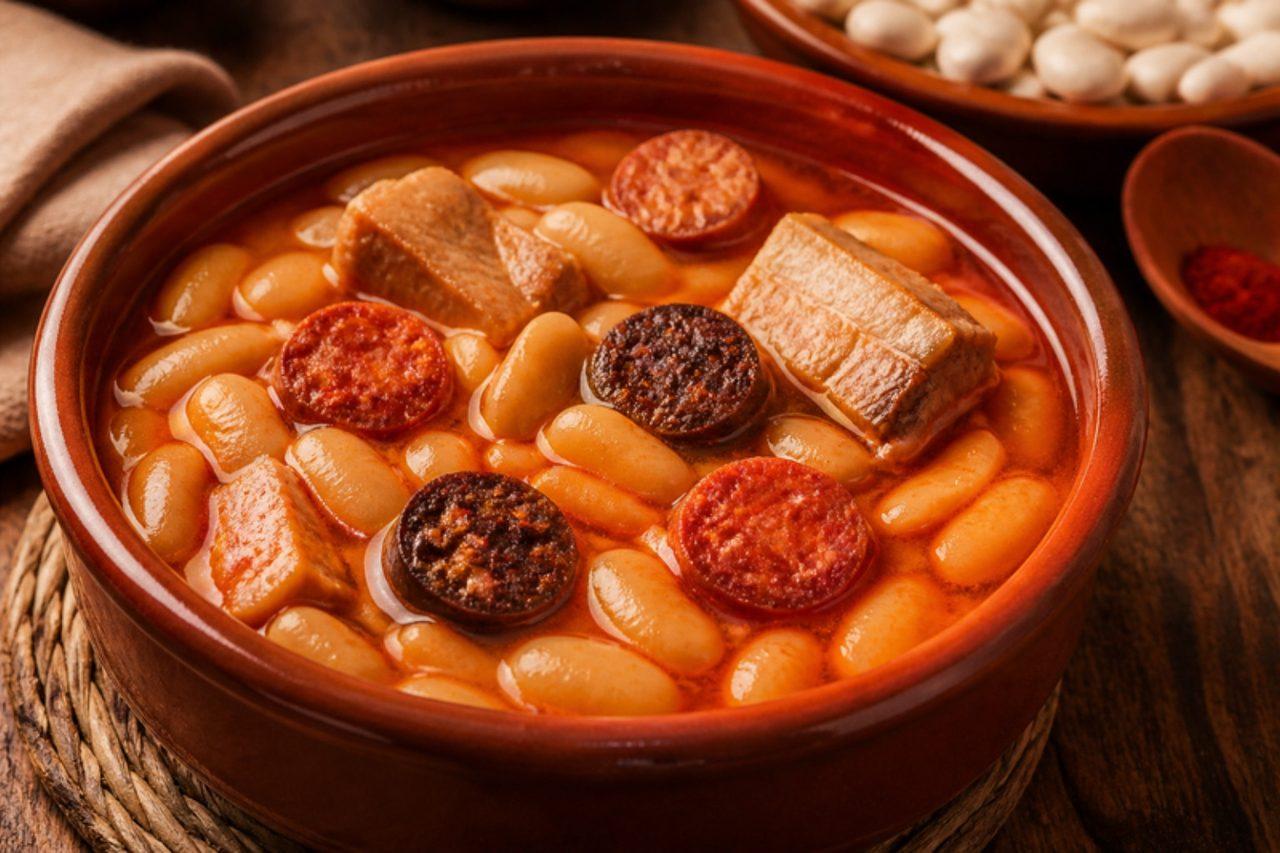
Judiones de La GranjaButter beans with chorizo and pork

In La Granja de San Ildefonso, the royal summer palace in the hills above Segovia, local farmers grow judiones, enormous flat white beans with skin so thin they melt on the tongue. Restaurants in the town and in Segovia stew them with chorizo, morcilla and pork for cold-weather lunches, followed by a roast. This contains pork (chorizo, morcilla and pork rib or ear). Large butter beans or Greek gigantes work well elsewhere. Chef's tip: never stir the beans; shake the pot instead, so they stay whole.

170 minSpanishMeat
by KrazyBadal 0 views

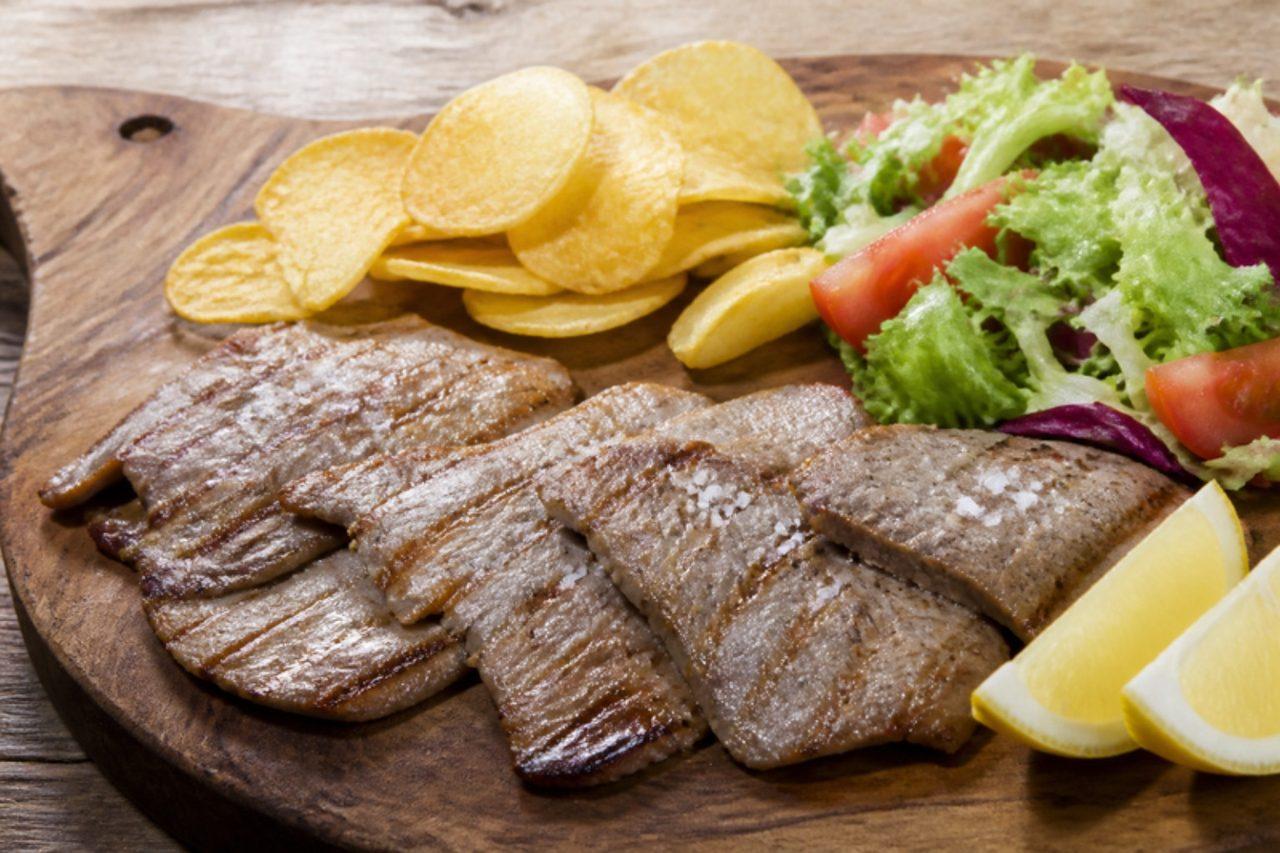
Secretos de porco pretoGrilled black pork

The secreto is a thin, marbled cut hidden between the shoulder fat and the loin of the Alentejo black pig, the free-ranging breed that fattens on acorns under the cork oaks. Butchers once kept it for themselves; now it is on every Alentejo grill menu, served with fried potatoes, migas or a salad of orange and onion. This contains pork. It needs only salt, garlic and a hot grill, since the fat inside bastes it as it cooks. A common mistake is moving the meat around: leave it on the grill so it builds a crisp, browned crust. Chef's tip: let the meat come to room temperature for 20 minutes before cooking, so it browns evenly and stays juicy.

by KrazyBadal 0 views

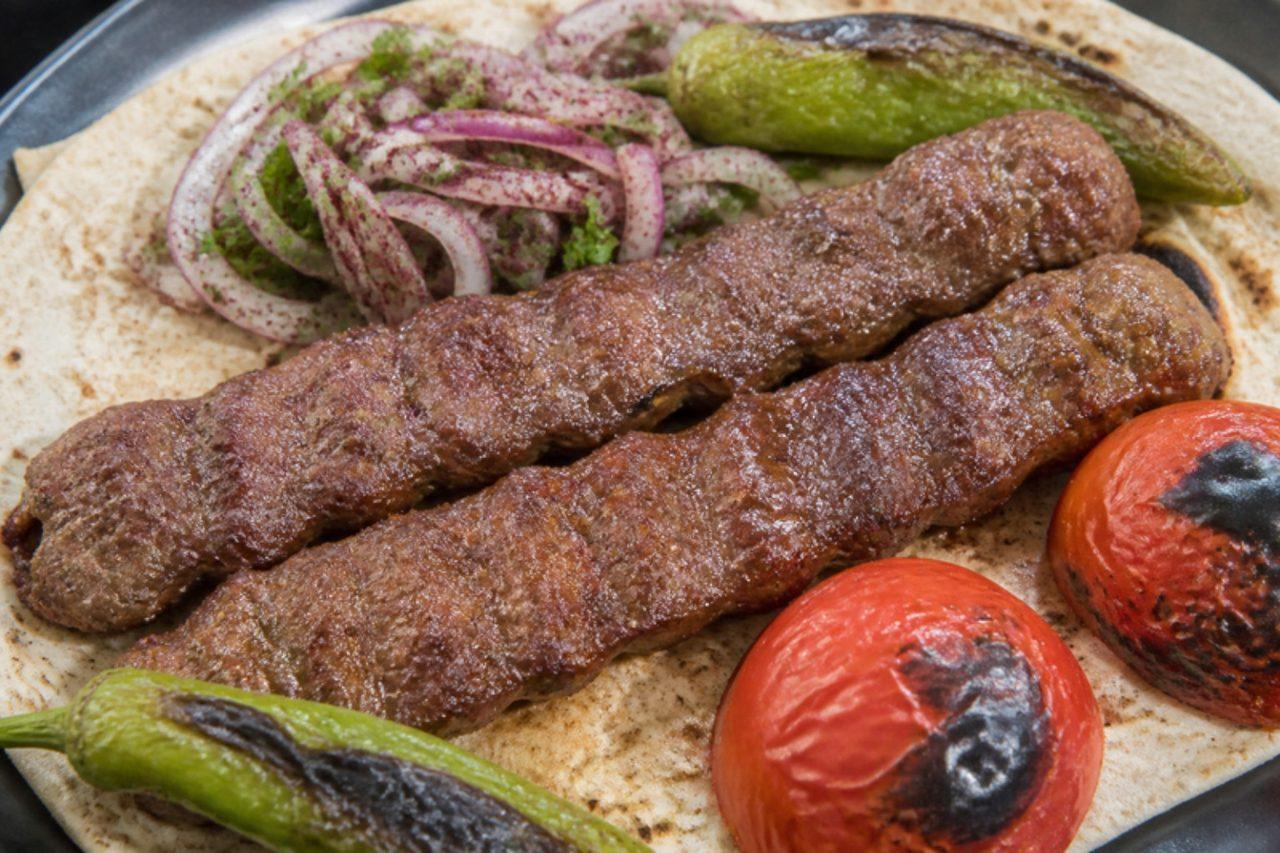
Urfa kebabıMinced lamb kebab

Where Adana's kebab is hot, Şanlıurfa's is gentle: lamb and tail fat chopped by hand with a curved zırh blade, seasoned with salt and a little isot and pressed onto wide skewers. Grill houses around Balıklıgöl serve it on thin lavaş with charred tomatoes, peppers, sumac onions and a bostana salad, and the sweet smoke of the meat is the whole point. Without tail fat, ask your butcher for fatty lamb shoulder mince, around 25% fat, or the kebab will be dry and fall off the skewer. Chef's tip: wet your hands with cold water while shaping; the fat stays firm and the meat clings to the skewer.

by KrazyBadal 0 views

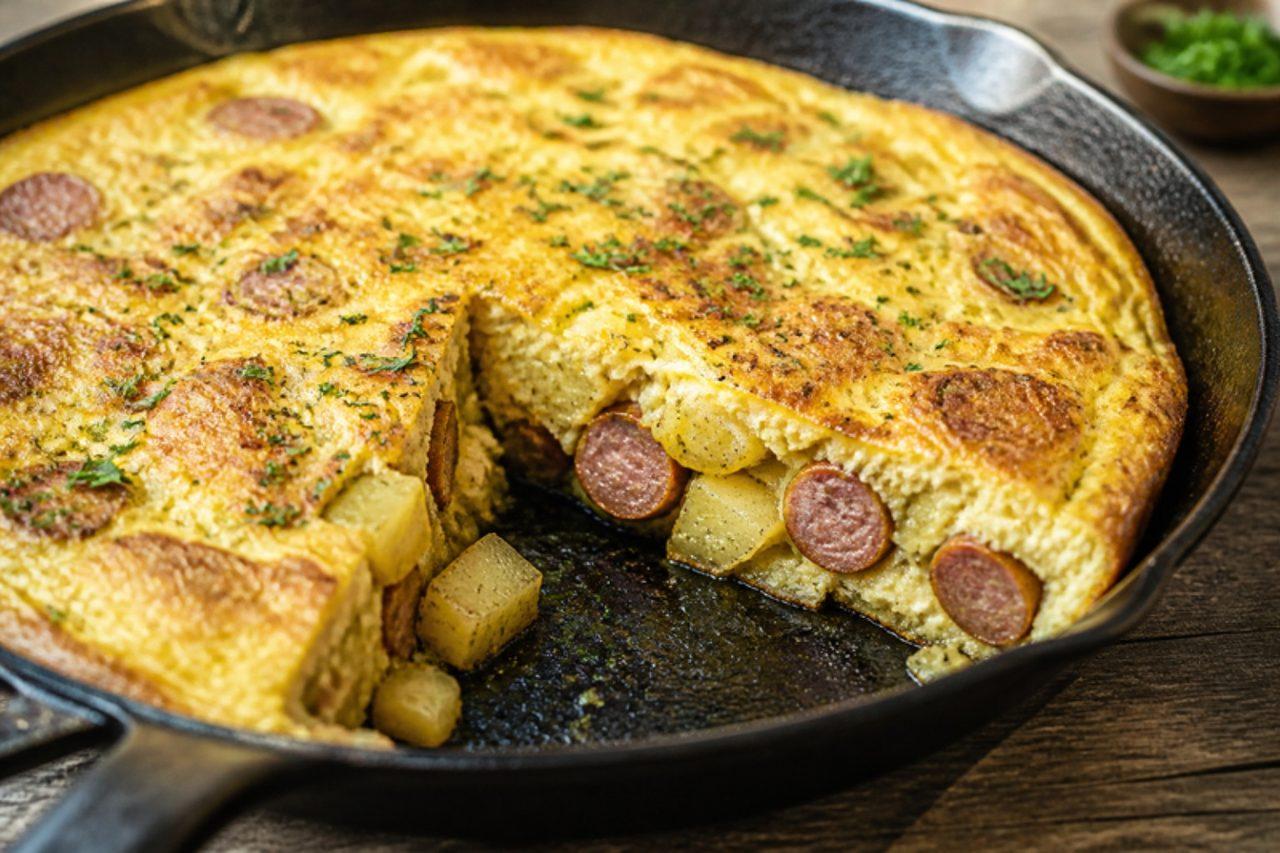
FroutaliaOmelette with potatoes and sausage

On Andros and Tinos, froutalia is the thick, golden omelette farm families ate after a morning in the fields: potatoes and local pork sausage fried in a deep pan, then bound with eggs and a little cheese and cooked until set right through. It is cut in wedges like a Spanish tortilla and eaten hot or cold, with bread and a tomato and cucumber salad, at any time of day. On the island it is made with louza or a smoked pork sausage seasoned with fennel; any good coarse pork sausage works. Common mistake: adding the eggs while the potatoes are still hard; they never soften once the eggs set. Chef's tip: flip it onto a plate halfway so both sides brown evenly.

by KrazyBadal 0 views

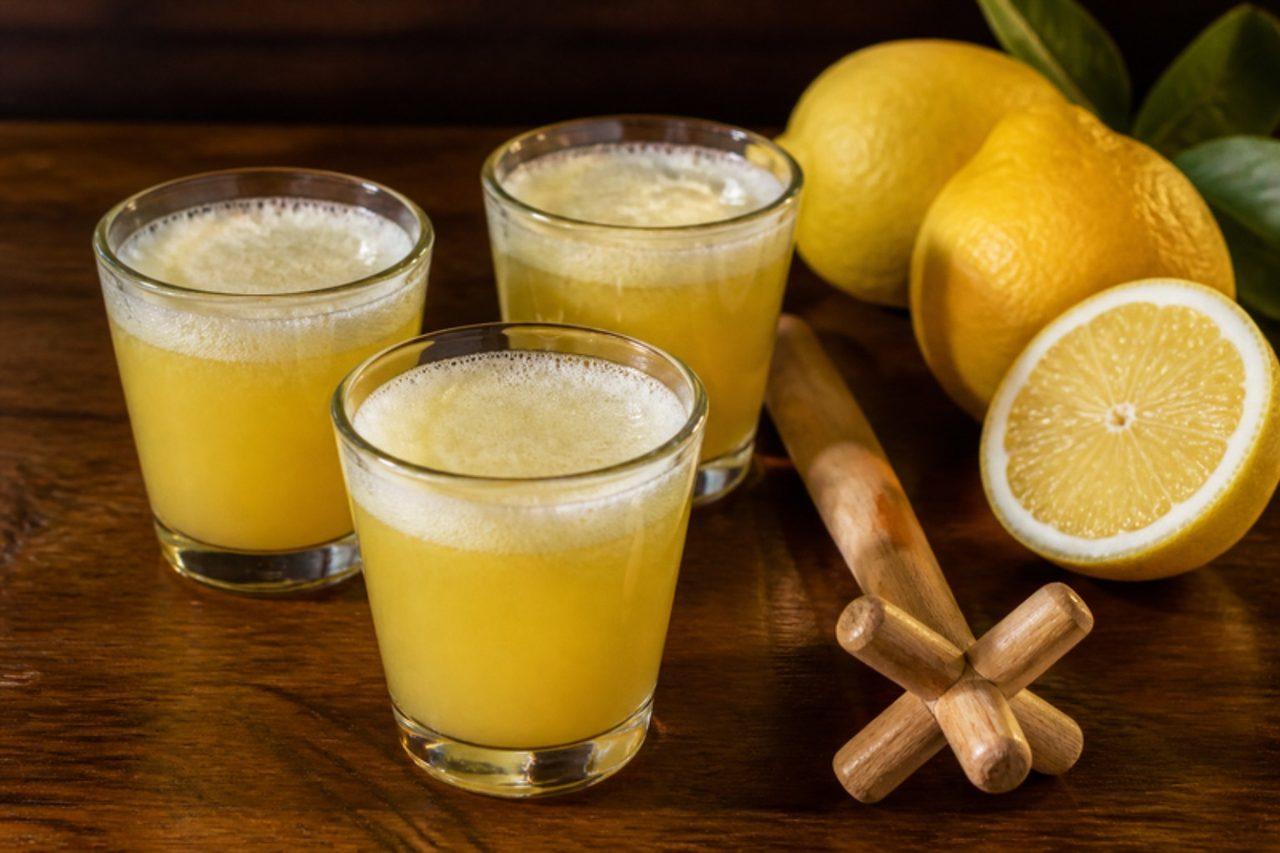
PonchaSugarcane spirit with honey and lemon

In the fishing village of Câmara de Lobos, poncha is made to order at the bar counter: sugarcane spirit, honey and freshly squeezed lemon, whipped together with a wooden stick called a mexelote until frothy. Fishermen once drank it to keep warm at sea; now it goes round at every Madeiran festa. The traditional drink contains alcohol and is strong, so it is for adults only; the alcohol-free version swaps the spirit for chilled water, which turns it into a sharp, honeyed lemonade anyone can drink. Chef's tip: dissolve the honey in the lemon juice before adding the spirit or water, or it sinks to the bottom in a sticky lump.

by KrazyBadal 0 views

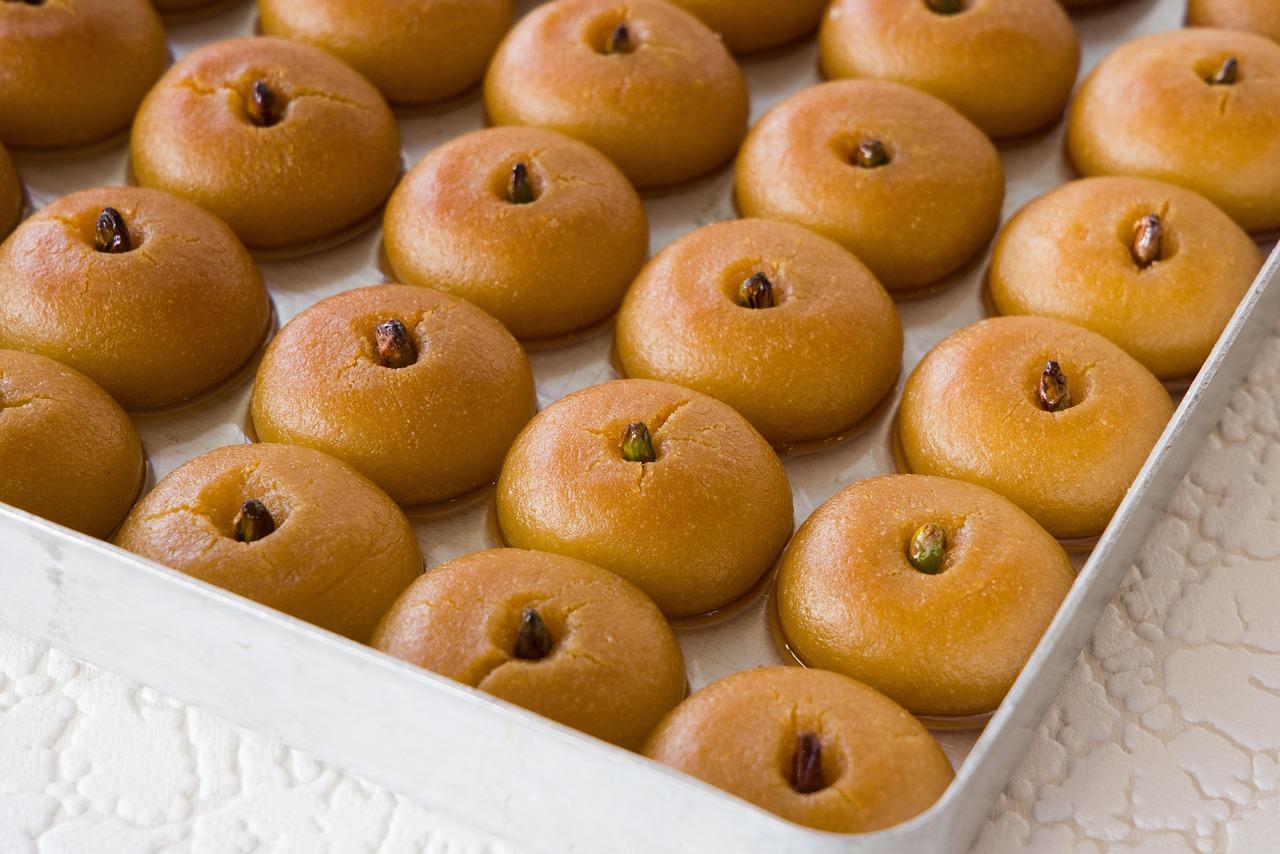
ŞekerpareSemolina almond cookies in syrup

Şekerpare is the cookie that every Turkish household bakes for bayram visits, when trays are passed to relatives and neighbours along with coffee and cologne for the hands. Soft, buttery rounds of semolina dough are each topped with an almond, baked until golden and then soaked in syrup until they are tender all the way through but still hold their shape. They keep for days and taste better on the second. Common mistake: cold syrup on cold cookies, which never soaks in; one of them must be hot. Chef's tip: bake until the bases are properly golden; pale cookies turn mushy when they meet the syrup.

by KrazyBadal 0 views

King kongLayered biscuit with manjar blanco

Named, the story goes, after the giant ape because of its size when the film reached Peru, the king kong is Lambayeque's proudest sweet: thick, crumbly biscuit layers stacked with manjar blanco, a sticky pineapple jam and a peanut fudge, then cut into heavy slabs. Shops in Lambayeque and Chiclayo sell them by the kilo in boxes, and travellers carry them home as gifts. It is very sweet, buttery and dense, so a slice goes a long way with black coffee. This home version makes the manjar blanco from condensed and evaporated milk to save hours, then turns half of it into the peanut layer. The usual mistake is overbaking the biscuit until it is hard; take it out as soon as the edges are pale gold, as it firms up while it cools. It is a project, so make the fillings first and let them cool. Chef's tip: wrap the finished king kong and leave it overnight before cutting; the layers settle and soften into each other.

by KrazyBadal 0 views

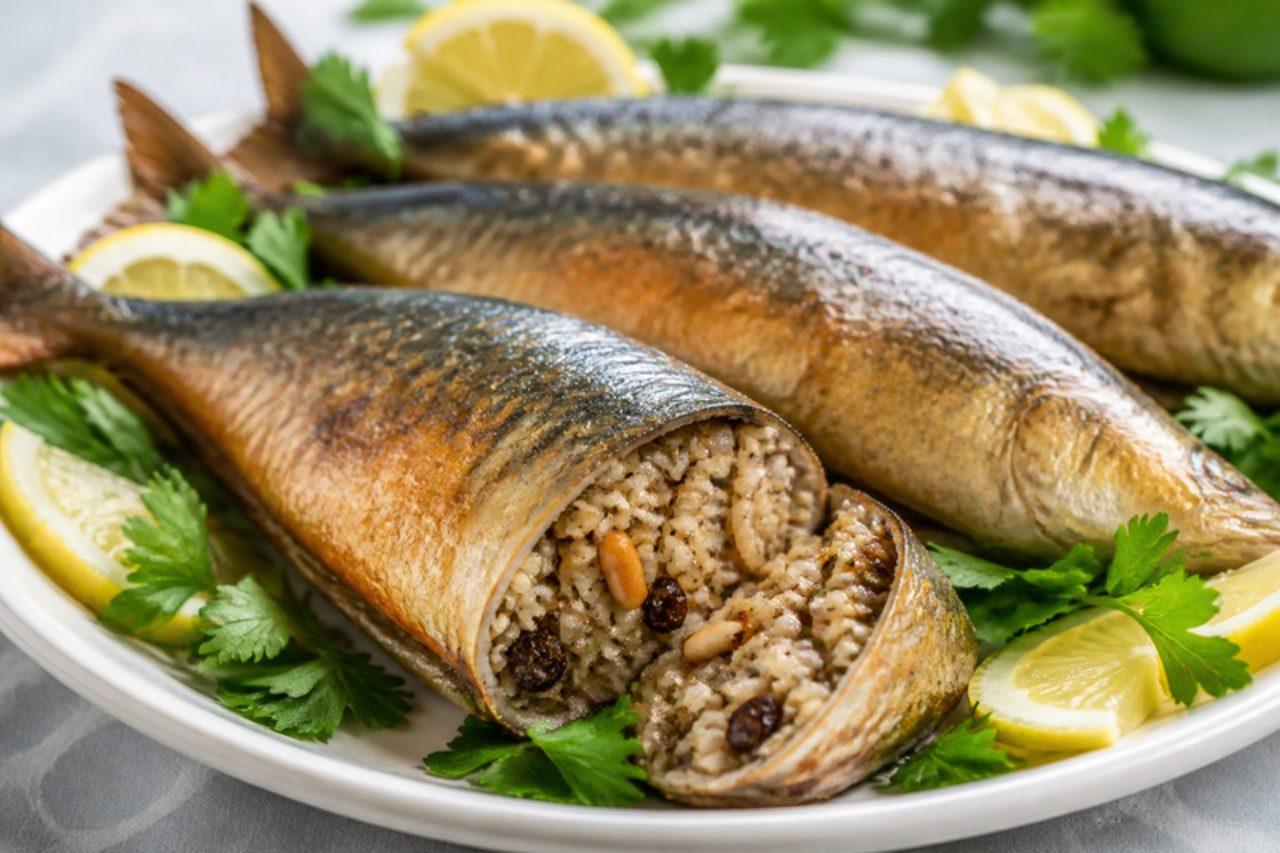
Uskumru dolmasıStuffed mackerel

Uskumru dolması is a showpiece of Istanbul's old Armenian and Greek meyhane kitchens, made in autumn when Bosphorus mackerel are fat: the skin is eased off whole, the flesh mixed with spiced rice, walnuts, currants and herbs, then stuffed back in so the fish looks untouched. It is dipped in egg and flour, fried and served at room temperature in slices as a cold meze. It takes time but impresses every guest. Chef's tip: roll and massage the fish firmly before you start; the spine snaps at the head and the skin loosens so you can push the flesh out without tearing it.

105 minTurkishFish
by KrazyBadal 0 views

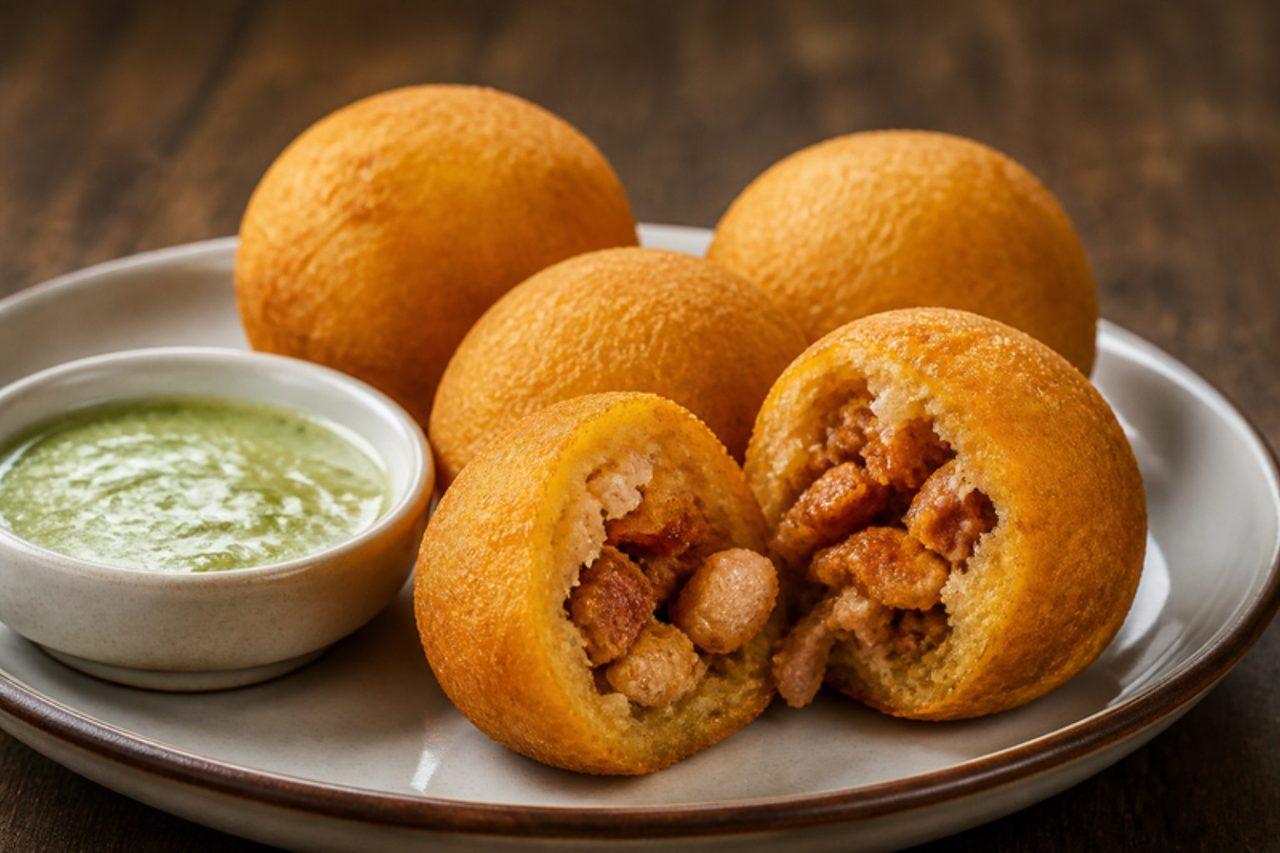
MarranitasPlantain balls with pork crackling

Breakfast stalls along Cali's busy streets and the bakeries of the Valle del Cauca fry marranitas all morning: green plantain, half-fried, pounded while hot and shaped around a nugget of crunchy pork chicharrón, then fried again until crisp and golden. The name means 'little piglets', after the pork inside. The outside shatters, the plantain layer is dense and starchy and the crackling gives a salty, porky crunch in the middle. Eat them hot with a mug of coffee or hot chocolate, or as a snack with ají and hogao for dipping. The plantains must be truly green and hard; yellowing ones turn sweet and sticky and won't hold a crisp shell. Chef's tip: pound the plantain the moment it comes out of the first fry, using a little warm salted water on your hands; once it cools it stiffens and cracks when you shape it.

by KrazyBadal 0 views

Gosh-e filFried elephant ear pastries

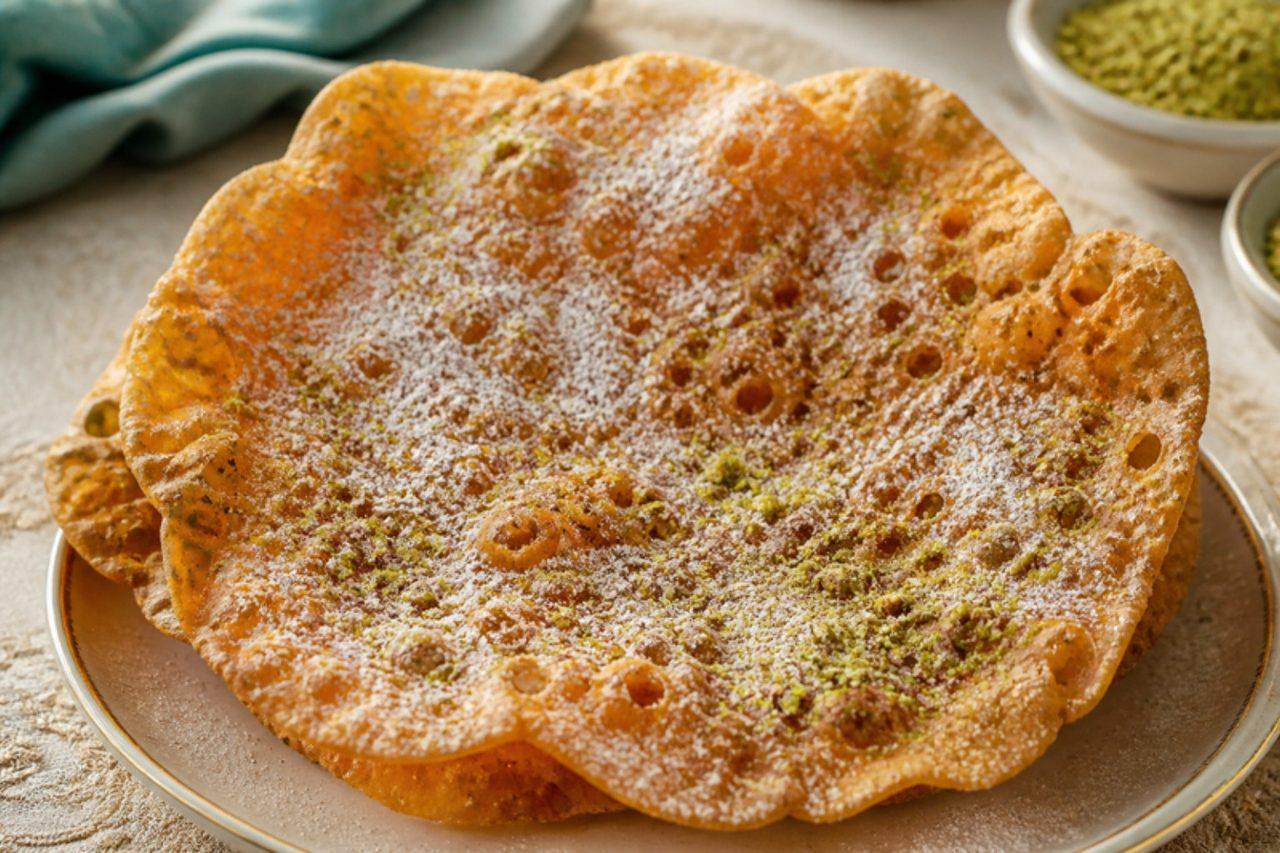
Gosh-e fil, elephant's ear, is the big, bubbly, paper-thin fried pastry sold from bakery windows in Tehran and Shiraz in the days before Nowruz, and made at home for Ramadan evenings. A soft egg and yogurt dough is rolled almost see-through, pinched into a fan shape and fried until it blisters, then showered with icing sugar, cardamom and ground pistachio. They are best the day they are made, with glasses of black tea. Chef's tip: rest the dough properly; relaxed dough rolls thin without shrinking back.

by KrazyBadal 0 views

RashoofLentil and cracked wheat yoghurt soup

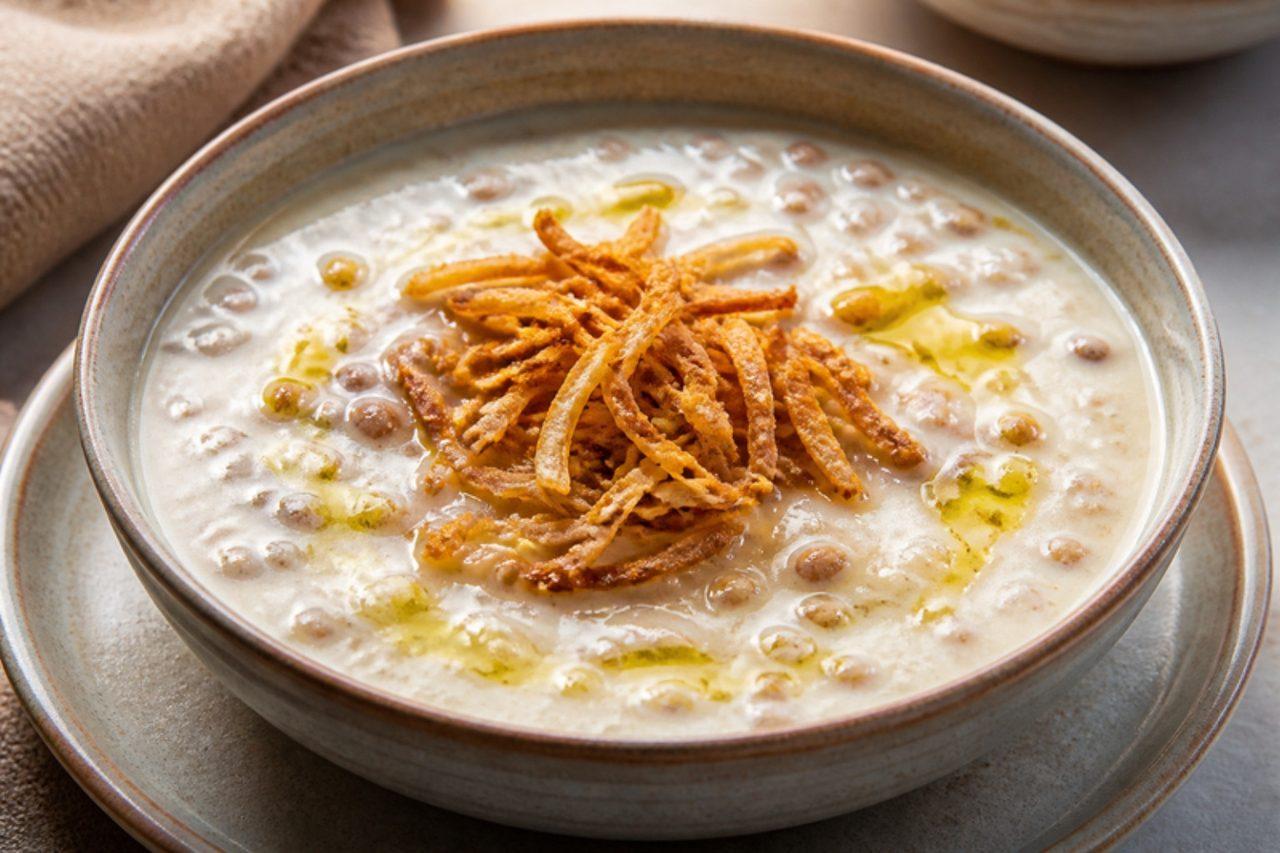
In the stone villages around Karak and Tafileh, rashoof is what simmers on cold, wet evenings: brown lentils and coarse bulgur cooked soft, then enriched with jameed, the dried salted yoghurt that is also the soul of mansaf. The result is thick, sour and comforting, almost a porridge, finished with a heap of onions fried golden in samneh. Jameed is sold in hard balls or as a liquid in Middle Eastern shops; thick strained yoghurt with a little extra salt makes a fine stand-in. The classic mistake is letting the soup boil hard once the yoghurt goes in, which makes it split into grainy curds. Chef's tip: temper the yoghurt with a ladle of hot soup first and stir in one direction over a low heat; it stays silky.

by KrazyBadal 0 views

RaspaoShaved ice with blackberry syrup

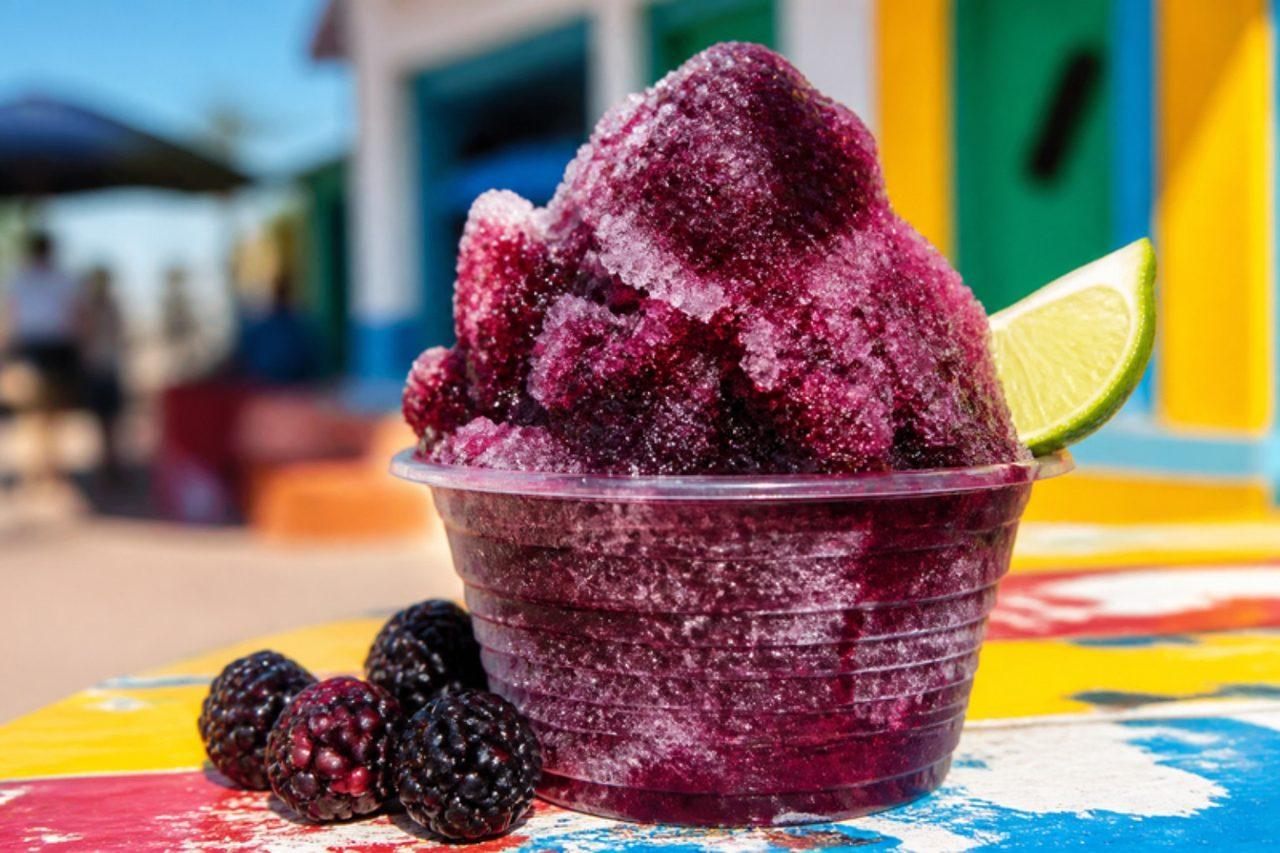
On a hot Barranquilla afternoon, the raspao cart is the fastest way to cool down. The vendor scrapes a block of ice with a metal plane, packs the snow into a cup and floods it with bright syrups: kola, tamarind, lime, blackberry. Many add a ribbon of condensed milk on top, but this version stays vegan and lets the fruit carry it. Children love it, and it is a fun one to make at home with a blender and a jug of syrup. The usual misstep is pouring warm syrup over the ice, which melts it to slush in seconds, so chill the syrup completely first. Make the syrup a day ahead if you like; it keeps a week in the fridge. Chef's tip: freeze water in a shallow tray, then blitz the slab in pieces with a few pulses for fluffier, snow-like ice than ice cubes give.

by KrazyBadal 0 views

Tencas fritasFried tench with garlic

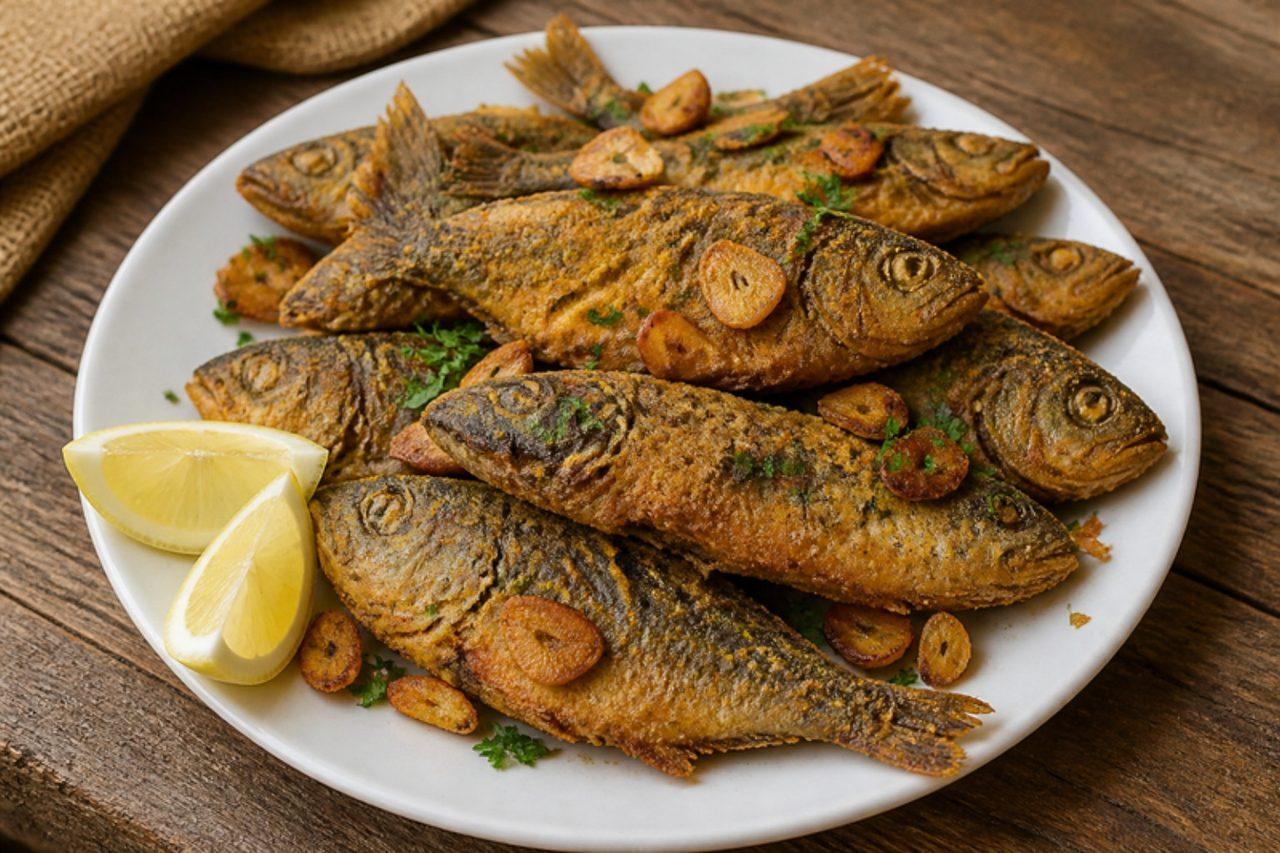
The cattle ponds of the dehesa around Malpartida de Cáceres and Los Barruecos have bred tench for centuries, and every spring the town holds a fiesta for the fish. Locals fry it whole in olive oil with plenty of garlic and eat it with their fingers, picking the sweet flesh off the bones, with a green salad and bread. Tench is hard to find outside Extremadura, so small trout make a good stand-in. Chef's tip: dry the fish thoroughly before flouring, or the coating goes gluey and the oil spits.

by KrazyBadal 0 views

Shorbet kishkFermented yoghurt and wheat soup

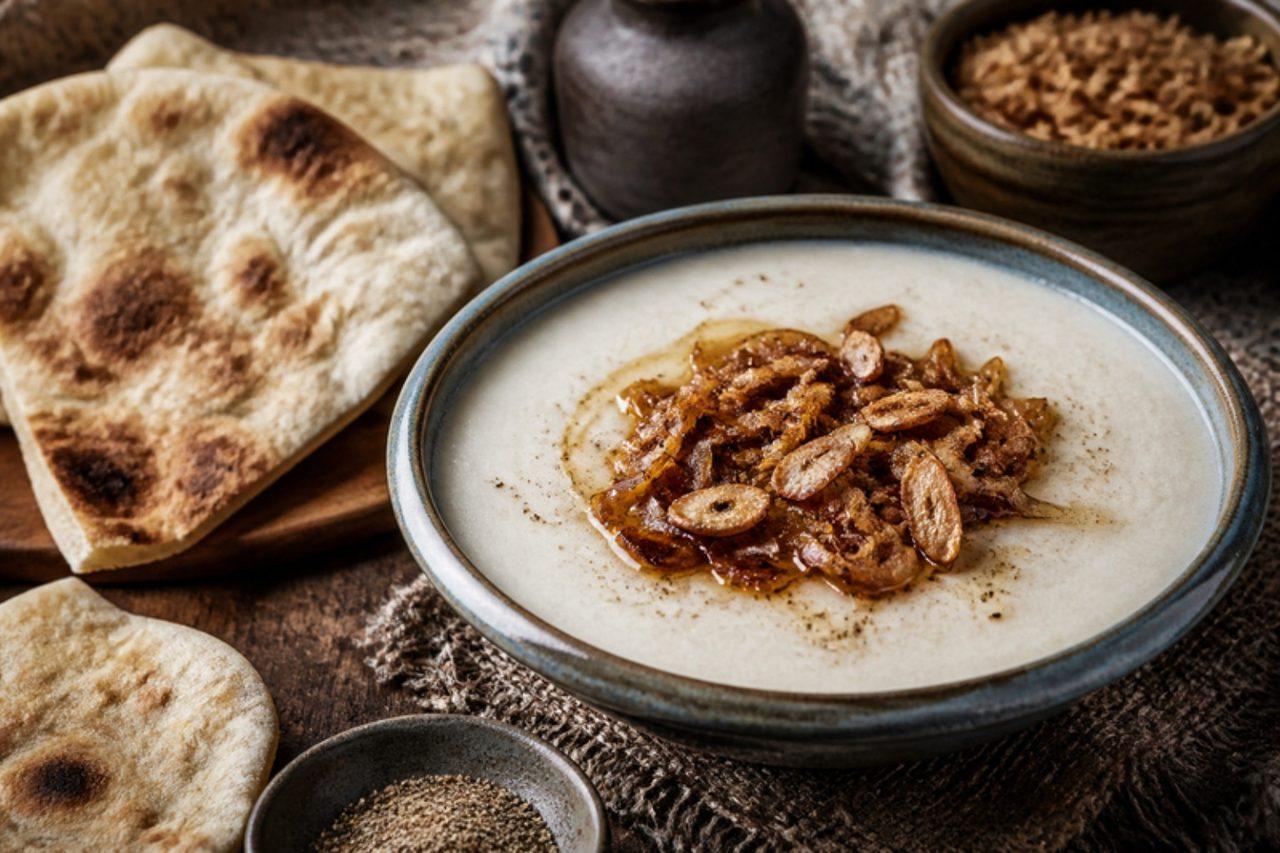
In the Bekaa Valley, late summer means spreading bulgur fermented with yoghurt on rooftops to dry, then rubbing it into kishk powder that keeps the family through winter. On a cold morning that powder becomes shorbet kishk, a thick, tangy, porridge-like soup eaten for breakfast with radishes, spring onions and flatbread to scoop it up. Meat-eaters often add preserved lamb (awarma); this version keeps it vegetarian with plenty of garlic and onion fried in olive oil. Kishk powder is sold in Middle Eastern grocers. Common mistake: adding the powder to hot water; it clumps, so always whisk it into cold water first. Chef's tip: finish with a spoonful of garlic sizzled in oil and a pinch of dried mint poured over each bowl.

by KrazyBadal 0 views

ZarbPit-roasted lamb, chicken and vegetables

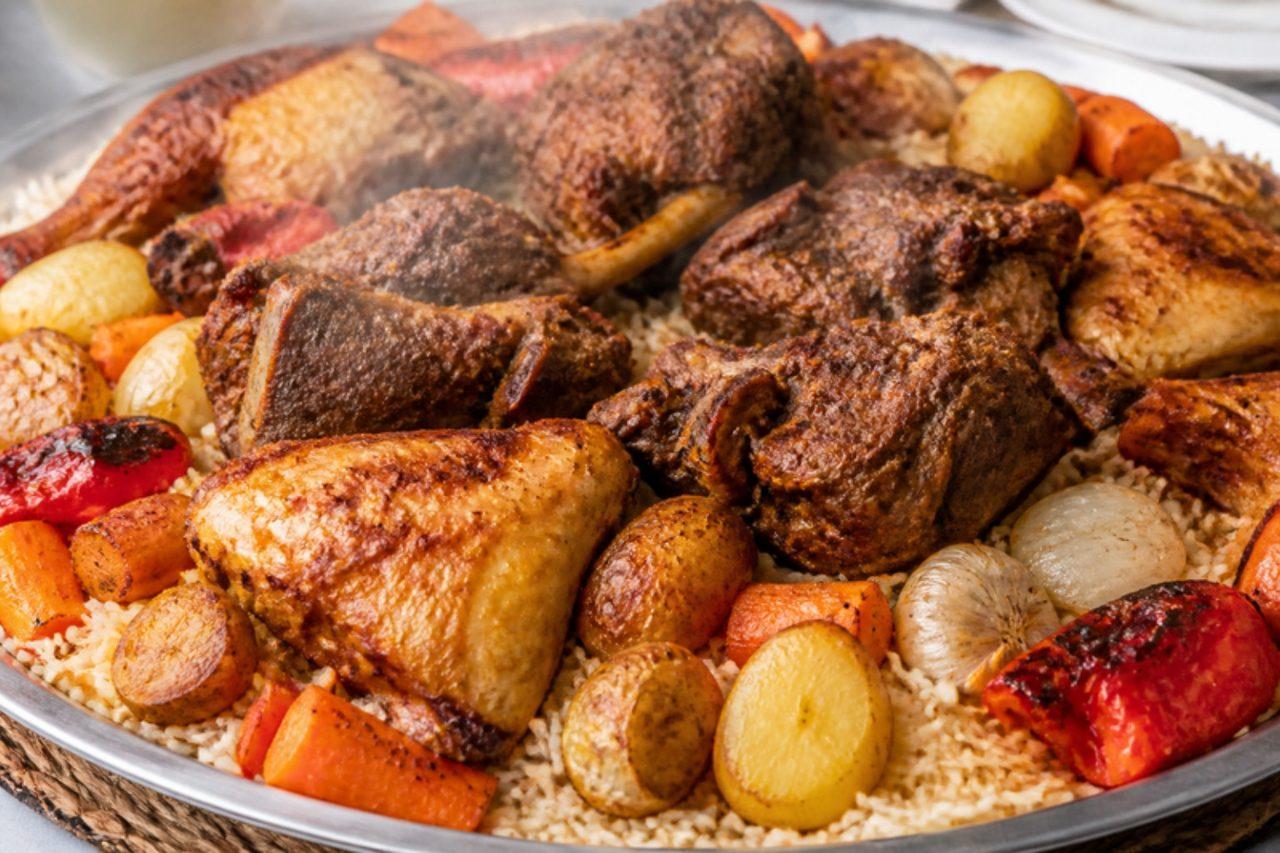
Visitors to the desert camps of Wadi Rum often watch the zarb come up from the sand at sunset: tiered racks of spiced lamb, chicken, potatoes and onions that have steamed for hours in a pit of embers, then lifted out smoky and falling apart. At home you get close with a deep roasting tin sealed tightly with foil, a long, low oven and a short blast of heat at the end. Serve it on a big platter over rice or with shrak, with yoghurt and a tomato salad. The mistake most people make is leaving gaps in the foil, so the steam escapes and the meat dries. Chef's tip: marinate overnight in the fridge and add a little smoked paprika to the spice mix; it brings back the taste of the pit.

by KrazyBadal 0 views

YuvalamaRice dumplings in yoghurt soup

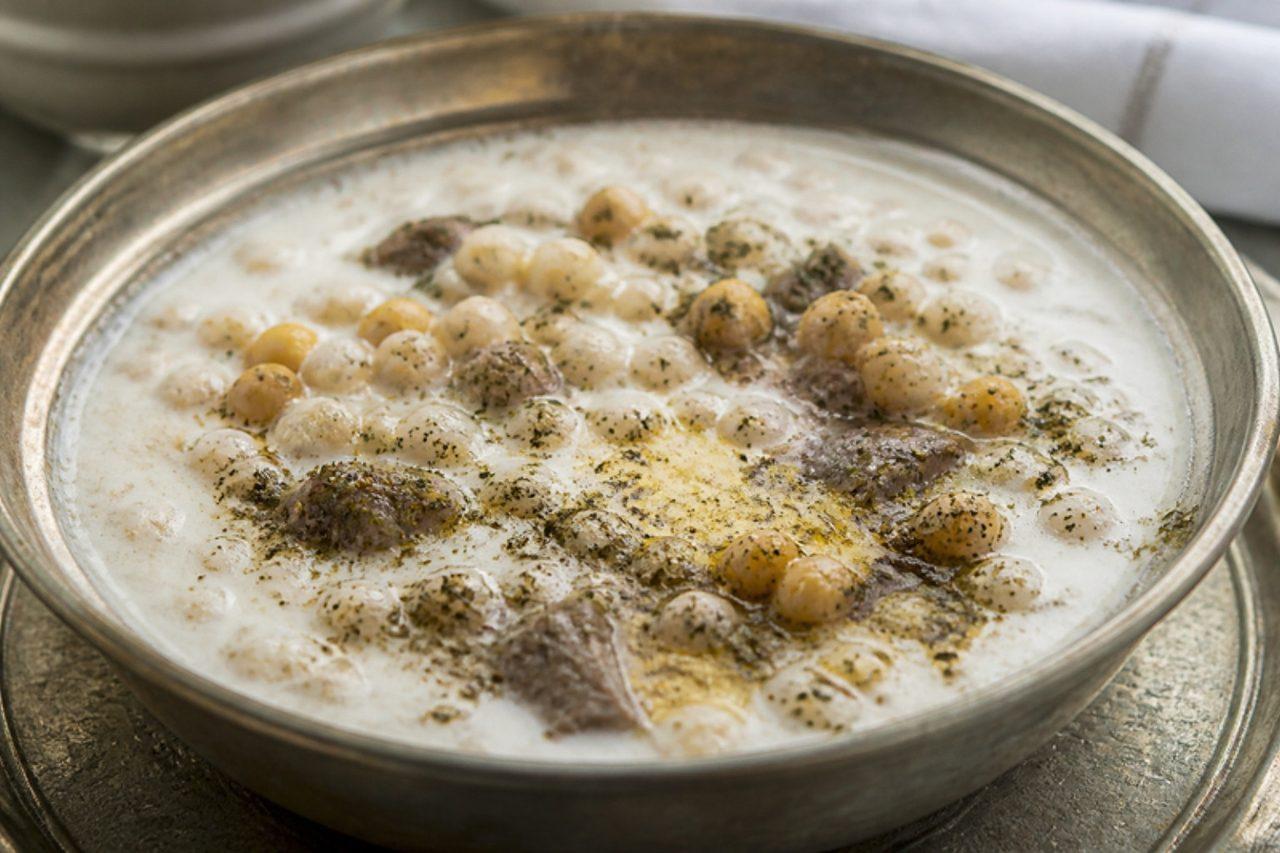
Families in Gaziantep spend the day before Kurban Bayramı rolling thousands of chickpea-sized dumplings for yuvalama, the festive yoghurt soup served on the first morning of the holiday. Little balls of rice dough and tiny lamb meatballs simmer with chickpeas and chunks of lamb in a tangy yoghurt broth, finished with mint butter. It is rich, soothing and very much a feast dish, so make it with friends. The most common mistake is adding the yoghurt straight to a boiling pot: it curdles. Chef's tip: whisk an egg yolk and a spoon of flour into the yoghurt and stir it constantly as it comes up to a simmer.

165 minTurkishMeat
by KrazyBadal 0 views

SembusekSpiced mince flatbread pies

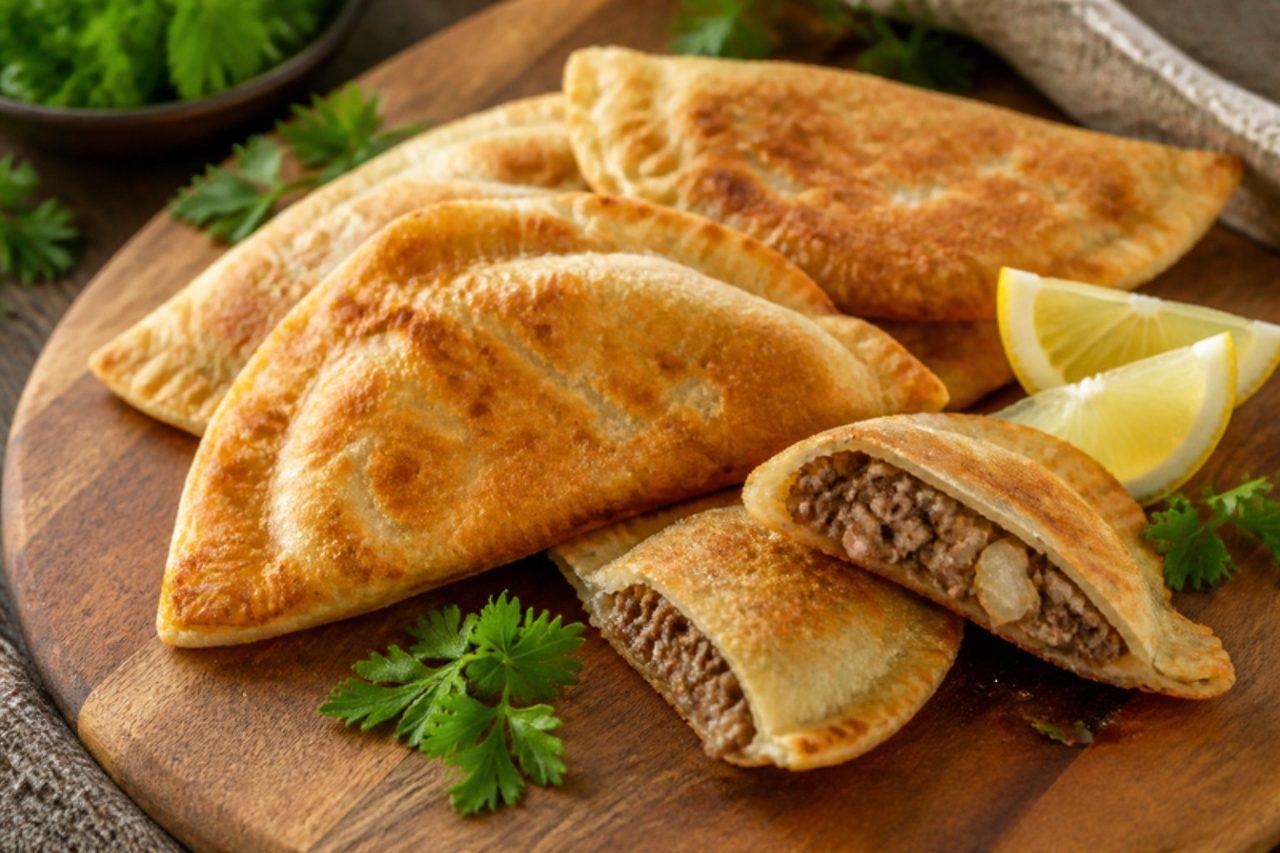
Mardin's stone bakeries fill their ovens with sembusek on weekend mornings: thin rounds of dough folded over a filling of minced meat, onion, parsley and pepper paste, sealed into half-moons and baked until crisp and freckled. Families make big batches for picnics and Ramadan, and eat them warm with ayran or a glass of tea. The meat goes in raw and cooks inside the pastry, so roll the dough thin enough to cook through. Common mistake: a wet filling that makes the base soggy; squeeze the grated onion hard. Chef's tip: brush the tops with a little water and butter as they come out of the oven so they soften just enough to fold over a bite of salad.

by KrazyBadal 0 views

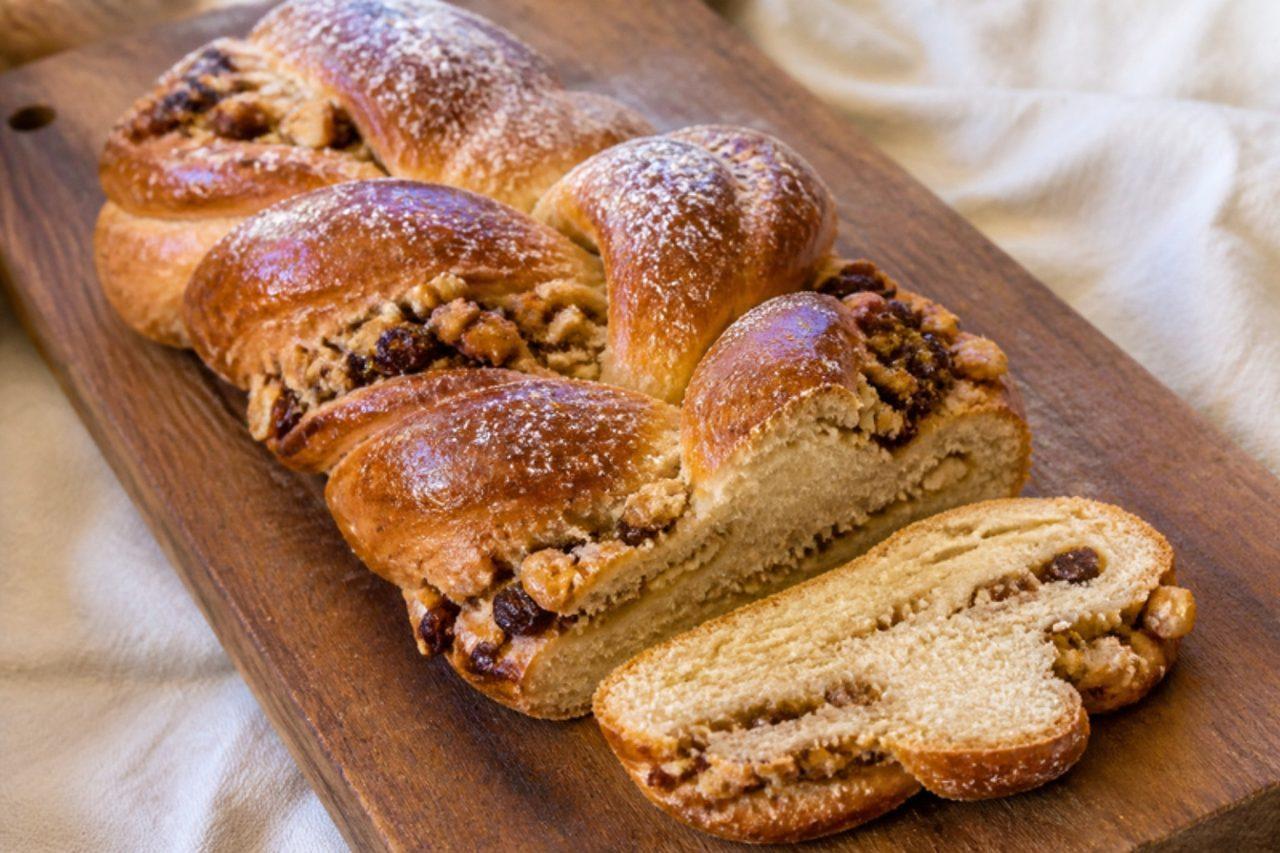
Trenza de AlmudévarNut and raisin braided bread

Almudévar, a small town between Zaragoza and Huesca, gave its name to a braid that is now sold all over Aragon and given as a present at Christmas: a golden plaited loaf, layered with chopped nuts and liqueur-soaked raisins and brushed with syrup until it shines. The town's bakeries use a laminated, puff-like dough that takes a day; this home version uses a buttery brioche rolled around the filling and cut and braided so the layers show. The raisins are traditionally soaked in rum or brandy; use warm orange juice for an alcohol-free loaf. A common mistake is braiding too tightly, which squeezes out the filling and stops the dough rising. Chef's tip: chill the filled roll for 15 minutes before cutting it lengthways; the butter firms and the cut is much cleaner.

by KrazyBadal 0 views

KispiñoSteamed quinoa cakes

Pressed in a fist so each one carries the marks of the cook's fingers, kispiño are small, dense quinoa cakes from the Puno highlands, steamed and then left to dry so they keep for weeks on journeys, herding trips and pilgrimages. Traditional ones are bound with a little lime water (from cal, the mineral) and fat; this home version uses oil and a pinch of aniseed and sugar, so they're vegan and pleasantly savoury-sweet. They're firm and chewy, a little like a grain cake, and good with hot tea, coca tea or a soup on a cold day. The common mistake is making the dough too wet, so the cakes slump in the steamer; it should feel like damp sand that holds its shape when squeezed. Ground quinoa is quinoa flour; grind your own from rinsed, dried and toasted grain, or buy it ready ground. Chef's tip: toast the ground quinoa in a dry pan first until it smells nutty, which takes away any bitterness.

by KrazyBadal 0 views

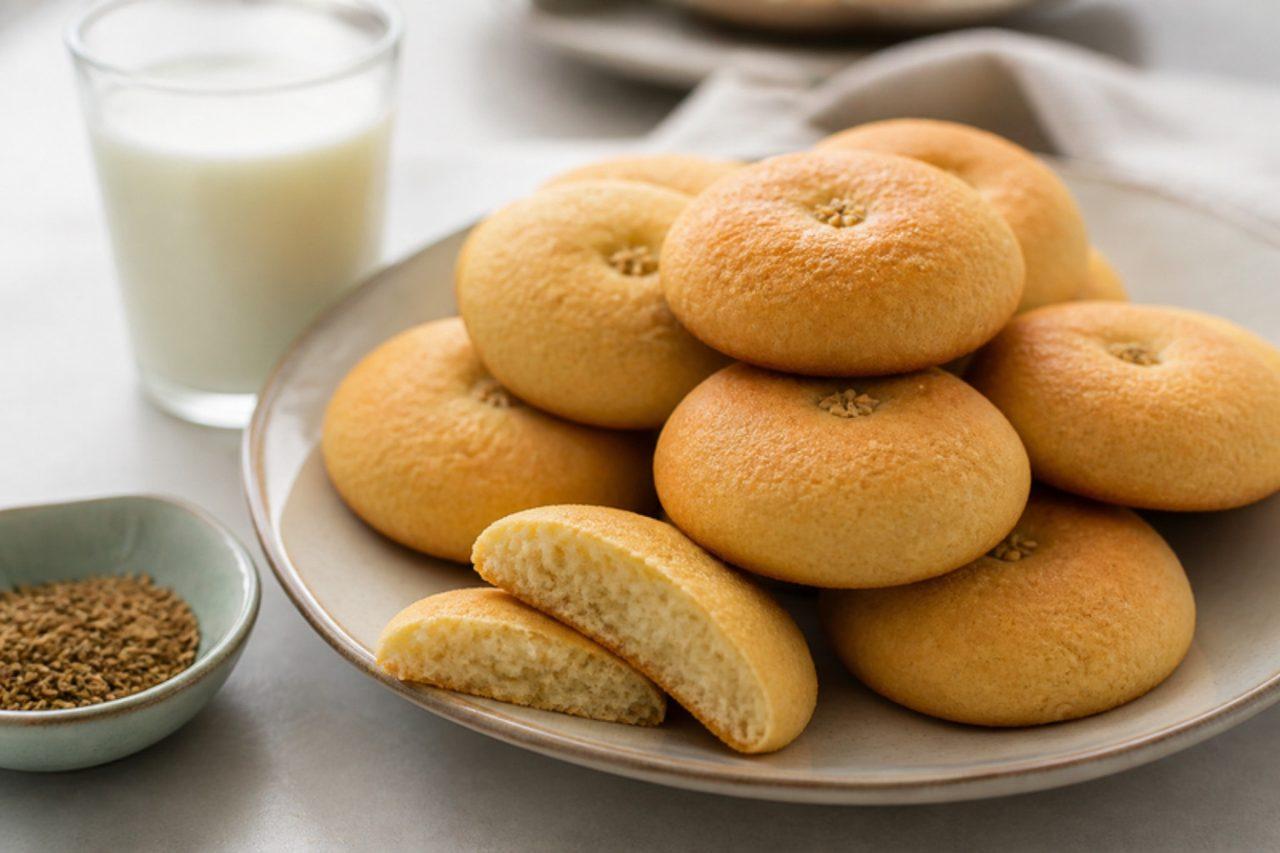
Ka'ak bi haleebSoft milk cookies

Lebanese families bake ka'ak bi haleeb by the tray before Eid and Easter alike, stamping each round with a carved wooden mould so it comes out patterned like a little rosette. They are soft rather than crisp, gently sweet, perfumed with mahlab (ground cherry kernels), anise and orange blossom water, and dusted with sesame or left plain. Children dunk them in milk, grown-ups in tea. The common mistake is adding too much flour to make the dough easier to handle, which gives dry, bready cookies. Chef's tip: let the shaped cookies rise for 30 minutes before baking; the yeast makes them pillowy and keeps the stamped pattern sharp.

by KrazyBadal 0 views

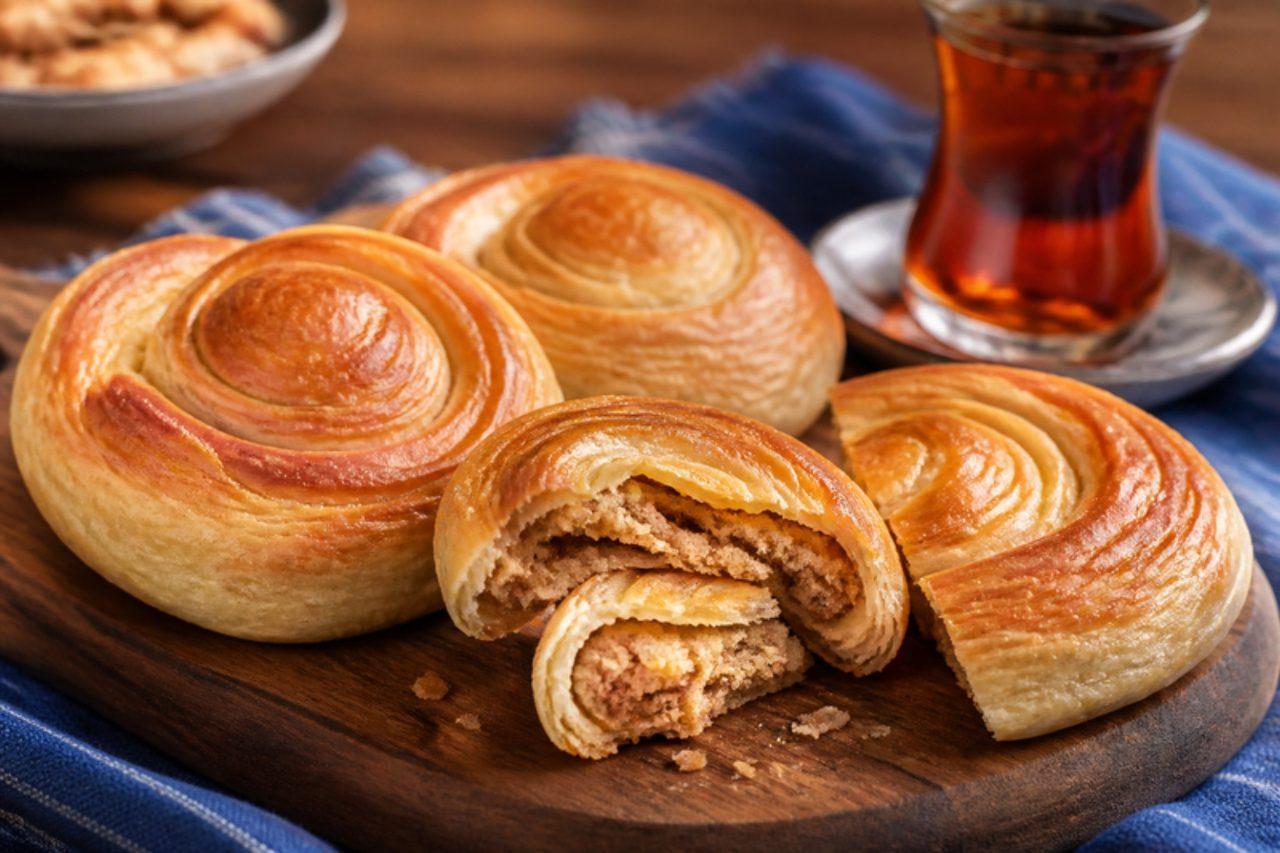
KeteToasted flour butter rolls

Bakeries in Erzurum and Kars sell kete by the dozen for breakfast and long bus journeys: soft yeasted rolls coiled around a filling of flour toasted in butter until it smells of biscuits. Inside, the layers turn flaky and tender, and the crust is glazed with egg and sesame. They are eaten with strong tea, white cheese and olives, and keep well for a few days. Common mistake: under-toasting the flour for the filling; it should go a pale sandy gold and smell nutty, or the centre tastes raw. Chef's tip: roll the dough thin before spreading the filling and coiling it; thin layers bake into the flaky swirl that makes kete special.

by KrazyBadal 0 views

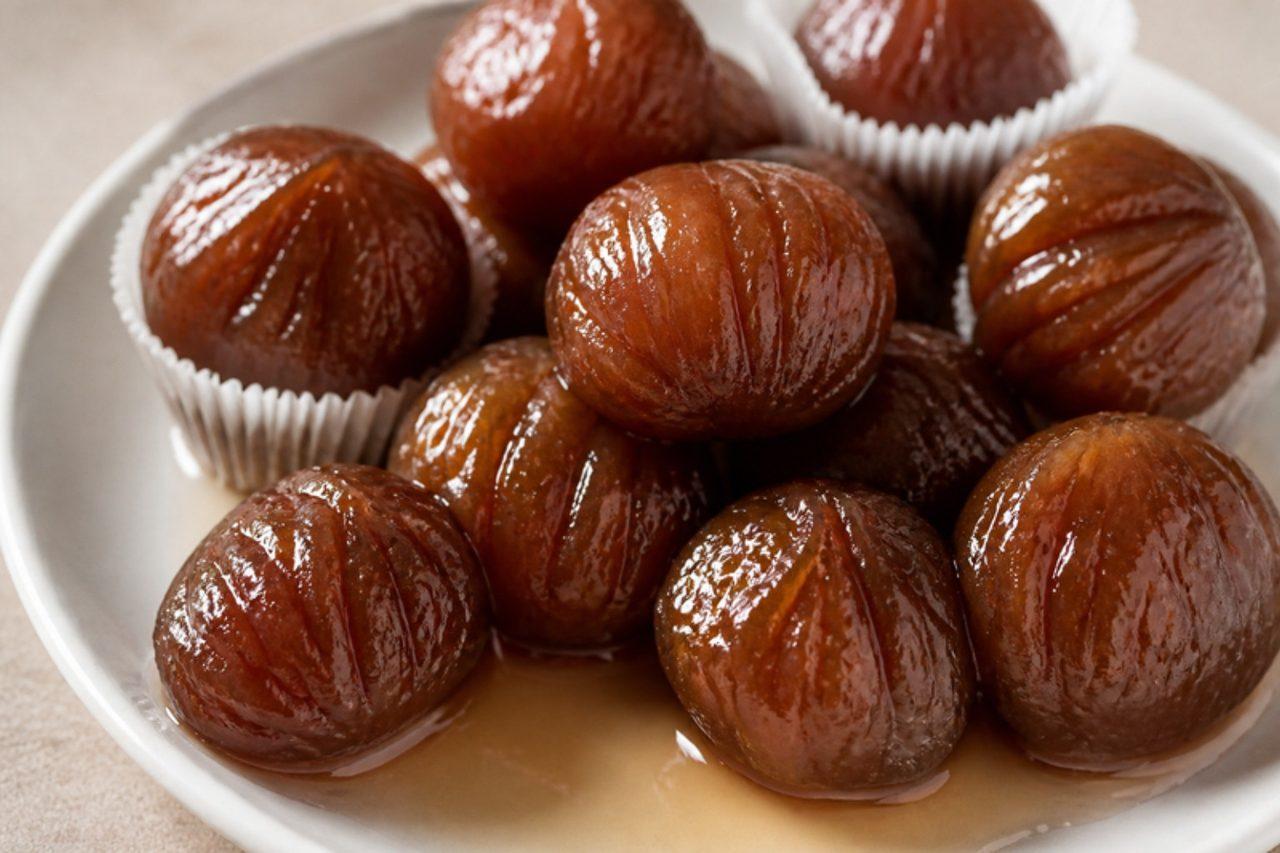
Kestane şekeriCandied chestnuts

Bursa sits beneath the chestnut forests of Uludağ, and every sweet shop in the old covered market sells kestane şekeri in neat gold boxes, especially as gifts in autumn and at the new year. Peeled chestnuts are poached and then candied over several days in a vanilla syrup until they turn dense, glossy and tender right through. It takes patience rather than skill. Chef's tip: wrap each chestnut in a square of muslin before poaching; it holds the fragile nuts together through the repeated syrup baths.

by KrazyBadal 0 views

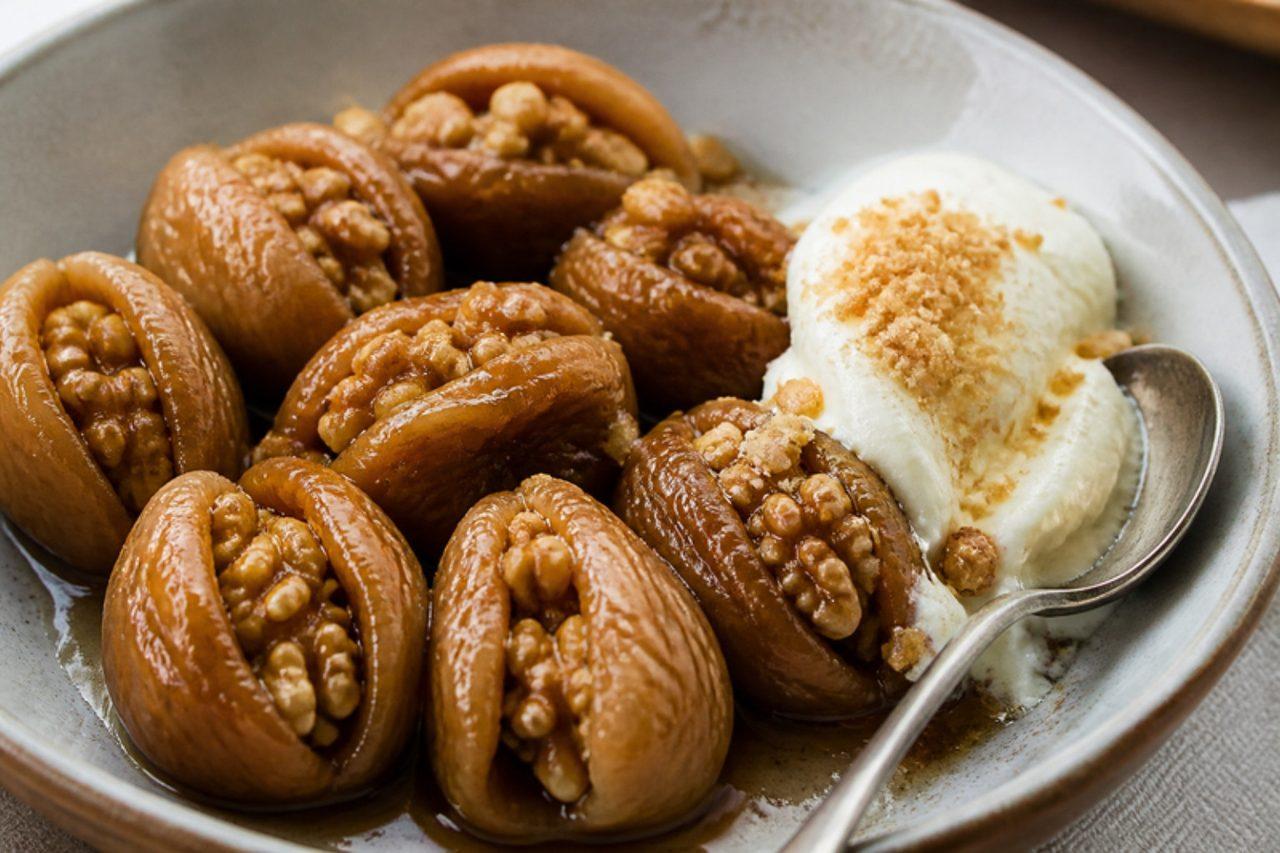
İncir tatlısıWalnut-stuffed figs in syrup

The plain around Aydın grows most of Turkey's figs, and in winter, when only the dried ones remain, local cooks soften them in water, tuck a walnut half inside each, and poach them in a light syrup until they plump up dark and glossy. A spoonful of milk in the pan, an old Aegean trick, gives the syrup a soft caramel note. Serve them cold with kaymak or thick yoghurt. Chef's tip: soak the figs first so they swell before cooking; added dry, they stay leathery in the middle however long they simmer.

by KrazyBadal 0 views

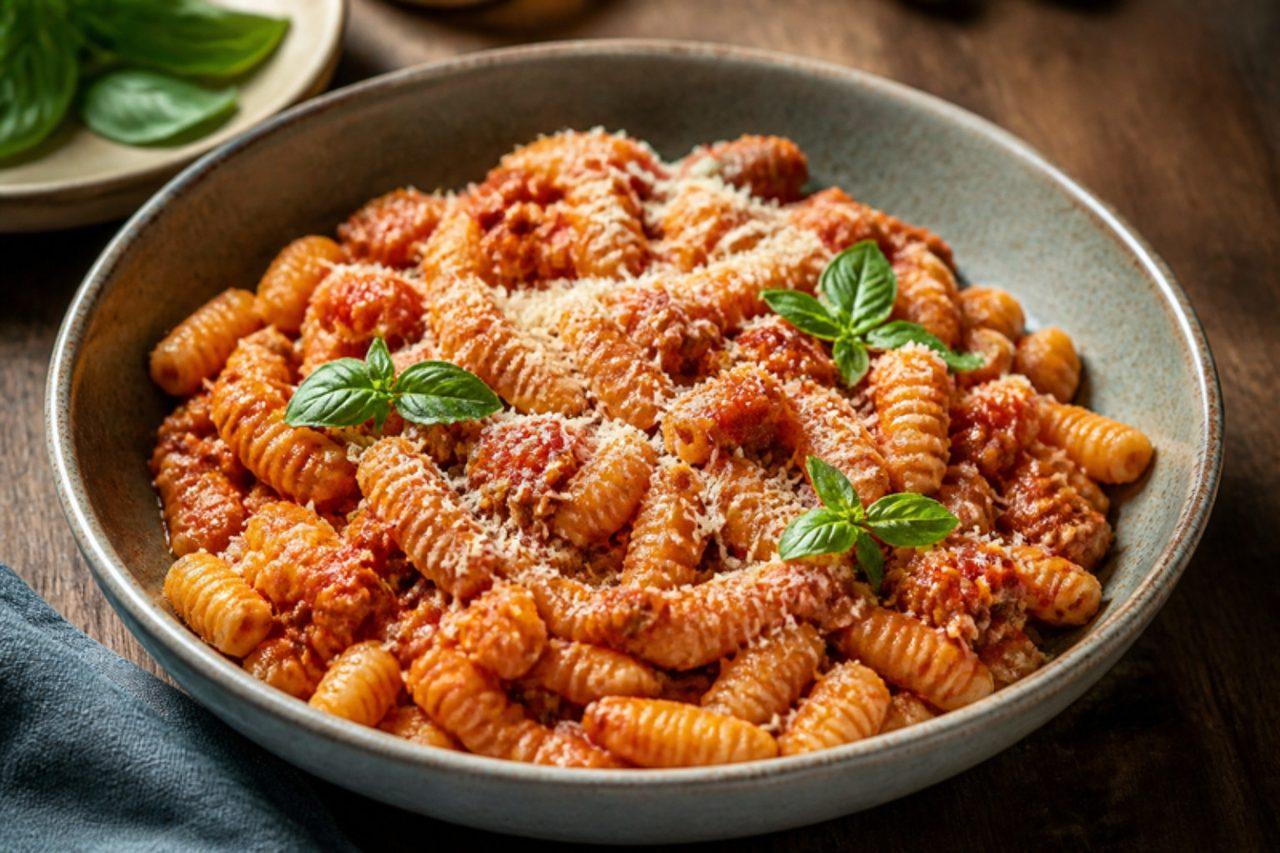
Malloreddus alla campidaneseSaffron gnocchetti with sausage

Malloreddus, small ridged shells of semolina pasta coloured with saffron, are Sardinia's festive pasta, and on the plain of Campidano, north of Cagliari, they're served at weddings, saints' days and Sunday lunch with this sauce. It's a pork dish: crumbled fennel pork sausage is browned, then simmered with tomato until rich, and the little ridged shells catch every bit of it. A shower of sharp pecorino sardo finishes it. Dried malloreddus (sometimes sold as gnocchetti sardi) are easy to find; homemade ones are a lovely weekend project. Chef's tip: steep the saffron in a spoonful of hot water before adding it to the sauce; the colour and perfume spread evenly instead of staying in threads.

by KrazyBadal 0 views

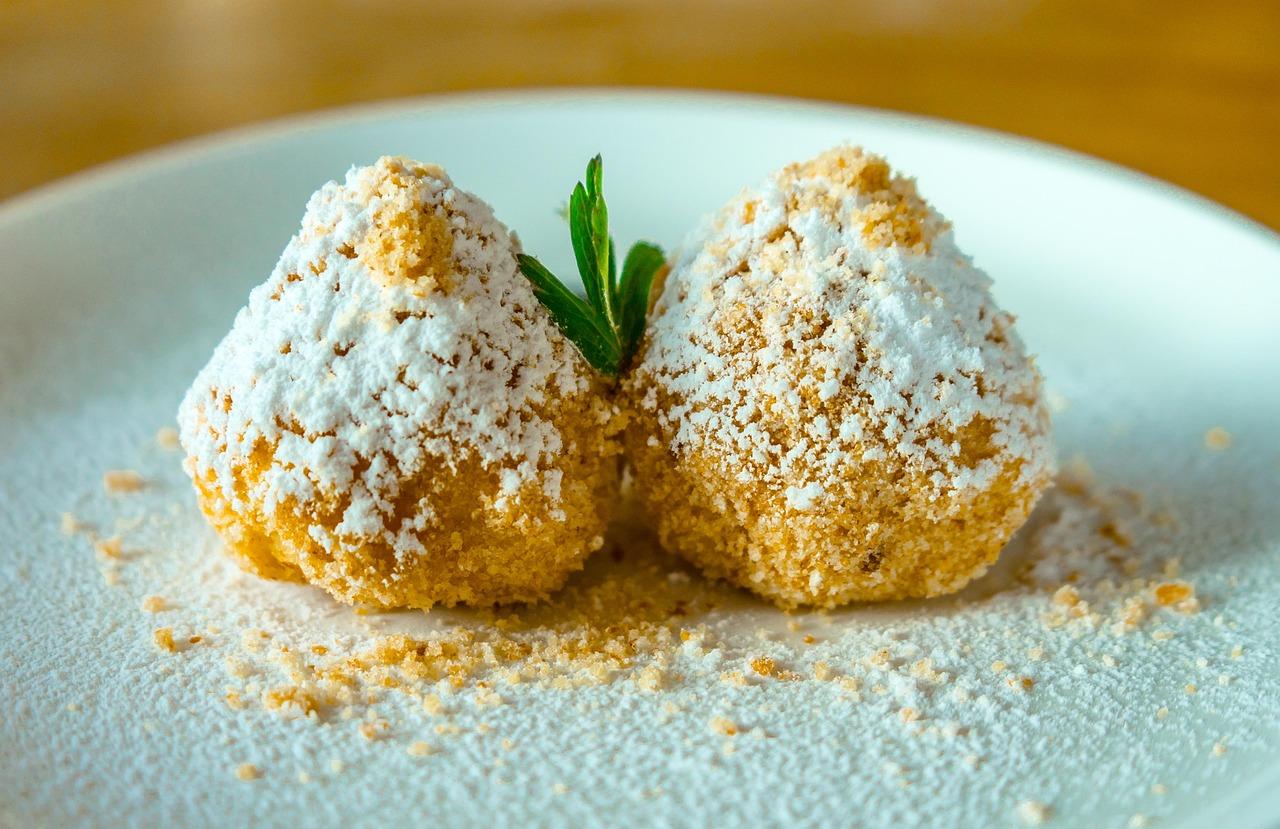
TopfenknödelQuark dumplings in buttery crumbs

Topfenknödel belong to the long Austrian tradition of sweet main courses: in Viennese homes and Lower Austrian inns they are often served as a light Friday lunch, or as dessert after soup. Fresh quark, butter, egg and semolina make a dough that cooks into soft, tangy, almost cheesecake-like dumplings, which are rolled in breadcrumbs toasted in butter with cinnamon sugar and served with a warm fruit compote. A common mistake is boiling them hard; they puff, crack and fall apart, so keep the water just shivering. Most quark is made without animal rennet, but check the label and choose one marked vegetarian. Chef's tip: rest the dough for at least 30 minutes so the semolina can swell; it makes the dumplings hold together.

by KrazyBadal 0 views

Showing 27 of 7,762 recipes

Show more recipes

Page 534 of 863