


Skip to content
Pesada de nance
Featured recipe

Pesada de nance

Nance fruit pudding

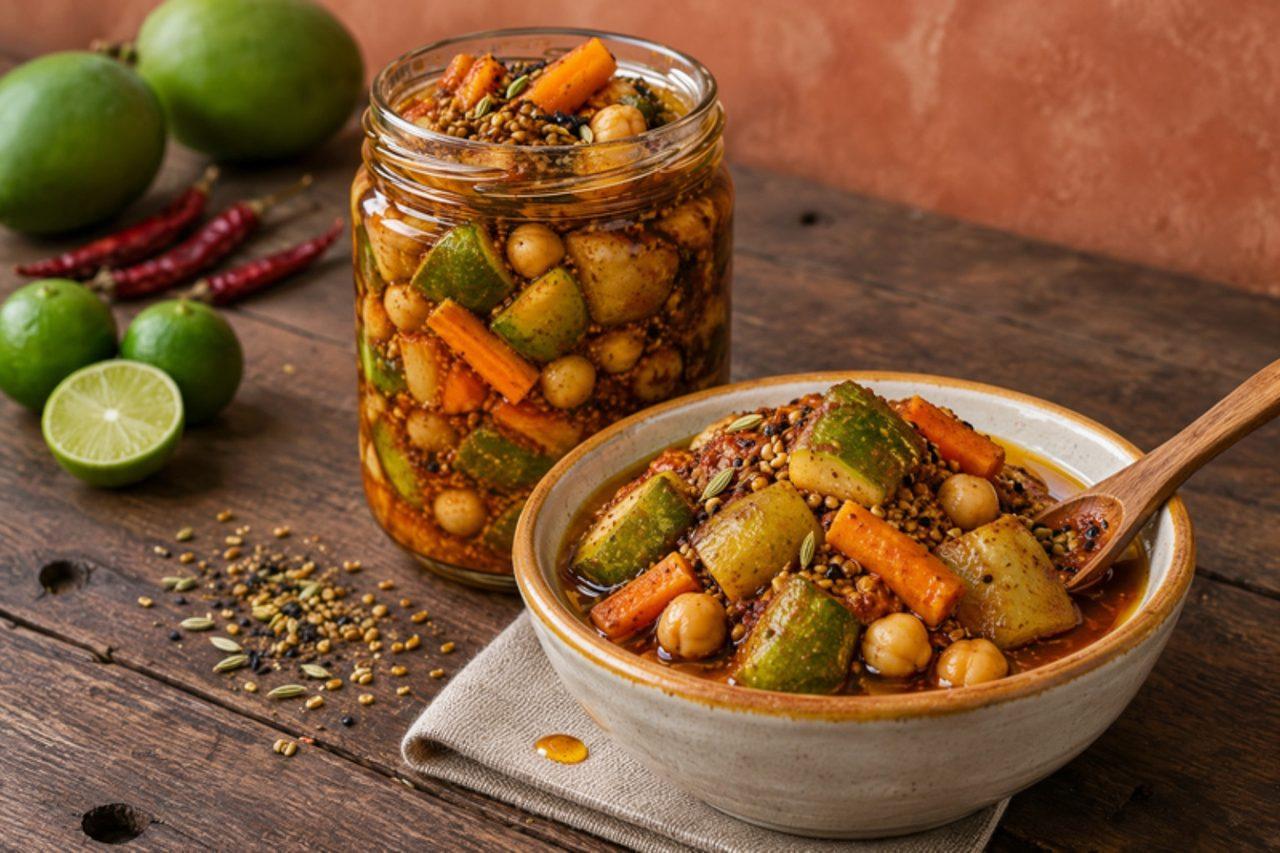
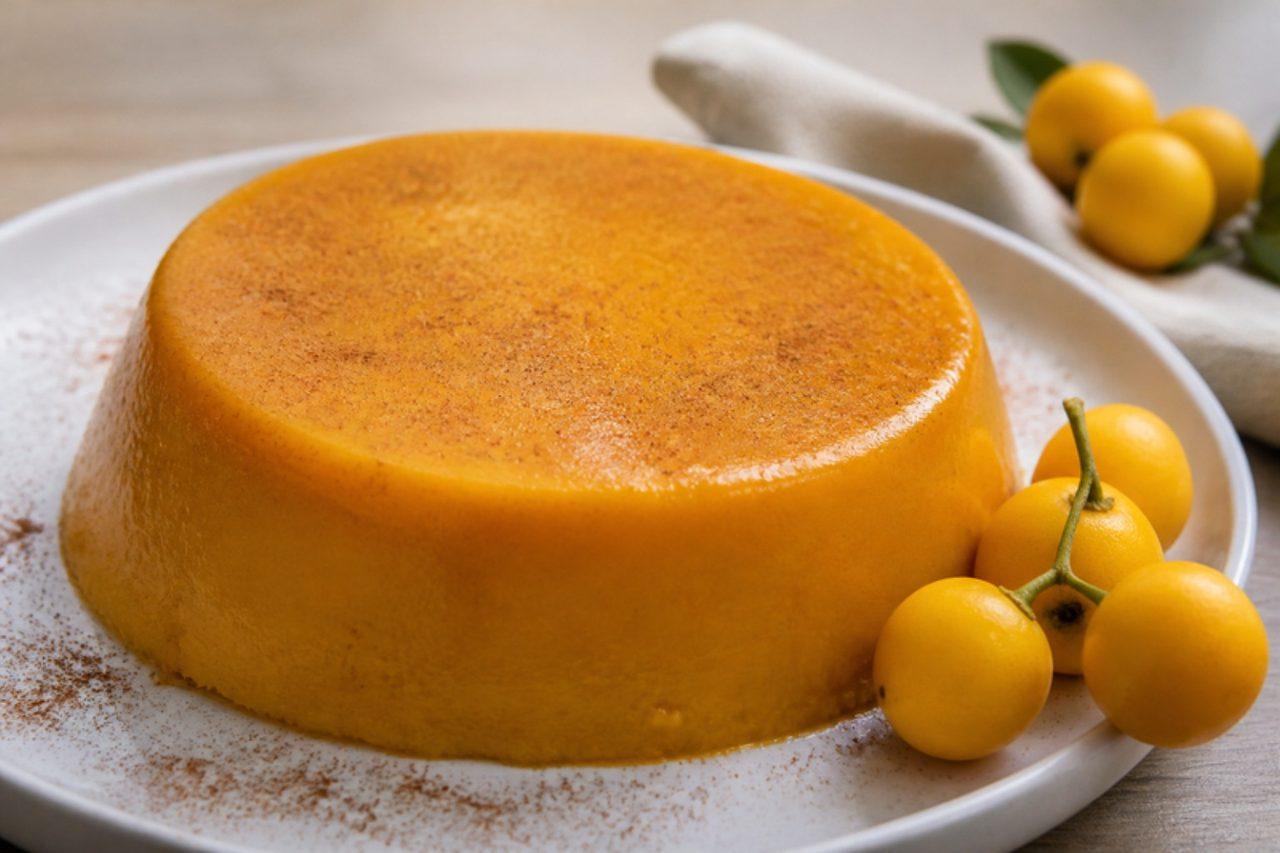
Nance are small yellow fruits with a sharp, almost cheesy aroma, gathered from trees across Panama's countryside in the dry season and sold in bags at roadside stands near Penonomé. Cooked with sugar and thickened with cornflour, they become pesada, a thick, wobbly, sweet-sour pudding eaten cold, sometimes with a slice of white cheese. Look for frozen or jarred nance in Latin American shops. Skipping the sieve is the most common mistake; the stones and skins make it grainy. Chef's tip: dissolve the cornflour in cold juice, never hot, or it forms lumps you can't whisk out.

Read more 0 views

What to eat today?

Around the world

Today's trip: Paraguayan

A new country every day, from every cuisine on the site.

Paraguayan

Chipa

Cheese bread rings 50 minMore from Paraguayan (27) →

This week's collection

Kid-friendly dinners
537 recipes · a new collection every Monday

Latest recipes

Morgh-e torshChicken with walnuts and sour plums

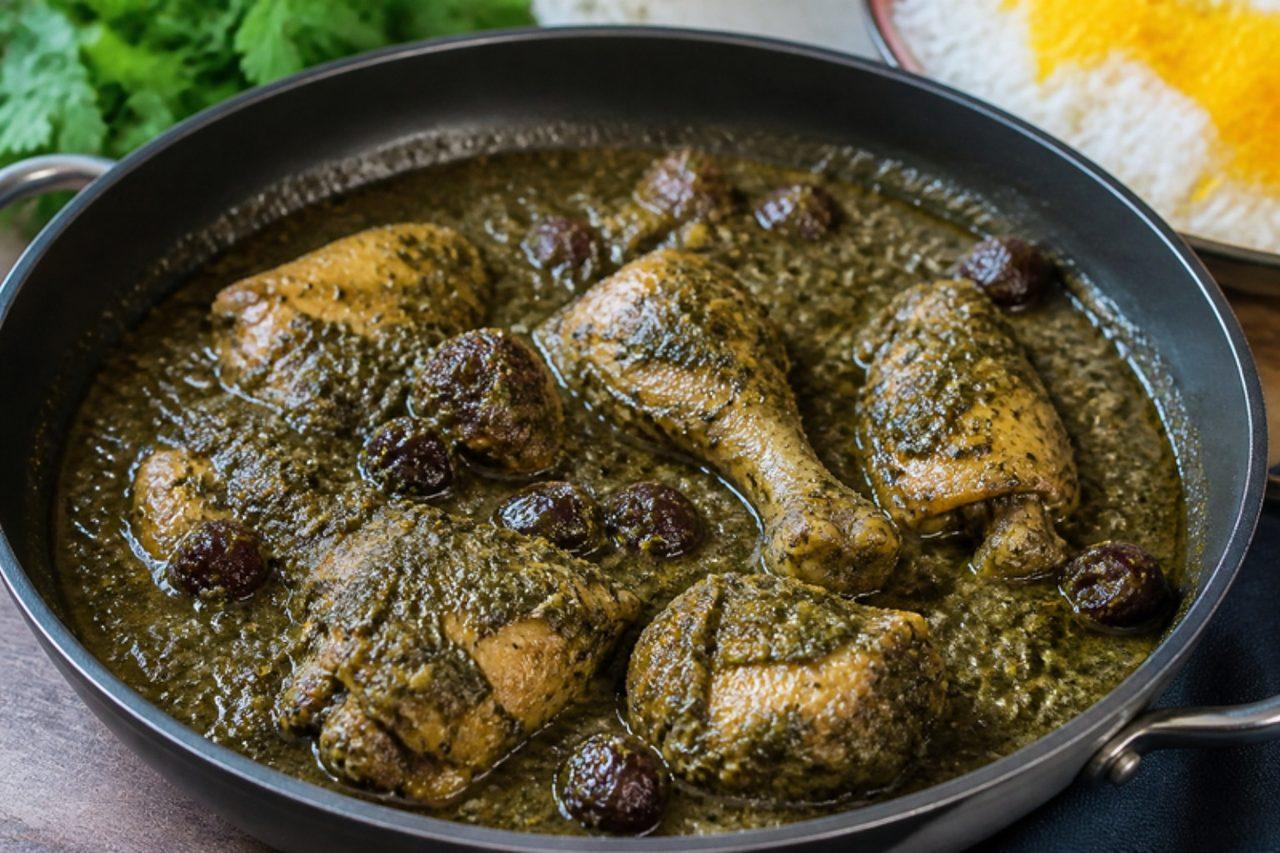
Morgh-e torsh is everyday Sunday cooking in Rasht and the villages of Gilan, where gardens overflow with herbs and the cooking leans sour rather than sweet. Chicken pieces are browned, then braised with a mountain of chopped coriander, parsley, mint and garlic chives, ground walnuts and sour plums, finished with verjuice or lemon until the sauce turns a deep olive green. It is eaten with kateh, the simple Caspian rice. A common mistake is adding the herbs raw to the pot; fry them first until dark and fragrant, or the sauce tastes grassy. Chef's tip: a beaten egg stirred in at the very end is how many Gilani grandmothers thicken and enrich the sauce.

by KrazyBadal 0 views

Morrones con huevo a la parrillaGrilled peppers with egg and cheese

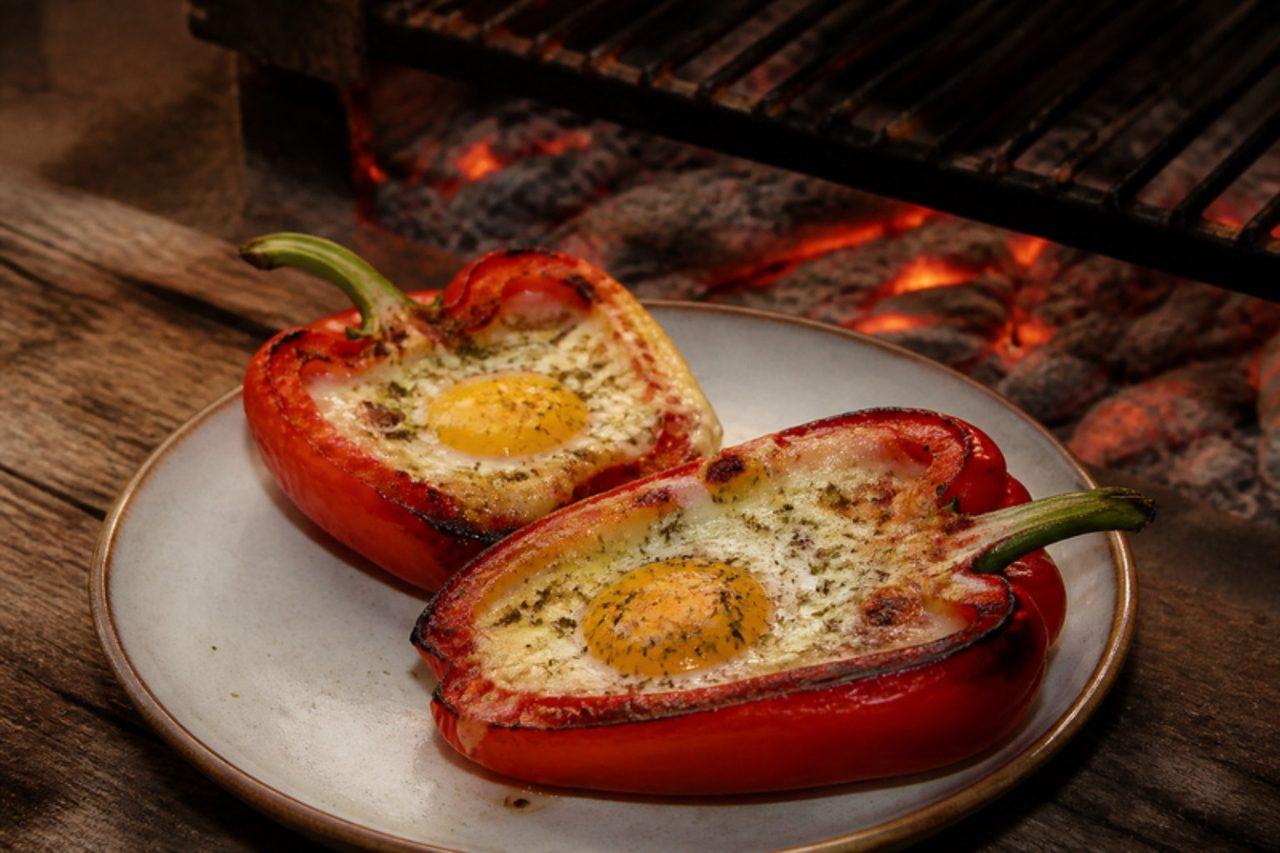
While the meat rests on the cooler side of the parrilla, many asadores put halved red peppers cut side up over the coals, let them soften and char, then crack an egg into each one with a piece of cheese and a pinch of oregano. The pepper becomes a little dish: sweet, smoky and juicy, with a just-set egg and molten cheese in the middle. It is one of the classic starters at an Argentine asado, eaten with bread before the steak arrives, and it makes a good vegetarian main for anyone who skips the meat. The mistake is cracking the egg into a raw pepper: the egg overcooks before the pepper softens, so grill the shells first. Cook until the white is completely set. Queso cremoso or mozzarella is usually made with animal rennet; pick a vegetarian one if needed. Chef's tip: cover the peppers with a foil tent or a lid once the egg goes in; the trapped heat sets the top of the egg without burning the base.

by KrazyBadal 0 views

MsabbahaWhole chickpeas in tahini sauce

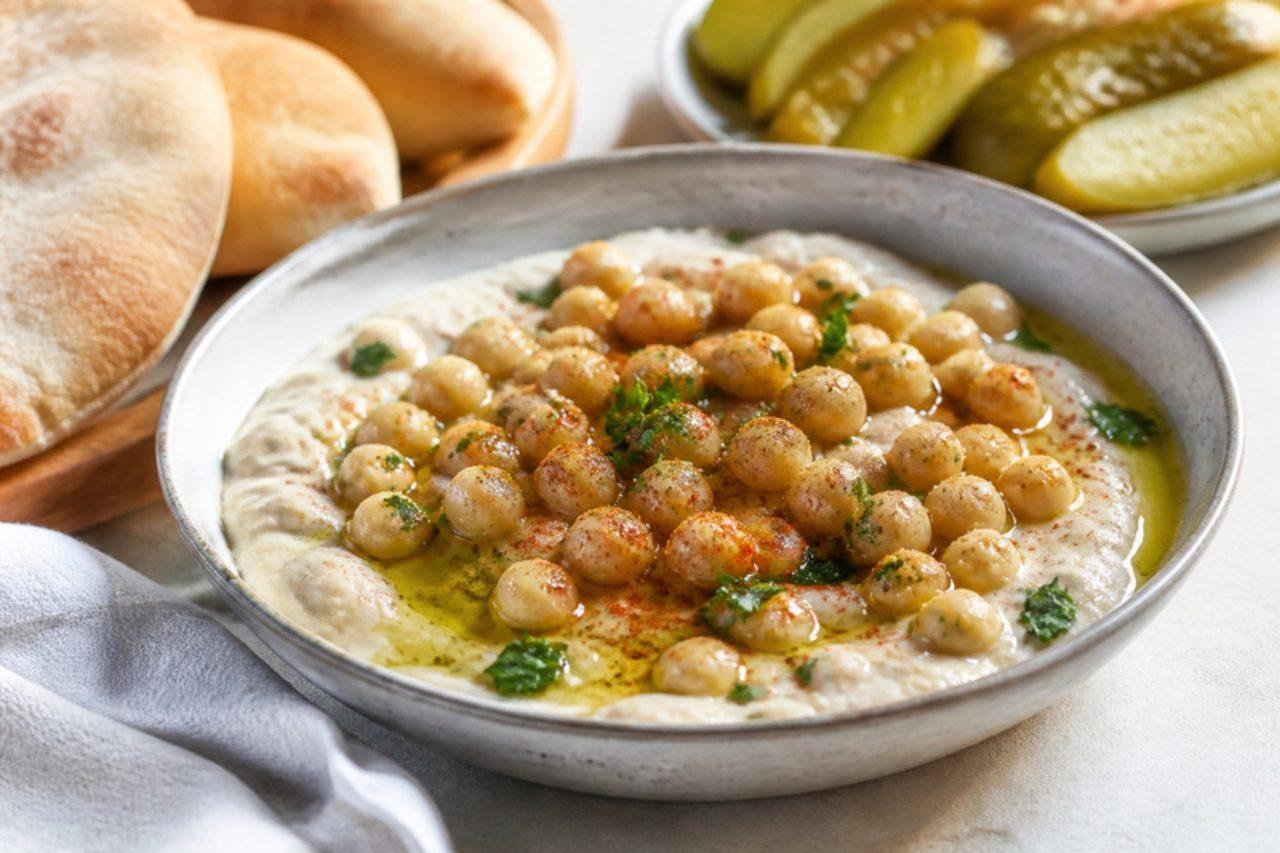
Hummus shops in Jerusalem's Old City and in Nablus open before dawn, and alongside the smooth hummus they ladle out msabbaha: whole, just-cooked chickpeas bathed in a loose, garlicky tahini and lemon sauce, still warm. It is a working breakfast, eaten with raw onion wedges, green chilli and plenty of bread, and it is just as popular in south Lebanon. The texture is the point, soft chickpeas in a creamy pool rather than a purée. The common mistake is making the tahini sauce too thick; it should pour like double cream so it seeps around every chickpea. Chef's tip: crush a handful of the hot chickpeas into the sauce before you spoon it over; it makes the msabbaha richer and creamier.

by KrazyBadal 0 views

Mtabbal shamandarBeetroot and tahini dip

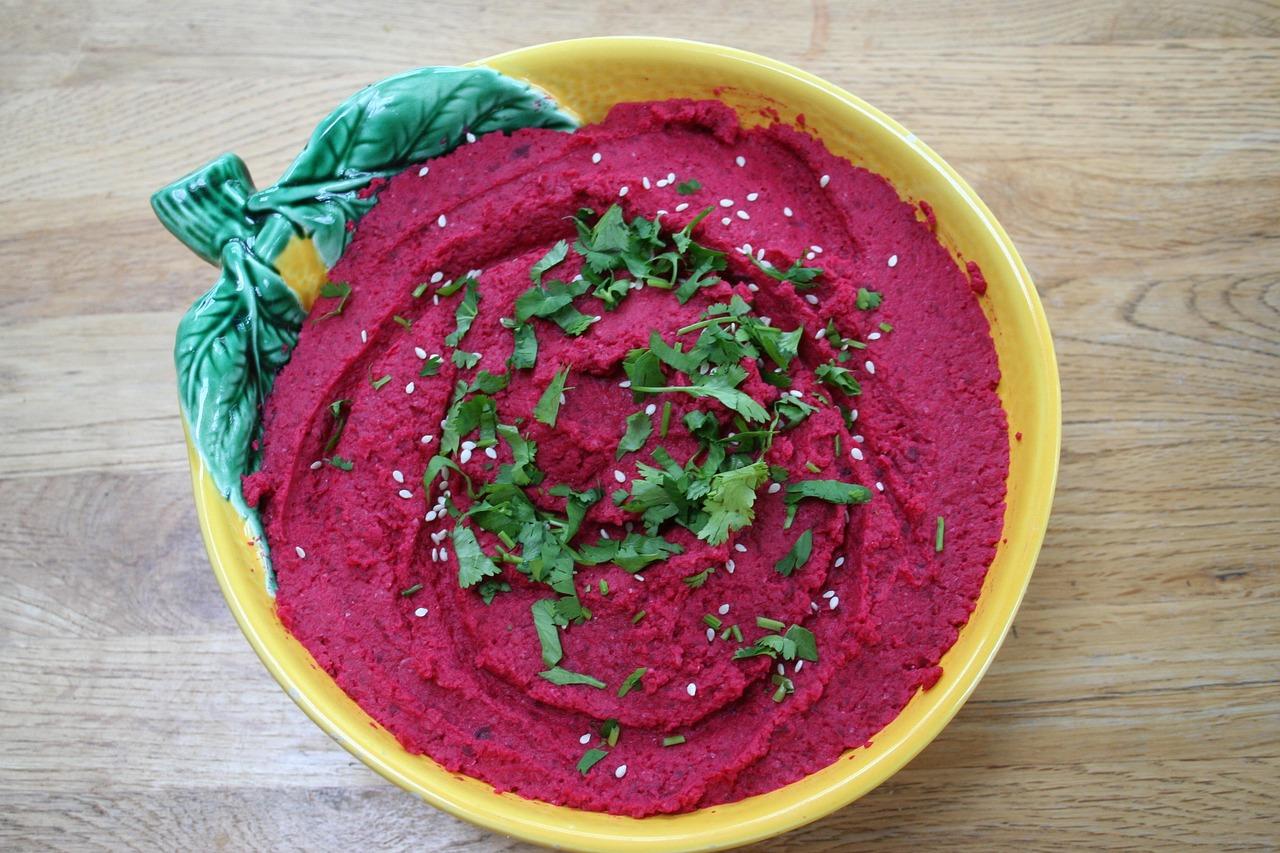
Beirut's modern mezze bars made mtabbal shamandar a fixture next to hummus and moutabal: roasted beetroot blended with tahini, garlic, lemon and a little yoghurt into a magenta dip that is earthy, nutty and bright. It is quick to make and keeps well, so it is good for a weekend spread with warm flatbread, crisp cucumbers and radishes. Common mistake: boiling the beetroot, which waters it down; roasting in foil concentrates the sweetness. Chef's tip: add the lemon a little at a time and taste — beetroot varies a lot in sweetness, and the dip should taste lively, not sugary. Use plant yoghurt to make it vegan.

by KrazyBadal 0 views

MuhlamaCornmeal, butter and melted cheese

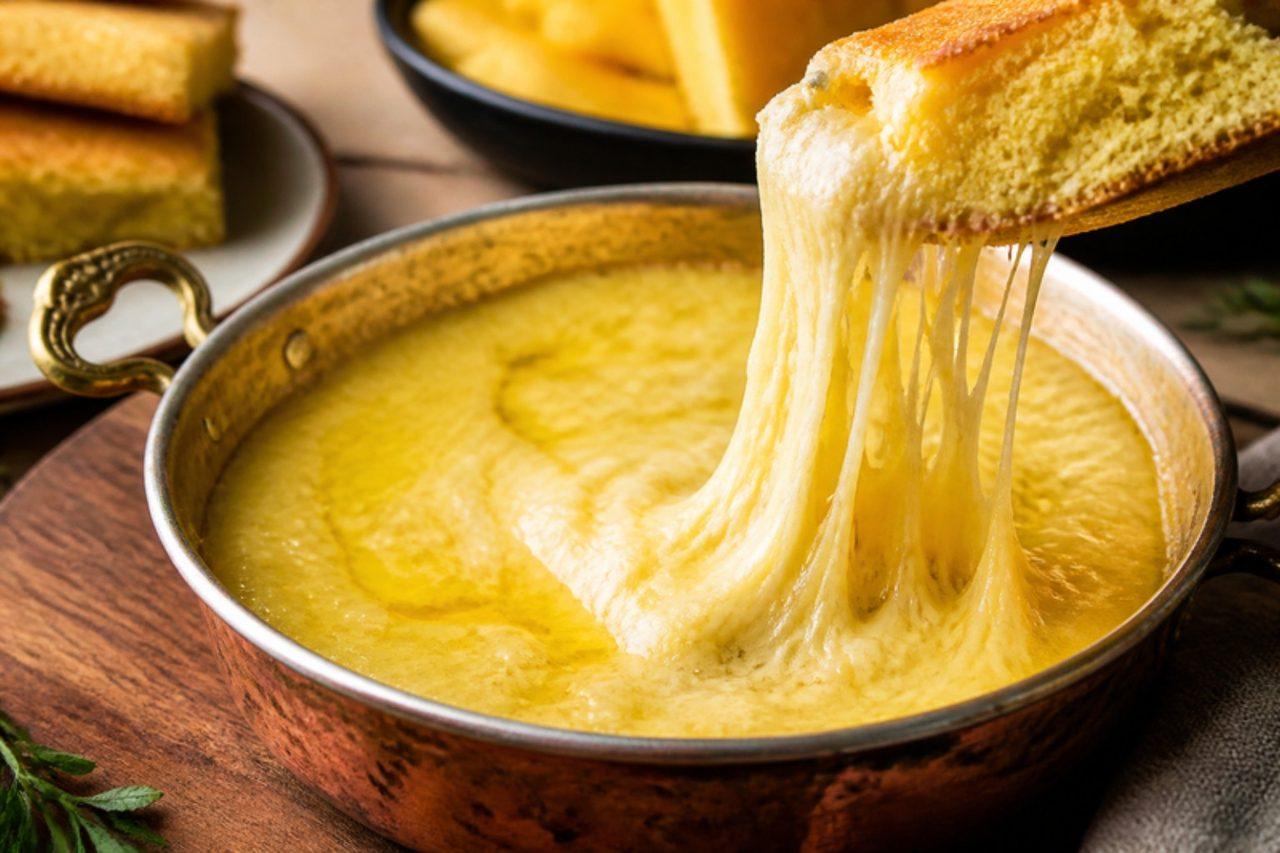
Up in the yayla summer pastures above Trabzon and Rize, breakfast often arrives as one blackened pan set in the middle of the table, with everyone tearing bread and dragging it through. Muhlama is butter, coarse cornmeal and a young stringy cheese stirred together until the cheese melts into long, glossy threads and a pool of golden butter rises to the top. Eat it straight from the pan with cornbread or crusty bread, black tea and a plate of tomatoes and cucumbers. Common mistake: adding the cheese before the cornmeal has toasted in the butter, which leaves a raw, gritty taste and stops the oil separating. The Black Sea cheese (Trabzon or Kolot) and kaşar are usually made with animal rennet; a vegetarian mozzarella-style cheese works well. Chef's tip: don't stir once the cheese has gone in until it has fully melted, then stir in one direction only; that is what gives the long, elastic strands.

by KrazyBadal 0 views

MushabbakFried batter spirals in syrup

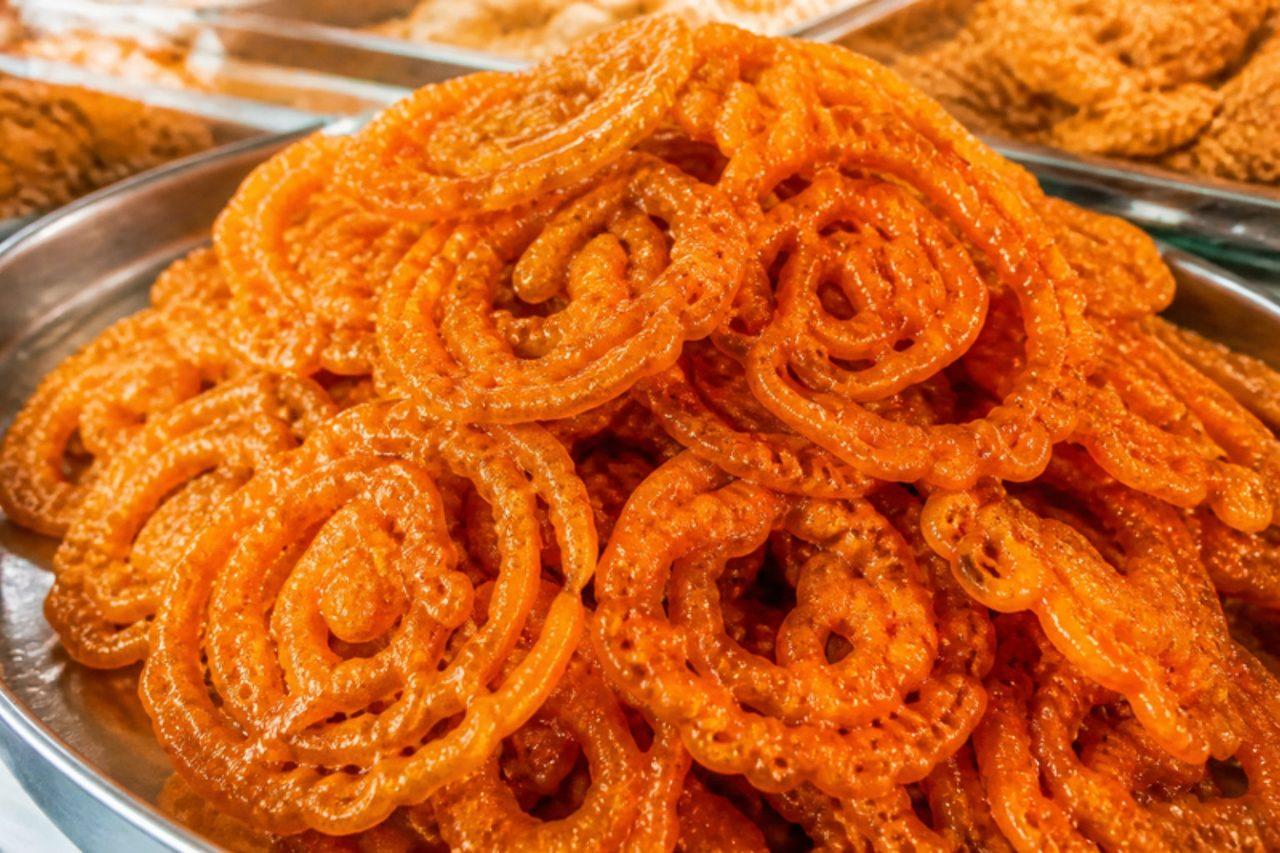
Glass counters in the souks of Nablus and Damascus are stacked with mushabbak, crisp latticed spirals of fried batter dunked in syrup until they glisten. They are bought by the bag for Christian and Muslim feast days, for Ramadan evenings and for no reason at all, and are best eaten within hours while the shells still crack. A lightly fermented batter piped into hot oil gives the hollow, crunchy rings. The mistake to avoid is oil that is not hot enough: the batter soaks up fat and the spirals turn heavy and limp. Chef's tip: the syrup must be cold and the mushabbak hot; dip, count to three and lift, and they stay crisp for hours.

by KrazyBadal 0 views

NabatSaffron rock sugar crystals

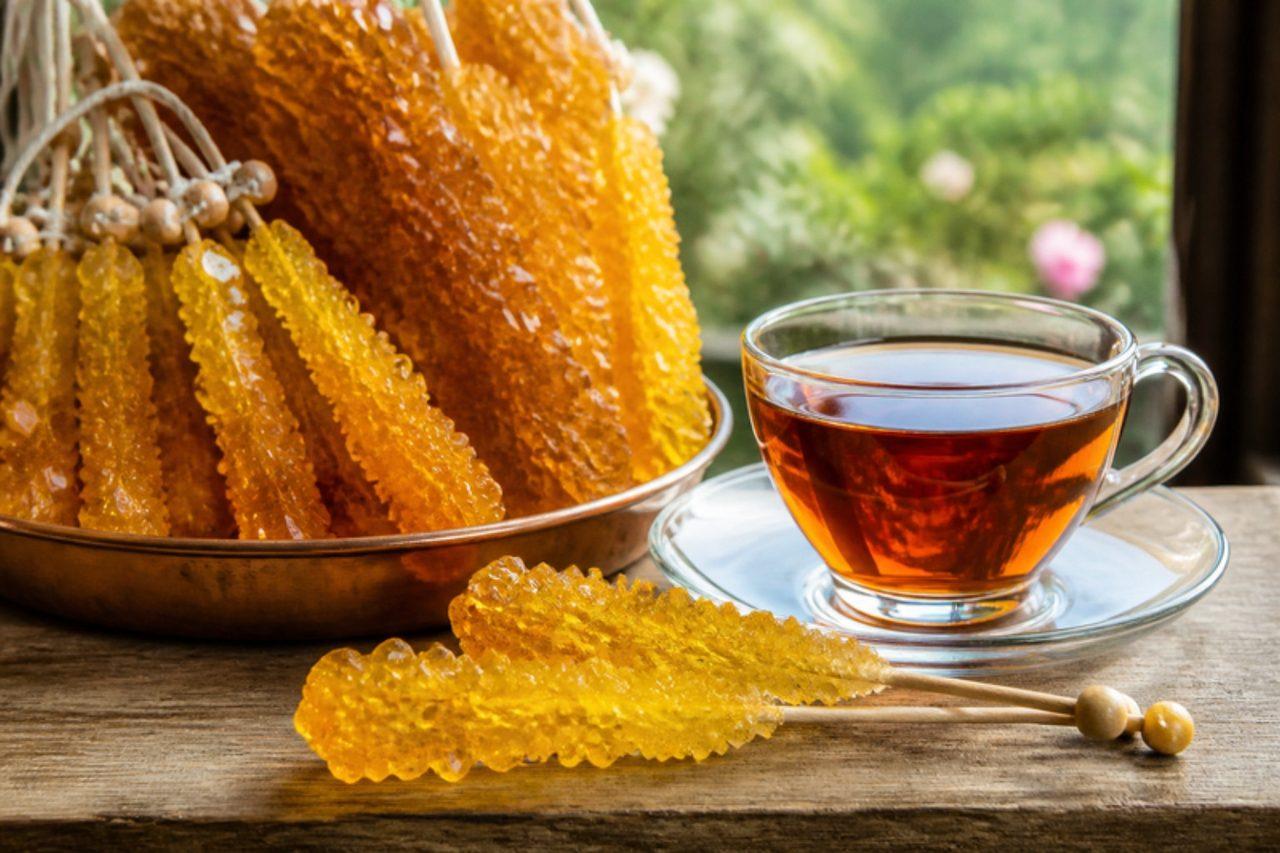
Golden saffron nabat on a stick is the souvenir pilgrims bring back from Mashhad, and across Iran a stick of it is stirred into hot tea for an upset stomach, after a fright or simply instead of a sugar cube. The crystals grow slowly on cotton strings in a saturated syrup over two or three days, and making it at home is a pleasant, slow kitchen project. A common mistake is moving or knocking the jar: every jolt sets off fine sugar grit instead of big crystals. Chef's tip: roll the wet strings in a little sugar and let them dry before hanging them; the seed crystals give the new ones something to grow on.

by KrazyBadal 0 views

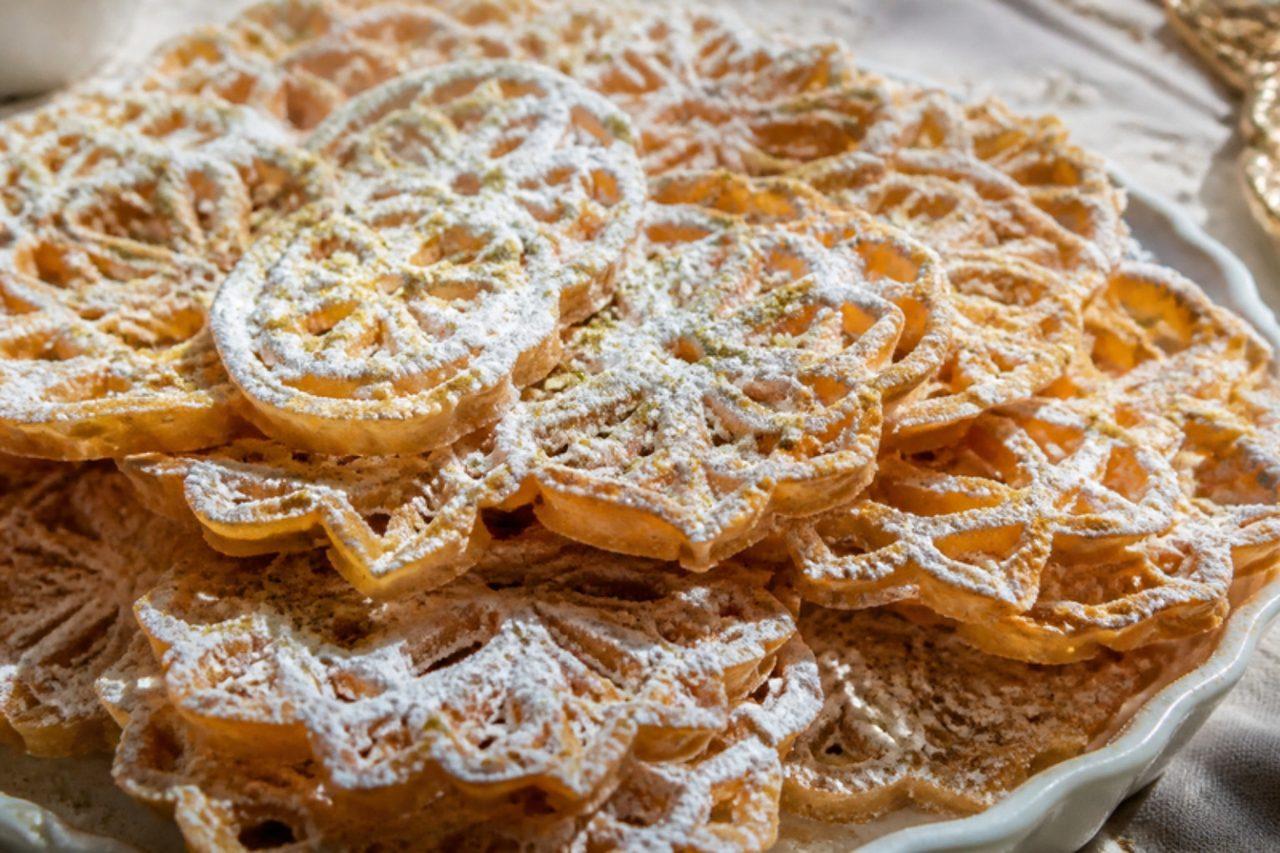
Nan-e panjerehFried rosette pastries

Nan-e panjereh, 'window bread', is the most delicate pastry on a Nowruz table, and in Tehran and Isfahan it is usually made at home with a flower-shaped iron passed down through the family. A thin batter of egg, milk and flour flavoured with rosewater clings to the hot iron, then drops off into the oil as a crisp, lacy rosette that shatters at the first bite. The usual mistake is dipping the iron too deep; the batter must come only to the top edge, or the rosette won't release. Chef's tip: dip the iron back into the hot oil for 30 seconds before every rosette so the batter sets the moment it touches the metal.

by KrazyBadal 0 views

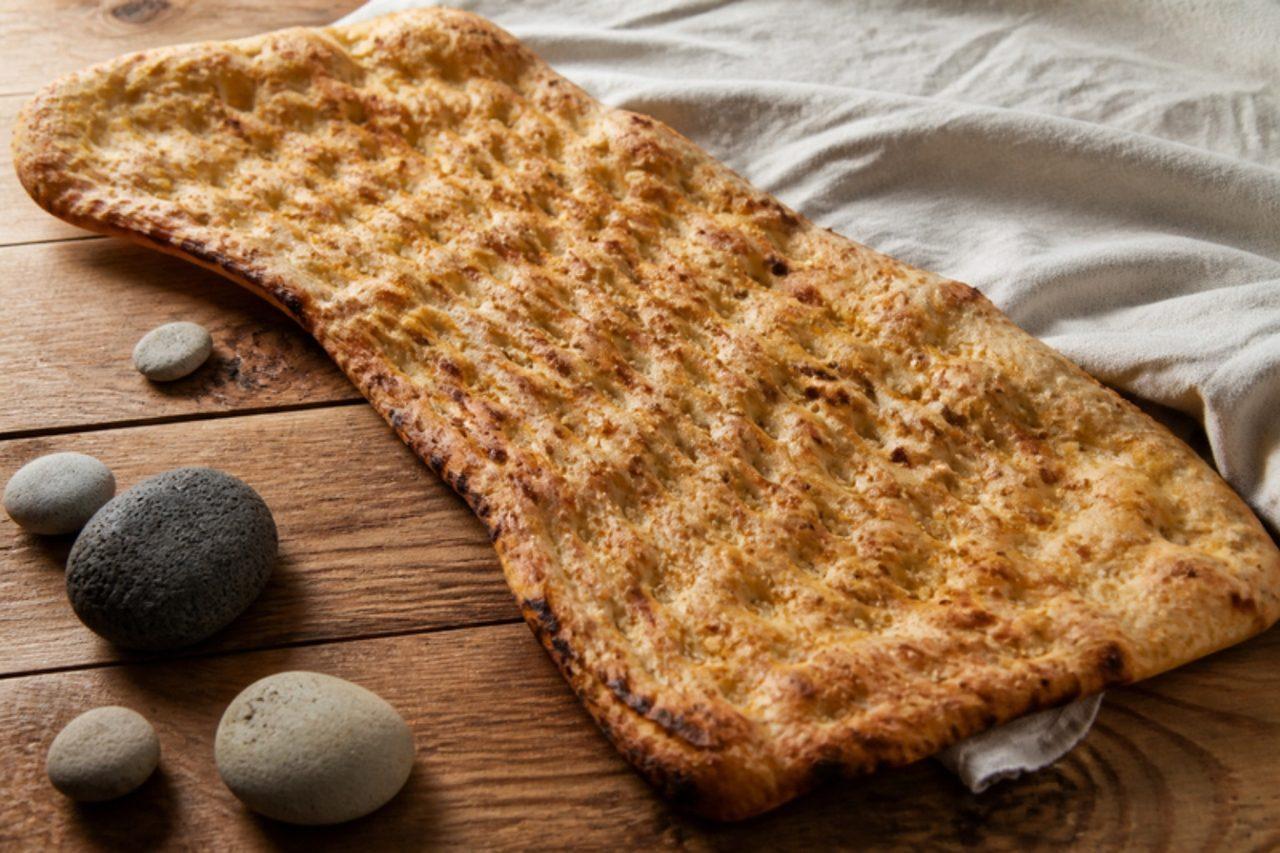
Nan-e sangakPebble-baked whole-wheat flatbread

Sangak means 'little stone': at bakeries in Tehran the dough is stretched onto a sloping bed of hot river pebbles inside a domed oven, and customers queue at dawn to carry home metre-long sheets folded over their arms, picking off the stones still stuck to the bread. It is a dimpled, chewy whole-wheat flatbread with a slight sourness and a toasted, blistered crust, eaten with cheese and herbs for breakfast or alongside kebabs. At home a tray of clean pebbles or a baking steel does the job. The common mistake is a stiff dough; sangak dough is very soft, almost a thick batter, which is what gives it its holes. Chef's tip: wet your hands well when stretching the dough onto the stones so it slides into a thin sheet without tearing.

by KrazyBadal 0 views

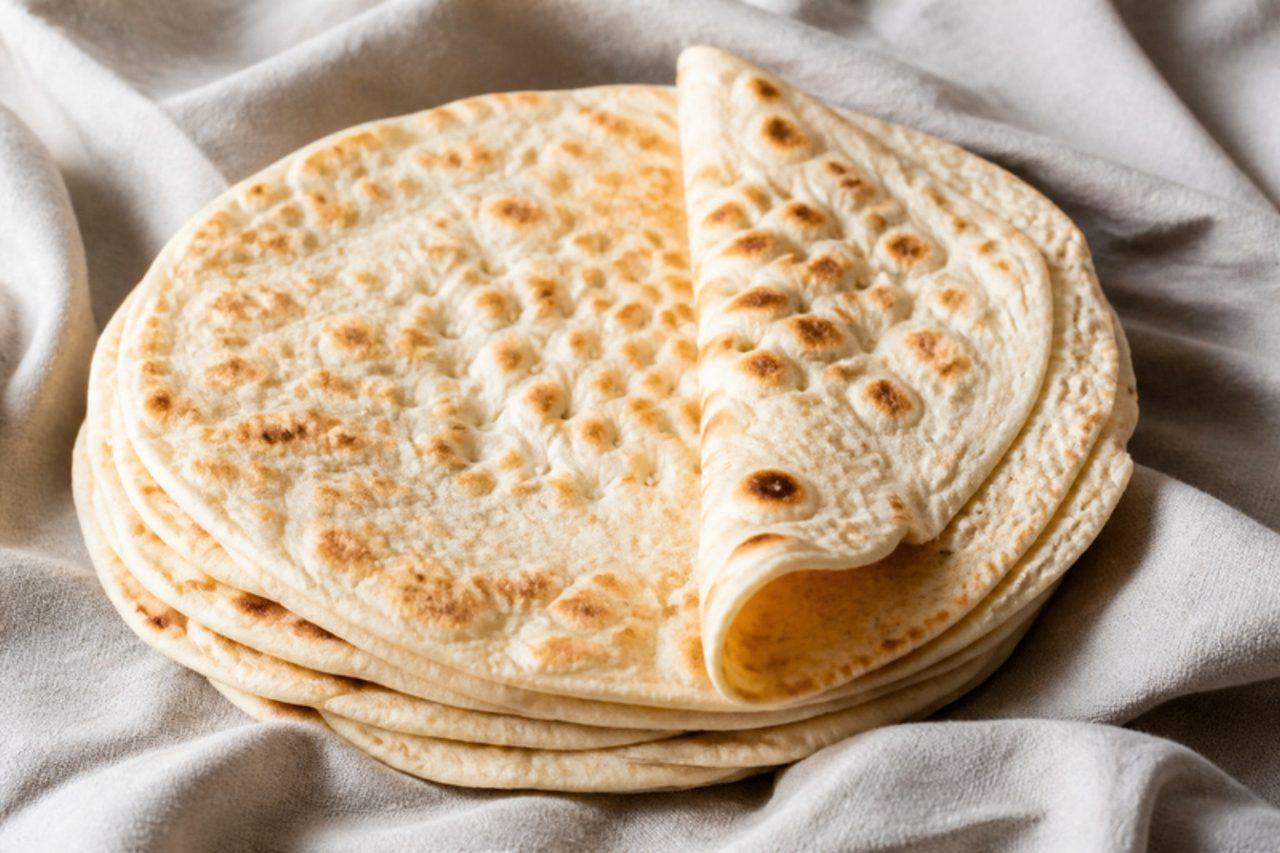
Nan-e taftoonThin tandoor flatbread

Taftoon is the everyday bread of many Iranian towns, from Qazvin to Kerman: thin, soft and slightly bubbly, slapped onto the hot clay wall of a tanoor and peeled off a minute later, then piled on the sofreh at lunch to wrap herbs and cheese or to scoop up stews. It is softer and thinner than barbari but less papery than lavash. A heavy pan or upturned wok on the hob gives very good results at home. The common mistake is rolling it unevenly; thin patches burn while thick ones stay doughy. Chef's tip: stack the breads in a tea towel as they come off the heat; the trapped steam keeps them soft and foldable.

by KrazyBadal 0 views

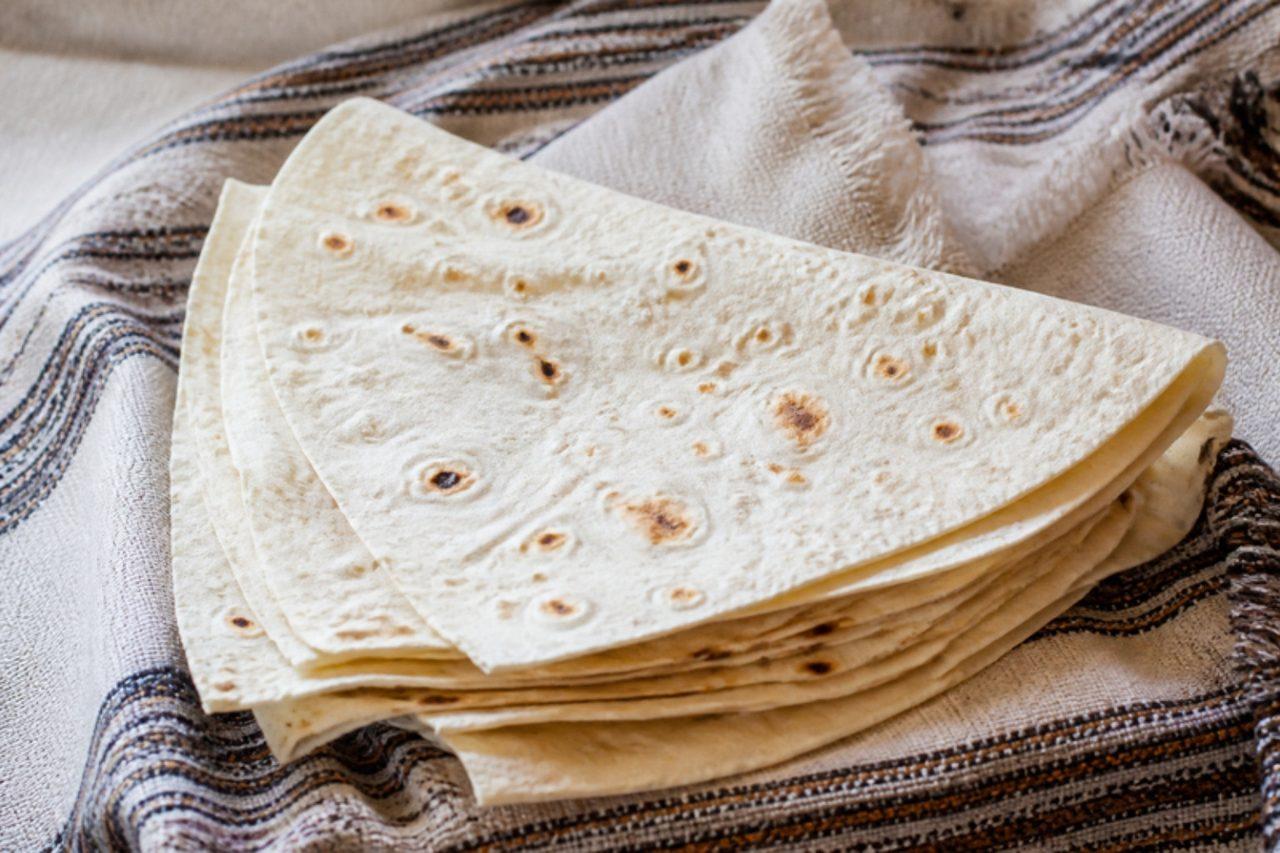
Nan-e tiriPaper-thin rolled bread

In the Zagros mountains of Lorestan and among the Bakhtiari nomads, women roll out nan-e tiri with a long, thin rod (the tir) until the dough is almost see-through, then flip it onto a domed iron saj over a wood fire. It cooks in seconds and is stacked high, and because it dries so thin it keeps for weeks and is softened with a sprinkle of water before eating. It needs only flour, water and salt. The usual mistake is resting the dough too little; it fights back and shrinks when rolled. Chef's tip: wind the dough around a long thin rolling pin as you roll and unroll it, as the Lori bakers do; it stretches the dough evenly without tearing.

by KrazyBadal 0 views

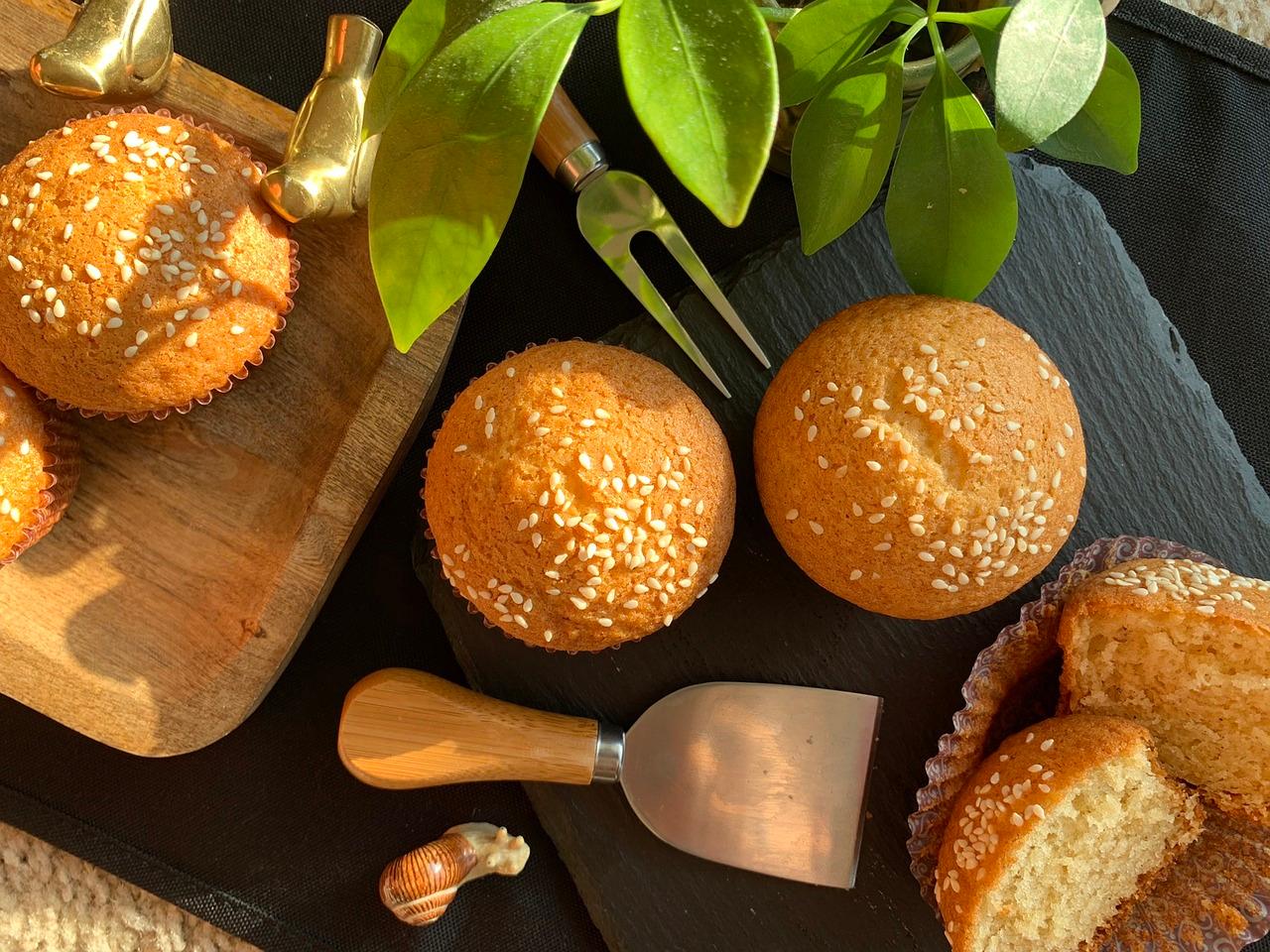
Nan-e YazdiCardamom and rosewater cupcakes

Nan-e Yazdi, often called Yazdi cakes, are the small domed cupcakes every Iranian bakery sells for breakfast and afternoon tea, first made in Yazd and now loved in Tehran and far beyond. The crumb is soft and a little dense, perfumed with cardamom and rosewater, and the tops are scattered with pistachio or sesame before baking. Children eat them dunked in milk. A common mistake is overbeating after the flour goes in, which makes the cakes tough and peaked; fold just until smooth. Chef's tip: rest the batter in the fridge for an hour before baking for a taller, crackled dome.

by KrazyBadal 0 views

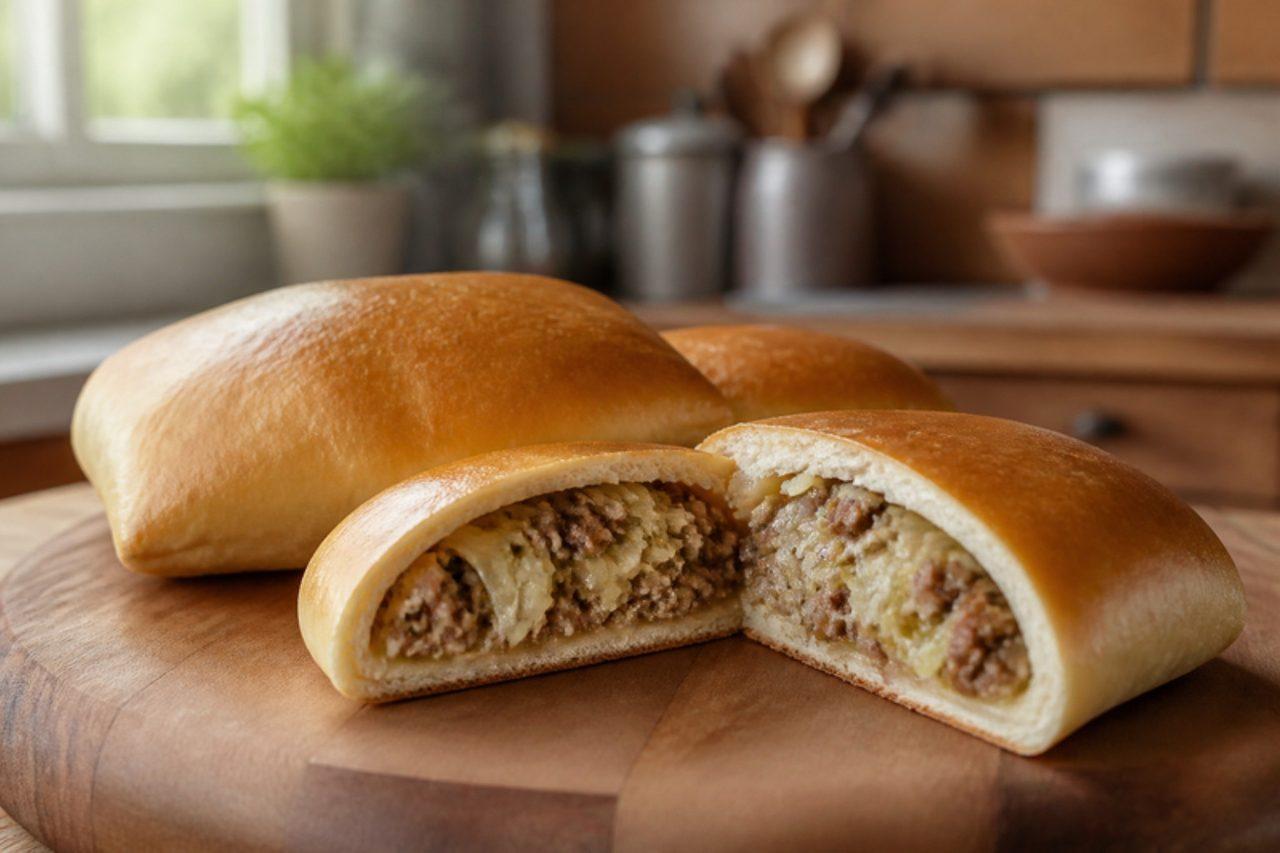
Nebraska runzasBeef and cabbage bread pockets

Runzas came to Nebraska with Volga German settlers, who called them bierocks, and today they are the state's fast food, packed for Cornhusker football games and long drives across the plains. A soft, slightly sweet bread dough is wrapped around a peppery filling of beef mince, onion and cabbage and baked into a rectangular pocket. Chef's tip: let the filling cool and drain it in a sieve before filling; hot, wet filling makes the dough soggy and tear.

by KrazyBadal 0 views

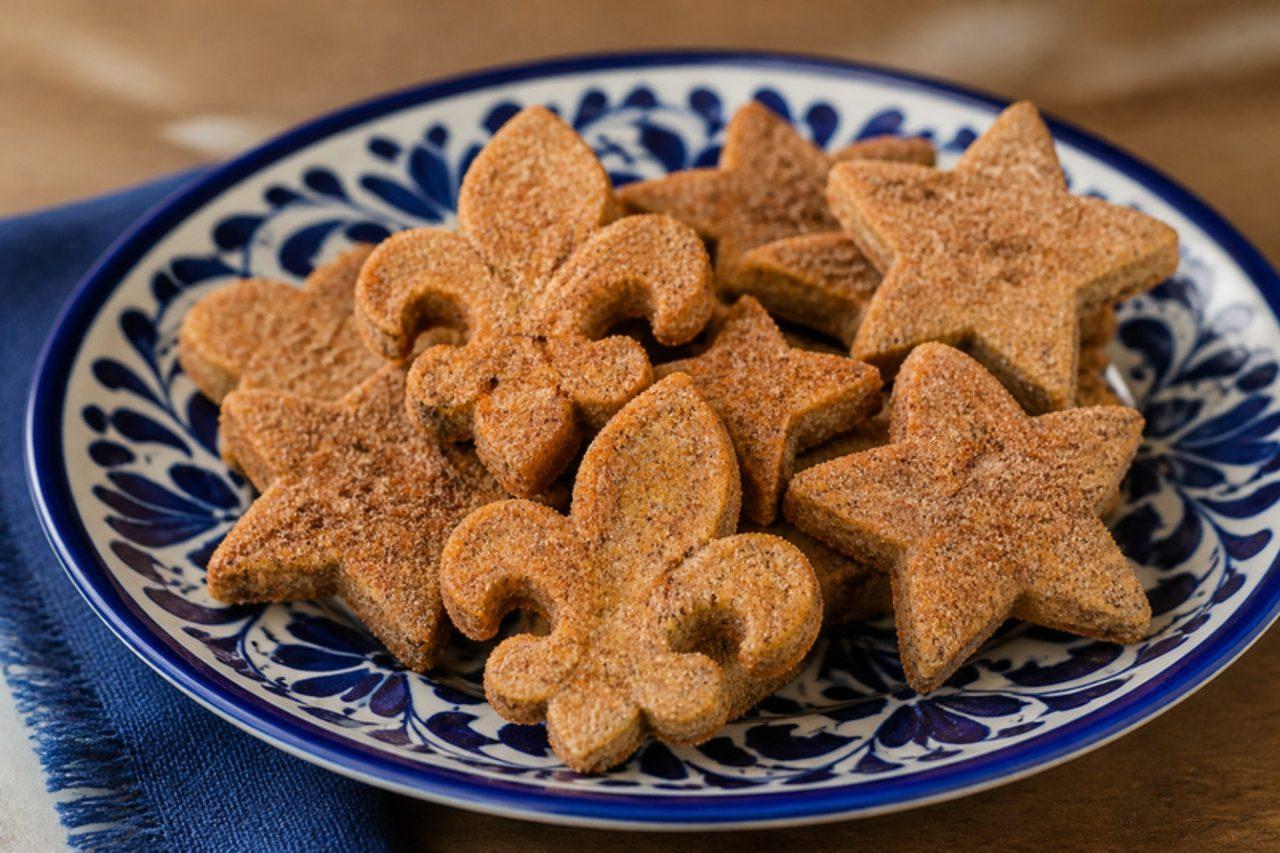
New Mexico biscochitosAnise cinnamon cookies

Biscochitos are New Mexico's official state cookie, baked by the thousand at Christmas, weddings and baptisms in Hispanic homes from Las Cruces to Taos. They are crumbly, short and scented with anise seed, cut into stars or fleurs-de-lis and dipped in cinnamon sugar. Grandmothers use lard, which gives the classic texture; this version uses butter so it stays vegetarian. Traditional recipes add a splash of brandy; here orange juice is used instead. Chef's tip: lightly crush the anise seeds to release the flavour.

by KrazyBadal 0 views

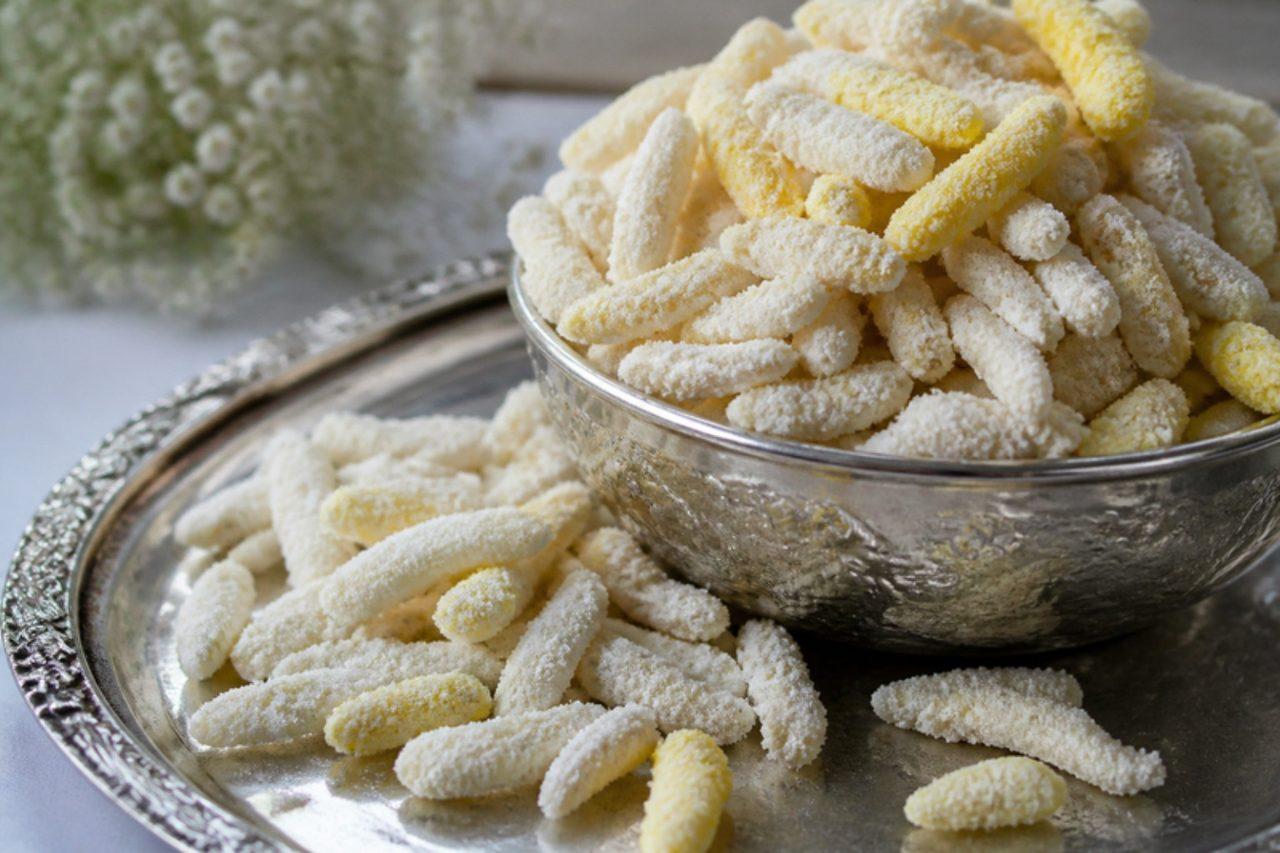
NoghlSugar-coated almond slivers

Noghl, the craggy white sugar-coated slivers of almond, is the confection of celebration in Iran, and the town of Urmia in West Azerbaijan is its home. It is showered over newlyweds at weddings, offered to guests at Nowruz and set beside tea on special days. Professionals build the spiky coat in a rotating copper pan over many hours; this home version does the same job in a wide pan, adding the rosewater syrup a little at a time. The usual mistake is adding too much syrup at once, which glues the almonds into a lump instead of building the knobbly crust. Chef's tip: keep the almonds moving constantly and wait until each coat is completely dry before the next.

by KrazyBadal 0 views

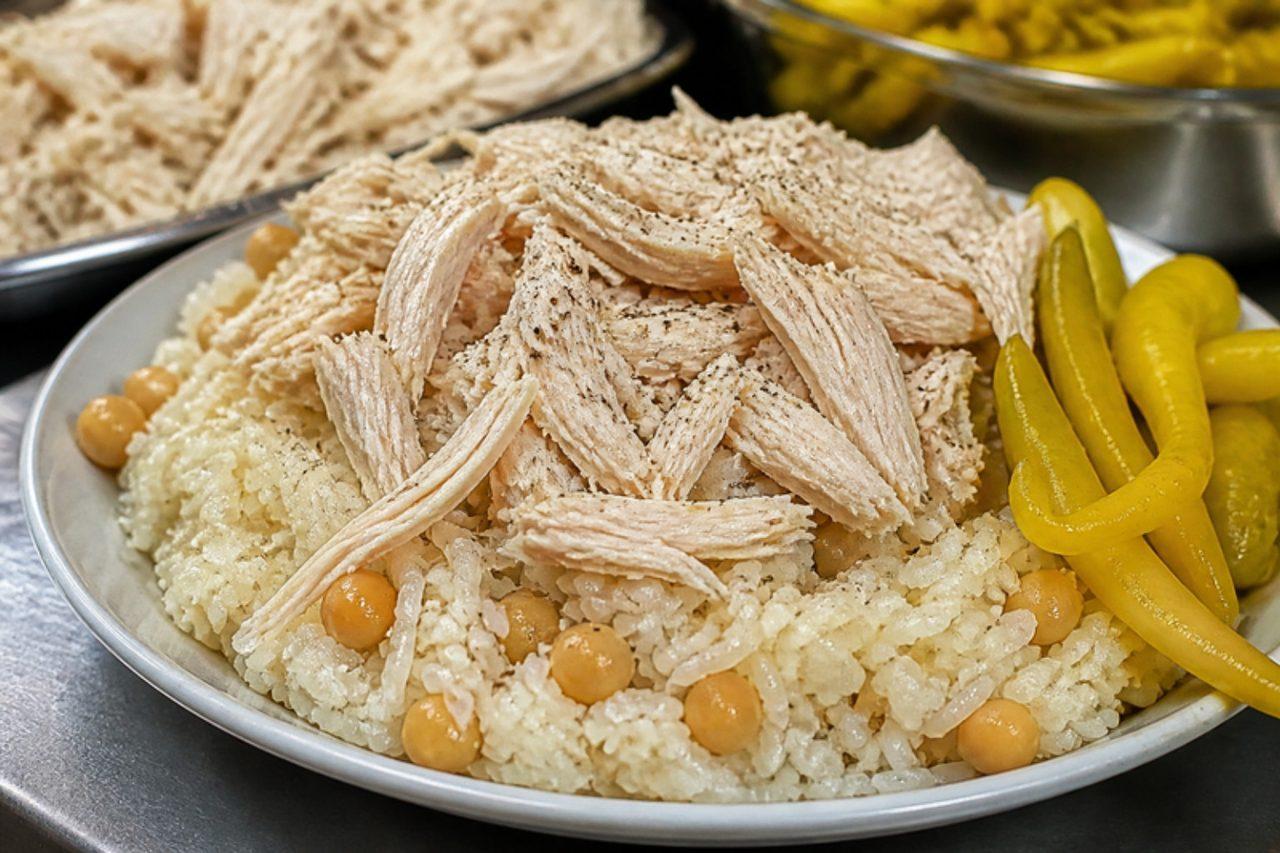
Tavuk pilavChicken and chickpea rice

Glass-fronted carts parked outside Istanbul's ferry piers and office blocks sell tavuk pilav from early morning: rice cooked in rich chicken stock with butter and chickpeas, heaped into a dish and topped with shredded chicken, black pepper and a pickled pepper on the side. Workers eat it standing up with a glass of ayran. At home it is just as easy and makes a whole chicken go a long way. Common mistake: stirring the rice while it steams; it breaks and turns sticky. Chef's tip: wash the rice until the water runs clear and soak it in warm salted water for 30 minutes; every grain stays separate and glossy.

by KrazyBadal 0 views

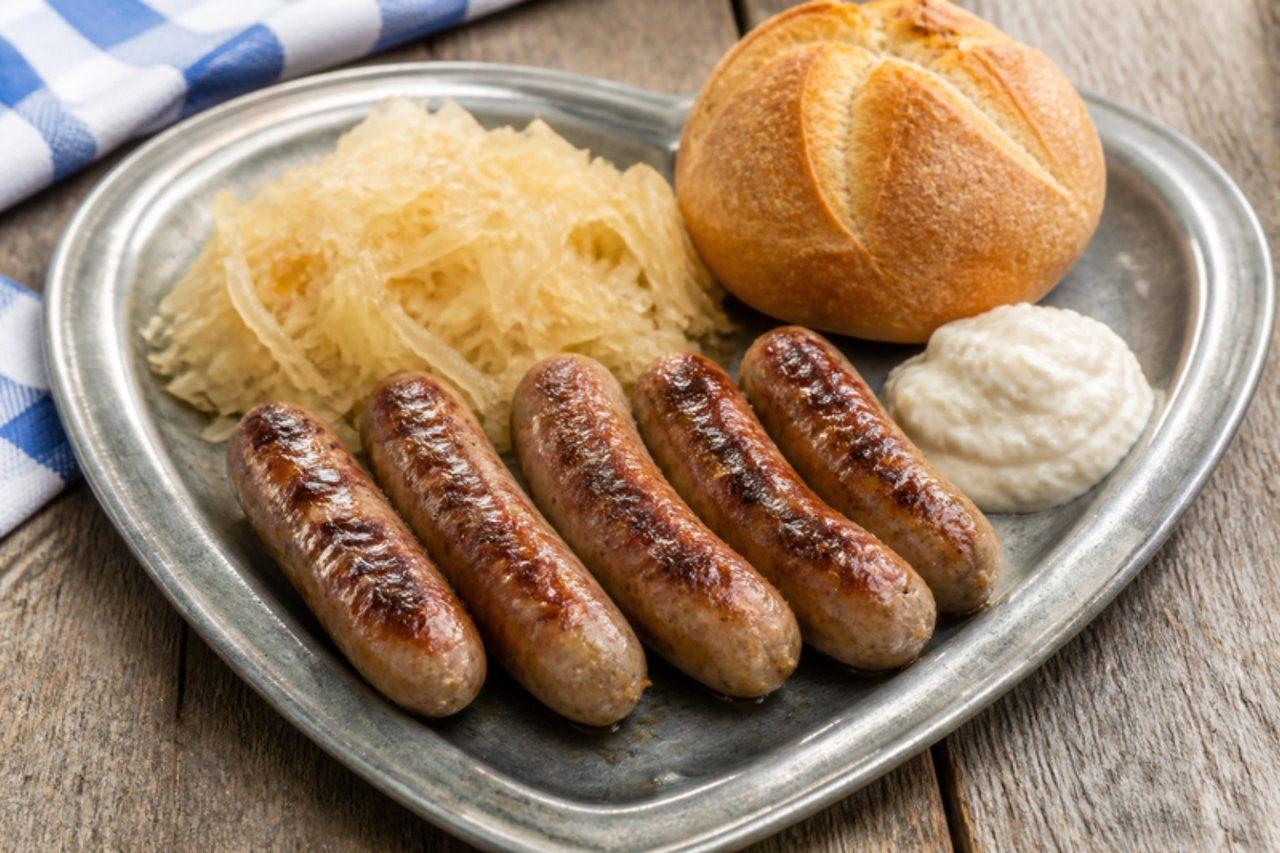
Nürnberger RostbratwürsteSmall marjoram pork sausages

Nuremberg's little pork sausages are barely longer than a finger, grilled over beechwood in the old town's sausage kitchens and sold three at a time in a crusty roll, 'Drei im Weggla', at the Christmas market and all year round. They are delicate, coarse-ground and fragrant with marjoram, mace and lemon zest, and at a sit-down meal six or twelve come on a pewter plate with sauerkraut and horseradish. Making them at home needs a mincer with a sausage nozzle and narrow sheep casings, and is a satisfying weekend project. Vegetarians can buy small vegetarian bratwursts and grill them with the same sides. Chef's tip: keep the meat and mincer ice-cold; warm fat smears and the sausages turn crumbly.

75 minGermanMeat
by KrazyBadal 0 views

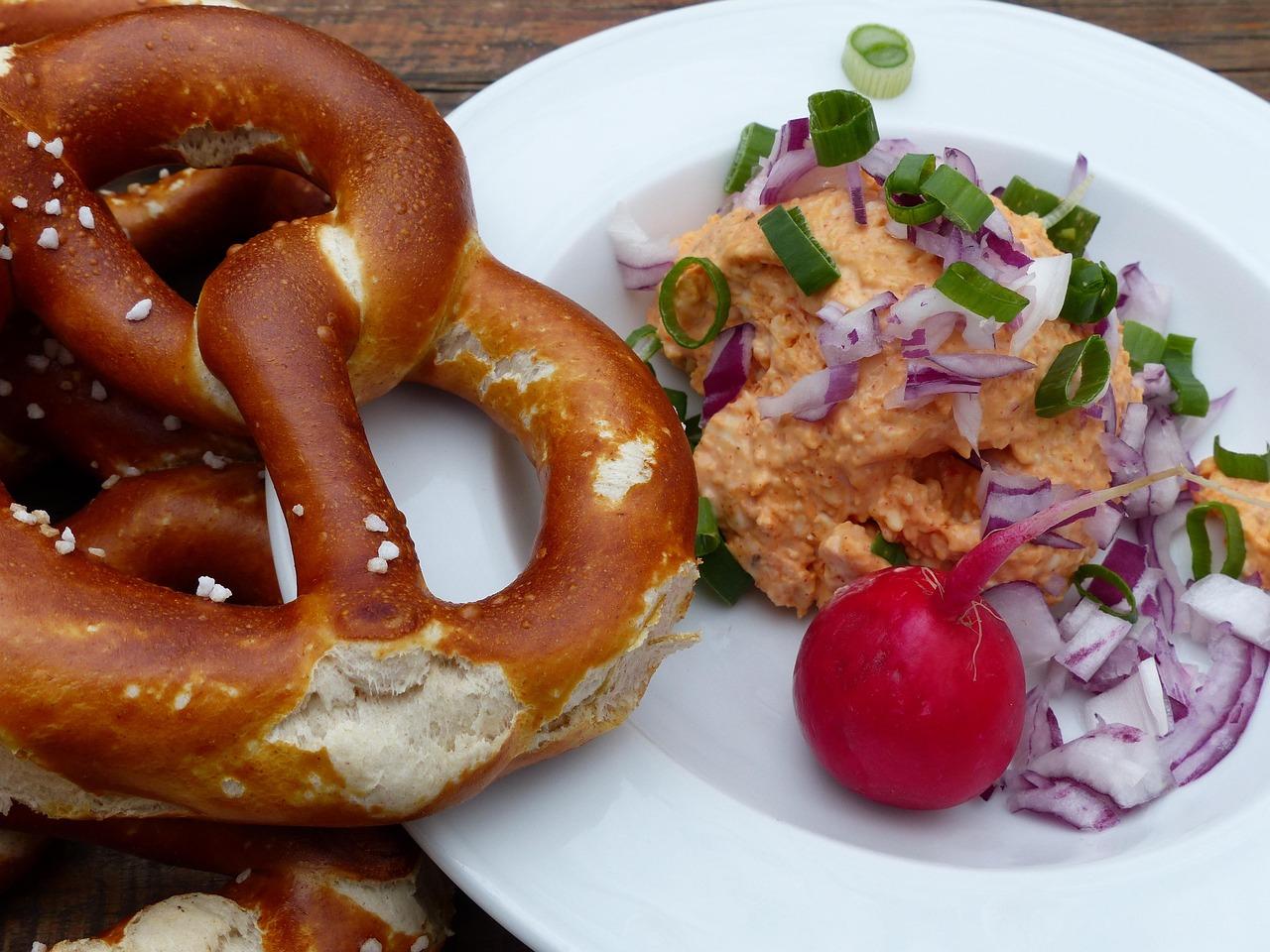
ObatzdaBeer-garden cheese spread

Obatzda is what a Munich beer garden puts beside a giant soft pretzel: overripe Camembert mashed with soft butter, sweet paprika, caraway and raw onion until it turns a creamy, rusty orange. It is a thrifty spread that grew up in Bavarian taverns as a way to use cheese that had gone a little too far, and it is still eaten in the afternoon sun with radishes and dark bread. Camembert is usually made with animal rennet, so pick one labelled vegetarian if that matters to you. A common mistake is blitzing it in a processor, which makes it gluey; mash with a fork so a few soft lumps stay. Chef's tip: make it an hour ahead and chill it, then let it stand 15 minutes before serving, so the paprika flavour blooms and it spreads easily.

by KrazyBadal 0 views

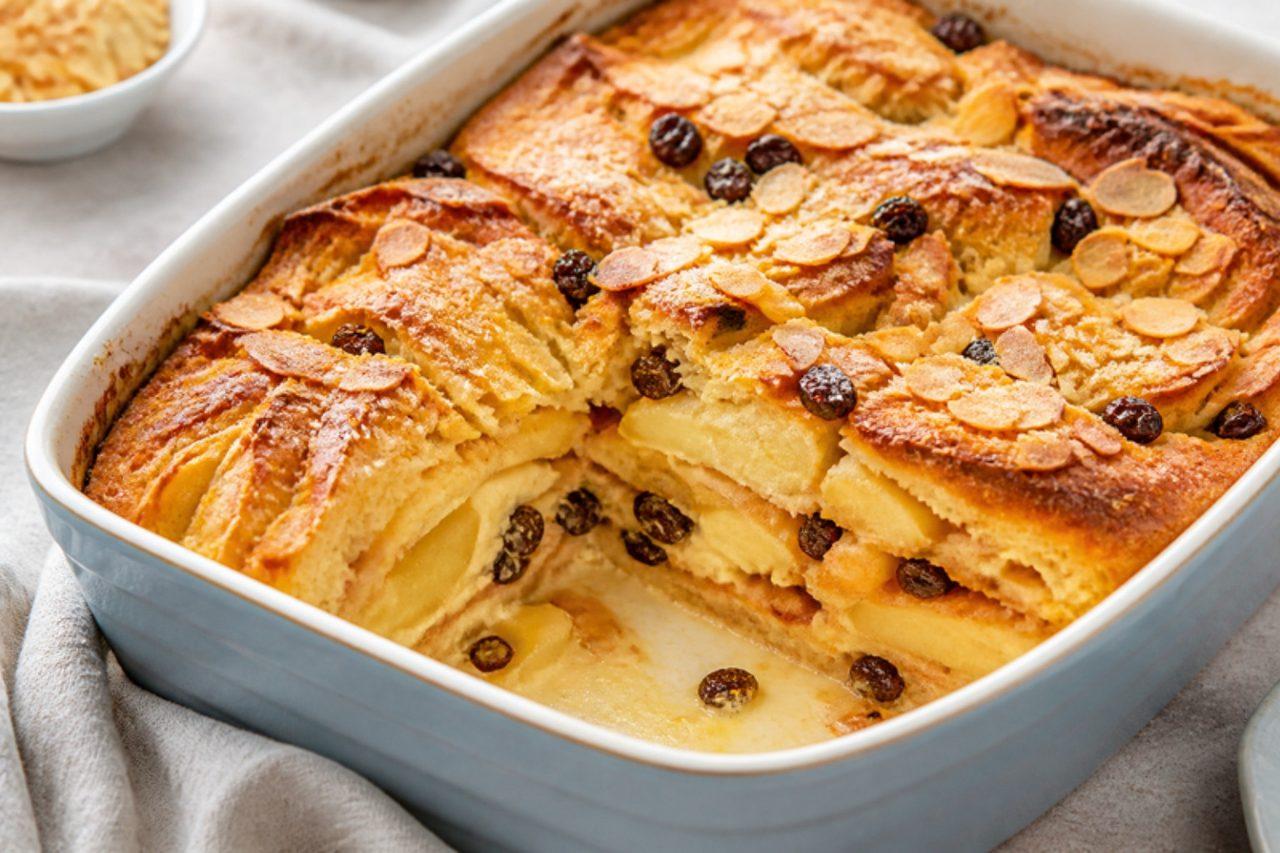
OfenschlupferBaked bread pudding with apples

Ofenschlupfer, literally 'oven-crawler', is how Swabian farmhouse kitchens used up stale rolls on a Friday: slices of bread layered with apples, raisins and a little cinnamon in a deep dish, soaked in vanilla egg milk and baked until puffed and golden. Some families pour in a splash of rum; this version doesn't. It was once eaten as a sweet main course after a bowl of soup and is still served warm with vanilla sauce in Stuttgart cafés. A common mistake is baking it straight after pouring in the custard, which leaves dry patches on top; let it soak for 20 minutes. Chef's tip: dot the top with butter and a spoon of sugar for a crackly, caramelised crust.

by KrazyBadal 0 views

Orellas de EntroidoCrisp sugared carnival pastries

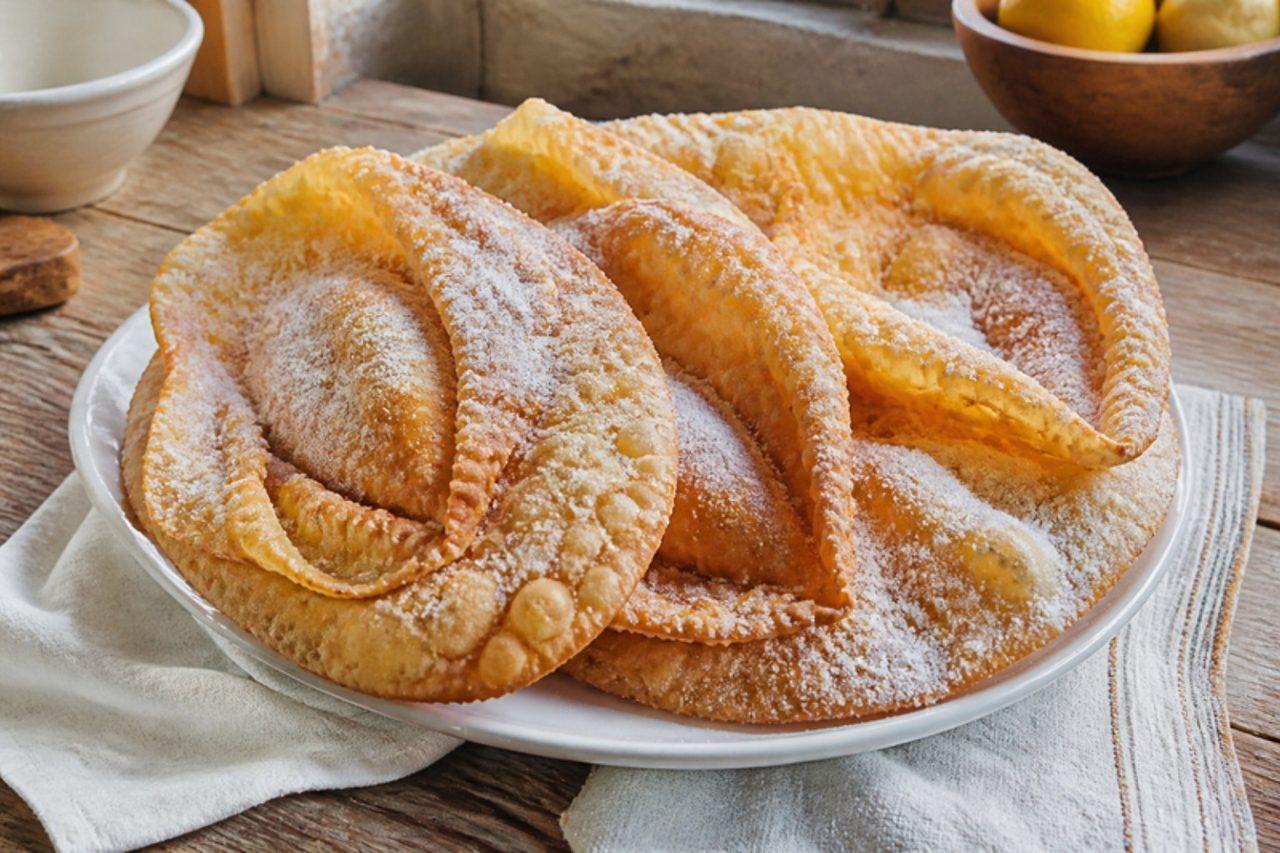
Orellas, 'ears' in Galician, are fried for Entroido in villages across Ourense and Lugo, from Laza to Xinzo de Limia, and handed round in big baskets during the carnival days. The thin dough blisters and turns crisp in hot oil, and the pastries are finished with sugar or honey. This version uses a little aniseed spirit (aguardiente), as is traditional, so it contains alcohol; for an alcohol-free version use orange juice with a pinch of ground anise. Old recipes use pork fat; this one uses butter, so it is vegetarian. A common mistake is rolling the dough too thick, which gives chewy, greasy pastries instead of crisp ones. Chef's tip: roll until you can almost see the worktop through the dough.

by KrazyBadal 0 views

Orkney clapshotSwede and potato mash

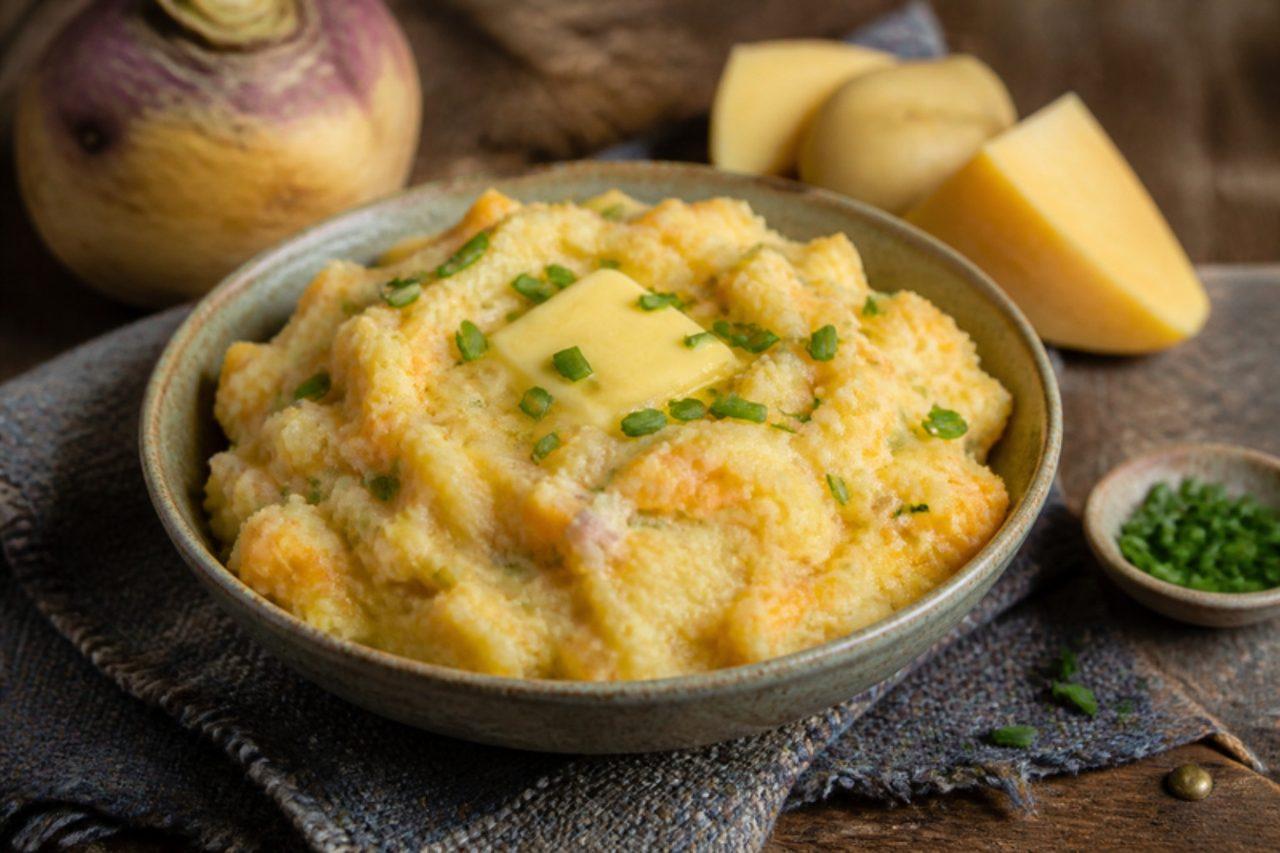
Clapshot is the Orkney way with neeps and tatties: equal amounts of swede and potato mashed together with butter, chives and plenty of pepper, rather than served side by side. Islanders eat it with oatcakes and cheese, with mince, or alongside haggis on Burns Night. It is sweet, earthy and soft-orange. Chef's tip: dry the boiled vegetables in the hot pan before mashing, or the swede makes it watery.

by KrazyBadal 0 views

PaçocaPeanut and cassava flour sweet

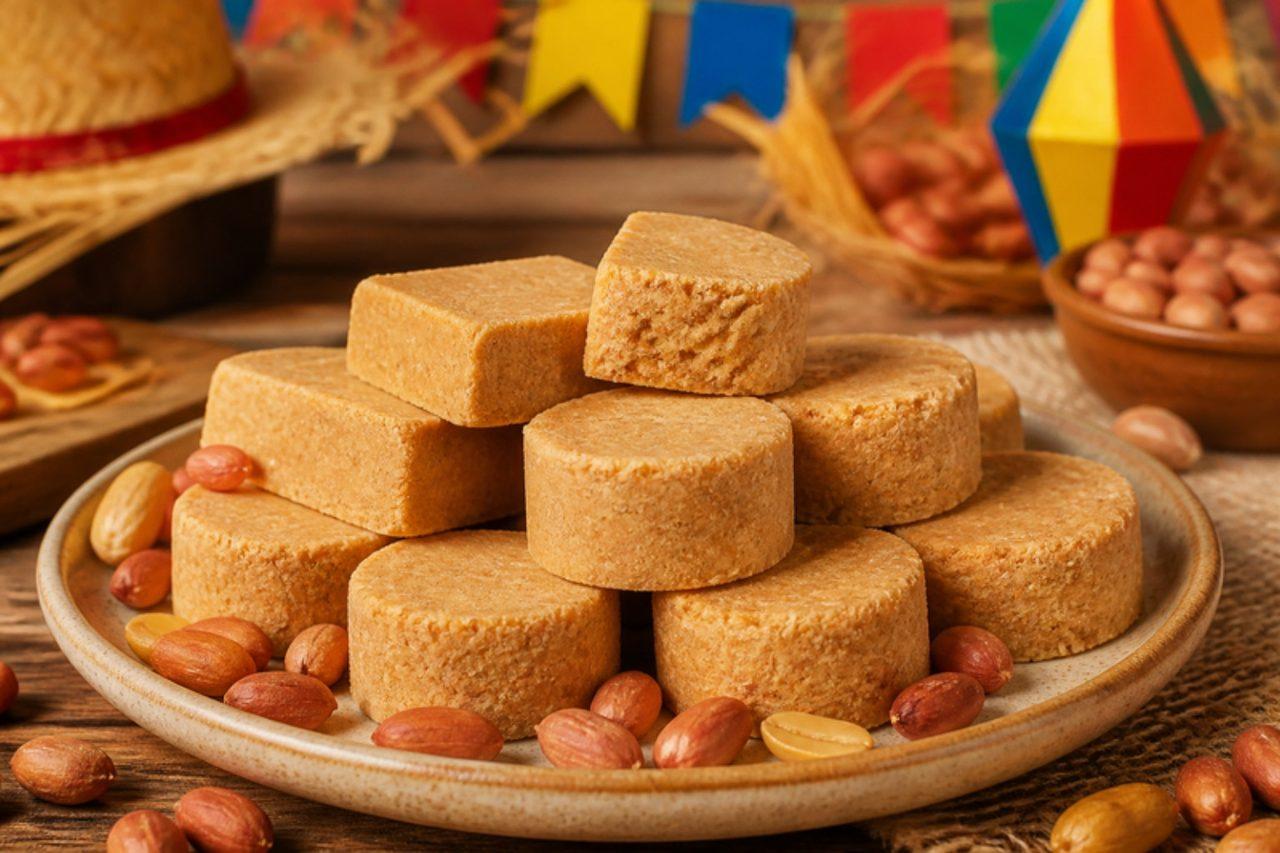
Kids across Brazil grow up on paçoca, the pale peanut sweet that melts into sandy crumbs the moment it is bitten, and no festa junina bag of treats is complete without a few. It started in the countryside of São Paulo and Minas as a way to use the peanut harvest, pounded in a wooden pestle with sugar and cassava flour, and today it is mostly pressed into little discs called rolhas. The flavour is pure toasted peanut, salty-sweet, with a texture between shortbread and fudge. Fine cassava flour (farinha de mandioca fina) is sold in Brazilian shops; you can leave it out for a richer, softer paçoca. Under-roasting the peanuts is the usual pitfall: pale peanuts give a raw, beany taste. Chef's tip: grind the mixture only until it just starts to clump; if it turns to butter, it will not hold a crumbly shape.

by KrazyBadal 0 views

Pain d'épices de DijonHoney spice loaf

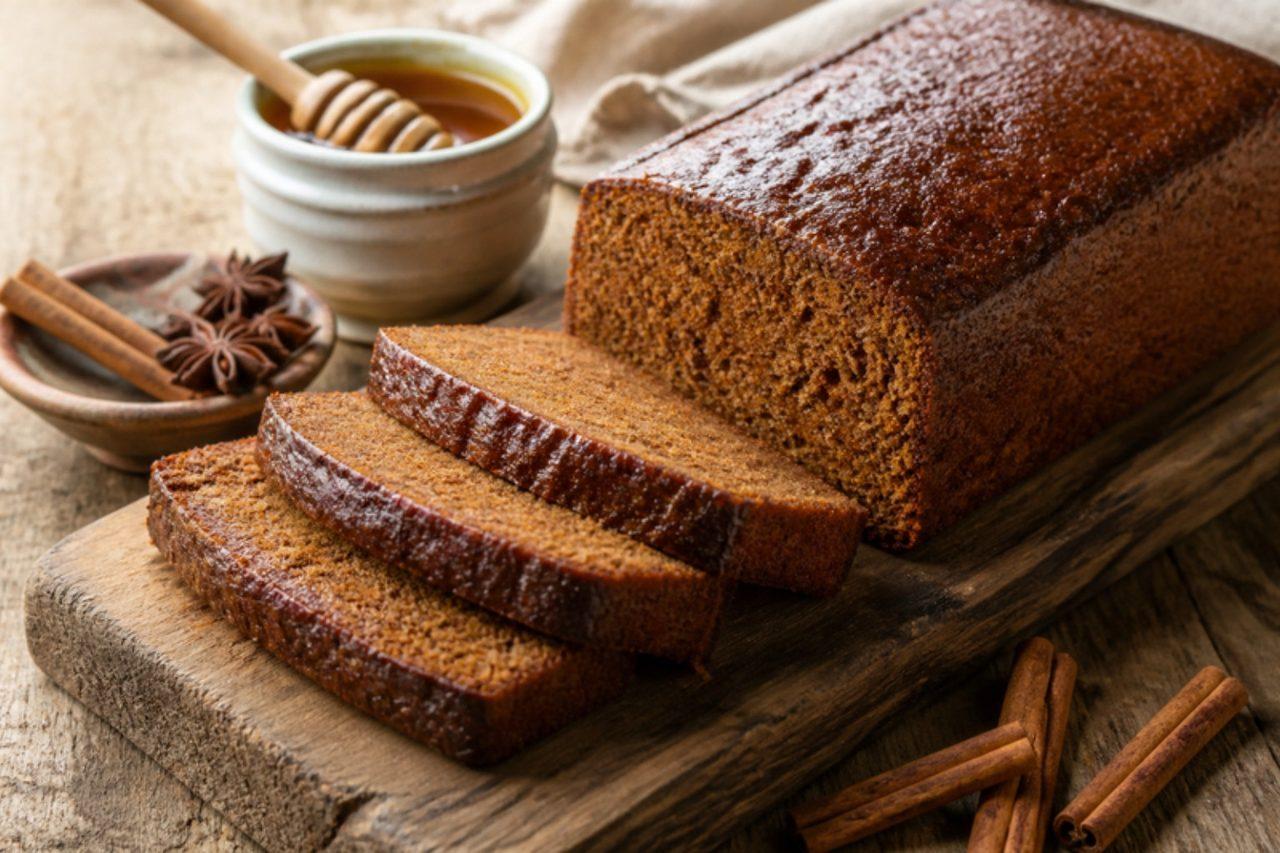
Dijon has been baking pain d'épices since the Middle Ages, and the shops near the old ducal palace still sell it by the slice, plain or glazed with orange. It is a dense, fragrant honey loaf, sold all year but eaten most in December, when Burgundian families toast slices for breakfast, spread them with butter, or serve them with cheese and pears. The Dijon style uses wheat flour and a whole egg, which makes it softer than the rye-flour loaves of Reims. Chef's tip: wrap it and wait a day before cutting; the crumb turns moist and the spices settle and deepen.

by KrazyBadal 0 views

PambazoDipped roll with potato and chorizo

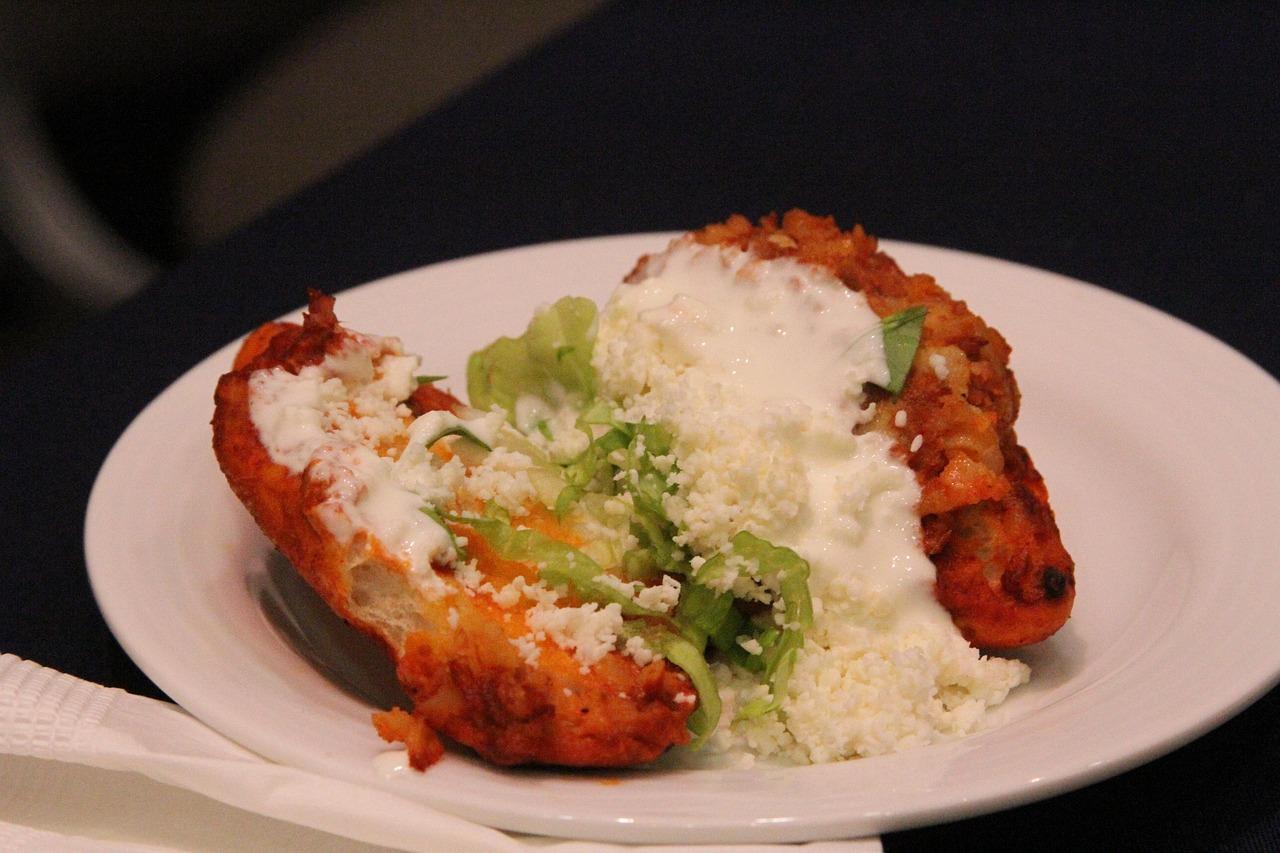
Pambazos are a Mexico City street classic, sold at night from griddles outside metro stations and at the fondas that open for Lent and village fiestas. A soft, light roll is split, filled with potato fried with pork chorizo, then dipped in a garlicky red guajillo sauce and crisped on the griddle, so the outside turns deep red, slightly crunchy and a little messy. Inside go shredded lettuce, cream and crumbled cheese, with salsa verde for heat. Eat it straight off the griddle with plenty of napkins. Chef's tip: use day-old rolls; fresh, soft bread soaks up too much sauce and falls apart on the griddle.

by KrazyBadal 0 views

PamonhaSteamed fresh corn parcels

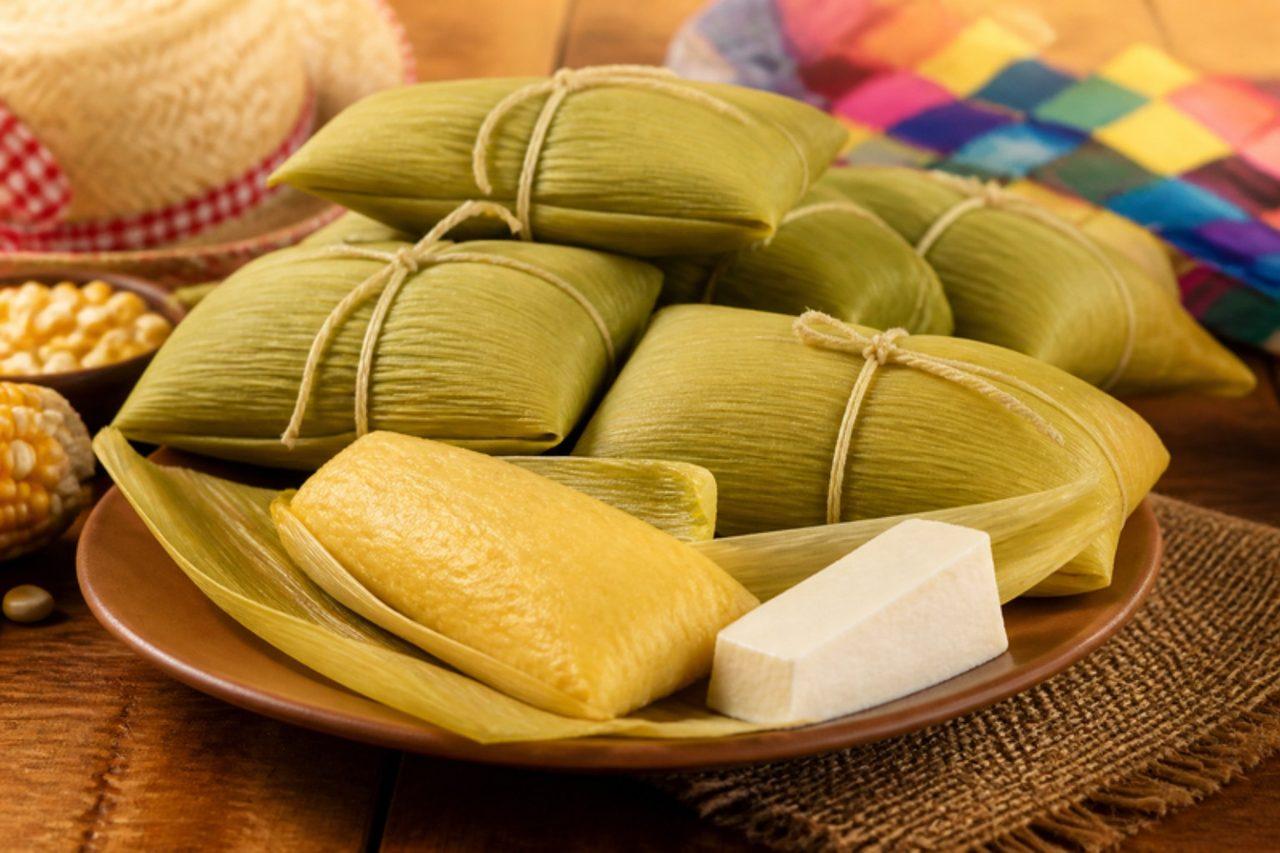
Corn season in Goiás and across the Northeast means pamonharias, roadside shops where pamonha comes out of huge steaming pots all afternoon, and in June it is one of the anchors of the festa junina table. Freshly grated green corn is mixed with milk and sugar, wrapped in its own husks, tied and boiled until it sets into a soft, sweet, slightly chewy parcel that smells of fresh corn. The Goiás way is also savoury, with salt instead of most of the sugar and cubes of cheese inside; that option is in the last step. Traditional queijo minas or curd cheese is often made with animal rennet, so pick a vegetarian cheese made with microbial rennet. Serve hot, with coffee, or with butter melting on top. The usual mistake is using mature, starchy supermarket corn or tinned kernels: the mixture will not set properly and the flavour is flat. Chef's tip: use corn so young that a fingernail pressed into a kernel squirts milky juice, and save every intact husk for wrapping.

by KrazyBadal 0 views

Pan bagnatPressed tuna and anchovy sandwich

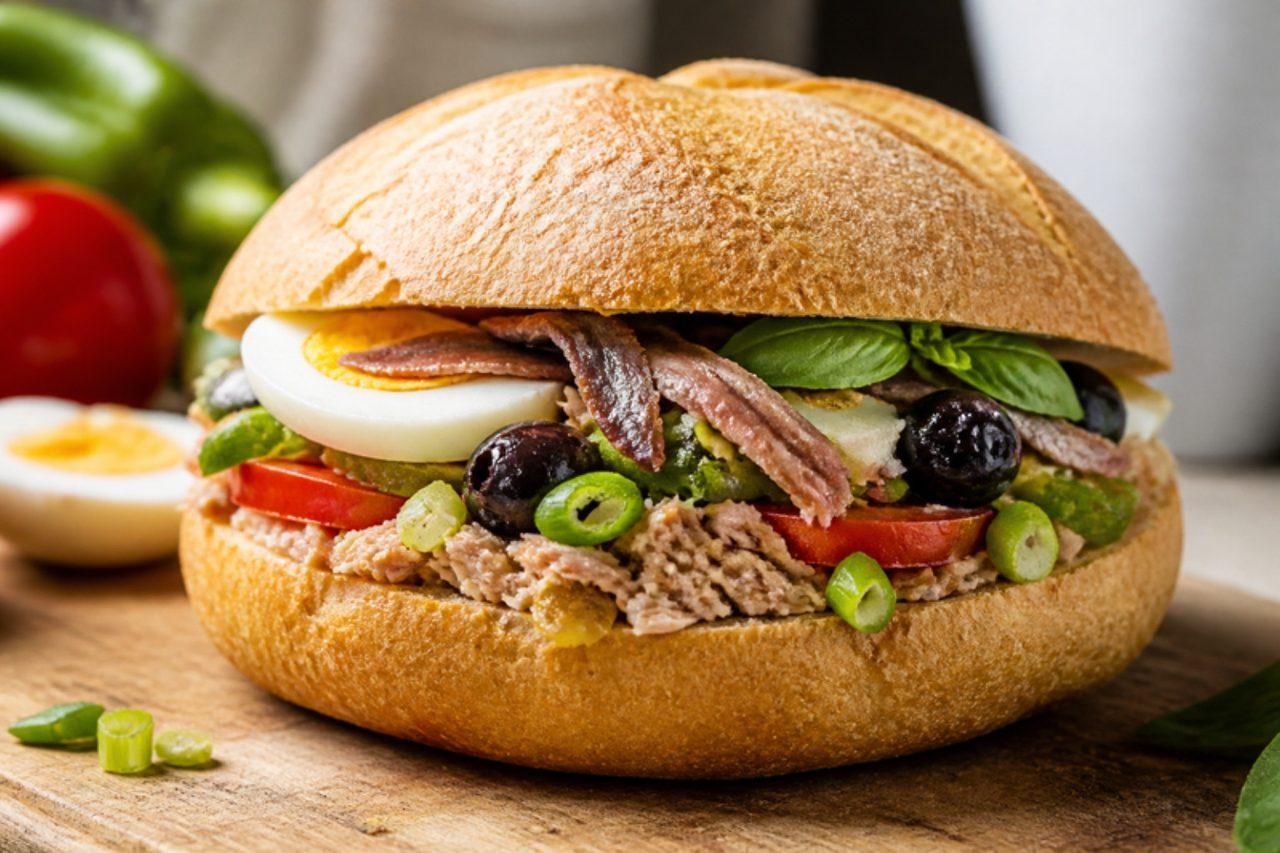
Pan bagnat, 'bathed bread' in Niçois, is the beach and market lunch of Nice, sold wrapped in paper from kiosks around the Cours Saleya and packed for picnics on the pebbles of the Promenade. A round crusty roll is soaked with fruity olive oil and filled with everything that goes into a salade niçoise: tuna, anchovies, hard-boiled egg, tomato, sweet green pepper, spring onion and black olives. Pressed for an hour, it turns juicy, compact and easy to eat in big, messy bites. Serve it on its own or with a few radishes and a glass of something cold. Chef's tip: rub the cut bread with garlic before the oil goes on; it perfumes every bite without overpowering the fish.

by KrazyBadal 0 views

Pan de milloGalician cornbread

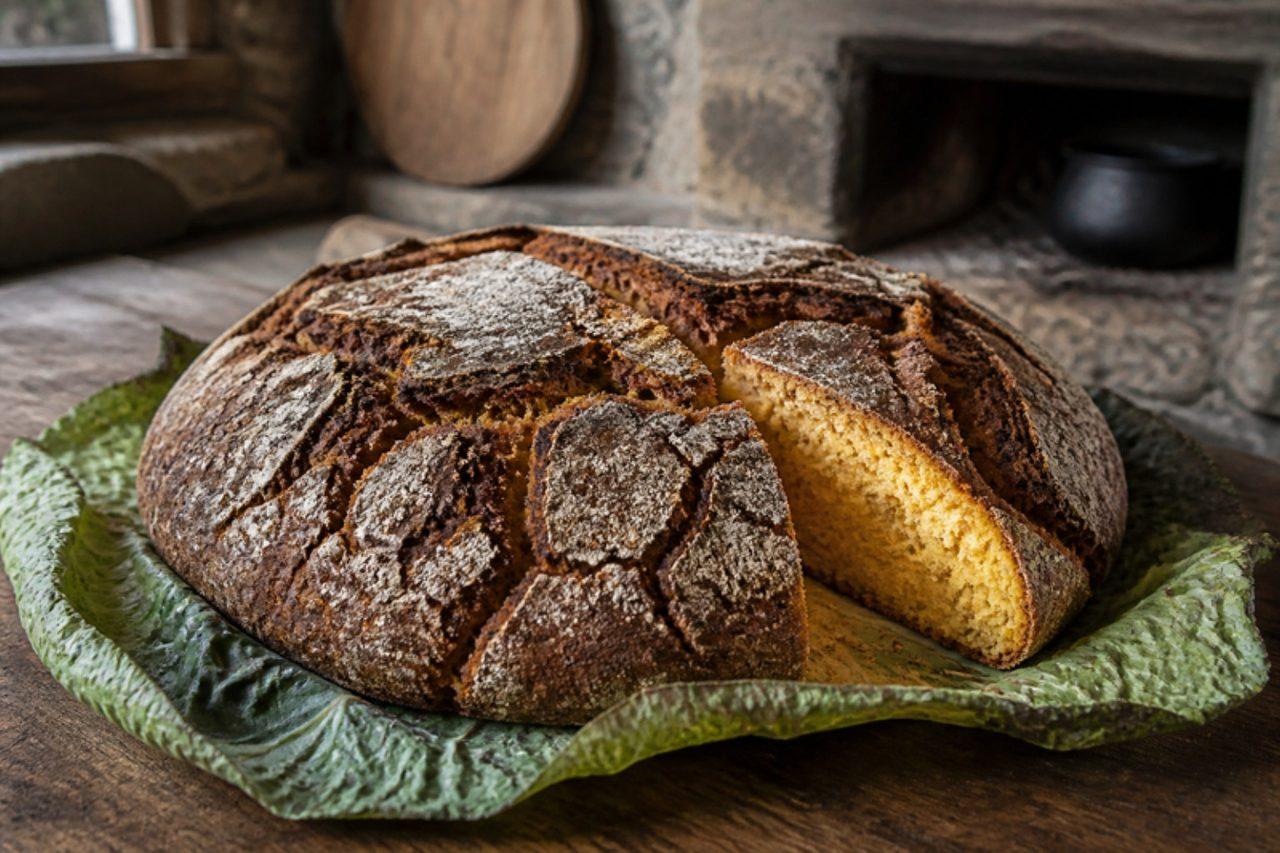
In the inland villages of Lugo and Ourense, and in the Deza area of Pontevedra, pan de millo, also called broa, was the everyday bread before wheat became common, baked in wood ovens and sometimes on a cabbage leaf. It is heavy, moist and slightly sweet inside, with a thick, cracked crust, and it is eaten with caldo, cheese or simply olive oil. Maize flour has no gluten of its own, so this version mixes in some wheat flour to help it rise; it is vegan. A common mistake is expecting a light loaf: it should feel heavy and close-textured. Chef's tip: scald the maize flour with boiling water first, which makes the crumb tender and stops it crumbling.

by KrazyBadal 0 views

Showing 27 of 7,762 recipes

Show more recipes

Page 539 of 863