


Skip to content
Sour cream dip
Featured recipe

Sour cream dip

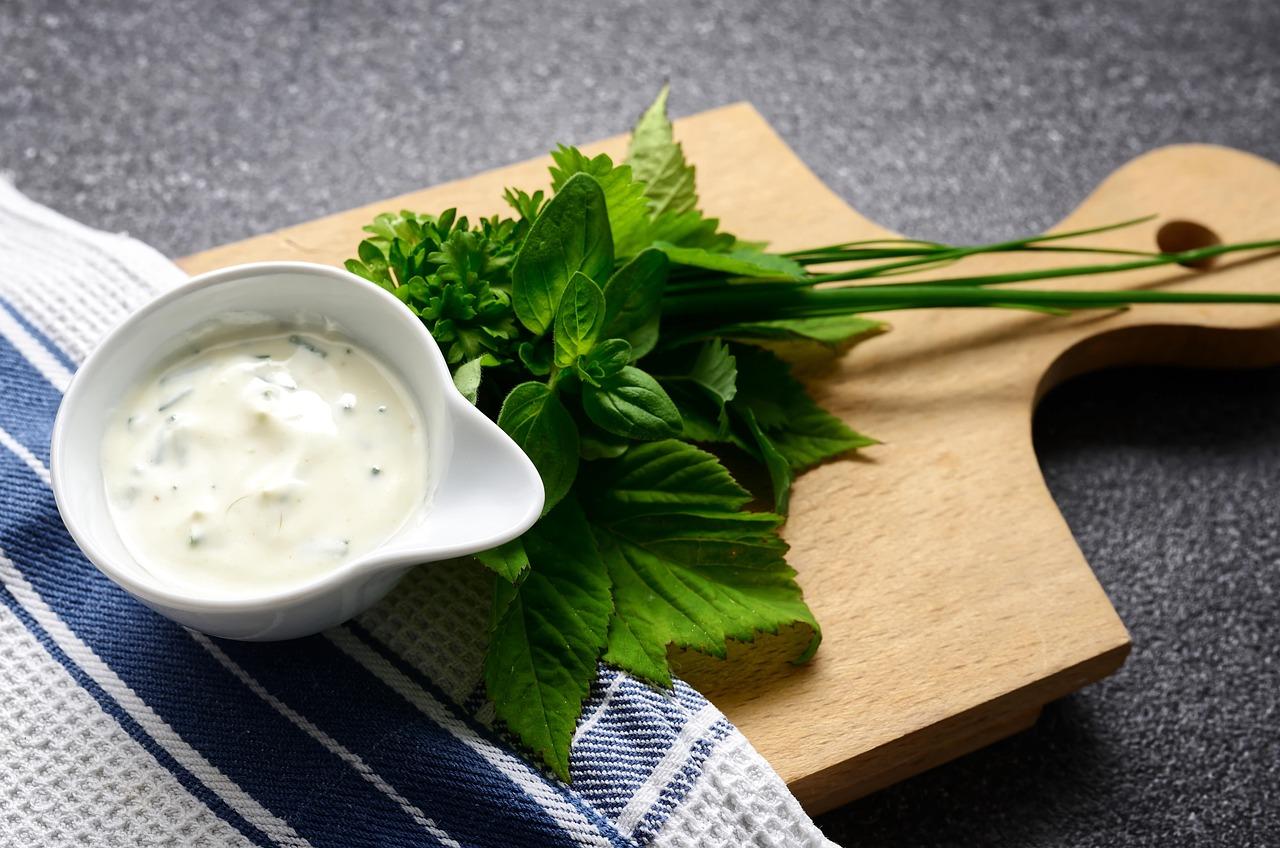
A simple, tangy dip made with thick home-made cottage cheese (hung yogurt) or ready-made sour cream, seasoned with garlic, chilli, black pepper and vinegar. Serve it cold with crisps, nachos and jacket potatoes. The book's other dips use this as their 'sour cream'.

Read more 1 views

What to eat today?

Around the world

Today's trip: Paraguayan

A new country every day, from every cuisine on the site.

Paraguayan

Chipa

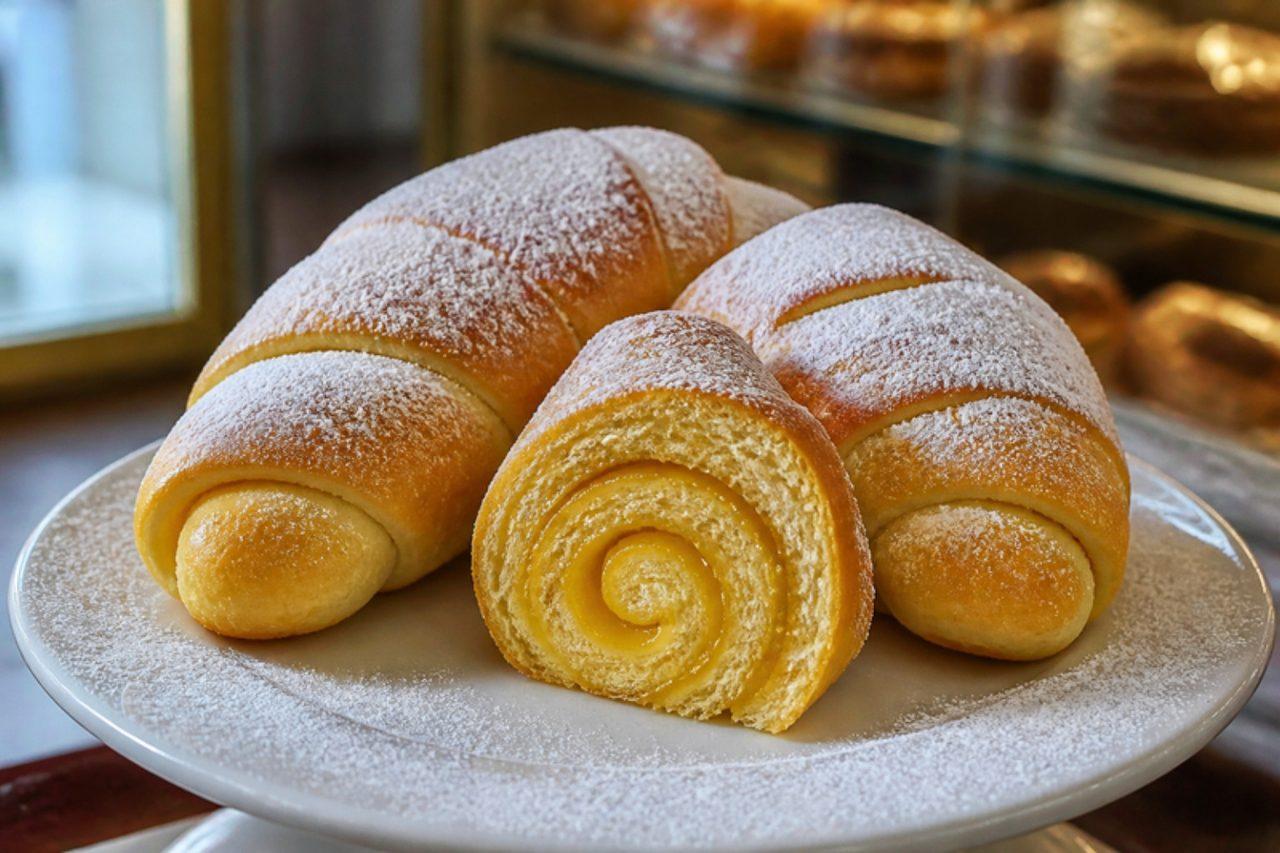
Cheese bread rings 50 minMore from Paraguayan (27) →

This week's collection

Kid-friendly dinners
537 recipes · a new collection every Monday

Latest recipes

Torta BalcarceSponge cake with dulce de leche

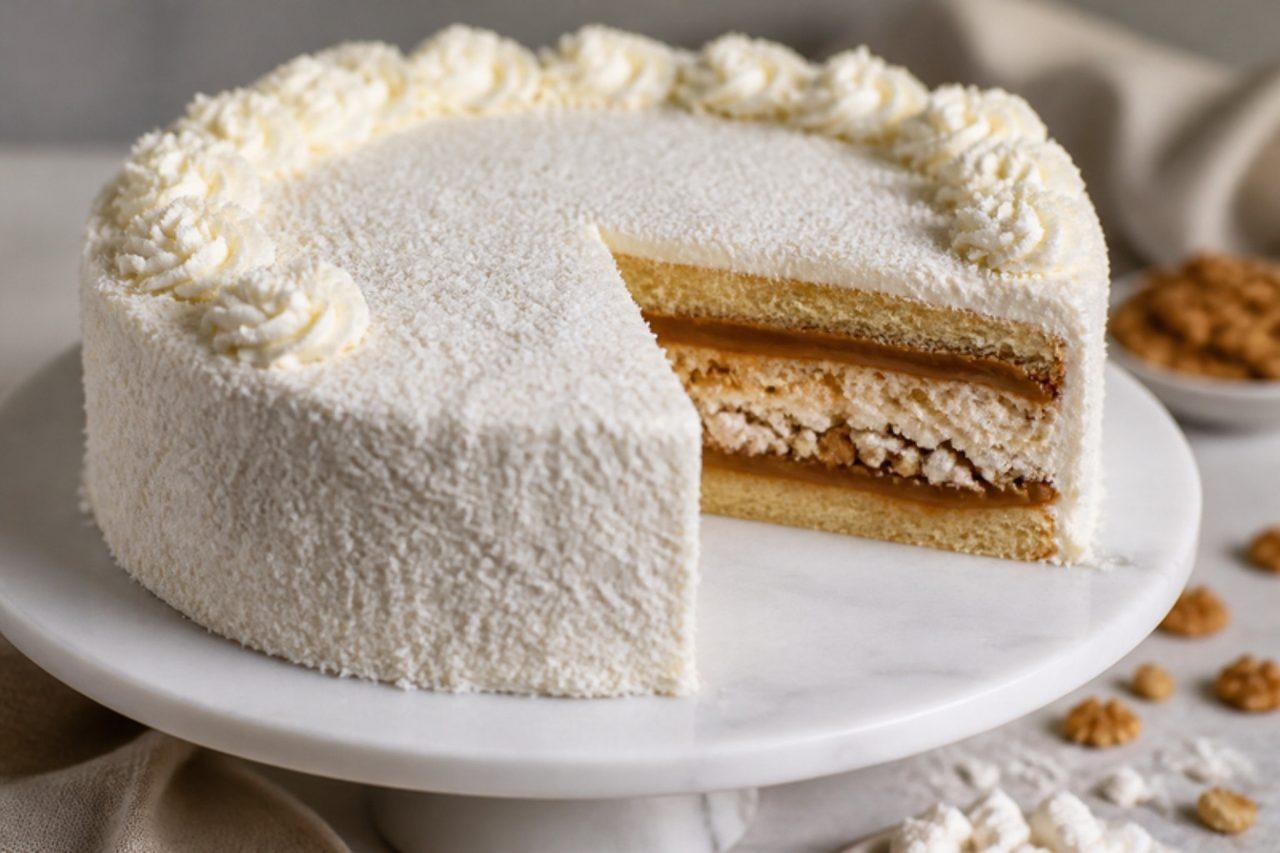
Mar del Plata's beachgoers and the people of Balcarce, a farm town an hour inland in Buenos Aires Province, both claim this cake, which was created in a Balcarce confitería in the 1950s and became famous when holidaymakers carried it home in boxes. Two layers of sponge sandwich a filling of dulce de leche, cream and crumbled crunchy meringue with walnuts, chestnuts or almonds and coconut, and the outside is covered in more cream and toasted coconut. It is soft, crunchy and very sweet, a celebration cake for Sundays and birthdays. Some bakers soak the sponge with a liqueur syrup; this version uses a vanilla syrup, so it is alcohol-free. The common error is mixing the meringue into the cream too early: it dissolves and the filling turns runny, so fold it in at the last minute. Chef's tip: bake the meringues the day before and keep them in an airtight tin; dry, crisp meringue is what gives the cake its crunch.

by KrazyBadal 0 views

Torta de bolachaNo-bake biscuit and custard cake

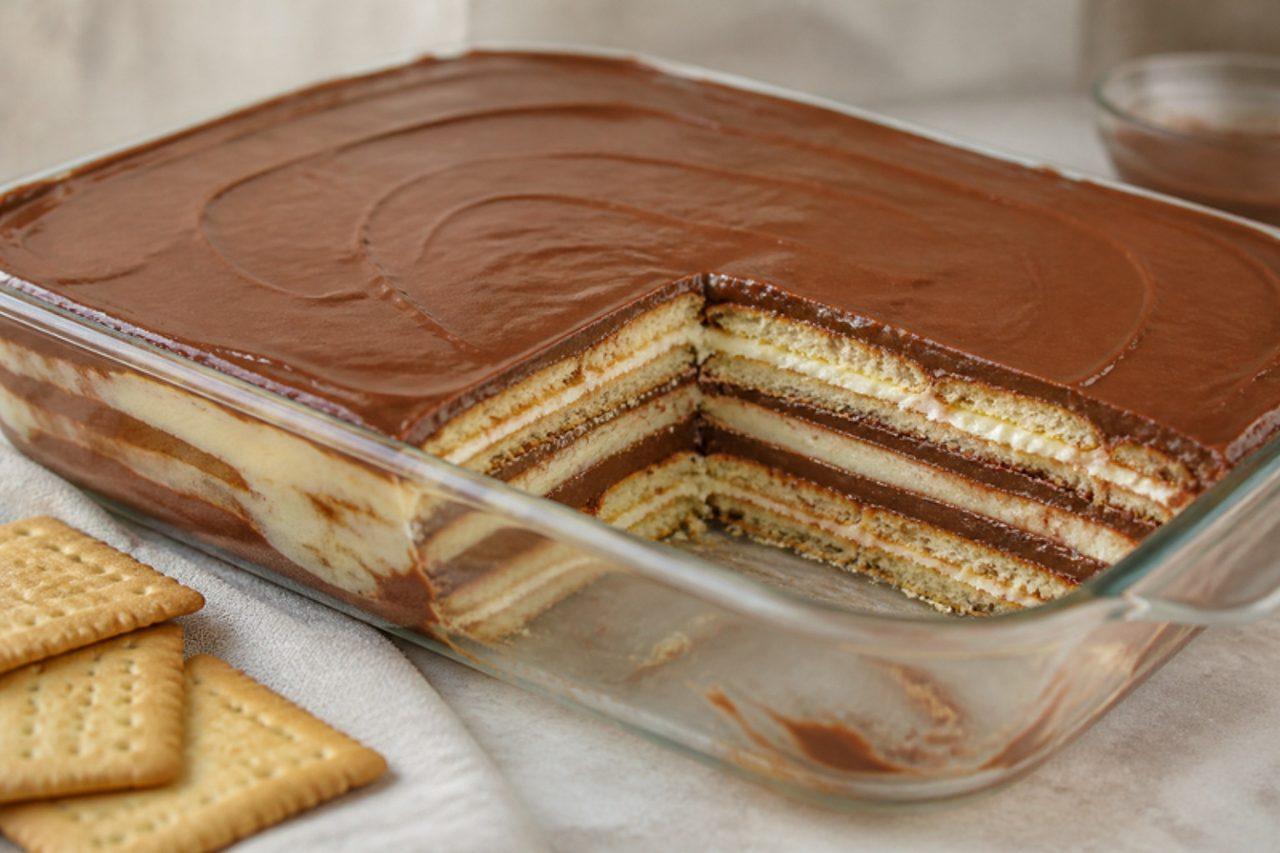
Gaúcho birthday tables almost always carry a torta de bolacha, the fridge cake that grandmothers in Porto Alegre and the Serra Gaúcha towns put together the night before. Plain Maria biscuits are dipped in sweet milk and stacked with two stovetop creams, one pale vanilla custard and one chocolate, until the biscuits soften into something close to sponge. It is cool, soft and very sweet, and slices best after a night in the fridge; serve it with coffee or as the birthday cake itself, with candles on top. It contains egg yolks and wheat biscuits. Most failures come from soaking the biscuits too long: they should be dipped for a second, not left to swim, or the layers collapse into mush. Chef's tip: let both creams cool until just warm before layering, so they stay thick enough to hold the next row of biscuits.

by KrazyBadal 0 views

Torta de palmitoHeart of palm pie

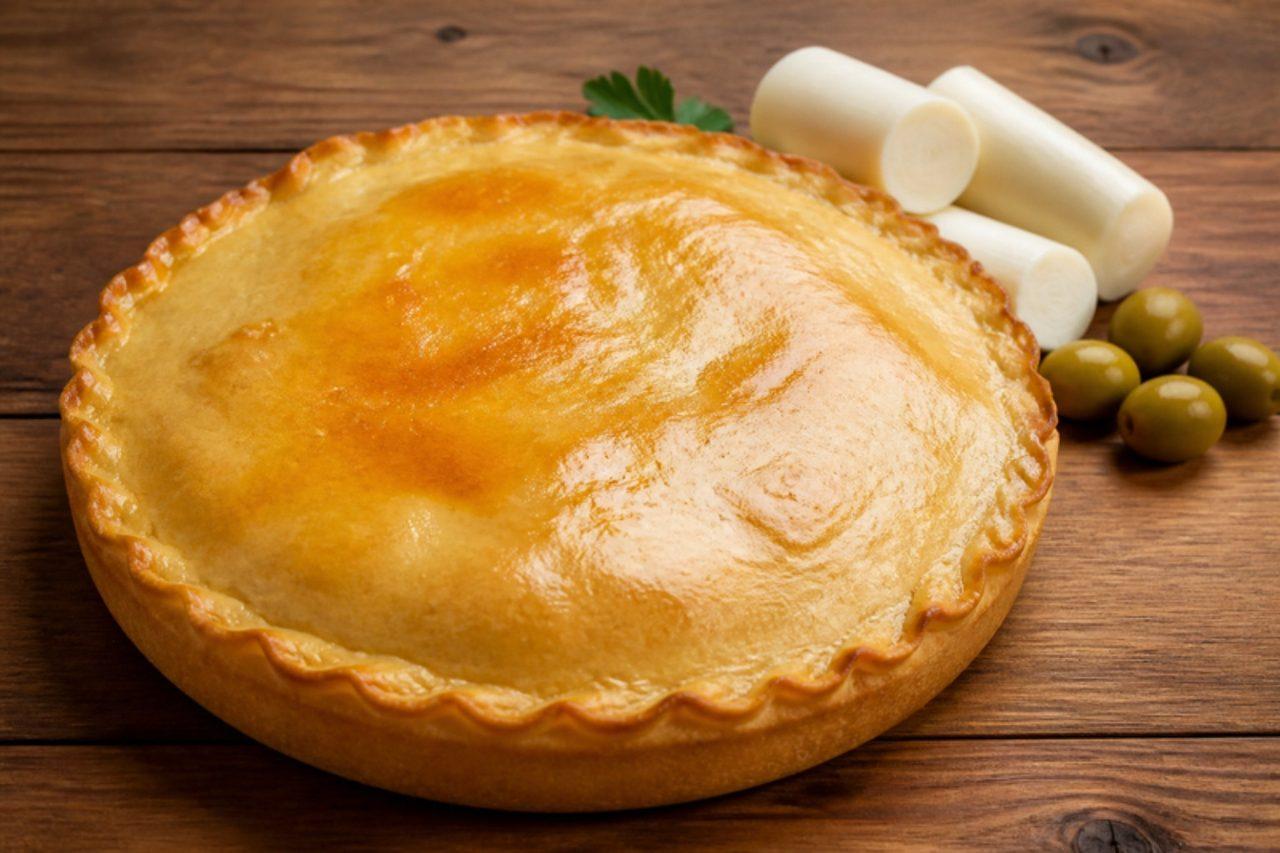
Paulistano families bring this pie to Sunday lunch, to Easter and to every bring-a-plate party, and padarias sell it by the slice next to the coxinhas. A crumbly, buttery crust encloses a creamy filling of heart of palm with tomato, peas, green olives and parsley, set with a little cornflour so it slices cleanly but stays moist. It is good warm or cold, with a green salad or just on its own. Look for palm hearts from cultivated pupunha palms. The commonest problem is a soggy base from a filling that is too wet or too warm; cook it until thick and let it cool before it goes in. Chef's tip: bake the pie on a preheated tray on the bottom shelf, so the base gets a blast of heat and crisps before the filling can soak in.

by KrazyBadal 0 views

Torta del Casar al hornoBaked sheep's cheese with garlic

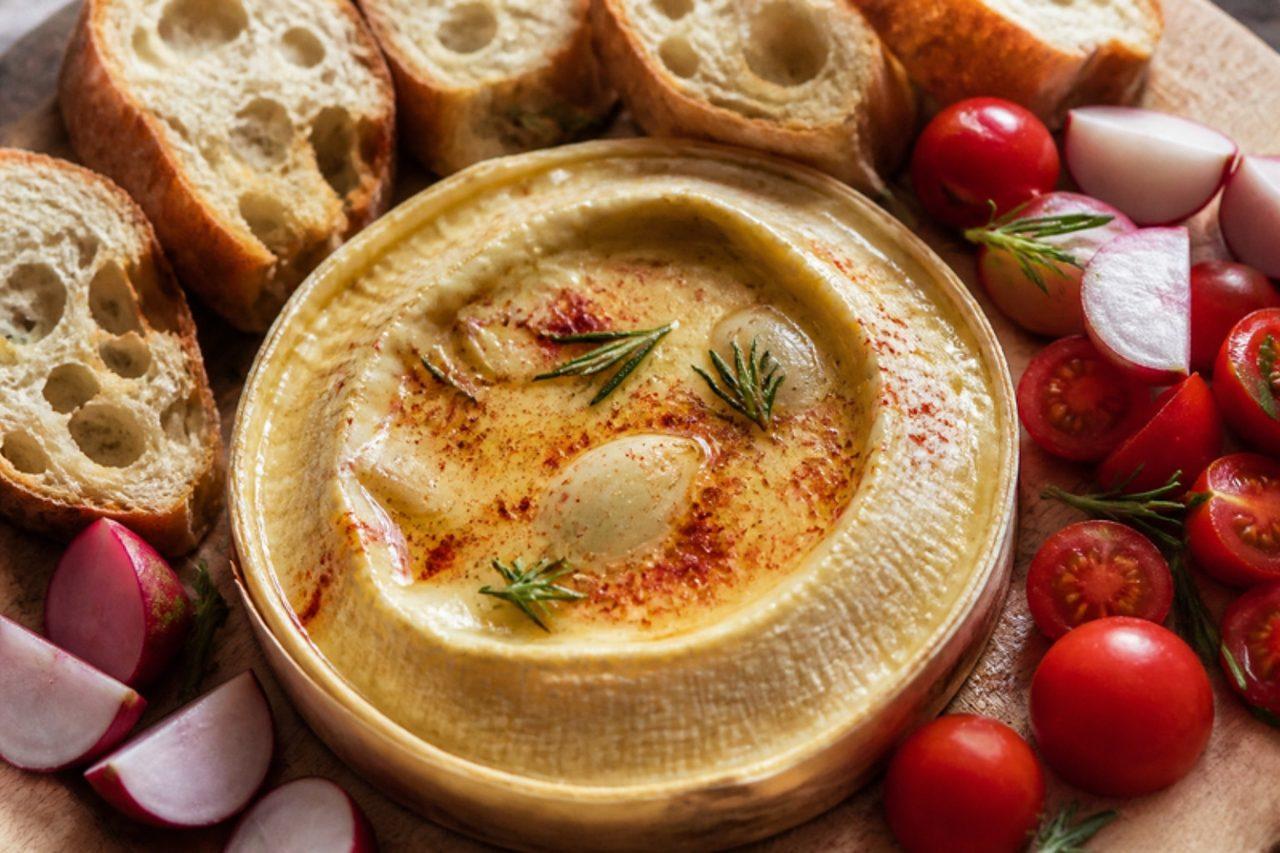
Torta del Casar is made in Casar de Cáceres and the surrounding plains from raw merino sheep's milk, curdled not with animal rennet but with the dried flower of a wild thistle, so it suits many vegetarians. When ripe, the rind holds a centre so soft it is eaten with a spoon, and in Cáceres bars a whole torta comes warm from the oven with its lid cut off, surrounded by bread for dipping. It is a cheese for sharing at the start of a long dinner. Because it is made from unpasteurised milk, it is not for pregnant women, young children or anyone with a weakened immune system unless heated until steaming hot all through. Chef's tip: take the cheese out of the fridge an hour ahead so it warms evenly.

by KrazyBadal 0 views

Torta galesaDark fruit and walnut cake

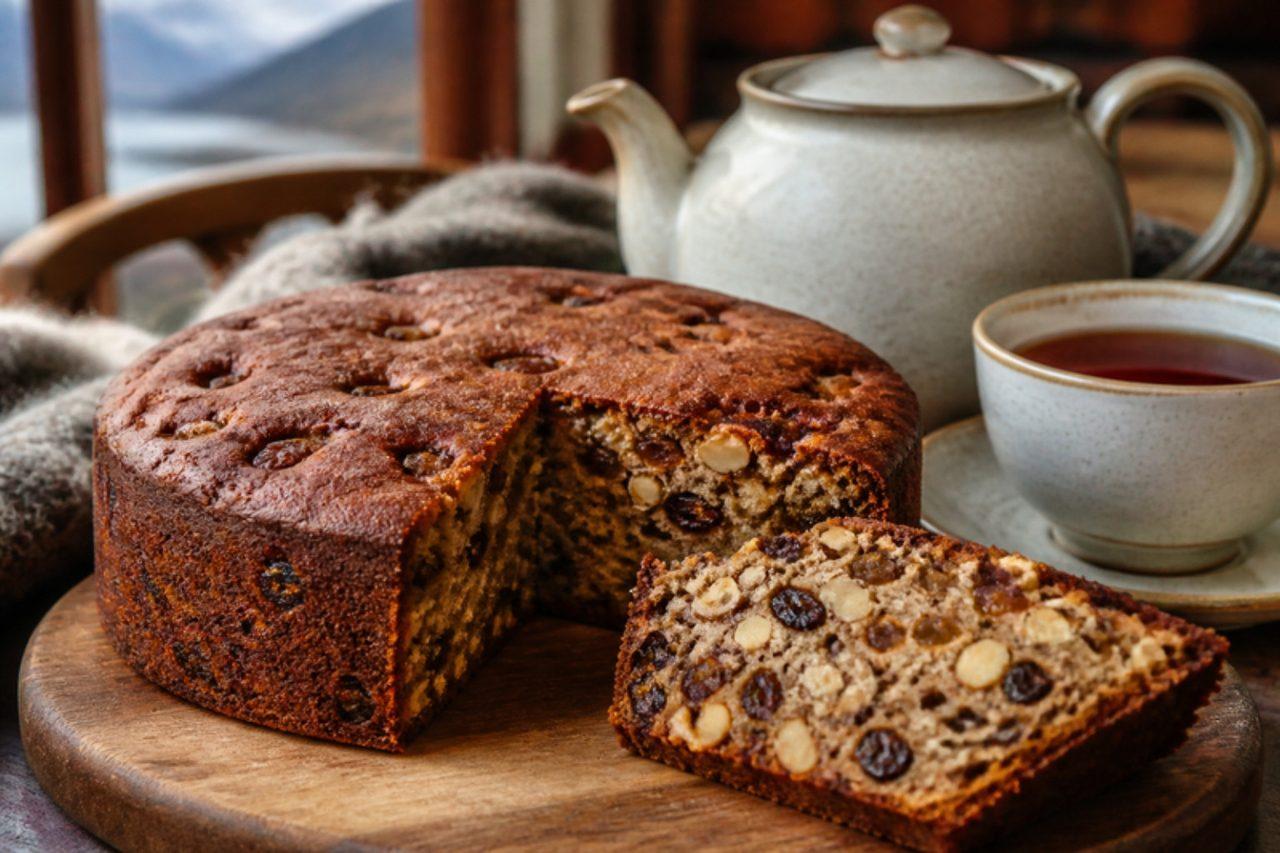
Welsh settlers arrived in the Chubut valley in 1865 and their descendants still serve afternoon tea in Gaiman and Trelew, where the casas de té bring out pots of tea, scones, cream cakes and, always, a slice of torta galesa. It is a dense, almost black fruit cake made with brown sugar and black treacle, studded with raisins, candied peel and walnuts, and it was built to last through long Patagonian winters and journeys across the steppe. The crumb is moist and sticky, rich with spice and caramel. An oven that is too hot is the classic error: the outside chars before the middle is set, so it bakes low and slow under a sheet of paper. There's no alcohol in this version; many cooks brush it with rum after baking, so leave that out or use strong tea. Chef's tip: wrap the cooled cake tightly and wait two or three days before cutting; it turns moister and the flavours deepen.

by KrazyBadal 0 views

Torta holandesaChilled biscuit and ganache tart

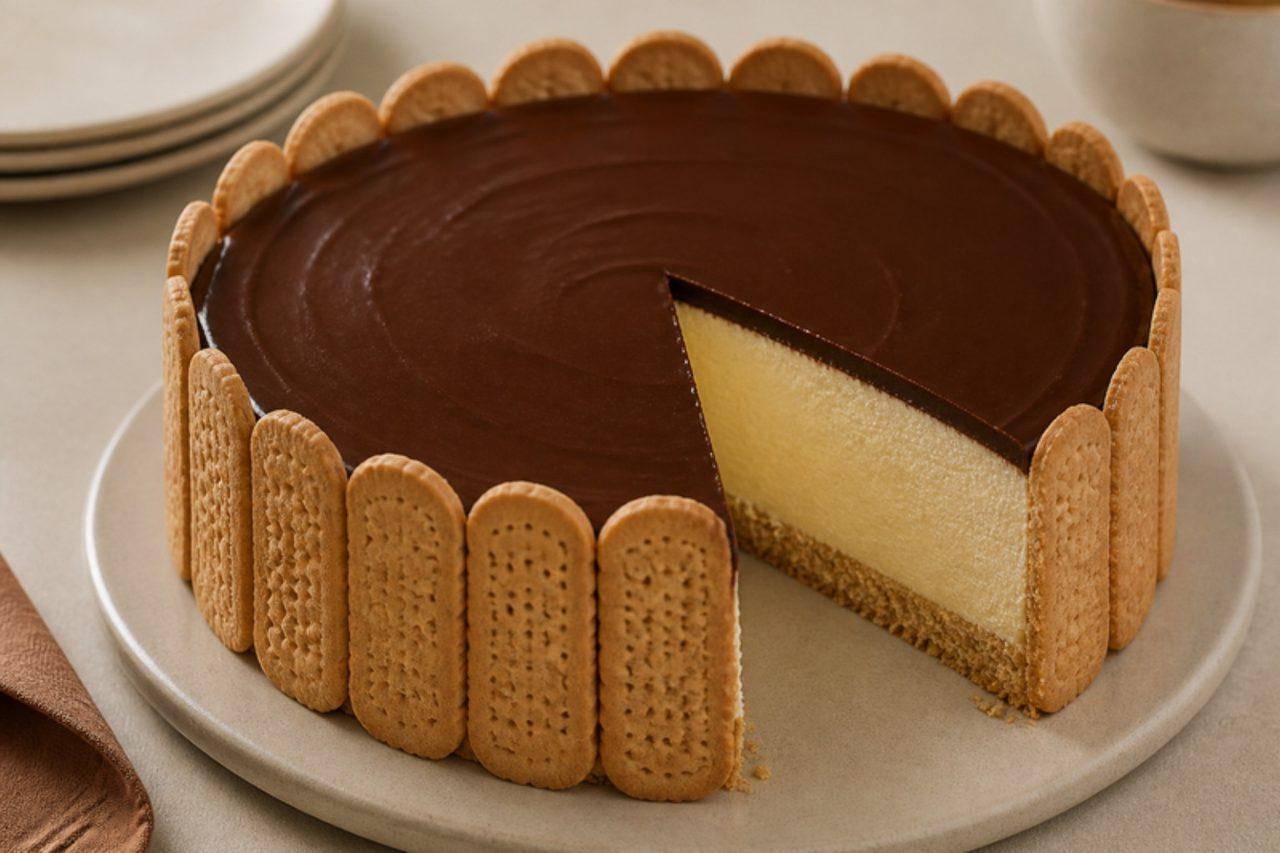
Despite the name, the 'Dutch tart' is a Brazilian invention, created in a confeitaria in Campinas, São Paulo state, in the 1990s and now sold in bakeries and churrascarias all over the country. A crunchy biscuit base holds a tall layer of light vanilla buttercream, sealed with dark chocolate ganache, and the sides are fenced with chocolate-dipped biscuits stood on their edges. Served cold, it is rich, creamy and crunchy at once, cut in thin slices with coffee. Some versions set the cream with gelatin; this one gets its body from butter and whipped cream only. Warm ganache poured straight on is the commonest mistake, since it melts the cream underneath into streaks. Chef's tip: let the ganache cool until it is just pourable and barely warm to a fingertip, about 30 °C, before pouring it over the chilled tart.

by KrazyBadal 0 views

Torta rogelLayered pastry dulce de leche cake

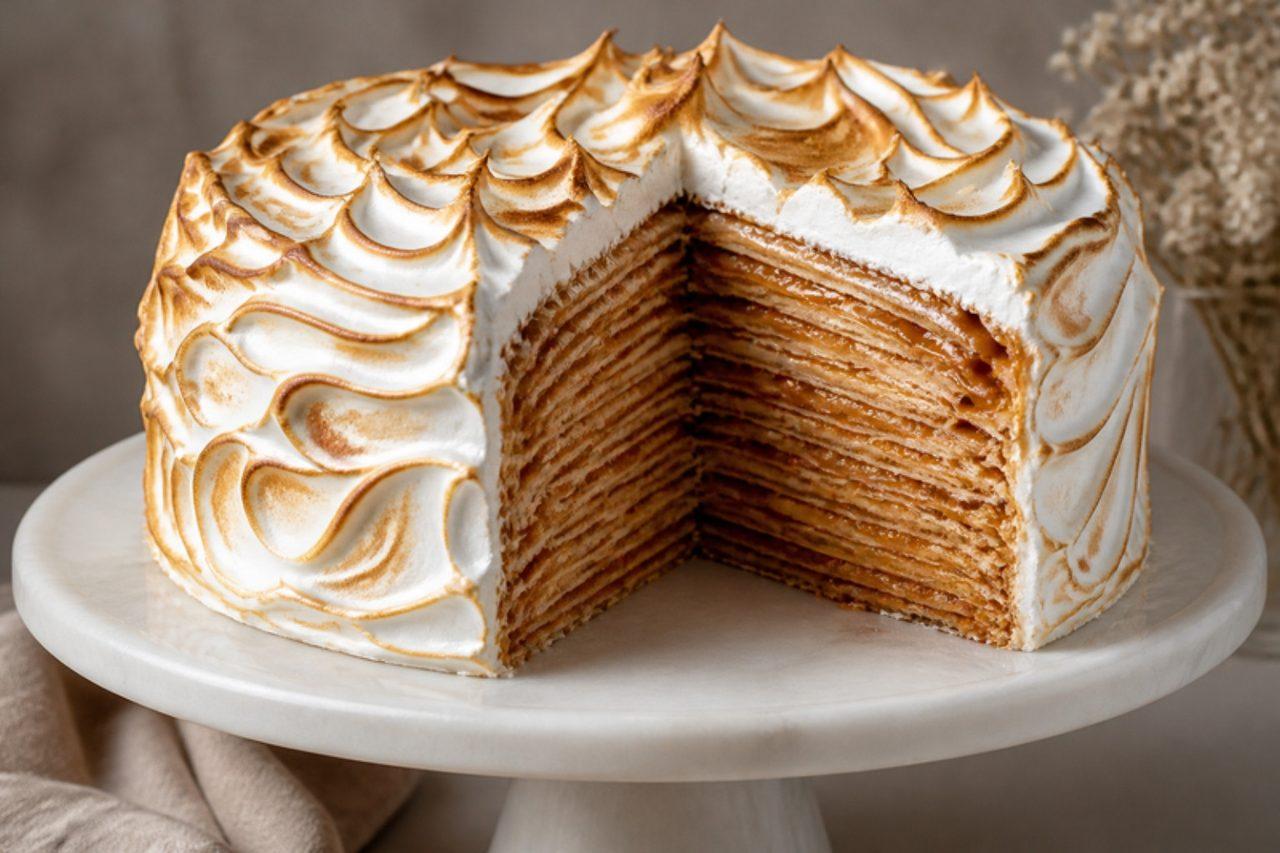
Birthdays in Buenos Aires are where the rogel shows off: eight or more wafer-thin, crackling discs of egg-yolk pastry, each spread with thick dulce de leche, stacked high and finished with a cloud of glossy Italian meringue browned with a blowtorch. Confiterías sell it by the slice, and it is a cake of contrasts, crisp and chewy, very sweet against the faintly salty pastry. It is laborious rather than difficult, and it slices best after a few hours' rest, when the dulce de leche has softened the layers just slightly. Use thick dulce de leche repostero (bakers' style); the runny kind for spreading on toast makes the tower slide. Rolling the discs too thick is the classic mistake: they should be so thin you can almost see the worktop through them, or the cake becomes heavy and hard to cut. Chef's tip: prick every disc all over with a fork before baking, or it puffs into a dome and won't stack flat.

by KrazyBadal 0 views

Tortas ahogadasPork rolls in tomato sauce

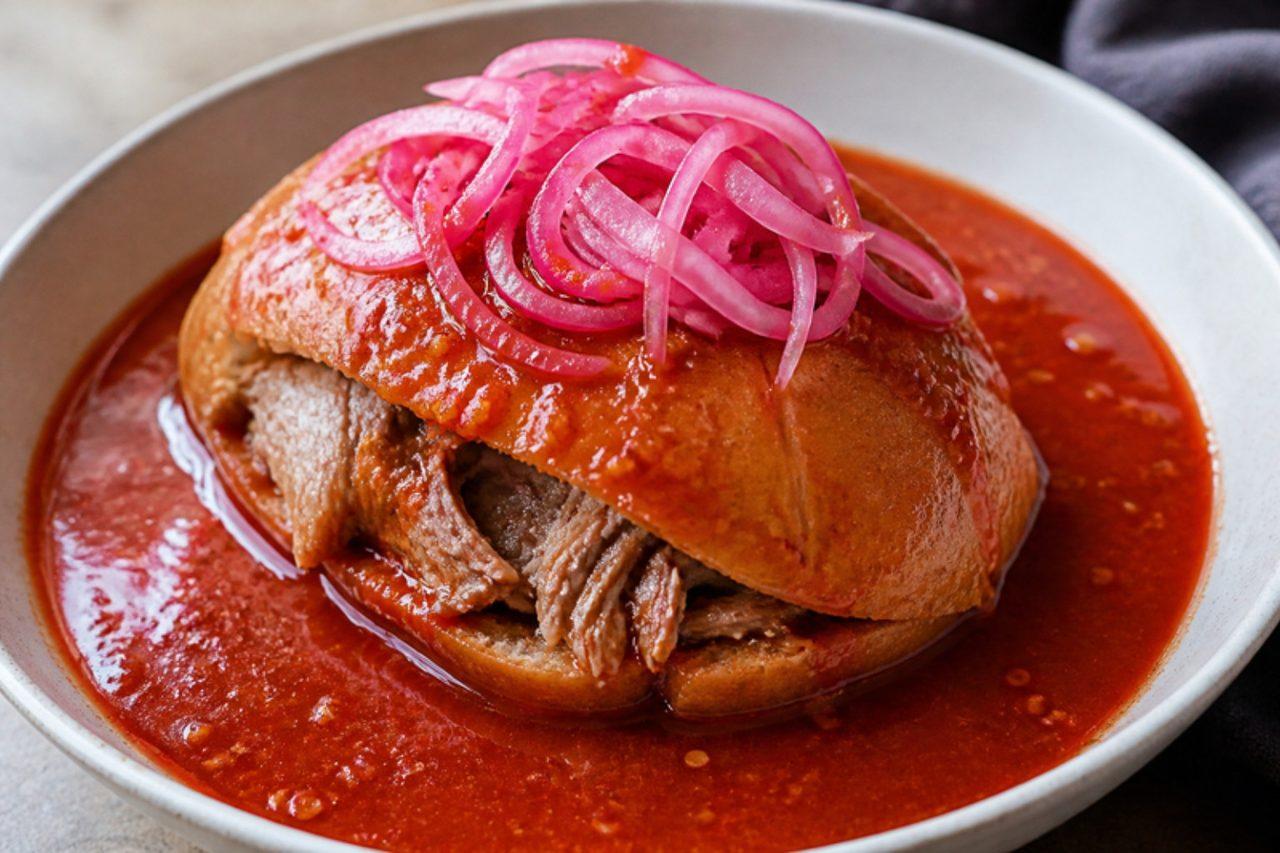
Guadalajara's great hangover cure, the torta ahogada is sold from street stands and small fondas all over the city from mid-morning. A crusty roll is split, packed with pork carnitas, then 'drowned' in a thin, mild tomato sauce and splashed with a ferociously hot chile de árbol salsa; you can order it half-drowned or fully submerged, and eat it with a plastic bag over your hand or with a knife and fork. The local birote salado, a sourdough roll with a hard crust, rarely exists outside Jalisco, so use the crustiest small baguettes or sourdough rolls you can find. Pickled red onions and a few radishes are the classic side. Chef's tip: let the rolls go a day stale and toast the cut sides; a firm, dry crumb soaks up sauce without turning to mush.

by KrazyBadal 0 views

Tortas de aceite sevillanasCrisp olive-oil flatbreads with anise

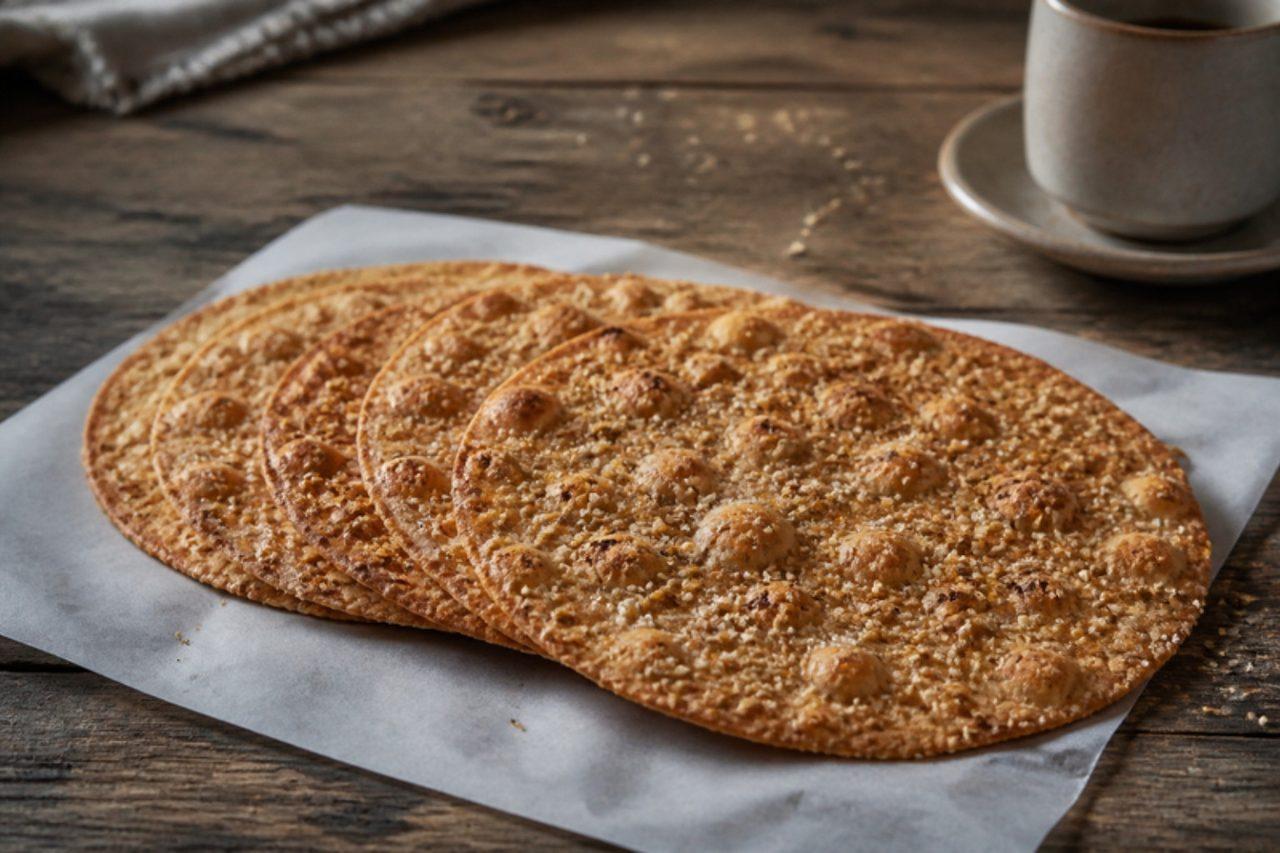
Castilleja de la Cuesta, just west of Seville, has made these hand-pressed tortas for well over a century, and across Andalusia they are dunked into morning coffee or eaten as an afternoon snack. The dough is little more than flour, olive oil infused with anise and sesame, and a pinch of yeast, rolled until you can almost see through it and baked with a crust of sugar. Chef's tip: roll each torta directly on the baking paper you will bake it on; the dough is too thin to lift without tearing.

by KrazyBadal 0 views

Tortas de almaPumpkin and almond pastries

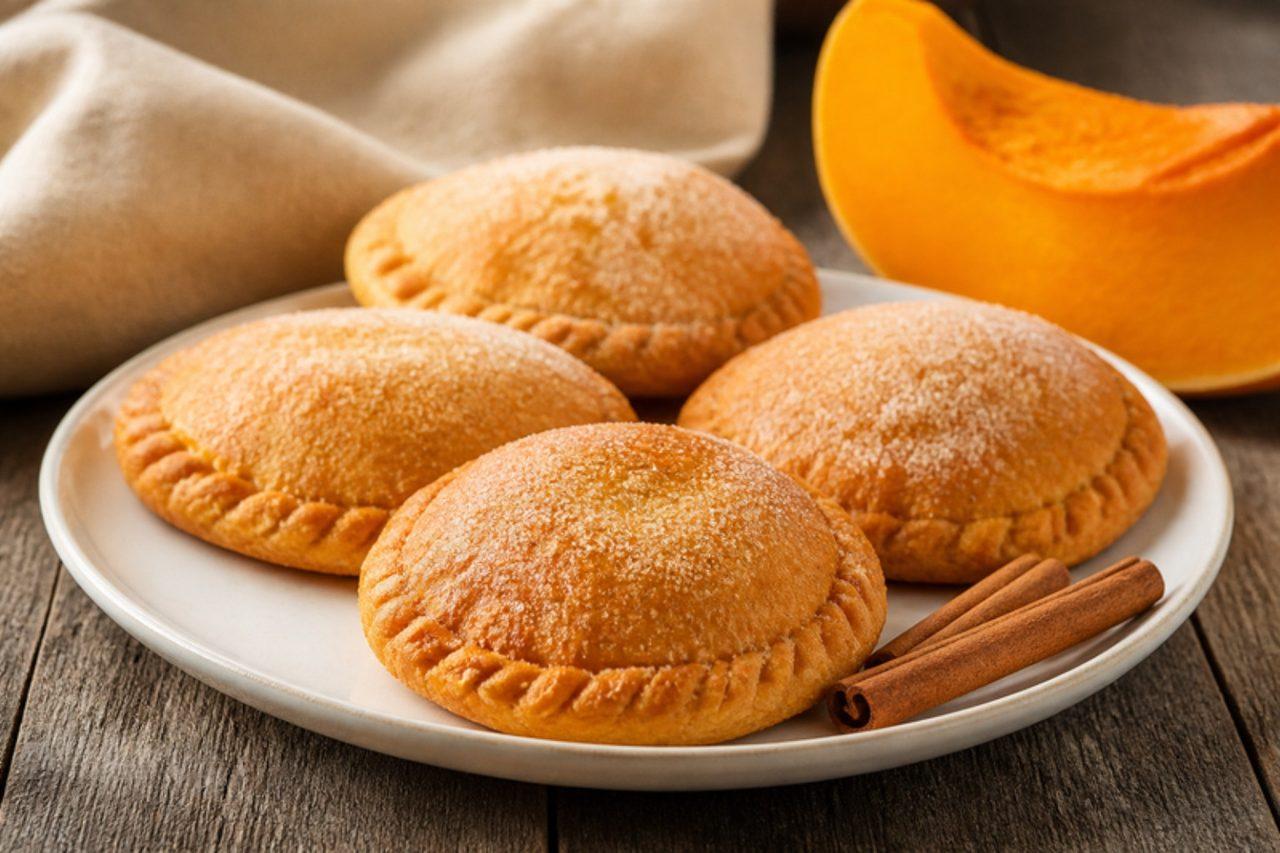
In the province of Teruel, especially around Calamocha and the Jiloca valley, tortas de alma are made at the end of autumn when the pumpkins come in: crisp, flaky olive-oil pastry folded over "alma", a sweet filling of pumpkin cooked down with sugar, almond and cinnamon. They are eaten with coffee at the village festivals and given away by the dozen at All Saints and Christmas. Recipes vary from house to house; this one keeps to the simple, widely made version. A common mistake is a runny filling, which leaks and burns on the tray; cook it until it is thick enough to hold a clean line. Chef's tip: make the filling a day ahead and chill it; cold alma is far easier to spoon onto the pastry.

by KrazyBadal 0 views

Tortas de VianaSponge roll with egg-yolk cream

In the pastry shops along Viana do Castelo's old streets, tortas are sold rolled and sliced, a feather-light sponge wrapped around a glossy egg-yolk cream. They turn up on festival weekends in August, when the town fills for the Romaria d'Agonia, and as an afternoon treat with coffee the rest of the year. The sponge contains only eggs, sugar and a little flour, so it bends without cracking if you roll it warm. Chef's tip: roll the sponge in sugared paper straight from the oven and let it cool in that shape, then unroll and fill.

by KrazyBadal 0 views

Tortilla al rescoldoAsh-baked flatbread

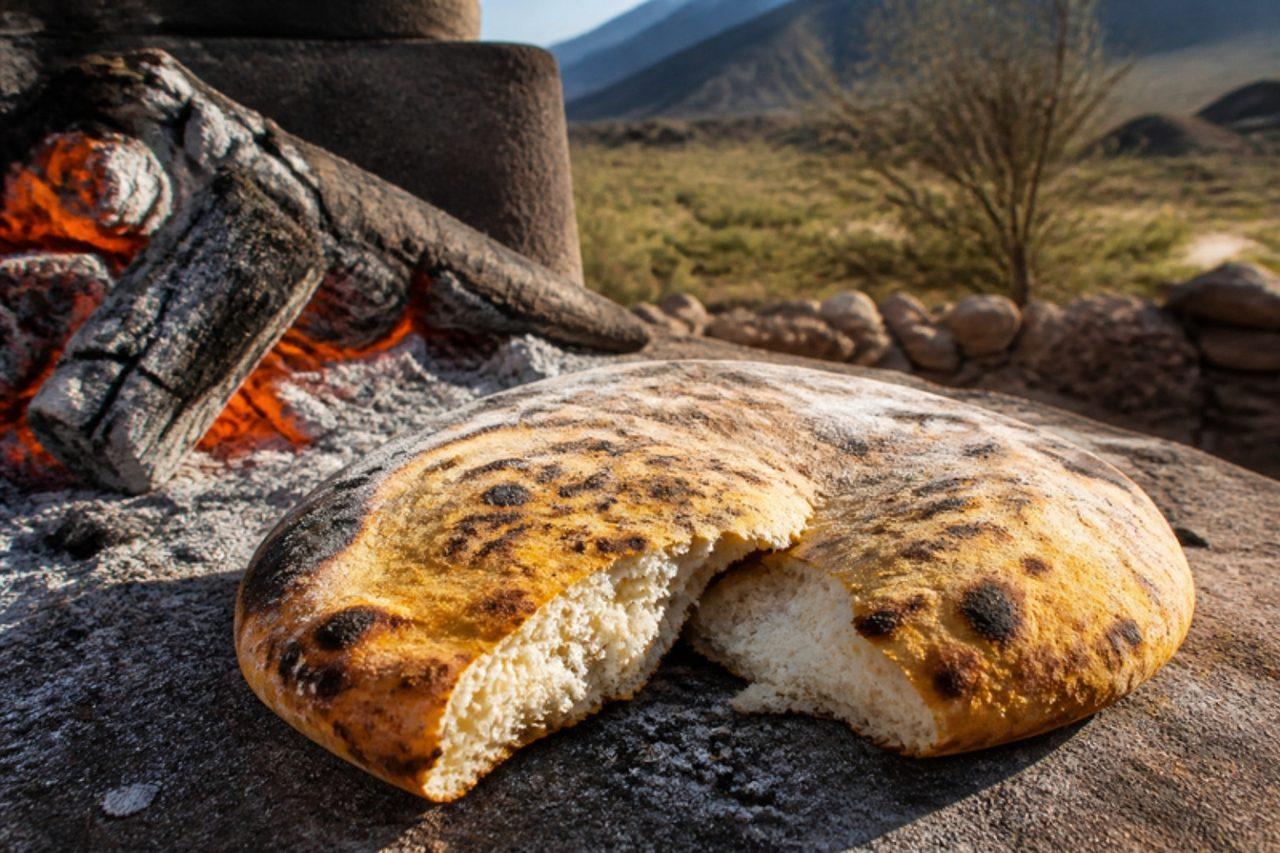
Puesteros in the hills of Salta and the Calchaquí valleys bake this bread the oldest way there is: a thick disc of plain dough laid straight onto the hot ash at the edge of the fire, covered with more embers and dug out 20 minutes later with a crust that is blistered and smoky and a crumb that is dense and soft. You brush off the ash, break it with your hands and eat it with goat's cheese, a mate or a bowl of locro. The traditional fat is lard (grasa); this version uses butter or vegetable shortening so it stays vegetarian. Laying the dough on flaming wood instead of a bed of settled grey embers is the mistake that burns the outside black before the middle cooks, so wait until the fire has died back. No fire? A dry cast-iron pan and a hot oven give you a close result. Chef's tip: knock the bread on its base when you lift it out; a hollow sound means it is cooked through.

by KrazyBadal 0 views

Tortillas de harina sobaquerasGiant flour tortillas

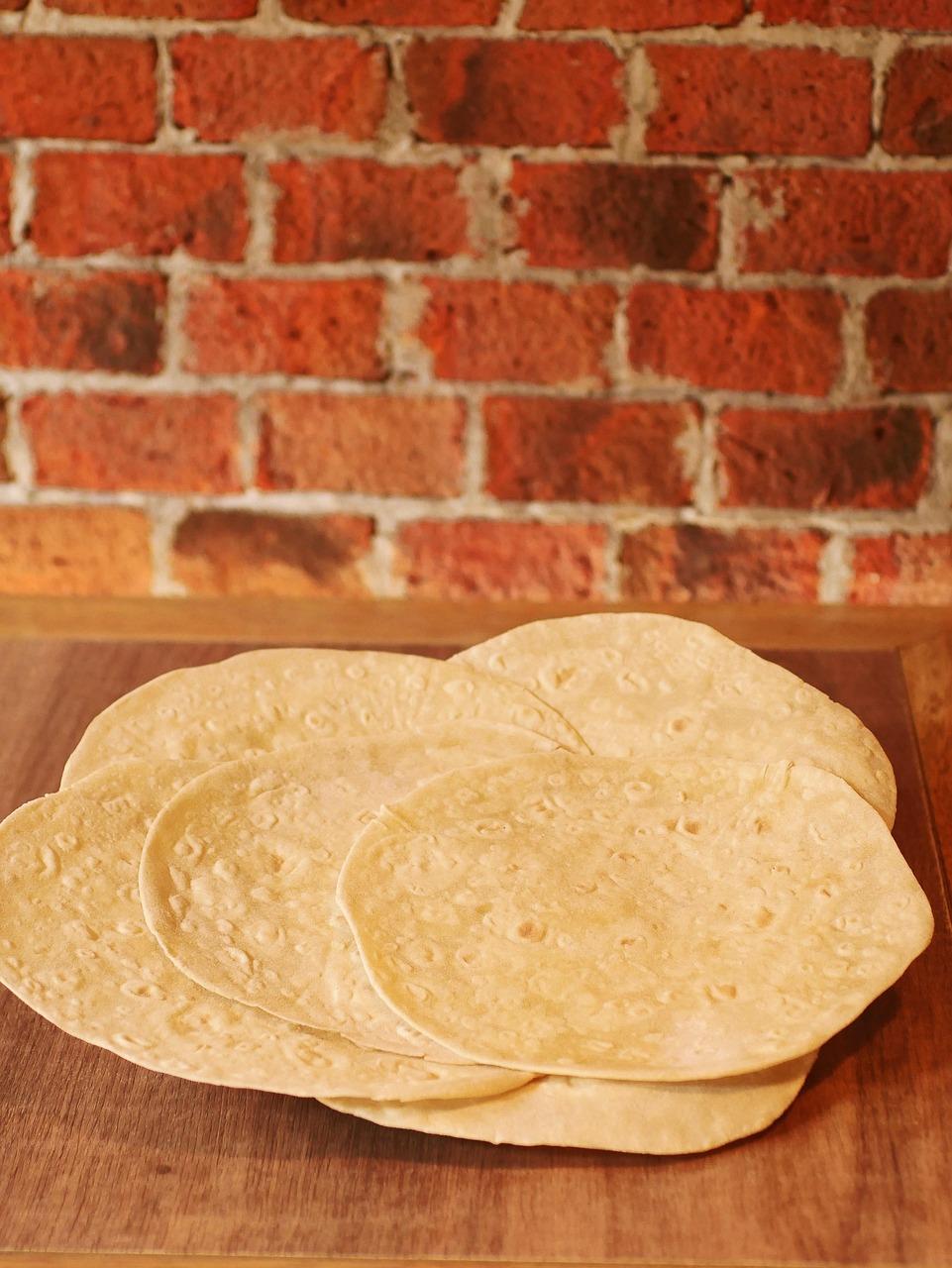
In Sonora, wheat is the grain, and the pride of Hermosillo kitchens is the sobaquera: a flour tortilla stretched over the backs of the hands and arms until it is almost see-through and as wide as a serving tray (the name comes from sobaco, armpit, because it reaches that far). It cooks in seconds on a big comal and is folded around beans, cheese or machaca, or torn and eaten with caldo de queso. Sonoran cooks use lard; vegetable shortening works the same. A 30–35 cm tortilla is a realistic home size. Chef's tip: the long rest is what makes the dough stretch; do not cut it short.

by KrazyBadal 0 views

Tortillitas de camaronesShrimp and chickpea-flour fritters

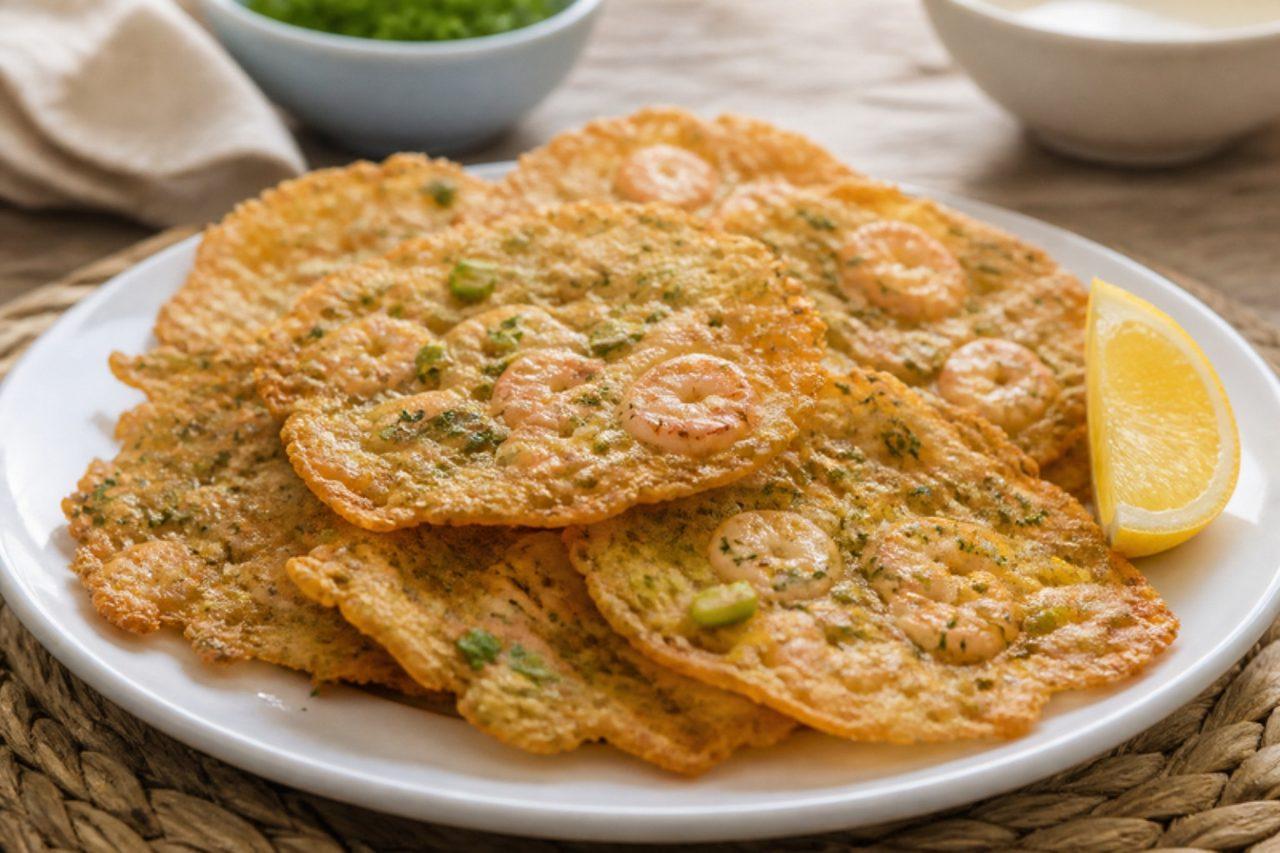
Around the Bay of Cádiz, especially in San Fernando and Sanlúcar de Barrameda, tortillitas de camarones are fried to order in bars and eaten with fingers: thin, lacy fritters of chickpea flour, spring onion and parsley studded with tiny whole shrimp. The local camarones are eaten shell and all; outside the bay, small raw peeled prawns, roughly chopped, work well. The batter must be as thin as single cream, so it spreads into a crisp lace in the oil. Chef's tip: keep the batter in the fridge until the last moment; cold batter hitting hot oil gives the most delicate lace.

by KrazyBadal 0 views

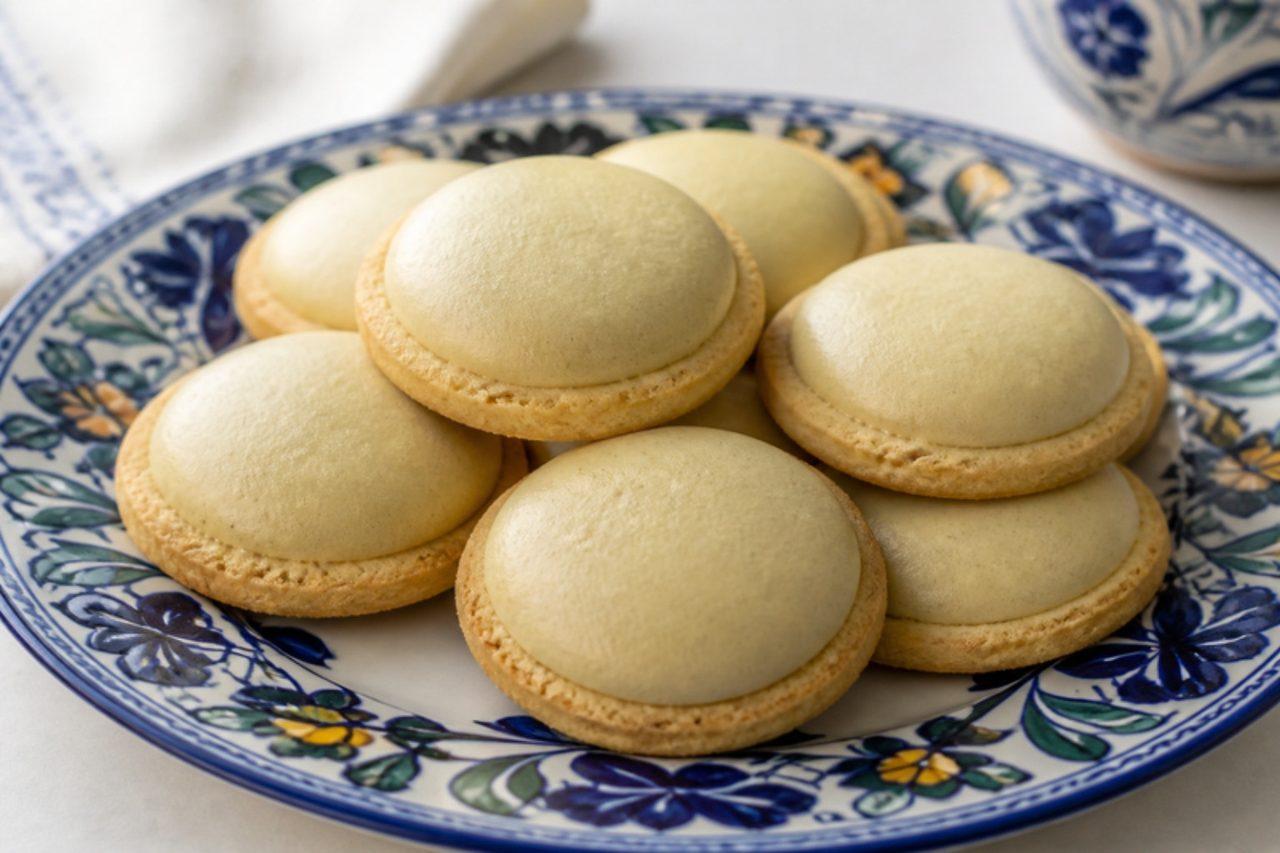
Tortitas de Santa ClaraShortbread with pumpkin seed cream

The nuns of the Santa Clara convent in Puebla are credited with this biscuit, and the city's Calle de los Dulces still sells it in boxes stacked beside camotes and jamoncillos. It is a crumbly, lightly sweet shortbread round, covered with a thick, pale cream made from ground pumpkin seeds, sugar and milk, which sets to a soft fudge-like layer. They are eaten with coffee in the afternoon and taken home as a gift from Puebla. Chef's tip: grind the peeled pumpkin seeds as fine as you can before cooking; any coarse bits make the topping gritty.

by KrazyBadal 0 views

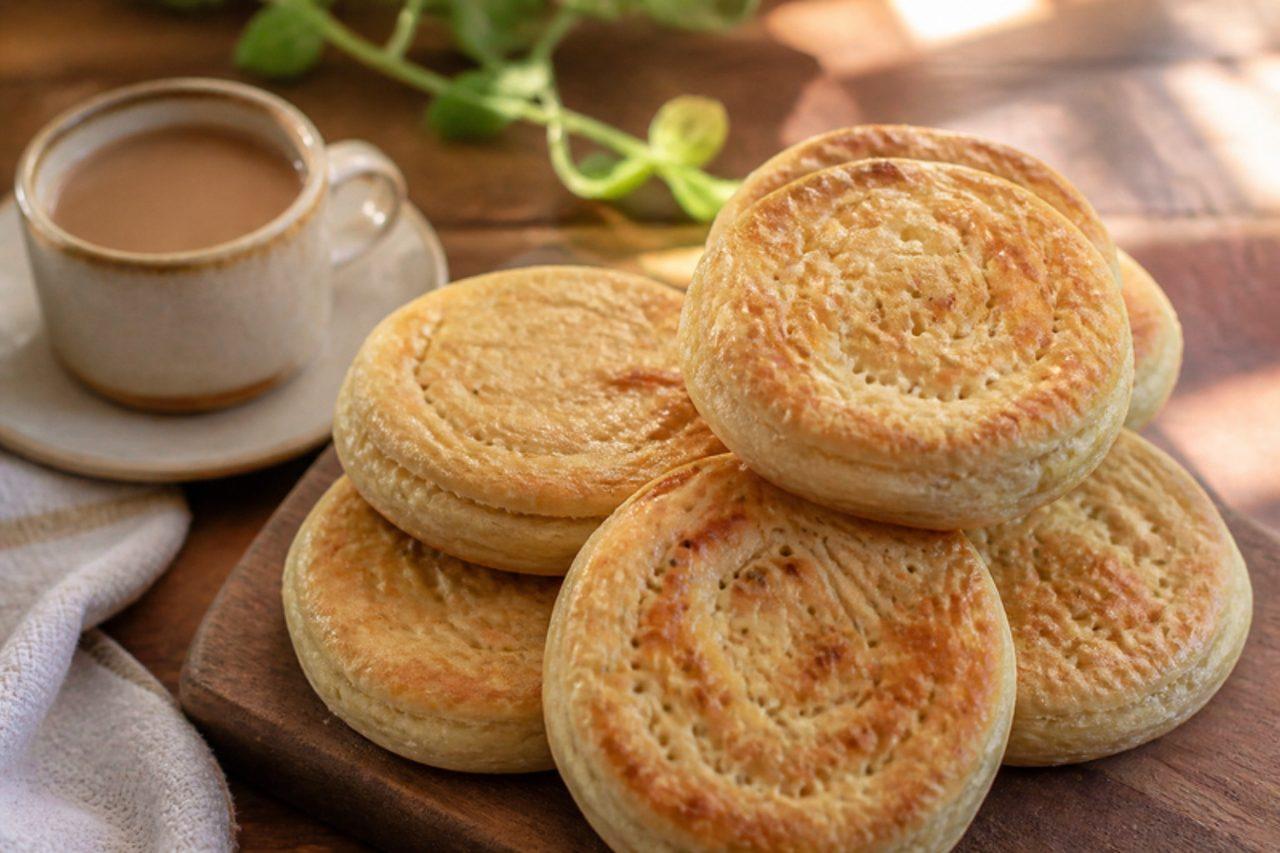
Tortitas mendocinasFlaky round breakfast breads

Every panadería in Mendoza fills a tray with tortitas in the early morning, and they go out in paper bags to be eaten warm with mate, split and spread with butter, quince paste or a slice of cheese. They are flat, round, slightly salty breads, soft and layered in the middle and crisp at the edges, with the fork marks that give them away. The traditional fat is beef lard (grasa), which makes them very short; here butter or vegetable shortening takes its place to keep them vegetarian, and both give a good flaky result. The mistake to avoid is rolling them thin like crackers: they should be a generous centimetre thick, or they bake hard and dry. Chef's tip: fold the dough in three twice before the final roll, like a quick puff pastry; those folds give tortitas their layers.

by KrazyBadal 0 views

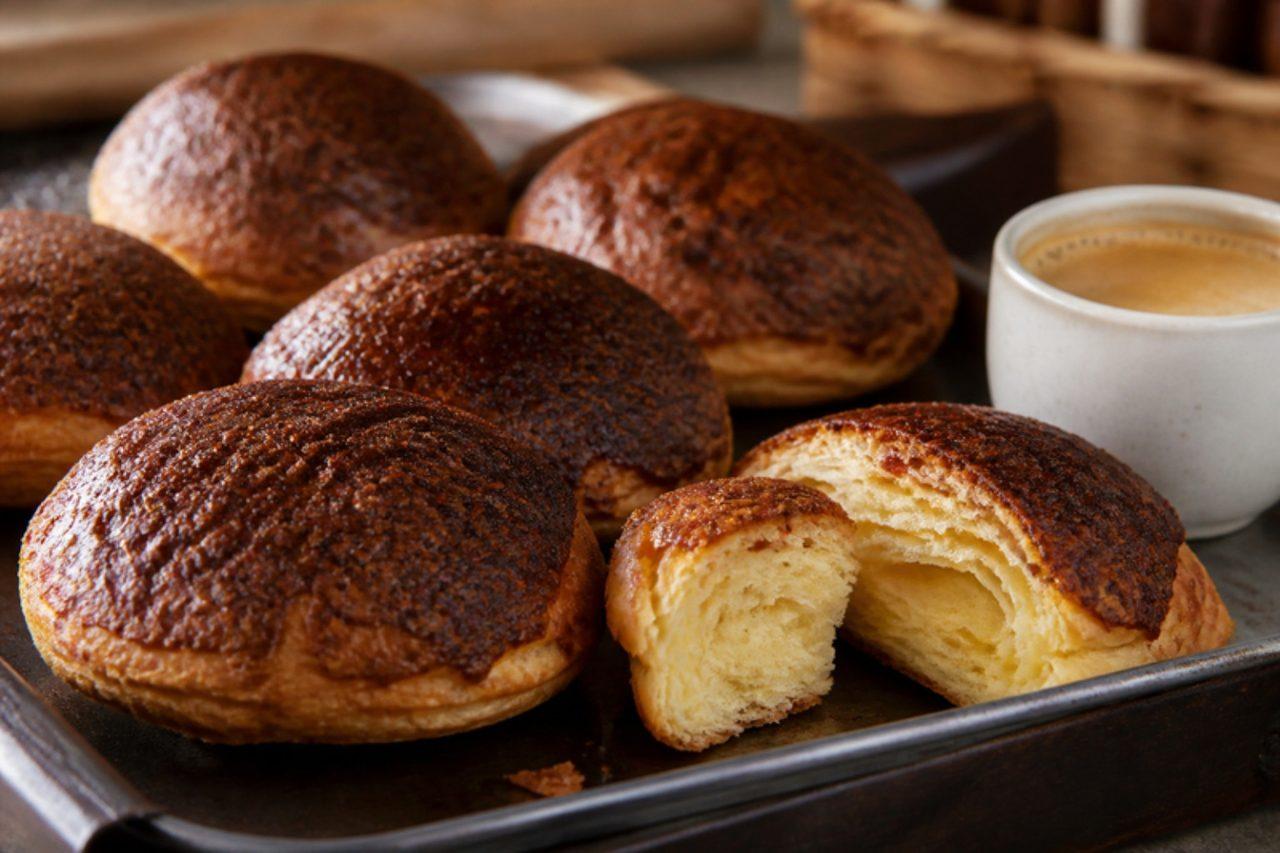
Tortitas negrasBrown sugar-topped buns

Black cakes, the name means, though only their tops are dark: tortitas negras are flat, round, flaky buns covered with a thick crust of dark brown sugar that melts in the oven and sets crunchy and toffee-like. They are among the cheapest and most popular facturas in Buenos Aires bakeries, eaten from a paper bag at breakfast or as a merienda with mate, and everyone fights over the sugary edges. The dough is a lightly laminated yeast dough, between bread and puff pastry. Bakeries often use lard or margarine; this version uses butter and stays vegetarian. Being stingy with the sugar is the classic misstep: a thin layer just melts into the dough and disappears, so pile it on thickly and press it down. Chef's tip: brush the rounds with water, not egg, before adding the sugar; the water melts the sugar into a crisp, crackling shell.

by KrazyBadal 0 views

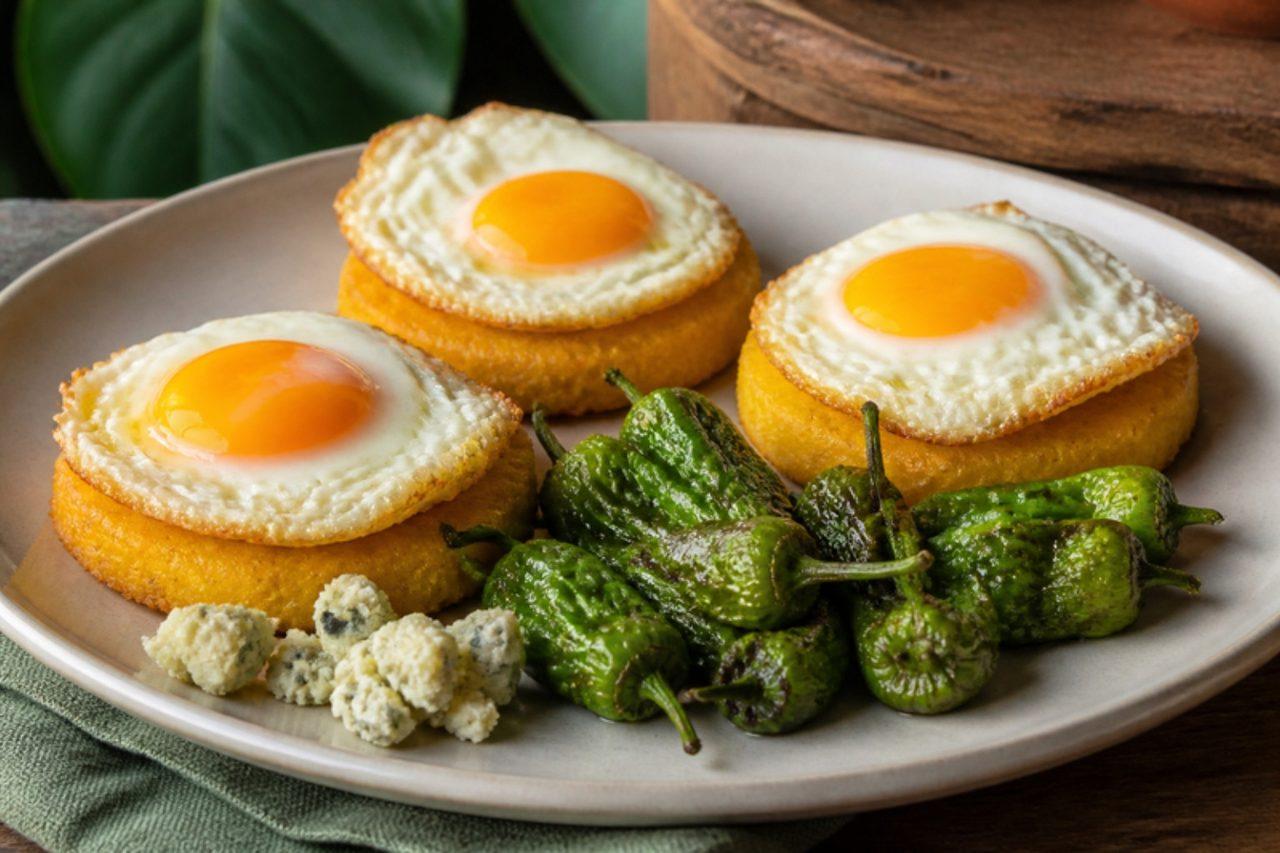
Tortos de maízCorn cakes with fried eggs

In the cider houses of Asturias, tortos arrive as a starter: small discs of corn dough fried until crisp outside and soft within, usually piled with something rich on top. Inland farms once ate them in place of bread, since maize grew far better than wheat in the damp valleys. This meat-free version tops each torto with a fried egg and blistered green peppers, with a little crumbled cabrales for those who want it; cabrales is usually made with animal rennet, so use a vegetarian blue cheese if that matters to you. Chef's tip: knead the dough with hot water and let it rest; cold water gives a crumbly dough that cracks in the pan.

by KrazyBadal 0 views

Tostadas de mariscosPrawn and octopus tostadas

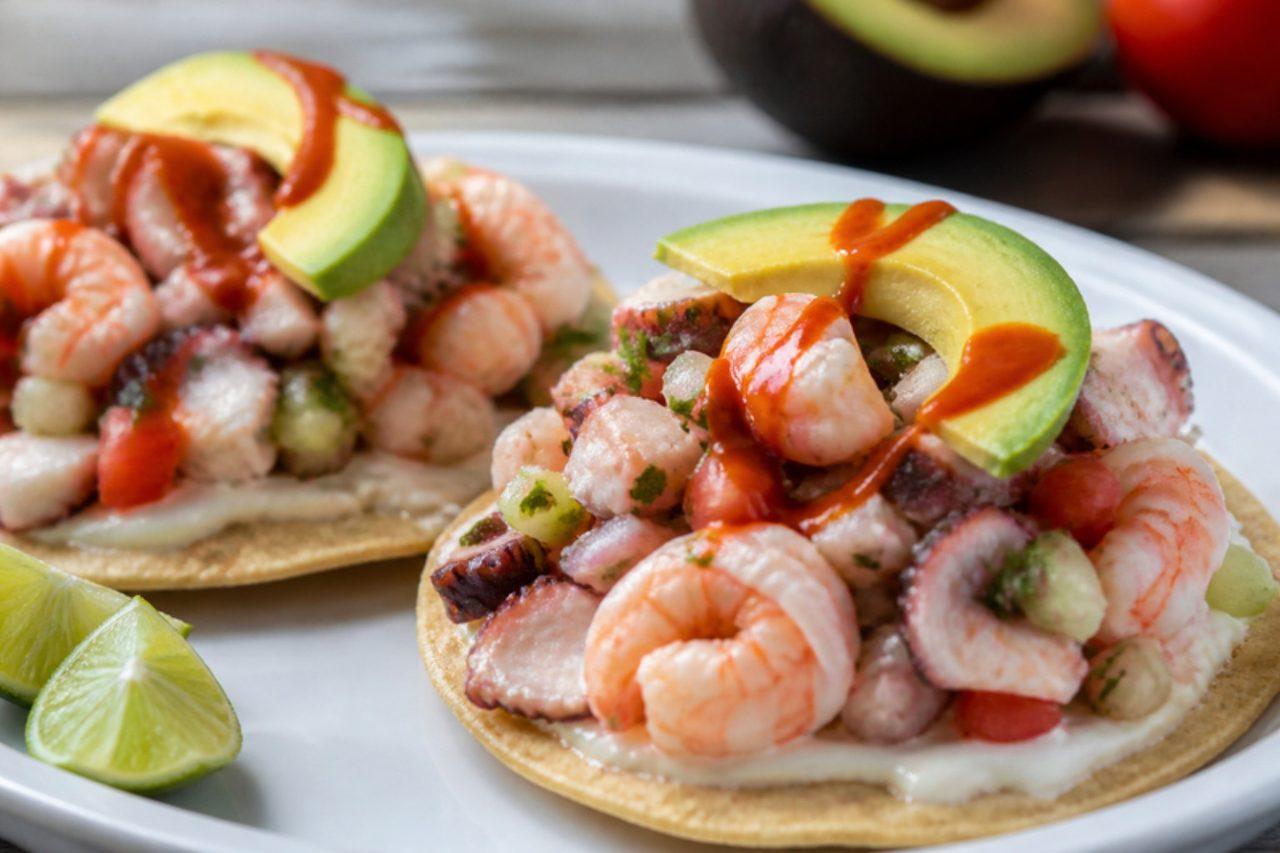
Walk past the fish market in Ensenada and the seafood carts are already busy by mid-morning, piling crisp corn tostadas high with a lime-bright mix of prawns, octopus, tomato, onion and coriander. They are eaten standing up with a squeeze of lime and a few drops of hot sauce, often as the first stop of a weekend in Baja. This version uses only cooked seafood: prawns poached until pink and opaque, and octopus bought ready-cooked from a fishmonger or deli counter. The mix is cold, juicy and crunchy, with creamy avocado on top. Chef's tip: assemble each tostada right before it is eaten, as even five minutes of waiting softens the shell.

by KrazyBadal 0 views

Tourte de blettesSweet Swiss chard pie

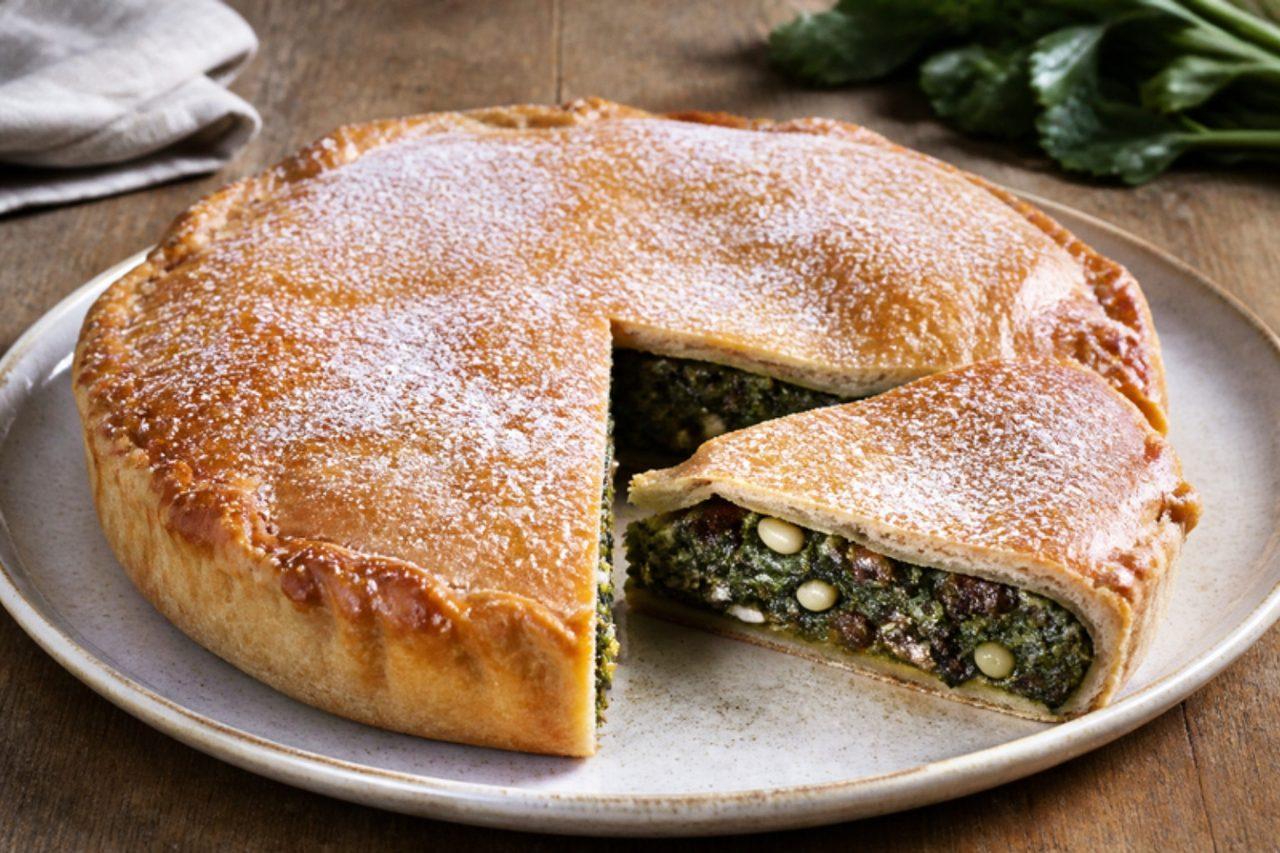
Visitors to Vieux-Nice are often surprised to find a pie of green chard leaves sold as a dessert, by the slice, in the old-town bakeries. The sweet tourte de blettes mixes chard with raisins, pine nuts, apple and a little cheese inside a sugared pastry, and Niçois families set it out on Christmas Eve as one of the thirteen desserts. The raisins are traditionally plumped in rum or marc; warm orange juice is used here, so it is alcohol-free. Parmesan is made with animal rennet, so pick a vegetarian hard cheese if you need to. Chef's tip: use only the green leaves; the white ribs make the filling watery, but keep them for a gratin.

100 minFrenchBaking
by KrazyBadal 0 views

Travesseiros de SintraAlmond cream puff pastries

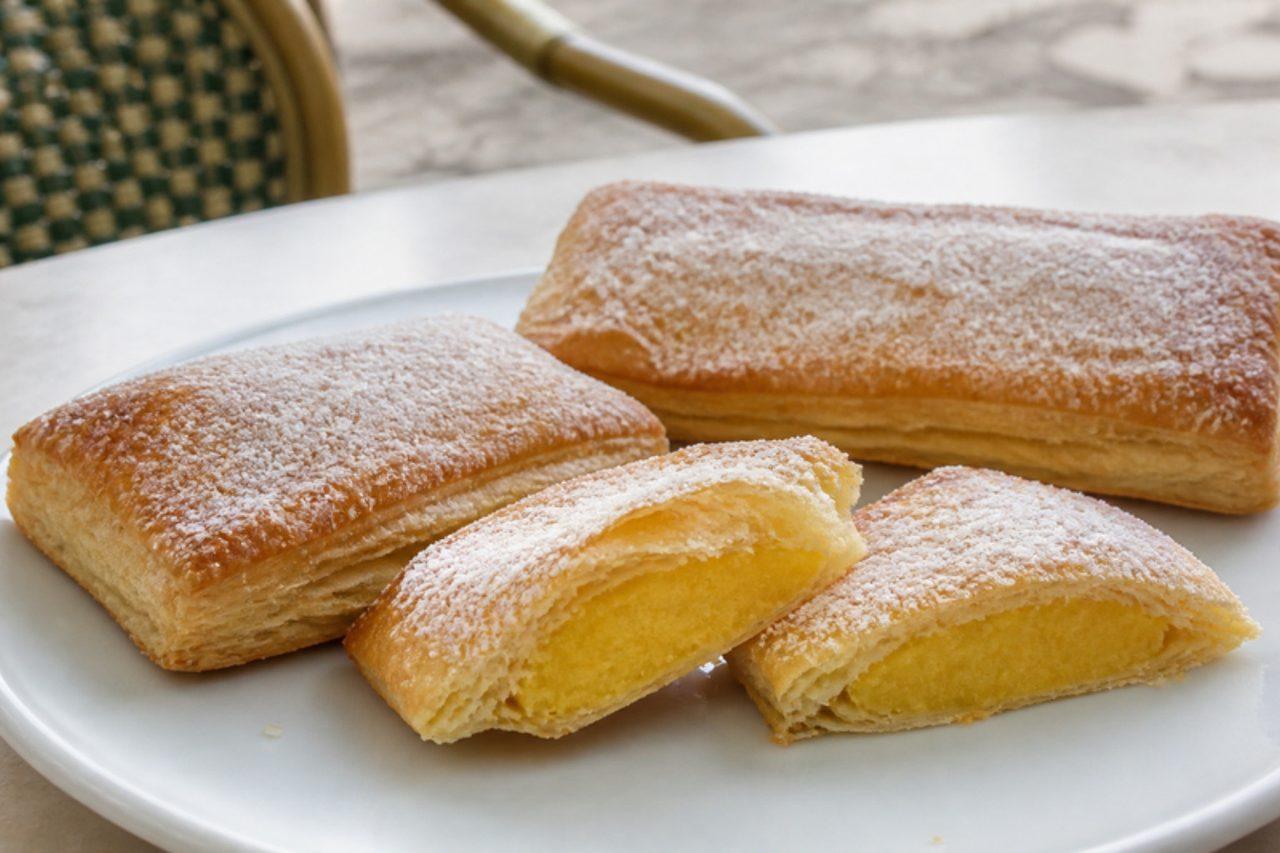
Travesseiro means pillow, and these long, sugar-dusted pastries from Sintra look just like one, plump with a soft almond cream. They were first sold at a café in the town in the mid-twentieth century and are now the second pastry, after queijadas, that every visitor carries home. Eat them warm, when the pastry shatters and the filling is still loose. Using shop-bought all-butter puff pastry makes them a fair home project. Chef's tip: cook the almond cream until it is thick enough to hold a trail from the spoon, then chill it; warm filling melts the butter in the pastry and stops it puffing.

by KrazyBadal 0 views

Trenza de AlmudévarNut and raisin braided bread

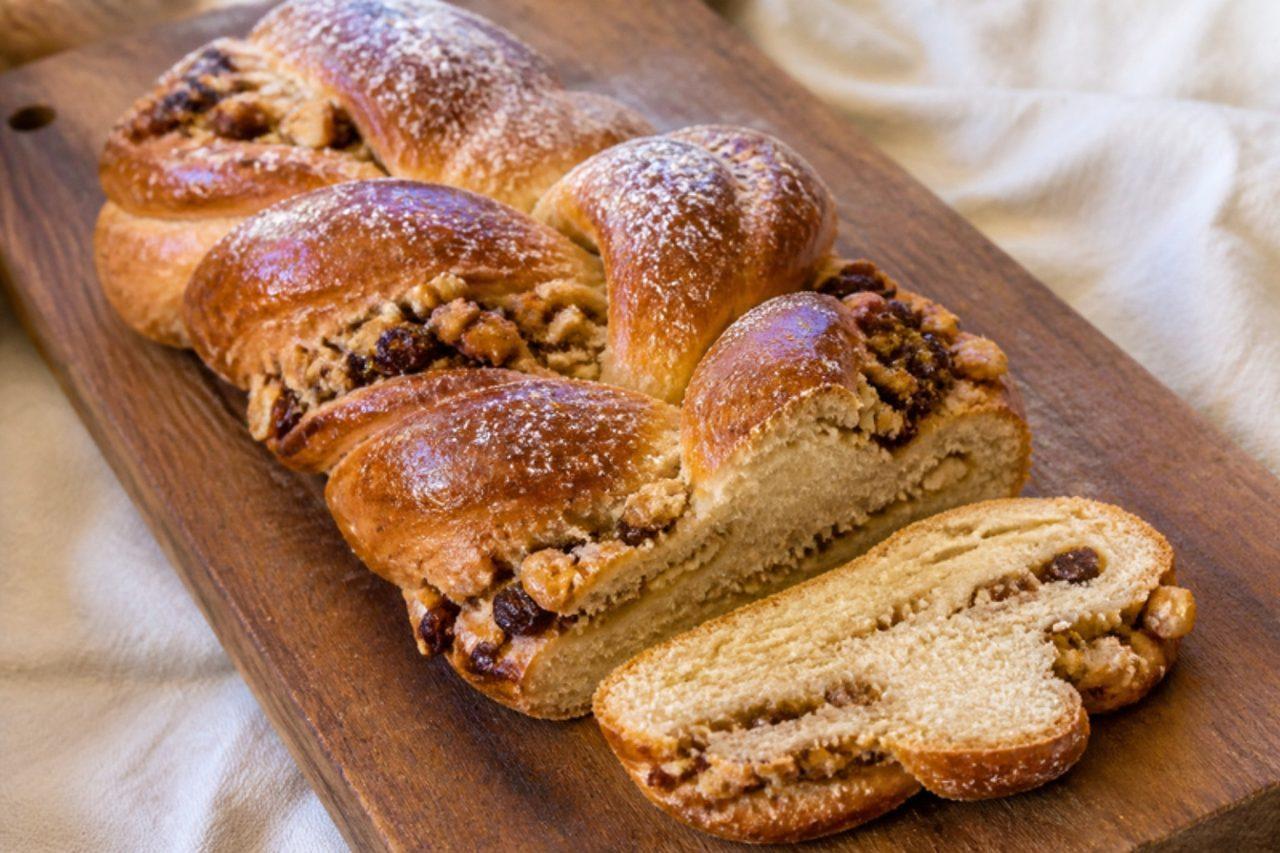
Almudévar, a small town between Zaragoza and Huesca, gave its name to a braid that is now sold all over Aragon and given as a present at Christmas: a golden plaited loaf, layered with chopped nuts and liqueur-soaked raisins and brushed with syrup until it shines. The town's bakeries use a laminated, puff-like dough that takes a day; this home version uses a buttery brioche rolled around the filling and cut and braided so the layers show. The raisins are traditionally soaked in rum or brandy; use warm orange juice for an alcohol-free loaf. A common mistake is braiding too tightly, which squeezes out the filling and stops the dough rising. Chef's tip: chill the filled roll for 15 minutes before cutting it lengthways; the butter firms and the cut is much cleaner.

by KrazyBadal 0 views

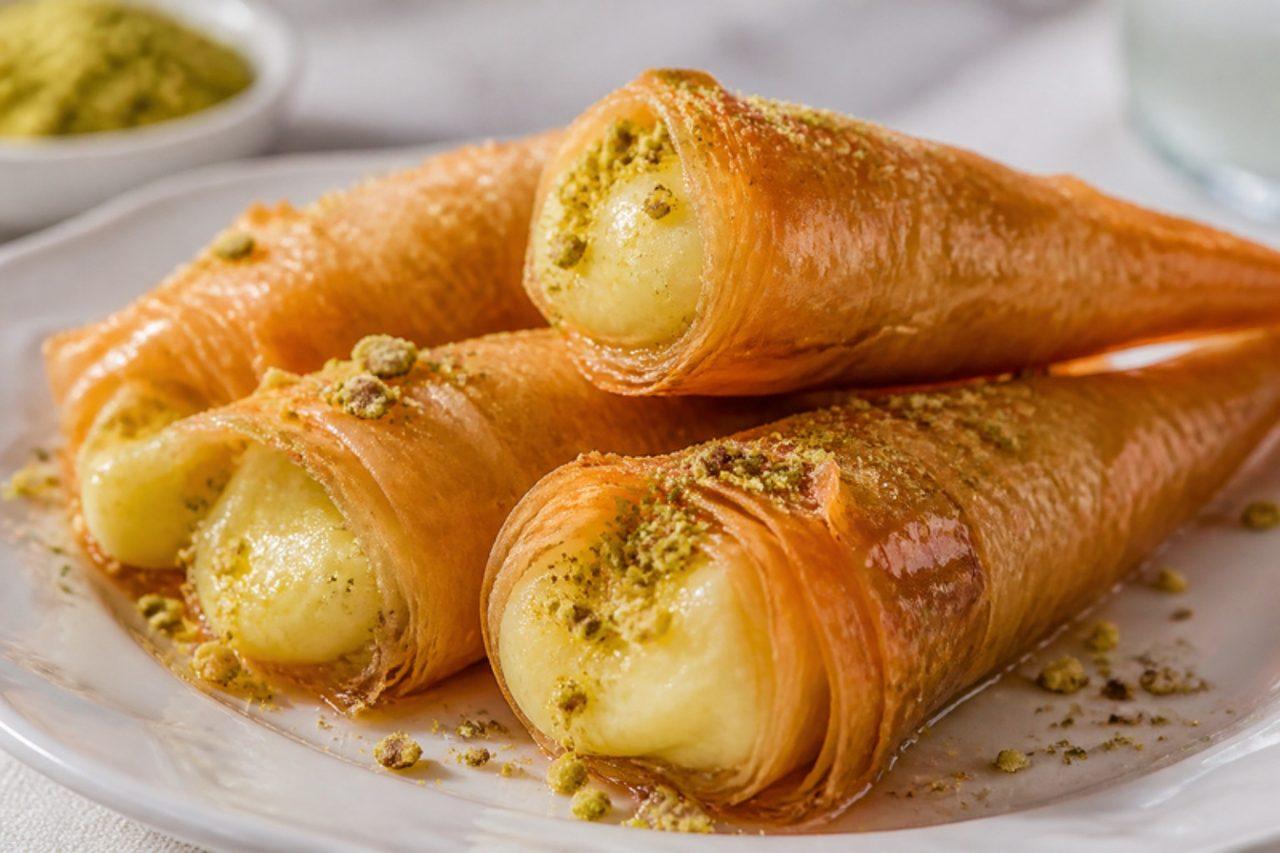
Trigona PanoramatosCustard-filled filo cones in syrup

Up in Panorama, the hillside suburb above Thessaloniki, pastry shops fill crisp filo triangles to order, and people carry boxes of them down to the city for Sunday visits and name days. Each cone is baked until it shatters, dunked for a second in lemony syrup, then piped full of a cold, light custard cream. The contrast is the point: brittle, buttery shell against soft, barely sweet filling, best within a couple of hours. Common mistake: filling the cones while the syrup is still warm, which melts the cream and turns the pastry limp. Chef's tip: roll each cone around a cone-shaped metal mould or a twist of foil so it keeps a wide, open mouth for piping.

by KrazyBadal 0 views

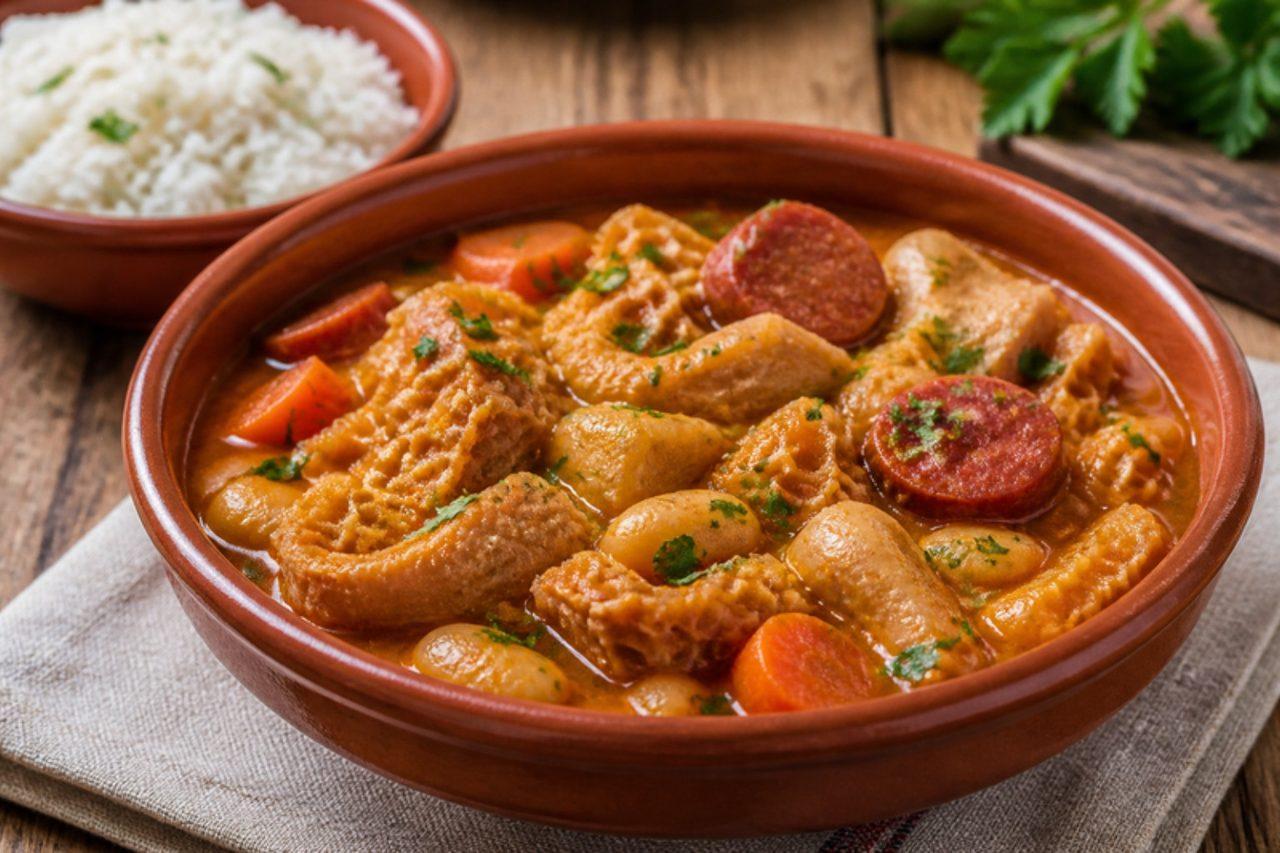
Tripas à moda do PortoTripe and butter bean stew

People from Porto are still nicknamed tripeiros, tripe-eaters, after the city's story of giving its best meat to the fleet that sailed for Ceuta in 1415 and keeping only the offal. Tripas is the dish of that legend and is served in the city's tascas, especially on Thursdays and during the São João festival. This contains pork (bacon, chouriço and optional pig's trotter). Tripe, chicken and cured meats simmer slowly with white beans, carrot and cumin into a sticky, rich stew poured over white rice. Chef's tip: buy cleaned, part-cooked honeycomb tripe and still simmer it until it is completely soft.

by KrazyBadal 0 views

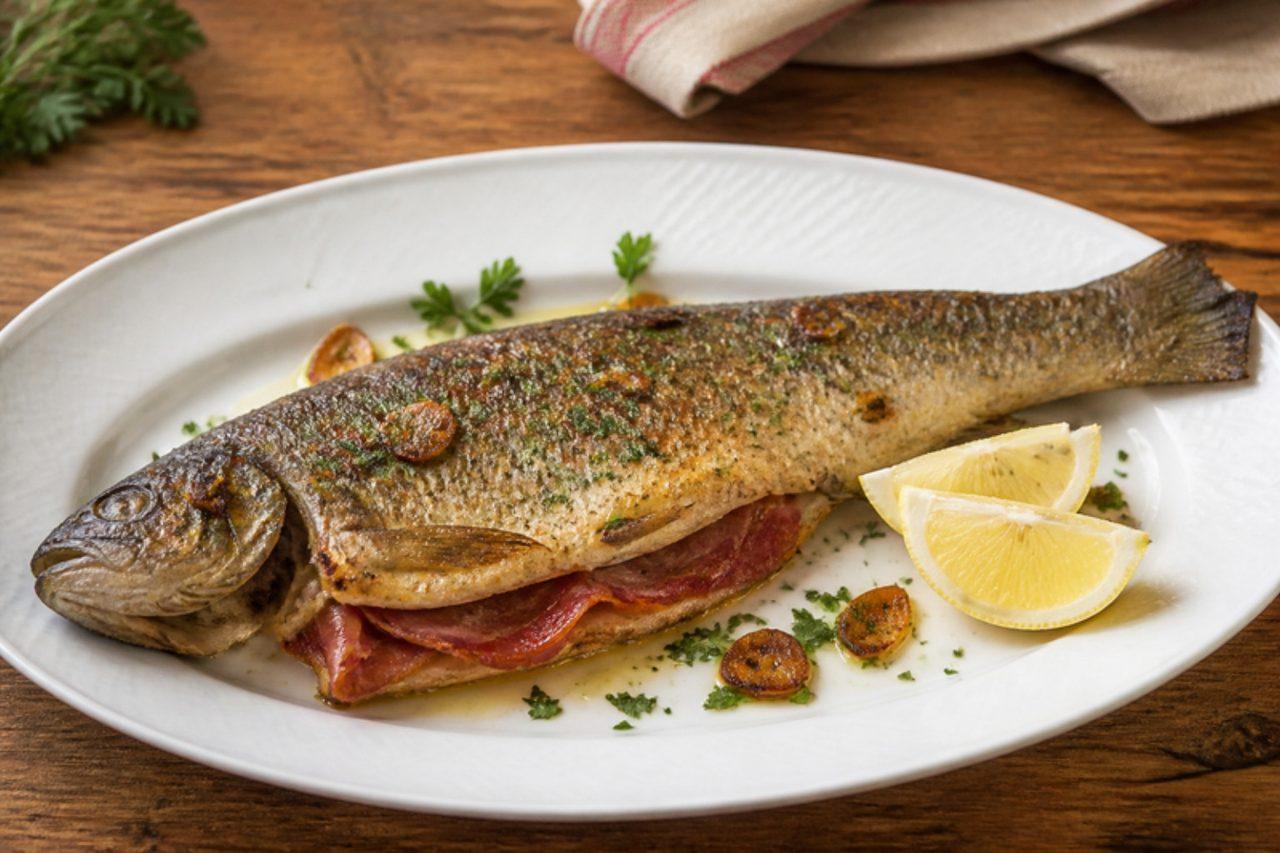
Trucha a la navarraTrout with cured ham

The trout streams of the Navarrese Pyrenees, the Irati above Burguete and the Bidasoa among them, gave this dish to the whole of Spain, and it is still the summer lunch in the mountain inns where anglers stay. The fish is opened, a slice of cured ham laid inside, then floured and fried in olive oil so the ham's salt seasons the flesh. This contains pork (serrano ham). Serve it with boiled potatoes or a green salad. Chef's tip: cook in two pans or two batches rather than crowding one, so the skin crisps instead of steaming.

by KrazyBadal 0 views

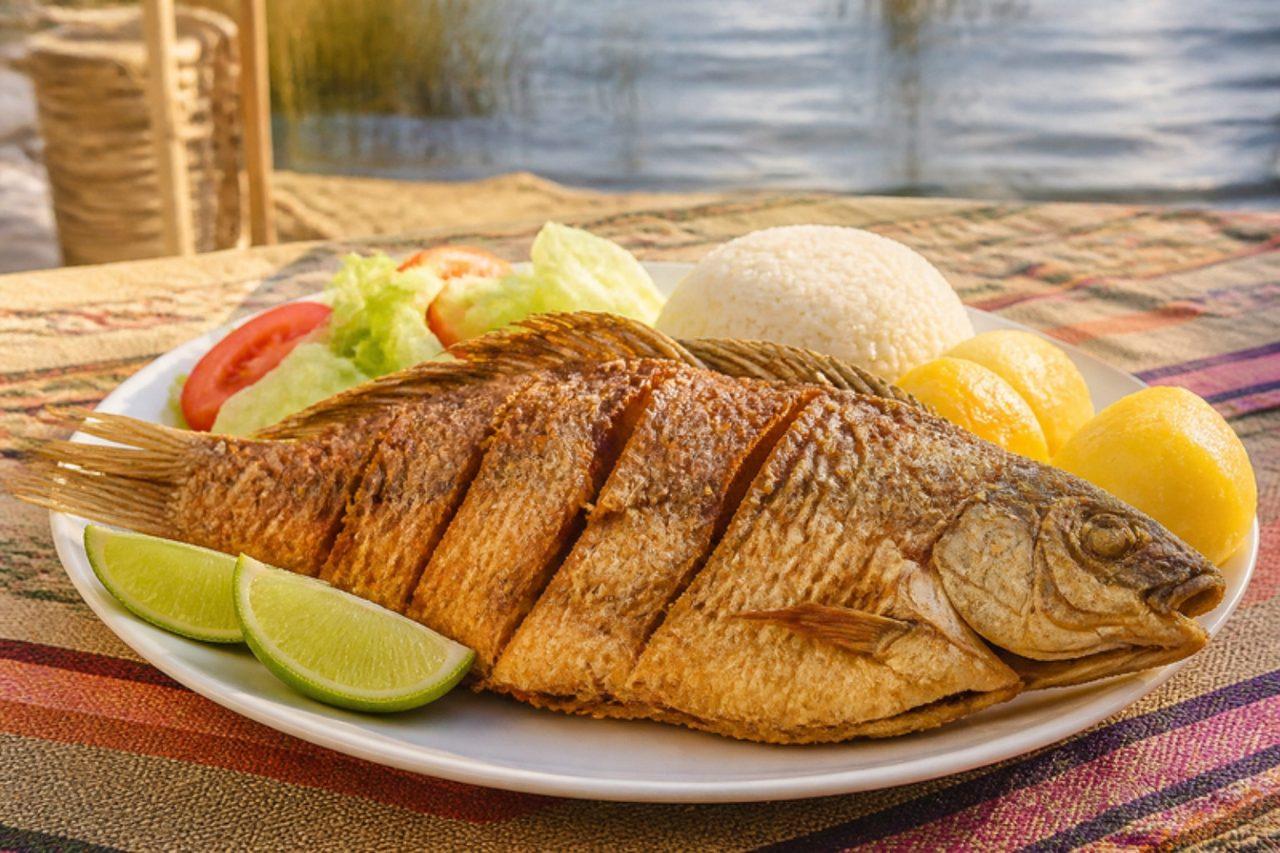
Trucha fritaFried trout with potatoes and rice

Rainbow trout farmed in the cold, clear water of Lake Titicaca is what you eat in Puno, at lakeside restaurants and on the floating islands: a whole fish, dusted in flour and fried until the skin crackles, with boiled Andean potatoes, rice, a simple salad and lime. The flesh is pink-white, sweet and moist; nothing else is needed. Ask your fishmonger to gut and scale the trout. The most common mistake is moving the fish too early, which tears the skin; leave it until it releases from the pan by itself. Chef's tip: slash the thick part of each side twice before flouring, so the fish cooks evenly and the skin crisps right up to the head.

by KrazyBadal 0 views

Truchas de batataSweet potato and almond pastries

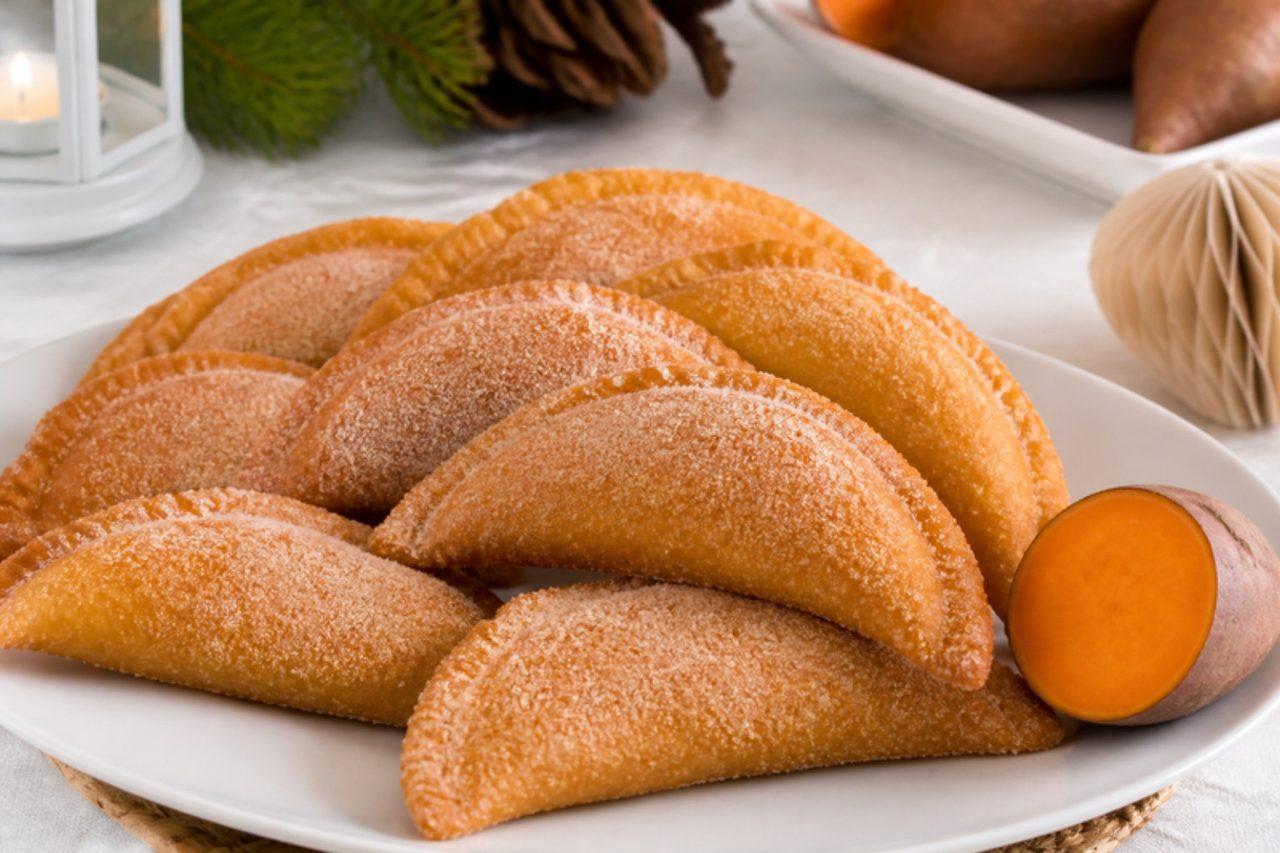
Despite the name, there is no trout in these: truchas are crisp half-moon pastries that Tenerife and Gran Canaria fry by the hundred in the week before Christmas, and they are what neighbours bring each other on Christmas Eve. The filling is mashed sweet potato with ground almonds, sugar, lemon zest, cinnamon and anise, wrapped in a thin olive-oil dough. Some families add a spoon of anise liqueur or sweet wine to the dough; this version uses neither and is vegan. Chef's tip: let the filling cool completely and keep it thick, or the steam softens the dough and it bursts in the oil.

by KrazyBadal 0 views

Showing 27 of 7,762 recipes

Show more recipes

Page 554 of 863