Skip to content
Ma'amoul
Featured recipe

Ma'amoul

Date and walnut butter pastries

Ma'amoul are delicate shortbread-like pastries made for Eid and Easter across the Middle East. A soft, rose-scented butter dough is wrapped around a filling of dates, walnuts, almonds and pistachios cooked with cinnamon, marked with a fork, baked pale and dusted with icing sugar. Makes 35; they keep well in a tin.

Read more 1 views

What to eat today?

Around the world

Today's trip: Paraguayan

A new country every day, from every cuisine on the site.

Paraguayan

Chipa

Cheese bread rings 50 minMore from Paraguayan (27) →

This week's collection

Kid-friendly dinners
537 recipes · a new collection every Monday

Latest recipes

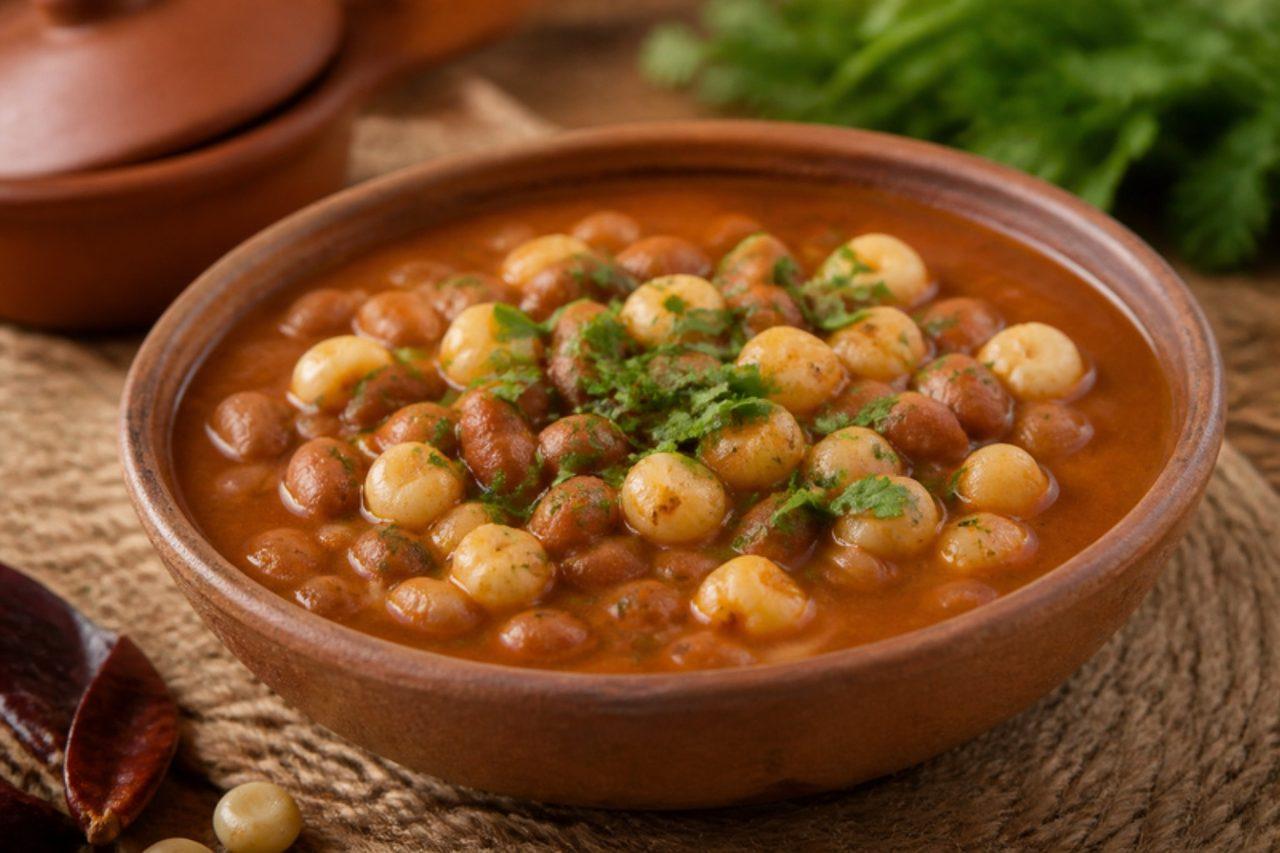
PurtumuteBean and white corn stew

High-jungle towns like Chachapoyas and Moyobamba, in the cloud-forest regions of Amazonas and San Martín, serve purtumute at festivals and family gatherings: a thick pot of beans and big white mote corn kernels simmered with onion, garlic, chilli and plenty of chopped culantro. Some versions add cheese or pork crackling; this one keeps it vegan, letting the creamy beans and chewy corn carry the dish. It is filling and earthy with a fresh green finish, and it is served in bowls with ají on the side and a plantain or a little rice. The dried beans need an overnight soak, which isn't included in the times. The usual mistake is adding salt and the sofrito too early, which can stop the beans from softening; season once they are tender. Canned or jarred white hominy works for the mote. Chef's tip: mash a ladle of the beans against the side of the pot near the end; it thickens the stew without any flour.

by KrazyBadal 0 views

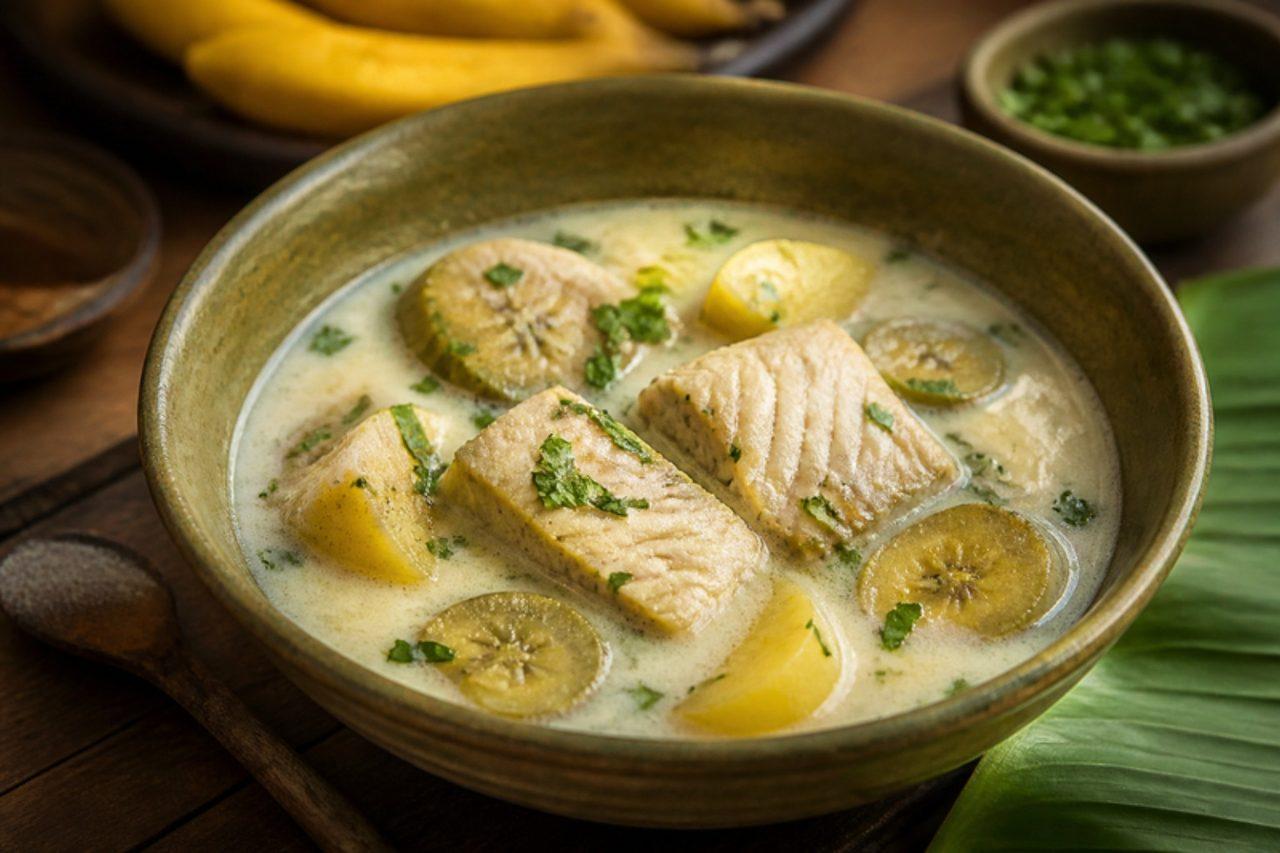
PusandaoCoconut broth with salted fish

Down the Nariño coast, in Tumaco and the river villages towards Ecuador, pusandao is everyday food built from what keeps: salted fish (or salted pork), green plantain, potato and the milk of fresh coconuts. The fish is soaked to draw out the salt, then simmered with the vegetables in a thin coconut broth scented with chillangua, the coast's culantro. Plantain and potato soften and thicken the liquid into something soupy and comforting, salty-sweet and gently herbal; it is eaten for lunch with a squeeze of lime and nothing else needed. Plan on an overnight soak for the fish. The pitfall is boiling the coconut milk from the start, which makes it greasy and grainy; cook the plantain in water first and add the coconut milk for the last few minutes. Chef's tip: salt cod is the easiest substitute for the coast's salted fish; for the pork version, use salted pork ribs soaked overnight and boiled until tender before adding the plantain.

by KrazyBadal 0 views

Waterford blaaSoft white bread rolls

The blaa is the soft white roll of Waterford city, said to have been brought by French Huguenot bakers in the 1700s, and it carries protected status in Europe. The rolls are proofed close together and dusted thickly in flour, so they have pale, tender sides and a fine, white floury crust. Waterford people eat them for breakfast with butter, or split and filled with crisps or a 'rasher blaa'. Chef's tip: bake them touching each other in a hot oven for only a short time; they should stay pale and soft, never crusty.

by KrazyBadal 0 views

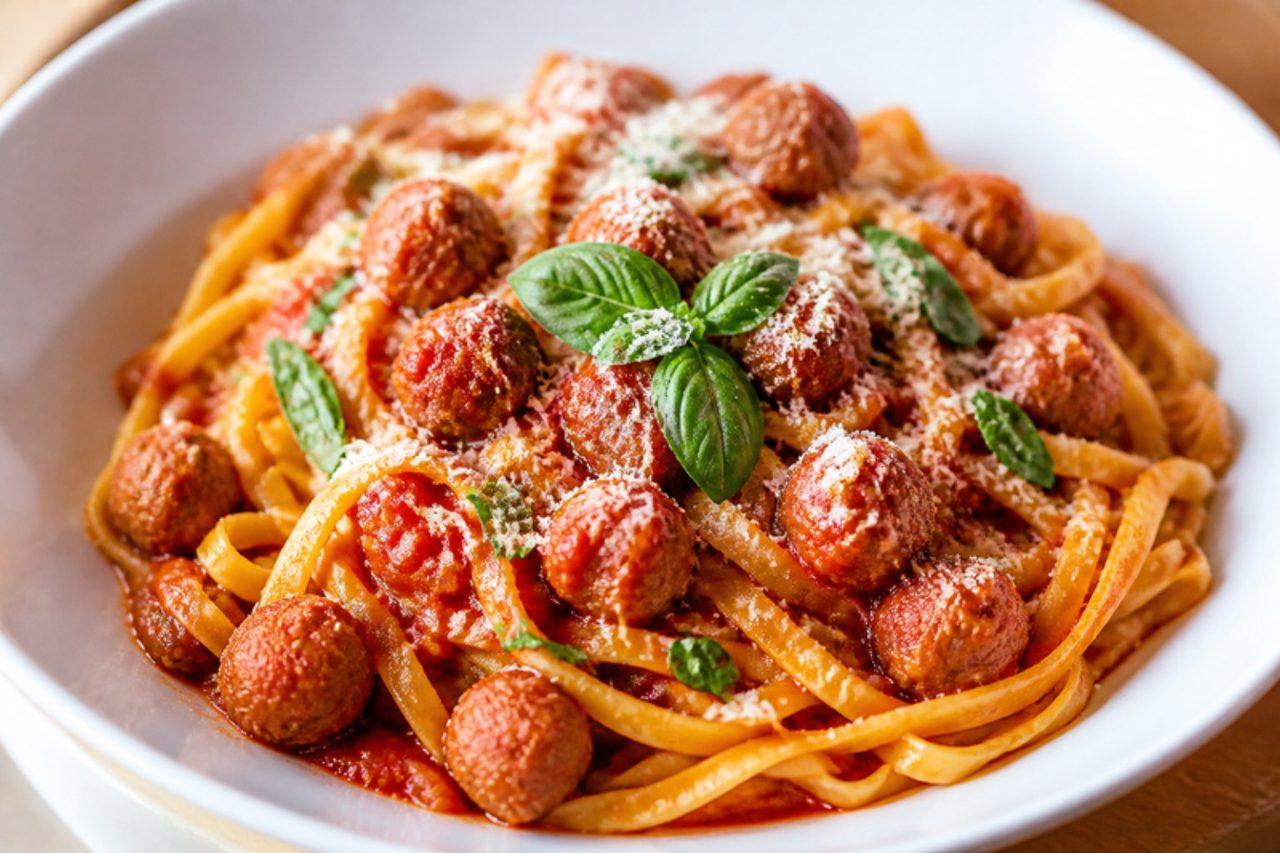
Spaghetti alla chitarra con le pallottineSpaghetti with tiny meatballs

In Teramo, in northern Abruzzo, Sunday lunch and village festivals often start with chitarra pasta and pallottine, meatballs no bigger than a chickpea. The pasta is cut on a chitarra, a wooden frame strung with wires, which gives square-edged strands with a rough surface that grips the sauce. The tiny beef meatballs are simmered right in a light tomato sauce, so every forkful has a few. Serve with grated pecorino and nothing else; this is a dish of patience rather than complication. Chef's tip: roll the meatballs with damp hands on a tray; at this size you'll make well over a hundred, so put the radio on.

by KrazyBadal 0 views

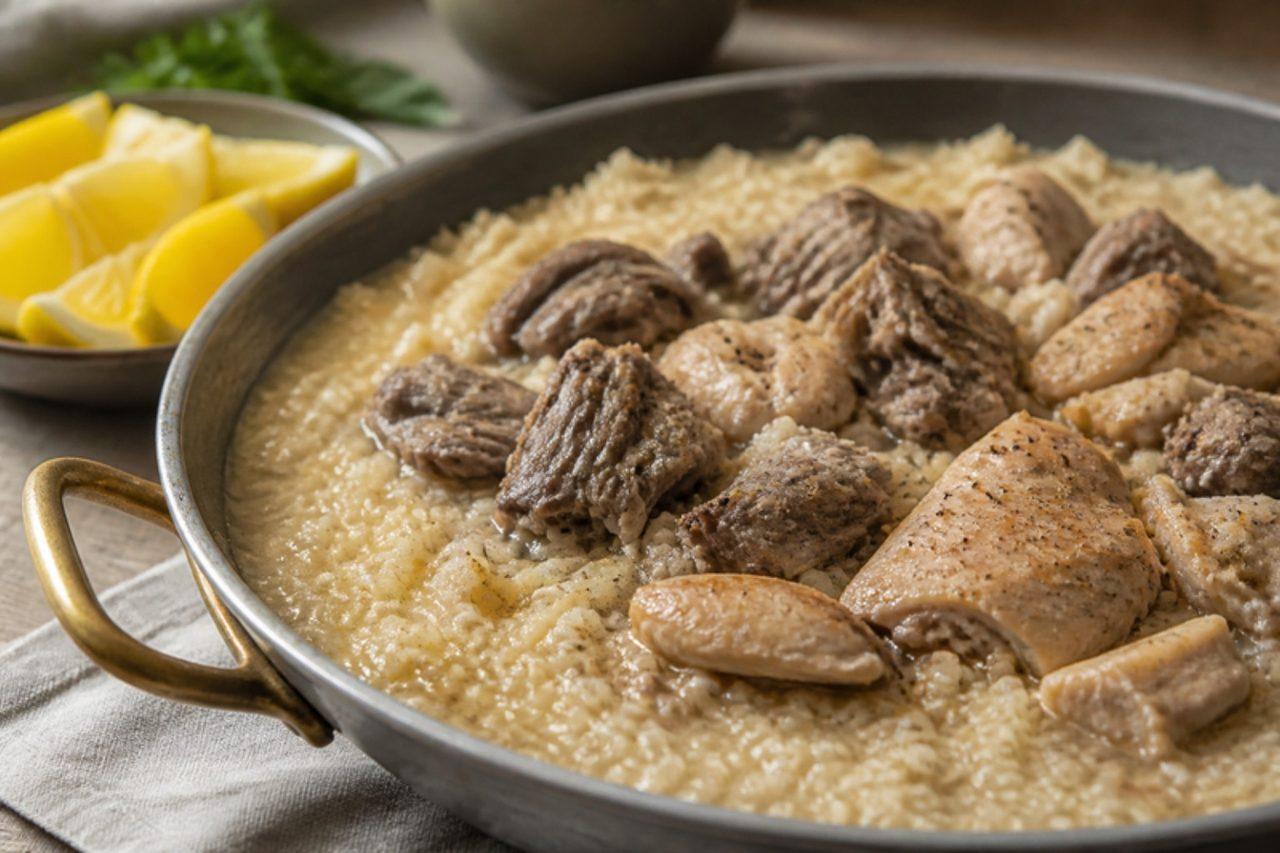
GamopilafoRice cooked in lamb broth

No Cretan wedding is complete without gamopilafo, stirred by the men of the village in huge cauldrons over wood fires from early morning. The meat is simmered for hours to make a deep, golden broth, the rice is cooked in it until creamy and almost soupy, and the whole pot is finished with butter and lemon; the boiled meat is served on the side. At home it makes a generous Sunday lunch for a crowd. Common mistake: cooking the rice to a dry, fluffy pilaf; it should be loose and spoonable, like a thick risotto. Chef's tip: skim the broth carefully in the first 20 minutes and never let it boil hard, so it stays clear and sweet instead of cloudy.

170 minGreekMeatGluten free
by KrazyBadal 0 views

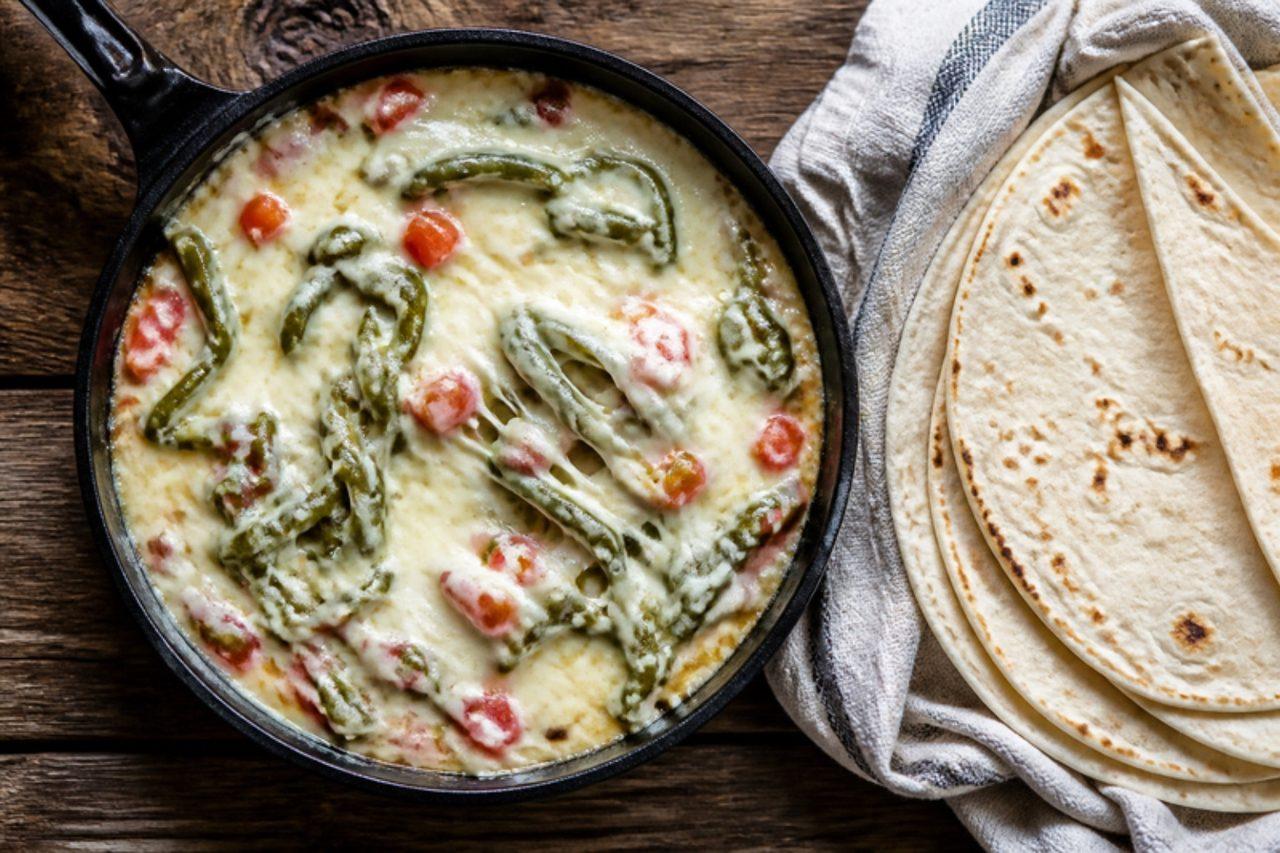
Chile con queso norteñoRoasted chilli with melted cheese

In Ciudad Chihuahua and the farming towns of the Sierra, chile con queso is not the runny orange dip of Texas bars but a skillet of roasted long green chillies, onion and tomato with mild Chihuahua cheese melted through it, scooped up with flour tortillas at a carne-asada Sunday or eaten as a main with beans. Chihuahua cheese, also called queso menonita after the Mennonite farmers who make it, is like a mild, buttery cheddar. Chef's tip: steam the roasted chillies in a covered bowl; the skins then slide off in one go.

by KrazyBadal 0 views

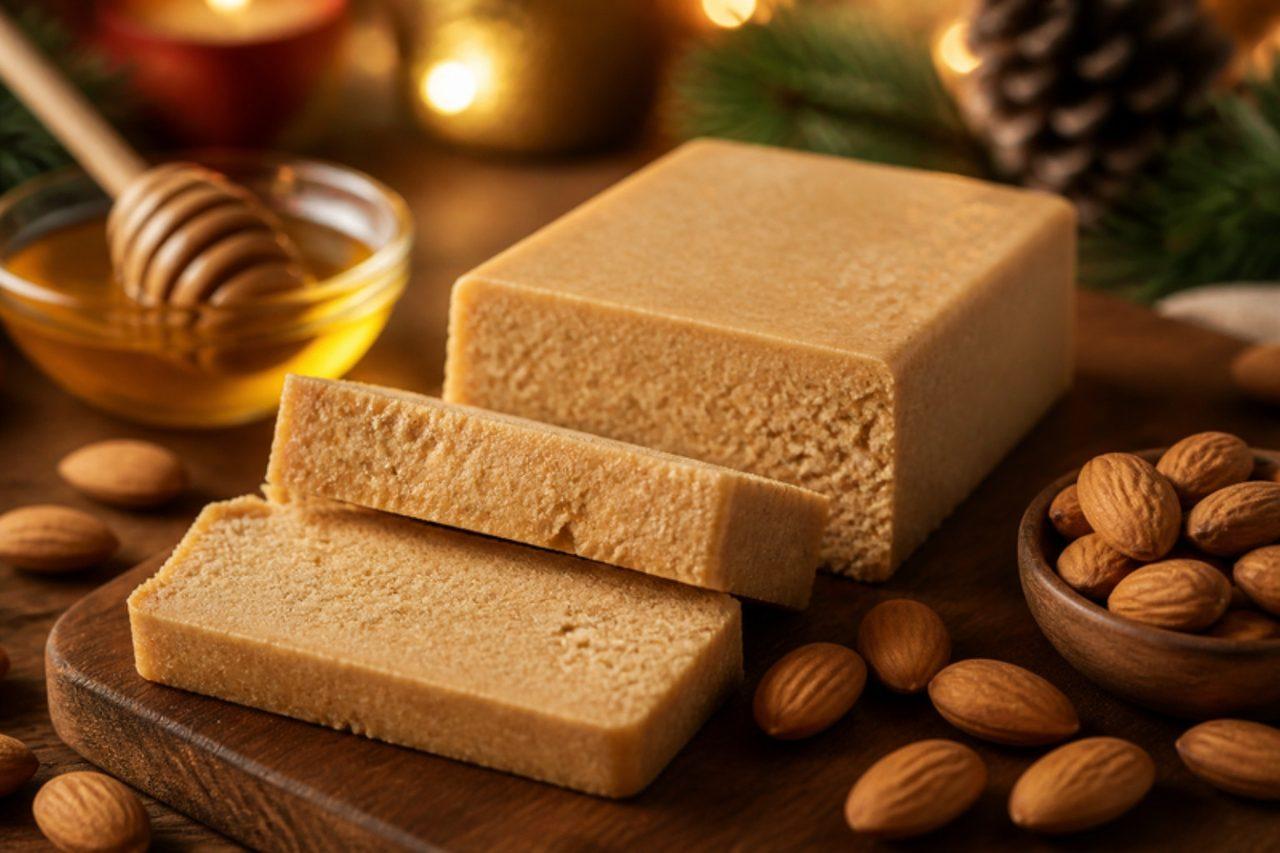
Turrón de JijonaSoft almond and honey nougat

The hill town of Jijona (Xixona) in Alicante has been grinding almonds and honey into turrón for centuries, and its soft, beige, slightly oily bars are on almost every Spanish table between Christmas Eve and Twelfth Night. Unlike hard Alicante turrón, Jijona turrón is a smooth almond paste that crumbles and melts in the mouth, deeply nutty with a floral sweetness from the honey. A common mistake is under-toasting the almonds; pale almonds give a bland, grey paste, so take them to a light, even gold. This version uses honey and egg white, so it is vegetarian but not vegan. Chef's tip: press the warm paste into its mould under a weight and leave it a full two days before slicing; it firms up and the oil settles evenly through it.

by KrazyBadal 0 views

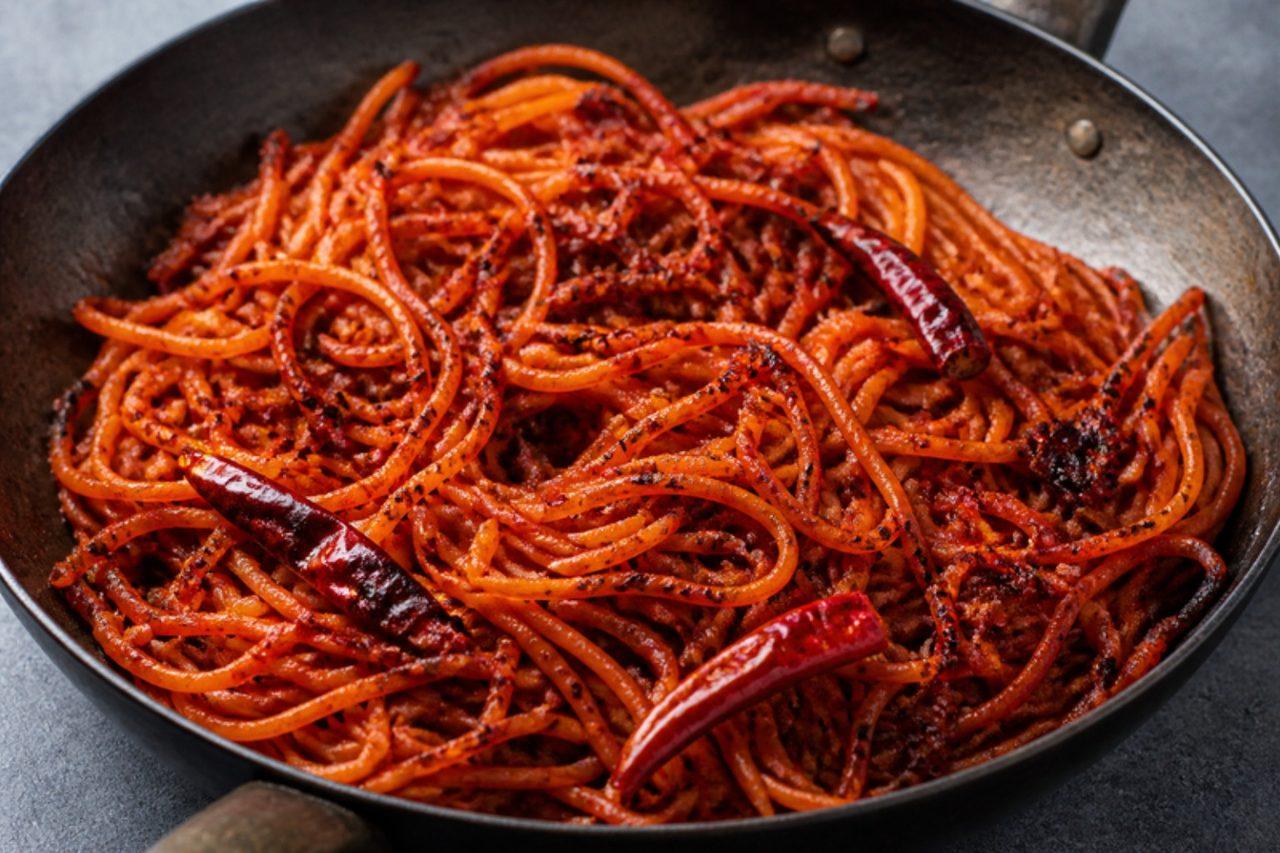
Spaghetti all'assassinaCharred spicy spaghetti

Spaghetti all'assassina was born in a Bari restaurant in the late 1960s and has become the city's cult late-night pasta. The raw spaghetti go straight into a hot iron pan with garlic, chilli and tomato, and are cooked like a risotto, a ladle of tomato broth at a time, until some strands blacken and turn crunchy while others stay chewy. It is smoky, sweet and properly hot, and Baresi argue about how burnt it should be. Chef's tip: use a wide iron or steel frying pan, never non-stick; you want the pasta to stick a little and scorch.

by KrazyBadal 0 views

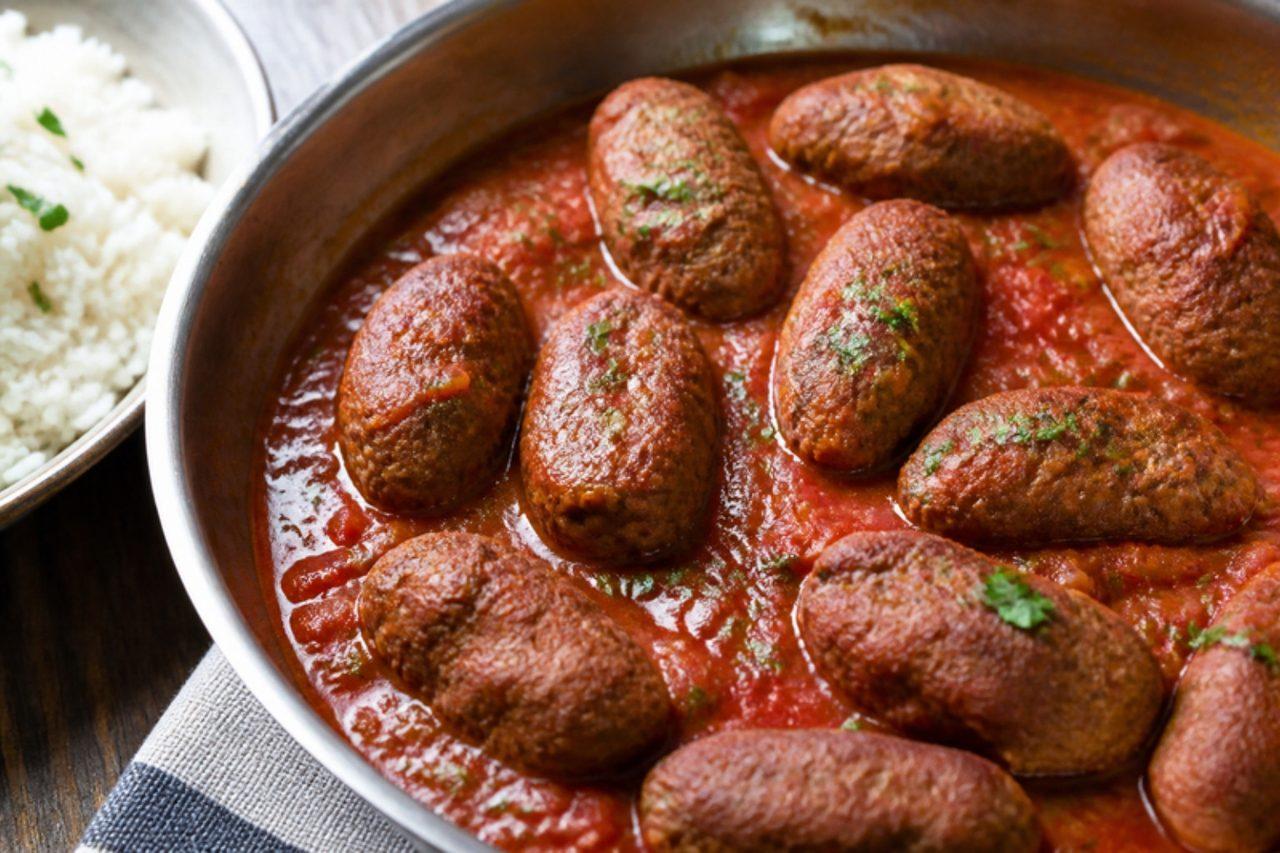
Soutzoukakia SmyrneikaCumin meatballs in tomato sauce

Refugee families from Smyrna brought these long, cumin-heavy meatballs to Thessaloniki and Kalamaria in the 1920s, and they're still a weekday favourite in northern Greek homes. The mince is mixed with soaked bread, garlic and plenty of cumin, shaped into fat little logs, browned and then simmered in a cinnamon-tinged tomato sauce until tender. Serve over rice pilaf or with chips and a spoon of yoghurt. Many cooks add a splash of red wine to the sauce; this version uses red wine vinegar instead, so it's alcohol-free. Common mistake: squeezing the bread dry — it should stay damp, which keeps the meatballs juicy. Chef's tip: chill the shaped soutzoukakia for 20 minutes so they hold their shape in the pan.

70 minGreekMeat
by KrazyBadal 0 views

South Dakota chislicFried lamb cubes

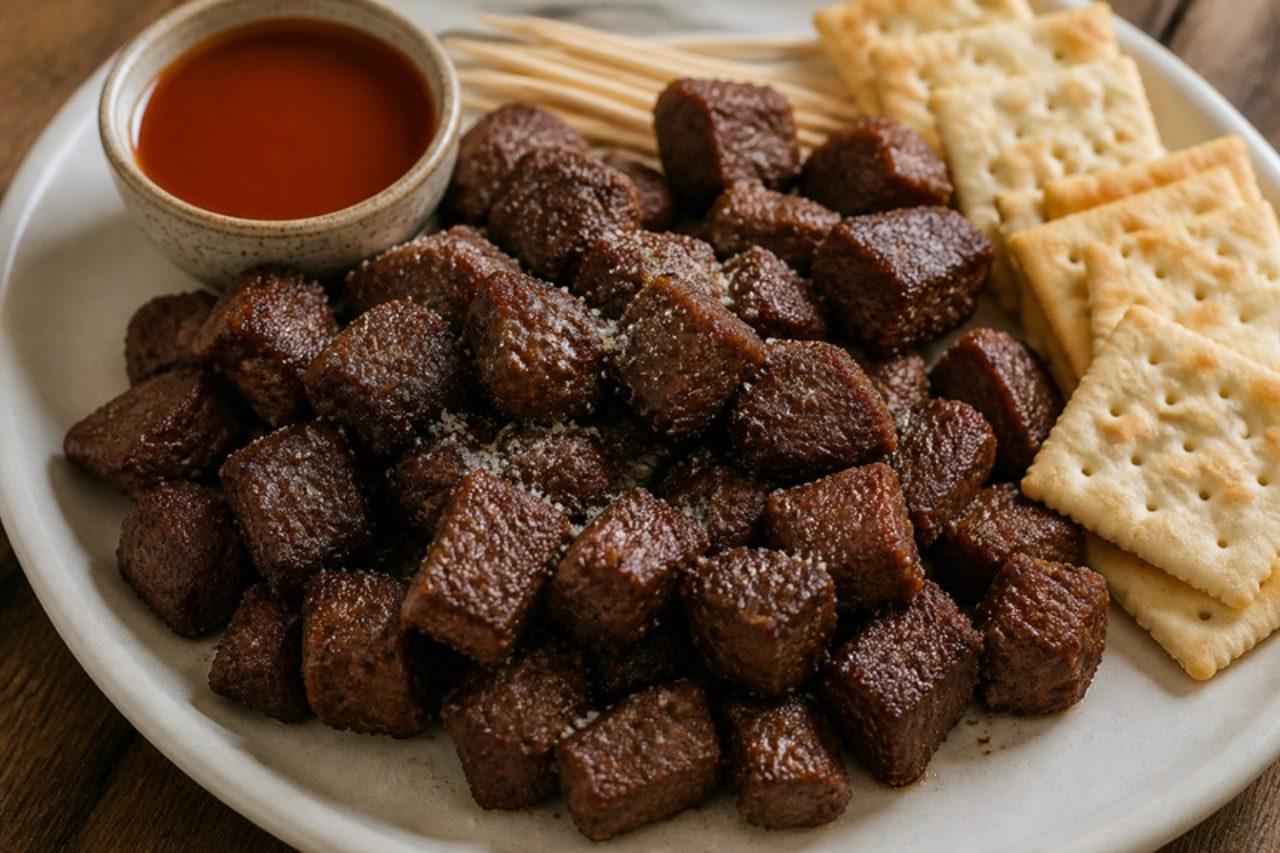
Chislic is the official nosh of South Dakota, brought to the prairie by Germans from Russia and served at taverns and county fairs around Freeman and Sioux Falls. Bite-size cubes of lamb or mutton are deep-fried or grilled on skewers, tossed in garlic salt and eaten with cocktail sticks, with saltine crackers and hot sauce on the side. Chef's tip: cut the cubes all the same size, about 2 cm, so they cook evenly in the short time in the oil.

by KrazyBadal 0 views

Soupe de poissons with rouilleFish soup with rouille

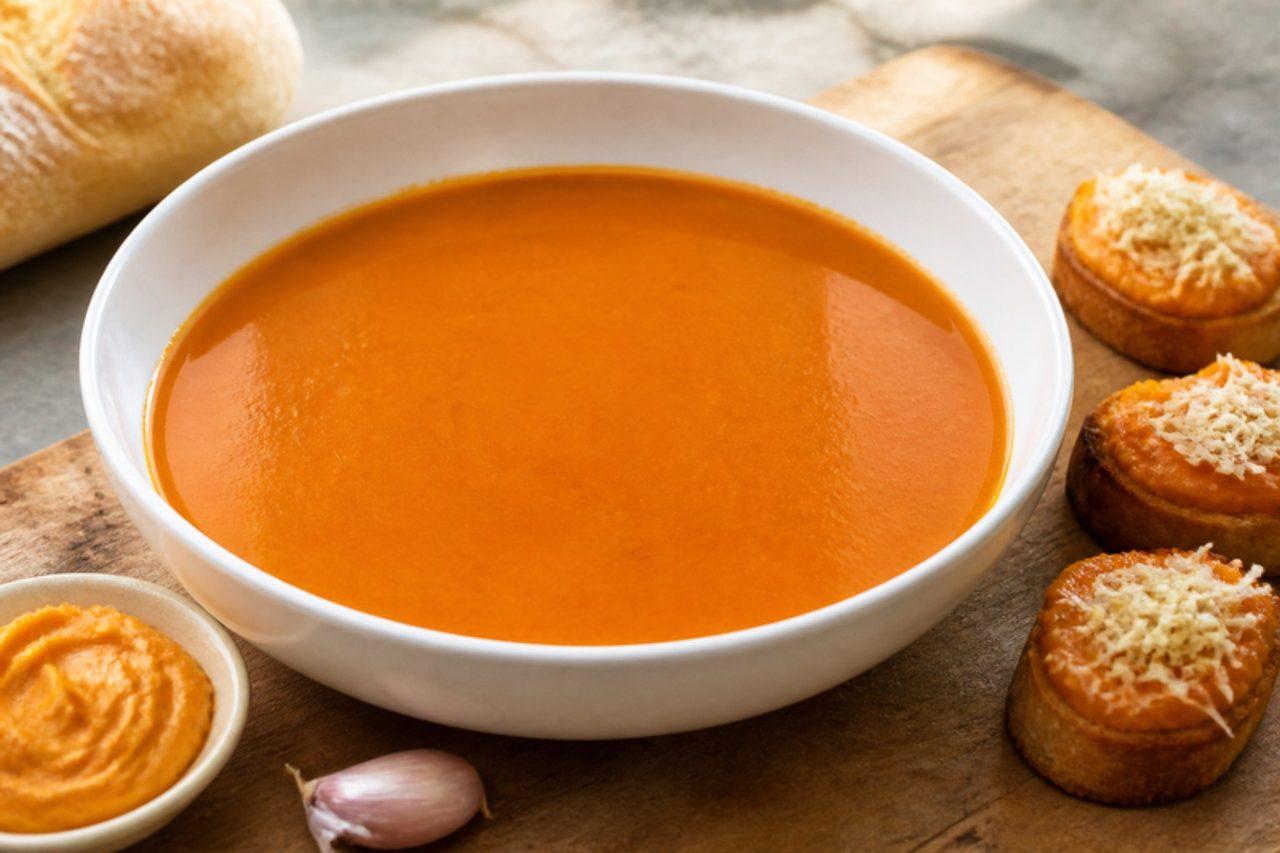
Not to be confused with bouillabaisse, where whole pieces of fish are served, soupe de poissons is the smooth, rust-coloured soup made all along the coast from Marseille to Sète from small rockfish too bony to eat any other way. The fish are fried with fennel, tomato, garlic and saffron, simmered and then pressed through a food mill, giving a velvety soup tasting deeply of the sea. In harbourside restaurants it arrives with a tray of toasted croutons, a pot of fiery garlic rouille and grated cheese, and everyone builds their own bowl. This rouille is thickened with potato and bread, with no raw egg. Chef's tip: press the cooked fish hard through the mill or sieve; the flavour is in the pulp, not just the liquid.

100 minFrenchSoups
by KrazyBadal 0 views

Turrón de Doña PepaAnise biscuit sticks in spiced syrup

Every October, the month of the Señor de los Milagros processions in Lima, bakeries and street sellers pile their trays with turrón de Doña Pepa: layers of crumbly anise-flavoured sticks drenched in a dark syrup of chancaca cooked with fruit and spices, topped with a storm of coloured sprinkles. Popular lore credits it to Josefa Marmanillo, a woman from the Cañete valley who is said to have made it in thanks after the procession. It is sticky, crunchy and soft at once, with orange and clove in the syrup. Its downfall is usually runny syrup that soaks the sticks into mush; it needs to reach a thick, threading stage before it goes on. Chancaca is sold as cones or blocks in Latin shops; panela or dark muscovado also work. Some coloured sprinkles contain gelatin, so check the label. Chef's tip: make it a day ahead; the syrup sets and the sticks soften just enough to slice neatly.

by KrazyBadal 0 views

GarbureCabbage and bean duck soup

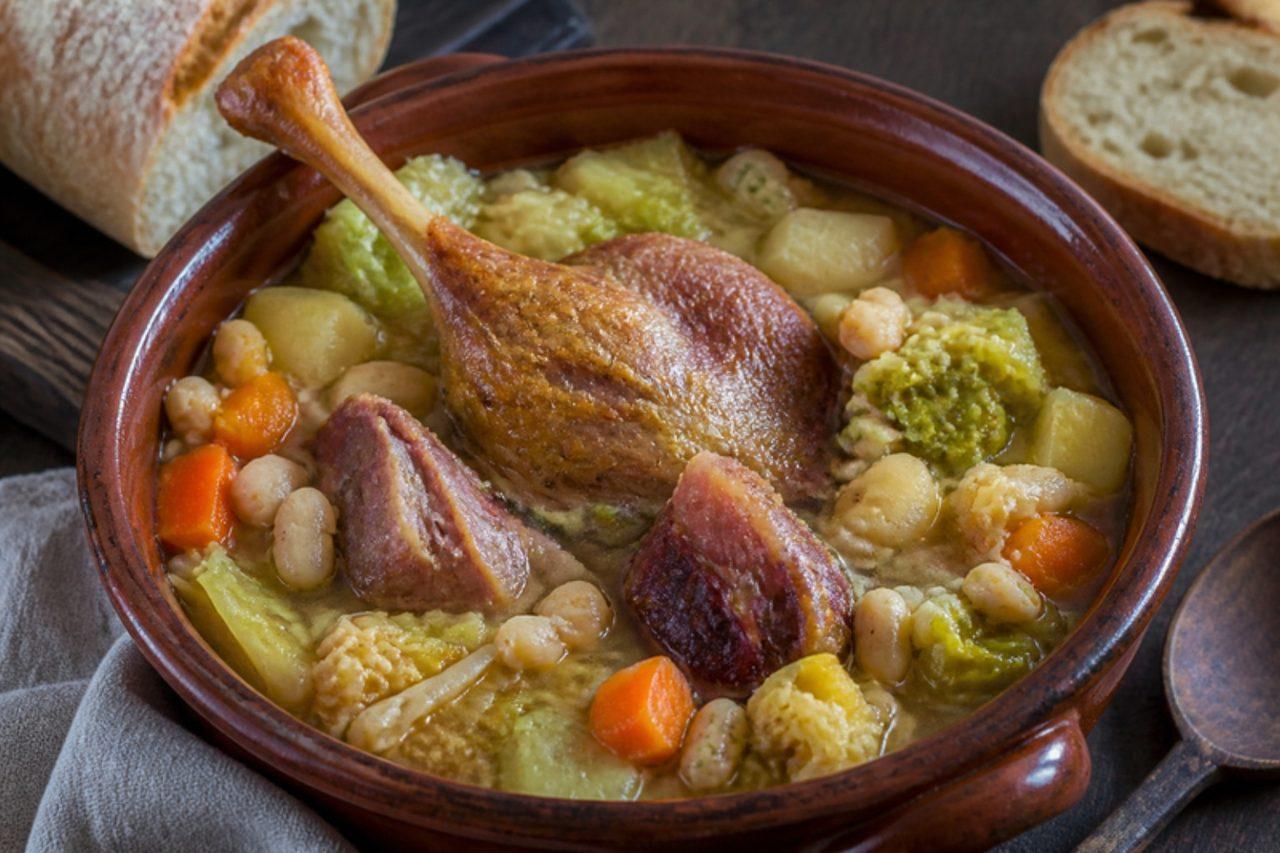
Shepherds in the Béarn valleys and farmers across Gascony have eaten garbure through the cold months for centuries, and it is still the centrepiece of village rugby-club suppers and winter fêtes. It is a soup so thick that, as people in Pau like to say, the ladle should almost stand up in it: white beans, cabbage, potatoes, leeks and turnips cooked down slowly, finished with pieces of duck confit warmed through in the pot. A ham hock is often added too; that version is a pork dish as well as a duck one, so leave it out if you need to. Serve it in deep bowls with thick slices of country bread. Chef's tip: hold back the salt until the very end, because confit duck and ham hock both season the soup as they warm.

180 minFrenchSoupsGluten free
by KrazyBadal 0 views

Couscous trapaneseFish couscous

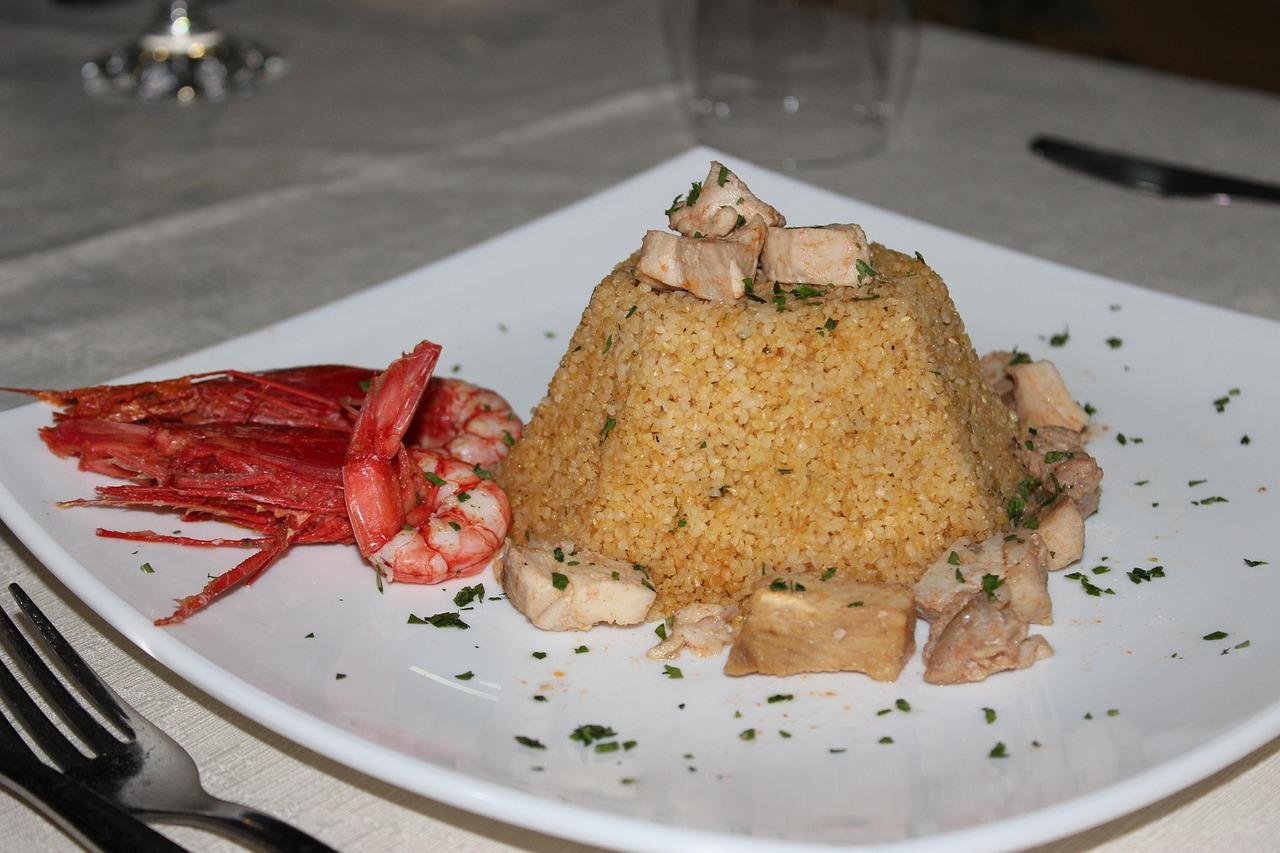
Trapani, on Sicily's western tip, looks across the sea to Tunisia, and its cuscusu is the clearest sign of that old connection; every September the nearby town of San Vito Lo Capo holds a whole festival for it. The couscous is steamed, then soaked in a deep, saffron-tinged fish broth made from mixed fish, tomato and ground almonds, so the grains swell and taste of the sea; the fish itself is served alongside. Traditionally the grains are rolled by hand, but bought couscous is perfectly fine. Serve with a bowl of extra hot broth for each person. Chef's tip: after pouring the broth over the couscous, cover it tightly and leave it alone for a full 20 minutes; this resting is what makes the dish.

105 minItalianFish
by KrazyBadal 0 views

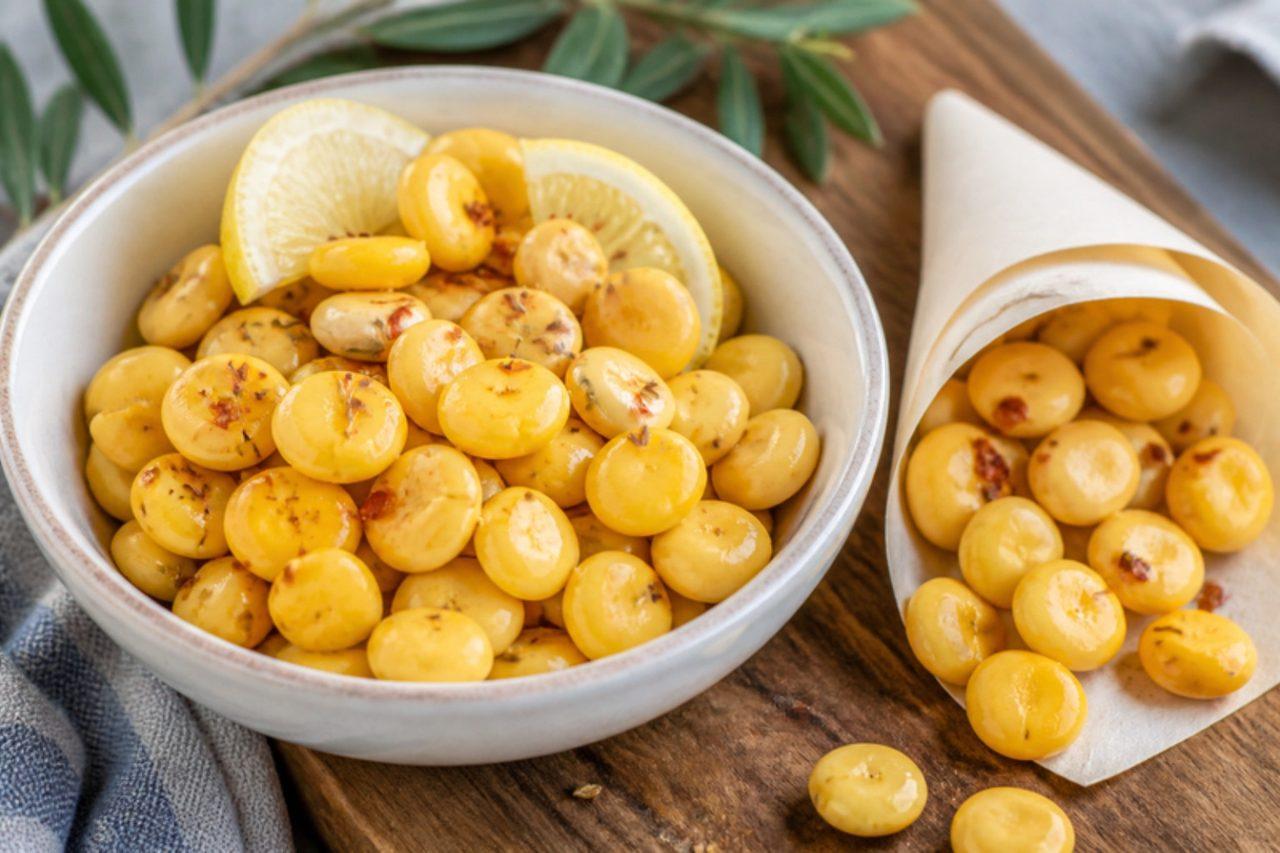
TurmusBrined lupini beans

Strolling the Beirut Corniche or a Sunday market in Amman, you will pass carts selling turmus: plump golden lupini beans kept in salted water, scooped into paper cones and eaten by nicking the skin with your teeth and popping out the bean. They are also a fixture on mezze tables and a fasting snack for Lent. Dried lupins are naturally very bitter and must be soaked for days to wash those compounds out; never eat them while they still taste bitter, and if you are allergic to peanuts, check with a doctor first as lupin allergy is linked. A jar of ready-debittered lupini, drained and seasoned, is a quick shortcut. The common mistake is salting the beans before they are fully sweet, which seals the bitterness in. Chef's tip: finish with lemon, cumin and a little chilli just before serving; the salty brine keeps them, the dressing makes them moreish.

by KrazyBadal 0 views

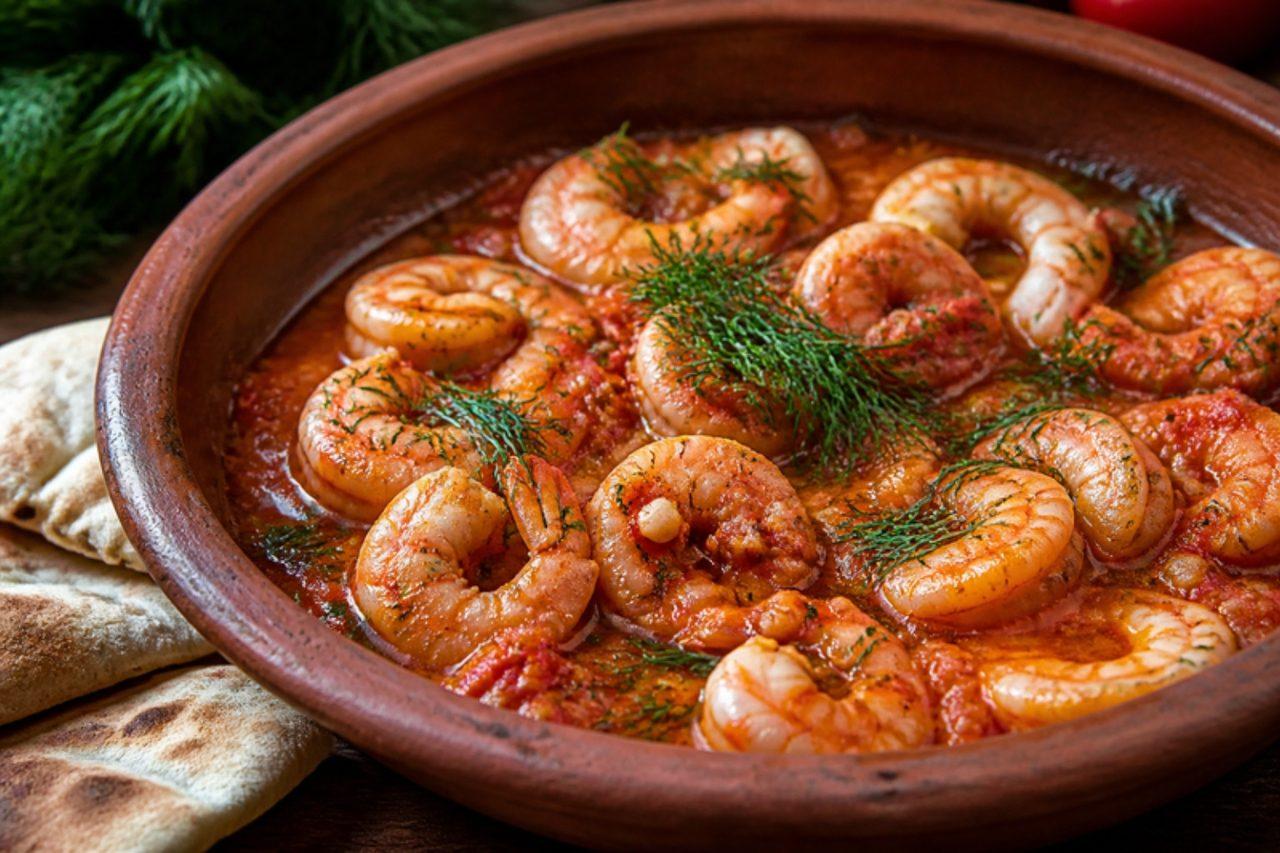
Zibdiyit gambariBaked prawns with tomato and garlic

In Gaza's seafront restaurants zibdiyit gambari arrives bubbling in the same clay bowl (zibdiya) in which the sauce was pounded: prawns baked in a fierce tomato sauce full of garlic, green chilli and dill seed, with olive oil pooling at the edges for dipping bread. Families make it at home for special Friday lunches when the catch is good. Common mistake: cooking the prawns as long as the sauce, which makes them tough; they need only a few minutes at the end. Chef's tip: pound the garlic, chilli and dill seed by hand; the rough paste fries into the oil and gives the sauce its punch.

by KrazyBadal 0 views

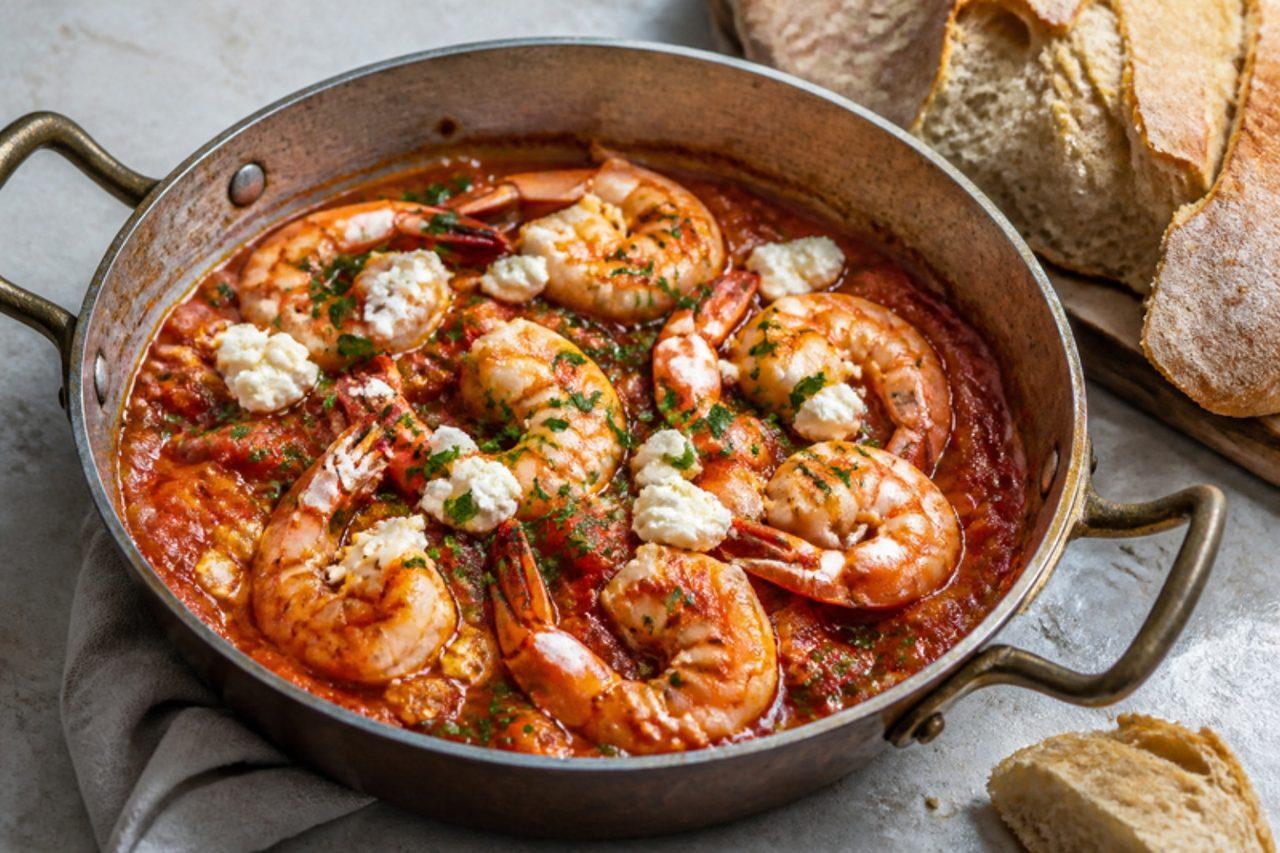
Garides saganakiPrawns with tomato and feta

Order garides saganaki at a seaside taverna on Mykonos or Syros and it arrives bubbling in the small two-handled pan it is named after: whole prawns in a quick sauce of tomato, garlic, chilli and oregano, scattered with feta that softens into the sauce. You eat it with bread for mopping, as a shared starter or a main with rice. Many tavernas add a splash of ouzo; this version leaves it out, so it is alcohol-free. Common mistake: cooking the prawns in the sauce for too long, which makes them tough; they need only a few minutes. Chef's tip: simmer the prawn heads and shells in a little water for 10 minutes and use that stock in the sauce for a deeper sea flavour.

30 minGreekFishGluten freeSpicy
by KrazyBadal 0 views

Türk kahvesiTurkish coffee

A cup of Türk kahvesi is how Turks welcome guests, end a long meal and, in the old custom, test a suitor: the prospective bride makes his cup and may slip salt into it. Powder-fine coffee is brewed slowly with cold water and sugar to taste in a small long-handled pot (cezve), until a thick foam rises, then poured unfiltered so the grounds settle in the cup. Serve with a glass of water first and a piece of lokum. Order it sade (plain), orta (medium) or şekerli (sweet) and add the sugar before brewing, never after. The usual mistake is letting it boil, which collapses the foam and makes it bitter. Chef's tip: use cold water and a low heat; the slower it rises, the thicker the foam.

by KrazyBadal 0 views

Showing 18 of 7,762 recipes

Show more recipes

Page 557 of 863