


Skip to content
Putu piring
Featured recipe

Putu piring

Palm sugar steamed rice cakes

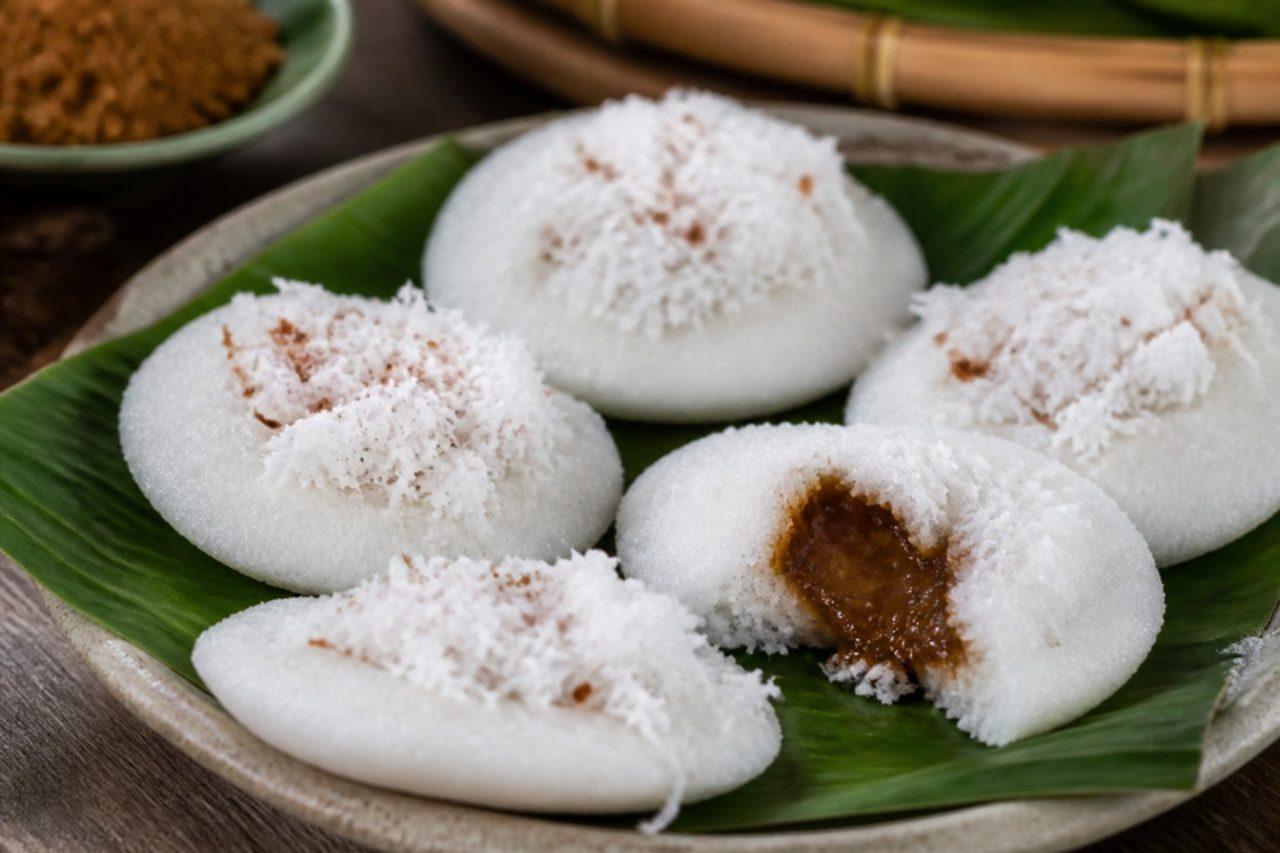
Long lines form outside the putu piring stalls around Haig Road and Geylang Serai, especially in the evenings of Ramadan, for these soft white discs steamed one by one in shallow cone-shaped moulds. Each one hides a centre of gula melaka that melts into a dark, smoky syrup, and the cakes come off the steamer on a pandan leaf with a heap of fresh grated coconut, lightly salted, on top. The texture is crumbly and light, and the salt in the coconut keeps the palm sugar from cloying; eat them hot, with a cup of teh. The usual mistake is chopping the gula melaka too coarsely, so the big chunks never melt and stay grainy; shave or chop it fine. Chef's tip: steam the grated coconut with a pinch of salt and a pandan leaf for a few minutes first, so it stays fresh-tasting and keeps longer.

Read more 0 views

What to eat today?

Around the world

Today's trip: Paraguayan

A new country every day, from every cuisine on the site.

Paraguayan

Buñuelos de algas

Sea lettuce fritters 35 minMore from Paraguayan (27) →

This week's collection

Kid-friendly dinners
537 recipes · a new collection every Monday

Latest recipes

Café cubanoSweet Cuban espresso

Café cubano, or cafecito, is the tiny, intensely sweet coffee poured into thimble-sized cups at every ventanita (walk-up window) in Miami and in homes across Cuba, often shared around the office at 3 o'clock. The secret is the espumita: the first few drops of coffee beaten hard with sugar into a pale caramel-coloured cream that floats on top. You need a stovetop moka pot. Chef's tip: catch only the very first, strongest drops for the foam; if you add too much coffee the sugar won't whip up.

by KrazyBadal 0 views

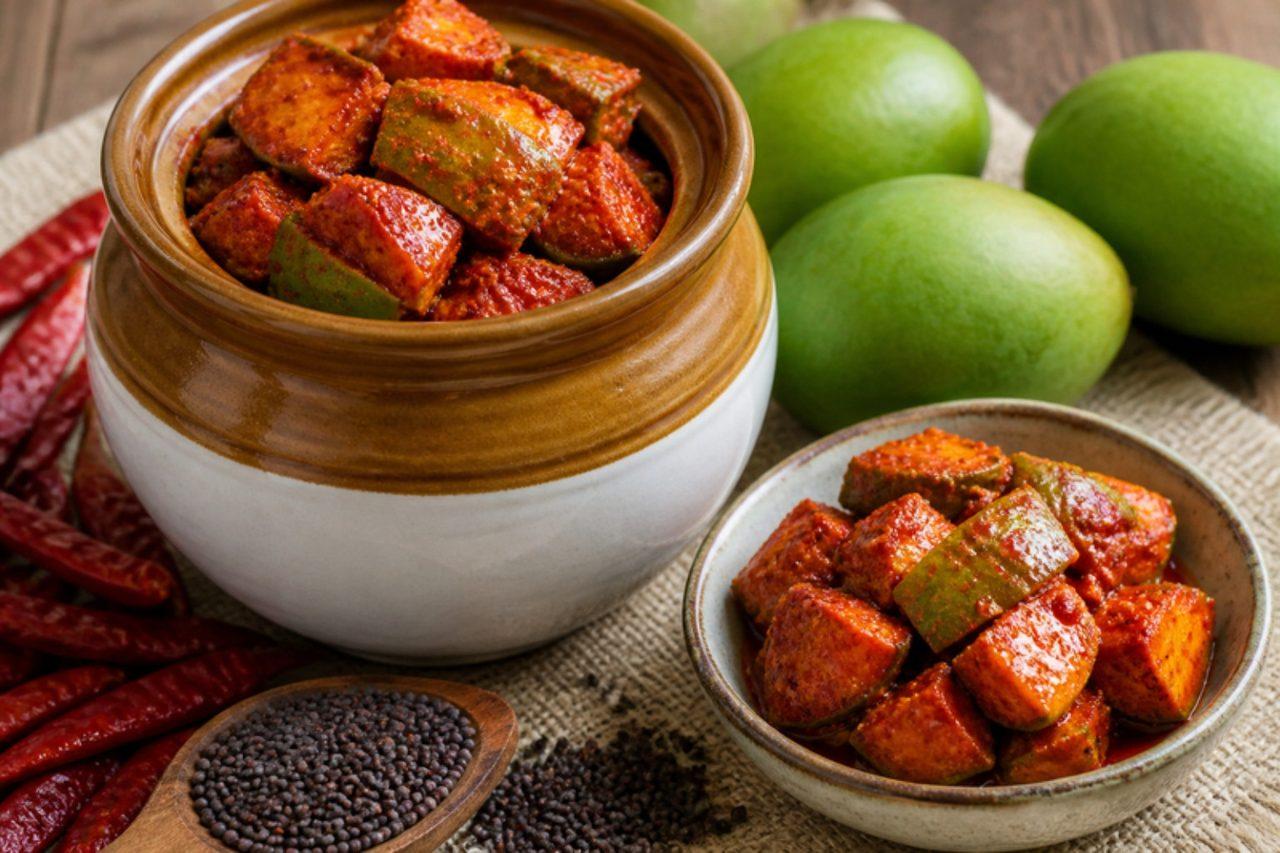
AvakayaRaw mango pickle

Every April and May, when the hard, sour green mangoes arrive, Andhra homes turn into pickle factories. The mangoes are cut, stone and all, with a heavy cleaver, then mixed with freshly ground mustard, fiery red chilli powder, salt and a flood of sesame oil, and packed into ceramic jars to mature. Avakaya is fierce, pungent, salty and sour, and a tiny piece mashed into hot rice with ghee and dal is many Telugu people's idea of perfect lunch. A jar lasts the whole year. Chef's tip: every piece of mango, every knife and the jar must be bone dry; a single drop of water can turn a whole batch mouldy.

by KrazyBadal 0 views

Gua bao with braised tofu and mushroom

Gua bao are the folded, clam-shaped buns sold at night markets from Tainan to Keelung, traditionally stuffed with a slab of soy-braised pork belly and eaten as a 'tiger bites pig' snack at year-end company dinners. Here the filling is thick slices of tofu and king oyster mushroom simmered in the same sweet soy braise, then layered with sour mustard greens, a spoon of ground peanut and sugar, and fresh coriander. The soft bun, salty filling and sweet peanut crumble are what make it. Chef's tip: brush the half-moons with oil before folding and lay a strip of baking paper inside, so the buns open cleanly after steaming.

by KrazyBadal 0 views

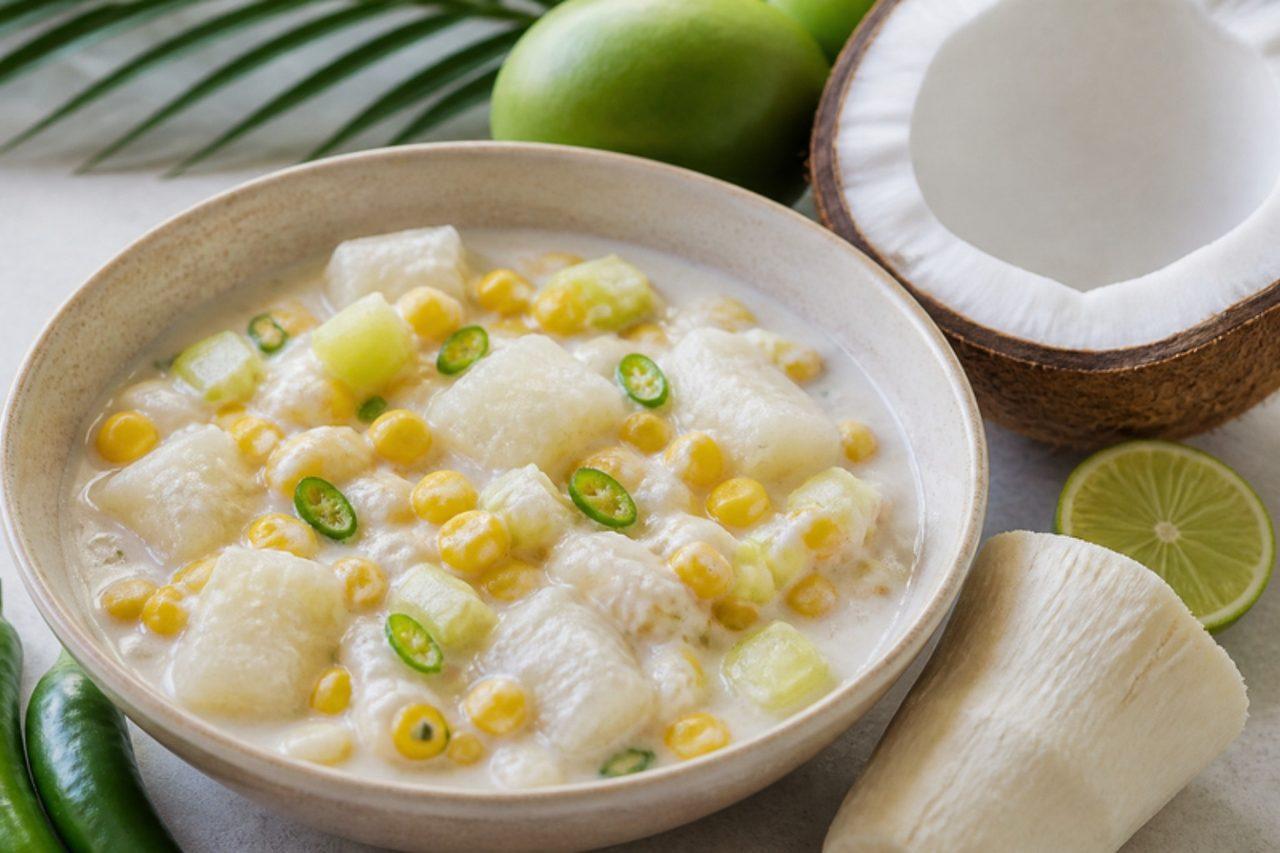
Corn & cassava in coconut milk

A simple Swahili dish of tender cassava and sweetcorn simmered in thick coconut milk with green chillies, a little raw mango and lemon. It's creamy, mild and filling. Serve hot as a side or a light meal.

by KrazyBadal 0 views

Taiwanese pineapple cakes
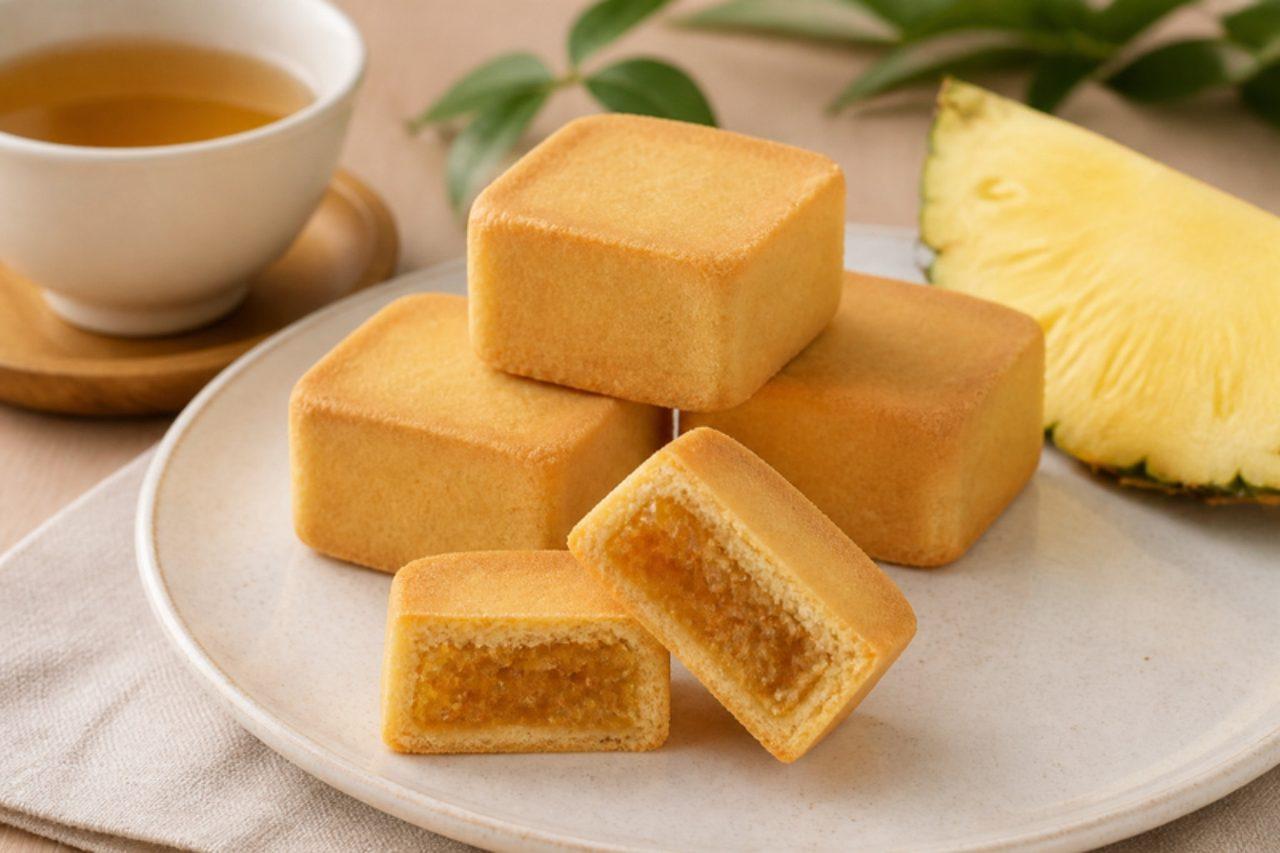
Feng li su are the gift-box sweet of Taiwan: little golden squares of crumbly, milky shortbread wrapped round a chewy pineapple jam. Bakeries in Taichung and Taipei pack them in tins for Lunar New Year, weddings and visiting relatives, and the name sounds like 'prosperity arriving' in Taiwanese Hokkien. Older bakeries bulk the filling with winter melon for a softer, sweeter jam; this home version uses fresh pineapple only, cooked down until thick and tangy. Chef's tip: chill the dough and the jam balls before wrapping; cold, firm pieces are far easier to seal without the jam breaking through.

by KrazyBadal 0 views

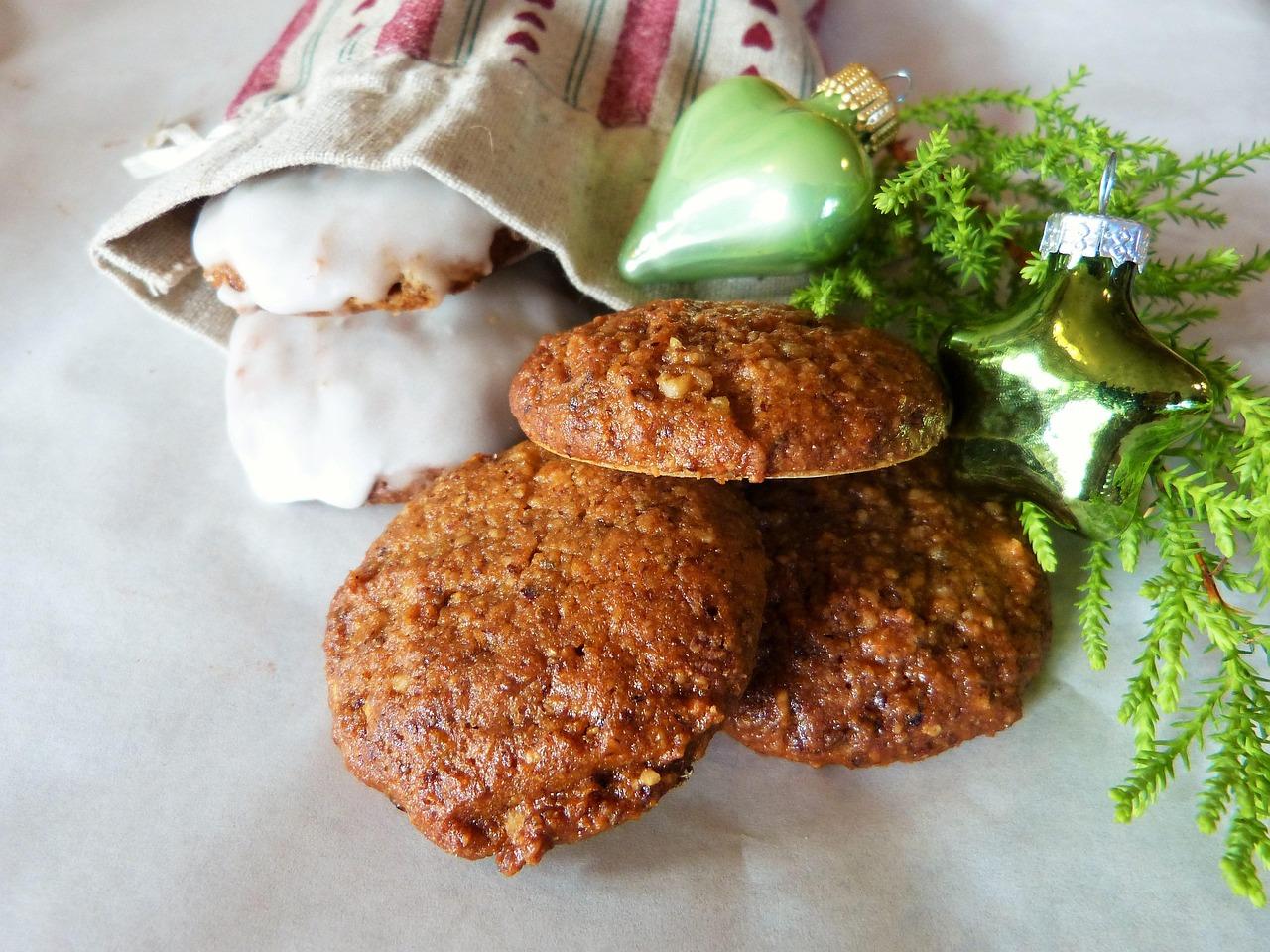
LebkuchenSpiced gingerbread cookies

Nuremberg has been the German capital of Lebkuchen since the Middle Ages, when the city sat on the spice trade routes, and at its Christkindlesmarkt the stalls are piled with them every Advent. The finest kind, Elisenlebkuchen, contain almost no flour: they're made mostly of ground nuts, candied peel, eggs, sugar and a warm spice mix, baked on thin Oblaten wafers so they stay soft and chewy inside, then glazed with chocolate or sugar. They keep for weeks in a tin and get better as they rest. Chef's tip: bake them only until just set; a common mistake is baking until firm, which makes them dry and hard by the next day.

by KrazyBadal 0 views

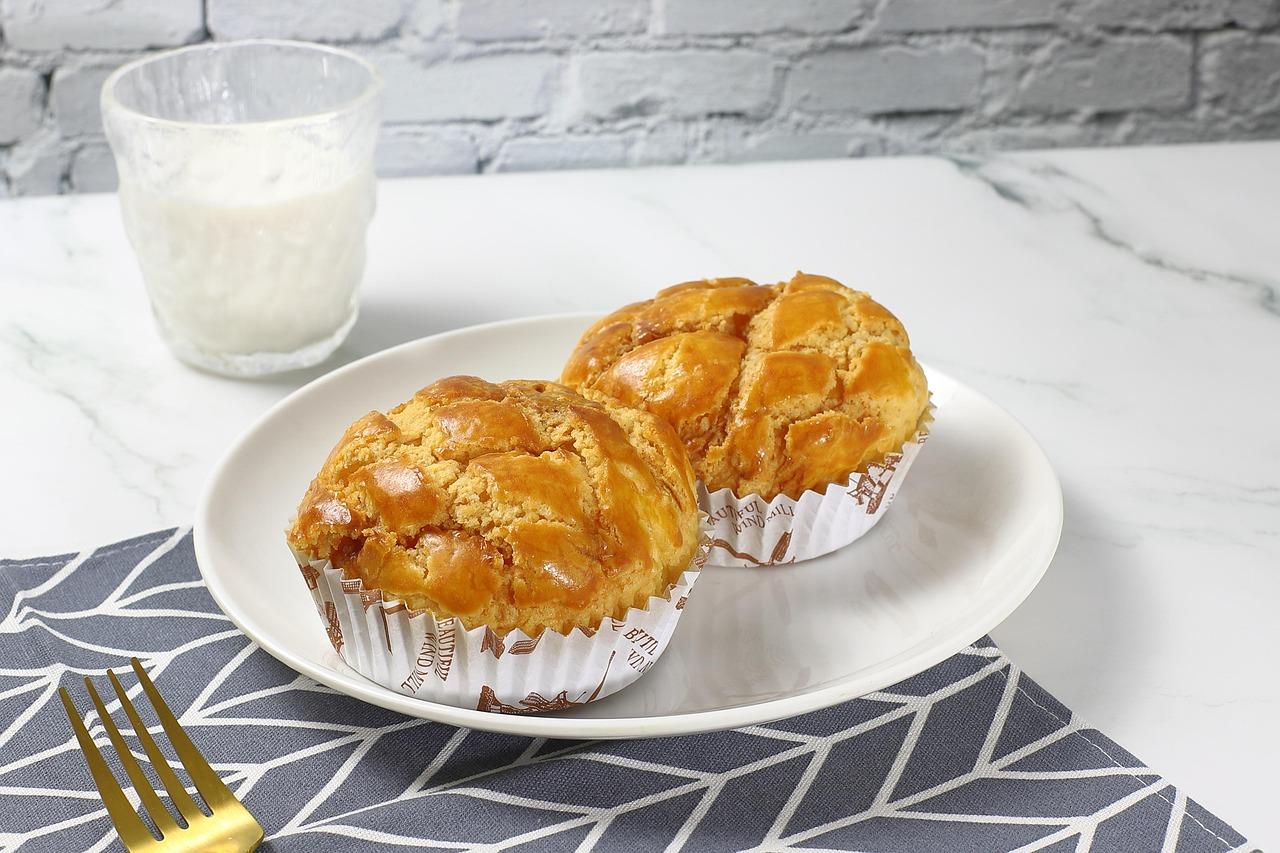
Hong Kong pineapple bun

Despite the name, there is no pineapple in a bolo bao; the crackled, golden sugar crust on top just looks like the fruit's skin. It is the best-selling bun in Hong Kong bakeries and cha chaan teng cafés, eaten warm at breakfast or tea time with milk tea, and many people order it as bo lo yau, split open with a thick, cold slice of butter melting into it. Chef's tip: roll the topping between two sheets of baking paper rather than on a floured board; the soft dough is fragile and paper lets you lift it on in one piece.

by KrazyBadal 0 views

MustikkapiirakkaBlueberry pie

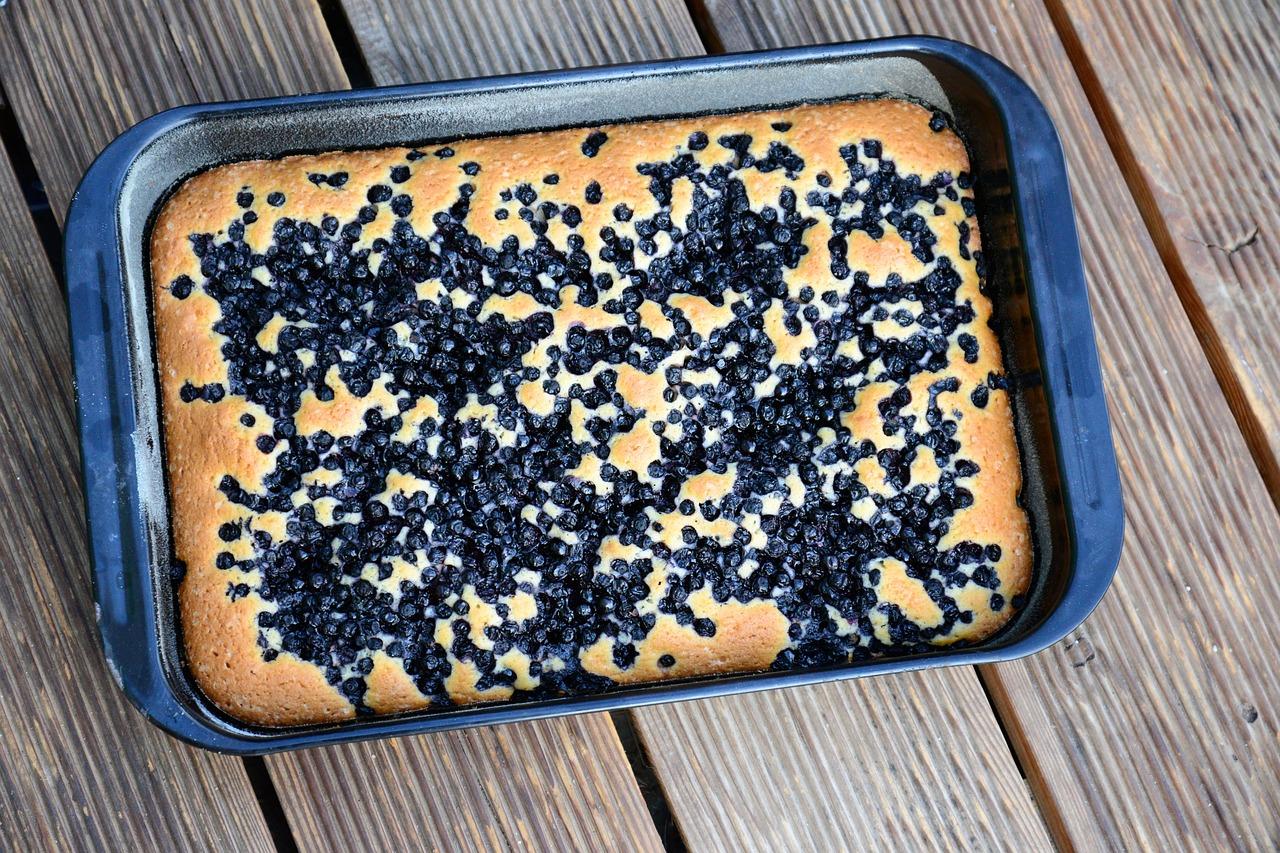
In late July and August, Finns head into the forests with buckets and come home with purple fingers, and the first thing many make is mustikkapiirakka. Finnish wild blueberries (mustikka) are small and blue right through, far more intense than cultivated ones. This is the version from Savo and central Finland: a soft, cakey shortcrust pressed into a tin, a deep layer of berries and a just-set topping of sour cream, egg and sugar. It is eaten at summer cottages (mökki) with coffee, warm or cool, often with vanilla sauce. Frozen wild blueberries from the freezer aisle work all year. Chef's tip: toss the berries with potato starch before they go into the crust; it catches the juice so the slices hold together instead of running purple.

by KrazyBadal 0 views

Num ansom chekBanana sticky rice parcels

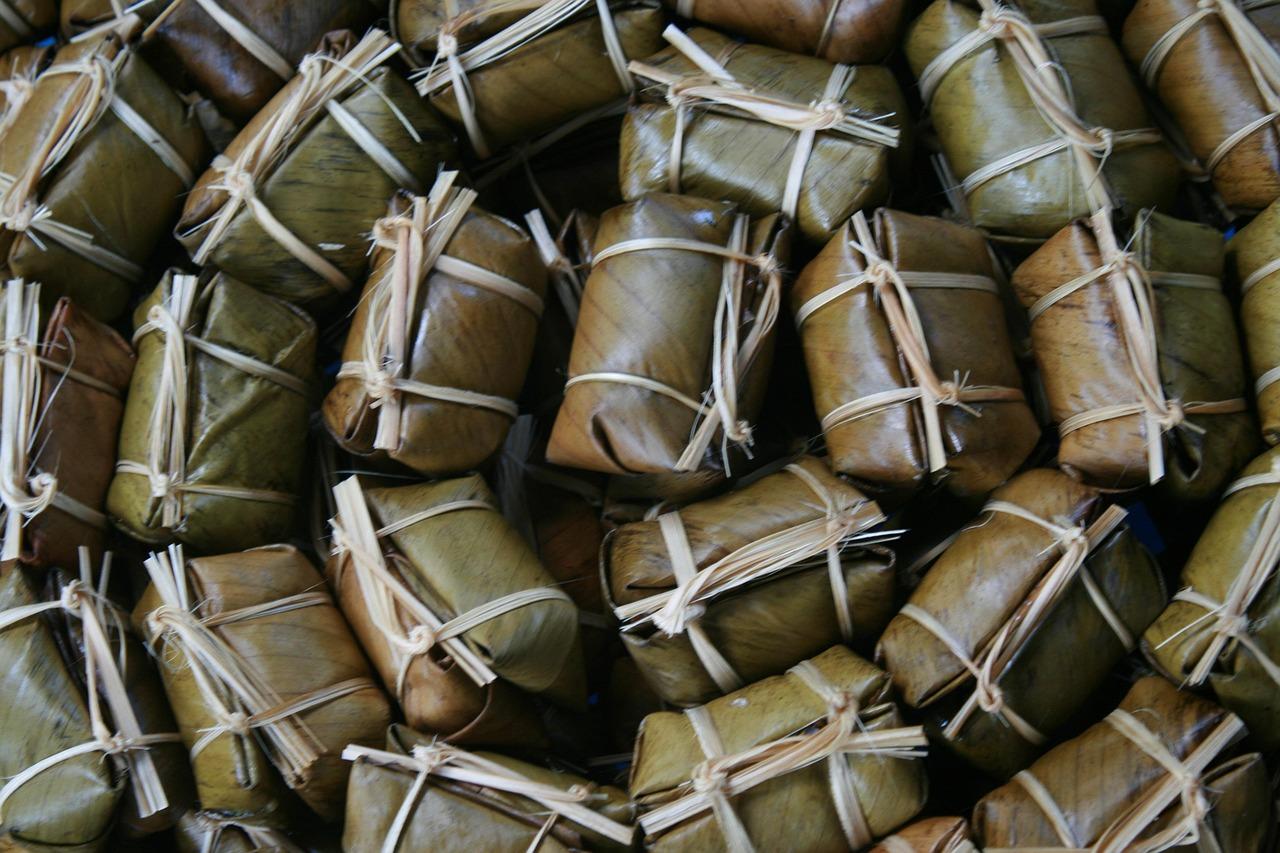
Num ansom chek are wrapped by the dozen in April for Khmer New Year and again in autumn for Pchum Ben, when families carry them to the pagoda as offerings. A ripe banana is hidden inside a jacket of glutinous rice that has been seasoned with coconut milk and dotted with black beans, then the whole thing is rolled tightly in banana leaf and boiled until the rice turns sticky and the banana goes jammy and blush-pink. Unwrapped, they're eaten at room temperature or sliced and grilled the next morning. Chef's tip: use bananas that are fully yellow with a few brown freckles; green ones stay chalky and the pink colour never comes.

by KrazyBadal 0 views

Oromo with pumpkinSteamed pumpkin roll

Oromo, or orama, is a big rolled dumpling: a thin sheet of dough spread with filling, rolled into a long coil and steamed in a multi-tiered mantovarka. It's a home dish across Kazakhstan, Kyrgyzstan and Uzbekistan, quicker than shaping dozens of manti. In autumn, when Kyrgyz gardens in the Chüy Valley are full of squash, it's filled with grated pumpkin and onion, which turn sweet and juicy. Serve in thick slices with sour cream or a garlicky tomato sauce. Chef's tip: grate the pumpkin coarsely and salt it only just before rolling; salted too early it weeps and makes the dough soggy.

by KrazyBadal 0 views

CalabacitasCourgette and corn sauté

Calabacitas a la mexicana is the everyday summer side dish of kitchens all over Mexico: young squash (calabacitas) cooked quickly with sweetcorn, tomato, onion and strips of roasted poblano until tender and juicy, finished with crumbled fresh cheese. Mexican grey squash is milder and more tender than courgette, but young courgettes work beautifully. Eat it with rice and beans, roll it into tacos, or fill quesadillas with it. Use queso fresco made with vegetarian rennet. Chef's tip: cook over a high heat and don't cover the pan for long; you want the courgette to fry and keep a bite, not steam into a puddle.

by KrazyBadal 0 views

Attiéké with tomato and onionCassava couscous with tomato salad

Attiéké is the light, slightly sour cassava 'couscous' of the Ébrié and Adjoukrou peoples around Abidjan's lagoons, and it is eaten across Côte d'Ivoire every day of the week. In maquis (open-air restaurants) it comes heaped beside grilled fish with a raw salad of tomato, onion and chilli; at home many people eat it simply with that salad, fried plantain and a fried egg, which is how it is served here. Buy it frozen or dried in African shops. Chef's tip: steam attiéké rather than boiling it; water turns it to paste, while steam keeps the grains fluffy and separate.

by KrazyBadal 0 views

Hong Kong French toast

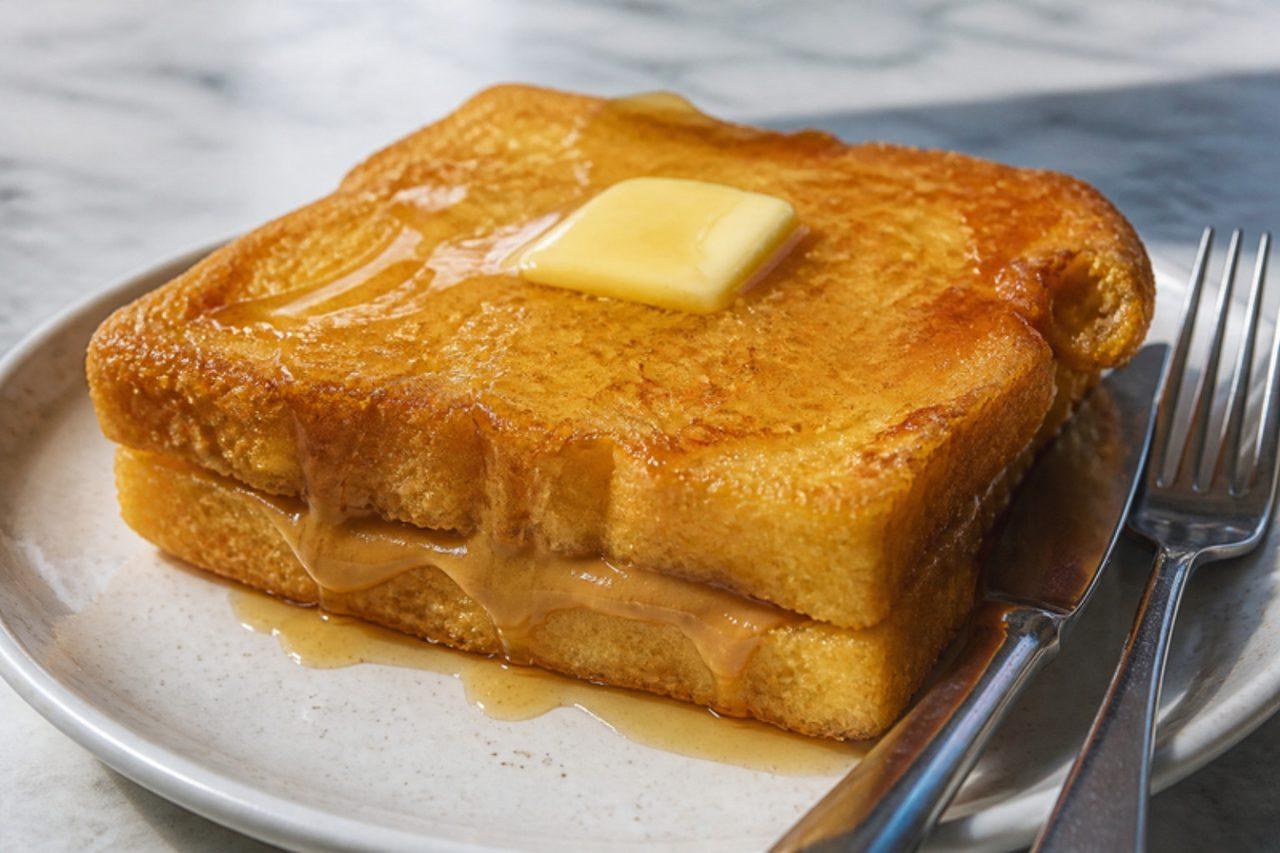
In Hong Kong's cha chaan teng (tea restaurants), French toast means two thick slices of white bread sandwiched with peanut butter, dipped in egg, fried until puffed and golden, then crowned with a pat of butter and a pour of golden syrup or condensed milk. It is an afternoon tea-set favourite, paired with a strong cup of milk tea, and it's richer than any French version. Chef's tip: trim the crusts and press the sandwich edges firmly so the egg doesn't seep into the peanut butter.

by KrazyBadal 0 views

Atol de eloteWarm fresh corn drink

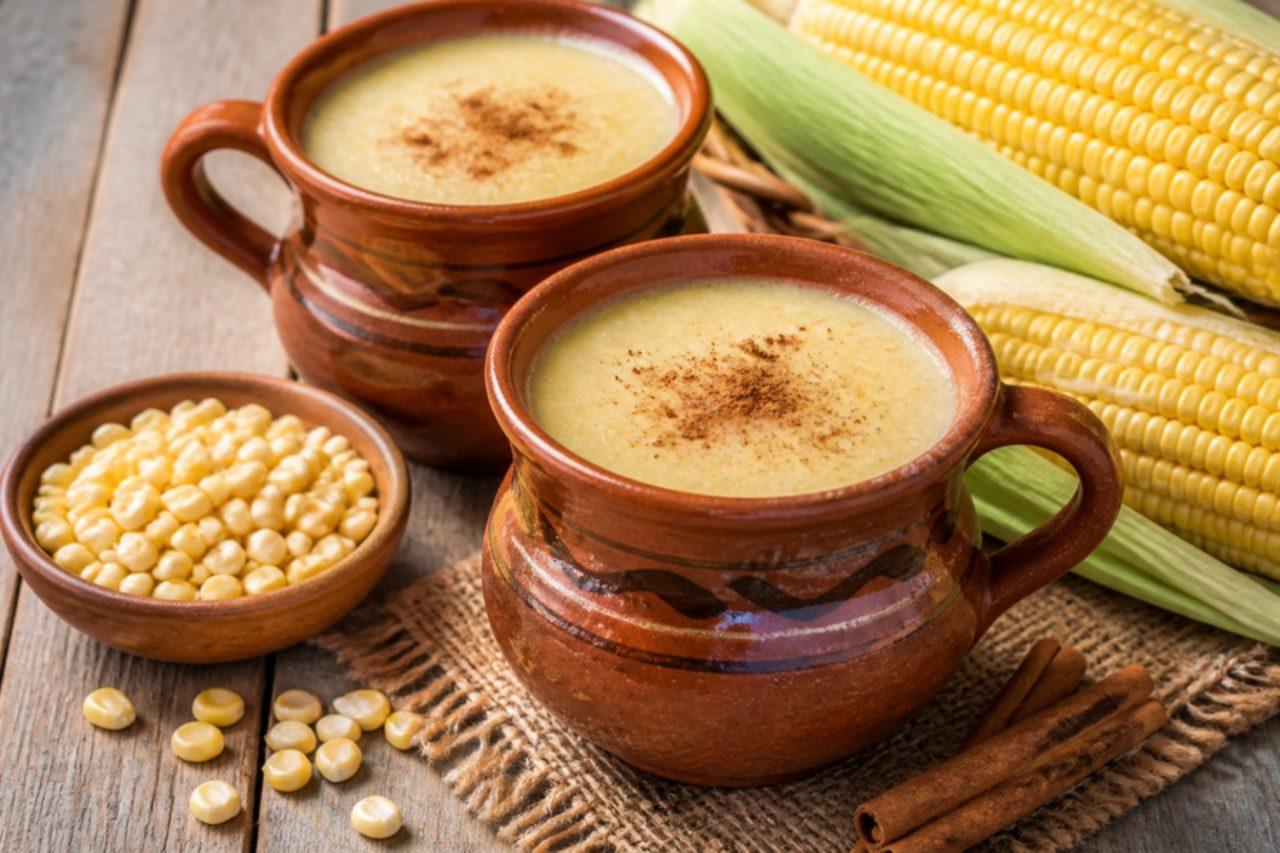
When the new maize comes in, Central Americans drink their corn: atol de elote is fresh sweetcorn blended, strained and cooked with milk and cinnamon into a thick, pale-yellow drink, sipped from a cup or a gourd. In El Salvador it's sold at roadside stands with tamales de elote; in Guatemala it warms chilly highland evenings. Taste is like sweet corn custard you can drink. Chef's tip: strain the blended corn through a fine sieve and press hard; the skins make the drink gritty.

by KrazyBadal 0 views

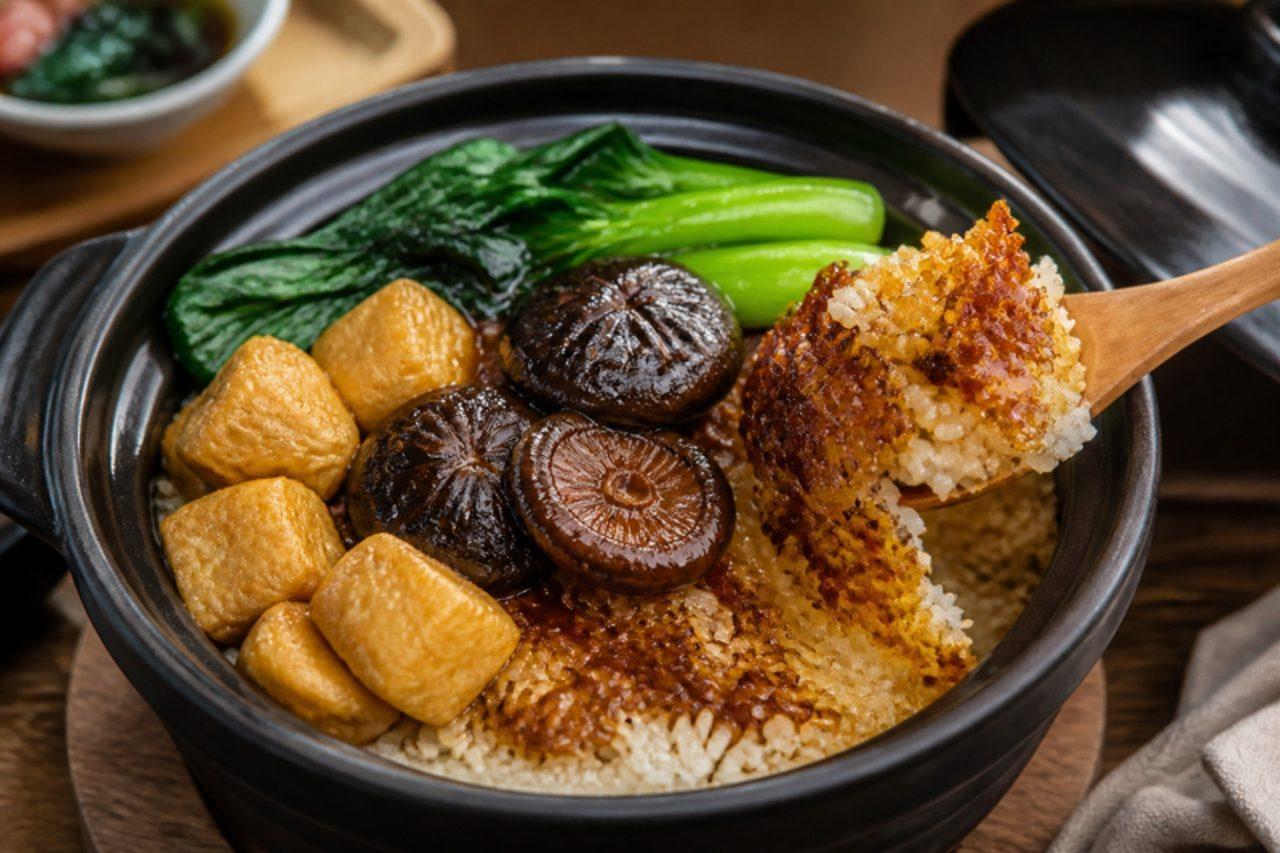
Claypot rice with mushroom and tofu

In winter, the dai pai dong stalls of Temple Street and Mong Kok line up dozens of little clay pots over roaring flames, and queues form for bou zai faan: rice cooked right in the pot, topped with the day's ingredients and doused with sweet soy at the table. The prize is the golden, crackling crust (faan jiu) at the bottom. This vegetarian pot uses shiitake, fried tofu puffs and choy sum, seasoned with a mushroom-based vegetarian oyster sauce. Chef's tip: once the rice has absorbed its water, drizzle oil round the inside edge of the pot and turn it slowly over the flame; that's how the crust forms evenly instead of burning in one spot.

by KrazyBadal 0 views

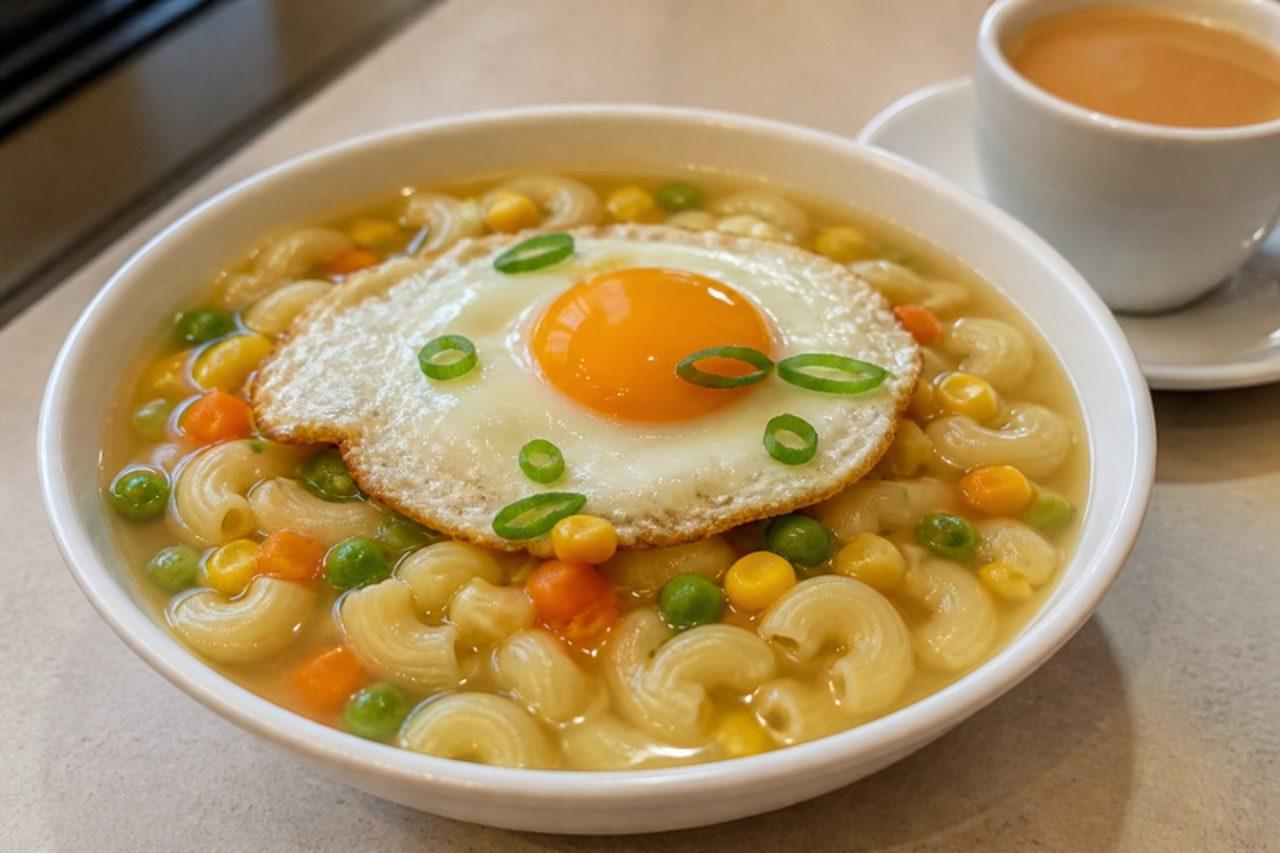
Hong Kong vegetable macaroni soup

Walk into any Hong Kong cha chaan teng before 11 am and you'll see bowls of macaroni in clear soup on almost every table, part of the breakfast set with toast and milk tea. The usual version carries strips of ham; at home many families make it with sweetcorn, peas, carrot and a fried egg instead, for a light, comforting bowl that children love. Chef's tip: cook the macaroni separately and add it to the broth at the end, so it stays springy and the soup stays clear.

by KrazyBadal 0 views

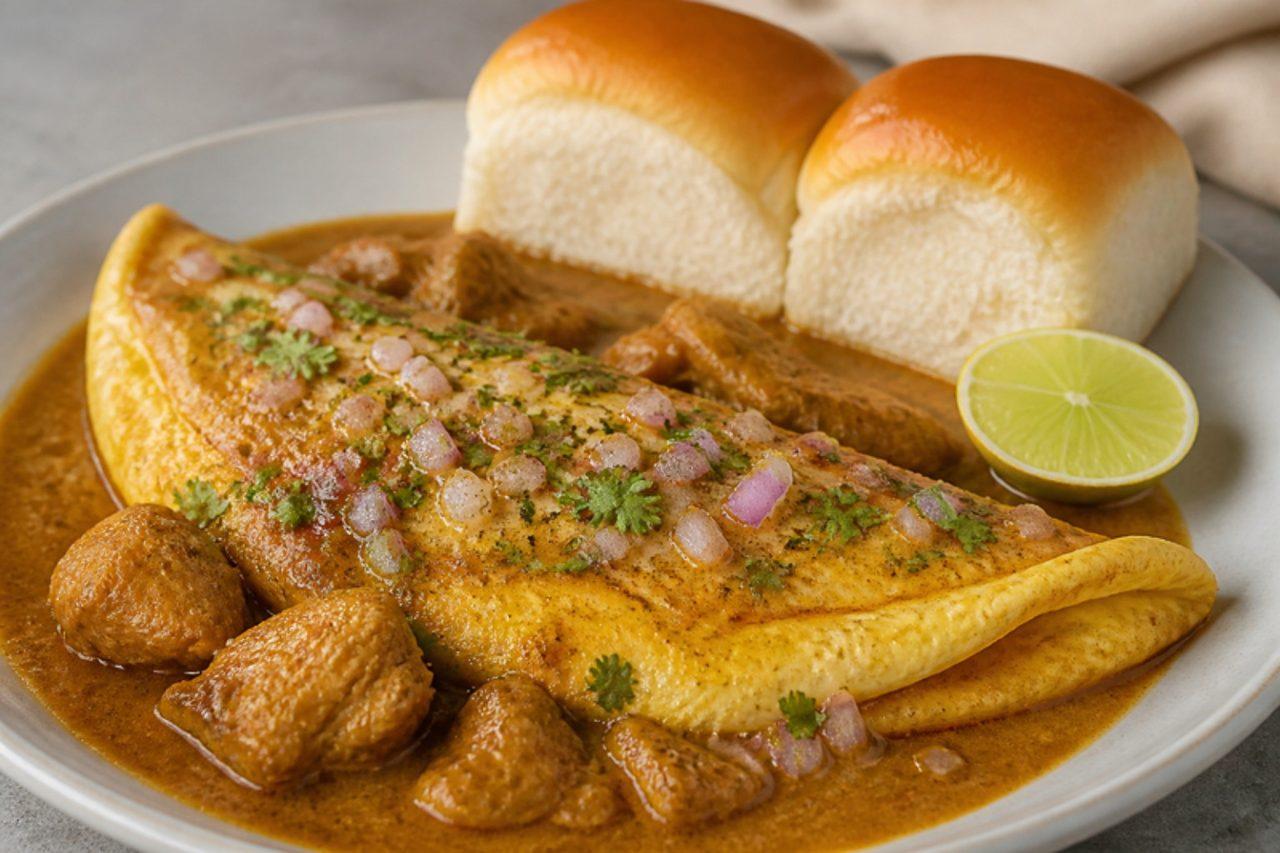
Goan ros omelette

After dark in Panjim, Mapusa and Margao, roadside carts fry omelettes to order and ladle over them a thin, spicy chicken gravy called ros, meaning juice. It is late-night food, eaten standing up, mopped with soft Goan pao. The ros is a loose chicken xacuti, rich with roasted coconut, poppy seeds and star anise. Chef's tip: keep the gravy soupy; it should flood the omelette and soak into the bread, not sit on top like a stew.

by KrazyBadal 0 views

Eggs with dates and onions

On a winter morning in the Emirati countryside, when the date palms have given their harvest, a pan of eggs scrambled with onion and chopped dates is a quick, filling breakfast eaten with flatbread and a glass of sweet tea. The dates melt into sticky pockets among the eggs, the onions add savoury sweetness and a pinch of cardamom ties it together. It is homely food rarely seen in restaurants, made in minutes from what every Gulf kitchen has. Chef's tip: use soft, moist dates such as khalas or medjool; dry ones stay chewy and never melt into the eggs.

by KrazyBadal 0 views

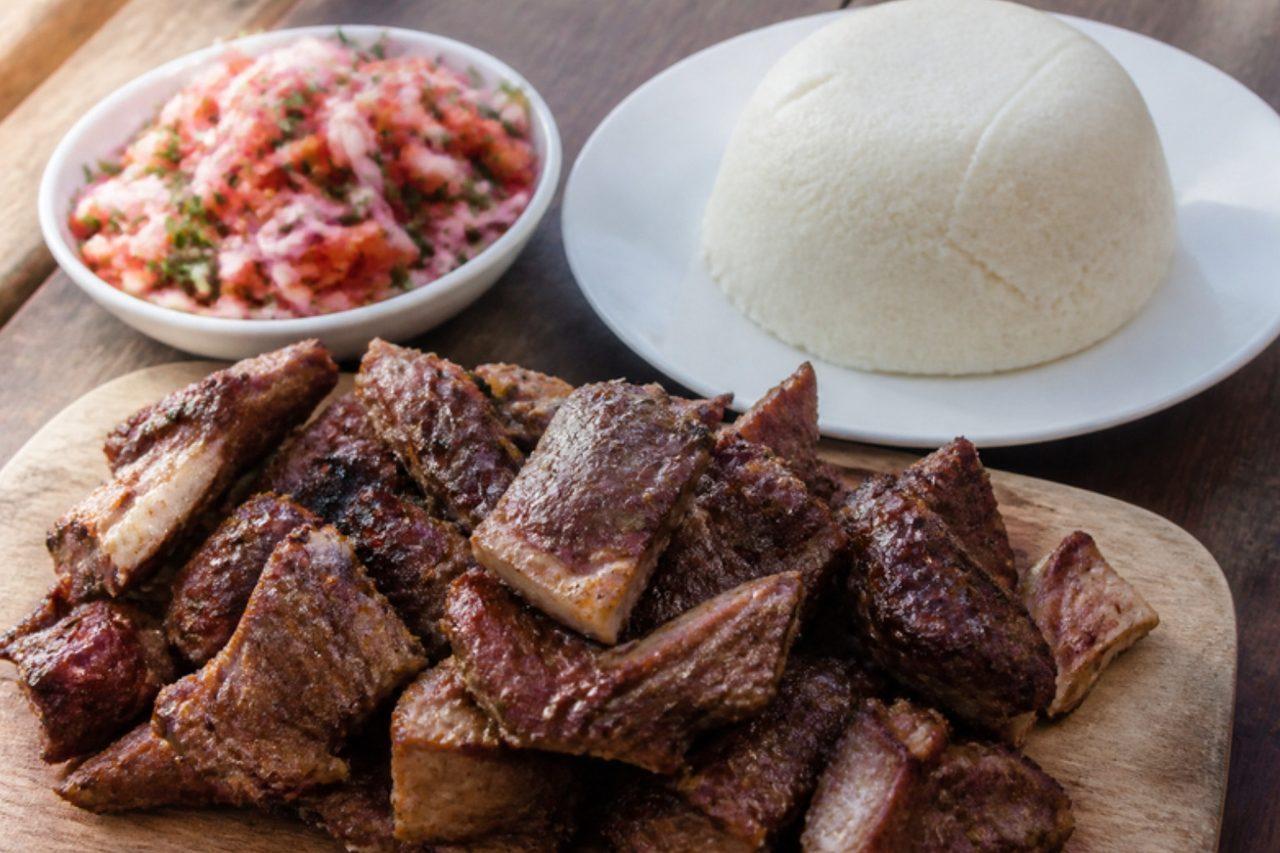
Nyama chomaSlow-grilled goat or beef

Nyama choma, "roasted meat" in Swahili, is the centre of every weekend gathering in Kenya: at roadside joints on the edge of Nairobi you choose your goat ribs or beef by the kilo, it is grilled slowly over charcoal, chopped on a wooden board and brought to the table with salt, kachumbari (tomato and onion salad) and ugali. The meat is meant to be firm and chewy, smoky and simply salted. The mistake is grilling over fierce flames; the outside chars before the inside is tender, so keep it over glowing coals and turn it often. Chef's tip: leg of goat or lamb on the bone is easiest at home; rub it with salt and a little lemon only.

by KrazyBadal 0 views

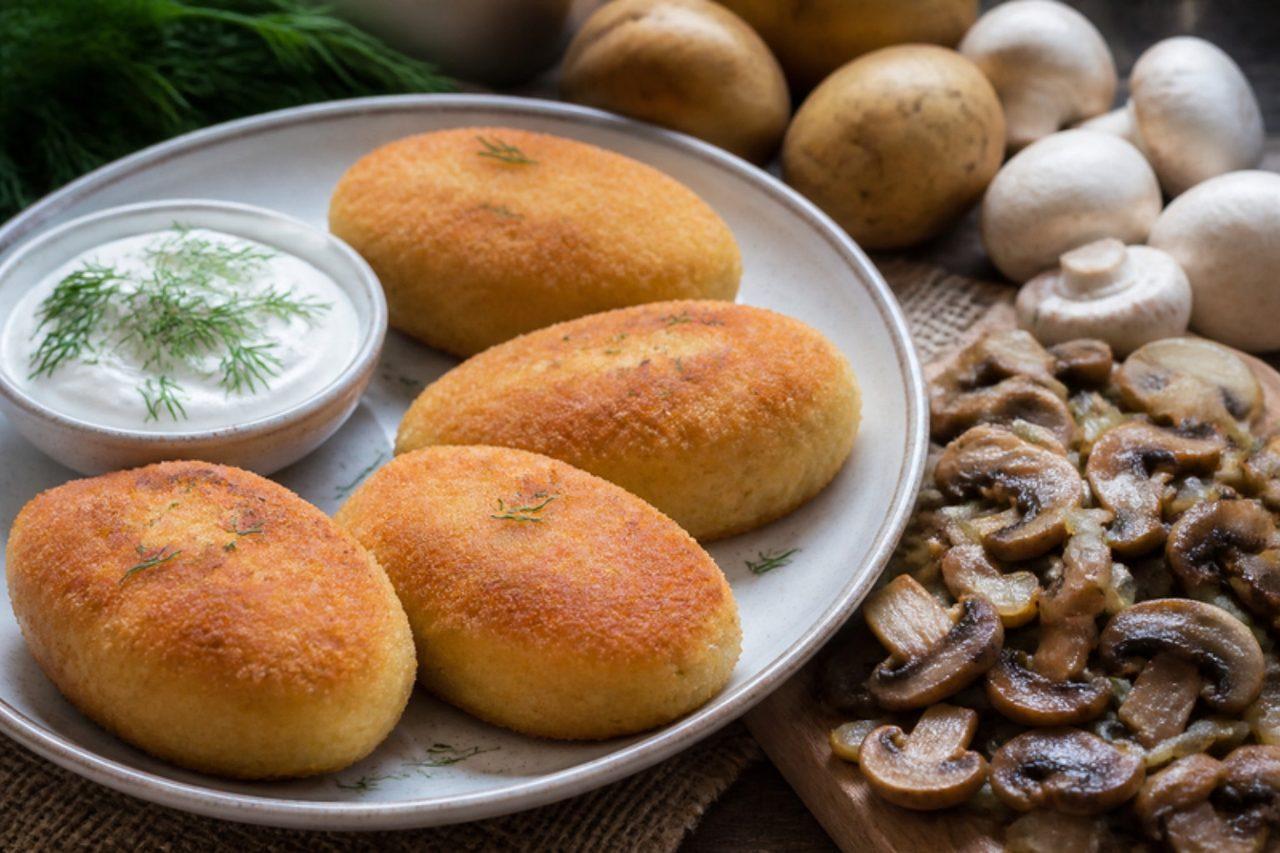
Mushroom zrazyMushroom-stuffed potato cakes

Kartoplyani zrazy are a thrifty Ukrainian classic, made in kitchens across Chernihiv and the forested Polissia region where mushrooms are gathered every autumn: mashed potato is wrapped around a filling of fried mushrooms and onion, shaped into ovals, rolled in breadcrumbs and fried until crisp. They are a good home for yesterday's mash, and appear on the Lenten table and at casual family dinners with sour cream and pickles. Chef's tip: use cold mashed potato; common mistake is shaping the zrazy from warm, soft mash, which sticks to your hands and splits in the pan.

by KrazyBadal 0 views

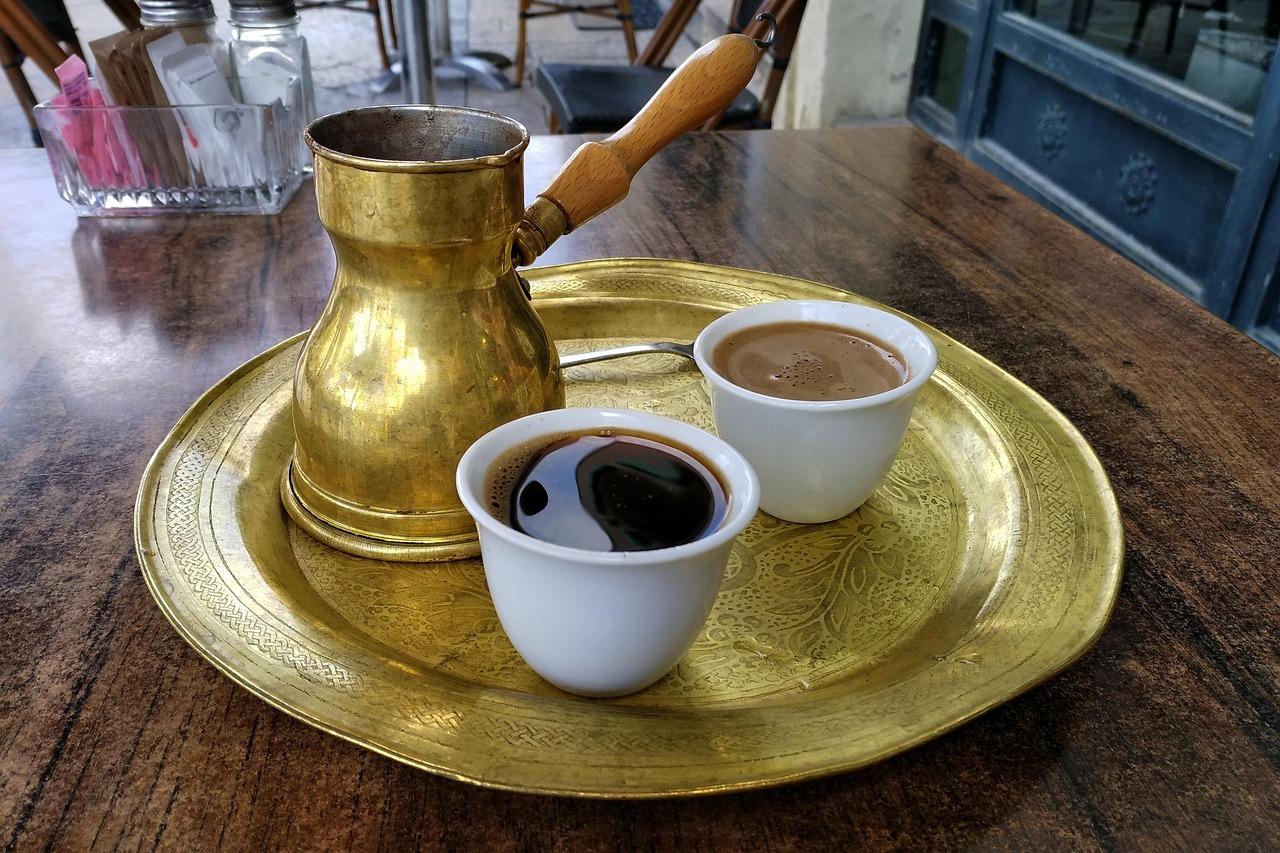
Zanzibar coffee (kahawa)

Kahawa is the strong, spiced black coffee poured from brass pots on the streets of Stone Town: freshly ground coffee boiled with cardamom pods and finished with ginger and ground cardamom. It's bitter-sweet and aromatic. Serve hot in small kahawa cups.

by KrazyBadal 0 views

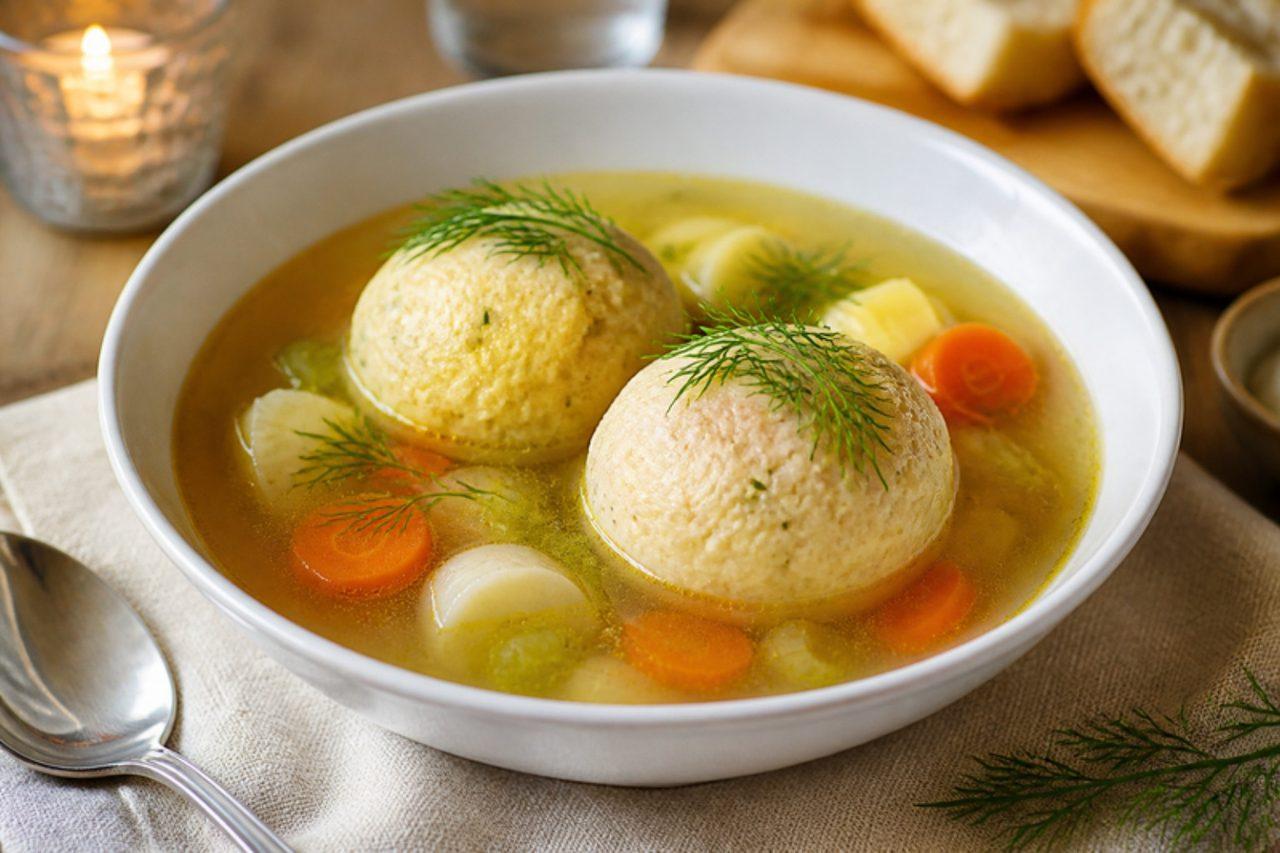
Matzo ball soup with vegetable broth

Ashkenazi Jewish families from Kraków to New York serve matzo ball soup at the Passover seder and whenever someone has a cold, and arguments about 'floaters' versus 'sinkers' go back generations. Here the broth is golden and savoury without chicken: onions browned with their skins, carrots, celery, parsnip and a few dried mushrooms simmered with dill. The kneidlach are made with oil instead of chicken fat and a splash of sparkling water so they come out light and fluffy. Chef's tip: chill the matzo mixture for at least 30 minutes; it needs time to absorb the liquid or the balls fall apart in the pot.

by KrazyBadal 0 views

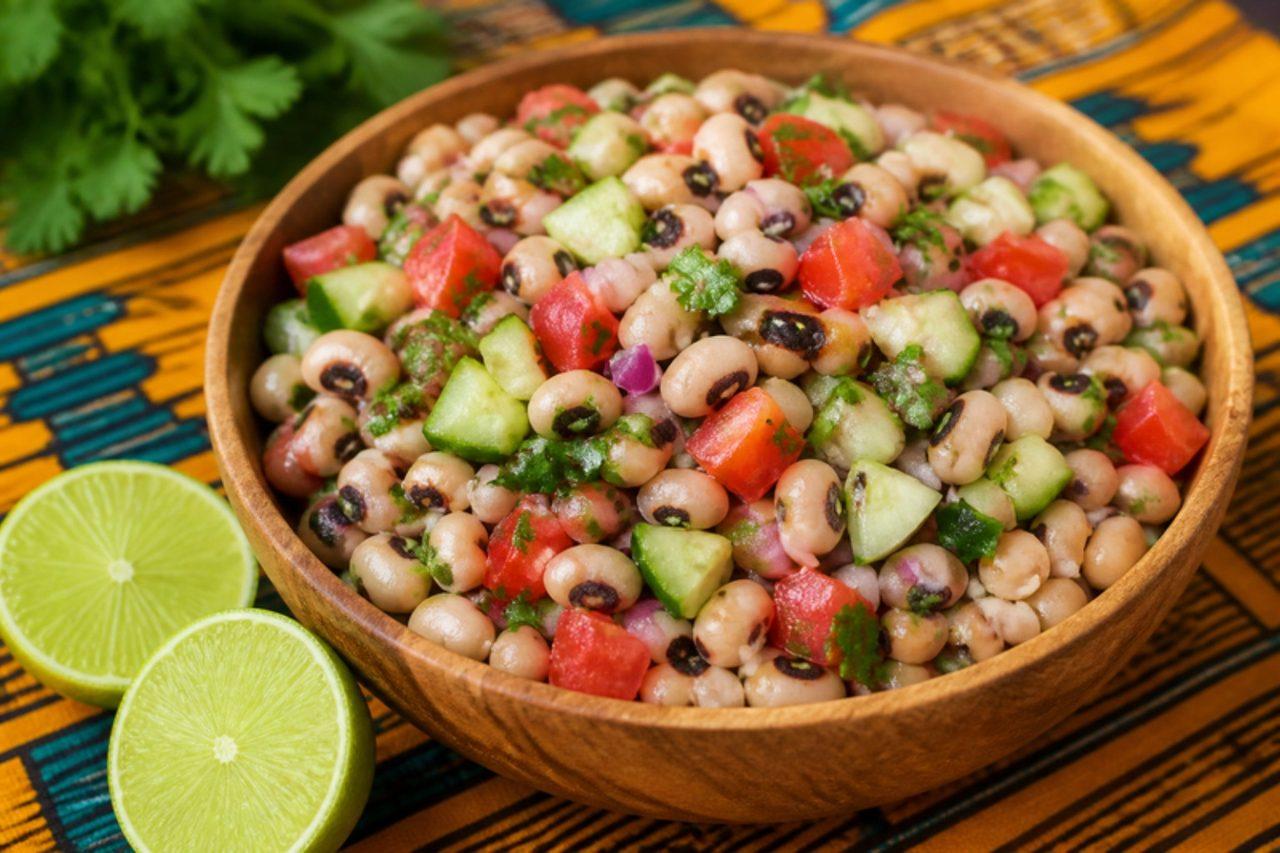
Salade de niébéBlack-eyed bean salad

Niébé is the Wolof and French name for black-eyed beans, and this bright salad turns up at Senegalese family lunches, baptism feasts and Ramadan break-fast tables next to grilled dishes and rice. The beans are dressed while warm with lime, mustard and onion, then mixed with crunchy raw vegetables and a little hot pepper. It travels well and tastes better after an hour. Chef's tip: dress the beans while they are still warm so they drink in the lime; cold beans stay bland however much dressing you pour over.

by KrazyBadal 0 views

Roasted bananas in chocolate

Whole bananas roasted on the barbecue until soft and sweet, cut into quarters, put on skewers, half-dipped in melted dark chocolate and rolled in chopped almonds, pistachios and cashews. It's a quick barbecue dessert that children love to help make. Serve them straight away while the chocolate is still soft.

20 minDessertsGluten free
by KrazyBadal 0 views

Zanzibar pillau

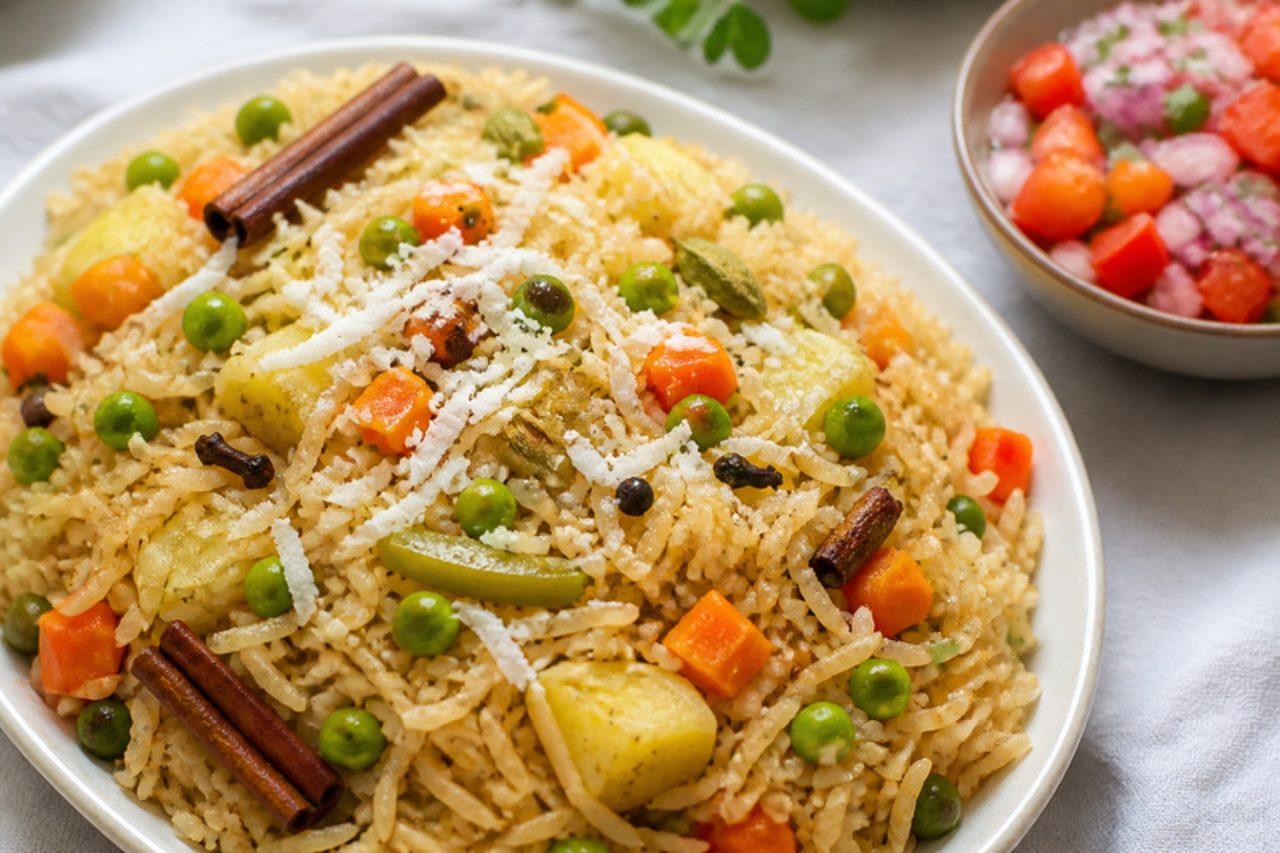
Zanzibar's spiced pilau: rice cooked with onions, garlic, whole cinnamon, cloves, cardamom, peppercorns, cumin and nutmeg and plenty of vegetables, then finished with coconut milk and baked until fluffy. It's fragrant rather than hot. Garnish with grated coconut and serve hot with kachumbari or a curry.

by KrazyBadal 0 views

Caldo de resBeef shank soup

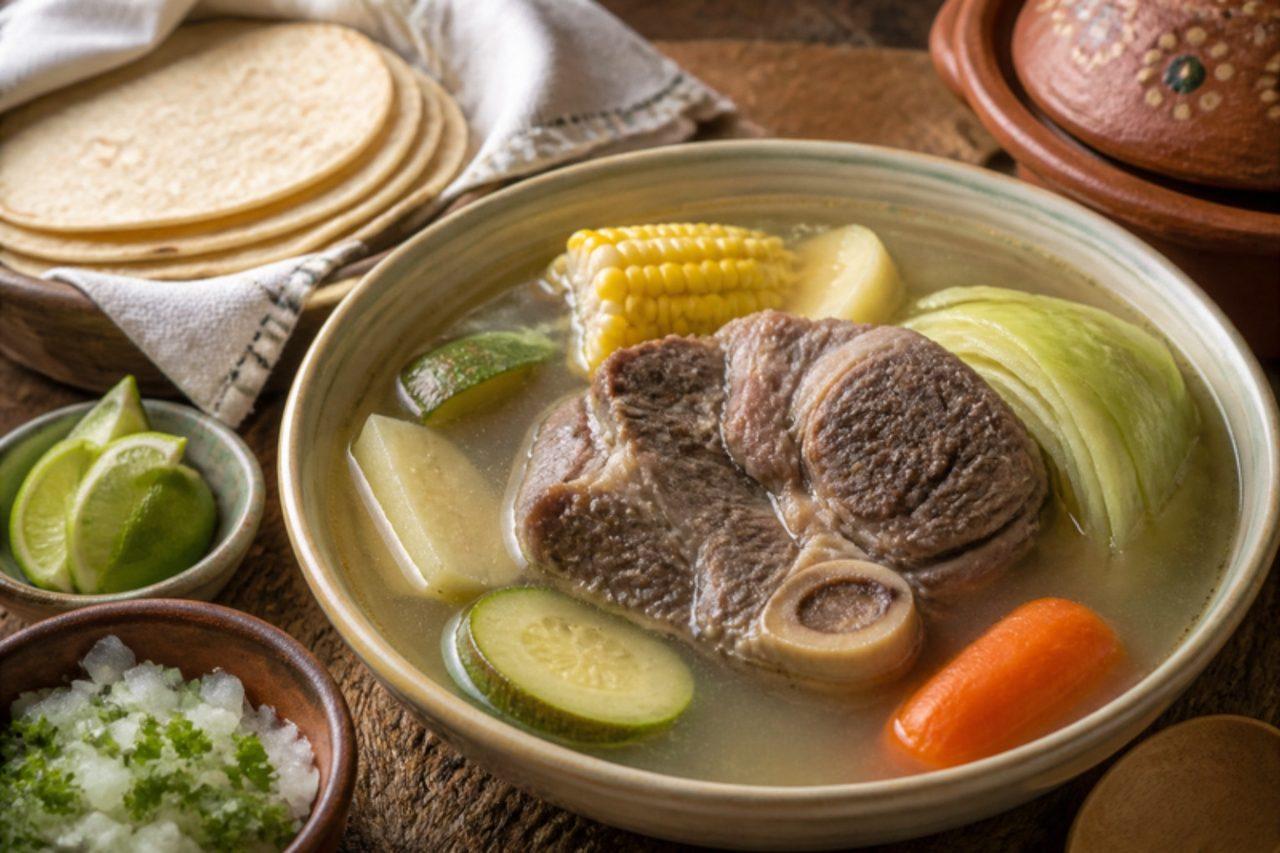
Ask almost any family in Mexico about Sunday lunch or a cold, rainy afternoon and caldo de res comes up: bone-in beef shank simmered for hours, then filled with big pieces of corn on the cob, carrot, potato, courgette and cabbage, so each bowl is a meal. Fondas from Monterrey to Mexico City sell it at midday with Mexican red rice, warm tortillas and a dish of chopped serrano and onion. The marrow from the shank bones enriches the clear broth. Chef's tip: add the vegetables in stages, the hard ones first, so everything is tender at the same time and nothing turns to mush.

205 minMexicanSoupsGluten free
by KrazyBadal 0 views

Nyonya chap chyeBraised cabbage with glass noodles

In Peranakan homes in Melaka and Penang, chap chye (mixed vegetables) is cooked in a big pot for Chinese New Year and family prayer days. Cabbage, dried shiitake, wood ear, lily buds and beancurd skin are braised with garlic and tau cheo, the salty fermented soybean paste, until everything is soft and the glass noodles have soaked up the savoury gravy. Many families add pork belly or prawns, but the vegetarian pot is just as traditional for the first day of the new year. It tastes better the next day. Chef's tip: fry the tau cheo with the garlic until it smells nutty before anything else goes in.

by KrazyBadal 0 views

Assida zgougouAleppo pine seed pudding

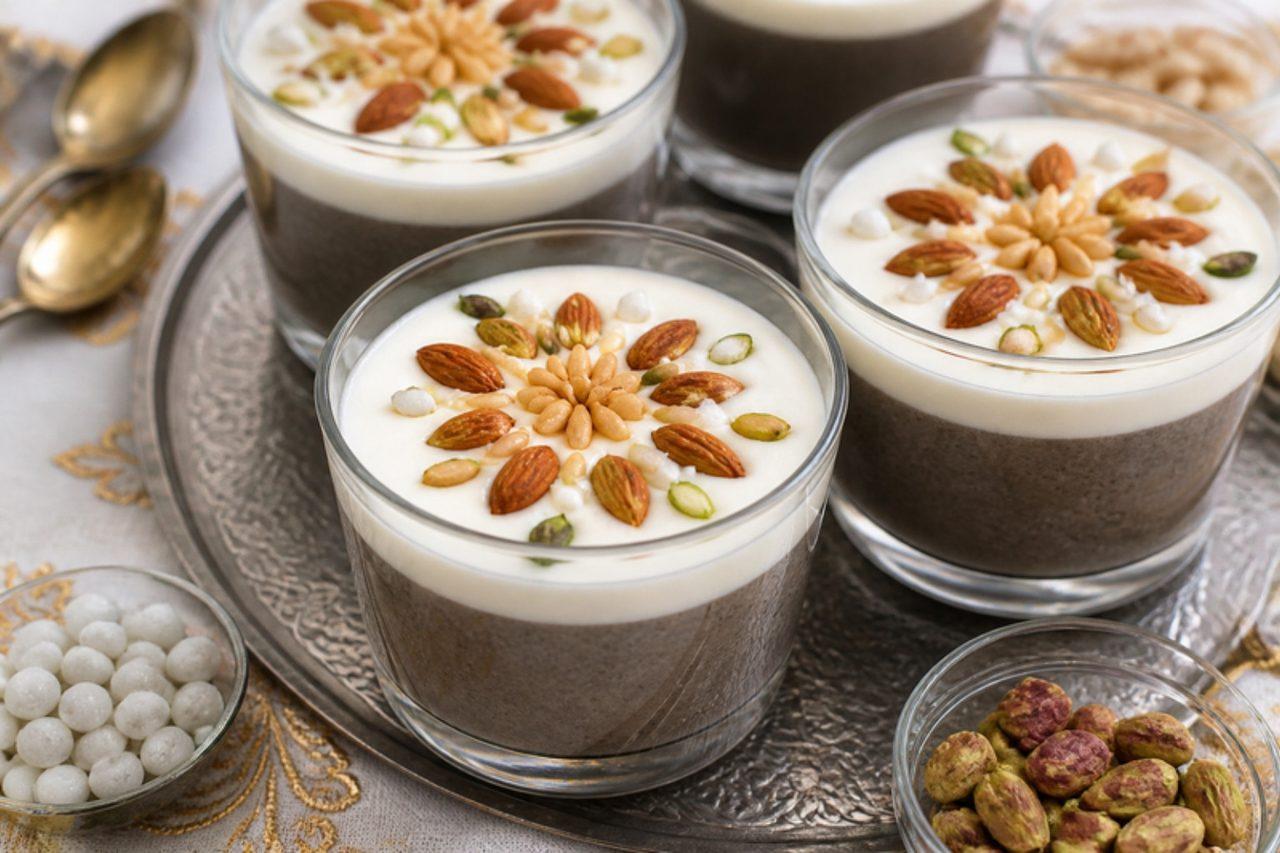
Assida zgougou is made in Tunisian homes once a year, for the Mouled (the Prophet's birthday): a dark, nutty pudding of Aleppo pine seeds (zgougou) cooked with flour and sugar, topped with a pale vanilla custard and decorated with almonds, pistachios, pine nuts and sugared almonds. Families make dozens of glasses to share with neighbours. Zgougou is sold in Tunisian and North African grocers; ground hazelnuts are a stand-in, though the taste is different. Chef's tip: strain the zgougou liquid through muslin twice; any grit ruins the smooth texture.

by KrazyBadal 0 views

Zanzibar spiced tea (chai ya viungo)

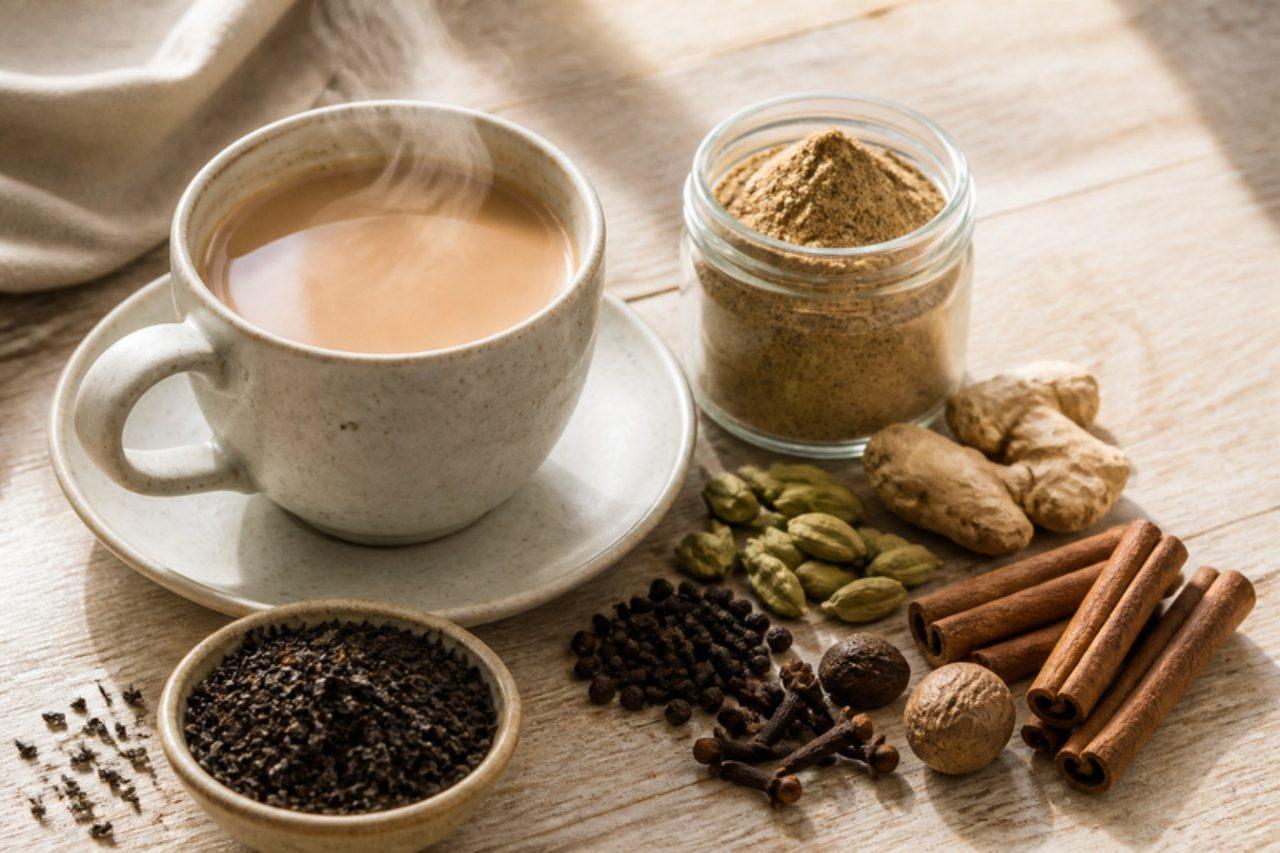
Zanzibar is the spice island, and chai ya viungo is its everyday tea: black tea boiled with a home-roasted masala of cardamom, dry ginger, black pepper, cloves, cinnamon and nutmeg. The masala keeps for months in an airtight jar. Milk is optional; serve the tea hot.

by KrazyBadal 0 views

Asperges à la flamandeWhite asparagus with egg and butter

In May and June, white asparagus from Mechelen and the sandy fields around Limburg arrive in Belgian markets, and asperges à la flamande (asperges op Vlaamse wijze) is the way to eat them. The pale spears are peeled and cooked until tender, then covered with a warm sauce of melted butter, chopped hard-boiled egg, parsley and nutmeg that is half sauce and half garnish. It is served as a starter in Flemish restaurants all through the short asparagus season, sometimes with a slice of ham alongside; here it stays meat-free. Chef's tip: peel the spears from just below the tip all the way down with a swivel peeler; white asparagus has a thick, bitter skin, and missing even a strip leaves woody threads.

by KrazyBadal 0 views

Roasted cauliflower with tahini

Tel Aviv restaurants made the whole roasted cauliflower famous, set on the table charred and steaming for everyone to tear apart, and it has since become a favourite for Shabbat dinners and Friday get-togethers across Israel. The head is first boiled in salted water until just tender, then roasted very hot with olive oil until the florets blister and blacken in places. Lemony tahini, a scatter of herbs and a dusting of sumac turn a humble vegetable into the centre of the meal. Chef's tip: let the boiled cauliflower steam dry for 5 minutes before roasting; a wet head steams in the oven and never chars.

by KrazyBadal 0 views

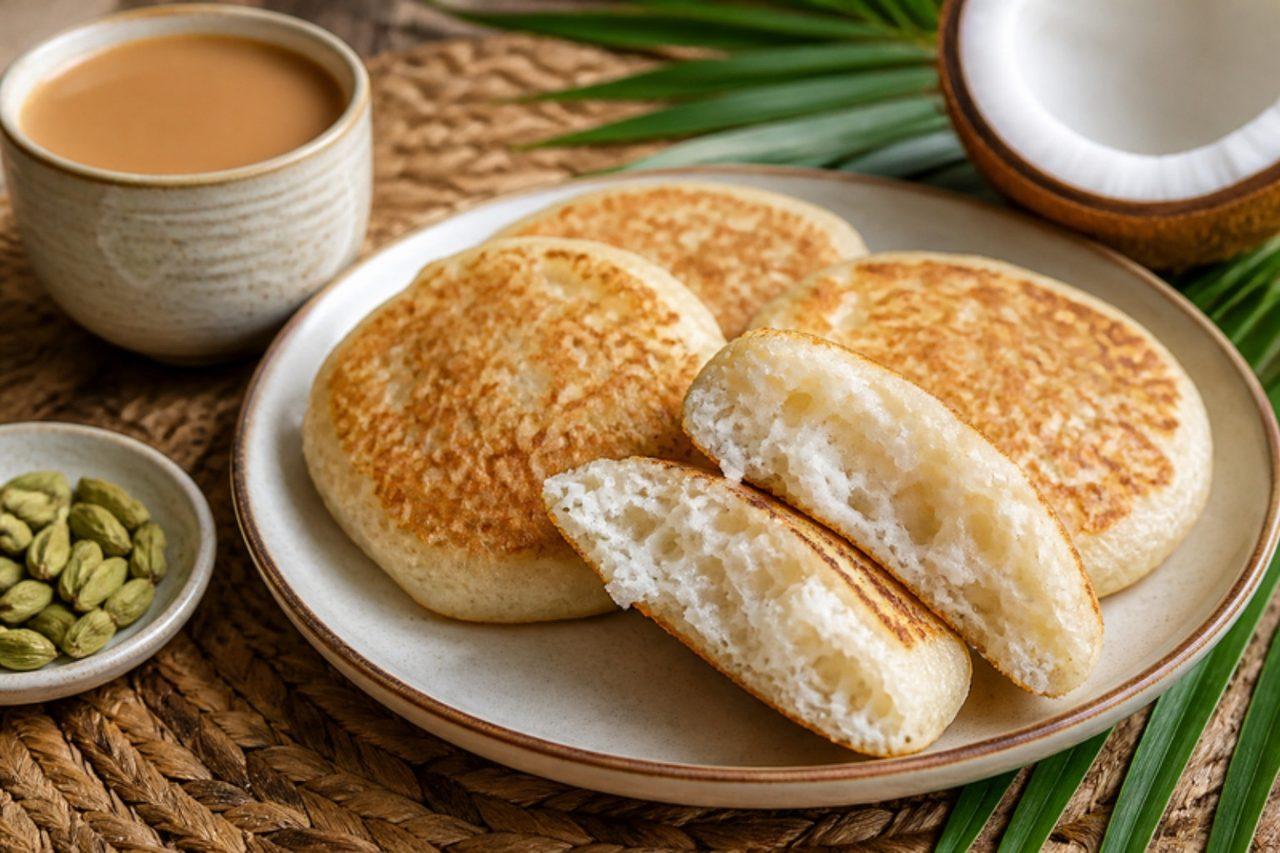
Rice pancakes (mukari)

Mukari are soft, lightly sweet Zanzibari pancakes made from a yeasted rice flour and coconut milk batter scented with cardamom. They're cooked covered over a low heat so they puff up and stay spongy. Serve warm with tea.

by KrazyBadal 0 views

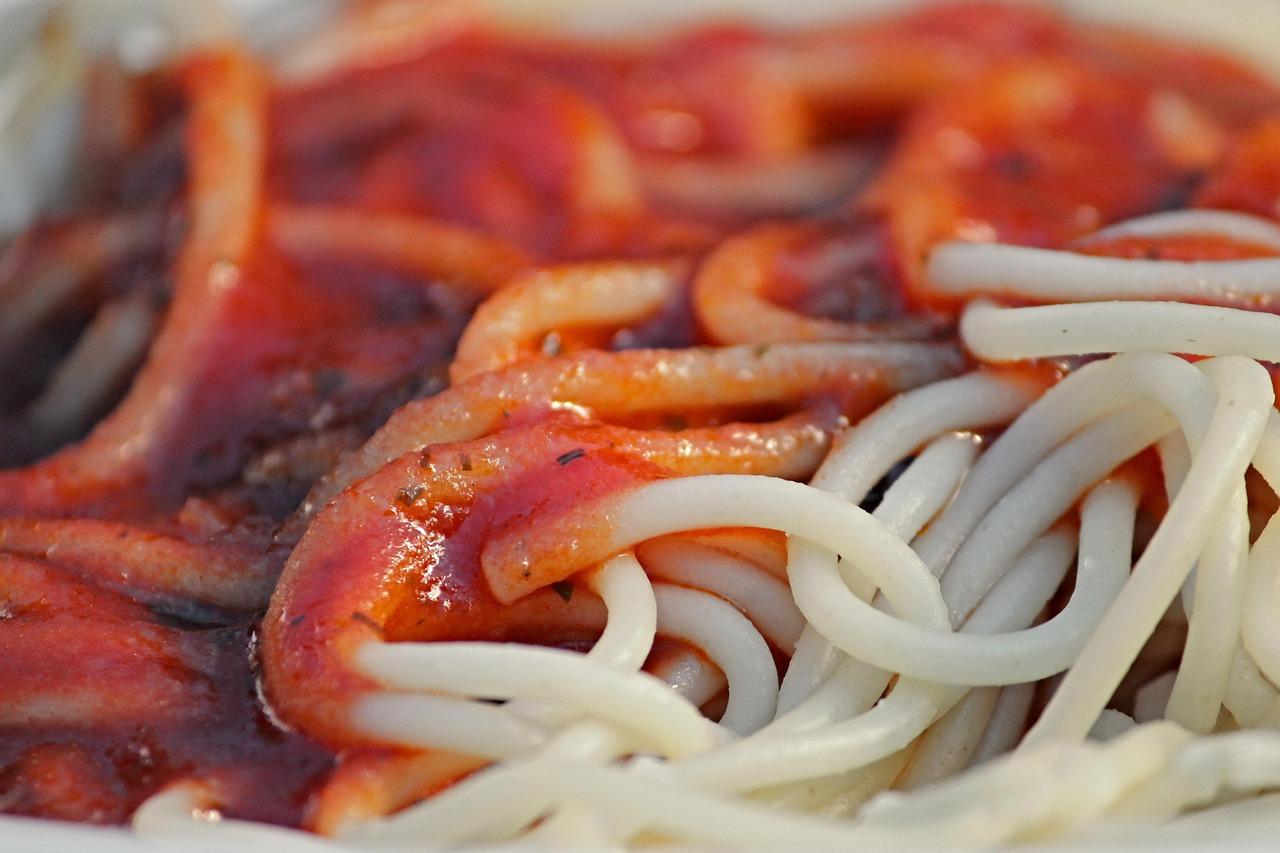
Asmara pasta al sugoSpaghetti in berbere tomato sauce

Pasta is part of everyday life in Asmara, a legacy of the Italian years, and in Eritrean homes and cafés 'pasta al sugo' means spaghetti in a slow tomato sauce warmed with berbere, garlic and plenty of onion. It is eaten on weekdays and after church on Sundays, often with a banana or a green chilli on the side. The usual sauce has minced beef; this one uses finely chopped mushrooms and carrot for the same body. Chef's tip: cook the onions and berbere slowly before the tomato goes in; raw berbere tastes dusty.

by KrazyBadal 0 views

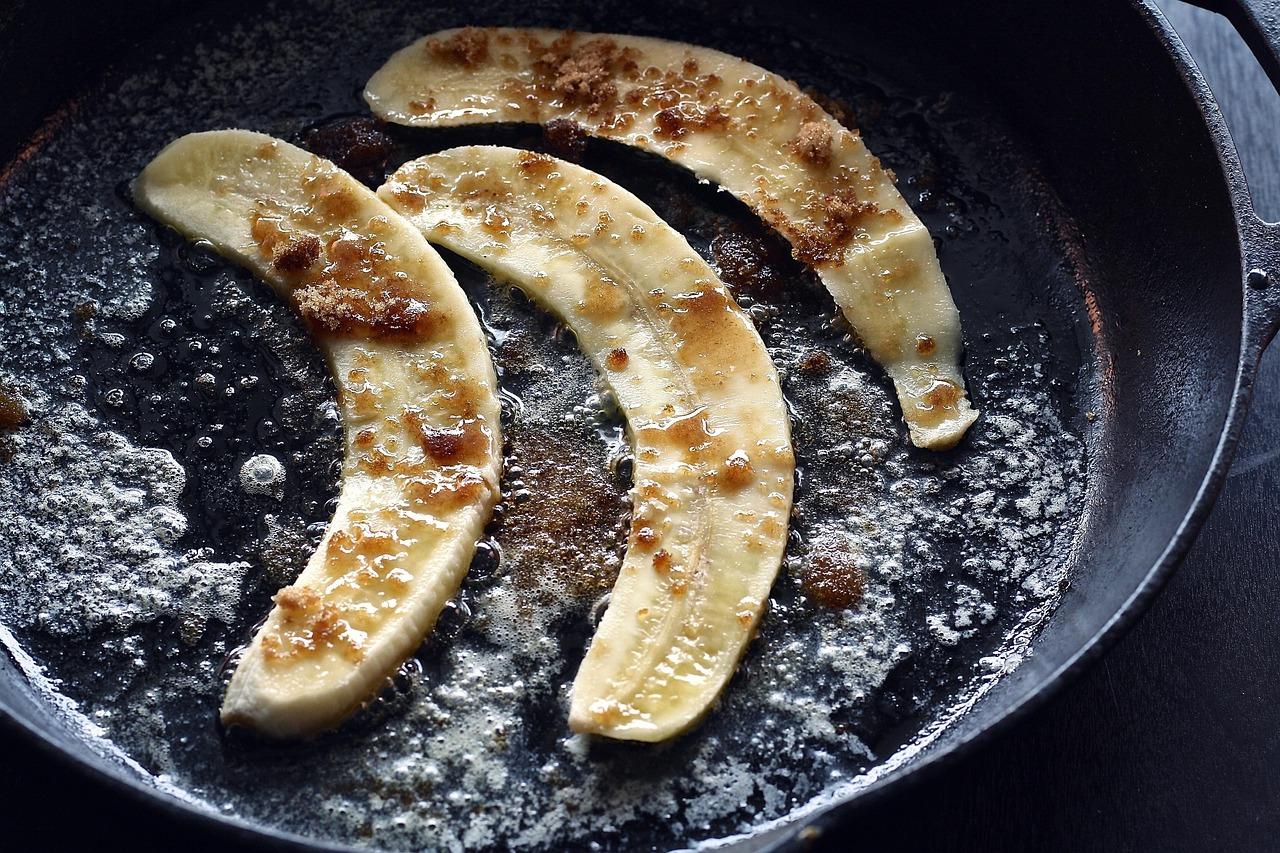
Baked bananas (ndizi ya kuoka)

Ndizi ya kuoka: small bananas halved and baked with lemon juice, brown sugar and cinnamon until soft and syrupy, then served with lightly sweetened cream and a grating of nutmeg. It's a quick, warm pudding. The book's Handy Hints say bananas are good for the heart.

by KrazyBadal 0 views

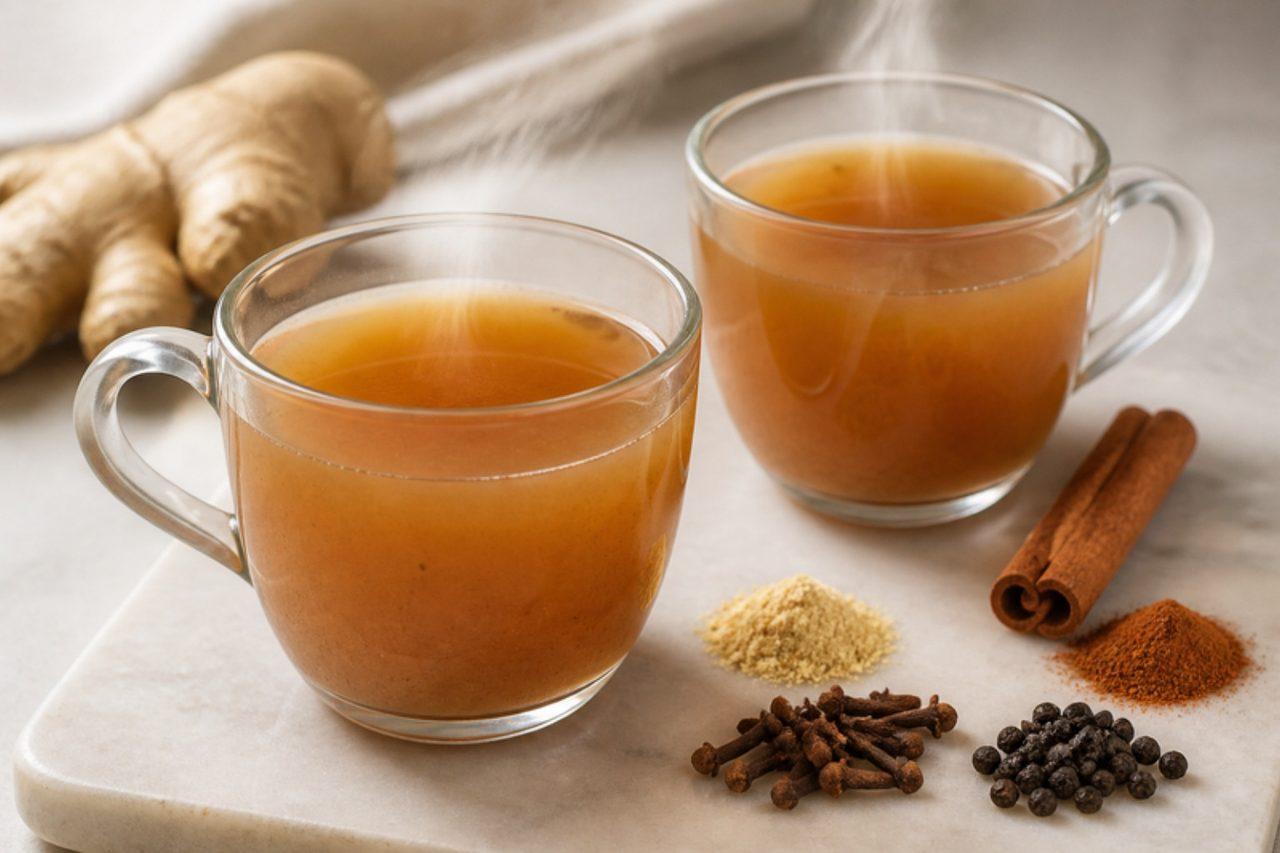
Ginger drink (tangawizi)

Tangawizi is a warming Swahili drink of ginger boiled with cinnamon, clove and black pepper and sweetened to taste. It's hot, peppery and soothing on a cool evening or when you have a cold. Serve hot in small kahawa cups.

by KrazyBadal 0 views

Coconut sweet (kashata ya nazi)

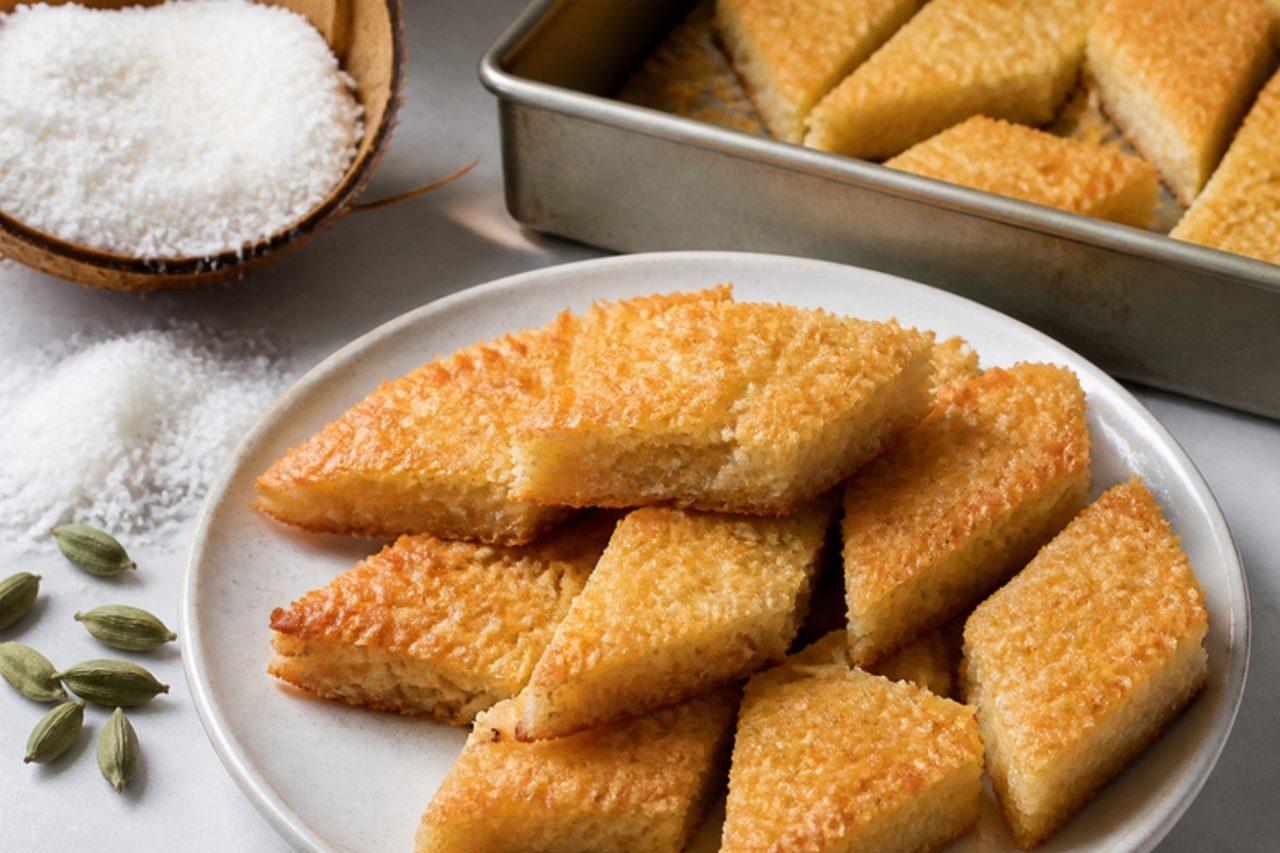
Kashata ya nazi is a simple Swahili sweet of desiccated coconut cooked with milk, sugar, evaporated milk and cardamom until thick, then pressed into a dish and cut into diamonds. It's chewy and sweet, and it keeps well. Store in an airtight container.

by KrazyBadal 0 views

Vermicelli in coconut (tambi ya nazi)

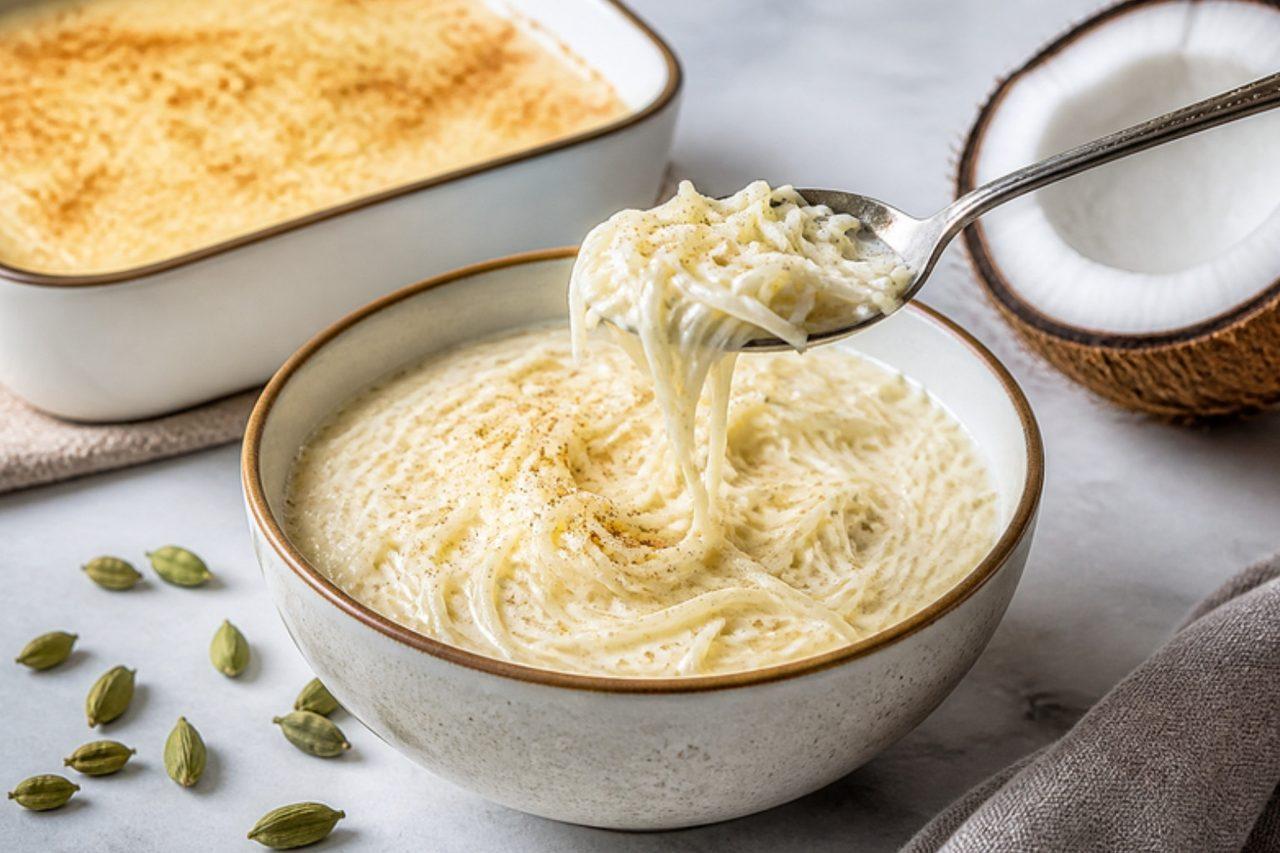
Tambi ya nazi: soft vermicelli stirred into sweetened coconut milk with crushed cardamom, then baked briefly so it sets lightly. It's creamy, gently sweet and fragrant, and is often made for Eid. Serve hot, sprinkled with more cardamom.

by KrazyBadal 0 views

Mombasa kachri batetaPotatoes in garlic tomato sauce

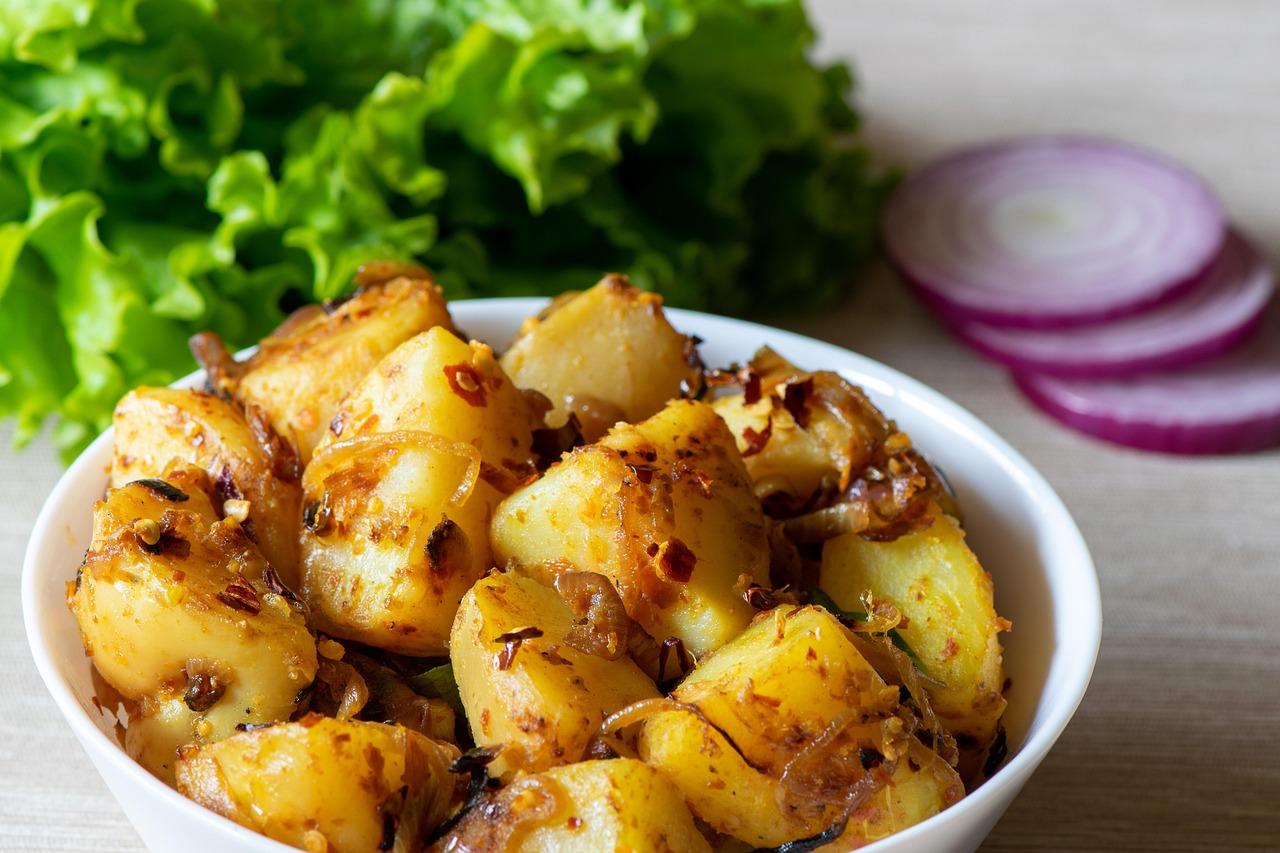
A Mombasa street favourite: potatoes cooked in a thin, garlicky tomato and raw mango sauce, ladled into bowls and piled with crushed potato crisps, crunchy sev and a fresh coconut and mango chutney. Everyone builds their own bowl to taste. Serve straight away so the crisps stay crunchy.

by KrazyBadal 0 views

Miso katsu (Nagoya pork cutlet with red miso sauce)

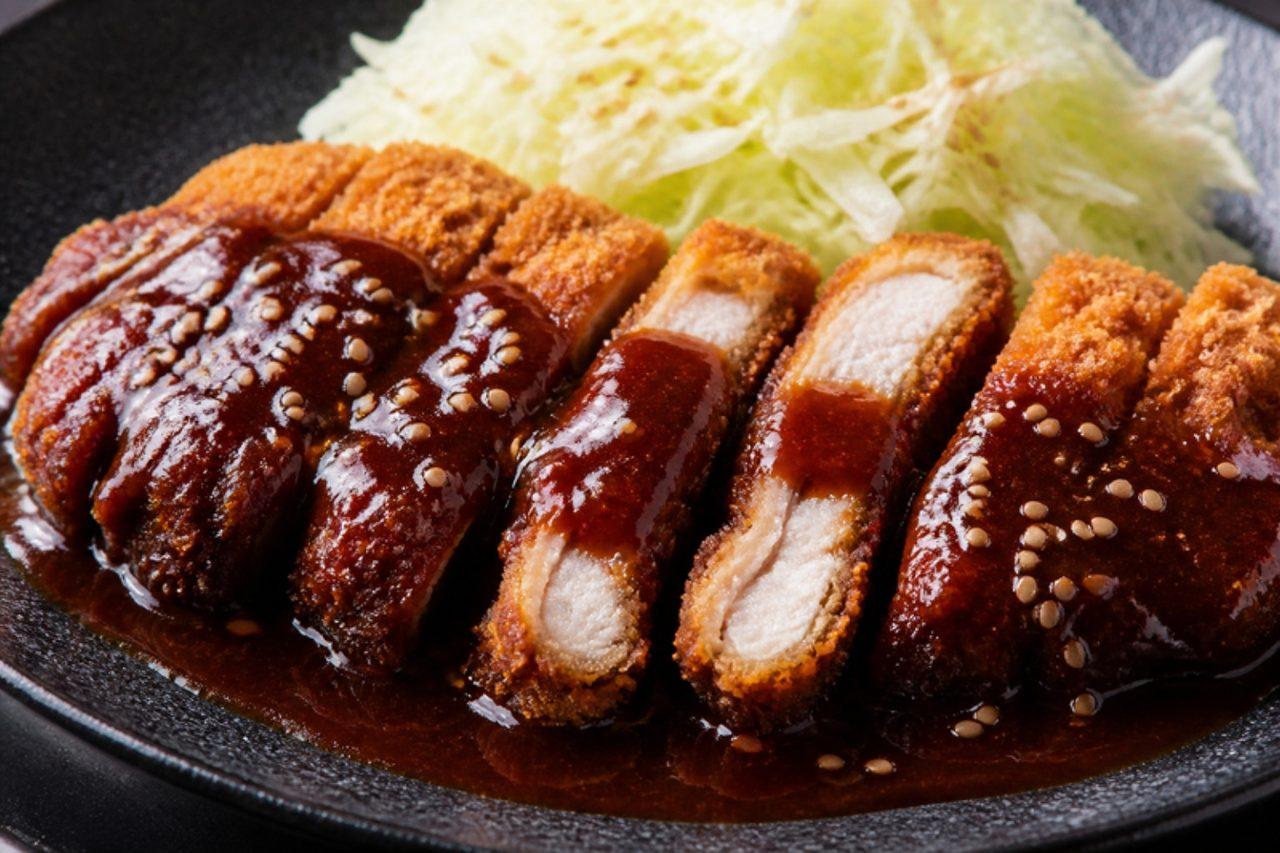
Dark soybean miso, such as the hatcho miso made in nearby Okazaki, gives Nagoya food its deep brown colour and rich, slightly bitter flavour. Miso katsu is the city's best-known way to use it: a fried pork cutlet covered in a thick, sweet miso sauce. It is served in lunch restaurants on a bed of shredded cabbage with rice and miso soup, or sliced over rice as a bowl. The sauce is glossy and savoury, a little like a darker, sweeter barbecue sauce. Chef's tip: snip through the strip of fat and sinew along the edge of each chop every 2 cm before coating it, so the cutlet stays flat in the oil and cooks evenly.

by KrazyBadal 0 views

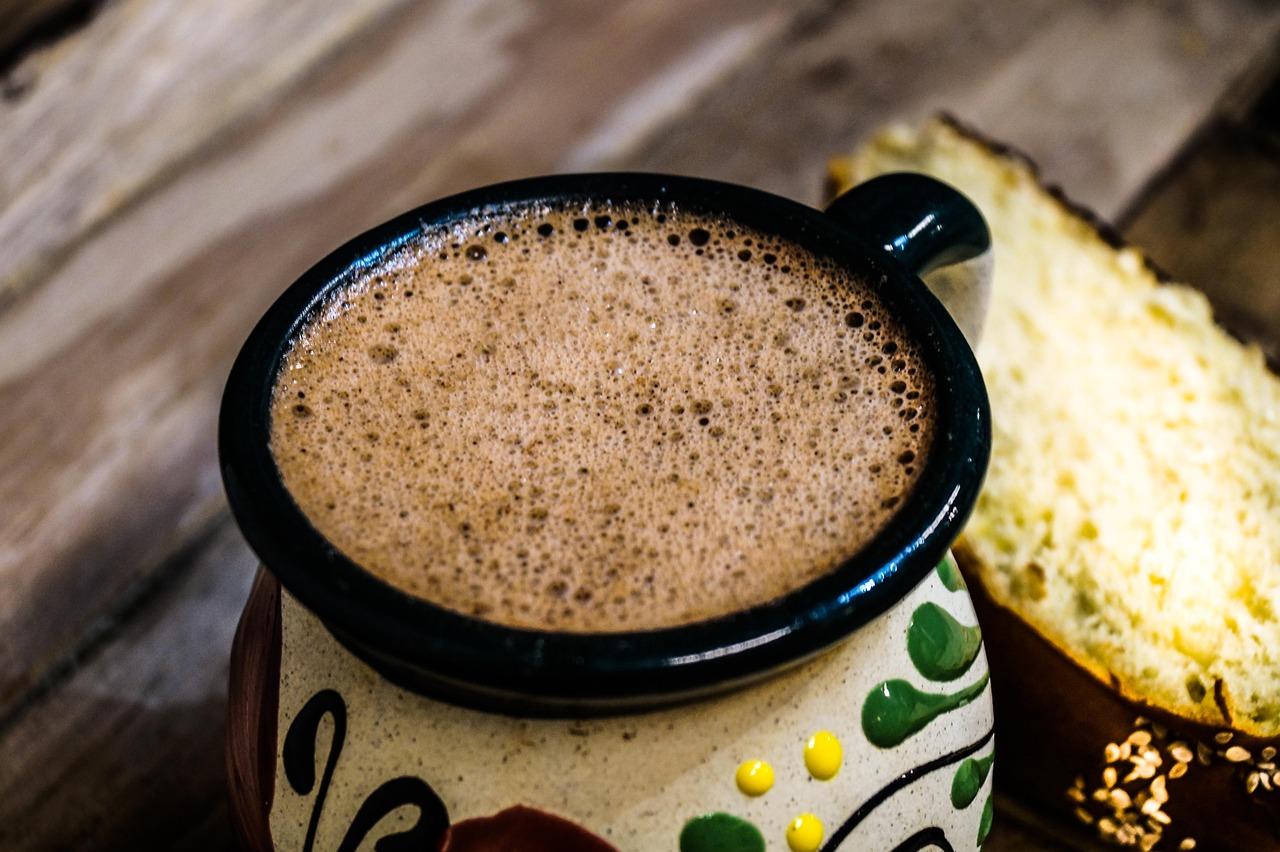
ChampurradoThick masa hot chocolate

Champurrado is a chocolate atole, the thick, hot corn drink Mexicans have drunk since before the Spanish arrived. Masa harina is whisked into water and milk with Mexican chocolate (stone-ground with sugar and cinnamon) and piloncillo, a dark unrefined cane sugar, and cooked until velvety and spoon-coating. It is drunk on cold mornings with tamales or conchas, and above all during Día de Muertos and Christmas posadas. Chef's tip: always dissolve the masa harina in cold liquid before it meets the hot pot, and whisk constantly once it's in; dumped into hot milk it seizes into lumps.

by KrazyBadal 0 views

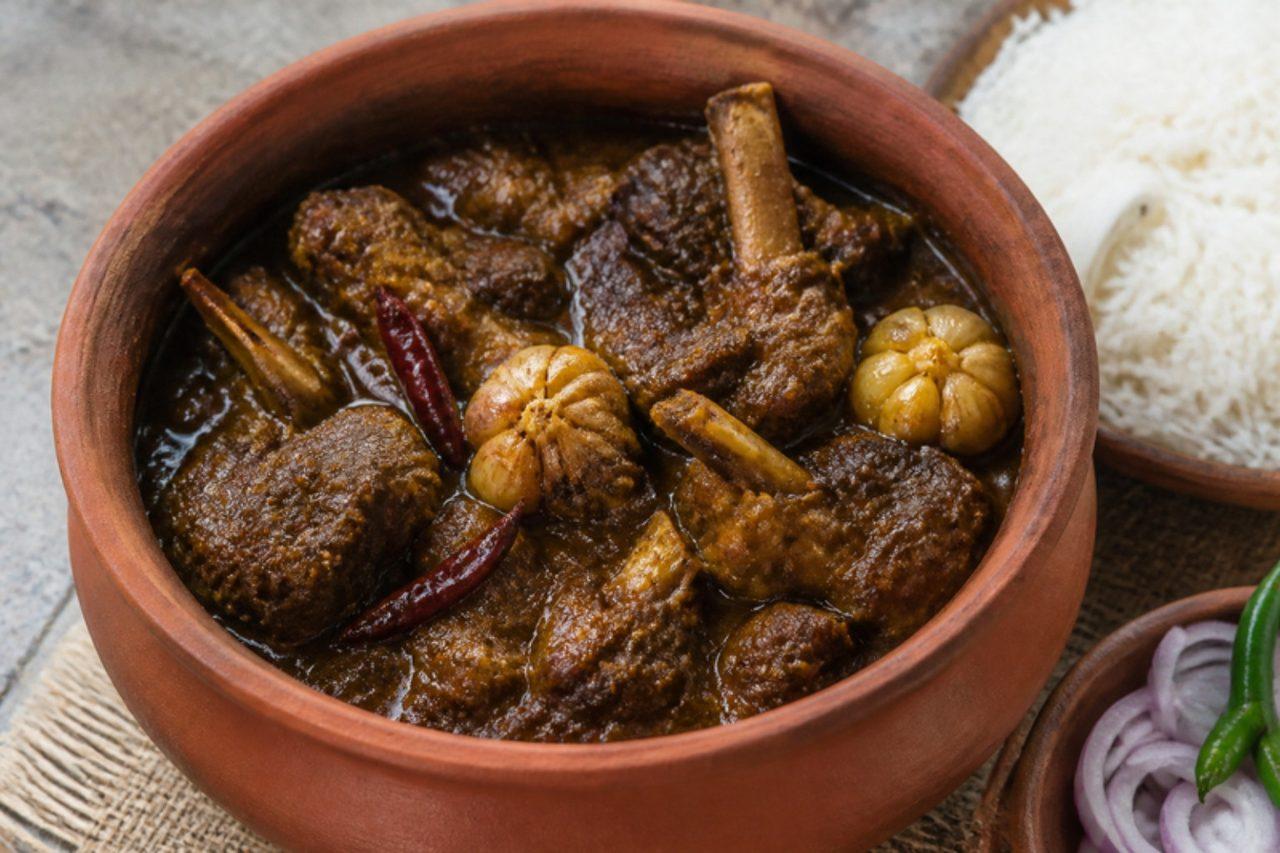
Champaran muttonSlow-cooked mutton curry

In the Champaran district of north-west Bihar, near the Nepal border, mutton is cooked in an ahuna or handi: a clay pot packed with raw meat, whole bulbs of garlic, onions, mustard oil and spices, sealed shut with dough and left for hours on a slow charcoal fire. Nobody adds water and nobody stirs; the meat cooks in its own juices and the garlic turns soft and sweet. Roadside dhabas on the highways out of Motihari made it famous, and it is now cooked at family picnics and parties right across Bihar, eaten with rice or rotis. This home version uses a heavy pot sealed with foil and a lid. Chef's tip: shake the pot instead of opening it; every time the lid comes off, steam escapes and the meat dries out.

135 minIndianMeatGluten freeSpicy
by KrazyBadal 0 views

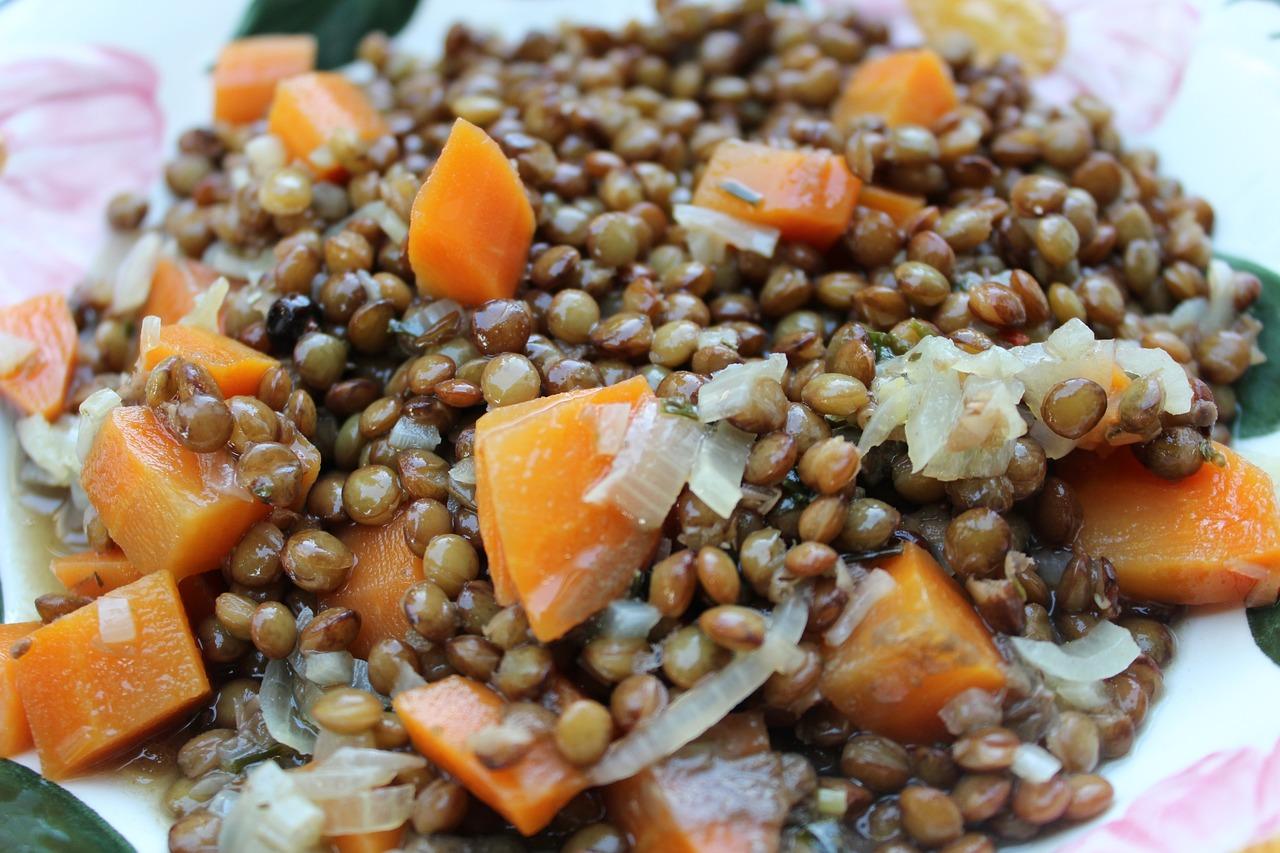
AzifaMasoor lentil salad

A thick, tangy Ethiopian sauce of soft masoor lentils blended with onion, garlic, green capsicum, chilli and mustard. It's eaten cool or warm as part of a spread of injera and stews. Serve hot azifa with injera.

by KrazyBadal 0 views

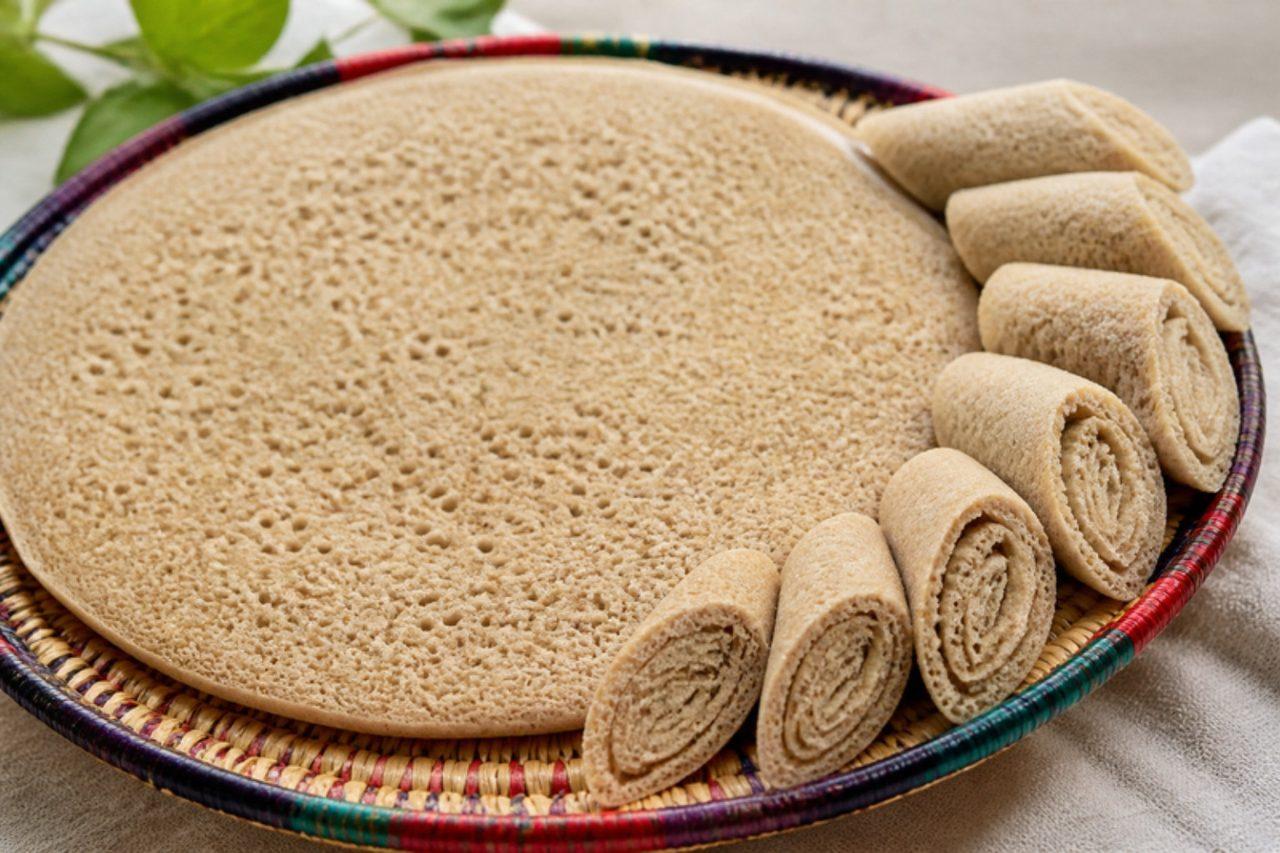
Ethiopian injeraFermented rice flour flatbread

Injera is the soft, spongy, slightly sour flatbread eaten with Ethiopian stews: you tear it and scoop the food up with it. This home version uses rice and plain flour fermented with a home-made starter over a few days, then cooked on one side until covered in tiny holes. Serve rolled and sliced with missir wat, azifa and atter kik. Any fermented batter left over keeps in the fridge for the next batch.

by KrazyBadal 0 views

BraaibroodjieGrilled cheese and tomato sandwiches

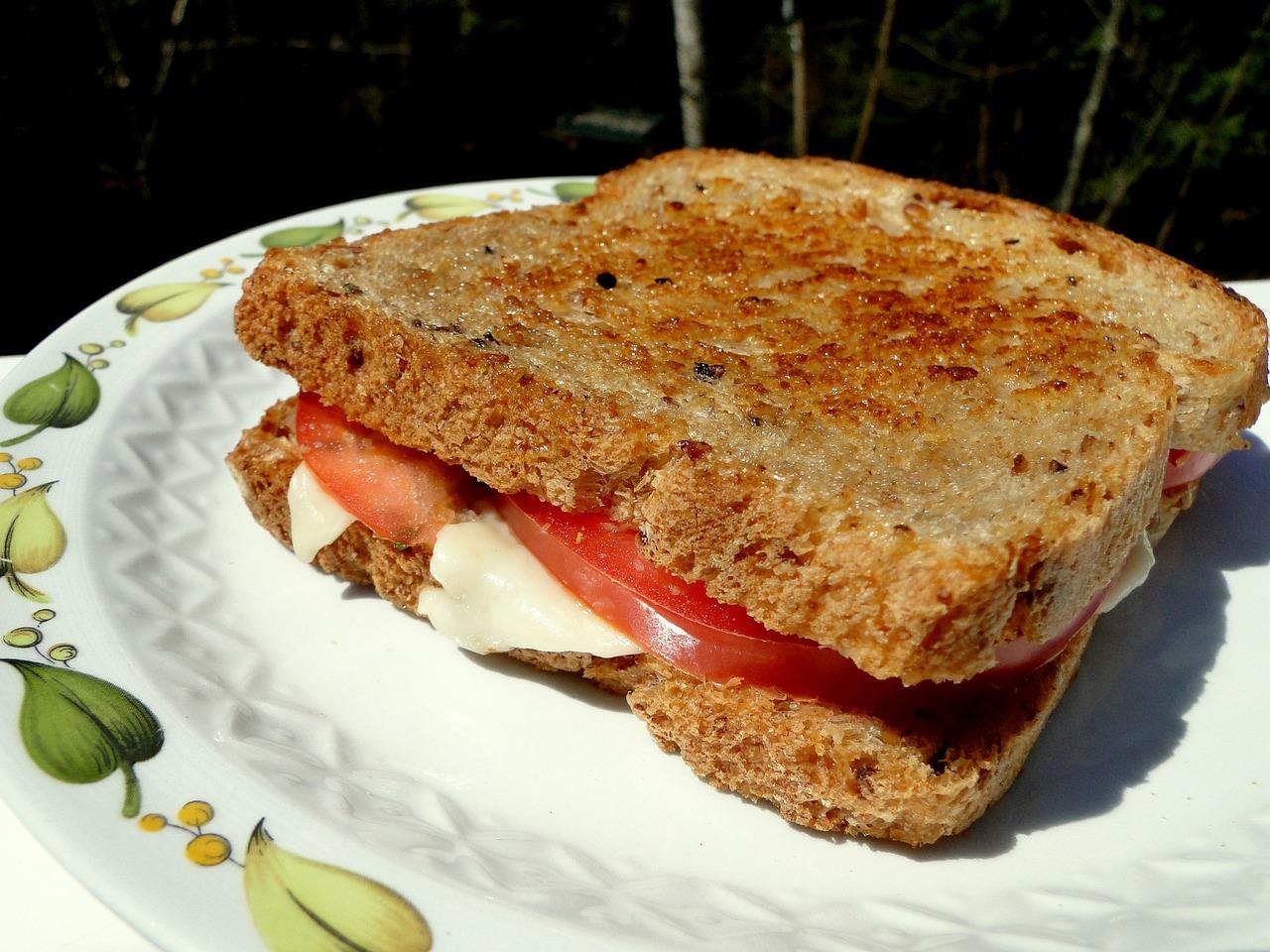
No South African braai is finished without braaibroodjies, the sandwiches that go onto the grid once the coals have died down, from Cape Town to the Highveld. White bread is buttered on the outside and filled with cheddar, tomato, onion and a thin smear of apricot jam, a sweet-and-savoury combination every South African swears by. They come off the fire smoky, crisp and oozing. A frying pan or griddle works when there's no braai. Chef's tip: toast them over gentle, ashen coals and turn often; fierce heat burns the bread before the cheese inside has melted.

by KrazyBadal 0 views

Soup joumouPumpkin soup

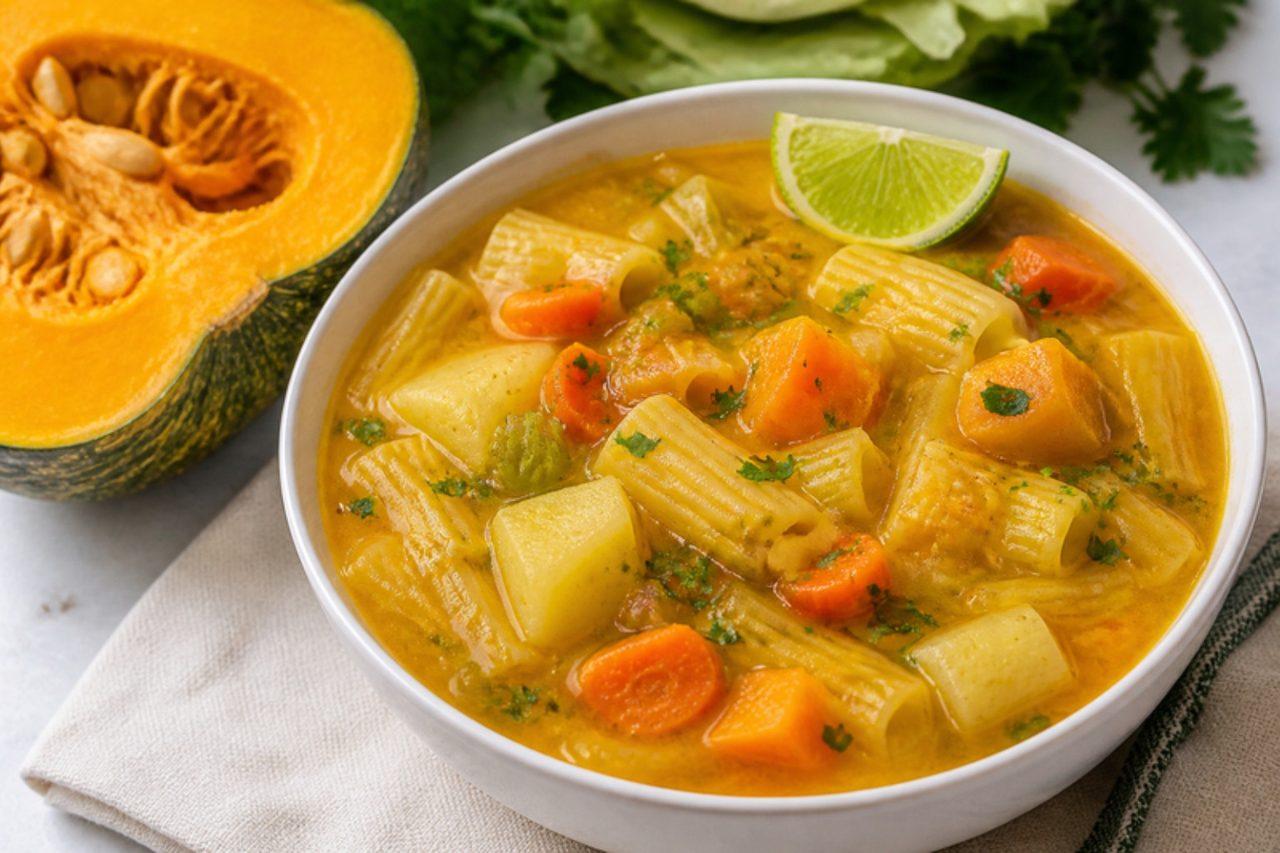
Every 1 January, Haitian families from Port-au-Prince to Brooklyn wake up to soup joumou. It marks independence from France on 1 January 1804: under French rule, enslaved Haitians cooked this pumpkin soup but were forbidden to eat it, so the free people of the new nation made it their own as a dish of freedom. In 2021 it was added to UNESCO's list of the intangible cultural heritage of humanity. The base is a velvety purée of joumou (Caribbean pumpkin) with epis, and in it simmer chunks of carrot, potato, cabbage, celery and turnip, with pasta and a squeeze of lime. It's usually made with beef; this vegetable version is full and golden, rich enough for the day. Chef's tip: roast half the pumpkin before puréeing it; the caramelised edges give the soup the depth that slow-cooked meat usually provides.

by KrazyBadal 1 views

Showing 45 of 7,762 recipes

Show more recipes

Page 608 of 863