


Skip to content
Kartoshka cake
Featured recipe

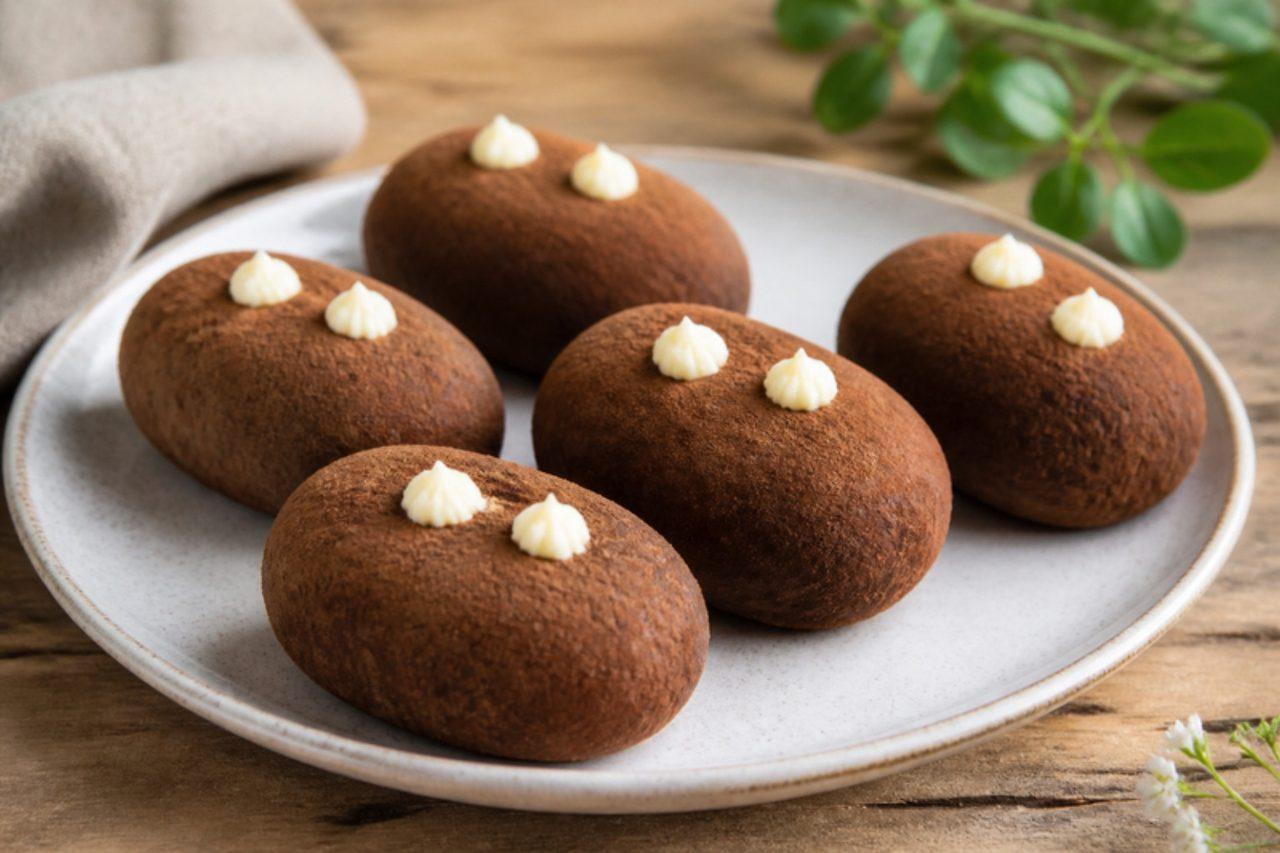
Kartoshka cake

Cocoa and cake crumb truffles

Soviet cafés and school canteens sold these knobbly brown 'potatoes' for a few kopecks, and they began as a thrifty way to use up sponge and biscuit trimmings at the bakery. Crumbs are bound with butter and sweetened condensed milk, flavoured with cocoa and vanilla, shaped into little potatoes, rolled in cocoa and finished with two dabs of pale butter cream for the sprouts. They are fudgy and dense like a brownie truffle, need no oven, and children love making them. Traditional bakers added a spoonful of rum, an optional extra for adult batches only; this version is alcohol-free with vanilla. The usual slip is coarse crumbs, which make the potatoes crack, so blitz them as fine as sand. Chef's tip: chill the shaped potatoes for at least 20 minutes so they hold their shape and slice cleanly.

Read more 2 views

What to eat today?

Around the world

Today's trip: Paraguayan

A new country every day, from every cuisine on the site.

Paraguayan

Chipa

Cheese bread rings 50 minMore from Paraguayan (27) →

This week's collection

Kid-friendly dinners
537 recipes · a new collection every Monday

Latest recipes

Maharashtrian aamtiSweet and sour dal

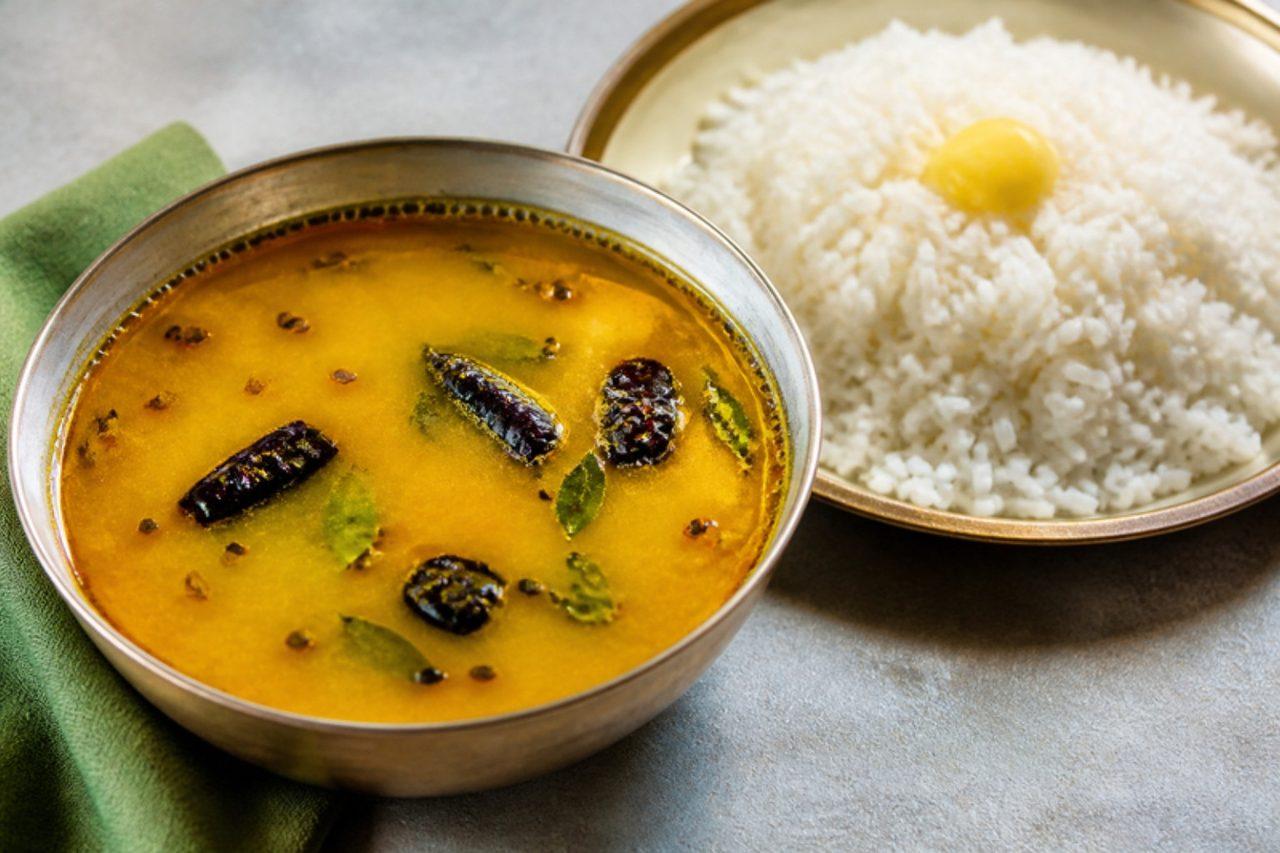
Aamti is the everyday dal of Maharashtrian homes from Pune to Kolhapur: toor dal cooked soft, soured with kokum, sweetened with a little jaggery and seasoned with goda masala, the dark, aromatic spice blend of the state. It's thinner than a Punjabi dal and has a gentle sweet-sour-hot balance. Before the tempering goes in, many cooks scoop out a bowl of the plain cooked dal for varan bhaat, the simple turmeric-yellow dal with rice, ghee and lemon that every Maharashtrian child grows up on and that starts every festive thali. Chef's tip: add the kokum near the end and taste after 5 minutes; it keeps releasing sourness, and it's easy to overshoot.

by KrazyBadal 0 views
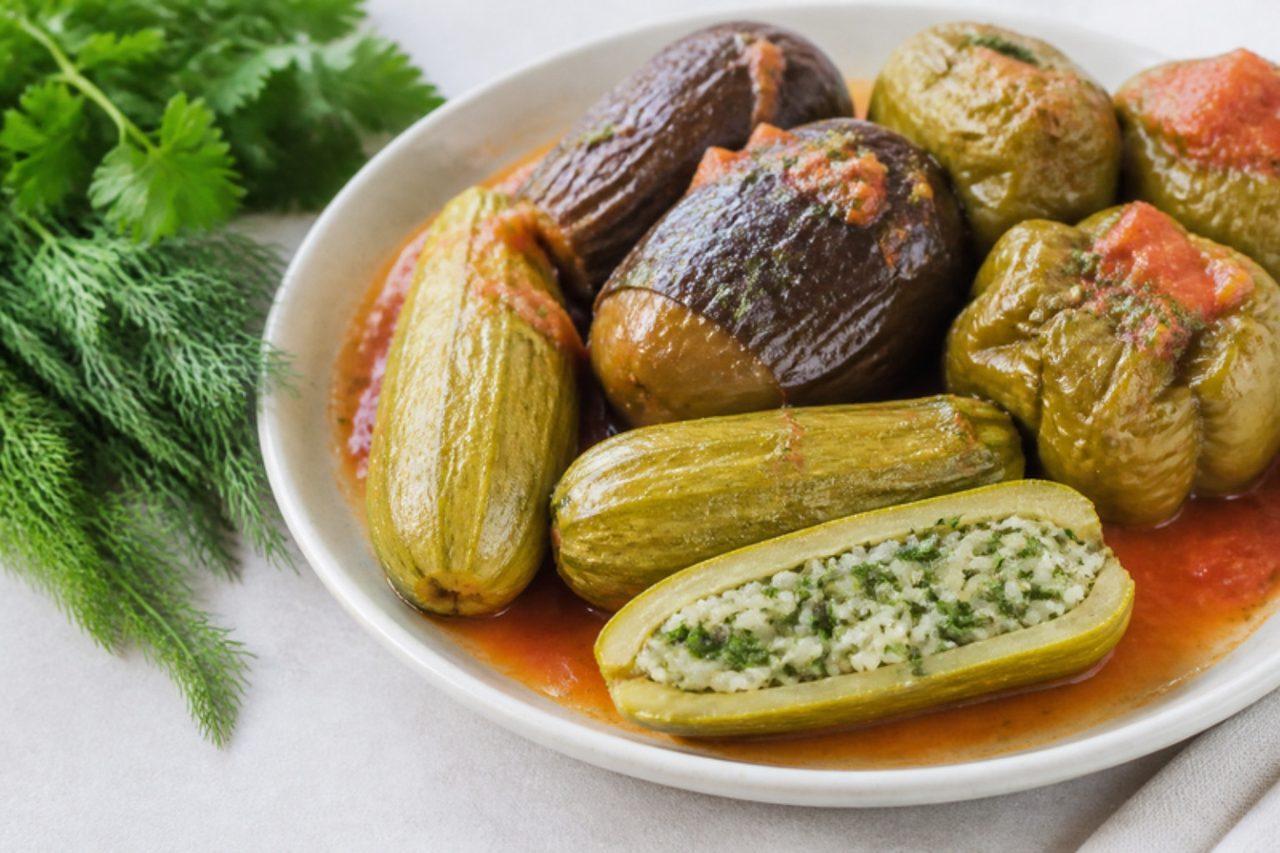

MahshiStuffed vegetables

Mahshi is the pride of the Egyptian home kitchen: a big pot of courgettes, small aubergines, peppers and tomatoes, hollowed out and stuffed with short-grain rice, tomato, onion and a fistful of dill, parsley and coriander, then packed tightly and simmered in tomato broth. It turns up for Friday family lunches and on feast days, and making it is often a shared afternoon job around the kitchen table. Some families add minced meat to the stuffing; this version is the everyday vegetable-and-rice one. Chef's tip: fill each vegetable only three-quarters full; the rice swells as it cooks, and overstuffed vegetables burst and leave hard, undercooked rice in the middle.

by KrazyBadal 0 views

Mahua ladduMahua flower balls

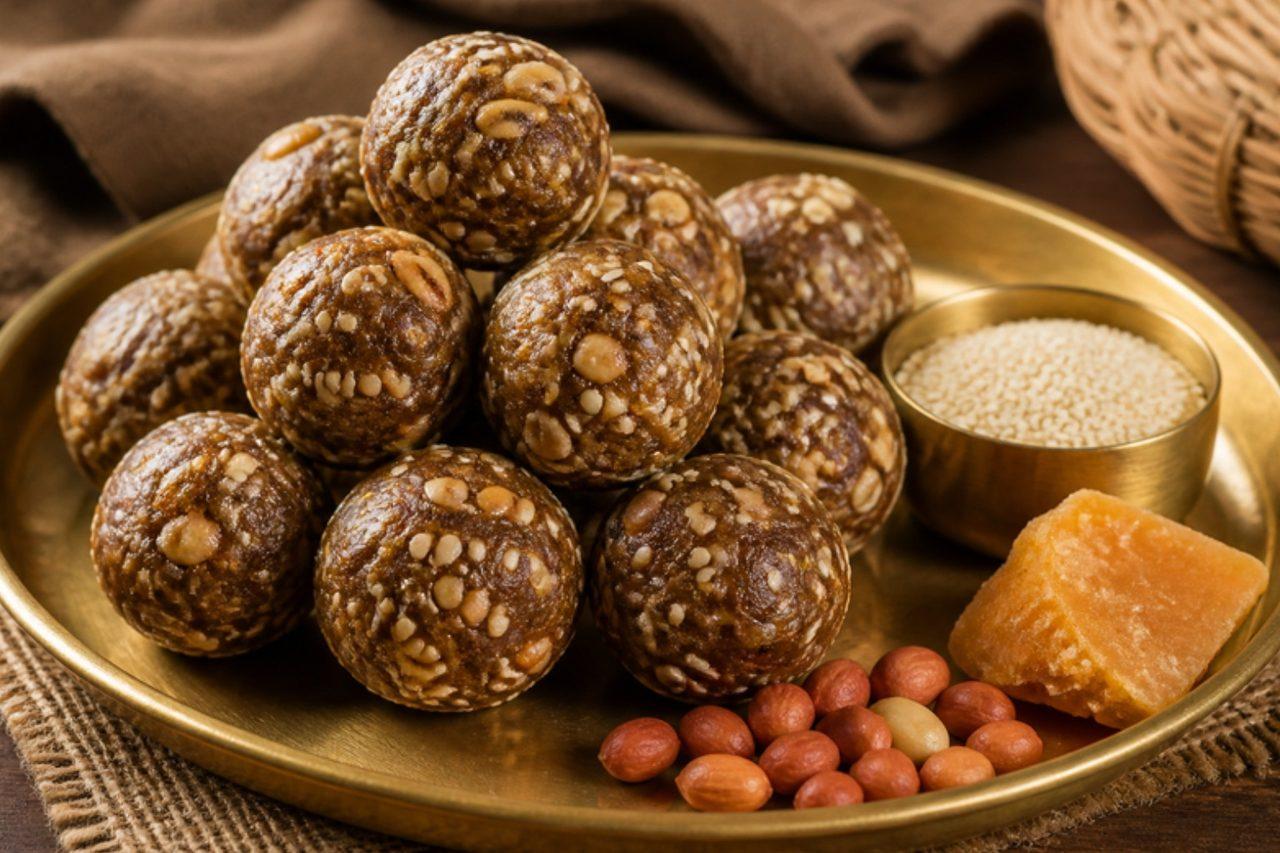
Mahua trees flower across Jharkhand in March and April, and before dawn whole families gather the fallen, creamy, honey-scented flowers from the forest floor and dry them in the sun. In Santhal, Munda and Oraon homes, the dried flowers are roasted and pounded with sesame and peanuts into laddus that need almost no added sugar, a store-cupboard sweet for the lean months and for festivals like Sarhul. They taste of raisins, caramel and toasted nuts. Chef's tip: roast the flowers until they puff slightly and smell like caramel; underroasted mahua tastes raw and slightly bitter.

by KrazyBadal 0 views

Majjiga pulusuButtermilk curry with ash gourd

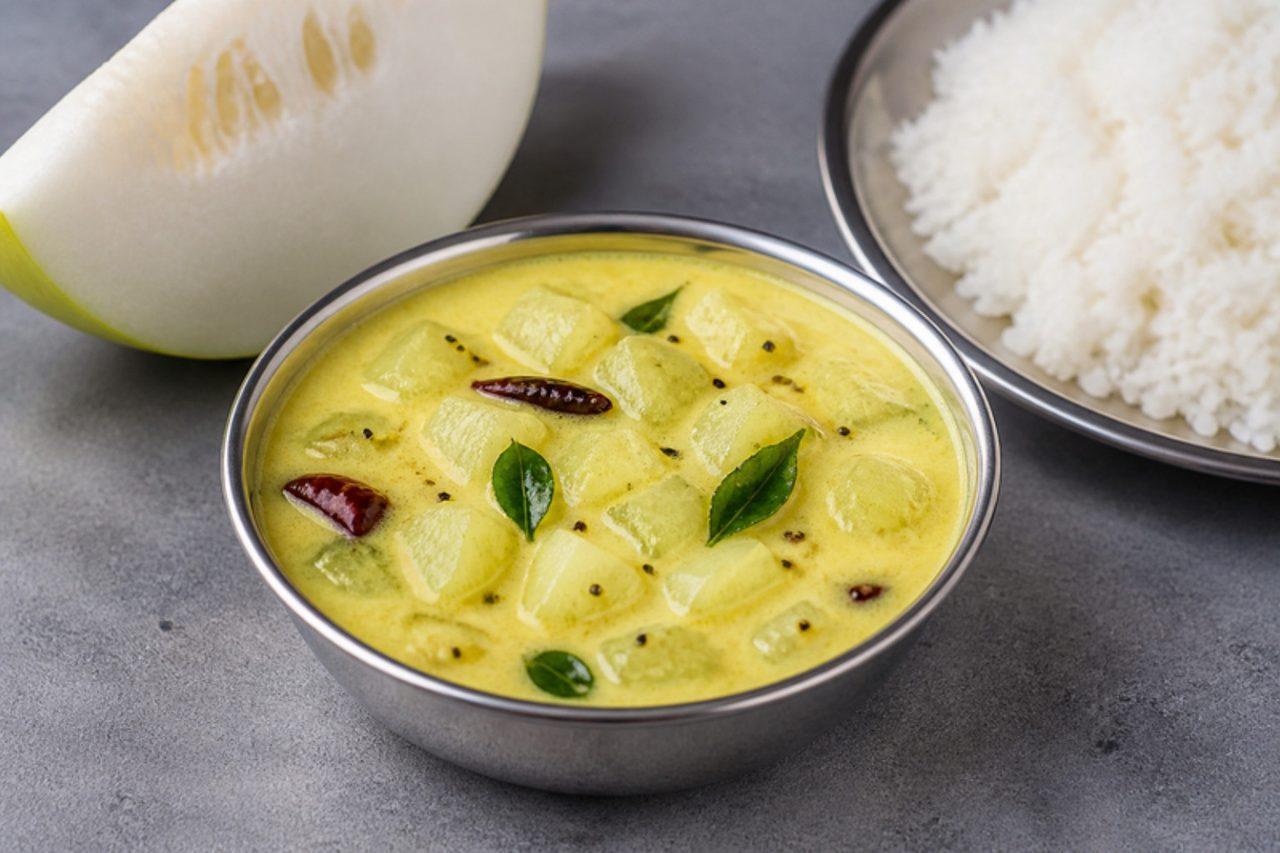
Majjiga pulusu is the cooling yogurt curry of Andhra Pradesh, cooked in summer when the buttermilk at home turns a little sour. Unlike Gujarati kadhi, it isn't thickened with gram flour: soaked chana dal is ground with coconut, ginger, green chillies and cumin, stirred into the curd, and simmered gently with soft pieces of ash gourd (or okra, or chayote). It's mild, tangy and creamy, and eaten mixed into rice with a fried vegetable or fritter on the side, especially at Telugu wedding meals. Chef's tip: whisk the yogurt until completely smooth before it goes near the heat; lumpy yogurt splits much more easily.

by KrazyBadal 0 views

MakguksuCold buckwheat noodles

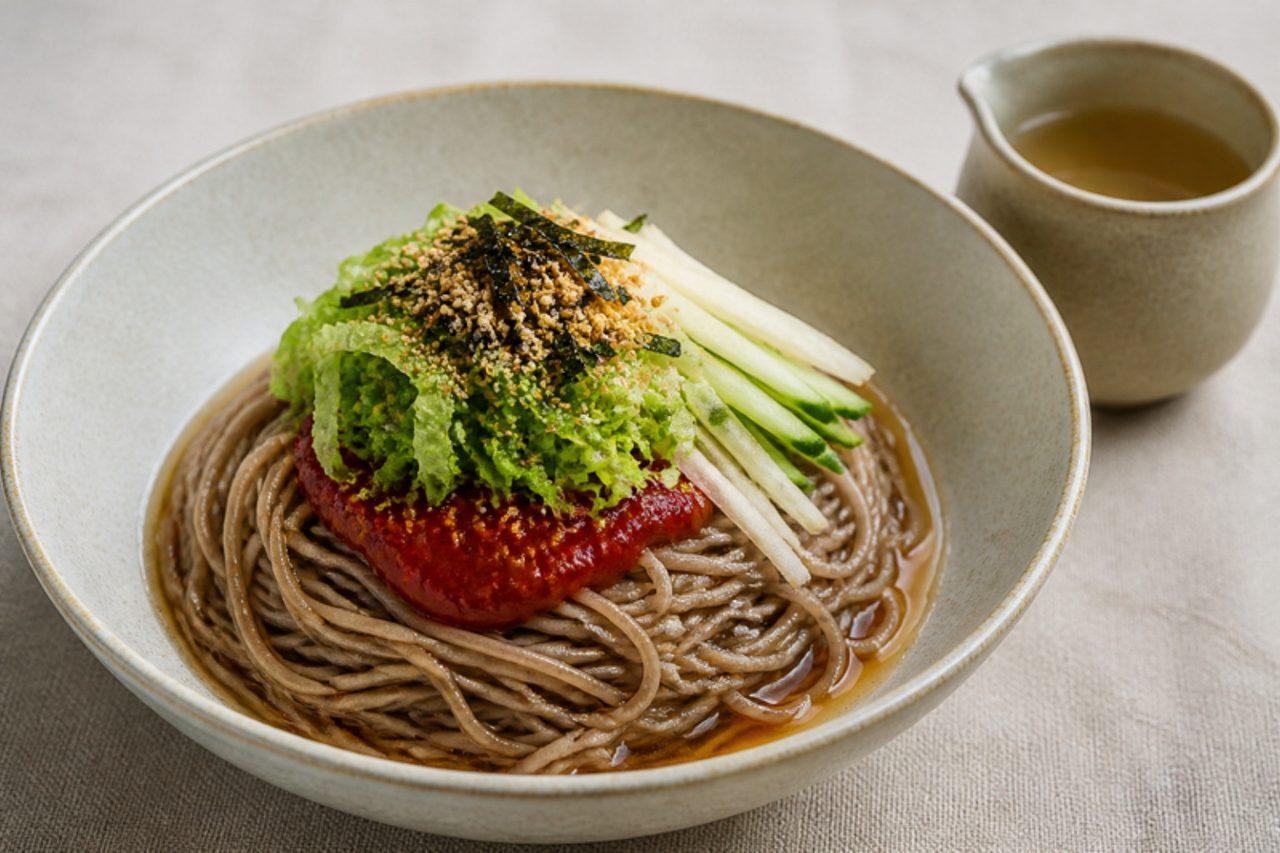
Chuncheon, the lake city in Gangwon, is famous for two things: spicy grilled chicken and makguksu (막국수), coarse buckwheat noodles served icy cold. The name roughly means 'roughly made noodles', and the dish started as simple farm food in a region where buckwheat grew better than rice. In summer, makguksu houses serve it in a sweet, sour and spicy dressing with crunchy cucumber, sweet pear and sesame, often with a jug of chilled broth on the side to pour in halfway. This one is dressed with gochujang, vinegar and pear, and a cold kelp broth. Chef's tip: rinse the cooked noodles under cold running water and rub them between your hands until the water runs clear, then chill them in iced water; that washes off the starch and gives them their springy bite.

by KrazyBadal 0 views

MakowiecPoppy seed roll

Makowiec is the poppy seed roll that sits on almost every Polish Christmas Eve and Easter table; in Silesia and Lesser Poland poppy seeds stand for plenty in the year ahead. A soft, buttery yeast dough is rolled around a thick, black, honey-sweet filling of ground poppy seeds with raisins, walnuts and candied orange peel, then baked and glazed so each slice shows a tight spiral. It takes time, but the process is calm and the roll keeps for days. Chef's tip: grind the soaked poppy seeds two or three times, until they look grey and pasty; whole or once-ground seeds give a gritty filling that falls out of the slices.

135 minPolishBaking
by KrazyBadal 0 views

MakroudhDate-filled semolina pastries

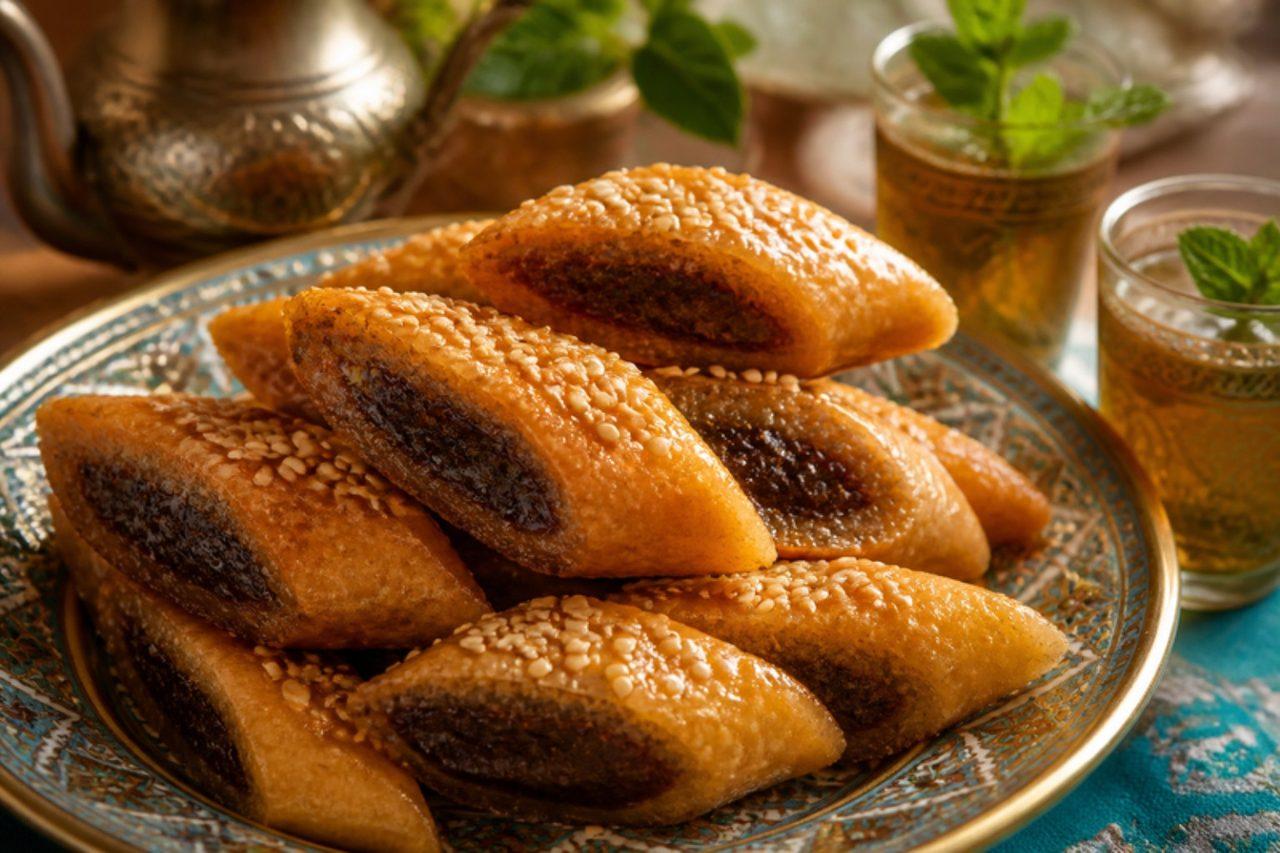
Makroudh is the sweet that Kairouan is famous for; the old holy city in central Tunisia sells it in boxes from shops around the medina, and it is made at home for Eid and weddings across the country. A soft dough of semolina and olive oil is wrapped around a roll of date paste scented with cinnamon and orange blossom, cut into diamonds, fried and dipped in syrup. Chef's tip: rest the semolina dough for an hour after mixing; the grains need time to drink the oil and water, or the makroudh cracks in the oil.

by KrazyBadal 0 views

Makrout el louzIced almond diamonds

Makrout el louz are the elegant almond sweets of Algiers and Constantine, piled on silver trays for weddings, Eid and engagement visits. Unlike fried, date-filled makroudh, they are baked: a paste of ground almonds, sugar, egg and lemon zest is cut into diamonds, baked pale, then dipped in a light syrup and rolled in icing sugar so they look frosted. Chef's tip: bake them only until firm and barely coloured underneath; brown edges harden and stop the syrup soaking in.

by KrazyBadal 0 views

Malabar parottaLayered flatbread

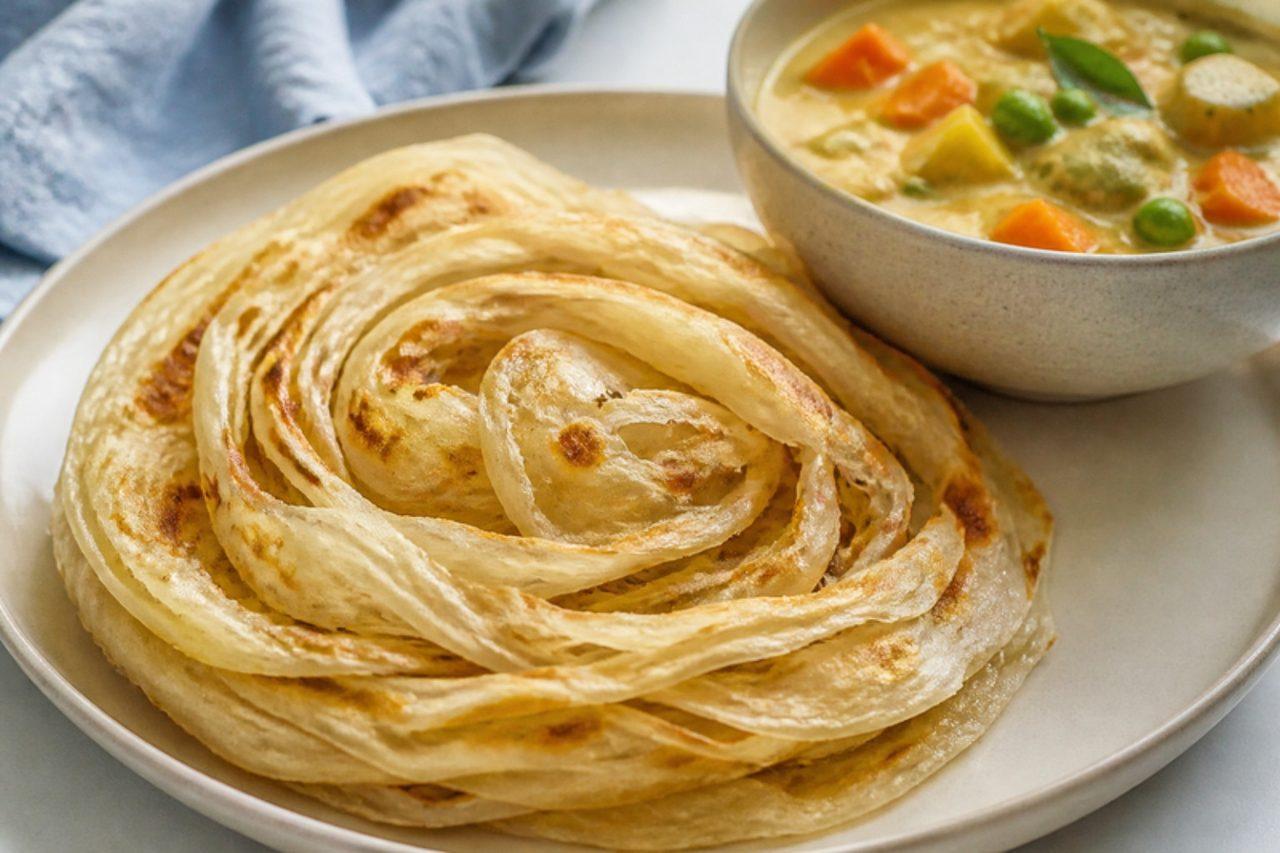
Malabar parotta came from the hotels and tea stalls of Malabar in north Kerala and is now made all over the state, where parotta men slap and stretch dough on oiled marble counters late into the night. The soft dough is stretched paper-thin, pleated, coiled like a snail and griddled, then clapped between the hands so the layers pull apart into flaky ribbons. Eat it torn into vegetable kurma or a spicy black chickpea curry. Chef's tip: give the dough its full rest; well-rested dough stretches thin without tearing, which makes the layers.

by KrazyBadal 0 views

Red beans and rice with andouille

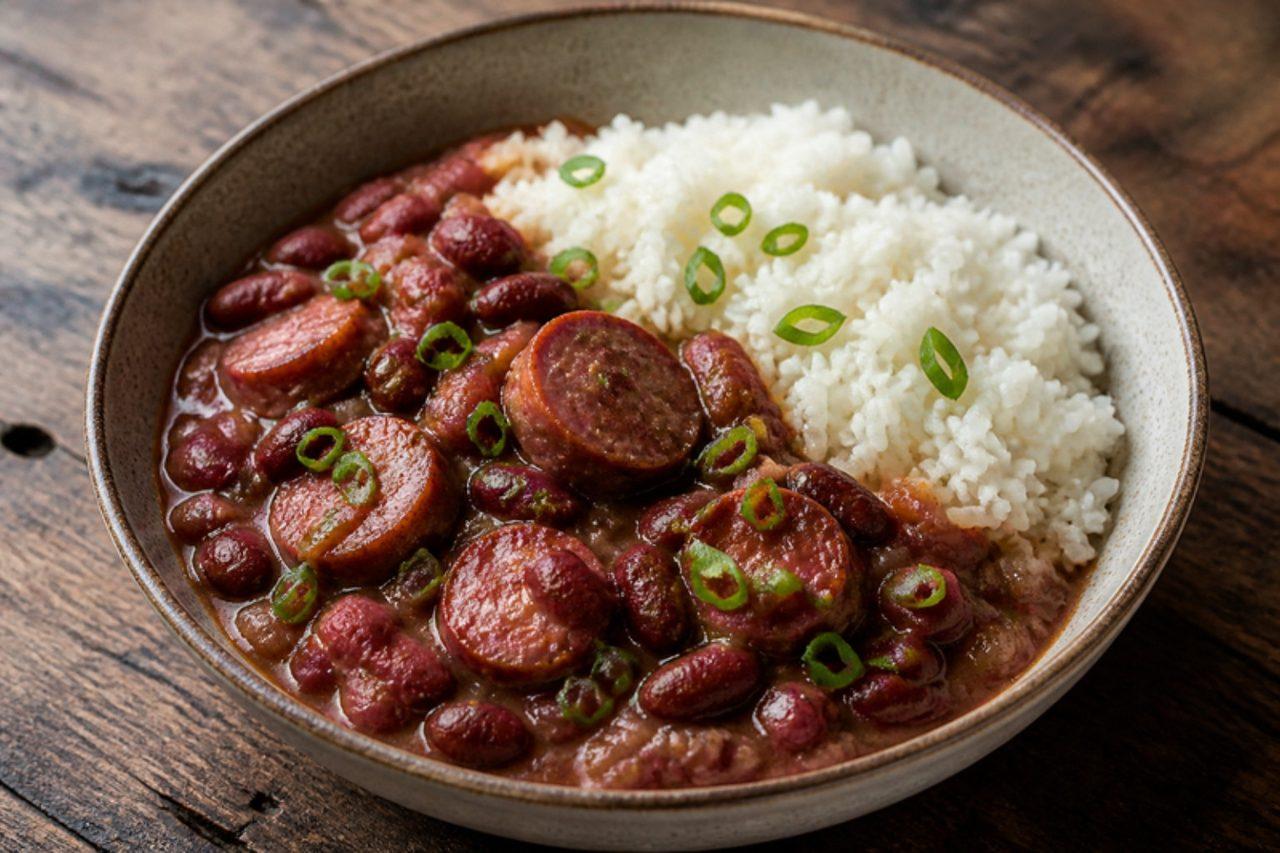
In New Orleans, red beans and rice is what Monday tastes like: the pot used to go on the back of the stove on washday with the ham bone left from Sunday, and plenty of Creole kitchens still cook it on Mondays. This version contains pork: a smoked ham hock and sliced andouille sausage simmer with kidney beans and the 'holy trinity' of onion, celery and green pepper until some beans collapse into a creamy gravy. Serve over white rice with hot sauce and a piece of cornbread. Chef's tip: when the beans are tender, mash a ladleful against the side of the pot; that is what makes them creamy.

170 minAmericanMeatGluten free
by KrazyBadal 0 views

Classic tiramisu

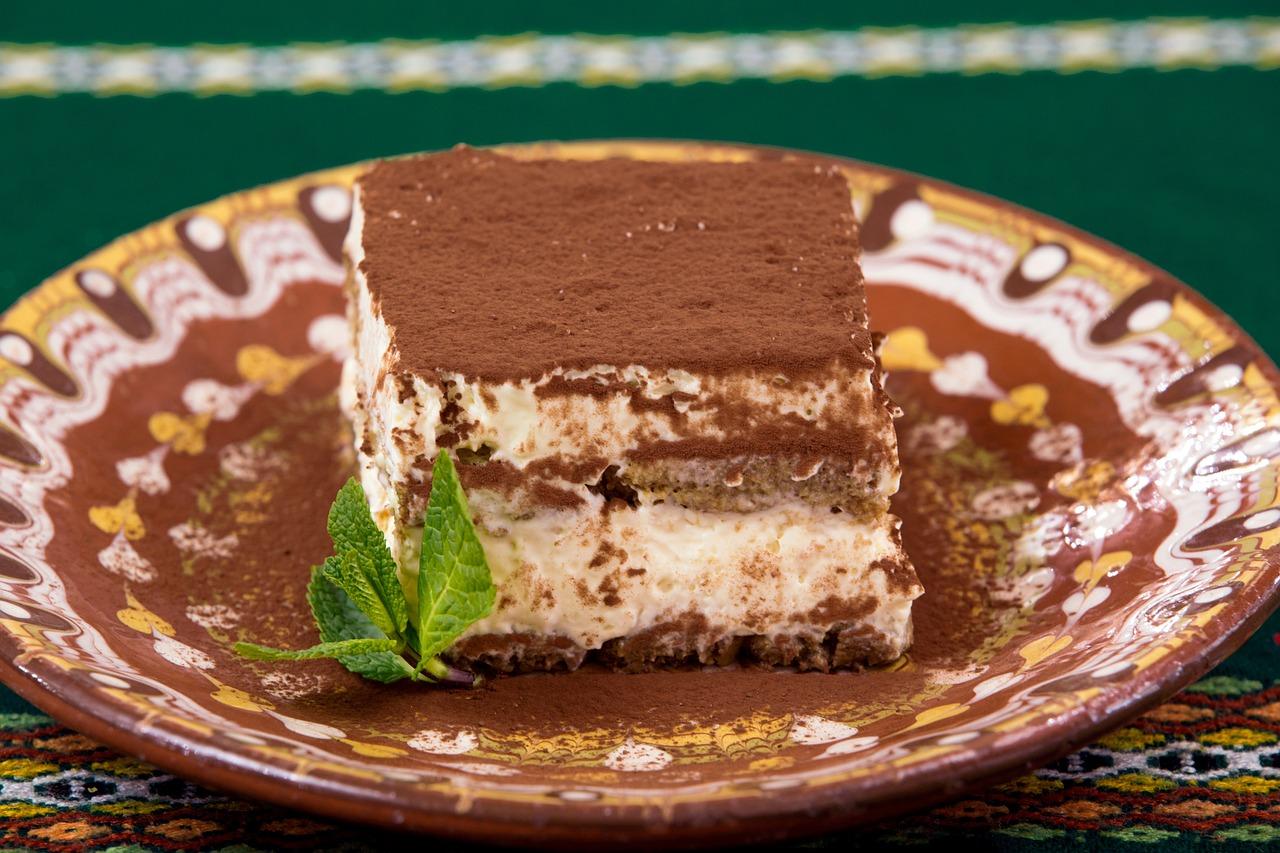
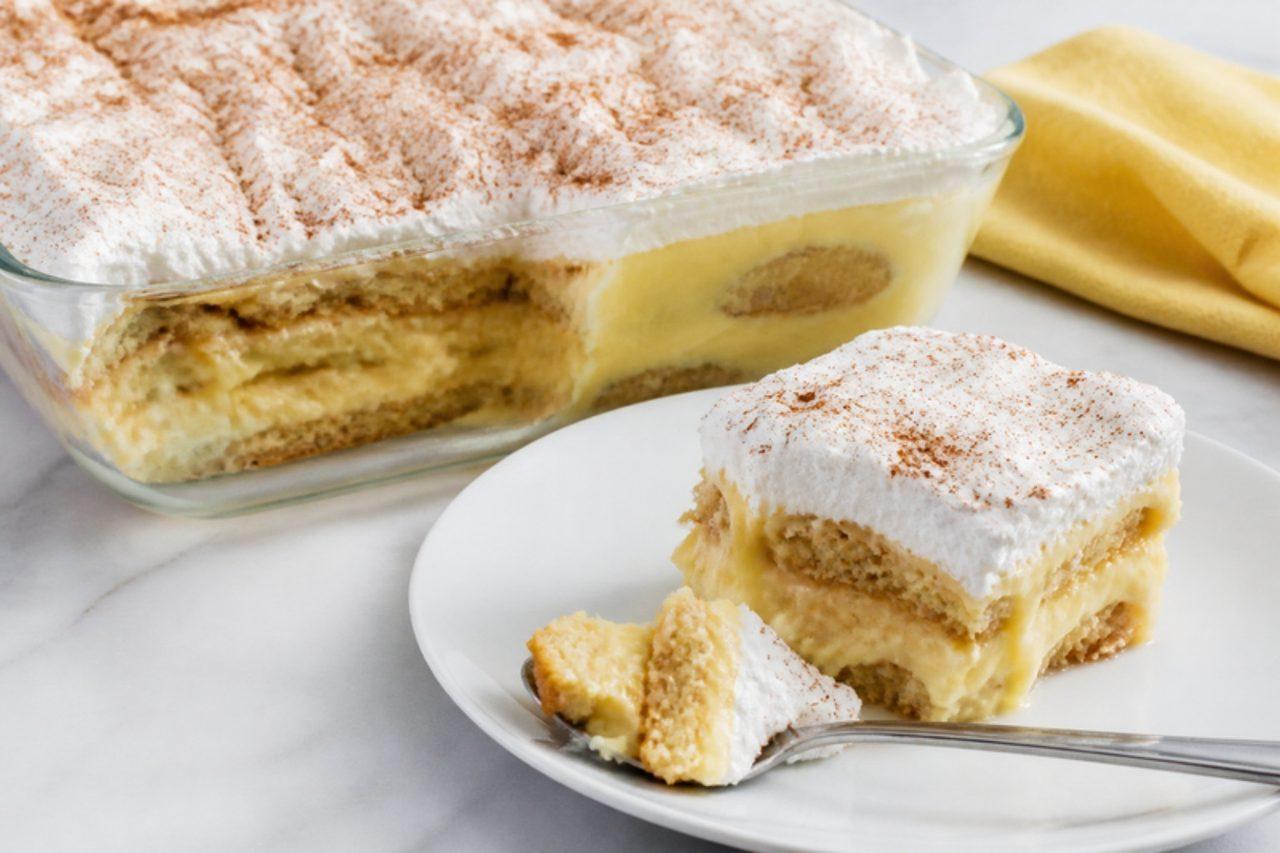
Tiramisù ('pick me up') was created in Treviso, in the Veneto, around the 1960s and 70s; the restaurant Le Beccherie is the best-known claimant. The original is simple: savoiardi biscuits dipped in espresso, layered with a cream of egg yolks, sugar and mascarpone, and dusted with cocoa. No alcohol and no cream in the Treviso version, which is different from this site's Baileys tiramisu. It is best made the morning of, or the day before. Because the eggs are raw, use the freshest you can find, or pasteurised eggs. Chef's tip: beat the yolks and sugar for a full 5 minutes until pale and thick as custard; that is what makes the cream light without whipped cream.

by KrazyBadal 1 views

MalakoffCheese fritters

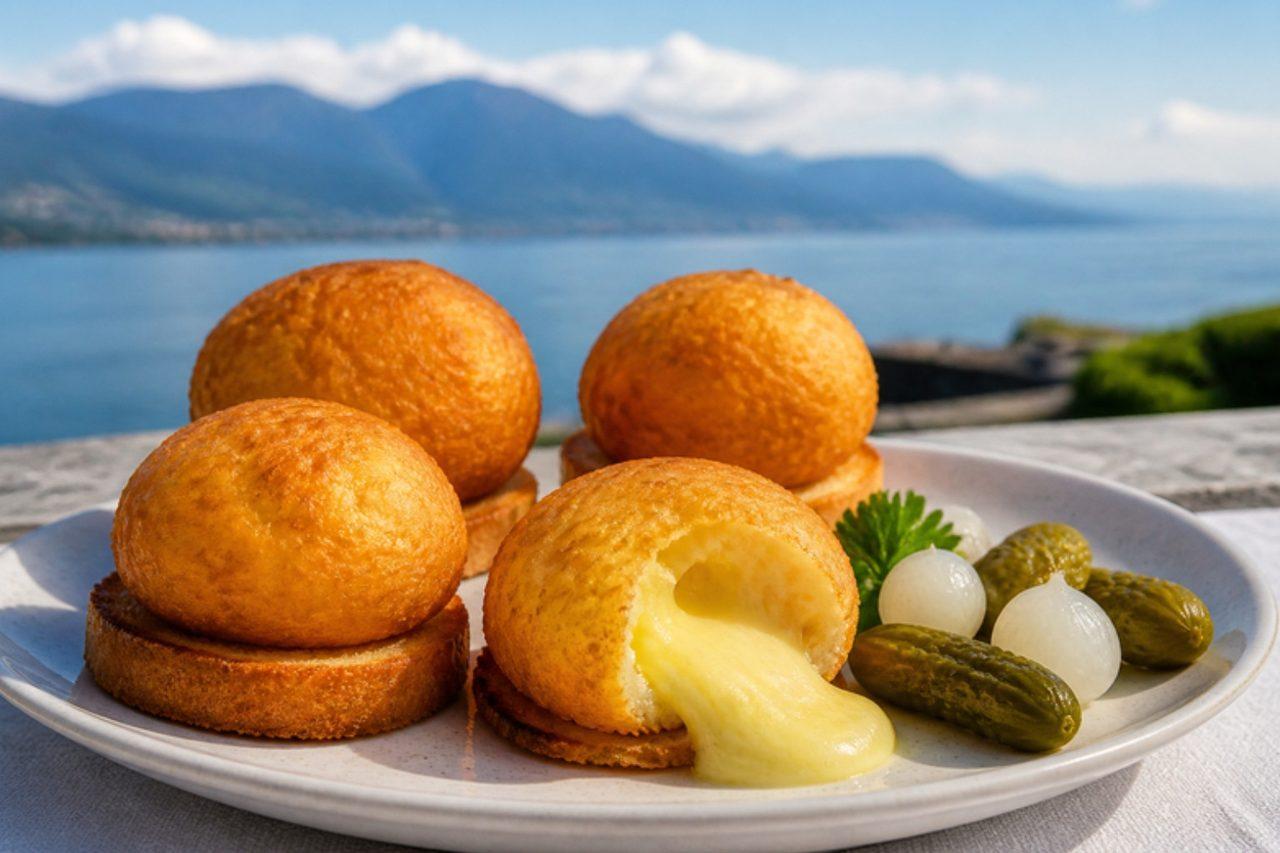
In the wine villages of La Côte above Lake Geneva, especially Vinzel, Bursins and Luins, a malakoff is a dome of Gruyère bound with egg and white wine, set on a round of bread and deep-fried until puffed and golden. The name is said to come from Swiss soldiers who fought at the siege of the Malakoff fort in the Crimean War and brought a taste for cheese fritters home. Locals eat them at village festivals and in pinte-style wine taverns with a glass of chilled Chasselas, cornichons and pickled onions. The crust shatters to a molten, gently stringy inside that tastes of wine and nutmeg. Use Gruyère made with vegetarian rennet. Chef's tip: press the cheese mixture firmly into a tall dome over the bread and chill it for 20 minutes before frying; it holds its shape in the hot oil instead of spreading.

by KrazyBadal 0 views

BienmesabeCoconut cream and sponge dessert

Bienmesabe, 'it tastes good to me', is the festive dessert of Cumaná and the eastern Venezuelan coast, made for Christmas, birthdays and first communions. Layers of sponge fingers soaked in sweet wine are spread with a thick, silky coconut cream thickened with egg yolks, then crowned with soft meringue and a dusting of cinnamon. It is rich, tropical and best made a day ahead. Chef's tip: cook the coconut cream gently and stir constantly once the yolks go in; if it boils hard the yolks scramble and it turns grainy.

by KrazyBadal 0 views

Puff puffFried dough balls

Puff puff is the snack of Nigerian parties, school gates and roadside stalls: a sweet yeast batter scooped by hand into hot oil, where it swells into soft, chewy, golden balls. Across the border in Ghana the same treat is called bofrot (or 'boflot'), often a little larger and spiced with more nutmeg, and sold in clear bags on Accra's streets; we treat them as one dish here. Eat them warm on their own, or with a dusting of sugar. Chef's tip: the batter is ready only when it has doubled and is full of bubbles; under-proved batter gives heavy, greasy balls.

by KrazyBadal 1 views

AloudaChilled milk drink with basil seeds

Alouda is the cold, sweet milk drink sold from stalls in the Port Louis central market and at beaches all over Mauritius, especially on hot afternoons. Vanilla- or rose-scented milk is poured over soaked tookmaria (sweet basil) seeds and cubes of agar jelly, and often topped with a scoop of ice cream. It is a cousin of the Indian falooda. Because the jelly is set with agar agar, it is vegetarian. Chef's tip: soak the basil seeds for a full 20 minutes until each one has a thick, clear coat; dry seeds stick in the throat.

by KrazyBadal 0 views

ÄlplermagronenAlpine macaroni with potatoes and cheese

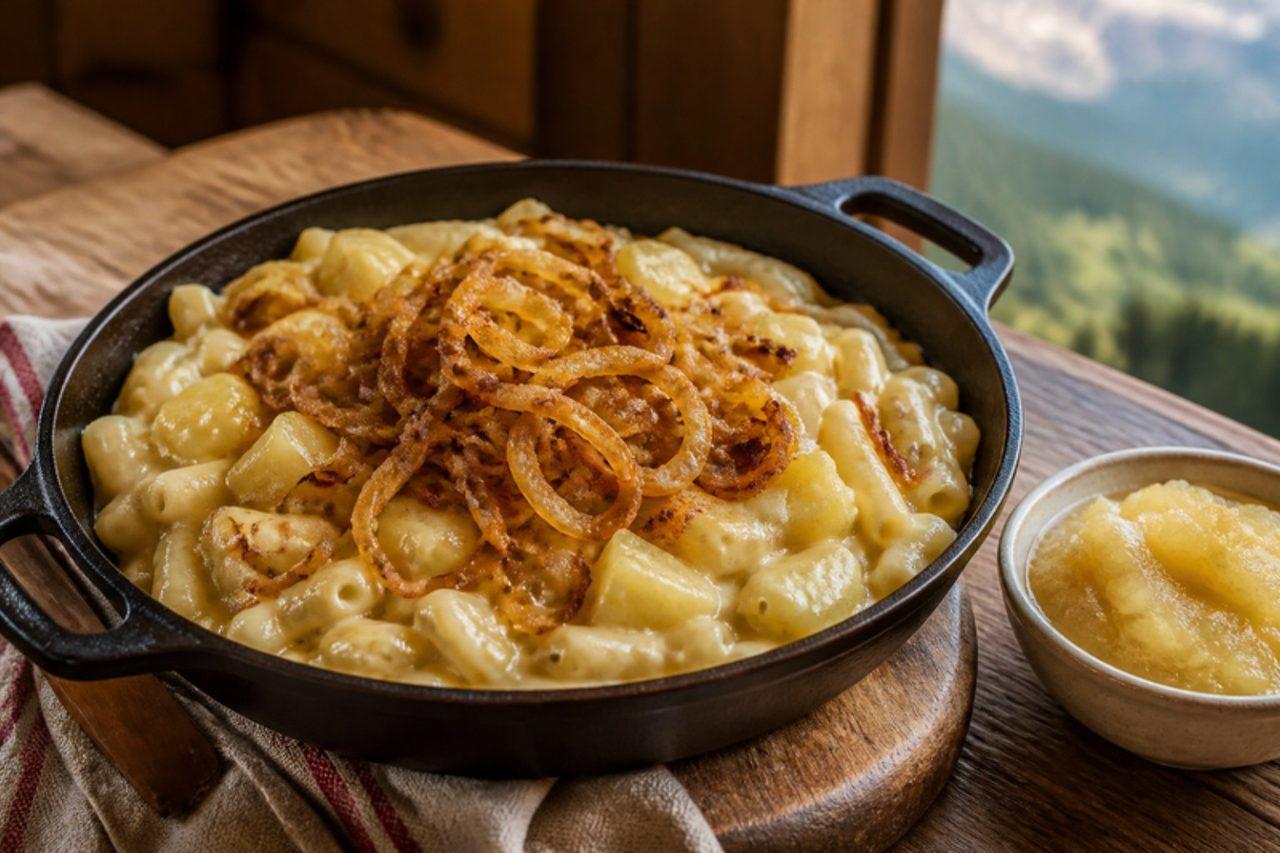
Älplermagronen is what dairymen cooked in the summer huts of central Switzerland, from Uri to the Bernese Oberland, using what they carried up and what the cows gave: pasta, potatoes, cream and their own cheese. Today it is a fixture of mountain restaurants and a quick weeknight supper across German-speaking Switzerland, always eaten with a bowl of warm apple sauce (Apfelmus) on the side, the sweet-sour fruit cutting the rich cheese. Many versions scatter bacon over the top; this one leaves it out and leans on a heap of slow-browned onions for depth. Use cheese made with vegetarian rennet. Chef's tip: cook the potatoes and pasta in the same pot, adding the macaroni once the potatoes are half done, so they finish together and the starchy water helps the sauce cling.

by KrazyBadal 0 views

MalawachFlaky fried flatbread

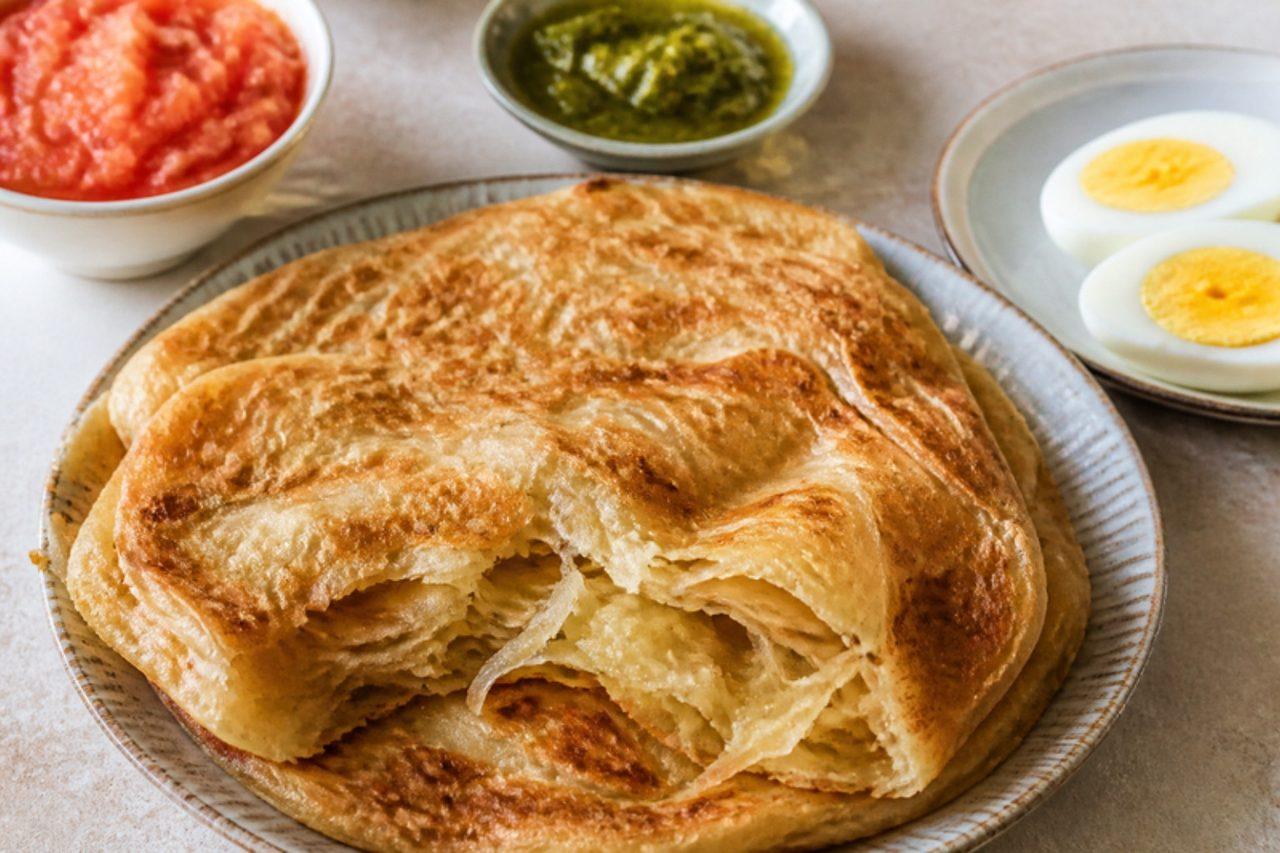
Malawach is the Yemenite Jewish flatbread that turned into an Israeli freezer staple: round, buttery layers fried in a pan until they shatter, eaten for breakfast or a late supper with sweet-sour grated tomato, zhug and a hard-boiled egg. In Israel almost everyone buys the frozen rounds from the supermarket and fries them in minutes, the way this recipe does; the dough is the same rolled, butter-layered dough as jachnun, just fried instead of baked. Some families sprinkle sugar or drizzle honey for a sweet version. Chef's tip: fry the frozen rounds straight from the freezer; thawed ones turn sticky and lose their layers.

by KrazyBadal 0 views

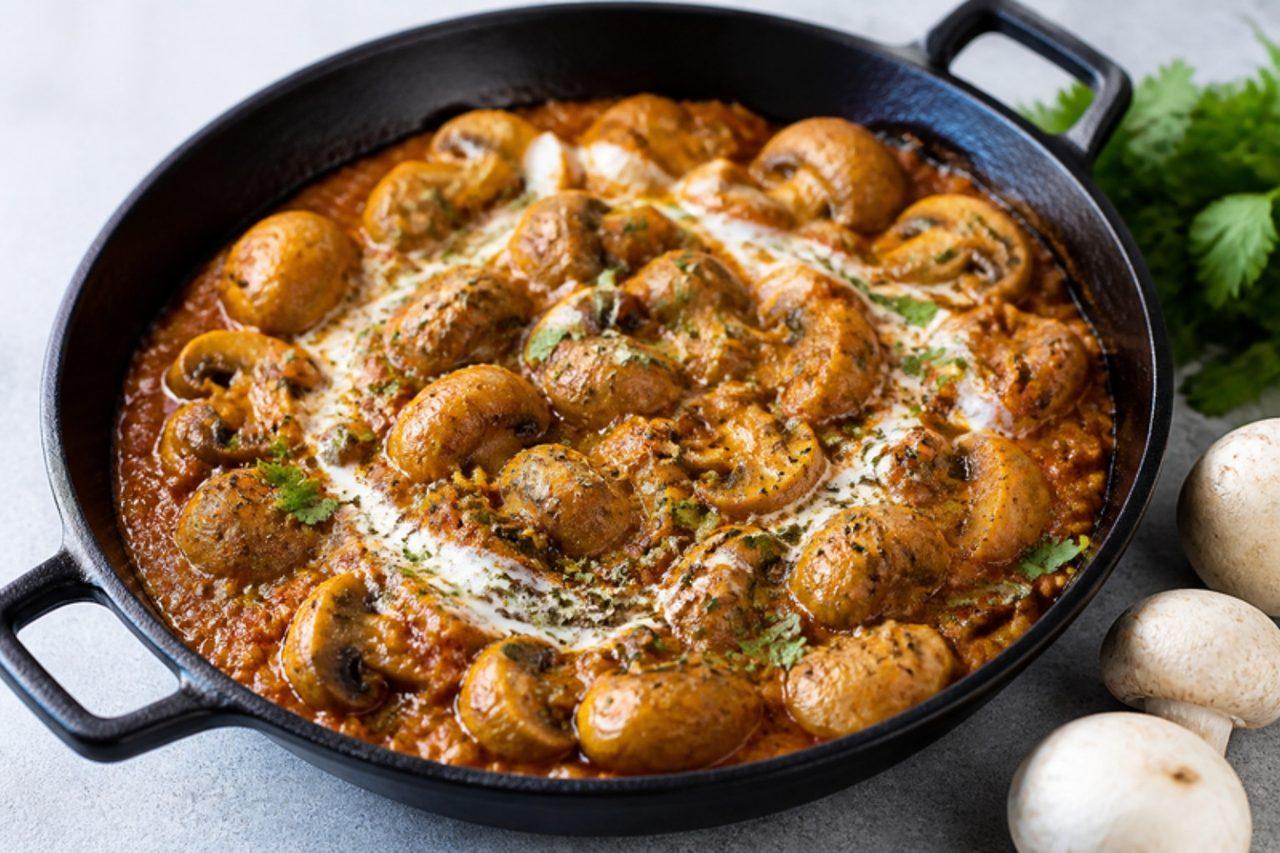
Tawa mushrooms

Halved mushrooms cooked on the tawa in a rich masala of browned onions, ginger, garlic and puréed tomato, finished with a little cream and dried fenugreek. It's quick, creamy and full of flavour. Serve hot with naan, paratha or bread straight off the barbecue.

by KrazyBadal 1 views

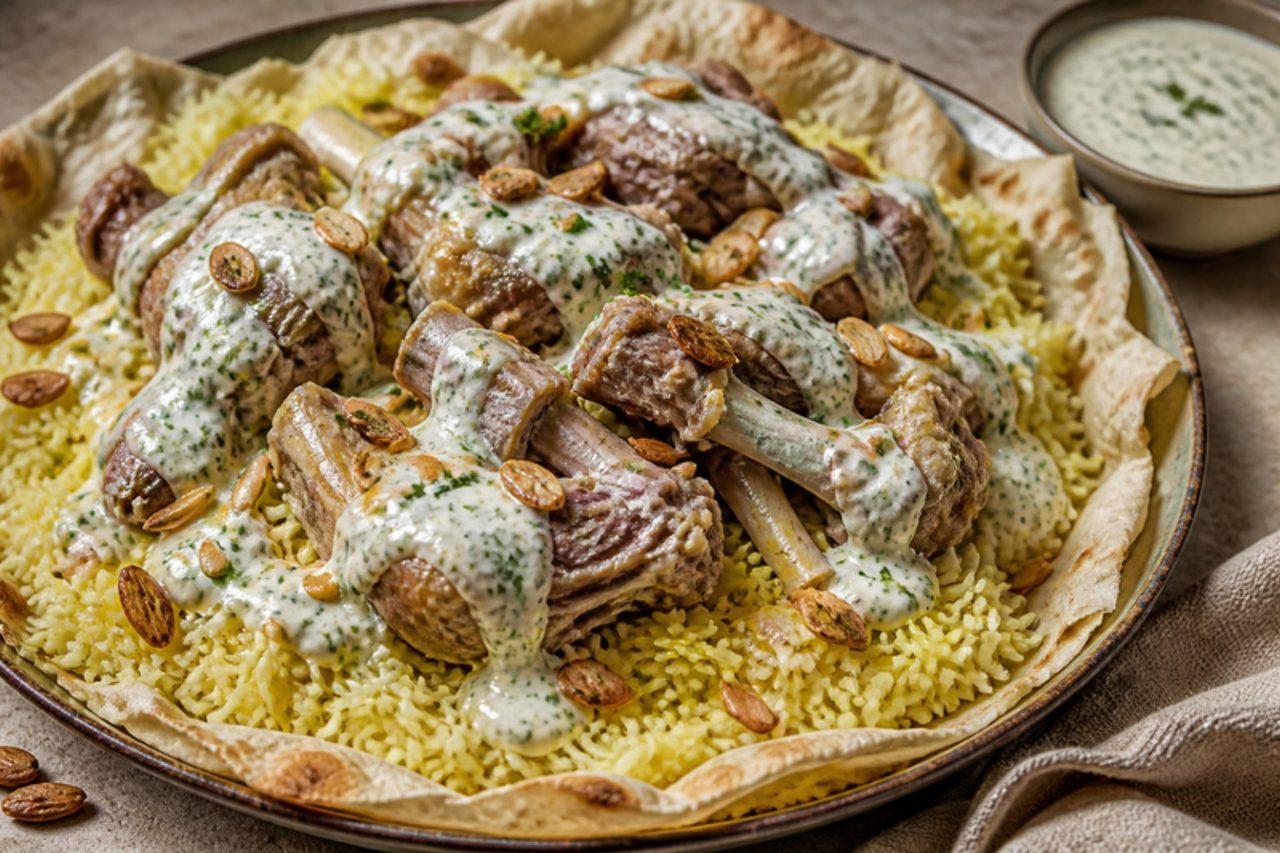
MansafLamb in yogurt sauce with rice

Mansaf is Jordan's national dish and the centrepiece of its weddings, Eid gatherings and big family days, set down on a huge round tray for everyone to eat from together. Bone-in lamb is simmered until tender in a sauce of jameed, the dried, salted goat's-milk yogurt of the Bedouin, then served on thin shrak bread and turmeric-tinted rice, scattered with almonds and pine nuts and drenched in more of the hot sauce. If you can't find jameed, a mix of thick yogurt and labneh gives a fair stand-in. Chef's tip: stir the yogurt sauce in one direction constantly as it heats, and never let it boil hard before the lamb goes in; that is what keeps it smooth.

180 minLebaneseMeat
by KrazyBadal 1 views

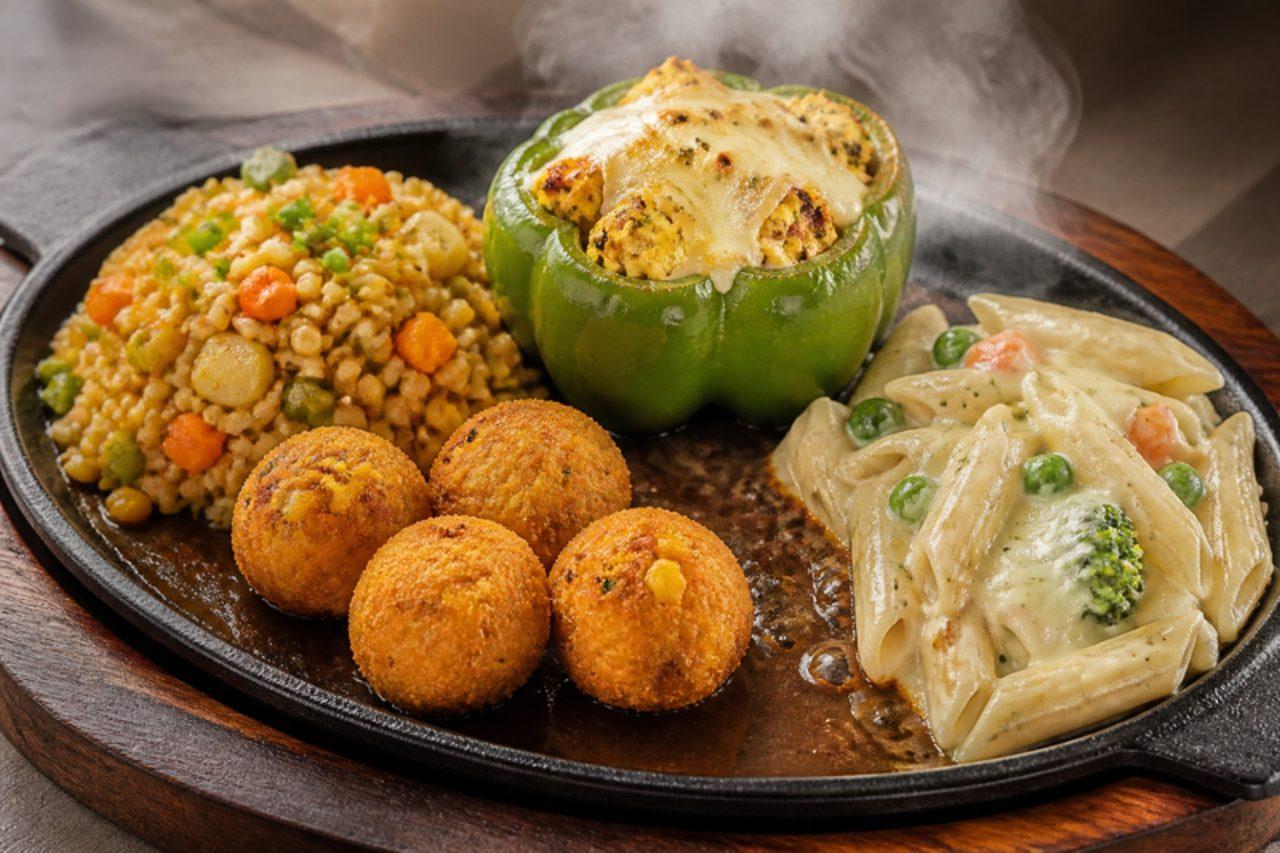
Nakuru-style sizzlerVegetable and corn ball sizzler

A complete barbecue meal on one big tawa: a tangy wheat and vegetable mix with three chutneys, crisp cheesy corn balls, baked stuffed capsicums and creamy cheesy pasta, all sizzling under hot barbecue sauce. Every part can be made ahead and finished on the jiko. It's a healthy and filling meal by itself.

by KrazyBadal 0 views

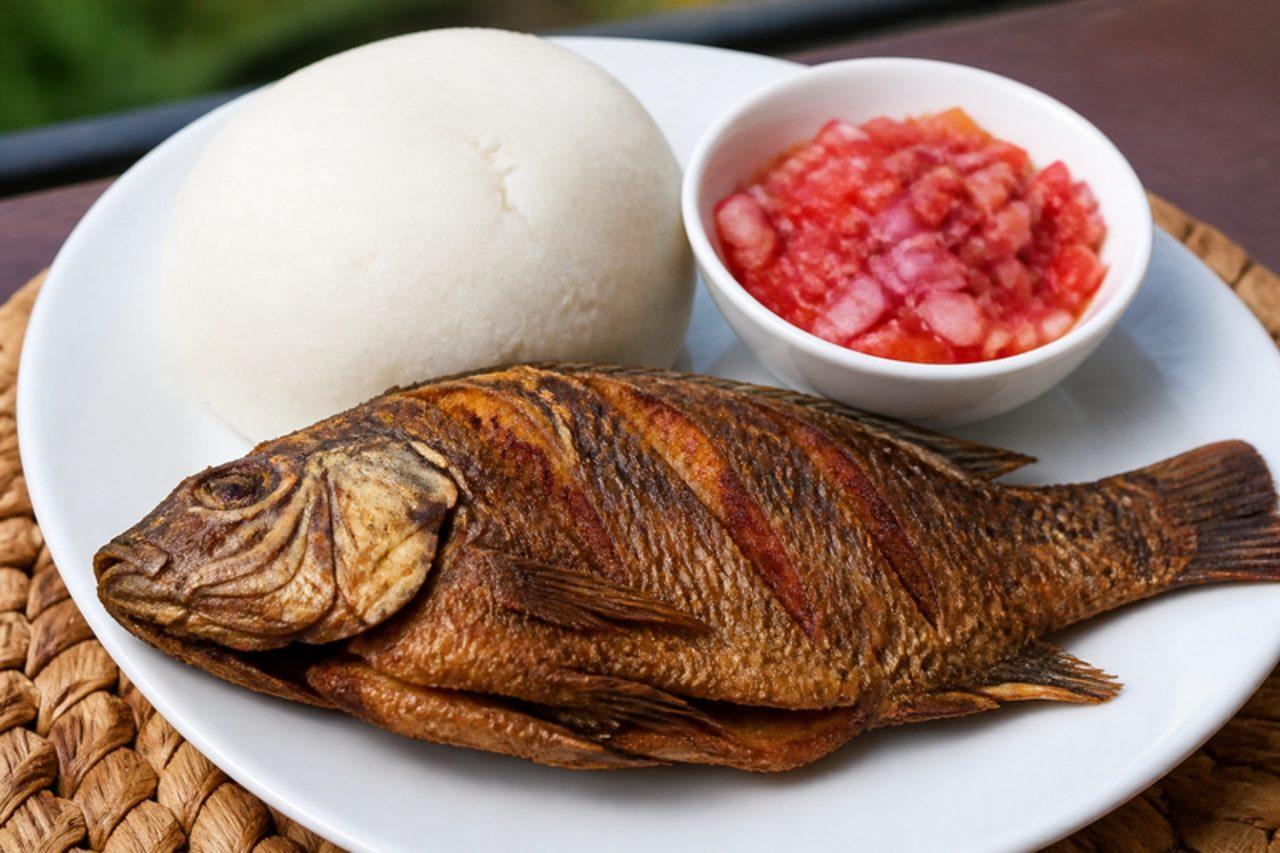
Chambo with nsimaFried fish with maize porridge

Chambo is a tilapia from Lake Malawi, and fried chambo with nsima (stiff maize porridge) is what visitors to Mangochi, Cape Maclear and Nkhata Bay are served at lakeside lunches. The fish is fried or grilled whole, then topped with a fresh tomato and onion relish; the nsima is pinched off and used to scoop up the fish and juice. The mistake is skipping the relish, which keeps the meal fresh; make it while the fish fries. Chef's tip: any whole tilapia or sea bream works if you can't find chambo.

by KrazyBadal 0 views

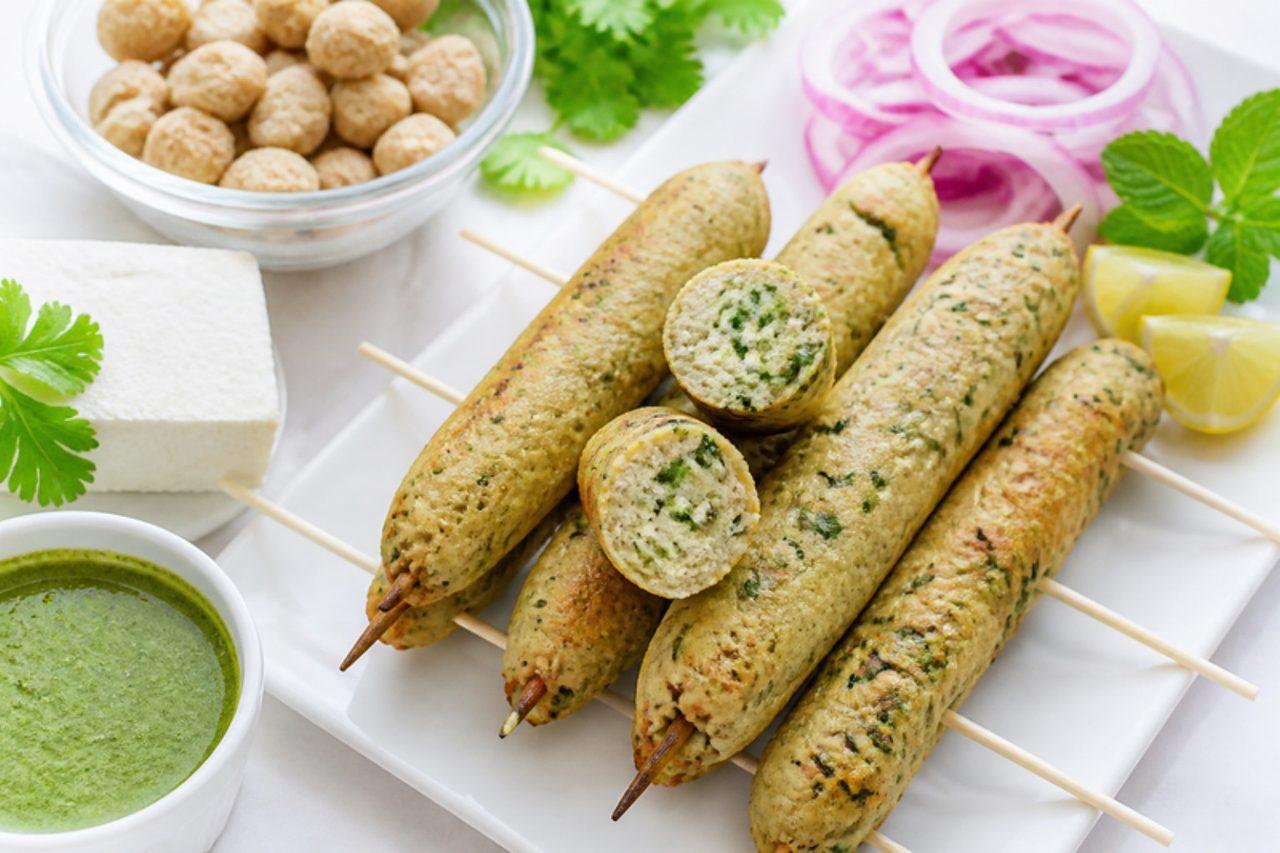
Soya seekh kebabs

Vegetarian seekh kebabs of soya chunks, potato and paneer, spiced with garlic, ginger, green chilli, chaat masala and white pepper, pressed onto skewers and cooked over charcoal until browned. They're meaty in texture and very moreish. Serve with spring onion and yogurt dip or any chutney; they can also be deep fried.

by KrazyBadal 0 views

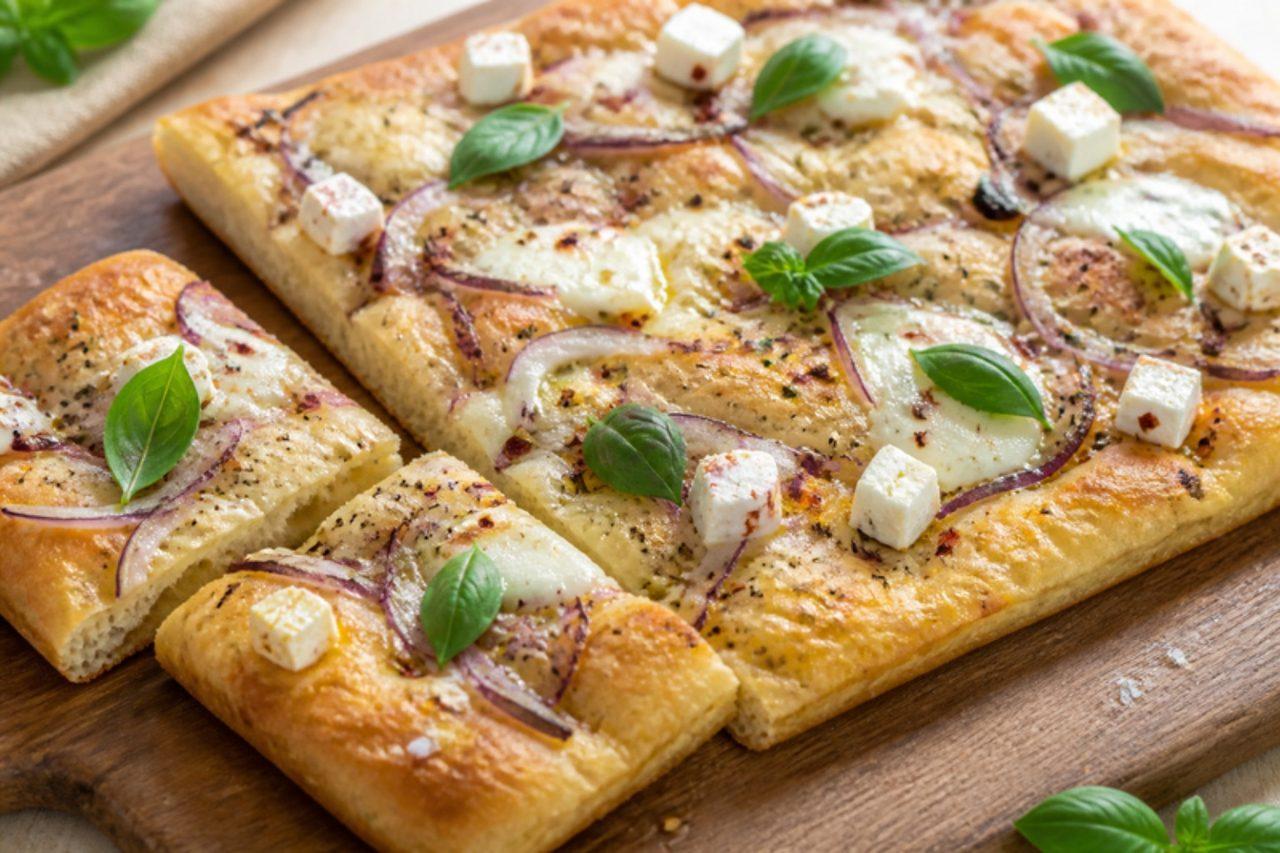
Onion focaccia

A soft, dimpled focaccia topped with thinly sliced red onion, crumbled paneer and mozzarella, torn basil, chilli flakes and crunchy sea salt, all drizzled with olive oil. It's crisp underneath and airy inside. Cut it into pieces and serve hot alongside barbecue dishes and salads.

by KrazyBadal 0 views

Sabudana khichdiSago with peanuts and potato

Sabudana khichdi is the dish that sees Maharashtra through every vrat (fast), from Navratri to Ekadashi, but it's so good that people eat it any day of the week. Soaked sago pearls are tossed in a pan with crushed roasted peanuts, cubes of potato, cumin and green chilli until each pearl turns glassy and separate, then finished with lemon and coriander. It's soft, chewy, nutty and gently hot. Fasting rules vary from family to family, so check yours; this version uses rock salt and no asafoetida, onion or garlic. Traditionally it's cooked in ghee; use ghee instead of oil if you aren't keeping it vegan. Chef's tip: soak the sago in just enough water to cover by the height of the pearls themselves, no more; too much water is the reason khichdi turns into one sticky lump.

by KrazyBadal 2 views

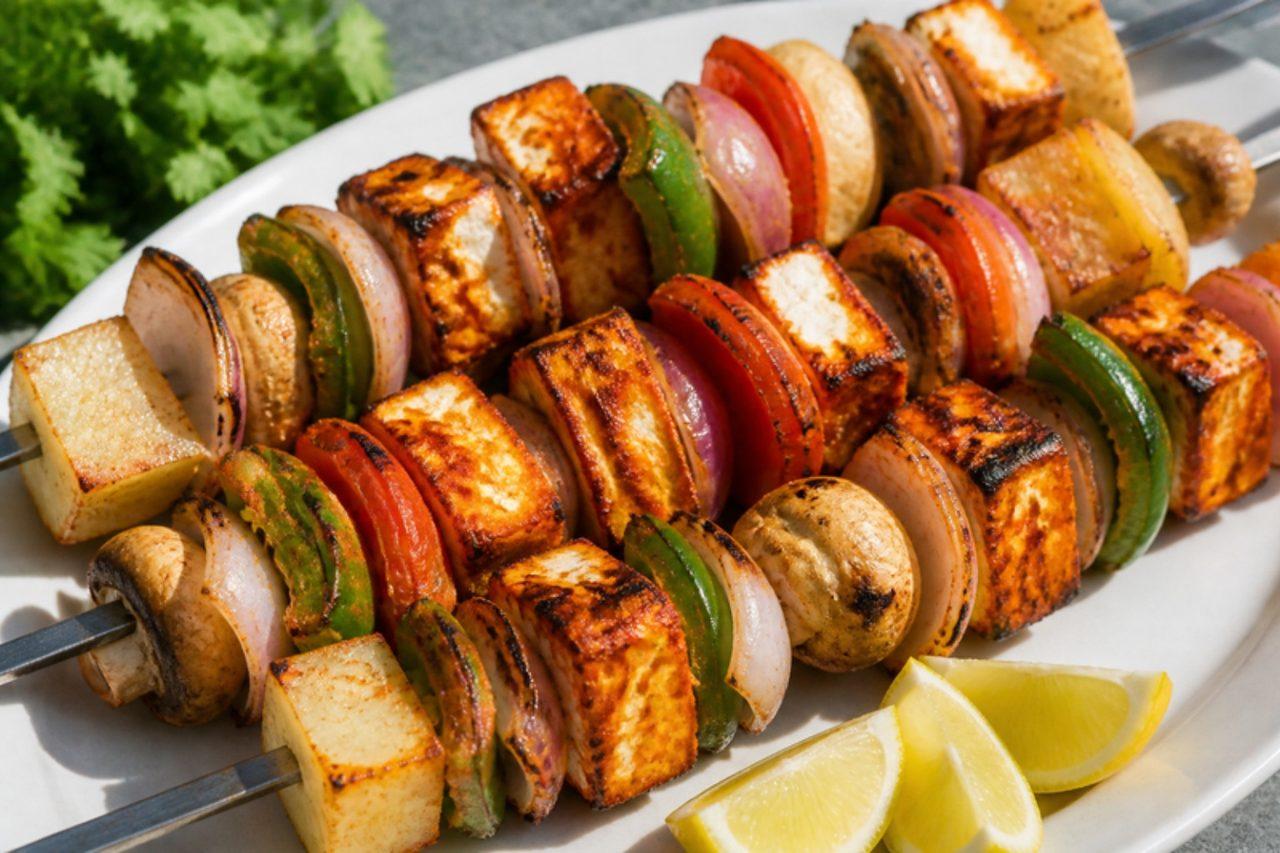
Barbequed paneer and vegetables

Party skewers of paneer, onion petals, capsicum, tomato, mushroom and cassava, each marinated in a thick, garlicky tandoori yogurt marinade and grilled over charcoal until charred at the edges. Make the marinade the day before and string the skewers just before the barbecue. Serve hot with mint and yogurt chutney.

by KrazyBadal 0 views

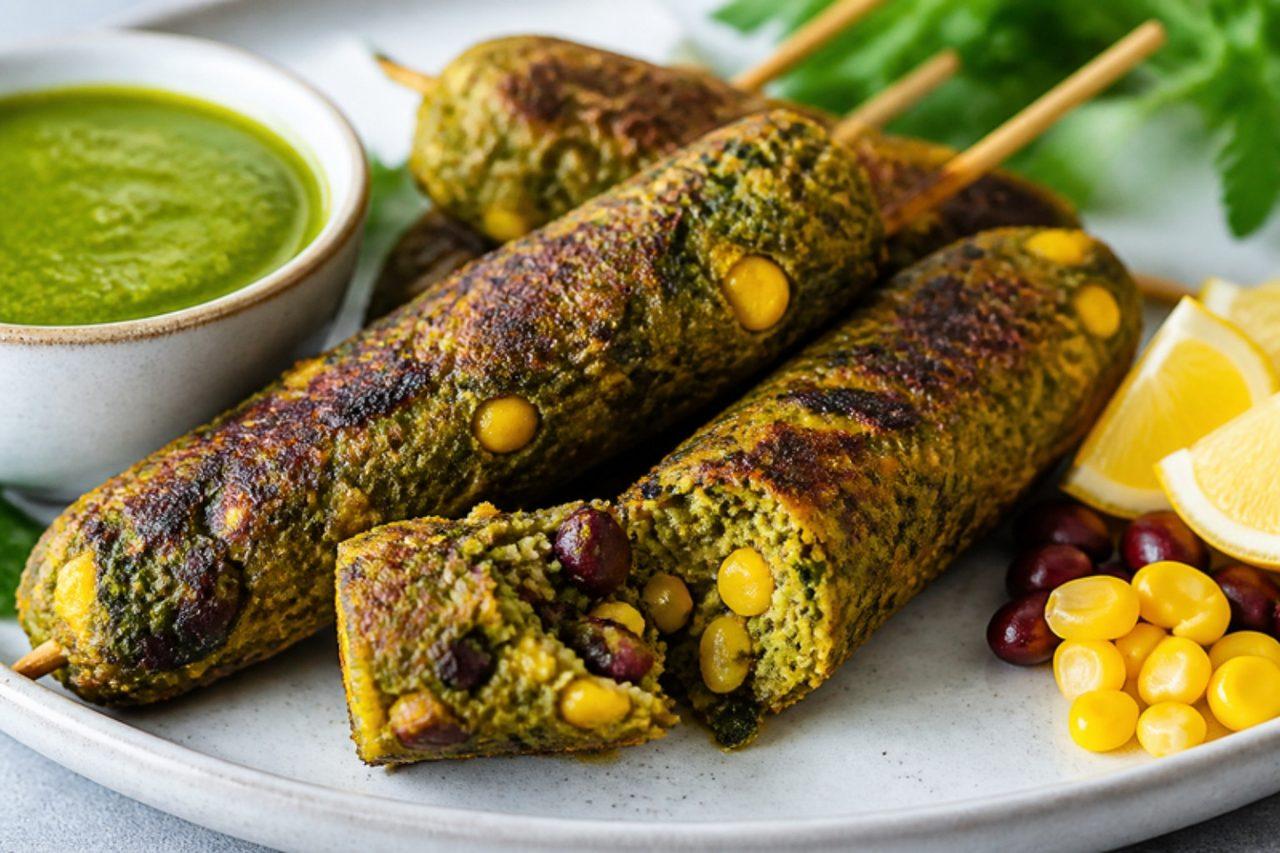
Corn & beans kebabs

Soft vegetarian seekh-style kebabs of sweetcorn, kidney beans and potato with fenugreek, spinach, ginger and green chilli, pressed onto skewers and browned over charcoal. They're crisp outside and soft inside. Serve hot with green chutney and mint and yogurt chutney.

by KrazyBadal 0 views

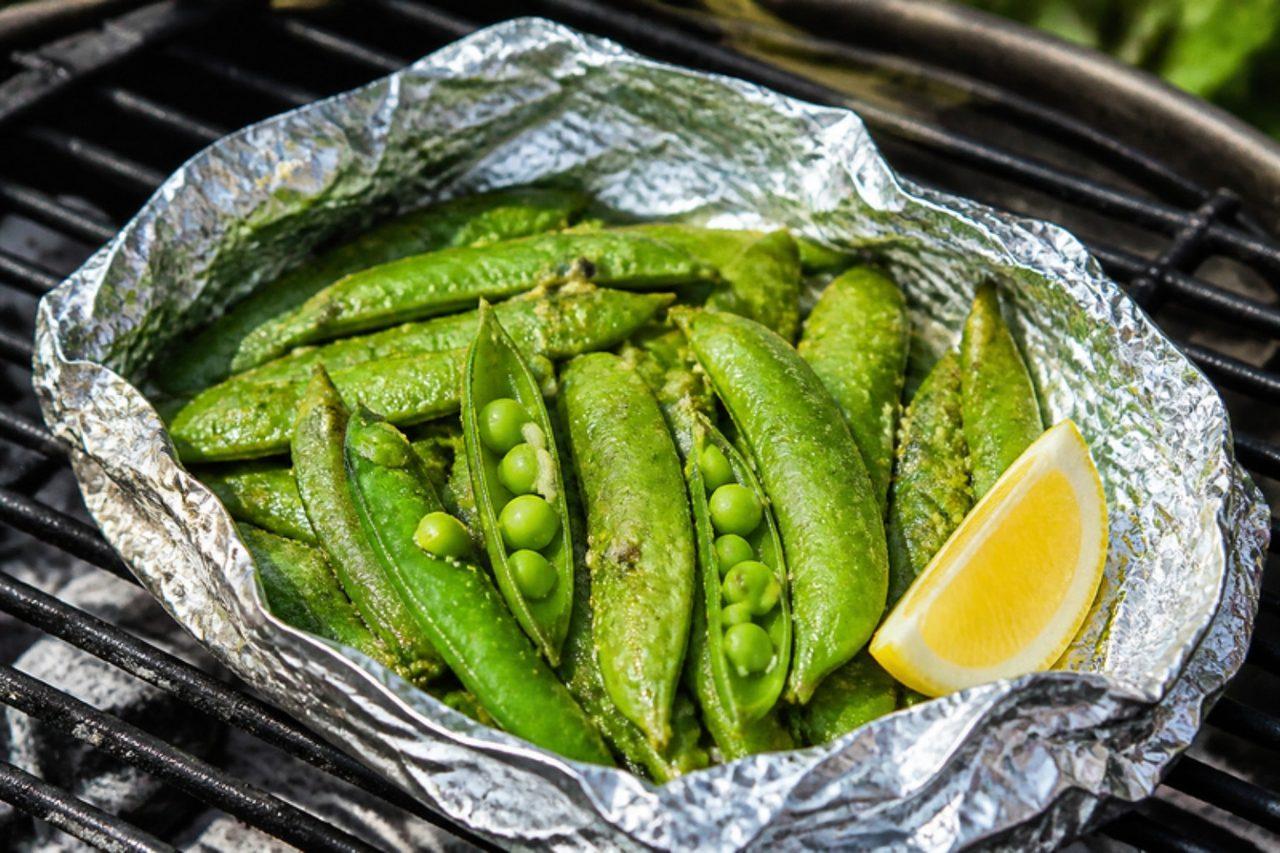
Barbequed peas

Tender peas in their pods tossed with chilli, ginger, garlic and lemon, sealed in foil and steamed on the barbecue. Everyone shells their own at the table and gets the spice on their fingers. Use the youngest, sweetest pods you can find.

by KrazyBadal 0 views

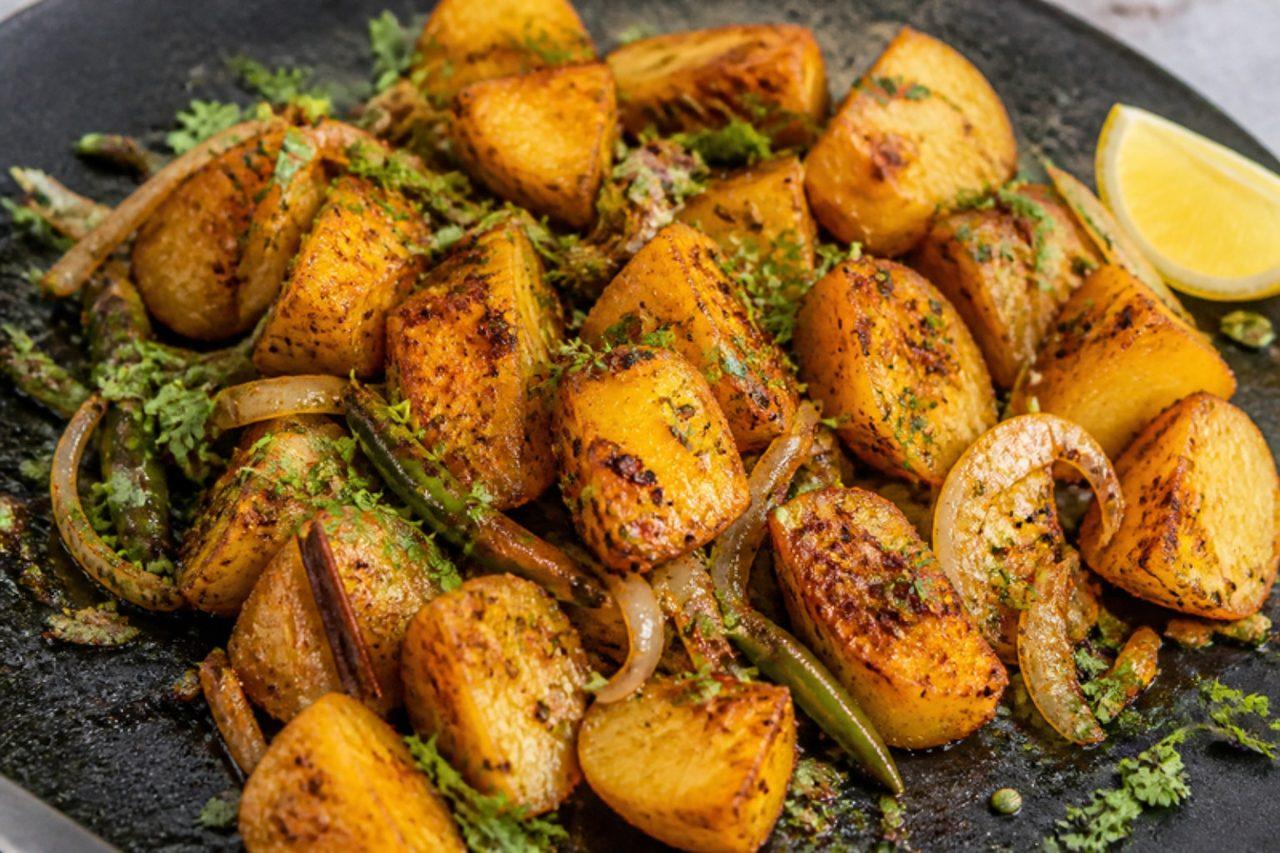
Tawa chilli potatoes

A big tawa of potato cubes tossed with a fragrant tempering of mustard, cumin, coriander seeds, aniseed, cloves, cinnamon and black pepper, then onions, ginger, garlic and two kinds of chilli. It's hot, aromatic and great as a barbecue starter. Swap the potatoes for steamed paneer cubes for a change.

by KrazyBadal 0 views

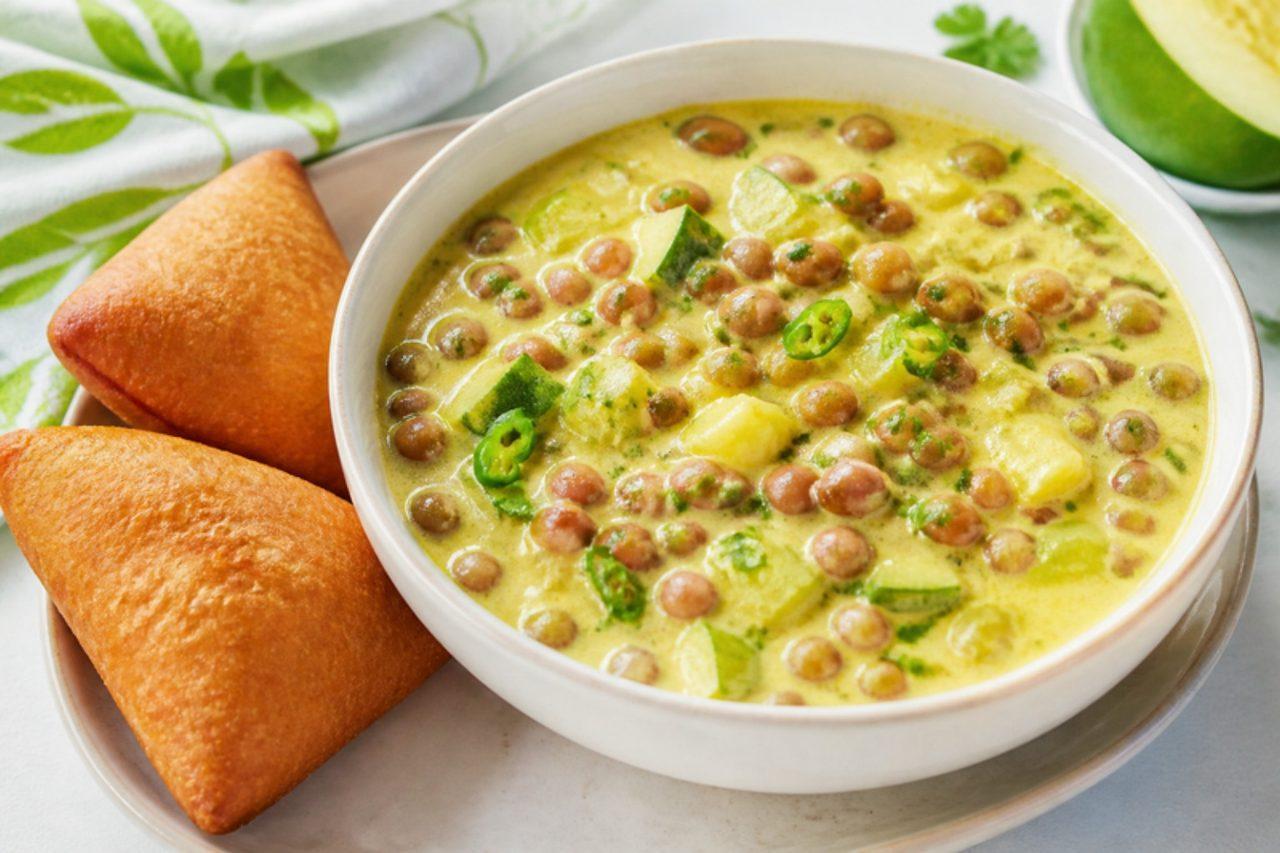
Pigeon peas in coconut milk (mbaazi)

Mbaazi wa nazi: soft pigeon peas cooked in thick coconut milk with onion, raw mango, ginger-chilli paste and a pinch of turmeric until creamy. It's mild, rich and comforting. Serve with mamri (mandazi) for the classic Swahili pairing.

by KrazyBadal 0 views

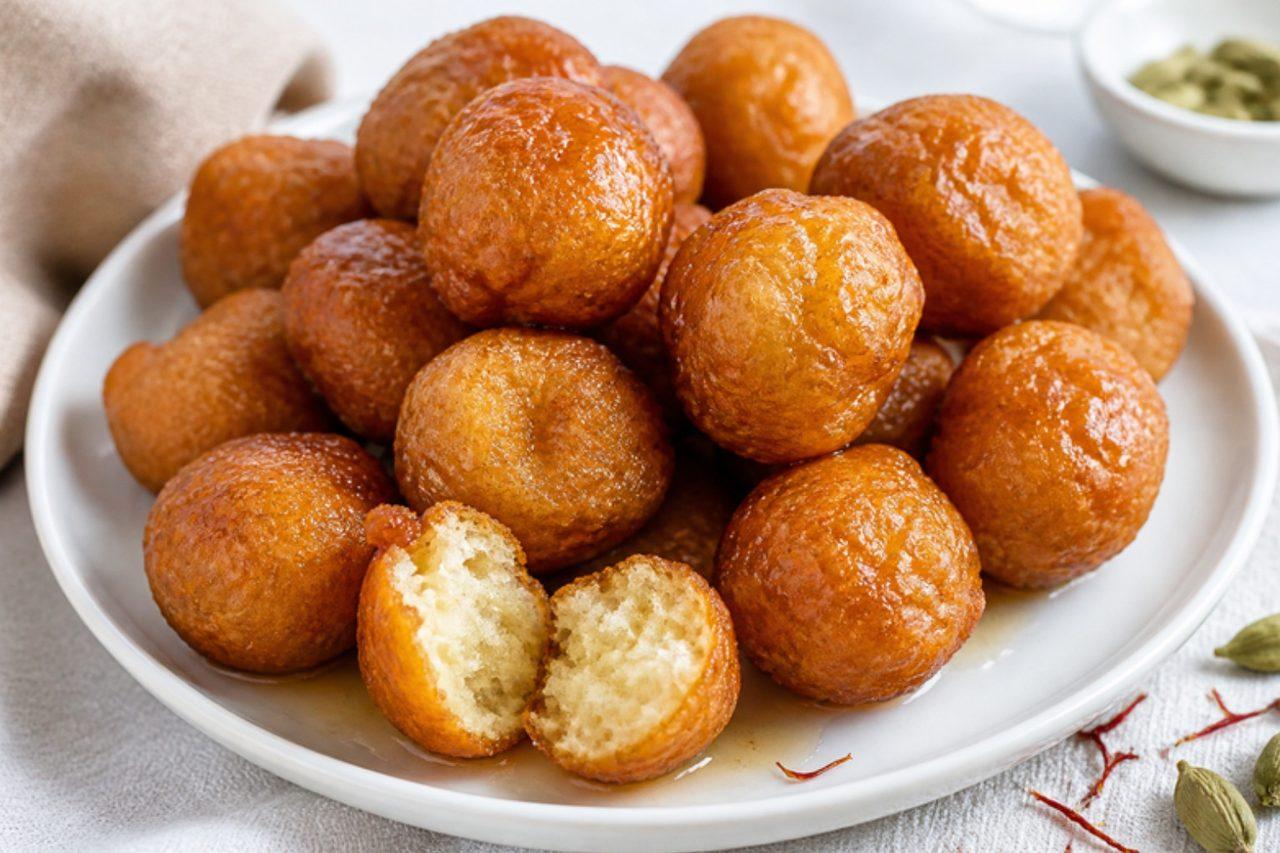
Soft doughnuts (kaimati)

Kaimati are bite-size Swahili doughnuts: a yeasted cardamom and coconut batter dropped by the spoonful into hot oil, then dipped in a fragrant saffron, cardamom and rose syrup while still hot. They're crisp outside and soft inside. Serve with tea.

by KrazyBadal 0 views

Lentil fritters (bhadali bhajia)

Golden fritters of coarsely ground black-eyed bean and green gram lentils with fenugreek, spinach, coriander, spring onion and chilli. They're crunchy outside and fluffy inside, and they go into Zanzibar mix and Coastal Mombasa mix too. Serve hot with coconut chutney.

by KrazyBadal 0 views

AmbashaSpiced celebration bread

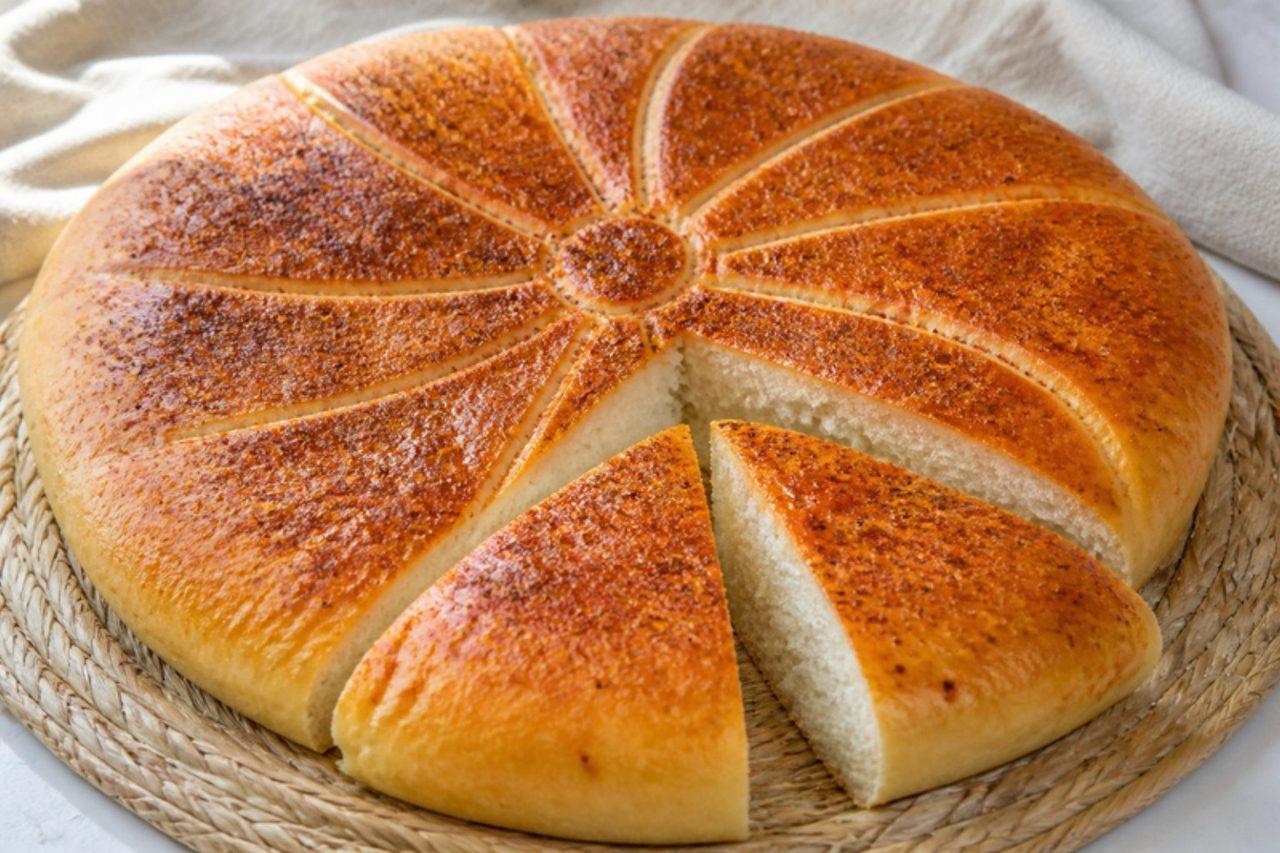
Ambasha is the round, slightly sweet festival bread of Tigray and Amhara, baked for holidays such as Easter (Fasika) and Meskel and for welcoming guests. The dough is scented with fenugreek, cardamom and coriander seed, and before baking the top is cut with a knife into a wheel-like pattern, so it comes out of the oven looking like a decorated plate; it is brushed with niter kibbeh and berbere and served torn into pieces with coffee. Chef's tip: cut the pattern deep (about 1 cm), or it disappears as the bread rises in the oven.

by KrazyBadal 0 views

Bungo juiceSweet-sour bungo fruit juice

Maji ya bungo is a favourite Zanzibar street drink made from the orange, sweet-sour pulp of the bungo fruit (Saba comorensis), soaked off the seeds, blended with sugar and water and strained. It's tangy, fruity and very refreshing. Serve well chilled.

by KrazyBadal 0 views

Tai-meshi (sea bream rice)

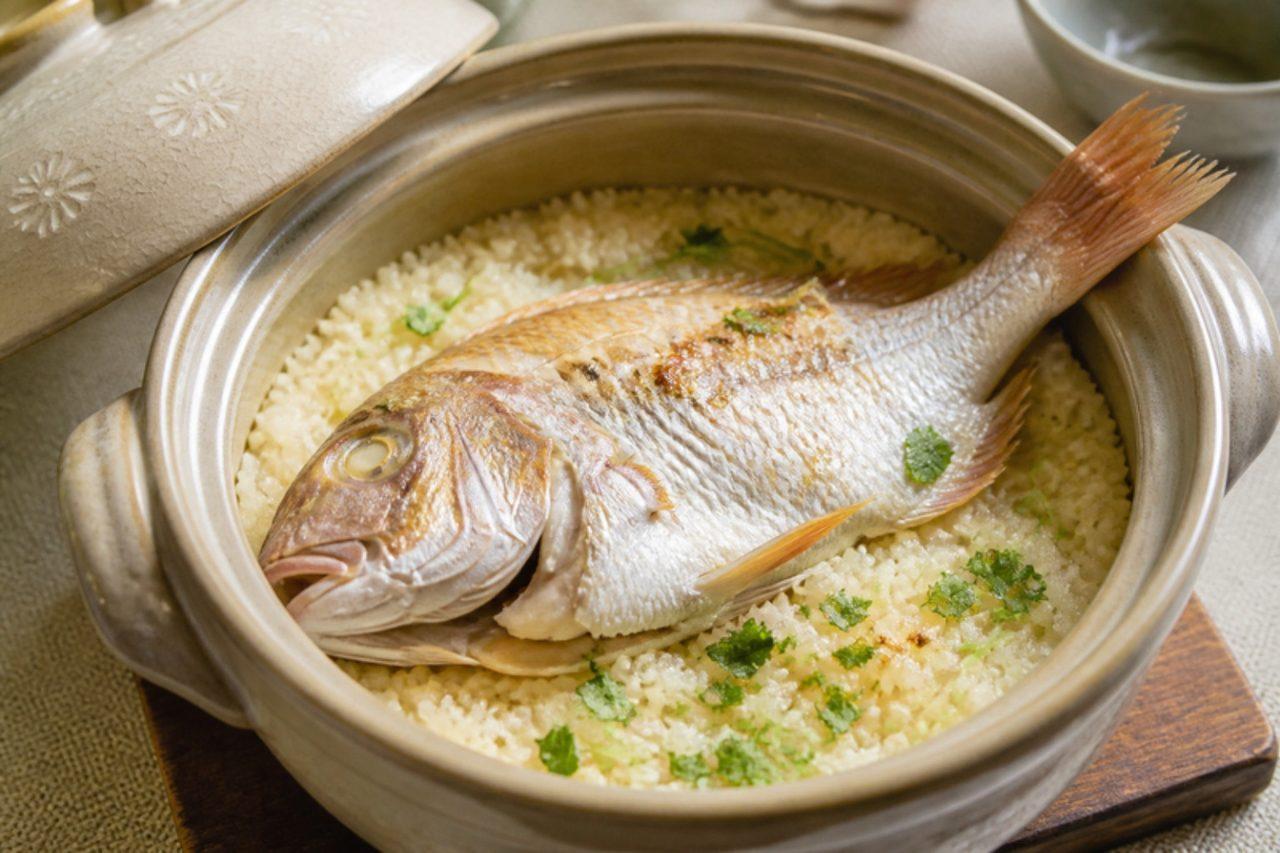
Ehime prefecture on Shikoku farms more red sea bream than anywhere else in Japan, and tai-meshi is its signature rice. Around Matsuyama and the old fishing town of Hojo, a whole grilled fish is laid on seasoned rice and cooked in the same pot, then the flesh is flaked through the grains at the table. Down the coast in Uwajima the same name means raw bream on hot rice, but this is the cooked kind. Sea bream is a fish for celebrations in Japan, so the dish turns up at weddings and New Year as well as in station lunch boxes. Chef's tip: grill the fish briefly before it goes in the pot; the browned skin adds a toasty flavour to the rice and keeps the fish from smelling of the sea.

by KrazyBadal 0 views

Pineapple tarts

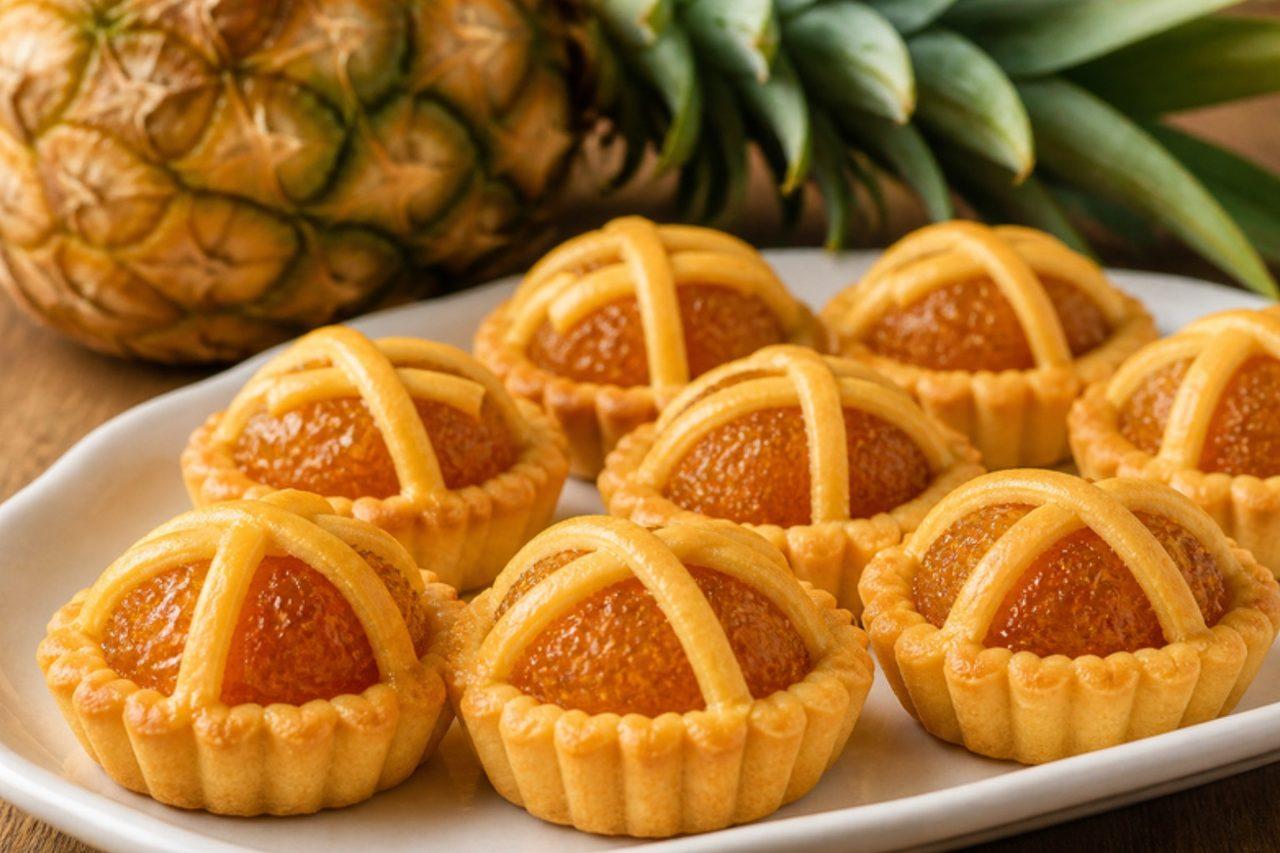
Every Malaysian household seems to have someone who makes pineapple tarts in the weeks before Chinese New Year or Hari Raya, and the plastic tubs of them go round every visit and open house. In Hokkien the pineapple, 'ong lai', sounds like 'fortune comes', which is why they matter so much at the New Year. This is the rolled 'nastar' style: a little ball of golden, slow-cooked pineapple jam, scented with cinnamon, star anise and clove, wrapped in rich, crumbly butter pastry. Chef's tip: grate the pineapple by hand rather than blending it; the fibres give the jam its chewy body.

by KrazyBadal 0 views

Koat pithaBanana and rice flour fritters

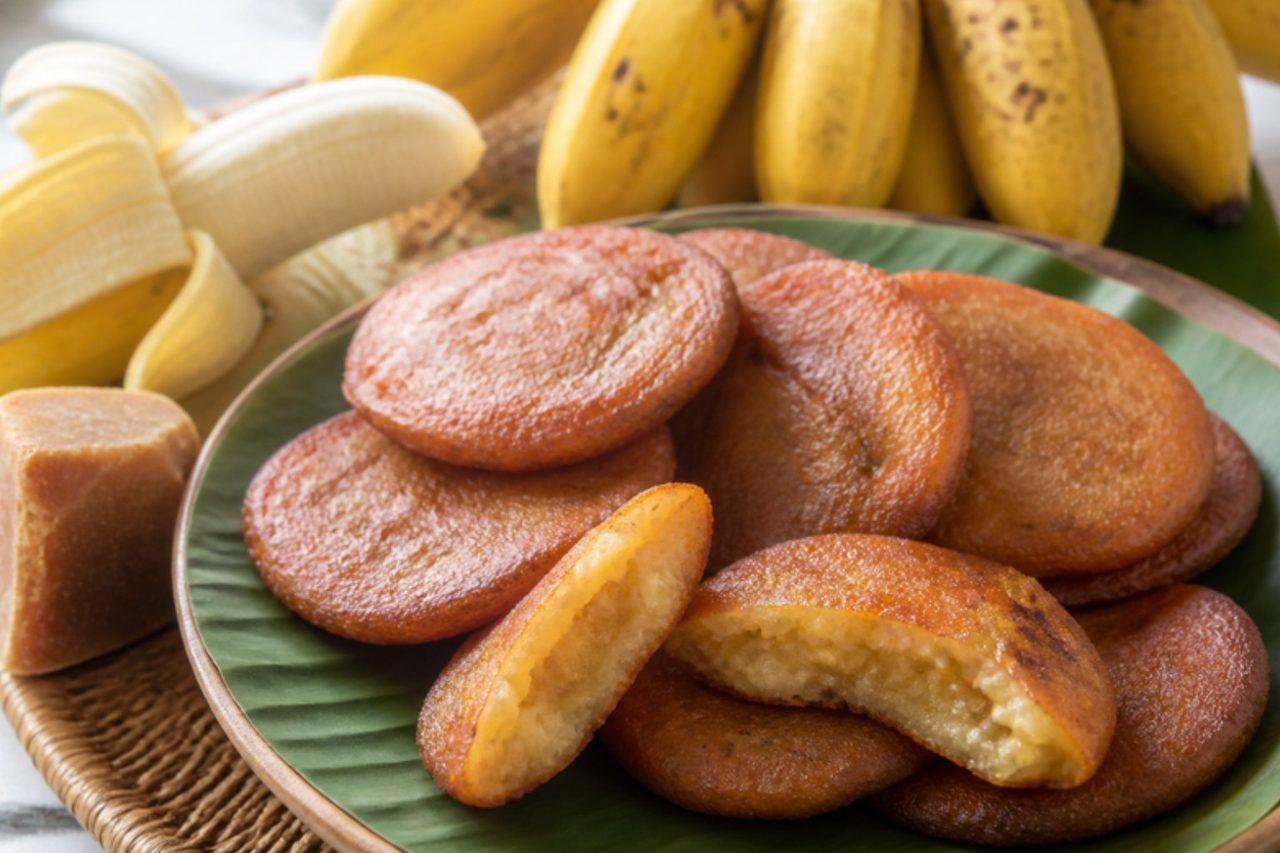
Koat pitha is Mizoram's favourite tea-time snack, sold in Aizawl's bakeries and street stalls and fried at home whenever bananas go soft: mashed ripe banana is mixed with rice flour and jaggery into a thick batter and fried in spoonfuls until crisp, brown and puffed. Inside they are soft and sticky-sweet. They are served at church gatherings and with red tea on wet afternoons. Chef's tip: the riper the bananas the better; spotted, almost black ones give the most flavour and sweetness.

by KrazyBadal 0 views

Mushroom & epazote quesadillas

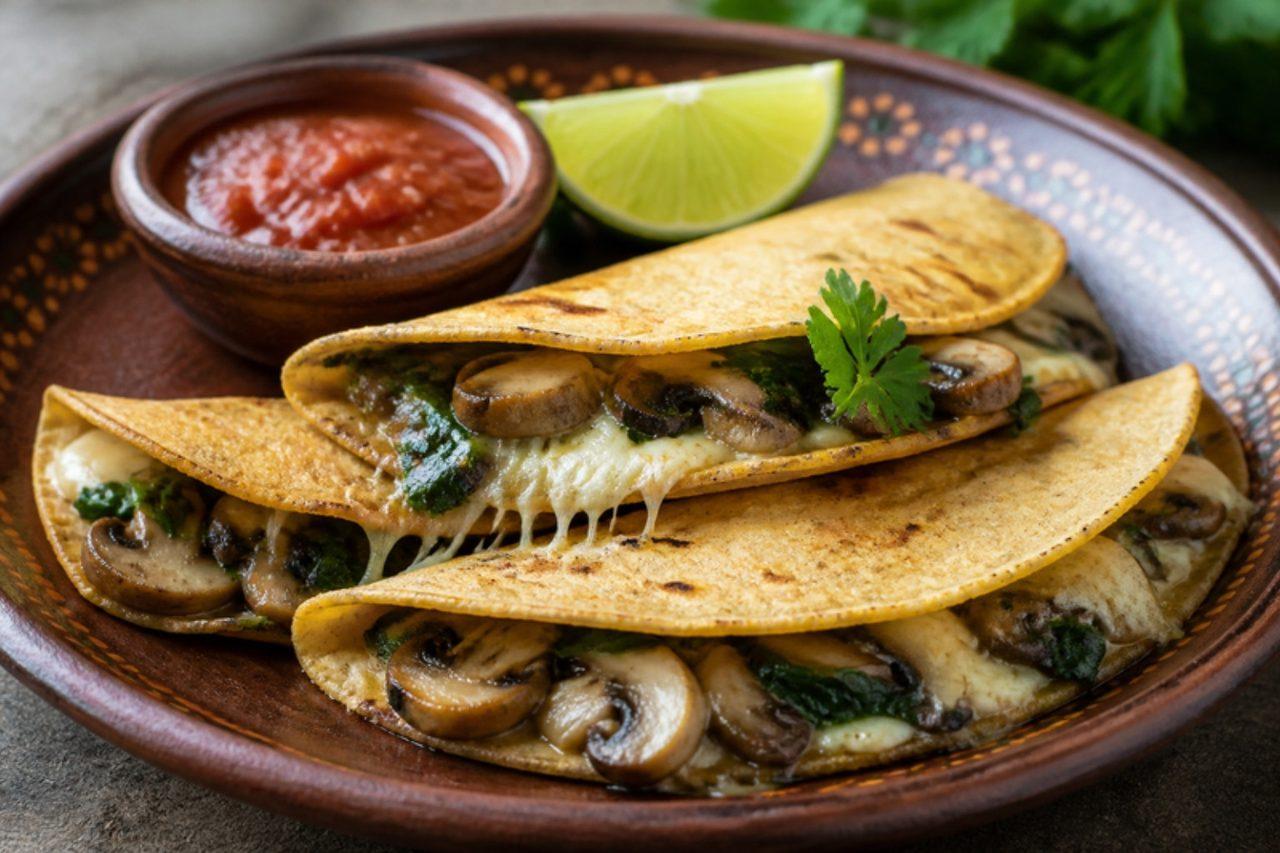
Quesadillas de hongos are sold from comales at markets all over central Mexico, from Mexico City to the forests around Toluca where wild mushrooms are picked in the rains. The mushrooms are fried hard with onion, garlic and green chilli and finished with epazote, a pungent herb with notes of mint, anise and citrus that is the signature of central Mexican cooking. Folded into corn tortillas with stringy cheese, they are earthy, juicy and a little hot. Serve with salsa roja and lime. Use a cheese made with vegetarian rennet; low-moisture mozzarella is a good stand-in for Oaxaca cheese. Chef's tip: fry the mushrooms until all their liquid has gone; wet mushrooms make the tortilla soggy.

by KrazyBadal 0 views

Mushroom ceviche

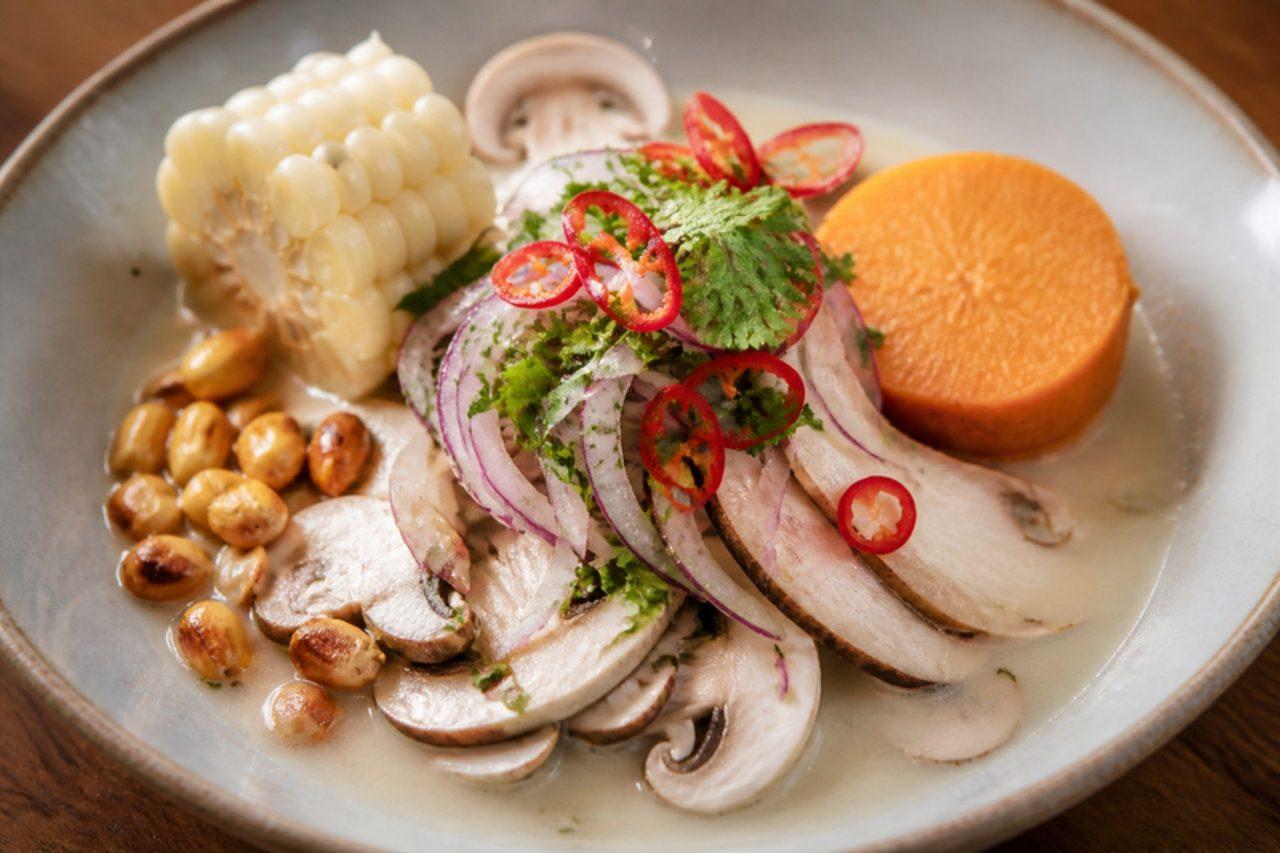
Ceviche is Lima's great obsession, eaten at lunchtime in cevicherías all along the coast; this vegetarian ceviche de champiñones keeps everything that makes it thrilling except the fish. Raw mushrooms are sliced thin and tossed at the last minute in leche de tigre, the bright, peppery marinade of lime, garlic, ginger, celery and ají limo, so they turn silky but still bite back. Red onion brings crunch, coriander freshness, and on the plate it gets the classic Lima company: a slice of sweet potato, a wedge of corn on the cob and a handful of toasted cancha. Serve it as a starter on a hot day, straight away. Chef's tip: squeeze the limes gently by hand and stop before the pith; pressing hard or using a squeezer that crushes the peel makes the leche de tigre bitter.

by KrazyBadal 0 views

Mazamorra moradaPurple corn pudding

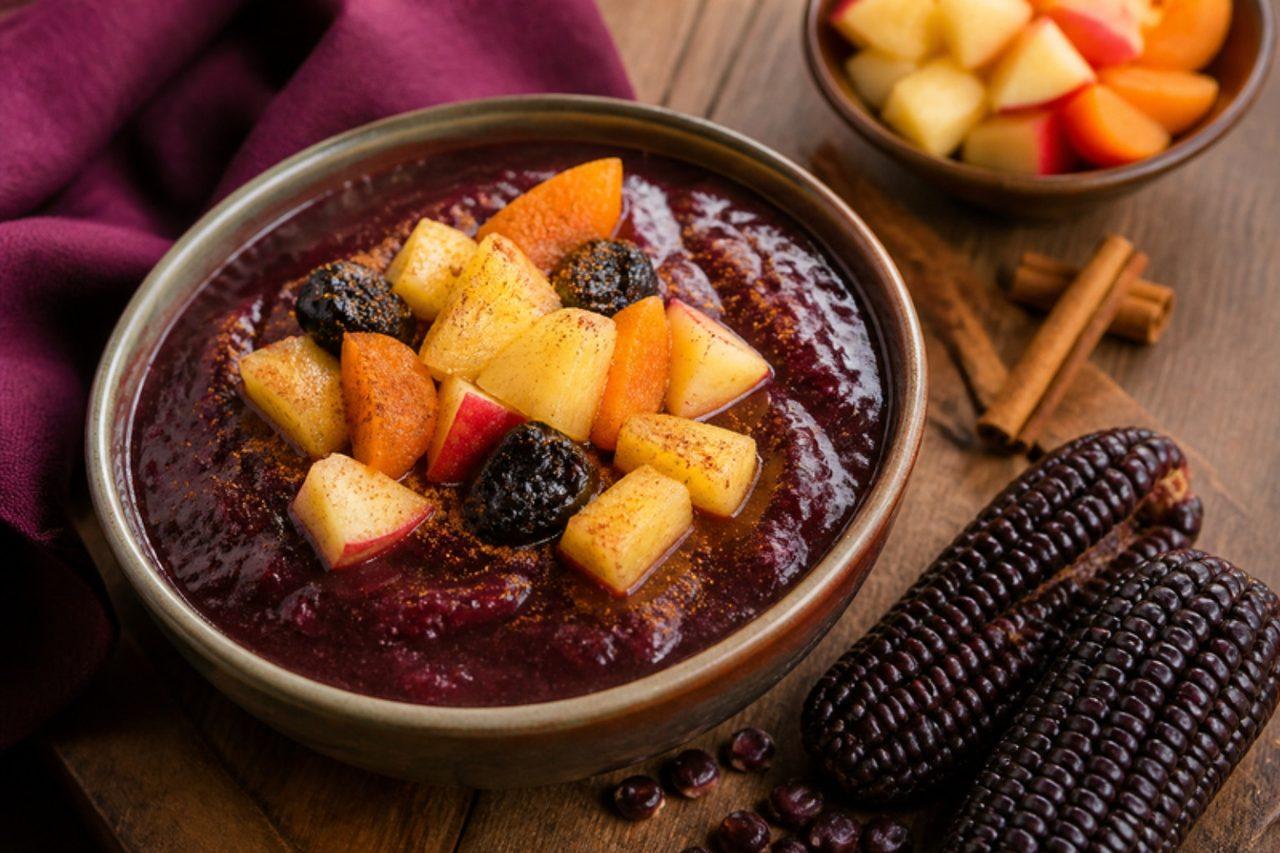
Mazamorra morada is a deep purple pudding from Lima, made by boiling Andean purple corn with pineapple peel and spices and then thickening the dark juice with sweet potato starch and fruit. It is sold in little cups at markets and street carts, and in Lima it is eaten all year but above all in October, often spooned into the same bowl as rice pudding, a combination called el clásico. It is fruity, gently spiced and wobbly, like a thick jam pudding. Dried purple corn (maíz morado) is sold in Latin shops and online; purple corn powder works too. Chef's tip: dissolve the starch in cold water and stir it in off the boil; tipping it into a bubbling pan makes lumps that never smooth out.

by KrazyBadal 0 views

Chickpea & sweet potato tagine

Sweet potato is not old Moroccan tradition, but today it is sold in every souk from Agadir to Meknes and turns up in modern home tagines alongside the classic chickpeas, dried apricots and ras el hanout. This version leans on the sweet-and-spiced style of Fez and Marrakech cooking: the sweet potato melts slightly into the sauce, the chickpeas keep their bite and a handful of apricots adds little pockets of tang. It is filling enough for a weekend lunch with couscous or bread, and it reheats beautifully the next day. Chef's tip: bloom the ras el hanout in the oil for 30 seconds before the liquid goes in; raw spice blends taste dusty, cooked ones taste round.

by KrazyBadal 0 views

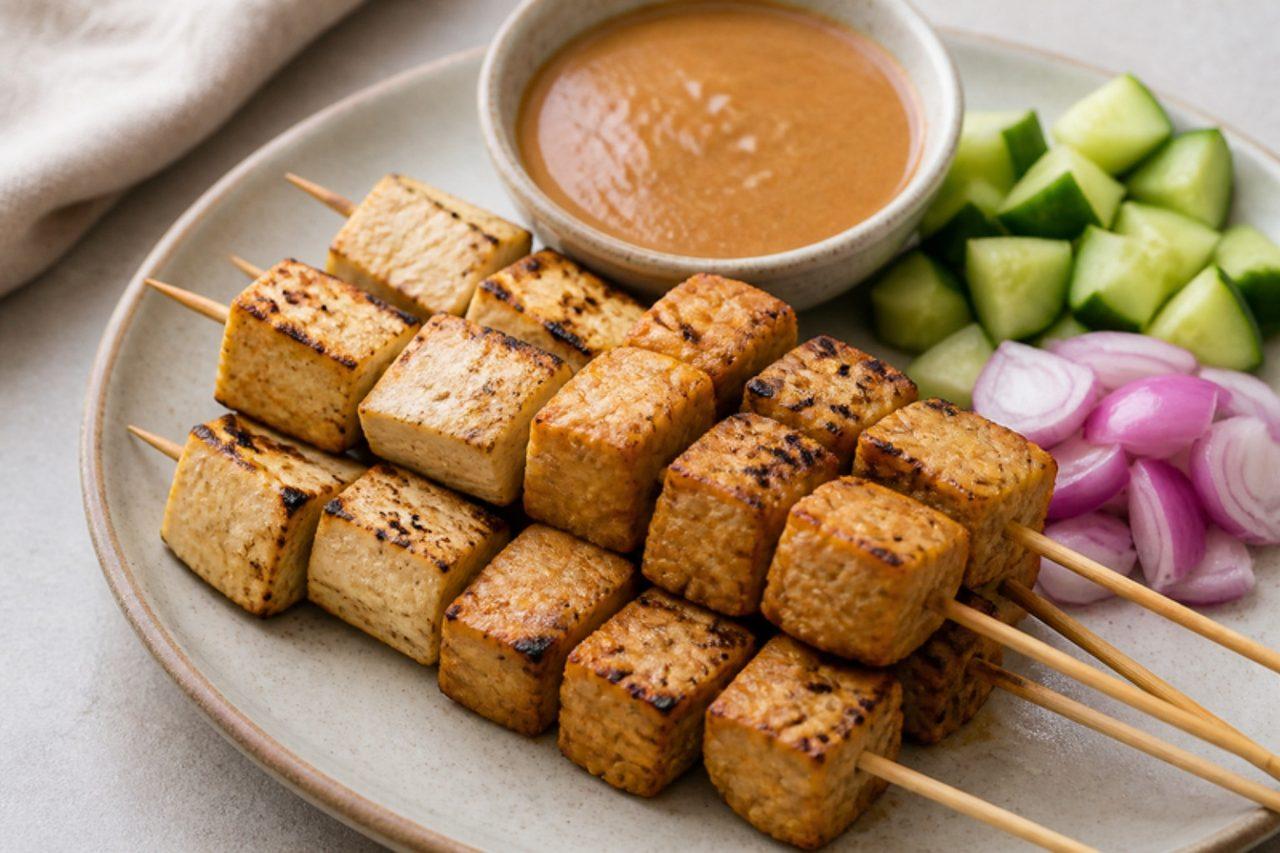
Tofu & tempeh satay with peanut sauce

Satay smoke drifts along Javanese streets every evening, where sellers fan charcoal grills set up on the pavement and serve skewers with peanut sauce, rice cakes and sliced shallot. Tofu and tempeh are naturals for it: they drink up a sweet-savoury marinade of palm sugar, tamari, coriander and garlic and pick up dark, sticky char at the edges. The sauce here is cooked until smooth and glossy, sweeter and milder than the grainy dressing on gado-gado, made for dipping. Chef's tip: soak the bamboo skewers for 30 minutes and brush the satay with marinade as it grills — the sugar caramelises into the dark, slightly burnt edges that make satay taste like satay.

by KrazyBadal 1 views

Buna (Ethiopian coffee ceremony)Roasted and brewed Ethiopian coffee

Coffee was born in Ethiopia's south-western forests around Kaffa and Jimma, and buna is still a ceremony as much as a drink: in homes from Jimma to Addis Ababa, a woman of the house roasts green beans in a pan over charcoal, carries the smoking pan around so guests can breathe in the aroma, grinds them, and brews the coffee in a clay pot called a jebena. It is served in small handleless cups with sugar (or salt or butter in the countryside), alongside popcorn or dabo kolo, and poured three times: abol, tona and baraka. The ceremony takes the best part of an hour and is about conversation. Chef's tip: let the jebena stand for a few minutes before pouring so the grounds settle, and pour in one steady stream without stopping.

by KrazyBadal 0 views

Orange salad with cinnamon

After a heavy tagine or couscous, Moroccan families in the orange-growing Souss valley and around Marrakech often skip pastries and bring out a plate of sliced oranges instead, splashed with orange blossom water and dusted with cinnamon. It is the simplest dessert there is, but when the oranges are cold and juicy it tastes like a perfume of spice and flowers. Scatter over toasted almonds or chopped dates to make it more filling. Chef's tip: cut off every bit of white pith; even a thin ring of it makes the slices bitter.

by KrazyBadal 0 views

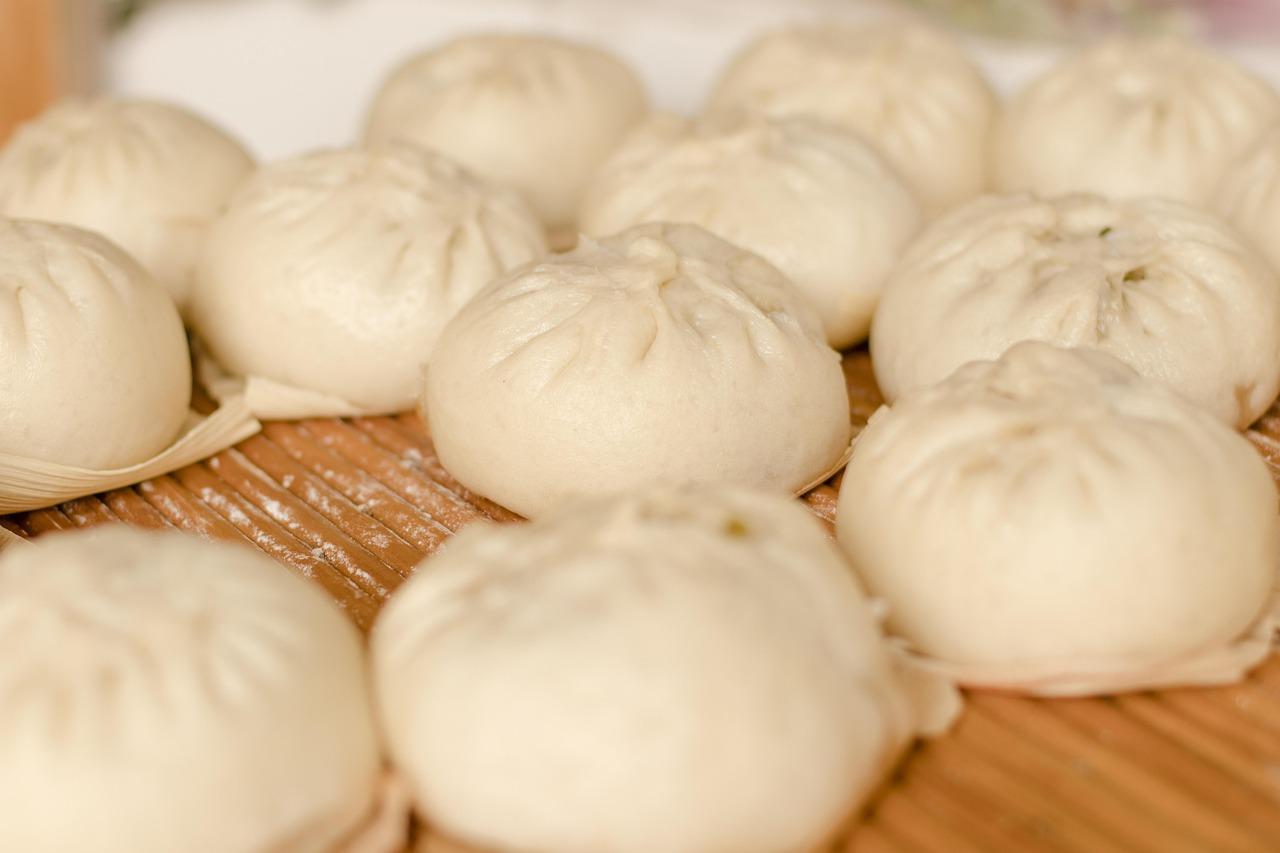
Vegetable steamed bao buns (baozi)

Baozi are breakfast across China: commuters in Shanghai, Beijing and small towns alike queue at steaming stalls for a couple of buns and a cup of soya milk. Vegetable baozi (su cai bao) are a standard on every counter, usually filled with greens, mushroom, tofu and glass noodles. Making them is a weekend job, but they freeze beautifully and reheat in 10 minutes. Chef's tip: let the shaped buns rise until they look puffy and feel light before steaming; under-proved buns come out dense and wrinkled.

by KrazyBadal 0 views

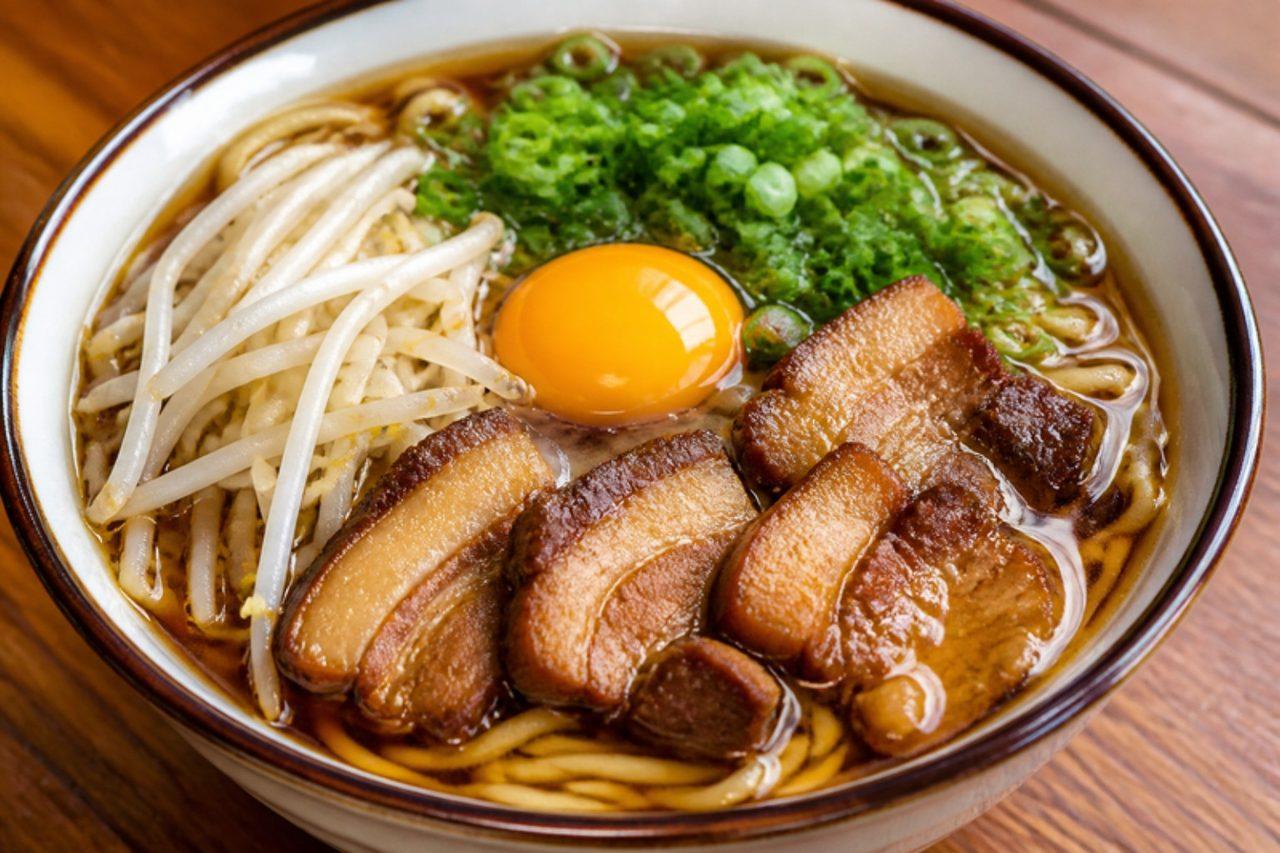
Tokushima ramen

Tokushima, the city famous for the Awa Odori summer dance, has its own ramen with a broth almost the colour of coffee. Instead of chashu slices, the bowl is topped with thin pieces of pork belly simmered in sweet soy, plus bean sprouts, spring onions and a raw egg cracked in the middle. Locals often order a bowl of plain rice on the side and spoon the pork and egg over it. This home version builds the dark soup from good stock, the pork's own simmering liquid and soy. Chef's tip: eat it with rice as Tokushima does; the sweet-salty broth is strong on purpose, and the rice balances it.

by KrazyBadal 0 views

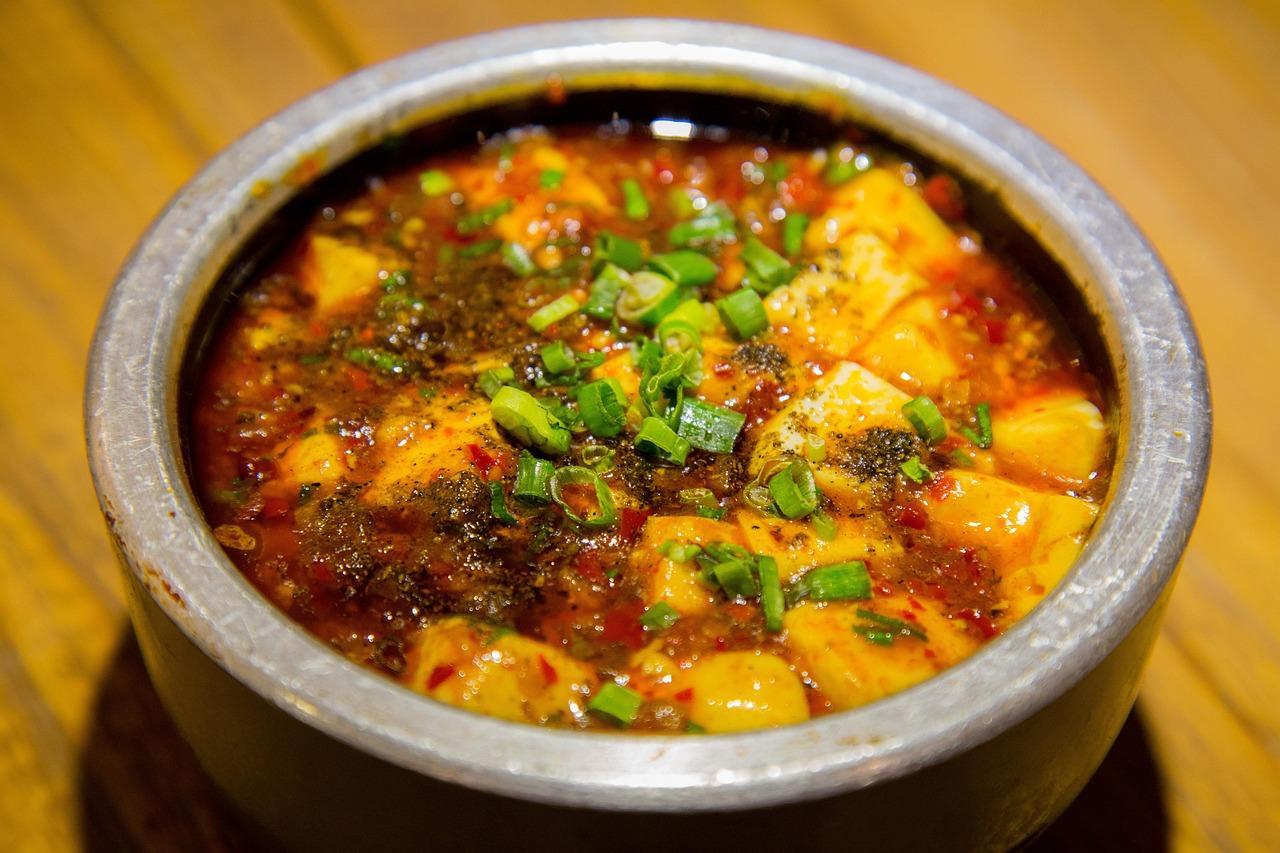
Mapo tofu with mushrooms

Mapo tofu was first served at a small eatery in north Chengdu in the late 1800s, and it is still on the table at almost every Sichuan family dinner: wobbly cubes of tofu in a glossy red sauce that is hot from chilli bean paste and tingling from Sichuan pepper. Restaurants make it with minced beef or pork; here finely chopped shiitake and chestnut mushrooms are fried until crisp-edged and dark, so they give the same savoury bite. Spoon it over plenty of steamed rice, which soaks up the oil. Chef's tip: grind the Sichuan pepper fresh and scatter it on at the very end; ground ahead of time it loses its buzz.

by KrazyBadal 0 views

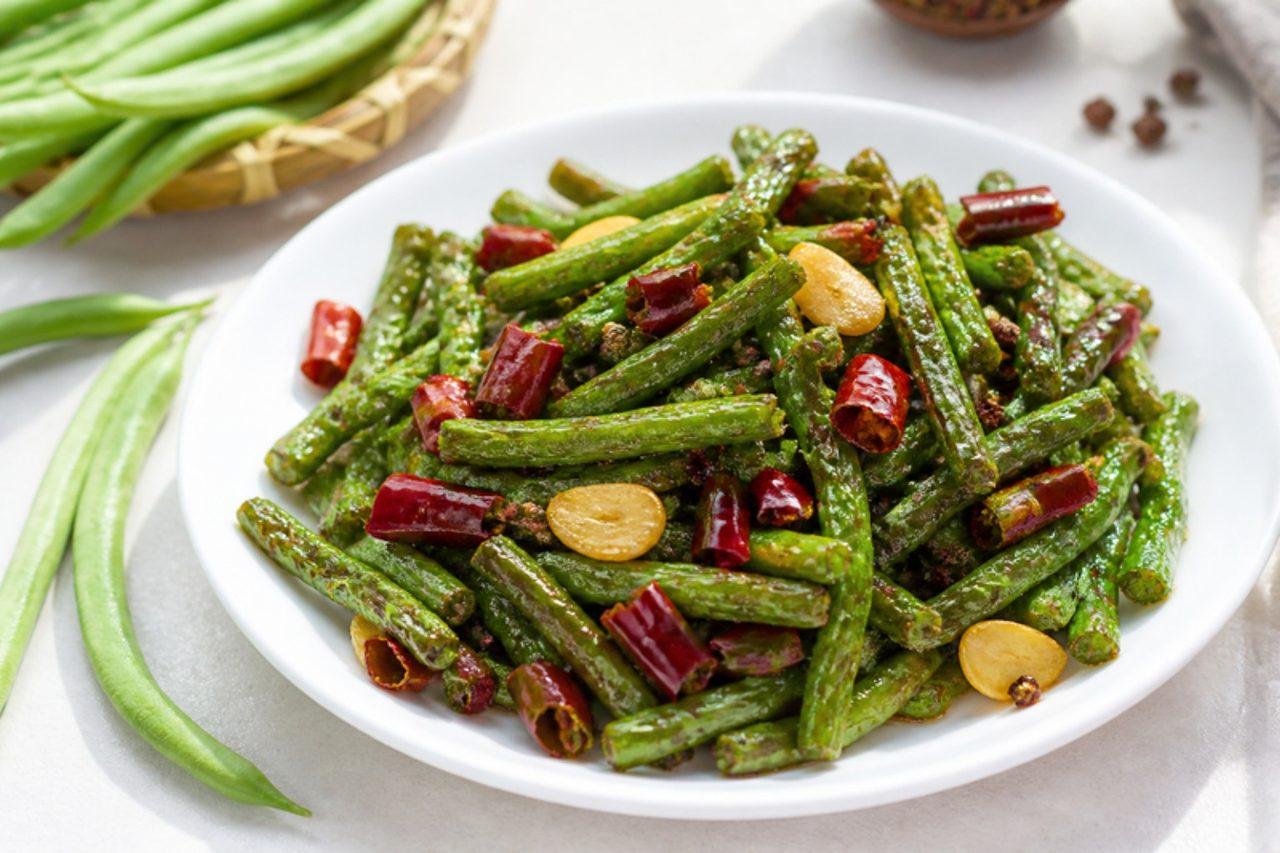
Sichuan dry-fried green beans

Gan bian si ji dou, 'dry-fried four-season beans', is a fixture of Sichuan restaurant menus and home tables alike. The beans are fried until their skins wrinkle and blister, then tossed in a hot, dry wok with chilli, Sichuan pepper and salty preserved mustard greens (ya cai) from Yibin. Nothing is saucy: every bean is coated and slightly chewy. Restaurants usually add pork; this vegetarian version leans on the ya cai for depth. Chef's tip: dry the beans completely after washing, or they will spit and steam instead of blistering.

by KrazyBadal 0 views

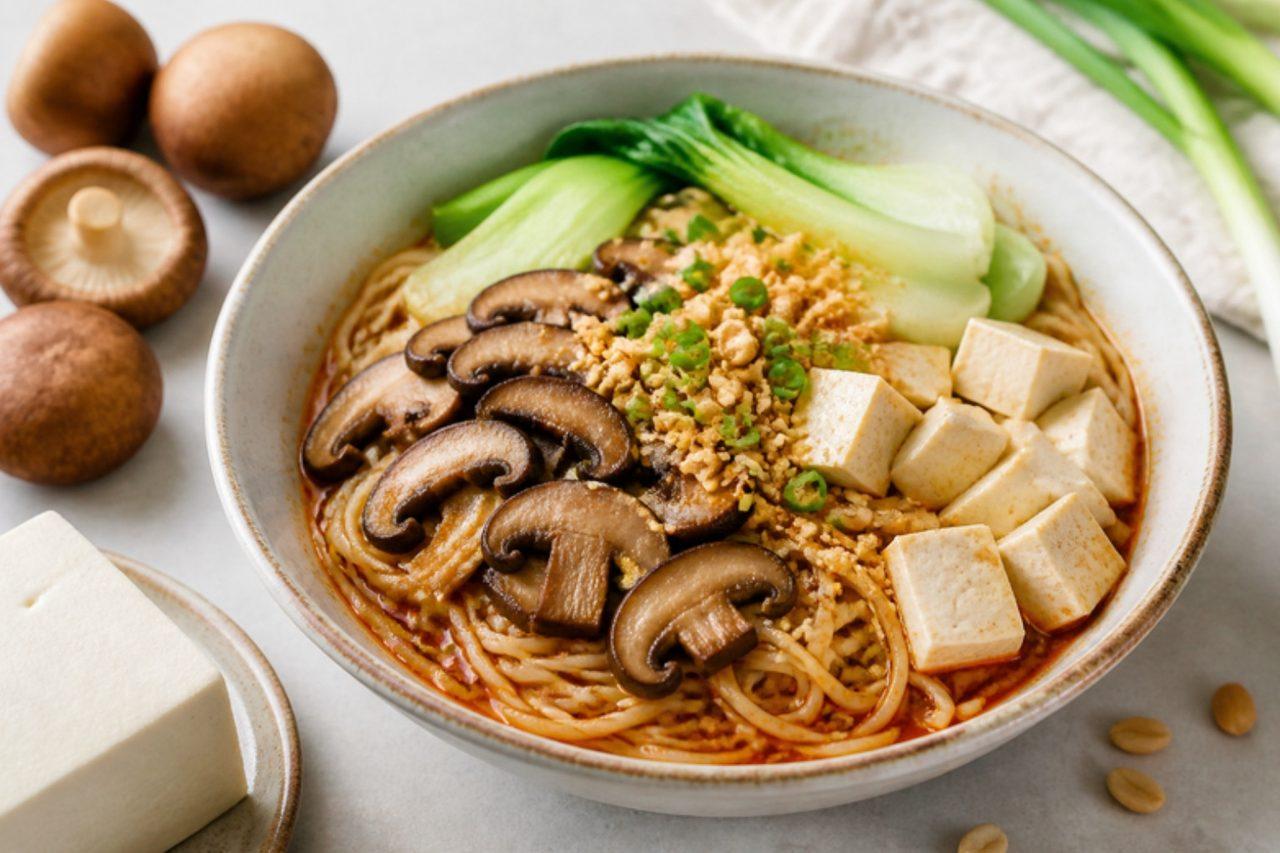
Dan dan noodles with mushroom and tofu crumble

Dan dan mian is named after the shoulder pole (dan) that Chengdu hawkers once used to carry their noodles and sauces through the streets. A proper bowl is small and intense: springy wheat noodles over a puddle of sesame paste, chilli oil and soy, topped with a crunchy, salty crumble and blanched greens. The crumble here is mushroom and tofu fried with preserved ya cai until crisp. Mix everything from the bottom before eating. Chef's tip: loosen the sesame paste with a little of the hot noodle water so it coats every strand instead of clumping.

by KrazyBadal 0 views

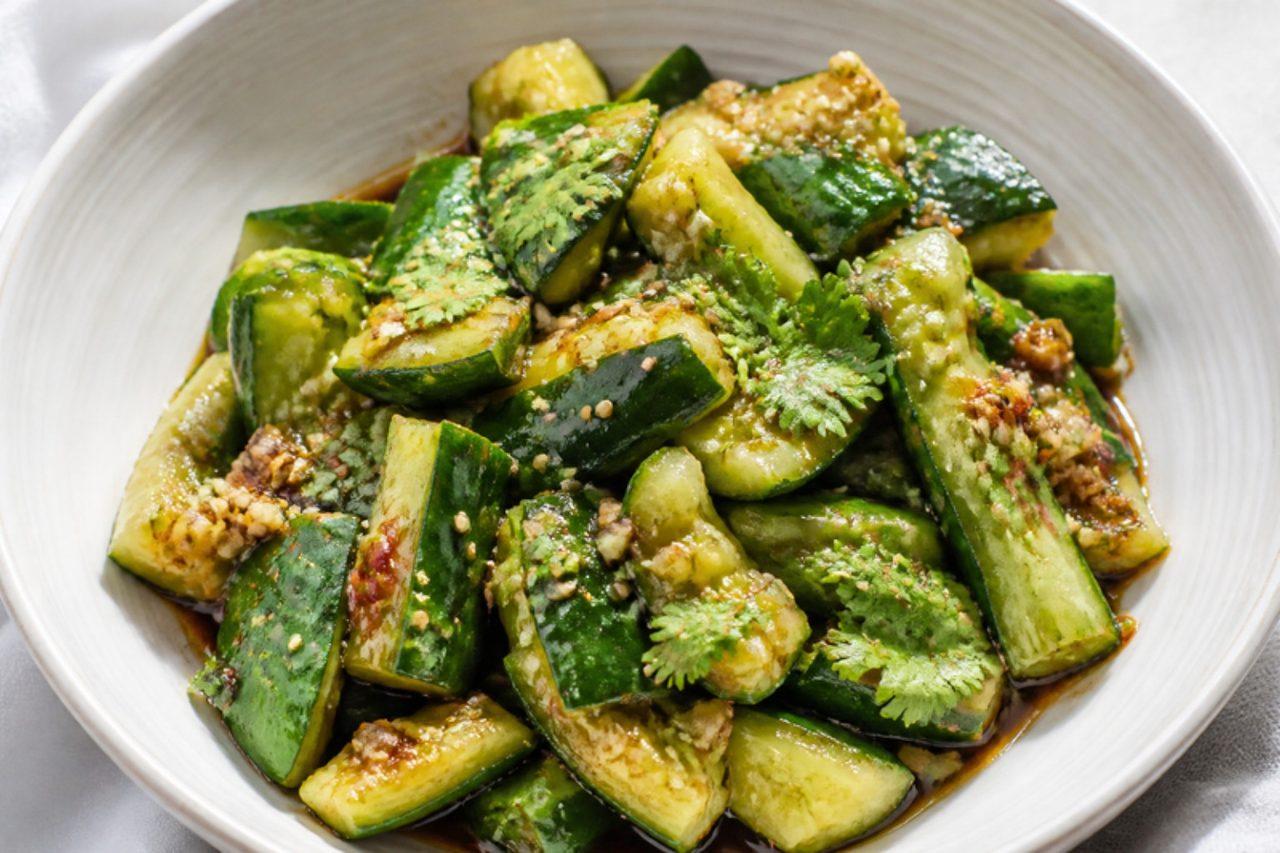
Smashed cucumber salad (pai huang gua)

Pai huang gua turns up on tables from Beijing to Guangzhou, often the first dish to land at a summer meal because it takes ten minutes and cools the mouth between spicy bites. Smashing the cucumbers rather than slicing them cracks them into rough pieces that soak up dressing in minutes. It goes with any stir-fry, noodles or dumplings. Chef's tip: salt the smashed pieces for 10 minutes and pour off the water, otherwise the dressing is diluted to nothing by the time you sit down.

by KrazyBadal 0 views

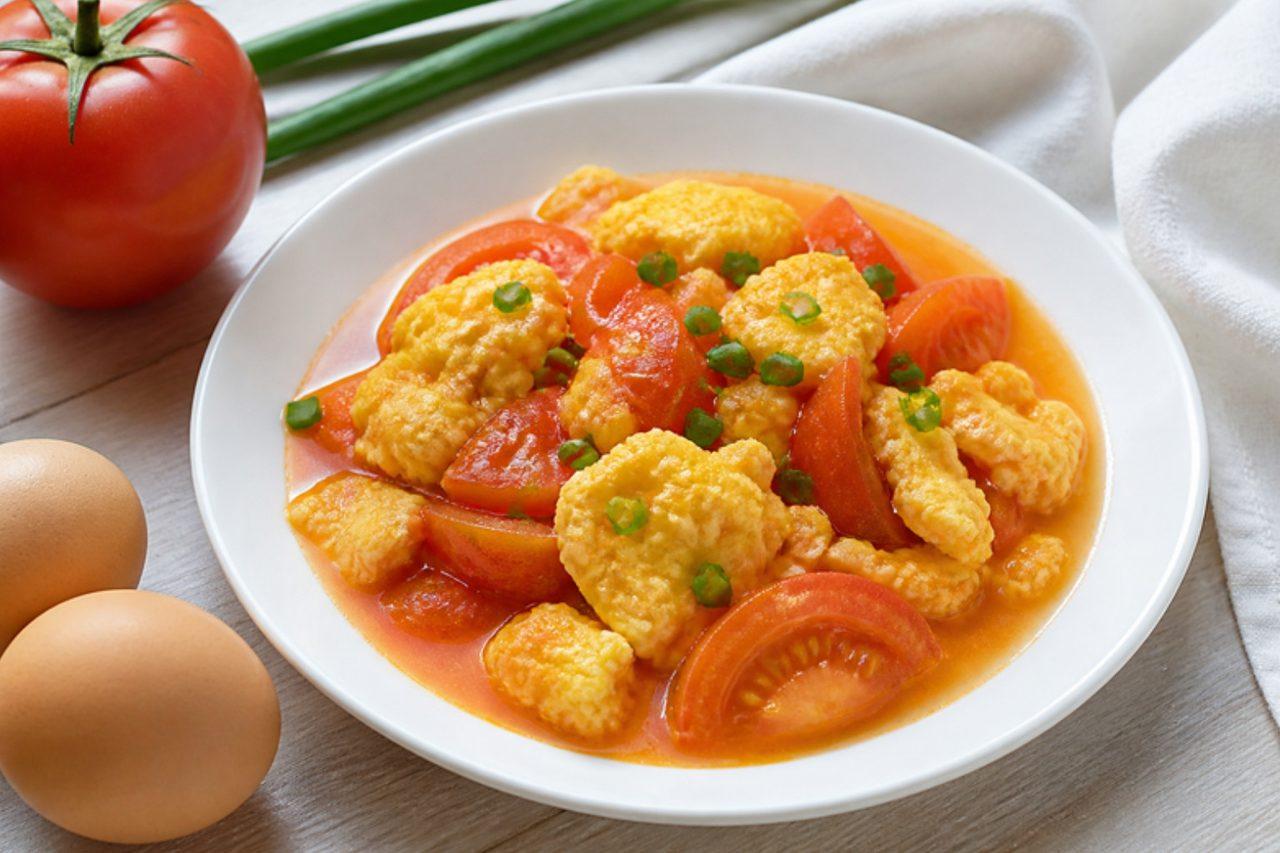
Tomato and egg stir-fry

Fan qie chao dan is the dish students across China cook in their first flat, and it appears at family meals in every province. Soft curds of egg and slumped tomatoes make a sweet-sour, slightly saucy stir-fry that is wonderful spooned over rice. Some families make it drier, others soupier; this version has just enough sauce to soak the rice. Chef's tip: cook the eggs first and take them out while still glossy; they finish in the tomato sauce and stay tender.

by KrazyBadal 0 views

Hong Kong egg tarts

Daan taat are the pride of Hong Kong bakeries and cha chaan teng, where they come out of the oven several times a day and are eaten warm with a glass of milk tea. Unlike Portuguese tarts, the custard stays smooth, glossy and bright yellow with no scorched top, and this version uses a buttery shortcrust (lard is traditional in some bakeries; we use only butter). Chef's tip: strain the custard twice and skim off every bubble; that's what gives the mirror-smooth surface.

by KrazyBadal 0 views

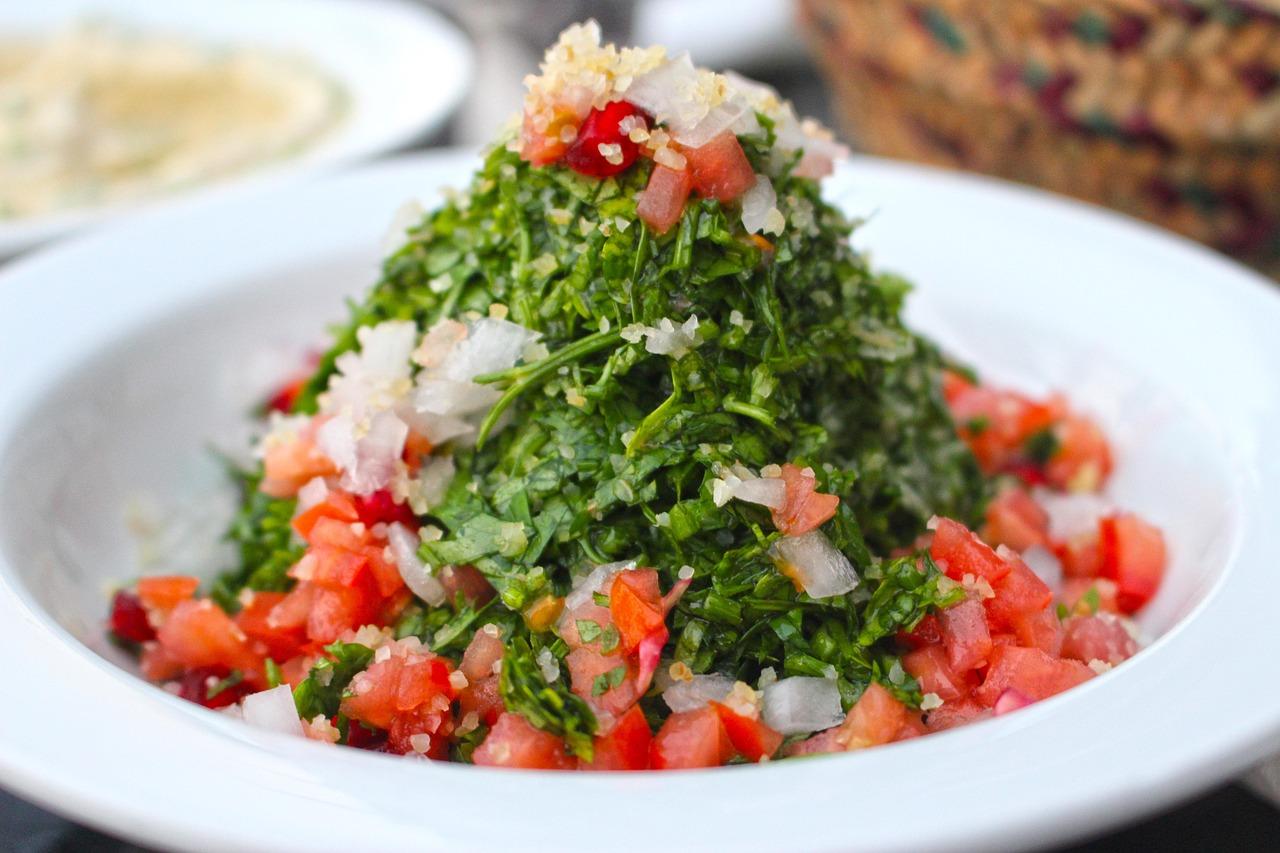
Tabbouleh

In Lebanese homes tabbouleh is a green salad first and a grain salad a distant second: a heap of finely cut flat-leaf parsley and mint, flecked with fine bulgur, diced tomato and spring onion, and sharpened with lemon and olive oil. It turns up on every mezze table from Beirut to the mountain villages, and families make it in big bowls for Sunday lunch, scooping it up with crisp inner leaves of cos lettuce. It tastes bright, lemony and fresh, and goes with falafel, grilled halloumi or any spread of dips and bread. The usual mistake is chopping wet parsley, which bruises into a dark, soggy mush; dry it thoroughly and slice it with a sharp knife instead. Chef's tip: dress the bulgur with the lemon juice and tomato juice first, so it softens in that liquid instead of in water and soaks up all the flavour.

by KrazyBadal 0 views

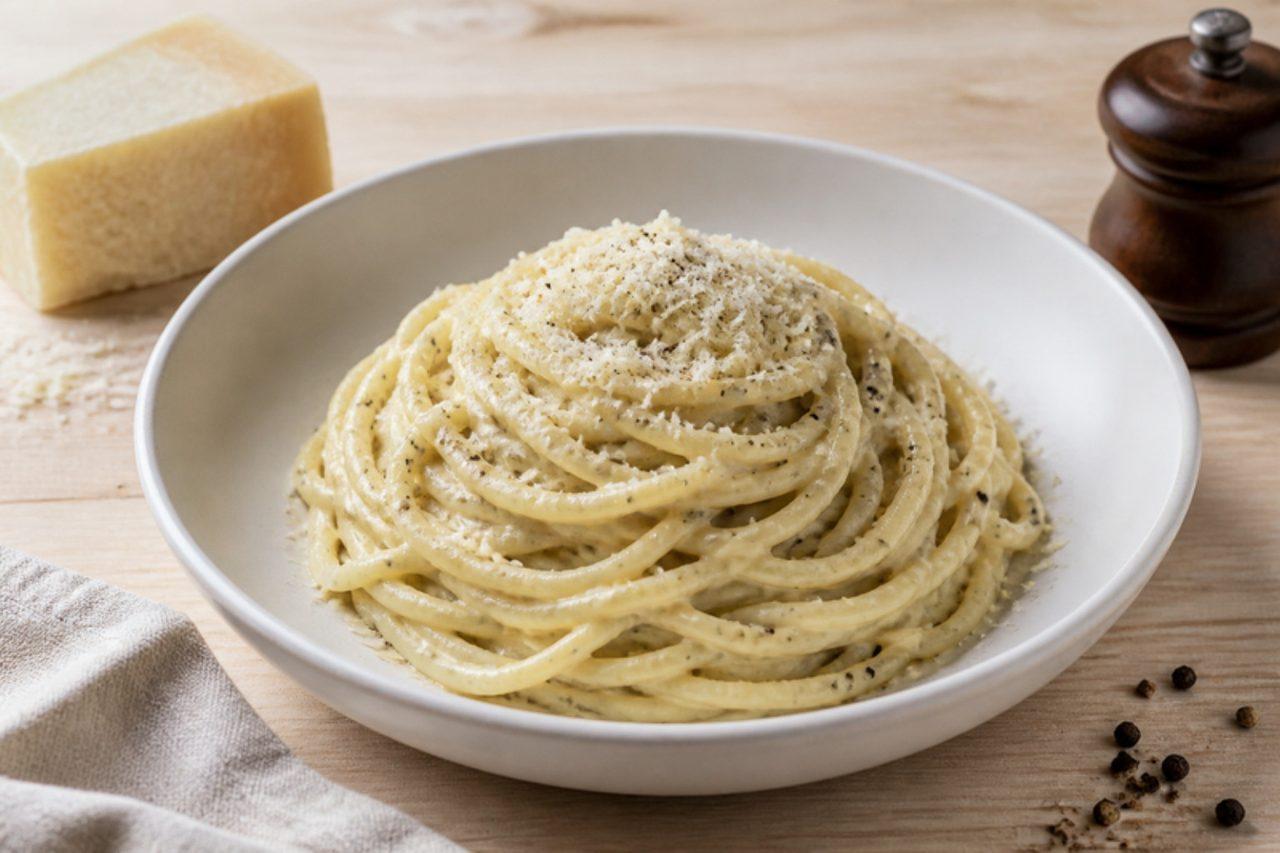
Cacio e pepe

Cacio e pepe is a Roman trattoria standard: just pasta, sheep's cheese and a lot of cracked black pepper, turned into a glossy cream with starchy cooking water. Romans order it as a primo at lunch, especially in the old osterie of Testaccio and Trastevere, and it was born as shepherds' food because dry pecorino and peppercorns kept for weeks. Tonnarelli (square egg-free spaghetti) is the classic shape; in southern Tuscany the same sauce coats pici, fat hand-rolled noodles, and the variation is in the last step. Chef's tip: toast the cracked pepper in the dry pan first, then splash in pasta water; it turns the pepper fragrant rather than harsh and starts the sauce base.

by KrazyBadal 0 views

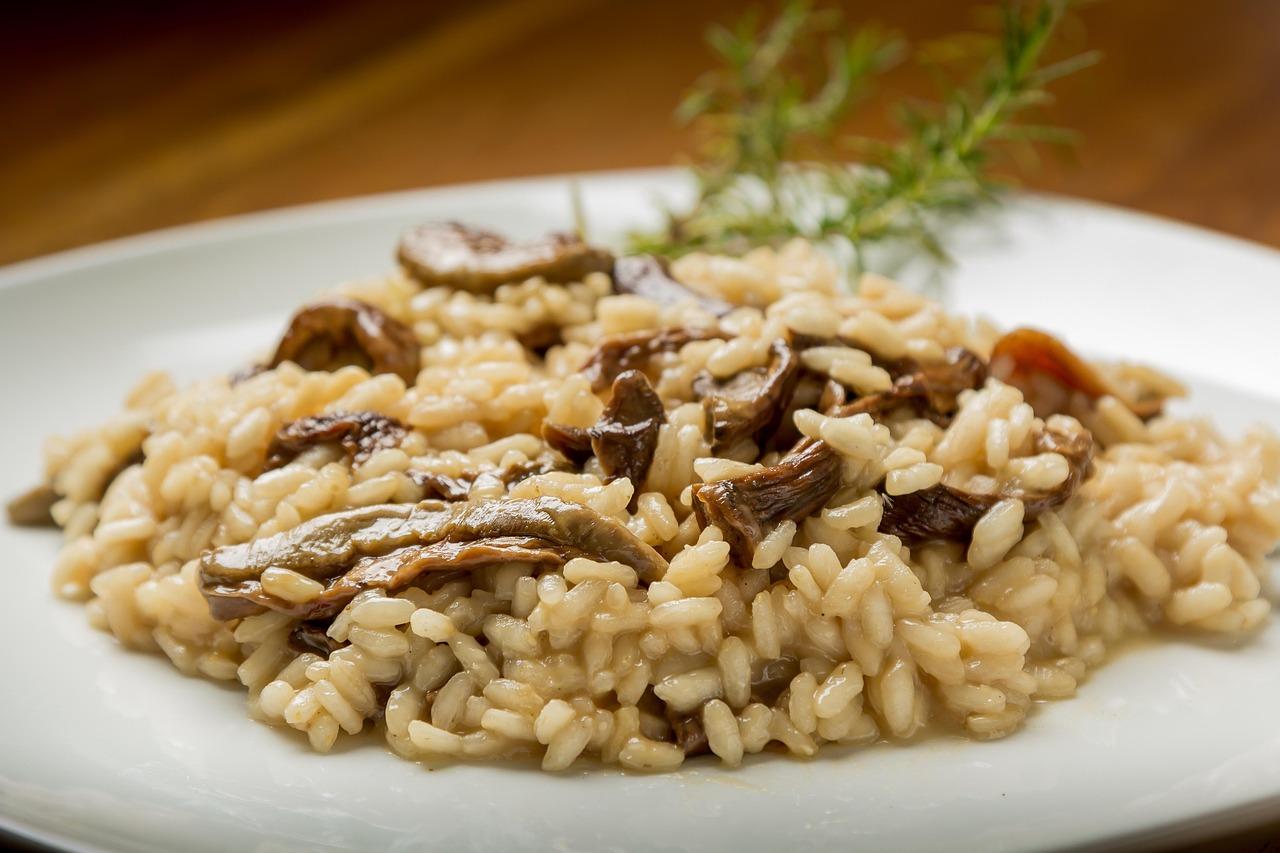
Mushroom risotto

Risotto ai funghi is what Piedmont and Lombardy cook in October, when foragers bring porcini down from the Alpine foothills and markets in Alba, Turin and Bergamo sell baskets of wild mushrooms. At home, a handful of dried porcini and their soaking liquid give that deep, woodsy flavour to ordinary chestnut mushrooms. It is a first course in Italy and a full supper anywhere else. Chef's tip: brown the fresh mushrooms in a separate hot pan and fold half in at the end; they stay meaty instead of turning soft and grey.

by KrazyBadal 0 views

Showing 54 of 7,762 recipes

Show more recipes

Page 638 of 863