


Skip to content
Feijoa jam
Featured recipe

Feijoa jam

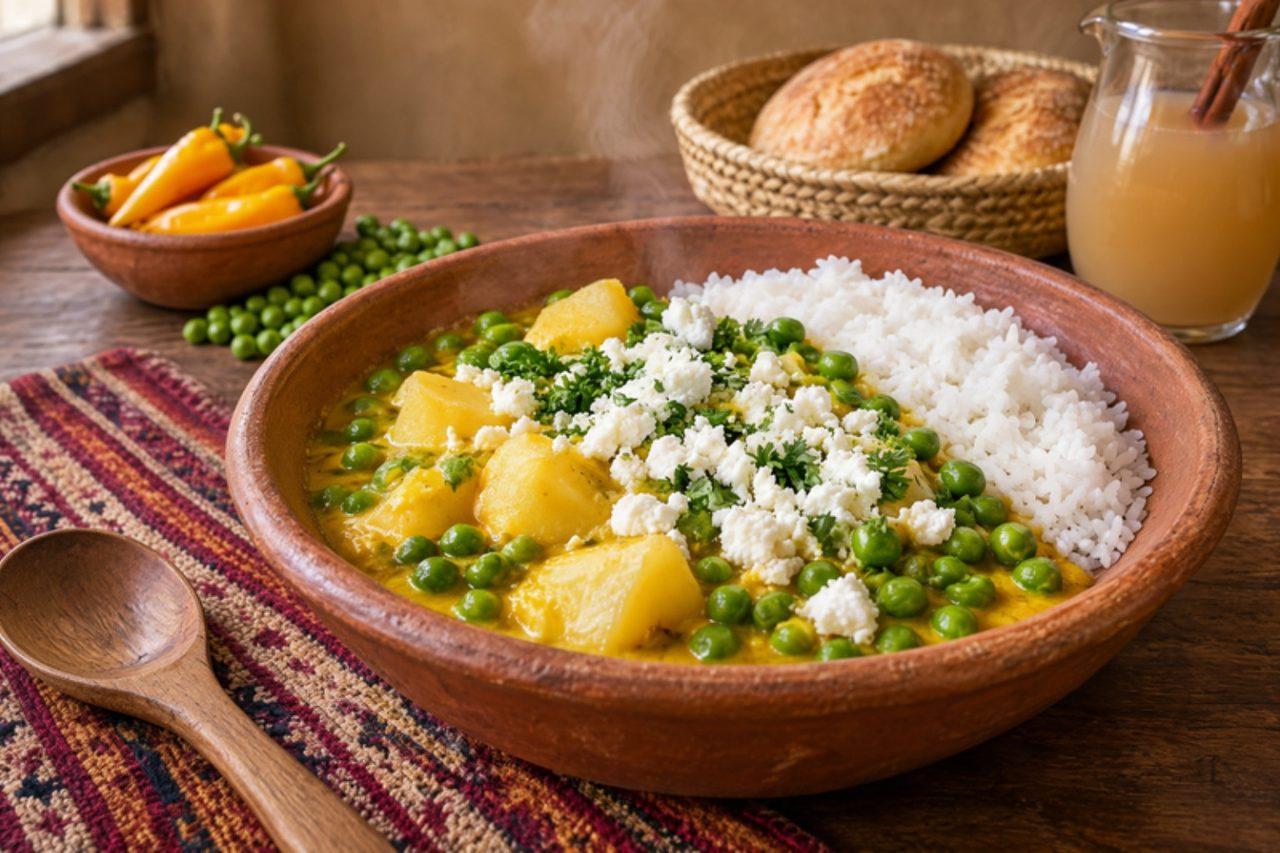
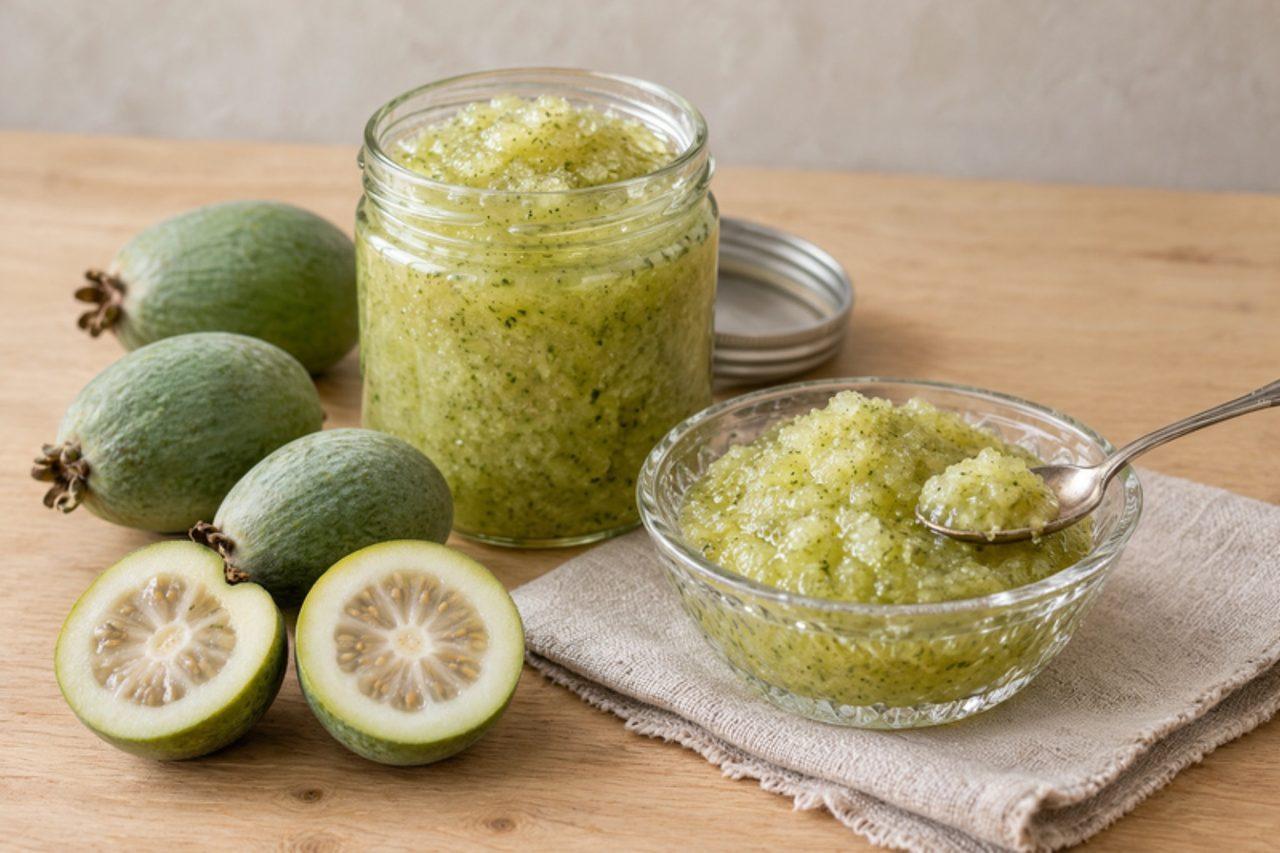
Feijoa bushes grow in almost every garden along Georgia's Black Sea coast, in Batumi, Kobuleti and the hills of Guria, and in late October and November the egg-shaped green fruit drop faster than anyone can eat them. The local answer is a raw jam: the whole fruit, skin and all, minced with sugar and kept cold, so it keeps the fresh, heady taste of pineapple, guava and mint. It is spooned into small glass dishes beside a cup of black tea, spread on bread for breakfast, stirred into yoghurt and eaten by the teaspoon through the winter cold season. The texture is a loose, pale-green pulp with a little grit from the seeds and skin; the flavour is sweet, tart and very aromatic. Common mistake: leaving the cut fruit to stand before mixing with sugar; it browns within minutes, so mince straight into the sugar and stir. The jam is ready when the sugar has fully dissolved and the colour is an even jade green. Because it is never cooked it must live in the fridge or freezer. Chef's tip: use fruit that gives slightly when pressed and smells strongly; hard feijoas taste of skin, overripe ones have brown jelly inside and turn the jam muddy.

Read more 0 views

What to eat today?

Around the world

Today's trip: Paraguayan

A new country every day, from every cuisine on the site.

Paraguayan

Buseca

Tripe and white bean stew 185 minMore from Paraguayan (27) →

This week's collection

Kid-friendly dinners
537 recipes · a new collection every Monday

Latest recipes

Armenian coffee

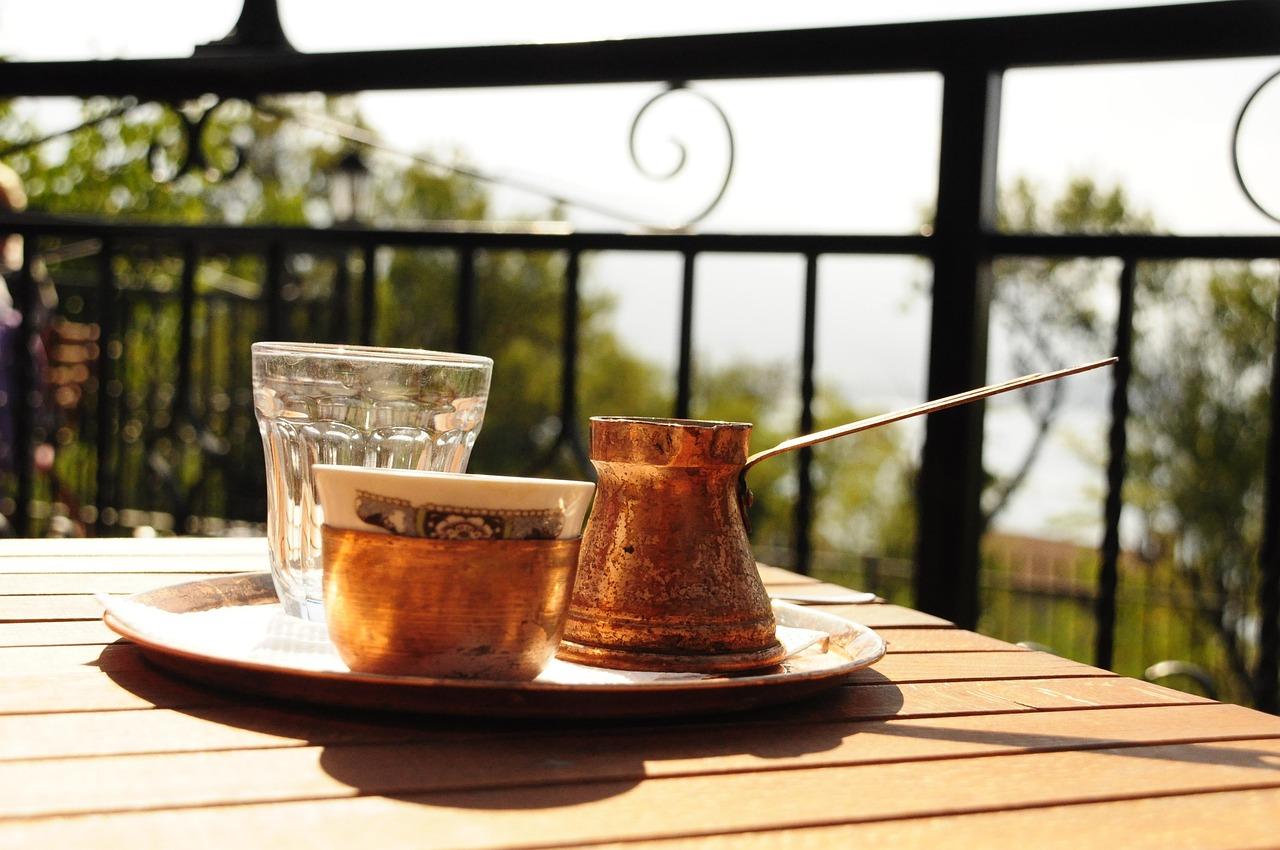
Armenian coffee, soorj, is boiled in a small long-handled pot called a jazzve and poured unfiltered into tiny cups. It is offered the moment a guest sits down in any Yerevan home and lingers after meals while the grounds settle; when the cup is empty, it is turned upside down on its saucer so someone can read the patterns left in the grounds. The coffee is powder-fine, often scented with a pinch of cardamom, with a velvety foam (kaymak) on top that is a point of pride for the host. Serve with a glass of water and a little gata or dried fruit. Chef's tip: start with cold water and a low flame; the slower the coffee heats, the thicker and longer-lasting the foam.

by KrazyBadal 1 views

Ga kho gungGinger caramel chicken

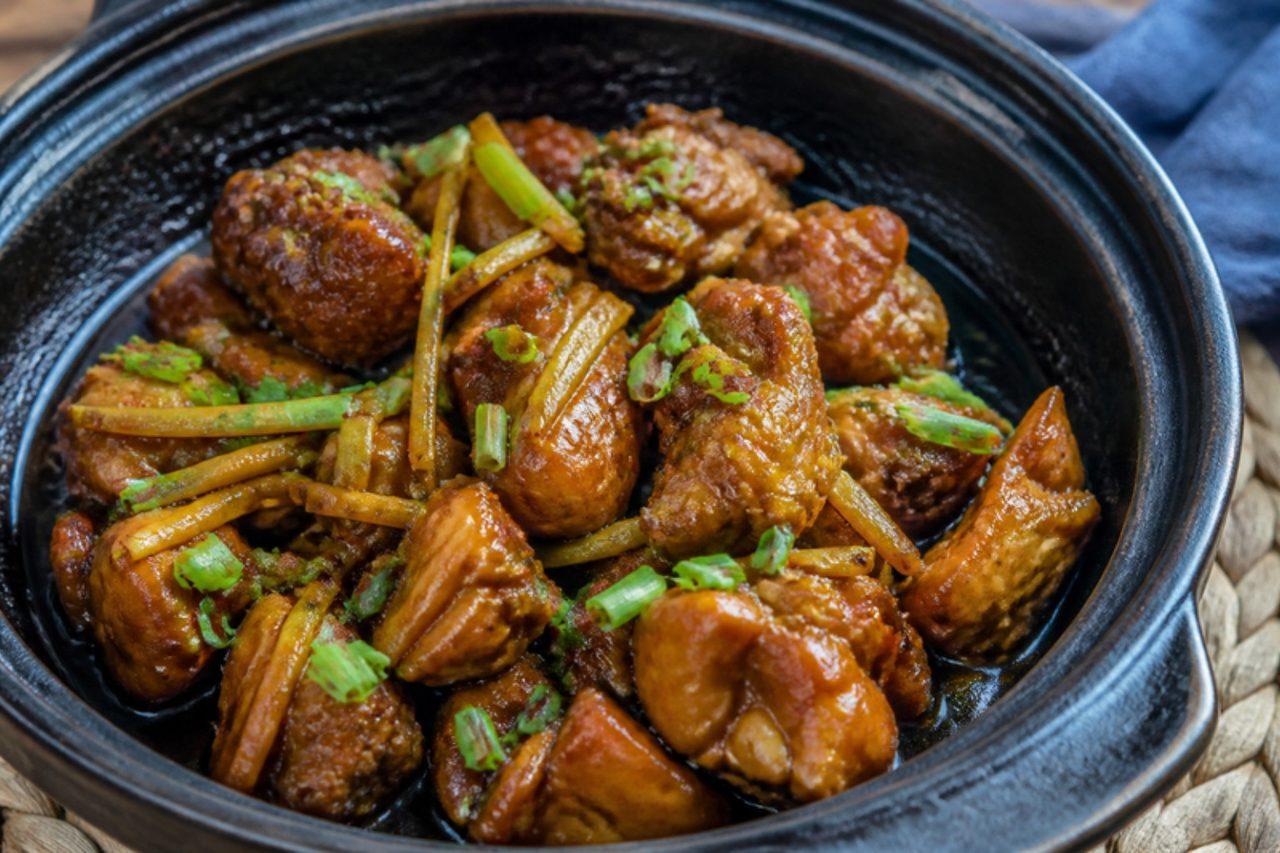
Across Vietnam, from Hanoi apartments to Mekong Delta farmhouses, a small pot of something braised in caramel and fish sauce sits on the family table at dinner with rice, a plate of boiled greens and a clear soup. This chicken version leans on ginger, cut into fine matchsticks so it turns soft and warming in the glossy, salty-sweet sauce. It's a favourite when the weather cools, traditionally cooked in a clay pot, though any heavy pan will do. It reheats well, so it's a good one for the next day's lunch. Chef's tip: take the caramel to the colour of strong tea, deep amber, before the chicken goes in; that slight bitterness is what keeps the dish from tasting sugary.

by KrazyBadal 0 views

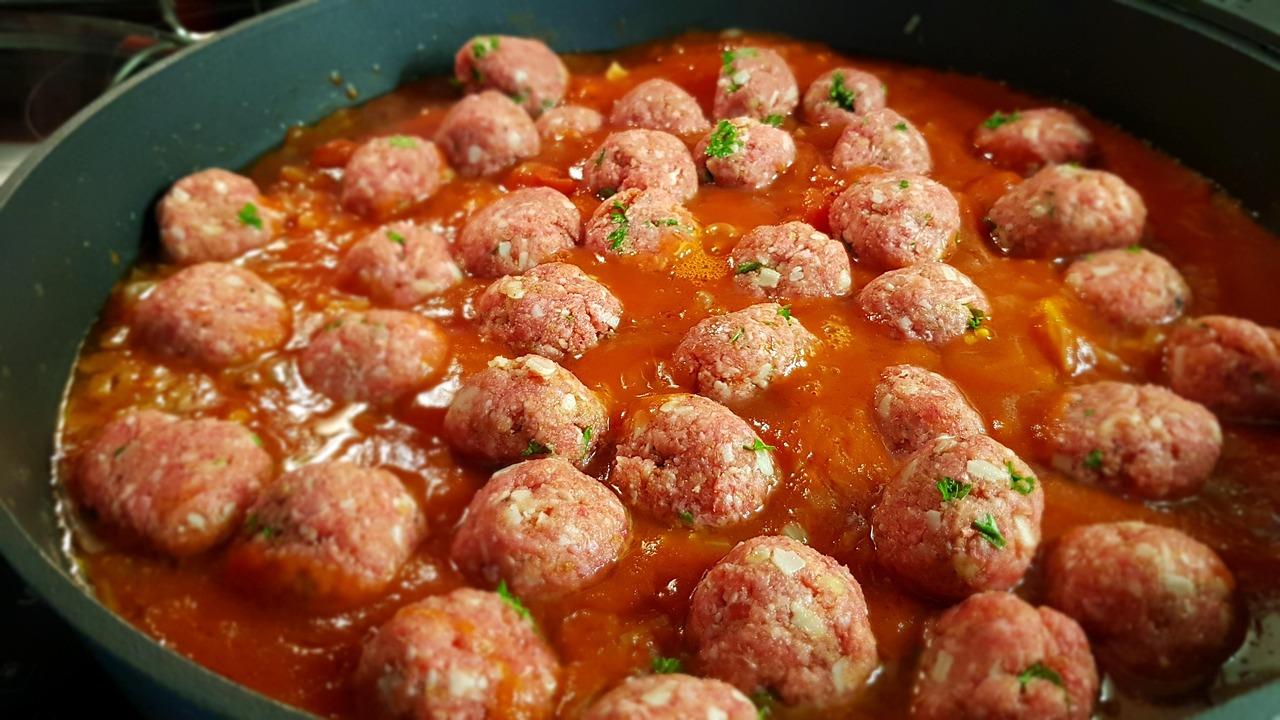
Albóndigas en salsaMeatballs in tomato almond sauce

Albóndigas turn up all over Spain: in a cazuelita on a tapas bar counter, as the second course of a weekday menú del día, and in home kitchens on a Sunday when there is time to roll them. These are made with pork and beef, softened with milk-soaked bread, browned and then simmered in a tomato sauce thickened the old Spanish way with ground fried almonds, which gives it body and a gentle nutty sweetness. Serve them with chips, rice or plenty of bread. They taste even better the next day. Chef's tip: wet your hands with cold water before rolling each meatball; the mixture won't stick and the balls come out smooth and round.

by KrazyBadal 0 views

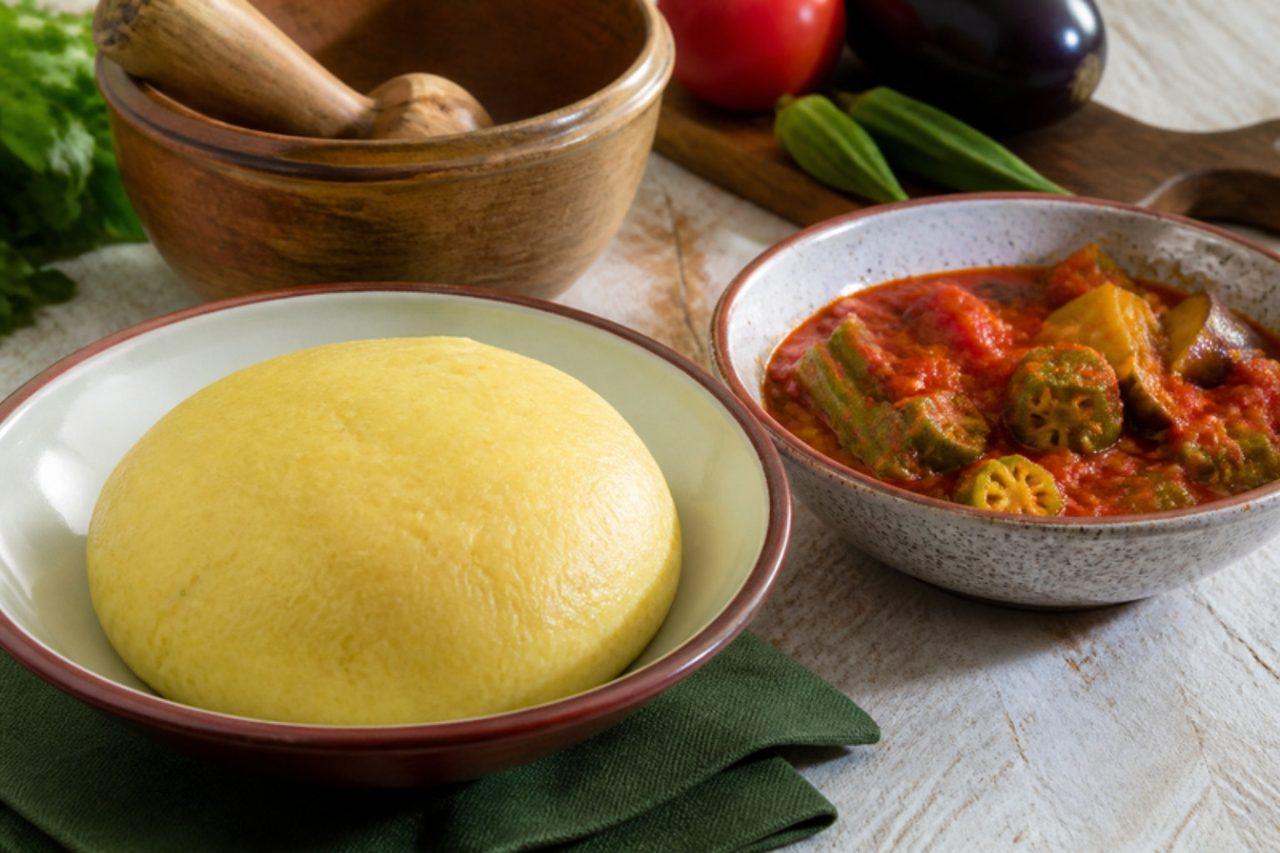
Foutou bananePounded plantain and cassava

Foutou is the pounded staple of the Baoulé country around Bouaké and Yamoussoukro: boiled plantain, often mixed with cassava, pounded in a wooden mortar into a smooth, stretchy, slightly sweet ball. It is eaten with the fingers, pulled off in pieces and dipped into sauce graine (palm nut), sauce arachide or okra sauce. A food processor followed by a short knead does the job at home. Chef's tip: pound while everything is steaming hot; cold plantain will not come together and stays lumpy.

by KrazyBadal 0 views

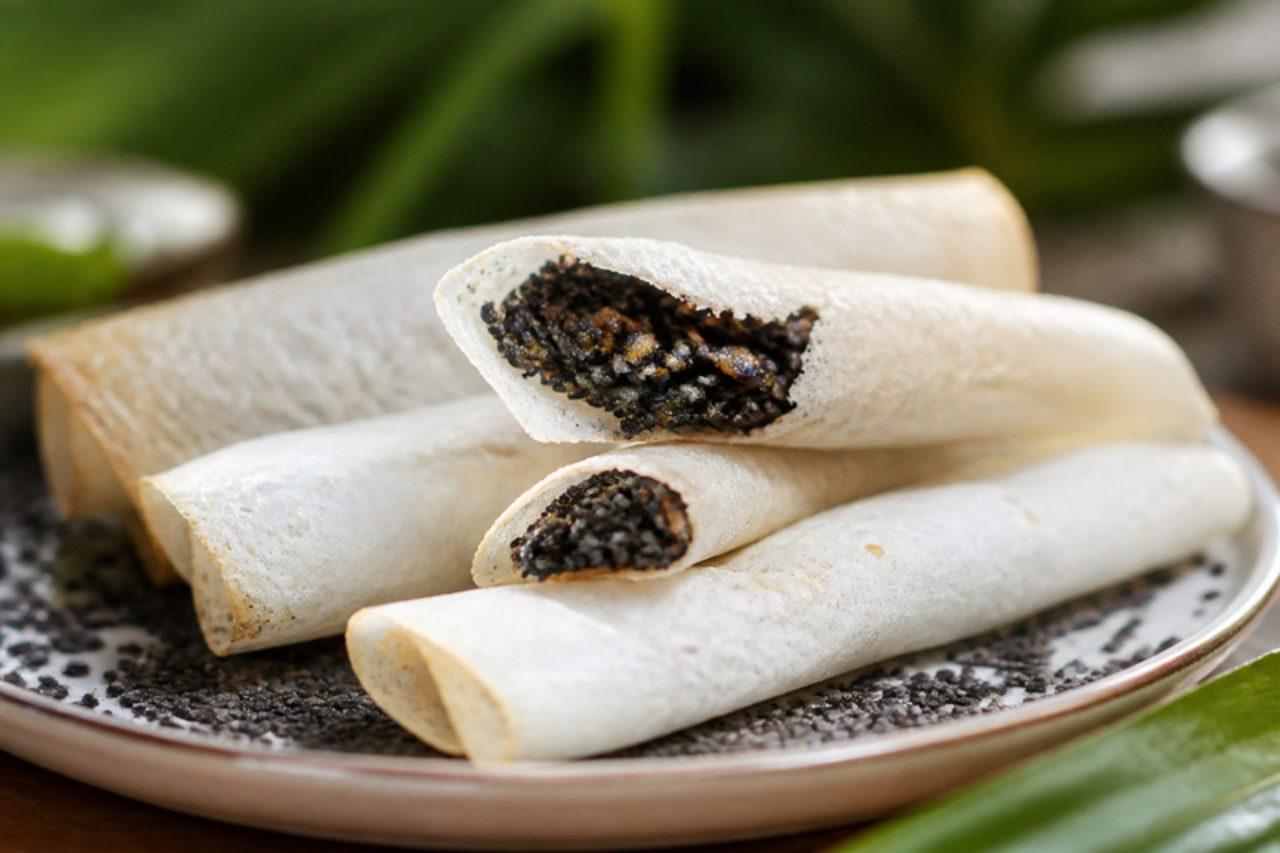
Til pithaSesame rice rolls

Til pitha is the essential sweet of Magh Bihu, the January harvest festival, when Assamese homes stay up late around the fire, frying and toasting. Fresh flour of soaked bora (sticky) rice is spread thin on a hot pan into a round, filled with roasted black sesame and jaggery and rolled into a cigar while still soft; it crisps as it cools. Tins of til pitha are carried to every house visited during Bihu. Chef's tip: the flour must be freshly ground from soaked sticky rice and still slightly damp; dry shop rice flour won't fuse into a sheet.

by KrazyBadal 0 views

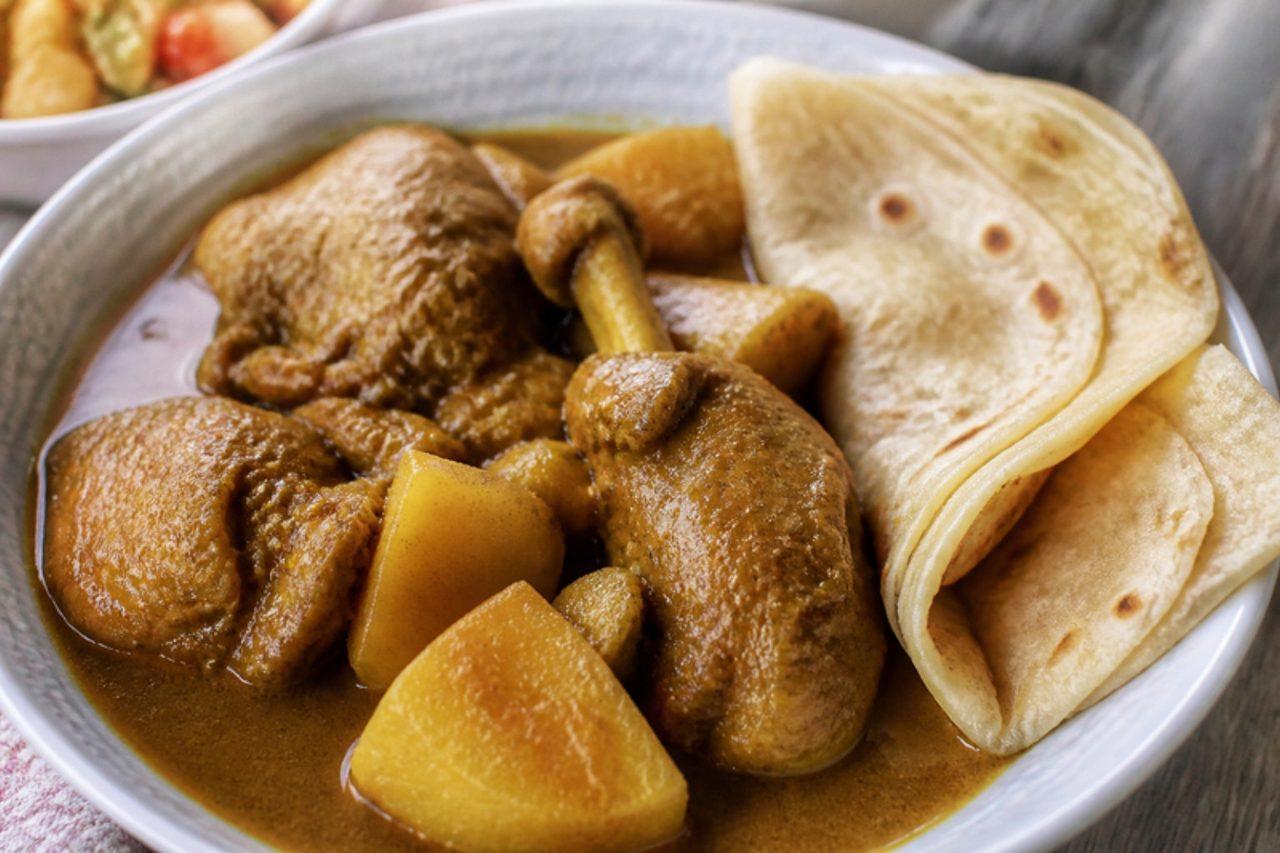
Guyanese chicken curry

In Guyana, Sunday is curry day in Indo-Guyanese homes from Berbice to the East Coast Demerara, and chicken curry with roti or rice is the classic. Its flavour comes from a green seasoning of herbs, garlic and wiri wiri pepper, and from geera (roasted cumin), with the curry powder fried until almost dry before the chicken goes in. The mistake is adding the chicken before the curry paste is properly cooked ("bunjayed"), which leaves a raw, dusty taste. Chef's tip: finish with a sprinkle of toasted geera and let the curry rest for 10 minutes before serving.

by KrazyBadal 0 views

Mongolian lamb hot pot

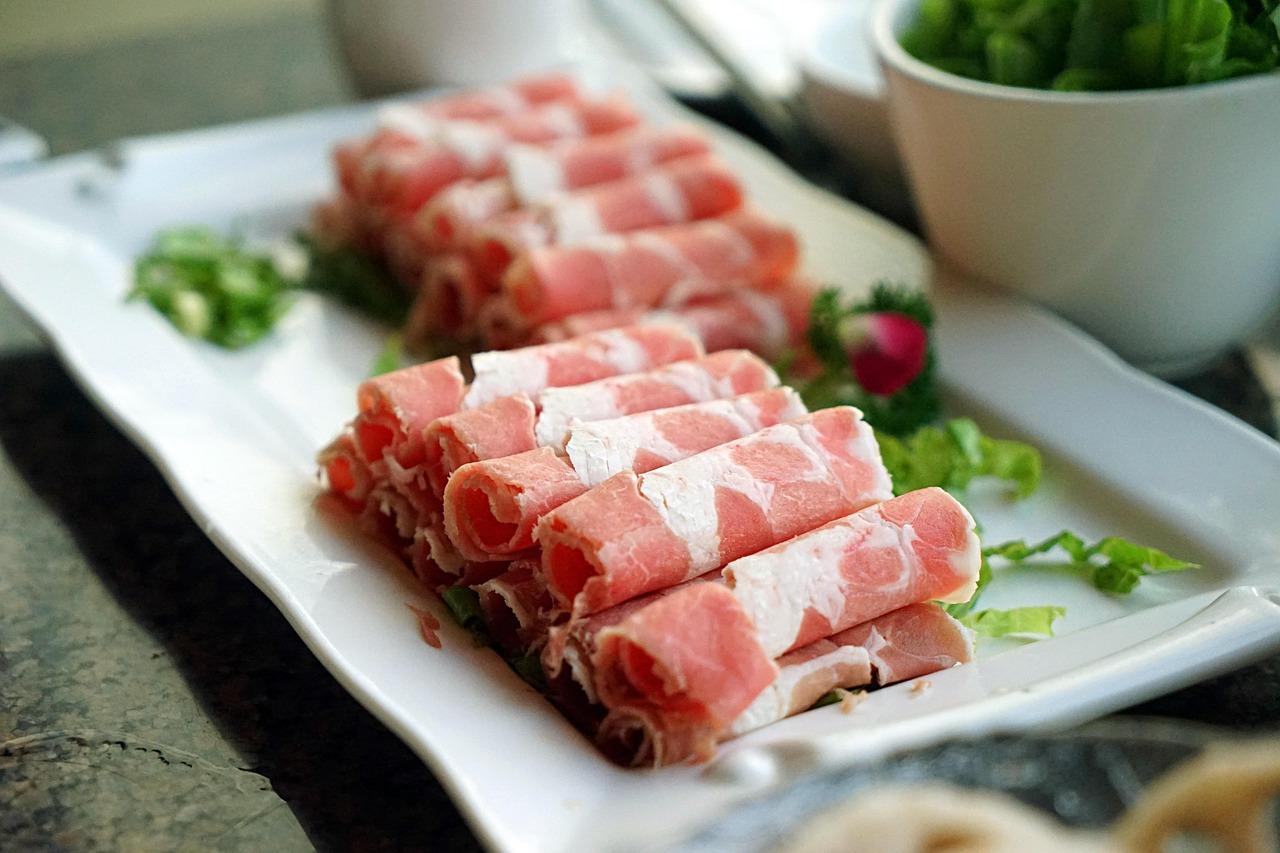
When the first cold winds blow through Beijing, old restaurants around Dongcheng light their chimney-shaped copper pots and diners start swishing paper-thin lamb through plain, gently bubbling water. Unlike fiery Sichuan hot pot, this one is all about the meat: the broth stays clear and mild, and the flavour comes from a creamy dip of sesame paste, fermented tofu and chive flower sauce. Everyone cooks their own slices for a few seconds, then adds cabbage, tofu and glass noodles to the pot as the evening goes on. It is a slow, sociable meal for winter weekends, with sesame flatbreads on the side. Chef's tip: half-freeze the lamb for 1–2 hours and it slices thin as paper with a sharp knife; or buy ready-rolled hot-pot lamb from an Asian grocer.

by KrazyBadal 0 views

Loco moco

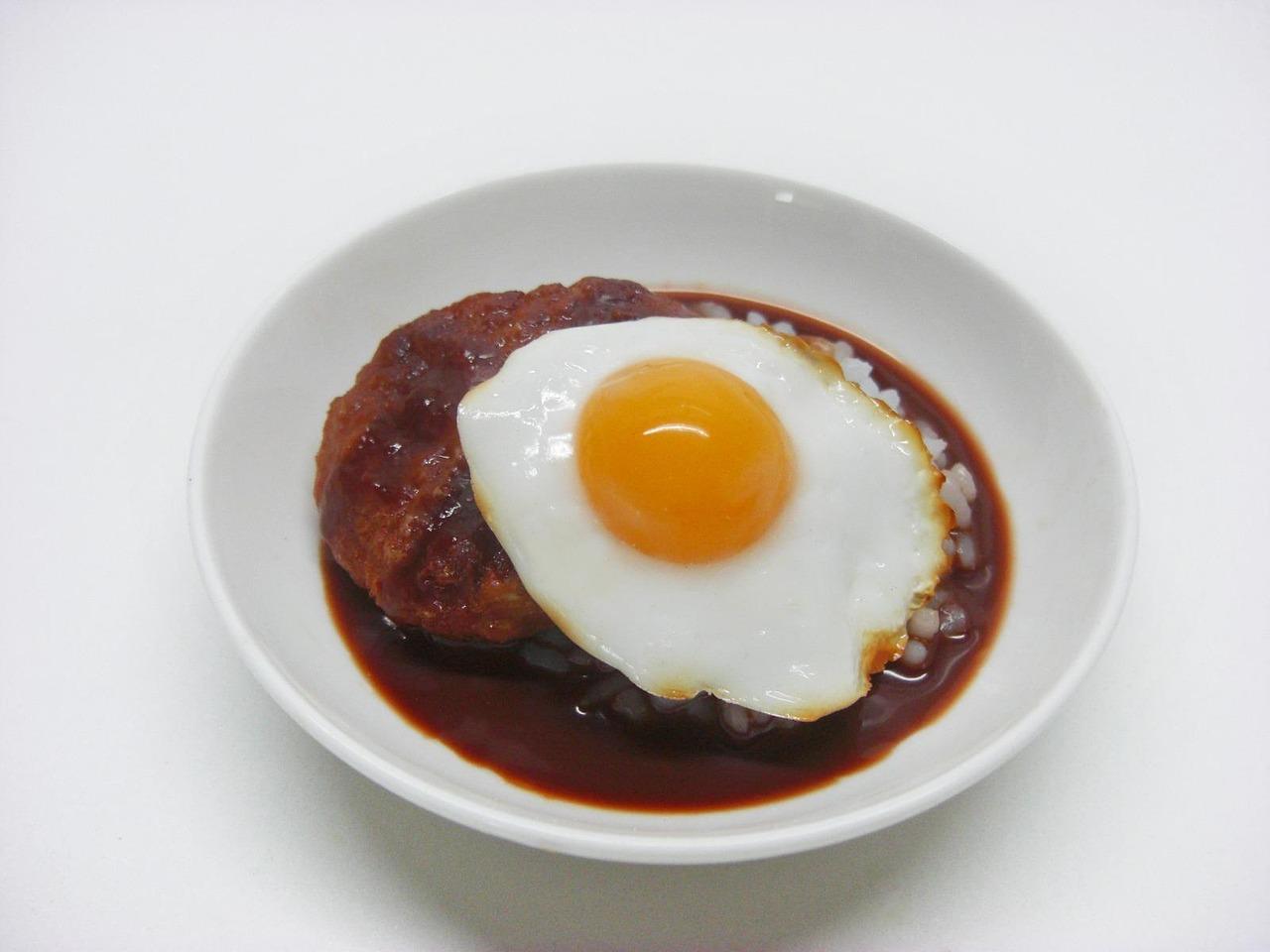
Loco moco was first served in 1949 at the Lincoln Grill in Hilo, on Hawai'i's Big Island, as a cheap, filling meal for teenagers, and it is still the plate-lunch classic across the islands: white rice topped with a beef burger patty, a fried egg and a generous ladle of brown gravy. People eat it for breakfast, lunch or late at night with a scoop of macaroni salad. The mistake is a thin, floury gravy; cook the flour in the beef fat until it browns before adding the stock. Chef's tip: press a dimple into the centre of each patty so it stays flat as it cooks.

by KrazyBadal 0 views

Alfajores de maicenaCornflour dulce de leche sandwich cookies

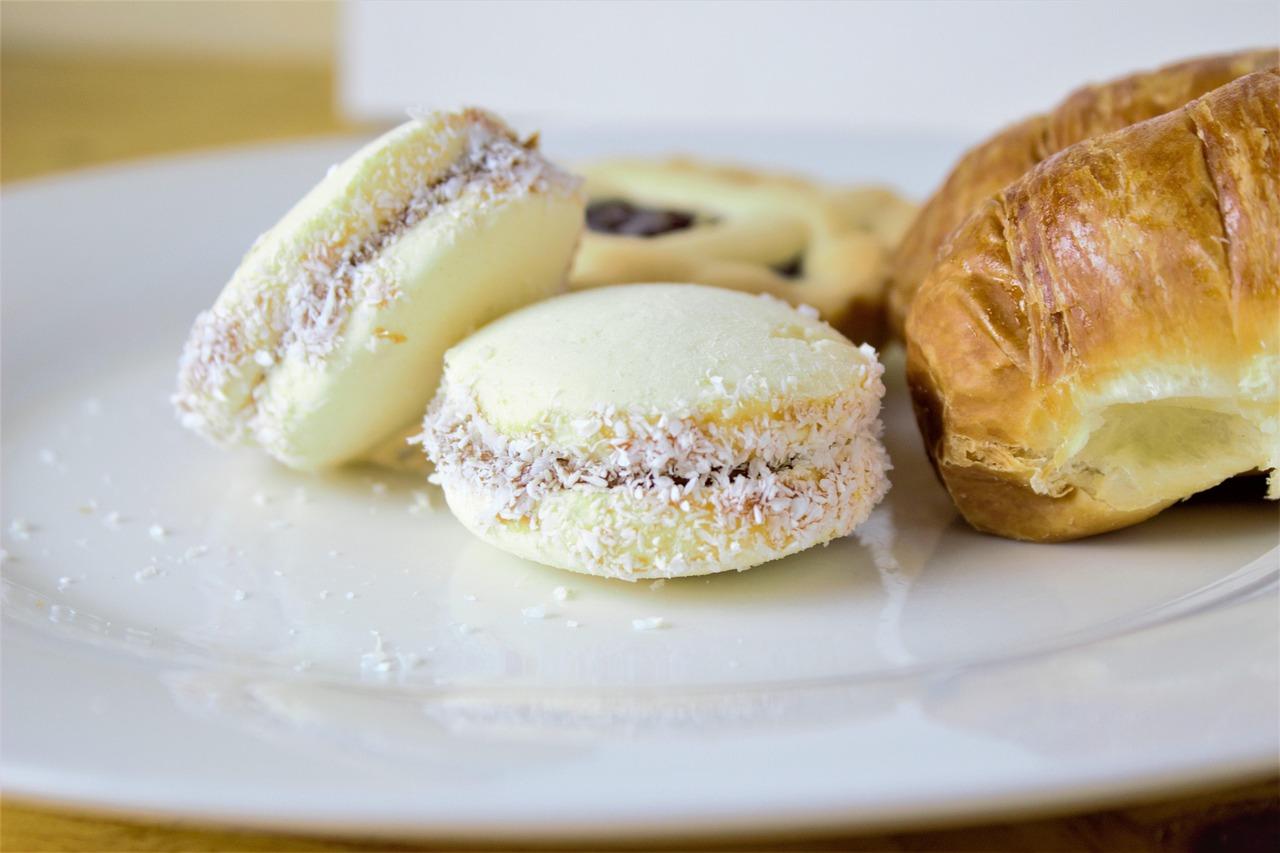
Alfajores de maicena are the homemade alfajor of Argentina and Uruguay, baked for birthdays, school fairs and merienda (afternoon tea) with mate. Two pale, melt-in-the-mouth biscuits made mostly with cornflour are sandwiched with a thick layer of dulce de leche and rolled in desiccated coconut around the edge. They should crumble at the first bite. Chef's tip: take them out of the oven while still pale; if they colour they lose their tender, sandy texture.

by KrazyBadal 0 views

Kalua pork

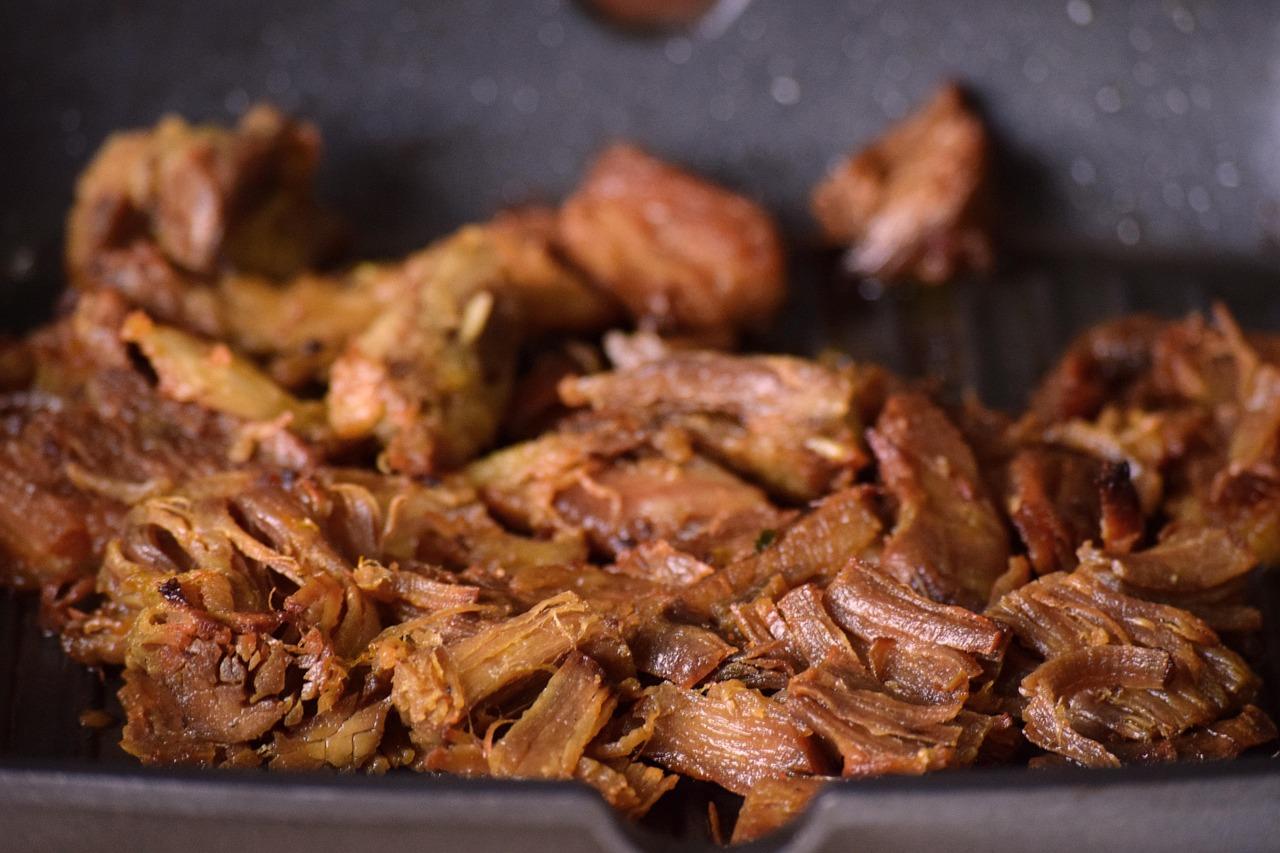
Kalua pig is the heart of a Hawaiian lū'au: a whole pig wrapped in ti and banana leaves and cooked all day in an imu, an underground oven, until it falls apart, smoky and salty. This dish contains pork. Families across O'ahu and the other islands make this simpler version at home with pork shoulder, coarse sea salt and a little liquid smoke, wrapped and slow-roasted. It is served with rice, poi or cabbage, or in sliders. The mistake is using fine table salt in the same amount; it makes the pork far too salty, so use coarse sea salt. Chef's tip: stir a little of the cooking juice back into the shredded pork so it stays moist.

by KrazyBadal 0 views

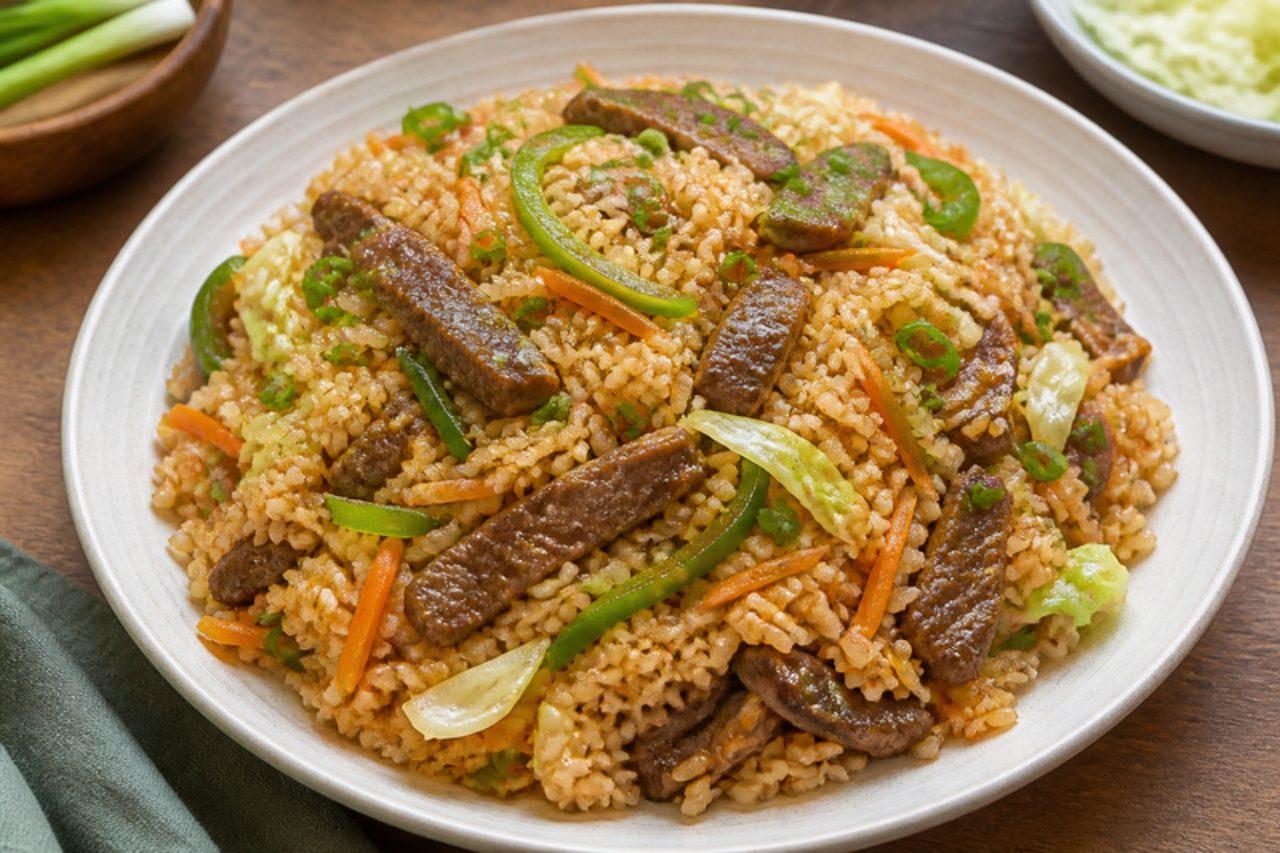
Budaatai khuurgaFried rice with beef

Budaatai khuurga is the fried rice of Ulaanbaatar's guanz, the small canteens where office workers and students eat lunch: day-old rice tossed in a hot pan with strips of beef or mutton, carrot, onion, peppers and a splash of soy. It is quick, filling and often served with a fried egg and pickled cabbage salad. The mistake is using freshly cooked warm rice, which clumps; cold, cooked rice fries into separate grains. Chef's tip: cook rice the day before and keep it covered in the fridge, which is also the safe way to store it.

by KrazyBadal 0 views

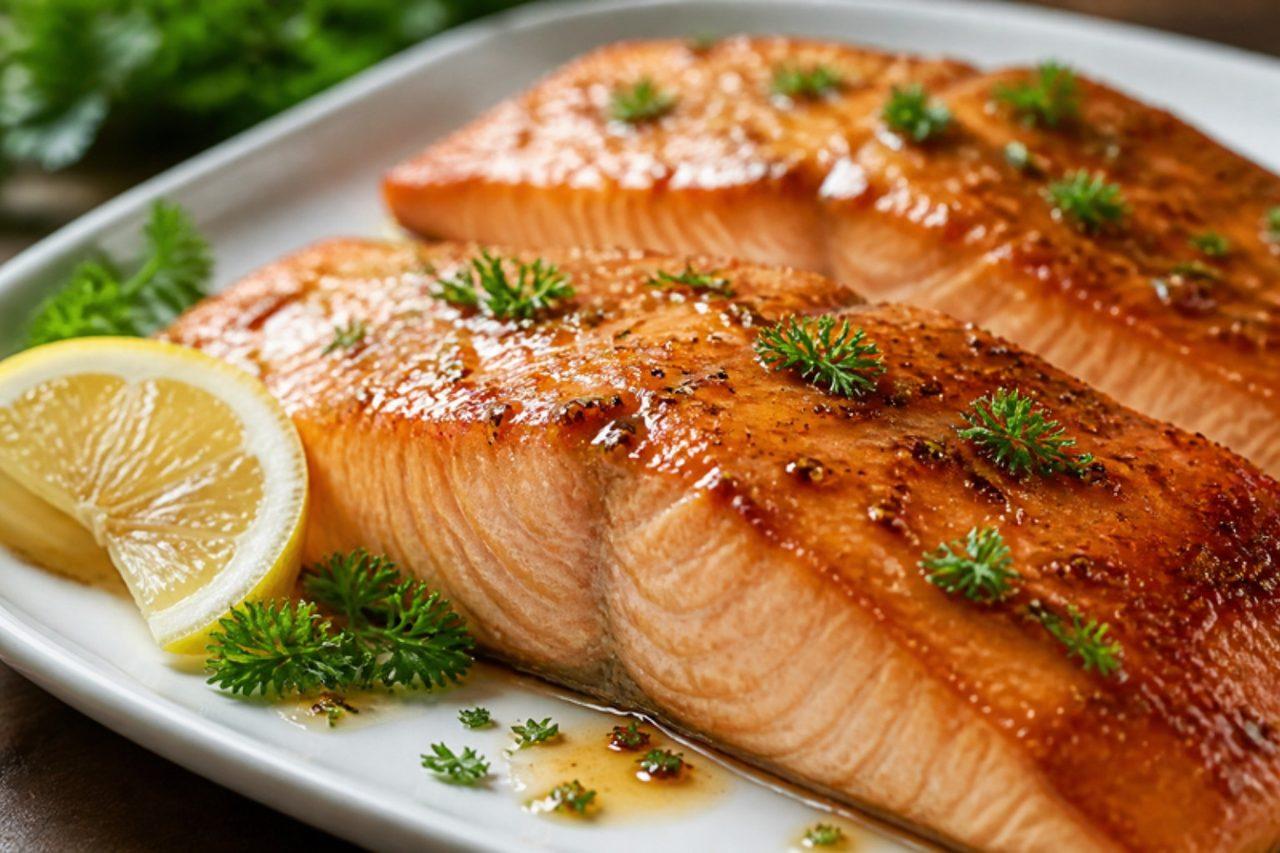
Maple-glazed salmon

On Canada's Pacific coast, from Vancouver to Haida Gwaii, wild salmon is the fish of summer and autumn, and a glaze of maple syrup from the east brings two Canadian staples together on one plate. The fillets are brushed with maple syrup, mustard, soy and garlic and roasted until just cooked, with a sticky, glossy top; serve them with rice, new potatoes or a green salad. Many British Columbians cook it on a soaked cedar plank on the barbecue for a smoky flavour. The mistake is overcooking salmon until it is dry and chalky; take it out when it just flakes. Chef's tip: line the tray with baking paper, as the maple glaze burns onto a bare tin.

by KrazyBadal 0 views

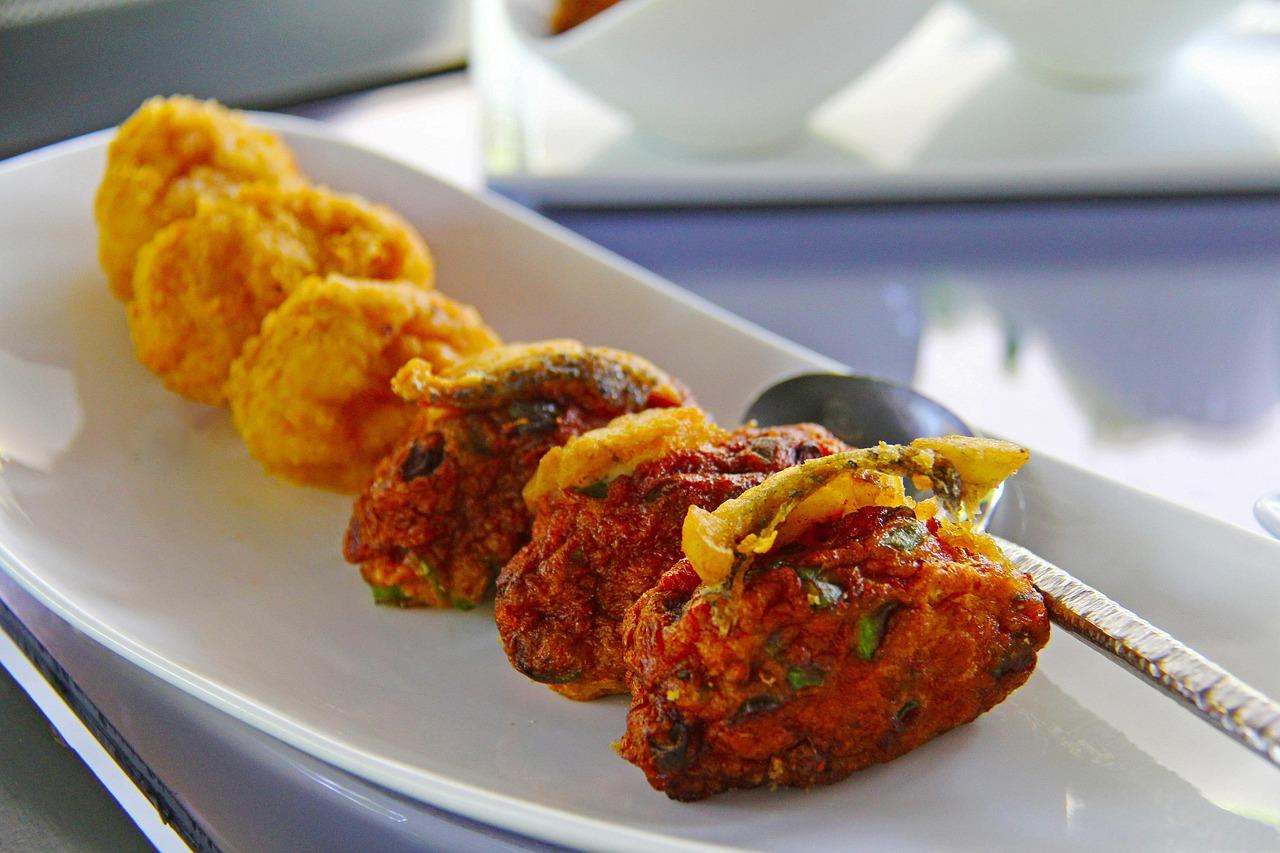
Thai fish cakes

Bouncy, not fluffy, is how a good tod man pla should feel between the teeth: the fish is worked with red curry paste into a sticky, elastic paste, studded with slices of long bean and shredded lime leaf, then fried in small discs that puff and ruffle at the edges. Markets all over Thailand, from Chiang Mai to Hat Yai, sell them by the bagful, and at home they are a starter or part of a shared meal with a sweet-sour cucumber dip scattered with crushed peanuts. Featherback fish (pla grai) is the classic choice, but any firm white fish works. Chef's tip: rub your hands with a little oil before shaping and the sticky paste won't cling to your fingers.

by KrazyBadal 0 views

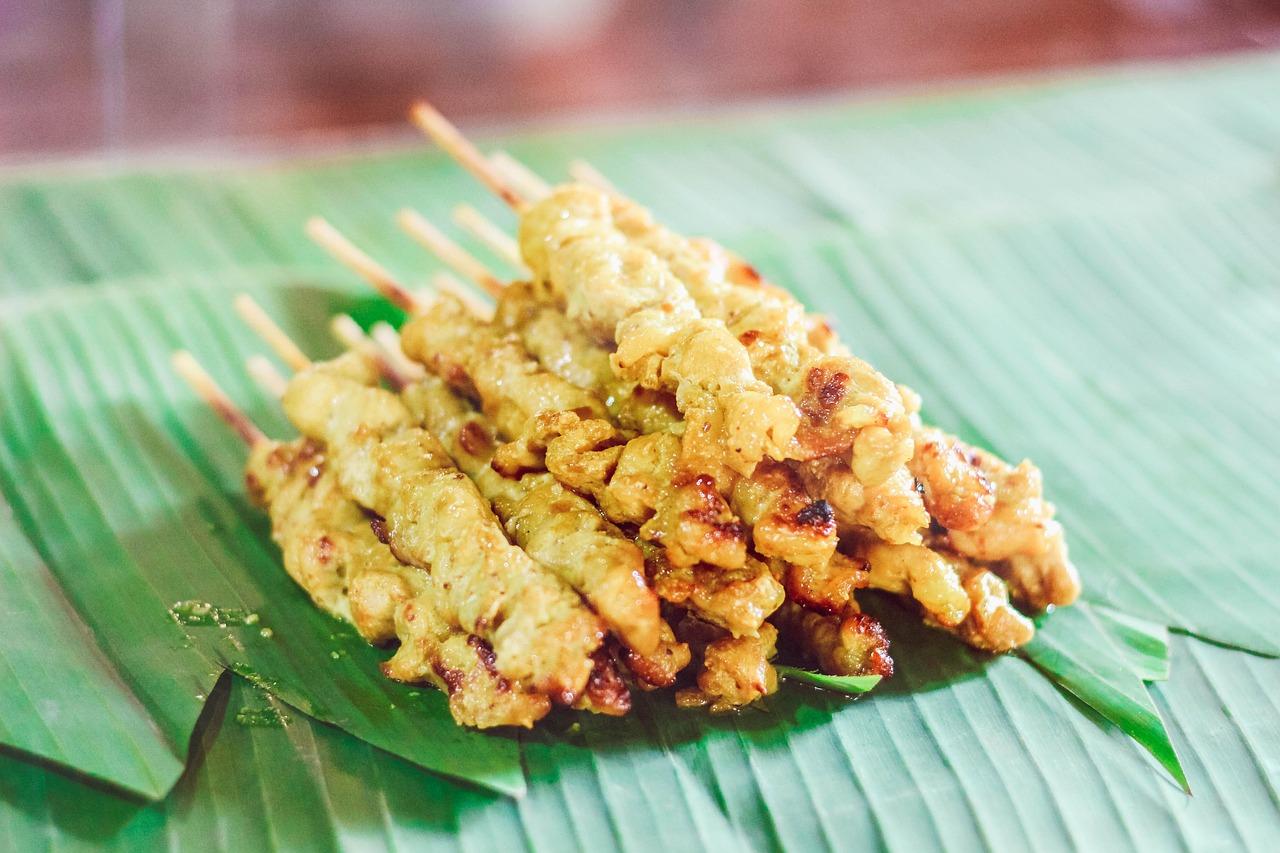
Thai chicken satay

Satay came to Thailand with Muslim cooks from the south and the Malay peninsula, and now its smoke drifts from Bangkok market lanes to the night stalls of Hua Hin: thin strips of chicken stained yellow with turmeric and coconut, grilled over charcoal until the edges char. Every order comes with two partners, a thick, gently spiced peanut sauce and ajad, a sweet-sour relish of cucumber, shallot and chilli that cuts the richness. Grilled bread or sticky rice turns it into a meal; on its own it is a party snack. Chef's tip: thread the meat in a flat, tight ribbon rather than bunched up, so it cooks evenly and quickly without drying out.

by KrazyBadal 0 views

Fruity barbeque serveGrilled fruit skewers

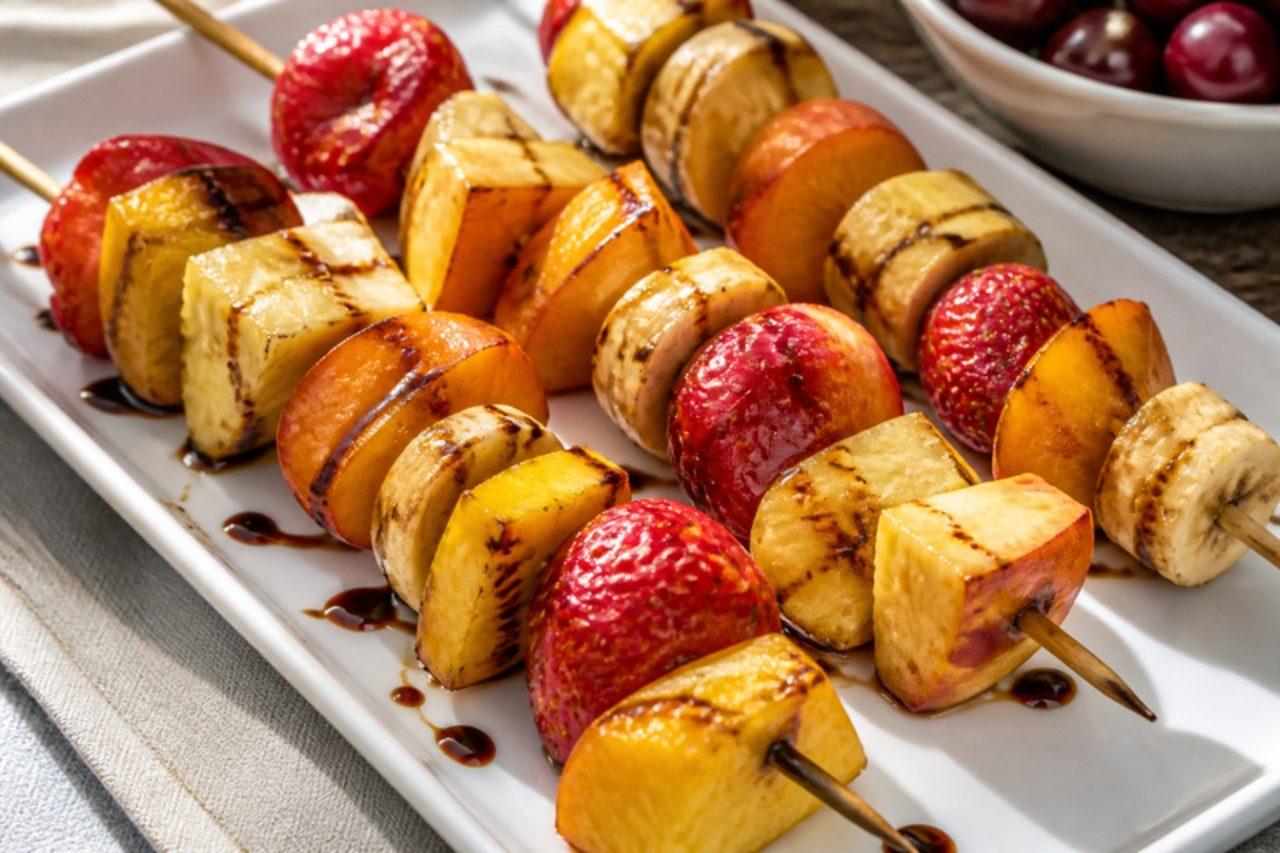
Chunky skewers of pineapple, banana, strawberry, peach and nectarine drizzled with balsamic vinegar and dark muscovado sugar, then grilled over charcoal until the sugar caramelises. Warm, sticky and a little tangy. Serve hot as a barbecue dessert, with ice cream if you like.

23 minDessertsVeganGluten free
by KrazyBadal 0 views

AvakayaRaw mango pickle

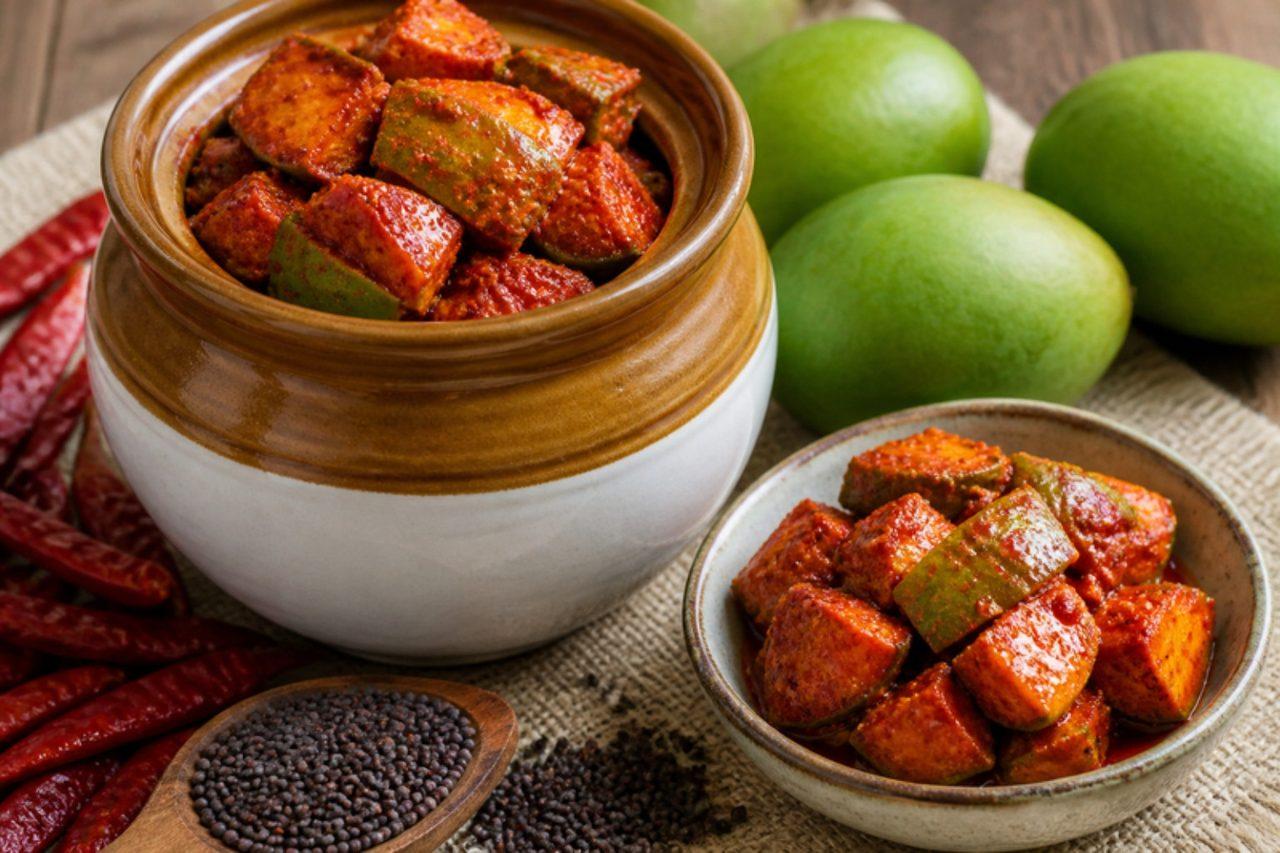
Every April and May, when the hard, sour green mangoes arrive, Andhra homes turn into pickle factories. The mangoes are cut, stone and all, with a heavy cleaver, then mixed with freshly ground mustard, fiery red chilli powder, salt and a flood of sesame oil, and packed into ceramic jars to mature. Avakaya is fierce, pungent, salty and sour, and a tiny piece mashed into hot rice with ghee and dal is many Telugu people's idea of perfect lunch. A jar lasts the whole year. Chef's tip: every piece of mango, every knife and the jar must be bone dry; a single drop of water can turn a whole batch mouldy.

by KrazyBadal 0 views

Guay jub with crispy pork

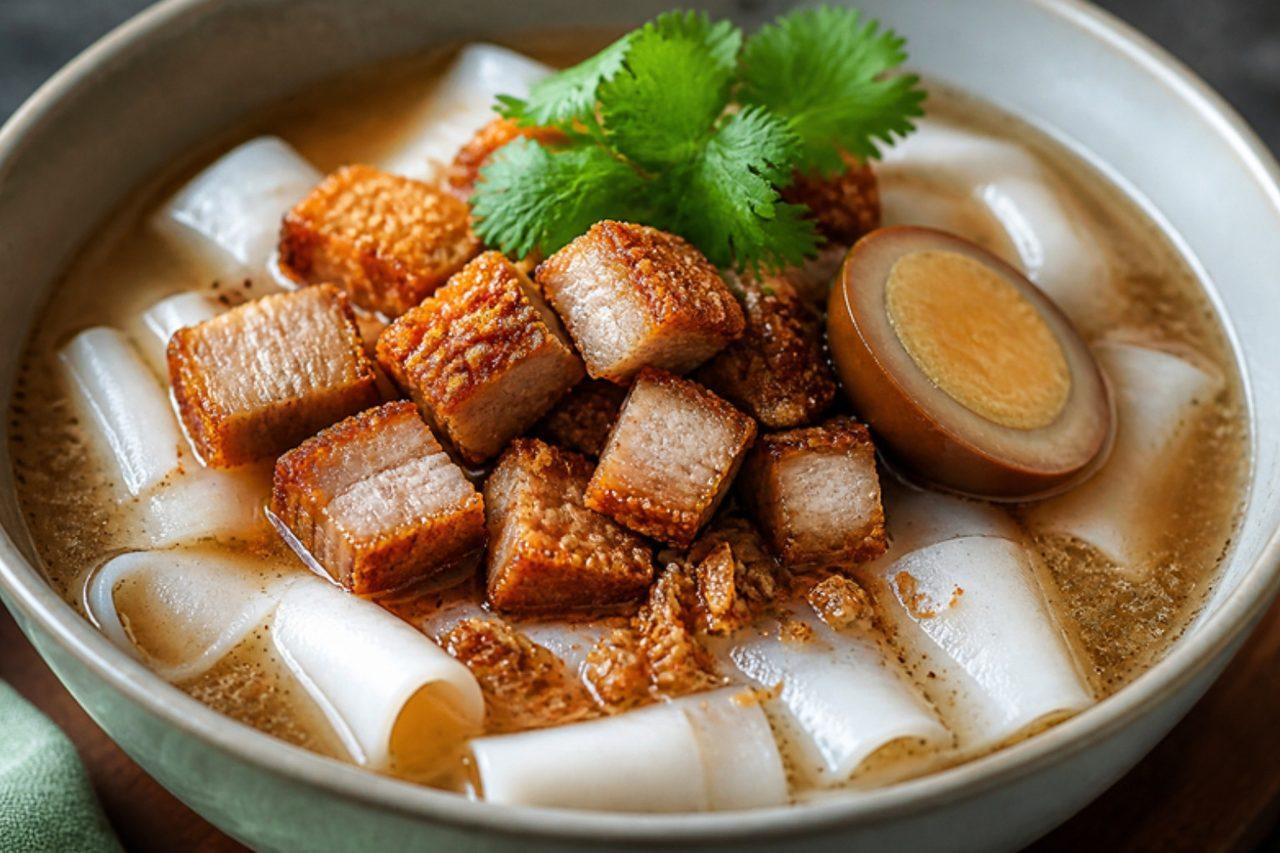
After dark on Yaowarat Road in Bangkok's Chinatown, queues form at the guay jub stalls for bowls of curled rice noodles in a cloudy, peppery broth, topped with crackling pork belly and a soy-stained egg. The noodles roll into little tubes as they cook and turn slippery and soft, the broth bites with white pepper, and the pork shatters before it melts. This is Teochew comfort food, eaten as a late supper or to round off a night out, with a dish of chilli vinegar and extra pepper on the side. Chef's tip: grind white peppercorns fresh over each bowl at the end; ready-ground pepper has lost the floral heat that defines the soup.

90 minThaiSoups
by KrazyBadal 0 views

Boat noodles

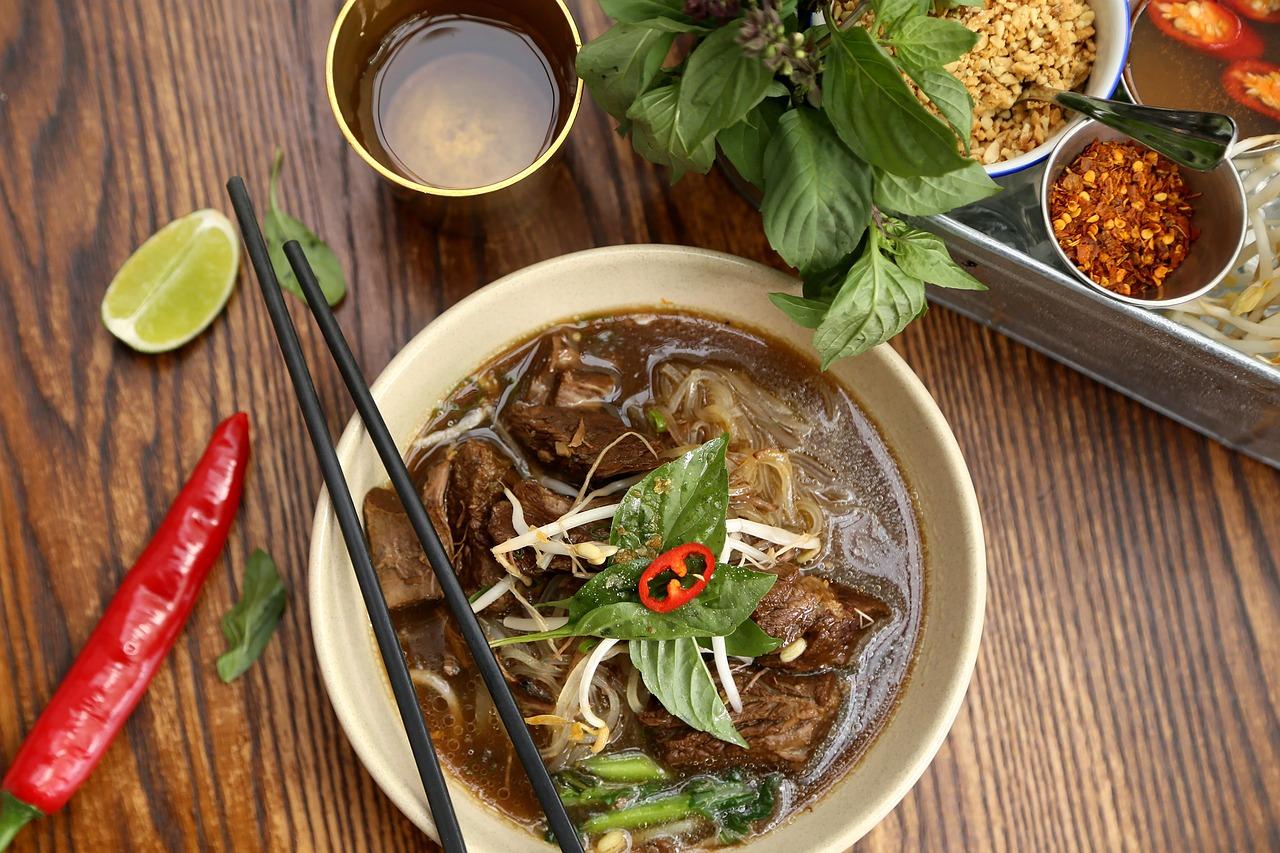
The name goes back to the canals of Ayutthaya and Bangkok, where vendors cooked noodles in narrow wooden boats and passed tiny bowls up to customers on the bank; the bowls are still small, and at Victory Monument diners stack ten or more empties beside them. The broth is what people come for: beef simmered with star anise, cinnamon, galangal and pandan, darkened with soy and red fermented bean curd, then sharpened at the table with chilli vinegar. Stalls traditionally stir in fresh cow's or pig's blood for body; here it is optional and left out by default, and the soup is still rich and deep. Each bowl gets thin rice noodles, tender beef, beef balls, morning glory and Thai basil, finished with crisp garlic and pork crackling. Chef's tip: keep the pot slightly under-salted and let everyone season their own bowl with fish sauce, sugar, chilli and vinegar.

120 minThaiSoupsSpicy
by KrazyBadal 0 views

Xinjiang lamb skewers

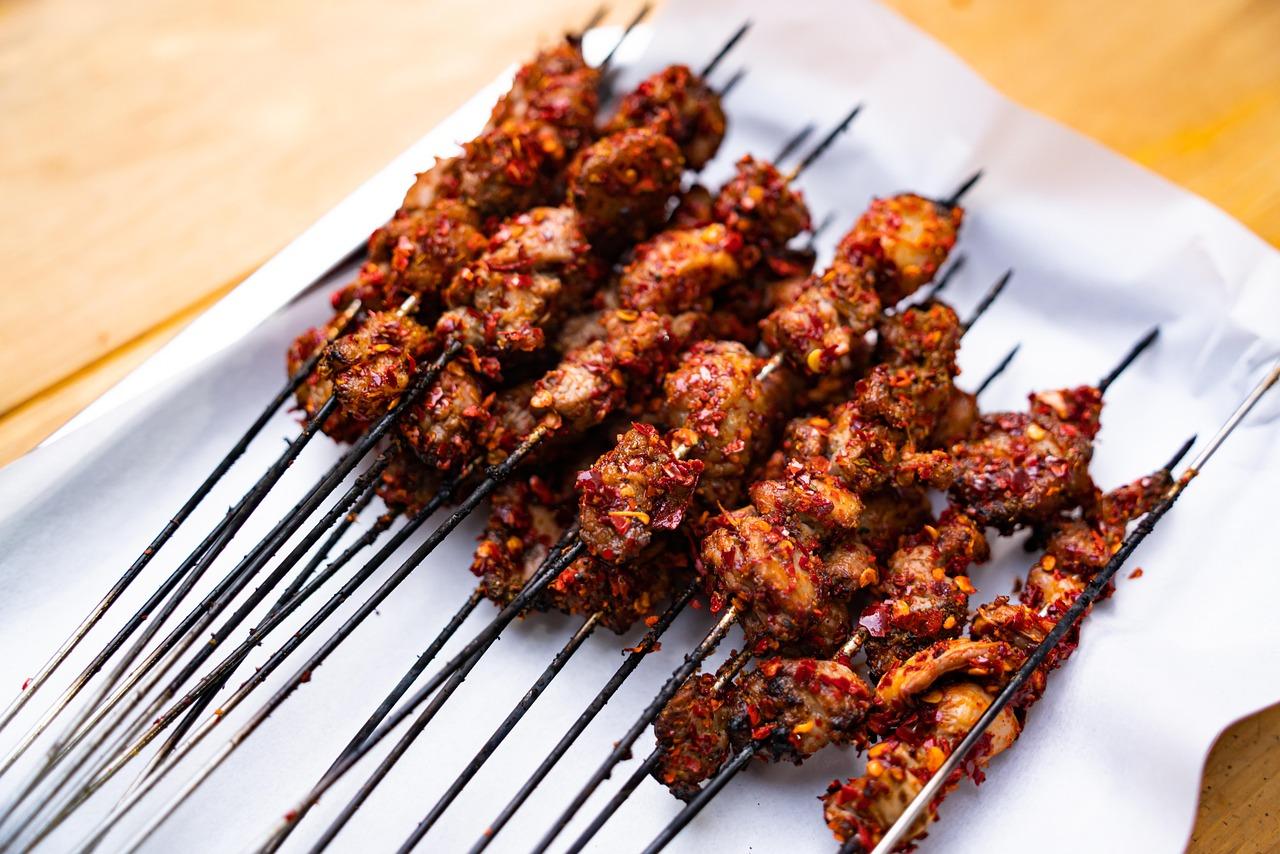
Clouds of cumin-scented smoke rise from long charcoal troughs at night markets from Ürümqi to Kashgar, where Uyghur grill men fan the coals and turn dozens of skewers at a time. Small cubes of lamb, often with a piece of fat between them, are seasoned with salt, cumin and chilli right on the grill, so the outside is crusty and spicy while the inside stays pink and juicy. Street vendors across China copy them, but the best are simple. Eat them hot off the skewer with flatbread, sliced onion and a cold drink. Chef's tip: thread a small cube of lamb fat after every three pieces of meat; it melts over the lean as it grills and keeps it moist.

by KrazyBadal 0 views

AvialMixed vegetables in coconut yogurt

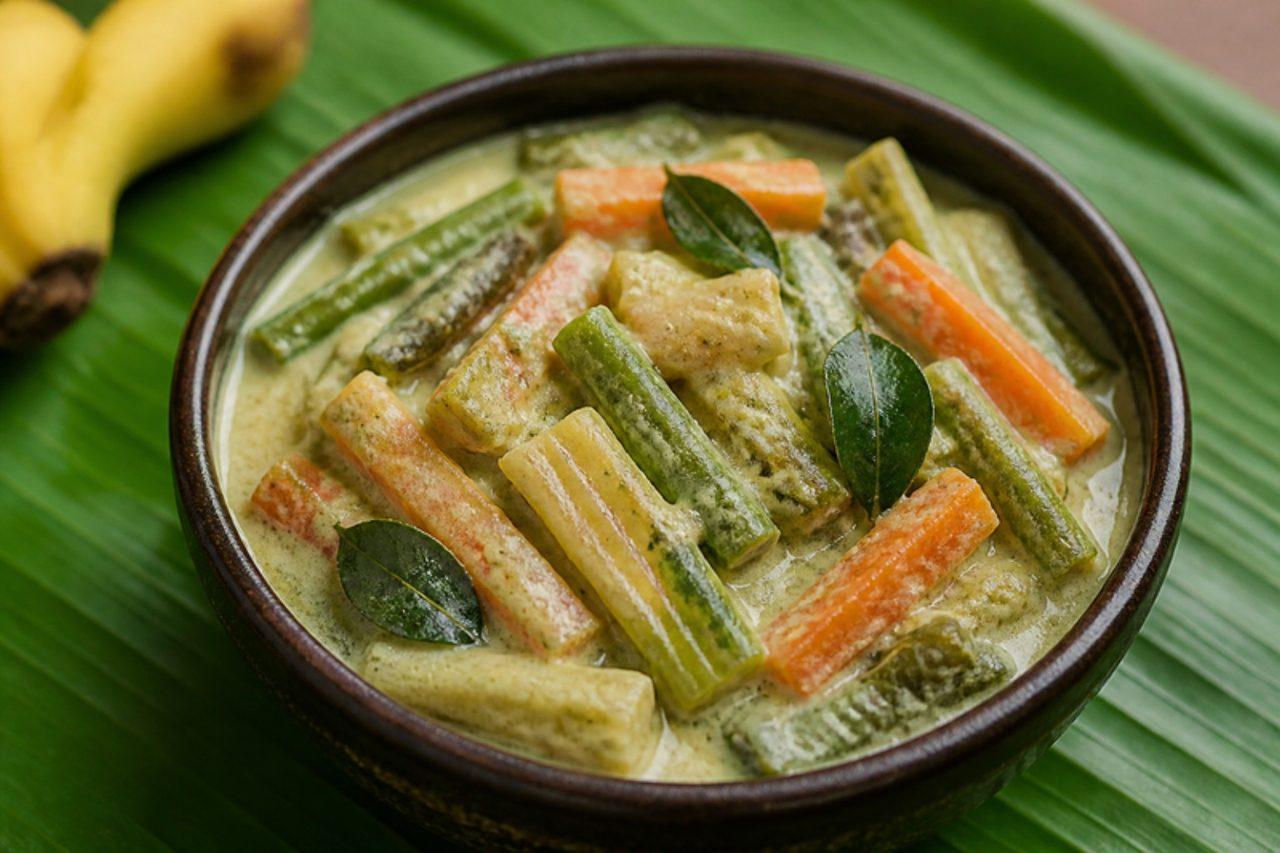
Avial is a mainstay of the Kerala sadya, the vegetarian feast served on a banana leaf at Onam and weddings. Batons of vegetables (raw banana, drumstick, yam, carrot, beans, ash gourd) are cooked just tender, then coated in a coarse paste of fresh coconut, cumin and green chilli, soured with curd and finished with raw coconut oil and curry leaves. It's thick rather than saucy, mild, tangy and fragrant. Serve with rice and sambar, or with adai. Chef's tip: cut every vegetable into the same 5 cm batons and add them in order of hardness, so they're all tender together and nothing turns to mush.

by KrazyBadal 0 views

Pad thai with prawns

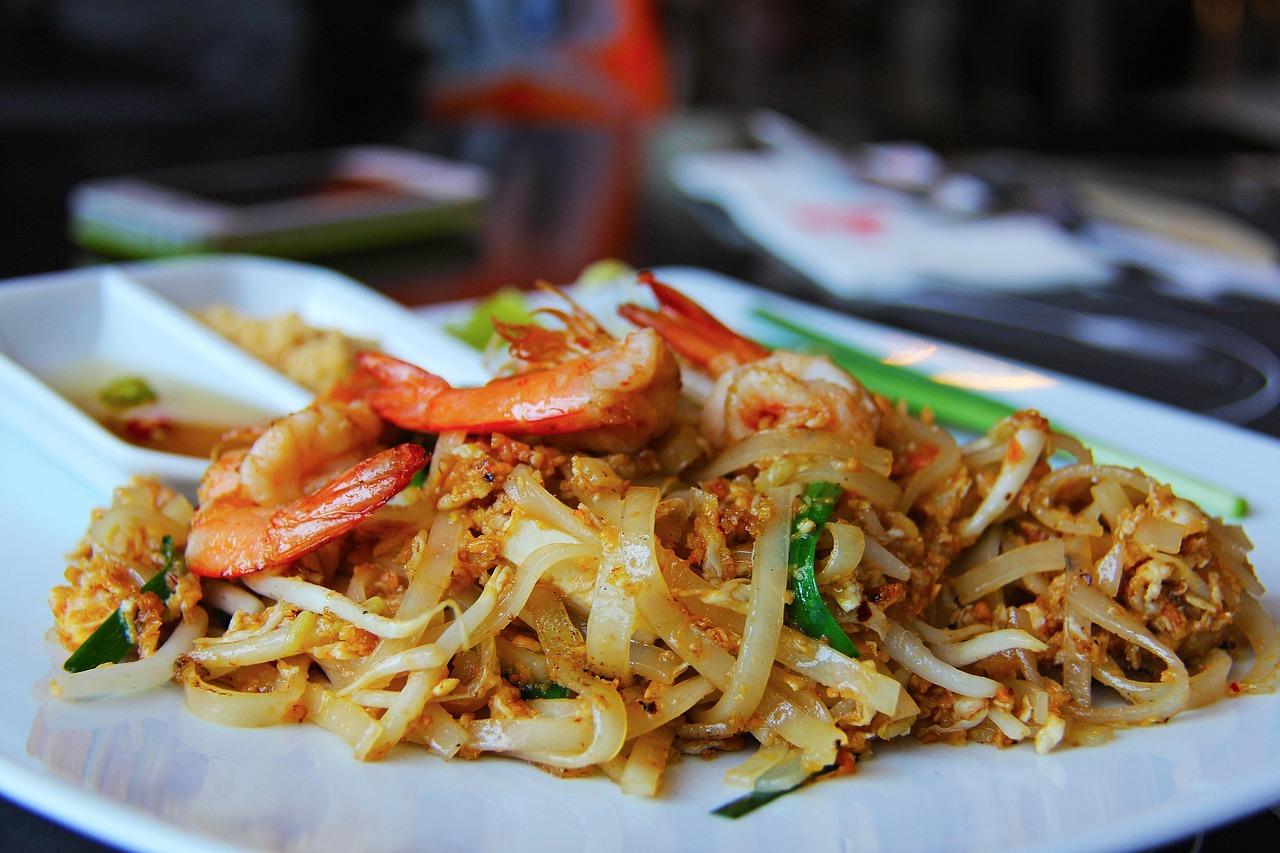
On Mahachai Road near Bangkok's Golden Mount, pad thai cooks work charcoal-fired woks late into the night, and their style is the model here: chewy rice sticks tossed with a dark, sweet-sour tamarind sauce, scrambled egg, cubes of firm tofu, sweet preserved radish, garlic chives and plump fresh prawns. It should taste tangy first, then sweet and salty, never like ketchup. Everyone finishes their own plate at the table with crushed peanuts, chilli flakes, a squeeze of lime and a handful of raw bean sprouts and chives for crunch, and children usually love it with the chilli left off. Chef's tip: make the tamarind sauce a day ahead; it keeps for a week in the fridge and the noodles then take ten minutes.

by KrazyBadal 0 views

Fry jacksPuffed fried dough triangles

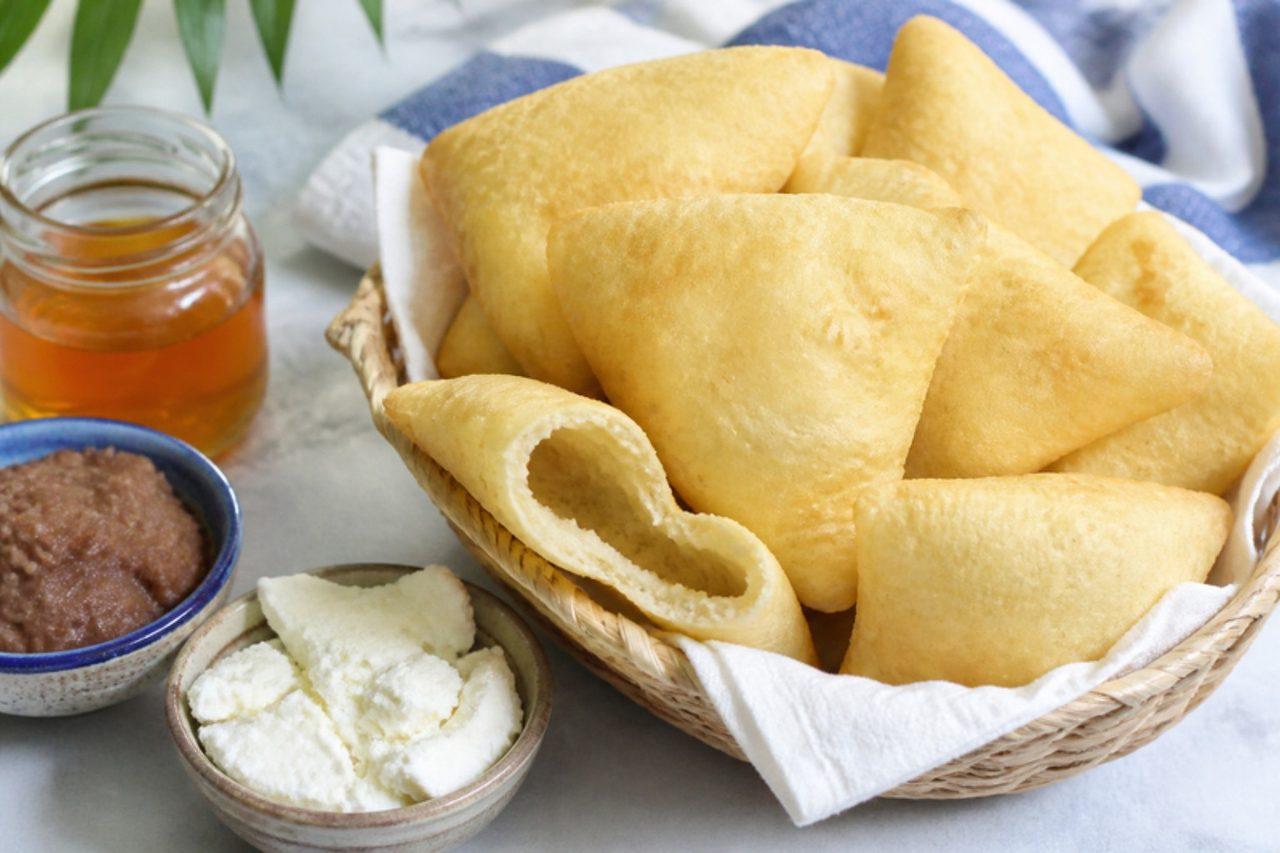
Fry jacks are the smell of a Belizean morning: in Belize City and the Cayes, breakfast spots fry these squares and triangles of dough until they balloon up hollow and golden. They come beside refried beans, scrambled eggs and cheese, or torn open and drizzled with honey or jam. They're lighter and puffier than a doughnut, crisp outside and chewy within. Chef's tip: roll the dough thin, about 3 mm, and slit each piece once in the middle; that's what makes them puff like a pillow.

by KrazyBadal 0 views

Axone porkPork with fermented soybean

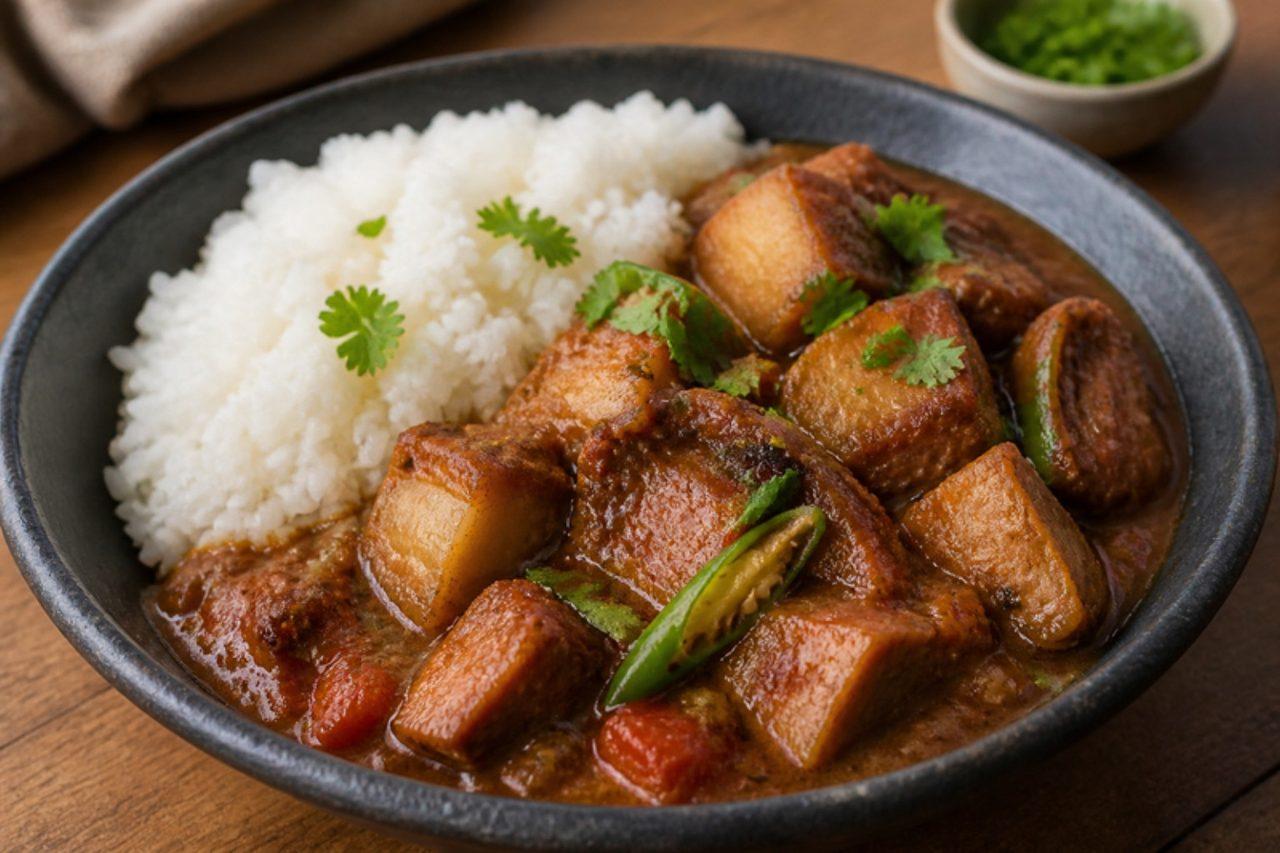
Axone, called akhuni in the Sumi Naga language, is soybean fermented in banana leaves until it is pungent and deeply savoury, and pork cooked with it is a signature of the Sumi people of Zunheboto in Nagaland. The smell is strong while it cooks, but the finished curry tastes rich, earthy and meaty, sharpened by tomato and chilli. Serve with rice and a green vegetable. Chef's tip: open a window and warn the household; axone is famously smelly in the pan and wonderful on the plate.

75 minIndianMeatGluten freeSpicy
by KrazyBadal 0 views

Focaccia di ReccoThin cheese-filled flatbread

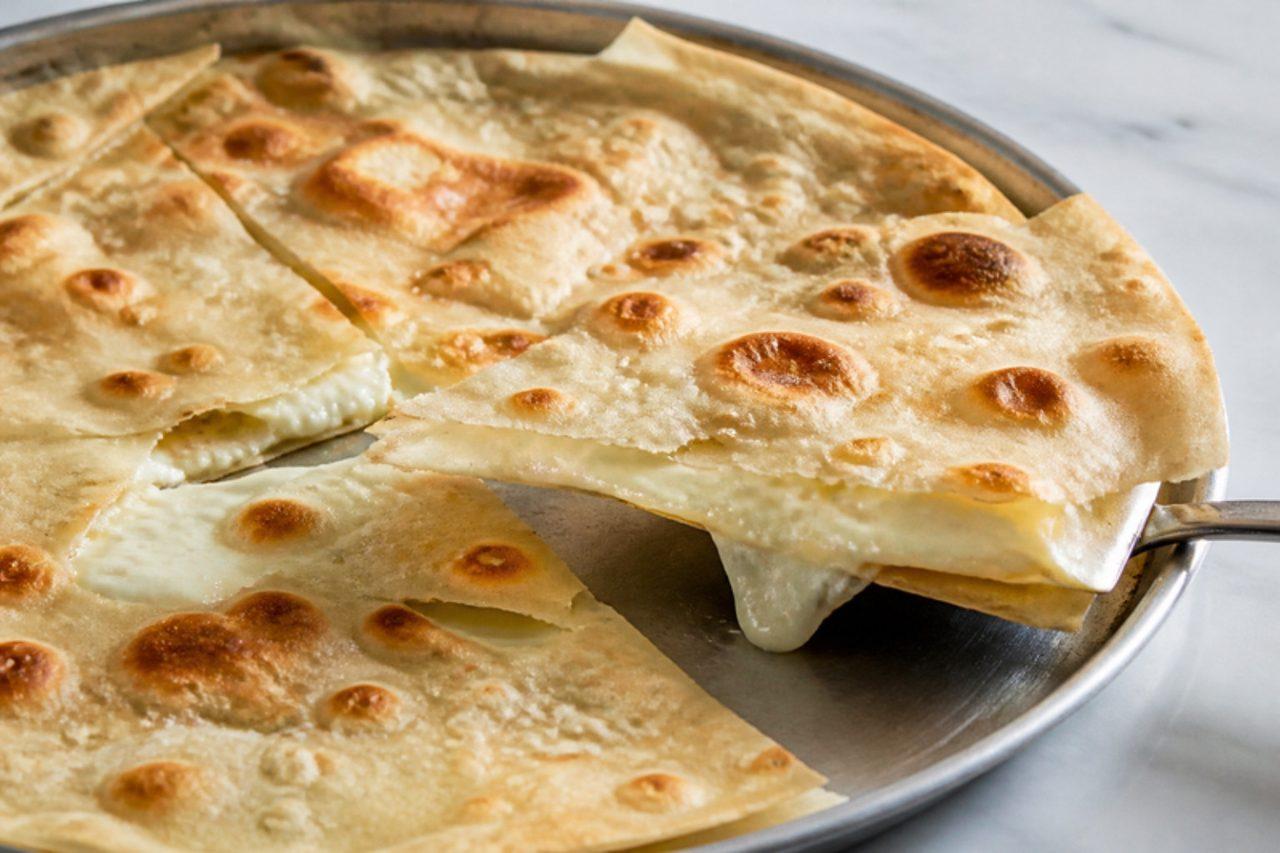
Focaccia di Recco has nothing to do with the thick, bubbly focaccia most people know: it is two sheets of unleavened dough stretched almost transparent, with blobs of soft, tangy cheese in between, baked in a blisteringly hot oven for a few minutes. It comes from the seaside town of Recco, east of Genoa, where bakeries sell it in the morning and families eat it as a first course. At home, use stracchino or crescenza, the creamy fresh cheeses closest to Ligurian prescinseua. Chef's tip: stretch the dough over the backs of your hands like a pizzaiolo; rolling alone never gets it thin enough.

by KrazyBadal 0 views

Spaghetti alla carbonara

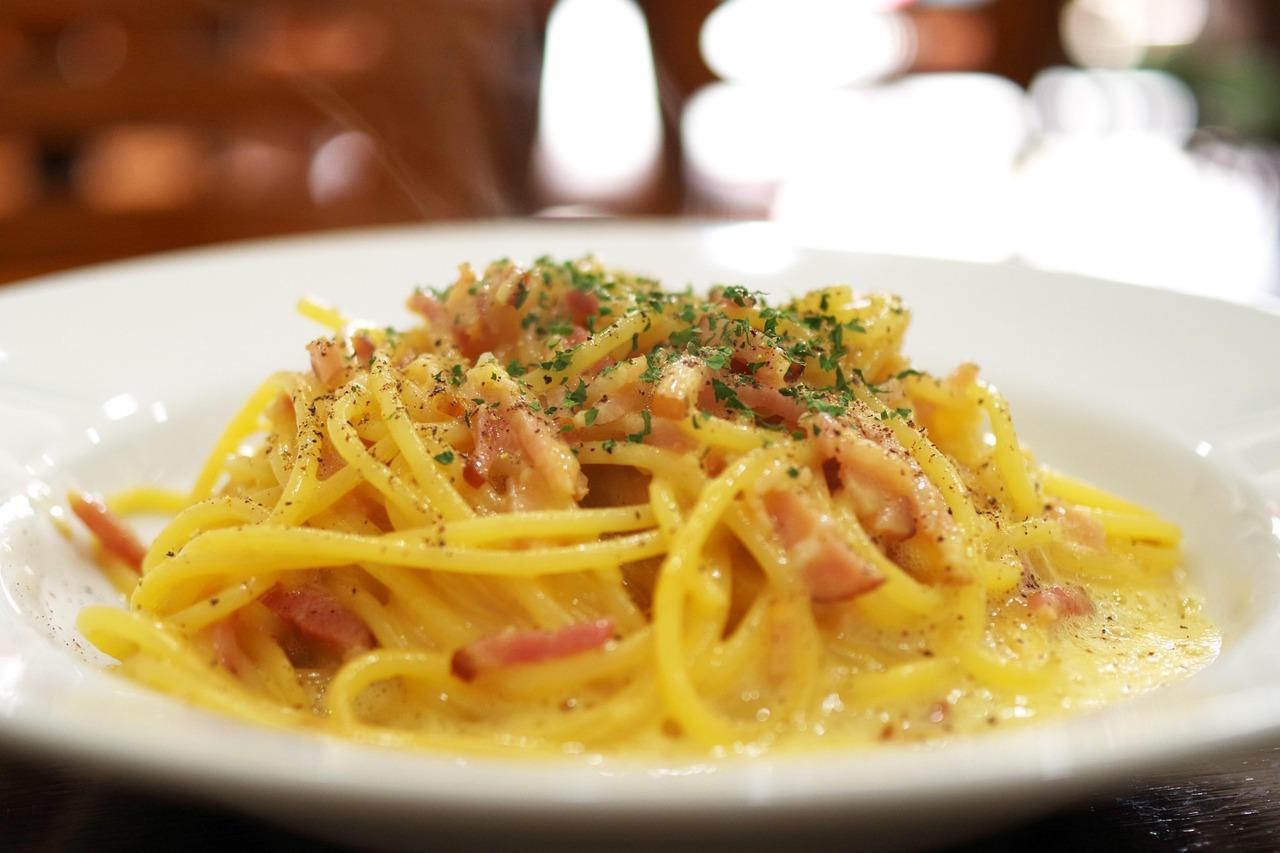
Roman trattorie from Testaccio to Trastevere serve carbonara at lunch to people who would be scandalised by a drop of cream: the gloss comes only from egg yolk, sharp pecorino romano, rendered guanciale fat and starchy pasta water. Made well, it coats each strand in a golden, peppery custard that just holds together, with crisp-edged nuggets of cured pork through it. It needs nothing alongside but a green salad dressed with lemon, eaten after the pasta as Romans do. Because the eggs are only warmed through, use pasteurised eggs if you are cooking for anyone pregnant, very young, older or otherwise vulnerable. Chef's tip: use mostly yolks and only a couple of whole eggs; whites set first and turn grainy, while yolks give that silky, deep yellow sauce.

by KrazyBadal 0 views

Ecuadorian shrimp ceviche

Unlike Peru's raw-fish ceviche, the ceviche of Ecuador's coast, from Manta to Esmeraldas, is usually made with prawns that are briefly cooked first, then soaked in a juicy, soupy mix of lime, orange, tomato, red onion and coriander. It is served in a glass bowl with its juice, alongside popcorn, plantain chips and sometimes a dash of ketchup and mustard, as people do at Guayaquil's cevicherías. Because the prawns are cooked, it is a safer choice than raw-fish ceviche, but keep it cold and eat it the same day. The mistake is overcooking the prawns so they turn rubbery: one minute in the boiling water is enough. Chef's tip: save the prawn cooking water and add a few spoonfuls to the juice; it gives the ceviche its sweetness.

30 minAndeanFishGluten free
by KrazyBadal 0 views

AjvarRoasted pepper and aubergine relish

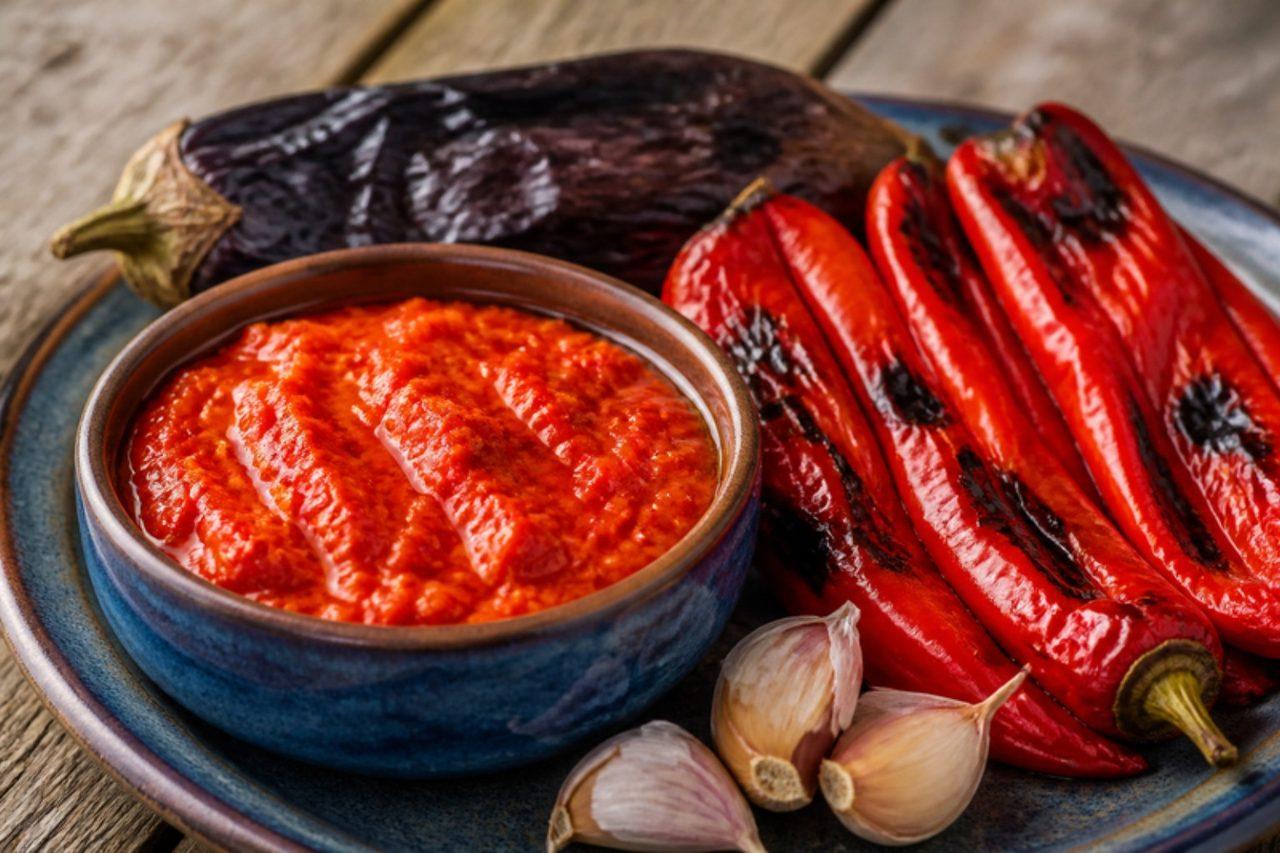
Every September the smell of charring peppers drifts over courtyards from Leskovac in southern Serbia to Strumica in North Macedonia, as families roast crates of long red babura peppers on wood stoves and spend a whole Sunday stirring the pulp into ajvar for the winter shelves. A little roasted aubergine softens the flavour, and long cooking with sunflower oil turns it into a glossy, sweet-smoky spread that is eaten on bread with white cheese, beside beans or potatoes, and with almost every winter meal. This is a home-sized batch for two medium jars rather than a cellar full. Chef's tip: do not rinse the roasted peppers under the tap to get the skins off; it washes away the smoky juices that make ajvar taste of autumn, so peel them with oiled fingers and a paper towel instead.

by KrazyBadal 0 views

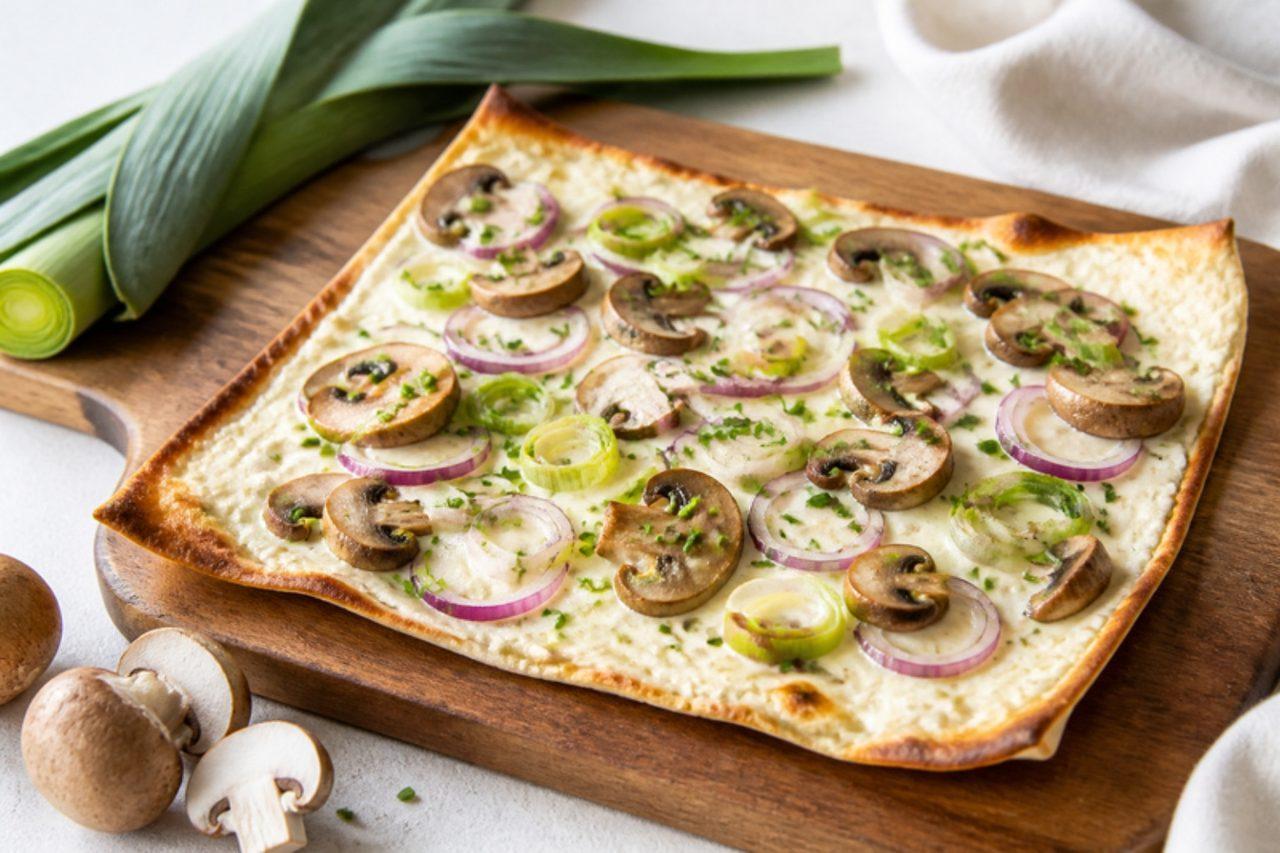
Vegetarian FlammkuchenLeek and mushroom tarte flambée

Flammkuchen comes from the borderlands of Alsace, Baden and the Palatinate, where farmers baked it on bread day to test the heat of the wood oven. The dough has no yeast and is rolled almost as thin as paper, spread with crème fraîche or quark and baked hot and fast so the edges blister and char in spots. The classic topping is onion and bacon; around Strasbourg and Freiburg the leek and mushroom version is a popular meat-free choice, often eaten with a glass of new wine in autumn. Chef's tip: bake it as hot as your oven will go, on a preheated tray or stone; a Flammkuchen baked at a moderate heat turns out bready instead of crisp.

by KrazyBadal 0 views

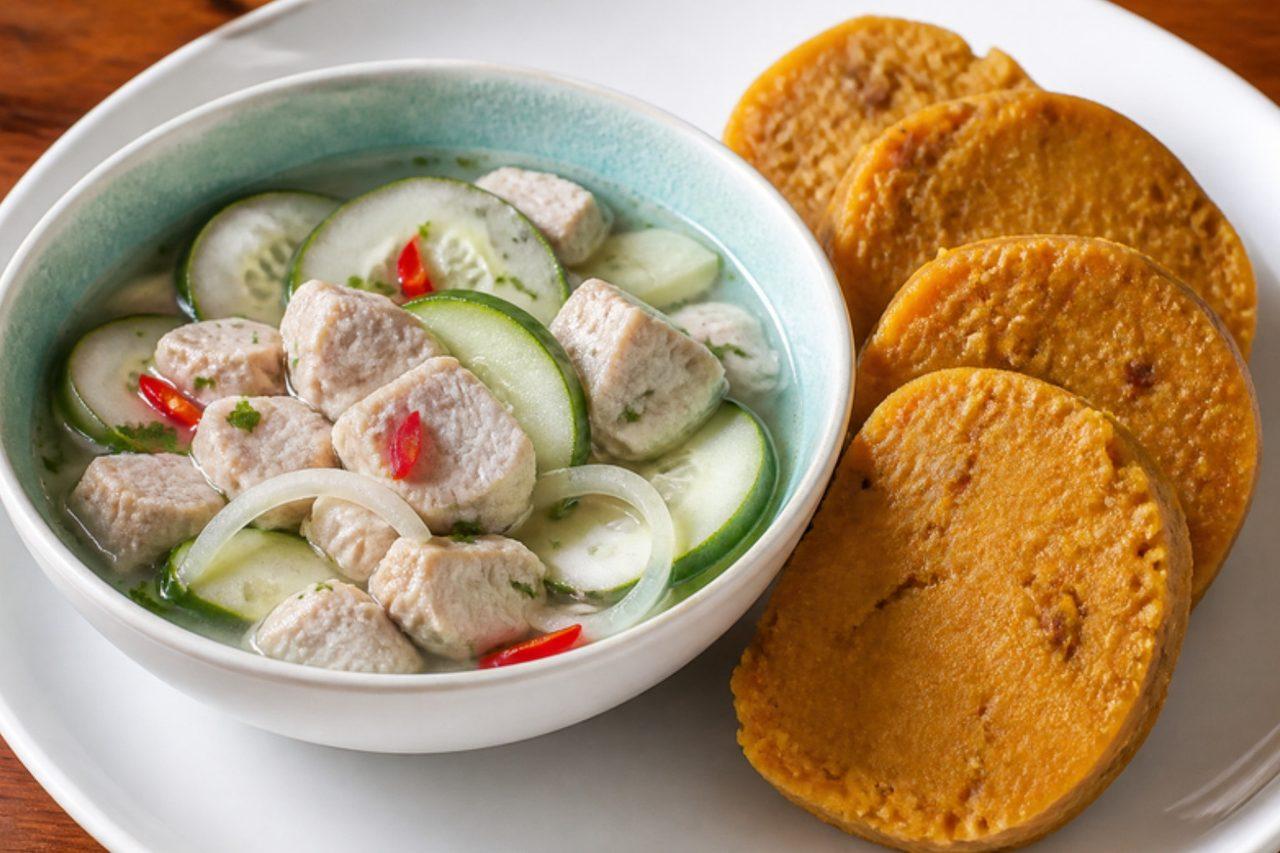
Pudding and souse

Saturday in Barbados means pudding and souse: rum shops and roadside cooks sell it from late morning, and families buy it by the container for lunch. Souse is boiled pork, traditionally from the head and trotters, served cold in a sharp, cucumber-studded pickle of lime, onion and hot pepper; the pudding is grated sweet potato seasoned with herbs and steamed. This is a pork dish. This home version uses trotters for the jelly-rich texture plus shoulder for meat, and steams the pudding in a basin instead of a casing; blood is left out (that darker version is black pudding). A common mistake is serving the souse as soon as it meets the pickle; it needs at least 2 hours in the fridge to turn sharp and cold. Chef's tip: grate the sweet potato on the fine side of the grater; coarse shreds make a crumbly pudding.

190 minBajanMeatGluten free
by KrazyBadal 1 views

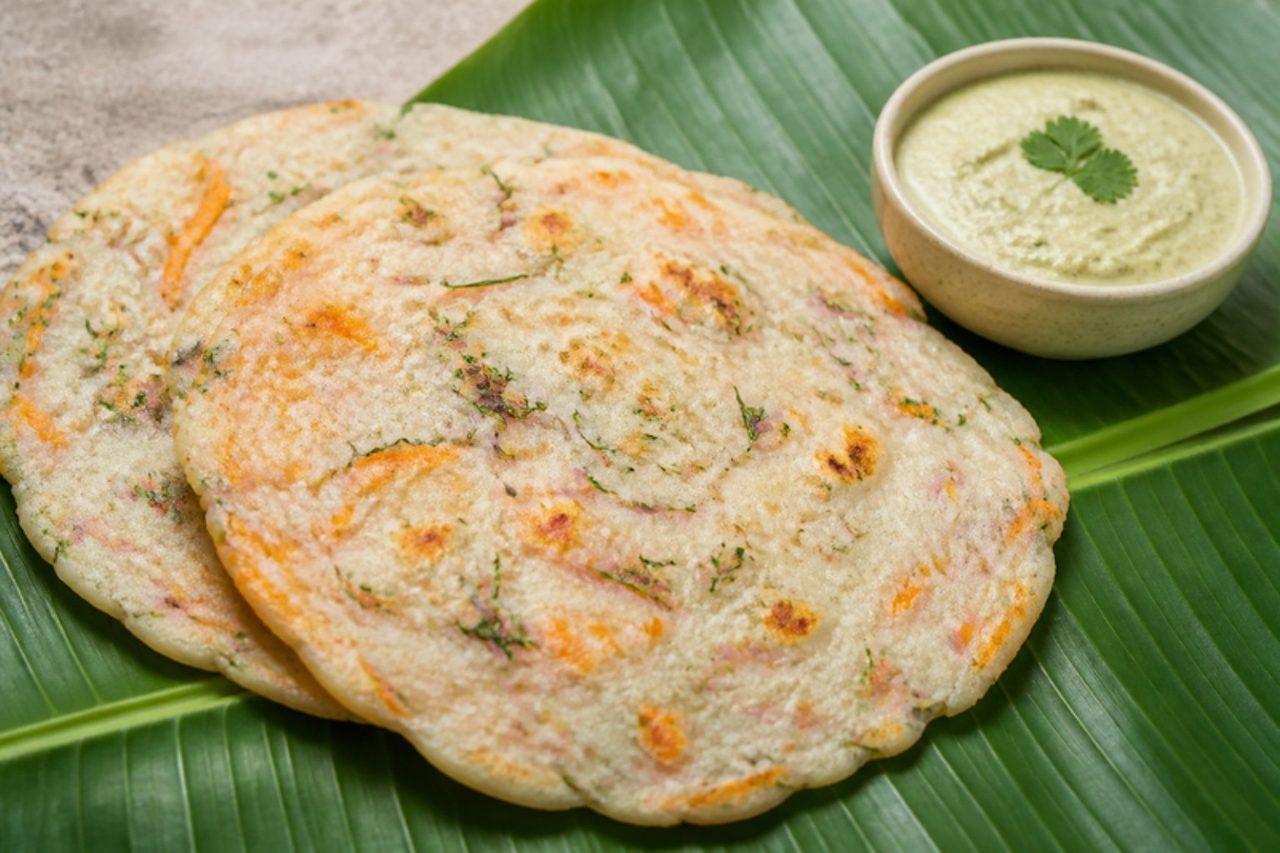
Akki rottiRice flour flatbread

Akki rotti is the breakfast of Bengaluru and the old Mysore country: rice flour mixed with grated vegetables, dill, coconut and green chilli, patted out thin by hand straight onto a cold pan, then cooked until speckled and crisp at the edges. Every home has its own mix; dill (sabbasige soppu) is the classic flavour, but cucumber, carrot or fenugreek all turn up. It is eaten hot off the pan with coconut chutney or a dab of ghee and spicy chutney powder, and it is naturally gluten-free. Chef's tip: work with two pans in turn, patting the next rotti onto a cooled pan while the first one cooks; patting onto a hot pan burns your fingers and gives an uneven rotti.

by KrazyBadal 0 views

Akoho sy voanioChicken in coconut milk

Akoho sy voanio, chicken with coconut, is a dish of Madagascar's east coast around Toamasina, where coconuts are everywhere, and it has become a favourite all over the island. Chicken is browned with onion, garlic, ginger and tomato, then simmered gently in coconut milk with a pinch of curry until the sauce is creamy and mild. It is eaten with plenty of white rice and a little achard (vegetable pickle). The mistake is boiling the coconut milk hard so it splits; keep it at a gentle bubble. Chef's tip: brown the chicken well first; the coconut sauce needs that savoury depth.

by KrazyBadal 0 views

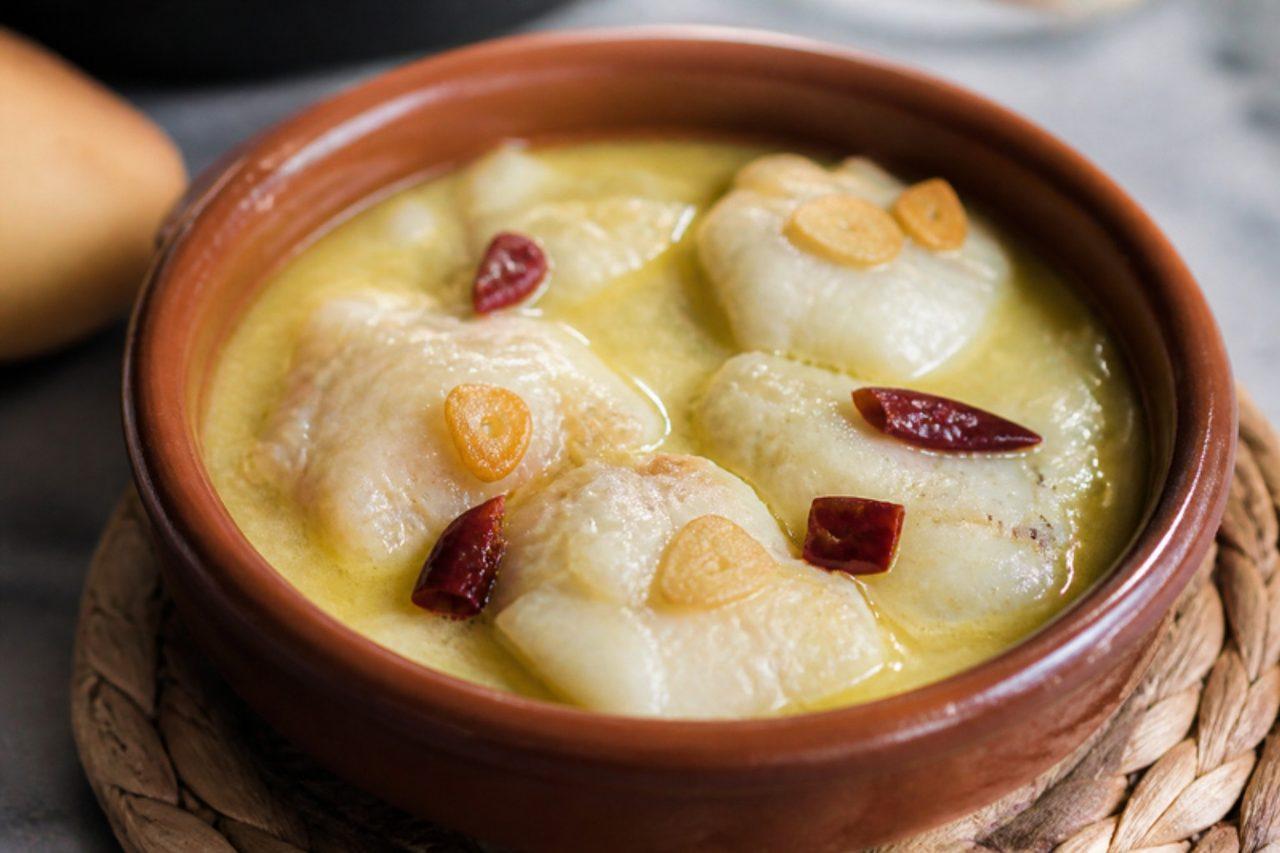
Bacalao al pil pilSalt cod in garlic oil sauce

Bacalao al pil pil belongs to Bilbao and the rest of Bizkaia, where it fills restaurant menus in Lent and Holy Week and reappears on Christmas Eve tables. It is made from just four things: desalted salt cod, olive oil, garlic and a dried chilli. The trick is the sauce. The cod gives off gelatine as it cooks gently in warm oil, and swirling the clay dish round and round turns that oil into a thick, pale, mayonnaise-like emulsion; the name comes from the 'pil pil' sound of it bubbling. Plan ahead, because thick salt cod needs 24–48 hours of soaking in the fridge. Chef's tip: buy thick, skin-on loins (lomos); the gelatine that makes the sauce comes from the skin.

by KrazyBadal 0 views

TequeñosFried cheese sticks

Tequeños are said to come from Los Teques, the town in the hills outside Caracas, and they are the party food of Venezuela: no birthday, wedding or office celebration is without a tray of these crisp pastry fingers wrapped around salty white cheese. The dough is spiralled around the cheese, then fried so the pastry is crunchy and the cheese just starts to melt. Serve with guasacaca (avocado sauce) or a sweet chilli dip. Use a cheese made with vegetarian rennet. Chef's tip: overlap each spiral of dough slightly and seal the ends well, or the cheese escapes into the oil.

by KrazyBadal 0 views

Huizhou stinky mandarin fish

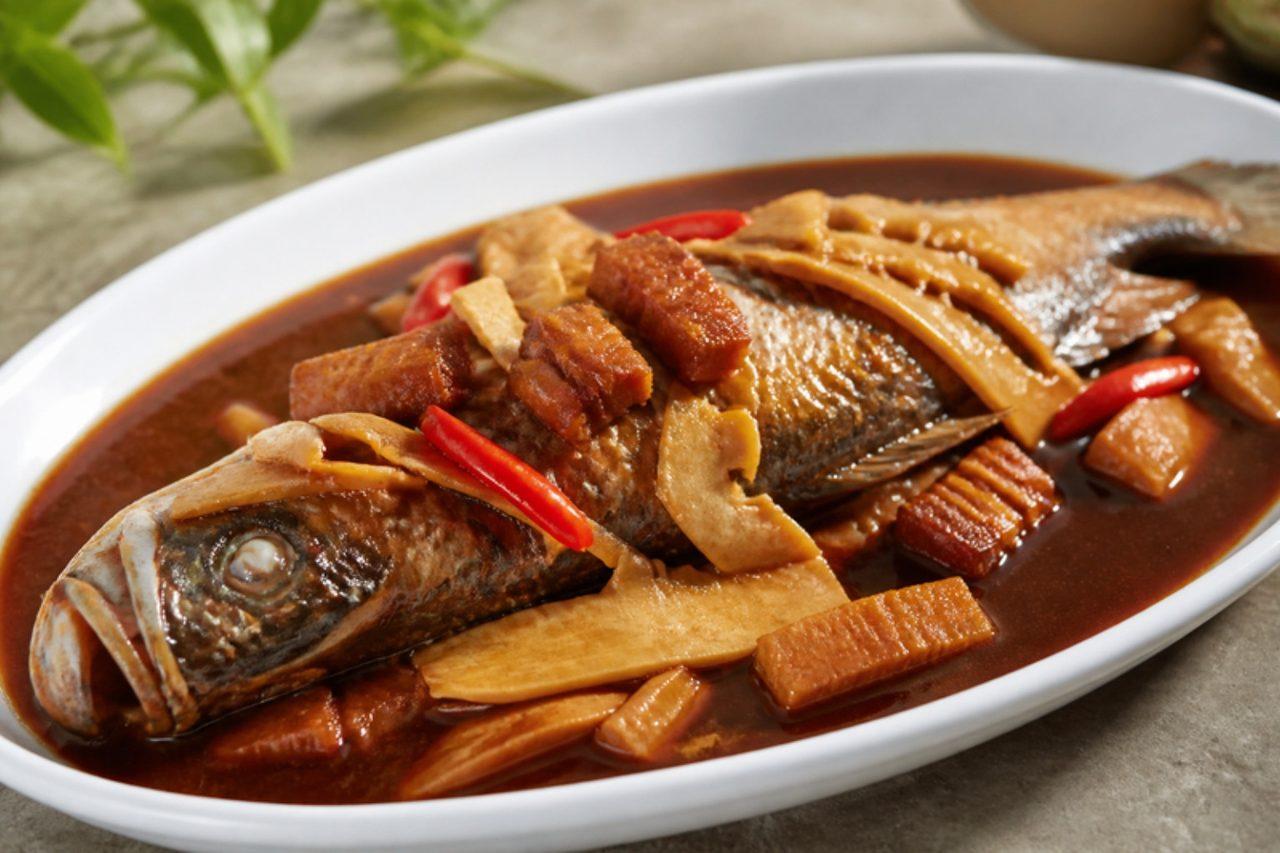
From the mountain towns of Huizhou in southern Anhui comes a fish with a famous smell: mandarin fish lightly fermented for days, then braised with pork belly and bamboo shoots until the flesh separates into firm, almost garlic-clove-like flakes with a savoury, cheesy depth. Traditionally the fish ferments in a barrel at room temperature, which is not safe to copy at home. This version gives the same firm texture and a gentle tang by salt-curing the fish in the fridge for 1–2 days, never at room temperature; it is milder than the real thing. Serve it in its sauce with plenty of rice. Chef's tip: dry the cured fish very well before it goes into the pan, or the skin sticks and tears.

by KrazyBadal 0 views

Tire d'érableMaple taffy

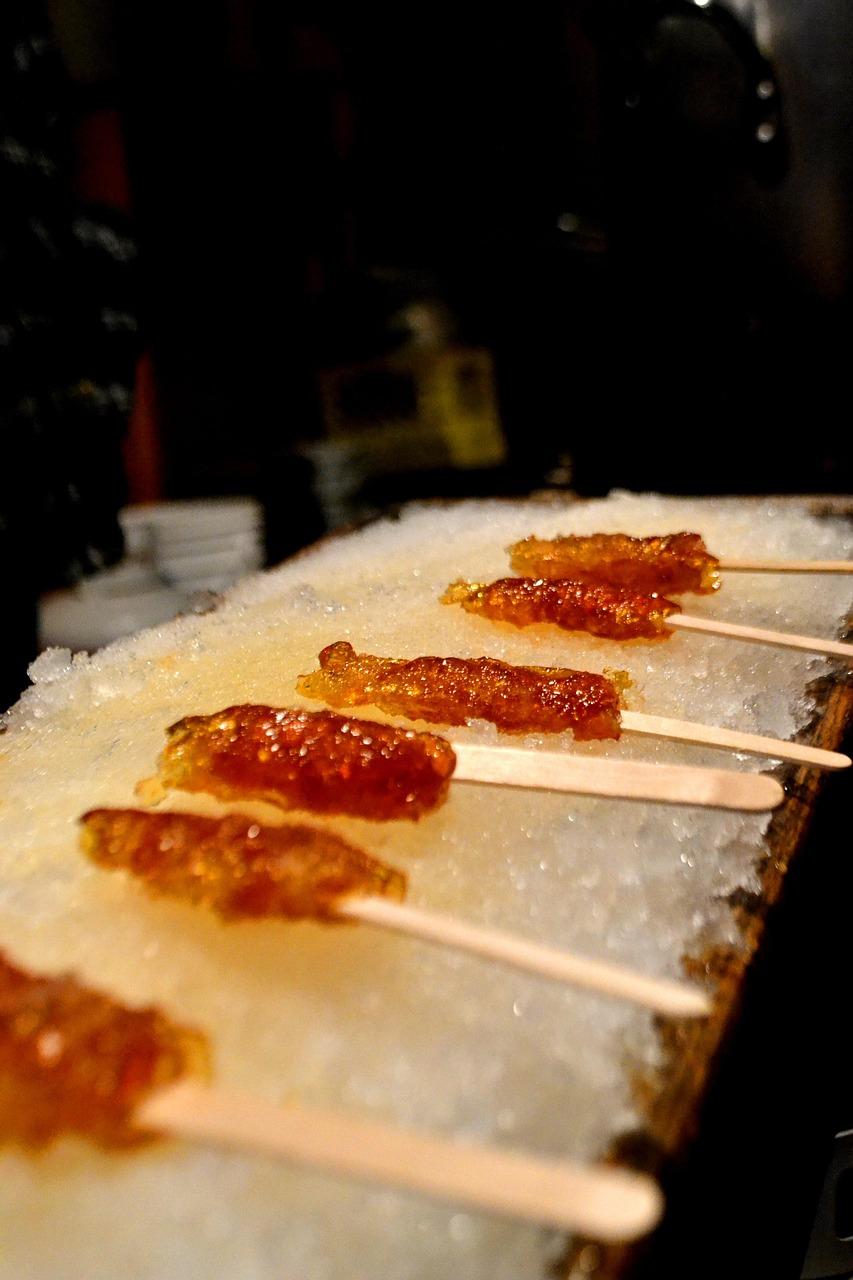
Tire d'érable (maple taffy, or 'tire sur la neige') is the highlight of a spring visit to a Québec or eastern Ontario sugar shack: hot boiled maple syrup is poured in ribbons over clean packed snow, where it firms into a chewy, amber toffee that you roll up onto a wooden stick. It's sold at winter carnivals in Québec City and made at home on a tray of snow or crushed ice. Chef's tip: use a sugar thermometer and stop at 112–114 °C; a few degrees under and it stays runny, a few over and it turns hard as candy.

by KrazyBadal 0 views

Dublin coddle

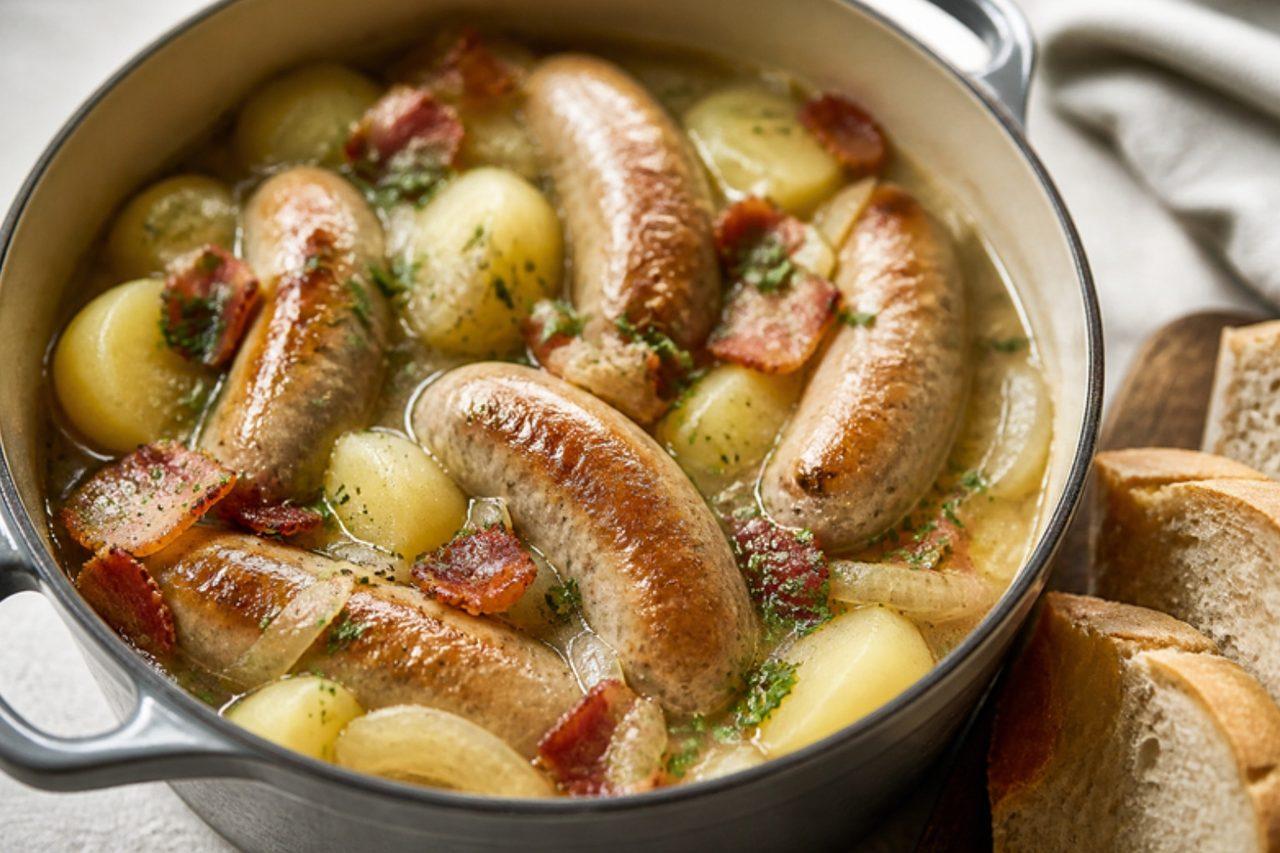
Coddle is Dublin's own dish, a Saturday-night pot from the city's old working-class neighbourhoods that would sit on a low heat until people came home. It is a pork dish: thick pork sausages and back bacon, with layers of onion and potato, gently stewed in stock so everything turns soft and savoury. Many Dublin families still make it on Saturdays. Serve with brown soda bread to mop up the broth. Chef's tip: brown the sausages first; the traditional pale coddle is authentic, but a little colour adds a lot of flavour.

95 minIrishMeat
by KrazyBadal 0 views

Showing 36 of 7,762 recipes

Show more recipes

Page 660 of 863