


Skip to content
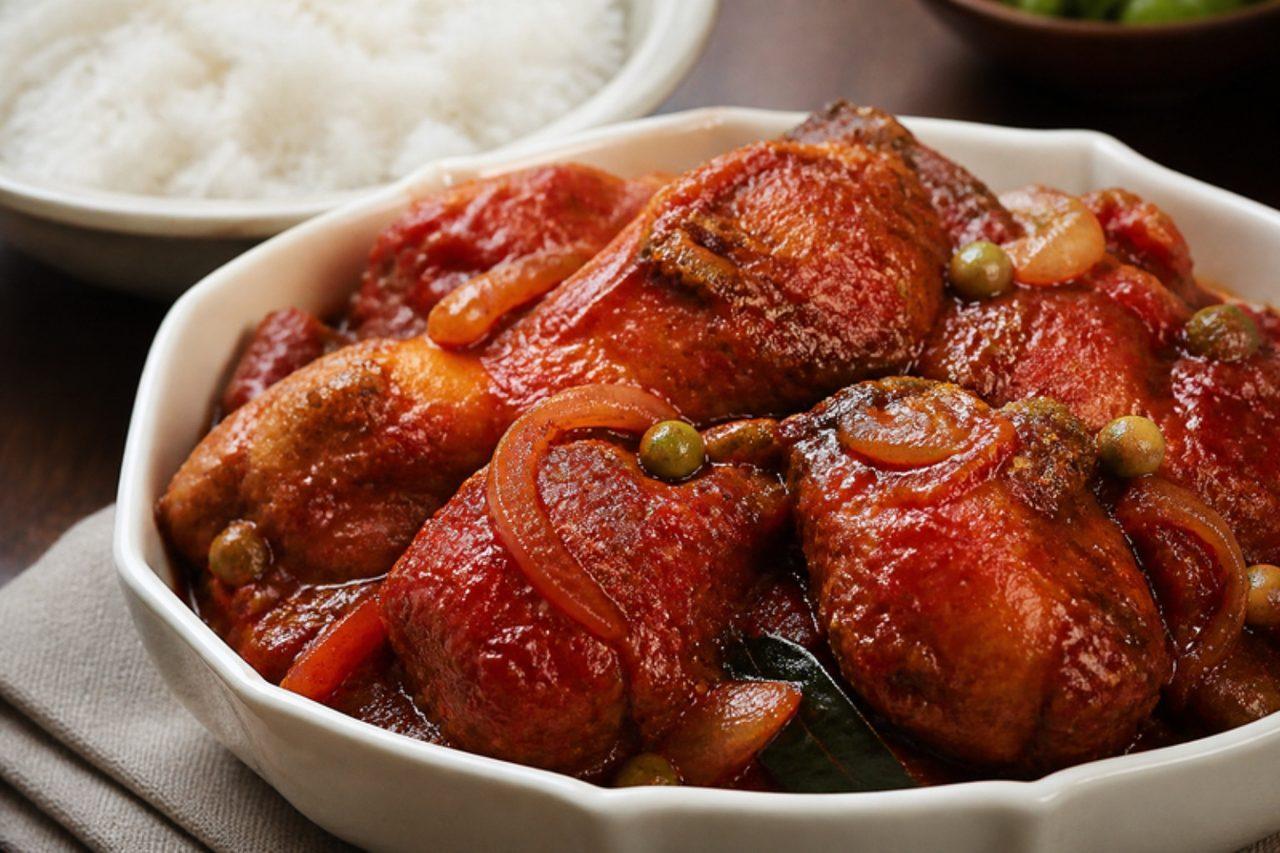
Ayam masak merah
Featured recipe

Ayam masak merah

Chicken in tomato chilli sauce

Red-cooked chicken turns up at almost every Malay kenduri (wedding feast) and Hari Raya open house across Malaysia, ladled out of huge pots beside nasi minyak or plain rice. The chicken pieces are fried first so the skin firms up, then simmered in a brick-red sauce of blended dried chillies, tomato and onion that tastes sweet first, then hot, then tangy. Cinnamon, star anise and cloves give it a warm, almost festive smell, and a splash of coconut milk at the end rounds off the edges. Serve it with steamed rice, cucumber slices and a spoon of acar (pickled vegetables). Chef's tip: fry the chilli paste until it darkens and the oil seeps out (pecah minyak) before any tomato goes in; raw paste makes the sauce taste harsh and bitter.

Read more 0 views

What to eat today?

Around the world

Today's trip: Paraguayan

A new country every day, from every cuisine on the site.

Paraguayan

Ka'i ladrillo

Peanut molasses bricks 40 minMore from Paraguayan (27) →

This week's collection

Kid-friendly dinners
537 recipes · a new collection every Monday

Latest recipes

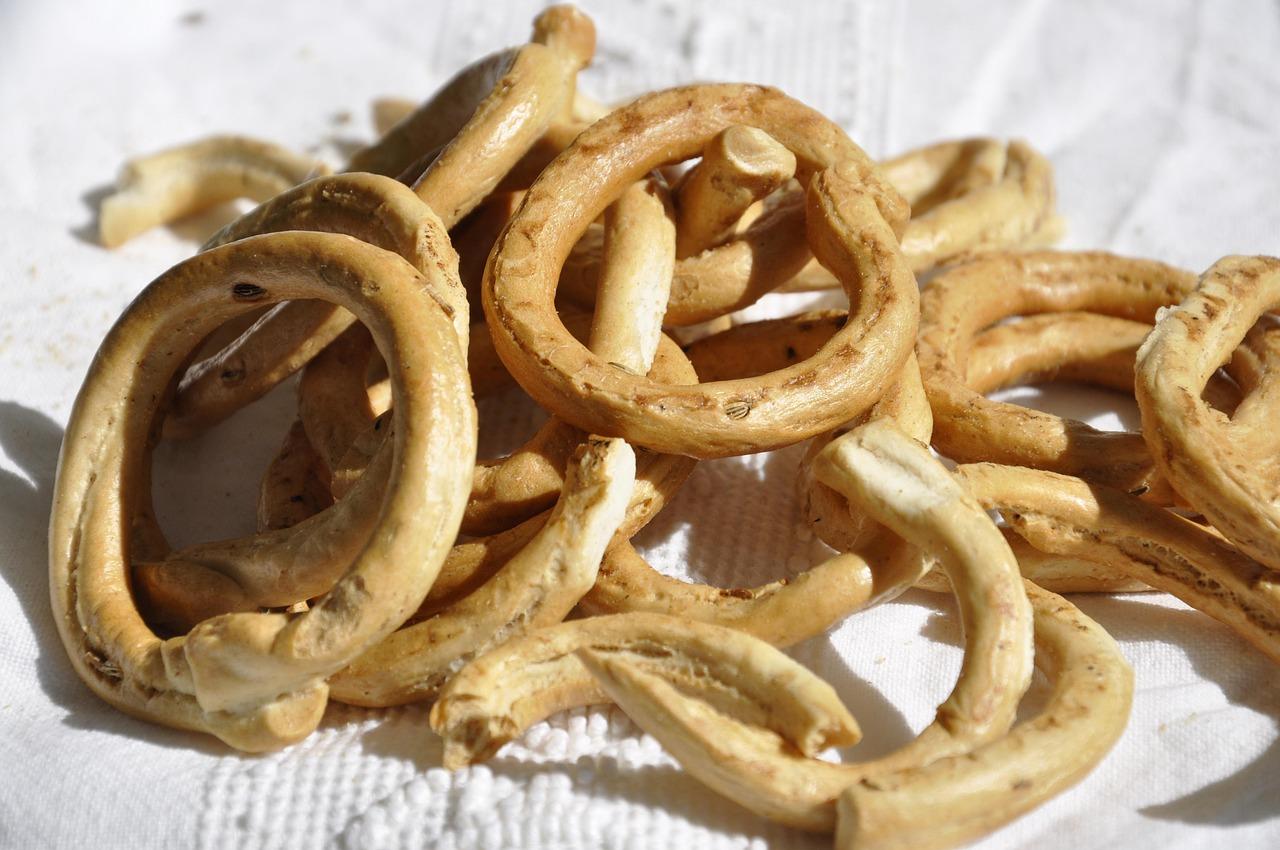
TaralliFennel and olive oil rings

Taralli are the crunchy rings found on every table in Puglia: with a glass of wine before dinner, in bags on the beach, or dunked in coffee. They are made with olive oil and dry white wine, no yeast or butter, and boiled briefly before baking, which gives them their shiny skin and fine, crumbly bite. Fennel seed is the classic flavour; black pepper or chilli are common too. They keep for weeks in a tin. Chef's tip: lift them out of the water the moment they float; longer boiling makes them hard and glassy instead of crumbly.

by KrazyBadal 0 views
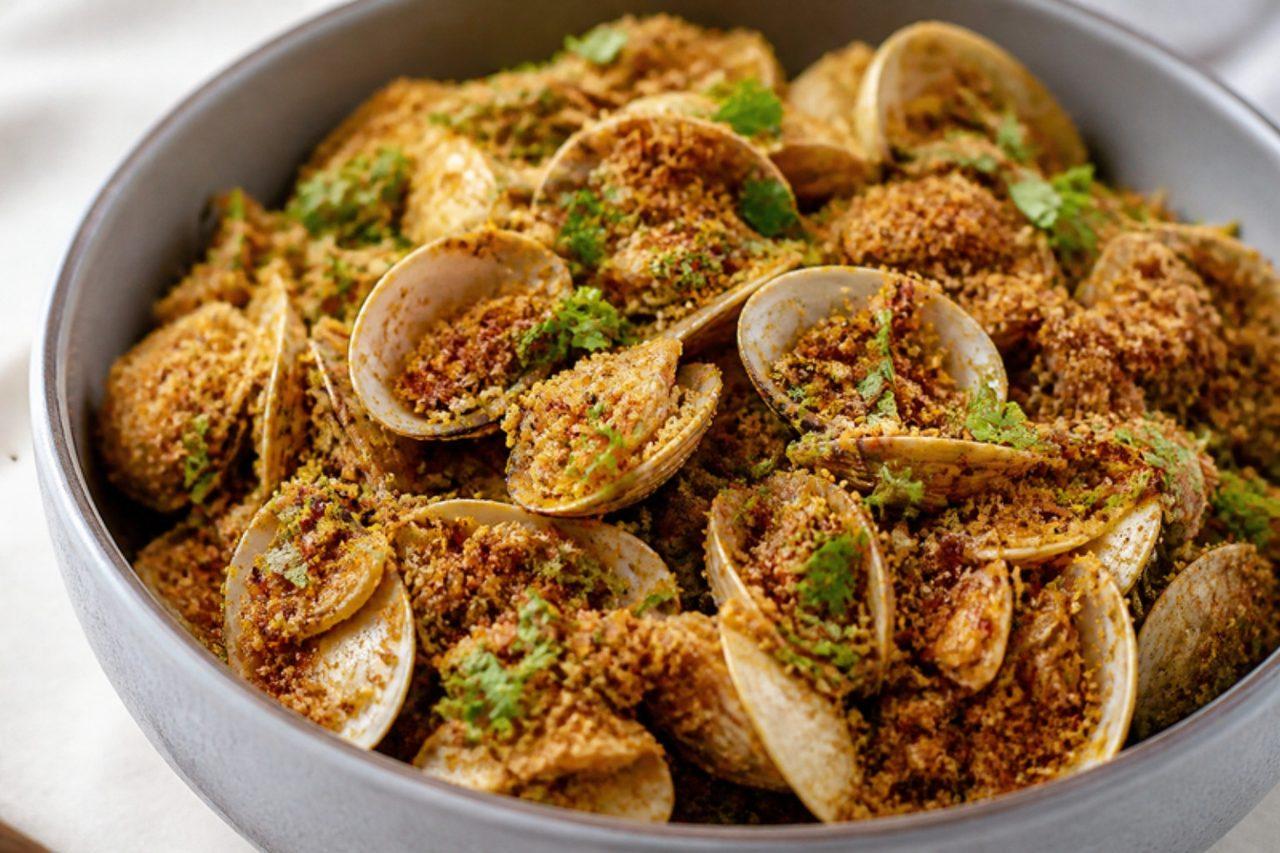
Tisryo sukheDry clam coconut masala

When the clam beds of the Zuari and Mandovi rivers are full after the monsoon, Goan kitchens cook tisryo (clams) as sukhe, meaning dry: no gravy, just shells coated in a coarse, spiced coconut masala. It is a Saturday-lunch side dish with fish curry and rice, eaten with the fingers, picking each clam out of its half-shell. Chef's tip: grind the coconut masala without water and only briefly, so it stays coarse and clings to the shells.

60 minIndianFishGluten free
by KrazyBadal 0 views

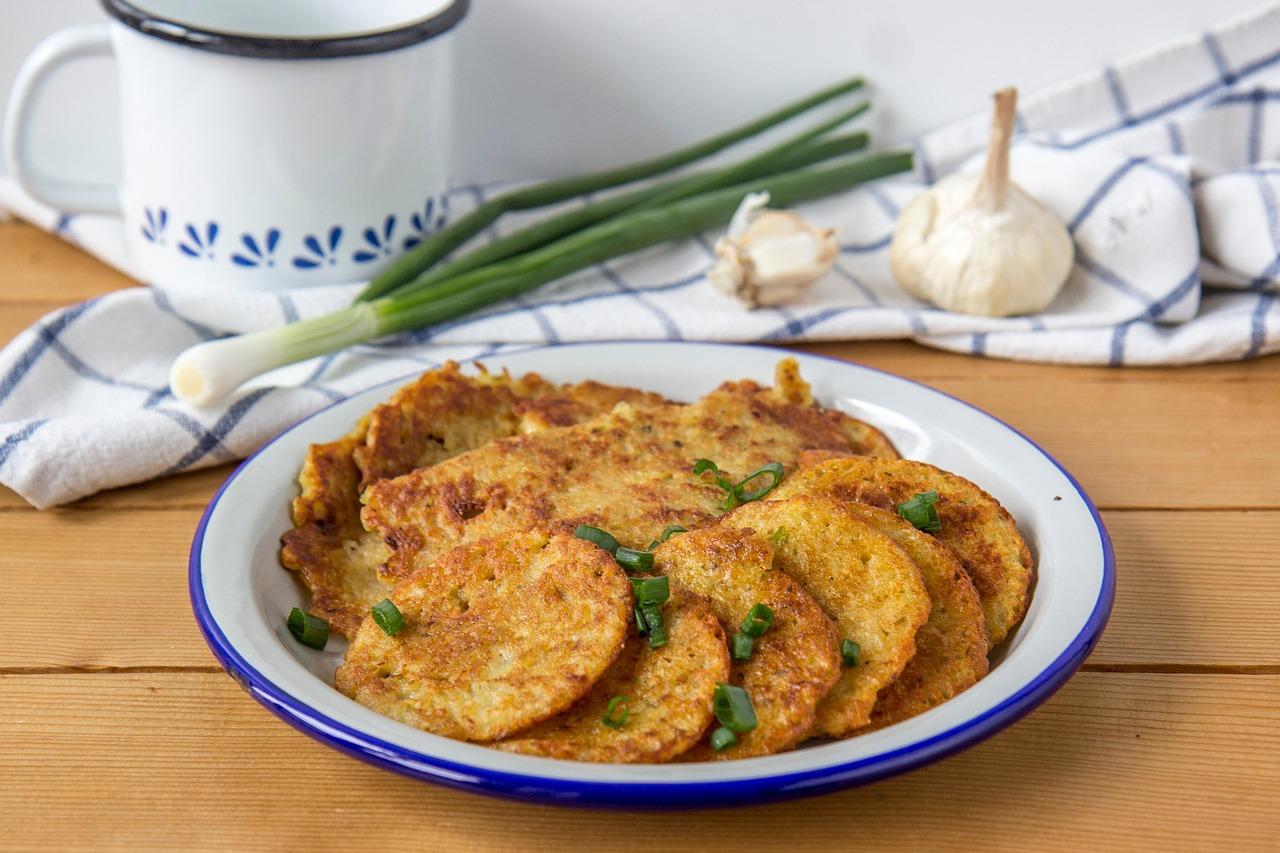
Sweet potato cakeFried sweet potato cakes

Soft, lightly sweet fried cakes of grated boiled sweet potato, flour and milk, shaped by hand into small flat rounds. They're golden outside and tender inside; the book's Handy Hints say sweet potato is good for the eyes and lifts the mood. Serve as a tea-time snack, or with tomato and chilli sauce.

by KrazyBadal 0 views

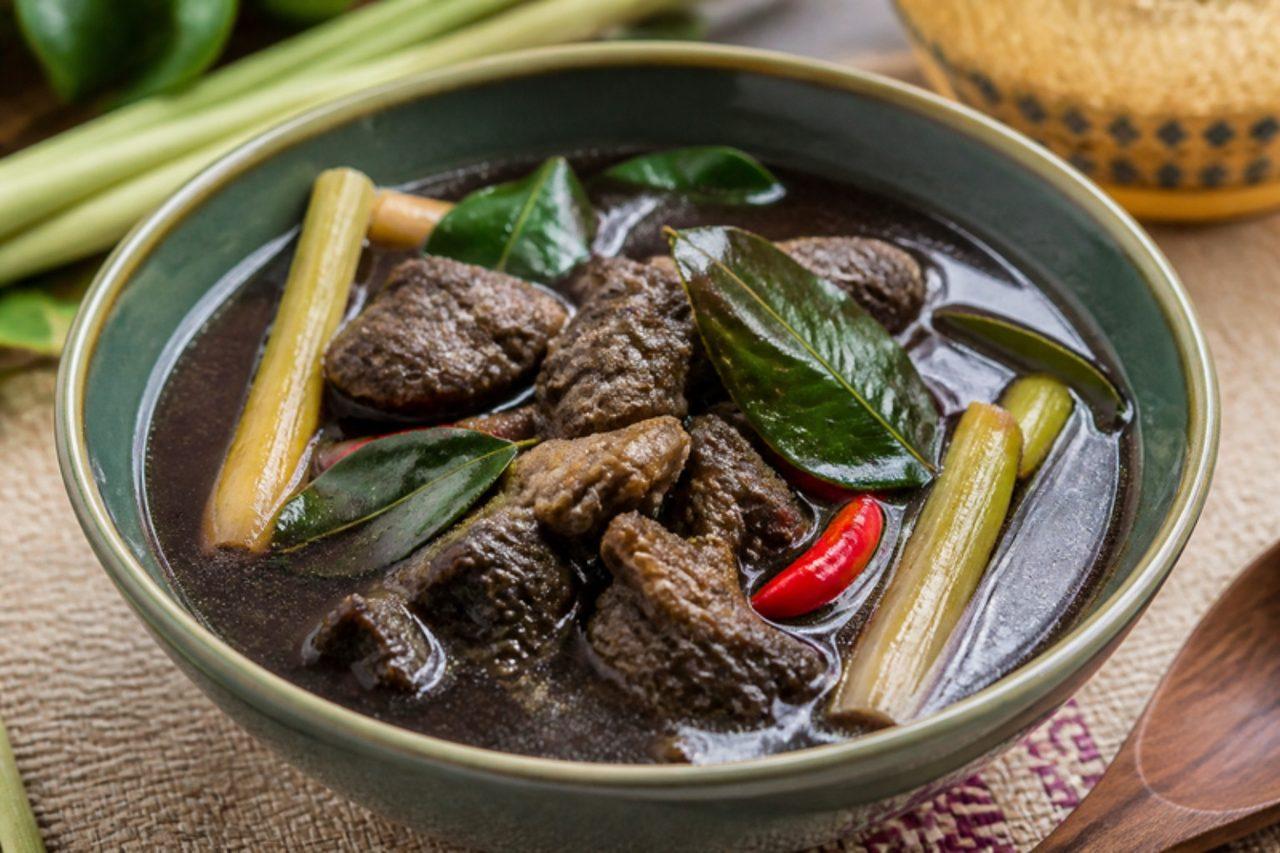
Tiyula itumBlack beef soup

Tiyula itum, 'black soup', is the pride of the Tausug people of Sulu in the far south of the Philippines, cooked for weddings, Eid celebrations and when guests come home. Beef (it is a halal, pork-free dish) is simmered with ginger, lemongrass and turmeric, then darkened with pamapa itum, a paste of grated coconut toasted until almost black and pounded with spices. The broth looks dramatic but tastes smoky, earthy and gently peppery, with heat from chillies. Serve it with plain rice. Chef's tip: toast the coconut slowly, stirring all the time, until it is very dark brown but not ashy; burnt-to-ash coconut tastes bitter and ruins the soup.

by KrazyBadal 0 views

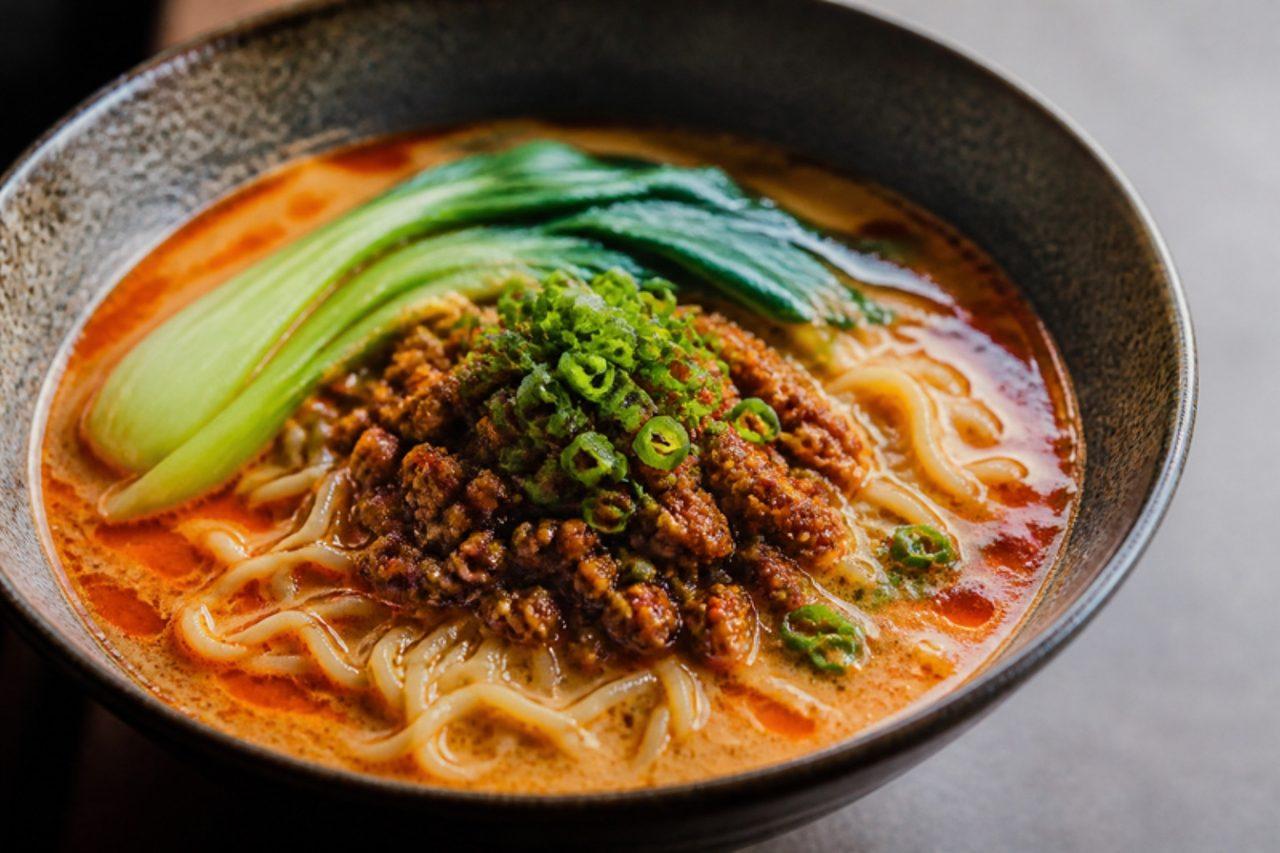
TantanmenSesame chilli noodle soup

Sichuan dan dan noodles are eaten almost dry, with just a spoonful of sauce, but Chinese chefs cooking in post-war Tokyo turned them into a full bowl of soup for Japanese diners. Today tantanmen sits on the menu of almost every Chinese-style restaurant and many ramen shops across Japan, and it sells best in the cold months. The broth is rich with sesame paste, softened with soy milk and lit up with chilli oil, then crowned with savoury fried pork. Pak choi adds a fresh, crunchy contrast. Chef's tip: fry the pork until it is properly brown and a little crisp before seasoning, so it keeps some bite in the soup instead of turning soft.

by KrazyBadal 0 views

TkemaliSour plum sauce

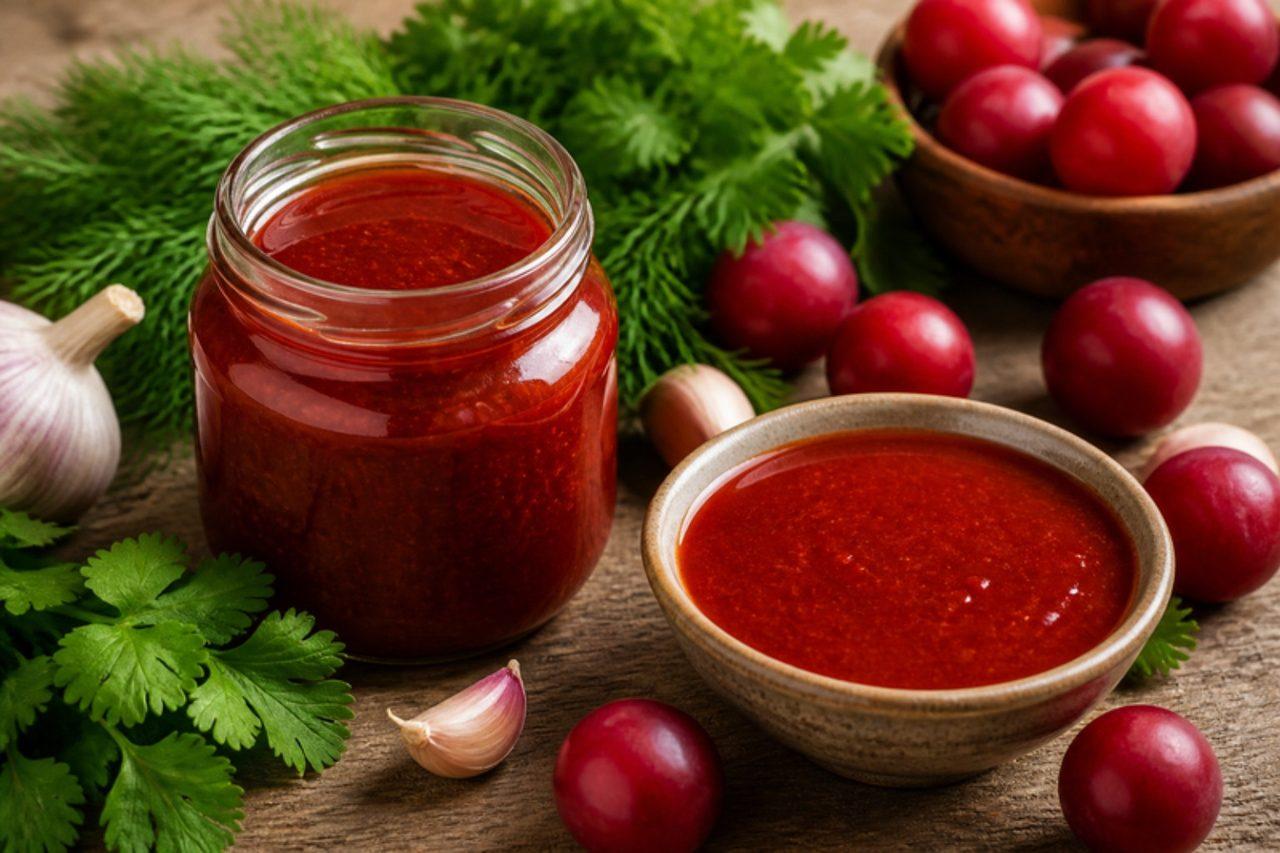
Tkemali is Georgia's table sauce, made in Samegrelo, Guria and Imereti from sour cherry plums. Green tkemali comes from unripe plums in late spring; the red one is made at the end of summer, when the plums colour and every family cooks a big pot to bottle for the winter. It goes with almost everything: boiled potatoes, beans, fried courgettes, mchadi and cheese. Traditionally it is flavoured with ombalo (pennyroyal), which is hard to buy, so dried mint stands in here. A common mistake is boiling the herbs and garlic for too long, which turns the sauce dull and brown; they go in only for the last few minutes. Chef's tip: if your plums are sweet supermarket ones, add a squeeze of lemon; tkemali should be properly sour.

by KrazyBadal 0 views

SeswaaPounded boiled beef

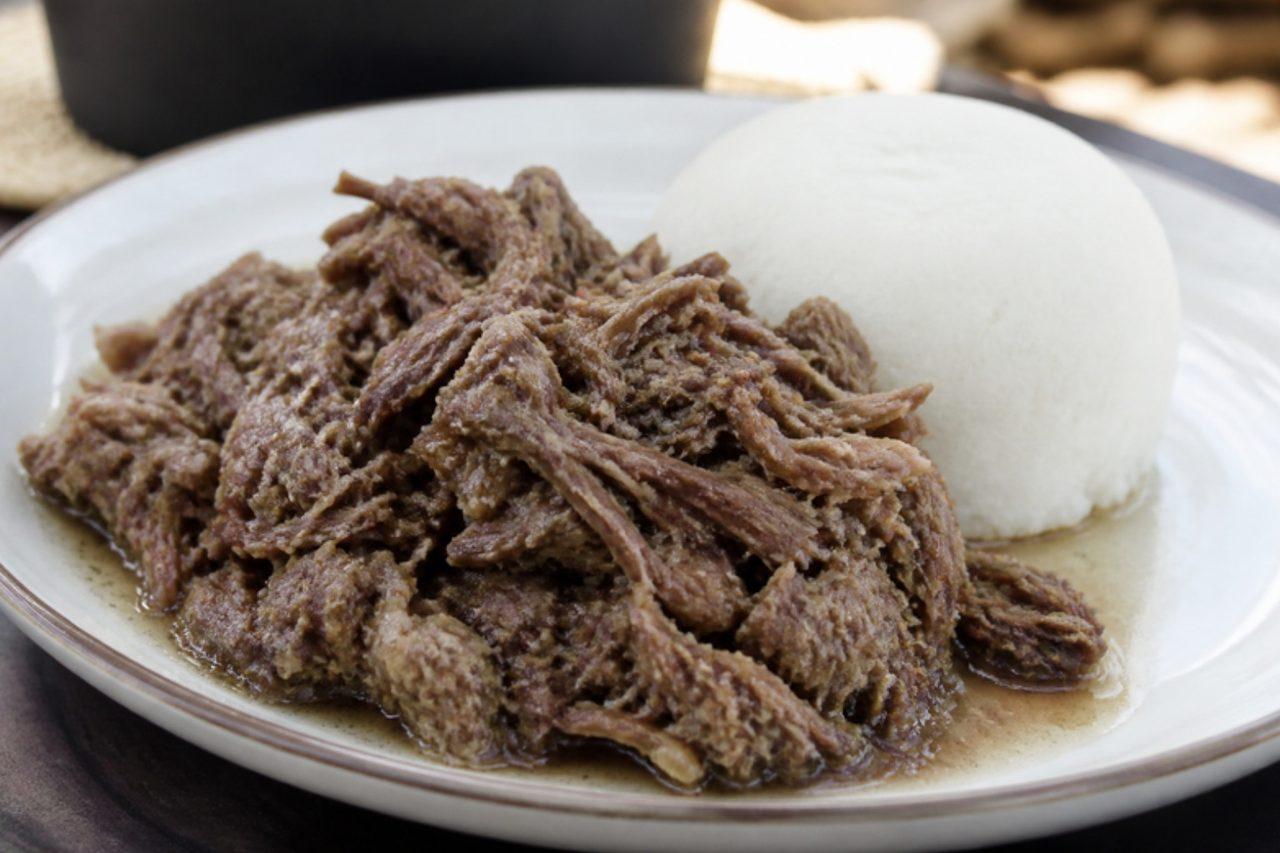
Seswaa is Botswana's national dish, made by the men at weddings, funerals and Independence Day in great three-legged pots over fires: beef on the bone is boiled with only onion, bay and salt for hours until it falls apart, then pounded with a wooden spoon into soft shreds in its own fat. It is served with pap (stiff maize porridge) or samp and a side of greens. The mistake is adding too much water at the end; the meat should be moist, not soupy, so let the liquid cook away before pounding. Chef's tip: use a mix of brisket and shin on the bone for flavour and richness.

by KrazyBadal 0 views

Vitello tonnatoVeal with tuna sauce

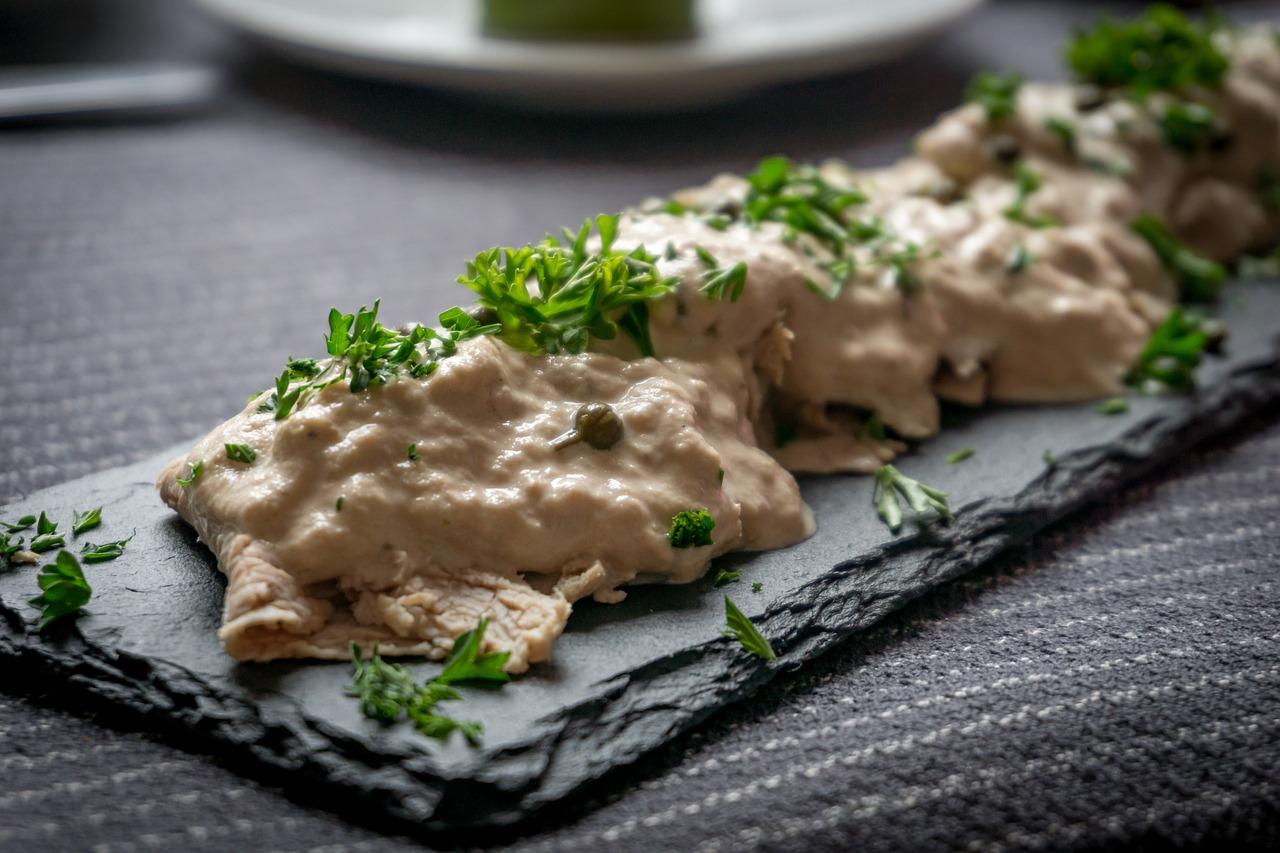
On the hottest days of a Piedmontese summer, and above all for the Ferragosto holiday in mid-August, families set out a platter of cold, thinly sliced veal hidden under a pale, velvety sauce of tuna, anchovy and capers. The combination sounds odd and tastes wonderful: tender, mild meat and a savoury, lemony sauce that is rich without being heavy. This version follows the older Piedmontese style, thickening the sauce with hard-boiled egg yolks and the veal's own poaching broth instead of raw-egg mayonnaise; if you prefer a mayonnaise base, use one made with pasteurised eggs. Serve it as a starter or a summer main with a green salad and bread. A common mistake is slicing the meat while warm; it frays and tears, so chill it first and cut it as thin as you can. Chef's tip: assemble it the evening before; overnight in the fridge, the sauce seeps into the meat and the flavours settle together.

120 minItalianMeatGluten free
by KrazyBadal 0 views

TlayudasLarge crisp tortilla with beans and cheese

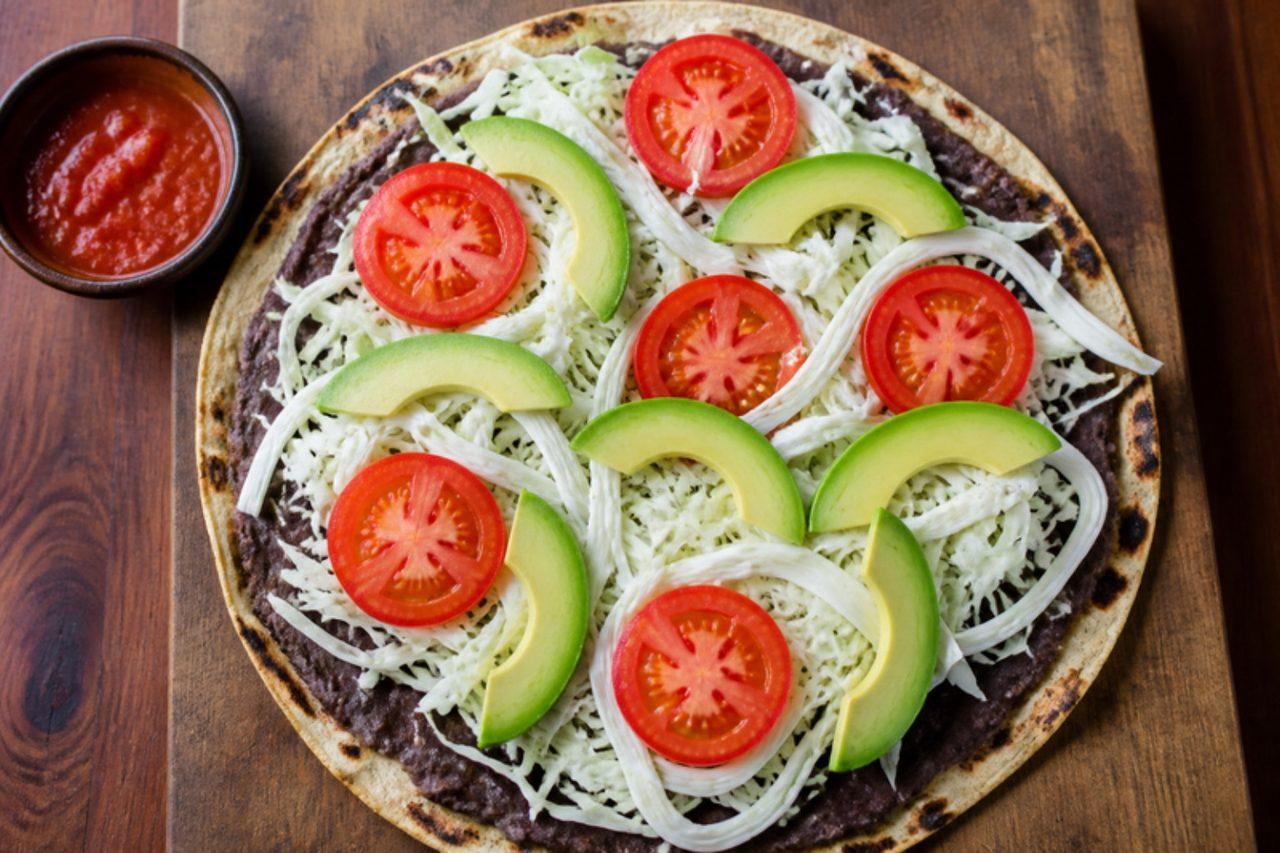
The tlayuda is the late-night street food of Oaxaca City: a huge, thin, slightly leathery corn tortilla spread with black bean paste and asiento (unrefined pork lard), scattered with quesillo (Oaxaca string cheese) and cabbage, folded and toasted over charcoal until crisp and smoky. This vegetarian version swaps the asiento for browned butter, which gives the same toasty richness, and is topped with avocado, tomato and salsa. Real tlayudas are about 30 cm across and hard to find outside Oaxaca; use the largest corn tortillas you can get, or flour tortillas of 25 cm (then they are not gluten free). Quesillo is made with animal rennet in Oaxaca; for a vegetarian dish use low-moisture mozzarella or a string cheese made with vegetarian rennet. Chef's tip: spread the beans thinly; a thick layer makes the tortilla soggy and stops it crisping.

by KrazyBadal 0 views

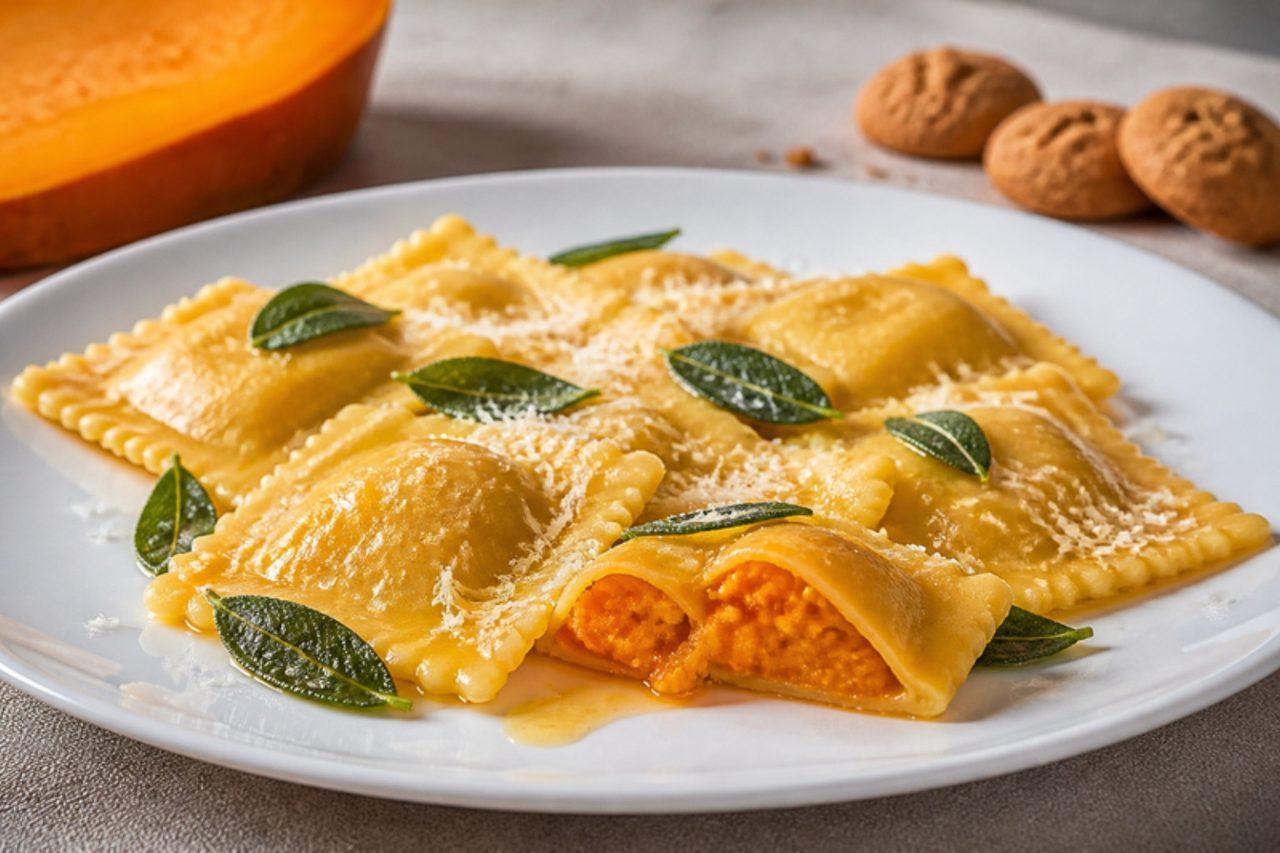
Pumpkin tortelliPumpkin-filled pasta

Tortelli di zucca are the Christmas Eve dish of Mantua, in Lombardy, where the dense orange pumpkins of the Po plain are roasted and mashed with crushed amaretti biscuits, spicy fruit mostarda and hard cheese. The filling is sweet, salty and a little hot all at once, a taste that goes back to the Renaissance Gonzaga court. They are served simply, with melted butter, sage and more cheese. Chef's tip: roast the pumpkin rather than boil it, and make the filling the day before; a dry, rested filling is easy to pipe and the flavours blend.

by KrazyBadal 0 views

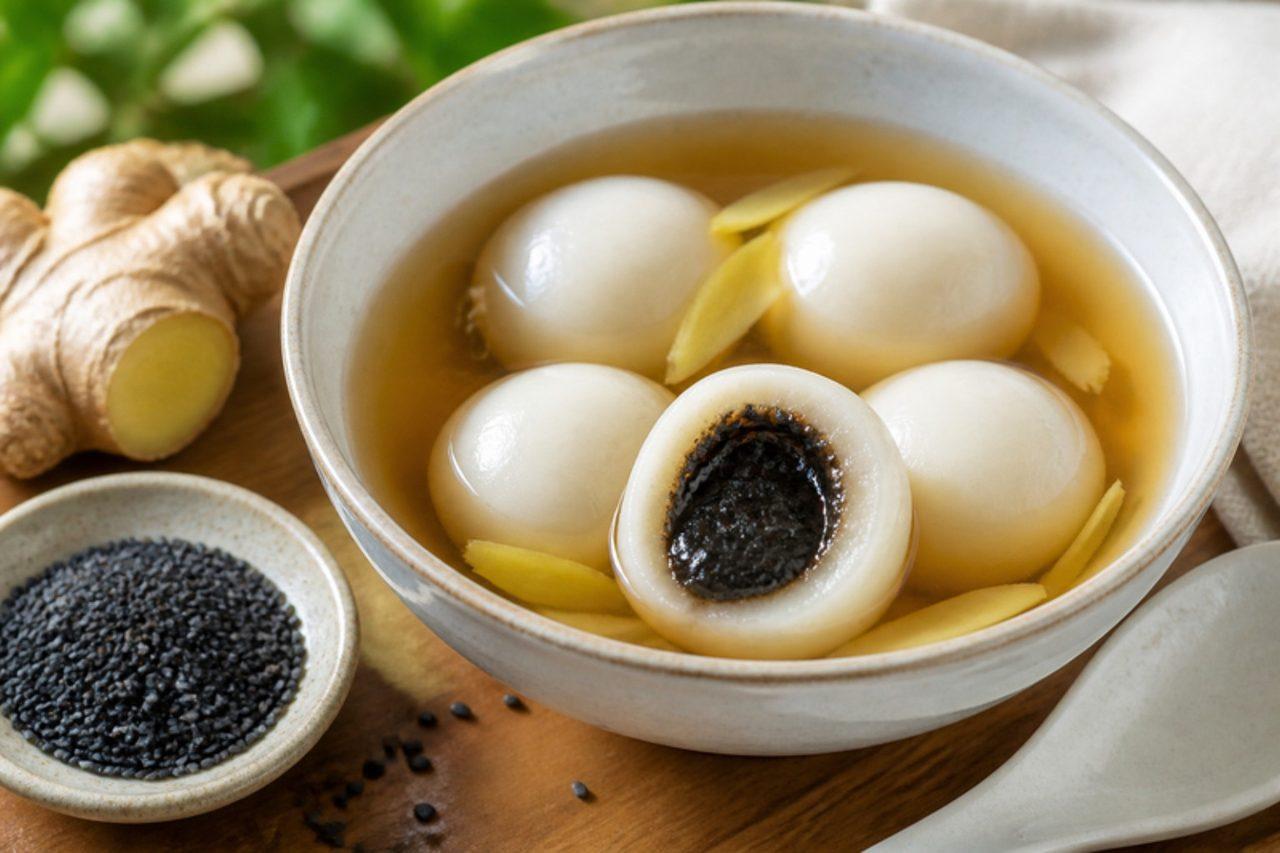
Black sesame tang yuan in ginger syrupSesame rice balls in ginger syrup

Tang yuan are eaten all over China at the Lantern Festival, on the fifteenth day of the Lunar New Year, and in the south also at the winter solstice; their roundness stands for family togetherness. The dough is glutinous rice flour, the classic filling black sesame, sugar and fat, served in a light ginger syrup. Lard is traditional in the filling; coconut oil sets just as firmly and keeps them vegan. Chef's tip: chill the filling until firm and roll it into balls before you start the dough; cold filling is far easier to wrap.

by KrazyBadal 0 views

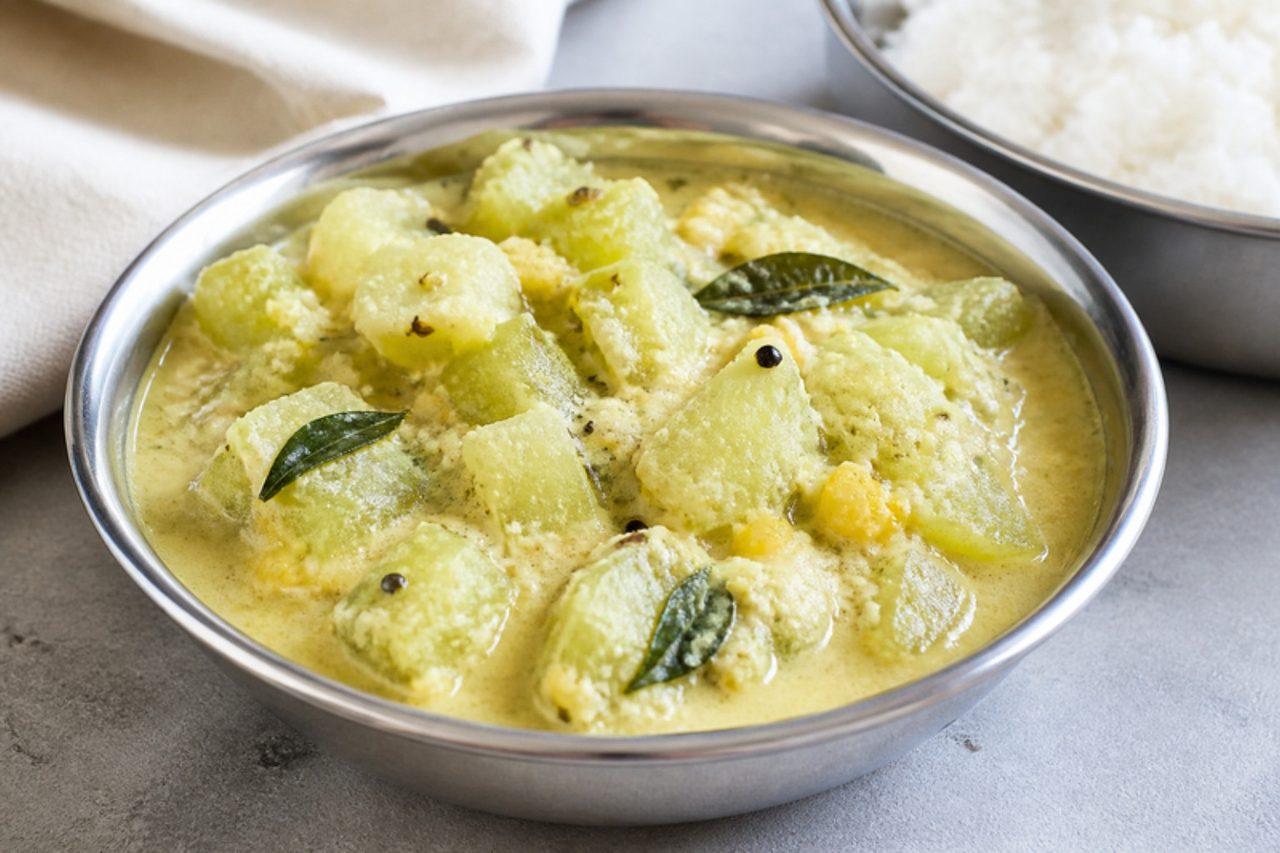
KootuVegetable and moong dal stew

Kootu sits halfway between a dal and a vegetable dish, and in Tamil homes it is the mild, kind side on a lunch plate next to a sharp rasam or a fiery kuzhambu. Chopped vegetables such as chow-chow, snake gourd, cabbage or pumpkin are cooked with moong dal until soft, then thickened with a paste of fresh coconut, cumin and a little green chilli. It's the dish many Tamil grandmothers give children and anyone recovering from a fever. Spoon it over rice with ghee or serve it alongside sambar and poriyal. Chef's tip: grind the coconut paste with the cumin raw, not toasted; the fresh, sweet cumin flavour is what makes kootu taste like kootu.

by KrazyBadal 0 views

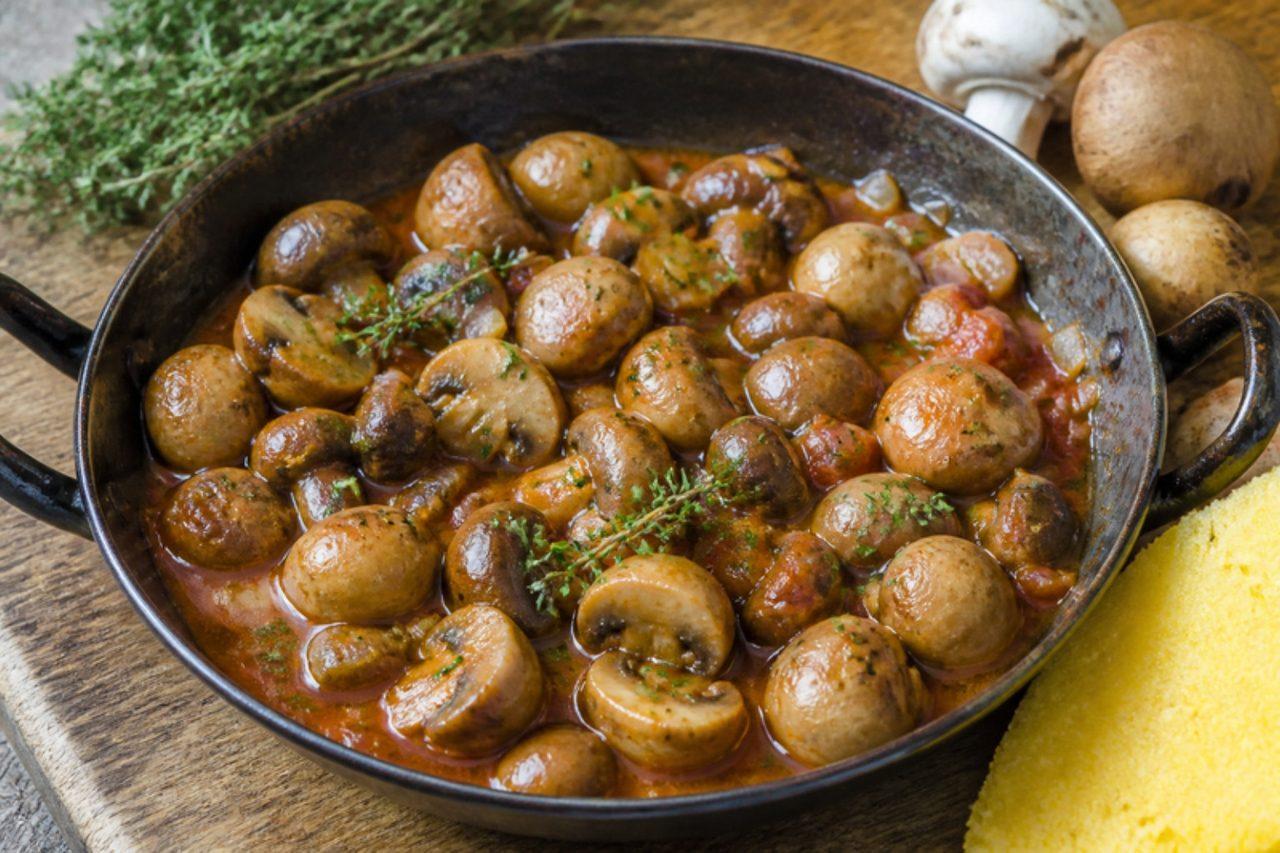
Tocăniță de ciuperciMushroom stew

Tocăniță is the everyday stew of Romanian home cooking, and the mushroom version is a fixture of the Orthodox fasting days, when Transylvanian cooks use forest mushrooms gathered in the Apuseni hills and city cooks use button mushrooms from the market. Onions, garlic, tomato, white wine and thyme cook down into a thick, glossy sauce, without the sour cream and paprika of a Hungarian paprikás. It is always eaten with hot mămăligă and a spoon of the sauce over the top. Chef's tip: brown the mushrooms in batches in a hot pan; crowding them is the usual mistake, and they then stew grey in their own water instead of turning golden.

by KrazyBadal 0 views

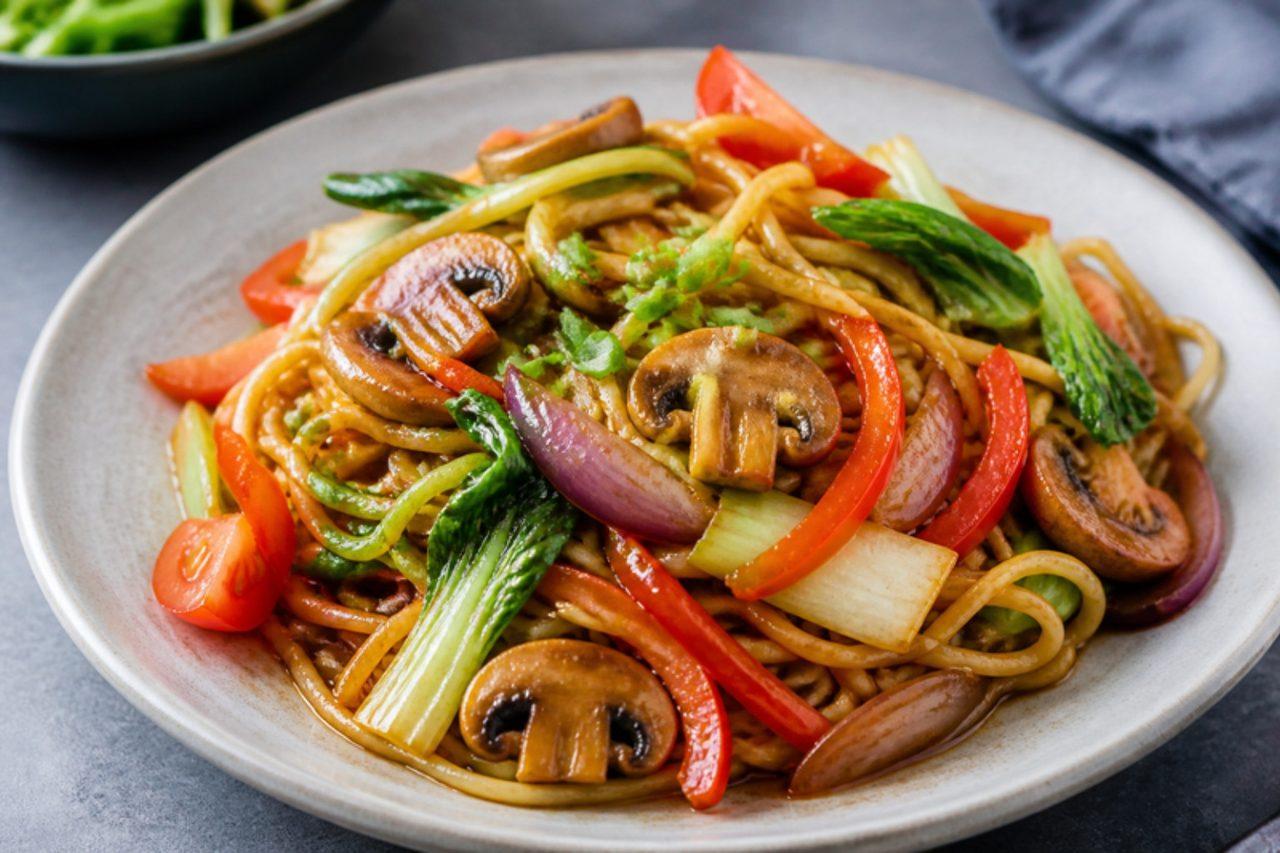
Tallarín saltadoStir-fried noodles with vegetables

Tallarín saltado is the noodle cousin of lomo saltado, a chifa favourite from Lima where Chinese wok technique meets Peruvian ingredients. Spaghetti-style wheat noodles are tossed over a fierce heat with mushrooms, pak choi, red onion, tomato, ginger and ají amarillo, then glossed with soy sauce and a splash of vinegar. The noodles soak up the smoky, tangy sauce while the vegetables stay crisp. Peruvians use plain spaghetti from the shop on the corner, and so can you. Chef's tip: cook the noodles a minute short of the packet time and rinse them in cold water; they finish cooking in the wok and won't turn soft or clump.

by KrazyBadal 0 views

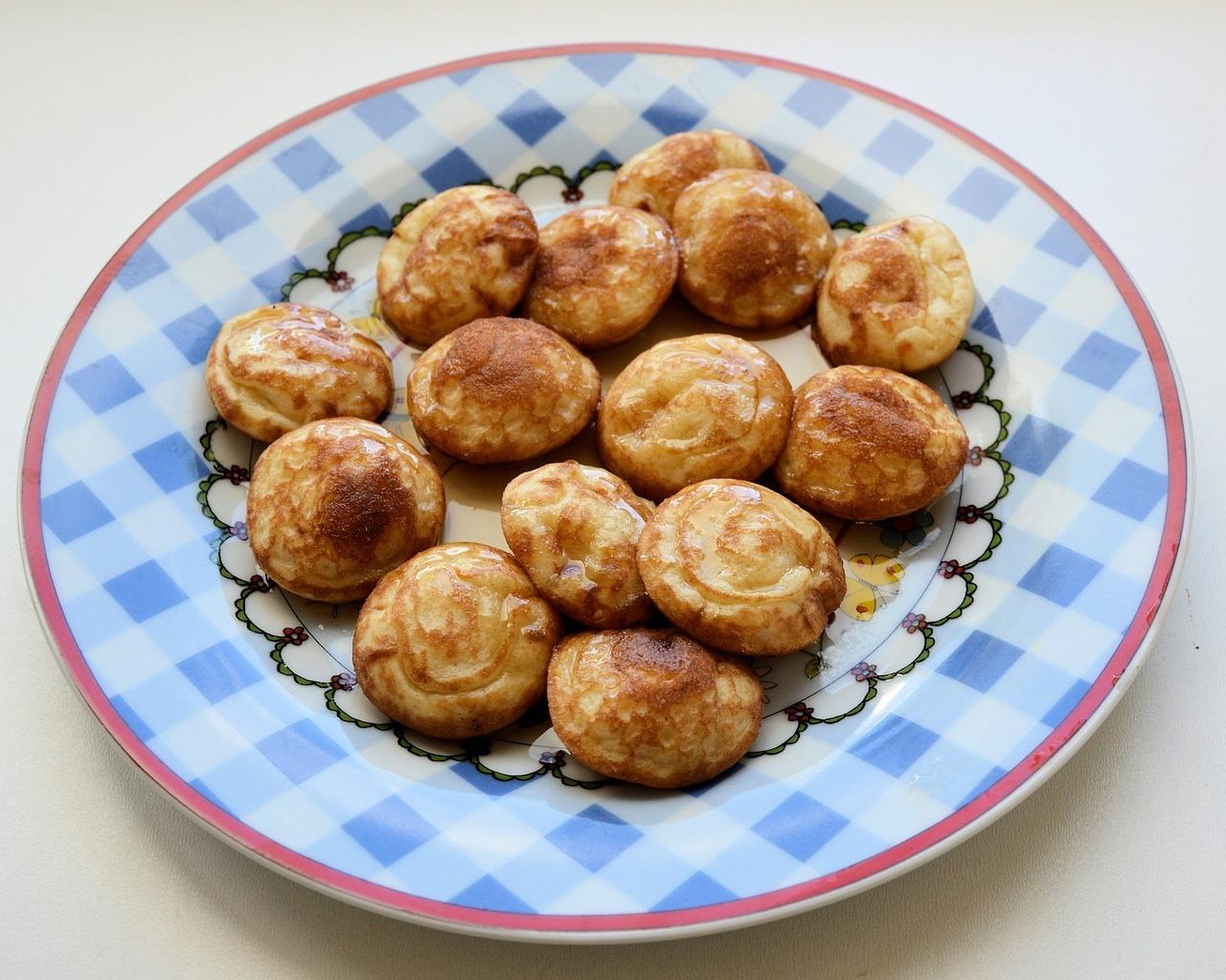
VitumbuaCoconut cardamom rice pancakes

Small, round Swahili rice pancakes made from a yeasted batter of rice flour, coconut milk, grated coconut, sugar and cardamom. They're crisp and golden outside, soft and spongy inside. Serve hot with tea.

by KrazyBadal 0 views

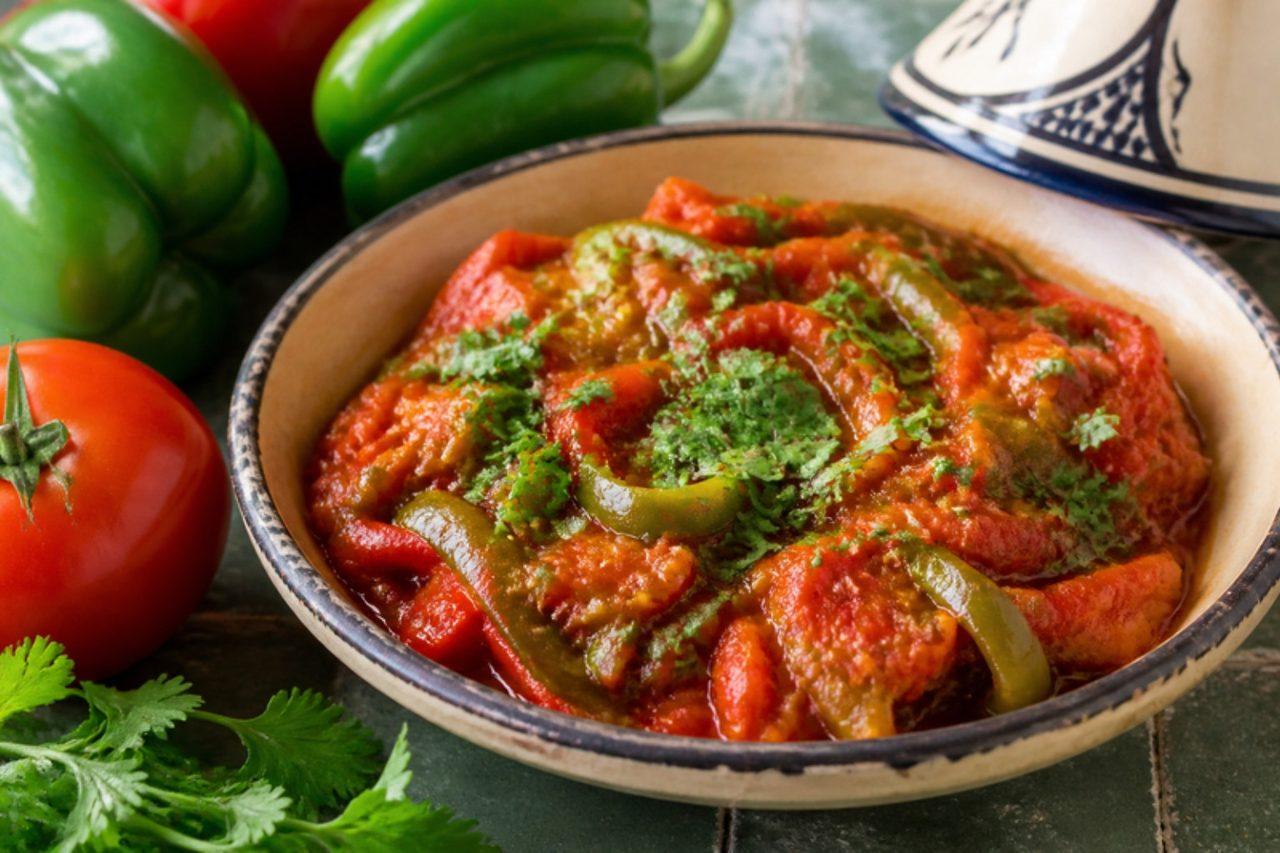
TaktoukaRoasted pepper and tomato salad

Taktouka is the pepper partner to zaalouk, served side by side on the salad plates of Moroccan homes and cafés, especially around Casablanca and the north. Grilled green peppers are peeled and cooked down with tomato, garlic and cumin until soft and jammy, then eaten lukewarm with bread or as a side to tagines and grilled vegetables. It is cheap, quick and keeps for three days in the fridge. Chef's tip: use the thin-skinned, slightly bitter green peppers if you can find them; they give a more authentic flavour than sweet bell peppers.

by KrazyBadal 0 views

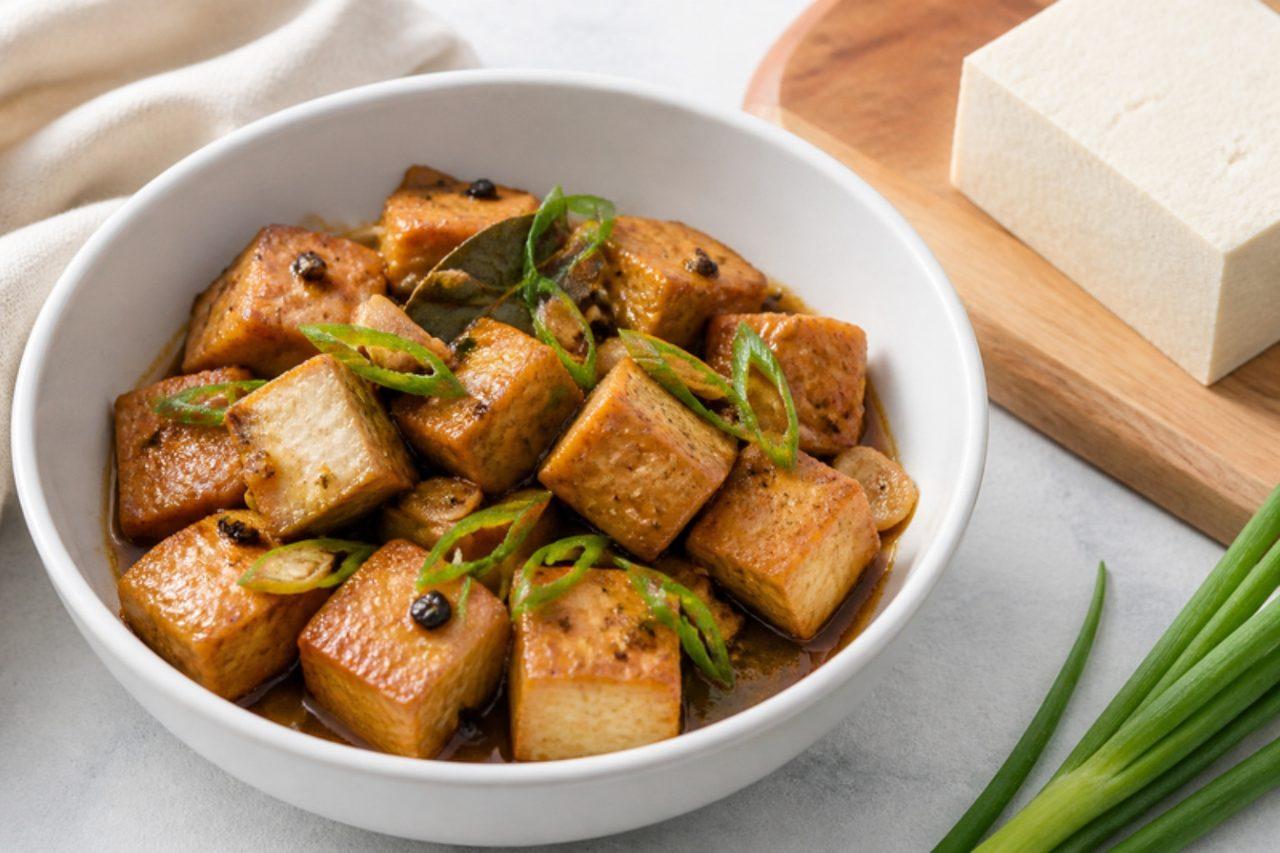
Tofu adoboTofu braised in vinegar and soy

Adobo is the dish Filipinos call national, cooked in some form in nearly every home from Ilocos down to Mindanao, and the meat versions are what most people know. In Catholic households, though, Holy Week and the Fridays of Lent call for a meatless table, and adobong tokwa (tofu adobo) is the answer many families reach for. Firm tofu is fried until it has a golden skin, then simmered in a reduced sauce of cane vinegar, soy sauce, a whole head of garlic, bay leaves and whole peppercorns until the sauce clings, sour and salty with a little sweetness. It tastes even better the next day and is eaten with mounds of plain rice. Chef's tip: press the tofu well and fry it properly; a dry, golden crust is what soaks up the adobo sauce instead of turning it watery.

by KrazyBadal 0 views

Ohn no khao swe with tofuCoconut noodle soup with tofu

Ohn no khao swe is the comforting coconut noodle soup that Burmese families serve for weekend lunches and for crowds at donation feasts, especially around Mandalay and Yangon. Wheat noodles sit in a rich, mildly spiced coconut broth thickened with chickpea flour, and everyone adds their own toppings: lime, sliced raw onion, chilli flakes, coriander and crispy fried noodles. It's normally made with chicken; tofu and chickpeas take its place here. Chef's tip: stir the coconut milk in at the end and keep it at a gentle simmer; a hard boil makes the coconut split and turn oily.

by KrazyBadal 0 views

Showing 18 of 7,762 recipes

Show more recipes

Page 679 of 863