


Skip to content
Mishri mawa
Featured recipe

Mishri mawa

Sweet milk flakes

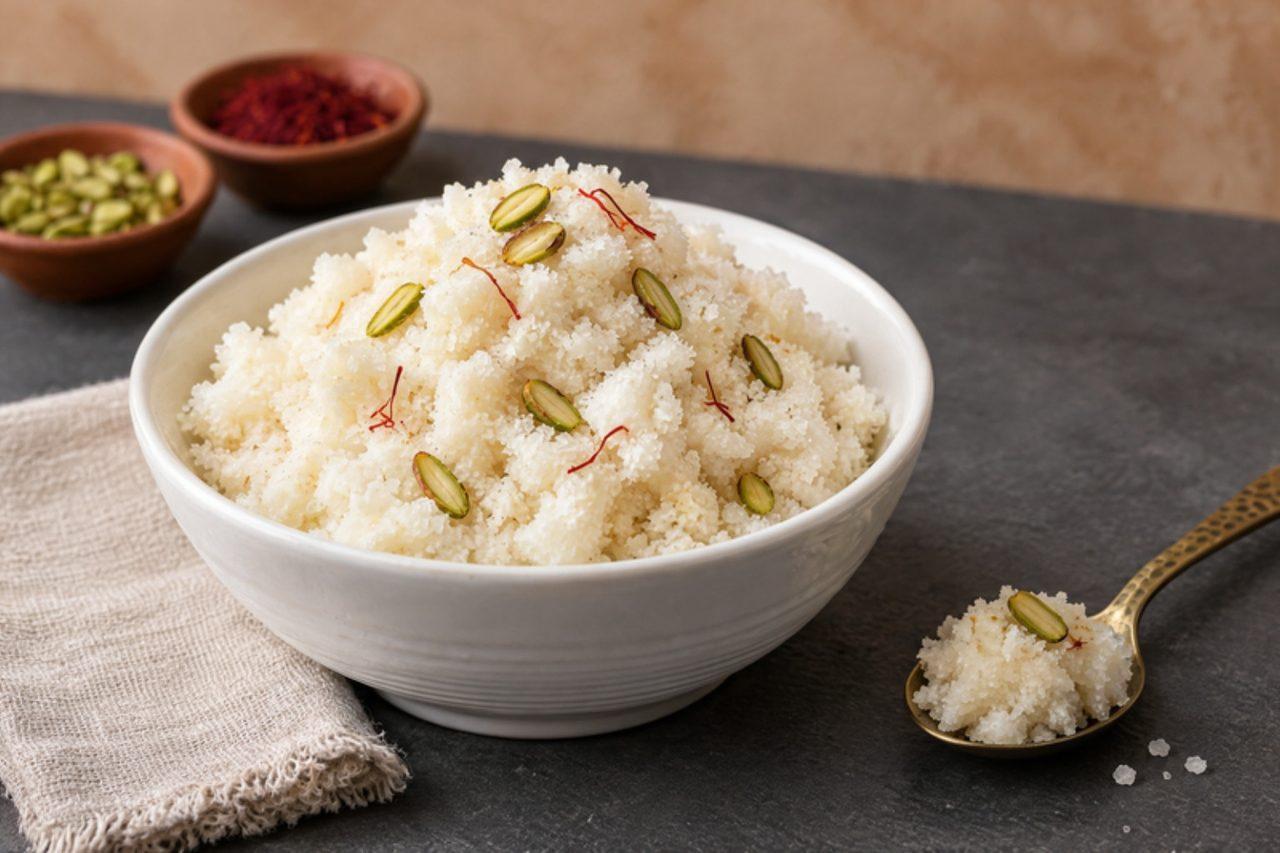
Mishri mawa is the pride of Jaipur's old sweet shops near Johari Bazaar: full-fat milk boiled down slowly with sugar and a little alum until it splits into tiny, sparkling grains, then set loosely so it breaks into soft flakes that melt on the tongue. It is bought for Diwali, weddings and when guests arrive from far away. Unlike kalakand, it is very white and only lightly set, with saffron and cardamom. The common mistake is letting the milk catch at the bottom; even a little scorching turns it beige and smoky. Chef's tip: use a wide, heavy pan and scrape the base and sides with a flat spatula every minute once the milk has halved.

Read more 0 views

What to eat today?

Around the world

Today's trip: Paraguayan

A new country every day, from every cuisine on the site.

Paraguayan

Buñuelos de algas

Sea lettuce fritters 35 minMore from Paraguayan (27) →

This week's collection

Kid-friendly dinners
537 recipes · a new collection every Monday

Latest recipes

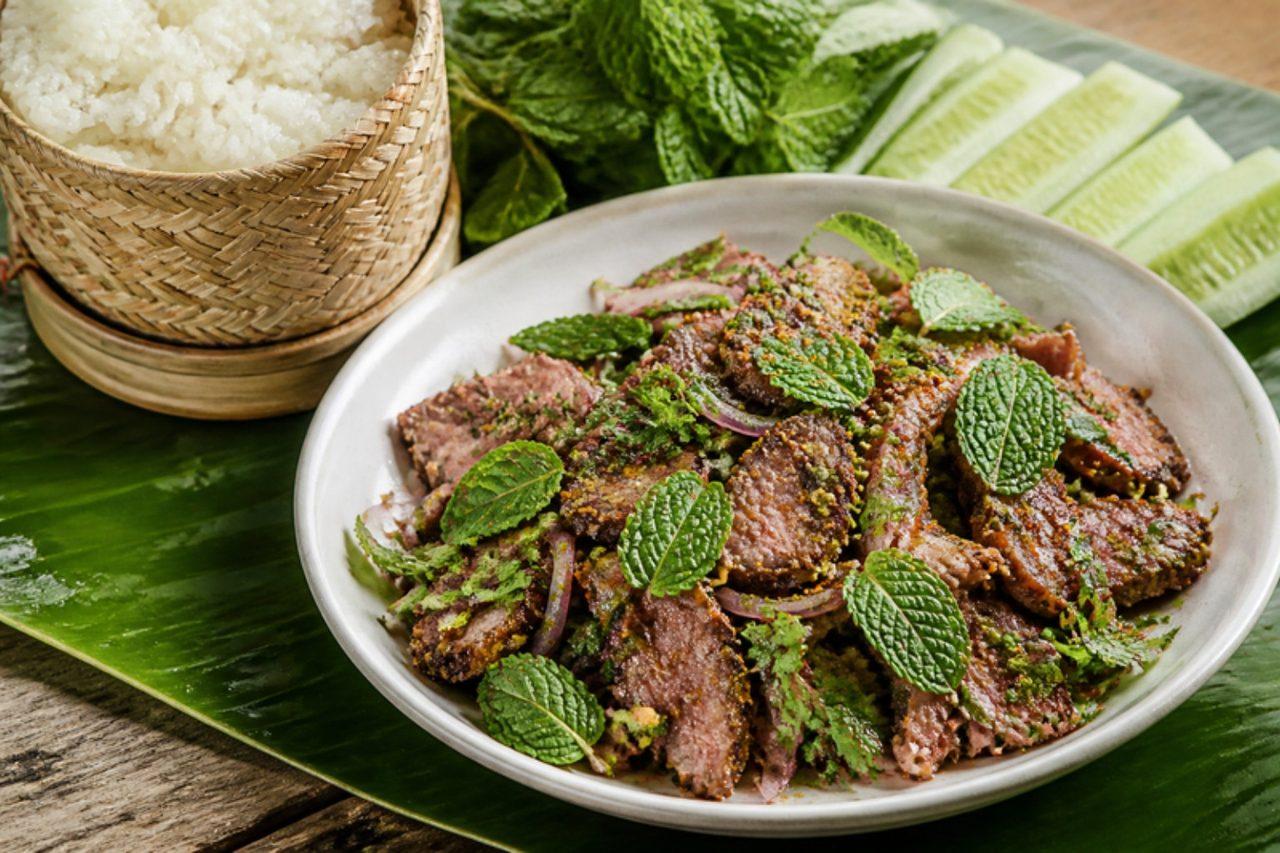
Nam tok neuaGrilled beef salad

The name means 'waterfall', after the juices that drip from the beef onto the coals, and this salad is what Isan drinking spots and family barbecues serve when there is good meat on the grill. Smoky slices of pink steak are tossed while still warm with lime, fish sauce, chilli flakes, shallots and mint, then dusted with toasted rice powder for crunch. The meat soaks up the dressing like a sponge, so every bite is juicy, sour and hot. Pile it on a plate with sticky rice, cabbage, cucumber and long beans. Chef's tip: choose a steak with some marbling, such as sirloin or rump; very lean cuts turn dry and chewy once sliced thin.

30 minThaiSaladsGluten freeSpicy
by KrazyBadal 0 views

SzarlotkaApple cake

Szarlotka is the apple cake every Polish café and grandmother has a version of, from Zakopane mountain inns to the cake counters of Poznań. In the classic home style, a sweet, crumbly shortcrust (kruche ciasto) is pressed into a tray, filled with a thick layer of tart apples cooked briefly with cinnamon, and topped with the rest of the pastry grated over like crumble. It is served in squares, dusted with icing sugar, often warm with a scoop of vanilla ice cream or whipped cream. Sharp autumn apples such as Szara Reneta or Bramley give the right sour-sweet balance. Chef's tip: grate the frozen top layer of dough straight onto the apples; it bakes into a light, sandy crust instead of a heavy lid.

by KrazyBadal 0 views

KhuushuurFried mutton pasties

Khuushuur are the flat, crescent-shaped pasties sold hot from stalls at Naadam, the July festival of wrestling, archery and horse racing, and fried in Mongolian homes all summer: thin dough round a filling of minced mutton, onion and garlic, fried until blistered and crisp. People hold them in a napkin and bite through to the juicy filling. The mistake is rolling the dough thick; it should be thin so it crisps quickly while the meat cooks. Chef's tip: press out all the air before sealing, or the pasties balloon and burst in the oil.

by KrazyBadal 0 views

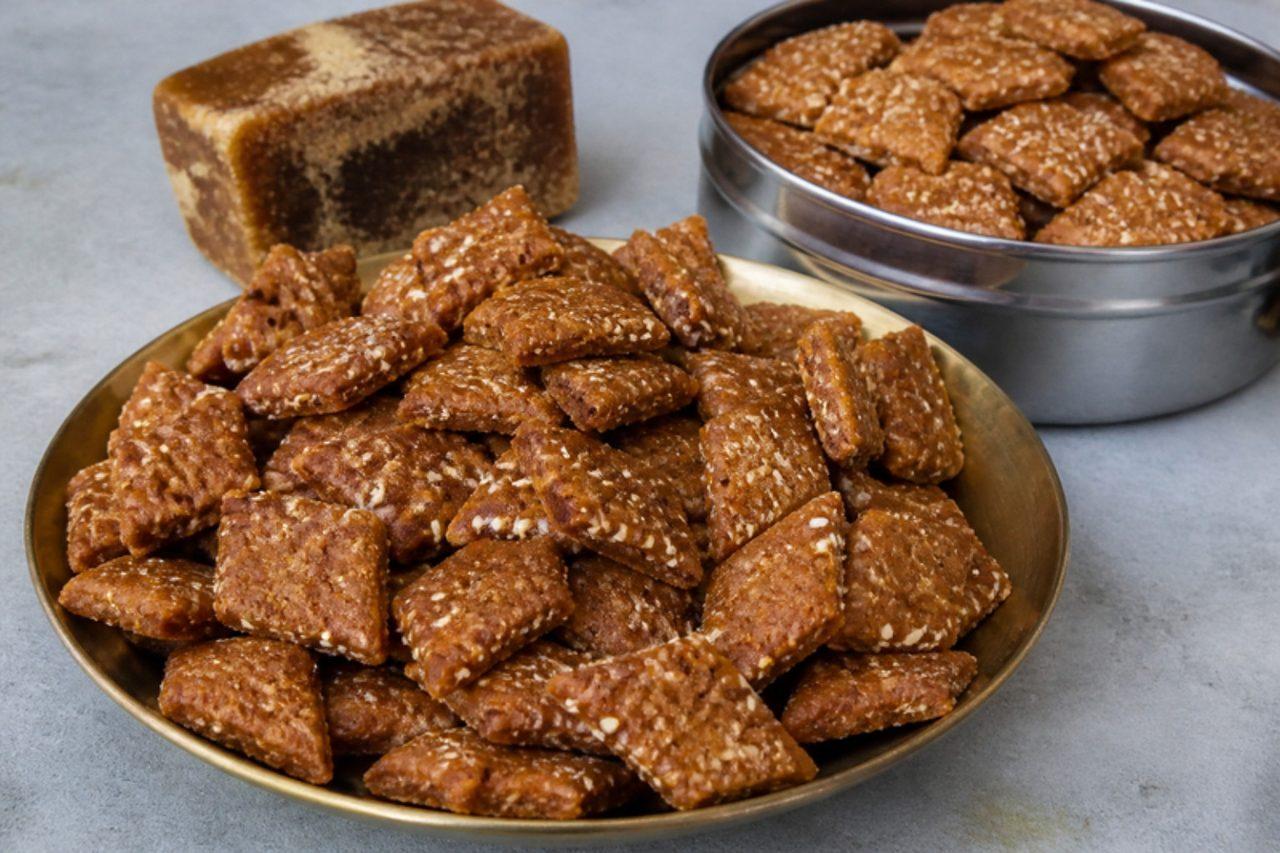
KhurmiWheat and jaggery biscuits

Khurmi are the sweet half of Chhattisgarh's Teeja-Pola festival snacks, made in big batches alongside the salty thethri. The dough is wheat flour and a little semolina bound with melted jaggery, studded with sesame and coconut, then cut into diamonds or pressed into small patterned shapes and fried until dark gold. They have a hard, crunchy bite and a deep caramel flavour, and they last for weeks in a steel dabba, ready for visitors and children back from school. Chef's tip: cool the jaggery water to lukewarm before kneading; hot jaggery makes a slack dough that spreads and soaks up oil.

by KrazyBadal 0 views

ZoboHibiscus and pineapple drink

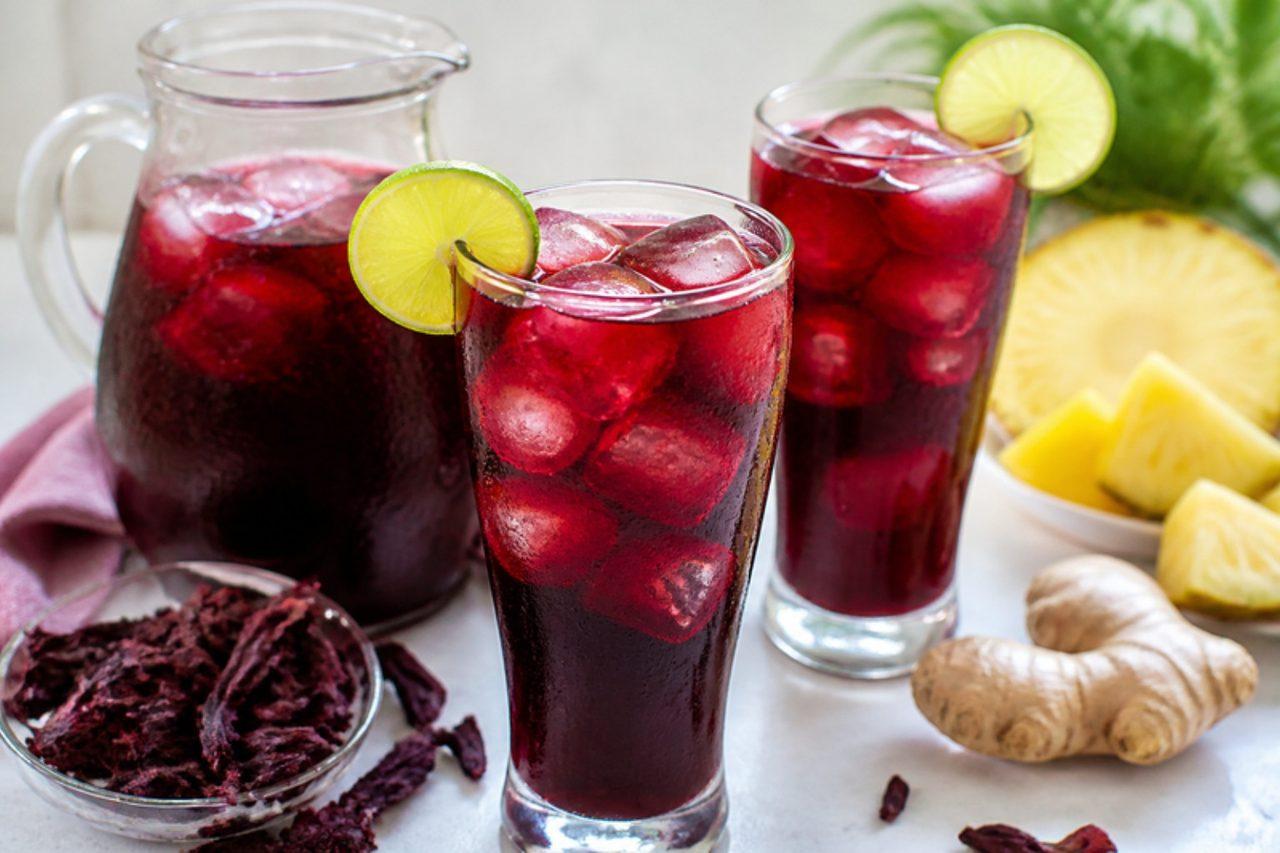
Zobo is the deep crimson drink sold ice-cold in recycled bottles at Nigerian bus parks, markets and parties, and in Ghana the same drink is called sobolo, often made punchier with extra ginger and grains of selim. Dried hibiscus calyces are boiled with pineapple peel, fresh ginger and cloves, then strained and sweetened, giving a tart, fruity, gently spicy drink. It is drunk fresh and alcohol-free, very cold, especially in the dry heat before the rains. Chef's tip: sweeten the drink once it is strained and still warm, tasting as you go; hibiscus tastes much sharper hot than when it is chilled, so leave it a touch sweeter than you think.

by KrazyBadal 0 views

Tacu tacuPan-fried beans and rice cake

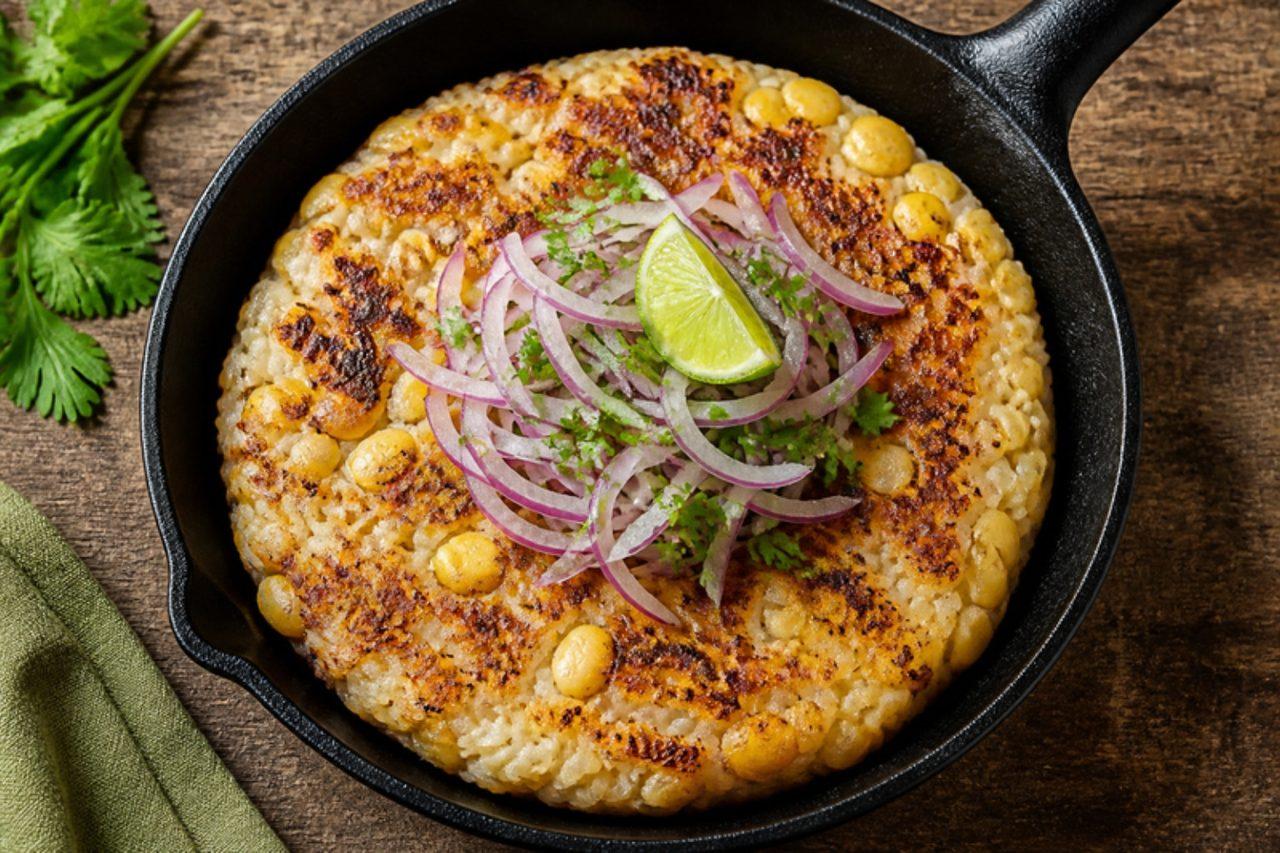
Tacu tacu was born in the Afro-Peruvian kitchens of Lima, as a thrifty way to turn yesterday's beans and rice into something new; today it appears on the menus of smart criollo restaurants too. Mashed canario beans and rice are fried with garlic, onion and ají amarillo, then shaped in the pan into a long, crisp-edged cake, soft inside and golden outside. It is a hearty lunch for two with a sharp salsa criolla of onion and lime, and often a fried ripe plantain on the side. Canario beans are pale yellow and creamy; pinto or cannellini beans work well. Chef's tip: use cold, day-old rice and beans; warm, freshly cooked ones are too soft to hold their shape and the tacu tacu falls apart.

by KrazyBadal 0 views

Narikol laruCoconut and jaggery balls

Narikol laru are the small, chewy coconut balls that sit next to til pitha on every Bihu plate in Assam, offered to visitors with tea and jolpan. Fresh coconut is cooked with jaggery until it binds, flavoured with cardamom and rolled warm. They are soft and moist, not dry like desiccated-coconut ladoos, and are made in big batches the night before the festival. Chef's tip: roll them while still warm with damp palms; once cold, the mixture won't hold.

by KrazyBadal 0 views

KhuraBuckwheat pancakes

Khura are the buckwheat pancakes of the Monpa people of Tawang and West Kameng, high in Arunachal Pradesh, where buckwheat grows better than wheat. A thick, egg-enriched batter of buckwheat flour is cooked into soft, spongy pancakes for breakfast, eaten with butter tea, chilli-cheese chutney (chamin) or vegetable curry. They are earthy, slightly sour and filling on a cold morning. Chef's tip: let the batter stand for 20 minutes; buckwheat absorbs water slowly and the pancakes hold together much better.

by KrazyBadal 0 views

Nasi dagangCoconut rice with tuna curry

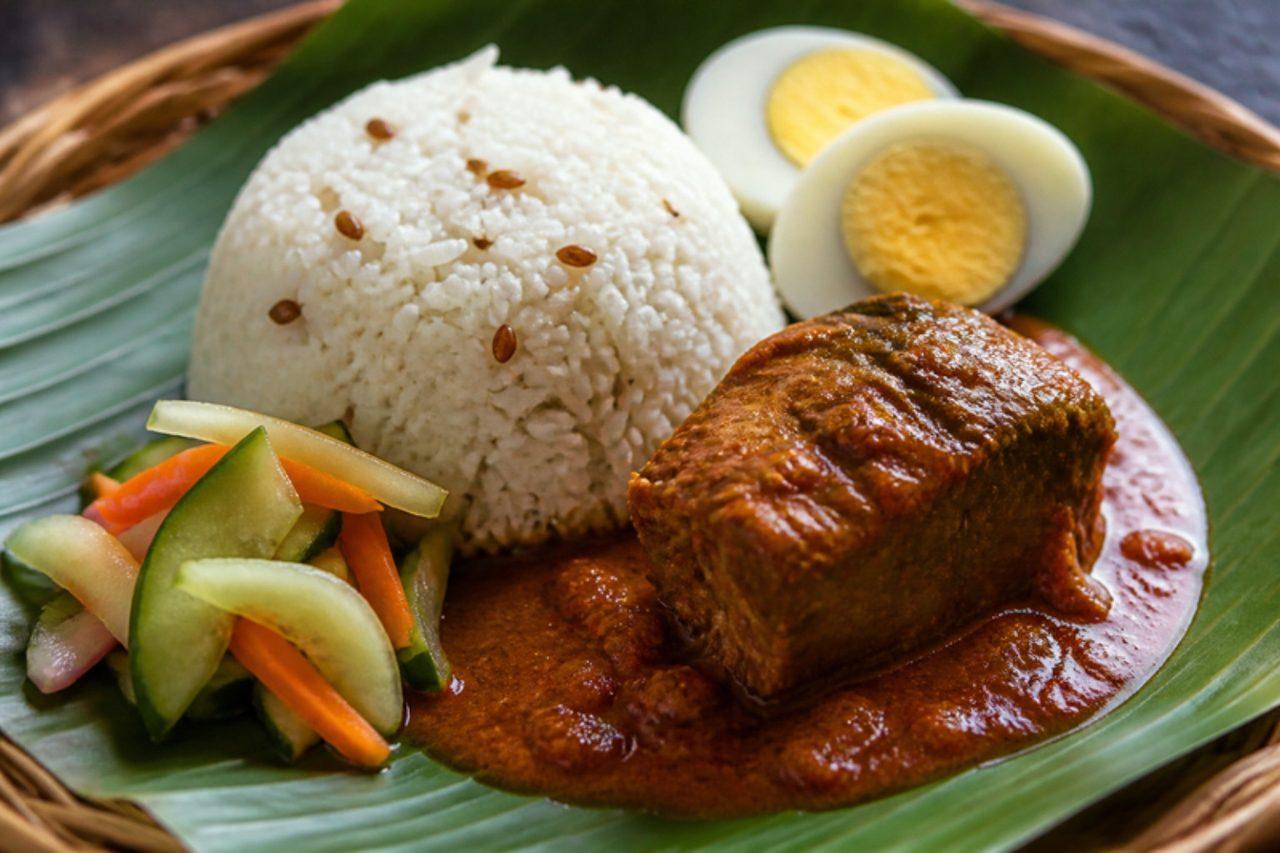
Breakfast on the east coast, in Kuala Terengganu and Kota Bharu, very often means nasi dagang: soft, slightly sticky rice steamed twice with coconut milk, ginger and fenugreek seeds, wrapped in paper with a ladle of gulai ikan tongkol, a gentle tuna curry. The rice is fragrant and a little chewy from the glutinous grains mixed in, while the curry is mellow, coconutty and sour from dried tamarind slices. Stalls sell it from dawn, with hard-boiled eggs and cucumber pickle on the side. It also makes a fine weekend brunch at home. Chef's tip: soak the two kinds of rice overnight so the grains steam evenly and turn plump rather than chalky.

by KrazyBadal 0 views

Nasi gorengIndonesian fried rice

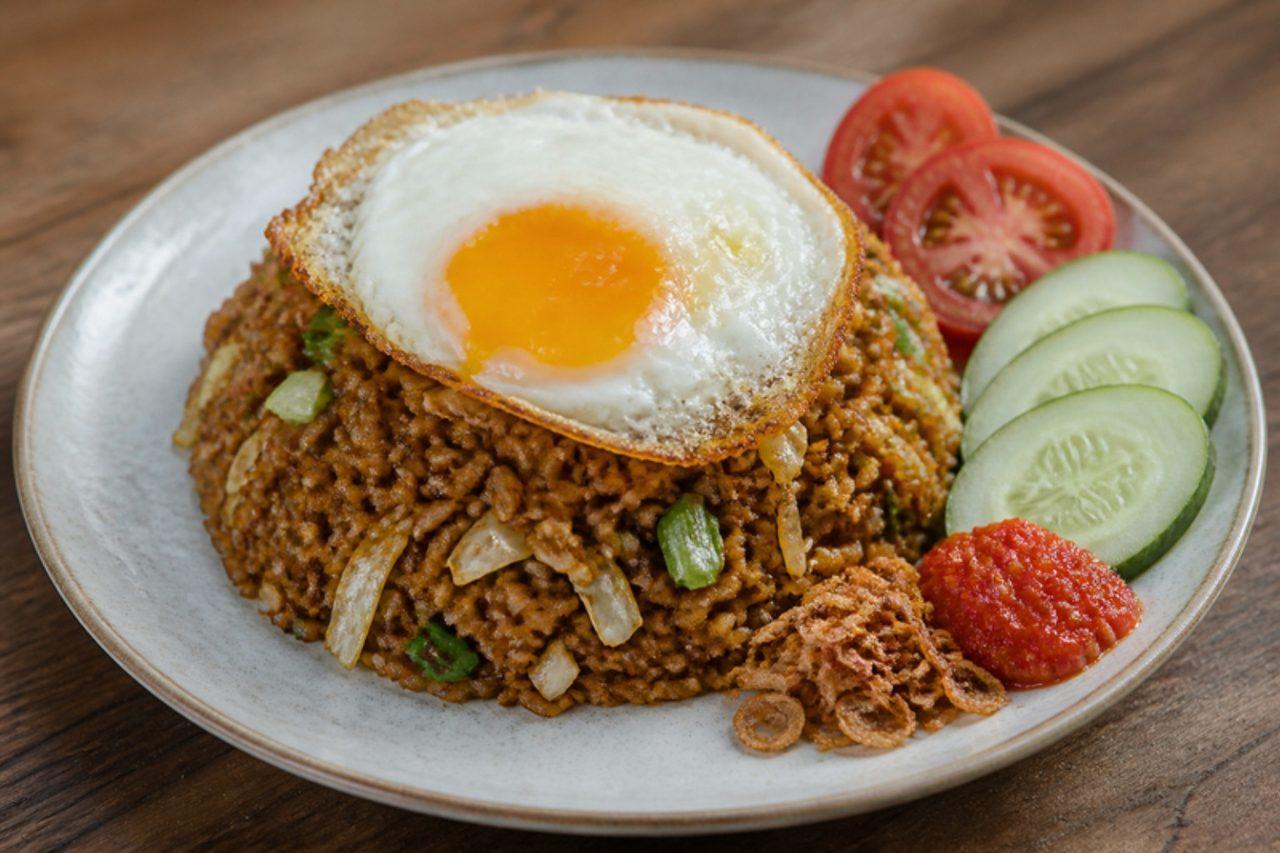
Every warung and night stall from Medan to Makassar has its own nasi goreng, but the starting point is always yesterday's rice, a pounded paste of shallot, garlic and chilli, and a glug of kecap manis that turns the grains glossy and caramel-brown. Indonesians eat it for breakfast as readily as for a late supper, crowned with a fried egg and served with cucumber, tomato and a heap of crackers. This vegetarian version keeps all the smoky-sweet depth without the usual shrimp paste. Chef's tip: get the wok properly hot and add the kecap manis down the side of the pan, not onto the rice, so it sizzles and caramelises before you toss it through.

by KrazyBadal 0 views

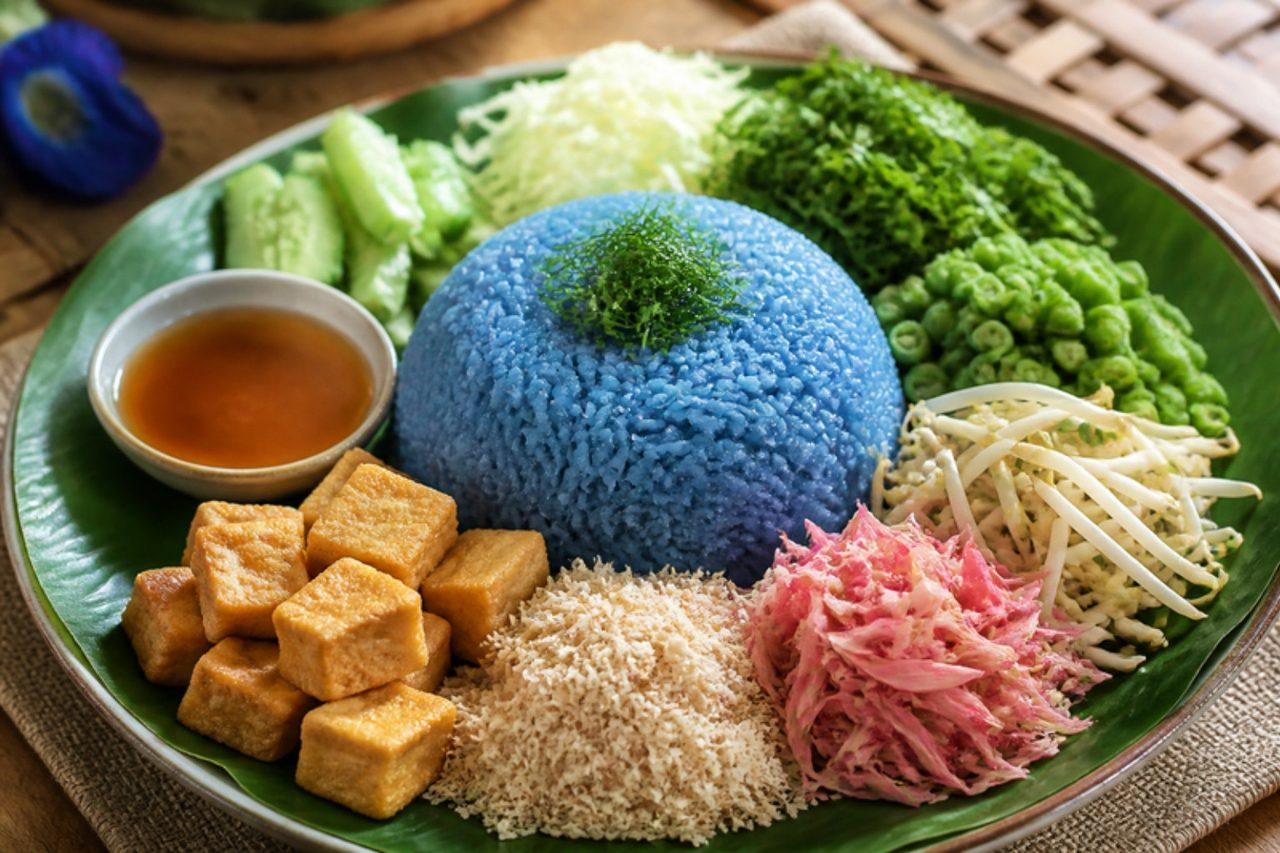
Nasi kerabuBlue rice with herbs

Nasi kerabu comes from Kelantan on the north-east coast, and in Kota Bharu it is a breakfast and lunch staple, sold in the morning markets in mounds of startlingly blue rice. The colour comes from butterfly pea flowers. Around the rice sit 'ulam', raw herbs and vegetables sliced as fine as thread: lime leaves, lemongrass, long beans, bean sprouts, cucumber, mint and basil, with nutty toasted coconut on top. Kelantanese stalls dress it with budu, a fermented fish sauce, so this version uses a sharp tamarind, lime and chilli dressing instead. It's light, crunchy and full of perfume. Chef's tip: slice the herbs as thinly as you can with a sharp knife; the finer the shreds, the more they scent every mouthful of rice.

by KrazyBadal 0 views

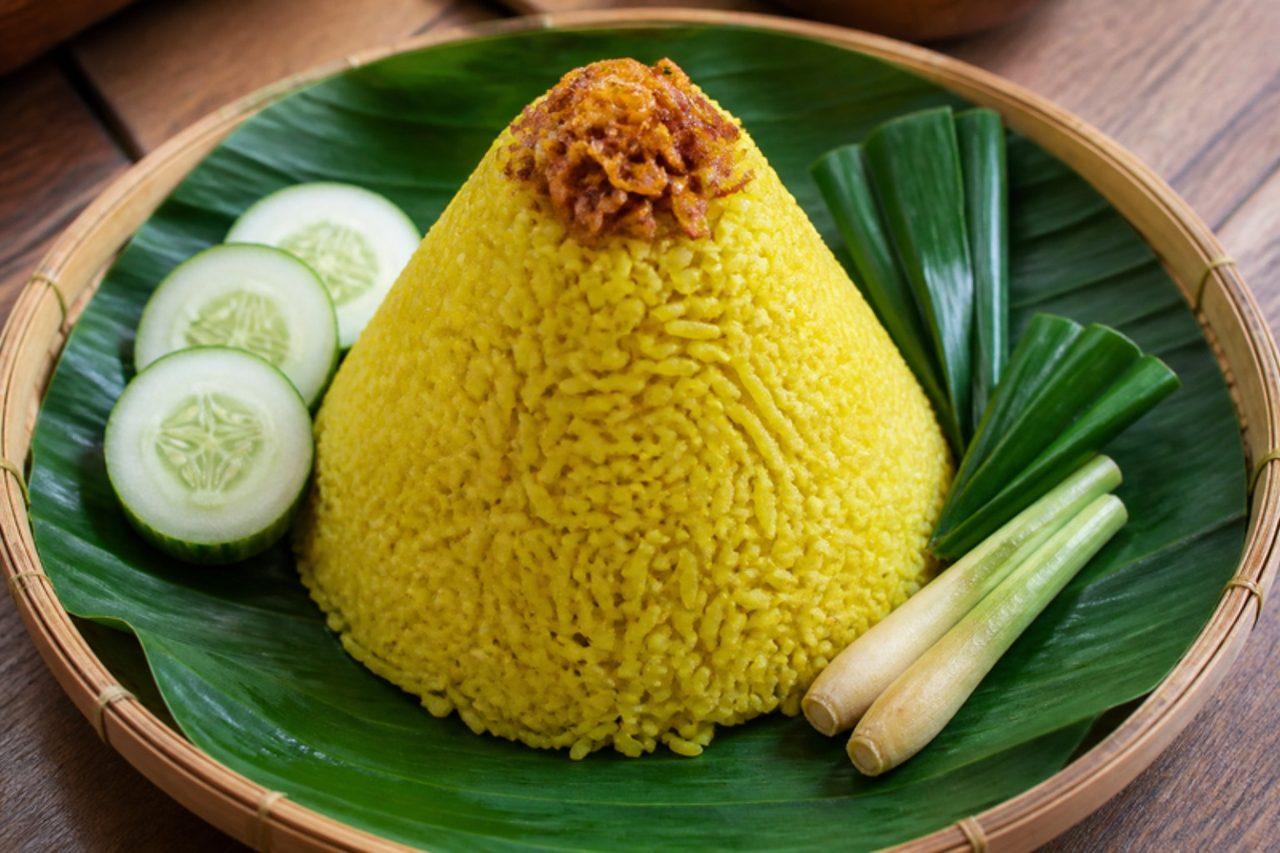
Nasi kuningTurmeric coconut rice

Yellow rice is Indonesia's rice for good news: shaped into a tall cone called tumpeng, it's the centrepiece at birthdays, housewarmings and thanksgiving gatherings across Java, Bali and Sulawesi, and in Manado and Banjarmasin it's also a weekday breakfast wrapped in banana leaf. The grains are cooked in coconut milk with turmeric, lemongrass, salam and lime leaf, so they come out fluffy, golden and gently fragrant, rich without being heavy. Serve it with tempe orek, perkedel, sambal and cucumber for a festive platter. Chef's tip: steam the rice after its first absorption, Javanese style, or rest it covered off the heat for 10 minutes — skipping this gives sticky, uneven grains.

by KrazyBadal 0 views

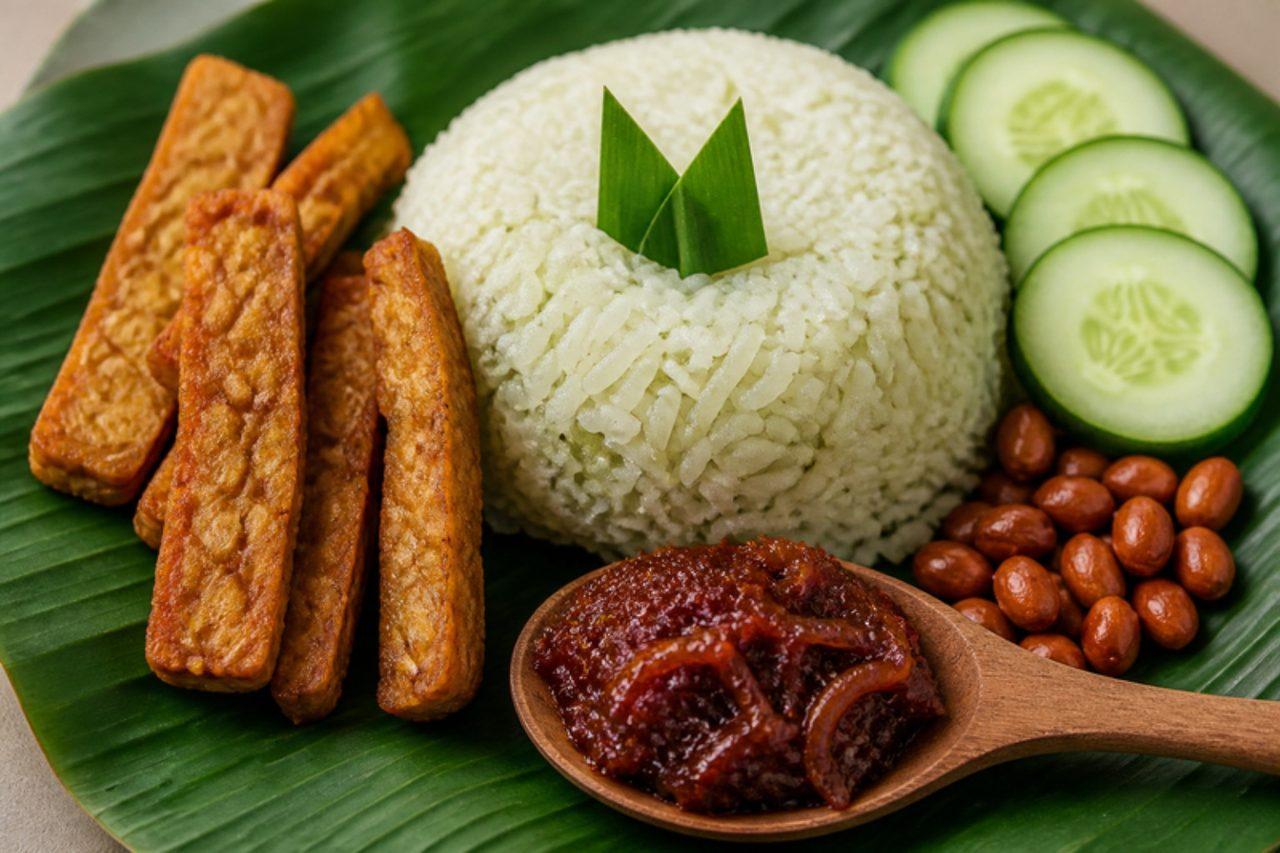
Nasi lemakCoconut rice with sambal

All over Malaysia, nasi lemak is what people grab before work: a pyramid of banana leaf or brown paper from a roadside stall, opened at a desk or on a car bonnet, with fragrant rice steamed in coconut milk, a dab of sticky red sambal, crunchy peanuts and cool cucumber. Stalls usually add fried anchovies and boiled egg; our meat-free plate keeps the morning ritual but swaps the anchovies for thin batons of tempeh fried until they shatter, and the sambal is cooked without belacan, so the depth comes from slow-fried chillies, tamarind and palm sugar. Eat it for breakfast, brunch or a lazy supper. Chef's tip: give the sambal the full time on a low flame; it is ready only when a shiny red oil floats free around the edge.

by KrazyBadal 0 views

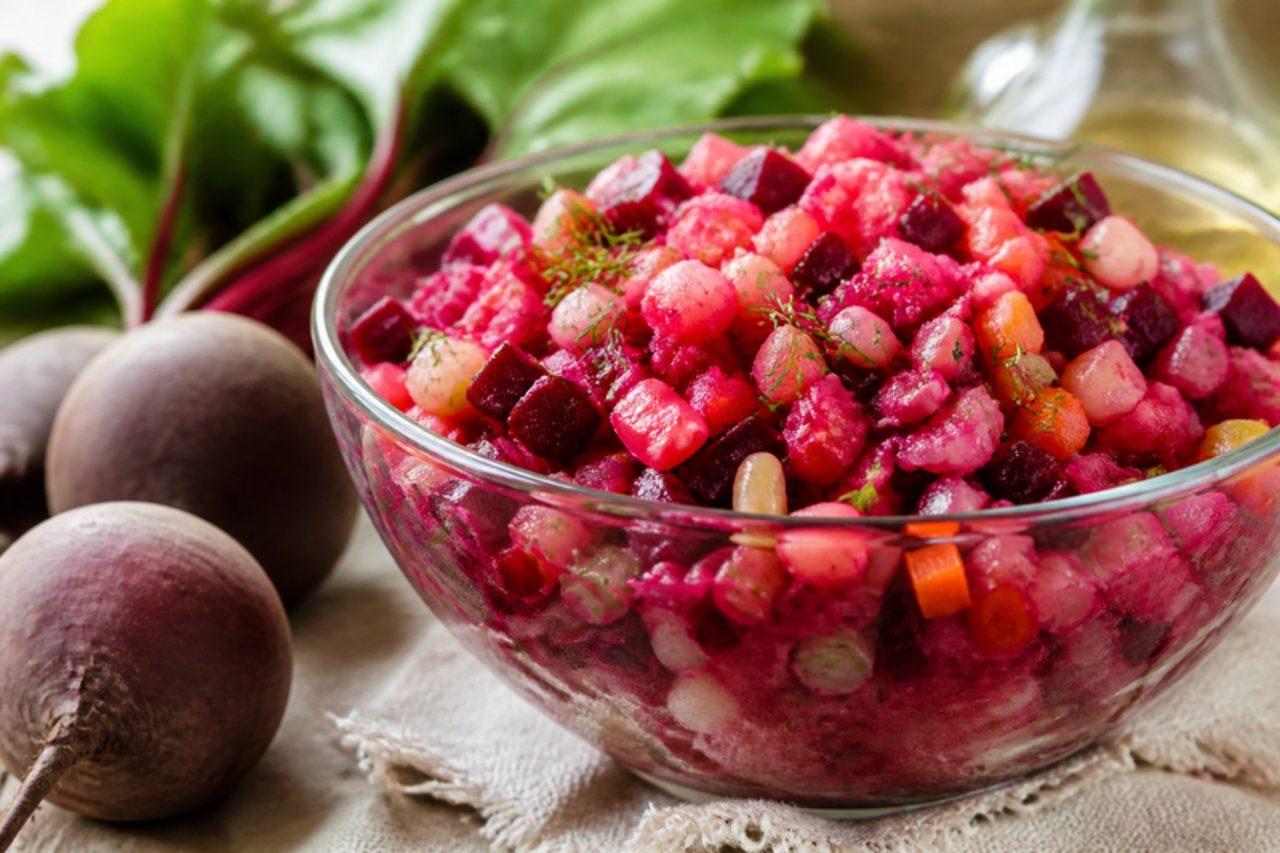
VinegretBeetroot and potato salad

Vinegret is the ruby-coloured salad that sits on almost every Ukrainian New Year and Christmas table, alongside olivier, and fills lunch boxes through the winter. Cooked beetroot, potato and carrot are diced small and tossed with sauerkraut, pickled cucumbers and beans, then dressed with fragrant unrefined sunflower oil, the kind sold by the bottle at markets in Poltava and Kherson. Despite the name there is often no vinegar at all; the sourness comes from the pickles. It is vegan, cheap and keeps for days. Chef's tip: dress the diced beetroot with oil on its own first, then mix in everything else; the oil coats it so the potatoes stay pale and the salad looks like a mosaic rather than all pink.

by KrazyBadal 0 views

Khua klingDry-fried spicy minced pork

Ask for this at a rice-and-curry shop in Phuket or Hat Yai and it comes as a small, dark heap beside your rice, smelling of lime leaf and black pepper and hot enough to bring tears. There is no sauce at all: minced pork or beef is fried with a turmeric-heavy southern paste until every crumb is dry, separate and coated in spice. The heat is fierce, so it is always eaten with jasmine rice, sliced cucumber, raw long beans and herbs to cool the mouth. It also keeps well for a couple of days and is excellent cold in a lunchbox. Chef's tip: keep stirring and pressing the meat against the hot wok at the end; the name means 'roll and roast', and that last dry-frying is what makes it.

25 minThaiMeatGluten freeSpicy
by KrazyBadal 0 views

Natilla colombianaPanela and cinnamon milk pudding

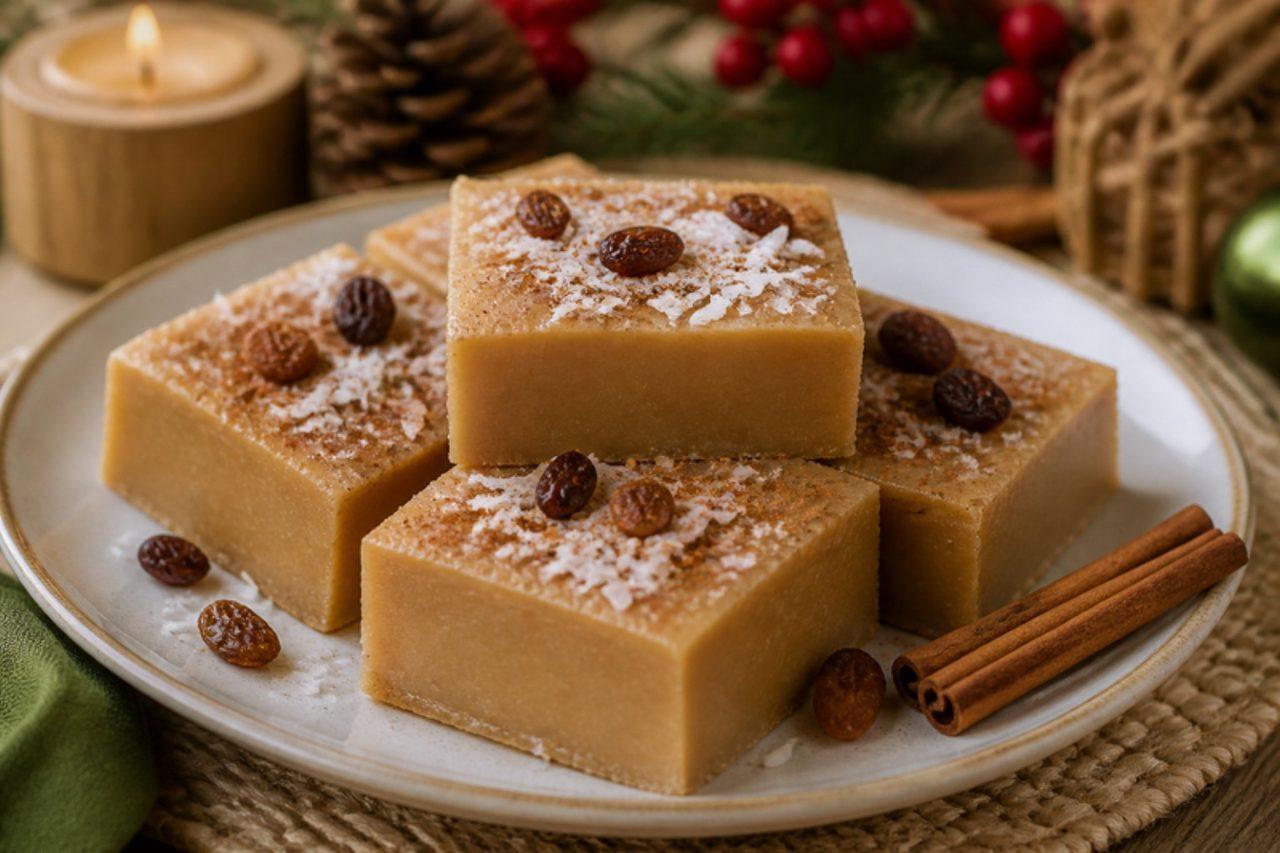
Natilla is the firm, sliceable Christmas pudding of Colombia, stirred on the night of the alumbrado (7 December) and through the novenas, and always shared with buñuelos. Milk is infused with cinnamon, sweetened with panela (unrefined cane sugar), thickened with cornflour and finished with grated coconut and raisins, then poured into a dish to set. It is dark gold, caramel-scented and soft, a bit like a firm flan. Chef's tip: stir without stopping once the cornflour goes in, scraping the corners of the pan, or lumps and a scorched bottom will form.

by KrazyBadal 0 views

Khorkhog-style lambHot stone-style lamb

Khorkhog is the feast of the Mongolian countryside, cooked when a herding family welcomes guests: a sheep is cut into pieces and sealed into a milk churn with hot river stones, onion, carrot and potato, and the churn is set over the fire until the meat is tender and smoky. Guests pass the hot, greasy stones from hand to hand for good health. This home version cooks the lamb in a heavy sealed casserole in the oven, which gives the same tender meat and rich juices; please don't heat stones in a kitchen pot, which is dangerous. The mistake is adding water: the lamb steams in its own juice with only a little liquid. Chef's tip: use lamb on the bone, such as neck or shoulder, for the deepest flavour.

by KrazyBadal 0 views

Tagliatelle al ragùTagliatelle with meat sauce

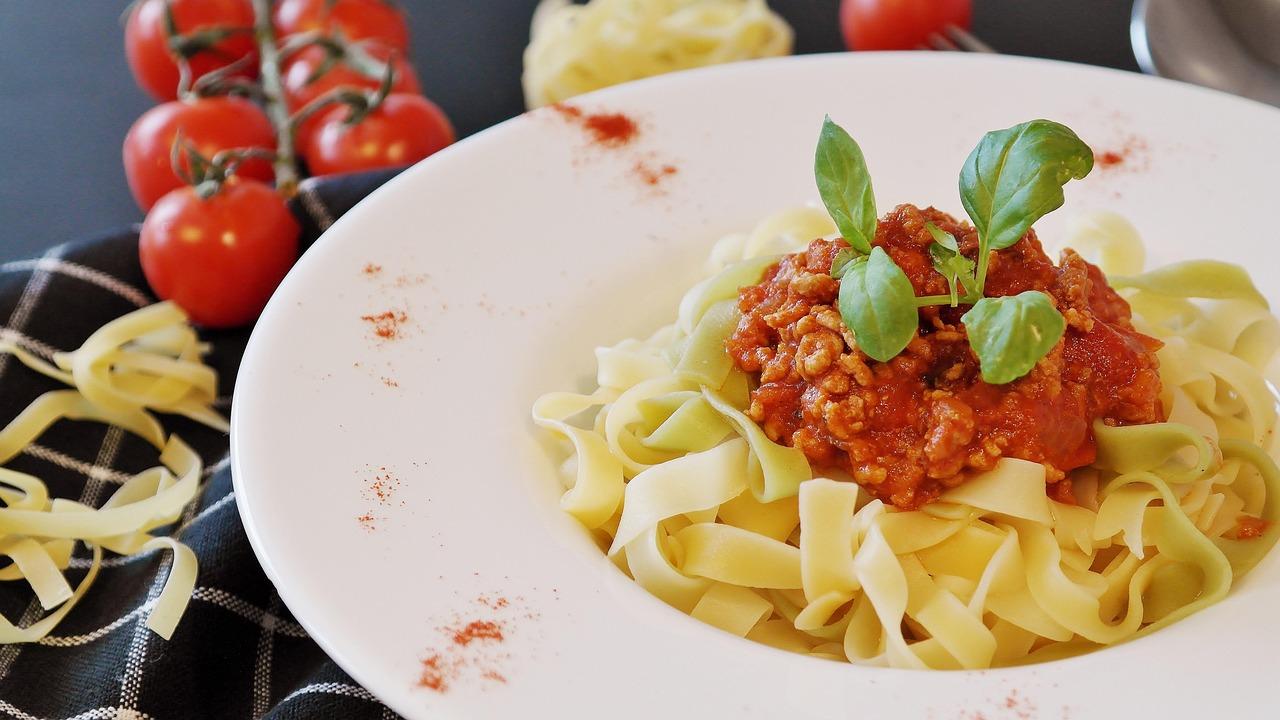
Ask for spaghetti bolognese in Bologna and you will get a polite smile: at home the ragù goes on wide ribbons of fresh egg tagliatelle, or into lasagne, never on thin spaghetti. It is a Sunday-lunch sauce, made with beef and pork mince, a little pancetta, a soffritto of onion, carrot and celery, white wine, milk and only a spoonful or two of tomato, then left to murmur for three hours until it turns deep, savoury and almost creamy. Freshly made tagliatelle are traditional, but good bought fresh or dried egg tagliatelle are absolutely fine. Grated parmigiano goes on at the table, and the ragù keeps for three days in the fridge or three months in the freezer. Chef's tip: make the ragù a day ahead; it thickens and tastes rounder after a night in the fridge, and reheating it gently with a splash of water brings it back to life.

by KrazyBadal 0 views

Showing 18 of 7,762 recipes

Show more recipes

Page 708 of 863