


Skip to content
Badrijani nigvzit
Featured recipe

Badrijani nigvzit

Aubergine rolls with walnut paste

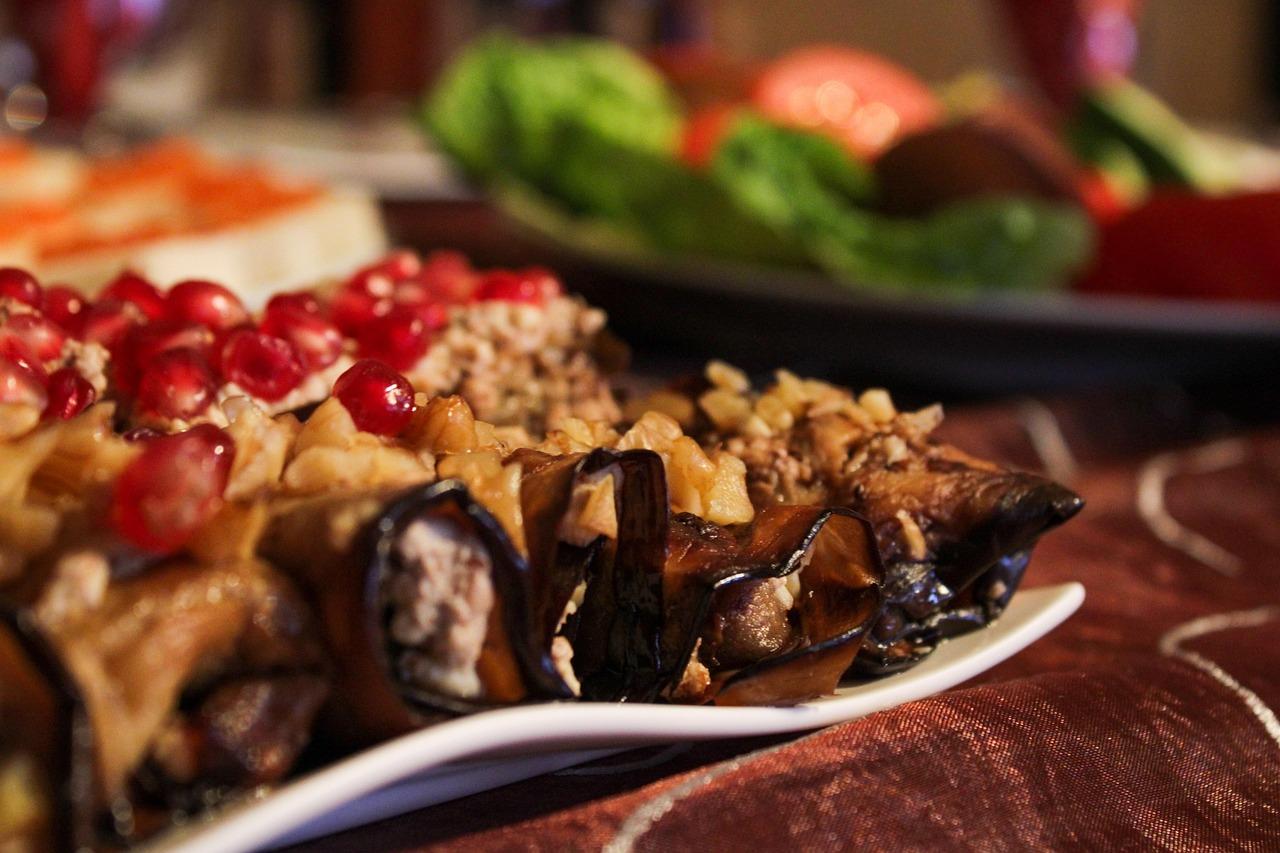
Badrijani nigvzit, aubergine with walnuts, is the summer starter of Tbilisi and Kakheti: thin slices of aubergine fried until silky, spread with a garlicky, spiced walnut paste and rolled up, then scattered with pomegranate seeds. They sit on every supra table between the cheeses and pkhali, and on restaurant menus from June until the frosts. Served cold, they are rich and soft, with sour pops of pomegranate. The common mistake is undercooking the aubergine: if it is still firm it cracks when you roll it and tastes raw, so fry each slice until it is limp and golden. Chef's tip: dry the fried slices on kitchen paper and press them gently; you lose surplus oil, and the paste spreads and sticks better.

Read more 0 views

What to eat today?

Around the world

Today's trip: Persian

A new country every day, from every cuisine on the site.

Persian

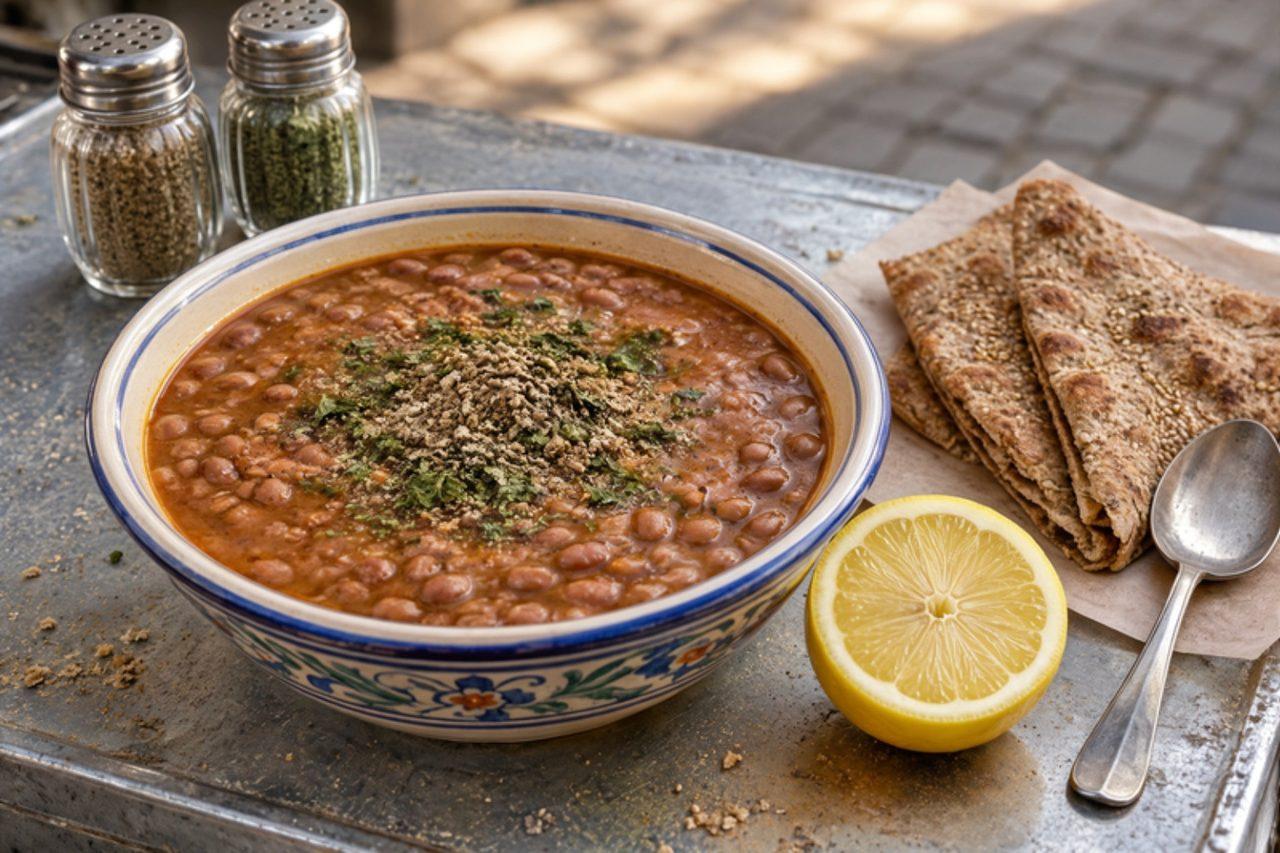
Lubia pokhte

Spiced pinto beans 120 minMore from Persian (131) →

This week's collection

Kid-friendly dinners
541 recipes · a new collection every Monday

Latest recipes

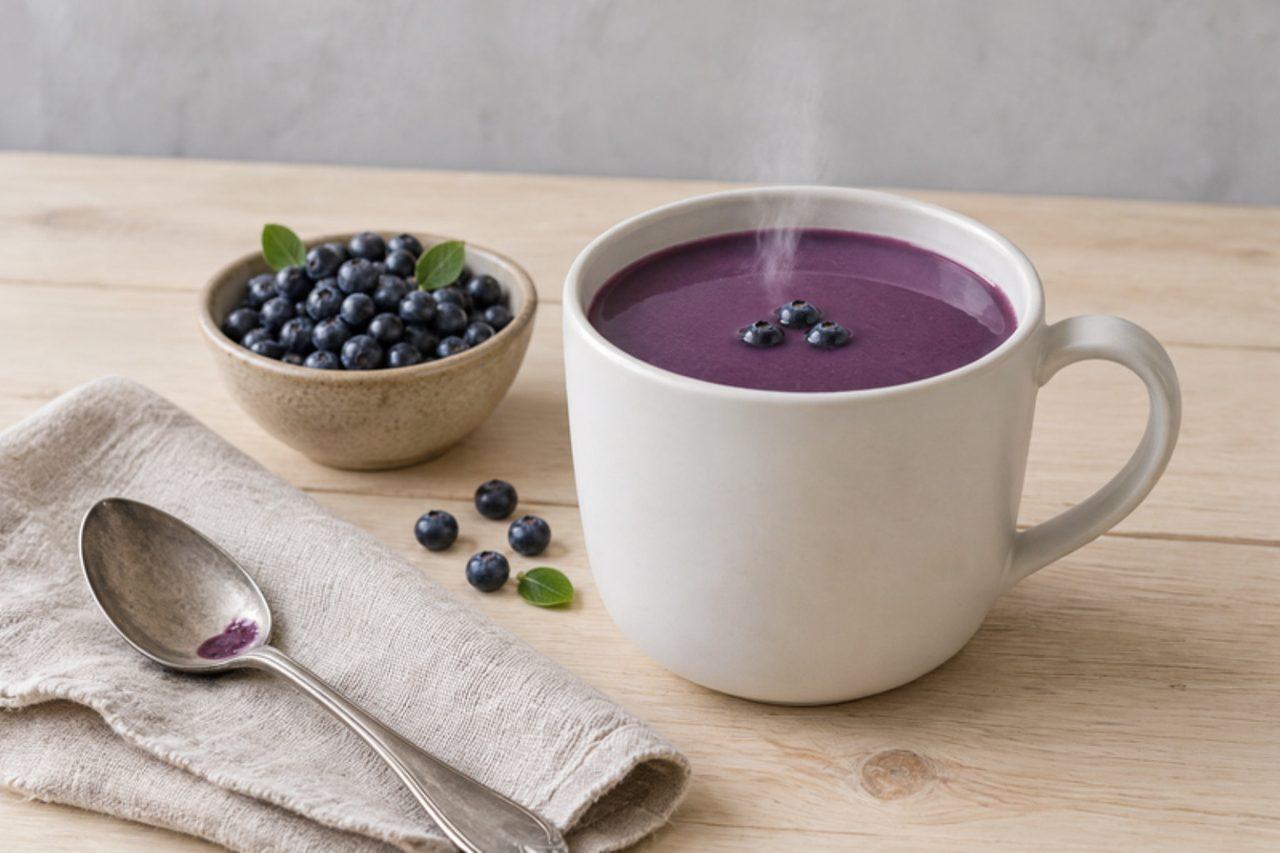
Blåbärssoppa (warm bilberry drink)

Every first Sunday of March, the 90-kilometre Vasaloppet ski race from Sälen to Mora is fuelled by blåbärssoppa: volunteers at the feeding stations hand thousands of skiers paper cups of the warm purple drink, and Swedes drink it from thermoses on winter hikes, after skating and on the ski slopes. It is made from wild bilberries, the small dark forest berries with purple flesh, cooked with sugar and thickened with potato starch so it is just thick enough to coat the cup. It is sweet, softly tart and tastes intensely of berries, with a silky, almost glossy body. The common mistake is stirring the starch straight into the hot pot: it forms jelly lumps at once. Always mix potato starch with cold water first, take the pot off the boil, then stir it in and bring back just to a bubble; long boiling thins it again. It is ready when it turns glossy and coats a spoon in a thin film. Bilberries are sold frozen in Nordic shops; cultivated blueberries work too, with a squeeze of lemon for sharpness. Chef's tip: it is just as good cold the next day, or served as a soup with whipped cream and almond biscuits.

by KrazyBadal 0 views

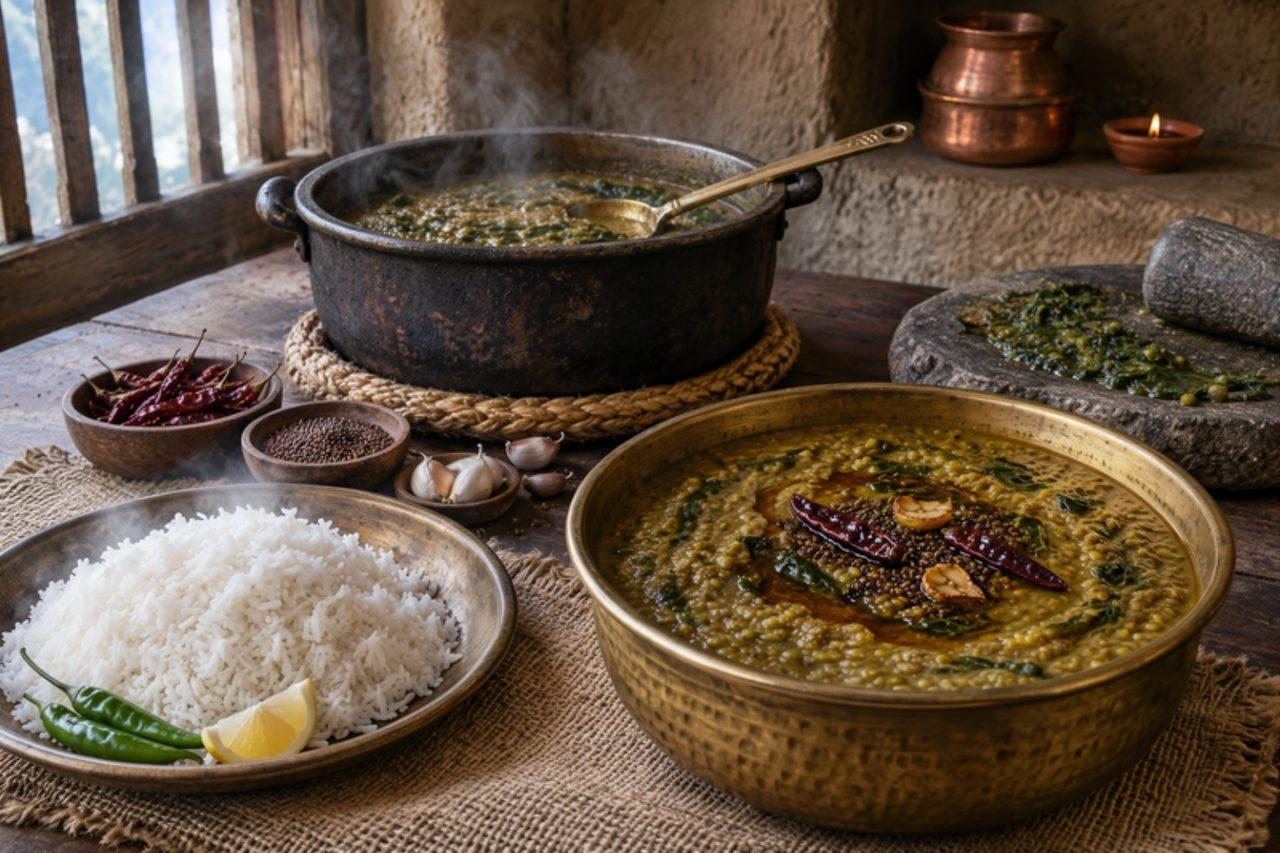
PhaanuGround mixed lentil stew

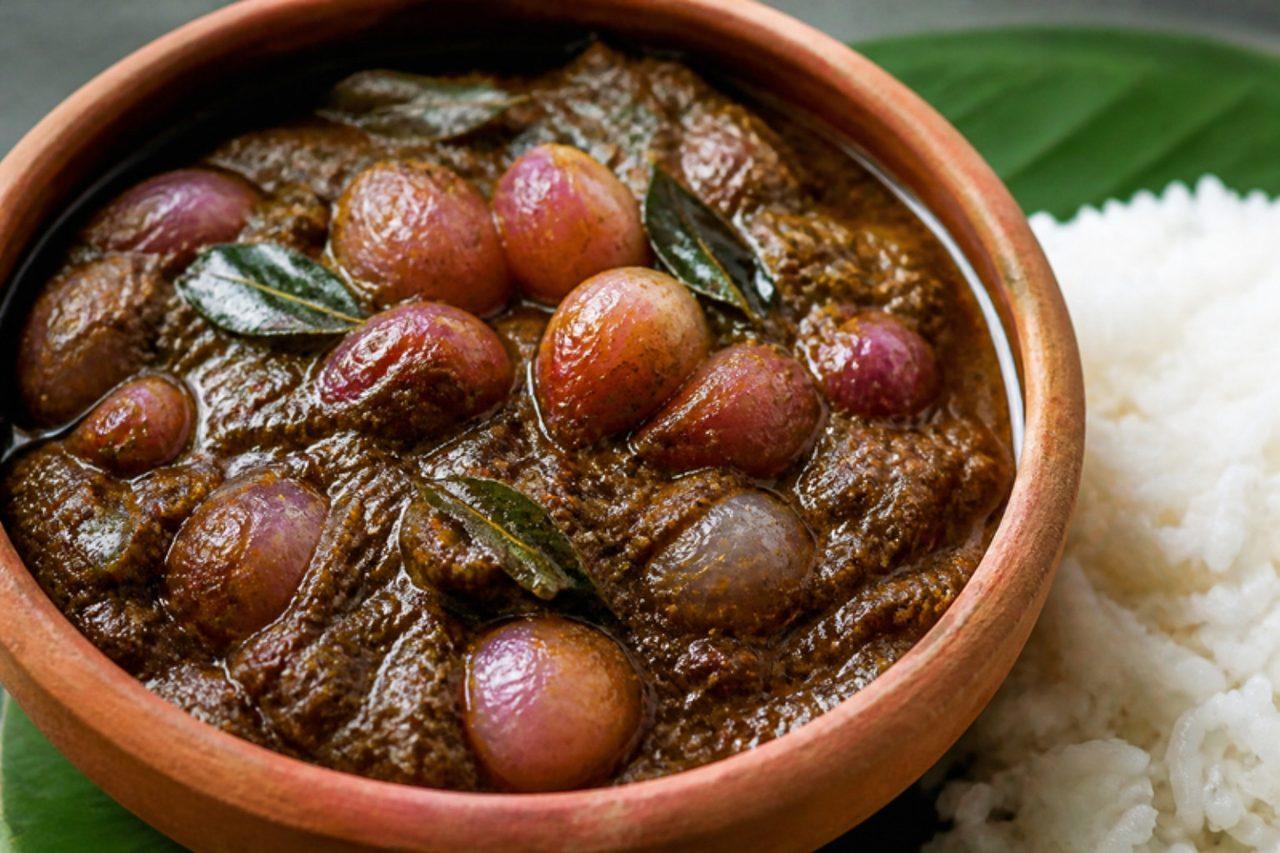
Phaanu is everyday food in Garhwal's hill villages, from Pauri to Tehri, made on cold days and in large pots for family gatherings. Mixed lentils are soaked overnight, ground to a coarse paste and simmered slowly in an iron pot until the paste turns into a thick, earthy stew, with spinach or other greens and a mustard-oil and jakhya tempering. It is eaten with steamed rice and a little ghee. The usual mistake is adding the paste to the pot and walking away; for the first 10 minutes it must be stirred constantly or it forms lumps and sticks to the bottom. Chef's tip: whisk the lentil paste into cold water before it goes on the heat; it thickens smoothly and never catches.

by KrazyBadal 0 views

Socată (elderflower fizz)

In late May and early June, when elder bushes bloom white along every Romanian village lane and riverbank, grandmothers fill big glass jars with water, sugar, lemon slices and elderflower heads and set them on a sunny windowsill or balcony. Three or four days later the jar is fizzing gently and socată, the most beloved summer drink of rural Romania, is bottled and chilled for haymaking days, family lunches and long evenings in the courtyard. It is sweet and floral, like honeyed lemonade with the scent of muscat grapes, with a light natural sparkle. Like all young ferments it makes a trace of alcohol, well under 1% if drunk within a week. The common mistake is washing the flowers or picking them after rain: the pollen and wild yeast that start the fermentation are rinsed away and nothing happens. Pick dry, fully open heads on a sunny morning and just shake off insects. It is ready to strain when fine bubbles rise steadily and it smells floral and slightly tangy. Use only the flowers: elder stems, leaves and unripe berries are toxic. Chef's tip: a few raisins in the jar give the yeast a boost if your flowers are slow.

by KrazyBadal 0 views

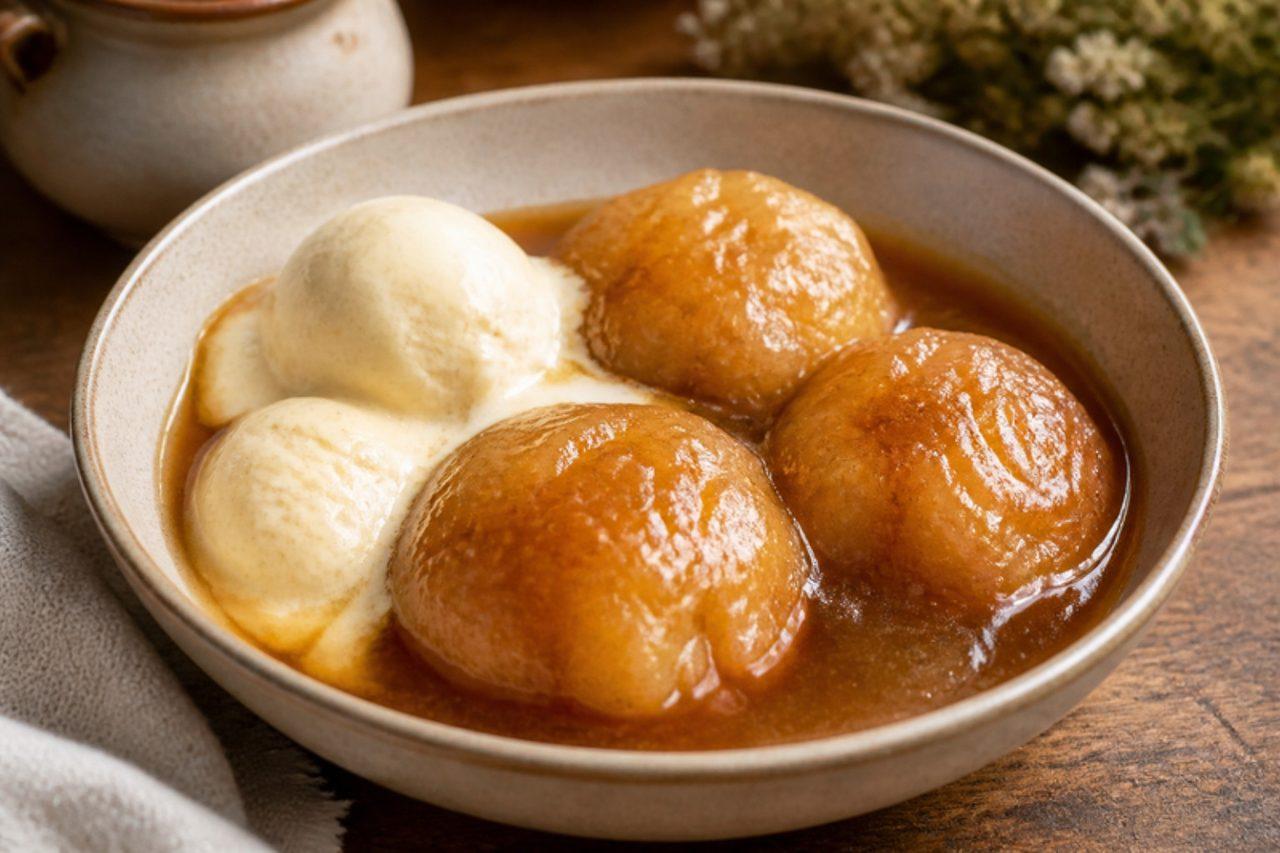
Golden syrup dumplings

Golden syrup dumplings are a winter pudding from Australian country kitchens, made during the Depression and still cooked by grandmothers in the Riverina and the Victorian high country when the nights turn cold. Soft scone-dough balls simmer in a sauce of golden syrup, butter and brown sugar until they swell and turn sticky. Serve with vanilla ice cream or custard. A common mistake is a pan that's too small; the dumplings double in size and need space. Chef's tip: keep the lid on and resist peeking, so the tops steam light and fluffy.

by KrazyBadal 0 views

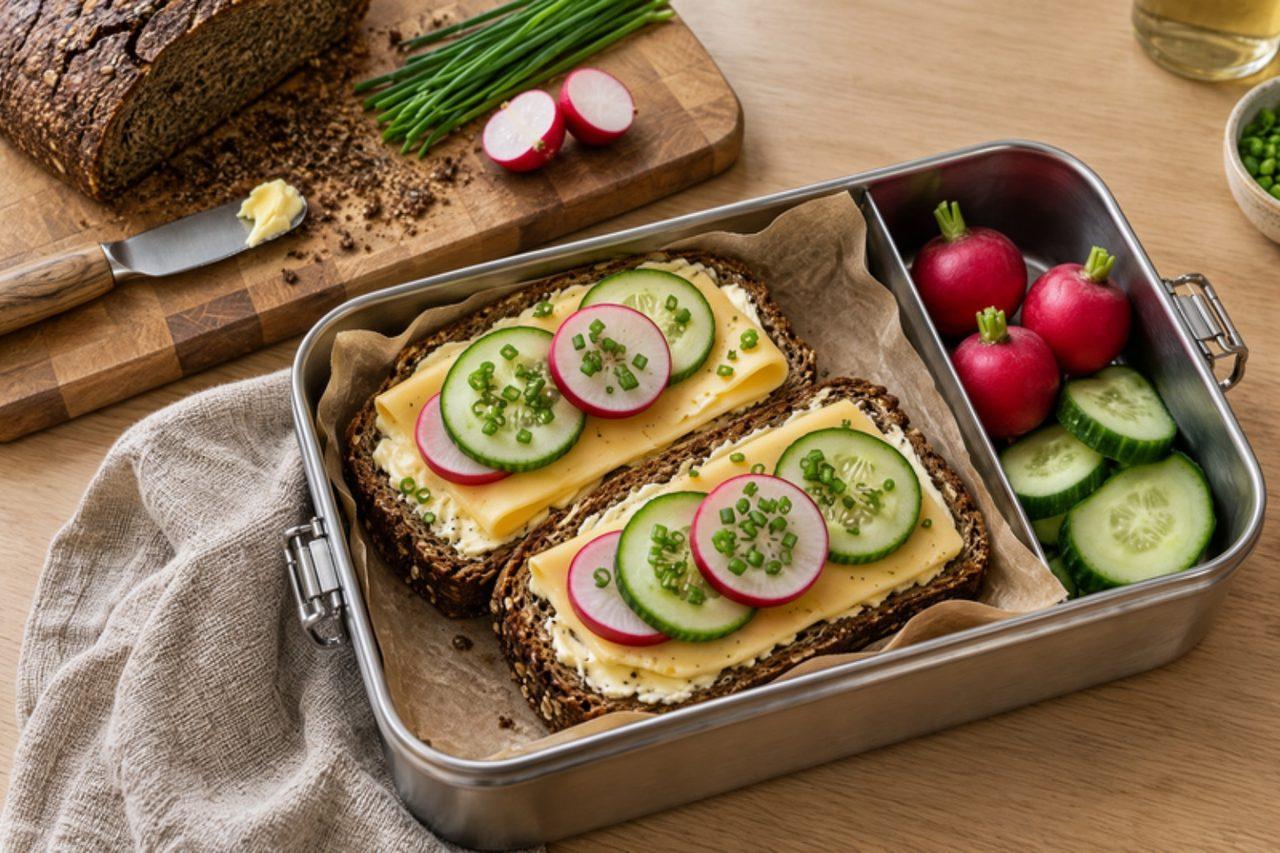
ButterbrotRye bread with cheese and vegetables

Every German schoolchild knows the Pausenbrot: two slices of rye or mixed-grain bread spread with good butter, closed around a slice of cheese, wrapped in paper and eaten in the mid-morning break, with a few cucumber or apple slices on the side. Adults take the same Butterbrot to work. The common mistake is spreading cold, hard butter, which tears the bread and leaves bare patches that let any wet filling soak in. Many Gouda-style cheeses use animal rennet, so choose one marked vegetarian. Chef's tip: butter right to the crust on both slices; the butter is a waterproof layer that keeps the bread fresh until lunchtime.

by KrazyBadal 0 views

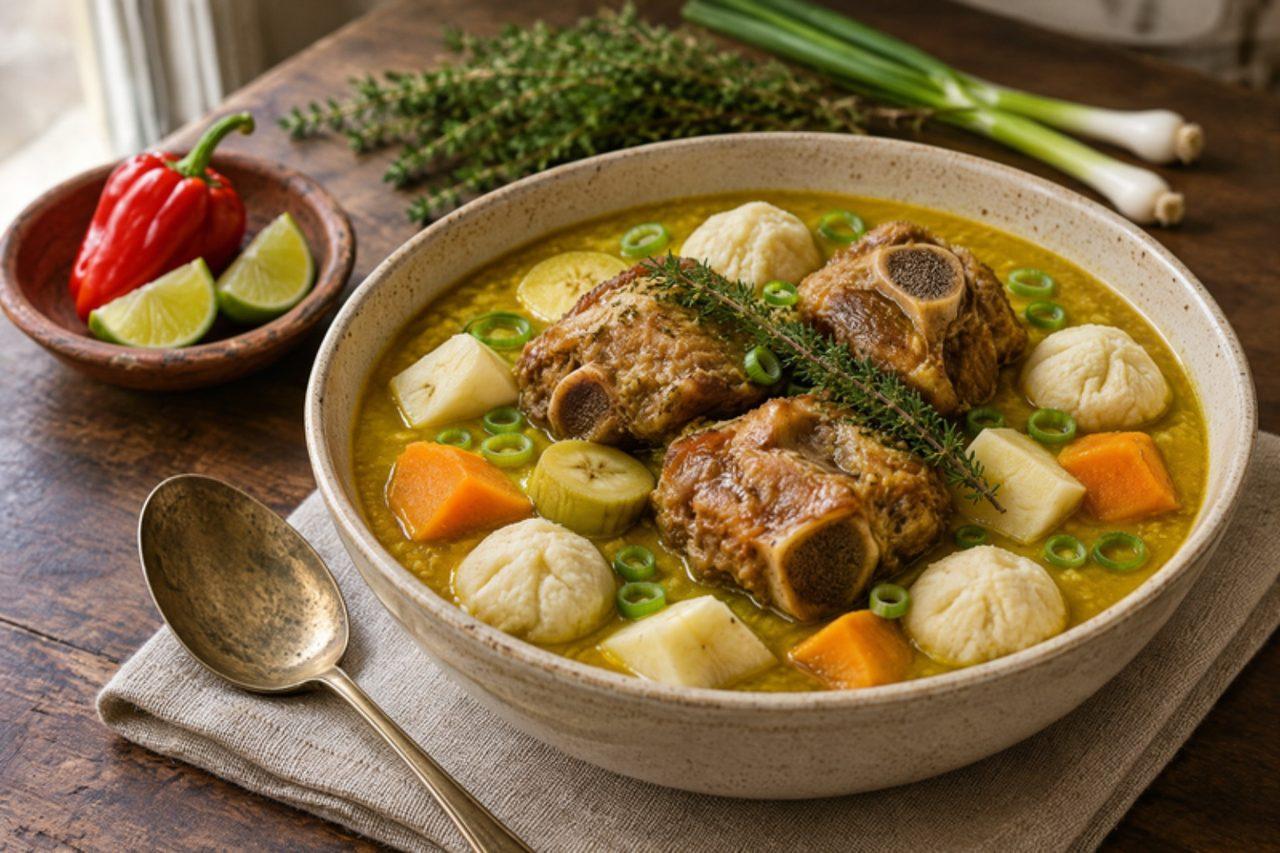
Cowheel soup

In Trinidad and Tobago, cowheel soup is Saturday soup: the big pot people make at home or buy from roadside soup vendors after a fete, believed to set you right again. Cow heel is simmered for hours until gelatinous, then yellow split peas, pumpkin and 'provisions' such as dasheen, cassava, eddoes and green bananas go in, with green seasoning, a whole scotch bonnet for perfume and soft flour dumplings dropped in at the end. The broth turns thick and silky from the collagen and split peas. The usual mistake is bursting the scotch bonnet, which makes the pot fiercely hot; leave it whole and lift it out. A pressure cooker gets the cow heel tender in 50 minutes. Chef's tip: buy cow heel already cut and scraped by the butcher, then scrub it with lime before cooking.

by KrazyBadal 0 views

Daiquiri

The daiquirí is named after a beach and the old iron mines east of Santiago de Cuba, where engineers and miners at the turn of the twentieth century mixed the local white rum with lime and sugar to cut the heat. Later Havana's bars turned it into a frozen blended drink, but in eastern Cuba it is still drunk the plain way, shaken, in the late afternoon or before a dinner of congrí and roast pork. It is a cocktail for adults only, short and clean: tart lime, a light touch of sugar and the soft, dry vanilla notes of light rum, served so cold it almost stings. The common mistake is a lazy shake, which leaves the drink warm, harsh and too strong. Fill the shaker with ice and shake hard for a full 12–15 seconds. It is ready when the tin is too cold to hold, there are tiny shards of ice on the surface and the drink has a fine foam at the rim. Have one and drink responsibly. Balance matters more than amounts: taste your limes, and add a little more syrup if they are very sour. Chef's tip: chill the coupe in the freezer first; a daiquirí loses its magic within minutes in a warm glass.

by KrazyBadal 0 views

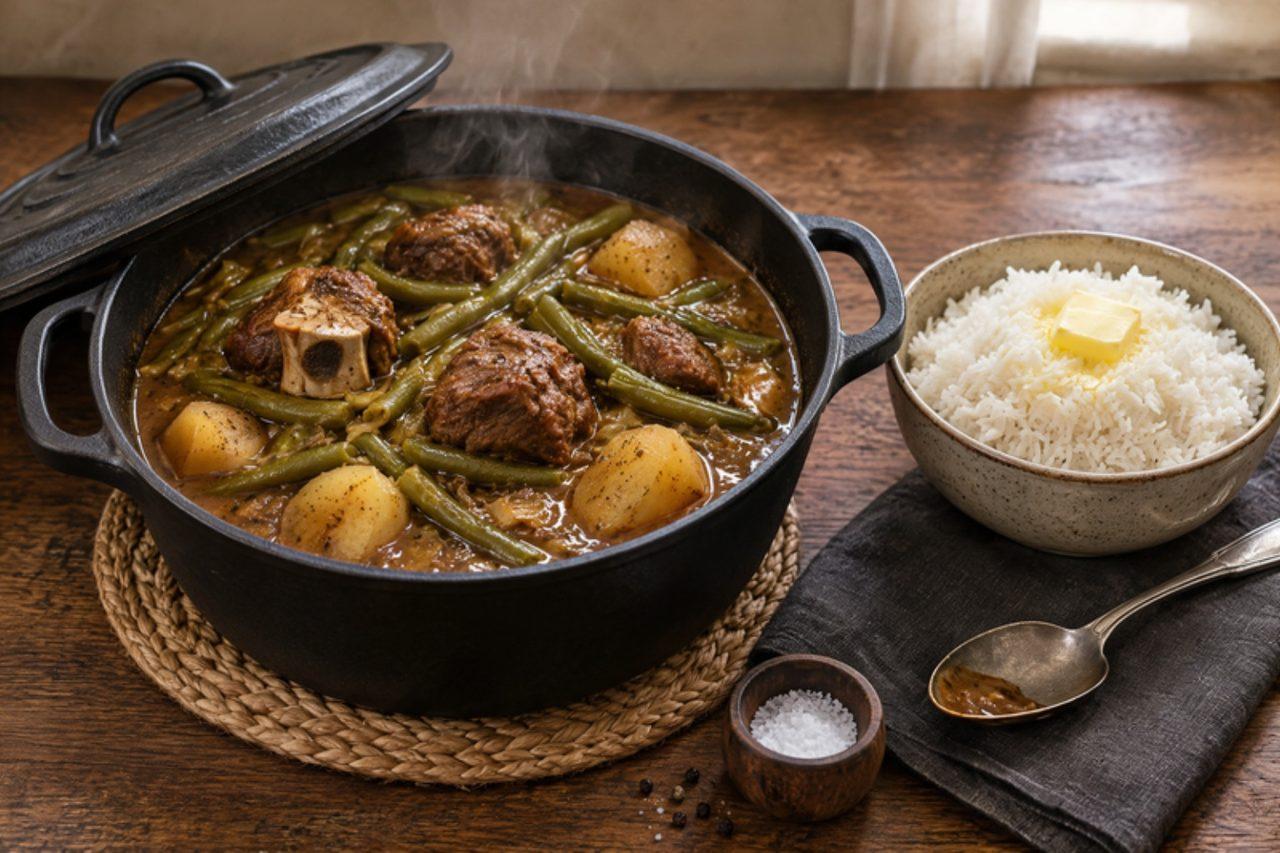
GroenboontjiebredieLamb and green bean stew

Groenboontjiebredie is one of the old bredies of the Western Cape, the slow stews Cape families have cooked for generations, usually for Sunday lunch with white rice and a sweet beetroot salad. Lamb on the bone is browned with onions, then simmered for hours with sliced green beans and potatoes until the beans soften completely and the potatoes break down to thicken the sauce. The usual mistake is treating the beans like a crisp vegetable: here they should be soft and olive green. Slow-cooker: after browning, cook on low for 8 hours. Chef's tip: grate a little nutmeg in at the end; it is the classic Cape seasoning for a green bean bredie.

by KrazyBadal 0 views

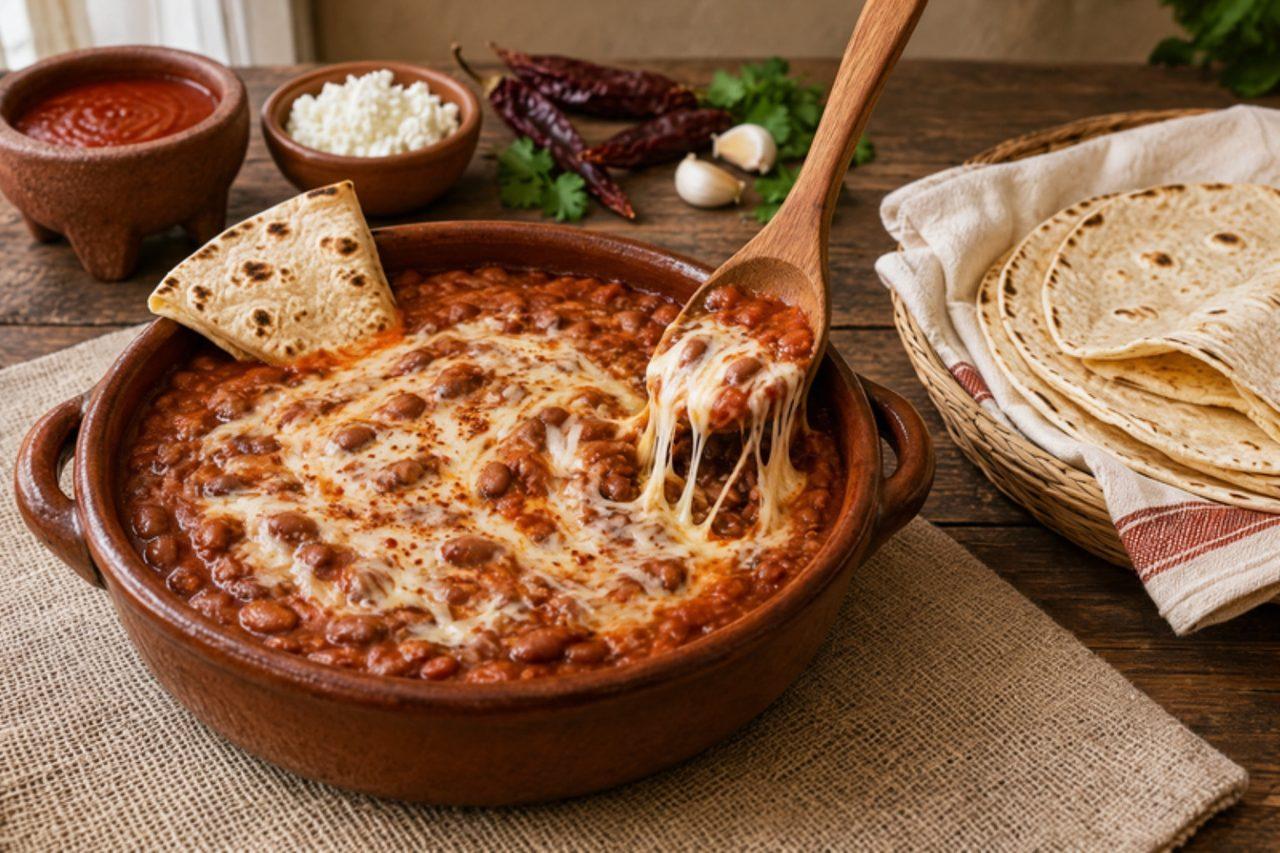
Frijoles maneadosPinto beans with chile and cheese

Frijoles maneados are the rich party beans of Sonora in northern Mexico, cooked for carne asada gatherings, weddings and Sunday lunch, and spooned onto flour tortillas. Soft pinto beans are mashed and beaten (maneados means stirred or worked) with dried red chile colorado, milk and so much melting cheese that the pot pulls into strings. Serve them with flour tortillas, grilled vegetables and a sharp salsa. The usual mistake is adding the cheese while the pot is boiling hard, which makes it go rubbery and oily; take the heat right down first. Chef's tip: Sonoran queso regional or Chihuahua cheese is often made with animal rennet, so for a vegetarian pot choose a vegetarian Monterey Jack-style or mild Cheddar cheese labelled suitable for vegetarians.

by KrazyBadal 0 views

Ipoh white coffee

Ipoh's old town kopitiams, with their marble tables and morning crowds queueing for kai si hor fun and egg tarts, gave Malaysia its 'white coffee'. The name comes not from milk but from the roast: beans are roasted with palm-oil margarine, lighter than the dark, sugar-roasted kopi of the rest of the country, then brewed and served with condensed milk. It is smoother and less bitter than ordinary kopi, nutty and buttery, pale caramel in the cup, drunk hot at breakfast or iced in the afternoon heat. At home, buy ground Ipoh-style white coffee from an Asian grocer; you cannot easily reproduce the margarine roast in a kitchen. The common mistake is brewing it like espresso: forced extraction makes it bitter and kills the soft, toasty flavour. Steep it in a cloth sock or a coffee filter with water just off the boil. It is ready when the brew is reddish-brown and clear, not inky. This is a strong coffee with real caffeine, not for children. Chef's tip: warm the cups with hot water first; white coffee cools fast and loses its aroma.

by KrazyBadal 0 views

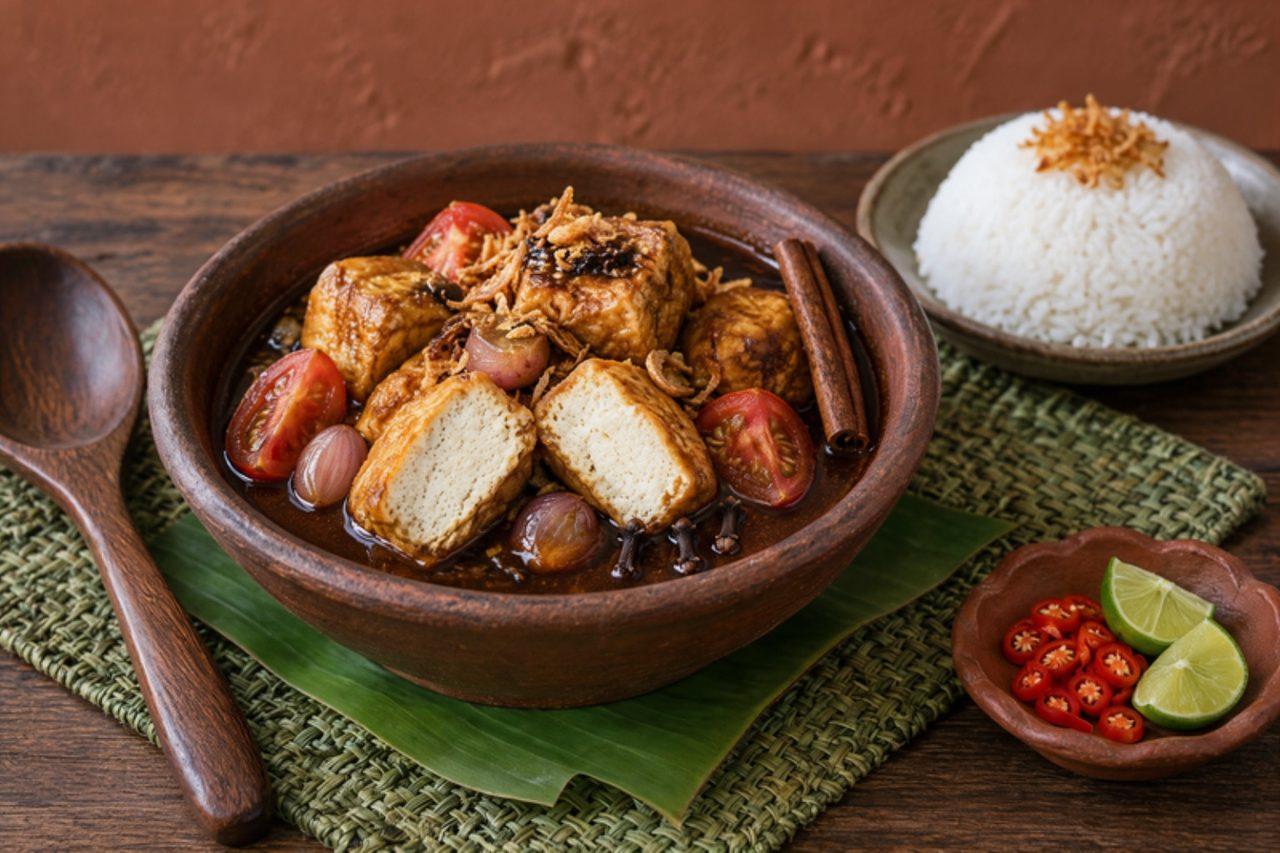
Semur tahuTofu in sweet soy

Semur is the dark, glossy sweet-soy stew of Java, shaped by Dutch spice traders' love of nutmeg and clove, and the tofu version is a thrifty bekal favourite that tastes better each day it sits. The tofu is fried first so it holds together and soaks up the sauce like a sponge. The common mistake is using silken or soft tofu, which crumbles; choose firm tofu and fry it until the skin is golden. Chef's tip: let the sauce reduce until it coats the back of a spoon, then rest the semur for an hour before eating so the spices go right into the tofu.

by KrazyBadal 0 views

RosinbollerCardamom raisin buns

In Norway, rosinboller are what a parent bakes on Sunday so the week's lunch boxes have something sweet, and what fills the tables at every school dugnad and bake sale. The dough is enriched with milk and butter and scented with freshly ground cardamom, and the buns are pulled apart soft and golden. The common mistake is using hot milk: anything above blood heat kills the yeast and the buns stay flat. Chef's tip: crush the cardamom seeds yourself just before mixing; the pre-ground powder loses most of its perfume.

by KrazyBadal 0 views

TovveToor dal with green chilli

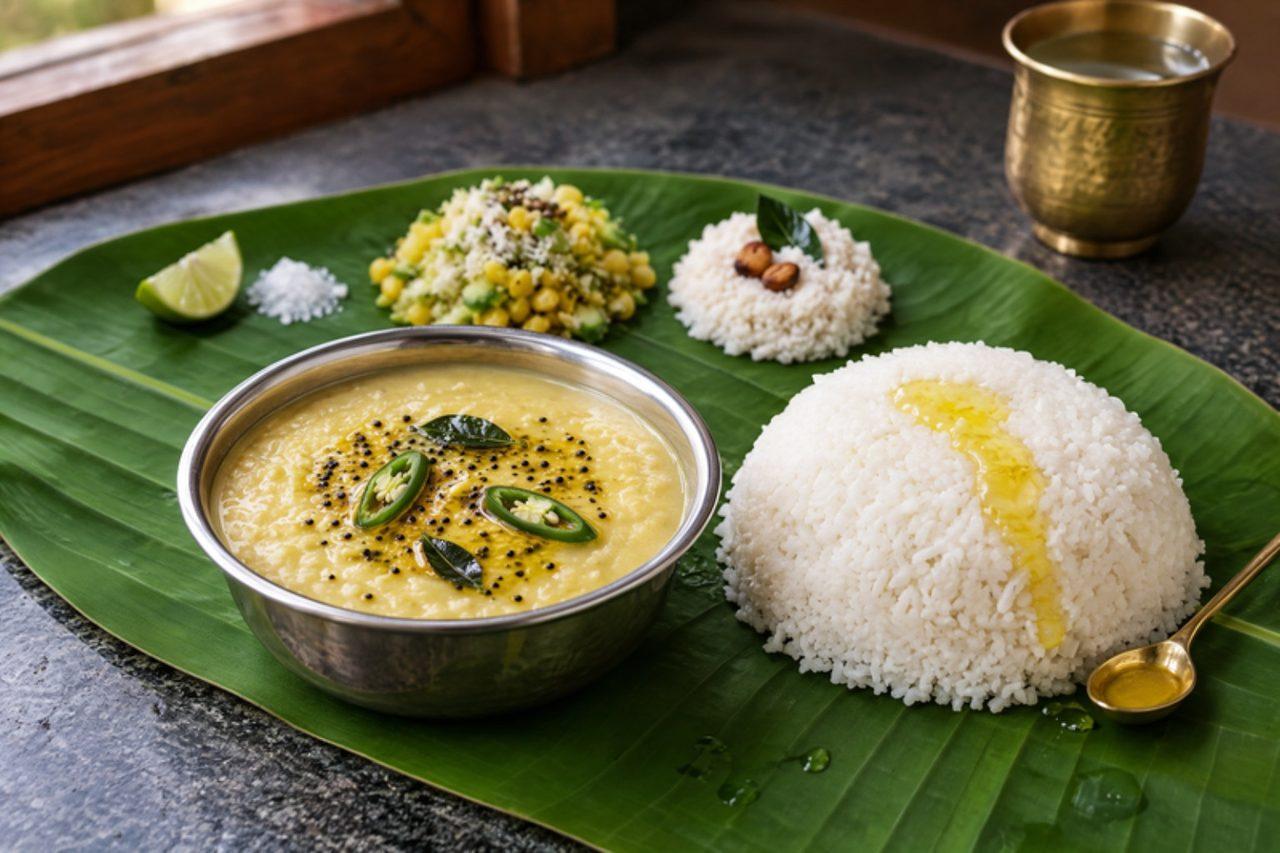
Tovve is the plainest dal of the Udupi temple kitchens and of Kannada homes along the coast: toor or moong cooked soft, seasoned with green chilli and ginger and finished with a sizzling ghee tempering. There is no tomato, no onion and no masala, so it is the first dal children eat and what families cook for a light dinner or after a fast, with rice, a spoon of ghee and a lemon pickle. Its flavour depends on a well-cooked dal, so it must be soft enough to fall apart when stirred. The usual mistake is adding salt before the dal is tender, which keeps it grainy. Chef's tip: whisk the cooked dal hard for 30 seconds before tempering; the smooth, creamy texture is what makes tovve taste of more than its few ingredients.

by KrazyBadal 0 views

KneippbrødWholemeal loaf

Open almost any Norwegian matpakke (the packed lunch wrapped in paper) and you will find slices of kneippbrød, a soft, lightly sweet loaf of sammalt hvete (wholemeal wheat) baked in a tin. Its fine crumb slices thin without crumbling, perfect for brown cheese, jam or cucumber at the school desk. The common mistake is adding too much flour while kneading because wholemeal dough feels sticky; the loaf then bakes dense and dry. Chef's tip: let the dough rest for 20 minutes after mixing, before kneading, so the bran softens and the dough turns smooth on its own.

by KrazyBadal 0 views

Tōge no kamameshiChicken and mushroom pot rice

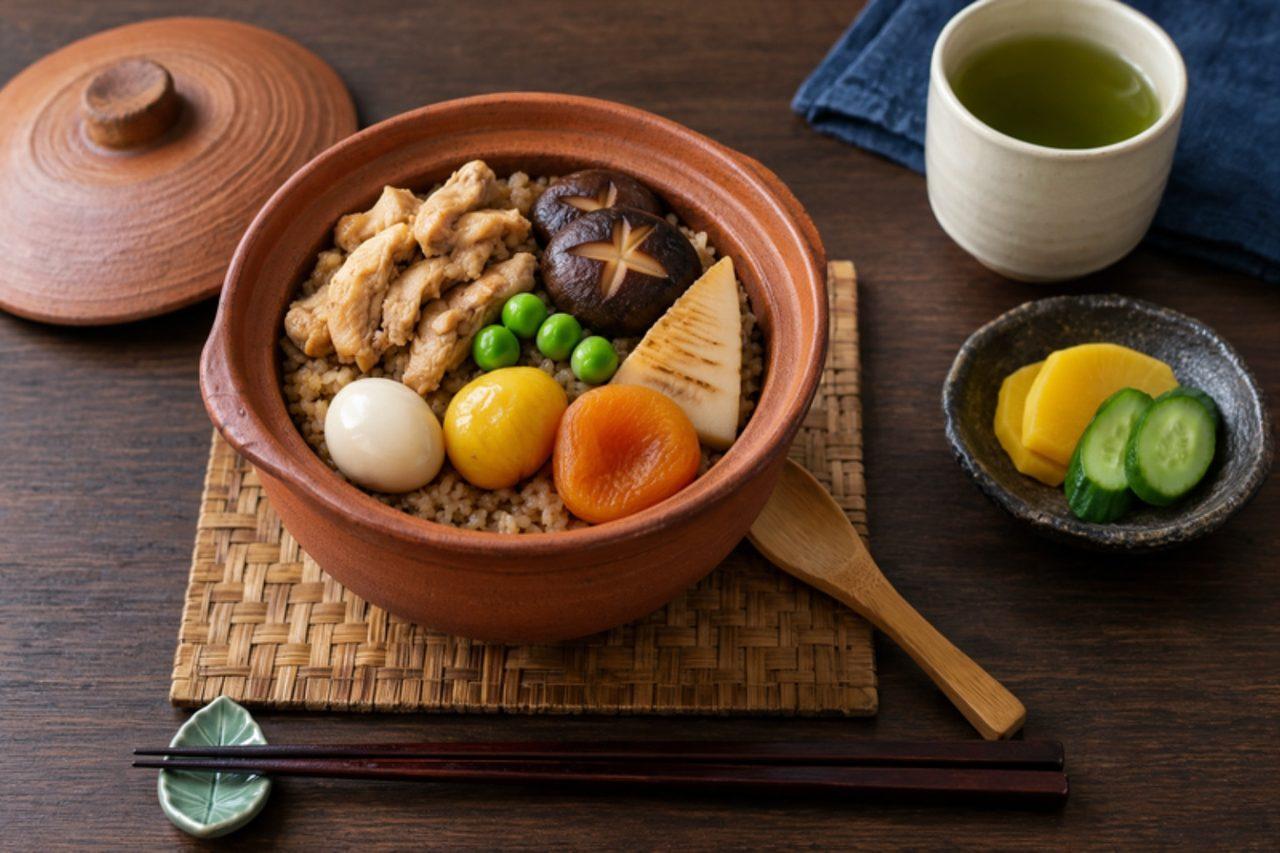
At Yokokawa Station in Gunma, at the foot of the Usui Pass, travellers have bought tōge no kamameshi since 1958: a little clay pot of rice cooked in soy-seasoned dashi and crowded with chicken, shiitake, bamboo shoot, burdock, a sweet chestnut, a dried apricot and a quail egg. It tastes just as good at room temperature on a train. The seasoning includes mirin, a sweet rice wine that bubbles away as it cooks; for alcohol-free, use 1 tbsp sugar instead. The common mistake is lifting the lid while the rice cooks, which lets the steam out and leaves the grains hard. Chef's tip: simmer the chicken and mushrooms first and use that liquid to cook the rice, so every grain tastes of them.

by KrazyBadal 0 views

LongganisaGarlic pork sausages

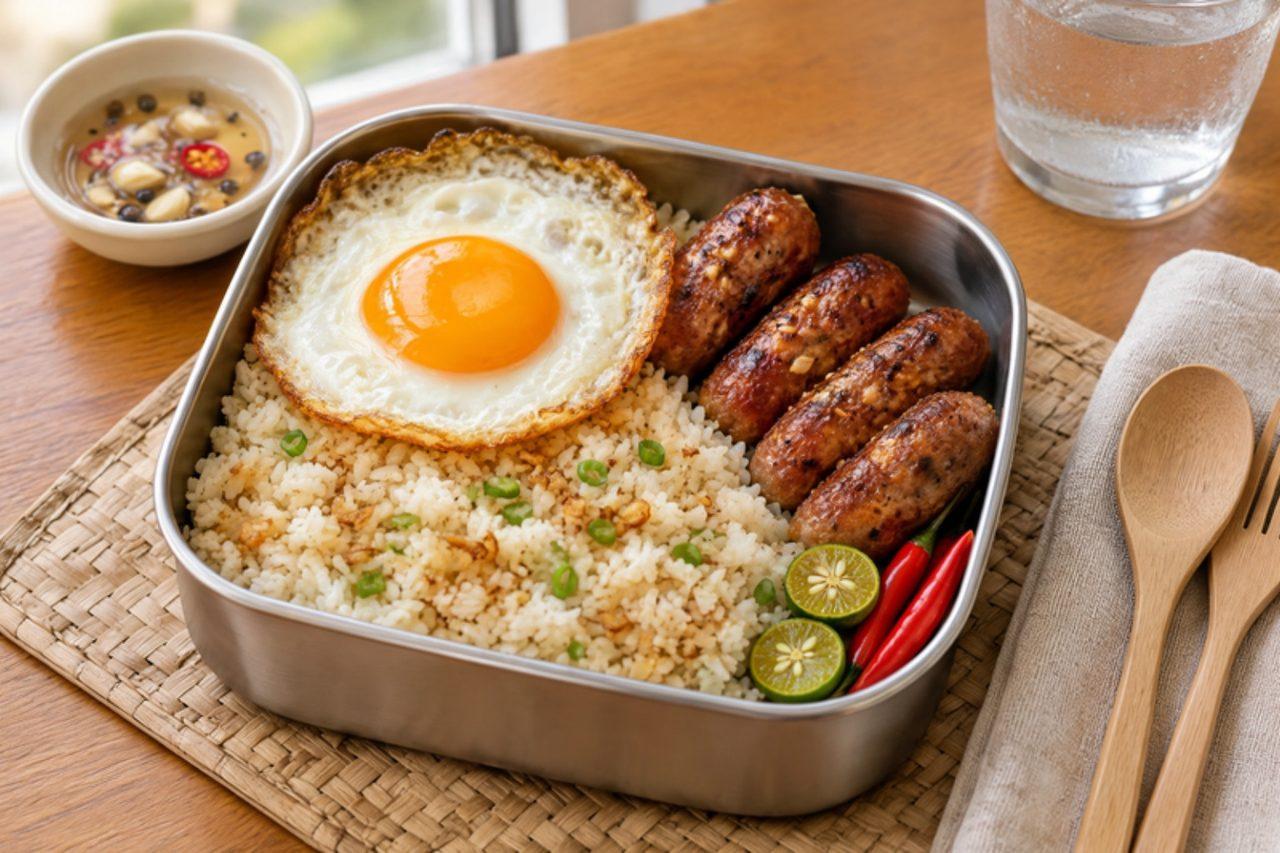
Every Philippine province has its longganisa, from the garlicky, sour sausages of Vigan to the oregano-scented ones of Lucban and the sweet, sticky Pampanga style; this homemade skinless (hubad) version sits between them. These pork sausages are fried until caramelised, then packed into the baon (packed lunch) with sinangag garlic rice and a fried egg. The common mistake is frying them hard from raw, which burns the sugar before the pork is cooked; simmer them in a little water first. Chef's tip: roll the mixture in baking paper and chill overnight, and the sausages slice and fry far more neatly.

by KrazyBadal 0 views

Pathola currySnake gourd coconut curry

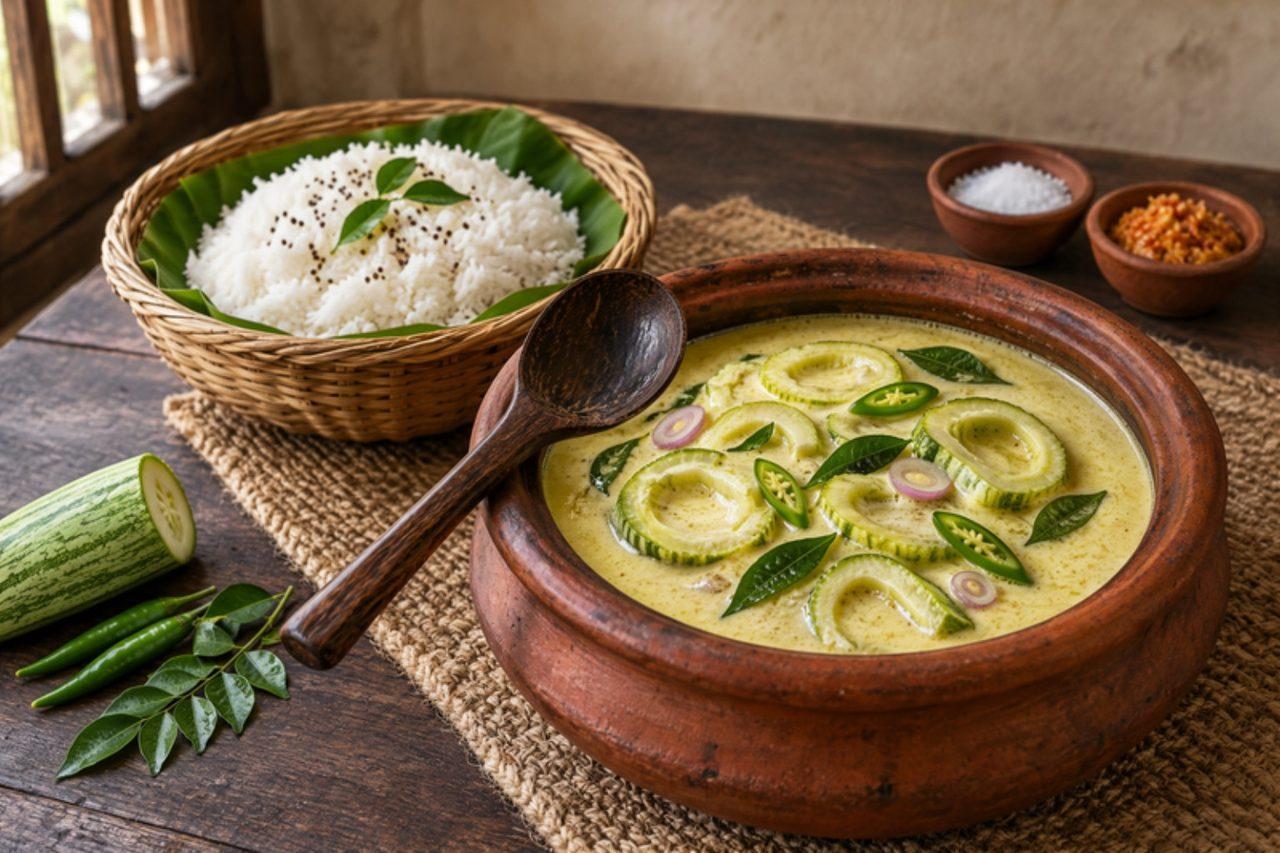
Pathola curry is a quick, gentle white curry from everyday Sri Lankan rice-and-curry lunches, especially loved in the south where snake gourd grows on trellises behind most houses. Thin half-moons of gourd simmer for a few minutes in coconut milk with turmeric, green chilli, curry leaves and a pinch of fenugreek, so they stay pale green, soft and juicy. Serve it with rice, dal and a fiery sambol. The usual mistake is overcooking, which turns the gourd watery and grey; pull it off as soon as it is translucent. Chef's tip: scrape the soft white pith and seeds out with a spoon; they water the curry down.

by KrazyBadal 0 views

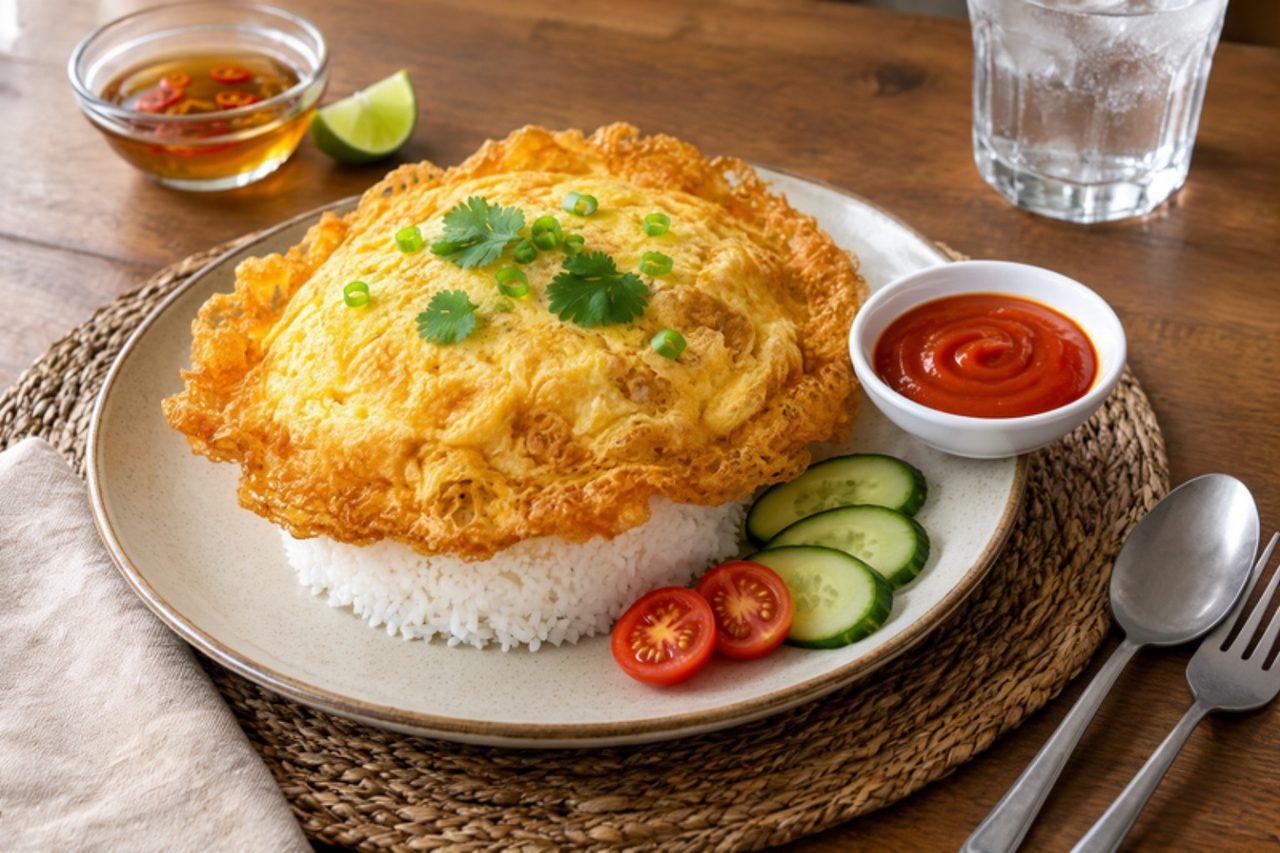
Khao kai jiaoThai omelette over rice

When there is no time for anything else, Bangkok office workers, students and taxi drivers eat khao khai jiao: eggs beaten with fish sauce and poured into very hot oil so they puff into a lacy, golden, crisp-edged omelette, slid onto a mound of jasmine rice with a squirt of chilli sauce. It is also the omelette mothers put in school lunch boxes. The common mistake is oil that is not hot enough, so the egg sits flat and greasy instead of ballooning up. For a vegetarian version, season with light soy sauce instead of fish sauce. Chef's tip: beat in a squeeze of lime and a spoon of water until very frothy; the air and steam make it puff dramatically.

by KrazyBadal 0 views

Ahmedabad chocolate sandwich

Manek Chowk is a jewellery market by day; at night its square fills with stalls, and among the pav bhaji and sandwich carts the chocolate sandwich is the one children beg for. Buttered white bread is packed with grated chocolate, sometimes with a layer of grated cheese for a salty edge, then toasted in a long-handled iron until crisp and dripping. Contains wheat and dairy, and the chocolate may contain soya and traces of nuts. If you add cheese, many cheeses are made with animal rennet; pick one labelled vegetarian. Chef's tip: toast it slowly over a medium-low heat, so the chocolate melts before the bread browns.

by KrazyBadal 1 views

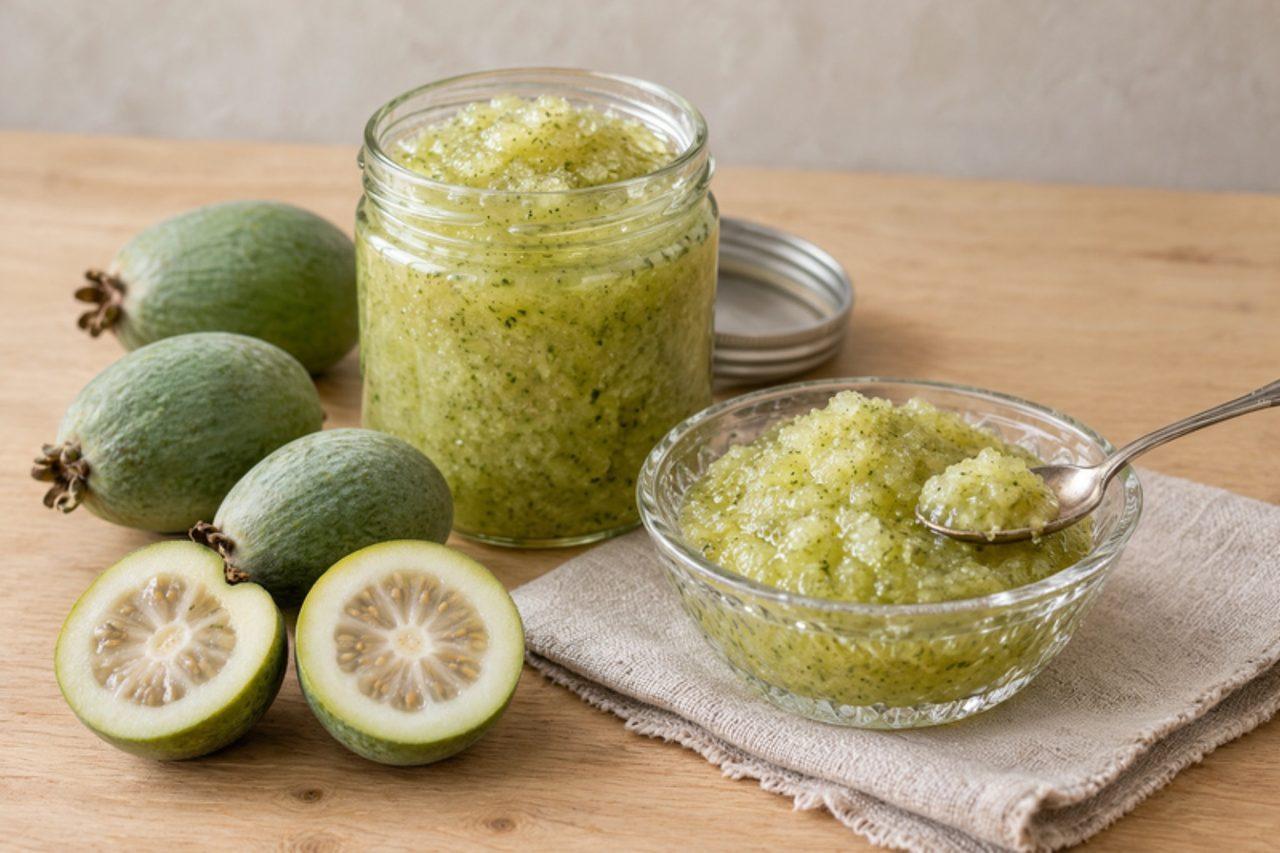
Feijoa jam

Feijoa bushes grow in almost every garden along Georgia's Black Sea coast, in Batumi, Kobuleti and the hills of Guria, and in late October and November the egg-shaped green fruit drop faster than anyone can eat them. The local answer is a raw jam: the whole fruit, skin and all, minced with sugar and kept cold, so it keeps the fresh, heady taste of pineapple, guava and mint. It is spooned into small glass dishes beside a cup of black tea, spread on bread for breakfast, stirred into yoghurt and eaten by the teaspoon through the winter cold season. The texture is a loose, pale-green pulp with a little grit from the seeds and skin; the flavour is sweet, tart and very aromatic. Common mistake: leaving the cut fruit to stand before mixing with sugar; it browns within minutes, so mince straight into the sugar and stir. The jam is ready when the sugar has fully dissolved and the colour is an even jade green. Because it is never cooked it must live in the fridge or freezer. Chef's tip: use fruit that gives slightly when pressed and smells strongly; hard feijoas taste of skin, overripe ones have brown jelly inside and turn the jam muddy.

by KrazyBadal 0 views

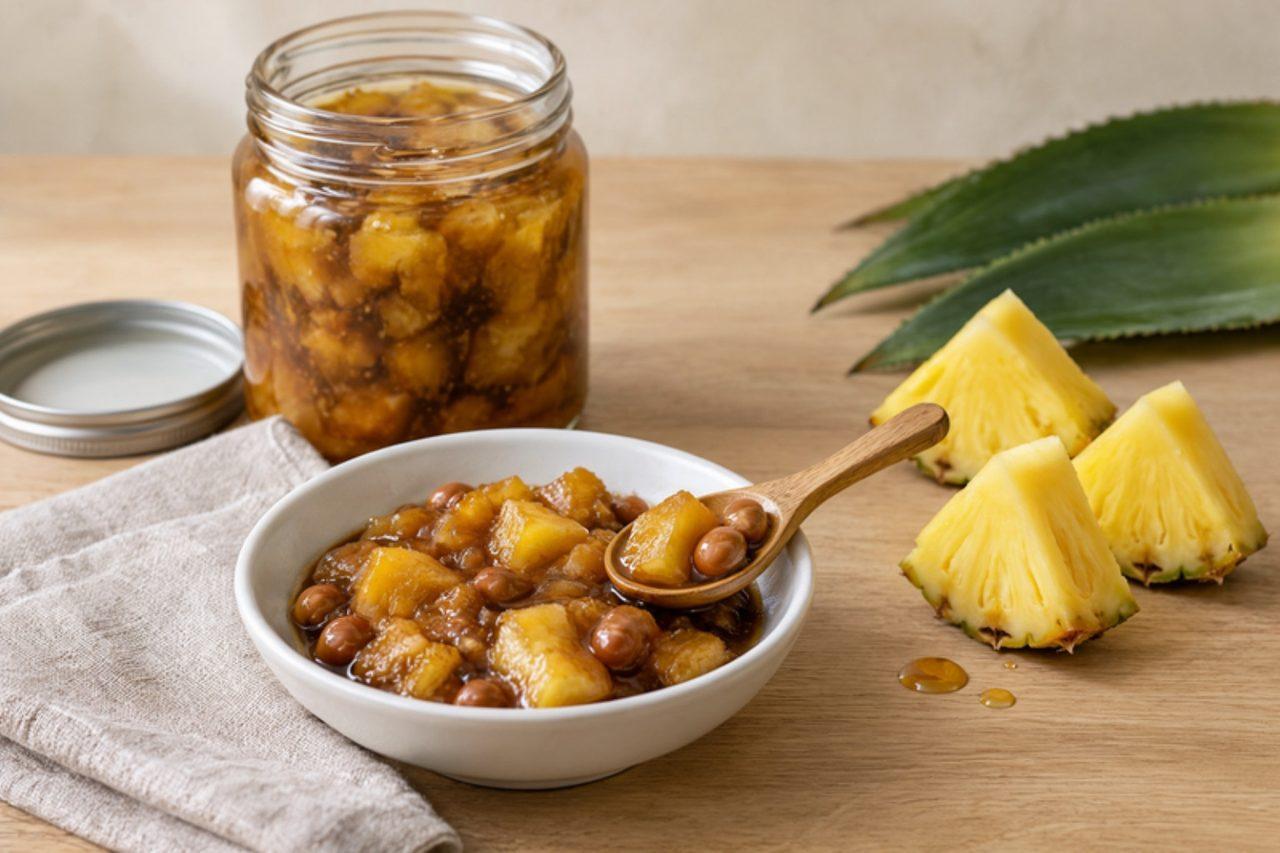
Pineapple soybean paste

Hakka households in Miaoli, Hsinchu and Pingtung are frugal and patient, and pineapple soybean paste (ong lai dau jiong) shows both. In early summer, when Taiwan's pineapples are plentiful, the fruit is cut into wedges and layered in jars with salted soybean koji and sugar, then left in a cool corner for months. The pineapple softens and goes golden-brown, the beans melt into a thick sauce, and the whole jar turns sweet, salty and tangy with a soft funk like miso. Spooned over steamed fish with ginger and scallion, stirred into braised bitter melon or tossed through stir-fried greens and wood ear, it is a back-pocket seasoning for everyday Hakka meals and bento. Common mistake: using very ripe, juicy pineapple; the fruit breaks into mush and the extra water dilutes the salt. Choose firm, just-ripe fruit and dry it after cutting. It is ready when the pineapple has turned amber and translucent and the beans are soft, after 1–3 months. Chef's tip: read the koji label — many brands are dusted with wheat flour, so it is not reliably gluten free.

by KrazyBadal 0 views

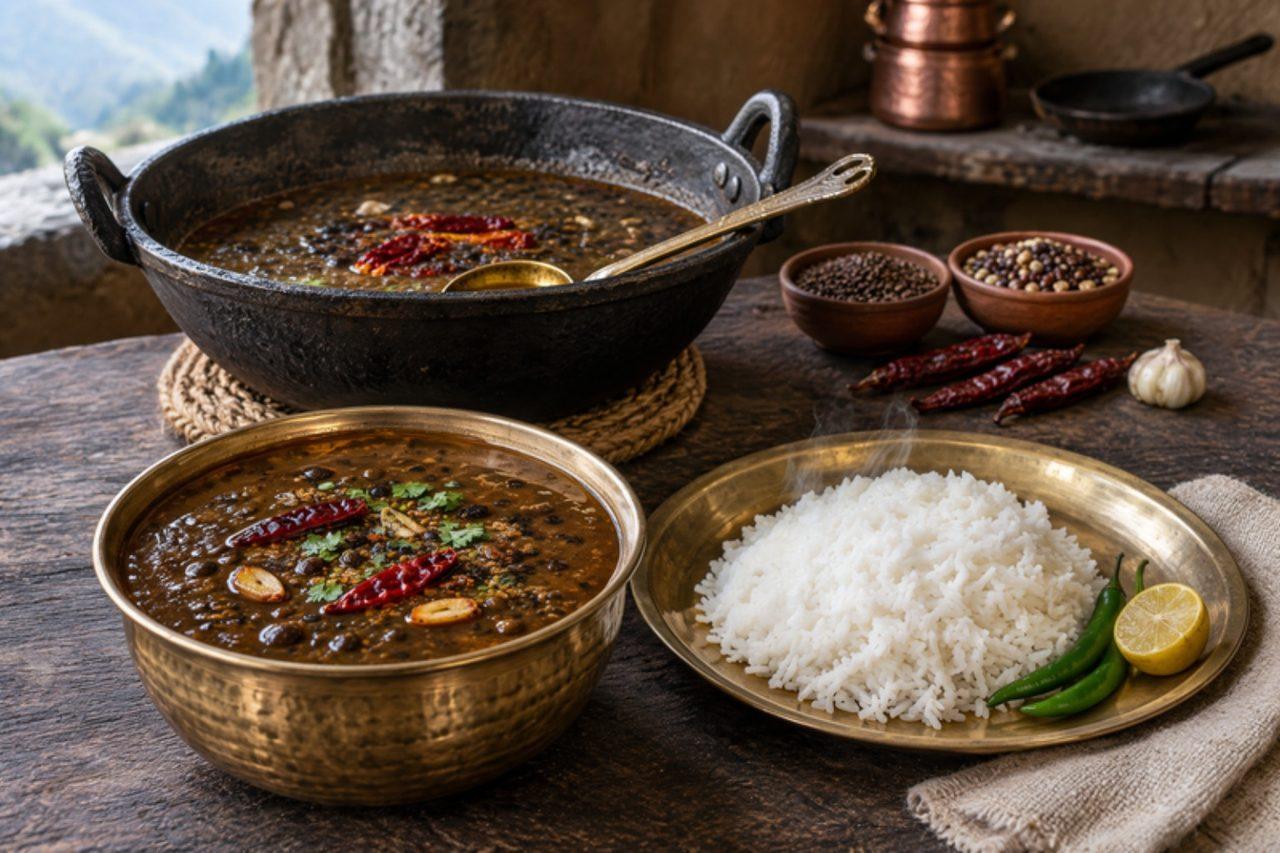
Kumaoni rasMixed dal broth

In the hill villages of Kumaon in Uttarakhand, ras is cooked through the cold months in a heavy iron kadhai that sits on the fire for hours; the iron turns the broth dark and earthy, and families drink it with rice or mandua (finger millet) roti. Several whole dals, here horse gram (gahat), black soybeans (bhatt), black urad and green moong, are simmered until their liquid becomes a rich, brown, silky broth, lightly thickened with ground rice and finished with a crackling mustard-oil tempering of jakhya seeds. The cooked dal solids are eaten too, as a dry side. The usual mistake is hurrying: the broth needs long, slow simmering to turn silky and full-flavoured. Chef's tip: jakhya (wild mustard seed) is sold in Uttarakhand shops; cumin is a fair stand-in.

by KrazyBadal 0 views

Chinese plum sauce

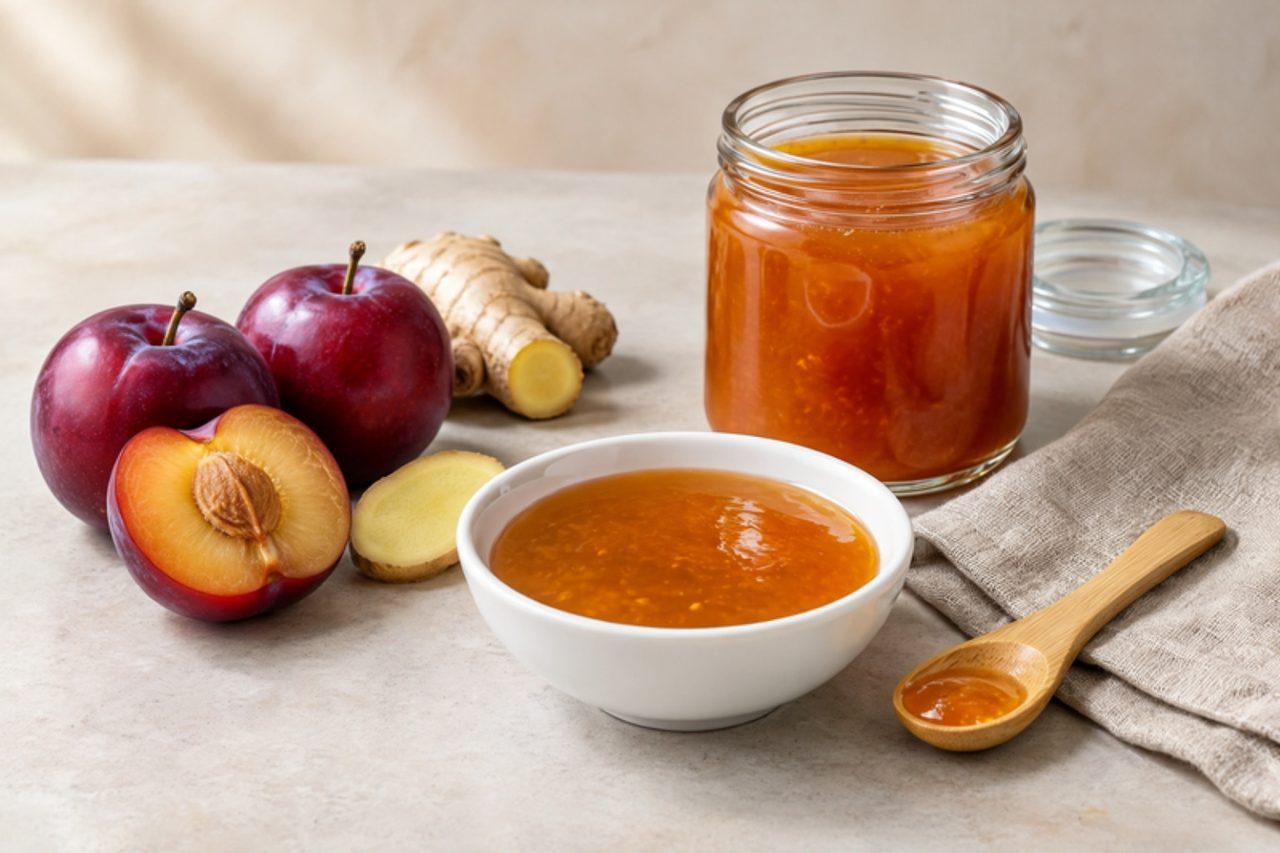
In Hong Kong and Guangzhou roast-meat shops, a small saucer of plum sauce comes with crisp roast goose and siu mei, and at home it is the dip for spring rolls at New Year and the glaze for vegetarian fried tofu or cha siu-style mushrooms. Cantonese suan mei jiang is fruitier and more sour than the gloopy bottled kind: ripe plums are simmered with sugar, rice vinegar, ginger and a little chilli until thick and glossy. Make it in late summer when dark plums are cheap. Common mistake: boiling it too thick; it sets further as it cools, so stop when it coats the back of a spoon and a drip on a cold plate wrinkles only slightly. Readiness cues: the plum skins have melted into the sauce, the colour is deep ruby and the taste balances sweet and sharp. This is a high-acid preserve: in the fridge it keeps 2 months, or water-bath process sealed jars for 20 minutes to keep them in a cupboard for a year (refrigerate once opened). Discard if you see mould, it fizzes, the lid bulges or leaks, or it smells fermented. Chef's tip: add 2 Chinese salted preserved plums, mashed, for the authentic salty-sour depth.

by KrazyBadal 0 views

Mâncare de dovleceiStewed courgettes

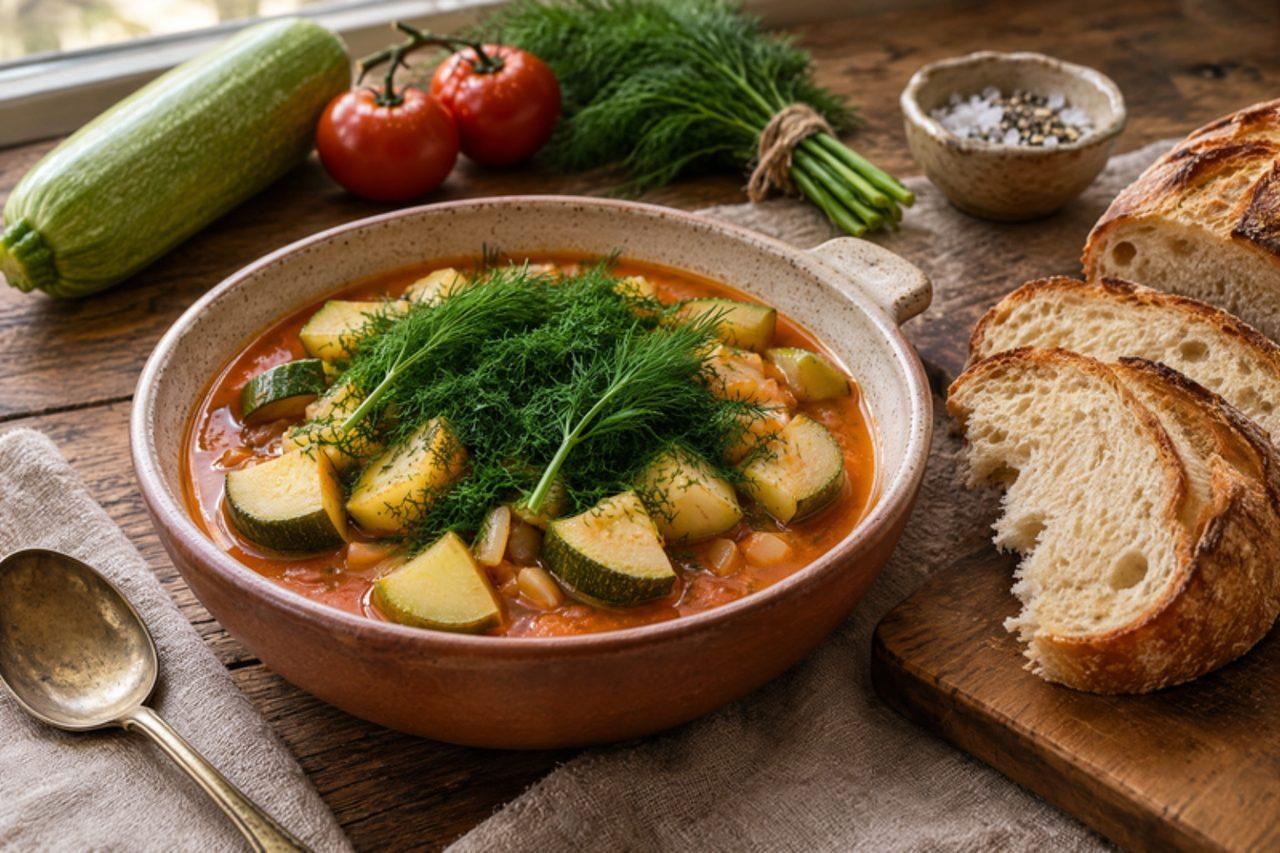
In Romanian homes, from Moldova to Oltenia, mâncare de dovlecei is the summer stew made when the garden is full of courgettes, and it fills a pot on fasting days when Orthodox families eat no animal products. Courgettes are cooked down slowly with onion, peppers and tomato until soft and sweet, then finished with a fistful of dill and garlic. Eat it warm or at room temperature with bread or a slice of mămăligă. The usual mistake is adding too much liquid: courgettes release their own water, and a watery pot loses its flavour. Chef's tip: let the onion and pepper soften properly before the courgettes go in; that sweetness is what seasons the whole stew.

by KrazyBadal 0 views

Keema naan (Lahore style)

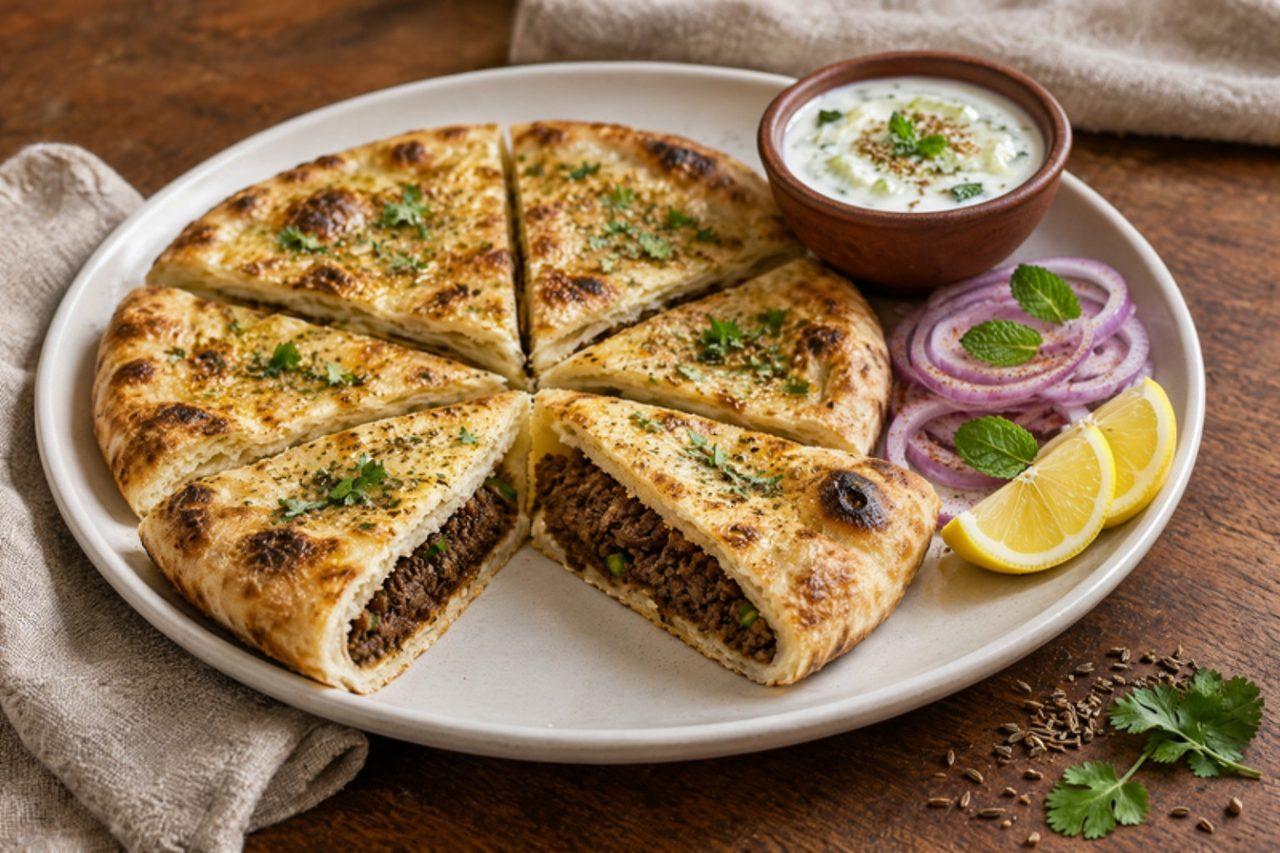
Along Lahore's Fort Road food street, in sight of the Badshahi Mosque, tandoors work late into the night baking naan with a thin layer of spiced mince pressed inside. The bread puffs and chars in the oven and comes out glossy with butter, with juicy, peppery meat in every bite. At home a very hot oven and a preheated tray stand in for the tandoor. Contains wheat and dairy. Chef's tip: cook the mince first and let it cool fully; warm filling softens the dough and it tears when you roll it.

by KrazyBadal 0 views

Huangmen jimifanBraised chicken rice

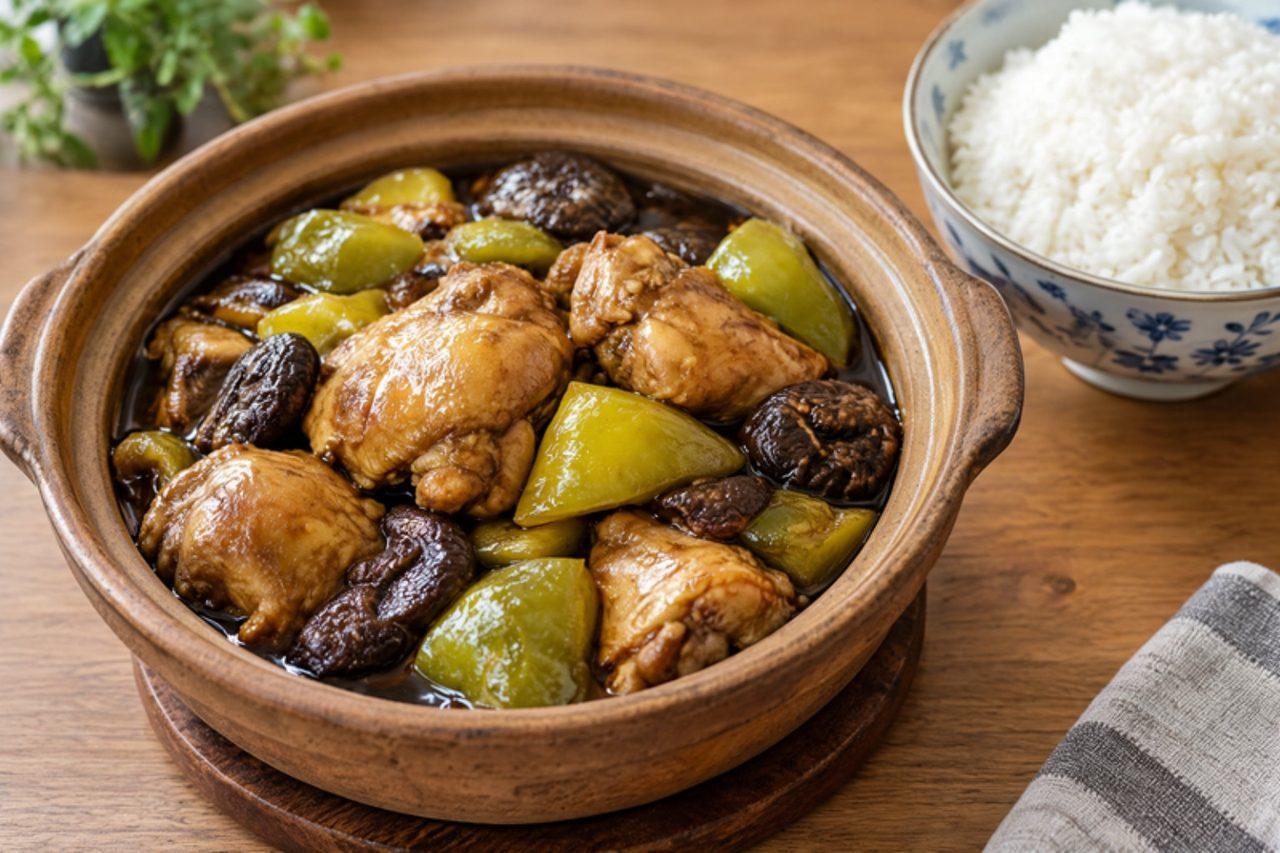
Huangmen jimifan began in Jinan, in Shandong, and spread to thousands of little clay-pot shops across China where office workers queue at noon for a bubbling pot of chicken braised dark and glossy with shiitake, ginger and green pepper, eaten over plain rice. It reheats perfectly in a work microwave. The common mistake is using breast, which goes dry and stringy in the braise; bone-in thigh stays juicy. Chef's tip: caramelise the rock sugar in the oil before the chicken goes in, which gives the sauce its amber colour without extra dark soy.

by KrazyBadal 0 views

Velpuri (Dhaka style)

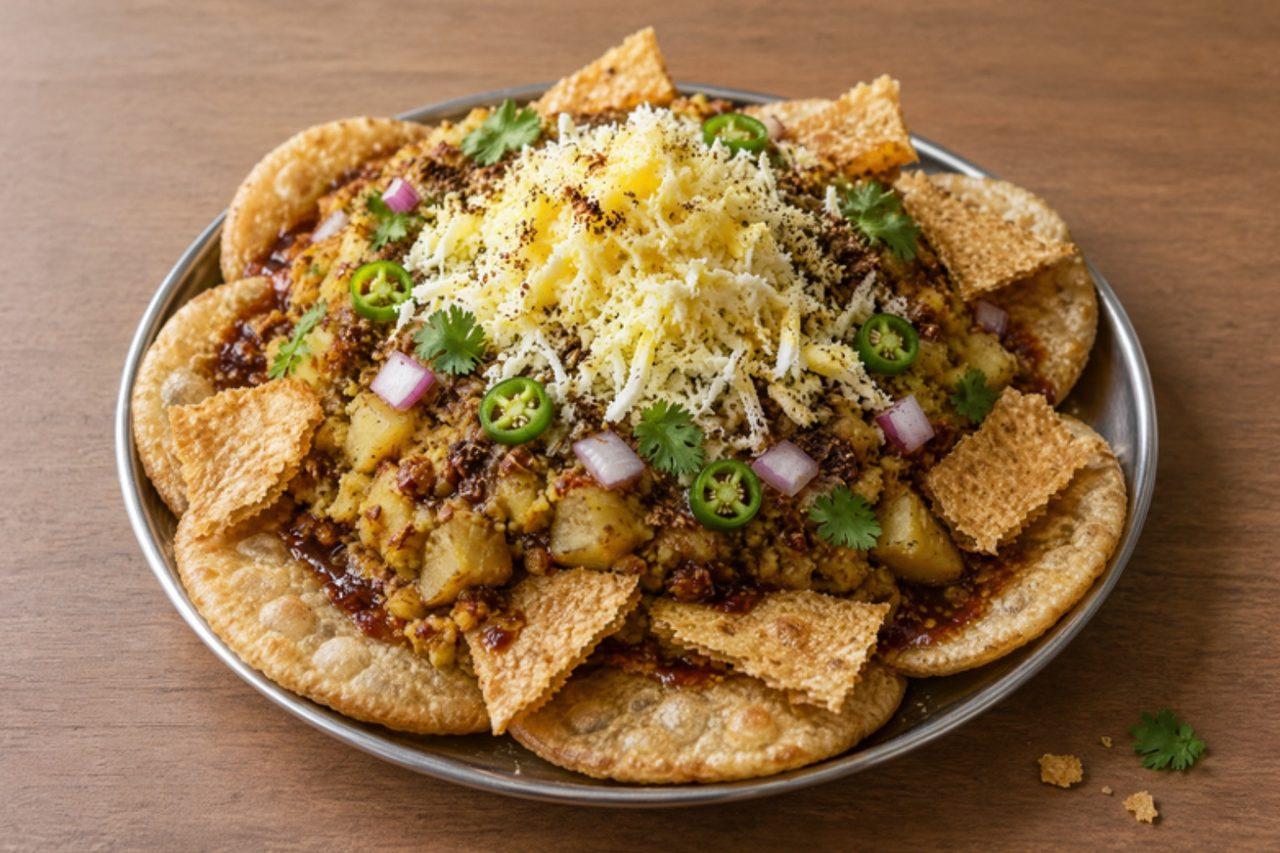
Dhaka's velpuri is a cousin of Mumbai's bhel but a very different plate: crisp puris are crushed and topped with a hot, spiced mash of chickpeas and potato, finely grated boiled egg, raw onion and green chilli, then soaked in sour tamarind water at the last second. Vendors sell it from glass-topped carts around Dhanmondi Lake and outside the TSC at Dhaka University on long afternoons. Contains wheat and egg. Chef's tip: grate the egg over at the very end with the fine side of a grater, so it falls in a soft yellow snow over the top.

by KrazyBadal 0 views

Gremolata

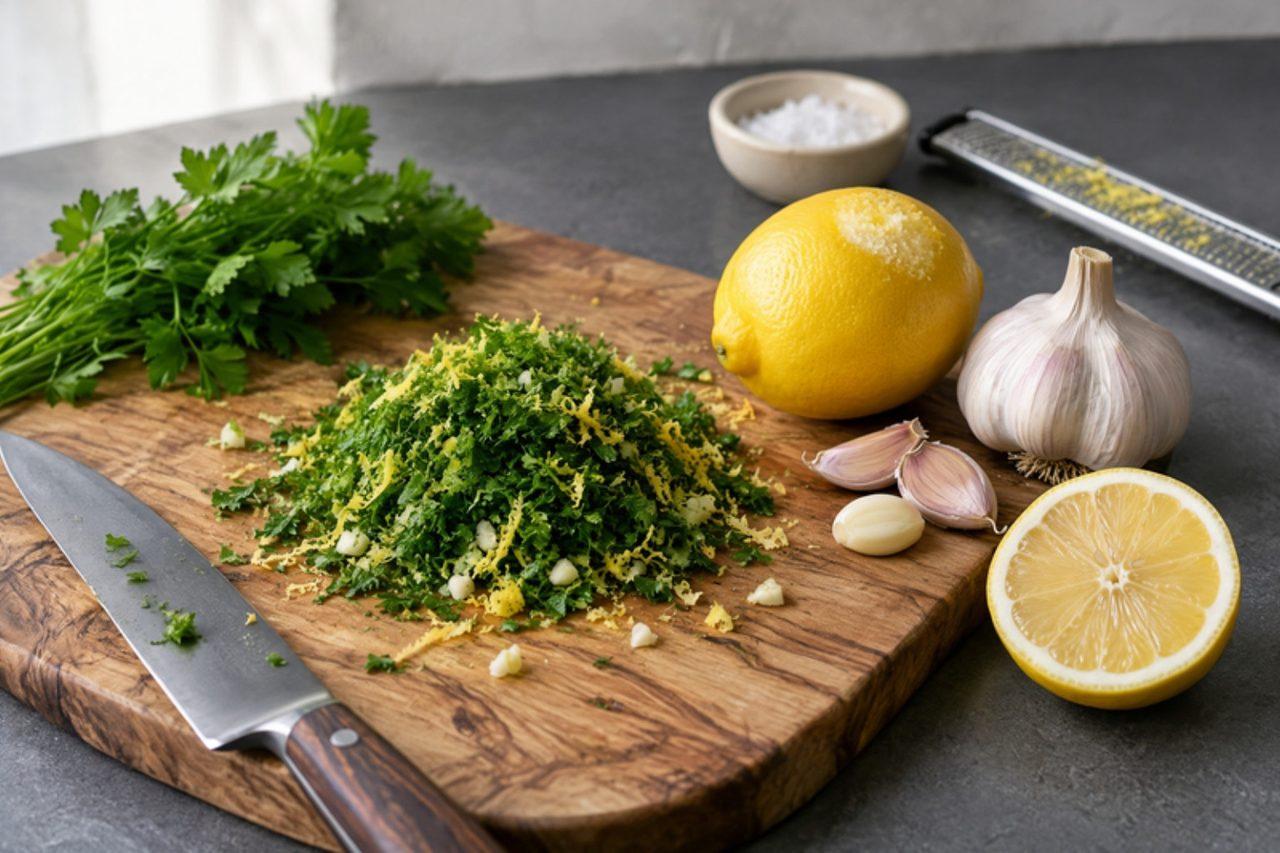
Gremolata is the Milanese finishing touch spooned over ossobuco on Sunday tables across Lombardy, and it brightens any slow-cooked stew, roast vegetables, beans or grilled fish. Flat-leaf parsley, lemon zest and raw garlic are chopped together so finely that they become a fragrant green confetti; the fresh, sharp flavour wakes up a dish so much that you need far less salt. About 0.0 g salt per portion. The usual mistake is grating the white pith with the zest, which makes it bitter; take only the yellow skin. Make it no more than an hour ahead, as the garlic gets harsh and the parsley darkens. Chef's tip: chop the garlic first with a few parsley leaves, so the juice soaks into the herbs instead of sticking to the knife.

by KrazyBadal 0 views

Andaman mud crab curry

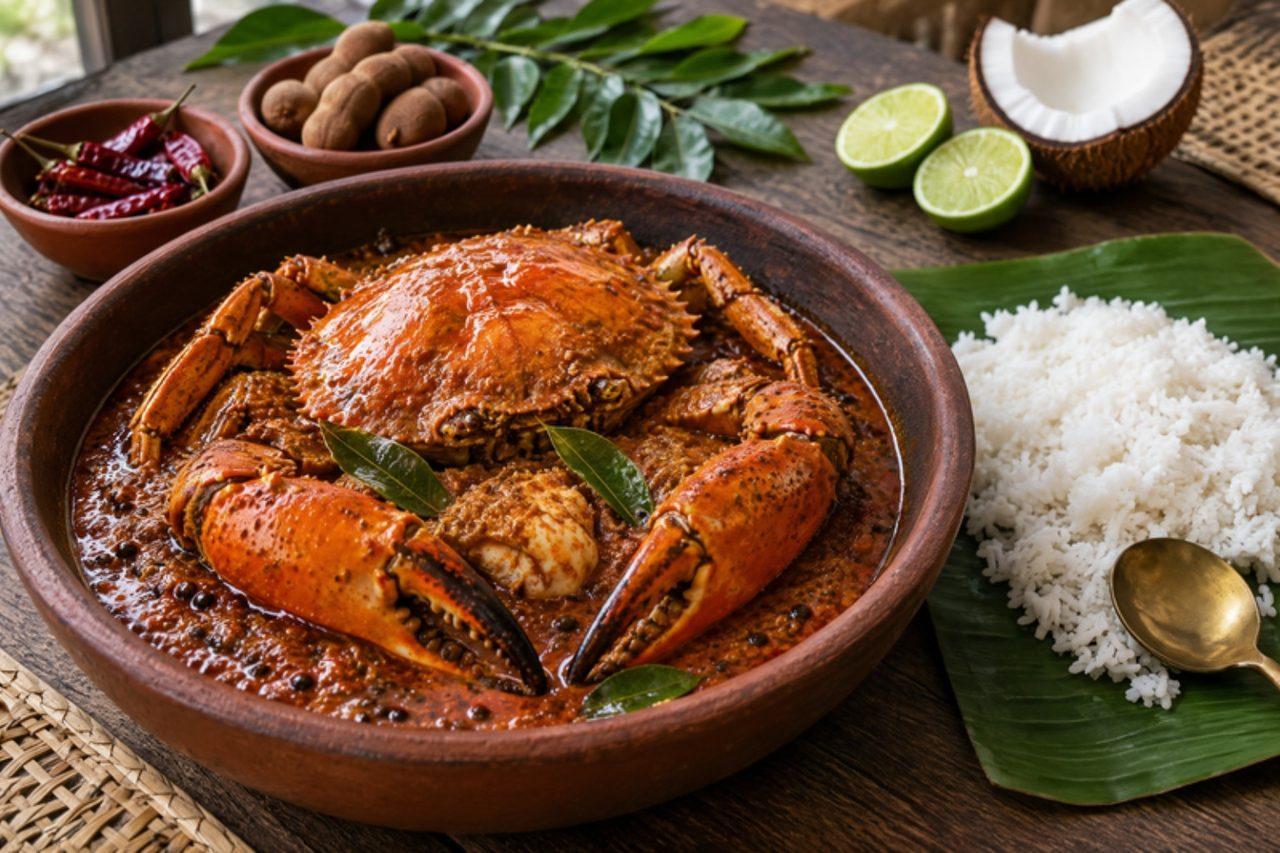
The mangrove creeks around Port Blair give the Andaman Islands their famous mud crabs, and families of Bengali, Tamil and Malayali descent there cook them in a rich red curry of coconut, tamarind and roasted chilli for Sunday lunch and celebrations. It is messy, hands-on eating with plain rice, cracking the claws to reach the sweet meat. Buy live or very fresh crabs from a trusted fishmonger and have them dispatched and cleaned there. The common mistake is undercooking the crab: cook until every shell is bright orange-red and the meat inside is white and opaque. Chef's tip: crack the claws lightly with the back of a knife before they go in, so the gravy seasons the meat.

65 minIndianFishGluten freeSpicy
by KrazyBadal 0 views

Cremolada (Lima passion fruit slush)

From January to March, when Lima's coast swelters, queues form at the cremolada counters of Barranco and along the Jirón de la Unión downtown for cups of this thick fruit ice. It sits between a granita and a sorbet: frozen fruit pulp scraped again and again until it is slushy and spoonable, with real bits of fruit through it. Passion fruit (maracuyá) gives a sharp, bright flavour; creamy lúcuma, with its maple and sweet potato taste, is the other favourite. Chef's tip: use a shallow metal tray; it freezes faster and evenly, so you get fine crystals rather than chunks.

by KrazyBadal 0 views

Soft idli for babies

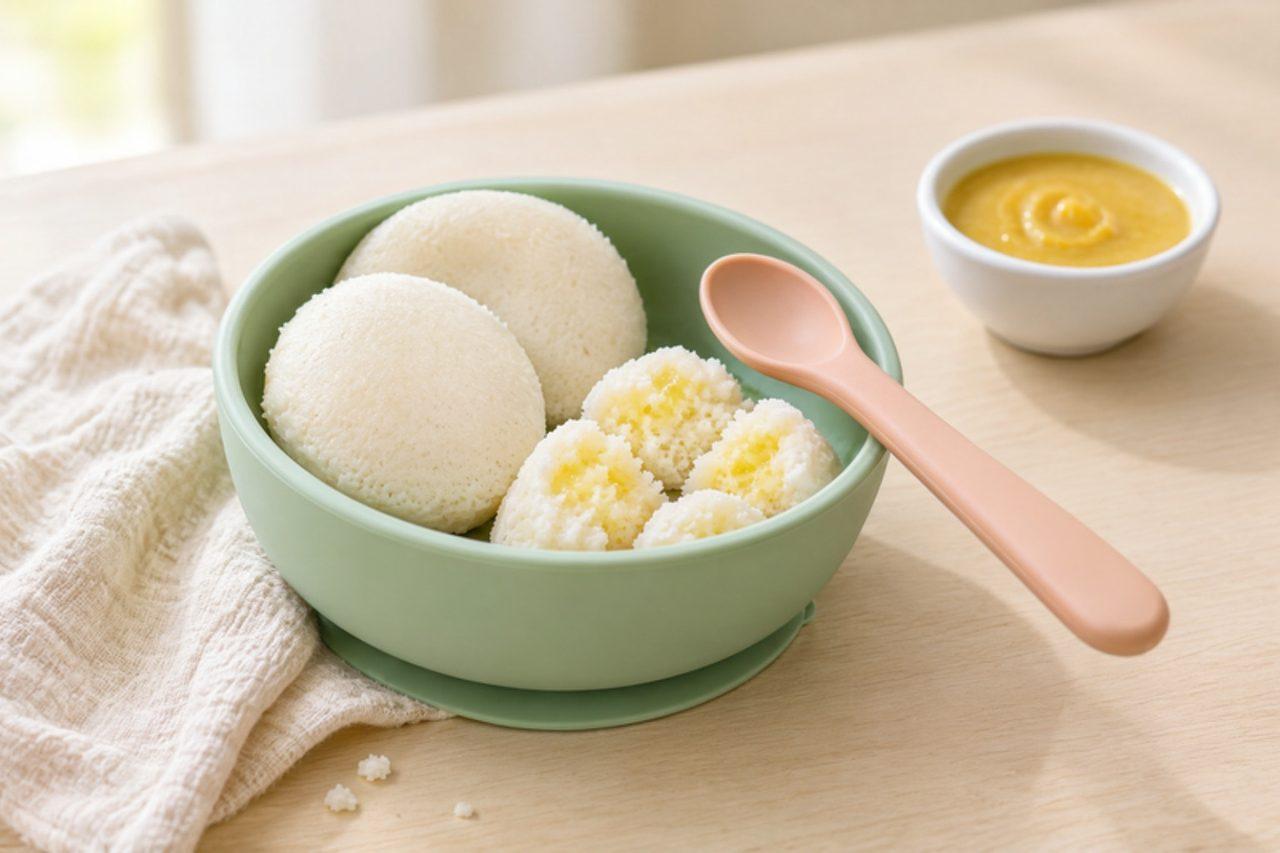
Idli is breakfast across Tamil Nadu, from Chennai's Mylapore tiffin rooms to village kitchens, and a fluffy, plain idli is one of the first finger foods many South Indian babies hold. Since family batter is salted, parents make a separate salt-free batch for babies under one, or steam a few from it before the salt goes in. The cakes are pillowy, faintly sour and melt under the gums, torn into pieces or mashed with ghee or thin dal. They contain no gluten, egg, nuts, soya or sesame; they contain milk only if served with ghee. Chef's tip: grind the urad dal with ice-cold water until it is light and foamy; air in the batter, not salt, is what makes idli soft.

by KrazyBadal 0 views

Zeng gao (Xi'an steamed rice cakes with jujube)

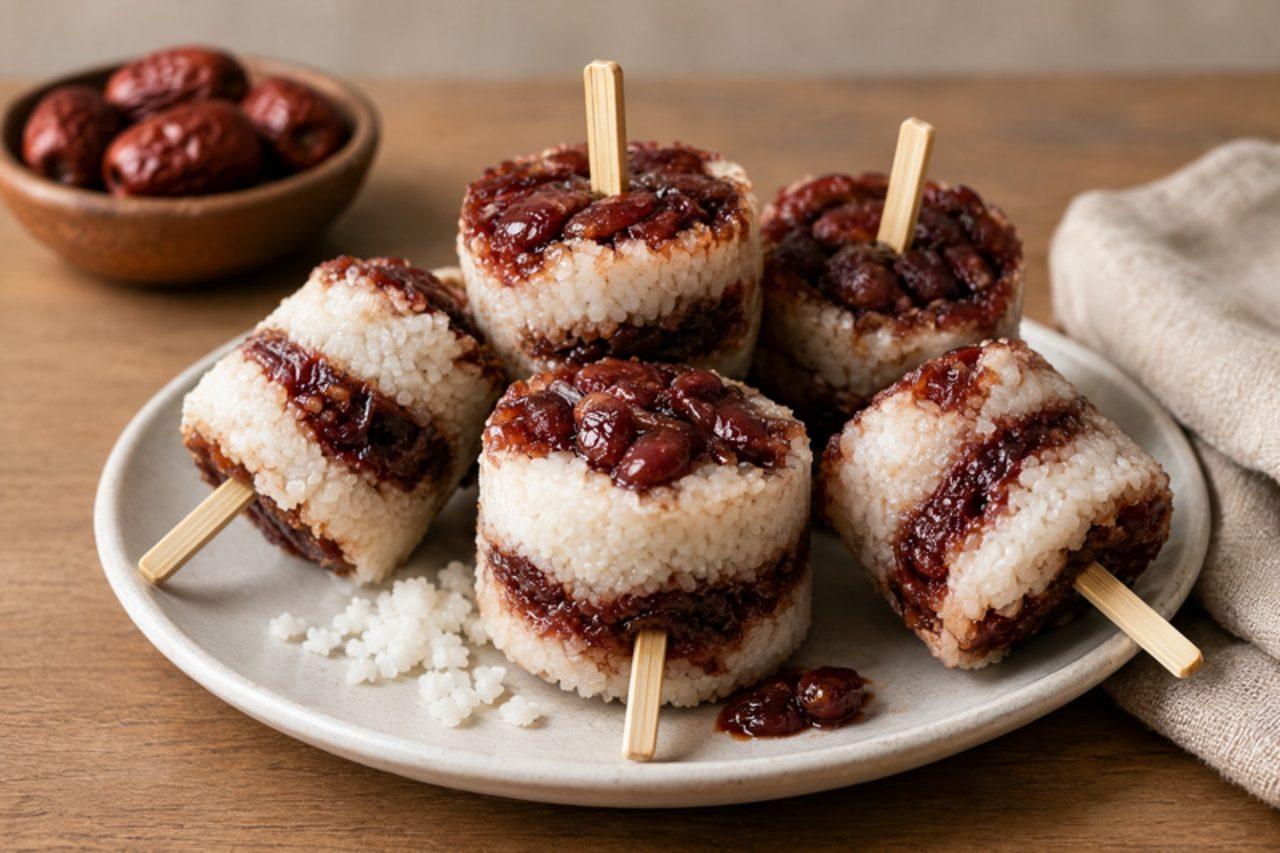
Walk the lanes of Huimin Jie in Xi'an in the late afternoon and you will see small round cakes steaming in stacked cups, then flipped out and speared onto bamboo sticks for children heading home from school. They are made from glutinous rice flour rubbed to a damp crumb, layered with sweet jujube paste and steamed until the crumb fuses into a soft, springy cake with a dark red stripe through the middle. They are lightly sweet, chewy and best eaten warm. Chef's tip: rub the flour with water until it just clumps when squeezed, then sieve it, because a light, airy crumb is what makes the cake tender.

by KrazyBadal 0 views

Gevulde koekAlmond-filled cookie

A gevulde koek is two discs of short, buttery dough sandwiching a thick layer of almond paste (spijs), glazed with egg and crowned with half an almond. Every Amsterdam bakery has a stack of them, and they are the classic koffie snack at about eleven in the morning, or something to eat on the bike home from the Noordermarkt. The pastry is crumbly and the middle soft, fragrant and lemony. It contains wheat, egg, milk and almonds. Chef's tip: make the almond paste a day ahead; it firms up and is much easier to shape into neat discs.

by KrazyBadal 0 views

Bò bíaJicama and sausage rice paper rolls

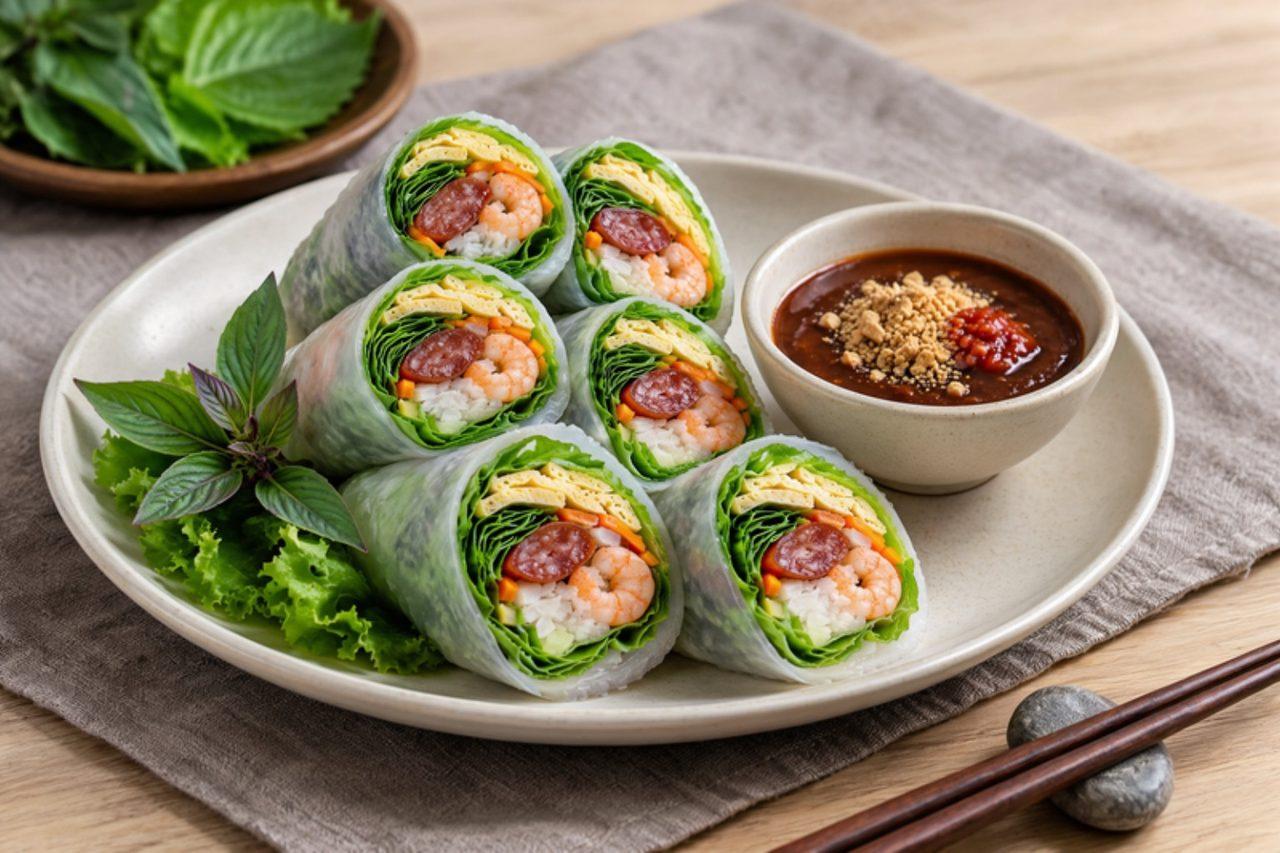
Bò bía carts park outside the schools of Chợ Lớn, Saigon's Chinatown, every afternoon, and the vendor rolls each one to order: sweet stir-fried jicama and carrot, crisp slices of lạp xưởng (Chinese pork sausage), toasted dried shrimp and ribbons of omelette, wrapped with basil and lettuce in soft rice paper and dipped in hoisin sauce loosened with peanut butter. It is a cousin of Chinese popiah and a favourite after-school snack. Chef's tip: dip the rice paper for only a second or two; it keeps softening as you fill it.

by KrazyBadal 0 views

Jambon-beurreHam and butter baguette

France sells millions of jambon-beurre every working day: half a crusty baguette, split, spread with good salted butter and filled with thin slices of jambon de Paris, the delicate cooked pork ham. Parisians eat it at the office, on a park bench or on the train. The common mistake is a stingy smear of hard butter; the butter is a filling, not a glue, so spread it soft and generous. Some add cornichons, which purists call a different sandwich. Chef's tip: fold each slice of ham loosely in half rather than laying it flat, so the sandwich is airy and every bite has ham.

by KrazyBadal 0 views

Neer mor (spiced buttermilk)

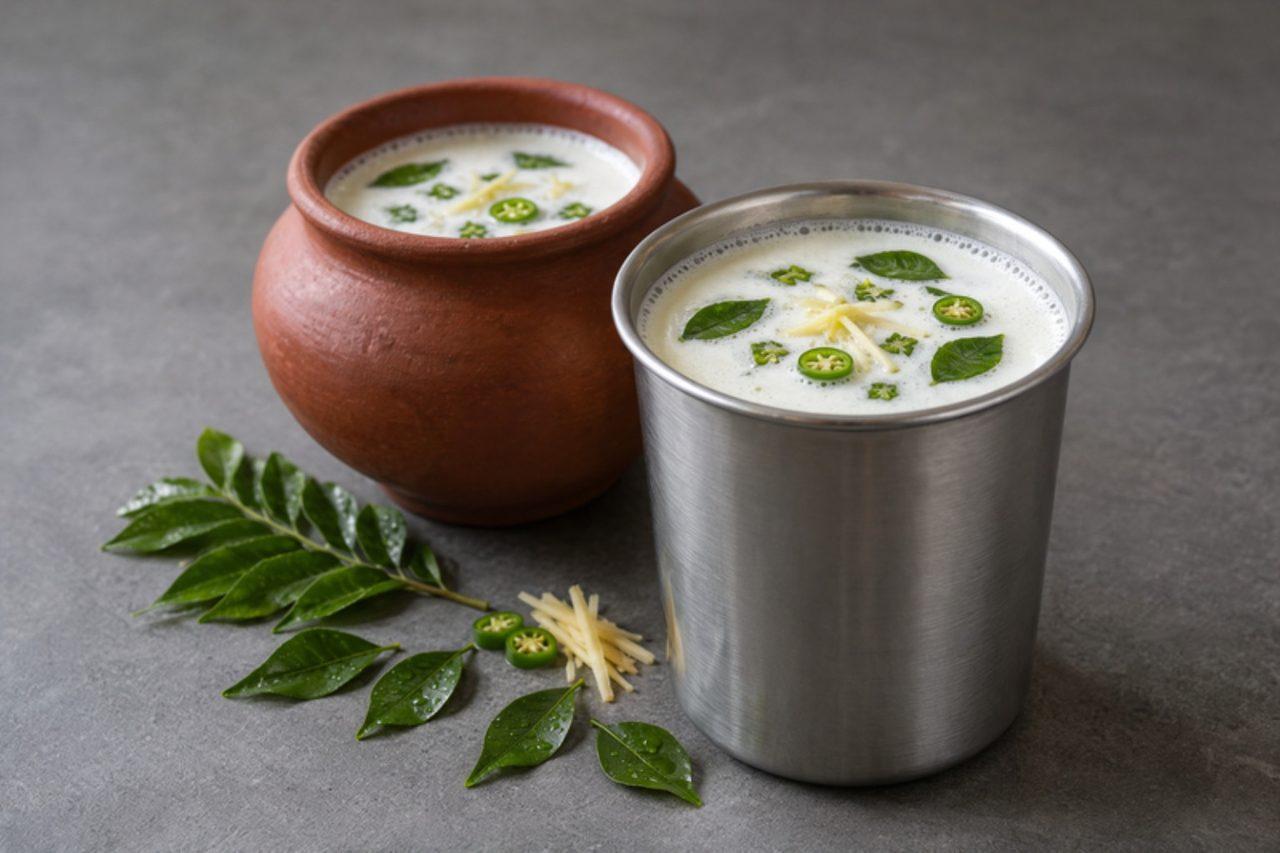
From April to June, when Chennai and Madurai bake at forty degrees, temples, shops and political parties set up 'thaneer pandhal' sheds by the roadside, offering free neer mor to every passer-by from great clay pots. At home it comes after a rice meal of sambar and rasam, or in the middle of the afternoon. The curd is churned and thinned with water until barely white, then seasoned with green chilli, ginger, curry leaves, coriander and a pinch of asafoetida, sometimes finished with a tempering of mustard seeds. It should be very thin, salty, tangy and herby, with a little chilli heat and a lingering savoury scent. The common mistake is using too little water: it then drinks like a heavy lassi rather than a thirst-quencher. Aim for about one part curd to four parts water. It is ready when the buttermilk is smooth, cold and pale green-flecked, and smells of curry leaf. It keeps a day in the fridge. Chef's tip: crush the ginger, chilli and curry leaves rather than chopping them; bruising releases far more flavour into the thin liquid.

by KrazyBadal 0 views

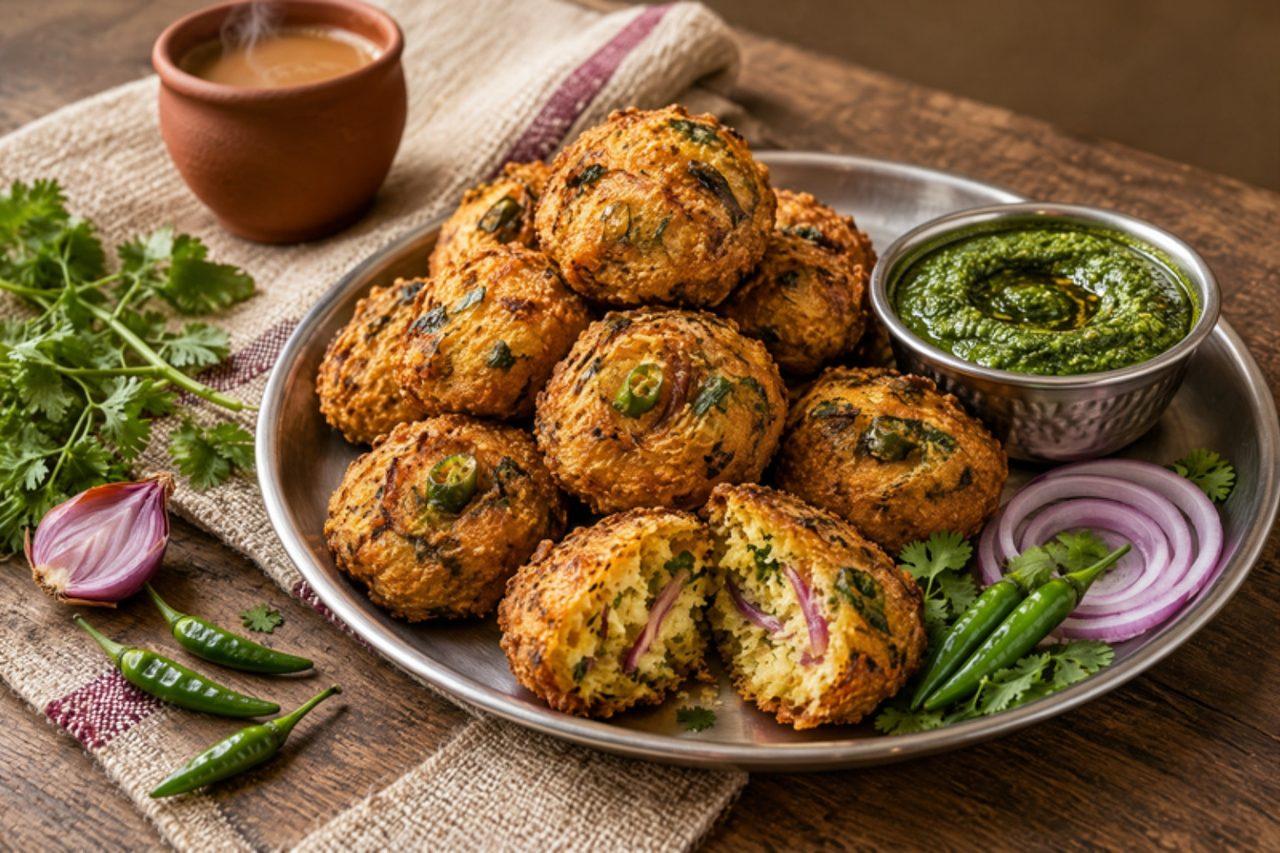
Manipuri boraGram flour fritters

Bora are the crisp fritters that Meitei families fry for evening tea, for guests and for festivals like Cheiraoba, using whatever is in season: onion and herbs, gourd flowers, or tender greens. The batter is gram flour with a little rice flour, so they stay crisp. The common mistake is a thick batter that makes doughy fritters; it should just coat the vegetables. Fill the pan no more than a third deep with oil, test it with a drop of batter (it should rise in 2–3 seconds) and never leave it unattended. Chef's tip: mix the batter just before frying so the vegetables don't weep and make it watery.

by KrazyBadal 0 views

Arvi ka salanColocasia in tangy gravy

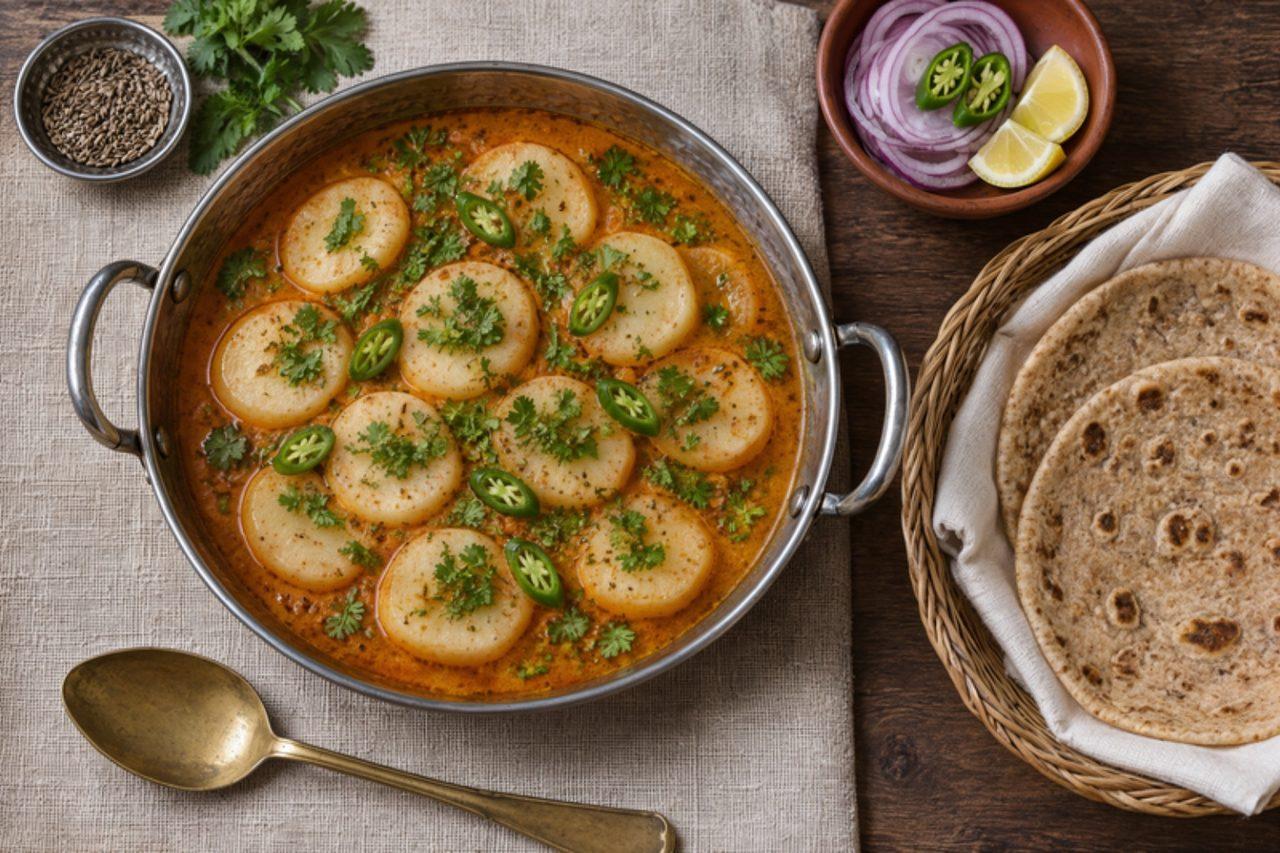
Arvi ka salan is a Lahore and Karachi home curry, cooked on weekday evenings when the vegetable seller has a basket of small, hairy colocasia roots. The roots are boiled, peeled and simmered in a loose, sour gravy of onion, tomato, ajwain and a squeeze of lemon, so the slightly slippery arvi soaks up the spice and turns creamy at the centre. Eat it with hot roti or plain rice and a little raw onion. The usual mistake is undercooking the arvi: half-cooked colocasia leaves an itchy, scratchy feeling in the throat, so it must be soft all the way through. Chef's tip: once the boiled arvi is peeled, press each piece flat with your palm before it goes into the gravy, so the rough edges thicken the sauce.

by KrazyBadal 0 views

Karawila curryBitter gourd coconut curry

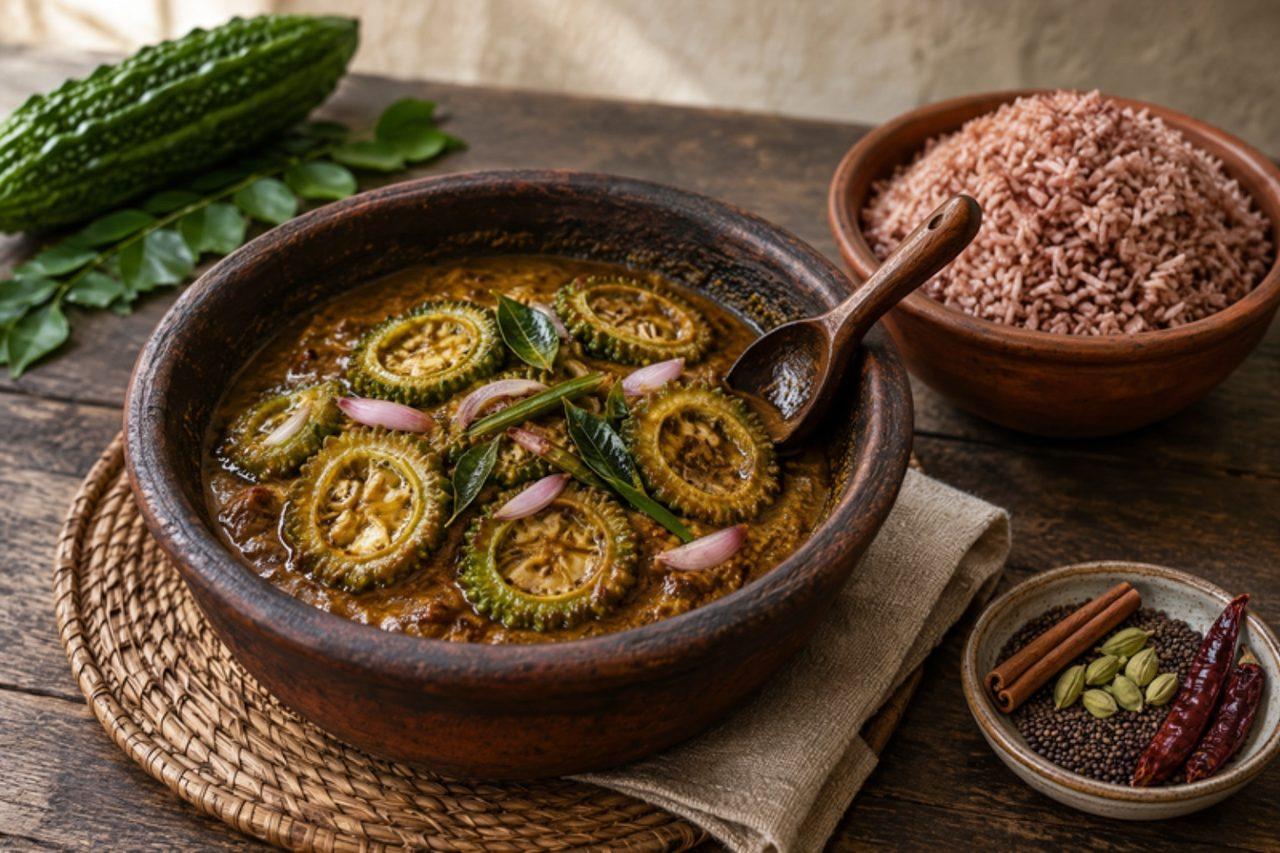
Bitter gourd is a favourite of older Sri Lankan cooks, and karawila curry appears on weekday tables across the island alongside rice, dal and a mild white curry to balance its bite. The gourd is salted, squeezed and lightly fried, then stewed in coconut milk with roasted curry powder, tamarind and a touch of sugar, so it becomes dark, glossy and pleasantly bitter rather than harsh. The usual mistake is skipping the salting and squeezing, which leaves the curry fiercely bitter. Chef's tip: fry the gourd until the edges are brown before it meets the coconut milk; the browning softens the bitterness more than sugar does.

by KrazyBadal 0 views

Kerau ko tarkariGreen pea and potato curry

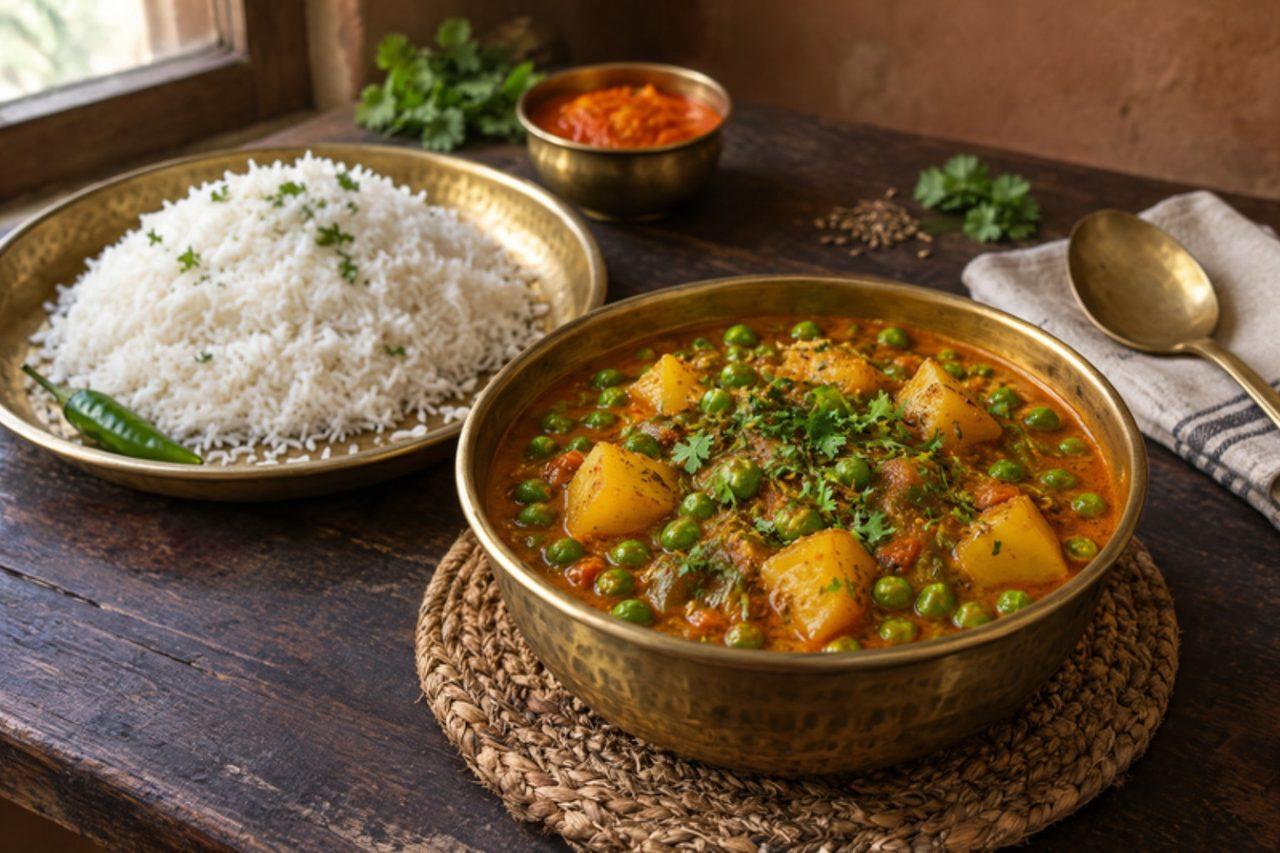
Kerau ko tarkari turns up on Nepali tables in winter, when fresh peas are cheap in Kathmandu's Asan market, and it is a favourite in children's tiffin boxes with beaten rice or roti. Potatoes and peas are simmered with cumin, tomato and a little timur pepper until the potatoes start to break and thicken a soft, golden gravy. It is mild enough for children and goes with rice, roti or sel roti. The usual mistake is adding the peas with the potatoes: fresh peas go grey and mushy, so add them once the potatoes are half cooked. Chef's tip: crush a few potato pieces with the back of the spoon at the end; it gives the gravy body without cream.

by KrazyBadal 0 views

Kohila curryLasia root curry

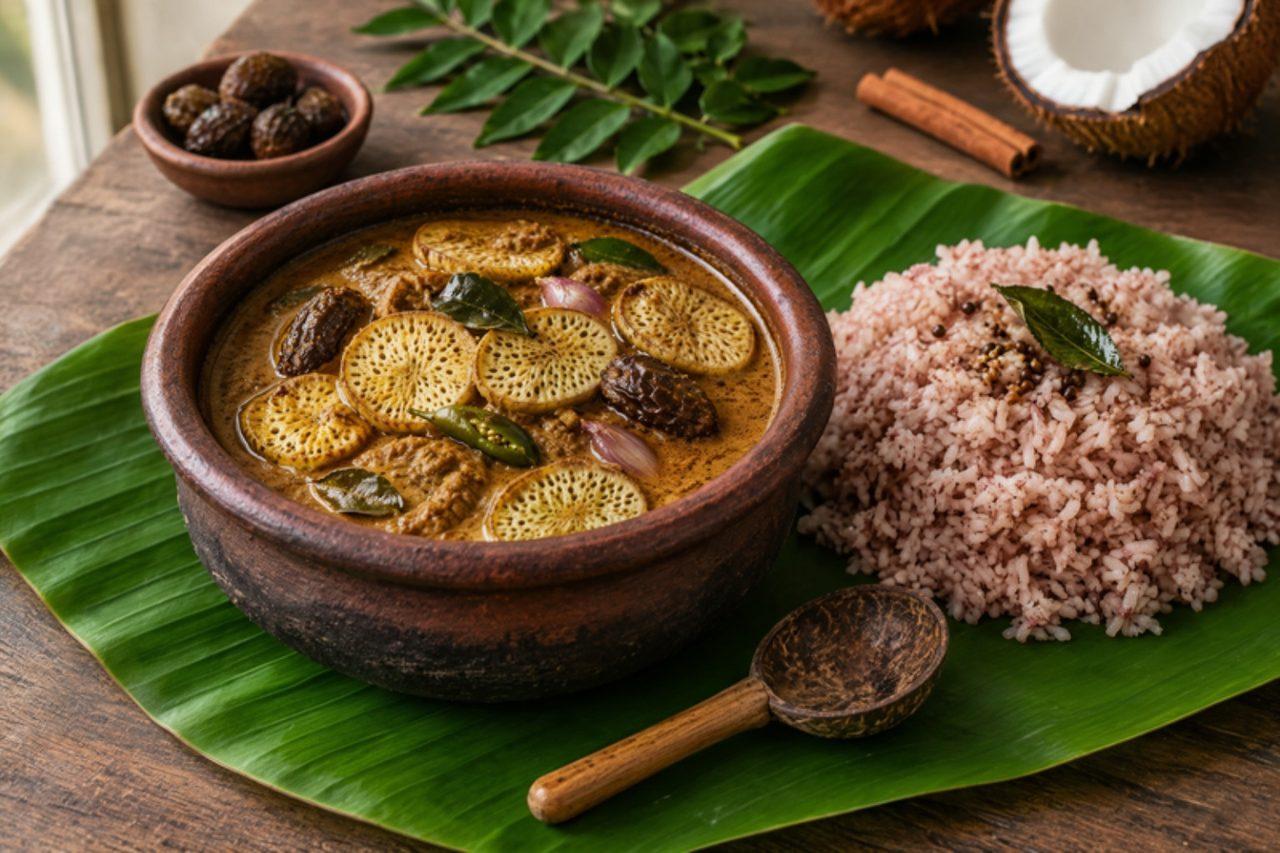
Kohila (lasia root) grows in the marshy paddy edges of Sri Lanka's south and west, and kohila curry is a traditional village dish, eaten at home and served at New Year and almsgiving lunches. The thorny stems and roots are peeled, sliced into crunchy rounds and boiled in tamarind water to take away their itchy bite, then simmered with roasted curry powder, mustard and coconut milk until tender but still slightly crisp. Serve with red rice and a green mallung. The usual mistake is skipping the boil, which leaves an itch in the throat. If you can't find fresh kohila, use frozen sliced kohila from Sri Lankan grocers. Chef's tip: wear gloves to peel kohila and drop the slices straight into water so they don't darken.

by KrazyBadal 0 views

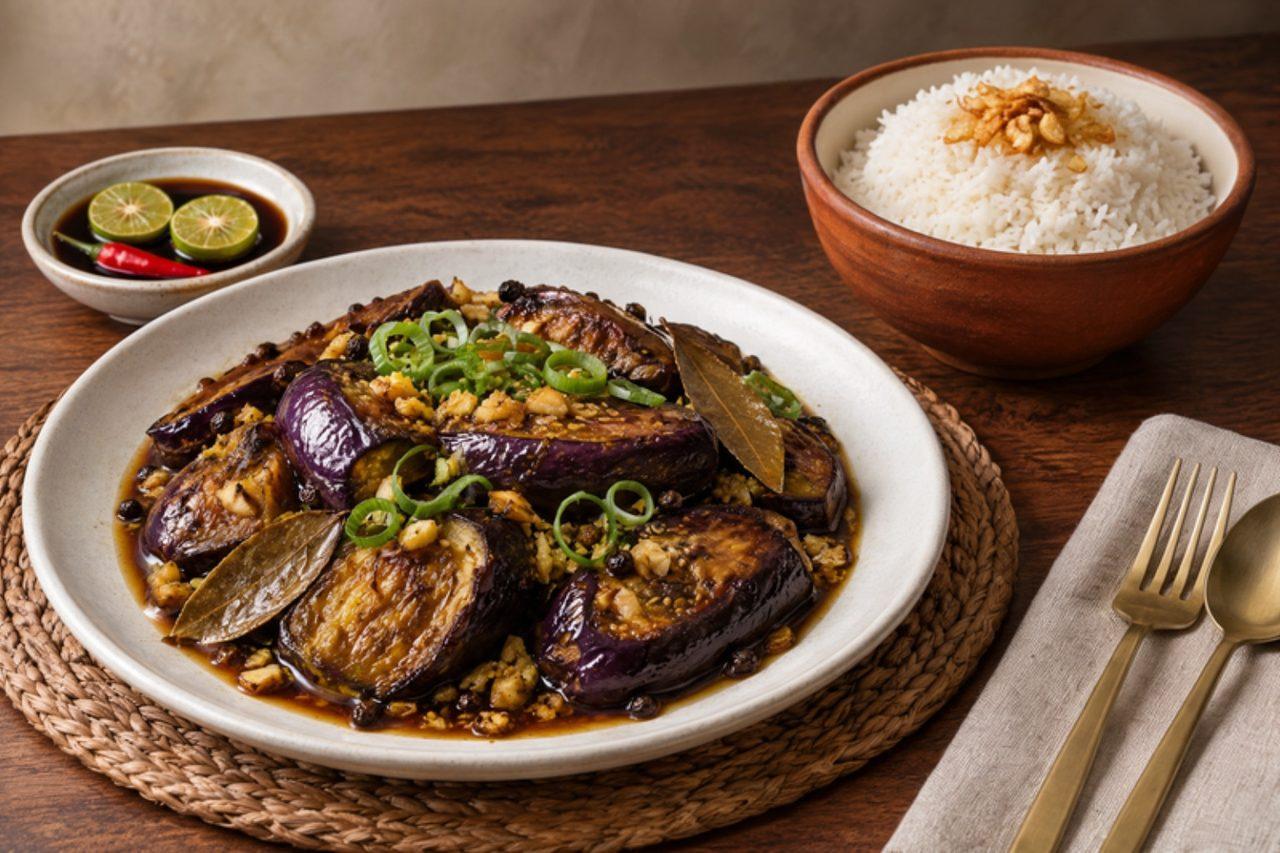
Adobong talong (aubergine adobo)

Adobo is a method in the Philippines, not a single dish, and when meat is short or it's Lent, Filipino families make it with long eggplant: fried until soft and browned, then simmered briefly in vinegar, soy sauce, garlic, bay and peppercorns. Like any adobo it tastes better the next day, which makes it a favourite for baon with rice. The common mistake is stirring as soon as the vinegar goes in; let it boil untouched for a minute first, or the sauce keeps a raw, sharp edge. Chef's tip: crush the garlic and fry half of it until golden to scatter on top at the end, for crunch.

by KrazyBadal 0 views

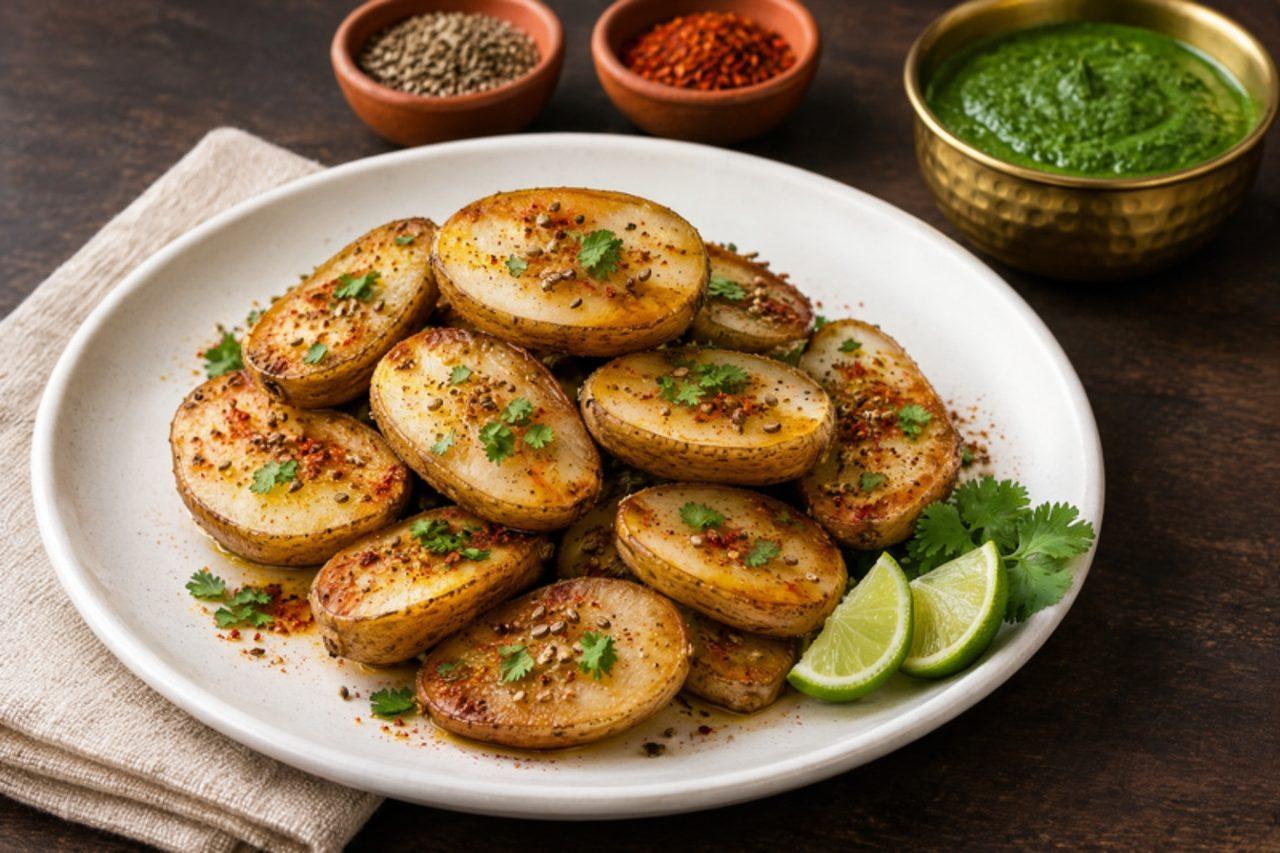
Ajwaini arbiPan-fried colocasia with carom seeds

Across Delhi, Punjab and Uttar Pradesh, arbi is the vegetable that goes into a dabba with ajwain rotis or plain phulkas: the small colocasia roots are boiled, flattened slightly and pan-fried with carom seeds, red chilli and dried mango powder until crisp outside and creamy inside. Ajwain is there for its flavour and because it is said to help digest the starchy root. The mistake is boiling the arbi too long: it turns slimy and falls apart in the pan. Cook it until just tender, then cool fully before peeling. Chef's tip: press each piece gently with your palm to crack it before frying; the cracks catch the spices and crisp up.

by KrazyBadal 0 views

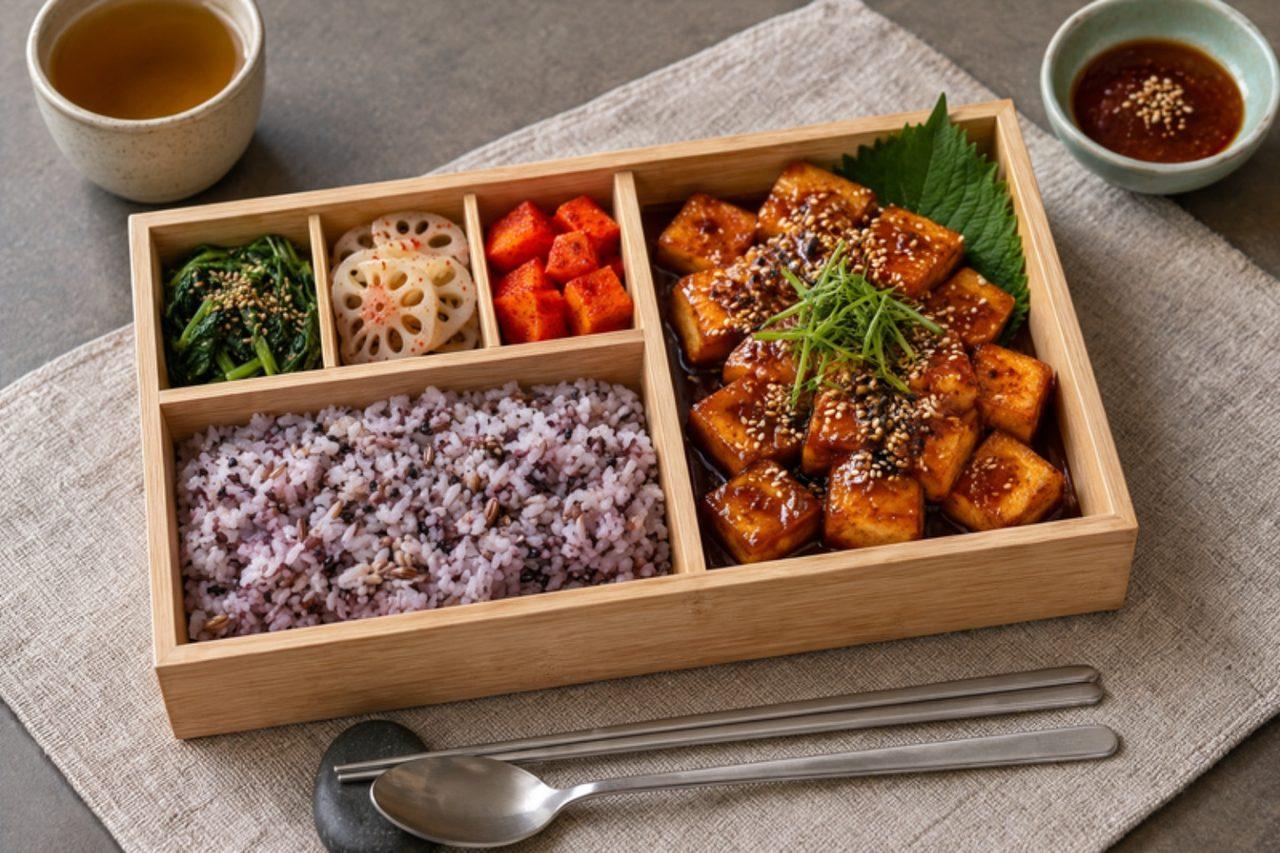
Dubu gangjeongSticky fried tofu cubes

Gangjeong usually means sticky glazed fried chicken, but Korean mothers make this tofu version for the dosirak because the starch coating stays crisp even after a morning in the lunchbox. The glaze is mild, sweet and garlicky, so children love it; add gochujang for the grown-ups. The common mistake is skipping the pressing, which leaves wet tofu that spits in the oil and goes soggy under the sauce. Chef's tip: let the fried cubes cool for two minutes before glazing, and boil the sauce to large, slow bubbles first, so it clings instead of soaking in.

by KrazyBadal 0 views

Peameal bacon sandwich

The peameal bacon sandwich is Toronto's signature breakfast, served from the stalls of St Lawrence Market since the early 1900s. Peameal bacon is cured but unsmoked pork loin rolled in yellow cornmeal (once ground dried peas, hence the name). Thick slices are griddled until golden and piled into a soft kaiser roll with yellow mustard. It is a Saturday market ritual. A common mistake is slicing too thin, which dries it out; aim for 5 mm. Chef's tip: cook it over a medium heat, not high, so the cornmeal crisps without burning before the pork is cooked.

by KrazyBadal 0 views

Chhena tarkariFried cheese cube curry

In Odia homes, from Cuttack to Puri, chhena tarkari is the special curry for a Sunday lunch, a guest or a festival day when the household eats no onion or garlic. Fresh chhena, the soft cheese Odisha also turns into rasagola, is pressed, cut into cubes and fried golden, then simmered with potato in a thin gravy of tomato, ginger and roasted cumin. The cubes stay soft and soak up the sauce, and the dish is eaten with rice, puri or paratha. Chhena is made by curdling milk with lemon juice, so it contains no rennet. The usual mistake is boiling the gravy hard after the chhena goes in, which breaks the cubes into crumbs. Chef's tip: fry the chhena cubes until golden on two sides only, then rest them in warm water for five minutes; they swell and turn spongy, just like an Odia grandmother's.

by KrazyBadal 0 views

Mela grattugiata (grated apple)

Ask any Italian nonna what a baby has for merenda, the mid-afternoon snack, and she will mime grating an apple: in homes from Turin to Bari, a sweet apple is grated very finely on the small holes of a grater and spooned up at once, before it turns brown. Paediatricians in Italy suggest it from six months, and for the first few times many parents steam the apple briefly so it is softer still. It tastes fresh and naturally sweet; the old habit of crumbling in a biscuit or a spoon of sugar is not for babies under one, and honey never. It is free of the major allergens. Chef's tip: a squeeze of lemon is often added to stop browning, but for babies simply grate it right before serving.

by KrazyBadal 0 views

Aussie salad sandwich

The salad sandwich is the backbone of the Australian lunchbox and the school tuckshop order: soft bread built up with tinned beetroot, grated carrot, tasty cheese, tomato and crisp lettuce, cut into triangles and wrapped in paper. Beetroot is what makes it unmistakably Aussie. The common mistake is laying wet beetroot and tomato straight on bare bread, so by lunchtime it is pink and soggy. Many Cheddar-style "tasty" cheeses use animal rennet; choose one labelled vegetarian. Chef's tip: butter both slices to the edge and put the cheese and lettuce next to the bread, with the wet fillings sealed in the middle.

by KrazyBadal 0 views

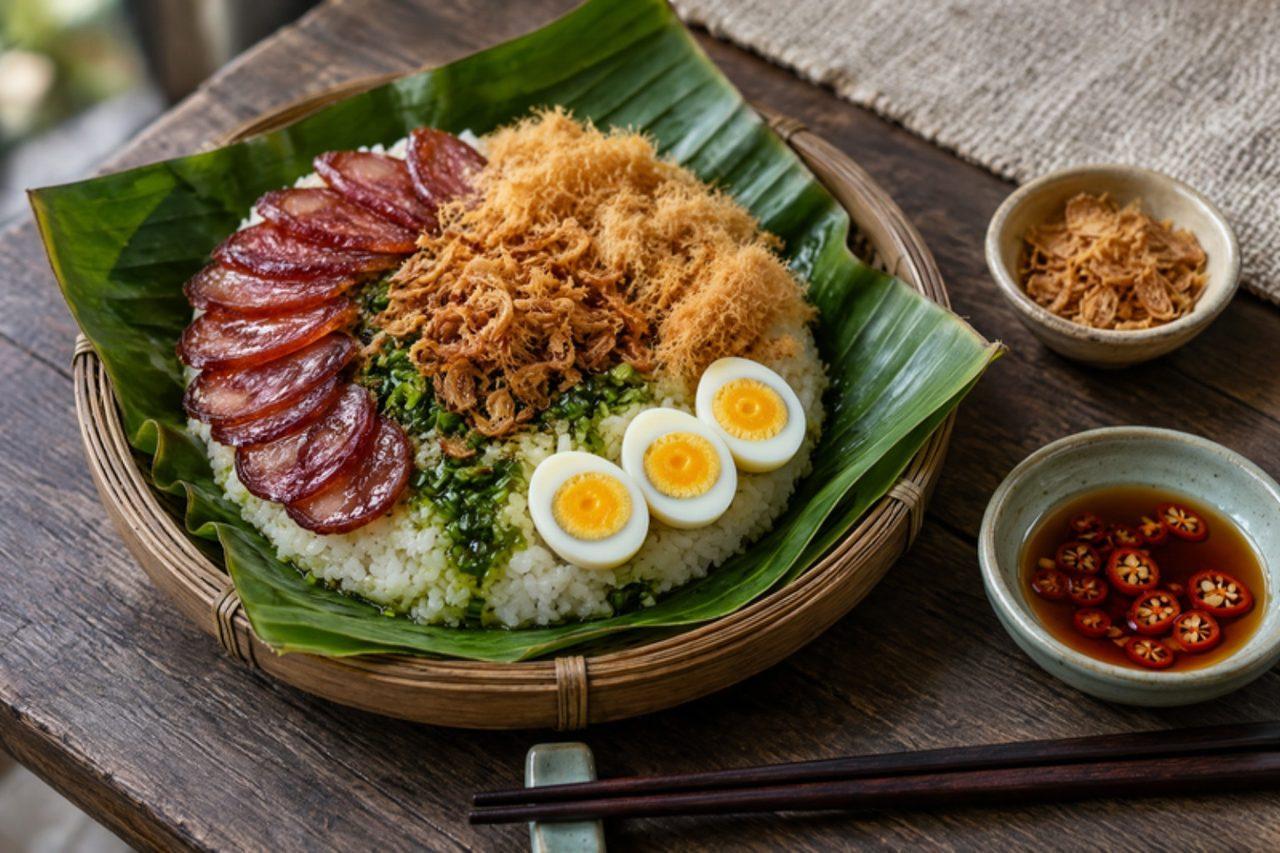
Xôi mặnSticky rice with sausage

In Ho Chi Minh City, xôi mặn is bought from a street cart in a banana leaf or a foam box and eaten at your desk for breakfast or lunch: chewy sticky rice under sweet slices of lạp xưởng (Chinese pork sausage), pork floss, braised quail eggs, spring onion oil and crisp shallots. Soak the rice for at least 4 hours or overnight before you start. The common mistake is steaming unsoaked rice, which stays hard in the middle. Chef's tip: sprinkle the rice with salted water halfway through steaming and fluff it, so every grain turns glossy and evenly soft.

by KrazyBadal 0 views

Pâté en croûtePork and veal pie in pastry

Lyon's charcuteries display pâté en croûte like jewellery: a tall loaf of crisp, golden pastry wrapped around a coarse terrine of pork and veal. A slice wrapped in paper is a picnic and lunchbox luxury, and the whole loaf is a Sunday project eaten over several days. The common mistake is undercooking it for fear of drying it out: as it is made with minced pork, the centre must reach 71 °C, so use a probe thermometer. The classic farce has a splash of cognac; it's optional here, and apple juice or extra stock is the alcohol-free swap. Chef's tip: chill the filled, unbaked loaf for 30 minutes before baking so the pastry keeps its shape and pattern.

150 minFrenchMeat
by KrazyBadal 0 views

Kluay pingGrilled banana

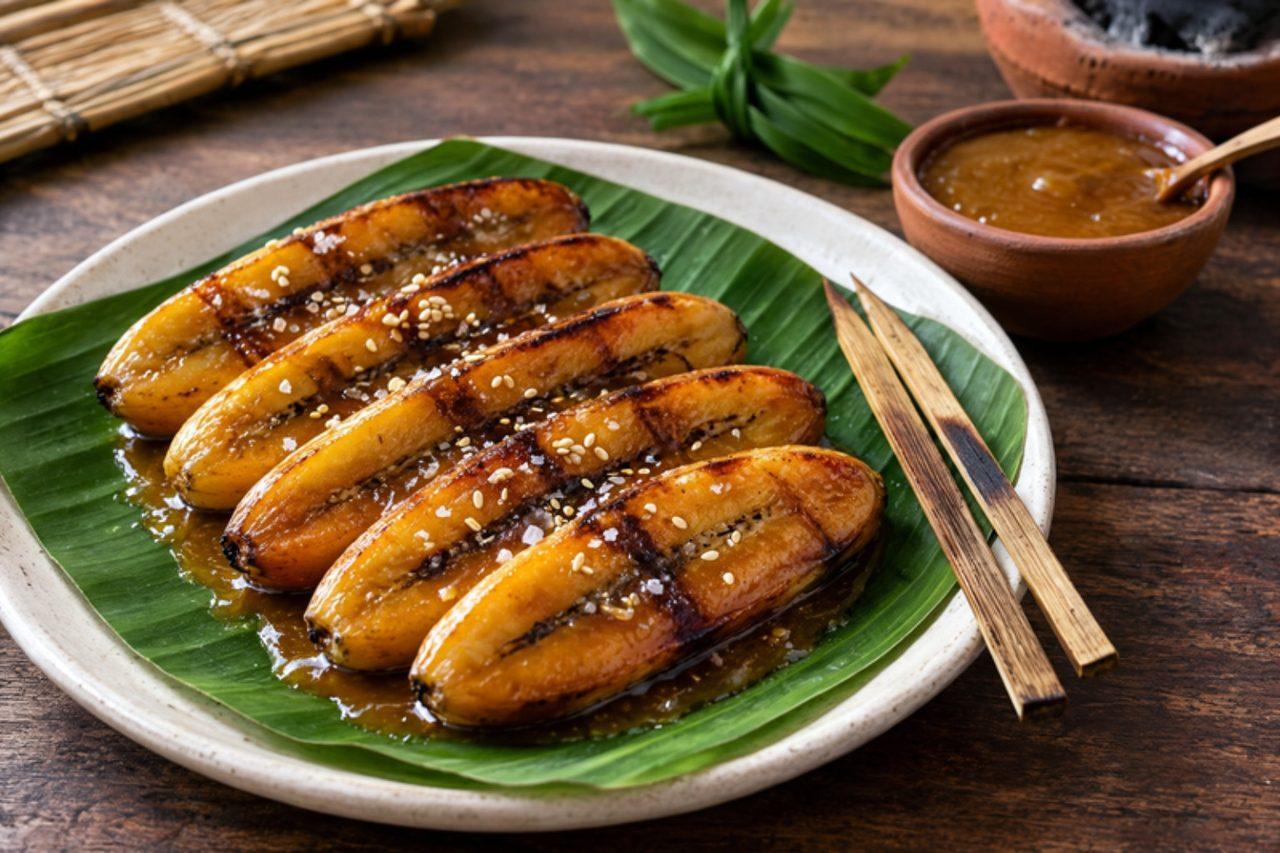
Kluay ping carts work the pavements of Silom and the lanes off Sukhumvit from mid-morning, when office workers want something sweet with their iced coffee. The vendor grills small, starchy nam wa bananas slowly over embers, presses each one flat with a wooden board and then brushes it with coconut cream cooked down with palm sugar and a pinch of salt. The outside turns sticky and smoky; the inside stays soft and fudgy. Ladyfinger bananas or firm, just-ripe small bananas work at home. Chef's tip: choose bananas that are yellow with no brown spots; overripe fruit turns to mush on the grill.

by KrazyBadal 0 views

Bissy tea (kola nut tea)

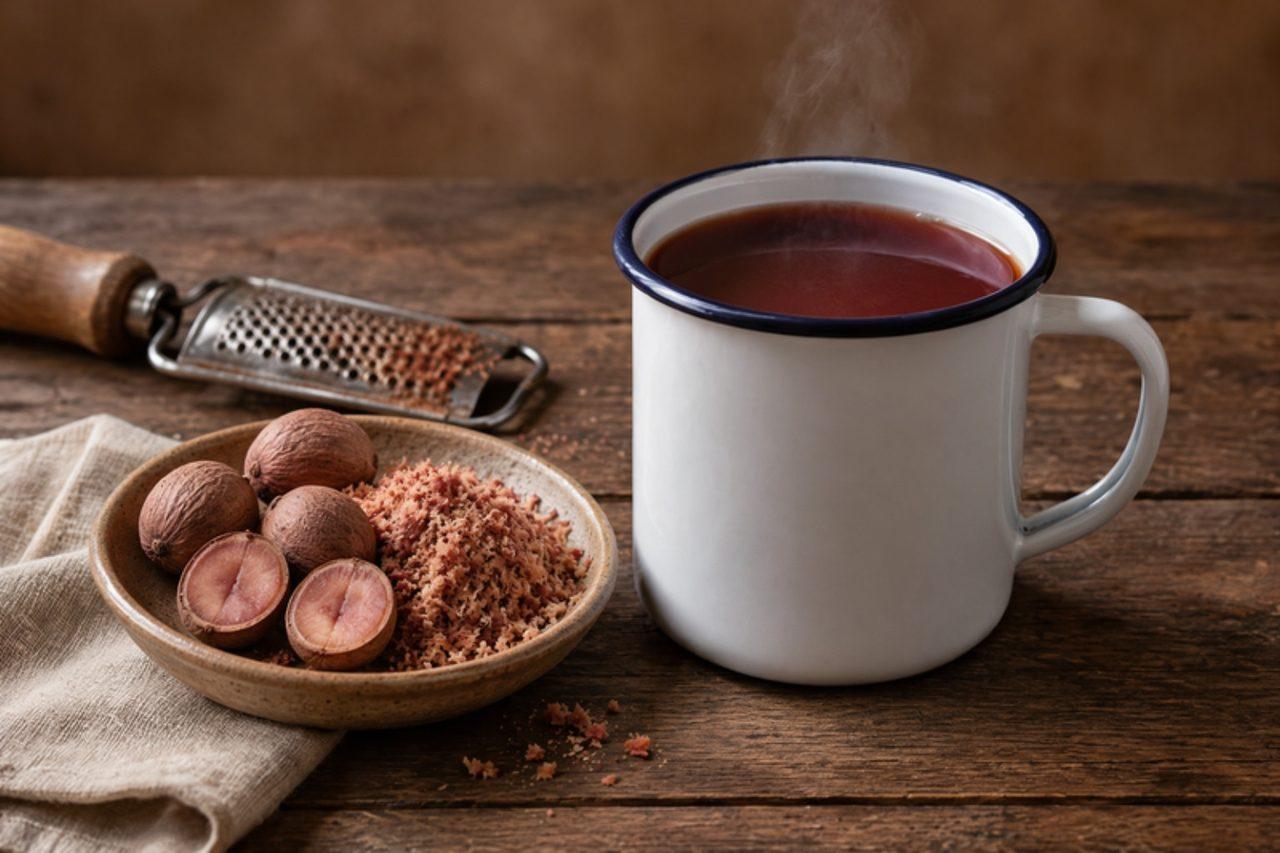
Kola trees came to Jamaica with enslaved West Africans, and the nut, called bissy on the island, has stayed in country medicine ever since. Older people in St Mary, St Elizabeth and the hills of Clarendon still keep a dried bissy in the kitchen and grate some into boiling water when the stomach is upset or after eating something that disagreed with them,. Parched in a dry pan first, the grated nut gives a reddish-brown tea that smells faintly of cocoa and tastes bitter and astringent, softened by plenty of sugar. The common mistake is boiling raw, ungrated nut and expecting much flavour: whole pieces give little. Grate it finely, parch it until it darkens and smells like toasted cocoa, then boil. It is ready when the tea is a deep reddish-brown and coats the tongue with bitterness. Kola nut is very high in caffeine, as strong as a big mug of coffee or more, so drink one cup, not late in the day, and keep it away from children, pregnant people and anyone sensitive to caffeine or with heart trouble. Chef's tip: strain it through a fine cloth; the grated nut leaves a gritty sediment that a sieve lets through.

by KrazyBadal 0 views

Kathirikai gothsuSmoky aubergine tamarind gravy

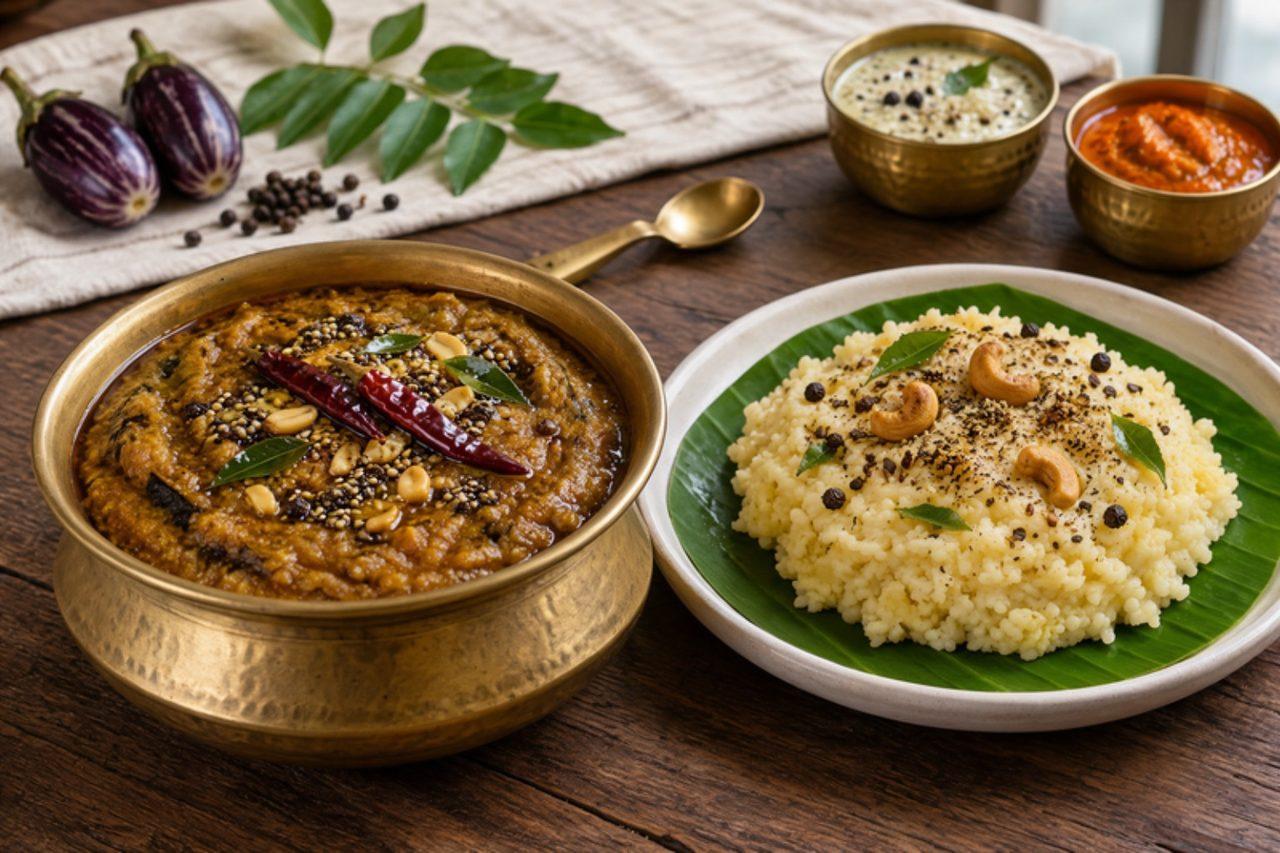
At the Nataraja temple in Chidambaram, ven pongal, the peppery rice and moong porridge, is always served with gothsu, and the pairing has spread to breakfast tables and wedding feasts all over Tamil Nadu. Brinjal is charred over the flame, mashed and simmered with a little moong dal, shallots and tamarind, then seasoned with a freshly roasted powder of coriander, chana dal and chilli. The result is smoky, tangy and spoonable, also good with idli or dosa. The usual mistake is using big, seedy aubergines: choose small, firm, glossy ones, which are sweeter. Chef's tip: char at least one brinjal right over the gas flame until the skin is black all over; that smoky note is what makes Chidambaram gothsu.

by KrazyBadal 0 views

Teh talua (egg tea)

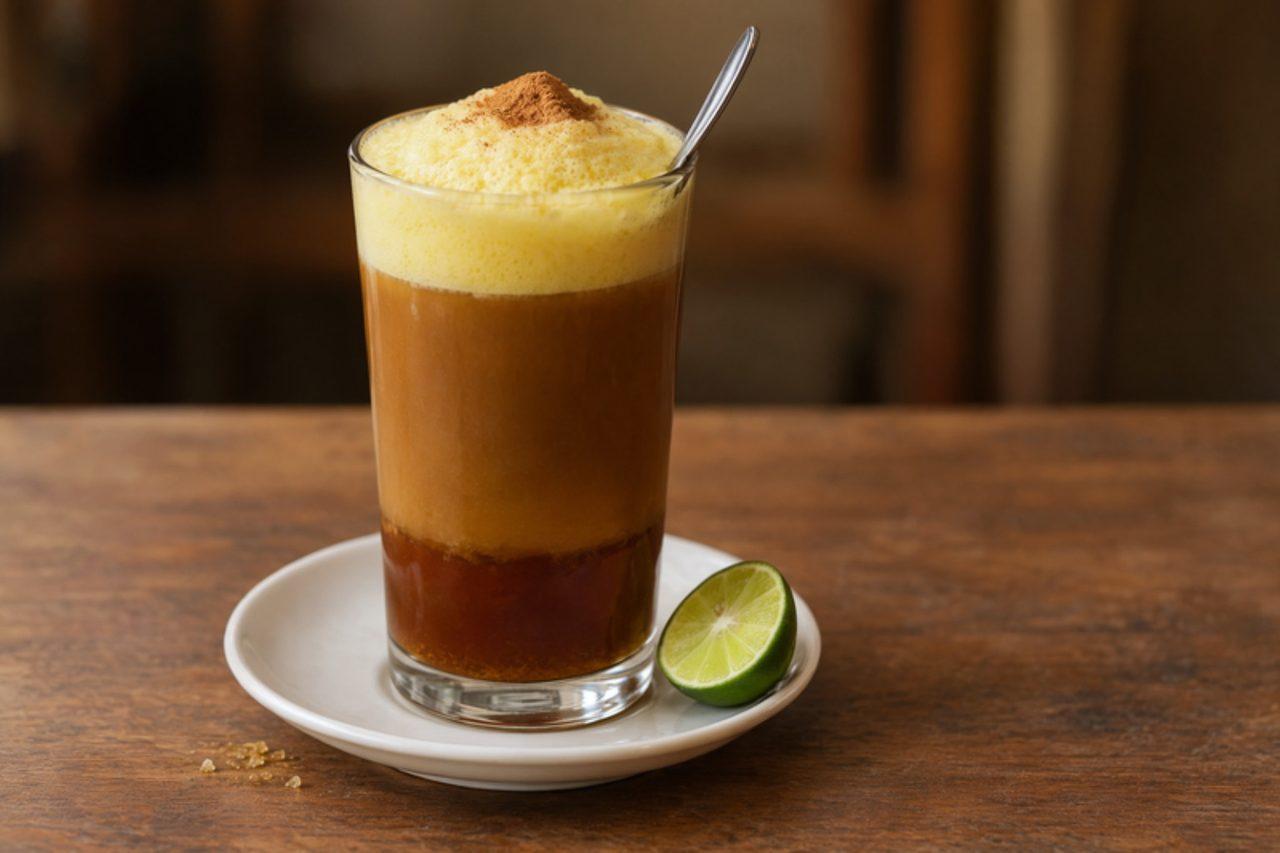
In the lapau coffee shops of Bukittinggi, Payakumbuh and Padang, the sound of a spoon or a small whisk clattering against a glass means someone has ordered teh talua. A raw egg yolk, traditionally from a free-range kampung hen or a duck, is whisked with sugar until thick and almost white, strong hot tea is poured on from a height, and a wedge of lime goes on the side. Minangkabau men drink it in the late afternoon or evening as a pick-me-up after work in the fields. It comes out with a creamy, caramel-coloured body under a deep layer of foam, rich like a light custard, with the lime cutting any eggy edge. The common mistake is whisking too little: the yolk stays yellow, the tea curdles it in strings and it smells of egg. Beat until the yolk has doubled in volume and falls in a thick ribbon. Use pasteurised eggs for anyone pregnant, babies and small children, older people or anyone unwell, as the yolk is only lightly warmed. Some lapau add condensed milk; this one is dairy-free. It contains caffeine. Chef's tip: pour the tea in a thin stream from high up while still stirring, to build the tallest foam.

by KrazyBadal 0 views

Showing 54 of 7,888 recipes

Show more recipes

Page 77 of 877