


Skip to content
Turte cu julfă
Featured recipe

Turte cu julfă

Hemp seed cream pastry stack

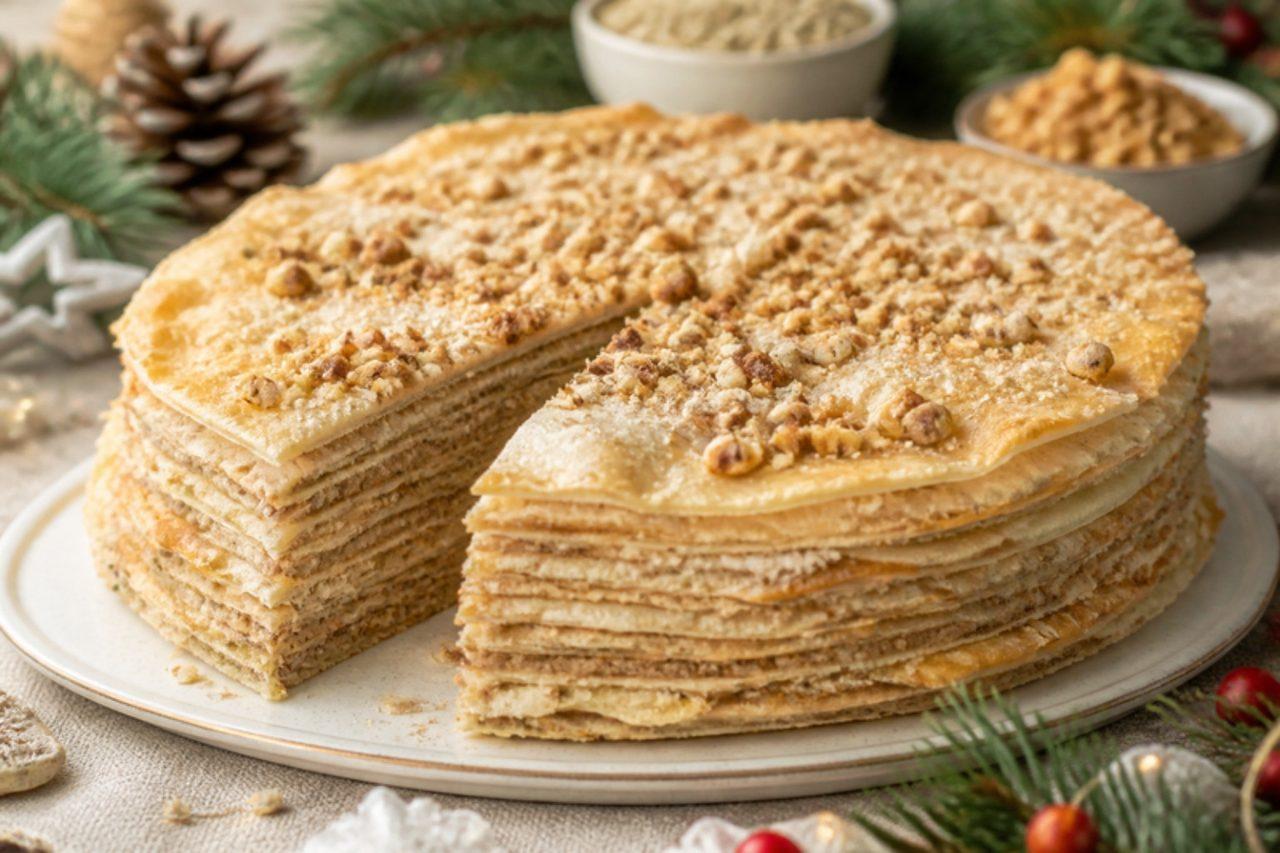
On Christmas Eve (Ajunul Crăciunului), the last day of the Advent fast, old Moldavian households around Neamț and Suceava set out turte cu julfă: paper-thin baked sheets of dough stacked with a sweet cream of ground hemp seed and crushed walnuts. The sheets are said to stand for the swaddling clothes of the Christ child, and the whole cake is vegan so it can be eaten while the fast still holds. Soaked with syrup and left overnight, it softens into a dense, nutty, gently sweet slice. Buy food-grade hulled hemp seeds (hemp hearts), which are sold as a food and contain no intoxicating THC. A common mistake is cutting the cake straight away; it needs a night in the fridge to soften and hold together. Chef's tip: bake the sheets a day or two ahead and let them dry on a rack, as dry sheets soak up the syrup more evenly.

Read more 0 views

What to eat today?

Around the world

Today's trip: Paraguayan

A new country every day, from every cuisine on the site.

Paraguayan

Chipa

Cheese bread rings 50 minMore from Paraguayan (27) →

This week's collection

Kid-friendly dinners
537 recipes · a new collection every Monday

Latest recipes

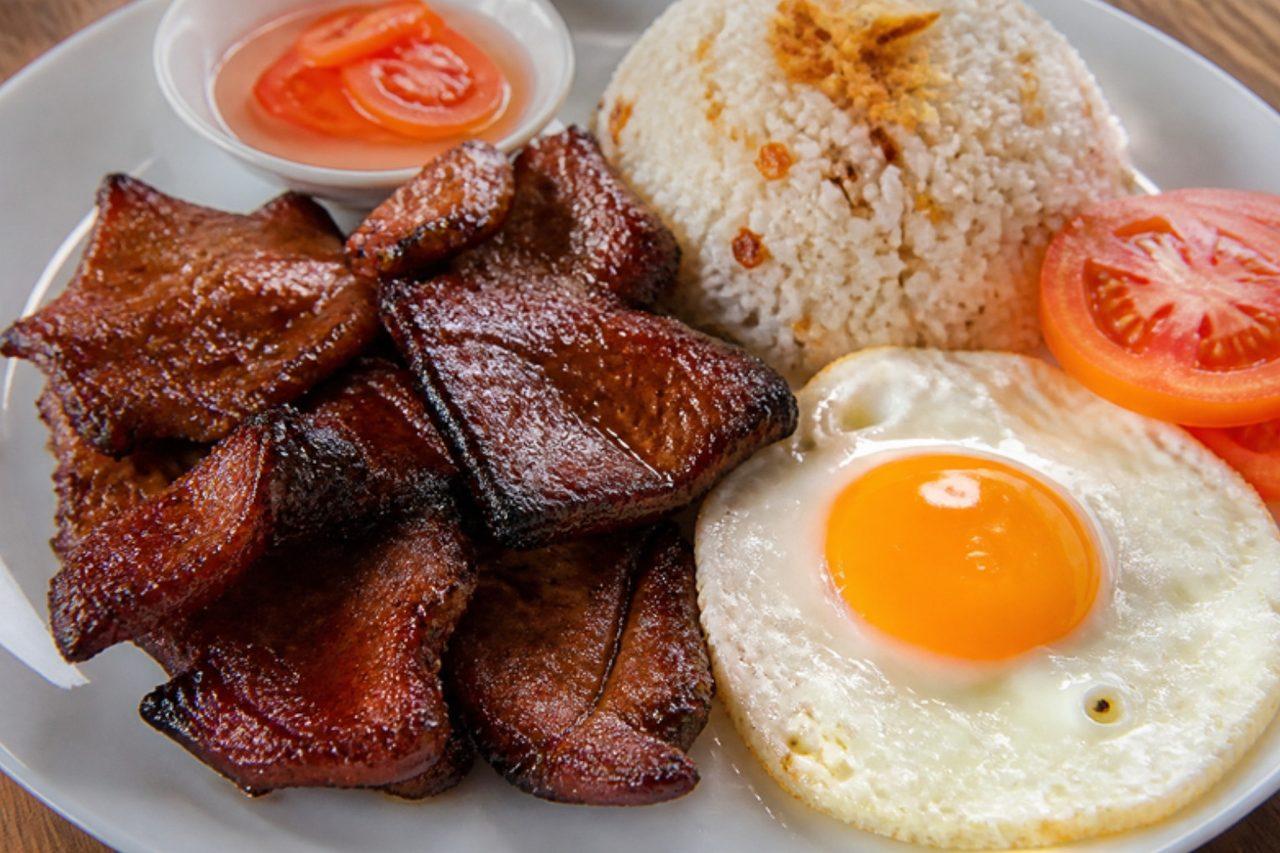
Pork tocinoSweet cured pork

In Pampanga, tocino is breakfast: thin slices of pork shoulder in a sweet, garlicky marinade, fried until the sugar caramelises at the edges, then served with garlic fried rice and a fried egg as 'tosilog'. Shop tocino is often bright pink from curing salts; this home version leaves those out, so it is a sweet marinated pork rather than a true cure, gets its warm red colour from annatto and paprika, and must be kept in the fridge and cooked within 3 days (or frozen). Look for pork with a little fat running through it so it stays juicy. Chef's tip: start it in a splash of water; the pork simmers through first, then the sugar glazes once the water is gone, so it doesn't burn before it's cooked.

by KrazyBadal 0 views

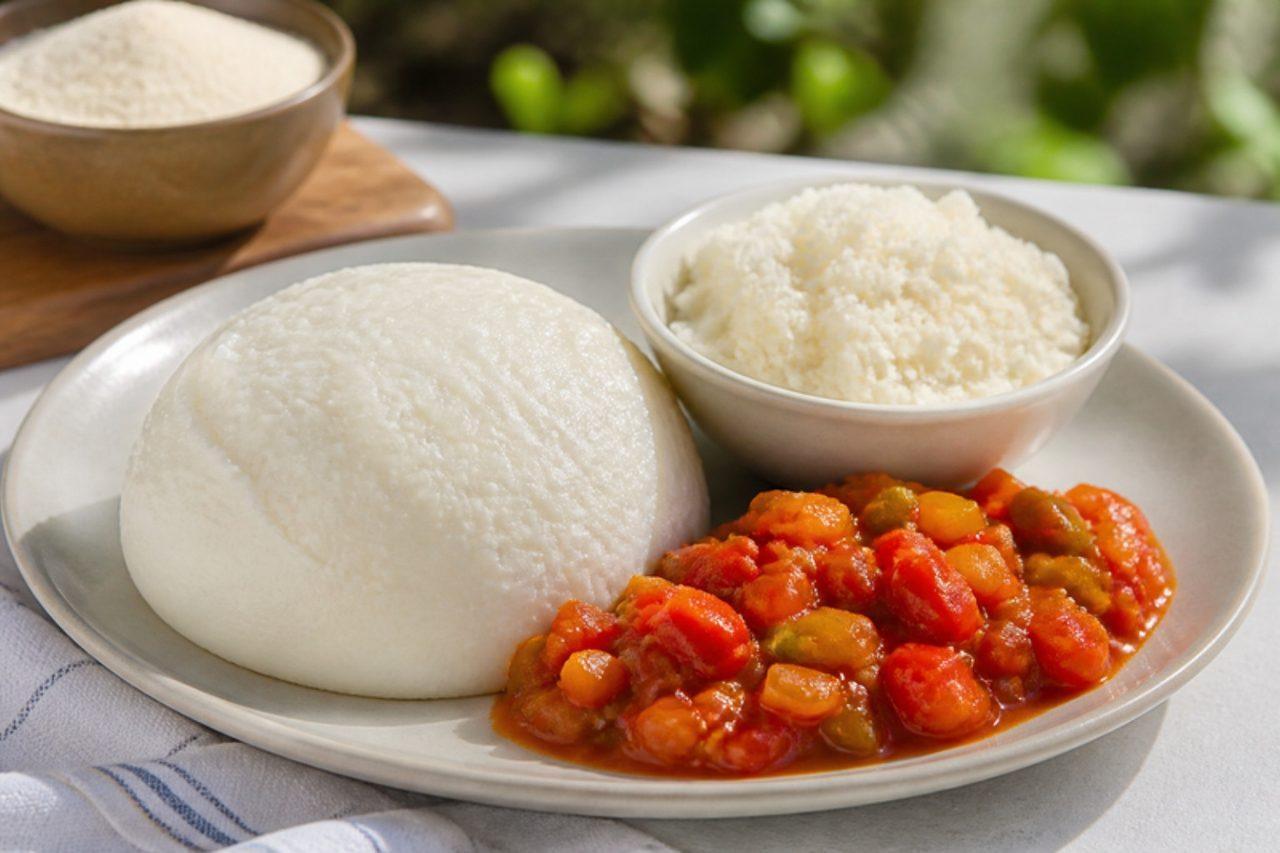
Pap (stywe pap and krummelpap)Maize porridge

Pap is the everyday staple of South Africa, eaten in Soweto kitchens and Limpopo villages at almost every evening meal, and in a three-legged pot at every braai. It is plain white maize meal cooked in water, in two main styles: stywe pap (stiff pap), smooth enough to roll into balls and dip into relish, and krummelpap (crumbly pap), steamed into dry, fluffy crumbs. Both are eaten with chakalaka or a tomato-and-onion sauce. Chef's tip: wet the meal to a paste before it hits the boiling water, or you'll be fighting lumps for the next 20 minutes.

by KrazyBadal 0 views

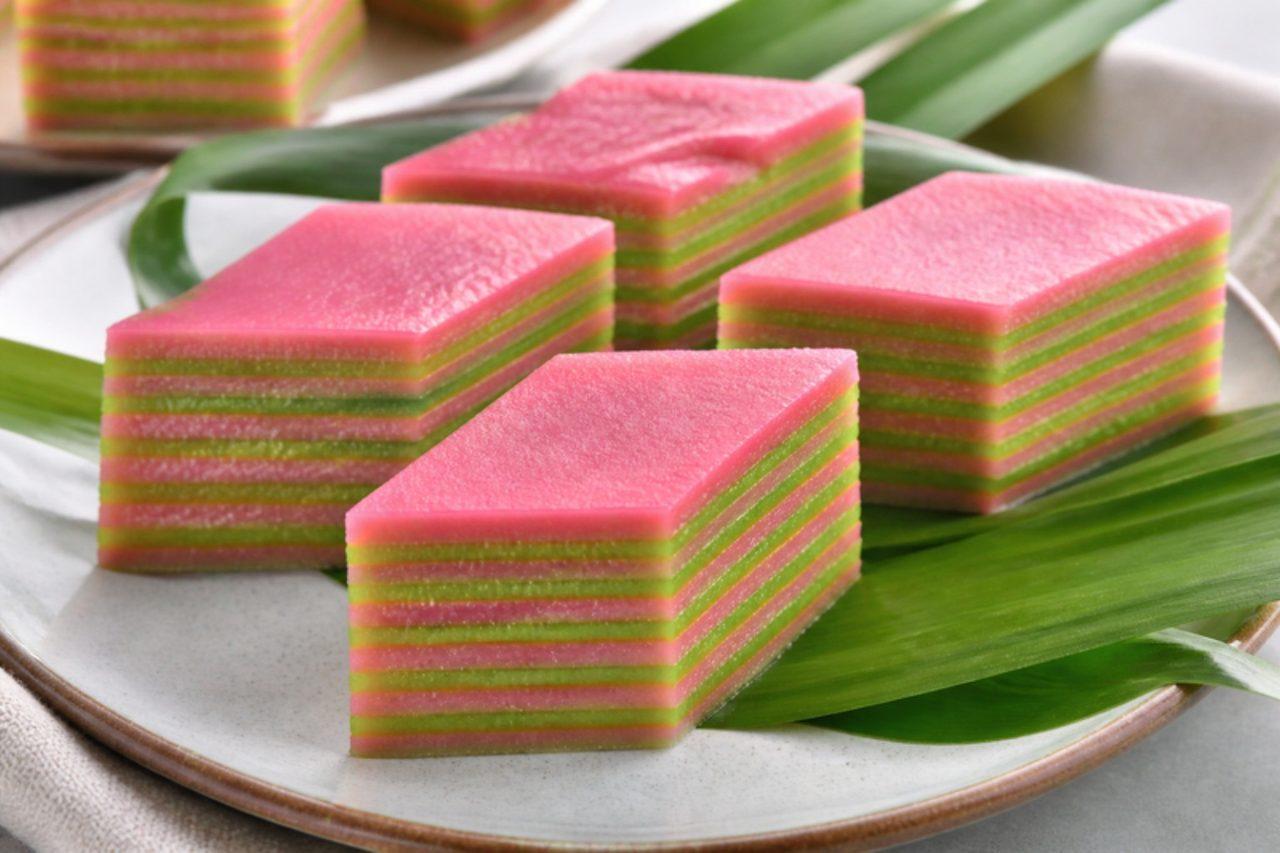
Kuih lapisSteamed layered coconut cake

Kuih lapis is the striped, bouncy cake piled on trays at Malaysian pasar malam (night markets) and laid out for guests at Hari Raya, Deepavali and Chinese New Year open houses. It's built from a thin coconut-milk batter of rice flour and tapioca starch, steamed one layer at a time, so each slice shows nine neat stripes, and children everywhere peel them off one by one. The texture is soft, springy and slightly chewy; the flavour is gentle coconut and pandan. It takes patience rather than skill. Chef's tip: steam the empty tin for 5 minutes before the first layer, so it sets evenly from the bottom.

by KrazyBadal 0 views

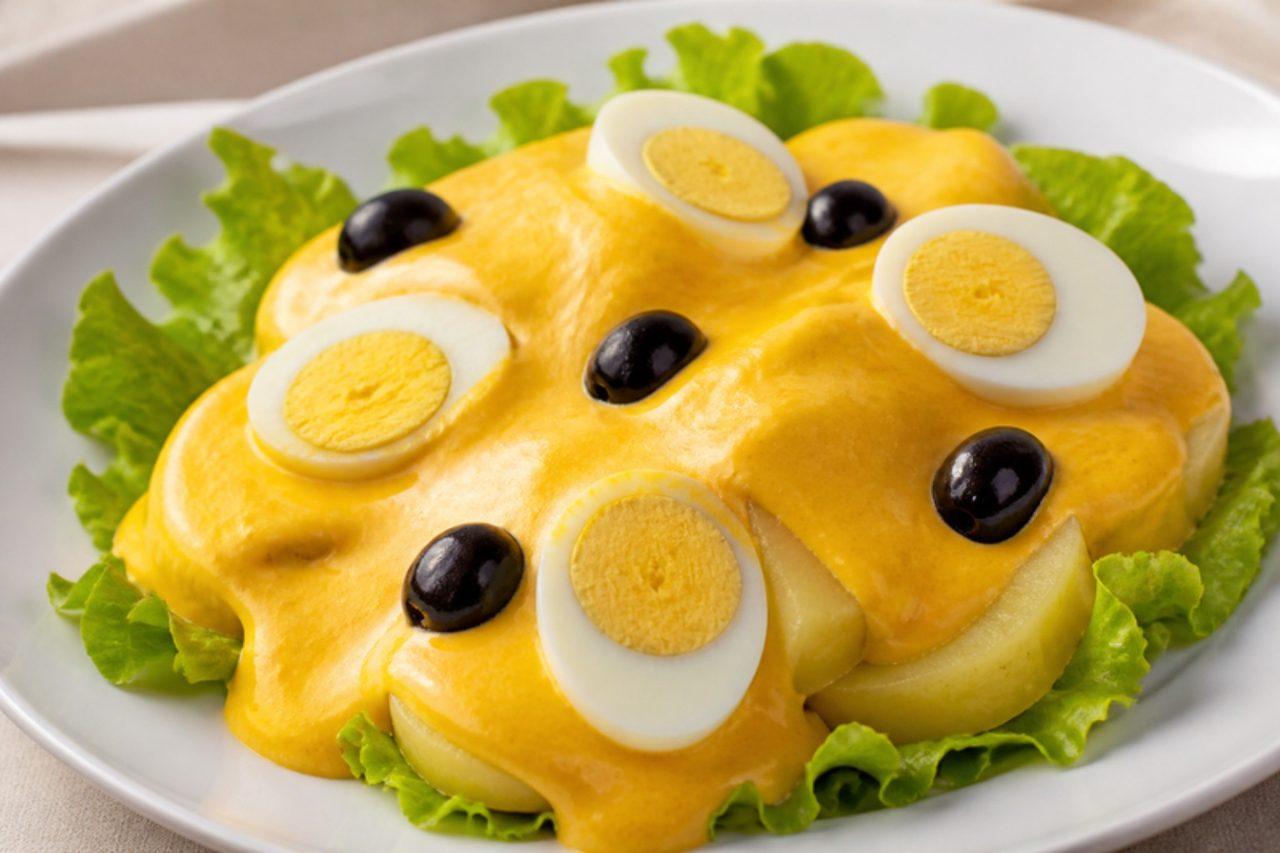
Papa a la huancaínaPotatoes in spicy cheese sauce

Papa a la huancaína is named after Huancayo in Peru's central Andes, but it is eaten everywhere, from Lima's set-lunch counters to Sunday family tables. Thick slices of cold boiled potato are blanketed in huancaína sauce, a silky, mildly hot sauce of ají amarillo, fresh cheese and evaporated milk, then finished with boiled egg and black olives. It is served cold as a starter, and the sauce is also the favourite dip for boiled corn and fried yuca. Use a queso fresco made with vegetarian rennet if you want it fully vegetarian (or a mild feta rinsed of salt). Chef's tip: fry the chillies, onion and garlic before blending; this takes off their raw edge and gives the sauce its rounded, sweet heat.

by KrazyBadal 0 views

Kueh pie teeCrisp pastry cups with jicama

Pie tee are thin, crunchy fried cups shaped like little top hats, made with a brass mould dipped in batter and plunged into hot oil. Peranakan cooks in Melaka and Penang fill them with finely shredded jicama and carrot braised in garlic, then top them with egg, coriander and a dot of sweet chilli sauce. They are a festive starter for Chinese New Year and weddings. Prawns usually crown each cup; this version uses fine strips of omelette. If you have no mould, shop-bought cups are fine. Chef's tip: heat the mould in the oil before each dip; a cold mould won't hold the batter.

by KrazyBadal 0 views

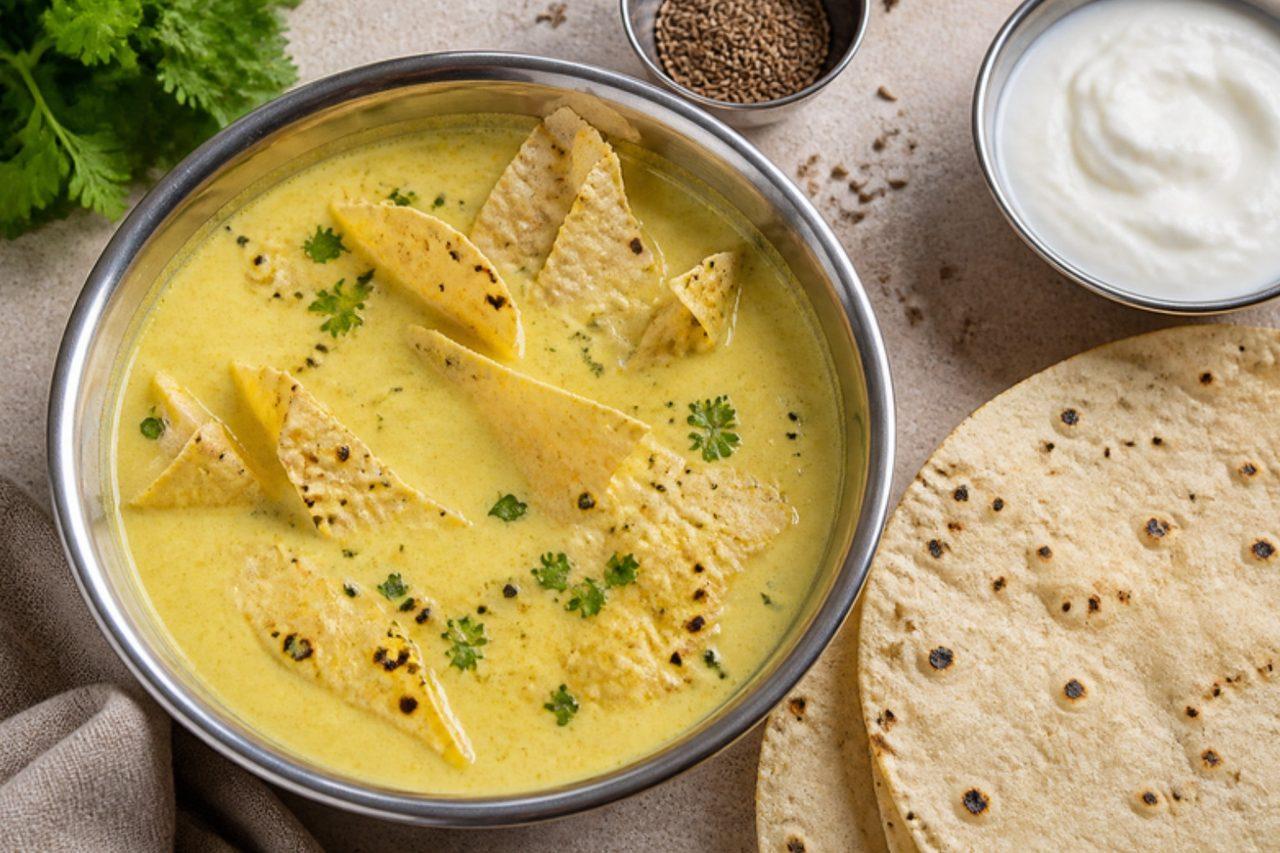
Papad ki sabziPapad curry

Papad ki sabzi comes from Rajasthan's dry interior, where fresh vegetables were scarce and pantries relied on sun-dried staples. Roasted papads are broken into a hot, spiced yogurt gravy at the last minute, so they soften but keep a little chew. Marwari households still make it on days when the vegetable basket is empty, eating it with bajra roti or phulka and a little ghee. Because it's ready in minutes, it's also a favourite for unexpected guests. The common mistake is adding the papads too early: they swell and turn to mush. Chef's tip: go easy on the salt, because papads are already well salted; season after tasting with the papad in.

by KrazyBadal 0 views

PapanașiFried cheese doughnuts

Papanași are the dessert Romanians order after almost any restaurant meal, from the old town of Bucharest to the mountain chalets of Sinaia and Bran. A soft dough of fresh cheese, egg and semolina is shaped into a ring with a little ball on top, fried until puffed and golden, then crowned with cold smântână and sour cherry or blueberry jam. Warm, tangy and very rich, one is a full dessert. Chef's tip: use dry, crumbly cheese and drain it if it's wet; a common mistake is a sloppy dough that soaks up oil and falls apart, so add flour only until it just stops sticking.

by KrazyBadal 0 views

Polos curryYoung green jackfruit curry

Polos is the tiny unripe jackfruit picked in the Western and Sabaragamuwa provinces long before it sweetens, and cooked low and slow it becomes one of the island's most loved festival curries, especially at Sinhala and Tamil New Year in April and at wedding lunches. The firm, pale flesh soaks up a very dark roasted curry powder, garlic, ginger, goraka (a smoky souring fruit) and coconut milk until it turns almost black-brown and tastes rich, sour and meaty. Fresh polos is hard to find abroad; tinned young green jackfruit in brine works well. A frequent mistake is not cooking it long enough, which leaves it squeaky; the pieces must be soft enough to break with a spoon. Chef's tip: oil your hands and knife before cutting fresh jackfruit; the sticky white sap washes off oiled skin but not dry skin.

by KrazyBadal 2 views

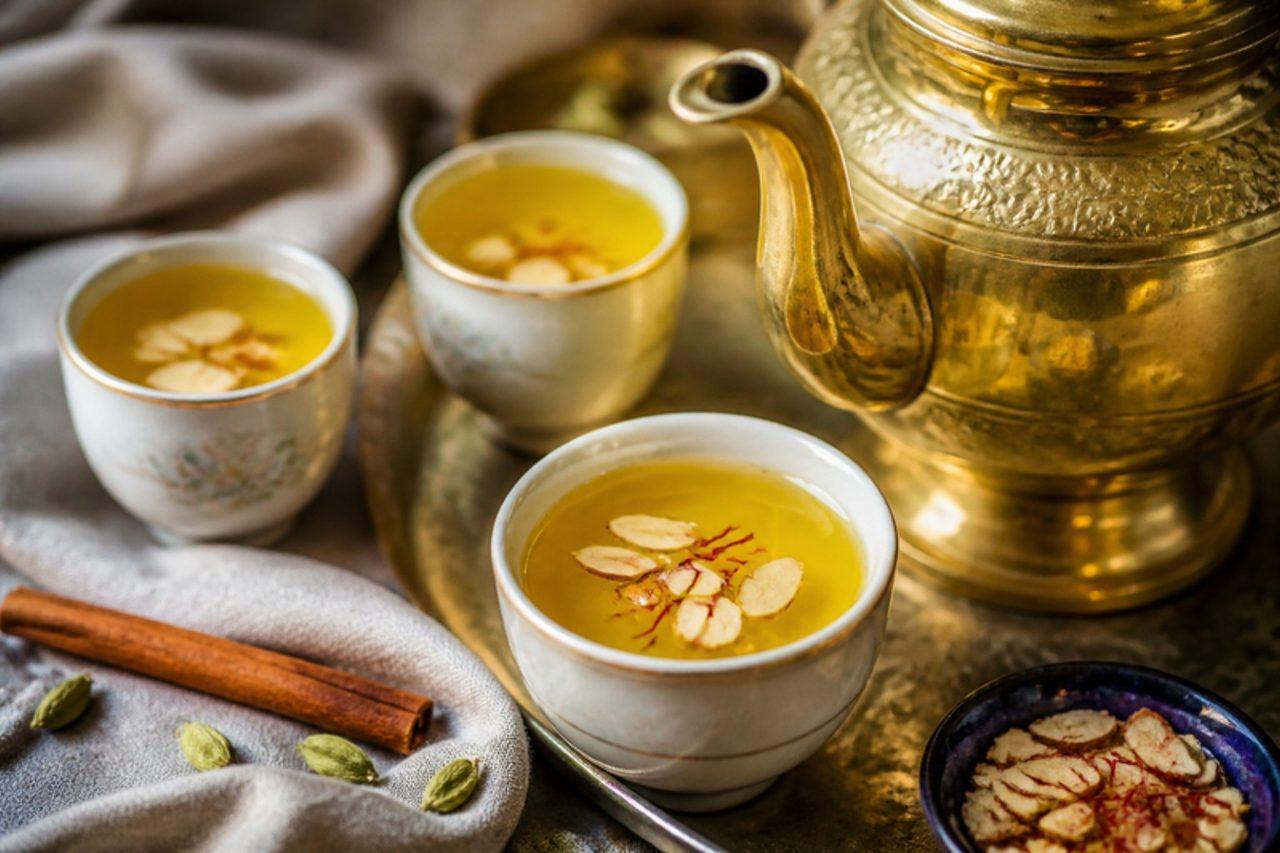
KahwaSaffron green tea

Kahwa is the warming green tea of Kashmir, traditionally brewed in a brass samovar and poured for guests on cold winter days. Green tea leaves are infused with saffron, green cardamom and cinnamon, sweetened lightly and served with slivered almonds in each cup. It's golden, fragrant and soothing, and is drunk after heavy meals to help digestion. Chef's tip: never boil the tea leaves; simmer the spices first, then let the tea steep off the heat for just 2 minutes or it turns bitter.

by KrazyBadal 0 views

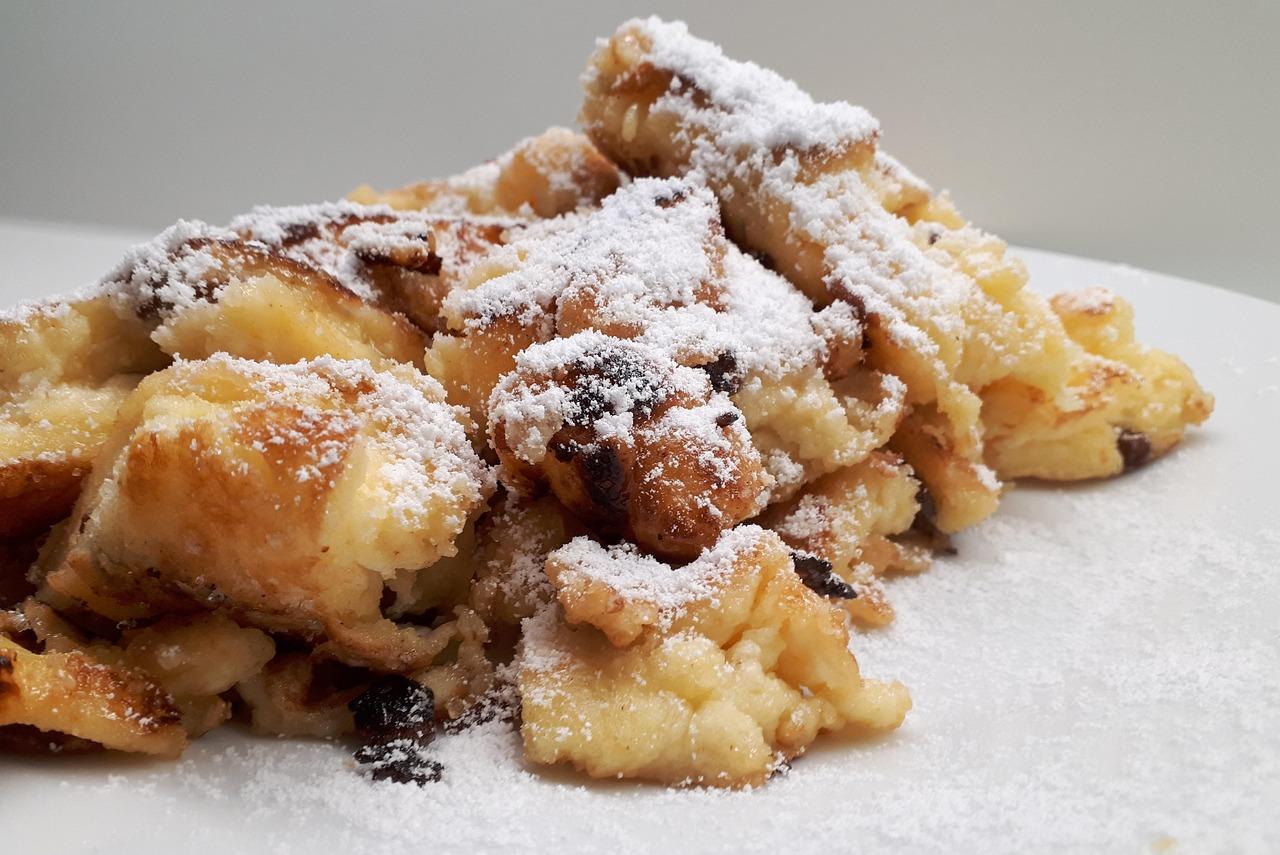
KaiserschmarrnTorn raisin pancake

Kaiserschmarrn, the 'emperor's mess', is Austria's favourite sweet meal, said to have been made for Emperor Franz Joseph, and today it's served from huge pans in every ski hut in Tyrol and Salzburg and in Viennese restaurants. It is a thick, fluffy pancake made with whisked egg whites, torn into rough pieces in the pan with two forks, then caramelised with butter and sugar and heaped with icing sugar. Eat it with Zwetschkenröster (plum compote) or apple sauce. Chef's tip: let the pancake set and brown properly underneath before tearing it up; tear it too early and you get scrambled batter instead of soft, golden pieces.

by KrazyBadal 0 views

KajaikDried fish stew

Kajaik is a stew from the Nile towns of northern Sudan, where fish from the river is salted and sun-dried to keep through the year; it is cooked with plenty of onion, tomato and a spoonful of peanut butter and eaten with aseeda (thick porridge) or kisra. The flavour is deep and savoury, a little like a rich fish curry without the heat. The mistake is not soaking the dried fish long enough, which makes the stew far too salty and the fish tough; soak it overnight and change the water twice. Chef's tip: if you can't find dried Nile fish, salted dried cod (bacalao) works well.

by KrazyBadal 0 views

Khasta kachori with aloo sabziFlaky urad dal pastries with potato curry

In the lanes of Old Delhi, breakfast often means a leaf plate of khasta kachori broken into a hot, thin potato curry, with a dollop of pickle and a cup of chai. The kachoris are large and flat with a peppery filling of coarsely ground urad dal, fried slowly until they blister and puff, and the aloo sabzi is fiery with chilli and sharp with tomato and dried mango. It's a weekend dish, filling enough to last until lunch. Chef's tip: break the boiled potatoes by hand rather than chopping them; the rough edges melt into the gravy and thicken it naturally.

by KrazyBadal 0 views

Salata aswadAubergine and peanut butter salad

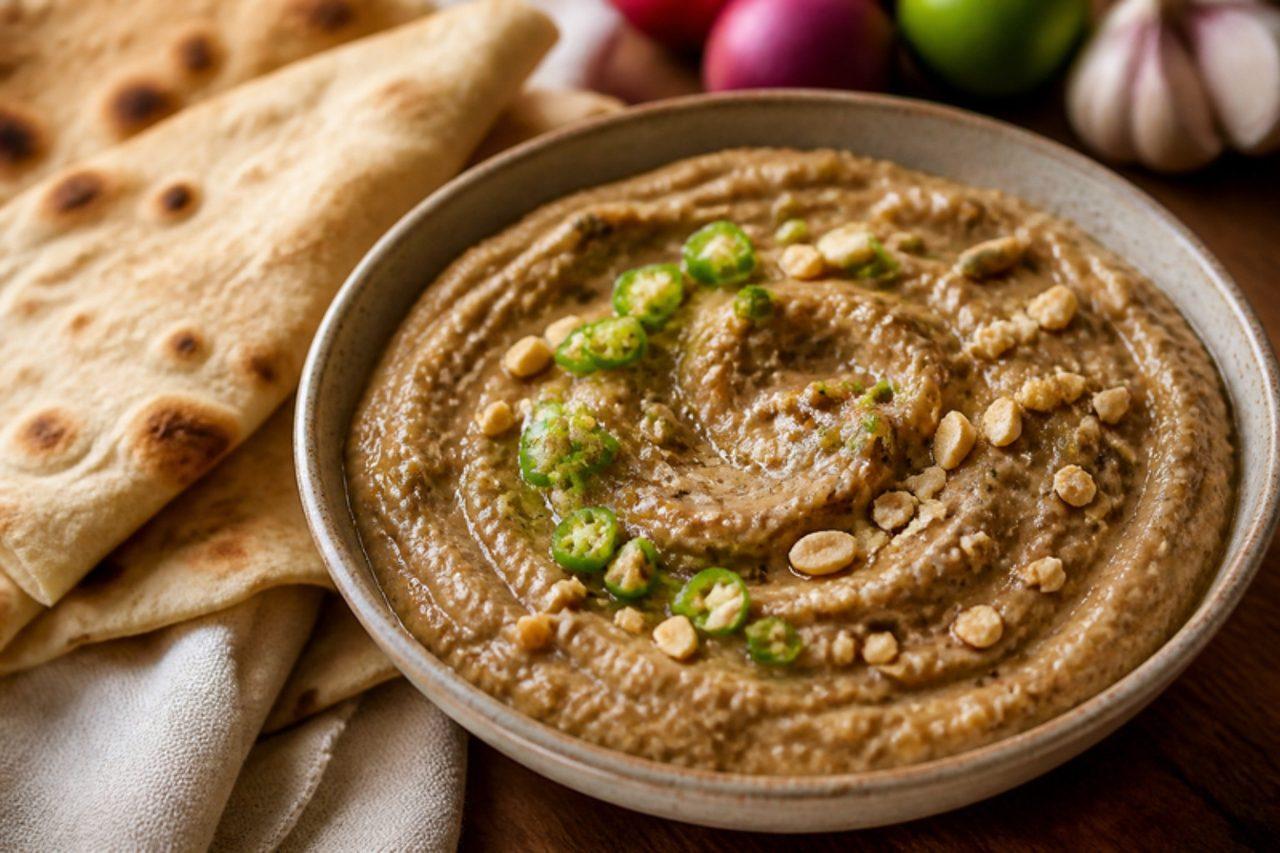
Salata aswad, the 'black salad', is a Khartoum favourite: aubergine fried until almost black and collapsing, then mashed with peanut butter, garlic, lime and a little chilli into a rich, smoky spread. It is served at Ramadan iftars and family lunches with kisra or bread, next to ful and fresh tomato salad. The peanut is what makes it Sudanese rather than a Levantine aubergine dip. Chef's tip: salt the aubergine and squeeze it dry before frying; it absorbs far less oil.

by KrazyBadal 0 views

Papdi chaatCrisp wafers with potato and chickpeas

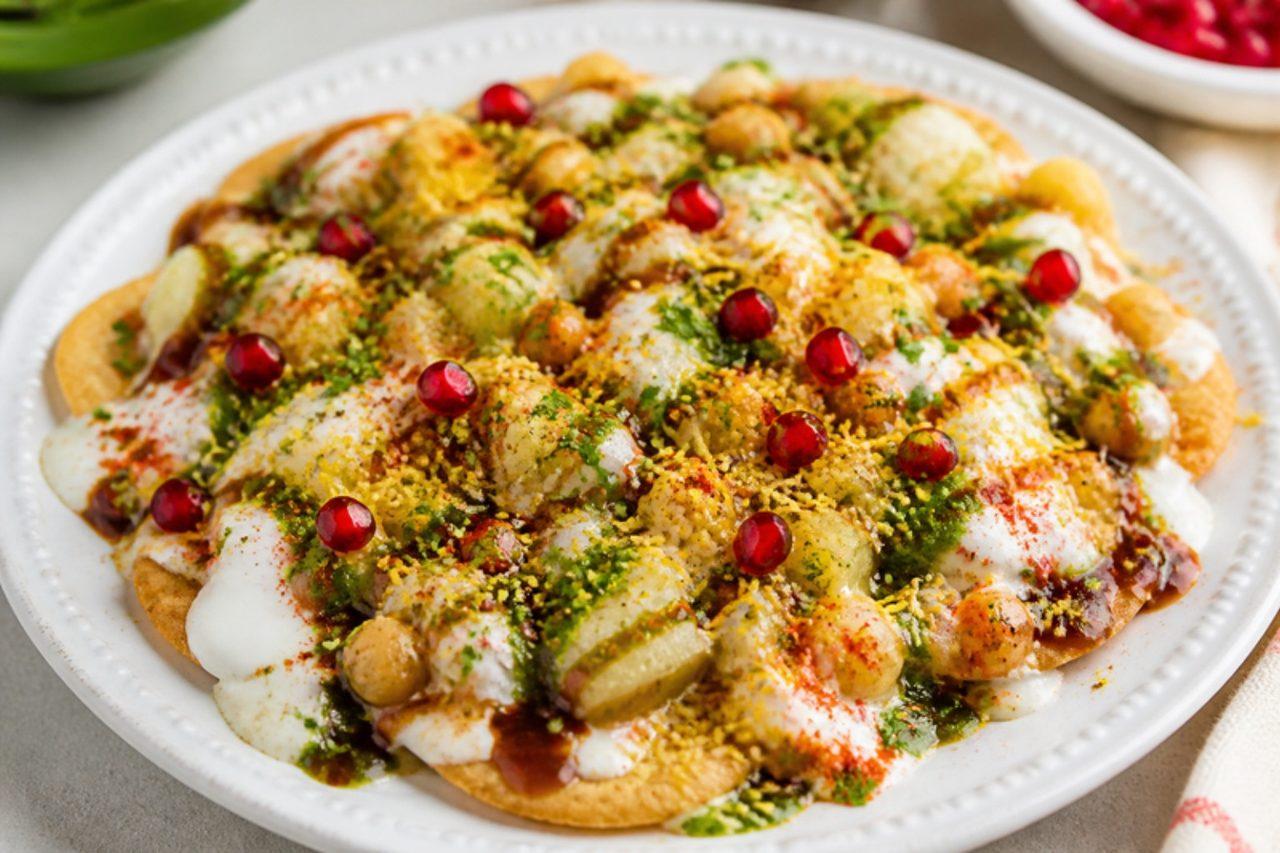
Papdi chaat is the plate Delhi orders without thinking about it, from the stalls outside Bengali Market to wedding buffets. Small, flaky wheat wafers called papdi are laid flat, topped with potato and chickpeas, drowned in sweetened yogurt and streaked with tamarind and green chutney, so you get crunch and creaminess in the same spoonful. Homemade papdi, crisp with ajwain, are far better than shop ones and keep for a week in a tin, though bought papdi will do on a busy day. Chef's tip: rub the oil into the flour until it holds together when squeezed; that shortening is what makes the papdi flaky rather than hard.

by KrazyBadal 0 views

Papeda with ikan kuah kuningSago porridge with fish soup

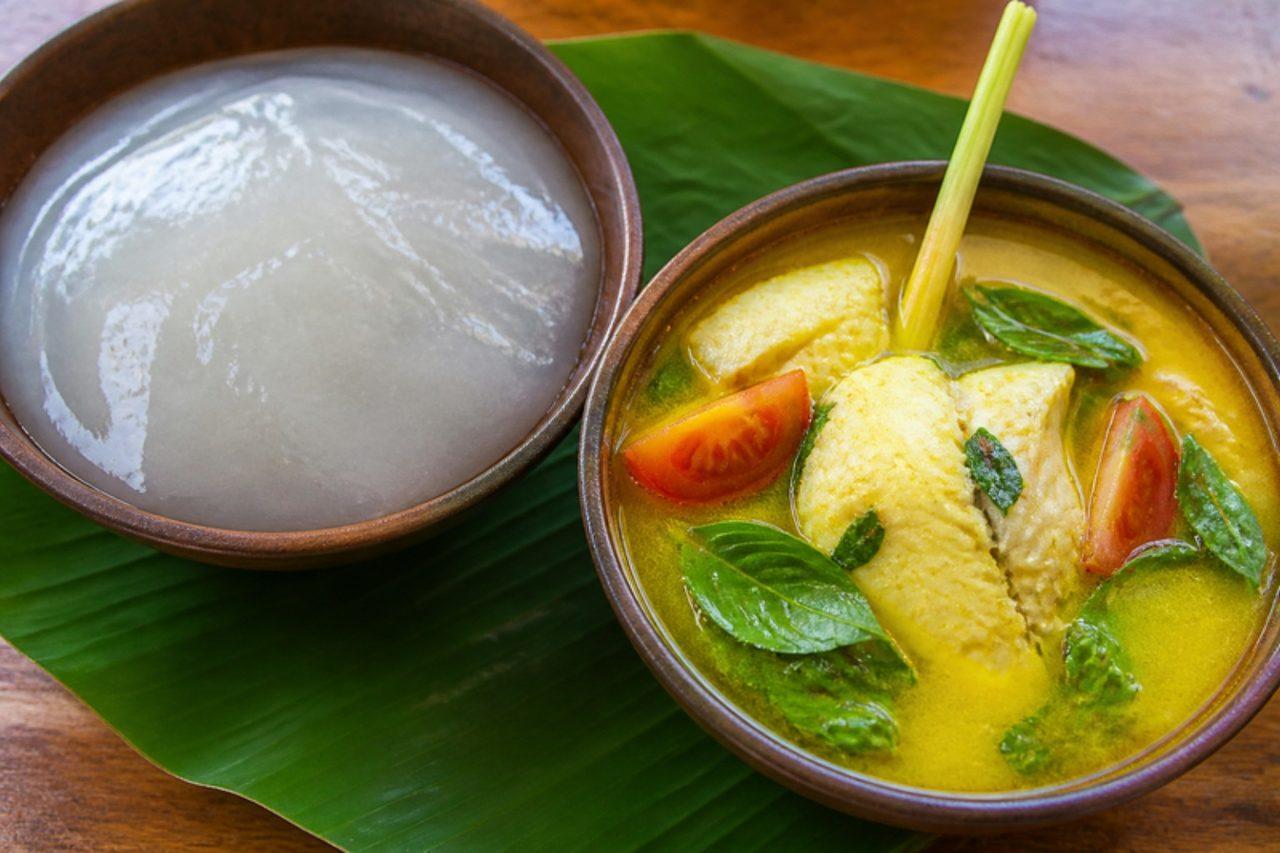
In Ambon, Jayapura and the islands between, the everyday staple isn't rice but papeda: sago starch stirred with boiling water into a translucent, glue-like porridge. It has almost no taste of its own, which is the point; it's eaten with ikan kuah kuning, a sharp, yellow fish soup bright with turmeric, lime and lemon basil. Families twirl the papeda out of the pot on two sticks, drop it into a bowl and ladle the soup over, then slurp it down without chewing. The texture is surprising the first time: slippery, soft and soothing next to the hot, sour broth. Chef's tip: the water must be at a full rolling boil when it hits the sago, or the papeda stays white and lumpy instead of turning clear.

by KrazyBadal 0 views

Papelón con limónIced panela and lime drink

Papelón con limón is the cold drink of Venezuela, served in jugs alongside arepas, empanadas and every Sunday lunch, and sold by the glass from street stalls in the heat of Maracaibo and the plains. Papelón is the Venezuelan name for panela, the dark block of unrefined cane sugar; melted into water and mixed with lots of fresh lime, it tastes like a caramel-scented lemonade. The hot Colombian cousin is aguapanela. Chef's tip: dissolve the papelón in warm water first, then chill; it never fully dissolves in cold water and leaves grains at the bottom.

by KrazyBadal 0 views

PutoSteamed rice cakes

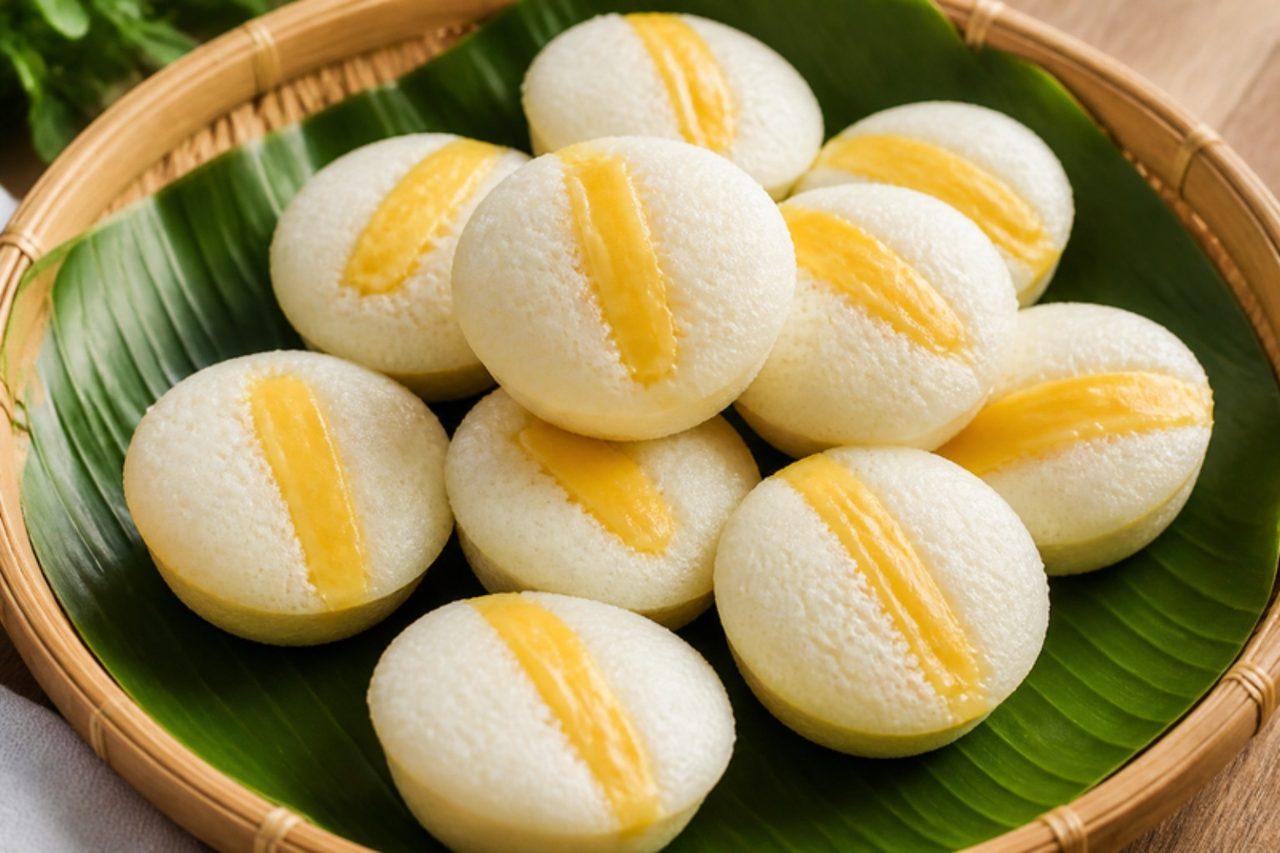
Puto are small steamed rice cakes found at every Filipino party and merienda table, with countless town styles from Biñan's flat rounds to Calasiao's tiny bites in Pangasinan. Traditionally the batter is fermented ground rice; this home version uses rice flour and baking powder for a quick, reliable rise and a fine, cottony crumb. A strip of cheese on top melts into the cake as it steams. They go with dinuguan in Luzon, but a cup of coffee or hot chocolate is just as good. Chef's tip: wrap the steamer lid in a tea towel so condensation doesn't drip onto the cakes and leave pockmarks.

by KrazyBadal 0 views

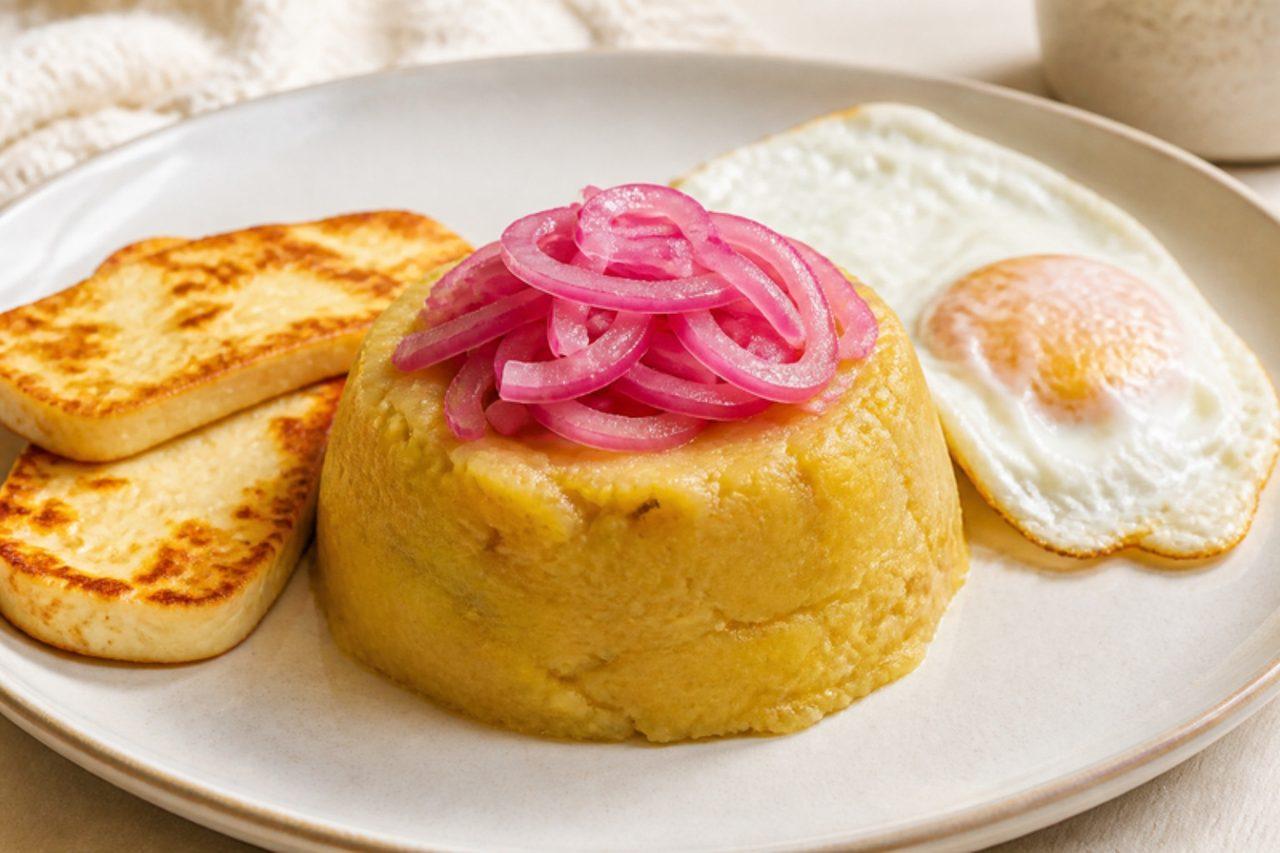
MangúMashed green plantain

Mangú is breakfast across the Dominican Republic, from Santo Domingo's colmados to farm kitchens in the Cibao valley: green plantains boiled until soft, then mashed smooth with butter and a splash of cold water and crowned with red onions softened in vinegar. It is creamy, mild and salty, with the sharp pink onions cutting through. At home it's usually served as los tres golpes, with fried salami, fried cheese and fried eggs; this vegetarian plate keeps the queso frito and the eggs. Chef's tip: mash with cold water rather than the cooking water; cold water makes the mash smoother and lighter, the trick every Dominican grandmother swears by.

by KrazyBadal 0 views

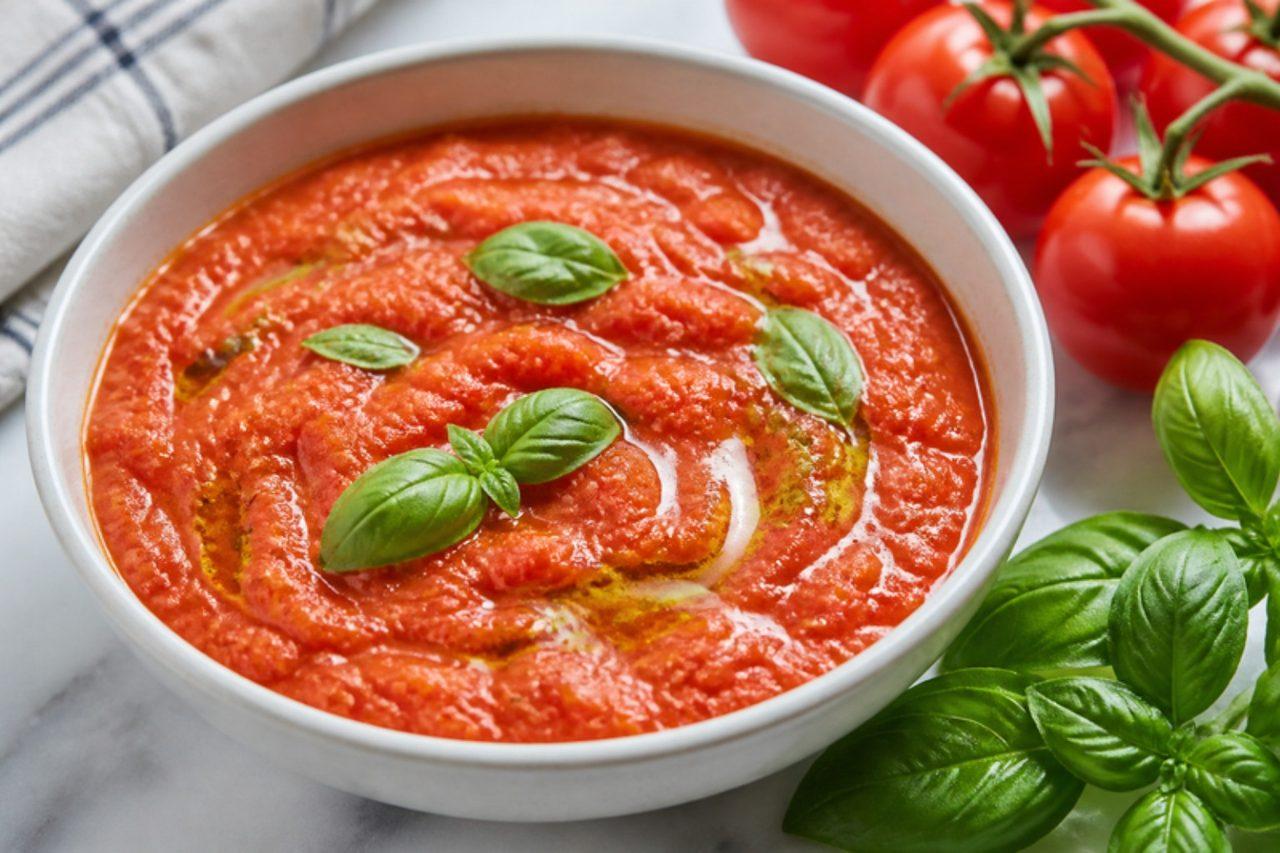
Pappa al pomodoroTomato and bread soup

Pappa al pomodoro is what Florentine grandmothers make in July and August, when tomatoes are almost too ripe and yesterday's unsalted Tuscan bread is going hard. Bread, tomatoes, garlic and basil are cooked together and beaten into a soft, spoonable porridge (pappa means mush, the word for baby food). It is eaten warm, at room temperature or even cold on hot days, never piping hot. Chef's tip: stir it hard with a whisk at the end; it breaks the bread down into a velvety texture without a blender.

by KrazyBadal 0 views

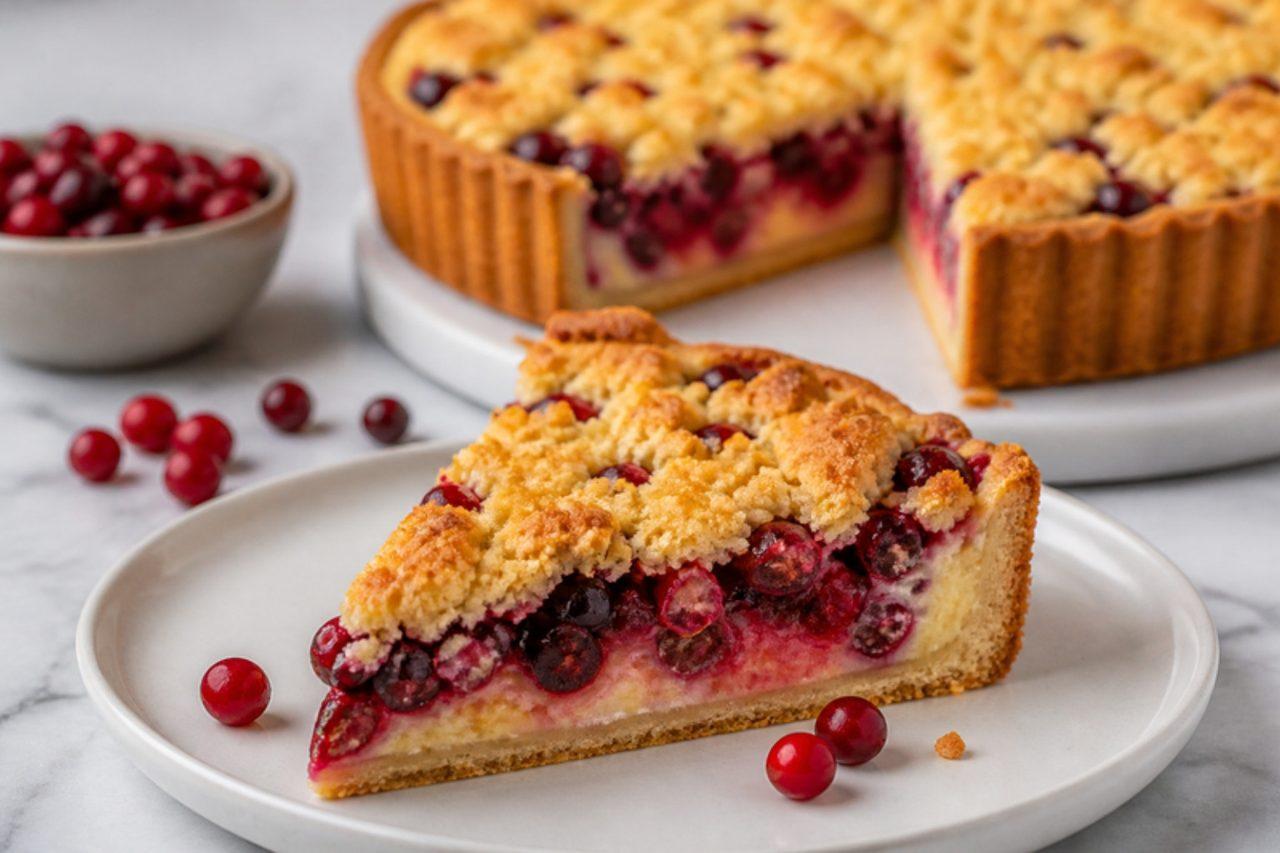
Kuchen de murtaBerry custard tart

Around Lake Llanquihue, in Frutillar and Puerto Varas, German settlers of the 1850s left Chile a love of kuchen, now served with coffee in every café of the south. The Chilean twist is the fruit: murta (Chilean guava), a small, red, perfumed berry that grows wild there in autumn. A buttery base holds the berries in a light custard under a crumble of butter and sugar. Outside Chile, cranberries with a few blueberries give a similar sharp-sweet balance. Chef's tip: blind-bake the base for 10 minutes first; a pre-set base stays crisp under the wet custard.

by KrazyBadal 0 views

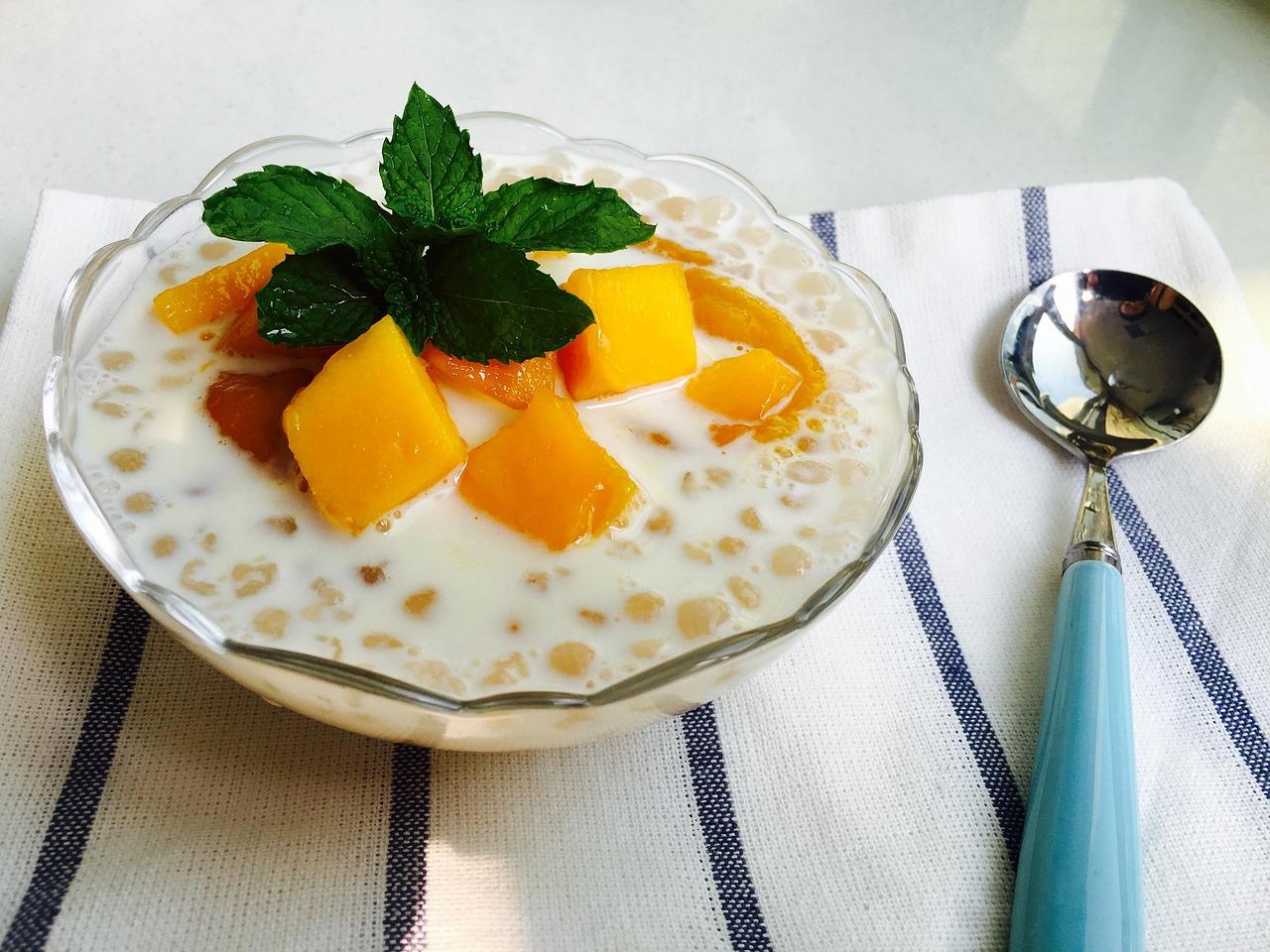
Mango pomelo sagoMango, pomelo and sago dessert

Yeung chi gam lo was created in a Hong Kong restaurant in the 1980s and quickly became the city's favourite summer dessert, served in dessert shops late into the night. It's half drink, half pudding: puréed ripe mango mixed with coconut and evaporated milk, studded with chewy sago pearls, mango cubes and juicy pomelo. Chef's tip: rinse the cooked sago under cold water until it stops feeling slimy; this keeps each pearl separate and the dessert clean-tasting.

by KrazyBadal 0 views

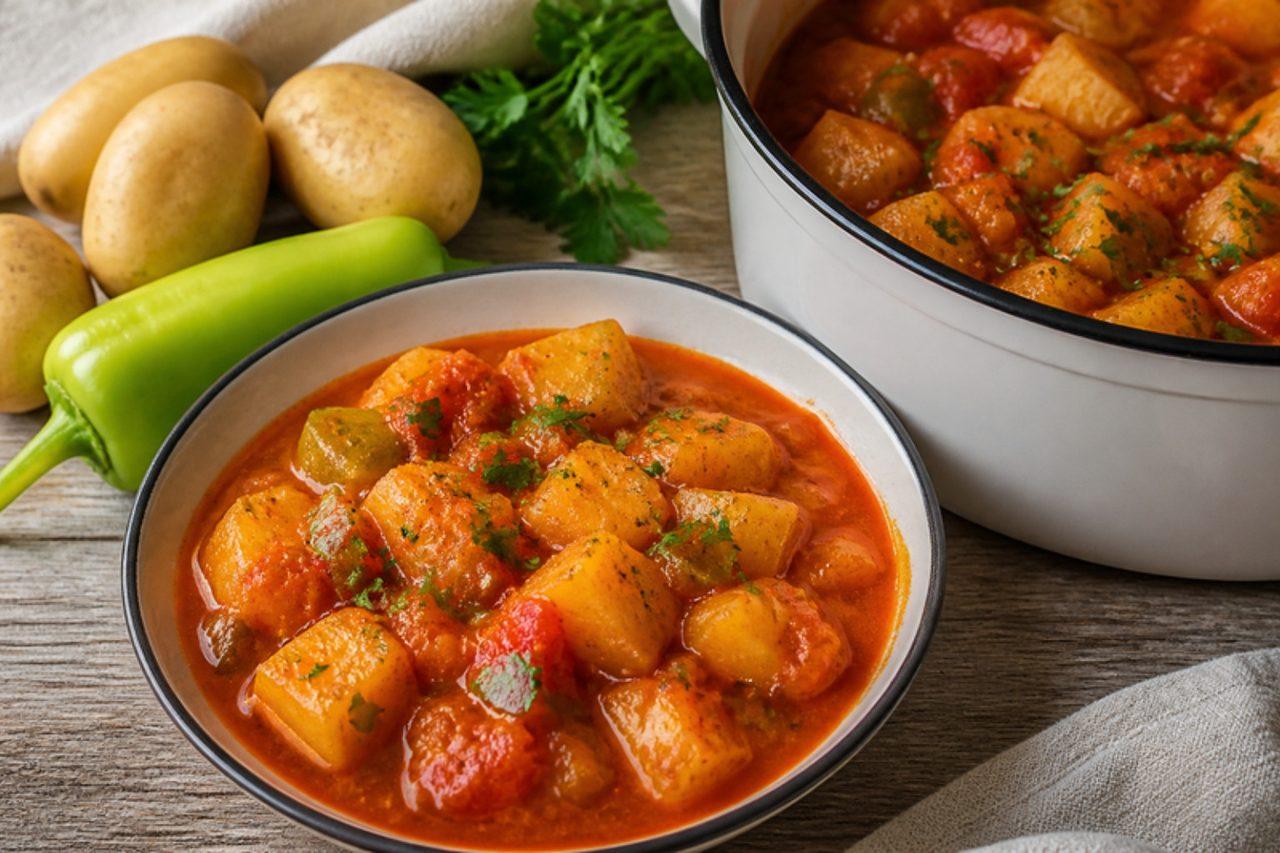
Paprikás krumpliPaprika potato stew

Paprikás krumpli is a thrifty potato stew that every Hungarian student learns to cook, and it turns up at school dinners, on autumn weekdays and in cauldrons at village harvest festivals. Potatoes simmer in an onion and paprika base with pepper and tomato until they start to break and thicken their own sauce. Most versions add sliced smoked sausage; this vegan one swaps it for a pinch of smoked paprika and caraway, which give the same savoury depth. Serve in bowls with crusty bread and a pickled cucumber or a spoon of pickled peppers on the side. Chef's tip: cut the potatoes unevenly on purpose; the smaller pieces melt and thicken the sauce while the bigger ones stay whole.

by KrazyBadal 0 views

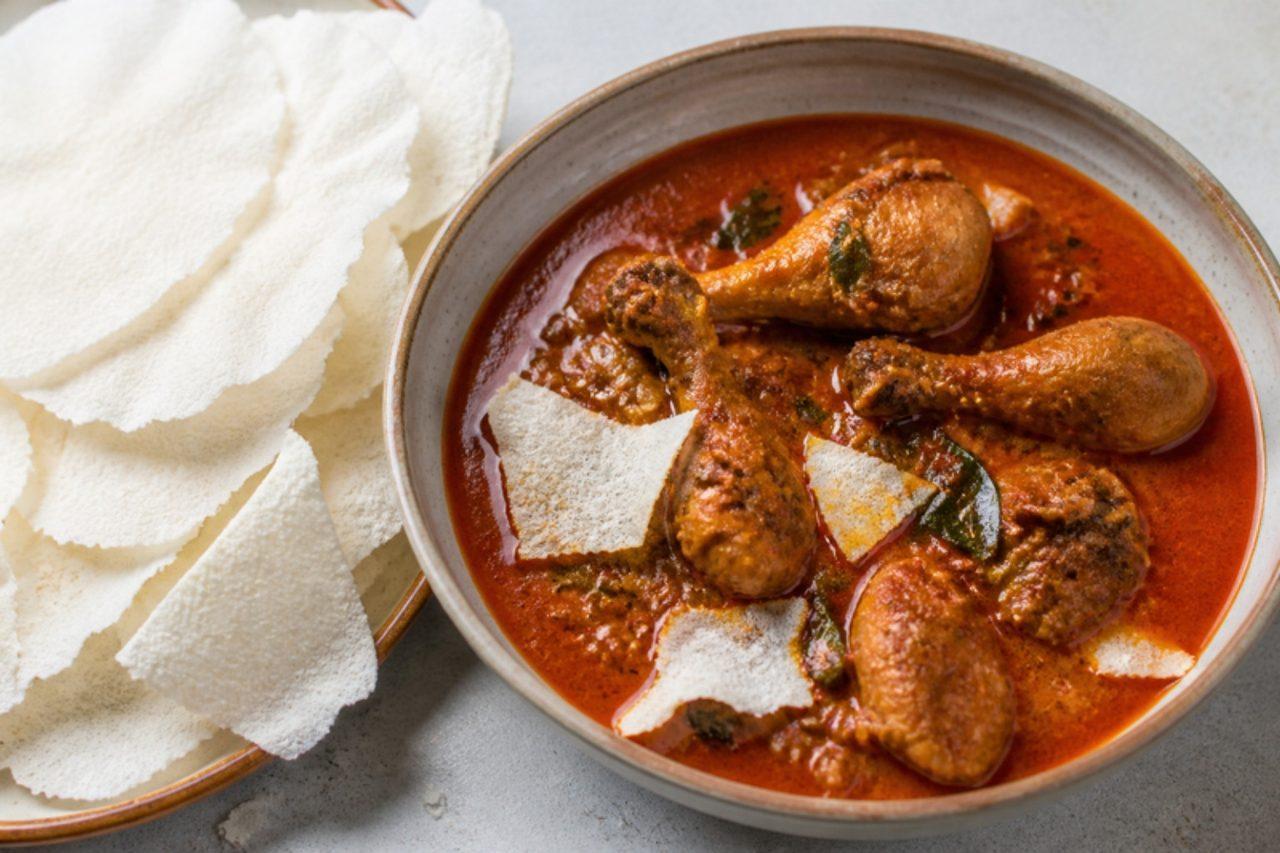
Mangalorean kori rottiCoconut chicken curry

Kori rotti belongs to the Bunt community of Mangalore and Udupi, where it is cooked for weddings, the Aati festival and Sunday lunches. Kori is chicken, simmered in a thin, red coconut-milk gravy built on roasted Byadgi chillies; rotti are paper-thin dried rice wafers, bought in stacks and crumbled into the plate just before the curry goes over. They soften at the edges and stay crunchy in the middle. Chef's tip: pour the curry over the rotti only at the table; left to sit, the wafers turn to mush.

by KrazyBadal 0 views

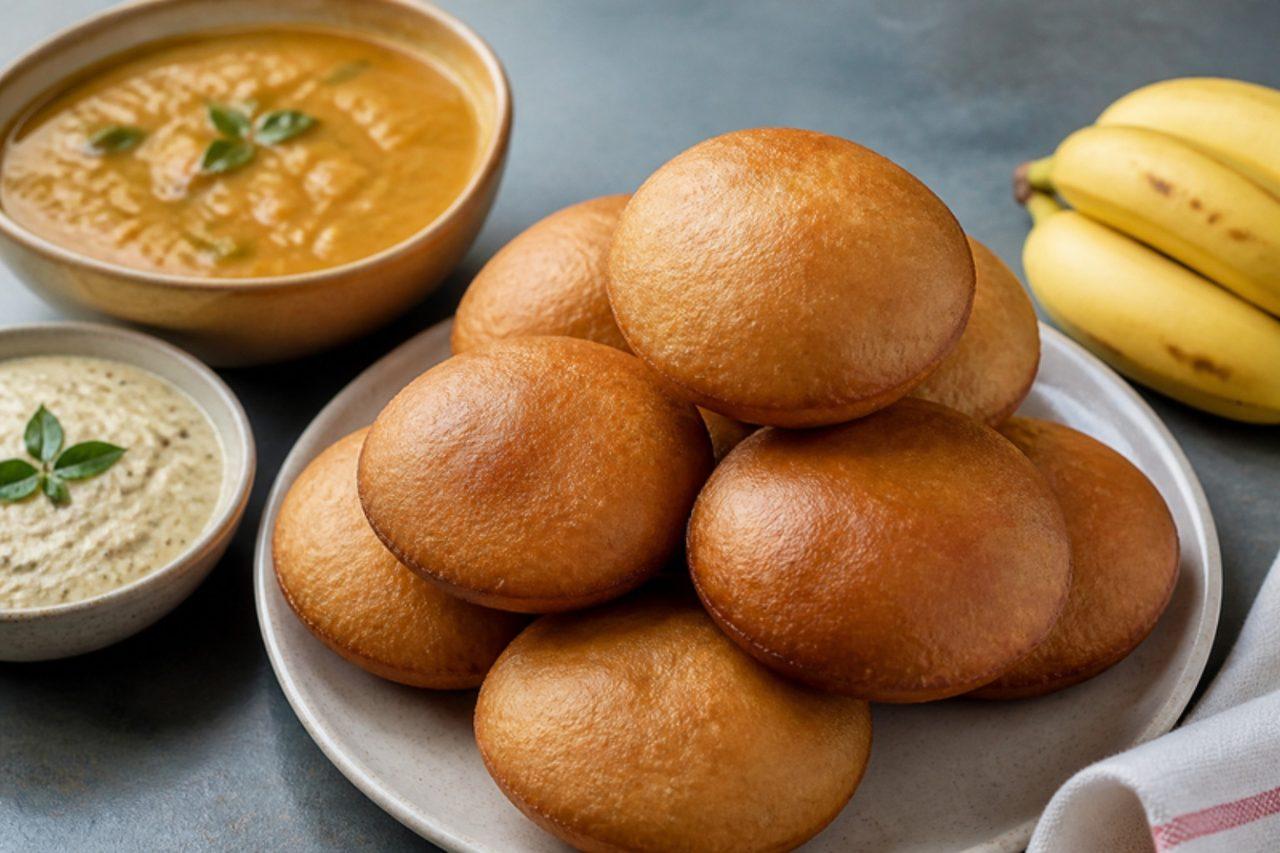
Mangalore bunsSweet banana puris

Despite the name, Mangalore buns are not baked at all: they are thick, soft puris made from a dough of overripe bananas, sugar, yogurt and flour, left for hours to turn slightly tangy, then deep-fried until they balloon. Every Udupi restaurant in coastal Karnataka has them on the breakfast board, served with coconut chutney and sambar, and children love them on their own. They are lightly sweet with a hint of cumin and a soft, bready inside. Chef's tip: use bananas with black-flecked skins; underripe bananas give a dense, pale bun that won't brown.

by KrazyBadal 0 views

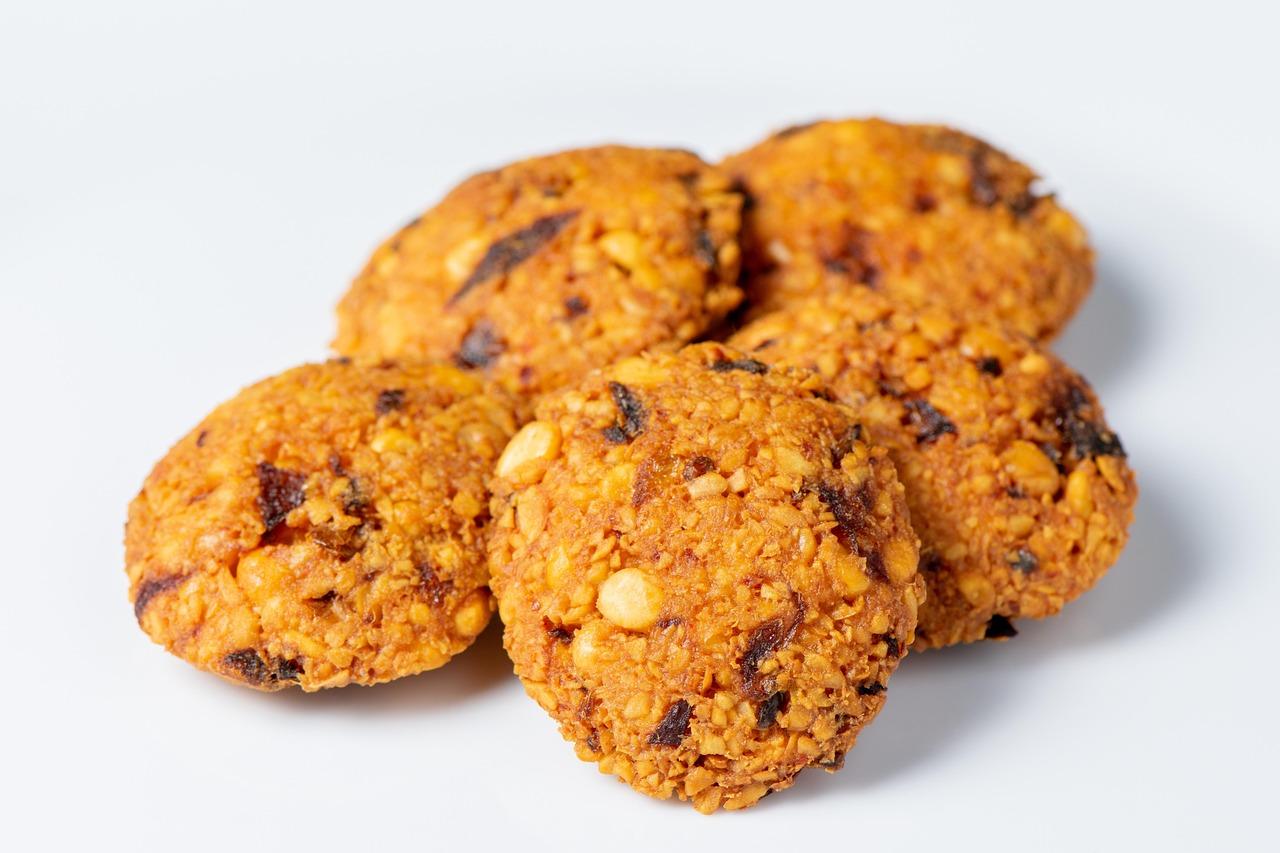
Parippu vadaiCrunchy split pea fritters

Parippu vadai are the crunchy, lumpy fritters sold from glass boxes on Sri Lankan trains and from carts along Colombo's Galle Face Green at sunset, often with a couple of fried prawns pressed on top; ours are the plain vegetarian kind, which are just as common. Soaked yellow split peas (kadala parippu) are coarsely ground with green chilli, onion, curry leaves and fennel, shaped into flat discs and deep-fried until craggy and golden, crisp outside and nubbly within. Eat them hot with a cup of plain tea or a spoonful of seeni sambol. They're different from South Indian medu vada, which are made with smooth black lentil batter. The common mistake is grinding the lentils to a smooth paste; leave plenty of whole and half peas for the crunch. Chef's tip: hold back about a quarter of the soaked peas and stir them in whole after grinding.

by KrazyBadal 0 views

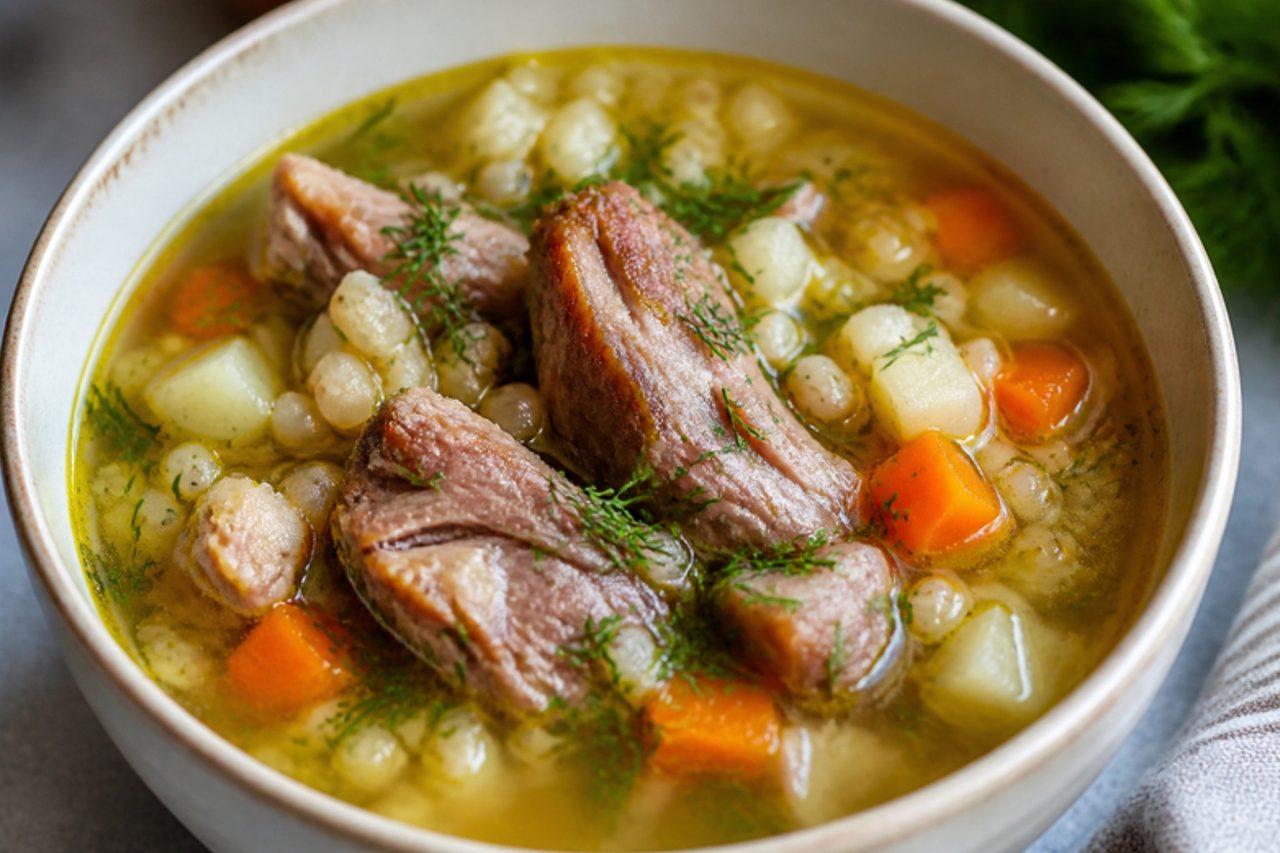
KrupnikBarley soup with smoked pork

Krupnik is a thrifty, warming soup from every Polish grandmother's kitchen, from the villages of Podlasie to city milk bars, and it is the soup people make when someone in the house has a cold. Pearl barley (kasza jęczmienna), carrot, celeriac, parsley root and potato simmer in a broth of smoked pork ribs, which gives it a gentle smoky depth; this version contains pork. Dried mushrooms add an earthy note. Chef's tip: rinse the barley well and add it early; it releases starch that gives krupnik its slightly creamy body.

by KrazyBadal 0 views

Mandua ki rotiFinger millet flatbread

Mandua, or finger millet, is the grain that hill farmers in Uttarakhand have relied on for generations, and its roti is the staple of a pahadi winter kitchen. The rotis come out dark brown, slightly sweet and earthy, and they are eaten hot from the tawa with a spoon of ghee, kafuli or a bowl of chainsoo, sometimes with jaggery on the side. With no gluten to hold it together the dough is fragile, so cooks pat it out between wet palms rather than rolling it. Chef's tip: knead the dough in two small batches with hot water; millet dough dries and cracks quickly, so the second batch stays fresh while you cook the first.

by KrazyBadal 0 views

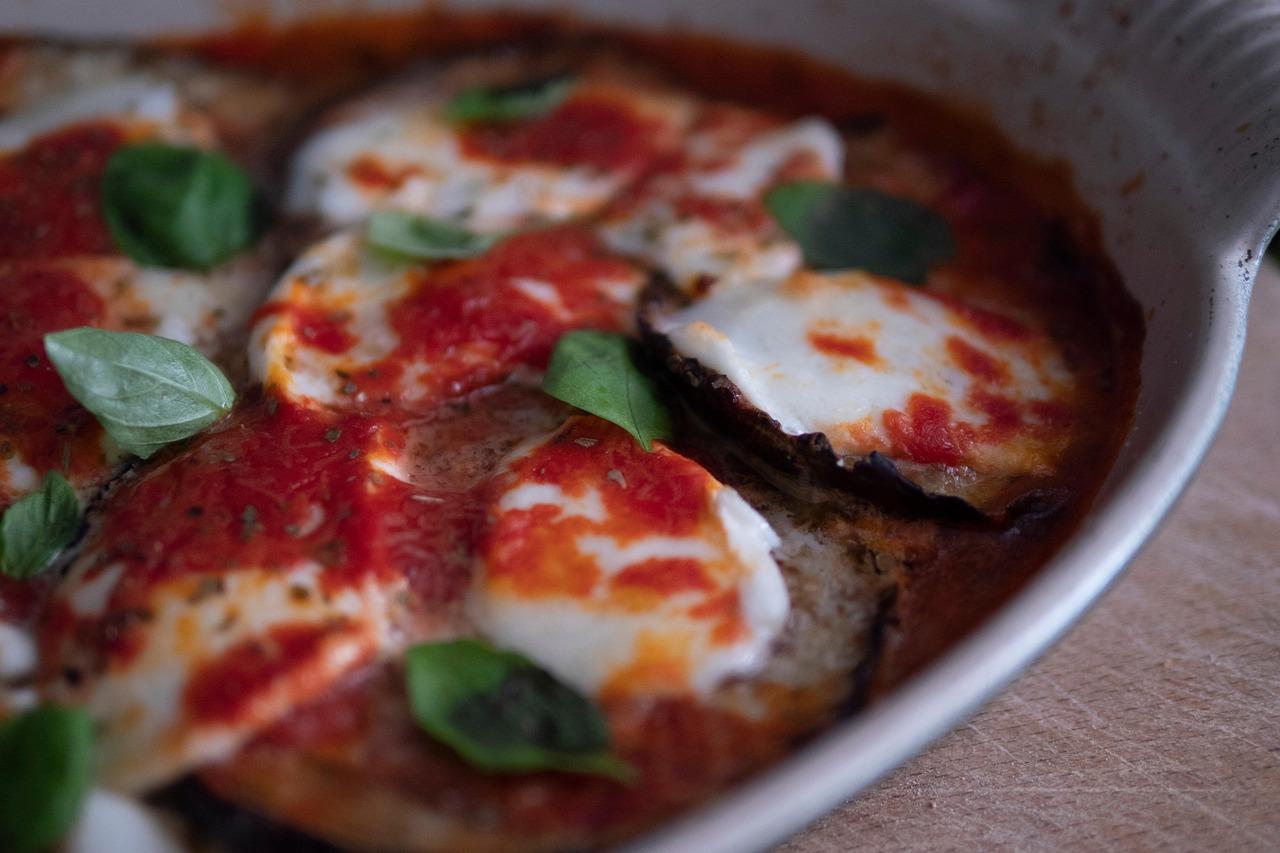
Parmigiana di melanzaneBaked aubergine with tomato and mozzarella

Parmigiana di melanzane is Campania's big summer bake, made when aubergines are cheap and glossy and served for Sunday lunch or carried in a tin to the beach. Fried slices of aubergine are layered with a quick basil tomato sauce, fior di latte and grated hard cheese, then baked until the edges bubble and darken. It is better warm than piping hot, and better still the next day, cut into neat squares. Chef's tip: salt the slices and press them for 30 minutes before frying; they drink less oil and the layers stay distinct instead of watery.

by KrazyBadal 0 views

Mamri (mandazi)Coconut cardamom doughnuts

Mamri, better known as mandazi, are lightly sweet East African fried breads made with coconut milk and cardamom. They puff up golden and hollow and are soft inside. Serve warm with pigeon peas in coconut milk (mbaazi) for a classic Zanzibar breakfast, or with tea.

by KrazyBadal 0 views

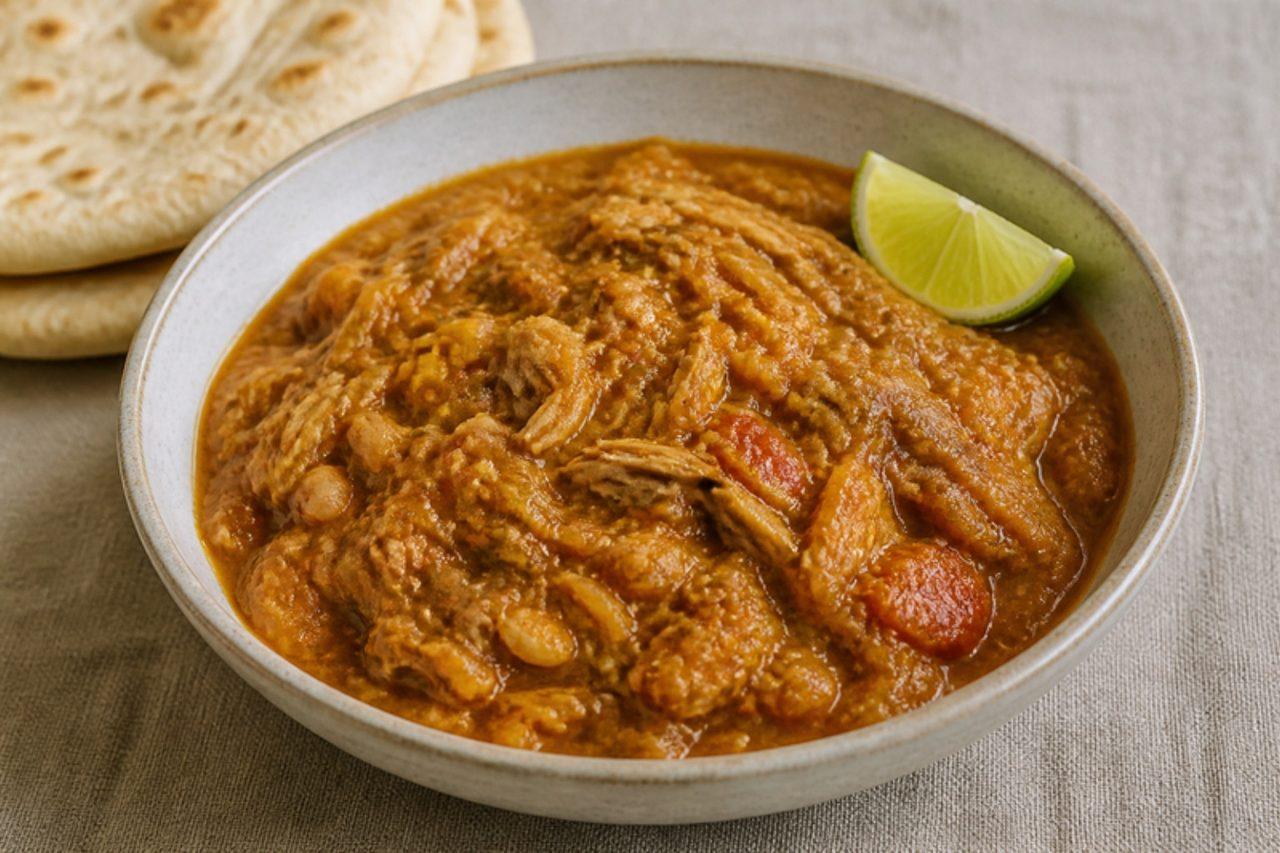
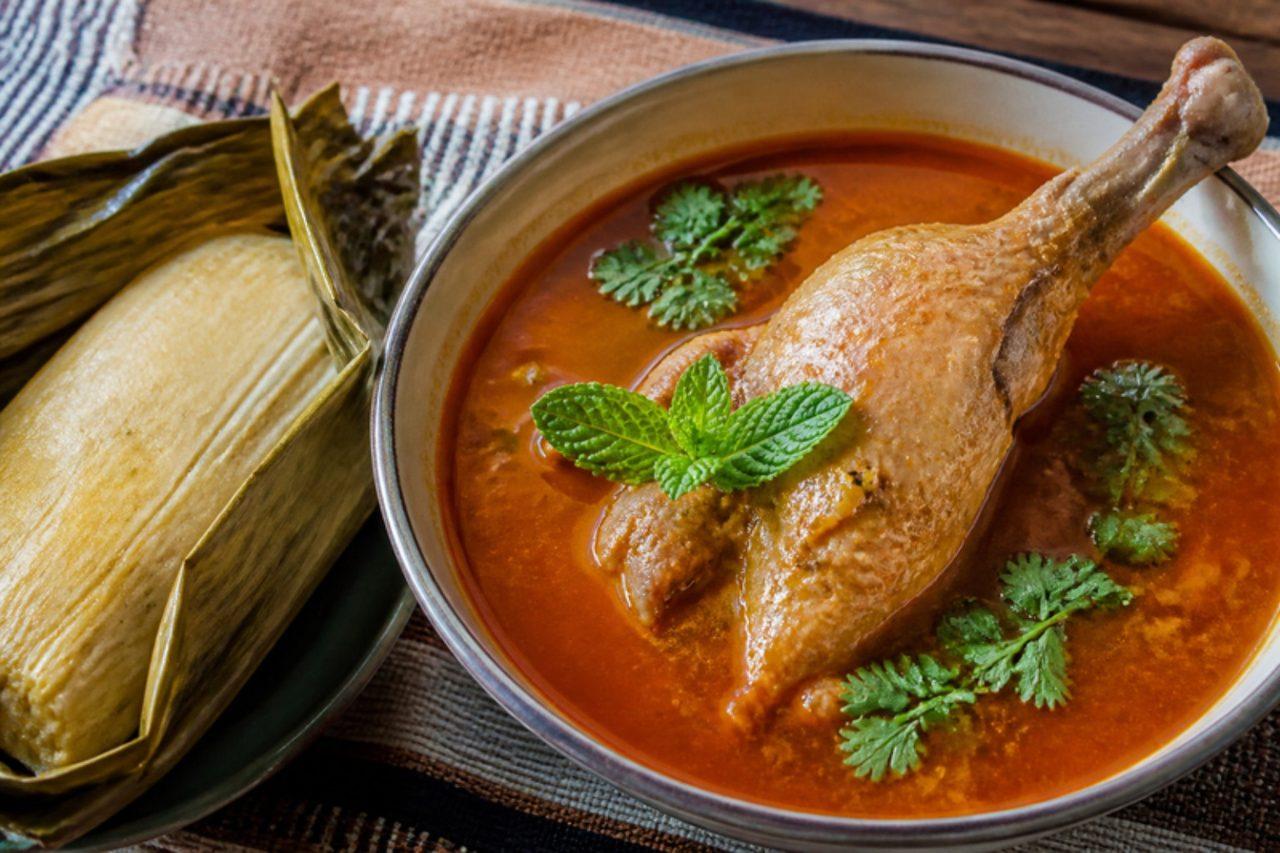
Kak'ikTurkey and chilli soup

Kak'ik is a red, aromatic turkey soup from the Q'eqchi' Maya of Alta Verapaz, around Cobán, and is cooked for weddings, saints' days and Christmas; it is now recognised as part of Guatemala's cultural heritage. Turkey legs simmer in a broth flavoured with toasted tomatoes, guajillo and pasa chillies, achiote, coriander and mint, and it is served with tamalitos or rice. The mistake is not toasting the chillies and tomatoes; the slight char gives the soup its smoky depth. Chef's tip: toast the dried chillies only for seconds, until they puff and smell fruity, or they turn bitter.

by KrazyBadal 0 views

Mambazha pulisseryRipe mango yogurt curry

Mambazha pulissery appears in Kerala kitchens in April and May, when small, fragrant village mangoes fall from the trees, and it is often on the Vishu sadya. Whole small ripe mangoes, or chunks of bigger ones, are simmered with jaggery and chilli until syrupy, then loosened with a coconut-cumin paste and lightly soured yogurt. Unlike kalan, it stays thin and pourable: sweet, tangy and mildly hot, with the fenugreek tempering on top. Pour it over rice, with a thoran on the side. Chef's tip: use very ripe, slightly fibrous mangoes; firm ones make it sour and the sweetness never comes through.

by KrazyBadal 0 views

MămăligăCornmeal mush

Mămăligă is the golden cornmeal staple of the Romanian countryside, from the hill villages of Oltenia to the farms of Maramureș, where it was once eaten more often than bread. It is cooked in water until thick enough to hold a spoon upright, turned out onto a wooden board and cut with a thread, then eaten hot with crumbled salty brânză and a cold spoon of smântână (soured cream). Unlike Ukrainian banosh, which is cooked in sour cream, mămăligă is plain cornmeal and water; the richness goes on top. It sits beside stews such as tocăniță or under a fried egg for supper. Chef's tip: rain the cornmeal in through your fingers while whisking, and keep stirring from the bottom; dumping it in at once is the classic mistake that leaves raw, gritty lumps.

by KrazyBadal 0 views

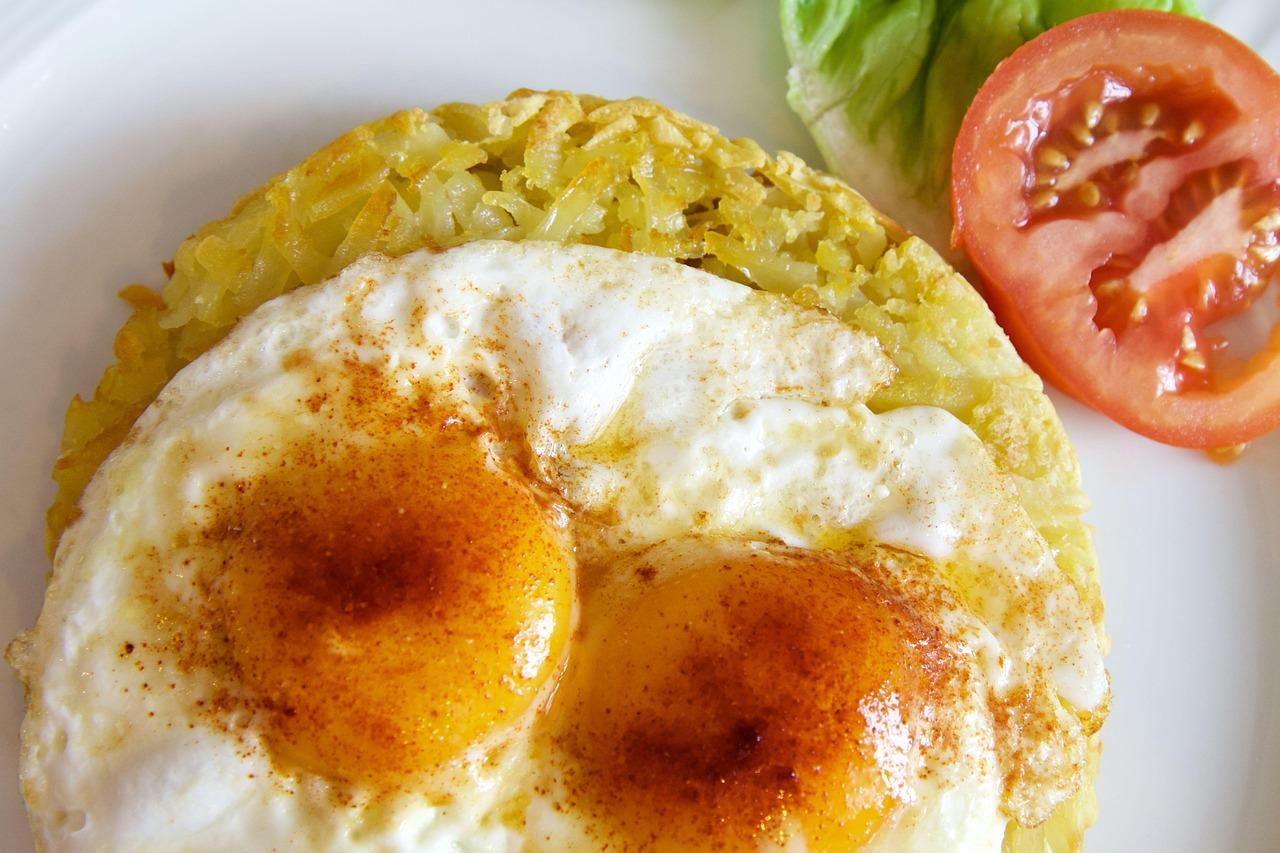
RöstiPotato cake

Rösti was once the farmer's breakfast in the canton of Bern, fried in the morning from potatoes boiled the night before, and it is still the plate Bernese families make on a Sunday or eat with a fried egg for supper. It is so tied to German-speaking Switzerland that the language border with the French-speaking west is jokingly called the Röstigraben, the rösti ditch. Coarsely grated, cold, parboiled potato is pressed into a hot pan of butter and left alone until the underside turns a deep, crunchy gold, while the inside stays soft. Serve it with fried eggs and a tomato salad, with melted cheese on top, or next to mushrooms in cream. Chef's tip: parboil the potatoes a day ahead and chill them overnight; cold, firm potato grates into clean strands that stay separate and crisp.

60 minSwissSidesGluten free
by KrazyBadal 0 views

PasemburVegetable and fritter salad

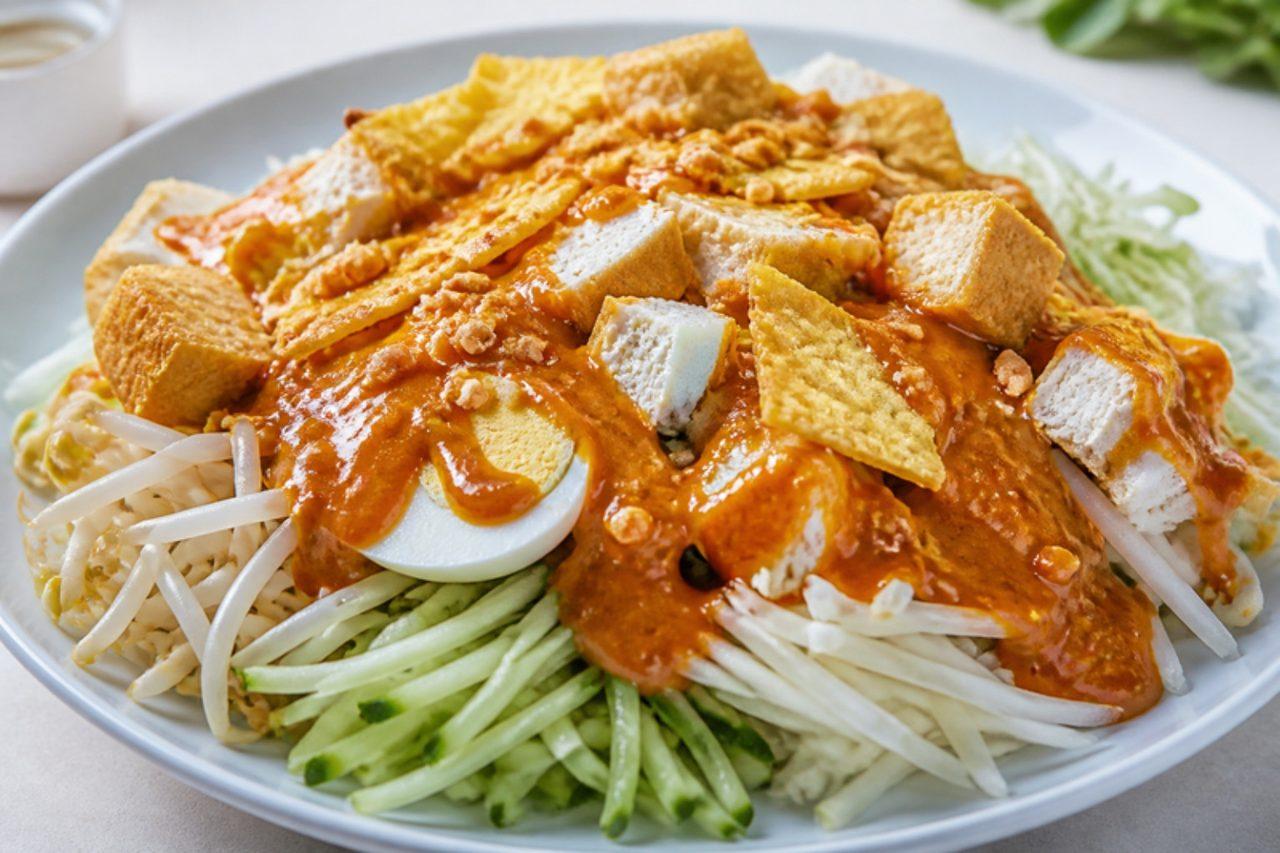
Pasembur is sold from Indian-Muslim (mamak) stalls along Penang's Gurney Drive and Esplanade: shredded cucumber, jicama and bean sprouts piled with sliced fried tofu, boiled egg and crisp fritters, all buried under a thick, sweet, gently spicy sauce made from sweet potato, chilli and peanuts. You pick your fritters at the stall; prawn fritters are common, but here they are crunchy cabbage and onion ones. Chef's tip: dress it at the very last moment and eat at once, so the fritters stay crisp under the sauce.

by KrazyBadal 0 views

Kroeung (Khmer lemongrass paste)Lemongrass and galangal paste

Almost every Khmer kitchen, from Phnom Penh flats to village houses around Siem Reap, starts the day's cooking by pounding kroeung in a heavy stone mortar. This is the yellow kind, coloured with fresh turmeric and built on lemongrass, galangal, makrut lime leaf, garlic and shallot; it goes into amok, samlor korko, noodle curries and stir-fries. Homemade, it smells brighter and more citrusy than any jar, and a batch keeps for a week in the fridge or months in the freezer. Chef's tip: slice the lemongrass into paper-thin rounds across the grain before it goes near the mortar or blender; long fibres never break down and leave the paste stringy.

by KrazyBadal 0 views

Malvani kombdi vadeChicken curry with puffed bread

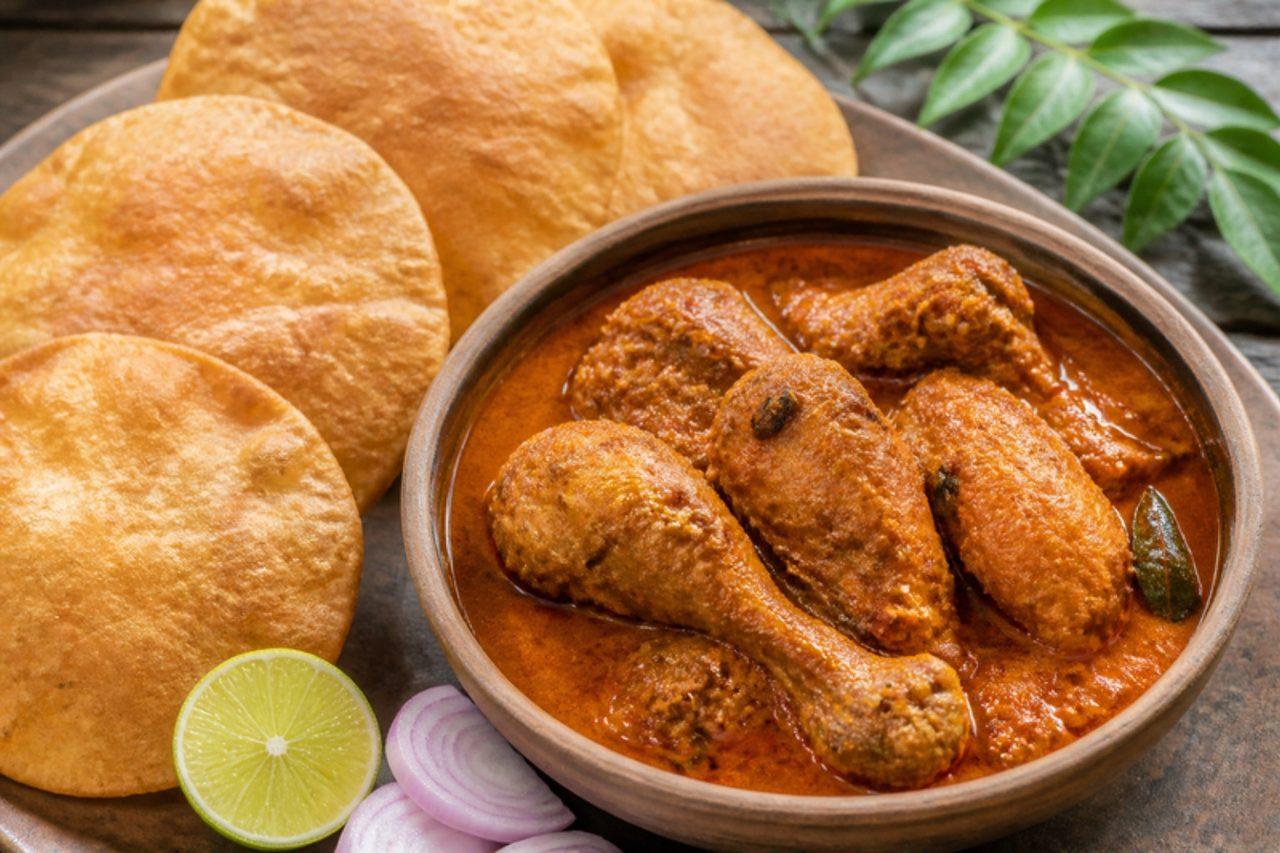
Along the Malvan coast of Sindhudurg, kombdi vade is what families cook for a festive Sunday or for guests arriving by the morning bus from Mumbai. Kombdi is chicken, simmered in a gravy of roasted coconut and Malvani masala; vade are rice-flour breads fragrant with fennel that puff like balloons in hot oil. You tear the vade, dunk them in the curry and finish with a squeeze of lime and raw onion. Chef's tip: pat the vade on an oiled sheet of plastic or banana leaf rather than rolling them, and slide them into the oil straight away; thin, even discs puff best.

by KrazyBadal 0 views

Pupusas de queso y frijolCheese and bean stuffed corn cakes

In El Salvador pupusas are a Sunday-night ritual: families queue at the pupusería, where cooks pat the dough between wet palms with a soft clapping sound, and the second Sunday of November is National Pupusa Day. These thick masa cakes are stuffed with stringy cheese and smooth refried black beans, griddled until speckled, and eaten with your hands, topped with curtido and a thin tomato salsa. Chef's tip: keep a bowl of water with a splash of oil beside you and wet your hands before every pupusa, so the dough stays supple and the seams don't crack.

by KrazyBadal 0 views

Pasta alla griciaPasta with guanciale and pecorino

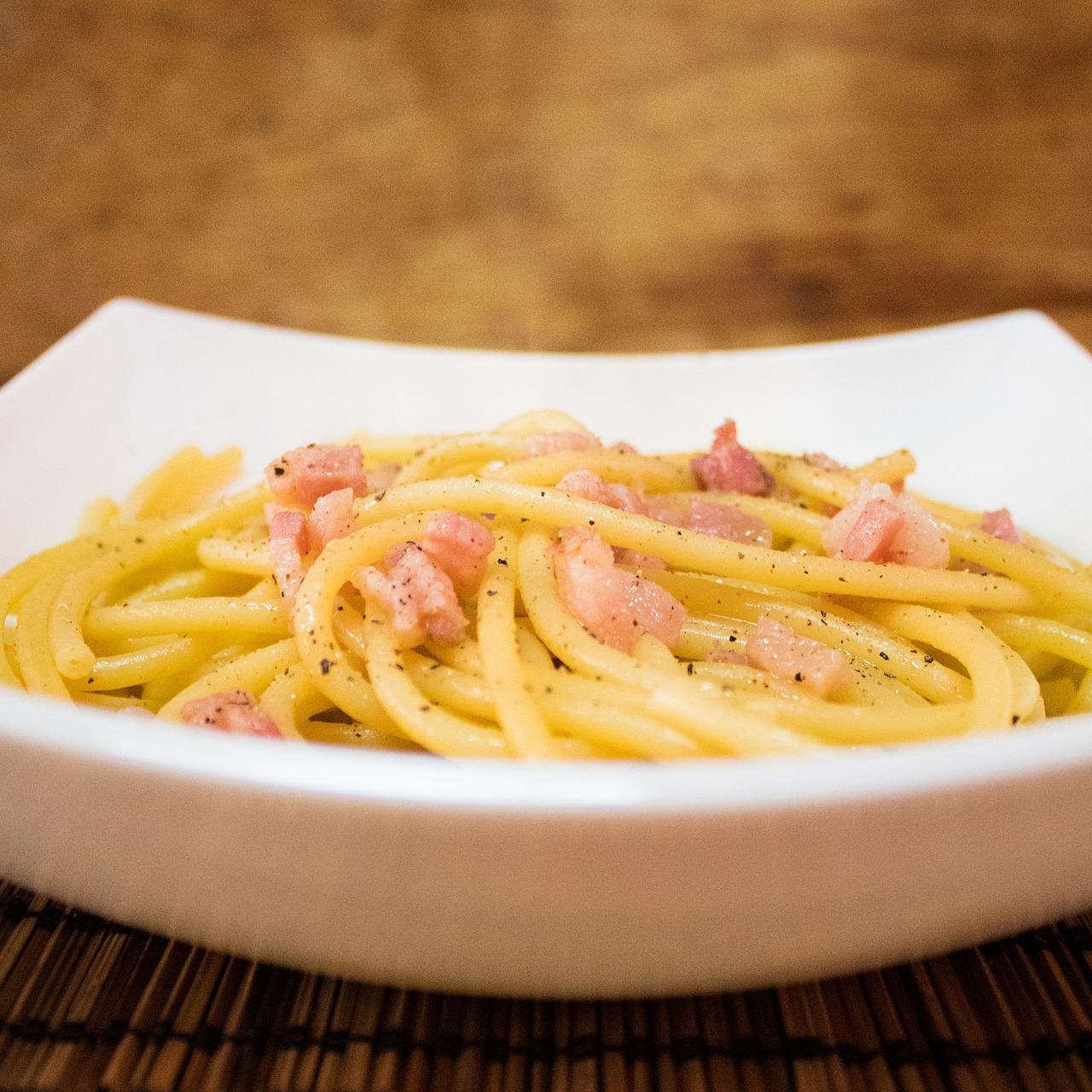
Older than both carbonara and amatriciana, gricia is the white pasta of the Roman hills: no egg, no tomato, nothing but guanciale, pecorino and pepper brought together with starchy cooking water. On a Roman menu it often sits with its siblings under the heading of the four great Roman pastas, and it is many locals' quiet favourite for a weekday lunch. Short rigatoni catch the creamy, salty sauce in their ridges and tubes, and the guanciale is cooked until amber and crisp-edged so its fat flavours everything. Follow it with something light, such as sautéed chicory with garlic. Chef's tip: before you finish the pasta, mash the pecorino in a bowl with a few spoonfuls of cooled pasta water into a smooth cream; it melts into the sauce instead of seizing into strings.

by KrazyBadal 0 views

Pasta alla NormaPasta with fried aubergine and tomato

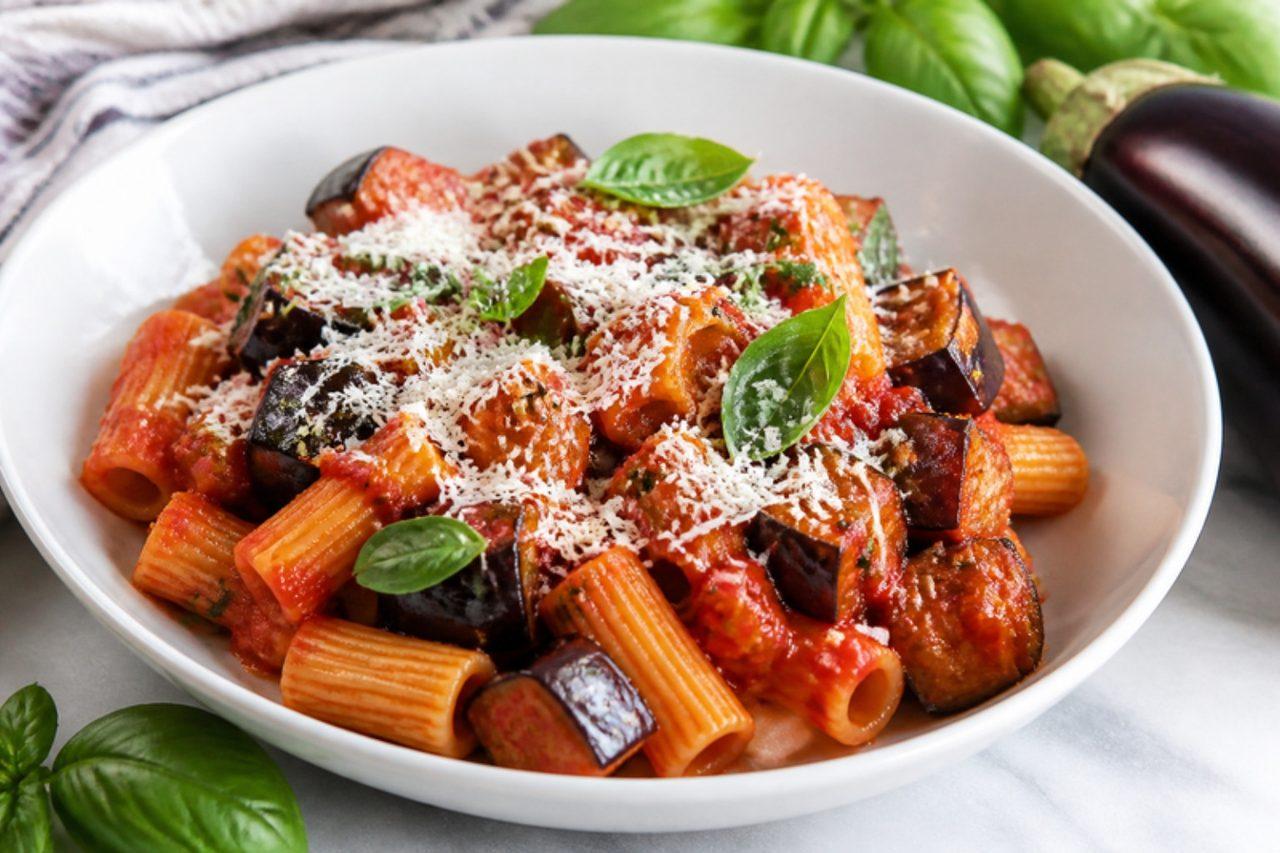
Pasta alla Norma comes from Catania, in the shadow of Mount Etna, and is named after Norma, the opera by the city's own composer Vincenzo Bellini; a local writer is said to have called the dish 'a real Norma', meaning a masterpiece. Fried aubergine, a simple garlic and basil tomato sauce and a snowfall of salty ricotta salata make one of Sicily's best summer lunches. Chef's tip: keep a few of the best fried aubergine slices aside and lay them on top at the end; the rest melt into the sauce and the top ones stay silky.

by KrazyBadal 0 views

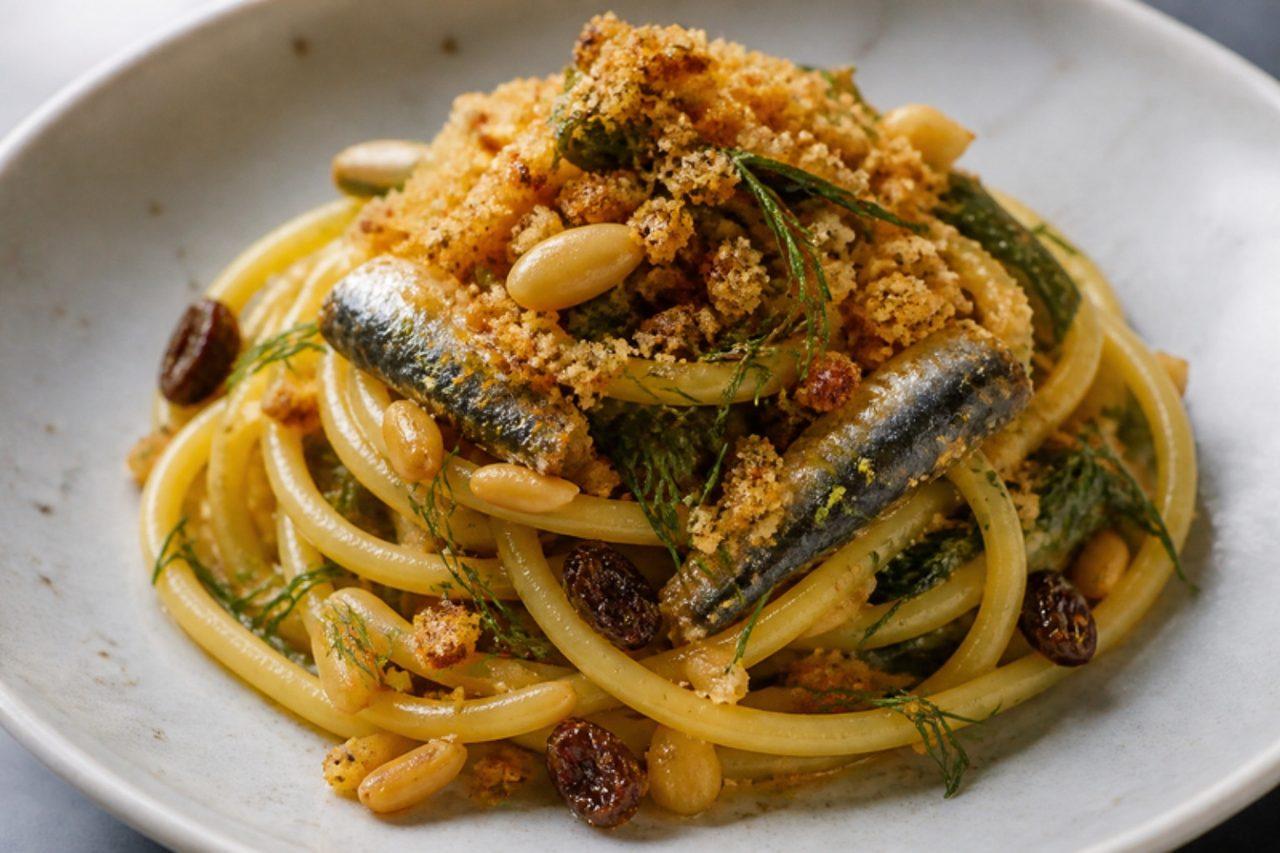
Pasta con le sardePasta with sardines and fennel

Sweet, salty and grassy all at once, Palermo's favourite pasta carries the island's history in one pan: Arab raisins, pine nuts and saffron meet fresh sardines and the wild fennel that grows on every Sicilian hillside in spring. It is cooked at home and in the city's old trattorie from March to the start of summer, and on 19 March for the feast of San Giuseppe. Instead of cheese, it is finished with olive oil toasted breadcrumbs, the crunchy 'muddica' that Sicilians call poor man's parmesan. Wild fennel is hard to find outside Italy; the fronds from two fennel bulbs plus a few fennel seeds come close. Serve it warm, or at room temperature as Palermitans often do. Chef's tip: blanch the fennel greens in the pasta pot first and cook the bucatini in that same green, aniseed-scented water, so the flavour runs right through the pasta.

by KrazyBadal 0 views

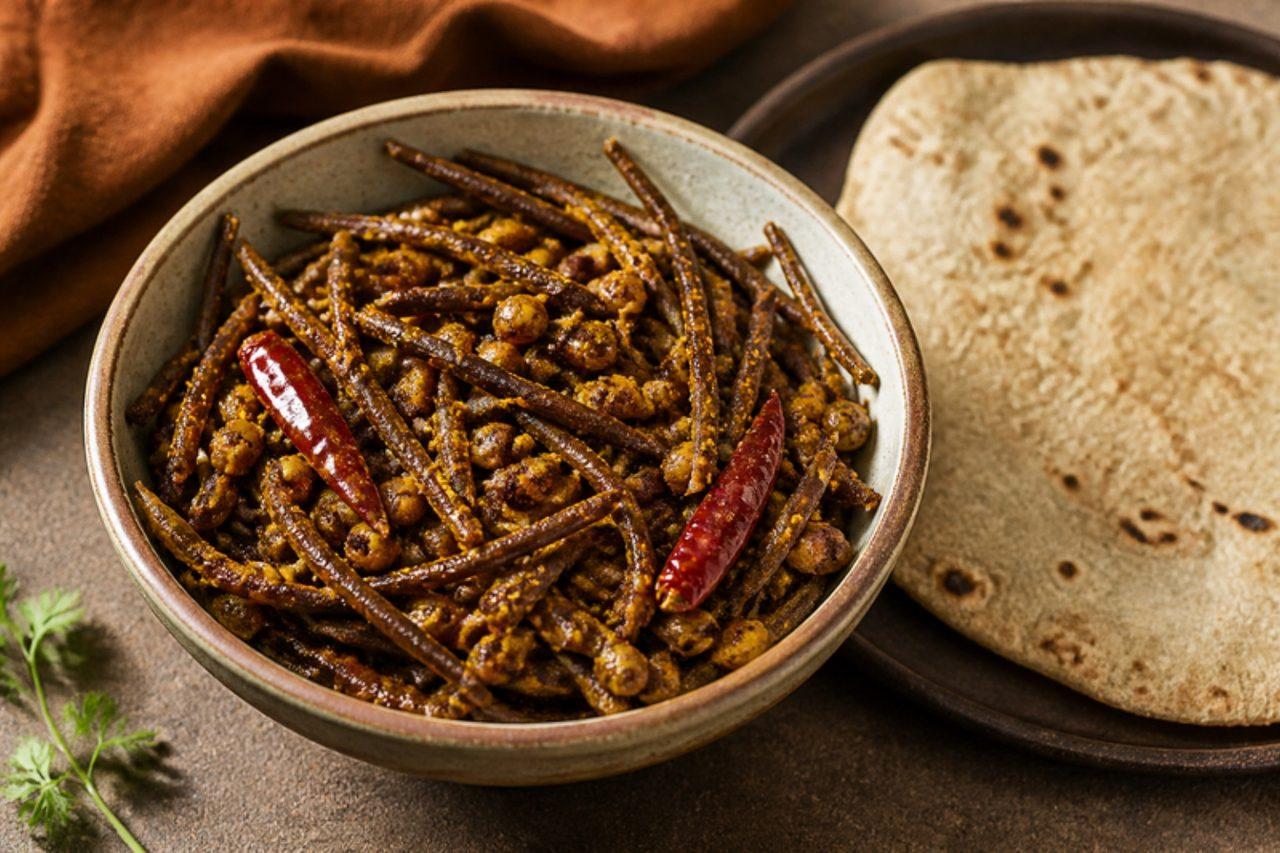
Ker sangriDesert berries and beans

Ker sangri is a true desert dish from the Thar in Rajasthan: ker are small, sour wild caper berries and sangri are the thin, chewy bean pods of the khejri tree, both picked in summer and sun-dried to last the year. Soaked, boiled and fried in plenty of mustard oil with chilli, mango powder and coriander, they become tangy, earthy and almost pickle-like. It keeps for days, which is why it travelled with camel herders. Serve with bajra roti or puri, or as a side to dal baati. Chef's tip: taste a ker berry after boiling; if it is still very bitter, boil it again in fresh water before frying.

by KrazyBadal 0 views

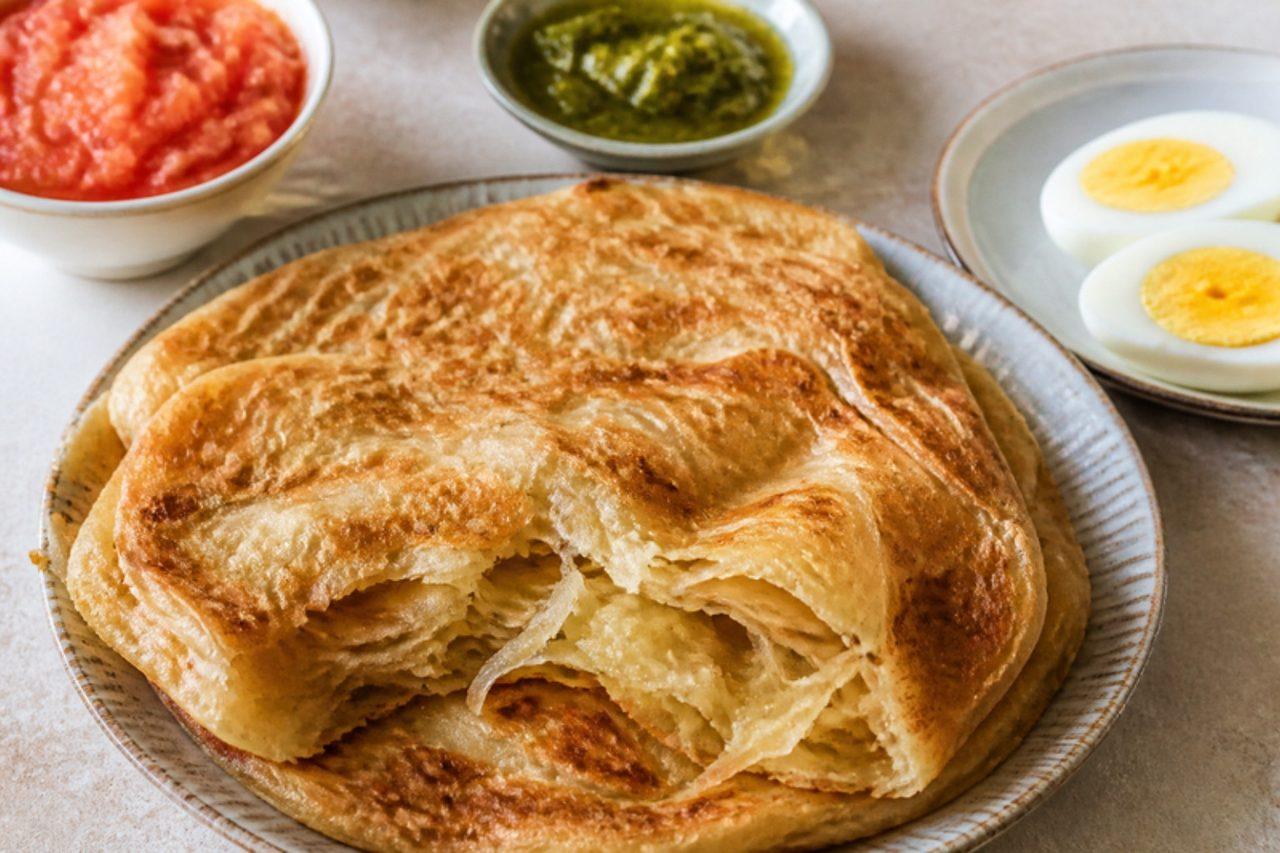
MalawachFlaky fried flatbread

Malawach is the Yemenite Jewish flatbread that turned into an Israeli freezer staple: round, buttery layers fried in a pan until they shatter, eaten for breakfast or a late supper with sweet-sour grated tomato, zhug and a hard-boiled egg. In Israel almost everyone buys the frozen rounds from the supermarket and fries them in minutes, the way this recipe does; the dough is the same rolled, butter-layered dough as jachnun, just fried instead of baked. Some families sprinkle sugar or drizzle honey for a sweet version. Chef's tip: fry the frozen rounds straight from the freezer; thawed ones turn sticky and lose their layers.

by KrazyBadal 0 views

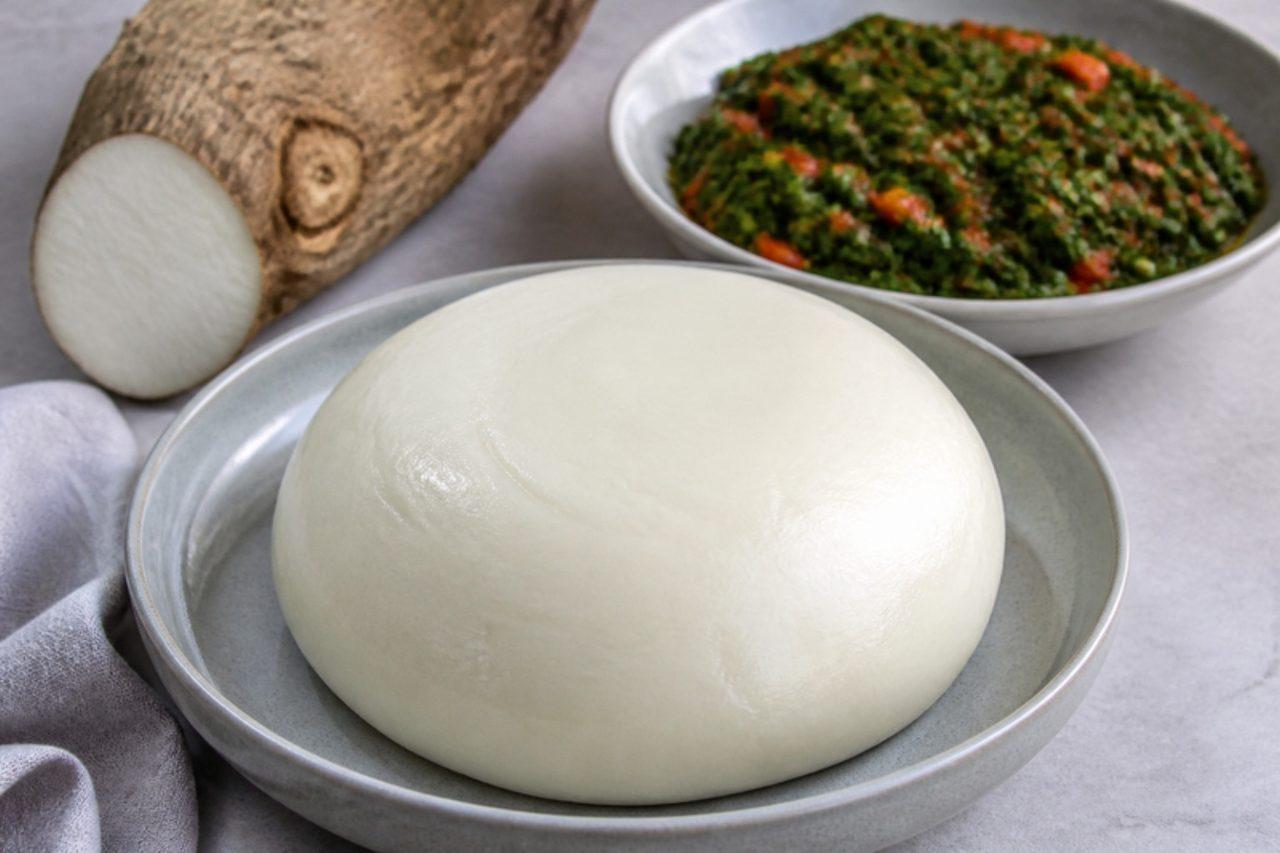
Pounded yamPounded yam dough

Pounded yam, iyan in Yoruba, is the pride of Ekiti and Oyo tables, where it is still pounded in a big wooden mortar on Sundays and at celebrations, the thud of the pestle carrying down the street. Boiled white yam is beaten until it becomes a smooth, elastic, slightly sticky dough that is torn off by hand and dipped into egusi, efo riro or okra soup. At home most people now use a stand mixer or food processor instead of a mortar. It has to be true African white yam (puna yam), not orange sweet potato, which some shops label as yam. Chef's tip: pound or mix the yam while it is still very hot; as it cools the starch sets and it turns lumpy instead of stretchy.

by KrazyBadal 0 views

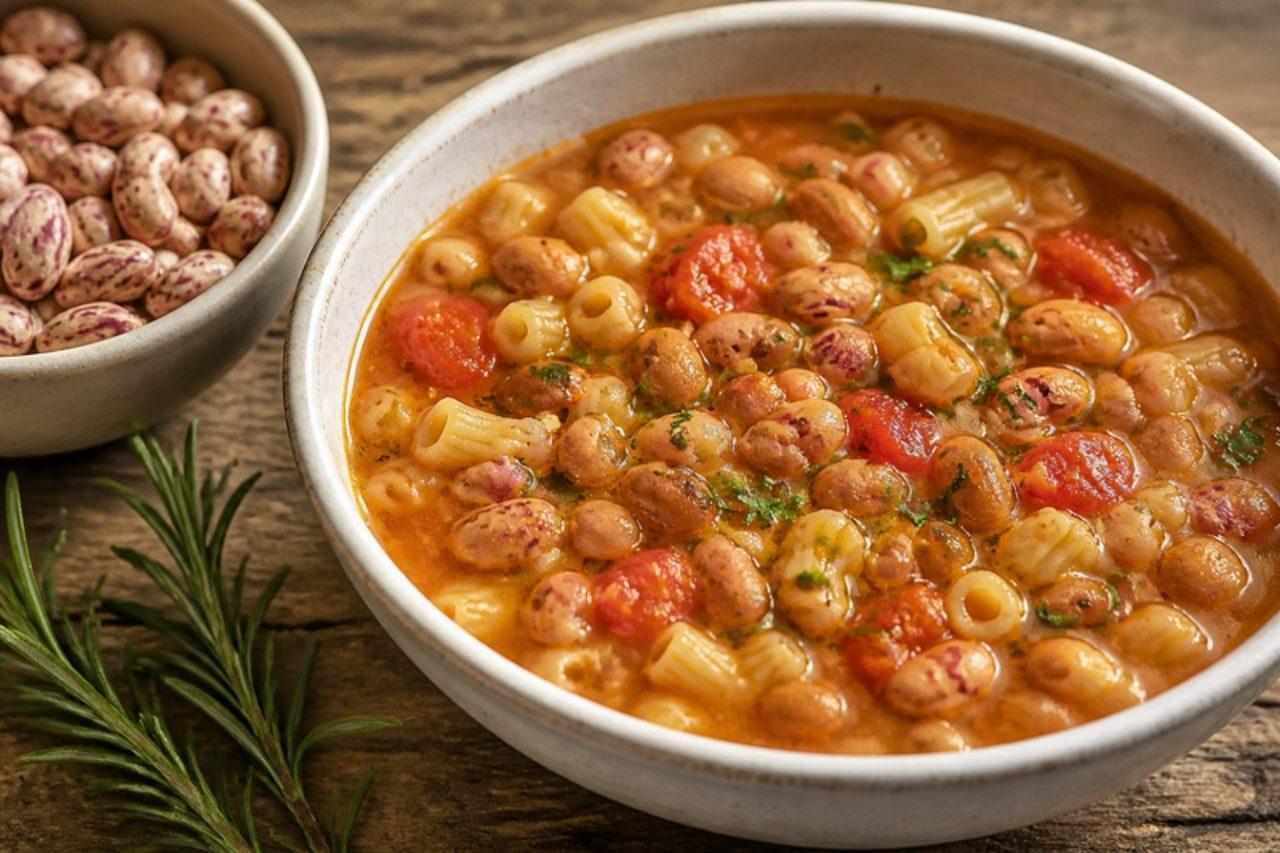
Pasta e fagioliBean and pasta soup

In Naples pasta e fagioli (pasta e fasule in dialect) is thick enough to stand a spoon in, made with cannellini or borlotti beans, a few cherry tomatoes, garlic and broken pasta cooked straight in the bean broth. It is a cheap, filling Friday-night meal in many Neapolitan homes, and the bean starch, not cream or cheese, makes it velvety; this version stays vegan. Chef's tip: blend a ladle of the beans before the pasta goes in; it thickens the soup naturally so the pasta is coated, not swimming.

by KrazyBadal 0 views

Pasta e patatePasta with potatoes

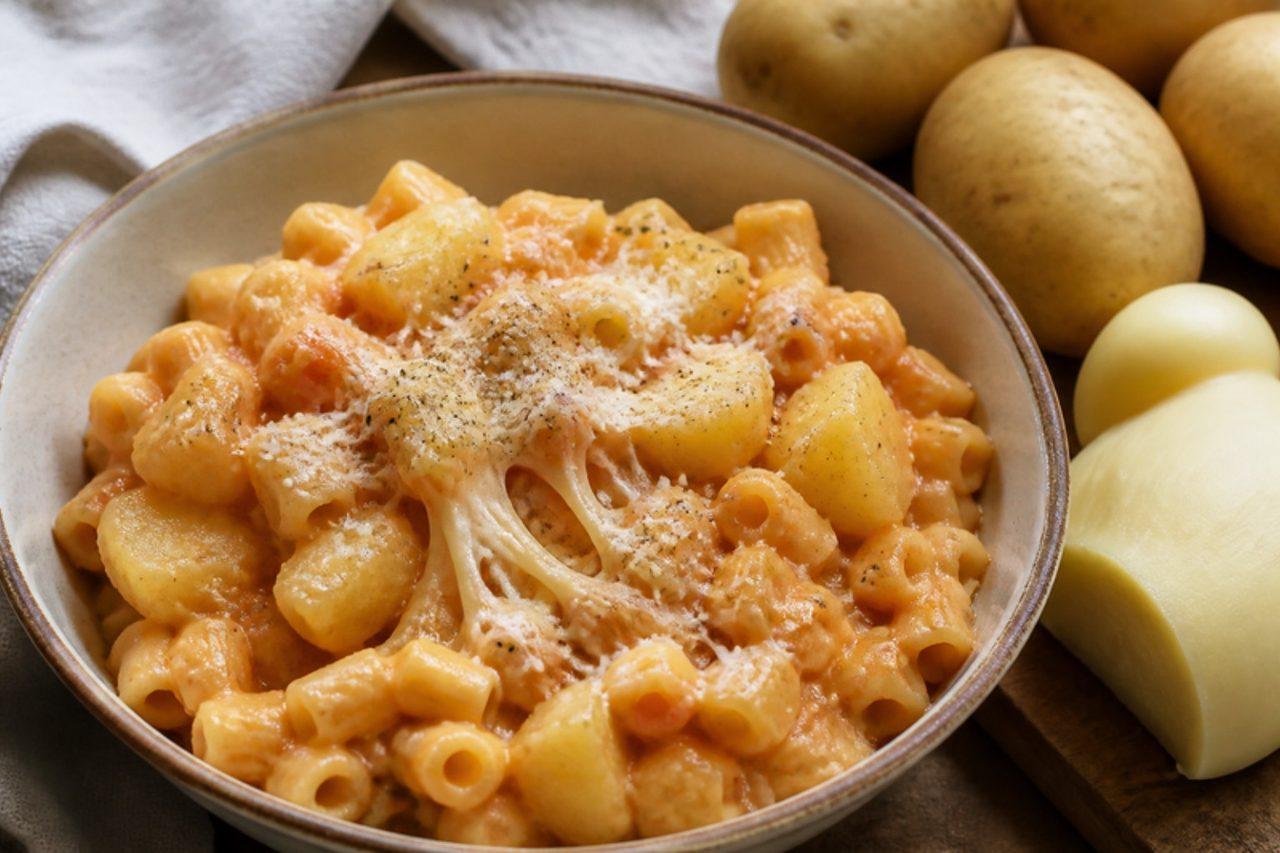
Pasta e patate is Neapolitan home cooking at its most thrifty: potatoes and mixed broken pasta (pasta mista, the odds and ends from many packets) cooked together in one pot like a risotto, until the potato breaks down and the starch makes everything creamy. Naples families eat it on weekday evenings in winter, and many stir in cubes of smoked provola at the end so it goes stringy (pasta patate e provola). Children love it. Chef's tip: cut half the potato small and half larger; the small pieces melt into the sauce while the larger ones keep their shape.

by KrazyBadal 0 views

Showing 45 of 7,762 recipes

Show more recipes

Page 730 of 863