


Skip to content
Ensalada de pallares
Featured recipe

Ensalada de pallares

Lima bean and red onion salad

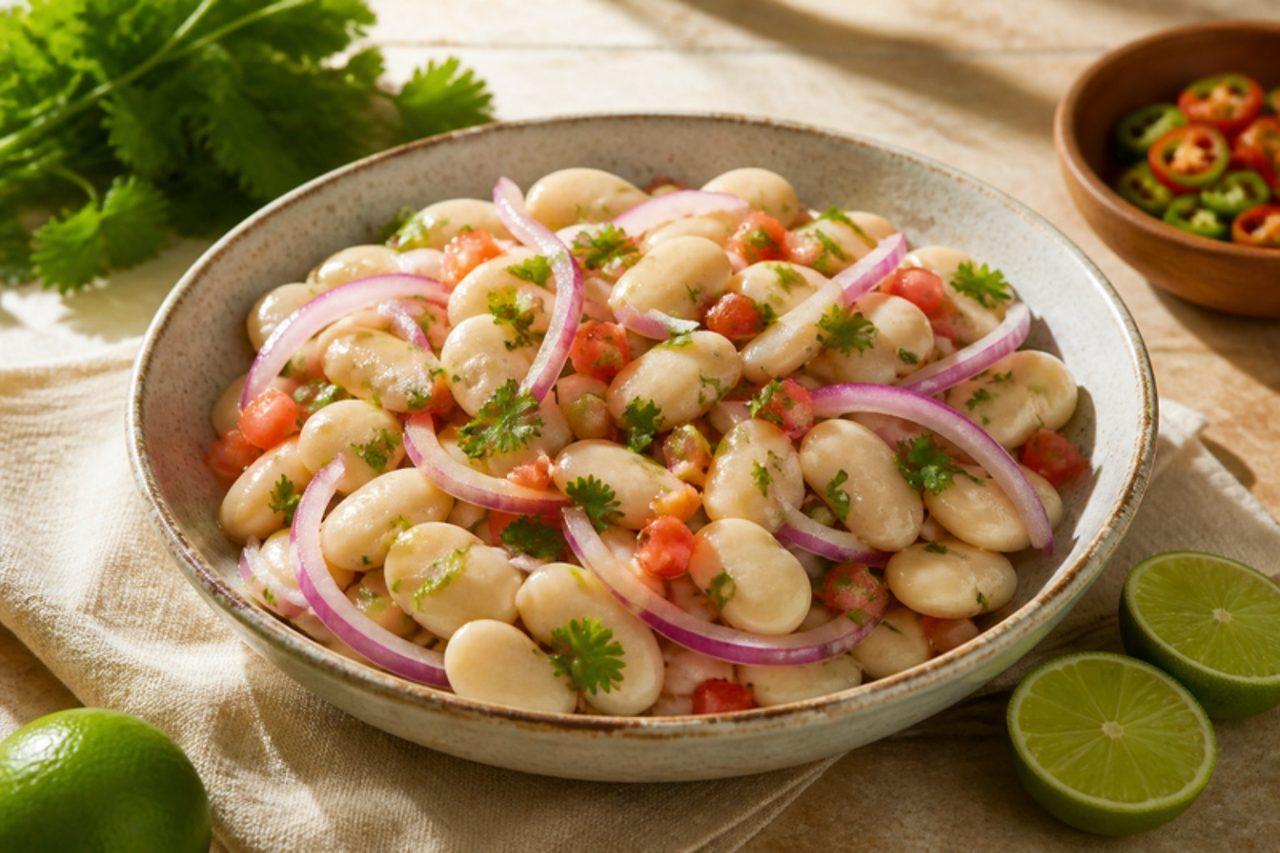
Around Ica, on Peru's southern desert coast, pallares grow in irrigated valleys and dry into fat, flat beans the size of a thumbnail; the region holds them in high regard and sells them by the sack at the Ica market. Cooked until creamy and dressed while warm, they become a filling salad that sits on the table beside fried fish, rice or a plate of boiled sweet potato, and it works as a light lunch on its own. The onion is cut the Peruvian way, in fine half-moons, rinsed so it stays crisp without biting, and the ají limo gives a fruity heat that you can turn up or down. A frequent slip is dressing the beans straight from the fridge: they stay chalky and the lime slides off instead of soaking in. Using dried beans adds an overnight soak; good jarred or canned large lima beans make it a 20-minute dish. Chef's tip: dress the beans while they are still warm with half the lime and salt, then add the onion, tomato and the rest of the lime just before serving.

Read more 0 views

What to eat today?

Around the world

Today's trip: Paraguayan

A new country every day, from every cuisine on the site.

Paraguayan

Kosereva

Candied bitter orange peel 180 minMore from Paraguayan (27) →

This week's collection

Kid-friendly dinners
537 recipes · a new collection every Monday

Latest recipes

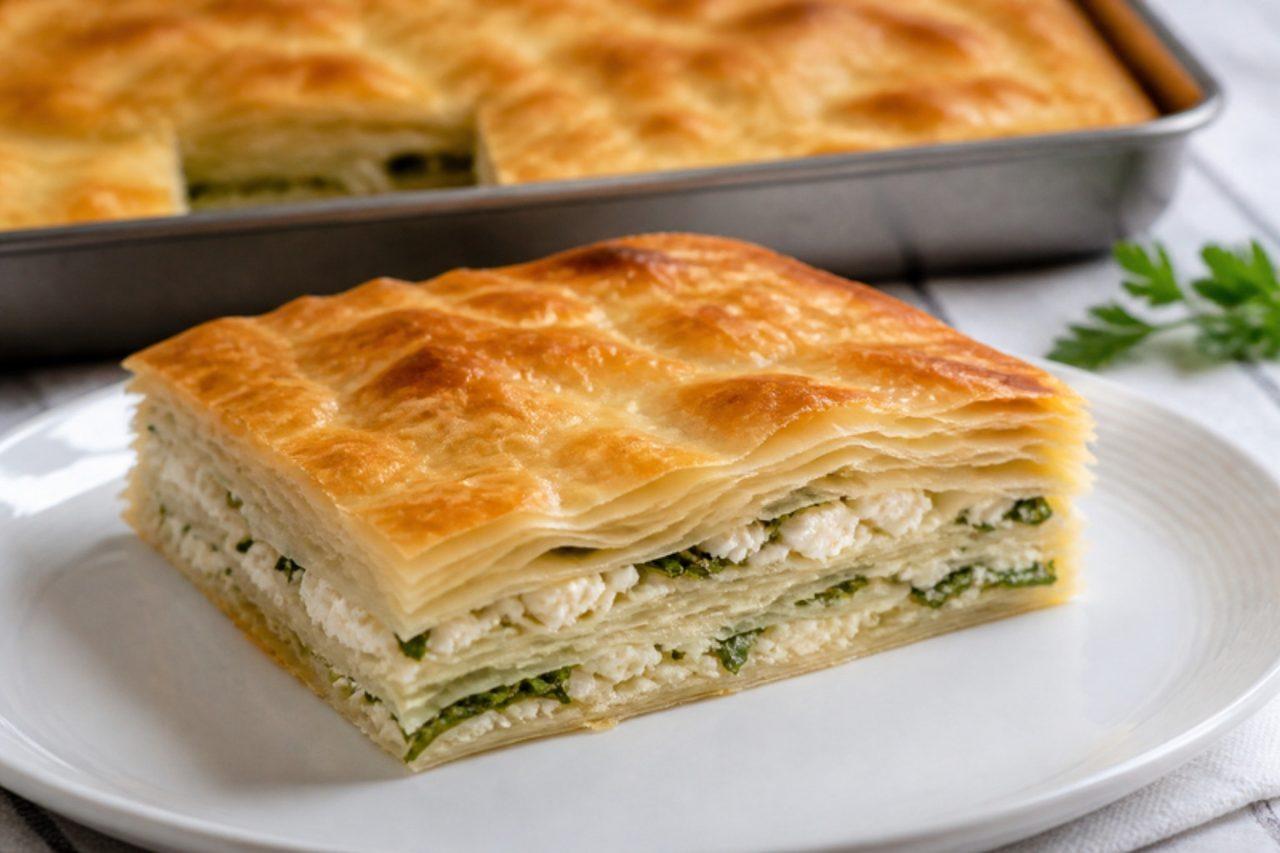
Su böreğiLayered boiled pastry with cheese

Of all Turkish böreks, su böreği is the one cooks are proudest of. Thin sheets of egg dough are boiled for a moment, then layered with butter and white cheese and baked until the top is crisp and the inside is soft and almost silky, a little like a cheesy lasagne made of pastry. Bakeries in Istanbul and Ankara sell it by weight from huge trays in the morning, and at home it appears at holidays and when guests are expected. It takes time and patience but nothing is difficult. Make it the day before and reheat it. Chef's tip: have a big bowl of iced water ready next to the pan; plunging each sheet straight into it stops it cooking and keeps the layers from sticking together.

by KrazyBadal 0 views

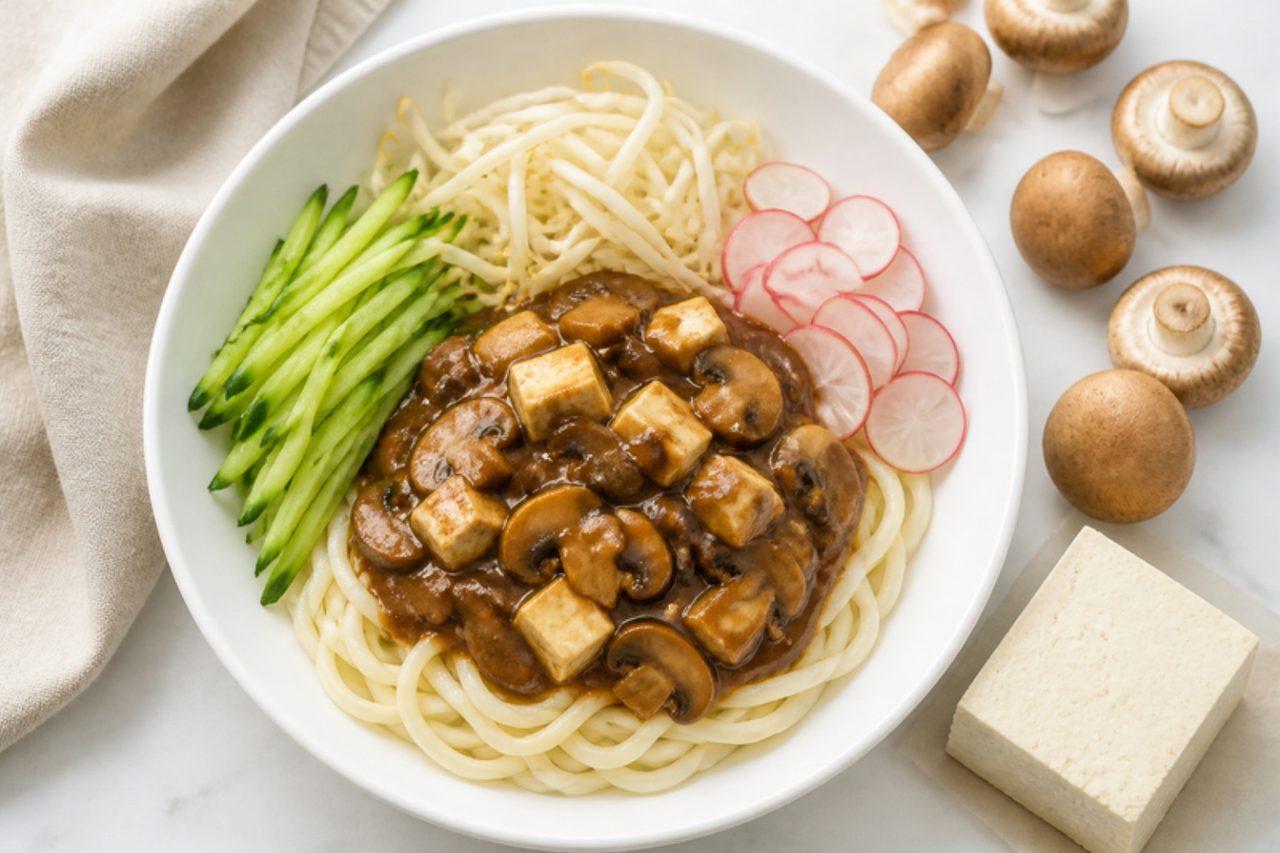
Zhajiangmian with mushroom and tofuNoodles in bean paste sauce

Zhajiangmian is old Beijing's comfort food, eaten in hutong noodle houses and at home on hot summer days. Thick wheat noodles are topped with a dark, salty-sweet sauce of fermented soybean paste fried slowly in oil, then piled with raw cucumber, radish and beansprouts that you mix in at the table. Pork is traditional; diced firm tofu and mushrooms give the sauce the same chunky body here. Chef's tip: fry the bean paste gently and patiently, on a low heat, until the oil separates out and it smells toasty; rushed, it tastes raw and harsh.

by KrazyBadal 0 views

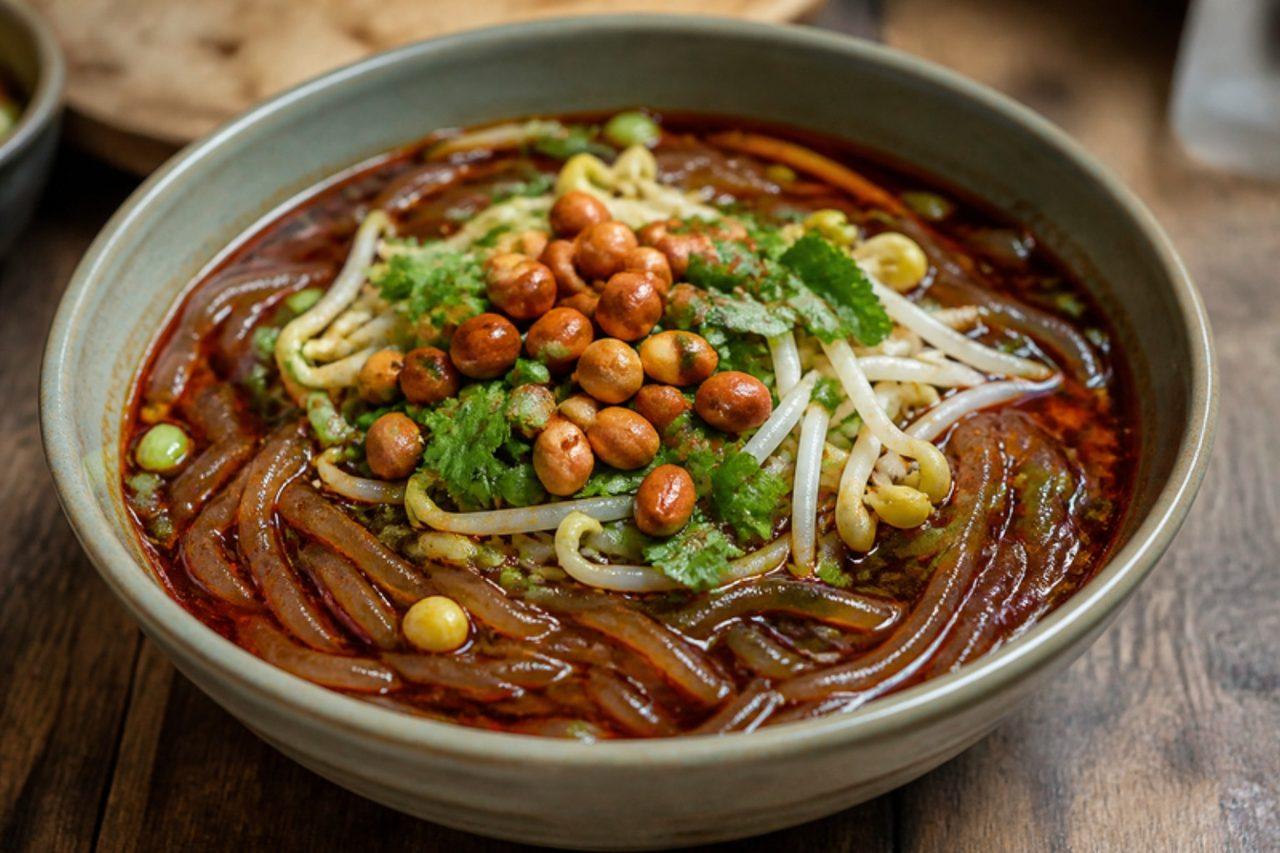
Suan la fenHot and sour sweet potato noodles

Chongqing's hot and sour noodles are made from sweet potato starch, so they are chewy, bouncy and almost clear. They come in a broth that is sharp with black vinegar and red with chilli, topped with fried peanuts or soybeans and a spoonful of pickled greens. Students live on it, and it's a favourite late-night snack across the south-west. Plan for the 30-minute soak for the dried noodles. Chef's tip: add the vinegar to the bowl, not the pan; boiled vinegar loses the sharp edge that makes this dish.

by KrazyBadal 0 views

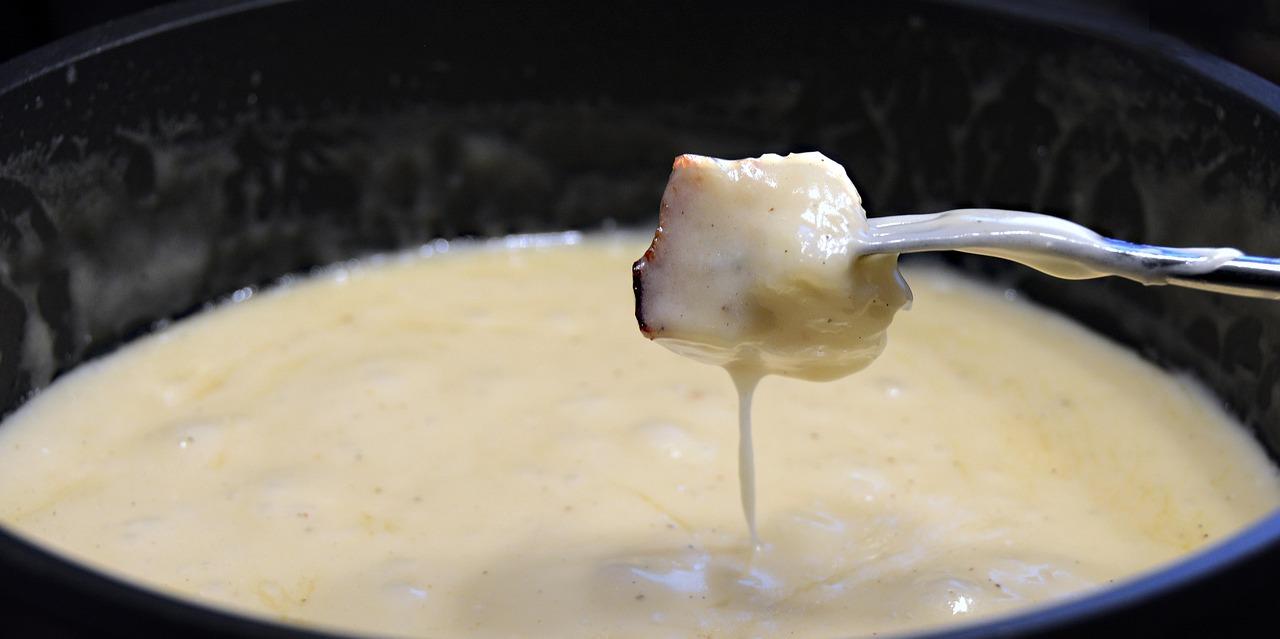
Fondue moitié-moitiéGruyère and Vacherin fondue

Moitié-moitié means half and half, and in Fribourg it names the canton's own fondue: equal weights of nutty Gruyère and soft, buttery Vacherin fribourgeois melted with dry white wine in a glazed earthenware caquelon. Families light the burner in the middle of the table on cold evenings from October to March, and ski huts above Gruyères serve it after a day on the slopes. The Vacherin makes it silkier and milder than a Gruyère-only fondue, so it clings to the bread in a thick, glossy coat. Serve with day-old bread, a plate of cornichons and small boiled potatoes, and drink white wine or warm black tea with it; locals say cold water sits badly with all that cheese. Traditional Gruyère and Vacherin are made with animal rennet, so for a vegetarian table look for wheels labelled with microbial or vegetarian rennet, or ask a cheesemonger for a similar Alpine cheese that uses it. Chef's tip: grate the cheese rather than cubing it and let it come to room temperature for 30 minutes; it melts evenly and the fondue stays smooth.

by KrazyBadal 0 views

ThiakryMillet couscous with sweet yogurt

Thiakry, called dégué in Mali and Burkina Faso, is the creamy dessert of Senegalese weddings, naming ceremonies and Tabaski: pellets of steamed millet stirred into sweetened yoghurt and soft fromage frais, scented with vanilla and nutmeg and served cold. Ready-made millet granules (arraw or sankhal) are sold in African grocers, which makes it a 15-minute job. Raisins and a little coconut are common in Dakar. Chef's tip: steam or soak the millet fully before it meets the yoghurt; undercooked grains stay hard and gritty in the cold.

by KrazyBadal 0 views

Kiritanpo nabeRice stick and chicken hot pot

In Akita, in Japan's snowy north-west, the new rice harvest in October marks the start of kiritanpo season, and the town of Odate holds a festival for it every autumn. Freshly cooked rice is half-pounded, pressed around sticks and toasted, then cut up and dropped into a soy-seasoned chicken broth with burdock, maitake mushrooms and crunchy Japanese parsley called seri. Locals use the region's Hinai-jidori chicken; any good free-range bird works. The toasted rice soaks up the broth but keeps a little chew. Chef's tip: toast the rice sticks until dry and golden in patches all over, as a crisp outer skin keeps them from dissolving in the pot.

by KrazyBadal 0 views

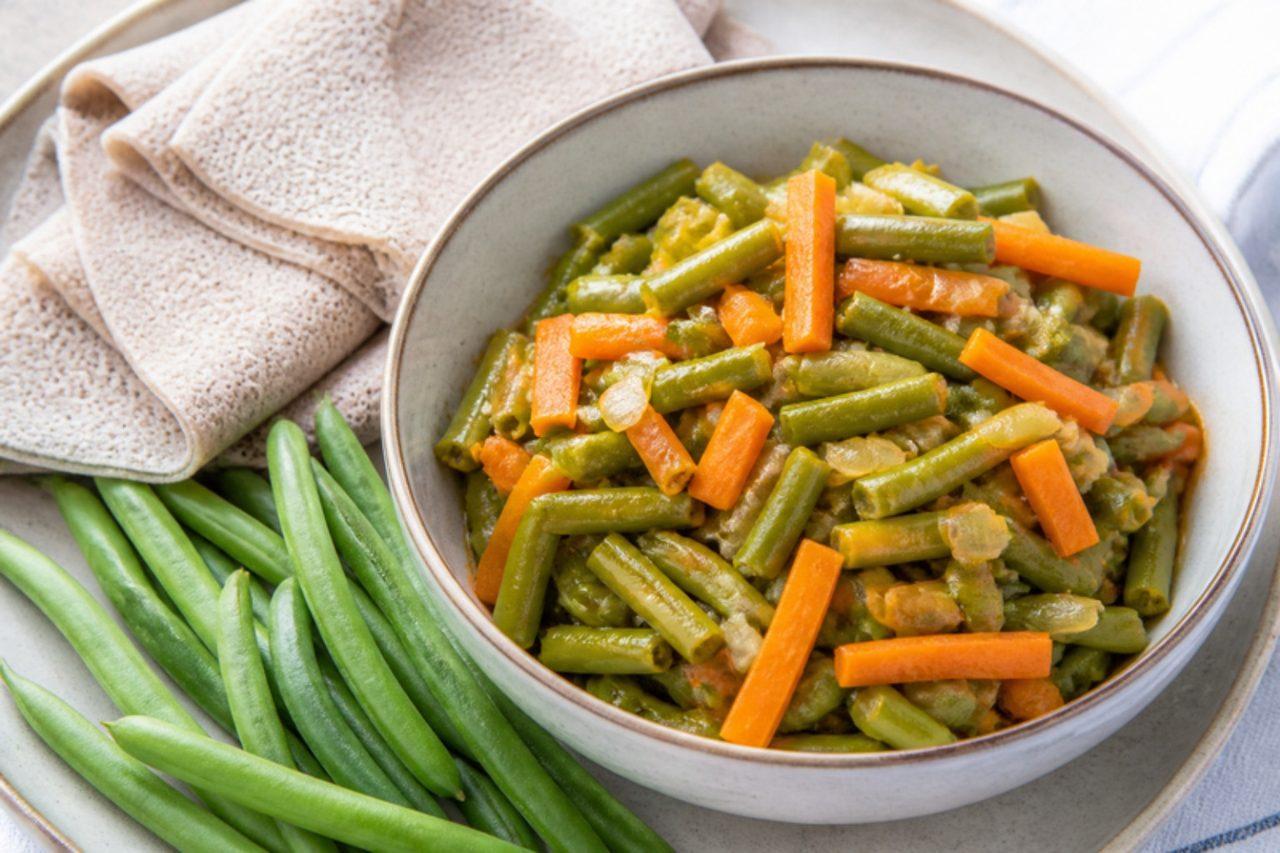
FosoliaGreen beans and carrots

Fosolia takes its name from the Italian fagioli, a reminder of the Italian occupation of the 1930s, but it is now completely Ethiopian and a regular on fasting platters in Addis Ababa and Dire Dawa. Green beans and carrot batons are cooked with lots of onion, garlic and ginger until tender but still bright, then served warm with injera or rice. It is quick, mild and colourful. Chef's tip: cut the beans and carrots to the same length and thickness so they cook evenly.

by KrazyBadal 0 views

TemblequeCoconut milk pudding

Tembleque gets its name from the way it shivers (tiembla) when you set it on the table, and in Puerto Rico it is the dessert of the Christmas season, from the parrandas of December through to the Three Kings in January. It's nothing more than coconut milk, sugar and cornflour cooked into a silky custard, poured into a mould and chilled until it holds its shape. It is cool, pure white, lightly sweet and tastes completely of coconut, with a blush of cinnamon on top. Chef's tip: use full-fat tinned coconut milk; light coconut milk sets thin and tastes watery.

by KrazyBadal 0 views

FrappéShaken iced coffee

The frappé was invented by accident at the Thessaloniki International Fair in 1957, when a coffee rep shook instant coffee with cold water because there was no hot water to hand. Within a few years it was the drink of every Greek café and beach bar, sipped slowly through a straw for an hour or more. Instant coffee, sugar and a little water are shaken or frothed into a thick, light-brown foam, then topped up with cold water, ice and, if you like, milk. Order it sketos (no sugar), metrios (medium) or glykos (sweet). Chef's tip: use only a splash of water for the first shake; adding all the water at once is the common mistake and you get thin coffee with no foam.

by KrazyBadal 0 views

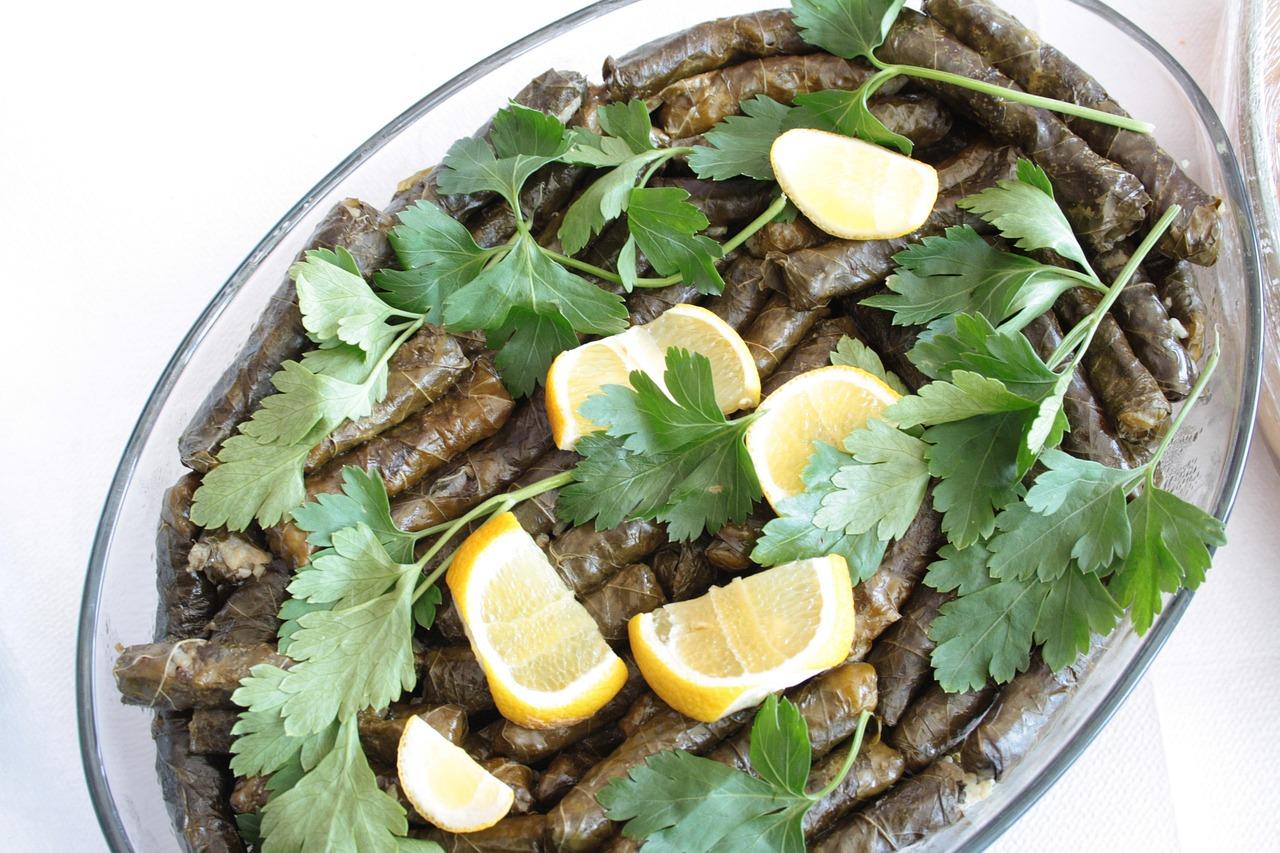
Yaprak sarmaRice-stuffed vine leaves

Rolling yaprak sarma is a social job in Aegean kitchens around Ayvalık and Manisa, where vineyards supply the leaves: a tray of grape leaves, a bowl of spiced rice and two or three people talking while they roll. This meat-free version is the olive-oil kind, filled with rice, onion, pine nuts, currants, mint and a pinch of cinnamon and allspice, and served cold as a meze or at tea-time gatherings. Good sarma are thin as a finger and hold together when bitten. A common mistake is overfilling: the rice swells as it cooks and splits the leaves. Chef's tip: use only a teaspoon of filling per leaf and roll firmly but not tight, leaving room for the rice to grow.

by KrazyBadal 0 views

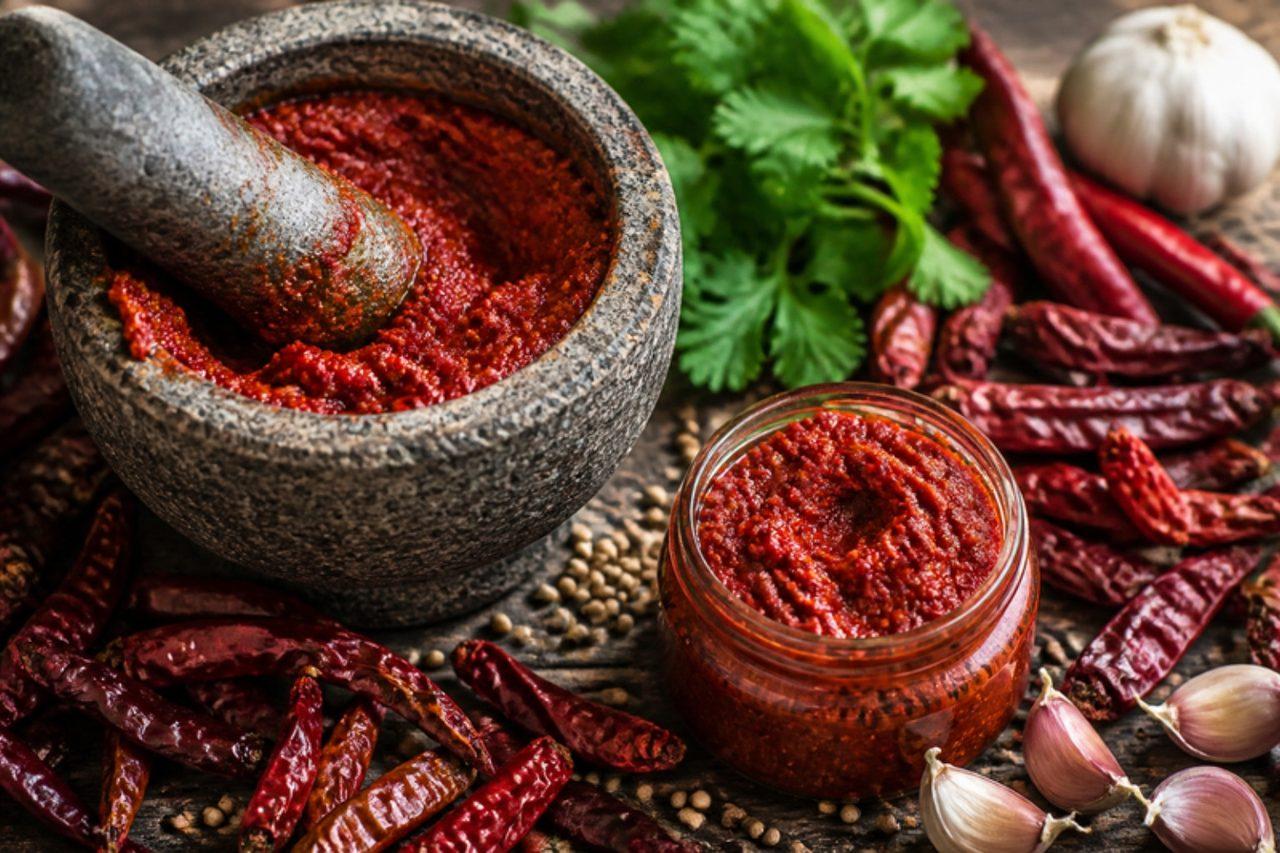
AdjikaRed pepper and garlic paste

Adjika comes from Samegrelo and neighbouring Abkhazia in western Georgia, where it is a thick, fiery paste of dried red peppers, garlic and seeds, pounded in a stone mortar and stored in jars for the year. It is nothing like the tomato relishes sold as adjika in some shops: a little goes a very long way, stirred into beans, rubbed into vegetables before roasting, or spread thinly on mchadi with cheese. It needs no cooking, just patience while the peppers soak. A common mistake is skipping the soaking, which leaves the paste gritty with hard flakes of skin. Chef's tip: wear gloves while handling the peppers, and use a mix of mild and hot ones so you get colour and fruitiness, not just heat.

by KrazyBadal 0 views

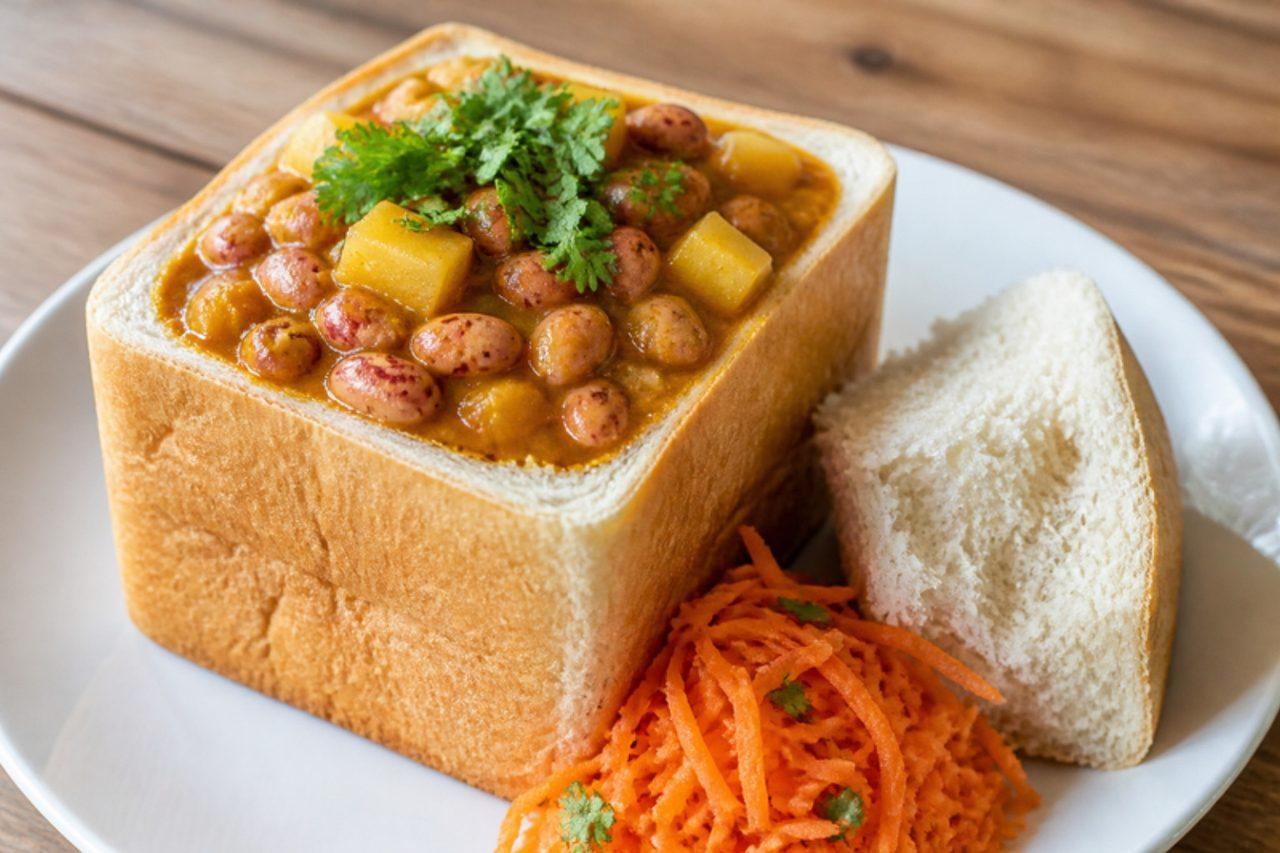
Sugar-bean bunny chowBean curry in a bread loaf

Bunny chow was born in Durban, among the city's Indian community, where curry in a hollowed loaf became the takeaway lunch of dockworkers and caddies. Many Durbanites say the first bunnies were vegetarian, filled with sugar beans, and cafés around Grey Street still sell a bean bunny beside the mutton one. A quarter loaf of unsliced white bread is scooped out and filled with a fiery, red Durban curry, with the scooped-out bread (the 'virgin') put back on top for dunking. It is eaten with your hands, with grated carrot and chilli salad on the side. Chef's tip: the curry needs to be thick and saucy, not watery; a runny curry soaks through the loaf before you've finished the first bite.

by KrazyBadal 0 views

ZacuscăRoasted aubergine and pepper spread

Zacuscă is the autumn preserve of Moldavia and Transylvania: in Iași and the villages around it, families spend a September weekend charring aubergines and red peppers over a grill and slowly frying them down with onion and tomato into a thick, chunky spread. The jars go into the cellar and come out all winter, spread on bread or eaten with mămăligă during the Orthodox fasts. It is coarser and more oniony than smooth Balkan ajvar, with bay and a long, jammy cook. Chef's tip: let the onions go fully soft and sweet before adding anything else; rushing them leaves a sharp, raw edge that the long cook never removes.

by KrazyBadal 0 views

Yassa pouletLemon onion chicken

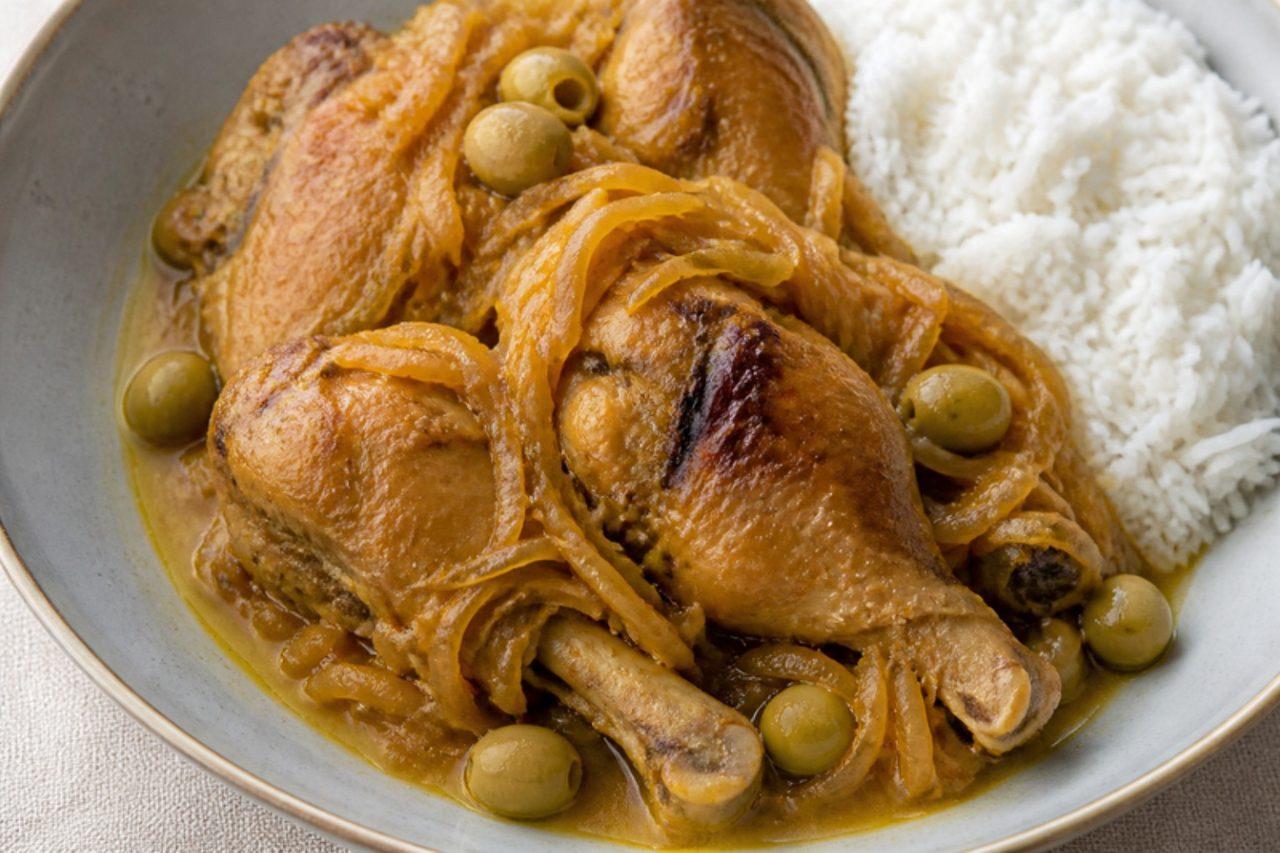
Yassa comes from Casamance, the green, rice-growing south of Senegal, and has become the dish Dakar families cook for guests and naming ceremonies. Chicken spends a night in lemon juice, mustard and a huge pile of sliced onions, is grilled or browned until charred at the edges, then braised in those same onions until they collapse into a sharp, sweet, jammy sauce. It is served over plain white rice with a green olive or two on top. A common mistake is rushing the onions; if they are still crunchy the sauce tastes raw and harsh, so give them the full half hour. Chef's tip: keep the marinade, because it becomes the sauce; just boil it well with the onions so it is safe to eat.

by KrazyBadal 0 views

SukumawikiSautéed collard greens

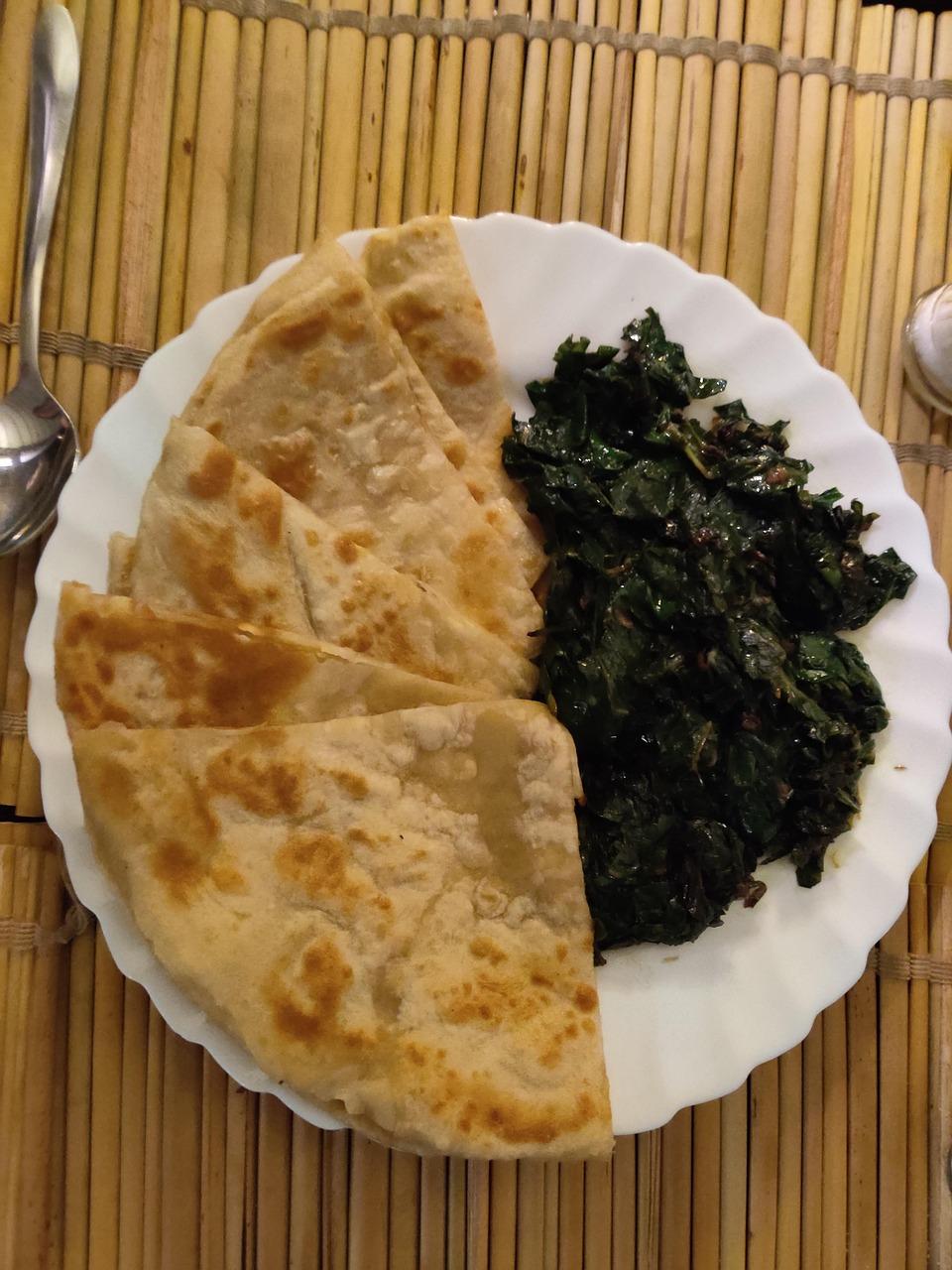
Sukumawiki (collard greens) finely chopped and cooked quickly with cumin, onion, tomato and a little turmeric, chilli and coriander-cumin powder until just tender. Its name means 'push the week', because it's cheap enough to stretch the budget to the end of the week. Serve hot with ugali.

by KrazyBadal 0 views

Mee hokkien PhuketThick yellow noodle stir-fry

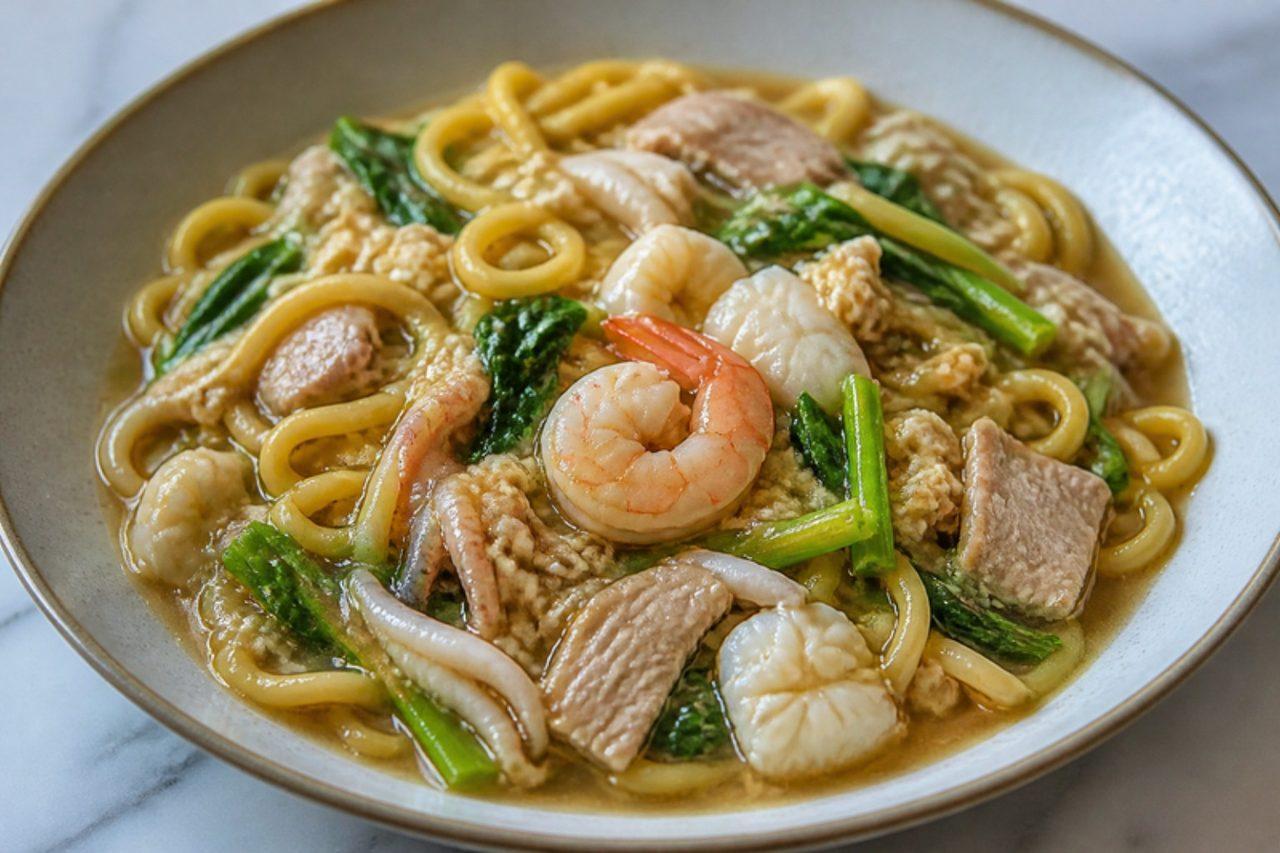
In the Sino-Portuguese shophouses of Phuket Town, descendants of Hokkien tin miners still begin the day with this: fat, chewy yellow egg noodles fried with pork, prawns and squid, then simmered in a little stock until the sauce becomes a savoury gravy that coats every strand, with an egg stirred through at the end. It is the island's signature noodle, ordered in old coffee shops with a glass of strong local coffee or a bowl of clear pork soup. The texture is slippery and thick, the flavour mellow and peppery rather than hot, so chilli vinegar goes on the table. Chef's tip: loosen the fresh noodles under hot water before they go in the wok; cold, stuck-together noodles snap into short pieces when tossed.

by KrazyBadal 0 views

Mee goreng mamakFried yellow noodles

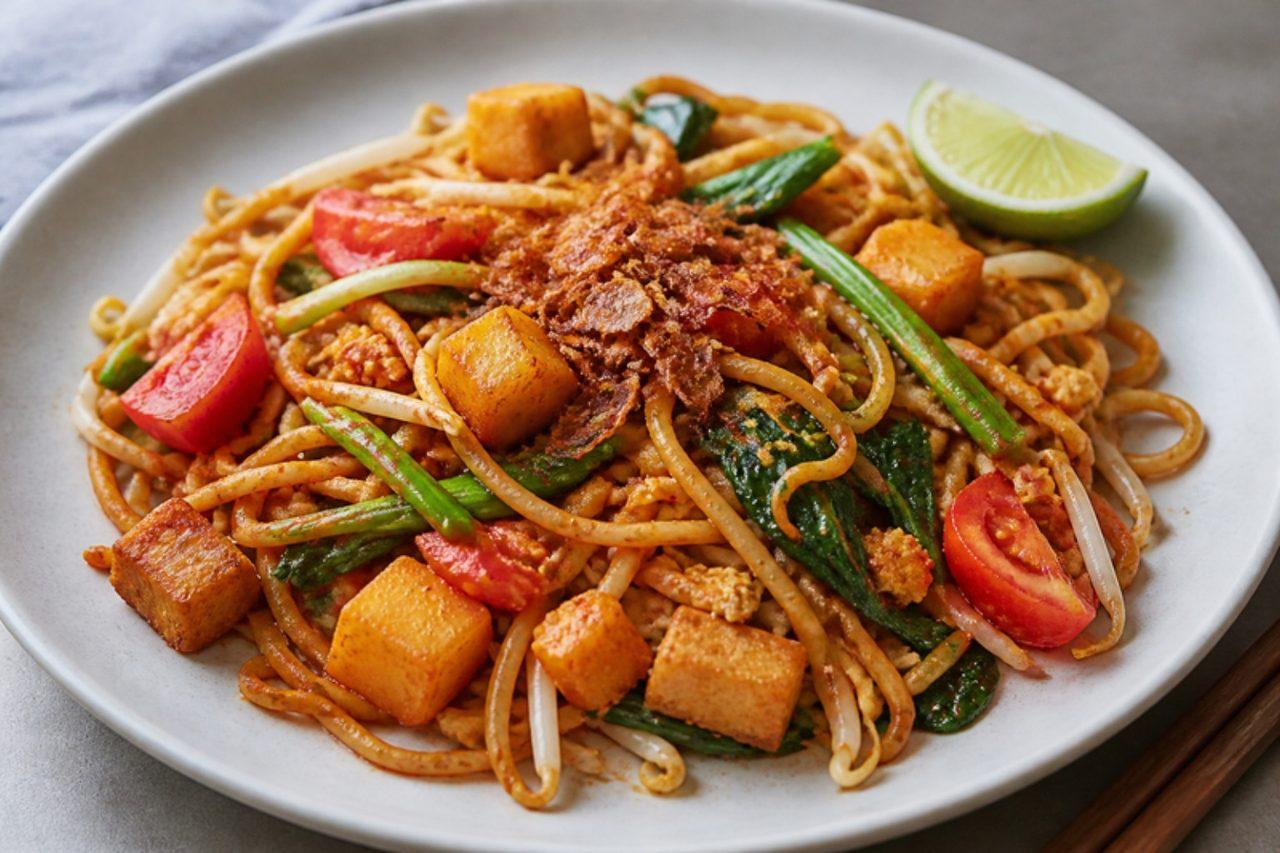
Mamak stalls, the round-the-clock cafés run by Malaysia's Tamil Muslim families, are where friends meet after a football match or a late film, and mee goreng mamak is the plate everyone orders with a glass of pulled tea. It's yellow noodles tossed hard in a wok with tomato sauce, chilli, soy, a pinch of curry powder, soft potato that breaks into the sauce, tofu, egg and bean sprouts, finished with a squeeze of lime. Stalls often add squid or prawns; here the tofu does that job. It's sweet, smoky, tangy and a little messy, as it should be. Chef's tip: get the wok really hot and let the noodles sit untouched for 20 seconds between tosses so they char in spots.

by KrazyBadal 0 views

KinderpunschHot spiced fruit punch

At every German and Austrian Christmas market, from Nuremberg to Vienna's Rathausplatz, the stalls selling Glühwein also sell Kinderpunsch: a steaming, alcohol-free mix of fruit tea and juices with cinnamon, cloves and orange, served in the market's own decorated mugs. Children love it, but so do drivers and anyone who just wants something warm to hold on a cold evening. It takes 20 minutes at home and makes the whole house smell of Advent. Chef's tip: keep it just below a simmer; boiling makes the spices bitter and dulls the fruit flavour.

by KrazyBadal 0 views

Showing 18 of 7,762 recipes

Show more recipes

Page 731 of 863