


Skip to content
Torrejas de acelga
Featured recipe

Torrejas de acelga

Swiss chard fritters

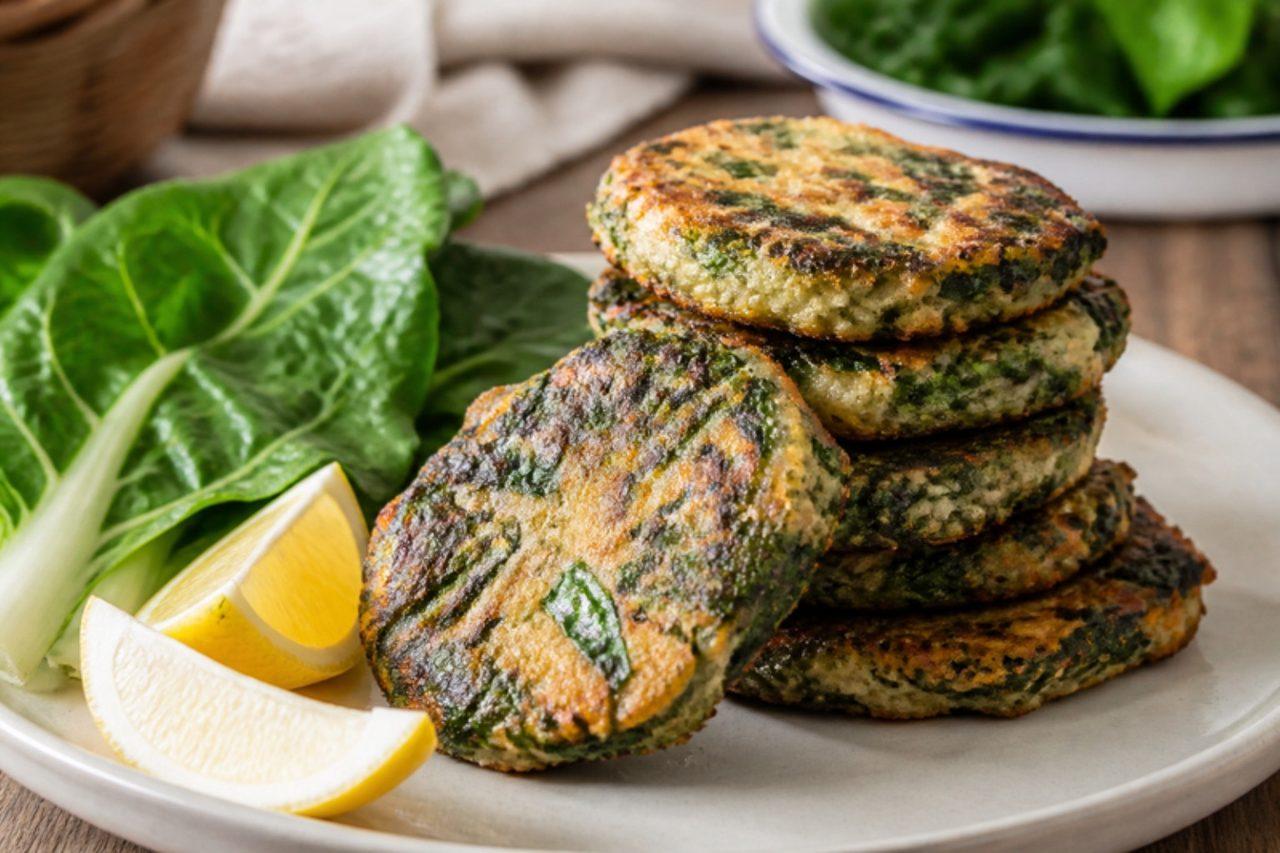
When a bunch of acelga (Swiss chard) is the cheapest thing at the verdulería, Buenos Aires home cooks turn it into torrejas: thin fritters of chopped chard bound with egg, a little flour, garlic and grated cheese, fried in shallow oil until the edges lace up and crisp. They are weekday food, eaten hot from the pan with a squeeze of lemon and a salad, or cold the next day in a sandwich, and children who won't touch greens tend to eat them. Inside they stay tender and green, outside nutty and golden. Wet chard is what ruins them: water left in the leaves makes the batter thin and the fritters spit and fall apart, so wring the blanched chard really dry. Grated hard cheese is often made with animal rennet; pick a vegetarian hard cheese if needed. Chef's tip: fry one small torreja first to check the seasoning and thickness, then adjust with a spoon of flour or a splash of milk.

Read more 0 views

What to eat today?

Around the world

Today's trip: Paraguayan

A new country every day, from every cuisine on the site.

Paraguayan

Ka'i ladrillo

Peanut molasses bricks 40 minMore from Paraguayan (27) →

This week's collection

Kid-friendly dinners
537 recipes · a new collection every Monday

Latest recipes

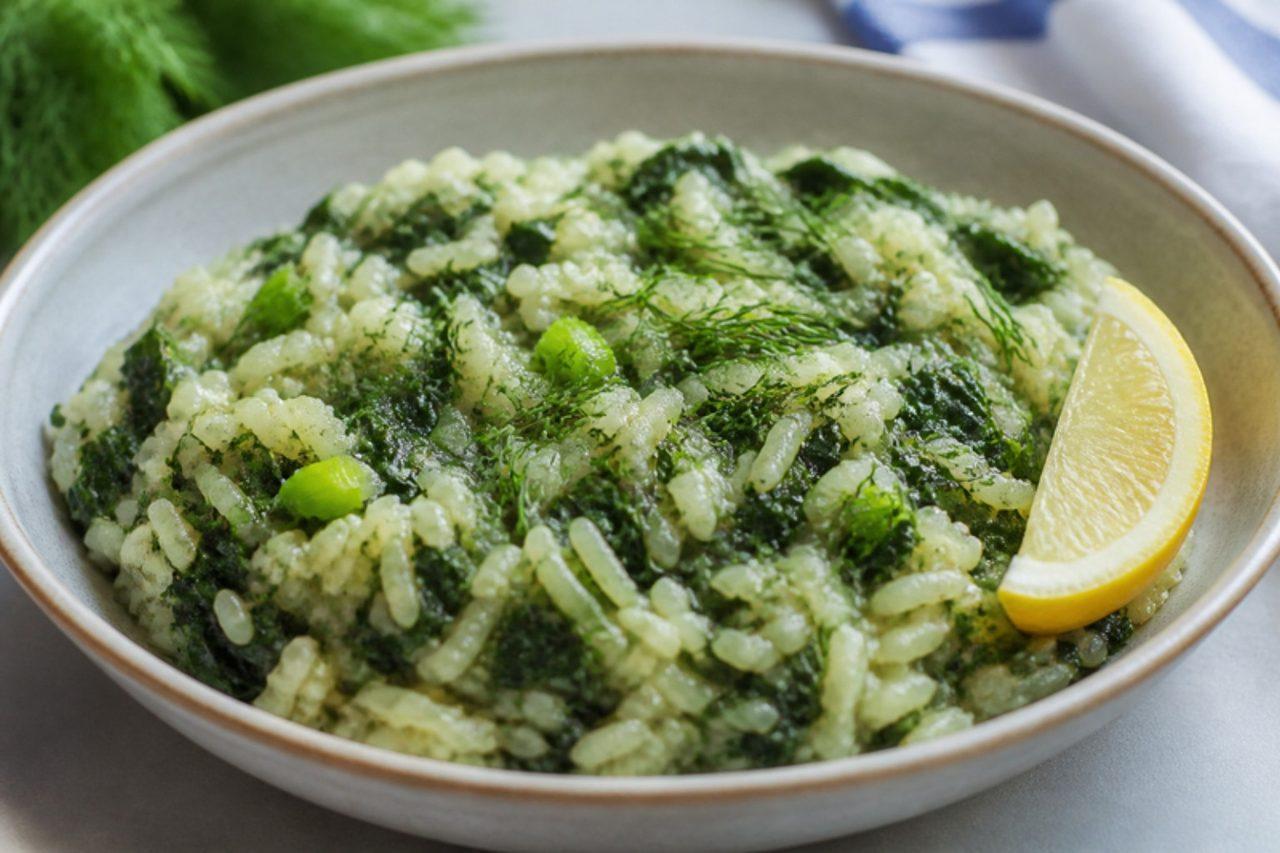
SpanakorizoSpinach and rice

Spanakorizo is a spring dish from Greek home kitchens, made when the markets fill with spinach and fresh dill. Rice is cooked right in the pot with wilted spinach, spring onions and olive oil until it is soft and a little loose, then squeezed with lemon. It isn't meant to be fluffy like a pilaf: Greek cooks like it moist, almost creamy. It is a full meal with a slab of feta and bread, or a side to fried eggs for those who eat them. Chef's tip: take it off the heat while it still looks a bit wet and let it rest covered for 5 minutes; cooking it until dry is the usual mistake and the rice turns stodgy as it cools.

by KrazyBadal 0 views

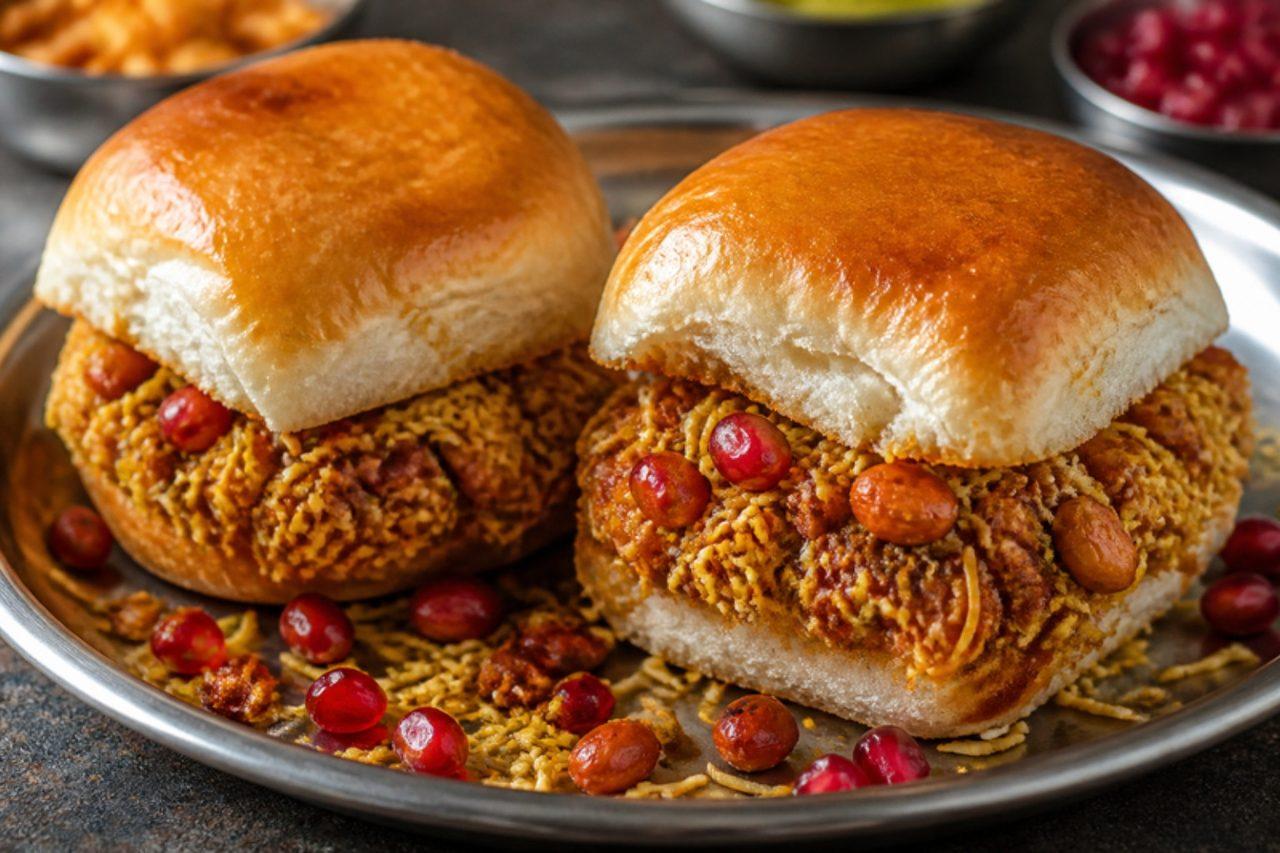
Kutchi dabeliSpiced potato buns

Dabeli was born in Mandvi, a port town in Kutch, Gujarat, and spread from there to every street corner in Mumbai. Soft pav are split, spread with sweet tamarind and fiery garlic chutneys, and stuffed with a potato filling spiced with dabeli masala, a warming blend of roasted coriander, cumin, cinnamon, clove and dried chilli. Masala peanuts, pomegranate seeds, onion and sev add crunch and sparkle, and the buns are toasted in butter until crisp at the edges. Children love them for the sweetness, adults for the heat. Chef's tip: make the dabeli masala yourself and toast the whole spices until they just smell warm; shop-bought powders lack that fresh, smoky sweetness, and a jar keeps for a month.

by KrazyBadal 0 views

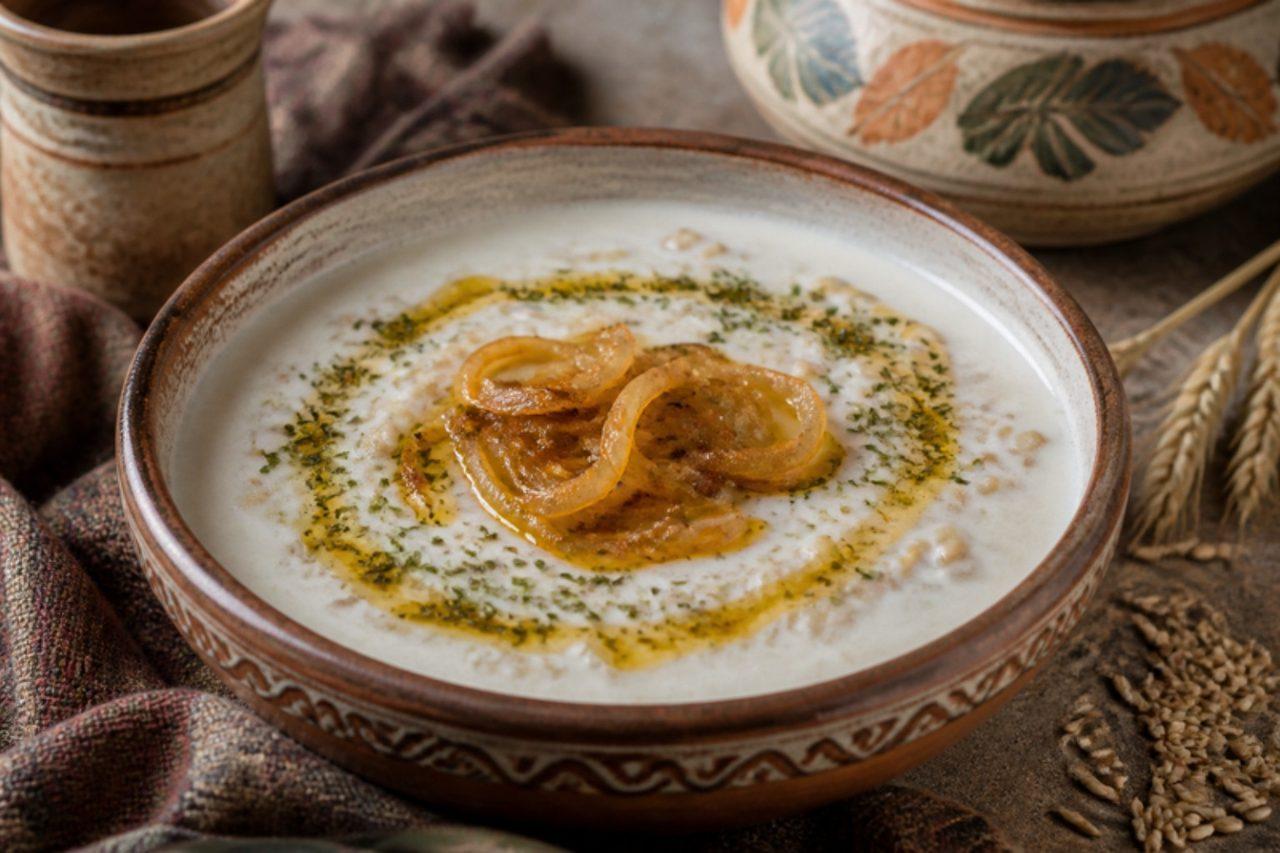
SpasYogurt and wheat soup

Spas is the yogurt soup of the Armenian highlands, eaten hot through the cold winters of Shirak and Gyumri and cold from the fridge in summer, when it tastes like a thick, savoury ayran. The base is tangy matsun (Armenian yogurt) thickened with egg and a little flour so it can boil without curdling, with plump grains of hulled wheat (dzavar) and a swirl of onions fried in butter with dried mint. Families make it for an ill relative, for a quick supper, and as a gentle start to a long feast. Serve with lavash and fresh herbs. Chef's tip: stir in one direction only, without stopping, until the soup comes to the boil; Armenian grandmothers swear by it, and steady stirring really is what keeps the yogurt smooth.

by KrazyBadal 0 views

SpeculaasSpiced biscuits

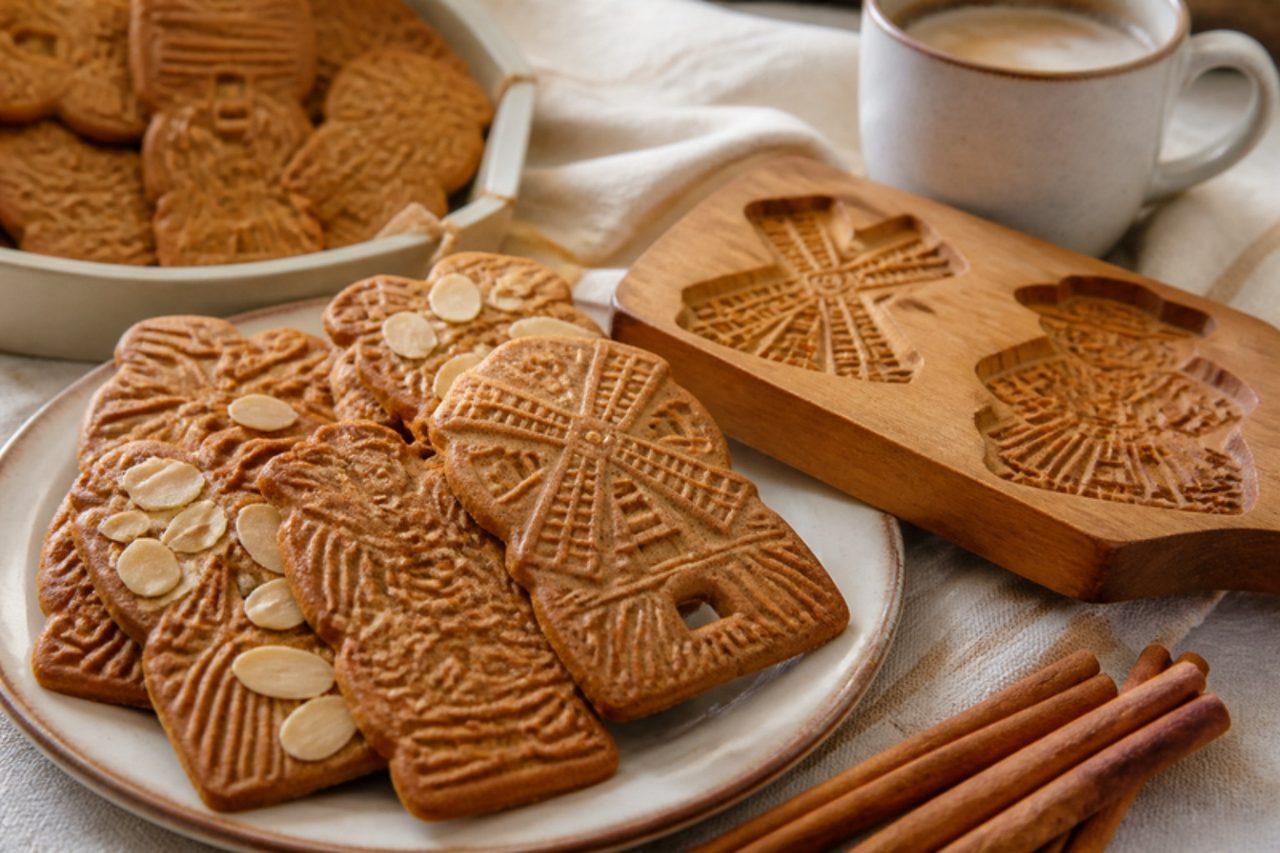
In the weeks before 5 December, Sinterklaas evening (pakjesavond), Dutch kitchens and bakeries fill with the smell of speculaas: thin, crisp, dark-brown biscuits heavy with cinnamon, clove, nutmeg, ginger, cardamom and a little white pepper. Traditionally they are pressed into carved wooden moulds shaped like windmills or Saint Nicholas himself; at home most people roll and cut them, scatter almonds on top and bake them crisp. Make your own spice mix (speculaaskruiden) once and you'll never buy it again. Chef's tip: let the dough rest overnight in the fridge; the spices bloom into the butter and the flavour is twice as deep the next day.

by KrazyBadal 0 views

Speculoos spreadSpiced biscuit spread

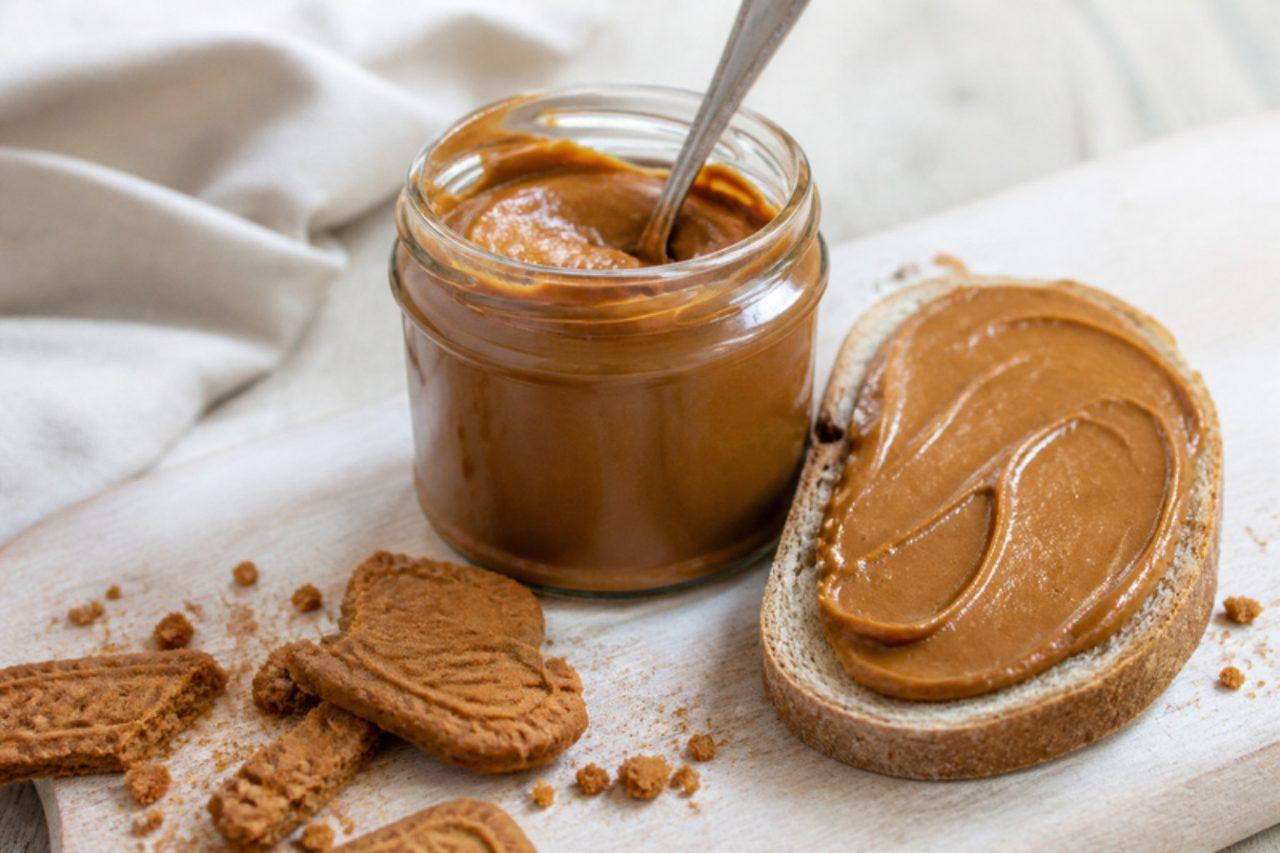
Speculoospasta, a sweet spread made from crushed spiced caramel biscuits, is a Flemish invention of the 2000s: a home cook took the idea to a Belgian TV contest for inventors, and within a few years it sat next to chocolate spread on breakfast tables across Belgium and the Netherlands. Belgians spread it thickly on bread or toast, stir it into yoghurt, or warm it to pour over ice cream. Homemade, it tastes more of cinnamon and caramel and less of sugar than shop jars. Chef's tip: blitz the biscuits to a powder as fine as flour before adding liquid; any grit left now stays gritty in the jar.

by KrazyBadal 0 views

Kuru fasulyeWhite bean stew

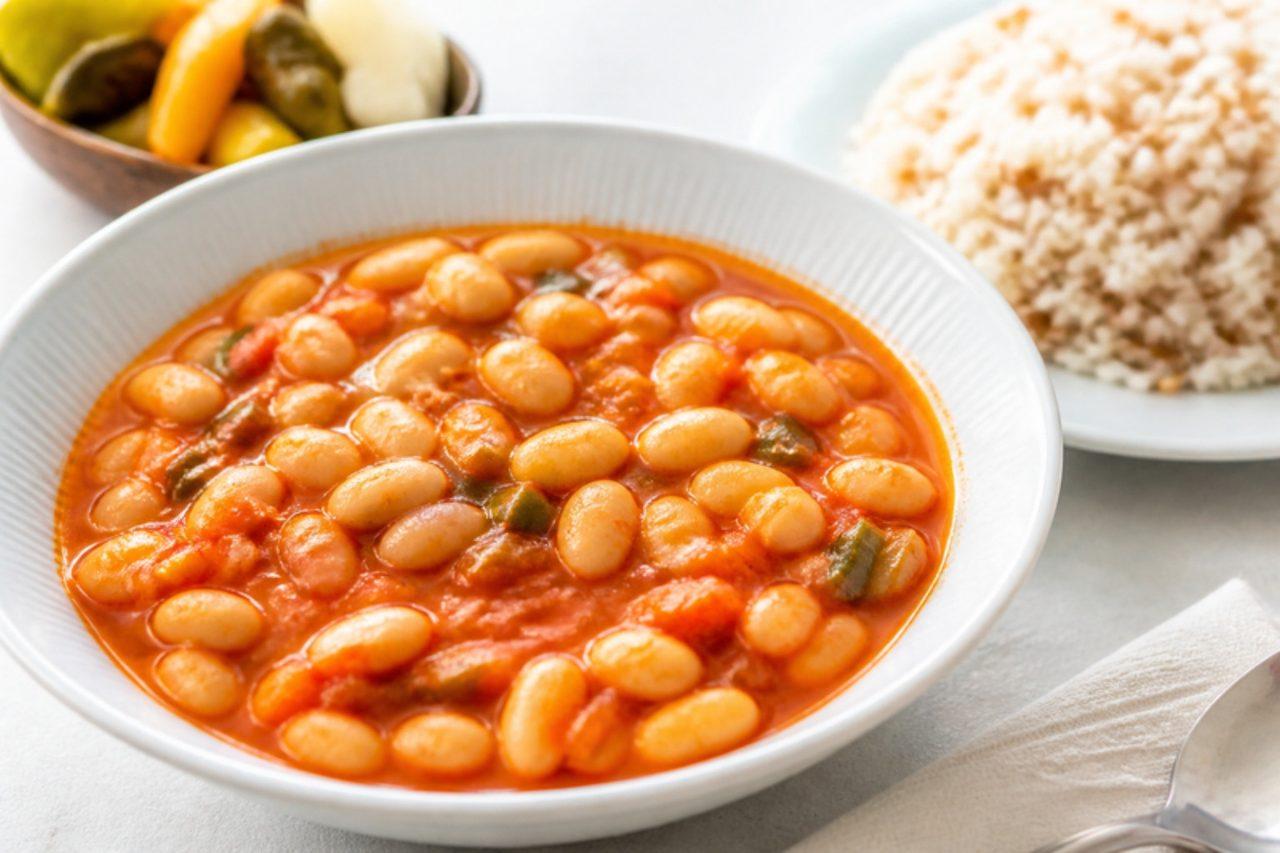
Kuru fasulye is close to a national dish in Turkey: a pot of white beans stewed in a red, paprika-scented sauce, eaten with rice pilaf, pickles (turşu) and raw onion at home and in the bean restaurants of Istanbul's Süleymaniye district. Many versions start with lamb or sucuk; this one leans on good olive oil, sweet and hot pepper paste and slow cooking, so the beans become creamy inside and the sauce silky and rich. It is a winter Friday-night staple for lots of families and tastes even better reheated the next day. Serve with domatesli bulgur pilavı or plain rice, a wedge of onion and crusty bread. Chef's tip: add the salt only once the beans are almost tender; salting at the start keeps the skins tough however long you cook them.

by KrazyBadal 0 views

KürtőskalácsChimney cake

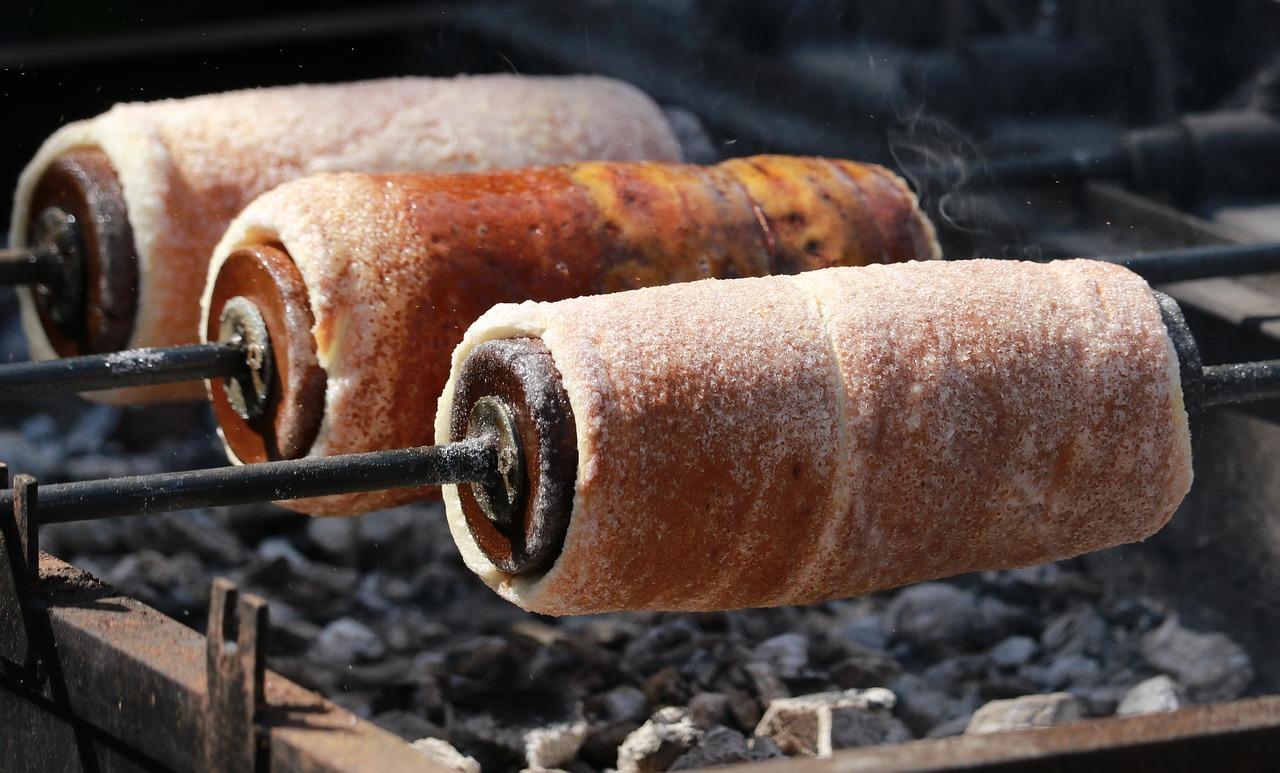
Kürtőskalács, or chimney cake, comes from the Székely Hungarian villages of Transylvania and is now sold at every Budapest Christmas market and summer festival, turning on spits over glowing coals. A strip of sweet yeast dough is wound around a wooden roller, rolled in sugar and baked until the sugar caramelises into a thin, crackling shell; you unwind the soft, steaming spiral as you eat it. At home you can bake it in the oven on foil-wrapped rolling pins or tins. Chef's tip: press the dough spiral firmly into the sugar before baking; loose sugar falls off, but pressed sugar melts into the glassy crust. A common mistake is leaving gaps between the strips, which makes the cake tear apart when you slide it off.

by KrazyBadal 0 views

Spinach MaultaschenSpinach pasta pockets

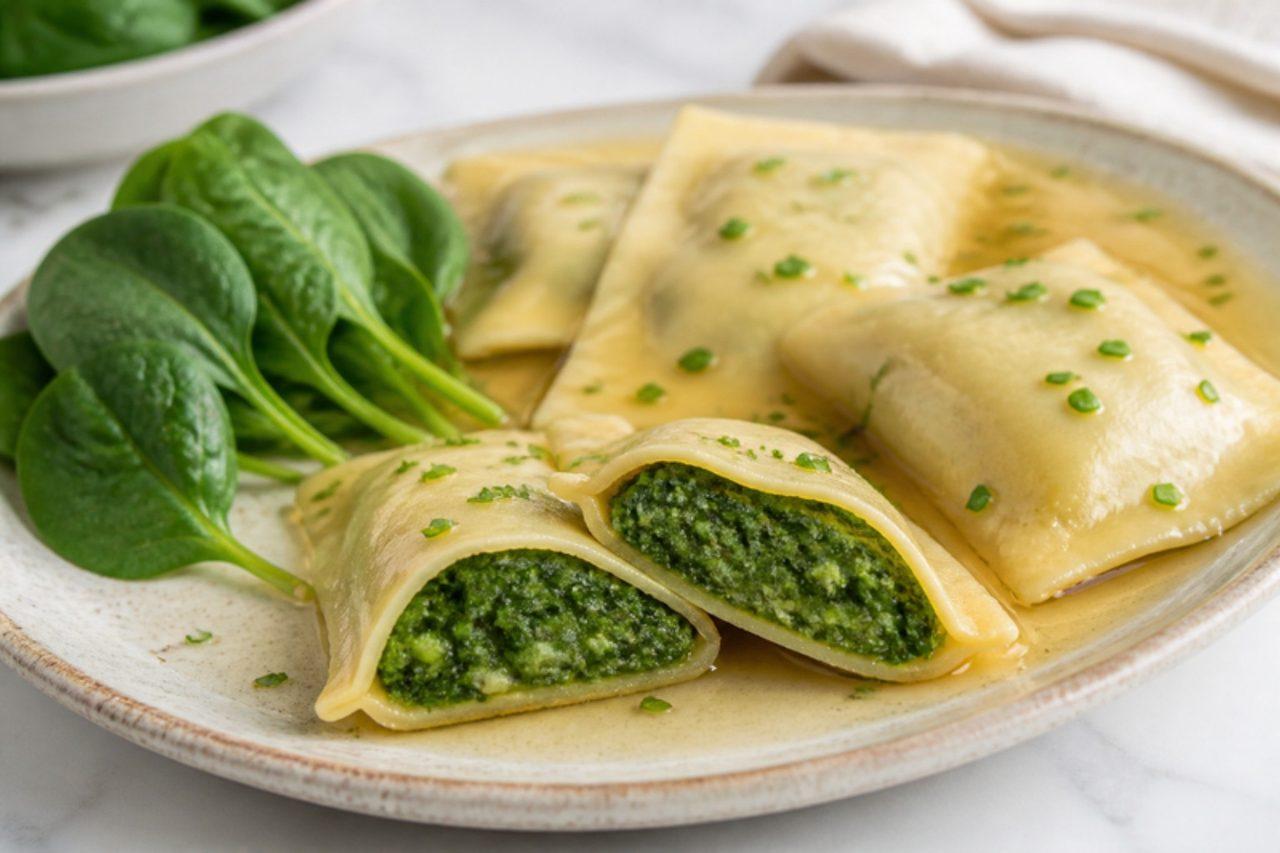
Maultaschen are the big square pasta parcels of Swabia, around Stuttgart and Tübingen, and a dish with its own legend: Swabians jokingly call them 'little God-cheaters', because the dough was said to hide meat from God's eyes during Lent. Meat-free spinach Maultaschen are a long-standing Lenten and Good Friday dish there, filled with spinach, soaked bread, onion, parsley and a little cheese. Eat them in clear vegetable broth, or the next day sliced and fried in butter with onions and egg ('geröstet'). Chef's tip: press every pocket of air out as you seal the dough; trapped air expands in the hot water and splits the parcels open.

by KrazyBadal 0 views

PkhaliSpinach and walnut balls

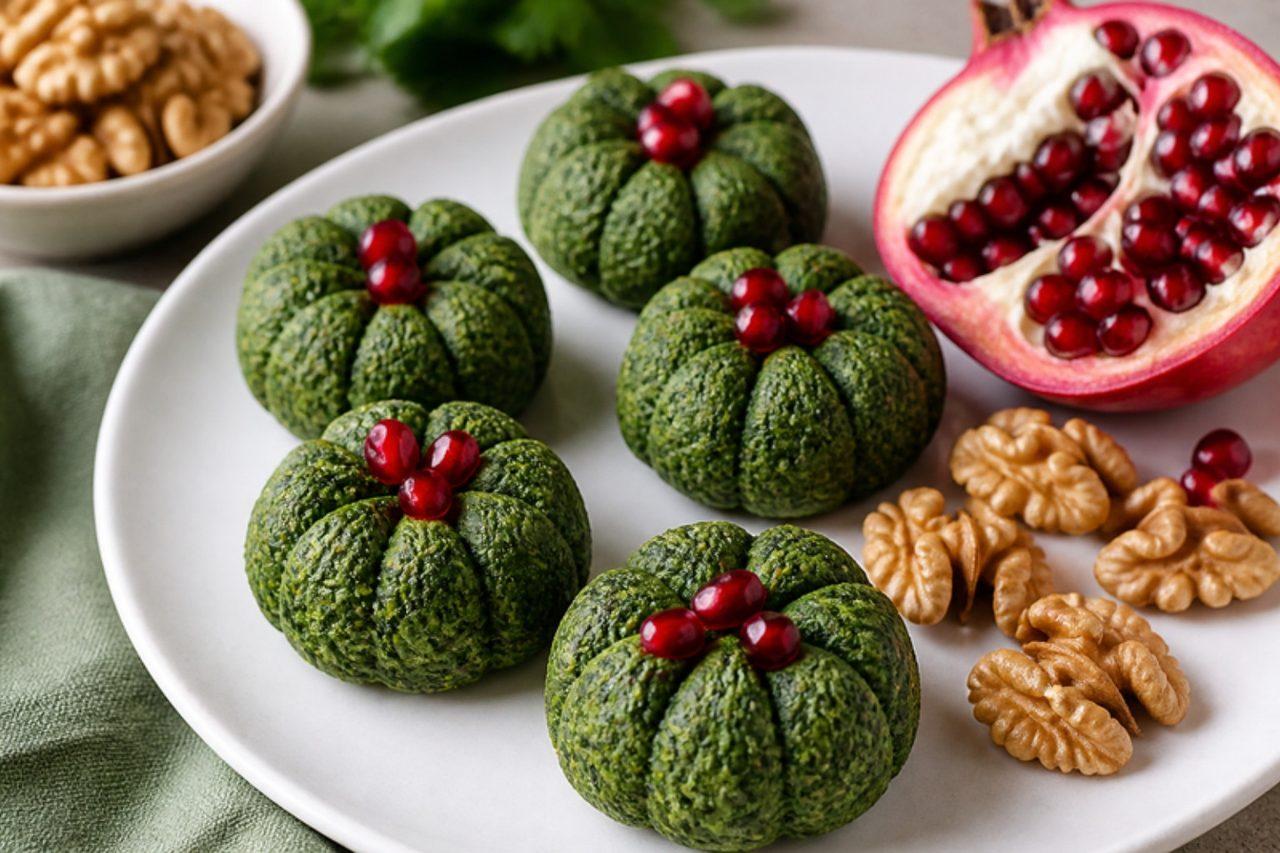
Pkhali are the walnut-bound vegetable pâtés that open almost every Georgian feast, the supra, from Tbilisi to the villages of Kakheti. Spinach is the best known, though beetroot, beans, leeks and nettles are made the same way, and in Lent they become the heart of the meal. The cooked greens are chopped fine with walnuts, garlic, coriander, vinegar and spices, shaped into small balls and pressed with a criss-cross, then dotted with pomegranate seeds. Eat them cold with mchadi or bread. The common mistake is not squeezing the spinach hard enough, which makes the pkhali loose and watery. Chef's tip: they taste much better the next day, once the garlic and vinegar have soaked into the walnuts, so make them a day ahead.

by KrazyBadal 0 views

Kurthi dalHorse gram dal

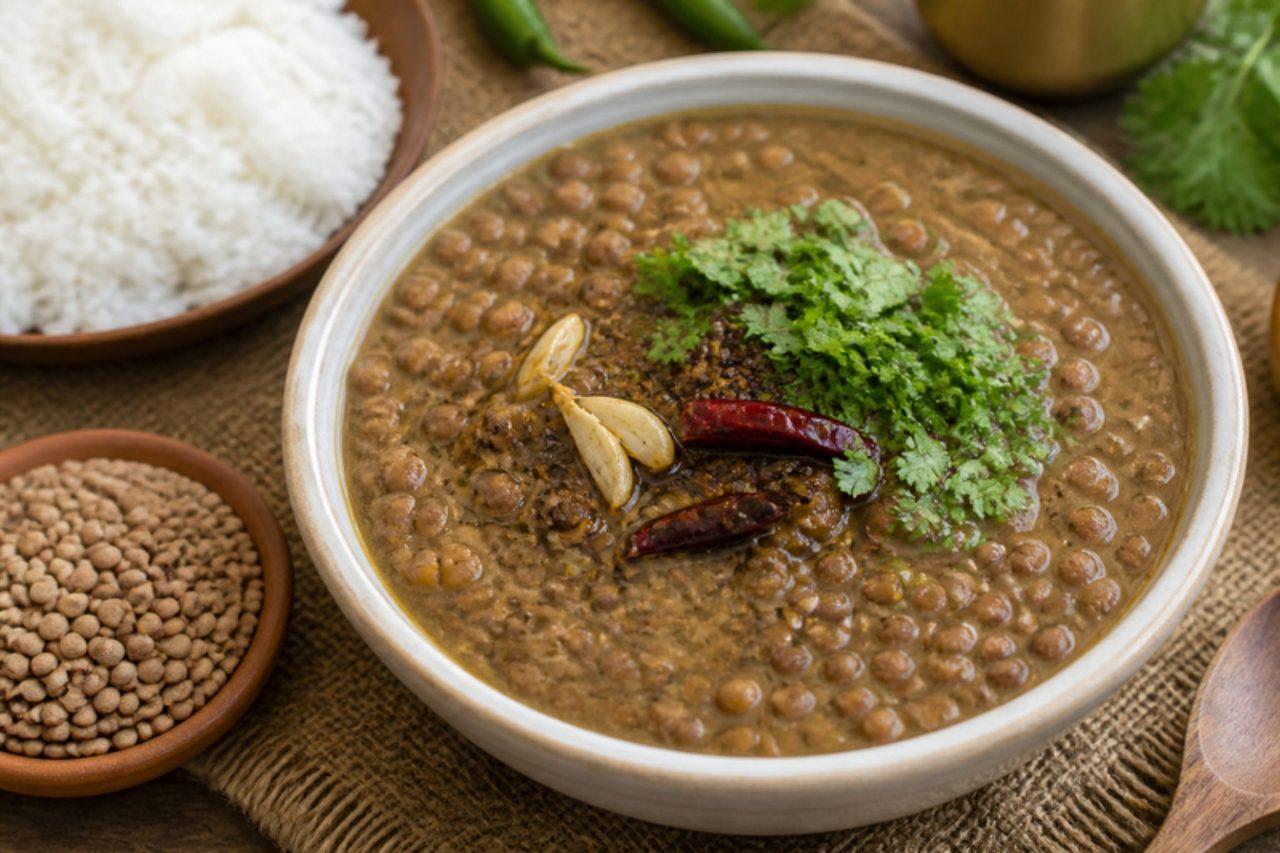
Kurthi, as horse gram is called in Jharkhand, grows on poor, dry upland soil where little else will, and it has fed the plateau's Adivasi and farming families for centuries. Cooked slowly into dal, it is dark, earthy and filling, with a slightly smoky taste, and it is eaten through the cold months with rice and a dry vegetable, as it is believed to warm the body. The tempering of garlic, dried chilli and smoking mustard oil is what makes it Jharkhandi. Chef's tip: mash a ladle of the cooked gram against the side of the pot; it thickens the dal without any flour.

by KrazyBadal 0 views

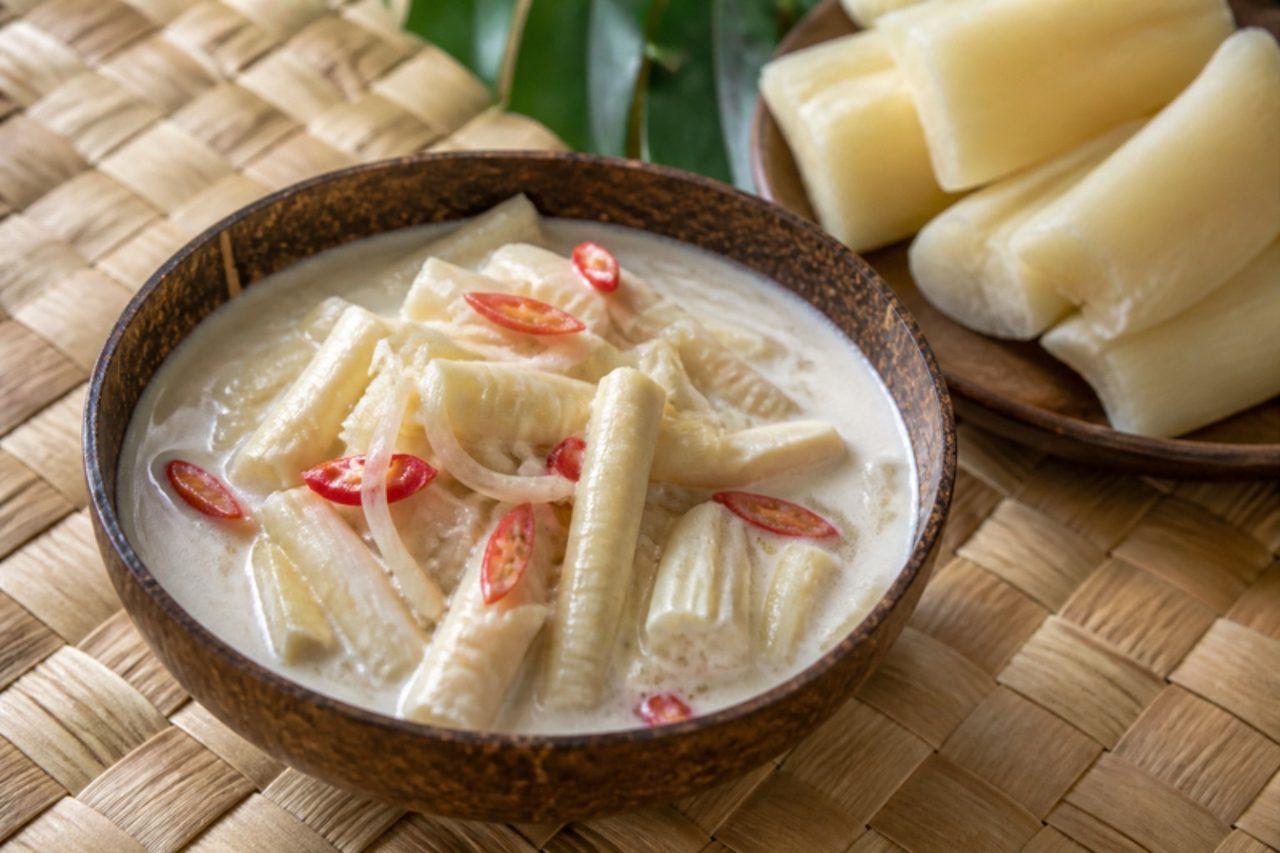
Green fig and saltfishGreen bananas with salt cod

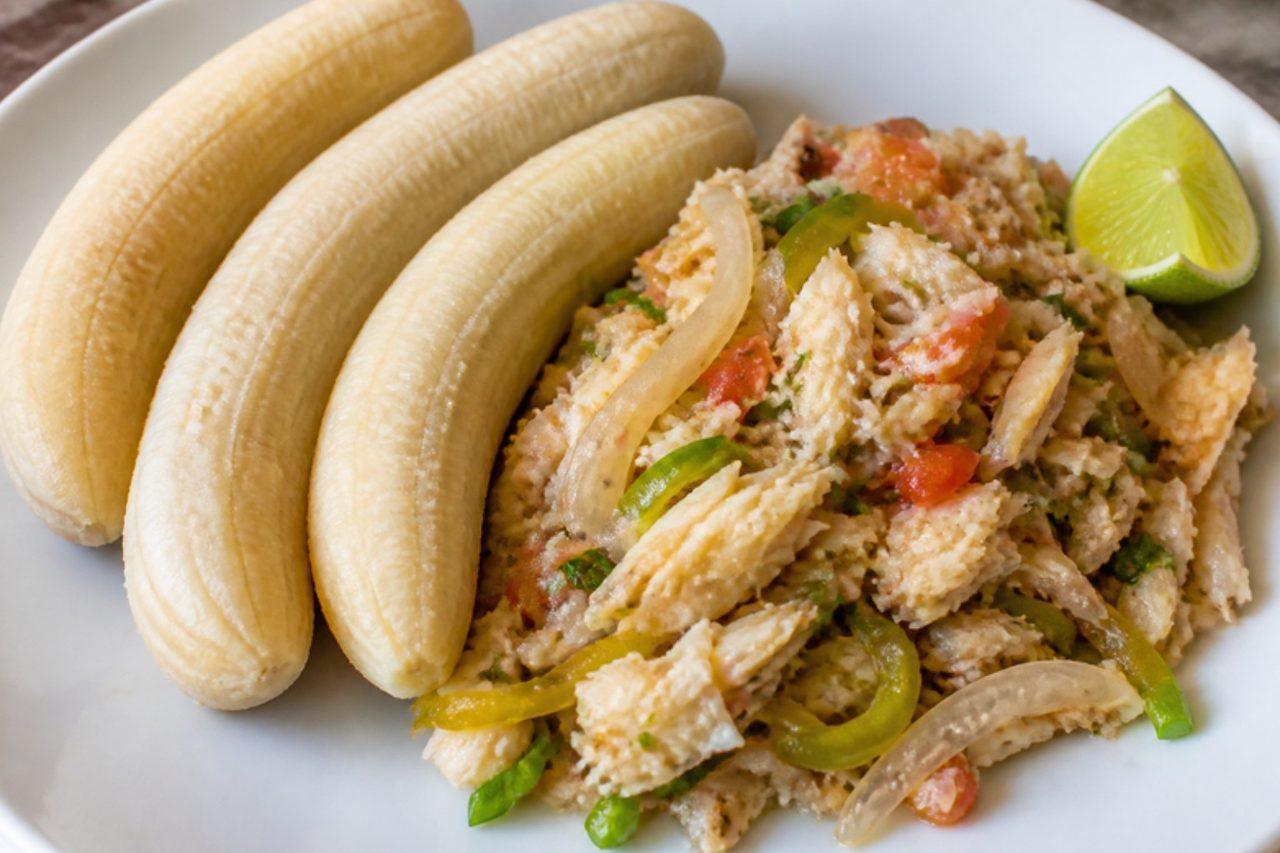
In St Lucia green bananas are called figs, and green fig and saltfish is the national dish: a Saturday lunch in Castries homes and the plate served everywhere on Jounen Kwéyòl, the island's Creole Day in October. The bananas are boiled until tender and mild, a little like potato, and served with salt cod sautéed with onion, sweet pepper, tomato, thyme and hot pepper. Add sliced avocado or cucumber on the side. The most common mistake is not soaking the saltfish long enough, which leaves the whole plate far too salty; taste a flake before you cook it. Chef's tip: rub oil on your hands (or wear gloves) before peeling the green bananas; the sap stains skin black.

by KrazyBadal 0 views

KurtDried salted yogurt balls

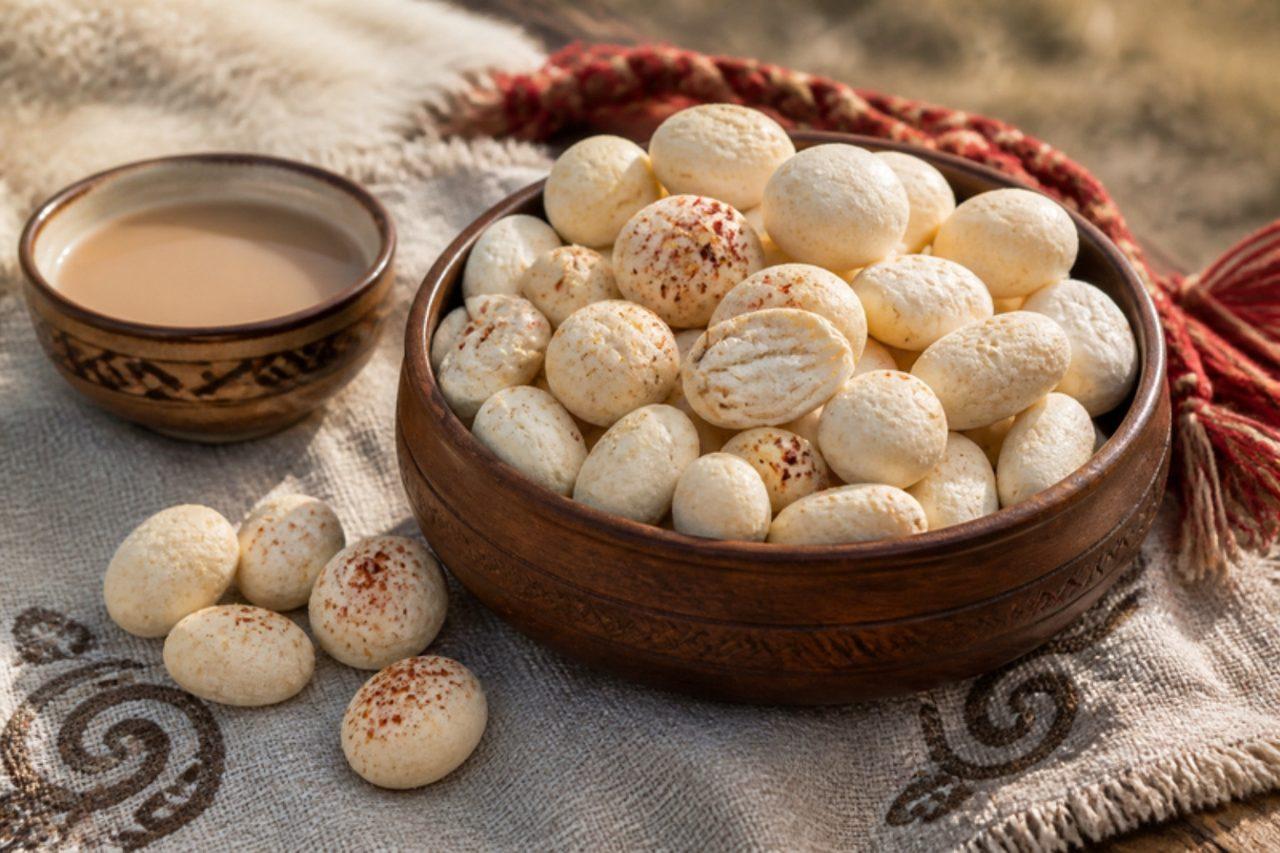
Kurt is the snack of the steppe: thick, salted yogurt pressed into balls and dried until rock-hard, so it keeps for months in a saddlebag. Herders in Kazakhstan and Kyrgyzstan make it in summer, when the animals give the most milk, and dry it on reed mats in the sun. Children suck on it like a sweet, adults crumble it into soups, or dissolve it in hot water to make a sour drink. Bazaars from Shymkent to Bishkek sell it in white, smoked and red-pepper versions. Chef's tip: drain the yogurt until it's as firm as cream cheese; if it's still wet the balls crack and turn mouldy before they dry.

by KrazyBadal 0 views

Varenyky with cherriesSour cherry dumplings

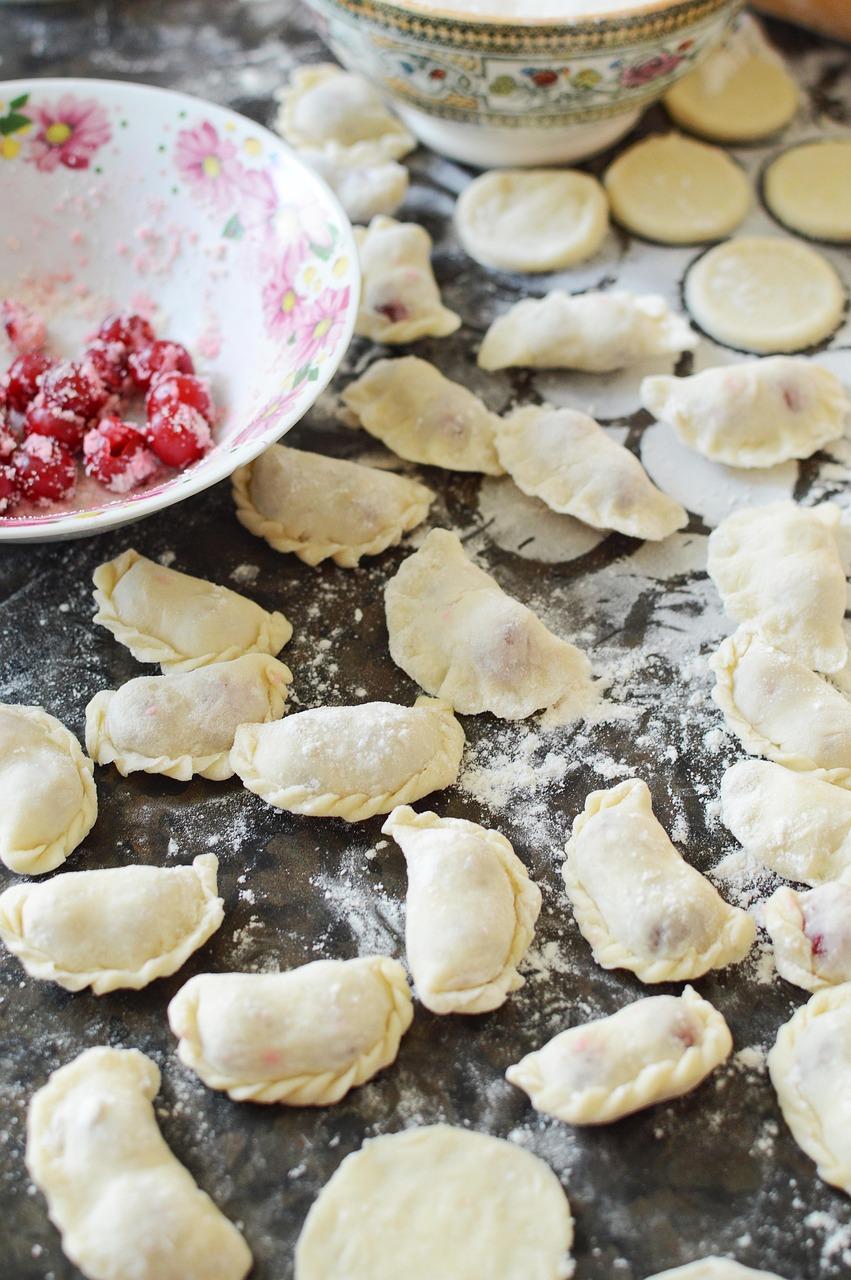
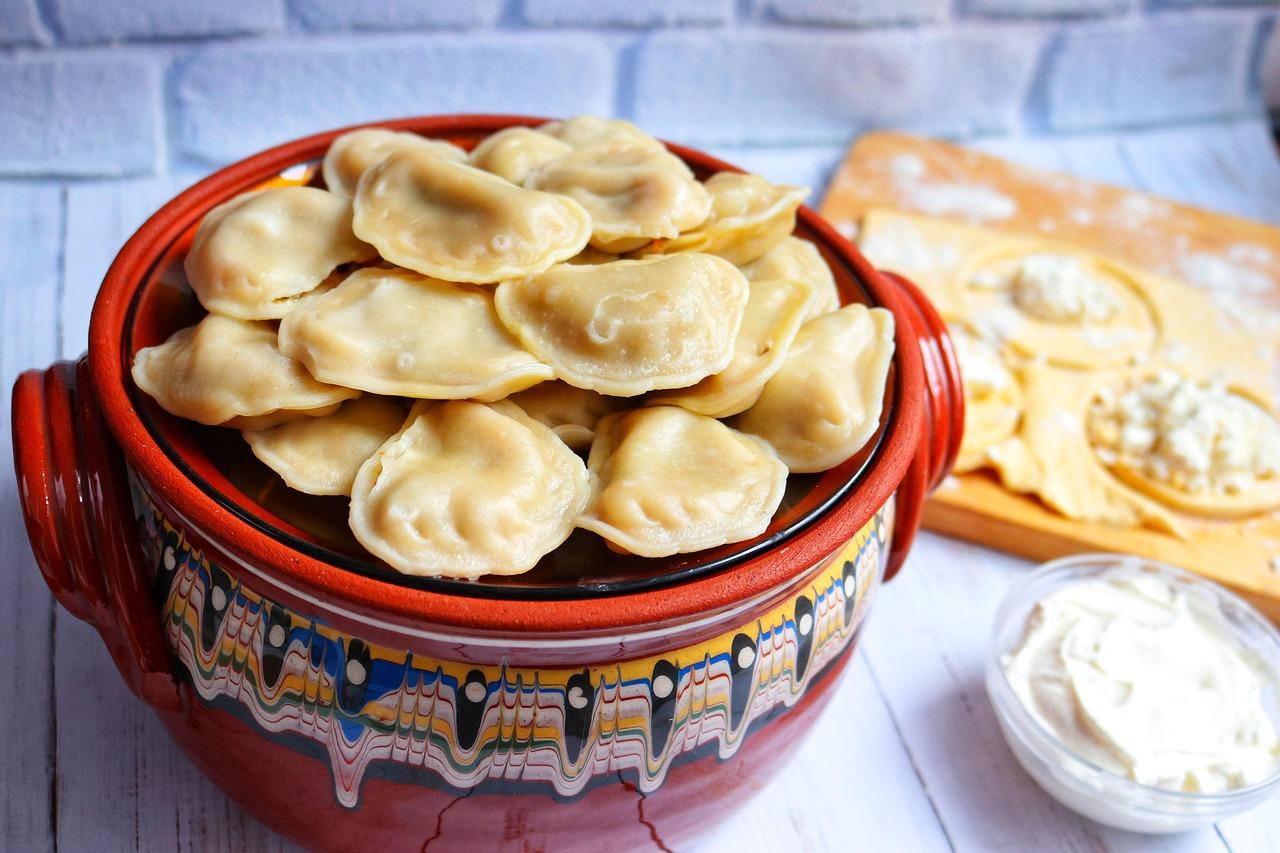
In late June, when the sour-cherry trees in every yard from Vinnytsia to Cherkasy turn red, Ukrainian families sit around the kitchen table pitting cherries for varenyky. These sweet dumplings are boiled, piled into a bowl and drenched in a syrup made from the cherry juice, a taste of summer holidays at grandmother's. The dough here is the simple water and oil kind, so the recipe is vegan; most Ukrainians also add a spoon of sour cream, which you are welcome to do if you are not cooking vegan. Chef's tip: sugar the cherries in a sieve and let the juice drain before filling, then put a pinch of sugar on each portion only as you seal it, so the dough stays dry at the edges.

by KrazyBadal 0 views

ParippuRed lentil curry

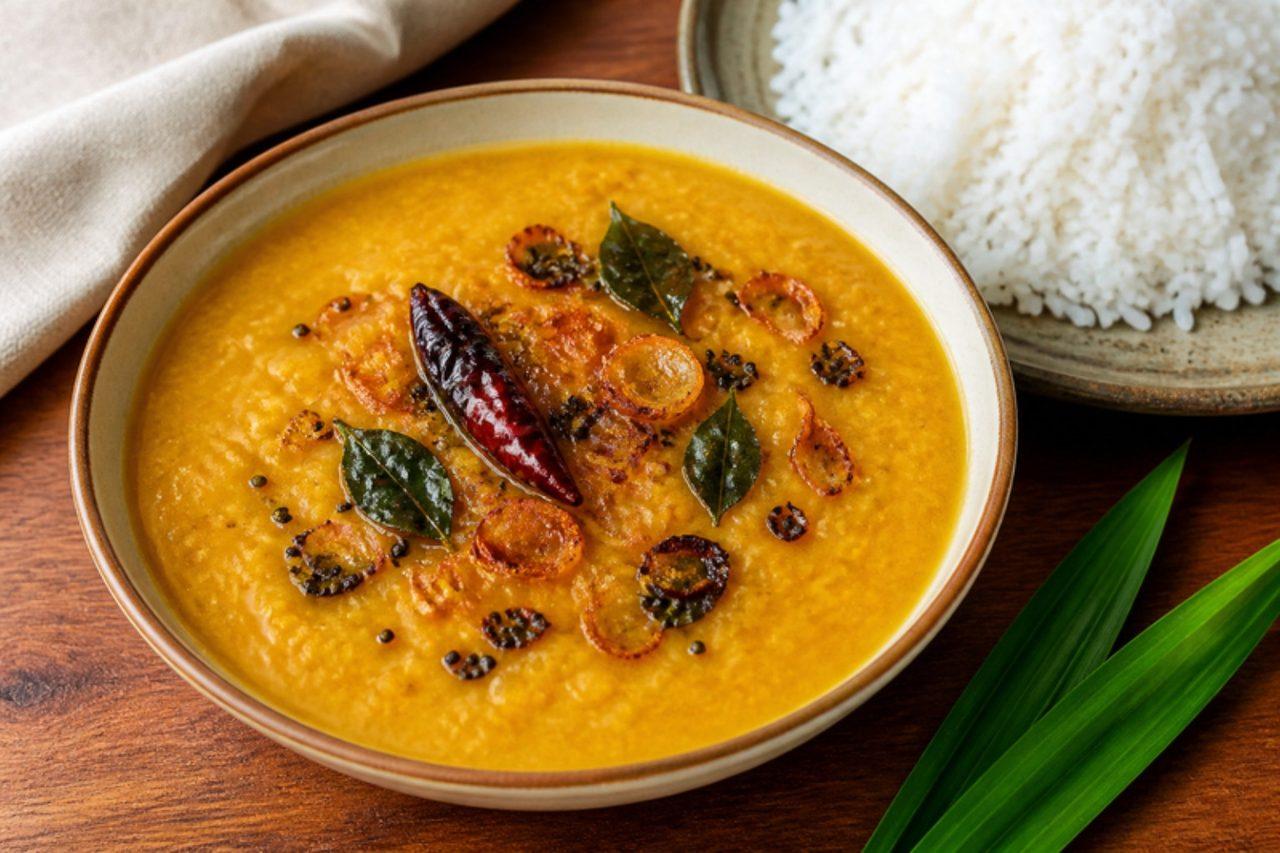
No Sri Lankan rice-and-curry plate is complete without a bowl of parippu, from a Colombo office canteen to a farmhouse kitchen in the dry zone; many families also mop it up with bread or pol roti for breakfast. Unlike a North Indian dal, the red lentils are cooked with turmeric, green chilli and a strip of rampe (pandan leaf), then softened with thin coconut milk and finished with a sizzling tempering of mustard seeds, shallots, dried chilli and curry leaves, so it tastes mellow, fragrant and only gently spicy. Keep it pourable: it thickens a lot as it stands. The usual mistake is adding the coconut milk too early and boiling it hard, which makes it split and grainy. Chef's tip: stir the thick coconut milk in off the heat at the very end; it gives a silky, almost creamy finish without curdling.

by KrazyBadal 0 views

Kunming grilled erkuaiGrilled rice cakes

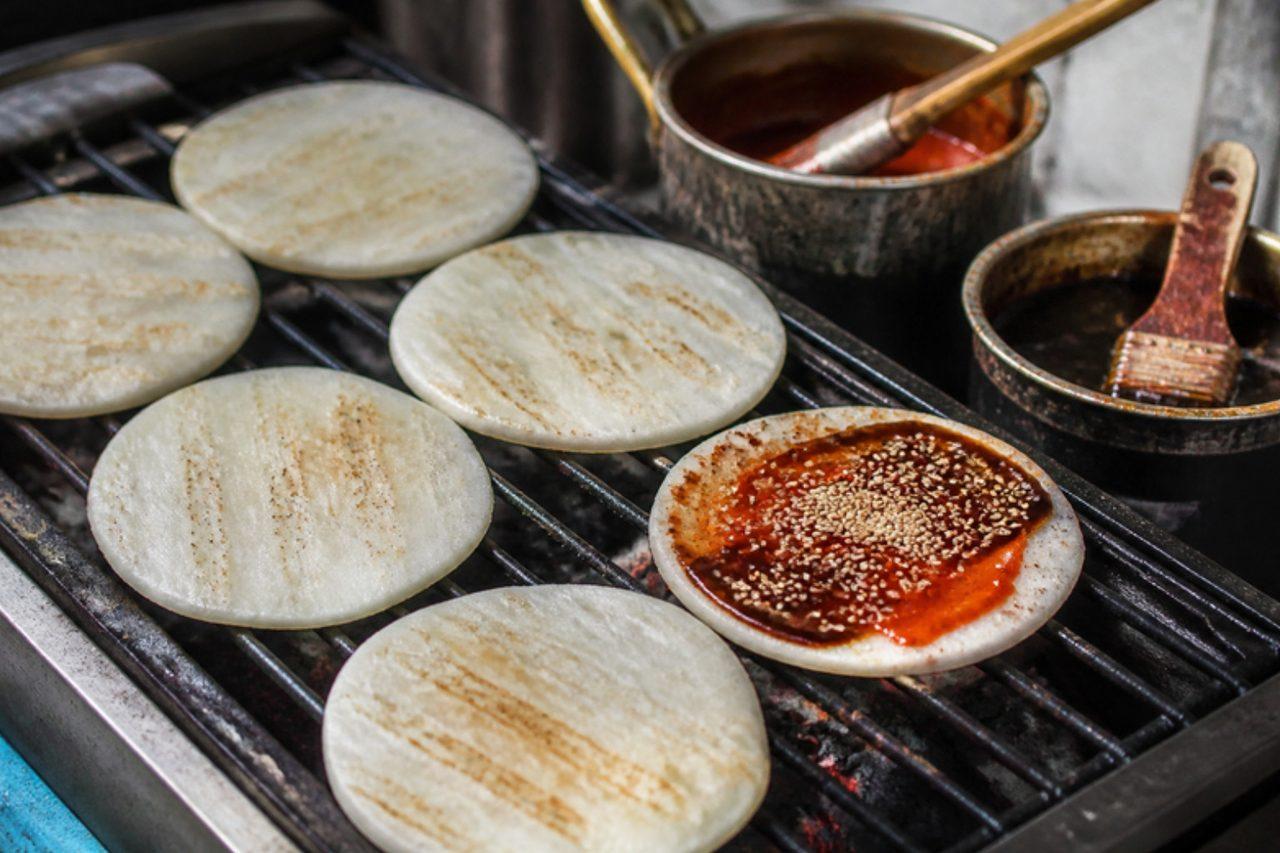
Erkuai is Yunnan's everyday rice cake, made by steaming and pounding rice into a dense, chewy dough. In Kunming and Tengchong, morning vendors grill thin rounds of it over charcoal until they blister, brush on sweet bean sauce, chilli and sesame, and fold it round fried dough or spicy potato shreds. Real erkuai is hard to find abroad, so the rounds here are made from rice flour and steamed, which comes close. Chef's tip: keep the rounds covered while you work, because the surface dries out and cracks quickly.

by KrazyBadal 0 views

Kūmara and feta saladRoasted sweet potato and feta salad

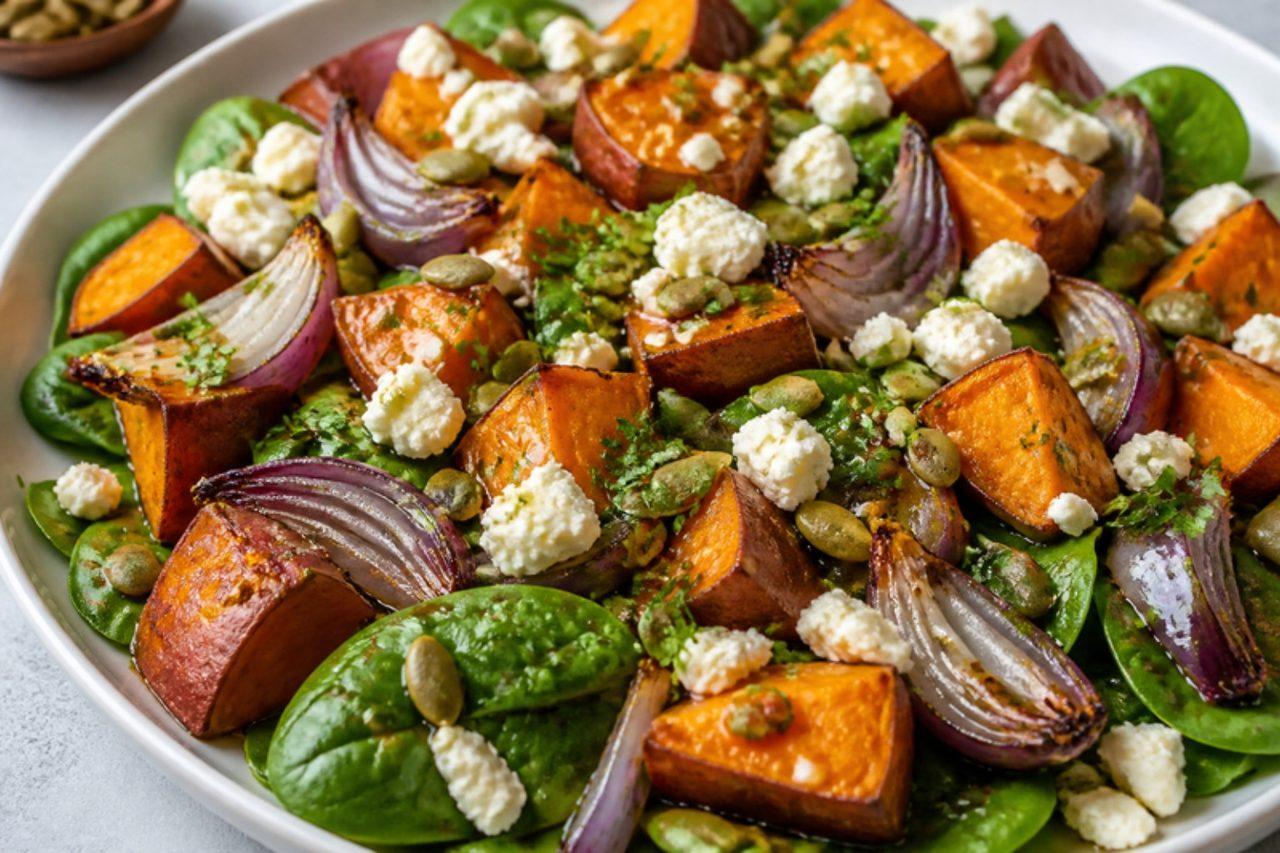
Kūmara, the sweet potato the Māori brought to Aotearoa centuries ago, is grown mostly around Dargaville in Northland, and a big bowl of roasted kūmara salad turns up at just about every New Zealand barbecue, 'bring a plate' gathering and Christmas lunch. Chunks of red-skinned kūmara roast until sticky and caramelised, then get tossed while warm with red onion, baby spinach, salty feta and toasted pumpkin seeds in a sweet-sharp honey and mustard dressing. Chef's tip: give the kūmara plenty of room on the tray and a hot oven; crowded pieces steam and go soft instead of browning at the edges.

by KrazyBadal 0 views

KulwaPan-fried beef with berbere butter

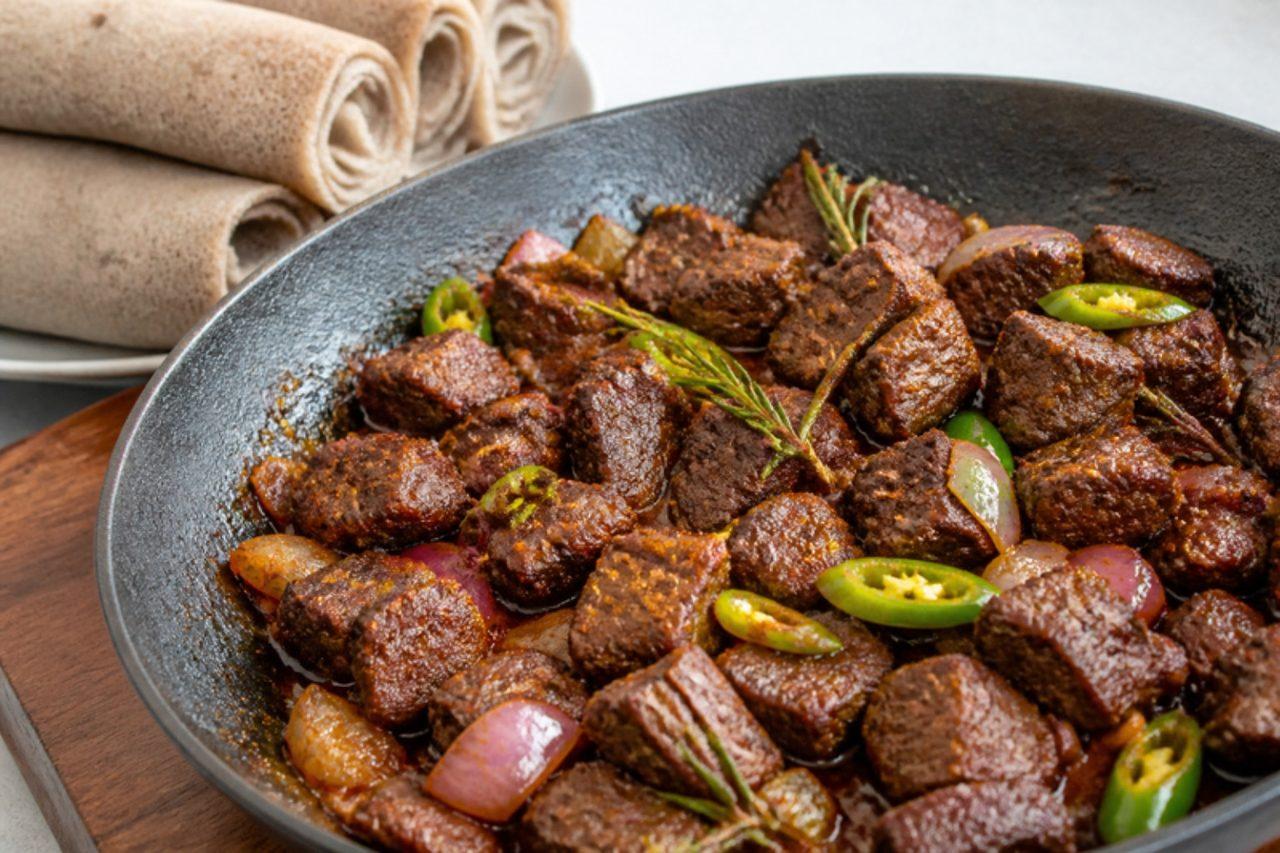
Kulwa (also called tibsi in parts of the Horn) is the fast, sizzling beef dish that Eritrean restaurants in Asmara and Massawa bring to the table in a hot clay dish: small strips of beef fried hard with onion, green chilli, a sprig of rosemary and a spoon of spiced butter, with a dusting of berbere. It is eaten with injera or bread as a weekend treat. The mistake is overcooking the beef until dry: it needs only a few minutes over high heat. Chef's tip: let the pan get really hot before adding the meat, and serve it still sizzling.

by KrazyBadal 0 views

Varenyky with potatoPotato dumplings

Varenyky with potato are the everyday dumplings of central Ukraine, the ones Gogol's Poltava characters dream about and the ones that fill freezers in Kyiv flats before every holiday. Unlike Polish pierogi ruskie, these have no curd cheese: the filling is simply mashed potato beaten with plenty of onion fried in sunflower oil, so they are vegan and appear on the meatless Holy Supper table on Christmas Eve. They are boiled, then tossed in more golden onion and eaten with dill. Chef's tip: let the filling cool completely before you fill the dough; warm mash steams the dough from inside and the dumplings tear in the pot.

by KrazyBadal 0 views

KulajdaDill and mushroom cream soup

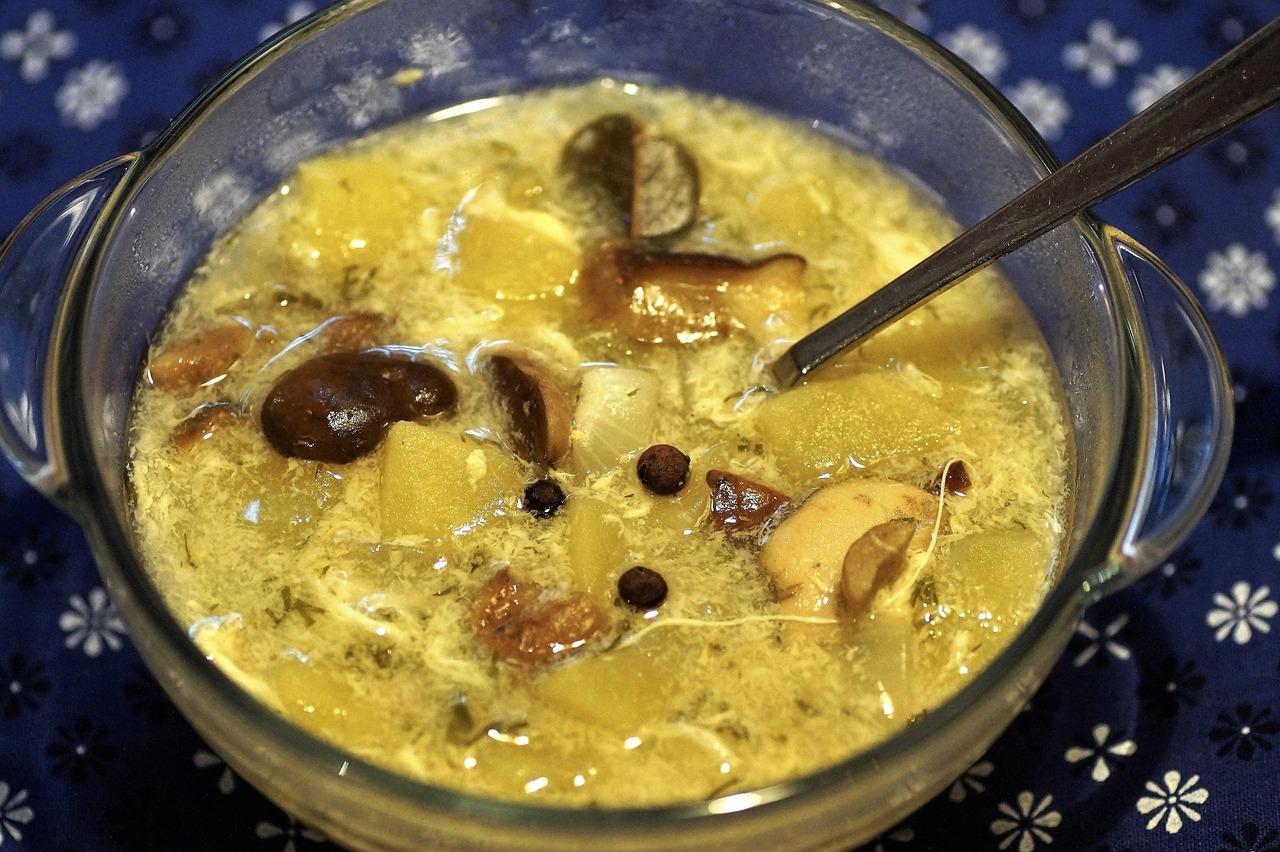
Kulajda comes from South Bohemia, the land of carp ponds and pine forests around České Budějovice and Český Krumlov, where families come home from the woods in late summer with baskets of porcini. It is a thick, pale, gently sour soup of potatoes, mushrooms, cream and plenty of dill, finished with vinegar and served with a soft poached egg floating in each bowl. It is eaten as a filling lunch on its own with a slice of rye bread. Chef's tip: add the vinegar off the heat and taste as you go; the soup should be clearly tangy but never sharp, like a good pickle brine softened by cream.

50 minCzechSoups
by KrazyBadal 0 views

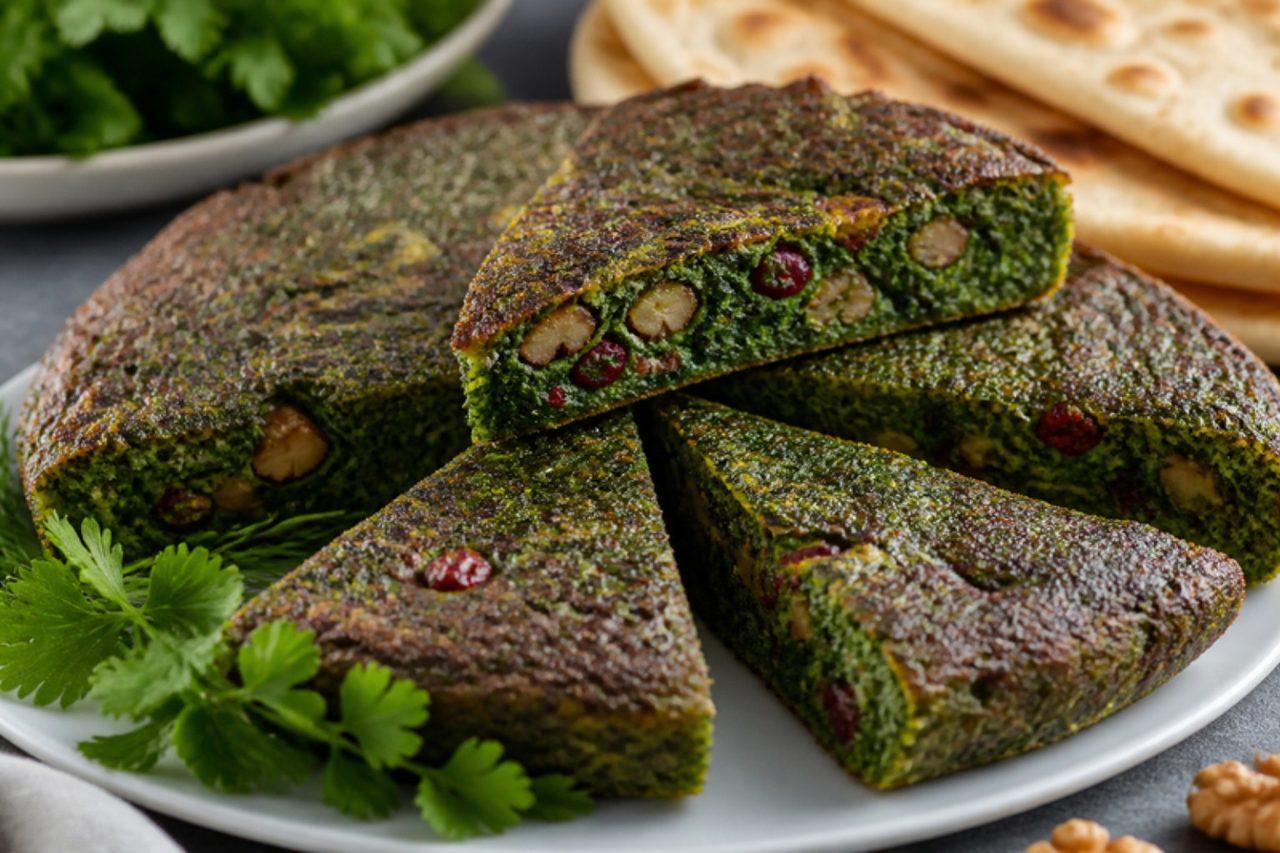
Kuku sabziHerb frittata

Kuku sabzi is a deep green, herb-packed egg cake that Iranian families make for Nowruz, the New Year on the first day of spring, often alongside sabzi polo. It is more herb than egg: just enough egg binds a heap of parsley, coriander, dill and chives, with crunchy walnuts and little sour barberries. It is eaten warm or cold, cut into wedges, tucked into lavash with yogurt and radishes, and it travels well to the Sizdah Bedar picnic thirteen days later. Chef's tip: cook it slowly with the lid on; high heat browns the base before the middle sets.

by KrazyBadal 0 views

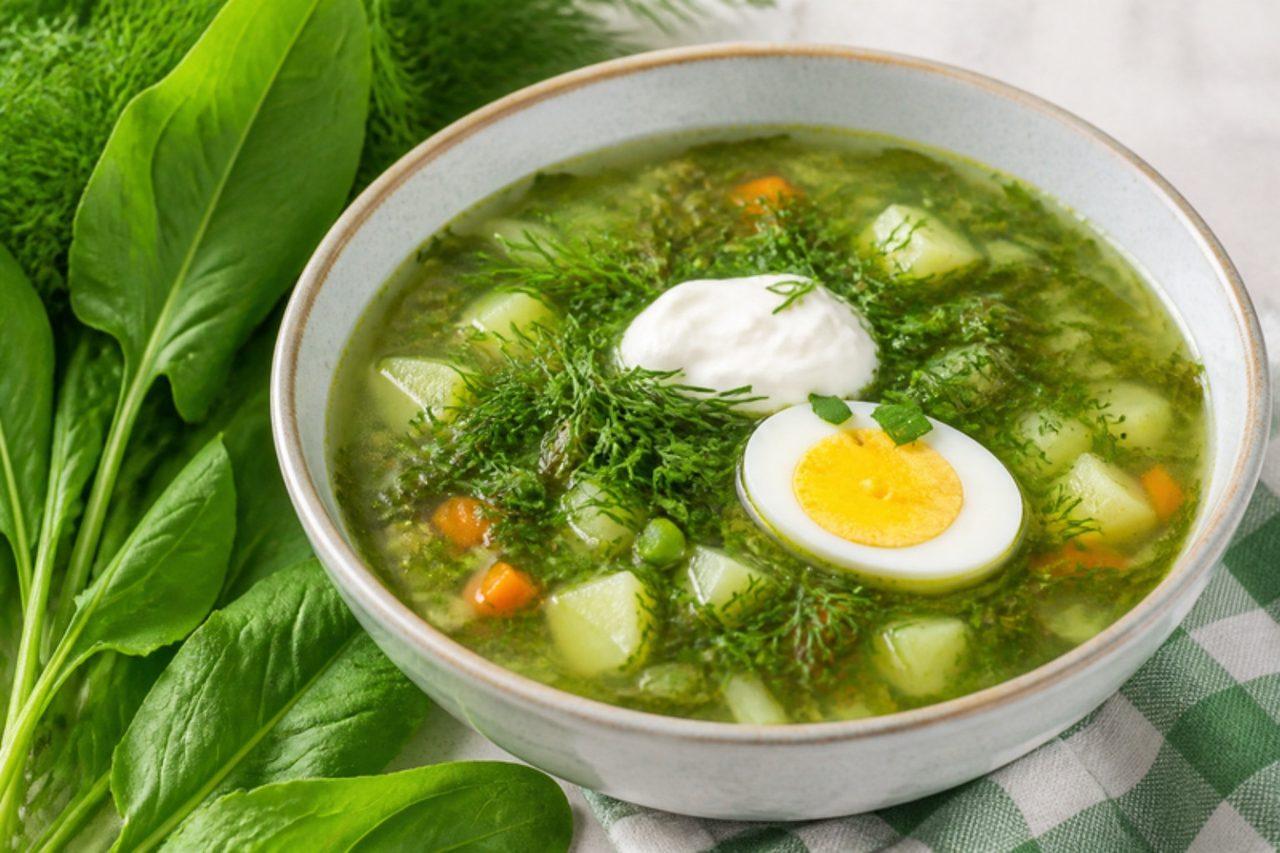
Green borschtSorrel soup with egg

When the first sorrel comes up in village gardens around Chernihiv and Sumy in May, Ukrainian grandmothers stop making red borshch and switch to green: a light, lemony soup of sorrel, potato and herbs, served with halved boiled eggs. It is the soup of early summer and of Trinity Sunday, eaten hot with sour cream or chilled on a warm day. Sorrel gives it a clean sourness, so no vinegar is needed. This version uses vegetable stock instead of the chicken or pork stock some families use. Chef's tip: add the sorrel only in the last two minutes; it turns olive green the moment it hits the heat, but if it boils longer it collapses into stringy khaki threads.

by KrazyBadal 0 views

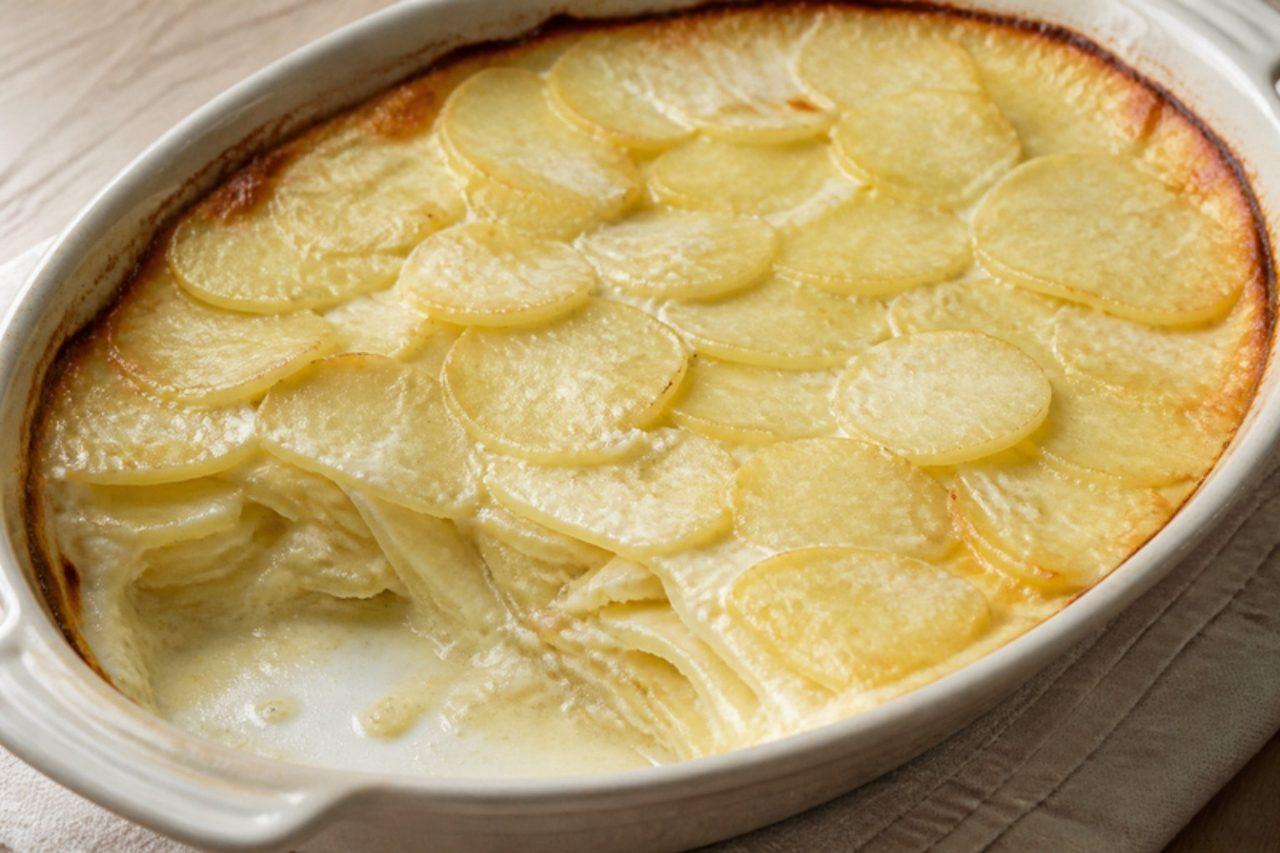
Gratin dauphinoisPotato and cream gratin

Gratin dauphinois comes from the Dauphiné, the mountain region around Grenoble, where it has been made since at least the 1700s. Thinly sliced potatoes are simmered in milk and cream with garlic and nutmeg, then baked slowly until the top is golden and blistered and the inside is soft and creamy enough to cut with a spoon. Purists in the Dauphiné insist there is no cheese; the crust comes from the cream itself. It is a side for Sunday lunch and festive meals, especially good with a green salad or roasted mushrooms. Chef's tip: don't rinse the potato slices; washing off the starch is the common mistake that leaves the cream thin and watery.

by KrazyBadal 0 views

Granita al limoneLemon ice

On summer mornings in Sicily, especially around Catania and Messina, breakfast is granita: a cup of soft, spoonable lemon ice with a warm brioche on the side for dipping. Sicilian granita is finer and creamier than a slushy, because it is stirred as it freezes. All you need is lemons, sugar and water, plus a fork and a freezer. It takes about four hours of occasional scraping. Chef's tip: steep the zest in the warm syrup for 20 minutes; the oils in the peel give a much fuller lemon flavour than juice alone.

by KrazyBadal 0 views

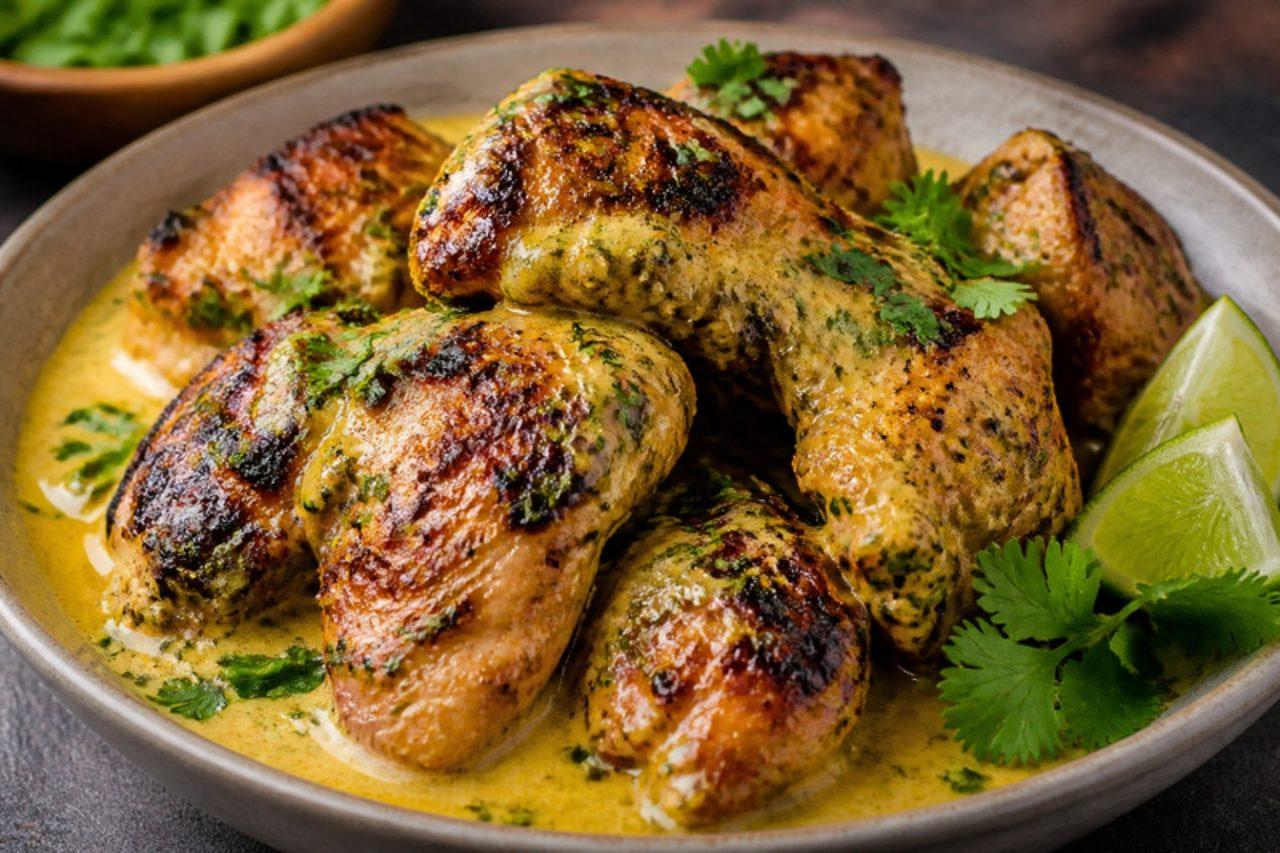
Kuku pakaGrilled chicken in coconut curry

Kuku paka is a Mombasa and Lamu speciality with Indian roots, cooked for weddings and Eid along the Kenyan coast: chicken is marinated in ginger, garlic and chilli, charred over charcoal or under a grill, then simmered in a smooth coconut sauce with turmeric and lime. The grilling gives the sauce its smoky note. The mistake is adding thick coconut milk too early and boiling it hard, so it splits; simmer gently. Chef's tip: add halved boiled potatoes or boiled eggs to the sauce, as many coast families do, to stretch it for more people.

by KrazyBadal 0 views

Kuih seri mukaSticky rice and pandan custard cake

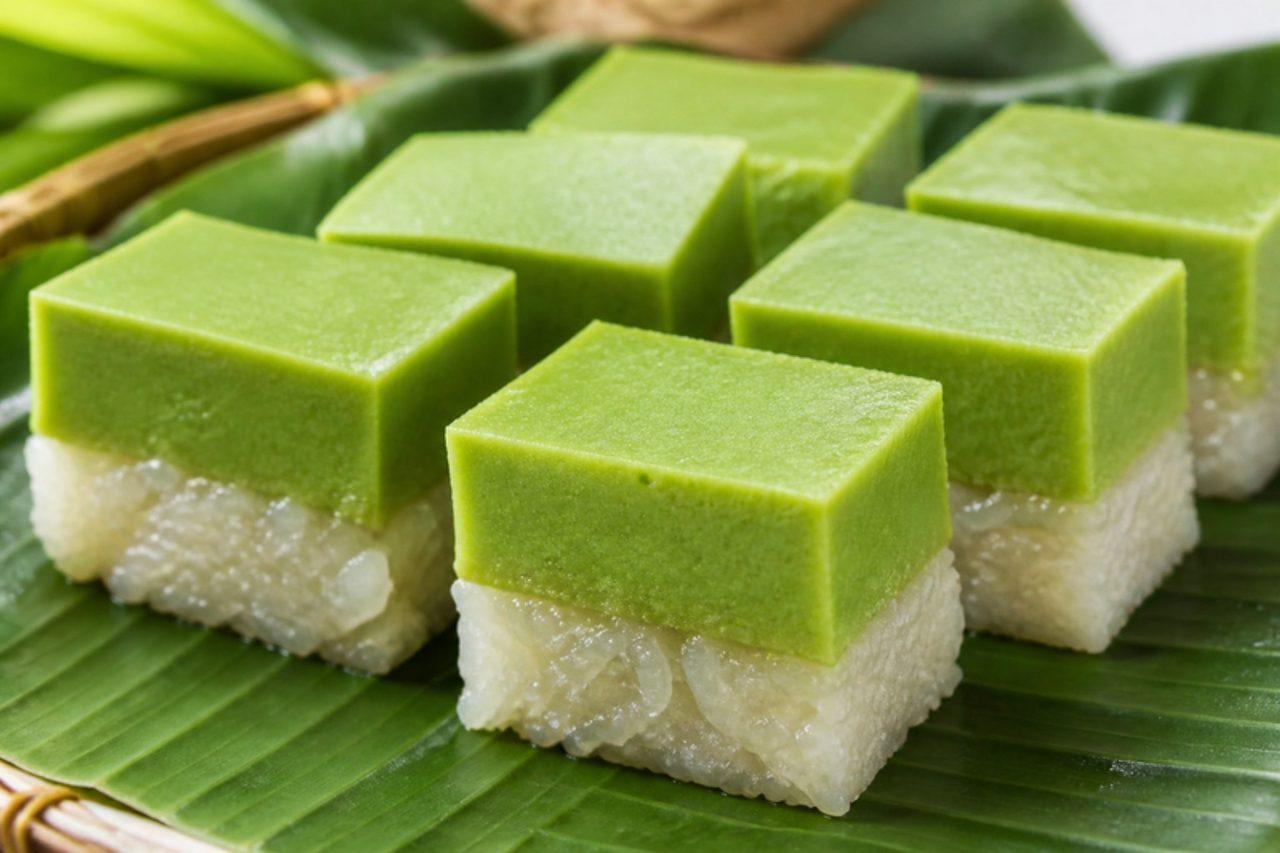
Seri muka is one of the most loved kuih in Melaka and all over Malaysia, sold in neat diamonds at morning markets and Ramadan bazaars. The base is glutinous rice steamed in coconut milk and pressed firm; the top is a silky, green custard of pandan juice, eggs and coconut milk, steamed until it just sets. Each bite is salty-sweet, chewy then smooth. Chef's tip: rough up the top of the hot rice with a fork before pouring on the custard, so the two layers stick together instead of sliding apart.

by KrazyBadal 0 views

Kuih lapisSteamed layered coconut cake

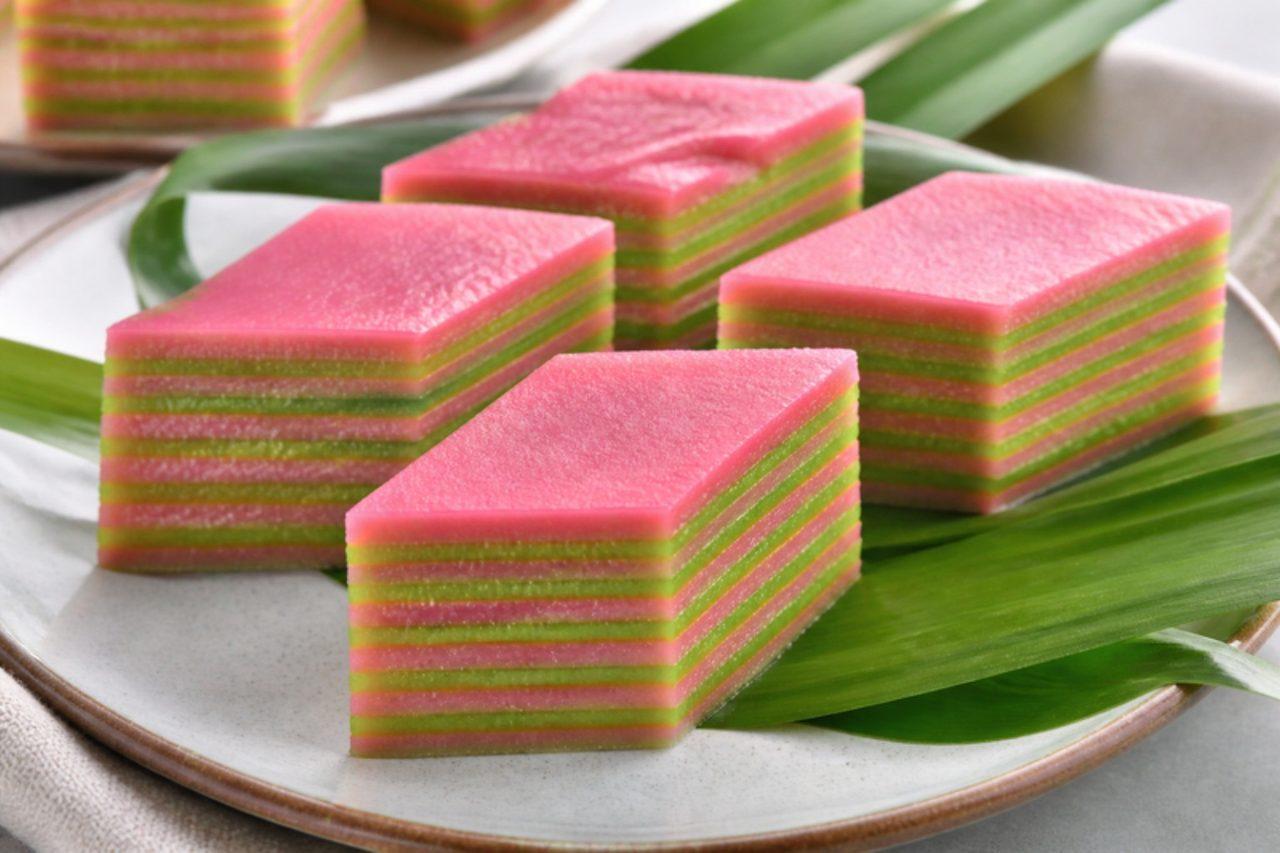
Kuih lapis is the striped, bouncy cake piled on trays at Malaysian pasar malam (night markets) and laid out for guests at Hari Raya, Deepavali and Chinese New Year open houses. It's built from a thin coconut-milk batter of rice flour and tapioca starch, steamed one layer at a time, so each slice shows nine neat stripes, and children everywhere peel them off one by one. The texture is soft, springy and slightly chewy; the flavour is gentle coconut and pandan. It takes patience rather than skill. Chef's tip: steam the empty tin for 5 minutes before the first layer, so it sets evenly from the bottom.

by KrazyBadal 0 views

StoofvleesBeef stewed in brown beer

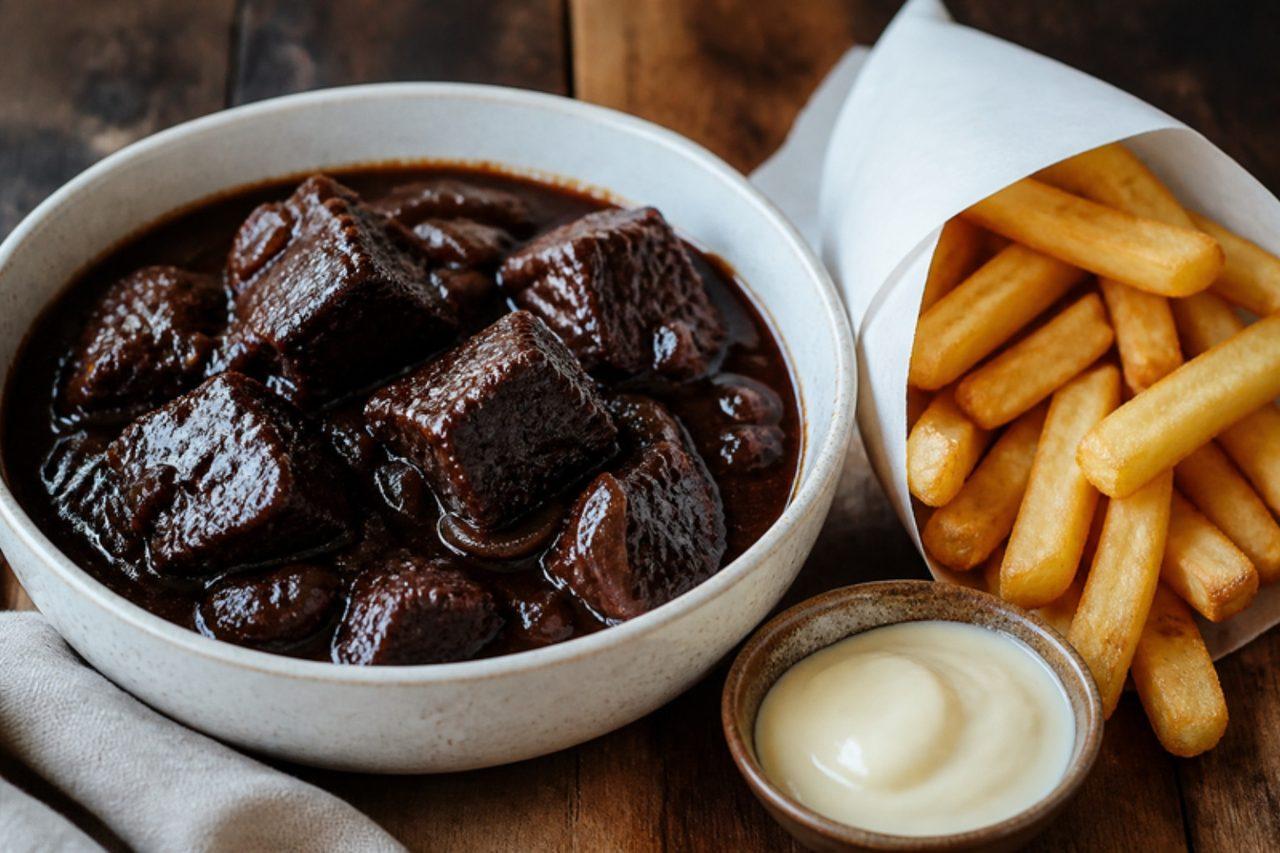
In Flanders, from Antwerp's frituren to Sunday kitchens in Bruges, stoofvlees is the stew that comes with a cone of double-fried chips and a spoonful of mayonnaise. Chunks of beef chuck are browned hard, then cooked slowly with lots of onion and a dark Belgian brown or abbey-style beer, thickened at the end by a slice of bread spread with mustard that melts into the sauce. The finished gravy is glossy, sweet-sour and deep, with a little brown sugar and vinegar to balance the bitterness. This recipe contains alcohol, though long cooking drives most of it off; for an alcohol-free version use the same amount of alcohol-free dark beer, or beef stock with a tablespoon of extra vinegar and a teaspoon of extra sugar. Browning the meat in one crowded batch is the classic mistake; it stews grey instead of searing. Chef's tip: cook it a day ahead and reheat gently; the flavour rounds out overnight.

205 minBelgianMeat
by KrazyBadal 0 views

String hoppersSteamed rice flour noodle nests

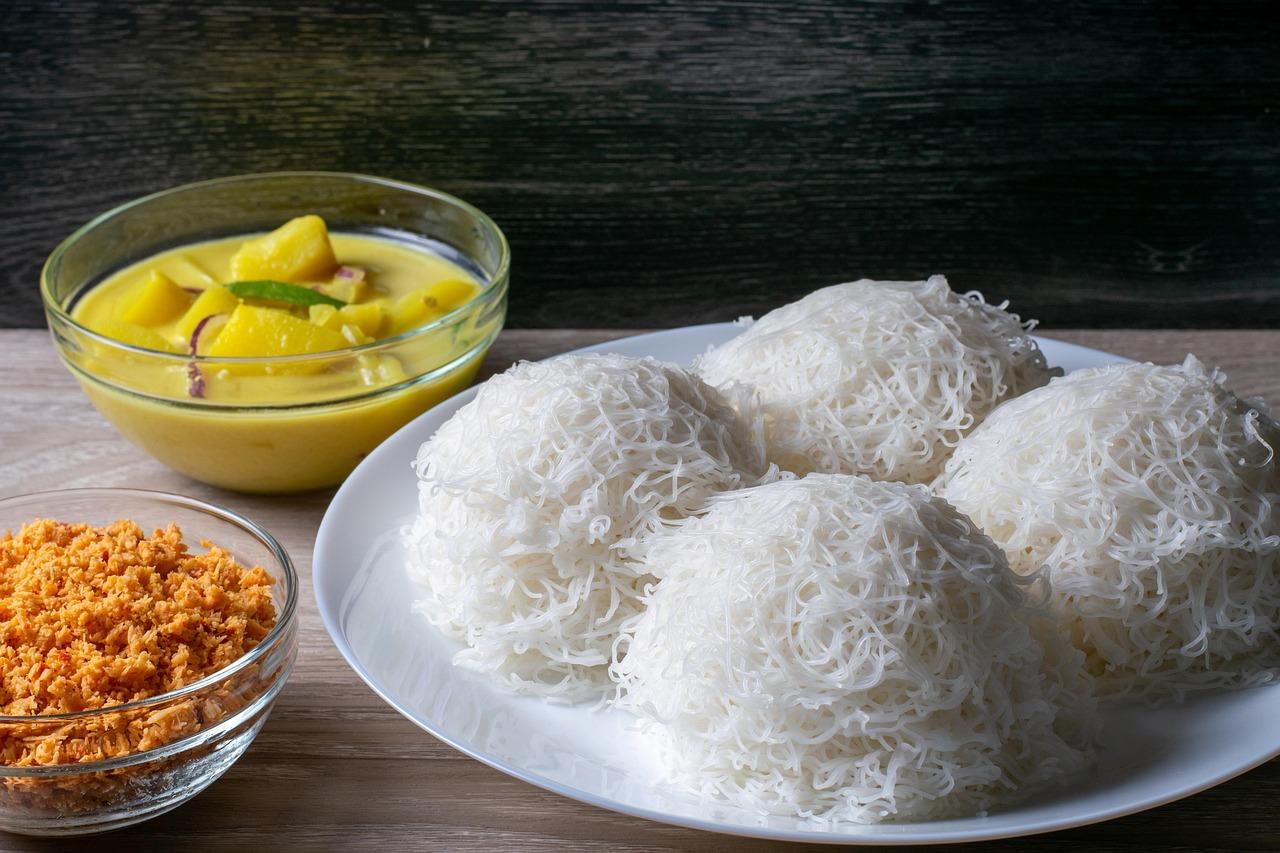
String hoppers are lacy nests of steamed rice-flour noodles, pressed through a hand mould onto small woven mats, and they're the classic Sri Lankan breakfast or dinner in Tamil homes in Jaffna and in Sinhala homes everywhere, bought by the dozen from neighbourhood shops when there's no time to make them. They're soft and light and made to soak up kiri hodi, a thin, turmeric-yellow coconut milk gravy with fenugreek and curry leaves, plus pol sambol and a potato or dhal curry. Kiri hodi is sometimes made with Maldive fish; we keep it vegetarian. Roasted red rice flour gives a nuttier, pinker nest. The common mistake is using cold or warm water for the dough: it must be boiling, or the strings crack and fall apart. Chef's tip: steam the nests for only 6–8 minutes; longer and they turn rubbery.

by KrazyBadal 0 views

Kueh pie teeCrisp pastry cups with jicama

Pie tee are thin, crunchy fried cups shaped like little top hats, made with a brass mould dipped in batter and plunged into hot oil. Peranakan cooks in Melaka and Penang fill them with finely shredded jicama and carrot braised in garlic, then top them with egg, coriander and a dot of sweet chilli sauce. They are a festive starter for Chinese New Year and weddings. Prawns usually crown each cup; this version uses fine strips of omelette. If you have no mould, shop-bought cups are fine. Chef's tip: heat the mould in the oil before each dip; a cold mould won't hold the batter.

by KrazyBadal 0 views

StroopwafelsCaramel-filled wafers

Stroopwafels come from Gouda, the cheese town in South Holland, where bakers once made them from leftover crumbs and syrup. Today they are made fresh at Dutch markets, split while still hot and glued back together with warm caramel syrup. The Dutch way to eat one is to rest it on top of a cup of hot coffee or tea for a minute, so the steam softens the caramel. You need a thin waffle iron (a pizzelle or stroopwafel iron) to make them at home. Chef's tip: cut each waffle open the moment it comes off the iron; after 20 seconds it stiffens and shatters instead of splitting.

by KrazyBadal 0 views

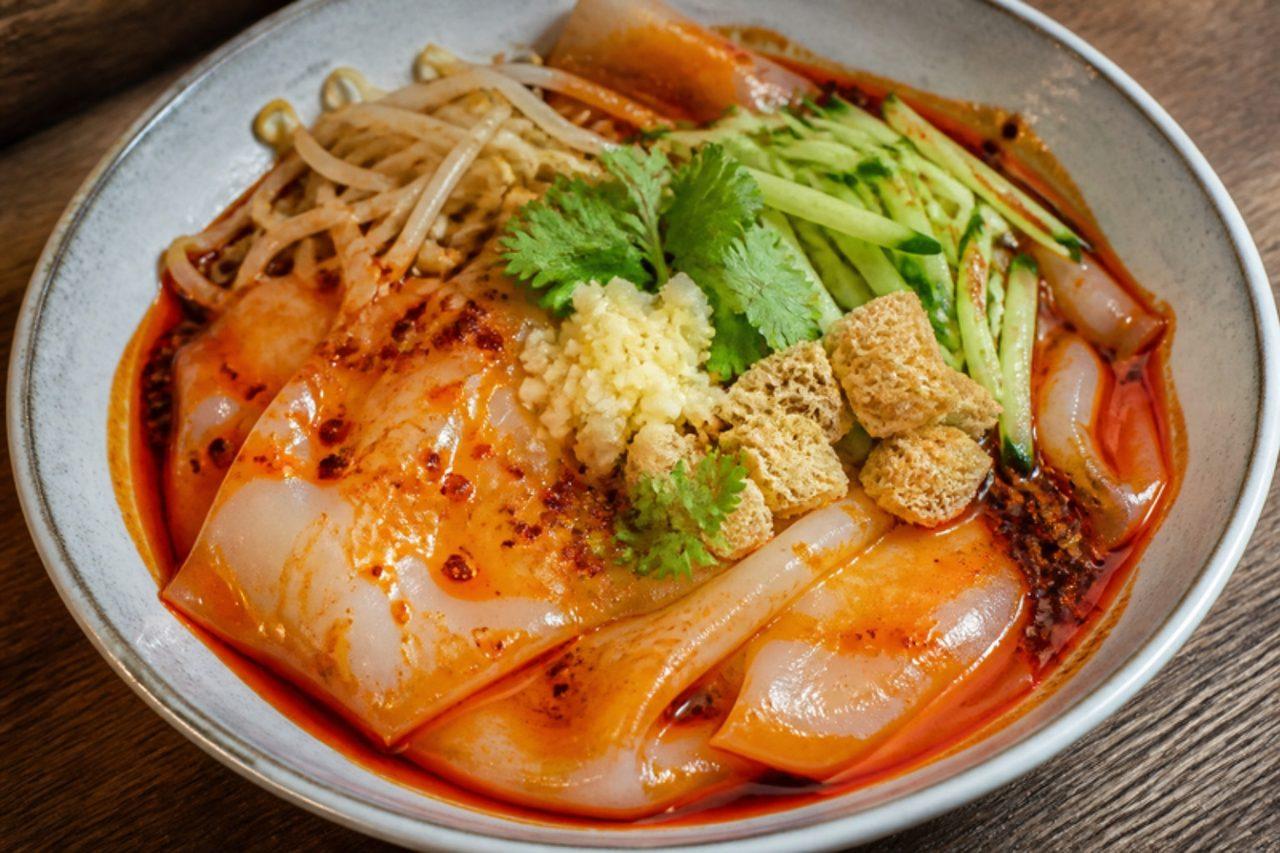
Xi'an liangpiCold wheat starch noodles

In Xi'an's Muslim Quarter, cooks peel liangpi off steaming trays all day, cut it into wide ribbons and toss it with chilli oil, black vinegar, garlic water and cubes of springy gluten. It's eaten cold, often with a flatbread, as a summer lunch. Gansu's niangpi, from Lanzhou and Tianshui, is the same dish with thicker sheets and more garlic, so it's covered here too. You wash a flour dough to split the starch from the gluten, so allow 4 hours for the starch to settle. Chef's tip: stir the starch water every time before you ladle it, because the starch sinks fast.

by KrazyBadal 0 views

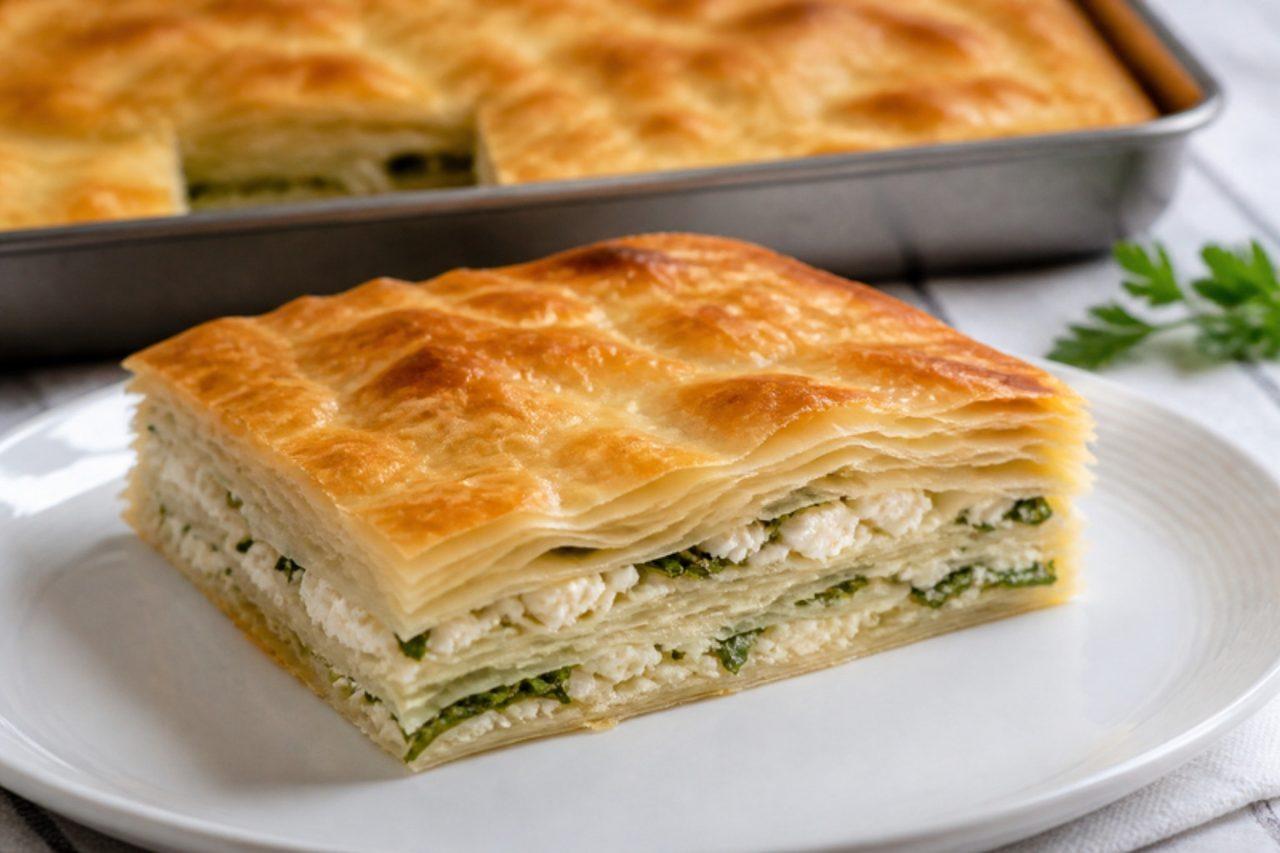
Su böreğiLayered boiled pastry with cheese

Of all Turkish böreks, su böreği is the one cooks are proudest of. Thin sheets of egg dough are boiled for a moment, then layered with butter and white cheese and baked until the top is crisp and the inside is soft and almost silky, a little like a cheesy lasagne made of pastry. Bakeries in Istanbul and Ankara sell it by weight from huge trays in the morning, and at home it appears at holidays and when guests are expected. It takes time and patience but nothing is difficult. Make it the day before and reheat it. Chef's tip: have a big bowl of iced water ready next to the pan; plunging each sheet straight into it stops it cooking and keeps the layers from sticking together.

by KrazyBadal 0 views

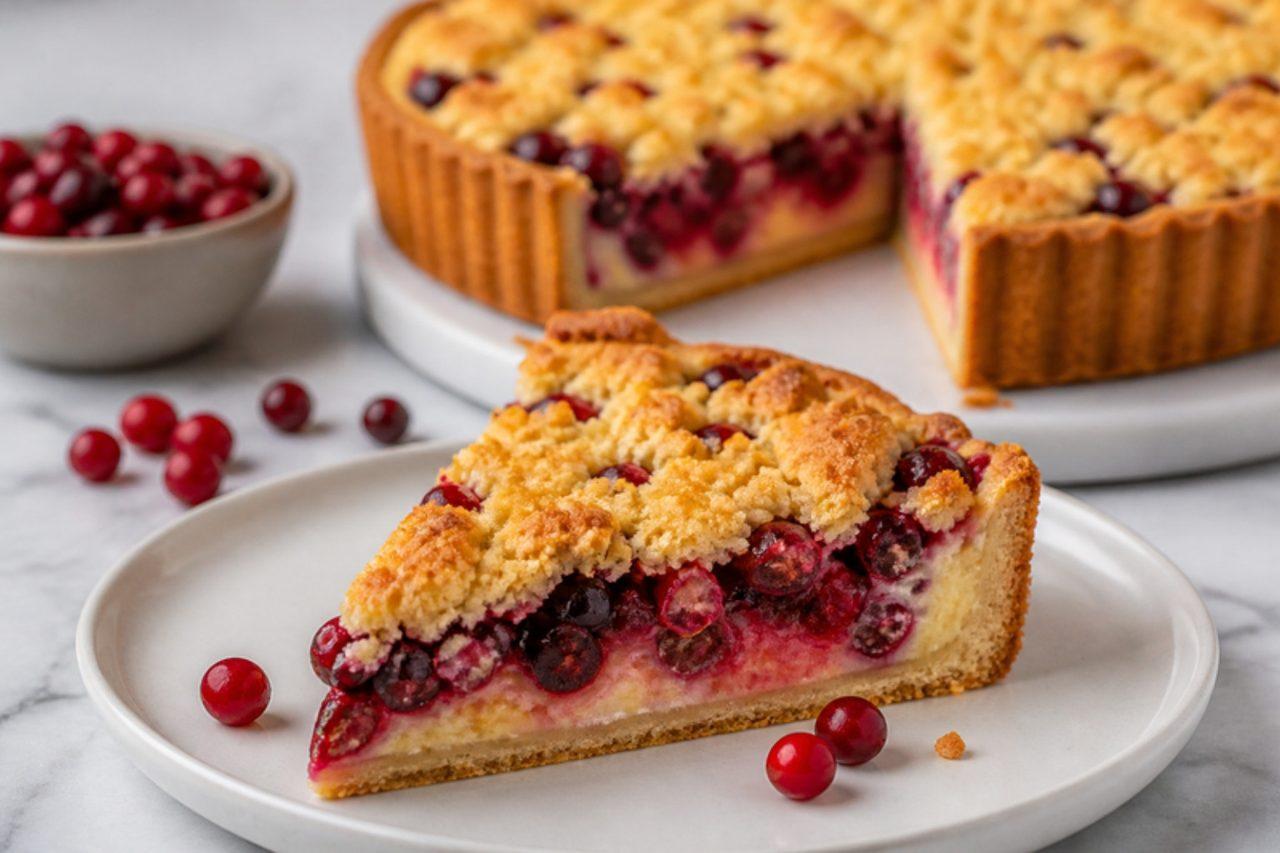
Kuchen de murtaBerry custard tart

Around Lake Llanquihue, in Frutillar and Puerto Varas, German settlers of the 1850s left Chile a love of kuchen, now served with coffee in every café of the south. The Chilean twist is the fruit: murta (Chilean guava), a small, red, perfumed berry that grows wild there in autumn. A buttery base holds the berries in a light custard under a crumble of butter and sugar. Outside Chile, cranberries with a few blueberries give a similar sharp-sweet balance. Chef's tip: blind-bake the base for 10 minutes first; a pre-set base stays crisp under the wet custard.

by KrazyBadal 0 views

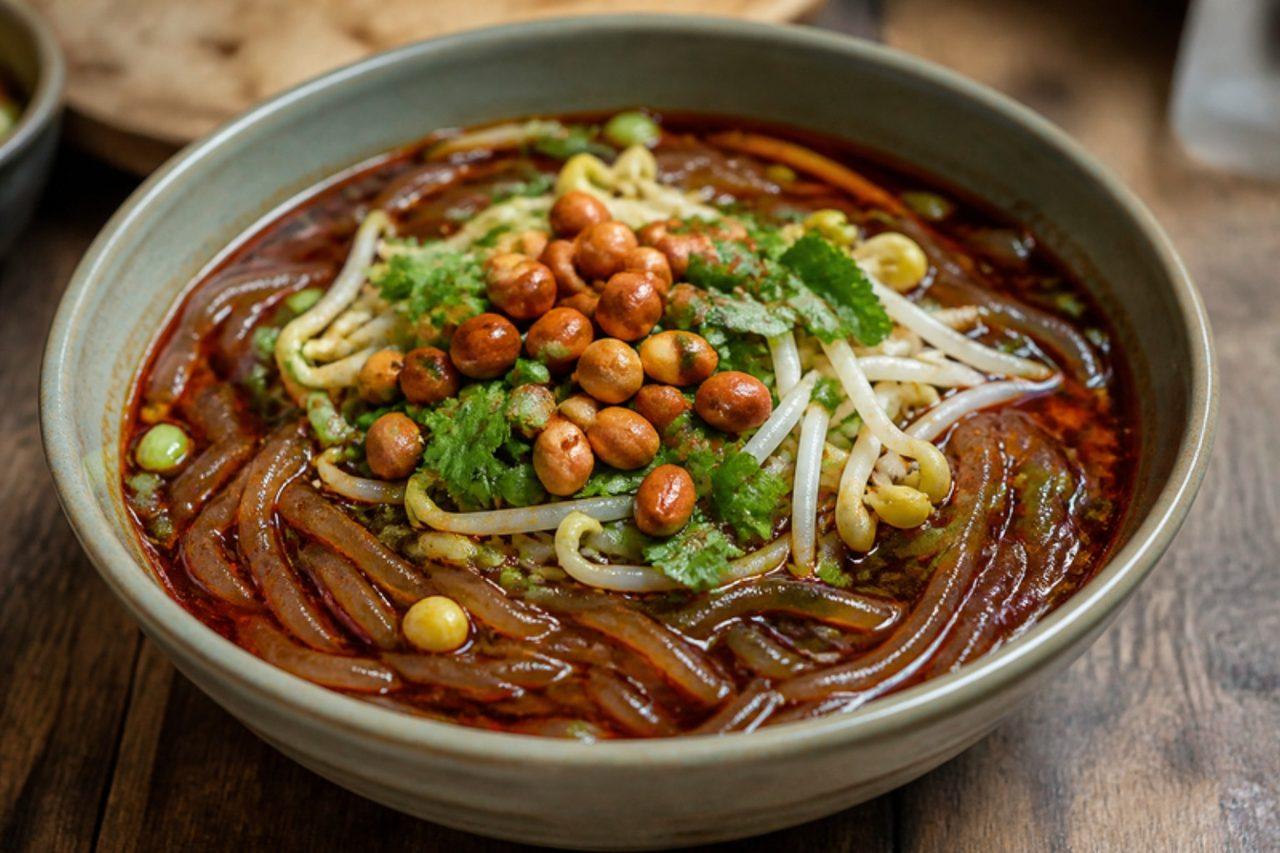
Suan la fenHot and sour sweet potato noodles

Chongqing's hot and sour noodles are made from sweet potato starch, so they are chewy, bouncy and almost clear. They come in a broth that is sharp with black vinegar and red with chilli, topped with fried peanuts or soybeans and a spoonful of pickled greens. Students live on it, and it's a favourite late-night snack across the south-west. Plan for the 30-minute soak for the dried noodles. Chef's tip: add the vinegar to the bowl, not the pan; boiled vinegar loses the sharp edge that makes this dish.

by KrazyBadal 0 views

KrupnikBarley soup with smoked pork

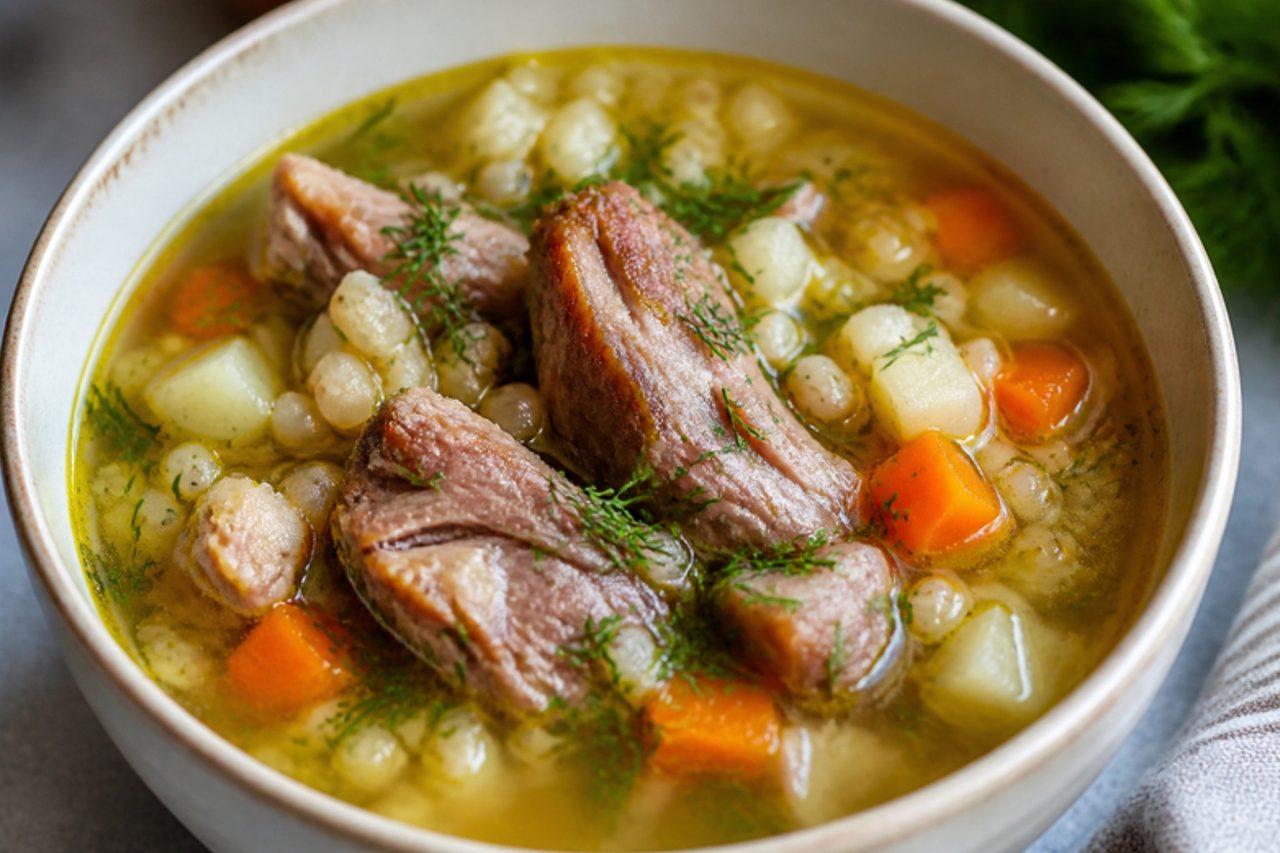
Krupnik is a thrifty, warming soup from every Polish grandmother's kitchen, from the villages of Podlasie to city milk bars, and it is the soup people make when someone in the house has a cold. Pearl barley (kasza jęczmienna), carrot, celeriac, parsley root and potato simmer in a broth of smoked pork ribs, which gives it a gentle smoky depth; this version contains pork. Dried mushrooms add an earthy note. Chef's tip: rinse the barley well and add it early; it releases starch that gives krupnik its slightly creamy body.

by KrazyBadal 0 views

Göyərti qutabıHerb-filled flatbreads

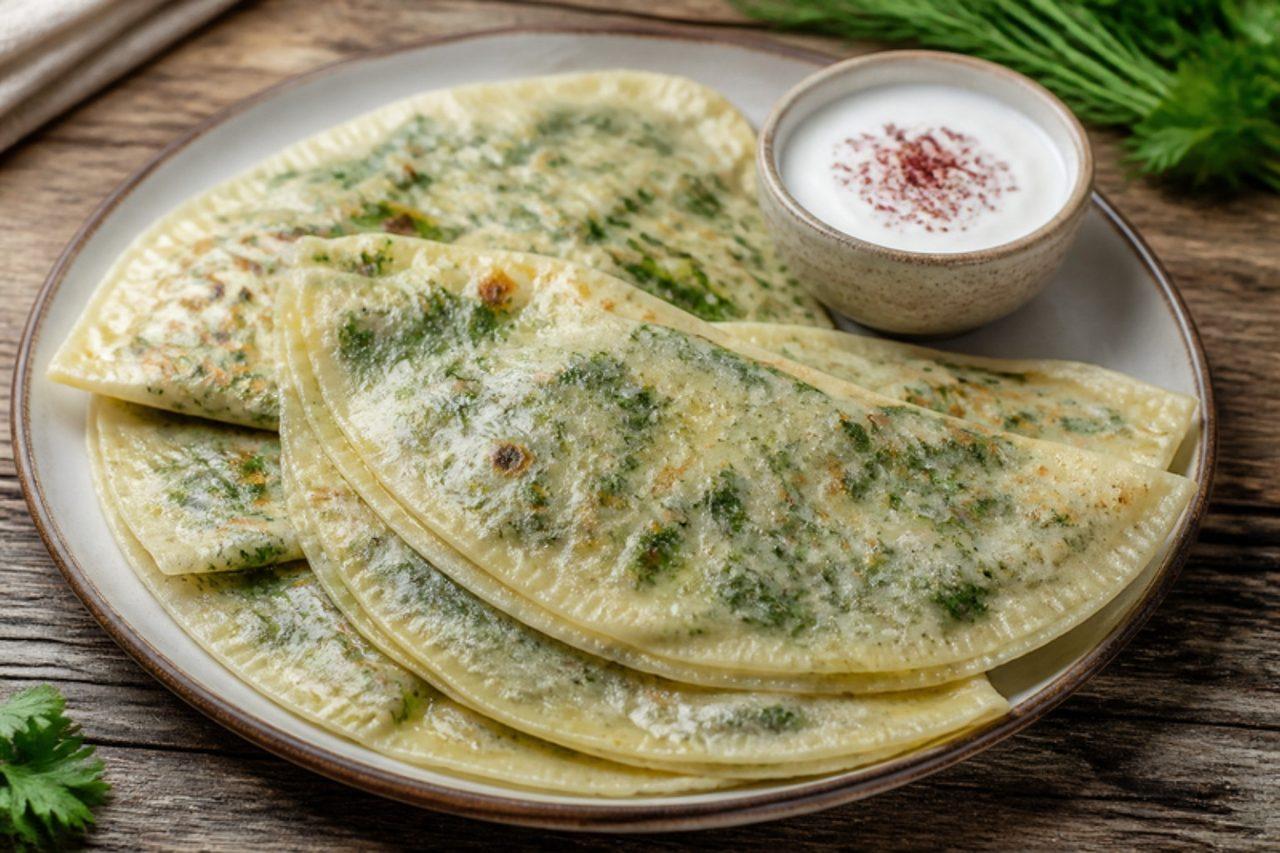
Qutab are the thin half-moon flatbreads that Baku eats at any hour, folded around a filling and cooked in seconds on a domed iron saj, then stacked and brushed with butter. Göyərti qutabı, the green version, is the spring favourite: a handful of chopped spinach, sorrel, dill, coriander and spring onion sealed inside dough rolled so thin the greens show through. They are eaten hot, three or four at a time, sprinkled with sumac and dipped in garlicky yogurt, and appear on every table at Novruz in March. In autumn the same dough wraps pumpkin; that variation is in the steps. Chef's tip: season the greens only just before filling; salt draws out water, and wet greens tear the paper-thin dough.

by KrazyBadal 0 views

Showing 36 of 7,762 recipes

Show more recipes

Page 740 of 863