


Skip to content
Maryland crab cakes
Featured recipe

Maryland crab cakes

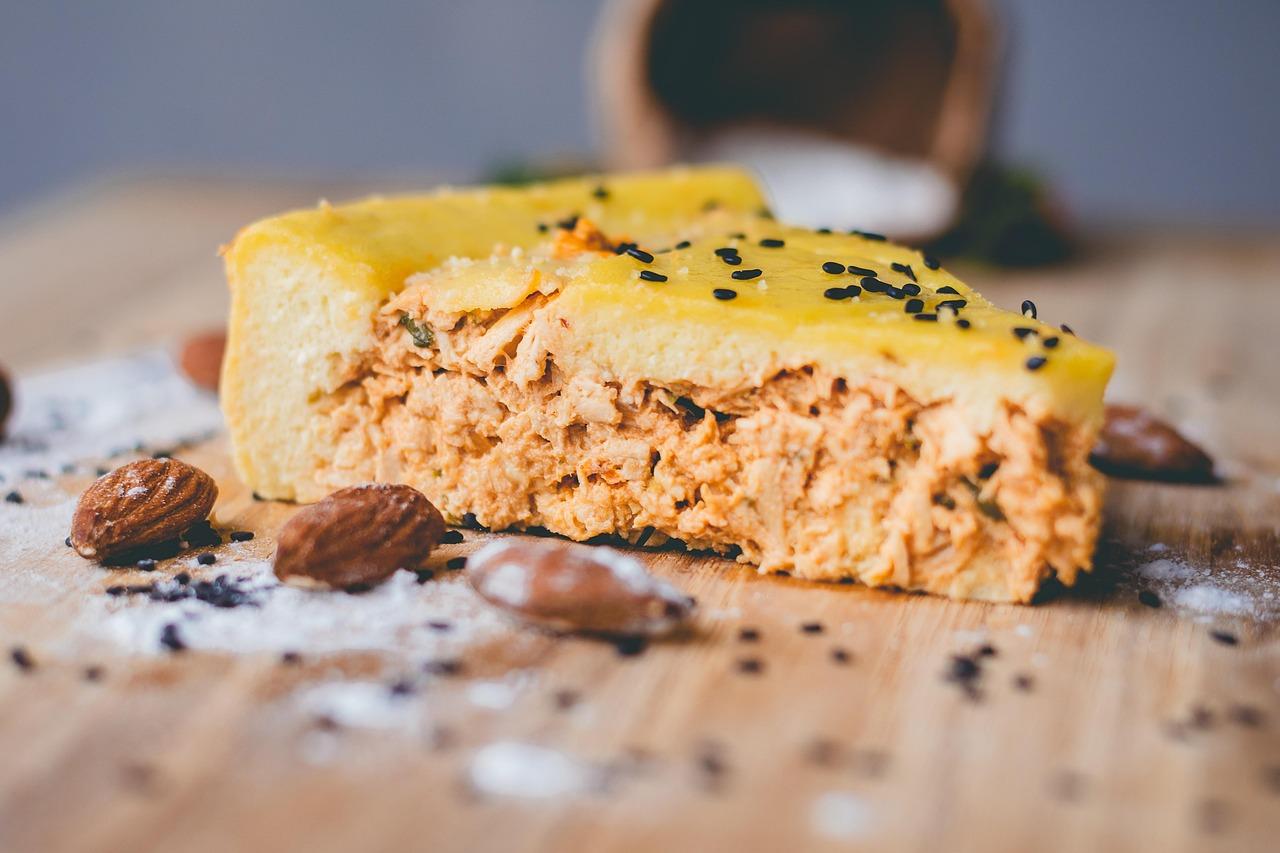
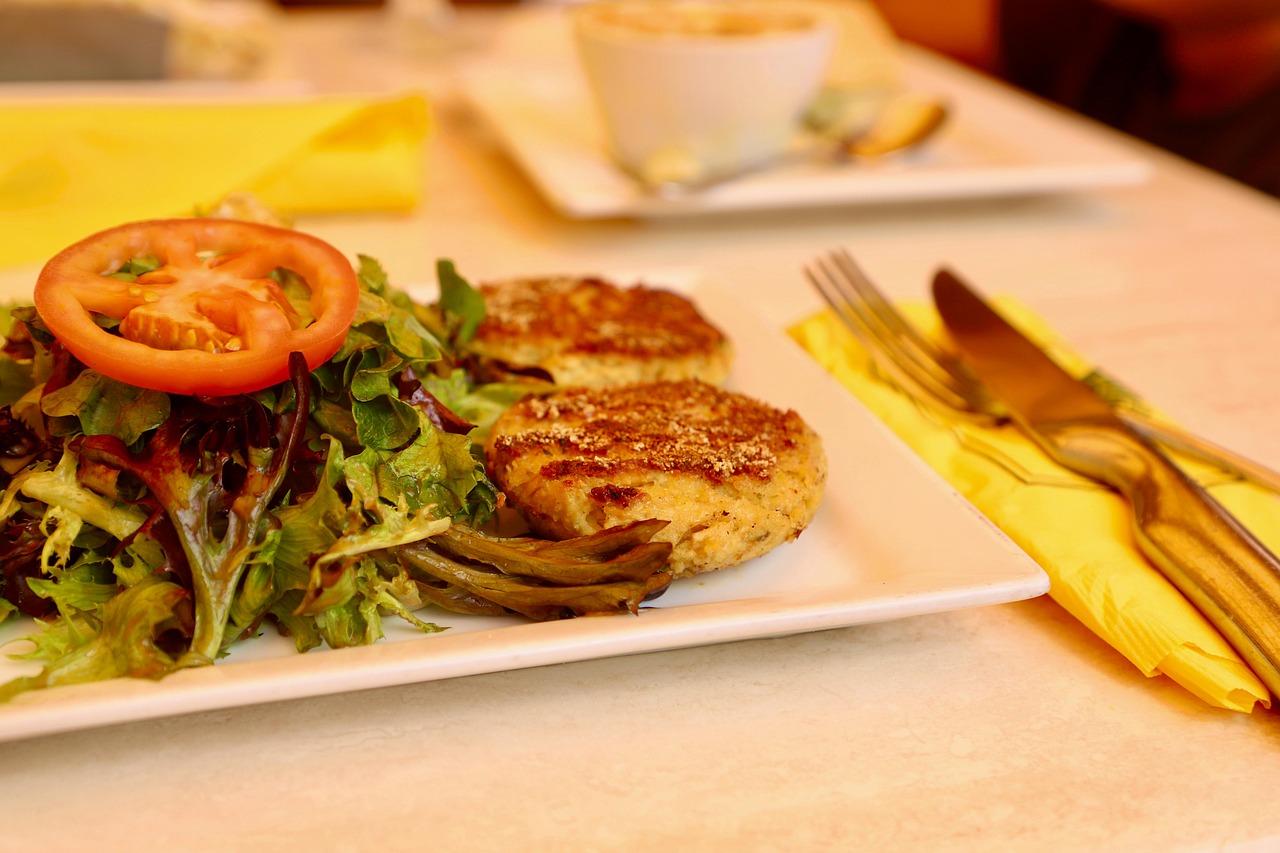
Around Chesapeake Bay, from Baltimore's crab houses to the docks of the Eastern Shore, a proper crab cake is judged by how little holds it together: sweet lump blue crab, a spoon of mayonnaise and mustard, a little seasoning and just enough crumbs to bind. They are eaten as a platter with coleslaw or in a soft roll with tartare sauce through the summer crab season. Chef's tip: chill the shaped cakes for an hour; it firms them so they don't fall apart in the pan.

Read more 0 views

What to eat today?

Around the world

Today's trip: Persian

A new country every day, from every cuisine on the site.

Persian

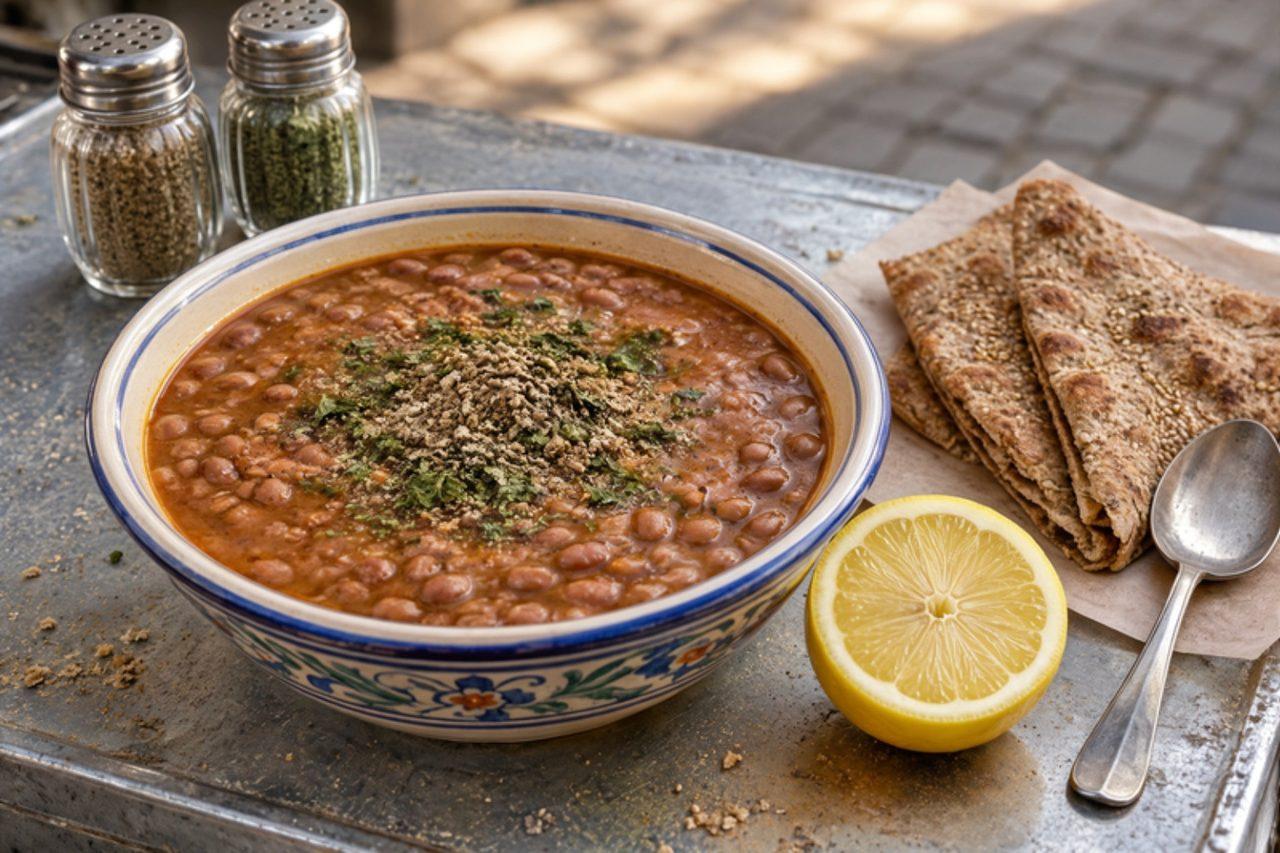
Lubia pokhte

Spiced pinto beans 120 minMore from Persian (131) →

This week's collection

Kid-friendly dinners
541 recipes · a new collection every Monday

Latest recipes

Bajan rum punch

Every Barbadian knows the rhyme: one of sour, two of sweet, three of strong, four of weak. It is how rum punch is mixed for Sunday lunch, at beach limes, at the Friday night fish fry in Oistins and through the Crop Over festival in July and August. The punch is for adults only and it is strong, so pour it over plenty of ice and drink responsibly. Made right, it tastes bright and tangy from lime, rounded by brown-sugar syrup, warm with golden Barbados rum and finished by aromatic bitters and the woody smell of fresh nutmeg on top. The usual mistake is reading 'weak' as fruit juice or adding extra rum: the four of weak is water (and melting ice), and swapping in sweet juices makes the punch cloying. Make the syrup properly, measure by volume and taste before you add the last of the water. It is ready when the sweet and sour are in balance, nothing catches your throat and the jug is beaded with cold. It also keeps 2 days in the fridge, so it can be made ahead. Chef's tip: grate the nutmeg over each glass at the table; ready-ground nutmeg has lost the smell that makes Bajan punch what it is.

by KrazyBadal 0 views

Gevulde koekAlmond-filled cookie

A gevulde koek is two discs of short, buttery dough sandwiching a thick layer of almond paste (spijs), glazed with egg and crowned with half an almond. Every Amsterdam bakery has a stack of them, and they are the classic koffie snack at about eleven in the morning, or something to eat on the bike home from the Noordermarkt. The pastry is crumbly and the middle soft, fragrant and lemony. It contains wheat, egg, milk and almonds. Chef's tip: make the almond paste a day ahead; it firms up and is much easier to shape into neat discs.

by KrazyBadal 0 views

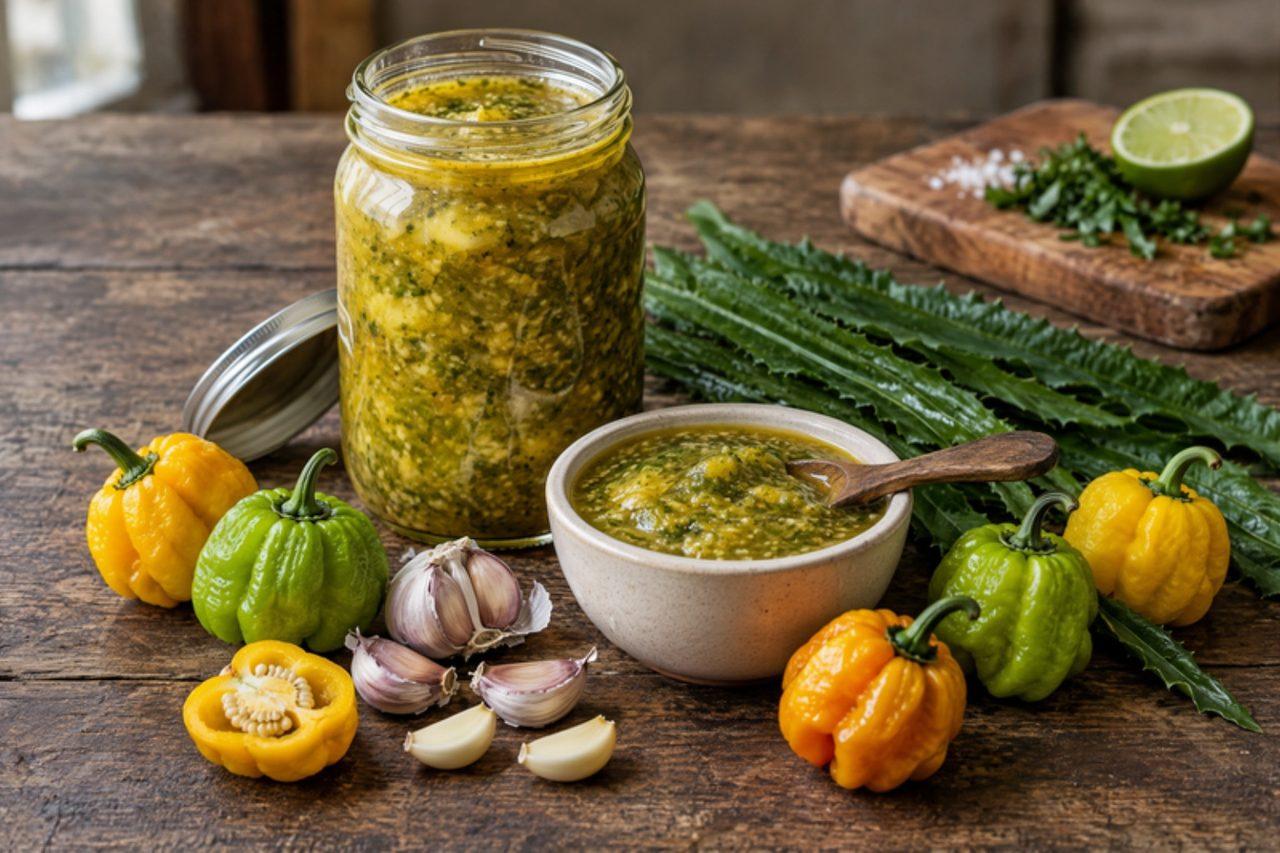
Trini pepper sauce

Ask for doubles anywhere in Trinidad and the vendor will ask "slight or heavy?", meaning how much pepper sauce goes on. This raw, rough-blended sauce also goes on pholourie, aloo pie, bake and saltfish and Christmas pastelles, and every family swears theirs is best. Scotch bonnet or local congo peppers are blended with shado beni (culantro), plenty of garlic, prepared mustard, vinegar and lime, and many cooks stretch it with grated green papaya or green mango for body. It tastes ferociously hot, sharp, garlicky and green, with a tangy mustard finish. Abroad, swap the culantro for double the amount of coriander with its stalks. Common mistake: following the old habit of standing the bottle in the sun to "cure"; raw garlic and herbs are not safe at room temperature, so let the flavours marry in the fridge instead. Wear gloves and keep the blender lid on. It is ready after 2–3 days in the fridge, when the colour turns from bright to olive and the raw garlic edge has softened. Chef's tip: salt and squeeze the grated papaya before adding it, so it does not water the sauce down.

by KrazyBadal 0 views

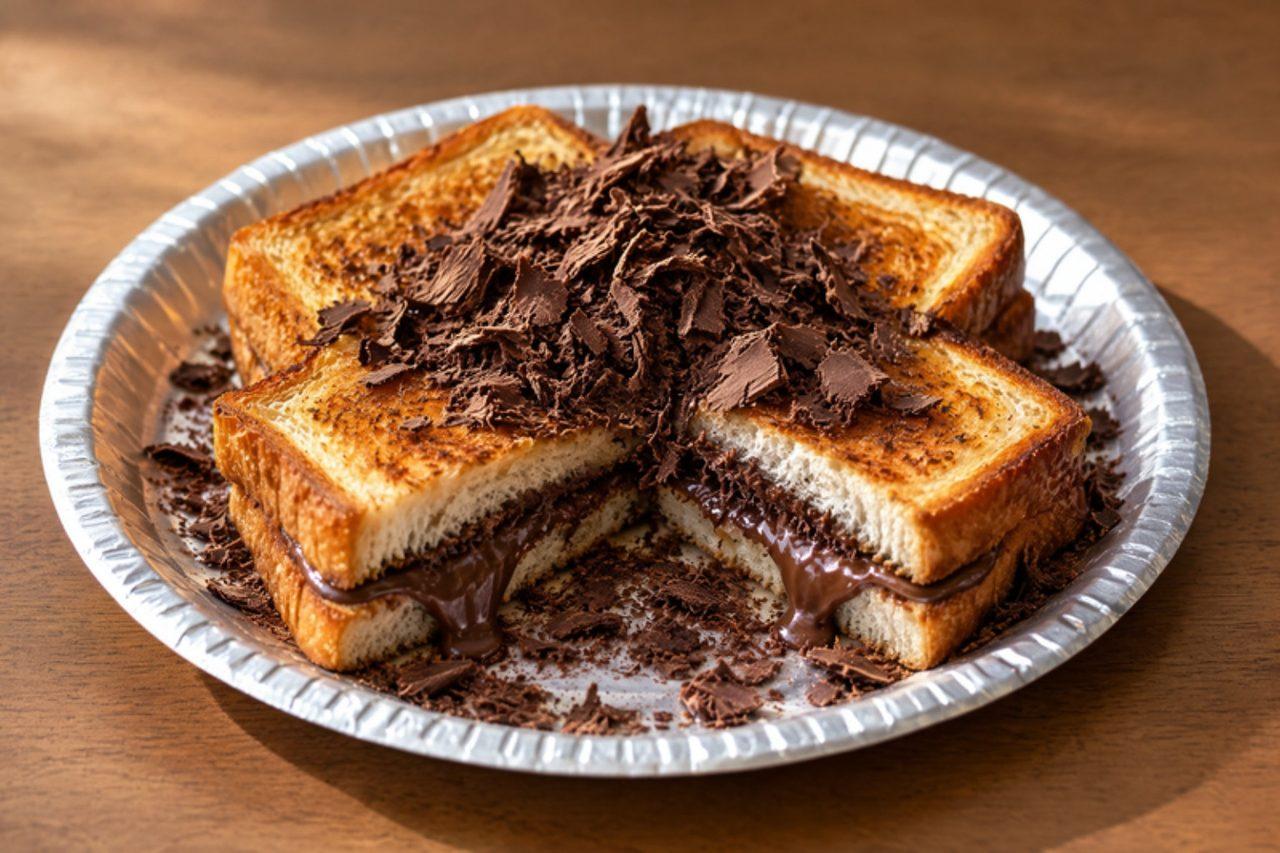
Ahmedabad chocolate sandwich

Manek Chowk is a jewellery market by day; at night its square fills with stalls, and among the pav bhaji and sandwich carts the chocolate sandwich is the one children beg for. Buttered white bread is packed with grated chocolate, sometimes with a layer of grated cheese for a salty edge, then toasted in a long-handled iron until crisp and dripping. Contains wheat and dairy, and the chocolate may contain soya and traces of nuts. If you add cheese, many cheeses are made with animal rennet; pick one labelled vegetarian. Chef's tip: toast it slowly over a medium-low heat, so the chocolate melts before the bread browns.

by KrazyBadal 1 views

Mazorcada (Bogotá loaded corn bowl)

Late at night, when the bars of the Zona T and Usaquén empty, the food trucks and carts around Bogotá's Parque de la 93 do a roaring trade in mazorcada, a huge tray of sweetcorn buried under shredded chicken or beef, melted cheese, salsa rosada and crunchy potato sticks. It is messy, salty-sweet and very filling, and Colombians argue about whether pineapple sauce belongs on top. Chef's tip: melt the cheese first and add the potato sticks at the very end, so they stay crunchy.

by KrazyBadal 0 views

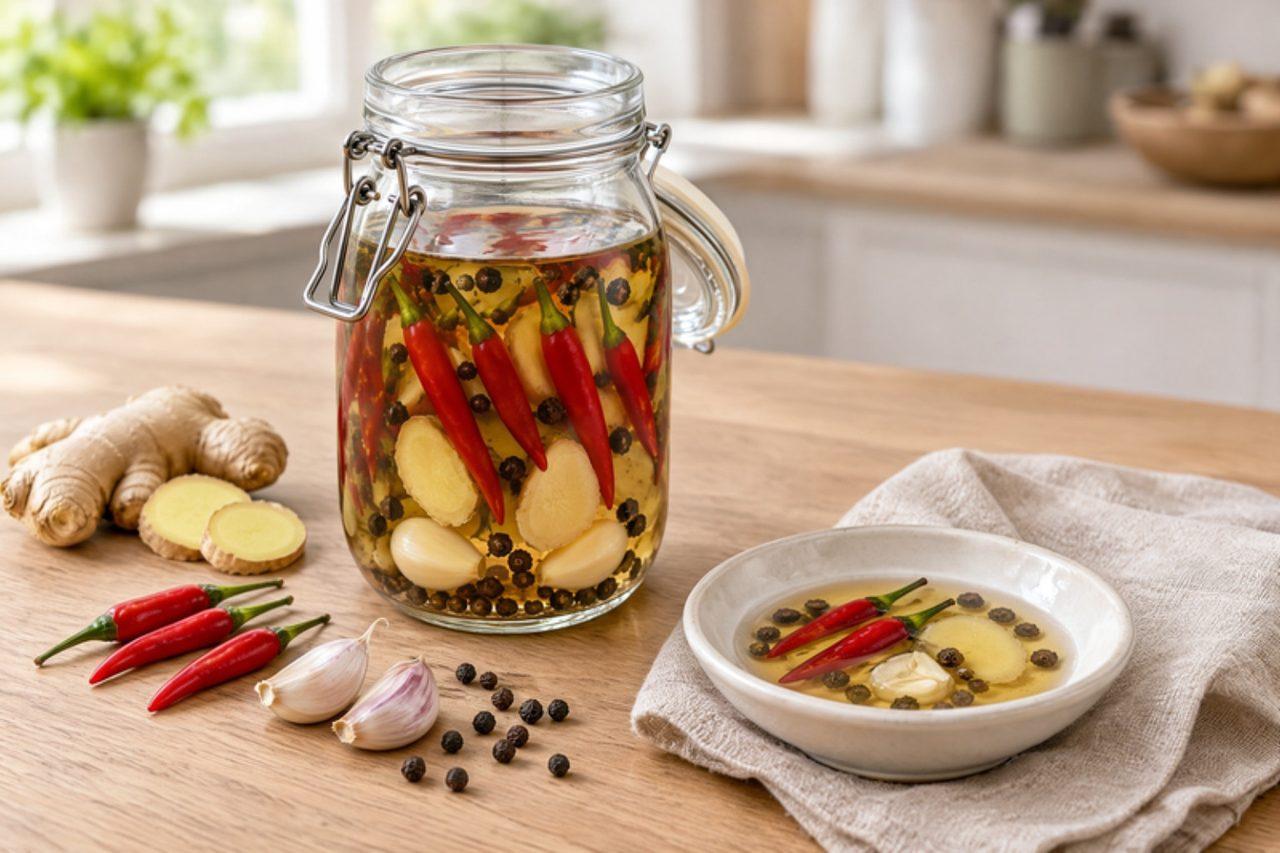
Sinamak

Iloilo is the home of La Paz batchoy and chicken inasal, and on every table there sits a tall bottle of sinamak, cane or coconut vinegar crowded with chillies, garlic and ginger. Visayan families keep a bottle going all year, and the dip turns up with grilled pork belly, crisp lechon kawali, fried fish and longganisa at breakfast. After a few days of steeping it is clean and sour, hot from siling labuyo, warm with ginger and peppery, with a faint sweetness from the cane vinegar. Common mistake: making a huge bottle and leaving it in a warm kitchen for months; fresh garlic and ginger are low-acid, so use full-strength vinegar, keep it in the fridge and make a fresh batch every couple of months. Toasting the garlic is not traditional and is not needed. It is ready when the vinegar has turned faintly golden and smells strongly of chilli and garlic, usually after 3 days. Chef's tip: bruise the chillies with the flat of a knife instead of slicing them; the heat comes out slowly and the vinegar stays clear. Cider vinegar can stand in for cane or coconut vinegar.

by KrazyBadal 0 views

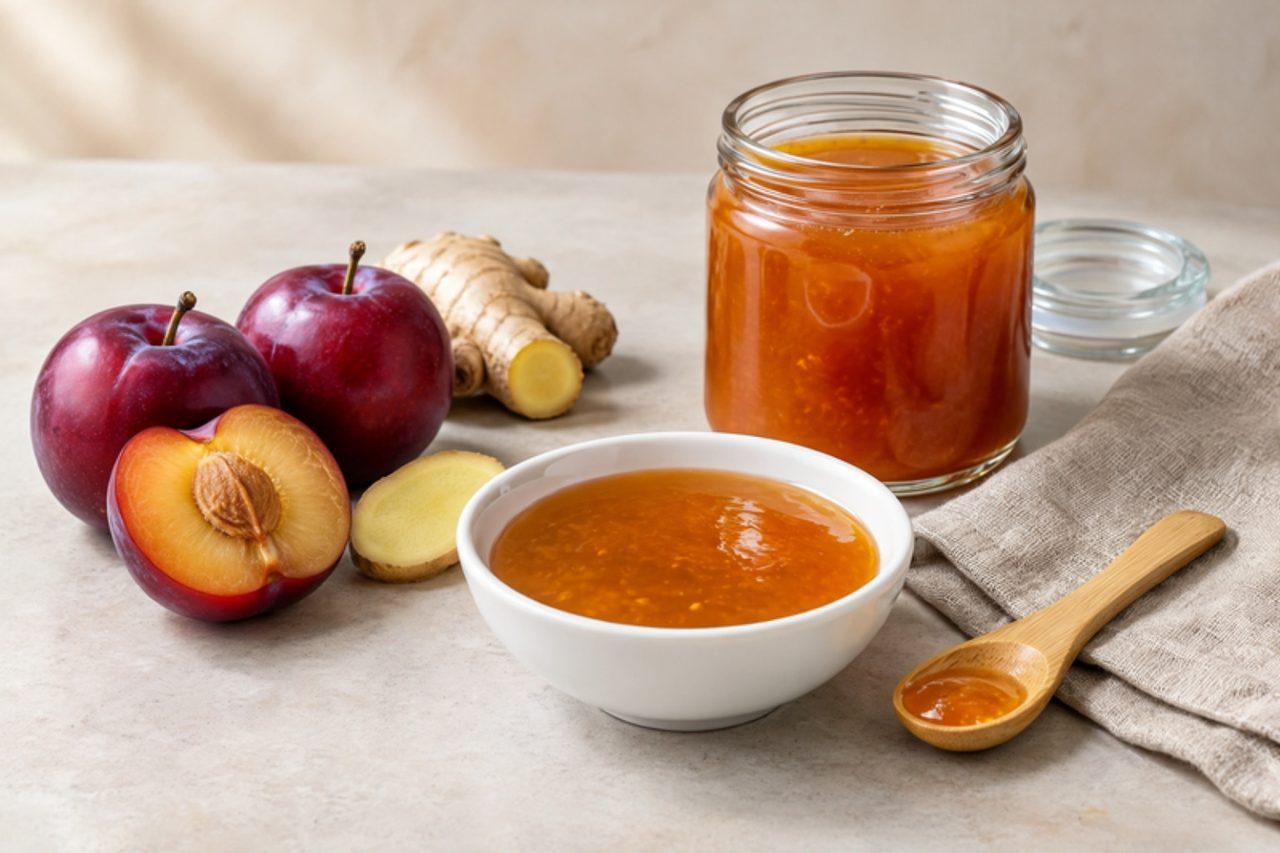
Chinese plum sauce

In Hong Kong and Guangzhou roast-meat shops, a small saucer of plum sauce comes with crisp roast goose and siu mei, and at home it is the dip for spring rolls at New Year and the glaze for vegetarian fried tofu or cha siu-style mushrooms. Cantonese suan mei jiang is fruitier and more sour than the gloopy bottled kind: ripe plums are simmered with sugar, rice vinegar, ginger and a little chilli until thick and glossy. Make it in late summer when dark plums are cheap. Common mistake: boiling it too thick; it sets further as it cools, so stop when it coats the back of a spoon and a drip on a cold plate wrinkles only slightly. Readiness cues: the plum skins have melted into the sauce, the colour is deep ruby and the taste balances sweet and sharp. This is a high-acid preserve: in the fridge it keeps 2 months, or water-bath process sealed jars for 20 minutes to keep them in a cupboard for a year (refrigerate once opened). Discard if you see mould, it fizzes, the lid bulges or leaks, or it smells fermented. Chef's tip: add 2 Chinese salted preserved plums, mashed, for the authentic salty-sour depth.

by KrazyBadal 0 views

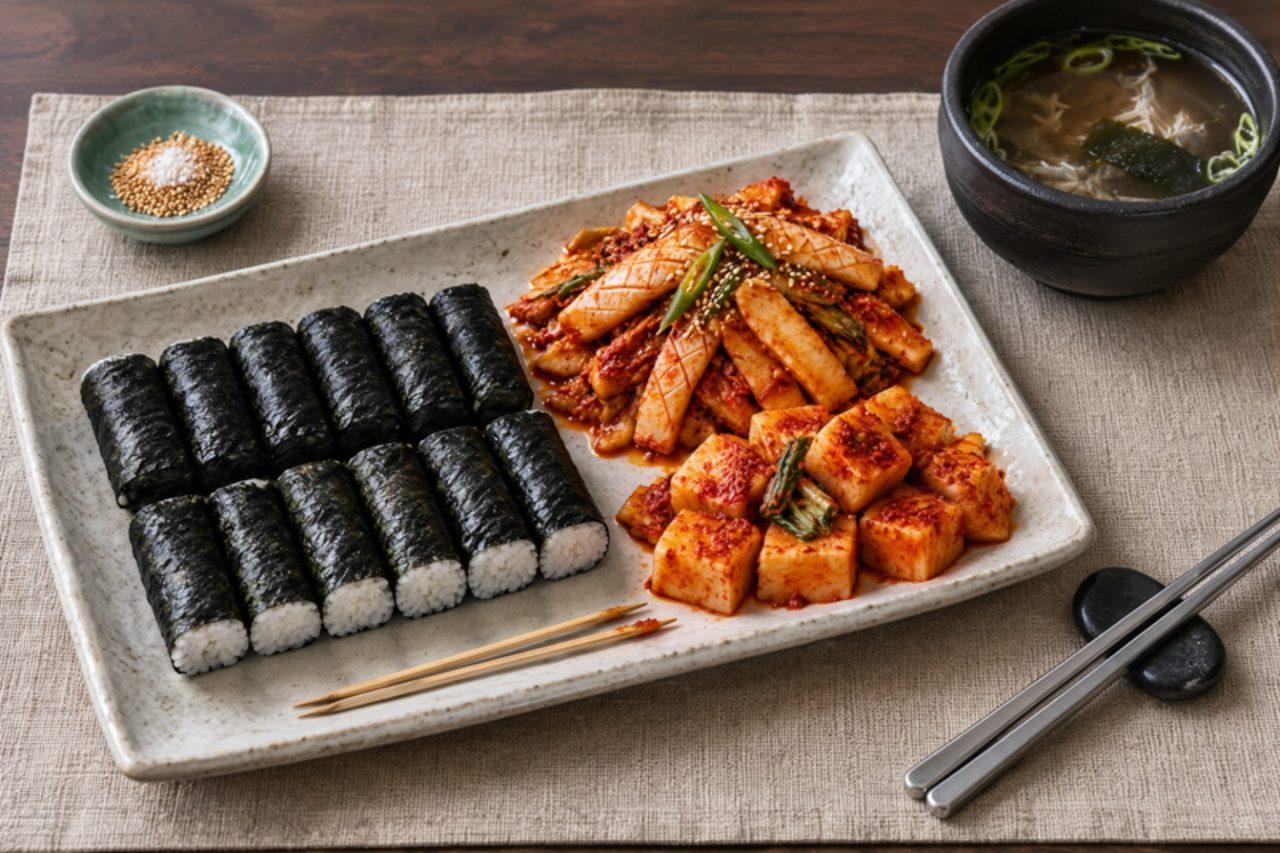
Chungmu gimbapRice rolls with spicy squid

In the harbour town of Tongyeong (once called Chungmu), fishermen's wives made plain rice rolls in laver with the spicy side dishes packed separately, because filled gimbap spoiled in the heat of the boats. Today Chungmu gimbap is a lunchbox and road-trip classic all over Korea: finger-sized rolls eaten with a toothpick, sweet-spicy squid and fish cake, and crunchy radish kimchi. The common mistake is overcooking the squid, which goes rubbery; blanch it just until it turns white and curls. Chef's tip: brush the gim lightly with sesame oil before rolling, which keeps it from going chewy.

by KrazyBadal 0 views

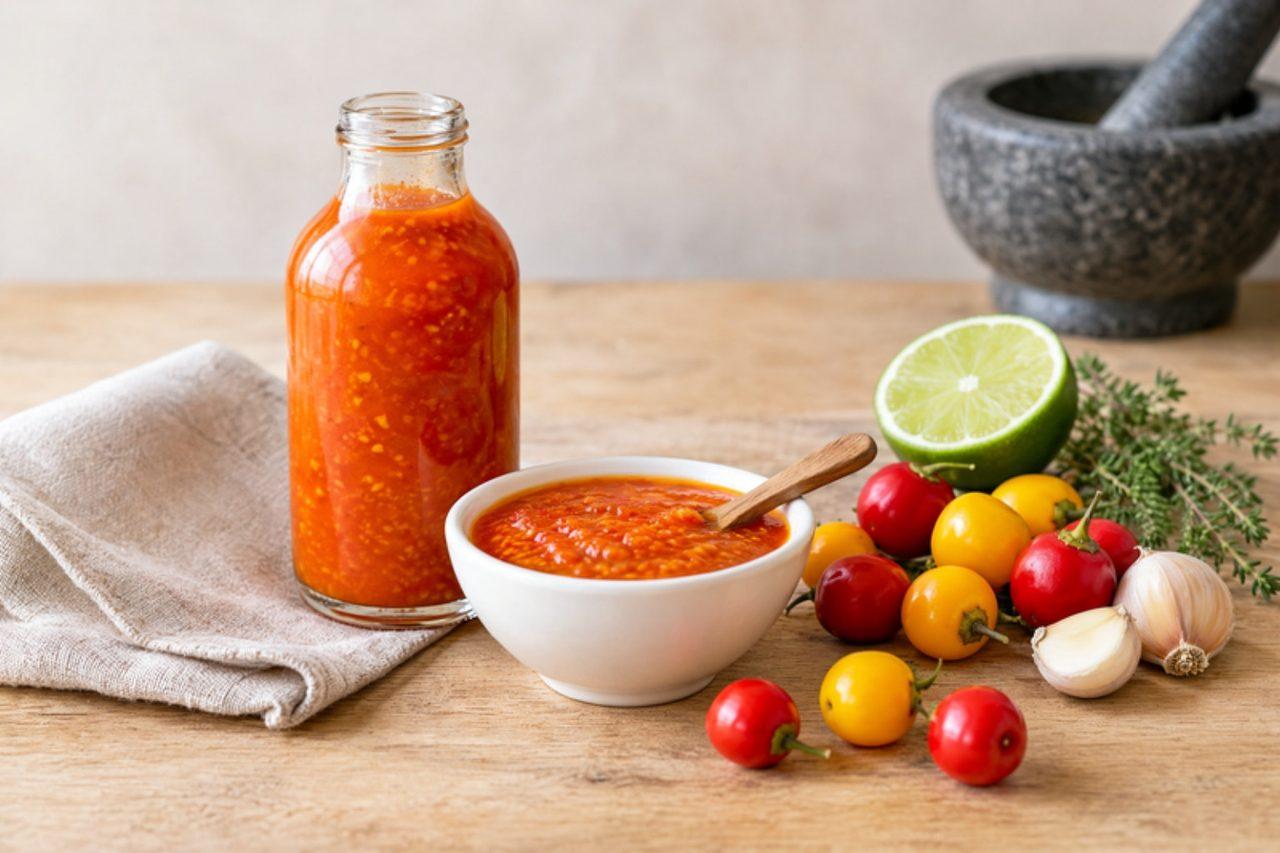
Wiri wiri pepper sauce

Every Guyanese household, from Georgetown to the villages of Berbice, has its own bottle of pepper sauce, and the most prized is made with wiri wiri: tiny, round peppers no bigger than a currant, red, orange or yellow, with a fruity, almost tomato-like heat that hits fast and fades clean. They are ground with plenty of garlic, a little onion, prepared mustard, salt and vinegar, and often a few slices of green mango or five-finger (carambola) for sourness. A dab goes on cook-up rice, dhal and rice, roti and curry, fried fish and bake, and on the pepperpot at Christmas. The sauce is coarse, bright orange-red and loose, sour first, then fiercely hot and garlicky. A common mistake is thinning it with water, which makes it spoil quickly; use vinegar alone for any loosening. It is ready after a day in the fridge, when the garlic has softened into the heat and the colour has deepened. Outside Guyana, wiri wiri is hard to find; Scotch bonnets or red bird's-eye chillies work, though the flavour is a little different. Chef's tip: grate in a few slices of green mango for the true sour, fruity Guyanese edge.

by KrazyBadal 0 views

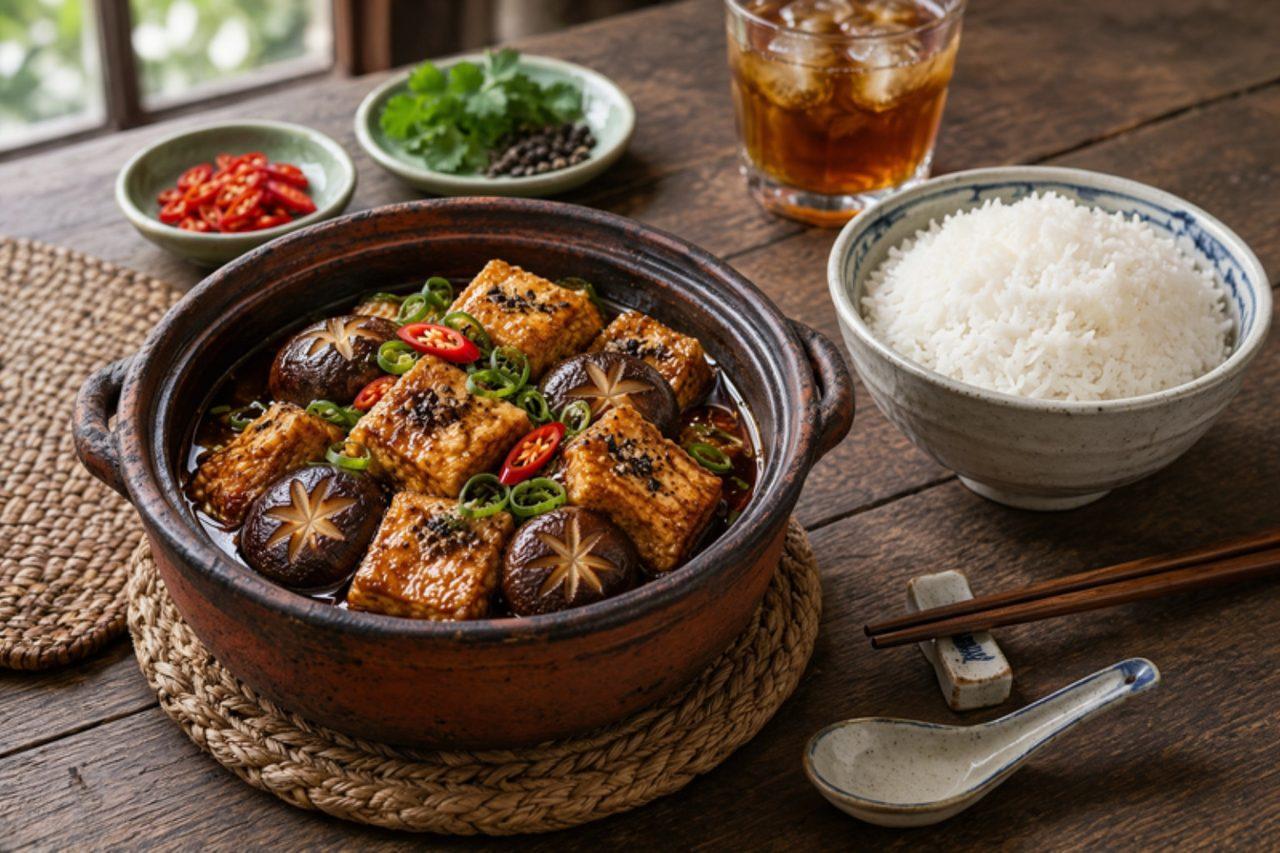
Đậu hũ khoBraised tofu with shiitake

Đậu hũ kho is the vegetarian cousin of the caramel braises (kho) cooked in clay pots all over Vietnam, and in the south it is a standard of Buddhist fasting days and a good companion for a pot of rice through the week. Golden fried tofu and chewy shiitake are braised in a dark caramel, soy sauce and coconut water until the sauce turns sticky, salty-sweet and peppery. Serve with steamed rice, a plate of fresh cucumber and a light soup. The usual mistake is letting the caramel go too dark, which makes the whole dish bitter; stop when it is the colour of strong tea. Chef's tip: coconut water gives a rounder sweetness than plain water, and the braise keeps for 3 days in the fridge.

by KrazyBadal 0 views

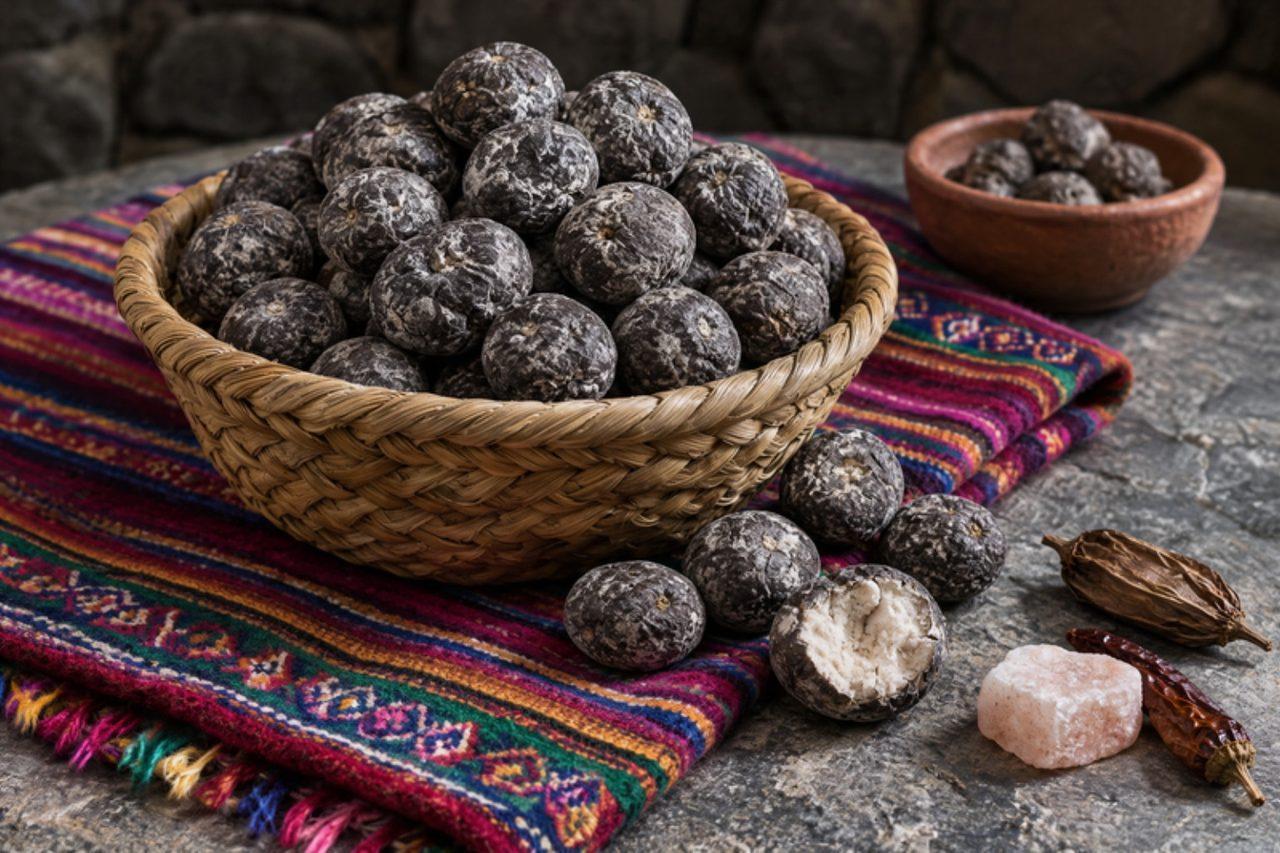
Chuño

On the Altiplano around Lake Titicaca, in June and July when the nights drop to -10 °C and the days are bright and dry, Aymara and Quechua families spread small, bitter potatoes on the grass to make chuño, a technique far older than the Inca. The potatoes freeze at night and thaw in the sun for several days, then are trodden barefoot to squeeze out the water and rub off the skins, and dried for a couple of weeks more. The result is light, wrinkled, grey-black chuño negro that keeps for years; soaked in running stream water instead, the same potatoes become white tunta. Rehydrated and boiled, chuño is firm, slightly chewy and spongy, with an earthy, faintly mineral, almost fermented taste; it goes into chairo soup, into chuño phuti, or beside grilled meat with spicy llajwa. Skipping the long soak is the big mistake: it stays bitter and gritty, so soak it for at least 12 hours, changing the water. Dried chuño is ready when it is rock hard, very light and rattles in a bag. Chef's tip: without Andean frosts, a freezer and a low oven make a fair version; the method is below.

by KrazyBadal 0 views

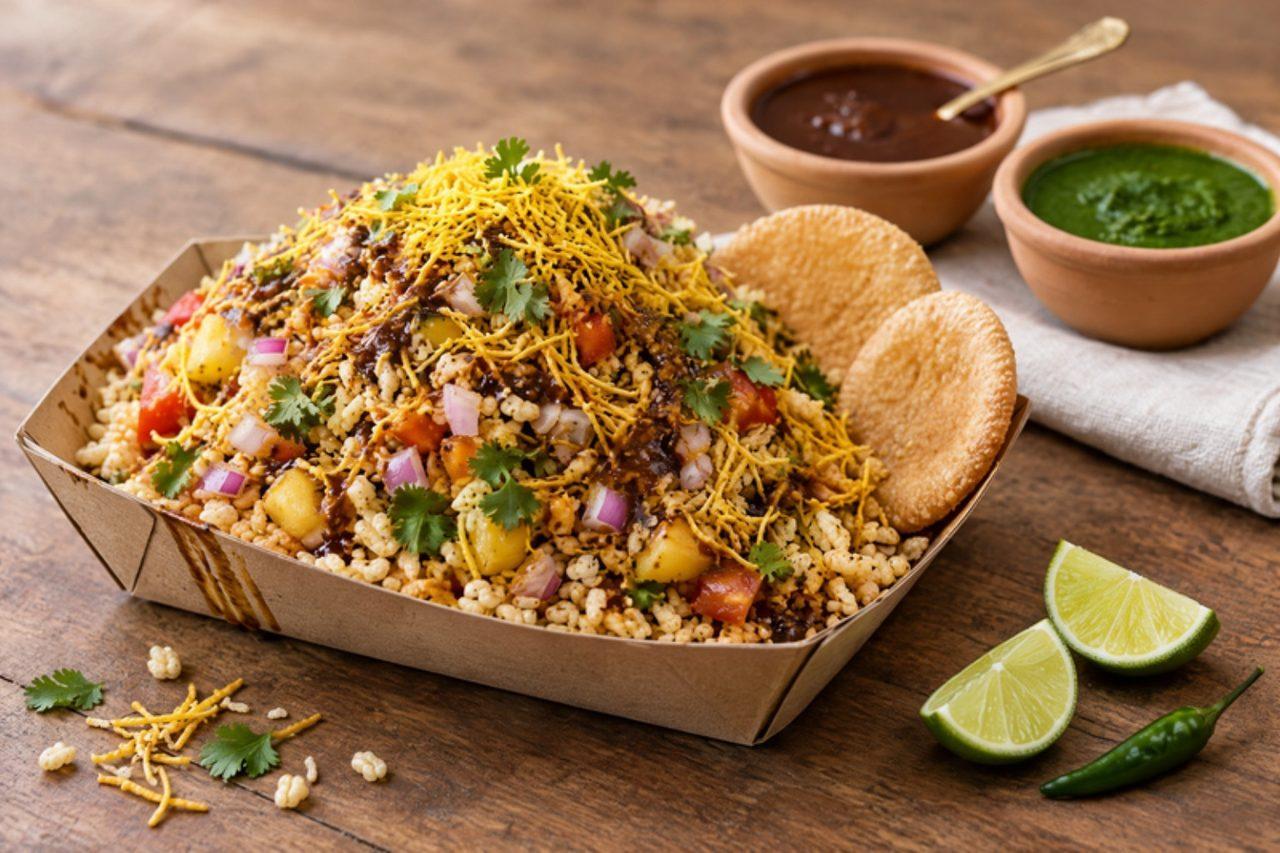
Bhel puri

On Girgaum and Juhu Chowpatty the bhelwalas set up as the sun drops into the Arabian Sea, and bhel puri is what Mumbai eats while it walks along the sand. Puffed rice, crushed flat puris and boiled potato are tossed in a steel bowl with sweet tamarind and fiery green chutneys, then buried under fine sev and handed over in a folded paper cone with a puri for a spoon. It is crunchy, sweet, sour and hot all at once, and it has to be eaten within minutes. Chef's tip: lay out every component before you start, because the mixing takes thirty seconds and the crunch only lasts about five minutes.

by KrazyBadal 0 views

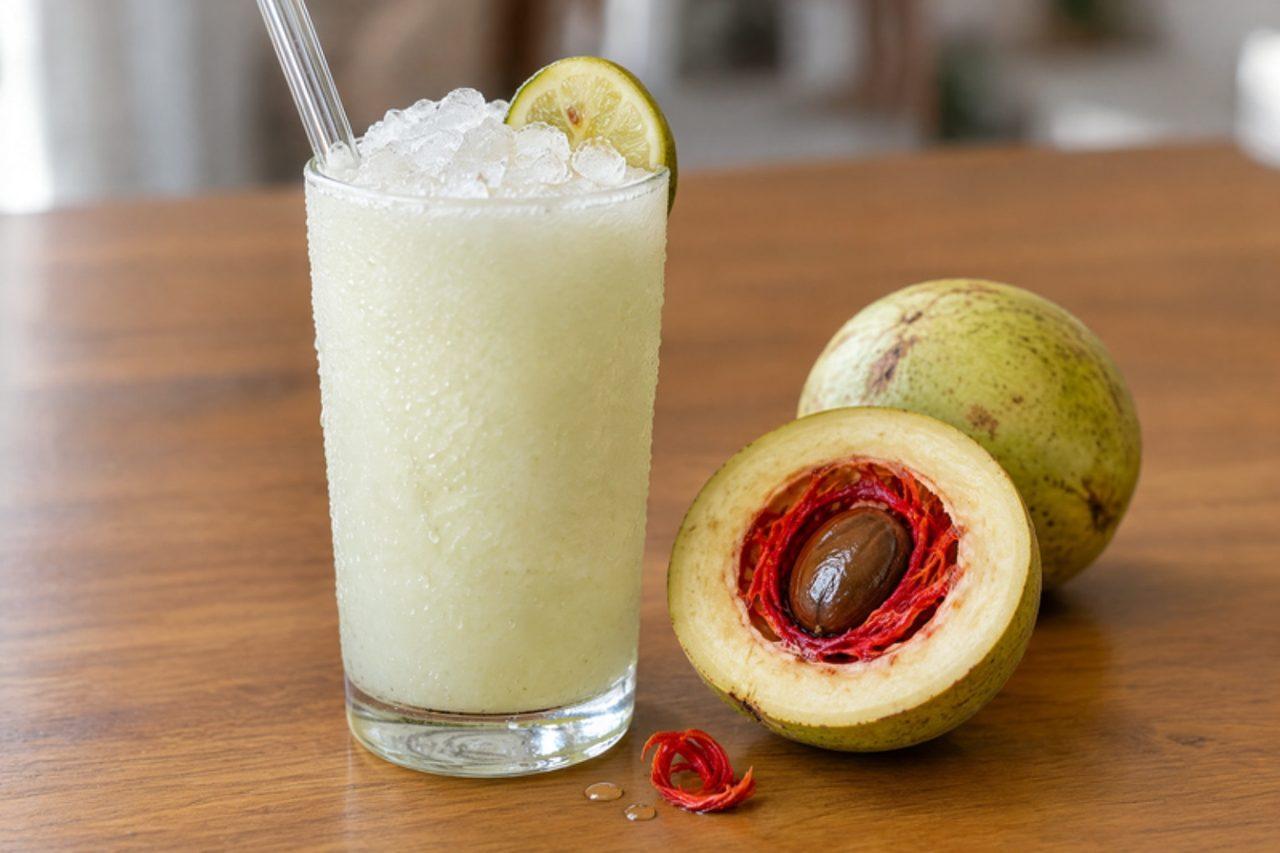
Nutmeg juice

Penang is one of the few places in the world where nutmeg trees grow in back gardens, and its hawkers turn the pale, tart flesh around the nutmeg seed into jus buah pala, a frosty pale drink served at Gurney Drive and the coffee shops of Chulia Street to cool you down after spicy noodles. It tastes sweet and sour with a soft, woody spice. Outside Malaysia, look for preserved or candied nutmeg fruit strips in Asian grocers. Chef's tip: use only the fruit flesh; the seed (the nutmeg spice) and its red lace of mace are far too strong to blend into a drink and can make you unwell.

by KrazyBadal 0 views

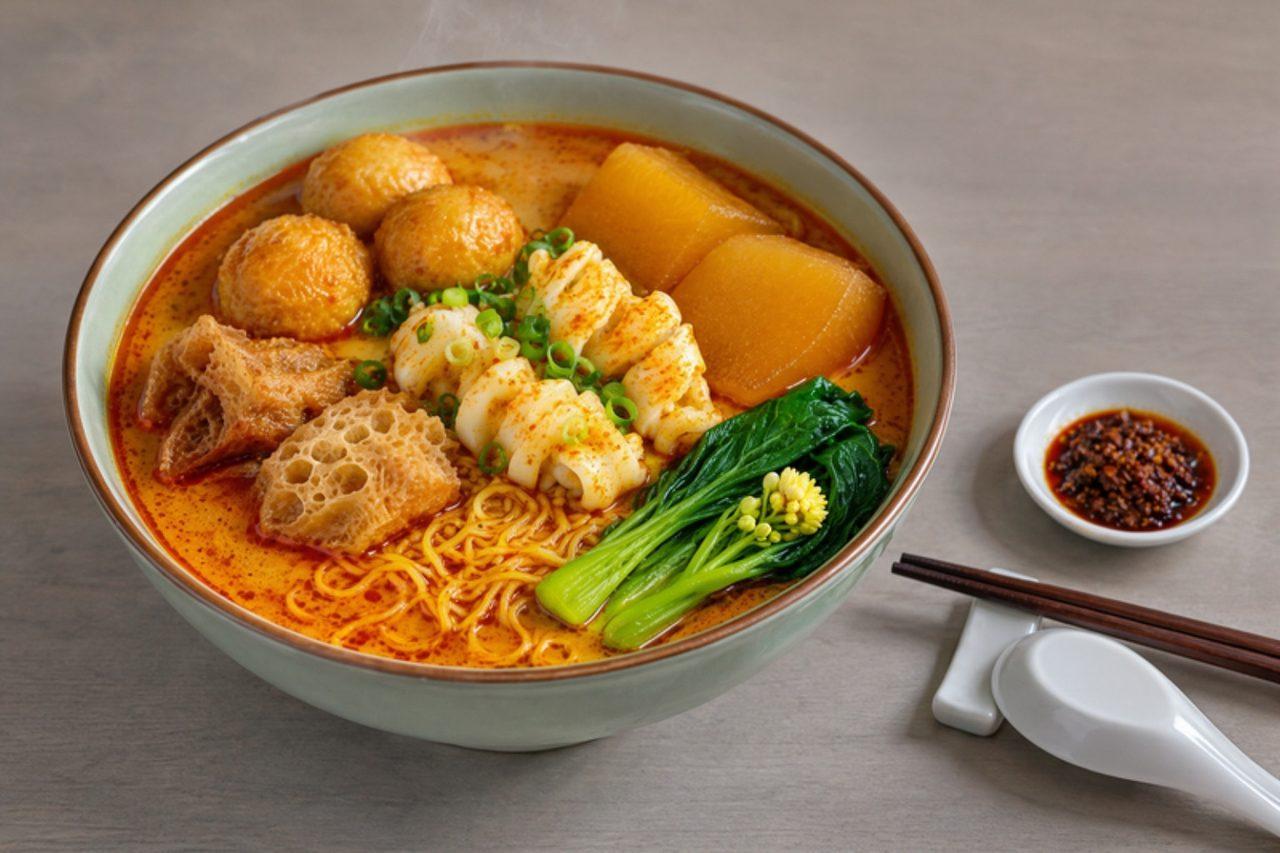
Cart noodles

Cart noodles began in the 1950s, when hawkers pushed carts of simmering pots through Sham Shui Po and Wong Tai Sin and let customers pick their own noodles and toppings. The carts are long gone, but the noodle shops of Mong Kok and Kowloon City keep the custom: tick off your choices on a slip, perhaps curry fish balls, soft braised daikon, chewy pork skin, pig's blood or squid, and choose your broth, here a spicy curry-satay one. It is a cheap, filling late-night meal. This version uses pork skin and pork stock. Contains fish, wheat, egg and soy. Chef's tip: give the pork skin time in the curry pot; it should be soft and jelly-like, soaking up the sauce.

by KrazyBadal 0 views

Daging masak hitamBlack braised beef

Daging masak hitam, 'black-cooked beef', is a centrepiece of Hari Raya open houses and kenduri feasts across Malaysia, and it is just as good on an ordinary weekday with rice and cucumber. Beef is braised slowly with blended shallots, garlic, ginger and dried chillies, whole spices, tamarind and both sweet and dark soy sauce until the gravy reduces to a sticky, almost black glaze. It tastes better the next day, which is why cooks make it ahead for festivals. The usual mistake is reducing too fast over a high heat: the sugar in the sweet soy scorches and turns bitter. Chef's tip: once the gravy starts to thicken, stir from the bottom every few minutes and lower the heat.

by KrazyBadal 0 views

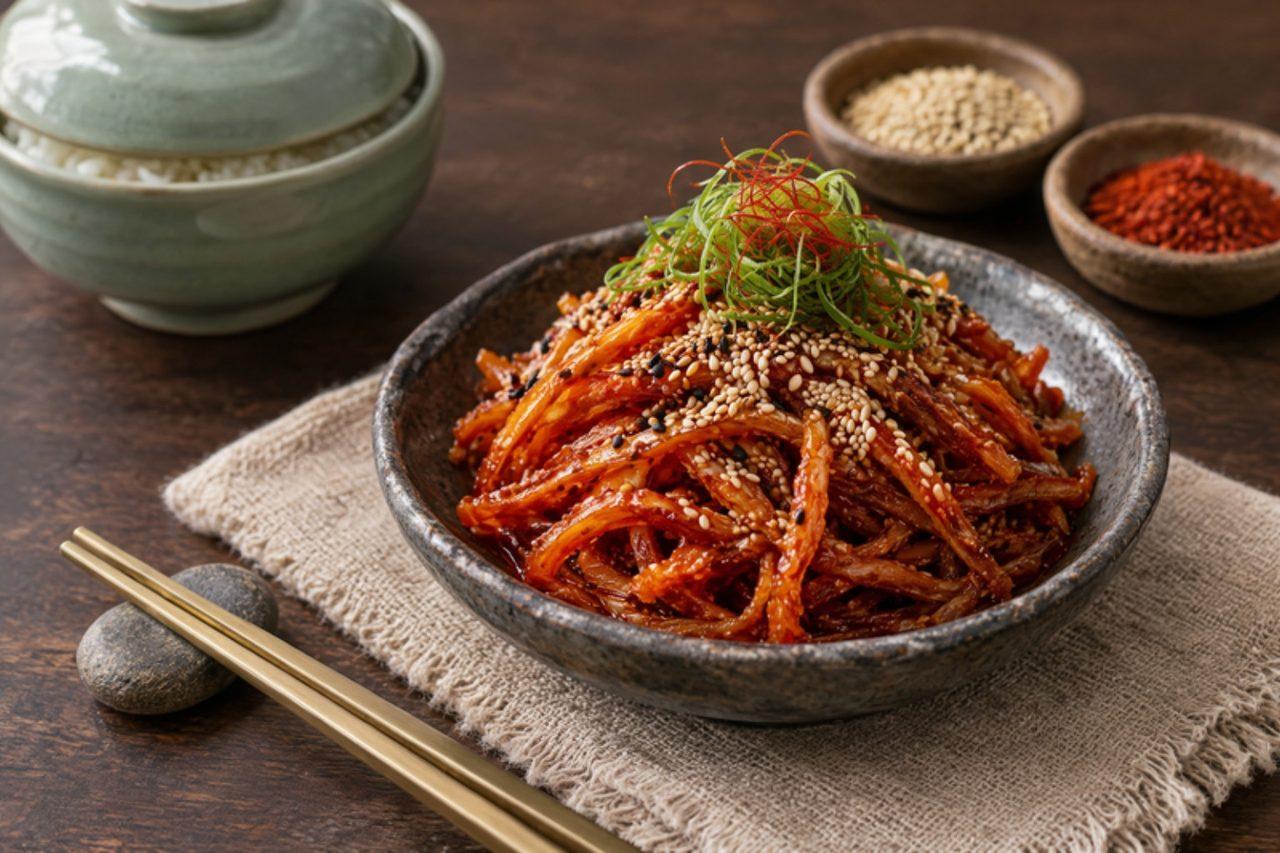
Jinmichae bokkeumGlazed dried squid strips

Jinmichae, shredded seasoned dried squid, is one of the most popular banchan in Korean lunchboxes: chewy, sweet and a little spicy, and it keeps for a week. Children across Korea find it in their dosirak and parents make a big tub on Sunday. The common mistake is glazing it over the heat, which turns the squid hard as wire; mix the strips into the warm sauce off the heat. Chef's tip: soak the squid briefly in water first and squeeze it out, so it stays tender even straight from the fridge.

15 minKoreanFishSpicy
by KrazyBadal 0 views

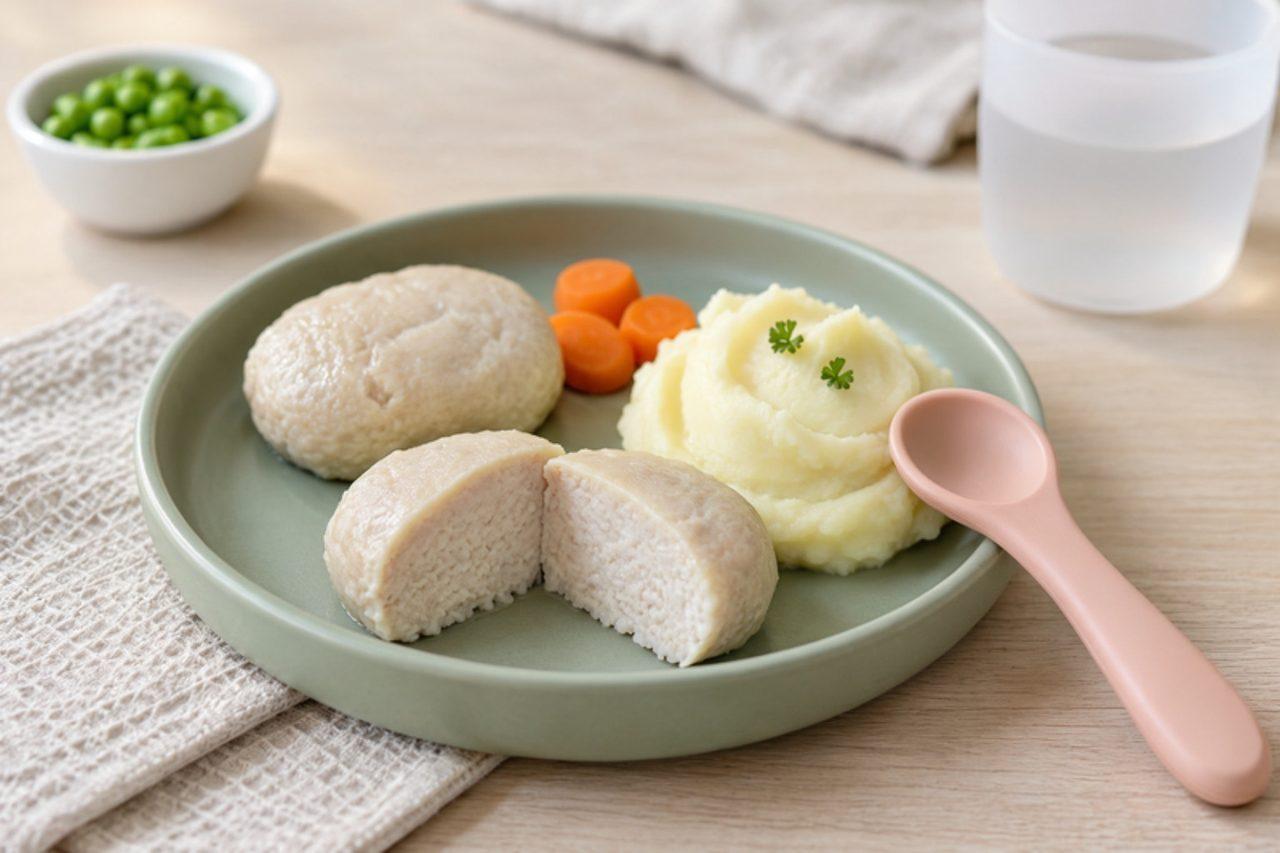
Parovye kotlety for toddlers (steamed cutlets)

Parovye kotlety, steamed cutlets, are the nursery and kindergarten classic of Russian homes from St Petersburg to Novosibirsk, served with mashed potato or buckwheat at lunch. Minced chicken or turkey is mixed with bread soaked in water and grated onion, shaped into small patties and steamed until soft and juicy, so there is no crust for small gums to struggle with. This version for toddlers from 12 months has no added salt and no egg. It contains wheat (gluten, in the bread); there is no milk, egg, nuts or soya. Chef's tip: beat the mince against the side of the bowl for a minute; it makes the cutlets hold together without egg.

by KrazyBadal 0 views

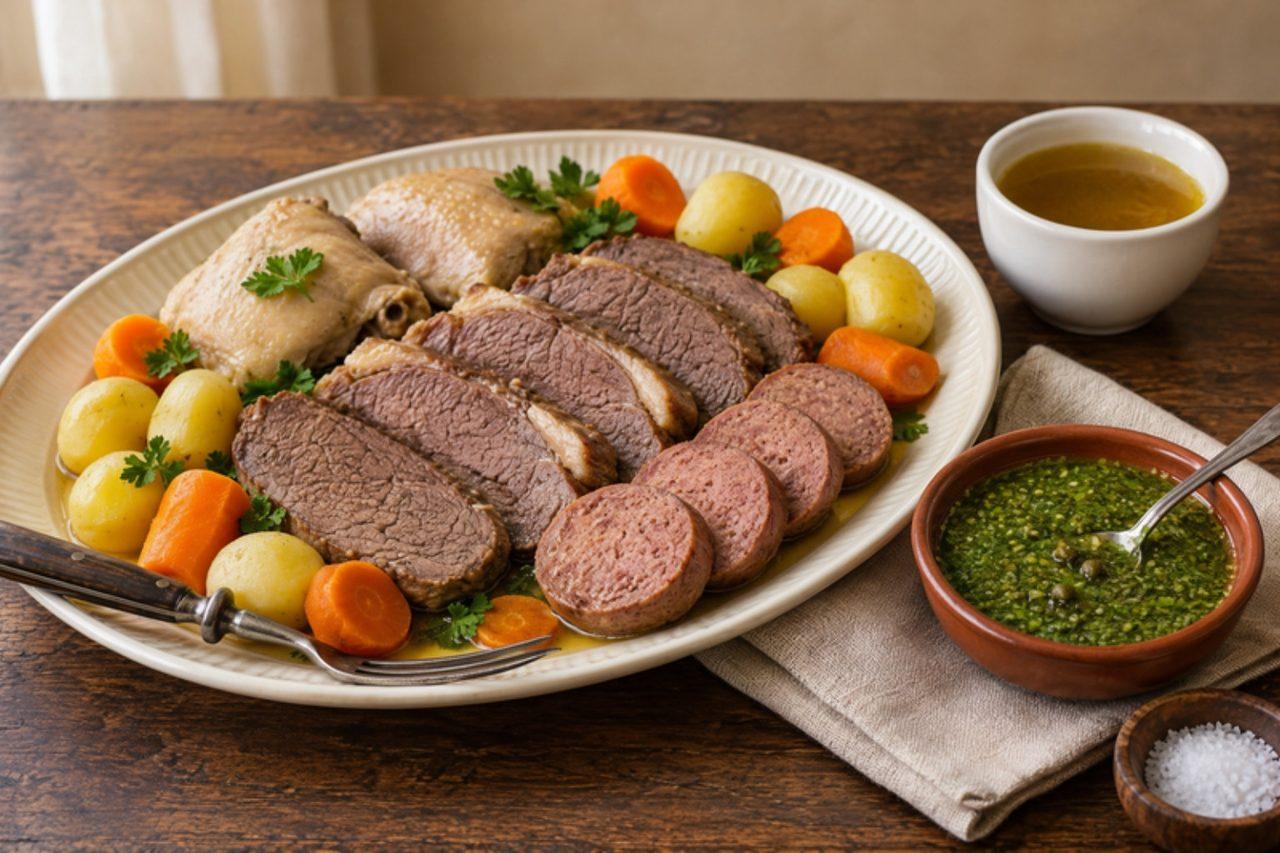
Bollito mistoMixed boiled meats

In Piedmont, bollito misto is the great winter feast, served from November to carnival in Turin trattorias and on family tables when there are many to feed. Several cuts of beef, a chicken and a cotechino (a soft, rich pork sausage) poach gently in one big pot until tender, then come to the table sliced on a warm platter with a sharp parsley and caper salsa verde; the broth is saved for soup or risotto the next day. The usual mistake is letting the pot boil hard: the meat turns stringy and the broth cloudy, so keep it at a bare shiver. Serve with boiled potatoes or mostarda if you like. Chef's tip: put the beef into water that is already boiling so its juices stay in the meat, and use cold water only if the broth matters more to you than the meat.

240 minItalianMeatGluten free
by KrazyBadal 0 views

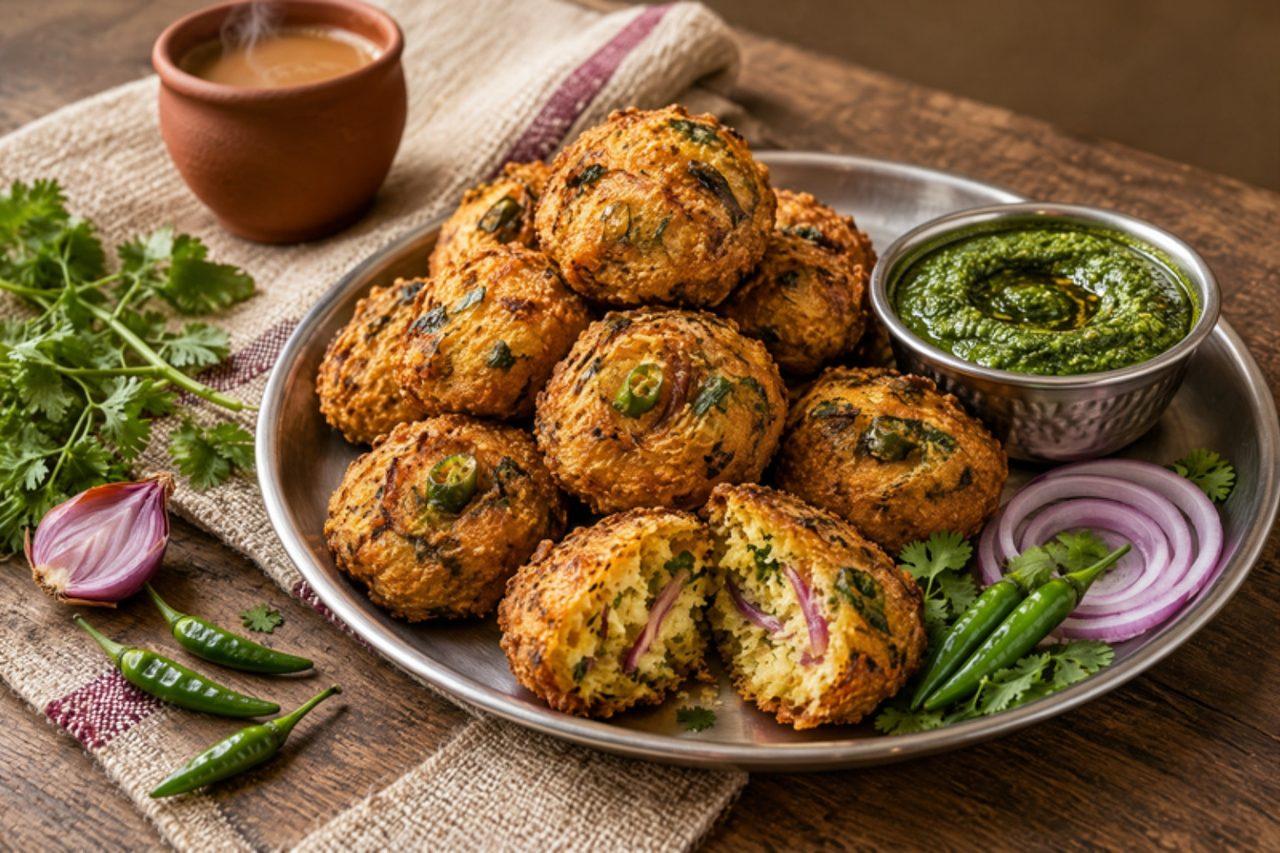
Manipuri boraGram flour fritters

Bora are the crisp fritters that Meitei families fry for evening tea, for guests and for festivals like Cheiraoba, using whatever is in season: onion and herbs, gourd flowers, or tender greens. The batter is gram flour with a little rice flour, so they stay crisp. The common mistake is a thick batter that makes doughy fritters; it should just coat the vegetables. Fill the pan no more than a third deep with oil, test it with a drop of batter (it should rise in 2–3 seconds) and never leave it unattended. Chef's tip: mix the batter just before frying so the vegetables don't weep and make it watery.

by KrazyBadal 0 views

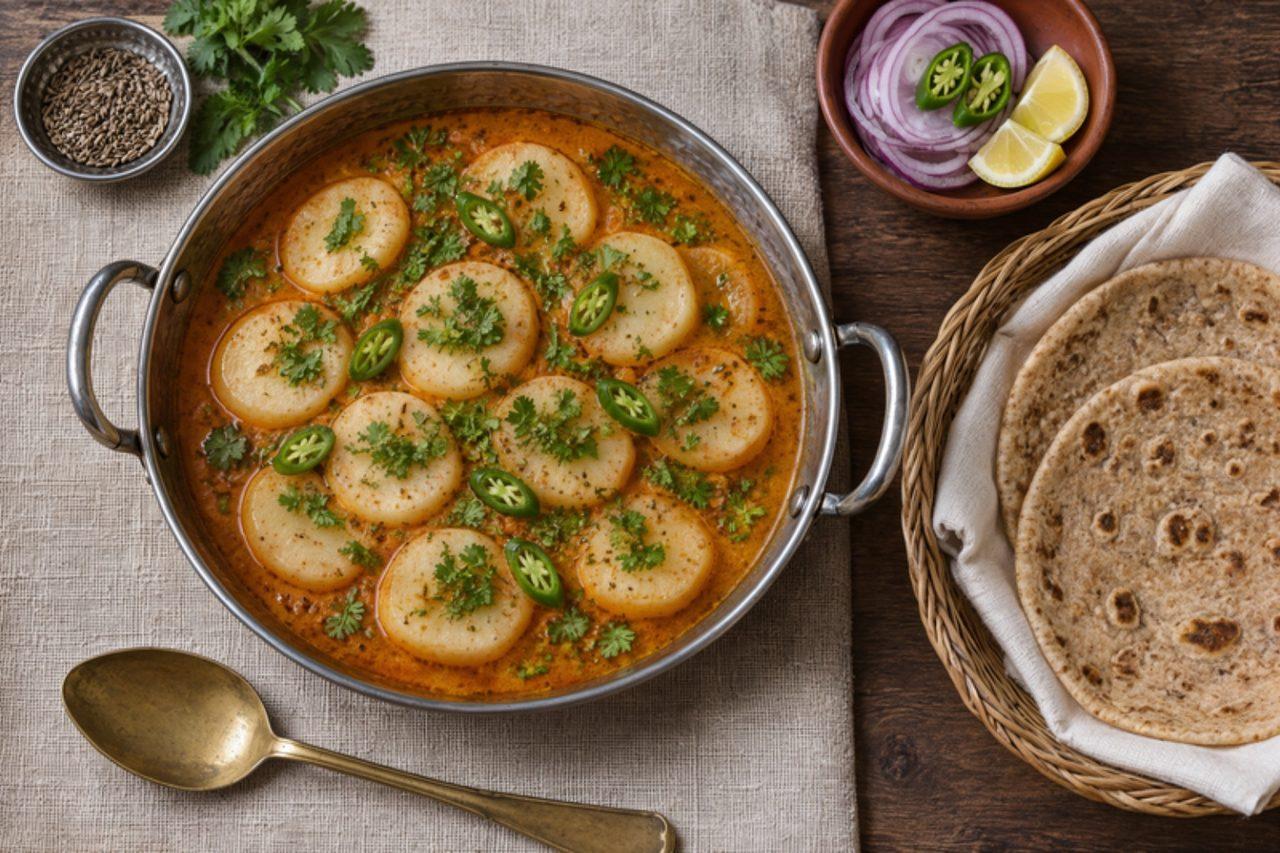
Arvi ka salanColocasia in tangy gravy

Arvi ka salan is a Lahore and Karachi home curry, cooked on weekday evenings when the vegetable seller has a basket of small, hairy colocasia roots. The roots are boiled, peeled and simmered in a loose, sour gravy of onion, tomato, ajwain and a squeeze of lemon, so the slightly slippery arvi soaks up the spice and turns creamy at the centre. Eat it with hot roti or plain rice and a little raw onion. The usual mistake is undercooking the arvi: half-cooked colocasia leaves an itchy, scratchy feeling in the throat, so it must be soft all the way through. Chef's tip: once the boiled arvi is peeled, press each piece flat with your palm before it goes into the gravy, so the rough edges thicken the sauce.

by KrazyBadal 0 views

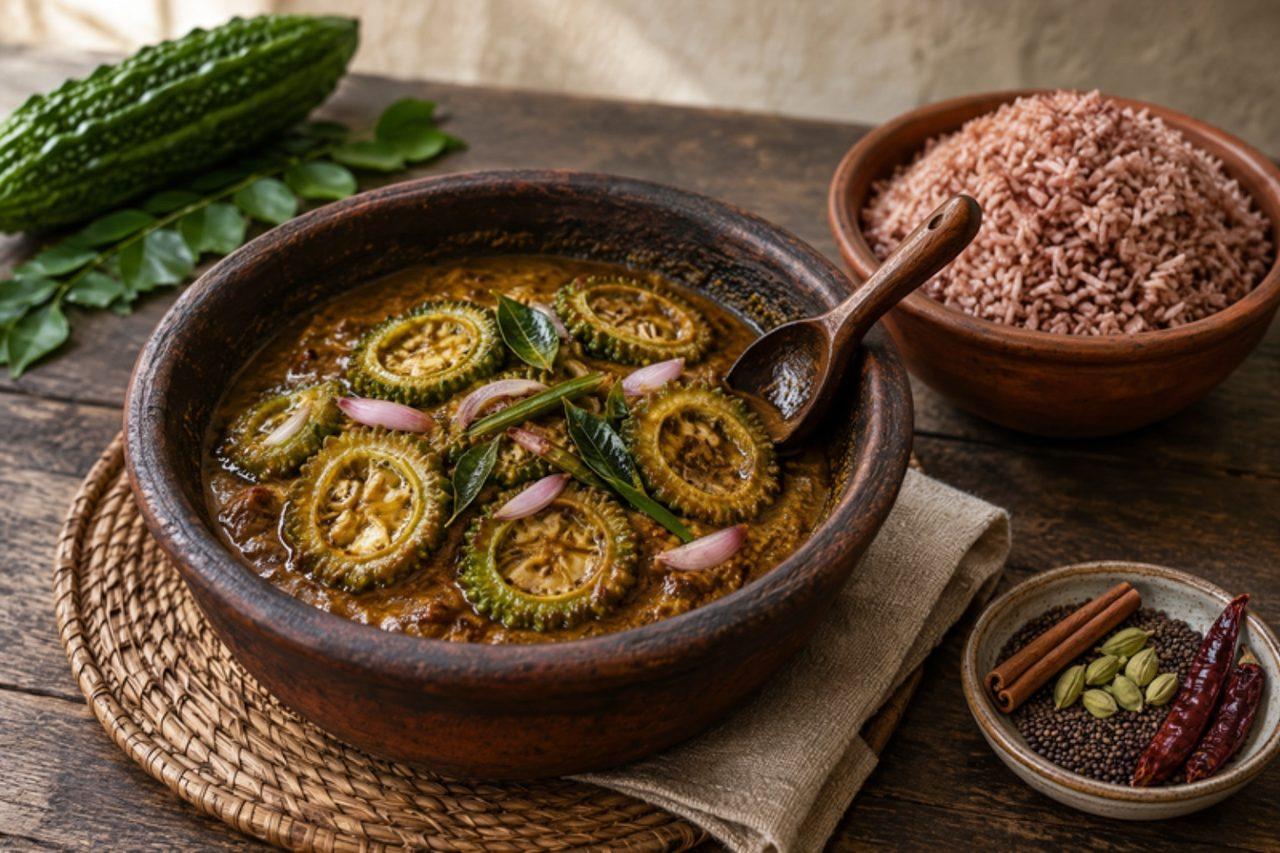
Karawila curryBitter gourd coconut curry

Bitter gourd is a favourite of older Sri Lankan cooks, and karawila curry appears on weekday tables across the island alongside rice, dal and a mild white curry to balance its bite. The gourd is salted, squeezed and lightly fried, then stewed in coconut milk with roasted curry powder, tamarind and a touch of sugar, so it becomes dark, glossy and pleasantly bitter rather than harsh. The usual mistake is skipping the salting and squeezing, which leaves the curry fiercely bitter. Chef's tip: fry the gourd until the edges are brown before it meets the coconut milk; the browning softens the bitterness more than sugar does.

by KrazyBadal 0 views

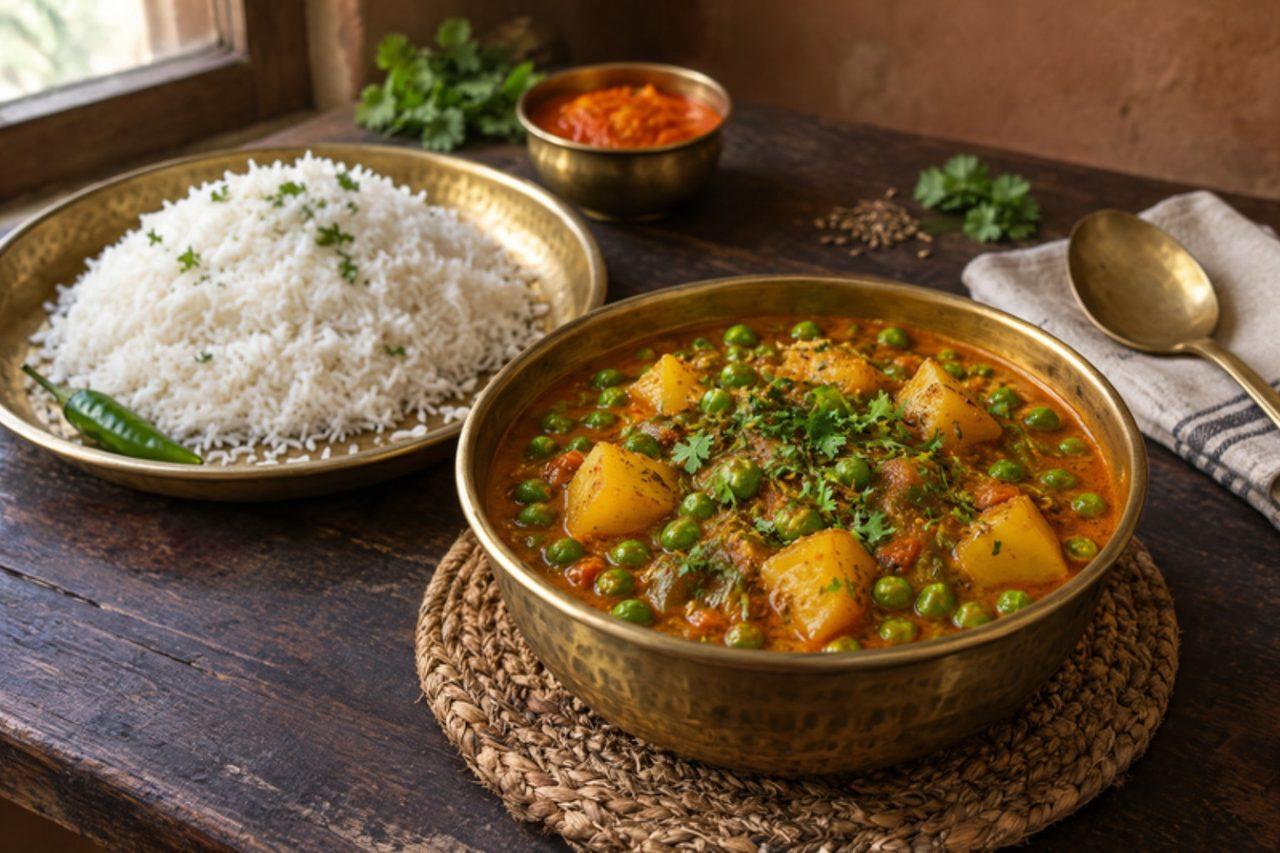
Kerau ko tarkariGreen pea and potato curry

Kerau ko tarkari turns up on Nepali tables in winter, when fresh peas are cheap in Kathmandu's Asan market, and it is a favourite in children's tiffin boxes with beaten rice or roti. Potatoes and peas are simmered with cumin, tomato and a little timur pepper until the potatoes start to break and thicken a soft, golden gravy. It is mild enough for children and goes with rice, roti or sel roti. The usual mistake is adding the peas with the potatoes: fresh peas go grey and mushy, so add them once the potatoes are half cooked. Chef's tip: crush a few potato pieces with the back of the spoon at the end; it gives the gravy body without cream.

by KrazyBadal 0 views

Kohila curryLasia root curry

Kohila (lasia root) grows in the marshy paddy edges of Sri Lanka's south and west, and kohila curry is a traditional village dish, eaten at home and served at New Year and almsgiving lunches. The thorny stems and roots are peeled, sliced into crunchy rounds and boiled in tamarind water to take away their itchy bite, then simmered with roasted curry powder, mustard and coconut milk until tender but still slightly crisp. Serve with red rice and a green mallung. The usual mistake is skipping the boil, which leaves an itch in the throat. If you can't find fresh kohila, use frozen sliced kohila from Sri Lankan grocers. Chef's tip: wear gloves to peel kohila and drop the slices straight into water so they don't darken.

by KrazyBadal 0 views

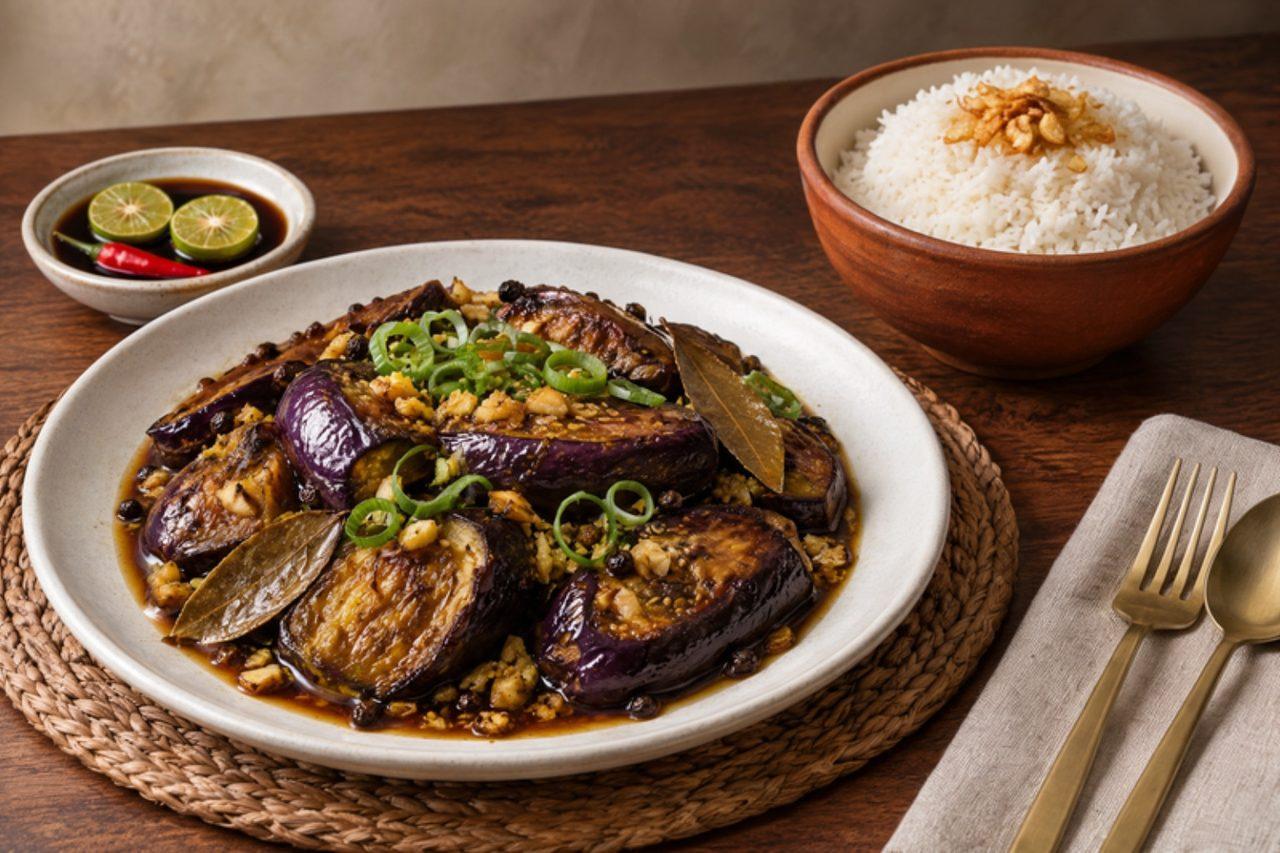
Adobong talong (aubergine adobo)

Adobo is a method in the Philippines, not a single dish, and when meat is short or it's Lent, Filipino families make it with long eggplant: fried until soft and browned, then simmered briefly in vinegar, soy sauce, garlic, bay and peppercorns. Like any adobo it tastes better the next day, which makes it a favourite for baon with rice. The common mistake is stirring as soon as the vinegar goes in; let it boil untouched for a minute first, or the sauce keeps a raw, sharp edge. Chef's tip: crush the garlic and fry half of it until golden to scatter on top at the end, for crunch.

by KrazyBadal 0 views

Ajwaini arbiPan-fried colocasia with carom seeds

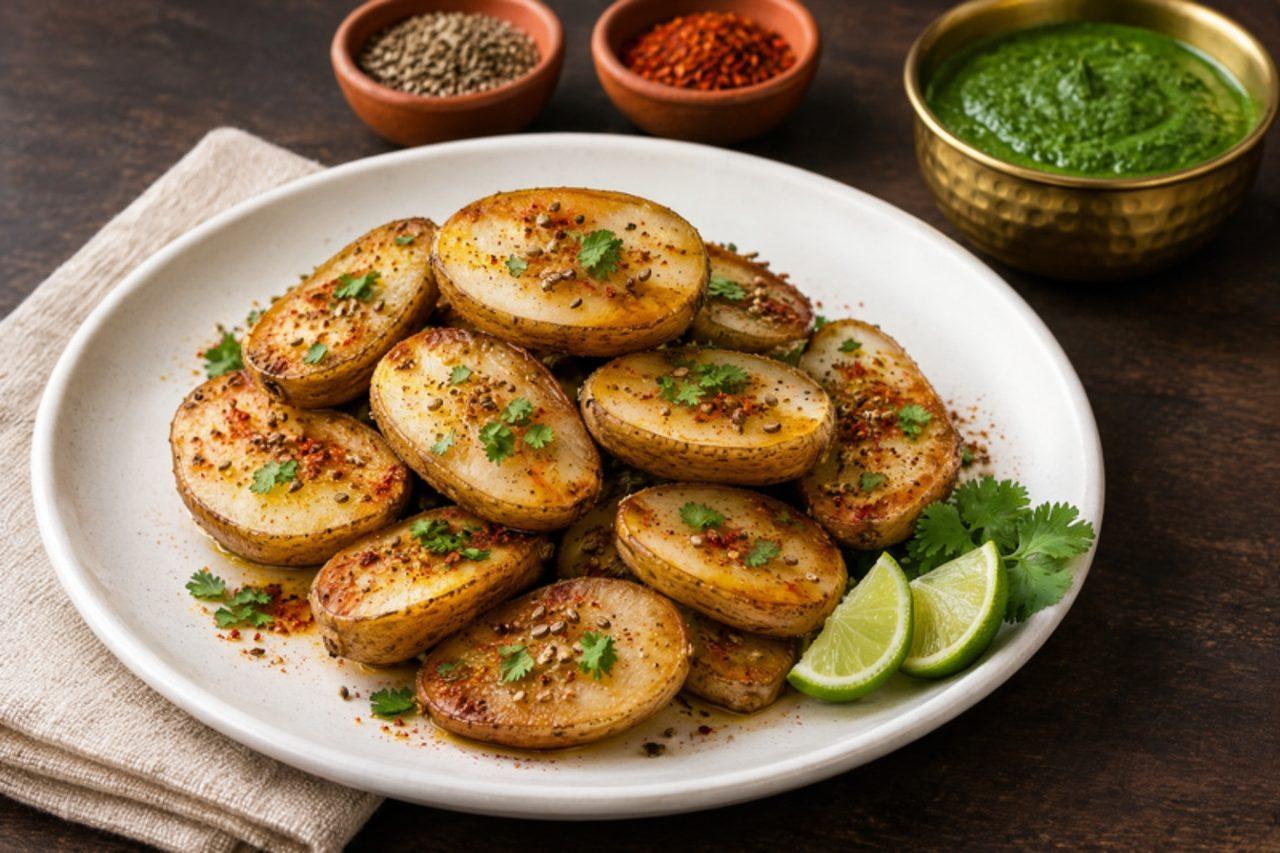
Across Delhi, Punjab and Uttar Pradesh, arbi is the vegetable that goes into a dabba with ajwain rotis or plain phulkas: the small colocasia roots are boiled, flattened slightly and pan-fried with carom seeds, red chilli and dried mango powder until crisp outside and creamy inside. Ajwain is there for its flavour and because it is said to help digest the starchy root. The mistake is boiling the arbi too long: it turns slimy and falls apart in the pan. Cook it until just tender, then cool fully before peeling. Chef's tip: press each piece gently with your palm to crack it before frying; the cracks catch the spices and crisp up.

by KrazyBadal 0 views

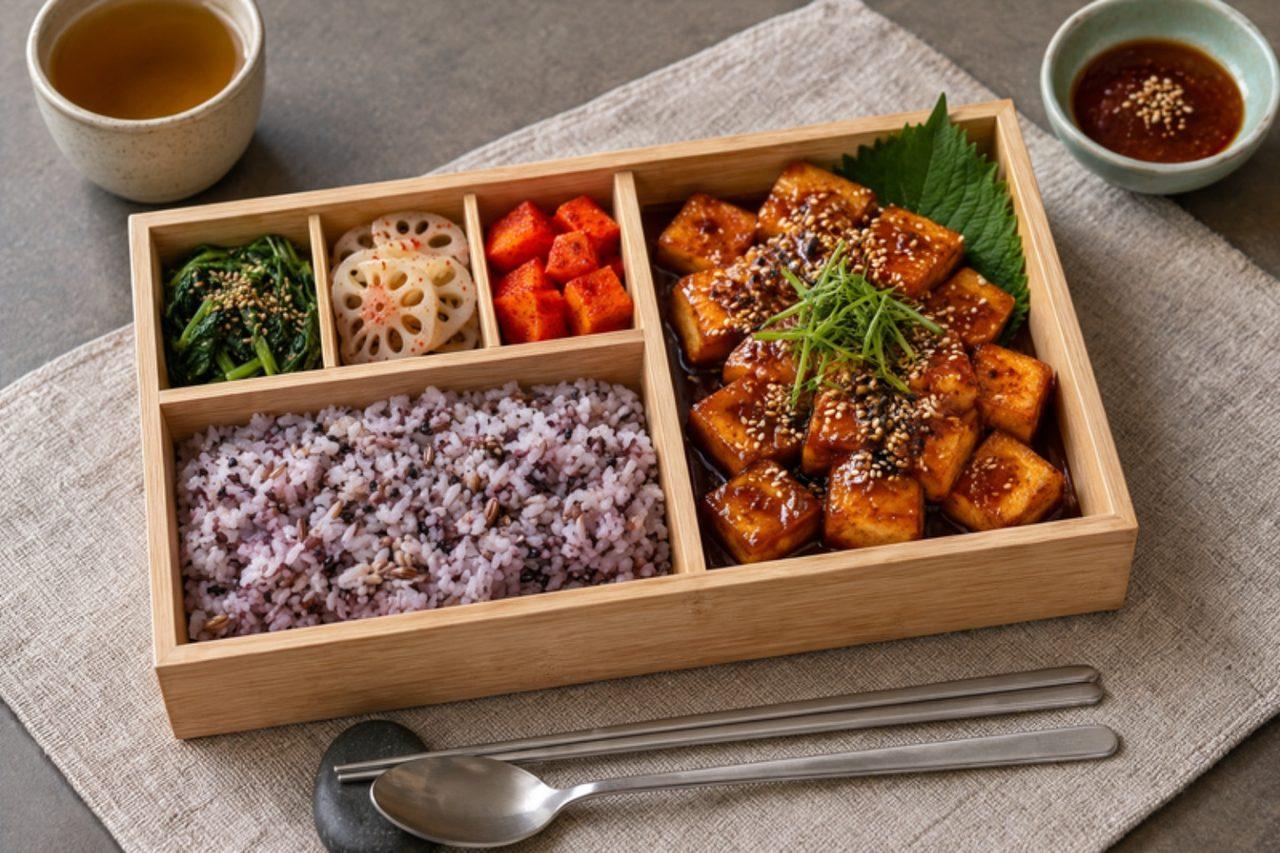
Dubu gangjeongSticky fried tofu cubes

Gangjeong usually means sticky glazed fried chicken, but Korean mothers make this tofu version for the dosirak because the starch coating stays crisp even after a morning in the lunchbox. The glaze is mild, sweet and garlicky, so children love it; add gochujang for the grown-ups. The common mistake is skipping the pressing, which leaves wet tofu that spits in the oil and goes soggy under the sauce. Chef's tip: let the fried cubes cool for two minutes before glazing, and boil the sauce to large, slow bubbles first, so it clings instead of soaking in.

by KrazyBadal 0 views

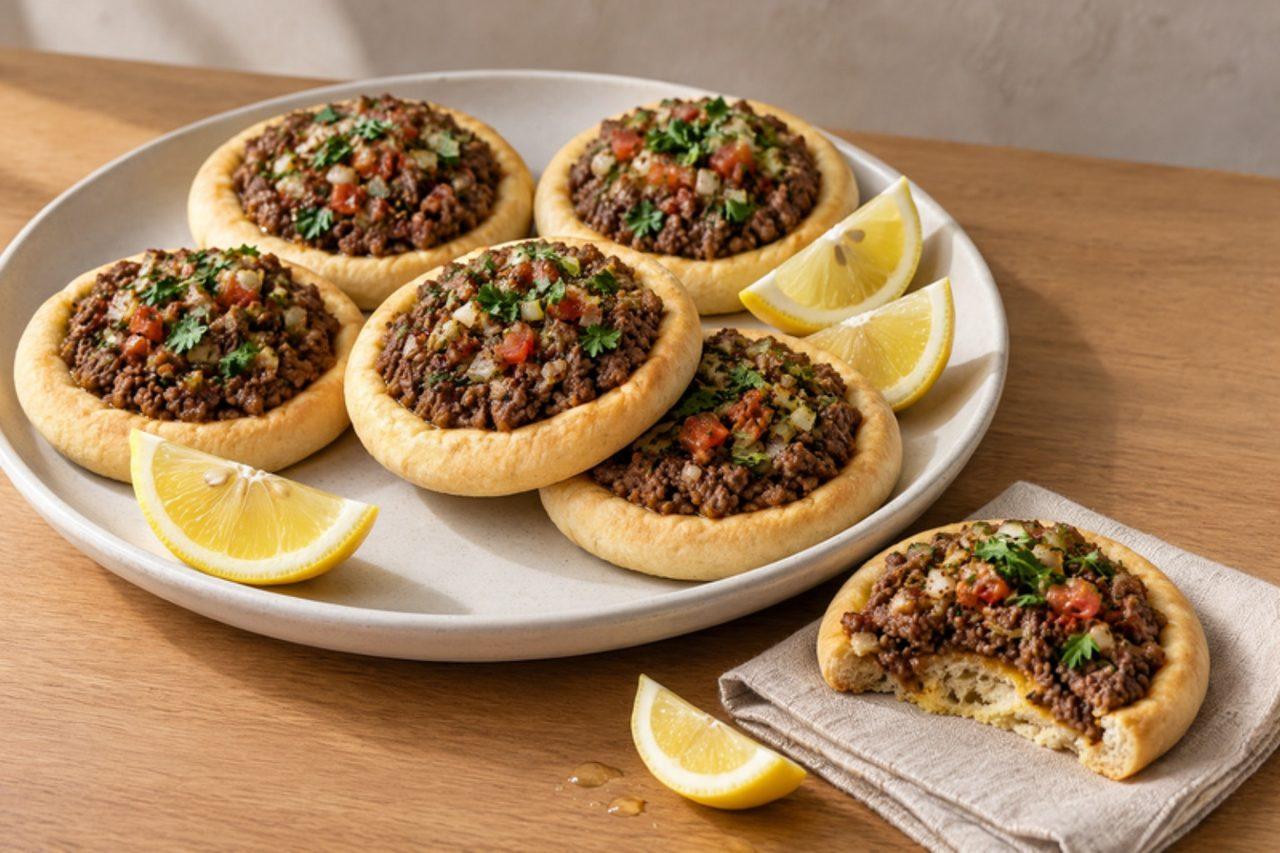
Esfiha de carne (São Paulo open beef pies)

The Syrian and Lebanese families who settled around Rua 25 de Março in central São Paulo brought sfiha with them, and the city made it its own: esfihas are now sold by the dozen from counters all over town, eaten standing up with a squeeze of lemon at lunchtime or as a cheap late snack. The dough is soft and lightly crisp at the base, and the topping of raw spiced beef, onion and tomato cooks on the pie in a hot oven. Chef's tip: squeeze the onion and tomato hard in a cloth before mixing; a wet topping makes the dough soggy.

by KrazyBadal 0 views

Sev tameta nu shaakSev and tomato curry

Sev tameta nu shaak is roadside-dhaba and home food from Kathiyawad in Saurashtra, cooked when the vegetable basket is nearly empty but there are tomatoes and a tin of sev. Ripe tomatoes simmer with garlic, red chilli and a little jaggery into a thin, sweet-sour-hot gravy, and a handful of crisp gram-flour sev goes on top at the very last moment, so it is half-crunchy, half-soft when you eat it with bajra rotla, thepla or rotli. The usual mistake is stirring the sev in too early, which turns the curry into a paste. Most sev is made from gram flour, but check the packet if you avoid gluten. Chef's tip: use thick sev (ratlami or bhavnagari), which holds its crunch far longer than nylon sev.

by KrazyBadal 0 views

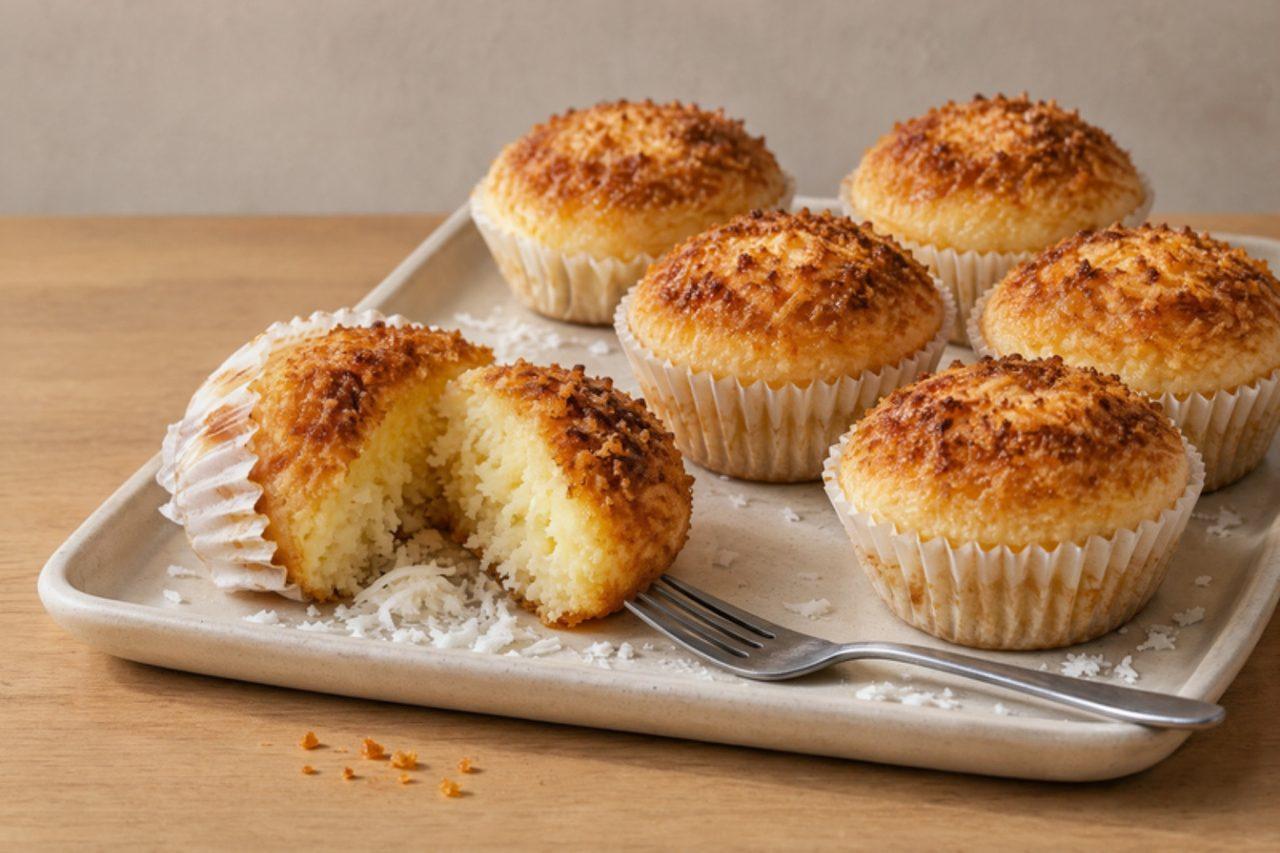
Queijadinha (Bahian coconut and cheese cakes)

In Salvador's Pelourinho and on the steps of the Largo do Pelourinho, baianas in white lace sell queijadinhas from wooden trays alongside cocadas: little paper cases of coconut and cheese that bake into a chewy, golden top over a soft, custardy layer. They are sweet with a salty edge from the cheese, perfect with a strong coffee in the afternoon. They contain egg and milk. Traditional Parmesan is made with animal rennet, so choose a hard cheese labelled vegetarian. Chef's tip: bake them until the tops are properly golden; pale queijadinhas never get their crusty top layer.

by KrazyBadal 0 views

Pão com linguiça (grilled sausage roll)

Outside every São Paulo football ground on match day, and above all on the streets around the Allianz Parque, carts with smoking griddles sell pão com linguiça: a coiled Tuscan-style pork sausage split open, crisped on the plate and tucked into a roll with vinaigrette and a splash of chilli sauce. It is fast, juicy and filling, eaten walking to the gate. The sausage is raw pork and must be cooked through. Chef's tip: once the sausage is nearly cooked, split it lengthwise and press it cut side down on the griddle; it browns all over and finishes cooking evenly.

by KrazyBadal 0 views

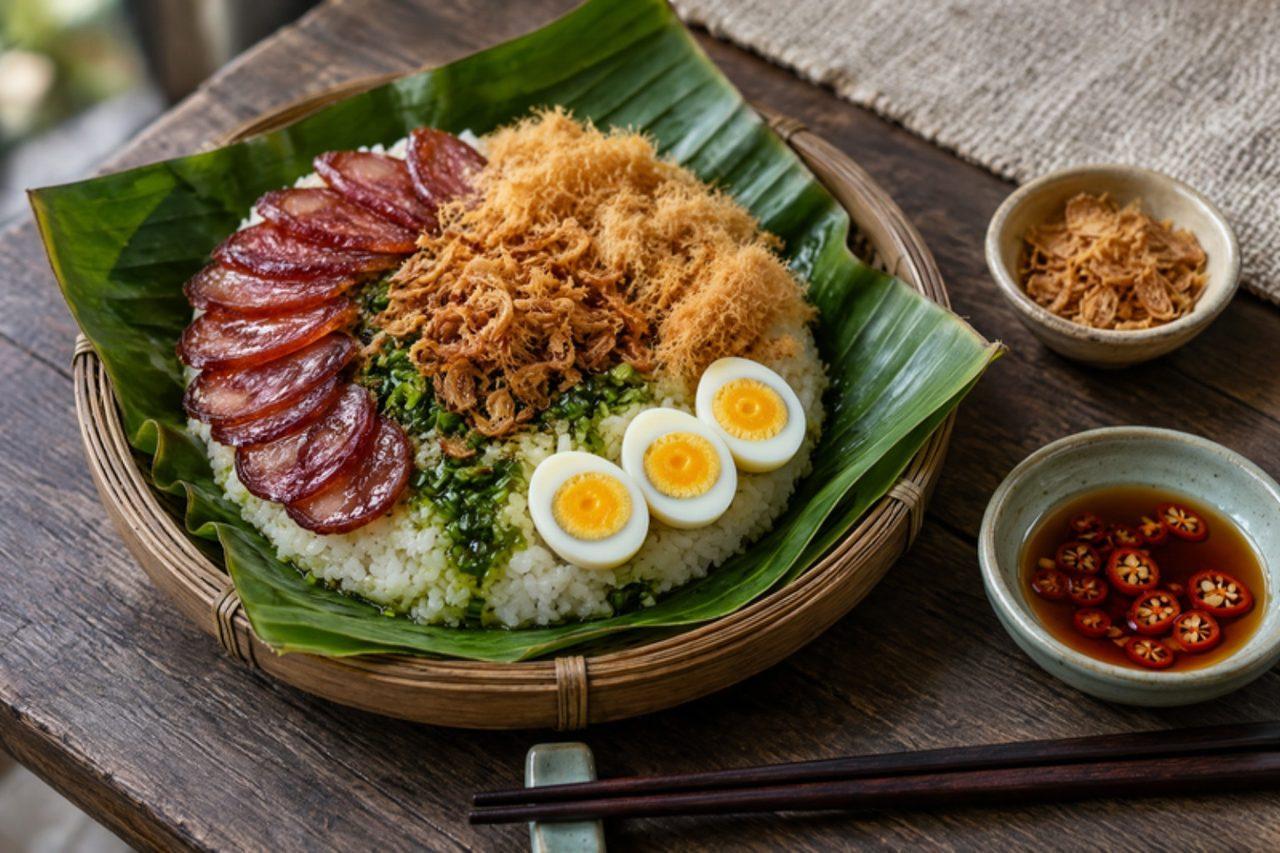
Xôi mặnSticky rice with sausage

In Ho Chi Minh City, xôi mặn is bought from a street cart in a banana leaf or a foam box and eaten at your desk for breakfast or lunch: chewy sticky rice under sweet slices of lạp xưởng (Chinese pork sausage), pork floss, braised quail eggs, spring onion oil and crisp shallots. Soak the rice for at least 4 hours or overnight before you start. The common mistake is steaming unsoaked rice, which stays hard in the middle. Chef's tip: sprinkle the rice with salted water halfway through steaming and fluff it, so every grain turns glossy and evenly soft.

by KrazyBadal 0 views

Koova kurukku (arrowroot porridge)

Koova, the arrowroot that grows in Kerala's backyards, is dug, washed, grated and dried into a snow-white powder that many families in Thrissur and Kottayam still make themselves. Stirred with water over a low flame, it turns from chalky to clear and glossy in a few minutes, and this kurukku is a classic first spoonful at six months, often given in the hot months because it is thought to be cooling. It is very mild and smooth. No salt, sugar, jaggery or honey goes in for babies. It is free of the major allergens. Chef's tip: buy pure koova or arrowroot powder, not a cornflour blend, and stop cooking the moment the whole pan turns translucent.

by KrazyBadal 0 views

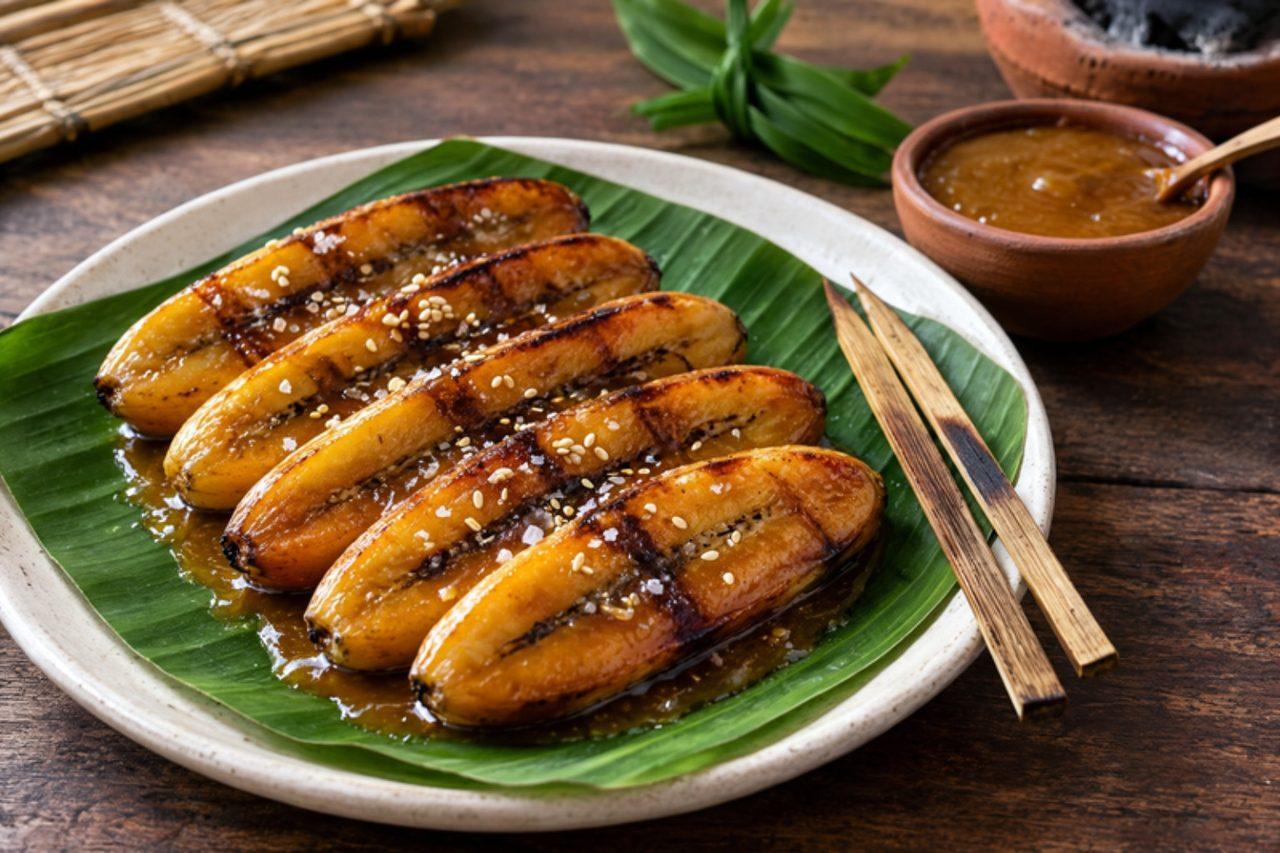
Kluay pingGrilled banana

Kluay ping carts work the pavements of Silom and the lanes off Sukhumvit from mid-morning, when office workers want something sweet with their iced coffee. The vendor grills small, starchy nam wa bananas slowly over embers, presses each one flat with a wooden board and then brushes it with coconut cream cooked down with palm sugar and a pinch of salt. The outside turns sticky and smoky; the inside stays soft and fudgy. Ladyfinger bananas or firm, just-ripe small bananas work at home. Chef's tip: choose bananas that are yellow with no brown spots; overripe fruit turns to mush on the grill.

by KrazyBadal 0 views

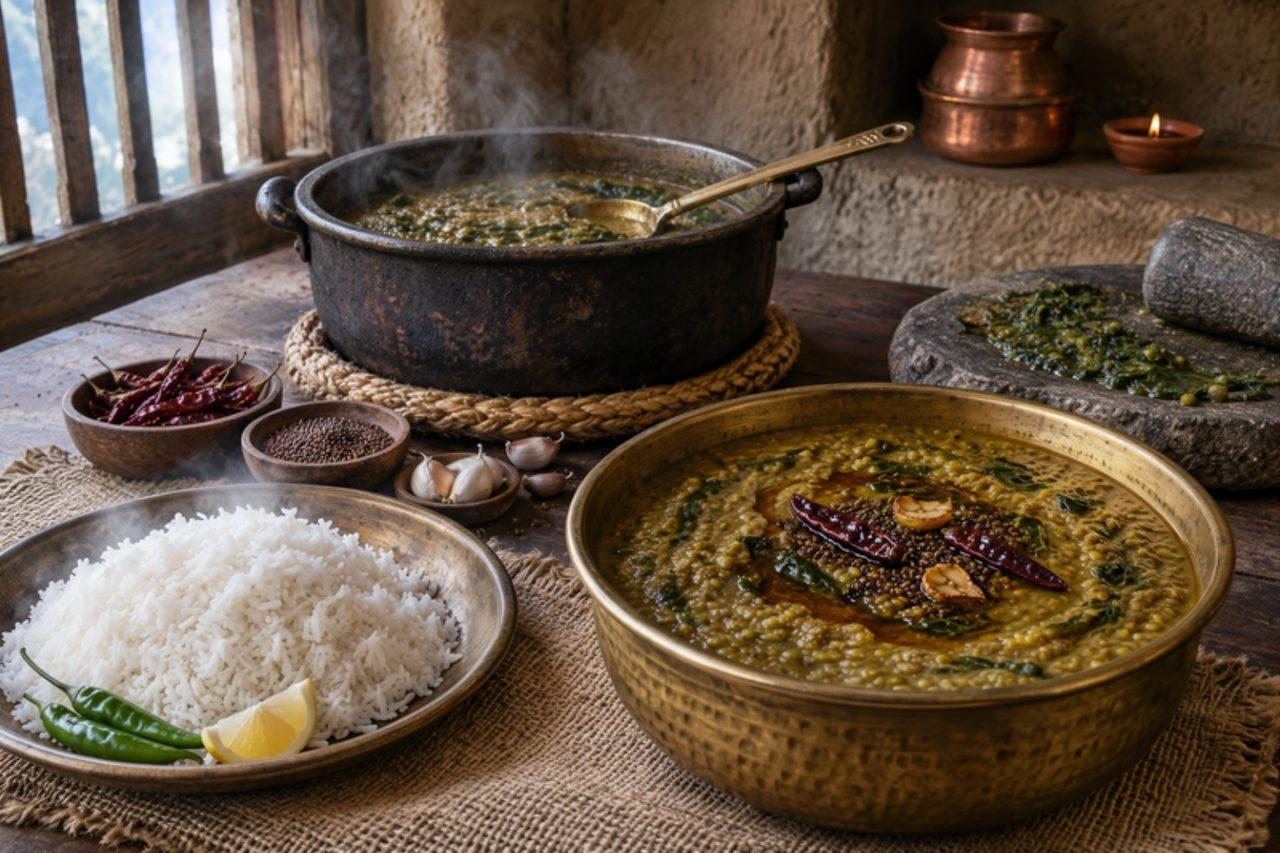
PhaanuGround mixed lentil stew

Phaanu is everyday food in Garhwal's hill villages, from Pauri to Tehri, made on cold days and in large pots for family gatherings. Mixed lentils are soaked overnight, ground to a coarse paste and simmered slowly in an iron pot until the paste turns into a thick, earthy stew, with spinach or other greens and a mustard-oil and jakhya tempering. It is eaten with steamed rice and a little ghee. The usual mistake is adding the paste to the pot and walking away; for the first 10 minutes it must be stirred constantly or it forms lumps and sticks to the bottom. Chef's tip: whisk the lentil paste into cold water before it goes on the heat; it thickens smoothly and never catches.

by KrazyBadal 0 views

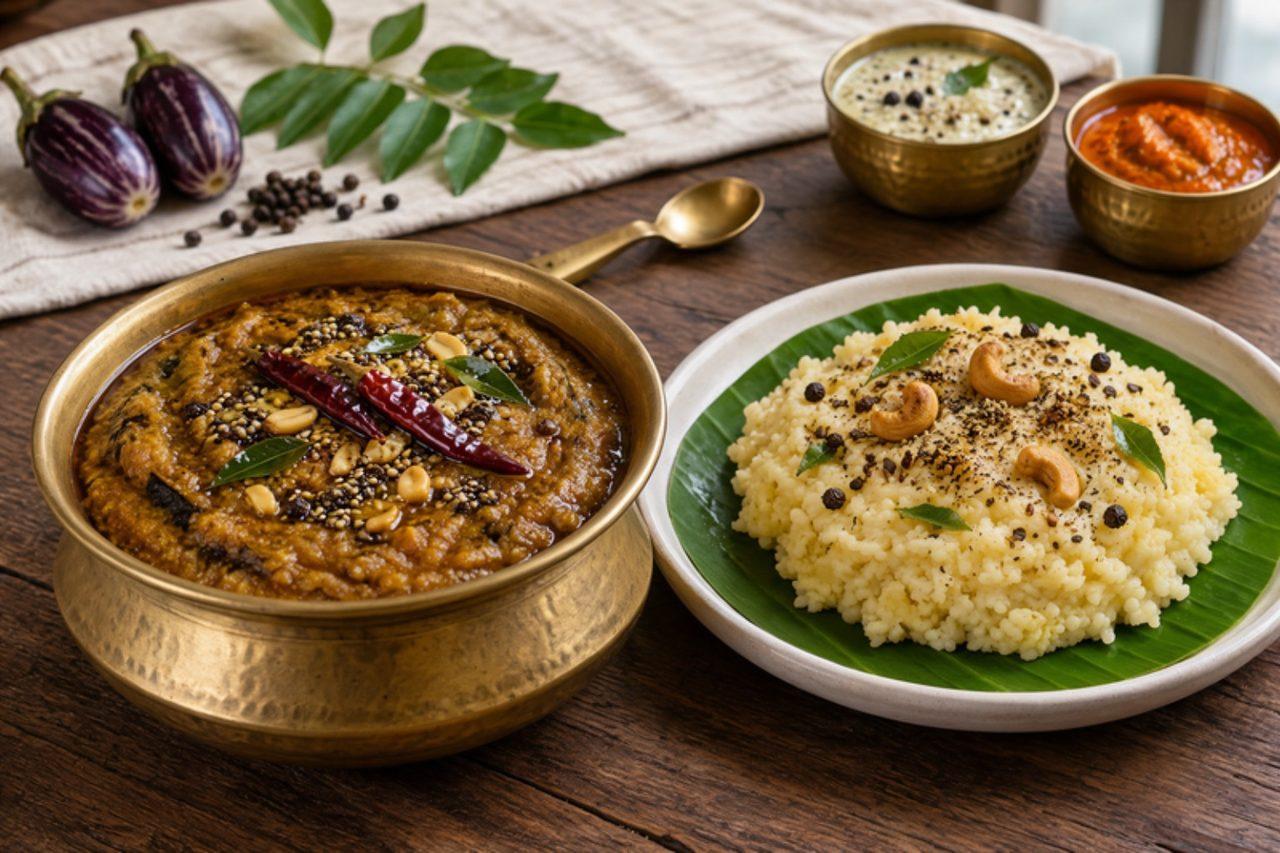
Kathirikai gothsuSmoky aubergine tamarind gravy

At the Nataraja temple in Chidambaram, ven pongal, the peppery rice and moong porridge, is always served with gothsu, and the pairing has spread to breakfast tables and wedding feasts all over Tamil Nadu. Brinjal is charred over the flame, mashed and simmered with a little moong dal, shallots and tamarind, then seasoned with a freshly roasted powder of coriander, chana dal and chilli. The result is smoky, tangy and spoonable, also good with idli or dosa. The usual mistake is using big, seedy aubergines: choose small, firm, glossy ones, which are sweeter. Chef's tip: char at least one brinjal right over the gas flame until the skin is black all over; that smoky note is what makes Chidambaram gothsu.

by KrazyBadal 0 views

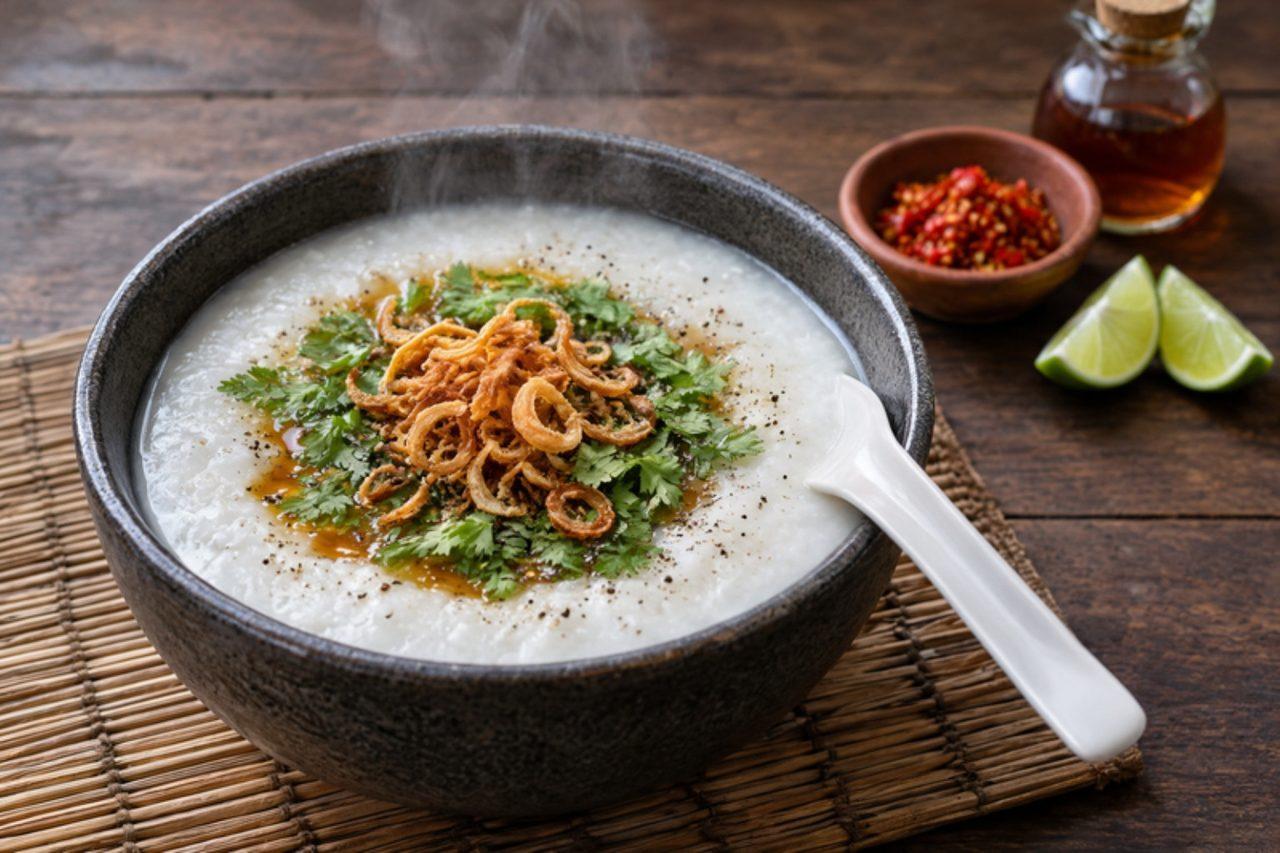
SanpiauRice porridge with fish sauce

Sanpiau is the street-stall breakfast and afternoon snack of Aizawl, Mizoram: a thin, silky rice porridge ladled into bowls and finished at the table with fish sauce, black pepper, crisp fried shallots, coriander and, often, shredded chicken. It came to Mizoram via Myanmar and is now as Mizo as bai. The common mistake is under-stirring, so the rice catches on the base; stir every few minutes once it thickens. Chef's tip: let everyone season their own bowl, since fish sauce brands vary a lot in saltiness.

by KrazyBadal 0 views

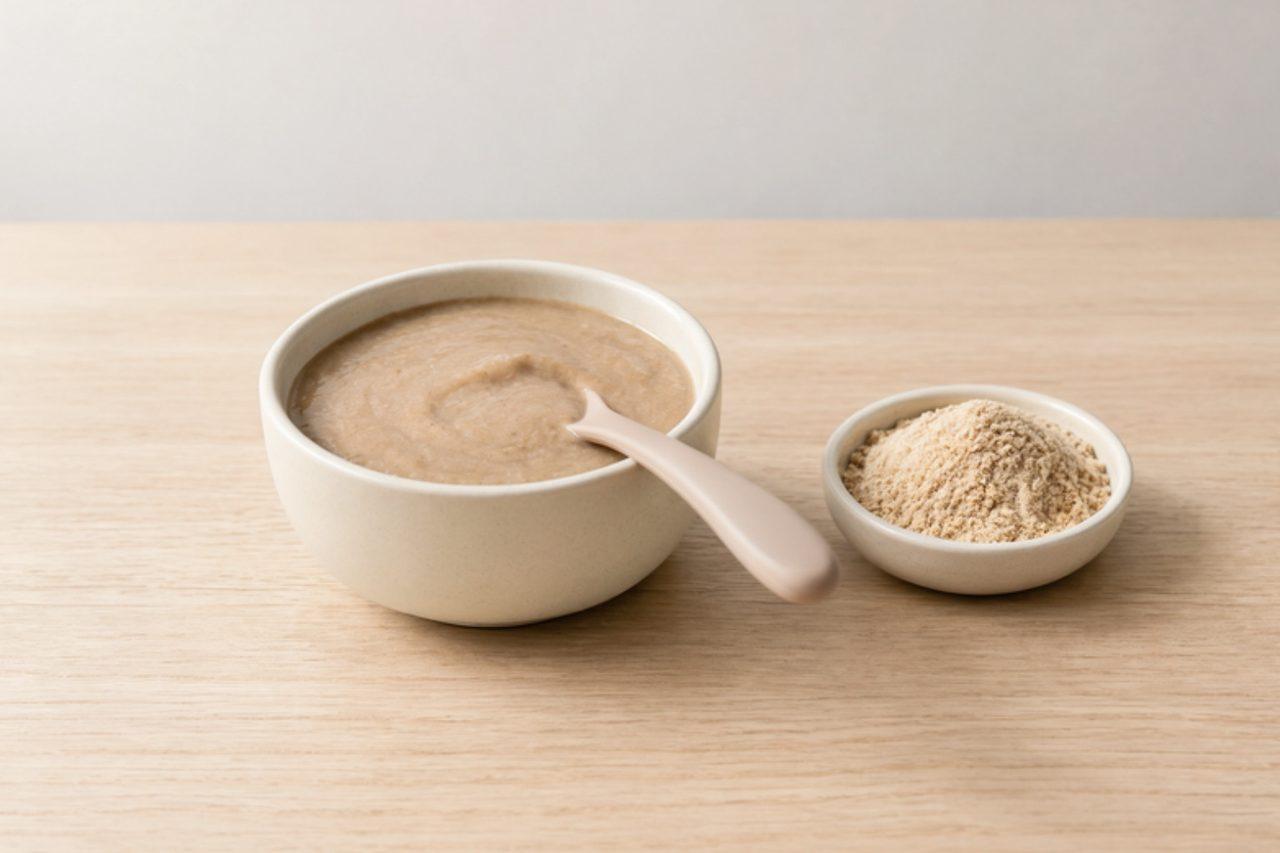
Lito (sarbottam pitho porridge)

Ask a mother in Kathmandu, Pokhara or a hill village what her baby eats after the pasni rice-feeding ceremony, and the answer is often lito: porridge made from sarbottam pitho, a 'super flour' that families roast and grind themselves from two parts soybean to one part each of maize and wheat. Cooked with water it becomes a smooth, nutty, toast-coloured porridge with more protein than plain rice. For babies there is no salt, sugar, jaggery, honey or ghee needed. It contains soya and wheat (gluten). Chef's tip: roast the grains separately, each until it smells nutty and cracks between your teeth, then grind and sieve; the beans need longest.

by KrazyBadal 0 views

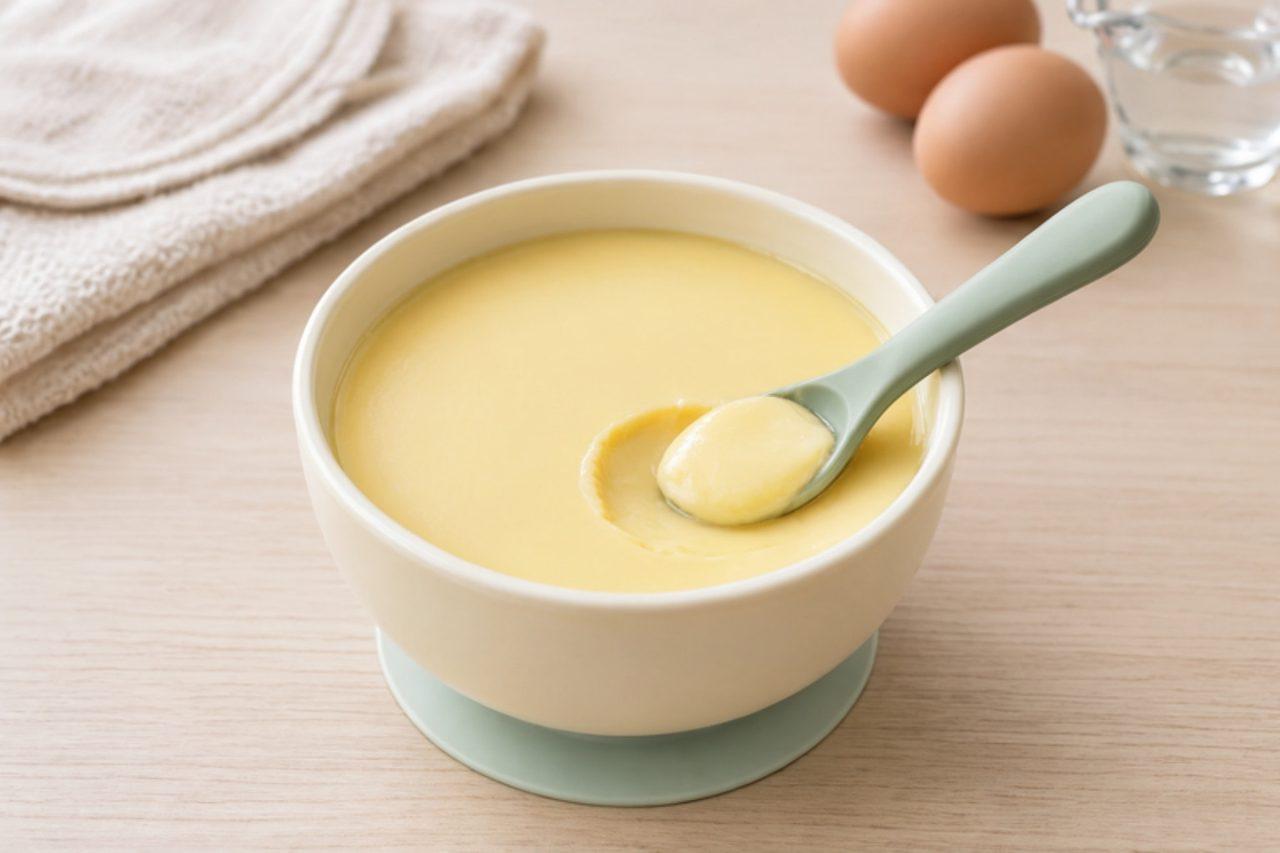
Jīdàn gēng for babies (steamed egg custard)

Jīdàn gēng, egg steamed with water into a quivering custard, is the dish Chinese grandparents everywhere from Shanghai to Guangzhou make for small children, and it is often the way a baby first meets whole egg at around nine months. The family version is finished with soy sauce, sesame oil and spring onion; this one is plain, so it tastes clean and gently eggy. Steamed slowly, it is smooth as silk and fully set. It contains egg and is free of milk, gluten, nuts, soya, sesame and fish. Chef's tip: cover the bowl with a plate while it steams; dripping condensation is what pockmarks the surface.

by KrazyBadal 0 views

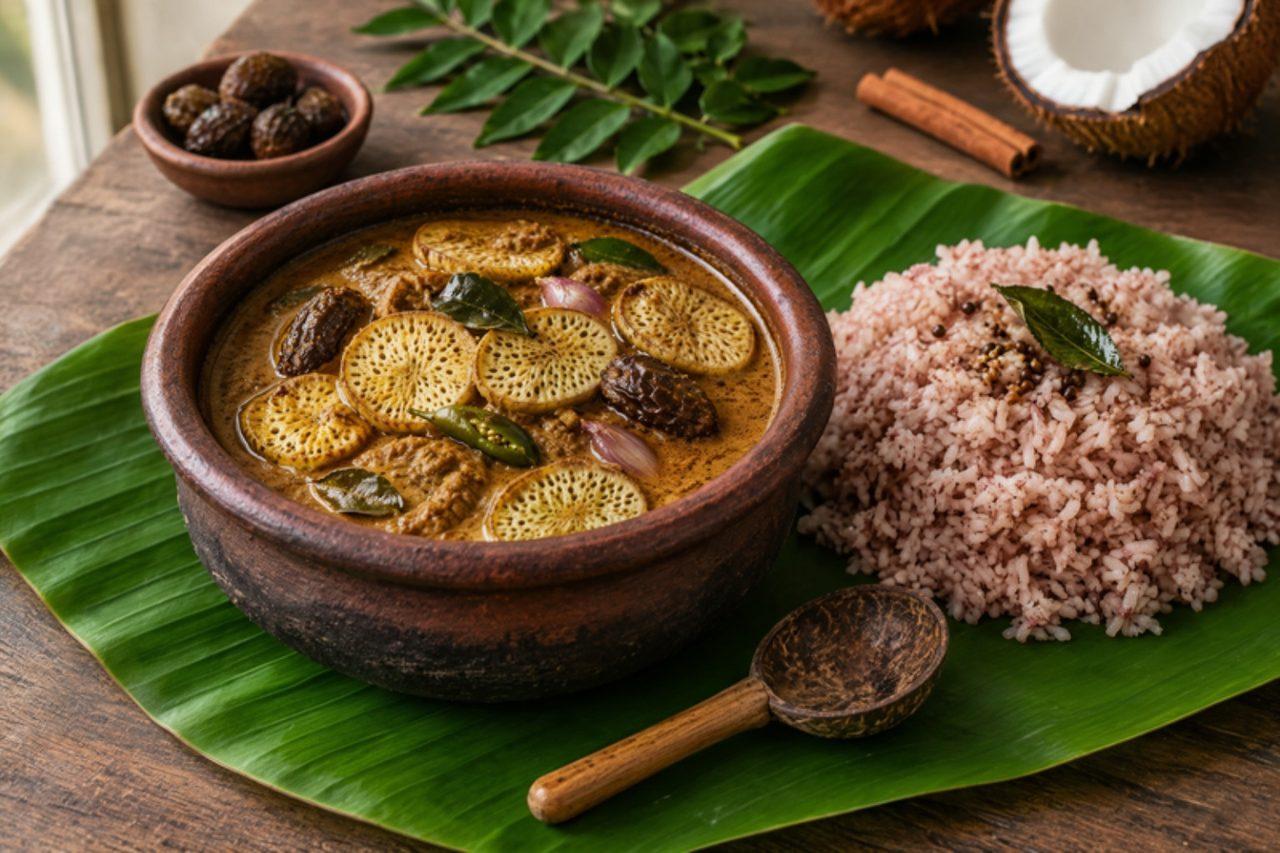
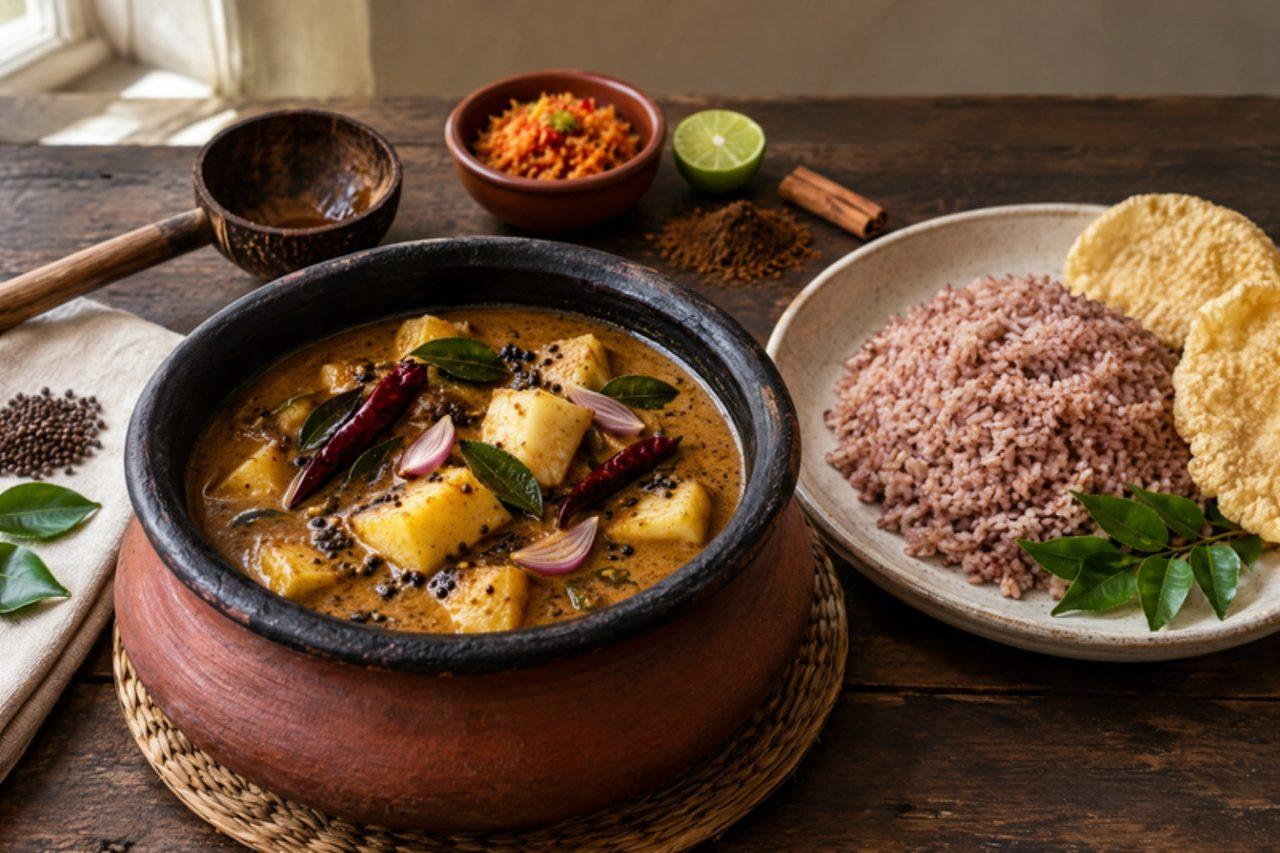
Del curryBreadfruit coconut curry

Breadfruit trees grow in almost every village garden in Sri Lanka, and del curry is the filling weekday and almsgiving dish that makes use of them, especially in the wet south-west. Chunks of breadfruit are simmered in coconut milk with roasted curry powder, a little mustard paste, curry leaves and pandan, until they turn soft, creamy and starchy like a good potato. Eat it with rice, pol sambol and a green mallung. The usual mistake is skipping the pre-boil; breadfruit contains a sticky latex and can stay firm, so boil the pieces first. Chef's tip: stir the mustard paste in only at the end and don't boil it hard afterwards, or it turns bitter.

by KrazyBadal 0 views

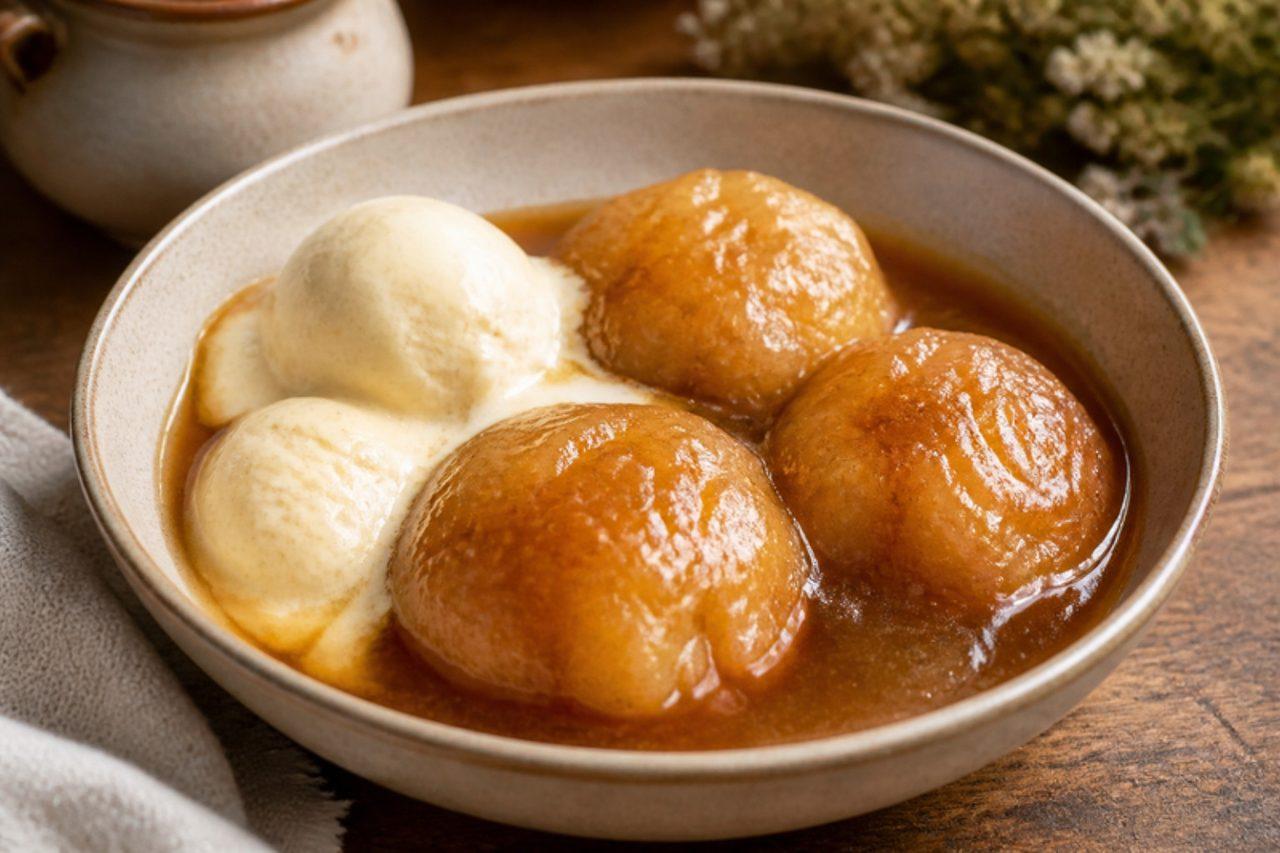
Golden syrup dumplings

Golden syrup dumplings are a winter pudding from Australian country kitchens, made during the Depression and still cooked by grandmothers in the Riverina and the Victorian high country when the nights turn cold. Soft scone-dough balls simmer in a sauce of golden syrup, butter and brown sugar until they swell and turn sticky. Serve with vanilla ice cream or custard. A common mistake is a pan that's too small; the dumplings double in size and need space. Chef's tip: keep the lid on and resist peeking, so the tops steam light and fluffy.

by KrazyBadal 0 views

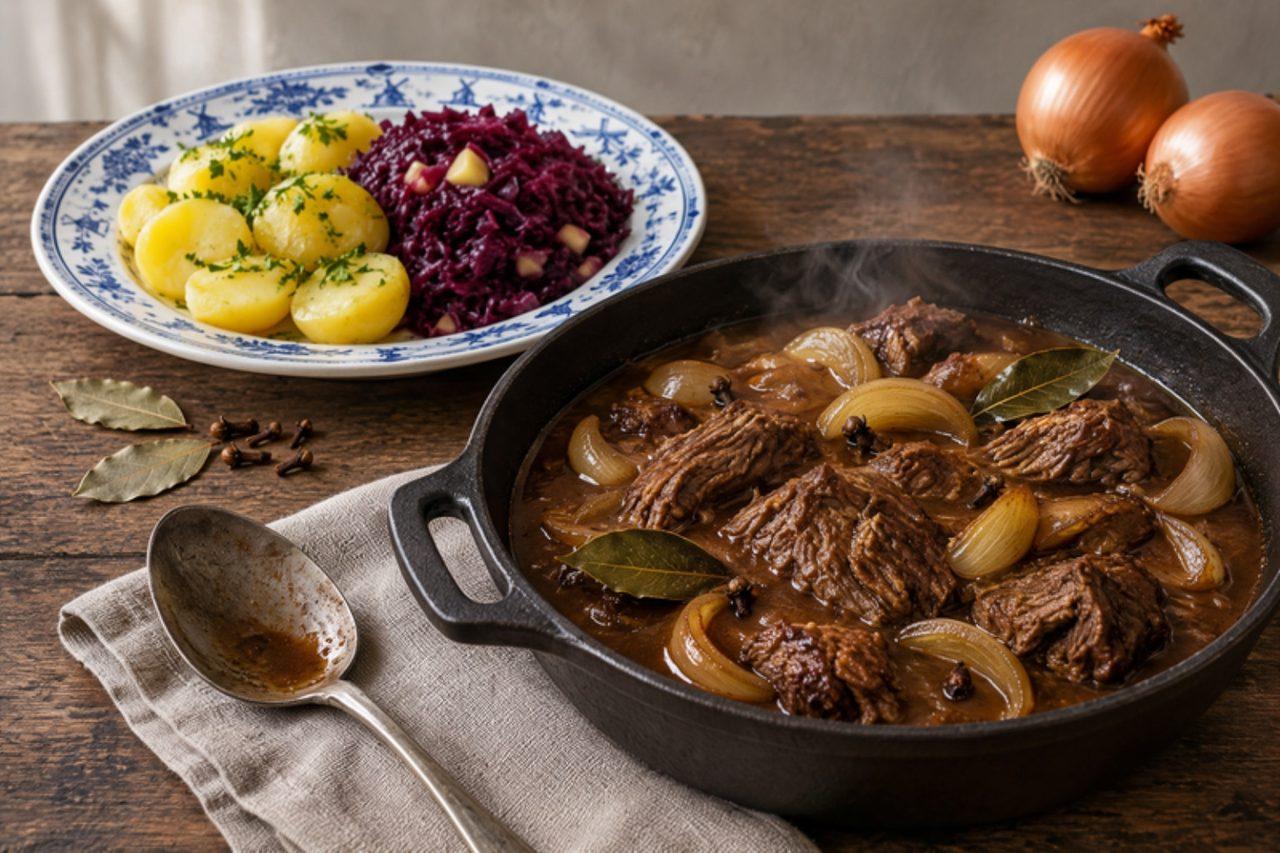
HacheeBeef and onion stew

Hachee is the Dutch stoofpotje that grandmothers in Friesland, Groningen and Brabant leave murmuring on the back of the stove on cold Sundays: beef braised with almost as much onion as meat, plus bay leaves, cloves and a splash of vinegar, until it falls apart into a dark, sweet-sour gravy. It goes on boiled potatoes with red cabbage, or with stamppot, and leftovers are eaten on toast. The usual mistake is rushing the onions: they need a good 15 minutes to turn deep golden, or the gravy stays pale and sharp. Slow-cooker option: after browning, cook on low for 8 hours. Chef's tip: stir in a spoon of dark syrup or apple butter at the end only if the vinegar tastes too sharp; taste first, as good onions often make it unnecessary.

190 minDutchMeat
by KrazyBadal 0 views

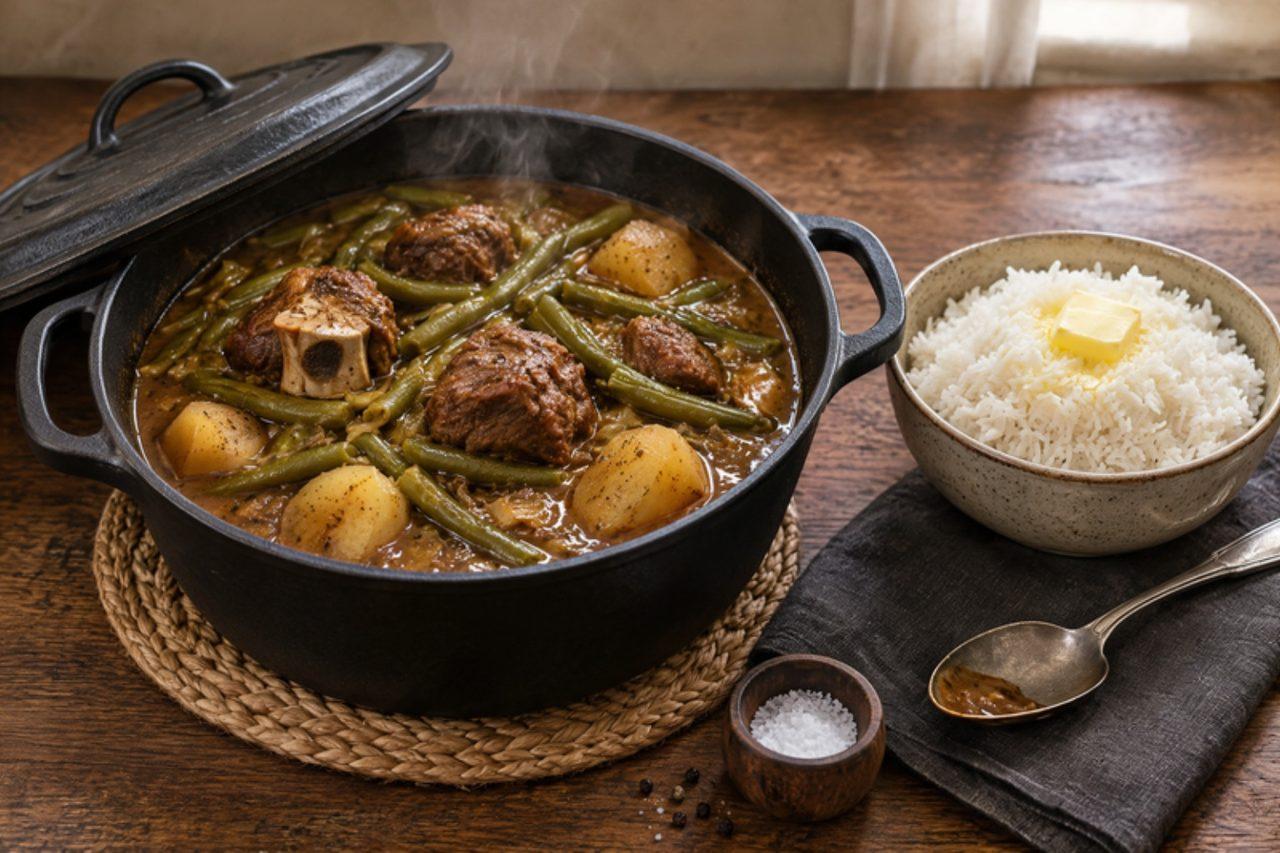
GroenboontjiebredieLamb and green bean stew

Groenboontjiebredie is one of the old bredies of the Western Cape, the slow stews Cape families have cooked for generations, usually for Sunday lunch with white rice and a sweet beetroot salad. Lamb on the bone is browned with onions, then simmered for hours with sliced green beans and potatoes until the beans soften completely and the potatoes break down to thicken the sauce. The usual mistake is treating the beans like a crisp vegetable: here they should be soft and olive green. Slow-cooker: after browning, cook on low for 8 hours. Chef's tip: grate a little nutmeg in at the end; it is the classic Cape seasoning for a green bean bredie.

by KrazyBadal 0 views

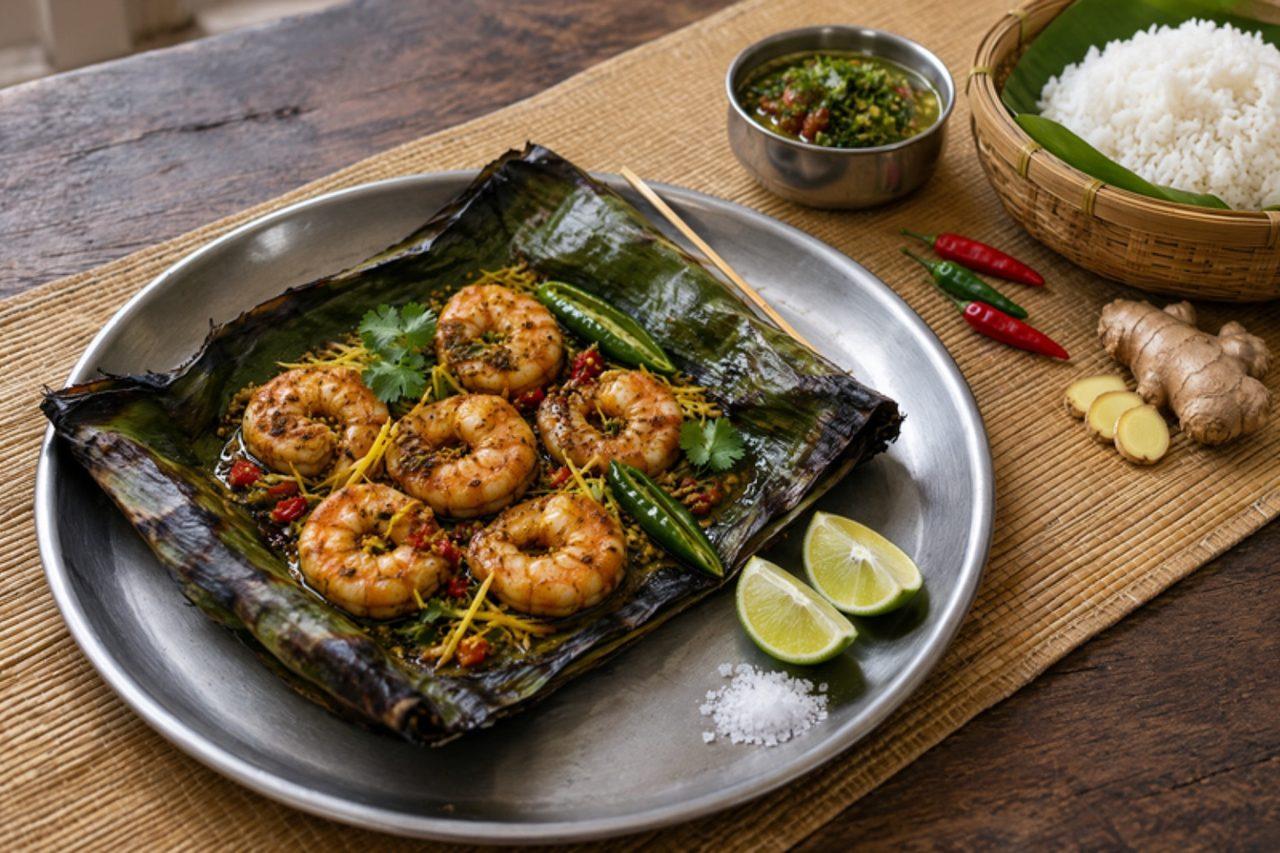
Misa mach pooraPrawns grilled in banana leaf

Misa mach poora is a simple Mizo way with river prawns: rubbed with ginger, garlic, chilli and salt, wrapped in banana leaf and cooked over embers until the leaf chars and the prawns steam in their own juices. It is made at riverside picnics and family cookouts and eaten with rice and a chilli relish. The common mistake is overcooking, which makes prawns tough; they are done the moment they turn opaque and pink all through. Chef's tip: keep the marinated parcels in the fridge until the grill is hot.

27 minIndianFishGluten free
by KrazyBadal 0 views

Tsestalulu (sea-buckthorn juice)

Sea buckthorn grows wild along the river beds of Ladakh, and in Leh the bright orange berries are pressed into tsestalulu, a sharp, tropical-tasting juice sold in summer cafés and made at home after the autumn harvest. It is drunk chilled, sweetened with sugar or honey and thinned with cold water. The berries are very sour and slightly oily, so the juice is always diluted. The common mistake is boiling the pulp, which dulls both the colour and the fresh taste; just blend and strain. Chef's tip: frozen sea-buckthorn berries or plain unsweetened purée from health shops work very well; strain twice through a fine sieve for a silky drink.

by KrazyBadal 0 views

Brazo de reinaSponge roll with dulce de leche

The 'queen's arm' sits in the glass cabinet of every Chilean bakery: a light sponge rolled around a thick layer of manjar (Chilean dulce de leche) and dusted with icing sugar. At home it is the cake for a birthday tea or an unexpected visitor, because it bakes in 10 minutes. The common mistake is overbaking: a dry sponge cracks as you roll it. Take it out the moment it springs back. Chef's tip: roll the sponge up in a sugared tea towel while it is still hot and let it cool that way; it remembers the shape and won't crack when you fill it.

by KrazyBadal 0 views

Ipoh white coffee

Ipoh's old town kopitiams, with their marble tables and morning crowds queueing for kai si hor fun and egg tarts, gave Malaysia its 'white coffee'. The name comes not from milk but from the roast: beans are roasted with palm-oil margarine, lighter than the dark, sugar-roasted kopi of the rest of the country, then brewed and served with condensed milk. It is smoother and less bitter than ordinary kopi, nutty and buttery, pale caramel in the cup, drunk hot at breakfast or iced in the afternoon heat. At home, buy ground Ipoh-style white coffee from an Asian grocer; you cannot easily reproduce the margarine roast in a kitchen. The common mistake is brewing it like espresso: forced extraction makes it bitter and kills the soft, toasty flavour. Steep it in a cloth sock or a coffee filter with water just off the boil. It is ready when the brew is reddish-brown and clear, not inky. This is a strong coffee with real caffeine, not for children. Chef's tip: warm the cups with hot water first; white coffee cools fast and loses its aroma.

by KrazyBadal 0 views

Polvorosa de polloChicken pie

Polvorosa is the pie that comes out for family birthdays and Sunday gatherings in Caracas: a melt-in-the-mouth, slightly sweet shortcrust (polvorosa means 'crumbly') around chicken stewed with leek, peppers, olives, capers and raisins, so each bite is salty, sweet and savoury at once. Serve it warm with a green salad. The common mistake is filling the pastry with hot stew, which melts the butter and makes a soggy, torn crust. Chef's tip: make the filling the day before and fill the pie straight from the fridge.

by KrazyBadal 0 views

Urulaikizhangu roast (Tamil potato roast)

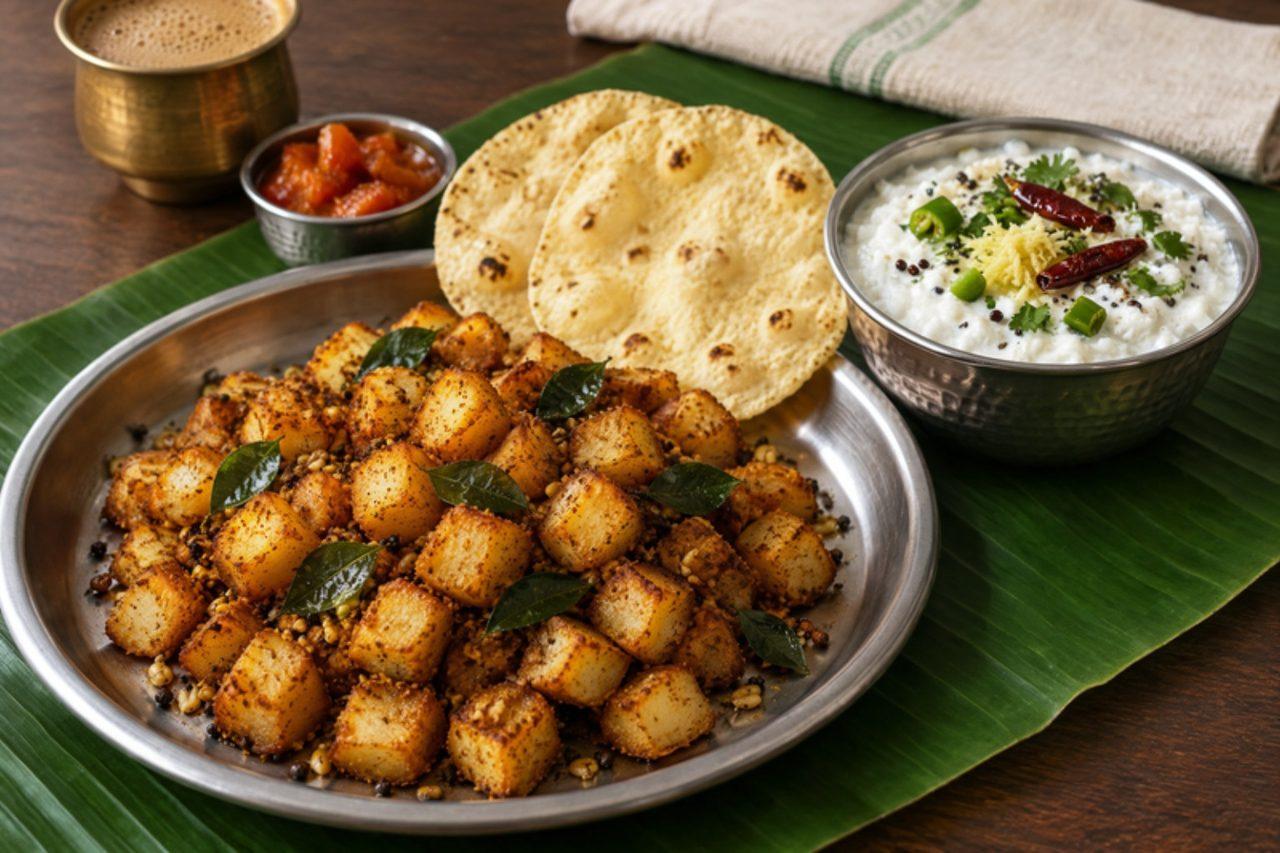
In Tamil lunch boxes, curd rice almost always comes with this: small cubes of boiled potato roasted slowly in a cast-iron pan with sambar powder, chilli and curry leaves until they are dark, crusty and chewy at the edges. It is a dry side, so it does not leak into the rice, and it tastes as good cold as hot. The mistake is stirring all the time; the potatoes need to sit undisturbed against the hot pan for a few minutes at a time to build the crust. Chef's tip: a teaspoon of rice flour scattered over in the last few minutes makes the coating even crisper.

by KrazyBadal 0 views

Boiled mutton

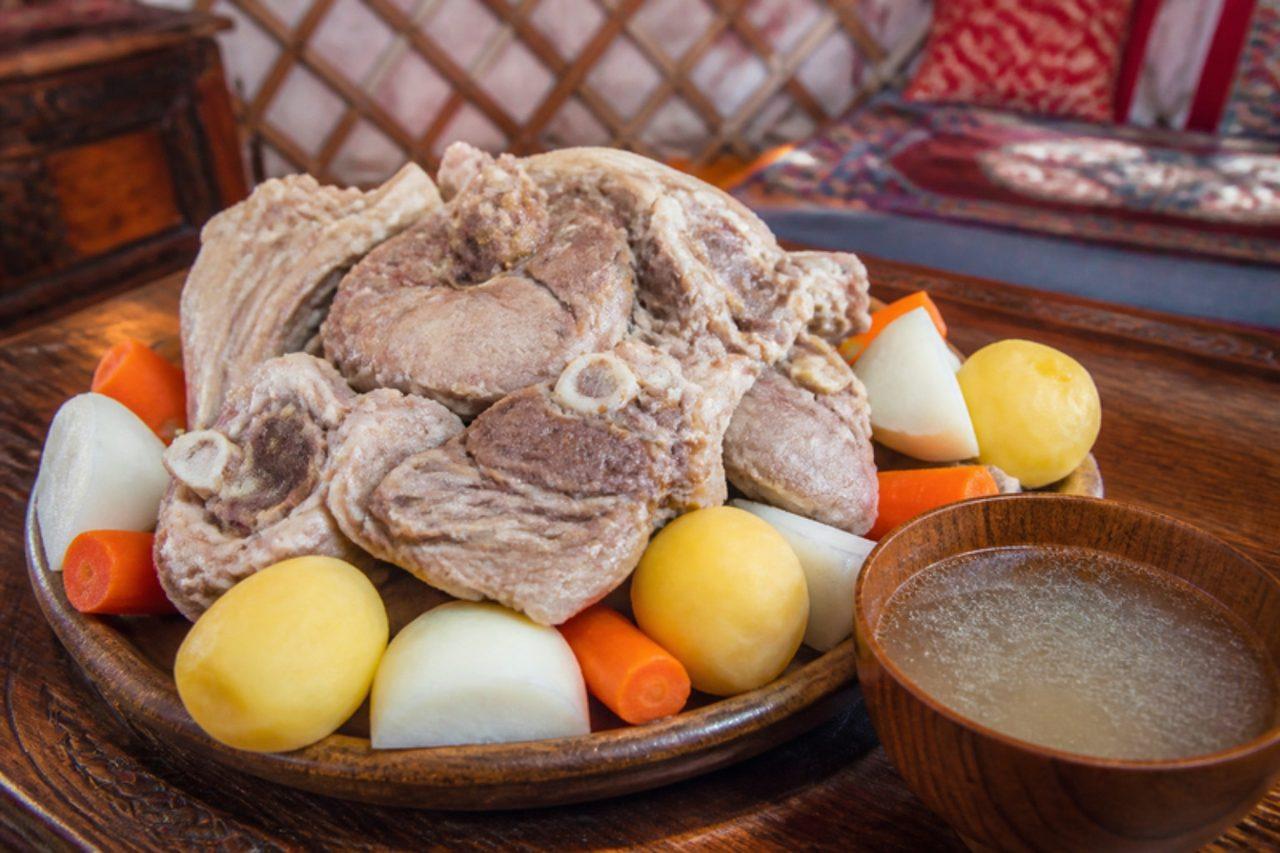
Chanasan makh is the simplest and most loved meal of the Mongolian countryside, boiled in a big pot on the ger stove in Övörkhangai or Khentii whenever guests arrive or a holiday comes round. Large bone-in pieces of mutton are simmered with nothing but salt and a little onion, then served steaming on a platter to be cut with a knife and eaten by hand, with the rich broth drunk from bowls alongside. Potato, carrot and turnip are often cooked in the same pot. A common mistake is boiling hard, which makes the meat tough and the broth cloudy; keep it at a lazy simmer and skim. Chef's tip: mutton or older lamb with some fat on it gives the deepest flavour.

by KrazyBadal 0 views

BozaFermented millet drink

In Bulgaria boza is a breakfast habit: a plastic bottle of it from the corner pastry shop and a slice of hot, flaky banitsa, bought on the way to work or school, especially from autumn through to spring. Towns such as Radomir, Plovdiv and Sofia argue over whose is best. It is the colour of milky coffee, thick enough to coat the glass, sweet up front with a sour, bready finish and a faint prickle. Like every fermented grain drink it makes a trace of alcohol, well under 1% when drunk young. The base is millet flour, toasted for flavour, cooked into a thin porridge, then fermented for about a day before being strained and sweetened. The common mistake is adding the yeast while the porridge is still hot, which kills it and leaves you with sweet gruel; wait until it feels only just warm on your wrist. It is ready when the surface is covered in small bubbles, it smells like fresh bread with a sour edge and tastes pleasantly tangy. Chef's tip: keep back a glass of each batch in the fridge and use it instead of yeast next time; boza made from an old starter is rounder and more sour.

by KrazyBadal 0 views

Kangaroo steak with pepperberry sauce

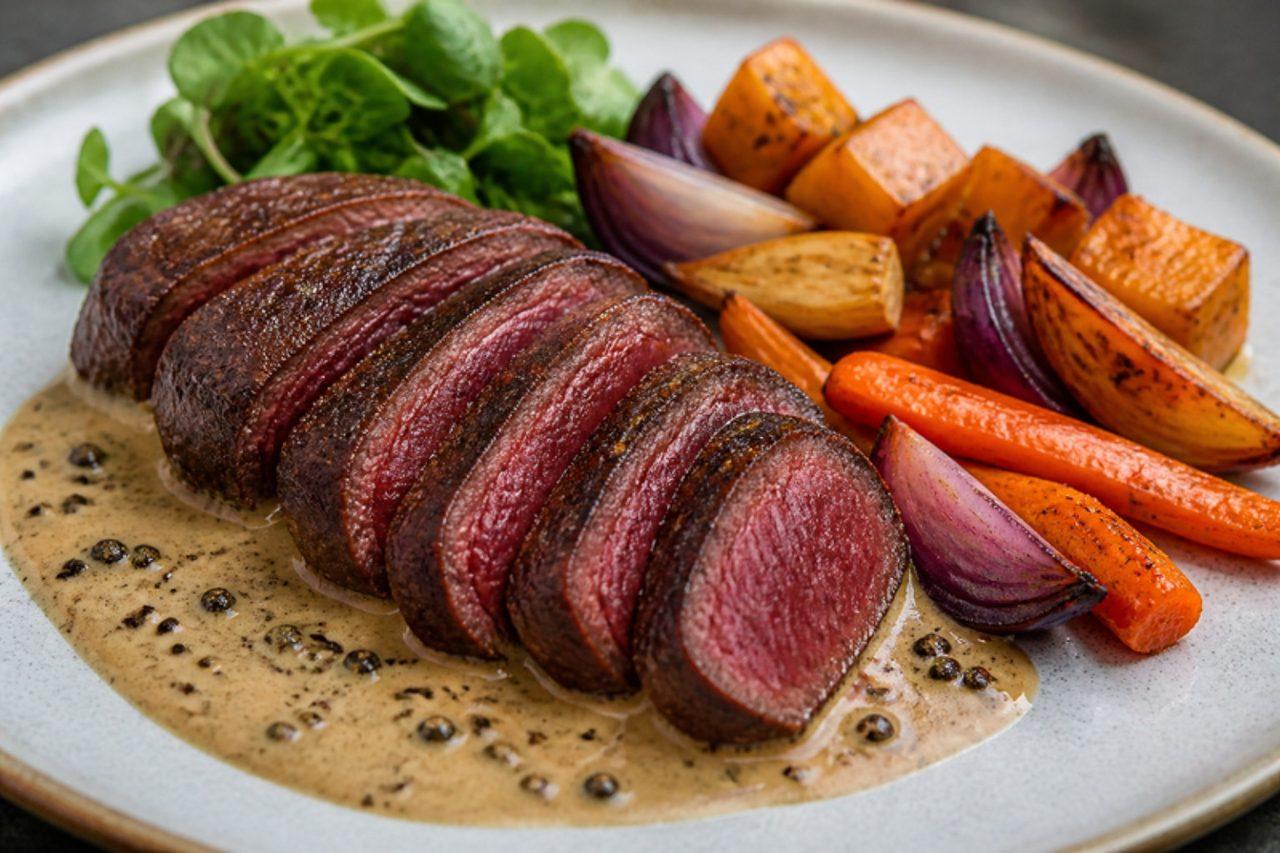
Kangaroo is a lean, everyday red meat in Australia, sold in supermarkets from Perth to Brisbane and loved by home cooks for its rich, slightly gamey flavour and very low fat. Here the fillets are seared hot and fast and served with a creamy sauce spiced with Tasmanian pepperberry, a native pepper with a warm, fruity heat. Because there's almost no fat, kangaroo dries out if cooked past medium. A common mistake is putting cold meat in a lukewarm pan; it stews instead of searing. Serve rare to medium-rare for best texture, but cook to at least 63 °C for pregnant women, young children and anyone with a weakened immune system. Chef's tip: rest it for as long as you cooked it.

by KrazyBadal 0 views

Pineapple fritters

Every Queensland fish-and-chip shop from the Gold Coast to Cairns has a tray of pineapple fritters by the fryer, rings of local pineapple in light batter, fried and dusted with cinnamon sugar. They are the dessert you order with your fish and chips on a hot evening. Fresh pineapple is best; well-drained tinned rings work too. A common mistake is wet fruit, which makes the batter slide off; pat it really dry. Chef's tip: dust the rings in a little flour before dipping so the batter clings.

by KrazyBadal 1 views

Batata nu rasawalu shaakPotato curry in thin gravy

Batata nu rasawalu shaak is the potato curry that arrives with hot puris at Gujarati wedding breakfasts, Sunday brunches and festival thalis, and it is one of the first curries children in Gujarat love. Soft potato chunks float in a thin, red, sweet-and-sour gravy with mustard seed, curry leaves and hing, lightly spicy and very comforting. Serve with puri, rotli or plain rice. The usual mistake is cutting the potatoes in uneven pieces, so some fall apart while others stay hard; cut them all the same size. Chef's tip: once the potatoes are cooked, mash a few against the side of the pan; the starch gives the rasa (gravy) body without any flour.

by KrazyBadal 0 views

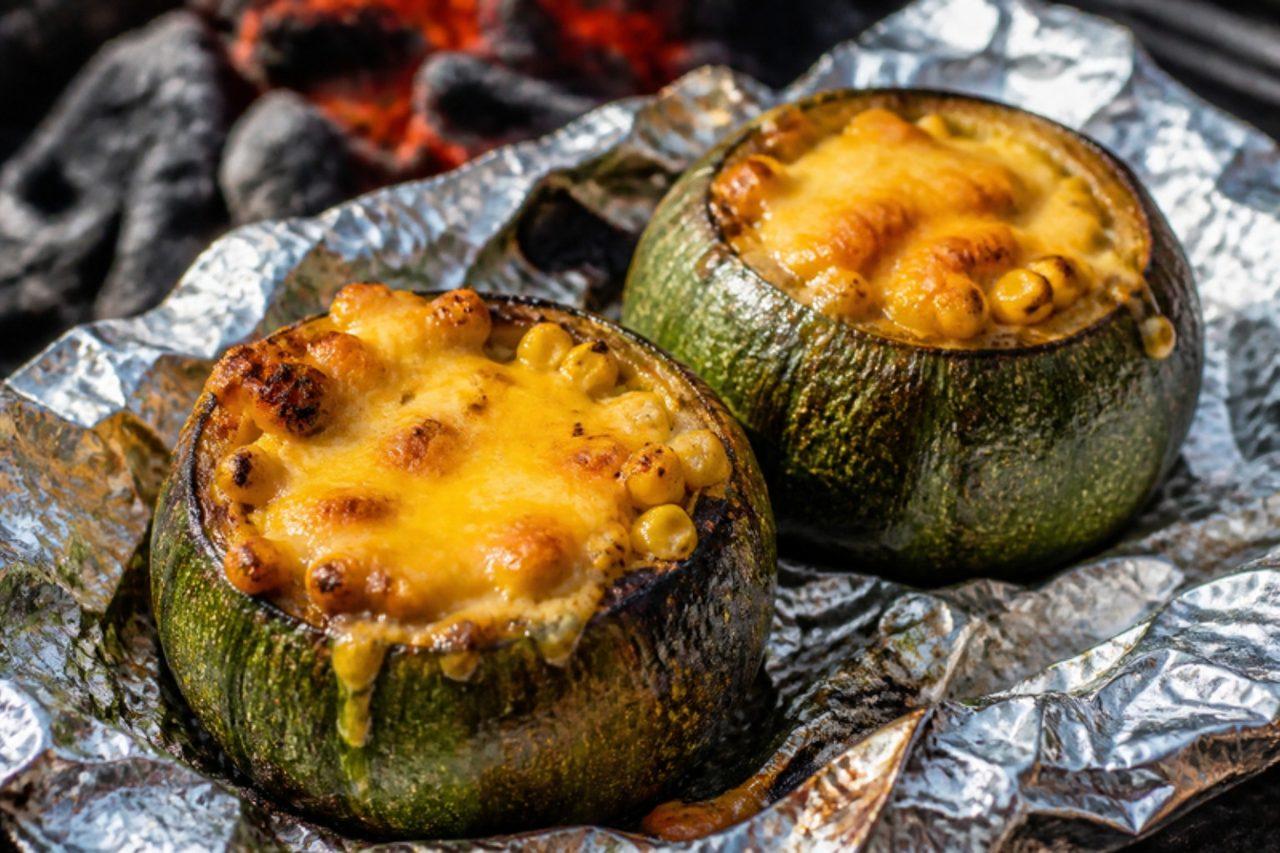
Braaied gem squashGem squash with sweetcorn and cheese

Small, round and dark green, gem squash is the vegetable South African children grow up scooping from the shell with a teaspoon, and at a weekend braai it goes into the coals wrapped in foil alongside the potatoes. The halves steam in their own juice until the orange flesh is tender and sweet, with a pool of melted butter, golden corn and cheese in the hollow. Serve them as a side for anything from the grid, or make a plate of them with pap tert and a tomato salad for a meat-free braai. Indoors, an oven gives the same result. Putting them straight onto flaming wood is the mistake: they char outside and stay hard inside, so wait for grey, glowing coals. Choose a vegetarian cheddar, since many are made with animal rennet. Chef's tip: trim a thin slice off the round base of each half so it sits flat and holds its filling.

by KrazyBadal 0 views

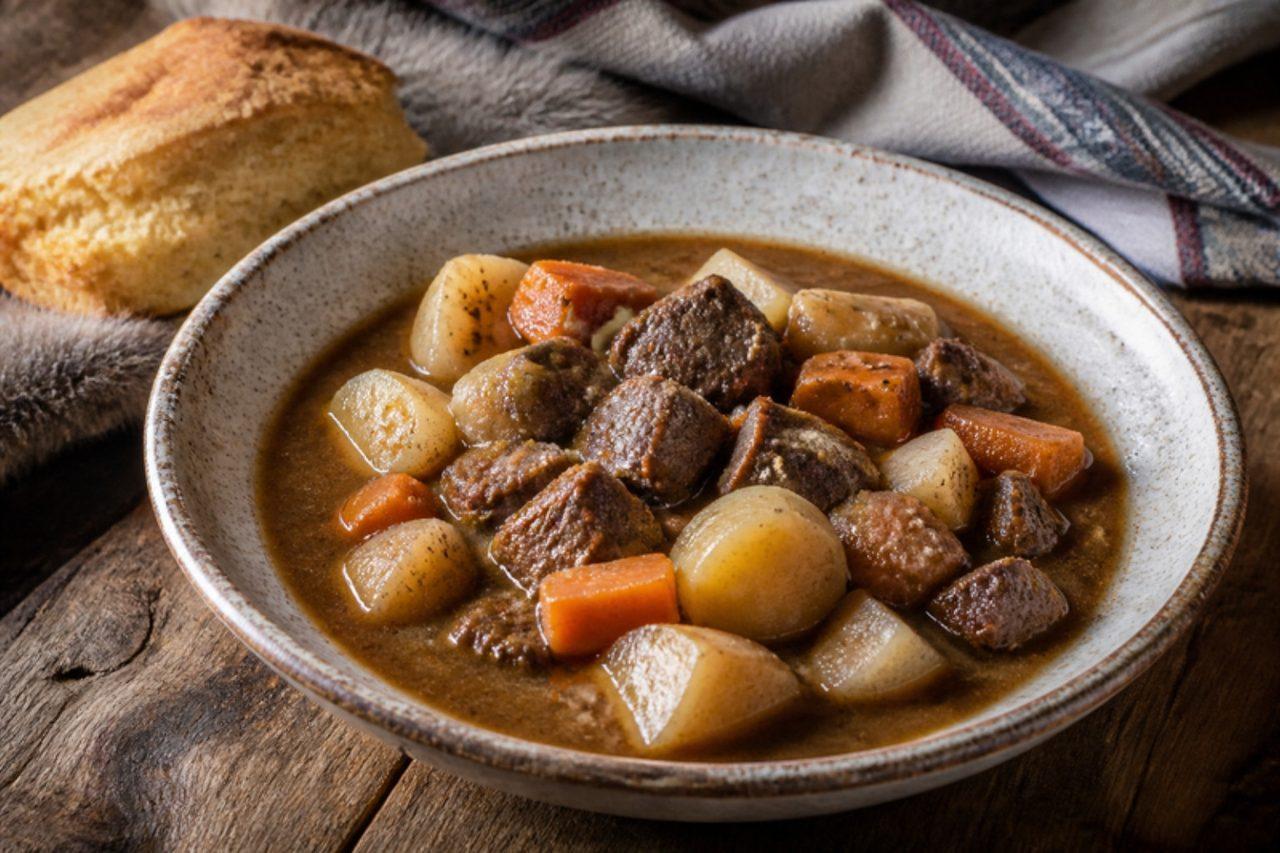
Caribou stew

Caribou is the everyday red meat of many Dene, Inuit and northern families in the Northwest Territories, Nunavut and Labrador, and a pot of caribou stew is what simmers on the stove in Yellowknife or Inuvik through the long winter. The meat is lean and slightly sweet and gamey, and slow-braising with onion, carrot, potato and turnip makes it meltingly tender. Outside the North, farmed reindeer, venison or beef chuck work in exactly the same way. A common mistake is boiling hard, which toughens lean meat; it should barely bubble. Chef's tip: dust the meat in flour and brown it well in batches for a rich, thick gravy.

175 minCanadianMeat
by KrazyBadal 0 views

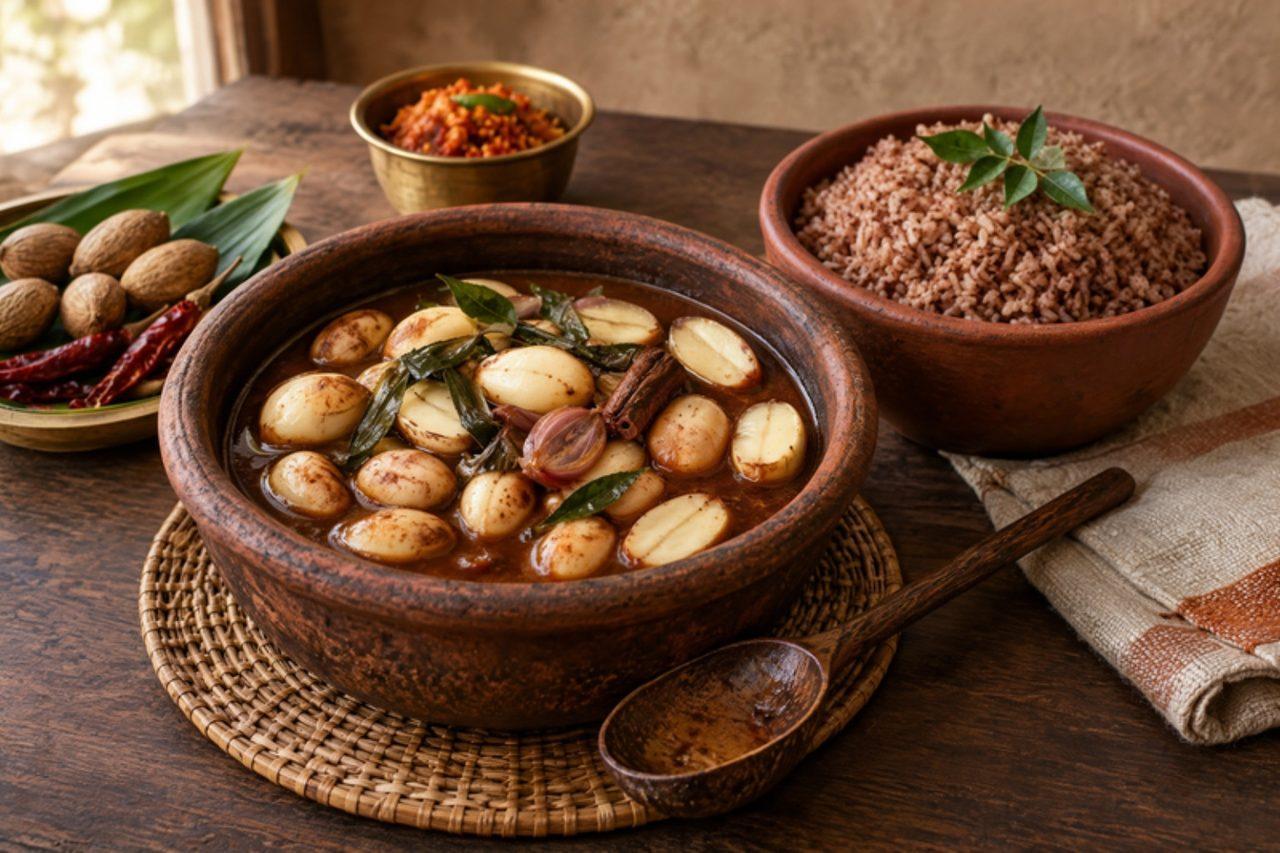
Kos ata curryJackfruit seed curry

During the jackfruit season, roughly April to July, Sri Lankan households save every seed, and kos ata curry is how they become a hearty weekday dish served with rice and greens. The seeds are boiled tender, peeled of their papery skin, then simmered in a dark roasted curry powder and coconut milk gravy until they taste like chestnuts in a spicy sauce. Serve with red rice and a sambol. The usual mistake is undercooking the seeds; they must be boiled until a fork goes in easily, or they stay hard and are hard to digest. A pressure cooker saves time: boil the seeds for 10 minutes on high. Chef's tip: crack each seed lightly with the flat of a knife before simmering so it soaks up the gravy.

by KrazyBadal 0 views

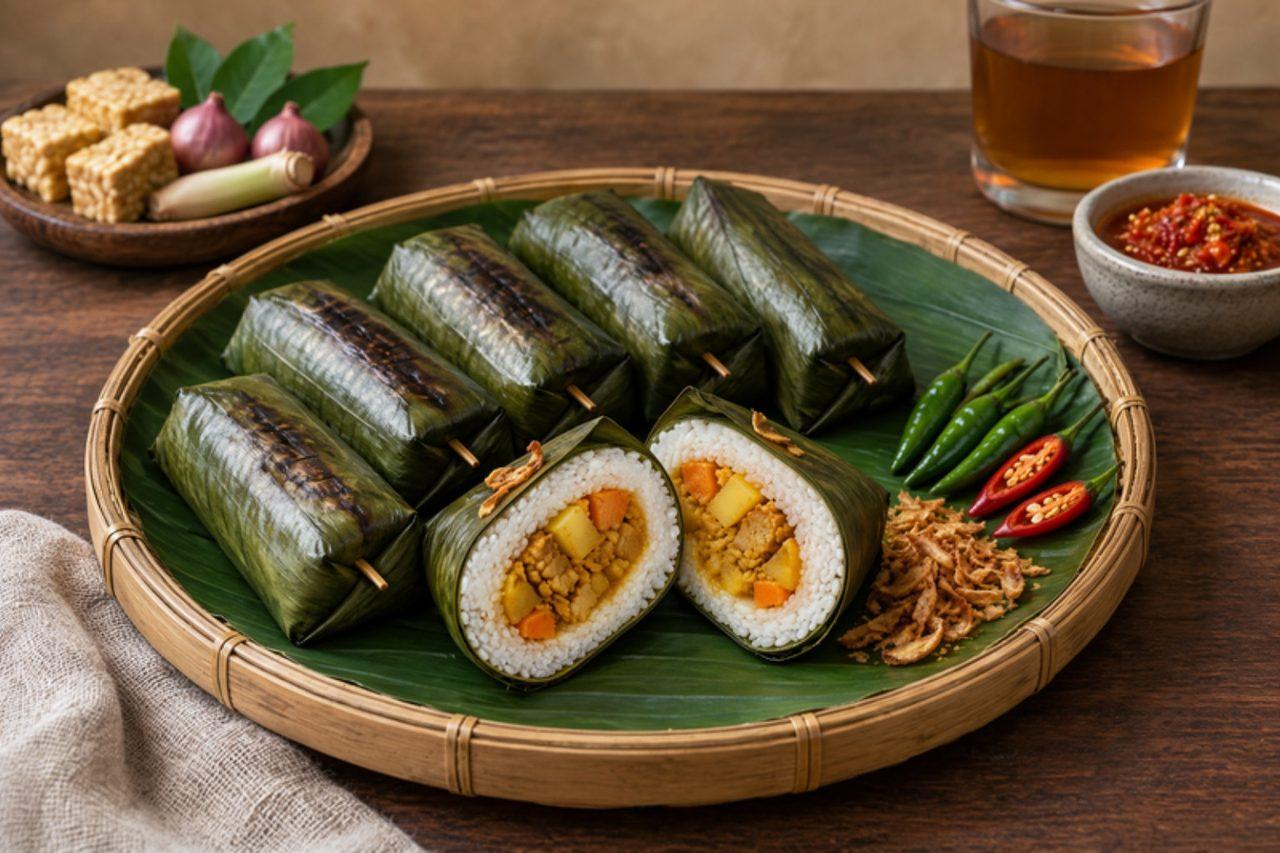
Arem-aremFilled rice rolls in banana leaf

Arem-arem are what Central Javanese cooks pack for meetings, trains and bekal lunchboxes: logs of coconut-scented rice wrapped round a spiced filling, rolled in banana leaf and steamed until firm, so they can be eaten in the hand, cold or warm. Chicken fillings are common in the city; this one uses tempeh, potato and carrot. The common mistake is cooking the rice fully before rolling, which makes the logs mushy; it should be only half-cooked, so it finishes in the leaf. Chef's tip: soften the banana leaves over a flame or in hot water first, or they will split as you roll.

by KrazyBadal 0 views

PothichoruRice meal in banana leaf

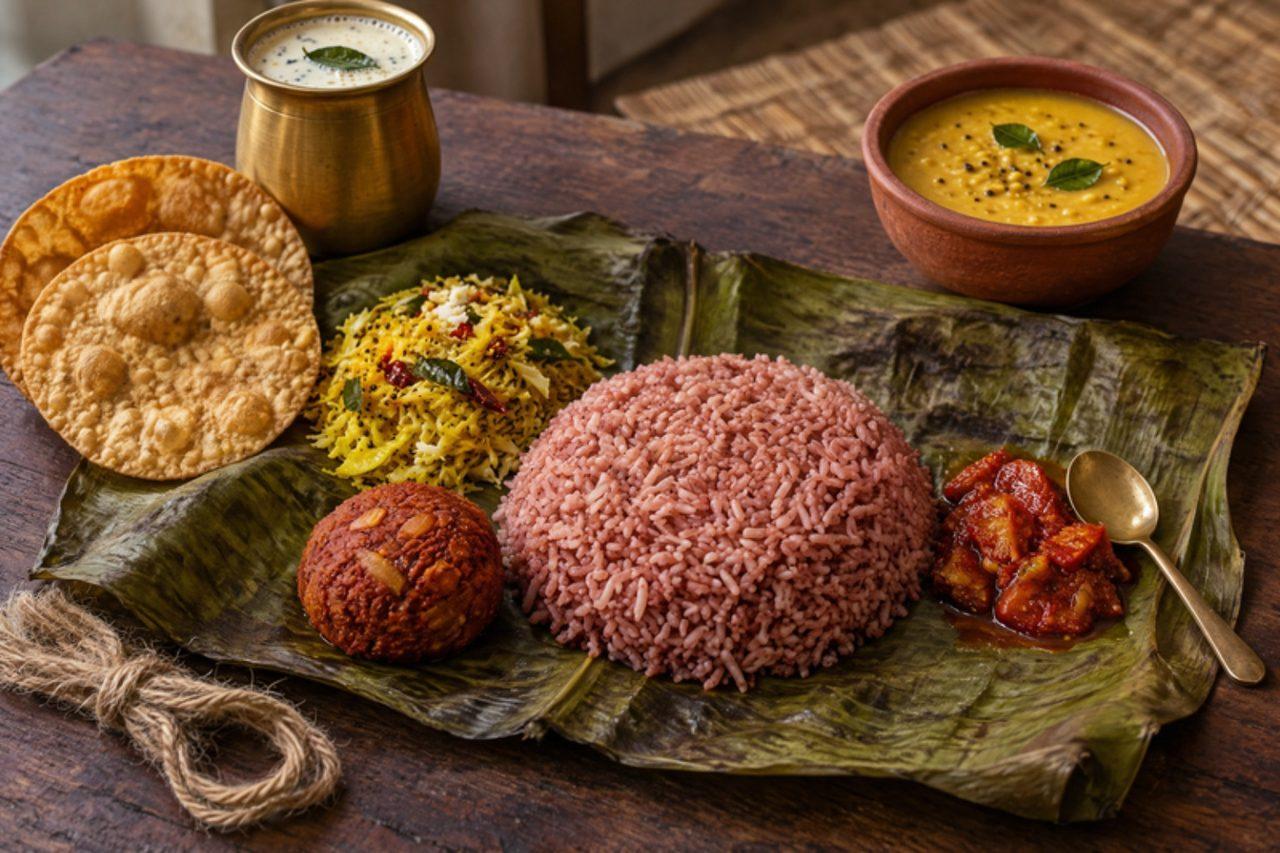
Before steel tiffin carriers, Kerala's schoolchildren and office workers carried pothichoru, a parcel of hot rice, a dry vegetable thoran, coconut chammanthi and a dab of pickle, folded inside a banana leaf that had been passed over a flame. By lunchtime the leaf's aroma has seeped into the rice; the whole parcel is still sold on trains and at festivals. Fried egg or fish fry are often tucked in; this is the vegetarian version. The common mistake is wrapping the leaf without wilting it first, so it cracks and leaks. Chef's tip: pack the rice warm, not steaming, and eat within four hours, or cool everything and keep the parcel cold until lunch.

by KrazyBadal 0 views

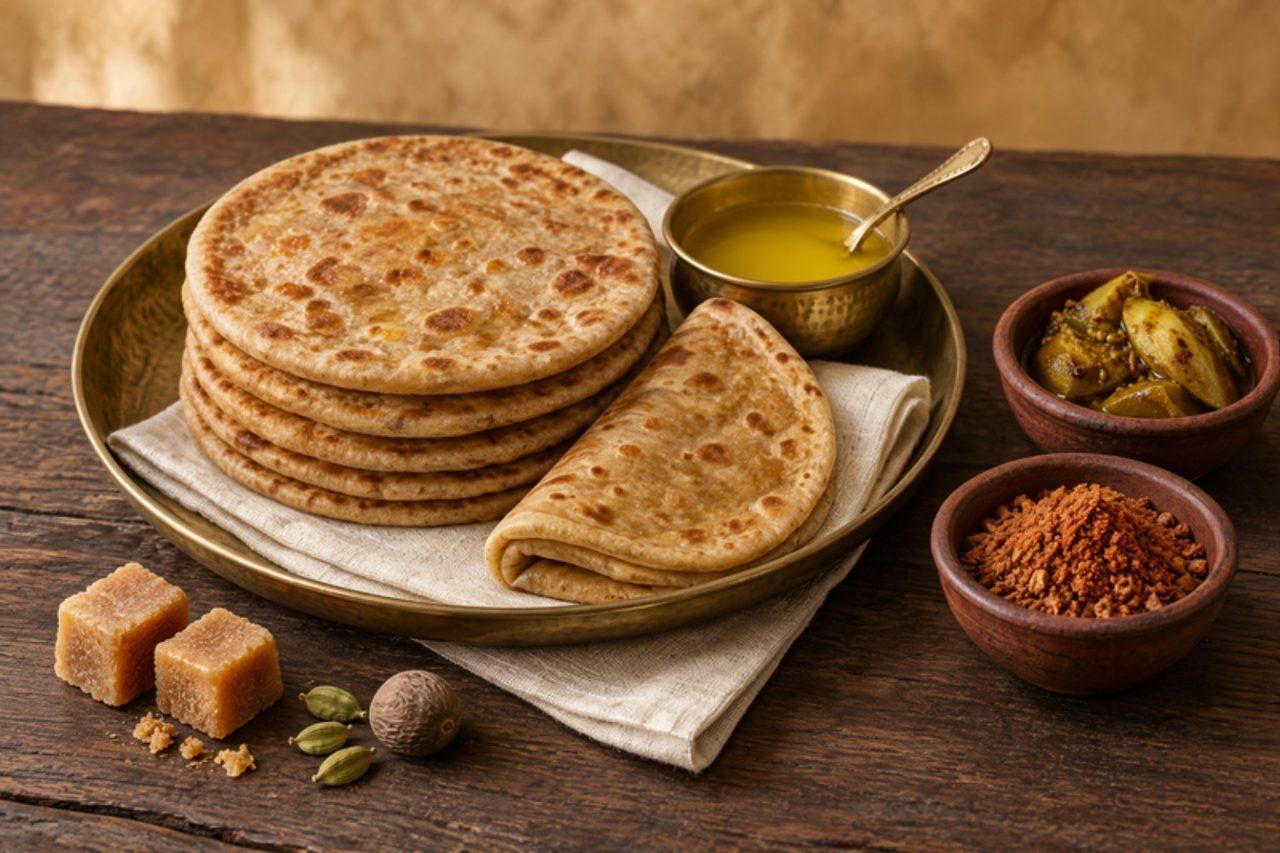
DashmiMilk and jaggery flatbread

Dashmi is the bread Maharashtrian mothers make for pilgrimages, school trips and the first days of a long journey: wholewheat dough kneaded with warm milk instead of water and sweetened with jaggery, cooked on a tawa until soft and spotted. Milk and ghee keep it tender for two or three days without a fridge in cool weather, and children eat it plain or with pickle. The common mistake is rolling it too thin and cooking it on a fierce tawa, which makes it crisp like a khakhra; it should stay soft and pliable. Chef's tip: stack the dashmis in a cloth as they come off the tawa, so the trapped steam softens them further.

by KrazyBadal 0 views

Sydney rock oysters with mignonette

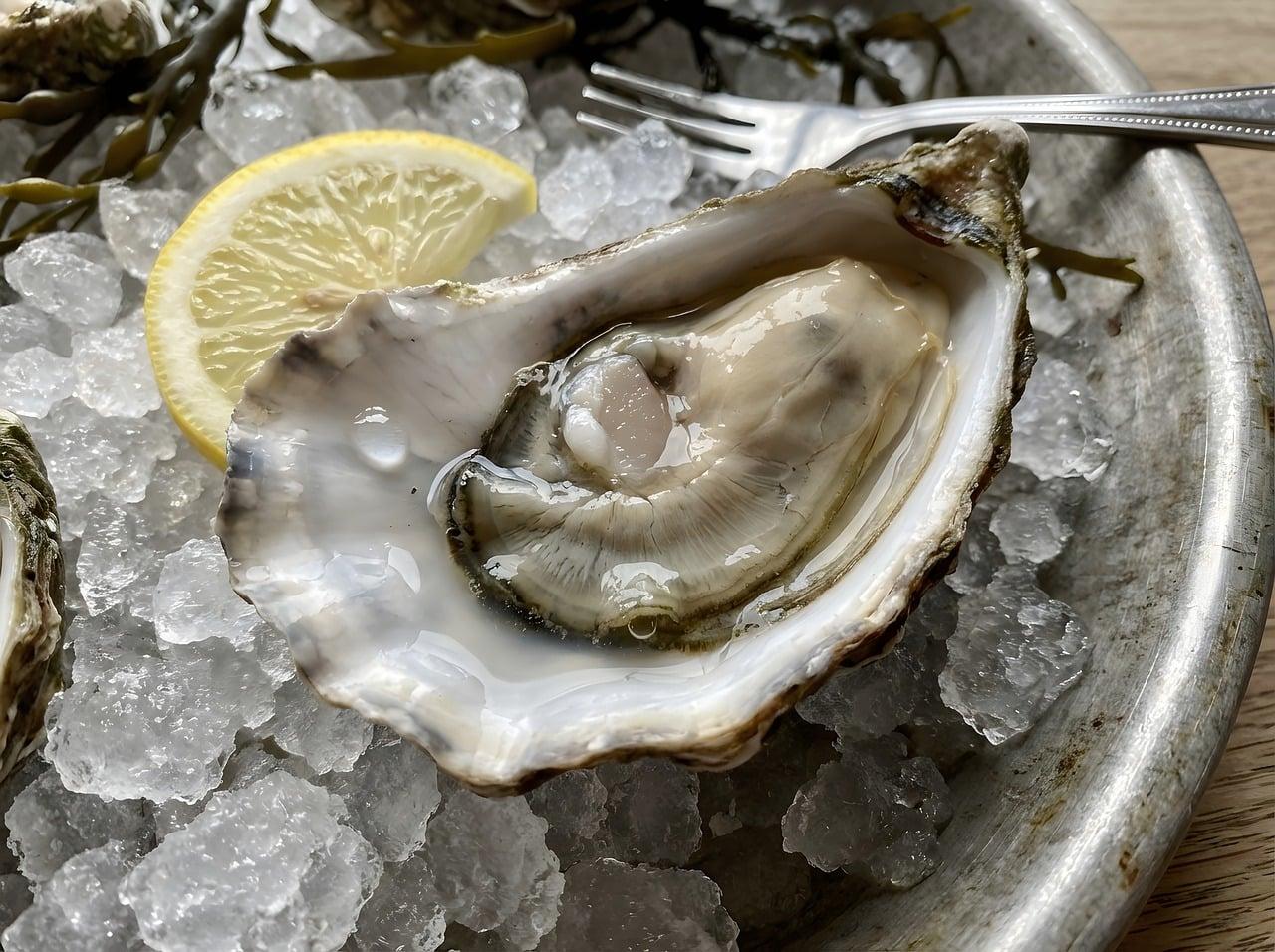
Sydney rock oysters grow in the estuaries of the New South Wales coast, from the Hawkesbury River to Merimbula, and are the pride of the Sydney fish market, slurped by the dozen with a glass of something cold on summer afternoons. They are smaller and creamier than Pacific oysters, with a rich, mineral taste. A sharp shallot and vinegar mignonette is all they need. These oysters are eaten raw, so they are not for pregnant women, young children or anyone with a weakened immune system; for them, grill the oysters for 3–4 minutes until the edges curl. Buy from a trusted fishmonger and eat them the day you buy them. A common mistake is rinsing opened oysters under the tap, which washes away their flavourful juice. Chef's tip: shuck them just before serving and keep them on crushed ice.

by KrazyBadal 0 views

DhebraPearl millet flatbreads

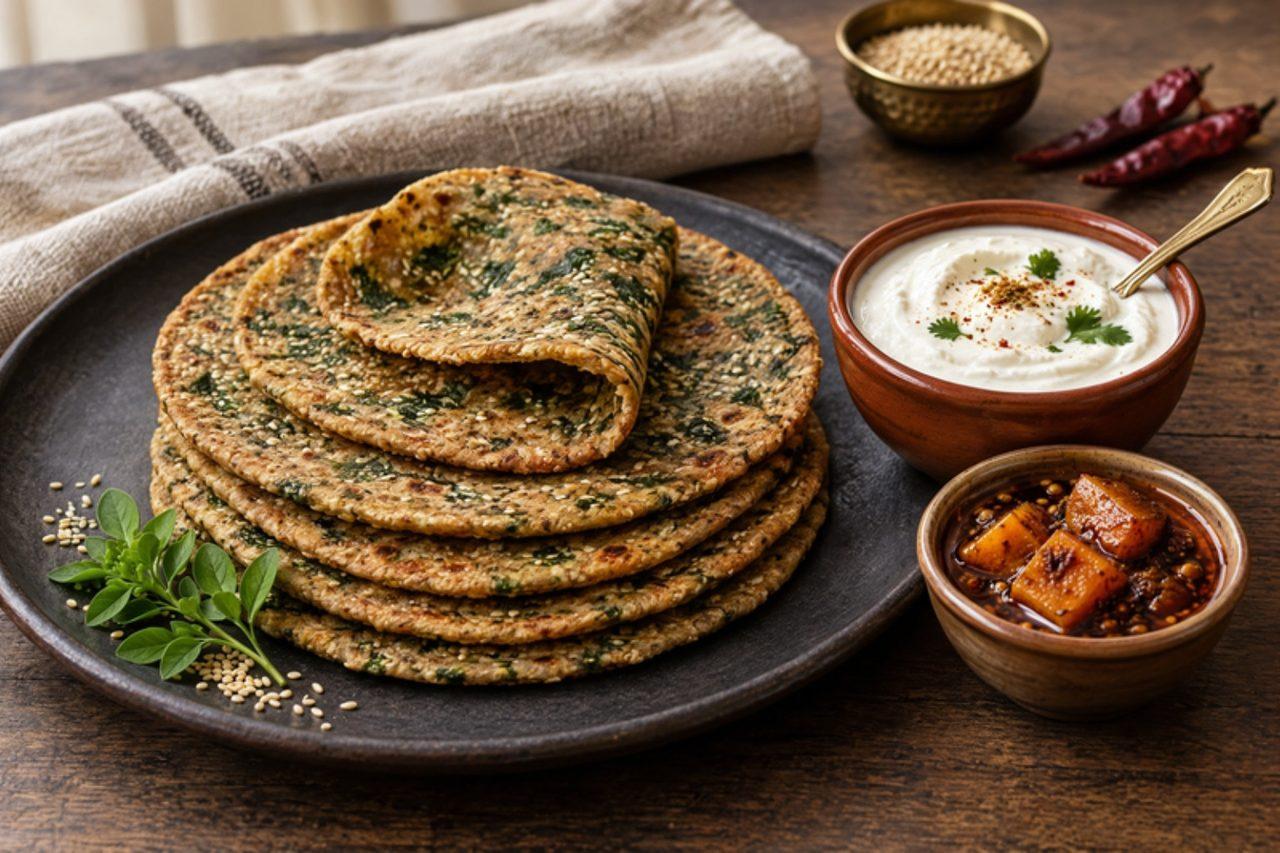
Gujarati families pack a stack of dhebra for every train journey, picnic and tiffin box, because the yogurt and oil in the dough keep these spicy millet and fenugreek flatbreads soft for two or three days. They are thicker than a thepla and earthy from the bajra, and they are eaten with pickle, chhundo or a cup of tea. The common mistake is adding too much water at once: the yogurt and fenugreek release moisture as you knead, and a slack dough sticks and tears. Chef's tip: pat them out on a damp cloth or between two sheets of plastic rather than rolling, the way Gujarati kitchens do, so the delicate millet dough does not crack.

by KrazyBadal 0 views

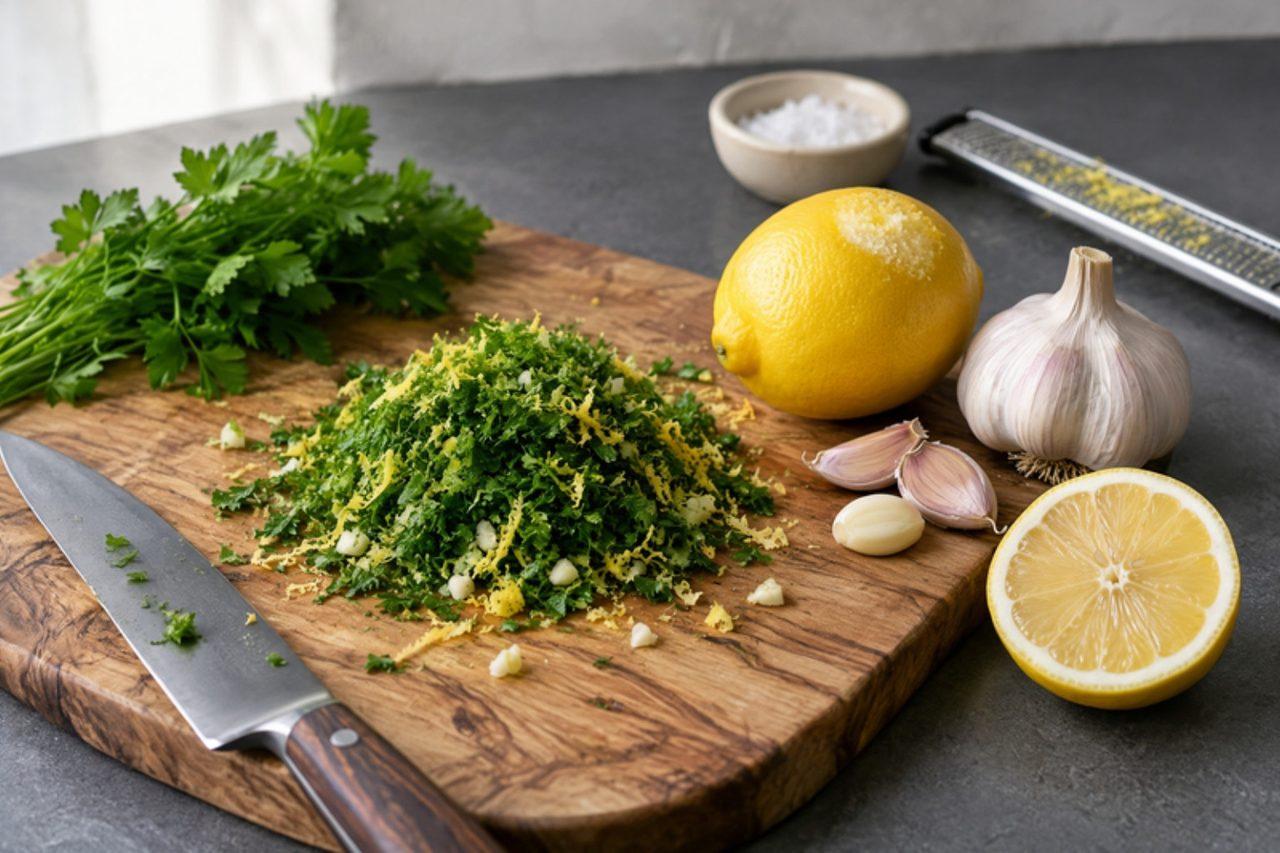
Gremolata

Gremolata is the Milanese finishing touch spooned over ossobuco on Sunday tables across Lombardy, and it brightens any slow-cooked stew, roast vegetables, beans or grilled fish. Flat-leaf parsley, lemon zest and raw garlic are chopped together so finely that they become a fragrant green confetti; the fresh, sharp flavour wakes up a dish so much that you need far less salt. About 0.0 g salt per portion. The usual mistake is grating the white pith with the zest, which makes it bitter; take only the yellow skin. Make it no more than an hour ahead, as the garlic gets harsh and the parsley darkens. Chef's tip: chop the garlic first with a few parsley leaves, so the juice soaks into the herbs instead of sticking to the knife.

by KrazyBadal 0 views

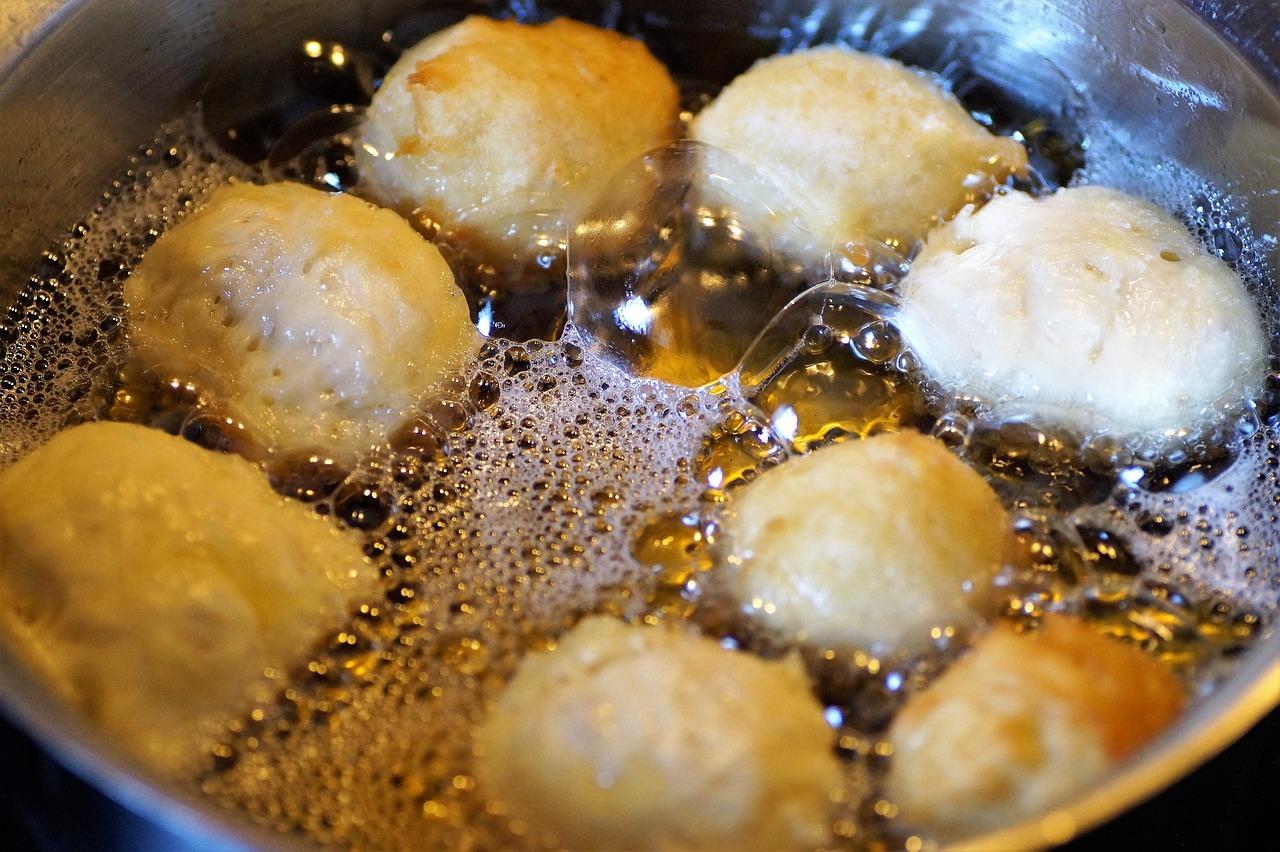
BabakauFried dough balls

Babakau are the fluffy fried dough balls sold at Fijian market stalls and village canteens at breakfast time, eaten with a mug of milky tea or hot koko before school or work in Suva and Nadi. The dough is lightly sweet and the balls puff up as they fry, golden outside and soft as a bun inside. A common mistake is oil that's too hot, which leaves raw centres; 170 °C is right. Chef's tip: wet your fingers to drop spoonfuls of dough into the oil so it slips off cleanly.

by KrazyBadal 0 views

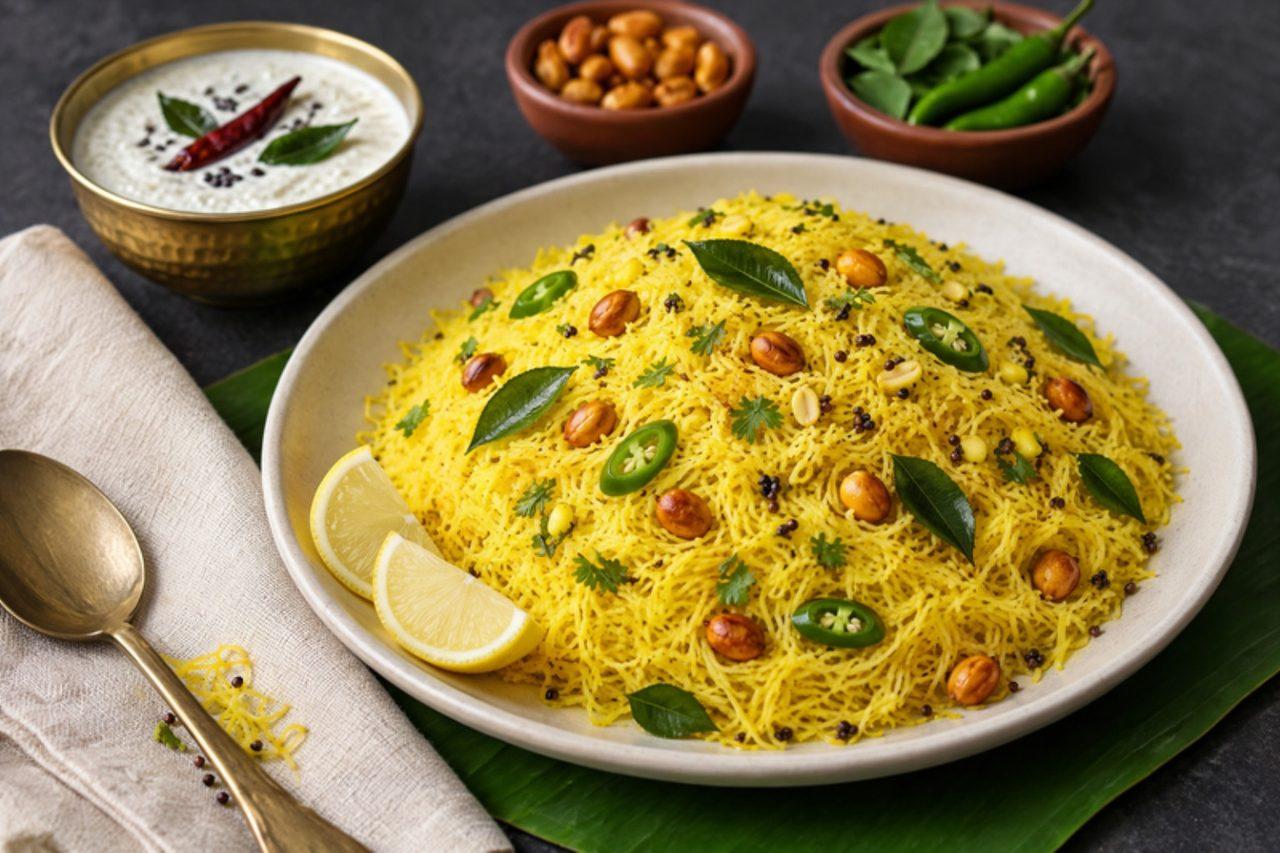
Lemon sevai (lemon rice noodles)

Sevai is pressed rice-flour vermicelli, and in Tamil Nadu and the Mysuru region the lemon version is a lighter alternative to lemon rice for a school lunch box. Today most homes use dried rice sevai, softened in hot water and steamed, then tossed with a turmeric tempering of mustard, dal, peanuts and green chilli and plenty of lemon. The common mistake is soaking the dry sevai too long, so it breaks into short mushy bits; it should be just pliable before it goes into the steamer. Chef's tip: toss with a fork, not a spoon, and lift rather than stir so the strands stay long.

by KrazyBadal 0 views

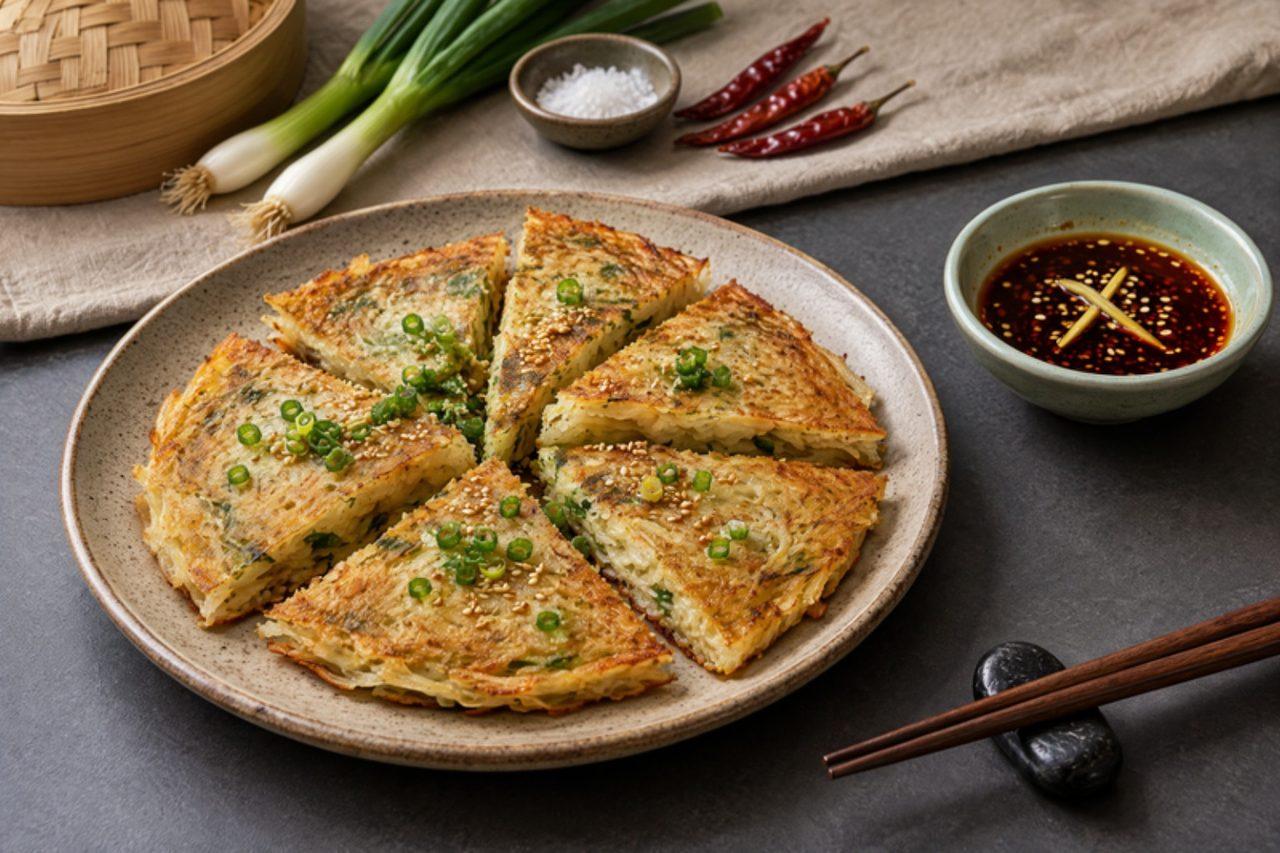
Tudou si bing (shredded potato pancakes)

In Shandong, Hebei and the northeast, these thin, lacy potato pancakes are a cheap street breakfast and a favourite filler for children's lunch boxes, crisp at the edges and soft in the middle. The potato is cut into very fine matchsticks, seasoned with spring onion, salt and a little white pepper, and bound with just enough flour to hold. The mistake is rinsing away all the starch and squeezing too hard: the shreds then won't stick together. Rinse once, drain, and squeeze lightly. Chef's tip: press the pancake thin with the back of a spatula as soon as it hits the pan; thin pancakes crisp right through and stay crisp longer in a box.

by KrazyBadal 0 views

Uuts-style roast lamb saddle

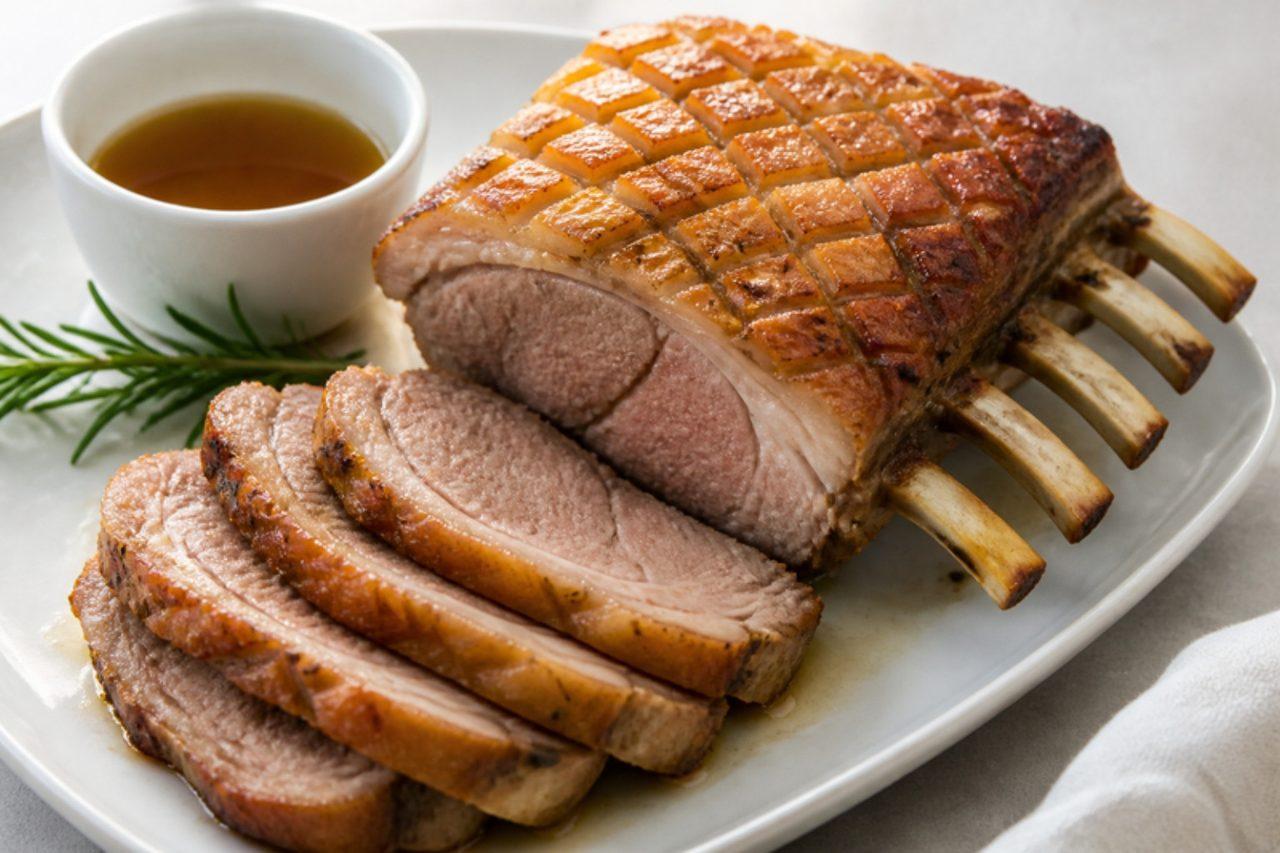
Uuts, the whole back and fat tail of a sheep, is the grandest dish of Tsagaan Sar, the Mongolian Lunar New Year: boiled, then set in the centre of the table in every Ulaanbaatar and countryside home and carved for each visitor during the days of family visits. The real thing weighs many kilos and needs a huge pot, so this home version uses a bone-in saddle of lamb with its fat, simmered first and then roasted until the fat is crisp, keeping the uuts idea of a whole, impressive cut to carve at the table. A common mistake is trimming away all the fat; in Mongolia it is the most prized part. Chef's tip: score the fat in a criss-cross so it renders and crisps evenly.

by KrazyBadal 0 views

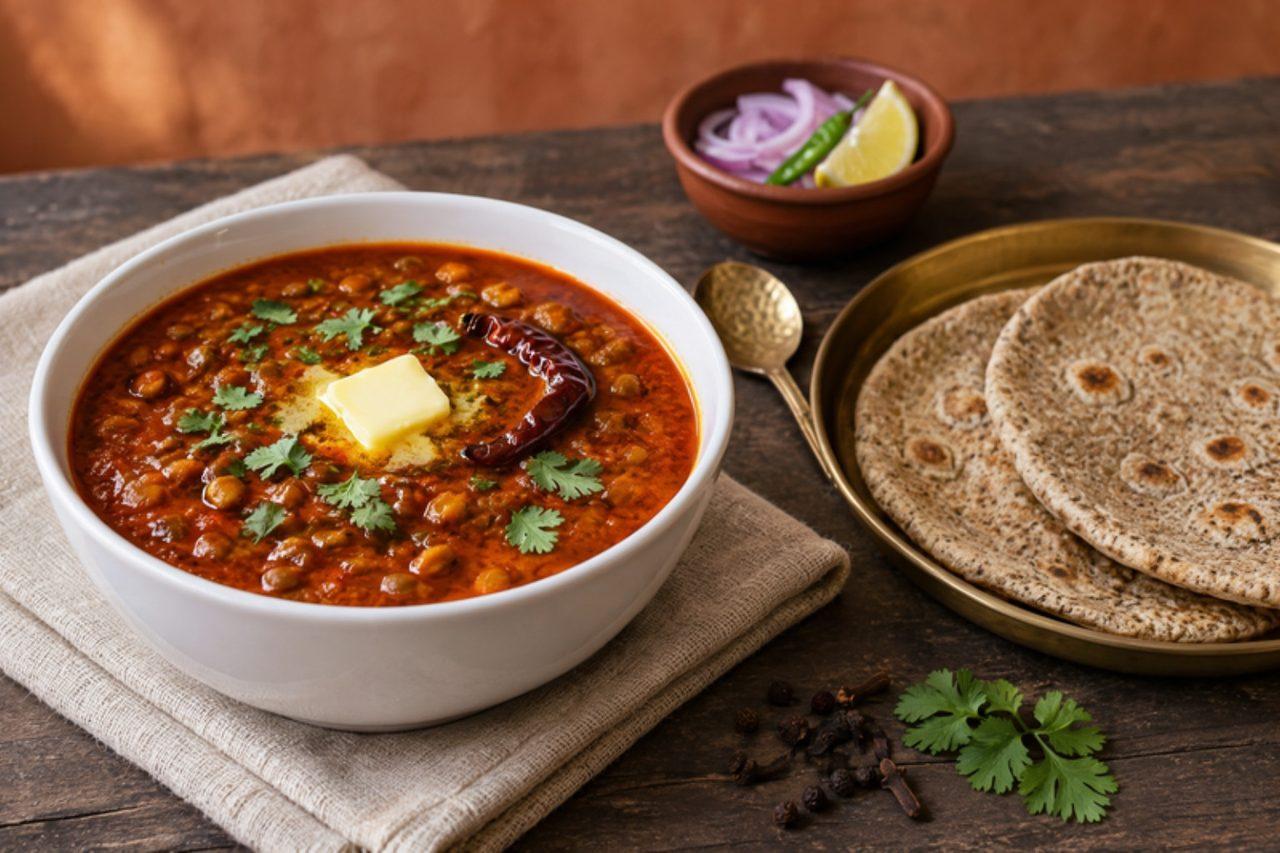
Akkha masoorWhole brown lentil curry

Akkha masoor is the dish that made the dhabas on the Kolhapur–Pune highway famous: whole brown lentils cooked into a rich, fiery onion, tomato and Kolhapuri-masala gravy, finished with a big knob of butter and eaten with jowar bhakri, tandoori roti or jeera rice. At home it is a weeknight dinner and a favourite on cold evenings. The lentils keep their shape while the roasted dry coconut and red chilli give a deep, nutty heat. The usual mistake is undercooking the onions; they must turn deep brown before the tomatoes go in, or the gravy tastes thin. Slow-cooker: cook everything except the butter on low for 6 hours, then stir the butter in at the end. Chef's tip: toast the dry coconut until it is the colour of a biscuit; it is the secret of the dhaba flavour.

by KrazyBadal 0 views

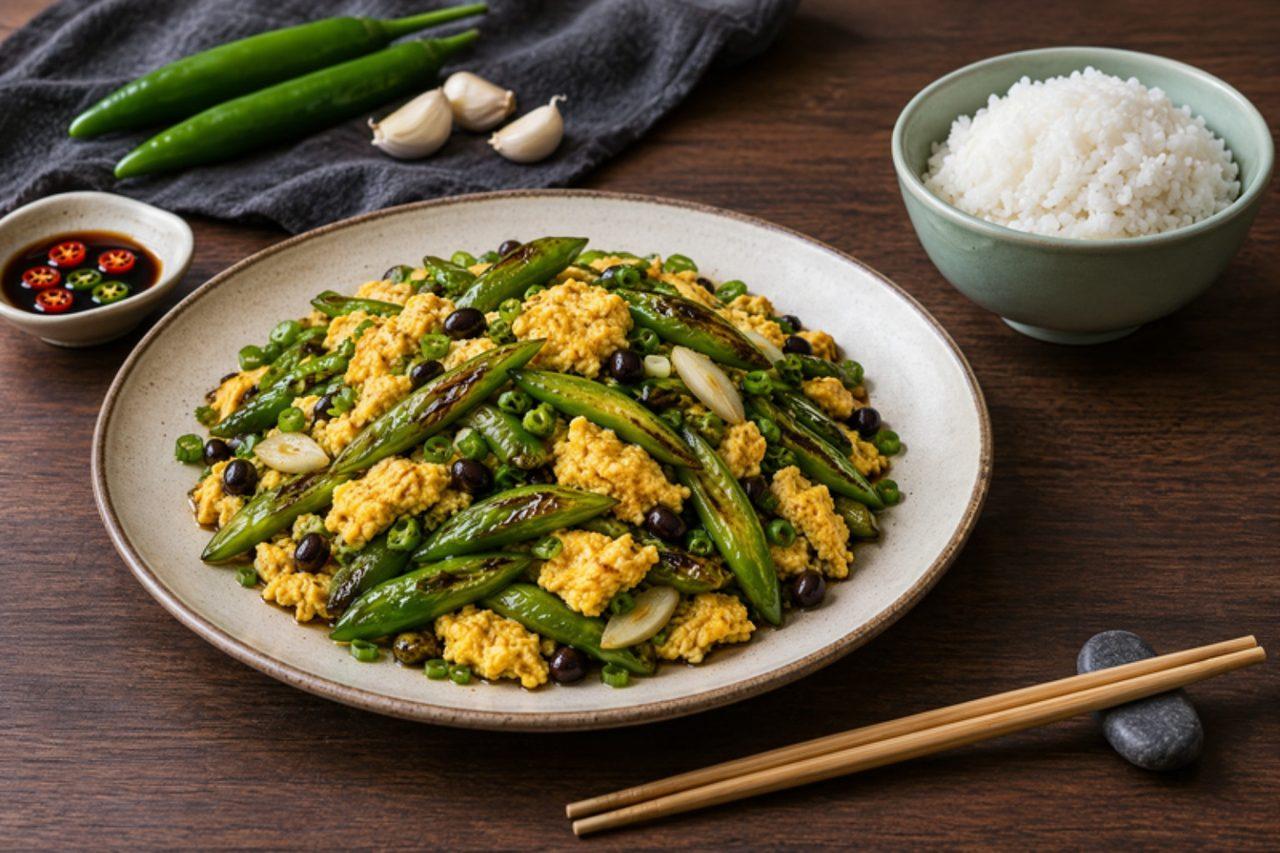
Lajiao chao jidan (green chilli and egg)

Hunan home cooks in Changsha make this in ten minutes when there is nothing but eggs and long green chillies in the kitchen, and it is a standard dish at lunchbox shops: the chillies are dry-fried until blistered and smoky, then tossed with big soft curds of egg and a splash of soy. It is hot, so choose mild long chillies or green peppers if you prefer. The mistake is cooking the eggs with the chillies from the start, which makes them tough and grey; scramble them separately and combine at the end. Chef's tip: press the chillies against the hot dry wok with a spatula until they wrinkle and char in spots before any oil goes in. Contains egg and soya.

by KrazyBadal 0 views

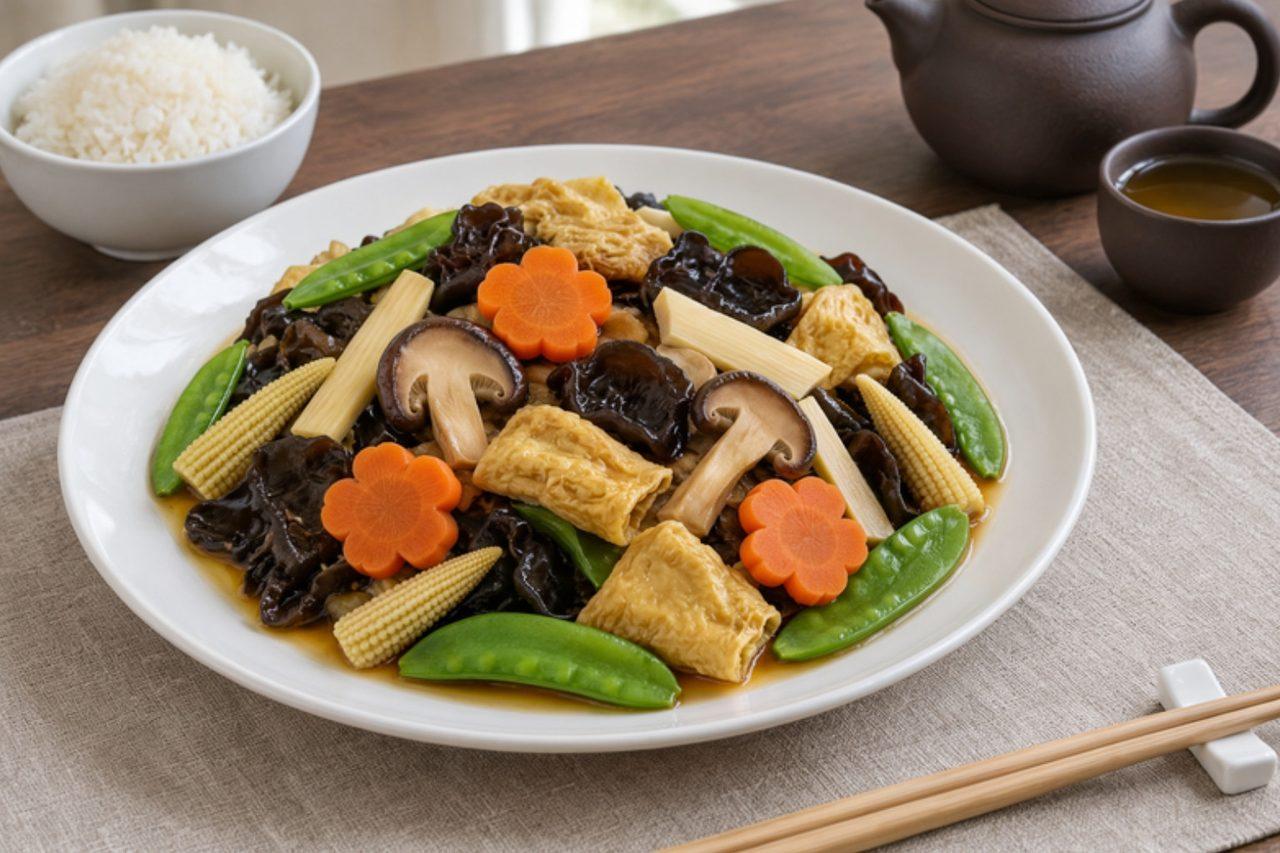
Su shi jin (mixed vegetable stir-fry)

Su shi jin means "vegetarian assortment", and it comes from the Buddhist kitchens of eastern China; today it is a staple of office lunchbox shops in Shanghai and Hangzhou. Crunchy wood ear mushrooms, strips of tofu skin, chewy wheat gluten (kao fu or mian jin), carrot, snow peas and bamboo shoot are stir-fried quickly and glossed with a light soy and ginger sauce. The mistake is adding everything at once, so the firm vegetables are raw and the snow peas overcooked; cook in order of hardness. Chef's tip: soak dried wood ear in cold water rather than hot; it plumps up crunchier.

by KrazyBadal 0 views

Neer mor (spiced buttermilk)

From April to June, when Chennai and Madurai bake at forty degrees, temples, shops and political parties set up 'thaneer pandhal' sheds by the roadside, offering free neer mor to every passer-by from great clay pots. At home it comes after a rice meal of sambar and rasam, or in the middle of the afternoon. The curd is churned and thinned with water until barely white, then seasoned with green chilli, ginger, curry leaves, coriander and a pinch of asafoetida, sometimes finished with a tempering of mustard seeds. It should be very thin, salty, tangy and herby, with a little chilli heat and a lingering savoury scent. The common mistake is using too little water: it then drinks like a heavy lassi rather than a thirst-quencher. Aim for about one part curd to four parts water. It is ready when the buttermilk is smooth, cold and pale green-flecked, and smells of curry leaf. It keeps a day in the fridge. Chef's tip: crush the ginger, chilli and curry leaves rather than chopping them; bruising releases far more flavour into the thin liquid.

by KrazyBadal 0 views

Bissy tea (kola nut tea)

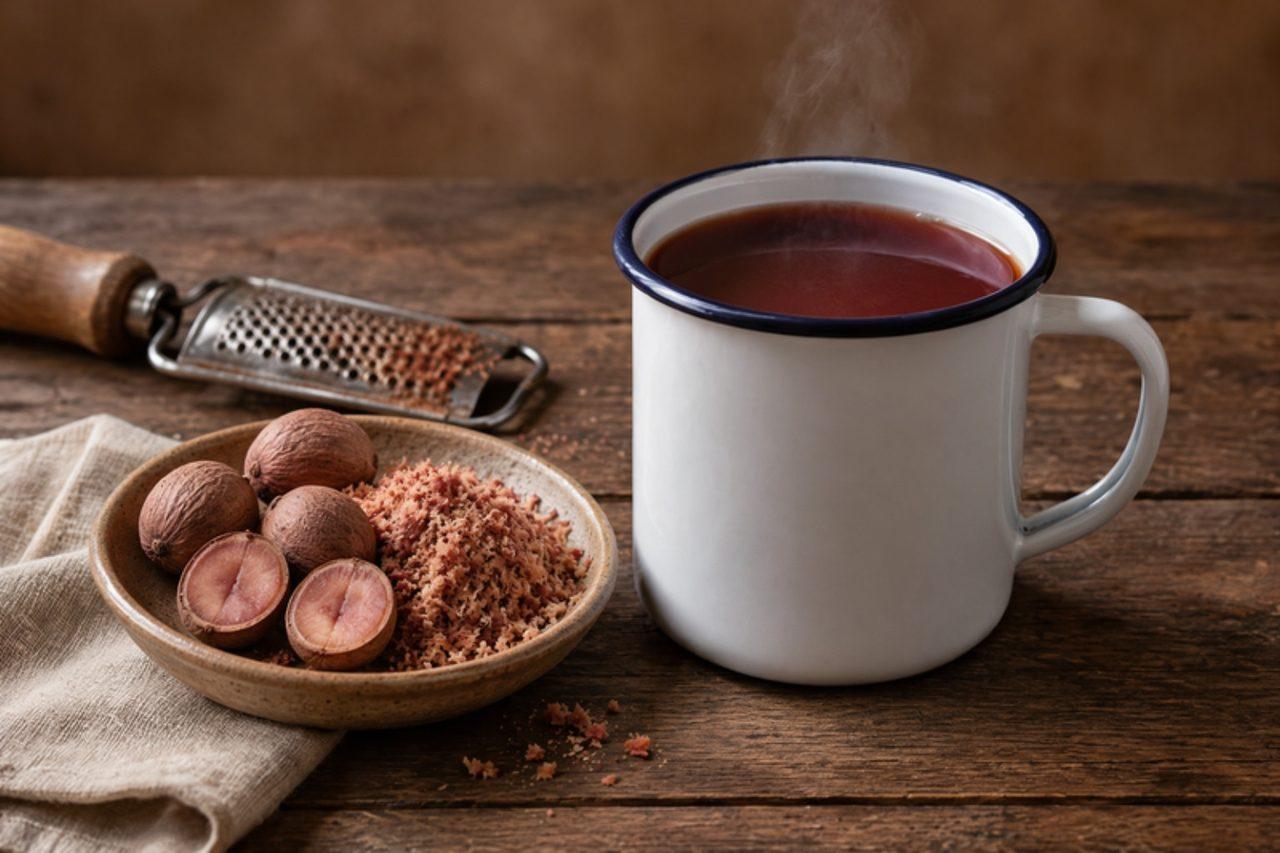
Kola trees came to Jamaica with enslaved West Africans, and the nut, called bissy on the island, has stayed in country medicine ever since. Older people in St Mary, St Elizabeth and the hills of Clarendon still keep a dried bissy in the kitchen and grate some into boiling water when the stomach is upset or after eating something that disagreed with them,. Parched in a dry pan first, the grated nut gives a reddish-brown tea that smells faintly of cocoa and tastes bitter and astringent, softened by plenty of sugar. The common mistake is boiling raw, ungrated nut and expecting much flavour: whole pieces give little. Grate it finely, parch it until it darkens and smells like toasted cocoa, then boil. It is ready when the tea is a deep reddish-brown and coats the tongue with bitterness. Kola nut is very high in caffeine, as strong as a big mug of coffee or more, so drink one cup, not late in the day, and keep it away from children, pregnant people and anyone sensitive to caffeine or with heart trouble. Chef's tip: strain it through a fine cloth; the grated nut leaves a gritty sediment that a sieve lets through.

by KrazyBadal 0 views

Teh talua (egg tea)

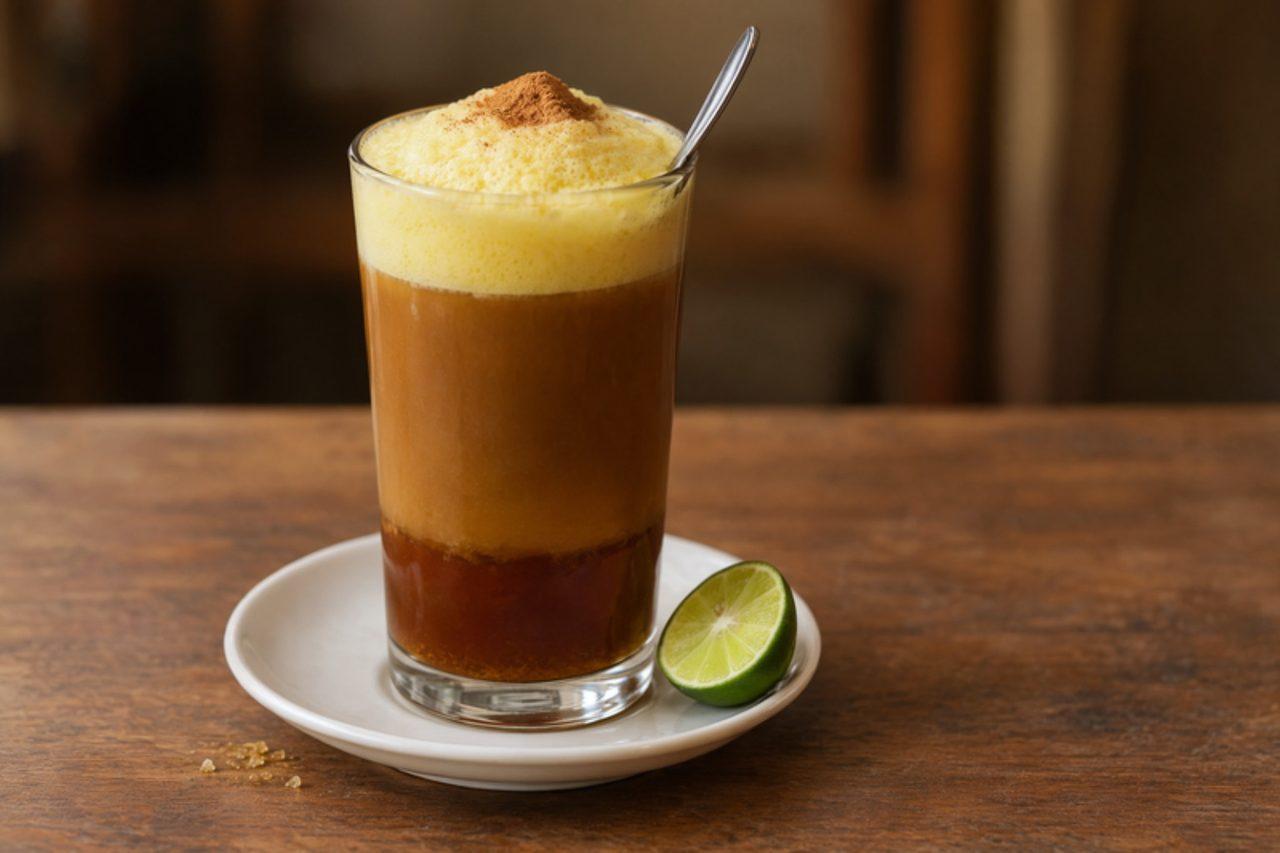
In the lapau coffee shops of Bukittinggi, Payakumbuh and Padang, the sound of a spoon or a small whisk clattering against a glass means someone has ordered teh talua. A raw egg yolk, traditionally from a free-range kampung hen or a duck, is whisked with sugar until thick and almost white, strong hot tea is poured on from a height, and a wedge of lime goes on the side. Minangkabau men drink it in the late afternoon or evening as a pick-me-up after work in the fields. It comes out with a creamy, caramel-coloured body under a deep layer of foam, rich like a light custard, with the lime cutting any eggy edge. The common mistake is whisking too little: the yolk stays yellow, the tea curdles it in strings and it smells of egg. Beat until the yolk has doubled in volume and falls in a thick ribbon. Use pasteurised eggs for anyone pregnant, babies and small children, older people or anyone unwell, as the yolk is only lightly warmed. Some lapau add condensed milk; this one is dairy-free. It contains caffeine. Chef's tip: pour the tea in a thin stream from high up while still stirring, to build the tallest foam.

by KrazyBadal 0 views

Showing 72 of 7,888 recipes

Show more recipes

Page 81 of 877