


Skip to content
Tiyula itum
Featured recipe

Tiyula itum

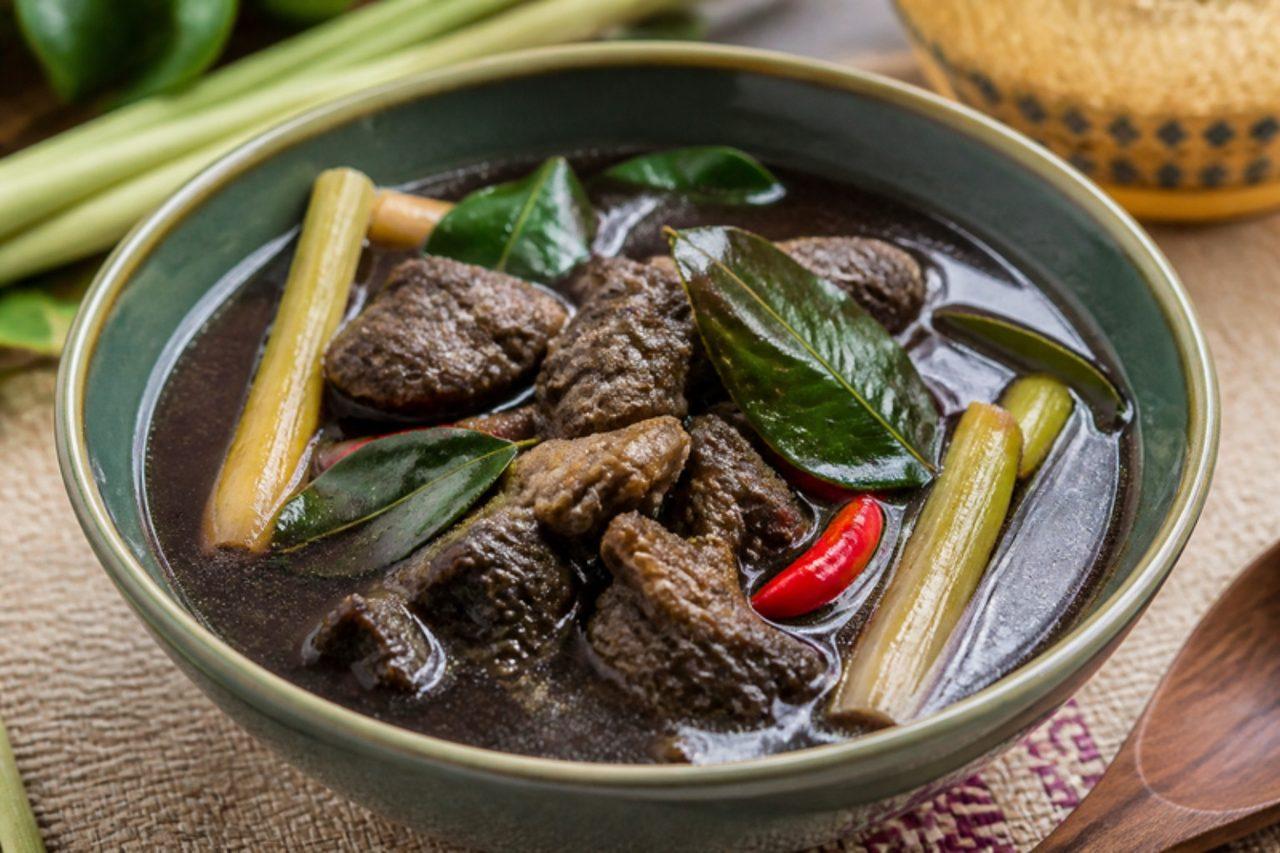
Black beef soup

Tiyula itum, 'black soup', is the pride of the Tausug people of Sulu in the far south of the Philippines, cooked for weddings, Eid celebrations and when guests come home. Beef (it is a halal, pork-free dish) is simmered with ginger, lemongrass and turmeric, then darkened with pamapa itum, a paste of grated coconut toasted until almost black and pounded with spices. The broth looks dramatic but tastes smoky, earthy and gently peppery, with heat from chillies. Serve it with plain rice. Chef's tip: toast the coconut slowly, stirring all the time, until it is very dark brown but not ashy; burnt-to-ash coconut tastes bitter and ruins the soup.

Read more 2 views

What to eat today?

Around the world

Today's trip: Paraguayan

A new country every day, from every cuisine on the site.

Paraguayan

Cocido quemado

Burnt sugar mate drink 14 minMore from Paraguayan (27) →

This week's collection

Kid-friendly dinners
537 recipes · a new collection every Monday

Latest recipes

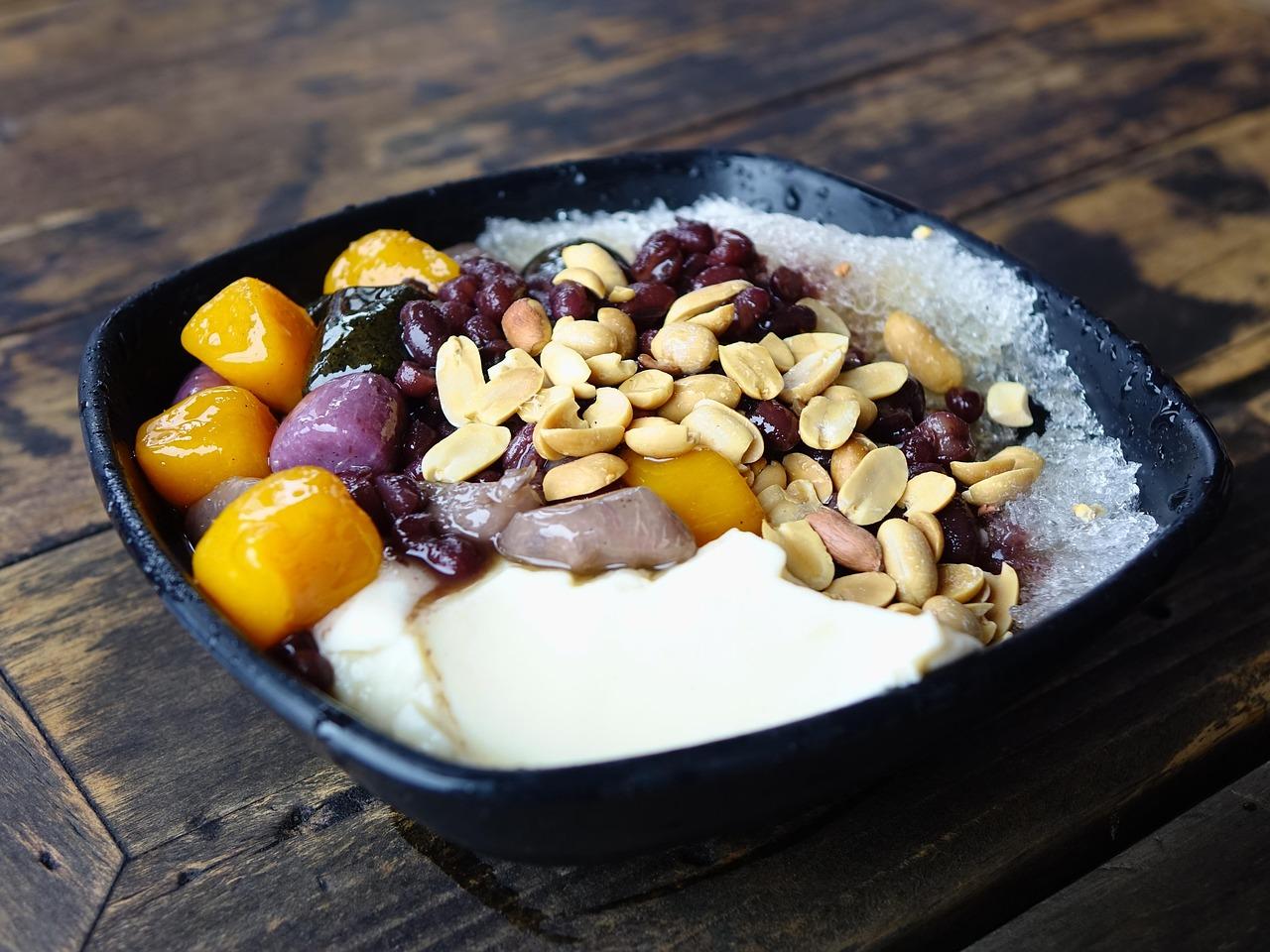
Douhua with ginger syrup and peanutsTofu pudding with ginger syrup

On summer evenings in Tainan and at old shops near Taipei's temples, douhua is ladled in wobbling scoops from a wooden bucket into bowls of cool syrup, then topped with soft-boiled peanuts, red beans or taro balls. In winter the same pudding is served warm with a sharper ginger syrup. It is just soy milk set into the most delicate curd, softer than any tofu you buy. Chef's tip: use a plain, unsweetened soy milk with at least 7% soy solids (or make your own); thin supermarket soy milk won't set properly.

by KrazyBadal 0 views

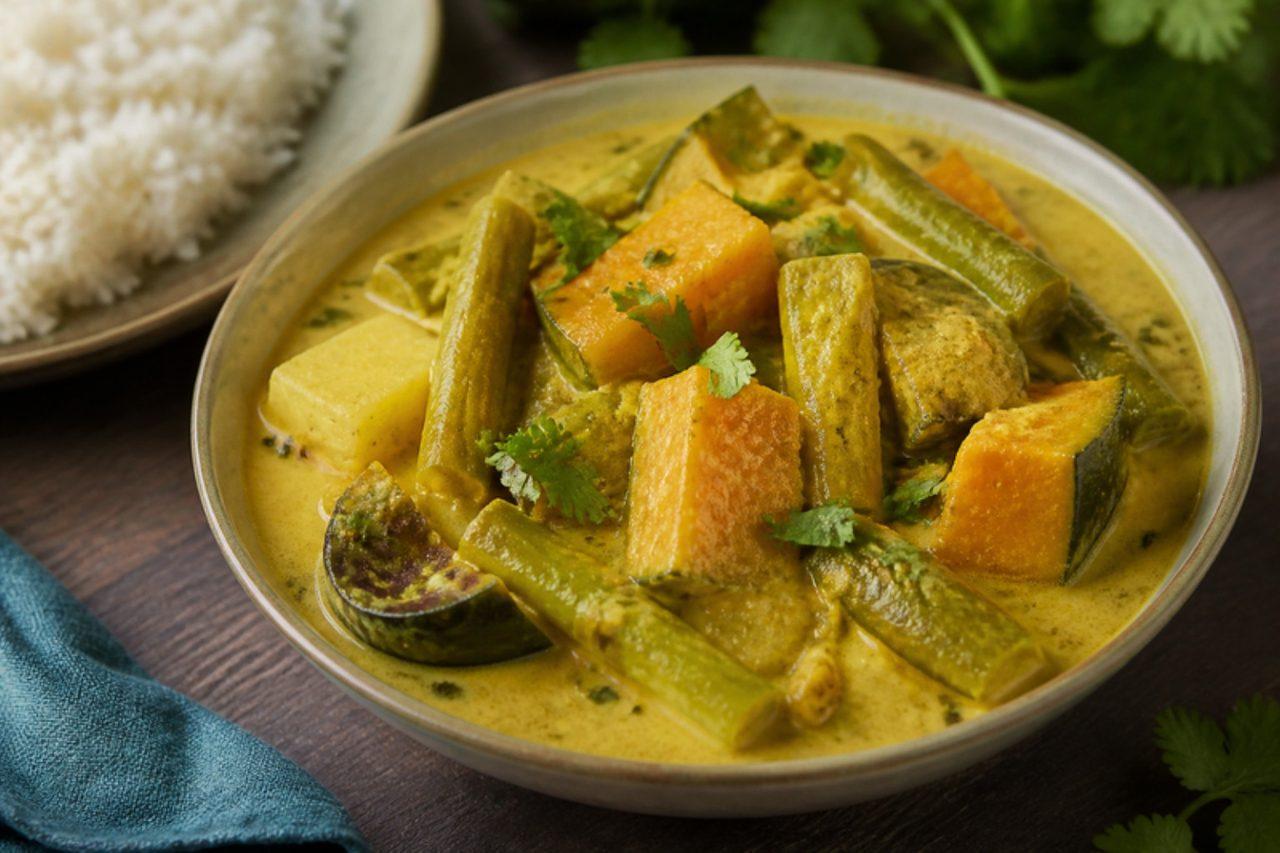
ErisseryPumpkin and cowpea curry

Erissery is the golden, slightly sweet pumpkin dish of the Onam sadya in Kerala, and a favourite in homes all through the harvest season when the yellow mathanga pumpkins are piled up in the markets. Soft pumpkin and red cowpeas are bound with a coconut, cumin and green chilli paste, and the whole pot is crowned with grated coconut fried in coconut oil until it turns the colour of cinnamon. That crunchy, nutty topping is what makes it erissery. Serve with rice and parippu, or scoop it up with chapati. Chef's tip: keep the pumpkin pieces large so some stay whole while others melt into the sauce.

by KrazyBadal 0 views

EpisGreen herb seasoning base

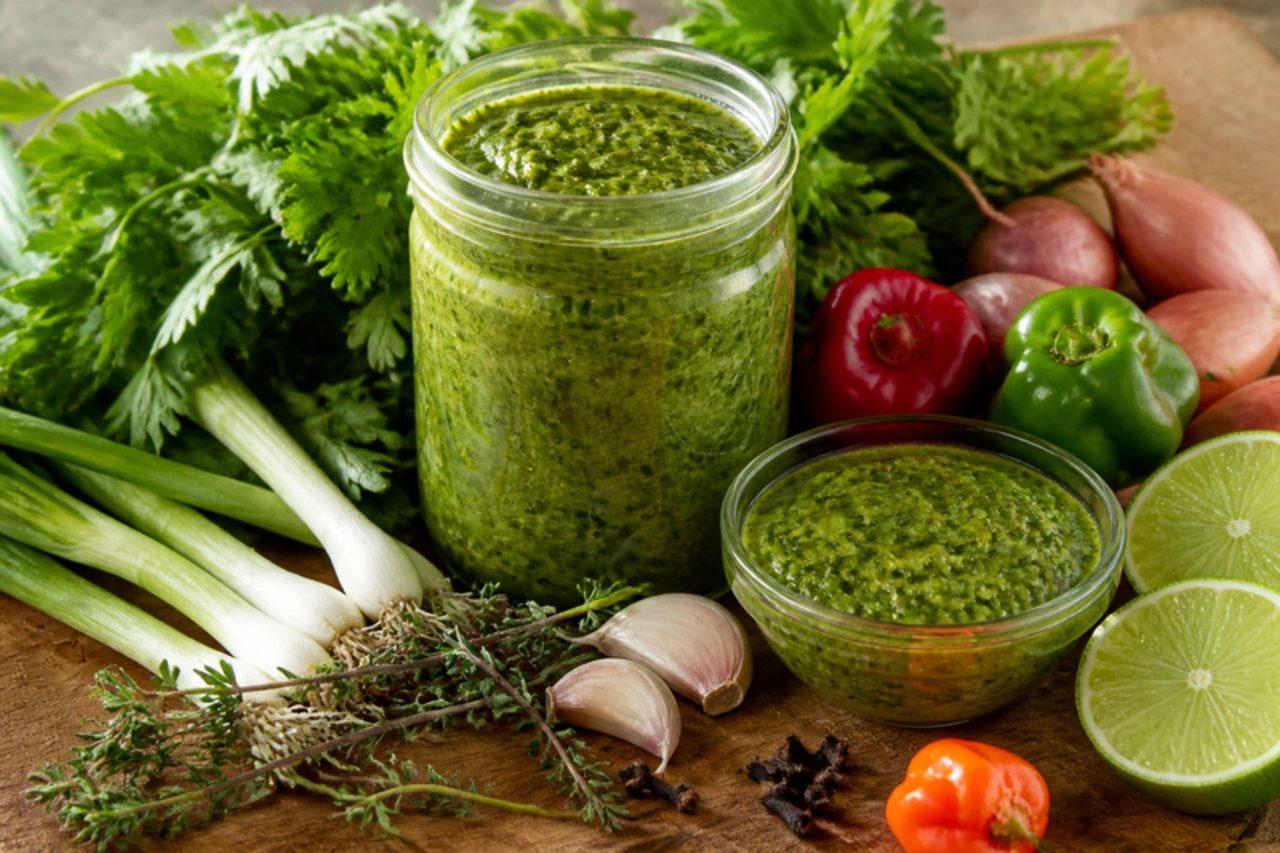
Epis is the jar that lives in every Haitian fridge, in Port-au-Prince flats and in Haitian kitchens in Miami, Montreal and Boston alike, and it's made fresh most weeks. Flat-leaf parsley, spring onion, garlic, sweet peppers and thyme are pounded or blended with a few cloves, a little scotch bonnet, oil and lime into a loose green paste. It is the first thing into the pot for rice and beans, legim and soup joumou, and it's rubbed over vegetables and tofu before they're fried. Raw it smells bright and herby; cooked it turns sweet, savoury and gently warm with clove. Chef's tip: use whole cloves and grind them yourself; just three or four give epis its signature warmth, but more turns it medicinal.

by KrazyBadal 0 views

Eomuk-tangFish cake soup

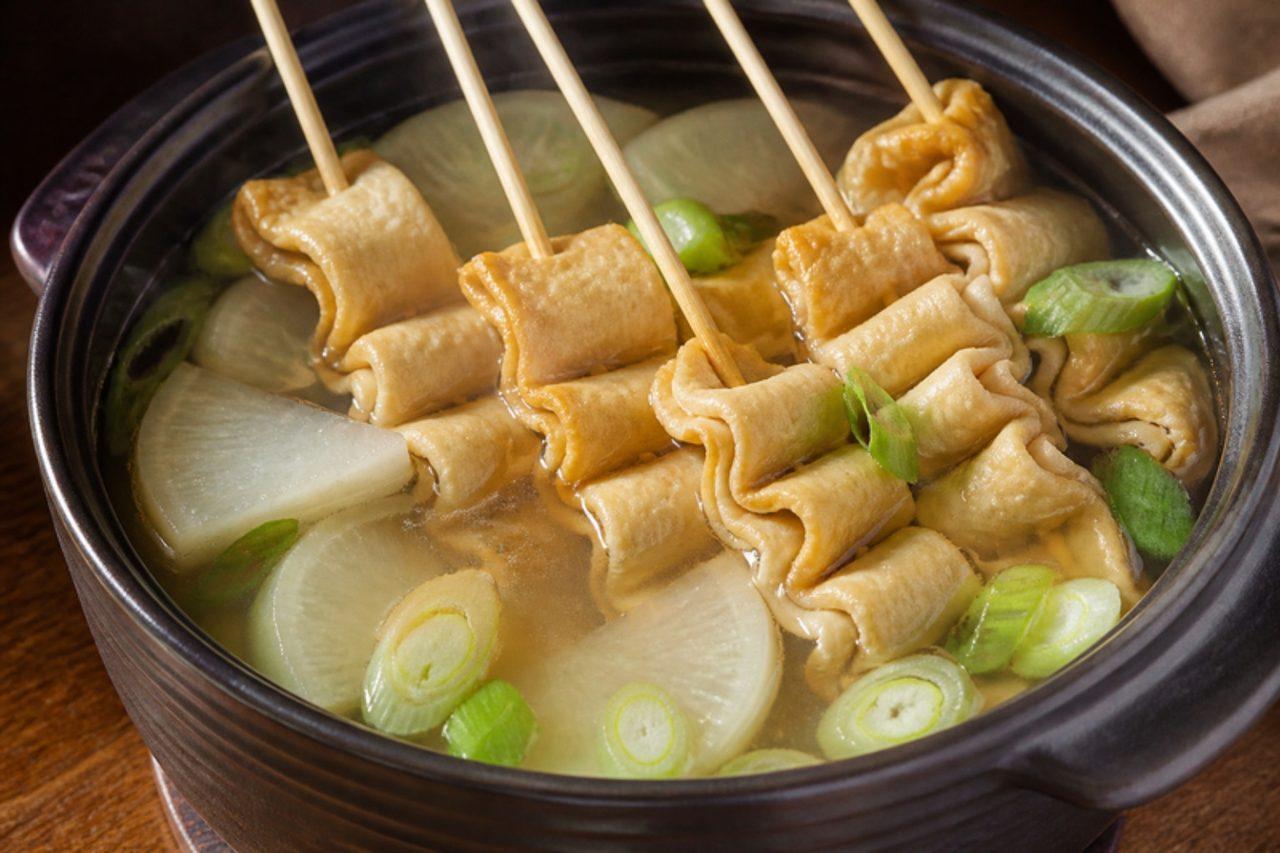
On cold evenings in Busan, the city that made Korean fish cake famous, steam rises from street stalls where folded fish-cake skewers bob in a long tray of broth. You help yourself to a skewer, dip it in soy sauce and sip a paper cup of the hot broth while you stand. Bupyeong market has rows of fish-cake shops, and many families buy a bag there to make this simple soup at home. Radish, dried anchovies and kelp give the broth its clean, sweet flavour. Chef's tip: pull the heads and black guts off the dried anchovies before using them, because the guts make the broth bitter.

by KrazyBadal 0 views

Ensalada de aguacate y piñaAvocado and pineapple salad

Cuban home cooks dress avocado very simply, and in summer around Havana it often meets ripe pineapple and thin rings of red onion in a lime and olive oil dressing. The creamy avocado, juicy sweet-sour pineapple and sharp onion make it the cool, fresh plate beside rice and beans or yuca con mojo. It takes ten minutes. Chef's tip: soak the onion rings in cold water for 5 minutes first; they stay crisp but lose their harsh bite.

by KrazyBadal 0 views

Engadiner NusstorteWalnut caramel pie

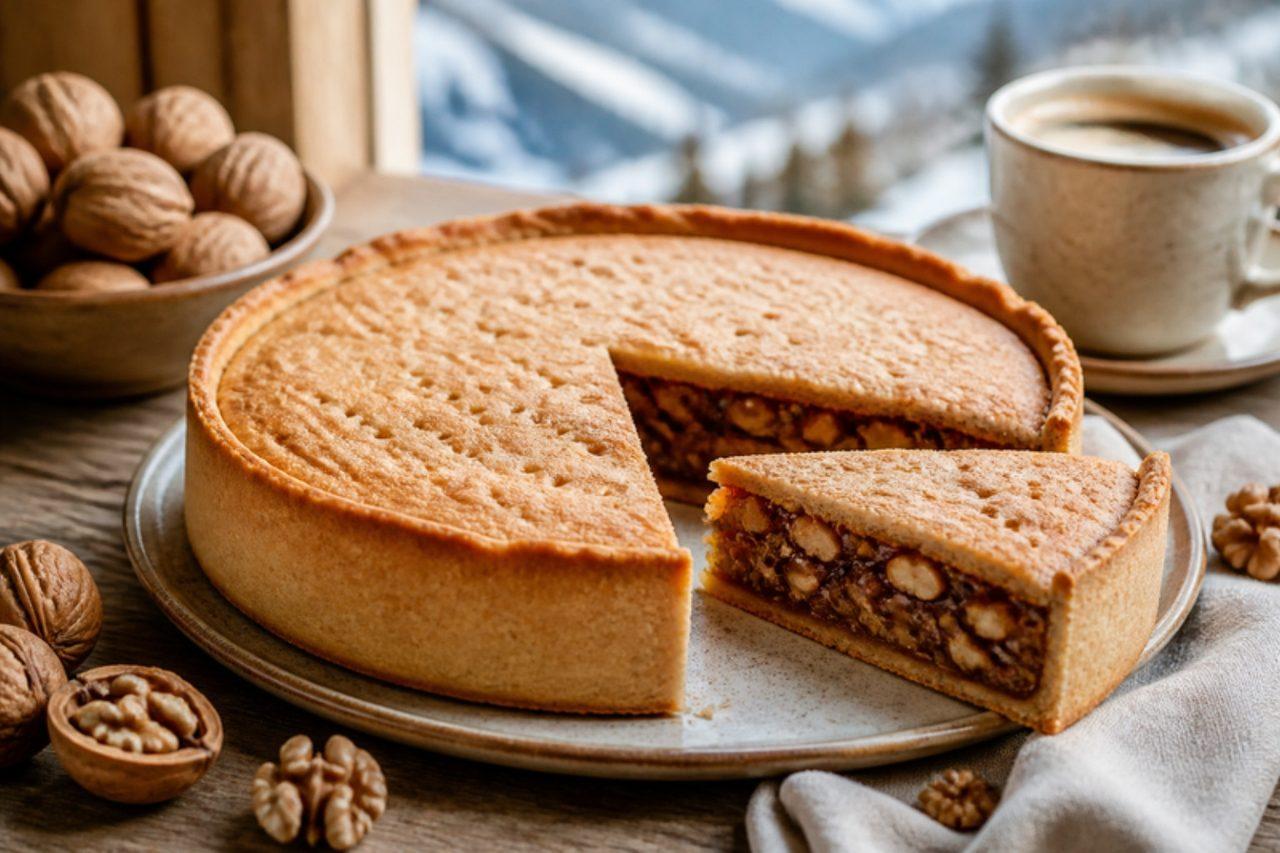
The Engadiner Nusstorte comes from the high Engadine valley in Graubünden, where pastry cooks who had emigrated to Italian and French cities brought home their skills in the 1800s, and walnuts arrived from Italy over the passes. It is a shallow, closed tart of rich butter pastry filled with chopped walnuts set in thick, golden cream caramel. Bakeries all over Switzerland sell it, and it keeps for weeks, so families give it as a gift and take it on hikes. Cut it into thin wedges: it is very rich, chewy, crunchy and buttery all at once. Chef's tip: let the caramel reach a deep amber before you pour in the cream; pale caramel tastes only of sugar, dark amber gives the toffee note the tart is known for.

by KrazyBadal 0 views

Enduri pithaSteamed rice cakes with coconut

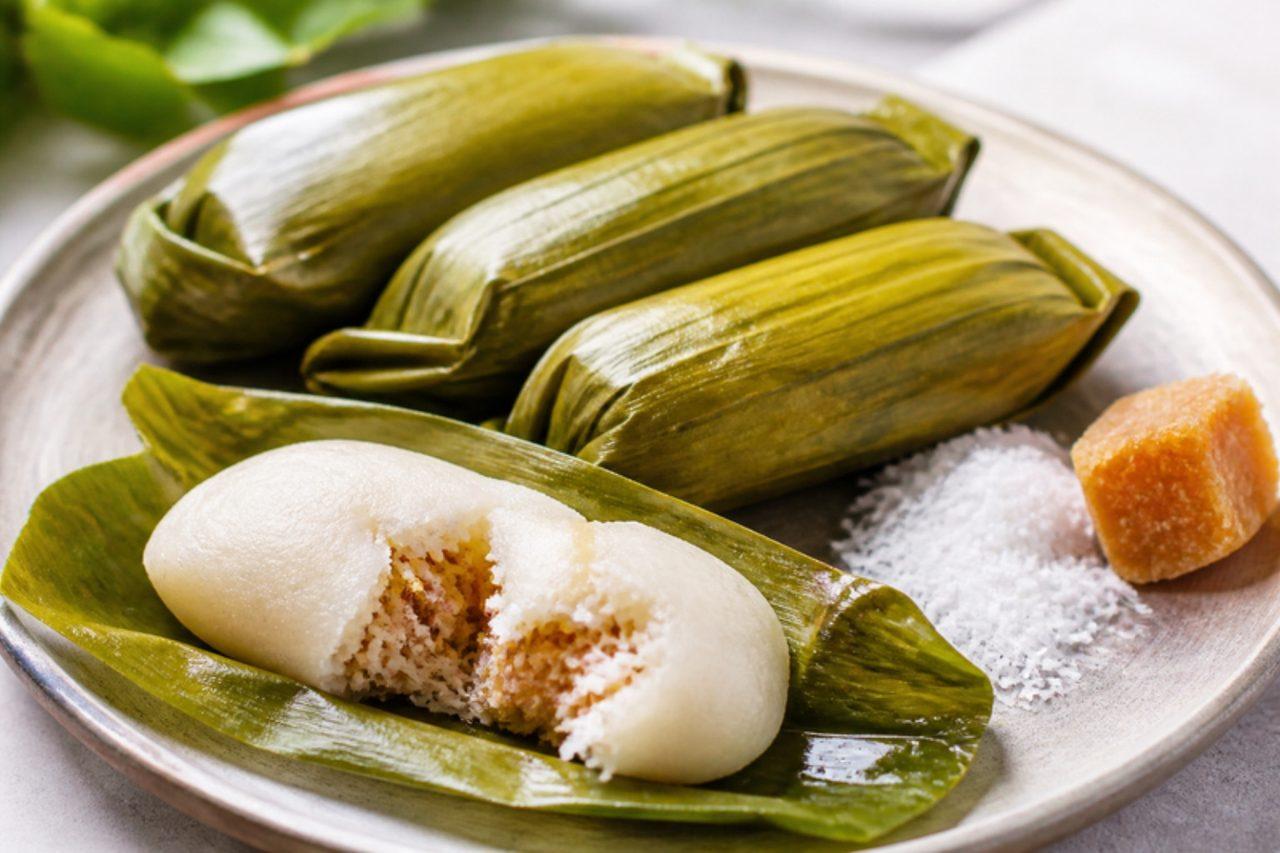
Enduri (or haladi patra pitha) is the sweet of Prathamastami in Odisha, the November festival when Odia mothers pray for their eldest child, who gets the first pitha of the day. Fermented rice-and-urad batter is spread on fresh turmeric leaves, filled with coconut, jaggery, black pepper and cardamom, folded and steamed until the leaves give the cake a green, gingery perfume. The cake is soft and slightly springy. Chef's tip: if you can't find turmeric leaves, use banana leaf with a pinch of grated fresh turmeric in the batter; the flavour is close.

by KrazyBadal 0 views

EncebolladoTuna and yuca soup

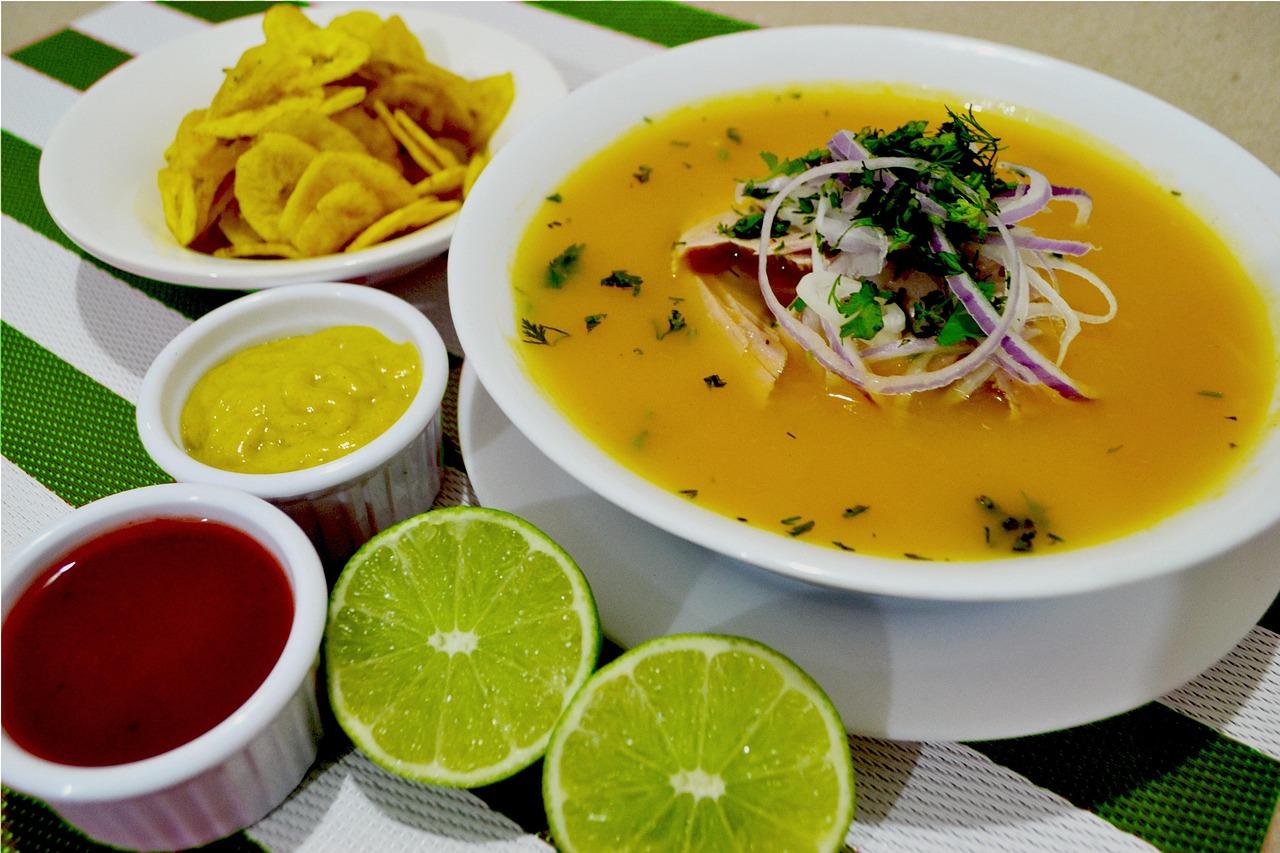
Encebollado is the morning soup of Guayaquil and the Ecuadorian coast, sold from street carts and small cevicherías from dawn and famous as a cure after a late night: tuna poached in a broth of tomato, cumin and chilli, with soft chunks of yuca, topped with a heap of lime-pickled red onion and coriander, and eaten with banana chips (chifles) and popcorn. The mistake is boiling the tuna until it goes dry; poach it gently and add it back at the end. Chef's tip: pickle the onion at least 20 minutes ahead so it turns pink and loses its sharpness.

by KrazyBadal 0 views

Empanadas venezolanasFried corn empanadas

Venezuelan empanadas are big, crisp half-moons made with white precooked corn flour, fried to order at beach kiosks on Margarita Island and at breakfast stands across Caracas. Compared with the small, potato-filled Colombian empanadas, they are larger, paler and often a little sweet in the dough, and the classic vegetarian fillings are simply grated white cheese or black beans with cheese (like an arepa dominó). Eat them hot with guasacaca or a squeeze of lime. Chef's tip: add a spoonful of sugar to the dough; it helps the crust turn golden and blistered in the oil.

by KrazyBadal 0 views

Empanadas salteñasBaked beef empanadas

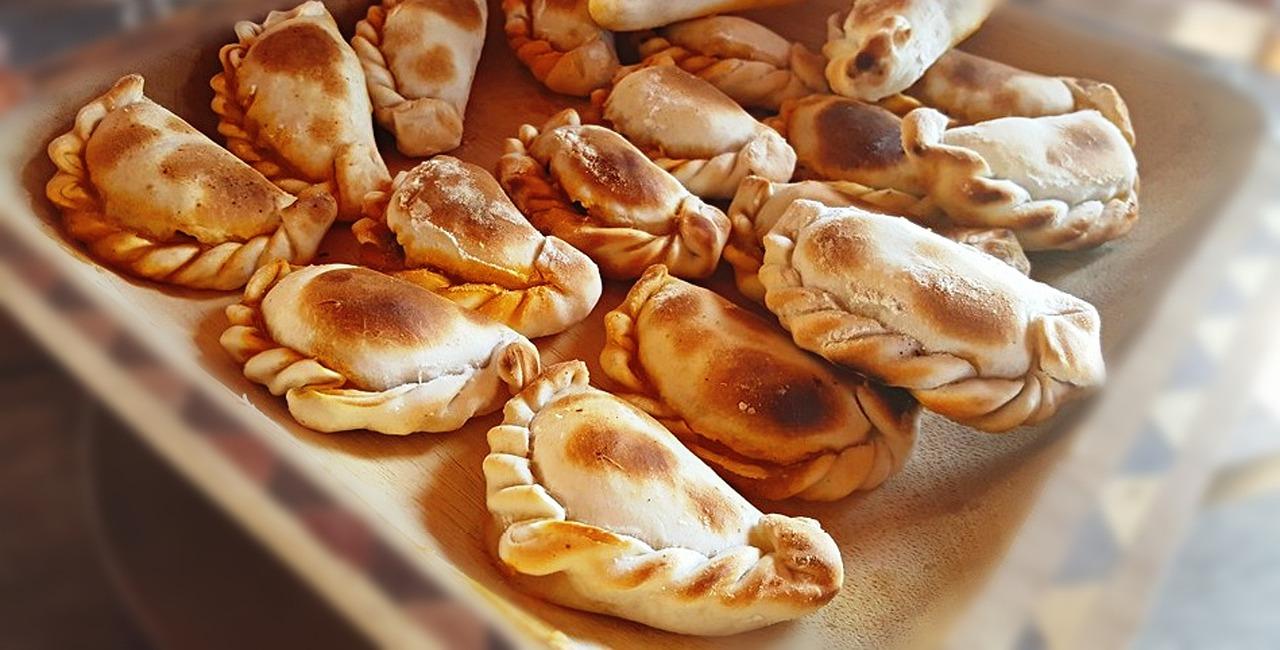
In Salta, in Argentina's far northwest, empanadas are small, sealed with a tight twisted edge (the repulgue) and so juicy that locals eat them leaning forward with their feet apart. The filling is hand-cut beef with potato, spring onion, cumin and paprika, plus chopped hard-boiled egg; they are eaten at Sunday gatherings, at peñas with folk music and on any public holiday. The mistake that ruins them is filling them while the beef is still warm: the fat melts the pastry. Chill the filling until it is firm. Chef's tip: add a few spoonfuls of the cooking juices to the cold filling; they set to a jelly in the fridge and melt in the oven, which is where the famous juiciness comes from.

by KrazyBadal 0 views

Tajine malsoukaBaked egg and cheese pie

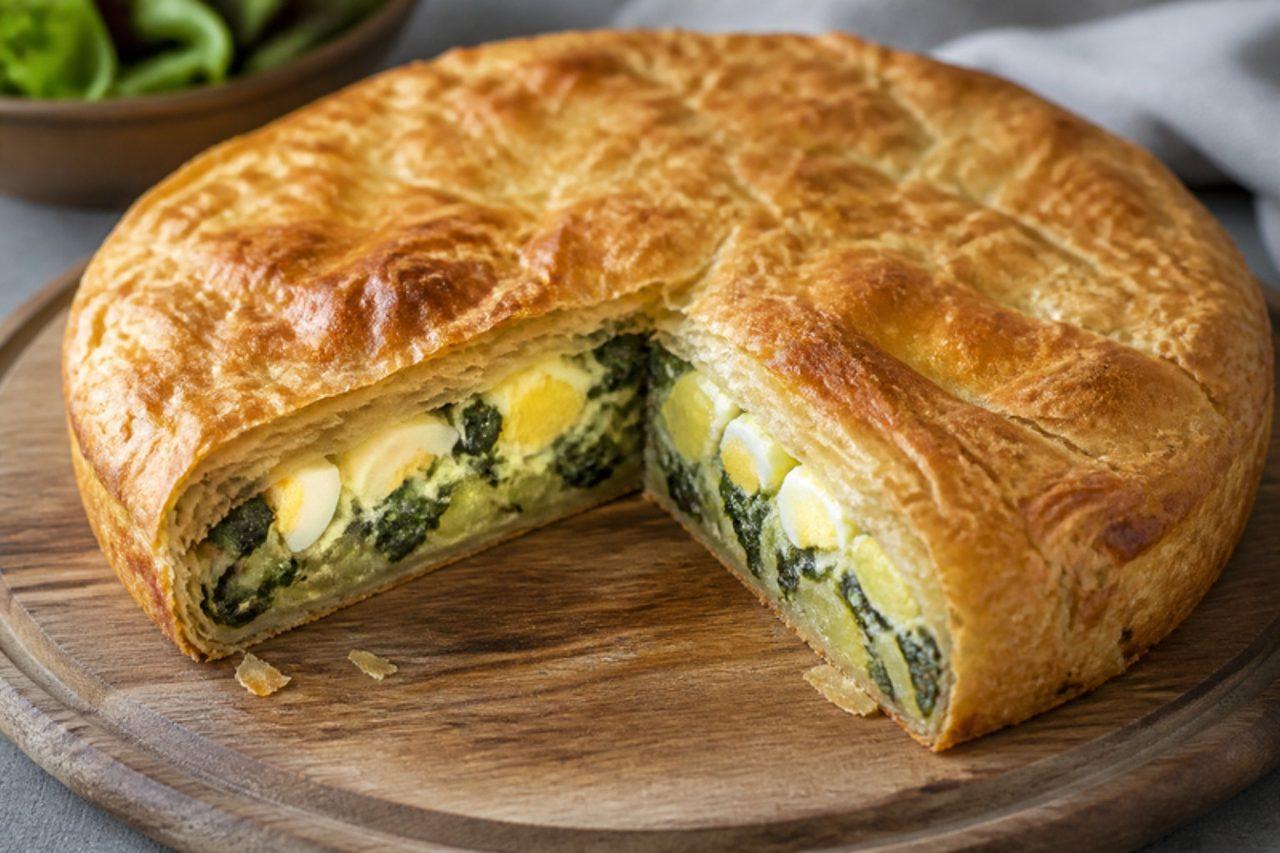
In Tunisia a tajine is not a stew but a thick baked frittata, and tajine malsouka is the festive one: eggs, cheese and filling baked between layers of malsouka pastry so the top and bottom turn crisp and golden. It is served at Ramadan, weddings and Eid, cut into squares. Chicken is the usual filling; here spinach, potato and white beans give it body. Chef's tip: brush every pastry sheet with butter, edge to edge; dry corners burn in the oven.

by KrazyBadal 0 views

Empanadas colombianasPotato corn empanadas

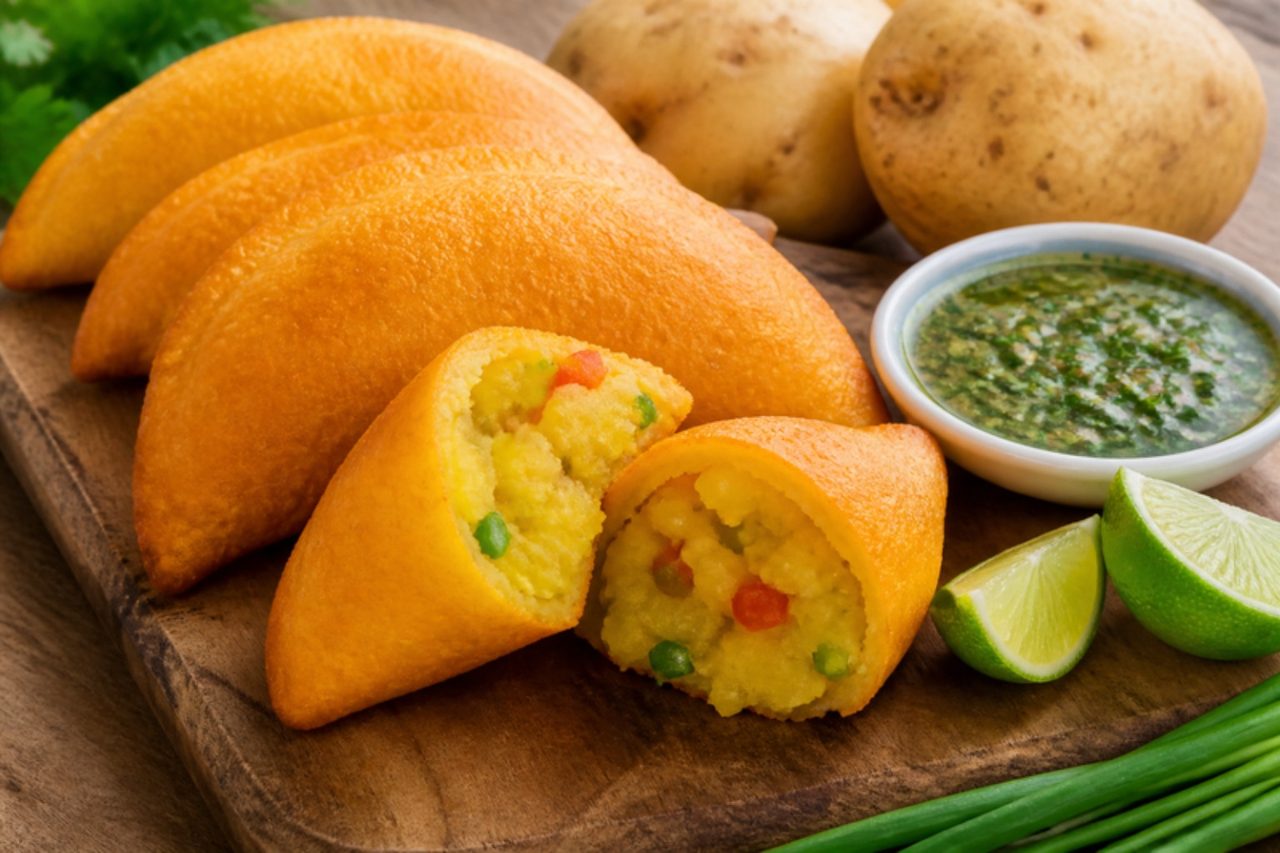
Colombian empanadas are small, crunchy half-moons made with yellow corn dough rather than wheat, sold hot from street stands across Bogotá, Medellín and Cali and eaten with a squeeze of lime and a spoonful of ají. The classic filling mixes potato with hogao and often meat; this version keeps the potato and hogao, seasoned with cumin and coriander, which many families make on its own anyway. They are crisp outside and soft and savoury inside. Chef's tip: roll the dough thin, about 3 mm; thick corn dough stays heavy and absorbs oil.

by KrazyBadal 0 views

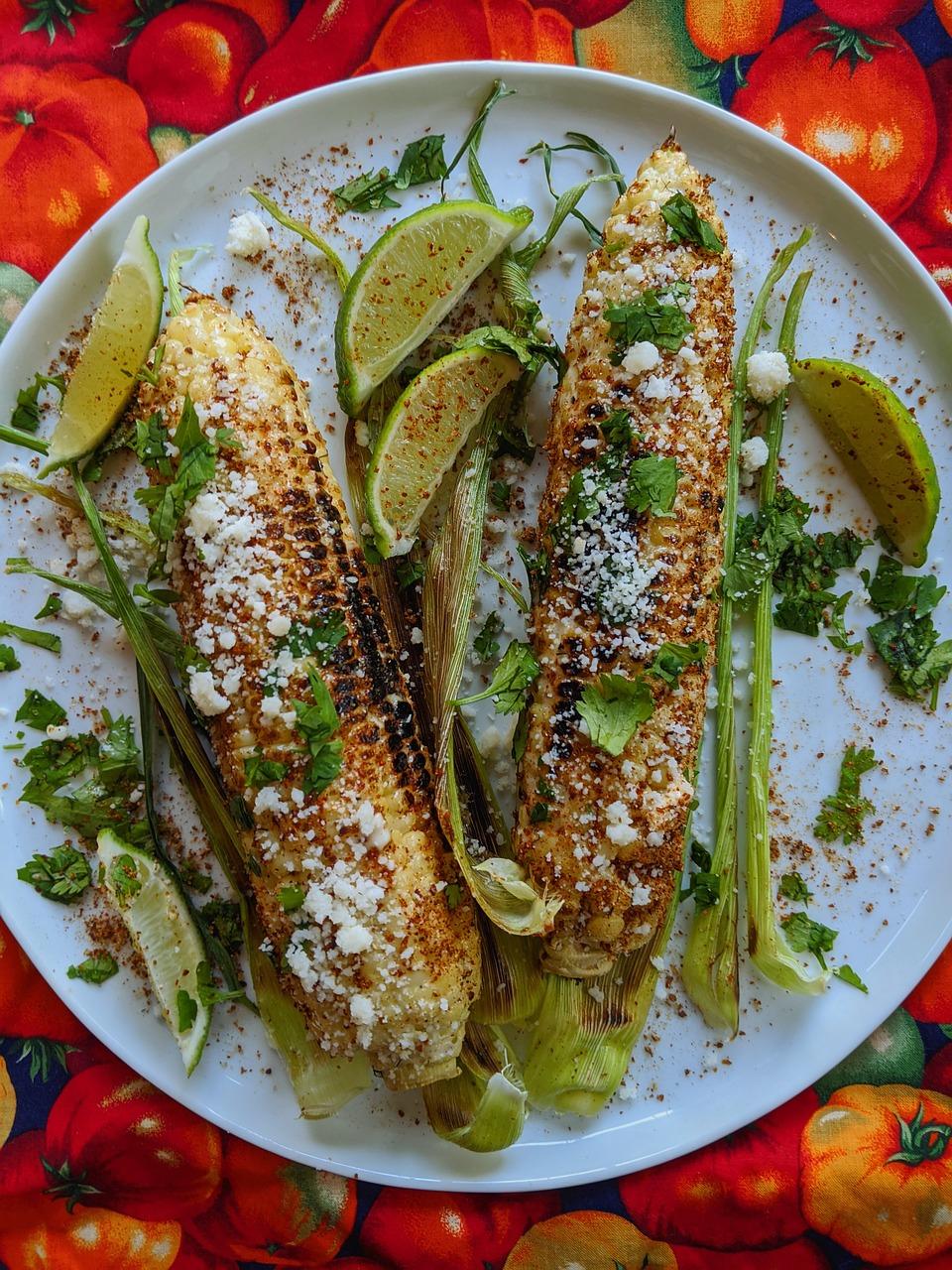
EloteMexican street corn

Elote (corn on the cob) is sold all over Mexico from street carts in the evening: grilled or boiled cobs speared on a stick, slathered in mayonnaise and crema, rolled in crumbly cotija cheese and dusted with chilli powder, with a squeeze of lime. Charring the corn adds smokiness to the sweet kernels, and the creamy, salty, sour and hot toppings make it irresistible. Serve it at a barbecue or as a snack; kids can skip the chilli. Cotija is often made with animal rennet, so use a vegetarian-rennet feta or a vegetarian hard cheese if that matters to you. Chef's tip: let the cobs cool for a minute before spreading the mayonnaise, so it clings rather than sliding off.

by KrazyBadal 0 views

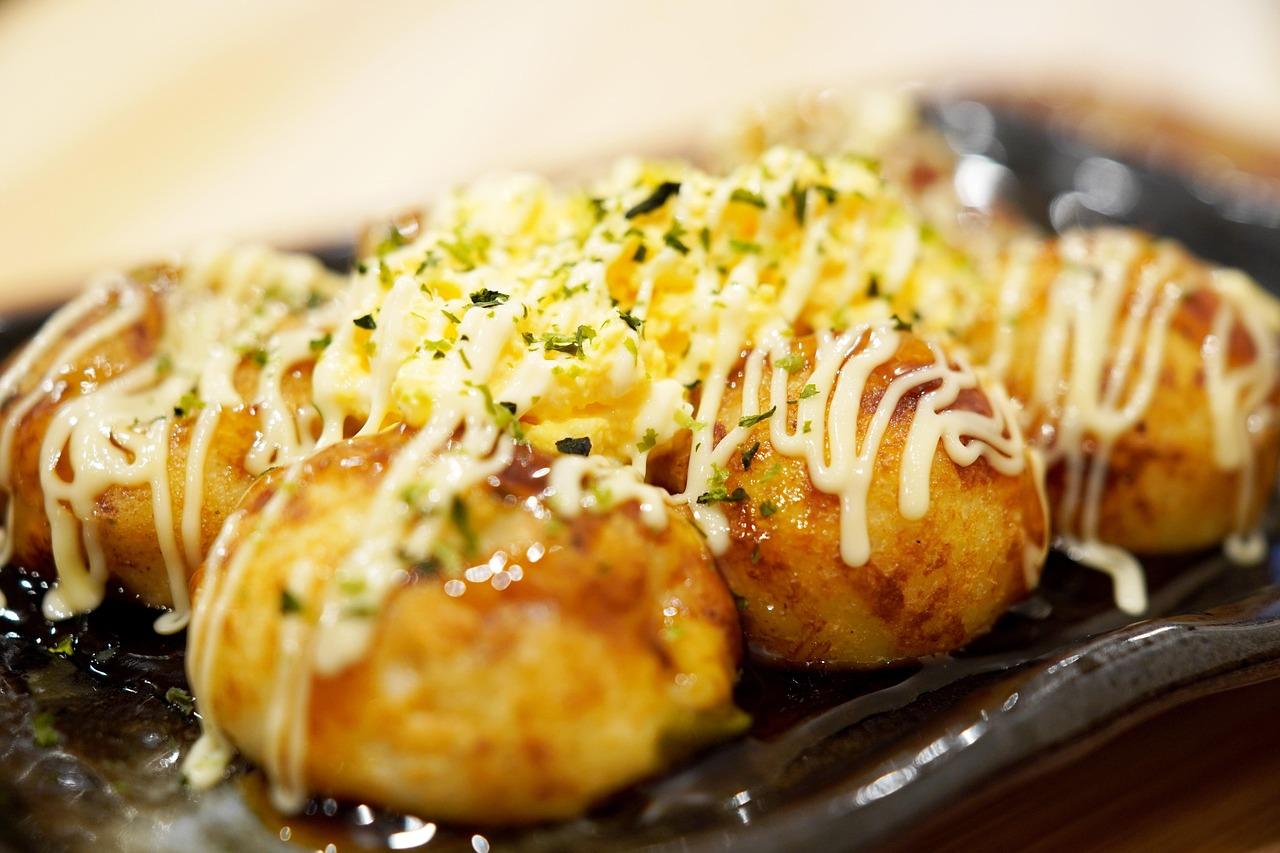
TakoyakiOctopus batter balls

Walk through Dotonbori in Osaka on any evening and you'll see cooks flicking dozens of batter balls around a cast-iron plate with metal picks. Stalls in the city have sold them since the 1930s, and they turn up at every summer festival, eaten from a paper boat with a cocktail stick. The outside is crisp, the inside almost molten, with a chewy piece of octopus at the centre. You need a takoyaki pan, either a stovetop cast-iron one or an electric plate. Chef's tip: fill the cups right to the top and let the batter flood across the whole plate, as the overflow is what you fold in to make each ball round.

by KrazyBadal 0 views

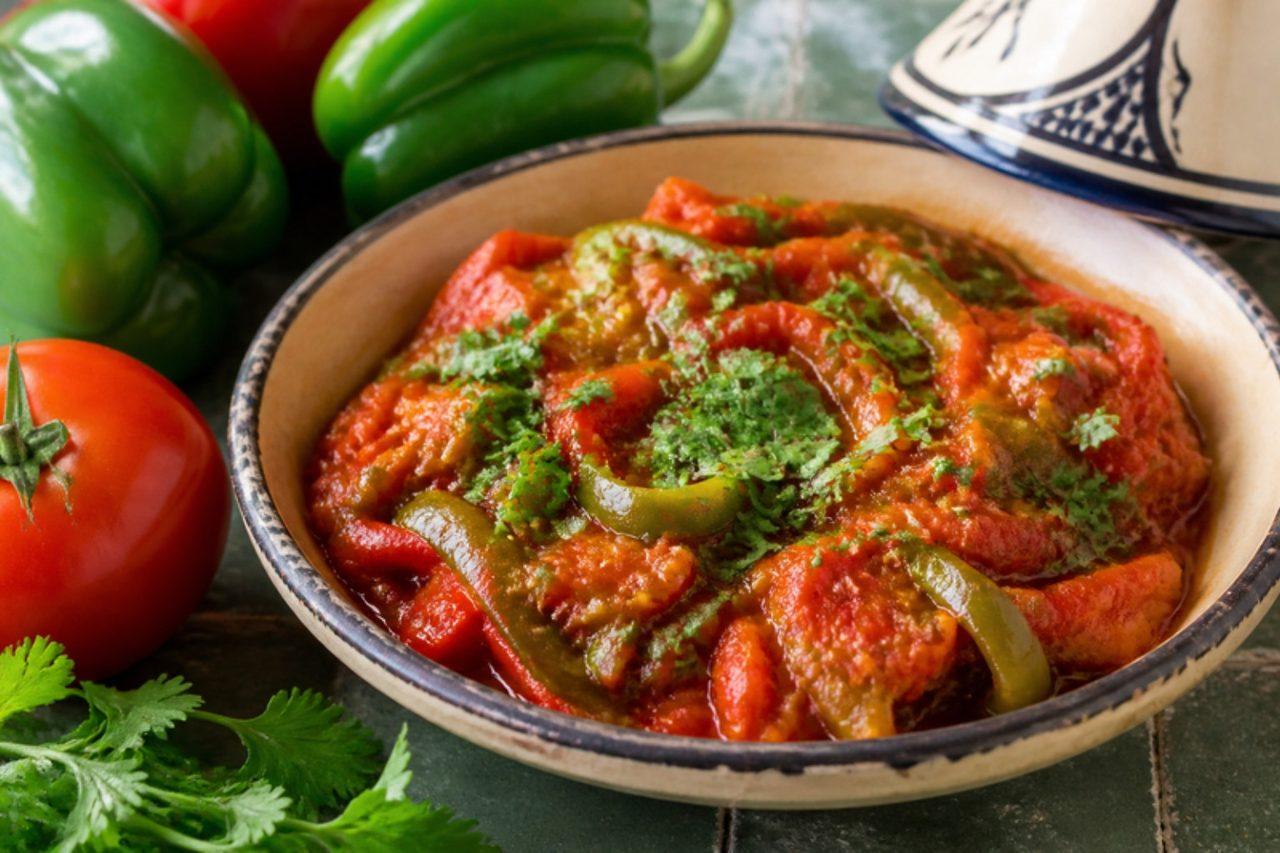
TaktoukaRoasted pepper and tomato salad

Taktouka is the pepper partner to zaalouk, served side by side on the salad plates of Moroccan homes and cafés, especially around Casablanca and the north. Grilled green peppers are peeled and cooked down with tomato, garlic and cumin until soft and jammy, then eaten lukewarm with bread or as a side to tagines and grilled vegetables. It is cheap, quick and keeps for three days in the fridge. Chef's tip: use the thin-skinned, slightly bitter green peppers if you can find them; they give a more authentic flavour than sweet bell peppers.

by KrazyBadal 0 views

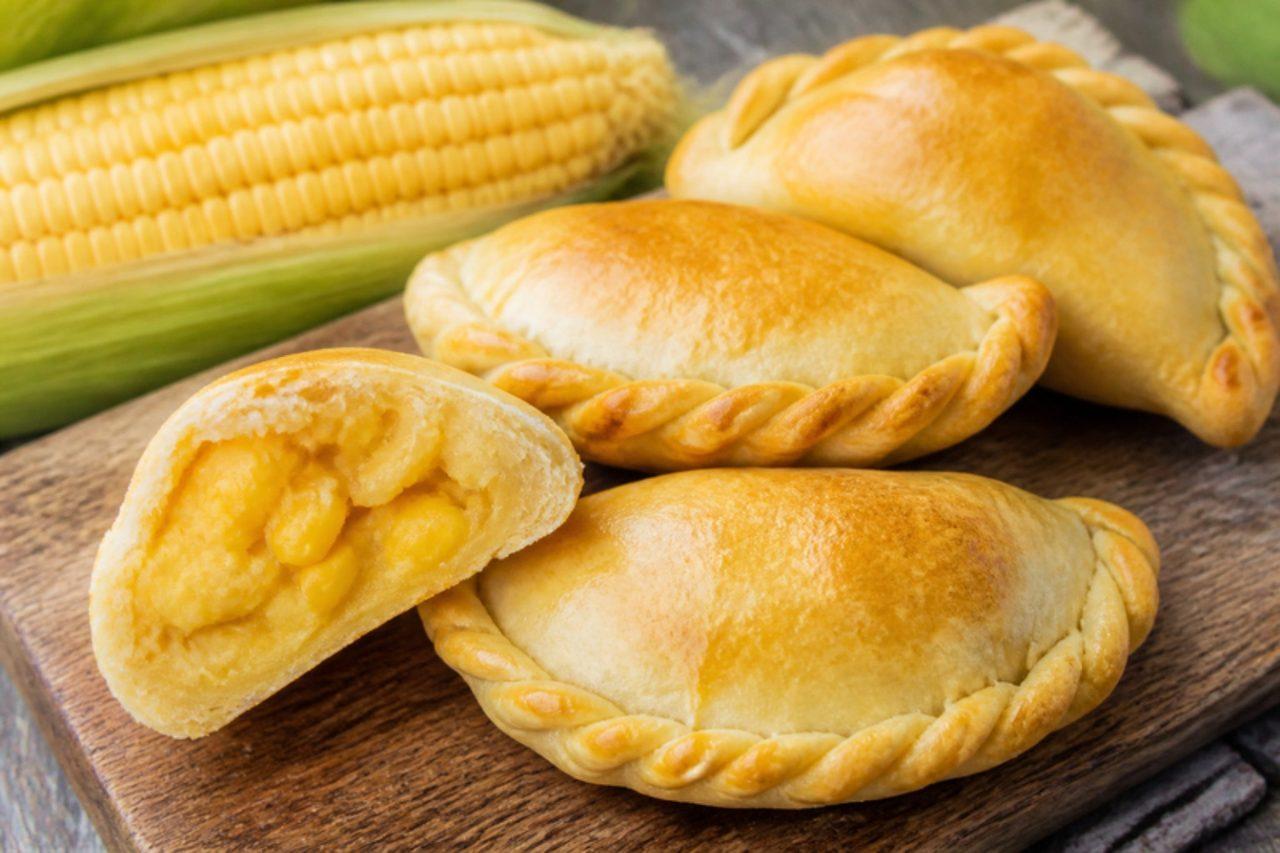
Empanadas de humitaCreamy corn empanadas

Empanadas de humita are the vegetarian favourite at every Argentine empanada shop, from Tucumán, which claims the best empanadas in the country, to the delivery menus of Buenos Aires. The filling is sweetcorn and onion cooked with red pepper, nutmeg and a little white sauce until creamy, then folded into wheat pastry discs and closed with the twisted edge (repulgue) that tells you what's inside. Unlike the husk-wrapped humita en chala, these are baked and golden. Chef's tip: chill the filling until firm before filling; warm filling melts the pastry and the empanadas open in the oven.

by KrazyBadal 0 views

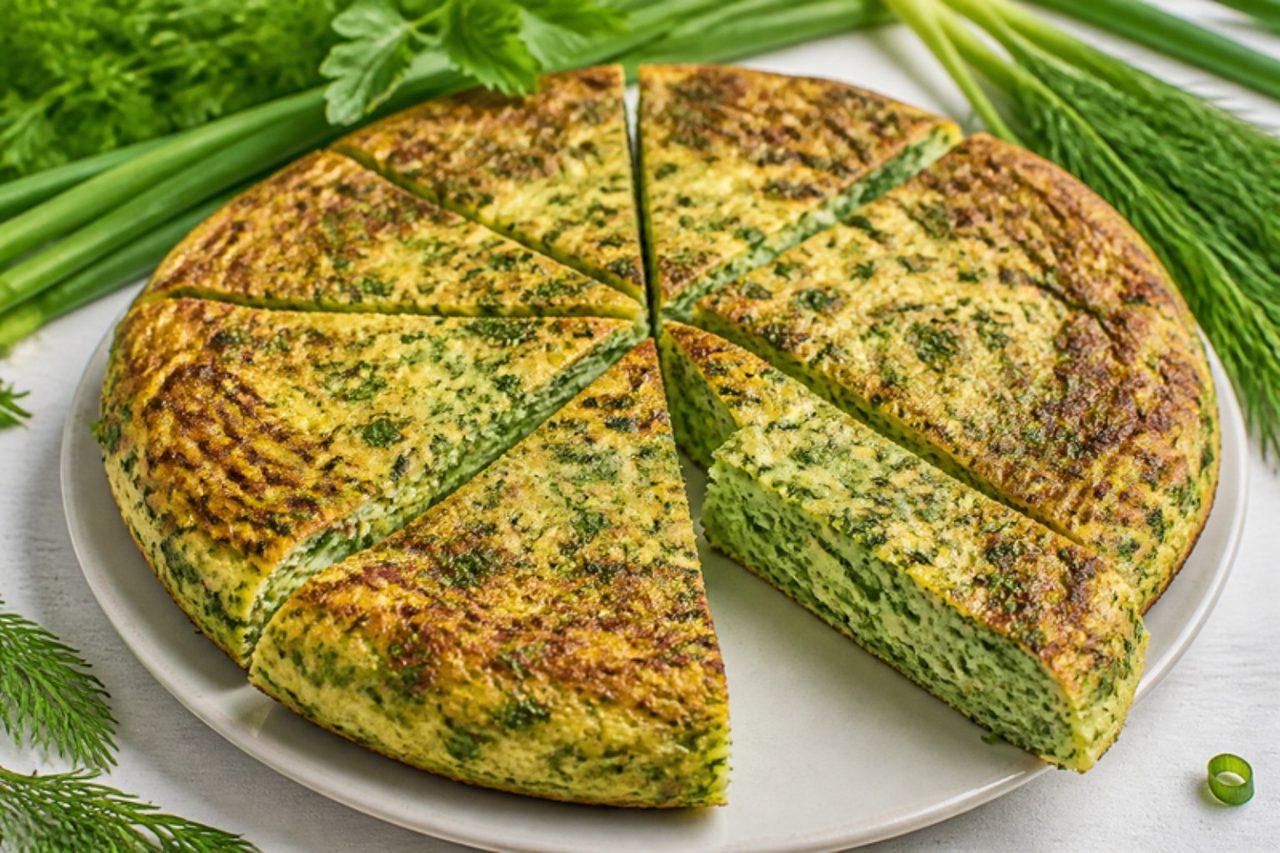
EggahHerb omelette

Eggah is the omelette Egyptian families make at home for breakfast or a light supper, often on a Friday morning alongside ful, falafel, cheese and baladi bread. It is thick and set rather than folded, packed with spring onion, parsley and dill and warmed with cumin, and it's cooked slowly so it puffs and browns on both sides. Slice it into wedges and eat it hot from the pan or cold in a sandwich. Chef's tip: grate the onion and squeeze it dry; wet onion makes the eggs weep and the eggah falls apart when you flip it.

by KrazyBadal 0 views

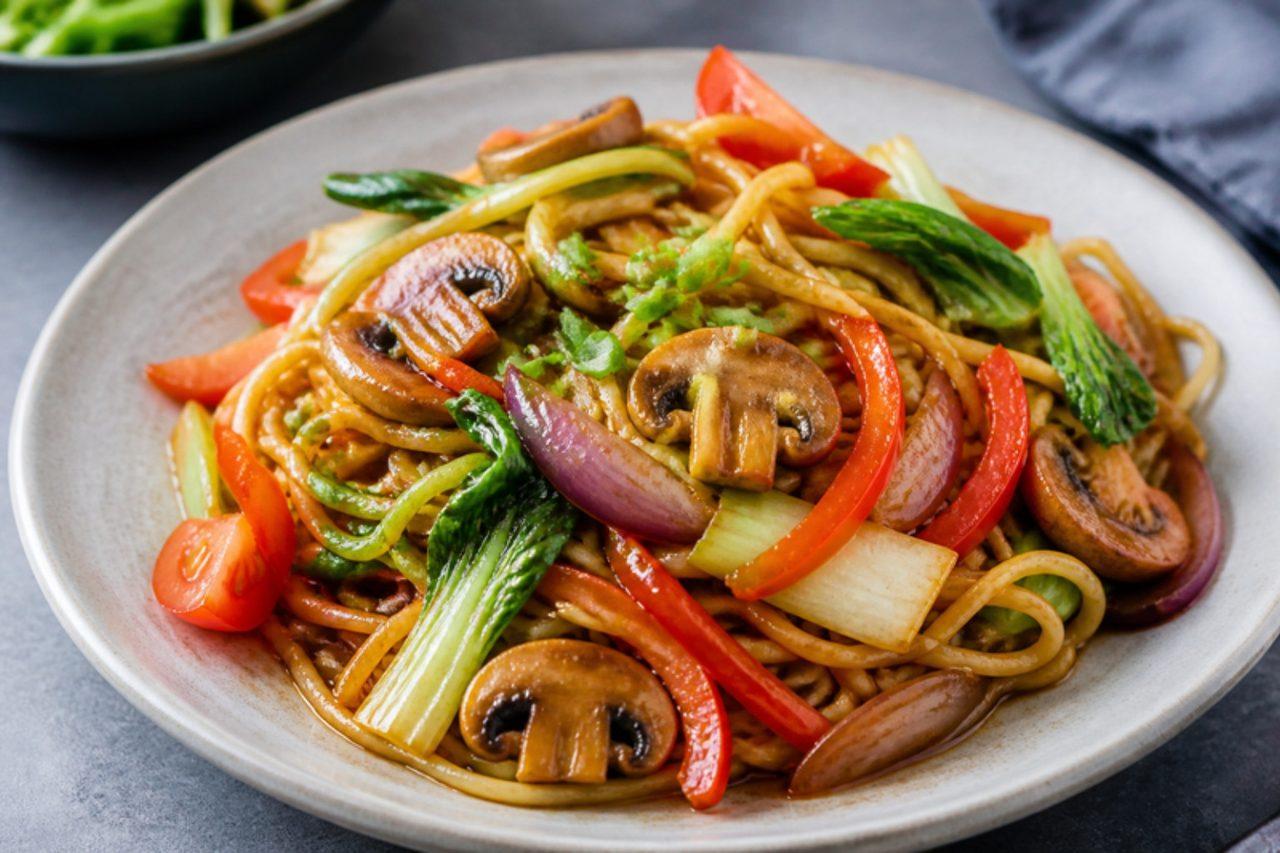
Tallarín saltadoStir-fried noodles with vegetables

Tallarín saltado is the noodle cousin of lomo saltado, a chifa favourite from Lima where Chinese wok technique meets Peruvian ingredients. Spaghetti-style wheat noodles are tossed over a fierce heat with mushrooms, pak choi, red onion, tomato, ginger and ají amarillo, then glossed with soy sauce and a splash of vinegar. The noodles soak up the smoky, tangy sauce while the vegetables stay crisp. Peruvians use plain spaghetti from the shop on the corner, and so can you. Chef's tip: cook the noodles a minute short of the packet time and rinse them in cold water; they finish cooking in the wok and won't turn soft or clump.

by KrazyBadal 0 views

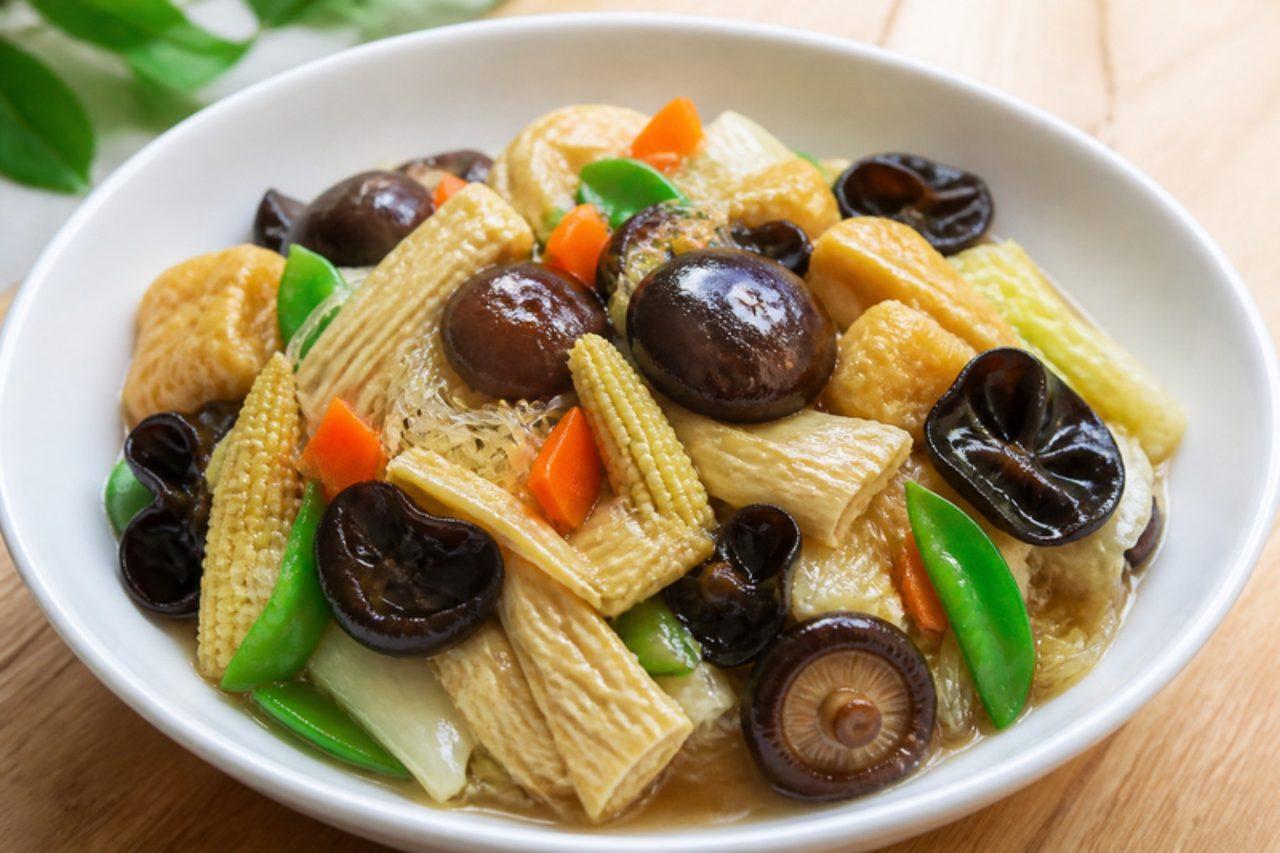
Buddha's delight (luohan zhai)Braised mushrooms, tofu and vegetables

Luohan zhai is the vegetarian dish of Chinese Buddhist temples, and many families cook it on the first day of the Lunar New Year, when eating meat is traditionally avoided. Recipes vary from house to house, but most combine dried shiitake, wood ear fungus, tofu puffs, tofu skin, napa cabbage and glass noodles, braised in one pot in a light, savoury sauce. It's light, colourful and full of different textures. Chef's tip: keep the shiitake soaking water; strained, it makes the base of the sauce and gives far more flavour than stock.

by KrazyBadal 0 views

BesaraVegetables in mustard garlic paste

Besara means 'with mustard', and in Odisha it is the name of any dish cooked in a freshly ground paste of mustard seeds, garlic and green chilli. Fish besara is the best known; this is the vegetarian version cooked in Odia homes with pumpkin, potato, aubergine, raw banana and a few drumsticks, made sour with a little tamarind or dried mango. The mustard gives it a clean, sinus-clearing heat that is very different from a turmeric-and-chilli curry. Chef's tip: grind the mustard with a pinch of salt and a green chilli; this stops the paste turning bitter.

by KrazyBadal 0 views

Budbud kabogMillet in coconut milk

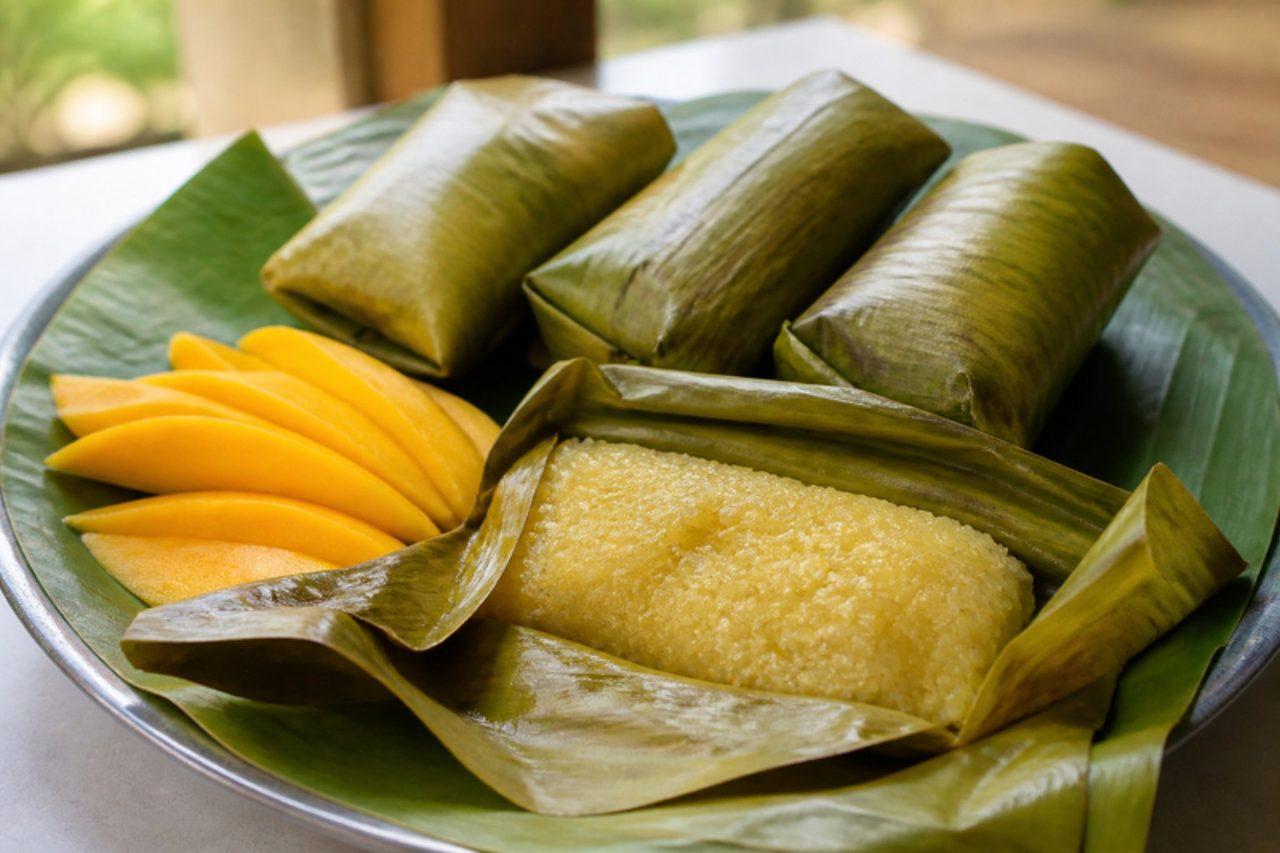
Budbud is the Visayan name for sticky rice rolls steamed in banana leaf, and the famous kabog version from Tanjay, Negros Oriental, uses millet instead of rice. The millet is cooked thick in coconut milk and sugar, rolled into banana leaves and steamed until it sets into a soft, slightly grainy log. In Dumaguete it is breakfast with ripe mango and a cup of tablea hot chocolate. Chef's tip: wilt the banana leaves briefly over a flame or in hot water so they fold without splitting.

by KrazyBadal 0 views

Wiener SchnitzelBreaded veal cutlet

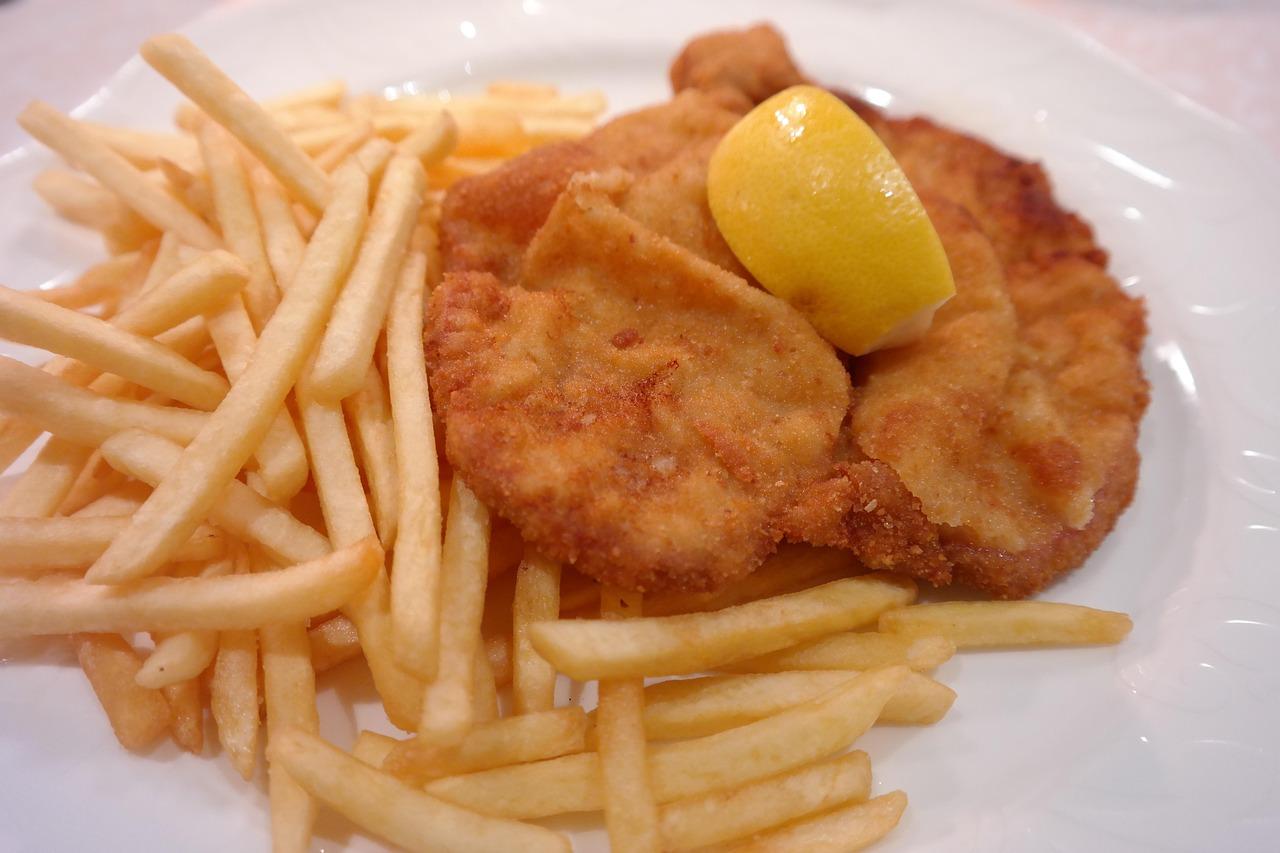
In Vienna's old Beisl taverns the Schnitzel arrives so large it hangs over the plate: a veal escalope beaten thin, coated in flour, egg and fine breadcrumbs and fried in plenty of hot fat while the pan is swirled, so the crumb lifts away from the meat in golden waves. Austrian law keeps the name 'Wiener Schnitzel' for veal; the pork version, very common in German homes, is called Schnitzel Wiener Art and is cooked exactly the same way. Serve it with a lemon wedge, lingonberry jam and potato salad. The most common mistake is pressing the crumbs firmly onto the meat, which stops the coating from puffing. Chef's tip: shake off the crumbs and lay the cutlet in only when the fat is hot enough that a crumb sizzles at once.

32 minGermanMeat
by KrazyBadal 0 views

Budae jjigaeSausage and noodle stew

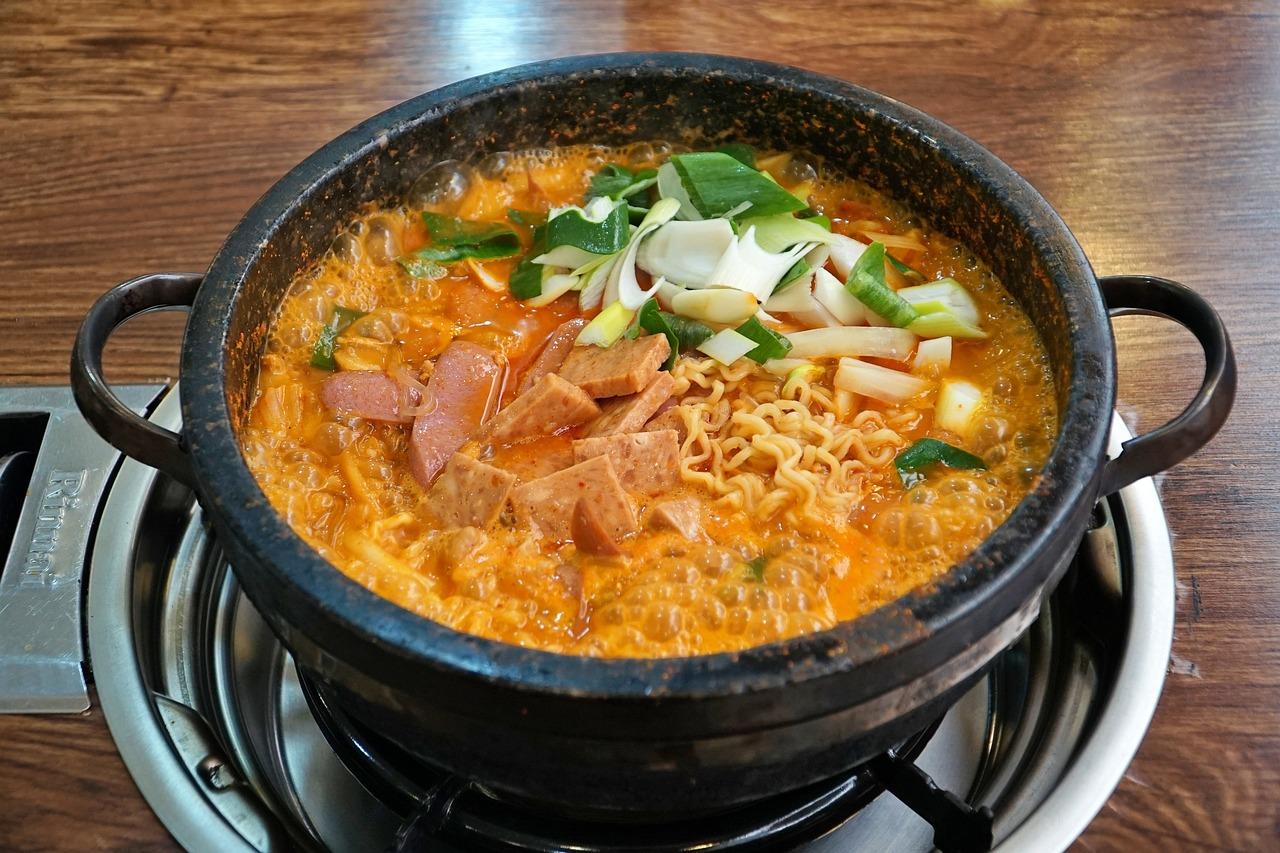
Budae jjigae grew up in Uijeongbu, north of Seoul, in the hard years after the Korean War, when surplus tinned meat and sausages from the nearby US army base were cooked with kimchi and chilli. The town still has a whole street of restaurants serving it. It is a sharing dish: a wide pan goes on a gas burner in the middle of the table, and friends fish out sausages and noodles as it bubbles. Chef's tip: arrange everything in neat piles in the pan before the stock goes in, so each person can see what they are reaching for.

by KrazyBadal 0 views

BuchtyFilled baked yeast buns

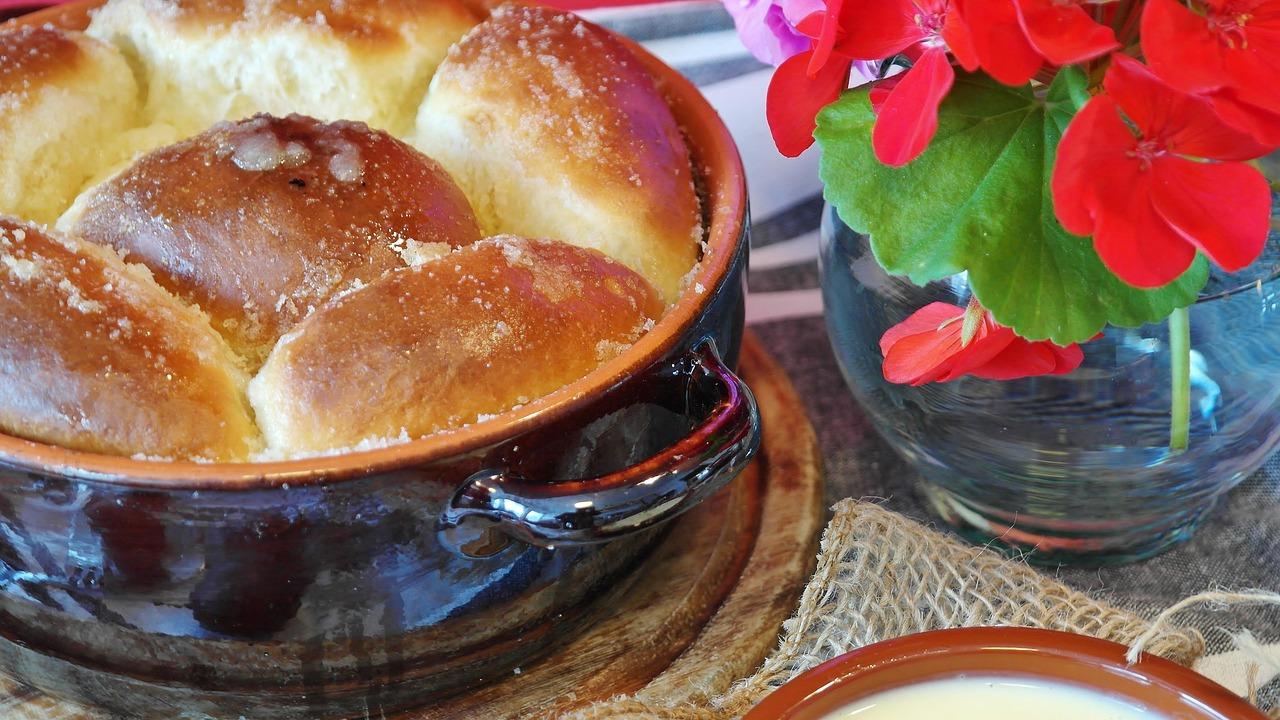
Buchty are the soft, pillowy yeast buns that Czech grandmothers bake in a roasting tin on Saturday, filled with povidla (plum butter), jam or sweet quark and packed so close that they rise into each other and have to be torn apart. They are the Czech answer to a cinnamon bun: eaten warm with milky coffee, packed for train journeys and school trips, and famous from the fairy tale in which the hero sets off with a bag of his mother's buchty. Unlike open koláče, the filling is sealed inside. Chef's tip: brush the sides of each bun with melted butter before you pack them in, so they pull apart cleanly with soft, shiny walls.

by KrazyBadal 0 views

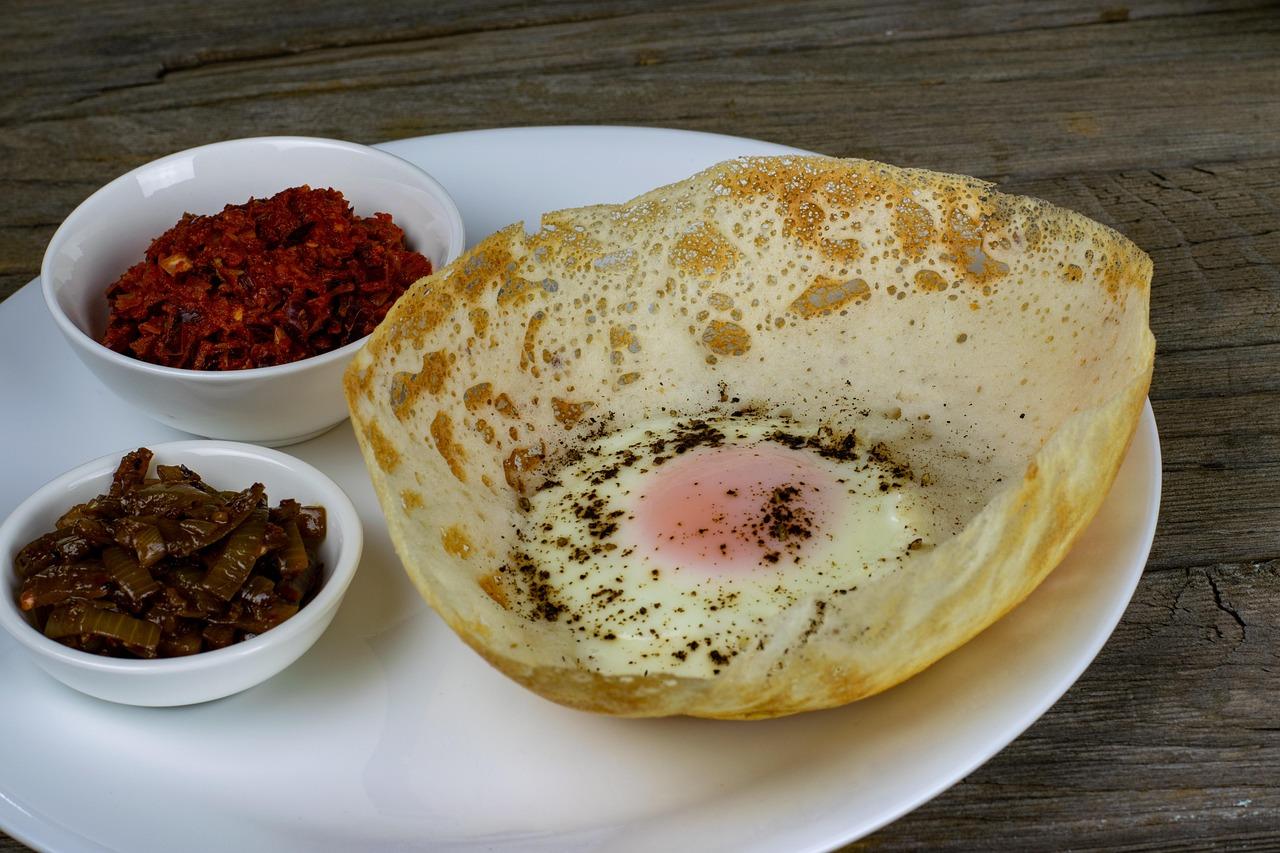
Egg hoppersBowl-shaped rice pancakes with egg

Hoppers (appa) are the crisp-edged, bowl-shaped pancakes that street cooks in Colombo, Kandy and Jaffna make in rows of small round pans every evening; an egg hopper has an egg cracked into the soft centre so it steams to a runny yolk. The batter of rice flour, coconut milk and yeast (traditionally toddy) is left to ferment until it's light and slightly sour, which gives the lacy, golden rim and the spongy middle. They're eaten hot with pol sambol and lunu miris, and plain hoppers come with sweet jaggery for dessert. Kerala's appam is a cousin, but Sri Lankan hoppers are thinner and crisper and the egg version is their own. The common mistake is a batter that's too thick, which gives heavy, pale hoppers; it should flow like single cream. Chef's tip: swirl the pan in one quick full turn the moment the batter goes in, then cover at once.

by KrazyBadal 0 views

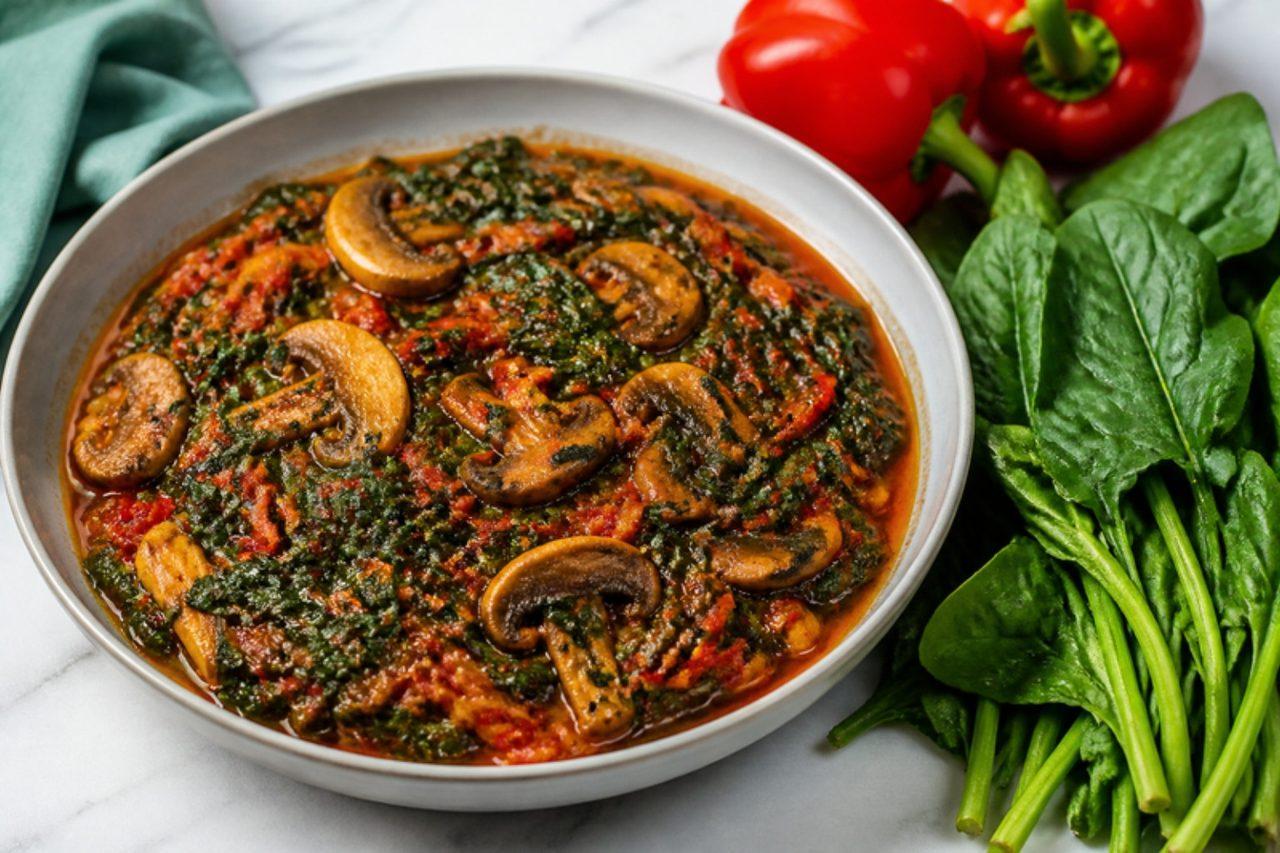
Efo riroSpinach stew

Efo riro, literally 'stirred greens', is the Yoruba vegetable stew cooked in homes from Ibadan to Lagos on any ordinary weekday, and eaten with pounded yam, eba or plain rice. Leafy greens are wilted into a rich base of blended peppers fried in palm oil with iru, the pungent fermented locust beans that give the dish its savoury backbone. Most families add assorted meats, stockfish and crayfish; some keep a little smoked fish on the side for those who want it. This version leans on mushrooms, iru and a touch of smoked paprika instead. Chef's tip: squeeze the blanched greens really dry before they go into the sauce; wet spinach thins the stew and washes out the flavour.

by KrazyBadal 0 views

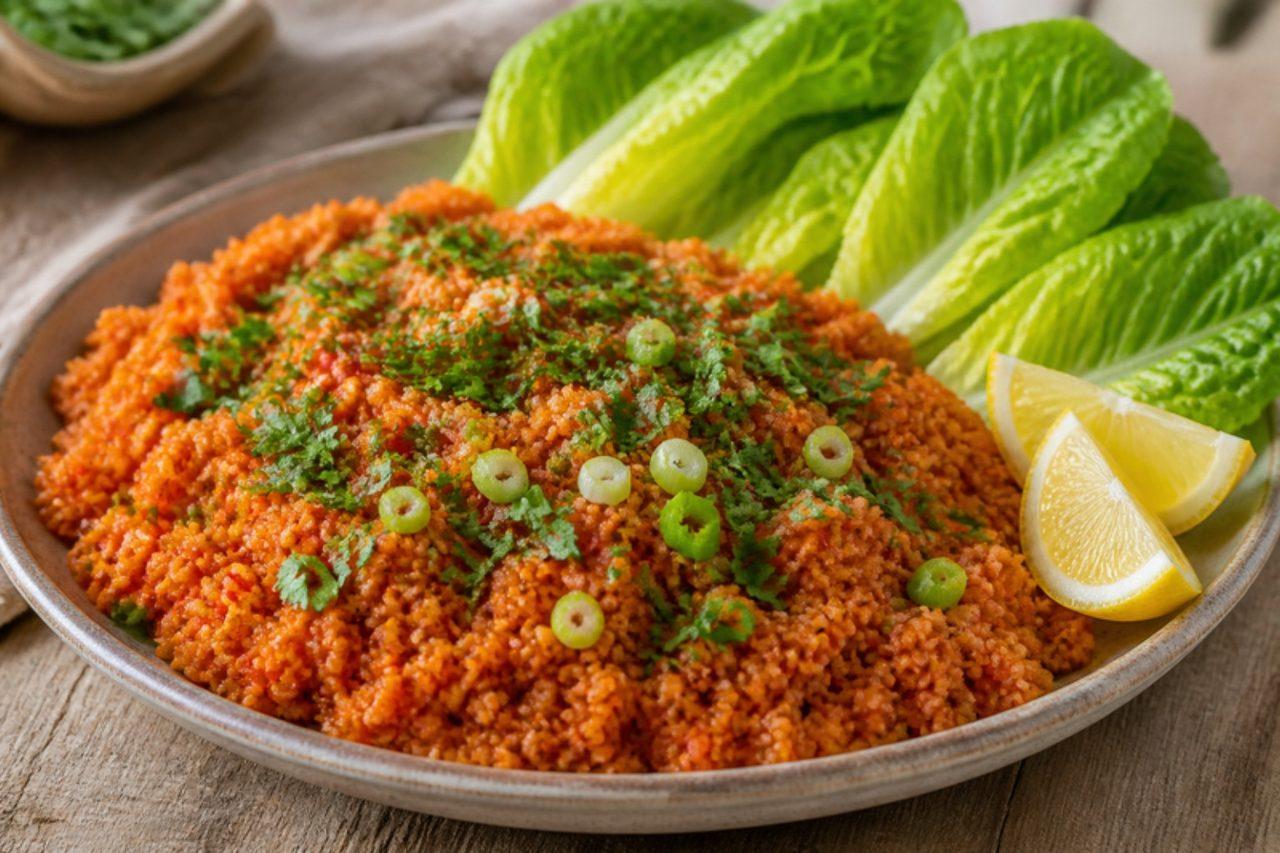
EetchBulgur in tomato and pepper

Eetch is a Western Armenian dish from the old Cilician towns, carried by families to Aleppo, Beirut and the Armenian quarters of American cities. Fine bulgur is stirred into a hot sauce of onion, red pepper, tomato and pepper paste and left to drink it up, then finished with lemon, parsley and spring onion and eaten at room temperature, often scooped up with lettuce leaves. Unlike a herb-heavy raw bulgur salad, eetch is cooked, so it is rich and tomatoey, and it is a fixture of Lenten tables, picnics and mezze spreads. It keeps for days, which makes it a favourite for lunchboxes. Chef's tip: take the pan off the heat before adding the bulgur and keep the lid on; the grains soften in the residual heat and stay separate instead of turning to porridge.

by KrazyBadal 0 views

Showing 27 of 7,762 recipes

Show more recipes

Page 743 of 863