


Skip to content
Flores manchegas
Featured recipe

Flores manchegas

Sugared flower-shaped fritters

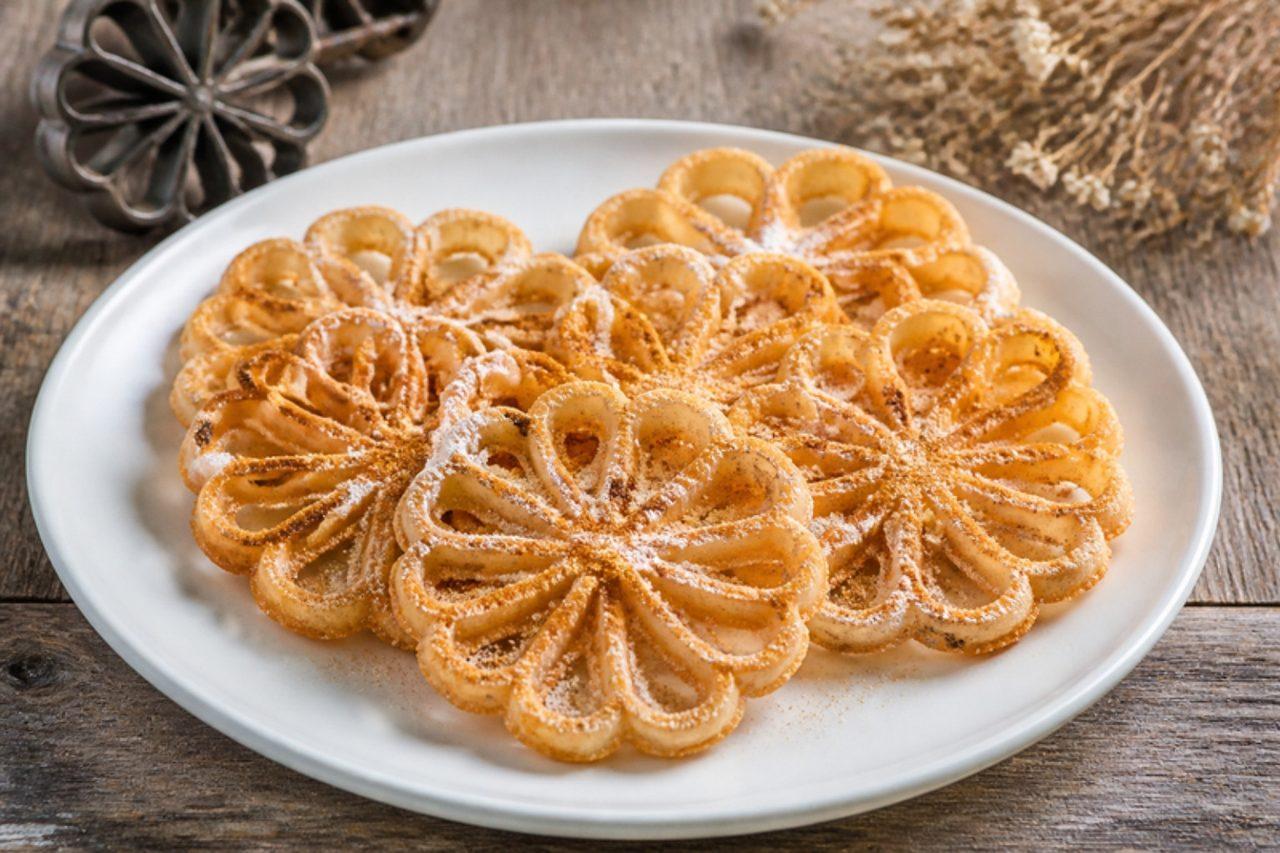
Every household in La Mancha seems to own a flower-shaped iron, a long-handled mould that is dipped in hot oil, then in batter, then back in the oil, where a lacy flower slides off as it sets. Grandmothers make towers of them for Holy Week and Carnival, and they are sold in bags at village fiestas from Cuenca to Tomelloso. You can buy the iron, sometimes called a rosette iron, in kitchen shops. Chef's tip: the iron must be very hot each time it goes into the batter, or the batter won't cling.

Read more 0 views

What to eat today?

Around the world

Today's trip: Paraguayan

A new country every day, from every cuisine on the site.

Paraguayan

Chipa

Cheese bread rings 50 minMore from Paraguayan (27) →

This week's collection

Kid-friendly dinners
537 recipes · a new collection every Monday

Latest recipes

MakguksuCold buckwheat noodles

Chuncheon, the lake city in Gangwon, is famous for two things: spicy grilled chicken and makguksu (막국수), coarse buckwheat noodles served icy cold. The name roughly means 'roughly made noodles', and the dish started as simple farm food in a region where buckwheat grew better than rice. In summer, makguksu houses serve it in a sweet, sour and spicy dressing with crunchy cucumber, sweet pear and sesame, often with a jug of chilled broth on the side to pour in halfway. This one is dressed with gochujang, vinegar and pear, and a cold kelp broth. Chef's tip: rinse the cooked noodles under cold running water and rub them between your hands until the water runs clear, then chill them in iced water; that washes off the starch and gives them their springy bite.

by KrazyBadal 0 views

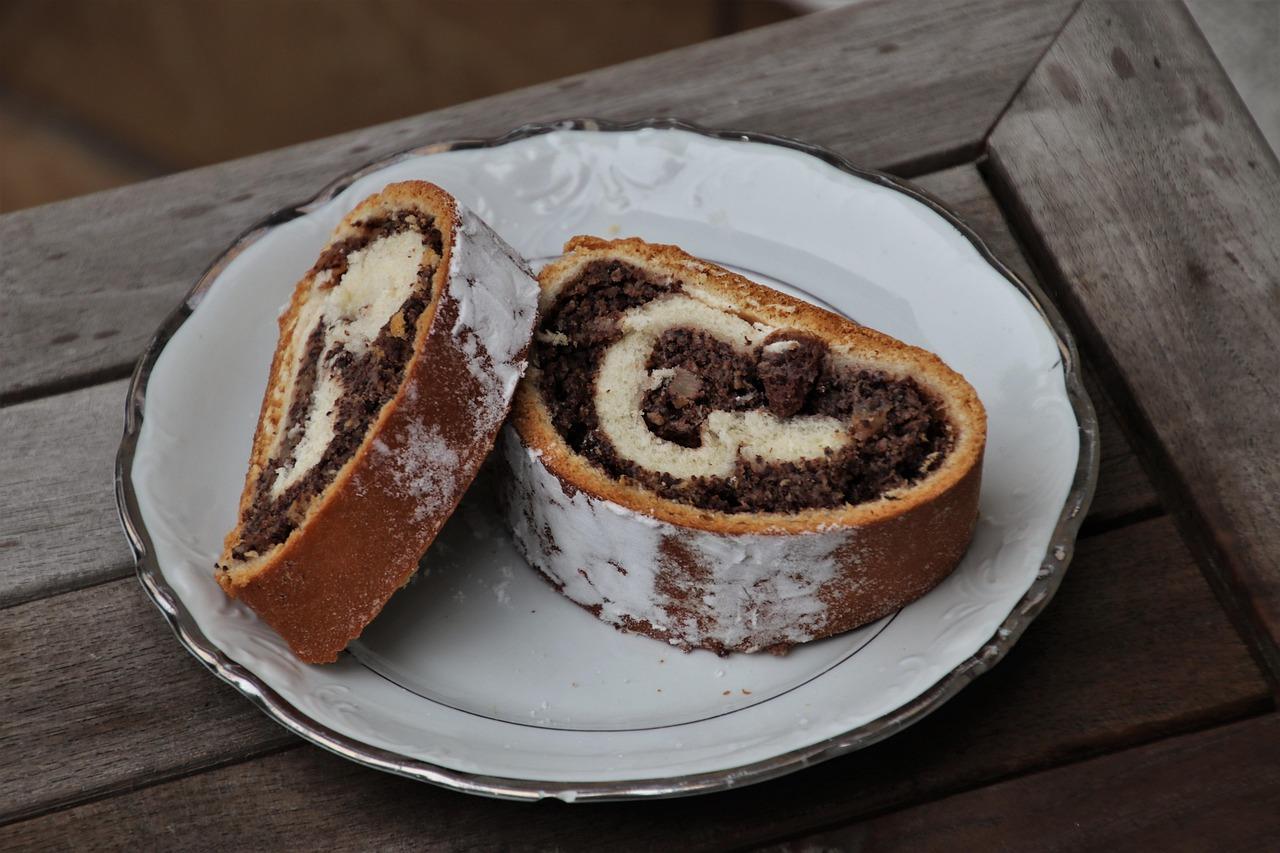
MakowiecPoppy seed roll

Makowiec is the poppy seed roll that sits on almost every Polish Christmas Eve and Easter table; in Silesia and Lesser Poland poppy seeds stand for plenty in the year ahead. A soft, buttery yeast dough is rolled around a thick, black, honey-sweet filling of ground poppy seeds with raisins, walnuts and candied orange peel, then baked and glazed so each slice shows a tight spiral. It takes time, but the process is calm and the roll keeps for days. Chef's tip: grind the soaked poppy seeds two or three times, until they look grey and pasty; whole or once-ground seeds give a gritty filling that falls out of the slices.

135 minPolishBaking
by KrazyBadal 0 views

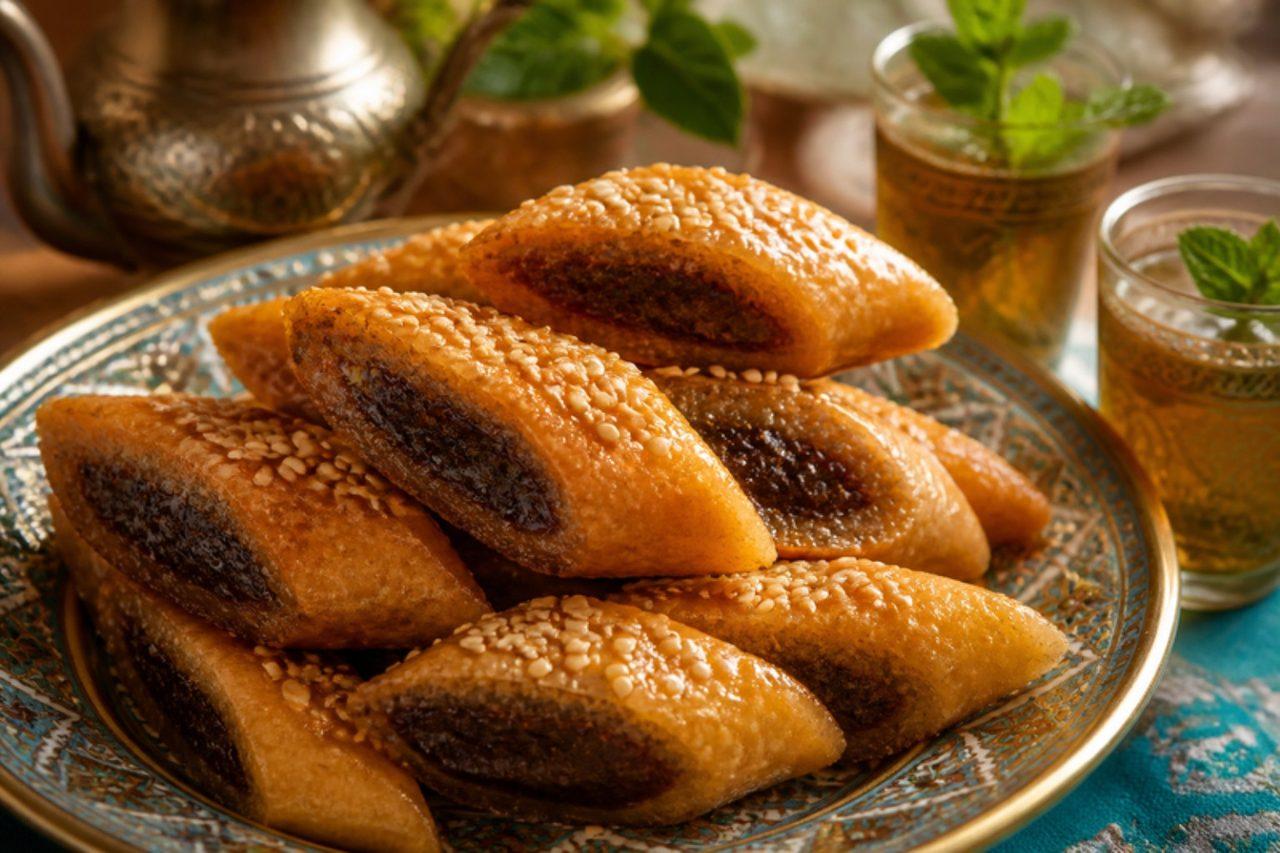
MakroudhDate-filled semolina pastries

Makroudh is the sweet that Kairouan is famous for; the old holy city in central Tunisia sells it in boxes from shops around the medina, and it is made at home for Eid and weddings across the country. A soft dough of semolina and olive oil is wrapped around a roll of date paste scented with cinnamon and orange blossom, cut into diamonds, fried and dipped in syrup. Chef's tip: rest the semolina dough for an hour after mixing; the grains need time to drink the oil and water, or the makroudh cracks in the oil.

by KrazyBadal 0 views

Makrout el louzIced almond diamonds

Makrout el louz are the elegant almond sweets of Algiers and Constantine, piled on silver trays for weddings, Eid and engagement visits. Unlike fried, date-filled makroudh, they are baked: a paste of ground almonds, sugar, egg and lemon zest is cut into diamonds, baked pale, then dipped in a light syrup and rolled in icing sugar so they look frosted. Chef's tip: bake them only until firm and barely coloured underneath; brown edges harden and stop the syrup soaking in.

by KrazyBadal 0 views

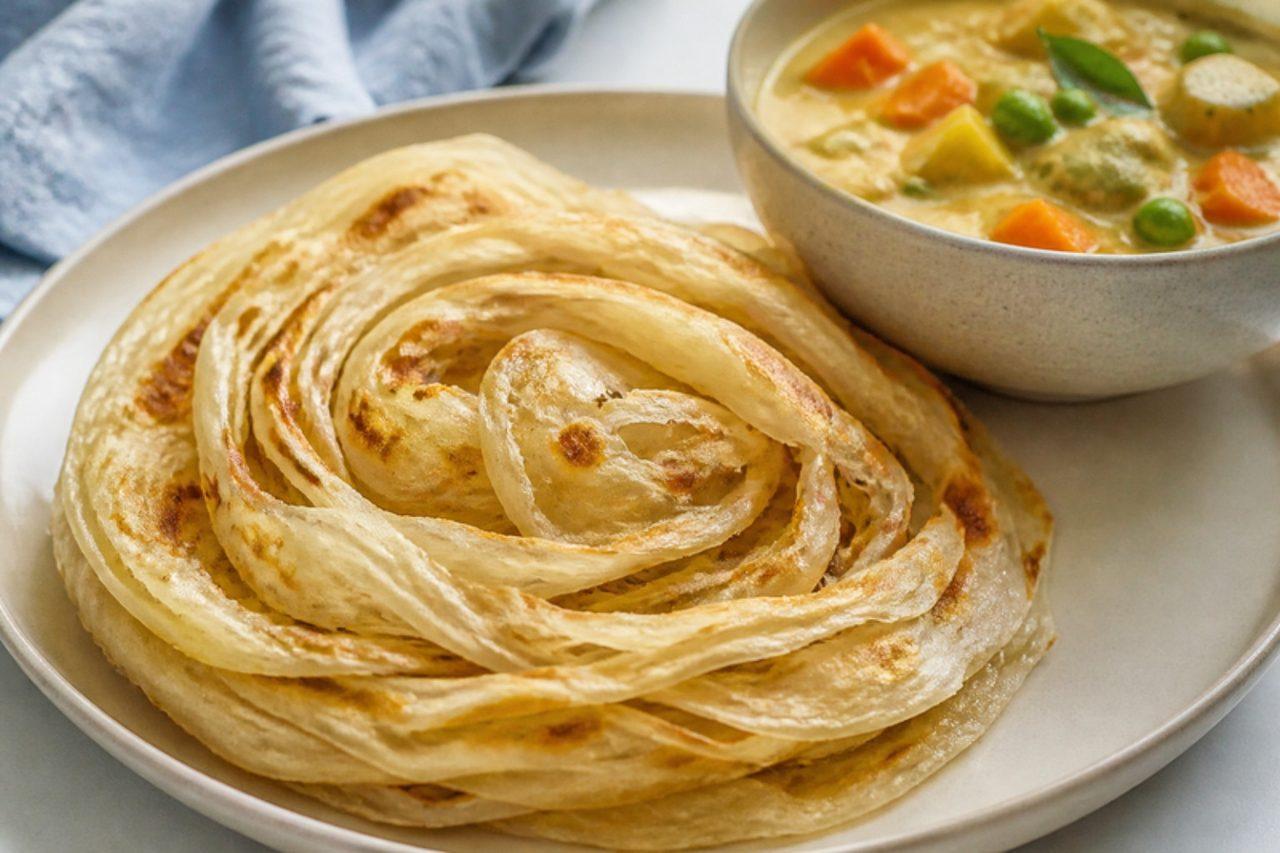
Malabar parottaLayered flatbread

Malabar parotta came from the hotels and tea stalls of Malabar in north Kerala and is now made all over the state, where parotta men slap and stretch dough on oiled marble counters late into the night. The soft dough is stretched paper-thin, pleated, coiled like a snail and griddled, then clapped between the hands so the layers pull apart into flaky ribbons. Eat it torn into vegetable kurma or a spicy black chickpea curry. Chef's tip: give the dough its full rest; well-rested dough stretches thin without tearing, which makes the layers.

by KrazyBadal 0 views

MalakoffCheese fritters

In the wine villages of La Côte above Lake Geneva, especially Vinzel, Bursins and Luins, a malakoff is a dome of Gruyère bound with egg and white wine, set on a round of bread and deep-fried until puffed and golden. The name is said to come from Swiss soldiers who fought at the siege of the Malakoff fort in the Crimean War and brought a taste for cheese fritters home. Locals eat them at village festivals and in pinte-style wine taverns with a glass of chilled Chasselas, cornichons and pickled onions. The crust shatters to a molten, gently stringy inside that tastes of wine and nutmeg. Use Gruyère made with vegetarian rennet. Chef's tip: press the cheese mixture firmly into a tall dome over the bread and chill it for 20 minutes before frying; it holds its shape in the hot oil instead of spreading.

by KrazyBadal 0 views

MalawachFlaky fried flatbread

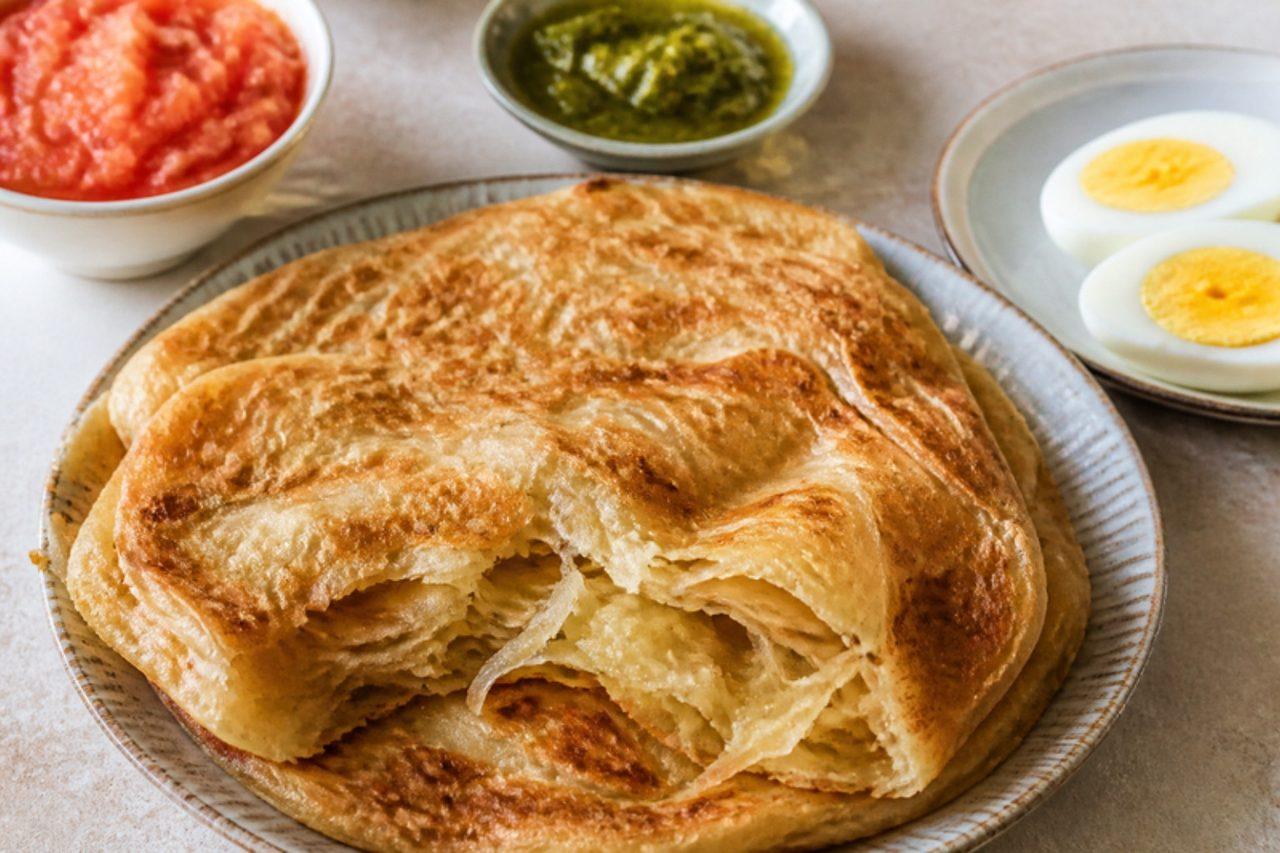
Malawach is the Yemenite Jewish flatbread that turned into an Israeli freezer staple: round, buttery layers fried in a pan until they shatter, eaten for breakfast or a late supper with sweet-sour grated tomato, zhug and a hard-boiled egg. In Israel almost everyone buys the frozen rounds from the supermarket and fries them in minutes, the way this recipe does; the dough is the same rolled, butter-layered dough as jachnun, just fried instead of baked. Some families sprinkle sugar or drizzle honey for a sweet version. Chef's tip: fry the frozen rounds straight from the freezer; thawed ones turn sticky and lose their layers.

by KrazyBadal 0 views

Masala dosaPotato-filled rice crêpes

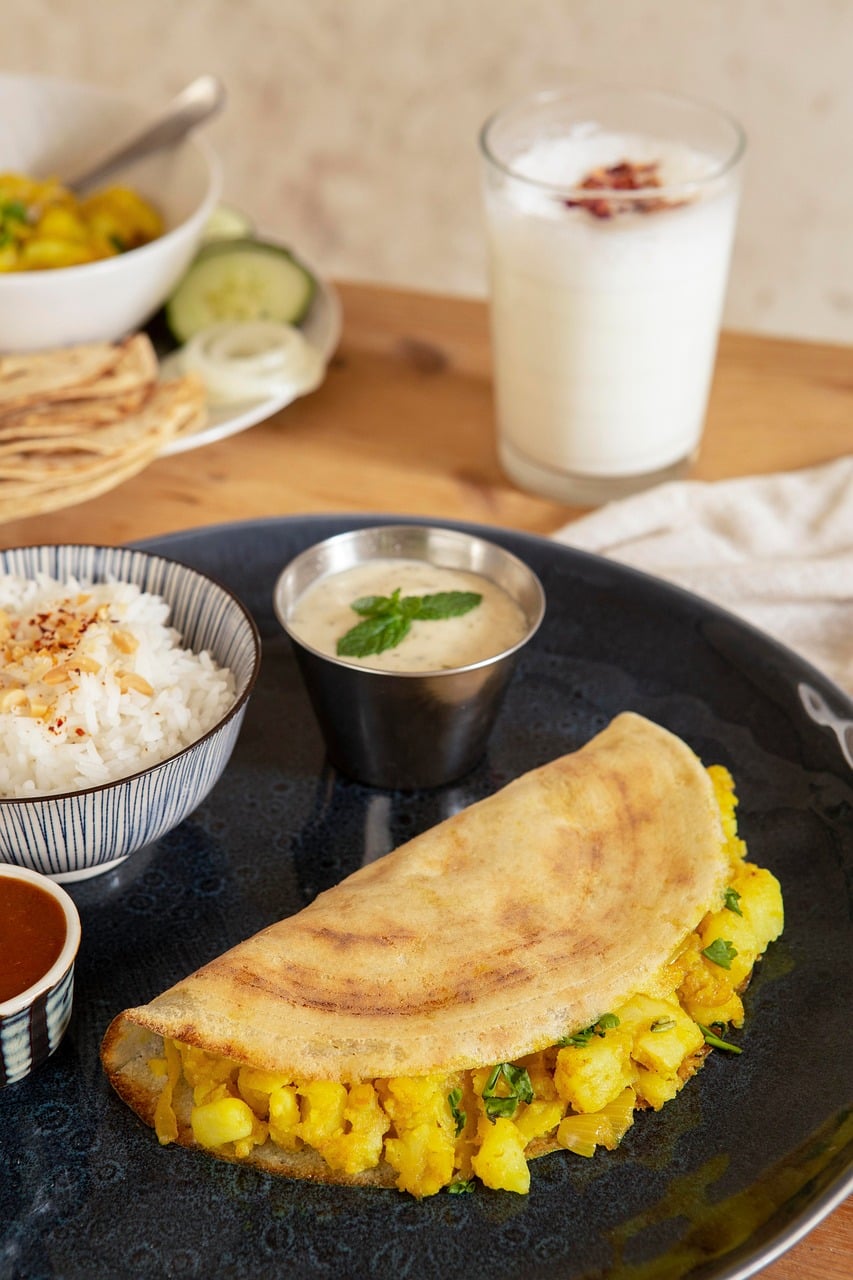
Masala dosa is the breakfast of Tamil Nadu and Karnataka: a huge, thin, golden crêpe of fermented rice and urad dal batter, crisp at the edges and soft in the middle, folded around a turmeric-yellow potato and onion filling tempered with mustard seeds and curry leaves. In Chennai and Bengaluru it's eaten at small tiffin rooms with coconut chutney and a bowl of sambar, torn by hand. The batter takes planning, soaking in the morning and fermenting overnight, but one batch makes dosas for two or three days. Chef's tip: wipe the hot griddle with a cut onion dipped in oil, then sprinkle on water; if it sizzles away in a second the pan is ready, and the batter will spread thin without sticking.

by KrazyBadal 0 views

Masale bhaatSpiced rice with ivy gourd

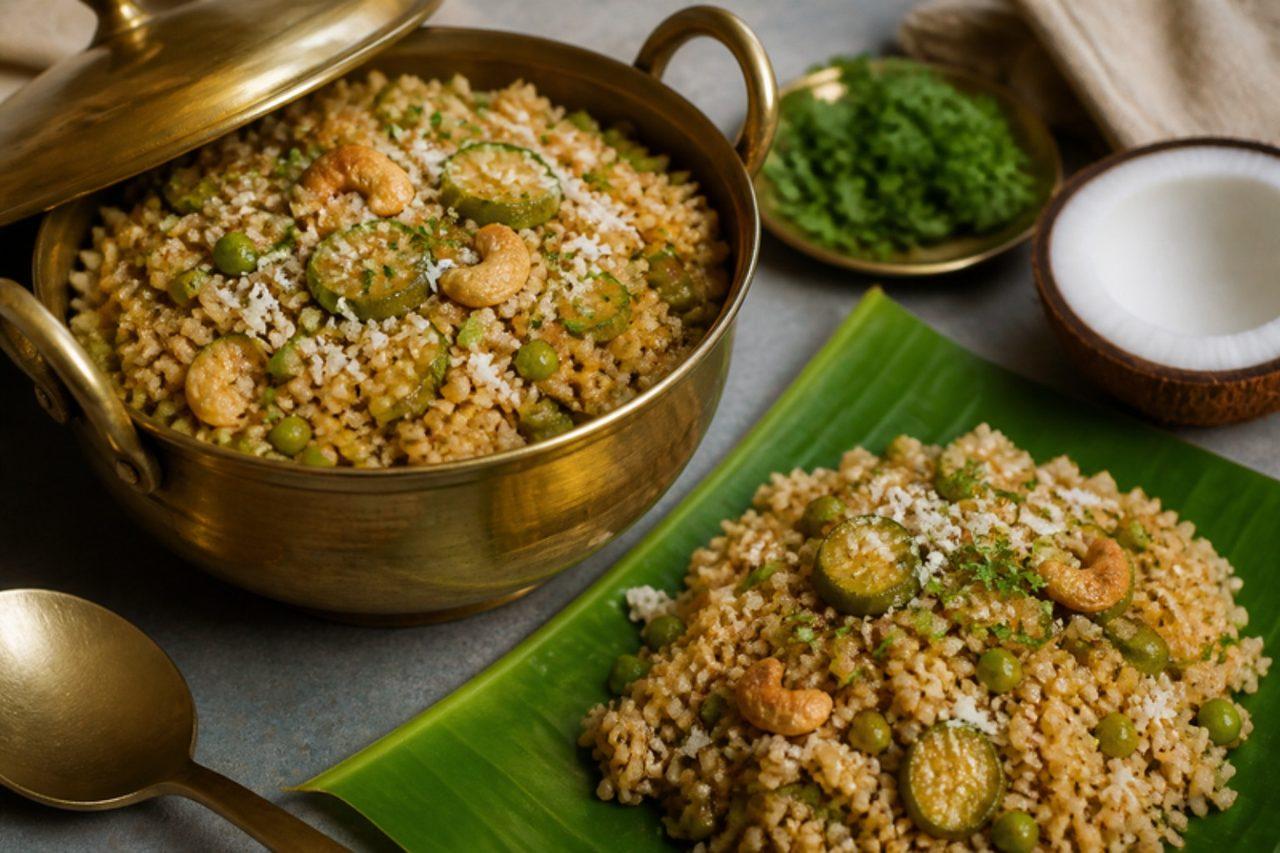
At a traditional Maharashtrian wedding lunch in Pune, the masale bhaat arrives in a steel bucket, deep brown-gold with goda masala, studded with tondli, peas and cashews and topped with fresh coconut and coriander. Unlike a pulao it is not delicate: it's spiced, a touch sweet from jaggery, and made with short-grain ambemohor or indrayani rice that turns soft and fragrant. A squeeze of lemon, a spoon of ghee and a bowl of kadhi or mattha (spiced buttermilk) on the side make it a meal. Chef's tip: slice the ivy gourd lengthways into quarters, not rounds, so it holds its shape and stays crunchy through the steaming.

by KrazyBadal 0 views

Masor tengaSour fish curry

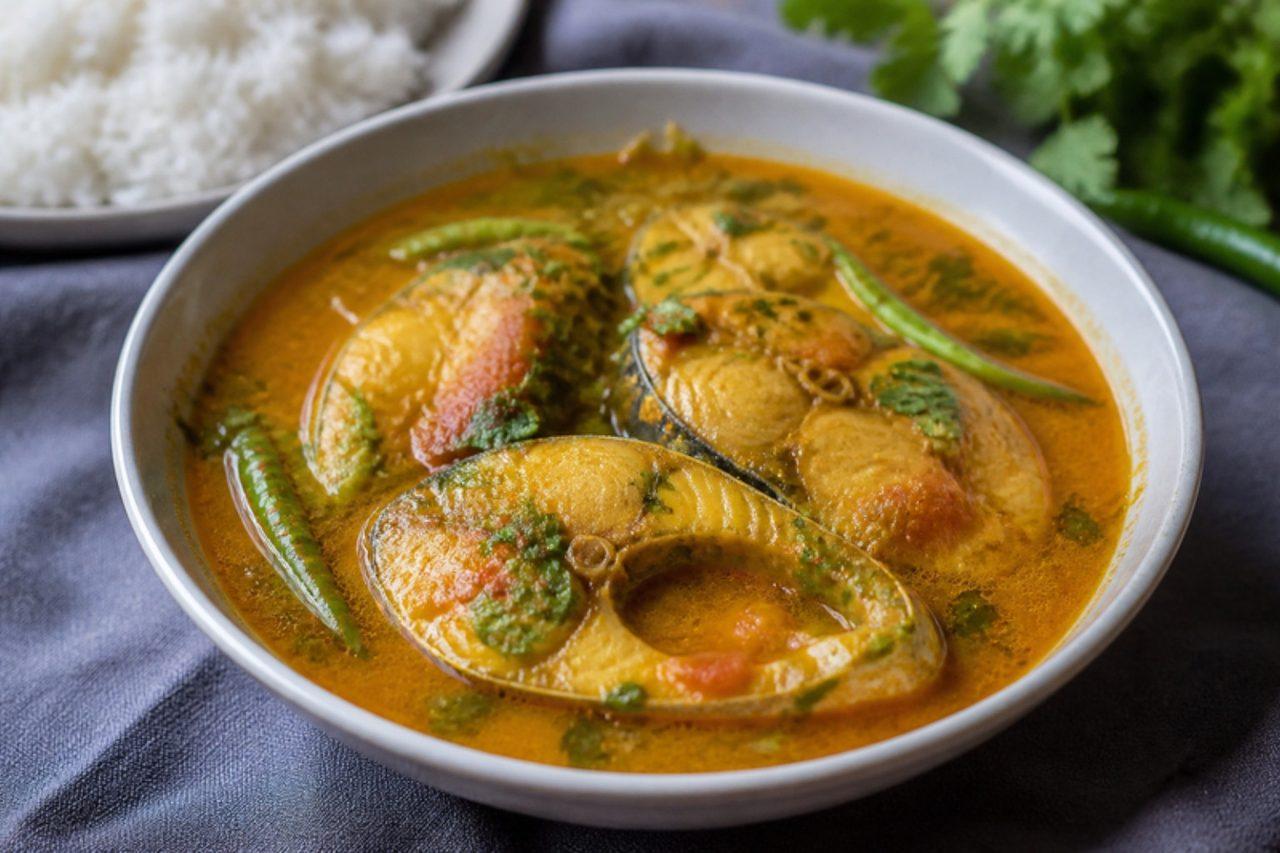
In Assamese homes the meal usually ends, not begins, with a sour dish, and masor tenga is the most loved of them: river fish in a thin, tangy broth of ripe tomatoes and lemon. It is light enough for a hot afternoon on the Brahmaputra plains and is eaten with plenty of plain rice. Some families sour it with elephant apple or dried mangosteen (thekera) instead of lemon. Chef's tip: cook it in mustard oil and let a few fenugreek seeds sizzle first; that slight bitterness is the backbone of the broth.

40 minIndianFishGluten free
by KrazyBadal 0 views

Mast-o khiarCucumber yogurt

Mast-o khiar is the cool yogurt bowl that sits beside rice and stew on Iranian tables all summer, and families pack it in a cool box for picnics in the parks of Tehran and Isfahan. Thick yogurt is mixed with crunchy diced cucumber and dried mint, then dressed up with walnuts, raisins and a scattering of dried rose petals, which make it sweeter and more fragrant than the plain garlic-cucumber dips of its neighbours. Serve it with polo, kuku or simply with bread. Chef's tip: soak the raisins in warm water for 10 minutes first so they are plump, not chewy.

by KrazyBadal 0 views

MaubySpiced bark drink

Mauby is one of the oldest drinks of the Eastern Caribbean, and in Barbados it's sold ice-cold from vendors in Bridgetown and made at home on hot afternoons. It's brewed from the bark of the mauby tree, simmered with cinnamon, clove, star anise, bay and orange peel, then sweetened and diluted. The first sip is surprising: bitter like strong tea or tonic, then sweet, spicy and refreshing, with a liquorice note. Bark is sold in Caribbean shops and online. Chef's tip: brew a strong concentrate and dilute it to taste; mauby lovers like it bitter, newcomers should start with more water and more sugar.

by KrazyBadal 0 views

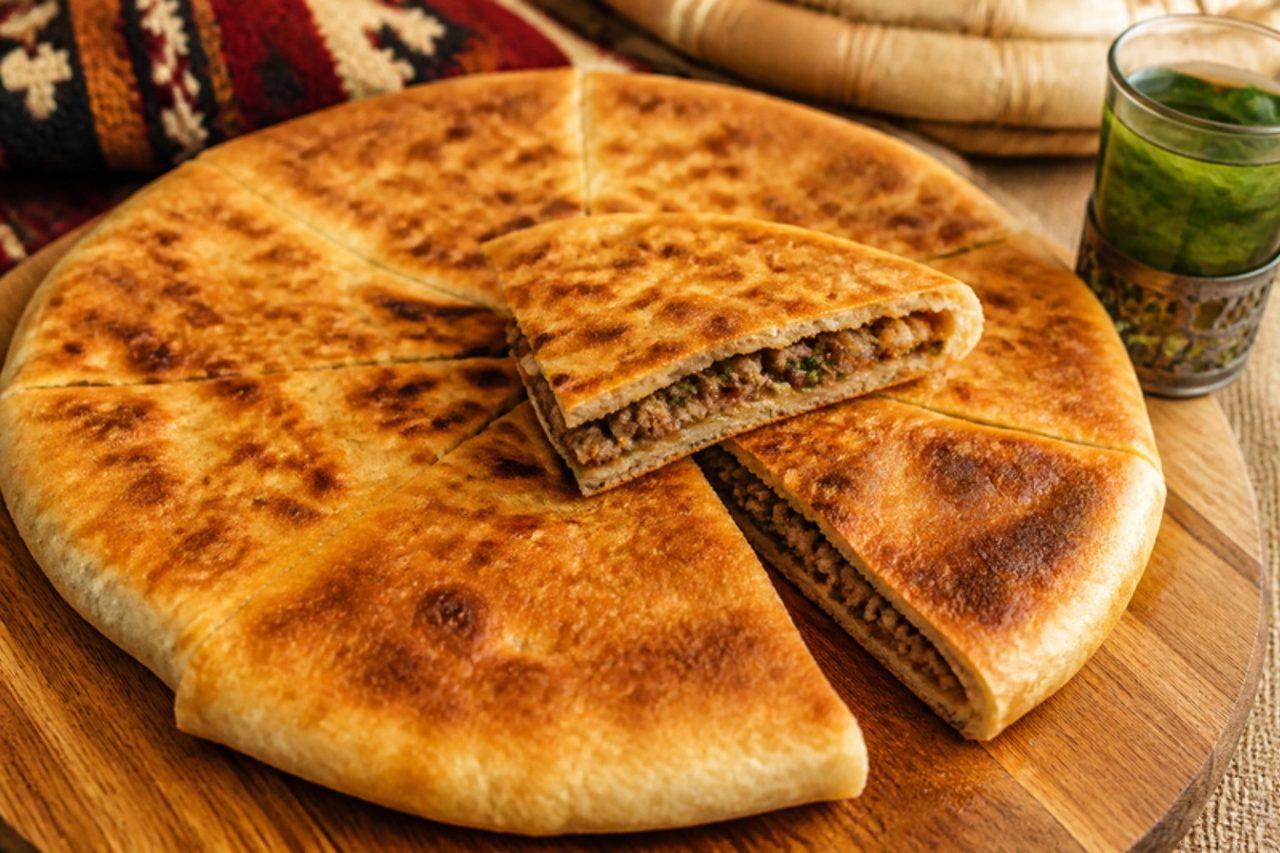
MedfounaSpiced meat stuffed bread

Out on the edge of the Sahara around Rissani and Merzouga, medfouna means 'buried', because the stuffed bread was traditionally baked in hot sand next to a fire. Two rounds of soft yeast dough enclose a filling of spiced beef, lots of onion, parsley and a little fat, and the whole thing bakes into a golden, crusty pie that is cut into wedges like a pizza. It is road-trip food, market-day food and the meal desert guides cook for travellers, eaten hot with mint tea. Chef's tip: squeeze the chopped onion and drain the cooked filling well; dry filling means a crisp base instead of a soggy one.

by KrazyBadal 0 views

MbejúCassava starch cheese cake

Mbejú (say 'mbeh-JOO') is a Guaraní breakfast and merienda: cassava starch rubbed with butter, cheese and a little milk into damp crumbs, then pressed into a hot pan where it fuses into a thick, chewy, crisp-edged cake. It's eaten in the countryside with cocido (sweet toasted yerba tea with milk) on cool mornings, cut into wedges. It's naturally gluten free and very quick. Chef's tip: the mix should look like damp sand, not a dough; if you can squeeze a handful and it just holds, it's right.

by KrazyBadal 0 views

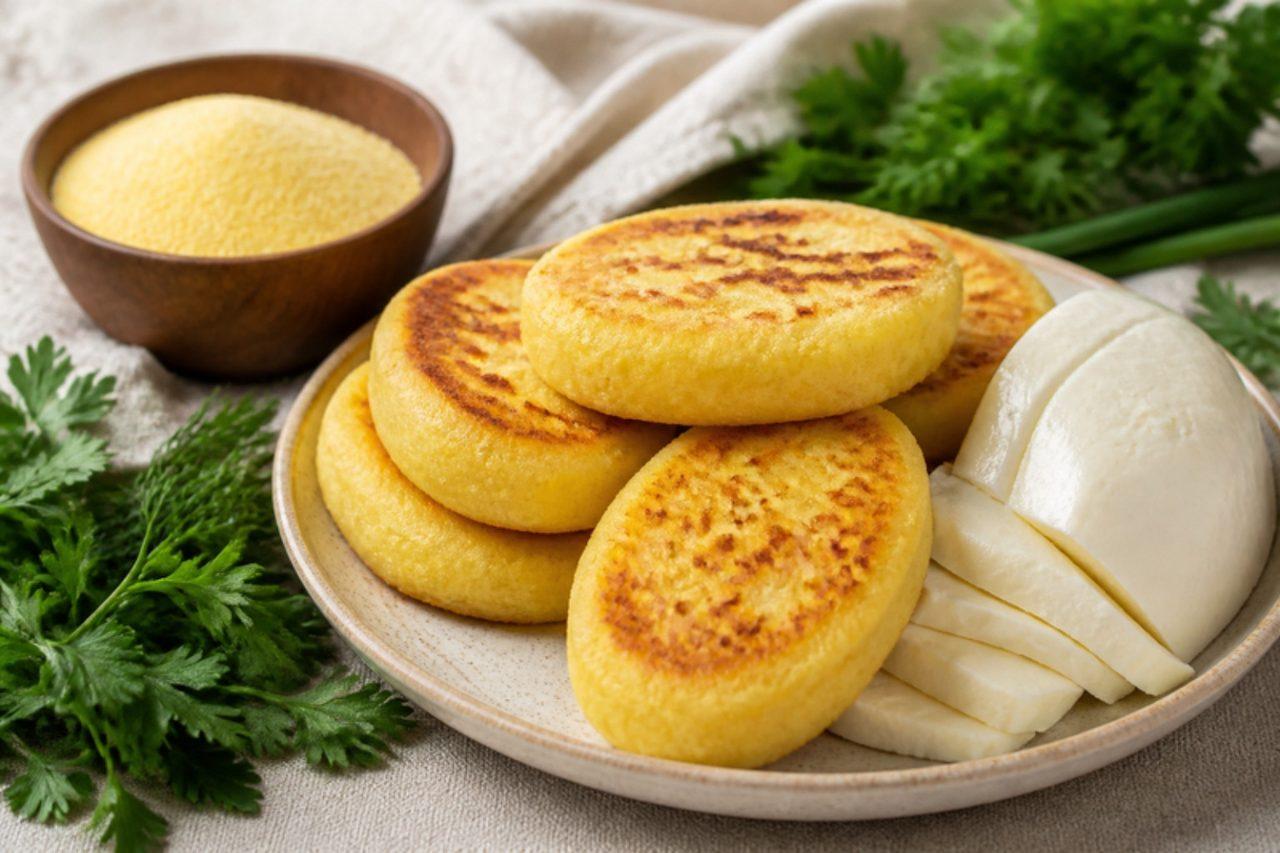
MchadiPan-fried cornbread cakes

Mchadi are the everyday cornbread of western Georgia, from Samegrelo and Guria down to the Black Sea coast, where maize has been grown since the 1700s. They are nothing more than cornmeal, water and salt, shaped by hand into thick ovals and fried or baked on a clay disc until crusty outside and soft and steaming inside. Families eat them hot with a wedge of cheese, a bowl of lobio, pickled vegetables or a spoon of adjika, and they are naturally gluten-free and vegan. The common mistake is using a dough that is too dry, so the cakes crack and crumble in the pan: it should feel like soft, wet clay. Chef's tip: wet your hands in a bowl of water between every cake; the cornmeal will not stick and the surface comes out smooth and crisp.

by KrazyBadal 0 views

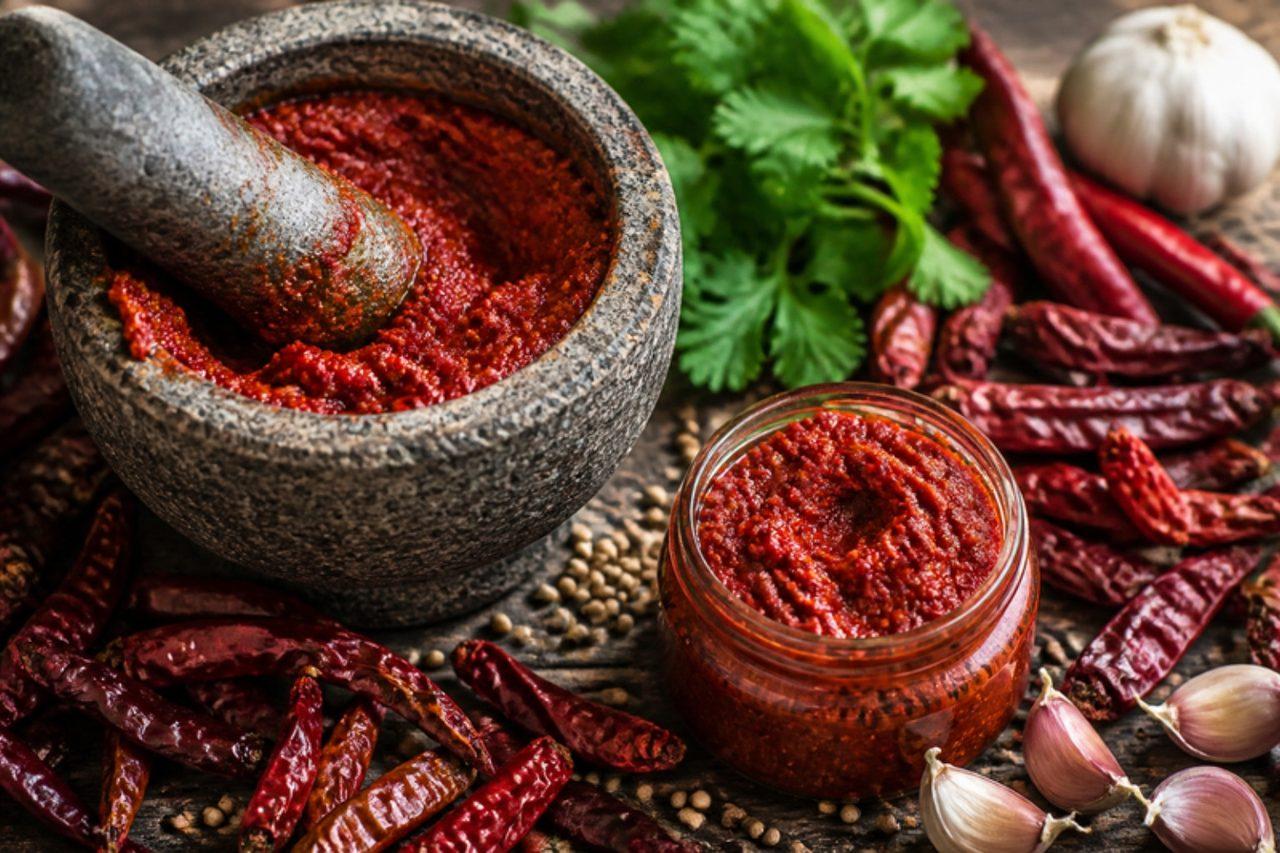
AdjikaRed pepper and garlic paste

Adjika comes from Samegrelo and neighbouring Abkhazia in western Georgia, where it is a thick, fiery paste of dried red peppers, garlic and seeds, pounded in a stone mortar and stored in jars for the year. It is nothing like the tomato relishes sold as adjika in some shops: a little goes a very long way, stirred into beans, rubbed into vegetables before roasting, or spread thinly on mchadi with cheese. It needs no cooking, just patience while the peppers soak. A common mistake is skipping the soaking, which leaves the paste gritty with hard flakes of skin. Chef's tip: wear gloves while handling the peppers, and use a mix of mild and hot ones so you get colour and fruitiness, not just heat.

by KrazyBadal 0 views

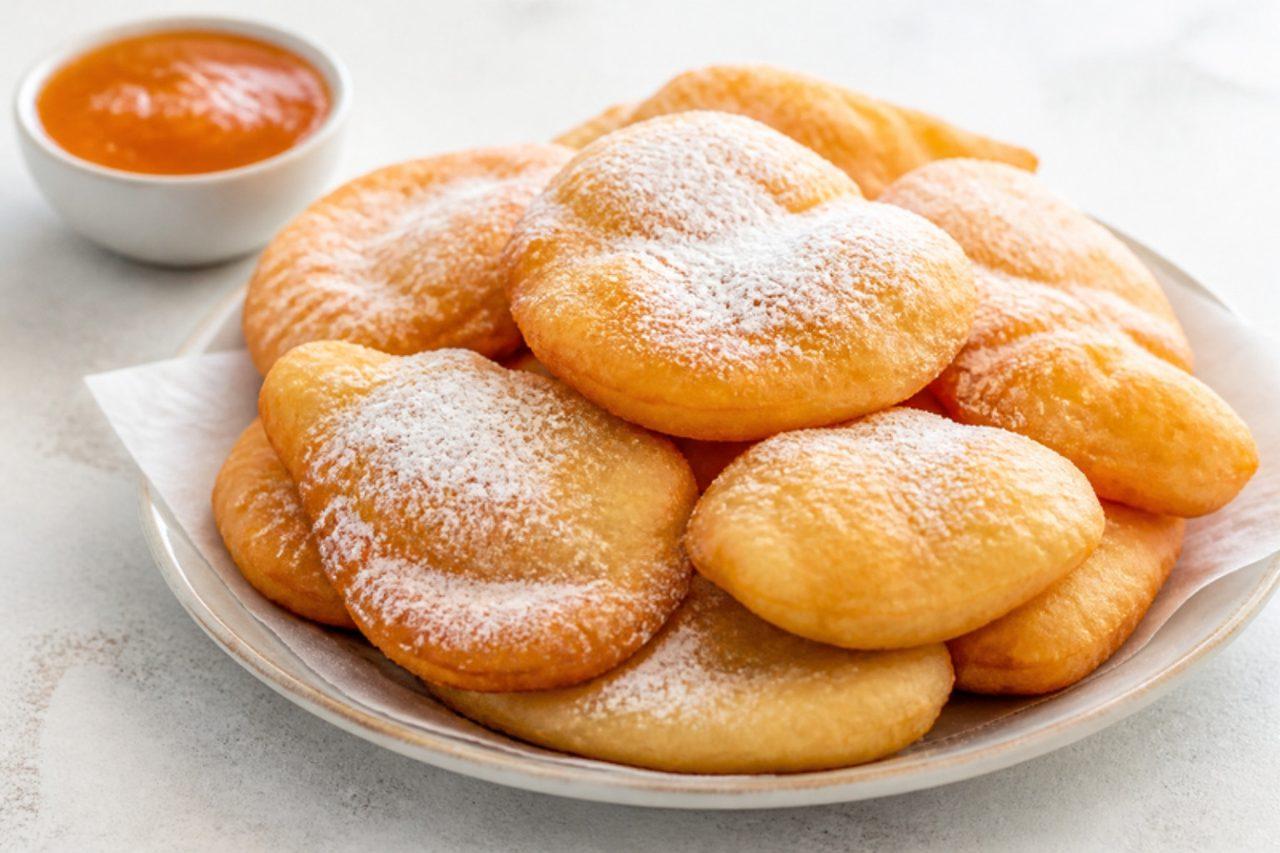
MekitsiFried yogurt dough puffs

Mekitsi are the Sunday morning treat of Bulgarian childhoods: in towns like Veliko Tarnovo and Gabrovo they are fried at home or bought from stalls by the dozen, puffy, uneven rounds of yogurt dough that come out of the oil crisp outside and soft and airy inside. They are eaten hot, dusted with icing sugar or spread with jam, honey or sirene, with a cup of tea or ayran. Chef's tip: stretch the dough with oiled hands rather than flour, and keep the oil at a steady medium heat; oil that's too hot is the usual mistake and leaves them dark outside and doughy in the middle.

by KrazyBadal 0 views

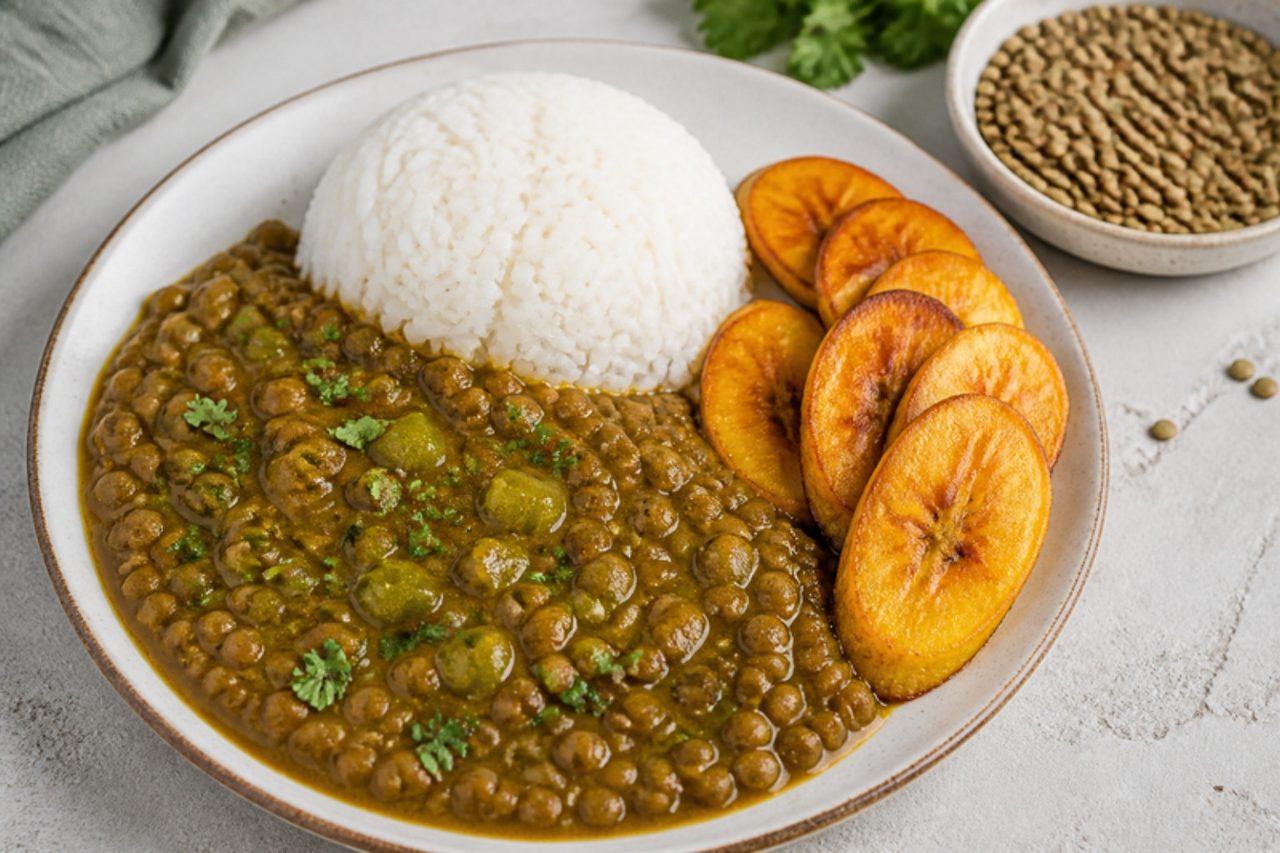
Menestra de lentejasCumin lentil stew

Menestra is the backbone of Ecuador's set lunches: in Guayaquil's almuerzo cafés, plates arrive with white rice, a ladle of thick menestra, fried plantain (patacones or maduros) and a little salad, usually beside grilled meat. On its own it makes a complete meatless meal. Lentils are cooked down with a refrito of onion, pepper, garlic, cumin and achiote until thick enough to hold a mound. Chef's tip: stir in a handful of chopped coriander right at the end; it's the fresh lift that makes menestra taste Ecuadorian.

by KrazyBadal 0 views

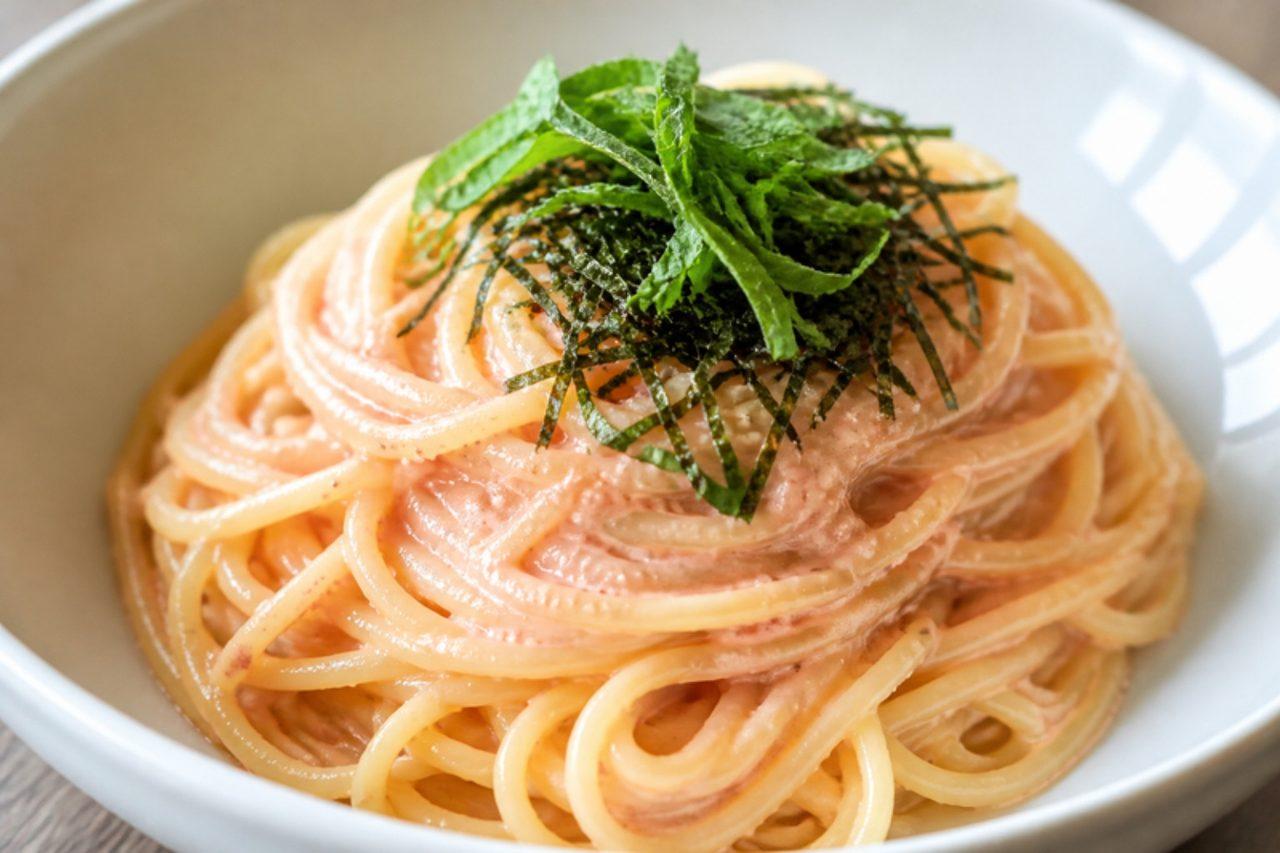
Mentaiko pastaSpaghetti with pollock roe

Mentaiko, pollock roe cured with salt and chilli, is the food gift everyone brings back from Hakata in Fukuoka, where shops near the station sell it in rows of red sacs. The pasta came from the Japanese-style spaghetti cafés of Tokyo in the 1960s and is now on menus right across Japan, Fukuoka included. The roe is not really cooked: the heat of the drained spaghetti and the melting butter turn it into a pink, salty-spicy coating. Mentaiko is a raw cured product. Use very fresh, sushi-grade fish from a trusted fishmonger; not for pregnant women, young children or anyone with a weakened immune system. For mentaiko, that means a chilled, sealed pack well within its date. Chef's tip: save a ladle of the pasta water; a spoonful loosens the roe so it clings to every strand instead of clumping.

by KrazyBadal 0 views

Mesaqa'aBaked aubergine and pepper

Mesaqa'a shares a name with Greek moussaka but is a different dish: there's no béchamel and no cheese, just fried aubergine slices baked in a garlicky tomato sauce with green peppers and chilli until soft and jammy. In Cairo it is a weekday family dish and a favourite during the summer heat and in the Coptic fasting seasons, when many families eat no animal products; it tastes even better the next day at room temperature, scooped up with baladi bread. Chef's tip: salt the aubergine and press it dry, then roast or shallow-fry it until truly golden; pale aubergine makes a watery, grey mesaqa'a.

by KrazyBadal 0 views

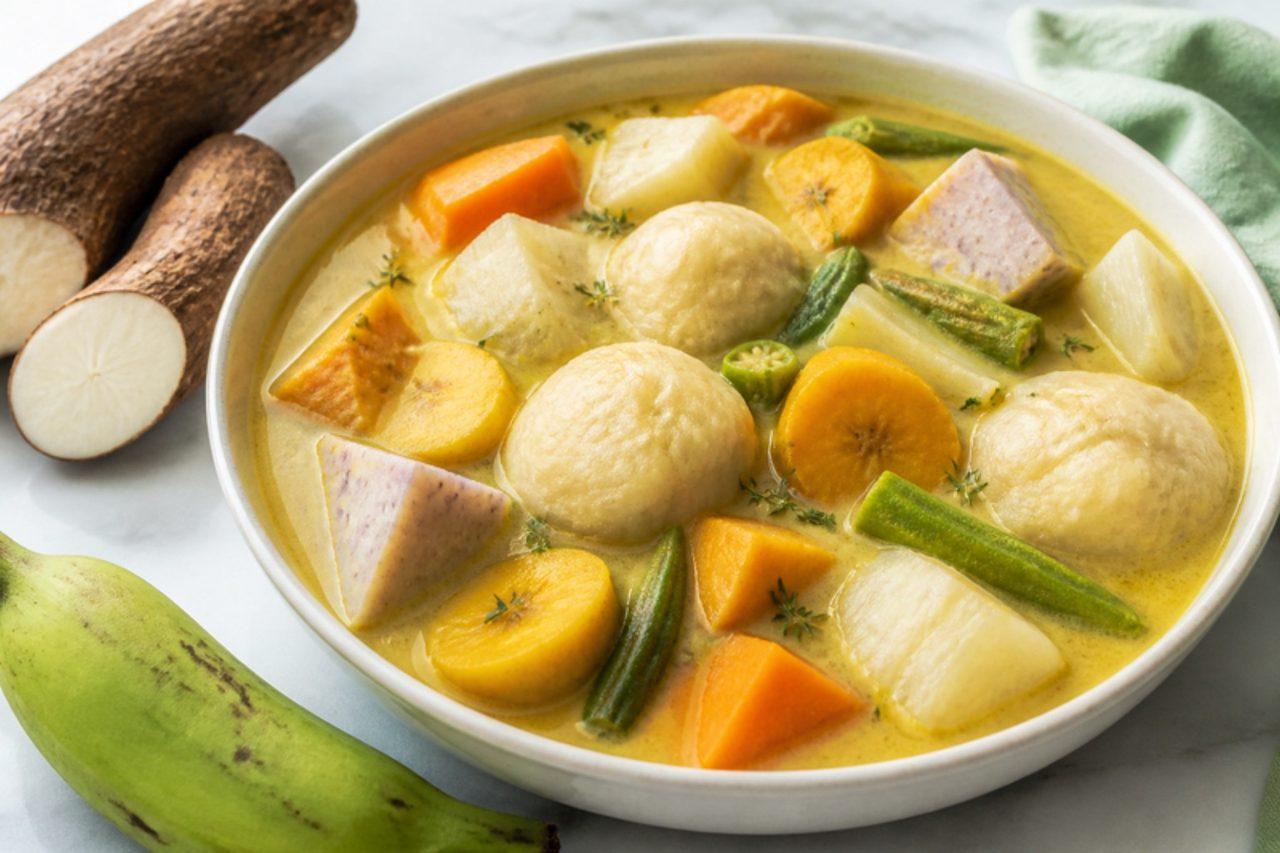
MetemgeeRoot vegetable and dumpling stew

Metemgee (also mettagee or 'mettem') is Guyanese country food from the coastal villages: ground provisions, cassava, eddoes, sweet potato, yam and plantain, layered in a pot and cooked in coconut milk until soft, with duff (dumplings) steamed on top. The broth thickens from the starch into a creamy, thyme-and-pepper gravy. It's usually served with fried salt fish; here it's all vegetables, with okra added. Chef's tip: layer the hardest vegetables at the bottom and the softest on top, then don't stir; everything ends up cooked at the same moment.

by KrazyBadal 0 views

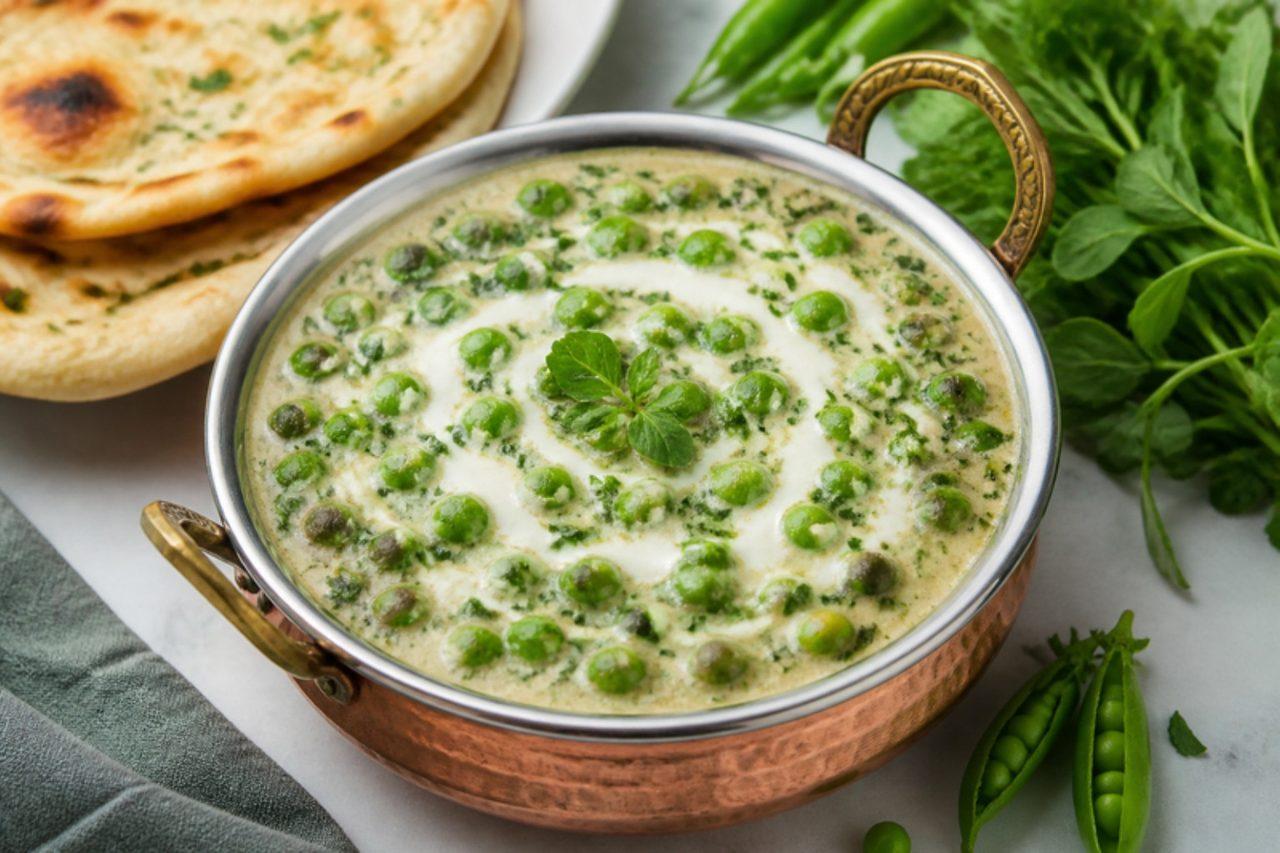
Methi matar malaiFenugreek and peas in cream gravy

Methi matar malai belongs to the Punjabi wedding buffet and the dhaba menu as much as to winter home cooking, when bunches of fresh fenugreek pile up in the markets of Ludhiana and Jalandhar. Bitter-sweet methi leaves and sweet green peas sit in a pale, silky gravy of onion, cashew and cream, mild enough for children and rich enough for a celebration. Serve it with butter naan, lachha paratha or jeera rice. Chef's tip: salt the chopped methi and squeeze it before cooking; it takes away much of the bitterness while keeping the flavour.

by KrazyBadal 0 views

Mewari makki ki kadhiMaize flour yogurt curry

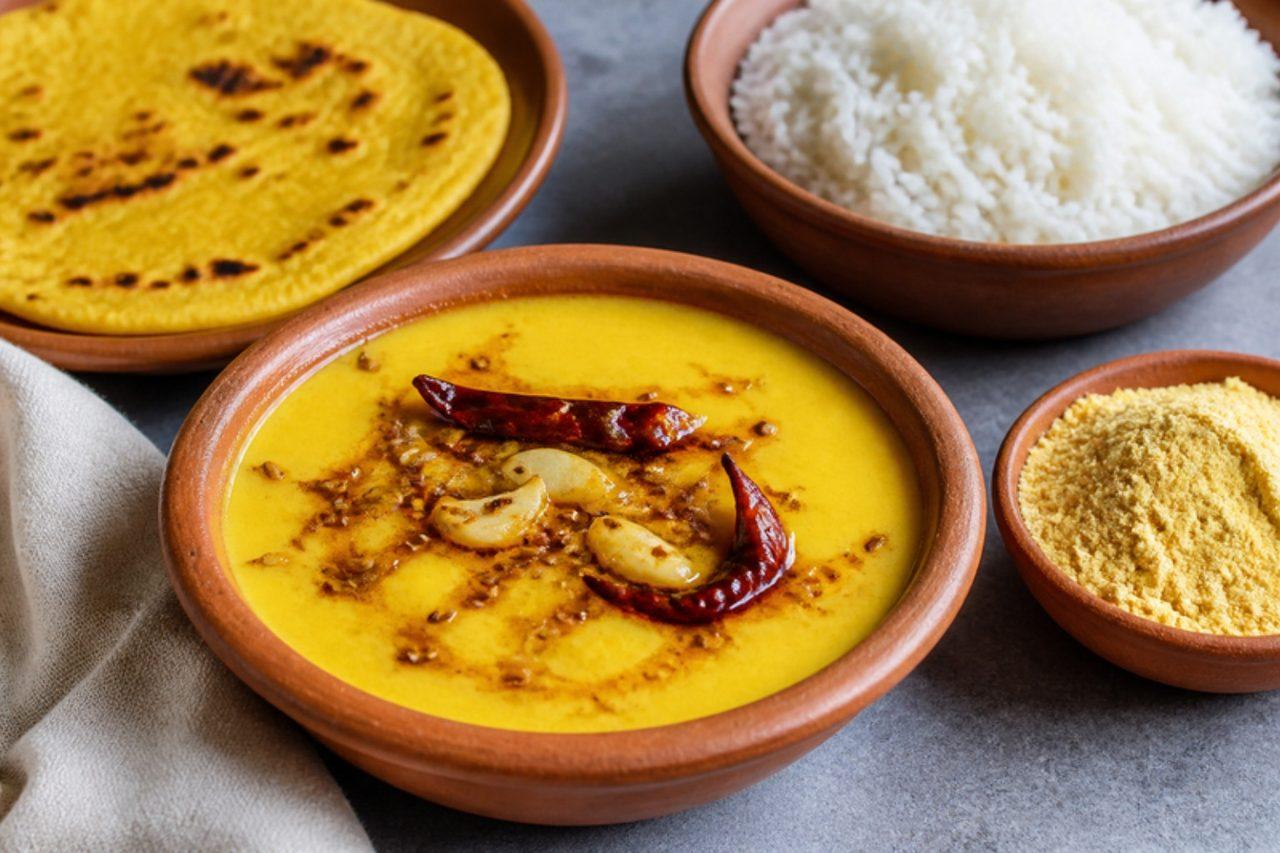
In the Mewar region around Udaipur, maize is a staple crop, and in winter it even goes into kadhi. Instead of gram flour, cooks thicken sour buttermilk with fine maize flour, which gives a golden, slightly earthy, gently sweet kadhi with no pakoras in it. It is ladled over makki ki roti or bajra roti, or eaten with plain rice and a raw onion on the side. The tadka is simple but bold: ghee, cumin, fenugreek, crushed garlic and whole red chillies. The usual mistake is not stirring until it boils—the yogurt splits into curds and whey. Chef's tip: simmer it longer than you would a besan kadhi, at least 20 minutes, until no raw corn taste remains.

by KrazyBadal 0 views

Mezbani beefSpicy feast beef curry

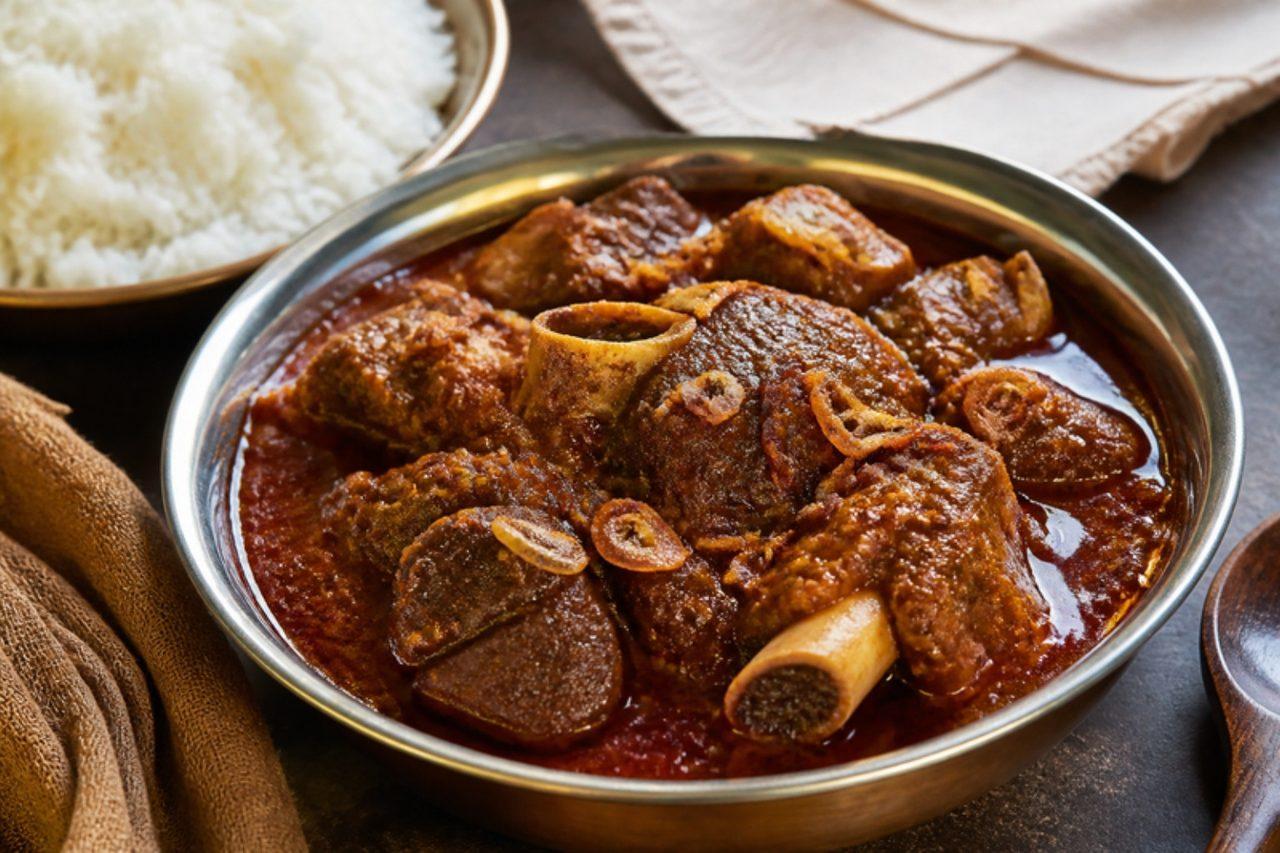
A mezban is the great community feast of Chittagong, held for a death anniversary, a new home or a good harvest, and the food is always the same: rice, dal and this dark, fiery beef curry cooked in giant pots by professional bawarchis. What makes it different from other Bangladeshi curries is its spice blend: mustard oil, lots of dried red chilli, and a ground mix of star anise, mace, nutmeg, cumin and white pepper that tastes warm and deep rather than hot alone. At home it is a weekend treat, eaten with rice or paratha. The common mistake is rushing the bhuna (frying) stage; the beef must fry in its spices until the oil floats free before any water goes in. Chef's tip: toast and grind the mezbani spice mix fresh on the day, because ready-ground spices lose their perfume in a curry this long.

by KrazyBadal 0 views

MhadjebStuffed semolina flatbreads

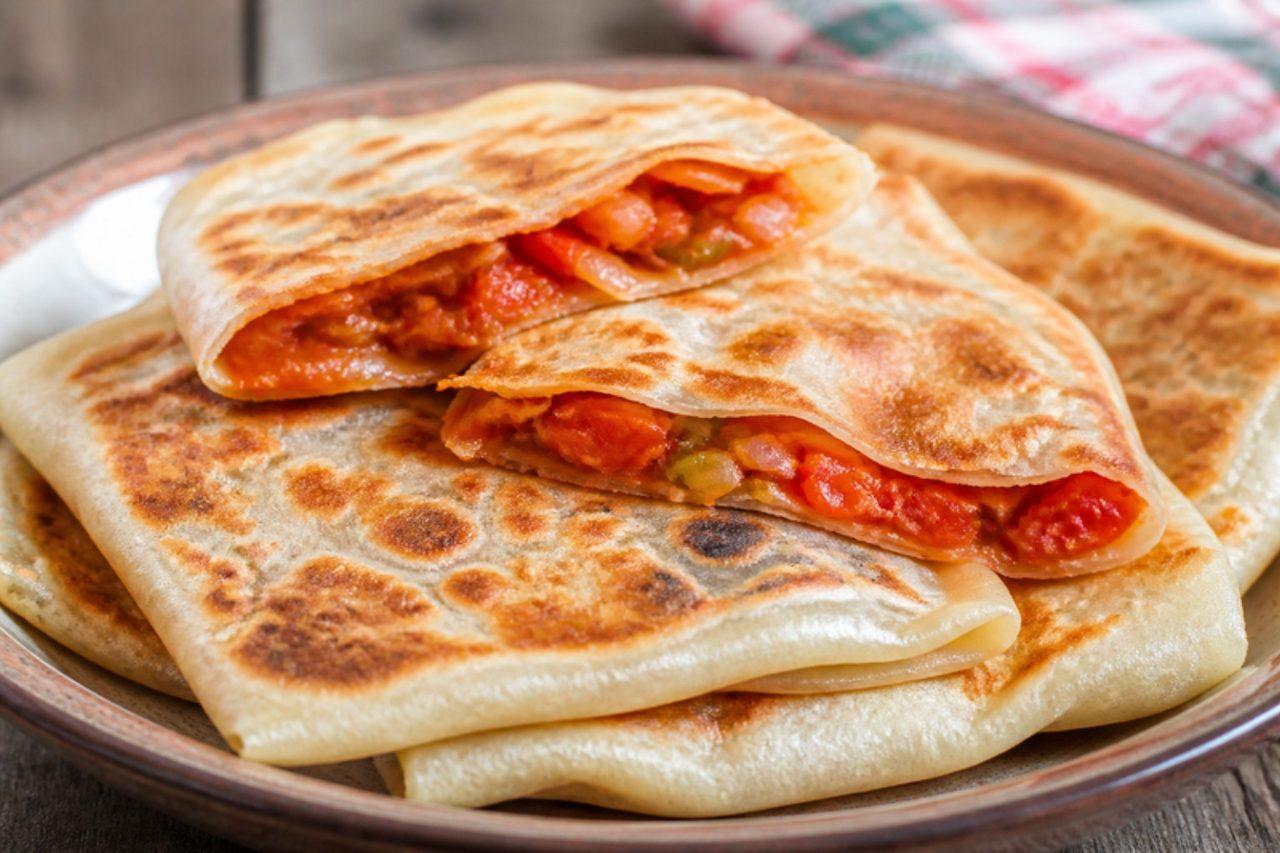
Mhadjeb (also mahjouba) are the folded flatbreads of Constantine and the east of Algeria, sold on street corners at teatime and made in every home during Ramadan. A stretchy semolina dough is pulled paper-thin with oiled hands, filled with a jammy stew of onion, tomato and pepper, folded into a square and cooked on a dry griddle until spotted brown. Chef's tip: knead the dough for the full 15 minutes; it must stretch almost transparent without tearing.

by KrazyBadal 0 views

Mi QuangTurmeric noodles with pork and prawns

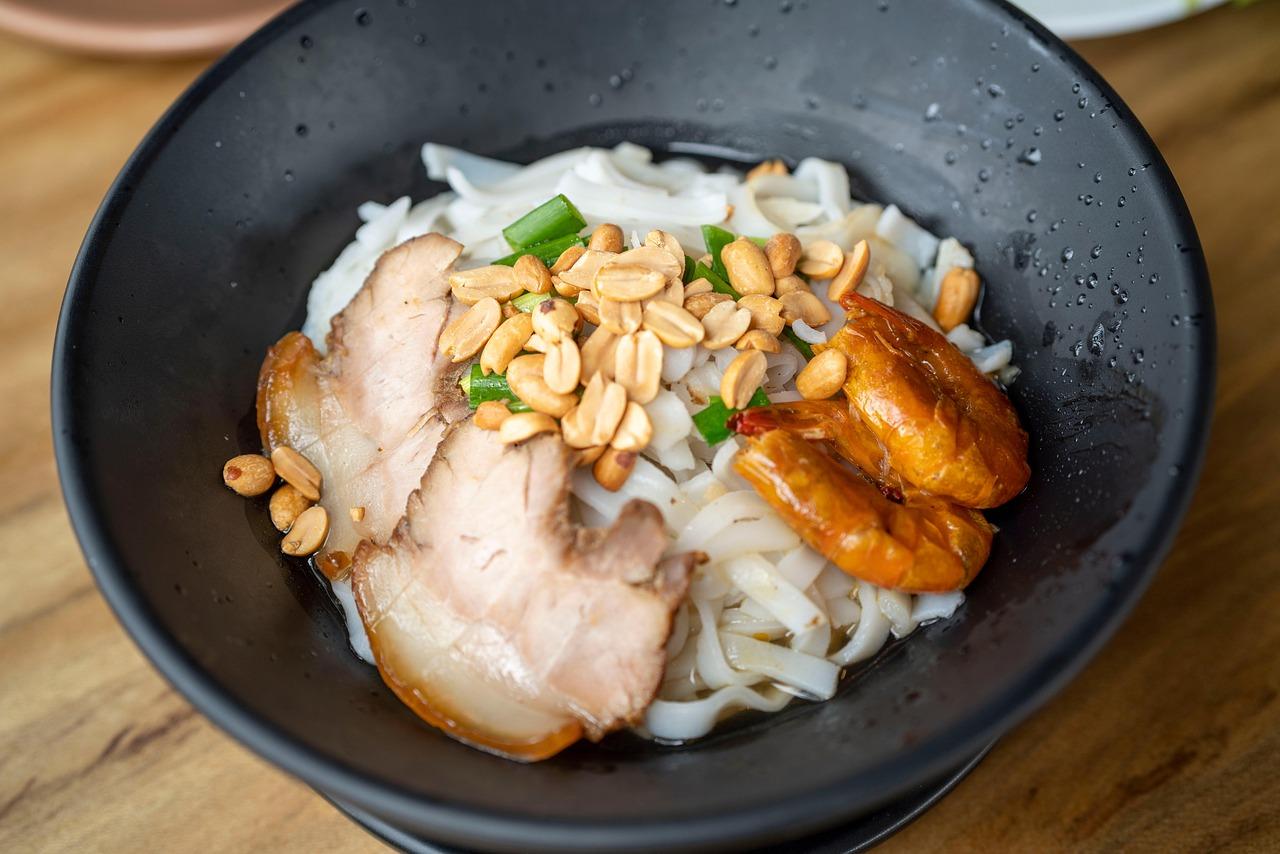
Mì Quảng comes from Quảng Nam province, around Hội An and Tam Kỳ, where it's eaten at any hour from roadside stalls and family tables. It sits halfway between soup and salad: wide yellow noodles get only a small ladle of rich, turmeric-coloured broth with braised pork and prawns, then a scatter of peanuts and herbs. A toasted sesame rice cracker is broken over the top for crunch. Every bite should be part noodle, part leaf, part cracker. Chef's tip: pour in just enough broth to come a third of the way up the noodles; any more and it becomes a soup and the crackers go soggy.

by KrazyBadal 0 views

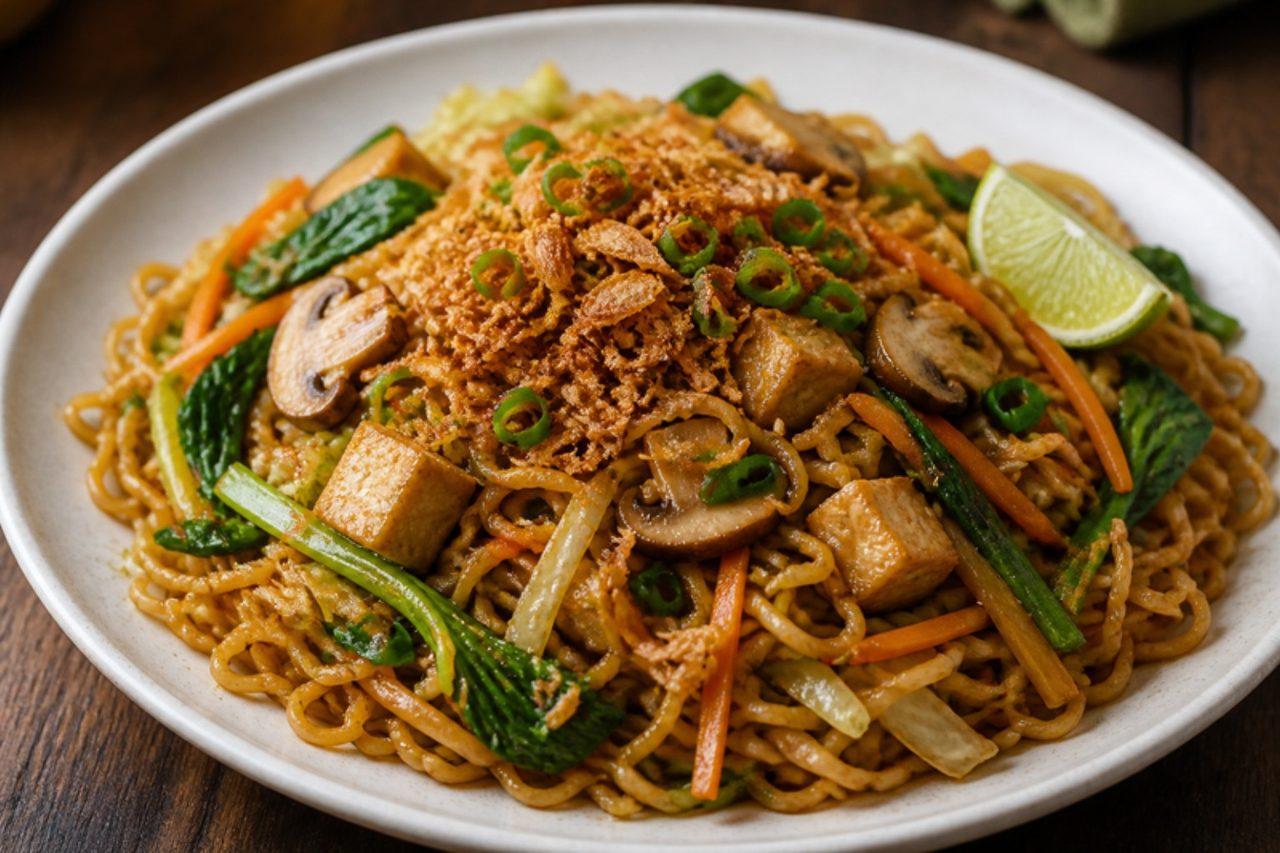
Mie gorengFried egg noodles

Mie goreng is what the gerobak noodle carts of Indonesian towns fry up after dark, each portion tossed in a blackened wok over a roaring flame, sweet and savoury from kecap manis and sharp with garlic. Unlike Malaysia's tomato-red mamak noodles, the Indonesian style is dark, glossy and dominated by sweet soy and white pepper, with plenty of greens and a scattering of fried shallots. This version swaps the usual chicken and prawns for tofu and mushrooms and is on the table in twenty minutes. Chef's tip: cook the noodles a minute short of the packet time and rinse them in cold water; they finish softening in the wok and stay springy instead of breaking.

by KrazyBadal 0 views

Migas with greens and garlicFried bread with greens and garlic

In the Alentejo nothing made of bread is wasted, and migas is the proof: stale loaves soaked, then worked in a pan of hot olive oil and garlic until they come together into a golden, crusty roll with a soft middle. Around Évora and Beja it usually sits next to fried pork, but in spring, when wild asparagus (espargos bravos) and grelos are picked along the field edges, cooks fold the greens straight into the bread and make it a dish in its own right. This version uses tender asparagus or turnip tops and is entirely plant-based. Serve it as a side with a fried egg or a bean stew, or on its own with olives. Chef's tip: soak the bread only until it is damp and heavy, then squeeze it hard; wet bread steams in the pan instead of forming the golden crust that makes migas worth eating.

by KrazyBadal 0 views

Ehime mikan jellyMandarin jelly

Ehime, on the sunny north coast of Shikoku, is Japan's mandarin country. Terraced orchards climb its hillsides above the Seto Inland Sea, and the local mikan is so central to life there that some towns joke their taps run with juice. Mikan jelly is the prefecture's everyday treat, sold in cups at service stations and made at home when the fruit glut comes in winter. Ours is set with kanten (agar) instead of gelatine, which also means it holds firm at room temperature and doesn't melt on a hot day. Serve chilled after dinner. Chef's tip: boil the agar properly for 2 minutes. Agar only sets once fully dissolved, and undercooked agar leaves a grainy, weak jelly.

by KrazyBadal 0 views

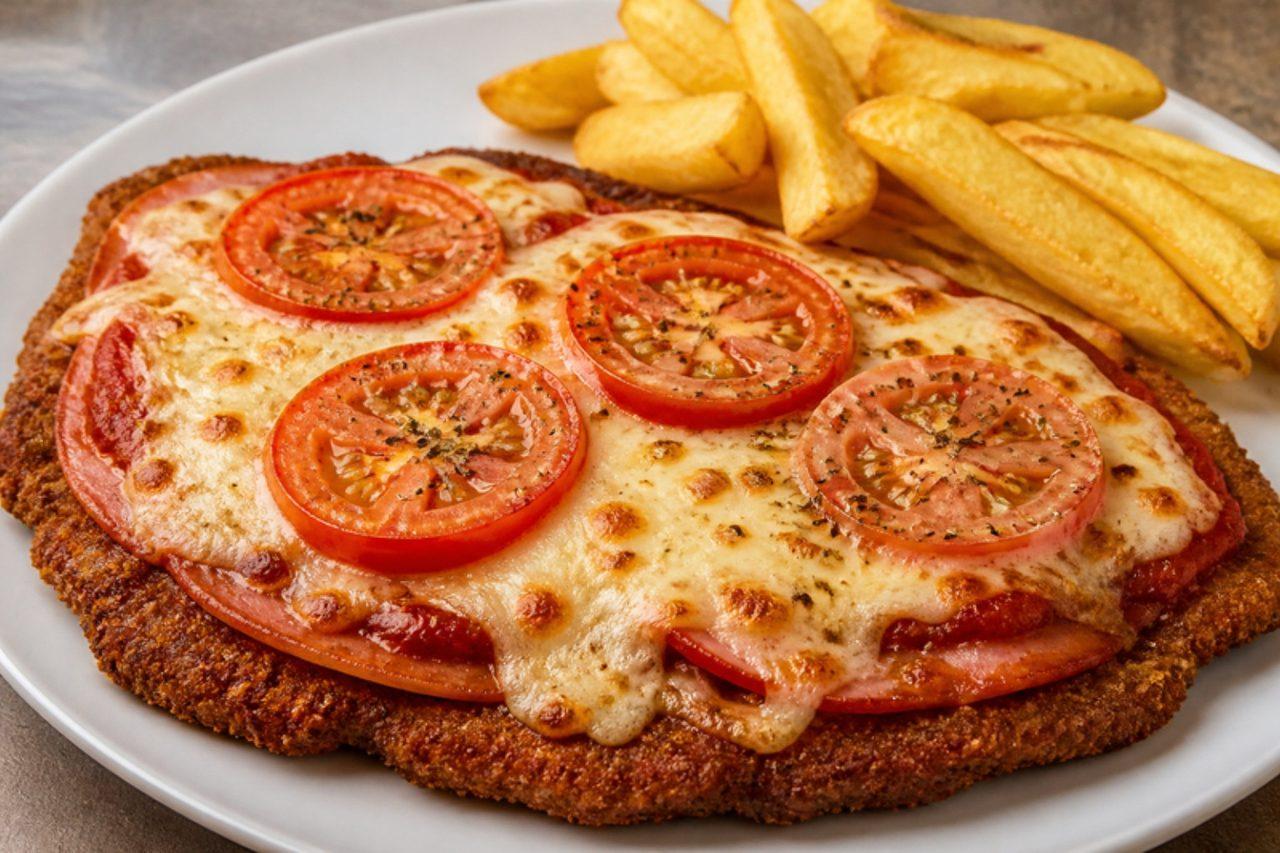
Milanesa a la napolitanaBreaded beef with ham and cheese

Despite the name, this has nothing to do with Naples: it was invented in Buenos Aires in the 1940s at a restaurant called Nápoli, near the Luna Park stadium. A crisp milanesa is topped with tomato sauce, a slice of ham and plenty of mozzarella, then grilled until the cheese bubbles. It is a pork-and-beef dish, because of the ham. Porteños order it at the corner bodegón with a mountain of chips, one plate often shared by two. The common mistake is spooning on too much sauce, which turns the crumb soggy; a thin layer is enough. Chef's tip: fry the milanesas a minute less than usual, since they finish cooking under the grill, and keep the sauce thick.

by KrazyBadal 0 views

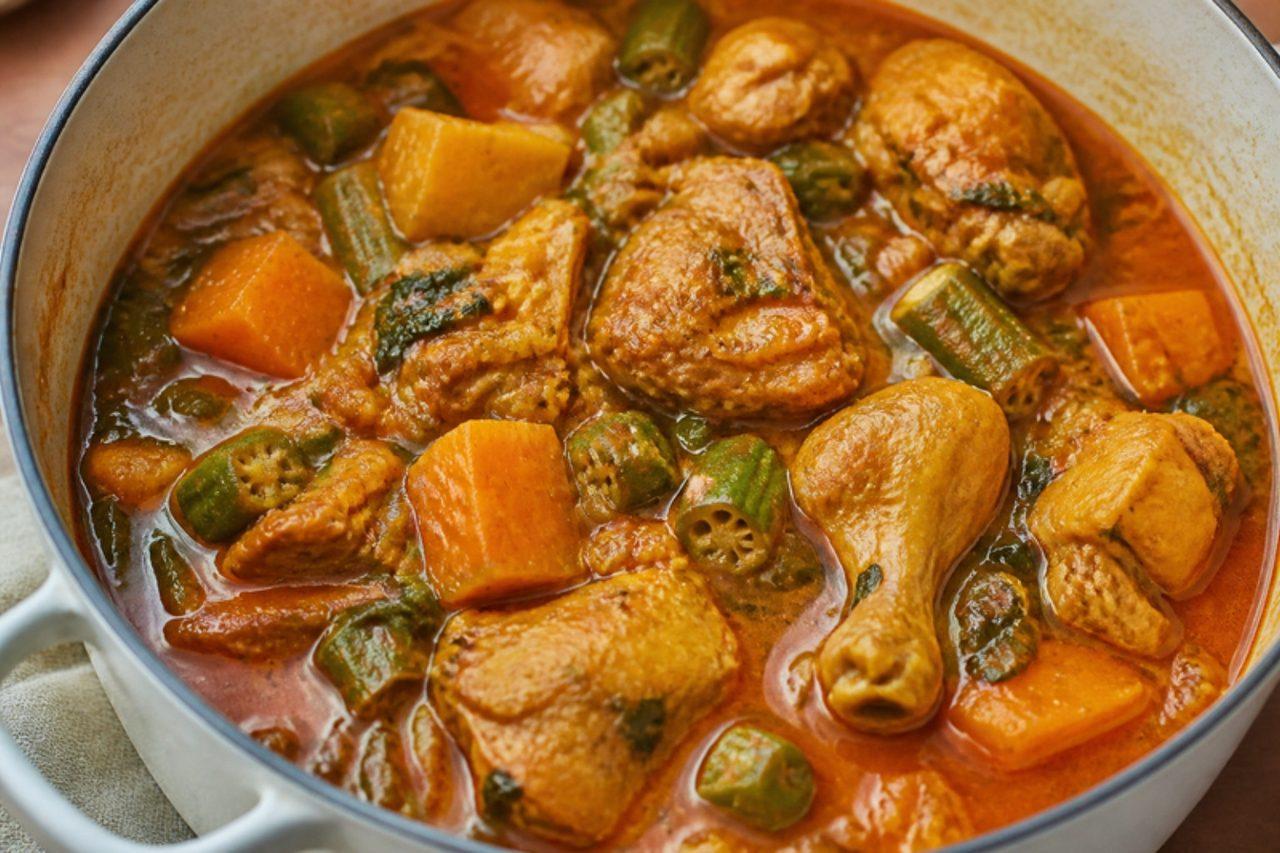
Moamba de galinhaChicken stew in palm oil sauce

Moamba de galinha is the national dish of Angola, cooked in Luanda for Sunday lunch and family celebrations: chicken simmered in a deep orange sauce of palm oil (or palm-nut cream), tomato, garlic and chilli, with okra and butternut squash. It is served with funge, a smooth cassava porridge, which is dipped into the sauce. The mistake is frying red palm oil over high heat, which makes it bitter; heat it gently. Chef's tip: marinate the chicken in lemon and garlic first; the sourness balances the rich sauce.

by KrazyBadal 0 views

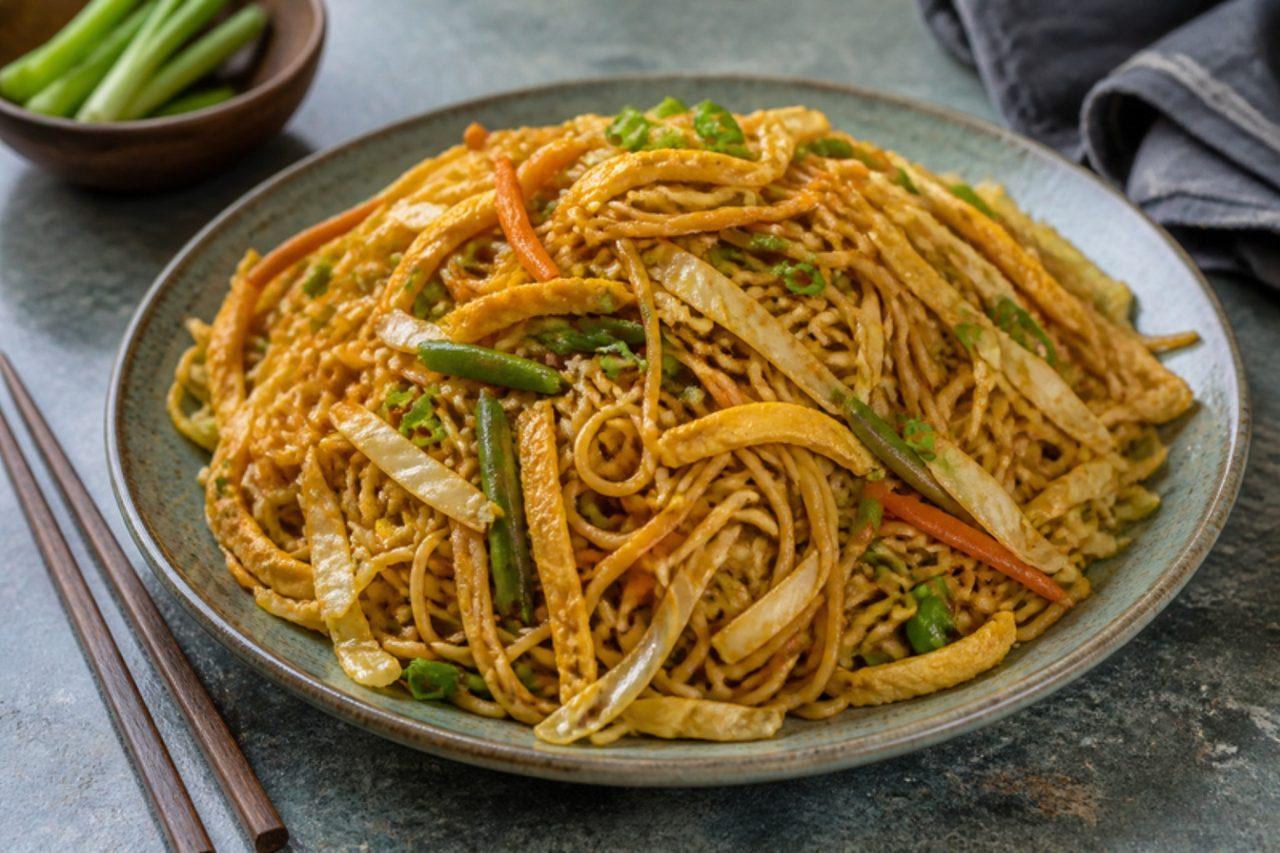
Mine friteFried noodles with vegetables and egg

Mine frite (fried noodles) arrived with the Hakka Chinese community of Port Louis and is now everyone's favourite, sold from food vans and stalls all over Mauritius and made at home for weekend lunches. Egg noodles are tossed in a very hot wok with garlic, cabbage, carrot, spring onion and soy sauce, then topped with an omelette in strips. It is usually eaten with a spoon of chilli paste and a pickled chilli. Chef's tip: dry the noodles well after boiling; wet noodles steam instead of frying and clump.

by KrazyBadal 0 views

Mirchi ka salanGreen chillies in peanut sesame sauce

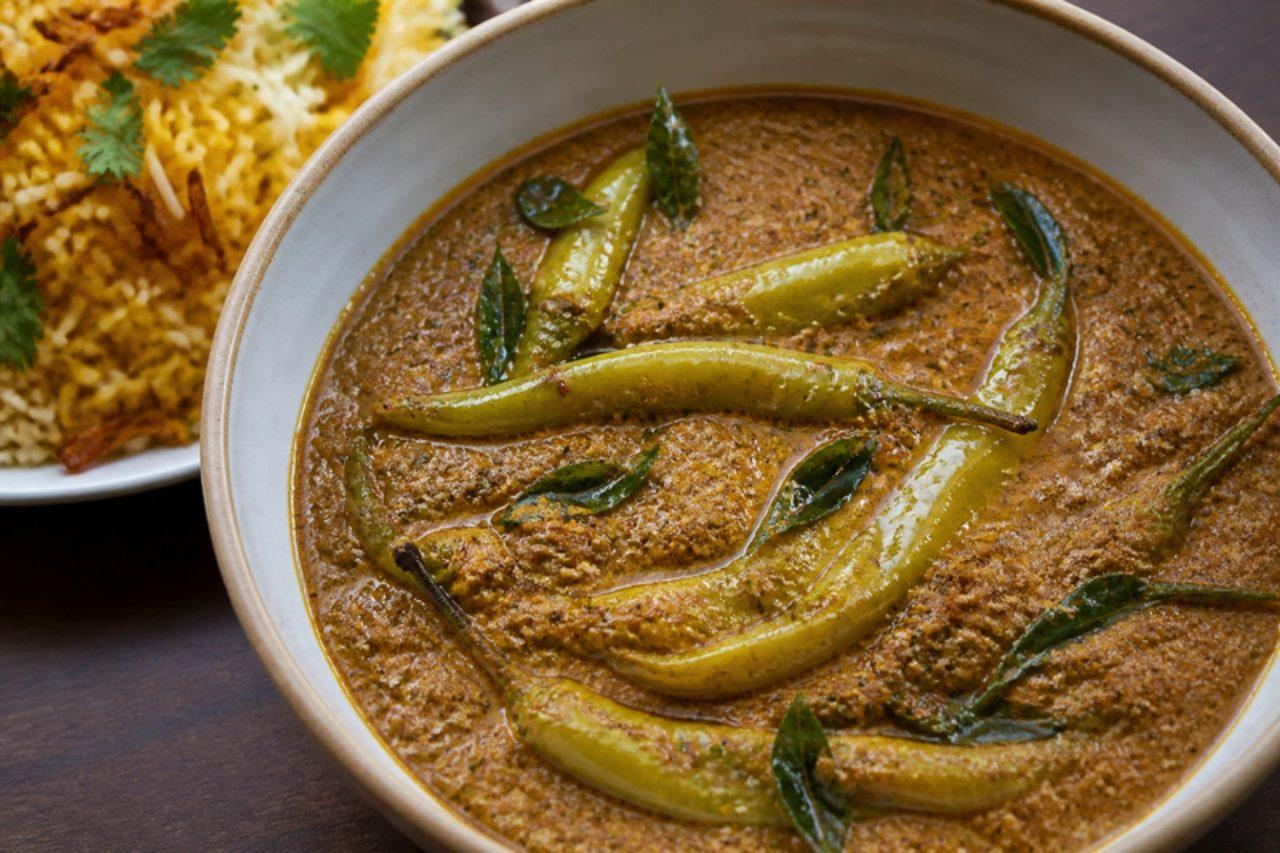
Mirchi ka salan comes from Hyderabad, where it's the classic partner for biryani at weddings and Sunday lunches. Fat, mild green chillies are fried until blistered, then simmered in a nutty gravy of roasted peanuts, sesame and dried coconut, soured with tamarind. The result is rich, tangy and only gently hot, with the chillies giving a fresh, grassy bite. It also tastes very good with plain rice, jeera rice or parathas and is even better the next day. Chef's tip: roast the peanuts, sesame and coconut separately and slowly; each browns at its own pace, and one scorched spoonful of sesame turns the whole gravy bitter.

by KrazyBadal 0 views

Mirchi vadaPotato-stuffed chilli fritters

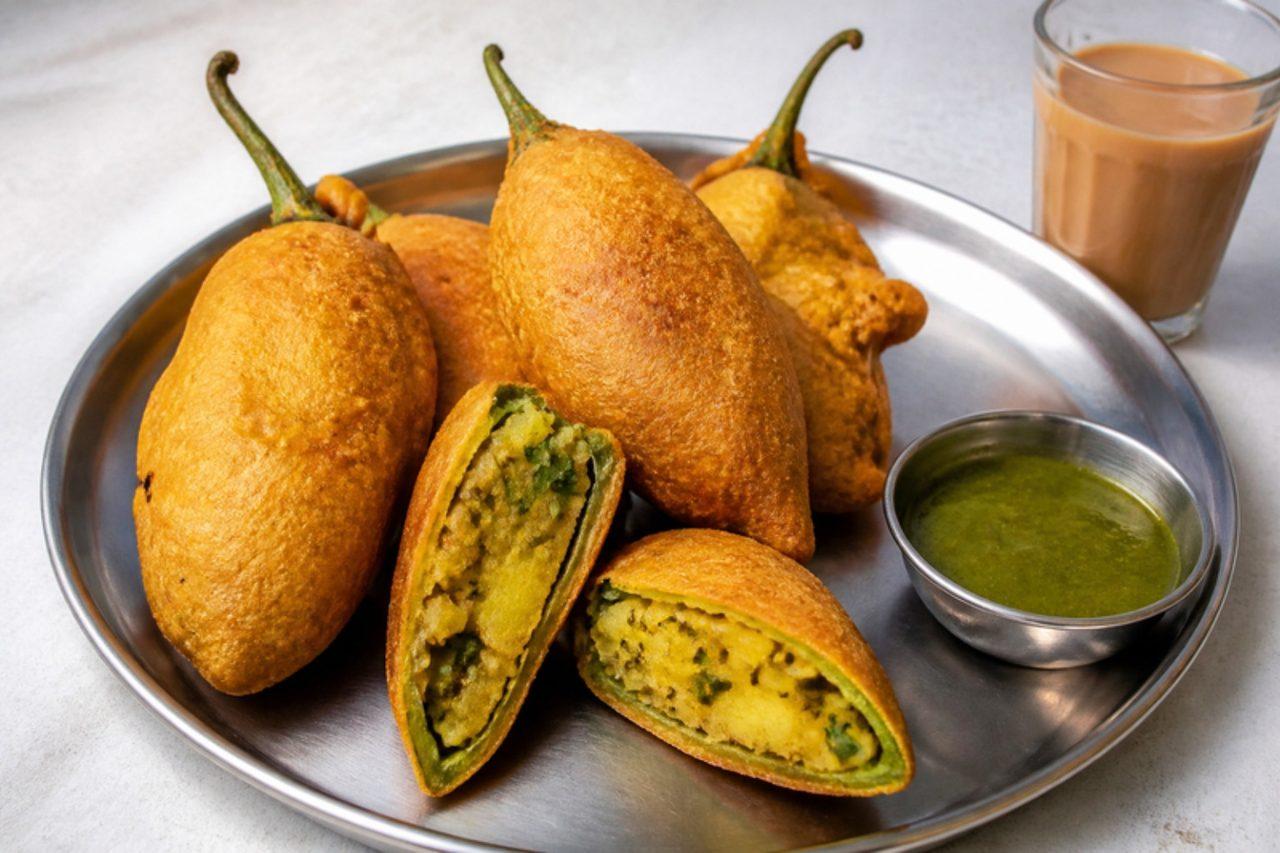
In Jodhpur, the day often begins at a roadside kadhai: huge, mild green chillies stuffed with spiced potato, coated in gram-flour batter and fried until golden and blistered, then eaten hot with sweet milky chai. Stalls near the Clock Tower and Sardar Market make them all day, and during the monsoon the queues grow longer. The chilli adds a fresh, green bite more than heat, and the filling is tangy with amchur and fennel. A common mistake is frying in oil that is not hot enough, which makes the batter heavy and oily. Chef's tip: fry each vada once until pale gold, rest it for a few minutes, then fry it again for 1 minute just before serving—this is the stall trick for a crust that stays crisp.

by KrazyBadal 0 views

Miso nikomi udonUdon in miso broth

In Nagoya, udon is cooked in its broth rather than boiled separately, in a small clay pot called a donabe that comes to the table still bubbling. The broth is made with Aichi's famous dark soybean miso, hatcho miso, which is aged for years and tastes deep, slightly bitter and chocolatey. Nagoya's noodles are deliberately firm, almost chewy at the centre, and locals use the pot's lid as a plate to cool each mouthful. It is a cold-weather lunch, and the egg poached on top is part of the ritual. Our version uses kombu-shiitake dashi and fried tofu instead of chicken. Chef's tip: dissolve the miso in a ladle of broth before adding it. Hatcho miso is dense and stays in lumps if it goes straight in.

by KrazyBadal 1 views

Mochar ghontoBanana flower and potato curry

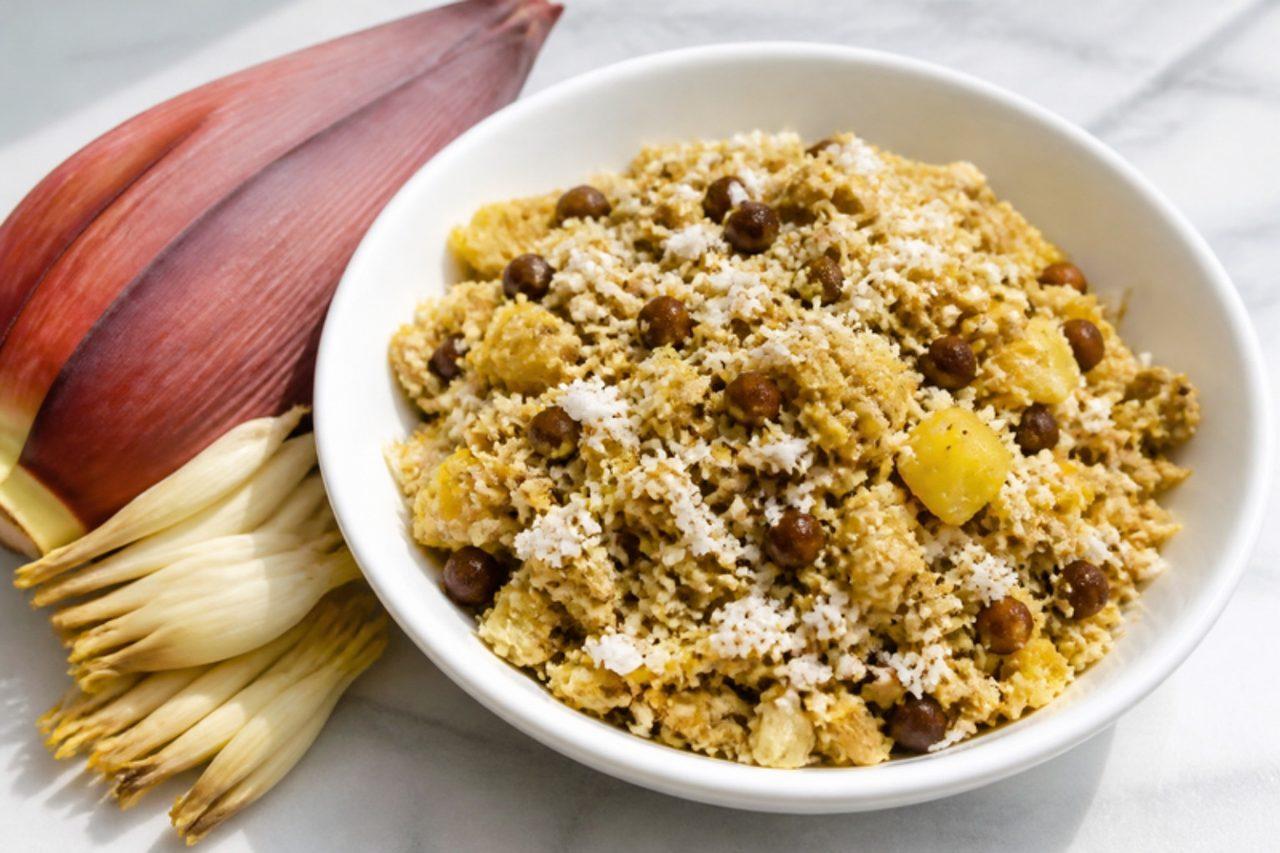
Mochar ghonto is a labour of love from Bengali home kitchens: the florets of a banana flower are cleaned one by one, boiled and then cooked down with potato, grated coconut, ginger and cumin into a soft, dry, faintly sweet ghonto. It is served at weekend lunches and to guests, with rice and a little dal, and grandmothers judge a cook by it. The flavour is earthy, a little like artichoke, lifted at the end with ghee and freshly ground garam masala. Chef's tip: oil your hands before cleaning the flower, or the sticky sap stains your fingers black.

by KrazyBadal 0 views

Showing 36 of 7,762 recipes

Show more recipes

Page 750 of 863