


Skip to content
Coco-pine biscuits
Featured recipe

Coco-pine biscuits

Nut, chocolate and cherry slice biscuits

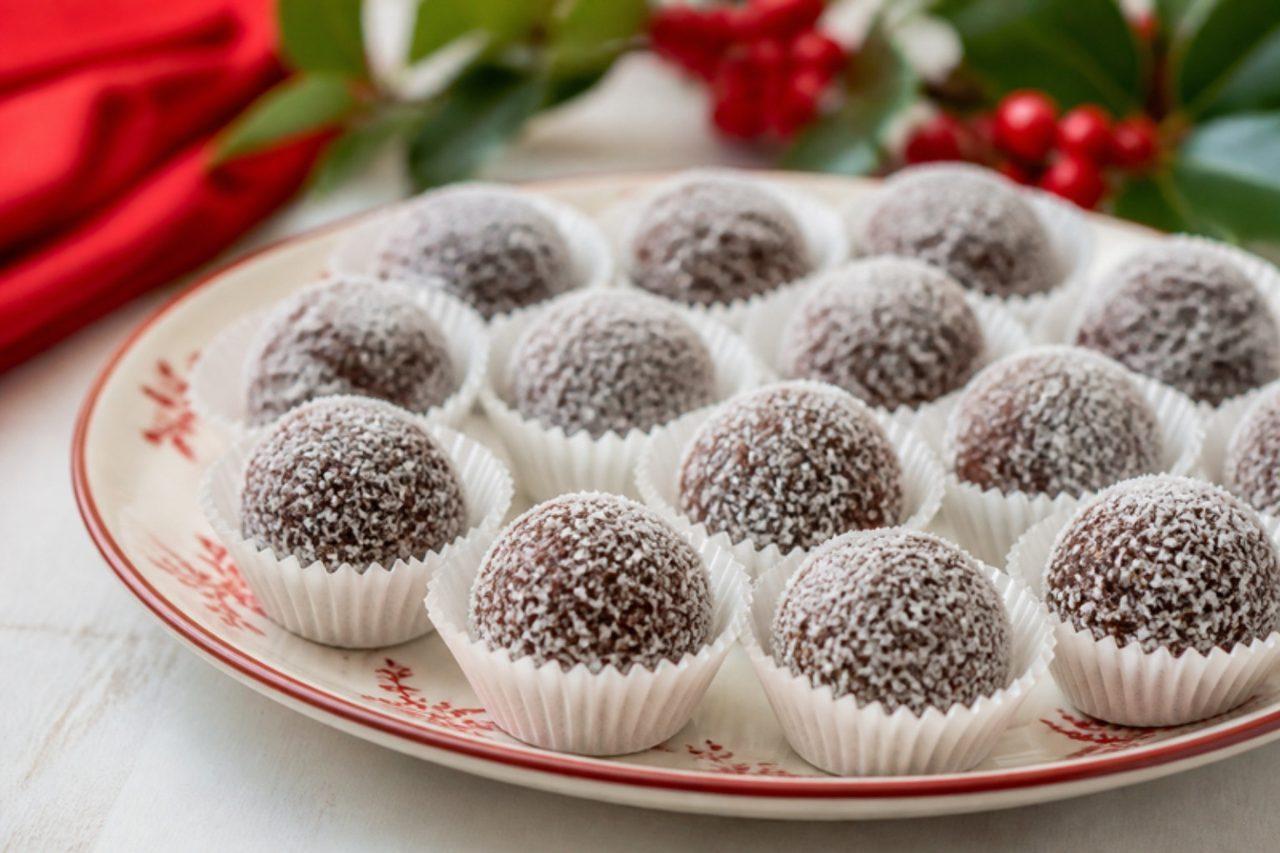
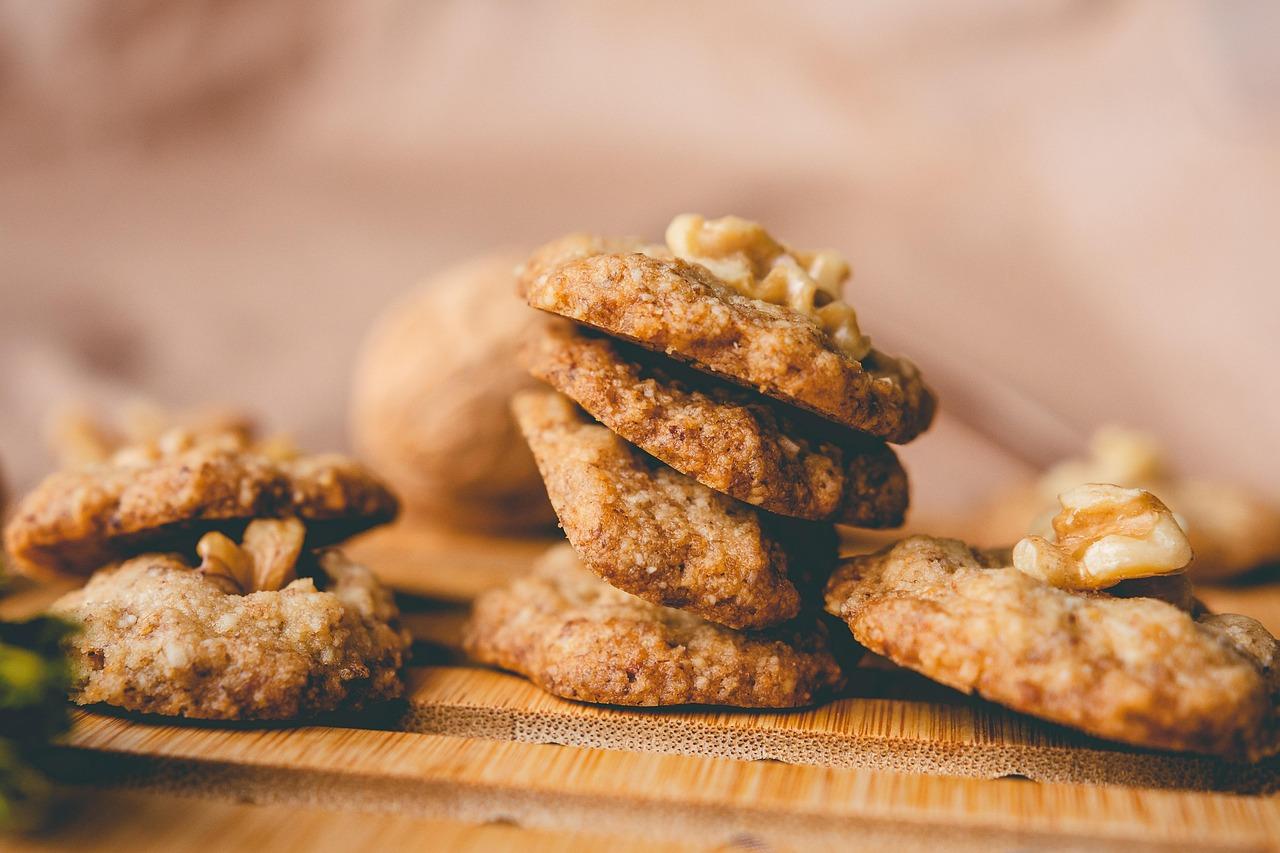
A big batch of party biscuits: a buttery dough with mixed nuts, chocolate pieces, cherries and coconut, bound with coco-pine juice (mixed coconut and pineapple juice). The dough is shaped into rolls, chilled and sliced thin, so you can bake as many as you need. Leftover coconut milk can be frozen in ice-cube trays and used whenever required.

Read more 0 views

What to eat today?

Around the world

Today's trip: Paraguayan

A new country every day, from every cuisine on the site.

Paraguayan

Cocido quemado

Burnt sugar mate drink 14 minMore from Paraguayan (27) →

This week's collection

Kid-friendly dinners
537 recipes · a new collection every Monday

Latest recipes

Kolhapuri tambda rassa with pandhra rassaFiery red mutton broth

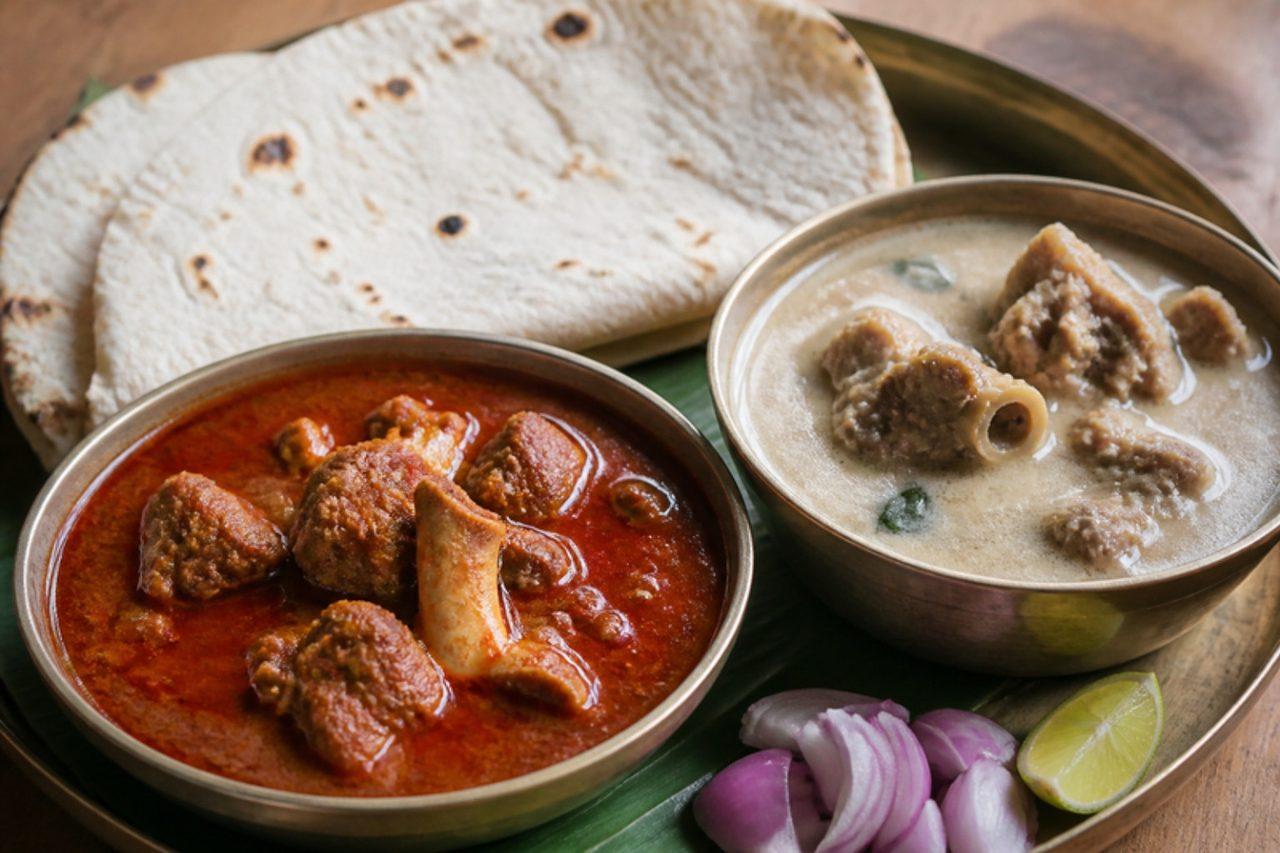
In Kolhapur, in the far south of Maharashtra, Sunday lunch at a khanaval (a family-run eating house) means mutton cooked one way and served two: a thin, blazing-red tambda rassa and a soothing white pandhra rassa made from the same stock. Diners sip the white one between spoonfuls of the red, with bhakri, rice and raw onion on the side. The heat comes from Kolhapur's own chilli blend and a dark-roasted coconut and onion masala. Chef's tip: roast the dried coconut and the onions until they are properly brown, almost mahogany; that roasting, not extra chilli, is what gives the rassa its deep colour and smoky taste.

135 minIndianMeatGluten freeSpicy
by KrazyBadal 0 views

Kol posolaBanana stem stir-fry

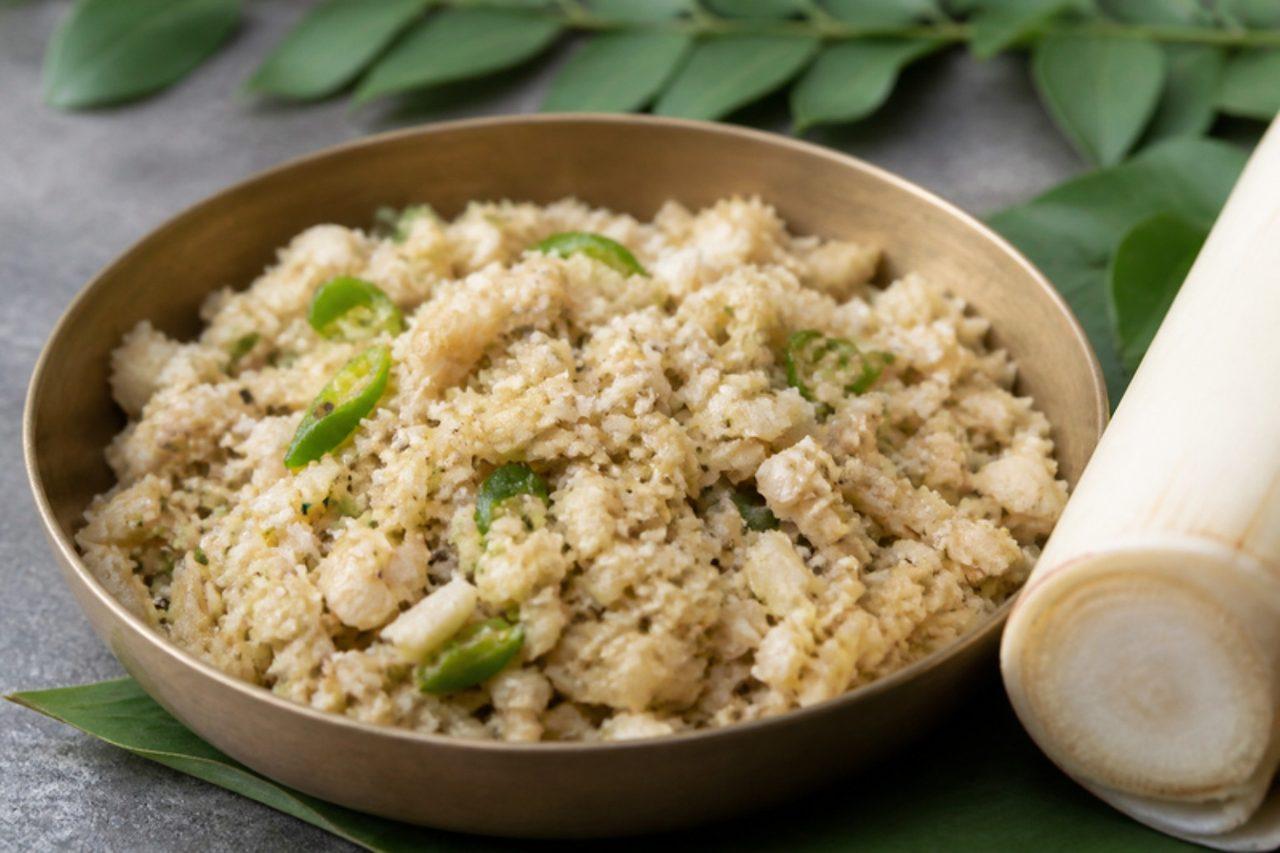
Kol posola is the pale inner core of the banana plant, chopped and cooked down with mustard oil, ginger and green chilli until it is soft, juicy and faintly sweet. In Assamese villages, where banana plants grow in every yard, it is cheap everyday food, and it is also a favourite on Bihu tables and in Assamese thalis in Guwahati restaurants. It has a mild, cucumber-like flavour and is prized as a cooling, cleansing food. Chef's tip: as you chop the stem, twirl a finger or a skewer through the slices to catch and pull away the fine fibres; otherwise they stay stringy.

by KrazyBadal 0 views

KokodaLime-cured fish in coconut cream

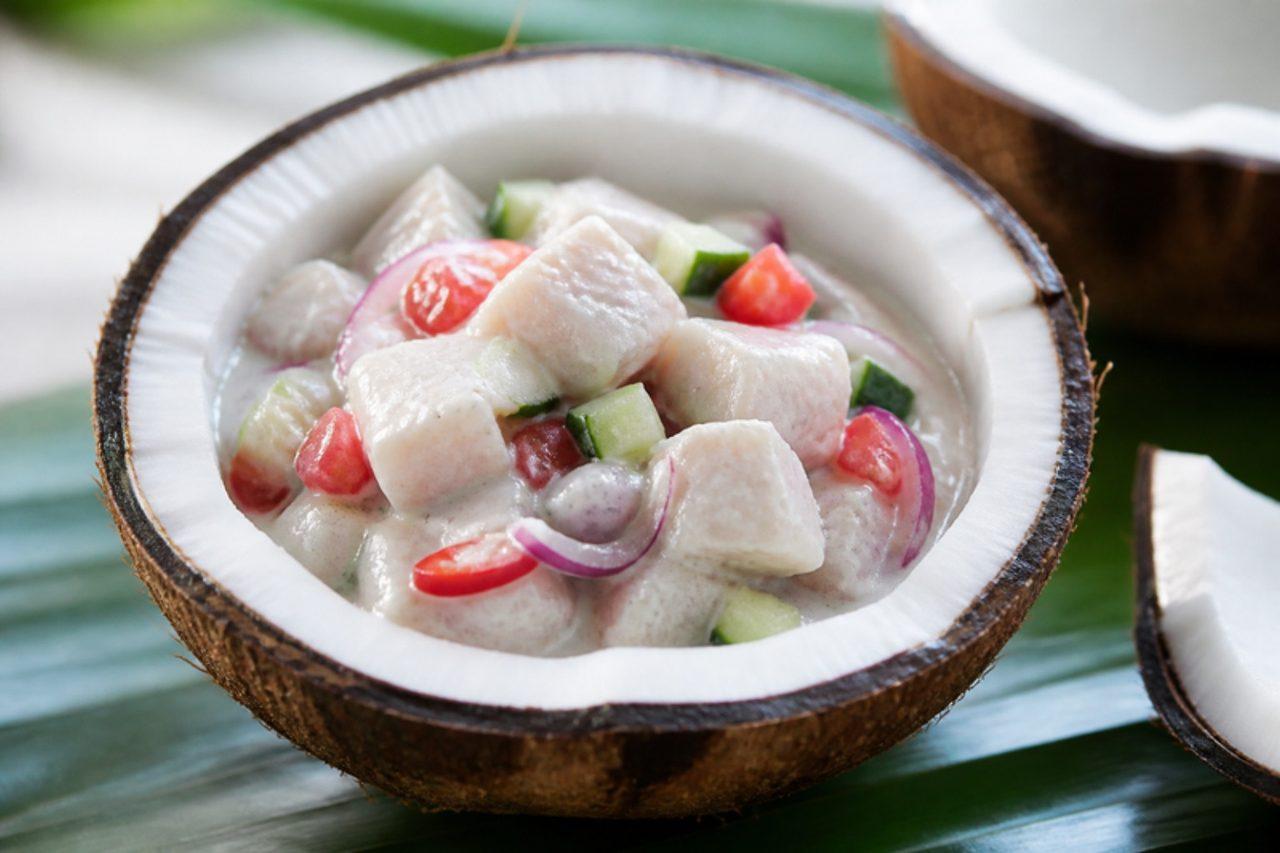
Kokoda (said "ko-kon-da") is Fiji's answer to ceviche, made in villages on Viti Levu and served at Suva's restaurants and family feasts in a half coconut shell: cubes of white fish soaked in lime juice until they turn white, then mixed with fresh coconut cream, onion, tomato, chilli and a little cucumber. Lime "cooks" the look of the fish but does not kill bacteria or parasites like heat does, so this is written as a safer version: use only very fresh fish that has been frozen first (sold as sashimi or sushi grade), keep everything cold and eat it within 2 hours. Raw or lime-cured fish is not for pregnant women, young children or anyone with a weakened immune system; for them, use the lightly poached option in the steps. The mistake is leaving the fish in lime too long, which turns it chalky; 15–20 minutes is enough. Chef's tip: drain off the lime juice before adding the coconut cream so the dish stays creamy, not sour.

by KrazyBadal 0 views

TaralliFennel and olive oil rings

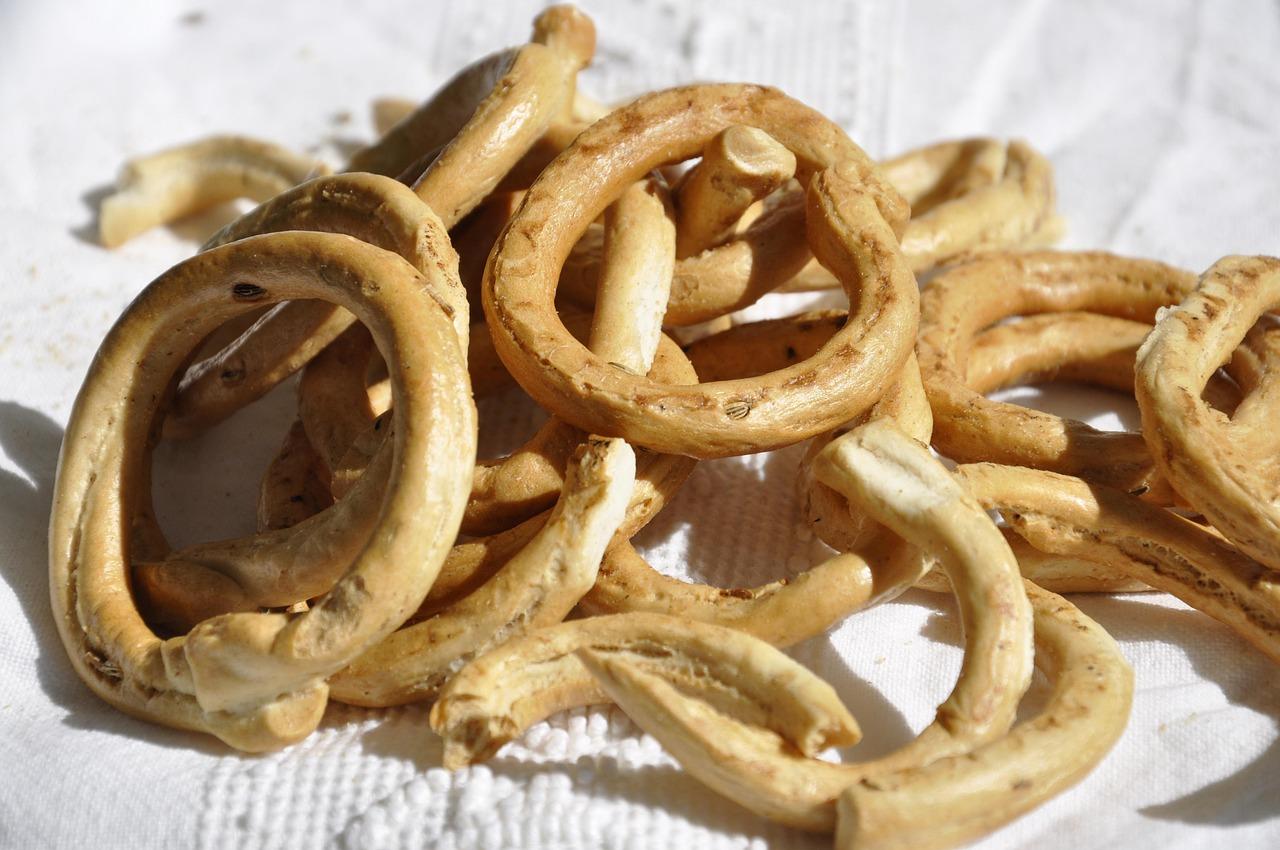
Taralli are the crunchy rings found on every table in Puglia: with a glass of wine before dinner, in bags on the beach, or dunked in coffee. They are made with olive oil and dry white wine, no yeast or butter, and boiled briefly before baking, which gives them their shiny skin and fine, crumbly bite. Fennel seed is the classic flavour; black pepper or chilli are common too. They keep for weeks in a tin. Chef's tip: lift them out of the water the moment they float; longer boiling makes them hard and glassy instead of crumbly.

by KrazyBadal 0 views

TaratorCold yogurt and cucumber soup

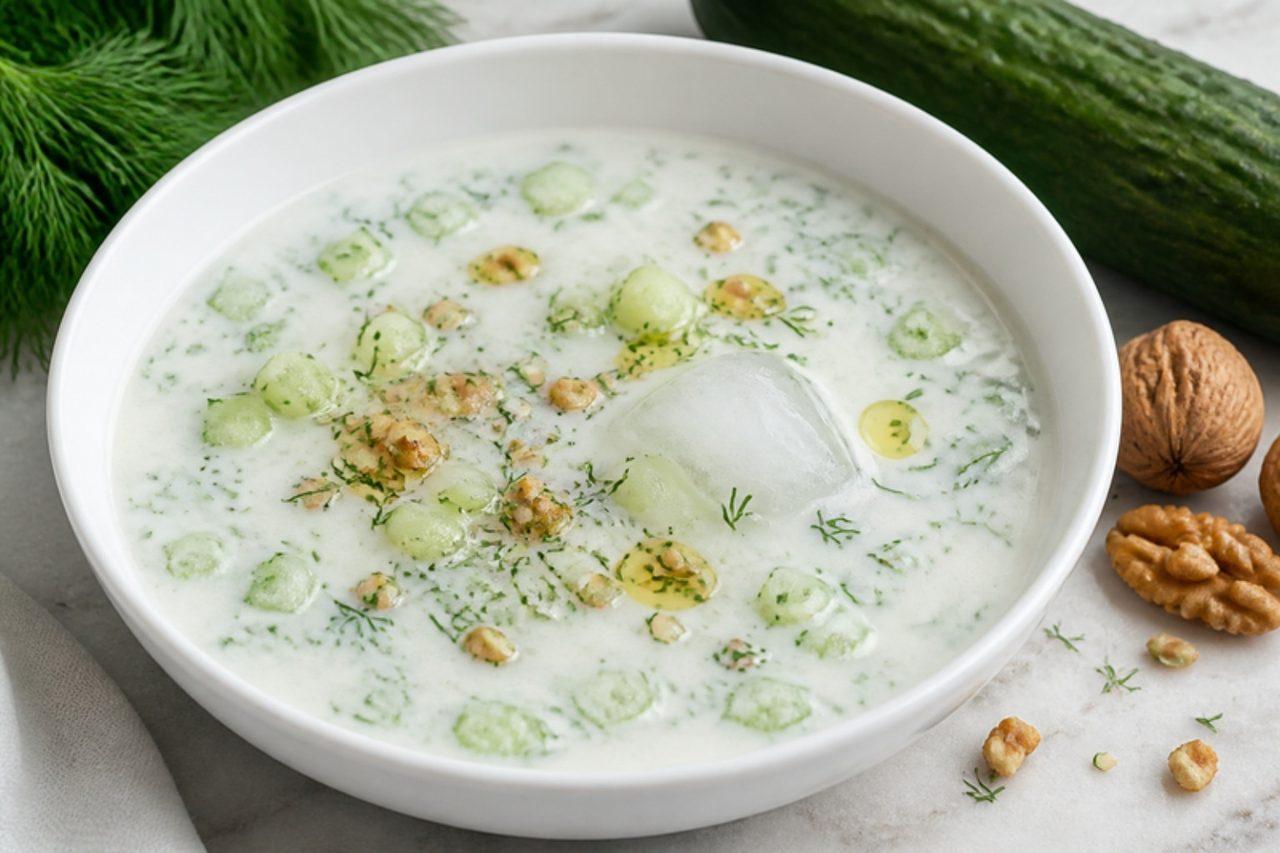
Tarator is what Bulgarians eat on hot July days, from the Black Sea resorts of Varna and Burgas to Sofia lunch counters: a cold, thin soup of tangy yogurt and water with grated cucumber, garlic, dill and crushed walnuts, a drizzle of sunflower oil on top and sometimes an ice cube floating in the bowl. It is served as a starter or drunk from a glass beside a plate of grilled vegetables. Chef's tip: use full-fat, sour, set yogurt and thin it to the consistency of single cream; making it too thick is the usual mistake, and it should be sippable.

by KrazyBadal 0 views

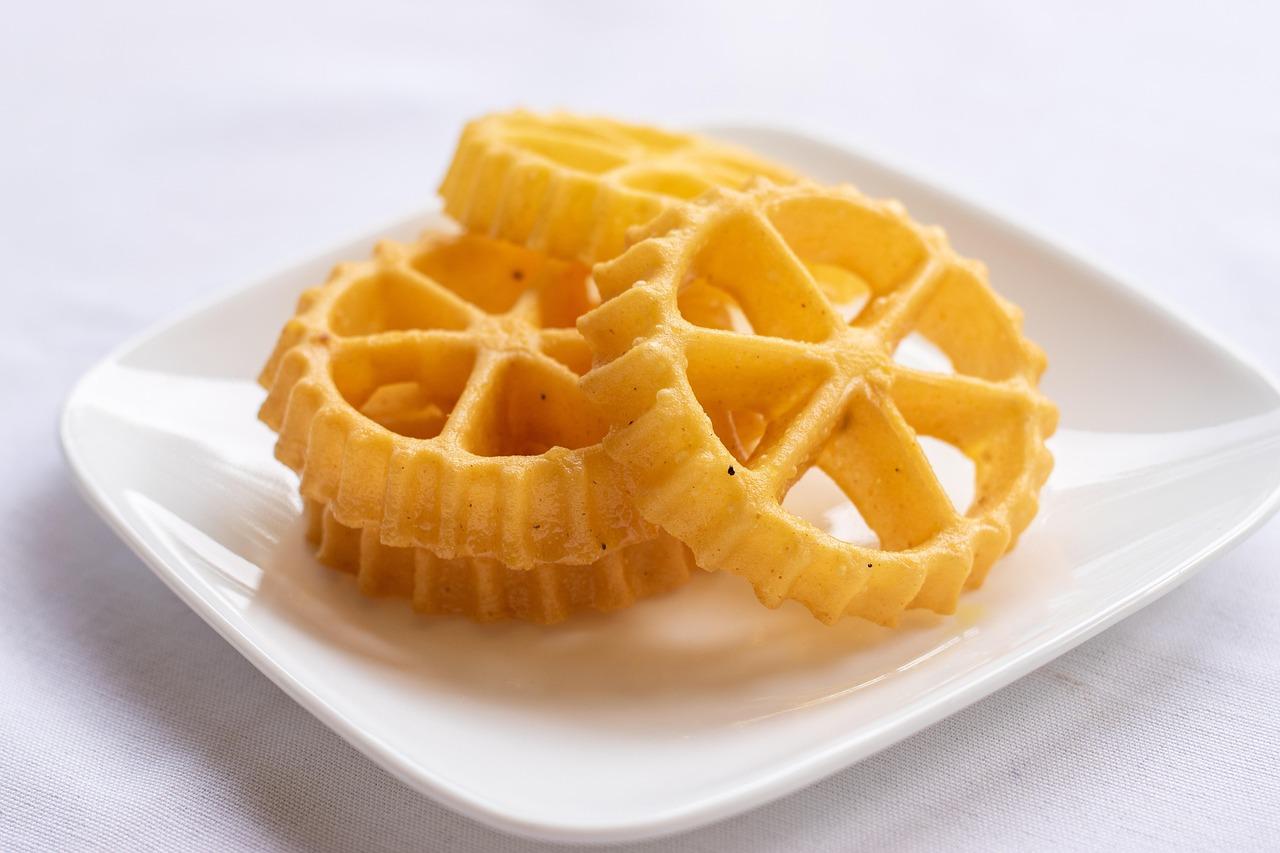
KokisCrisp rice flour flowers

Kokis are the lacy, wheel-shaped crisps that every Sri Lankan family fries in the days before Sinhala and Tamil New Year in April, piled onto the Avurudu table beside kavum, kiri bath and banana. A thin batter of rice flour, thick coconut milk, egg and a little turmeric is picked up on a hot brass kokis mould, dipped into the oil, and shaken free as it sets, so each one is light, salty-sweet and shatteringly crunchy. They're a cousin of the rosette cookie but savoury rather than sugary. The usual mistake is dipping the mould right under the batter, so the kokis sticks and won't release; dip it only three-quarters of the way up its sides. Chef's tip: heat the mould in the oil for a full minute before the first dip, and return it to the oil between every kokis; a cold mould won't pick up batter.

by KrazyBadal 0 views

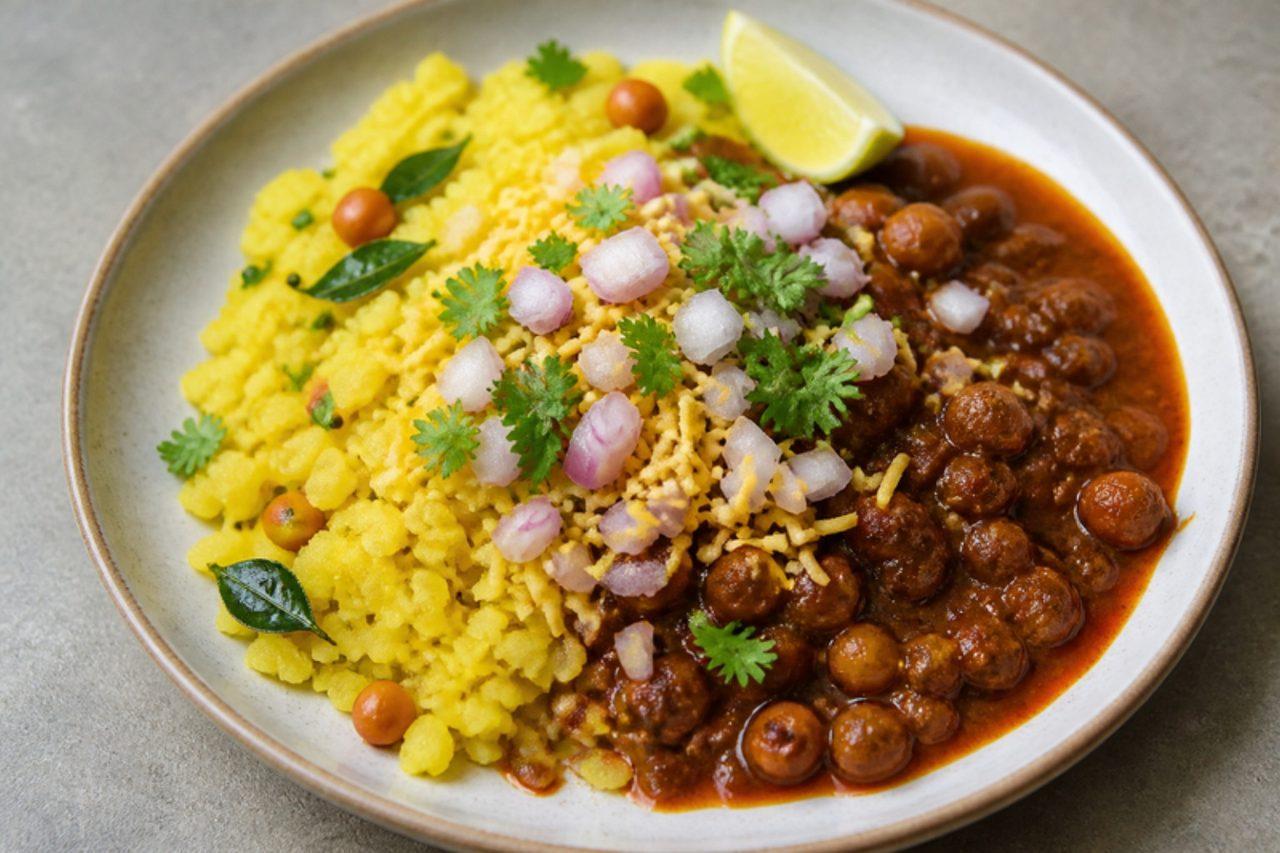
Tarri pohaFlattened rice with spicy chickpea curry

In Nagpur, winter mornings start at a poha stall: soft, turmeric-yellow flattened rice heaped onto a plate and then flooded with tarri, a spicy black-chickpea gravy with a slick of red oil on top, finished with raw onion, sev, coriander and a squeeze of lemon. It's Vidarbha's answer to the plain poha eaten elsewhere in India, louder and hotter, made for a cold morning and a cutting chai. Making it at home takes a little planning because the chana needs an overnight soak, but the tarri keeps for days. Chef's tip: don't skimp on the oil in the tarri; the red layer that floats on top is what soaks into the poha and gives the dish its name.

by KrazyBadal 0 views

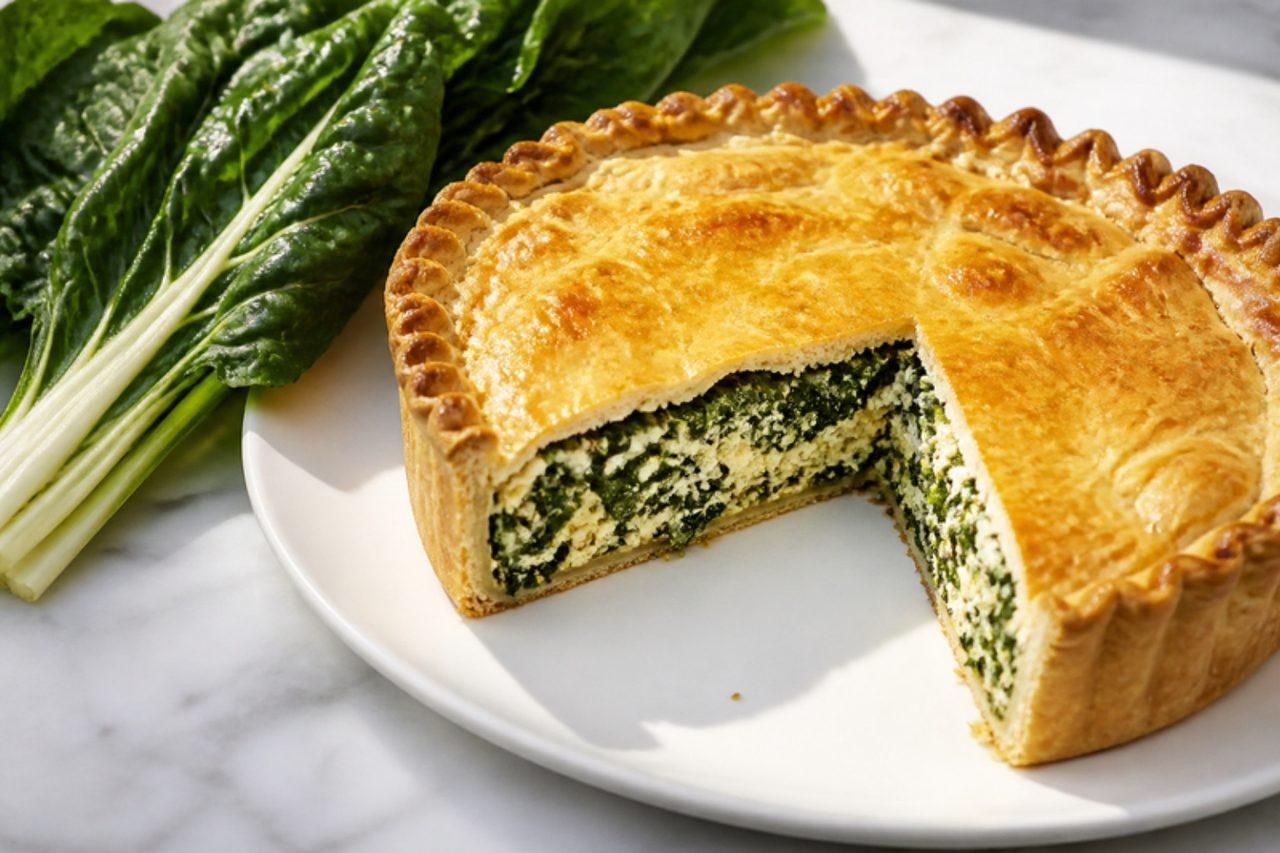
Tarta de acelgaChard and cheese pie

Tarta de acelga is the green, savoury pie found in every Argentine bakery window and on weeknight tables, a legacy of Italian torta pasqualina. Swiss chard is wilted with onion, bound with eggs and soft cheese, seasoned with nutmeg and baked between layers of pastry, sometimes with whole eggs hidden inside. It's eaten warm or cold, for dinner with a salad or packed for a picnic. Chef's tip: squeeze the cooked chard hard in your hands; any water left in it makes the pastry soggy.

by KrazyBadal 0 views

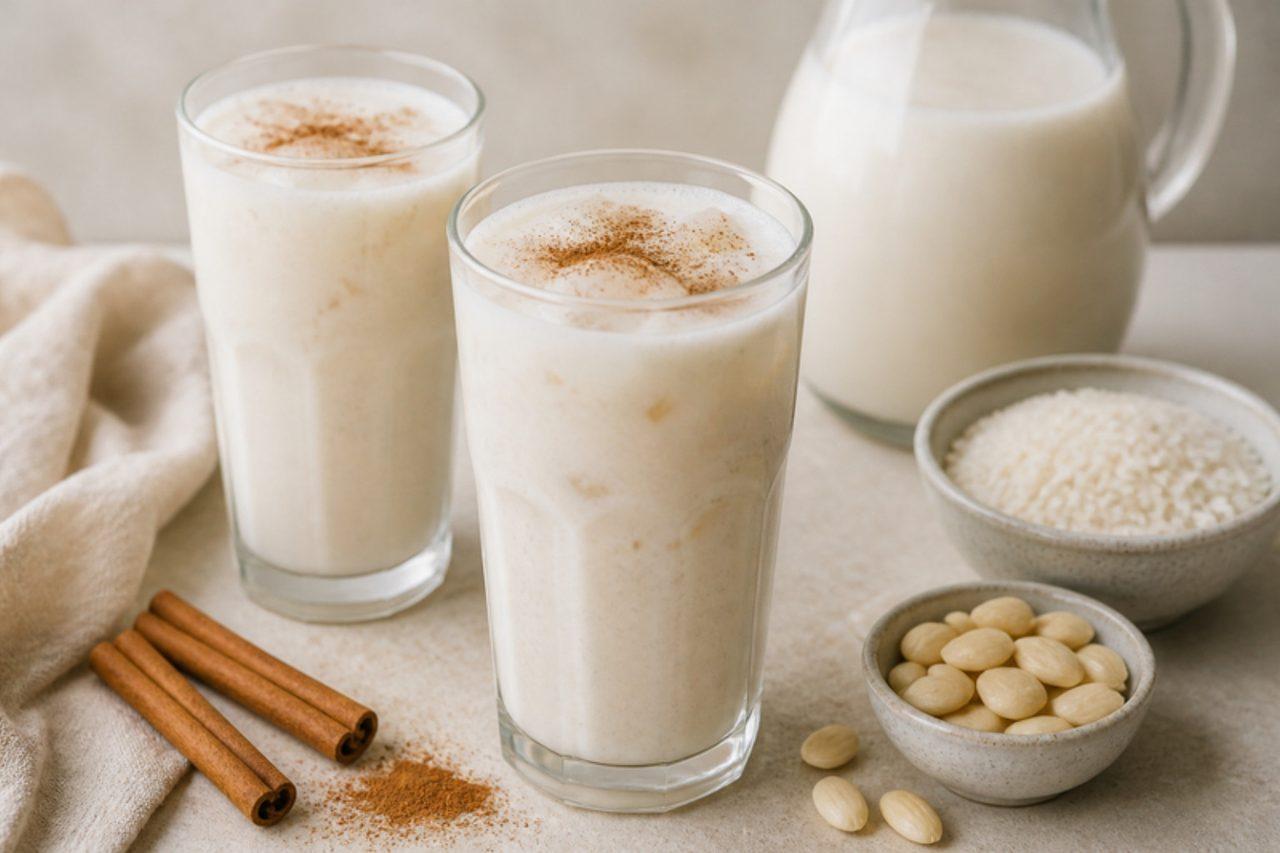
Horchata de arrozRice and cinnamon drink

Mexican horchata is a sweet, milky-looking agua fresca made from rice soaked overnight with cinnamon, then blended and strained. It is quite different from the Valencian horchata de chufa made from tiger nuts. Sold everywhere from Mexico City street stalls to taquerías in Oaxaca, it cools the mouth after a spicy taco and tastes of cinnamon, vanilla and toasted grain. We blend in almonds for extra creaminess and keep it dairy free, so it is vegan. Chef's tip: strain twice, the second time through a fine cloth; a gritty horchata is the most common mistake, and that silky texture is what you're after.

by KrazyBadal 0 views

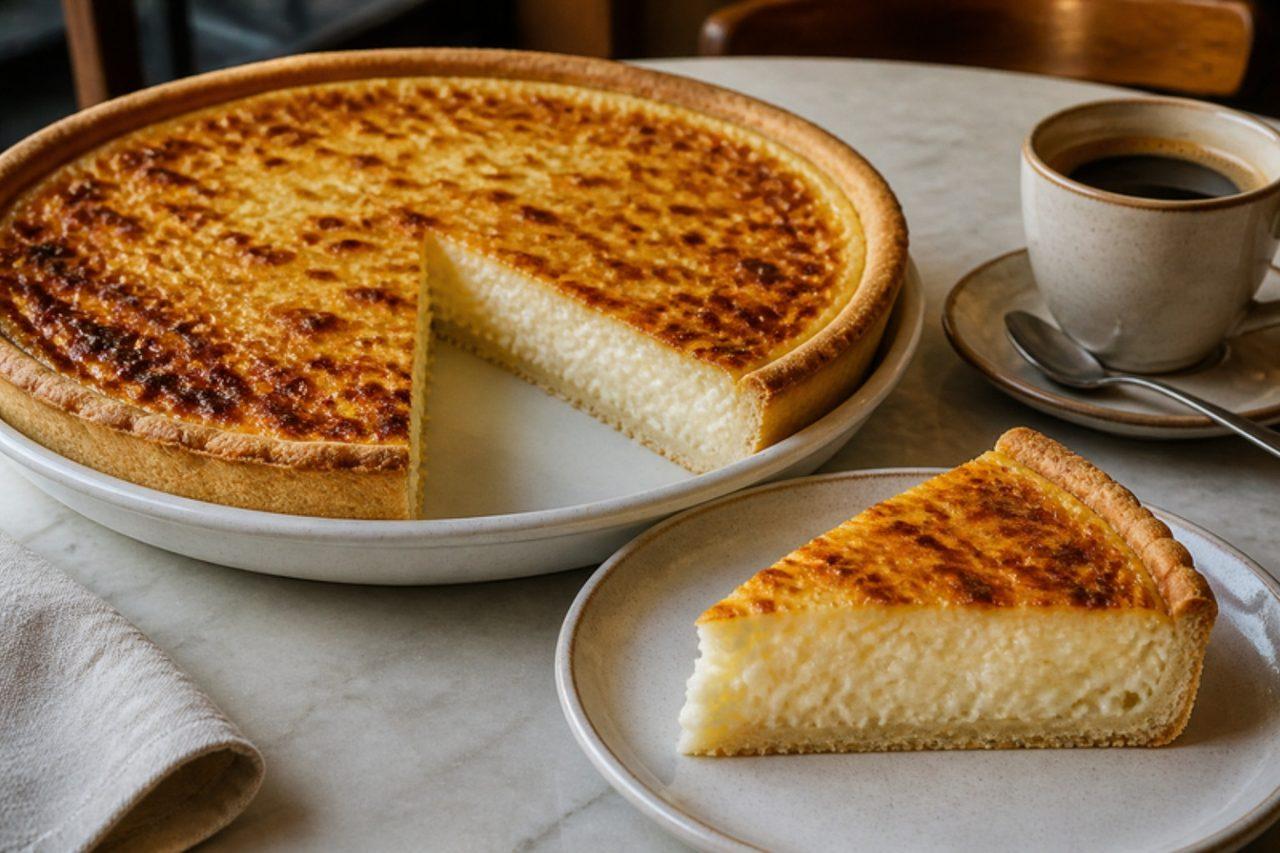
Tarte au rizRice pudding tart

In the province of Liège, and above all in the town of Verviers, no village fair (ducasse) or family celebration happens without tarte au riz, called rijsttaart in Flanders. A thin, soft yeast-dough crust holds a thick layer of rice cooked slowly in milk with vanilla and sugar, enriched with egg yolks and baked until the top is speckled brown. People buy whole tarts from the bakery for a birthday and eat them cold with coffee. Chef's tip: cook the rice until a spoon drawn through it leaves a clear path that closes slowly; a runny filling never sets in the oven, and the crust turns soggy.

by KrazyBadal 0 views

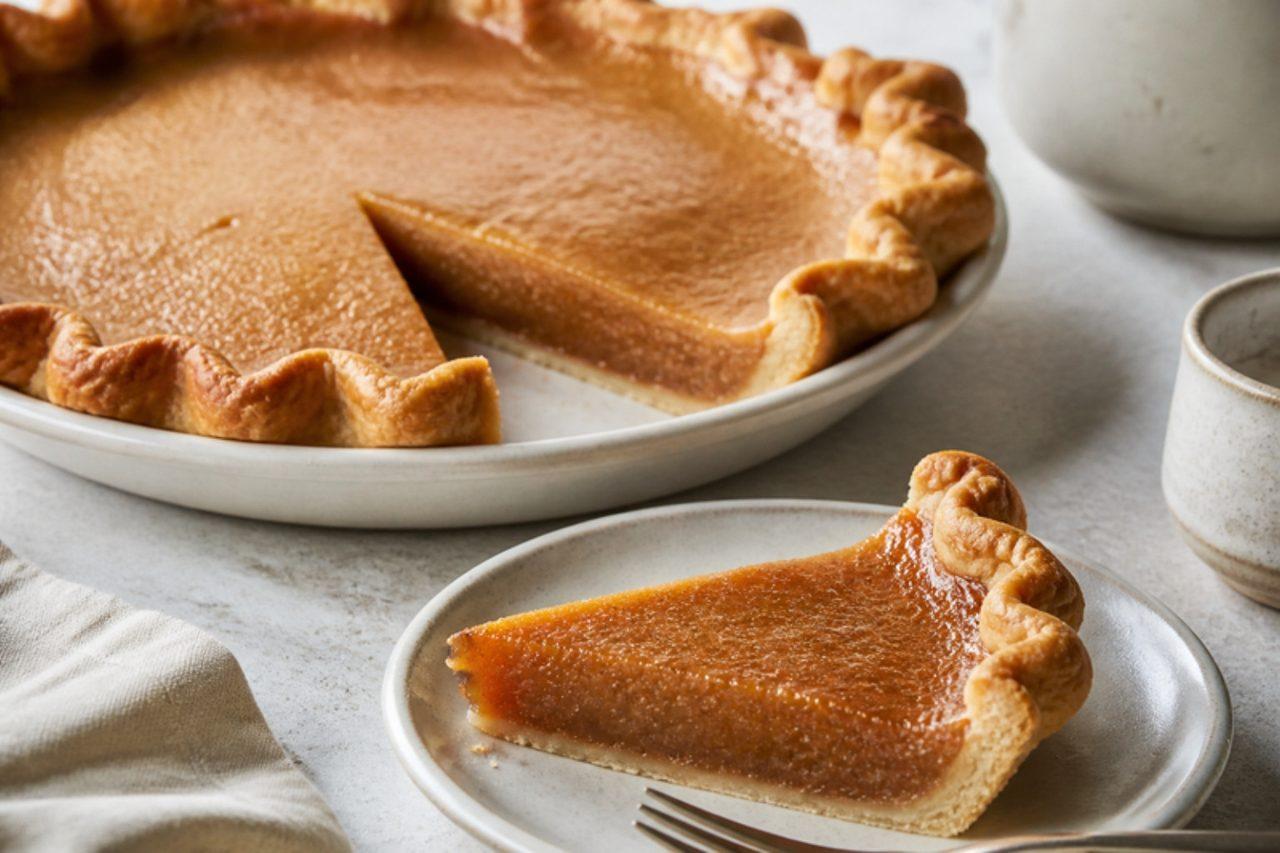
Tarte au sucreMaple sugar pie

Tarte au sucre is the sweet that closes Québec's holiday réveillon (Christmas Eve feast) and the Sunday meal at grandmother's house. Brown sugar, cream and a little maple syrup are thickened with flour and baked in a buttery shell until set like soft fudge, glossy on top. It's very sweet, so slices are thin, often with a dollop of unsweetened whipped cream. Rural Acadian and Franco-Ontarian families make very similar pies. Chef's tip: let it cool completely, for at least 3 hours; warm sugar pie is runny and only sets as it cools.

by KrazyBadal 0 views

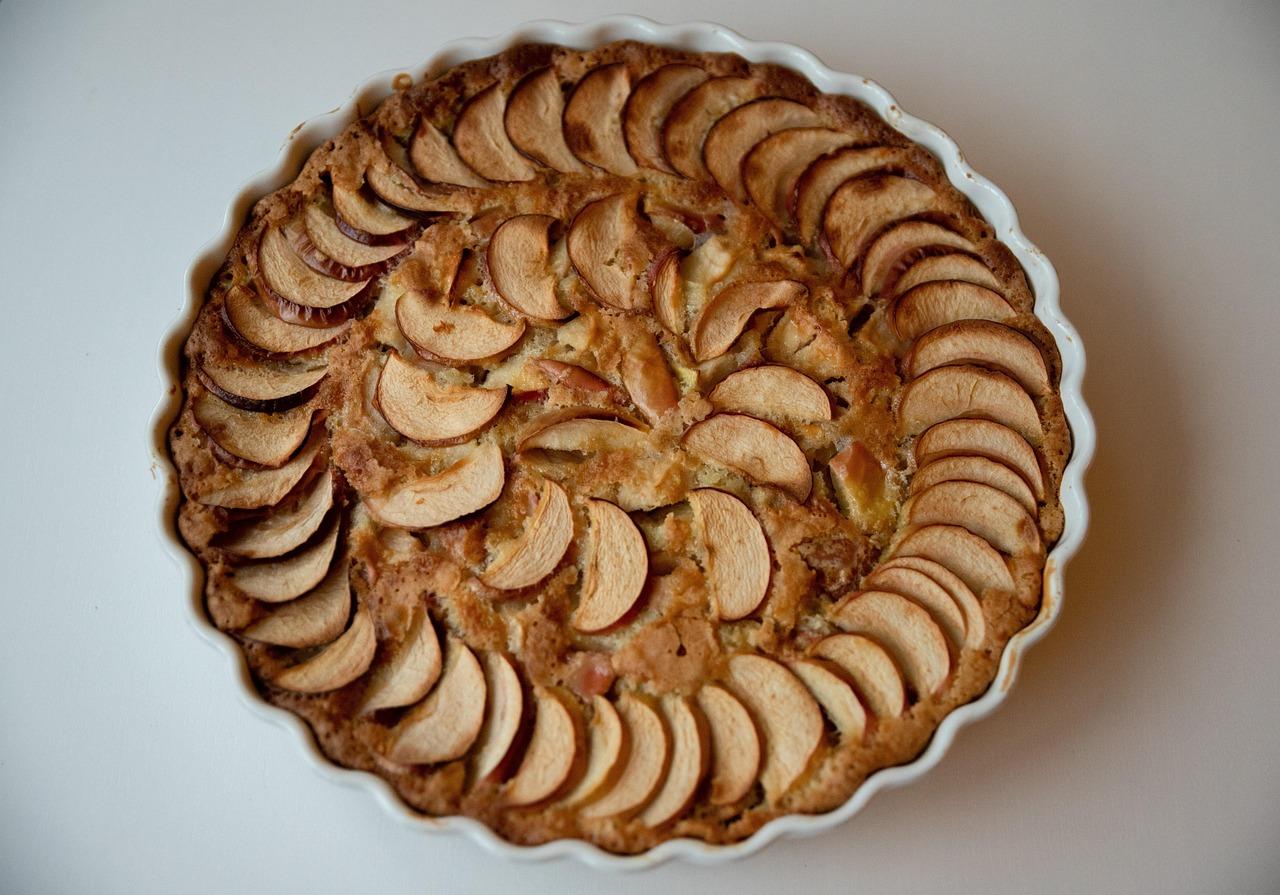
Tarte normandeApple tart with custard

Normandy is the land of orchards and dairy cows, and its apple tart uses both: sliced apples baked in a buttery pastry case, then covered with a custard of eggs, crème fraîche and sugar that sets around the fruit, golden and slightly puffed. Some cooks add a splash of Calvados, the local apple brandy. It's served for Sunday lunch, at village fêtes in autumn, and with a glass of cider. The apples stay soft but hold their slices, and the custard tastes like baked cream. Chef's tip: pre-bake the pastry case before adding the custard; skipping it is the common mistake that leaves a pale, soggy base.

by KrazyBadal 0 views

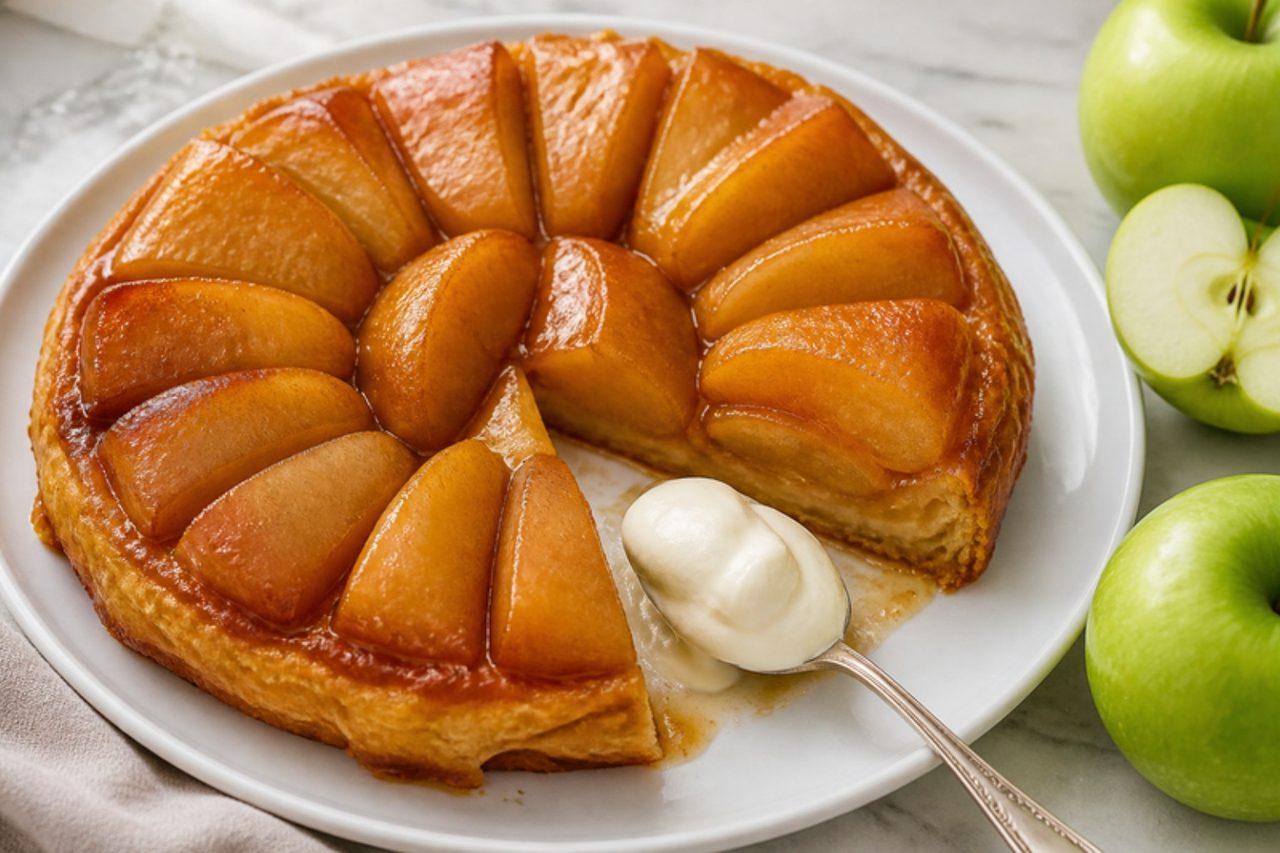
Tarte tatinUpside-down apple tart

Tarte tatin is said to have been created at the Hôtel Tatin in Lamotte-Beuvron, in the Sologne, south of Orléans, where the Tatin sisters cooked for hunting parties in the 1880s. The apples are cooked in butter and sugar until they turn amber, covered with pastry, baked, then turned out so the glossy caramelised fruit sits on top of a crisp base. It is the French family dessert of autumn and winter, served warm with crème fraîche. This version uses an all-butter shortcrust made without egg. Chef's tip: pack in more apples than seem possible, as they shrink; using too few is the common mistake and leaves a flat tart with gaps.

by KrazyBadal 0 views

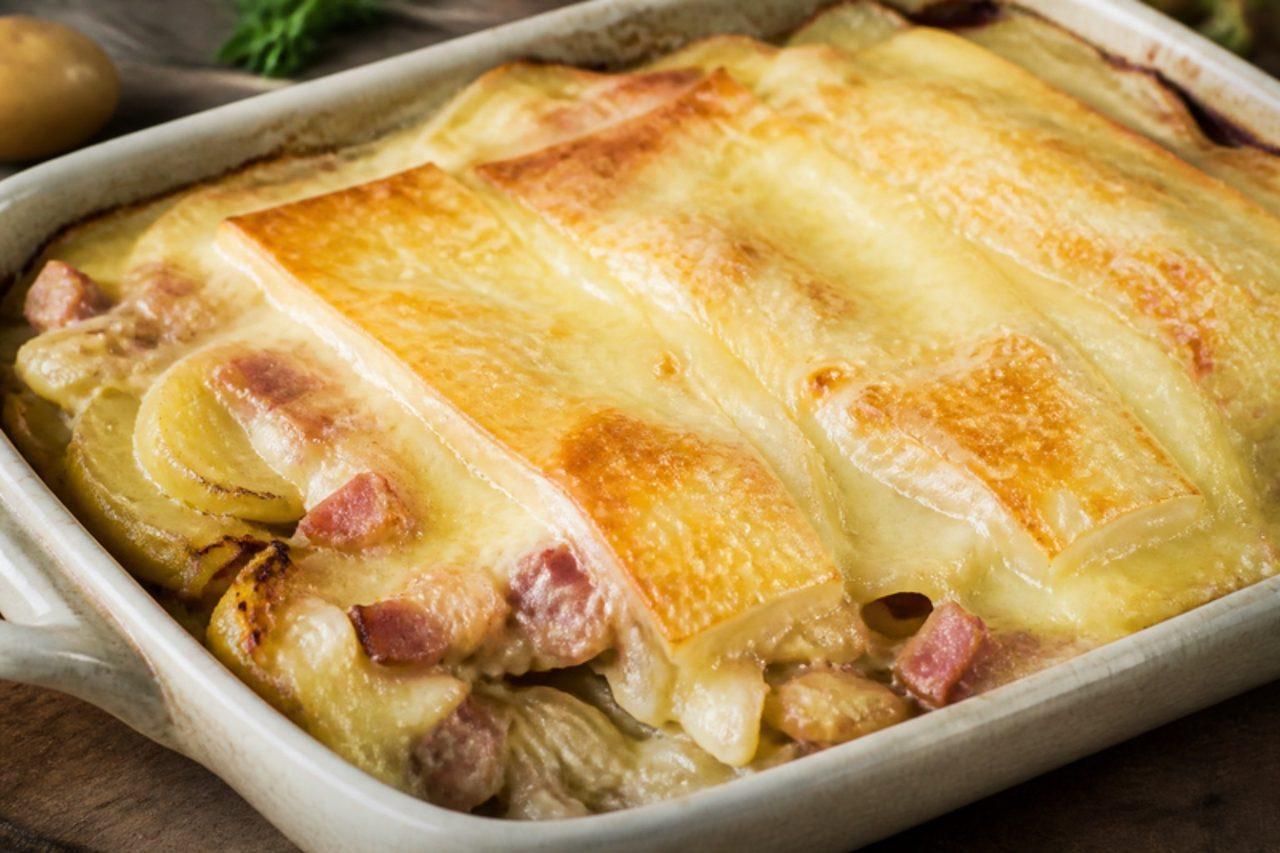
TartiflettePotato, bacon and Reblochon bake

Tartiflette is the dish skiers dream about on the last run of the day in the Savoie Alps, served bubbling in its dish in mountain restaurants from Annecy to Val d'Isère. It contains pork: sliced potatoes are layered with onion, smoky lardons and a splash of cream, then a whole Reblochon cheese is halved and laid rind-side up on top so it melts down through everything in the oven. Many cooks add a splash of white wine to the onions; this recipe leaves it out, so it is alcohol-free. Eat it with a sharp green salad and cornichons. Chef's tip: keep the rind on the Reblochon; it bakes to a golden, nutty crust.

75 minFrenchMeatGluten free
by KrazyBadal 0 views

KokiSteamed black-eyed bean pudding

Koki is a dense, orange-red bean cake from the Douala and Bakweri country of Cameroon, made from skinned black-eyed beans blended with red palm oil, chilli and greens, then wrapped in banana leaves and steamed for hours. It is weekend food and market food, eaten with boiled plantain, cassava or ripe banana. It is related to Nigerian moi moi but heavier, richer with palm oil and full of cocoyam leaves or spinach. Chef's tip: warm the palm oil just until liquid before beating it in; poured in cold and solid it leaves streaks of fat instead of an even orange colour.

by KrazyBadal 0 views

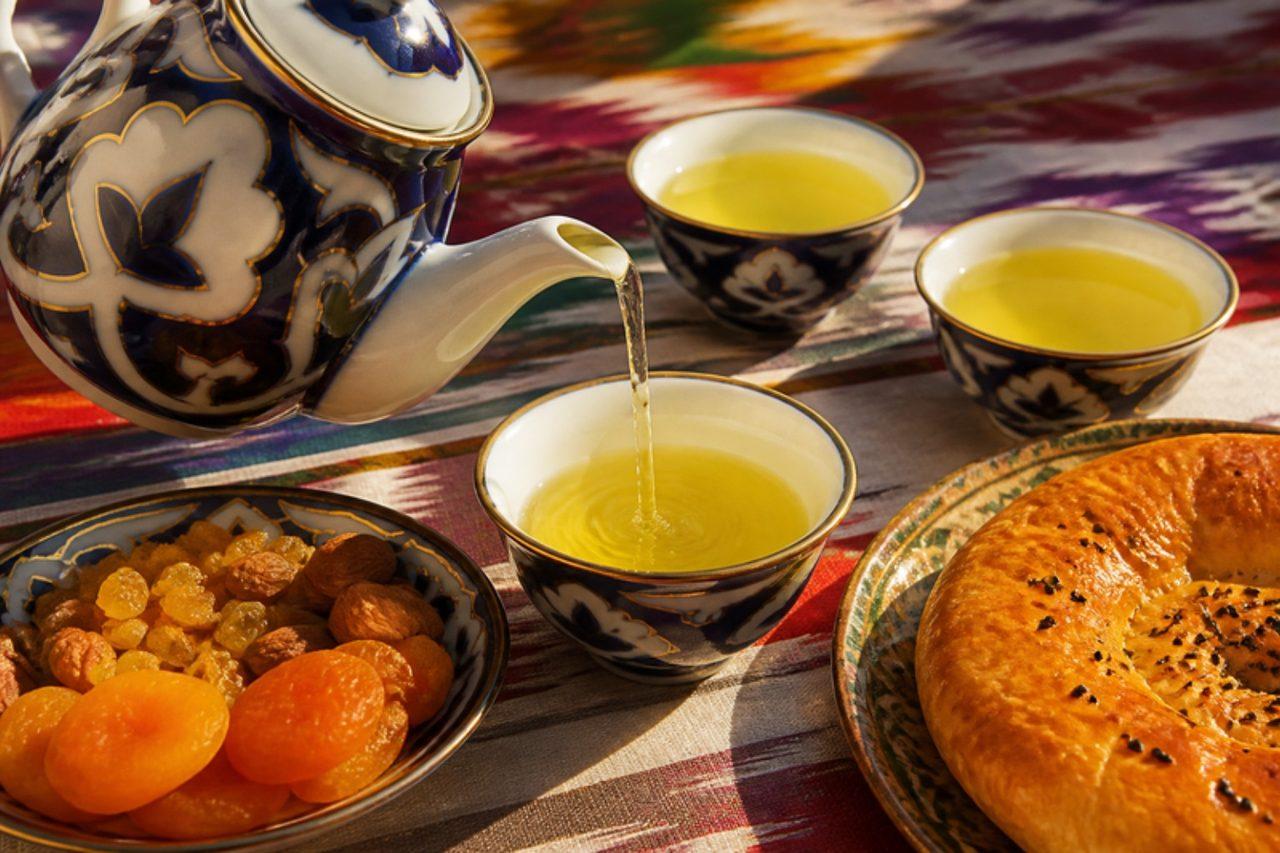
Kok choyGreen tea

In an Uzbek chaikhana, from Tashkent's shady teahouses to the courtyards of Khiva, the first thing to arrive is a teapot of kok choy, green tea, with small bowls (piala) and a plate of raisins, almonds and sweets. The host performs qaytarish: pours a bowl, tips it back into the pot, and repeats three times to blend the brew, then serves each guest a bowl only half full, a sign they should stay and be topped up. Green tea is drunk with plov to cut the oil, and all through hot summer days. Chef's tip: use water just off the boil (about 90°C) and warm the pot first; boiling water straight from the kettle makes Chinese green tea taste harsh.

by KrazyBadal 0 views

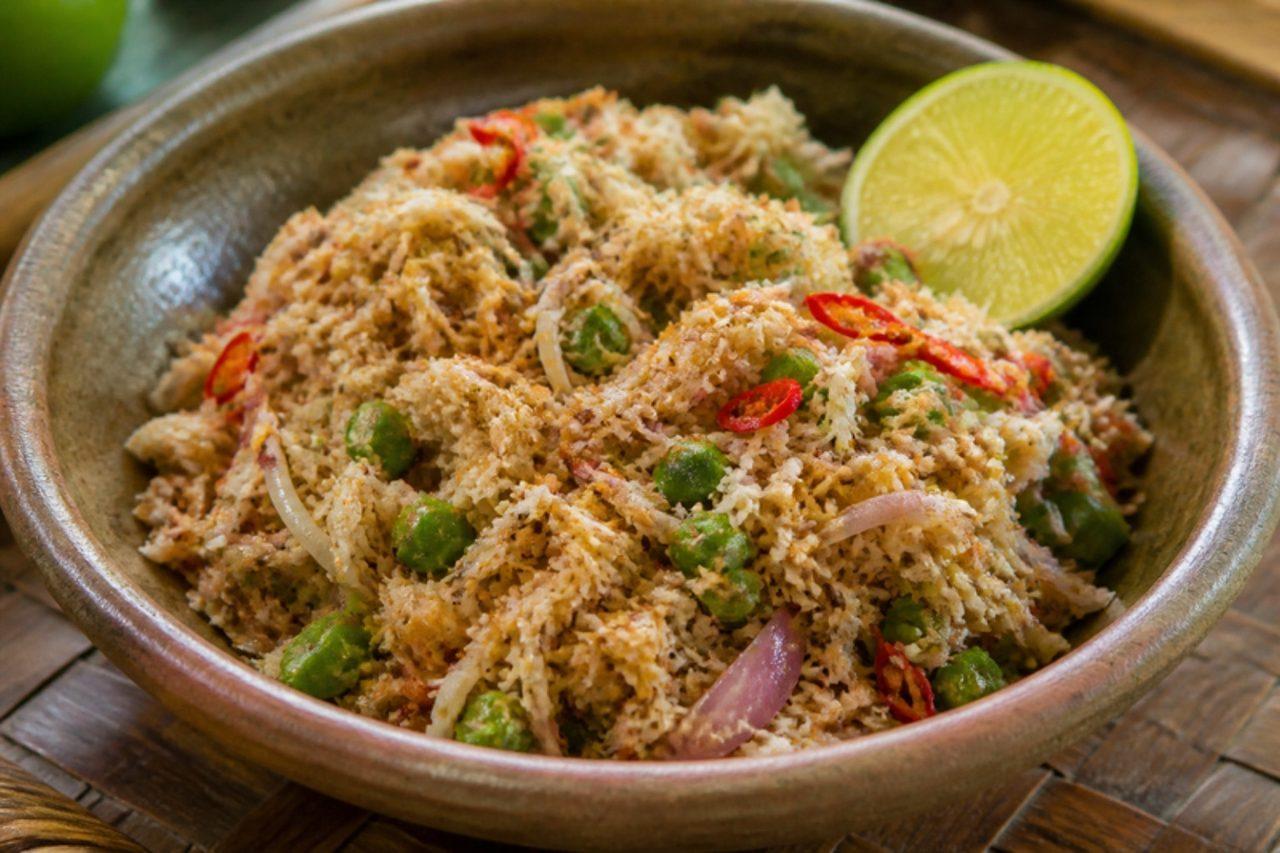
Kohu-kohuSmoked tuna salad

Ambon's fish markets sell ikan asar, tuna smoked over coconut husks, and one of the best things to do with it is kohu-kohu. Flakes of the smoky fish are tossed with crisp shredded long beans, bean sprouts, lightly toasted coconut, raw shallot, chilli and plenty of lime, making a salad that is crunchy, smoky, sour and hot all at once. It's a staple at Maluku family meals, often served next to papeda and fish soup or simply with rice. Chef's tip: mix it no more than an hour before eating; fresh coconut goes limp and sour if it sits around, and the salad loses its crunch.

by KrazyBadal 0 views

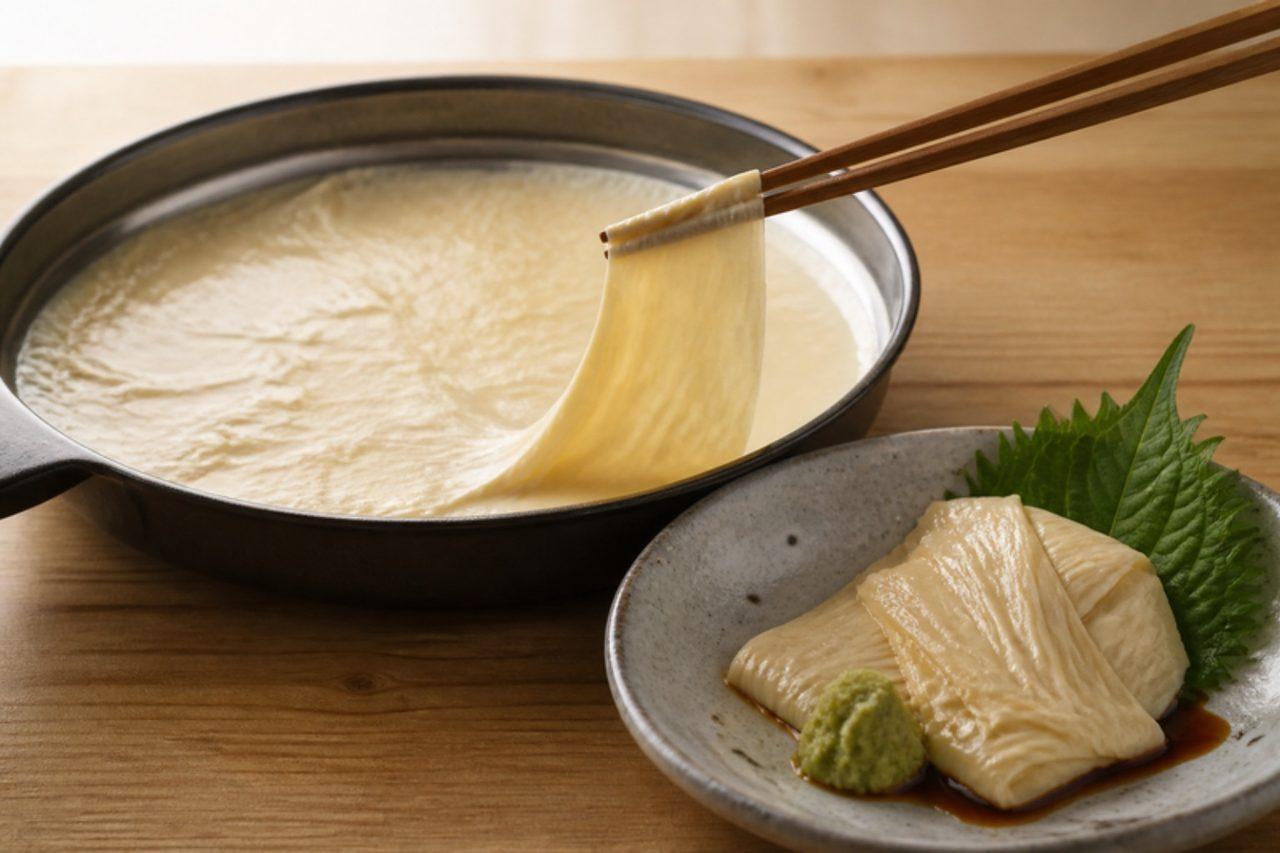
Homemade fresh yubaFresh tofu skin

Yuba is the thin skin that forms on soy milk as it heats, and in Kyoto and the temple town of Nikko it is a delicacy in its own right. Workshops in Kyoto's old streets have made it for centuries for monks' shojin ryori, the Buddhist vegetarian cuisine that relied on it for protein. Fresh yuba is soft, creamy and faintly sweet, and the first sheets of the day, eaten warm with a drop of soy, are prized above all. It needs patience rather than skill: just a wide pan, gentle heat and good soy milk. Serve as a starter with wasabi soy, or roll the sheets and slice them. Chef's tip: use unsweetened soy milk with at least 7% protein (check the label). Thin supermarket drinks won't form a skin.

by KrazyBadal 0 views

Showing 18 of 7,762 recipes

Show more recipes

Page 760 of 863