


Skip to content
Macarons parisiens
Featured recipe

Macarons parisiens

Chocolate ganache macarons

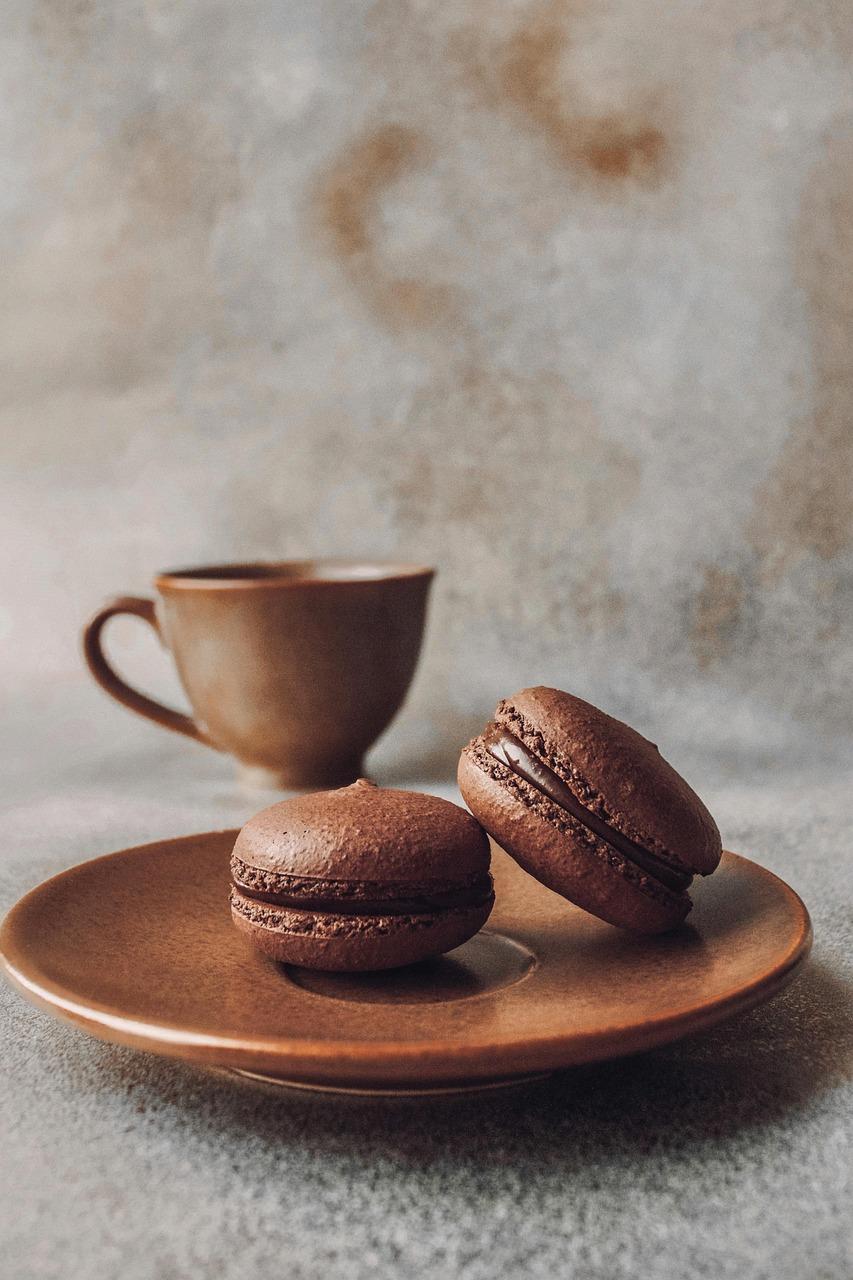
The smooth, round macaron with its ruffled 'foot', sandwiched around a ganache, is a Paris creation of the early 1900s, and the city's tearooms still sell them in pastel rows for gifts, weddings and afternoon tea. They are made from just ground almonds, icing sugar and egg whites, but they reward care: weigh everything, age the whites if you can, and rest the piped shells until a skin forms. This recipe uses a simple dark chocolate ganache; once you have the method, change the filling to raspberry jam or lemon curd. Chef's tip: bang the tray firmly on the worktop three times after piping; it knocks out air bubbles that would crack the tops.

Read more 0 views

What to eat today?

Around the world

Today's trip: Paraguayan

A new country every day, from every cuisine on the site.

Paraguayan

Buseca

Tripe and white bean stew 185 minMore from Paraguayan (27) →

This week's collection

Kid-friendly dinners
537 recipes · a new collection every Monday

Latest recipes

Qalb el louzSemolina and almond cake

Qalb el louz ('heart of almond') is the Ramadan sweet of Algiers: a dense, sandy semolina cake with a ribbon of almond filling, cut into diamonds with an almond on top and soaked in syrup while hot. Pastry shops in the Casbah sell it by the tray after iftar, to eat with mint tea or coffee late into the night. The semolina is soaked overnight in butter and water, which gives it its moist, grainy crumb. Chef's tip: pour cold syrup over the hot cake; hot syrup on a hot cake makes it soggy instead of moist.

by KrazyBadal 0 views

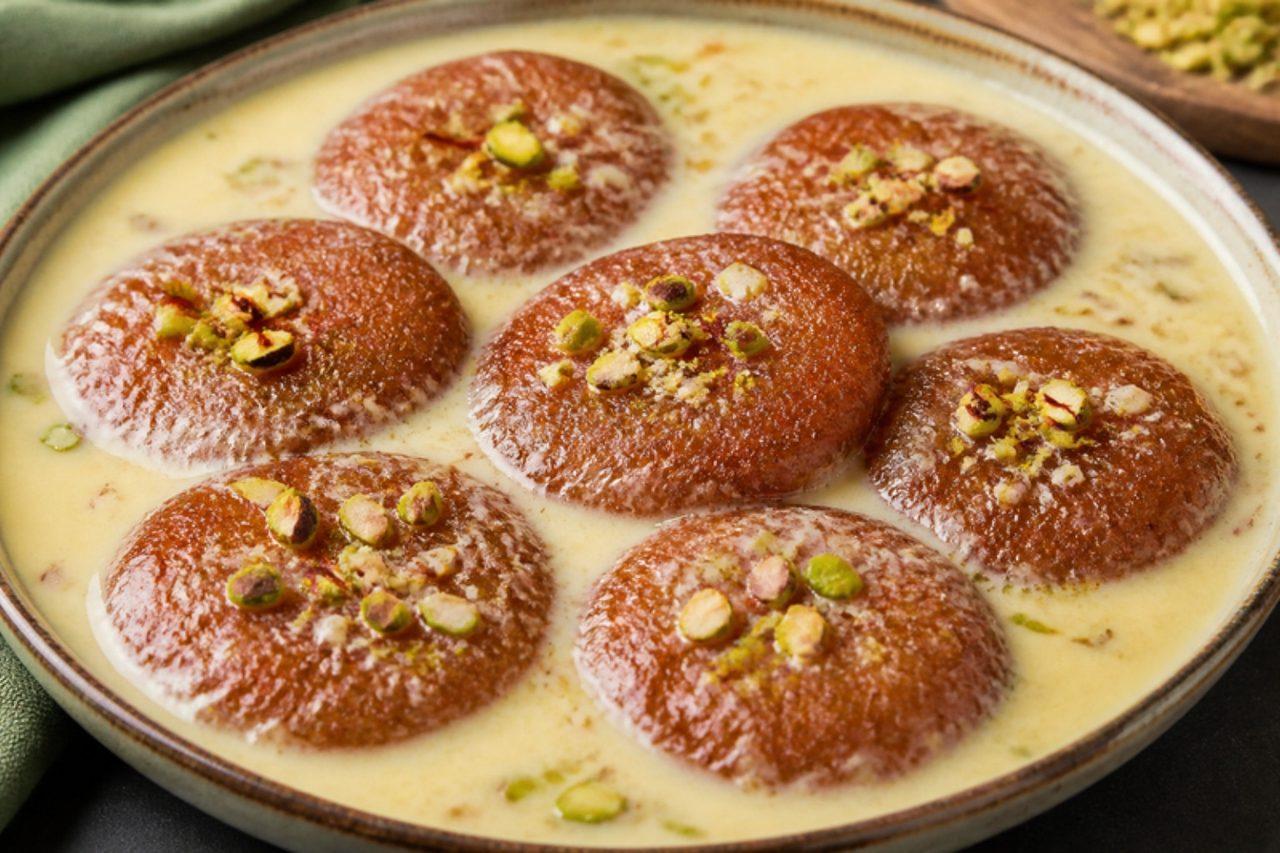
RasabaliFried cheese discs in milk

Rasabali comes from the Baladevjew temple in Kendrapara and is one of the 56 offerings of Puri's Jagannath temple. Flattened discs of chhena are deep-fried until reddish-brown, then soaked in milk that has been simmered down until thick and sweet with cardamom. Unlike rasmalai, whose discs are poached in syrup, rasabali's are fried, so they keep a chewy, slightly caramelised skin under the milk. It is eaten chilled at festivals and weddings in Odisha. Chef's tip: press a dimple into the centre of each disc before frying, so it fries evenly and holds more milk.

by KrazyBadal 0 views

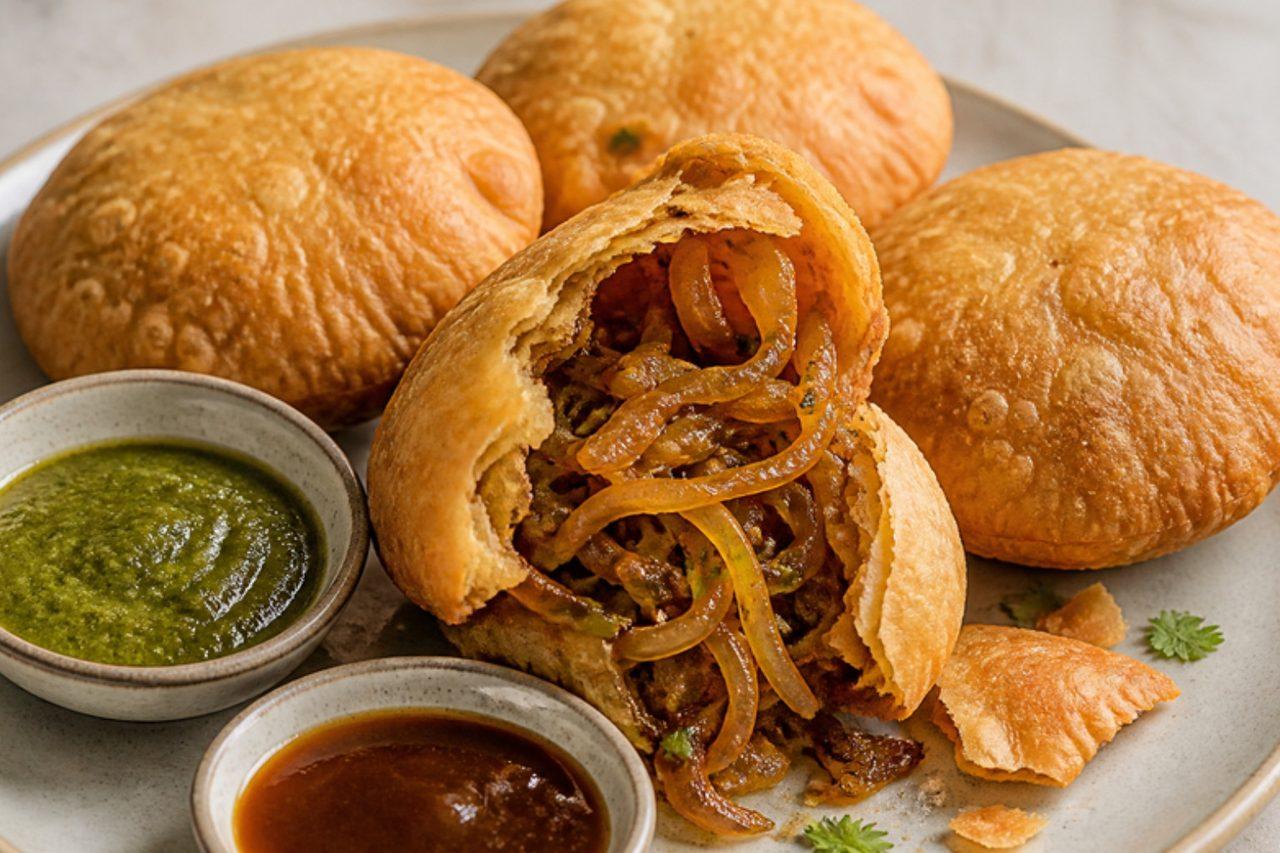
Pyaaz kachoriOnion-filled fried pastries

Pyaaz kachori is the pride of Jodhpur in Rajasthan, where sweet shops fry them from early morning and sell them by the hundred with tamarind chutney. The crust is khasta: short, layered and crackly, made by rubbing plenty of oil into the flour and frying slowly. Inside is a soft, jammy filling of onions cooked with fennel, coriander seed and nigella, bound with a little gram flour and potato and lifted with dried mango powder. Eat them warm for breakfast or with afternoon chai. Chef's tip: fry them in oil that is only just warm and let them take their time; the slow fry is what puffs the crust into crisp, hollow layers instead of a hard, oily shell.

by KrazyBadal 0 views

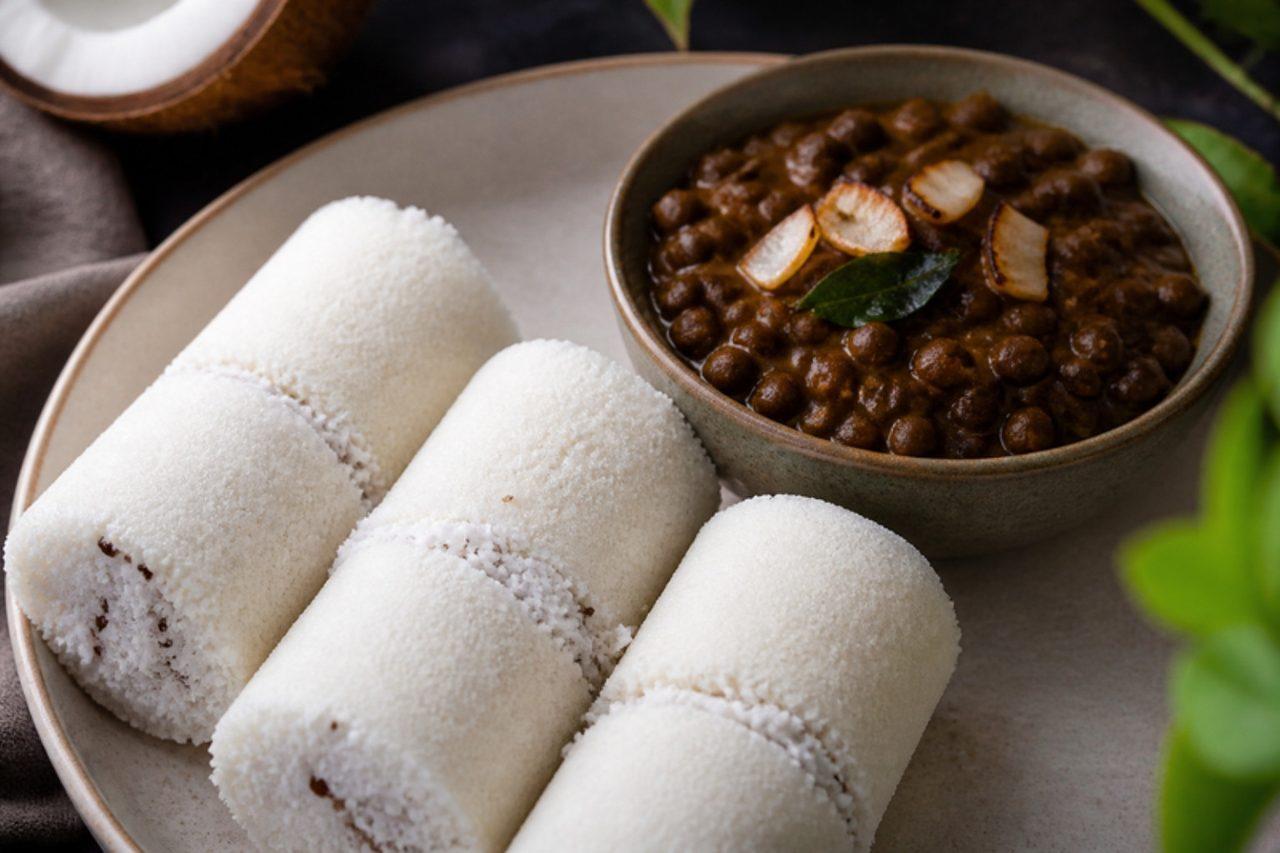
Puttu and kadala currySteamed rice cylinders with chickpea curry

Puttu and kadala is Kerala's most loved breakfast: tall cylinders of steamed rice flour layered with fresh coconut, served with a dark, earthy curry of black chickpeas (kadala) cooked in a masala of coconut roasted until deep brown. Puttu itself is plain and crumbly, so you break it up with your fingers and mash it into the curry, often with a ripe banana and pappadam on the side. The chickpeas make it filling and protein-rich. Chef's tip: the puttu flour should feel like damp sand that holds when squeezed and crumbles when poked; too wet and the puttu turns dense and gluey.

by KrazyBadal 0 views

Kunming grilled erkuaiGrilled rice cakes

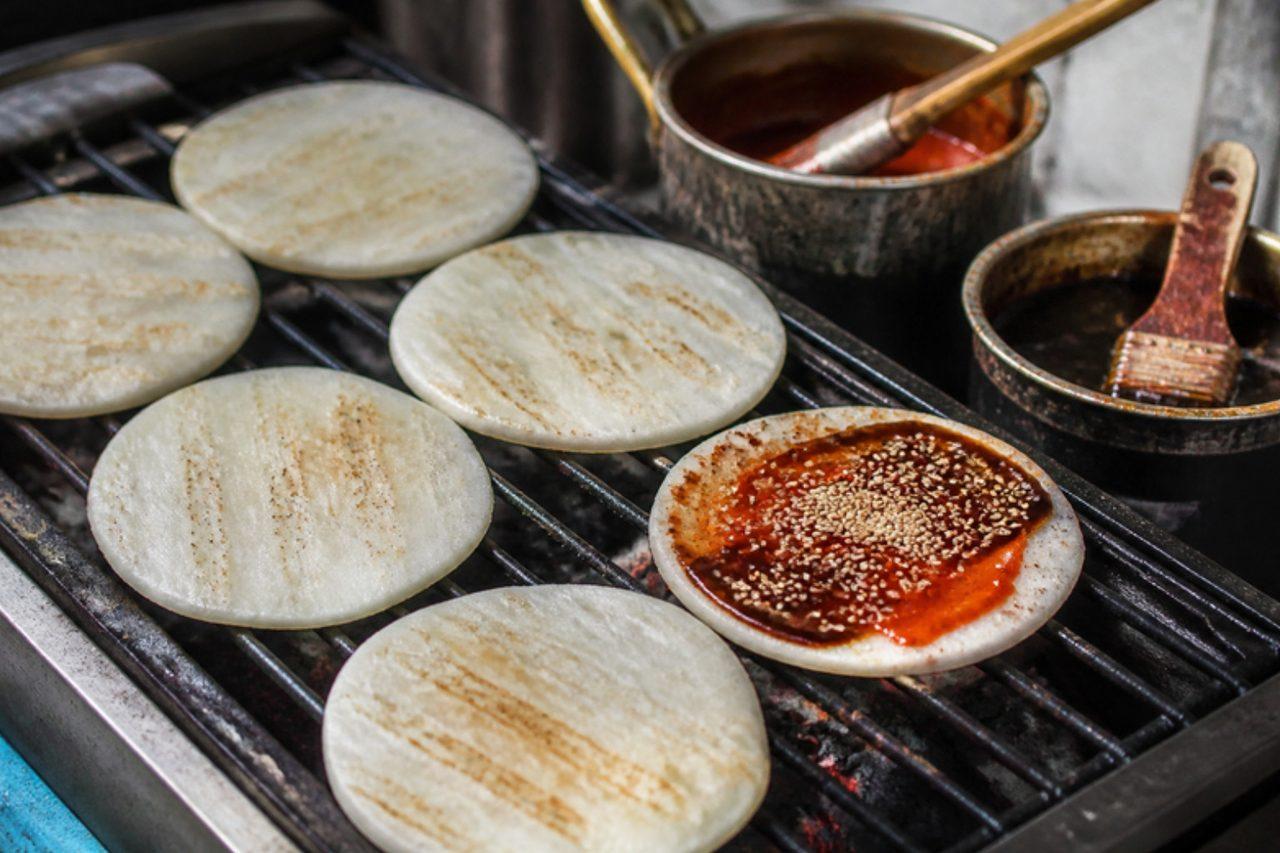
Erkuai is Yunnan's everyday rice cake, made by steaming and pounding rice into a dense, chewy dough. In Kunming and Tengchong, morning vendors grill thin rounds of it over charcoal until they blister, brush on sweet bean sauce, chilli and sesame, and fold it round fried dough or spicy potato shreds. Real erkuai is hard to find abroad, so the rounds here are made from rice flour and steamed, which comes close. Chef's tip: keep the rounds covered while you work, because the surface dries out and cracks quickly.

by KrazyBadal 0 views

Kūmara and feta saladRoasted sweet potato and feta salad

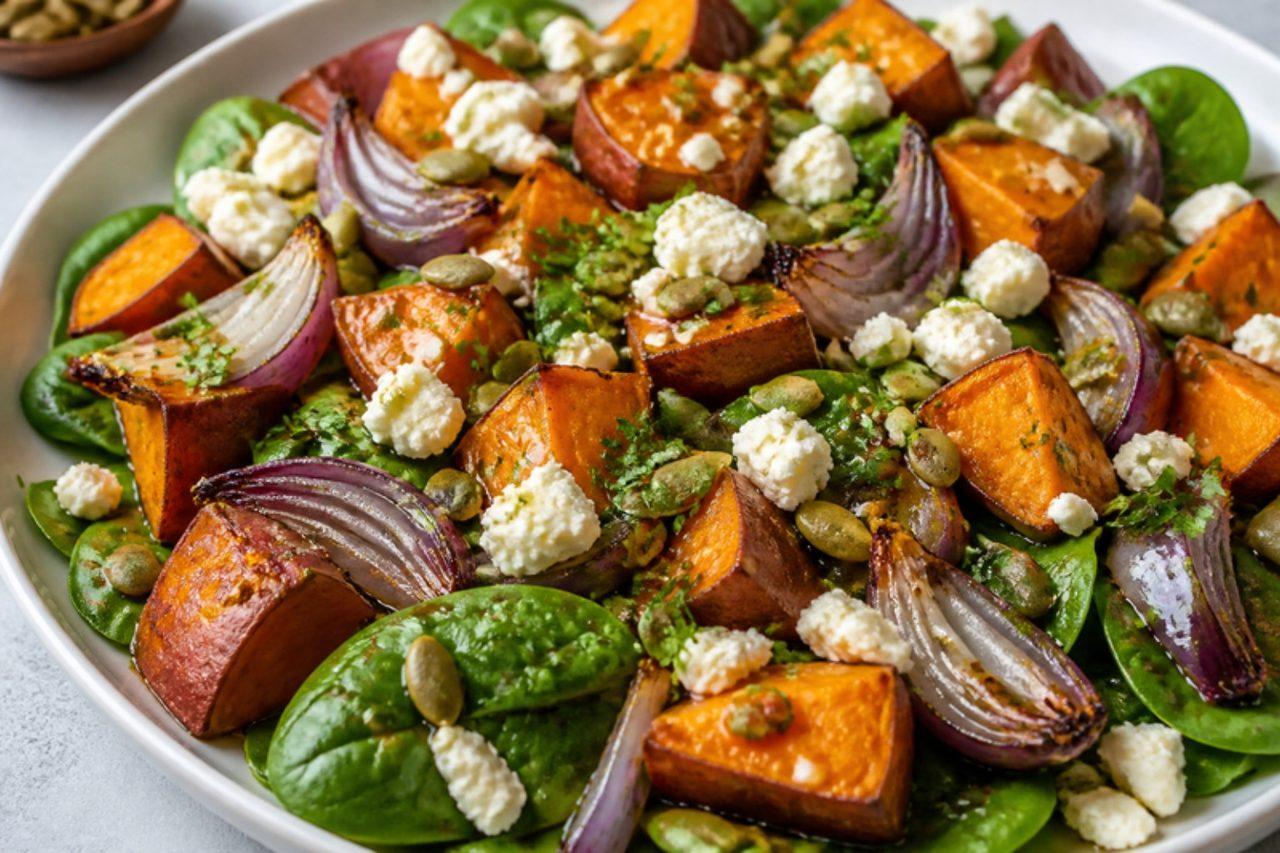
Kūmara, the sweet potato the Māori brought to Aotearoa centuries ago, is grown mostly around Dargaville in Northland, and a big bowl of roasted kūmara salad turns up at just about every New Zealand barbecue, 'bring a plate' gathering and Christmas lunch. Chunks of red-skinned kūmara roast until sticky and caramelised, then get tossed while warm with red onion, baby spinach, salty feta and toasted pumpkin seeds in a sweet-sharp honey and mustard dressing. Chef's tip: give the kūmara plenty of room on the tray and a hot oven; crowded pieces steam and go soft instead of browning at the edges.

by KrazyBadal 0 views

PutoSteamed rice cakes

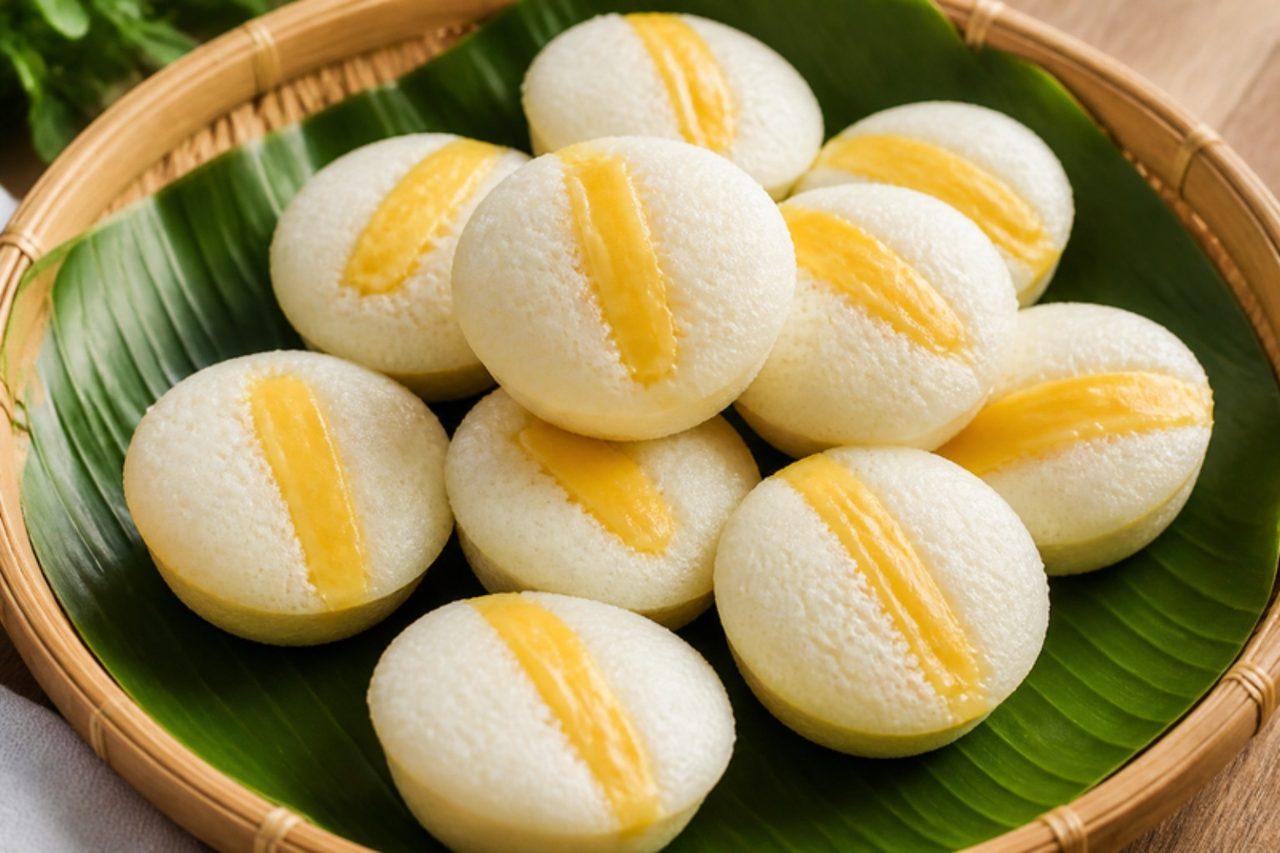
Puto are small steamed rice cakes found at every Filipino party and merienda table, with countless town styles from Biñan's flat rounds to Calasiao's tiny bites in Pangasinan. Traditionally the batter is fermented ground rice; this home version uses rice flour and baking powder for a quick, reliable rise and a fine, cottony crumb. A strip of cheese on top melts into the cake as it steams. They go with dinuguan in Luzon, but a cup of coffee or hot chocolate is just as good. Chef's tip: wrap the steamer lid in a tea towel so condensation doesn't drip onto the cakes and leave pockmarks.

by KrazyBadal 0 views

Pupusas de queso y frijolCheese and bean stuffed corn cakes

In El Salvador pupusas are a Sunday-night ritual: families queue at the pupusería, where cooks pat the dough between wet palms with a soft clapping sound, and the second Sunday of November is National Pupusa Day. These thick masa cakes are stuffed with stringy cheese and smooth refried black beans, griddled until speckled, and eaten with your hands, topped with curtido and a thin tomato salsa. Chef's tip: keep a bowl of water with a splash of oil beside you and wet your hands before every pupusa, so the dough stays supple and the seams don't crack.

by KrazyBadal 0 views

PunuguluDosa batter fritters

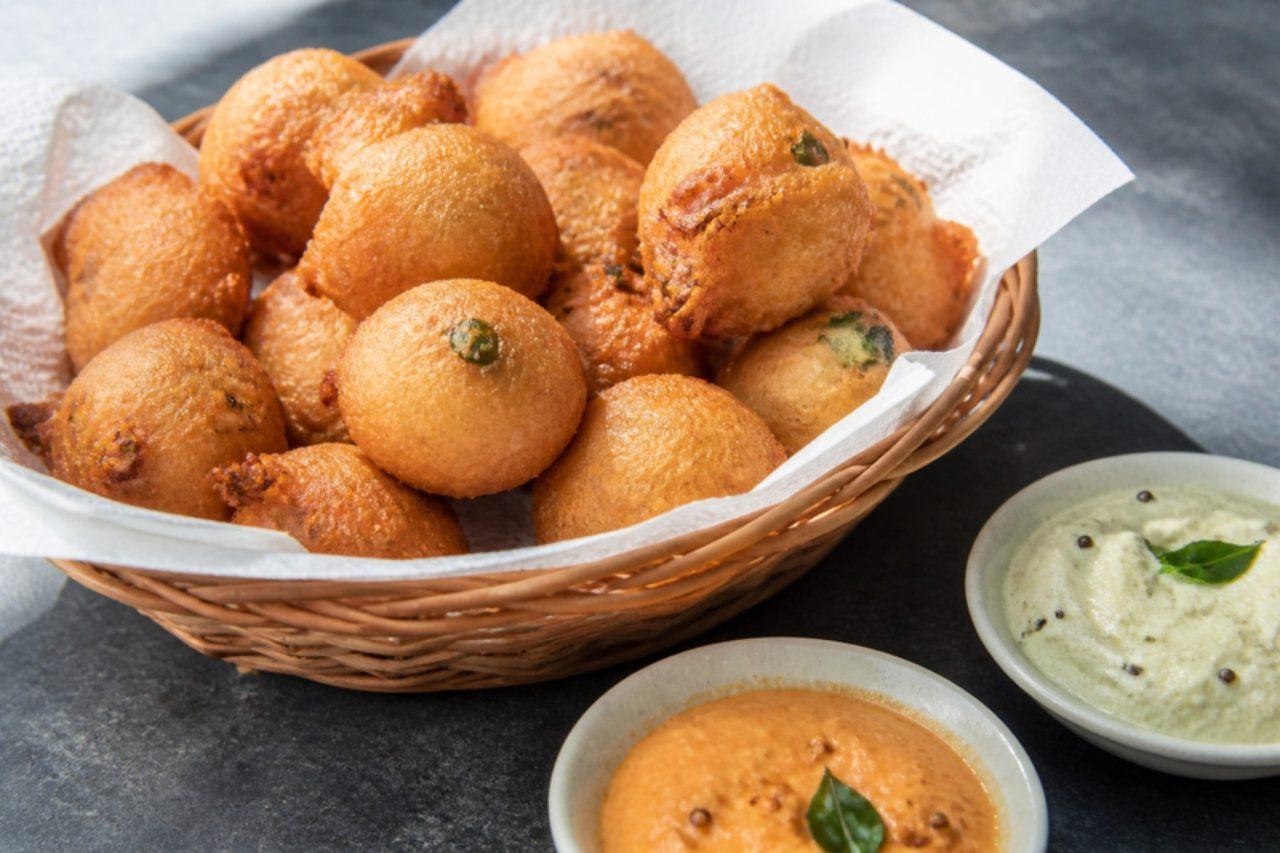
Punugulu are the bite-sized, golden fritters sold by the paper-cone along the streets of Vijayawada and Guntur on wet evenings, and made at home whenever the idli or dosa batter has gone a little too sour. A spoonful of thick batter with onion, green chilli and cumin is dropped into hot oil, where it puffs into a round ball with a crackly shell and a soft, spongy middle. Serve them hot with peanut chutney, ginger chutney or plain ketchup and a cup of chai. Chef's tip: add a spoonful of rice flour to the batter; it gives punugulu their crunch and stops them soaking up oil.

by KrazyBadal 0 views

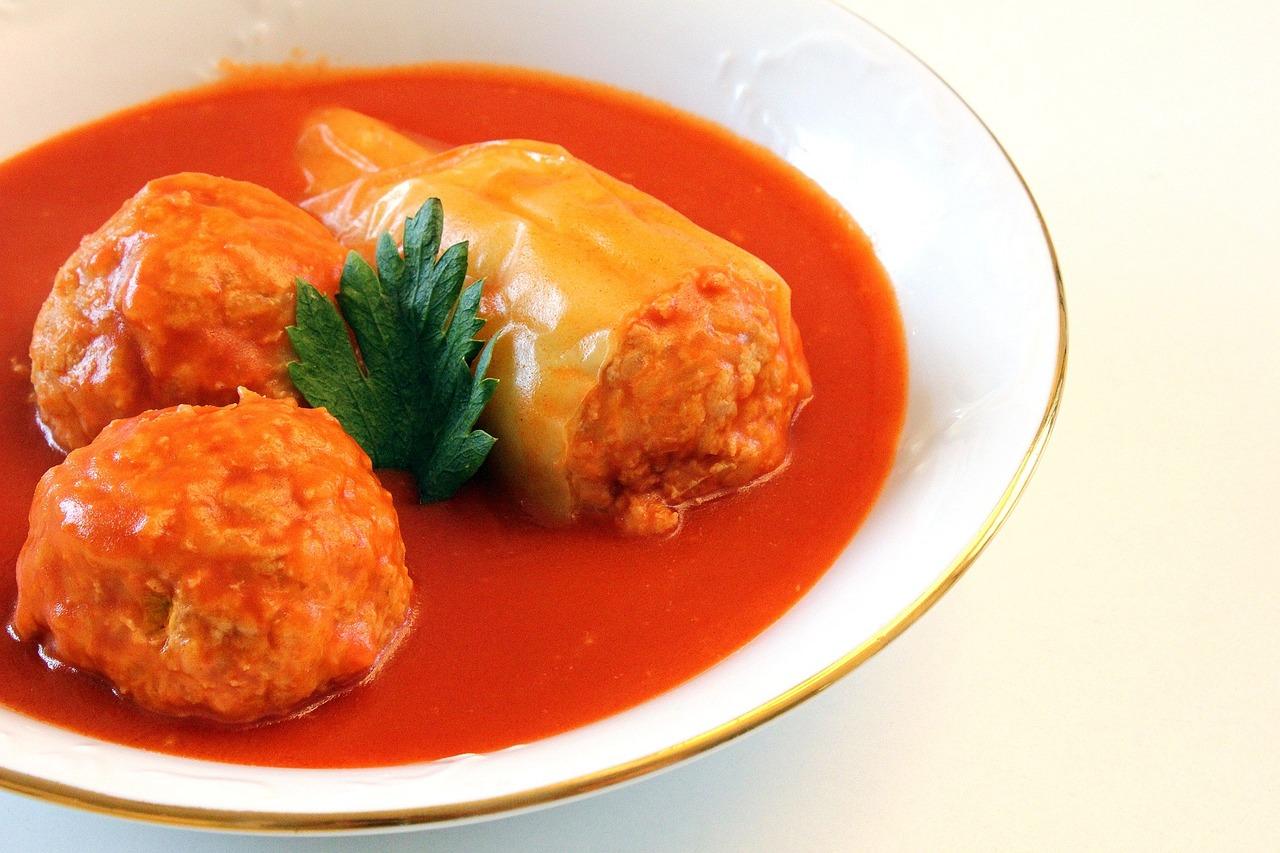
Punjene paprikeStuffed peppers

When late-summer markets in Novi Sad and Belgrade fill up with pale yellow and light green peppers, Serbian kitchens make big pots of punjene paprike to eat for several days. The peppers are packed with seasoned beef and pork mince and rice, stood upright and simmered slowly in a light tomato sauce until meltingly soft. They are served with a dollop of sour cream and bread to mop up the sauce. This recipe contains pork. The easy mistake is stuffing the peppers too tightly: the rice swells and splits them, so leave the top 2 cm empty. Chef's tip: plug each pepper with a slice of potato or tomato before simmering, so the filling stays inside.

105 minBalkanMeatGluten free
by KrazyBadal 0 views

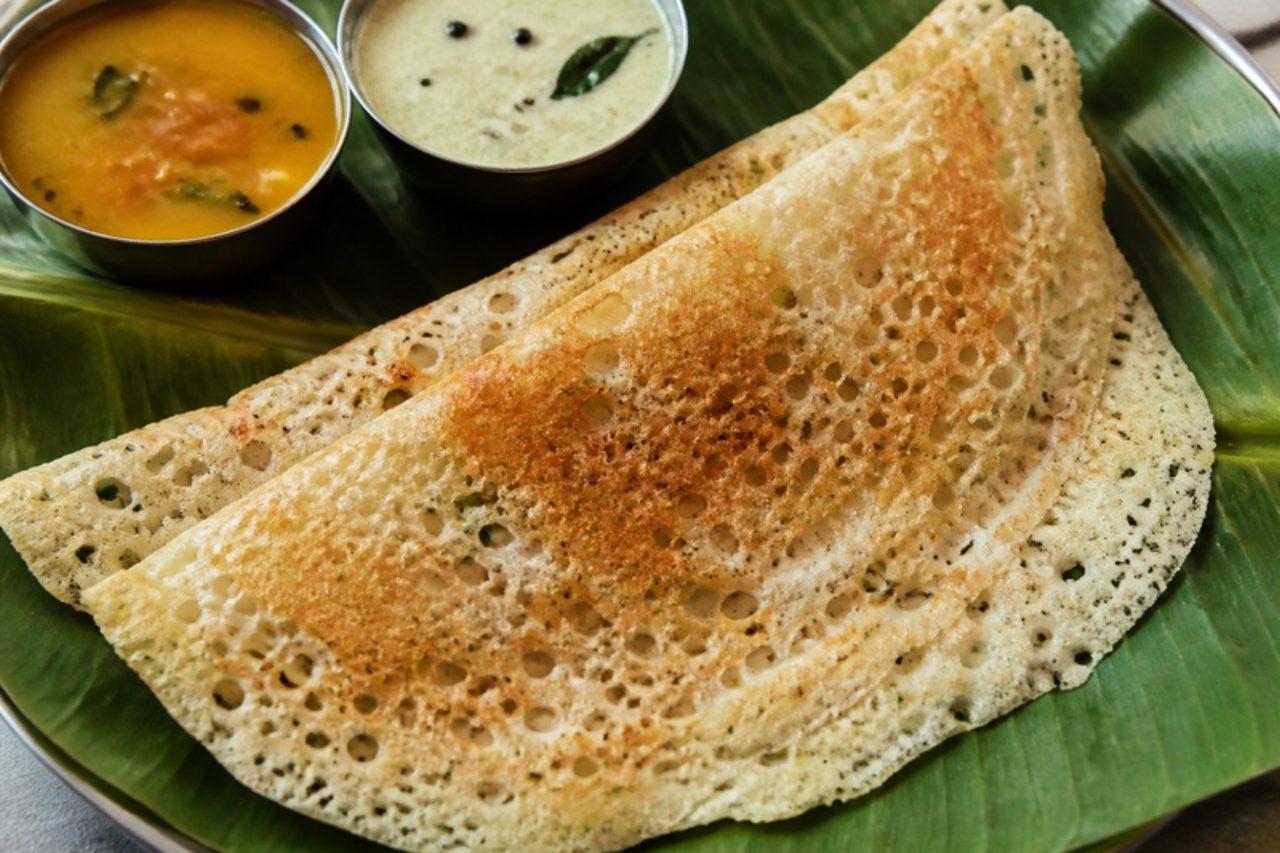
Rava dosaCrisp semolina crêpes

Rava dosa is the instant dosa of Karnataka's Udupi restaurants: a thin, pourable batter of semolina and rice flour, studded with cumin, cracked pepper, ginger and curry leaves, poured onto a very hot griddle so it sets into a crisp, holey lace. There's no soaking or fermenting, so it's the dosa to make when the craving strikes. Serve straight from the pan with coconut chutney and sambar. Because it contains semolina it's not gluten free. Chef's tip: the batter must be watery, thinner than single cream; pour it from a height onto the pan instead of spreading it, and stir the bowl before every dosa because the semolina sinks.

by KrazyBadal 0 views

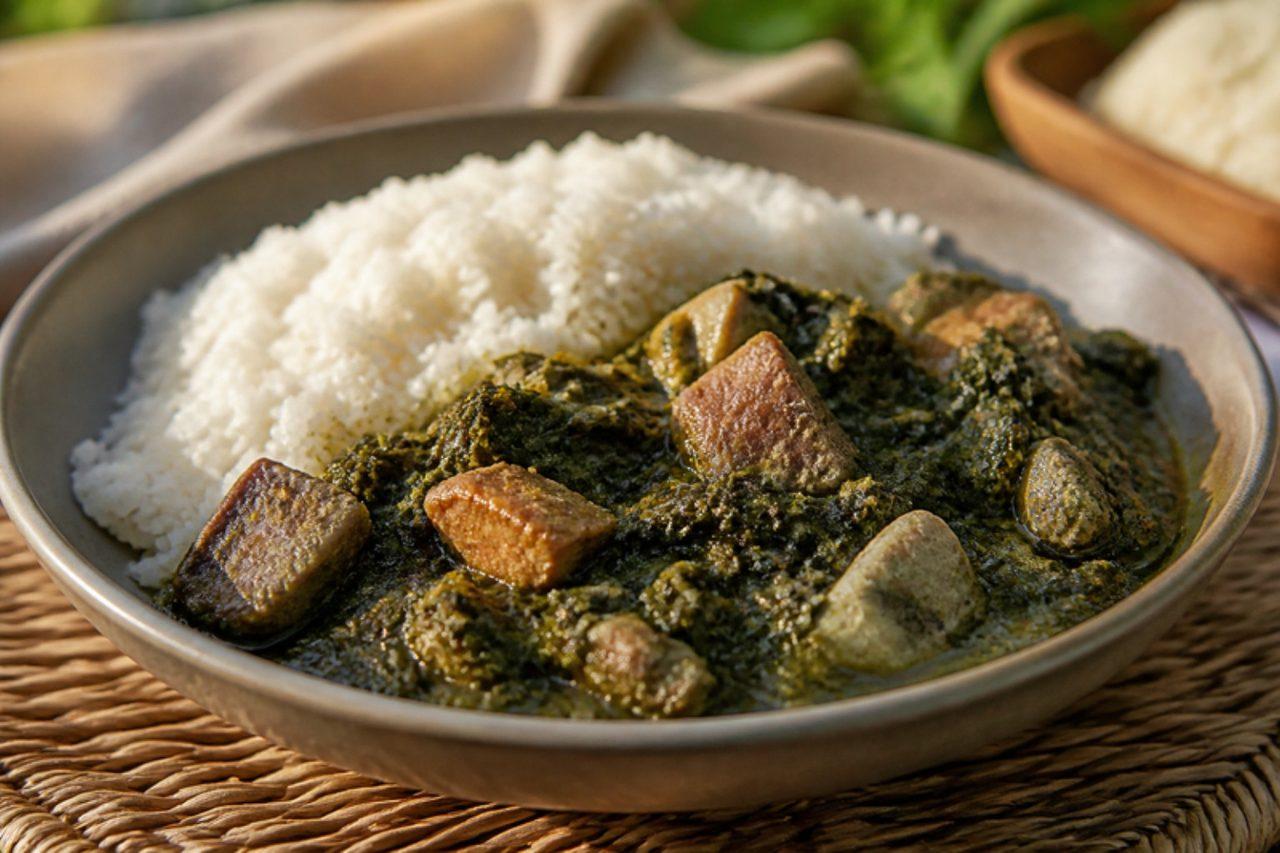
Ravitoto with porkPounded cassava leaves with pork

Ravitoto sy henakisoa, cassava leaves with pork, is a favourite of the Malagasy highlands around Antananarivo and is served at family Sunday lunches with a mound of white rice. This dish contains pork. The cassava leaves are pounded to a dark green paste and simmered for a long time with fatty pork, garlic and ginger until rich and soft, often finished with coconut milk. The mistake is undercooking the cassava leaves: they must cook for at least an hour to be safe and lose their bitterness, so don't cut it short. Chef's tip: frozen pounded cassava leaves (sold as ravitoto, pondu or saka saka) save a lot of work.

120 minMalagasyMeatGluten free
by KrazyBadal 0 views

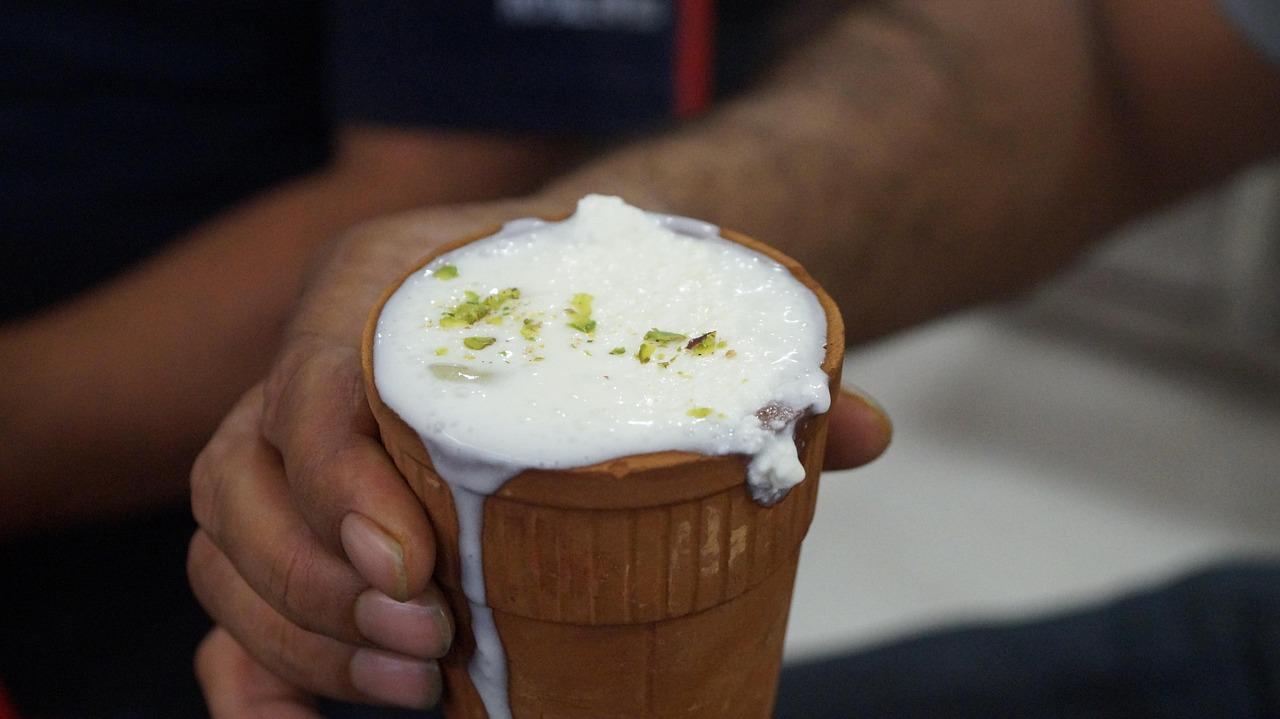
Punjabi lassiSweet yogurt drink with cream

In Amritsar and on the highways across Punjab, lassi comes in a tall steel or brass glass, churned so thick a spoon nearly stands up in it, with a raft of malai (clotted cream) floating on top. It is a summer drink, but Punjabis drink it all year with a stuffed paratha breakfast or after a heavy lunch. This is the plain sweet kind, with no fruit, so the tang of good full-fat yogurt is the whole point. Chef's tip: chill the yogurt, milk and glasses beforehand; cold lassi stays thicker.

by KrazyBadal 0 views

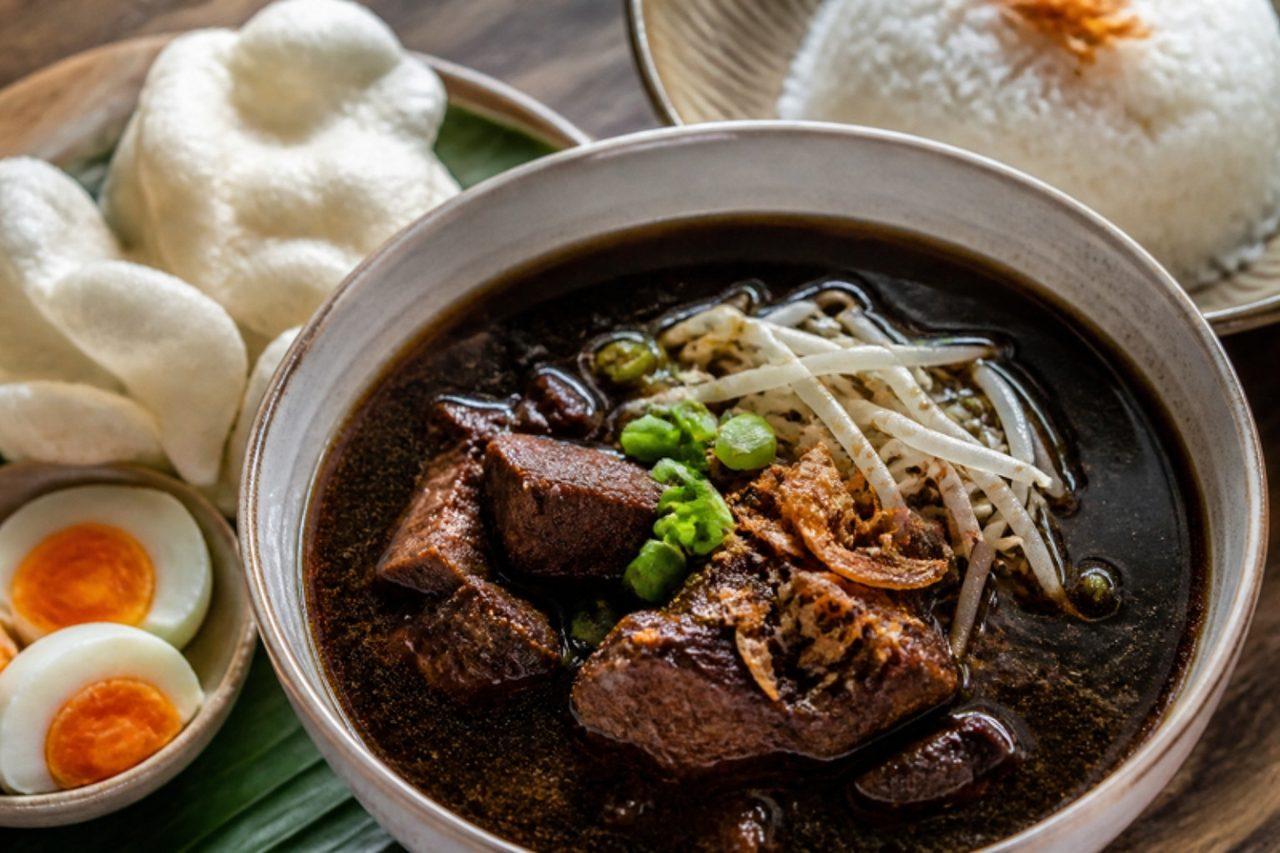
RawonBlack beef soup

Nothing else on the table looks like rawon: a beef soup as dark as strong coffee, served in Surabaya from breakfast through to the late-night warungs that stay open after the football. Its colour and flavour come from keluak (kluwek), the fermented kernel of a tropical tree nut, which tastes earthy and faintly bitter, somewhere between black olive, cocoa and mushroom. Tender beef cubes swim in the broth, and it's served with rice, short crunchy bean sprouts, a salted duck egg and prawn crackers for crunch. Raw keluak contains a natural poison and is only safe after long processing, so always buy ready-prepared kluwek nuts from an Asian grocer. Chef's tip: crack one nut first and taste a crumb; good flesh is moist, black and smells chocolatey, while sour or dry, pale flesh should be thrown away.

by KrazyBadal 0 views

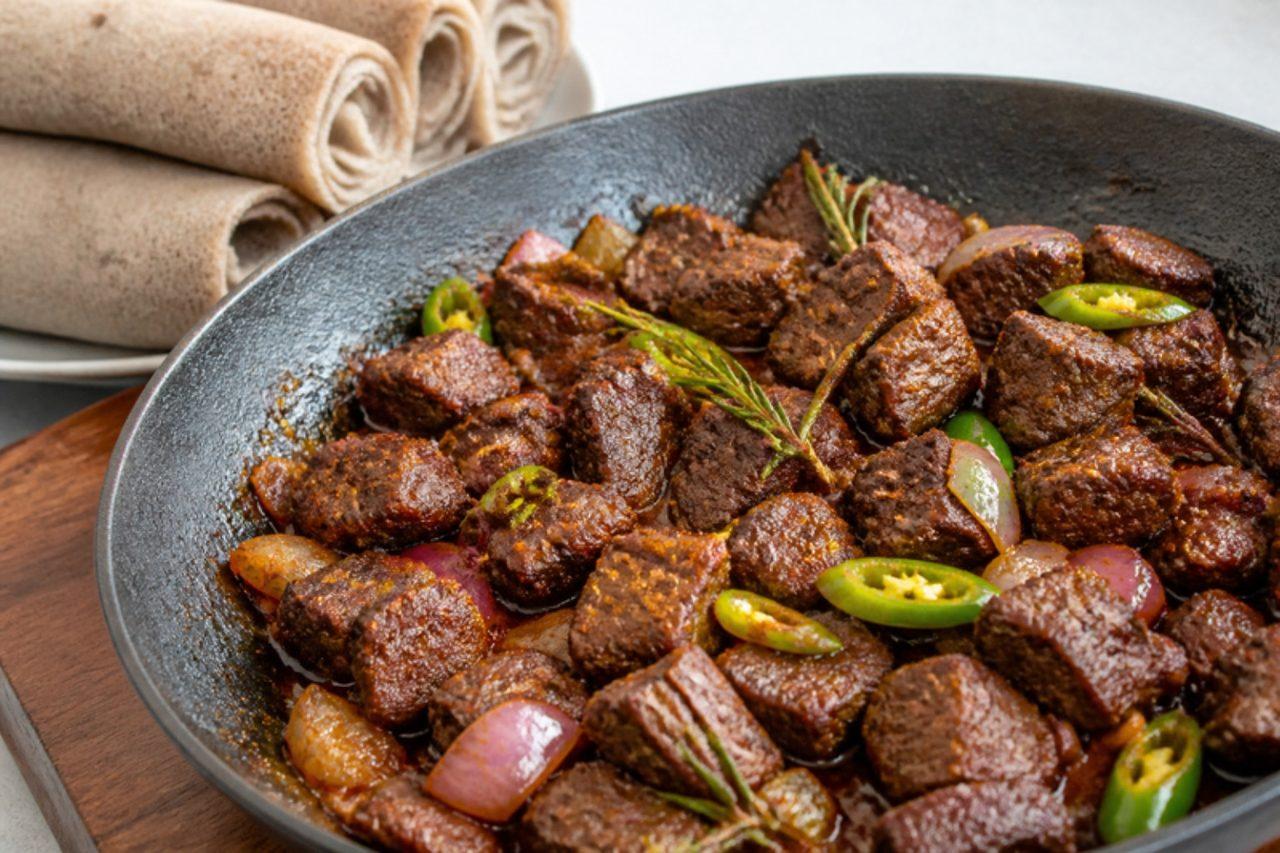
KulwaPan-fried beef with berbere butter

Kulwa (also called tibsi in parts of the Horn) is the fast, sizzling beef dish that Eritrean restaurants in Asmara and Massawa bring to the table in a hot clay dish: small strips of beef fried hard with onion, green chilli, a sprig of rosemary and a spoon of spiced butter, with a dusting of berbere. It is eaten with injera or bread as a weekend treat. The mistake is overcooking the beef until dry: it needs only a few minutes over high heat. Chef's tip: let the pan get really hot before adding the meat, and serve it still sizzling.

by KrazyBadal 0 views

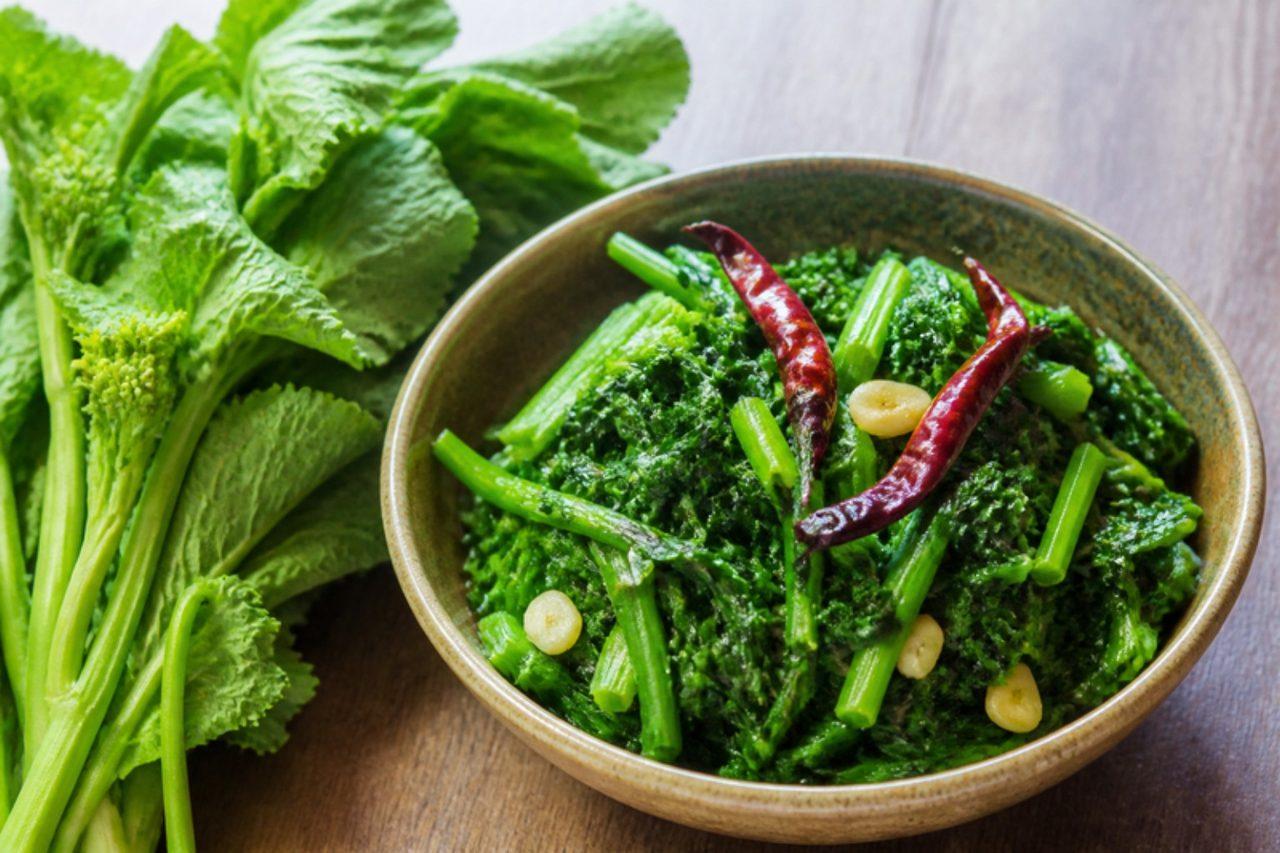
Saag (rayo ko saag)Mustard greens stir-fry

Ask for saag anywhere in Nepal and you will get the leafy part of the dal bhat plate: a tangle of greens, most often rayo (a broad-leafed mustard green), fried fast in mustard oil with garlic and a dried chilli until just wilted. It is nothing like the slow-cooked, puréed sarson ka saag of Punjab. Nepali saag keeps its bright colour, a little bite in the stems and a pleasant bitterness. It grows in every kitchen garden from the Terai to the hills and is on the table most days from autumn to spring. Spinach, chard or Chinese mustard greens all work the same way. The common mistake is to cover the pan, which stews the leaves to a grey mush; keep the heat high and the lid off. Chef's tip: add the stems a minute before the leaves so both are done at the same moment.

by KrazyBadal 0 views

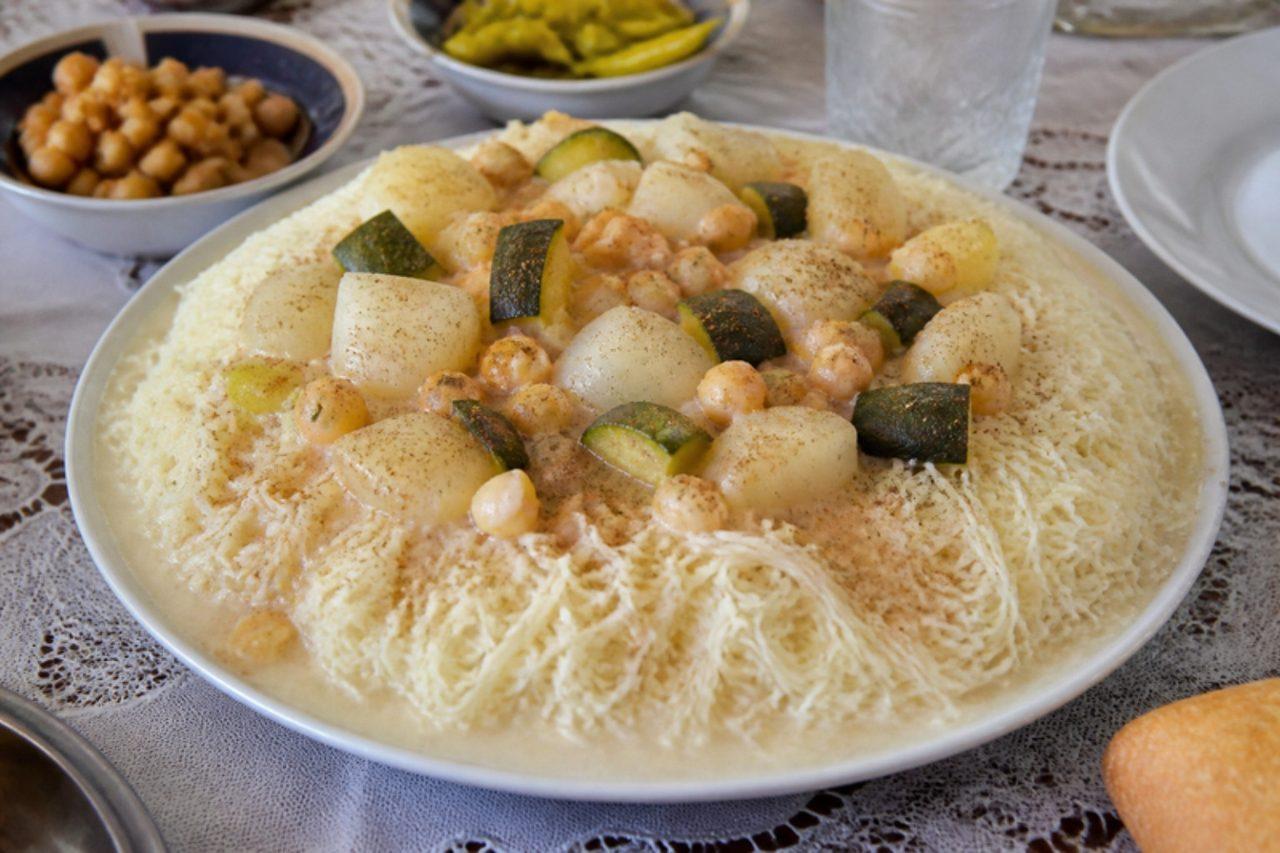
Rechta with vegetable sauceNoodles in turnip and chickpea broth

Rechta is the dish of Algiers and Blida for Mouloud, Ashura and the first day of the new year: thin, square-cut fresh noodles steamed in a couscoussier like couscous, then drenched in a pale, cinnamon-scented white sauce of turnips, courgette and chickpeas. It is usually made with chicken; this vegetable version keeps the gentle, peppery broth. Dried rechta is sold in North African shops; very thin dried egg-free noodles work too. Chef's tip: steam the noodles twice and rub them with oil in between, so they stay separate and silky.

by KrazyBadal 0 views

Red redBean stew in palm oil

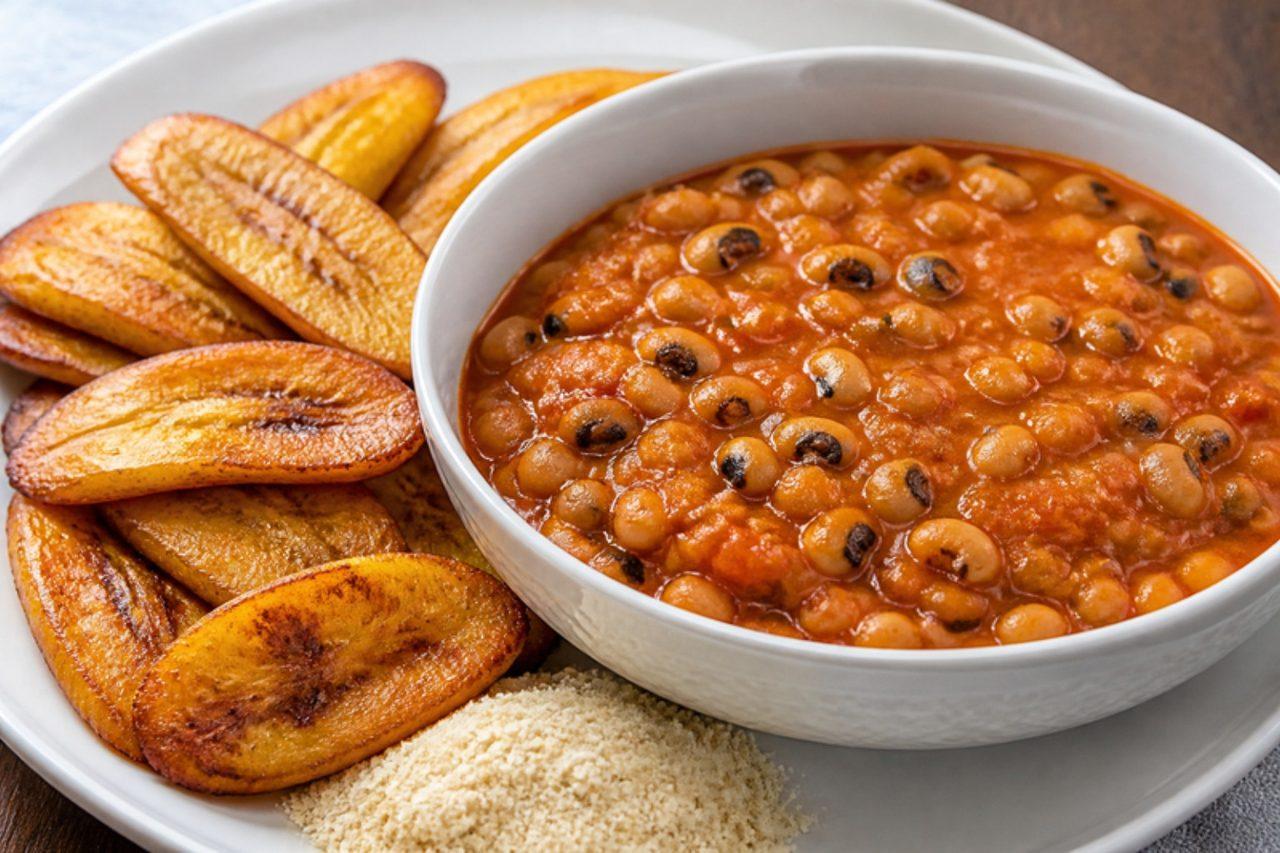
Red red is Ghanaian chop-bar comfort food, eaten at lunchtime from Kumasi to Cape Coast, and it gets its name from its two reds: the bean stew glowing with palm oil and the fried ripe plantain served alongside. Black-eyed beans simmer in a tomato and onion sauce until creamy, then a sprinkle of gari on top adds crunch. It is often made with smoked fish or momoni; this meat-free version uses smoked paprika for the same savoury edge. Chef's tip: choose plantains with mostly black skins; they fry up sweet and caramelised, the perfect partner for the salty stew.

by KrazyBadal 0 views

Showing 18 of 7,762 recipes

Show more recipes

Page 774 of 863