


Skip to content
Roasted safou
Featured recipe

Roasted safou

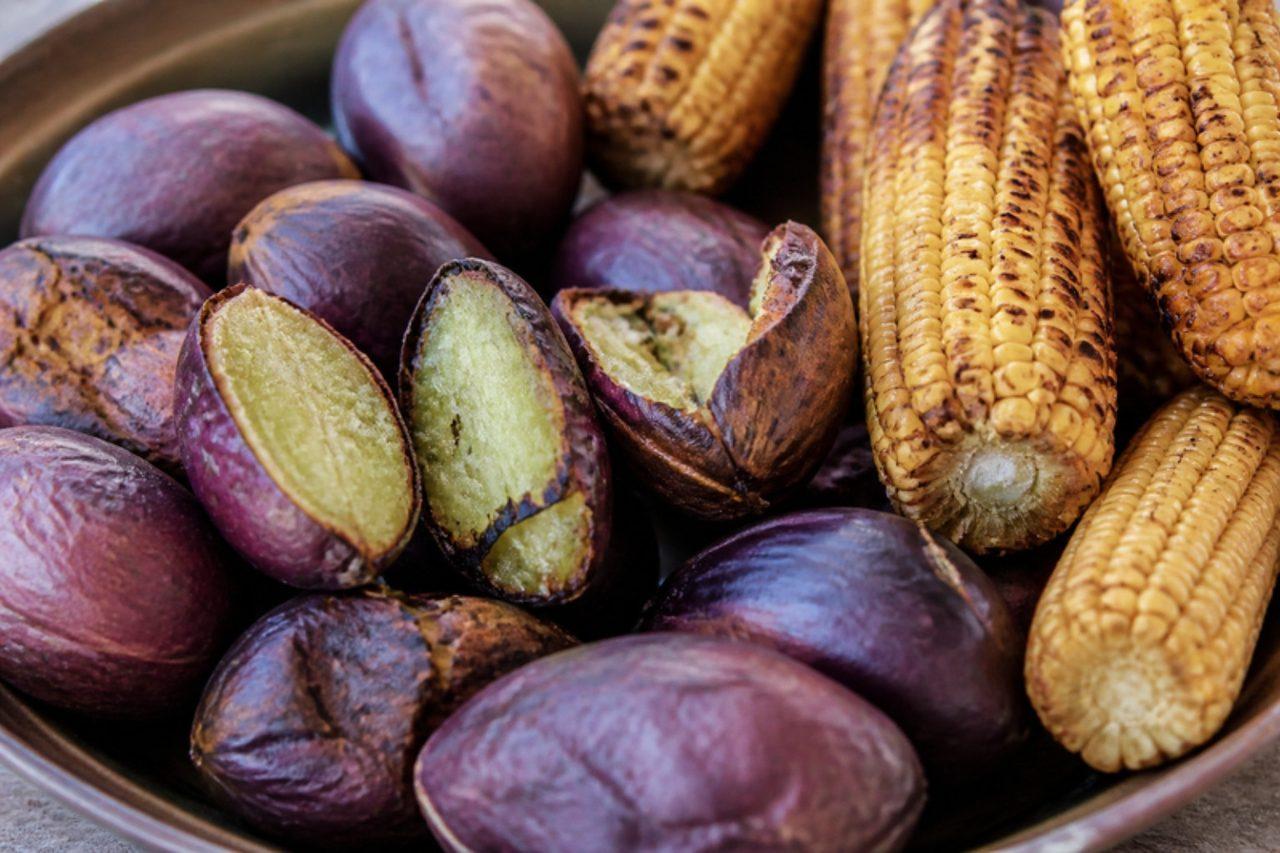
When the rainy season brings fresh maize to Cameroon, the safou trees fruit at the same time, and roadside grills from Douala to Yaoundé sell the violet plums alongside charred corn cobs. A few minutes over embers turns the firm, sour flesh soft, buttery and slightly tangy, which is why safou is often called the African butter fruit. People peel back the skin with their teeth, scrape the pale green flesh off the stone and alternate bites with sweet corn or a chunk of boiled plantain. Look for fresh or frozen safou in African grocers. Chef's tip: a pinch of salt sprinkled on while the fruit is hot brings out its savoury, olive-like side.

Read more 0 views

What to eat today?

Around the world

Today's trip: Persian

A new country every day, from every cuisine on the site.

Persian

Nazkhatoon

Smoky aubergine with pomegranate 40 minMore from Persian (131) →

This week's collection

Kid-friendly dinners
541 recipes · a new collection every Monday

Latest recipes

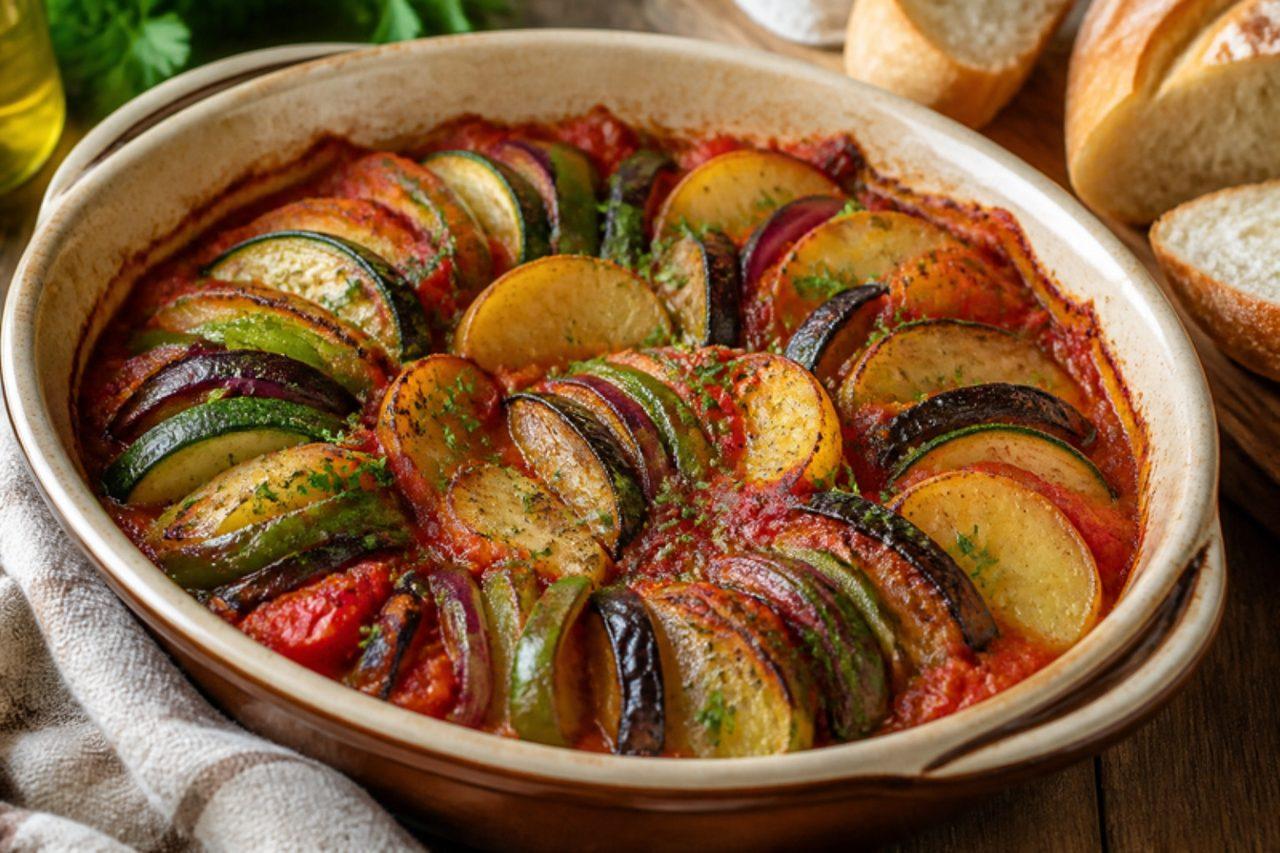
BriamRoasted summer vegetables

Briam is what Greek home cooks put in the oven on a hot afternoon when the garden is full of courgettes: potatoes, courgettes, aubergine, peppers and onions tumbled with grated tomato, garlic and oregano, then roasted slowly until soft and caramelised at the edges. It is one of the ladera, dishes cooked in olive oil and eaten as a main course, usually at room temperature with feta and bread. It tastes better the next day, when the flavours have settled. Chef's tip: cut the potatoes thinner than everything else so they cook in the same time; same-size chunks are the common mistake that leaves you with hard potatoes and mushy courgettes.

by KrazyBadal 0 views

YukjeonEgg-battered fried beef

In Gwangju, yukjeon is a restaurant meal in its own right: the server sits by a hot plate at your table and fries slice after slice of egg-coated beef, handing them over while they're still sizzling. Elsewhere in Korea it's more often a festive pancake, made for Chuseok and Lunar New Year along with other jeon. The beef is cut very thin, so it cooks in the time it takes the egg to set. Gwangju places serve it with a sharp salad of finely shredded spring onion and a little salt and sesame oil for dipping. Chef's tip: half-freeze the beef for 40 minutes before slicing; firm meat is easy to cut into slices 2 to 3 mm thick.

25 minKoreanMeat
by KrazyBadal 0 views

KvassFermented rye bread drink

Before the cola era, kvass was Russia's everyday thirst-quencher, sold every summer from yellow barrel trailers on Moscow street corners and poured into glass mugs. At home it is brewed from dried rye bread, sugar and a pinch of yeast, fermented for a day or two until it tastes malty, a little sour and gently fizzy, and only about 1% alcohol. It is drunk ice cold and is also the broth for okroshka. Chef's tip: toast the bread until really dark, almost burnt at the edges; that is where kvass gets its deep colour and its toasted, malty taste.

by KrazyBadal 0 views

BourekasFeta and potato pastry triangles

Bourekas are what Israelis grab from the bakery on a Friday morning or bring to a family gathering: puff pastry shapes with savoury fillings, shiny with egg and dotted with sesame. The tradition came from Sephardi Jews of Turkey and the Balkans, but in Israel it settled into puff pastry, with the shape telling you the filling at a glance (triangles for cheese, rectangles for potato in many bakeries). This version fills triangles with feta and ricotta and rectangles with herby mashed potato, and goes with a hard-boiled egg, pickles and grated tomato. Chef's tip: keep the pastry cold right up to the oven; warm puff pastry won't rise into flaky layers.

by KrazyBadal 0 views

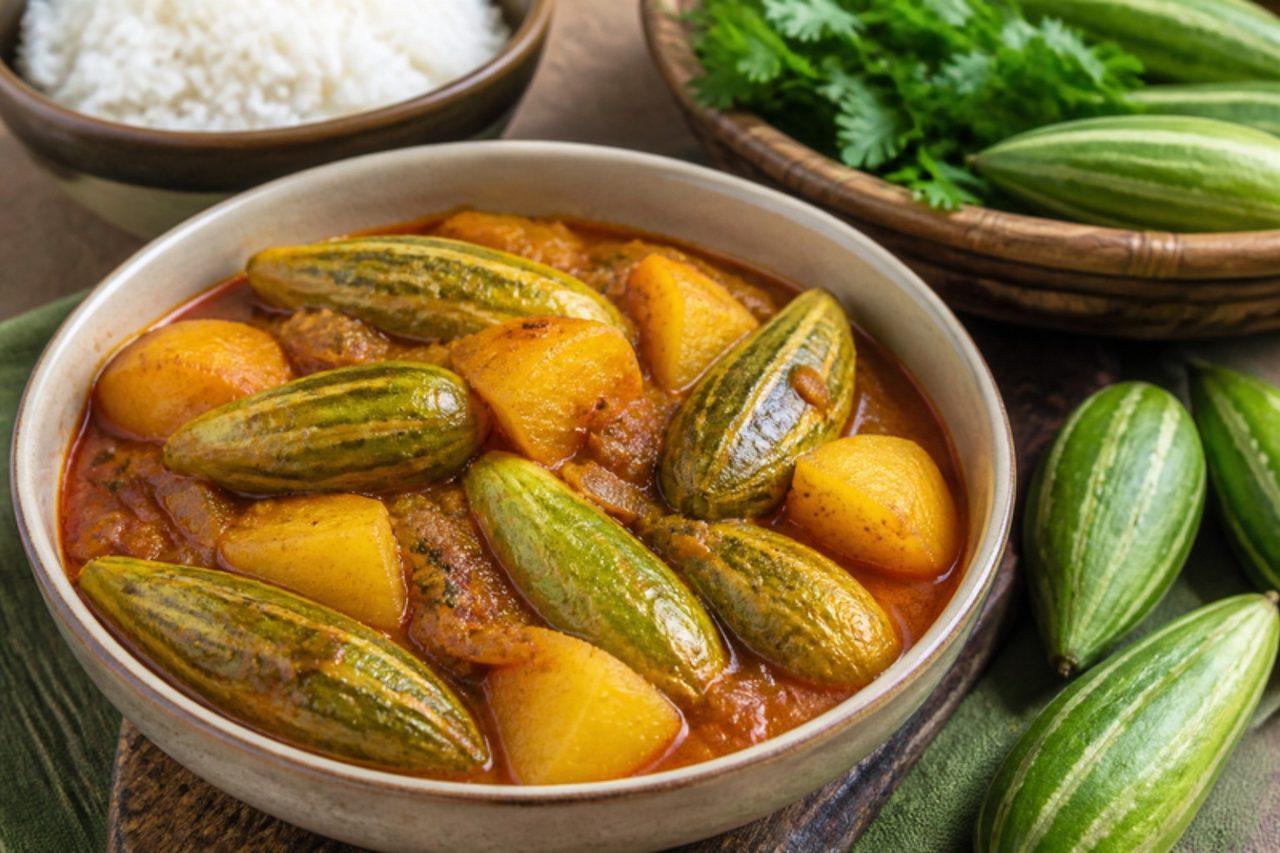
Aloo potala rasaPointed gourd and potato curry

Aloo potala rasa is Odisha's favourite party curry: you will find it on the menu of every Odia wedding and thread ceremony, ladled over rice or eaten with puri. Pointed gourds (potala, parwal) are scraped, fried until blistered, and simmered with potatoes in a thick onion, tomato and ginger-garlic gravy perfumed with whole garam masala. Unlike the light everyday dishes of the state, this one is rich and slow-cooked. Chef's tip: scrape the potala lightly rather than peeling; the green streaks look pretty and hold the shape.

by KrazyBadal 0 views

Boulets liégeoisMeatballs in sweet-sour fruit sauce

Liège is famous for its boulets: big, tennis-ball-sized meatballs served in a dark, sticky sauce made with sirop de Liège, the region's thick apple-and-pear syrup, with onions and a little vinegar. They are a brasserie staple across Wallonia, eaten with a mountain of chips and a side of salad, and families make them for Sunday lunch. The mix is half pork, half beef, so this is a pork dish. Rushing the onions is the step most people get wrong: they need a good 20 minutes to turn sweet before the sauce comes together. Chef's tip: if you cannot find sirop de Liège, use 3 tablespoons of apple butter or date syrup with 1 tablespoon of black treacle for the same dark, fruity tang.

by KrazyBadal 0 views

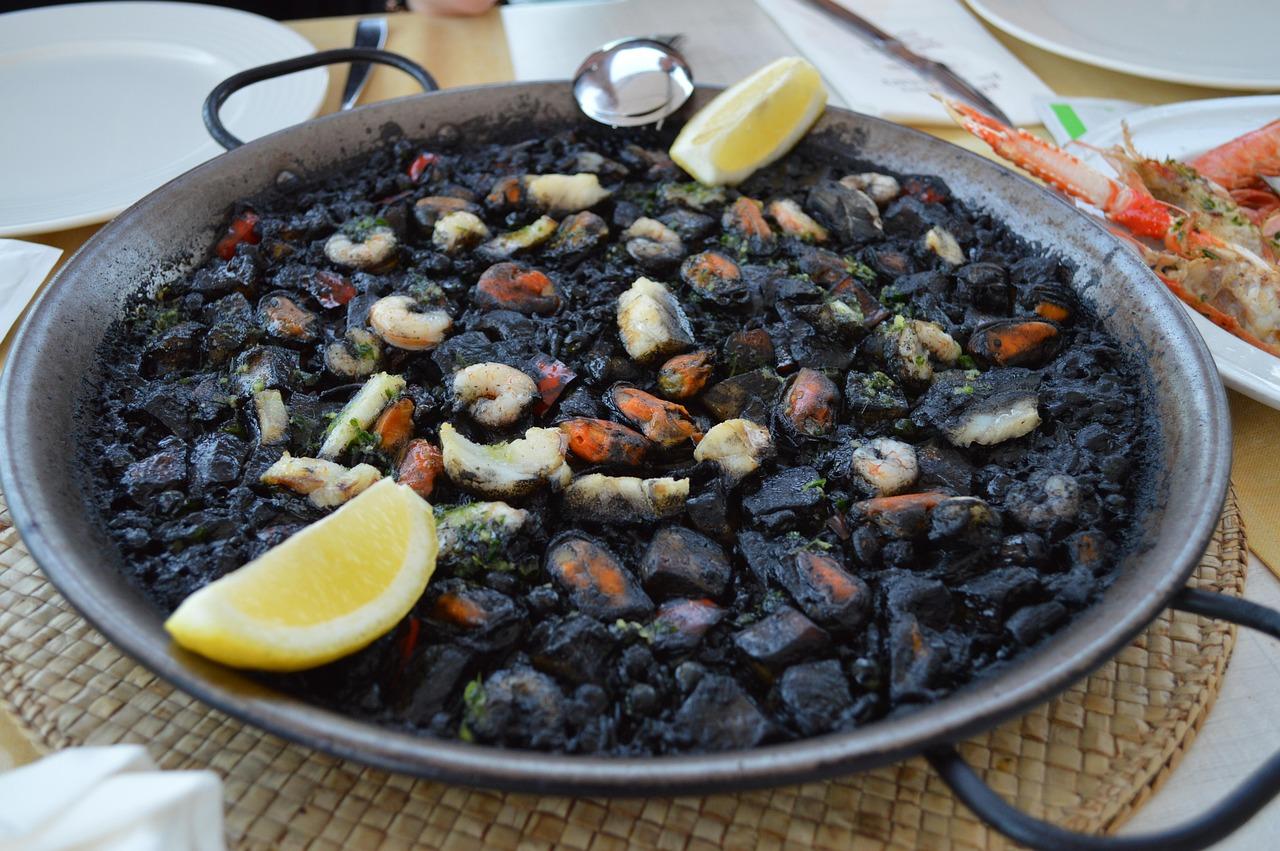
Arroz negroBlack rice with squid ink

Along the coast from Valencia up to the Costa Brava, arroz negro (arròs negre in Catalan and Valencian) is a seafront restaurant favourite, ordered for the table at lunchtime and brought out in its pan. Squid and its ink turn the rice glossy black and give it a deep taste of the sea, and every forkful gets a dab of garlicky all-i-oli. This version uses the traditional egg-free all-i-oli, just garlic, oil and salt pounded together; if you'd rather make the easier egg version, use a pasteurised egg, and note that raw egg is not suitable for pregnant women, young children, older people or anyone with a weakened immune system. Chef's tip: buy squid ink in sachets or small jars from a fishmonger or Spanish deli; the ink sac inside a whole squid is far too small to colour a whole pan.

by KrazyBadal 0 views

ZaaloukAubergine and tomato salad

Zaalouk is one of the cooked salads that open almost every Moroccan meal, from Fez to Essaouira, set out in small dishes with taktouka and carrot salad and scooped up with bread. Aubergine and tomato are cooked down together with garlic, cumin and paprika until they become a soft, spoonable relish, sharpened at the end with lemon and olive oil. It tastes even better the next day, so many cooks make a big batch. Chef's tip: char the aubergine over a gas flame or under the grill first if you can; the smoky skin flavour gives the best zaalouk.

by KrazyBadal 0 views

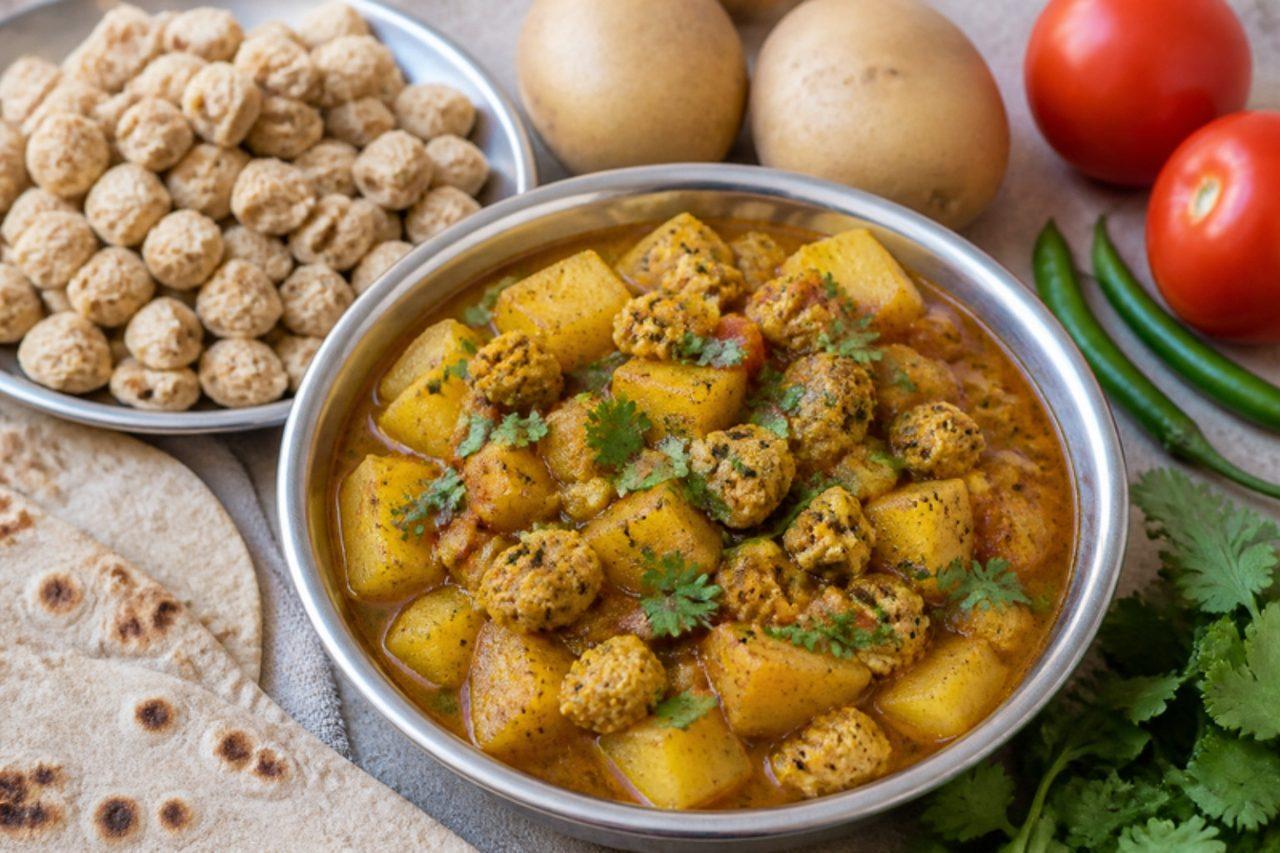
Amritsari aloo wadiyanPotato and lentil dumpling curry

Every winter, rooftops in Amritsar's old city are covered with trays of wadiyan: little cones of spiced urad-dal paste studded with black pepper and dried in the sun until rock hard. Punjabi homes break them into chunks, fry them until they smell nutty, and simmer them with potatoes in a mustard-oil gravy. The wadiyan soften into chewy, spicy, almost meaty pieces, and the potatoes soak up their pepper. It is everyday comfort food, eaten with hot phulkas or rice and a raw onion on the side. Chef's tip: wadiyan are already salted and spiced, so add salt only at the end, after tasting.

by KrazyBadal 0 views

ZacuscăRoasted aubergine and pepper spread

Zacuscă is the autumn preserve of Moldavia and Transylvania: in Iași and the villages around it, families spend a September weekend charring aubergines and red peppers over a grill and slowly frying them down with onion and tomato into a thick, chunky spread. The jars go into the cellar and come out all winter, spread on bread or eaten with mămăligă during the Orthodox fasts. It is coarser and more oniony than smooth Balkan ajvar, with bay and a long, jammy cook. Chef's tip: let the onions go fully soft and sweet before adding anything else; rushing them leaves a sharp, raw edge that the long cook never removes.

by KrazyBadal 0 views

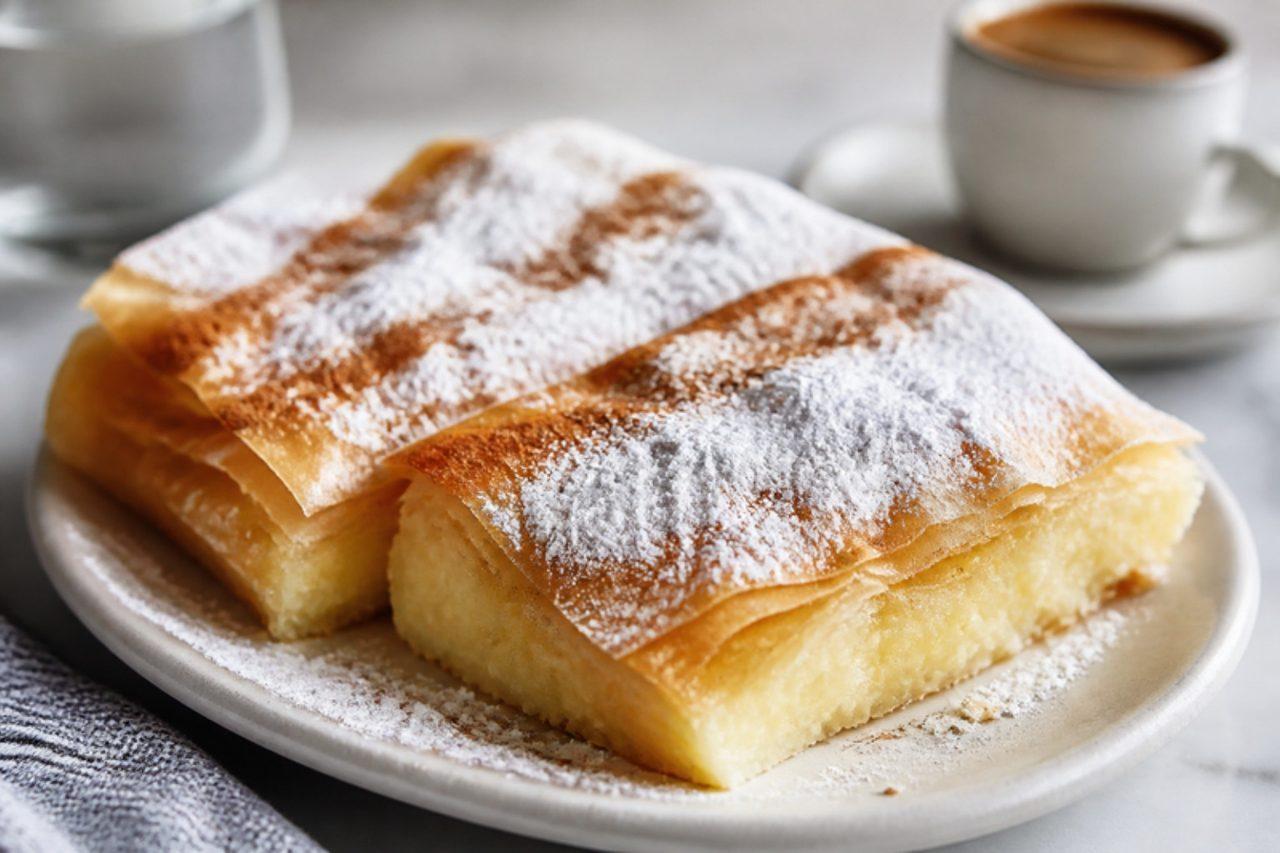
BougatsaSemolina custard pie

In Thessaloniki, breakfast is often a plate of bougatsa eaten at a marble counter at seven in the morning: warm vanilla custard wrapped in crackly pastry, chopped into bite-size pieces in front of you and dusted with icing sugar and cinnamon. The city's bougatsa shops stretch the dough paper-thin by hand; at home, shop fillo does a fine job. The custard is thickened with fine semolina, so it slices cleanly but stays soft and wobbly. Eat it warm with a Greek coffee or a cold frappé. Chef's tip: whisk the semolina into the milk in a slow stream and keep whisking; dumping it in at once is the usual mistake and leaves lumps you can't beat out.

by KrazyBadal 0 views

Tostadas de frijolBean tostadas

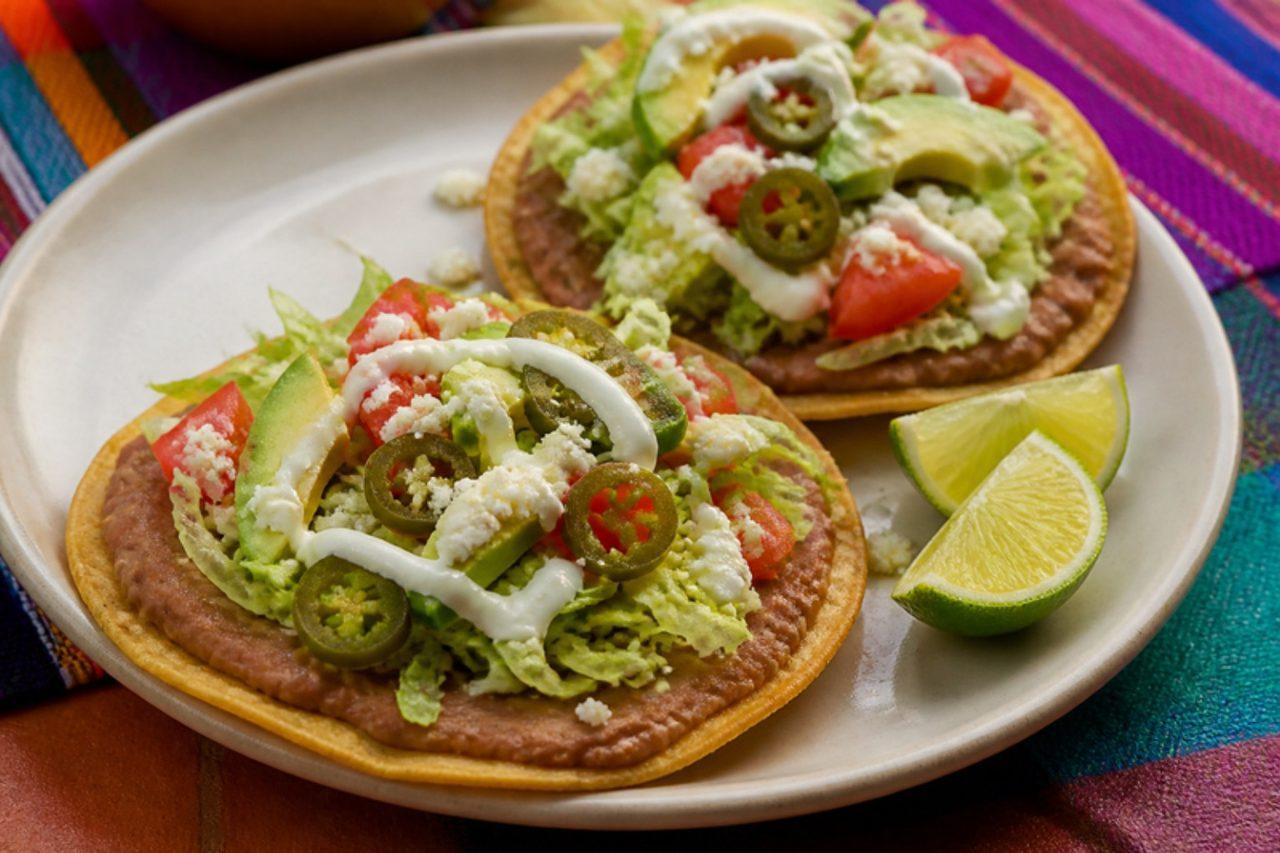
Tostadas, crisp flat corn tortillas, are eaten all over Mexico as a quick meal or snack, and tostadas de frijol are the everyday vegetarian version: a thick smear of refried beans topped with shredded lettuce, tomato, avocado, crema and crumbled cheese. The contrast between the shattering crunch, the creamy beans and the cool, fresh toppings is the whole point. Buy ready-made corn tostadas, or bake your own from corn tortillas. Use queso fresco made with vegetarian rennet, or mild feta. Chef's tip: spread the beans warm and thick right to the edge; they act as glue for the toppings and stop the tostada from shattering when you bite it.

by KrazyBadal 0 views

Zagorski štrukliBaked cheese dough rolls

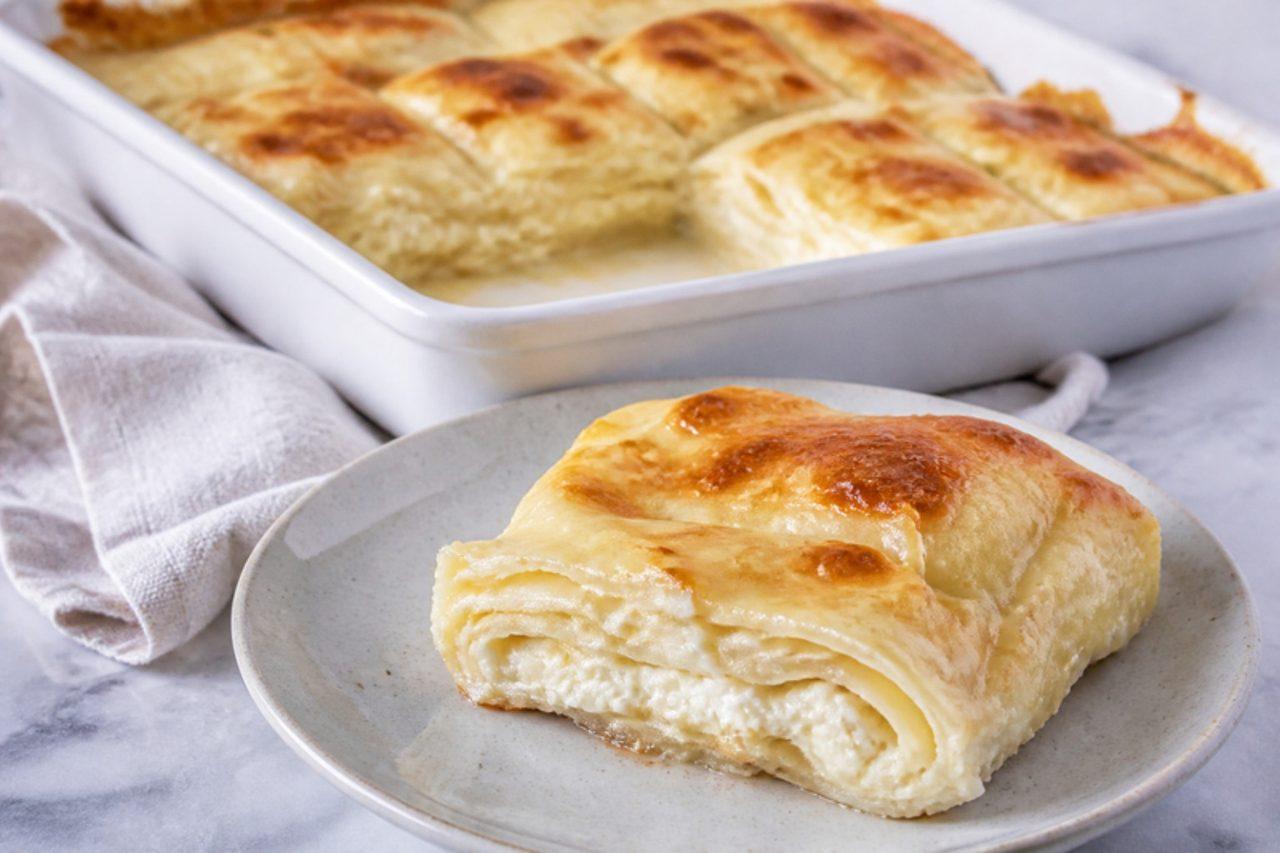
In Hrvatsko Zagorje, the green hill country north of Zagreb, štrukli are Sunday food: paper-thin dough is spread with fresh cow's cheese, rolled up, pinched into pieces with the edge of a plate, then boiled and finished in the oven under a blanket of cream. Zagreb restaurants serve them as a starter or a main, blistered golden on top and soft and custardy inside. The dough is stretched by hand over a tablecloth, which is easier than it sounds once it has rested. Chef's tip: squeeze the cheese if it is wet; a runny filling soaks the thin dough and makes the rolls tear when they boil.

by KrazyBadal 0 views

TostonesTwice-fried green plantain

Tostones are the crisp golden discs of green plantain sold at every Cuban cafeteria and fried at home to go with rice, beans and mojo; along Colombia's coast and in Cali the same thing is called patacones and comes with hogao or ají on top. The plantain is fried once to soften, smashed flat, then fried again until the edges shatter while the middle stays starchy and tender. Eat them hot as a side or a snack. Chef's tip: use truly green, hard plantains; yellow ones turn sweet and soft and will never go crisp.

25 minCubanSidesVeganGluten free
by KrazyBadal 0 views

ToumWhipped garlic sauce

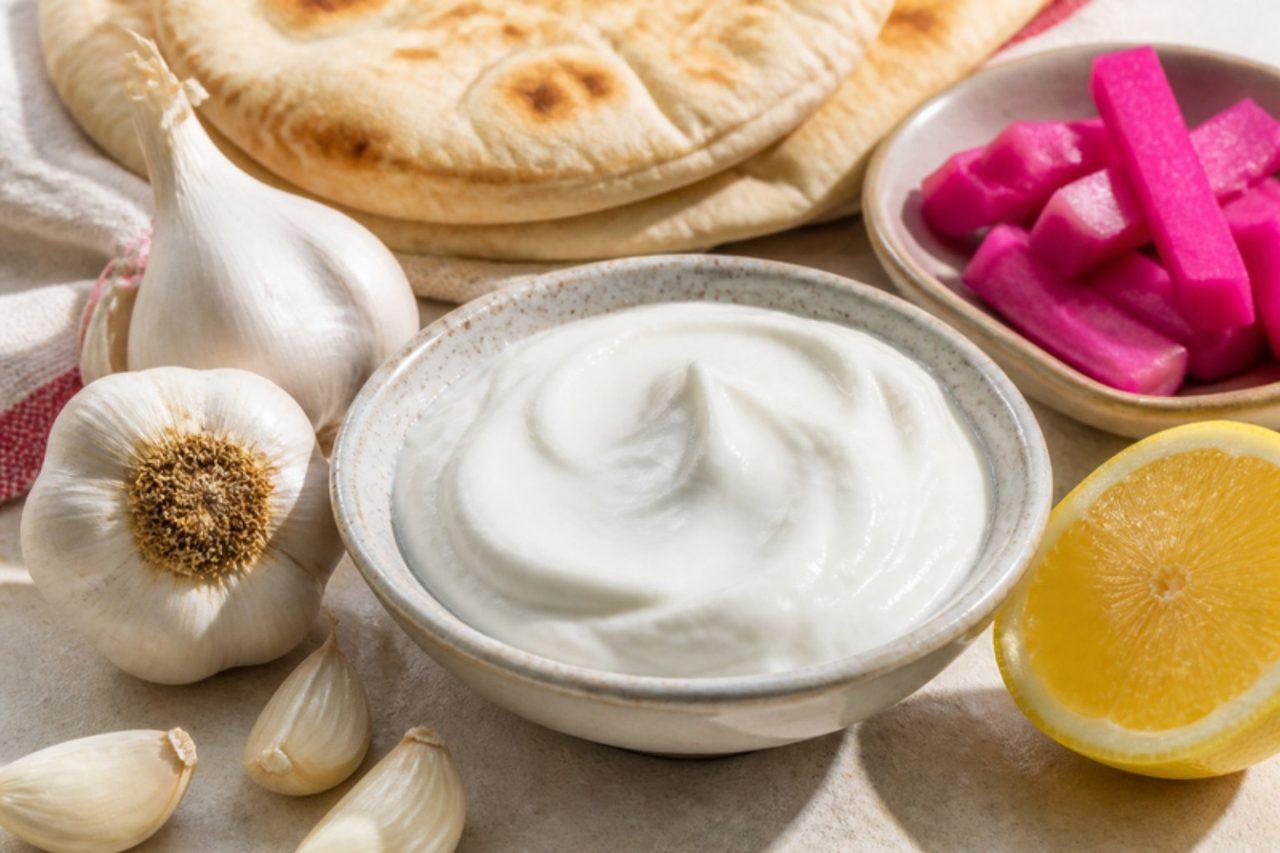
Every shawarma and grill shop in Lebanon has a tub of toum, a fluffy, snow-white emulsion of garlic, lemon and neutral oil that tastes fiercely of fresh garlic. At home it is spread on roast potatoes, stirred into grilled vegetables, dabbed on falafel wraps and served with batata harra. It contains no egg: the garlic itself holds the emulsion, so the only trick is patience while the oil goes in. Chef's tip: halve each garlic clove and pull out any green shoot; the germ makes toum bitter and harsh.

by KrazyBadal 0 views

Arroz doceRice pudding

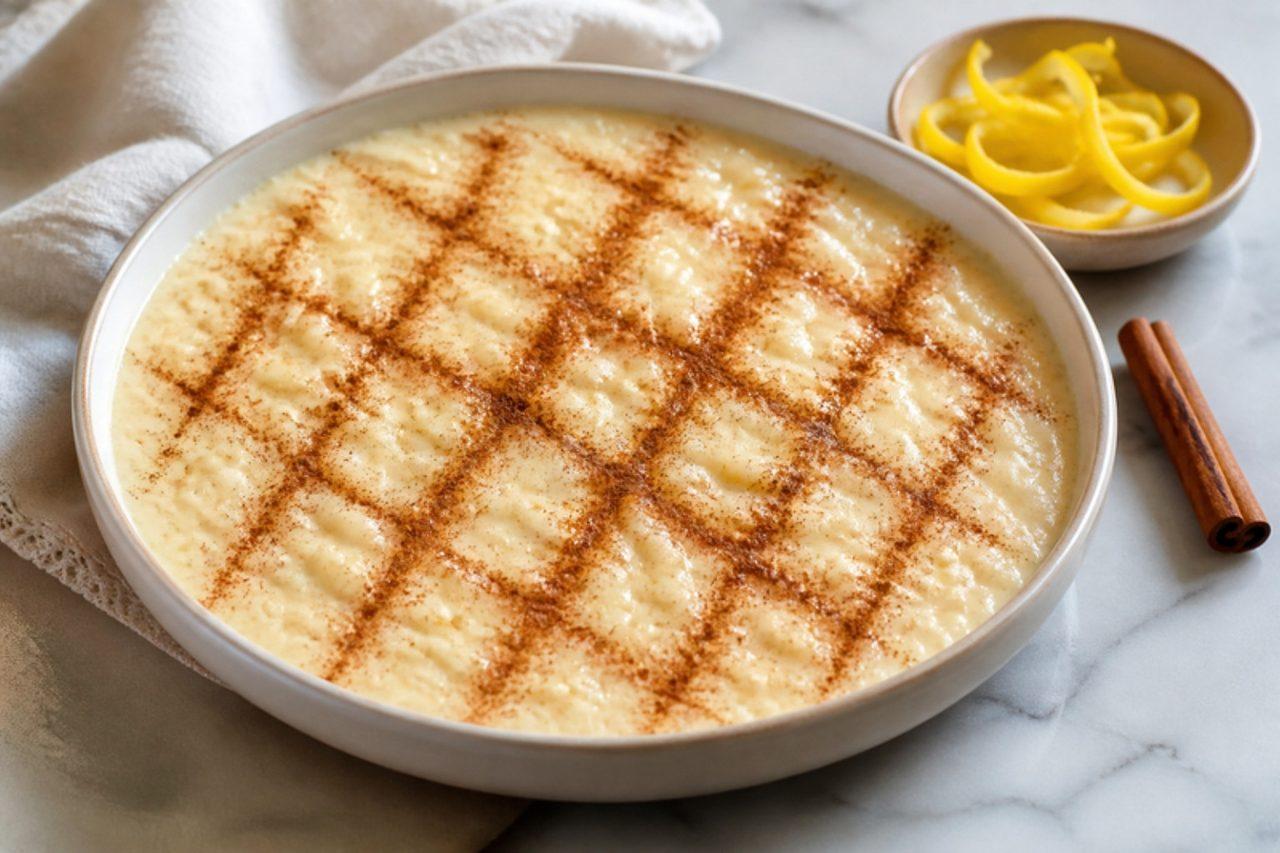
Arroz doce is set out on every Portuguese table at Christmas, at weddings and at the summer romarias (village saints' festivals) of the Minho, poured into wide, shallow platters and dusted with cinnamon in lattices, initials or little hearts. Short-grain carolino rice is first boiled in water with lemon peel and cinnamon, then simmered slowly in milk and sugar, and finally thickened off the heat with egg yolks, which turns it pale gold and custardy; that last step is what sets it apart from Spanish or Mexican rice puddings. It is eaten cold or at room temperature, by the spoonful straight from the platter. Chef's tip: cook the rice in water first until it has swollen, and only then add the milk; starting in milk scorches easily and leaves the grains firm in the middle.

by KrazyBadal 0 views

TourtièreSpiced pork and beef pie

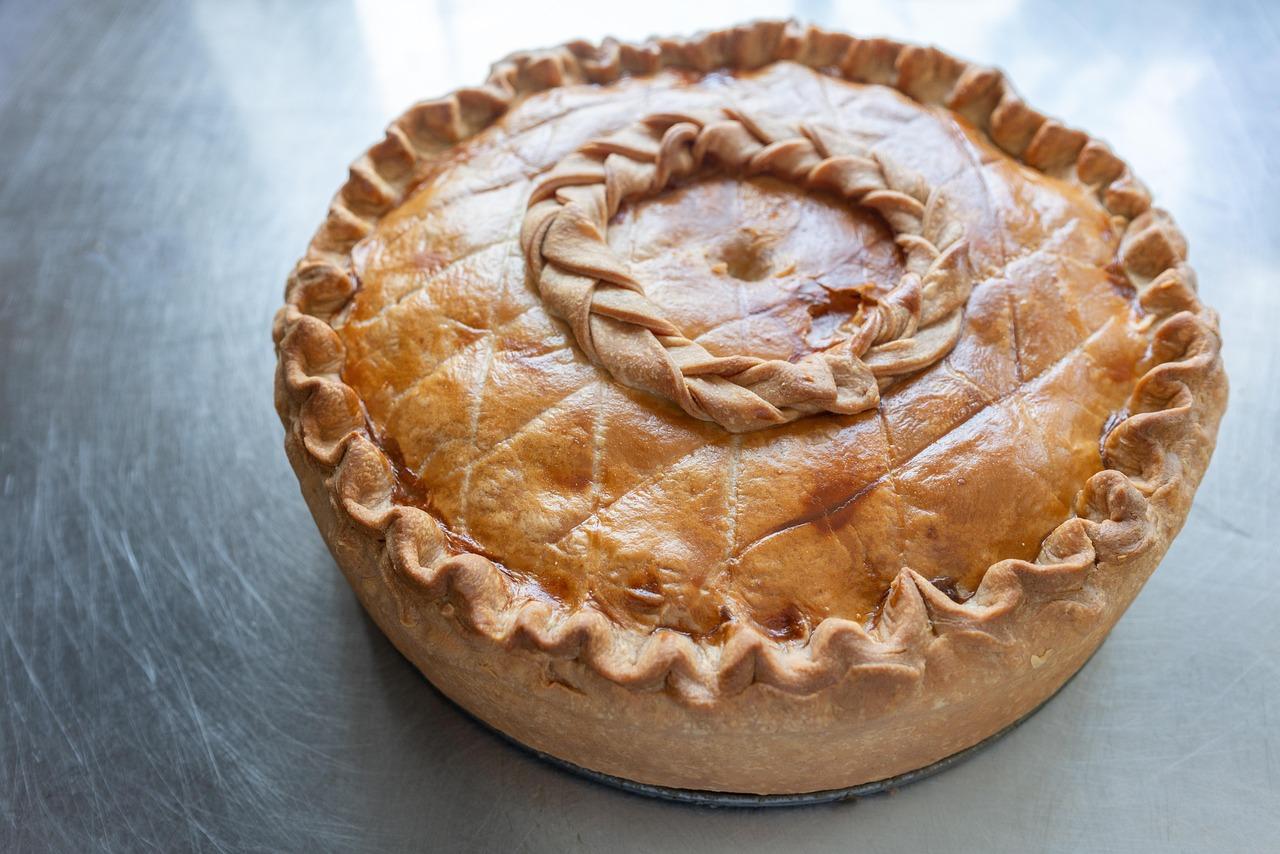
Tourtière is the meat pie of Quebec, served after midnight mass at the Christmas Eve réveillon and through the holidays, from Montreal to the Saguenay–Lac-Saint-Jean region (where a deep, layered version is also called tourtière). This dish contains pork. Minced pork and beef cook slowly with onion, a little potato and warm spices — cinnamon, cloves, allspice and savory — then are baked in a flaky double crust and served with ketchup or fruit chutney. The mistake is a wet filling that makes the bottom crust soggy; cook it until the liquid has almost gone and cool it before filling. Chef's tip: a grated potato in the filling soaks up the juices and holds the slices together.

by KrazyBadal 0 views

Bot chienFried rice flour cakes with egg

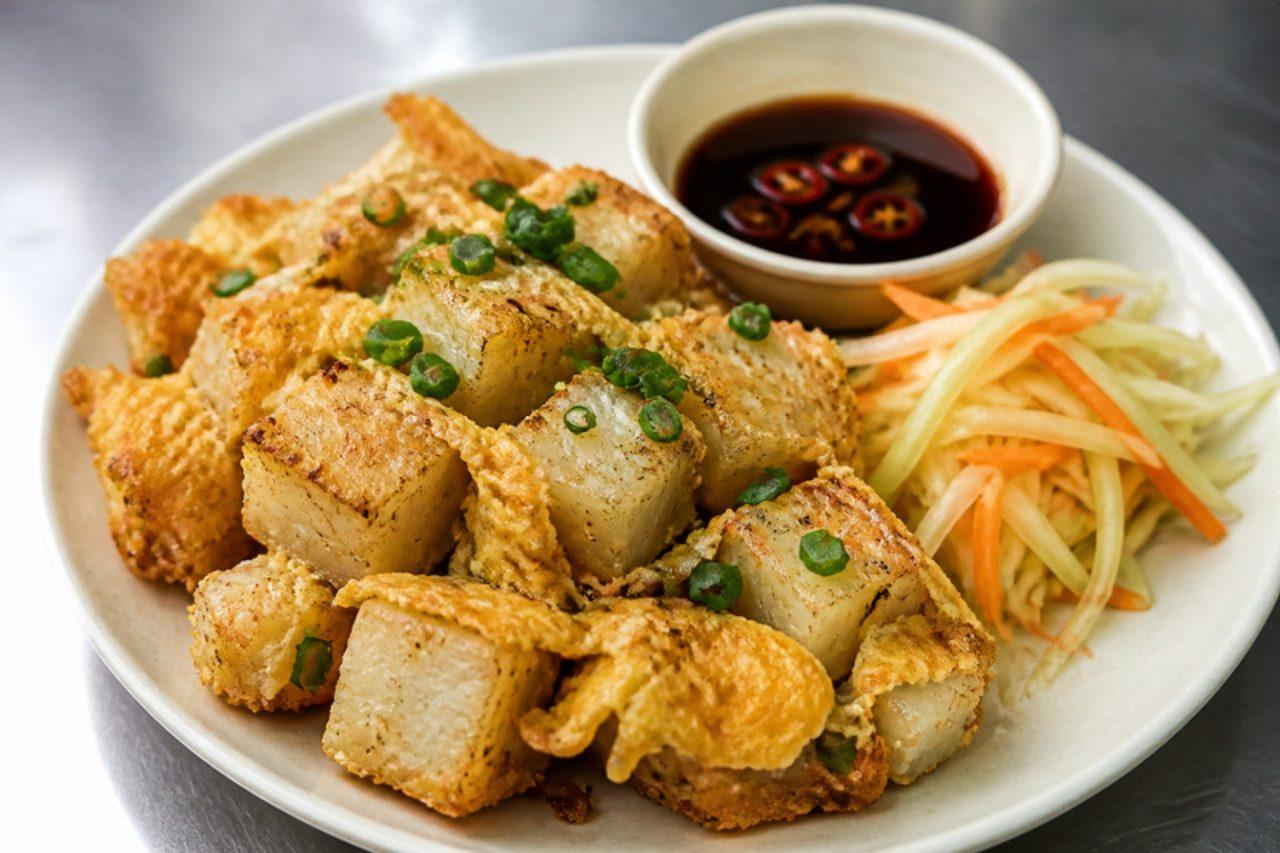
Bột chiên came to Saigon with the Teochew Chinese community of Chợ Lớn and is now an after-school snack sold from street pans across the city in the late afternoon. Cubes of steamed rice-flour cake are fried in a wide pan until crisp outside and soft inside, then an egg is poured over and stirred until it binds them in golden scraps. It is eaten with shredded pickled green papaya and a sweet, sour soy dipping sauce. Chef's tip: make the cake the day before and chill it overnight; cold, firm cake cuts into neat cubes and crisps far better.

by KrazyBadal 0 views

Bosanski lonacLayered meat and vegetable pot

Bosanski lonac goes back to Bosnian village hearths, where a tall clay pot was layered with meat and vegetables and left in the embers for hours; in Sarajevo and Mostar it is still cooked for name-day gatherings and cold winter weekends. This home version layers chunks of beef, lamb and pork with cabbage, potatoes, carrots, tomatoes and peppers, then cooks it slowly in a covered pot with only a little water, so everything stews in its own juices. This recipe contains pork; use all beef and lamb if you prefer. The mistake people make is stirring it: the layers should stay intact and steam gently. Chef's tip: put the meat and onions at the bottom and the watery vegetables like tomatoes at the top, so the juices drip down through everything.

215 minBalkanMeatGluten free
by KrazyBadal 0 views

Arroz con pollo peruanoCoriander rice with chicken

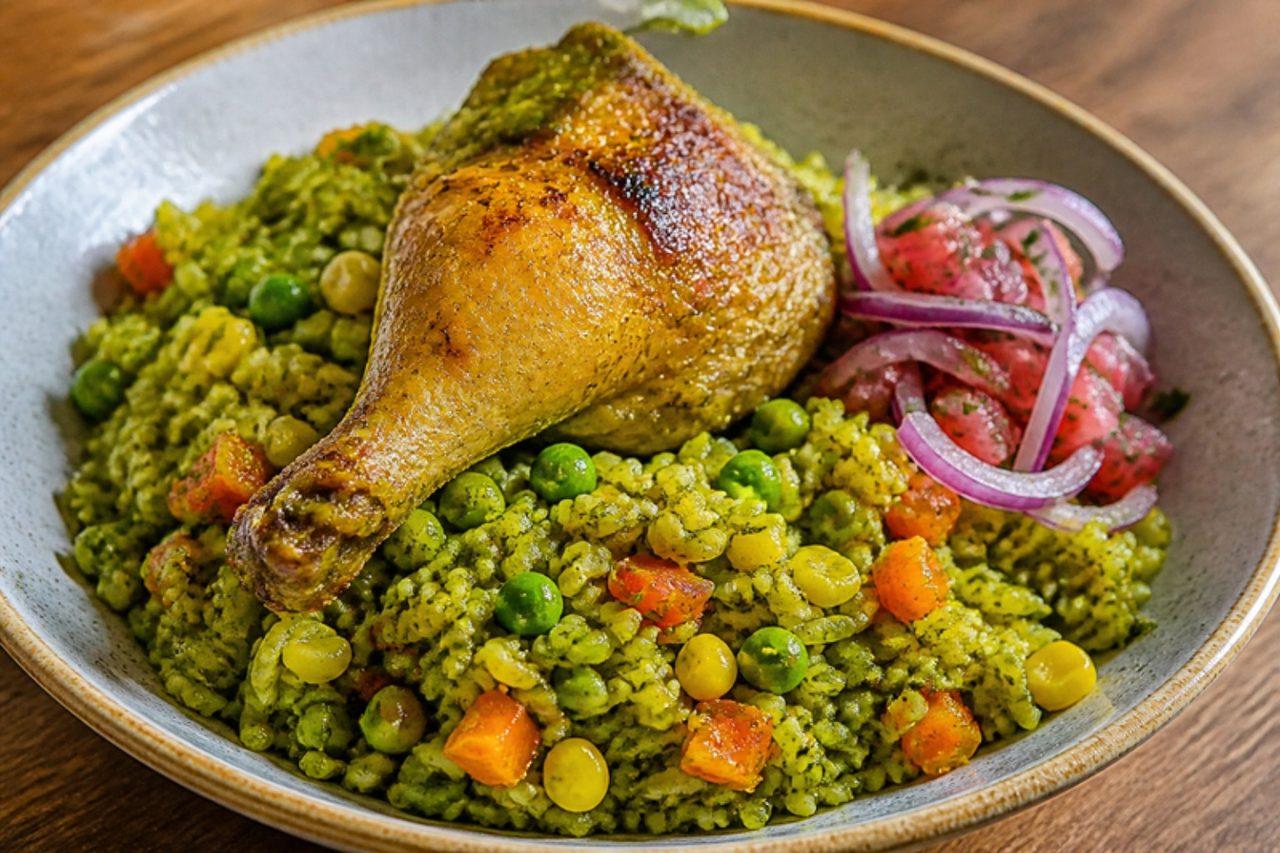
Across Spanish-speaking America arroz con pollo means yellow rice, but in Lima it comes out deep green, thanks to a big bunch of coriander blended into the cooking liquid. Mothers make it for Sunday lunch and for birthday parties, and street stalls ladle it out with salsa criolla, the sharp onion-and-lime relish that cuts through the rice. Chicken pieces are browned first, then the rice cooks in the same pot so it takes on all their flavour. Chef's tip: blend the coriander with cold stock right before it goes in, so it stays bright green rather than turning khaki.

by KrazyBadal 0 views

Arroz con pollo cubanoChicken and yellow rice

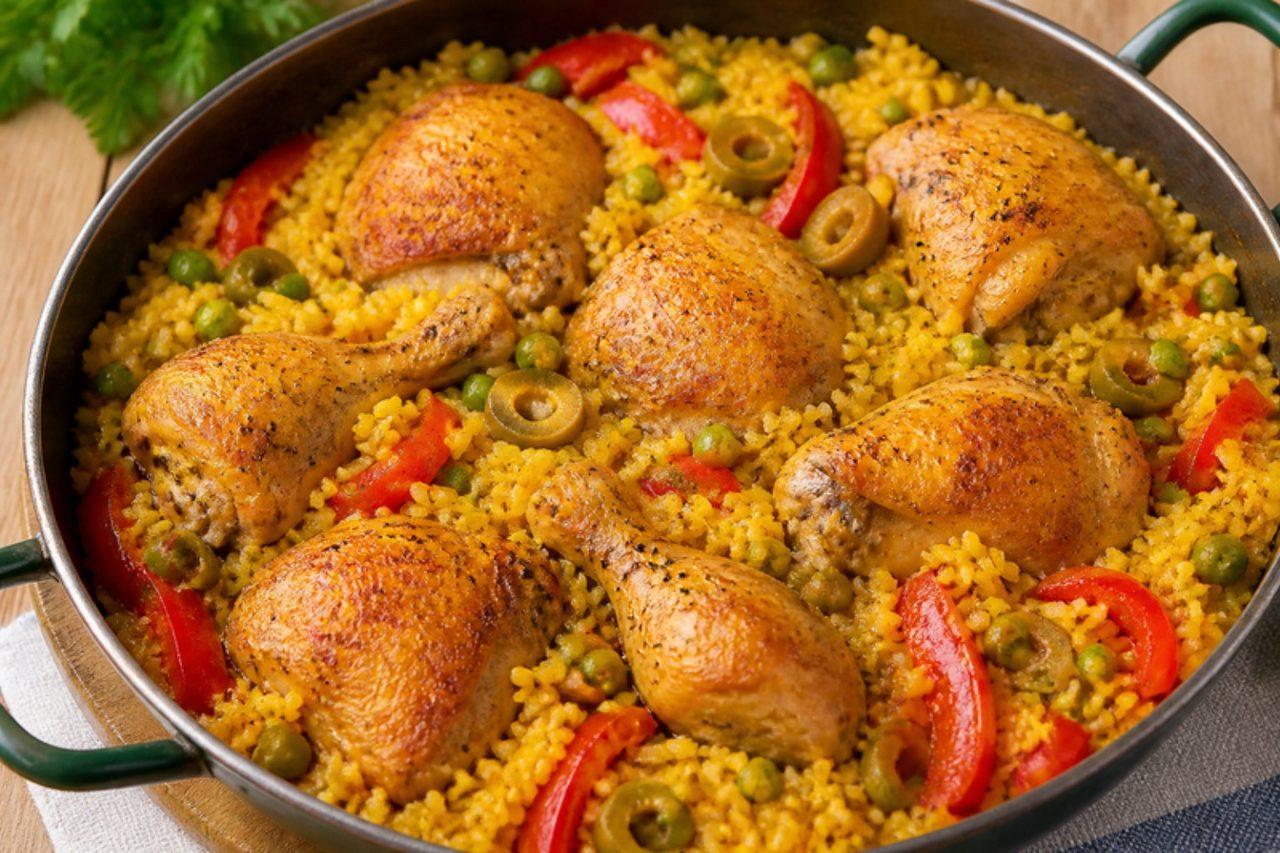
Cuban arroz con pollo is the one-pot Sunday lunch of the island, and every abuela in Santiago or Havana has her own way with it. Chicken pieces are browned, then the rice cooks right in the pot with sofrito, a pinch of saffron (or bijol, the annatto colouring most Cuban kitchens use) and stock until each grain is golden and moist, almost creamy. Peas and roasted red peppers go on top at the end. It is eaten with fried ripe plantain and a green salad. Many versions add a splash of beer to the pot; this one uses chicken stock only, so it is alcohol-free. The usual mistake is stirring the rice once it is covered, which breaks the grains and makes it gluey. Chef's tip: let the pot rest off the heat with the lid on for 10 minutes before serving, so the rice finishes softening in its own steam.

by KrazyBadal 0 views

Arroz con lecheRice pudding

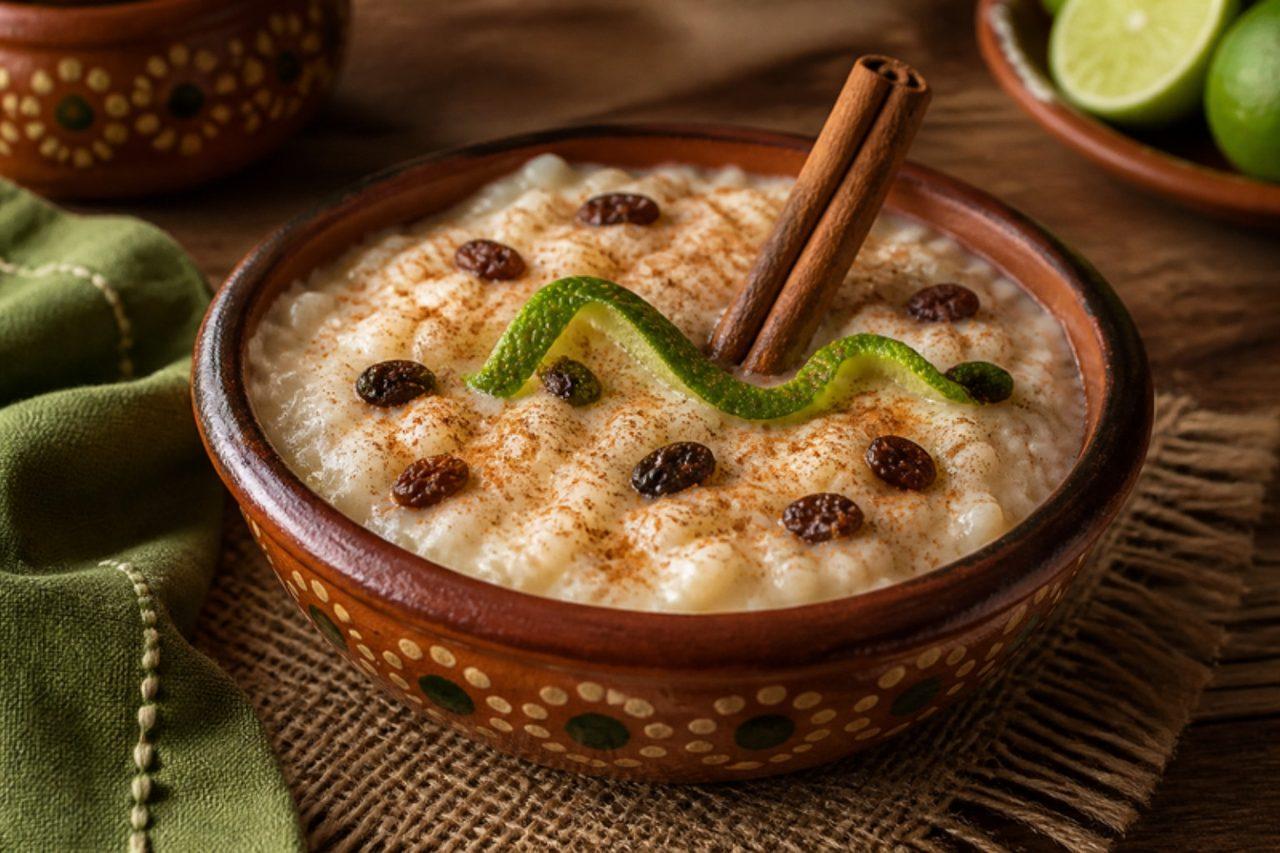
Arroz con leche is Mexico's comfort pudding, sold in little cups at markets and made in every grandmother's kitchen: rice cooked first in water with a cinnamon stick (canela) and lime peel, then slowly in milk until it turns thick and creamy. Mexicans often add sweetened condensed milk for a richer, caramel-tinged finish, and raisins for those who like them. It is eaten warm in winter and cold from the fridge in summer, dusted with ground cinnamon. Chef's tip: use soft Ceylon cinnamon (canela) if you can find it; its gentle, floral flavour is what makes it taste Mexican rather than like a spiced pudding.

by KrazyBadal 0 views

Bore baasiSoaked rice with onion

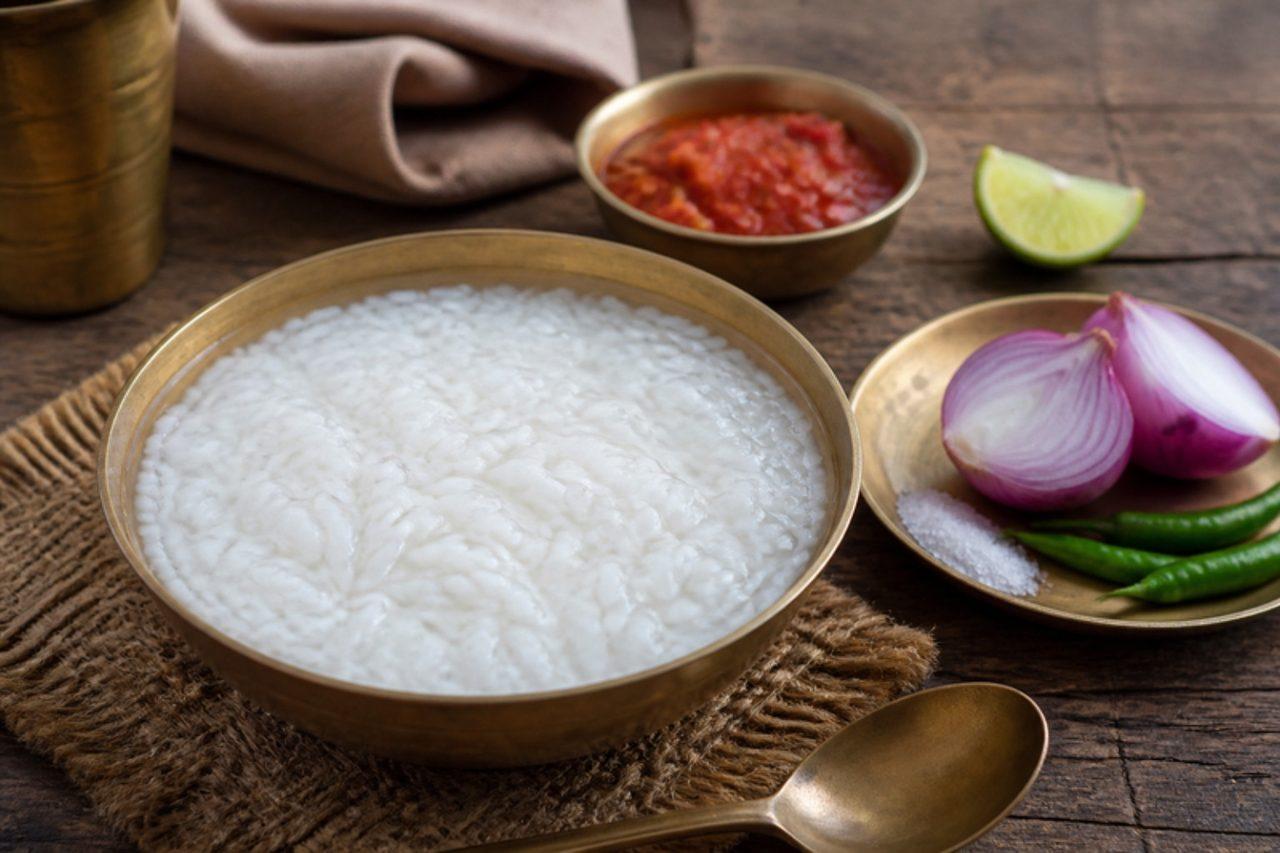
Bore baasi is the summer meal of Chhattisgarh's farmers: cooked rice soaked in water, either for a few hours (bore) or overnight (baasi), then eaten from the bowl with its slightly sour water, raw onion, green chilli and a pinch of salt. It is cooling, filling and easy on the stomach in the heat, and in recent years the state has made 1 May, Labour Day, the day to eat it as Bore Baasi Tihar. Many families add a ladle of buttermilk or curd and something fried or roasted on the side. Food safety matters with any cooked rice left standing, so this version cools the rice fast and soaks it in the fridge. Chef's tip: cool and cover the rice within an hour of cooking; rice left warm on the counter is the real risk, not the soaking.

by KrazyBadal 0 views

Borani banjanFried aubergine in tomato sauce

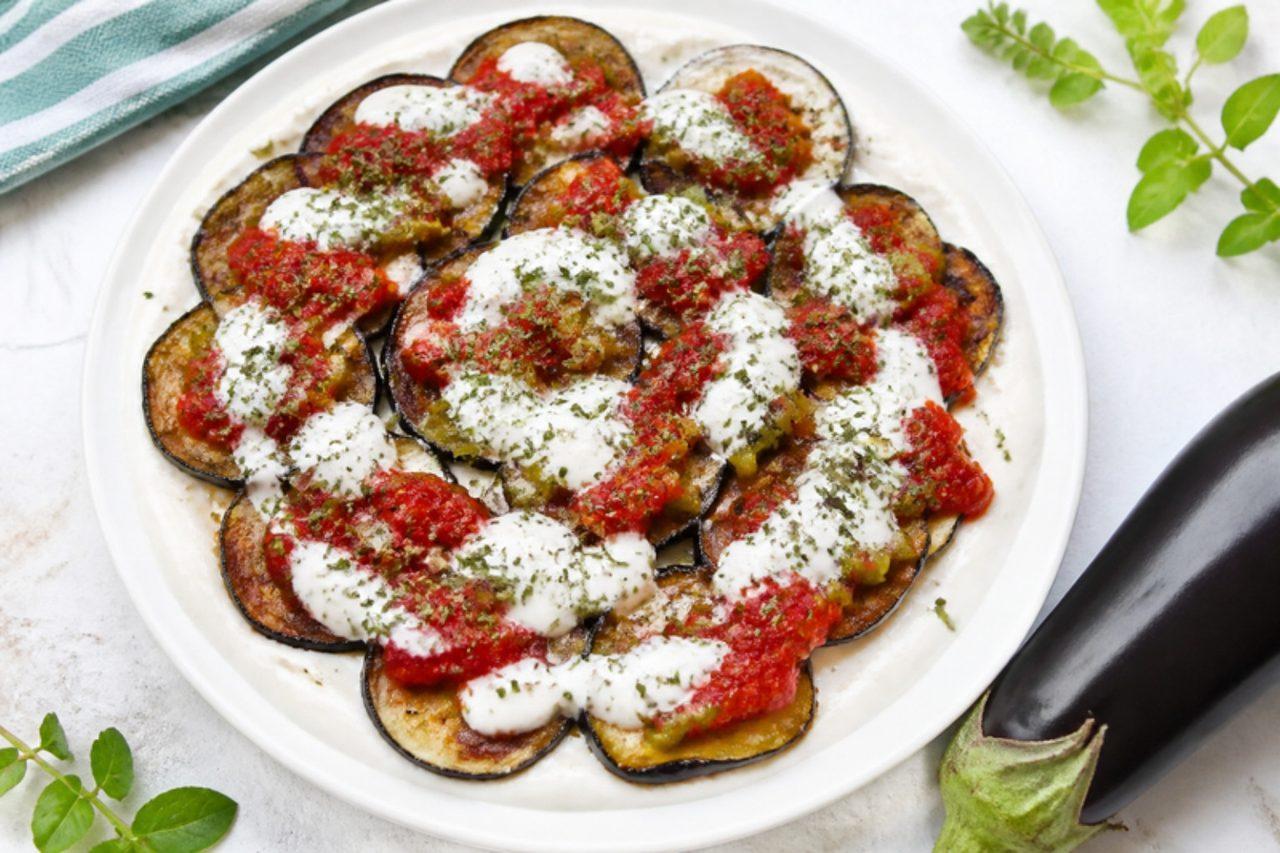
Borani banjan is the aubergine dish Afghan hosts set out at almost every dinner party and Eid meal, from Herat to Mazar-i-Sharif. Thick slices of aubergine are fried until golden, then simmered in a tomato and pepper sauce until meltingly soft and laid over a bed of garlic yoghurt, with dried mint on top. It's eaten warm with naan, or as a side to rice. Chef's tip: fry the aubergine slices in a hot pan and let them drain well before they go into the sauce; well-browned slices hold their shape and give the dish its deep, almost sweet flavour.

by KrazyBadal 0 views

Bombay sandwichToasted vegetable sandwich

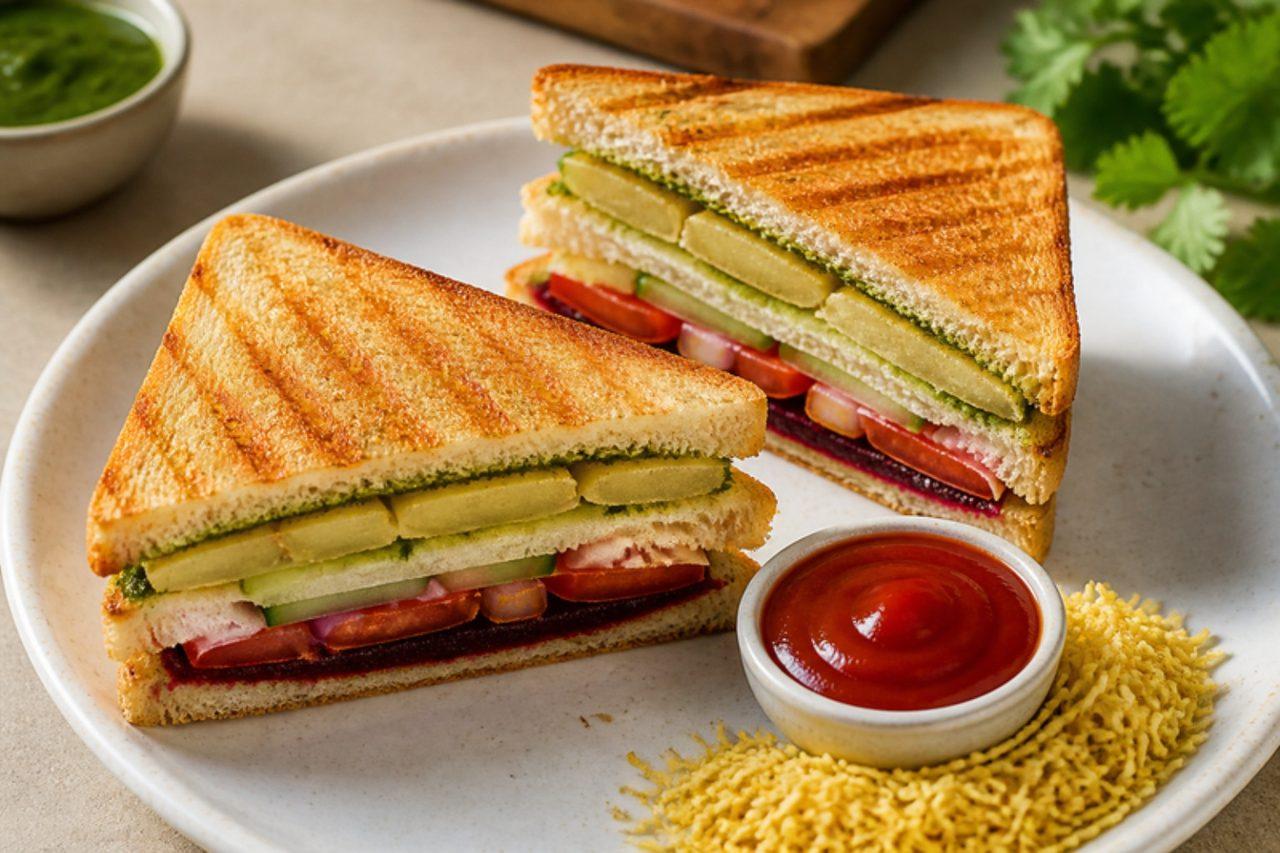
Every busy corner in Mumbai, from Churchgate station to the lanes of Dadar, has a sandwich-wallah with a stack of white bread, a tub of butter, a bowl of green chutney and a cast-iron toaster held over a flame. The Bombay sandwich is built in thin layers of boiled potato, beetroot, cucumber, tomato, onion and green pepper, each layer dusted with a peppery sandwich masala, then toasted until crisp and cut into neat squares. Cheese is grated over the top if you ask. It's a commuter's breakfast, a school snack and a late-night bite after the cinema. Serve with ketchup and more chutney. Chef's tip: slice every vegetable as thin as a coin; thick slices slide out when you bite and stop the sandwich toasting evenly.

by KrazyBadal 0 views

Bolón de verde con quesoPlantain and cheese balls

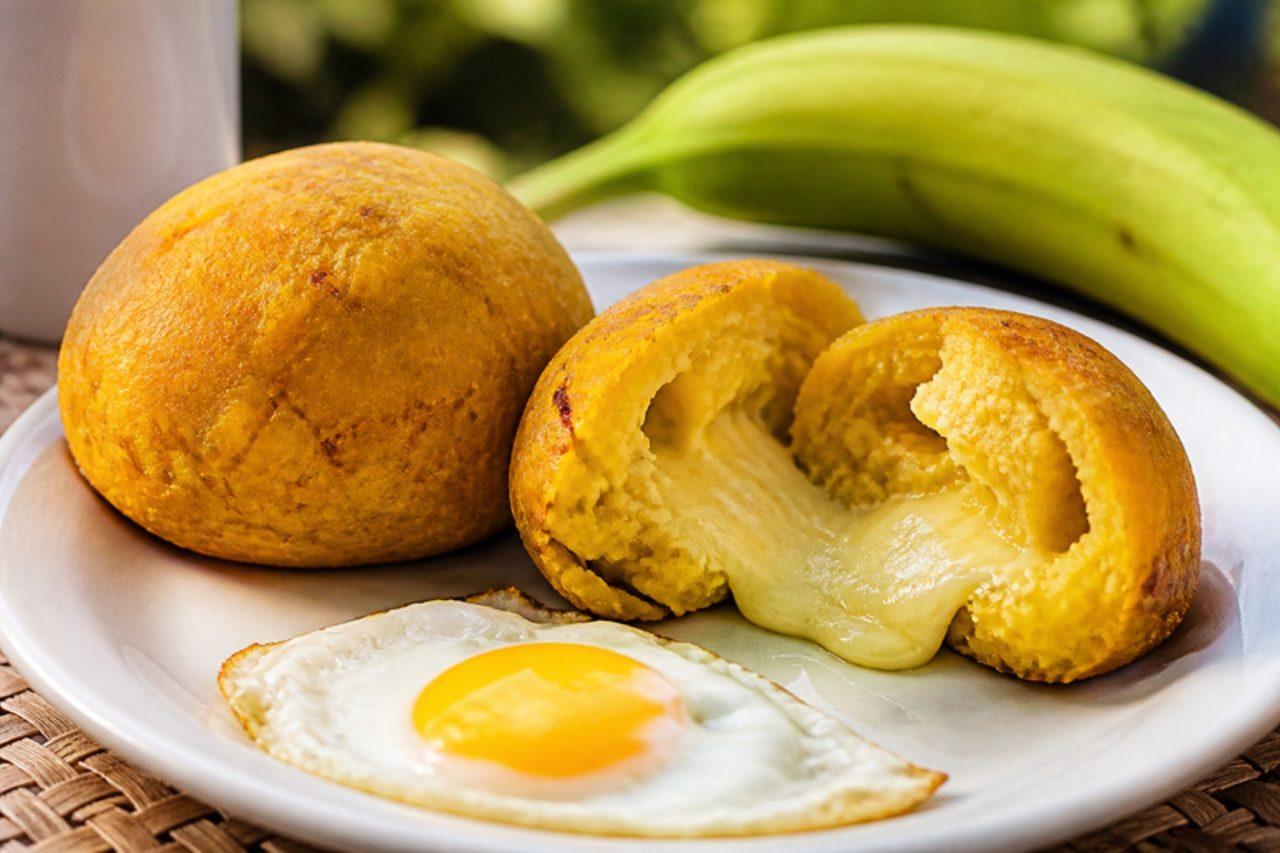
On Ecuador's coast, in Guayaquil and Manabí, breakfast is often a bolón: green plantain fried, pounded while hot with butter and salty cheese, shaped into a fist-sized ball and fried again until crusty. It comes with a cup of strong black coffee and a fried egg, and a little ají on the side; the other classic version uses pork crackling, but cheese bolón is just as common. Chef's tip: shape them while the plantain is still hot; once cold the starch sets and won't stick together.

by KrazyBadal 0 views

Bolo polanaCashew and potato cake

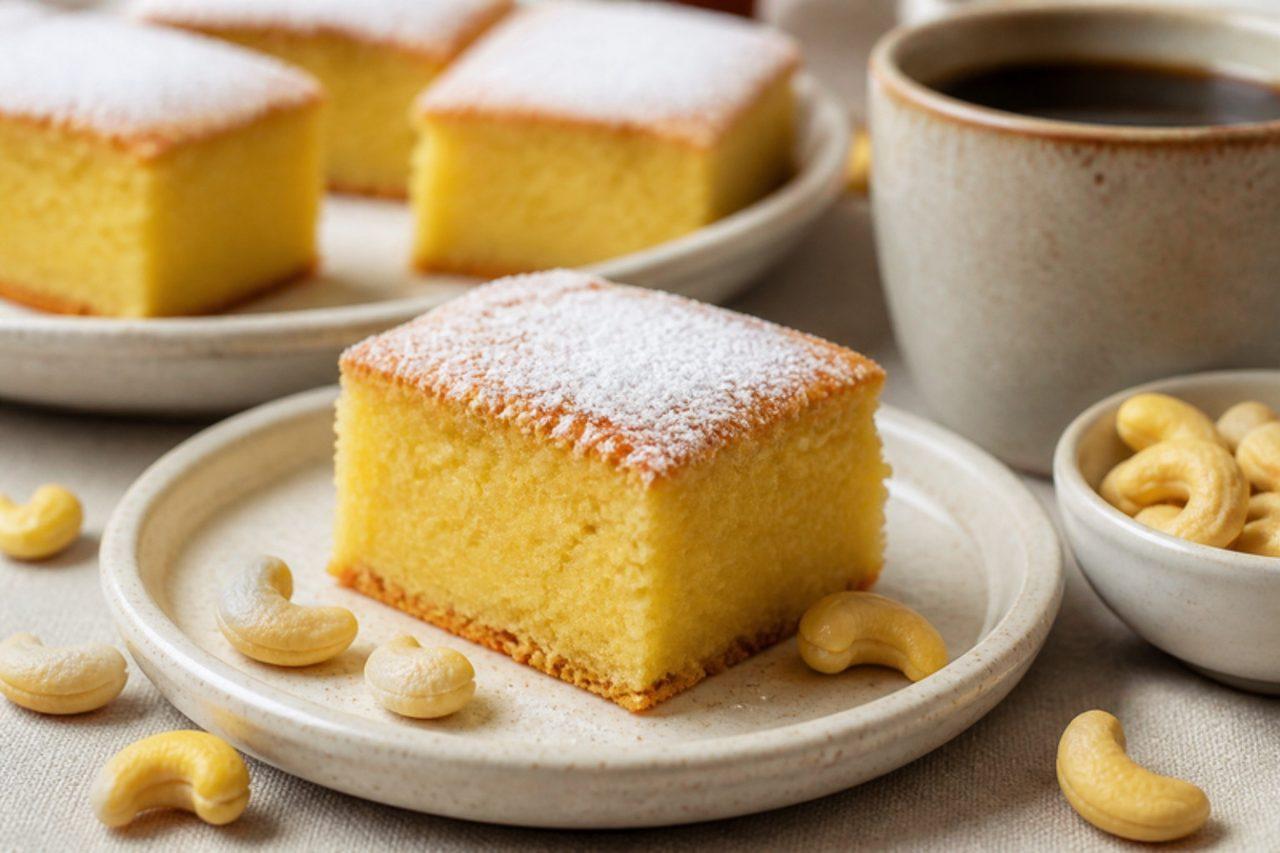
Bolo polana takes its name from the old Polana district of Maputo and is a celebration cake in Mozambique, made for birthdays and Christmas, built on two of the country's great crops: cashew nuts and potatoes. Ground cashews and mashed potato make it dense, fragrant and very moist, with orange zest to lift it. It shows the Portuguese baking tradition meeting local ingredients. Chef's tip: grind the cashews in short pulses with a spoon of the sugar; ground alone, they turn to cashew butter.

by KrazyBadal 0 views

Showing 27 of 7,888 recipes

Show more recipes

Page 779 of 877