


Skip to content
Pickled green tomatoes
Featured recipe

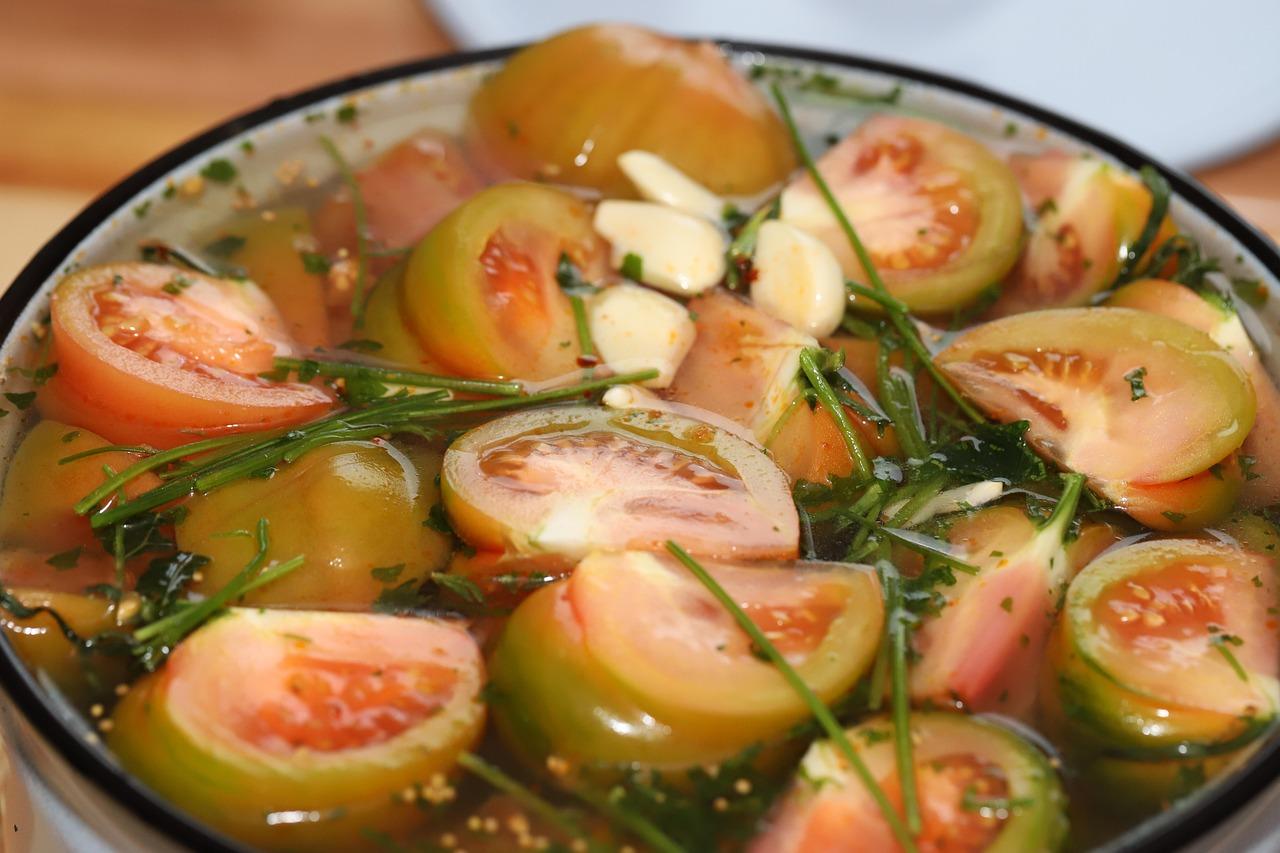
Pickled green tomatoes

In southern Ukraine the first cold nights of October leave every garden full of hard green tomatoes that will never ripen, and rather than waste them, cooks around Odesa and Kherson slit each one and stuff it with a punchy paste of garlic, dill, parsley and hot chilli. A week in brine turns them sour and fizzy, with a crunch and a slow burn from the chilli. They are the pickle everyone reaches for at the winter table, next to potatoes fried with onions or a bowl of buckwheat. Most people go wrong by cutting the tomatoes right through, so the filling falls out; slice only two-thirds of the way. As with any ferment, keep everything below the brine and discard the jar if it grows fuzzy or coloured mould or smells rotten. Chef's tip: pick tomatoes that are just starting to blush pale; fully hard dark-green ones stay bitter.

Read more 0 views

What to eat today?

Around the world

Today's trip: Persian

A new country every day, from every cuisine on the site.

This week's collection

Kid-friendly dinners
537 recipes · a new collection every Monday

Latest recipes

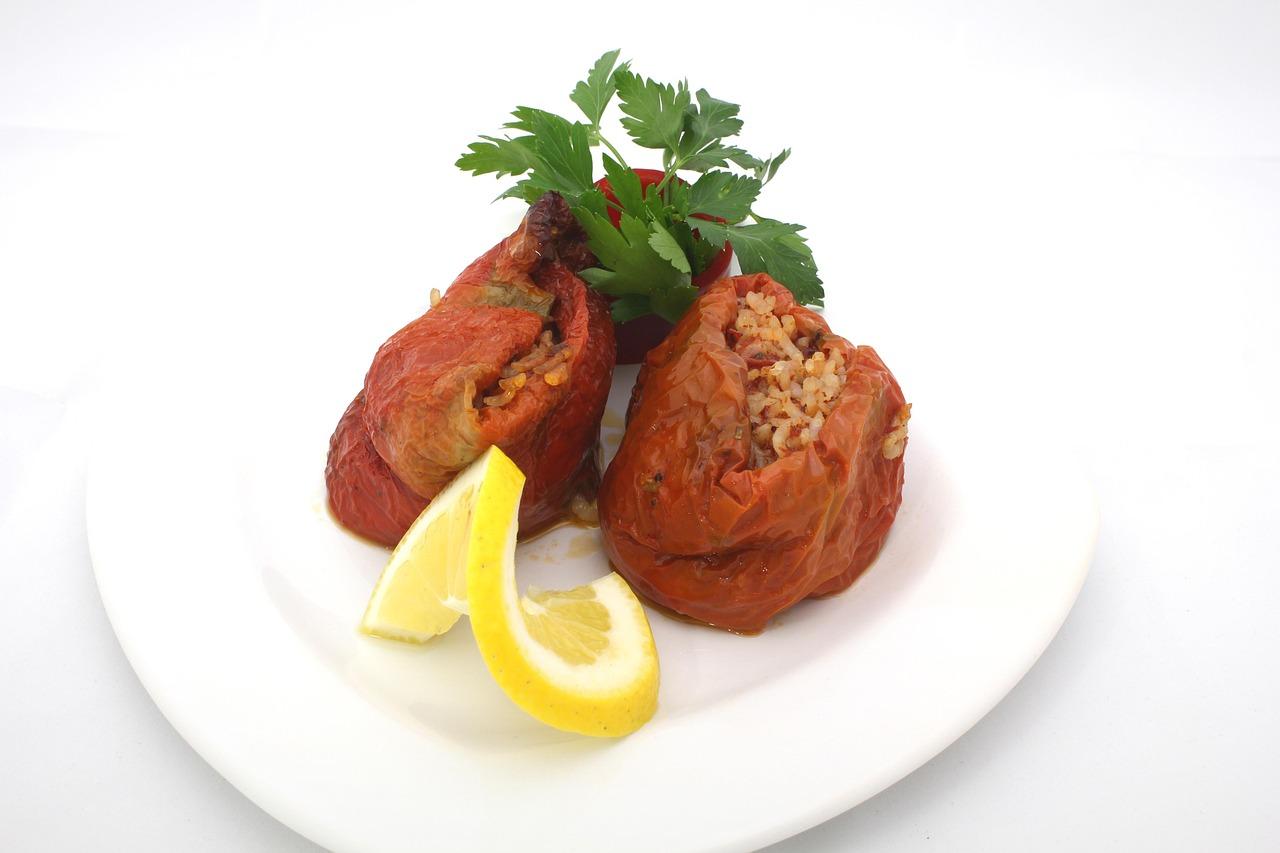
Biber dolmasıRice-stuffed green peppers

Biber dolması turns up in every corner of Turkey, from Istanbul meyhanes to village kitchens in central Anatolia, and the olive-oil version without meat is the one eaten cold at summer lunches or packed for picnics. Thin-walled green dolma peppers are filled with rice cooked with onion, tomato, pine nuts, currants and warm spices, capped with a slice of tomato and simmered until the peppers slump and wrinkle. A frequent mistake is packing the filling to the top: leave a finger of space so the rice can swell. Chef's tip: let the peppers cool completely in their pot; the filling firms up and the flavours of mint and allspice come through much more clearly than when hot.

by KrazyBadal 0 views

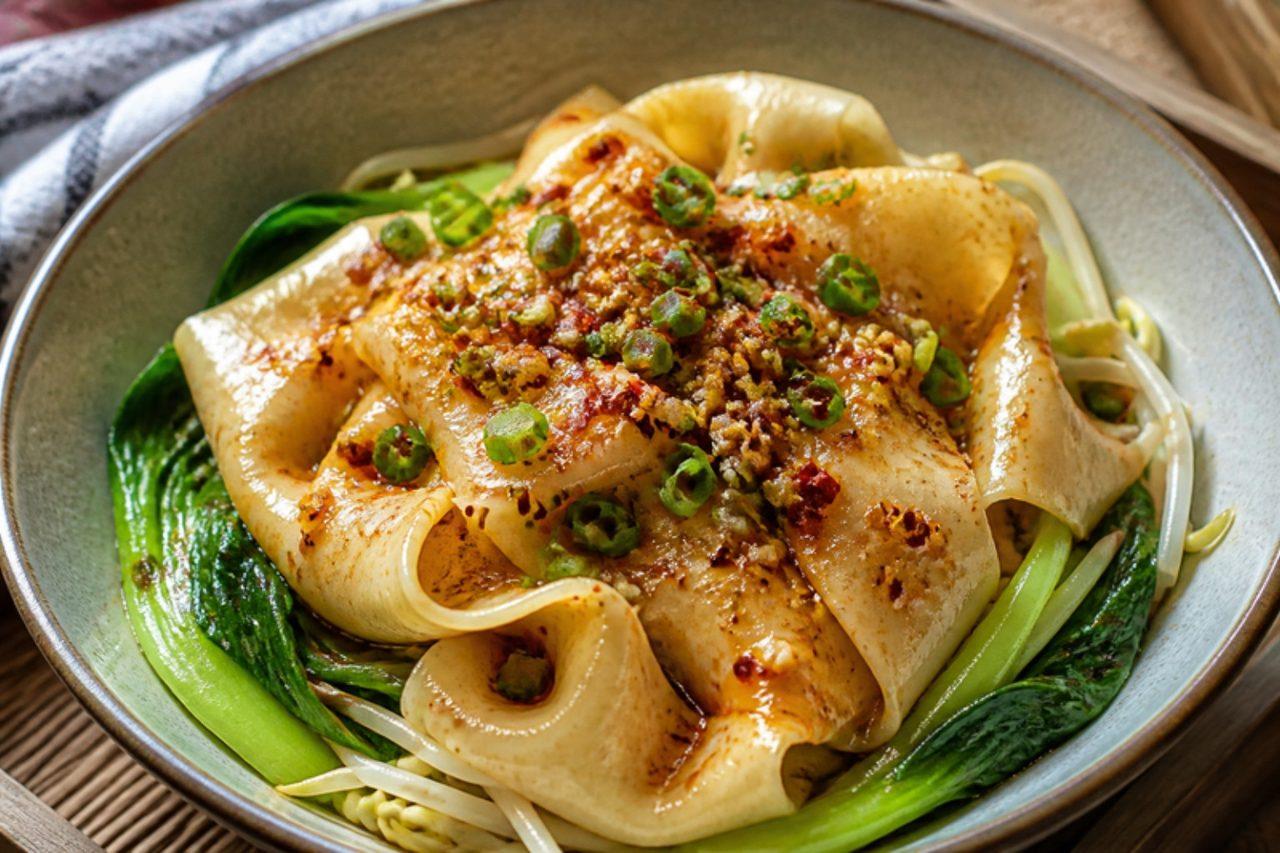
Biang biang noodlesHand-pulled belt noodles

Biang biang mian are the wide, belt-like noodles of Xi'an in Shaanxi, named, some say, after the slapping sound the dough makes as it's pulled and banged on the counter. The written character for biang is one of the most complicated in Chinese. Each noodle is as wide as a belt and chewy; the classic topping is chilli flakes, garlic and spring onion, sizzled with smoking hot oil, then splashed with vinegar and soy. Chef's tip: let the oiled dough pieces rest for at least 30 minutes, longer if you can; relaxed gluten stretches long and thin without snapping.

by KrazyBadal 0 views

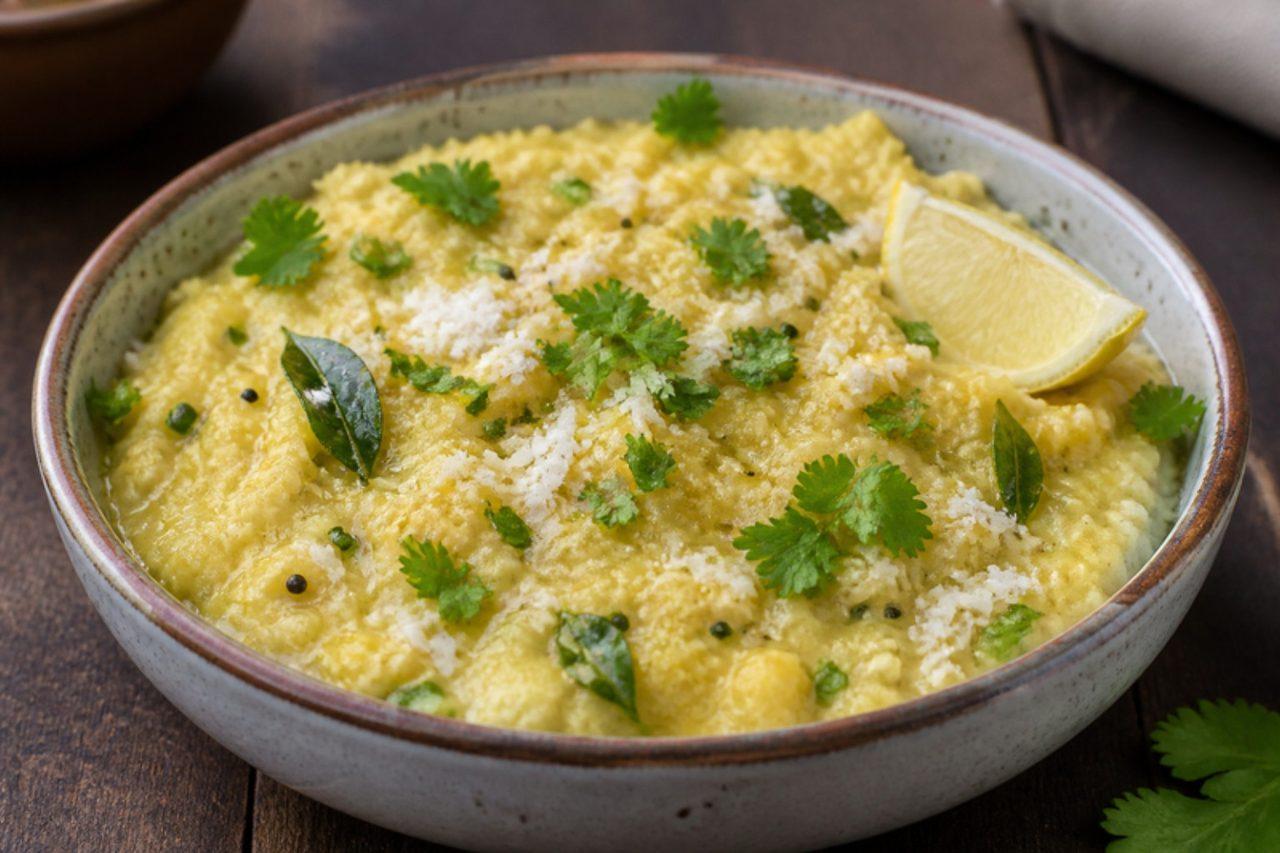
Bhutte ka keesGrated corn cooked in milk

Bhutte ka kees is a monsoon favourite from Indore in Madhya Pradesh, sold at the city's famous night market, Sarafa. Fresh corn is grated and cooked in ghee with mustard seeds and green chilli, then simmered in milk until it turns thick, creamy and gently sweet. A squeeze of lemon, fresh coriander and grated coconut finish it. Eat it hot with a spoon as an evening snack. Chef's tip: grate the corn off the cob on the coarse side of a box grater rather than blending it; you get juicy, starchy pulp that thickens the milk naturally.

by KrazyBadal 0 views

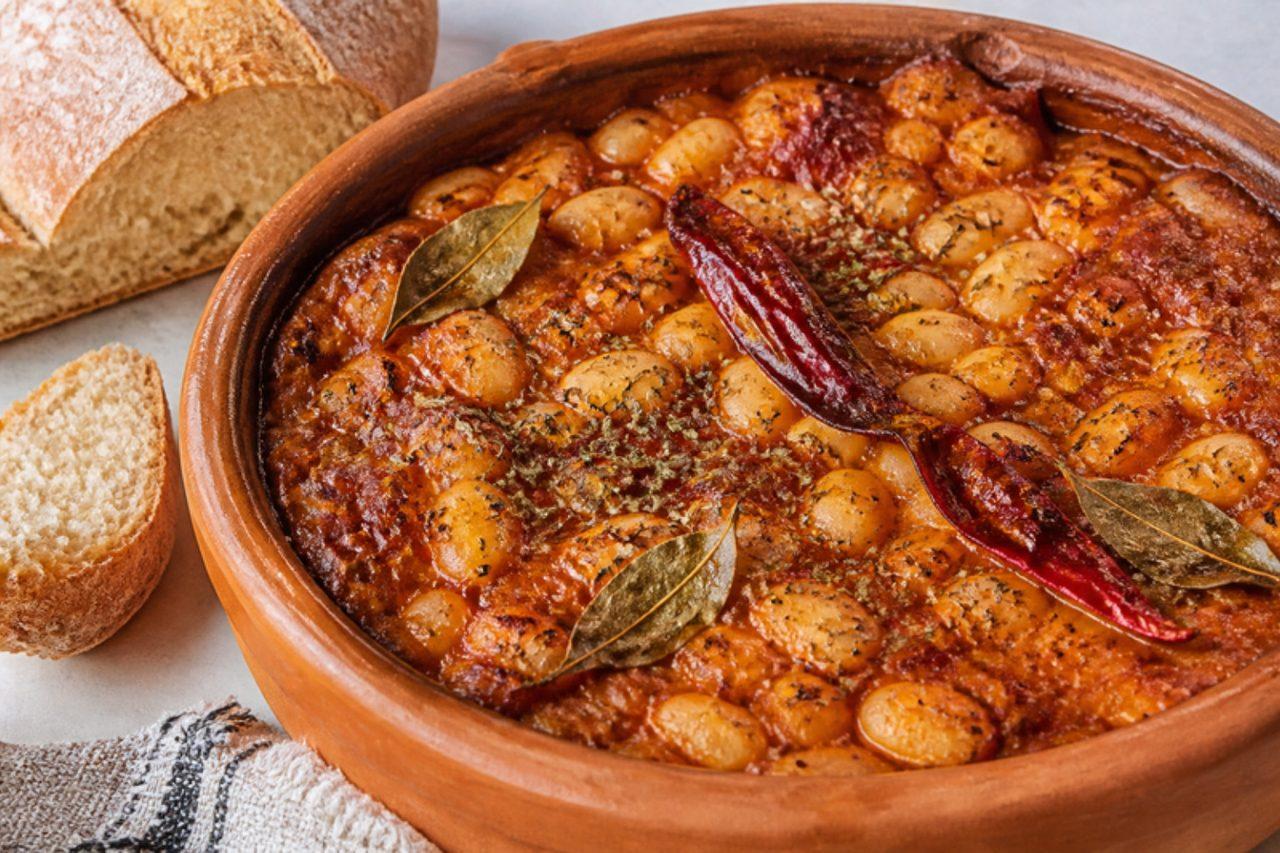
Tavče gravčeBaked white beans

Tavče gravče, 'beans in a pan', is the dish North Macedonians call their own: large white beans, ideally the Tetovo variety, cooked soft, then baked in a shallow earthenware tava with onions fried in paprika until the top forms a crust. In Skopje it is a Friday staple and a Christmas Eve fast-day dish, served in the same clay dish it baked in, with bread, pickled peppers and a cabbage salad. This version keeps to the meat-free fasting style, with a paprika-and-onion roux for depth. Chef's tip: let the paprika sizzle in the oil for only a few seconds off the heat; scorched paprika turns brown and bitter and spoils the whole dish, which is the most common slip.

by KrazyBadal 0 views

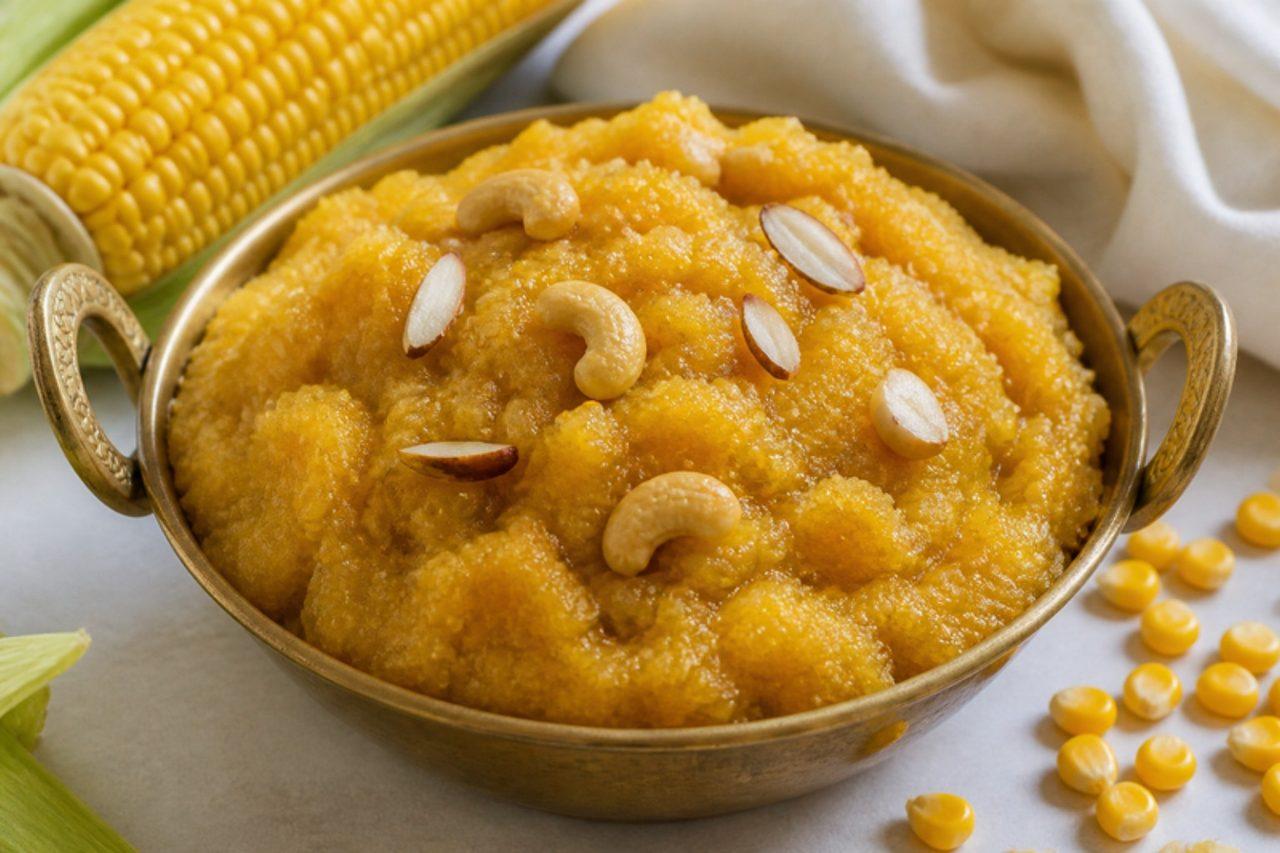
Bhutte ka halwaSweetcorn halwa

In monsoon Indore, when the fields around the city are full of tender maize, sweet shops turn the same corn into halwa: kernels ground coarsely, roasted in ghee until they smell like buttered popcorn, then cooked with milk and sugar until glossy. It is lighter and less cloying than many halwas, with a gentle bite from the corn. Families make it for guests and for small festivals, and it is just as good warm from the pan or at room temperature the next day. Chef's tip: grind the corn in short pulses to a coarse, porridgy texture; a smooth purée turns gluey and sticks.

by KrazyBadal 0 views

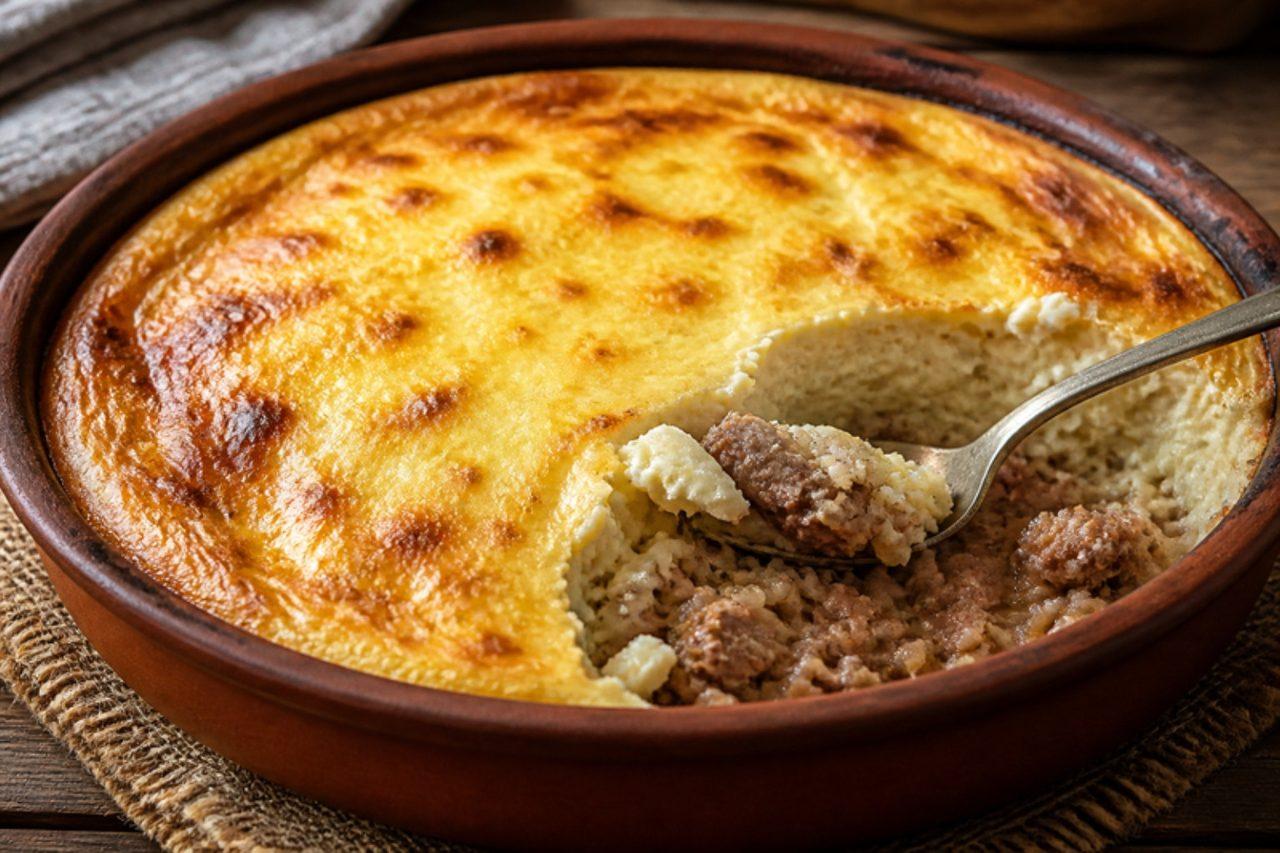
Tavë kosiBaked lamb and rice in yogurt

Elbasan, in central Albania, claims tavë kosi as its own and serves it on Dita e Verës, the spring festival in March, though families across Albania and Kosovo bake it all year. Pieces of lamb on the bone are browned with garlic and a little rice, then covered with a thick custard of tangy yogurt, eggs and a butter-flour roux and baked until puffed and golden on top. Inside, the custard stays soft and slightly sour against the rich meat. A classic slip is using thin, low-fat yogurt, which splits in the oven; use full-fat strained yogurt. Chef's tip: let the yogurt come to room temperature and whisk the warm roux in slowly, so the custard stays smooth.

135 minBalkanMeat
by KrazyBadal 0 views

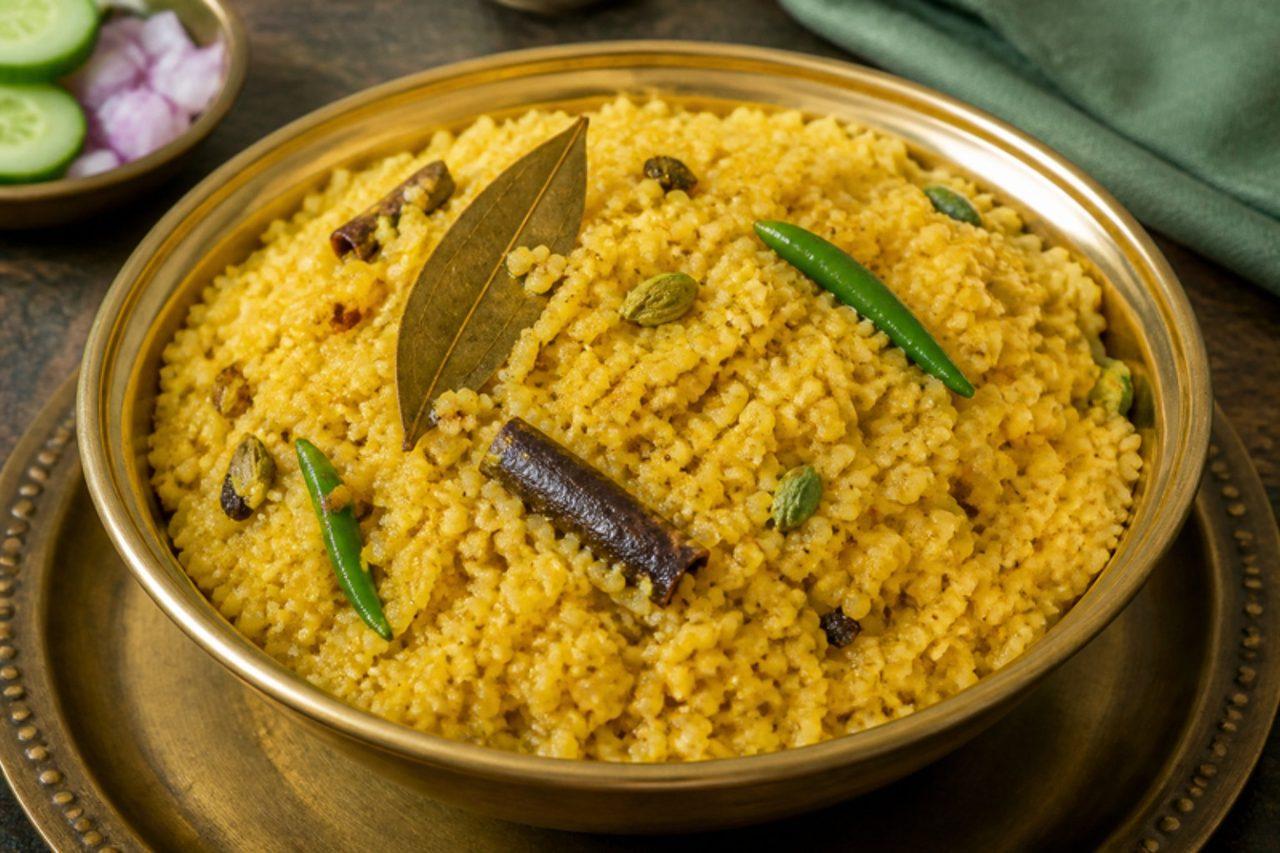
Bhuna khichuriFried rice and moong dal

In Dhaka, the first heavy monsoon downpour sends people home craving bhuna khichuri, and Eid mornings in old Dhaka often start with a pot of it too. Unlike the loose, porridge-like khichdi of north India, the Bangladeshi bhuna version is dry and fluffy: dry-roasted moong dal and short-grain rice are fried in ghee with onions and whole spices until fragrant, then cooked with just enough water so the grains stay separate. Serve it hot with begun bhaja, a bhorta or two and a spoon of pickle. Chef's tip: roast the moong dal in a dry pan until it smells like toasted nuts before you wash it; that roasted note is what makes this khichuri taste of Bangladesh.

by KrazyBadal 0 views

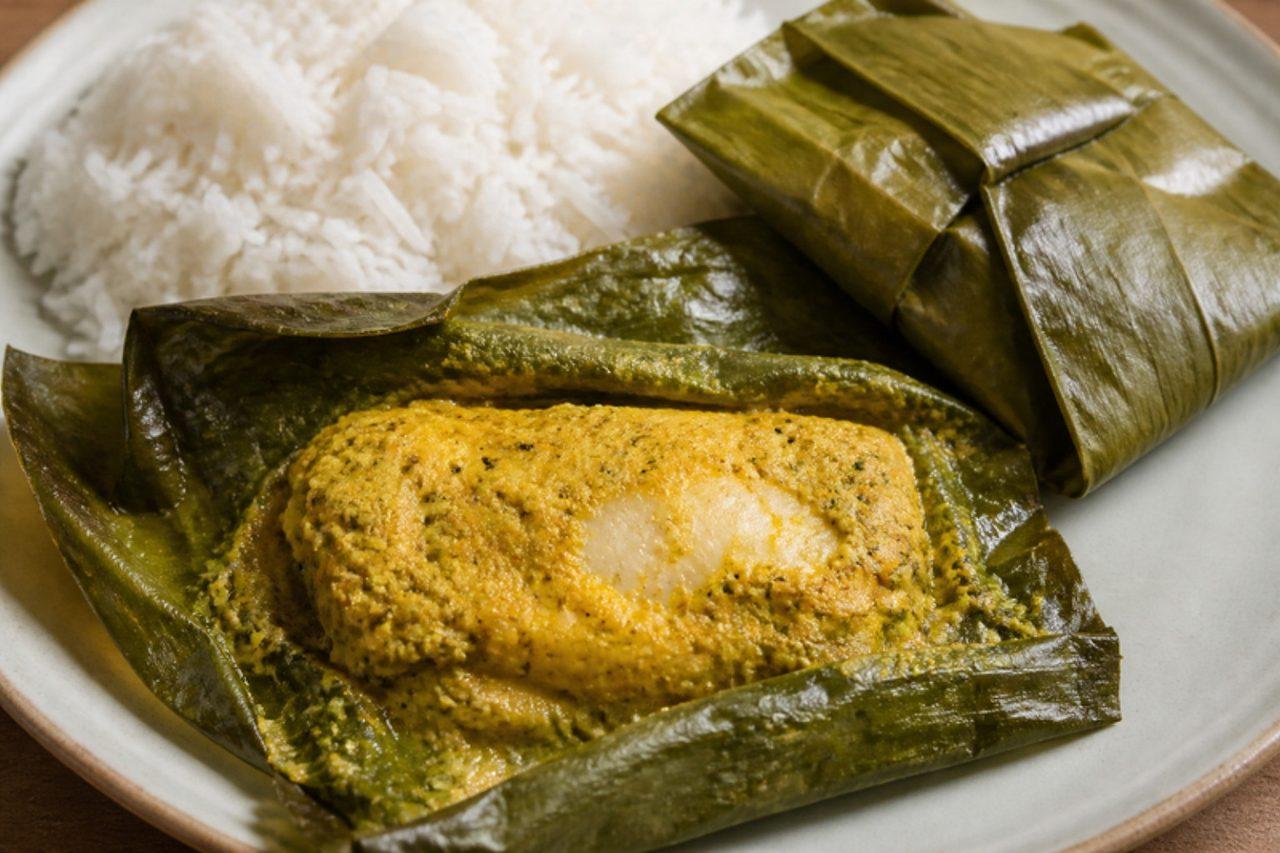
Bhetki paturiFish steamed in banana leaf

Paturi means 'wrapped in a leaf', and in Bengal the favourite fish for it is bhetki, the meaty barramundi of the Sundarbans estuaries. Fillets are coated in a sharp paste of mustard, coconut and green chilli, tied up in banana leaf and steamed or cooked on a griddle, so they come out moist and fragrant. It is a dish for celebration lunches in Kolkata and is unwrapped at the table over hot rice. Chef's tip: no banana leaves? Use baking paper inside foil; you lose a little aroma but none of the texture.

55 minIndianFishGluten free
by KrazyBadal 0 views

Bhatt ki churkaniBlack soybean curry

Black soybeans, called bhatt, grow on the slopes around Almora and Pithoragarh, and churkani is the everyday Kumaoni way of eating them: roasted in a dry iron pan until they crack, then simmered with garlic, ginger and a little rice flour into a thick, nearly black gravy. It's the kind of food that keeps people warm through a hill winter, eaten with steamed rice, a spoonful of ghee and a sharp radish raita. The roasting gives a nutty, almost smoky taste you won't get from boiling the beans. Chef's tip: cook it in an iron kadhai if you have one; the metal reacts with the beans and gives churkani its traditional dark colour.

by KrazyBadal 0 views

Bhapa pithaSteamed rice flour cakes

When the date palm sap starts flowing in early winter, small steaming pots appear on street corners all over Bangladesh, from Rajshahi to Dhaka's Karwan Bazar, selling bhapa pitha in the dark mornings. Damp, lightly salted rice flour is packed into a small bowl around a layer of grated coconut and khejur gur (date jaggery), wrapped in cloth and steamed over a narrow-necked pot until soft, fluffy and fragrant. Eat them warm, straight from the cloth. Chef's tip: the rice flour should feel like damp sand that just holds when squeezed; too wet and the cake turns gummy, too dry and it crumbles.

by KrazyBadal 0 views

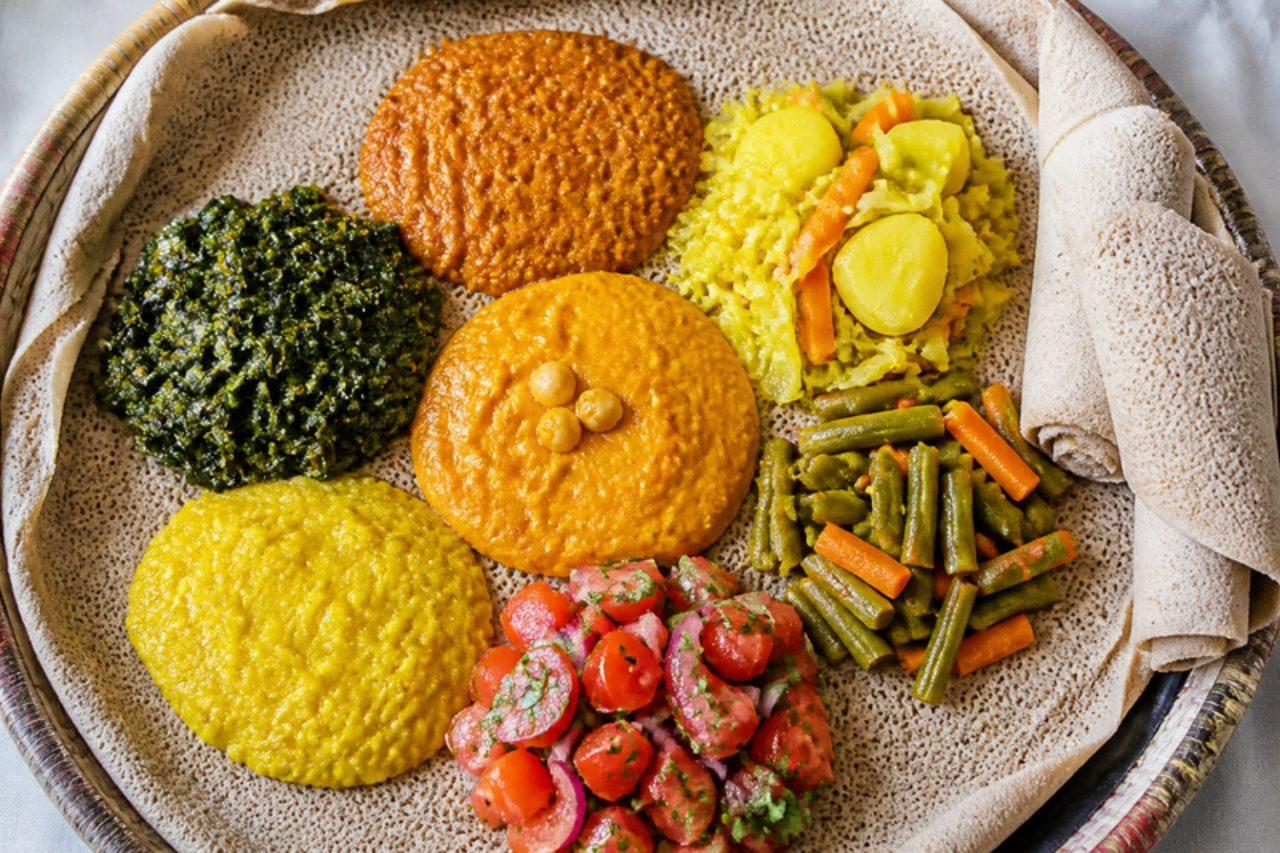
Beyaynetu (fasting platter)Fasting platter of vegan stews

Beyaynetu means 'a bit of every kind', and on Wednesdays, Fridays and through the long Lenten fast it is what most of Addis Ababa orders for lunch: a round of injera covered with small heaps of different vegan stews and salads, each a different colour and spice level, with extra rolled injera on the side. At home it is a feast for sharing, built from dishes you can make ahead. This page shows you how to plan and assemble it, and gives the red lentil misir wat that sits at its centre; for the other dishes use our Shiro wat, Kik alicha, Gomen, Tikil gomen, Fosolia and Timatim salata recipes, and of course Injera. Chef's tip: balance the platter with two spicy red dishes, two mild yellow ones and two green or fresh ones, so every mouthful can be cooled or warmed.

by KrazyBadal 0 views

TehriYellow rice with vegetables

In many Uttar Pradesh homes, tehri is what happens on a cold evening when nobody wants to cook three dishes. Rice, potatoes, cauliflower and peas go into one pot with mustard oil, turmeric and whole spices, and come out yellow, fluffy and lightly spiced. Families in Kanpur, Allahabad and Varanasi eat it with plain yogurt, a spoon of mango pickle and roasted papad, and it is also cooked for winter picnics. It differs from pulao in its turmeric colour and the sharp warmth of smoked mustard oil. A frequent mistake is stirring after the water goes in, which breaks the grains and makes the rice gluey. Chef's tip: heat the mustard oil until it just smokes, then let it cool for a few seconds before adding spices; this mellows its bite without losing the flavour.

by KrazyBadal 0 views

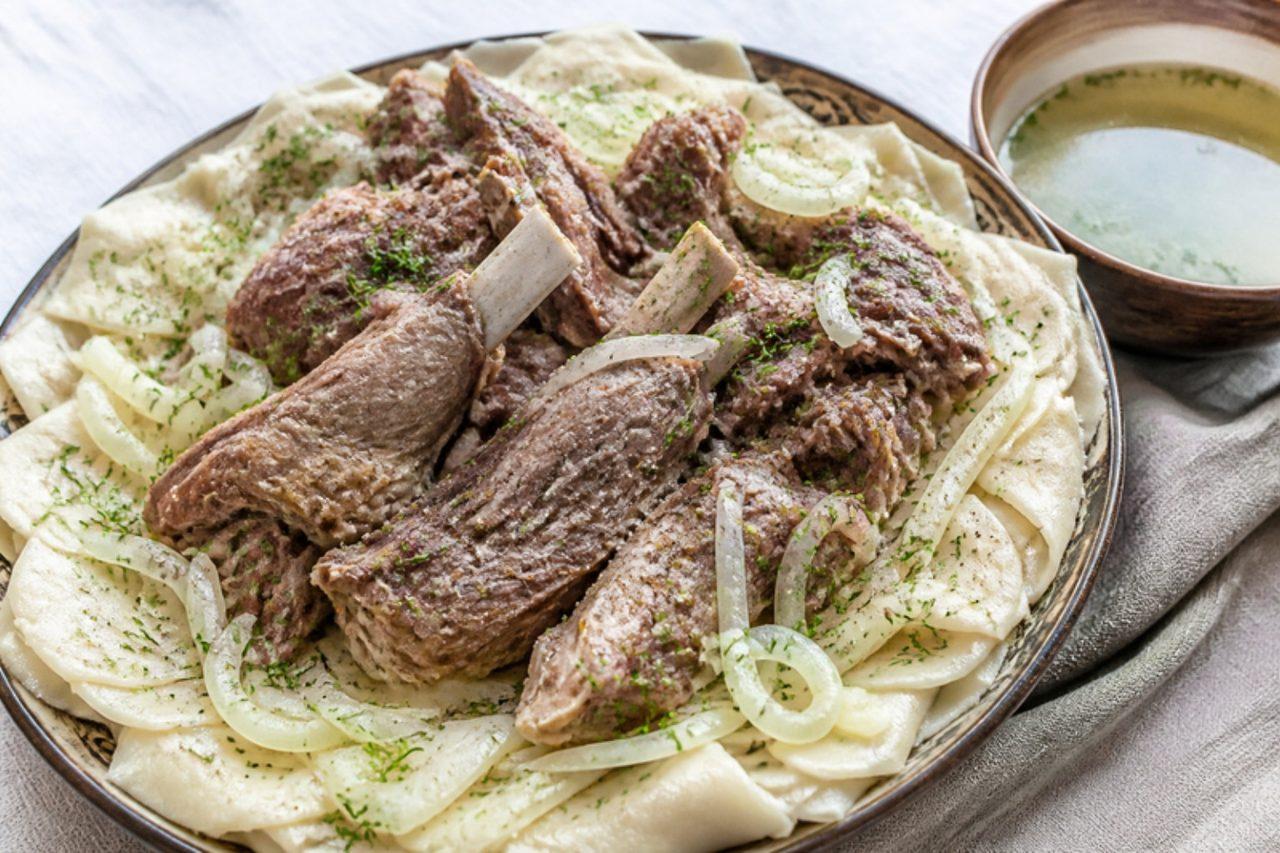
BeshbarmakBoiled lamb on noodle sheets

Beshbarmak, "five fingers", is the dish a Kazakh family puts on the dastarkhan for guests, weddings and Nauryz, traditionally eaten with the hand. Lamb (or horse meat in many homes) is simmered for hours, sliced and laid over wide squares of fresh noodle dough cooked in the same broth, then topped with soft onions in a peppery sauce. The broth, called sorpa, is drunk from bowls alongside. Cutting the noodles too thick is a common slip; they should be thin enough to be silky, not chewy. Chef's tip: keep a cup of the hot fat skimmed from the broth to cook the onion sauce; it carries all the lamb flavour.

210 minKazakhMeat
by KrazyBadal 0 views

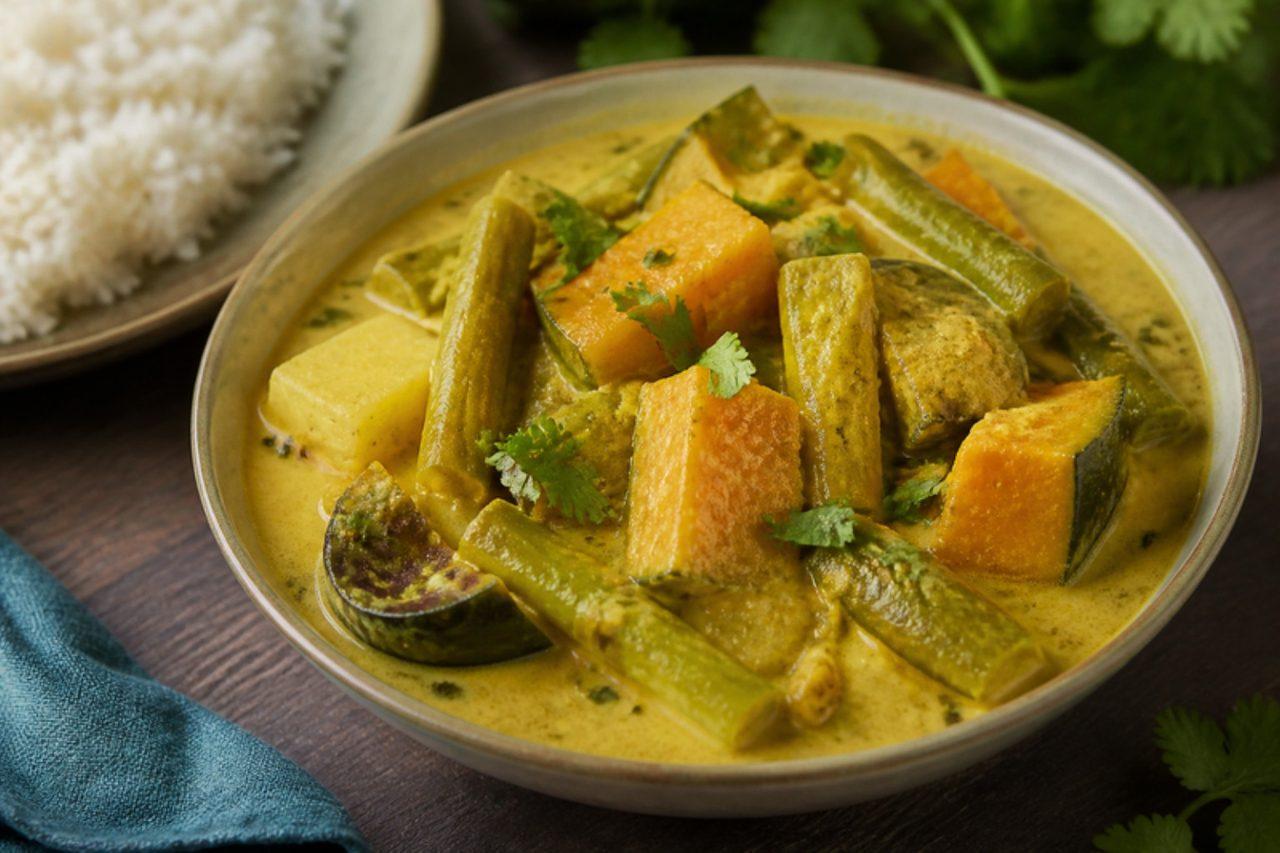
BesaraVegetables in mustard garlic paste

Besara means 'with mustard', and in Odisha it is the name of any dish cooked in a freshly ground paste of mustard seeds, garlic and green chilli. Fish besara is the best known; this is the vegetarian version cooked in Odia homes with pumpkin, potato, aubergine, raw banana and a few drumsticks, made sour with a little tamarind or dried mango. The mustard gives it a clean, sinus-clearing heat that is very different from a turmeric-and-chilli curry. Chef's tip: grind the mustard with a pinch of salt and a green chilli; this stops the paste turning bitter.

by KrazyBadal 0 views

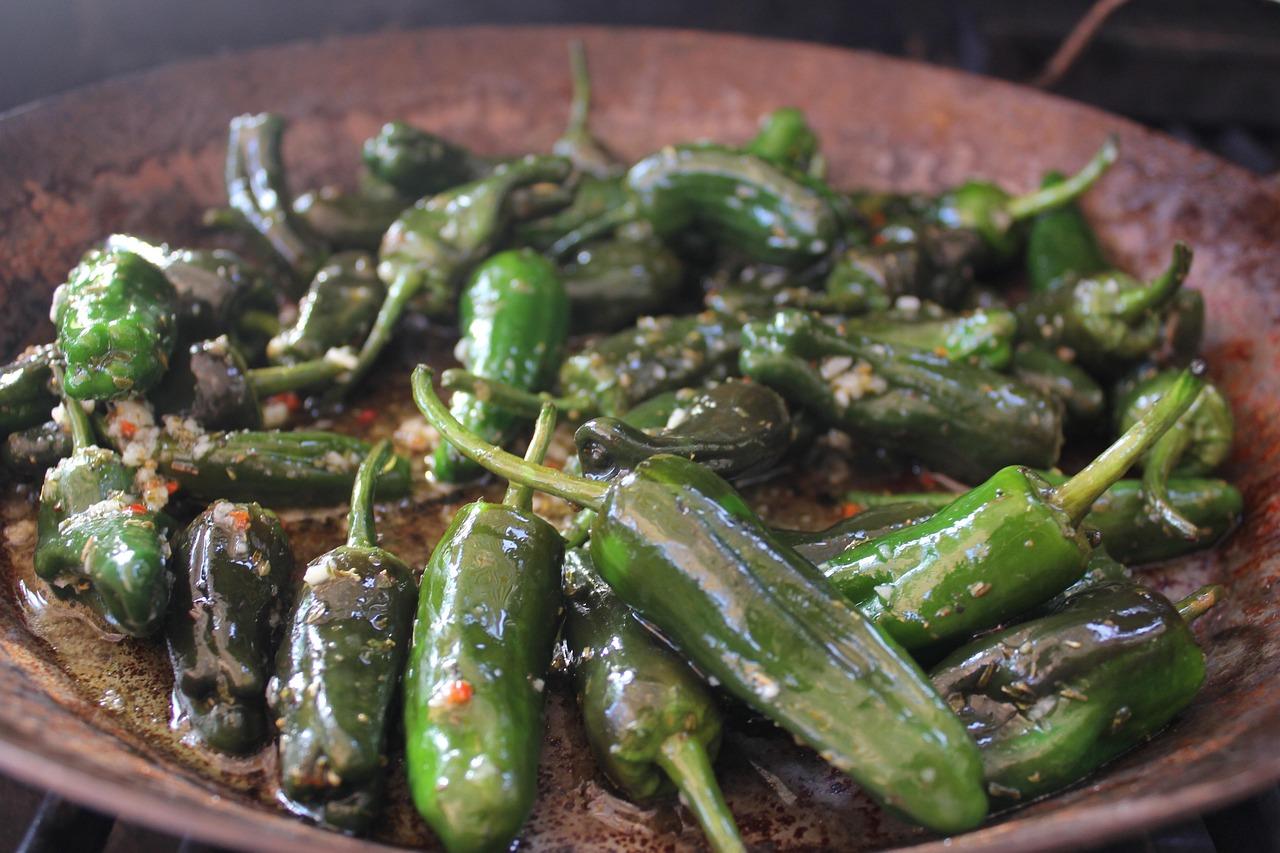
Pimientos de PadrónBlistered green peppers

Pimientos de Padrón come from Herbón, near the town of Padrón in Galicia, where they are fried whole in olive oil and showered with coarse salt. They are small, thin-skinned and mostly mild and grassy, but the Galician saying goes 'os pementos de Padrón, uns pican e outros non' (some are hot and some are not): roughly one in ten has a real kick, which is half the fun. They take five minutes and make the perfect tapa with a cold drink, tortilla or bread. Chef's tip: get the oil properly hot and leave the peppers alone for the first minute so the skins blister and puff; stewing them in lukewarm oil makes them soft and khaki instead of bright and blistered.

by KrazyBadal 0 views

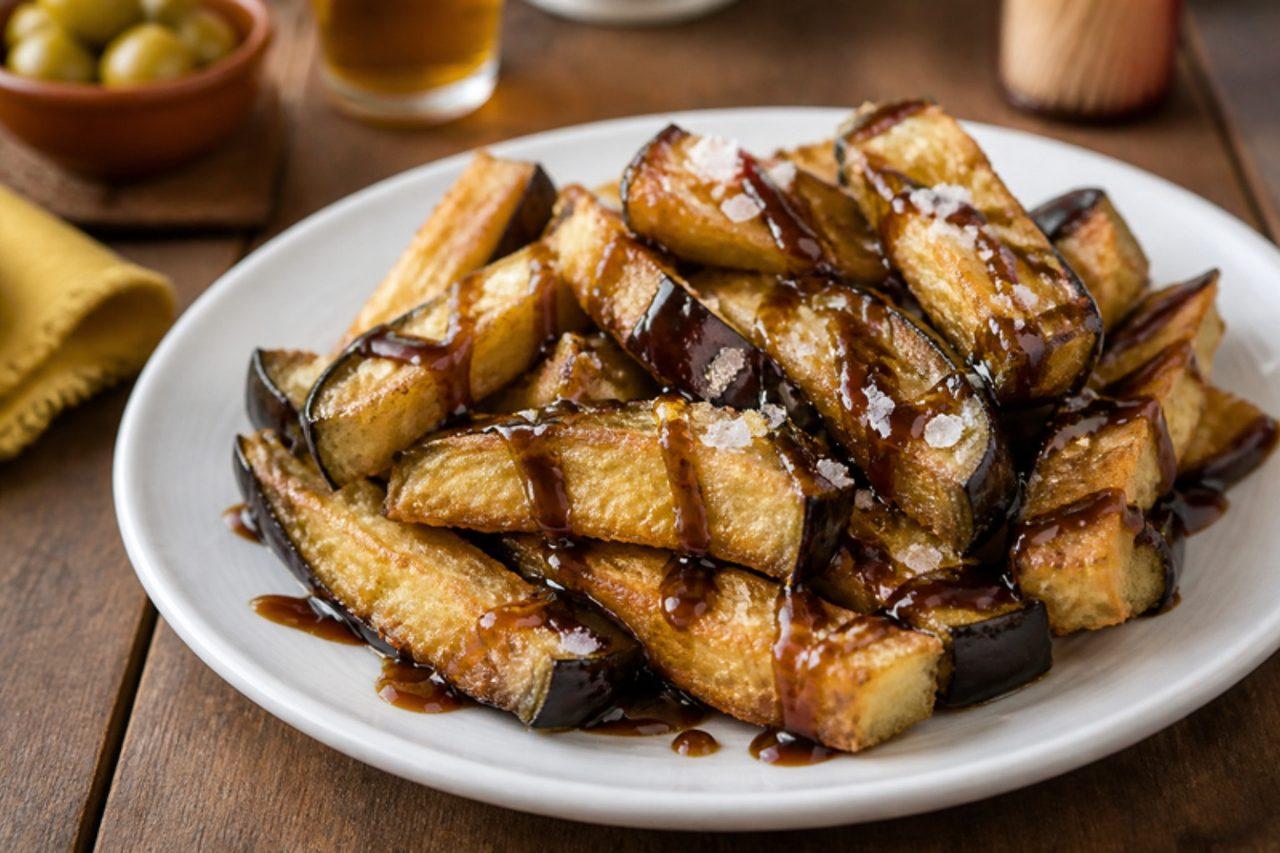
Berenjenas con miel de cañaFried aubergine with molasses

Berenjenas con miel are a classic tapa in Andalusia, especially in Córdoba, Málaga and Granada: thin batons or slices of aubergine, lightly floured and fried until crisp, then drizzled with dark, treacly miel de caña. Despite the name, miel de caña is not bee honey but sugarcane molasses, made in the last cane mill in Europe at Frigiliana on the Málaga coast, so the dish is naturally vegan. The contrast of salty, crunchy aubergine and bittersweet syrup is irresistible; serve it the moment it leaves the pan with a cold drink. Chef's tip: soak the aubergine in salted water (or milk, as many Andalusian cooks do) for 15 minutes and pat dry; it seasons the flesh, softens any bitterness and helps the flour cling so the coating stays thin and crisp.

by KrazyBadal 0 views

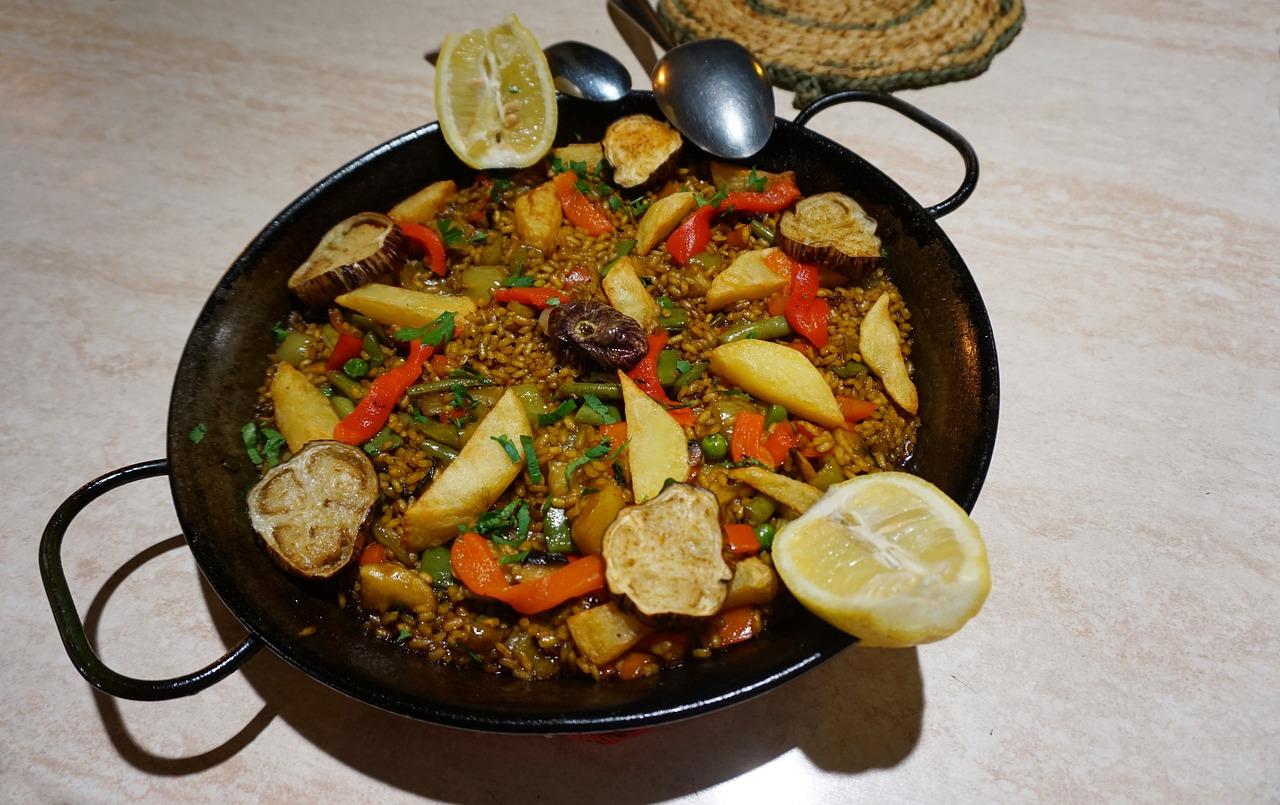
Paella de verdurasVegetable paella

Paella comes from the rice fields around the Albufera lagoon south of Valencia, where it was cooked over orange-wood fires in a wide, shallow pan. Valencians are strict about it: short round rice, saffron, sweet pimentón, flat green beans (ferraúra) and big white garrofó beans, and never any stirring once the rice is in. This all-vegetable paella keeps those rules and adds artichokes and red pepper, as the market gardeners of the Huerta do in spring. It is cooked and served in the same pan, straight onto the table. Chef's tip: listen for the socarrat at the end. Turn up the heat for the last 1–2 minutes until the rice crackles and smells toasty; that caramelised crust on the bottom is the best part of any paella.

by KrazyBadal 0 views

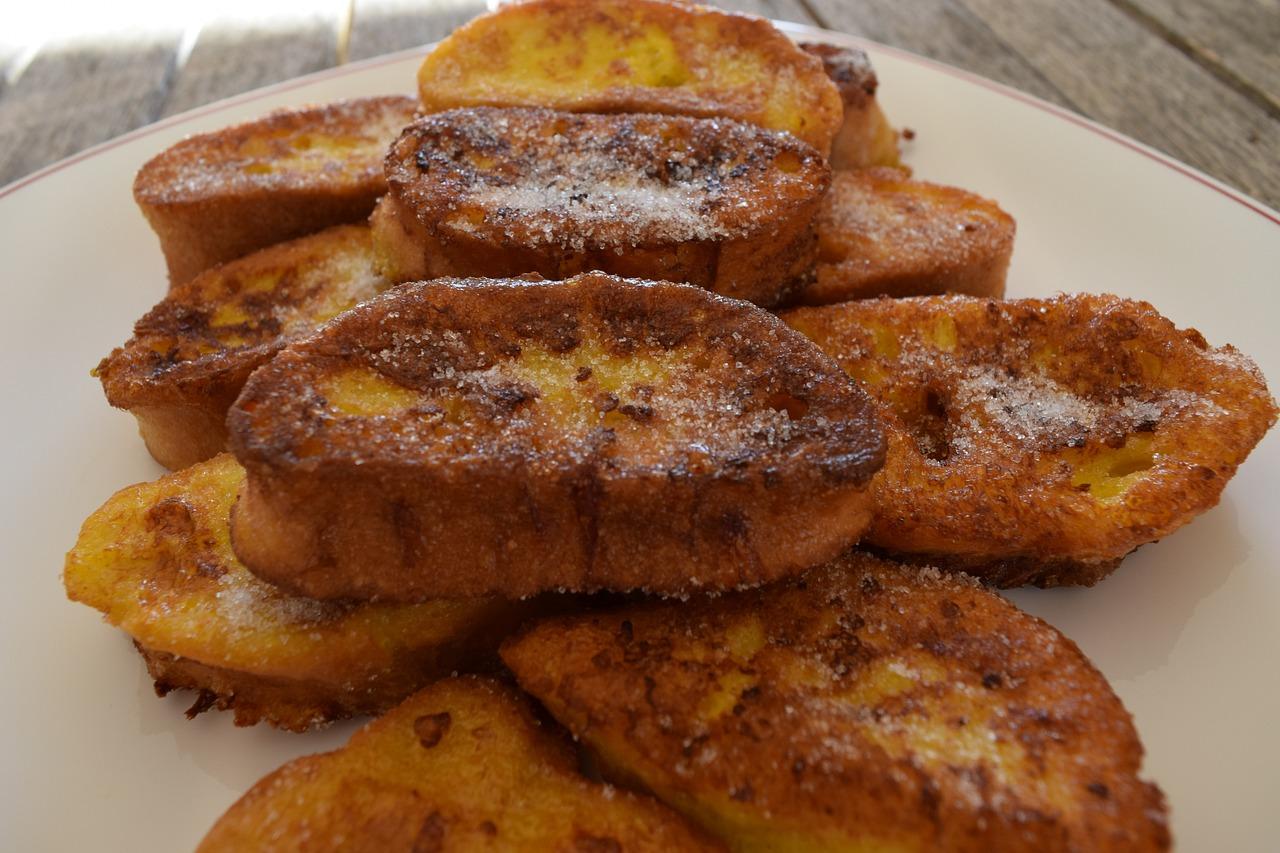
TorrijasCinnamon fried bread

Torrijas are the Easter sweet of Spain, eaten all over the country during Semana Santa and especially in Madrid and Andalusia, where bakeries pile them in their windows. Thick slices of day-old bread are soaked in milk infused with cinnamon and lemon peel, dipped in beaten egg, fried in olive oil and rolled in cinnamon sugar. They were born as a way to use up stale bread during Lent, and they are crisp outside and soft and custardy inside, like a richer, crunchier French toast. Eat them warm or cold, the next day they are even more set and sweet. Chef's tip: use a dense day-old loaf (a Spanish 'pan de torrijas' or a firm baguette) cut 2–3 cm thick, and soak just until saturated; fresh, airy bread falls apart and fries greasy.

by KrazyBadal 0 views

Showing 18 of 7,762 recipes

Show more recipes

Page 783 of 863