


Skip to content
Pingado
Featured recipe

Pingado

Hot milk with coffee

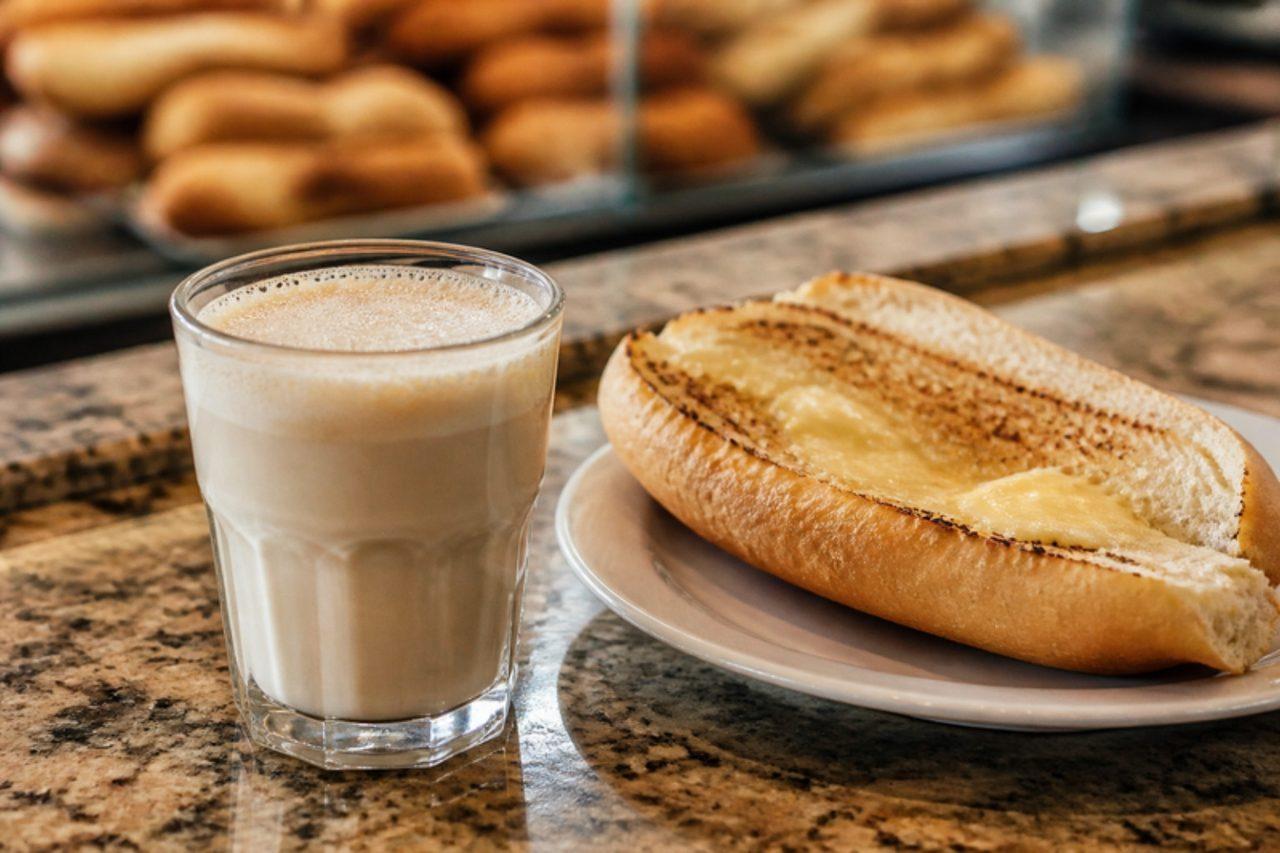
Order 'um pingado' at the balcão of any São Paulo padaria at 7 in the morning and the attendant pours hot milk into a ridged glass tumbler (the copo americano) and 'drips' in a splash of strong coffee, hence the name. It is milkier and gentler than a média (half coffee, half milk), creamy and lightly sweet, usually drunk standing up with a pão na chapa, a toasted buttered roll. At home you need strong filter coffee and milk heated until steaming. Scalding the milk is the frequent mistake, as boiled milk tastes flat and forms a skin. Chef's tip: froth the hot milk for a few seconds with a whisk or by pouring it back and forth between two jugs before adding the coffee, as padaria machines do.

Read more 1 views

What to eat today?

Around the world

Today's trip: Persian

A new country every day, from every cuisine on the site.

Persian

Dizi

Lamb and chickpea stew 245 minMore from Persian (131) →

This week's collection

Kid-friendly dinners
537 recipes · a new collection every Monday

Latest recipes

Ghadichi poliLayered chapati

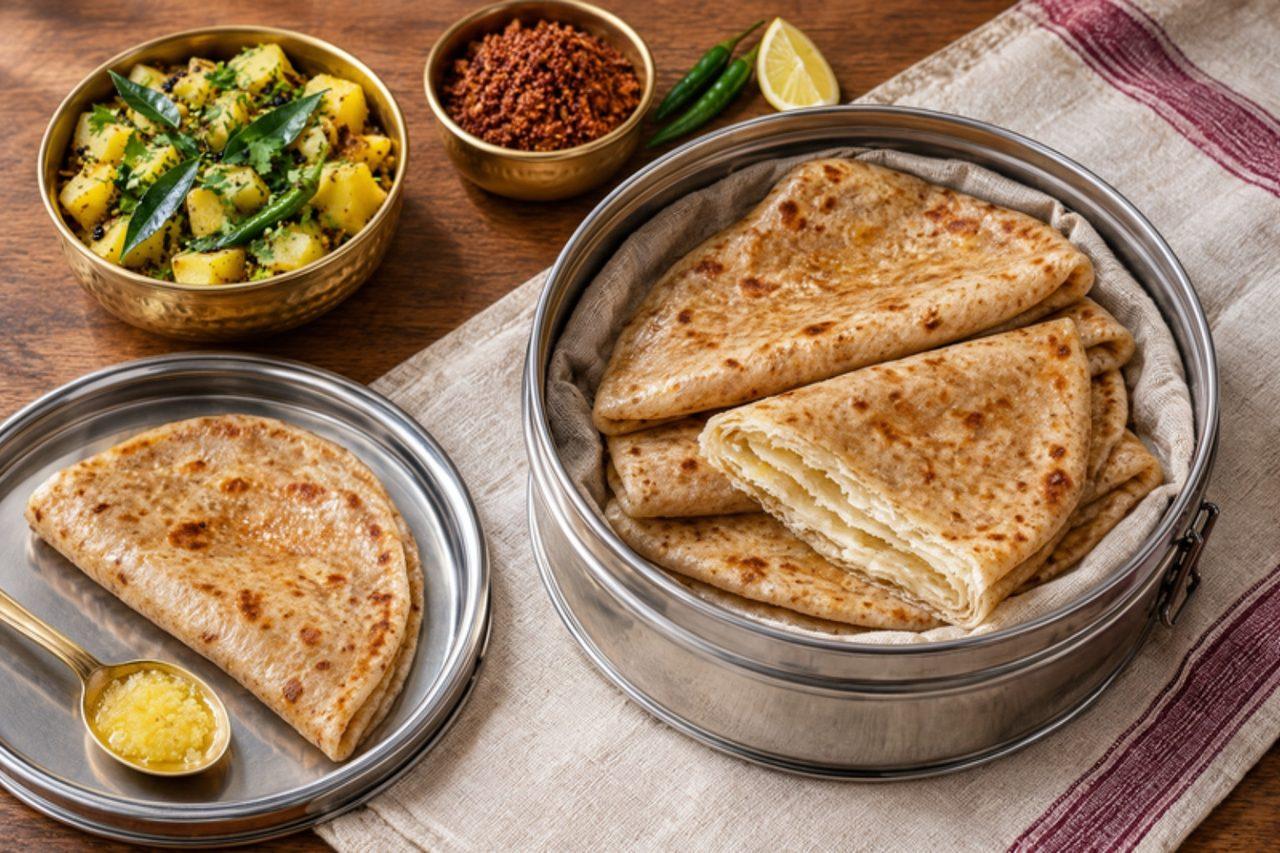
In Maharashtrian homes the everyday poli is not a plain chapati but a ghadichi poli: the dough is oiled, folded into a triangle and rolled again, so it puffs into soft, separate layers that stay tender in a dabba until lunchtime. Mumbai's dabbawalas carry thousands of them every day alongside bhaji and dal. The common mistake is a stiff dough, which makes leathery polis; it should be softer than you think. Chef's tip: as soon as each poli comes off the tawa, clap it between your palms to break open the layers, then stack it in a cloth-lined box.

by KrazyBadal 0 views


Mauritian vanilla tea

In Mauritius the kettle goes on for dité at breakfast and again at four, when the heat of the day breaks and someone brings out gato piment, a packet of biscuits or a slice of gato patate. The tea is grown on the island's central plateau, around Curepipe and the Bois Chéri hills, and the local favourite is black tea perfumed with vanilla, the same vanilla that grows on the neighbouring islands. It is drunk strong, very sweet and milky, often with evaporated or condensed milk: a round, creamy cup with a soft caramel-vanilla scent and no bitterness. The common mistake is boiling the tea leaves with the milk until they stew; brew the tea in water first, then add hot milk. It is ready when the tea is the colour of milky caramel and the kitchen smells of vanilla. A cup has about as much caffeine as ordinary black tea. If you cannot find vanilla-scented Mauritian tea, a strong black tea and a split vanilla pod do the job well. Chef's tip: dry the used vanilla pod and bury it in your sugar jar; next time the sugar alone will scent the tea.

by KrazyBadal 0 views

Capeletis a la CarusoStuffed pasta in cream sauce

Capeletis a la Caruso were created in a Montevideo restaurant in the 1950s and named after the great tenor, and they are still a Sunday lunch favourite in Uruguayan homes: little stuffed pasta hats in a rich sauce of cream, cooked ham (pork), mushrooms and onion, finished with grated cheese. Buy good fresh capeletis or tortellini; the sauce is what you make. The usual mistake is boiling the cream sauce hard, which makes it oily and grainy. Chef's tip: cook the mushrooms in a dry hot pan first until they squeak and brown, before any butter goes in, for a deeper taste.

by KrazyBadal 0 views

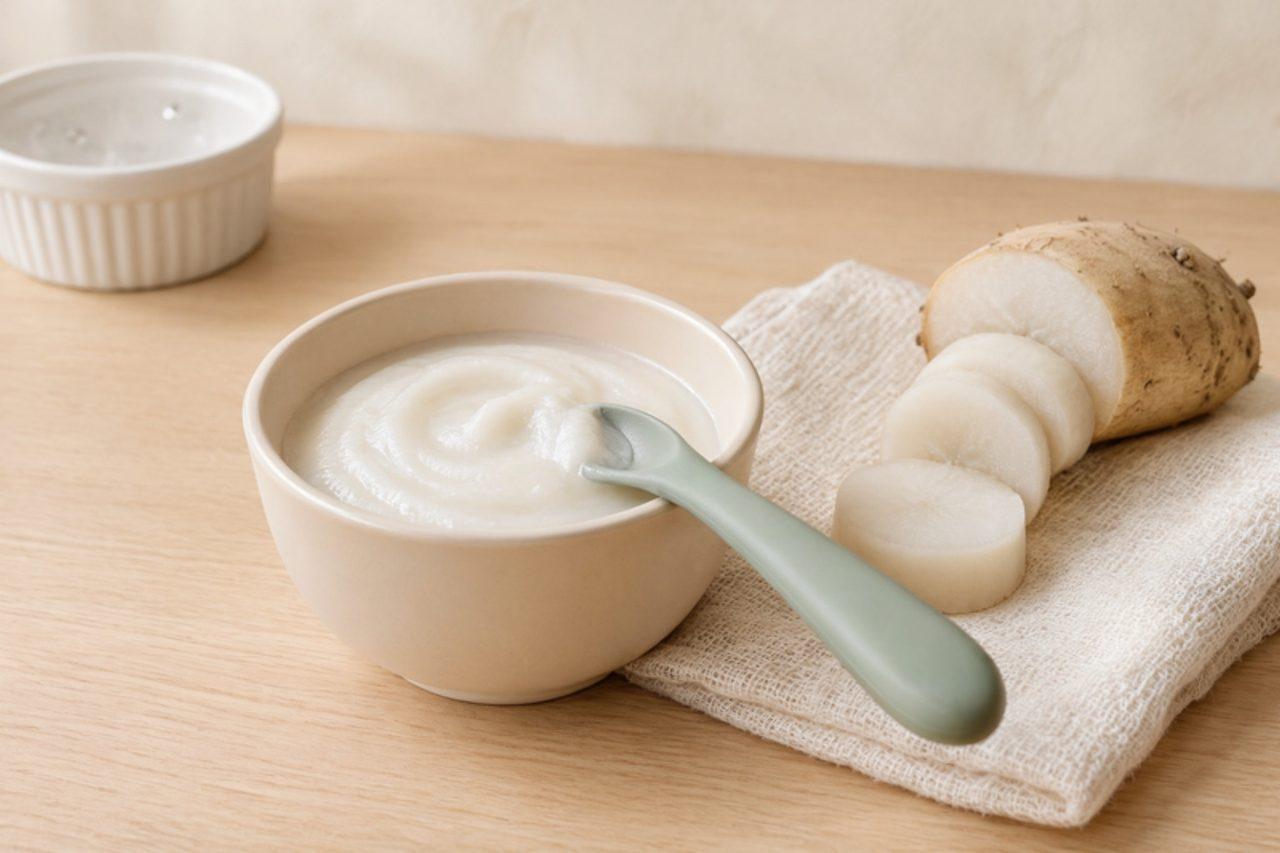
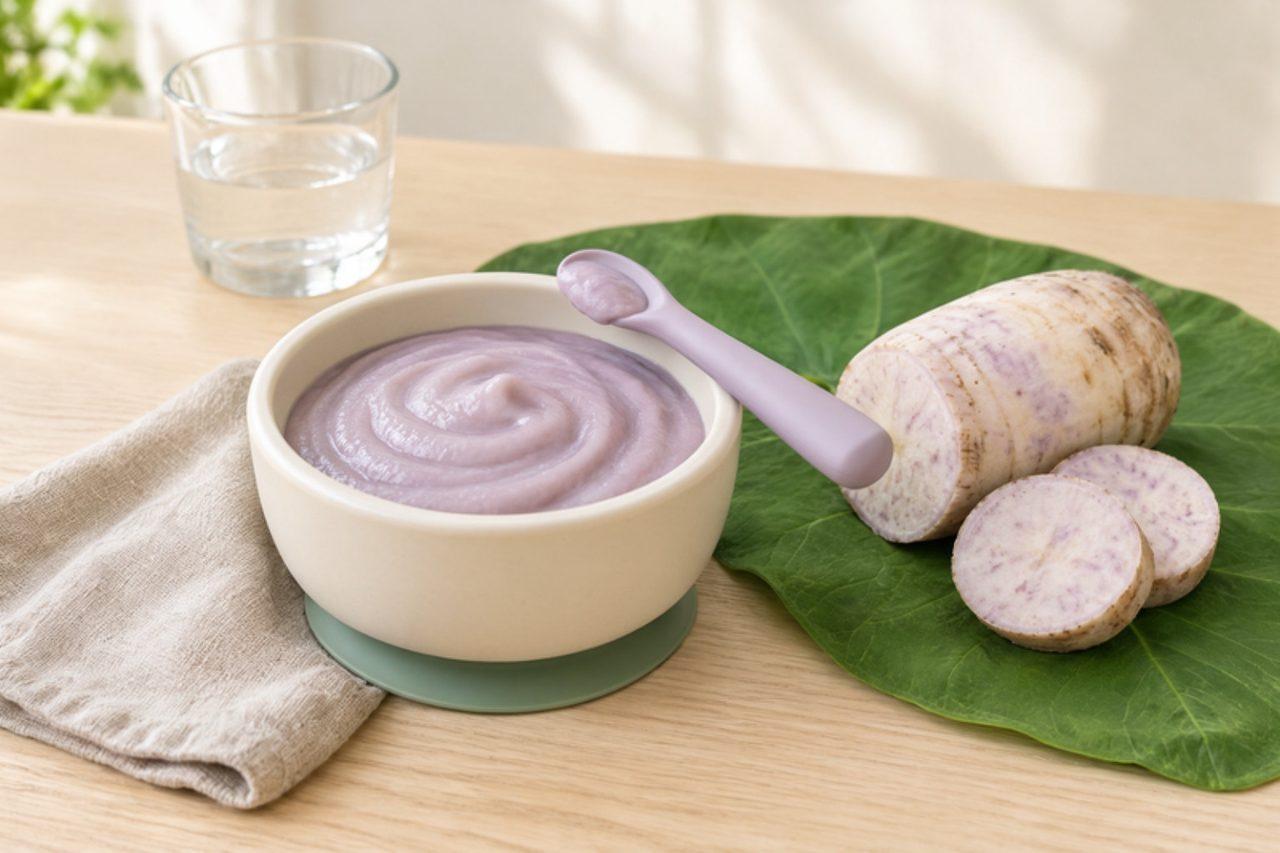
Shānyào ní (Chinese yam purée)

Chinese yam (shānyào, the long, hairy-skinned root sold in bundles in markets from Beijing to Guangzhou) is valued in Chinese homes as easy on the tummy, and steamed shānyào ní is one of the classic first purées offered at six months. Once steamed, the crisp, slippery flesh turns floury and pale, and pressed through a sieve it gives a smooth, slightly sweet, potato-like purée. Nothing else is added: no salt, sugar or honey for babies. It is free of the major allergens. Chef's tip: wear gloves or oil your hands before peeling; the raw sap makes skin itch, but cooking destroys it completely.

by KrazyBadal 0 views

Ginataang puso ng sagingBanana blossom in coconut milk

Every banana tree in the Philippine countryside gives a heavy purple flower, and in Bicol, Batangas and the Visayas it is shredded and stewed in coconut milk as an everyday ulam for lunch with rice. The banana blossom has a tender, slightly flaky texture and soaks up the ginger, garlic and chilli. The traditional version includes shrimp or fish; this one is vegan. The usual mistake is skipping the salt rub: unrubbed banana blossom stays bitter and turns the sauce grey, so squeeze out its dark sap first. Chef's tip: keep the shredded blossom in water with a spoon of vinegar while you work, so it stays pale.

by KrazyBadal 0 views

Mula ko tarkariRadish curry

In the hills around Kathmandu and Pokhara, long white winter radishes are pulled with their leaves still on, and both go into this simple tarkari served beside dal-bhat. The radish is cut into thin batons and cooked down in mustard oil with a sizzle of fenugreek seed, turmeric and tingly timur pepper until it turns sweet and translucent, while the greens wilt in at the end. The usual mistake is adding too much water: radish releases plenty of its own juice, and extra water turns it into a bland soup. Chef's tip: let the fenugreek seeds turn dark brown, almost black, before the radish goes in; that toasty bitterness is what makes Nepali radish taste right.

by KrazyBadal 0 views

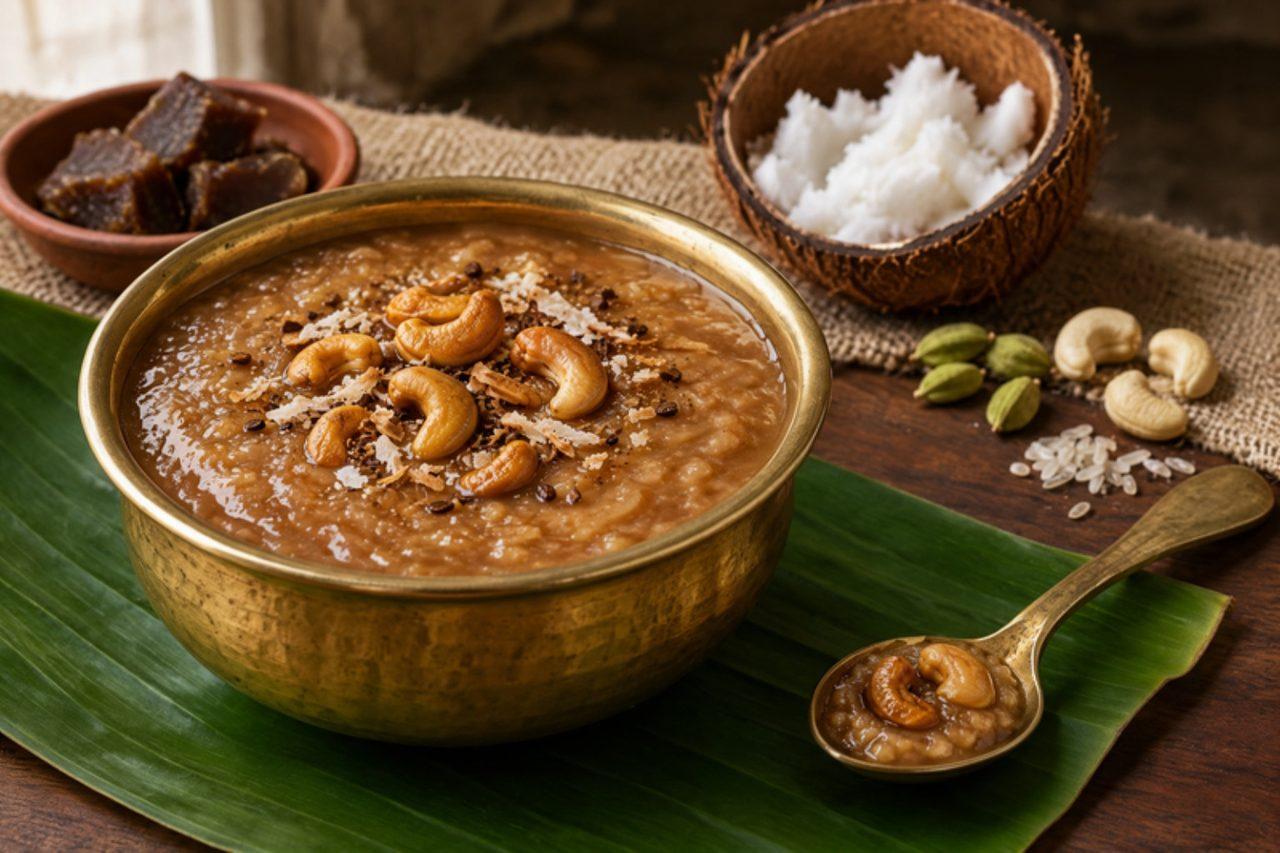
GodsheBroken rice and jaggery pudding

Godshe is the quiet sweet of Goan Saraswat and Gaud Saraswat kitchens, made on festival mornings, for a family puja, or simply when there is fresh coconut and good jaggery in the house. Broken rice is cooked until soft and creamy, then sweetened with dark coconut jaggery and loosened with first-press coconut milk, giving a pudding thicker than payasam and deeply caramel in flavour. Many families make the same dish with chana dal instead of rice. The usual mistake is adding jaggery while the rice is still firm, because the sugar stops the grains from softening any further. Chef's tip: a few slivers of fresh coconut and a pinch of nutmeg on top make it taste like a temple offering.

by KrazyBadal 0 views

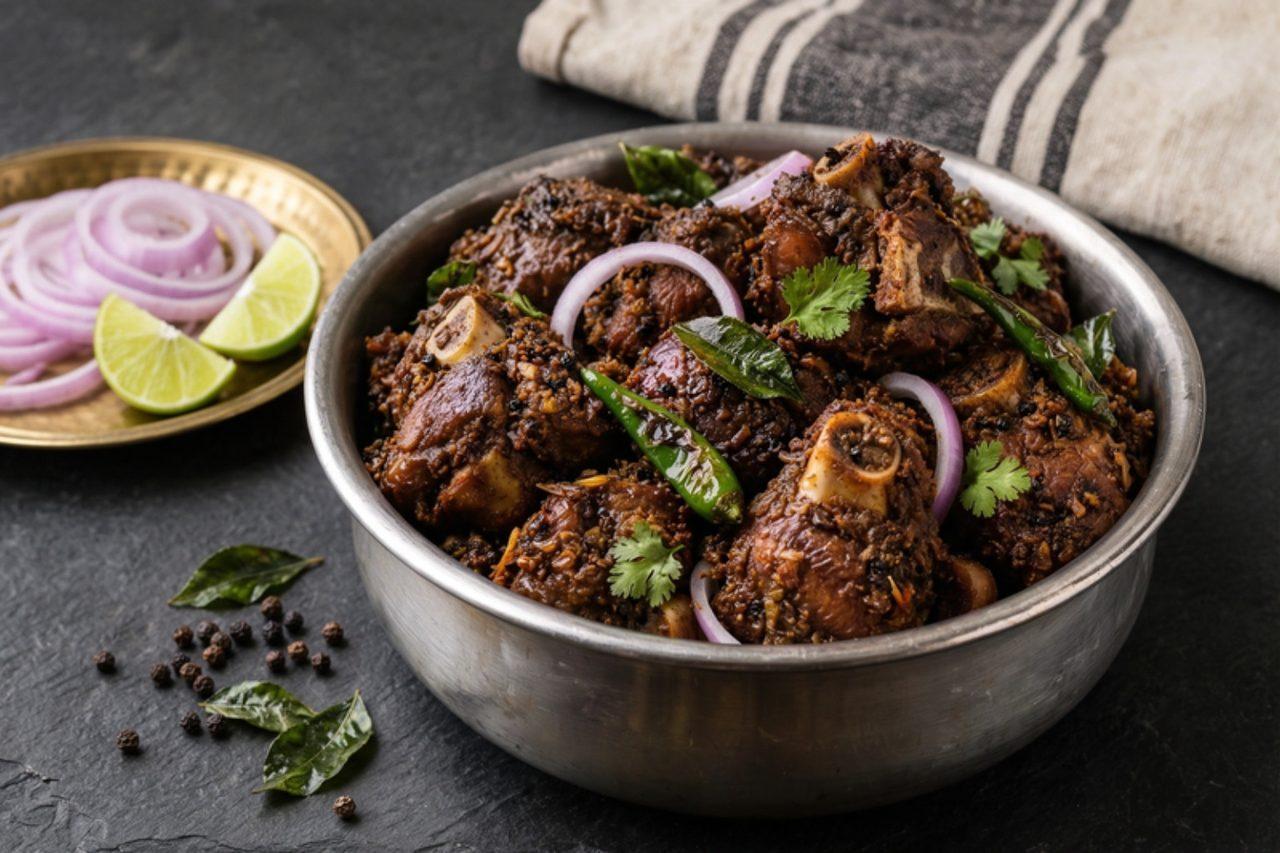
Golichina mamsamDry-fried mutton

Golichina mamsam is the dark, dry mutton fry of Telangana's village kitchens and Bonalu feasts, where mutton on the bone is first cooked soft with ginger-garlic and then fried with onions in plenty of oil until every piece is nearly black and crusted with masala. It is eaten with rice, sarva pindi or jonna rotte. The usual mistake is rushing the final fry on high heat; the masala burns before the meat darkens, so keep the heat medium and stir patiently. Food safety: cook the mutton until it reaches 71 °C inside and is tender before the final fry. Chef's tip: grind black pepper and cumin fresh just before they go in; that aroma defines the dish.

105 minIndianMeatGluten freeSpicy
by KrazyBadal 0 views

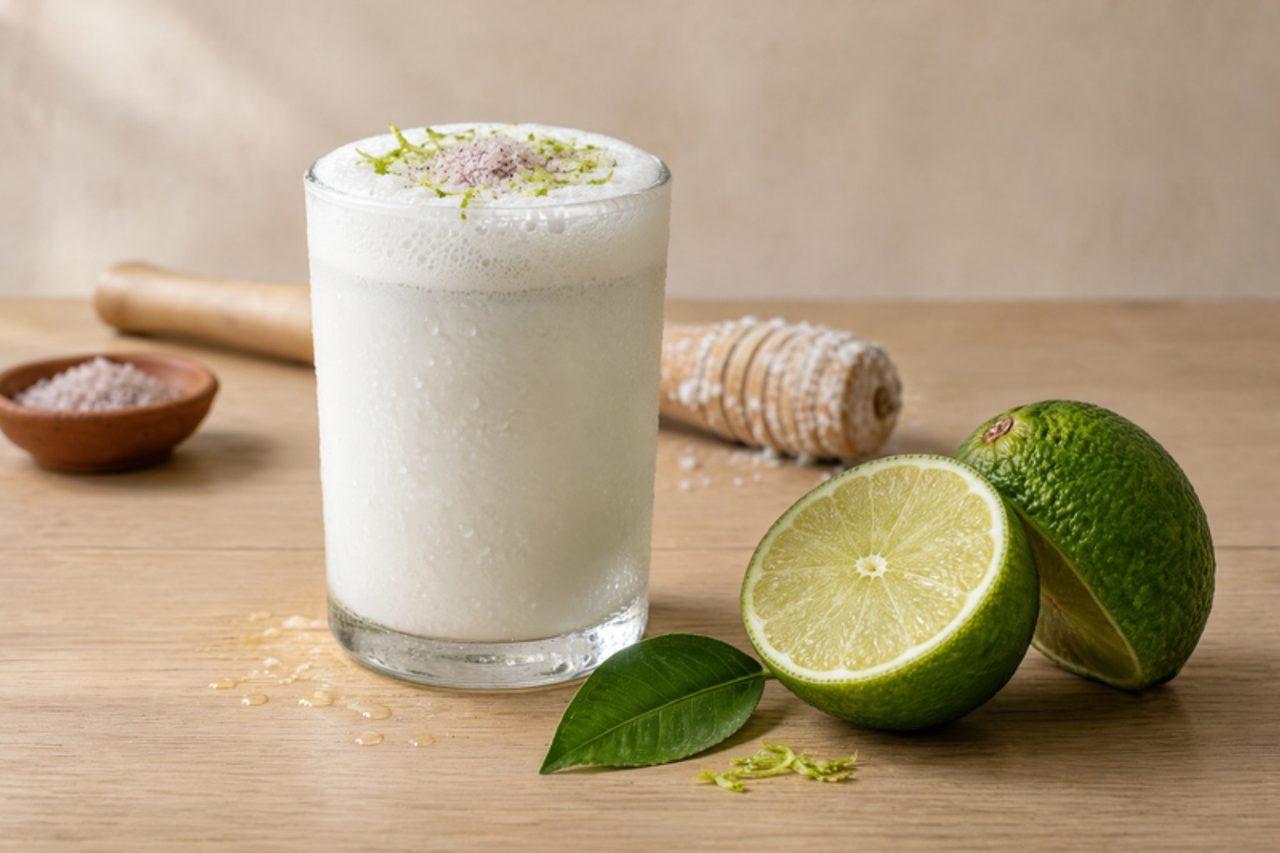
Gondhoraj gholLime-scented yogurt drink

In Kolkata the gondhoraj lime arrives with the monsoon heat, a knobbly green fruit whose peel smells of flowers and pine more than of sour citrus. Bengali households use it to lift dal and fish, but in the sticky months from Boishakh into Srabon it goes into ghol: dahi churned with cold water until frothy, sweetened lightly and scented with the zest, a squeeze of juice and a torn leaf. Cafés along Gariahat and old sweet shops serve it in clay bhaar cups after lunch, and it is just as good mid-afternoon with a plate of muri. It drinks thin, cool and silky, with a soft tang and a perfume that hits the nose before the first sip. The usual mistake is grating too deep or leaving the zest to sit for an hour: the white pith and the oils turn bitter. Take only the green outer layer, add it just before serving, and stop when the ghol smells floral rather than sharp. It is ready when the top is covered in fine foam and a spoon comes out lightly coated. Chef's tip: for the salted version, swap the sugar for black salt and a pinch of roasted cumin, as many Kolkata homes do on the hottest days.

by KrazyBadal 0 views

Guaguas de panSweet bread babies

Guagua means baby in Kichwa, and in late October Quito's bakeries line their windows with these swaddled bread figures, each with a sugar-iced face and blanket, made to eat with colada morada for the Day of the Dead on 2 November. The bread is soft, buttery and lightly sweet, often hiding a strip of guava paste, and children love decorating them. The common mistake is shaping thin heads and arms, which brown and dry long before the body is baked; keep the shapes plump. Chef's tip: let the shaped figures rise fully before baking, so they puff into round, friendly babies rather than cracking at the seams.

by KrazyBadal 0 views

Kari gros poisButter bean curry

In Mauritius, gros pois (butter beans) are a pantry staple, and kari gros pois is cooked in Creole and Indo-Mauritian homes alike for weekday lunches and Friday meat-free meals. The beans simmer in a curry of onion, tomato, garlic and ginger, flavoured with curry powder, fresh thyme and curry leaves, so it tastes of both India and the island's French side. It is served with rice, farata flatbreads and a tomato or chilli chutney. The usual mistake is frying the curry powder on high heat; it scorches in seconds and turns bitter. Pressure cooker option: cook the soaked beans for 15 minutes at pressure. Chef's tip: crush a few beans into the sauce at the end, which thickens it without any flour.

by KrazyBadal 0 views

GuatitaTripe and potato stew

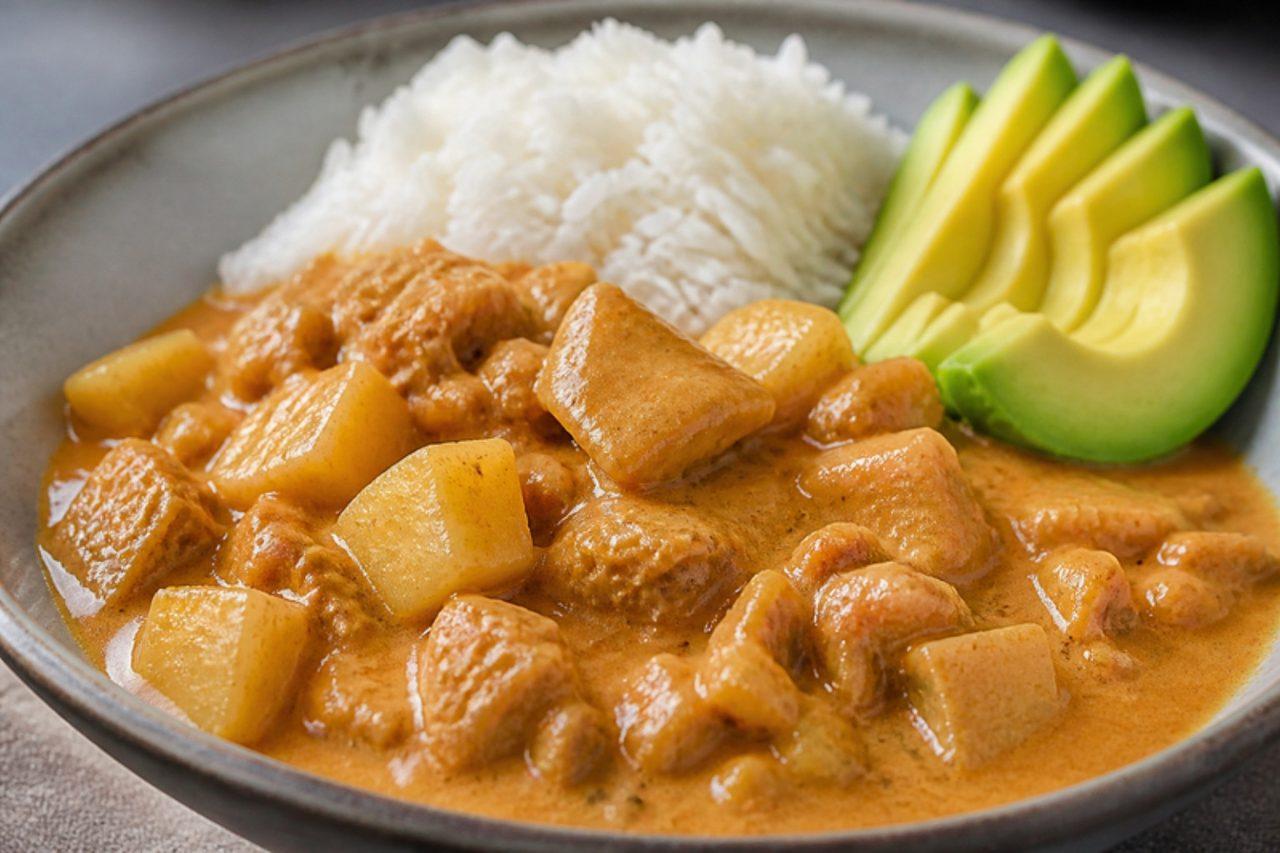
In Guayaquil, guatita is the dish people seek out on a Sunday morning or after a long night: honeycomb tripe simmered until meltingly tender, then stewed with potatoes in a creamy peanut and milk sauce coloured with achiote. It is served with white rice, avocado, fried ripe plantain and a sharp red-onion curtido. Peanuts are a major allergen. The most common mistake is undercooking the tripe, which stays rubbery; it needs about 2½ hours of simmering (45 minutes in a pressure cooker). Chef's tip: buy cleaned, blanched tripe and still give it a scrub with lime and salt before cooking; it freshens the flavour.

by KrazyBadal 0 views

GuayusaHolly leaf infusion

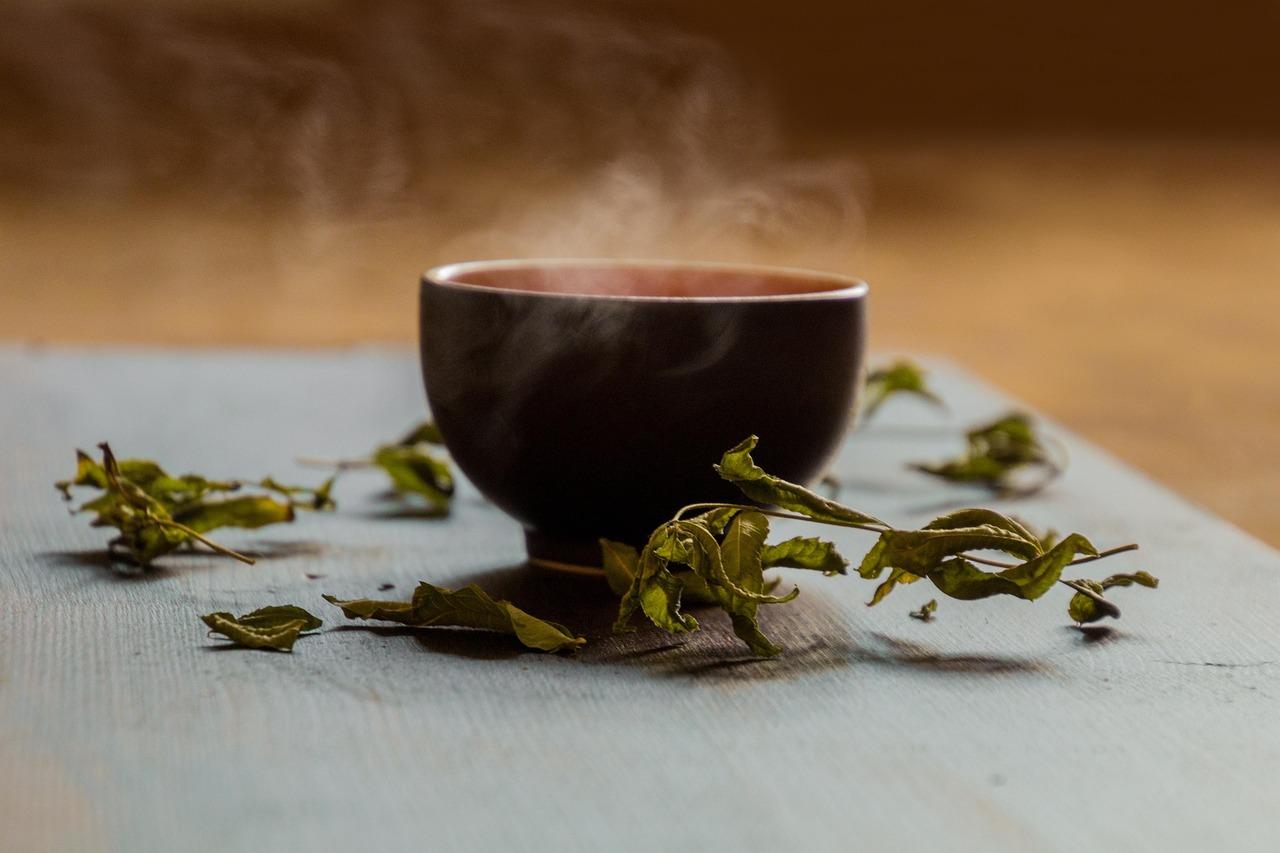
In Kichwa villages along the Napo river around Tena, families rise before dawn, gather around the fire and share a pot of guayusa: an infusion of the large leaves of an Amazon holly tree, passed round while people talk over dreams and plan the day. It tastes smooth, grassy and faintly sweet, with none of the bitterness of black tea, and it carries a steady lift of caffeine, so it is not one for young children or late evenings. Dried guayusa is sold loose in health-food and tea shops. A common mistake is treating it like delicate green tea and steeping it for just a minute; it needs a gentle simmer to draw out its flavour. Chef's tip: add a strip of lemongrass or a slice of ginger for a fragrant twist, and sweeten, if at all, with a little panela.

by KrazyBadal 0 views

GüirilaSweet corn tortilla with curd cheese

On the winding road north from Managua to Matagalpa and Jinotega, smoke from roadside griddles means güirilas: thick, sweet tortillas of freshly ground young corn, folded around a slab of salty cuajada and a spoonful of cream. The outside is lightly charred and the middle soft and custardy, a little like a corn pancake. Cuajada is a fresh cheese usually set with animal rennet; a vegetarian halloumi or fresh vegetarian cheese is a good swap. The most common mistake is a batter so runny that it spreads thin and tears when you flip it. Chef's tip: grind the corn in a blender in short bursts so a little texture remains, then stir in masa harina a spoonful at a time until the batter just holds a soft mound.

by KrazyBadal 0 views

GujiyaSweet filled pastries

In Uttar Pradesh, Bihar and across the Hindi belt, the days before Holi are for making gujiya: the women of the house sit together rolling, filling and crimping hundreds of these half-moon pastries, which are then offered to guests between rounds of colour. The filling is mawa roasted until grainy and golden, mixed with ghee-toasted semolina, coconut, nuts and powdered sugar; Maharashtra's karanji is the cousin with a coconut filling. The common mistake is frying on high heat, which blisters the pastry and leaves it raw and chewy inside; gujiya should fry slowly until crisp and pale gold. Chef's tip: add the powdered sugar only once the mawa has cooled completely, or it melts and the filling turns sticky.

by KrazyBadal 0 views

Gundar pakEdible gum and wheat fudge

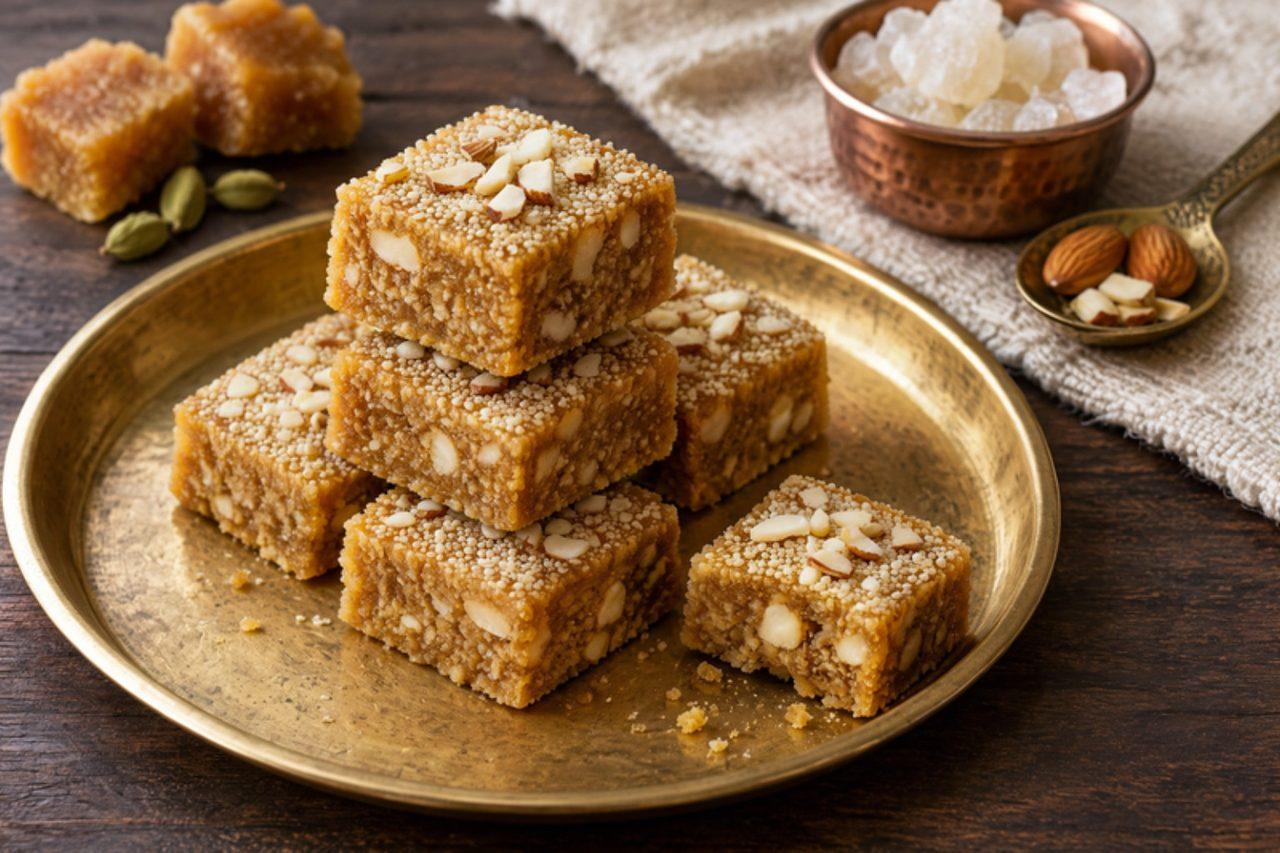
When the first cold mornings reach Rajkot and Junagadh, Kathiawadi kitchens fry a big batch of gundar, the edible acacia gum, in ghee and set it into this dense, crunchy pak, eaten one square a day with tea through December and January. Here the gum is the star: it puffs into crisp white popcorn-like pieces that give the fudge its crackle, while wheat flour, jaggery, dry ginger and coconut hold it together. The common mistake is frying the gum in ghee that is too cool, so it stays hard and glassy and sticks to your teeth; it must puff fully within seconds. Chef's tip: crush the puffed gum only lightly with a rolling pin so you still bite into small crunchy nuggets.

by KrazyBadal 0 views

GundrukFermented leafy greens

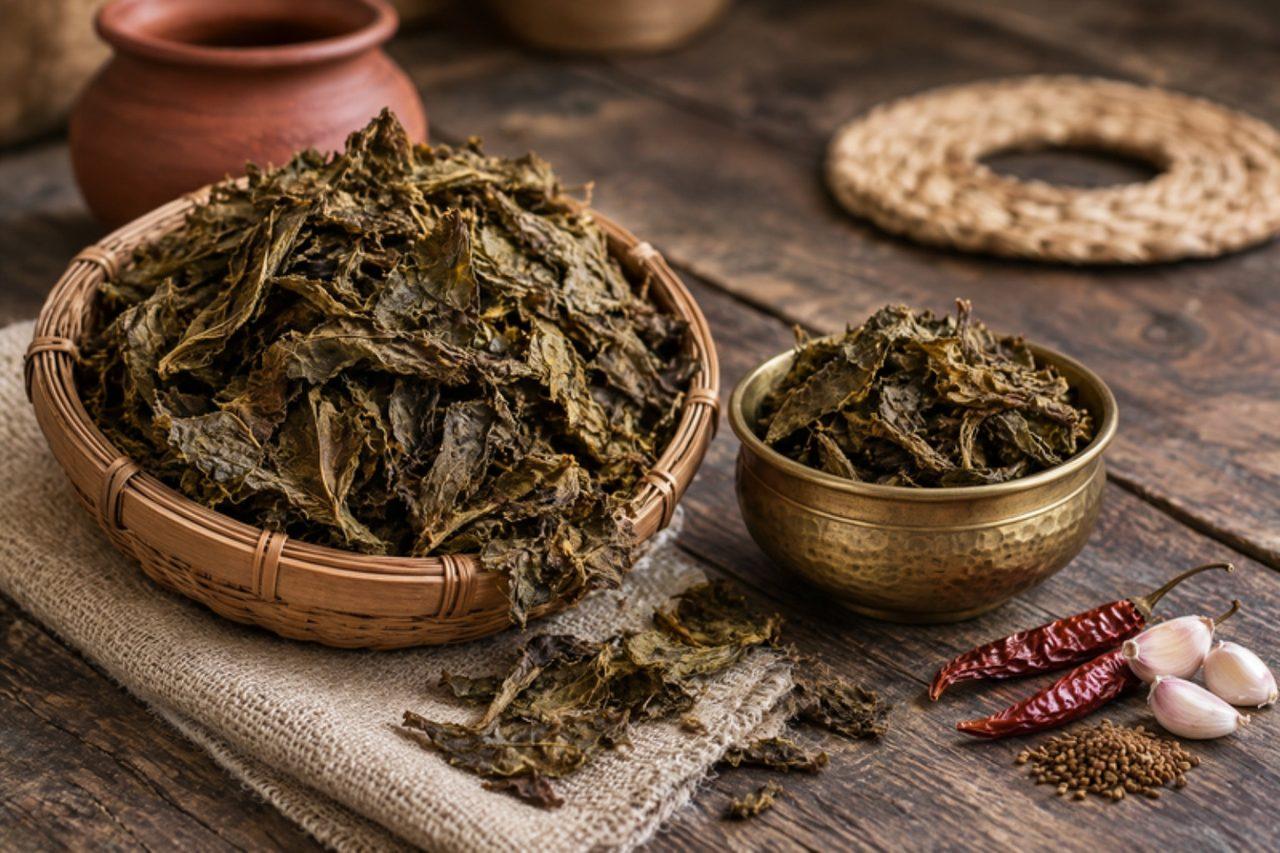
After the rice harvest in October and November, hill families from Ilam to Gorkha cut the leaves of mustard greens, radish and cauliflower, leave them to wilt in the yard, then pound them into clay pots or pits to ferment. A week later the greens come out olive-brown and sour, and they are dried on bamboo mats in the bright Dashain-Tihar sun. That dried gundruk carries families through the lean winter: soaked and simmered into gundruk ko jhol with tomato and soybeans beside dal-bhat, or tossed into gundruk sadeko with onion, chilli and mustard oil to eat with chiura. The flavour is deeply sour, earthy and a little smoky, the dried leaves chewy-crisp, softening when cooked. Common mistake: packing the leaves loosely; air left in the jar lets mould grow instead of the sour lactic ferment, so press until juice rises over the greens. It is ready to dry when it smells sharply sour like good sauerkraut and the leaves have lost all their green. Chef's tip: if your greens are from a supermarket, mix mustard greens with radish tops or kale for the closest flavour, and ferment in a big jar with a weight.

by KrazyBadal 0 views

Gobi matar (cauliflower and peas)

In Punjab and Uttar Pradesh, winter means cauliflower and fresh peas, and gobi matar is what fills countless school and office dabbas between November and February. It is cooked dry, so the florets brown a little at the edges, sweetened by the peas and sharpened by plenty of ginger. The mistake is cooking the cauliflower covered with water until it is soft and smells of cabbage; steam it briefly in its own moisture, then fry it uncovered. Chef's tip: cut the florets so they have one flat side; that face sits on the pan and browns while the rest steams tender.

by KrazyBadal 0 views

Tacos de guisado (picadillo and rajas con crema)

From about nine in the morning, guisado stalls set up on corners near offices and markets all over Mexico City, from the famous counters on Calle Ámsterdam in the Condesa to the stands outside the Mercado de Medellín. Clay pots line the counter, each with a different home-style stew: chicharrón in salsa verde, potato with chorizo, mole and many more. You point, and they spoon it into two warm tortillas. This home version makes two of the favourites, a tomatoey beef picadillo with potato and carrot, and smoky poblano strips with corn in cream. Chef's tip: always double the tortillas, as the stalls do; one tortilla tears under a juicy stew.

by KrazyBadal 0 views

Guyanese plait breadBraided white loaf

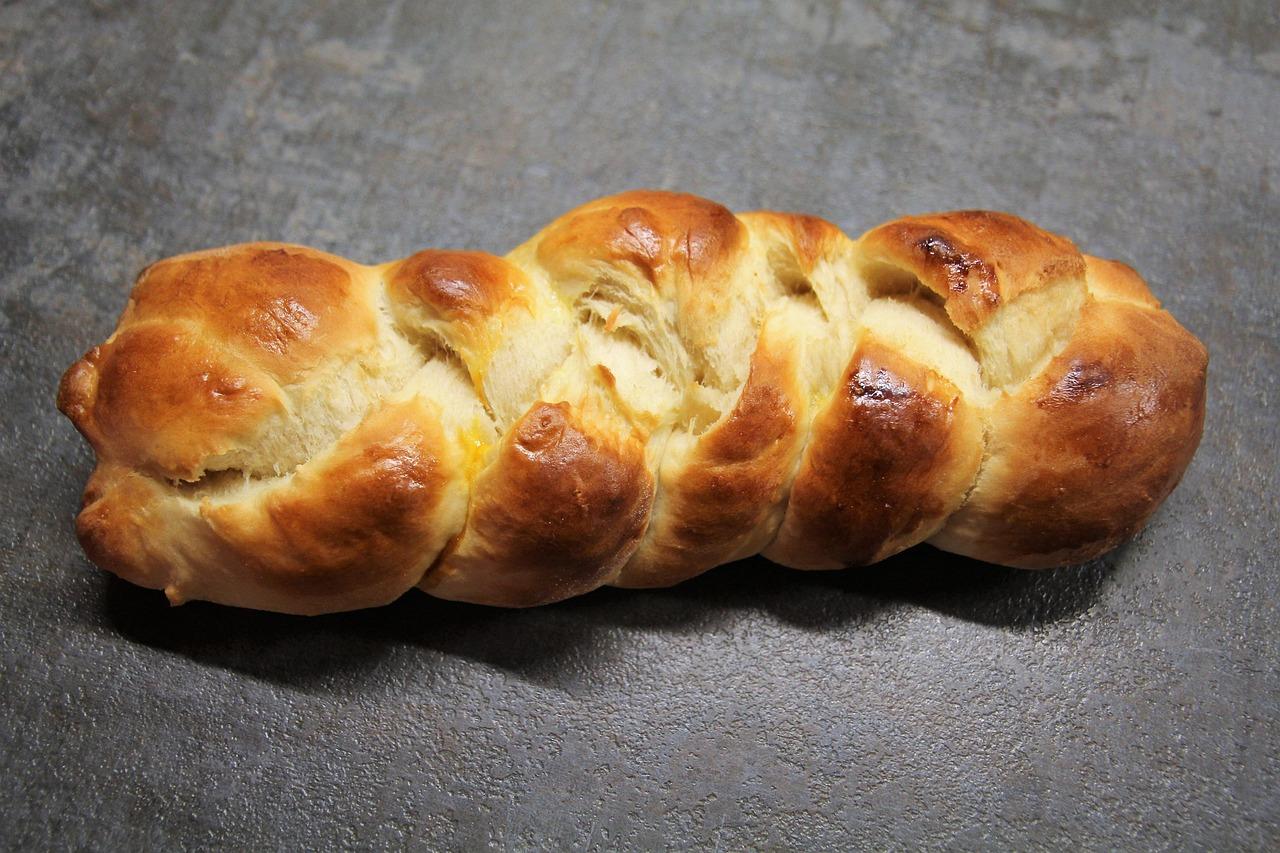
A glossy three-strand plait sits on the table in many Guyanese homes on Christmas morning and for Old Year's Night, next to garlic pork, pepperpot and black cake, and bakeries in Georgetown sell it every day for sandwiches. It is a soft, close-crumbed white bread, just a little sweet, that tears into pillowy pieces and soaks up pepperpot gravy beautifully. The common slip is adding too much flour while kneading: the dough should feel slightly tacky, or the loaf bakes up dry and dense. Chef's tip: let the shaped plait prove until a finger pressed into the side leaves a dent that springs back slowly; that is the moment to bake.

by KrazyBadal 0 views

Guyanese salaraRed coconut roll

Walk into any bakery in Georgetown or along the Berbice coast and the salara is easy to spot: a soft, slightly sweet loaf rolled around a bright red filling of grated coconut, sugar and spice, cut so every slice shows a spiral. It is tea-time and lunch-box food, eaten with a cup of cocoa tea or a cold drink after school. The coconut is coloured with red food colouring, which is part of the look but can be left out. The usual mistake is a wet filling: if the coconut is soggy, the roll splits and the spiral gapes open as it bakes. Chef's tip: squeeze fresh grated coconut lightly in a cloth before mixing it, and roll the dough tight like a Swiss roll, pinching the seam well.

by KrazyBadal 0 views

Jicaletas (jícama lollipops with chamoy)

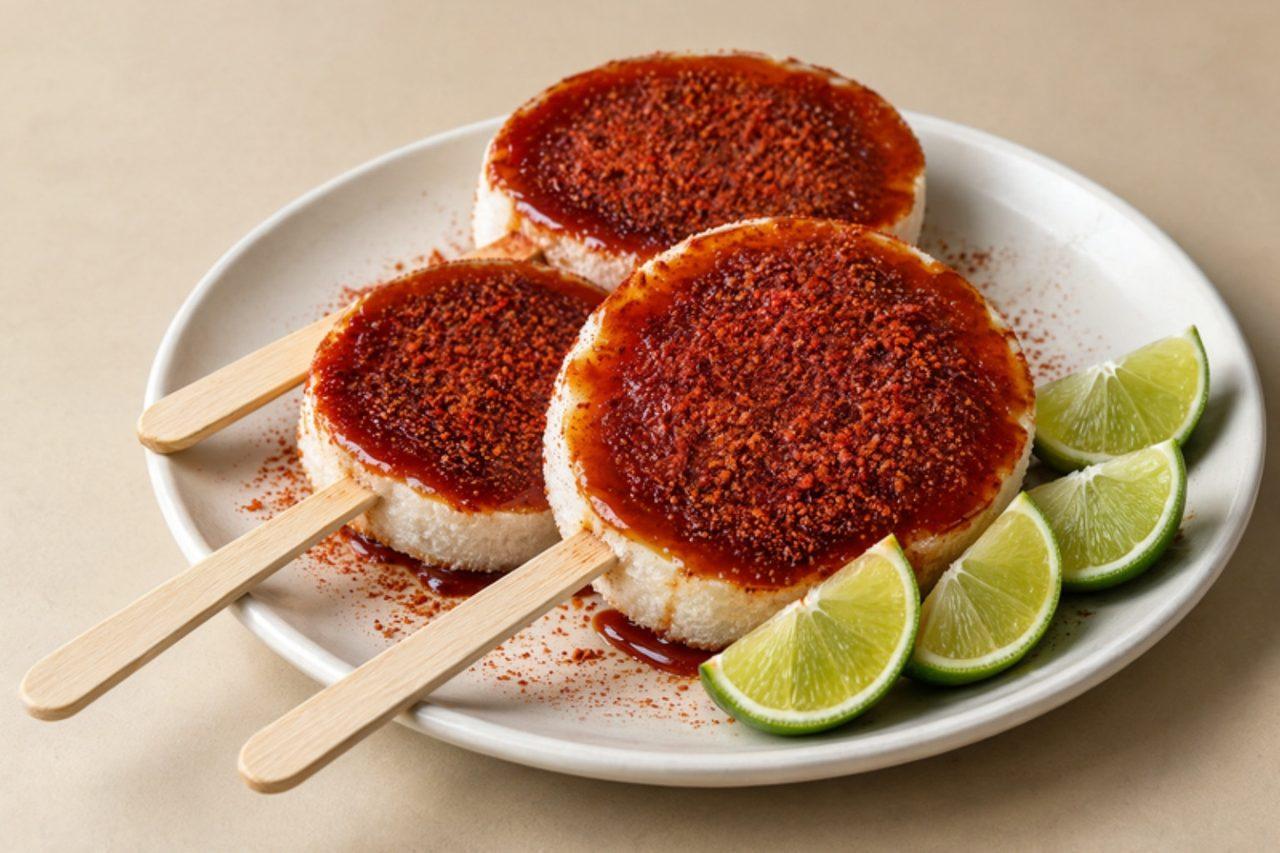
At home time outside primary schools in Mexico City's Coyoacán and Narvarte, carts sell jicaletas, thick rounds of jícama pushed onto a stick like a giant lollipop and painted bright red with sweet-sour chamoy. They are crunchy, juicy and cold, with salty, sour and spicy layers on the outside, and make a light afternoon snack on a hot day. Chef's tip: cut the slices at least 1.5 cm thick, otherwise they snap off the stick at the first bite.

by KrazyBadal 0 views

Ají de arvejasPeas and potatoes in chilli sauce

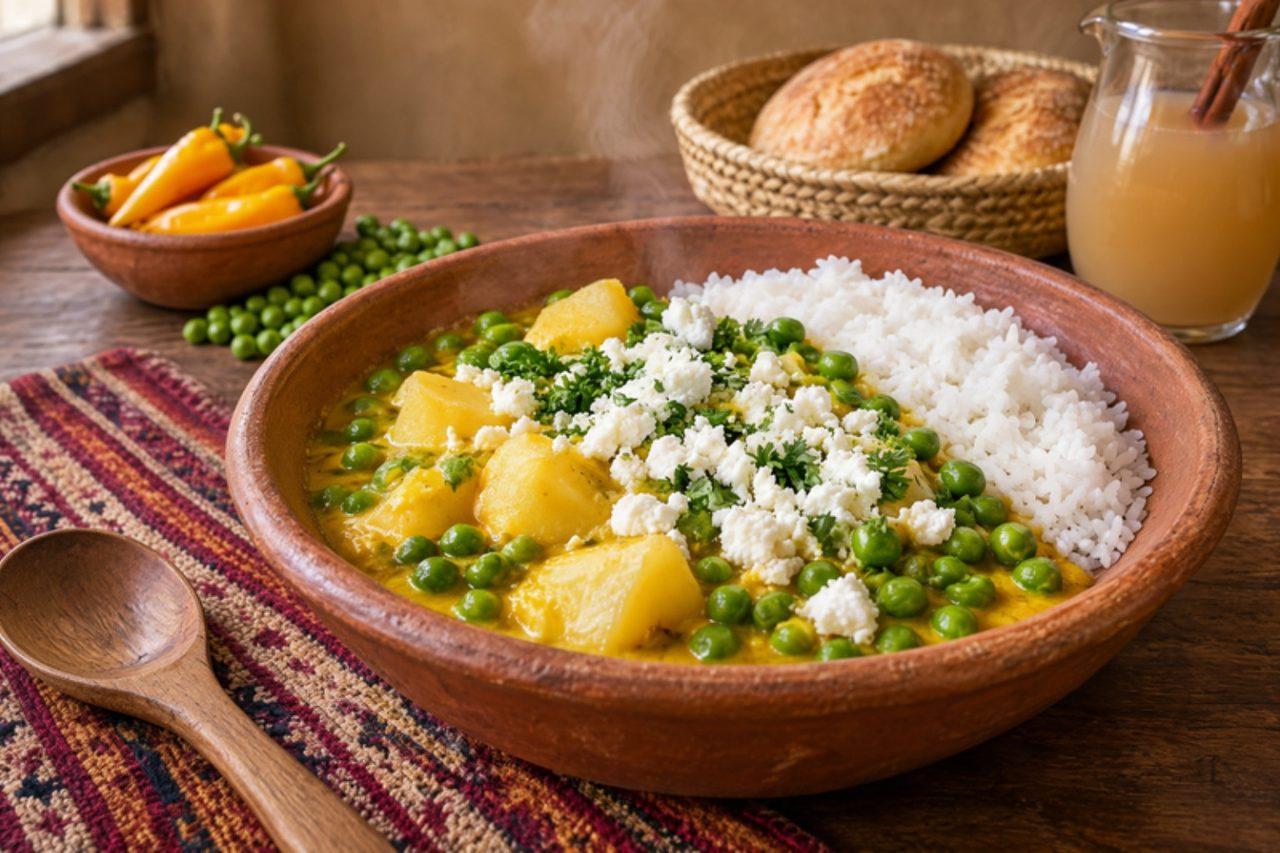
Ají de arvejas is a homely Bolivian stew from La Paz and Cochabamba, cooked for weekday lunch or on Fridays and in Lent, when many families eat no meat. Green peas and potatoes simmer in a golden sauce of onion, tomato and ají amarillo (yellow chilli), and cubes of fresh white cheese are stirred in at the end so they soften without melting away. It is served with plain white rice and sometimes a boiled egg. Bolivian queso fresco is often made with animal rennet; for vegetarians, use a paneer or a fresh cheese labelled vegetarian. The usual mistake is boiling the cheese, which turns it rubbery. Chef's tip: cook the ají paste with the onion until it darkens slightly, which takes the raw edge off the chilli.

by KrazyBadal 0 views

Chinese plum sauce

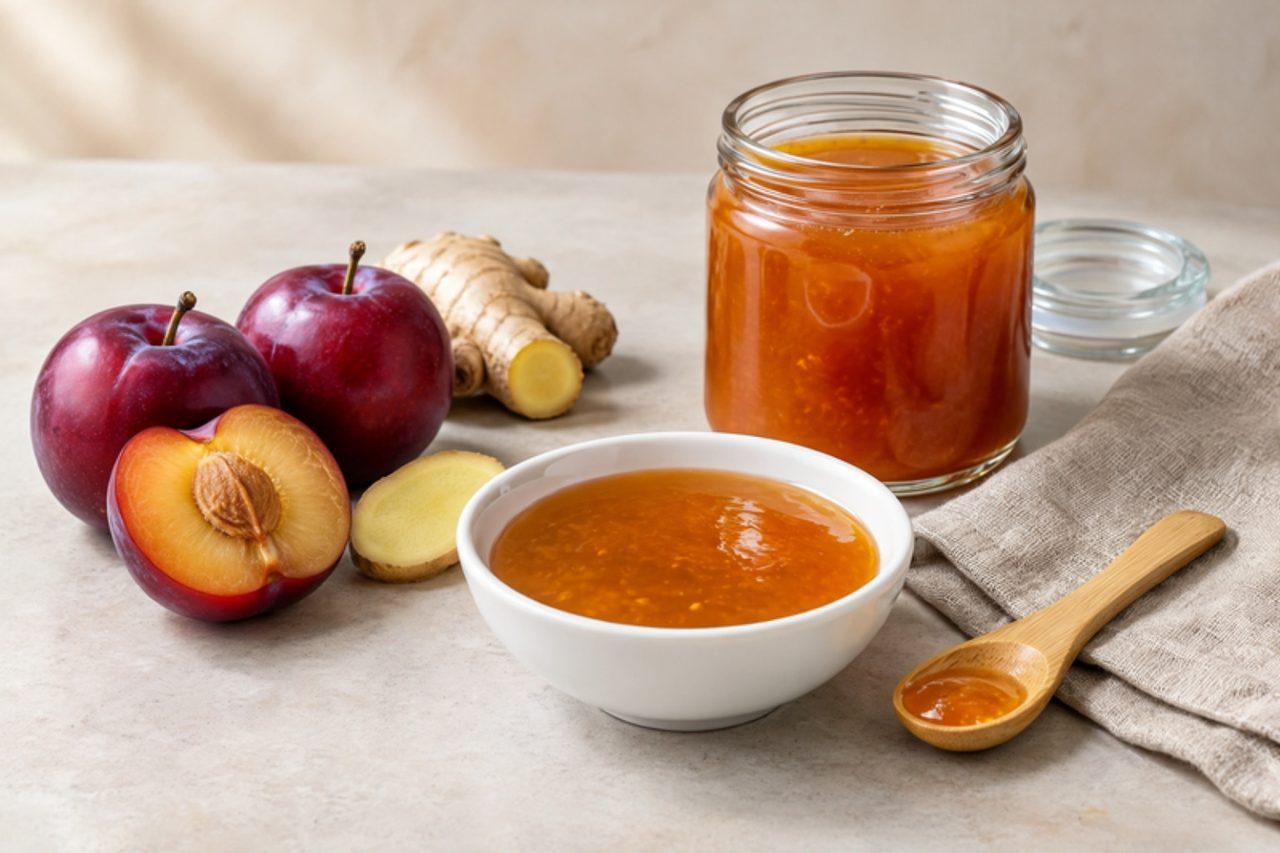
In Hong Kong and Guangzhou roast-meat shops, a small saucer of plum sauce comes with crisp roast goose and siu mei, and at home it is the dip for spring rolls at New Year and the glaze for vegetarian fried tofu or cha siu-style mushrooms. Cantonese suan mei jiang is fruitier and more sour than the gloopy bottled kind: ripe plums are simmered with sugar, rice vinegar, ginger and a little chilli until thick and glossy. Make it in late summer when dark plums are cheap. Common mistake: boiling it too thick; it sets further as it cools, so stop when it coats the back of a spoon and a drip on a cold plate wrinkles only slightly. Readiness cues: the plum skins have melted into the sauce, the colour is deep ruby and the taste balances sweet and sharp. This is a high-acid preserve: in the fridge it keeps 2 months, or water-bath process sealed jars for 20 minutes to keep them in a cupboard for a year (refrigerate once opened). Discard if you see mould, it fizzes, the lid bulges or leaks, or it smells fermented. Chef's tip: add 2 Chinese salted preserved plums, mashed, for the authentic salty-sour depth.

by KrazyBadal 0 views

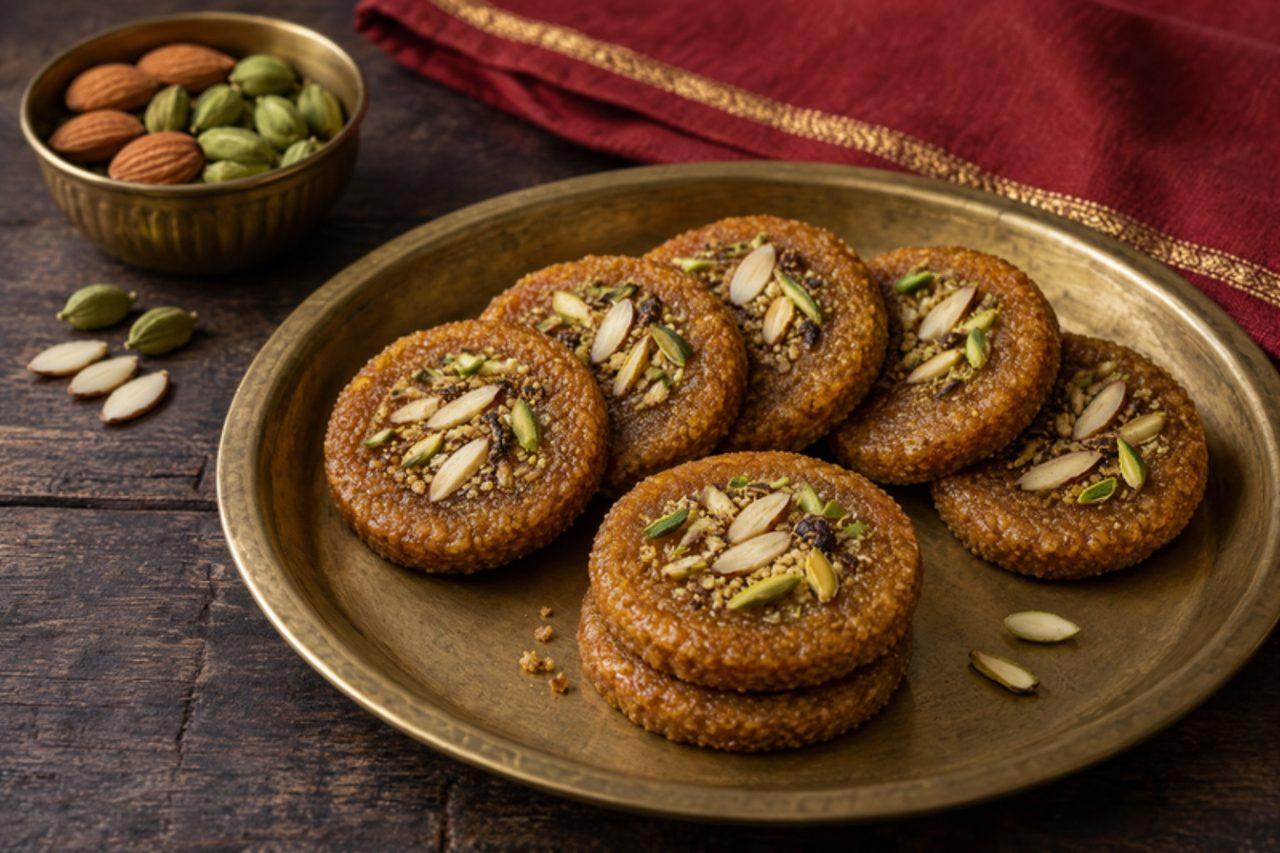
Thabdi pendaCaramelised milk pendas

Rajkot's sweet shops are famous across Gujarat for thabdi, a crumbly, toffee-brown penda that starts as plain milk and sugar and ends, two hours later, as something close to caramel fudge. The milk is boiled down in a wide iron kadai, a spoon of curd splits it slightly to give the trademark grainy texture, and the sugar browns slowly with it until the whole mass is the colour of milky tea. The usual mistake is rushing on high heat: the milk catches and tastes burnt rather than caramelised. Chef's tip: use a wide, heavy pan and a flat wooden spatula, and keep scraping the bottom and sides every minute once the milk is half reduced.

by KrazyBadal 0 views

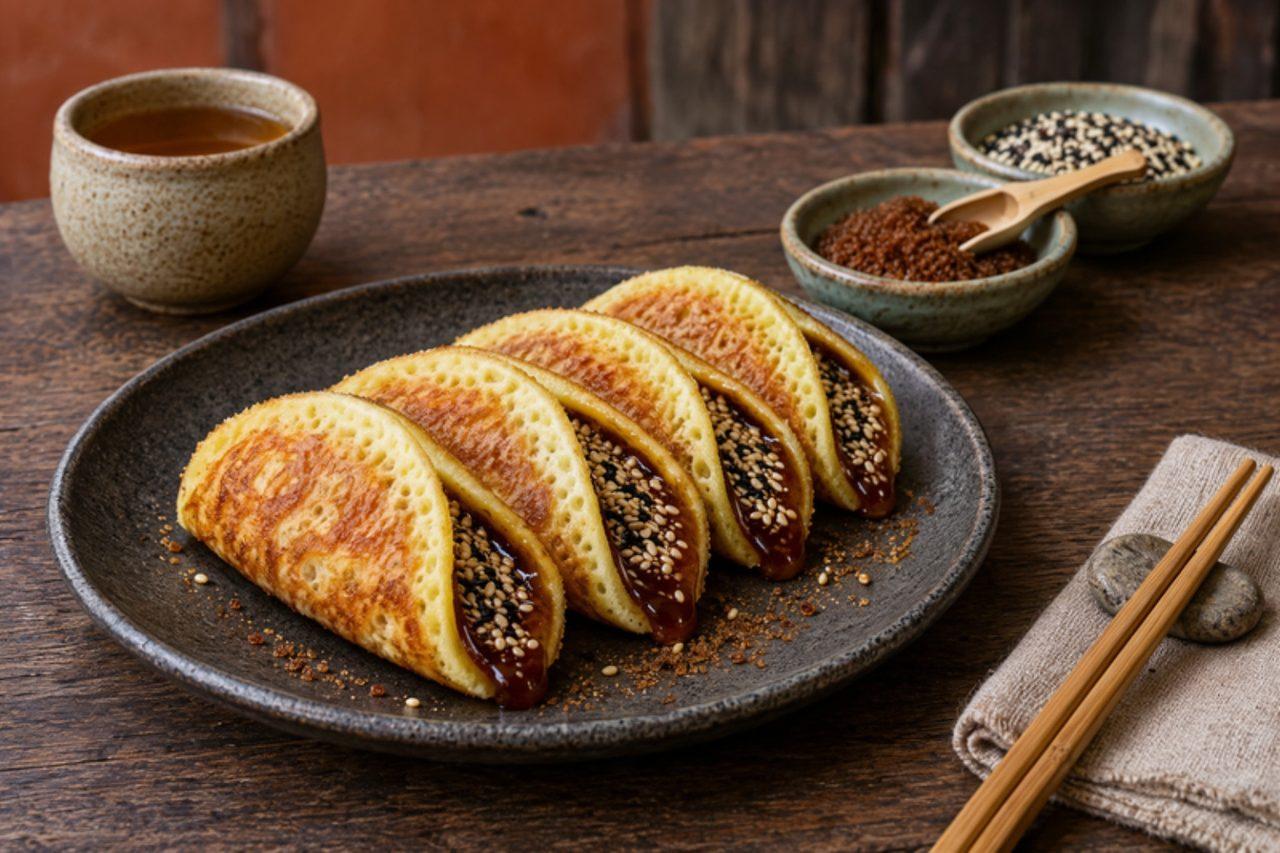
Dan hong gaoGriddle egg cakes

On Chengdu's back streets, dan hong gao vendors work a row of tiny copper pans, pouring in a sweet egg batter, adding a spoon of filling and folding each cake in half like a soft taco. Breakfast-goers order a few with brown sugar and sesame, and a few with savoury fillings like pickled mustard greens. The mistake is a lid-less pan: the cakes must be covered so the top steams through while the base turns golden. A small 10–12 cm frying pan works at home. Chef's tip: let the batter rest 10 minutes after adding the raising agent so tiny bubbles form; the cakes come out spongy rather than flat.

by KrazyBadal 0 views

Bolo de pote (cake in a jar)

On Sundays, when Avenida Paulista closes to cars, sellers line the pavement with cool boxes of bolo de pote, and the same jars turn up at São Paulo's weekly street fairs and outside metro stations: soft sponge cake layered with creamy fillings and eaten with a spoon. Brigadeiro cream (condensed milk cooked with cocoa) and a sweet, milky cream made with milk powder are the two everyone wants. They are rich and very sweet, so the jars are small. They contain egg, wheat and milk. Chef's tip: take both creams off the heat while they are still a little runny; they thicken as they cool and must stay soft enough to spread.

by KrazyBadal 0 views

HalvasanMilk and cracked wheat sweet

Khambhat, the old port town at the head of the Gulf, is where halvasan comes from, and its sweet shops still sell the chewy, nutmeg-heavy rounds wrapped in paper to visitors from Ahmedabad and Vadodara. Milk is split so it turns grainy, then cooked down with soaked cracked wheat, ghee, sugar and a little puffed edible gum until it is dark gold and chewy, rather like a cross between a halwa and a barfi. The mistake to avoid is undercooking: if it is taken off while still soft and sticky, the rounds never set and turn greasy. Chef's tip: keep cooking until the mass rolls around the pan as one lump and a drop pressed between two fingers feels tacky but not wet.

by KrazyBadal 0 views

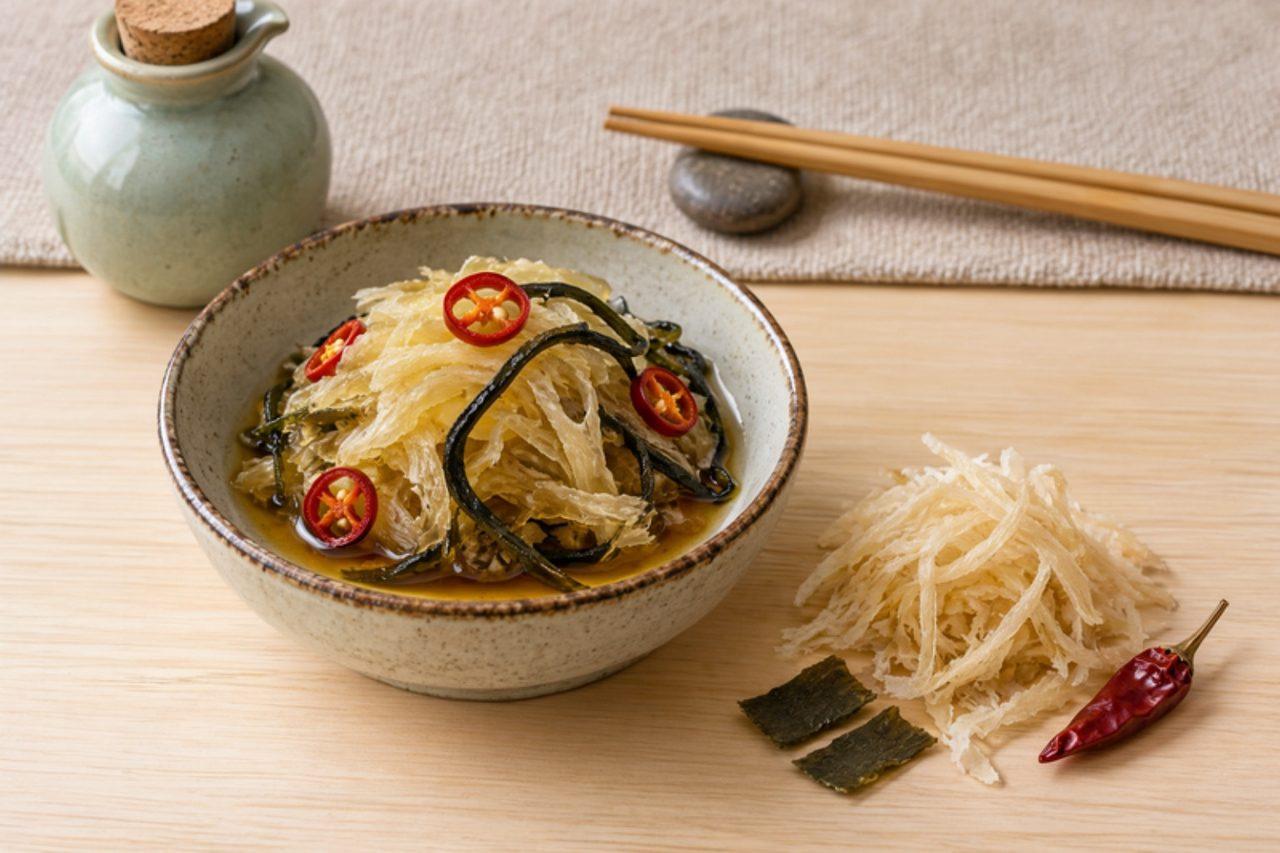
HariharizukeDried daikon pickle

Hariharizuke takes its name from the sound it makes, 'hari-hari', as you chew. It starts with kiriboshi daikon, the radish strips dried in the cold winter sun across Miyazaki and much of rural Japan, which are rehydrated and steeped in a sharp, slightly sweet soy-vinegar with ribbons of kombu and a little chilli. It is a year-round side dish, but home cooks lean on it in late winter and early spring when fresh vegetables are fewer, packing it into bento boxes or setting it beside grilled fish and rice. The taste is sweet-sour and savoury, with a concentrated, almost caramel daikon flavour, and the texture is springy and crunchy. The common mistake is soaking the dried daikon too long: after 10–15 minutes it is pliable, and beyond that it turns soft and loses its crunch. It is ready when the strips are glossy, tan and taste seasoned right through, about an hour after mixing, and even better the next day. Look for dried daikon in Japanese or Korean shops (Korean mumallaengi is the same thing). Chef's tip: add the carrot in very fine matchsticks and a few drops of sesame oil just before serving for colour and aroma.

by KrazyBadal 0 views

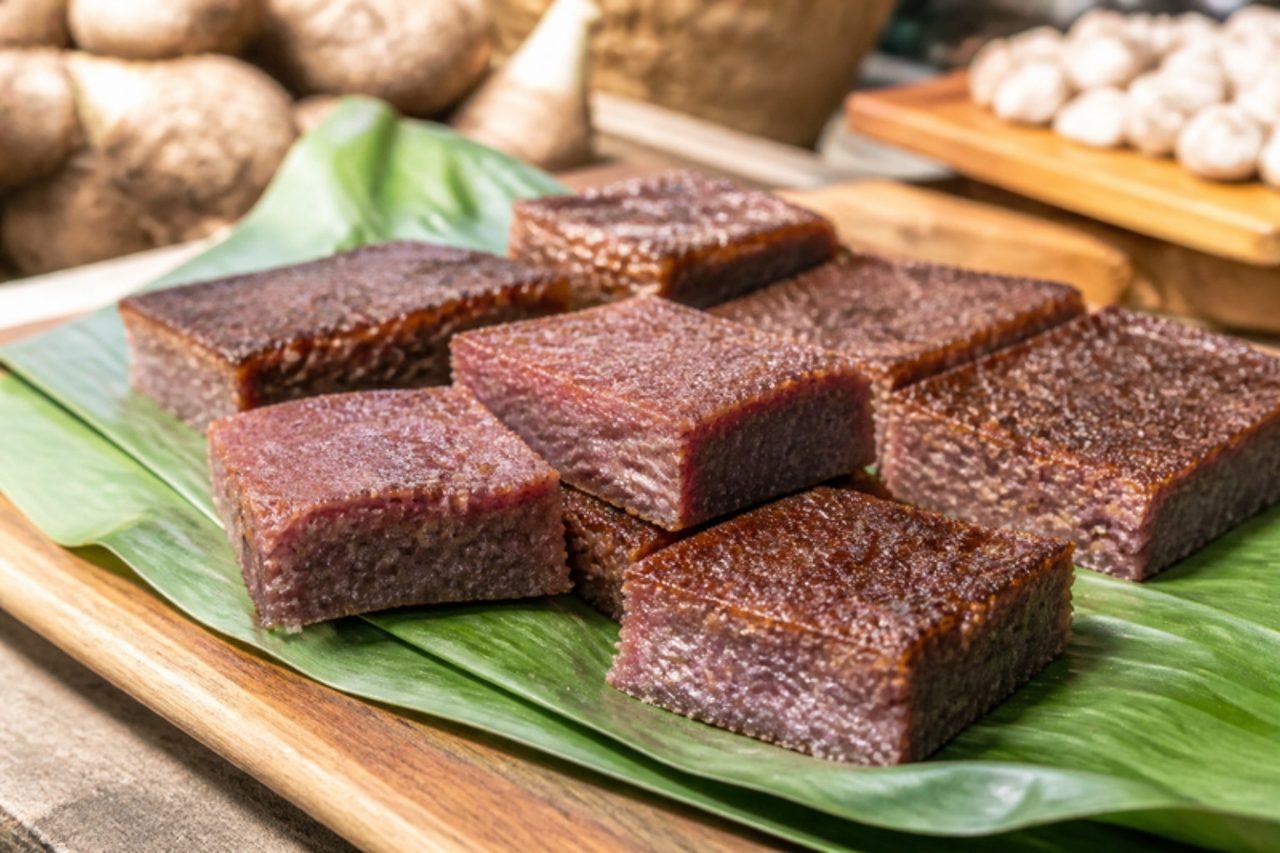
KuloloTaro and coconut pudding

Kulolo is one of the oldest Hawaiian sweets, a dense, fudgy pudding of grated taro and coconut that was once wrapped in ti leaves and baked for hours in an imu (earth oven) for lū'au feasts. On the windward side of O'ahu and in Hilo it is still sold in slabs at farmers' markets. Taro must always be fully cooked; raw taro contains crystals that badly irritate the mouth and throat, so peel it with gloves and bake the full time. A common mistake is cutting it hot; it firms as it cools. Chef's tip: bake it long and low until deep brown and sticky at the edges, where the caramel flavour is.

by KrazyBadal 0 views

Hawaiian poi for babiesTaro paste for babies

Poi, cooked taro (kalo) pounded with water, is the oldest staple of Hawaiʻi, and it was traditionally among the first foods given to babies across the islands; you can still buy it fresh by the bag at markets in Honolulu and on Kauaʻi. Fresh poi is mild, smooth and gently sweet, with a lilac-grey colour; left a few days it ferments and turns sour, which adults love but a baby is better without. Taro must be cooked right through, because raw taro contains crystals that irritate the mouth. Nothing else is added: no salt, sugar or honey. It is free of the major allergens. Chef's tip: wear gloves to peel raw taro, and cook a test piece; if it tingles on your tongue, it needs longer.

by KrazyBadal 0 views

Daging masak hitamBlack braised beef

Daging masak hitam, 'black-cooked beef', is a centrepiece of Hari Raya open houses and kenduri feasts across Malaysia, and it is just as good on an ordinary weekday with rice and cucumber. Beef is braised slowly with blended shallots, garlic, ginger and dried chillies, whole spices, tamarind and both sweet and dark soy sauce until the gravy reduces to a sticky, almost black glaze. It tastes better the next day, which is why cooks make it ahead for festivals. The usual mistake is reducing too fast over a high heat: the sugar in the sweet soy scorches and turns bitter. Chef's tip: once the gravy starts to thicken, stir from the bottom every few minutes and lower the heat.

by KrazyBadal 0 views

DhansakMutton and lentil curry

Dhansak is the Parsi Sunday lunch in Mumbai and the old Gujarat towns of Navsari and Surat, traditionally the first meat dish cooked when the meatless days after a death are over, and a weekend favourite the rest of the time, always with brown rice (rice browned in caramelised sugar and onion) and kachumber. Mutton is cooked together with toor, masoor, moong and chana dal, pumpkin, aubergine, tomato and fenugreek leaves, then the dal and vegetables are pureed into a thick, gently spiced sauce with dhansak masala. Veg version: leave out the mutton and cook the same dal and vegetables with vegetable stock. The usual mistake is not pureeing the dal finely; it should be smooth and velvety around the meat. Slow-cooker option: everything except the tempering on low for 8 hours, then blend. Chef's tip: fry the dhansak masala in ghee at the end and pour it over; it gives the dish its aroma.

by KrazyBadal 0 views

Sev tameta nu shaakSev and tomato curry

Sev tameta nu shaak is roadside-dhaba and home food from Kathiyawad in Saurashtra, cooked when the vegetable basket is nearly empty but there are tomatoes and a tin of sev. Ripe tomatoes simmer with garlic, red chilli and a little jaggery into a thin, sweet-sour-hot gravy, and a handful of crisp gram-flour sev goes on top at the very last moment, so it is half-crunchy, half-soft when you eat it with bajra rotla, thepla or rotli. The usual mistake is stirring the sev in too early, which turns the curry into a paste. Most sev is made from gram flour, but check the packet if you avoid gluten. Chef's tip: use thick sev (ratlami or bhavnagari), which holds its crunch far longer than nylon sev.

by KrazyBadal 0 views

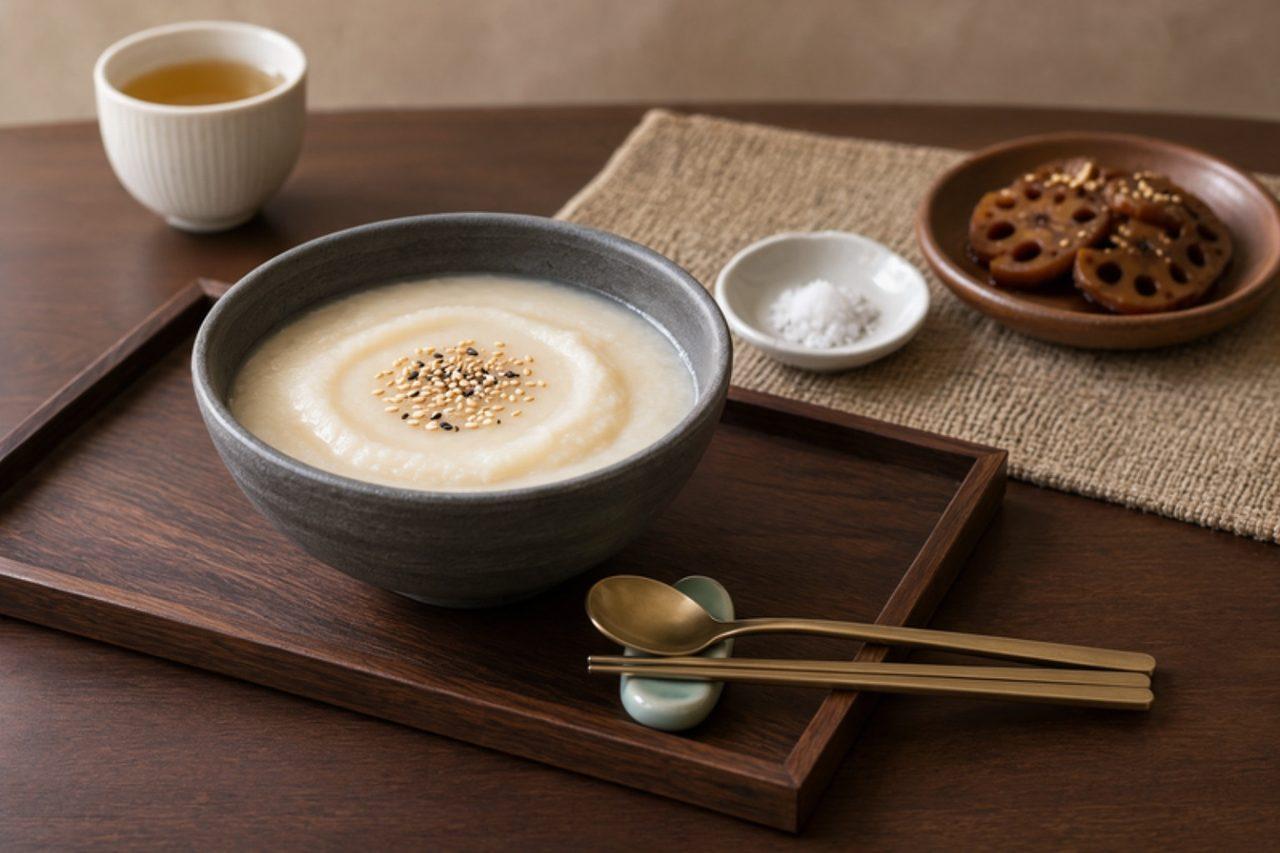
KongjukSoybean and rice porridge

Kongjuk is the porridge Korean families make when they want something filling but plain: soaked soybeans ground into a milk with rice and cooked until it is thick, pale and creamy. It is a breakfast and a summer staple in the countryside, eaten with a little salt and some kimchi or radish on the side. The mistake to avoid is under-blending the beans: gritty bean skins make the porridge grainy, so blend long and fine, or sieve it. Stir often too, because soy milk catches on the bottom quickly. Chef's tip: skim off the loose skins after soaking by rubbing the beans between your palms under water; the porridge comes out silkier and whiter.

by KrazyBadal 0 views

Oblepikha tea (sea buckthorn tea)

Sea buckthorn grows wild along the rivers of Altai and the Baikal shore, and by October its thorny branches are crowded with tiny orange berries. Siberians freeze them by the bucketful, and all winter a glass teapot of oblepikha tea glows on café tables from Irkutsk to Moscow, ordered after skiing or against the dark afternoons. The taste is sharp and tropical, somewhere between passion fruit, pineapple and lemon, with a faint oily richness from the berries, softened by honey and warmed by ginger. The common mistake is pouring boiling water straight onto the honey and berries: it dulls the fruit, makes the honey taste flat and can turn the tea bitter. Let the kettle settle for a couple of minutes first. It is ready when the tea is a cloudy sunset orange, smells of citrus and ginger and the berries have released their juice. Outside Russia, look for frozen sea buckthorn in Eastern European or Nordic shops, or use unsweetened sea buckthorn purée. Chef's tip: crush a big batch of berries with honey, keep it in a jar in the fridge for a week, and spoon it into mugs whenever you want a cup.

by KrazyBadal 0 views

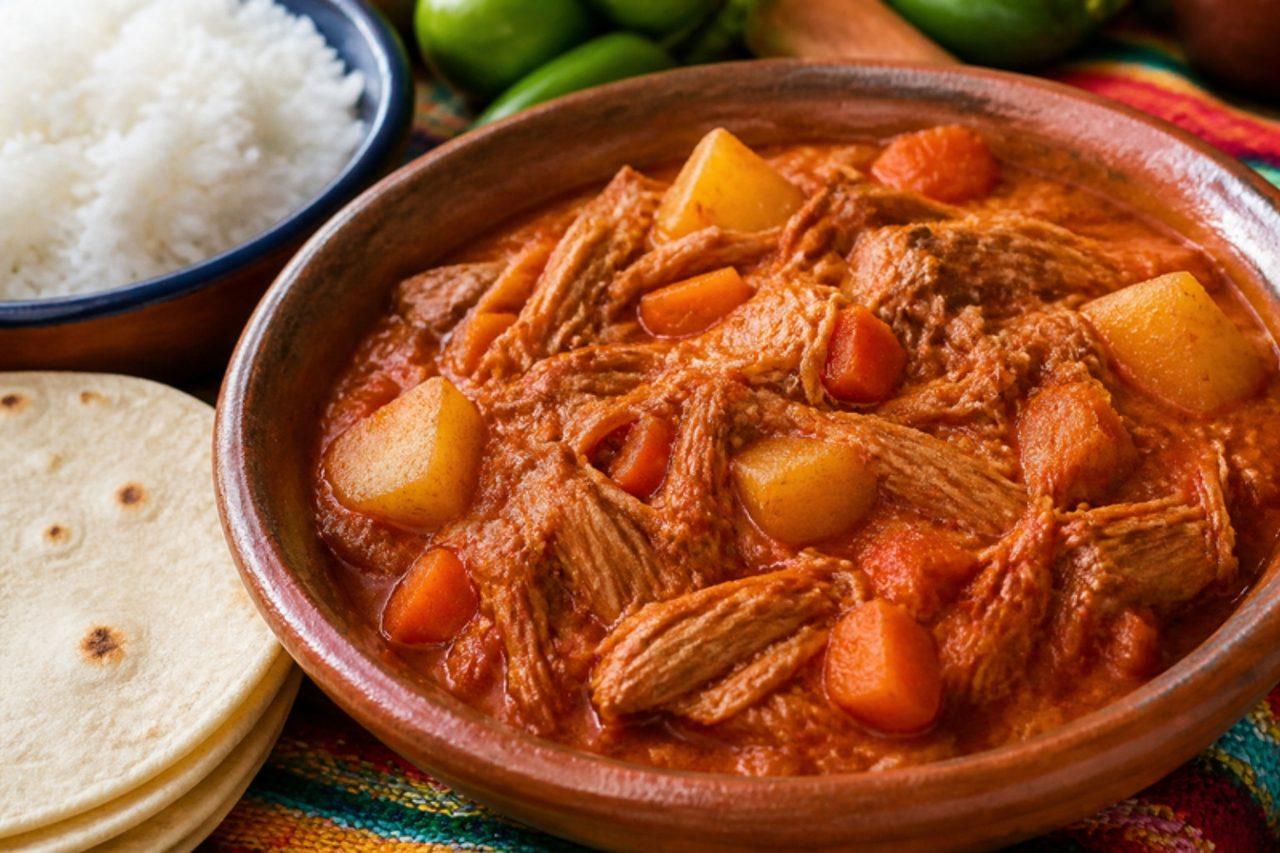
HilachasShredded beef in tomato sauce

The name means 'threads', and that is how the beef should look: pulled into fine strands and simmered with potato and carrot in a brick-red sauce of tomato, tomatillo and dried guajillo chilli. Hilachas is everyday food in Guatemala City, served at lunch counters with white rice and tortillas, and it is a thrifty way to stretch a piece of flank. Rushing the first simmer is the classic mistake: if the beef doesn't fall apart easily, it shreds into chewy chunks instead of threads. Chef's tip: shred the meat along the grain with two forks while it is still warm; cold beef tears unevenly.

by KrazyBadal 0 views

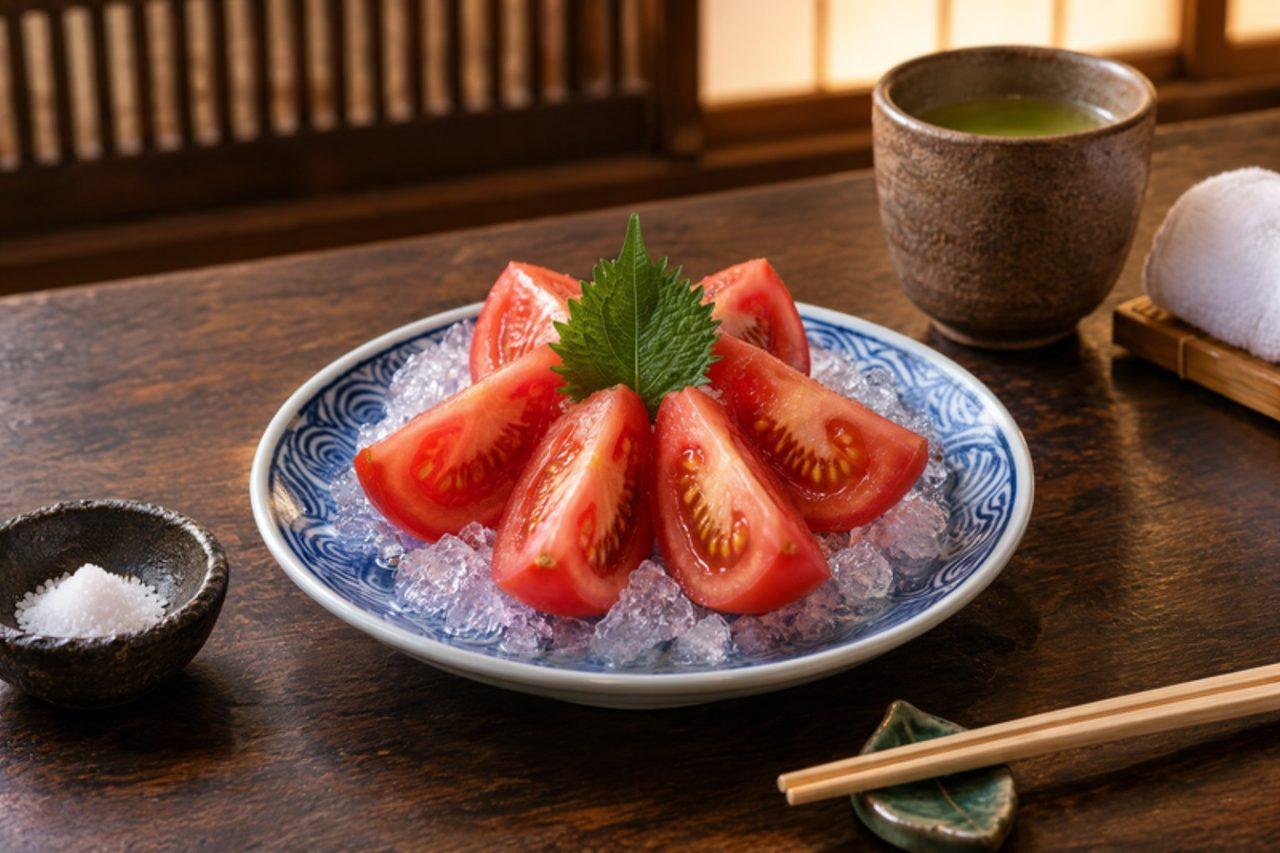
Hiyashi tomatoChilled tomato

Hiyashi tomato is the simplest thing on any Japanese izakaya menu in July and August: ripe tomatoes, chilled until icy, cut into wedges and served on a small plate, sometimes on crushed ice, to cool down a hot evening in Tokyo or Osaka. Many bars sprinkle salt; this home version leaves it out and offers a few drops of rice vinegar and toasted sesame oil instead, so the tomato's own sweetness and acidity do the work. About 0.0 g added salt; roughly 0.03 g per portion occurs naturally in the tomato. The usual mistake is using hard, pale supermarket tomatoes: this dish is only as good as the fruit, so buy deep red ones that smell of tomato at the stalk. Chef's tip: chill the plate as well as the tomatoes, so the wedges stay cold to the last bite.

by KrazyBadal 0 views

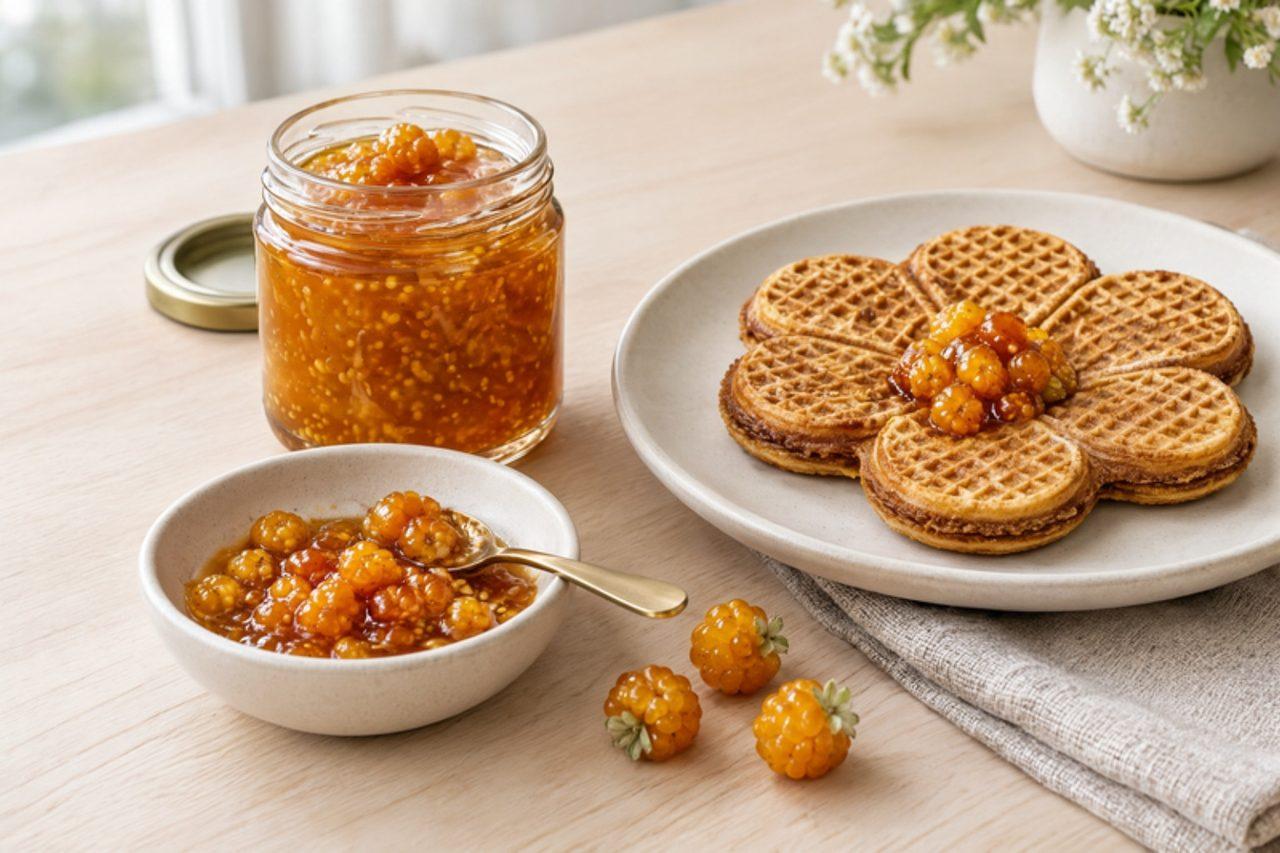
HjortronsyltCloudberry jam

Cloudberries grow one berry to a stem on the bogs of Norrbotten, Lapland and northern Finland, and families guard their picking spots for generations. They ripen for barely two weeks in late July and August, turning from hard red to soft, honey-gold, and almost all of the harvest goes into hjortronsylt. It is a treasure kept for special days: warmed over vanilla ice cream, spooned onto Swedish waffles on Våffeldagen, served with warm leipäjuusto, Finland's squeaky baked cheese, and set out with cream on the Christmas table. The jam is loose and bright, tasting of apricot, sour apple and honey, with crunchy seeds. Unlike most jams it is cooked very briefly, so the delicate flavour survives. Common mistake: boiling it like strawberry jam; long cooking turns cloudberries brown and dull, so stop after a few minutes. It is ready when the sugar has dissolved and the berries look glossy and just collapsed. Chef's tip: frozen cloudberries from Nordic shops work perfectly; for a smoother jam, press half the berries through a sieve to remove seeds, as many Finnish cooks do.

by KrazyBadal 0 views

HoenderpasteiChicken pie

Church bazaars from Paarl to Graaff-Reinet sell hoenderpastei by the slab, and a family-sized dish turns up at Christmas lunch and funerals alike. Under its puff pastry lid sits shredded chicken in a pale, silky sauce scented with allspice, cloves and a little nutmeg, with slices of boiled egg tucked through it. Sago is the old trick here: soaked and cooked in the stock, the little pearls swell into a glossy thickener that sets as the pie cools, so slices hold their shape. Serve it with geelrys, buttered green beans and a sharp beetroot salad. Chef's tip: let the filling cool before the pastry goes on; a hot filling melts the butter in the pastry and the lid bakes flat instead of rising into flaky layers.

by KrazyBadal 0 views

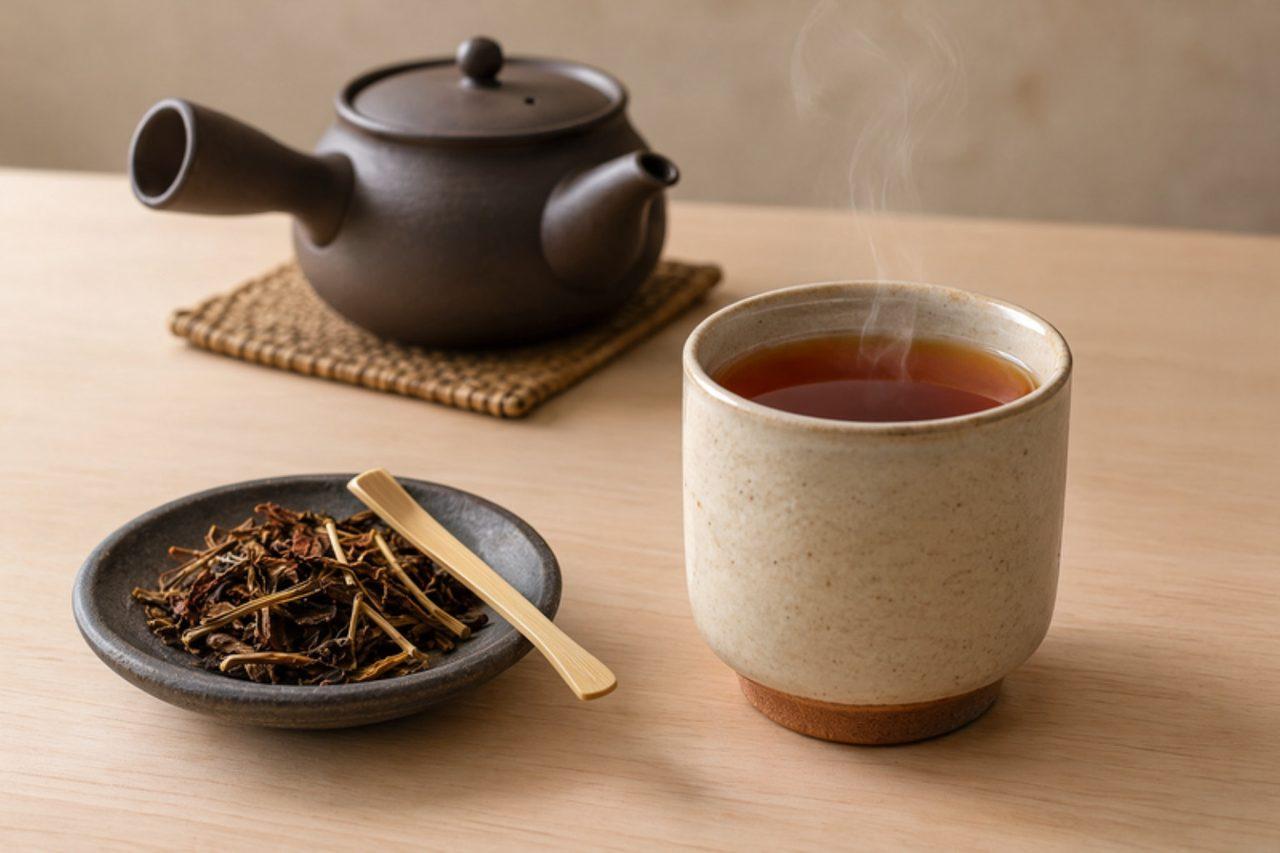
HojichaRoasted green tea

Hojicha was born in Kyoto in the 1920s, when tea merchants started roasting the coarse late-season bancha leaves and stems over charcoal to sell what would not keep. Today the smell of tea roasting in a shop doorway is part of walking down Teramachi or past the Nishiki market. Roasting drives off much of the caffeine and all the grassy bitterness, so hojicha is the pot that comes out after an evening meal, with rice crackers, or for children and older relatives who avoid stronger tea. The cup is reddish brown, smells of caramel and roasted nuts, and tastes soft and slightly sweet with almost no astringency. Unlike sencha, it likes really hot water and a very short steep. The common mistake is treating it like black tea and leaving the leaves in for several minutes, which makes it flat and woody; 30 seconds is enough for the first pour, and the leaves give a good second pot. It is ready when the liquor is clear russet and the steam smells of toasted sugar. Chef's tip: if your packet has lost its perfume, warm the leaves in a dry pan for 30 seconds until they smoke very faintly before brewing.

by KrazyBadal 0 views

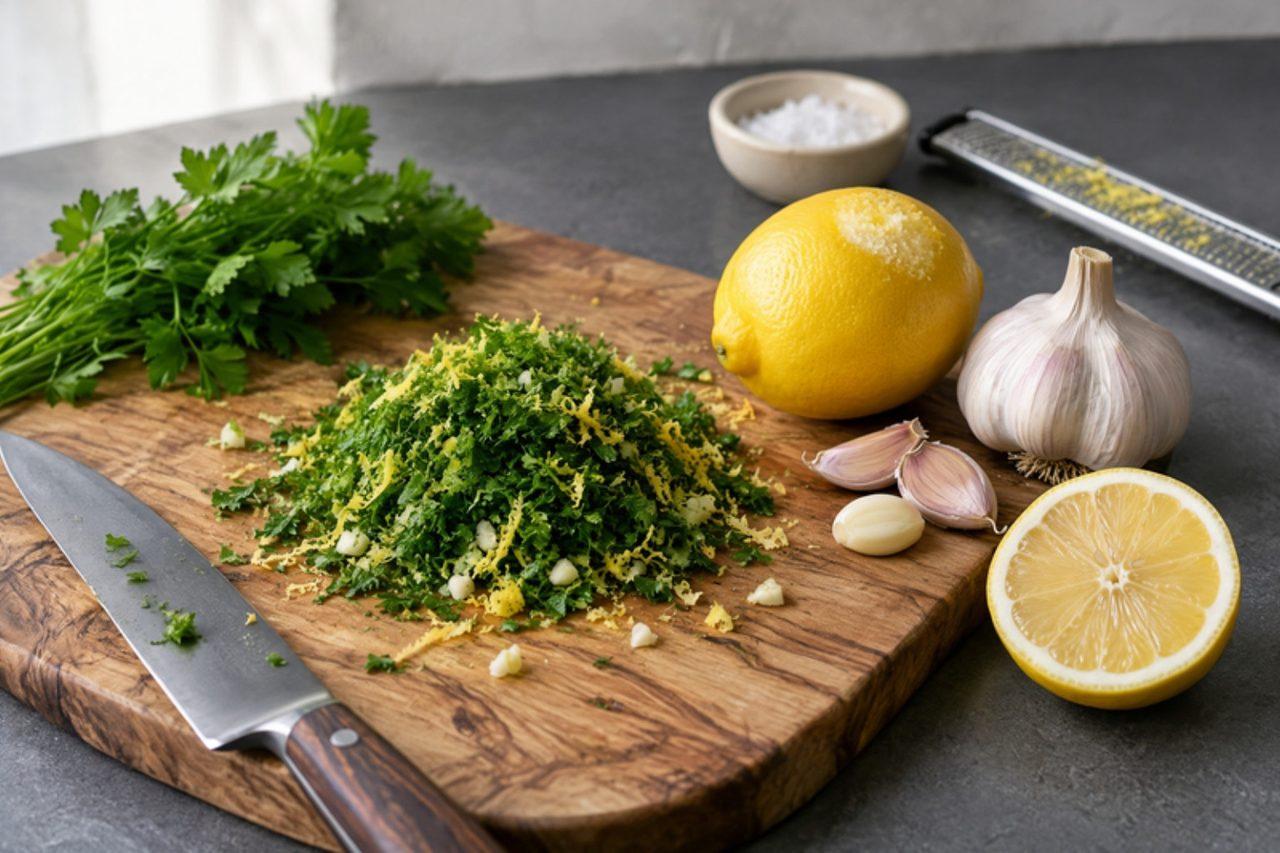
Gremolata

Gremolata is the Milanese finishing touch spooned over ossobuco on Sunday tables across Lombardy, and it brightens any slow-cooked stew, roast vegetables, beans or grilled fish. Flat-leaf parsley, lemon zest and raw garlic are chopped together so finely that they become a fragrant green confetti; the fresh, sharp flavour wakes up a dish so much that you need far less salt. About 0.0 g salt per portion. The usual mistake is grating the white pith with the zest, which makes it bitter; take only the yellow skin. Make it no more than an hour ahead, as the garlic gets harsh and the parsley darkens. Chef's tip: chop the garlic first with a few parsley leaves, so the juice soaks into the herbs instead of sticking to the knife.

by KrazyBadal 0 views

Maesil-cha (green plum tea)

In early June the hillsides of Gwangyang are picked clean of hard green maesil, and Korean kitchens across the country fill with jars of plums buried in sugar. Over about a hundred days the sugar draws out the fruit's juice and becomes maesil-cheong, a golden syrup that is both a cooking ingredient and a drink. Iced, it is the summer cooler; hot, it is traditionally drunk after a heavy meal for digestion. It tastes bright and tart, like green apple and apricot, rounded by the sugar. The common mistake is putting damp plums or plums with stalks into the jar: water and stalk ends invite mould and unwanted fermentation. Pick out each stalk with a toothpick and dry the fruit completely. The syrup is ready when the plums have shrivelled and float in clear amber liquid. A little foaming early on is normal, but if it smells strongly of alcohol, grows fuzzy mould or turns slimy, discard it. Remove the plums at 100 days, because their stones contain natural compounds best kept out of a long-stored syrup. Chef's tip: use half white and half light brown sugar for a rounder, toffee-edged syrup.

by KrazyBadal 0 views

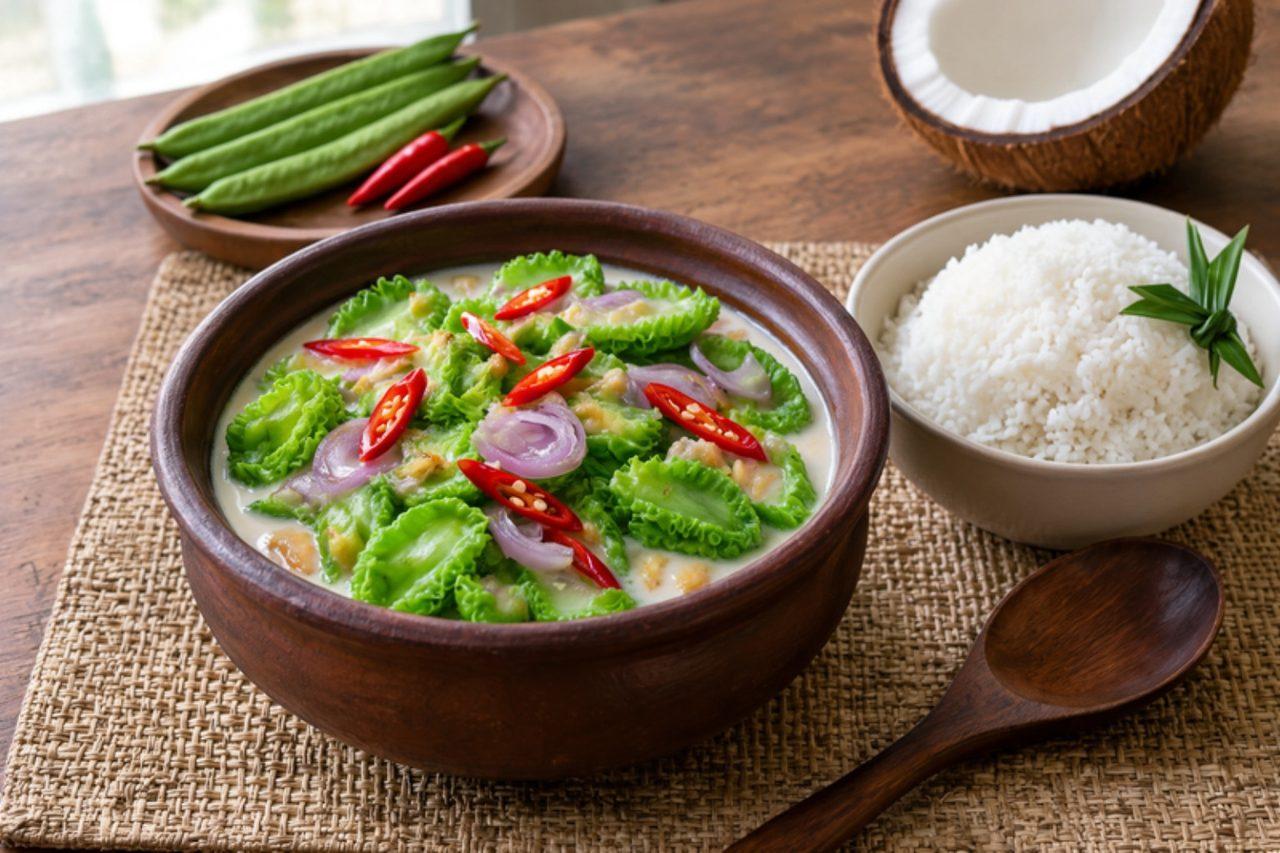
Ginataang sigarilyasWinged beans in coconut milk

Winged beans, sigarilyas, climb the backyard fences of Luzon and Visayan homes, and on rainy-season weekdays they are sliced and simmered in coconut milk for a quick ulam to go with rice. The frilly beans stay crisp-tender and soak up the garlicky, gently spicy gata. Many cooks add shrimp paste; this version keeps it vegan with a little soy sauce. The usual mistake is overcooking: winged beans lose their crunch and go dull green in minutes, so add them only when the coconut milk has reduced. Chef's tip: cut the beans on a sharp diagonal so each slice shows off the four ruffled wings.

by KrazyBadal 0 views

Ipoh white coffee

Ipoh's old town kopitiams, with their marble tables and morning crowds queueing for kai si hor fun and egg tarts, gave Malaysia its 'white coffee'. The name comes not from milk but from the roast: beans are roasted with palm-oil margarine, lighter than the dark, sugar-roasted kopi of the rest of the country, then brewed and served with condensed milk. It is smoother and less bitter than ordinary kopi, nutty and buttery, pale caramel in the cup, drunk hot at breakfast or iced in the afternoon heat. At home, buy ground Ipoh-style white coffee from an Asian grocer; you cannot easily reproduce the margarine roast in a kitchen. The common mistake is brewing it like espresso: forced extraction makes it bitter and kills the soft, toasty flavour. Steep it in a cloth sock or a coffee filter with water just off the boil. It is ready when the brew is reddish-brown and clear, not inky. This is a strong coffee with real caffeine, not for children. Chef's tip: warm the cups with hot water first; white coffee cools fast and loses its aroma.

by KrazyBadal 0 views

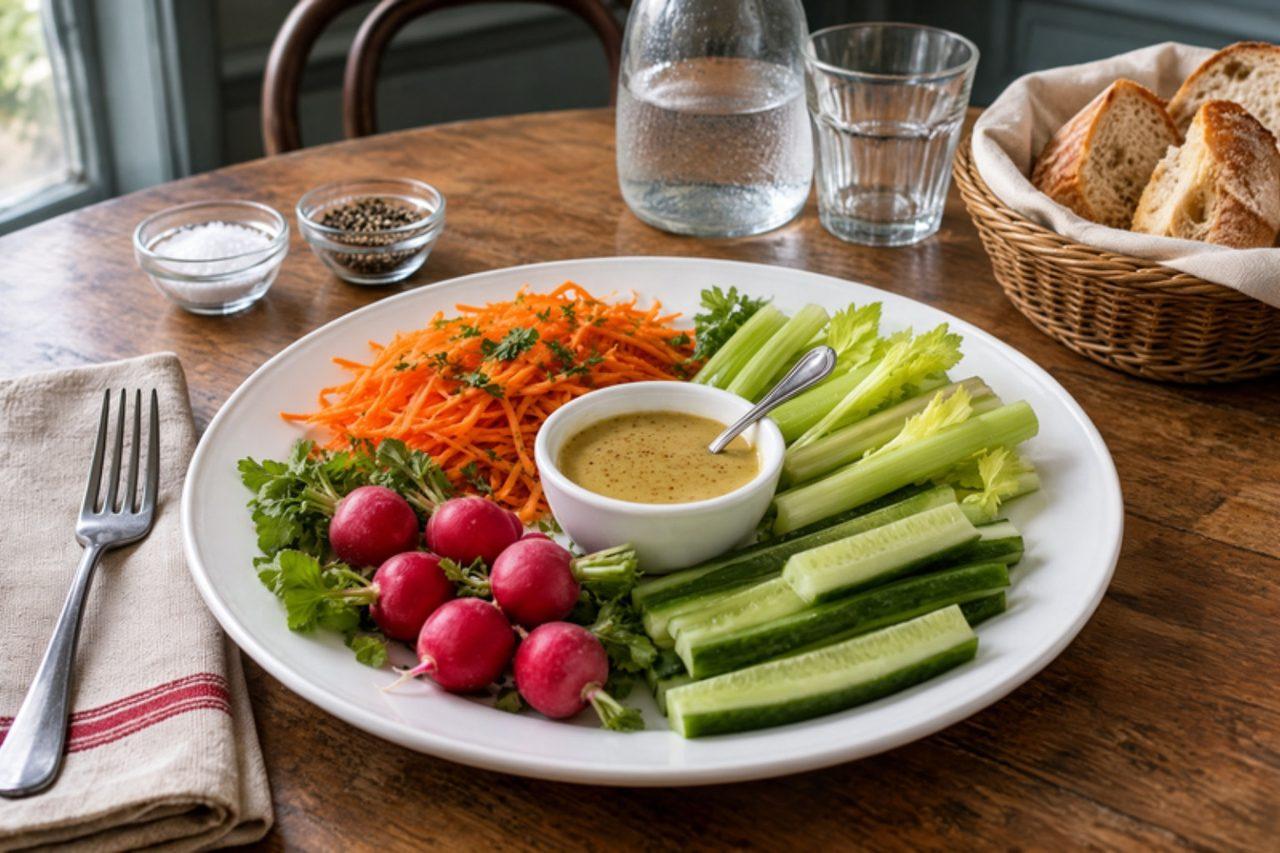
Crudités

Crudités are how a French family lunch, a Paris bistro menu or a school canteen meal often begins: a plate of raw vegetables, each prepared on its own: grated carrot with lemon, crunchy radishes, cucumber slices and celery, dressed with a sharp mustardy vinaigrette. Crisp, cold vegetables taste so lively that very little salt is needed; with the small amount of mustard in the dressing this plate has about 0.3 g salt per portion. The usual mistake is dressing everything together in advance, which turns it watery and limp; dress each vegetable just before serving. Chef's tip: grate the carrots on the fine side of the grater and toss them with lemon first; they soften slightly and taste sweeter, the way French grandmothers make carottes râpées.

by KrazyBadal 0 views

Neer mor (spiced buttermilk)

From April to June, when Chennai and Madurai bake at forty degrees, temples, shops and political parties set up 'thaneer pandhal' sheds by the roadside, offering free neer mor to every passer-by from great clay pots. At home it comes after a rice meal of sambar and rasam, or in the middle of the afternoon. The curd is churned and thinned with water until barely white, then seasoned with green chilli, ginger, curry leaves, coriander and a pinch of asafoetida, sometimes finished with a tempering of mustard seeds. It should be very thin, salty, tangy and herby, with a little chilli heat and a lingering savoury scent. The common mistake is using too little water: it then drinks like a heavy lassi rather than a thirst-quencher. Aim for about one part curd to four parts water. It is ready when the buttermilk is smooth, cold and pale green-flecked, and smells of curry leaf. It keeps a day in the fridge. Chef's tip: crush the ginger, chilli and curry leaves rather than chopping them; bruising releases far more flavour into the thin liquid.

by KrazyBadal 0 views

Kefir

Kefir is the sour, lightly fizzy fermented milk that families across Russia, Georgia and the North Caucasus drink plain from a glass at breakfast, as an evening snack or alongside a meal, and also use in pancakes and cold soups. It is made by leaving milk with kefir grains, a living culture of yeasts and bacteria, at room temperature for a day until it thickens. Nothing is added: no salt and no sugar. About 0.25 g salt per 250 ml glass, all from the milk itself. Always use pasteurised milk. The usual mistake is leaving it too long, until it separates into curds and whey; check after 18 hours and stop when it is just thick and pourable. Chef's tip: a second ferment of 6 hours in the fridge in a closed bottle makes it smoother and a little fizzier.

1445 minRussianDrinksGluten free
by KrazyBadal 0 views

Mugicha (roasted barley tea)

From the rainy season in June until the cicadas fall quiet in September, almost every Japanese household keeps a tall jug of mugicha in the fridge. It is poured for children coming in from summer club practice, for grandparents after an afternoon nap, and alongside cold sōmen at lunch, because it carries no caffeine and can be drunk all day. Whole barley grains roasted until deep brown give a cup that tastes of toast, a little of coffee and a little of popcorn, with a clean, dry finish and no sweetness at all. Supermarkets sell it in tea bags, but loose roasted grains simmered in a pan make a rounder, darker brew. The usual mistake is leaving the grains in the jug or letting the hot tea sit out on the counter for hours: it turns bitter and, being a grain infusion, it sours quickly in summer heat. Strain it, cool it fast in a sink of cold water, and drink it within two days. It is ready when the liquid is a clear amber-brown and smells like freshly toasted bread. Chef's tip: dry-toast the grains for two minutes before brewing to wake up a bag that has been open a while.

by KrazyBadal 0 views

Moreton Bay bugsSlipper lobster with garlic butter

Moreton Bay bugs are the flat, shovel-nosed slipper lobsters caught off the Queensland coast around Brisbane and the Sunshine Coast, and for Queenslanders they are a summer treat, split and grilled at the beach house. The tail meat is sweet and rich, somewhere between lobster and prawn. Buy them raw, frozen or fresh, from a fishmonger and ask them to halve them if you like. A common mistake is overcooking, which makes the meat rubbery; it is ready the moment it turns white. Chef's tip: grill flesh side down first to mark it, then turn and baste in the shell.

by KrazyBadal 2 views

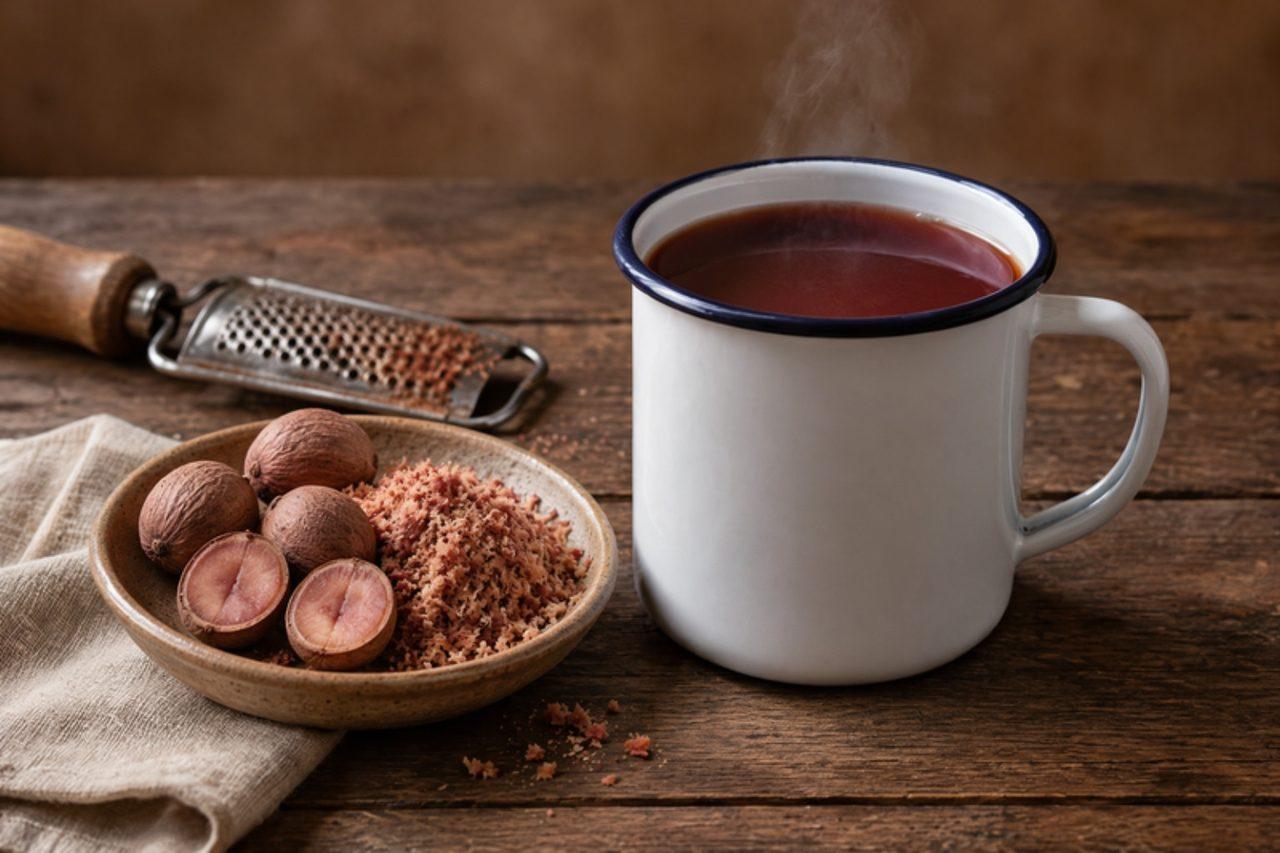
Bissy tea (kola nut tea)

Kola trees came to Jamaica with enslaved West Africans, and the nut, called bissy on the island, has stayed in country medicine ever since. Older people in St Mary, St Elizabeth and the hills of Clarendon still keep a dried bissy in the kitchen and grate some into boiling water when the stomach is upset or after eating something that disagreed with them,. Parched in a dry pan first, the grated nut gives a reddish-brown tea that smells faintly of cocoa and tastes bitter and astringent, softened by plenty of sugar. The common mistake is boiling raw, ungrated nut and expecting much flavour: whole pieces give little. Grate it finely, parch it until it darkens and smells like toasted cocoa, then boil. It is ready when the tea is a deep reddish-brown and coats the tongue with bitterness. Kola nut is very high in caffeine, as strong as a big mug of coffee or more, so drink one cup, not late in the day, and keep it away from children, pregnant people and anyone sensitive to caffeine or with heart trouble. Chef's tip: strain it through a fine cloth; the grated nut leaves a gritty sediment that a sieve lets through.

by KrazyBadal 0 views

Trà sen (lotus tea)

Every June and July, before sunrise, boats slip between the pink lotus on Hanoi's West Lake to gather flowers for trà sen. The finest lotus tea is made by stripping the tiny white rice-like anthers from hundreds of blooms and layering them with green tea, a labour that makes it one of Vietnam's most expensive gifts, kept for Tết. Families do a simpler version at home: a spoon of Thái Nguyên green tea is tucked into the heart of a fresh flower in the evening, the petals closed and tied, and by morning the leaves have taken on a sweet, creamy, slightly vanilla-like perfume. It is brewed in a small clay pot and drunk in tiny cups in the early morning. The common mistake is brewing with boiling water, which flattens the lotus scent and makes the green tea bitter. Rinse the leaves quickly and brew at 80–85 °C. It is ready when the cup is pale gold and the steam smells of flowers before tea. No fresh lotus? Buy ready-made lotus-scented tea from Vietnamese shops and start at the brewing step. Chef's tip: pick a bud that is just about to open; a fully open bloom has already lost its scent.

by KrazyBadal 0 views

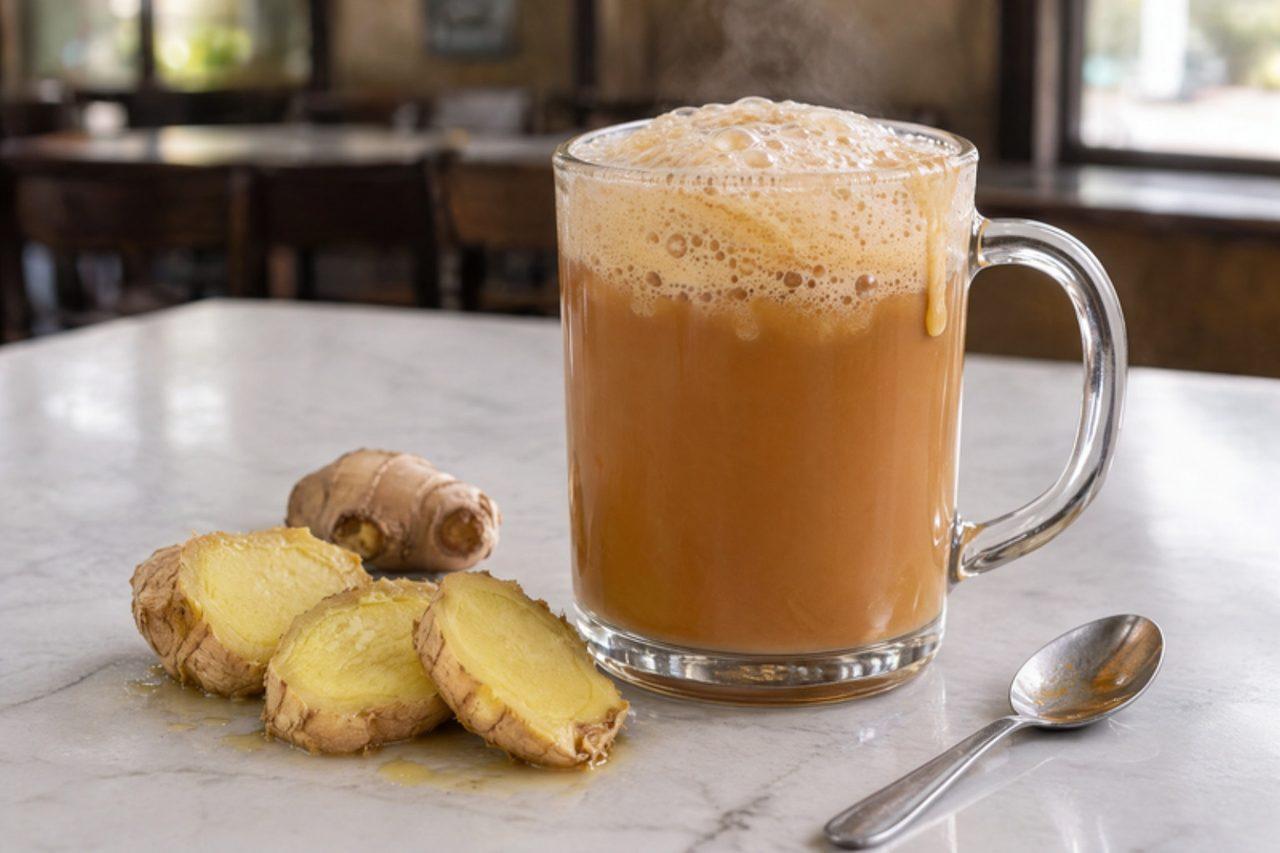
Teh halia (ginger milk tea)

Sit down at any mamak stall in Kuala Lumpur, Penang or Johor Bahru, from breakfast roti canai to the after-football supper at 1 a.m., and someone at the table will order teh halia. It is teh tarik's spicier cousin: dust-fine black tea is boiled with plenty of crushed ginger, mixed with condensed and evaporated milk, then 'pulled' between two mugs from arm's length until a thick froth forms. The result is sweet, creamy and malty, with a ginger heat that catches your throat, most loved on wet monsoon evenings. The common mistake is adding ginger to tea at the end; it then tastes raw and thin. Boil the ginger in the water first for several minutes so the heat goes into the liquid. It is ready when the tea is the colour of milky caramel and a dense froth a few centimetres high sits on top. This contains caffeine, so it is not for children. Chef's tip: practise pulling with water over the sink first, then start low and raise the mug slowly as you pour.

by KrazyBadal 0 views

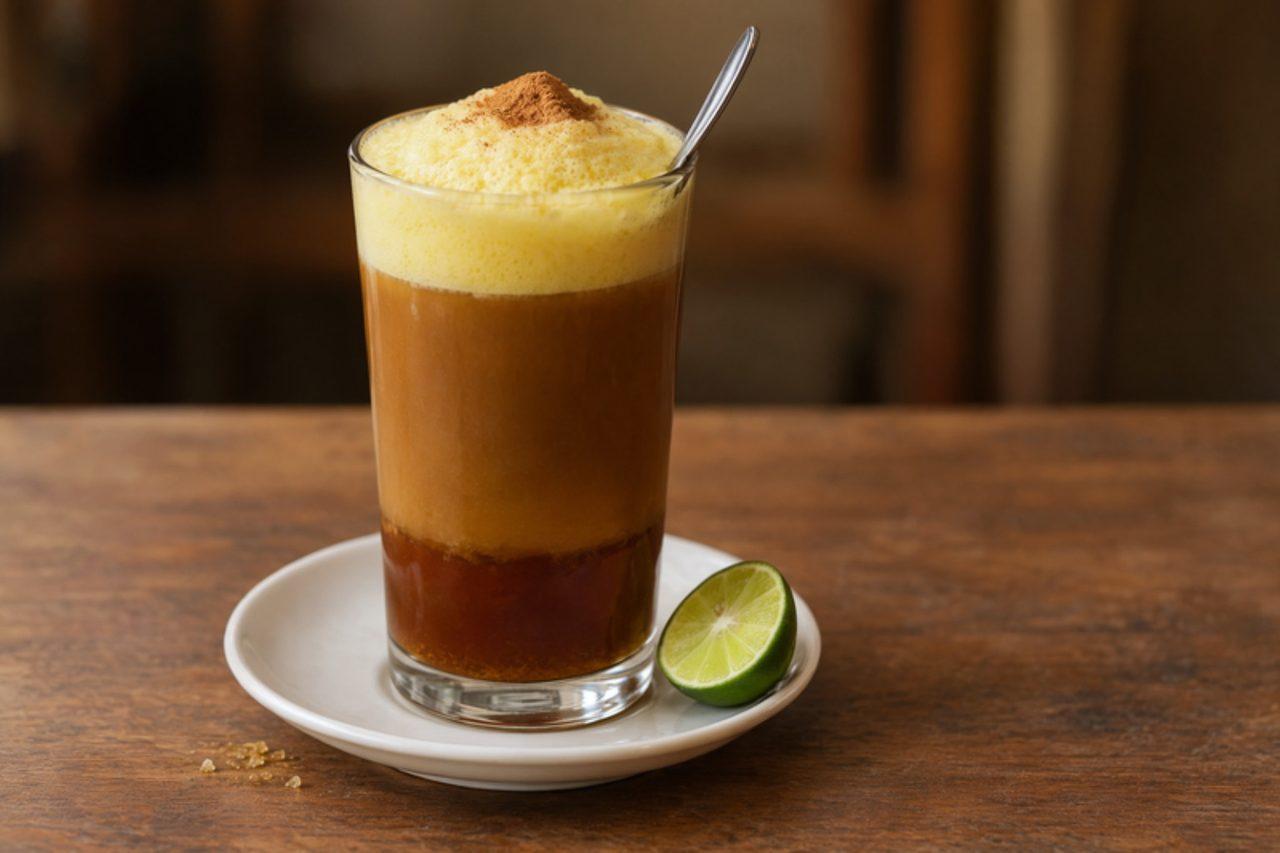
Teh talua (egg tea)

In the lapau coffee shops of Bukittinggi, Payakumbuh and Padang, the sound of a spoon or a small whisk clattering against a glass means someone has ordered teh talua. A raw egg yolk, traditionally from a free-range kampung hen or a duck, is whisked with sugar until thick and almost white, strong hot tea is poured on from a height, and a wedge of lime goes on the side. Minangkabau men drink it in the late afternoon or evening as a pick-me-up after work in the fields. It comes out with a creamy, caramel-coloured body under a deep layer of foam, rich like a light custard, with the lime cutting any eggy edge. The common mistake is whisking too little: the yolk stays yellow, the tea curdles it in strings and it smells of egg. Beat until the yolk has doubled in volume and falls in a thick ribbon. Use pasteurised eggs for anyone pregnant, babies and small children, older people or anyone unwell, as the yolk is only lightly warmed. Some lapau add condensed milk; this one is dairy-free. It contains caffeine. Chef's tip: pour the tea in a thin stream from high up while still stirring, to build the tallest foam.

by KrazyBadal 0 views

Kadha (spiced herbal decoction)

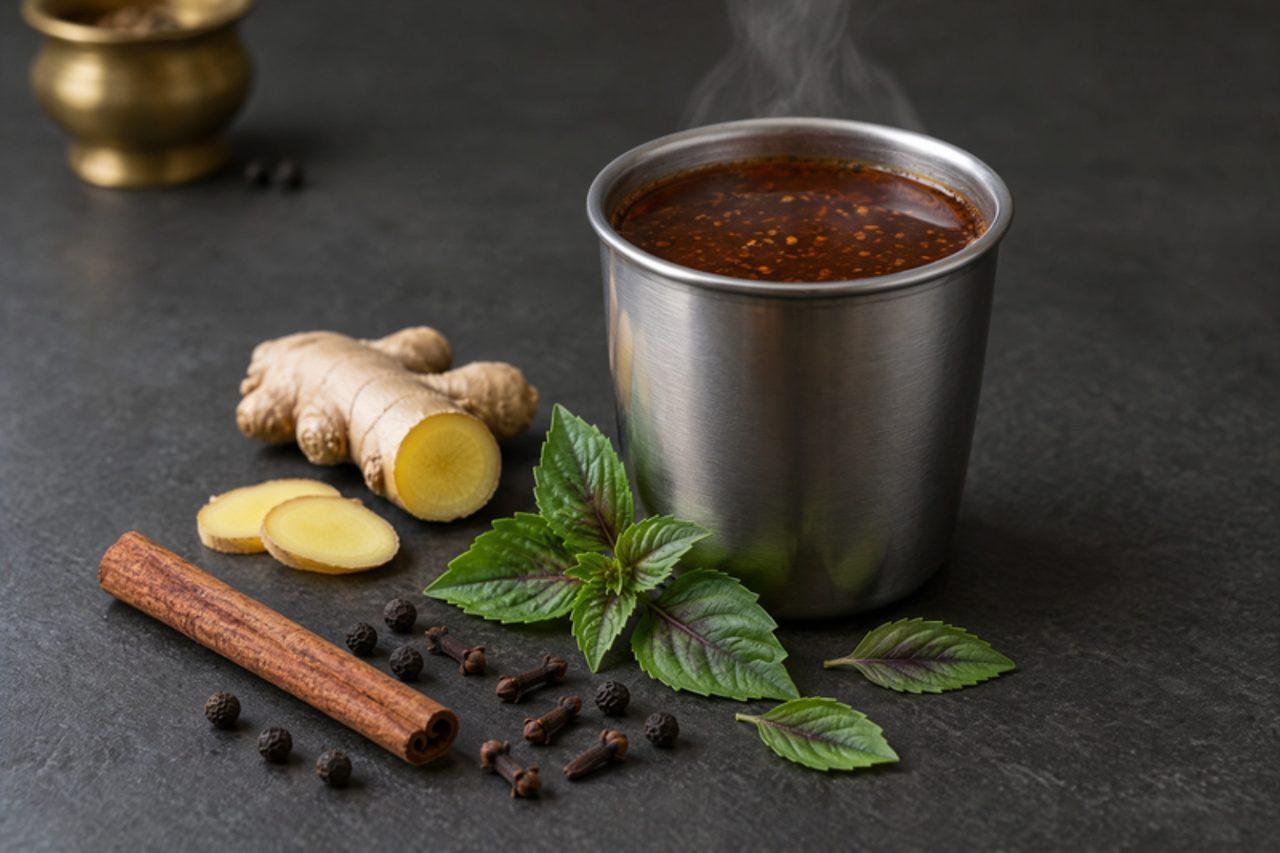
When the fog settles over Delhi, Lucknow and the plains of Uttar Pradesh in December, or whenever the monsoon brings coughs round the house, someone puts a pan of kadha on the stove. Tulsi leaves, ginger, black pepper, cinnamon, cloves and sometimes a little ajwain are boiled hard until the water reduces by half, then sweetened with jaggery and sipped in small cups, morning or night. It is not a gentle tea: it is hot, peppery, clove-numbing and earthy, with a dark amber colour and a sweet edge. It is traditionally drunk for coughs and colds; it does not replace medical care, and anyone who is pregnant, on medication or giving it to small children should keep it mild and check with a doctor. The common mistake is simmering it gently like tea: kadha needs a steady boil so the spices give up their strength and the liquid reduces. It is ready when the volume has halved and the brew is deep amber and pungent. Chef's tip: crush the pepper and cloves just before they go in; whole spices hardly flavour the water in this short time.

by KrazyBadal 0 views

Douzhi (fermented mung bean drink)

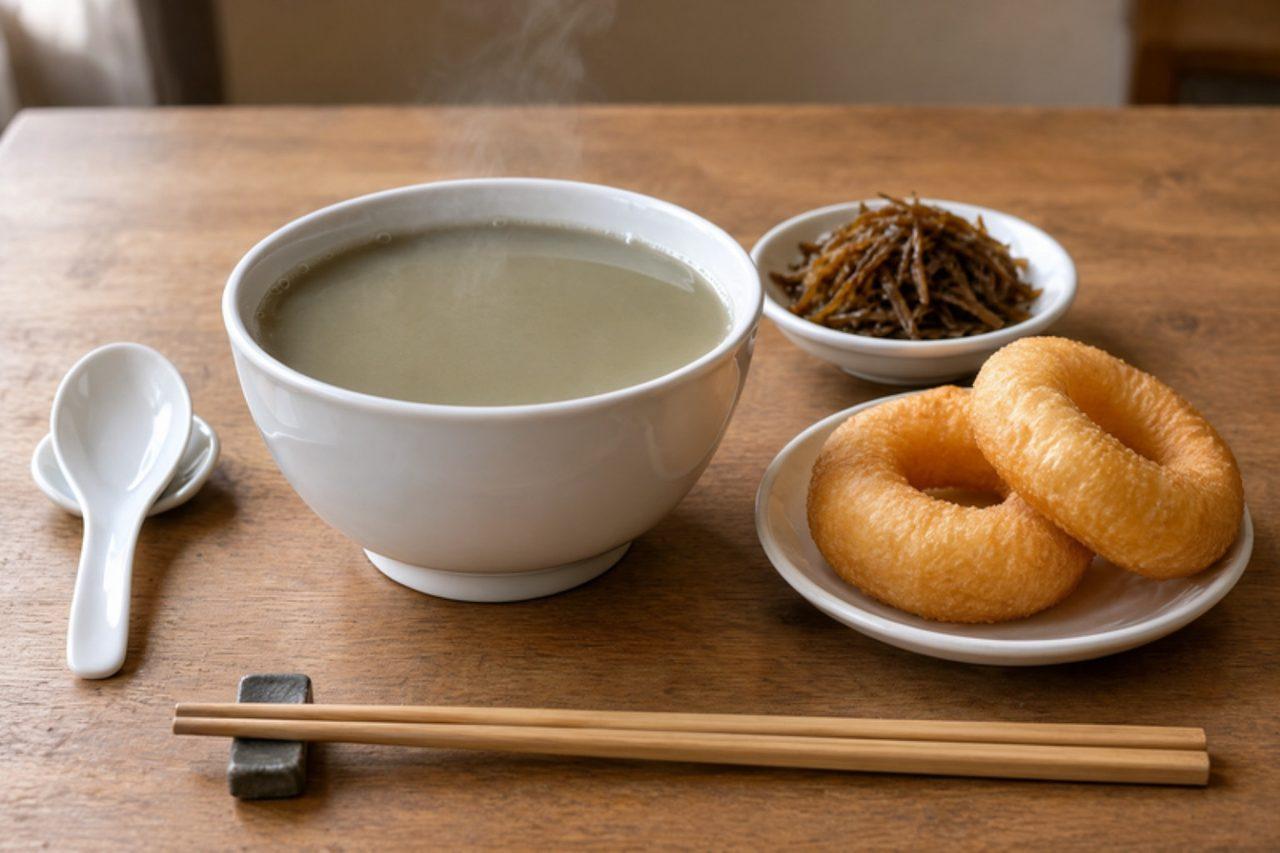
Douzhi is the breakfast that divides Beijing. It is the sour liquid left over when mung beans are ground and their starch settles out to make noodles and jelly; left to ferment for a day or two, the grey-green whey turns tangy, a little cheesy and sulphurous. Old Beijingers drink it piping hot at dawn in hutong shops around Qianmen and Huguosi, with a dish of finely shredded salty pickle dressed in chilli oil and crisp fried dough rings (jiaoquan) from the bakery. First-timers often say it smells like stale socks; regulars say it tastes like home. The texture is thin and slightly creamy, the flavour sour, a little bitter and savoury. The common mistake is boiling the soured starch hard: it separates into grey water and sludge. Bring it up slowly, stirring, and take it off as soon as it froths. The ferment makes only a trace of alcohol, well under 1%. Ferment at 20–25 °C; normal signs are fine bubbles, a sour, yogurt-like smell and a grey colour. Discard it if you see fuzzy mould, pink or black patches, a slimy texture or a putrid smell. Chef's tip: save 100 ml of a good batch to start the next one, as Beijing workshops do.

by KrazyBadal 0 views

Kafae boran (old-style Thai coffee)

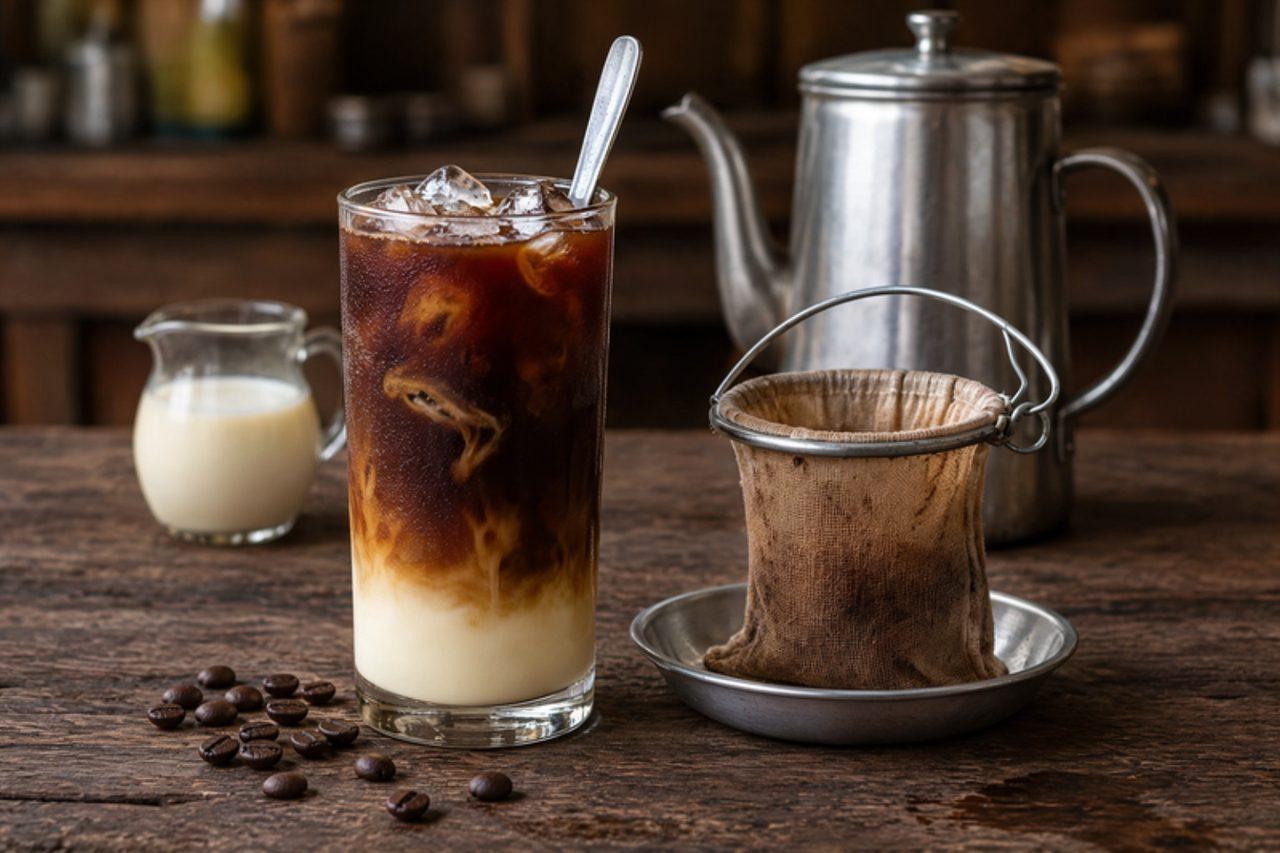
Before espresso bars reached Bangkok, coffee in Thailand meant kafae boran from Hainanese-Chinese shophouses and market carts: a dark robusta roast mixed with toasted grains, poured through a long cotton sock called a tung tom and stirred into thick sweetened condensed milk. Uncles still order it hot at 6 am with patongko dough sticks, and in the afternoon heat the same brew is poured over crushed ice and topped with evaporated milk as oliang or kafae yen. The taste is strong, roasty and slightly smoky, sweet and creamy, with a faint caramel-cereal edge from the grains; the iced version is silky and cold. The common mistake is brewing it like filter coffee with too little grounds: once milk and ice go in, it tastes thin. Use plenty, steep it in the sock and pour it through twice. The brew is ready when it is opaque, nearly black and leaves a brown film on a white spoon. It is high in caffeine, so not one for children or late evenings. Chef's tip: rinse the cloth sock in hot water only, never soap, and keep it in a jar of clean water in the fridge between uses so the coffee oils season it.

10 minThaiDrinksGluten free
by KrazyBadal 0 views

TsagaaSweet rice with raisins and curd

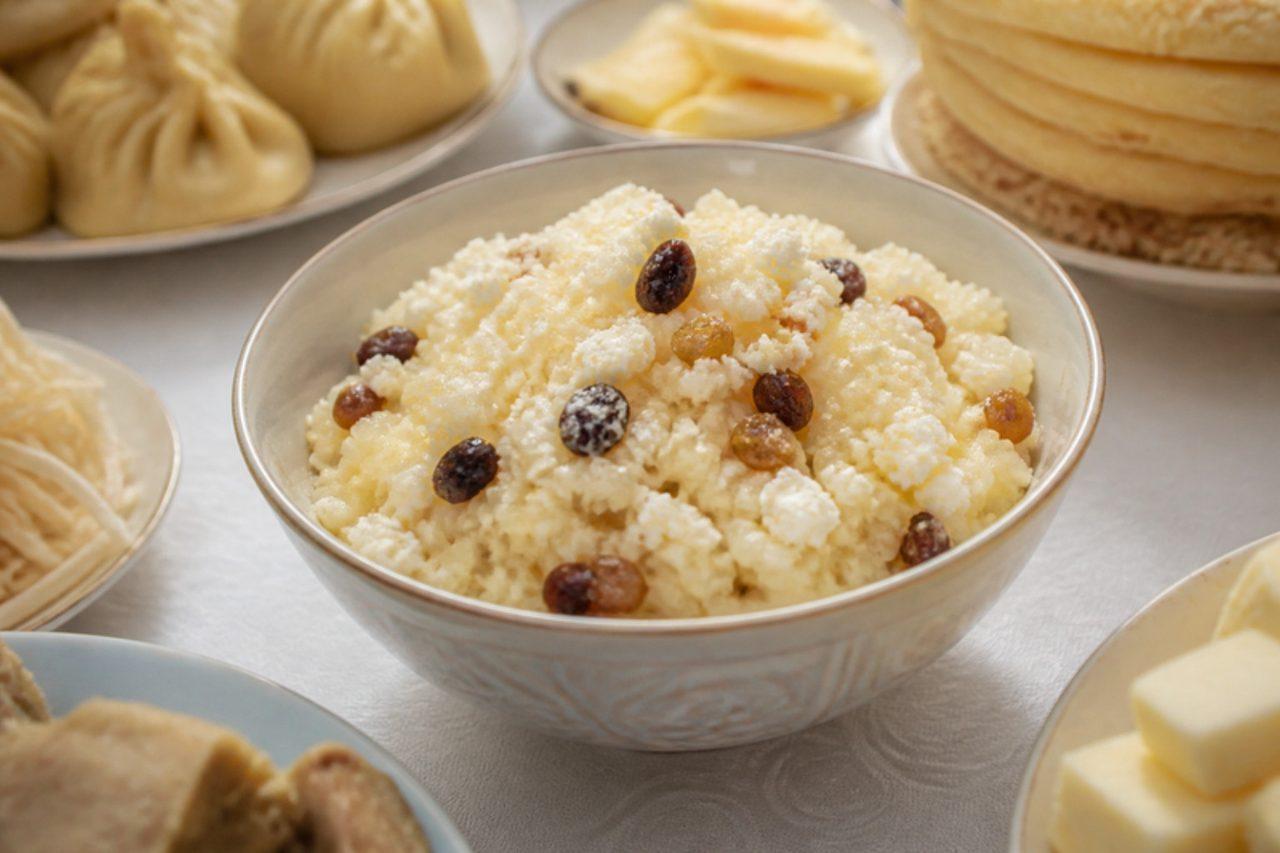
Tsagaa is a sweet, buttery rice dish served during Tsagaan Sar, the Mongolian Lunar New Year, when white foods (tsagaan idee) stand for purity and a good year ahead. Rice is cooked soft, then mixed with butter, sugar, raisins and crumbled aaruul or fresh curd, and served in small bowls to guests during the round of family visits. A common mistake is using long-grain rice, which won't turn creamy; use short-grain. Chef's tip: soak the raisins in hot water first so they're plump and juicy.

by KrazyBadal 0 views

Thambili (king coconut water)

All along Sri Lanka's roads, from Galle Road in Colombo to the highways into Kandy and the beaches of the south coast, vendors stack bright orange king coconuts in pyramids under umbrellas. The thambili is a variety grown on the island for drinking: smaller than a green coconut and sweeter, with a faint saltiness that makes it more refreshing than any bottled drink. It is drunk any time of day in the heat, after a long bus ride, after a cricket match, and given to people recovering from a fever because it is gentle on the stomach. The water is clear, lightly sweet and nutty, and the soft jelly inside is eaten with a spoon made from a slice of the husk. The common mistake is hacking at the side of the nut; the blade glances off and the water spills. Trim the pointed top with downward strokes until a pale circle shows, then pierce it. It is ready to drink when a small hole opens straight into the water without husk fibres. Outside Sri Lanka, young green or Thai coconuts are the nearest substitute. Chef's tip: chill the coconuts for a few hours before opening; the water tastes sweeter cold, and use a heavy knife and a towel, keeping fingers well clear.

by KrazyBadal 0 views

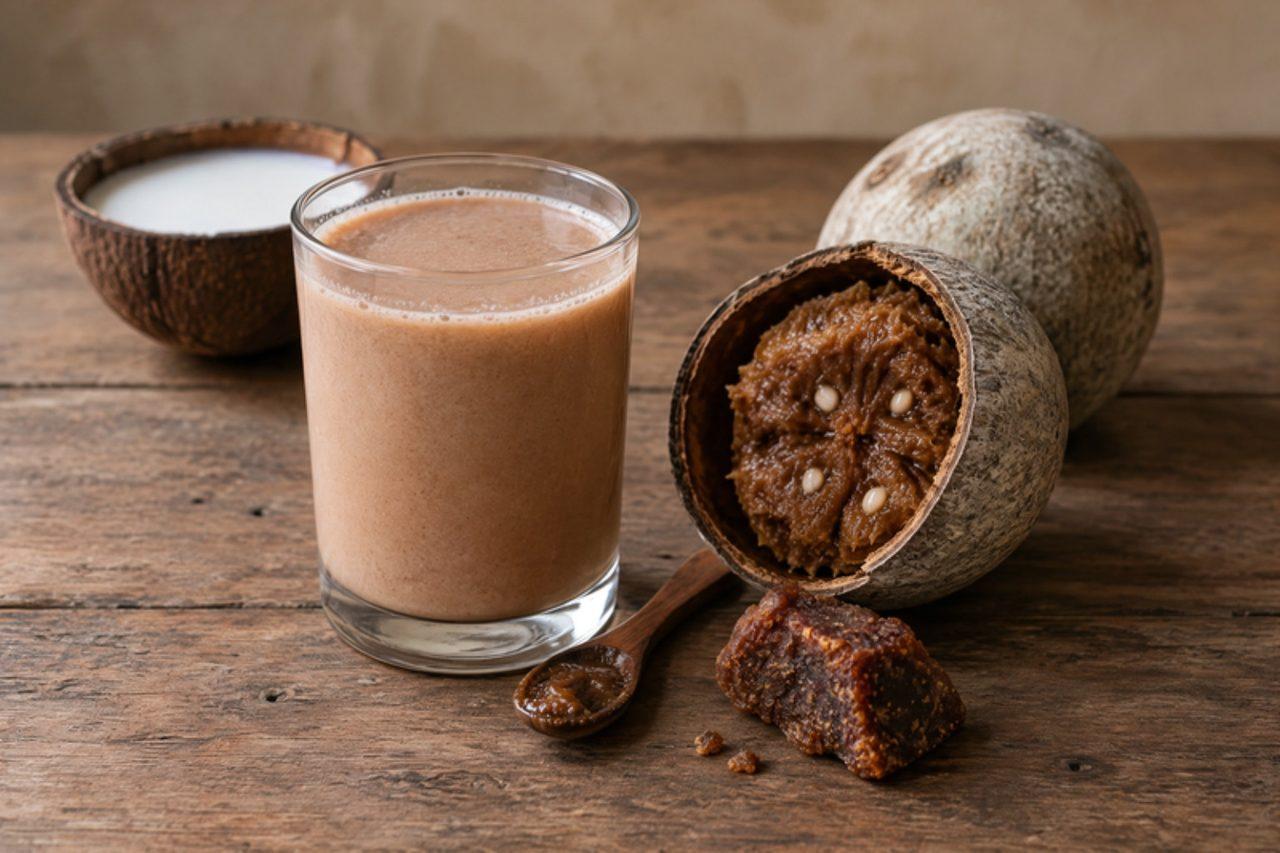
Divul kiri (wood apple drink)

In Sri Lanka's dry zone, around Anuradhapura, Polonnaruwa and down towards Hambantota, wood apple trees fruit through the hot months, and roadside sellers crack the hard grey shells open for you. Divul kiri, wood apple with coconut milk, is what families blend at home in the afternoon heat or offer guests during the Sinhala and Tamil New Year season in April. The pulp is brown, sticky and full of seeds, with a sour, funky smell that turns fruity once it meets creamy coconut milk and dark jaggery. The drink is thick and smooth, tangy-sweet and a little smoky. The common mistake is blending the seeds in: they break and make the drink gritty and bitter. Squeeze the pulp by hand and strain out every seed before blending. It is ready when it is thick enough to coat a glass, pale caramel-brown and tastes clearly sour under the sweetness. Outside Sri Lanka, look for frozen or tinned wood apple pulp in South Asian shops; there is no true substitute, though tamarind pulp with a few soft dates gives a similar sweet-sour idea. Chef's tip: pick a fruit that sounds hollow when tapped and smells strongly when cracked; it is fully ripe.

by KrazyBadal 0 views

Beli mal (bael flower tea)

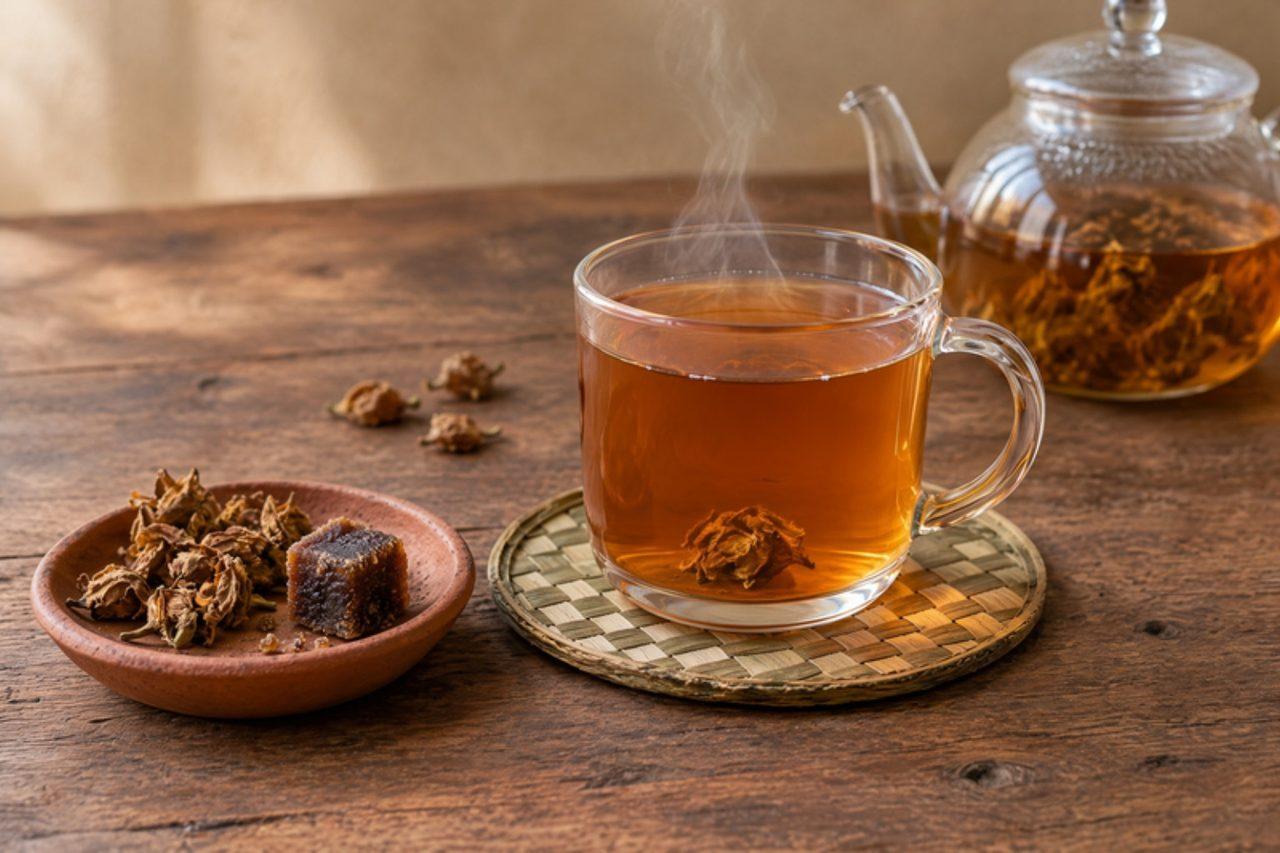
Beli mal is the herbal tea almost every Sri Lankan grandmother keeps in a tin. The small white flowers of the bael tree, the sacred tree found around temples and village gardens, are dried in the sun and brewed into a fragrant, amber drink that tastes softly floral, slightly fruity and a little bitter, a bit like a lighter chamomile. It is drunk in the morning or in the evening instead of black tea, offered at almsgivings and alongside kevum and kokis at Avurudu, and is traditionally taken after rich food to help digestion. Coriander seeds and a slice of ginger are a common addition at home. The custom is to sip it hot with a small piece of kithul jaggery held in the mouth, or stirred in. The common mistake is boiling the flowers fast for a long time: the tea turns dark and unpleasantly bitter. Simmer gently for a few minutes and then let it steep off the heat. It is ready when the tea is clear amber and smells sweet and flowery. It is caffeine-free, but bael may lower blood sugar, so check with a doctor if you take diabetes medication or are pregnant. Chef's tip: buy flowers that look pale cream; dark brown, crumbly ones are old.

by KrazyBadal 0 views

Sharbat-e bidmeshk (willow blossom sherbet)

Kashan and the villages of Qamsar and Niasar are famous for distilling flowers in spring: rose water in May, and before that araq-e bidmeshk, the distillate of the fuzzy catkins of the musk willow. In summer, when the desert heat settles over the old houses, the same bottles go into sharbat-e bidmeshk, a pale syrup diluted with icy water and served to guests in tall glasses, sometimes with swollen basil seeds. It is traditionally drunk to calm the nerves and cool the body. The taste is delicate, sweet and haunting, somewhere between honeysuckle, musk and fresh hay. The common mistake is adding the distillate to hot syrup; the heat drives the scent away within minutes, so cool the syrup completely first. The syrup is ready when it is clear and pours like thin honey, and the finished sherbet should smell floral the moment you lift the glass. Look for the distillate in Iranian shops; there is no true substitute, though rose water with a few drops of orange-blossom water makes a pleasant but different drink. Chef's tip: a squeeze of lemon in the syrup stops it crystallising in the fridge, where it keeps for a month.

by KrazyBadal 0 views

Kådon pikaChicken in coconut milk with chilli

Kådon pika is a fiery Chamorro chicken stew from Guam, cooked for family dinners and fiestas: chicken is simmered with soy sauce, vinegar, garlic and onion, then finished in coconut milk with plenty of hot donne' peppers. It shares roots with Filipino adobo but the coconut milk and heat make it its own. Serve with red rice. A common mistake is boiling the coconut milk hard; it can split and go oily. Chef's tip: let the vinegar boil for a minute uncovered before adding the coconut milk, which mellows its sharpness.

by KrazyBadal 0 views

Showing 63 of 7,762 recipes

Show more recipes

Page 92 of 863