


Skip to content
Risgrynsgröt
Featured recipe

Risgrynsgröt

Christmas rice porridge

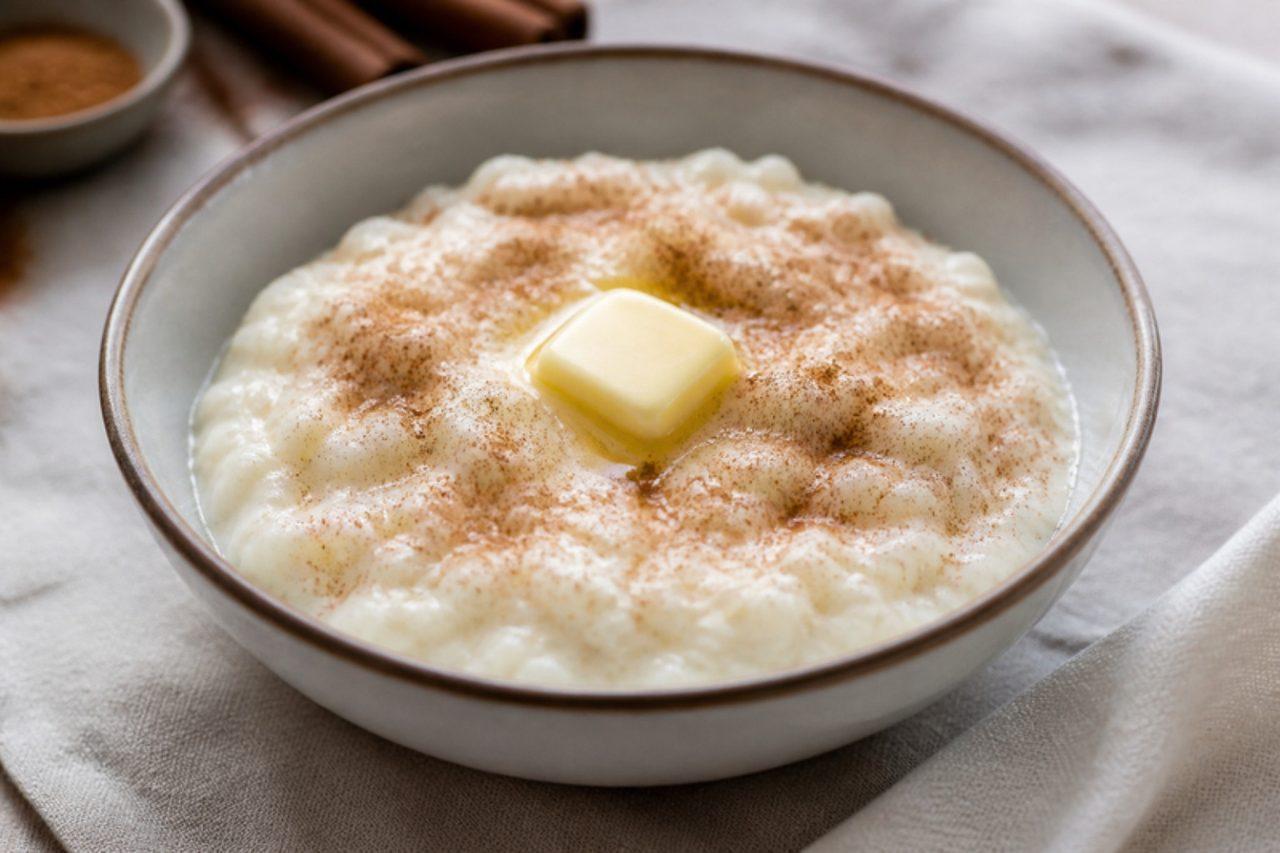
Risgrynsgröt is the creamy rice porridge Swedes eat on Christmas Eve, either at breakfast or after the julbord, with cinnamon, sugar and cold milk; one whole almond is hidden in the pot, and whoever finds it will marry in the coming year, or simply gets a prize. Leftovers become ris à la Malta with whipped cream and oranges. A common mistake is cooking it on a high heat, which scorches the milk. Chef's tip: start the rice in water to soften, then add the milk and let it cook very gently, with a cinnamon stick, until thick and creamy.

Read more 0 views

What to eat today?

Around the world

Today's trip: Persian

A new country every day, from every cuisine on the site.

Persian

Ash-e shalgham

Turnip and rice soup 65 minMore from Persian (131) →

This week's collection

Kid-friendly dinners
537 recipes · a new collection every Monday

Latest recipes

HilachasShredded beef in tomato sauce

The name means 'threads', and that is how the beef should look: pulled into fine strands and simmered with potato and carrot in a brick-red sauce of tomato, tomatillo and dried guajillo chilli. Hilachas is everyday food in Guatemala City, served at lunch counters with white rice and tortillas, and it is a thrifty way to stretch a piece of flank. Rushing the first simmer is the classic mistake: if the beef doesn't fall apart easily, it shreds into chewy chunks instead of threads. Chef's tip: shred the meat along the grain with two forks while it is still warm; cold beef tears unevenly.

by KrazyBadal 0 views
Hiyashi tomatoChilled tomato

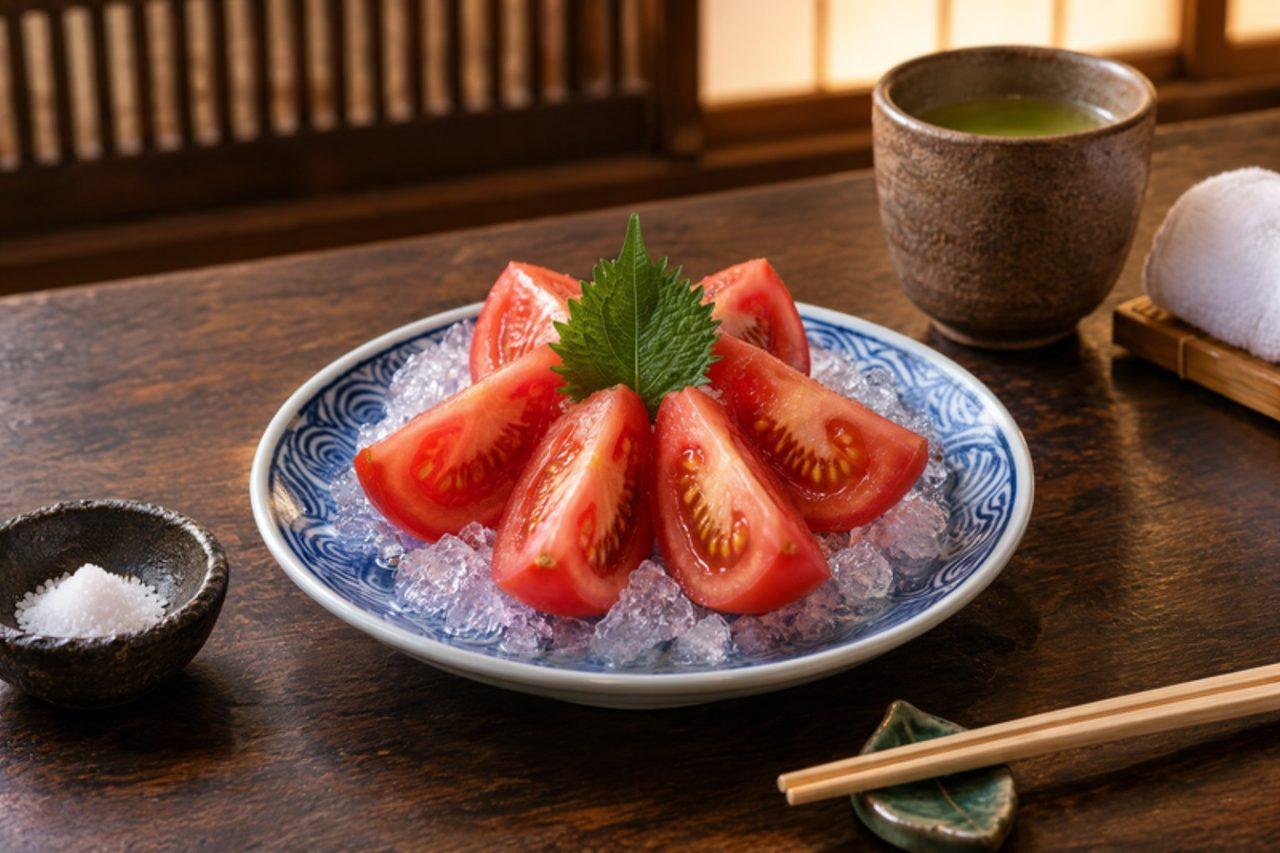
Hiyashi tomato is the simplest thing on any Japanese izakaya menu in July and August: ripe tomatoes, chilled until icy, cut into wedges and served on a small plate, sometimes on crushed ice, to cool down a hot evening in Tokyo or Osaka. Many bars sprinkle salt; this home version leaves it out and offers a few drops of rice vinegar and toasted sesame oil instead, so the tomato's own sweetness and acidity do the work. About 0.0 g added salt; roughly 0.03 g per portion occurs naturally in the tomato. The usual mistake is using hard, pale supermarket tomatoes: this dish is only as good as the fruit, so buy deep red ones that smell of tomato at the stalk. Chef's tip: chill the plate as well as the tomatoes, so the wedges stay cold to the last bite.

by KrazyBadal 0 views

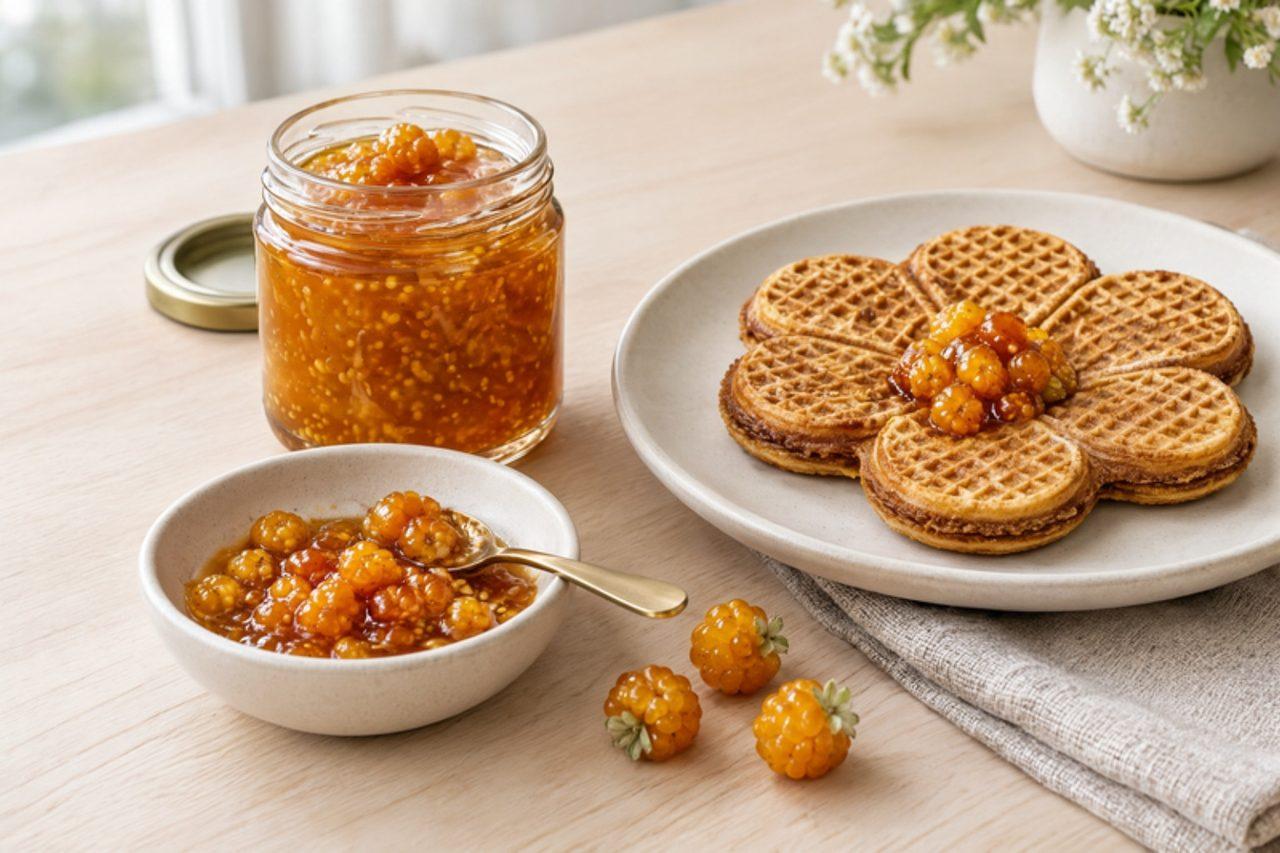
HjortronsyltCloudberry jam

Cloudberries grow one berry to a stem on the bogs of Norrbotten, Lapland and northern Finland, and families guard their picking spots for generations. They ripen for barely two weeks in late July and August, turning from hard red to soft, honey-gold, and almost all of the harvest goes into hjortronsylt. It is a treasure kept for special days: warmed over vanilla ice cream, spooned onto Swedish waffles on Våffeldagen, served with warm leipäjuusto, Finland's squeaky baked cheese, and set out with cream on the Christmas table. The jam is loose and bright, tasting of apricot, sour apple and honey, with crunchy seeds. Unlike most jams it is cooked very briefly, so the delicate flavour survives. Common mistake: boiling it like strawberry jam; long cooking turns cloudberries brown and dull, so stop after a few minutes. It is ready when the sugar has dissolved and the berries look glossy and just collapsed. Chef's tip: frozen cloudberries from Nordic shops work perfectly; for a smoother jam, press half the berries through a sieve to remove seeds, as many Finnish cooks do.

by KrazyBadal 0 views

HoenderpasteiChicken pie

Church bazaars from Paarl to Graaff-Reinet sell hoenderpastei by the slab, and a family-sized dish turns up at Christmas lunch and funerals alike. Under its puff pastry lid sits shredded chicken in a pale, silky sauce scented with allspice, cloves and a little nutmeg, with slices of boiled egg tucked through it. Sago is the old trick here: soaked and cooked in the stock, the little pearls swell into a glossy thickener that sets as the pie cools, so slices hold their shape. Serve it with geelrys, buttered green beans and a sharp beetroot salad. Chef's tip: let the filling cool before the pastry goes on; a hot filling melts the butter in the pastry and the lid bakes flat instead of rising into flaky layers.

by KrazyBadal 0 views

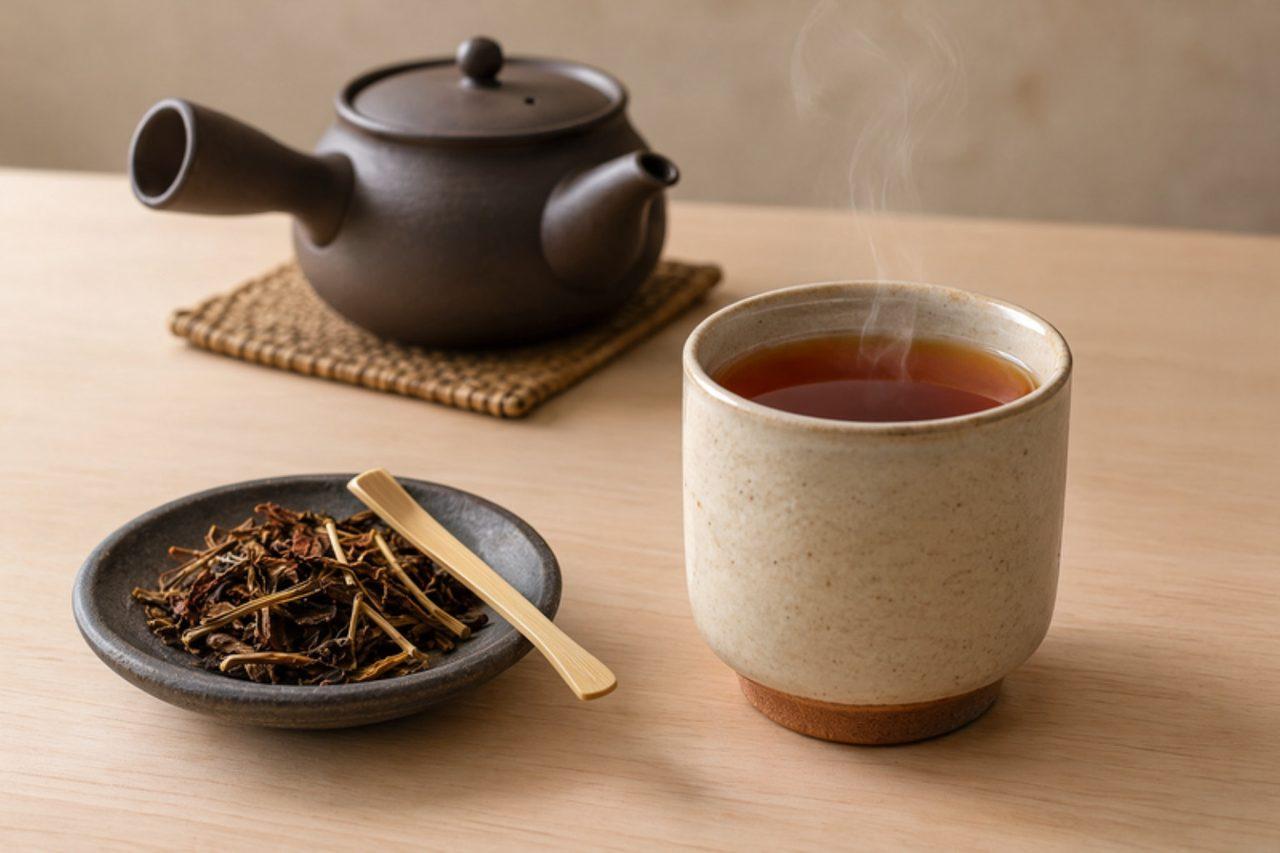
HojichaRoasted green tea

Hojicha was born in Kyoto in the 1920s, when tea merchants started roasting the coarse late-season bancha leaves and stems over charcoal to sell what would not keep. Today the smell of tea roasting in a shop doorway is part of walking down Teramachi or past the Nishiki market. Roasting drives off much of the caffeine and all the grassy bitterness, so hojicha is the pot that comes out after an evening meal, with rice crackers, or for children and older relatives who avoid stronger tea. The cup is reddish brown, smells of caramel and roasted nuts, and tastes soft and slightly sweet with almost no astringency. Unlike sencha, it likes really hot water and a very short steep. The common mistake is treating it like black tea and leaving the leaves in for several minutes, which makes it flat and woody; 30 seconds is enough for the first pour, and the leaves give a good second pot. It is ready when the liquor is clear russet and the steam smells of toasted sugar. Chef's tip: if your packet has lost its perfume, warm the leaves in a dry pan for 30 seconds until they smoke very faintly before brewing.

by KrazyBadal 0 views

Ipoh white coffee

Ipoh's old town kopitiams, with their marble tables and morning crowds queueing for kai si hor fun and egg tarts, gave Malaysia its 'white coffee'. The name comes not from milk but from the roast: beans are roasted with palm-oil margarine, lighter than the dark, sugar-roasted kopi of the rest of the country, then brewed and served with condensed milk. It is smoother and less bitter than ordinary kopi, nutty and buttery, pale caramel in the cup, drunk hot at breakfast or iced in the afternoon heat. At home, buy ground Ipoh-style white coffee from an Asian grocer; you cannot easily reproduce the margarine roast in a kitchen. The common mistake is brewing it like espresso: forced extraction makes it bitter and kills the soft, toasty flavour. Steep it in a cloth sock or a coffee filter with water just off the boil. It is ready when the brew is reddish-brown and clear, not inky. This is a strong coffee with real caffeine, not for children. Chef's tip: warm the cups with hot water first; white coffee cools fast and loses its aroma.

by KrazyBadal 0 views

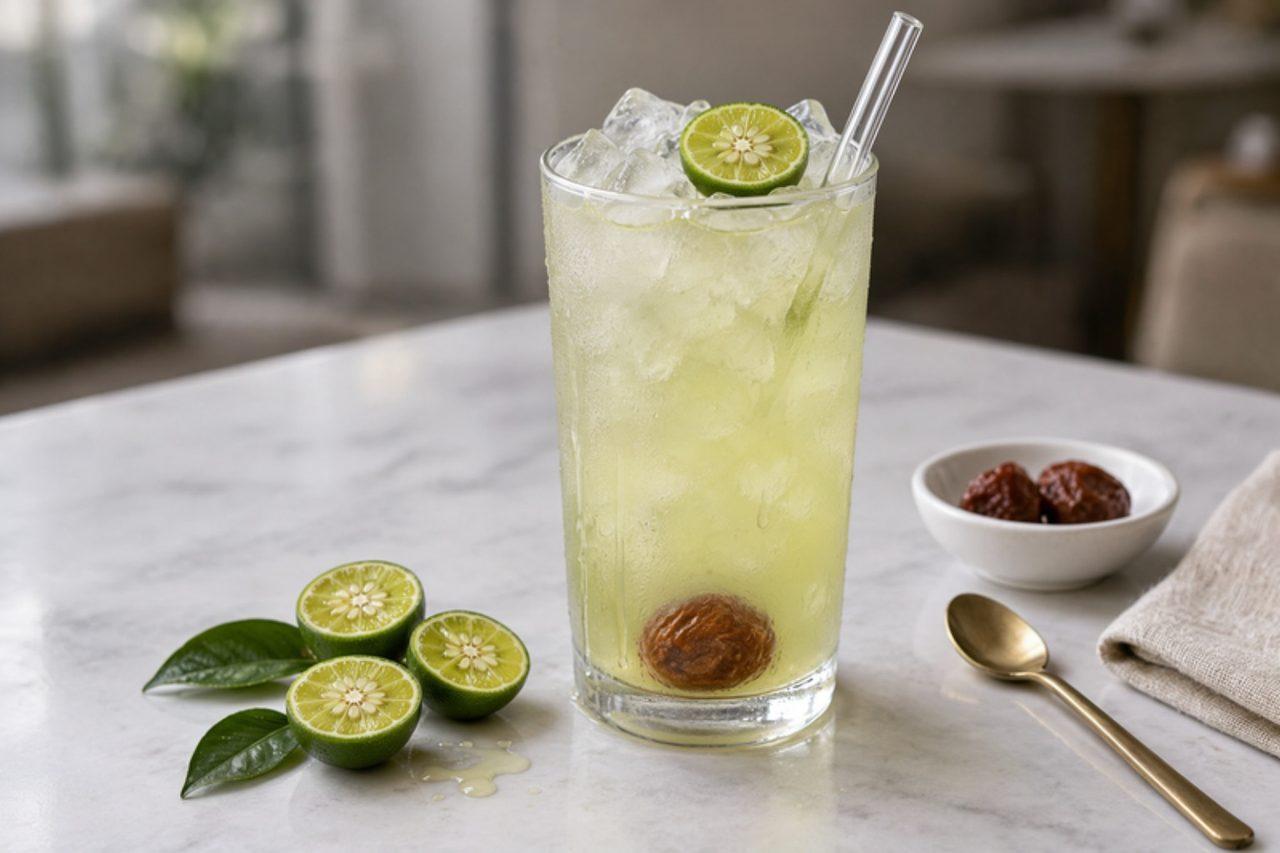
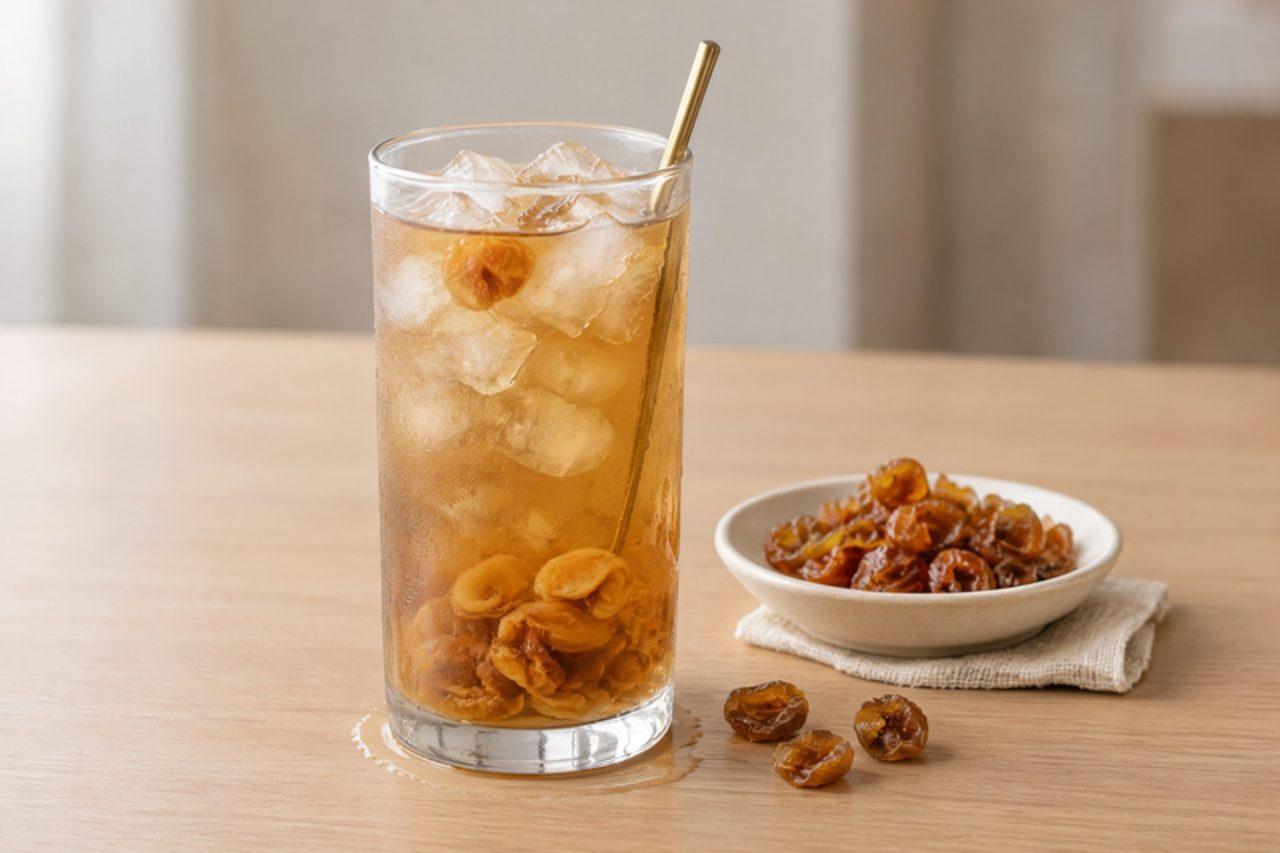
Limau asam boi (lime with sour plum)

Order 'limau ais asam boi' at a kopitiam in Penang or a hawker centre in Kuala Lumpur at the hottest part of the afternoon and it arrives in a tall, sweating glass: freshly squeezed calamansi or small green limes, a little syrup, ice and one wrinkled, salted dried plum. The plum slowly leaches salt and fruity sourness into the drink, so every sip changes, starting bright and sweet and ending salty and tangy; you squash the plum with your straw halfway through for a stronger hit. It goes with char kway teow, nasi lemak or anything fried. The usual mistake is using bottled lime juice, which tastes flat and bitter against the plum. Squeeze fresh limes, and add the syrup gradually because asam boi is already salty-sweet. It is ready when the glass is frosted and the plum has started to plump up. Asam boi is sold in jars in Chinese and Southeast Asian groceries; Japanese umeboshi is saltier but works if you halve the amount. Chef's tip: make the lime-syrup base ahead and keep it cold, then pour over fresh ice only when you serve.

by KrazyBadal 0 views

Pasta e cavolfiorePasta with cauliflower

Pasta e cavolfiore belongs to the family of thick Neapolitan 'pasta e…' dishes eaten at home on Fridays and cold weekdays, when a single cauliflower and a handful of mixed pasta ends have to feed the family. The cauliflower is softened with garlic, a little tomato and chilli, then the pasta is cooked right in it with small additions of hot water until the whole pot is creamy and the cauliflower has partly melted into the sauce. Finish with pecorino and black pepper. The usual mistake is cooking the cauliflower in big florets, which never break down; cut it small so some of it becomes the sauce. Chef's tip: let it rest for two minutes off the heat after the cheese goes in; it thickens into the proper 'azzeccata' texture that holds a fork upright.

by KrazyBadal 0 views

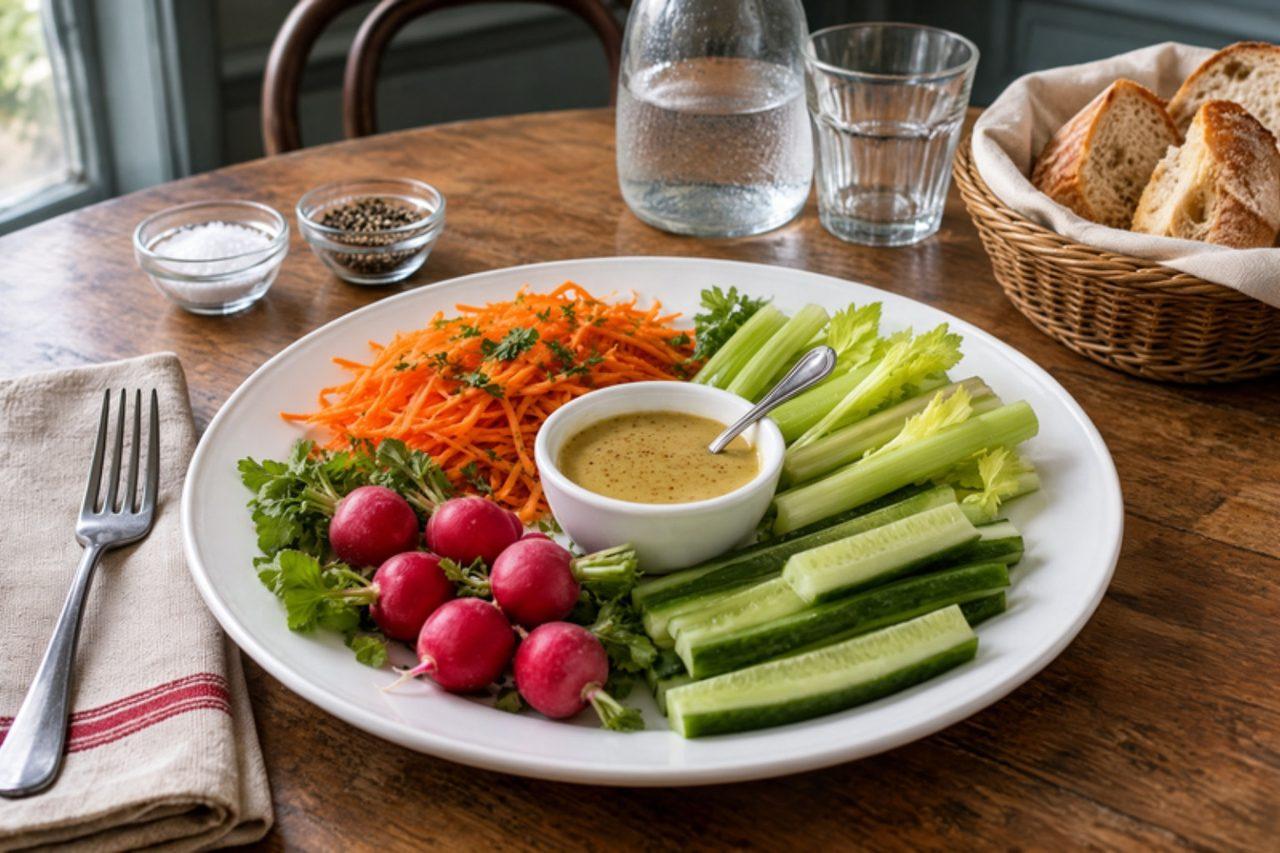
Crudités

Crudités are how a French family lunch, a Paris bistro menu or a school canteen meal often begins: a plate of raw vegetables, each prepared on its own: grated carrot with lemon, crunchy radishes, cucumber slices and celery, dressed with a sharp mustardy vinaigrette. Crisp, cold vegetables taste so lively that very little salt is needed; with the small amount of mustard in the dressing this plate has about 0.3 g salt per portion. The usual mistake is dressing everything together in advance, which turns it watery and limp; dress each vegetable just before serving. Chef's tip: grate the carrots on the fine side of the grater and toss them with lemon first; they soften slightly and taste sweeter, the way French grandmothers make carottes râpées.

by KrazyBadal 0 views

Kefir

Kefir is the sour, lightly fizzy fermented milk that families across Russia, Georgia and the North Caucasus drink plain from a glass at breakfast, as an evening snack or alongside a meal, and also use in pancakes and cold soups. It is made by leaving milk with kefir grains, a living culture of yeasts and bacteria, at room temperature for a day until it thickens. Nothing is added: no salt and no sugar. About 0.25 g salt per 250 ml glass, all from the milk itself. Always use pasteurised milk. The usual mistake is leaving it too long, until it separates into curds and whey; check after 18 hours and stop when it is just thick and pourable. Chef's tip: a second ferment of 6 hours in the fridge in a closed bottle makes it smoother and a little fizzier.

1445 minRussianDrinksGluten free
by KrazyBadal 0 views

Mugicha (roasted barley tea)

From the rainy season in June until the cicadas fall quiet in September, almost every Japanese household keeps a tall jug of mugicha in the fridge. It is poured for children coming in from summer club practice, for grandparents after an afternoon nap, and alongside cold sōmen at lunch, because it carries no caffeine and can be drunk all day. Whole barley grains roasted until deep brown give a cup that tastes of toast, a little of coffee and a little of popcorn, with a clean, dry finish and no sweetness at all. Supermarkets sell it in tea bags, but loose roasted grains simmered in a pan make a rounder, darker brew. The usual mistake is leaving the grains in the jug or letting the hot tea sit out on the counter for hours: it turns bitter and, being a grain infusion, it sours quickly in summer heat. Strain it, cool it fast in a sink of cold water, and drink it within two days. It is ready when the liquid is a clear amber-brown and smells like freshly toasted bread. Chef's tip: dry-toast the grains for two minutes before brewing to wake up a bag that has been open a while.

by KrazyBadal 0 views

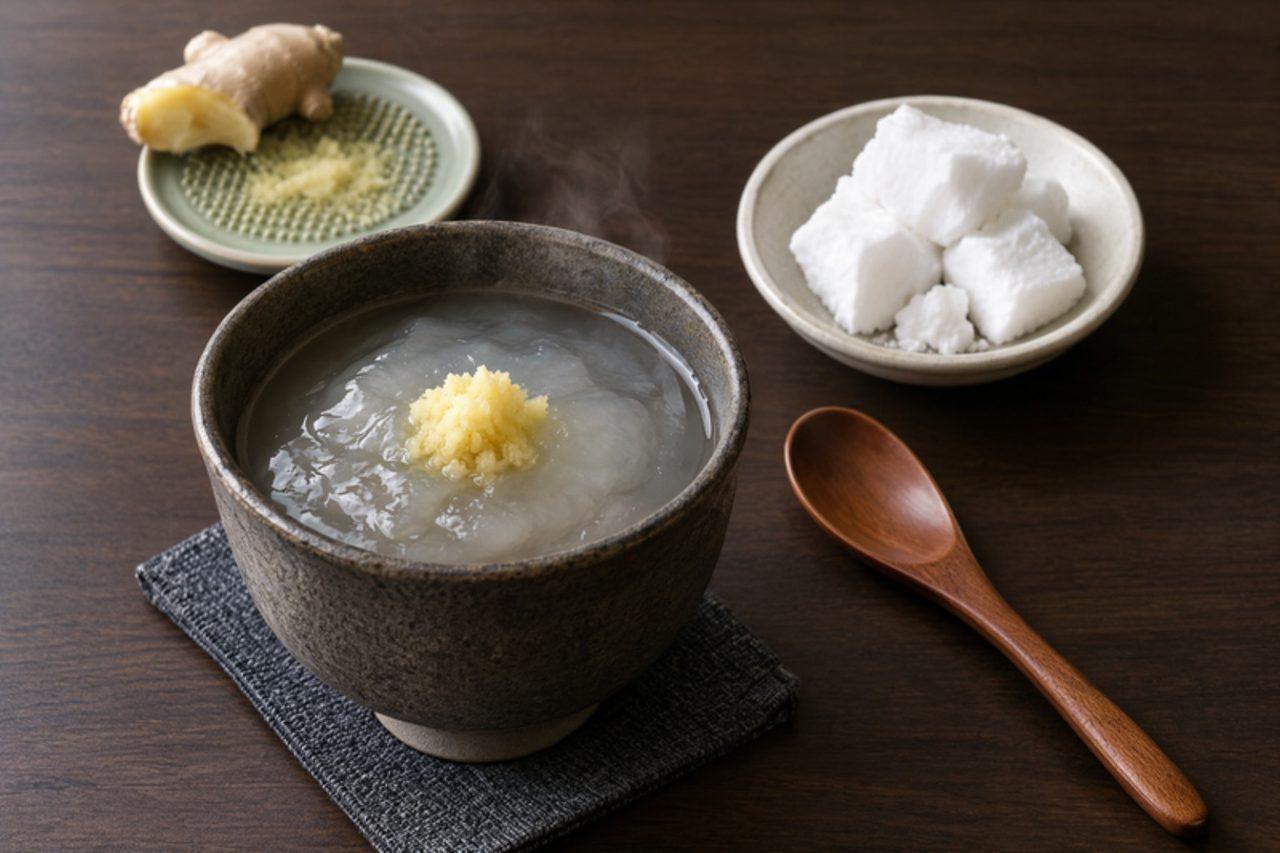
Kuzuyu (hot kudzu drink)

Kuzuyu is what Japanese mothers make when someone has a chill or an upset stomach, and what many people sip on a frosty winter evening, especially in Nara, whose Yoshino mountains have produced the finest hon-kuzu starch for centuries. Kudzu root starch is stirred into water with a little sugar and cooked until the milky liquid suddenly turns clear, glossy and gently thick, somewhere between a hot drink and a soft pudding you drink from the cup. Grated ginger warms it; some families add a spoon of matcha or a squeeze of yuzu. It tastes clean, mildly sweet and comforting, and it is traditionally given to people recovering from colds. The mistake almost everyone makes once is sprinkling kudzu into hot water, where it forms rubbery lumps at once. Always crush it and dissolve it completely in cold water first, then heat it while stirring without stopping. It is ready when there are no white streaks left, the drink is translucent and it coats the back of a spoon. Chef's tip: real hon-kuzu comes in chalky lumps; crush them with the back of a spoon in the cold water and they dissolve in seconds.

by KrazyBadal 0 views

Maesil-cha (green plum tea)

In early June the hillsides of Gwangyang are picked clean of hard green maesil, and Korean kitchens across the country fill with jars of plums buried in sugar. Over about a hundred days the sugar draws out the fruit's juice and becomes maesil-cheong, a golden syrup that is both a cooking ingredient and a drink. Iced, it is the summer cooler; hot, it is traditionally drunk after a heavy meal for digestion. It tastes bright and tart, like green apple and apricot, rounded by the sugar. The common mistake is putting damp plums or plums with stalks into the jar: water and stalk ends invite mould and unwanted fermentation. Pick out each stalk with a toothpick and dry the fruit completely. The syrup is ready when the plums have shrivelled and float in clear amber liquid. A little foaming early on is normal, but if it smells strongly of alcohol, grows fuzzy mould or turns slimy, discard it. Remove the plums at 100 days, because their stones contain natural compounds best kept out of a long-stored syrup. Chef's tip: use half white and half light brown sugar for a rounder, toffee-edged syrup.

by KrazyBadal 0 views

Moreton Bay bugsSlipper lobster with garlic butter

Moreton Bay bugs are the flat, shovel-nosed slipper lobsters caught off the Queensland coast around Brisbane and the Sunshine Coast, and for Queenslanders they are a summer treat, split and grilled at the beach house. The tail meat is sweet and rich, somewhere between lobster and prawn. Buy them raw, frozen or fresh, from a fishmonger and ask them to halve them if you like. A common mistake is overcooking, which makes the meat rubbery; it is ready the moment it turns white. Chef's tip: grill flesh side down first to mark it, then turn and baste in the shell.

by KrazyBadal 2 views

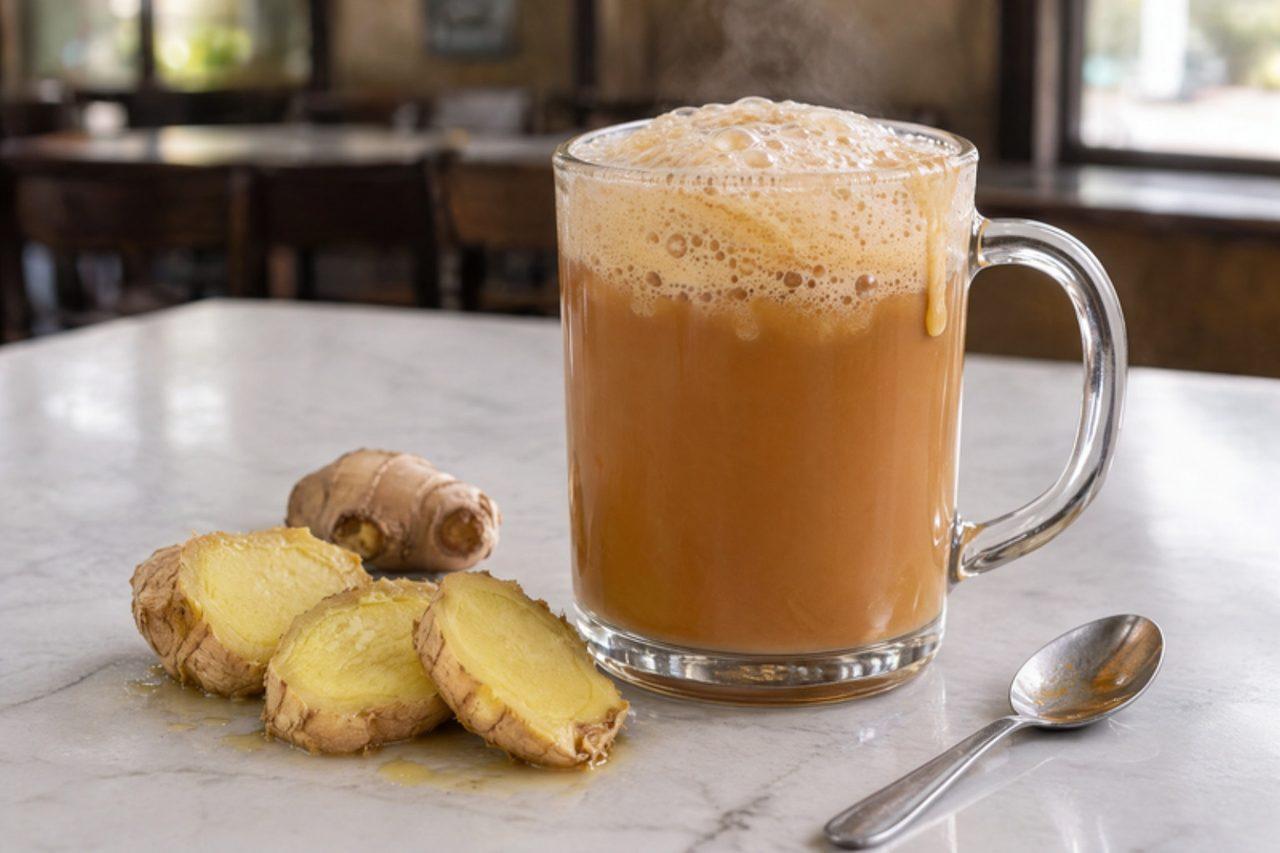
Teh halia (ginger milk tea)

Sit down at any mamak stall in Kuala Lumpur, Penang or Johor Bahru, from breakfast roti canai to the after-football supper at 1 a.m., and someone at the table will order teh halia. It is teh tarik's spicier cousin: dust-fine black tea is boiled with plenty of crushed ginger, mixed with condensed and evaporated milk, then 'pulled' between two mugs from arm's length until a thick froth forms. The result is sweet, creamy and malty, with a ginger heat that catches your throat, most loved on wet monsoon evenings. The common mistake is adding ginger to tea at the end; it then tastes raw and thin. Boil the ginger in the water first for several minutes so the heat goes into the liquid. It is ready when the tea is the colour of milky caramel and a dense froth a few centimetres high sits on top. This contains caffeine, so it is not for children. Chef's tip: practise pulling with water over the sink first, then start low and raise the mug slowly as you pour.

by KrazyBadal 0 views

Chai nabat (saffron rock candy tea)

Pilgrims leaving Mashhad carry home boxes of saffron nabat, crystals of rock candy grown on a string and tinted gold with Khorasani saffron. Across Iran a glass of chai nabat is what you are handed when you feel unwell, after a shock, after an exam, or late at night when the evening meal sits heavy; it is traditionally drunk to settle the stomach and warm you up. The tea is brewed strong in a teapot that sits on top of the kettle, then poured clear and amber into small glasses, and the nabat stick is stirred until it softens the tea with a gentle, honeyed sweetness and a faint saffron aroma. Black tea has a moderate amount of caffeine, so give children a weaker glass. A common mistake is boiling the leaves or letting them steep on direct heat, which turns the tea bitter and murky; Persian tea is "dam" — brewed gently on steam. It is ready when the leaves have sunk, the tea is clear and reddish-amber and it smells of bergamot or cardamom. Chef's tip: hold the glass up to the light; if you can't see through it, top it up with hot water, as Iranians do.

by KrazyBadal 0 views

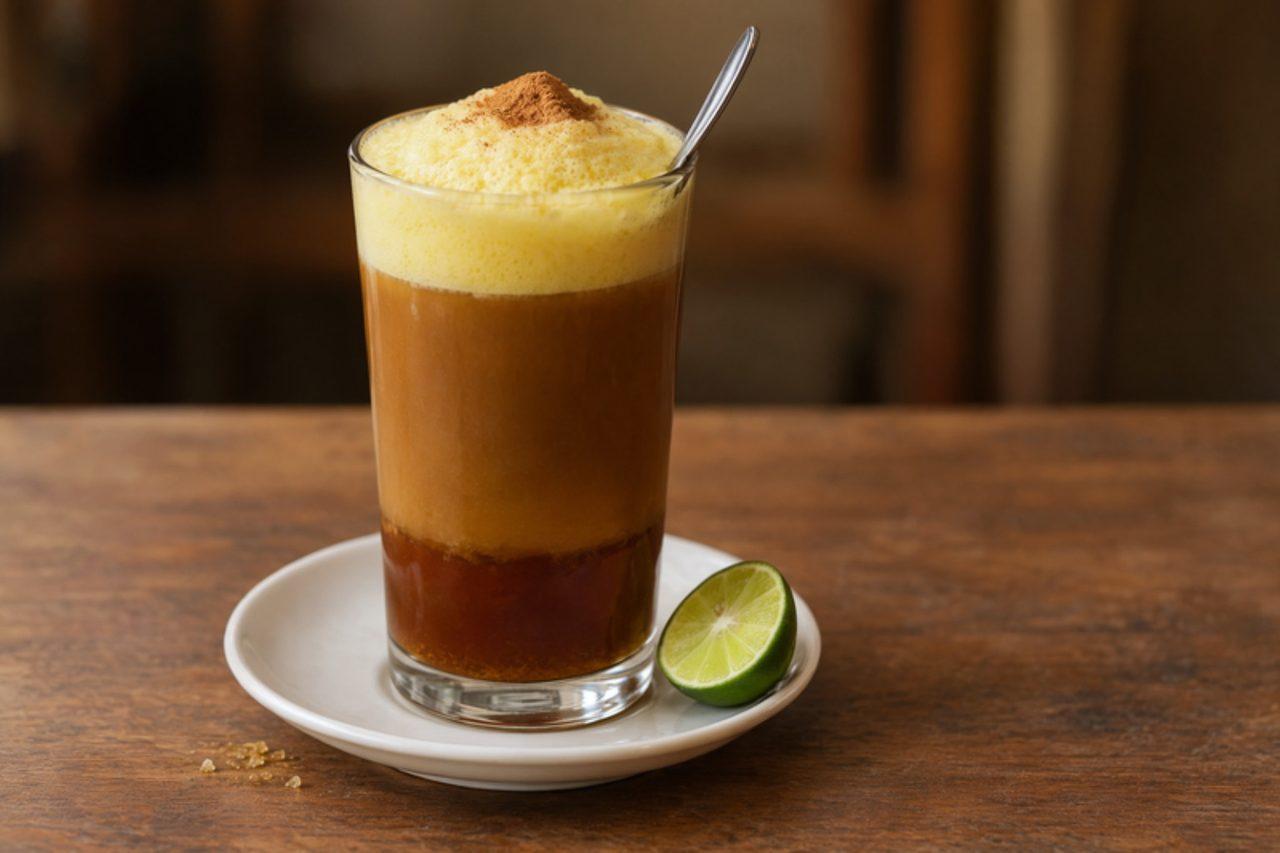
Teh talua (egg tea)

In the lapau coffee shops of Bukittinggi, Payakumbuh and Padang, the sound of a spoon or a small whisk clattering against a glass means someone has ordered teh talua. A raw egg yolk, traditionally from a free-range kampung hen or a duck, is whisked with sugar until thick and almost white, strong hot tea is poured on from a height, and a wedge of lime goes on the side. Minangkabau men drink it in the late afternoon or evening as a pick-me-up after work in the fields. It comes out with a creamy, caramel-coloured body under a deep layer of foam, rich like a light custard, with the lime cutting any eggy edge. The common mistake is whisking too little: the yolk stays yellow, the tea curdles it in strings and it smells of egg. Beat until the yolk has doubled in volume and falls in a thick ribbon. Use pasteurised eggs for anyone pregnant, babies and small children, older people or anyone unwell, as the yolk is only lightly warmed. Some lapau add condensed milk; this one is dairy-free. It contains caffeine. Chef's tip: pour the tea in a thin stream from high up while still stirring, to build the tallest foam.

by KrazyBadal 0 views

Patacón maracuchoPlantain sandwich

In Maracaibo, the patacón is a sandwich where the bread is a whole green plantain, sliced lengthwise, fried, smashed flat and fried again until crisp. It's stacked with grilled meat, salty white cheese, lettuce, tomato and a flood of sauces, and sold from busy street stands late into the night. This version fills it with garlicky chicken. The common mistake is flattening the plantain after it has cooled, so it cracks. Chef's tip: press it between two sheets of baking paper with a heavy board while it is still hot from the first fry.

by KrazyBadal 0 views

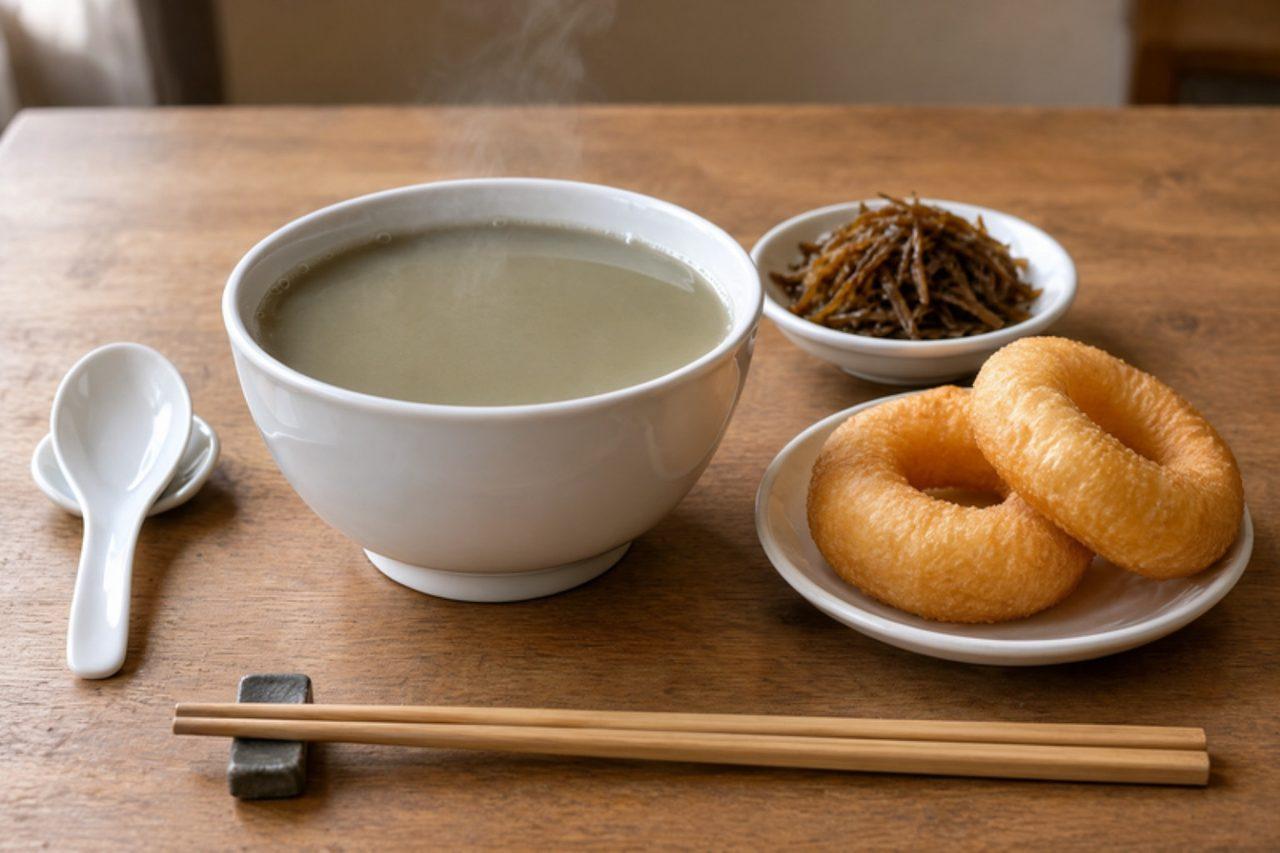
Douzhi (fermented mung bean drink)

Douzhi is the breakfast that divides Beijing. It is the sour liquid left over when mung beans are ground and their starch settles out to make noodles and jelly; left to ferment for a day or two, the grey-green whey turns tangy, a little cheesy and sulphurous. Old Beijingers drink it piping hot at dawn in hutong shops around Qianmen and Huguosi, with a dish of finely shredded salty pickle dressed in chilli oil and crisp fried dough rings (jiaoquan) from the bakery. First-timers often say it smells like stale socks; regulars say it tastes like home. The texture is thin and slightly creamy, the flavour sour, a little bitter and savoury. The common mistake is boiling the soured starch hard: it separates into grey water and sludge. Bring it up slowly, stirring, and take it off as soon as it froths. The ferment makes only a trace of alcohol, well under 1%. Ferment at 20–25 °C; normal signs are fine bubbles, a sour, yogurt-like smell and a grey colour. Discard it if you see fuzzy mould, pink or black patches, a slimy texture or a putrid smell. Chef's tip: save 100 ml of a good batch to start the next one, as Beijing workshops do.

by KrazyBadal 0 views

Nam lamyai (longan drink)

Longan orchards cover the valleys of Chiang Mai and Lamphun, and every August the harvest is smoked and dried in big brick ovens so the fruit lasts all year. That dried lamyai is the base of nam lamyai, sold in plastic bags with a straw at Warorot Market, at roadside stalls on the way to Doi Suthep and in school canteens across the north, especially in the hot season from March to May. It tastes like toffee and smoked honey with a light floral note, and each glass comes with a few plump, chewy longans at the bottom to fish out. The common mistake is boiling the fruit too long with all the sugar at the start: the drink turns syrupy and the longans go mushy. Simmer the fruit first, sweeten at the end and taste before adding everything. It is ready when the liquid is clear amber-brown, the longans have swollen back to roughly their fresh size and the kitchen smells of caramel. It keeps 4 days in a closed jug in the fridge. Chef's tip: a tiny pinch of salt is the street-vendor trick that makes the sweetness taste rounder and brings out the smoky edge.

30 minThaiDrinksVeganGluten free
by KrazyBadal 0 views

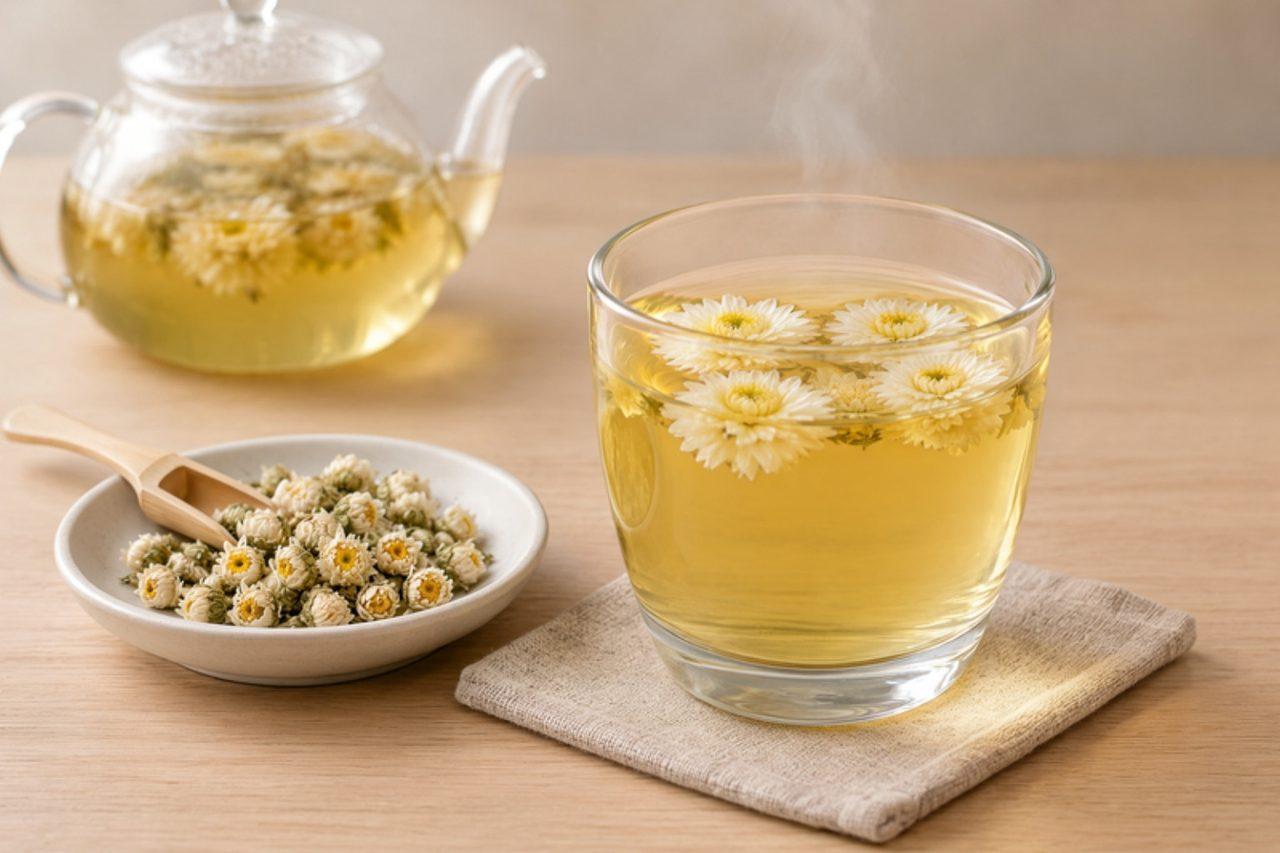
Juhua cha (chrysanthemum tea)

The small white hangbaiju flowers grown around Tongxiang, near Hangzhou, are picked in November, steamed and dried, and they end up in teapots all over China. Families brew them after a rich dinner, through the dry autumn, and iced in summer; dim sum houses in the south offer them as a caffeine-free choice, often mixed with pu-erh. The tea is pale gold, lightly floral with a faint bitterness like chamomile, softened by a little rock sugar and a few goji berries that turn plump and red in the pot. The common mistake is pouring boiling water straight onto the flowers and leaving them for twenty minutes; the tea turns brownish and bitter. Water just off the boil, around 90 °C, and a short steep keep it clear and sweet. It is ready when the flowers have opened like little daisies, the colour is light amber and the smell is honey-like. You can top up the pot two or three times. If you are allergic to ragweed, daisies or marigolds, try a small cup first or skip it, as chrysanthemum belongs to the same family. Chef's tip: for iced juhua cha, brew it double strength and pour it straight over a glass full of ice so it does not taste watery.

by KrazyBadal 0 views

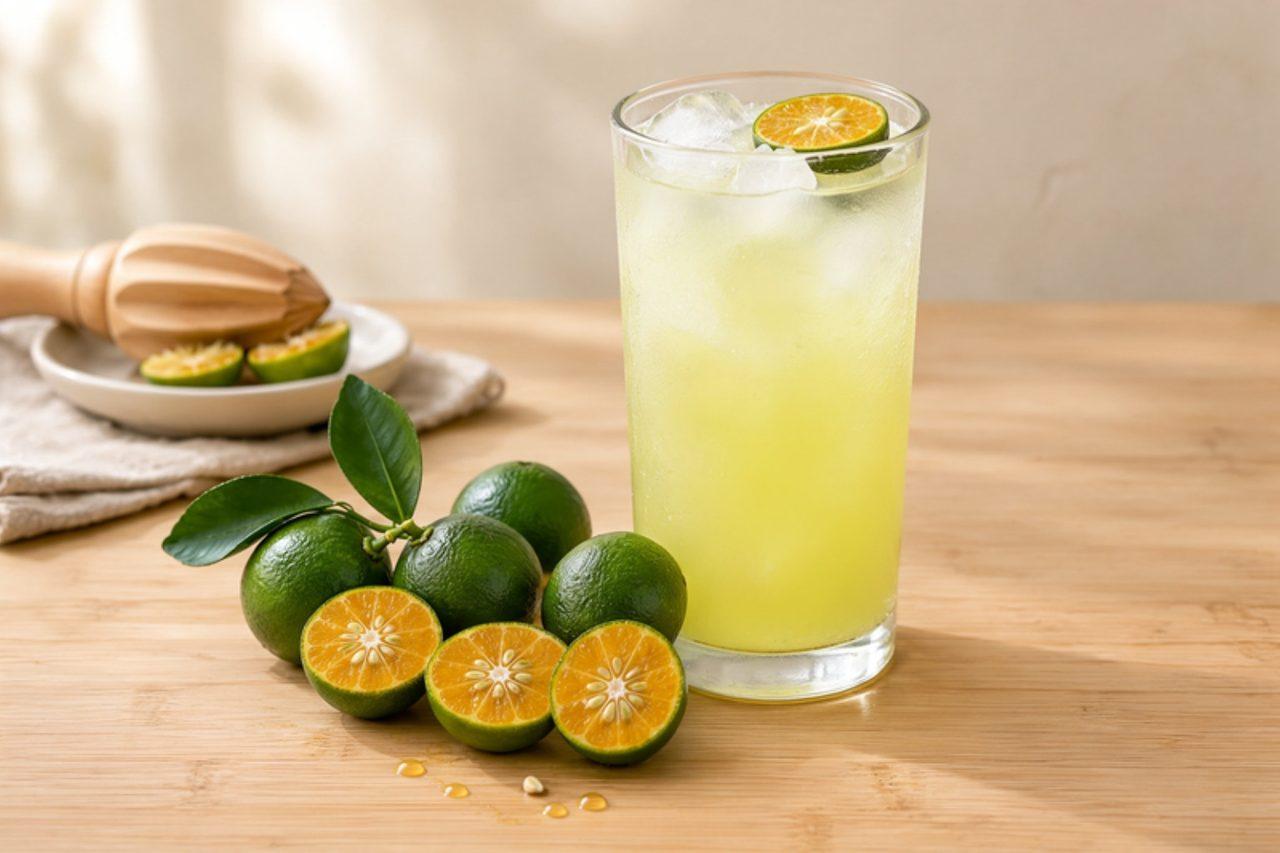
Calamansi juice

Every Filipino household seems to have a calamansi bush or a bag of the little green fruit in the fridge, from Manila condos to farmhouses in Mindoro, the island that grows most of them. At lunch in the dry season the juice comes out iced in a big pitcher; in the rainy months, when everyone has a cough, a lola stirs the same juice into hot water with a little sugar or honey and hands it over at bedtime. It tastes like a lime crossed with a mandarin: sharp, floral and slightly bitter at the edges, with a pale green-gold colour. The usual mistake is squeezing the fruit hard and letting the seeds and pith fall in, which turns the juice bitter within minutes; halve each fruit across, squeeze gently over a small strainer and stop before the peel folds. It is ready when the sugar has fully dissolved, the juice tastes bright rather than harsh and a cold glass fogs on the outside. Chef's tip: dissolve the sugar in a little warm water first, as it never melts properly in iced juice.

by KrazyBadal 0 views

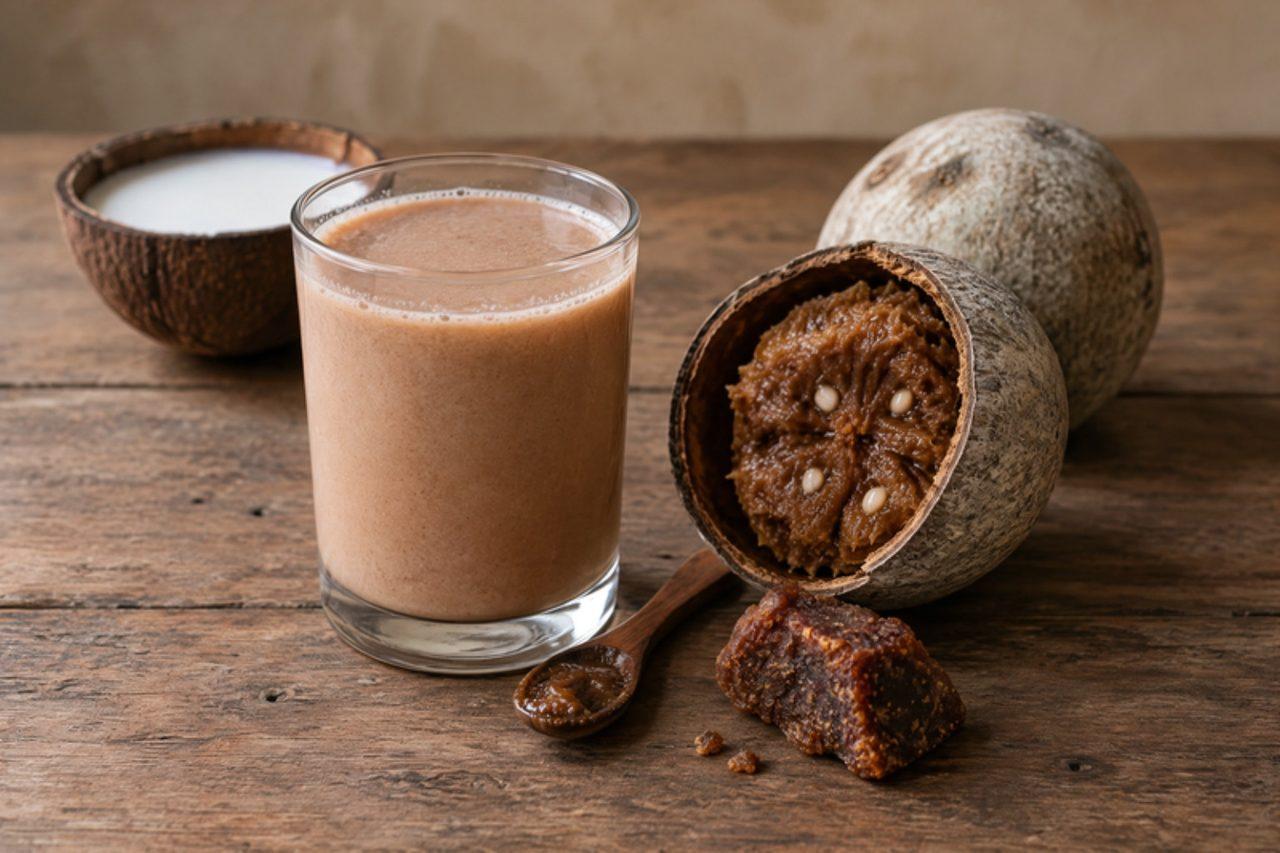
Divul kiri (wood apple drink)

In Sri Lanka's dry zone, around Anuradhapura, Polonnaruwa and down towards Hambantota, wood apple trees fruit through the hot months, and roadside sellers crack the hard grey shells open for you. Divul kiri, wood apple with coconut milk, is what families blend at home in the afternoon heat or offer guests during the Sinhala and Tamil New Year season in April. The pulp is brown, sticky and full of seeds, with a sour, funky smell that turns fruity once it meets creamy coconut milk and dark jaggery. The drink is thick and smooth, tangy-sweet and a little smoky. The common mistake is blending the seeds in: they break and make the drink gritty and bitter. Squeeze the pulp by hand and strain out every seed before blending. It is ready when it is thick enough to coat a glass, pale caramel-brown and tastes clearly sour under the sweetness. Outside Sri Lanka, look for frozen or tinned wood apple pulp in South Asian shops; there is no true substitute, though tamarind pulp with a few soft dates gives a similar sweet-sour idea. Chef's tip: pick a fruit that sounds hollow when tapped and smells strongly when cracked; it is fully ripe.

by KrazyBadal 0 views

Melon juice (cantaloupe drink)

Afternoon merienda across the Philippines means something cold from a plastic cooler at the school gate, a jeepney stop or a carinderia: sago't gulaman, buko juice or this melon drink, with ribbons of orange cantaloupe suspended in sweet water. Vendors scrape the melon with a special spiral shredder, a kayod ng melon, so you get thin strands to chew through a fat straw. It tastes fresh, sweet and gently musky, more refreshing than a smoothie because the water stays clear and light; some stalls add evaporated milk, but the plain version is the classic. The common mistake is using a melon that is not fully ripe, which gives pale, crunchy strands and a flat drink; choose one that smells sweet at the stem end and gives slightly when pressed there. Shred straight into the jug so the juice from the melon is not lost. It is ready when the strands are soft and floating, the water has turned faintly orange and it tastes of melon rather than plain syrup. Chef's tip: a box grater's coarse side or a fork scraped along the flesh both work if you don't own a melon shredder.

by KrazyBadal 0 views

Lahpet yay (Burmese milk tea)

Yangon runs on lahpet yay. From before dawn, crowded teashops set out tiny plastic stools on the pavement, and the tea comes with mohinga, palata or a plate of samusa; people linger again at four in the afternoon to talk. The tea is a dark, very strong brew of cheap black leaf that has been boiled and kept hot in a kettle, mixed in the cup with condensed milk and evaporated milk. Regulars order in code: cho seint is sweet and creamy, kya seint is strong and less sweet, pawsein is the standard. It should be thick, silky, sweet, faintly smoky and bitter underneath. The common mistake is brewing it like ordinary tea: it ends up thin and the condensed milk just tastes of sugar. Boil the leaves hard and then let them stand so the liquor is almost black; the bitterness is needed to stand up to the milk. It is ready when the tea poured from height into the cup has a light froth and the colour of milk chocolate. It is strongly caffeinated, so not one for children or late evenings. Chef's tip: pour the finished tea between two jugs a few times to cool it slightly and give it the teashop froth.

by KrazyBadal 0 views

Sharbat-e rivas (rhubarb sherbet)

For a few weeks in spring, after Nowruz, sellers come down from the Alborz foothills, the mountains of Khorasan and Kurdistan with bundles of rivas, the thick-stalked wild rhubarb. People peel and eat the stalks raw with salt, cook them into khoresh, and boil the rest into syrup to keep the taste of the season into summer. Sharbat-e rivas is pink, sharp and refreshing, like sour cherry and green apple together, softened by sugar and lifted by mint. The common mistake is boiling the rhubarb hard and pressing it through the sieve, which makes the syrup cloudy, brownish and stringy; simmer gently and let it drip on its own. Use only the stalks, never the leaves, which are poisonous. The syrup is ready when it is clear, rose-coloured and coats a spoon in a thin film; it keeps for two weeks in a clean bottle in the fridge, and should be thrown away if it fizzes, smells of alcohol or grows mould. Garden rhubarb is a good substitute for rivas; the reddest stalks give the prettiest colour. Chef's tip: a strip of lemon peel in the pot brightens the colour and stops the syrup tasting flat.

by KrazyBadal 0 views

Kådon pikaChicken in coconut milk with chilli

Kådon pika is a fiery Chamorro chicken stew from Guam, cooked for family dinners and fiestas: chicken is simmered with soy sauce, vinegar, garlic and onion, then finished in coconut milk with plenty of hot donne' peppers. It shares roots with Filipino adobo but the coconut milk and heat make it its own. Serve with red rice. A common mistake is boiling the coconut milk hard; it can split and go oily. Chef's tip: let the vinegar boil for a minute uncovered before adding the coconut milk, which mellows its sharpness.

by KrazyBadal 0 views

Showing 27 of 7,762 recipes

Show more recipes

Page 92 of 863