Skip to content

Low-calorie recipes

Lighter recipes that are still filling and full of flavour. (773 recipes)

Pescado empapeladoFish baked in paper parcel

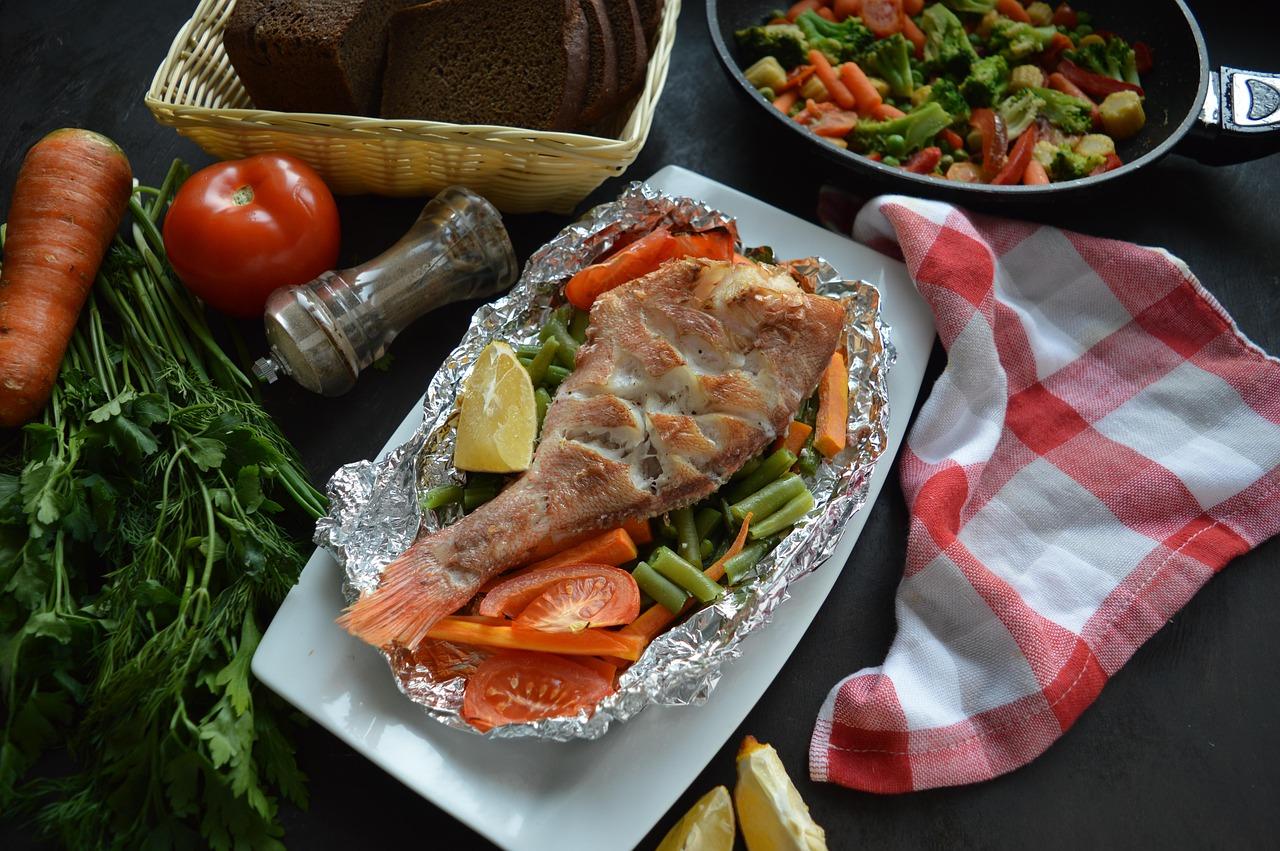
Along the Gulf coast of Veracruz, pescado empapelado is a weekday lunch and a Lenten Friday favourite: a fillet of snapper or other white fish is sealed in paper or foil with tomato, onion, peppers, olives, capers and herbs, then baked so it steams in its own juices. Each person opens their own fragrant parcel at the table. A portion gives about 32 g of protein, from the fish, for around 250 kcal. The common mistake is a loose parcel: if the edges aren't crimped tightly the steam escapes and the fish bakes dry, so fold and pinch the edges all the way round. The fish is done when it is opaque and flakes easily at the thickest point (63 °C). Chef's tip: slice the vegetables thinly and lay them under the fish as well as on top; they cook in the same 15 minutes and keep the fillet off the hot paper.

by KrazyBadal 0 views

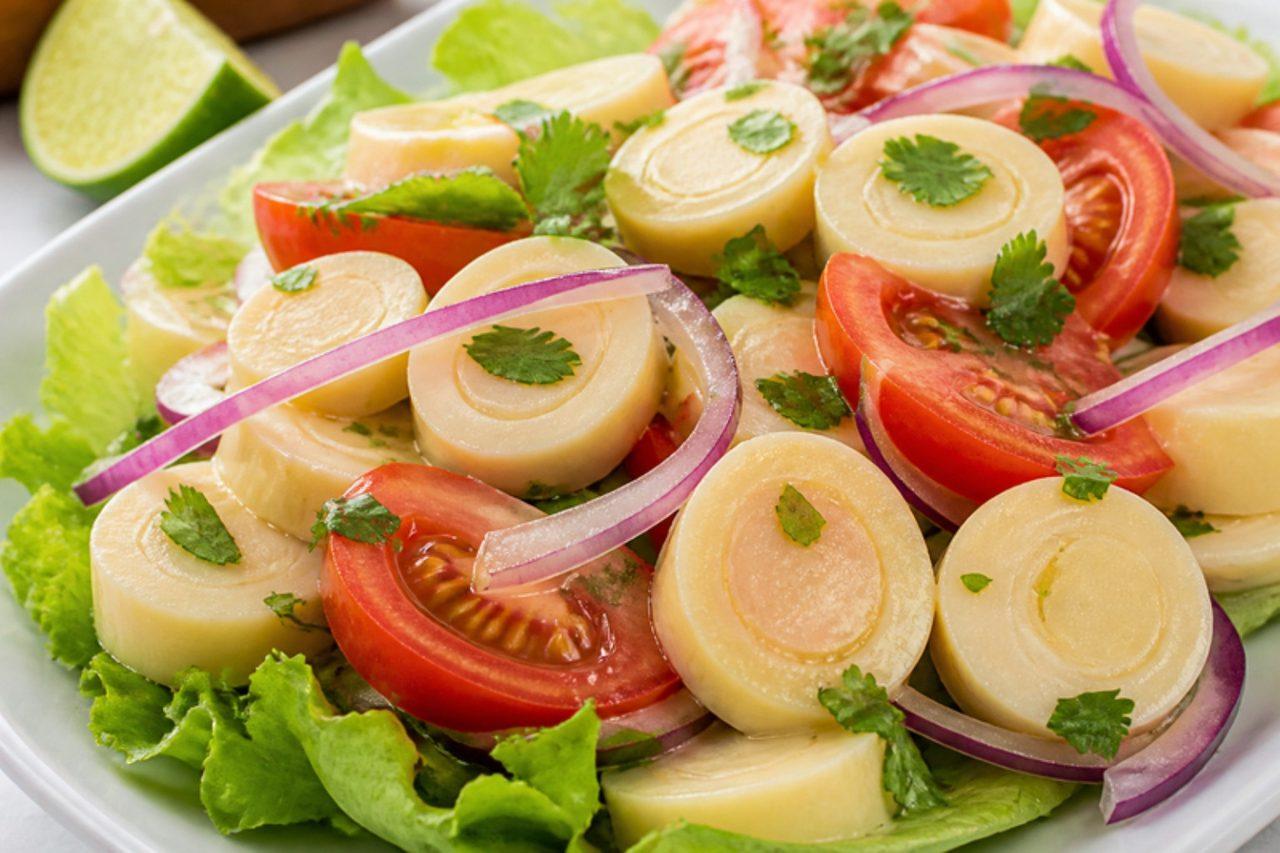
Salada de palmitoHearts of palm salad

Salada de palmito is a fixture of Brazilian lunch buffets, Christmas tables and churrasco sides from São Paulo to Goiás, prized because hearts of palm feel festive. The tender, slightly lemony palm hearts are cut into rounds and tossed with tomato, red onion, coriander or parsley and a quick lime and olive oil dressing; it is cool, soft and crunchy at once. A portion gives about 3 g of protein, so it is a side; serve it with rice and black beans for a full meal. The most common mistake is not draining and rinsing the palm hearts: the brine from the jar makes the salad taste tinny and too salty. Chef's tip: soak the sliced onion in iced water with a pinch of salt for 10 minutes; it stays crisp but loses its bite.

by KrazyBadal 0 views

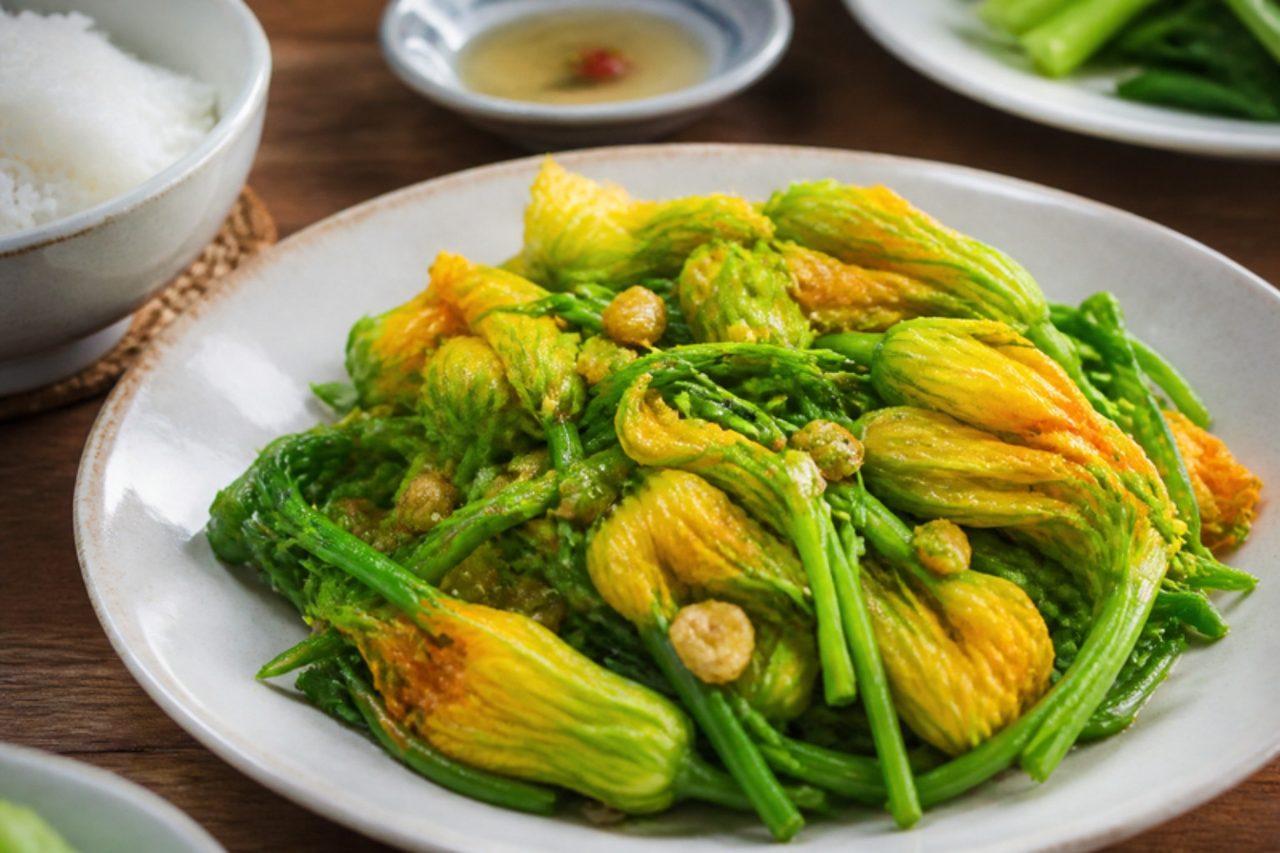
Bông bí xào tỏiGarlic stir-fried pumpkin flowers

From the Mekong Delta to the market gardens outside Hanoi, pumpkin vines are picked for their flowers and tender shoots, and bông bí xào tỏi is the everyday way to cook them: a few minutes in a hot wok with lots of garlic, served beside rice and a bowl of soup at family dinners. The flowers are soft and sweet and the shoots slightly crunchy. Some cooks add a splash of fish sauce; this version is seasoned with salt and a little soy, so it is vegan. It is a light side with about 3 g of protein per portion. The common mistake is leaving the stamens and the stringy skin on the shoots: both make the dish bitter and tough. Courgette flowers work well instead. Chef's tip: put the shoots in first and the flowers only for the last 30 seconds, so the delicate petals don't collapse into mush.

by KrazyBadal 0 views

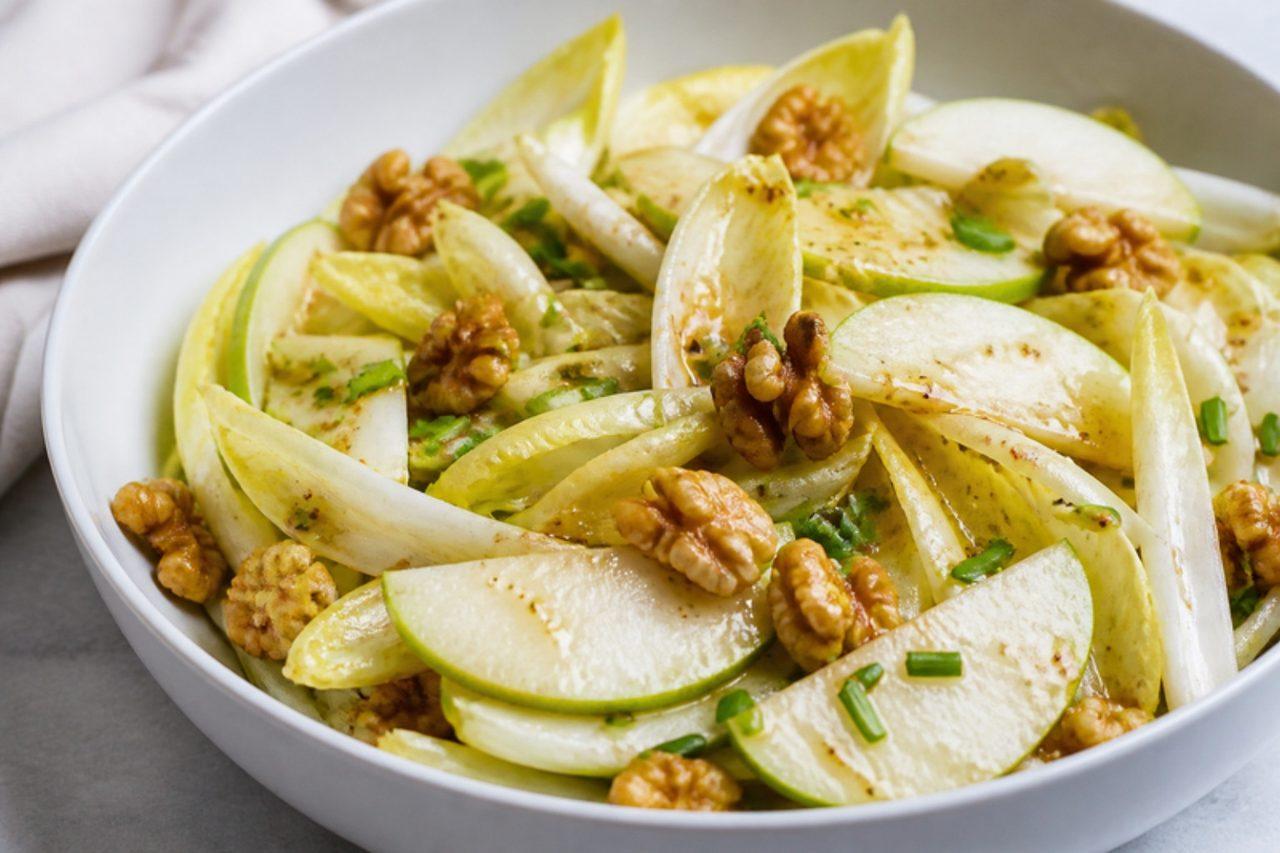
Salade d'endives aux noixChicory, walnut and apple salad

Across Picardy and the Nord, and over the border in Belgium, Belgian endive (chicory) is the winter salad, and this one appears after the main course at Sunday lunch or as a light supper from November to March. The pale, crisp leaves are cut into rings and tossed with sweet apple, toasted walnuts and a sharp mustard vinaigrette, so you get bitter, sweet and nutty in every mouthful. Many bistros add Roquefort; this version is vegan, and if you add cheese, note that Roquefort is made with animal rennet. A portion gives about 4 g of protein from the walnuts, so it is a side or starter. The most common mistake is slicing the endive too early: it browns at the cut edges, so dress it within 10 minutes of cutting. Chef's tip: cut out the small cone of core at the base of each endive; it holds most of the bitterness.

by KrazyBadal 0 views

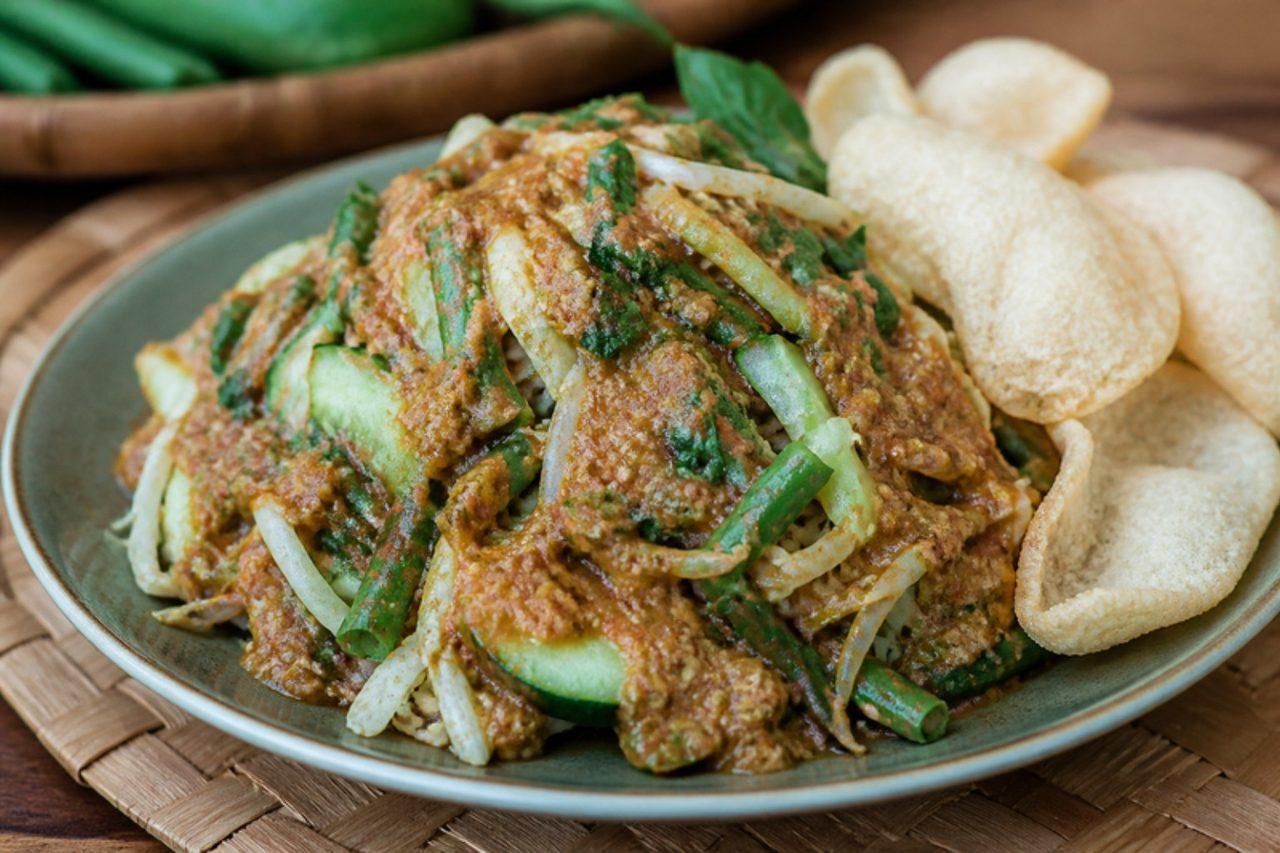
KaredokRaw vegetable salad with peanut sauce

Karedok is the raw cousin of gado-gado, sold from roadside stalls in Bandung and across West Java as a cooling lunch with rice, prawn-free crackers or rice cakes. Nothing is cooked: long beans, cucumber, cabbage, bean sprouts and Thai basil are cut small and coated in a thick peanut sauce pounded with kencur (aromatic ginger), garlic, chilli and palm sugar, so every bite is crisp, nutty and gently sweet-hot. Stall versions often add terasi (shrimp paste); this vegetarian version leaves it out and makes up the depth with a little extra kencur and lime. A portion gives about 10 g of protein, mostly from the peanuts, so it is a light side rather than a high-protein main; serve it with tempeh or tofu if you want more. The most common mistake is dressing it too early: the salt pulls water out of the cucumber and the sauce turns thin and watery. Chef's tip: grind the peanuts coarse rather than to a paste, so the sauce keeps a little crunch to match the vegetables.

by KrazyBadal 0 views

Caldo de piranhaPiranha broth

In Cuiabá and Corumbá, on the edge of the Pantanal wetlands of Mato Grosso, caldo de piranha is served in small cups in bars and at riverside festivals, and is said to restore strength (some say more). The bony little fish are simmered with tomato, onion, peppers and annatto, then the flesh is blended into the broth and strained, so it is thick, smooth and savoury. If you can't get piranha, any firm white river or lake fish such as tilapia or catfish works. A bowl gives about 24 g of protein, from the fish, for about 200 kcal. The common mistake is careless straining: piranha has many fine bones, so pass the soup through a fine sieve twice. Chef's tip: finish with a good handful of cheiro-verde, the Brazilian mix of parsley and chives, and a squeeze of lime just before serving.

by KrazyBadal 0 views

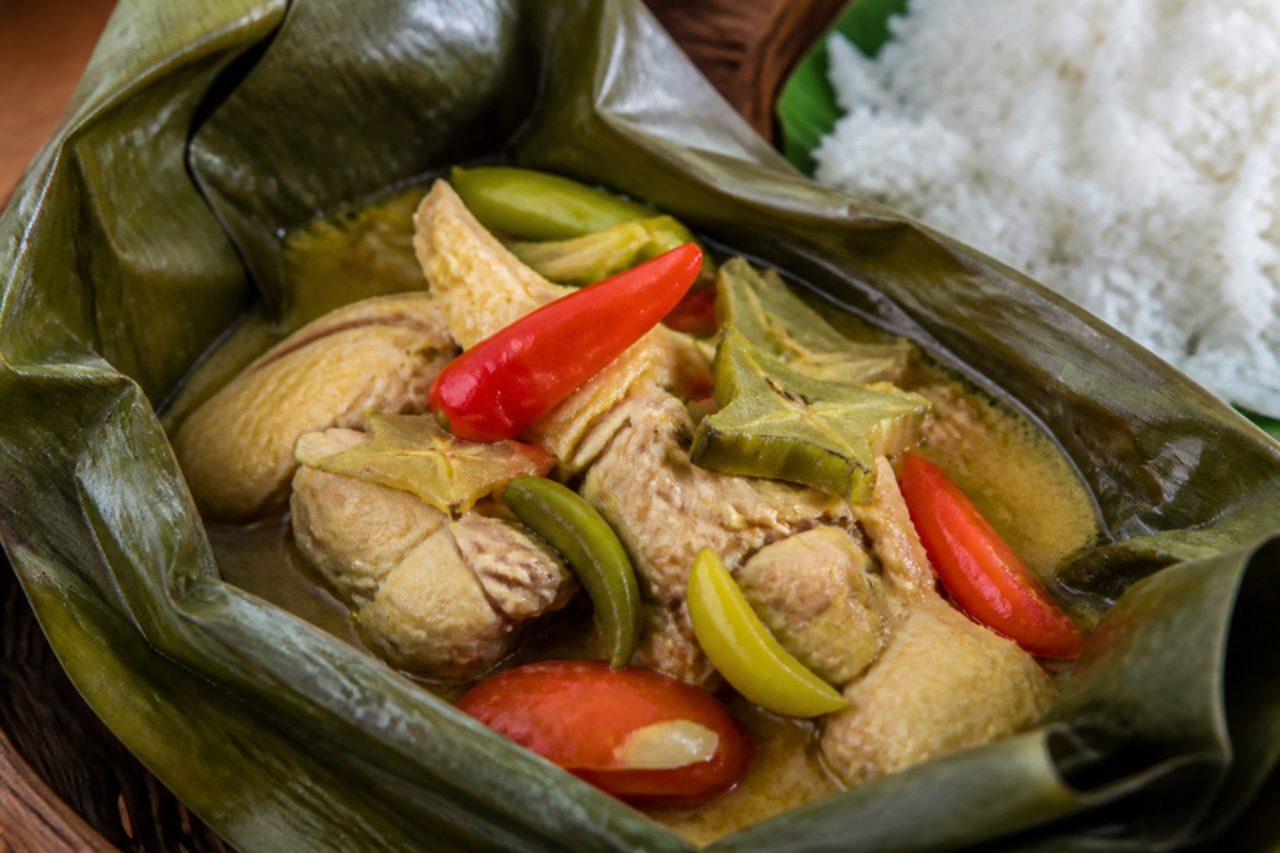
Garang asemChicken and starfruit in banana leaf

Garang asem is a dish from Kudus and Demak on the north coast of Central Java, where it is cooked for family lunches and sold at warungs by midday. Bone-in chicken is packed into banana-leaf parcels with sour starfruit, tomato, whole chillies and a little thin coconut milk, then steamed until the juices turn into a light, tangy, peppery broth. It is clean-tasting rather than rich, and a portion has about 32 g of protein from the chicken; serve it with steamed rice. The common mistake is wrapping the parcels loosely so the broth runs out; fold the leaves in two layers and pin them tight. Chef's tip: if you can't find belimbing wuluh (sour starfruit), use green tomatoes and a spoon of tamarind water for the same sharpness.

by KrazyBadal 0 views

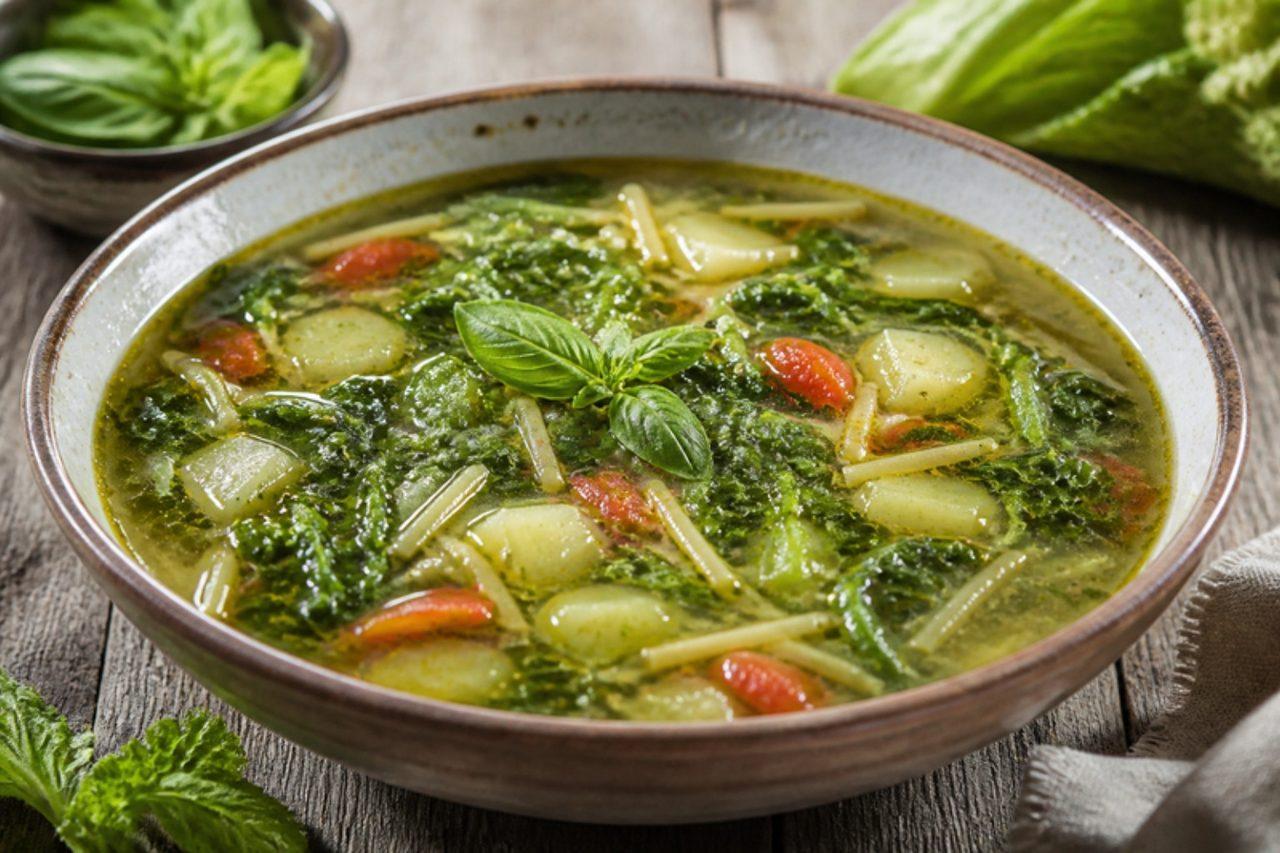
Minestra di tenerumiSquash leaf and spaghetti soup

In Palermo and across Sicily, July and August bring bunches of tenerumi, the soft leaves and shoots of the long cucuzza squash, to every market stall, and families turn them into this light, brothy minestra for supper, often eaten warm rather than hot. The leaves cook down with garlic, ripe tomato and a little potato, and broken spaghetti is cooked right in the pot. It tastes green, sweet and gently garlicky, with about 5 g of protein per portion from the pasta and greens; grate pecorino over the top if you are not cooking it vegan (traditional pecorino uses animal rennet, so choose a vegetarian hard cheese). The common mistake is using only the large, tough leaves: pick the tender tops and shoots and strip the stringy stems. Chef's tip: let it rest for 10 minutes off the heat before serving; Sicilians say the flavour comes together as it cools a little.

by KrazyBadal 0 views

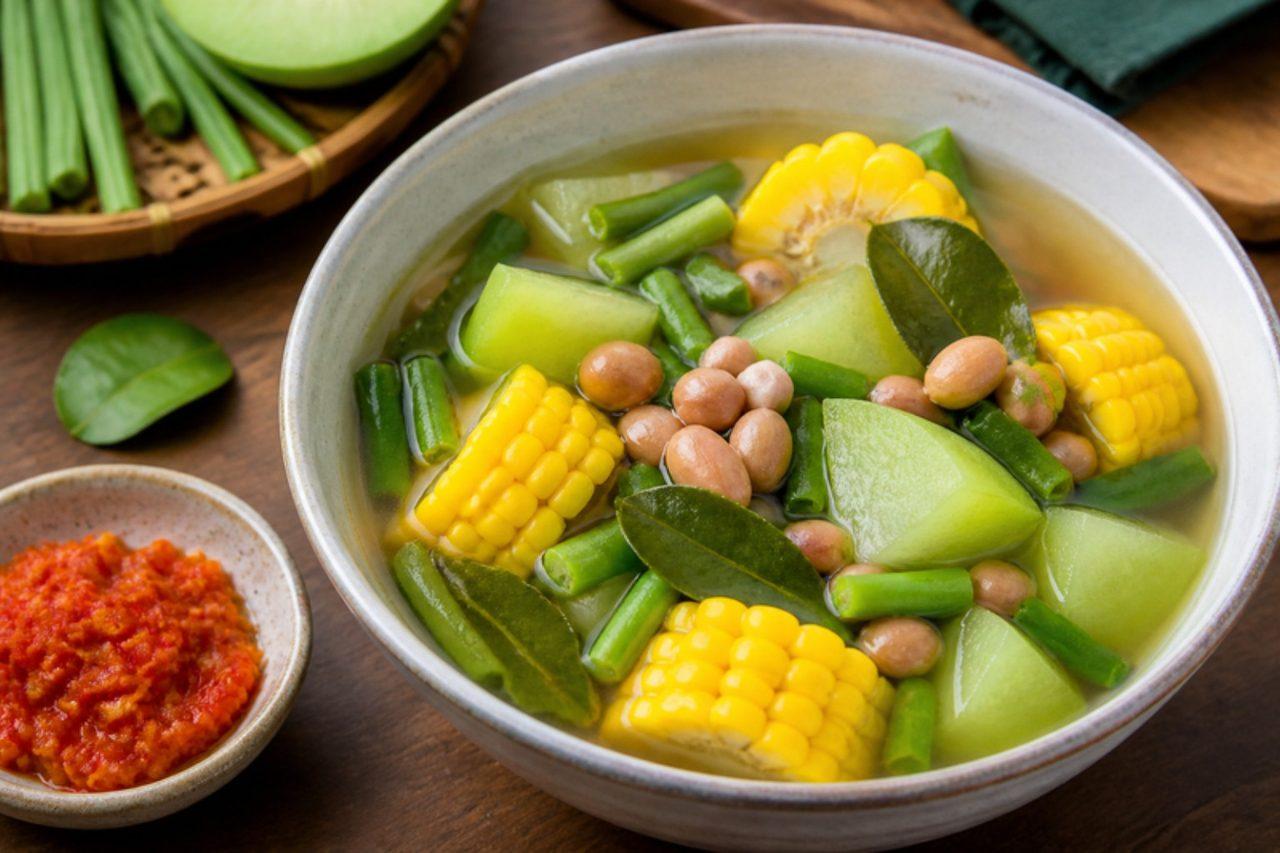
Sayur asemSour tamarind vegetable soup

Sayur asem is the soup that sits beside fried tempeh, rice and sambal on lunch tables across Jakarta and West Java, and it is most loved in the hot months, when its sharp, sweet-sour broth cools you down. Chunks of sweetcorn, chayote, long beans, raw peanuts and young melinjo leaves simmer in a clear broth soured with tamarind and rounded with a little palm sugar. It is light, with about 5 g of protein per portion, mostly from the peanuts; serve it with tempeh or tofu if you want a full meal. The most common mistake is adding all the vegetables at once: the corn and peanuts need a head start, while the long beans and leaves turn grey and soft if they boil too long. Chef's tip: dissolve the tamarind in a little hot water and add it in stages, tasting as you go, because tamarind blocks vary hugely in strength.

by KrazyBadal 0 views

KålsoppaCabbage and root vegetable soup

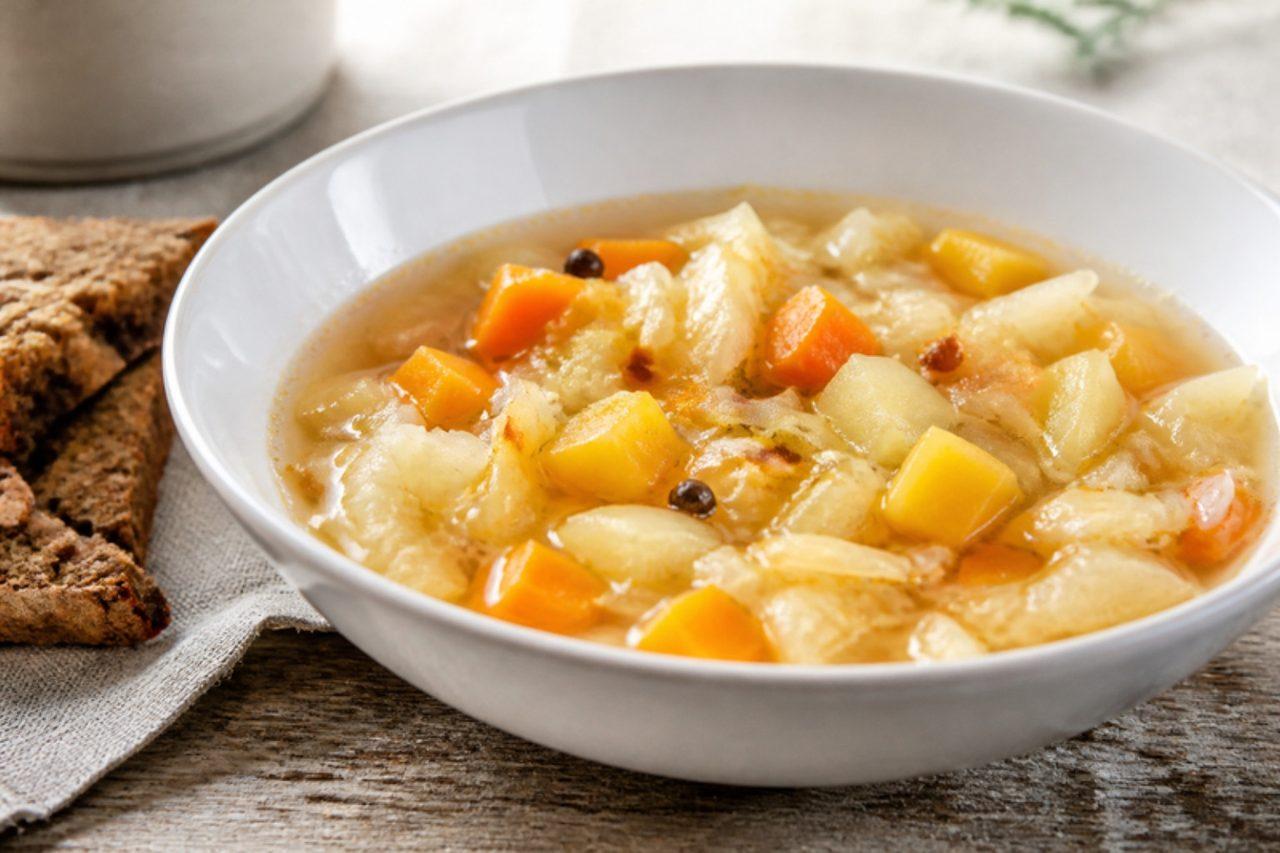
Kålsoppa is old-fashioned Swedish home cooking, the soup of cold autumn and winter evenings in Skåne and the countryside, when white cabbage and root vegetables fill the cellar. The cabbage is first browned in a little oil with a pinch of syrup, which gives the broth its gentle sweetness and golden colour, then simmered with carrot, swede and potato and seasoned with whole allspice. Many families float small meatballs in it; this is the vegetarian version without them. It has about 4 g of protein per bowl; serve with crispbread and a hard cheese, or add white beans, for more. The common mistake is rushing the browning: the cabbage needs a good 10 minutes of slow frying to caramelise. Chef's tip: crush the allspice berries lightly before adding them, so their warm, clove-like scent fills the soup.

by KrazyBadal 0 views

Tam mak thuaPounded long bean salad

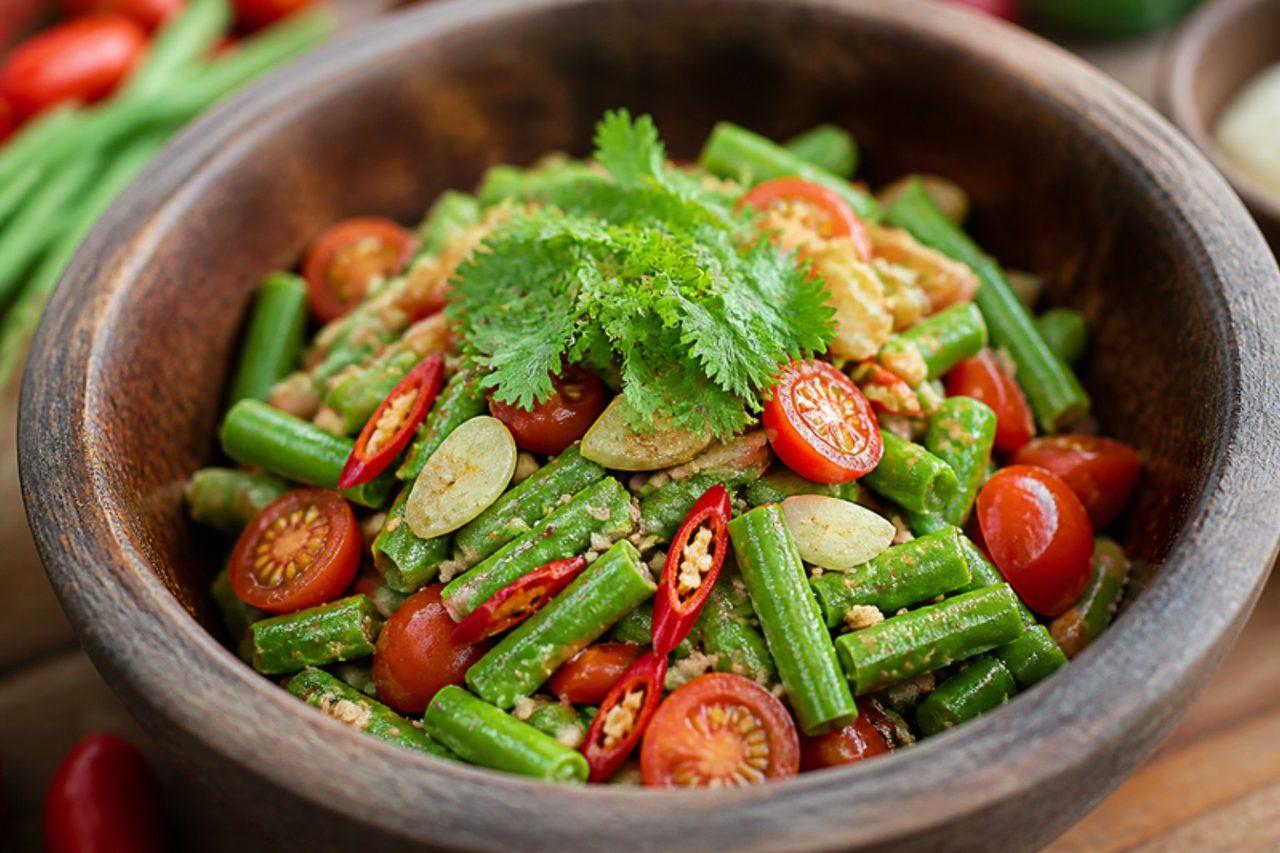
In Vientiane and Luang Prabang, tam mak thua is the everyday alternative to green papaya salad, pounded to order at market stalls and at home for lunch with sticky rice and grilled food. Raw long beans are bruised in a clay mortar with garlic, chilli, tomato and lime until they soak up the juices, giving a crunchy, sour-hot salad with a grassy sweetness. Lao cooks season it with fish sauce and padaek (fermented fish); this vegetarian version uses tamari (gluten-free soy sauce) and a few crushed peanuts for savouriness. It gives about 5 g of protein a portion, so serve it as a side to tofu or eggs and sticky rice. The most common mistake is cutting the beans too long or pounding too hard: bruise short pieces until they split, but don't mash them to pulp. Chef's tip: pound the garlic and chilli first, then the beans, and only add the tomato and lime at the end so the salad stays crisp.

15 minLaoSaladsVeganGluten freeSpicy
by KrazyBadal 0 views

Methi dalLentils with fenugreek leaves

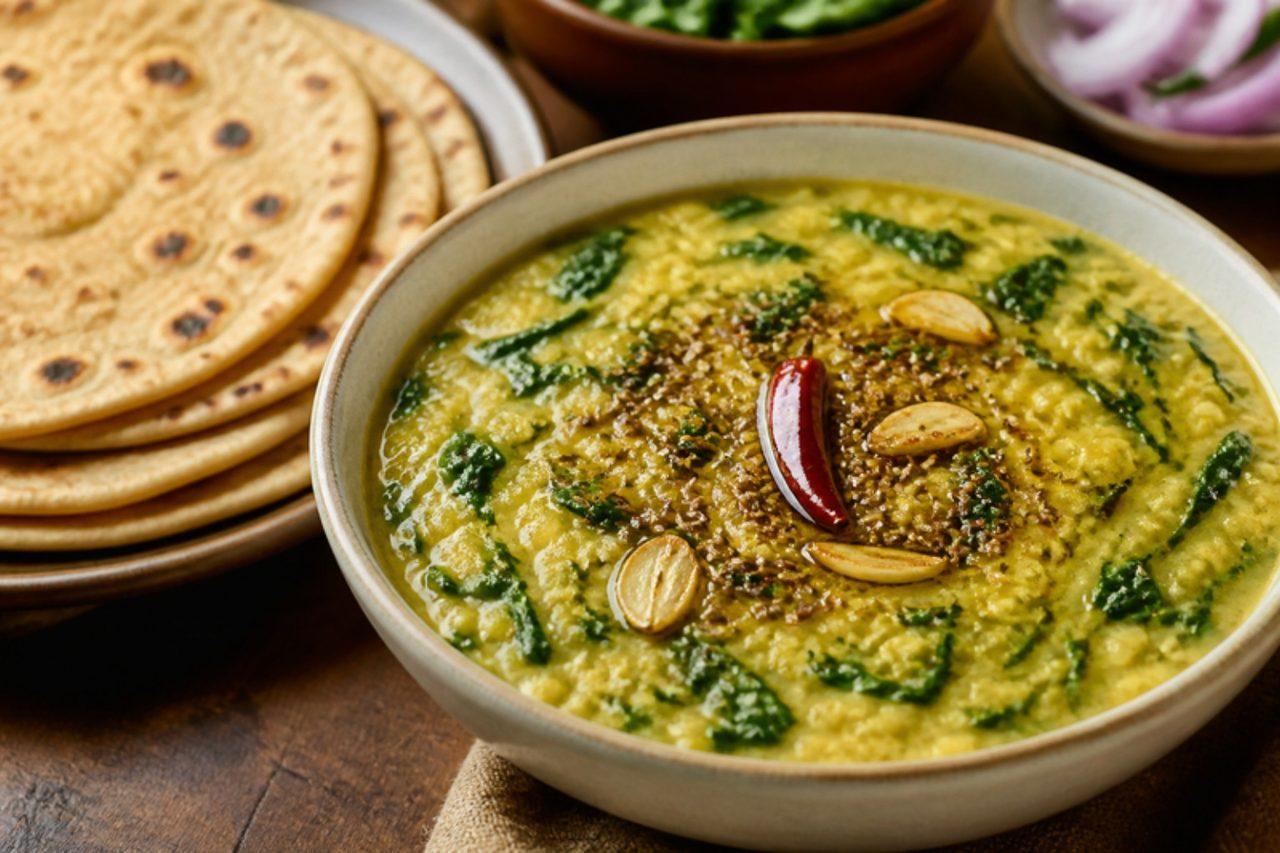
In Punjab, Rajasthan and Delhi homes, methi dal arrives in late autumn and winter, when bunches of fresh fenugreek are cheap and fragrant at every vegetable cart. The leaves are stirred into a pot of soft toor and moong dal, where their gentle bitterness balances the earthy lentils, and a cumin and garlic tadka goes over the top. It is a light everyday dinner with phulka or rice. A portion gives about 21 g of protein from the two dals, for about 350 kcal. The most common mistake is cooking the leaves for too long or chopping in the thick stems, which makes the dal bitter and stringy: use only leaves and tender tips and add them for the last few minutes. Chef's tip: toss the chopped leaves with a pinch of salt, leave them for 10 minutes and squeeze out the green juice; it takes the harsh edge off the bitterness without losing the flavour.

by KrazyBadal 0 views

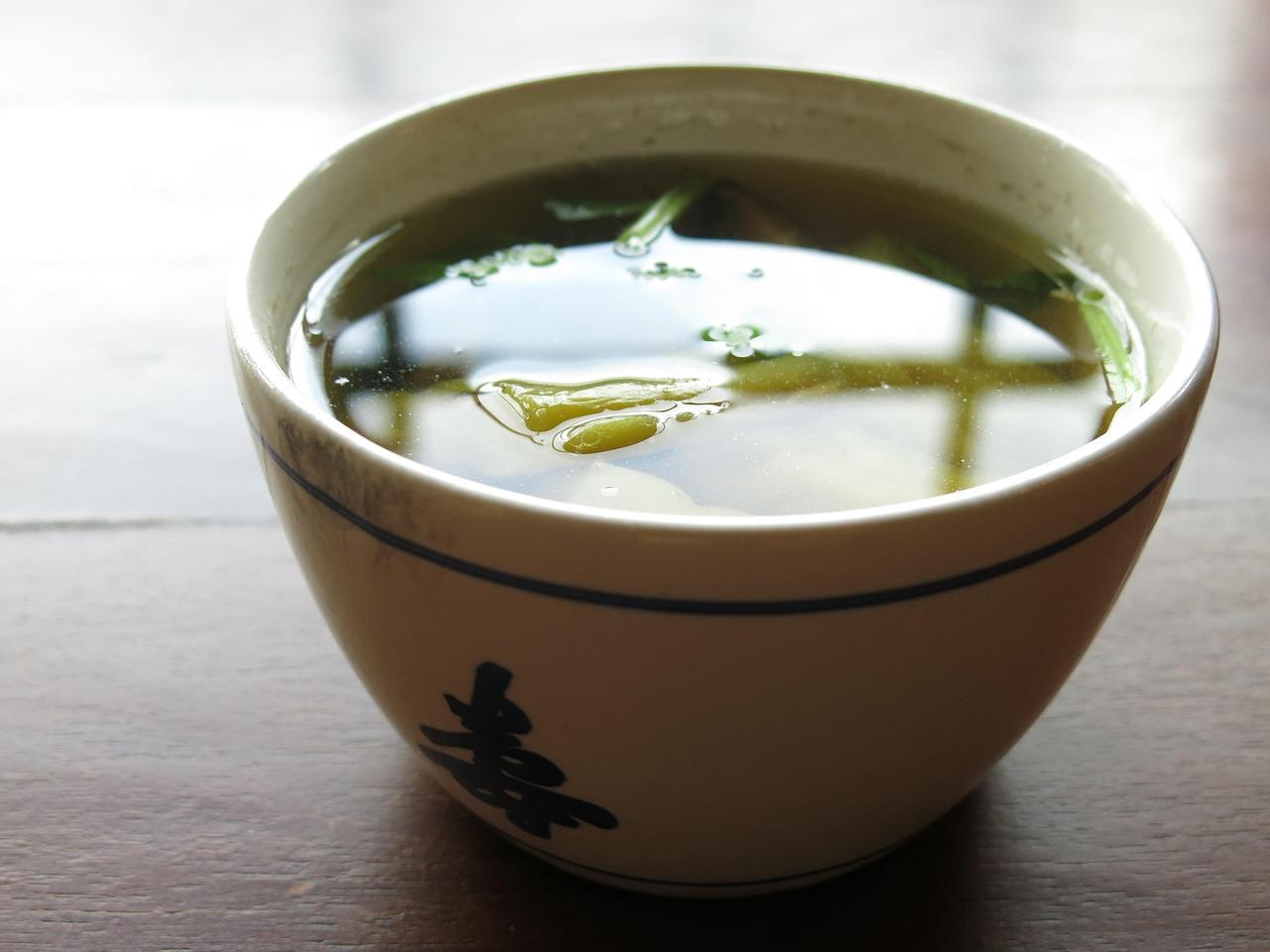
Haidai doufu tangKelp and tofu soup

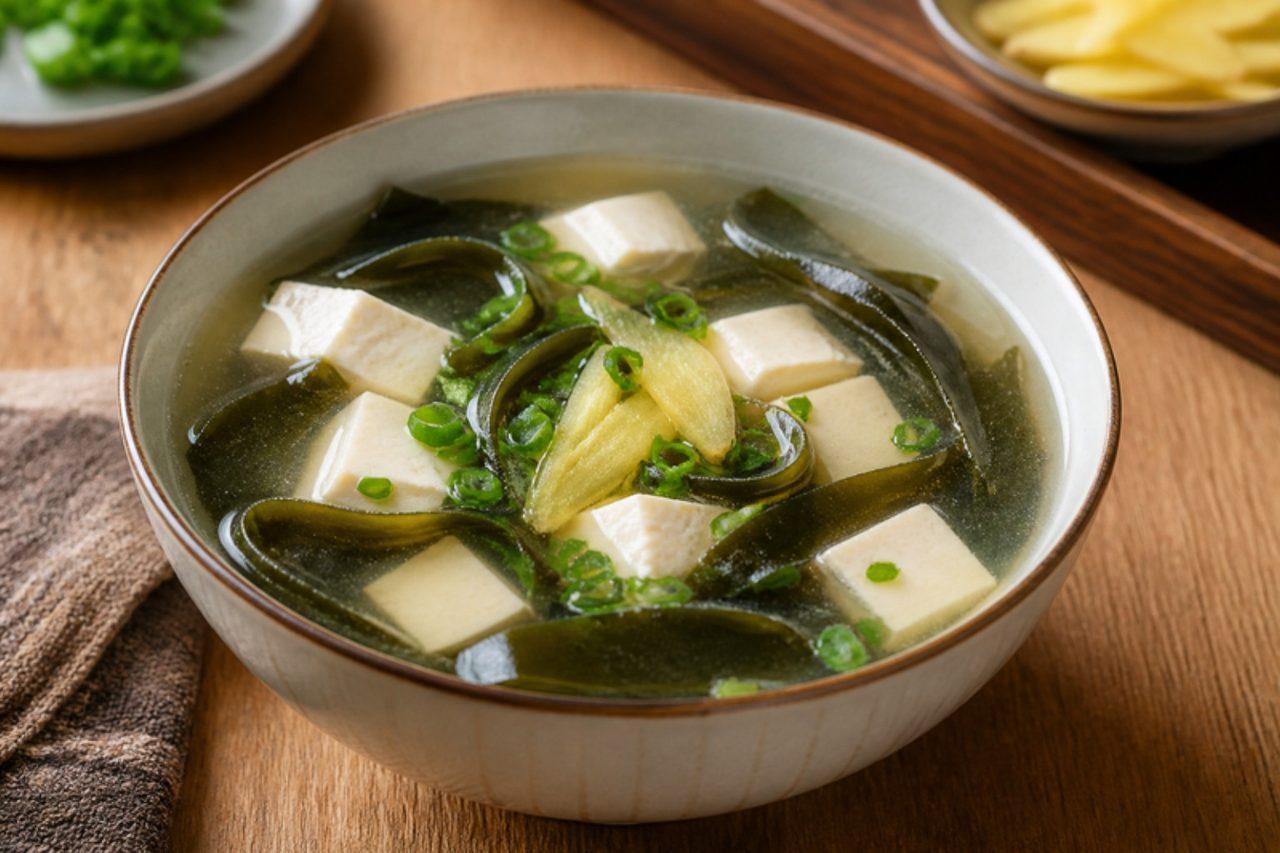
Kelp and tofu soup is everyday drinking soup across China, ladled out at family dinners in Qingdao, Dalian and inland cities alike, and thought of as cooling and good for the body. Strips of kelp give a savoury sea flavour, cubes of soft tofu turn tender in the broth, and ginger, white pepper and spring onion keep it clean and warming. Each bowl has about 130 kcal and roughly 12 g of protein, from the tofu, so it is a light side soup rather than a high-protein meal. The common mistake is not rinsing dried kelp well: grit and the white salt bloom make the soup cloudy and harsh. Chef's tip: simmer the kelp first on its own for 10 minutes; it softens and seasons the water before the tofu goes in.

by KrazyBadal 0 views

Ab doogh khiarChilled yogurt and cucumber soup

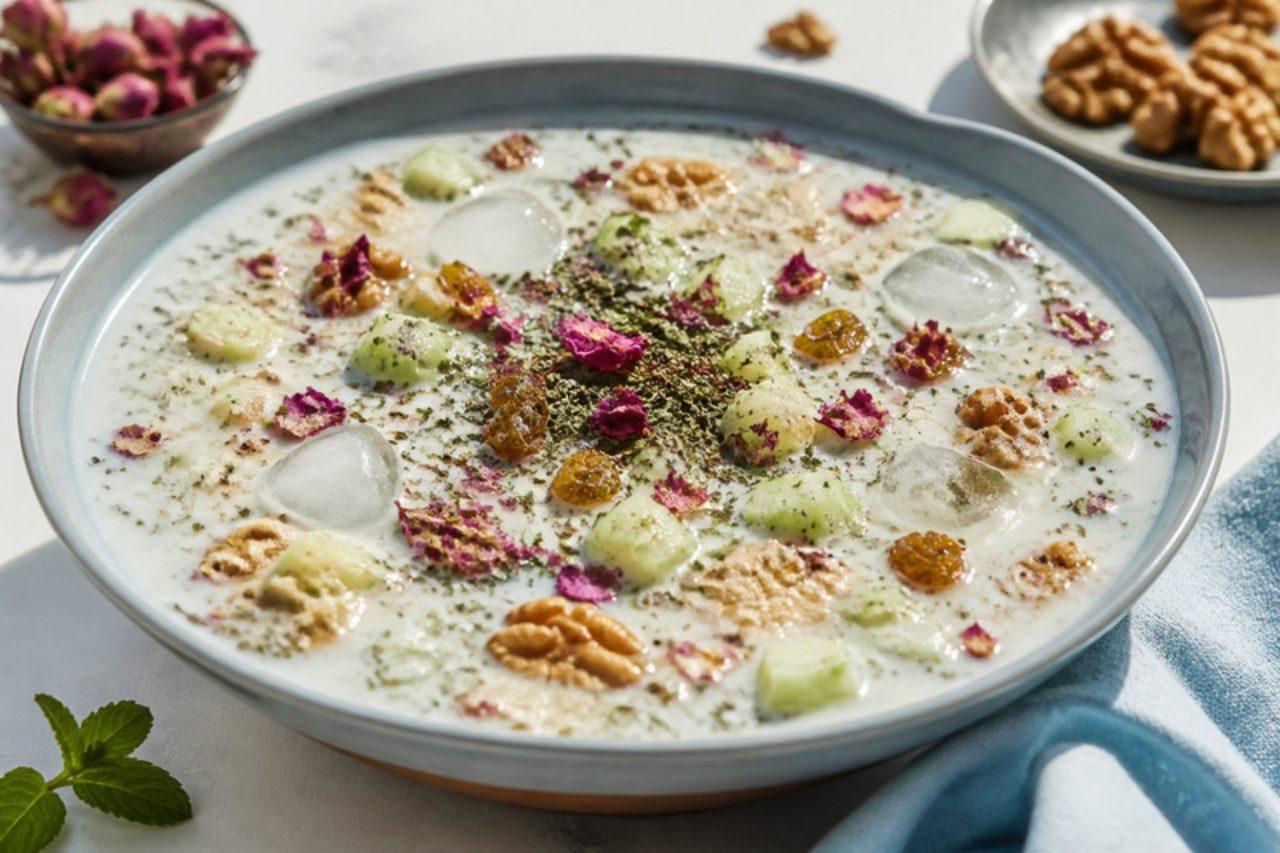
On the hottest afternoons in Tehran, Shiraz and Isfahan, ab doogh khiar is lunch: thick yoghurt thinned with iced water, packed with crunchy cucumber, walnuts, raisins and dried mint and rose petals, then filled at the table with torn pieces of dried flatbread that soften like croutons in a cold soup. It is cooling, tangy and faintly sweet, and is eaten with a spoon and plenty of fresh herbs alongside. A bowl gives about 12 g of protein from the yoghurt and walnuts, so it is a light meal rather than a high-protein one; strain the yoghurt yourself or use thick Greek-style yoghurt to push it a little higher. The common mistake is adding the bread too early: it turns to mush, so serve it on the side and let everyone add their own. Chef's tip: rub the dried mint between your palms over the bowl; the warmth releases its oils and the flavour is twice as strong.

by KrazyBadal 0 views

Sült tök (Hungarian roasted sweet pumpkin)

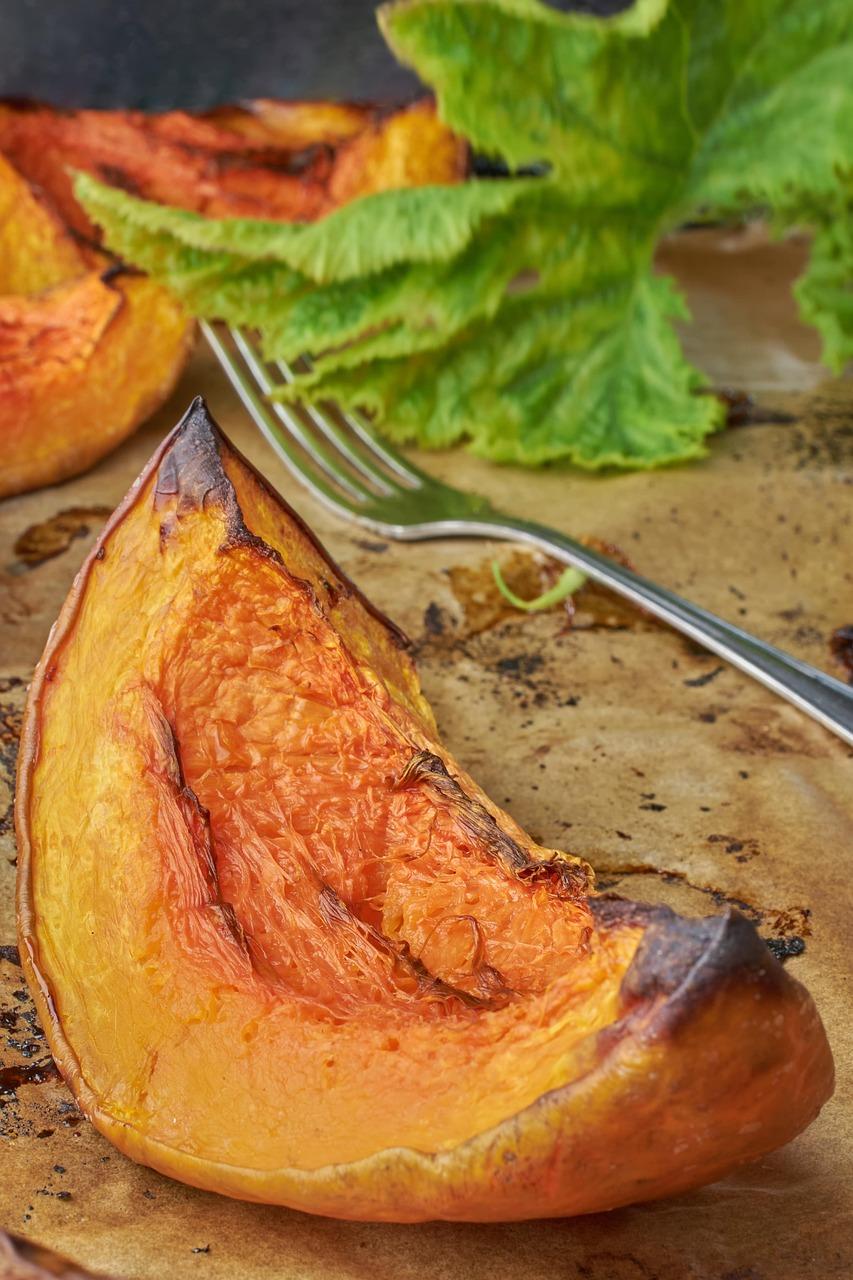
When the first cold sets in, Hungarian street vendors and market stalls set up their ovens and sell sült tök: thick wedges of sweet pumpkin roasted until the flesh is soft as jam and the edges are caramelised and almost sticky. It is bought hot and eaten on the spot through autumn and winter, often from the same stands that sell roasted chestnuts, and at home it is a simple afternoon treat for children. The flavour is deep and honeyed with a slightly smoky edge from the browned skin; a dusting of cinnamon sugar is optional. Eat it with a spoon straight from the skin, alongside a cup of hot tea or warm apple juice. It is naturally egg-free and needs no binding at all: the pumpkin's own sugars concentrate and caramelise in the oven's dry heat. Chef's tip: pick a dense, dry, deep-orange pumpkin such as a Hungarian sweet pumpkin, kabocha or butternut; the common mistake is using a watery carving pumpkin, which steams instead of caramelising.

by KrazyBadal 0 views

Salade tunisienneDiced tomato and cucumber salad

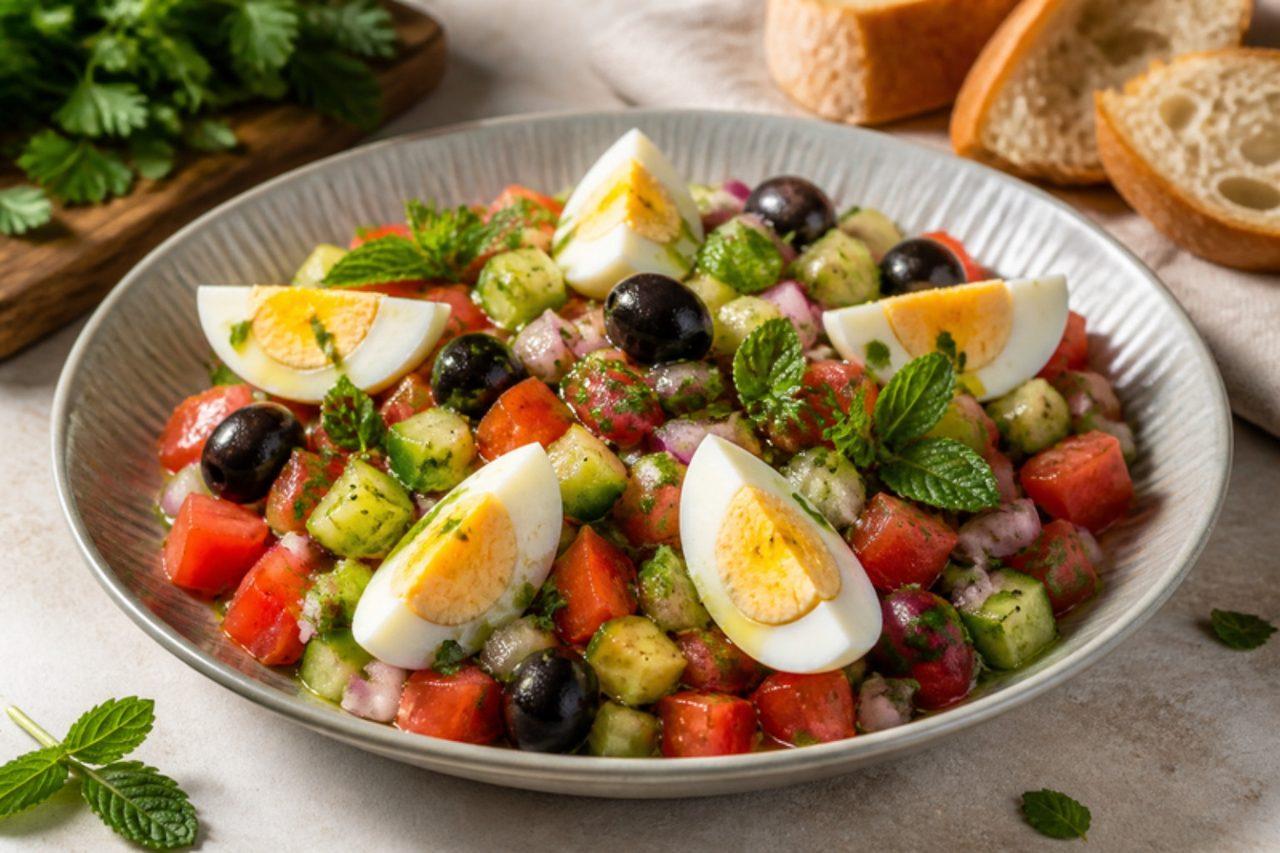
Every Tunisian table, from Tunis to Sfax, has a plate of slata tounsia on it, especially at lunch in summer and at iftar in Ramadan: tomato, cucumber, green pepper and onion cut into tiny, even dice and dressed with lemon, olive oil and dried mint. It is usually crowned with tuna and hard-boiled egg; this vegetarian version leaves out the tuna and uses a little more egg, plus olives and capers for the salty kick. A portion gives about 8 g of protein, so it is a side salad rather than a high-protein dish. The usual mistake is dressing it too early: the salt draws the juice out of the tomato and the salad swims, so dress it just before serving. Chef's tip: take the time to dice everything to the size of a chickpea; that fine, even cut is what makes it taste like Tunisia rather than a chopped salad.

by KrazyBadal 0 views

Gamja gukPotato and onion soup

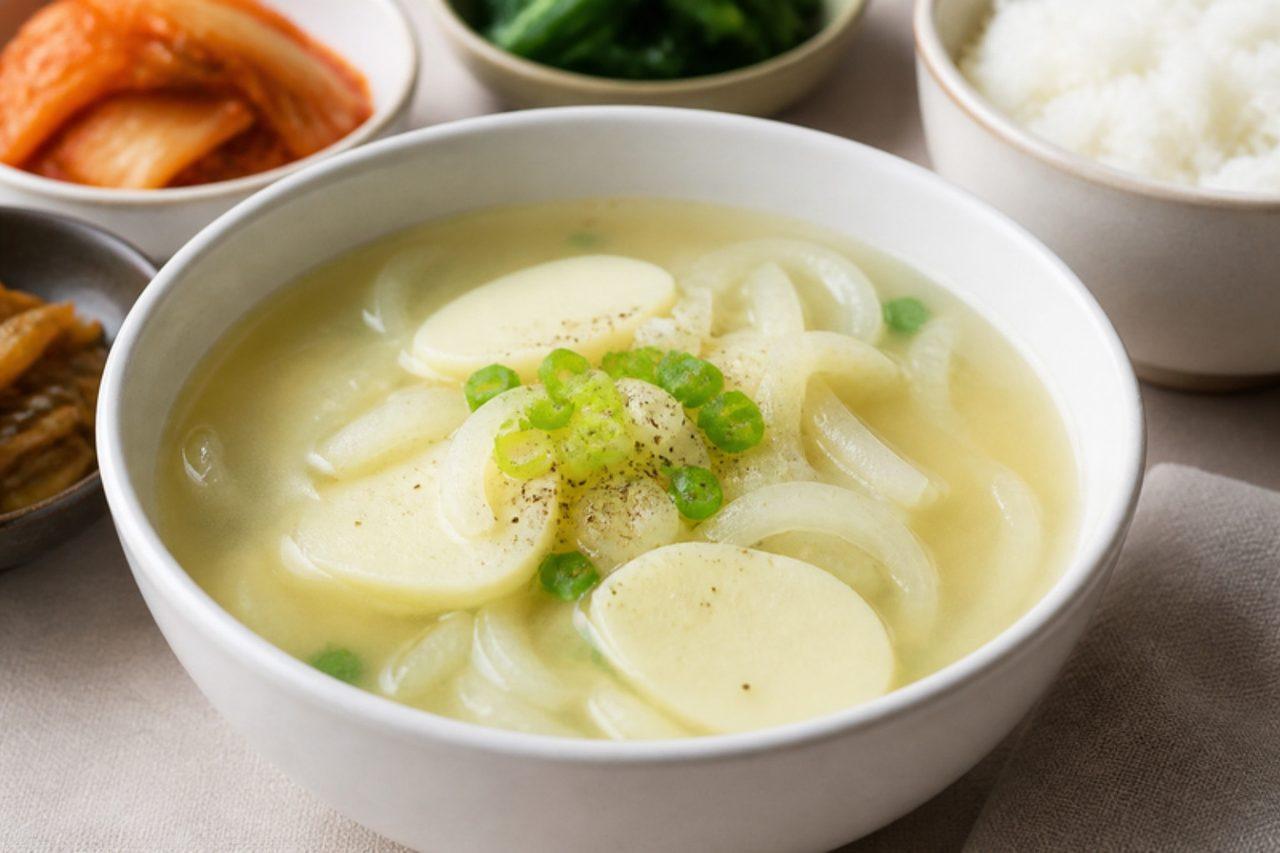
Gamja guk is the plain, comforting potato soup that Korean mothers make on busy mornings and quiet evenings all year round, served with rice and kimchi. Thin slices of potato and onion simmer in a clear broth until soft, finished with spring onion and a little garlic. Most homes use an anchovy and kelp stock; this is the vegetarian version, with kelp and dried shiitake. It is mild and soothing, with about 4 g of protein per bowl; crack an egg into the pot at the end, or serve tofu alongside, for more. The common mistake is cutting the potatoes too thick, so the outside crumbles before the middle is cooked; slice them evenly, about 5 mm. Chef's tip: soak the sliced potato in cold water for 5 minutes to rinse away surface starch and keep the broth clear.

by KrazyBadal 0 views

SsambapRice wrapped in leaves

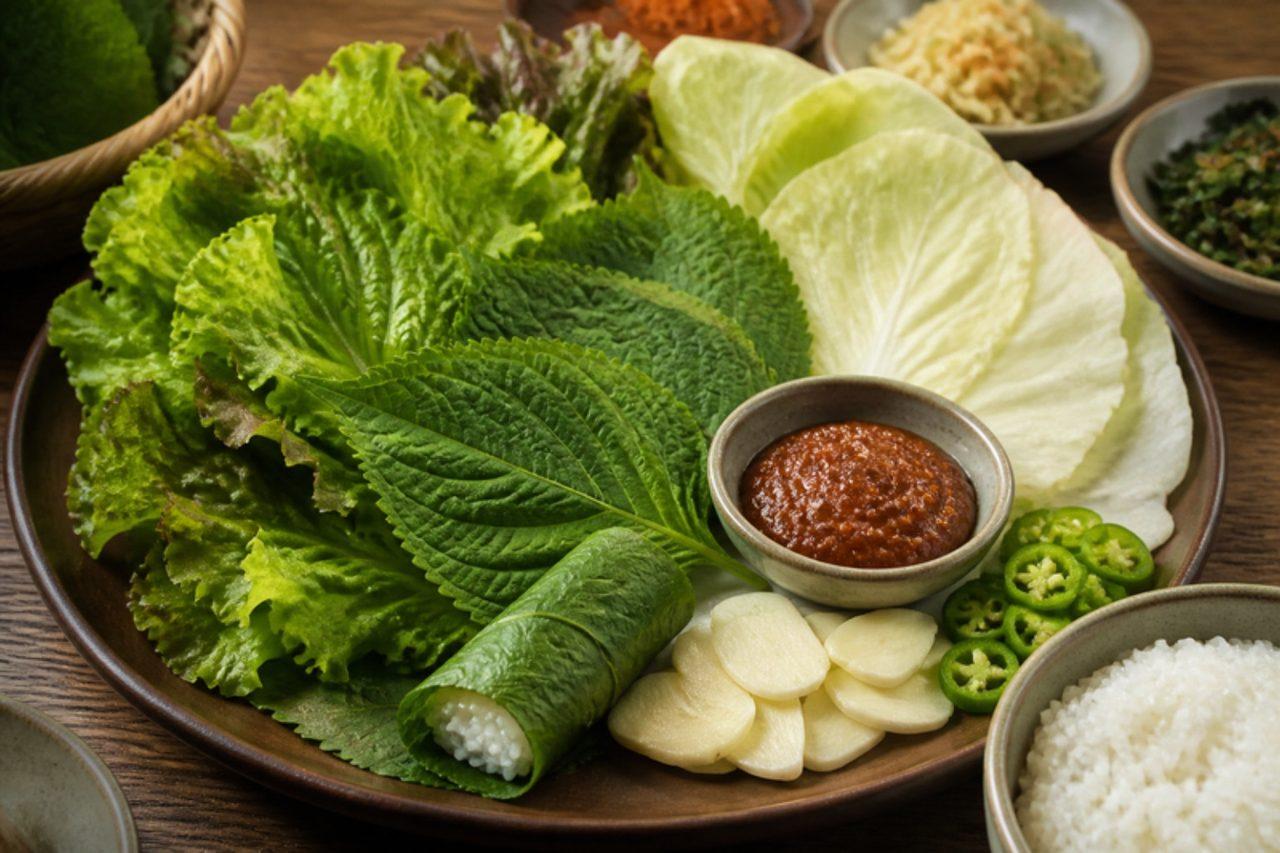
Ssambap means wrapped rice, and in Korean homes it is the lazy, happy dinner of high summer, when the garden is full of lettuce and perilla: a basket of leaves, a bowl of rice and a pot of thick ssamjang go on the table and everyone builds little parcels. Steamed cabbage leaves are added in winter. It is a light meal of about 360 kcal, with roughly 10 g of protein a portion from the rice, doenjang and walnuts, so it is not a high-protein dish. The usual mistake is overfilling the leaf; a parcel should be one bite, so use a small spoon of rice. Most gochujang contains wheat, so it isn't gluten free. Chef's tip: lay a perilla leaf on top of the lettuce before adding rice; its minty, anise flavour lifts every mouthful.

by KrazyBadal 0 views

NässelsoppaNettle soup

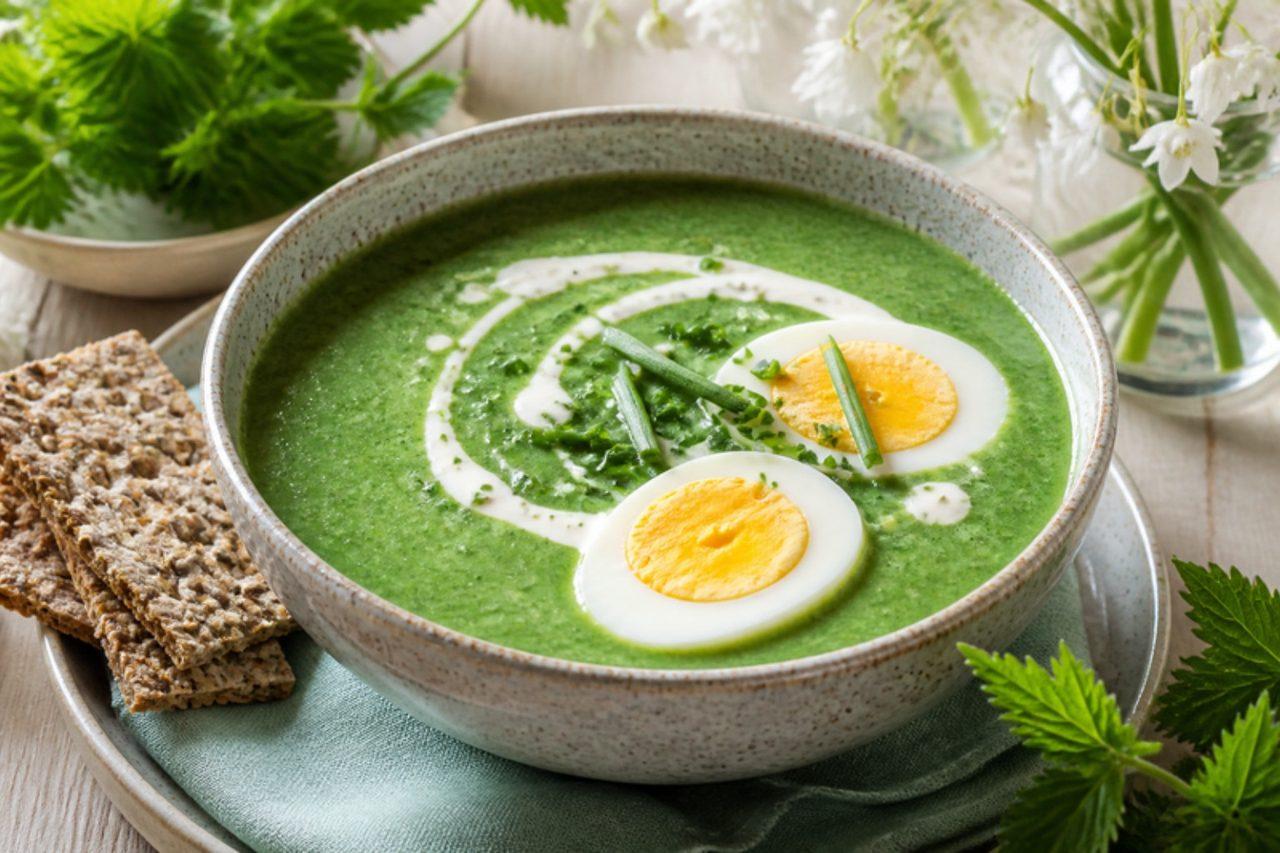
In Sweden the first young nettles of April and May go straight into nässelsoppa, a smooth, grassy green soup often served at Easter or on Walpurgis Night with halved boiled eggs. It tastes a little like spinach with a mineral edge, and is eaten with crispbread and butter. A bowl with one egg gives about 10 g of protein, so it is a light soup, not a high-protein meal; add a second egg each if you want it more filling. Wear gloves to pick and wash nettles: blanching removes the sting completely. The most common mistake is cooking the nettles too long, which turns the soup khaki and dull; add them at the end and blend straight away. Chef's tip: pick only the top four to six leaves of young plants before they flower; older leaves are tough and gritty.

by KrazyBadal 0 views

Potage cultivateurFarmer's vegetable soup

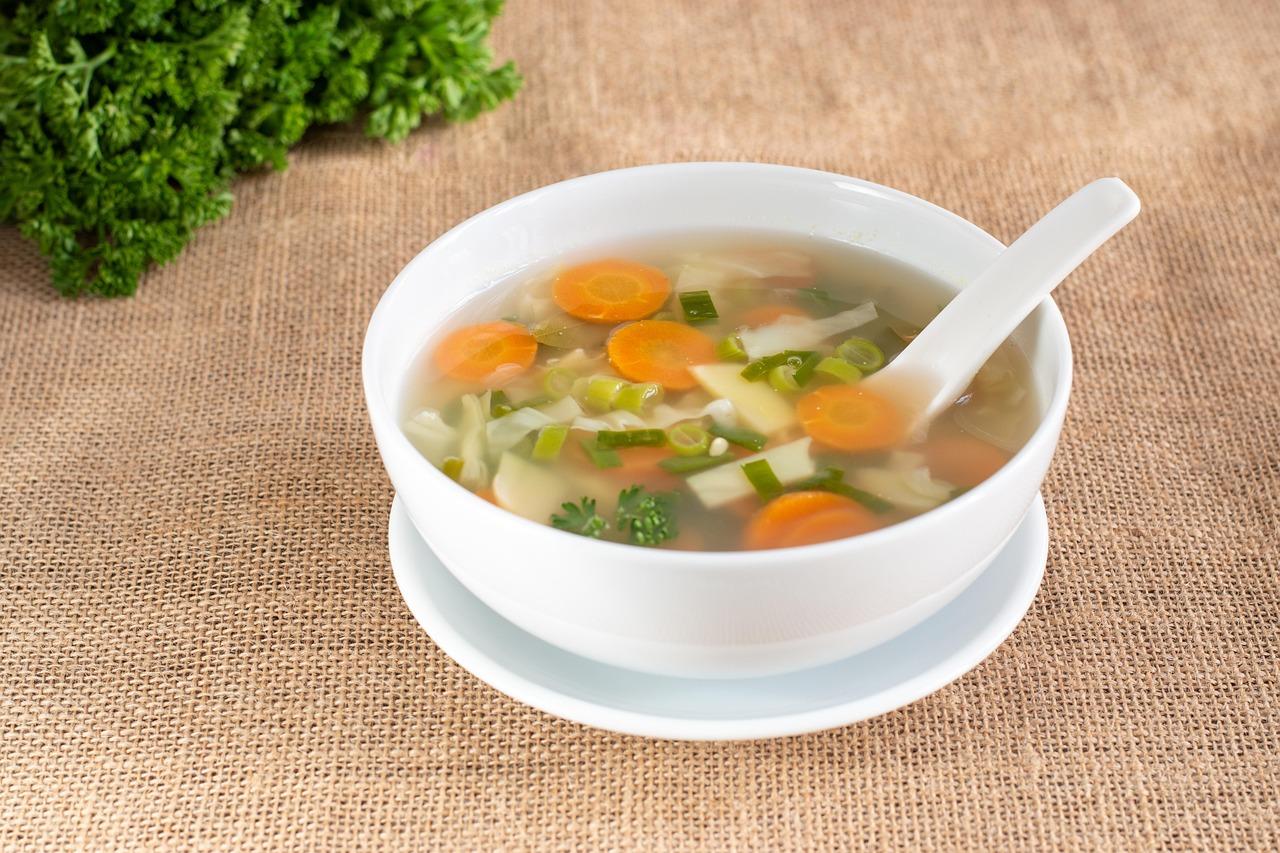
Potage cultivateur is the farmhouse soup of France, made in kitchens from Normandy to the Auvergne on cold evenings and eaten as a light supper with bread. The vegetables are cut into small, thin squares (the 'paysanne' cut), sweated slowly in butter, then simmered in water, so the broth stays clear and every spoonful has carrot, turnip, leek and potato. The old versions add bacon; this one is vegetarian. It is light, with about 4 g of protein per bowl; add a handful of white beans or serve with cheese on toast for more (choose a vegetarian cheese if you avoid animal rennet). The most common mistake is browning the vegetables: they should sweat gently until soft and shiny, never coloured. Chef's tip: cut every vegetable the same size, about 1 cm square and 3 mm thick, so they all cook in the same time.

by KrazyBadal 0 views

Seppie con piselliCuttlefish with peas

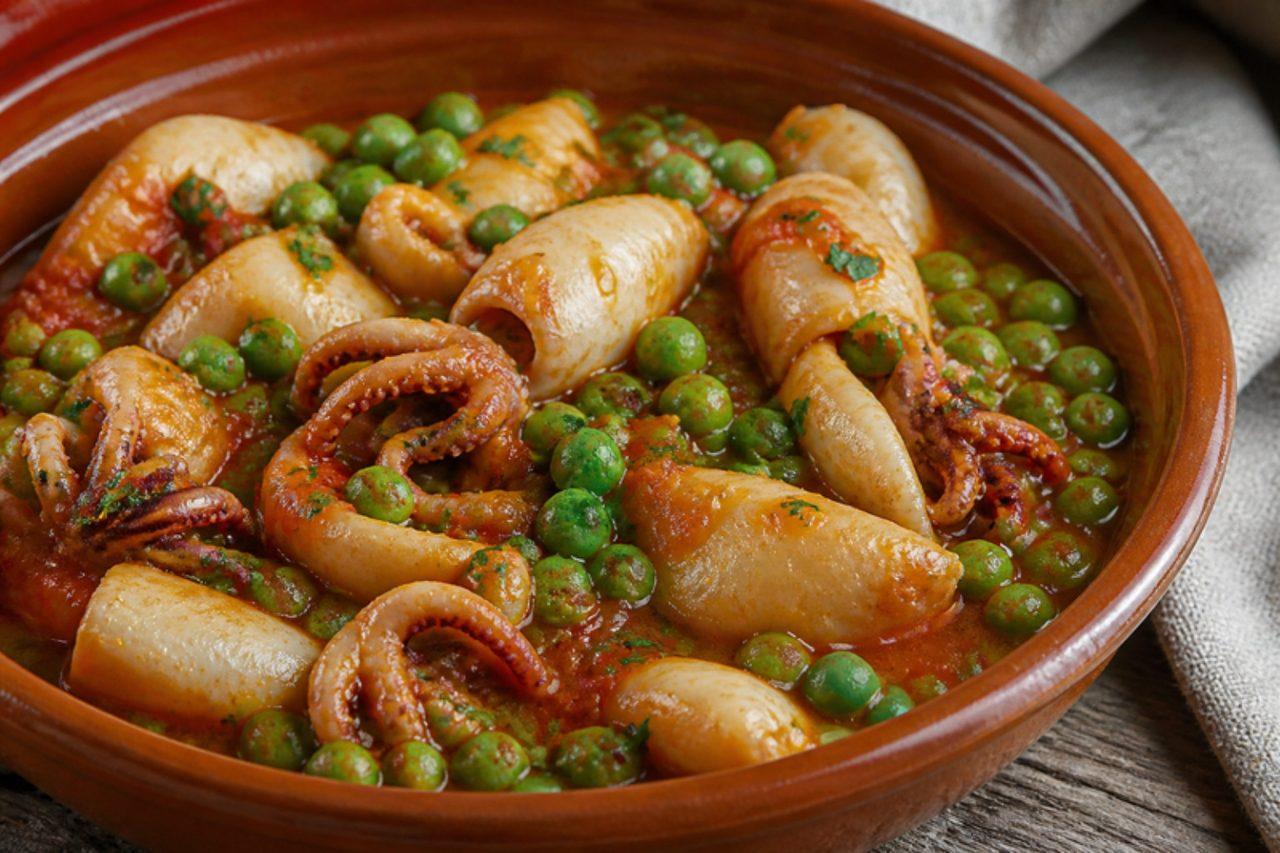
Seppie coi piselli is a Friday dish in Rome and across Lazio, eaten in spring when the first sweet peas arrive and on meatless days through the year. The cuttlefish braises slowly with onion, garlic and tomato until it is so tender a spoon cuts it, and the peas go in late so they stay bright and sweet in a thick, rosy sauce. A portion has about 34 g of protein, mainly from the cuttlefish with a little from the peas, for around 300 kcal. Romans add a splash of white wine; here a little stock sharpened with vinegar gives the same lift without alcohol. The common mistake is stopping halfway: cuttlefish is tender after 2 minutes or after 40, but rubbery anywhere in between, so keep braising until a knife slides straight through. Chef's tip: keep the cuttlefish ink sacs out of the sauce for this dish; a single burst one turns the peas grey.

by KrazyBadal 0 views

Malan tou with pressed tofuAster greens and pressed tofu salad

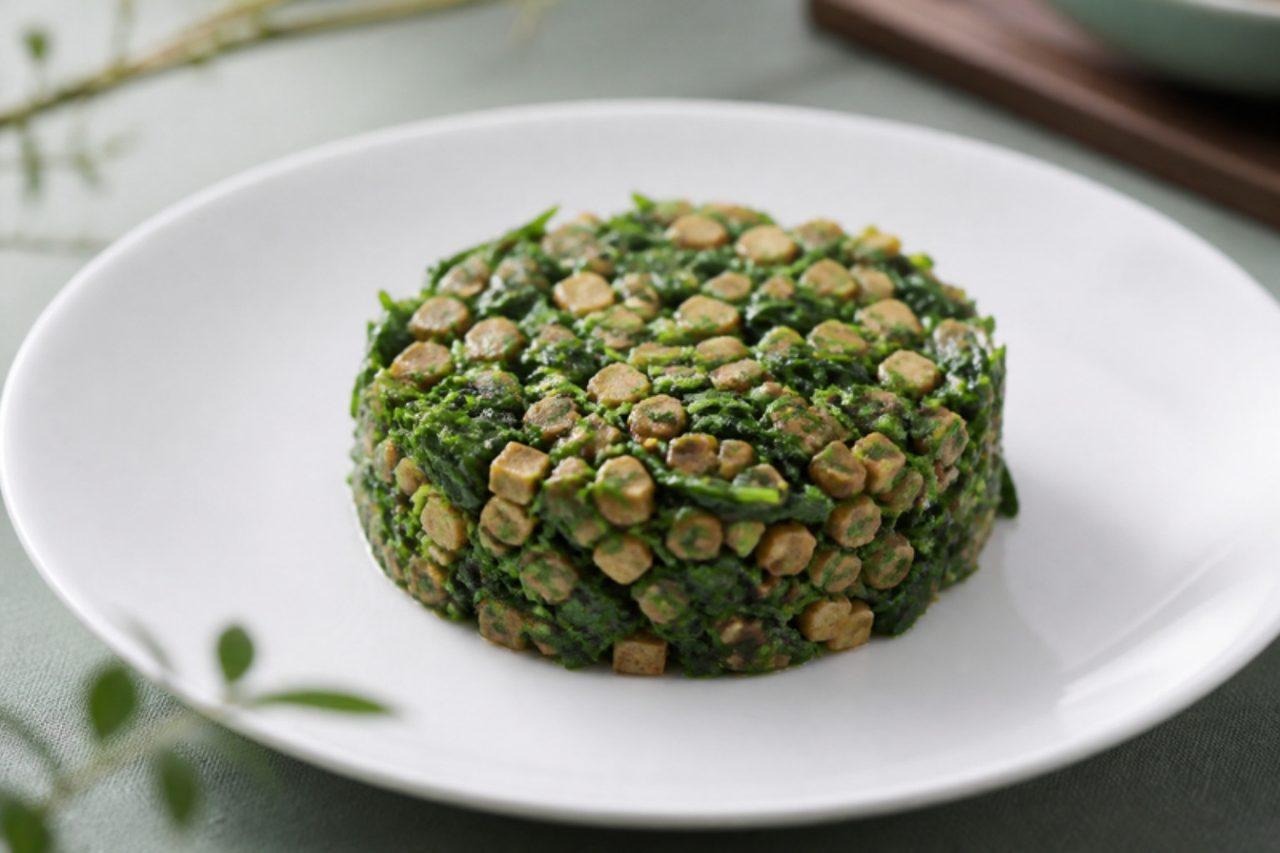
When the first malan tou shoots appear in Shanghai, Suzhou and Hangzhou markets in early spring, families make this little cold dish to start a meal: the tender aster leaves are blanched, chopped very fine and mixed with diced smoked pressed tofu, salt, a pinch of sugar and sesame oil. It tastes grassy, nutty and clean. Malan tou can be hard to find outside China; young spinach or shepherd's purse works well. As a side dish for four, each portion has about 120 kcal and roughly 9 g of protein, from the pressed tofu, so it is light rather than high in protein. The common mistake is leaving the greens wet, which dilutes the dressing; squeeze them hard. Chef's tip: press the mixture into a small bowl and turn it out onto the plate for the traditional neat mound.

by KrazyBadal 0 views

Insalata pantescaPotato, tomato and caper salad

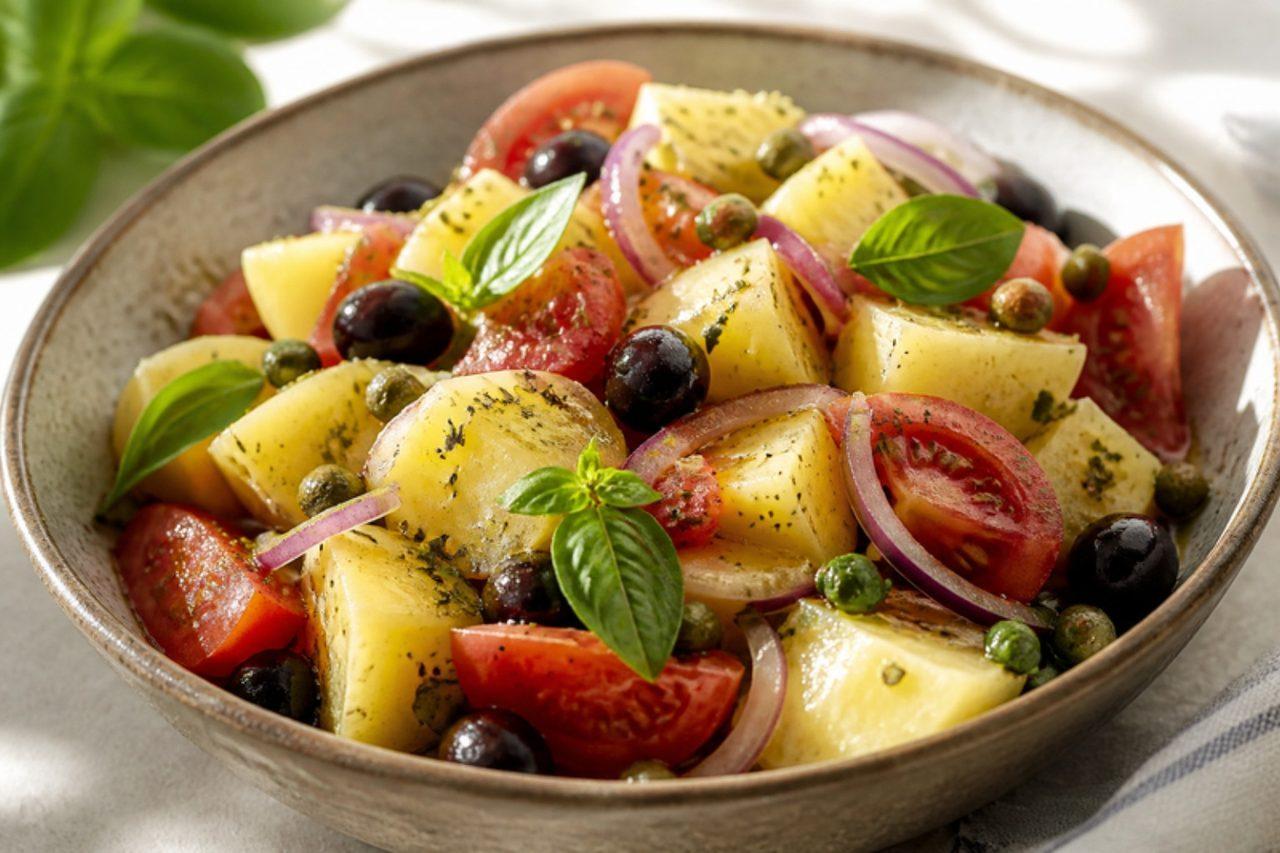
Insalata pantesca comes from Pantelleria, the volcanic island between Sicily and Tunisia famous for its capers, and is eaten all over Sicily on hot summer days, at lunch or as a side to a frittata. Waxy potatoes are boiled and dressed while warm with ripe tomatoes, sliced red onion, the island's capers, black olives, oregano and plenty of olive oil, so the potatoes soak up all the juices. Island cooks sometimes add tuna; this version stays vegan. It gives about 5 g of protein a portion, so for a fuller meal serve it with hard-boiled eggs or a bean dish. The most common mistake is using floury potatoes, which crumble into mash; choose a waxy variety and cut it after cooking. Chef's tip: rinse salted capers well and soak the sliced onion in cold water for 10 minutes; both lose their harshness and the salad tastes sweeter.

by KrazyBadal 0 views

Ensalada de berroWatercress salad

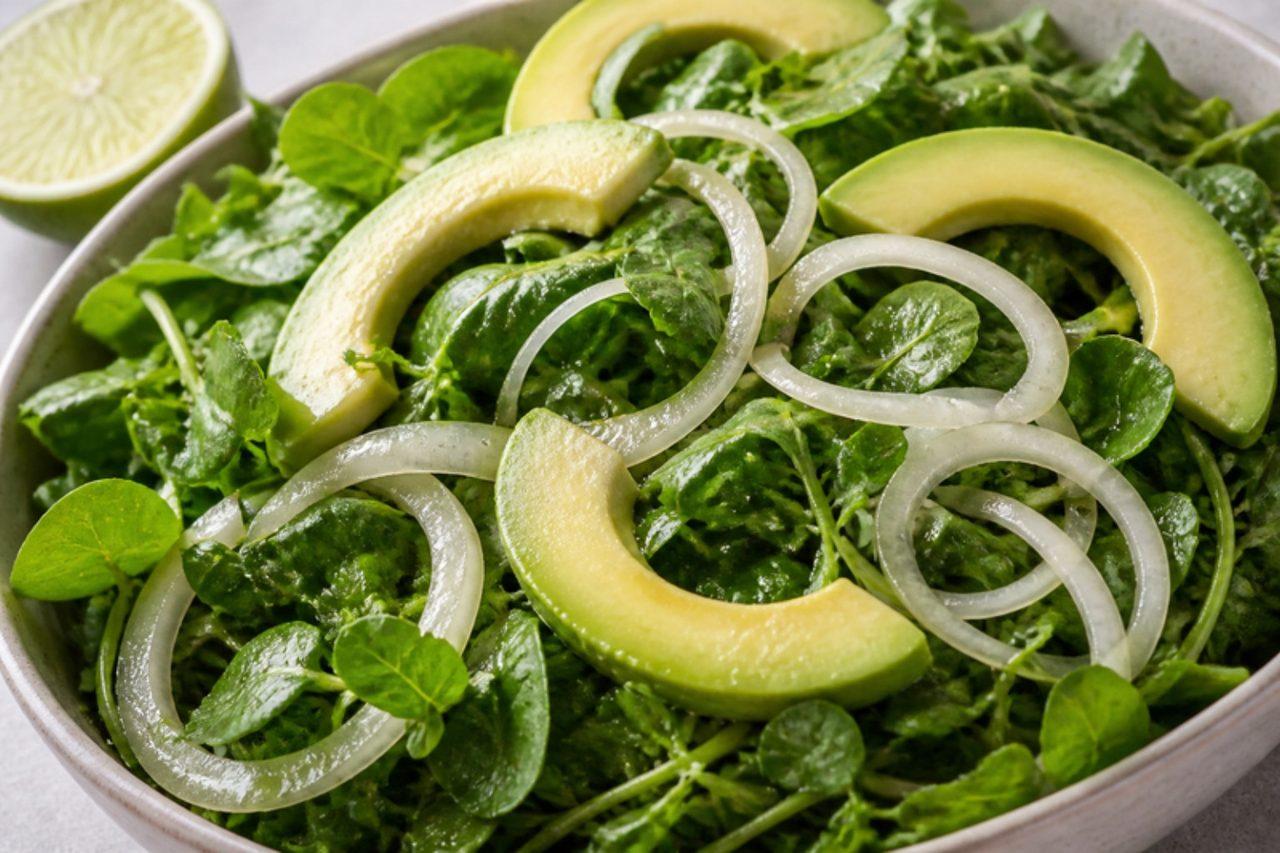
In Cuban homes from Havana to Santiago, a plate of peppery watercress with thin rings of onion and a squeeze of lime sits beside the rice, beans and fried plantain at almost every weekday lunch. The dressing is simply lime or sour orange, olive oil and salt, so the cress stays crisp and bright and cuts through richer dishes. It is very light, with about 2 g of protein a portion, so it is purely a side; pair it with black beans and rice for a full meal. The most common mistake is dressing it in advance: watercress wilts in minutes once salted. Chef's tip: keep the thick lower stems out and use only the tender tops and leaves; the salad will be crisp, not stringy.

by KrazyBadal 0 views

DerereOkra relish

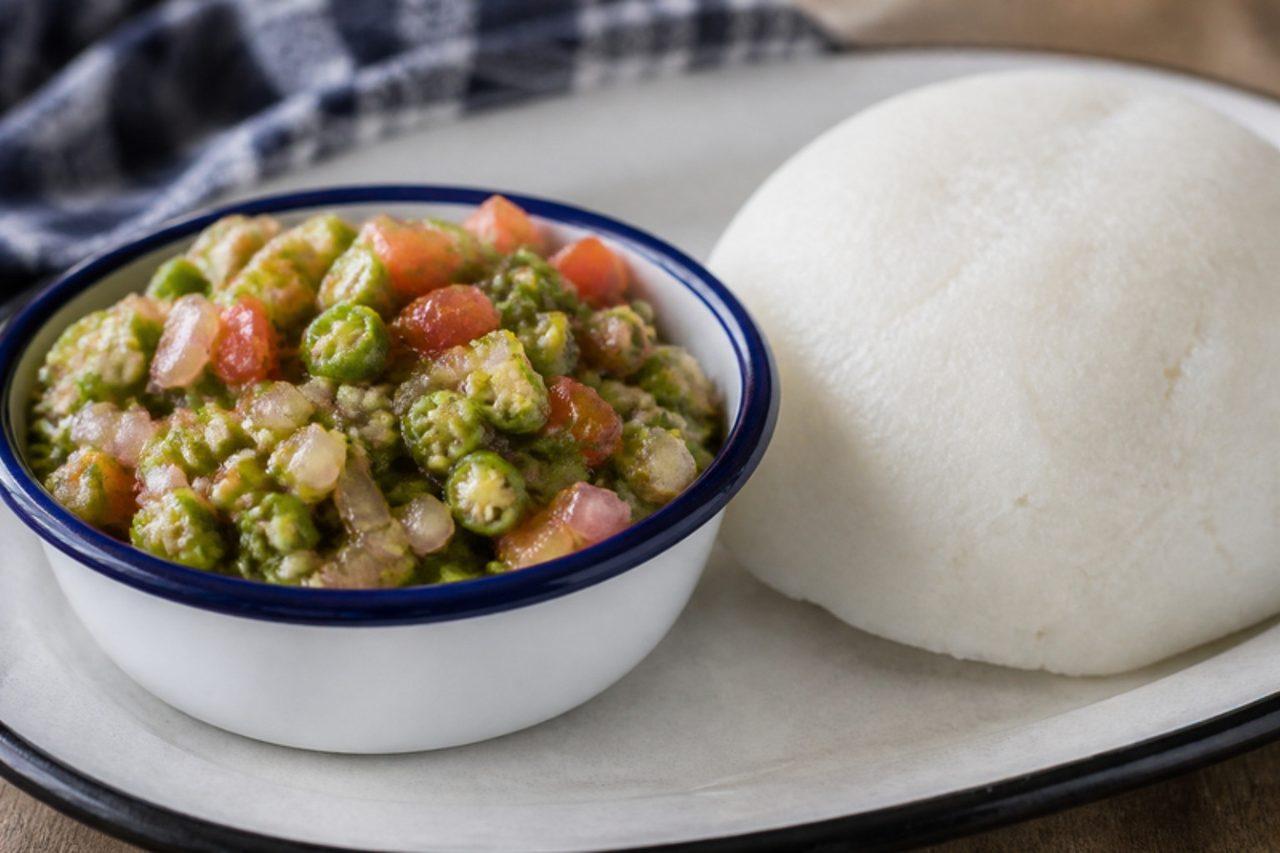
Derere is the slippery okra relish that Zimbabwean families, especially in Mashonaland, eat with sadza (maize porridge) at weekday dinners; the stretchy texture is the point, because it helps each pinch of sadza slide up a little relish. Grated or finely sliced okra is boiled briefly with a pinch of bicarbonate of soda, which makes it extra smooth and keeps it bright green, then finished with tomato and onion. It is vegan and very light, with about 3 g of protein per portion; serve it with beans or peanut-butter greens for a full meal. The common mistake is too much bicarbonate: more than a pinch gives a soapy taste. Chef's tip: stir with a whisk or a fork for the last minute; it builds the classic stretchy, glossy texture.

by KrazyBadal 0 views

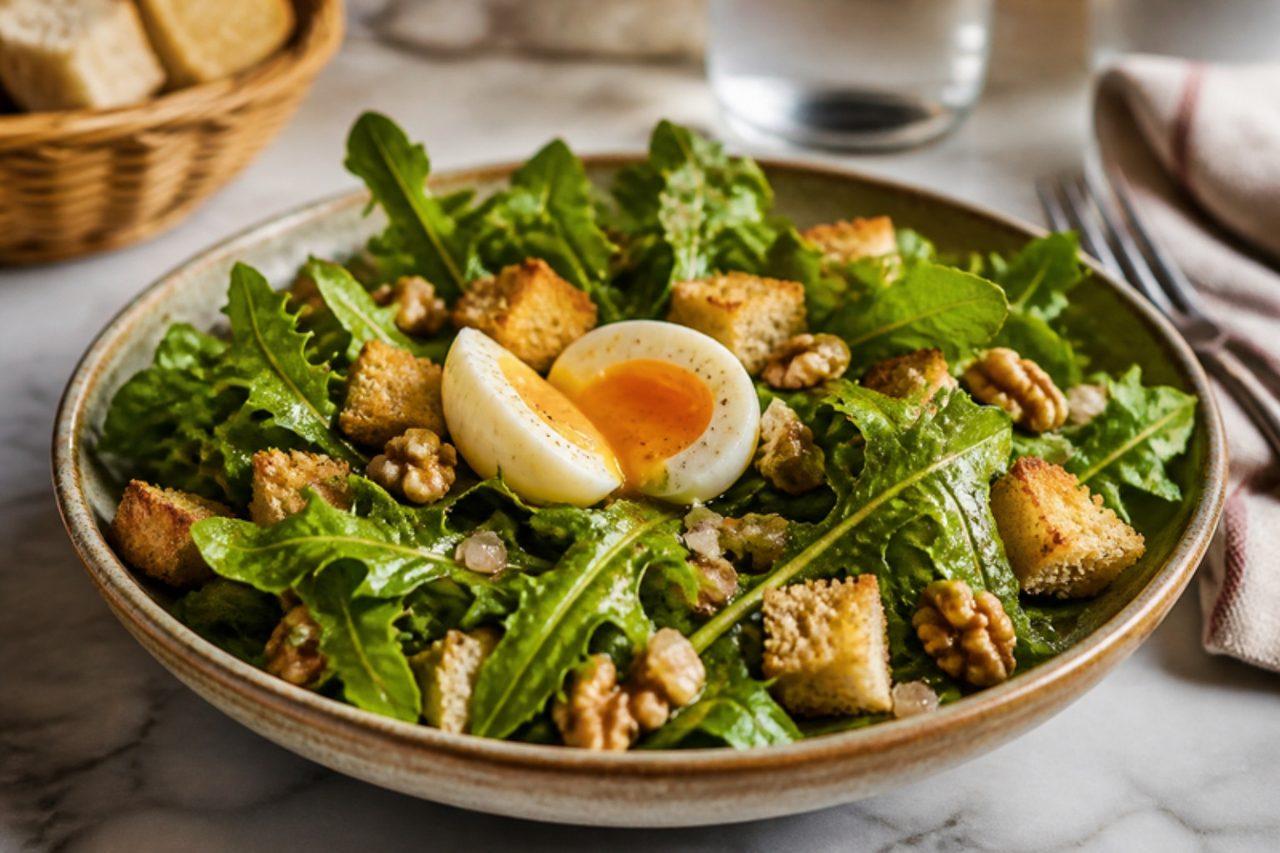
Salade de pissenlitsDandelion salad with warm vinaigrette

In Lorraine and around Lyon, the first tender dandelion leaves of March and April are gathered from meadows (or bought in bunches at the market) for a salad that marks the end of winter. The leaves are pleasantly bitter, and a hot vinaigrette poured over them wilts them slightly, with soft eggs to make it a light supper. The traditional version has crisp lardons; this vegetarian version uses toasted walnuts and a little of their oil for the same richness. A plate gives about 15 g of protein from the eggs and walnuts, so it is not a high-protein dish. The yolks stay runny, so use pasteurised eggs for anyone pregnant, very young, older or vulnerable, or boil the eggs for 10 minutes instead. The mistake to avoid is using big, old leaves from flowering plants; they are tough and harshly bitter. Chef's tip: soak the leaves in cold water for 30 minutes before drying them; it crisps them and tames some of the bitterness.

by KrazyBadal 0 views

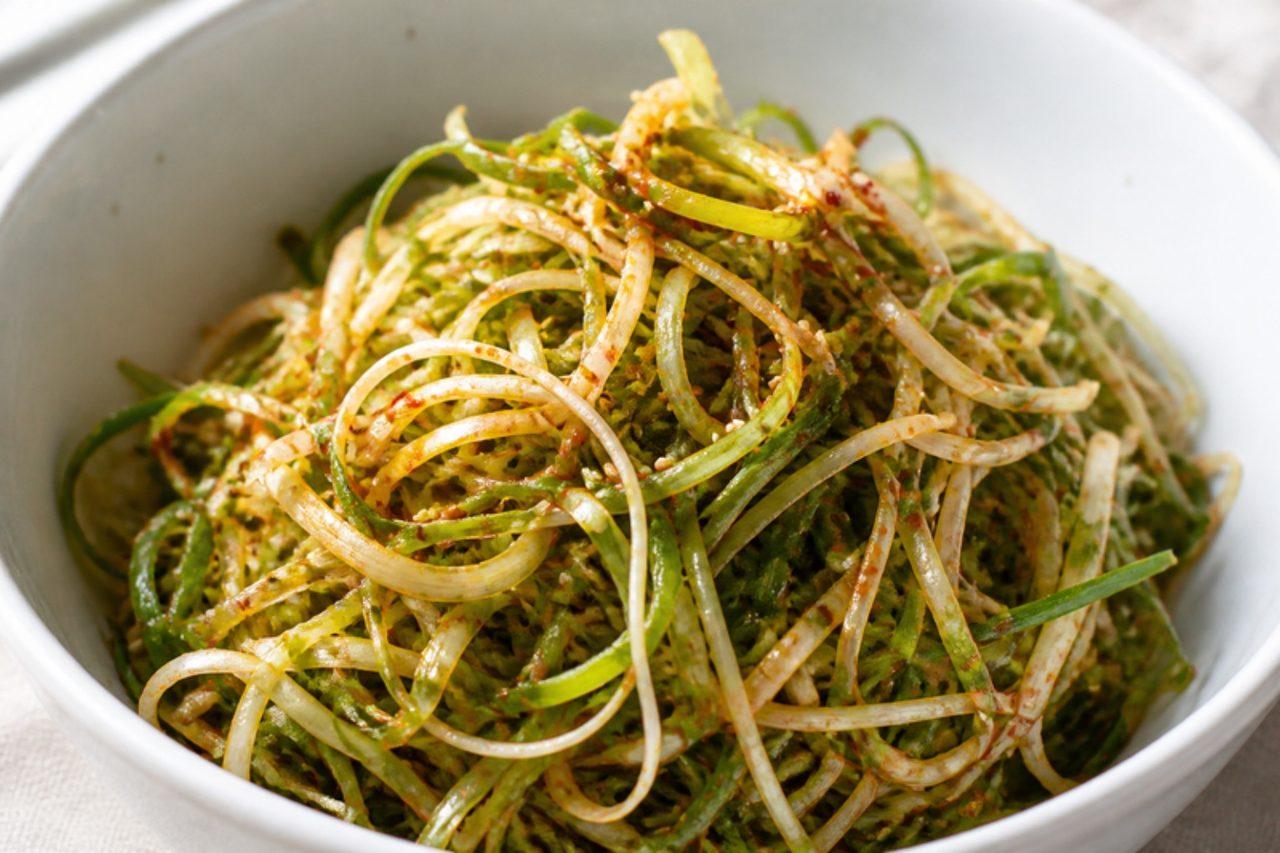
Pa muchimSpring onion salad

Pa muchim is the tangle of sharp, spicy spring onion that arrives with barbecue in restaurants all over Korea, from Seoul to Busan, and it is just as good at home beside grilled tofu, mushrooms or a rice bowl. Spring onion is shredded into long, thin threads, rinsed in cold water to tame its bite, then dressed at the last moment with chilli flakes, vinegar, soy, sugar and sesame. It is a light, vegan side with about 2 g of protein per portion. The common mistake is dressing it too early: after 10 minutes the onion wilts and weeps. Chef's tip: soak the shredded onion in iced water for 10 minutes before dressing; it curls, crisps and loses its harsh raw heat.

by KrazyBadal 0 views

Hin gyoLight clear gourd soup

In Myanmar, no curry lunch or dinner, in Yangon or a village in the Shan hills, is complete without a bowl of hin gyo: a mild, clear 'sweet soup' sipped between mouthfuls of rich, oily curry to refresh the palate. This one uses bottle gourd, simmered with onion, garlic and plenty of black pepper. Homes often season it with dried shrimp or fish sauce; this vegetarian version gets its savoury depth from fried garlic and a little soy sauce instead. It is very light, with about 2 g of protein per bowl. The common mistake is overcooking the gourd until it collapses; take it off when it is translucent but still holds its shape. Chef's tip: crush the peppercorns coarsely just before adding them, because the pepper is the soul of this soup.

by KrazyBadal 0 views

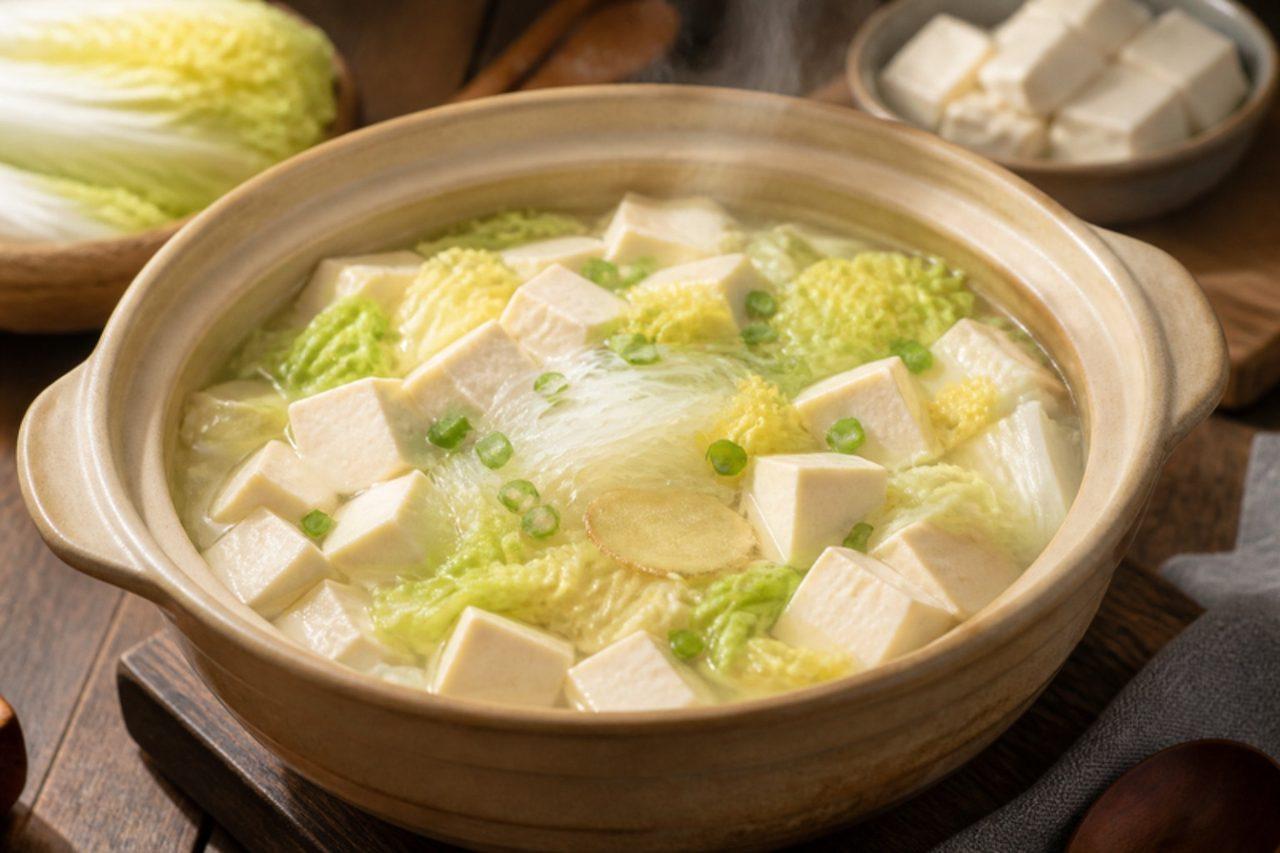
Baicai dun doufuCabbage and tofu stew

In Beijing, Shenyang and Harbin, napa cabbage is stored by the hundredweight for winter, and this gentle stew of cabbage and tofu is what many families eat on a cold evening with steamed buns or rice. The cabbage softens and sweetens into the broth, while the tofu turns silky and swells with flavour; ginger and white pepper give it warmth. Salt is the only seasoning, so it stays gluten free. Each portion has about 230 kcal and roughly 21 g of protein, from 150 g of firm tofu. The common mistake is adding all the cabbage at once: the leaves overcook while the thick stems stay crunchy. Chef's tip: fry the cabbage stems in the oil until their edges brown before adding water; it gives the broth a sweet, toasty depth.

by KrazyBadal 0 views

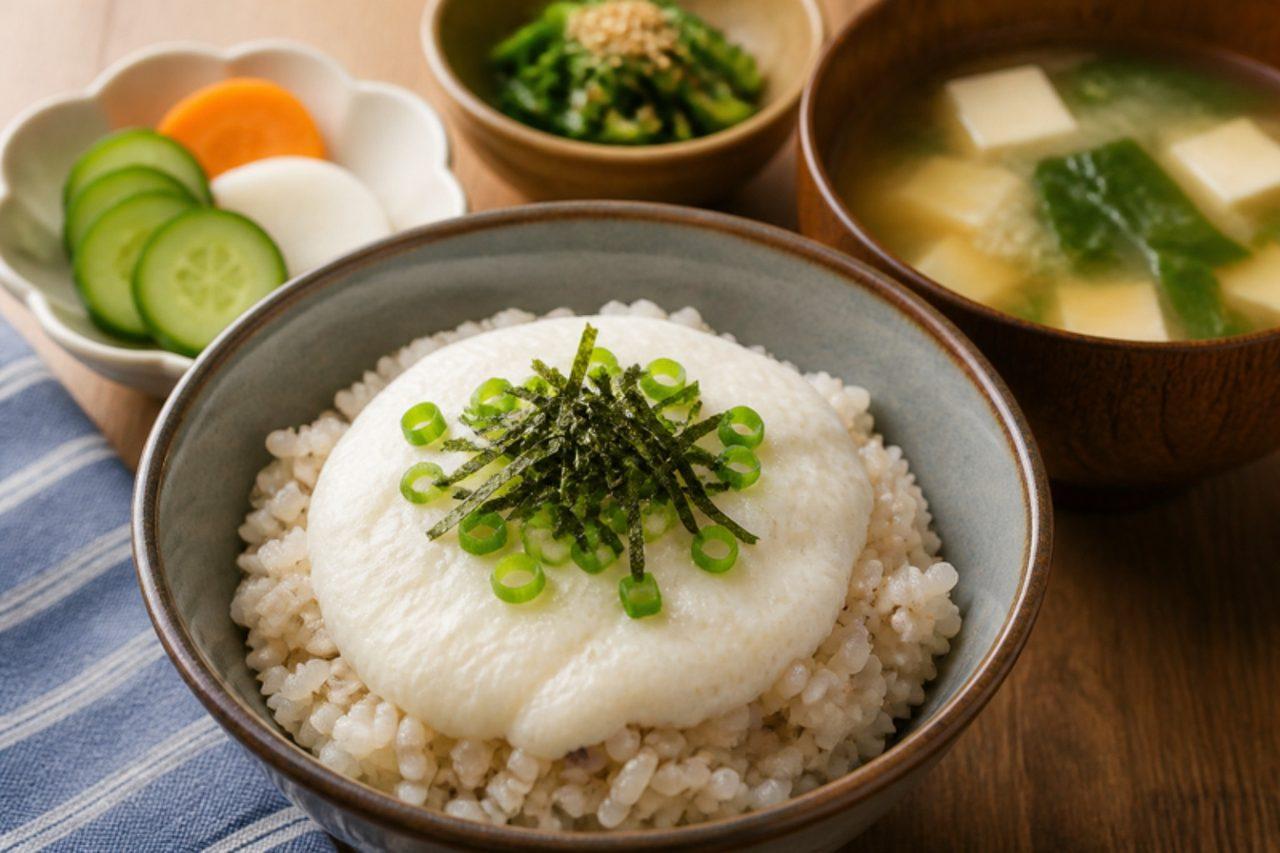
Mugi gohan with tororoBarley rice with grated yam

Mugi gohan, white rice cooked with flattened barley, was everyday food in rural Japan and is back on family tables for its nutty chew and fibre. In Shizuoka and along the old Tokaido road it is famously eaten as mugitoro: barley rice under a pour of grated nagaimo yam loosened with seasoned dashi, slurped quickly at lunch. A portion is about 300 kcal and gives roughly 8 g of protein, so it is light rather than high in protein. The usual mistake is using the plain rice water ratio: barley drinks more, so add extra water or the grains stay hard. Raw nagaimo can make sensitive skin itch, so peel it with gloves on. The dashi here is made from kombu and shiitake, with no bonito. Chef's tip: grate the yam on the finest side of the grater and beat it with a spoon for a minute; it turns light and fluffy and coats the rice evenly.

by KrazyBadal 0 views

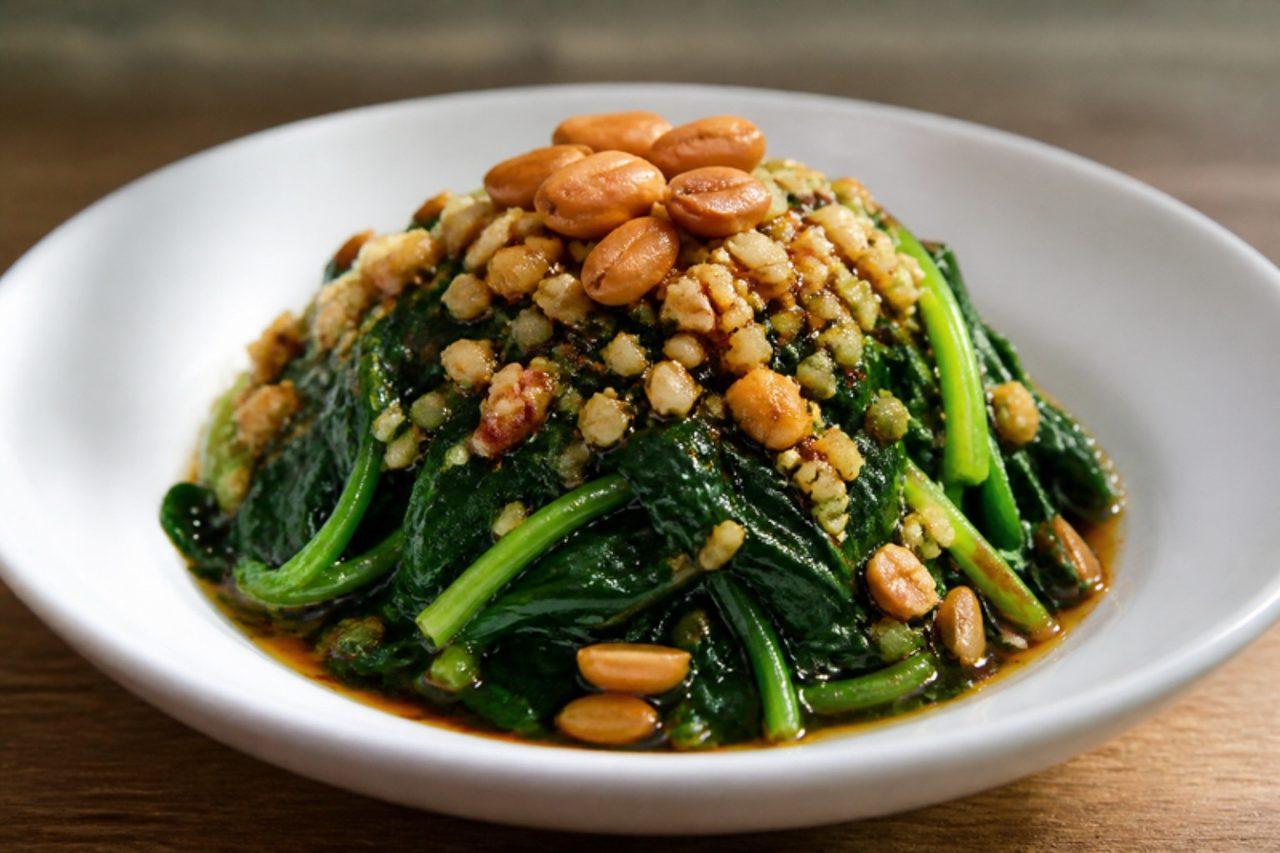
Liangban bocaiCold dressed spinach

Liangban bocai is one of the cold dishes that open a family meal or a restaurant banquet all over China, from Beijing homes to Sichuan noodle shops, and it is made year round but especially in spring when spinach is sweet. The spinach is blanched briefly, squeezed, and dressed with raw garlic, black vinegar, soy and toasted sesame oil, then scattered with crunchy peanuts; it is garlicky, tangy and fresh. A portion gives about 6 g of protein from the spinach and peanuts, so it is a side, good with rice and a tofu dish. The most common mistake is not squeezing the spinach dry, which drowns the dressing; press it firmly in your hands. Chef's tip: pour a spoonful of smoking-hot oil over the garlic before mixing the dressing; it takes the raw edge off and makes the whole dish smell wonderful.

by KrazyBadal 0 views

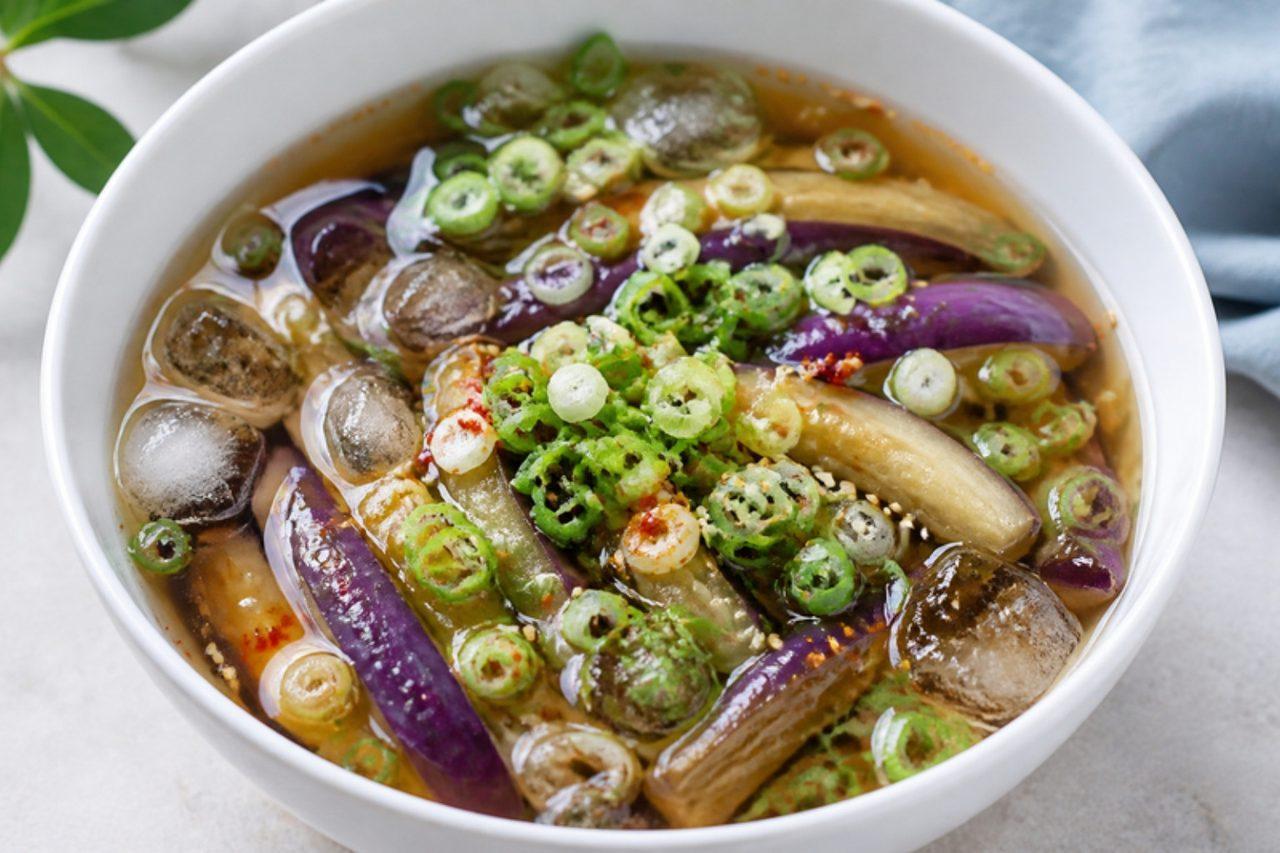
Gaji naenggukChilled aubergine soup

Gaji naengguk is a midsummer cold soup from Korean home kitchens, made in July and August when aubergines are cheap and nobody wants anything hot. The aubergine is steamed until silky, torn into strips and seasoned with garlic and soy, then dropped into an ice-cold, tangy broth. It tastes clean and refreshing, with a soft, almost slippery texture. Each bowl has only about 2 g of protein, so pair it with tofu or bean dishes. The usual mistake is cutting the aubergine with a knife after steaming: torn strips soak up the seasoning far better. Chef's tip: let the steamed aubergine cool completely before mixing it with the broth, or it warms the soup and loses its bite.

by KrazyBadal 0 views

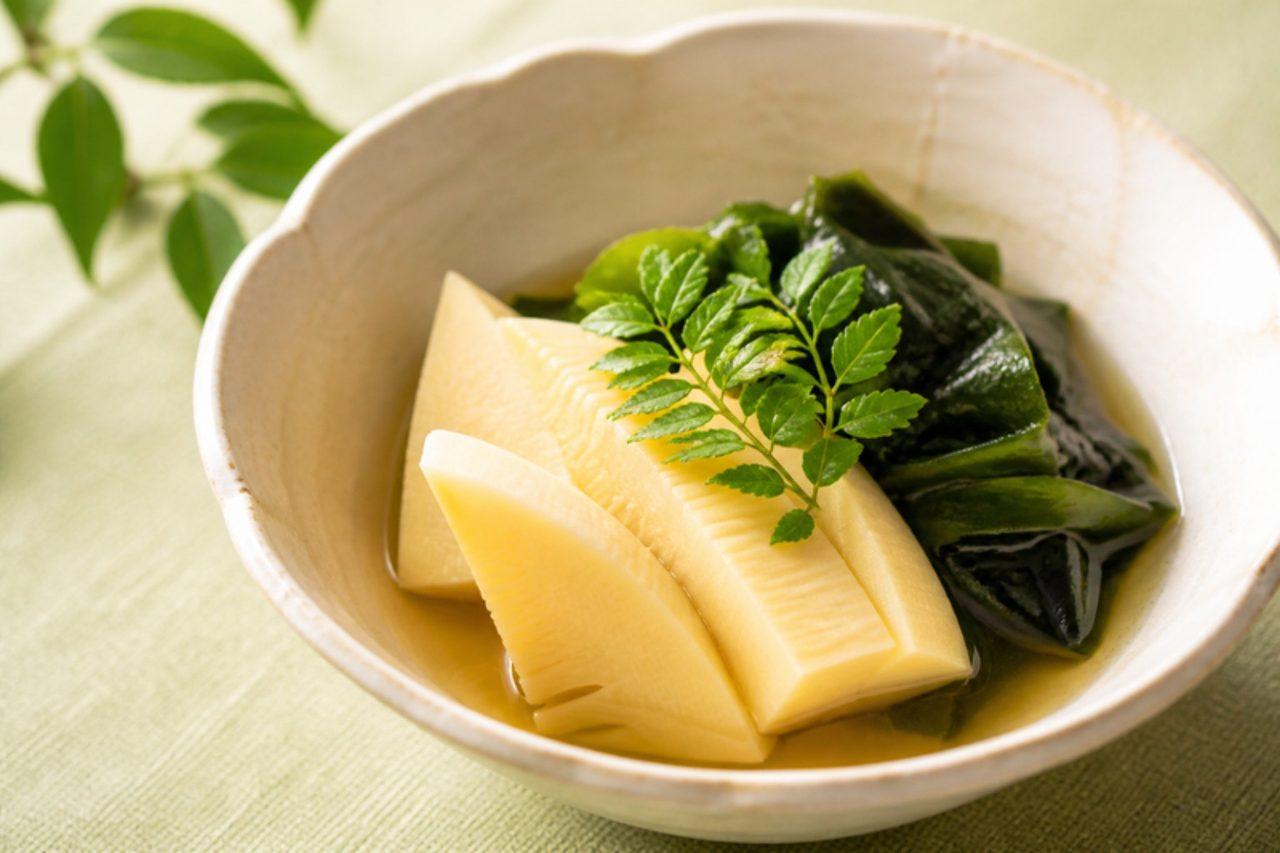
Wakatake-niBamboo shoot and wakame simmer

Wakatake-ni means 'young bamboo simmer', and in Kyoto it marks the few weeks of April when fresh shoots arrive from the hills around Rakusai; it is served in small bowls at home and in kaiseki menus as a quiet taste of spring. Tender bamboo shoot is simmered in a pale, lightly seasoned broth, and soft wakame goes in at the very end, so the bowl is all clean, sweet and sea flavours. Classic recipes use bonito dashi; this one uses kombu and dried shiitake, and sugar instead of mirin, so it is vegan and alcohol-free. It is a light side dish of about 4 g of protein per portion. The common mistake is boiling the wakame with the bamboo: it turns slimy and drab, so it needs only a minute. Chef's tip: cool the bamboo in the broth for 10 minutes before reheating; it drinks up the seasoning far better than it does while boiling.

by KrazyBadal 0 views

Caldo de piedraFish and tomato stone soup

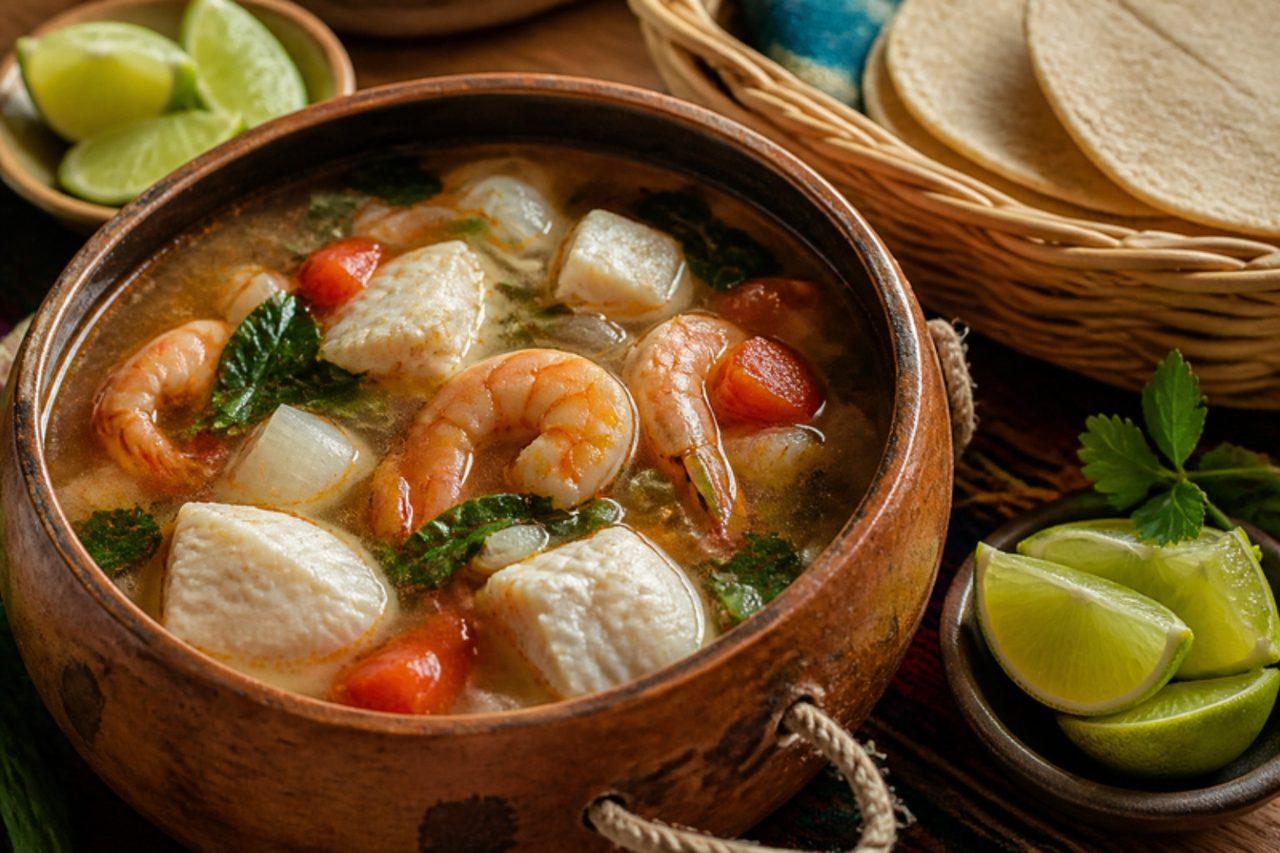
Caldo de piedra comes from San Felipe Usila in the Chinantla of northern Oaxaca, where Chinantec men cook it by the river: fish, tomato, chilli and epazote go into a gourd bowl of water and red-hot river stones are dropped in to bring it to a fierce boil in seconds. It is eaten as a celebration and every year at a festival in the village. Heating stones at home is dangerous (wet or porous stones can crack or burst), so this version brings a heavy pot to a hard boil first and cooks the fish just as briefly. A portion gives about 38 g of protein, from the fish and prawns, for roughly 260 kcal. The common mistake is letting the fish boil on: it is done in 3–4 minutes, when it turns opaque and flakes, and after that it falls apart. Chef's tip: blend the tomato, onion and chilli raw; the broth tastes fresh and sharp, closer to the riverside original than a cooked sauce.

by KrazyBadal 0 views

Sanpei-jiruSalted salmon and root vegetable soup

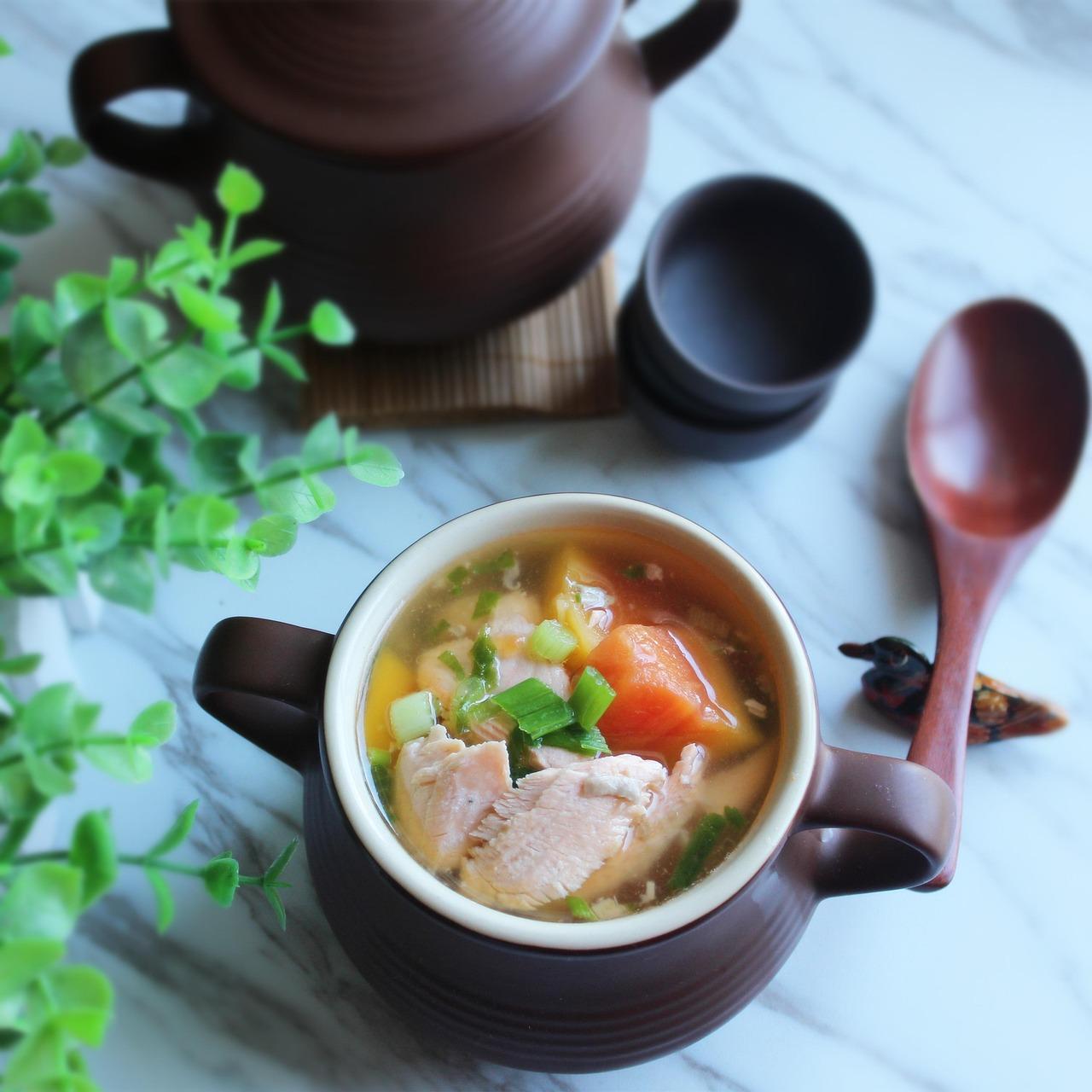
Sanpei-jiru is a winter soup from Hokkaido, once made by fishing families with salt-cured salmon, cod or herring that kept through the long snows, and still a warming supper there today. Salted fish simmers in kombu broth with daikon, carrot and potato, and the fish's own salt seasons the soup, so it tastes clean, gently briny and sweet from the roots. A bowl has about 22 g of protein from the salmon. The common mistake is skipping the quick scald of the fish: without it the broth tastes fishy and turns murky. Chef's tip: taste before adding any salt; salted salmon varies a lot, and you may need none at all.

by KrazyBadal 0 views

Aji no tatakiChopped horse mackerel with ginger

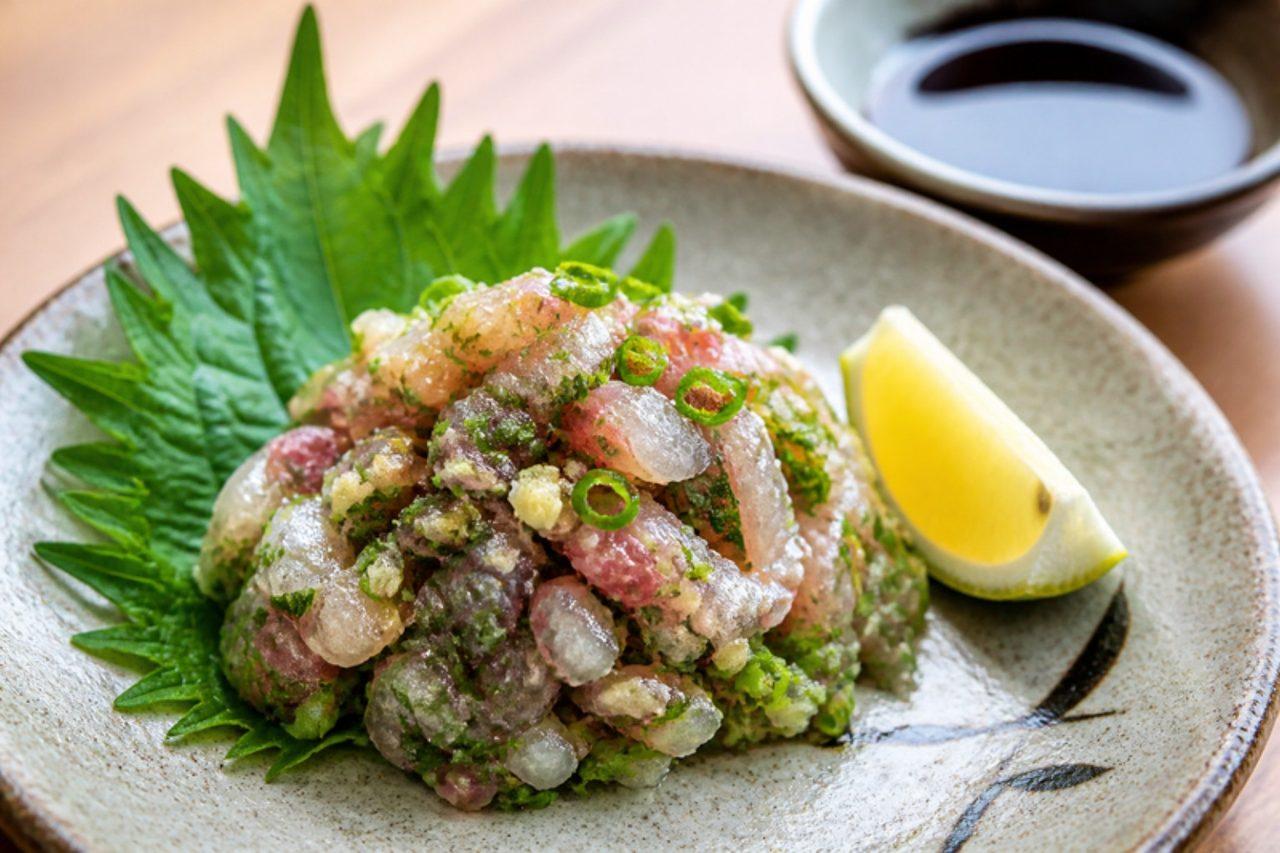
Aji no tataki is a dish of Japan's fishing ports, from the Izu peninsula to Kyushu, eaten as a summer lunch over rice or a starter with cold drinks when the horse mackerel come in fresh. The raw fillets are skinned and chopped with a knife, then mixed with grated ginger, spring onion and shiso, so the fish is soft, cool and clean-tasting with a sharp herbal bite. As a main over rice, a portion has about 28 g of protein from the fish. This is raw fish: buy only sashimi-grade fish from a fishmonger you trust, keep it ice-cold, and freeze it at −20 °C for at least 24 hours first to kill parasites; anyone pregnant, very young, older or with a weak immune system should not eat it. The common mistake is chopping it into a paste: keep small pieces with some texture. Chef's tip: chill the board and the bowl, and work quickly, so the fish never warms up.

by KrazyBadal 0 views

Verdure grigliateGrilled vegetables

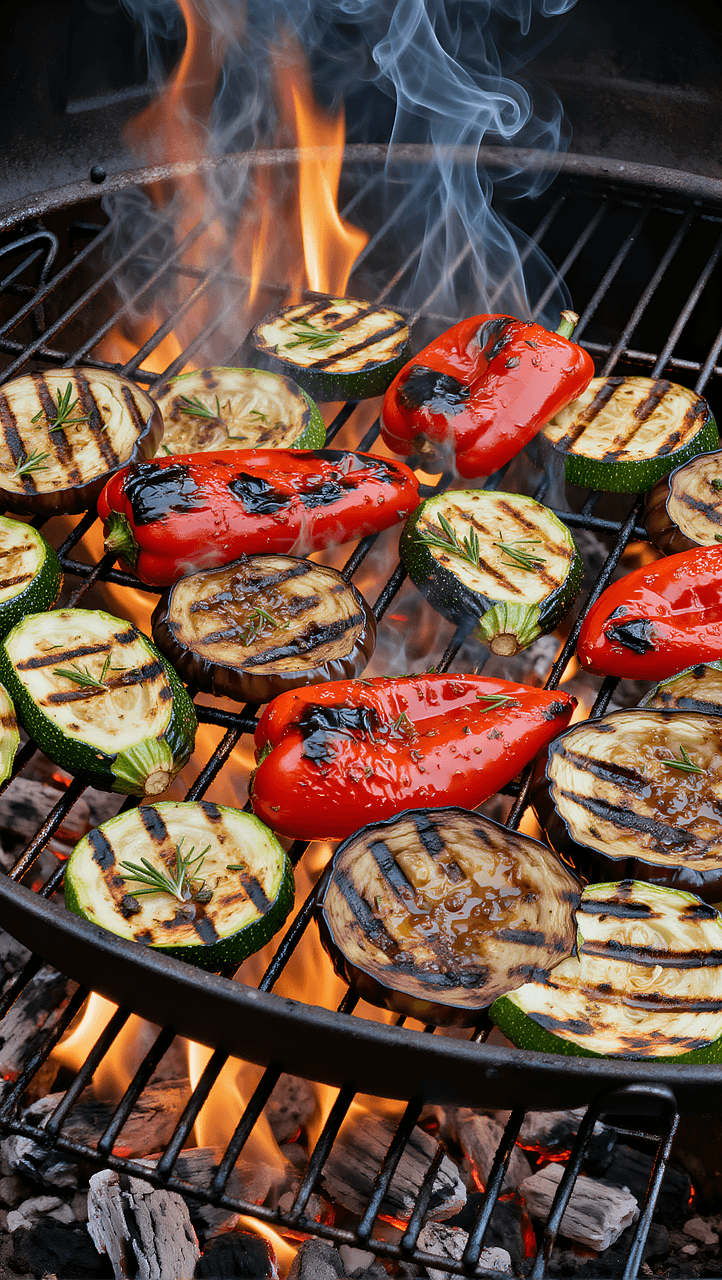
Every Italian region has its plate of verdure grigliate, laid out on summer lunch tables from Puglia to Liguria as part of the antipasti, or eaten as a side to bread and cheese. Slices of aubergine, courgette and pepper are grilled dry until striped and soft, then dressed afterwards in good olive oil, garlic, parsley and a little vinegar so they soak it up as they cool. It is vegan and light, with about 3 g of protein per portion; add a ball of mozzarella or a can of white beans to make it a meal. The common mistake is oiling the vegetables before grilling: they smoke, burn and turn greasy. Chef's tip: make it a few hours ahead; the dressing works its way in and it tastes better at room temperature than hot.

by KrazyBadal 0 views

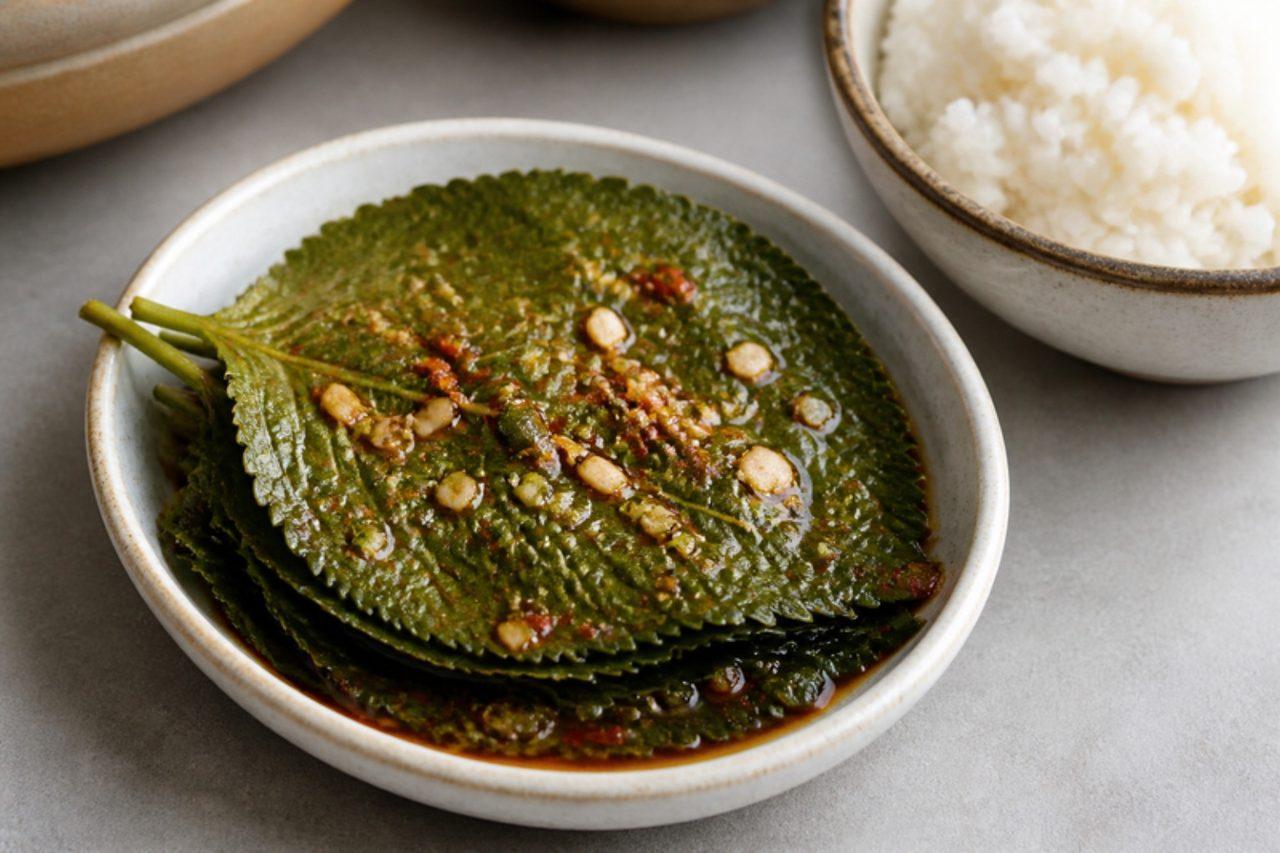
Kkaennip jjimSteamed seasoned perilla leaves

Kkaennip jjim is a homely banchan made in Korean kitchens through the summer, when perilla grows like a weed in back gardens, and it is eaten by wrapping a single soft leaf around a mouthful of rice. The leaves are stacked in pairs with a spoon of soy, garlic and chilli seasoning between each layer, then steamed until they soften and drink up the sauce. Many versions add anchovy stock; this one uses water, so it is vegan. Each portion has about 2 g of protein. The common mistake is steaming too long: the leaves should be tender but still green, about 5 minutes. Chef's tip: seasoning every second leaf rather than every one keeps the stack from getting soggy and salty.

by KrazyBadal 0 views

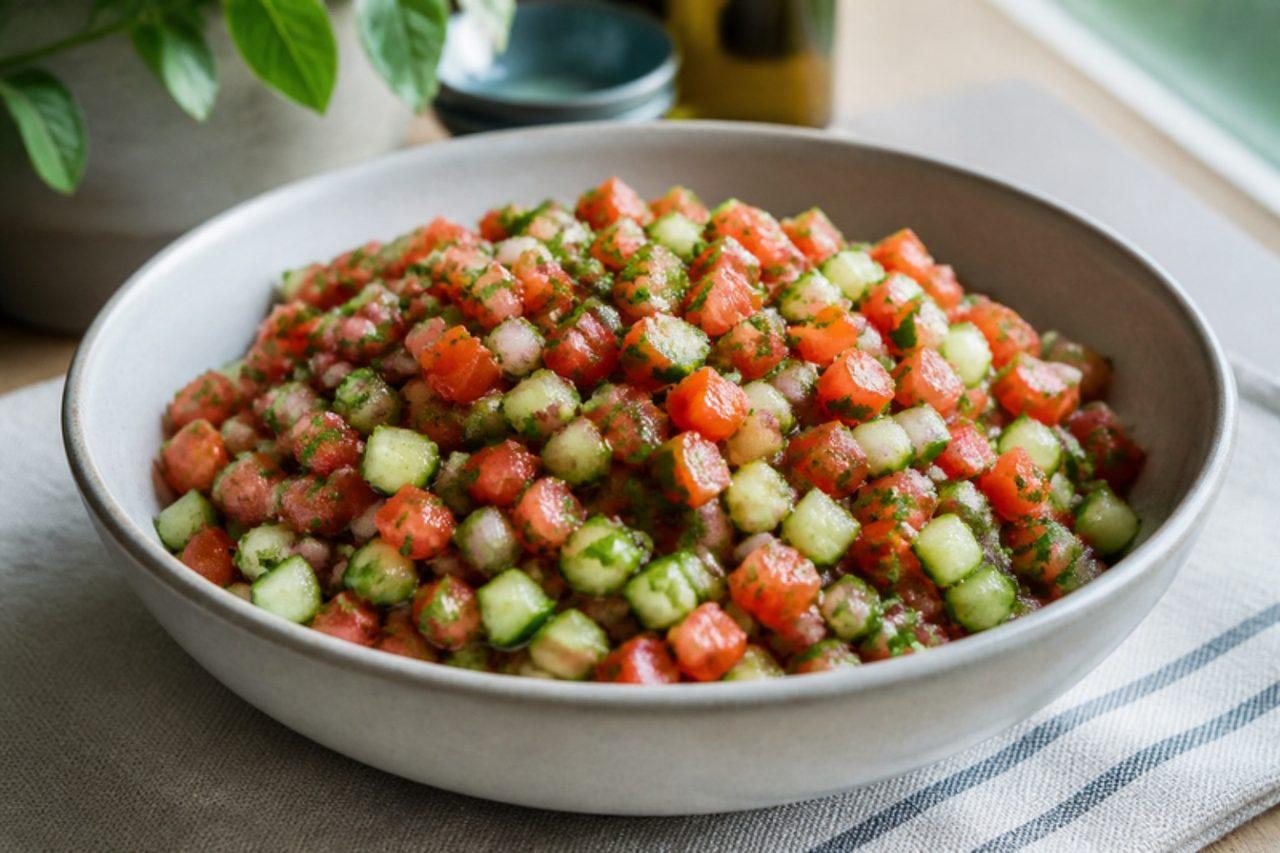
Israeli salad

Israeli salad, a very finely chopped mix of cucumber, tomato, onion and parsley dressed with lemon and olive oil, shares its roots with the Arab chopped salads of the region and appears at almost every meal in Israel: with eggs and labneh at a kibbutz breakfast, stuffed into a pitta at a Tel Aviv falafel stand, or beside schnitzel on a weeknight. The skill is in the knife work, small, even dice of about 5 mm, so each spoonful holds a bit of everything. The common mistake is salting and dressing it too early, which draws the juices out and leaves it swimming; dress it just before serving. Chef's tip: use small, firm cucumbers and scoop out very watery tomato seeds if the tomatoes are soft.

by KrazyBadal 0 views

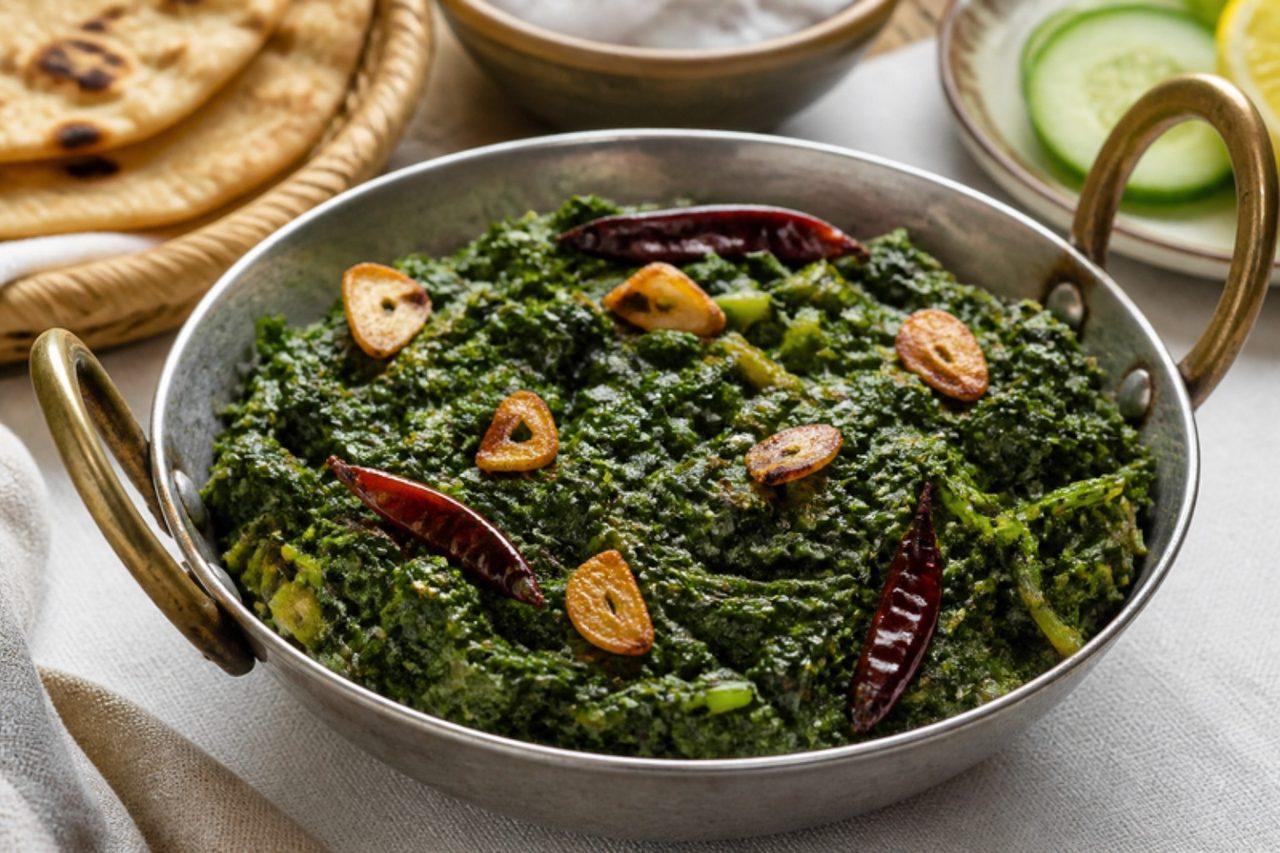
Lehsuni palakGarlic spinach

In Punjabi homes from Amritsar to Ludhiana, lehsuni palak is the green dish that lands on the table in winter when spinach is cheap and sweet, eaten with hot phulkas and a bowl of dal. It is not a purée like palak paneer: the leaves are chopped and wilted so they keep some body, then a second round of garlic fried golden in oil is poured over at the end, nutty and fragrant. The usual mistake is burning the garlic; dark brown garlic turns bitter and spoils the whole pan, so pull it off the heat when it is the colour of light toast. Chef's tip: squeeze the washed spinach lightly before it goes in, or the pan floods and the leaves stew instead of sautéing.

by KrazyBadal 0 views

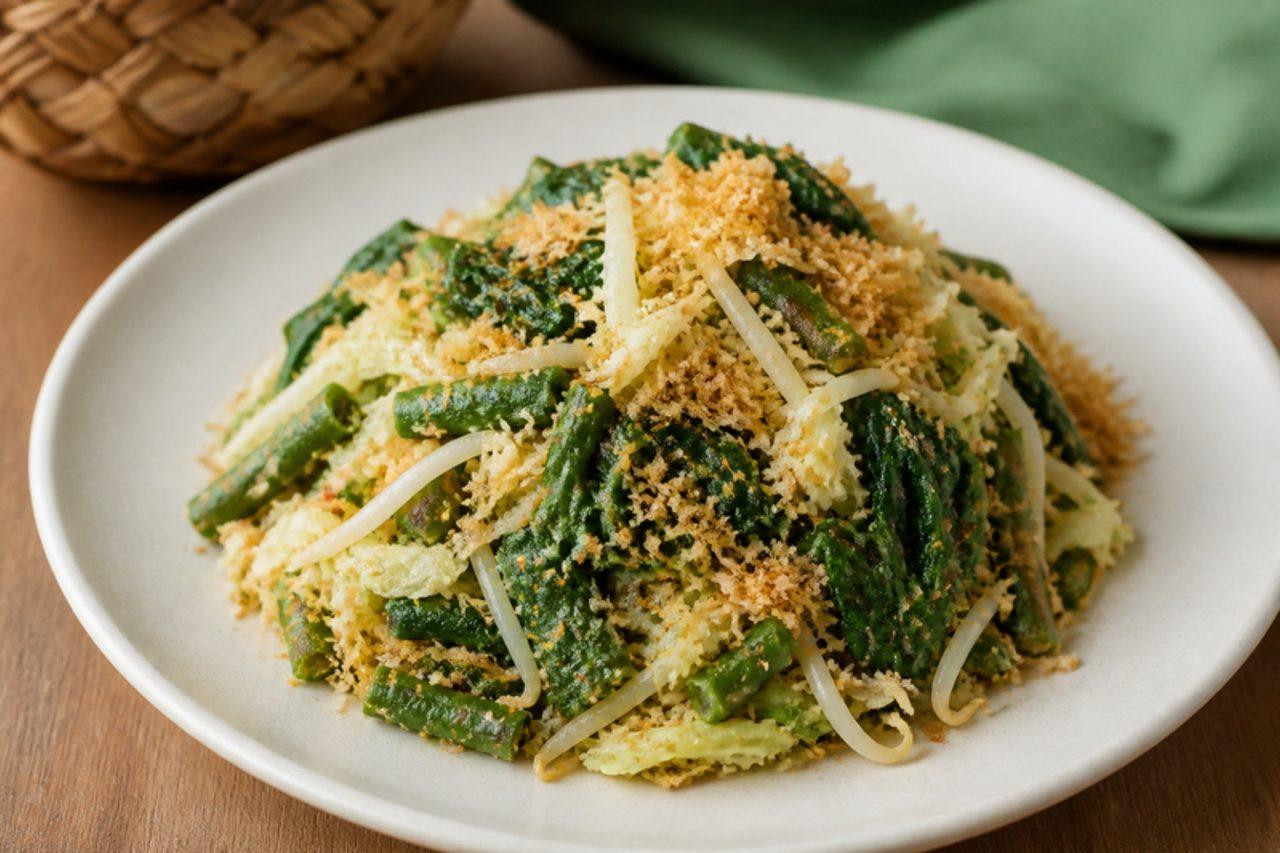
Urap (Javanese vegetables with spiced coconut)

Urap is a Javanese and Balinese side dish served at everyday meals and at slametan gatherings, and it is just as common heaped next to rice and tempeh on a weeknight. Freshly blanched long beans, spinach, cabbage and bean sprouts are tossed with grated coconut that has been steamed with shallot, garlic, chilli and lime leaf, so the vegetables taste bright and the coconut sweet, warm and fragrant. Many cooks add terasi (shrimp paste) to the coconut; this version leaves it out so it stays vegan. The common mistake is mixing the coconut into the vegetables hours ahead, when it turns sour and soggy; toss just before eating. Chef's tip: plunge the vegetables into cold water straight after blanching and squeeze the greens dry, or the dressing will be watery.

by KrazyBadal 0 views

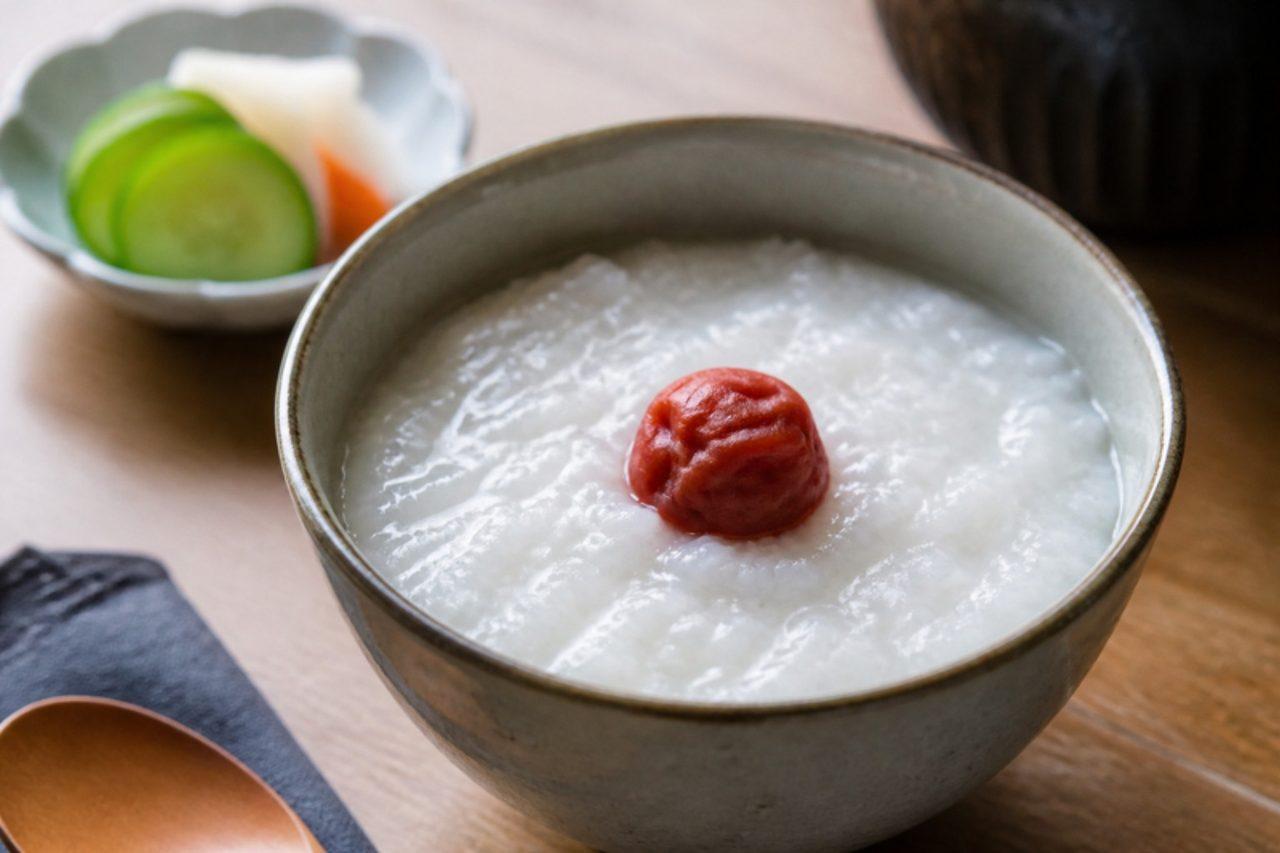
OkayuPlain rice porridge with pickled plum

Okayu is the porridge Japanese mothers make when someone is ill, tired or simply needs something gentle, and it is also eaten on 7 January as part of the new year with seven spring herbs. This weeknight version starts from cooked rice, simmered in water with a little salt until soft, white and spoonable, then served with a sour-salty umeboshi plum to stir in. The mistake is stirring it constantly, which breaks the grains and turns it gluey; stir only now and then. Chef's tip: for the full, silkier version, start with 100 g raw rice and 1 litre of water and simmer, lid ajar, for 40 minutes.

by KrazyBadal 0 views

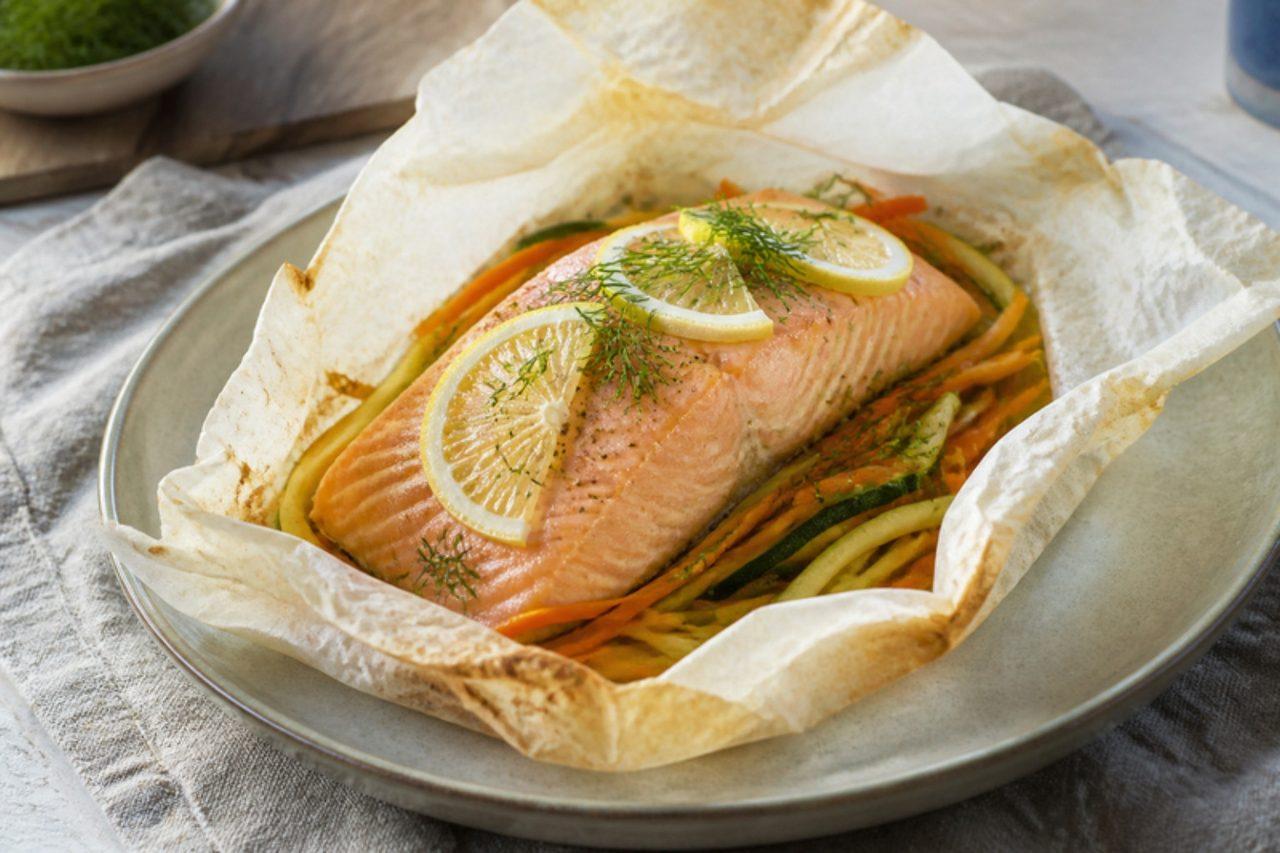
Saumon en papilloteSalmon baked in paper parcel

Saumon en papillote is everyday French home cooking at its lightest: a fillet of salmon sealed in baking paper with ribbons of courgette and carrot, lemon and dill, so it steams in its own juices in the oven. Across France it is a favourite midweek dinner because there is almost no washing-up, and each person opens their own fragrant parcel at the table, ideally with boiled new potatoes or rice. The usual mistake is cutting the vegetables too thick, so the fish overcooks while they stay raw; slice them very thin. Chef's tip: fold and crimp the paper edges tightly all the way round, or the steam escapes and the salmon dries out.

25 minFrenchFishGluten free
by KrazyBadal 0 views

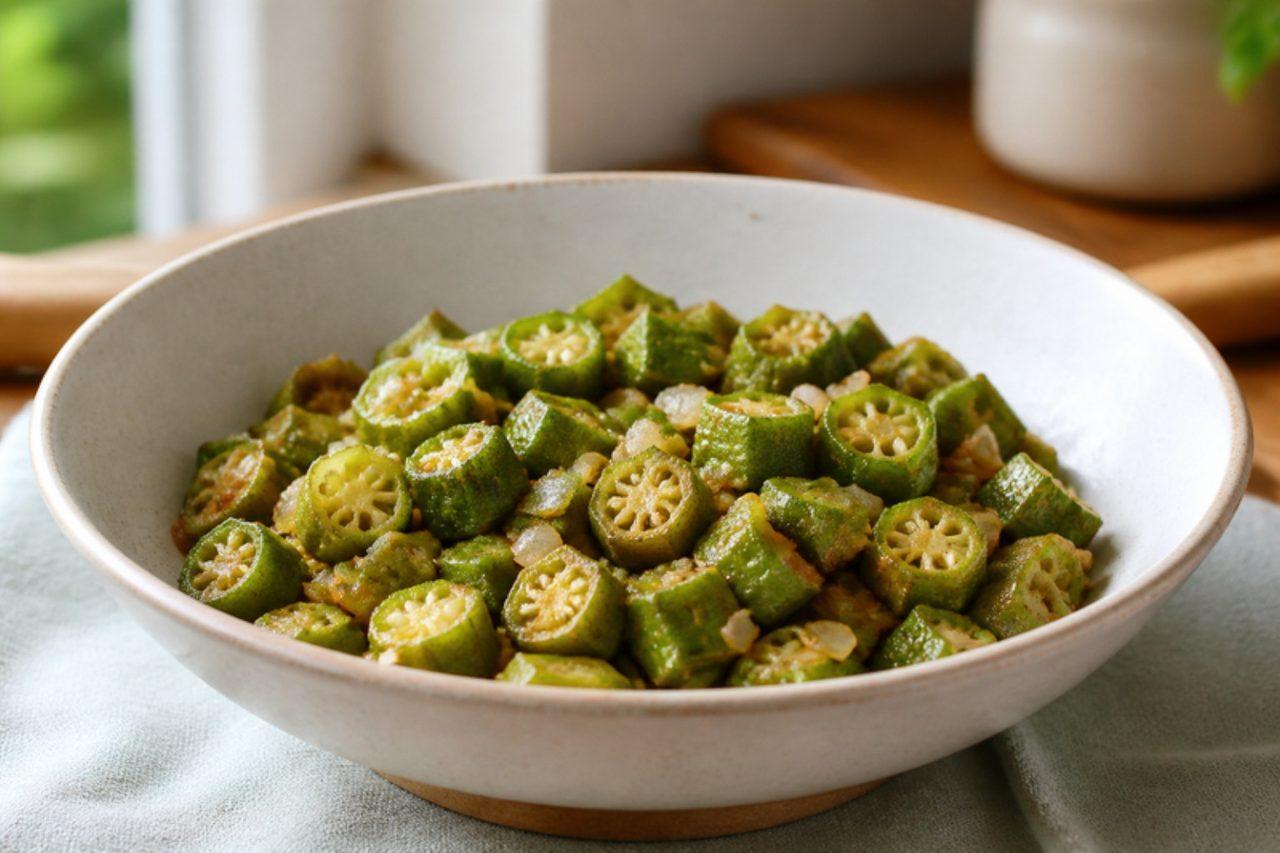
Quiabo refogadoSautéed okra with garlic

In Minas Gerais, quiabo refogado is the green side that sits next to rice, beans and angu on weekday lunch and supper plates, and the cook's pride is okra that is tender but never slimy. The pods are sliced into rounds and sautéed in a wide pan with onion and plenty of garlic until the sticky threads cook away and the edges turn lightly golden. The most common mistake is washing the okra after slicing it: wet cut okra turns gluey, so wash and dry the whole pods first. Serve it with rice and beans, a fried egg or crisp fried tofu. Chef's tip: stir only every couple of minutes and add a few drops of lime at the end; both keep the slices separate.

by KrazyBadal 0 views

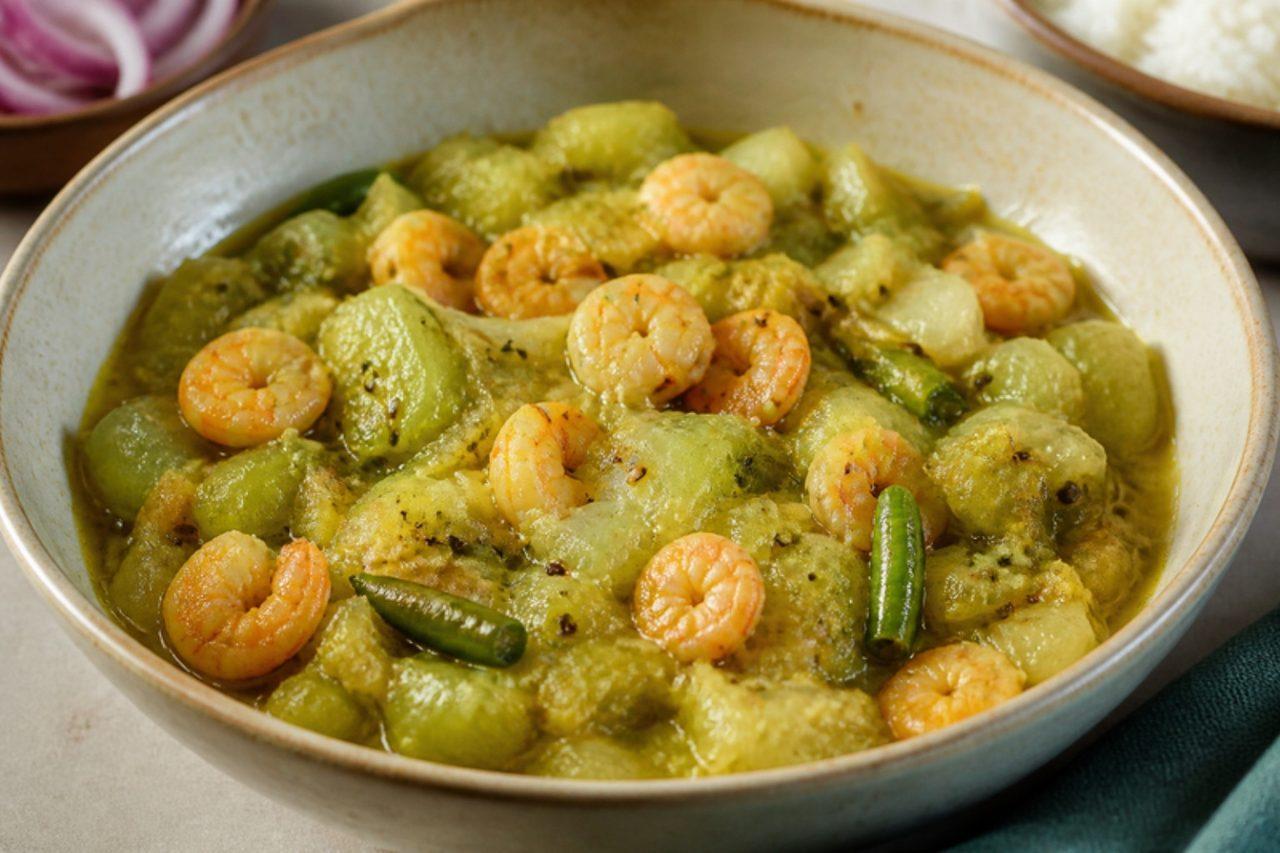
Lau chingriBottle gourd with prawns

Lau chingri is everyday lunch and dinner food in Dhaka homes and over the border in Kolkata: pale bottle gourd cooked slowly in its own juice with small prawns, cumin and green chilli until it turns soft and sweet. It is mild and light, eaten with plain rice and a spoon of dal. The common mistake is adding water; lau is mostly water already, and extra liquid turns it into a thin soup. Chef's tip: fry the prawns first and lift them out, then return them at the end so they stay plump instead of rubbery.

by KrazyBadal 0 views

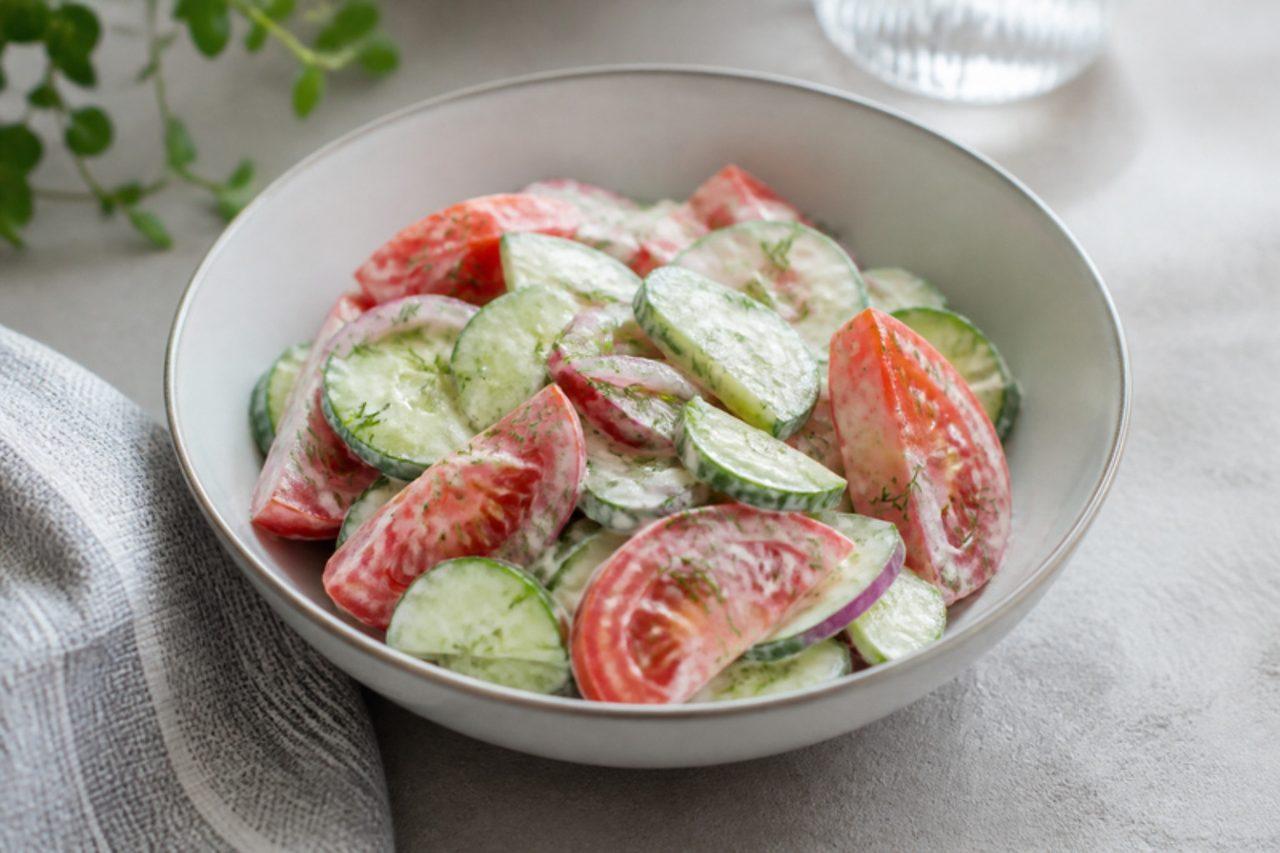
Salat iz ogurtsov i pomidorov (Russian cucumber and tomato salad)

From Moscow dachas to Siberian kitchens, this is the salad that sits on almost every summer table: cucumber, ripe tomato and onion chopped together with dill, dressed either with smetana for a creamy version or with unrefined sunflower oil, whose nutty taste is the flavour of the Russian countryside. It is eaten beside boiled potatoes, kasha or grilled food, and it is made minutes before the meal. The usual mistake is salting it early: the tomatoes and cucumbers release their juice and the salad turns into a watery soup. Chef's tip: if you can find it, use unrefined, cold-pressed sunflower oil; it tastes of toasted seeds and makes the plainest salad sing.

by KrazyBadal 0 views

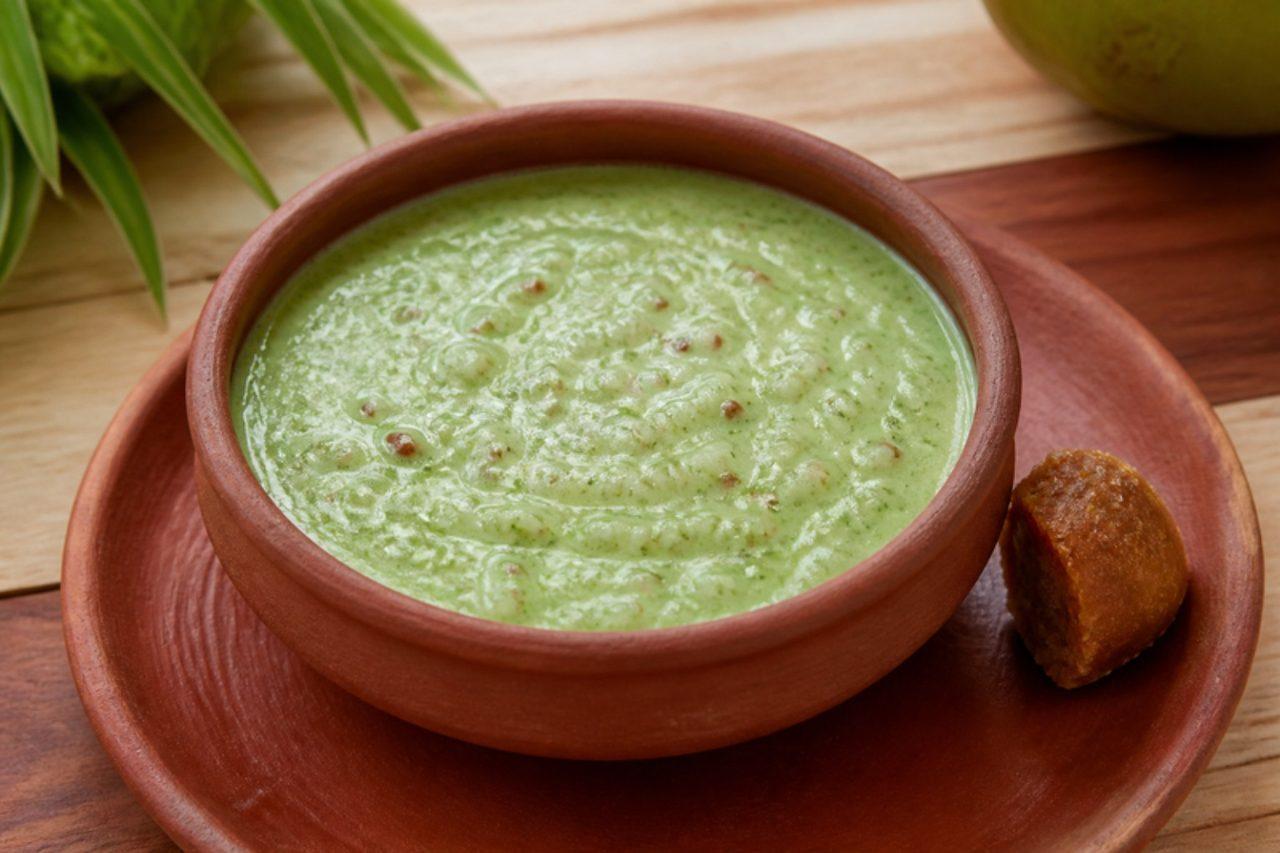
Kola kandaHerbal rice and coconut porridge

Kola kanda is a Sri Lankan breakfast porridge, sold in small cups at roadside stalls and morning markets in Colombo and drunk warm before work. Red rice is cooked soft with garlic, then blended greens, traditionally gotu kola, and coconut milk turn it a vivid green with a fresh, slightly grassy flavour. It is served with a piece of jaggery to nibble between sips. The mistake to avoid is boiling it after the greens go in, which turns the colour olive and the taste stewed. Chef's tip: crack the red rice in a spice grinder first; the broken grains cook in about 20 minutes and give the classic loose, creamy texture.

by KrazyBadal 0 views

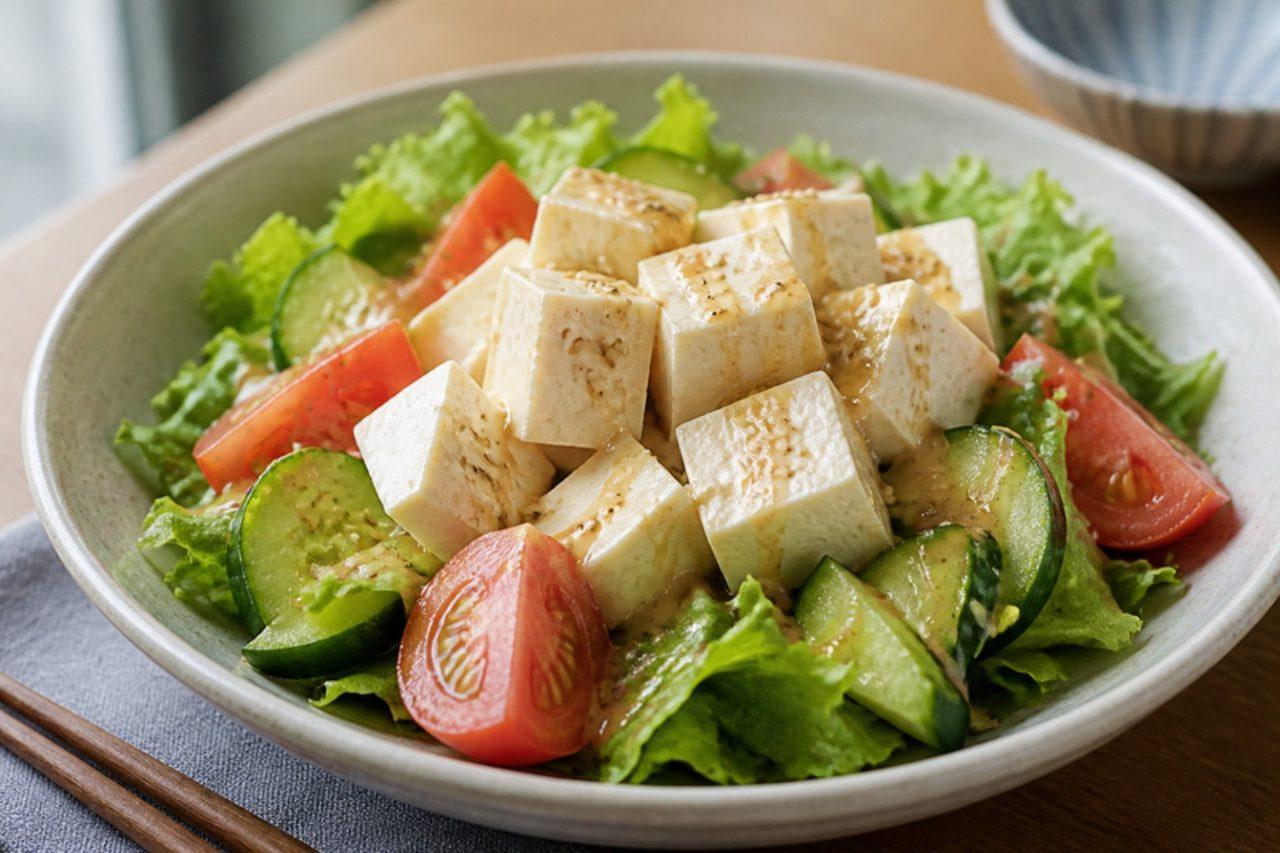
Japanese tofu salad

Tofu sarada is a fixture on Japanese izakaya menus and family dinner tables everywhere from Tokyo to Fukuoka, especially in the humid summer months. Cool cubes of tofu sit on crisp lettuce, tomato and cucumber under a sesame-soy dressing sharpened with rice vinegar and ginger, with a few strands of wakame if you have them. It makes a light dinner with rice and miso soup. The usual mistake is not draining the tofu, so its water dilutes the dressing into a bland pool. Many shop-bought wafu dressings contain bonito; this home-made one is vegan. Chef's tip: dress the salad at the table so the leaves stay crisp.

by KrazyBadal 0 views

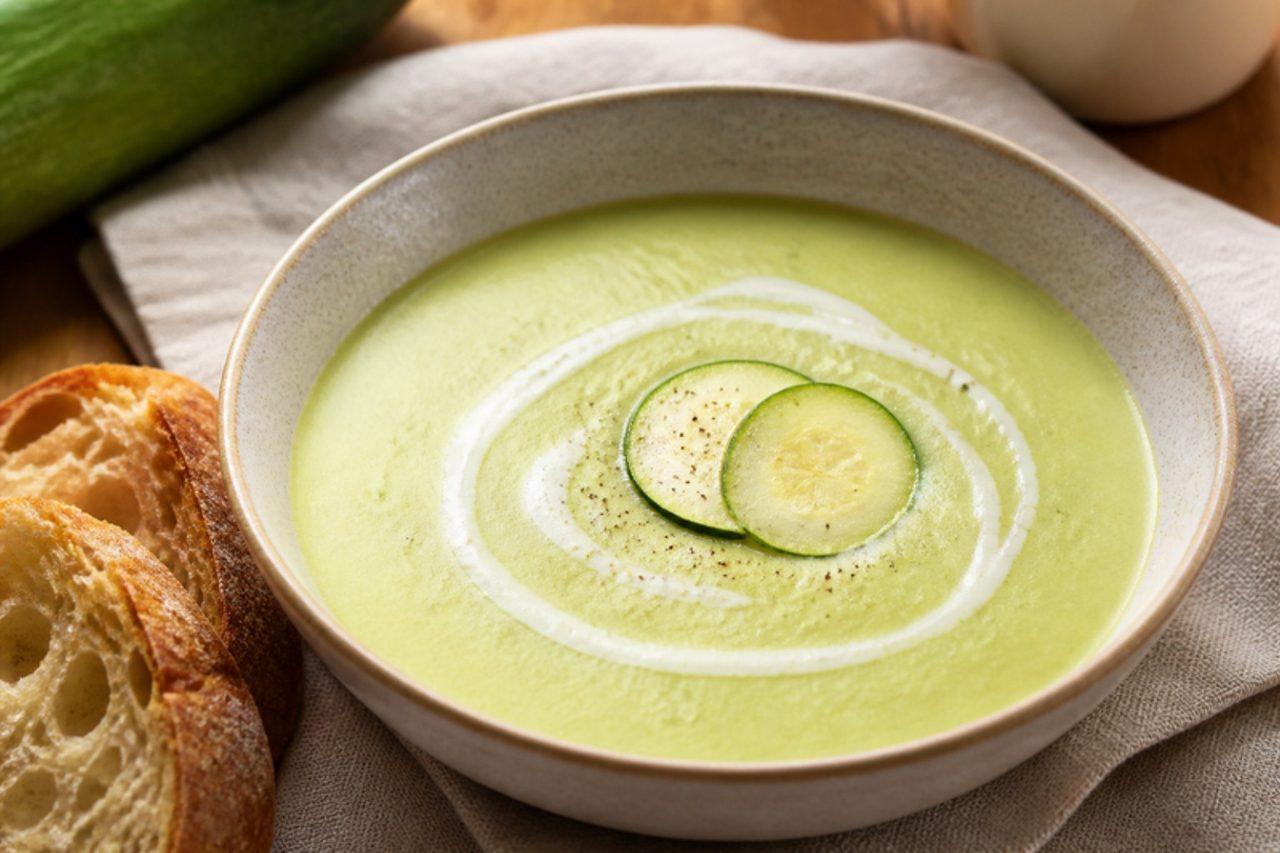
Velouté de courgettesSmooth courgette soup

French families make velouté de courgettes on summer and early-autumn evenings, when courgettes are cheap and plentiful, often blending in a few wedges of soft triangle cheese or a spoon of cream so children drink it happily. It is pale green, silky and mild, and ready in under half an hour; serve it with crusty bread and a piece of cheese. Some soft cheeses are made with animal rennet, so check the label or use a vegetarian cream cheese. The most common mistake is boiling the courgettes too long, which turns the soup a dull khaki; simmer only until just tender. Chef's tip: leave some of the green skin on but peel in stripes, so the colour stays bright without any bitterness.

by KrazyBadal 0 views

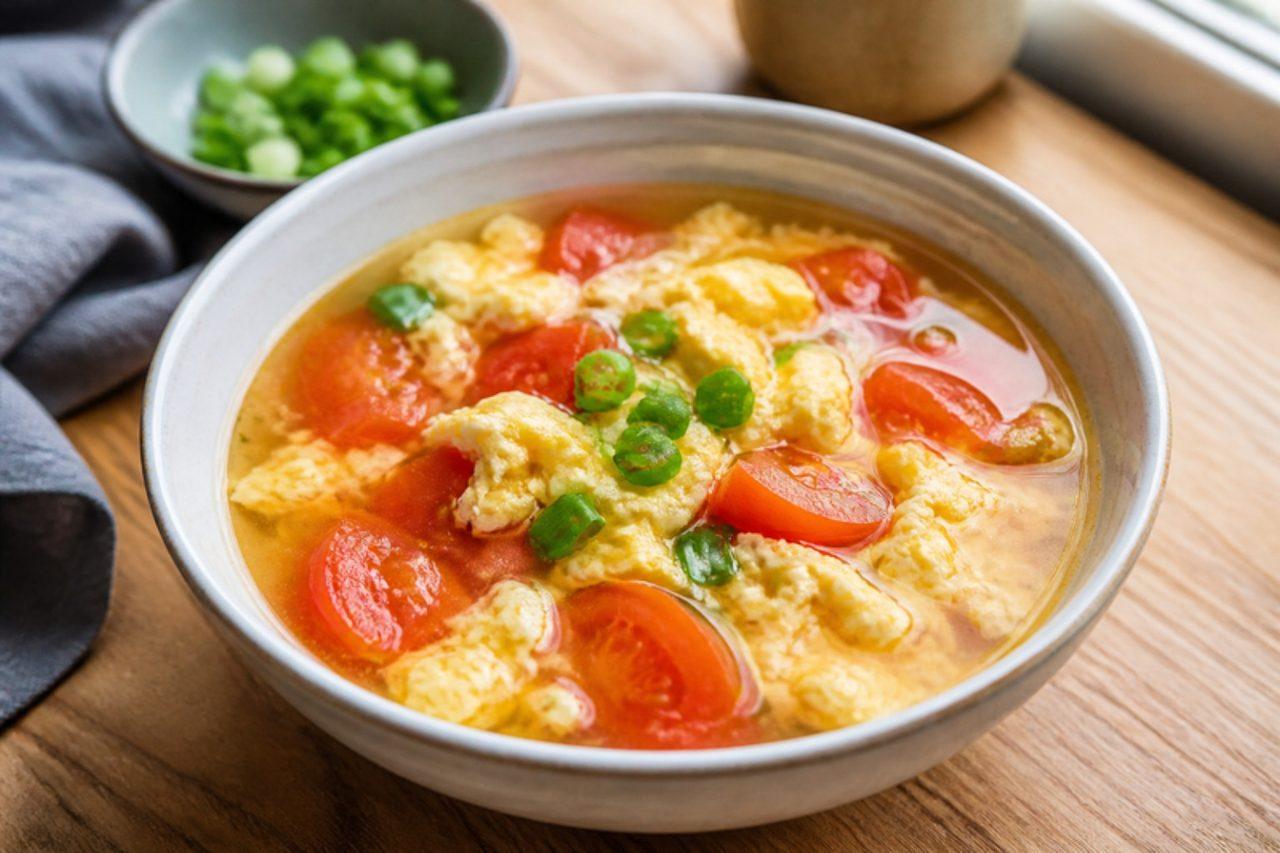
Tomato and egg drop soup

Tomato and egg drop soup, fan qie dan hua tang, is one of the first soups Chinese home cooks learn, made from Shanghai to Chengdu in the ten minutes before rice is ready. Tomatoes cook down into a light, sweet-sour broth and beaten egg is poured in to set into fine yellow ribbons, finished with spring onion and sesame oil. The mistake that makes it cloudy is pouring the egg into a rolling boil and stirring hard; you want a gentle simmer and a slow, thin stream. Chef's tip: fry the tomatoes in a little oil before adding water, so the broth turns rosy and full of flavour.

by KrazyBadal 0 views

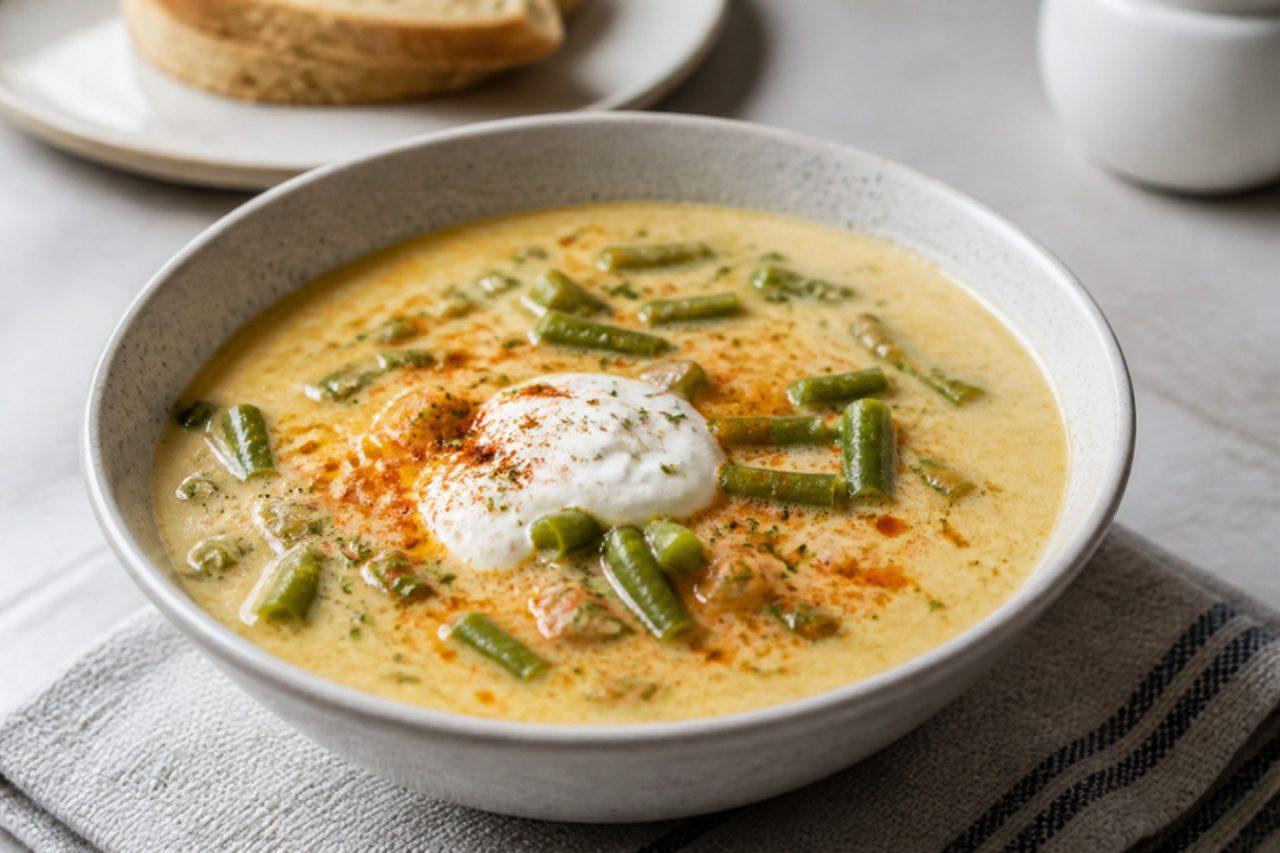
Zöldbableves (Hungarian green bean soup)

Zöldbableves is a summer soup from Hungarian home kitchens, made when green beans are cheap at every market: tender beans in a light broth, soured with a little vinegar and thickened with a paprika roux and sour cream, so it is creamy, gently tart and bright red-orange. It is served as the first course of a weekday lunch or as a light supper with bread. The classic mistake is pouring cold sour cream straight into the hot soup, where it splits into flecks; temper it first. Chef's tip: let the roux turn just golden before adding the paprika off the heat, because paprika burns in seconds and turns bitter.

by KrazyBadal 0 views

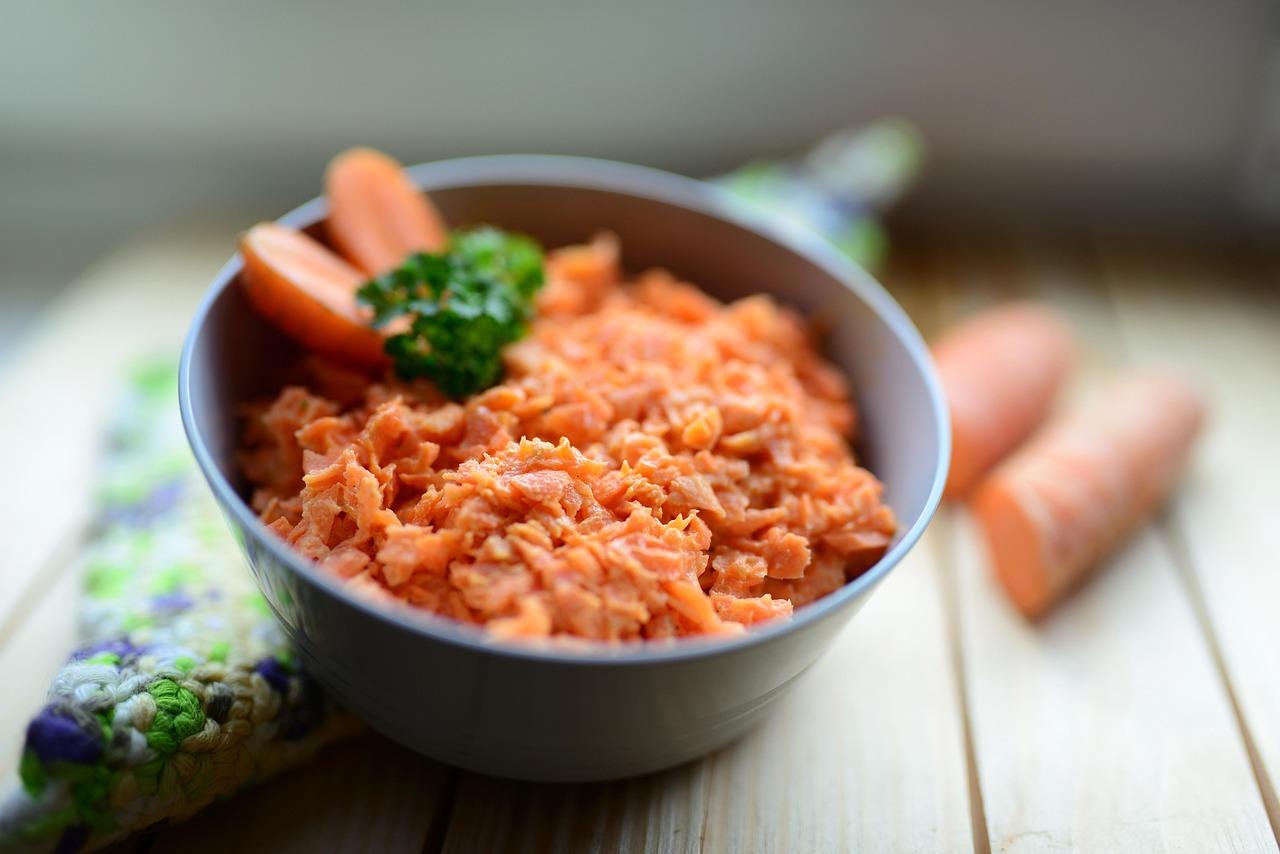
Carrot sambolRaw carrot and coconut salad

Carrot sambol is a fresh, crunchy side found on rice-and-curry plates all over Sri Lanka, from Colombo lunch packets to home tables in Kandy. Grated carrot is tossed with red onion, green chilli, lime juice and a little coconut, so it cuts through rich curries and dhal. Some cooks add Maldive fish; this version leaves it out so it stays vegan. The common mistake is dressing it too early: the salt and lime draw water out of the carrot and you end up with a soggy puddle. Chef's tip: mix everything except the salt and lime ahead, then season just before serving.

by KrazyBadal 0 views

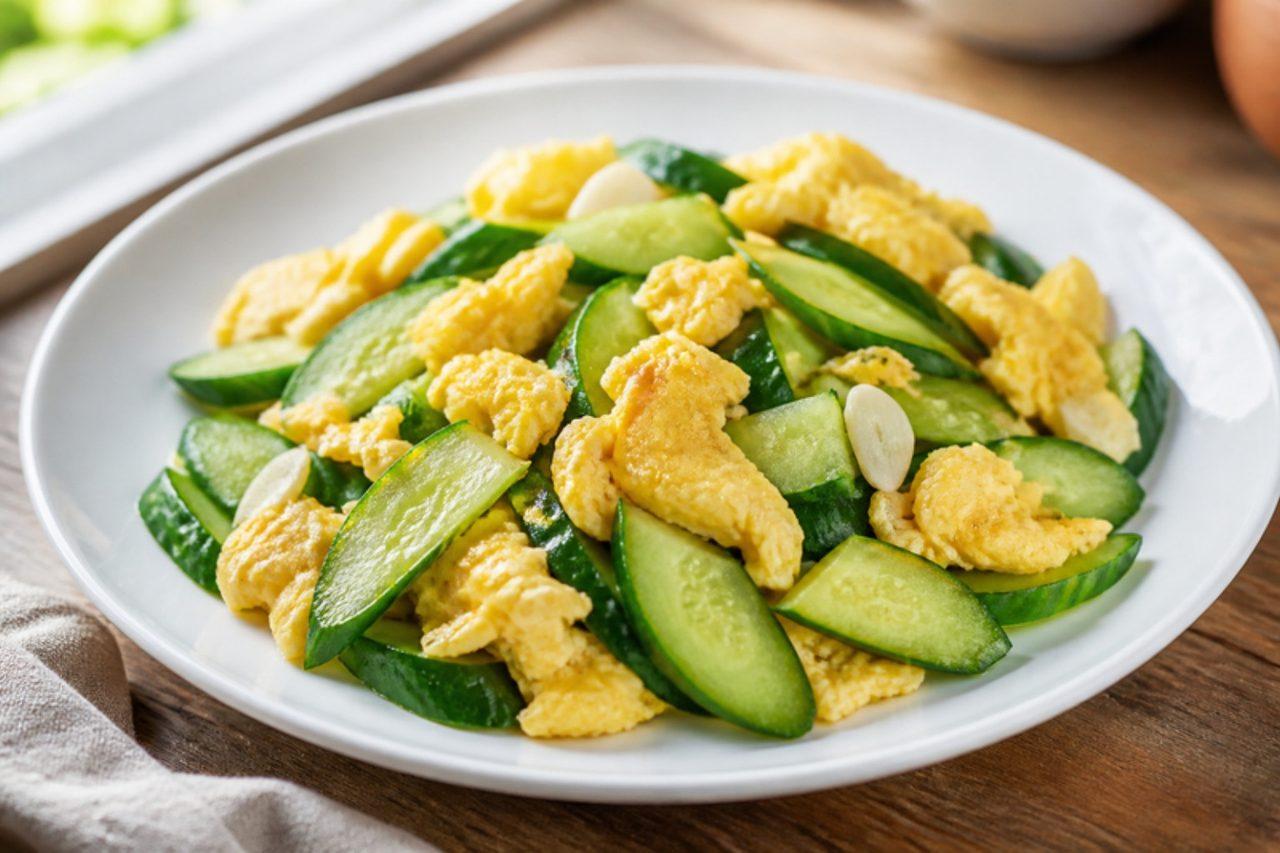
Cucumber and egg stir-fry

Huang gua chao ji dan is a ten-minute dish from northern Chinese home kitchens, made in summer when cucumbers are cheap and nobody wants to stand over the stove. Soft, fluffy scrambled egg and thin cucumber slices are tossed with garlic and salt for just a minute, so the cucumber stays cool and crisp against the warm egg. Eat it with rice or steamed buns. The mistake is cooking the cucumber too long, which turns it watery and dull green. Chef's tip: take the eggs out while they are still a little wet; they finish cooking when they go back in.

by KrazyBadal 0 views

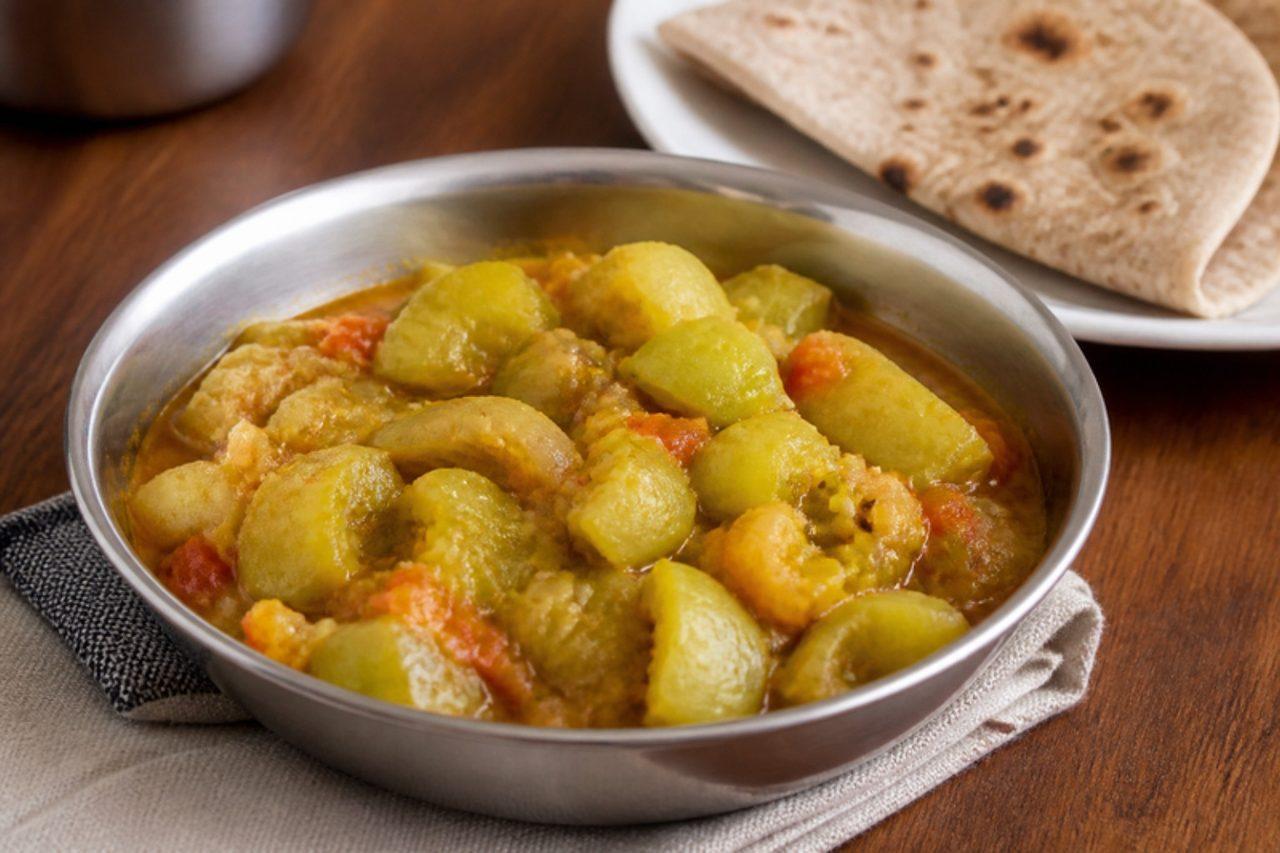
Turai ki sabziRidge gourd with tomato

In Uttar Pradesh, Bihar and across the North Indian plains, turai (ridge gourd) is the light monsoon vegetable that mothers cook for upset stomachs, hot evenings and anyone who wants a gentle dinner with roti and dal. Peeled and chopped, it releases its own water as it cooks, and with a little tomato and cumin it forms a soft, sweet, barely spicy gravy. The common mistake is adding water: the gourd is full of it, and extra water gives a bland, thin soup, so cover the pan and let it make its own. Chef's tip: taste a slice of raw gourd before cooking; very occasionally one is bitter, and a bitter gourd will spoil the whole pot.

by KrazyBadal 0 views

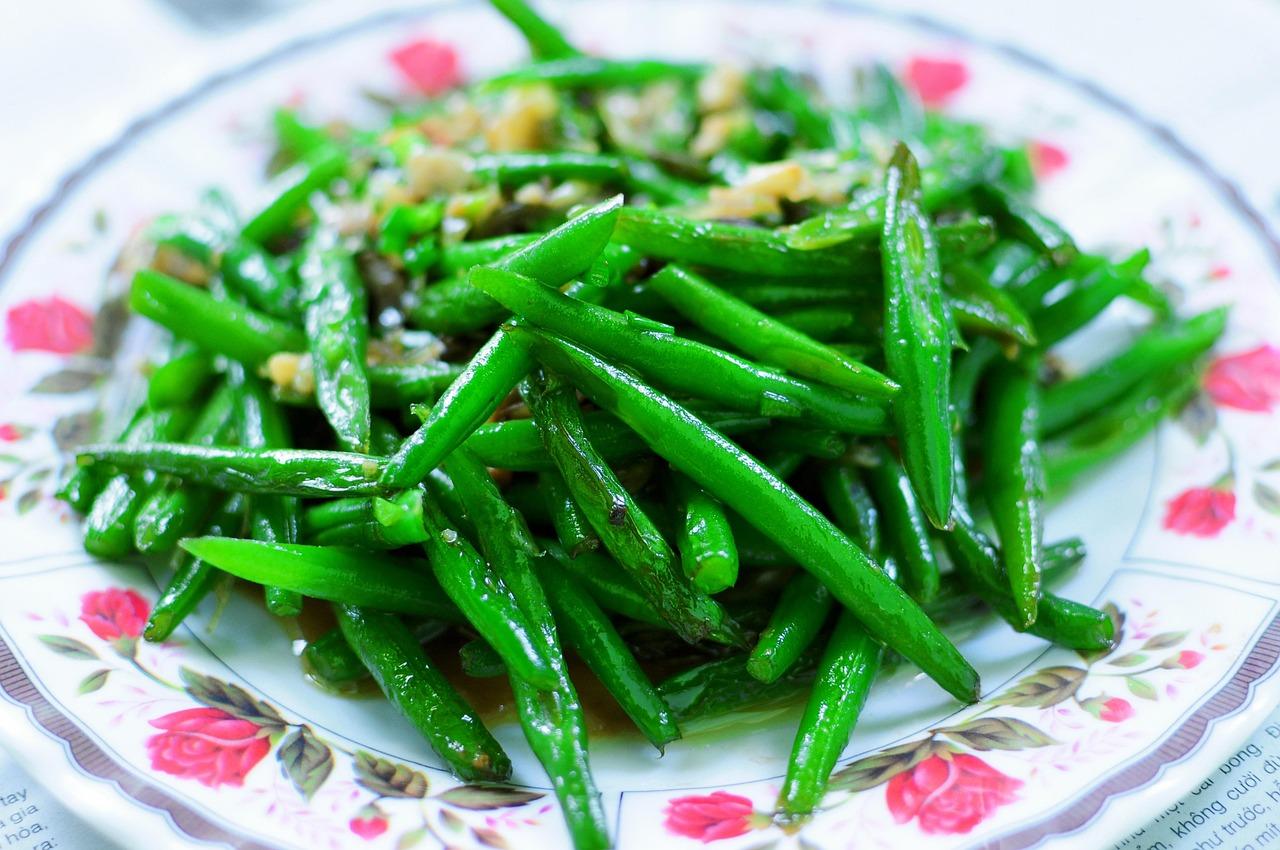
Haricots verts persillésGreen beans with garlic and parsley

Haricots verts persillés are the green beans that sit beside roast chicken, an omelette or a plate of potatoes in homes all over France, especially in June and July when fine beans are at their best. They are blanched until just tender, then tossed in foaming butter with a little garlic and lots of chopped parsley, so they stay bright green with a slight snap. Using olive oil instead of butter makes them vegan. The most common mistake is cooking the beans in too little water, so it stops boiling and they turn olive-grey; use a big pot of well-salted water. Chef's tip: cool the beans in iced water after blanching if you want to make them ahead, then warm them in the butter just before serving.

by KrazyBadal 0 views

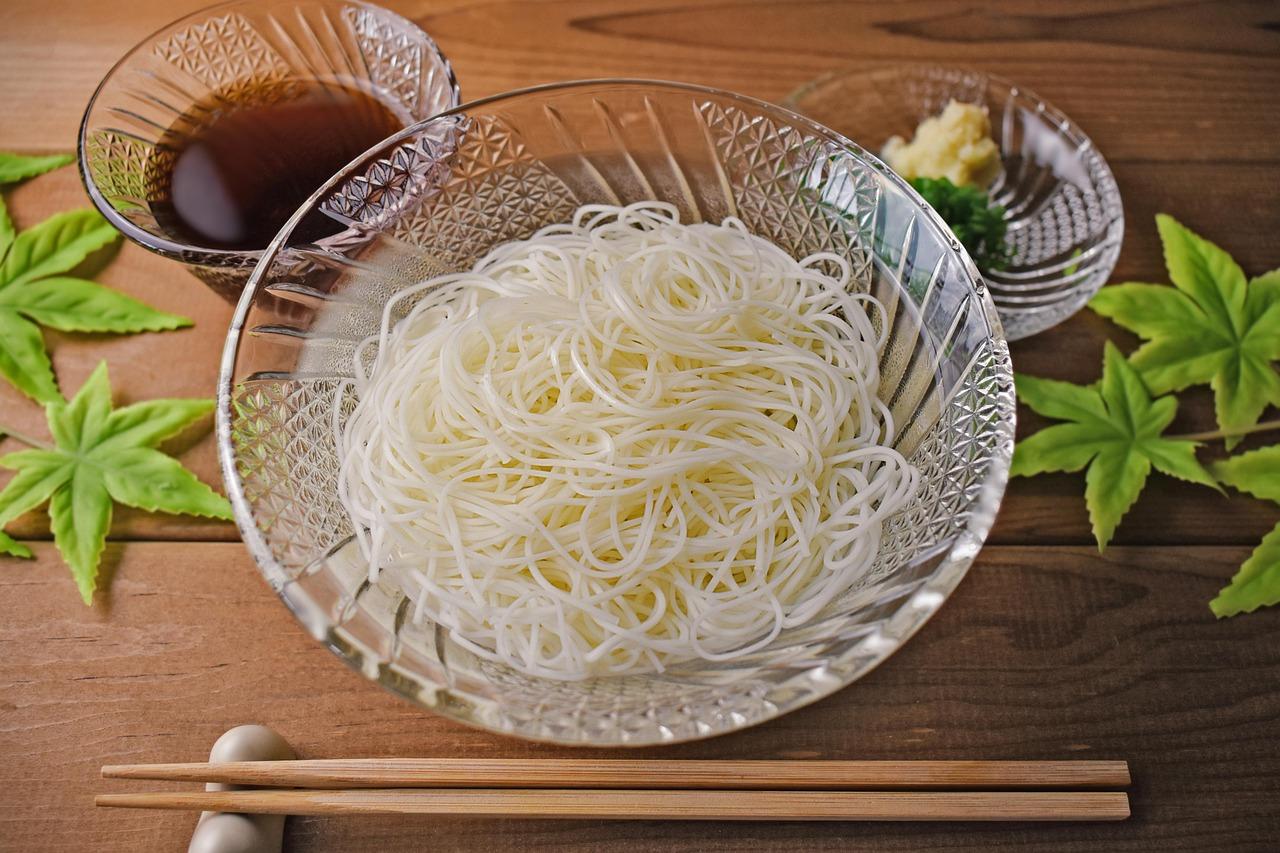
Hiyashi somenChilled thin noodles

All over Japan, hiyashi somen is what families eat on the hottest evenings of July and August: hair-thin wheat noodles chilled in iced water and dipped, a mouthful at a time, into cold mentsuyu with grated ginger and spring onion. The dipping sauce is made with bonito dashi and mirin, which contains alcohol; it is boiled briefly, and an alcohol-free swap is given. The classic mistake is not rinsing the cooked noodles hard under cold water, which leaves them starchy and stuck together. Chef's tip: tie the bundles with a little thread before cooking, or keep their paper band on, so they stay in neat skeins.

by KrazyBadal 0 views

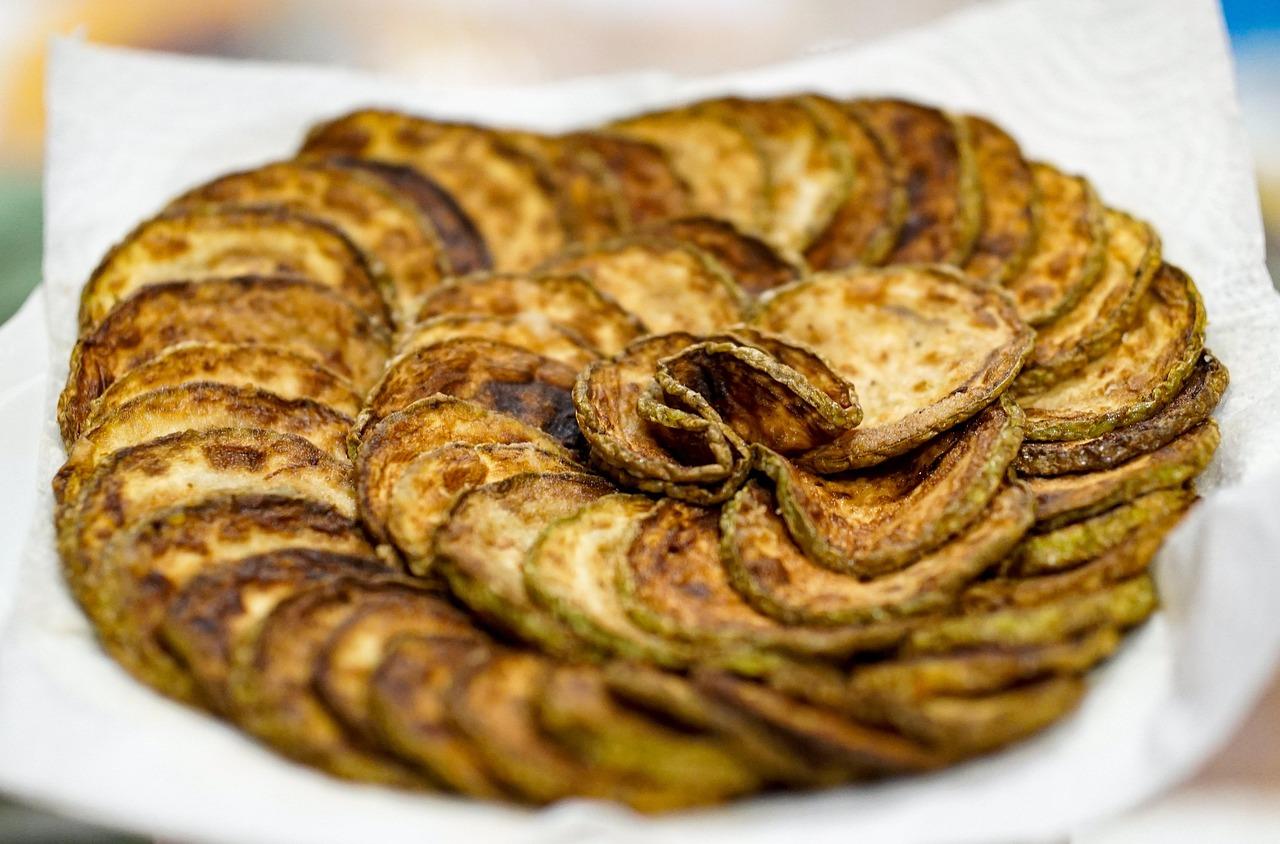
Zucchine trifolateGarlic parsley courgettes

Zucchine trifolate is a contorno cooked all over Italy through the summer glut, when every market stall is piled with courgettes: thin slices sautéed in olive oil with garlic and finished with chopped parsley, the same way Italians cook mushrooms 'trifolati'. They come out golden at the edges and tender in the middle, and go beside eggs, cheese or a plate of beans and bread. It is vegan, gluten free and light. The most common mistake is crowding the pan, which steams the courgettes into a watery mush; cook them in a wide pan or in two batches. Chef's tip: salt only at the end, because salt draws out water and stops the slices browning.

by KrazyBadal 0 views

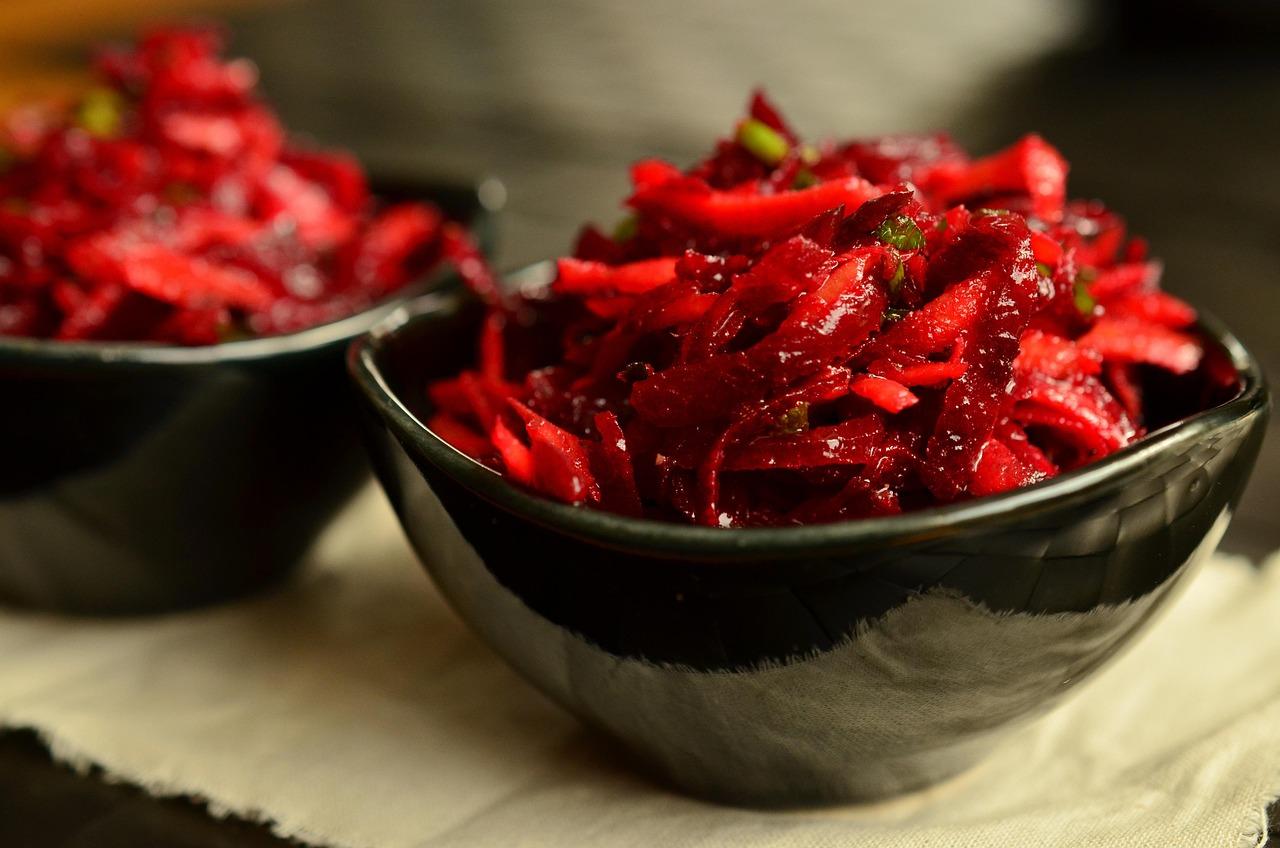
Rote-Bete-SalatBeetroot salad

Rote-Bete-Salat is on the table in German homes through autumn and winter, beside potato pancakes, fried eggs or simply bread and butter. Cooked beetroot is cut into slices or batons and dressed with onion, vinegar, oil and a little caraway or grated horseradish, so it is sweet, earthy and sharp at once. It is vegan, gluten free and keeps for days in the fridge. The most common mistake is serving it straight after dressing: give it at least 10 minutes, or better an hour, so the beetroot soaks up the flavour. Chef's tip: wear gloves or rub your hands with lemon juice afterwards, as beetroot stains everything it touches.

by KrazyBadal 0 views

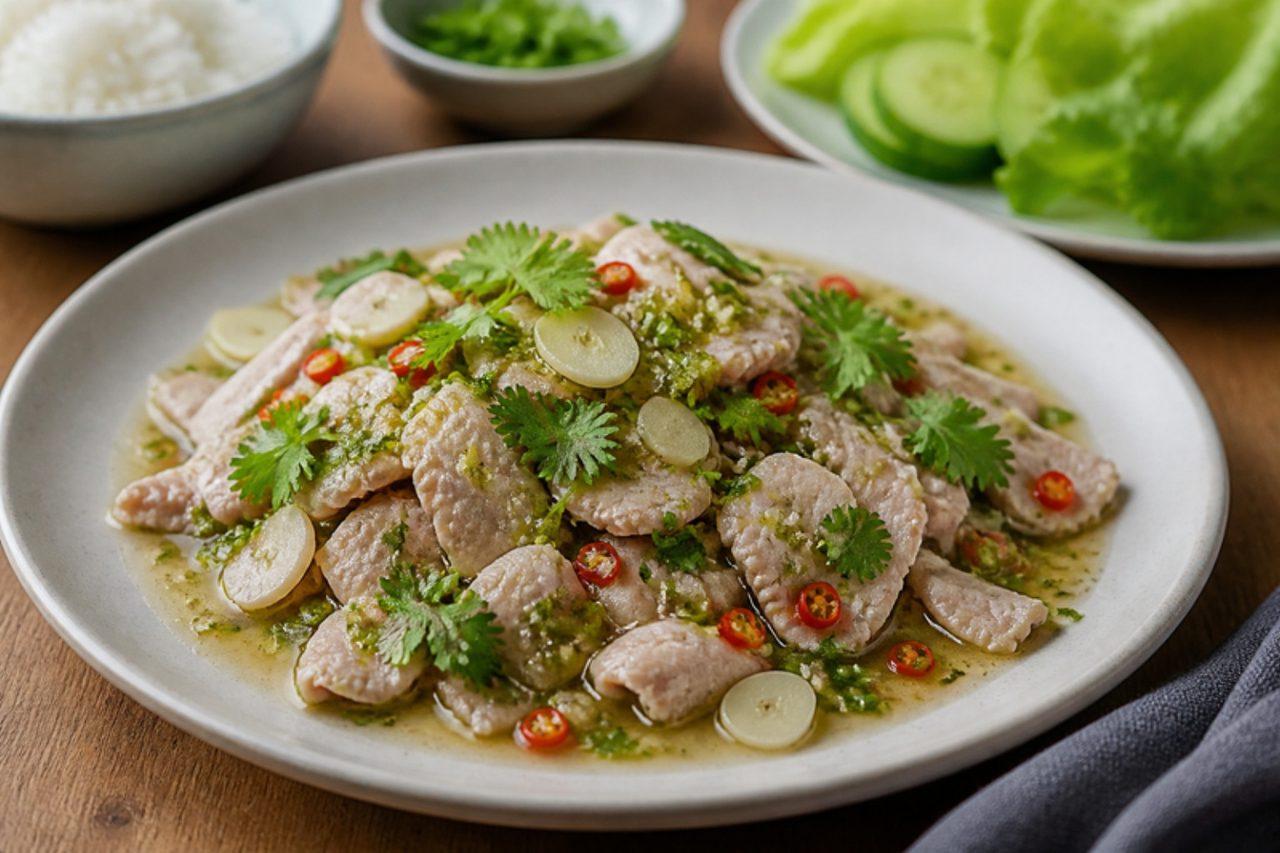
Moo manao (pork in lime and chilli dressing)

Moo manao is a drinking snack and dinner side from central Thailand, served in Bangkok bars and at home with sticky rice: thin slices of pork, blanched until just cooked, laid on ice-cold cabbage or lettuce and drowned in a fierce dressing of lime, raw garlic, bird's eye chilli and fish sauce. This is a pork dish. The mistake is boiling the pork for too long, which makes the thin slices tough and dry; poach them only until they turn white all through. Chef's tip: plunge the cooked slices into iced water for a few seconds, so they stay tender and take the dressing well.

17 minThaiMeatGluten freeSpicy
by KrazyBadal 0 views

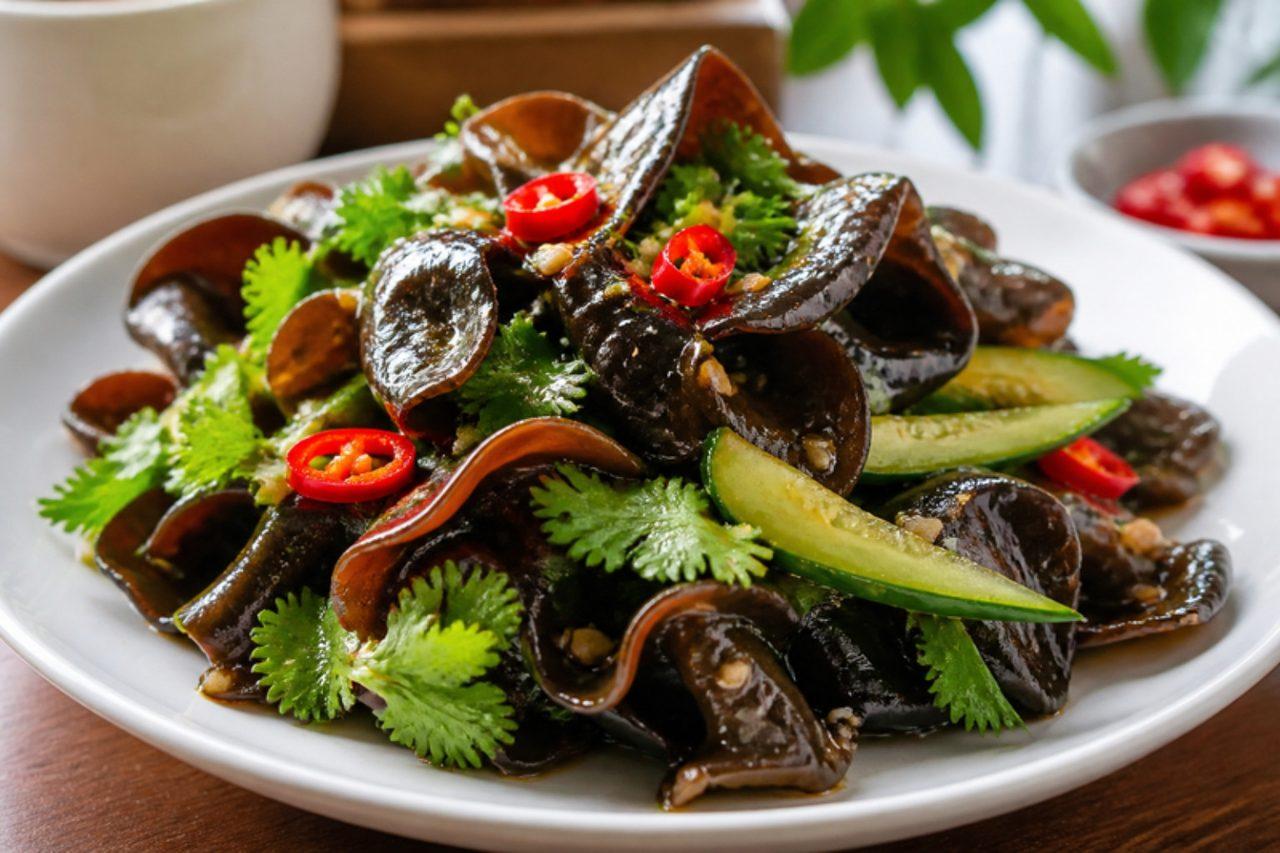
Liangban mu'erWood ear mushroom salad

Every noodle shop and dumpling house in Beijing and Harbin has a fridge of liangcai, the cold dishes ordered alongside the main meal, and liangban mu'er is one of the most popular: black wood ear fungus, which grows wild in the northeastern forests, blanched and tossed with black vinegar, garlic, chilli and coriander. It has almost no taste of its own but a lovely crunchy, bouncy bite, and it soaks up the tangy dressing. A portion is about 60 kcal. The common mistake is soaking the dried fungus in hot water to save time; it comes out limp. Use warm water for 15 minutes, or cold water for an hour, for the best crunch. Chef's tip: plunge the blanched fungus straight into iced water; it firms up and stays snappy.

by KrazyBadal 0 views

Ssal mieum (Korean first rice gruel)

In Korean homes the weaning journey, called iyusik, begins with ssal mieum, a gruel so thin it is almost a drink. The rice is soaked, blended raw with water and then stirred over a low flame, which gives a finer, silkier result than boiling whole grains. Families offer it at around six months, a spoonful in the morning, before moving on to thicker juk with vegetables a few weeks later. It contains none of the common allergens: no milk, egg, gluten, peanut, tree nuts, soya, sesame or fish. Chef's tip: grind the soaked rice with only part of the water first; a thick slurry blends smoother than a watery one.

by KrazyBadal 0 views

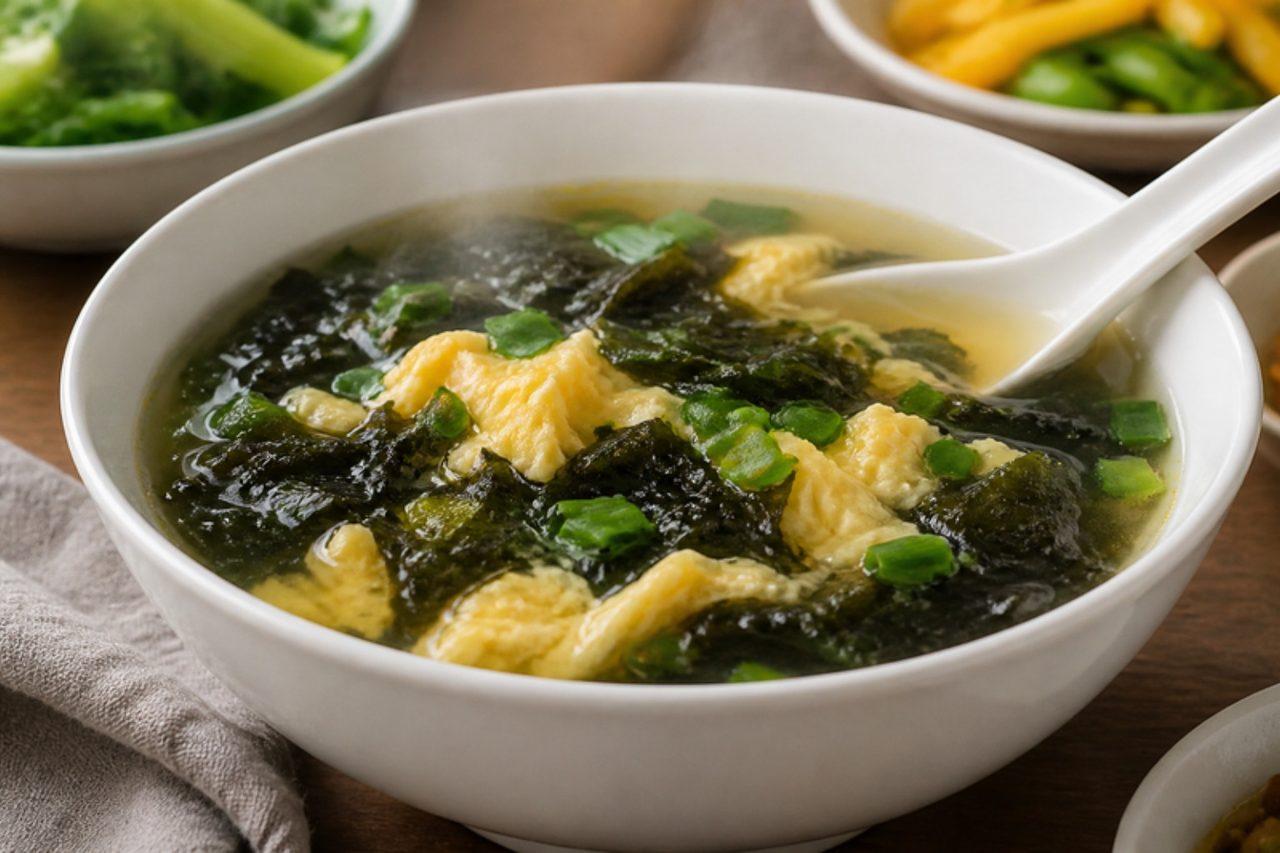
Zicai dan hua tangSeaweed egg drop soup

Zicai dan hua tang is the soup that a busy Chinese home cook can make while the rice is cooking: dried laver seaweed, which dissolves into silky dark green ribbons, and egg swirled into simmering water seasoned with a little soy, white pepper and sesame oil. It is on canteen trays in every Chinese university and on family tables across the country. Many cooks add a few dried shrimp; this vegetarian version leaves them out and uses a pinch of mushroom powder or vegetable stock instead. Eggs are an allergen. A bowl is about 50 kcal. The common mistake is stirring as soon as the egg goes in, which makes it cloudy; wait 10 seconds so it sets into flowers. Chef's tip: tear the seaweed into the bowls, not the pot, and pour the hot soup over; it stays tender and doesn't overcook.

by KrazyBadal 0 views

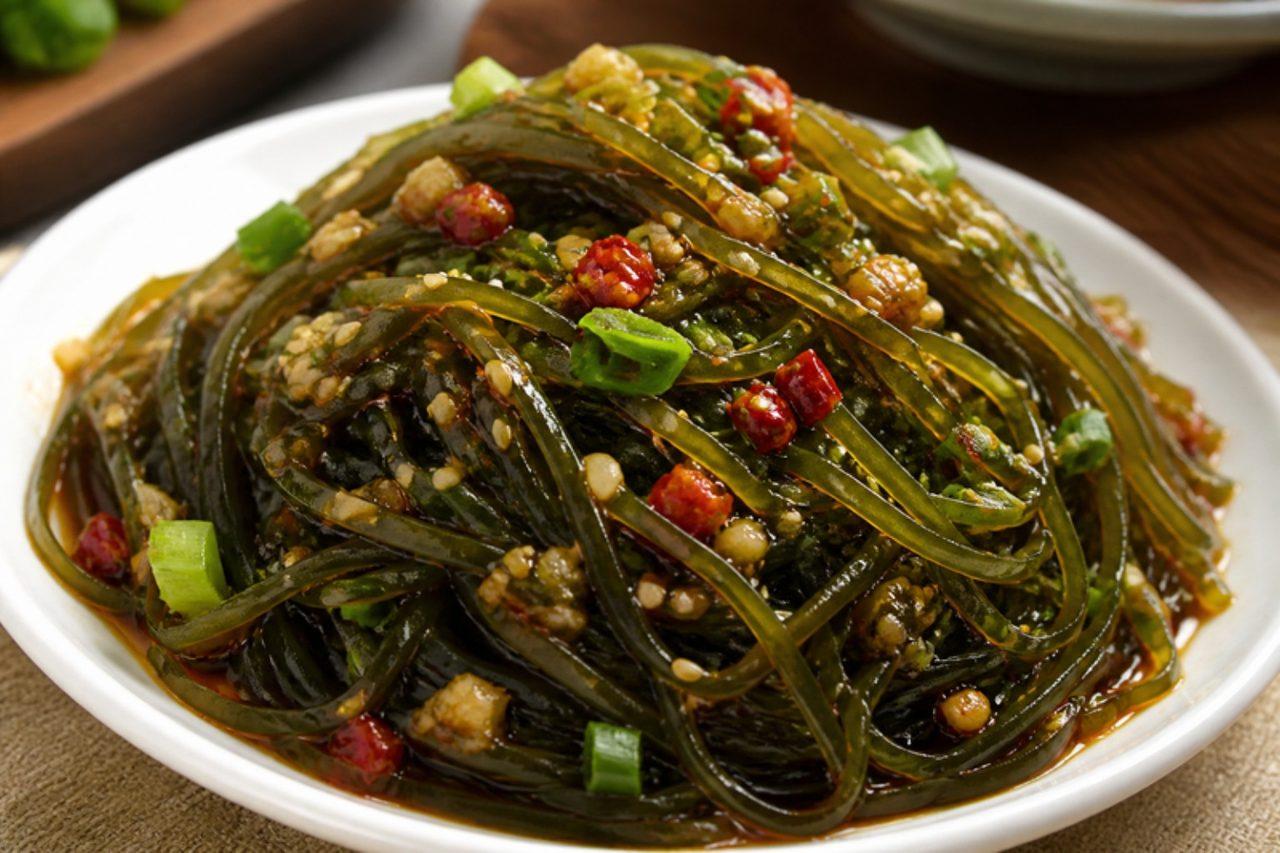
Liangban haidai siShredded kelp salad

Kelp is farmed in huge quantities along the coast of Shandong and Liaoning, and liangban haidai si is the cheap, crunchy cold dish served in every northern canteen, street stall and home: long, thin strands of kelp blanched and dressed in garlic, vinegar, soy, sugar and chilli oil. It is salty-sour, a little spicy and tastes of the sea, and it goes with dumplings, noodles or a bowl of congee. A portion is about 55 kcal. The common mistake is not rinsing the kelp well; it is coated in a salty, slippery film that must be washed off before blanching. Chef's tip: add a few drops of vinegar to the blanching water; it keeps the kelp bright green and crisp.

by KrazyBadal 0 views

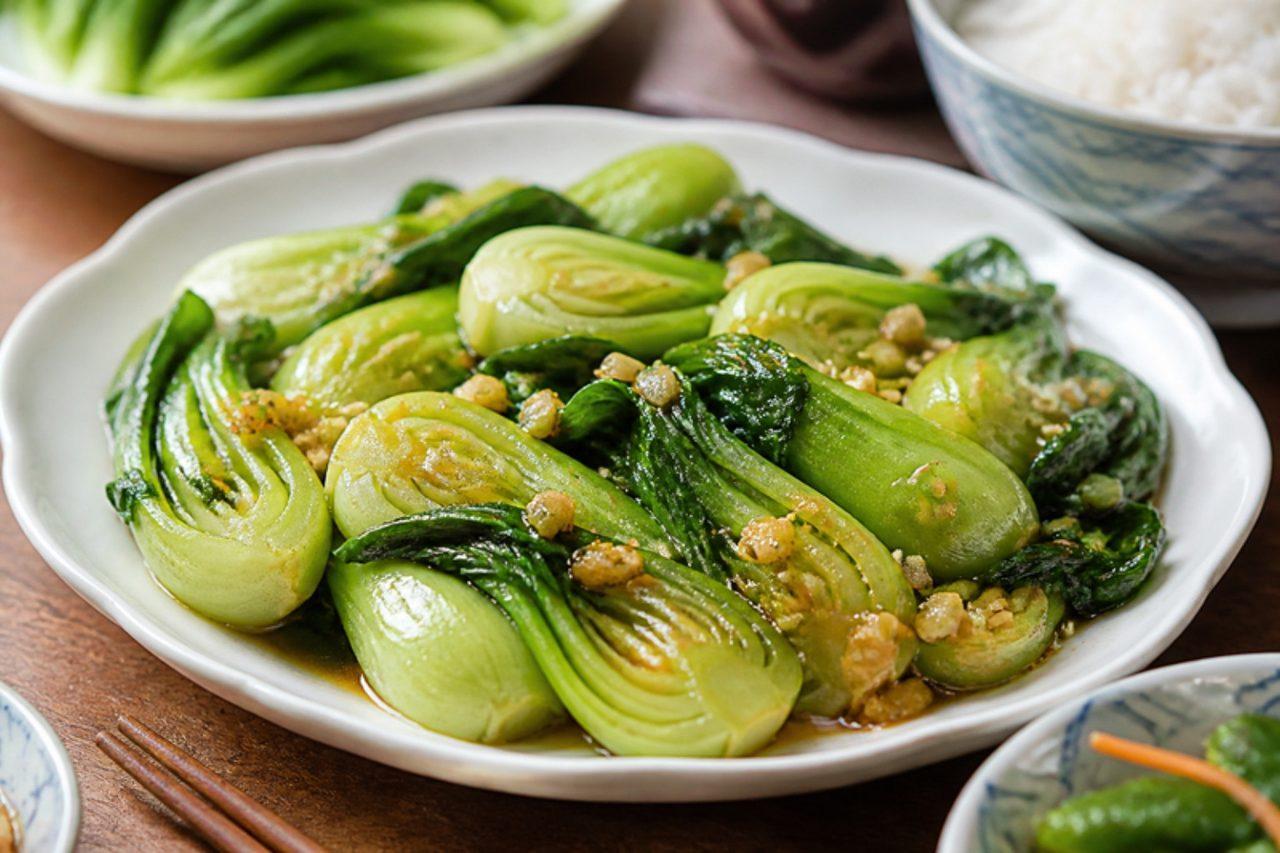
Garlic bok choy

Order a plate of greens in any home kitchen or small restaurant in Guangzhou or Shanghai and it will most likely be this: baby bok choy or xiao bai cai tossed in a smoking wok with a heap of chopped garlic, a pinch of salt and a splash of water, on the table in four minutes. The stems stay juicy and crisp, the leaves silky, and the garlic sweet. It goes with every meal. A portion is about 50 kcal. The most common mistake is a wet, crowded wok, which stews the greens to khaki; dry them well and cook in batches if your pan is small. Chef's tip: add half the garlic at the start and half at the end; you get both mellow, toasty garlic and a fresh punch.

by KrazyBadal 0 views

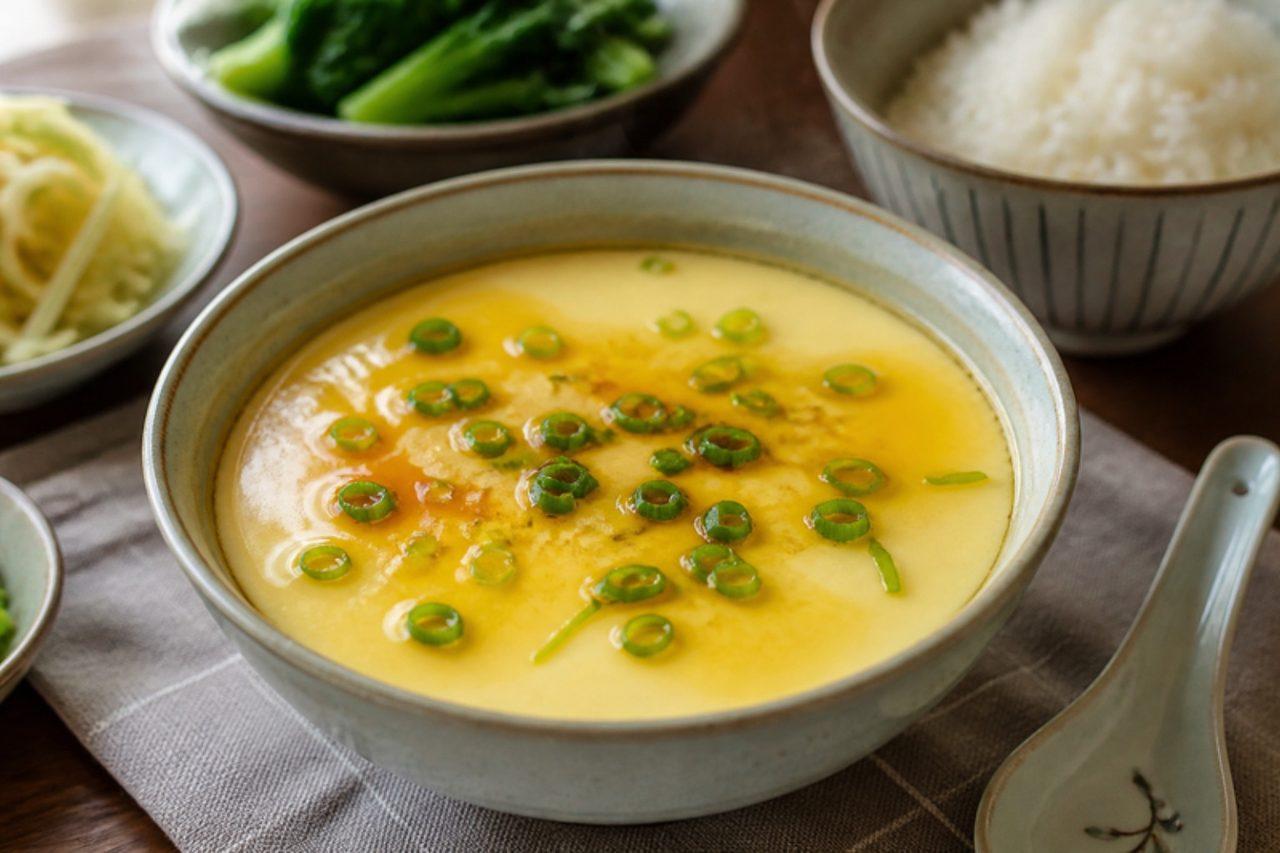
Ji dan gengSteamed egg custard

Ji dan geng is the first "real food" many Chinese children remember: a bowl of steamed egg so smooth it shivers, made by grandmothers from Shanghai to Chengdu for a toddler's lunch, a sick day or a quick side at dinner, and eaten with a spoon over rice. Eggs are beaten with warm water, steamed gently, then finished with a few drops of soy and sesame oil and some spring onion. Eggs are an allergen, and for toddlers under one, leave out the soy. A bowl is about 110 kcal. The most common mistake is using cold water and a fierce heat, which gives a pitted, spongy custard; use warm water and a gentle steam. Chef's tip: cover the bowl with a plate or cling film while it steams, so no condensation drips onto the surface and the top stays like glass.

by KrazyBadal 0 views

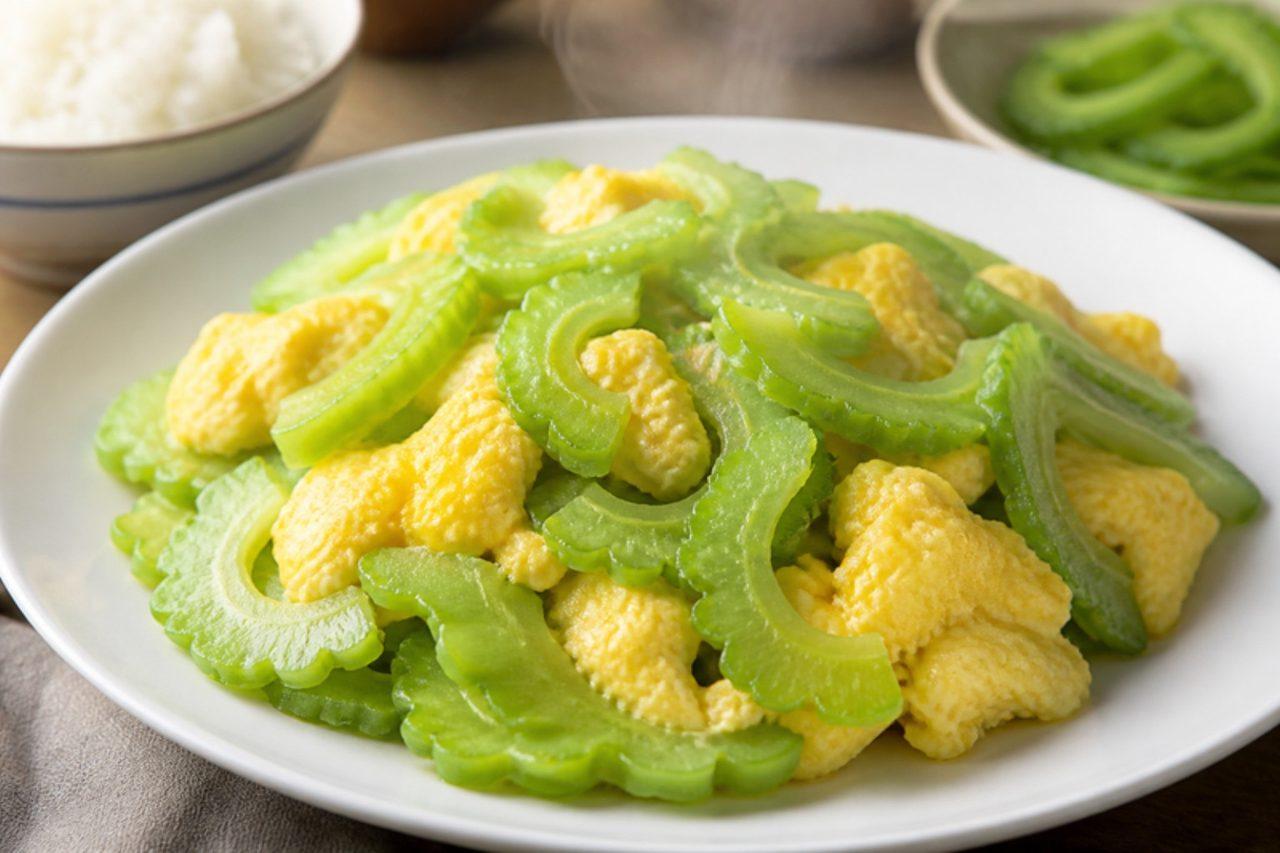
Kugua chao danBitter melon with egg

In the humid summers of Guangdong and Fujian, bitter melon is eaten for its "cooling" quality, and kugua chao dan is the gentlest way to learn to love it: thin slices of the ridged green gourd stir-fried until just tender, then folded into soft scrambled egg, which softens the bitterness. It is a classic dish of Cantonese home dinners, eaten with rice. Eggs are an allergen. A portion is about 140 kcal. The most common mistake is not salting the melon; a 10-minute salt and squeeze draws out much of the bitterness. Chef's tip: scrape out every bit of the white pith inside the melon with a spoon; that is where most of the bitterness lives.

by KrazyBadal 0 views

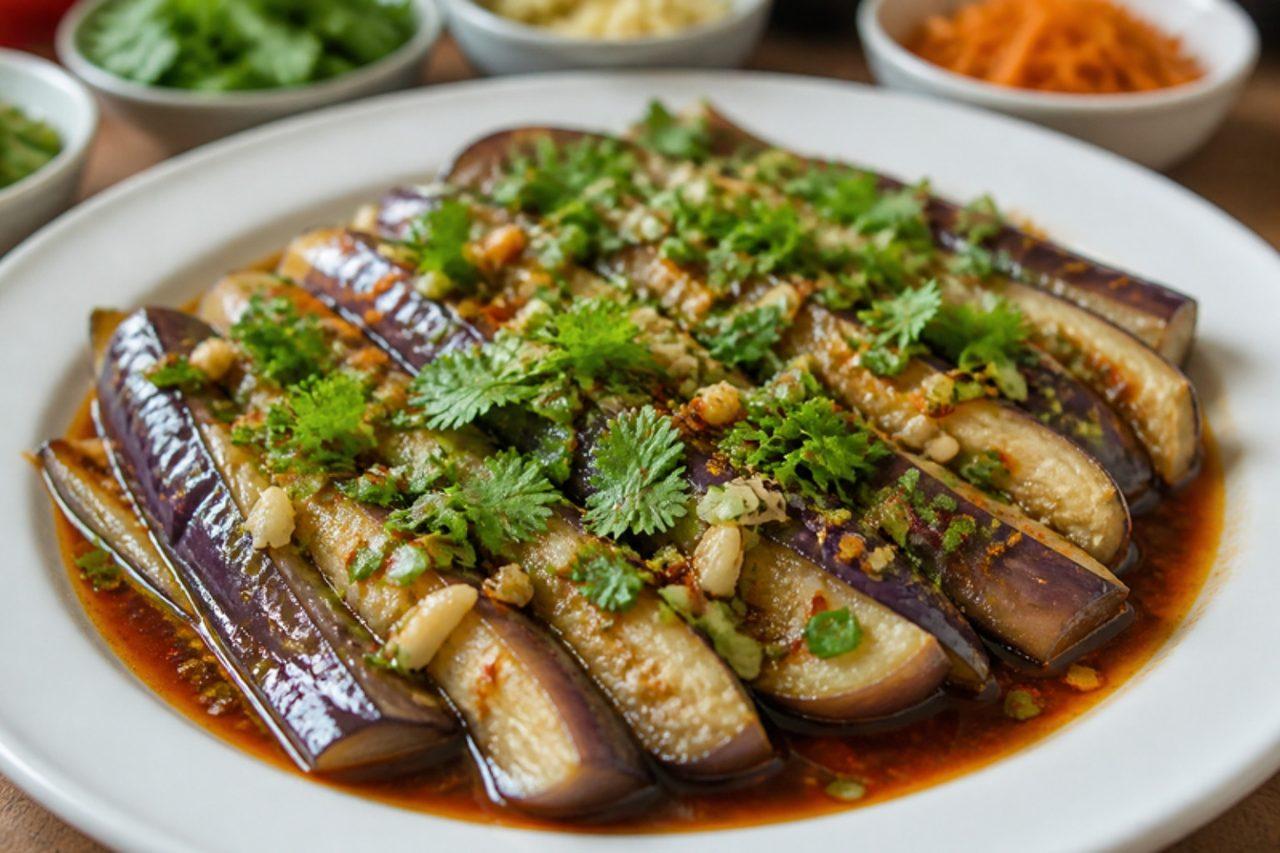
Garlic steamed eggplant

Fried eggplant soaks up oil like a sponge; Chinese home cooks in Sichuan and across the north get round it by steaming long purple eggplants until creamy, then pouring over a sharp dressing of pounded raw garlic, soy, black vinegar and a little chilli oil. It is served warm or cool as a summer side with rice or noodles, and it takes almost no oil at all. A portion is about 70 kcal. The common mistake is steaming them whole, which leaves the centres hard; cut them into fingers first so they cook evenly. Chef's tip: steam the strips skin side up; the purple colour stays brighter and the flesh doesn't go grey.

by KrazyBadal 0 views

Moong dal water for babies

In North Indian homes, moong dal ka pani is often the first thing other than milk a baby tastes, spooned from a steel katori at lunchtime while the family eats dal-chawal. Split yellow moong is cooked until it falls apart with a pinch of turmeric, then the thin top liquid is strained off; over the following weeks more of the soft dal is mashed in. It tastes mild and slightly sweet. It is free of the common allergens (milk, egg, gluten, peanut, tree nuts, soya, sesame, fish). Chef's tip: a drop of ghee can be added once your baby is used to dairy, but keep it plain at first.

by KrazyBadal 0 views

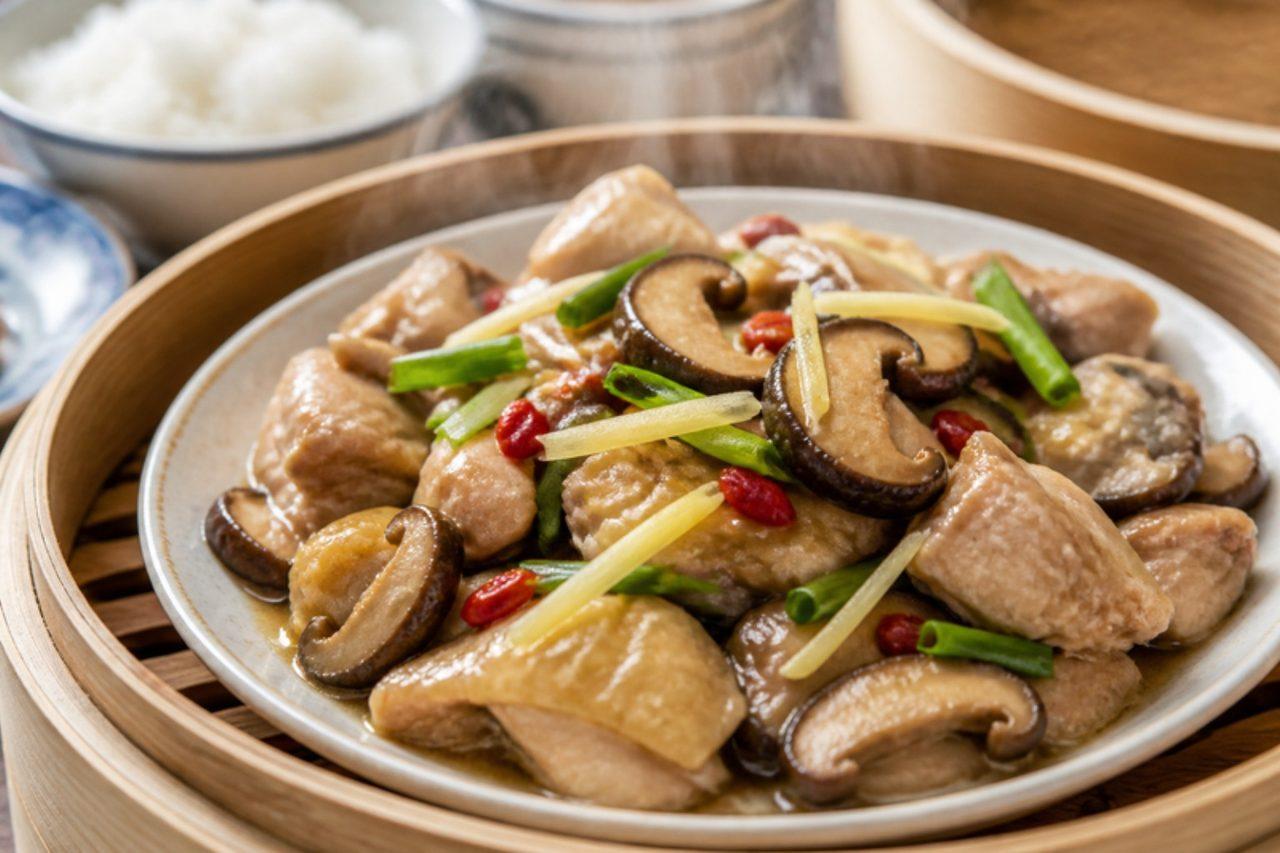
Steamed chicken with shiitake

Steamed chicken with mushrooms is one of the dishes Cantonese grandmothers in Guangzhou and Hong Kong put on the dinner table on a weeknight, steamed on a plate over the rice pot so the juices drip into a little puddle of sauce: bite-sized pieces of chicken thigh marinated with soy, ginger and cornflour, scattered with soaked shiitake and steamed until tender and glossy. It is light, savoury and clean-tasting, with rice and a green vegetable. A portion is about 240 kcal. Marinate in the fridge. The most common mistake is piling the chicken up in a deep bowl; spread it in one layer on a plate so it cooks evenly. Chef's tip: the cornflour in the marinade is the secret; it protects the chicken and turns the steaming juices into a silky sauce.

by KrazyBadal 0 views

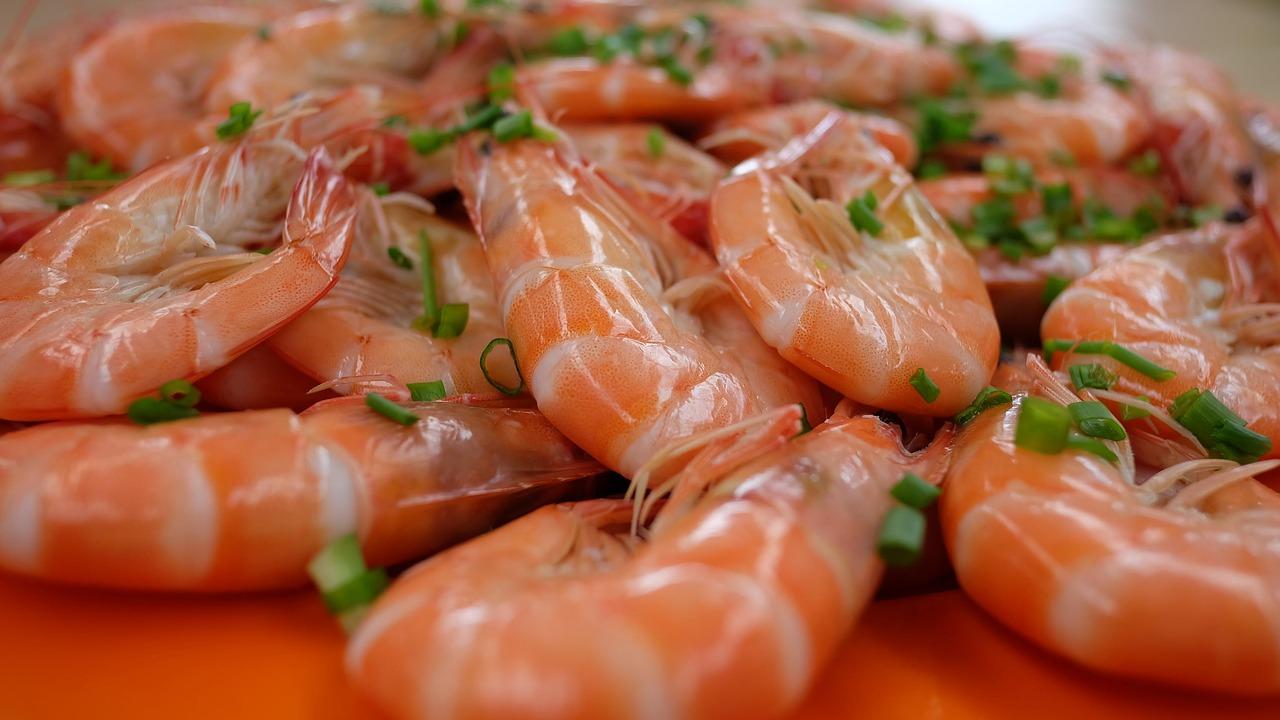
Bai zhuo xiaPoached prawns

Bai zhuo, "plain poaching", is how Cantonese cooks treat seafood they think is too good to sauce, and a plate of whole poached prawns is on the table at almost every family dinner and wedding banquet in Guangzhou and Shunde. The prawns are dropped into boiling water with ginger and spring onion for barely two minutes, then peeled at the table and dipped in a sizzling sauce of soy, chilli and spring onion. They are sweet, springy and very light. A portion is about 130 kcal. In Guangdong the prawns are often bought live; this recipe uses fresh or thawed raw shell-on prawns. Discard any that smell of ammonia, have black heads or slimy, soft shells. The common mistake is overcooking, which makes them rubbery and hard to peel; take them out the moment they curl and turn pink. Chef's tip: plunge the cooked prawns into iced water for 30 seconds; the flesh firms up and shrinks slightly from the shell, so they peel easily.

by KrazyBadal 0 views

Dong gua tangWinter melon soup

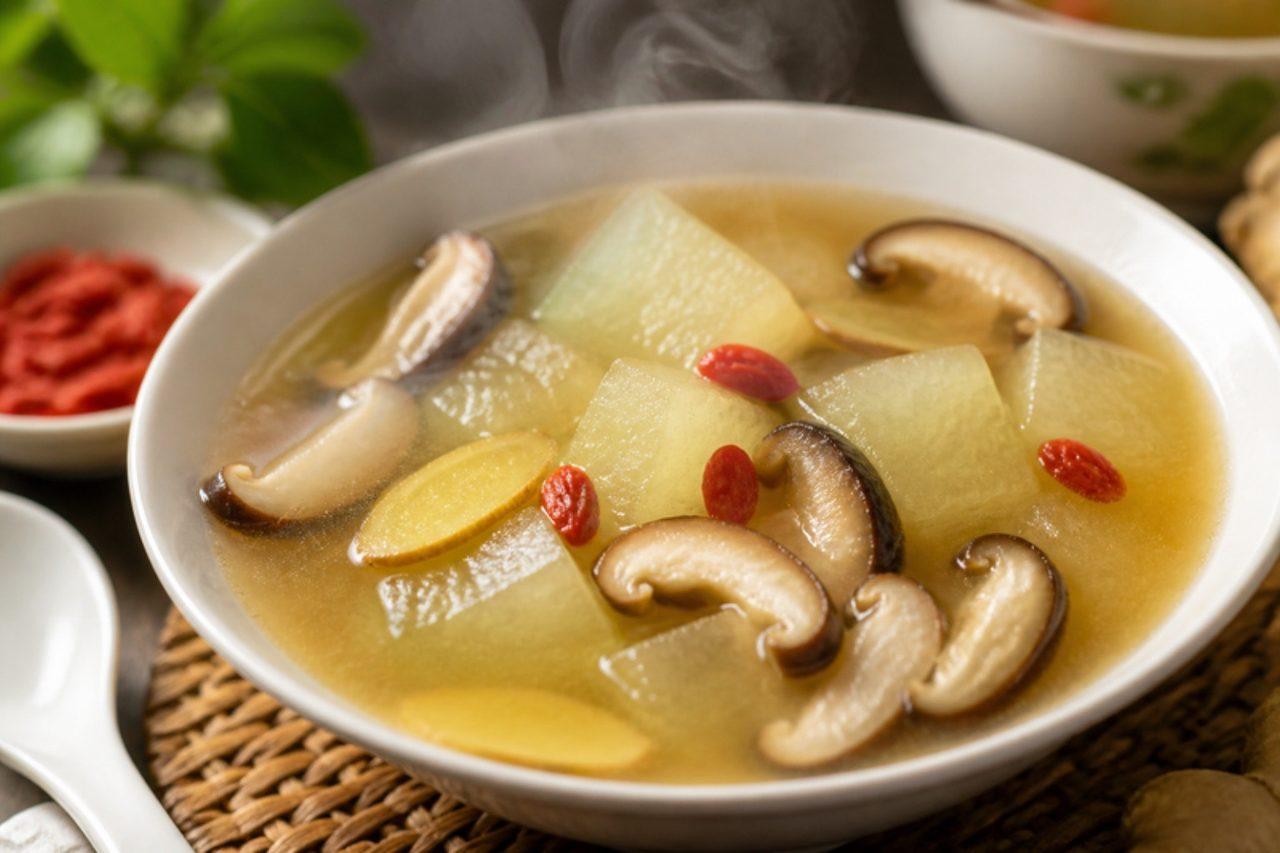
In the sticky summers of Guangzhou and Hong Kong, a big pot of winter melon soup is on the stove in many homes: slabs of the pale green gourd simmered until translucent and almost melting, in a clear broth. Cantonese families believe it cools the body and drains the "dampness" of the season. Usually it is made with pork ribs or dried shrimp; this version uses dried shiitake and ginger for a deep, savoury vegetarian broth, seasoned only with salt and white pepper. A bowl is about 40 kcal. The common mistake is cutting the melon too thin, so it disintegrates; cut it into 2 cm slabs and simmer gently. Chef's tip: keep the soaking water from the mushrooms and add it to the pot; it is full of flavour.

by KrazyBadal 0 views

Ten-fold rice porridge (jūbai-gayu)

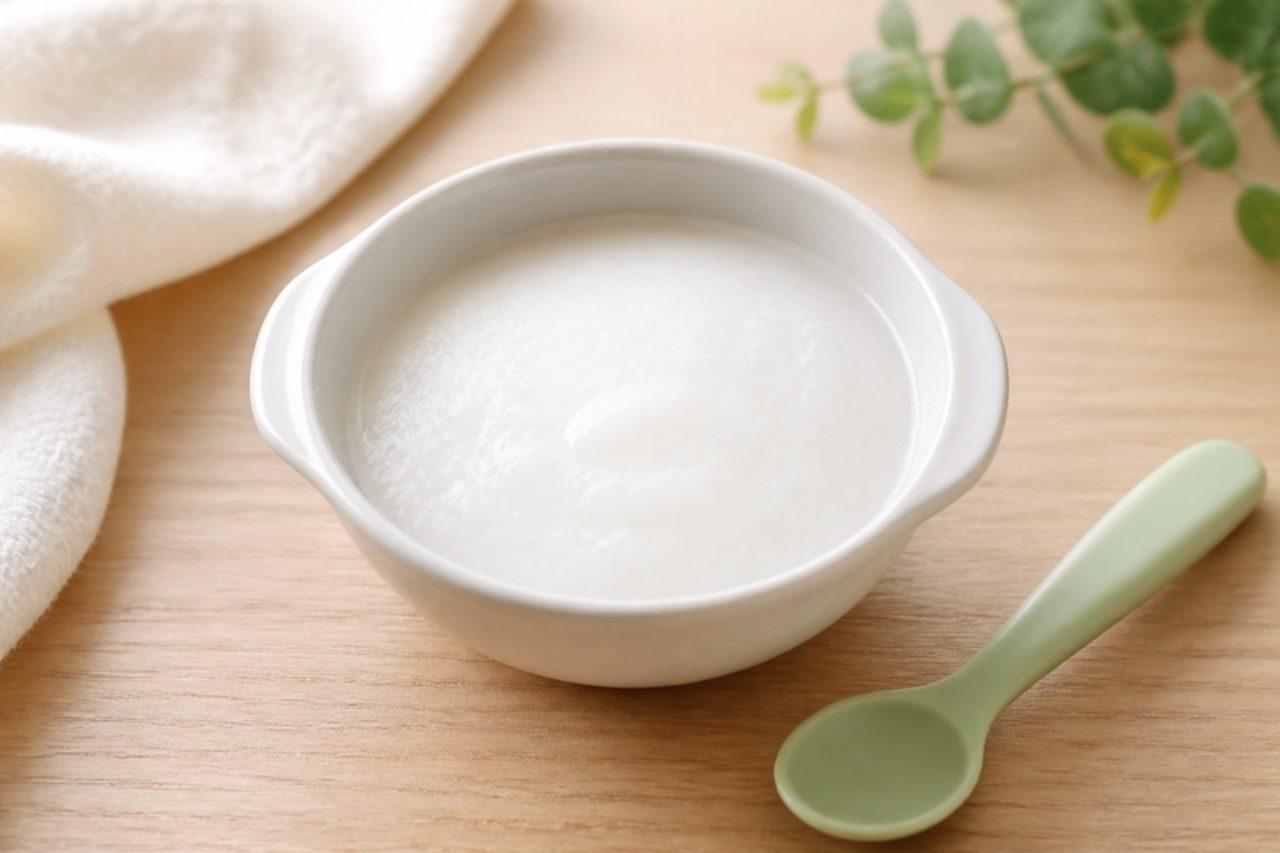
Across Japan, a baby's first solid food at about five or six months is jūbai-gayu: rice cooked gently in ten times its volume of water until it collapses into a soft, pale porridge, then pressed or blended smooth. It tastes mild and slightly sweet, and parents start with a single spoonful a day before adding mashed vegetables such as pumpkin or carrot. None of the common allergens (milk, egg, gluten, peanut, tree nuts, soya, sesame, fish) are in it, so it is an easy base to build on. Chef's tip: make a full pot and freeze it in ice-cube trays, so one cube can be warmed for each meal.

by KrazyBadal 0 views

Showing 72 of 773 recipes

Show more recipes

Page 6 of 33

More collections