Skip to content
Festivals

Christmas recipes: cakes, cookies, roasts and festive bakes

Christmas cakes and cookies, kulkuls and rose cookies, stollen, roasts and warming alcohol-free drinks. (217 recipes)

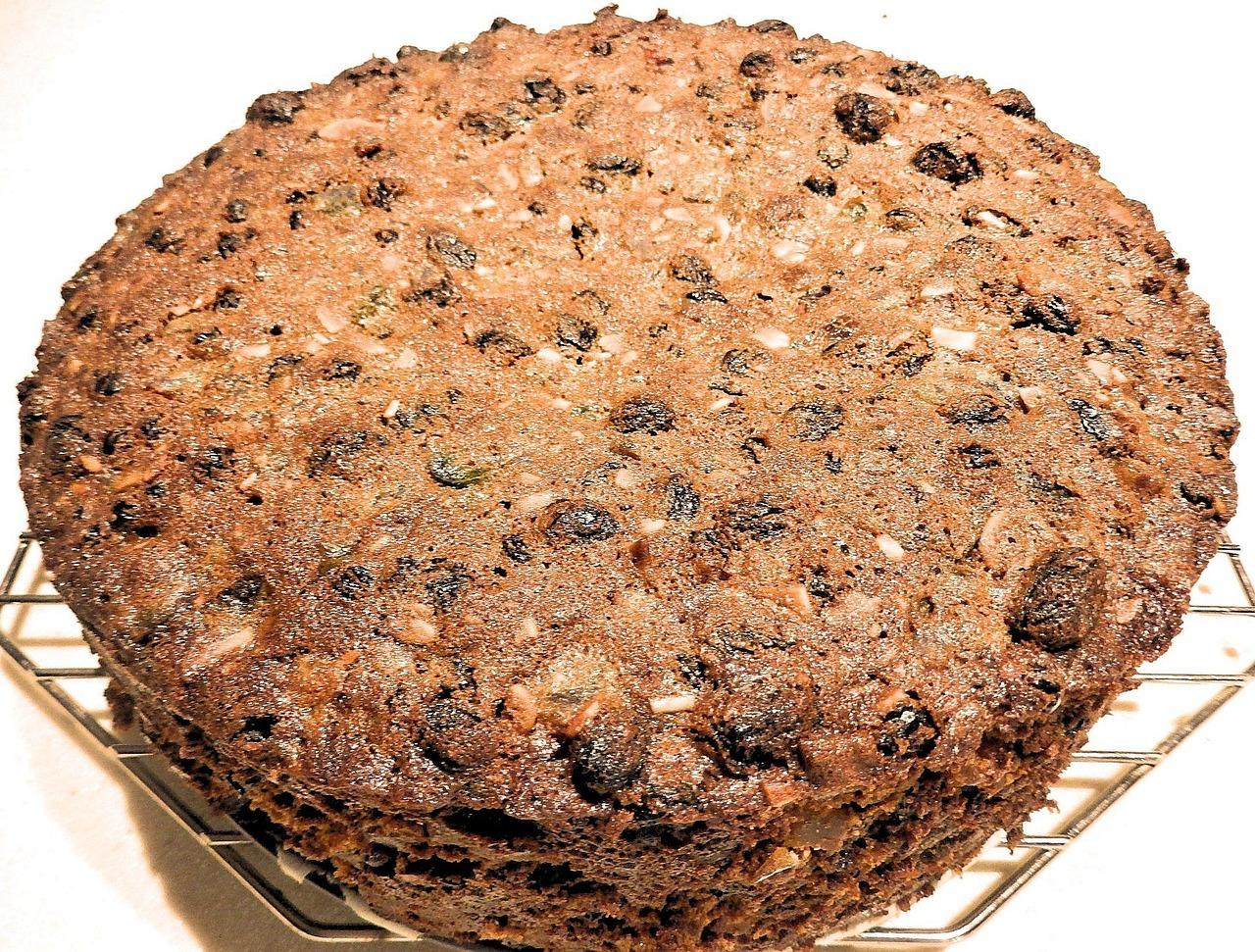
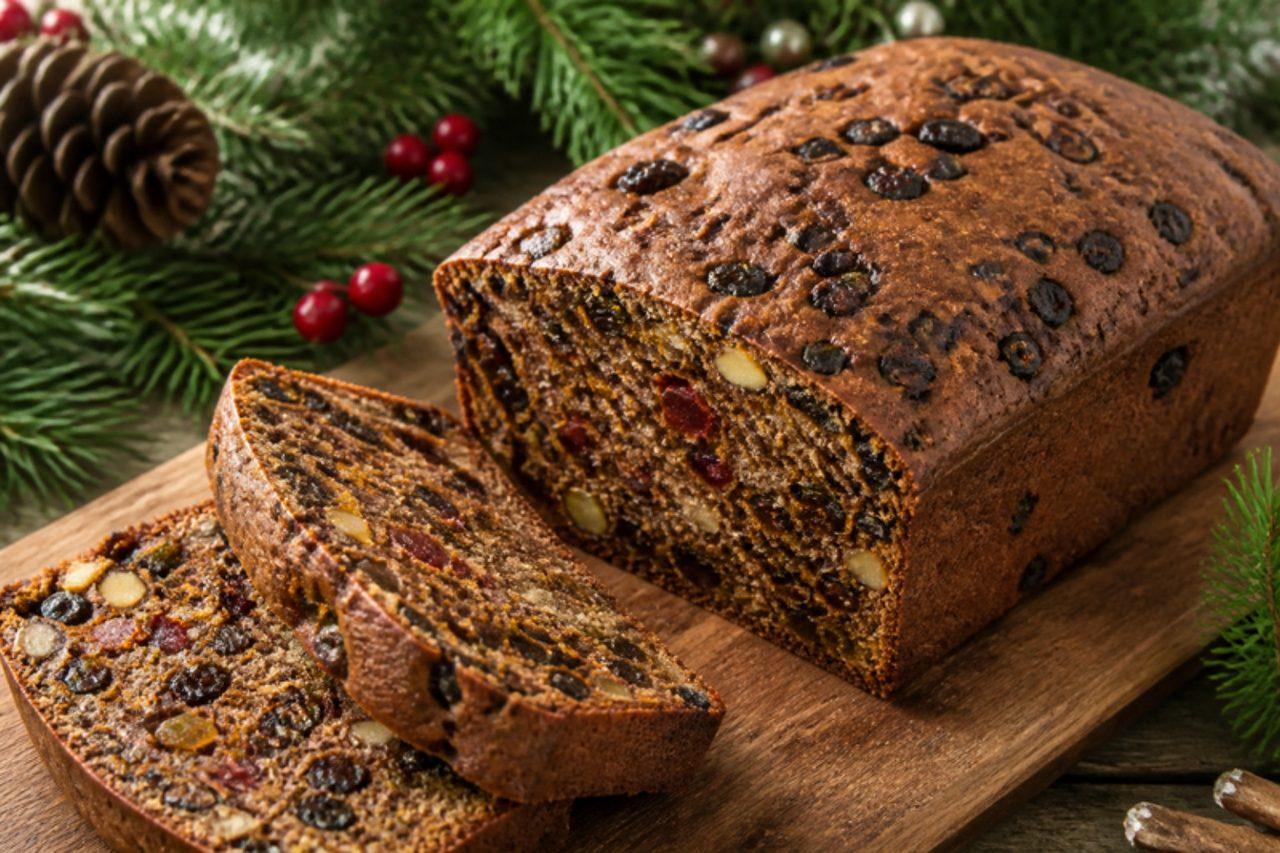
Pan de PascuaSpiced Christmas fruit cake

From late November every Santiago bakery and supermarket stacks loaves of pan de Pascua, and families exchange them like Christmas cards. Despite the name ('Christmas bread') it is a cake: dense, dark and spiced with cinnamon, ginger and clove, crowded with raisins, candied fruit and walnuts, and often moistened with honey and manjar (dulce de leche). It goes with a glass of cola de mono, the Chilean Christmas drink of coffee and milk. The fruit is usually soaked in rum or pisco; here it soaks in orange juice, and the spirit is an option. Fruit that sinks into a sticky layer at the bottom is the usual complaint, so toss it in a spoonful of the flour first. Chef's tip: wrap the loaves in baking paper and keep them for 3–4 days before cutting; the spices mellow and the crumb gets moister.

by KrazyBadal 0 views

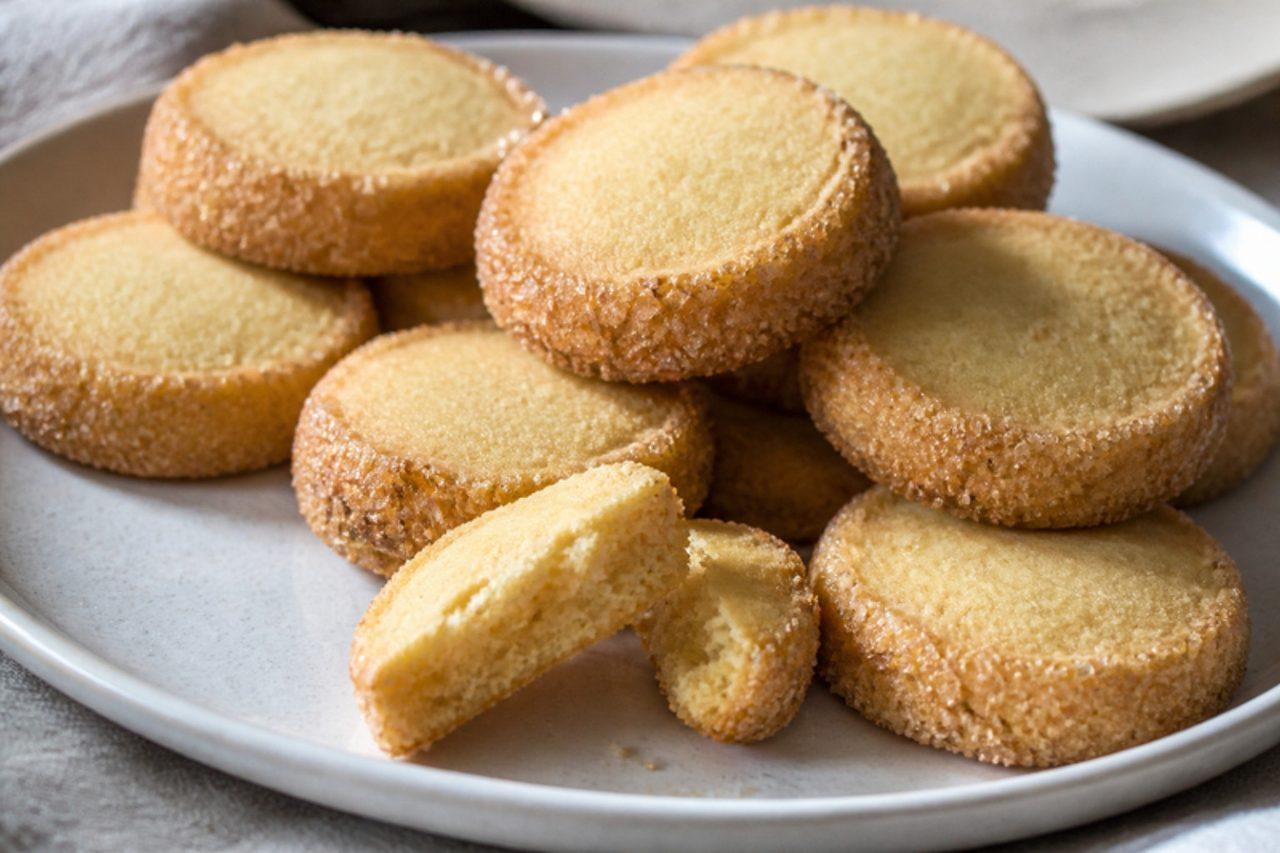
HeidesandBrown butter slice-and-bake cookies

The name means 'heath sand', after the pale sandy soil of the Lüneburg Heath in Lower Saxony, and the texture lives up to it: these little rounds crumble the moment you bite. Browning the butter first gives them a nutty, toffee-ish flavour that plain shortbread lacks. German families bake them in Advent alongside Vanillekipferl and cinnamon stars, but they are just as good with afternoon coffee in any season. There is no egg in the dough, only butter, sugar, flour and a splash of milk, and the log is rolled in coarse sugar so every slice has a glittering edge. Chef's tip: let the browned butter set back to a soft, spreadable paste before you cream it; if you beat in butter that is still liquid, the dough turns greasy and the cookies flatten in the oven.

by KrazyBadal 0 views

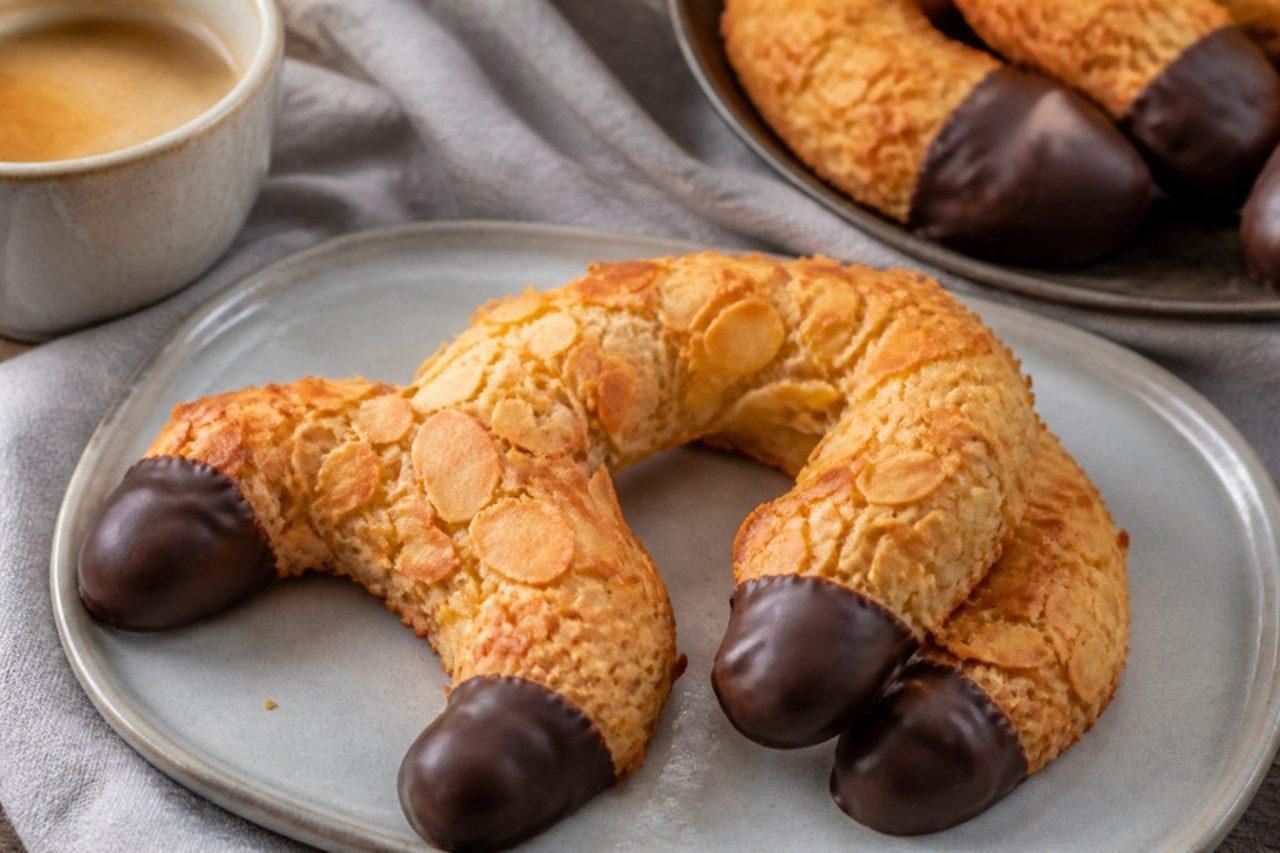
MandelhörnchenMarzipan almond crescents

Look along the glass counter of almost any German bakery and you will find these: fat crescents of almond paste, crusted in toasted flaked almonds, with both horns dipped in dark chocolate. Inside they stay soft and chewy, almost like a macaroon, while the outside crunches. People buy one to eat with a coffee on the way home rather than keeping them for a festival, though they turn up on Christmas plates too. They need no flour, so they are naturally gluten free. Chef's tip: take them out when the almond flakes are golden but the crescents still feel soft; overbaking is the common mistake, and they set hard as they cool.

by KrazyBadal 0 views

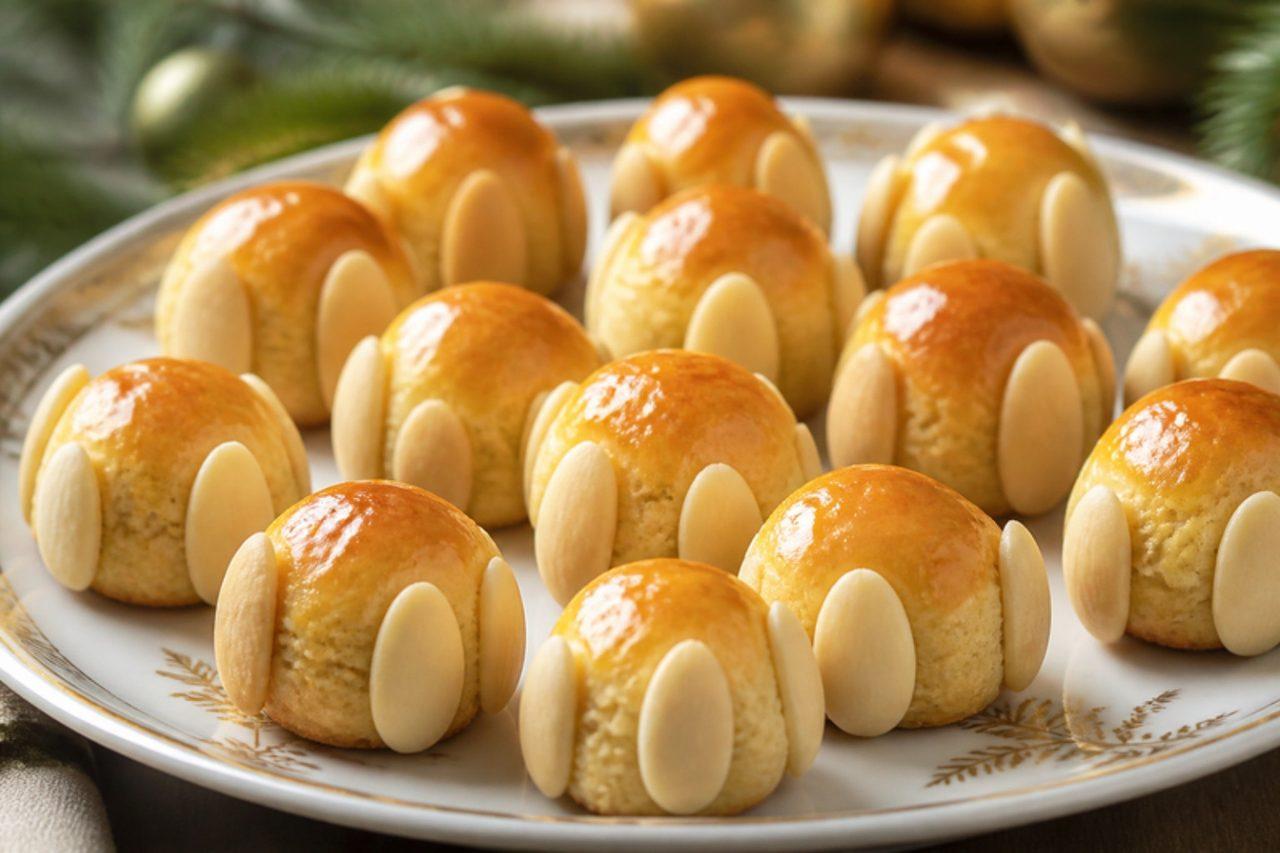
BethmännchenMarzipan almond balls

Frankfurt am Main claims these little domes as its own Christmas sweet, sold by the bag at the Römerberg Christmas market and in the city's cafés through Advent. The story goes that they were made for the banking family Bethmann, with four almonds for the four sons, and one was dropped when a son died; whatever the truth, they now carry three. The marzipan is mixed with a little rosewater and powdered sugar, then glazed with egg yolk so the tops bake golden while the inside stays soft. Serve them with tea or a mug of hot spiced apple juice. For an egg-free glaze, brush with a little cream or milk instead; the colour is paler but still pretty. Chef's tip: bake them on the middle shelf and watch from the 10-minute mark, because the almond tips scorch before the marzipan is golden if your oven runs hot.

by KrazyBadal 0 views

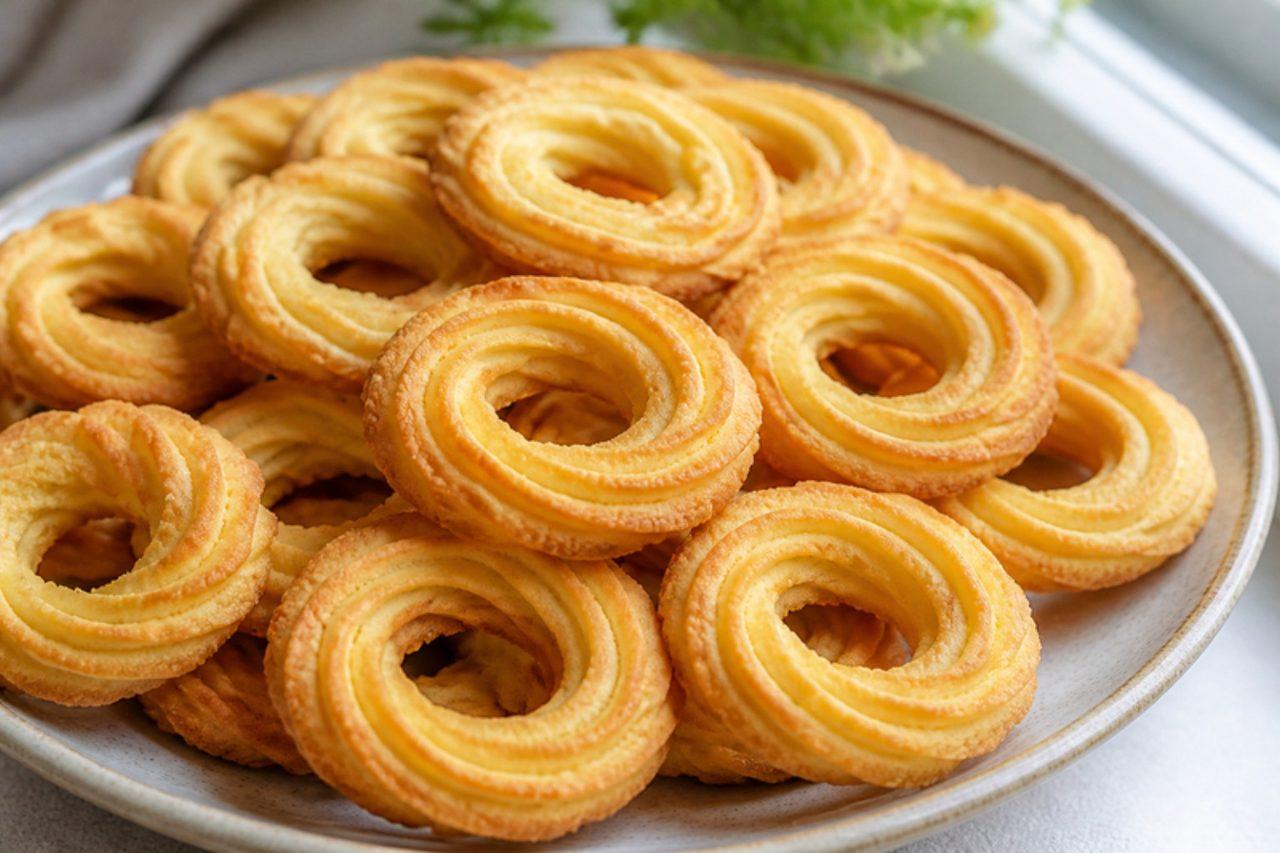
VaniljekranseVanilla almond butter rings

No Danish Christmas tin is complete without vaniljekranse, the ridged rings of buttery vanilla dough with finely ground almonds that snap and then melt. Many homes in Denmark make dozens in December, traditionally pressing the dough through a mincer fitted with a star plate to make long ribbons, then curling them into wreaths; a piping bag with a large star nozzle does the same job. They are eaten with coffee, gløgg or a glass of cold milk, and are a favourite for children to help shape. Some recipes leave out the egg, and a spoonful of milk works just as well here. Chef's tip: chill the piped rings on the tray for 15 minutes before baking so the ridges stay sharp; dough that is too warm is the trap, because the rings spread and lose their pattern.

by KrazyBadal 0 views

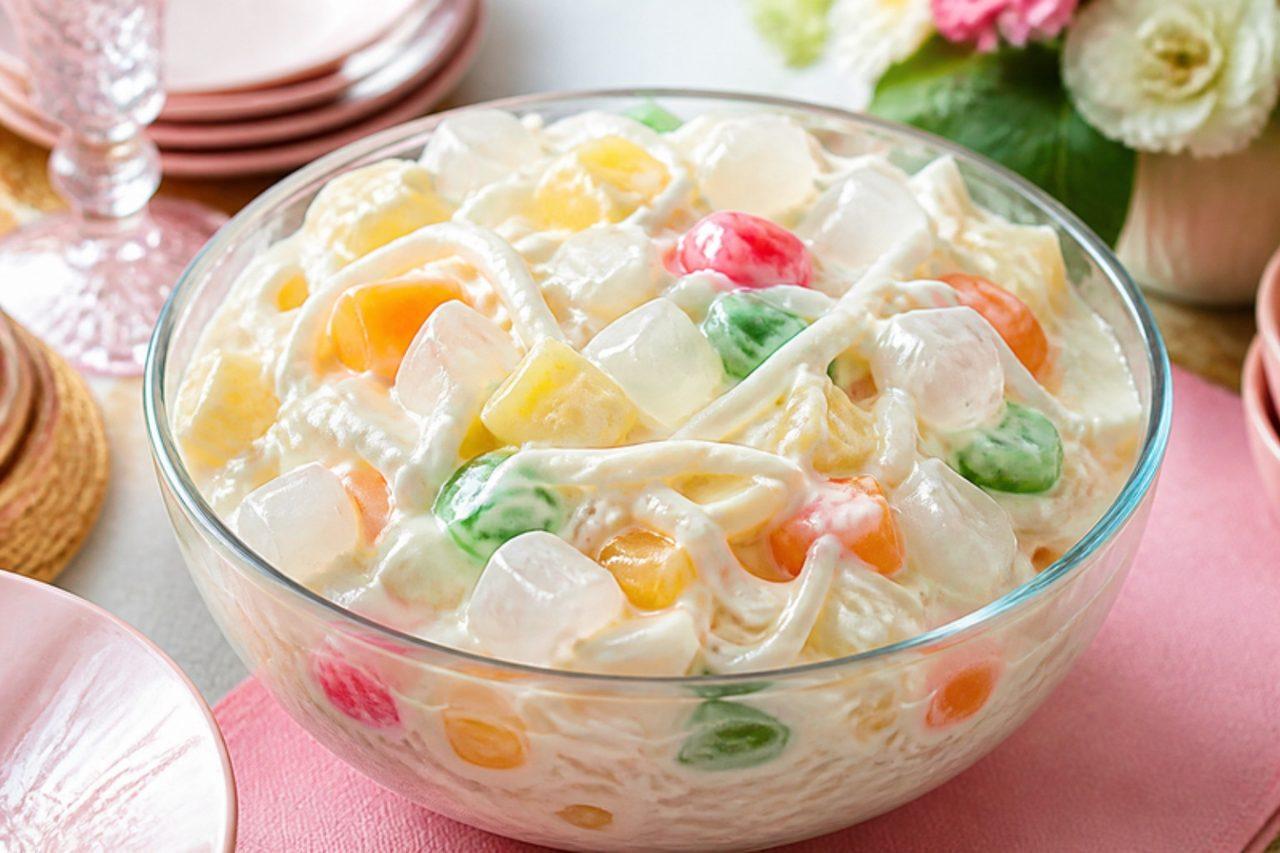
Buko saladYoung coconut fruit salad

Buko salad is the dessert Filipino families bring to every birthday, christening and Christmas Noche Buena: strips of soft young coconut, mixed fruit, chewy nata de coco and sweet cream, chilled until icy cold. Children fish out the cherries first. It is quick to make the day before and is gluten free; it contains milk. Grapes in tinned fruit are already halved, but quarter any whole grapes lengthwise for younger children. Chef's tip: drain the fruit and nata de coco really well in a sieve for 15 minutes, or the salad turns watery overnight.

by KrazyBadal 0 views

Nigerian fruit cake

No Lagos wedding or Christmas table feels complete without a dark, heavy fruit cake, often stacked in tiers and covered in icing, with slices wrapped in napkins for guests to take home. The crumb is dense and moist, coloured almost black with browning (burnt-sugar caramel), and packed with raisins, currants and cherries warmed by nutmeg and mixed spice. Many families soak the fruit for weeks in brandy, stout or red wine; this version plumps it in orange juice instead, with a spirit given only as an option. Serve thin slices with tea, or ice it for a celebration. Bake it hot and fast and you get the classic failure: a cracked, burnt crust over a raw, sunken middle, so keep the oven low. Chef's tip: wrap a double band of brown paper around the outside of the tin and tie it with string; it slows the edges so the middle catches up.

by KrazyBadal 0 views

AnisbrötliAnise cookies

Anisbrötli and their claw-shaped cousins Chräbeli are among the oldest Swiss Christmas biscuits, baked in Basel, Aargau and Zurich from Advent onwards and packed into tins beside Mailänderli and Brunsli. The egg and sugar dough is pressed into springerle moulds or cut into shapes, then left to dry overnight, so in the oven the bottom puffs up into a little 'foot' while the top stays white and smooth. Inside they are chewy and fragrant with anise. Chef's tip: beat the eggs and sugar for the full 10 minutes; under-whipped batter gives flat cookies with no foot.

by KrazyBadal 0 views

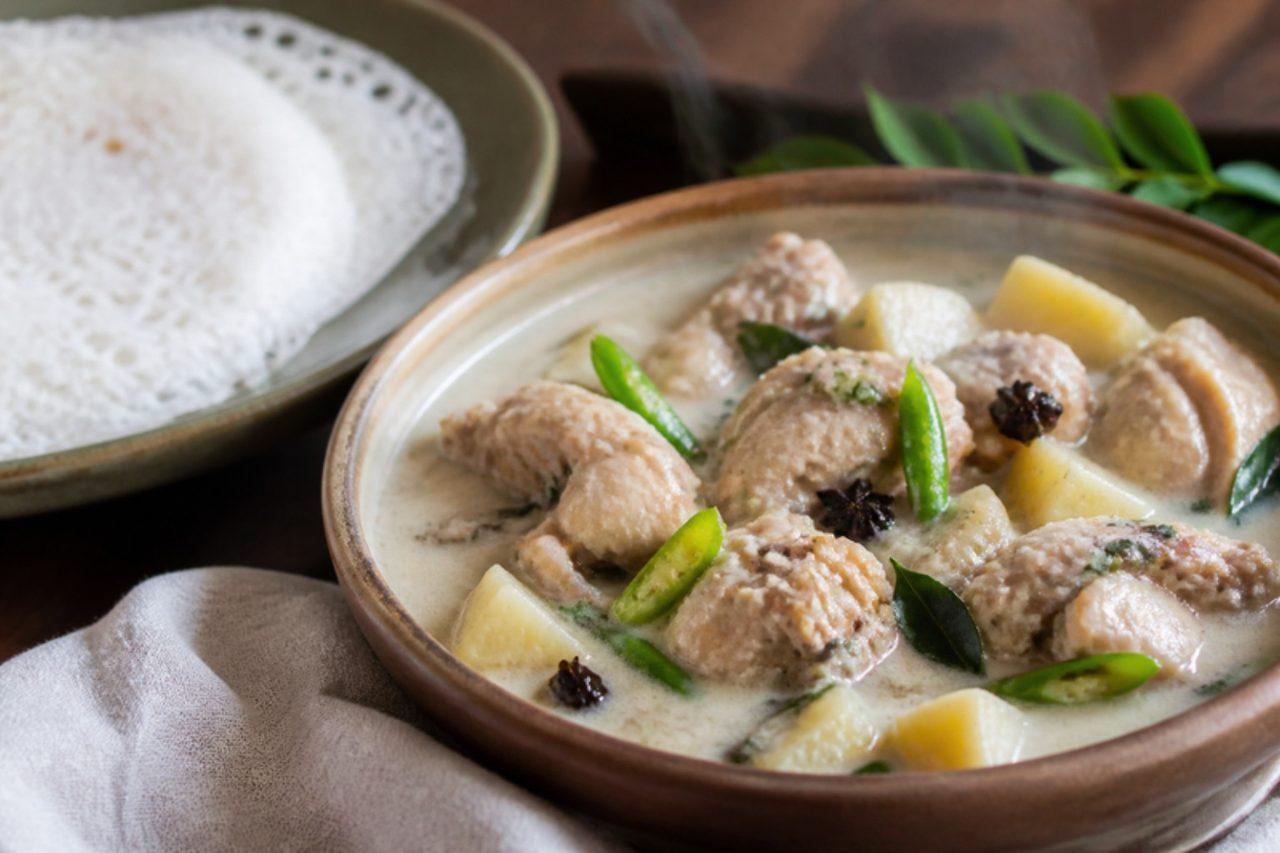
Kerala chicken stew

Easter morning in a Syrian Christian home in Kottayam or Thrissur means lacy appam and a pot of chicken ishtu, and the same stew is the classic breakfast in Kochi's old hotels: bone-in chicken and potatoes simmered in coconut milk with cinnamon, cloves, cardamom, ginger and green chilli until tender. It is creamy, fragrant and mild enough for children. A portion is about 390 kcal; skinless thighs and part-thin coconut milk keep it lighter than most. The mistake most people make is cooking the potatoes in the thick coconut milk from the start, so the milk splits by the time the chicken is done; cook in the thin milk and add the thick at the end. Chef's tip: fry a few slices of shallot in coconut oil and scatter them over just before serving; it adds a sweet, toasted edge.

by KrazyBadal 0 views

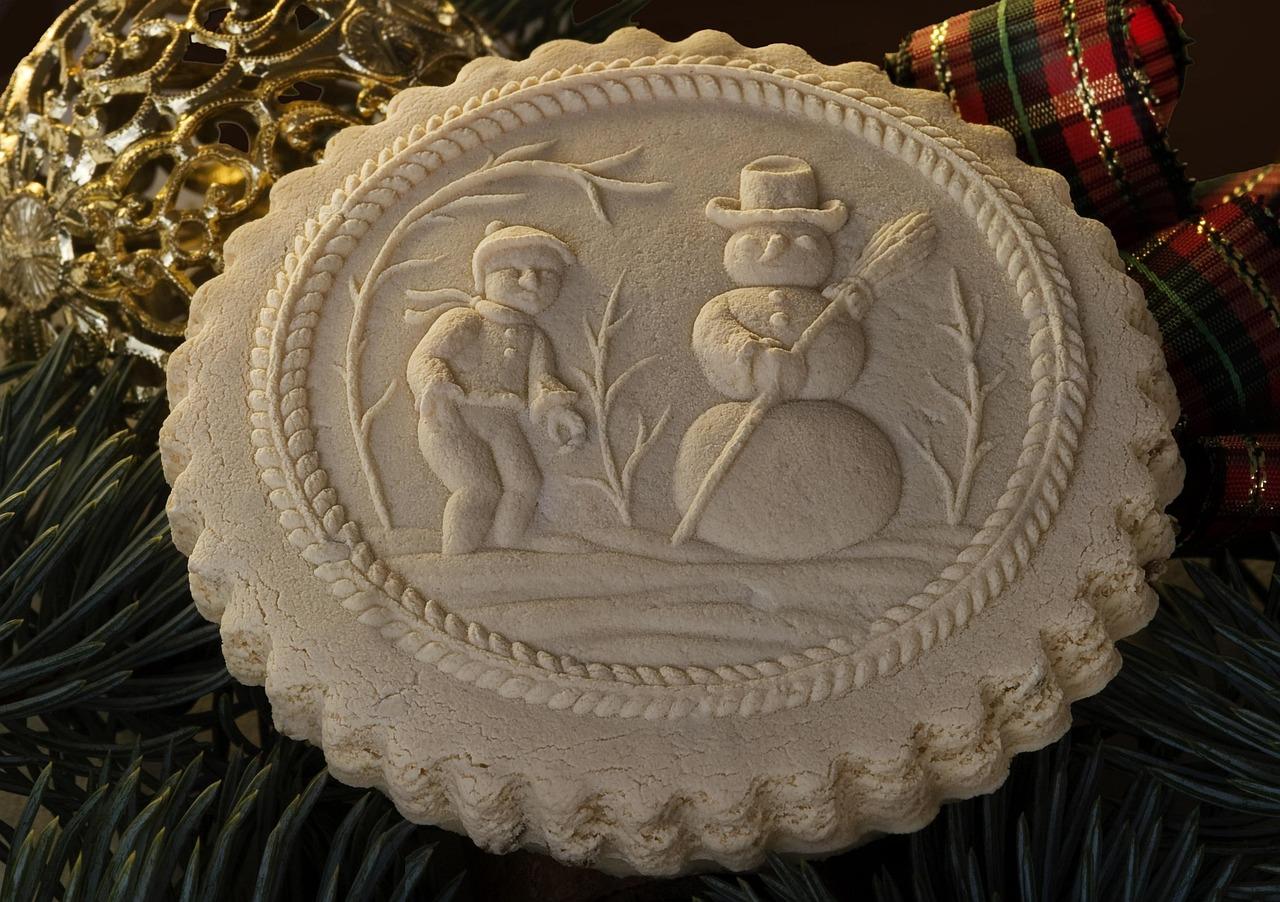
TirggelHoney biscuits

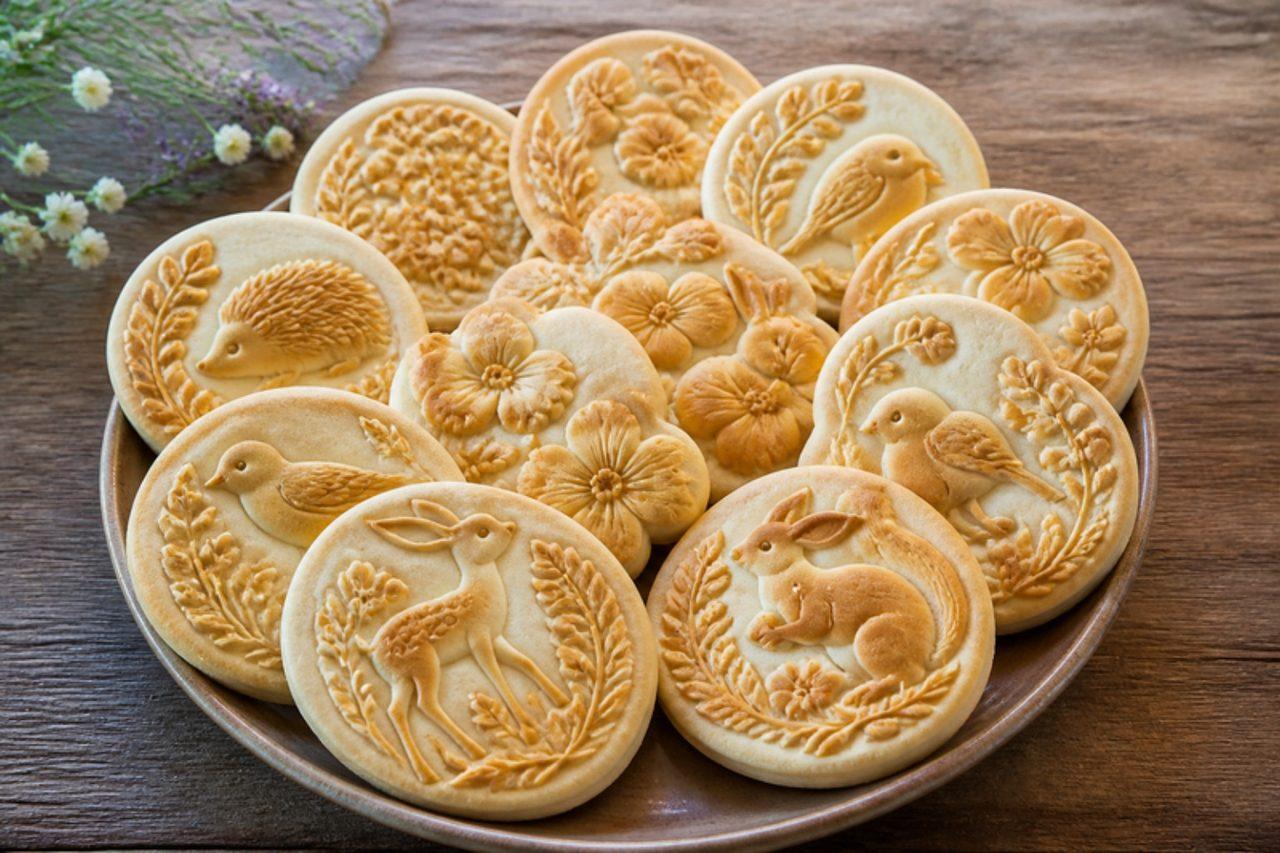
Tirggel have been baked in Zurich since the Middle Ages and are still sold at the Christmas markets on the Bahnhofstrasse and the old-town bakeries: wafer-thin honey biscuits pressed into carved moulds of guild scenes, animals and town views, then baked with heat from the top only so the raised picture turns golden while the back stays pale. They are hard and meant to be broken into pieces and let melt on the tongue. Wooden or silicone springerle moulds work at home. Chef's tip: bake them under the top heat only, or on the highest shelf with a tray below; full heat browns the whole biscuit and the picture disappears.

by KrazyBadal 0 views

MailänderliLemon butter cookies

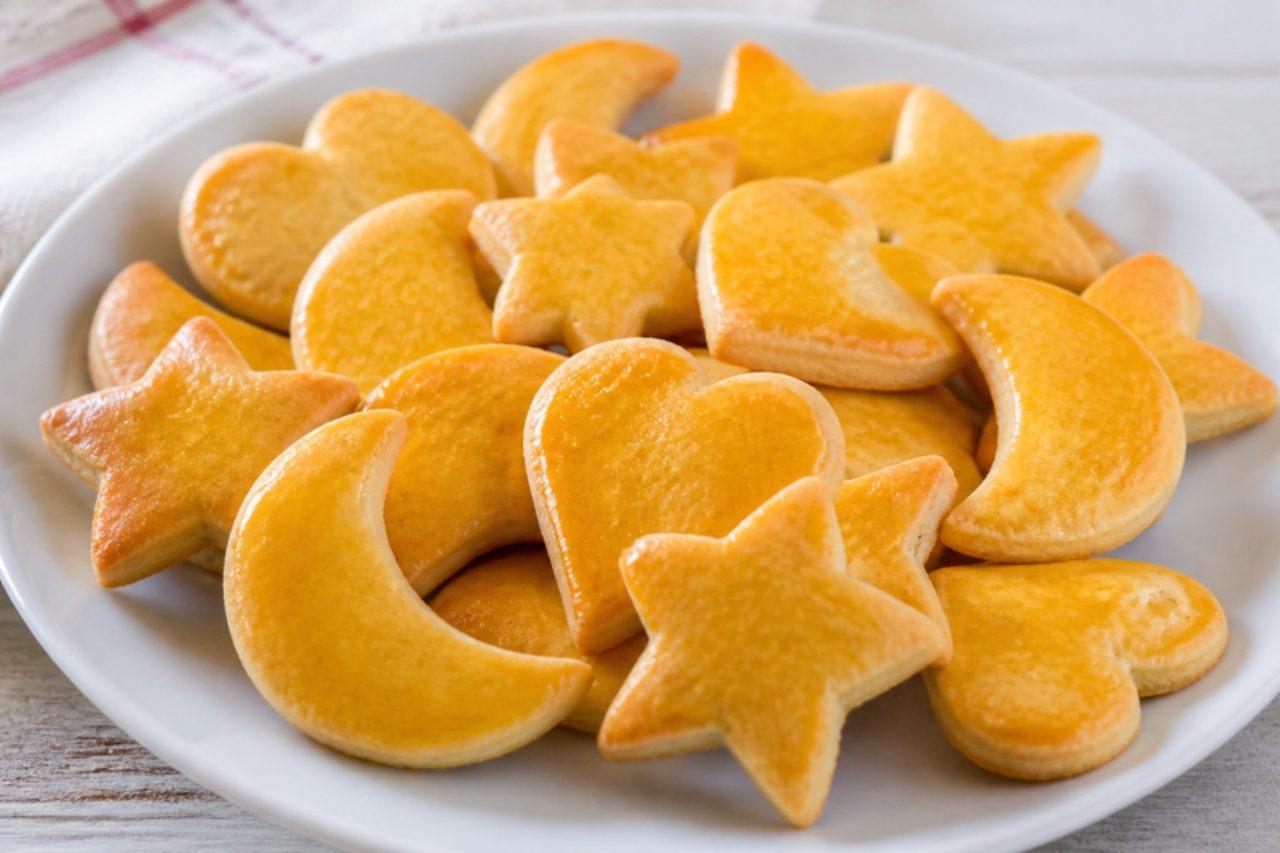
Come December, almost every Swiss household bakes Mailänderli, the simplest and best-loved of the Weihnachtsguetzli: buttery, lemon-scented biscuits cut into stars, hearts and moons and painted with egg yolk so they bake to a deep shine. Children across German-speaking Switzerland help cut them out, and tins of them are swapped with neighbours and eaten all through Advent. Chef's tip: rest the dough in the fridge overnight, or for at least 2 hours; warm dough spreads and the shapes lose their sharp edges.

by KrazyBadal 0 views

Filipino fruit salad

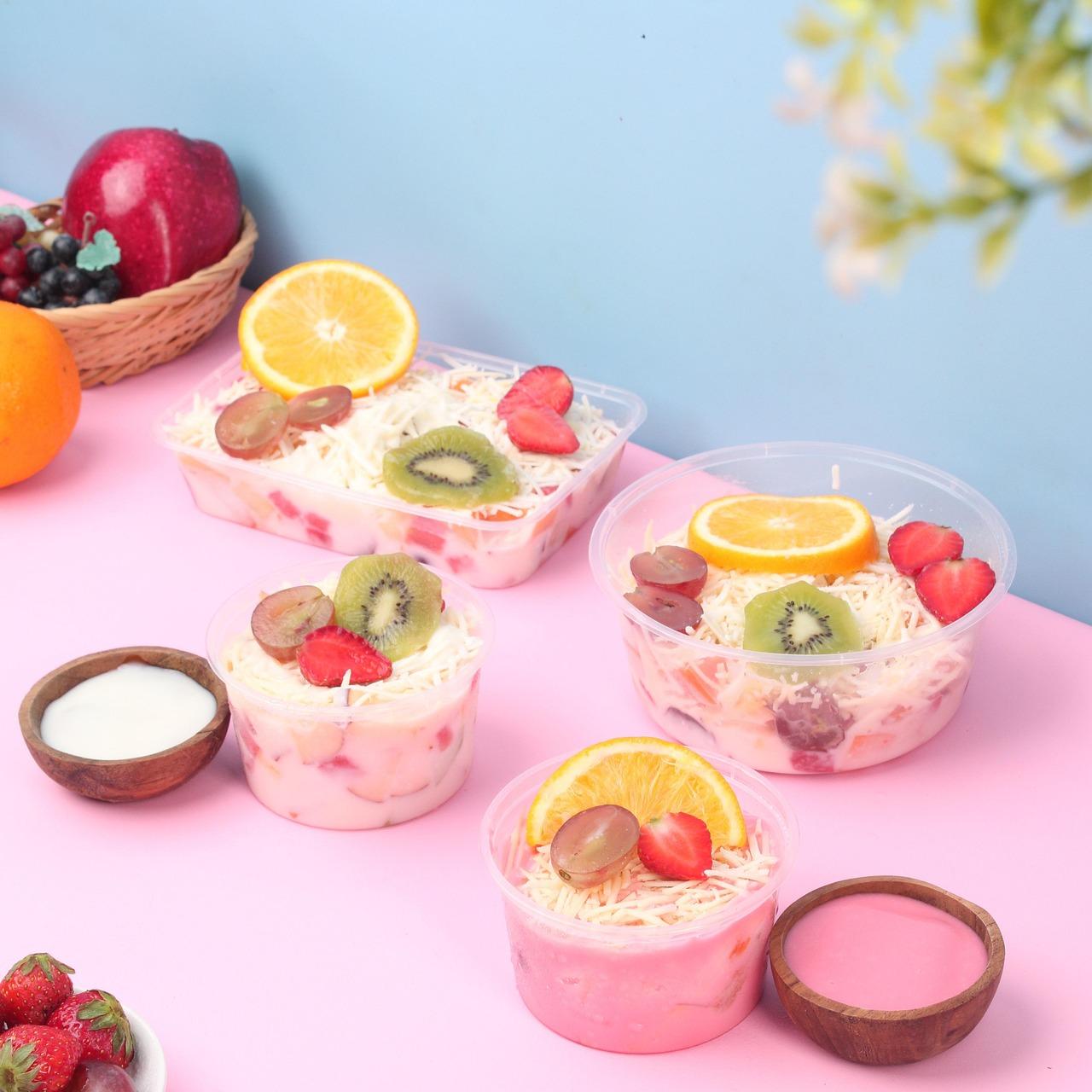
Ask any Filipino family what Christmas tastes like and fruit salad will be near the top of the list: tinned fruit cocktail, chewy nata de coco, sugar-palm kaong and sometimes cubes of cheese, all folded into sweetened cream and chilled until icy. It is made a day ahead for Noche Buena and New Year's Eve and served straight from the coldest corner of the fridge. Chef's tip: drain the fruit really well, even overnight in a sieve; leftover syrup thins the cream into a watery puddle.

by KrazyBadal 0 views

Kue putri saljuSnowball crescent cookies

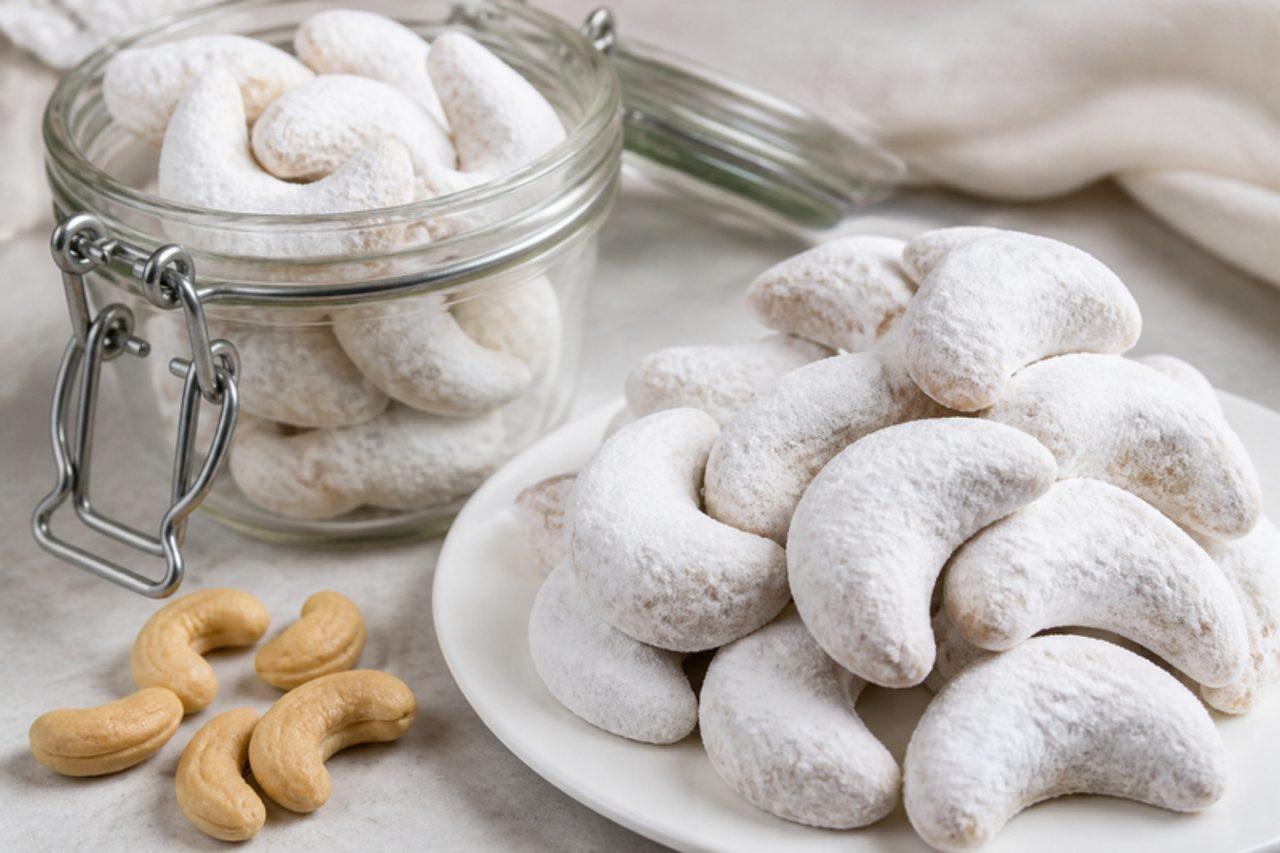
'Snow princess' cookies are a Lebaran favourite in every Indonesian city, set out in jars for the stream of visiting relatives during the first days of Syawal. Little crescents of buttery, nutty shortbread made with ground cashews melt the moment you bite them, under a thick snowy coat of icing sugar. Children love helping to roll the crescents. Chef's tip: dust them twice, once while warm so a thin layer melts on and once when cold for the snowy finish; dusting only hot cookies leaves them patchy and damp.

by KrazyBadal 0 views

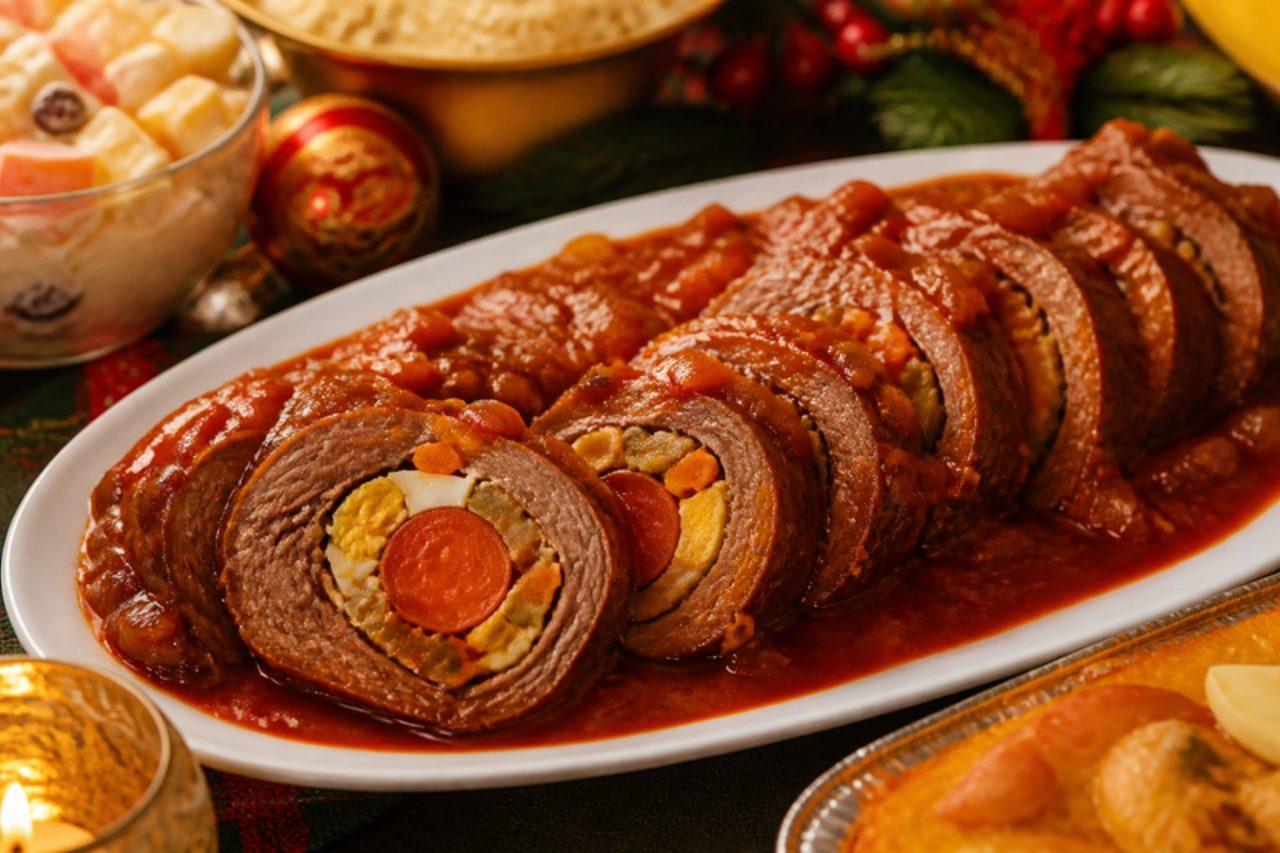
MorconStuffed beef roll

Morcon is a fiesta and Christmas centrepiece from Spanish-era kitchens in Pampanga and Batangas: a thin sheet of beef wrapped around strips of sausage, carrot, pickle and boiled egg, tied up, browned and braised slowly in tomato sauce until meltingly tender. Sliced, it shows a colourful mosaic, and the reduced sauce is spooned over steamed rice. It takes time but can be cooked a day ahead and reheated in its sauce. Chef's tip: pound the beef to an even thickness before rolling; thick patches tear the roll and stay tough while thin ones fall apart.

165 minFilipinoMeat
by KrazyBadal 0 views

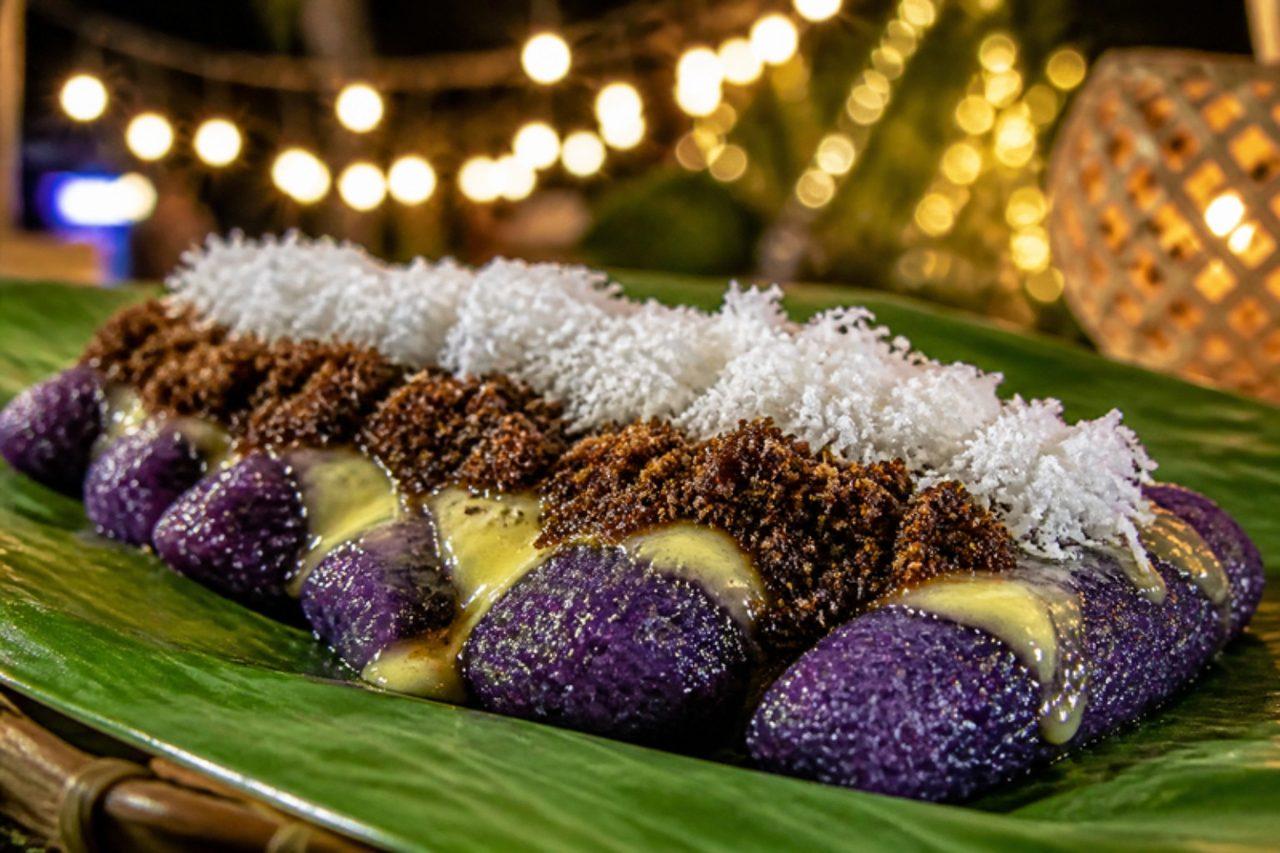
Puto bumbongPurple sticky rice tubes

During the nine dawn masses of Simbang Gabi, from 16 to 24 December, vendors outside churches across Luzon steam puto bumbong in bamboo tubes over hissing kettles. The violet logs of ground purple and white glutinous rice are slid onto banana leaf, slathered with butter or margarine and showered with muscovado sugar and grated coconut, then eaten warm in the cold morning air. At home, small heatproof moulds or rolls of banana leaf stand in for the bamboo. Chef's tip: the ground rice must feel like damp sand, not batter; wet dough steams into a heavy paste instead of a loose, fluffy log.

by KrazyBadal 0 views

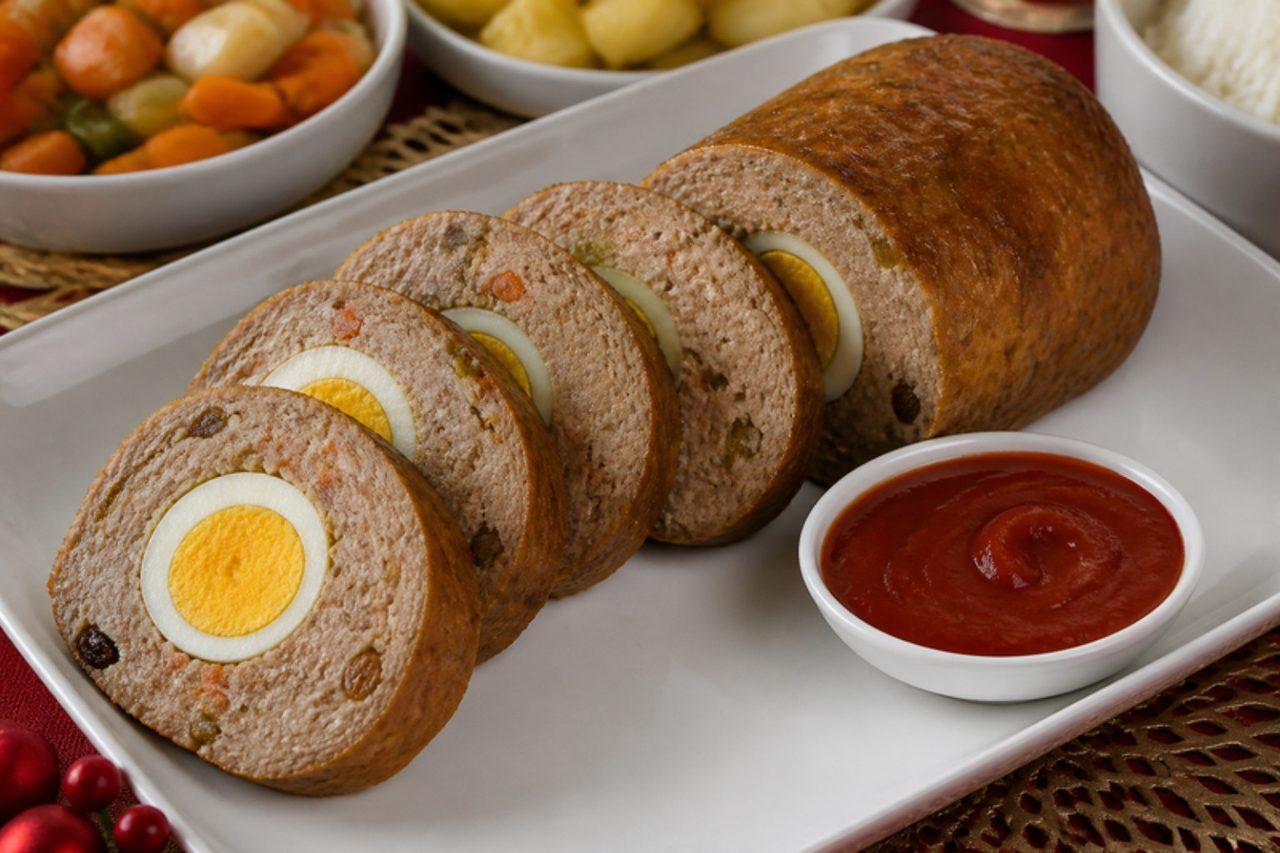
EmbutidoSteamed pork roll

Foil-wrapped logs of embutido are steamed days ahead of Noche Buena in kitchens all over the Philippines, then sliced cold or fried for the Christmas Eve spread. The roll is made from minced pork bound with egg and breadcrumbs and studded with carrot, sweet pickle relish and raisins, with boiled egg running through the middle so each slice shows a yellow-and-white centre. Serve with banana ketchup and rice, or in pandesal. Chef's tip: roll the foil tightly and twist the ends like a sweet; a loose wrap lets steam in and the roll comes out soggy and crumbly.

by KrazyBadal 0 views

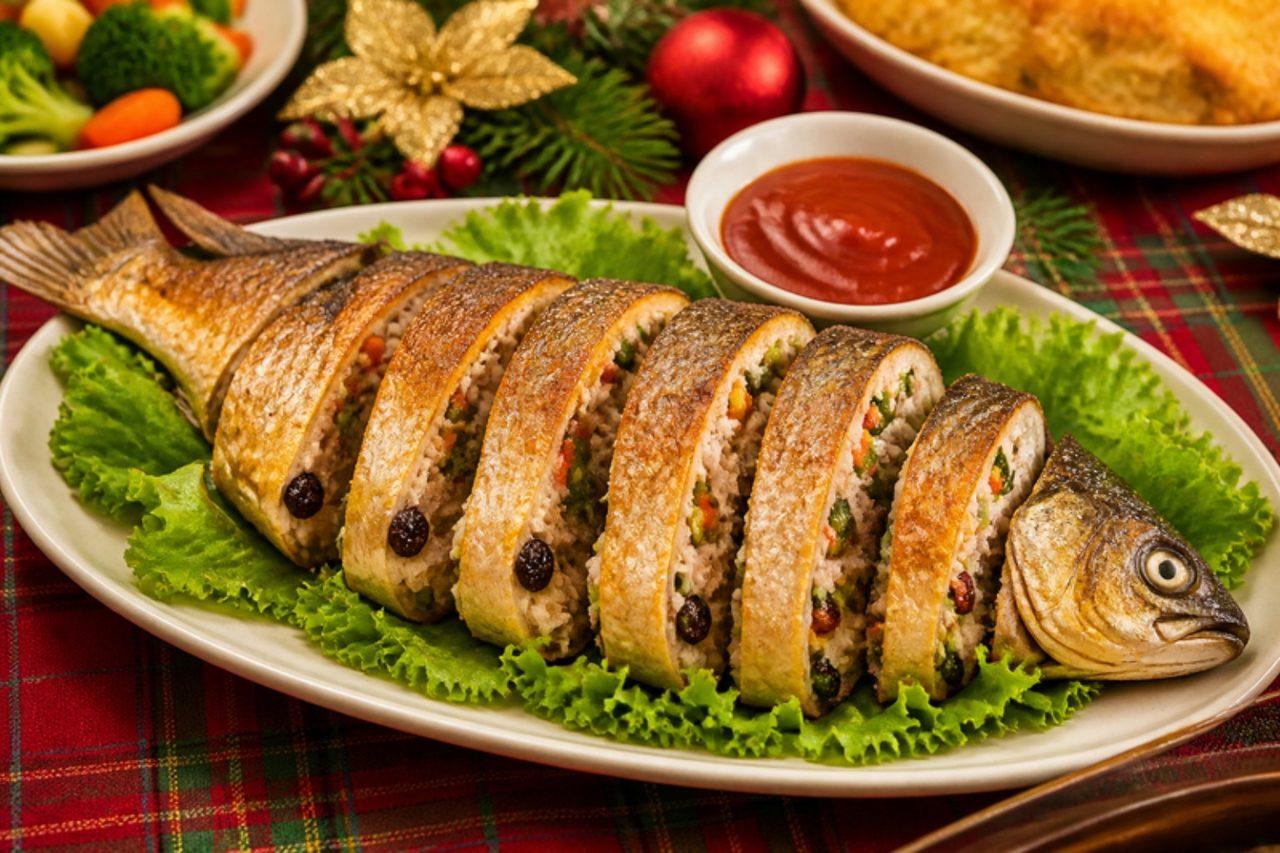
Relyenong bangusStuffed milkfish

Stuffed milkfish is a party piece in Tagalog homes for Christmas Eve and big fiestas. The cook loosens the skin of a whole bangus and pushes out the flesh in one piece, picks out the many fine bones, sautés the flesh with onion, tomato, carrot, peas and raisins, binds it with egg and packs it back into the skin, so it looks like a whole fish again. It is then fried until golden and sliced crossways, with banana ketchup on the side. Chef's tip: work slowly when separating the skin and use the back of a spoon, not a knife; one tear and the stuffing leaks out in the pan.

110 minFilipinoFish
by KrazyBadal 0 views

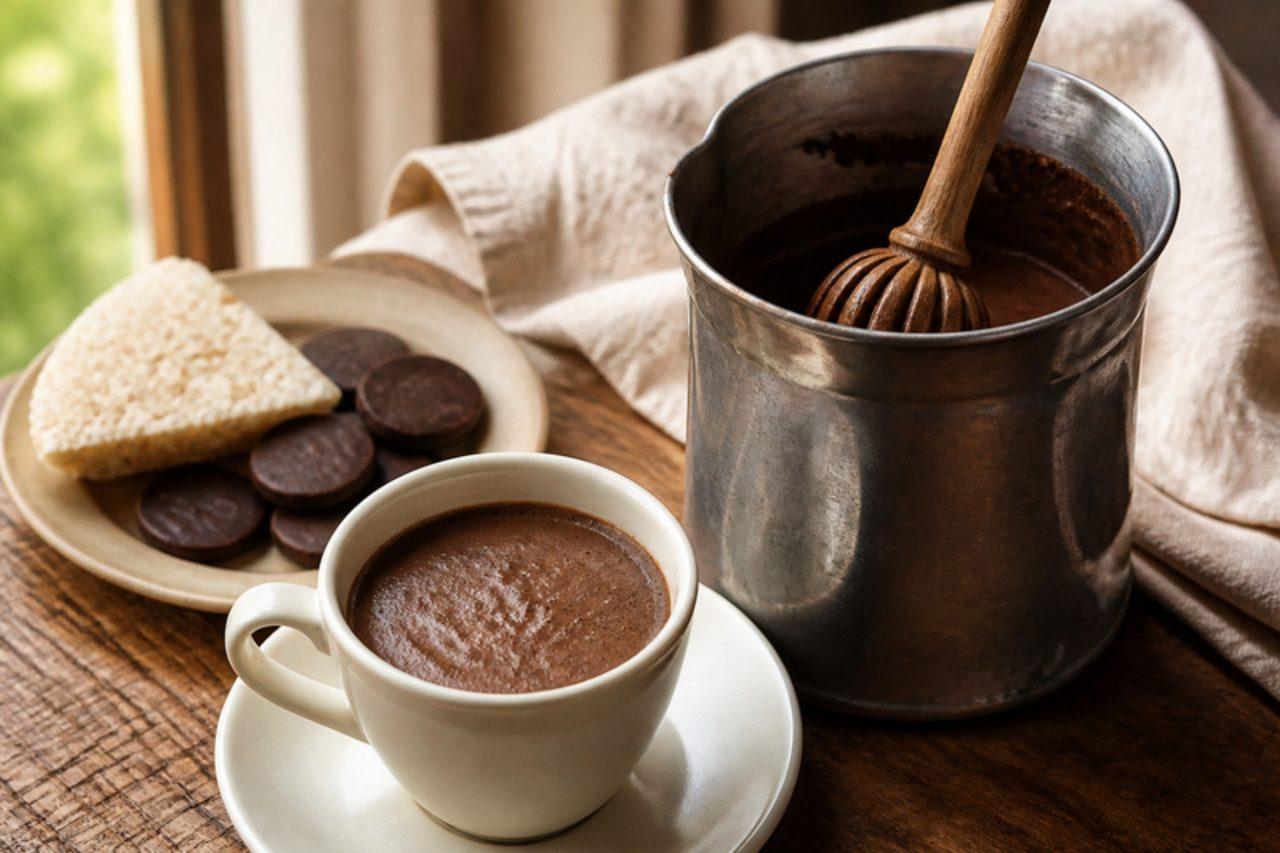
TsokolateThick hot chocolate

Discs of pure roasted cacao called tablea, pressed by hand in Batangas and Cebu, melt into the thick, slightly gritty tsokolate that Filipinos drink on Christmas mornings with puto bumbong or bibingka. It is whisked in a tall pot with a wooden batidor rolled between the palms until it foams, and it tastes deep, bitter-sweet and earthy rather than milky. A little milk softens it; many families drink it with water only. Chef's tip: keep the heat low once the tablea melts; boiling cacao hard makes it scorch and taste burnt.

by KrazyBadal 0 views

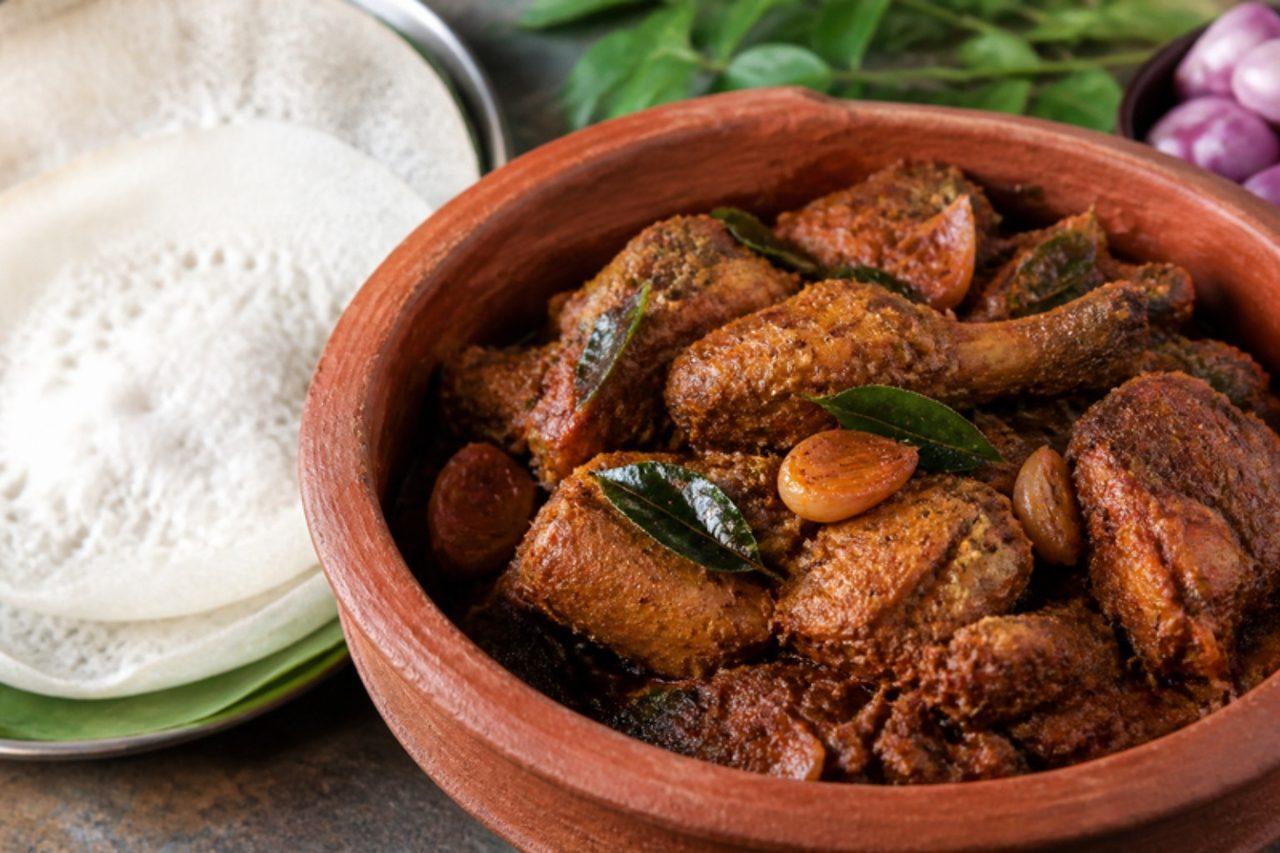
Kerala duck roast

Christmas morning in Kuttanad and Kottayam often begins after midnight Mass with palappam and a dark, glossy tharavu roast. Ducks are raised along the Kerala backwaters, and Syrian Christian families save this dish for feast days. Duck is a richer, firmer bird than chicken: here it is cut into curry pieces, marinated with pepper, turmeric and vinegar, pressure-cooked until tender, then roasted in coconut oil with masses of onion, ginger, garlic and green chilli, coriander and plenty of black pepper, before thick coconut milk softens the heat. Cook the duck right through until tender, and for safety until 74 °C in the thickest pieces. The finished roast should be thick and clinging rather than soupy. Serve with appam, idiyappam or crusty bread, with a vegetable stew on the side. Common mistake: leaving all the duck fat in; skim the rich fat off the cooking liquid or the roast turns greasy. Chef's tip: keep the skimmed duck fat in the fridge and use a spoonful to fry potatoes.

120 minIndianMeatGluten free
by KrazyBadal 0 views

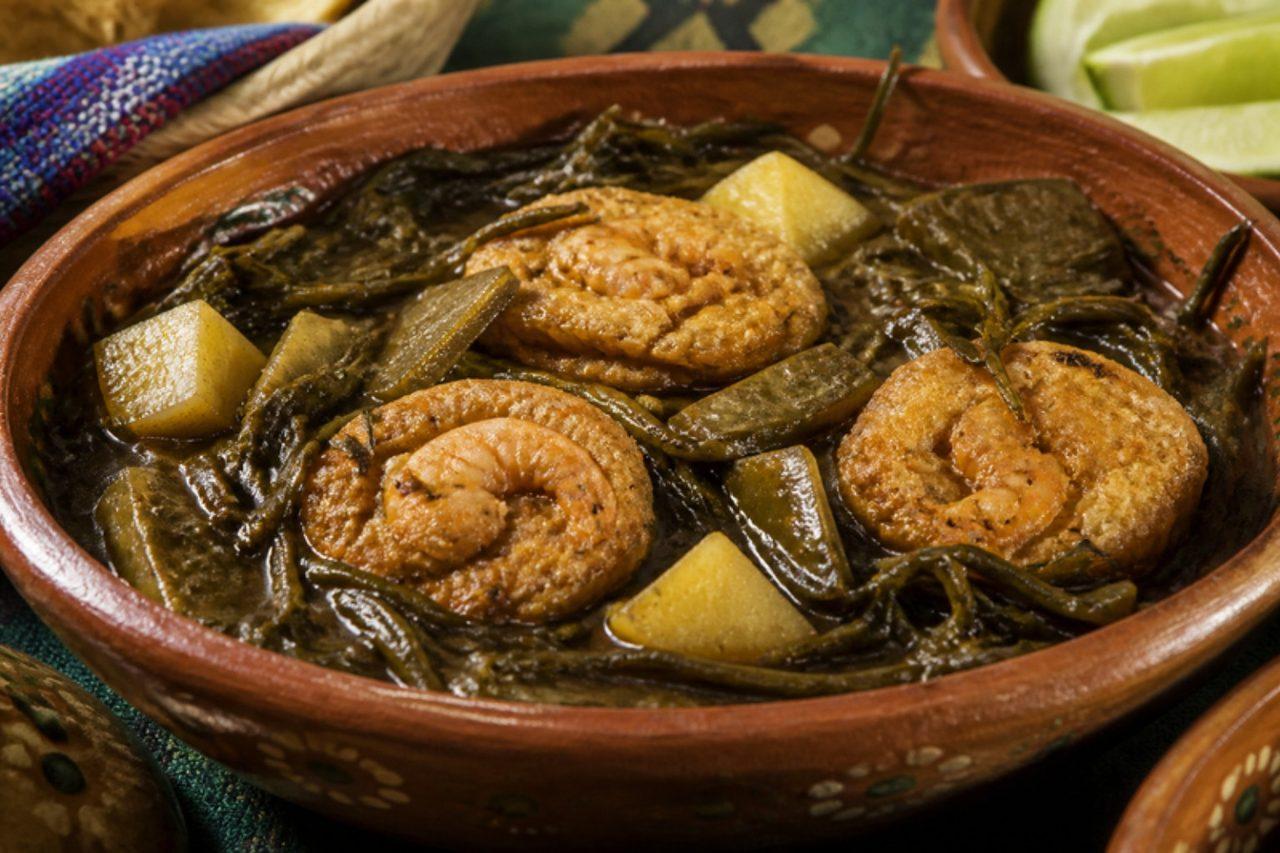
RomeritosSeepweed in mole

In Mexico City and the towns around it, Christmas Eve without romeritos is unthinkable: tender sprigs of seepweed (romerito) simmered in dark mole with little potatoes and cactus, crowned with fritters of dried shrimp and egg. It is eaten again at Lent, when meatless dishes rule. Find romeritos at Mexican grocers in December; samphire tips or tender spinach stems are the closest swap. A ready mole paste keeps this to an afternoon. For a vegetarian version, leave out the shrimp tortitas and use vegetable stock. Chef's tip: blanch the romeritos briefly and squeeze them well, or their bitterness and water flood the mole.

by KrazyBadal 0 views

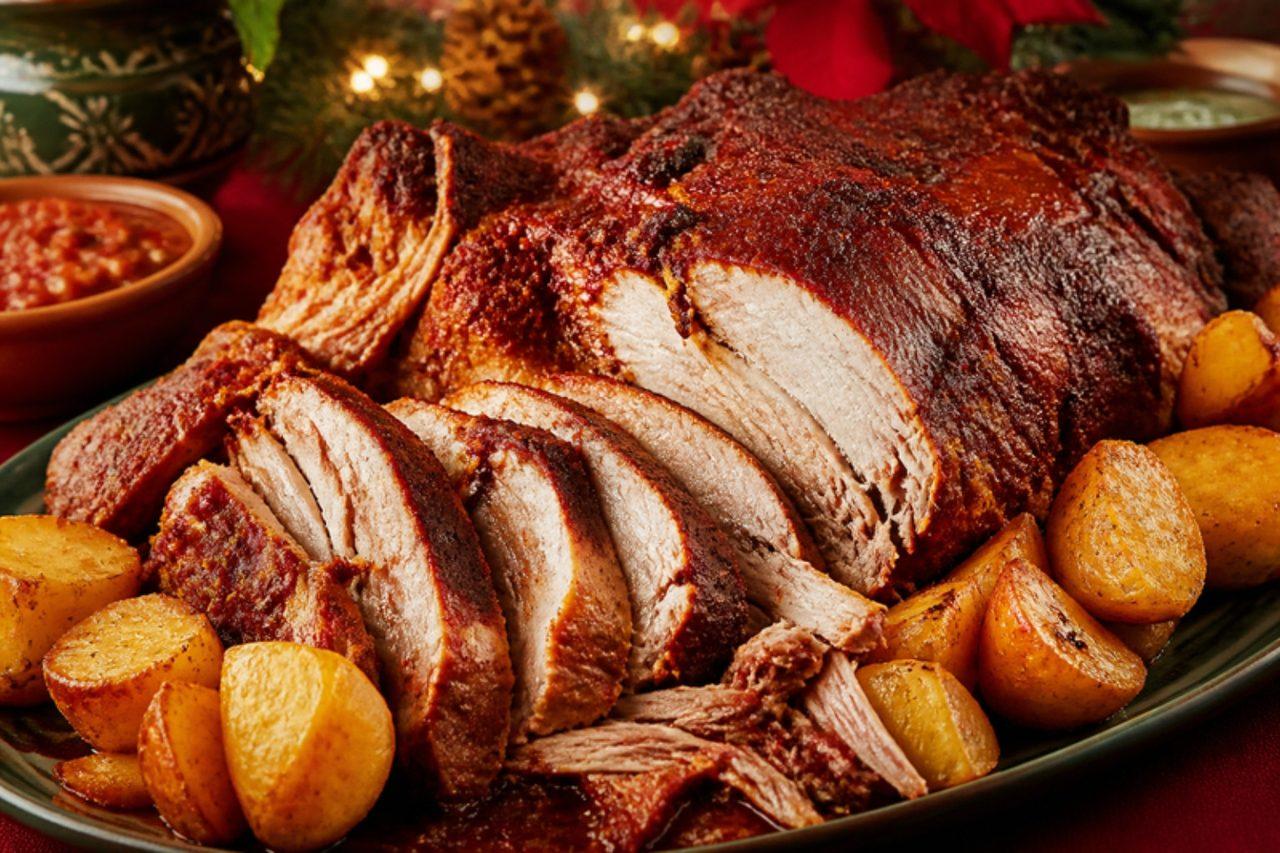
Pierna adobadaAdobo roast pork leg

From Puebla to Monterrey, a dark red leg of pork comes out of the oven on 24 or 31 December, its adobo of ancho and guajillo chiles, garlic, vinegar and orange caramelised into a sticky crust. It is sliced at the table with apple salad and Christmas rice, and the leftovers fill tortas for days. This recipe uses a smaller boneless leg or shoulder joint of pork that fits a home oven; it marinates overnight in the fridge and roasts low and slow. Chef's tip: baste with the pan juices every half hour once the foil comes off, so the adobo glazes rather than burns.

300 minMexicanMeatGluten free
by KrazyBadal 0 views

Arroz natalinoChristmas rice with raisins

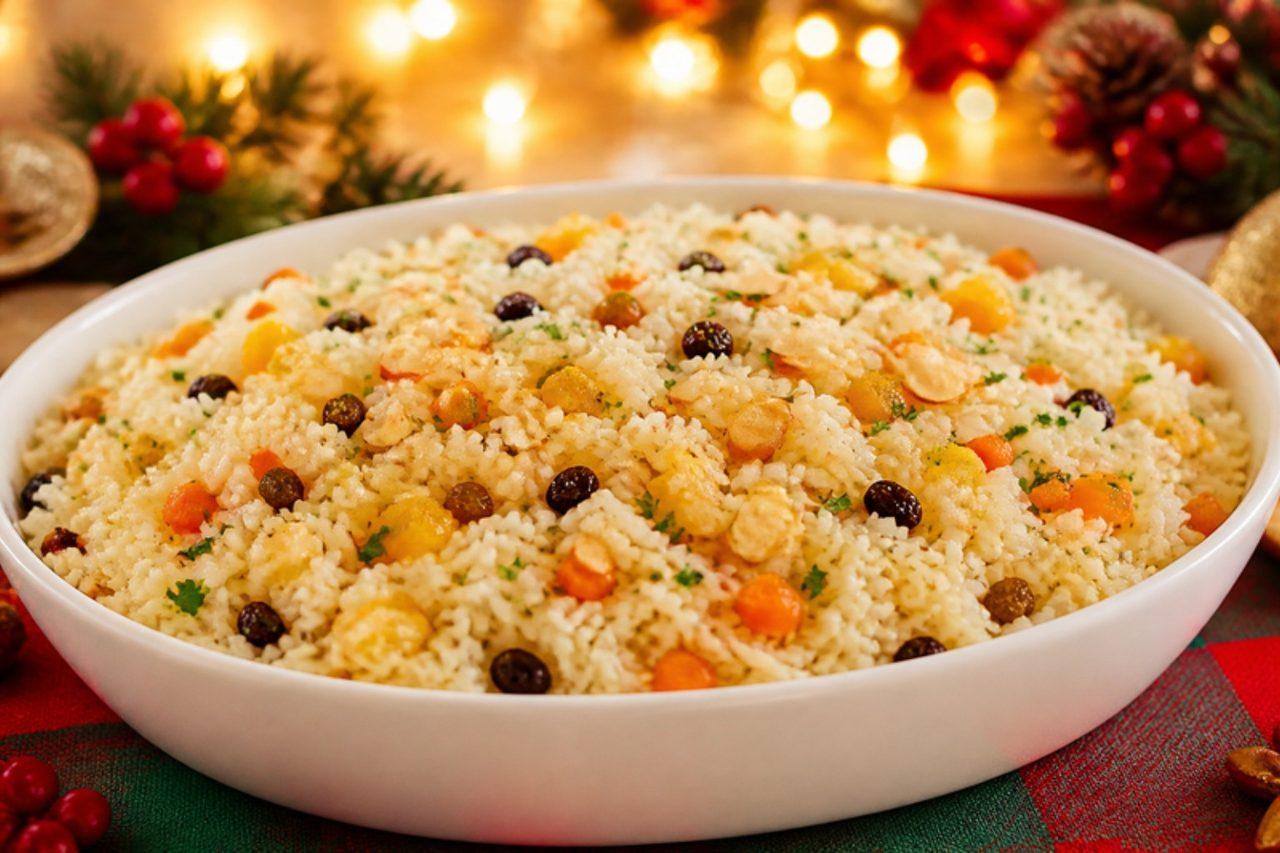
On the night of 24 December, when Brazilian families sit down to the ceia de Natal close to midnight, a big bowl of festive rice sits beside the roast, golden with grated carrot and studded with raisins and toasted almonds. Some families in São Paulo and the South add diced tinned peaches, which divides the table every year. It is a plain garlicky white rice at heart, made special by the sweet and crunchy things folded in at the end. Chef's tip: add the raisins while the rice rests so they plump in the steam without turning soggy.

by KrazyBadal 0 views

Tamales dulcesSweet tamales

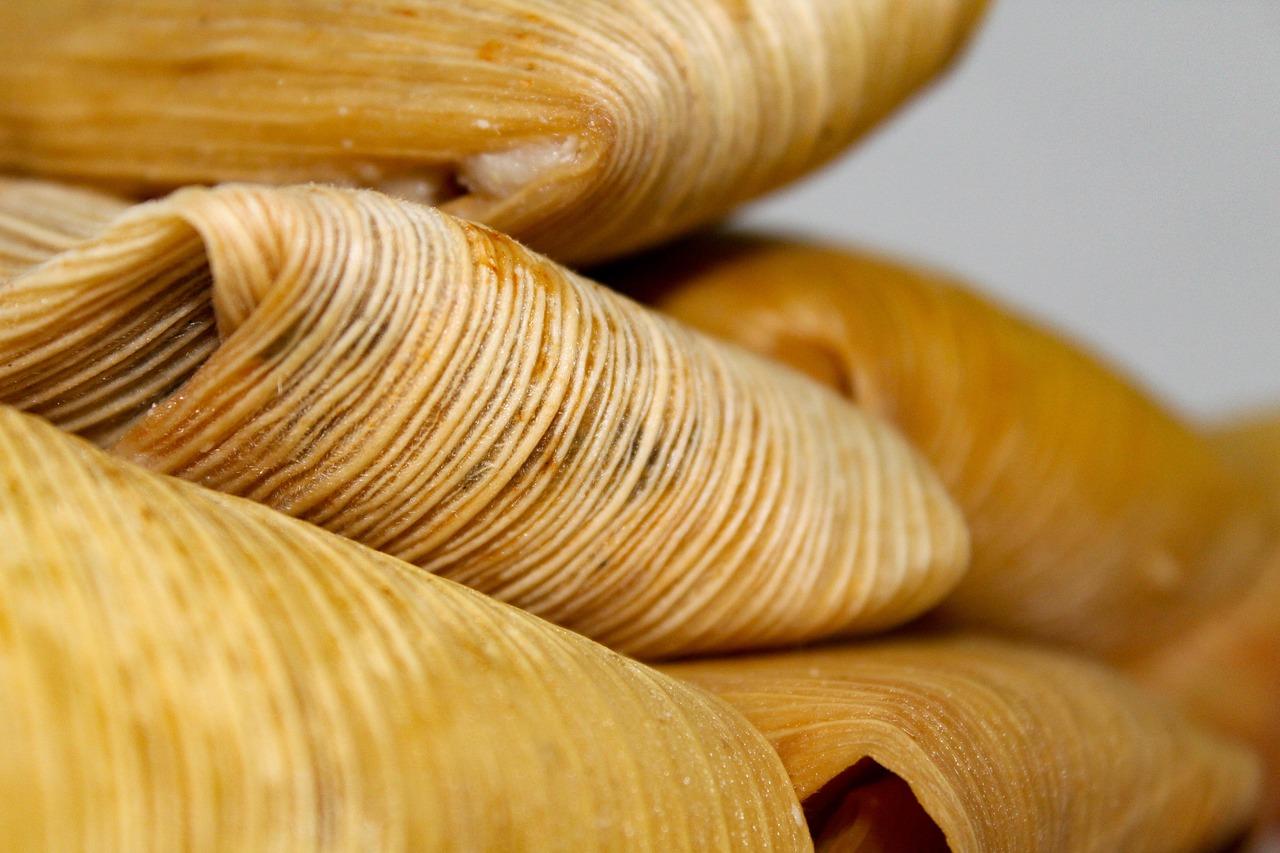
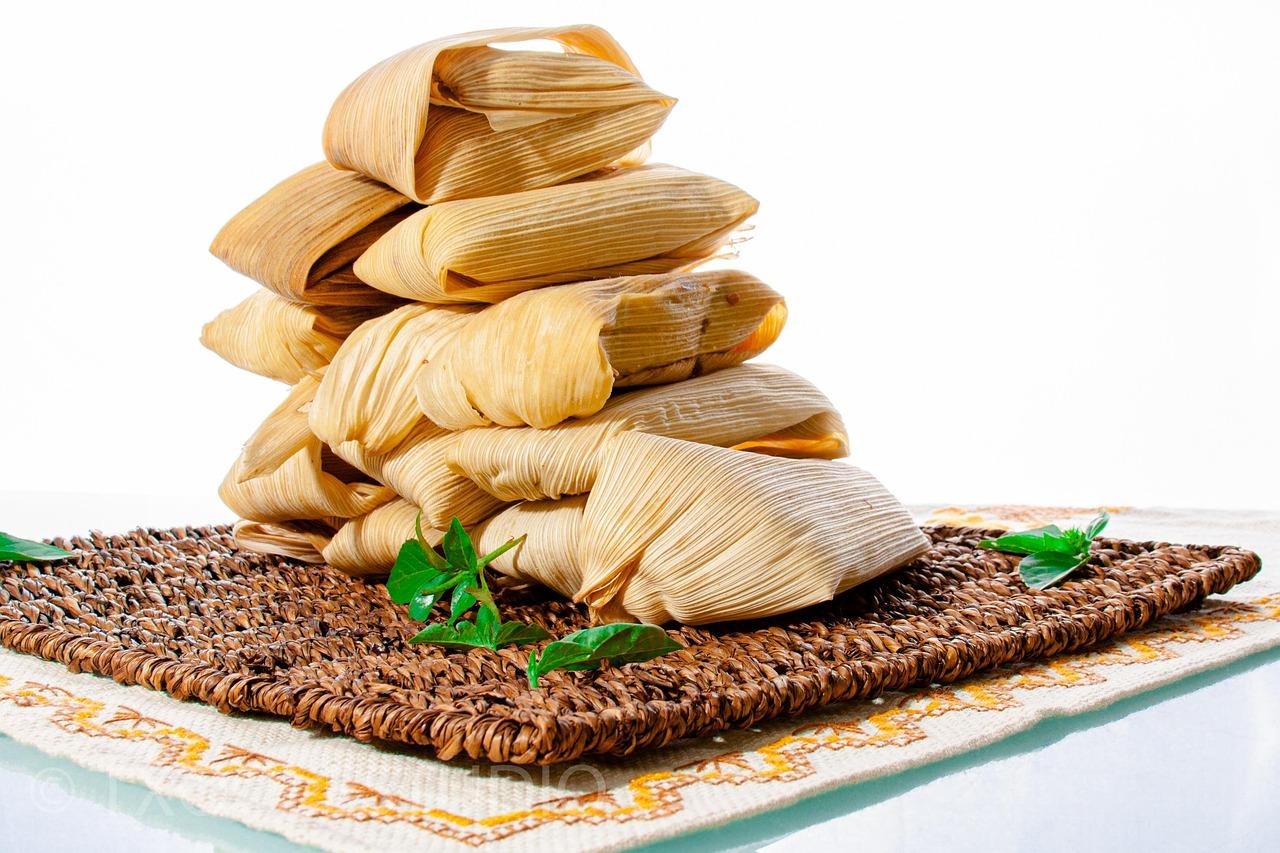
Every tamal tray in Mexico City has a few pink ones tucked in among the green and red, and these sweet tamales are what children reach for first at December posadas and on 2 February, Día de la Candelaria. The masa is beaten with butter and sugar, tinted the colour of a sugared almond and studded with raisins, then steamed in husks until soft and cakey; they are eaten warm with atole or hot chocolate. This version uses butter and vegetable shortening, not lard. Chef's tip: add a few drops of colour at a time; the pink deepens as it steams.

by KrazyBadal 0 views

Ponche navideñoHot Christmas fruit punch

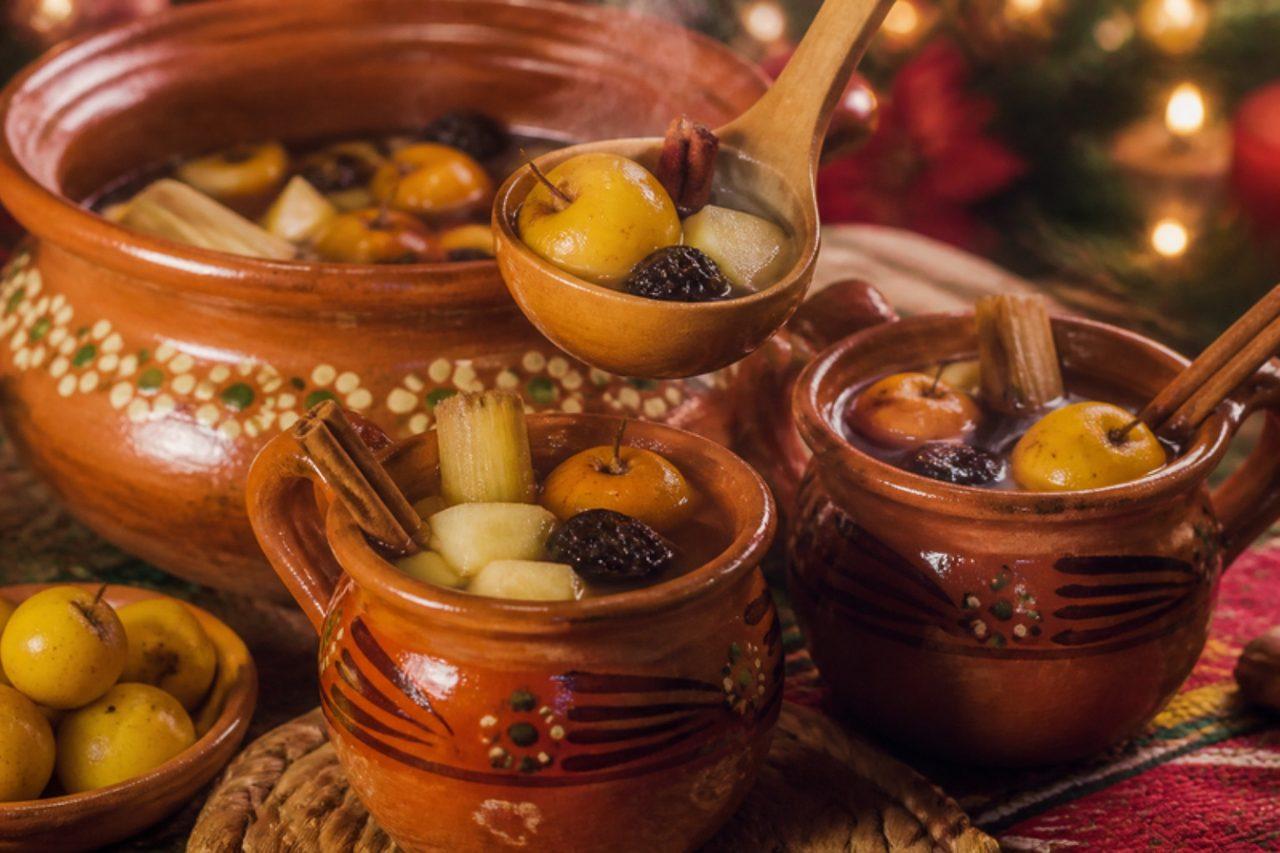
During the nine nights of posadas from 16 to 24 December, neighbours in central Mexico walk the streets singing for shelter, and the reward at the last door is a cup of steaming ponche ladled from a clay pot. Whole fruits, tejocotes, guavas, apple, prunes, sticks of sugarcane, simmer with hibiscus, cinnamon and piloncillo until the punch is fragrant and amber, and everyone fishes the soft fruit out with a spoon. This recipe is alcohol-free and good for all ages; some adults add a splash of rum to their own cup, but none is used here. Chef's tip: add the guavas late, as they collapse if cooked too long.

by KrazyBadal 0 views

Bacalao navideñoSalt cod stew

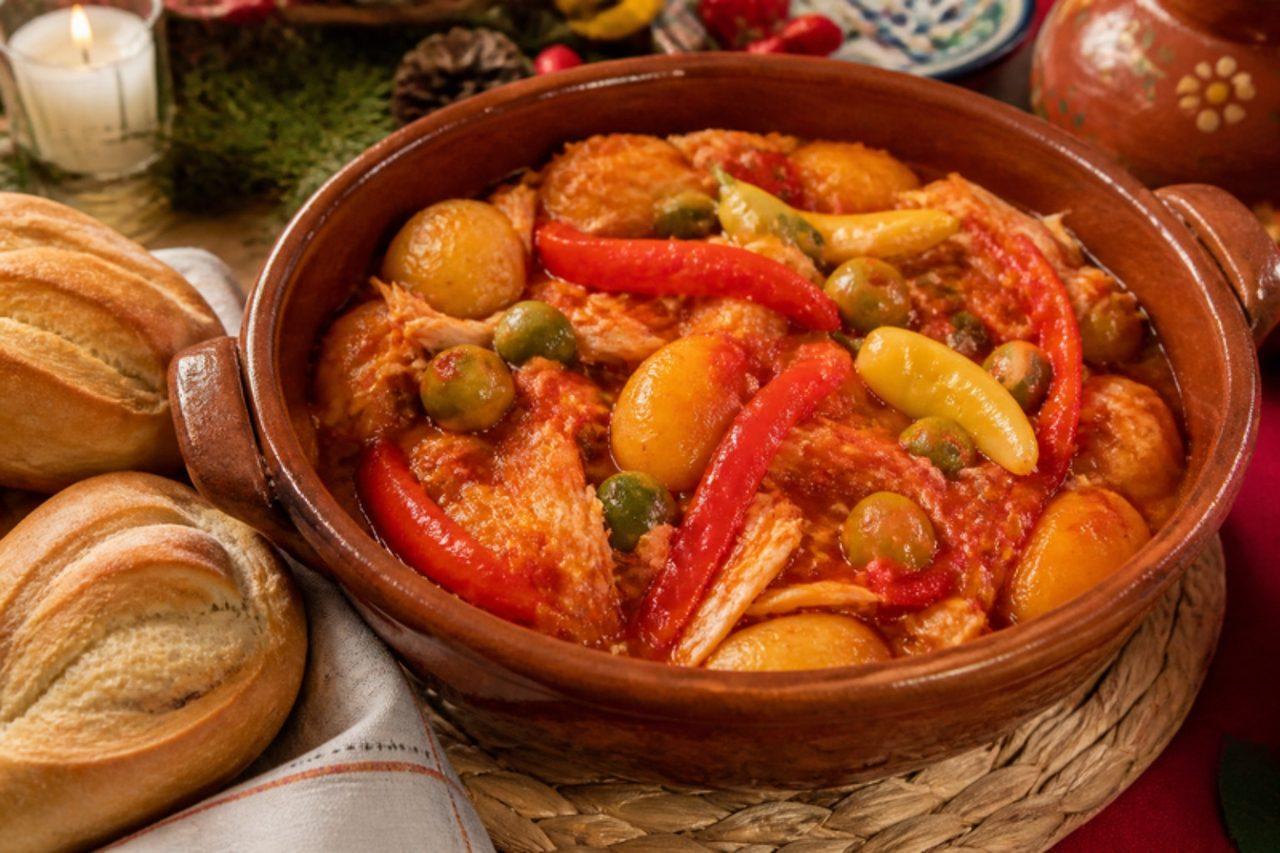
Mexican families inherited bacalao from Spain, but the version on the Christmas Eve table in Mexico City, Guadalajara and Puebla has gone its own way. Instead of the Basque sauce of dried choricero peppers with whole cod pieces, the cod here is soaked, finely shredded and cooked down for an hour with a lot of fresh tomato, olive oil, almonds, green olives, capers and pickled güero chiles until thick enough to pile into bolillo rolls. It tastes even better the next day, which is when the leftover tortas are eaten. Chef's tip: soak the cod in the fridge for 36–48 hours, changing the water four times a day, and taste a flake before cooking; it should be pleasantly salty, not briny.

130 minMexicanFishGluten free
by KrazyBadal 0 views

BacalhoadaBaked salt cod with potatoes

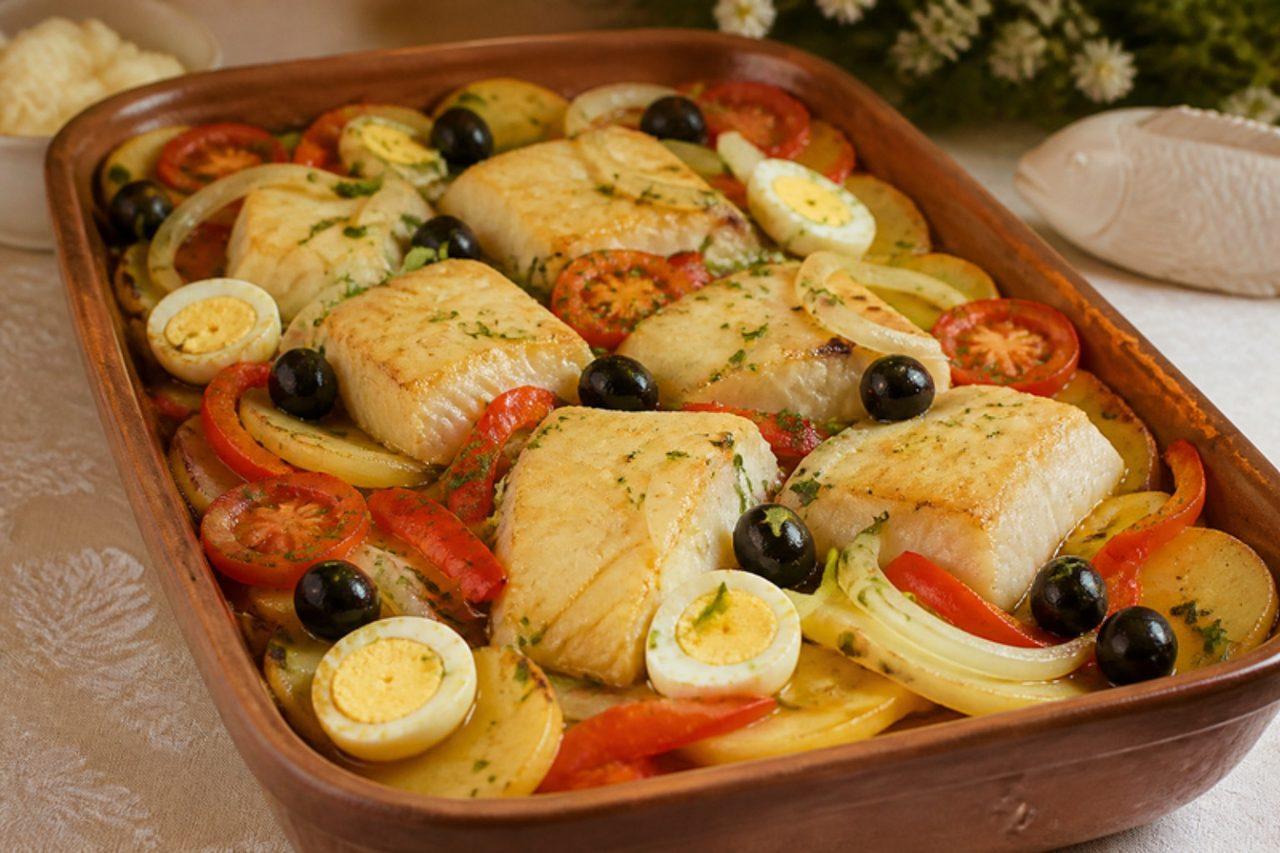
Brought by Portuguese settlers, bacalhoada has become the dish for Good Friday and Christmas in Brazilian homes, especially in São Paulo and Rio, where big Portuguese communities kept the tradition alive. Thick flakes of desalted cod are layered with sliced potatoes, onions, sweet peppers, tomatoes, hard-boiled eggs and black olives, drowned in good olive oil and baked until golden. Plan two days ahead for soaking the cod. Chef's tip: be generous with the olive oil, which is what turns the potatoes silky and carries all the flavour.

by KrazyBadal 0 views

Ensalada de NochebuenaBeetroot and fruit salad

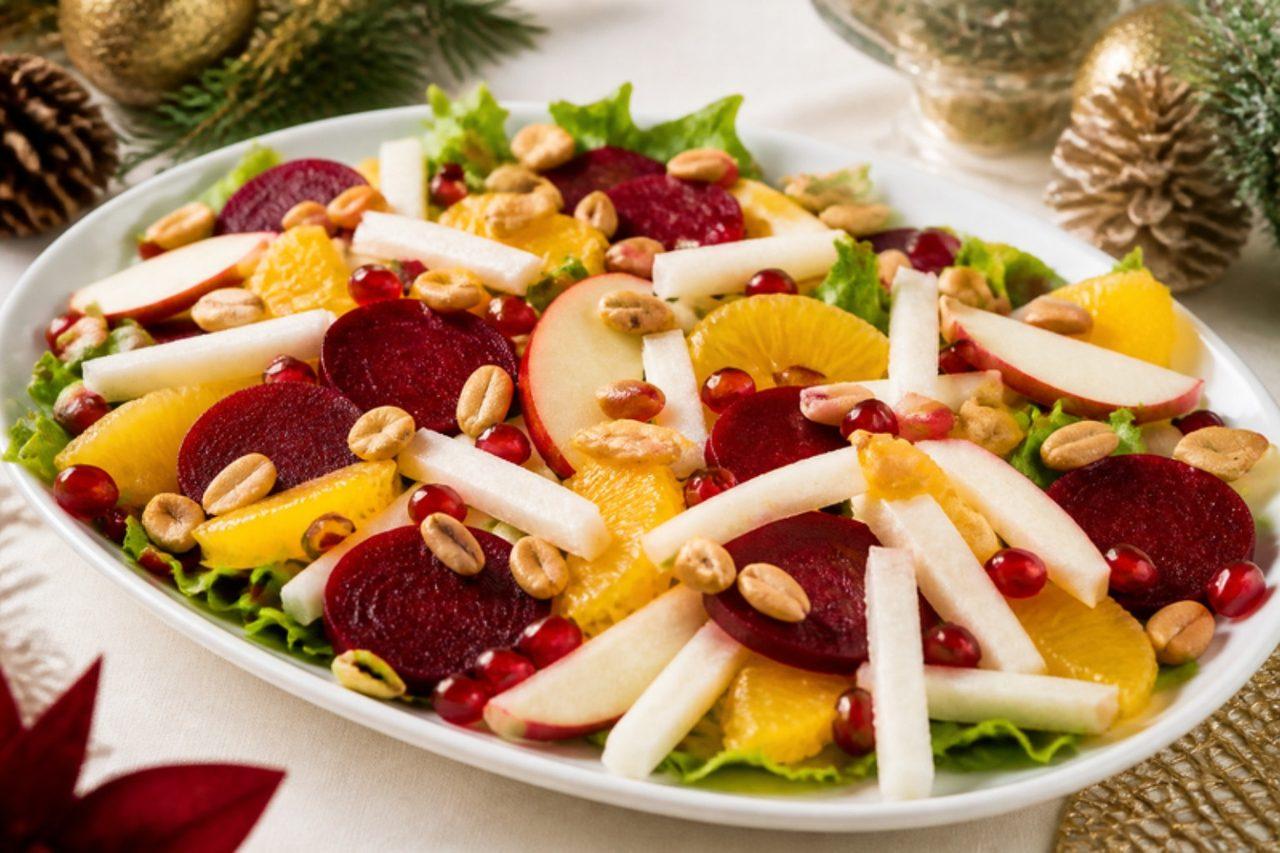
Late on 24 December, families in Mexico City and the central states gather for the cena de Nochebuena, and on the table, next to the romeritos and bacalao, sits this jewel-bright salad. Beetroot stains the crisp jícama pink, sweet oranges and apple balance its earthiness, and roasted peanuts and pomegranate seeds scatter over the top with a little lettuce underneath. It is fresh relief among rich Christmas dishes and children love the colour. Chef's tip: dress the beetroot separately and add it at the last minute, unless you want everything magenta.

by KrazyBadal 0 views

Salpicão de frangoChicken salad

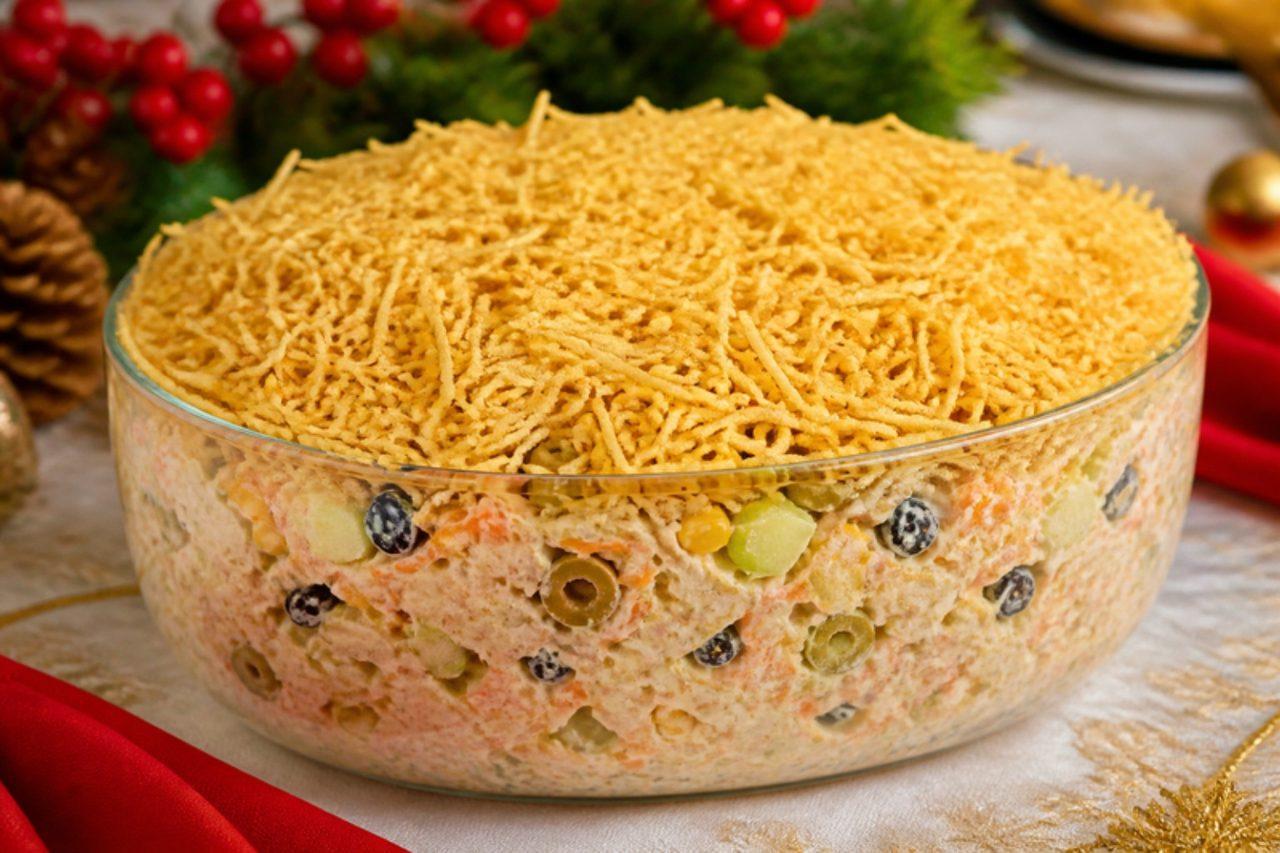
Salpicão is the cold dish that appears at every Brazilian Christmas and New Year table, from Rio apartments to family farms in Minas, and the leftovers are just as loved on 25 December in sandwiches. Poached shredded chicken is folded through grated carrot, diced green apple, celery, sweetcorn and raisins in a lime-sharpened mayonnaise, then piled high with batata palha, fine crisp potato sticks. Chef's tip: poach the chicken gently and let it cool in its broth so it stays juicy when shredded.

by KrazyBadal 0 views

Lombo de porco assadoRoast pork loin

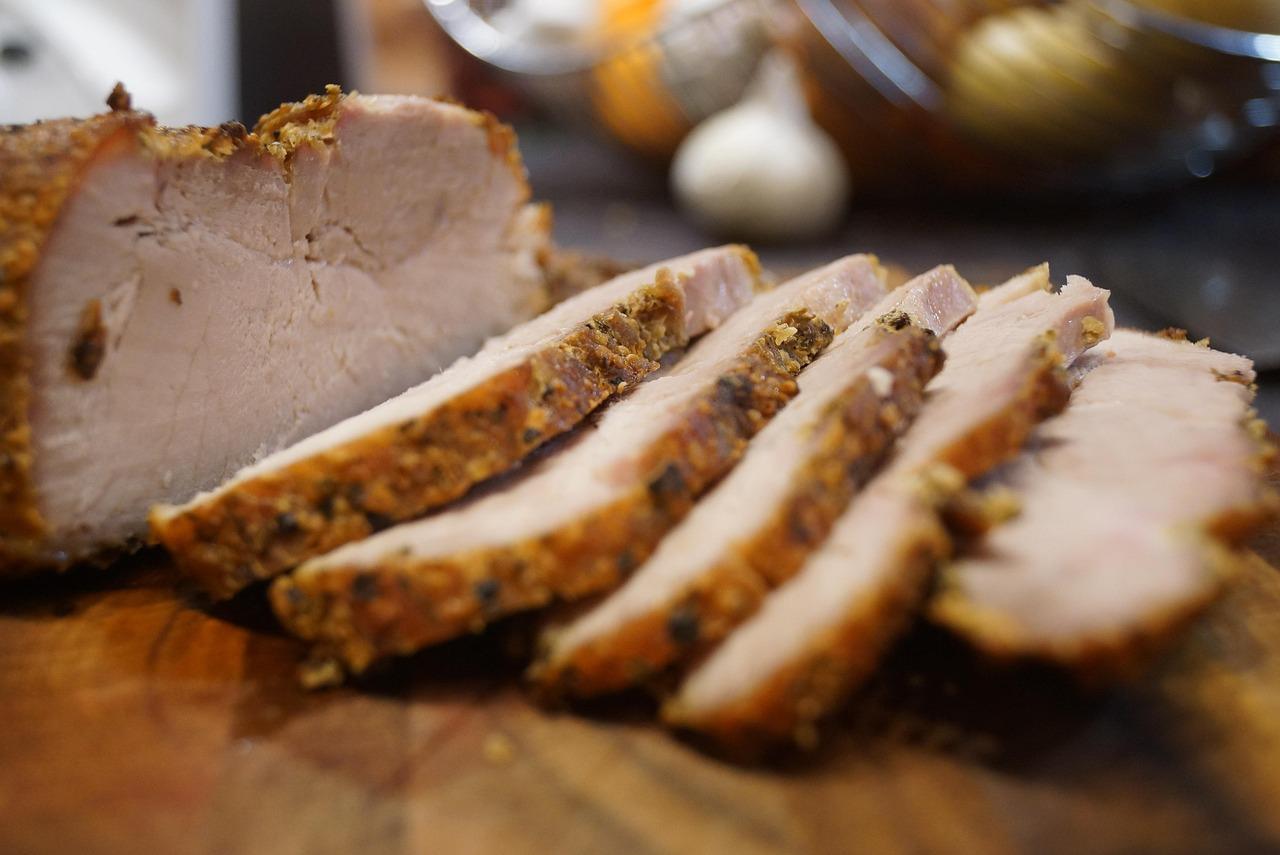
Brazilians like pork on the Réveillon table because a pig roots forward as it feeds, a sign of progress in the new year, while chicken and turkey scratch backwards. This boneless pork loin is soaked overnight in garlic, lime, orange and paprika, then roasted over potatoes and onions that drink up the juices. It is the centrepiece of many New Year's Eve dinners in São Paulo and Minas Gerais, sliced thin with farofa and rice. Chef's tip: take the pork out at 63 °C in the centre and let it rest; it stays juicy and slightly pink.

by KrazyBadal 0 views

Tamales de rajas con quesoPoblano and cheese tamales

On the evening of 2 November, after the graveyard visit, many families in central Mexico sit down to a pot of steaming tamales, and rajas con queso is the meat-free favourite at every tamalera's stall. Soft, fluffy masa beaten with fat until it floats wraps a filling of charred poblano strips, a spoon of tomato salsa and a finger of melting cheese. Fresh Mexican cheeses such as queso Oaxaca or panela are often made with animal rennet; choose a vegetarian mozzarella-style cheese if that matters to you. The masa here uses vegetable shortening rather than lard. Chef's tip: test the beaten masa by dropping a pinch into cold water; when it floats, it is light enough.

by KrazyBadal 0 views

Ensalada de manzana navideñaCreamy apple salad

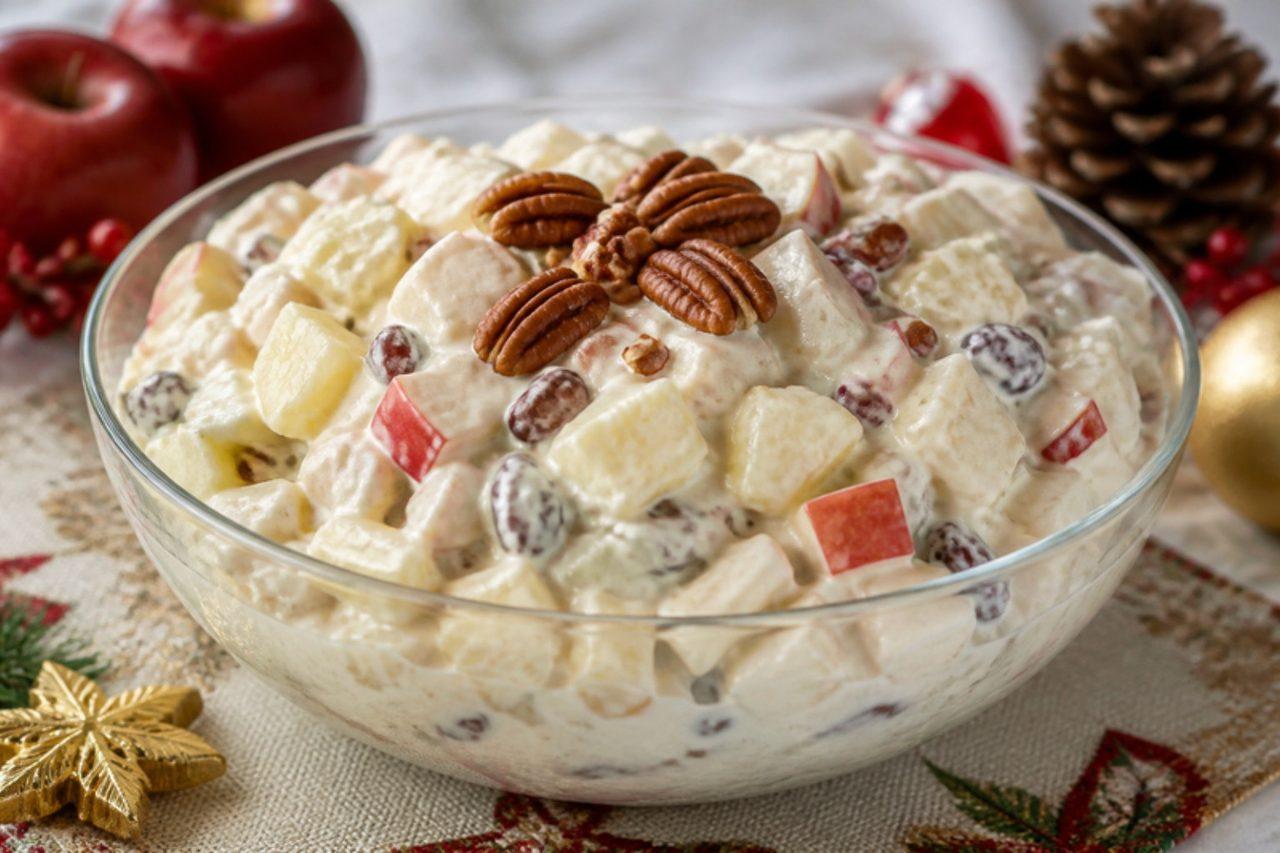
In homes from Monterrey to Guadalajara, a big bowl of creamy apple salad is chilling in the fridge on Christmas Eve, ready to sit alongside roast pork or turkey, and the kids usually go back for seconds as dessert. Crisp diced apple, juicy pineapple, celery for crunch, raisins and toasted pecans are folded into a sweet dressing of cream, condensed milk and a little soured cream. Many versions add marshmallows, but most contain gelatine, so they are left out here. Chef's tip: chill it for an hour before serving; the dressing thickens and the flavours marry.

by KrazyBadal 0 views

Peru de NatalChristmas roast turkey

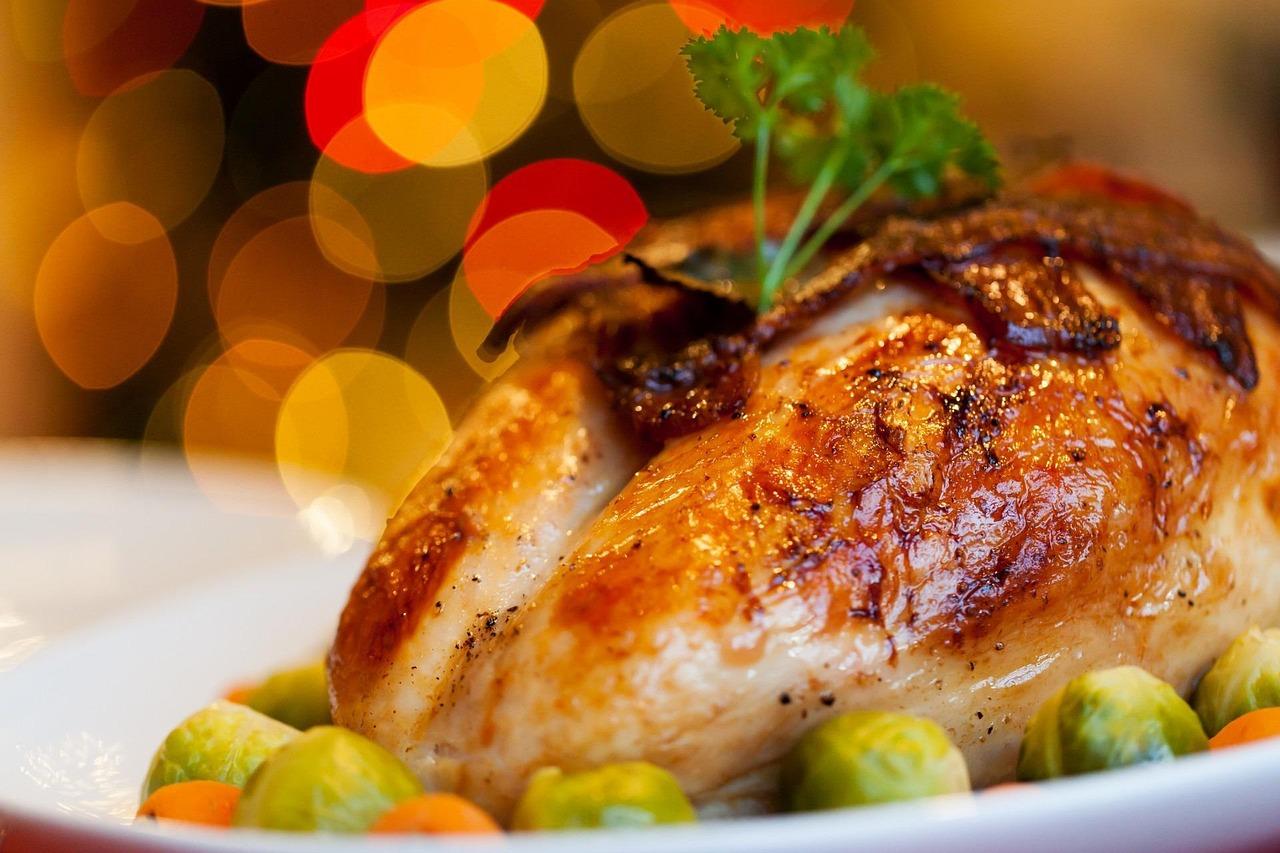
For many Brazilian families the ceia de Natal, eaten late on Christmas Eve, is built around a glossy roast turkey surrounded by farofa, rice and fruit. The bird is marinated for a day in garlic, onion, lime, herbs and dry white wine, then roasted slowly under foil so it stays moist. The marinade traditionally contains wine; for an alcohol-free version swap it for the same amount of unsweetened apple juice with 2 tablespoons of white wine vinegar. Chef's tip: trust a meat thermometer in the thickest part of the thigh, not the clock or a pop-up timer.

by KrazyBadal 0 views

Bûche de NoëlChocolate Christmas log

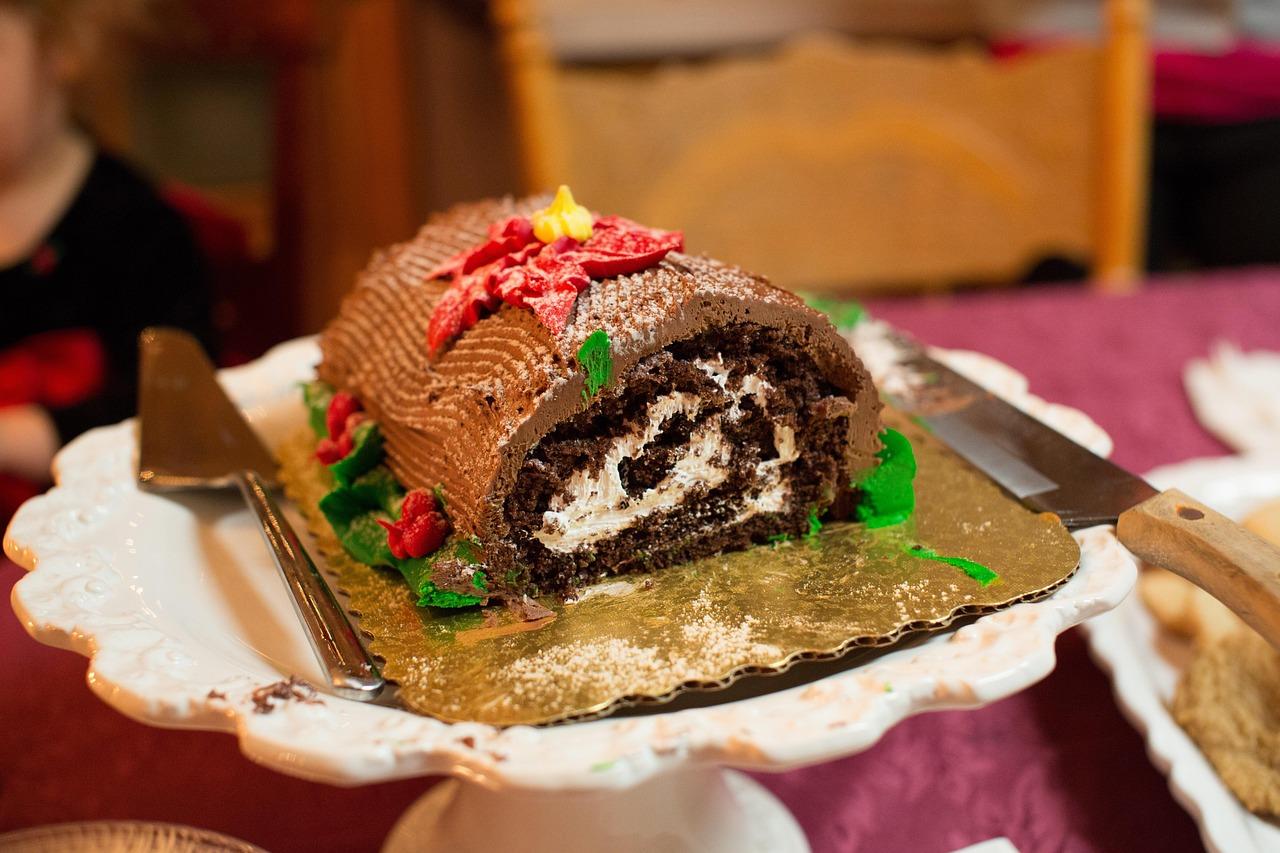
The bûche de Noël is the Christmas Eve and Christmas Day dessert in homes all over France, a rolled sponge filled and covered with chocolate cream and marked with a fork to look like the Yule log that families once burned through the holidays. This classic home version uses a light sponge, a chocolate ganache cream and a dusting of icing-sugar snow. The common mistake is letting the sponge cool flat, so it cracks when rolled. Chef's tip: roll it up in a clean tea towel while hot, then unroll to fill once cool; it remembers the shape.

by KrazyBadal 0 views

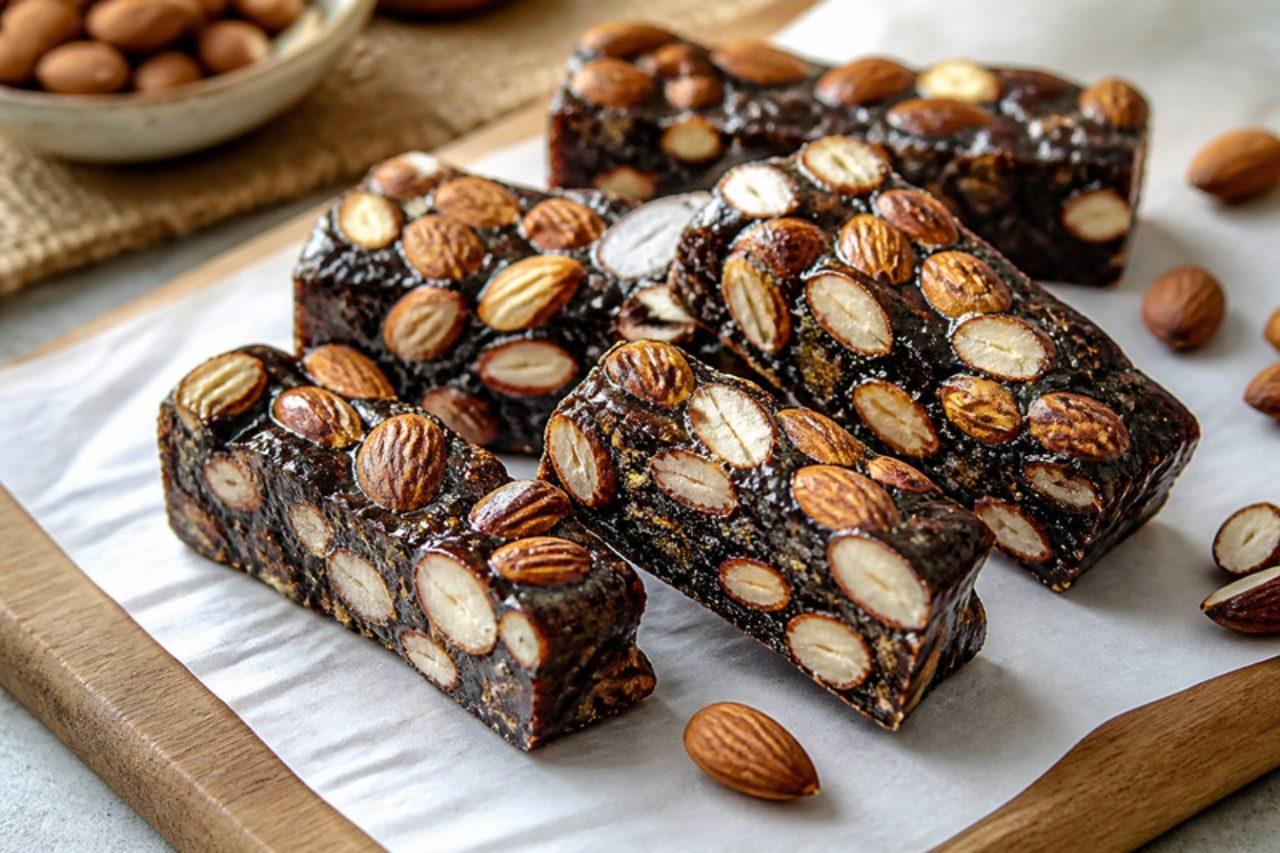
Nougat noirDark honey almond nougat

Nougat noir is the dark, crunchy sister of white nougat, made of just honey and almonds cooked until caramelised, and in Provence both are placed on the Christmas Eve table as part of the thirteen desserts, the white for purity and the black for the shadows. The common mistake is cooking it too far, so it tastes burnt and bitter. Chef's tip: stop as soon as the honey turns a deep amber and the almonds start to crackle.

by KrazyBadal 0 views

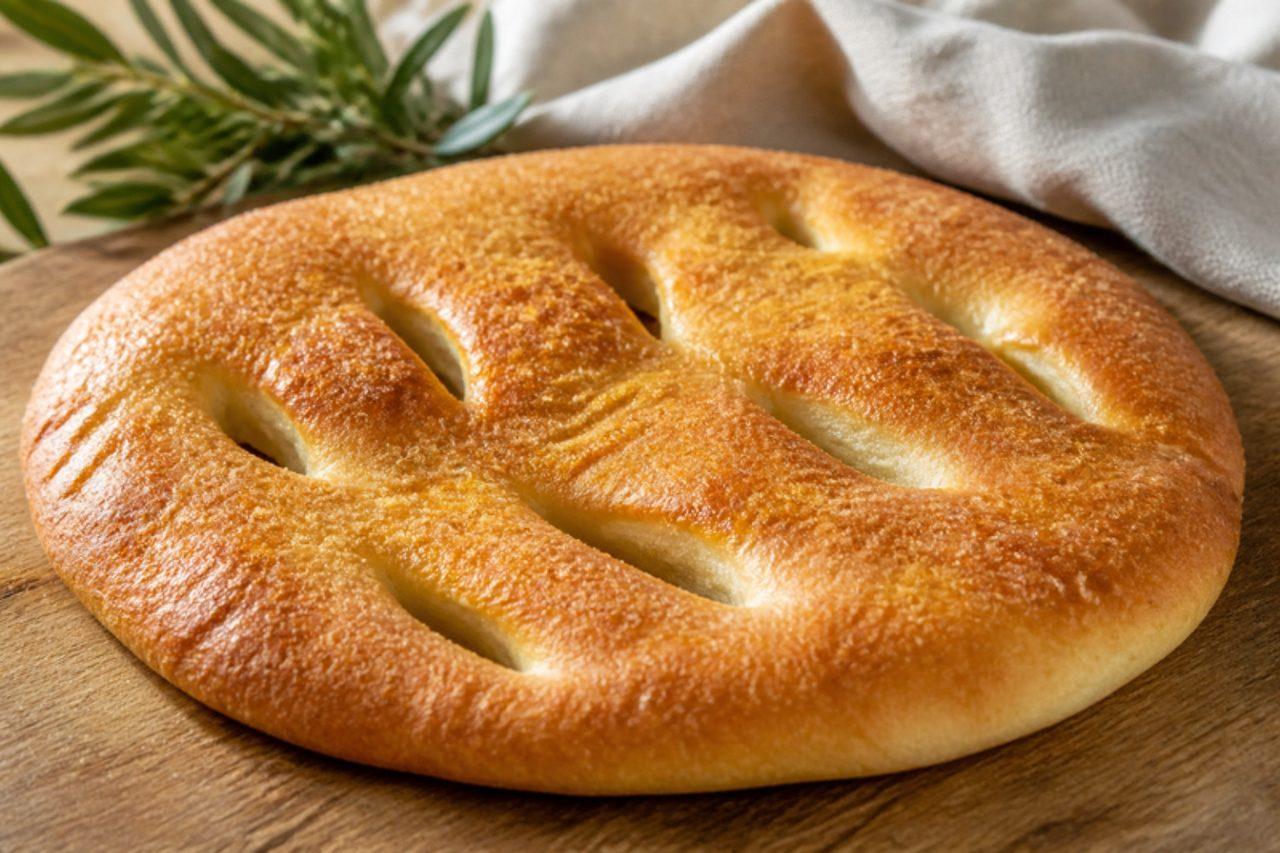
Pompe à l'huileOlive oil orange flatbread

The pompe à l'huile is the centrepiece of the thirteen desserts of Christmas Eve in Provence, a flat, slashed sweet bread made with olive oil and scented with orange-blossom water. Tradition says it must be torn by hand, never cut, or you will be ruined in the year to come, and it is eaten after the gros souper on 24 December. The common mistake is using a harsh, peppery olive oil, which overpowers it. Chef's tip: use a mild, fruity olive oil and brush more over the warm loaf.

170 minFrenchBakingVegan
by KrazyBadal 0 views

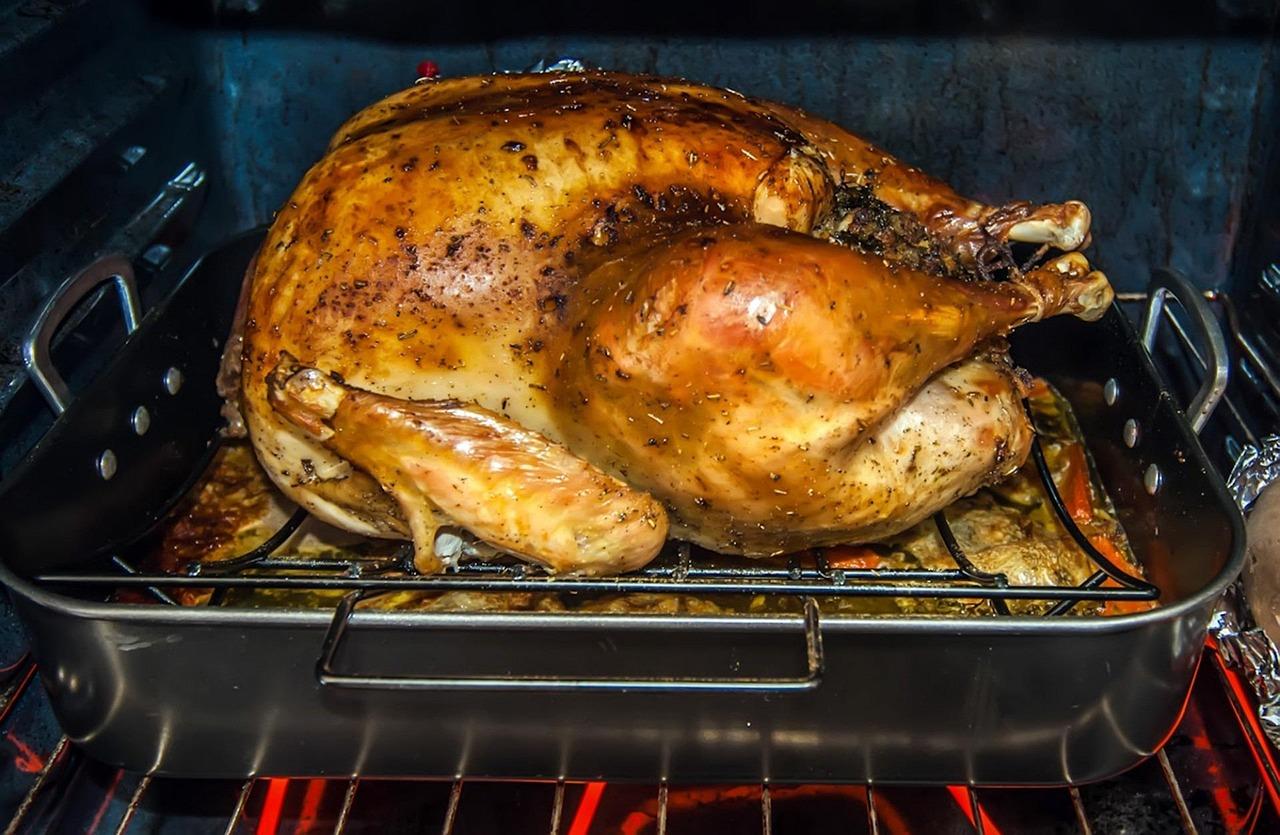
Dinde aux marronsRoast turkey with chestnuts

Dinde aux marrons, roast turkey with chestnuts, is the Christmas Day dish of much of France, carried to the table at lunch on 25 December, often after oysters and smoked salmon. The bird is rubbed with butter, roasted with a gentle chestnut and onion garnish, and served with its pan juices. The stuffing is cooked separately here, which keeps it safe and the bird evenly cooked. The common mistake is roasting too long, which dries the breast. Chef's tip: the turkey is ready when the thickest part of the thigh reads 74 °C; rest it for 45 minutes under foil before carving.

by KrazyBadal 0 views

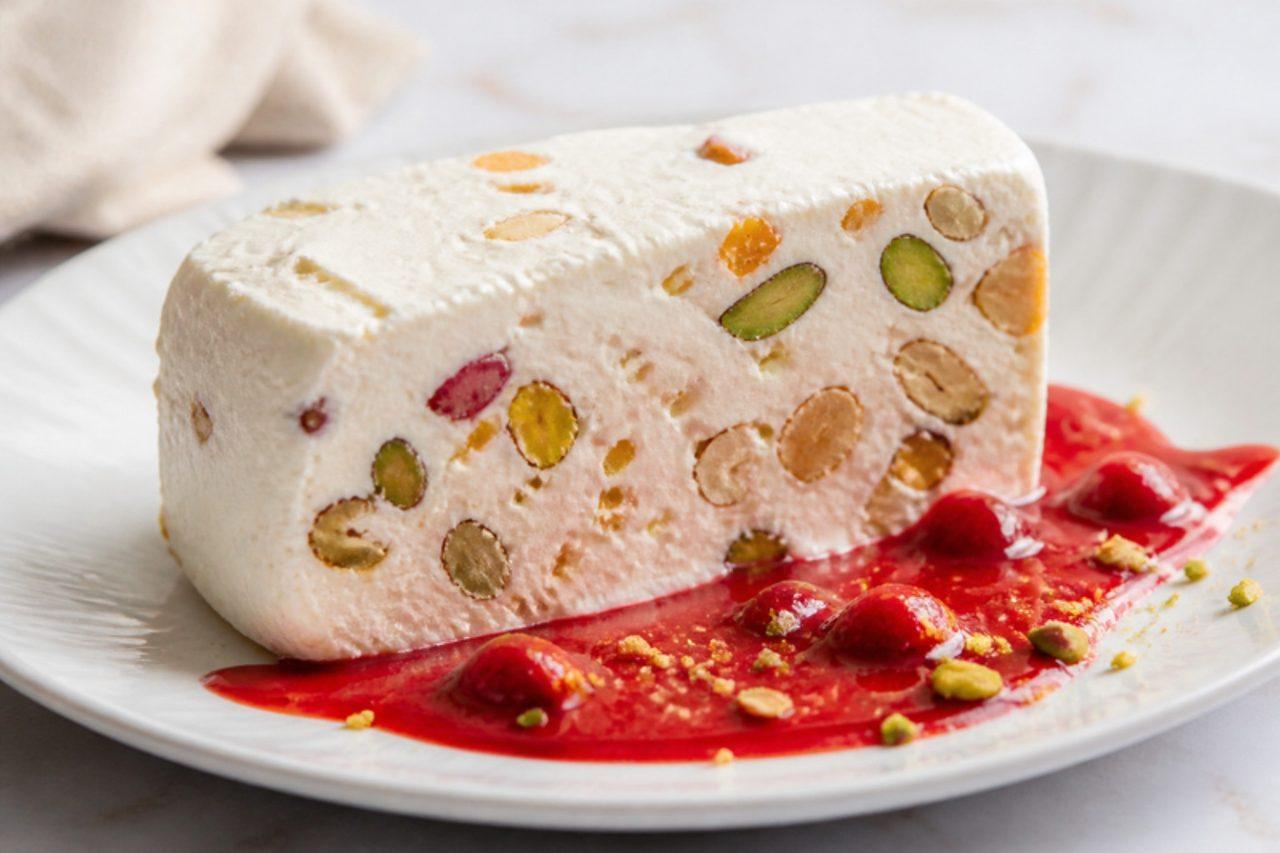
Nougat glacéFrozen nougat parfait

Nougat glacé is the frozen dessert of Provence, inspired by the white nougat of Montélimar: an airy parfait of whipped cream and honey meringue, studded with caramelised almonds, pistachios and candied fruit, served in slices with a red berry sauce at summer dinners. It needs no ice-cream machine. The common mistake is folding in the cream too hard, so it freezes icy instead of light. Chef's tip: take it out of the freezer 10 minutes before slicing.

by KrazyBadal 0 views

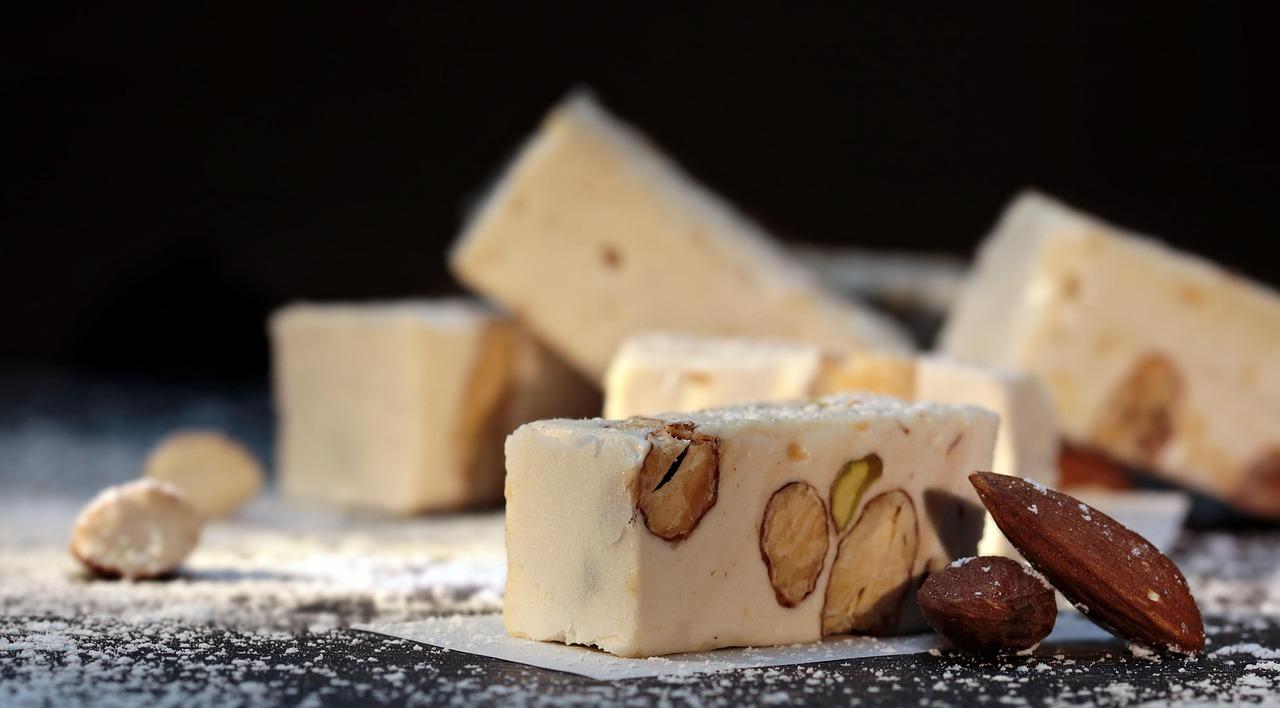
Nougat blancWhite honey nougat

White nougat is the most famous sweet of Montélimar in the Drôme, made with lavender honey, whisked egg white and plenty of almonds and pistachios, and it is one of the thirteen desserts on every Provençal Christmas Eve table. It needs a sugar thermometer, but no special skill. The common mistake is undercooking the syrup, so it never sets firm. Chef's tip: work quickly once the nuts are in, and press the nougat flat with an oiled sheet of baking paper.

by KrazyBadal 0 views

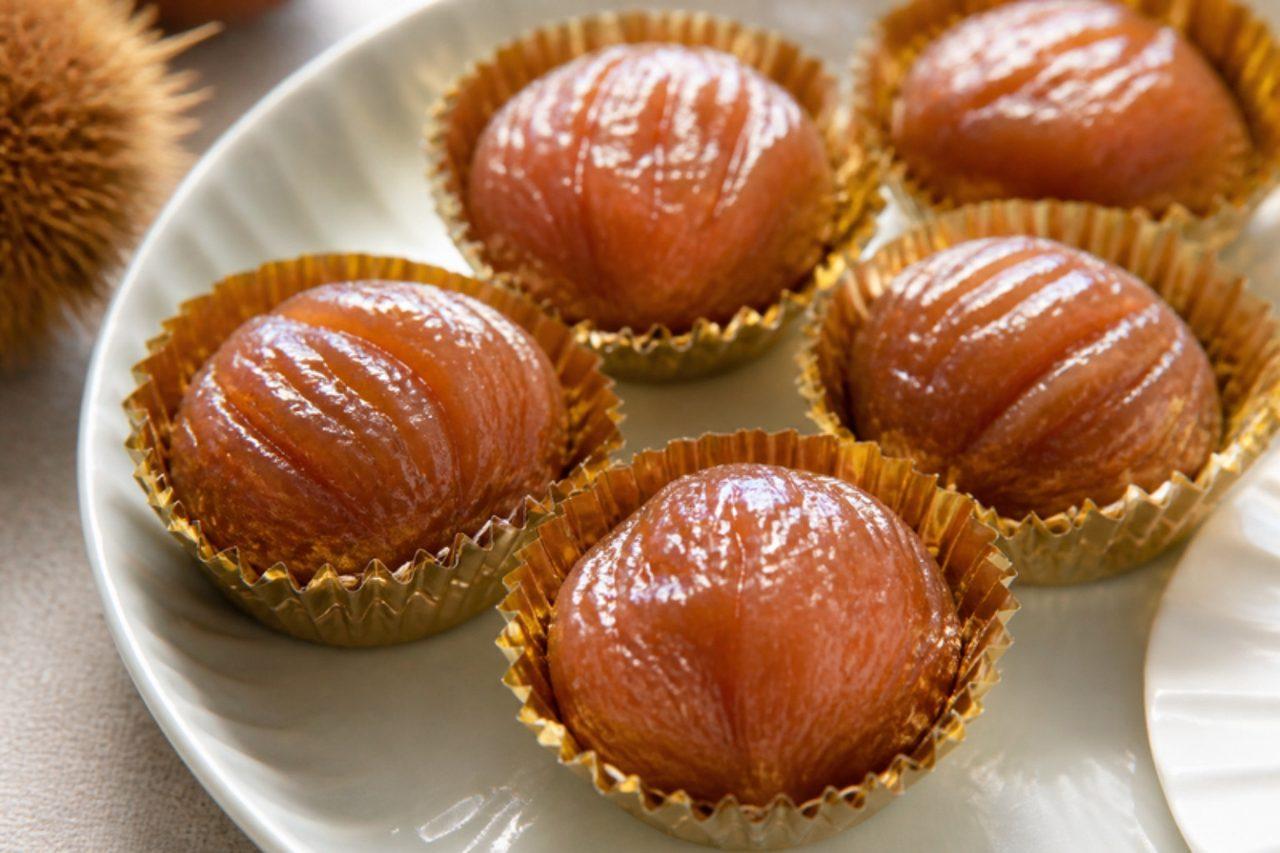
Marrons glacésCandied chestnuts

Marrons glacés are the luxurious Christmas sweet of the Ardèche and Privas, whole chestnuts candied slowly in vanilla syrup and finished with a thin sugar glaze, given as gifts in December and served with coffee after the Christmas meal. Home versions use cooked, peeled chestnuts, which saves the hardest work. The common mistake is stirring, which breaks the chestnuts. Chef's tip: wrap the chestnuts in muslin, or set them in a steamer basket, so you can lift them in and out of the syrup without touching them.

by KrazyBadal 0 views

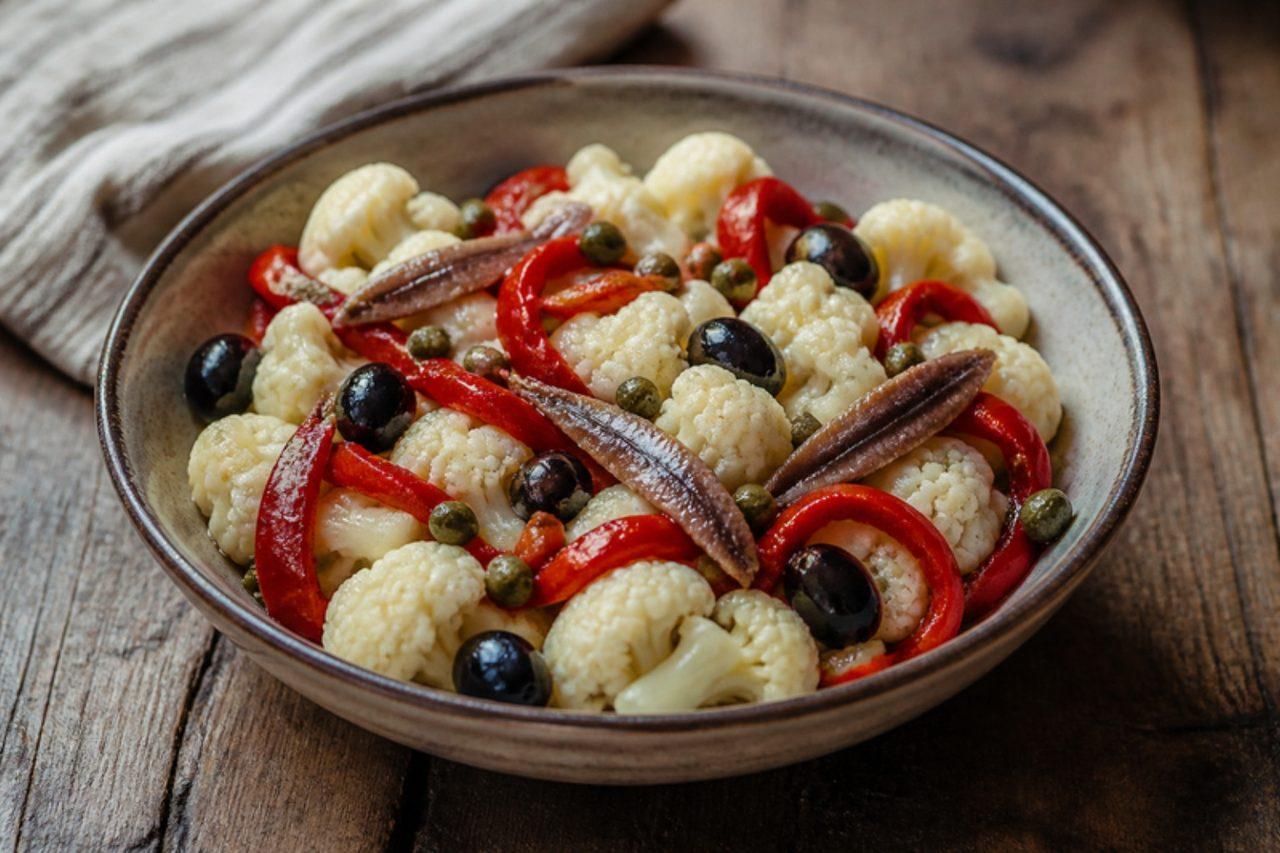
Insalata di rinforzoCauliflower and pickle salad

Insalata di rinforzo, the "reinforcement salad", is on every Neapolitan table from Christmas Eve to New Year. It is made in a big bowl and "reinforced" each day with more vegetables and pickles as it is eaten: boiled cauliflower, pickled peppers (papaccelle), giardiniera, black olives, capers and anchovies, dressed with olive oil and vinegar. It is served alongside the fried fish of the Vigilia. Chef's tip: boil the cauliflower until just tender, still with a little crunch; it soaks up the dressing better and won't fall apart over the days.

by KrazyBadal 0 views

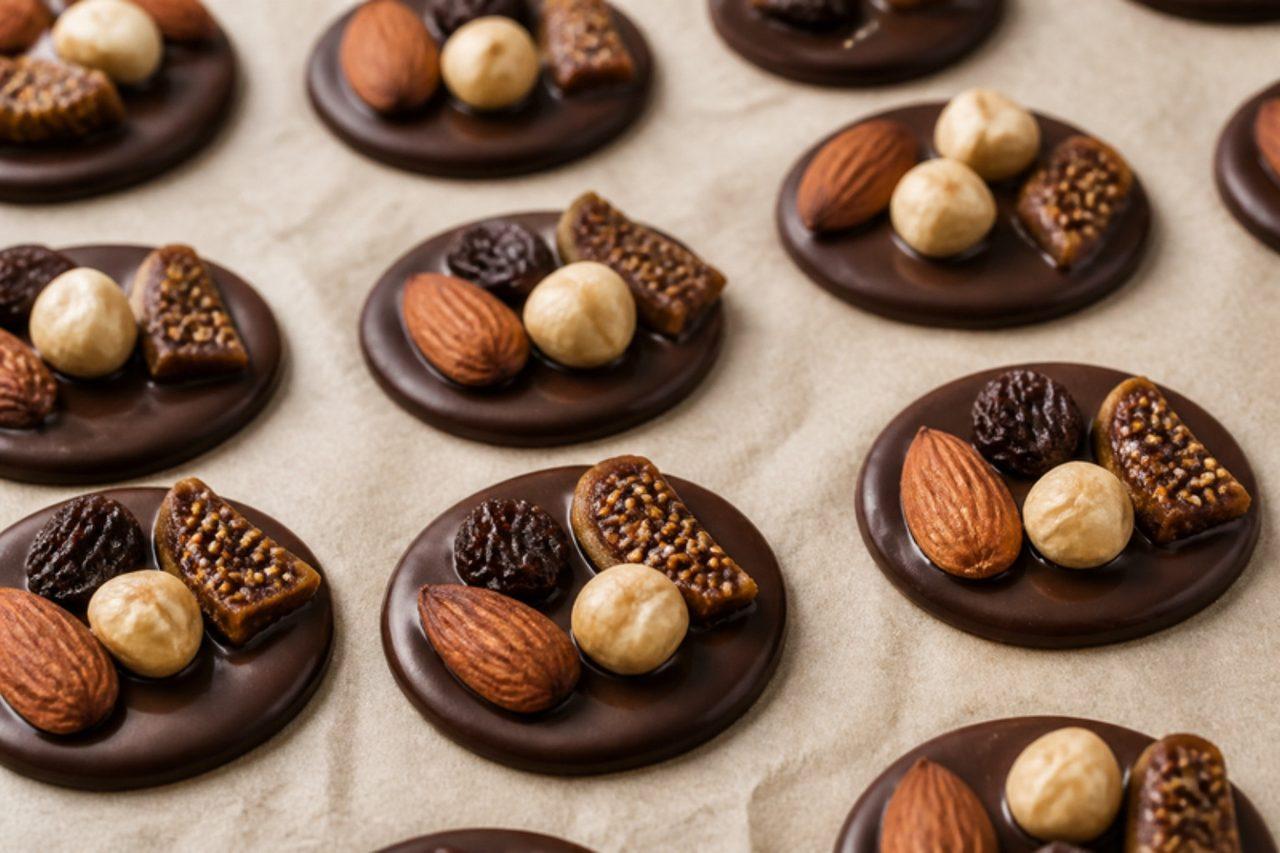
MendiantsChocolate nut and fruit discs

Mendiants are little discs of chocolate topped with an almond, a hazelnut, a raisin and a dried fig, the four "beggars" of the Provençal Christmas, whose colours were said to match the robes of the four mendicant orders of monks; they are part of the thirteen desserts and a favourite home-made Christmas gift. The common mistake is letting the chocolate set before adding the toppings, so they fall off. Chef's tip: pipe only six discs at a time and top them straight away.

by KrazyBadal 0 views

Capitone frittoFried eel

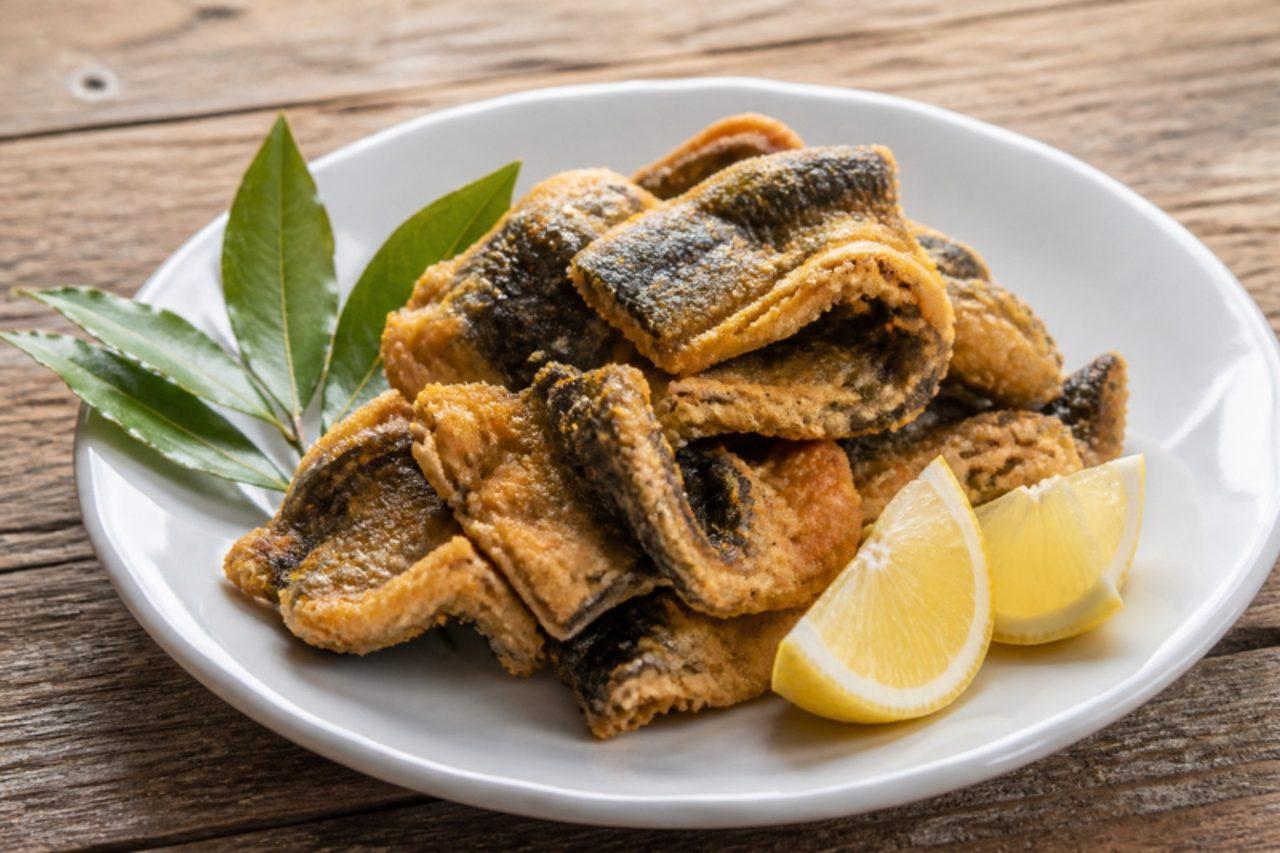
Capitone, the big female eel, is the star of Christmas Eve in Naples: families buy it at the markets in Porta Nolana or the Pignasecca on 23 December and fry it the next night as part of the meatless Vigilia dinner. Eels are said to represent the serpent of Eden, and eating them is said to bring luck for the year. Ask the fishmonger to kill, clean and cut the eel for you; at home you only need to cut, flour and fry. Chef's tip: marinate the eel pieces with vinegar and bay in the fridge for an hour; the acid tightens the skin and balances the rich, fatty flesh.

by KrazyBadal 0 views

RoccocòHard almond spice rings

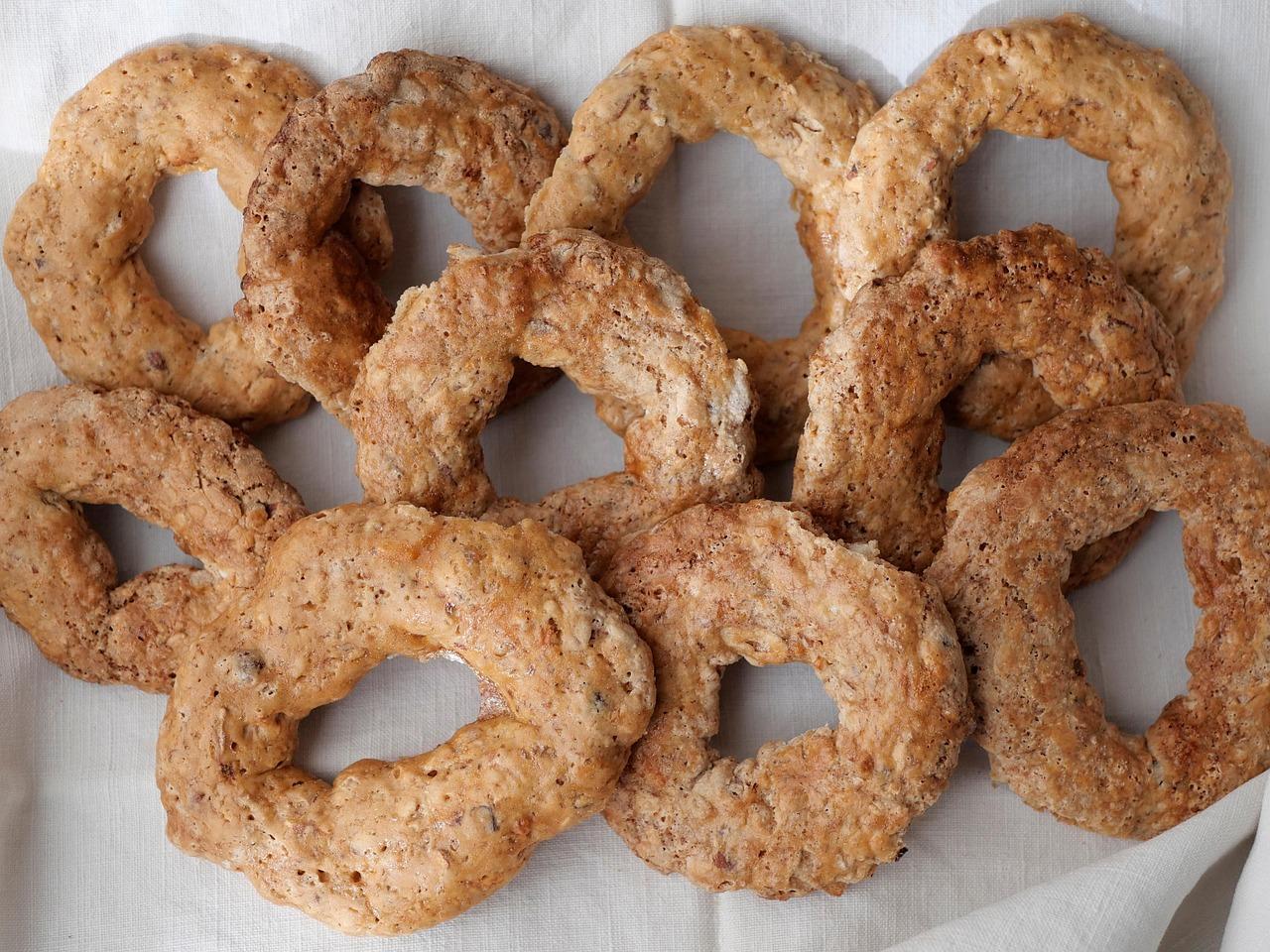
Roccocò are the hardest biscuits on the Neapolitan Christmas tray, ring-shaped and studded with whole almonds, scented with orange and pisto spice. The name is said to come from the curly French "rocaille" shape. They are baked in early December, and Neapolitans dunk them in sweet wine or milk, or break them carefully, because they are famously hard on teeth. Chef's tip: bake them twice as long as you think and leave them to dry overnight; roccocò are meant to be crunchy, and they soften pleasantly after a week in the tin.

by KrazyBadal 0 views

Cappon magroLayered fish and vegetable salad

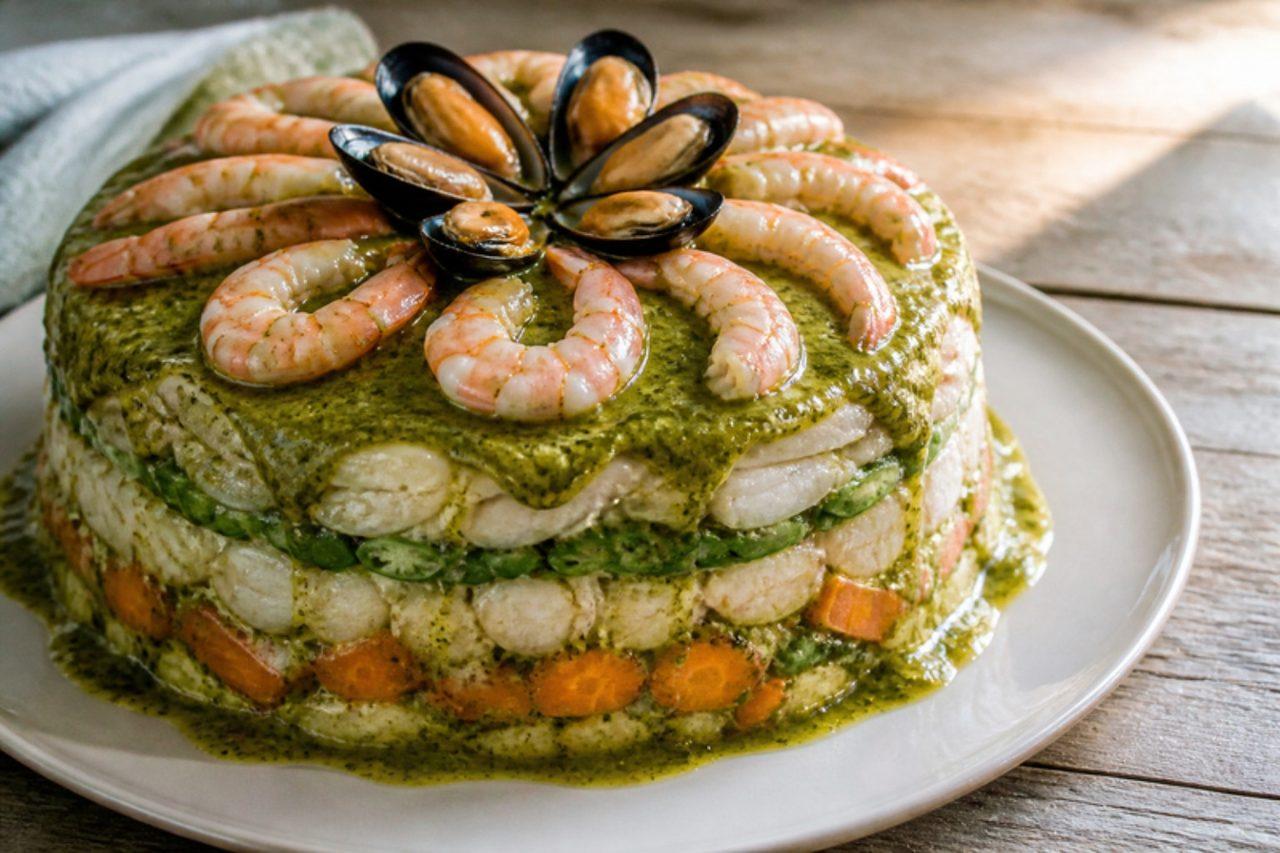
Cappon magro is the grand Christmas Eve centrepiece of Genoa, once eaten by rich families on the night of "lean" eating before Christmas. On a base of gallette (ship's biscuits) rubbed with garlic and soaked with vinegar, cooks build a tall dome of boiled vegetables and white fish, held together by a rich green sauce of parsley, capers, pine nuts, anchovies and egg yolks, then decorated with prawns and mussels. It takes a whole afternoon and is served cold. Chef's tip: dress each layer of vegetables with oil and vinegar separately as you build; it seasons the whole dome evenly instead of only the outside.

150 minItalianFish
by KrazyBadal 0 views

RicciarelliSoft almond biscuits

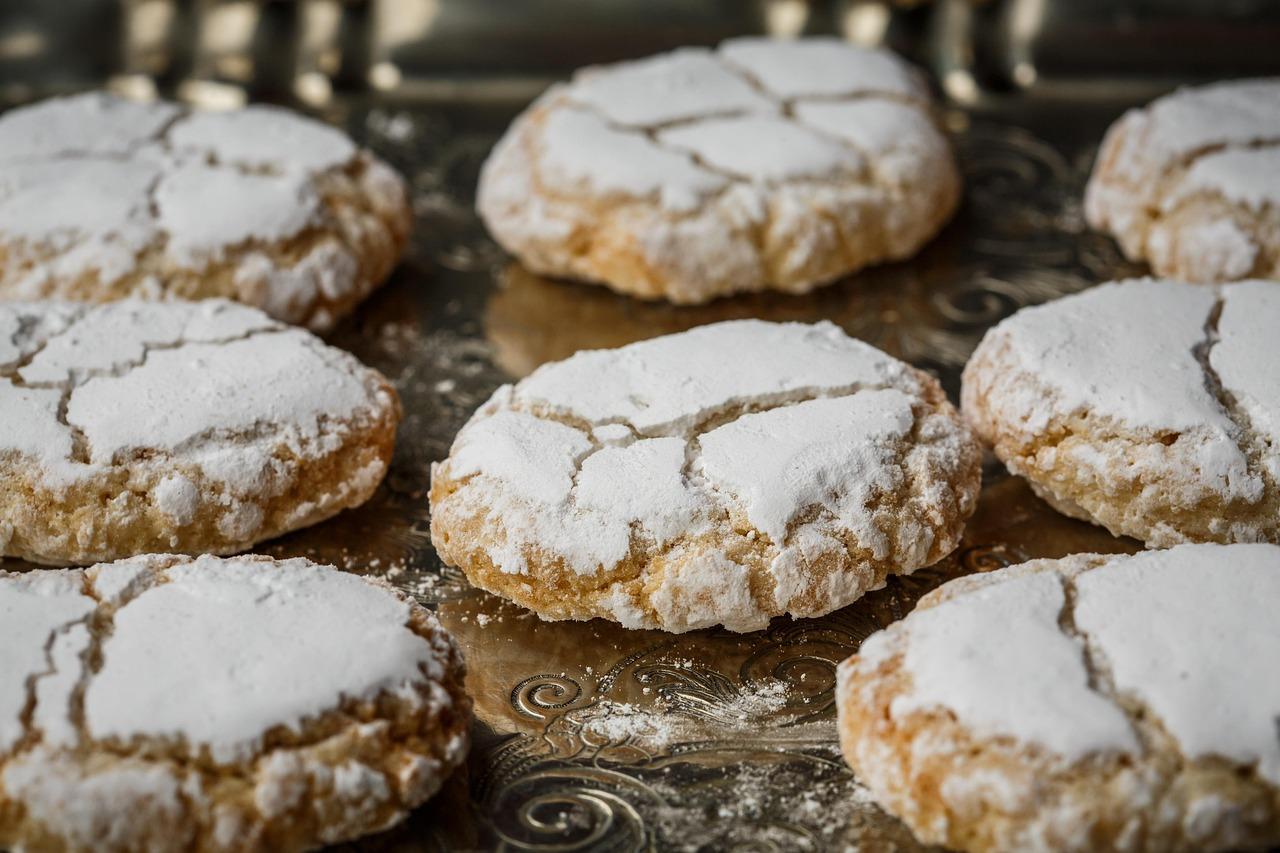
Siena has been making ricciarelli since the Renaissance: soft, chewy almond biscuits in the shape of a diamond or a curved eye, with a crackled top covered in icing sugar. Sienese families buy them from the historic pasticcerie near the Campo at Christmas and serve them with a glass of Vin Santo after dinner, but they are eaten all winter with coffee. This recipe is naturally gluten free. Chef's tip: let the shaped biscuits dry at room temperature overnight before baking; a dry crust cracks beautifully in the oven while the inside stays soft.

by KrazyBadal 0 views

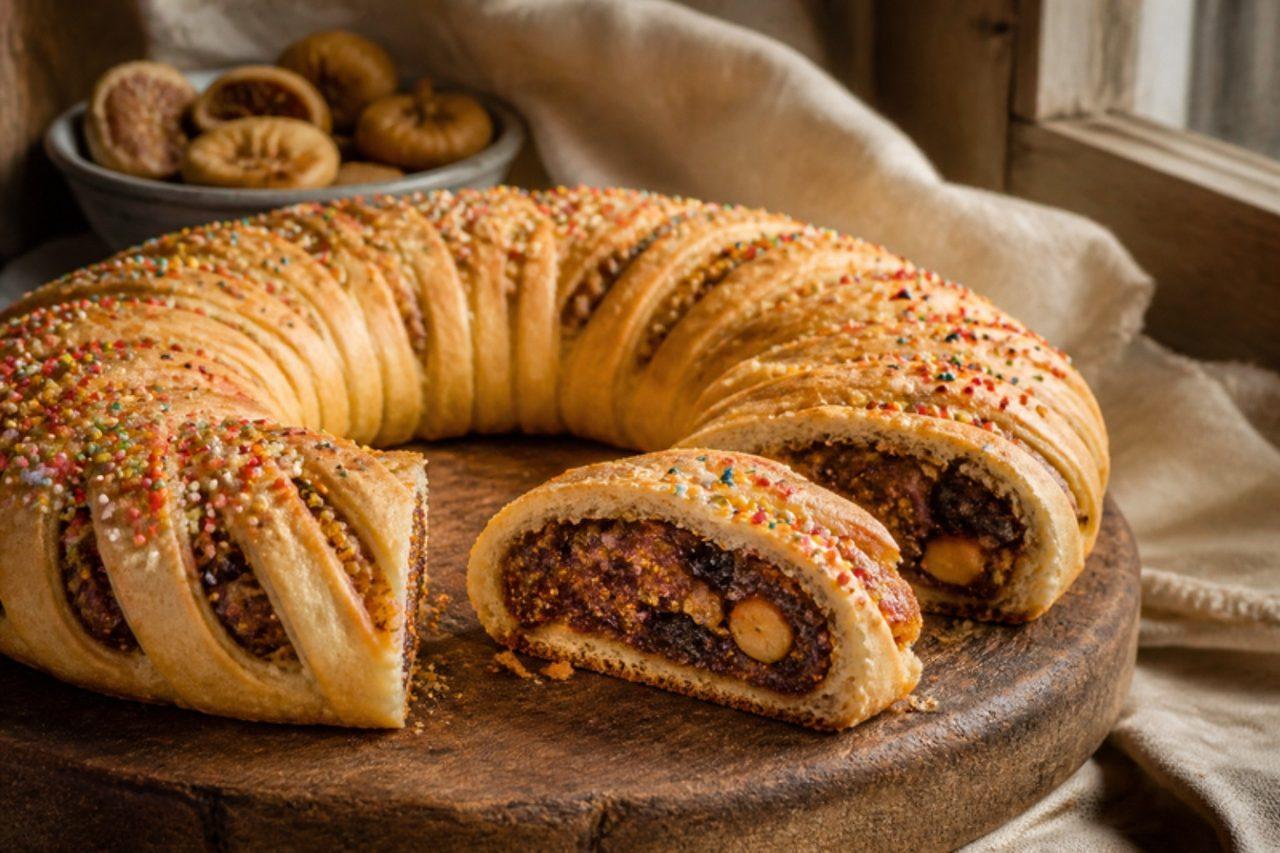
Buccellato sicilianoFig and nut pastry ring

In Palermo and western Sicily, buccellato is the great Christmas ring: a crumbly shortcrust wrapped around a dark, sticky filling of dried figs, raisins, almonds, walnuts, orange peel, chocolate and spices, often decorated with cuts along the top and coloured sprinkles. Families start the filling days ahead and bake several rings to give away. The filling traditionally includes a splash of Marsala; use orange juice for an alcohol-free version. Chef's tip: cut slits along the top of the ring before baking; they let steam out and show off the dark filling.

by KrazyBadal 0 views

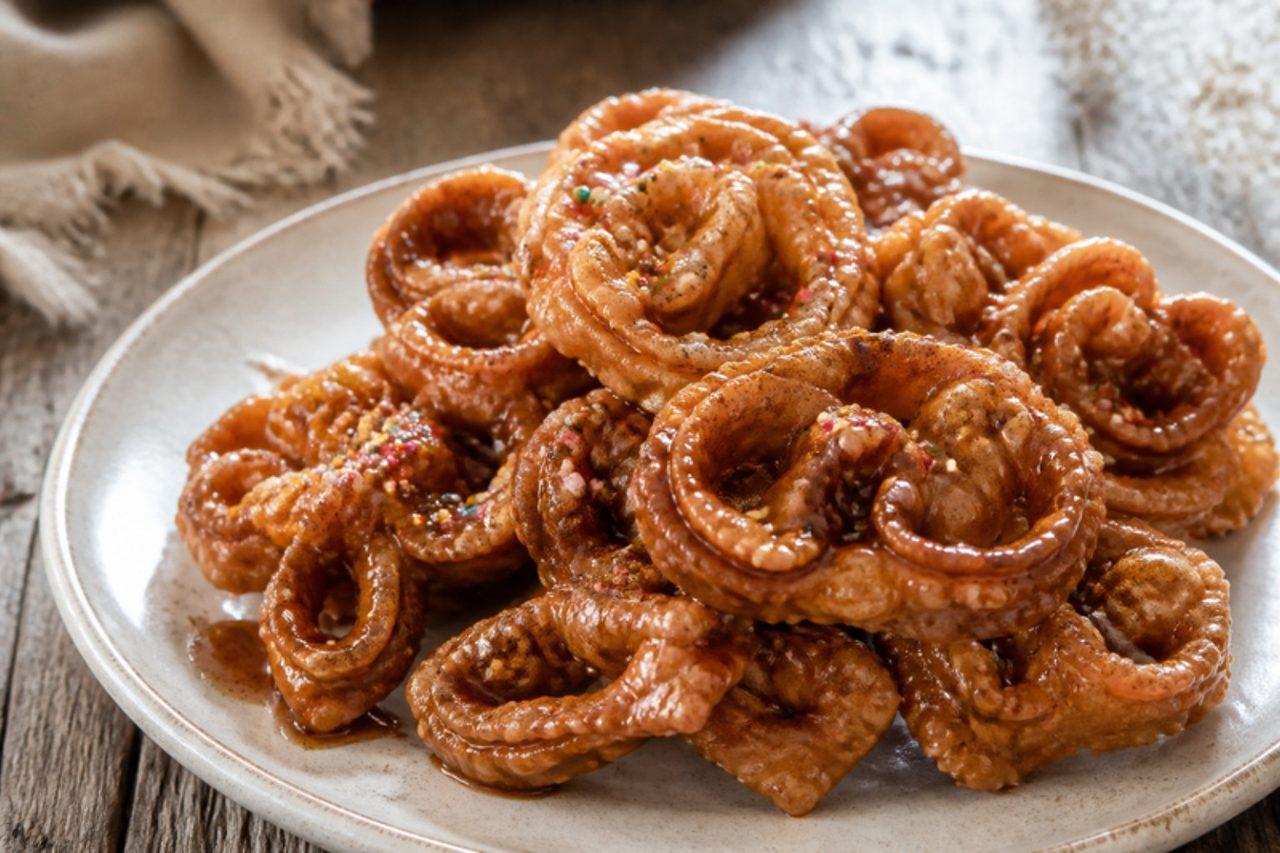
CartellateFried honey pastry rosettes

In Bari and the towns of Puglia, cartellate are the Christmas sweet that families make together: thin ribbons of dough, pinched every few centimetres and rolled up into a rosette with lots of small pockets, fried, then dipped in warm vincotto, a dark, syrupy reduced grape must, or honey. The pockets fill with syrup, and they are sprinkled with cinnamon and coloured sprinkles. The dough traditionally includes a little white wine; this version gives a water and lemon option for an alcohol-free bake. Chef's tip: pinch the ribbon firmly every 3 cm before rolling; well-sealed pockets hold the syrup instead of flattening in the oil.

by KrazyBadal 0 views

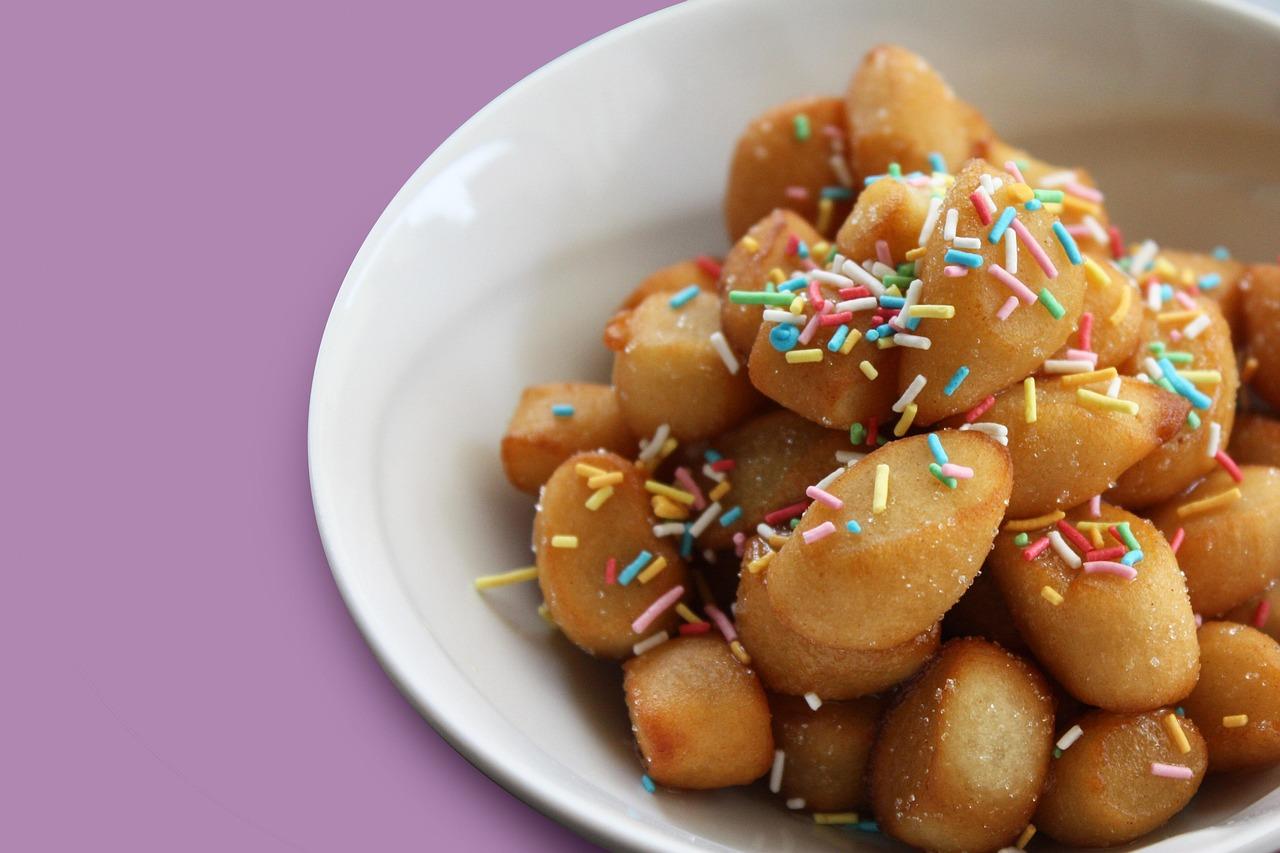
StruffoliHoney fried dough balls

No Neapolitan Christmas is complete without a plate of struffoli: hundreds of tiny balls of dough, fried until golden, then rolled in warm honey with candied orange and coloured sprinkles and piled into a wreath or a cone. Families make them in the week before Christmas, often together around the kitchen table, and give them away to neighbours. They keep for days under a cloth and are eaten with fingers or a spoon. Chef's tip: roll the ropes of dough no thicker than your little finger and cut tiny pieces, about the size of a chickpea; they puff up as they fry.

by KrazyBadal 0 views

Showing 48 of 217 recipes

Show more recipes

Page 4 of 10

More occasions