Skip to content
Seasons

Summer recipes: cool drinks, kulfi and light food

Sharbats, lassi, kulfi, aam ras, raita, cold salads and soups to keep you cool in the heat. (289 recipes)

Sago't gulamanTapioca and jelly drink

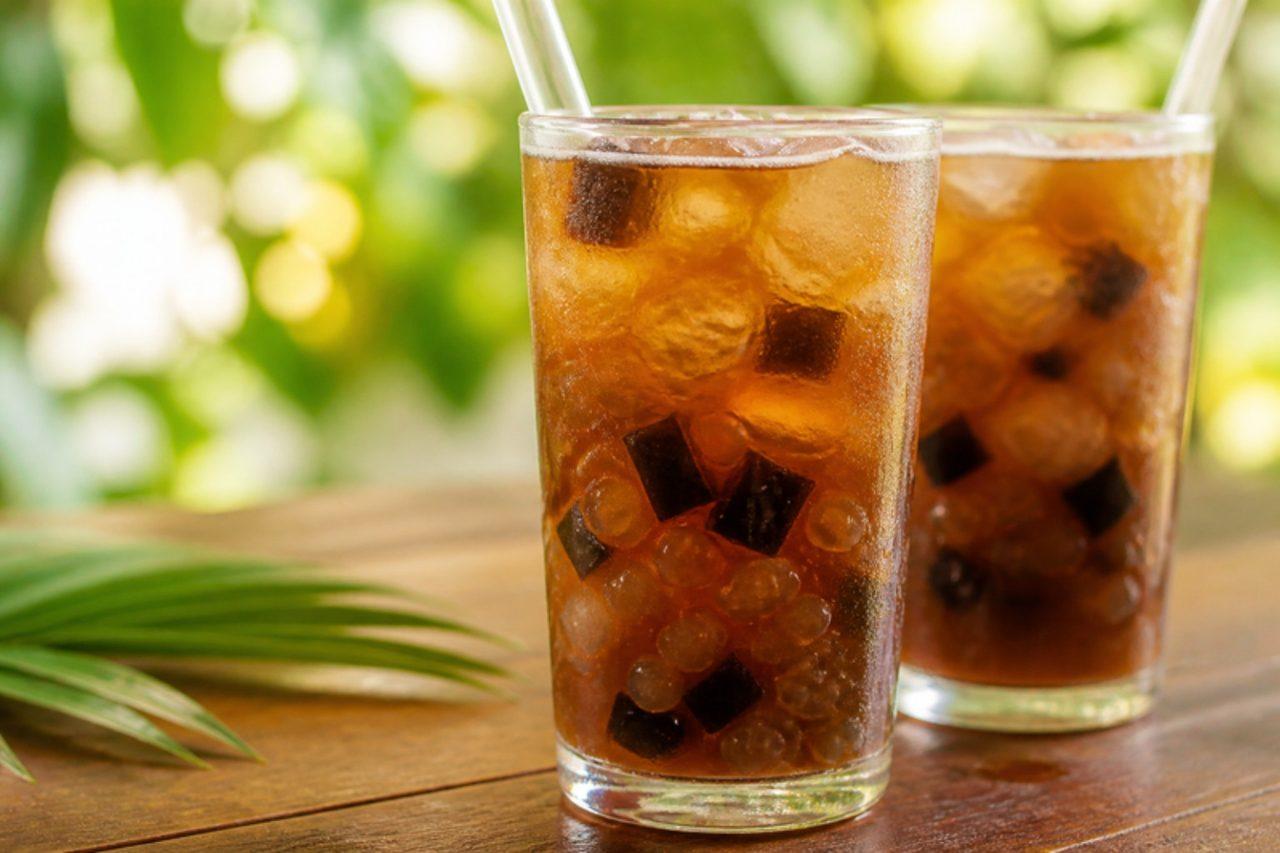
Tall plastic cups of sago't gulaman are what Manila drinks on hot afternoons, ladled from a big drum at street corners and sold next to fried snacks. Chewy tapioca pearls and cubes of firm agar jelly float in cold water sweetened with a dark, almost caramelised brown-sugar syrup scented with pandan. Kids slurp it through a wide straw; adults buy it with every plate of banana cue. Chef's tip: cook the syrup until it smells of caramel but stop before it smokes; pale syrup tastes only of sugar, burnt syrup tastes bitter.

by KrazyBadal 0 views

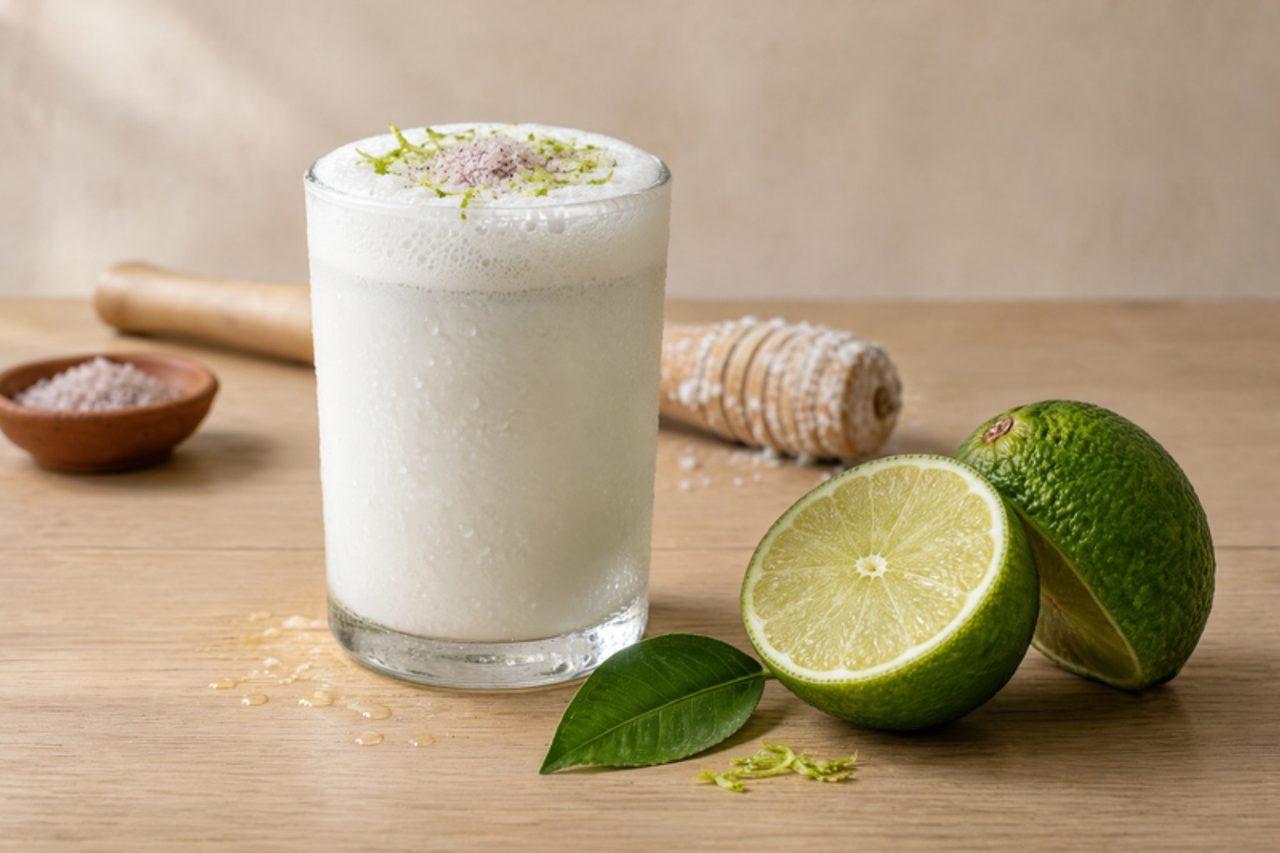
Chanh muốiSalted lime drink

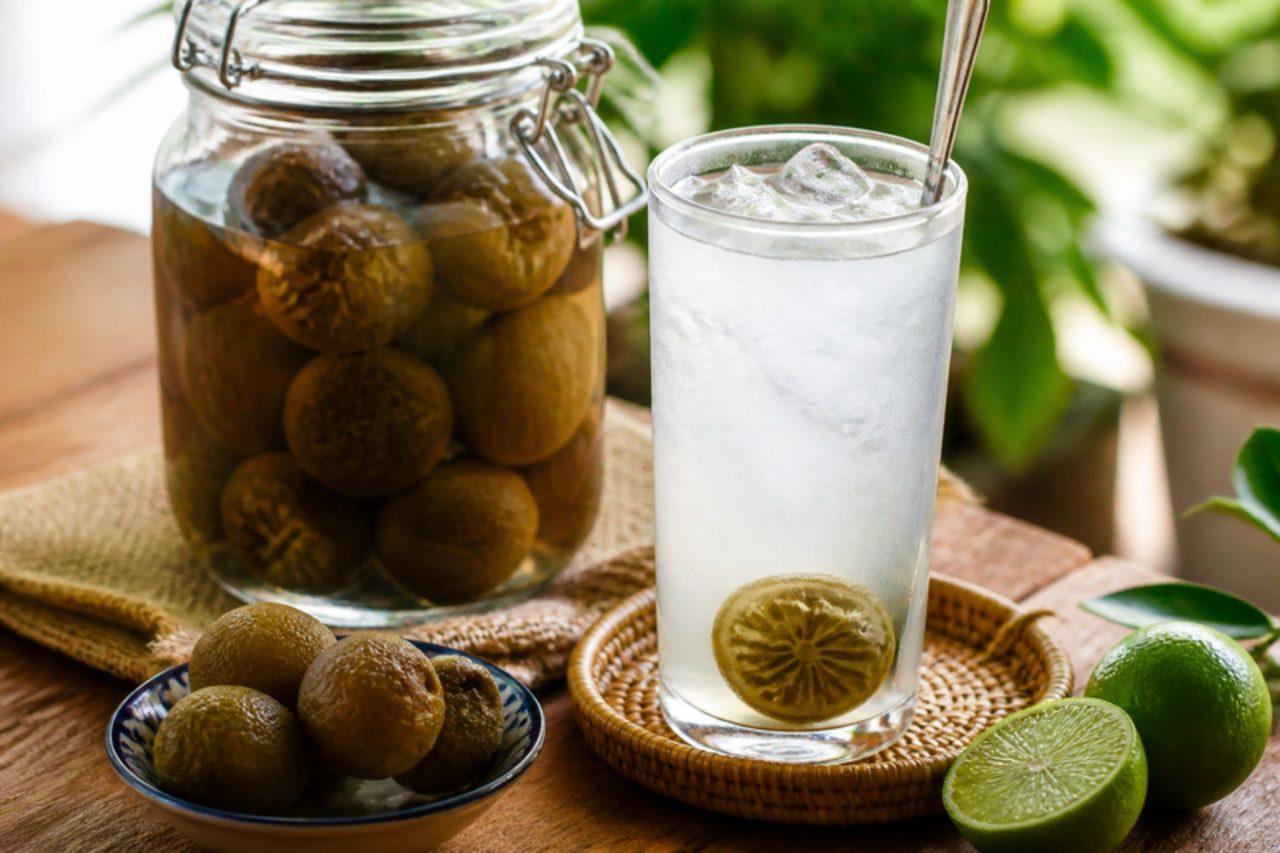
Vietnamese households keep a jar of chanh muối, limes cured in salt until they turn soft and olive-brown, on a sunny shelf for months; on a sweltering day a lime or two is muddled with sugar and topped up with ice water or soda water. The drink is salty, sour and sweet all at once, and grandmothers swear by it for sore throats and after a bout of sun. This recipe makes the jar of cured limes (allow four weeks before the first glass) and then the drink itself. Chef's tip: dry the limes completely after blanching; any water left on the skins lets mould take hold in the jar.

by KrazyBadal 0 views

Fakhfakhina (Alexandrian fruit salad with ice cream)

Fakhfakhina belongs to Alexandria's summer corniche, where juice shops like the famous ones near Mahatet el Raml build tall glasses of chopped mango, banana, guava, strawberries and apple, soaked in mango juice and crowned with scoops of ice cream, nuts and honey. It's an after-beach treat, eaten with a long spoon. The mistake is cutting the fruit hours ahead: banana and apple brown and the juice turns flat, so chop just before serving. Chef's tip: use thick mango nectar rather than thin juice; it clings to the fruit like a sauce. Contains milk and tree nuts; check the ice cream label for gelatine and egg.

by KrazyBadal 0 views

Air jagungSweet corn drink

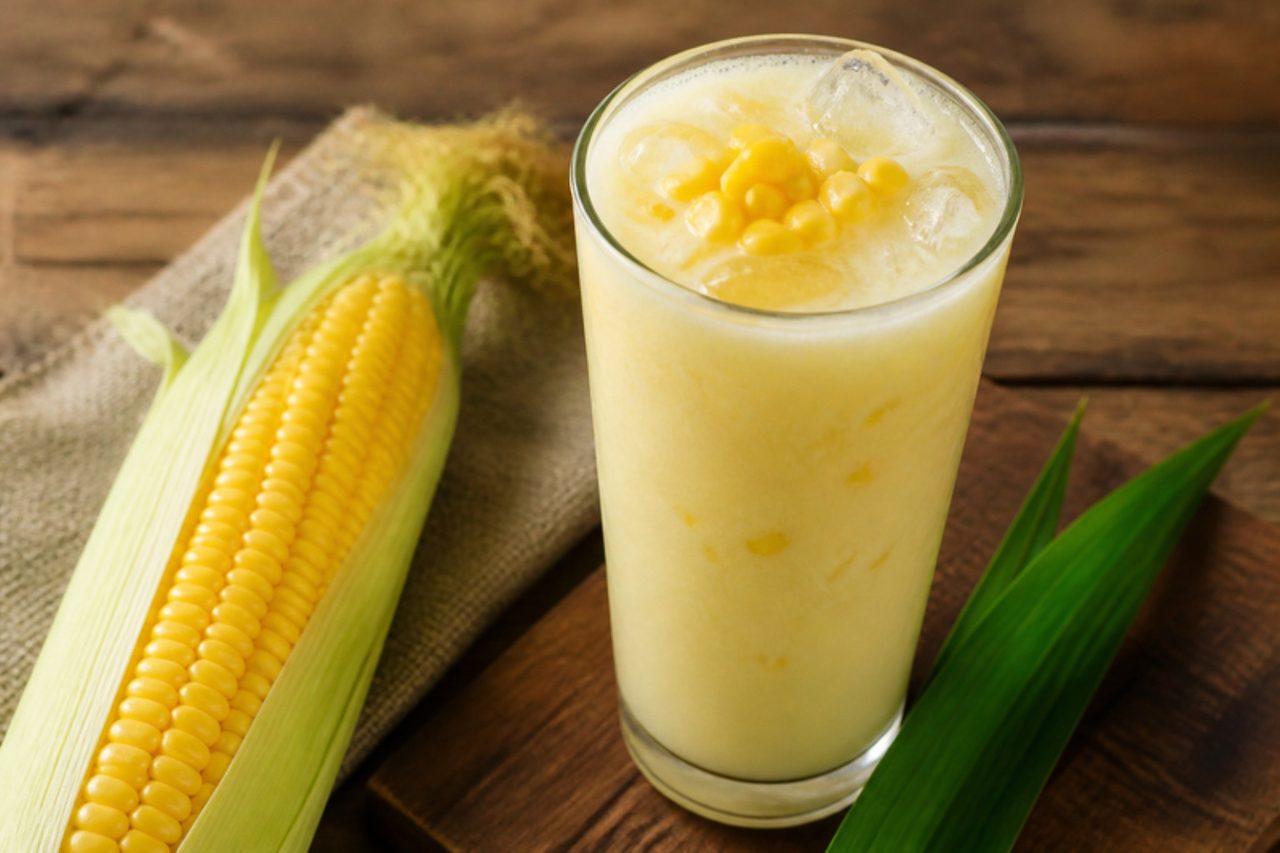
Night markets in Selangor and Perak sell air jagung in tall cups, a pale-yellow, lightly sweet drink made from fresh corn cooked with pandan and blended smooth; some stalls stir in evaporated milk, but the plain version is vegan and very refreshing. It tastes like the milk from the bottom of a bowl of sweetcorn, with a grassy pandan note. Chef's tip: skipping the sieve is a common short cut that leaves the drink gritty with husk; strain it well, pressing on the pulp.

by KrazyBadal 0 views

Shlada khiar (grated cucumber salad with oregano)

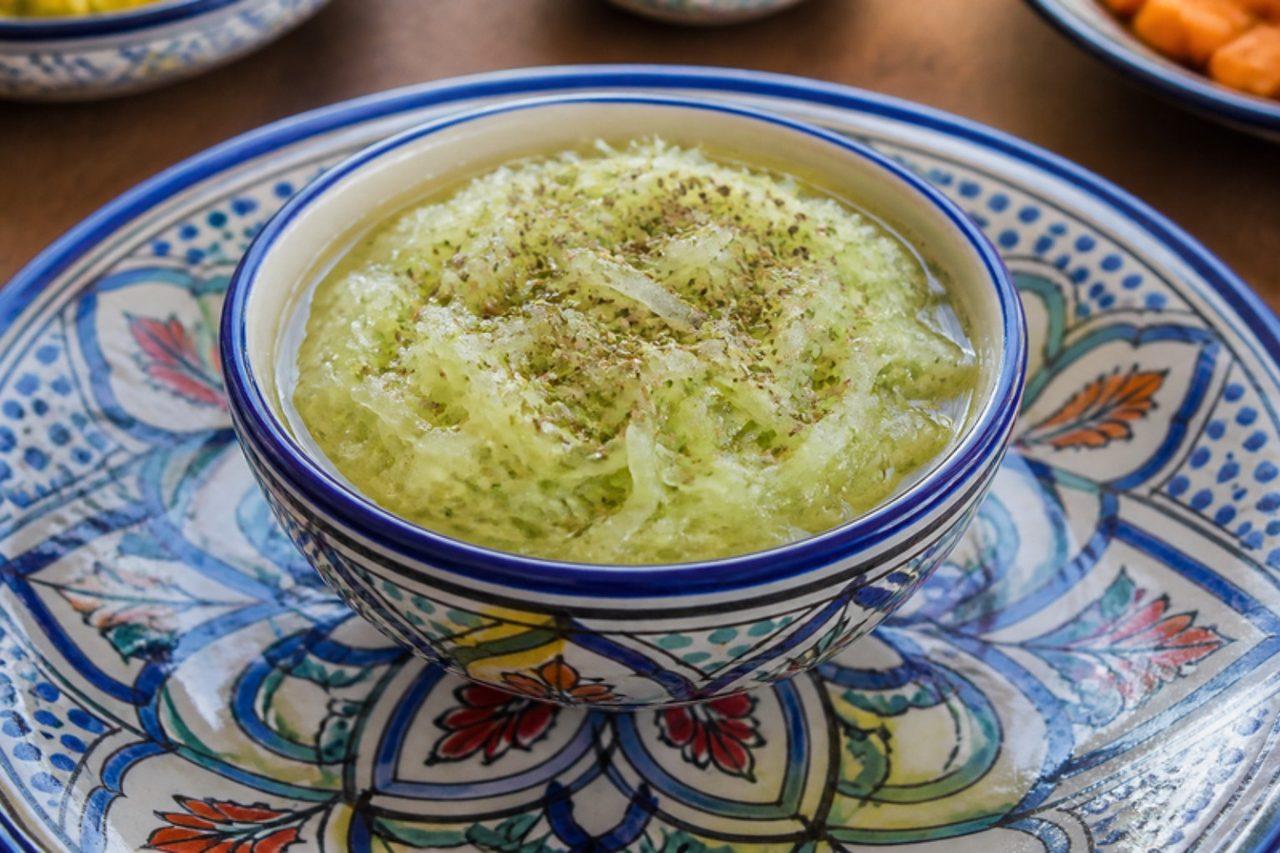
In the heat of a Fes or Marrakech summer, this ice-cold grated cucumber salad is served in bowls with spoons, half salad, half drink, alongside rich tagines or a plate of fried fish. Cucumber is grated and loosened with water, vinegar and a little sugar, then perfumed with crushed dried oregano or zaatar. Grating ahead and leaving it to sit in salt is the usual slip; the cucumber goes limp and bitter. Chef's tip: rub the oregano between your palms over the bowl to wake its oils.

by KrazyBadal 0 views

Air mata kucingLongan and winter melon drink

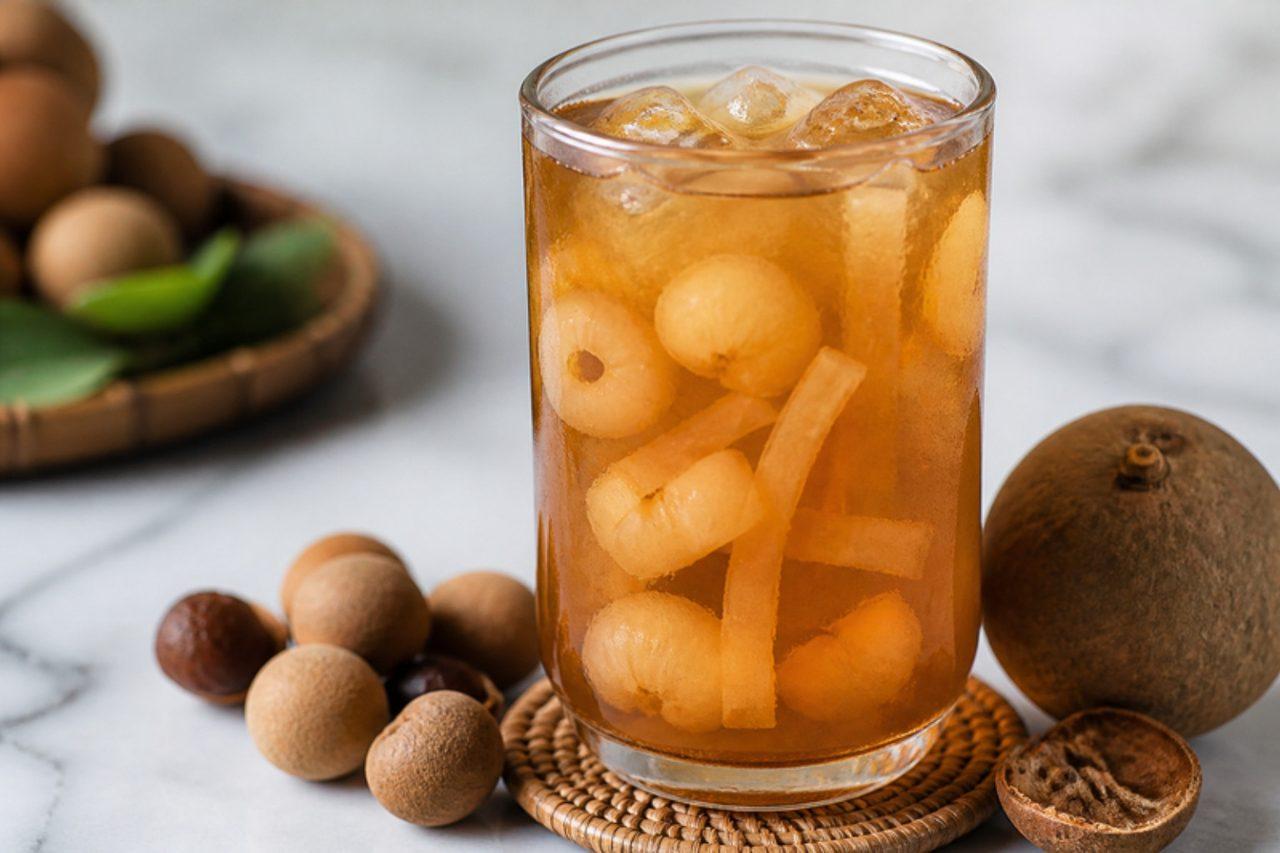
Petaling Street in Kuala Lumpur's Chinatown has a stall that has sold little else for decades, and on a hot afternoon the queue for its iced air mata kucing, 'cat's eye water', stretches down the lane. The 'cat's eyes' are dried longan, simmered with monk fruit, candied winter melon and rock sugar into a sweet, smoky, caramel-like brew that Chinese Malaysians drink to cool the body. Look for the dried ingredients in Chinese grocers. Chef's tip: boiling hard for too long makes it bitter from the monk fruit shell; keep it at a gentle simmer.

by KrazyBadal 0 views

Shlada beldia (Moroccan tomato and cucumber salad)

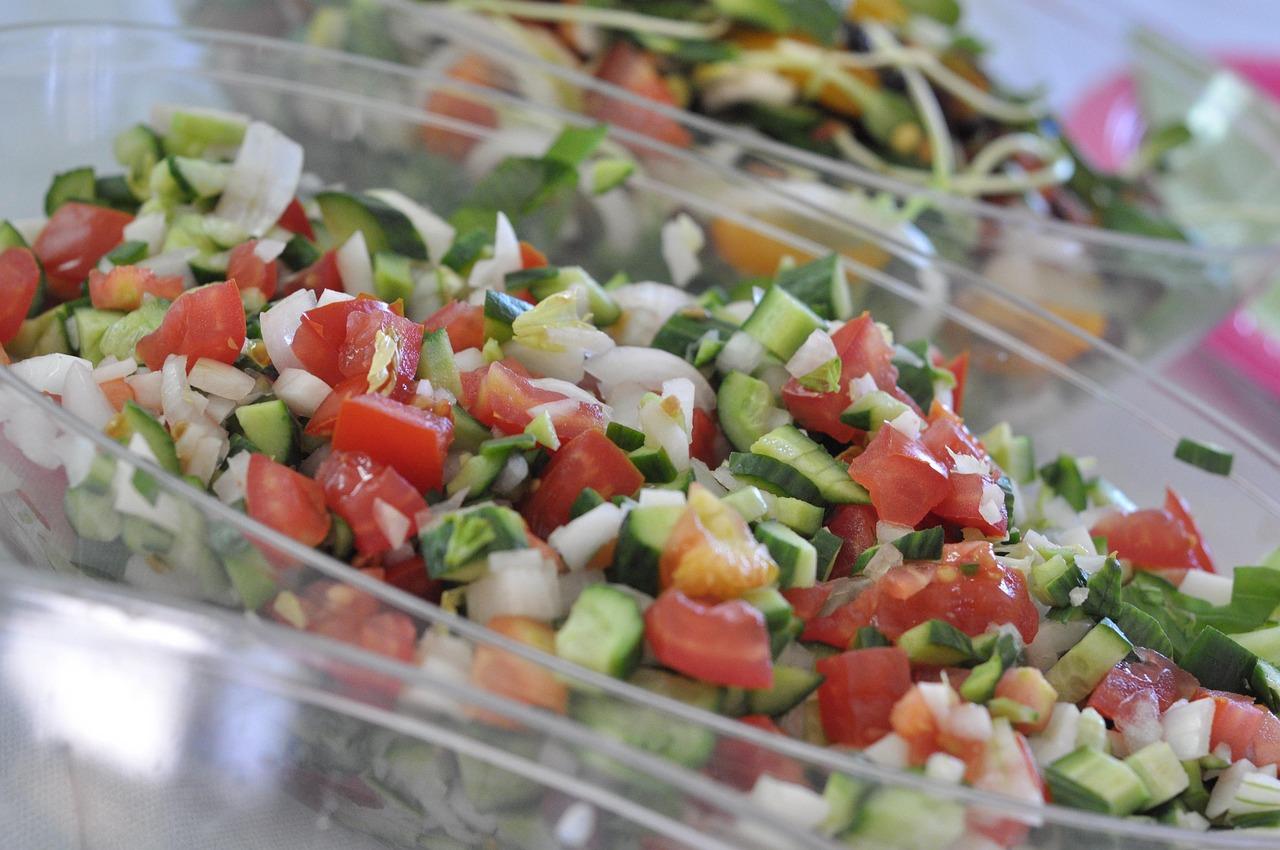
Shlada beldia, "country salad", sits next to the bread on almost every Moroccan table, from Marrakech grill stalls to a Tuesday family lunch in Oujda. Tomato, cucumber, onion and green pepper are diced as small as lentils, then dressed with lemon, olive oil, parsley and a pinch of cumin, so it eats like a fresh relish with grilled meat, tagines or eggs. The common mistake is dressing it too early: the tomatoes weep and it turns to soup, so salt it just before serving. Chef's tip: dice everything to the same tiny size; that's what makes it taste Moroccan rather than like a chopped salad.

by KrazyBadal 0 views

Teh O ais limauIced black tea with lime

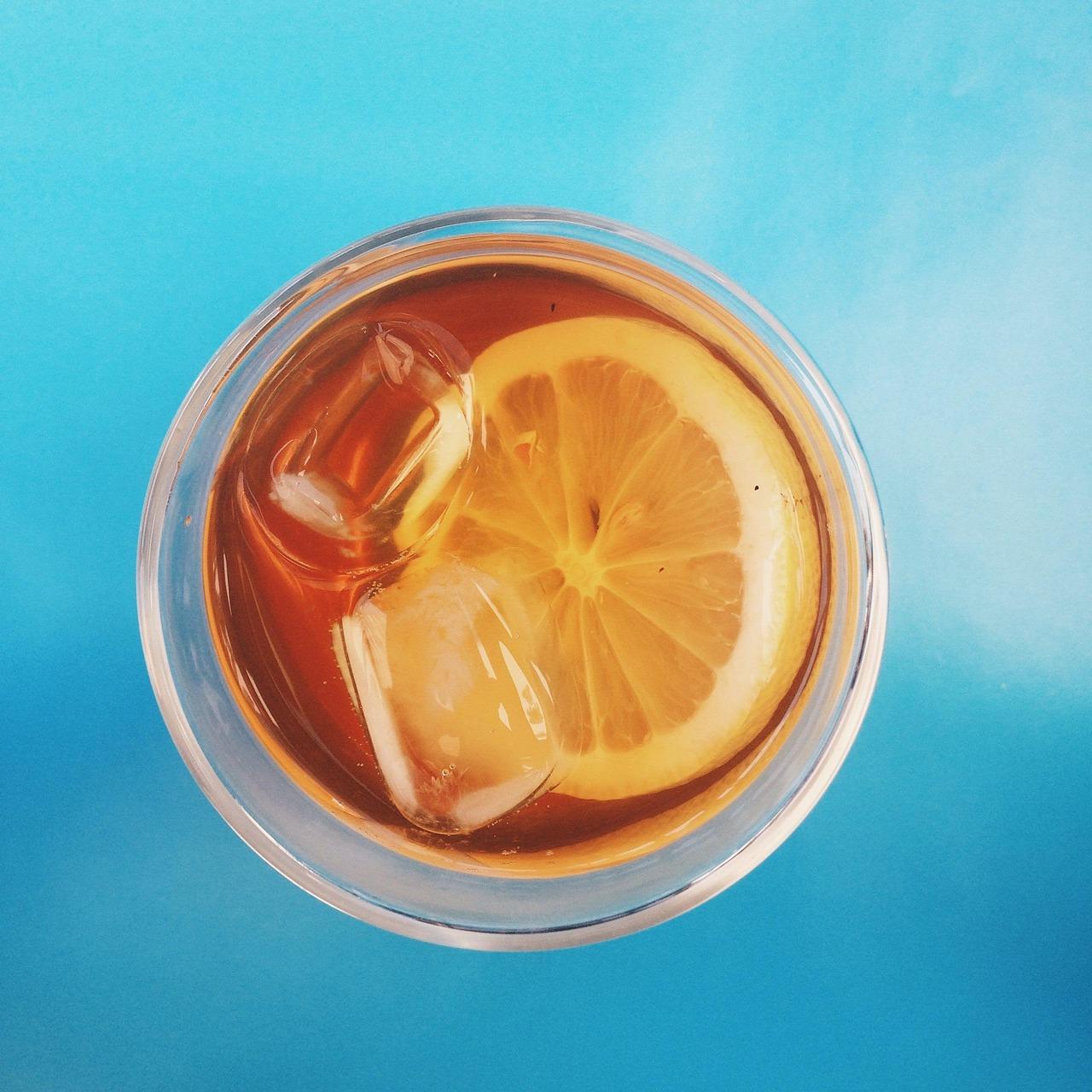
In kopitiam shorthand, 'teh' is tea with milk, 'O' means no milk, 'ais' is iced and 'limau' adds lime, so this is the order Malaysians shout across the counter on a sticky afternoon in Penang or Kuala Lumpur. Strong, sweetened black tea is cooled over ice and squeezed with lime until it tastes like a sharper, less perfumed iced lemon tea. It goes with fried noodles and roti. Chef's tip: pouring hot tea straight onto a glass of ice dilutes it into weak tea; brew it double strength, or chill it first.

by KrazyBadal 0 views

Chikoo ice creamSapodilla ice cream

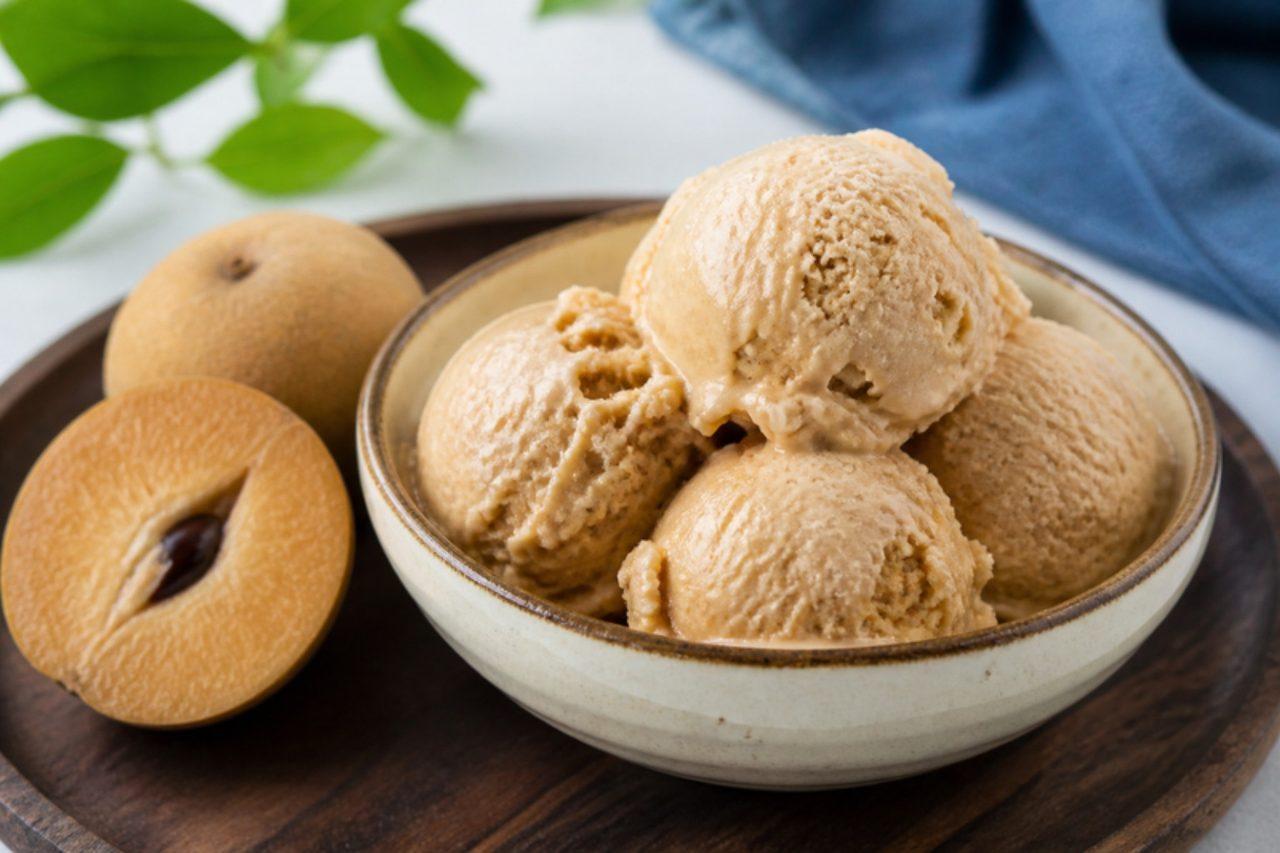
The coast from Dahanu and Gholvad in Maharashtra up to Navsari and Valsad in South Gujarat is chikoo country, and when the orchards are heavy in winter, every home freezes a tub of this. Ripe chikoo tastes of brown sugar, malt and pear, so the ice cream needs barely any sugar and comes out a soft caramel colour, a little grainy from the fruit in a pleasing way. It's a family dessert after Sunday lunch and a favourite at Uttarayan terrace parties. The common mistake is using chikoos that are not fully soft; underripe fruit is astringent and makes the mouth feel furry. Press each one: it should give like a ripe peach. Chef's tip: blend the chikoo with the milk only just before folding; the pulp browns and turns flat if it sits around.

by KrazyBadal 0 views

Kokum sharbatKokum cordial

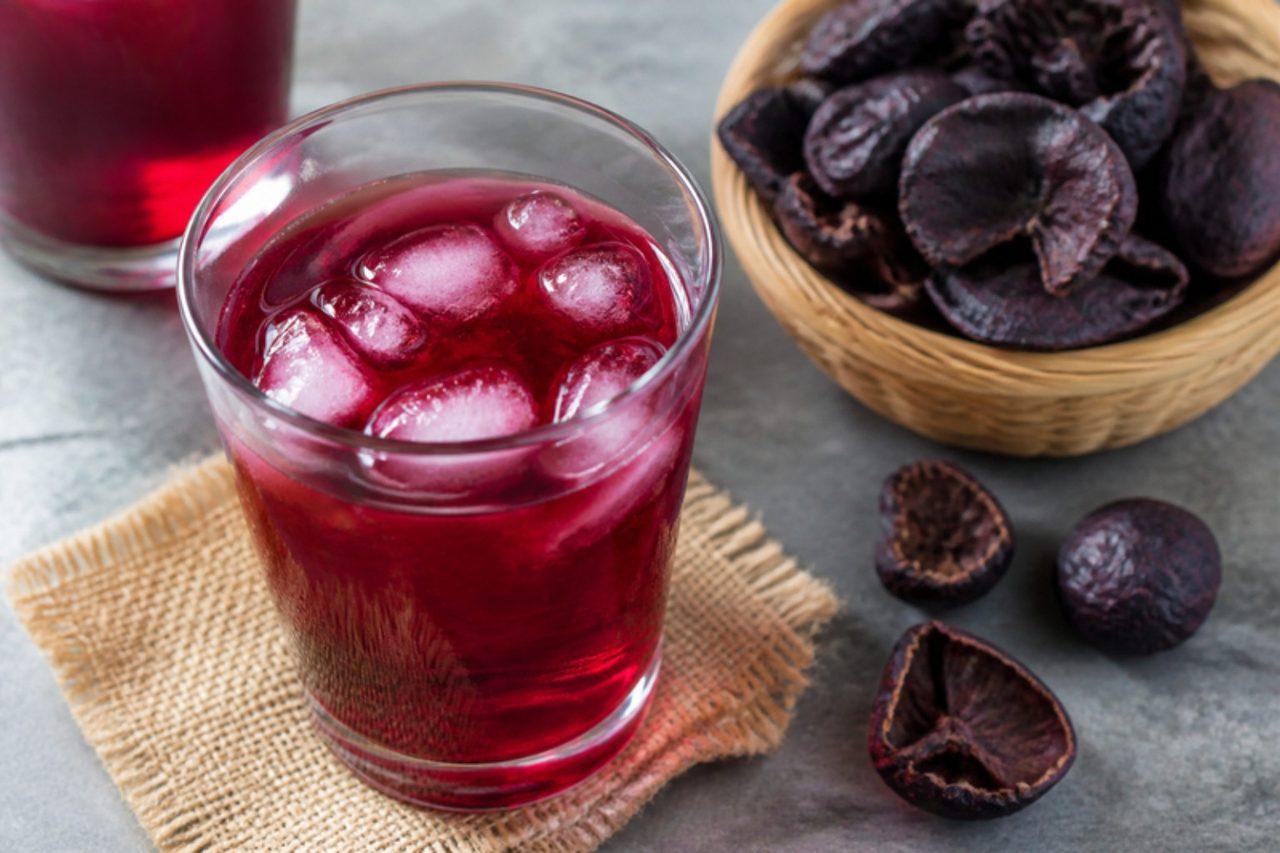
Along the Konkan coast, from Ratnagiri down to Goa, the purple kokum fruit is split and dried in the sun every summer, and the leathery rinds go into curries, sol kadhi and this sharbat. Unlike sol kadhi, there is no coconut milk here: just a clear, deep-red syrup that is fruity, tart and faintly salty, diluted with cold water and drunk after a fish lunch or on a hot afternoon to cool the stomach. Families in Malvan and Sawantwadi still make the concentrate by layering fresh fruit with sugar in jars; this quicker version uses the dried rinds you can buy anywhere. The common mistake is boiling the kokum hard for a long time, which makes the syrup taste stewed and murky; simmer gently just until the colour floods out. Chef's tip: a pinch of roasted cumin and black salt in the glass turns a simple sweet drink into the proper coastal version.

by KrazyBadal 0 views

Khus sharbatVetiver root syrup drink

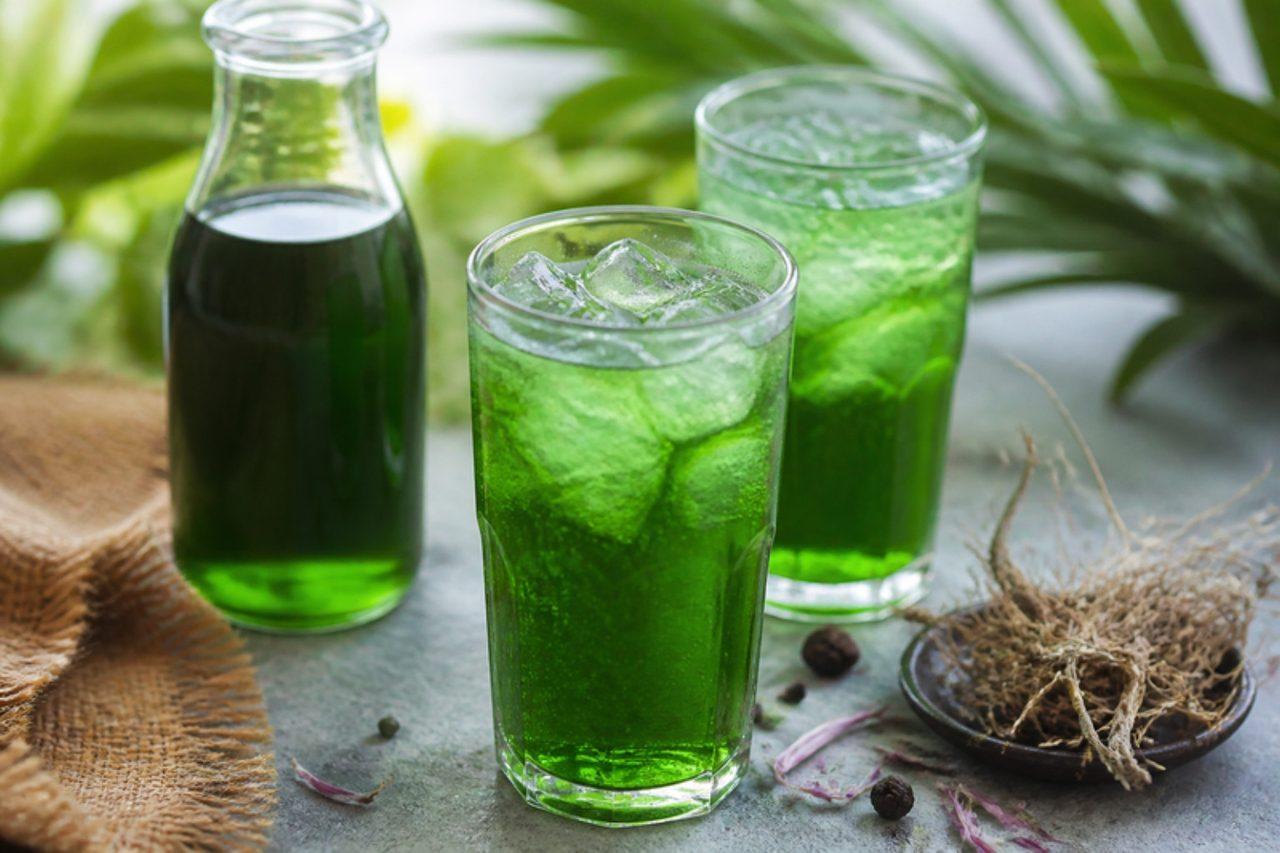
Before air-conditioning, North Indian houses hung wet mats of khus grass over their doors in June, and the breeze through them smelt of damp earth and wood. The same vetiver root flavours this sharbat, a summer staple in Delhi, Rajasthan and Uttar Pradesh. Shop-bought bottles are bright emerald green from colouring; a homemade syrup is pale gold and tastes far more of the root itself, cool and grassy. Families serve it diluted with water to guests arriving from the heat, or with cold milk as a dessert drink at summer parties. The common mistake is boiling the roots hard; the aroma is delicate and cooks off, so infuse them in hot water instead and add the infusion to the syrup off the heat. Chef's tip: if you want the classic green colour for children, a drop of green food colour does no harm, but taste it plain first.

by KrazyBadal 0 views

PanakamJaggery and ginger water

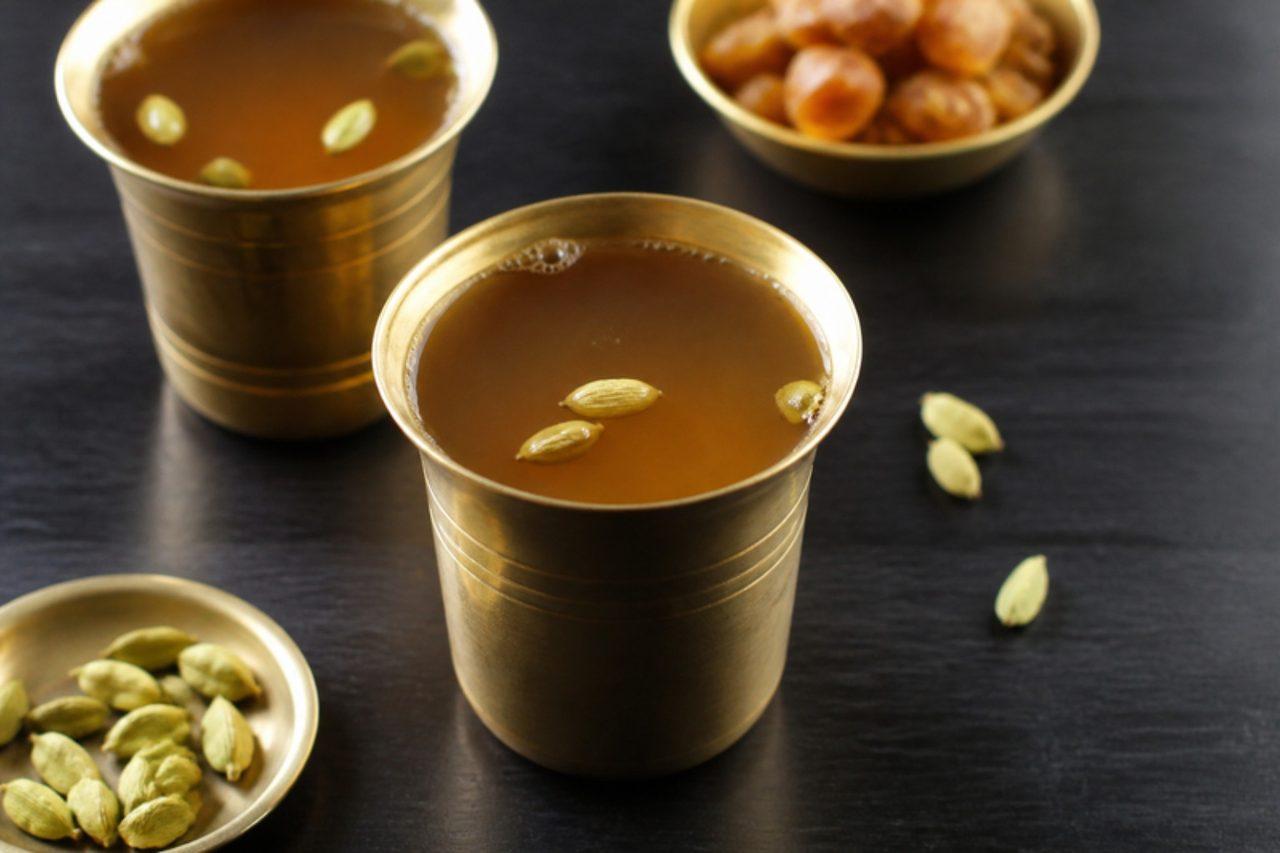
On Sri Rama Navami, temples and homes across Andhra Pradesh, Telangana and Tamil Nadu set out brass pots of panakam beside neer mor (spiced buttermilk) and kosambari. The drink is offered first, then handed to everyone in small steel tumblers. It is nothing more than jaggery dissolved in water, but the dry ginger and black pepper give it a pleasant heat that cuts through the sweetness, and cardamom and a few tulsi leaves make it smell of the festival. It is never boiled; it's stirred until the jaggery melts. The common mistake is not straining: jaggery often carries sand and fibres, so always pour it through a fine cloth. Chef's tip: a squeeze of lemon is not traditional everywhere, but in hot Vijayawada summers many homes add it, and it brightens the drink wonderfully.

by KrazyBadal 0 views

Anjeer kulfiFig ice cream

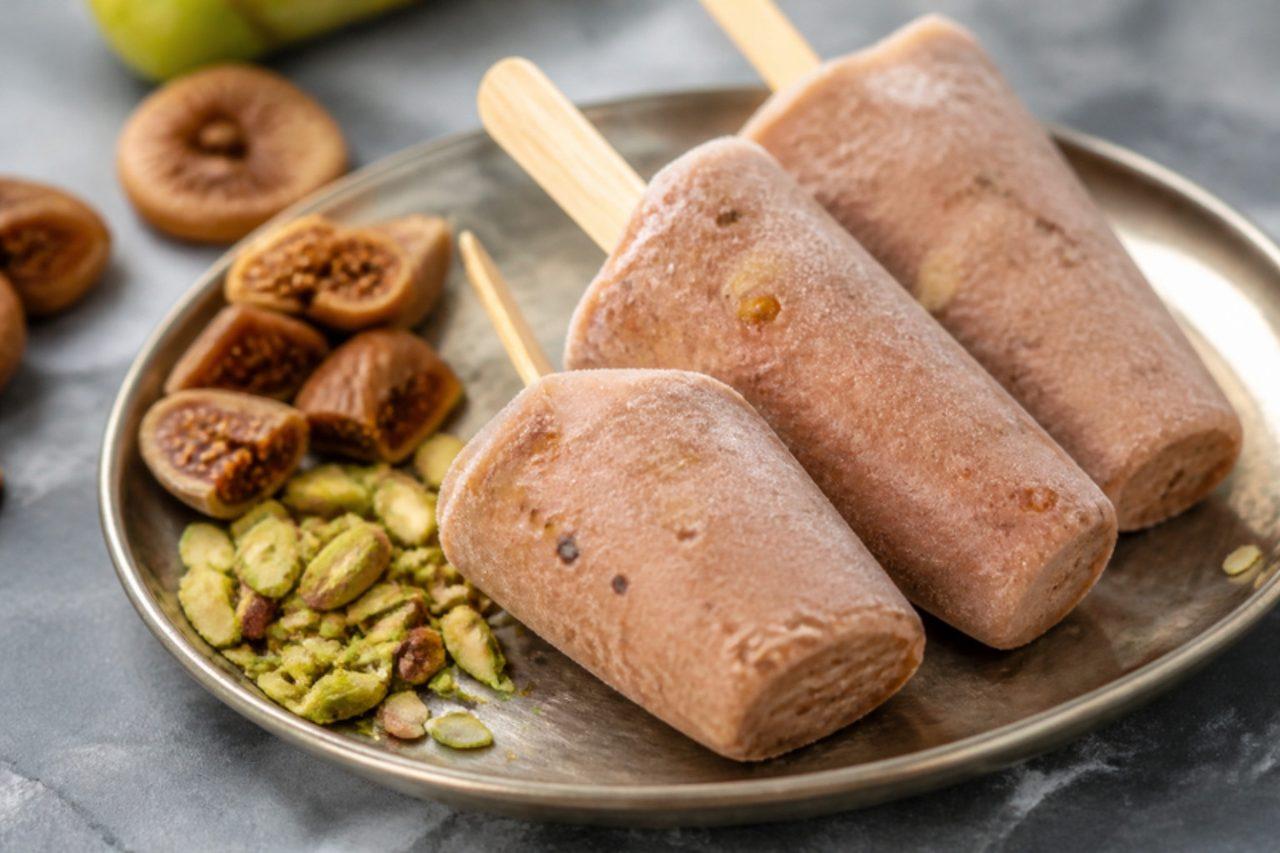
Dried figs from Afghanistan have been sold in the dry-fruit markets of Delhi's Khari Baoli and Amritsar for centuries, and anjeer kulfi is how North Indian halwais show them off in winter-wedding dessert spreads and Diwali parties. The figs bring natural sweetness, a jammy colour and a gentle crunch of tiny seeds, so less sugar goes in than in plain kulfi. Puréeing half the figs flavours every bite while the chopped half gives chewy pieces. It's lovely after a rich dinner or with a cup of masala chai. A common mistake is skipping the soak: hard dried figs stay leathery and grate on the blades. Soak them in warm milk until plump. Chef's tip: let the reduced milk cool to just warm before adding the fig paste; added while boiling, figs can make the milk look grainy.

by KrazyBadal 0 views

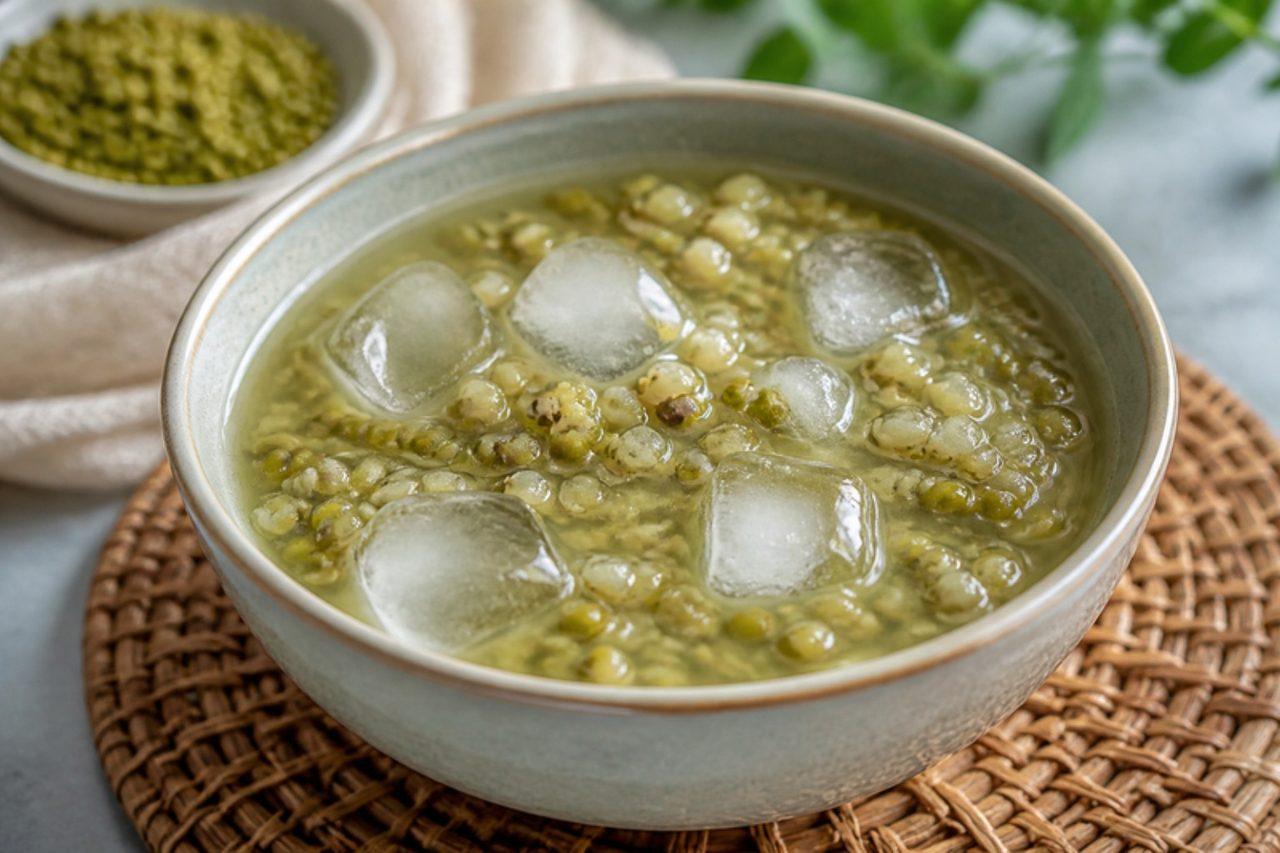
Lü dou tang (chilled mung bean soup)

When the heat settles on Guangzhou, Wuhan or Shanghai in July, families keep a jug of mung bean soup in the fridge, and school canteens and workplaces hand it out by the bowl; traditional medicine calls mung beans 'cooling', a reason to drink it on the hottest days. It is just mung beans simmered with rock sugar until some burst and the liquid turns pale green or soft red, eaten chilled. The common mistake is cooking it in an iron or aluminium pan or leaving it uncovered too long, which turns the soup dark brown-red; a stainless steel pot with the lid on keeps it greener. Chef's tip: for a clear green soup, take a few ladles of the liquid after 10 minutes of boiling, before the beans split, and drink that as a lighter tea.

by KrazyBadal 0 views

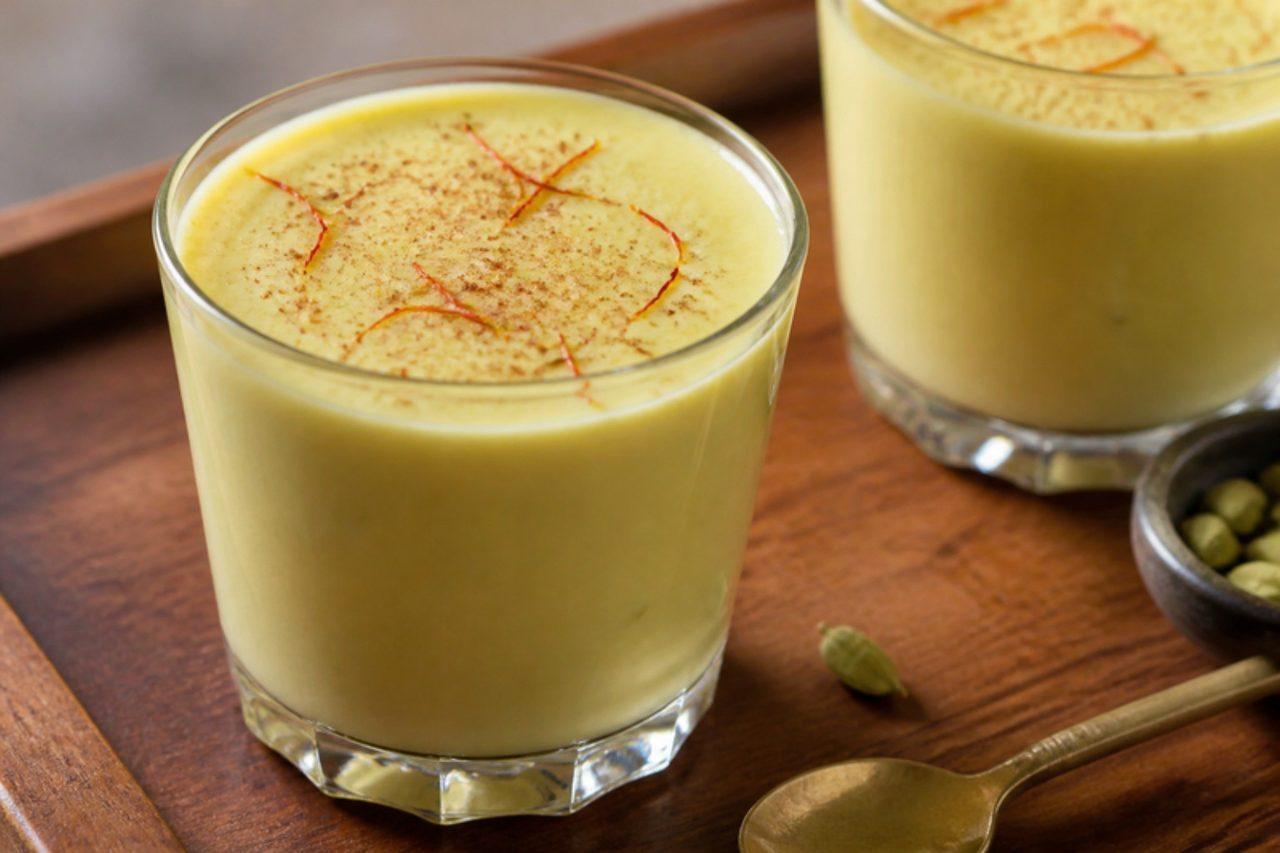
PiyushShrikhand buttermilk drink

Piyush means nectar, and Pune and Mumbai Maharashtrians drink it on summer afternoons, at Gudi Padwa lunches when there is leftover shrikhand, or from old dairy shops near Dadar and Girgaon where it is sold in glass bottles. It sits between lassi and dessert: thick but pourable, sweet and gently sour, yellow with saffron and scented with cardamom and a whisper of nutmeg. It is lovely with a spicy batata vada or after a puran poli meal. The common mistake is pouring cold buttermilk straight onto stiff shrikhand, which leaves stubborn lumps; loosen the shrikhand with a little buttermilk first, then whisk in the rest. Chef's tip: bloom the saffron in a spoonful of warm milk; cold buttermilk won't pull the colour out.

by KrazyBadal 0 views

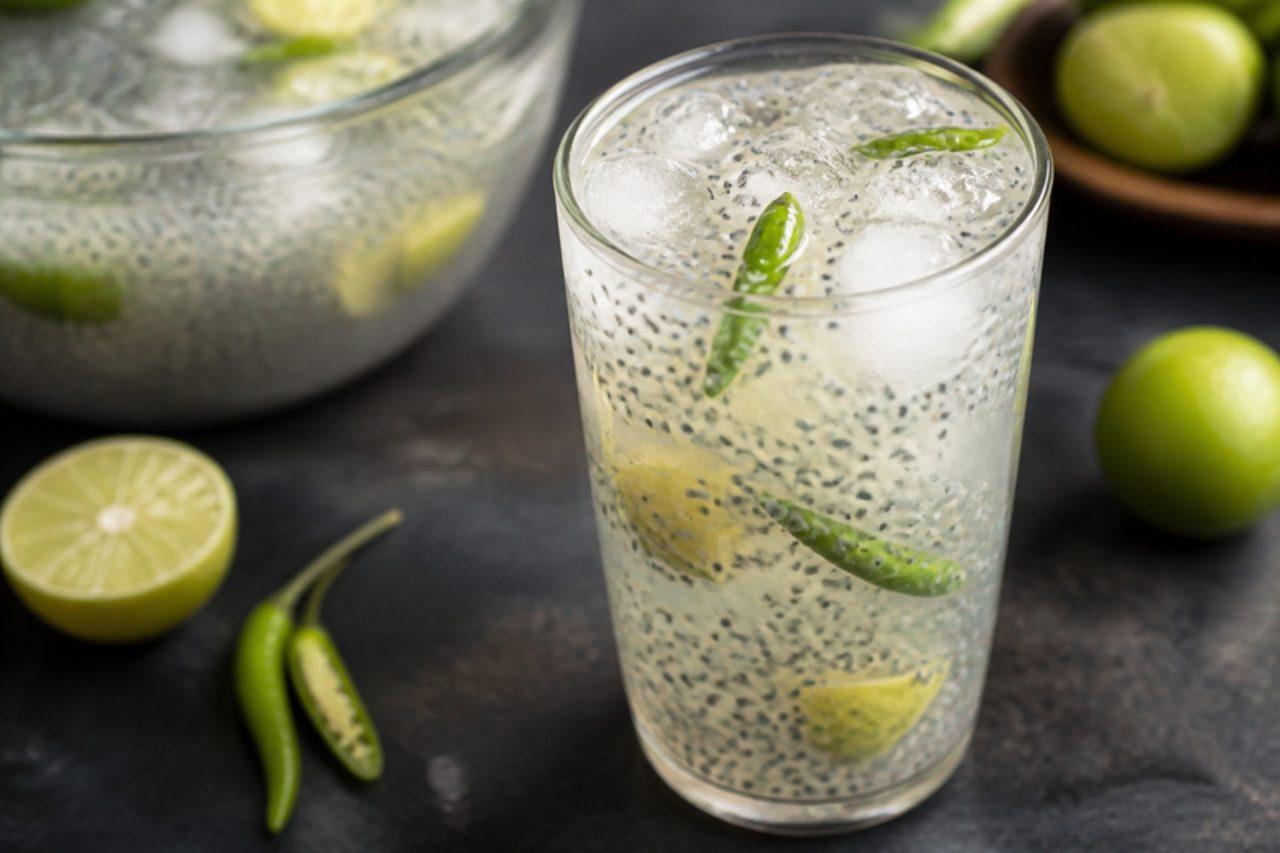
Kulukki sarbathShaken lime cooler

Kulukki means shaken, and the show is half the fun: at roadside stalls in Kozhikode, Kochi and Thrissur, the vendor drops lime, a slit green chilli, basil seeds, syrup and ice into a tall steel tumbler, caps it with another and rattles it furiously before pouring a frothy glass. The drink became a craze across Kerala in the 2010s and is now a beach and festival favourite. It tastes sharp, sweet, salty and then hot as the chilli catches the back of your throat. Some stalls add pineapple or passion fruit. The common mistake is crushing the lime and chilli too hard or leaving them to sit, which makes the drink bitter from the peel and far too fiery; shake briefly and pour at once. Chef's tip: use a jar with a tight lid half filled with ice; the ice does the crushing and makes the foam.

by KrazyBadal 0 views

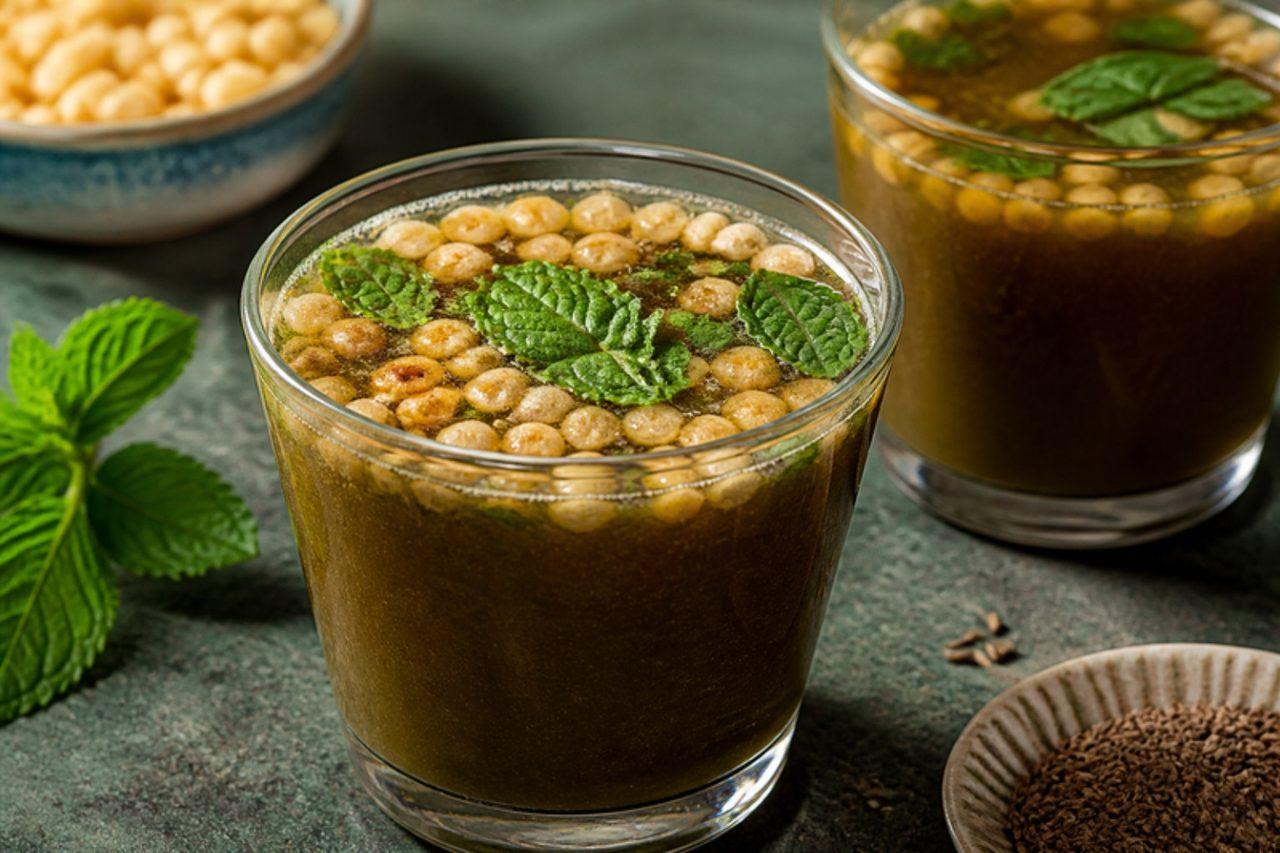
JaljeeraTamarind mint cumin drink

Street vendors in Old Delhi and Varanasi sell jaljeera from big red clay matkas wrapped in wet cloth, ladling it into glasses with a handful of boondi on top. The name simply means cumin water, but the flavour is busier than that: sour tamarind and lemon, a cool rush of mint, the sulphur note of black salt and the warmth of roasted cumin and dry ginger. It is drunk before a heavy Punjabi meal to wake the appetite, at summer weddings, and on long train journeys. Make the masala fresh and the difference shows. The common mistake is using raw cumin powder; it tastes dusty. Dry-roast whole cumin until it darkens a shade and smells toasty, then grind it. Chef's tip: add the boondi only at the table so it stays crunchy for the first sip and softens by the last.

by KrazyBadal 0 views

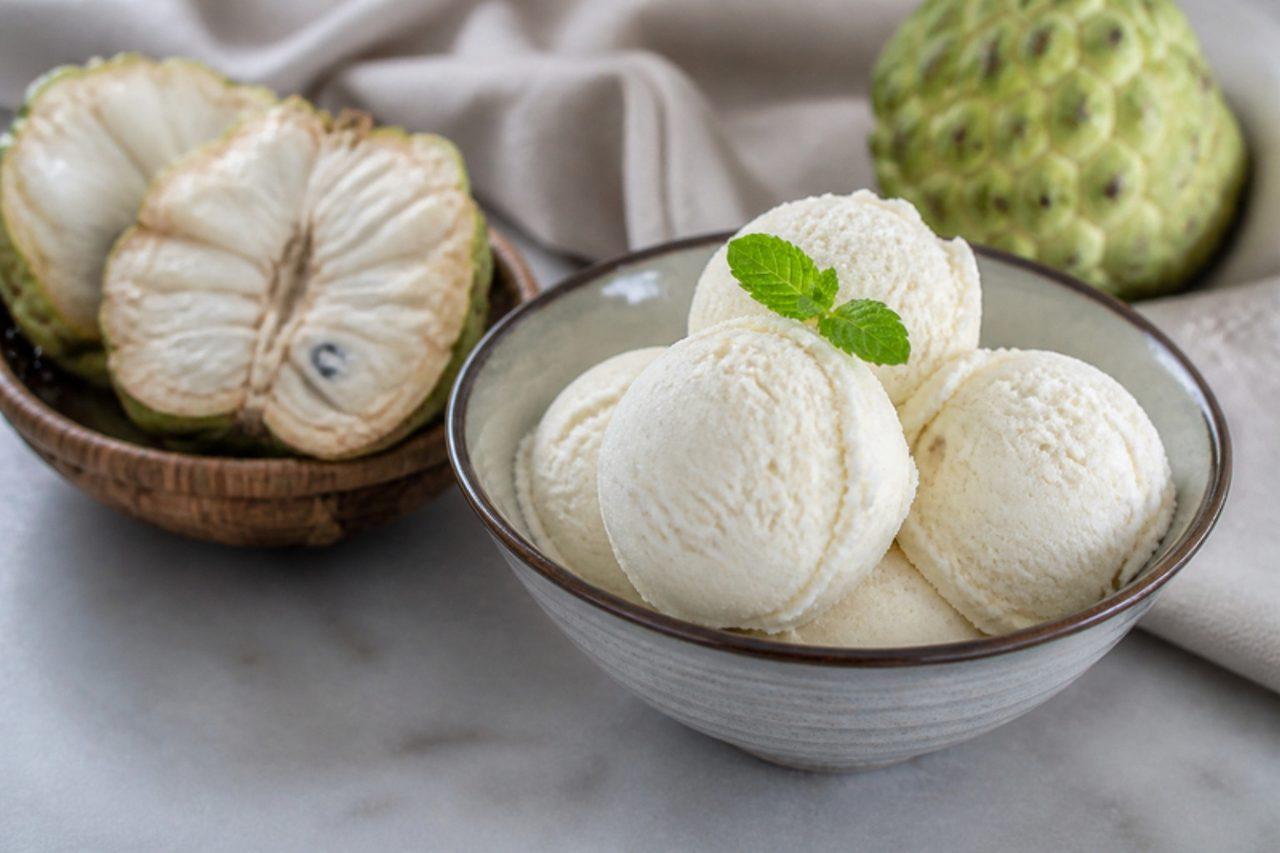
Sitaphal ice creamCustard apple ice cream

Every October, when custard apples pile up in the markets of Pune and Mumbai, the queues lengthen at the city's natural ice-cream parlours on Juhu and Malabar Hill for one flavour: sitaphal. The fruit tastes of pear, vanilla and cream, and when the pulp is folded into a simple milk-and-cream base, nothing else is needed. The ice cream is pale, soft and full of tiny tender pieces of fruit. It is the dessert of Navratri and Diwali visits in Maharashtra. A common mistake is blending the pulp with the seeds in; cracked seeds make the ice cream bitter, and they are toxic. Seed the segments by hand or rub the pulp through a coarse sieve. Chef's tip: never cook the pulp; heat turns custard apple bitter, so add it only to the fully cooled base.

by KrazyBadal 0 views

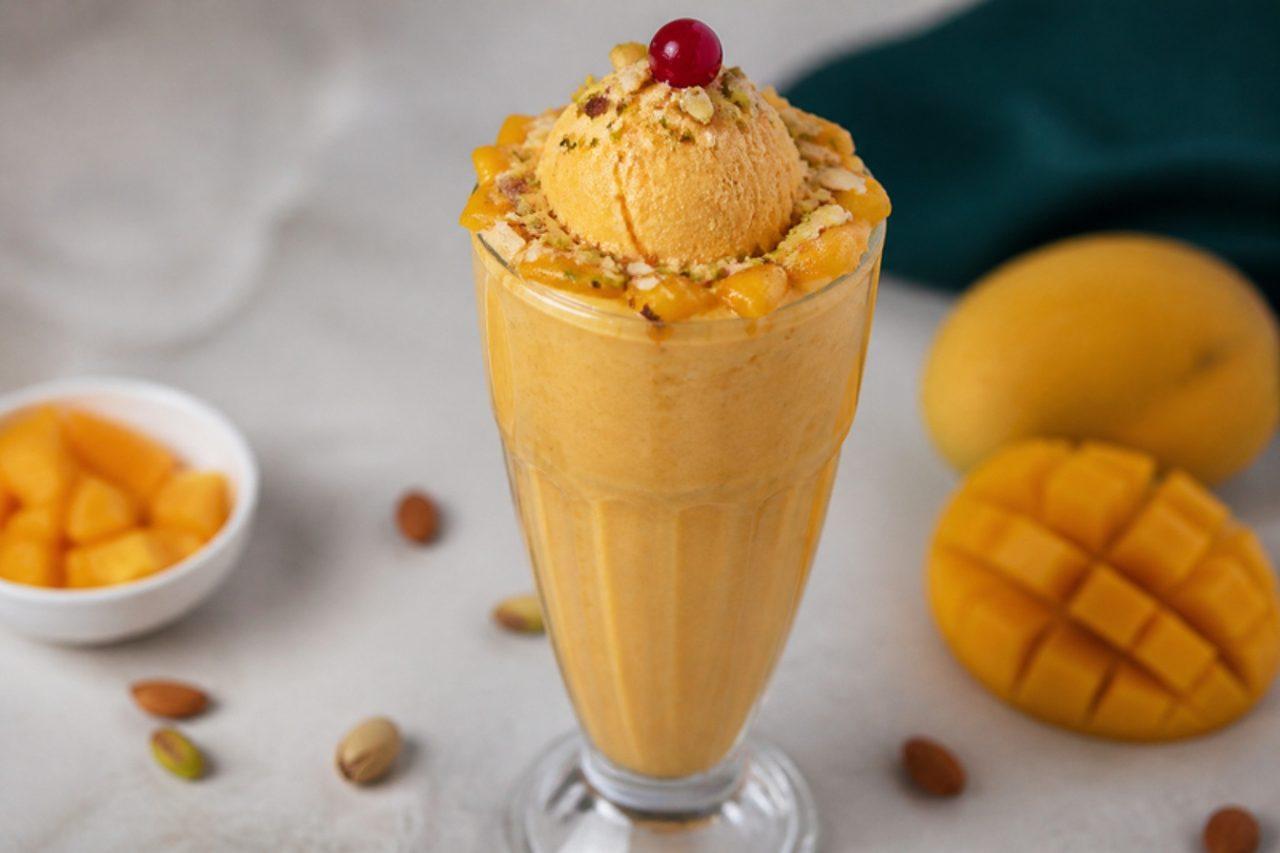
Mango mastaniMango milkshake with ice cream

Pune's mastani was born in the city's old peths, and families still queue on summer evenings at the famous shops near Budhwar Peth and Sadashiv Peth for a tall glass so thick you need a spoon. The base is a mango milkshake, made dense with ripe Alphonso pulp and ice cream, then topped with another scoop of mango ice cream, chopped nuts, tutti frutti and a cherry. It is named, people say, after Bajirao Peshwa's beloved Mastani. Rich and fruity, it is dessert and a cool drink in one. A common mistake is adding ice to the blender: it thins the shake and dulls the mango, so chill the milk and pulp well instead. Chef's tip: Alphonso from Ratnagiri or Devgad gives the right colour and fragrance; in the off season use good tinned Alphonso pulp and skip the sugar.

by KrazyBadal 0 views

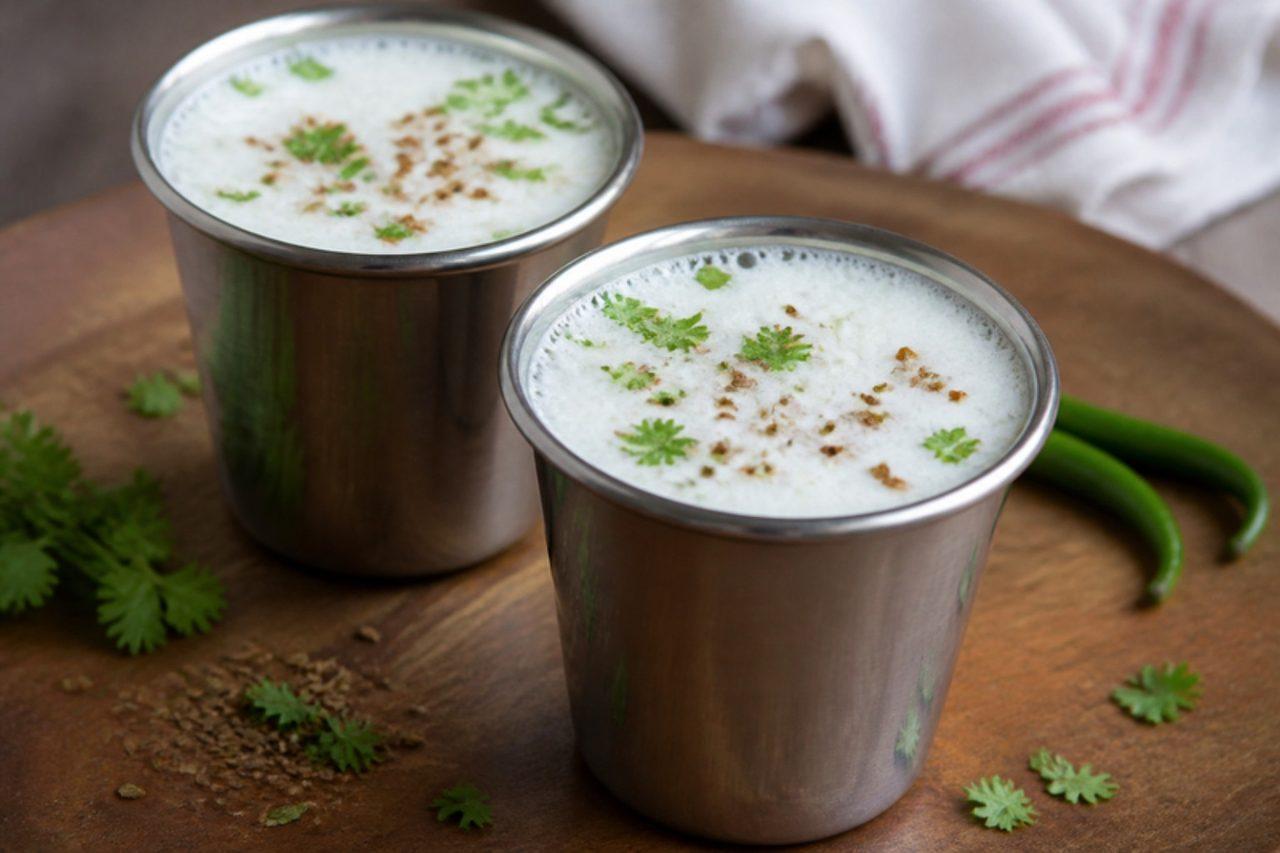
Masala chaasSpiced buttermilk

No Gujarati lunch is finished until the steel glass of chaas comes round. From Ahmedabad pols to Kathiyawadi farmhouses, homemade dahi is thinned right down, churned with a wooden ravai or a blender, and seasoned with roasted cumin, black salt, a little ginger and green chilli, then poured ice-cold after dal-bhaat-shaak-rotli. It should be thin enough to drink in one go, salty, gently hot and full of coriander; that is what settles a heavy meal in May. Kerala's sambaram, with shallot and curry leaf, is a close cousin. A common mistake is churning thick, very cold full-fat dahi for too long: the fat clumps into flecks of butter and the chaas turns thin and greasy. Blend the dahi with only part of the water for a few seconds, then stir in the rest. Chef's tip: dahi that is a day old and slightly sour makes the best chaas; very fresh, sweet dahi tastes flat however much masala you add.

by KrazyBadal 0 views

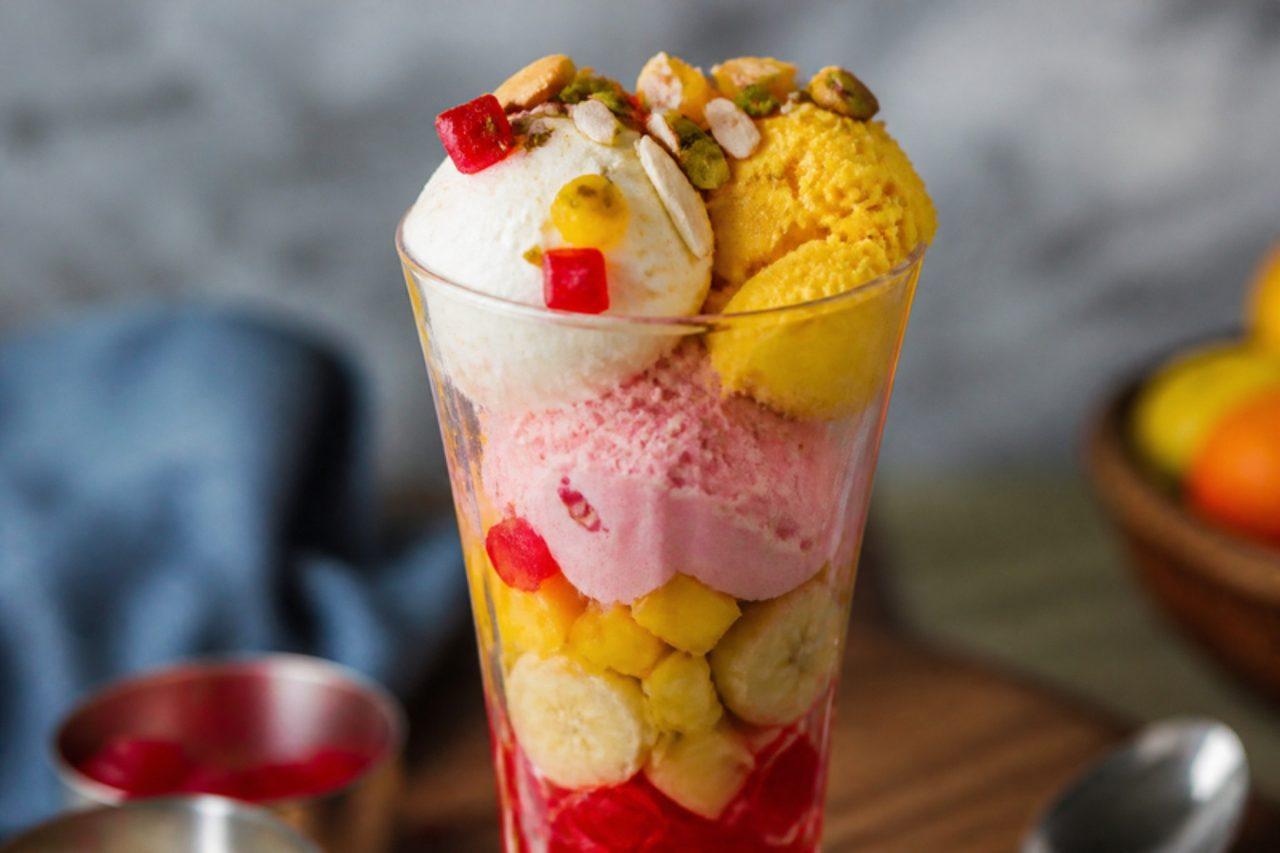
Gadbad ice creamLayered fruit and ice cream sundae

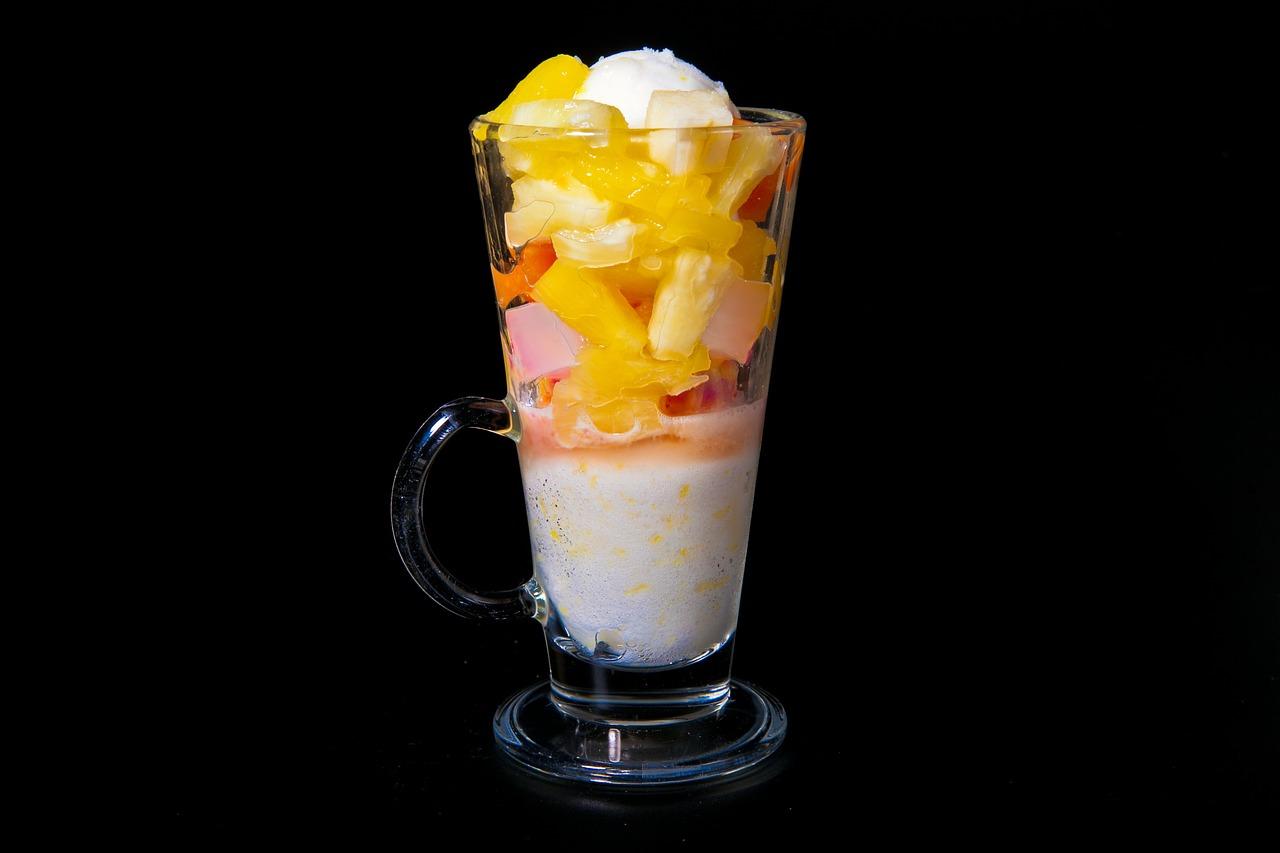
Gadbad means a jumble, and that is exactly what arrives at the table in Udupi and Mangalore ice-cream parlours: a tall fluted glass layered with cubes of jelly, chopped fresh fruit, scoops of vanilla, strawberry and mango ice cream, crushed nuts and a glacé cherry on top, eaten with a long spoon. The sundae is credited to a café in Udupi in the 1970s and is now the treat every coastal Karnataka family orders after a temple visit or a beach evening. It's sweet, cold, fruity and crunchy all at once. Most jelly crystals are set with gelatine, so choose a vegetarian jelly set with agar or carrageenan, and check your ice cream is egg-free and gelatine-free if that matters to you. A common mistake is layering on fruit that is wet from washing; it waters down the ice cream. Chef's tip: chill the glasses in the freezer for 15 minutes so the layers stay distinct.

by KrazyBadal 0 views

Paan kulfiBetel leaf ice cream

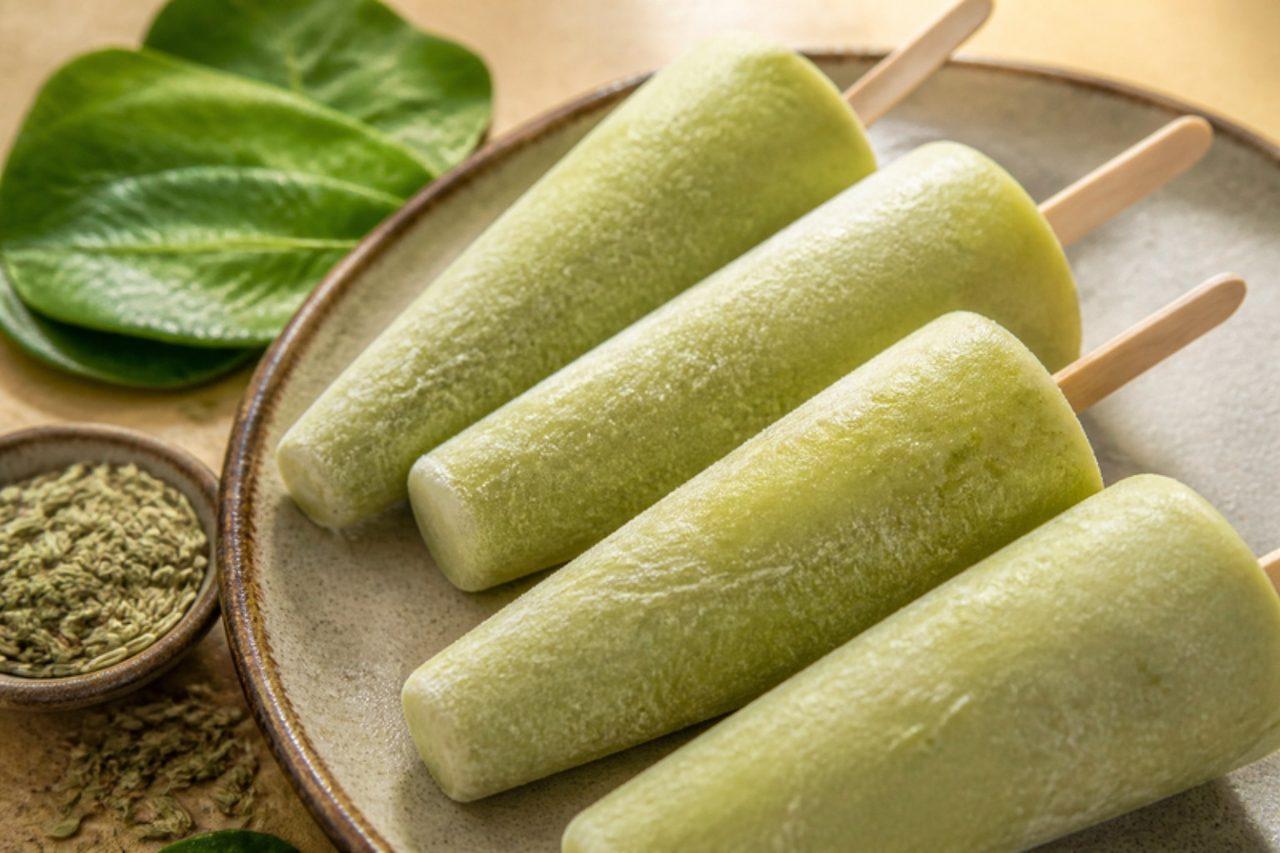
For many Lucknow and Banaras families, dinner ends with a folded meetha paan, and in Mumbai's paan shops and kulfi joints that same flavour turned into kulfi became a cult favourite at weddings and parties. The base is milk reduced by two-thirds; betel leaves, rose petal gulkand, fennel and cardamom go in once it has cooled, so it freezes dense, pale green and fragrant, with little chewy bits of gulkand. It is sweet, floral and leafy-fresh, and cuts through a rich biryani or korma dinner. A common mistake is boiling the betel leaves in the milk: they turn bitter and the colour goes khaki. Grind them raw with cold milk instead. Chef's tip: use the tender, sweet Calcutta or Banarasi leaves sold for meetha paan; the thick Maghai or Kapoori kind can taste peppery.

by KrazyBadal 0 views

Mango kulfiMango ice cream

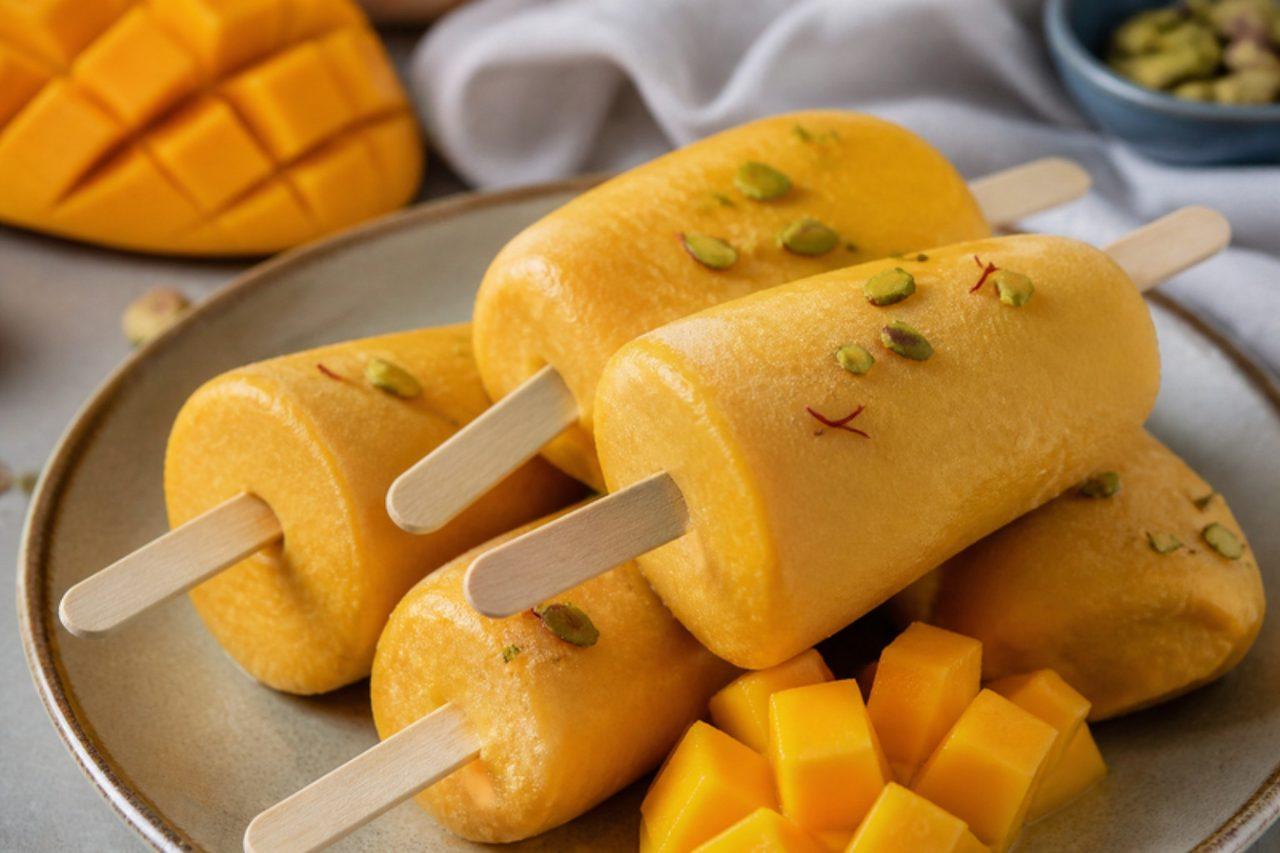
Kulfiwalas in Delhi's Chandni Chowk and Mumbai's Chowpatty freeze their mango kulfi in tall aluminium cones packed in ice and salt, and come May every family wants their own. It is not ice cream: milk is boiled down slowly until it is a third of its volume, rich and faintly caramel, then cooled and mixed with thick mango pulp, so it freezes dense and chewy rather than fluffy. Serve it unmoulded on a stick, or sliced into rounds on a plate, after a summer lunch or at a birthday. The common mistake is stirring the mango into hot milk; the acid can curdle it and heat dulls the fruit, so wait until the rabri is completely cool. Chef's tip: Kesar from Gujarat or Alphonso from Ratnagiri give the colour and perfume; if you use tinned pulp, cut the sugar by half because it is already sweetened.

by KrazyBadal 0 views

Nannari sarbathSarsaparilla and lime cooler

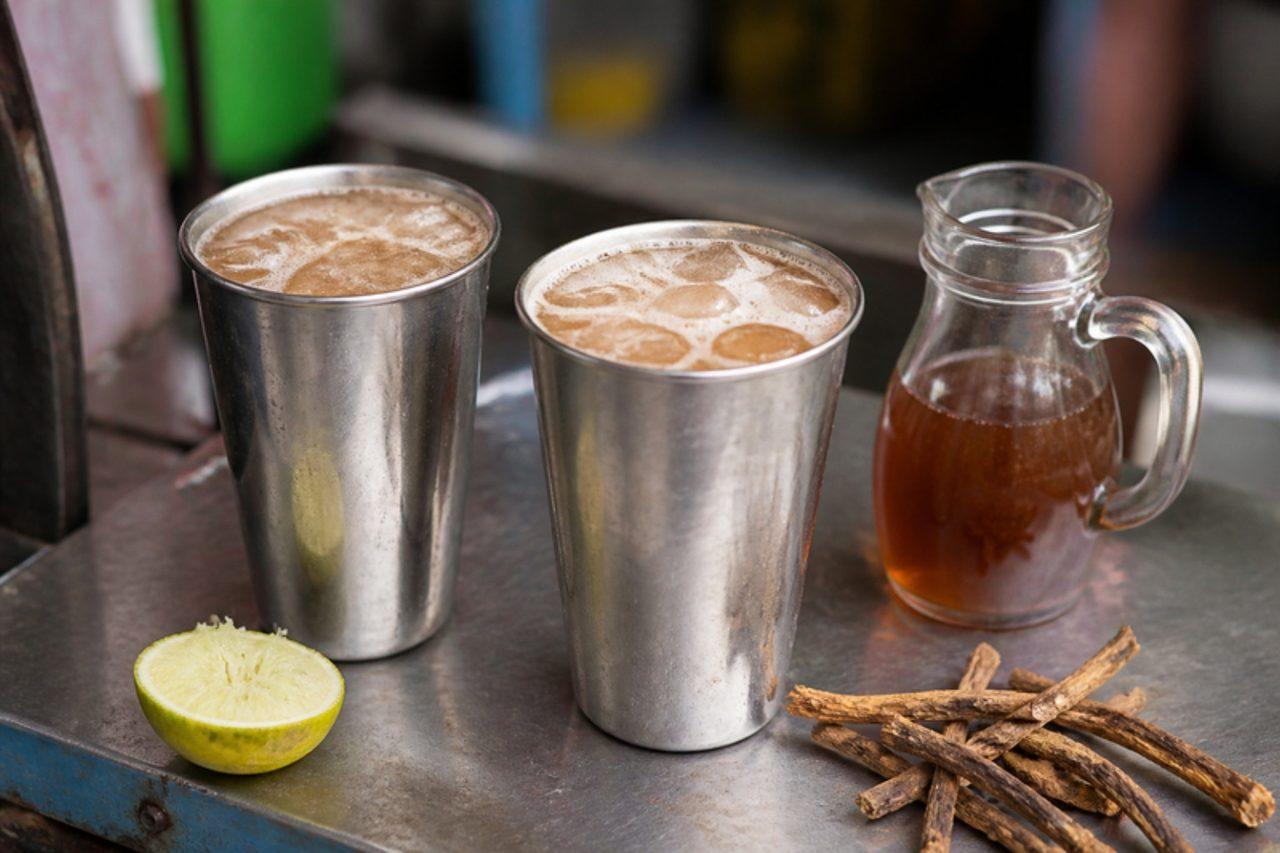
Walk past any sarbath kadai in Madurai, Tiruchi or Chennai's Parry's Corner in summer and you'll hear the clink of a glass being stirred with a long spoon. Nannari, the sweet, woody, vanilla-like root of Indian sarsaparilla, is cooked into a dark syrup; the vendor pours a little into a glass, squeezes in a whole lime, adds a pinch of salt and ice, and tops it with water or a fizz of soda. It is sweet, sharp and earthy all at once, and nothing like the milky jigarthanda made with the same syrup. Many shops add soaked sabja seeds for texture. The common mistake is too much syrup: the root flavour gets lost in sweetness, so start with less and let the lime lead. Chef's tip: squeeze the lime straight into the glass and drop in one squeezed half; a little oil from the peel gives that roadside freshness.

by KrazyBadal 0 views

Bel sharbatWood apple drink

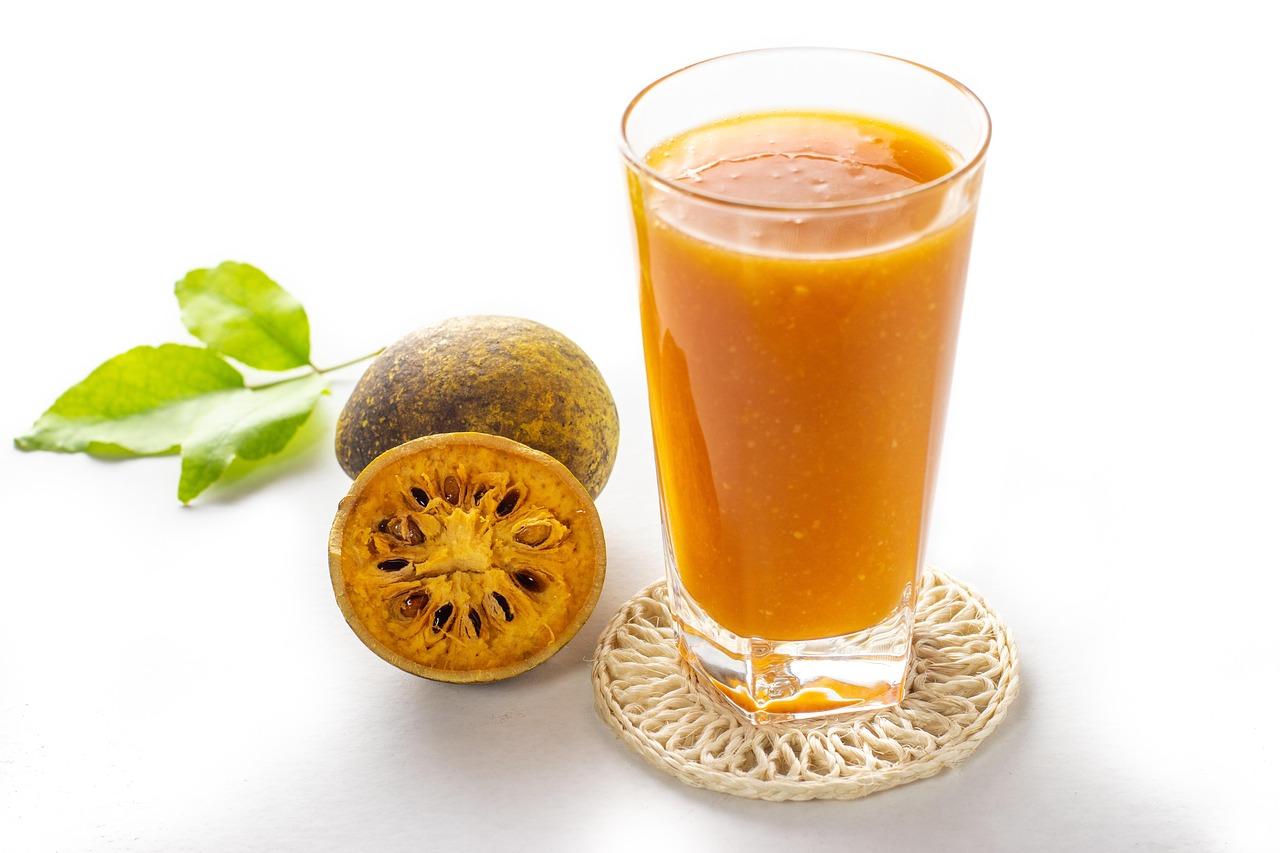
Bael trees grow beside temples across Uttar Pradesh and Bihar, and in May the hard golden fruits are cracked open on the doorstep with a pestle. The orange pulp smells of tamarind, marmalade and rose, and mashed into water it makes a thick, pulpy sharbat that people in Patna, Prayagraj and Gorakhpur drink mid-morning to keep the heat at bay; it is also famously kind to the stomach. Rickshaw stalls sell it from big steel pots. Ripe fruit is essential: it should sound hollow when tapped and smell sweet. The common mistake is blending the pulp in a mixer, which crushes the seeds and sticky fibres and makes the drink bitter and gluey; soak it and mash by hand instead. Chef's tip: let the pulp soak a full 15 minutes before mashing, and it practically falls off the fibres.

by KrazyBadal 0 views

Gulkand ice creamRose petal ice cream

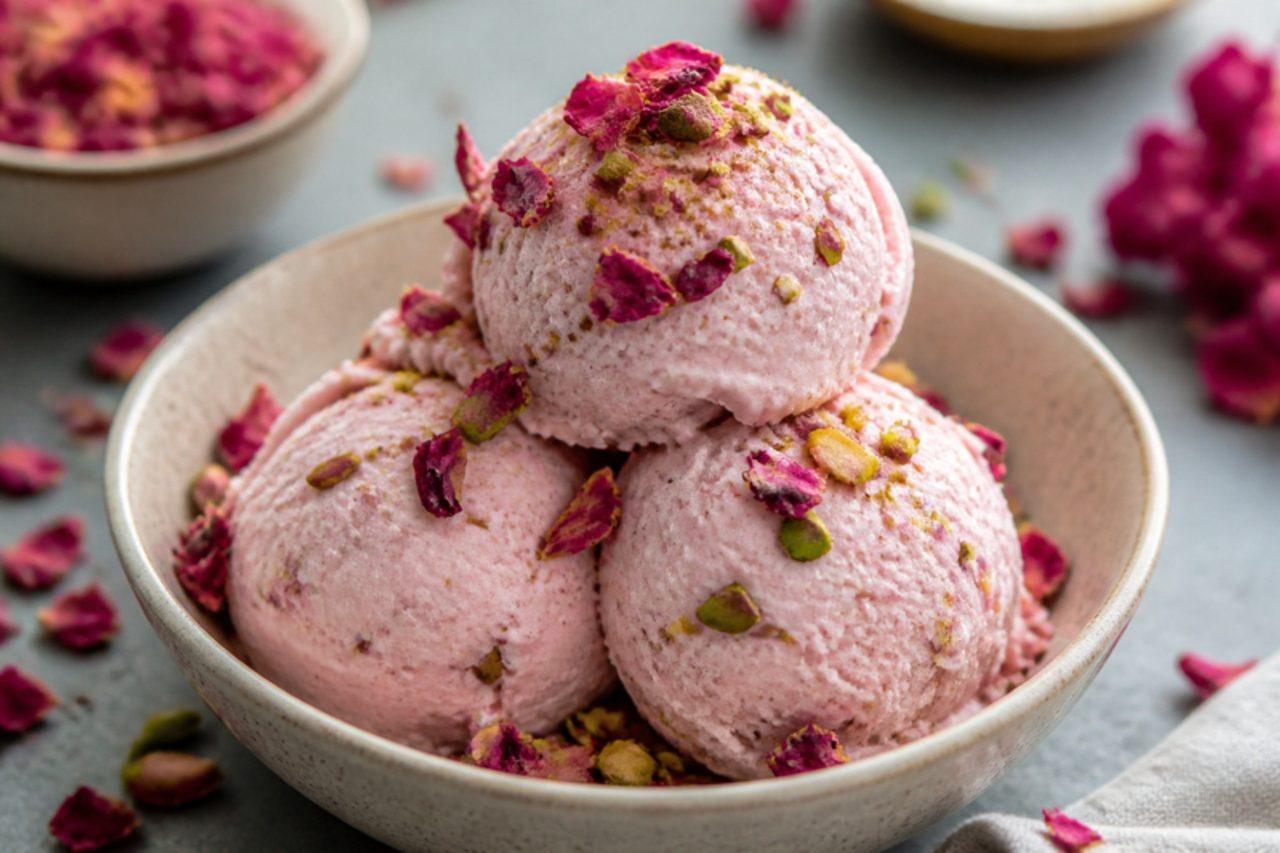
Gulkand, rose petals pounded with sugar and left to mature in the sun, is what gives a meetha paan its sweet floral heart, and Mumbai parlours and Delhi dessert shops have long turned it into a pink-flecked ice cream. This no-churn version needs no machine: whipped cream and condensed milk freeze smooth, and the gulkand stays in soft, jammy ribbons that taste of roses and honey. Serve it after a Mughlai dinner, at a summer party, or between slices of malpua. The common mistake is overwhipping the cream until grainy; then the ice cream feels buttery. Stop at soft, floppy peaks. Chef's tip: loosen the gulkand in the condensed milk before folding; stirred in on its own, it sinks as sticky clumps.

by KrazyBadal 0 views

Nam takrai (lemongrass drink)

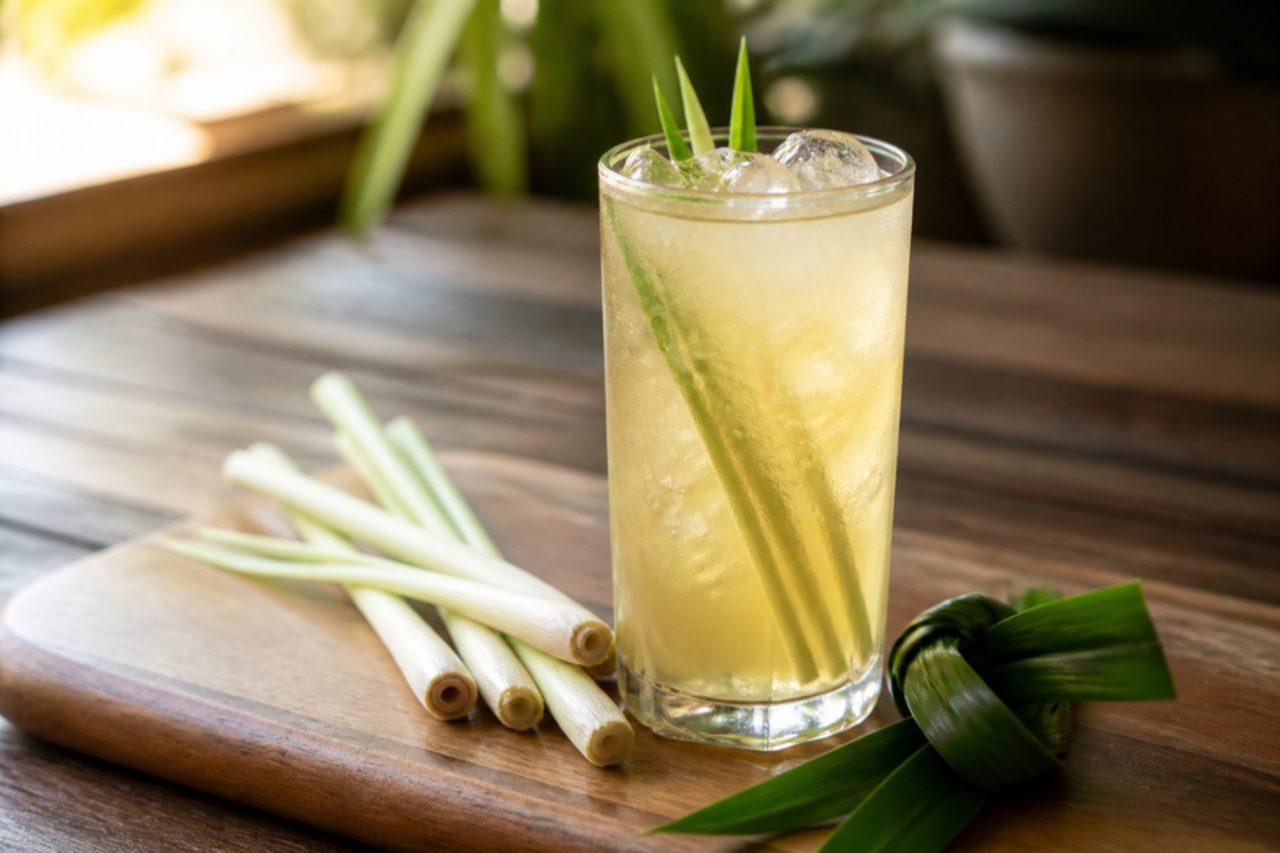
Thai spa receptions and roadside rice shops both pour this from big glass jars, and in Chiang Mai and Bangkok homes a pot is often simmering on hot afternoons. Bruised lemongrass gives a clean, lemony, slightly grassy taste and pandan a soft vanilla note; lightly sweetened, it is refreshing over ice and soothing warm on a rainy-season evening. Chef's tip: the usual mistake is chopping the lemongrass fine and boiling it hard, which makes it bitter; bash the stalks and simmer gently.

20 minThaiDrinksVeganGluten free
by KrazyBadal 0 views

Oliang (Thai black iced coffee)

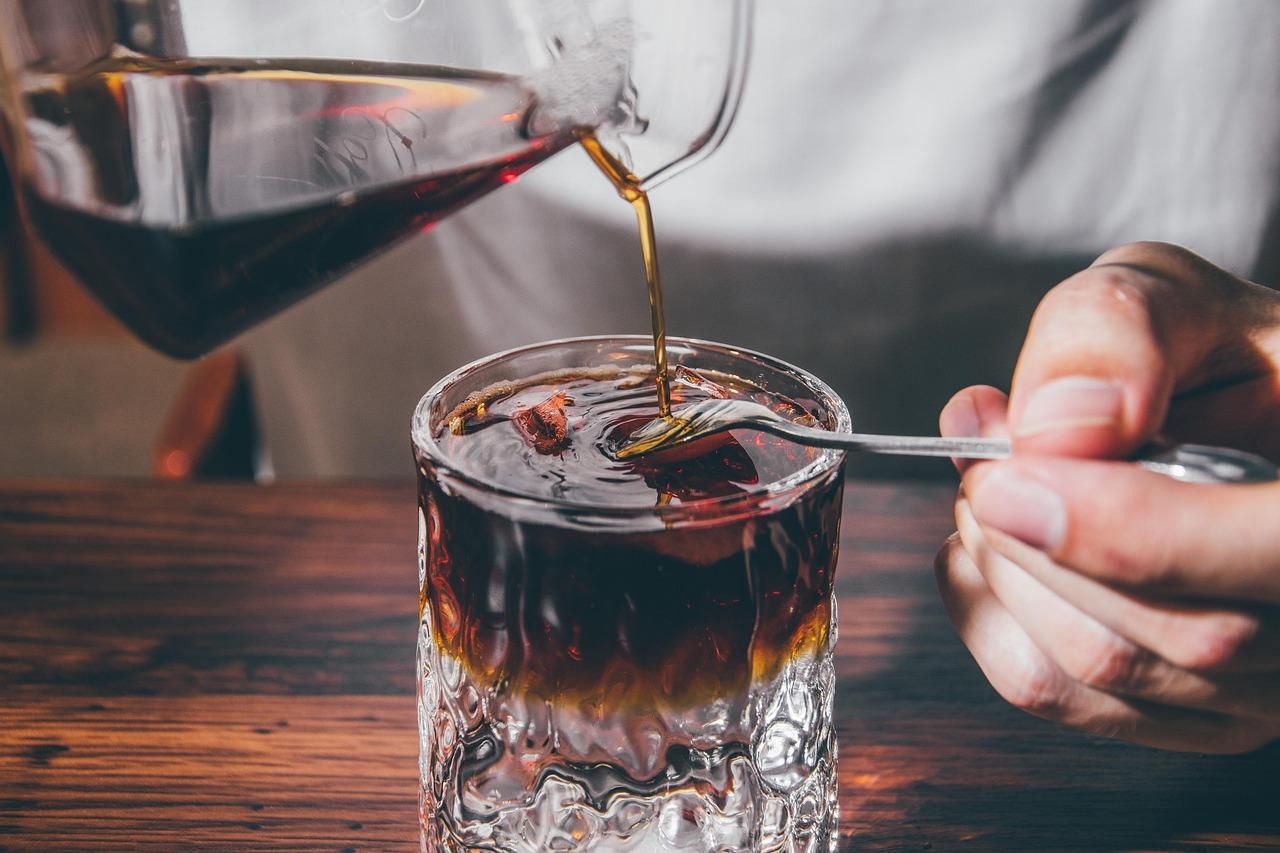
Old Bangkok coffee shops in Chinatown and Bang Rak still brew oliang through a long cotton sock, using a dark blend of coffee roasted with corn, soybeans, rice and sesame that gives it a toasty, almost cocoa-like flavour. It is served black, heavily sweetened and poured over crushed ice in tall glasses, a mid-morning pick-me-up for market traders. Look for any Thai 'oliang powder' blend in Asian shops, or mix dark coffee with roasted grains as below. It contains caffeine, so it is not one for children. Chef's tip: adding sugar after chilling is the mistake; dissolve it while the coffee is hot, or it stays gritty.

15 minThaiDrinksVeganGluten free
by KrazyBadal 0 views

Chè khúc bạch (almond milk jelly with lychees)

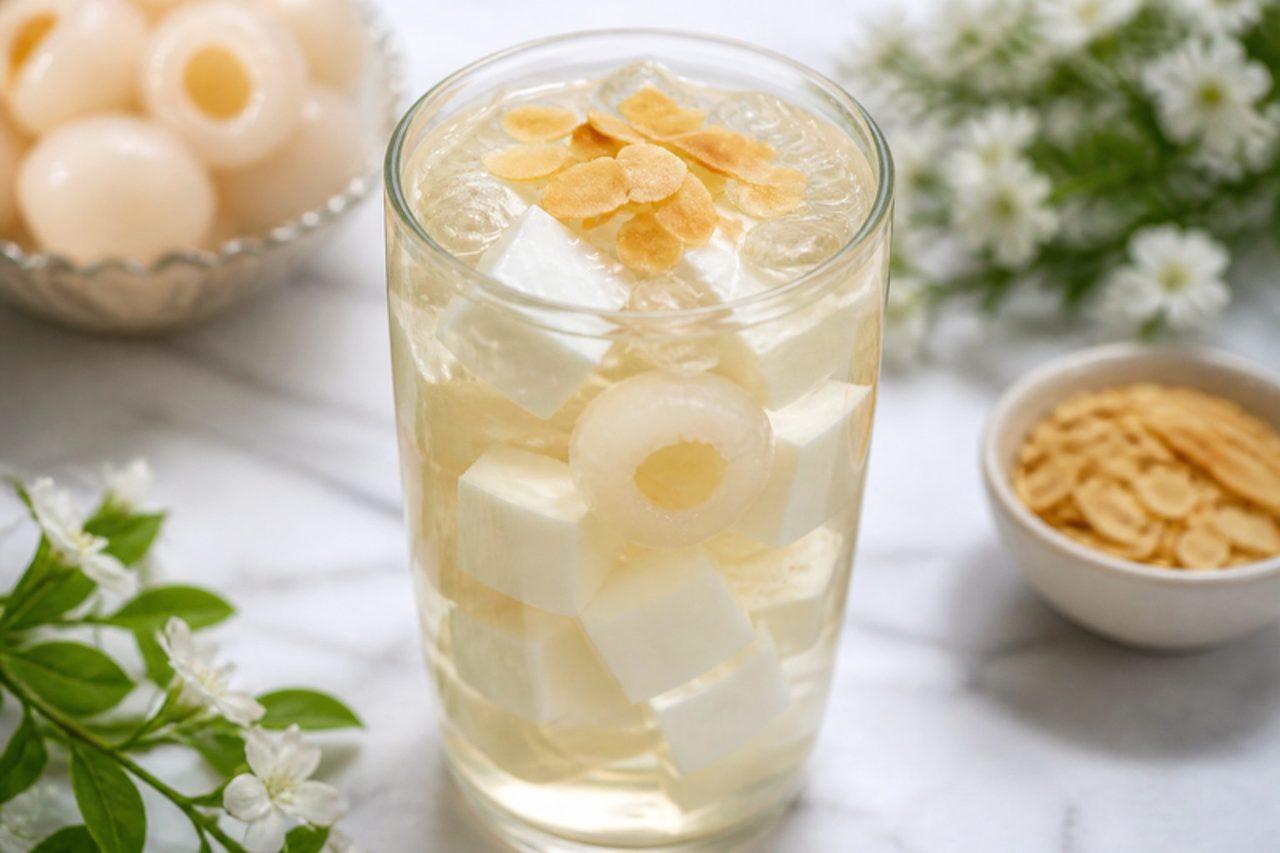
Saigon's café-dessert shops made chè khúc bạch a craze in the 2010s, and it is still a cooling order on hot afternoons around Bến Thành. Soft, creamy cubes of almond-scented milk jelly float with lychees in a light lychee syrup, topped with crunchy toasted almonds, all over crushed ice. Gelatin is often used; this version sets with agar so it is vegetarian, and it holds firm even in tropical heat. Chef's tip: boil the agar for a full 2 minutes before adding the milk; agar that is only warmed won't set, which is the usual reason the jelly stays runny.

by KrazyBadal 0 views

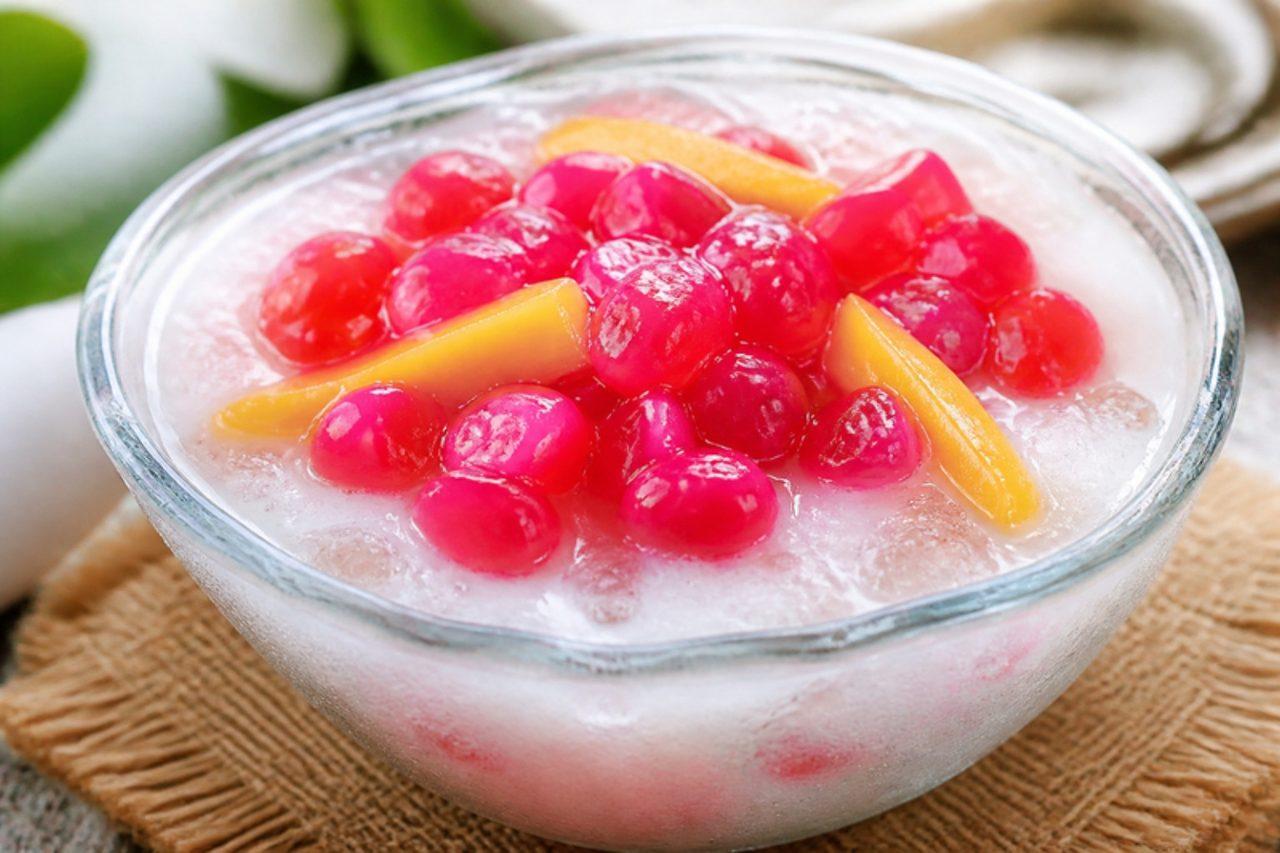
Tub tim grob (red rubies)Water chestnut in coconut milk

On a sticky afternoon in Bangkok, from the food courts of Siam to roadside dessert carts, this is the bowl people order to cool down. Each 'ruby' is a cube of water chestnut wrapped in a chewy, glassy coat of tapioca, so you get crunch inside slipperiness, all floating in jasmine-scented syrup and salted coconut milk with shaved ice. Some shops add jackfruit strips. Chef's tip: shake off excess starch before boiling; a thick coating turns into a gluey lump instead of a thin, see-through skin.

by KrazyBadal 0 views

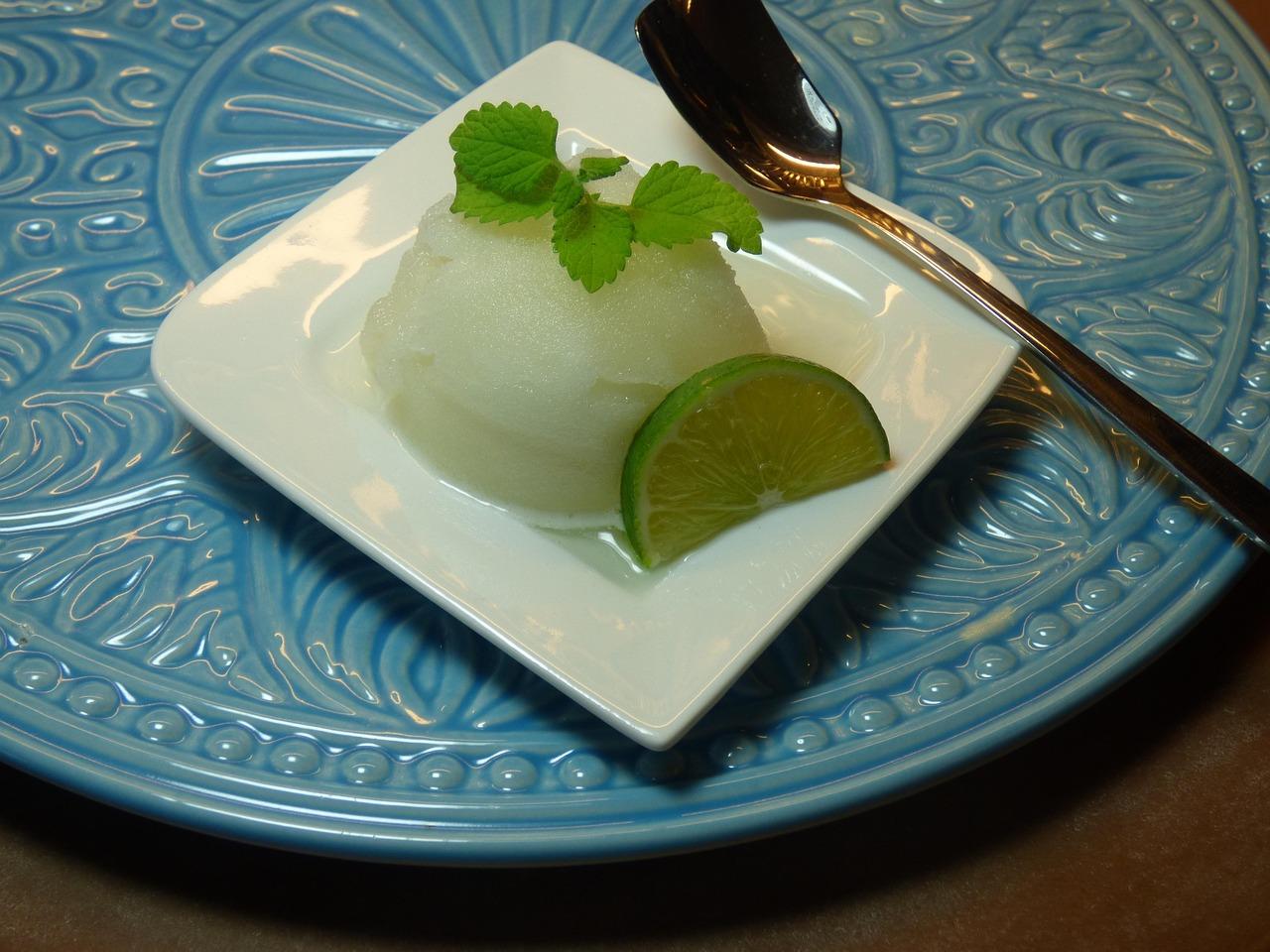
Nieve de garrafa de limónLime water ice

In town plazas from Oaxaca to Guadalajara, neveros still churn nieve de garrafa by spinning a tall metal can in a wooden barrel of ice and rock salt, scraping the frozen walls with a long paddle. Lime nieve is the sharpest and most refreshing, pale green from the zest, and it is eaten in small cups after a hot walk through the market. At home a metal bowl set in ice and salt works the same way. Chef's tip: add the zest at the start but strain it out; that way you get its oils without the bitterness.

by KrazyBadal 0 views

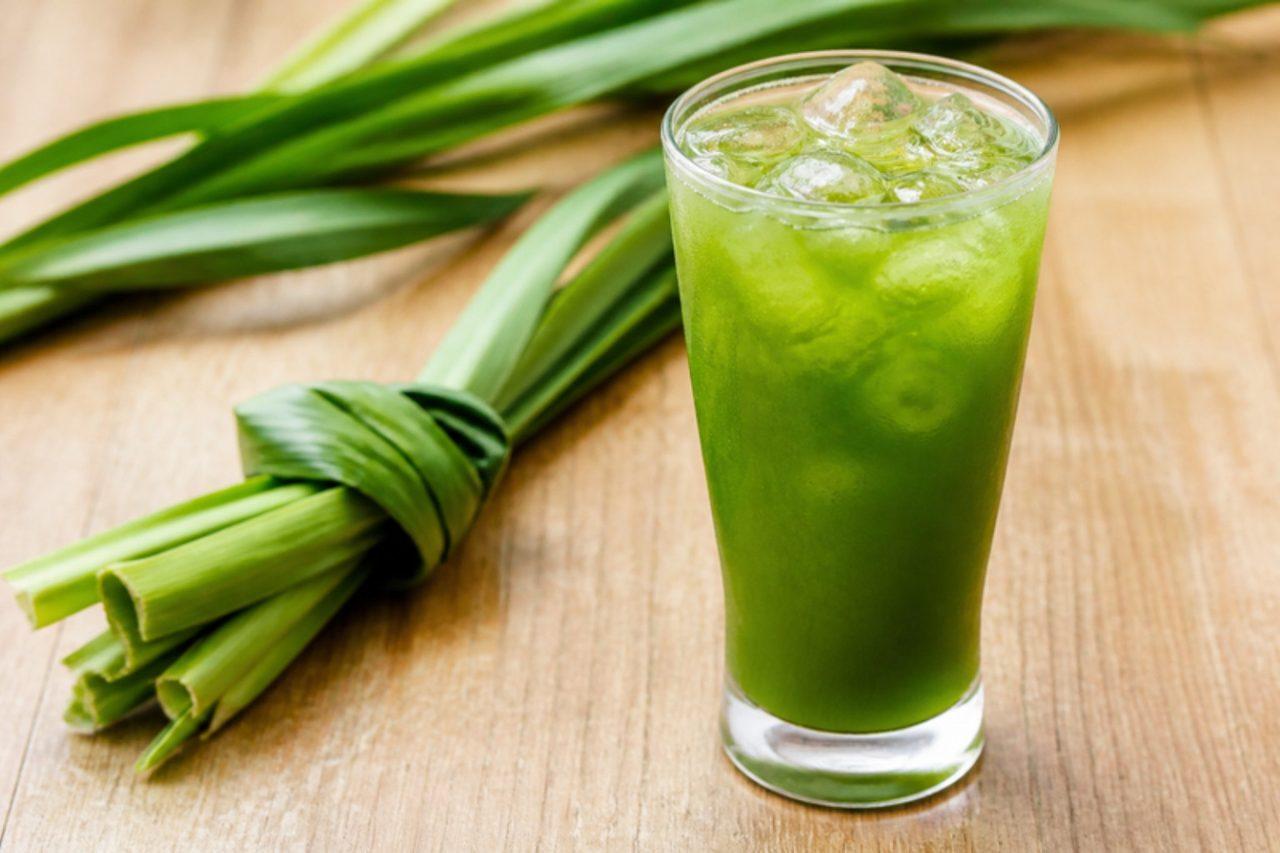
Nam bai toey (pandan drink)

Every Thai garden seems to have a clump of pandan by the tap, and on hot days cooks across the country blitz a handful of leaves into this bright green drink sold at temple fairs and noodle shops. It tastes sweet, grassy and faintly of vanilla and basmati, and is said to cool the body. Fresh leaves give the best colour; frozen ones from Asian shops work well too. Chef's tip: the mistake is serving it unstrained or leaving it for hours; strain it twice through cloth and drink it the same day, as it fades and turns grey.

15 minThaiDrinksVeganGluten free
by KrazyBadal 0 views

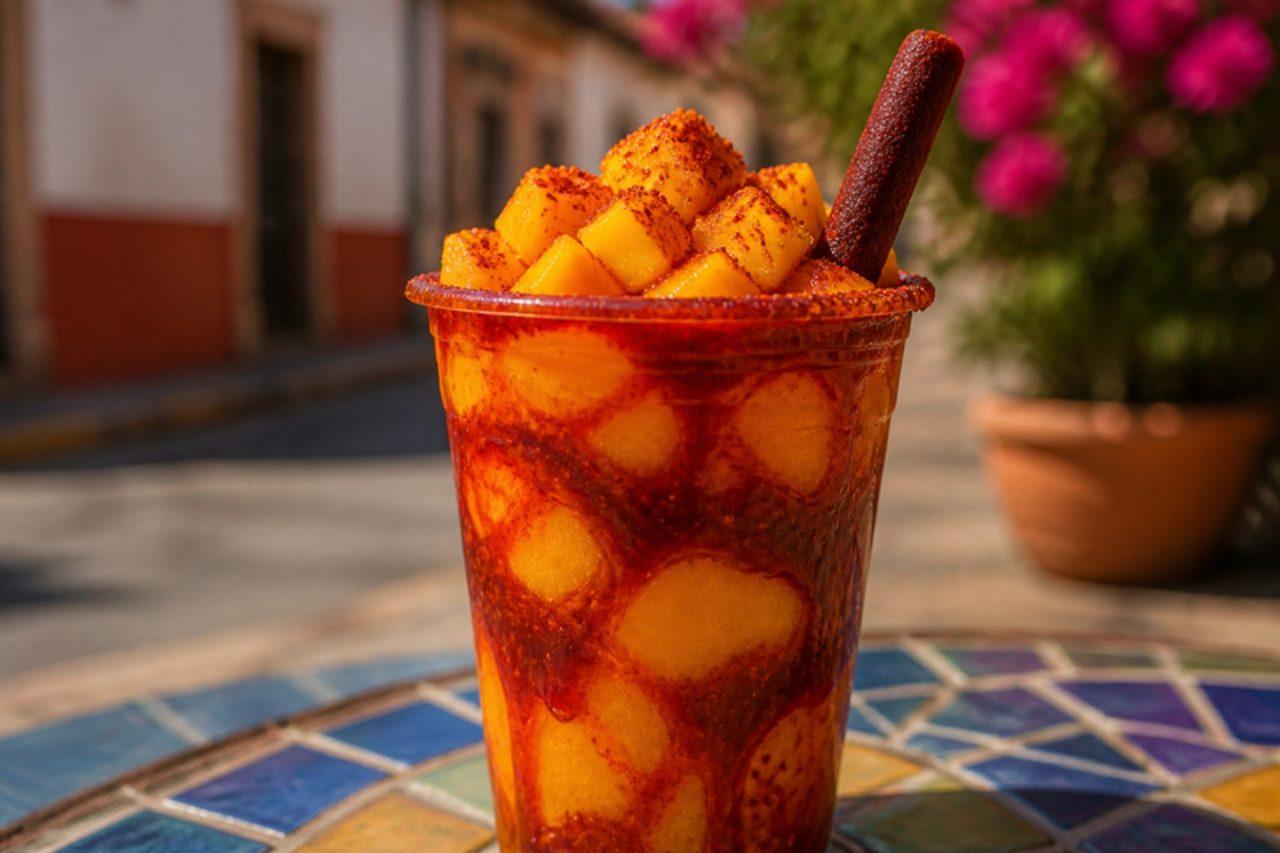
MangonadaMango sorbet with chamoy

Mangonadas, also called chamoyadas, are a Mexican street sweet sold by neverías and fruit stands from Guadalajara to the US border: thick frozen mango blended to a slush, layered in a tall cup with sticky red chamoy and chile-lime salt and crowned with fresh mango cubes. Sweet, sour, salty and hot at once, it comes with a chewy tamarind-candy straw for stirring. Chef's tip: freeze the mango in cubes beforehand, so you get a thick spoonable slush without watering it down with ice.

by KrazyBadal 0 views

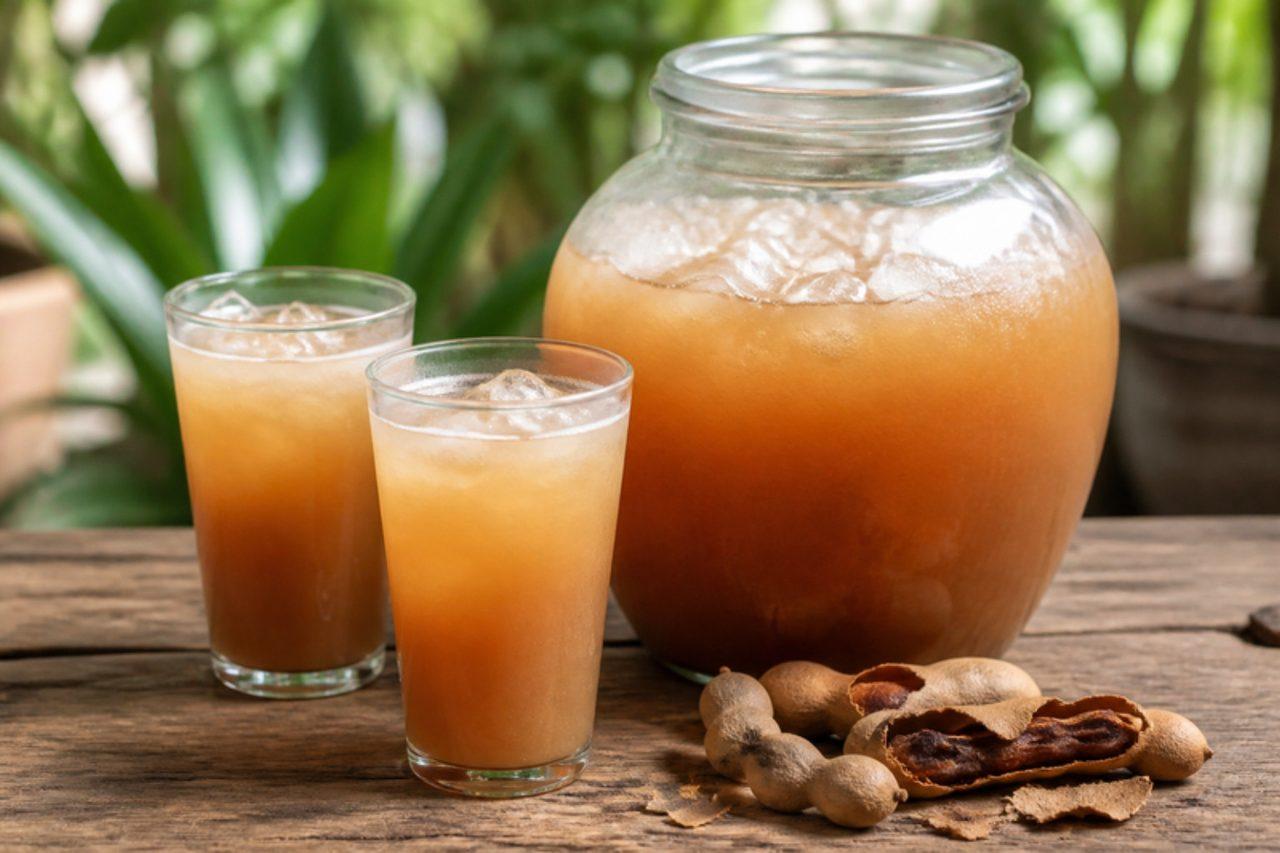
Agua de tamarindoTamarind drink

Brown, cloudy and gloriously tart, agua de tamarindo fills the big glass vitroleros at taquerías and fondas across Mexico, especially in hot Guerrero, Colima and the Yucatán, and it is the drink most people reach for with a plate of tacos de guisado. The pods are peeled, simmered and rubbed through a sieve, so it tastes far fresher than paste or concentrate. Chef's tip: soak the pulp in the hot cooking water before you rub it, which loosens every bit from the seeds.

by KrazyBadal 0 views

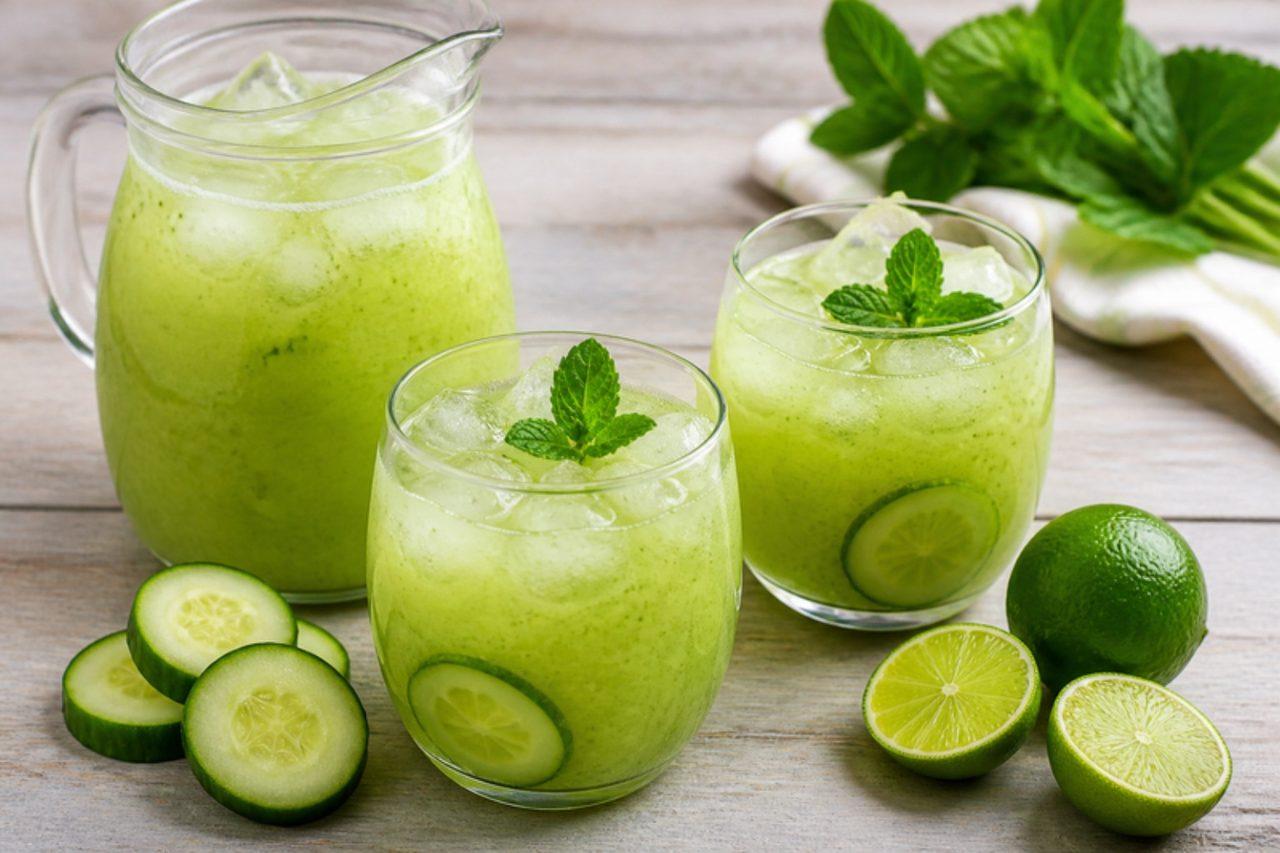
Agua de pepino con limónCucumber lime drink

Pale green and very refreshing, agua de pepino is the cooler sold from market juice stands in Mexico City and Oaxaca when the afternoon heat builds, and families blend a jug for comida on hot days. Cucumber, lime and a few mint leaves give a clean, light taste with very little sugar. Chef's tip: leave some of the peel on the cucumber for colour, but strain the drink so it stays silky.

by KrazyBadal 0 views

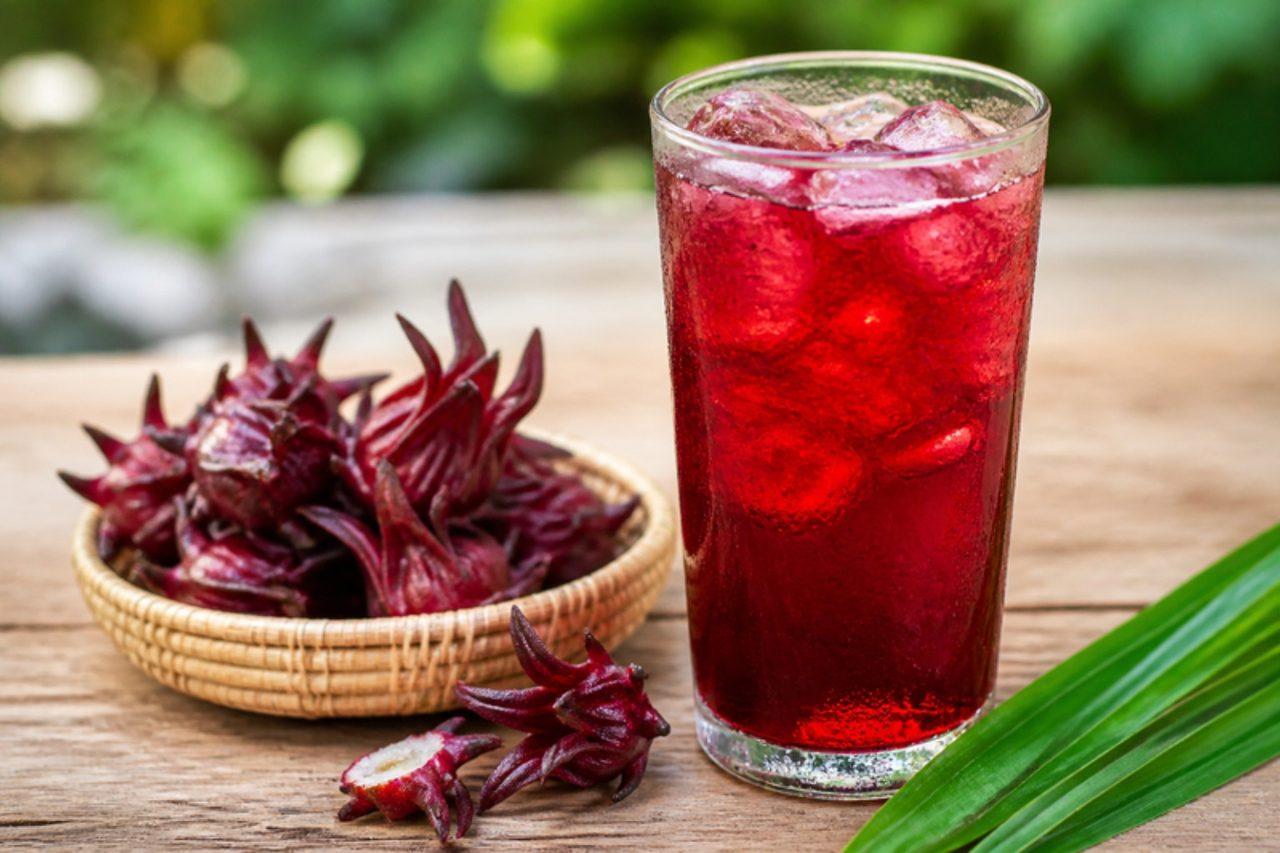
Nam krachiap (roselle drink)

In the dry hot season Thai markets from Isan to Bangkok sell bags of this ruby drink tied with a straw, made from the dried calyces of the roselle plant grown in the northeast. It tastes like cranberry with a floral edge, sharply tart and only lightly sweet, with a pinch of salt to lift it. Drink it very cold; it keeps for days in the fridge. Chef's tip: the mistake is boiling the roselle for a long time, which turns it bitter and dull; simmer briefly and then let it steep off the heat.

20 minThaiDrinksVeganGluten free
by KrazyBadal 0 views

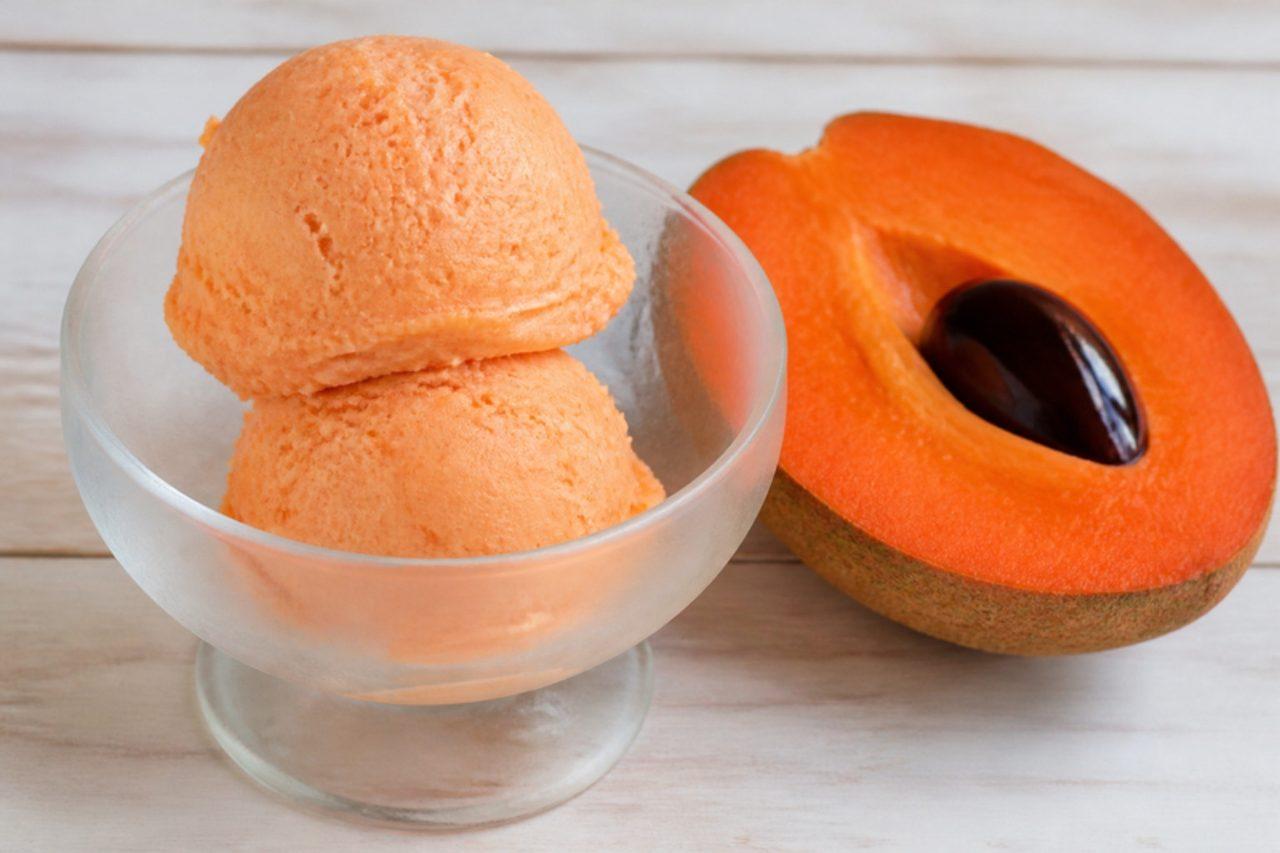
Nieve de mameyMamey ice cream

Mamey, the rough brown fruit with salmon-orange flesh that tastes like sweet potato, pumpkin and almond at once, is a favourite in Tabasco, Chiapas, Veracruz and the Yucatán, and its ice cream is a star of the nevería in any southern town. The fruit is naturally so creamy that a little milk and sugar is enough. It contains dairy. Chef's tip: use a mamey that gives like a ripe avocado when pressed; underripe ones taste chalky.

by KrazyBadal 0 views

Paletas de mango con chileMango ice pops with chile

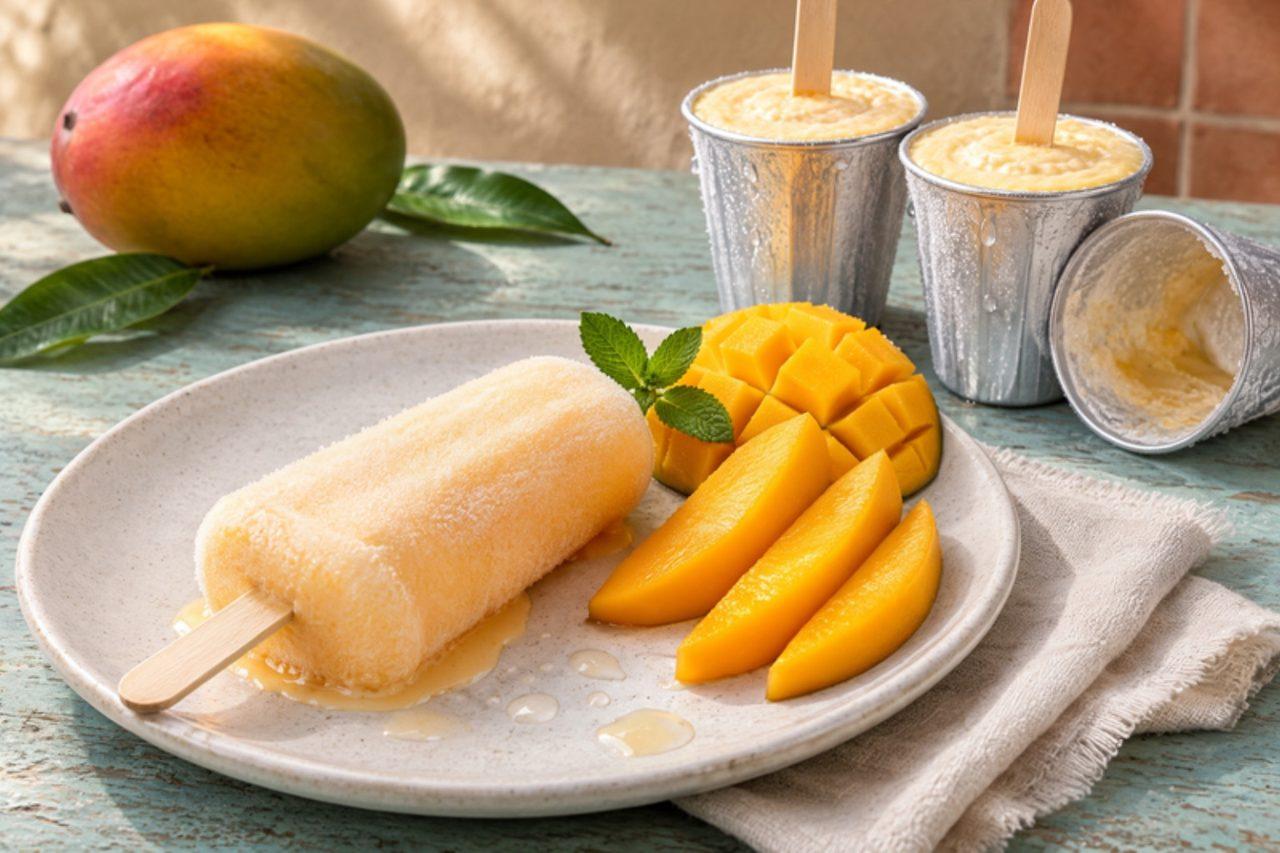
The town of Tocumbo in Michoacán sent paleteros all over Mexico, and their shops, the paleterías michoacanas, sell fruit ice pops from Tijuana to Cancún. Mango con chile is one of the most loved: chunky frozen mango purée, sharp with lime, with a ribbon of chile powder through it and more sprinkled on top. Chef's tip: leave a few small cubes of mango in the purée, so every bite has real fruit.

by KrazyBadal 0 views

Paletas de fresa con cremaStrawberry cream ice pops

Pink, creamy and dotted with red fruit, fresa con crema pops are the milky paletas children pick first at any paletería michoacana, and they echo the strawberries and cream sold in cups in Irapuato. Fresh strawberries are folded into a sweet milk-and-cream base that freezes smooth. It contains dairy. Chef's tip: macerate the strawberries in sugar first, as the syrup keeps the fruit soft rather than icy.

by KrazyBadal 0 views

Agua de mangoMango drink

In April and May, when Ataulfo mangoes from Chiapas and Manila mangoes from Veracruz flood the markets, agua de mango becomes the drink of every comida corrida. It is thick, golden and very fruity, sharpened with lime. Chef's tip: use soft, fully ripe yellow mangoes with wrinkled skin; they need far less sugar and give a smooth, fibre-free drink.

by KrazyBadal 0 views

Agua de sandíaWatermelon drink

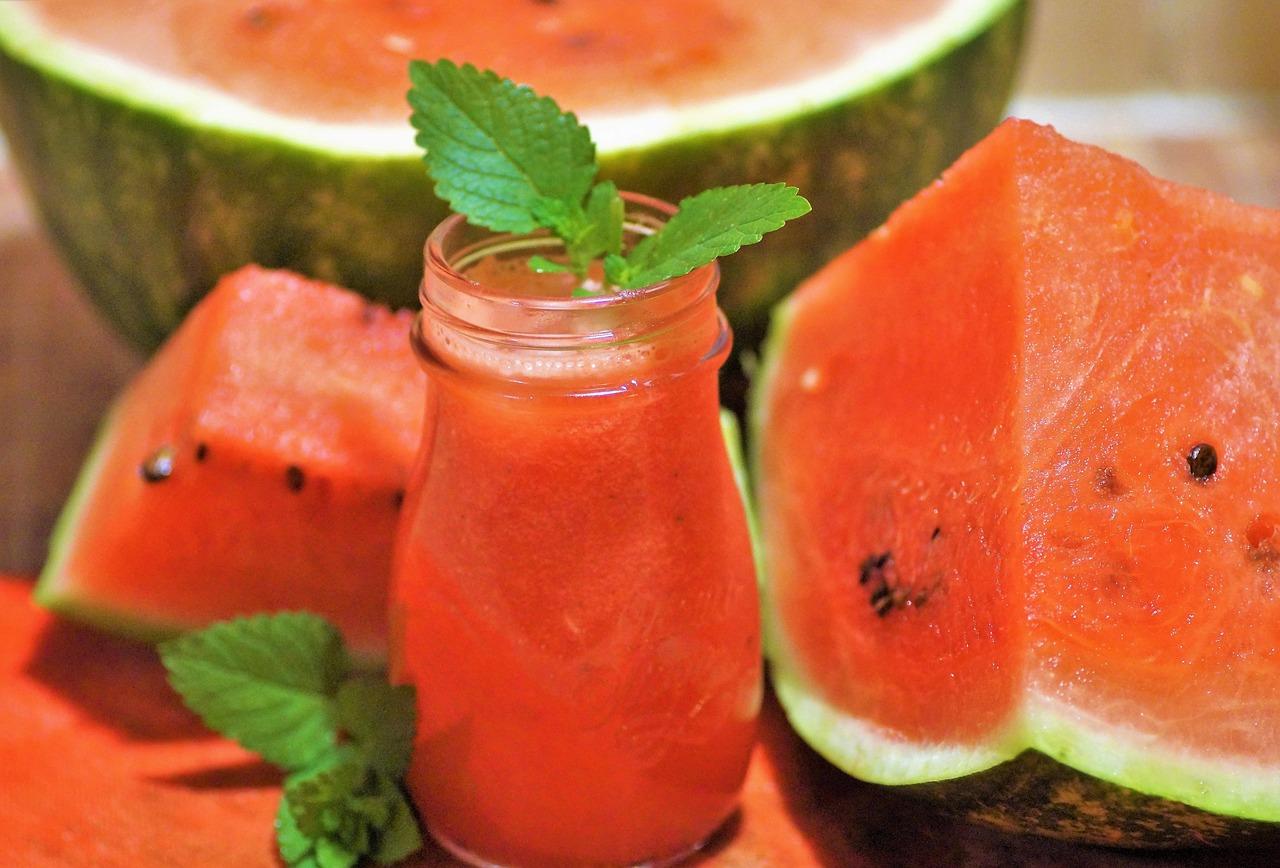
When watermelons are piled high in the markets of Jalisco and Sonora in summer, almost every taquería has a jar of bright pink agua de sandía next to the horchata. It needs only ripe watermelon, water, a squeeze of lime and a touch of sugar, and children love it. Chef's tip: a very ripe melon may need no sugar at all, so taste before you sweeten.

by KrazyBadal 0 views

Paletas de cocoCoconut ice pops

Coconut pops are a classic of the paleterías of Michoacán and of the beach carts of Acapulco and Veracruz, where fresh coconuts are cracked open to order. They are milky, sweet and chewy with shreds of coconut, more like frozen coconut cream than ice. It contains dairy. Chef's tip: toast a third of the coconut lightly before using, which brings out a deeper flavour without changing the snowy colour much.

by KrazyBadal 0 views

Agua de melónCantaloupe drink

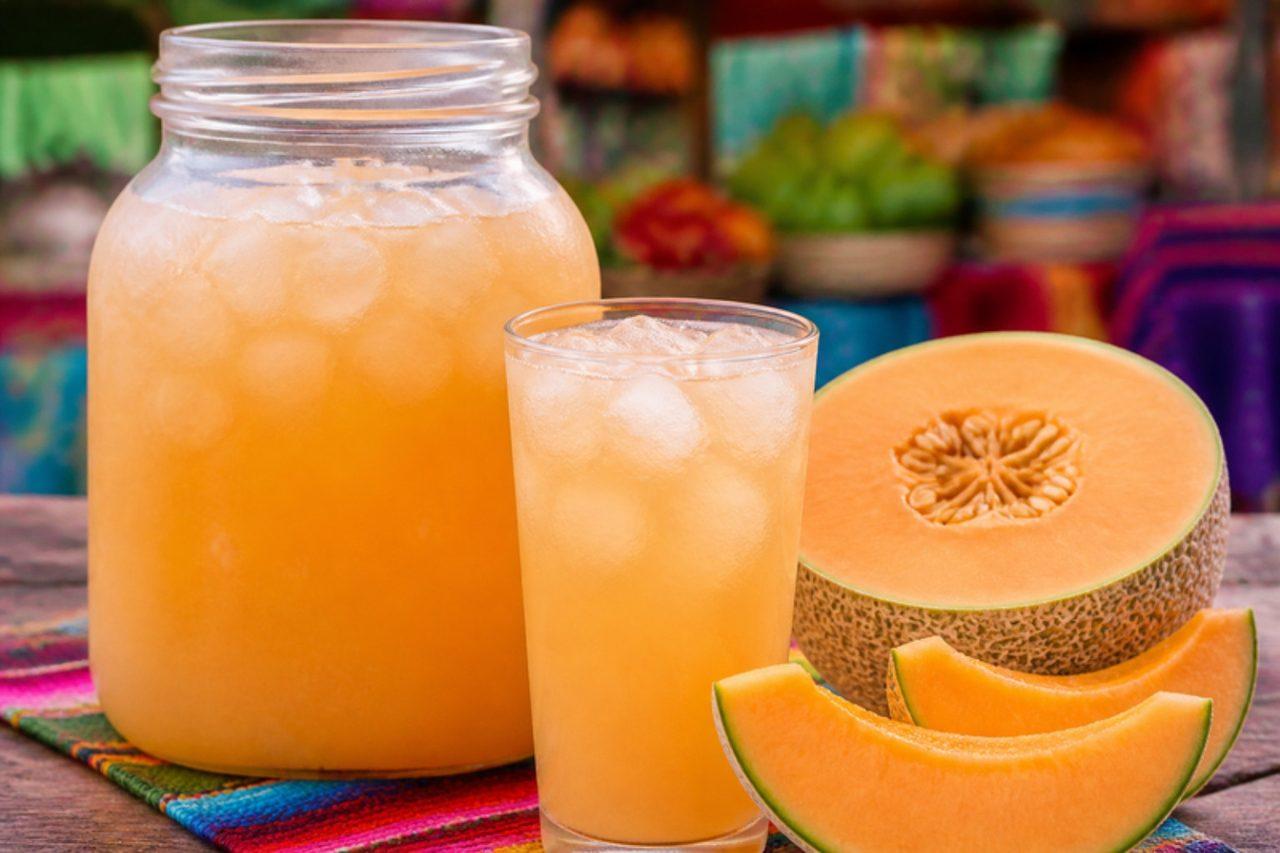
Mexican market juice stalls make agua de melón with the ripest, most fragrant cantaloupes, and many cooks blend in the seeds and the soft pulp around them, which adds a creamy body and a nutty flavour. It's served in tall glasses on hot afternoons from Guanajuato to Veracruz and is a favourite with kids. Chef's tip: smell the stalk end of the melon before you buy it; if it smells sweet, the drink will too.

by KrazyBadal 0 views

Nam dok anchan (butterfly pea lemonade)

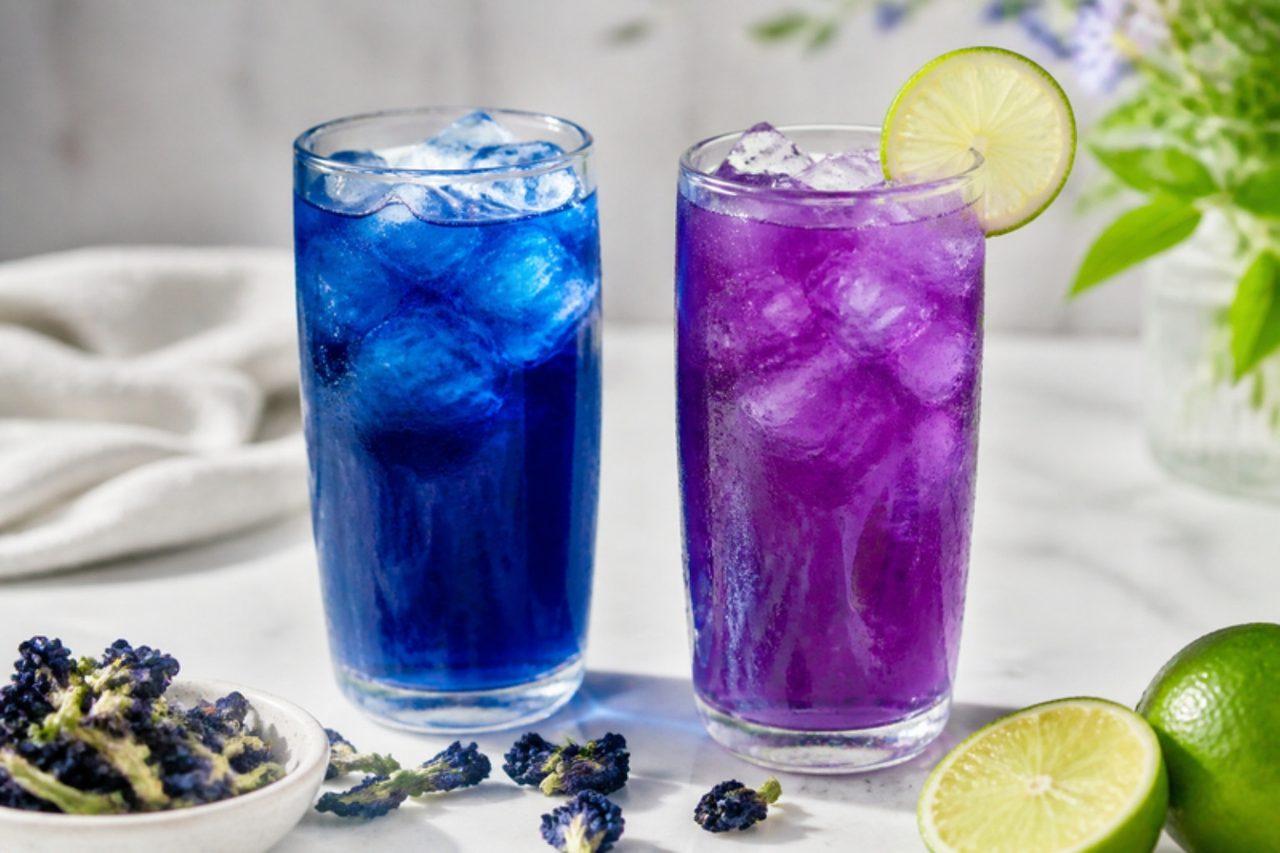
Vines of butterfly pea climb fences in gardens all over Thailand, and cafés from Bangkok to Krabi serve the flowers as an iced drink that changes colour at the table. The tea itself is mild and earthy, blue as ink; stirring in lime juice turns it violet and makes it tangy, which children love to watch. Chef's tip: the common mistake is mixing the lime in beforehand; serve the blue tea and lime separately so the colour change happens in the glass.

15 minThaiDrinksVeganGluten free
by KrazyBadal 0 views

OrzataAlmond syrup drink

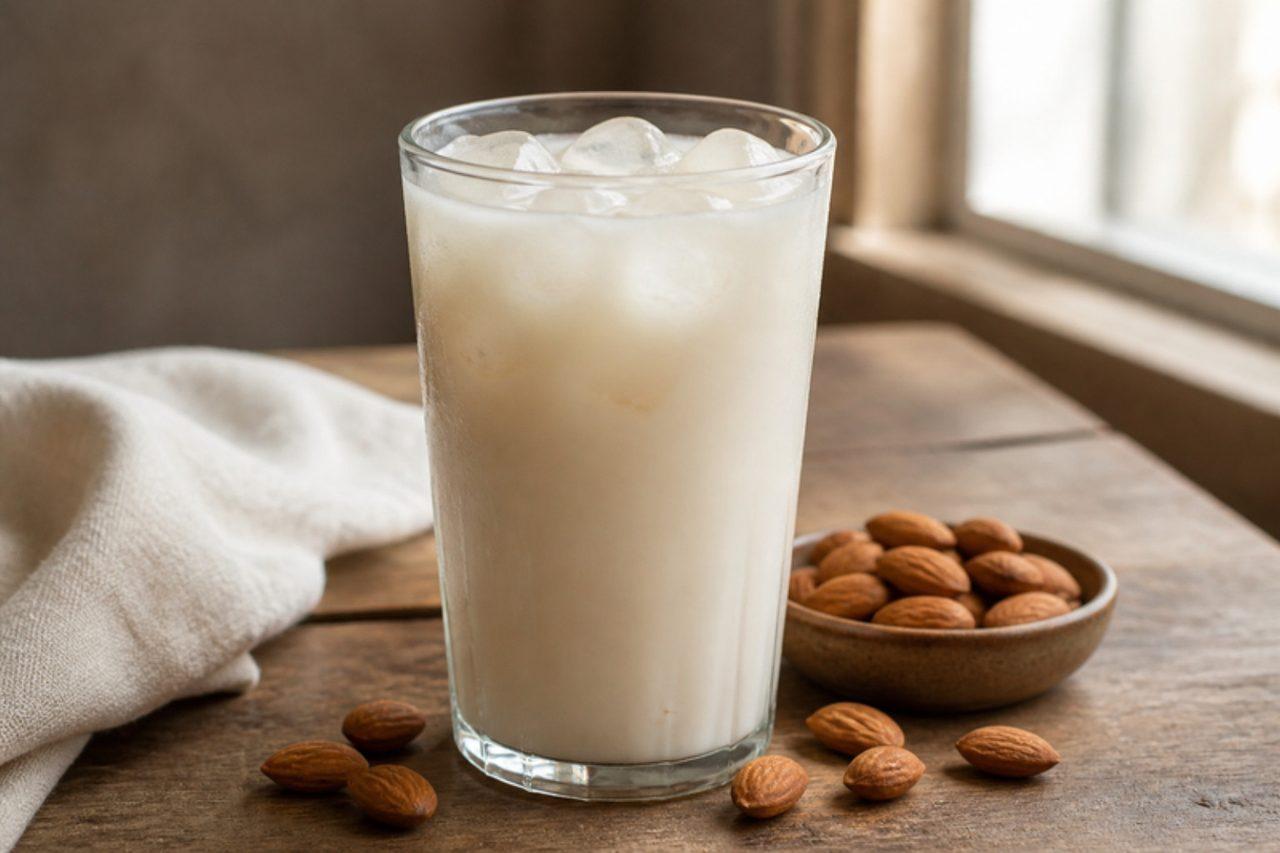
Orzata was first made from barley (orzo), but in Liguria, Sardinia and Sicily it has long been made from almonds: a milky, sweet almond syrup, diluted with ice-cold water and drunk on hot summer afternoons in seaside bars and at home. Its gentle almond and orange-blossom flavour makes it a children's favourite. Contains nuts. Chef's tip: soak the blanched almonds in water for an hour before blending; they release more milk and the syrup is richer.

by KrazyBadal 0 views

Granita di gelsi neriBlack mulberry granita

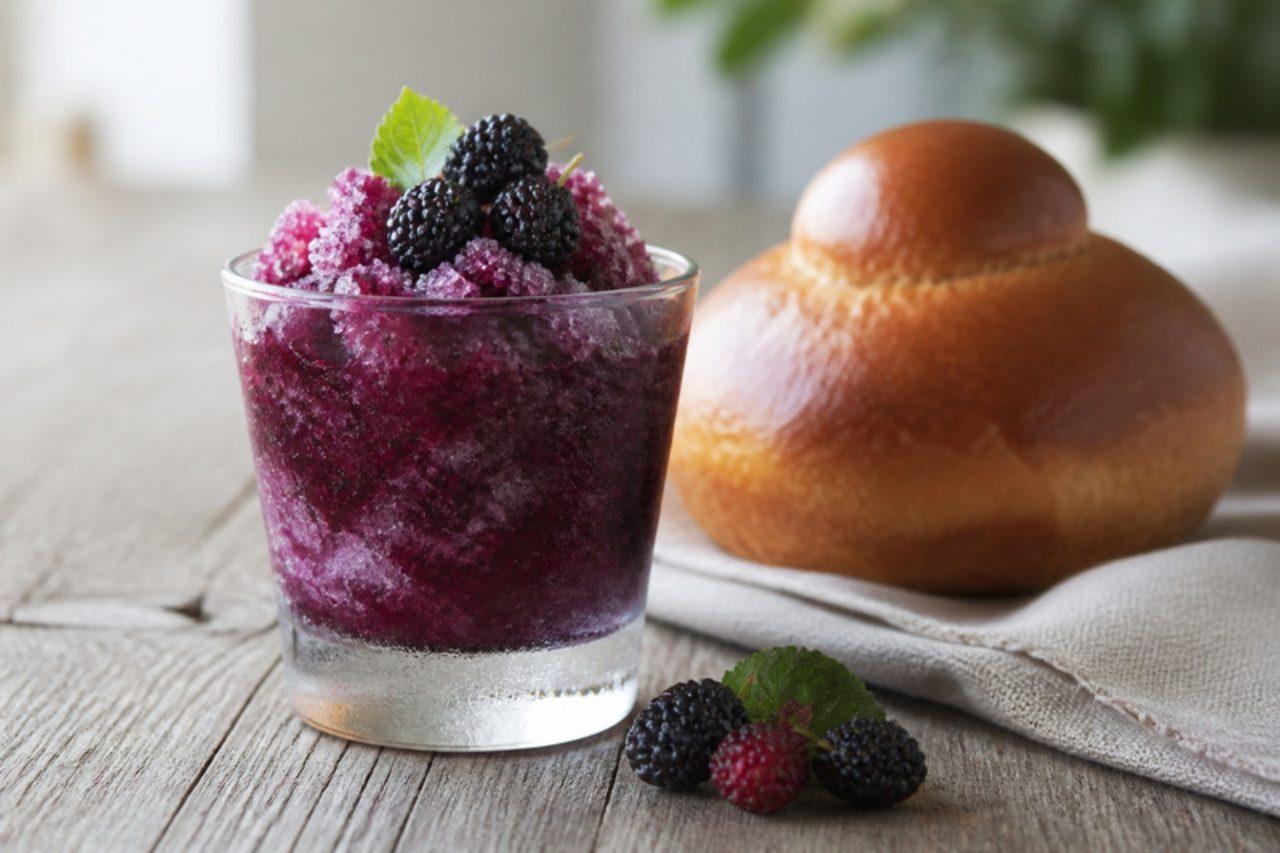
In late June and July the black mulberry trees of Sicily, especially around Messina and Acireale, drop their dark, juicy fruit, and the bars turn them into a granita the colour of ink, sweet and tangy, served in a glass with a warm brioche. Mulberries stain everything, so locals eat it carefully. If you can't find black mulberries, blackberries make a very similar granita. Chef's tip: add a squeeze of lemon; it brightens the berry flavour and keeps the colour vivid.

by KrazyBadal 0 views

Granita al caffè con pannaCoffee granita with cream

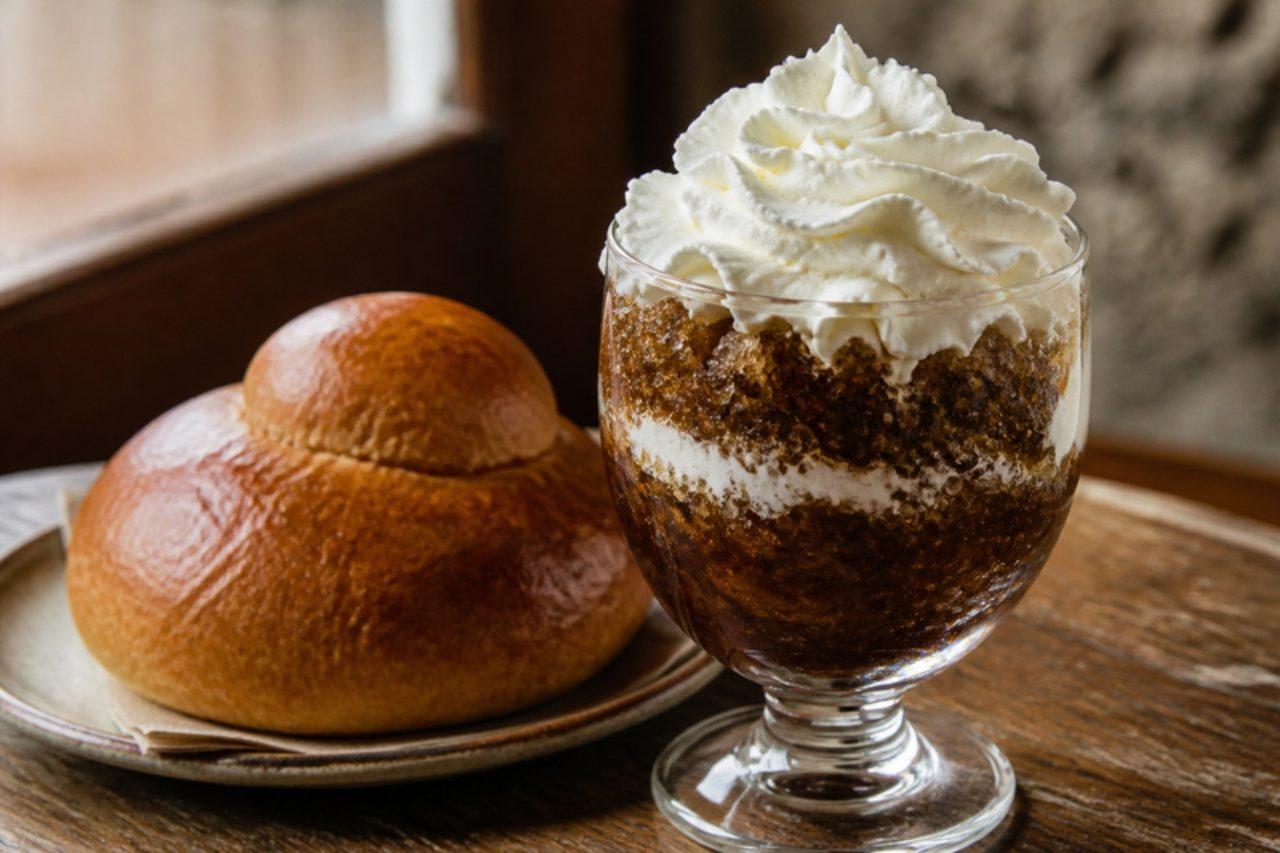
In Sicily, and in Rome at the famous Tazza d'Oro café near the Pantheon, coffee granita is served in a glass layered with unsweetened whipped cream: cream at the bottom, coffee ice in the middle and more cream on top. It is a summer breakfast or afternoon pick-me-up, eaten with a long spoon or a brioche. It contains caffeine, so it isn't for children. Chef's tip: make the coffee strong and sweet; flavours fade when frozen, so it should taste almost too sweet before it goes in the freezer.

by KrazyBadal 0 views

Gelato al fiordilatteMilk gelato

In every gelateria from Turin to Palermo, fior di latte ("flower of milk") is the plainest flavour in the case and the one gelato makers judge each other by: just fresh milk, cream and sugar, with no eggs and no vanilla, so it tastes clean and milky. It is the base for stracciatella and the perfect partner for fruit sorbets in a cone. Italian children often choose it on summer evenings during the passeggiata. Chef's tip: chill the base overnight before churning; a fully cold base freezes faster into smaller ice crystals, which makes it smoother.

by KrazyBadal 0 views

Gelato alla stracciatellaChocolate chip gelato

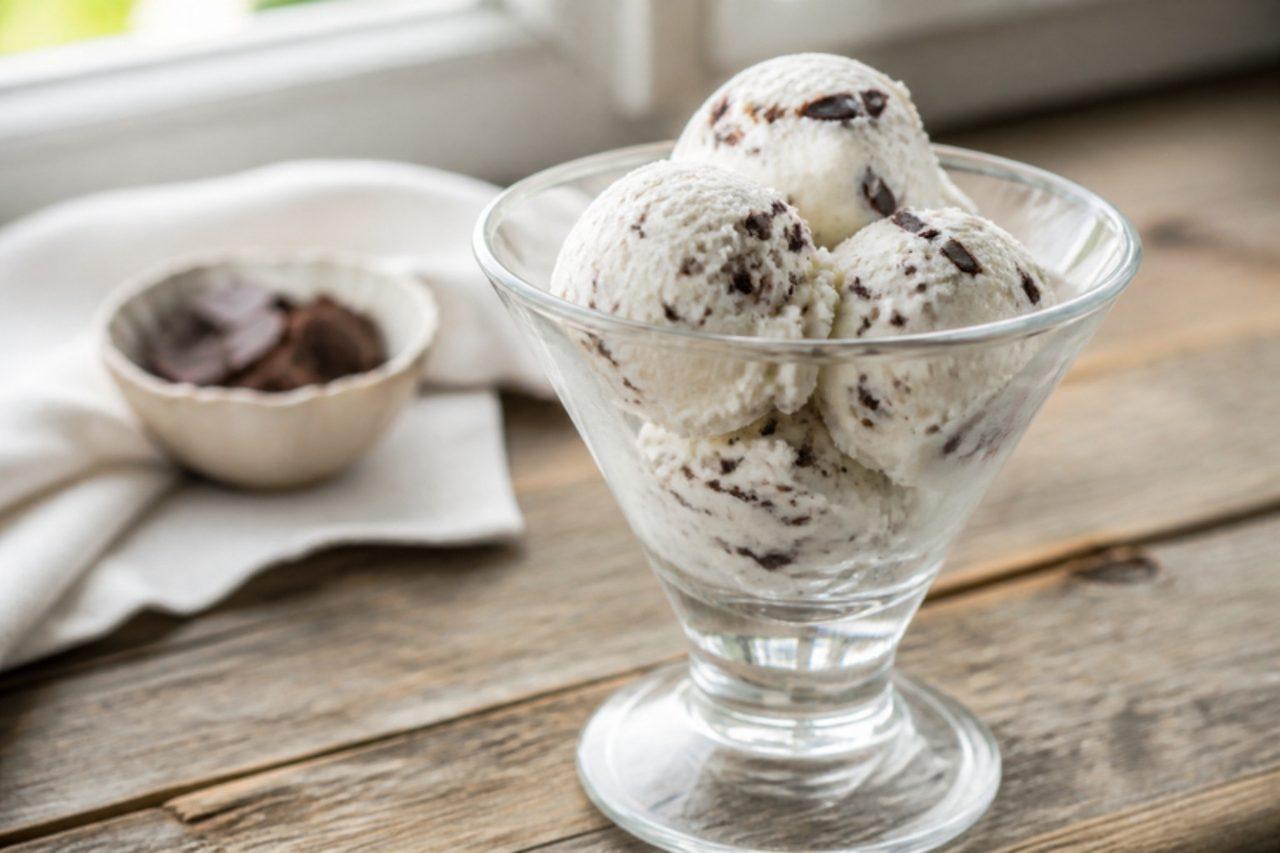
Stracciatella was invented in 1961 at the Gelateria La Marianna in Bergamo's upper town, inspired by stracciatella soup, where egg is stirred into broth in little rags (stracci). The gelato maker drizzled melted dark chocolate into churning fior di latte, where it froze instantly into thin, crisp shards. It became one of the best-loved flavours in Italy, a favourite with children. Chef's tip: drizzle the chocolate in a thin stream right at the end of churning; it must hit the cold gelato and set at once, or it forms hard lumps.

by KrazyBadal 0 views

Granita di mandorlaAlmond granita

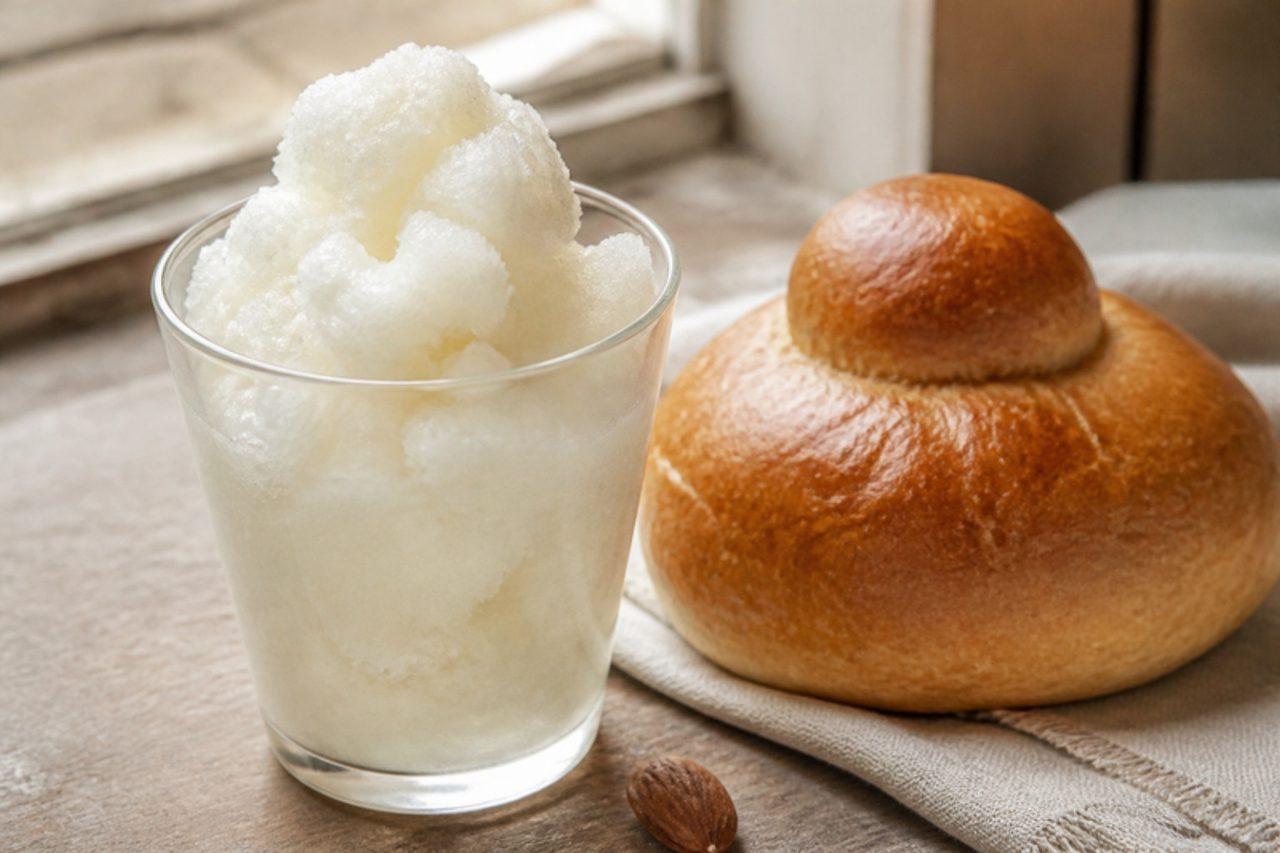
On summer mornings in Catania, Messina and the towns around Mount Etna, Sicilians have granita for breakfast: a glass of soft, flaky ice made from almond milk and sugar, eaten with a warm brioche col tuppo (with a little bun on top) for dunking. The almond granita is the most traditional flavour, white, sweet and fragrant. It is made without a machine, just scraped with a fork as it freezes. Contains nuts. Chef's tip: stir the granita every 30 minutes without fail; that's what gives it the soft, creamy flakes instead of a solid block.

by KrazyBadal 0 views

KakigoriShaved ice

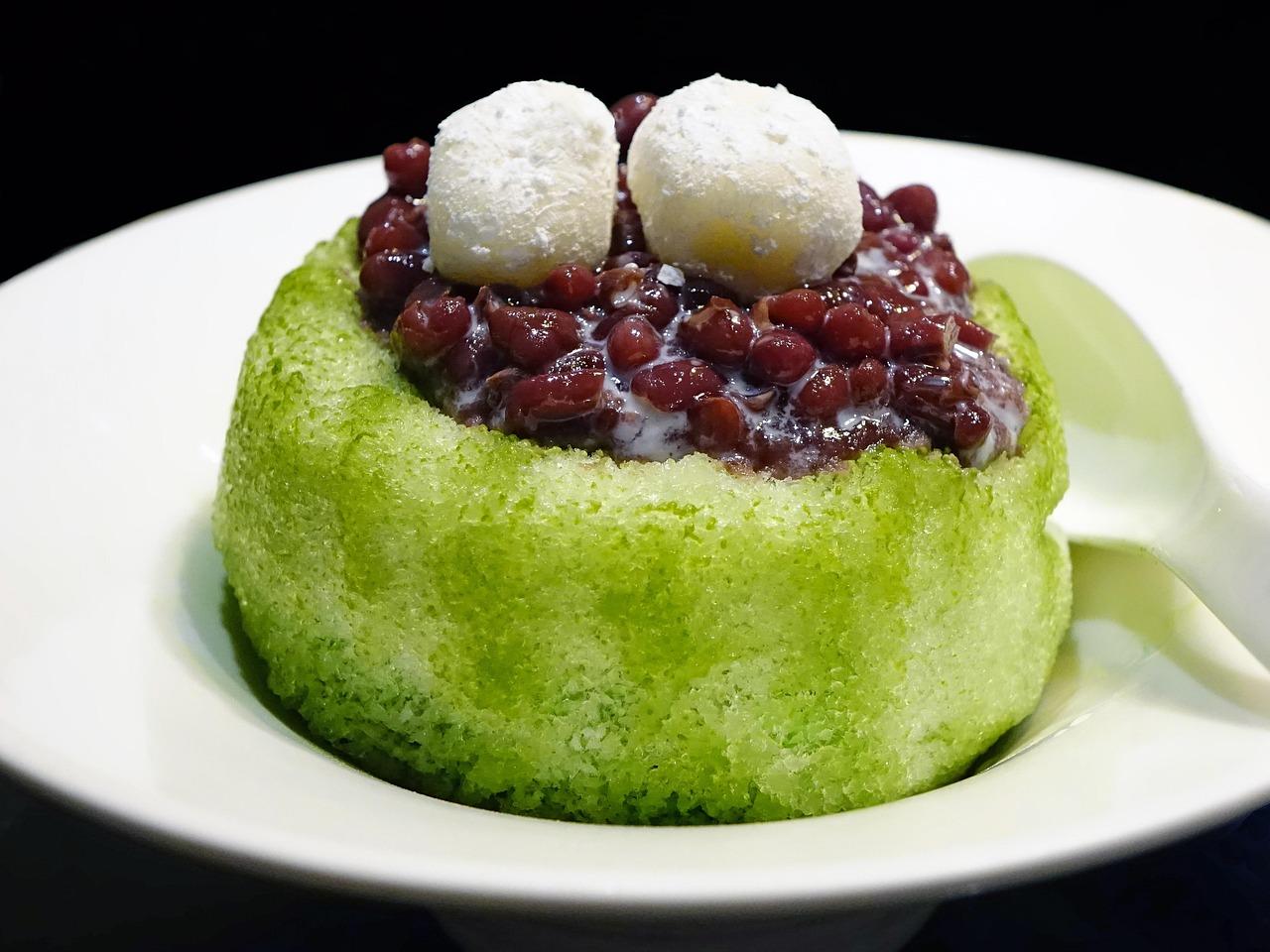
Kakigori is Japan's great summer cooler, sold under a flag printed with the character 氷 (ice) at festival stalls and seaside huts and turned into an art in Tokyo dessert cafés, where queues form in July and August. Ice is shaved into soft, snow-like flakes that melt on the tongue, then soaked in fruit syrup, matcha syrup or sweetened condensed milk. Contains dairy if you use condensed milk. The common mistake is using ice straight from the freezer: very cold ice shatters into crunchy shards, so let the block soften for 10 minutes first. Chef's tip: build it in two layers, pouring syrup over the half-full bowl and then again on top, so it is flavoured all the way through.

by KrazyBadal 0 views

Gelato alla nocciolaHazelnut gelato

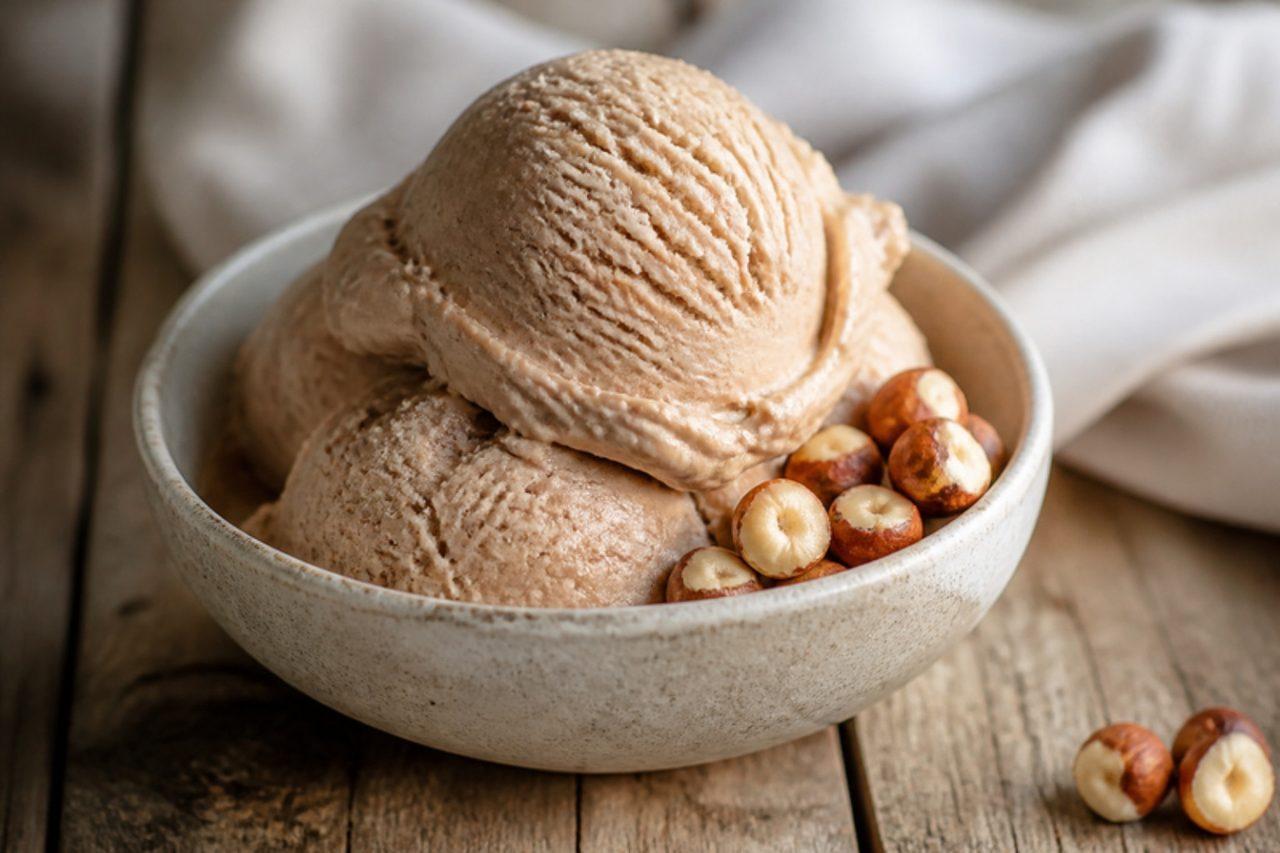
Piedmont's Langhe hills grow the Tonda Gentile hazelnut, prized for its sweet, toasty flavour, and the region's gelaterie turn it into a deep, nutty, caramel-coloured gelato that many Italians consider the king of flavours. Turin is also where hazelnut and chocolate were first combined, in gianduja. In winter the same paste goes into cakes and biscuits. Contains nuts. Chef's tip: toast the hazelnuts until dark golden right through; under-toasted nuts give a flat, green flavour.

by KrazyBadal 0 views

Gelato al pistacchioPistachio gelato

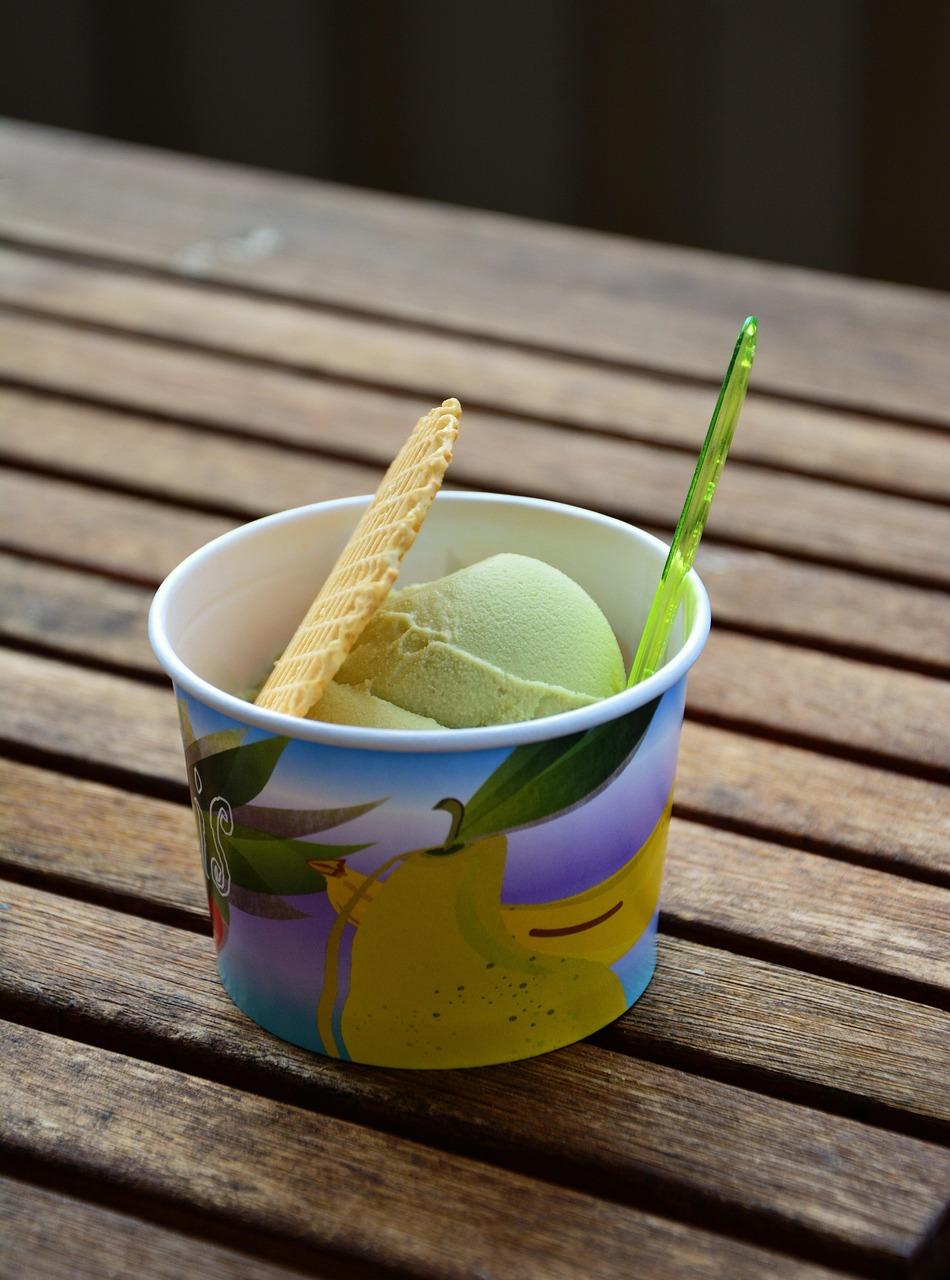
Real Sicilian pistachio gelato is not bright green; it is a dull, olive-brown colour and tastes intensely of roasted nuts, especially when made with pistachios from Bronte on the slopes of Mount Etna. In Palermo and Catania it is eaten in a brioche for breakfast or as a cone after dinner. The secret is pure pistachio paste, with no added colour or flavourings. Contains nuts. Chef's tip: if you can't find pistachio paste, blend roasted pistachios with a spoon of oil for 5 minutes until it runs smooth; any graininess shows up in the gelato.

by KrazyBadal 0 views

Gelato alla cremaCustard gelato

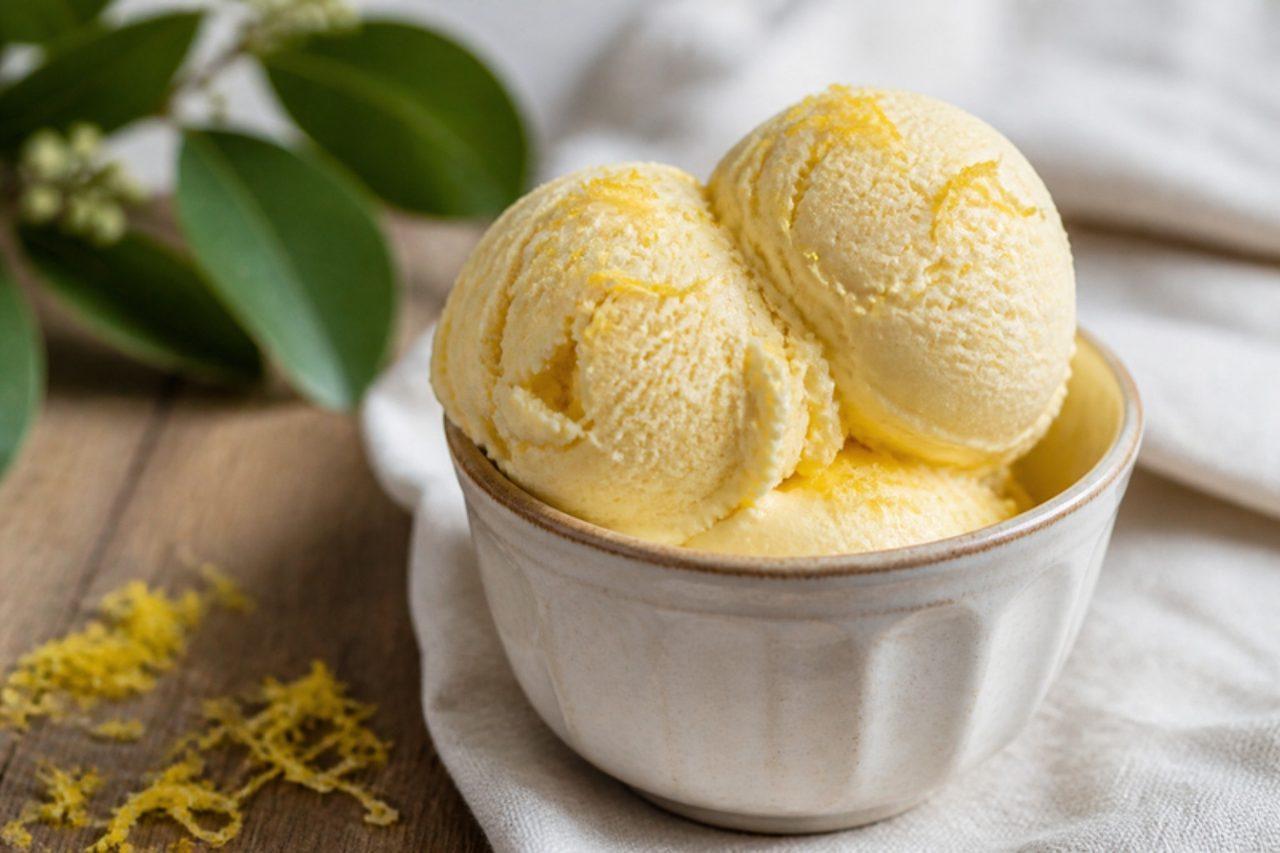
Crema is the yellow, custard-flavoured gelato that Italian grandparents always order, made with egg yolks like a crème anglaise and perfumed with lemon zest rather than vanilla, as was the old way in Florence and Sicily. It is rich and smooth and is the base for many classic flavours, and many gelaterie still call it "crema della nonna". Chef's tip: cook the custard until it reaches 82 °C and coats the back of a spoon; this makes the yolks safe and gives a silky texture without scrambling.

by KrazyBadal 0 views

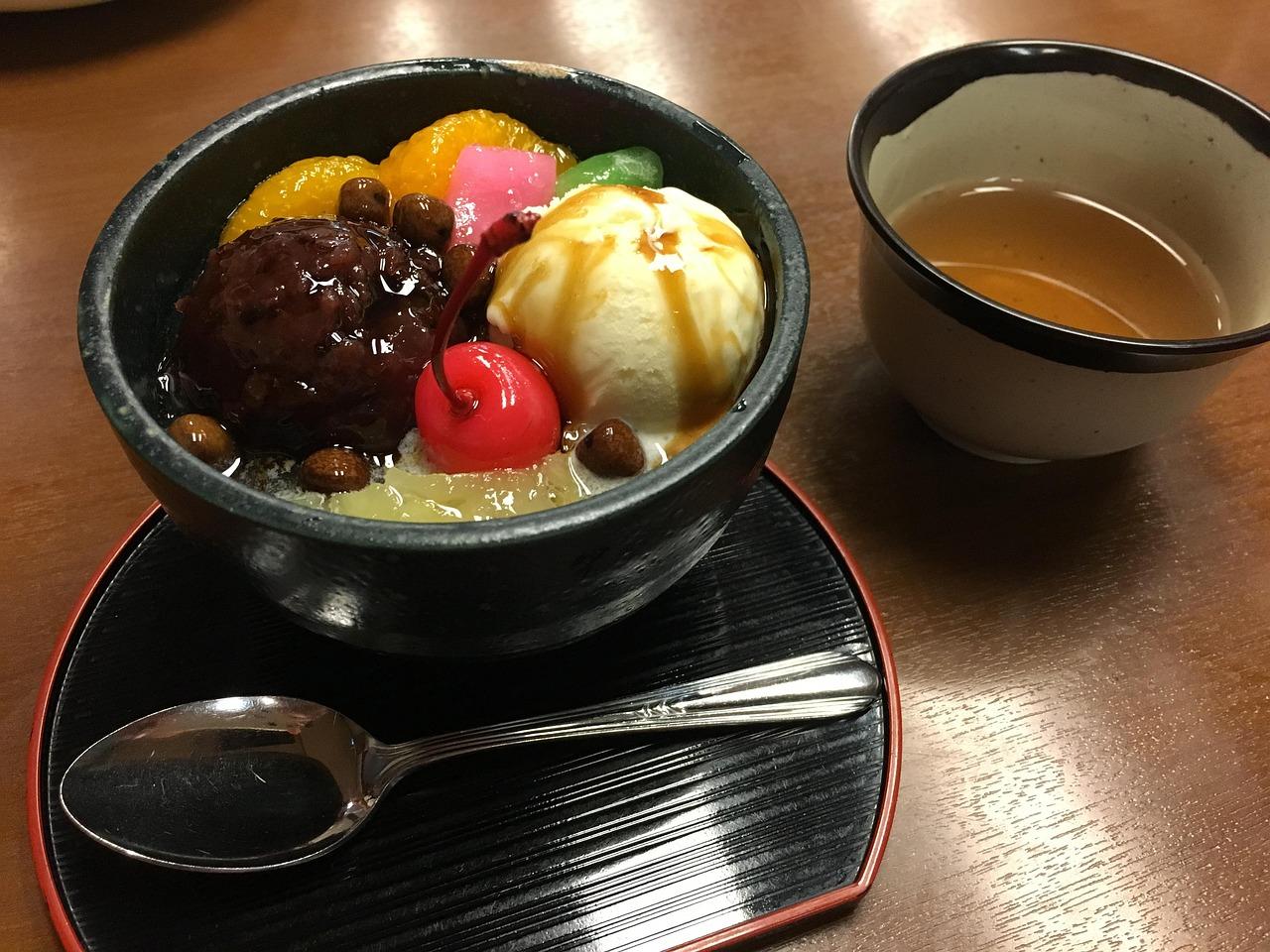
AnmitsuAgar jelly with red bean

Anmitsu became a craze in Tokyo's Ginza and Asakusa tea rooms in the 1930s and is still the classic summer order in kanmidokoro, the sweet cafés of old Tokyo. Clear, firm cubes of agar jelly are piled into a bowl with seasonal fruit, a scoop of sweet bean paste and boiled red peas, then drenched in dark, smoky kuromitsu syrup. The common mistake is using gelatin, which melts; agar jelly stays firm and refreshing at room temperature. Chef's tip: make the kuromitsu with Okinawan kokuto black sugar if you can; it gives a deep, almost liquorice-like flavour that muscovado only gets close to.

by KrazyBadal 0 views

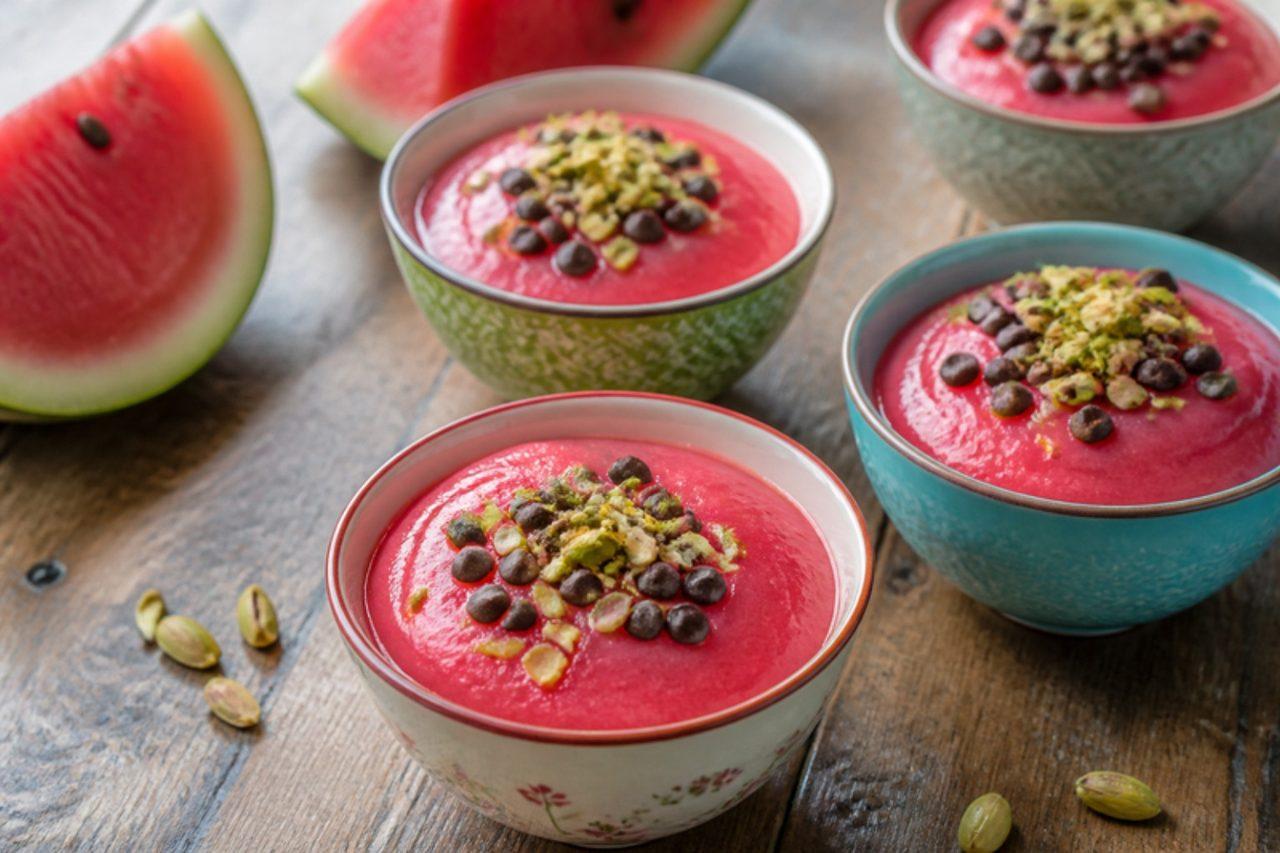
Gelo di melloneWatermelon jelly pudding

Gelo di mellone is the summer dessert of Palermo, eaten above all on 15 July for the feast of Santa Rosalia, the city's patron saint. Fresh watermelon juice is set with starch into a soft, wobbly pink pudding, scented with cinnamon and sometimes jasmine flowers, and topped with chocolate chips and chopped pistachios that look like watermelon seeds. It is served chilled in small bowls or as a tart filling. Contains nuts in the topping. Chef's tip: strain the watermelon juice through a fine sieve; any pulp clouds the jelly and stops it from setting smoothly.

by KrazyBadal 0 views

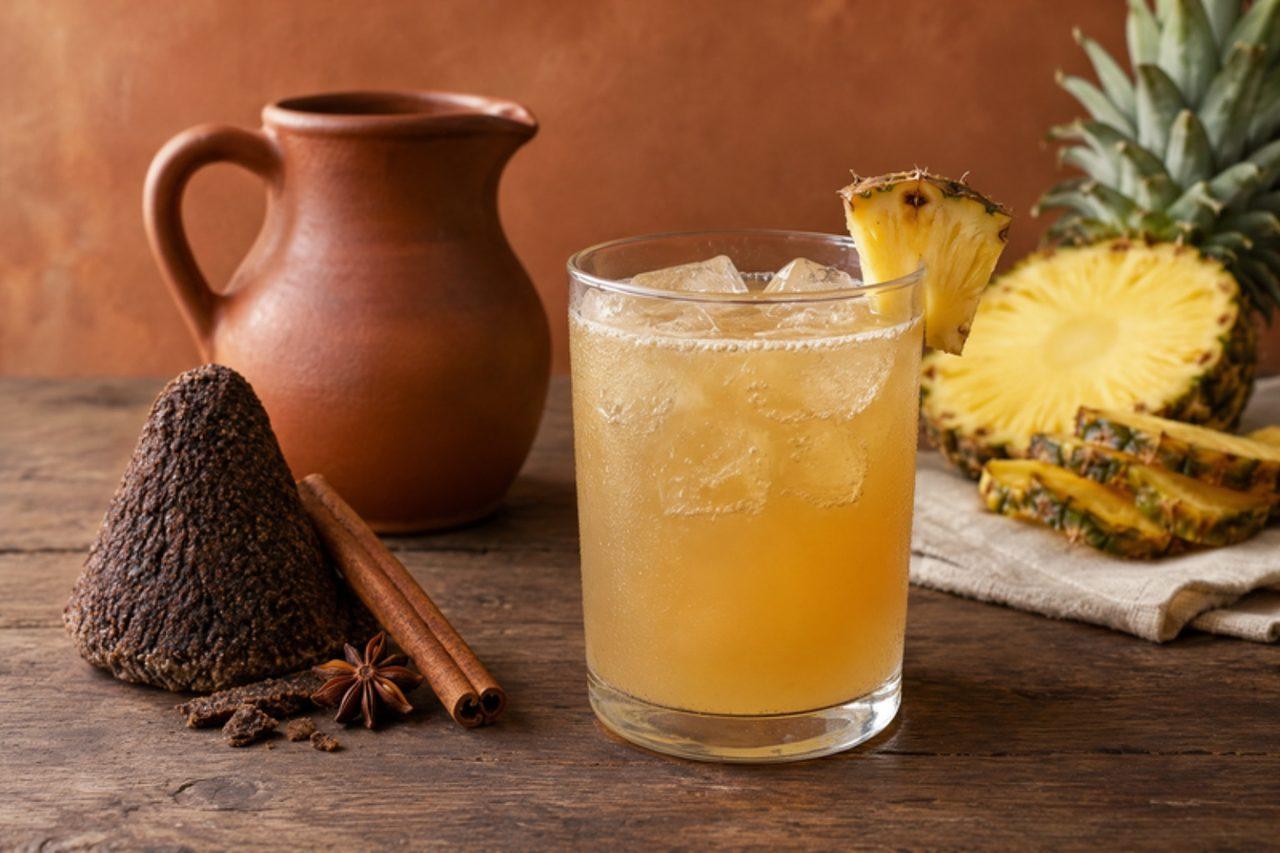
TepacheFermented pineapple drink

In Guadalajara and markets across central Mexico, tepacheros sell this drink from big clay jars, ladled over ice into bags with a straw on hot afternoons. It is the thrifty drink of the house: the peel and core left after eating a pineapple are fermented for two or three days with piloncillo, cinnamon and cloves until the liquid turns golden, faintly fizzy and pleasantly sour, like a spiced pineapple cider. Wild yeasts from the peel do the work, so it makes a trace of alcohol, well under 1% when drunk young; the longer it sits, the sourer and more alcoholic it gets. The common mistake is leaving it too long in a warm kitchen, when it turns vinegary and cloudy; in hot weather check after 36 hours. It is ready when it has a layer of fine bubbles, smells sweet-sour and fruity, and tastes tart rather than syrupy. White, flat foam can be skimmed; fuzzy, coloured mould, a slimy texture or a rotten smell mean throw it away. Keep it in the fridge 3–5 days, and if you bottle it for fizz, burp the bottles daily so pressure cannot build. Chef's tip: use an organic pineapple and do not scrub the peel, as the yeasts live on its skin.

by KrazyBadal 0 views

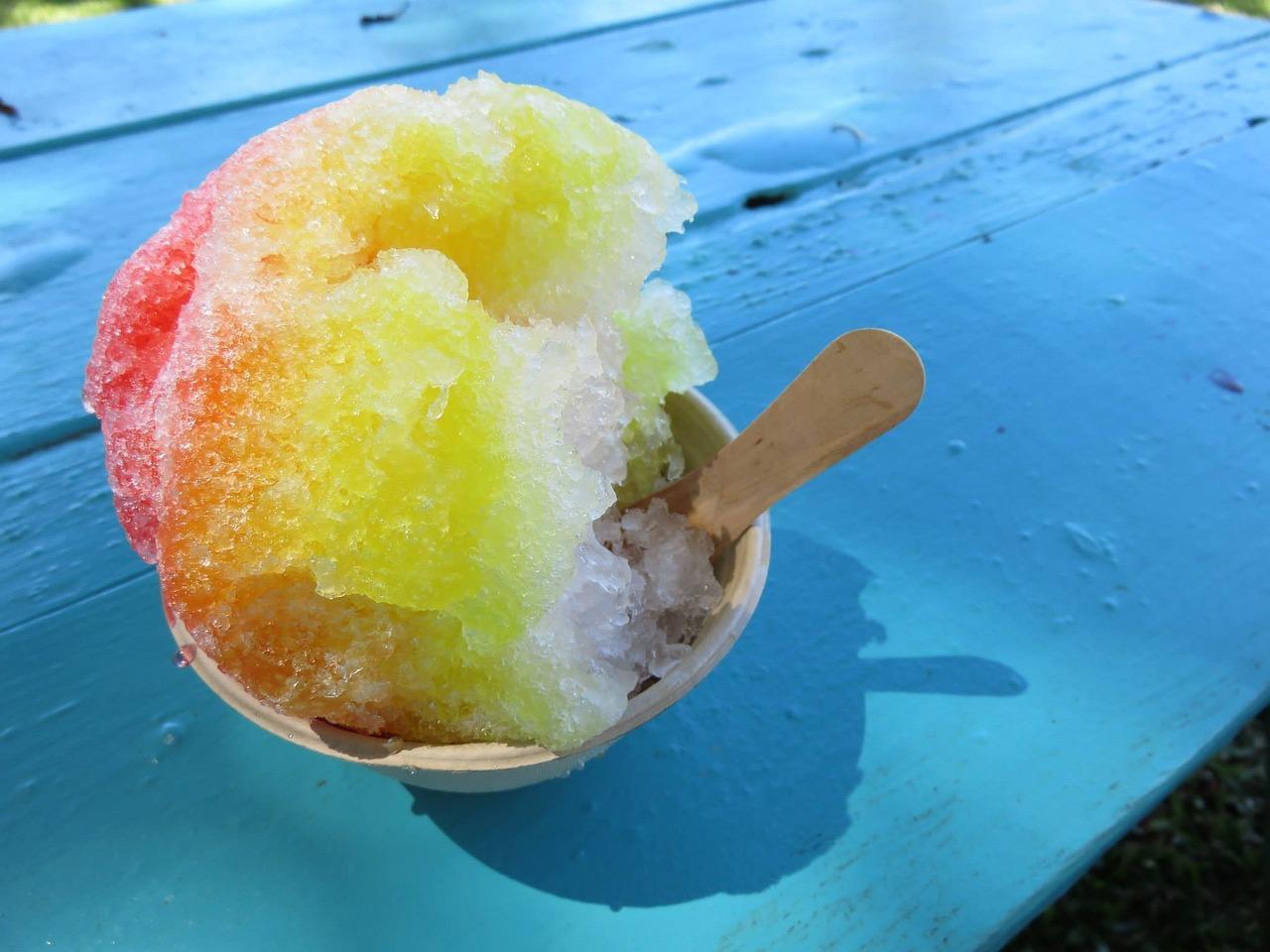
Glaçon râpéShaved ice with syrups

On a hot Sunday at Flic en Flac or Mon Choisy, families queue at the glaçon râpé man, who shaves a block of ice into a cup, then pours over bright red and green syrups and, if you ask, a thick ribbon of sweetened condensed milk. The ice should be fluffy and dry like fresh snow, so the syrup sinks in and streaks the colours together, and the condensed milk turns the bottom of the cup into a sweet, milky slush. A home blender makes a fine version if the ice is very cold; the common mistake is using ice straight from a bag that has half-thawed, which turns to watery slush. Chef's tip: put the cups and the blender jug in the freezer for 20 minutes first, then pulse in short bursts rather than running the motor.

by KrazyBadal 0 views

Akajiso juice (red shiso cordial)

Bunches of red shiso fill Japanese greengrocers for a few weeks in June and July, mostly bought to colour umeboshi. Gardeners from Kyoto's Ohara valley to Kantō boil the surplus into this cordial and keep it in the fridge for hot afternoons. Simmering pulls a murky purple-brown liquid from the leaves; the magic is the moment the vinegar goes in and the whole pan flushes a brilliant clear magenta. Diluted with ice water or soda water it tastes sweet-sour and herbal, like a cross between blackcurrant, mint and cinnamon. The most common mistake is simmering the leaves too long or with the stems: it turns grassy and bitter. Strip the leaves, boil them for five minutes only, until they have turned green and limp, then lift them out. The cordial is ready when it is jewel-bright and clear. Bottle it in a clean, sterilised bottle and keep it in the fridge for up to three weeks; discard if it fizzes, clouds or grows mould. No fresh red shiso nearby? Japanese and Korean shops sometimes sell it in summer, and it grows easily from seed. Chef's tip: freeze some as ice cubes to drop into sparkling water.

by KrazyBadal 0 views

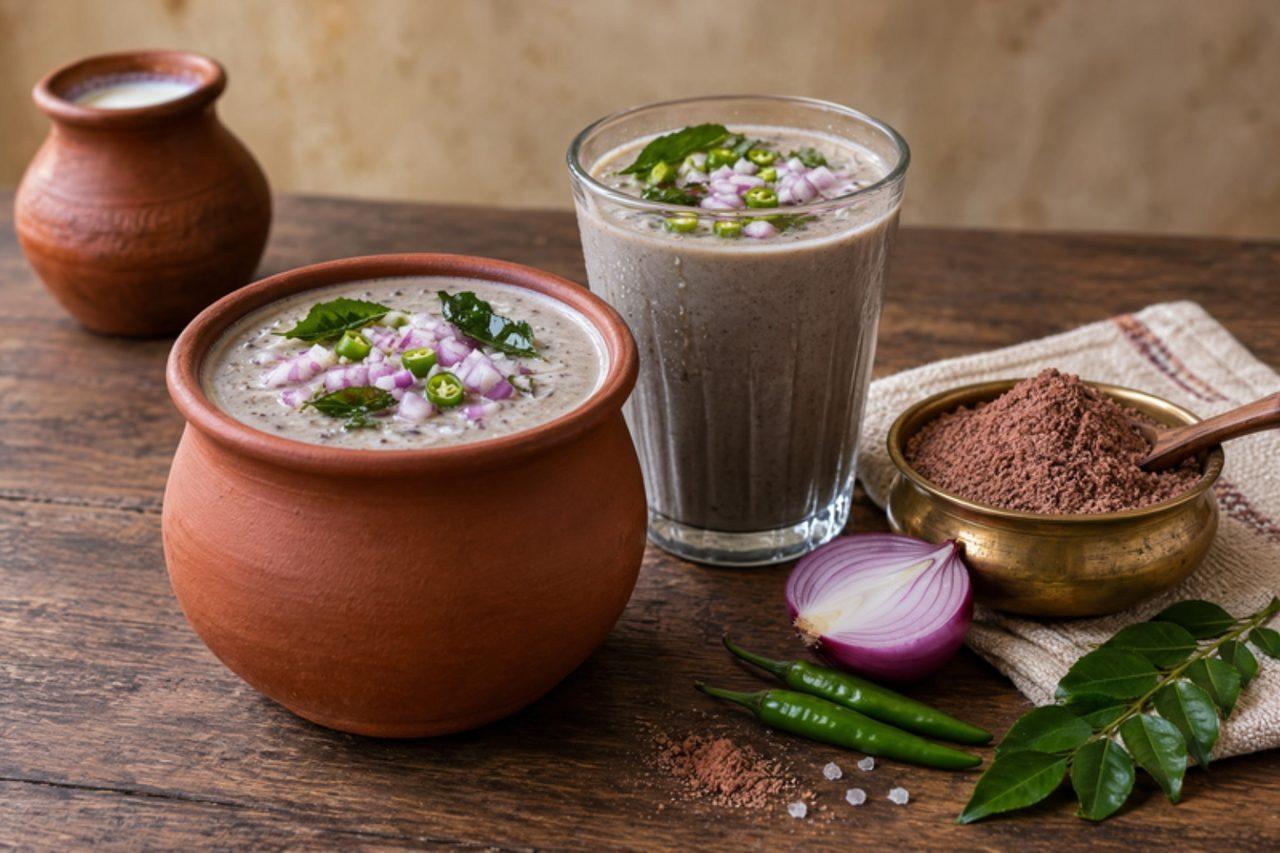
Ragi ambaliFinger millet porridge drink

Across rural Andhra Pradesh and Telangana, farm workers drink a big glass of ragi ambali in the early morning before the summer heat, and clay pots of it are sold at roadside stalls in April and May. Finger-millet flour is cooked into a thick paste, left overnight to ferment lightly, then thinned with buttermilk and stirred with raw onion, green chilli and curry leaves into a cool, tangy, savoury drink. It is suitable as part of a balanced diet. About 140 kcal and 22 g carbohydrate per portion. The usual mistake is pouring the ragi flour straight into boiling water, which makes lumps; mix it with cold water first. Chef's tip: cook the paste until it turns glossy and darker, about 8 minutes; undercooked ragi tastes raw and floury.

by KrazyBadal 0 views

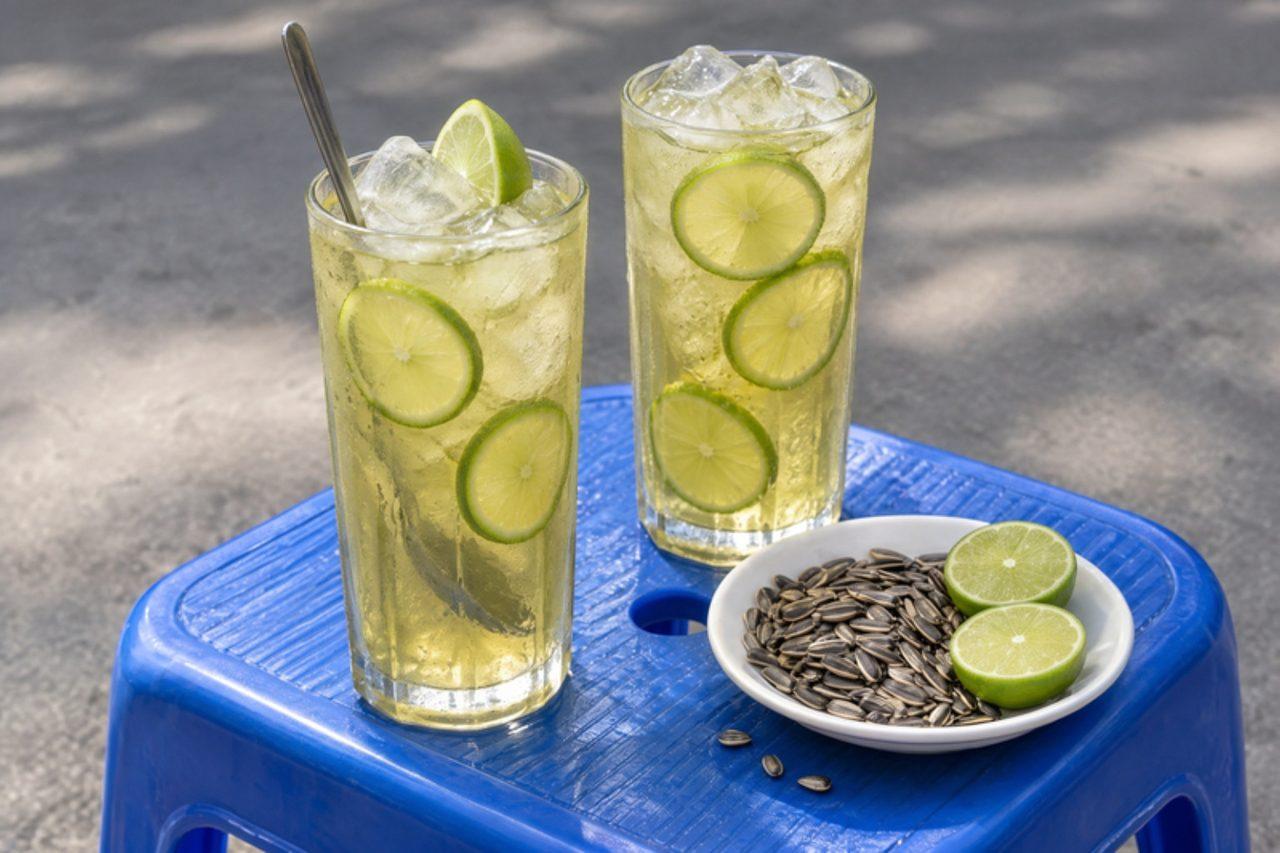
Trà chanhIced lime tea

On warm evenings the pavement beside St Joseph's Cathedral in Hanoi fills with rows of tiny plastic stools, and nearly everyone is holding a tall glass of trà chanh, cheap green tea poured over ice with a squeeze of lime and plenty of sugar, sipped with a saucer of sunflower seeds while the city's scooters roar past. It is sharp, sweet and very refreshing. Chef's tip: brew the tea in water just off the boil, around 80 °C; boiling water makes green tea bitter.

by KrazyBadal 0 views

Mugicha (roasted barley tea)

From the rainy season in June until the cicadas fall quiet in September, almost every Japanese household keeps a tall jug of mugicha in the fridge. It is poured for children coming in from summer club practice, for grandparents after an afternoon nap, and alongside cold sōmen at lunch, because it carries no caffeine and can be drunk all day. Whole barley grains roasted until deep brown give a cup that tastes of toast, a little of coffee and a little of popcorn, with a clean, dry finish and no sweetness at all. Supermarkets sell it in tea bags, but loose roasted grains simmered in a pan make a rounder, darker brew. The usual mistake is leaving the grains in the jug or letting the hot tea sit out on the counter for hours: it turns bitter and, being a grain infusion, it sours quickly in summer heat. Strain it, cool it fast in a sink of cold water, and drink it within two days. It is ready when the liquid is a clear amber-brown and smells like freshly toasted bread. Chef's tip: dry-toast the grains for two minutes before brewing to wake up a bag that has been open a while.

by KrazyBadal 0 views

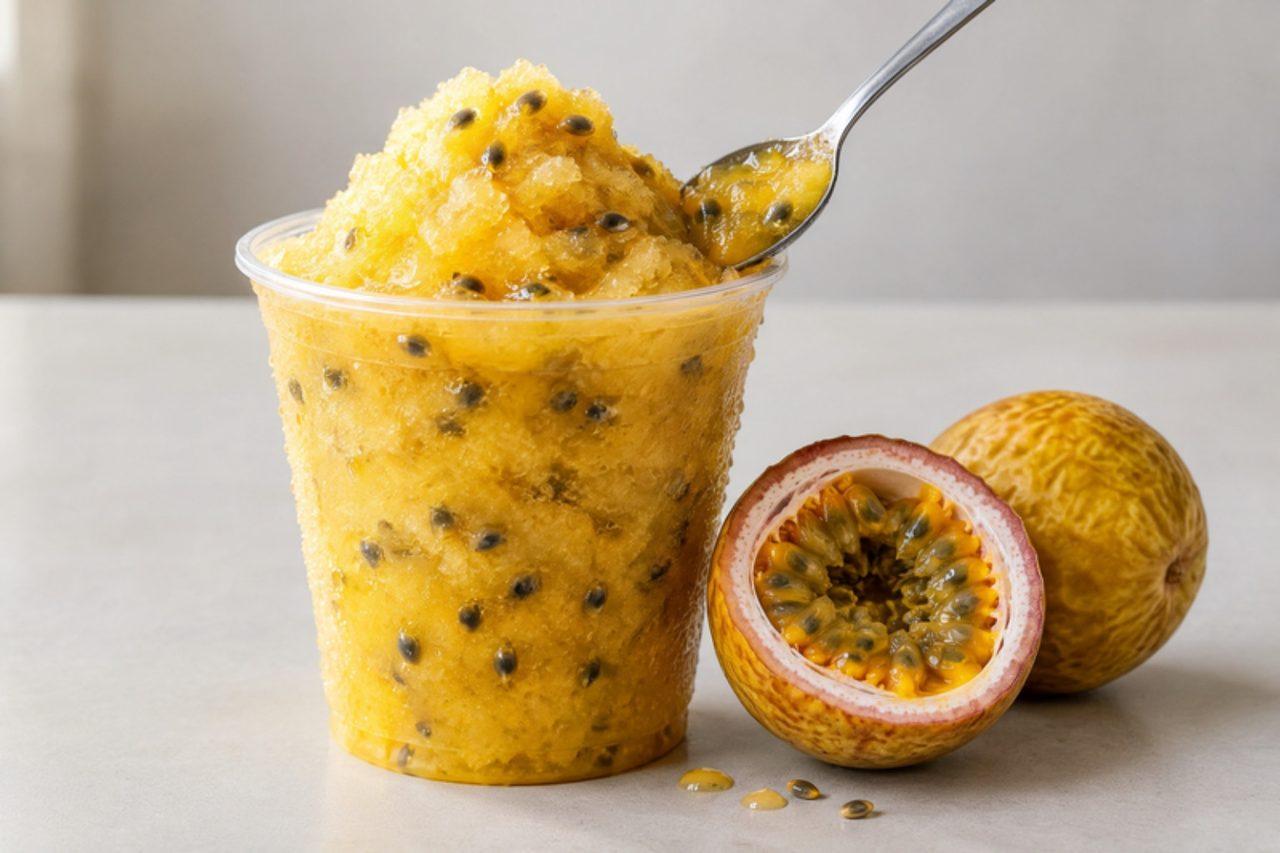
Cremolada (Lima passion fruit slush)

From January to March, when Lima's coast swelters, queues form at the cremolada counters of Barranco and along the Jirón de la Unión downtown for cups of this thick fruit ice. It sits between a granita and a sorbet: frozen fruit pulp scraped again and again until it is slushy and spoonable, with real bits of fruit through it. Passion fruit (maracuyá) gives a sharp, bright flavour; creamy lúcuma, with its maple and sweet potato taste, is the other favourite. Chef's tip: use a shallow metal tray; it freezes faster and evenly, so you get fine crystals rather than chunks.

by KrazyBadal 0 views

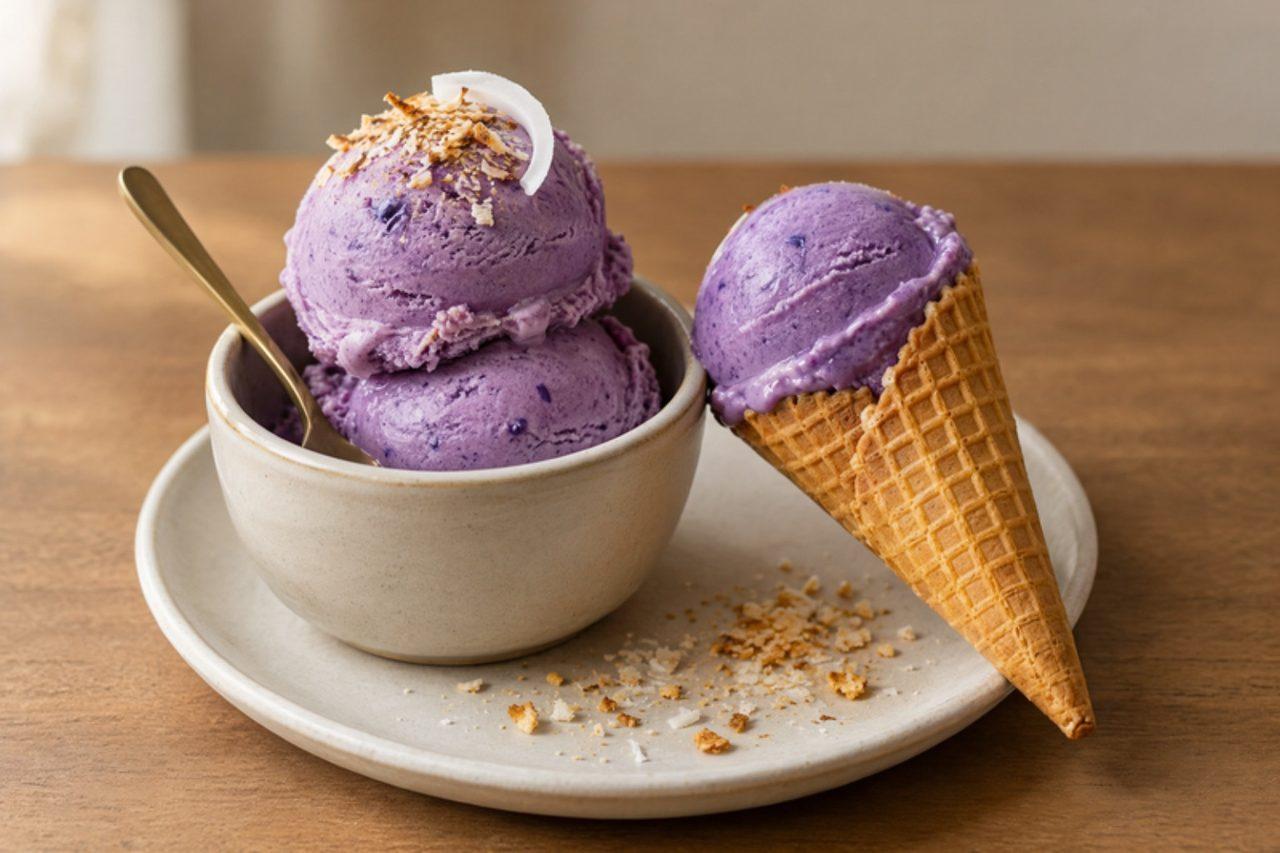
Sorbetes (ube)Purple yam ice cream

Sorbetes is the Filipino street ice cream that vendors push through Manila in brightly painted wooden carts, ringing a bell outside churches after Sunday Mass, in Luneta Park and at school gates. Fondly called 'dirty ice cream' because it is sold on the street, it is lighter than dairy ice cream, made with milk, coconut milk and a little cornflour, and comes in flavours like ube, mango, chocolate and cheese, scooped into small cones or stuffed into a soft pandesal roll. This is the ube version. Chef's tip: whisk the mixture hard every 45 minutes during freezing; it keeps the ice crystals small without an ice-cream machine.

by KrazyBadal 0 views

Surti cold cocoaThick chilled cocoa milk

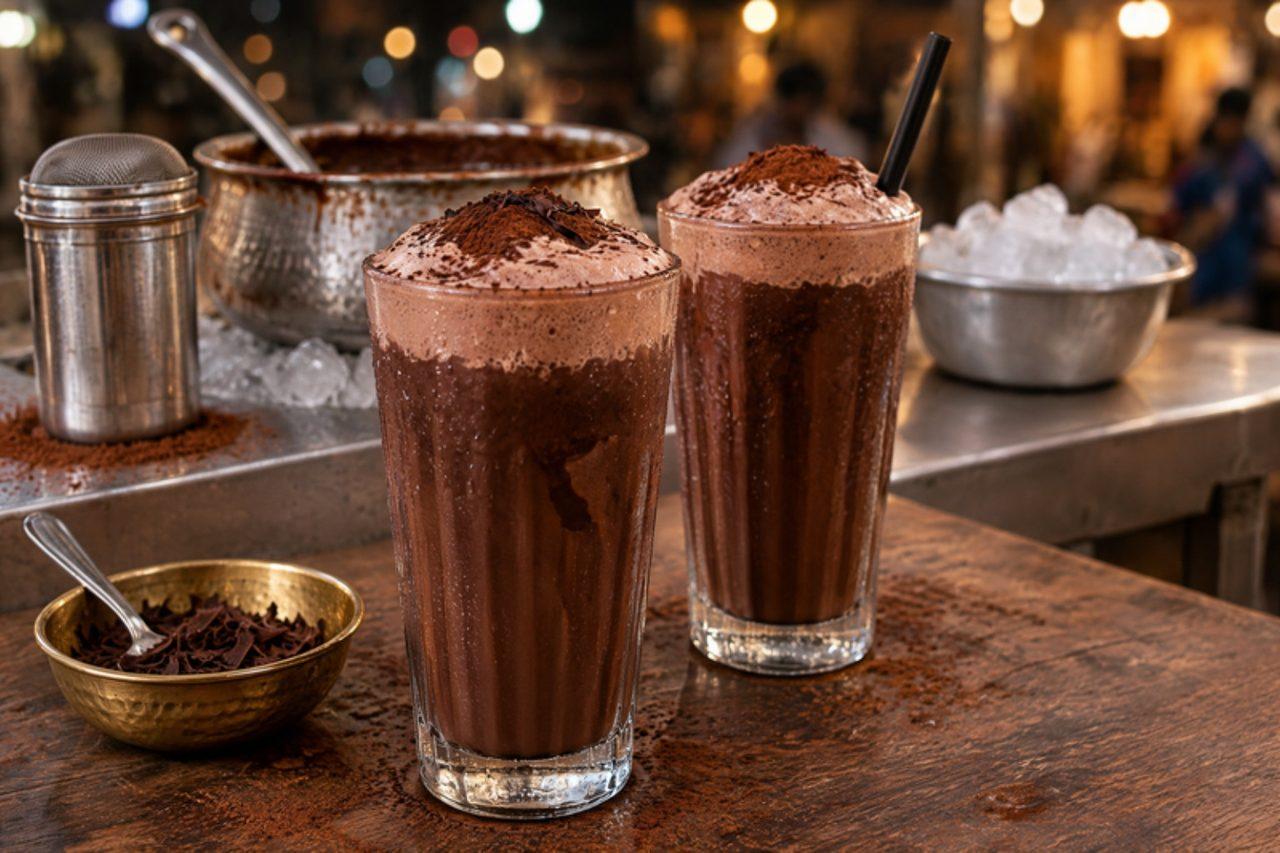
Long after dinner, the lanes around Surat's Chowk Bazaar and Athwa Lines fill with families queueing for cold cocoa, a thick, almost milkshake-like chocolate milk poured from big steel cans into tall glasses. The secret is cooking cocoa and a spoon of cornflour into rich milk first, then chilling it for hours so it thickens and the cocoa flavour deepens, before whisking it frothy to order. The common mistake is stirring cocoa powder straight into cold milk, which leaves bitter, dusty lumps floating on top. Chef's tip: make it the night before and whisk with a hand blender for 30 seconds just before pouring for the classic foamy head.

by KrazyBadal 0 views

Nước sấu (sấu fruit drink)

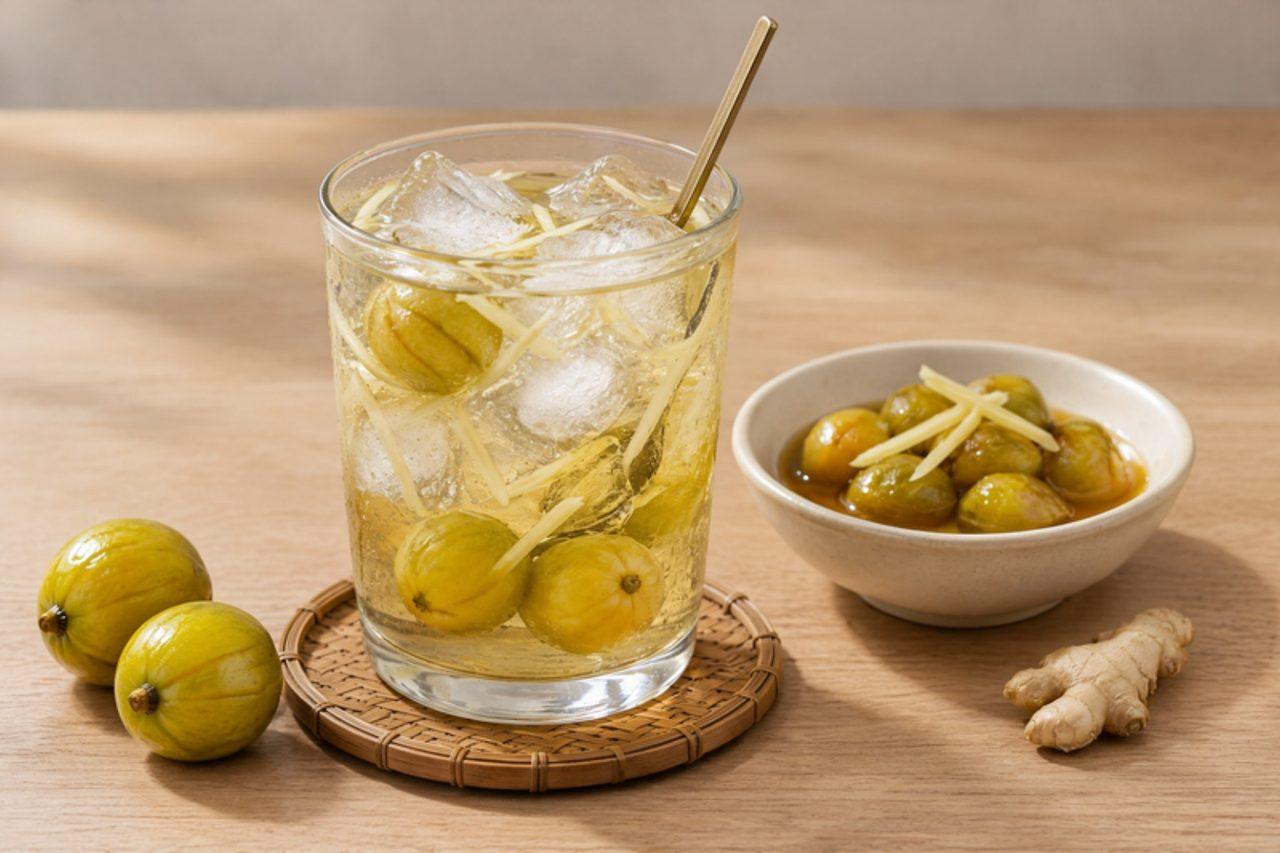
When Hanoi's tamarind-like sấu trees drop their small green fruit in May and June, street vendors start selling glasses of nước sấu: a few candied fruits, a ladle of ginger syrup, cold water and crushed ice. Families make big jars to last until the season ends in August. It is sipped with a spoon so you can bite into the crunchy-soft fruit at the bottom. It tastes sour and sweet at once, with a clean ginger warmth and a flavour a little like green mango and plum. Traditional cooks soak the peeled fruit in limewater to keep it crisp; a salt soak works well at home. The common mistake is skipping the blanch and slow syrup: raw fruit stays acrid and the syrup clouds. Blanch the fruit briefly, then cook it gently in sugar until it turns translucent yellow-green and the syrup is clear and glossy. Store it in a sterilised jar in the fridge for up to 2 months with a clean spoon; discard if it fizzes, smells fermented or shows mould. Fresh sấu is rare abroad; look for frozen sấu in Vietnamese shops, or use firm green ambarella. Chef's tip: slash each fruit a few times so the syrup soaks all the way in.

by KrazyBadal 0 views

Lahori kulfaKulfi with falooda

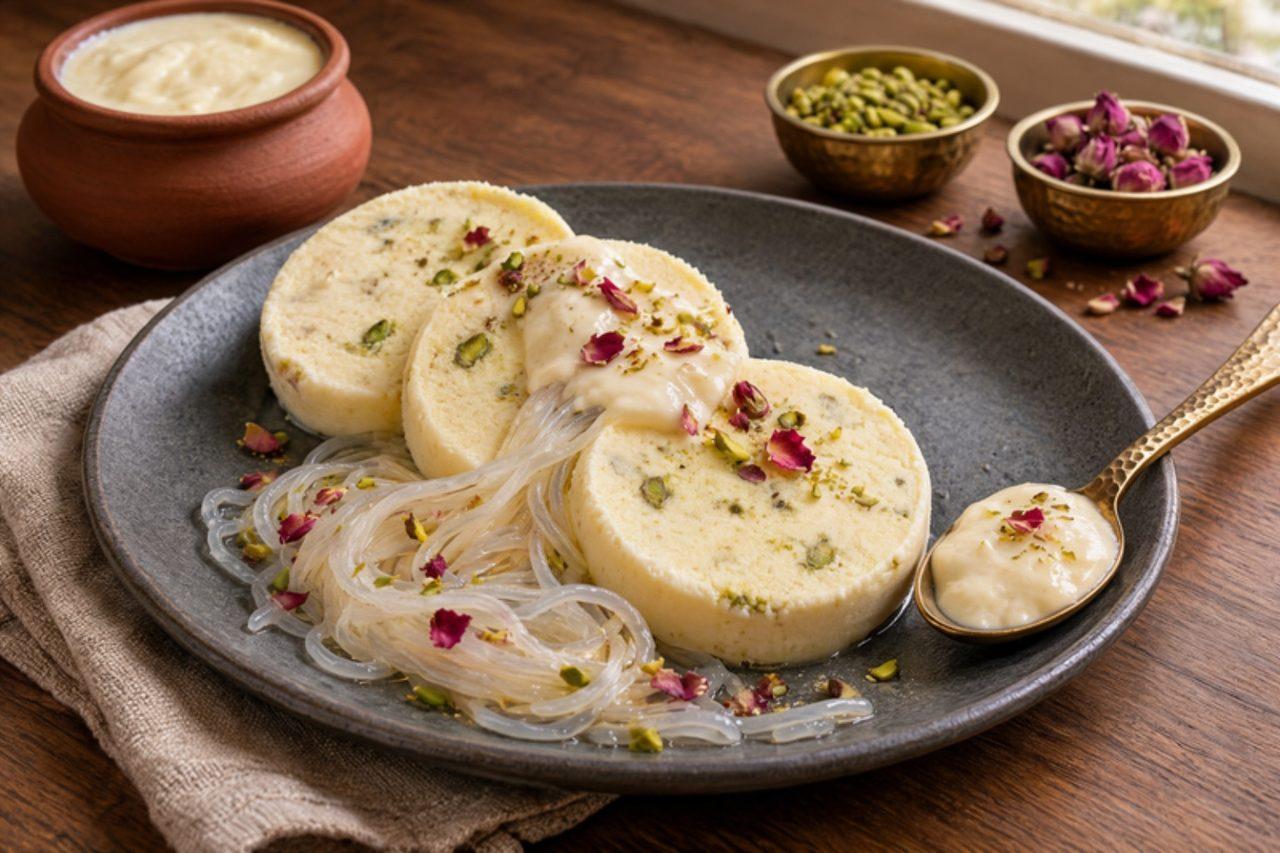
On hot Lahore nights, families stroll to Gawalmandi food street and the old shops near Anarkali for kulfa: a whole cone of dense, cardamom-scented kulfi is sliced into fat discs, laid over soft falooda noodles and spooned over with rabri, the thick sweetened milk. It is cold, chewy and creamy in every mouthful. Contains milk and tree nuts (pistachio and almond); the falooda noodles may contain wheat. Chef's tip: scrape the bottom and sides of the pan constantly as the milk reduces; one scorched patch flavours the whole batch.

by KrazyBadal 0 views

Hong Kong red bean iceRed bean shaved ice

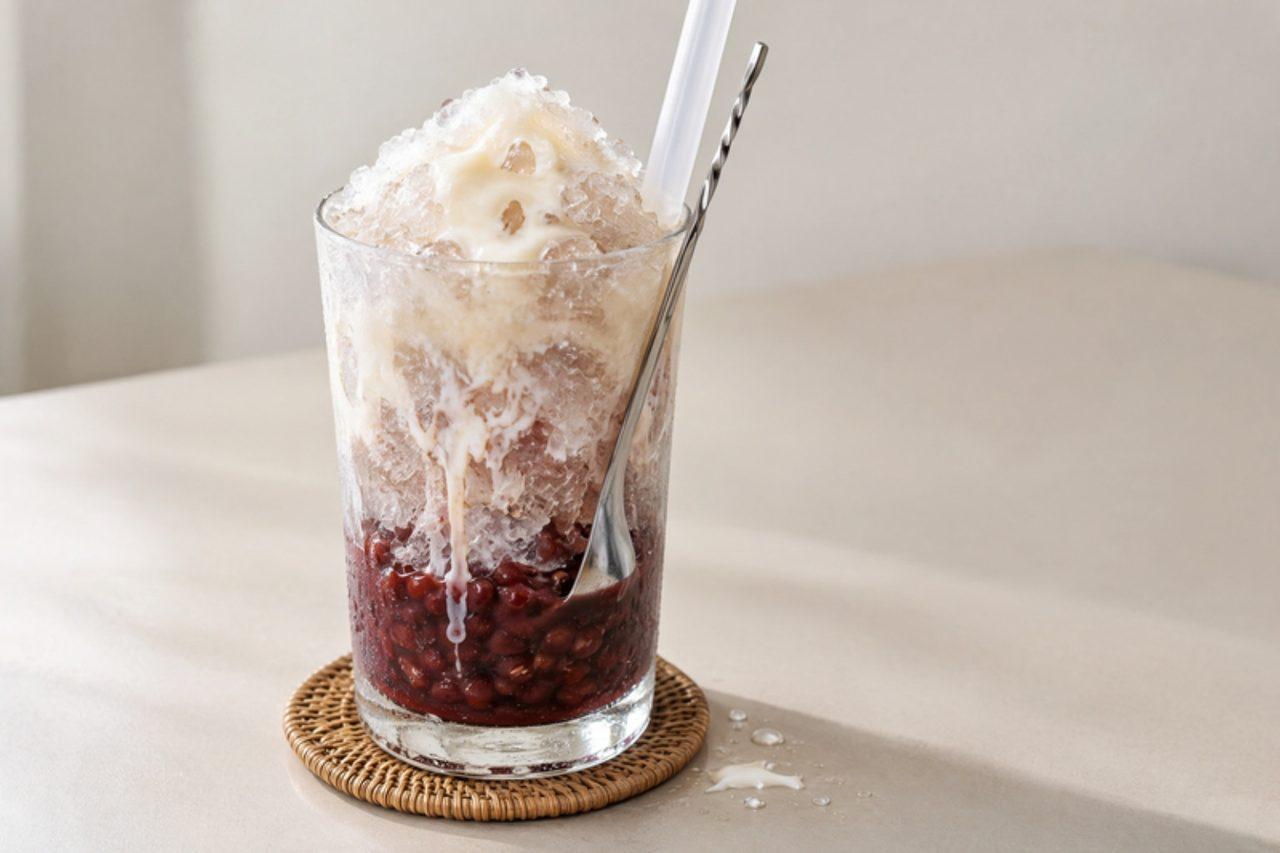
Red bean ice is a cha chaan teng drink and dessert in one: tall glasses of sweet stewed adzuki beans, sugar syrup and crushed ice, topped with a layer of evaporated milk, served all summer at the old-school cafés of Sham Shui Po and Mong Kok and at the dai pai dong on Stanley Street. You stir with a long spoon, sip the cold milky liquid through a straw and spoon up the soft beans. The beans can be cooked a day ahead. Contains milk. Chef's tip: add the sugar only once the beans are completely soft; sugar added early keeps the skins tough.

by KrazyBadal 0 views

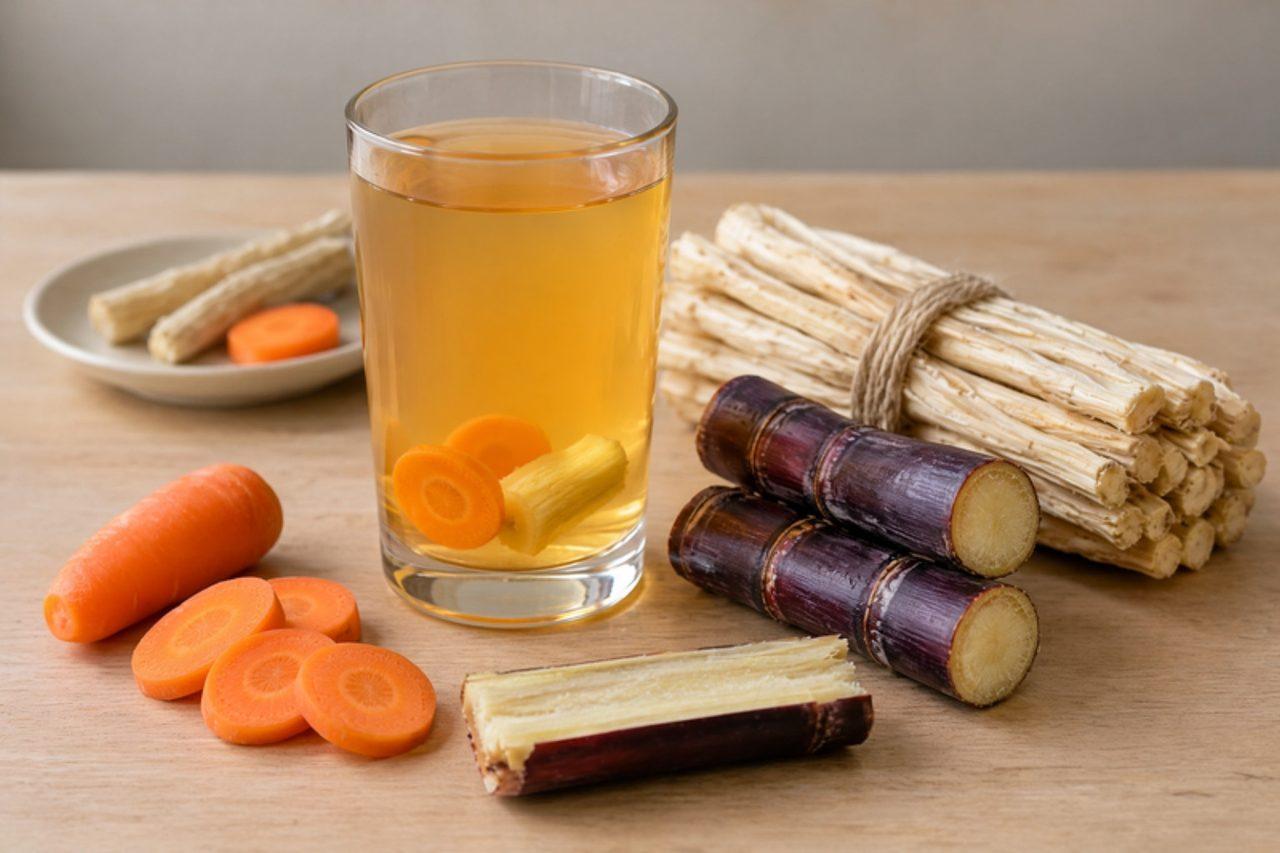
Sugarcane and cogon root drink

Ask a Hong Kong family what they drink at the first hint of a sore throat in autumn, or when the city's spring humidity sets in, and many will say jook je mao gun soi. Lengths of thin green bamboo sugarcane, split open, are simmered with dried cogon grass root and carrots, sometimes with water chestnuts and a few dried corn silks, into a pale amber broth that tastes of sugarcane, sweet carrot and a faint grassiness. It is drunk warm after dinner or chilled from the fridge during the day, and herbal tea shops sell it by the bottle for children who refuse the bitter stuff. The common mistake is skipping the splitting of the cane: whole sticks barely release any sweetness, and you end up adding sugar. Bash each piece with the back of a cleaver until it cracks lengthwise. The drink is ready when the carrots are soft, the liquid is clear and light amber, and it tastes naturally sweet. Bamboo cane and cogon root are sold as soup packs in Chinese grocers; ordinary purple or green sugarcane works too. It is traditionally drunk to 'clear heat', but it is a refreshment, not a cure. Chef's tip: add a few peeled water chestnuts for extra crunch-sweetness.

by KrazyBadal 0 views

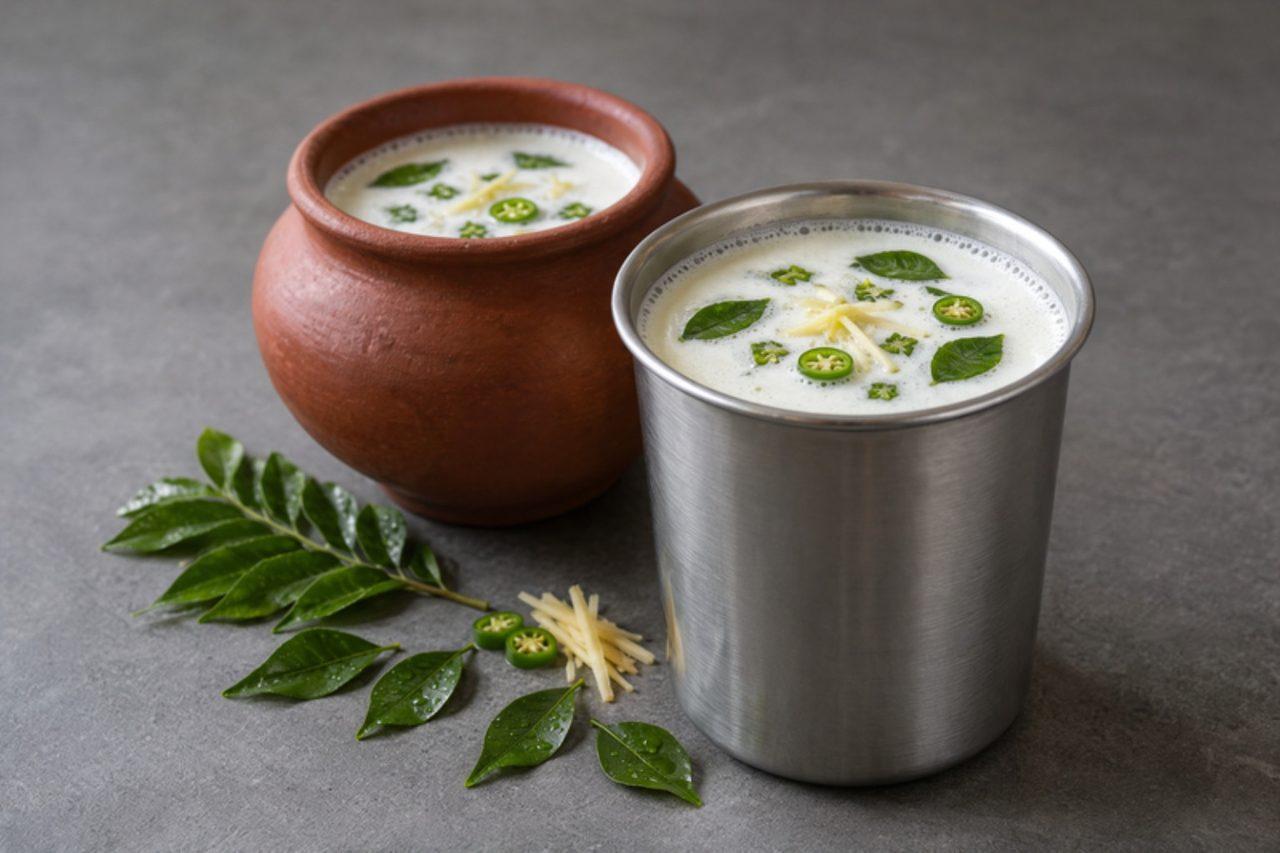
Neer mor (spiced buttermilk)

From April to June, when Chennai and Madurai bake at forty degrees, temples, shops and political parties set up 'thaneer pandhal' sheds by the roadside, offering free neer mor to every passer-by from great clay pots. At home it comes after a rice meal of sambar and rasam, or in the middle of the afternoon. The curd is churned and thinned with water until barely white, then seasoned with green chilli, ginger, curry leaves, coriander and a pinch of asafoetida, sometimes finished with a tempering of mustard seeds. It should be very thin, salty, tangy and herby, with a little chilli heat and a lingering savoury scent. The common mistake is using too little water: it then drinks like a heavy lassi rather than a thirst-quencher. Aim for about one part curd to four parts water. It is ready when the buttermilk is smooth, cold and pale green-flecked, and smells of curry leaf. It keeps a day in the fridge. Chef's tip: crush the ginger, chilli and curry leaves rather than chopping them; bruising releases far more flavour into the thin liquid.

by KrazyBadal 0 views

Socată (elderflower fizz)

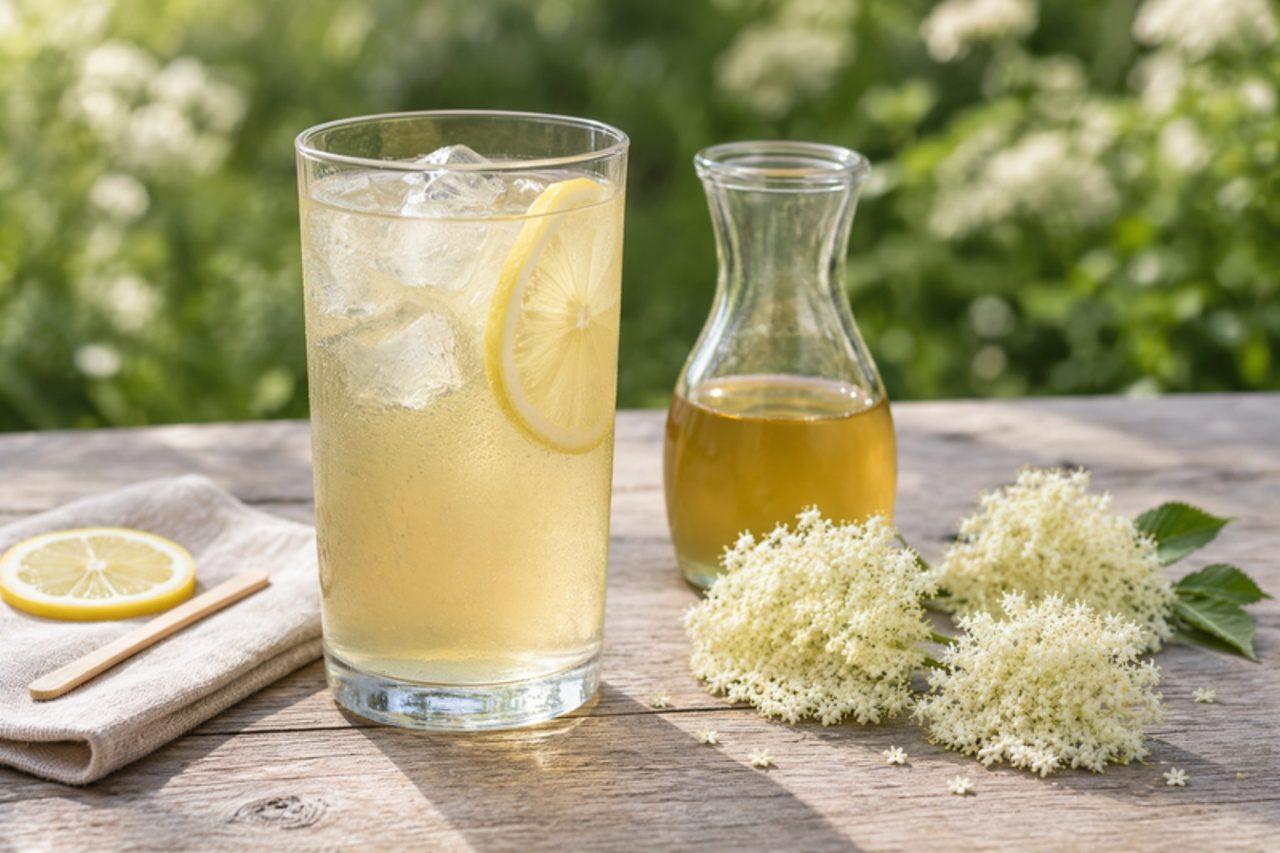
In late May and early June, when elder bushes bloom white along every Romanian village lane and riverbank, grandmothers fill big glass jars with water, sugar, lemon slices and elderflower heads and set them on a sunny windowsill or balcony. Three or four days later the jar is fizzing gently and socată, the most beloved summer drink of rural Romania, is bottled and chilled for haymaking days, family lunches and long evenings in the courtyard. It is sweet and floral, like honeyed lemonade with the scent of muscat grapes, with a light natural sparkle. Like all young ferments it makes a trace of alcohol, well under 1% if drunk within a week. The common mistake is washing the flowers or picking them after rain: the pollen and wild yeast that start the fermentation are rinsed away and nothing happens. Pick dry, fully open heads on a sunny morning and just shake off insects. It is ready to strain when fine bubbles rise steadily and it smells floral and slightly tangy. Use only the flowers: elder stems, leaves and unripe berries are toxic. Chef's tip: a few raisins in the jar give the yeast a boost if your flowers are slow.

by KrazyBadal 0 views

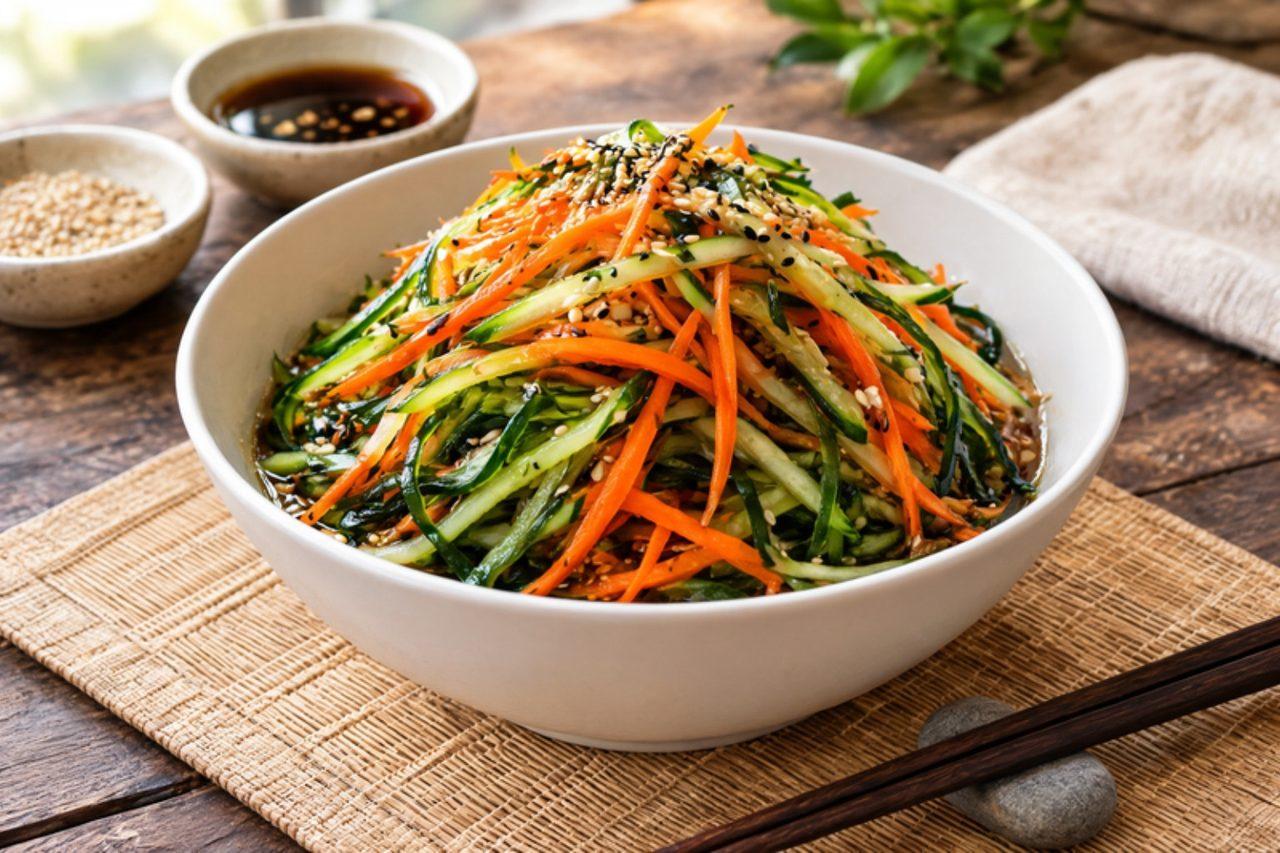
Liangban sansiCold three-shred salad

Liangban sansi, 'cold-tossed three shreds', is one of the most common cold dishes on Chinese family tables, made in summer and at Lunar New Year as a fresh plate among the richer dishes. Fine strips of carrot, cucumber and kelp (or tofu skin) are blanched where needed and dressed with garlic, rice vinegar, soy and sesame oil, giving a crunchy, bright, gently sour salad. Serve it beside steamed fish or tofu. It is suitable as part of a balanced diet. About 70 kcal and 7 g carbohydrate per portion. The usual mistake is cutting the shreds thick and uneven, which makes the salad clumsy and the dressing slides off. A pinch of sugar in the dressing is optional; a sweetener works too. Chef's tip: soak dried kelp strips until soft and blanch them for one minute with a splash of vinegar so they lose their sliminess.

by KrazyBadal 0 views

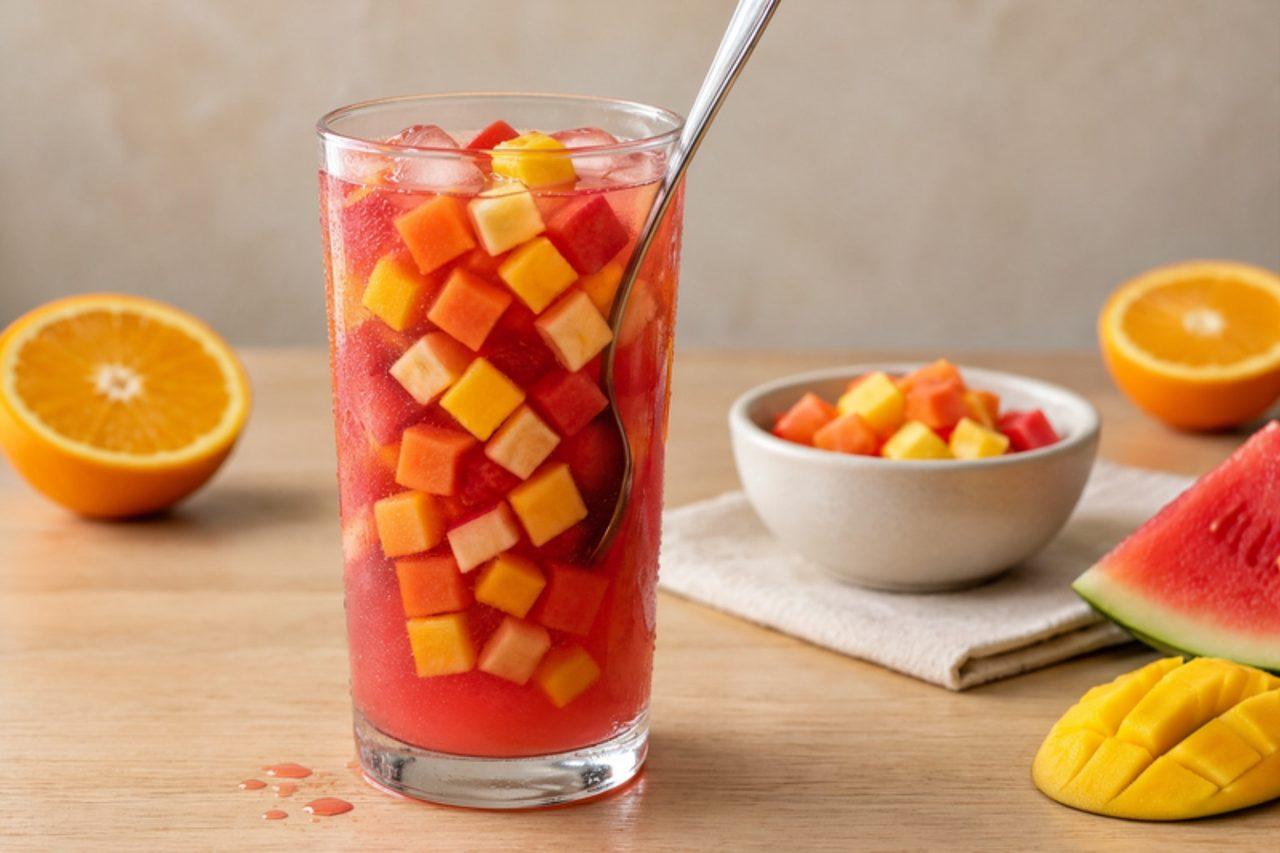
TizanaFruit in orange juice

On Sunday afternoons in Caracas, juice stands along the boulevards of Sabana Grande and the Plaza Altamira, and street carts outside beaches and parks, sell tizana in tall plastic cups with a straw and a long spoon. It is half drink, half fruit salad: papaya, pineapple, melon, watermelon, apple, mango and banana cut into tiny dice and soaked in orange juice tinted ruby with grenadine. At home it is made by the jug for birthday parties and hot holidays. It tastes juicy, sweet and bright, and every sip brings a different fruit up the straw. The common mistake is adding the banana and apple with everything else an hour early: they turn brown and mushy and cloud the juice. Cut them last and stir them in just before serving. The tizana is ready when the fruit has soaked for about 30 minutes in the fridge, the juice has turned a clear coral-pink and the pieces are cold right through. Make the dice no bigger than 1 cm so they pass up a wide straw. Grenadine here means pomegranate syrup; a red fruit syrup works too. Chef's tip: squeeze a little lime over the cut apple and banana to keep them pale and add a tang that lifts the whole jug.

by KrazyBadal 0 views

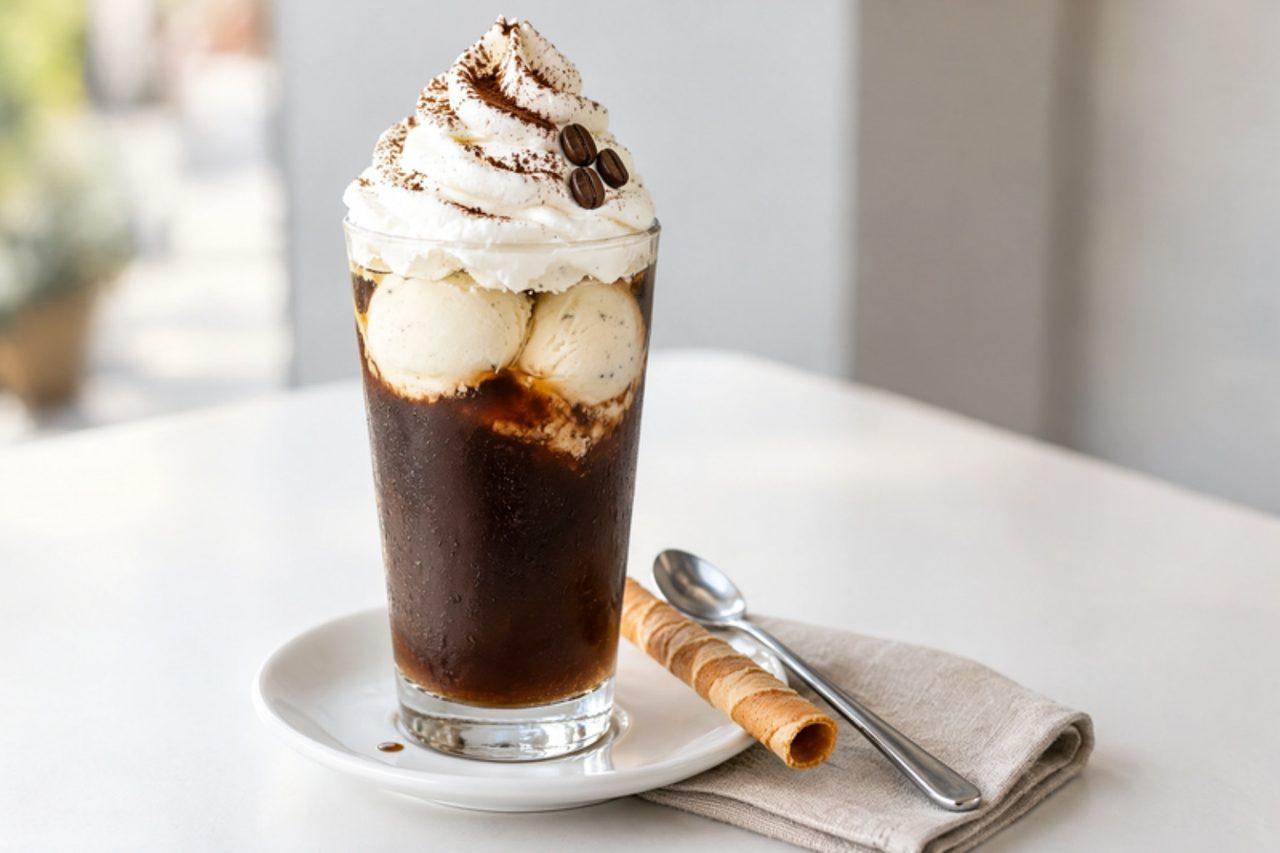
EiskaffeeIced coffee with ice cream

On a hot July afternoon in any German or Austrian Eiscafé, from a Hamburg promenade to a Viennese Gastgarten, the tall glass with the long spoon is Eiskaffee. It is not iced coffee in the American sense: strong coffee, chilled, is poured over two scoops of vanilla ice cream and crowned with sweetened whipped cream, sometimes a wafer and a dusting of cocoa or grated chocolate. You drink the cold coffee through a straw while the ice cream slowly melts into it, then spoon up the creamy, half-frozen rest, so it is part drink, part dessert, eaten at the café in the afternoon rather than with a meal. The usual mistake is pouring hot or even warm coffee straight onto the ice cream: it melts at once into a thin, lukewarm, milky soup. Brew it earlier and chill it properly. It is ready when the coffee is fridge-cold, the scoops sit just proud of the surface and the cream holds soft peaks on top. It is moderately caffeinated, so keep it for adults and older teens. Chef's tip: freeze leftover coffee in ice-cube trays and add a couple to the glass so nothing gets diluted with water.

by KrazyBadal 0 views

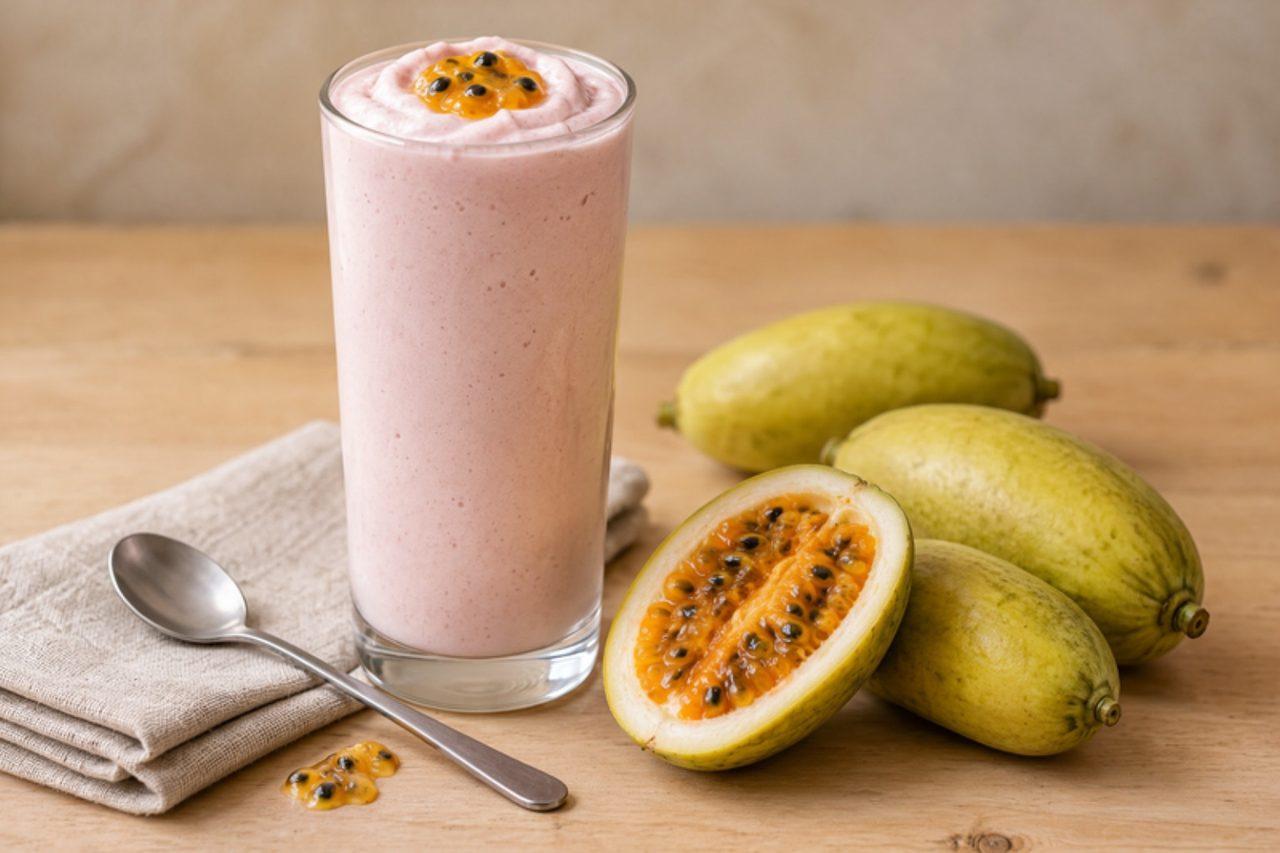
Sorbete de curubaBanana passionfruit milk drink

In Colombia a sorbete is not an ice but a fruit milkshake, and around Bogotá and the cold highlands of Boyacá and Cundinamarca the classic is made with curuba, the long, soft-skinned banana passionfruit that grows on vines at 2,500 metres. Bakeries and corrientazo lunch spots serve it with almuerzo or with a slice of cake at onces, the late-afternoon snack. It is pale salmon-pink, creamy and sweet-tart, more delicate than passionfruit, with a fragrance like guava and lemon. The common mistake is blending the pulp with its black seeds on high speed: the seeds break up and the sorbete turns bitter and grey-flecked. Pulse just enough to loosen the pulp from the seeds, strain, and only then blend with milk. Serve it at once, because the acid in curuba thickens the milk the longer it stands. It is ready when it is smooth, frothy and pink with no gritty specks. Outside Colombia look for frozen curuba pulp in Latin shops; passionfruit pulp works too, but use about two thirds of the amount as it is stronger. Chef's tip: dissolve the sugar in the strained juice before the milk goes in, so you can blend for less time.

by KrazyBadal 0 views

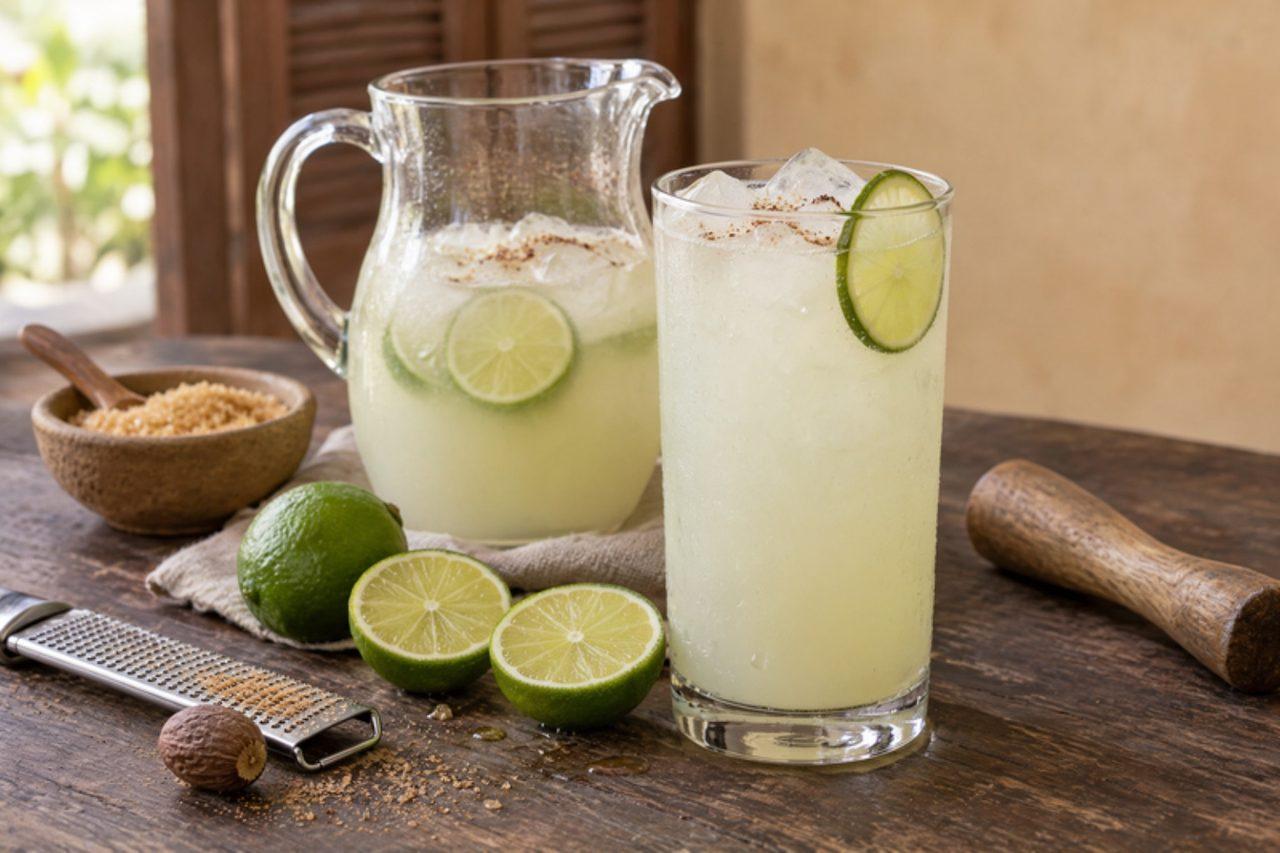
SwankGuyanese limeade

Swank is the simplest drink in Guyana and the one everybody's grandmother made: fresh limes from the yard squeezed into cold water and sweetened with brown Demerara sugar from the cane fields along the coast; nobody agrees where the odd name comes from. It turns up beside Sunday cook-up rice, at village cricket matches, at Mashramani in February and on any hot afternoon in Georgetown, New Amsterdam or the Essequibo coast, poured from an enamel jug full of ice. It is sharp, refreshing and gently caramel-sweet from the brown sugar, with a warm hint of nutmeg on top. The common mistake is squeezing the limes so hard, or leaving the lime shells in the jug, that bitter peel oil takes over; squeeze firmly but not to the last drop, and take the shells out. It is ready when the sugar has completely dissolved, it tastes bright, tart and sweet in balance, and the nutmeg smells warm on top. Make it fresh: lime juice turns bitter if it sits for more than a few hours. Chef's tip: dissolve the Demerara in a little warm water first; the large crystals take forever to melt in cold water.

by KrazyBadal 0 views

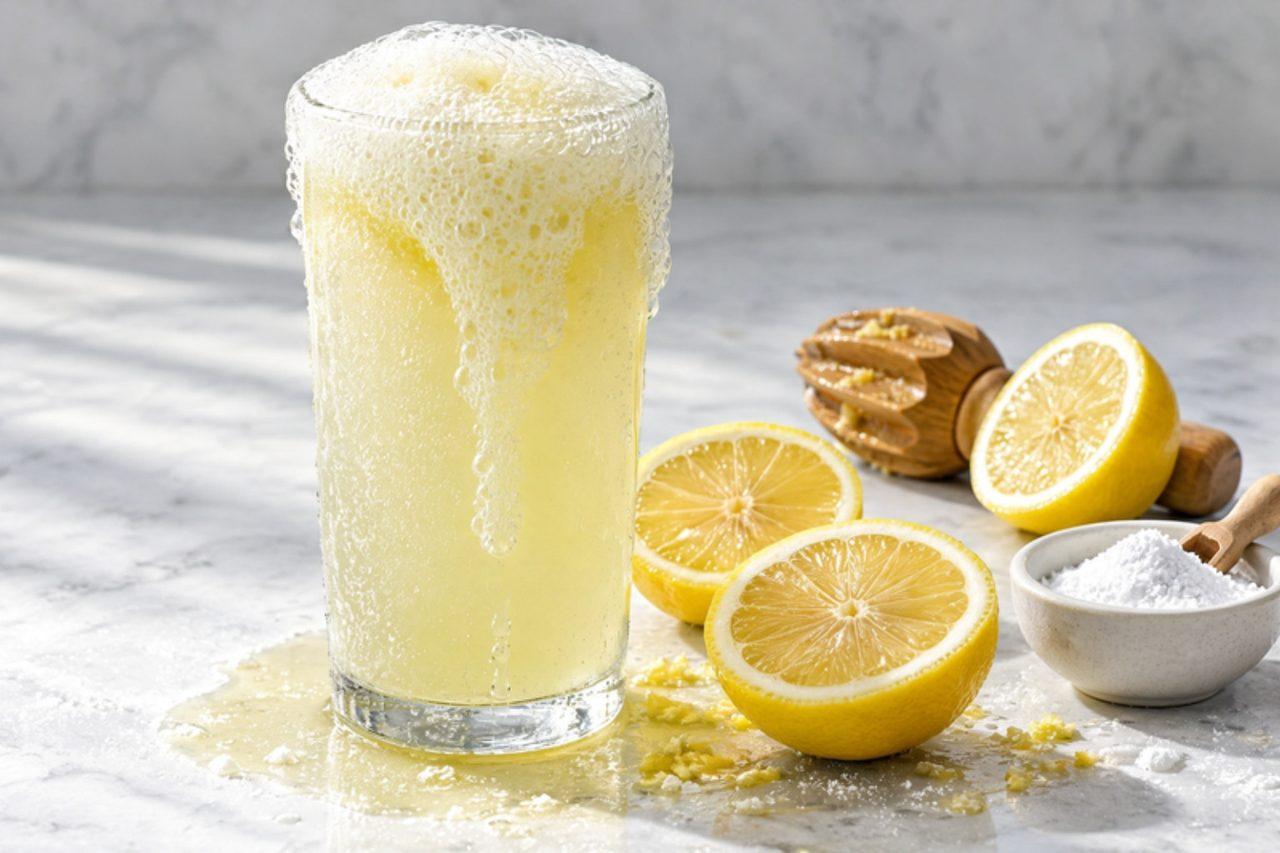
Limonata a cosce aperteFizzy lemonade

On hot afternoons along the Lungomare and in Piazza Sannazaro, the old acquafrescai kiosks squeeze half a lemon into a glass of sparkling water, then add a pinch of bicarbonate of soda. The drink foams up and over the rim, so you have to lean forward with your legs apart to drink it without soaking your shoes, which is where the cheeky name comes from. It tastes sharp, salty-fresh and very fizzy, and Neapolitans swear by it after a heavy lunch. Chef's tip: have the glass at your lips before you stir in the bicarbonate; the foam rises in seconds.

by KrazyBadal 0 views

Bajre ki raabdiFermented pearl millet buttermilk porridge

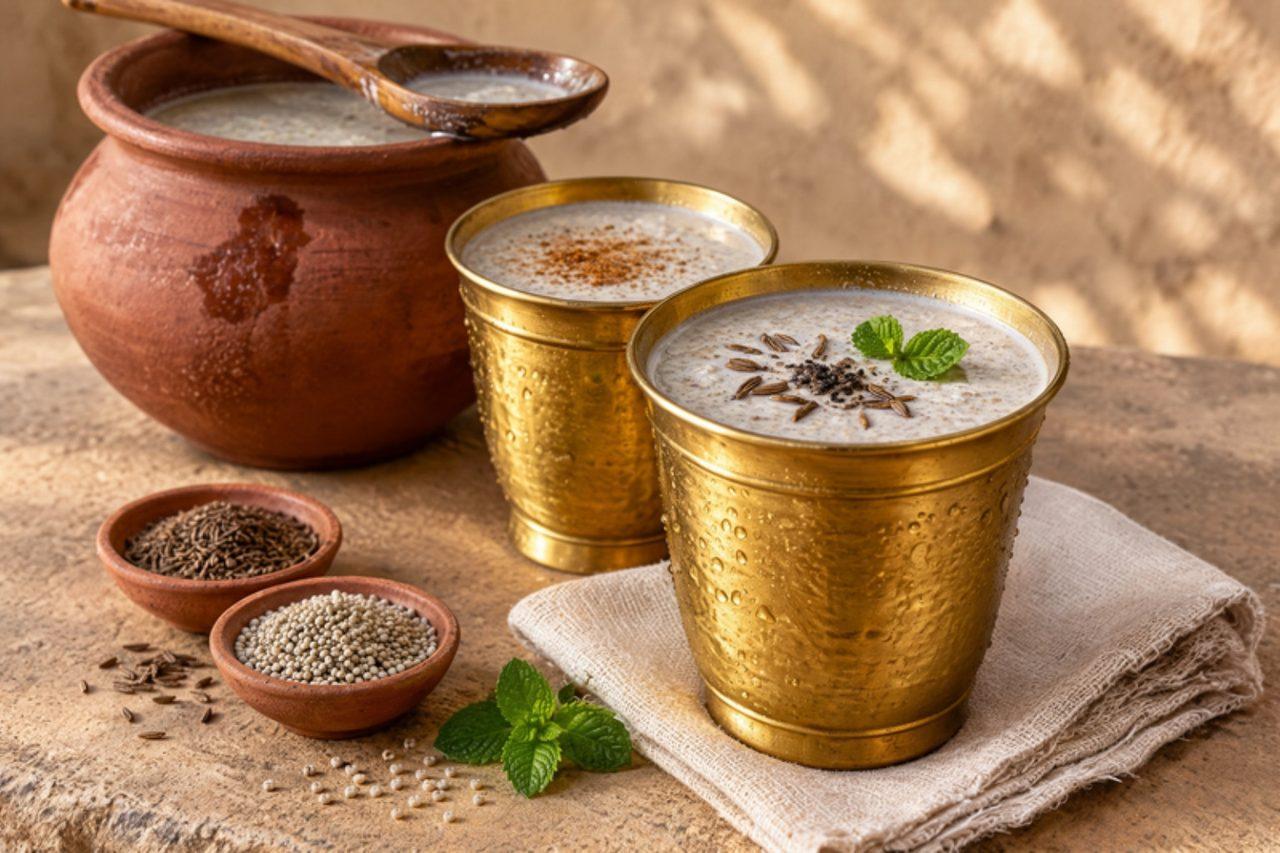
In the villages of Haryana and the Rajasthan border, raabdi is drunk at midday in May and June to keep cool in the fields. Pearl-millet flour is stirred into buttermilk and left to ferment for a few hours, then cooked slowly until thick, cooled in a clay pot and thinned with more buttermilk and salt. It tastes tangy and earthy, a little like a savoury porridge you can drink. Ferment at warm room temperature (25–32 °C) for 4–6 hours: it should smell pleasantly sour with a few bubbles. Throw it away if you see pink, black or furry mould or it smells rotten or of nail varnish. The common mistake is cooking on high heat, which scorches the millet and leaves raw lumps. Chef's tip: keep the cooked raabdi in the fridge and drink it within 2 days, thinning each glass to taste.

by KrazyBadal 0 views

Chłodnik litewskiChilled beet leaf soup

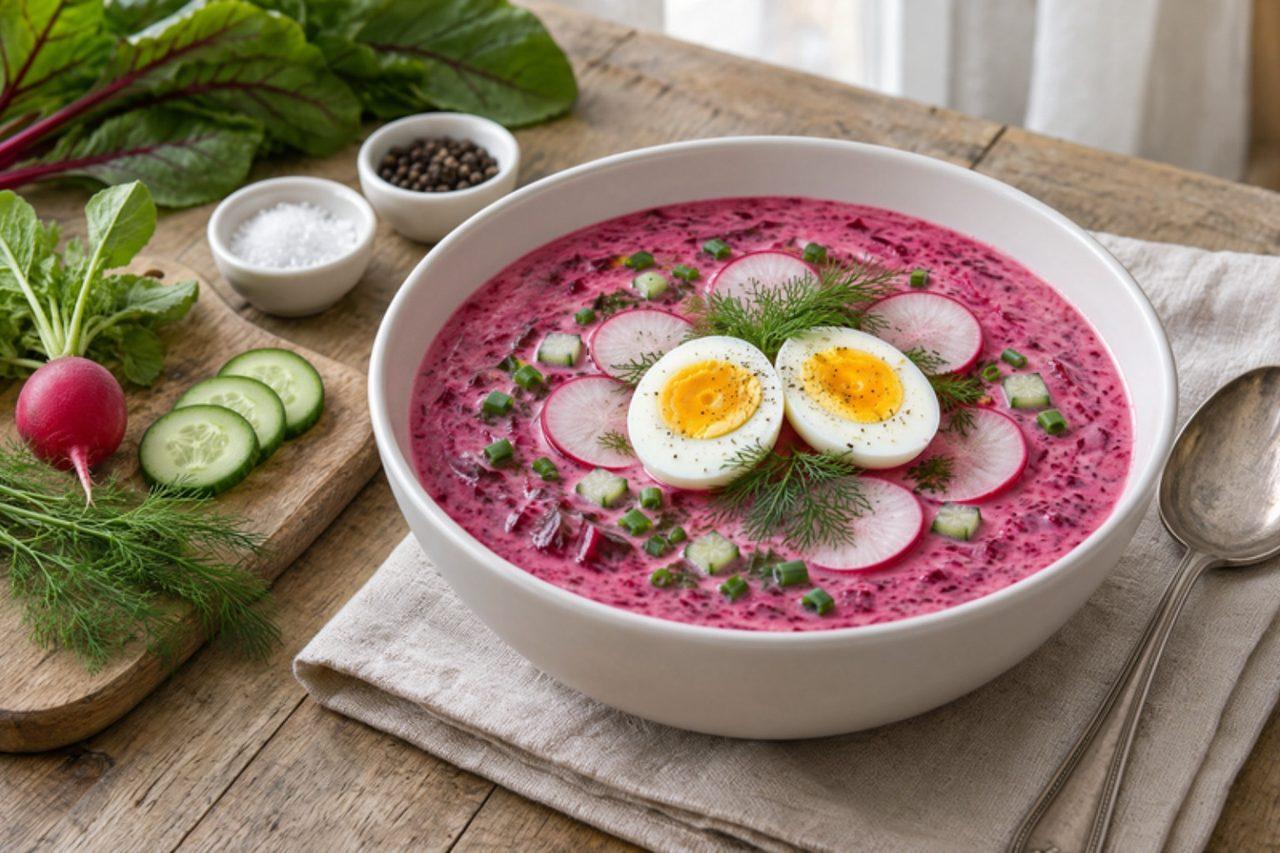
In Podlasie and the lake country of north-east Poland, chłodnik is the soup of hot June and July days, when young beets are pulled with their leaves still tender. The beet greens and baby beets are cooked briefly, chilled, then stirred into kefir with cucumber, radish, spring onion and lots of dill, so the soup turns shocking pink, tangy and cold. It is served as a starter or a light lunch with half a hard-boiled egg in each bowl. Suitable as part of a balanced diet. About 170 kcal and 13 g carbohydrate per portion. The usual mistake is mixing the kefir into warm beets, which makes it split and dulls the colour, so chill them completely first. Chef's tip: add a squeeze of lemon to the cooking beets; the acid keeps the colour a vivid pink instead of brownish.

by KrazyBadal 0 views

TereréIced yerba mate

In Asunción the hottest part of the day stops for tereré: a horn or cup packed with yerba mate, topped up again and again with ice water infused with crushed herbs, and passed round the group through a metal straw. It was recognised by UNESCO as part of Paraguay's cultural heritage, and the herbs (yuyos) change with the season and the drinker's mood. Yerba mate contains caffeine, so it isn't one for small children. The common mistake is pouring water straight into loose yerba, which then clogs the straw; tilt the yerba to one side first. Chef's tip: for tereré ruso, swap the water for cold orange or grapefruit juice.

by KrazyBadal 0 views

Winter melon tea

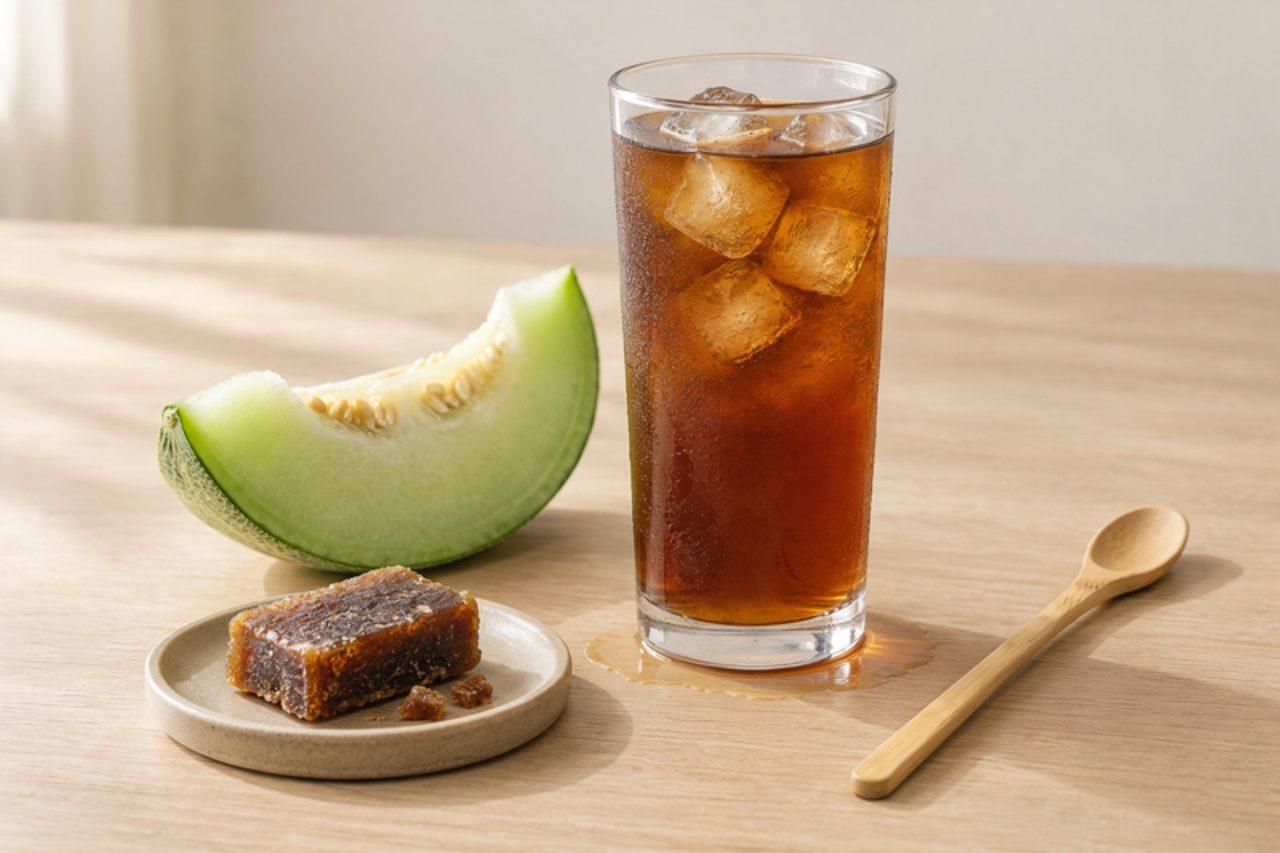
All over Taiwan, from Tainan's old markets to Taipei's night-market stalls, winter melon tea is sold in plastic cups packed with ice through the steaming summer. Despite the name there is no tea in it: chunks of winter melon are cooked down for hours with brown and white sugar until the melon disappears into a thick, dark, toffee-scented paste, which is set into blocks and later dissolved in hot water and chilled. The drink tastes of caramel and light molasses with a gentle, grassy melon note, and it is often mixed half and half with lemon juice or fresh milk. The common mistake is stopping too early, when the mixture is still runny: it will not set and it tastes boiled rather than caramelised. Keep stirring until a drop on a cold plate sets firm and the paste pulls away from the pan. Ready blocks keep 2 months in the fridge, or 6 months frozen; make the drink whenever you want it. If you cannot find winter melon (ash gourd, available frozen in Asian shops), there is no good substitute. Chef's tip: a final 10 minutes on low heat with constant stirring gives the deep, smoky colour that market versions have.

by KrazyBadal 0 views

HyldeblomstsaftElderflower cordial

In Denmark the elder hedges flower from late May to the end of June, and picking the creamy umbels on a dry, sunny morning is one of the first rituals of summer. The flowers steep for a few days with sliced lemon, sugar syrup and citric acid, then are strained into bottles of hyldeblomstsaft, a non-alcoholic cordial that is diluted with cold still or sparkling water and poured at garden lunches, children's birthday parties and around the bonfire on Sankt Hans aften, 23 June. It tastes floral and honeyed, a little like muscat grapes, with a fresh lemony edge that keeps it from cloying. The mistake most people make is picking flowers that are already browning, damp or growing by a busy road; they give a musty, catty smell. Choose freshly opened heads that smell sweet, and shake out the insects instead of washing them, which rinses away the pollen and the flavour. The cordial is ready when it tastes clearly of elderflower and the lemon slices have softened. Chef's tip: snip the florets off with scissors right under the flowers, as green stalk makes it bitter.

by KrazyBadal 0 views

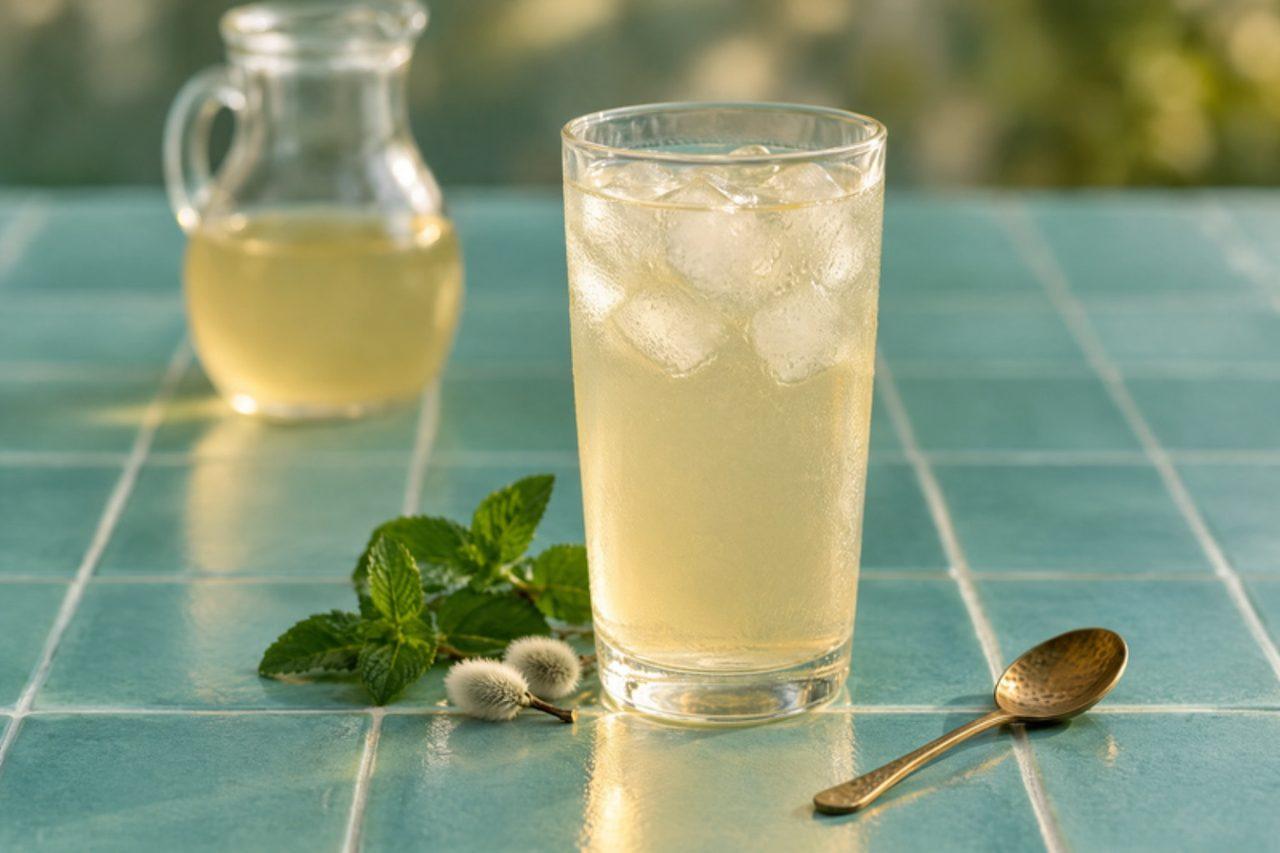
Sharbat-e bidmeshk (willow blossom sherbet)

Kashan and the villages of Qamsar and Niasar are famous for distilling flowers in spring: rose water in May, and before that araq-e bidmeshk, the distillate of the fuzzy catkins of the musk willow. In summer, when the desert heat settles over the old houses, the same bottles go into sharbat-e bidmeshk, a pale syrup diluted with icy water and served to guests in tall glasses, sometimes with swollen basil seeds. It is traditionally drunk to calm the nerves and cool the body. The taste is delicate, sweet and haunting, somewhere between honeysuckle, musk and fresh hay. The common mistake is adding the distillate to hot syrup; the heat drives the scent away within minutes, so cool the syrup completely first. The syrup is ready when it is clear and pours like thin honey, and the finished sherbet should smell floral the moment you lift the glass. Look for the distillate in Iranian shops; there is no true substitute, though rose water with a few drops of orange-blossom water makes a pleasant but different drink. Chef's tip: a squeeze of lemon in the syrup stops it crystallising in the fridge, where it keeps for a month.

by KrazyBadal 0 views

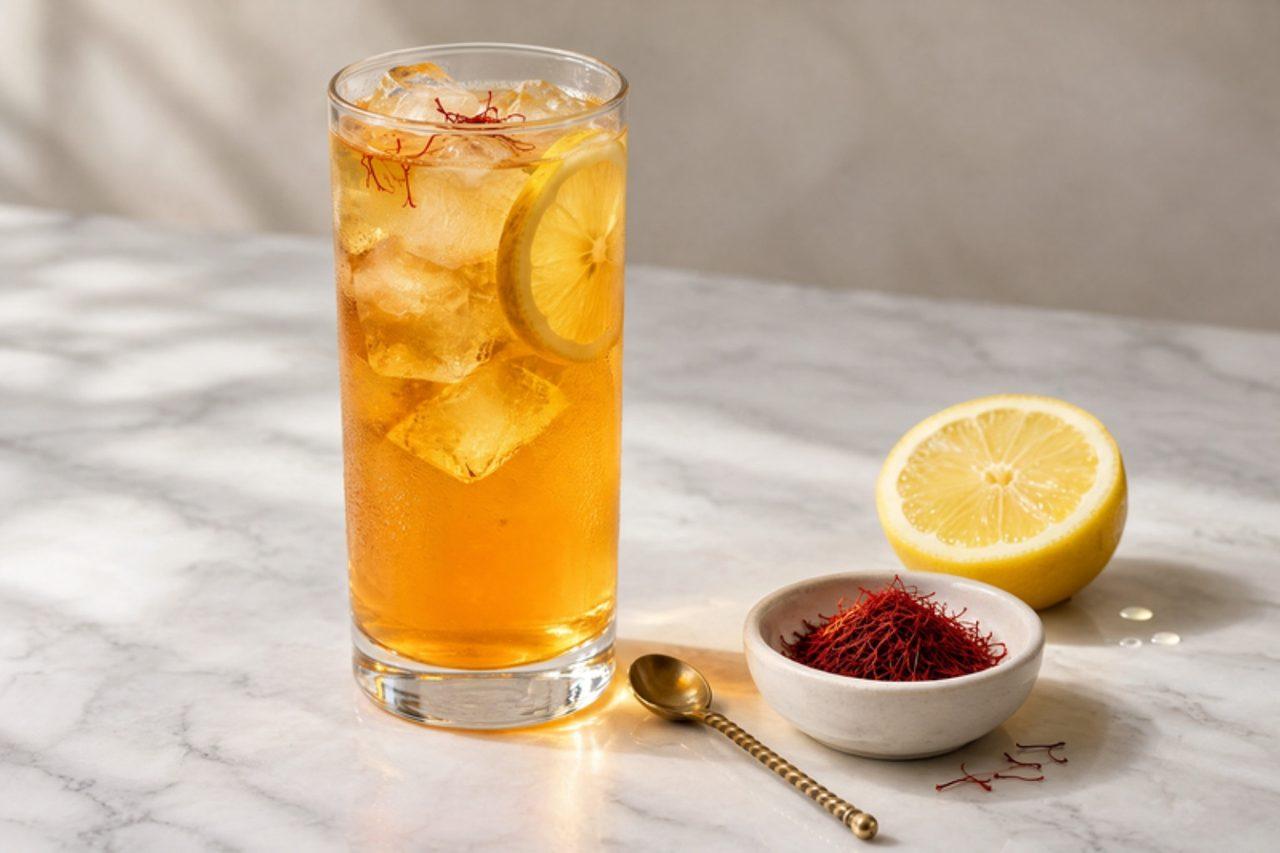
Sharbat-e zaferan (saffron sherbet)

Big steel urns of golden saffron sherbet are poured for guests at Iranian weddings and engagement parties, and the same drink is handed out on the street as nazri during Muharram and at memorial gatherings, when families offer something sweet and cool in the name of the departed. Saffron from Khorasan is ground with a sugar cube, bloomed in a little water and stirred into syrup with rose water and lemon. The result is honey-sweet and floral, with saffron's faint bitterness and hay-like perfume at the end, and a colour that should be a clear, sunny orange-gold. The usual mistake is dropping whole threads straight into cold water, which gives a pale, patchy drink and wastes expensive saffron; grind it first and let it bloom for at least 10 minutes. You know the bloom is ready when the water is a deep red-orange and smells strongly of saffron. Taste before serving: it should be sweet but finish clean, with the lemon just noticeable. Chef's tip: an ice cube placed on the ground saffron and left to melt slowly gives the deepest colour of all, an old Iranian trick.

by KrazyBadal 0 views

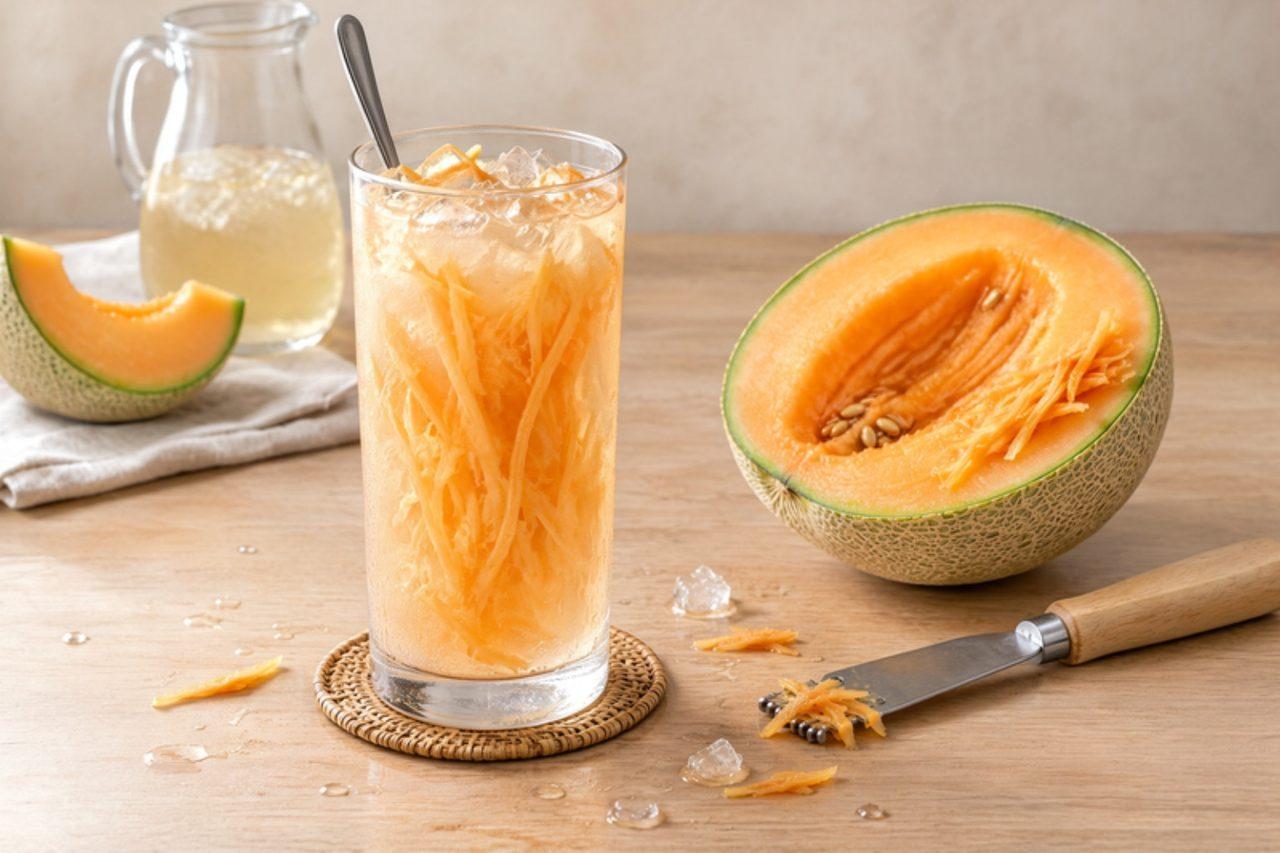
Melon juice (cantaloupe drink)

Afternoon merienda across the Philippines means something cold from a plastic cooler at the school gate, a jeepney stop or a carinderia: sago't gulaman, buko juice or this melon drink, with ribbons of orange cantaloupe suspended in sweet water. Vendors scrape the melon with a special spiral shredder, a kayod ng melon, so you get thin strands to chew through a fat straw. It tastes fresh, sweet and gently musky, more refreshing than a smoothie because the water stays clear and light; some stalls add evaporated milk, but the plain version is the classic. The common mistake is using a melon that is not fully ripe, which gives pale, crunchy strands and a flat drink; choose one that smells sweet at the stem end and gives slightly when pressed there. Shred straight into the jug so the juice from the melon is not lost. It is ready when the strands are soft and floating, the water has turned faintly orange and it tastes of melon rather than plain syrup. Chef's tip: a box grater's coarse side or a fork scraped along the flesh both work if you don't own a melon shredder.

by KrazyBadal 0 views

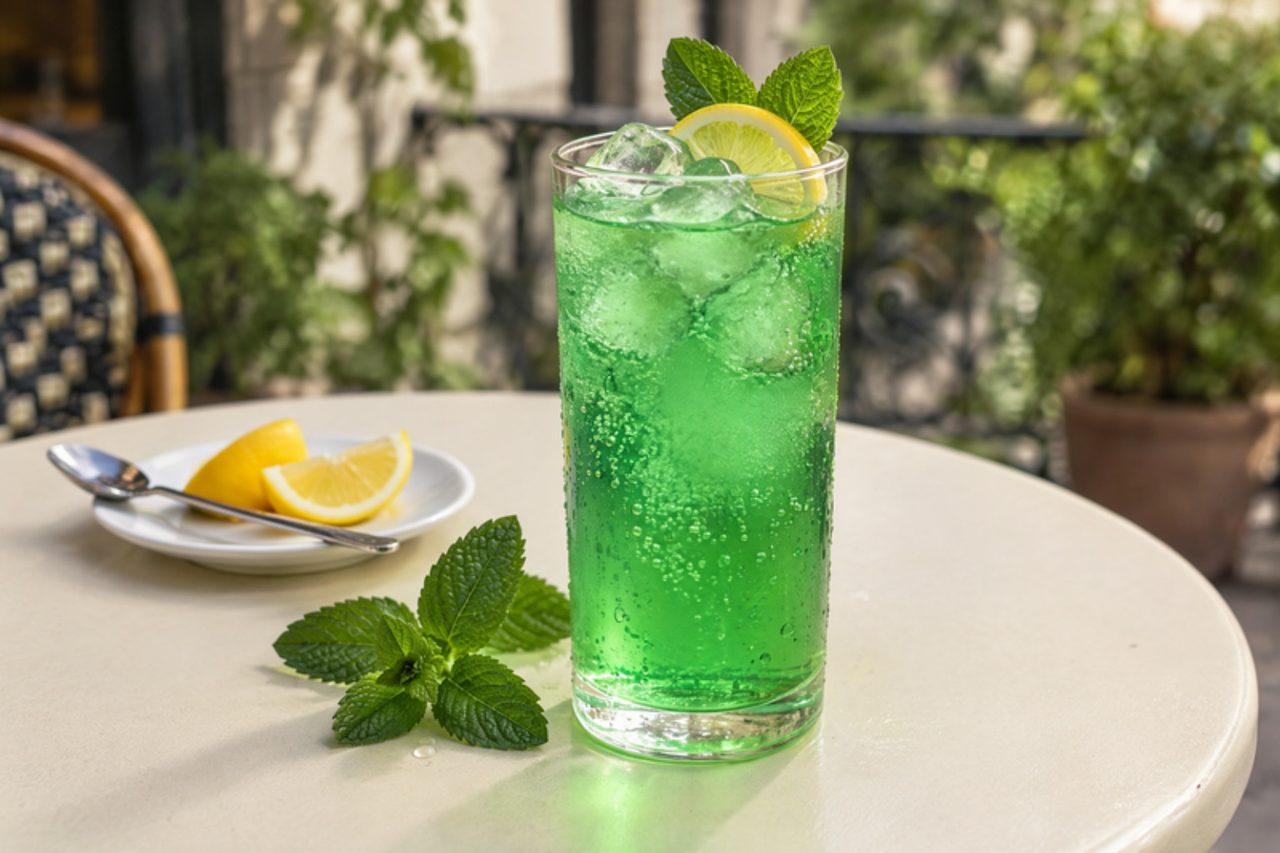
Diabolo mentheMint syrup and lemonade

Ask anyone who grew up in France about diabolo menthe and they will remember sitting on a café terrace after school, or on holiday in Brittany or the Vendée, with a tall glass of startling green fizz and a straw. It is simply sirop de menthe, the sweet mint syrup sold in every French supermarket, topped up with limonade, which in France means a clear, lightly sweet, lemony fizzy drink. Grenadine makes a diabolo grenadine, lemon syrup a diabolo citron. It tastes cool, minty and sweet, like a liquid mint sweet, with a sharp sparkle. The common mistake is pouring the syrup on top of the lemonade: it sinks in a dense layer and you drink plain fizz followed by pure syrup. Put the syrup in the glass first and pour the lemonade down the side so it mixes as it rises. It is ready when the glass is an even mint-green from bottom to top and still fizzing hard. Café ratio is about one part syrup to seven parts lemonade. Chef's tip: for a homemade syrup, steep a big handful of fresh mint in hot sugar syrup for 30 minutes and strain; it will be pale gold-green rather than emerald, and tastes fresher.

by KrazyBadal 0 views

'OtaiWatermelon and coconut drink

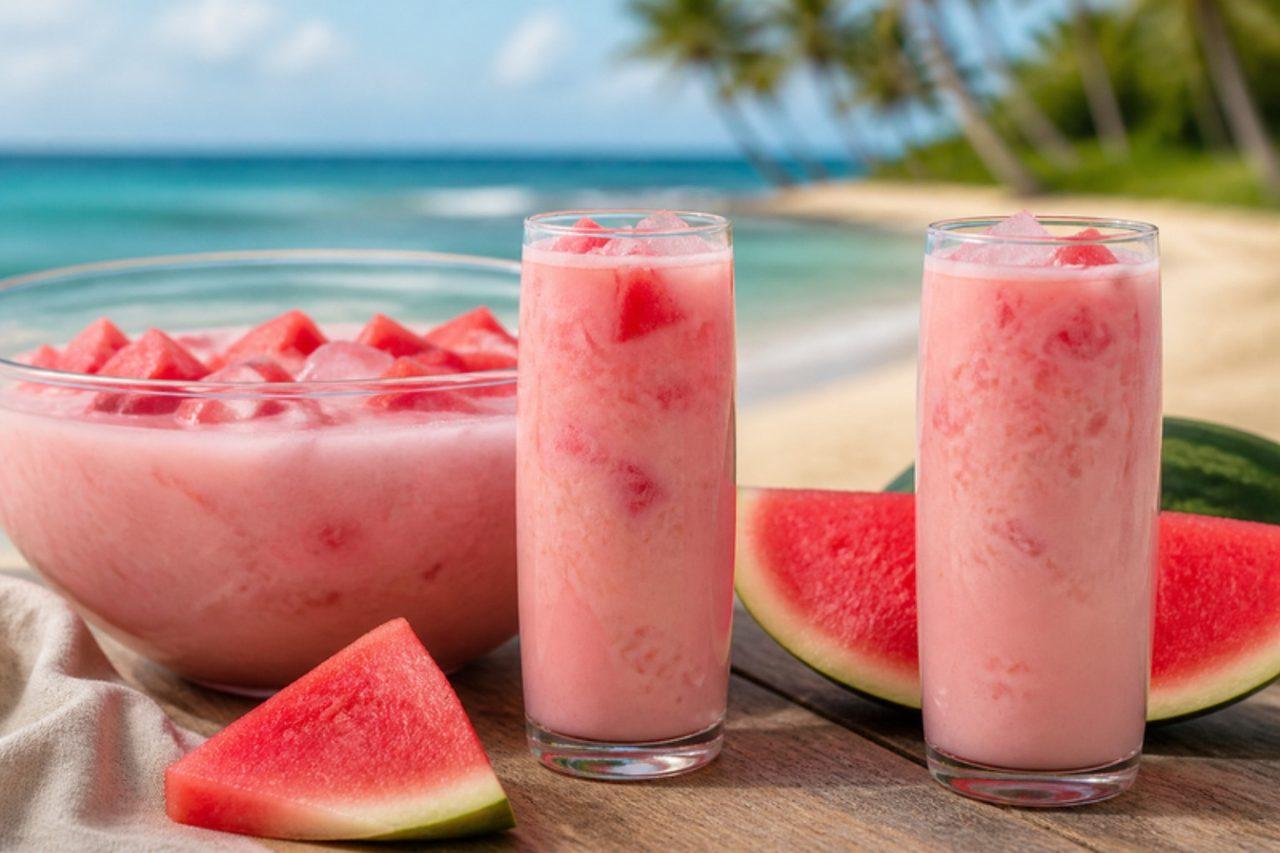
'Otai is the drink of the Tongan summer, ladled from big bowls at church feasts, weddings and beach picnics around Tongatapu. Watermelon is grated or mashed into chunky pulp and mixed with coconut milk, a little sugar and lots of ice; some families add grated mango or pineapple. It is drunk and eaten at the same time, with pieces of fruit in every glass. A common mistake is blending it smooth; it should be pulpy. Chef's tip: grate the melon on the coarse side of a box grater straight into the bowl to catch all the juice.

by KrazyBadal 0 views

Thambili (king coconut water)

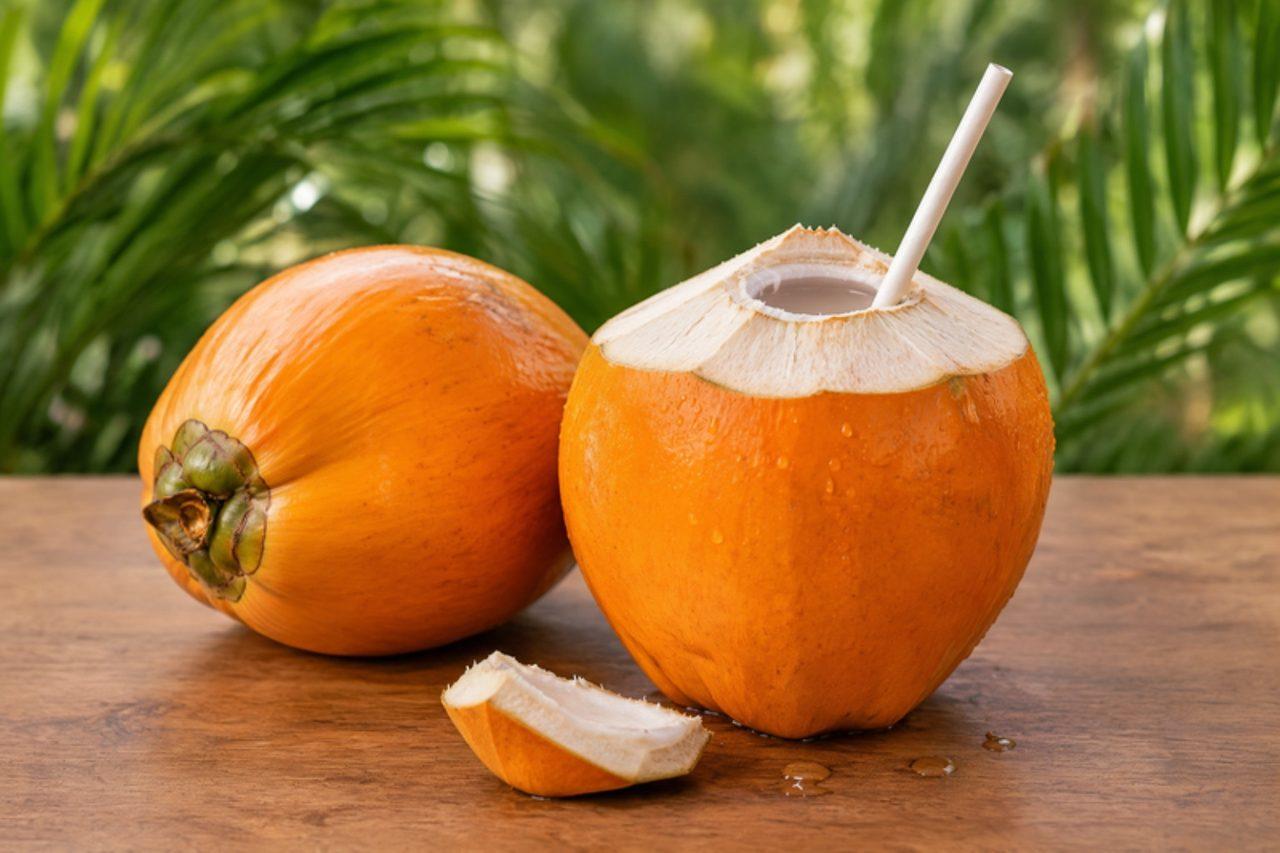
All along Sri Lanka's roads, from Galle Road in Colombo to the highways into Kandy and the beaches of the south coast, vendors stack bright orange king coconuts in pyramids under umbrellas. The thambili is a variety grown on the island for drinking: smaller than a green coconut and sweeter, with a faint saltiness that makes it more refreshing than any bottled drink. It is drunk any time of day in the heat, after a long bus ride, after a cricket match, and given to people recovering from a fever because it is gentle on the stomach. The water is clear, lightly sweet and nutty, and the soft jelly inside is eaten with a spoon made from a slice of the husk. The common mistake is hacking at the side of the nut; the blade glances off and the water spills. Trim the pointed top with downward strokes until a pale circle shows, then pierce it. It is ready to drink when a small hole opens straight into the water without husk fibres. Outside Sri Lanka, young green or Thai coconuts are the nearest substitute. Chef's tip: chill the coconuts for a few hours before opening; the water tastes sweeter cold, and use a heavy knife and a towel, keeping fingers well clear.

by KrazyBadal 0 views

Calamansi juice

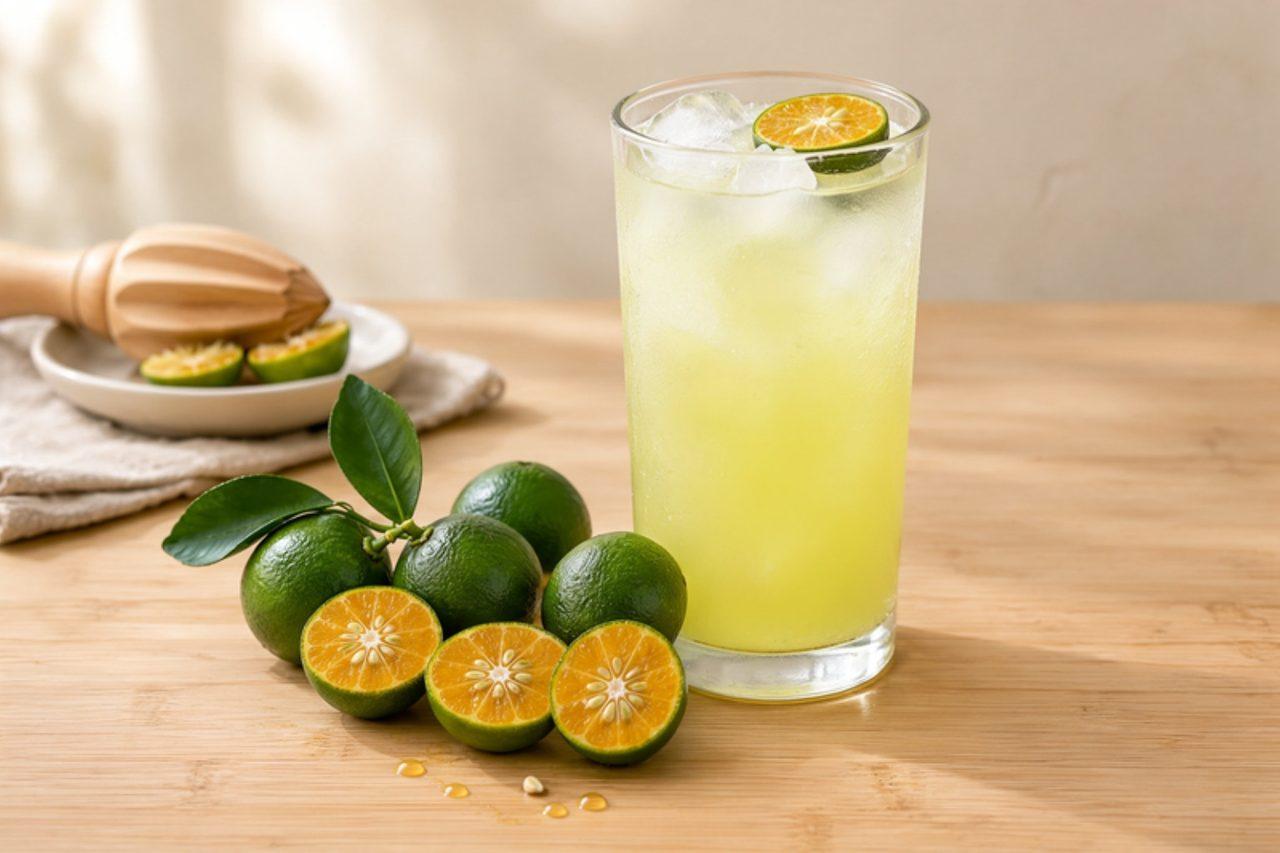
Every Filipino household seems to have a calamansi bush or a bag of the little green fruit in the fridge, from Manila condos to farmhouses in Mindoro, the island that grows most of them. At lunch in the dry season the juice comes out iced in a big pitcher; in the rainy months, when everyone has a cough, a lola stirs the same juice into hot water with a little sugar or honey and hands it over at bedtime. It tastes like a lime crossed with a mandarin: sharp, floral and slightly bitter at the edges, with a pale green-gold colour. The usual mistake is squeezing the fruit hard and letting the seeds and pith fall in, which turns the juice bitter within minutes; halve each fruit across, squeeze gently over a small strainer and stop before the peel folds. It is ready when the sugar has fully dissolved, the juice tastes bright rather than harsh and a cold glass fogs on the outside. Chef's tip: dissolve the sugar in a little warm water first, as it never melts properly in iced juice.

by KrazyBadal 0 views

Sharbat-e rivas (rhubarb sherbet)

For a few weeks in spring, after Nowruz, sellers come down from the Alborz foothills, the mountains of Khorasan and Kurdistan with bundles of rivas, the thick-stalked wild rhubarb. People peel and eat the stalks raw with salt, cook them into khoresh, and boil the rest into syrup to keep the taste of the season into summer. Sharbat-e rivas is pink, sharp and refreshing, like sour cherry and green apple together, softened by sugar and lifted by mint. The common mistake is boiling the rhubarb hard and pressing it through the sieve, which makes the syrup cloudy, brownish and stringy; simmer gently and let it drip on its own. Use only the stalks, never the leaves, which are poisonous. The syrup is ready when it is clear, rose-coloured and coats a spoon in a thin film; it keeps for two weeks in a clean bottle in the fridge, and should be thrown away if it fizzes, smells of alcohol or grows mould. Garden rhubarb is a good substitute for rivas; the reddest stalks give the prettiest colour. Chef's tip: a strip of lemon peel in the pot brightens the colour and stops the syrup tasting flat.

by KrazyBadal 0 views

Paneer soda (rose soda)

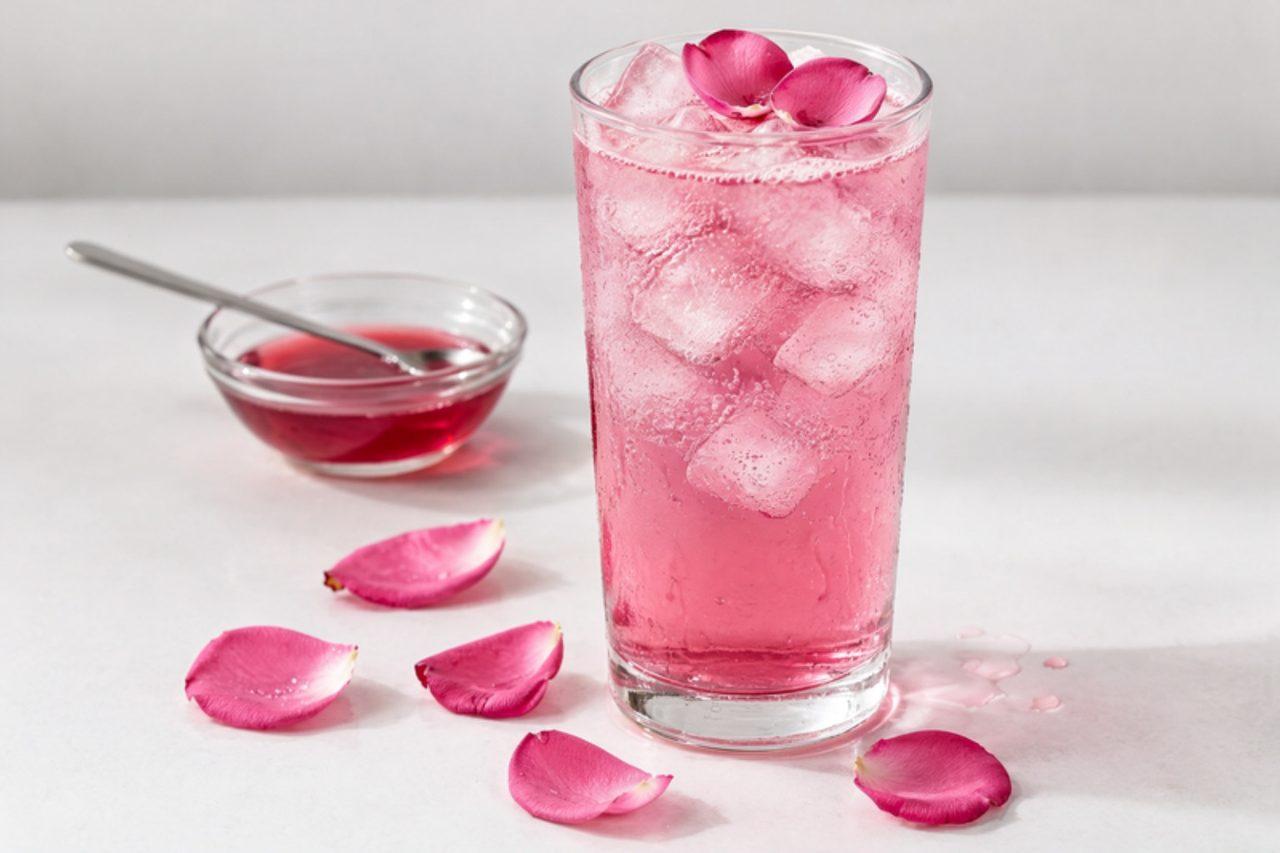
Every Tamil town once had a soda shop with crates of Codd-neck bottles sealed by a glass marble, and the pop of the marble being pushed down was the sound of a hot afternoon. Paneer here means rose water, not cheese, and paneer soda is rose syrup topped with that sharp local fizz, sold in Madurai, Tiruchi and Coimbatore by the bus stand and at temple festival stalls in Chithirai and Vaikasi, the hottest months. It is sweet and floral at first, then the bubbles and a touch of lime cut through and leave the mouth clean. The mistake most people make is boiling the rose water with the sugar: the scent cooks away and you are left with plain syrup. Make the syrup first, let it cool, and only then stir in the rose water. The syrup is ready when it is clear and slightly thickened, like thin honey, and the finished drink should be rosy pink and still foaming as you hand it over. Chef's tip: chill the syrup, the soda and the glasses well; warm soda loses its fizz the moment it meets the syrup.

by KrazyBadal 0 views

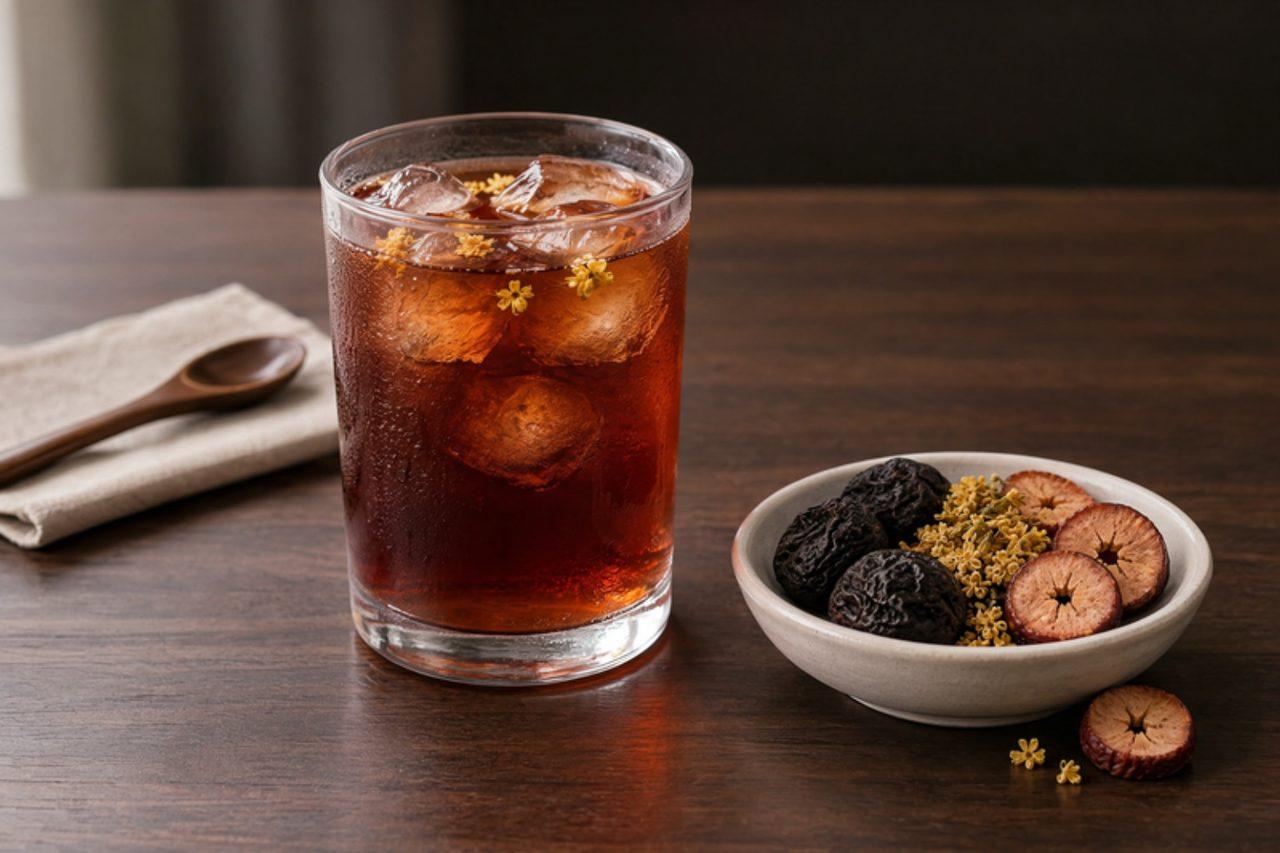
Suanmeitang (sour plum drink)

Old Beijing sold suanmeitang from brass bowls at street corners in summer, chilled with blocks of river ice, and the Qing court drank a version as a cooler. Today it comes in big jugs at copper-pot hotpot restaurants, where its sourness cuts through mutton and sesame sauce; families brew a pot every few days all summer. Smoked wumei plums give a deep, almost bacon-like smokiness, hawthorn adds fruity acid, licorice softens the edges and rock sugar rounds everything off, with dried osmanthus on top for a honeyed scent. It should be dark ruby, clear and refreshing, tart first and sweet after. The common mistake is boiling it hard for hours: the plum stones and hawthorn seeds release bitterness and the brew turns muddy. Simmer gently, strain early and chill fast. It is ready when the plums have collapsed and the liquid tastes clearly sour-sweet with a smoky finish. Licorice root is traditionally used in small amounts; people with high blood pressure, heart or kidney problems, or who are pregnant should keep the licorice out or check with a doctor. Chef's tip: add the osmanthus only after the heat is off, or its perfume vanishes.

by KrazyBadal 0 views

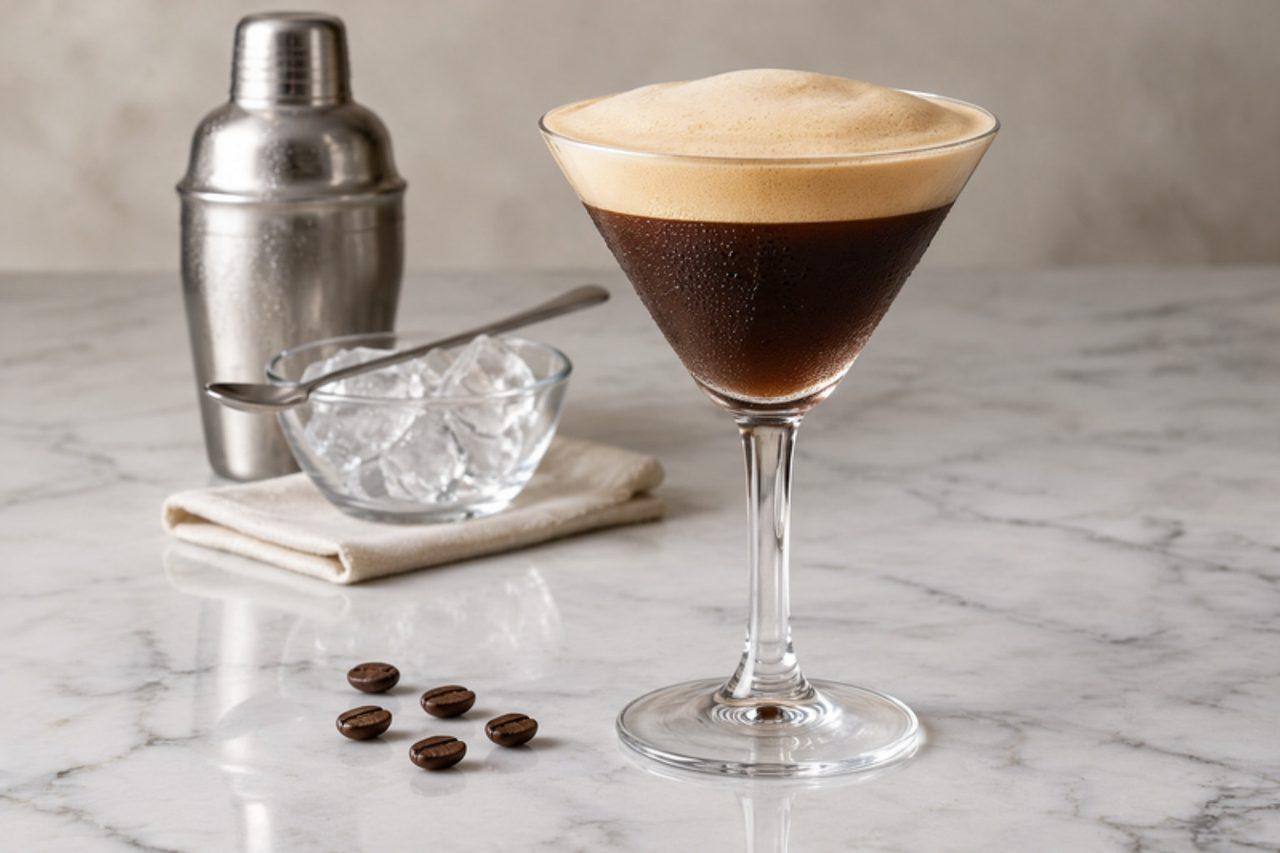
Caffè shakeratoShaken iced espresso

When July heat settles over Italian piazzas, bar regulars from Rome to Bologna switch their morning or after-lunch espresso for a shakerato. The barista pulls a fresh shot, tips it into a cocktail shaker with ice and sugar, shakes hard for fifteen seconds and strains it into a chilled martini or wine glass, where it settles into a dark body under a thick, beige, mousse-like crema. It tastes intense and bittersweet, colder and smoother than iced coffee, with a texture almost like a light cream. The common mistake is using too little ice or shaking half-heartedly: the coffee stays warm and the foam collapses within seconds. Fill the shaker at least half full with ice and shake until the metal is too cold to hold comfortably. It is ready when you hear the ice rattle softly and the shaker frosts over, and the pour has a thick foam on top. One shaker holds one double espresso, so it is fairly strong in caffeine. Chef's tip: dissolve the sugar in the hot espresso before adding ice; granulated sugar barely melts once the coffee is cold.

by KrazyBadal 0 views

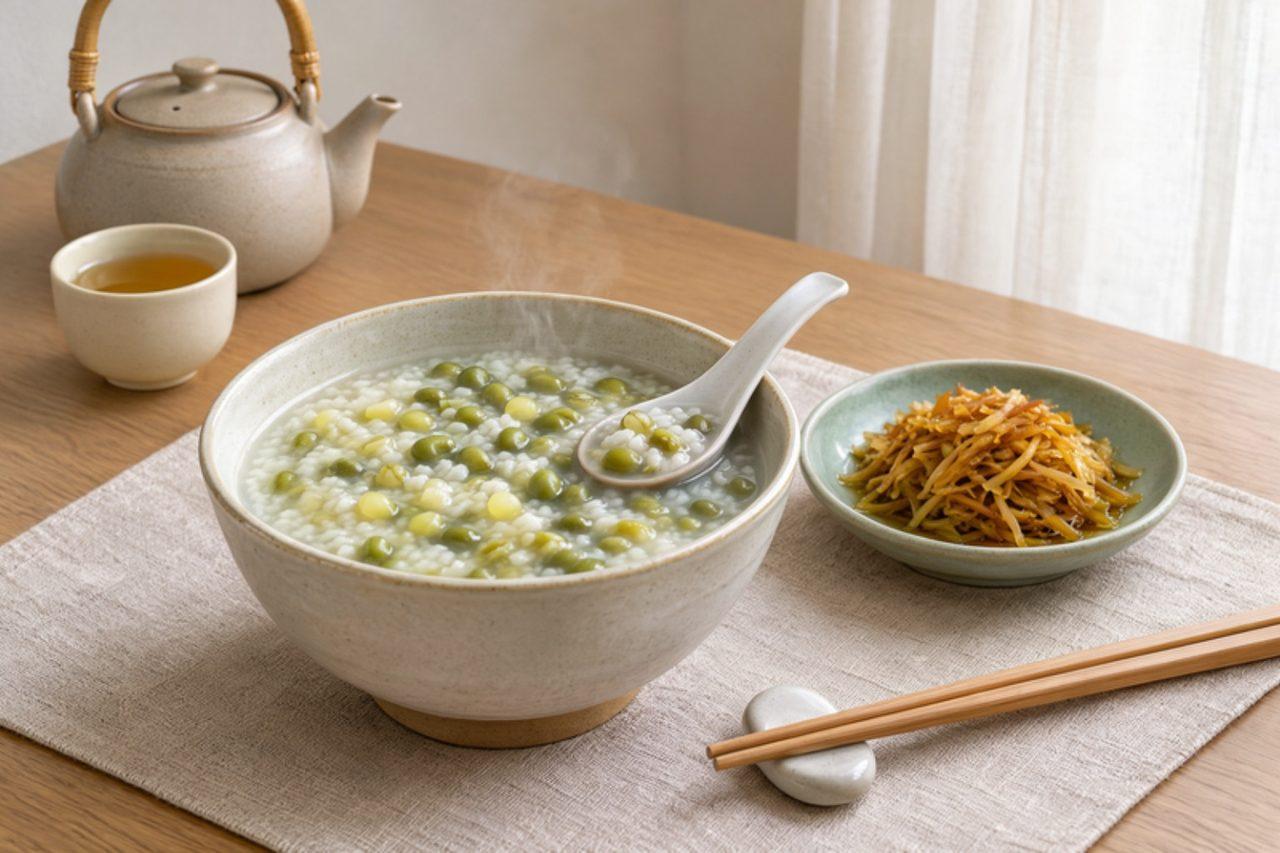
Lüdou zhouRice and mung bean congee

In Beijing and across the north, a pot of lüdou zhou is what families cook on hot summer mornings: plain rice and mung beans simmered until the beans split and the rice turns creamy, believed to cool the body. It is eaten with salty pickled vegetables, a fried dough stick or a spoon of sugar for children. The mistake is putting the rice and beans in together; mung beans need a head start or you get mushy rice with hard beans. Chef's tip: once it is cooked, leave it to stand off the heat with the lid on for 10 minutes; it thickens into a silky congee without extra stirring.

by KrazyBadal 0 views

Gondhoraj gholLime-scented yogurt drink

In Kolkata the gondhoraj lime arrives with the monsoon heat, a knobbly green fruit whose peel smells of flowers and pine more than of sour citrus. Bengali households use it to lift dal and fish, but in the sticky months from Boishakh into Srabon it goes into ghol: dahi churned with cold water until frothy, sweetened lightly and scented with the zest, a squeeze of juice and a torn leaf. Cafés along Gariahat and old sweet shops serve it in clay bhaar cups after lunch, and it is just as good mid-afternoon with a plate of muri. It drinks thin, cool and silky, with a soft tang and a perfume that hits the nose before the first sip. The usual mistake is grating too deep or leaving the zest to sit for an hour: the white pith and the oils turn bitter. Take only the green outer layer, add it just before serving, and stop when the ghol smells floral rather than sharp. It is ready when the top is covered in fine foam and a spoon comes out lightly coated. Chef's tip: for the salted version, swap the sugar for black salt and a pinch of roasted cumin, as many Kolkata homes do on the hottest days.

by KrazyBadal 0 views

Durofrío de mangoFrozen mango milk pops

In the hot streets of Centro Habana, durofríos are sold straight from the front windows of family homes: a few pesos buys a frozen cup of fruit juice or fruit and milk, popped out and eaten on a stick or straight from its paper cup. Children queue for them after school in the long summer afternoons, when the sea breeze has dropped. This version blends ripe mango with milk and lime into a creamy, fruity ice that is firm, as the name says ("hard-cold"), rather than soft like ice cream. Swap the milk for water or guava juice for a dairy-free fruit ice. It contains milk. Chef's tip: make the mix taste a little too sweet before freezing; cold dulls sweetness.

by KrazyBadal 0 views

Showing 96 of 289 recipes

Show more recipes

Page 6 of 13

More occasions