


Skip to content
Panchakhadya
Featured recipe

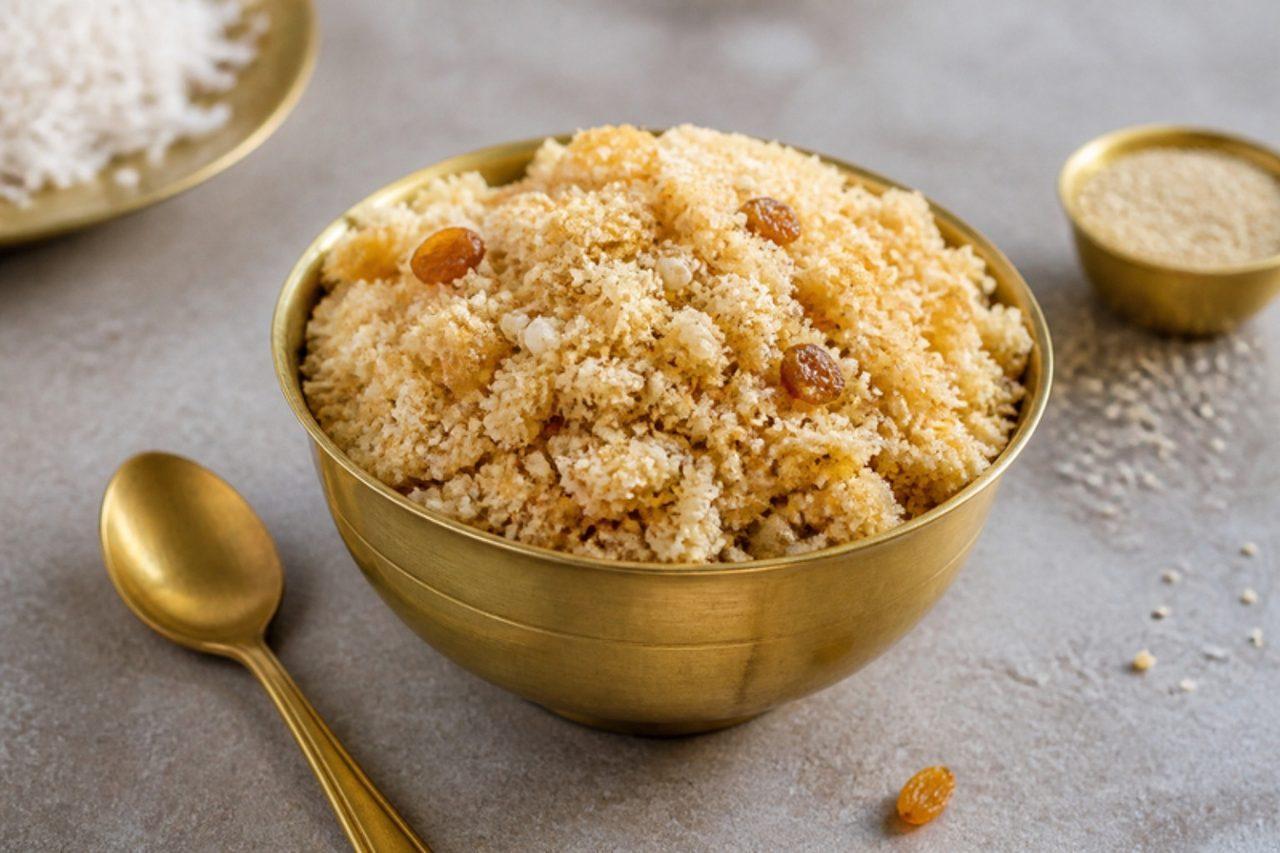
Panchakhadya

Coconut, jaggery and poppy seed offering

Walk into a Maharashtrian home during the ten days of Ganeshotsav and the evening aarti ends with a spoonful of panchakhadya pressed into your palm. Pancha means five and khadya means things to eat: dry coconut (khobra), jaggery, poppy seeds, dry dates (kharik) and dry ginger (sunth) powder, all toasted and pounded together into a loose, sweet crumble. Some families add a few raisins or almonds, but the five are the heart of it. It is warming, chewy and gently spicy from the sunth, and it keeps for weeks, which is why it is made in a big tin at the start of the festival. Eat it by the spoon, or sprinkle over hot milk. The common mistake is grinding everything together into a sticky paste; the jaggery should be grated and stirred in at the end so the mixture stays crumbly. Chef's tip: dry kharik are rock hard; soak them for 10 minutes in hot water, then pat dry and chop, or buy ready kharik powder.

Read more 0 views

What to eat today?

Around the world

Today's trip: Persian

A new country every day, from every cuisine on the site.

Persian

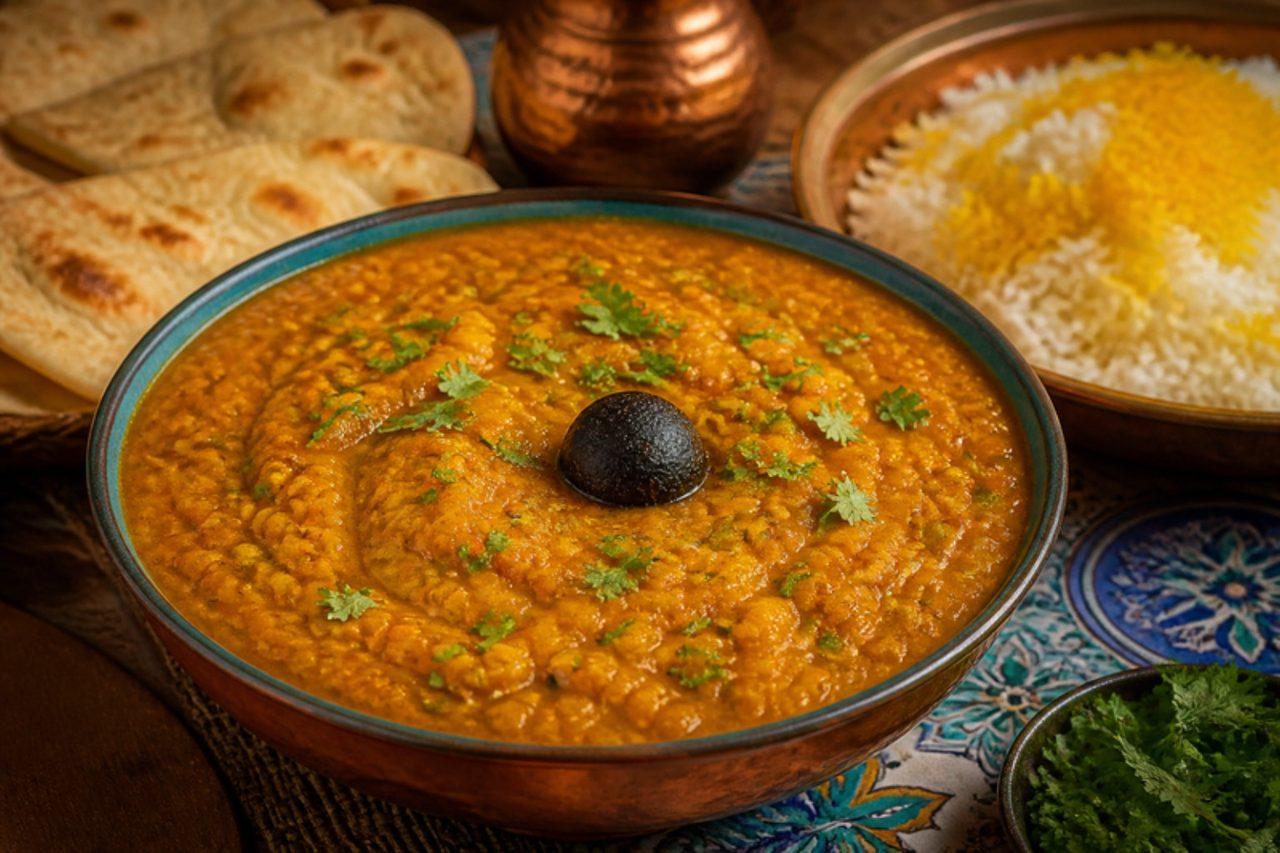
Dal adas

Red lentil curry with dried lime 50 minMore from Persian (177) →

This week's collection

Kid-friendly dinners
739 recipes · a new collection every Monday

Coming up

All occasions →

Latest recipes

Ital stewPumpkin and sweet potato stew

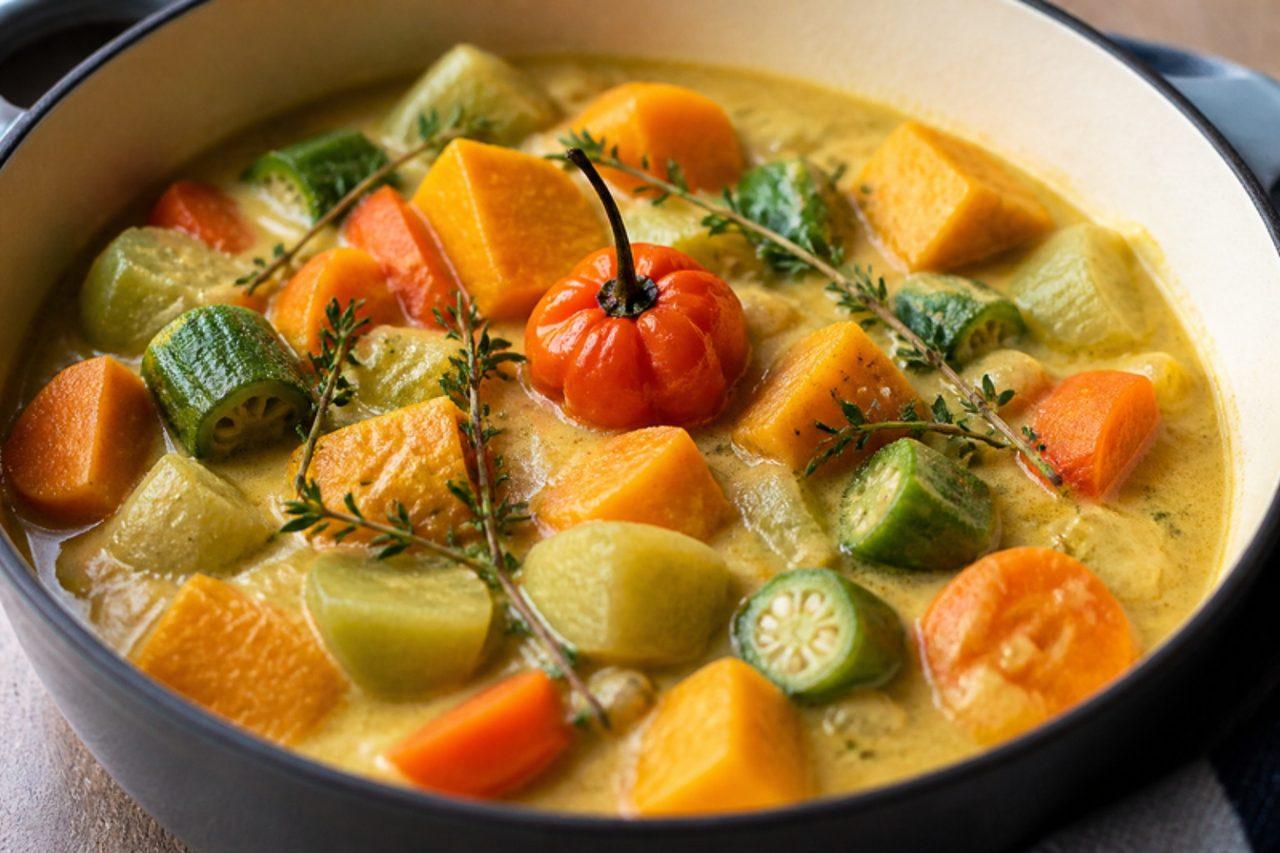
Ital food is the cooking of the Rastafari, found from the hills of St Andrew to roadside Ital shops in Westmoreland and St Thomas. It is plant-based, close to the earth and traditionally made without added salt, built on fresh 'food' (ground provisions) and greens. This stew is golden and gently sweet, thickened by melting pumpkin and silky okra, with coconut milk, thyme and pimento giving warmth and a whole scotch bonnet giving fruity heat. Serve with rice and peas or boiled green bananas. Chef's tip: cut half the pumpkin very small and the other half in big chunks. The small pieces collapse into the coconut milk and thicken it naturally, while the big ones hold their shape.

by KrazyBadal 0 views

FestivalSweet fried cornmeal dumplings

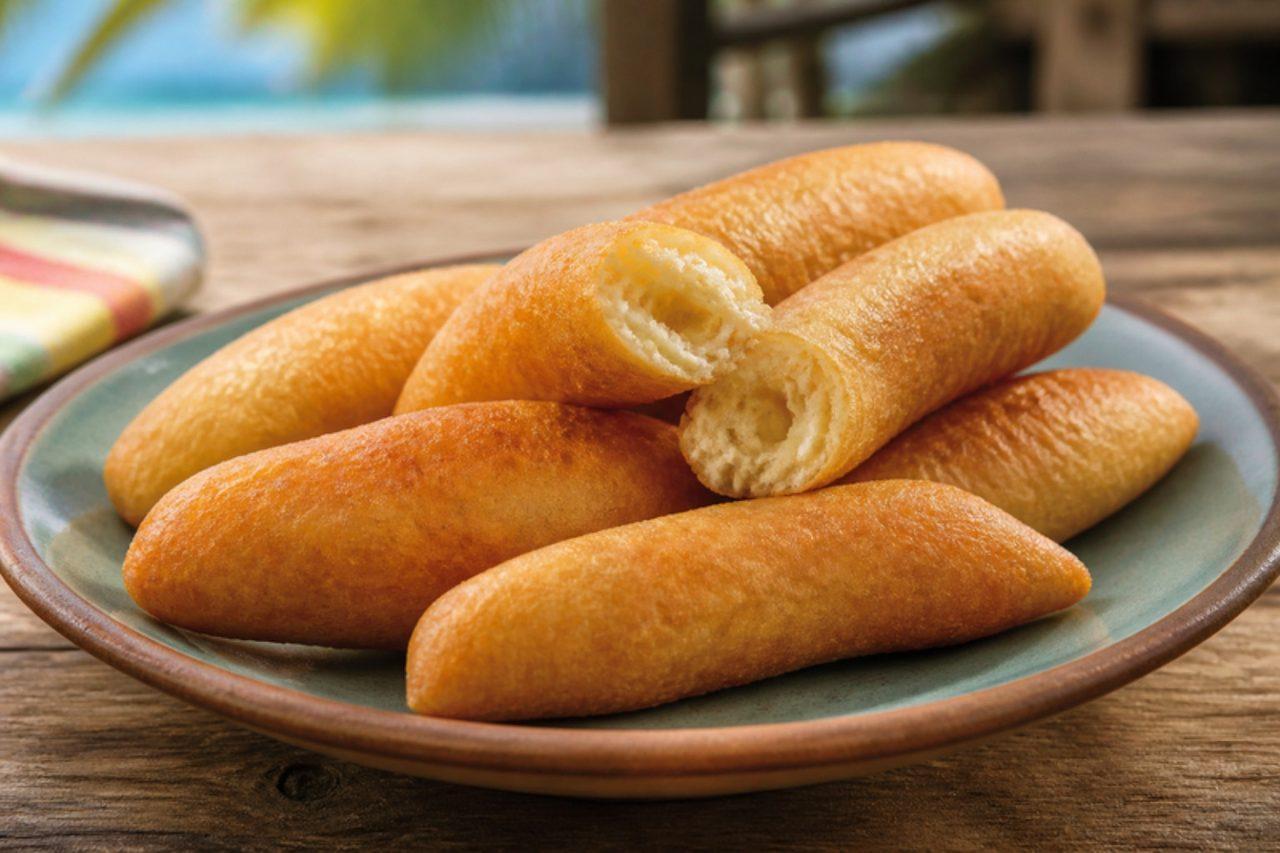
Festival is a slightly sweet fried dumpling made with flour and cornmeal, and it's the classic partner to everything sold from the beach shacks at Hellshire in St Catherine, just outside Kingston. Each one is shaped like a little tapered log, fried until golden and crackly outside and soft and fluffy inside, with a hint of vanilla. Here they're served with escovitch-style pickled vegetables, steamed callaloo or jerk tofu instead of fried fish. Chef's tip: fry at a steady medium heat, around 170°C. If the oil is too hot, festival browns in a minute and stays raw and doughy in the middle.

by KrazyBadal 0 views

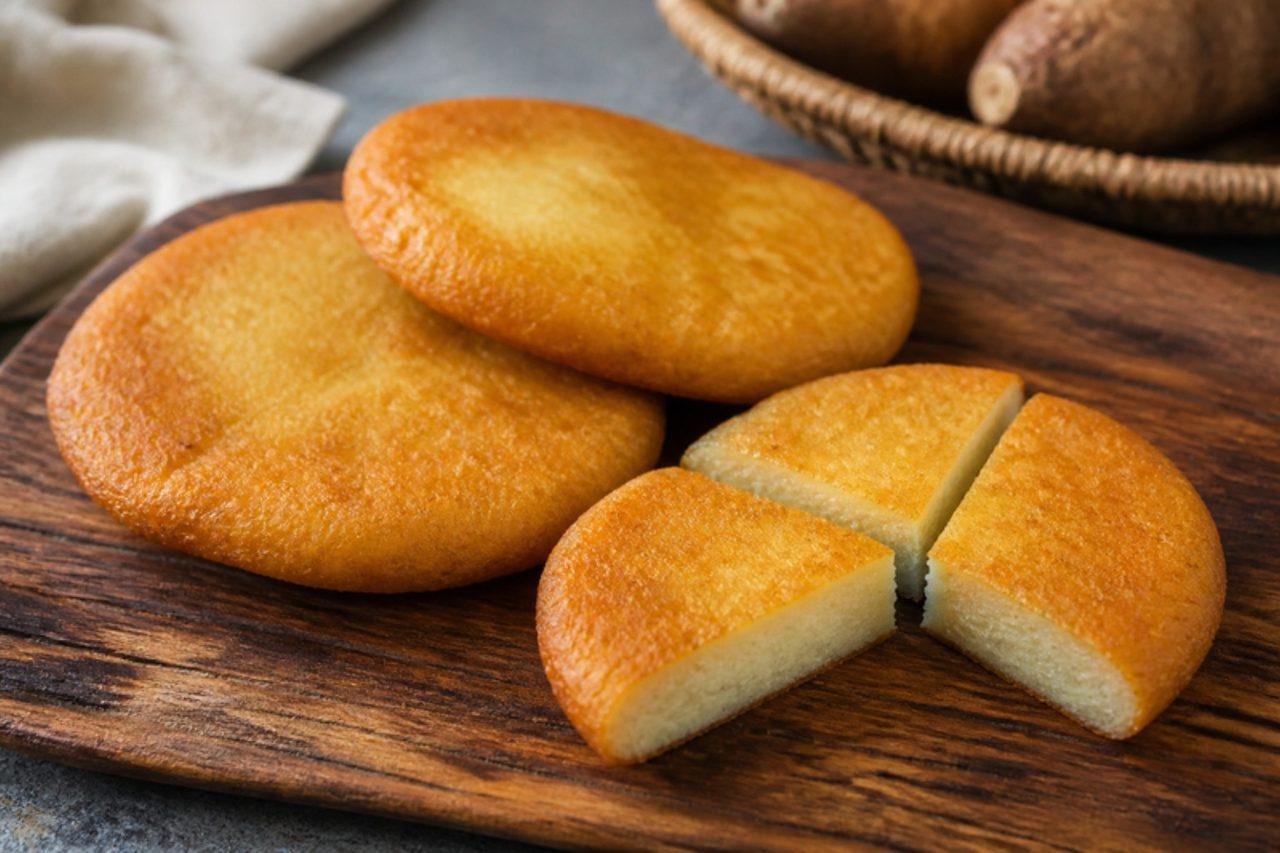
BammyCassava flatbread

Bammy is one of Jamaica's oldest foods, a flatbread of grated cassava handed down from the Taíno people and still made by family producers in St Elizabeth, especially around Treasure Beach and the south coast. The cassava is grated, squeezed dry and pressed into firm rounds that keep for days. Before eating, they're soaked in coconut milk and fried, so they turn crisp outside and soft and chewy within, with a gentle nutty flavour. Serve with steamed callaloo, Ital stew or escovitch vegetables. Chef's tip: squeeze the grated cassava really, truly dry in a cloth, wringing it hard. Wet cassava steams into a gummy cake instead of setting into a firm bammy.

by KrazyBadal 0 views

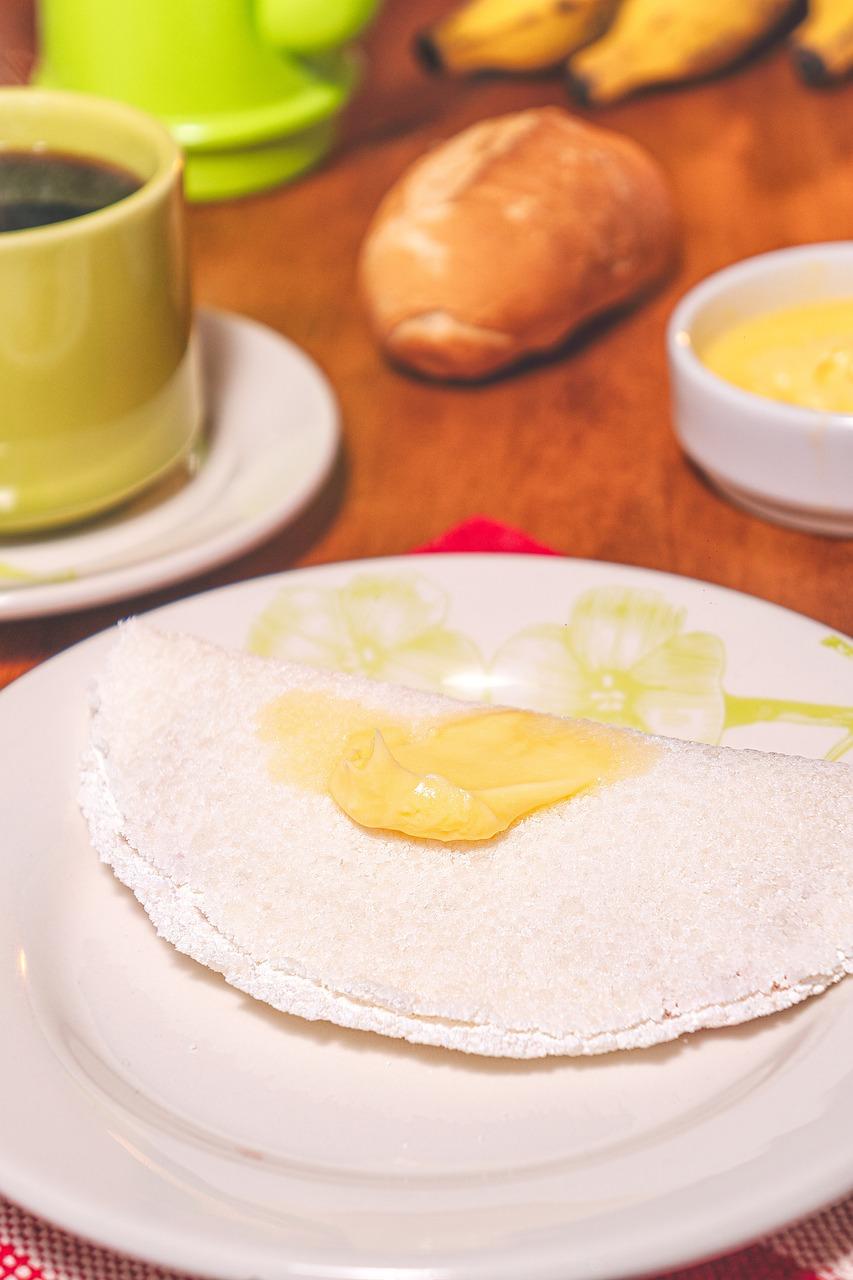
Tapioca crêpeCassava starch crêpe

Tapioca is the Northeast's favourite breakfast, cooked on griddles at beach stalls from Recife to Fortaleza and now loved all over Brazil. Damp cassava starch (goma) is sieved into a hot dry pan, where it fuses into a thin white disc that's soft, chewy and slightly crisp. This recipe gives two classic fillings: melting cheese with butter, and coconut with condensed milk. Chef's tip: hydrate the starch until it feels like damp sand that holds when squeezed, then sieve it into the pan and never press it down. A loose, even layer is what makes the starch melt into one lacy, flexible sheet.

by KrazyBadal 0 views

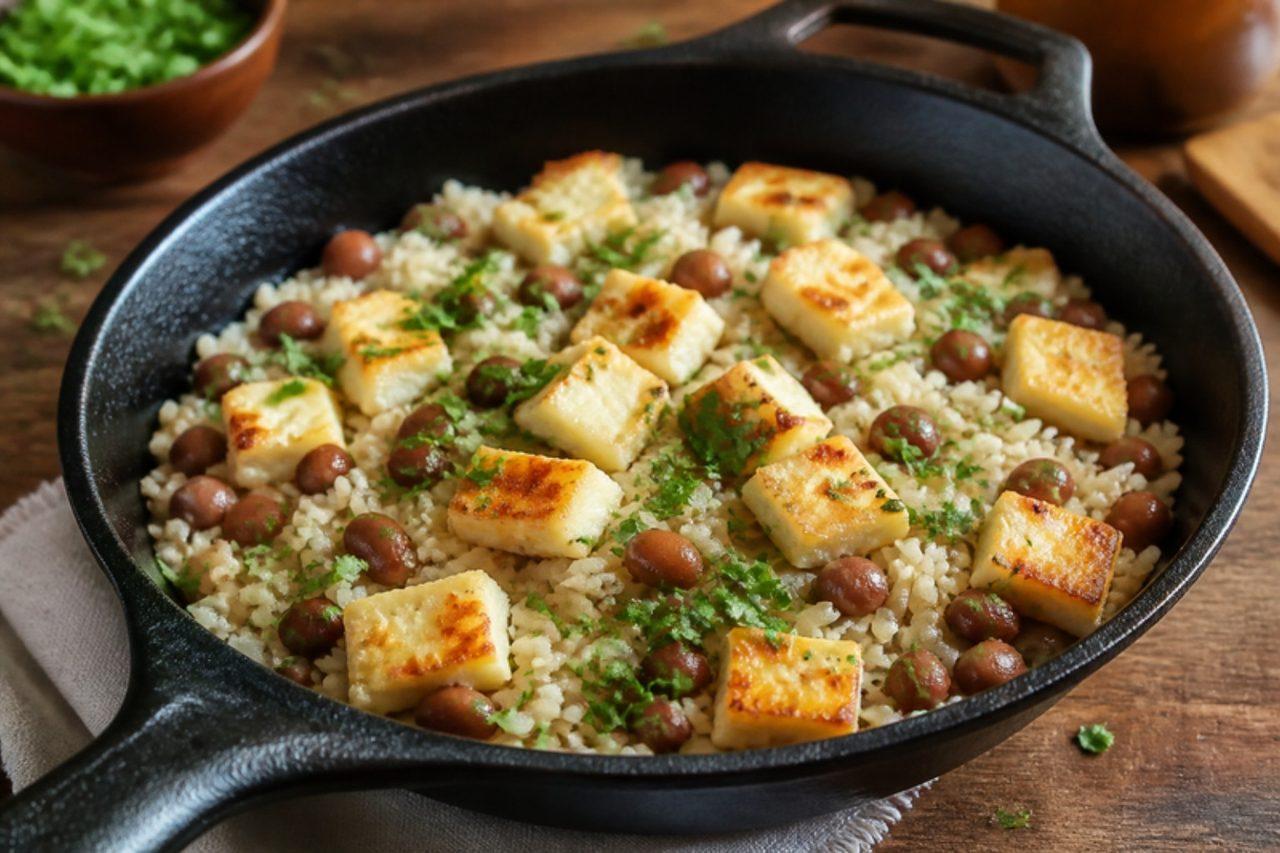
Baião de doisRice and beans with cheese

Baião de dois ('a dance for two') is the pride of Ceará and the Northeast sertão: rice cooked in the broth of feijão-de-corda (a small cowpea; black-eyed peas are the closest match), then folded with cubes of squeaky queijo coalho until they just start to melt. It's usually made with dried beef and bacon; this version keeps the smoky note with paprika and finishes with nutty clarified butter (manteiga de garrafa). It's a one-pot meal on its own, or great with vinagrete. Chef's tip: cook the rice in the bean cooking water, not fresh water. That's what gives baião its brownish colour and deep bean flavour.

by KrazyBadal 0 views

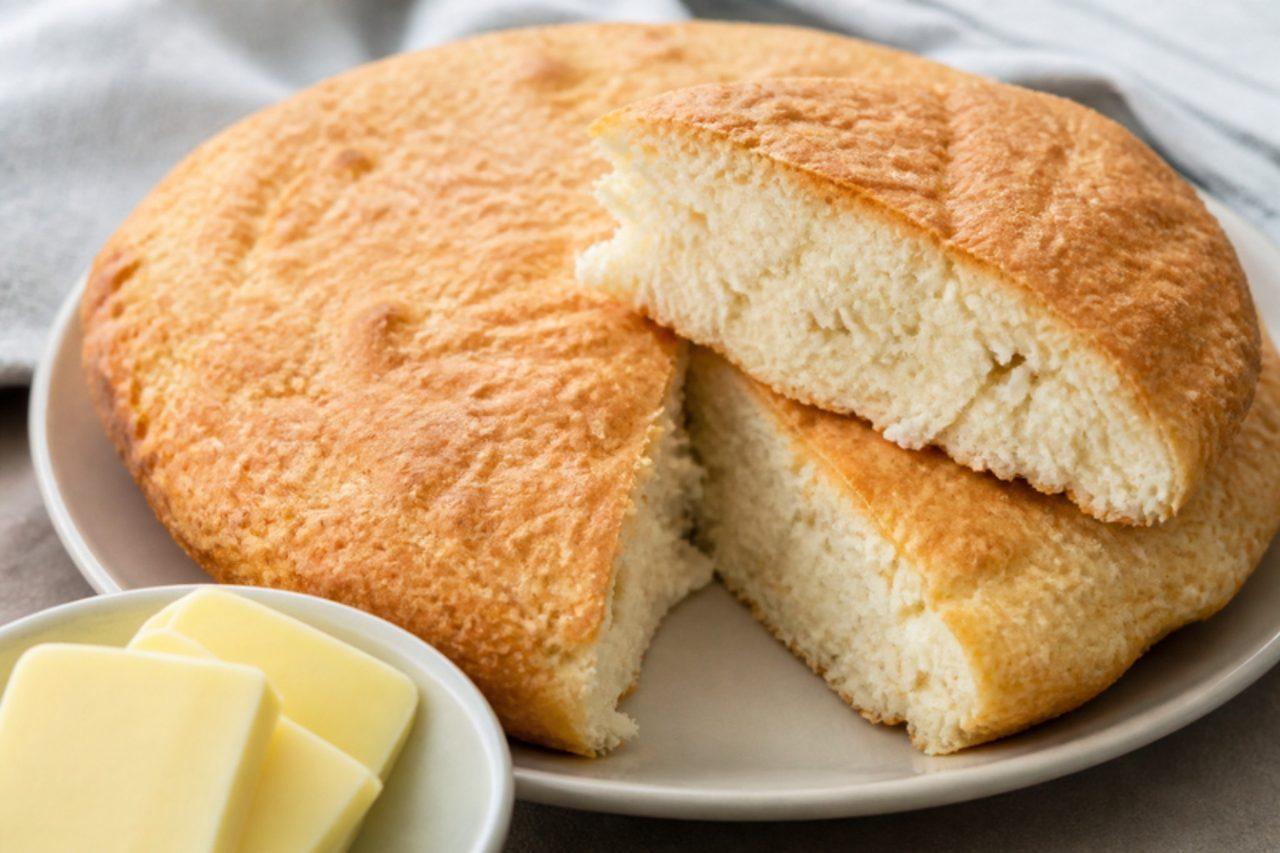
Coconut bakeCoconut bread

Coconut bake is a breakfast bread from Trinidad and especially Tobago, where it's baked on Sunday mornings in homes and village bakeries. It's a quick, unyeasted bread, rich with grated coconut and coconut milk and rubbed with butter, shaped into a round and baked until golden. It's split and buttered, and usually eaten with saltfish buljol; for a vegetarian breakfast, fill it with tomato choka, fried ripe plantain, sautéed bodi (long beans) or cheese. Chef's tip: rub the butter well into the flour and knead only briefly until the dough comes together. Overworking makes bake heavy and tight instead of soft and crumbly.

by KrazyBadal 0 views

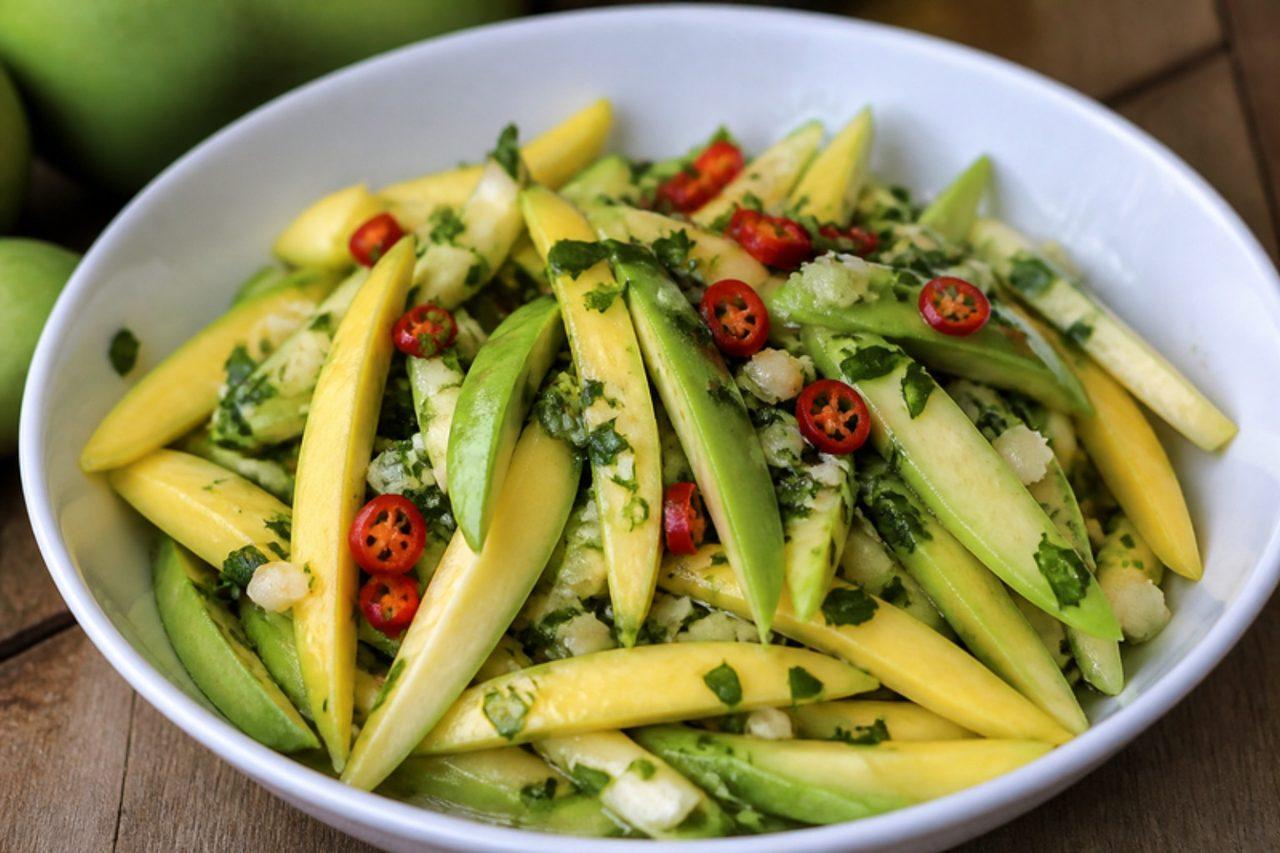
Mango chowSpiced green mango

Chow is what Trinidadians eat on a hot afternoon: fruit, most often half-ripe mango, sliced and tossed with lime juice, salt, garlic, chopped shado beni and plenty of hot pepper. It's sold in little bags at roadside stands, beach stalls and outside schools all over the island. It's crunchy, sour, salty, garlicky and fiery all at once. Pineapple, cucumber and pommecythere (golden apple) are made the same way. Chef's tip: let the chow sit for 10 minutes before eating. The salt and lime draw out the mango's juice into a tangy, peppery 'pickle' liquid, and that juice is the best part.

by KrazyBadal 0 views

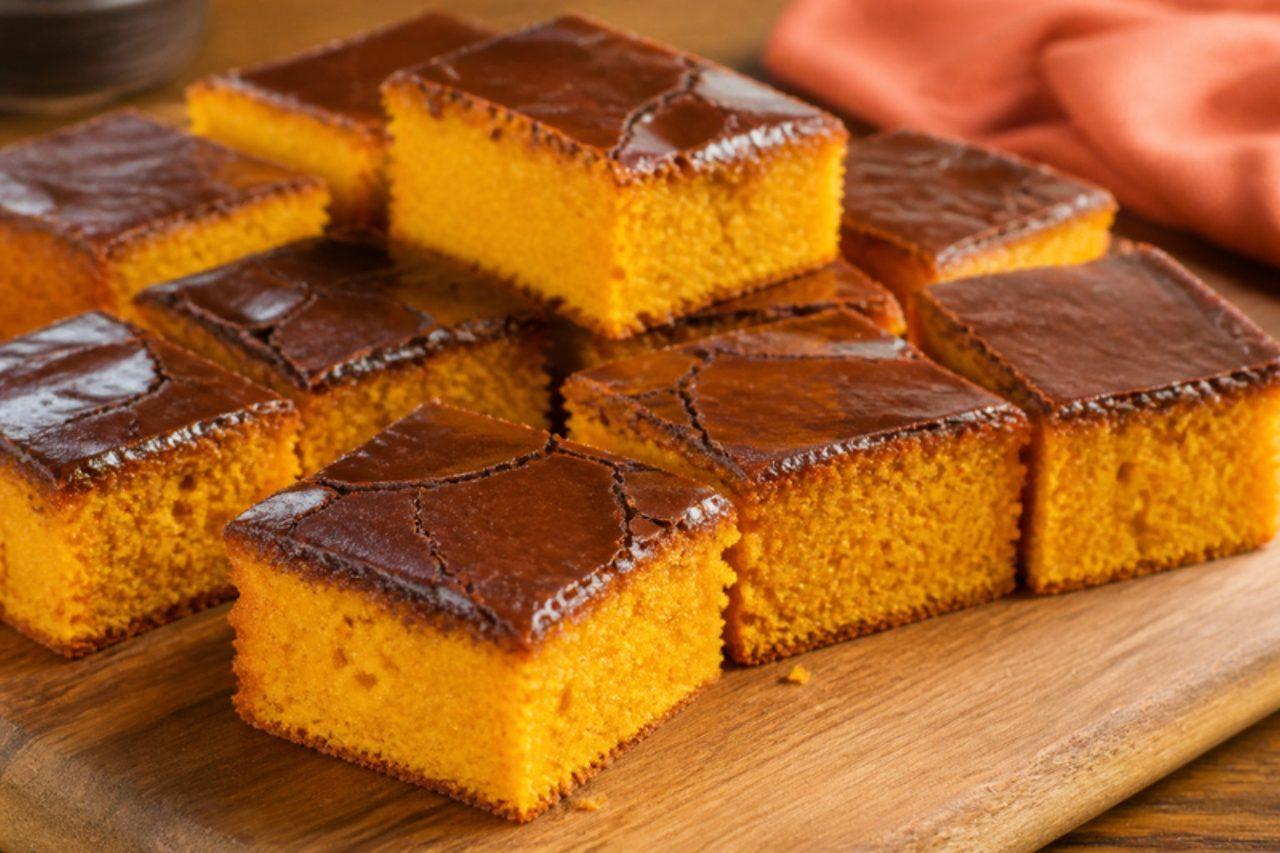
Bolo de cenoura com cobertura de chocolateCarrot cake with chocolate topping

Bolo de cenoura is the most loved homemade cake in Brazil, served with coffee at the afternoon lanche all over the country. It's nothing like the spiced, nutty carrot cake of the UK and US: raw carrots are blended smooth with eggs and oil, giving a bright orange, light and moist sponge, finished with a thick chocolate topping that sets with a thin crust. Chef's tip: blend the carrots with the eggs and oil until completely smooth, with no visible bits, and pour the chocolate topping over while the cake is still warm. The topping soaks in a little and sets with the shiny, crackly casquinha (crust) Brazilians love.

by KrazyBadal 0 views

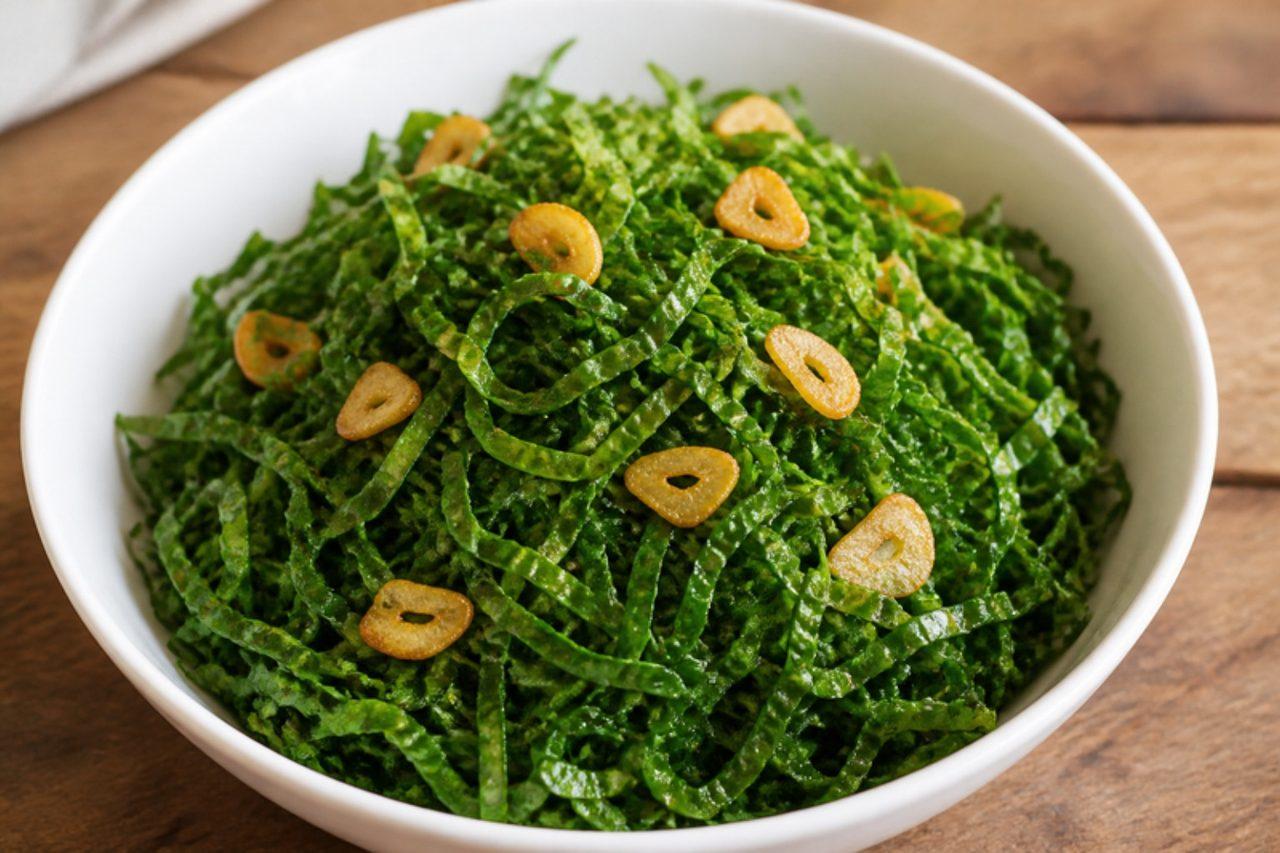
Couve à mineiraShredded garlic collard greens

Couve à mineira, from Minas Gerais, is the bright green side dish that goes with feijoada, tutu and plain rice and beans all over Brazil. Collard greens are rolled up like a cigar, sliced into fine ribbons and cooked for barely two minutes with garlic, so they stay vivid, tender and slightly crunchy. Chef's tip: the knife work is the whole recipe. Slice the rolled leaves as thinly as you possibly can (Brazilian cooks aim for threads 1–2 mm wide), then cook them fast over high heat with the lid off. Thick strips or a covered pan give you dull, soggy greens.

by KrazyBadal 0 views

Showing 9 of 9,812 recipes

Show more recipes

Page 1,018 of 1,091