


Skip to content
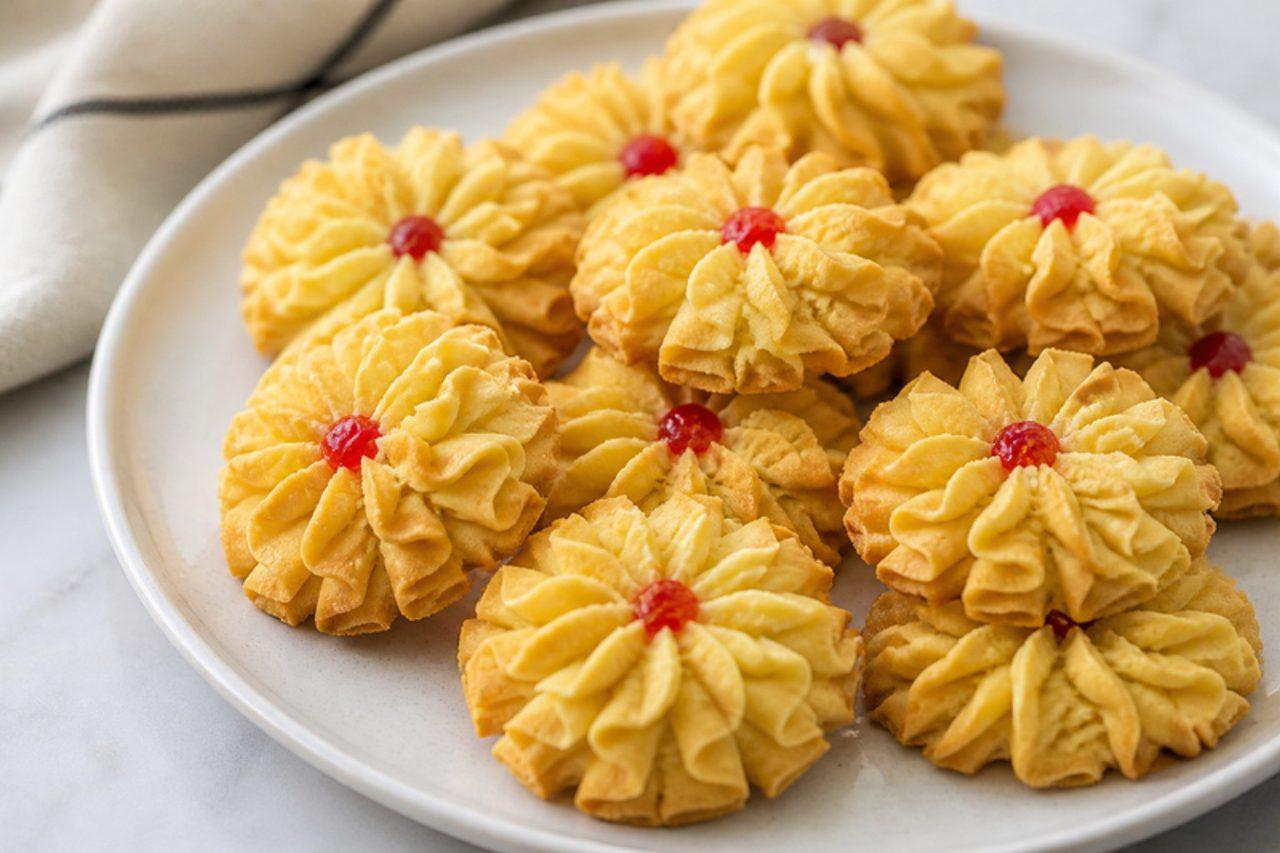
Biskut dahlia
Featured recipe

Biskut dahlia

Piped flower butter cookies

In the last days of Ramadan, Malaysian kitchens from Johor to Kedah turn into small factories of kuih raya, and biskut dahlia is one of the easiest and prettiest: soft buttery dough piped through a star nozzle into ruffled flowers, each with a bit of glacé cherry or a chocolate chip in the centre. They are crisp at the edges and tender inside, with a vanilla-milky flavour from custard powder and milk powder, and they fill the jars set out for open-house visitors at Hari Raya Aidilfitri. This version uses one egg yolk; for an eggless batch, replace it with 2 tablespoons of milk. Dough that is too stiff is the usual problem, as it will not go through the nozzle; beat the butter well and keep the kitchen warm. Chef's tip: chill the piped trays for 15 minutes before baking so the petals hold their sharp ridges.

Read more 0 views

What to eat today?

Around the world

Today's trip: Persian

A new country every day, from every cuisine on the site.

Persian

Shir berenj

Rose water rice pudding 70 minMore from Persian (181) →

This week's collection

Kid-friendly dinners
750 recipes · a new collection every Monday

Coming up

All occasions →

Latest recipes

Enduri pithaSteamed rice cakes with coconut

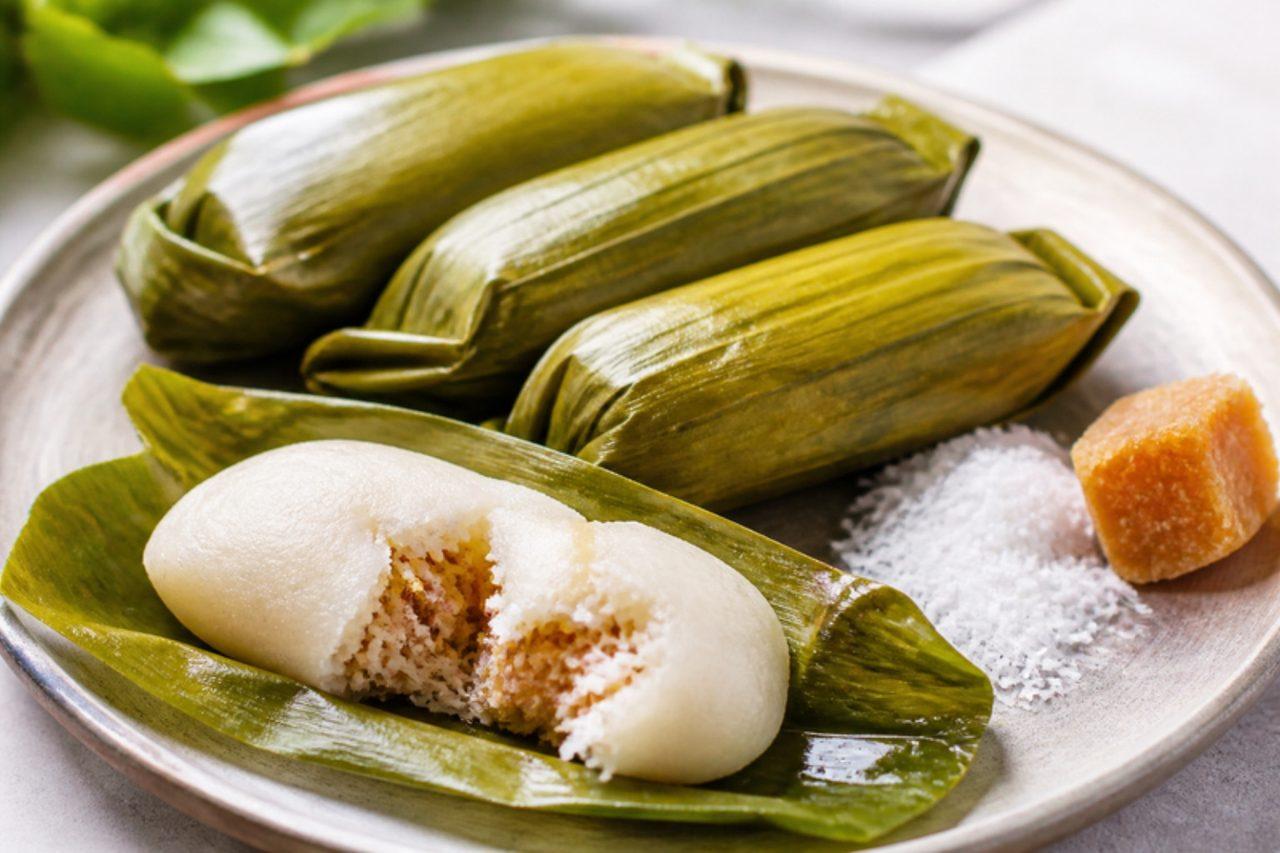
Enduri (or haladi patra pitha) is the sweet of Prathamastami in Odisha, the November festival when Odia mothers pray for their eldest child, who gets the first pitha of the day. Fermented rice-and-urad batter is spread on fresh turmeric leaves, filled with coconut, jaggery, black pepper and cardamom, folded and steamed until the leaves give the cake a green, gingery perfume. The cake is soft and slightly springy. Chef's tip: if you can't find turmeric leaves, use banana leaf with a pinch of grated fresh turmeric in the batter; the flavour is close.

by KrazyBadal 0 views
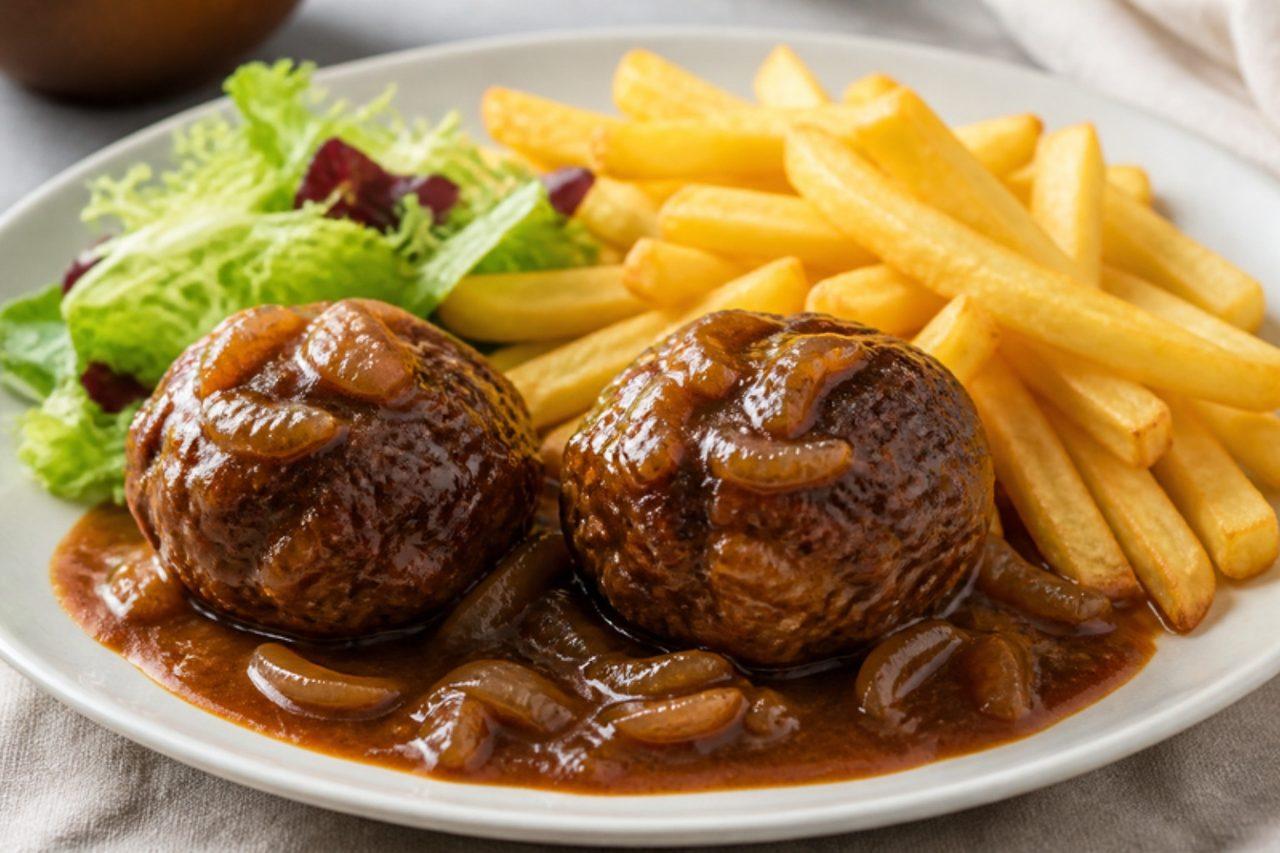

Boulets liégeoisMeatballs in sweet-sour fruit sauce

Liège is famous for its boulets: big, tennis-ball-sized meatballs served in a dark, sticky sauce made with sirop de Liège, the region's thick apple-and-pear syrup, with onions and a little vinegar. They are a brasserie staple across Wallonia, eaten with a mountain of chips and a side of salad, and families make them for Sunday lunch. The mix is half pork, half beef, so this is a pork dish. Rushing the onions is the step most people get wrong: they need a good 20 minutes to turn sweet before the sauce comes together. Chef's tip: if you cannot find sirop de Liège, use 3 tablespoons of apple butter or date syrup with 1 tablespoon of black treacle for the same dark, fruity tang.

by KrazyBadal 0 views

Guyanese black cakeRum fruit cake

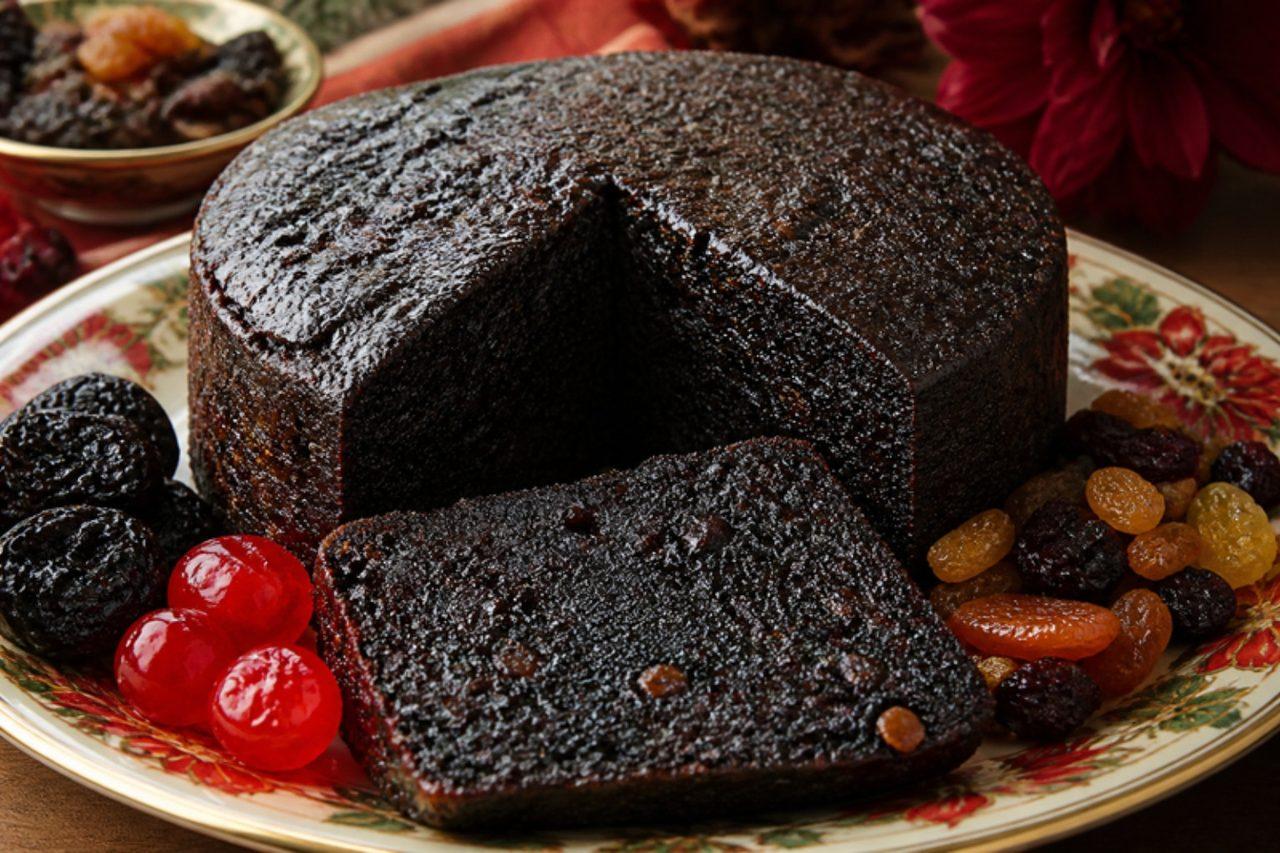
Every Guyanese Christmas has a black cake, and many families start soaking the fruit months ahead, often the year before. Prunes, raisins, currants and cherries are minced and steeped in rum and cherry brandy, then folded into a buttery batter darkened with homemade burnt-sugar syrup, giving a moist, almost black, intensely fruity cake. This version makes the alcohol optional: grape juice soaks the fruit just as well, though the cake keeps for less time. Chef's tip: take the burnt sugar until it's very dark and smoking lightly; stop too early and the cake turns brown and sweet instead of black and bittersweet.

by KrazyBadal 0 views

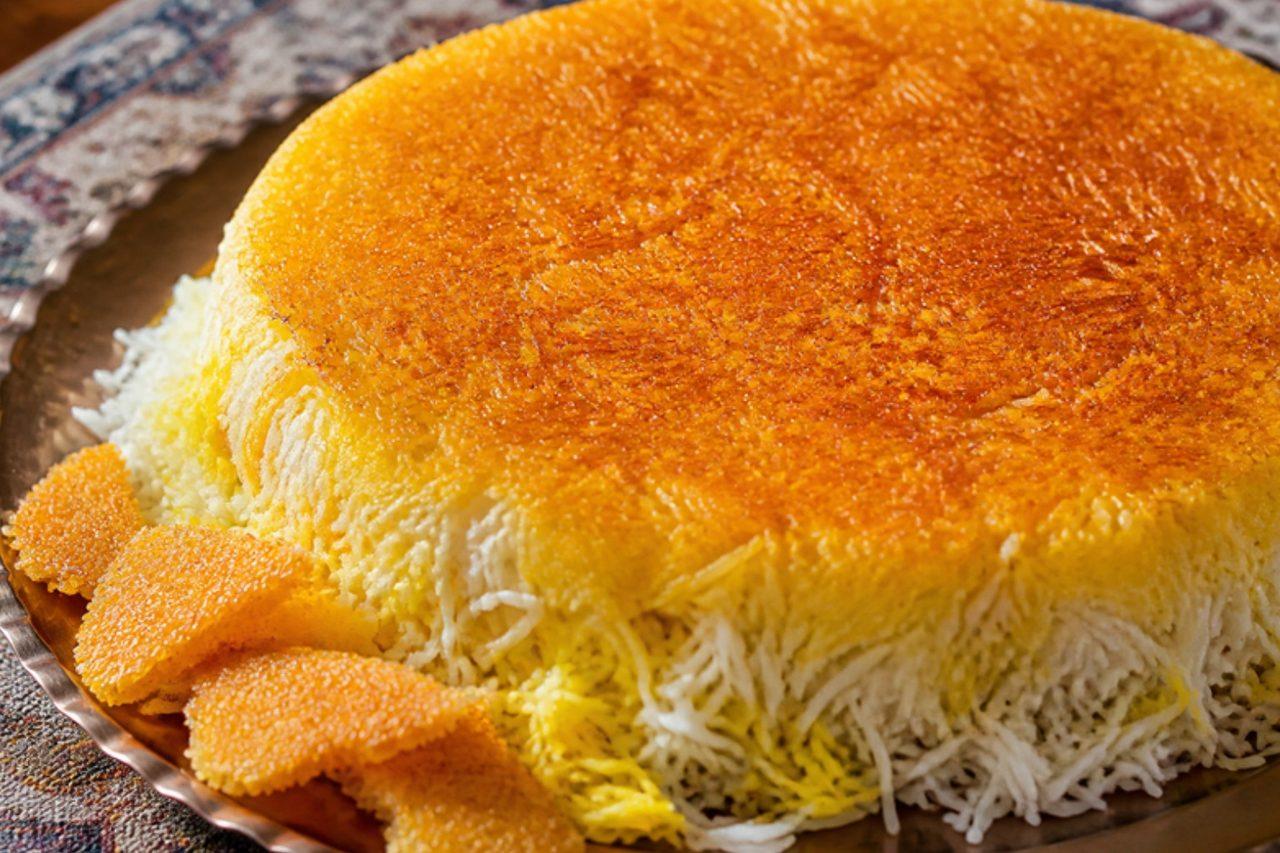
Chelow with tahdigSaffron rice with crispy base

Chelow is the plain, fluffy steamed rice at the centre of almost every Iranian lunch table, and tahdig ('bottom of the pot') is the crisp golden crust that forms underneath it. In homes from Tehran to Isfahan the pot is turned out at the table and the shards of tahdig are fought over before anyone touches the stew. The method is the master one for all Persian polo dishes: long-grain rice is soaked, boiled briefly, then steamed slowly under a cloth-wrapped lid so every grain stays separate and long. This page gives a yogurt-and-saffron tahdig, with potato and flatbread versions in the steps. Serve it with ghormeh sabzi, a yogurt dip and fresh herbs. Chef's tip: turn the heat up for the first 10 minutes until you hear a steady sizzle, then right down; that early burst is what sets the crust.

by KrazyBadal 0 views

BourekasFeta and potato pastry triangles

Bourekas are what Israelis grab from the bakery on a Friday morning or bring to a family gathering: puff pastry shapes with savoury fillings, shiny with egg and dotted with sesame. The tradition came from Sephardi Jews of Turkey and the Balkans, but in Israel it settled into puff pastry, with the shape telling you the filling at a glance (triangles for cheese, rectangles for potato in many bakeries). This version fills triangles with feta and ricotta and rectangles with herby mashed potato, and goes with a hard-boiled egg, pickles and grated tomato. Chef's tip: keep the pastry cold right up to the oven; warm puff pastry won't rise into flaky layers.

by KrazyBadal 0 views

Hyderabadi lukhmiSpiced filled pastries

Lukhmi are Hyderabad's answer to the samosa: flat, square, crisp little pastries with a filling of spiced mutton keema, fork-crimped at the edges. In the Deccani homes of the old city they are a fixture of wedding dinners and the evening iftar table in Ramadan, and a plate of them often arrives with Irani chai at the city's old cafés. They can be shaped a day ahead and fried just before guests come. Chef's tip: cook the keema until completely dry and let it cool fully; a damp or warm filling makes the pastry burst in the oil.

by KrazyBadal 0 views

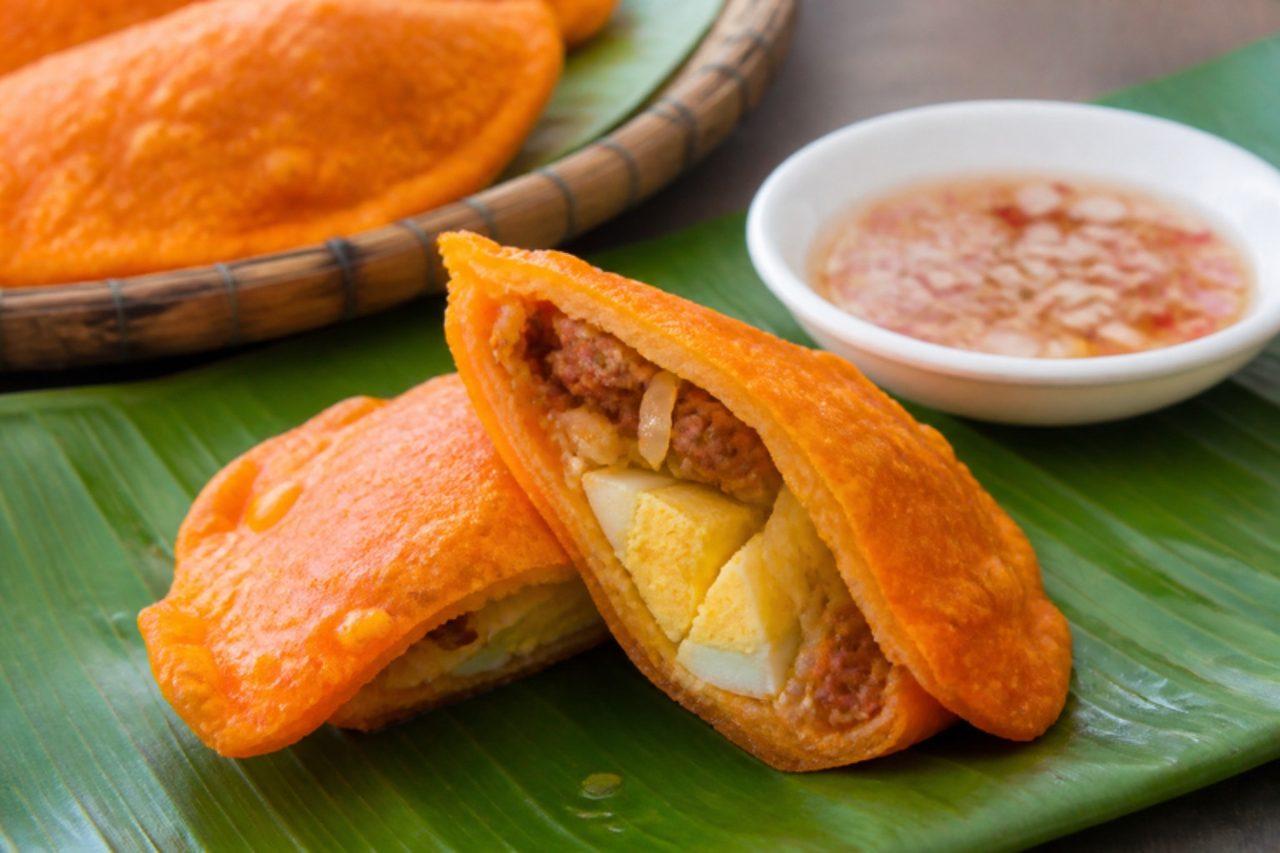
Ilocos empanadaCrisp rice-flour turnovers

In Batac and Vigan, in the Ilocos region, empanada is not a baked pastry but a big, crunchy, bright-orange turnover fried to order at night markets and by the plaza. The thin rice-flour crust gets its colour from annatto, and inside goes shredded green papaya, mung bean sprouts, crumbled Vigan longganisa (a garlicky pork sausage) and a whole egg. Vendors fold it in seconds and slide it into hot oil, then hand it over with a little bowl of spiced sugarcane vinegar to pour in with every bite. It is a pork snack for evenings out. Chef's tip: roll the dough very thin on a banana leaf or baking paper; the leaf lets you flip the dough over the filling without tearing it.

by KrazyBadal 0 views

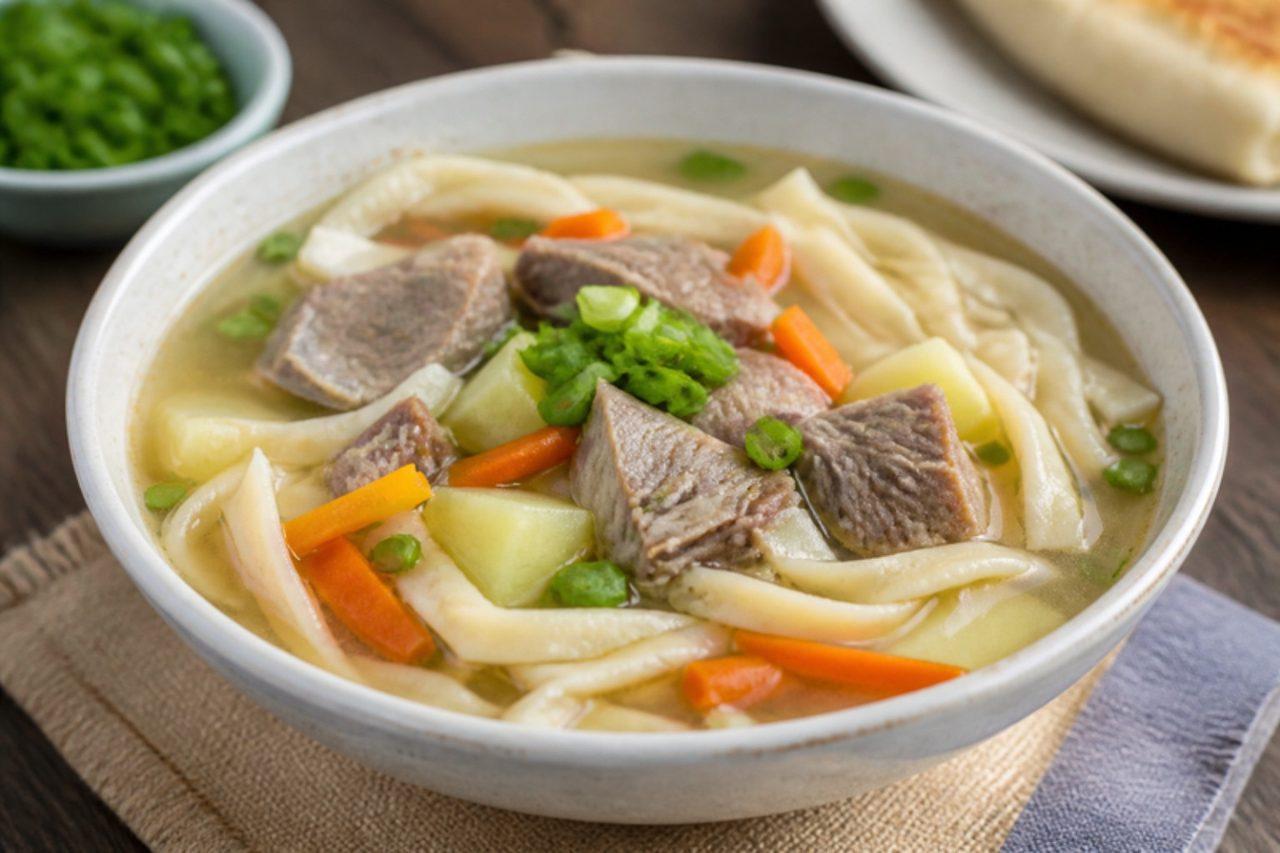
Guriltai shulMutton noodle soup

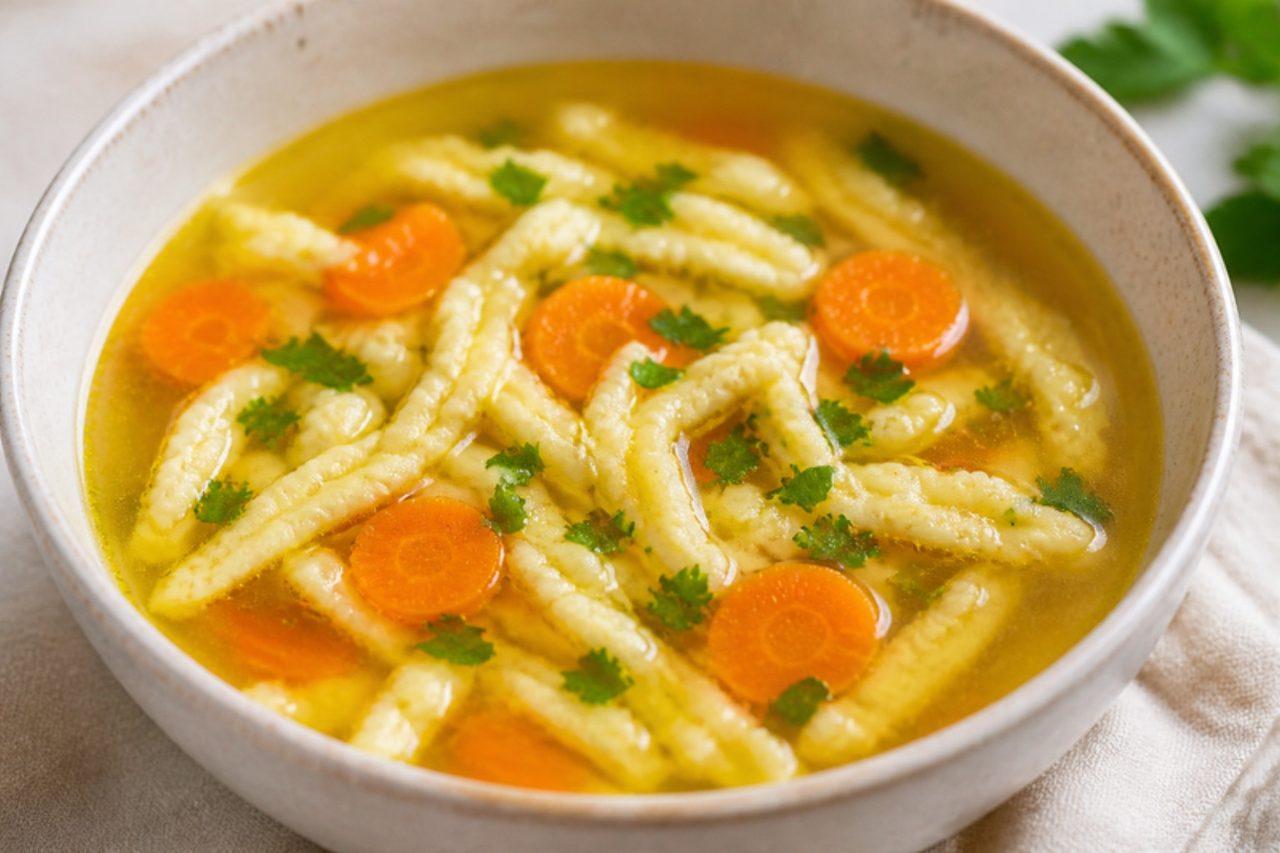
Guriltai shul is the soup Mongolians eat almost daily in winter, from Ulaanbaatar canteens to herders' gers: strips of mutton simmered with onion, carrot and potato, and thick hand-cut noodles cooked in the broth. It is simple, warming and filling in temperatures that drop far below freezing. The mistake is cooking the noodles too long, so they swell and turn the soup stodgy; they need only 6–8 minutes. Chef's tip: rest the noodle dough well so it rolls thin without springing back.

by KrazyBadal 0 views

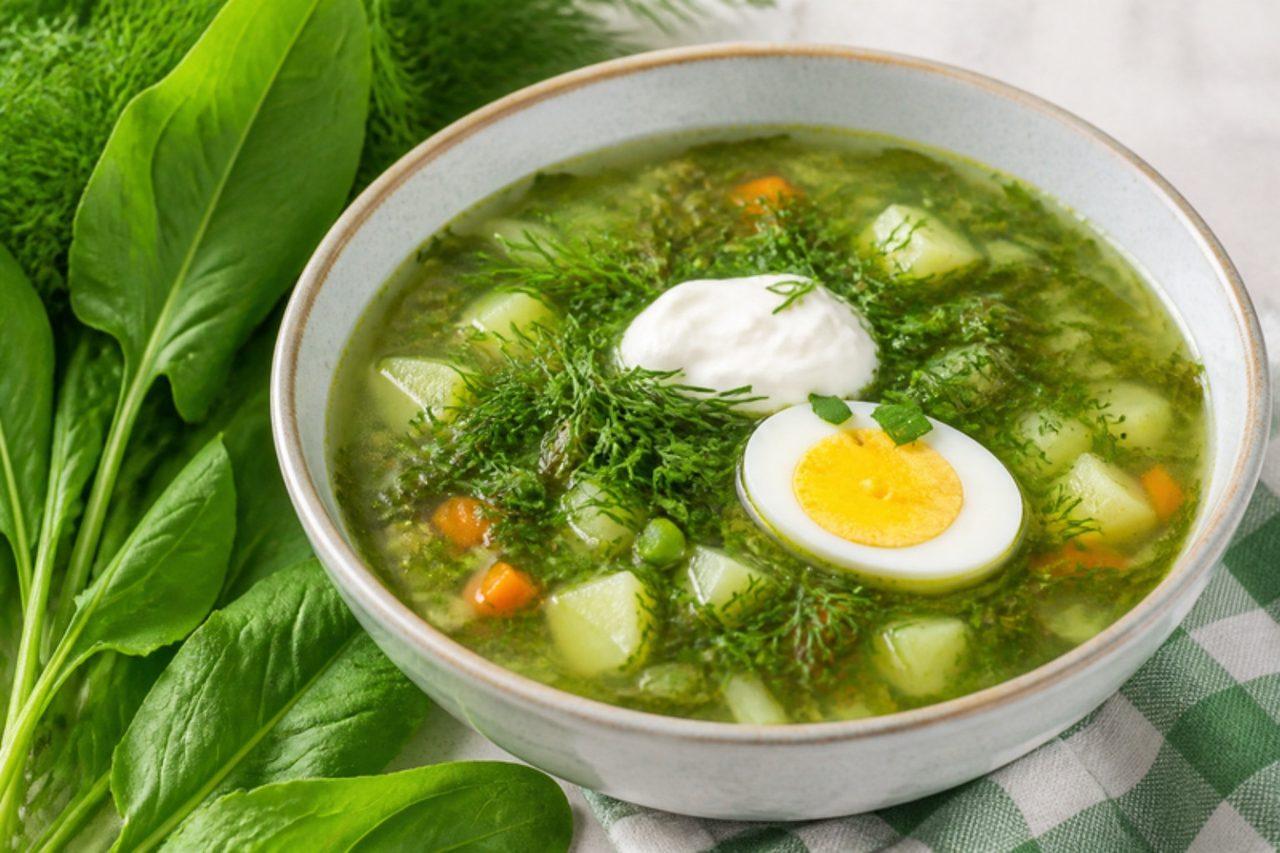
Green borschtSorrel soup with egg

When the first sorrel comes up in village gardens around Chernihiv and Sumy in May, Ukrainian grandmothers stop making red borshch and switch to green: a light, lemony soup of sorrel, potato and herbs, served with halved boiled eggs. It is the soup of early summer and of Trinity Sunday, eaten hot with sour cream or chilled on a warm day. Sorrel gives it a clean sourness, so no vinegar is needed. This version uses vegetable stock instead of the chicken or pork stock some families use. Chef's tip: add the sorrel only in the last two minutes; it turns olive green the moment it hits the heat, but if it boils longer it collapses into stringy khaki threads.

by KrazyBadal 0 views

ChebakiaSesame honey flower cookies

Chebakia are the dark, sticky, flower-shaped cookies that every Moroccan family associates with Ramadan; women in Fez, Meknes and Casablanca spend a whole day in the weeks before the holy month folding hundreds of them, and they are served at iftar with harira and dates. The dough is scented with anise, cinnamon, saffron and toasted sesame, cut into rectangles, folded into a rose, fried and dropped straight into hot, perfumed honey. They are crisp, chewy and very sweet. Chef's tip: work in small batches and keep the honey hot but not boiling; hot honey soaks in properly, while cool honey just coats the outside.

by KrazyBadal 0 views

KvassFermented rye bread drink

Before the cola era, kvass was Russia's everyday thirst-quencher, sold every summer from yellow barrel trailers on Moscow street corners and poured into glass mugs. At home it is brewed from dried rye bread, sugar and a pinch of yeast, fermented for a day or two until it tastes malty, a little sour and gently fizzy, and only about 1% alcohol. It is drunk ice cold and is also the broth for okroshka. Chef's tip: toast the bread until really dark, almost burnt at the edges; that is where kvass gets its deep colour and its toasted, malty taste.

by KrazyBadal 0 views

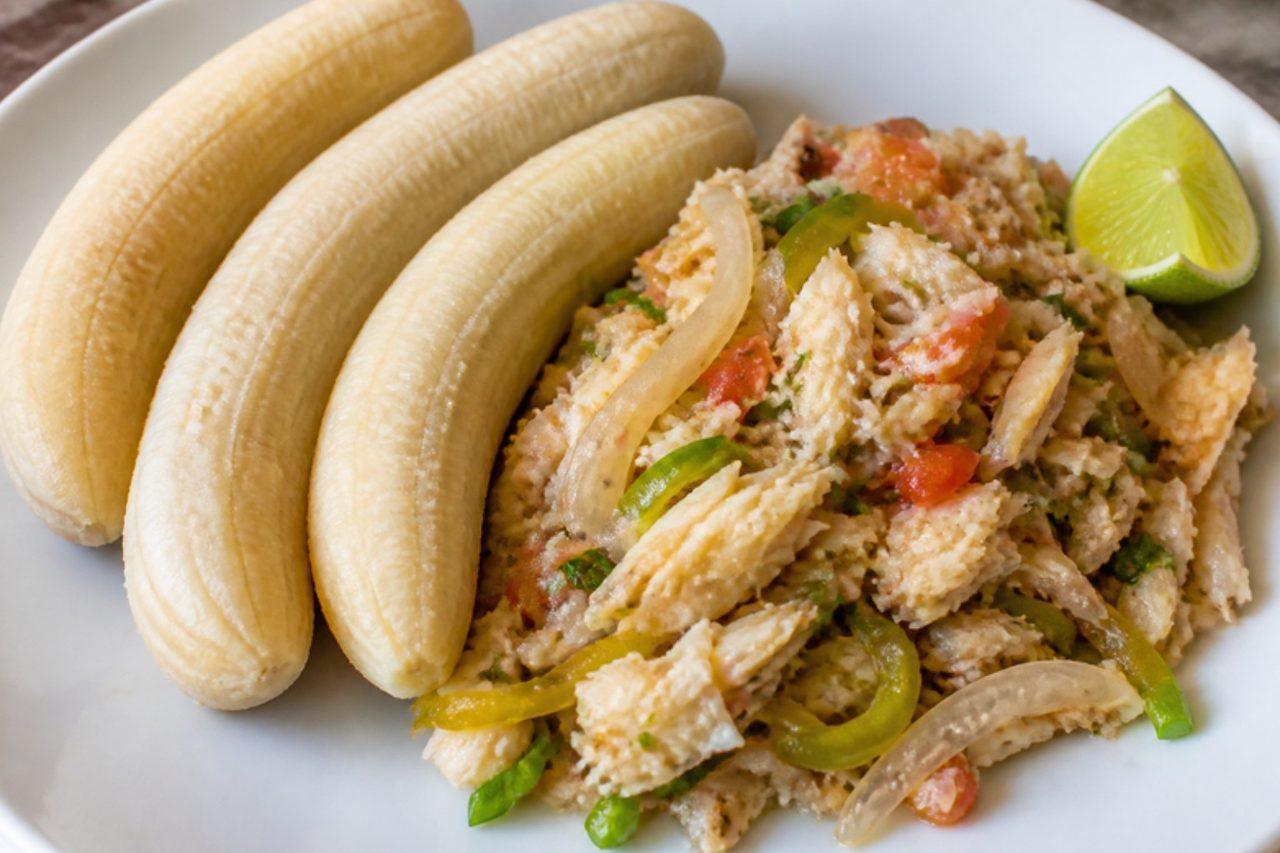
Green fig and saltfishGreen bananas with salt cod

In St Lucia green bananas are called figs, and green fig and saltfish is the national dish: a Saturday lunch in Castries homes and the plate served everywhere on Jounen Kwéyòl, the island's Creole Day in October. The bananas are boiled until tender and mild, a little like potato, and served with salt cod sautéed with onion, sweet pepper, tomato, thyme and hot pepper. Add sliced avocado or cucumber on the side. The most common mistake is not soaking the saltfish long enough, which leaves the whole plate far too salty; taste a flake before you cook it. Chef's tip: rub oil on your hands (or wear gloves) before peeling the green bananas; the sap stains skin black.

by KrazyBadal 0 views

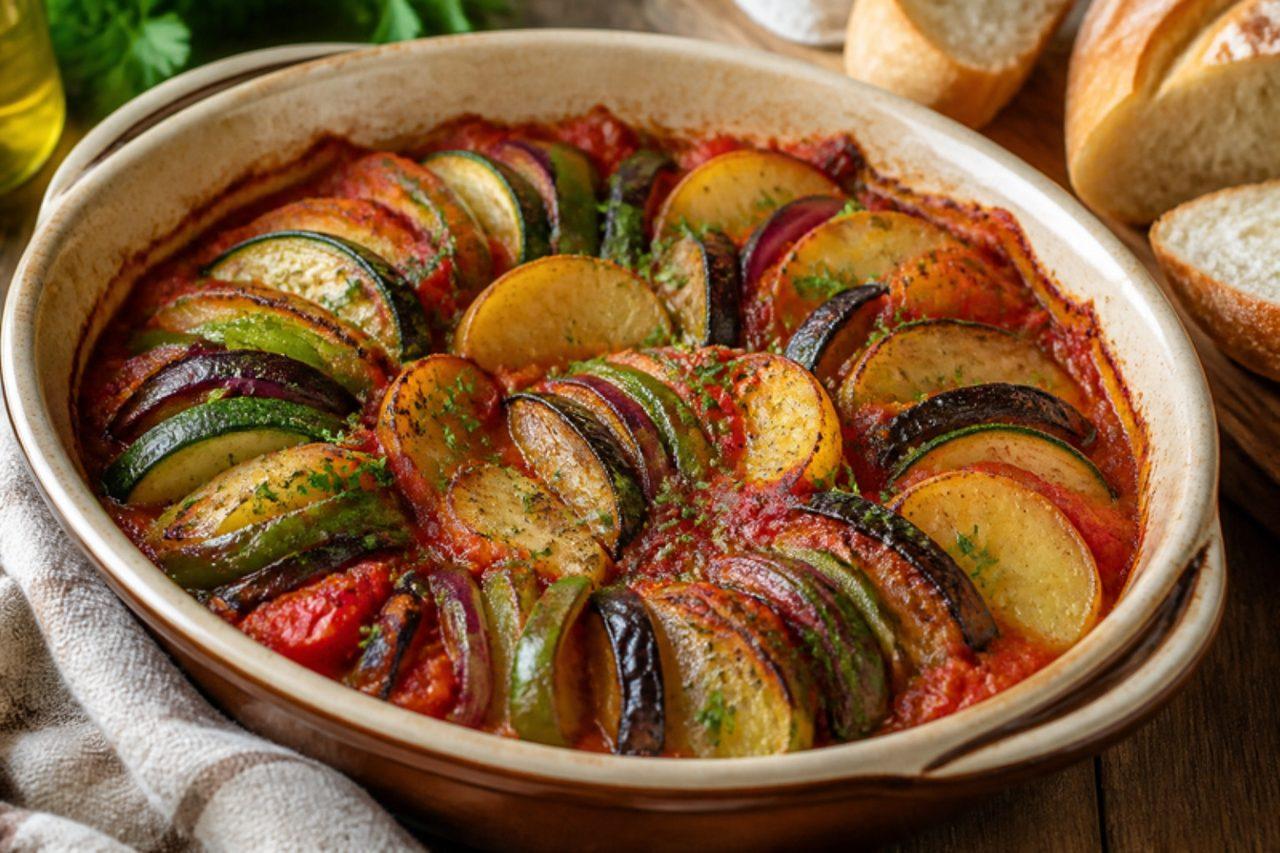
BriamRoasted summer vegetables

Briam is what Greek home cooks put in the oven on a hot afternoon when the garden is full of courgettes: potatoes, courgettes, aubergine, peppers and onions tumbled with grated tomato, garlic and oregano, then roasted slowly until soft and caramelised at the edges. It is one of the ladera, dishes cooked in olive oil and eaten as a main course, usually at room temperature with feta and bread. It tastes better the next day, when the flavours have settled. Chef's tip: cut the potatoes thinner than everything else so they cook in the same time; same-size chunks are the common mistake that leaves you with hard potatoes and mushy courgettes.

by KrazyBadal 0 views

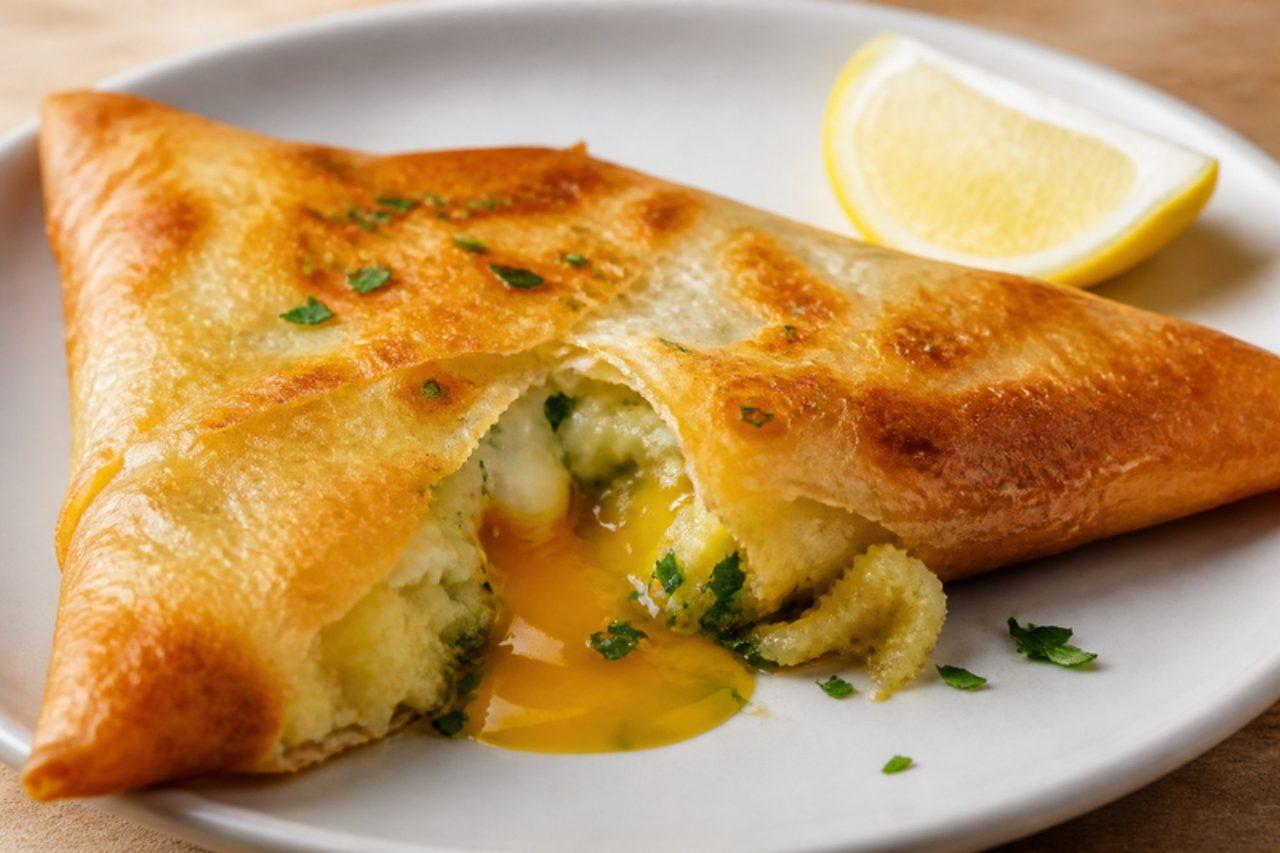
Brik à l'œufFried egg pastry triangle

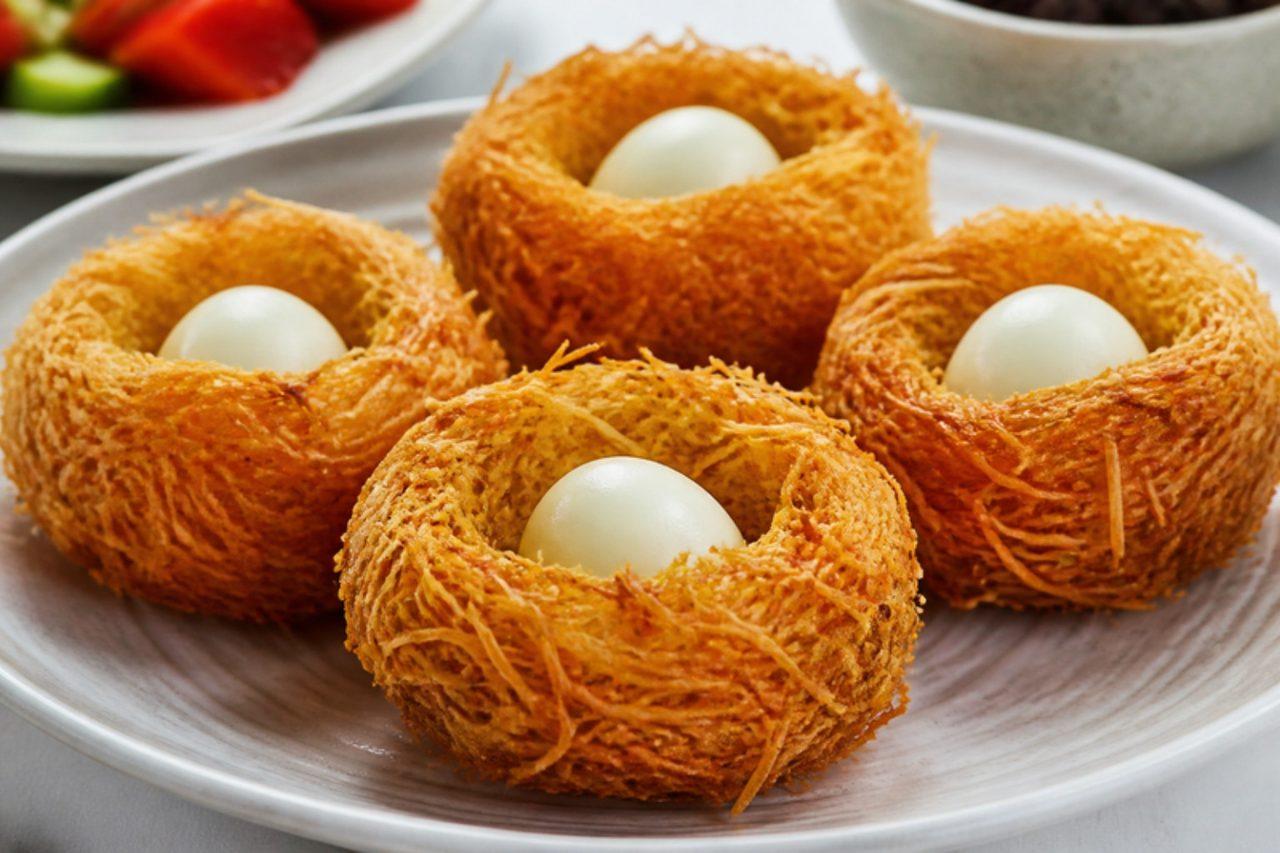
Brik is Tunisia's crackling street and Ramadan snack: a sheet of paper-thin malsouka pastry folded around a raw egg, mashed potato, parsley and capers, and fried for a minute until the shell shatters and the yolk is still runny. In Tunis and La Goulette it is eaten by hand, held by the corners and bitten carefully to avoid egg on the chin. The classic filling adds tuna; this version keeps it vegetarian with a little cheese. It is different from Moroccan briouats, which are small rolled parcels baked or fried with a cooked filling. Chef's tip: have the oil hot and ready before cracking the egg onto the pastry; once the egg sits, it soaks through the sheet.

by KrazyBadal 0 views

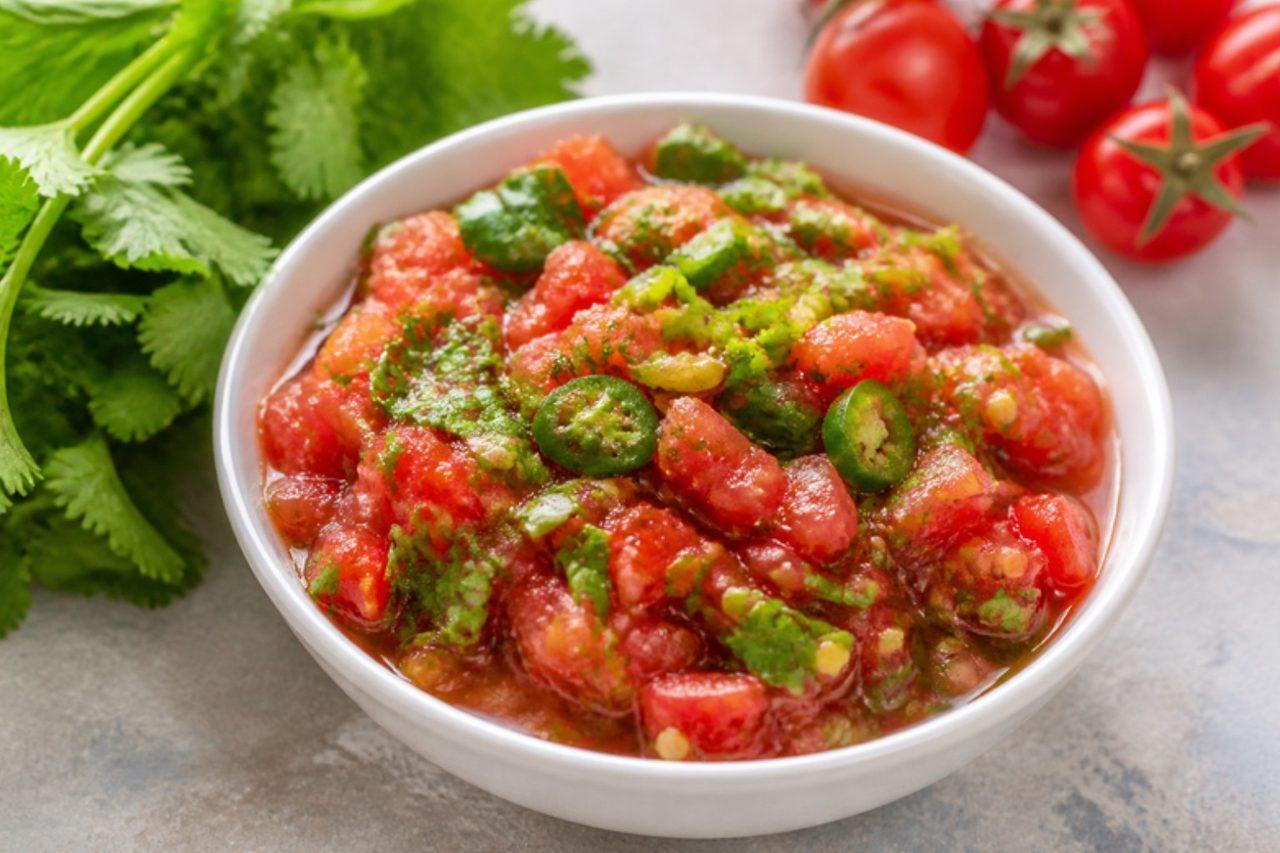
Chatini pomme d'amourCrushed tomato chutney

Chatini pomme d'amour (tomato chutney) is on the side of every Mauritian plate of rice, dholl puri and farata. In Creole and Indo-Mauritian homes it is crushed by hand on the roche carri, the island's flat grinding stone, so the tomato turns juicy while the onion and coriander stay fresh. Unlike kachumbari it is crushed rather than chopped, with raw garlic and a spoon of oil. Chef's tip: crush the garlic and chilli to a paste first, then the tomato; otherwise you bite into raw garlic pieces.

by KrazyBadal 0 views

ChatamariRice flour crêpe with toppings

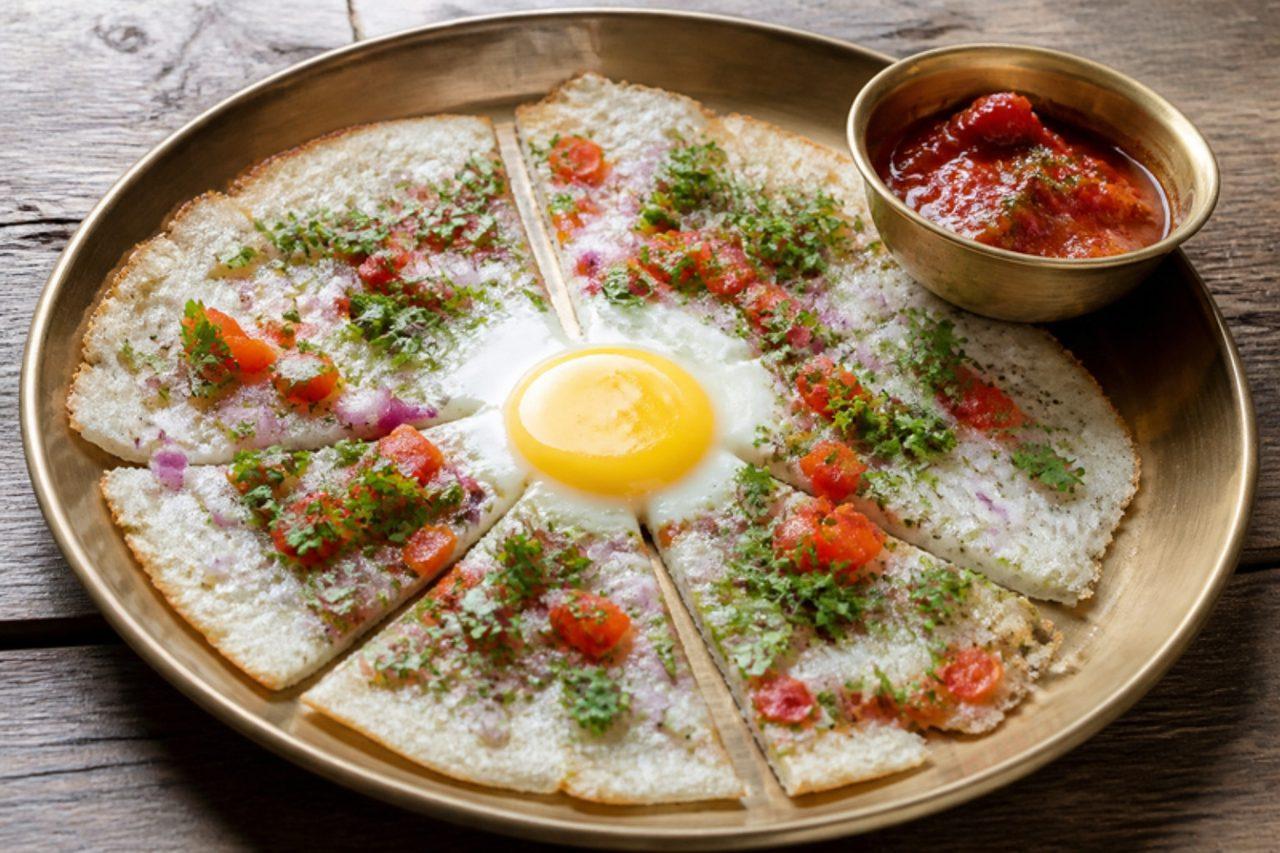
Chatamari is a thin, round crêpe of rice flour that Newar cooks in Patan, Bhaktapur and old Kathmandu make on a covered griddle, so the topping steams on top while the base turns crisp underneath. It is sometimes called Newari pizza, which says something about how it's eaten: cut into wedges, hot, and shared. It is a festival and teahouse snack, served at Newar feasts and in the small eateries around Patan Durbar Square. The classic topping is a cracked egg spread over the batter with onion, tomato and coriander, and this vegetarian version keeps the egg; leave it out and add more vegetables if you prefer. The common mistake is to pour the batter too thick; it should be as thin as single cream so it cooks through before the edges burn. Chef's tip: swirl the batter with the back of a ladle in a spiral from the centre outwards, so it sets in an even, lacy layer.

by KrazyBadal 0 views

ChashushuliSpicy beef and tomato stew

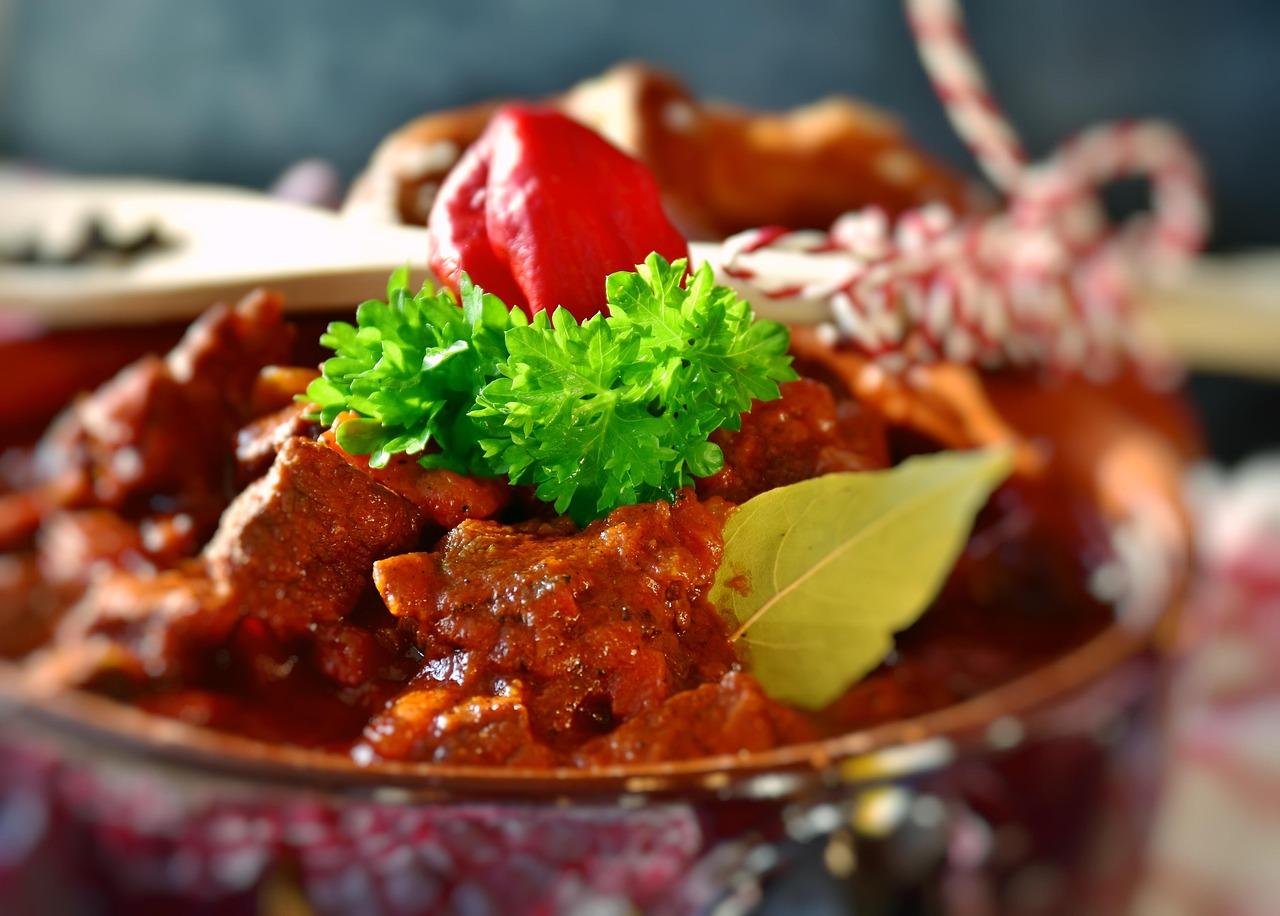
Chashushuli is a fiery beef stew from the home kitchens and Tbilisi taverns of eastern Georgia, cooked in a clay ketsi pot or a heavy pan and eaten with shoti bread. Beef simmers slowly with lots of onion and tomato, then gets a hit of garlic, chilli, khmeli suneli and fresh coriander right at the end. It is meant to be spicy, but you can halve the chilli. Chef's tip: cook it until the sauce is thick enough to scoop with bread; Georgians do not eat it like soup.

120 minGeorgianMeatGluten freeSpicy
by KrazyBadal 0 views

GurasaThick wheat flatbread

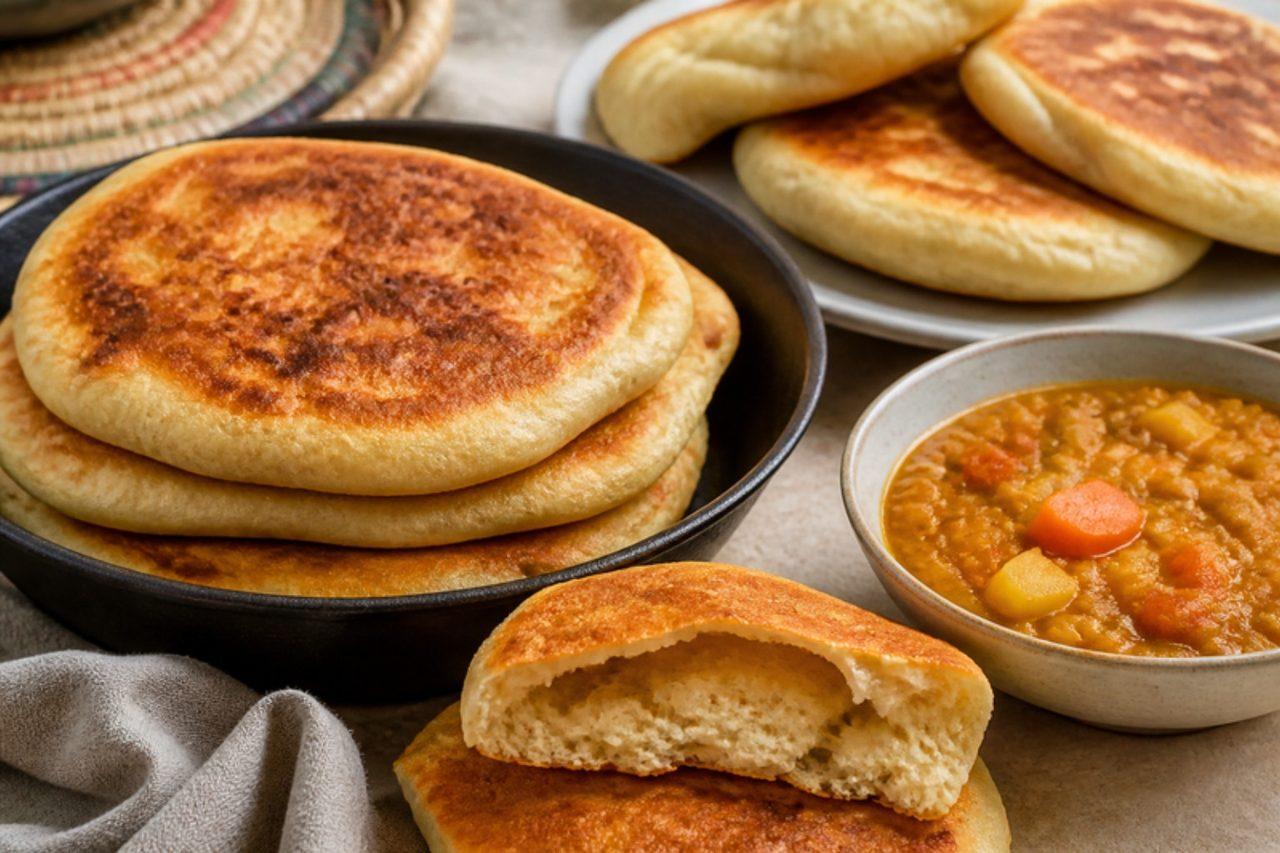
Gurasa is a thick, soft, round wheat bread from Sudan, especially the north and west (Darfur and Kordofan), cooked in a covered pan rather than an oven. It is torn and eaten with mullah, ful or salata aswad, and for breakfast with sugar and a little oil or butter. The dough is a loose, yeasted batter, closer to a giant crumpet than a flatbread. Chef's tip: cook it covered over a low heat; a hot open pan burns the base before the thick centre cooks.

by KrazyBadal 0 views

Bubble tea with brown sugar pearlsMilk tea with tapioca pearls

Pearl milk tea (zhen zhu nai cha) was born in Taichung, Taiwan, in the 1980s and has since spread to tea shops in every Chinese city. Strong black tea is shaken with milk and ice over dark, chewy tapioca pearls soaked in brown sugar syrup. Store-bought quick-cook pearls make it easy at home; kids love the big straws. Chef's tip: cook the pearls right before serving; after a couple of hours they go hard, and they can't be revived in the fridge.

by KrazyBadal 0 views

AyranSalted yogurt drink

Ayran is what Turks drink with lunch: a chilled, foamy blend of yogurt, water and a pinch of salt, poured from copper jugs alongside cheese pide, börek, lentil soup and bean stews. In the Susurluk area of Balıkesir it is whisked so hard that it arrives under a thick head of foam, and roadside cafés all over Anatolia serve it in tin cups on hot summer days. It is tangy, refreshing and cooling with spicy food. Make it just before you sit down and drink it ice-cold. Chef's tip: whisk the yogurt alone with the salt until smooth before adding any water, and you'll get a silky drink with no lumps.

by KrazyBadal 0 views

Vegetable charquicánPumpkin, potato and corn stew

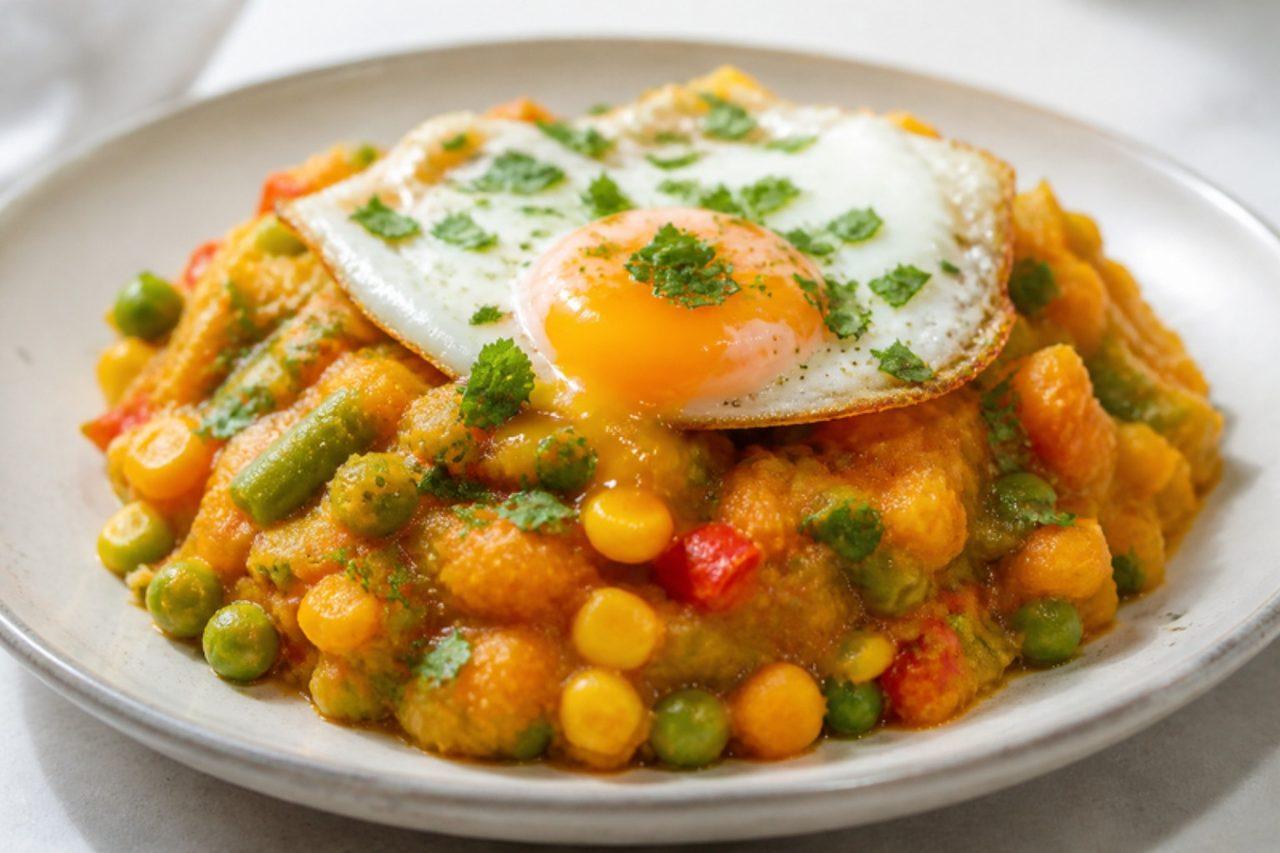
Charquicán is old Chilean country food: a thick mash of pumpkin and potato with corn and peas, once made with charqui, the dried meat of the Andes. In the south and in Santiago homes it's a winter weeknight dinner, served in a deep plate with a fried egg on top and pickled onions or a simple salad. Without the meat it's still rich and smoky with merkén (smoked chilli) and paprika. Chef's tip: mash only roughly at the end; charquicán should have soft chunks, not be a smooth purée.

by KrazyBadal 0 views

Jaew bongRoasted chilli paste

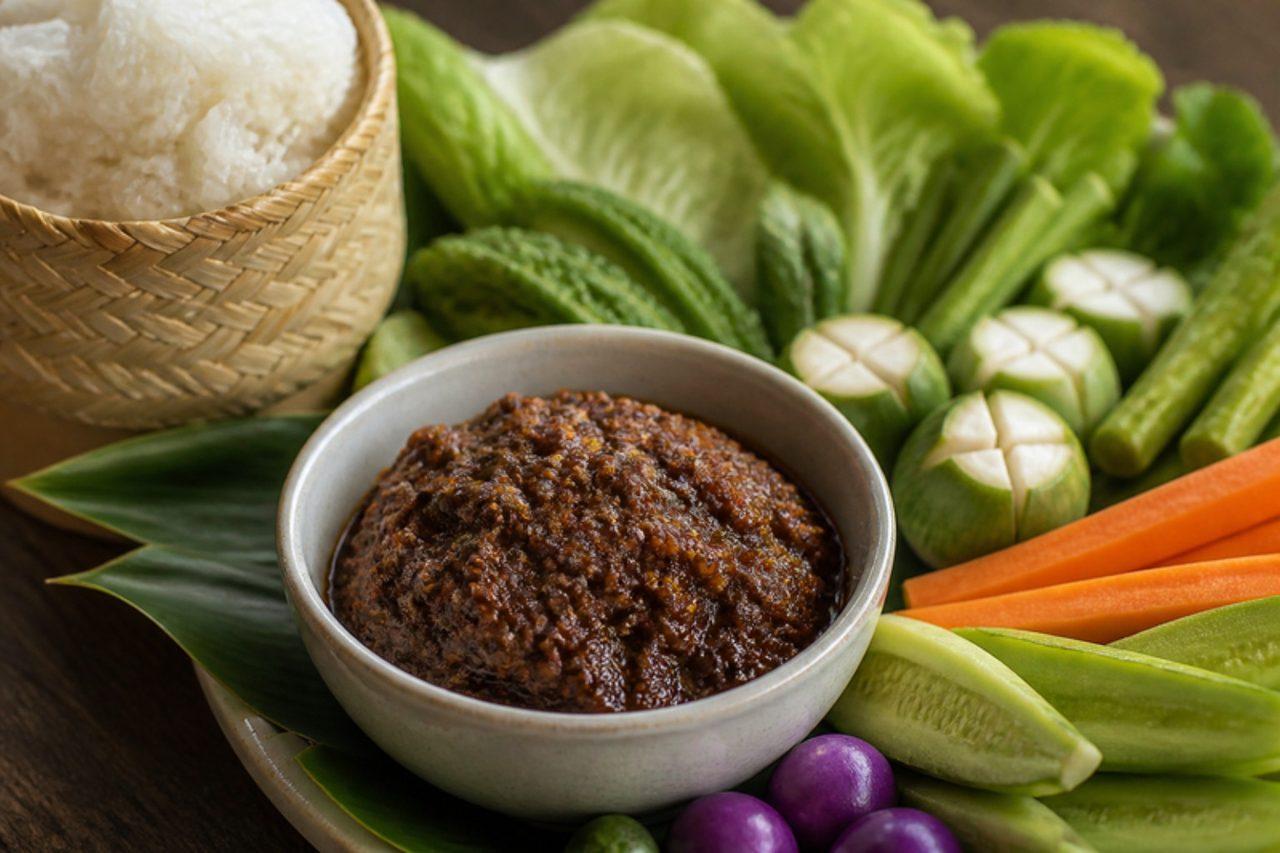
Isan and Lao households keep a jar of this thick, smoky relish in the kitchen the way other cooks keep mustard, scooping it onto sticky rice for a quick lunch or setting it out with steamed vegetables and crackling. Its backbone is pla ra, the funky fermented fish of the north-east, pounded with charred shallots, garlic, galangal and toasted chillies into a dark, rough-textured paste that is salty, sweet-smoky and fiery. For safety and ease this version uses bottled cooked pla ra (or anchovy sauce) and boils it before it goes in, since homemade raw pla ra can carry parasites. Serve with sticky rice, cucumber, cabbage and long beans. Chef's tip: roast the aromatics until properly blackened in patches; the char is the flavour, so don't stop when they are merely soft.

by KrazyBadal 1 views

Bryndzové haluškyPotato dumplings with sheep's cheese

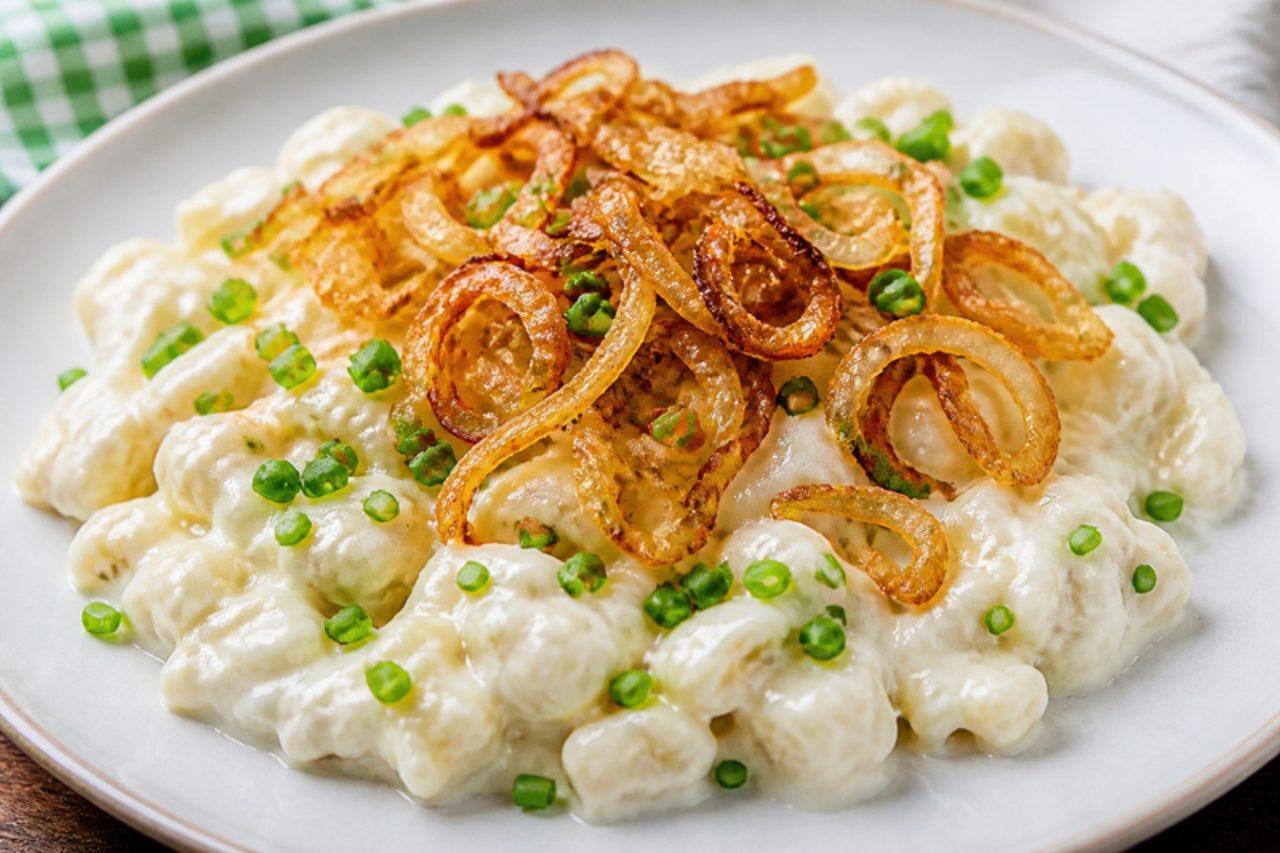
Bryndzové halušky is Slovakia's national dish, cooked in every koliba (timber shepherd's restaurant) in the Liptov and Orava valleys and fought over each summer at the halušky-eating contest in Turecká. Little grated-potato dumplings are tossed while hot with bryndza, a tangy, spreadable sheep's cheese, and finished with a sour milk drink called žinčica. The traditional topping is crisp smoked bacon; here golden fried onions bring the same savoury crunch, and meat-eaters can add bacon on their own plates. Chef's tip: grate the potatoes at the last moment and work fast; grated potato left standing turns grey and watery and the dumplings go heavy.

by KrazyBadal 0 views

AyibFresh curd cheese

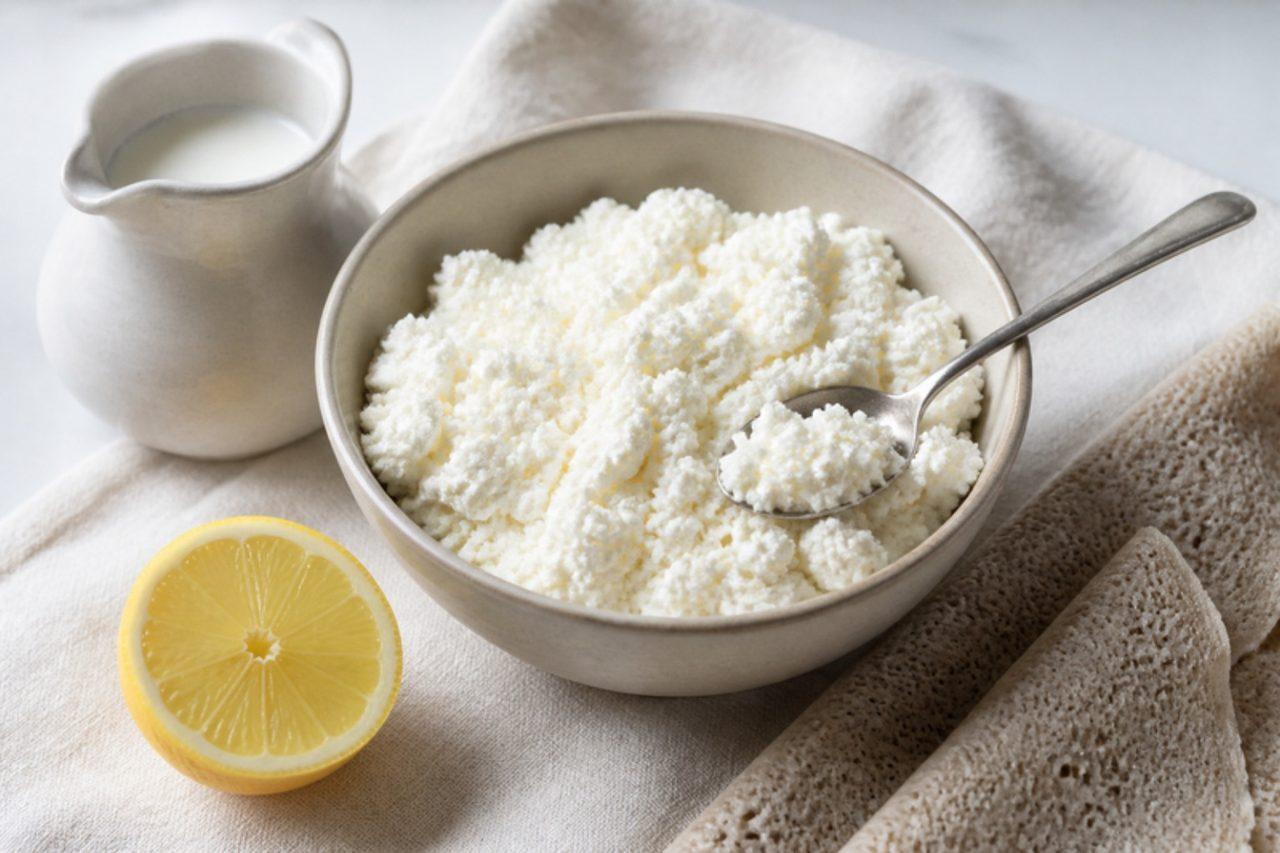
Ayib is the soft, crumbly fresh cheese that Ethiopians serve alongside spicy food to cool the mouth, especially with kitfo and gomen in the Gurage country south of Addis Ababa, where it is made from the buttermilk left after churning butter. It tastes very mild and slightly tangy, a little like ricotta or cottage cheese, and is often mixed with herbs or a pinch of mitmita. This home version uses milk and buttermilk, heated until they separate. Chef's tip: once the curds form, take it off the heat; boiling makes them tough and rubbery.

by KrazyBadal 0 views

Bubur pedasHerby toasted rice porridge

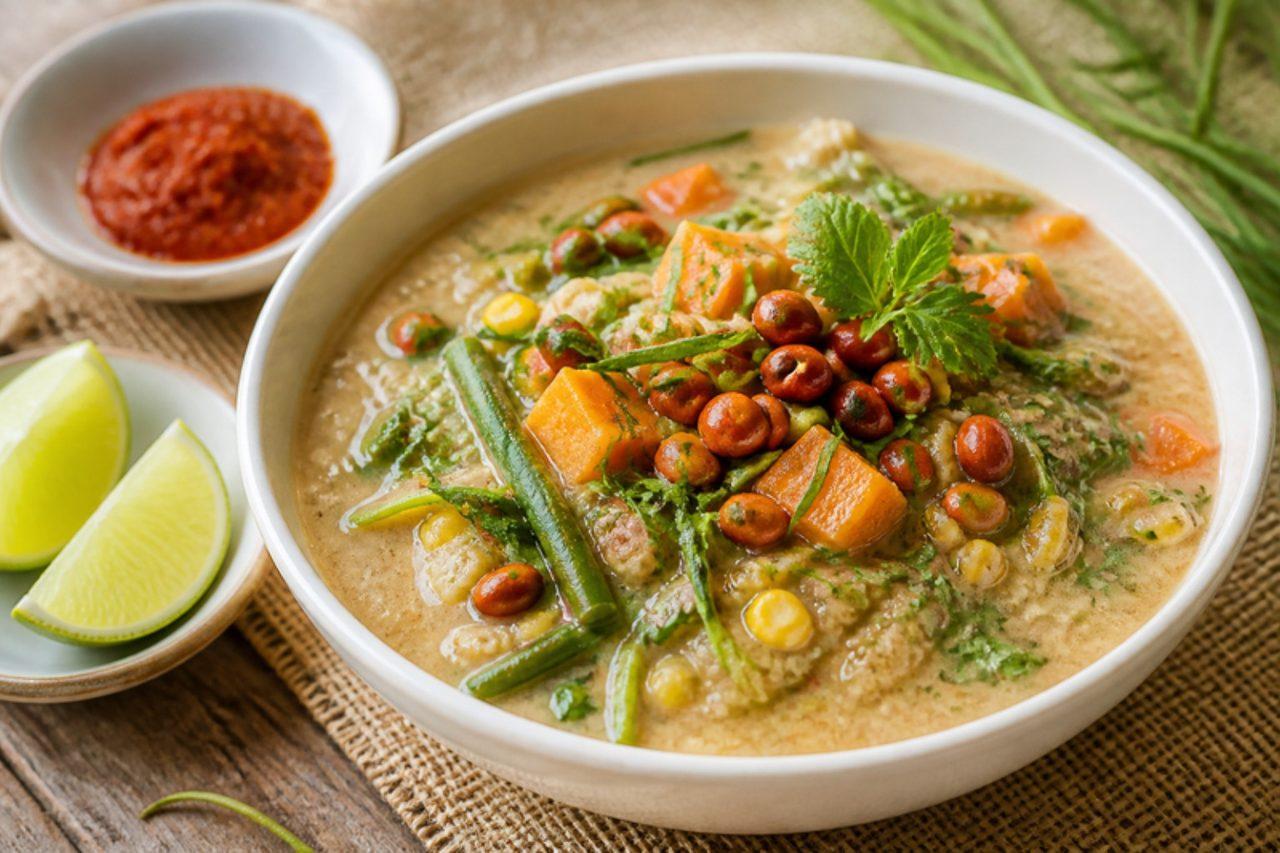
Bubur pedas comes from the Malay kitchens of Sambas in West Kalimantan and is a Ramadan favourite for breaking the fast. Raw rice and coconut are dry-roasted and ground, then cooked into a thick, savoury porridge with sweet potato, long beans, ferns, water spinach and lots of kesum leaf, the herb that gives its peppery smell. Despite the name, it is spiced rather than very hot; chilli goes on at the table. Many cooks add dried anchovies; this version tops it with fried peanuts instead. Chef's tip: roast the rice and coconut slowly until deep golden; that toastiness is the flavour of the dish.

by KrazyBadal 0 views

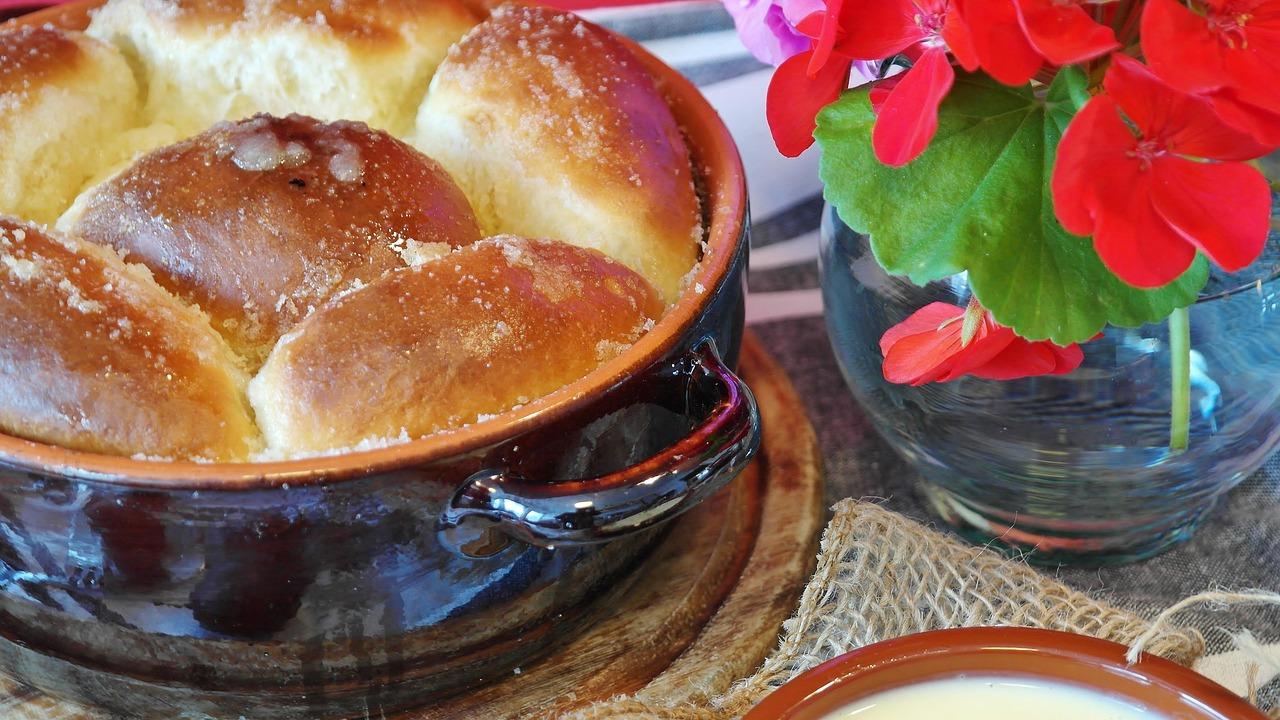
BuchtyFilled baked yeast buns

Buchty are the soft, pillowy yeast buns that Czech grandmothers bake in a roasting tin on Saturday, filled with povidla (plum butter), jam or sweet quark and packed so close that they rise into each other and have to be torn apart. They are the Czech answer to a cinnamon bun: eaten warm with milky coffee, packed for train journeys and school trips, and famous from the fairy tale in which the hero sets off with a bag of his mother's buchty. Unlike open koláče, the filling is sealed inside. Chef's tip: brush the sides of each bun with melted butter before you pack them in, so they pull apart cleanly with soft, shiny walls.

by KrazyBadal 0 views

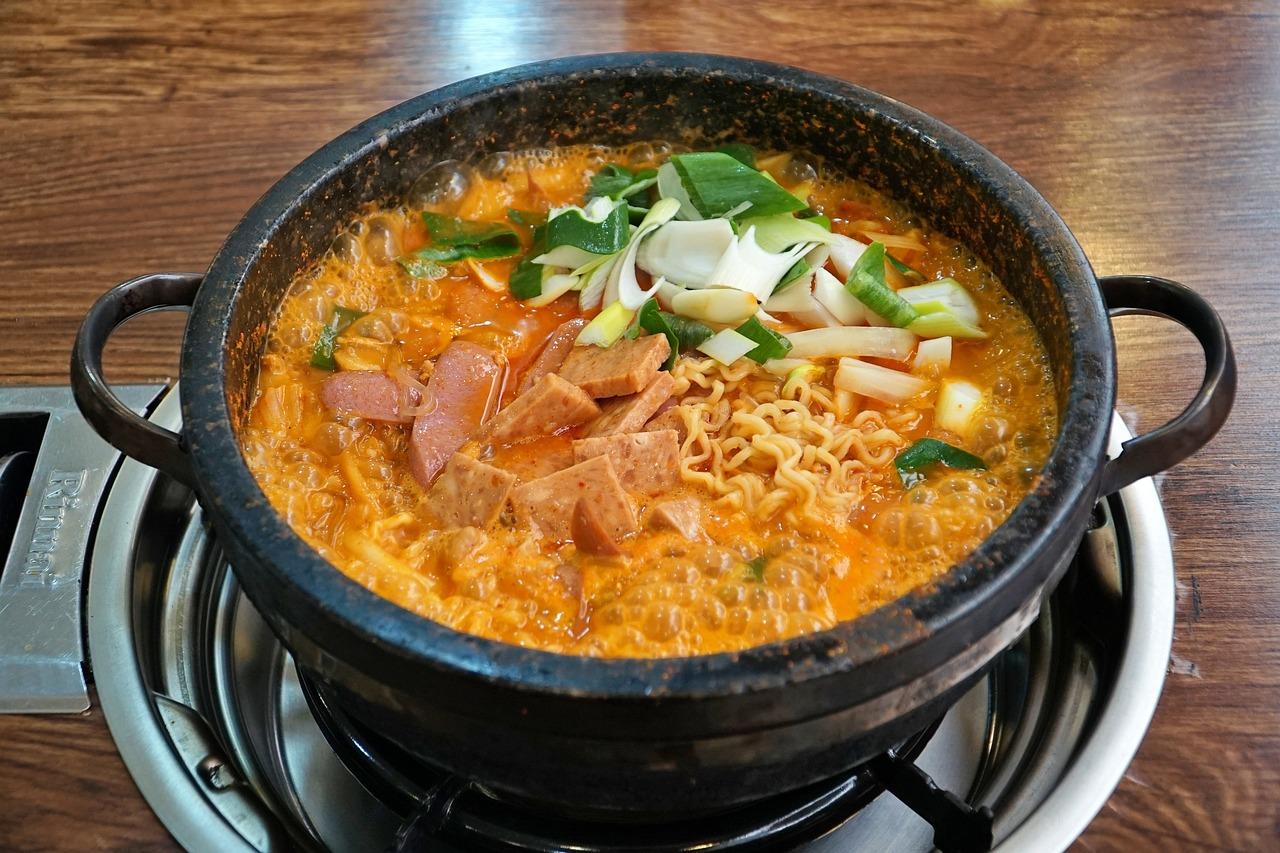
Budae jjigaeSausage and noodle stew

Budae jjigae grew up in Uijeongbu, north of Seoul, in the hard years after the Korean War, when surplus tinned meat and sausages from the nearby US army base were cooked with kimchi and chilli. The town still has a whole street of restaurants serving it. It is a sharing dish: a wide pan goes on a gas burner in the middle of the table, and friends fish out sausages and noodles as it bubbles. Chef's tip: arrange everything in neat piles in the pan before the stock goes in, so each person can see what they are reaching for.

by KrazyBadal 0 views

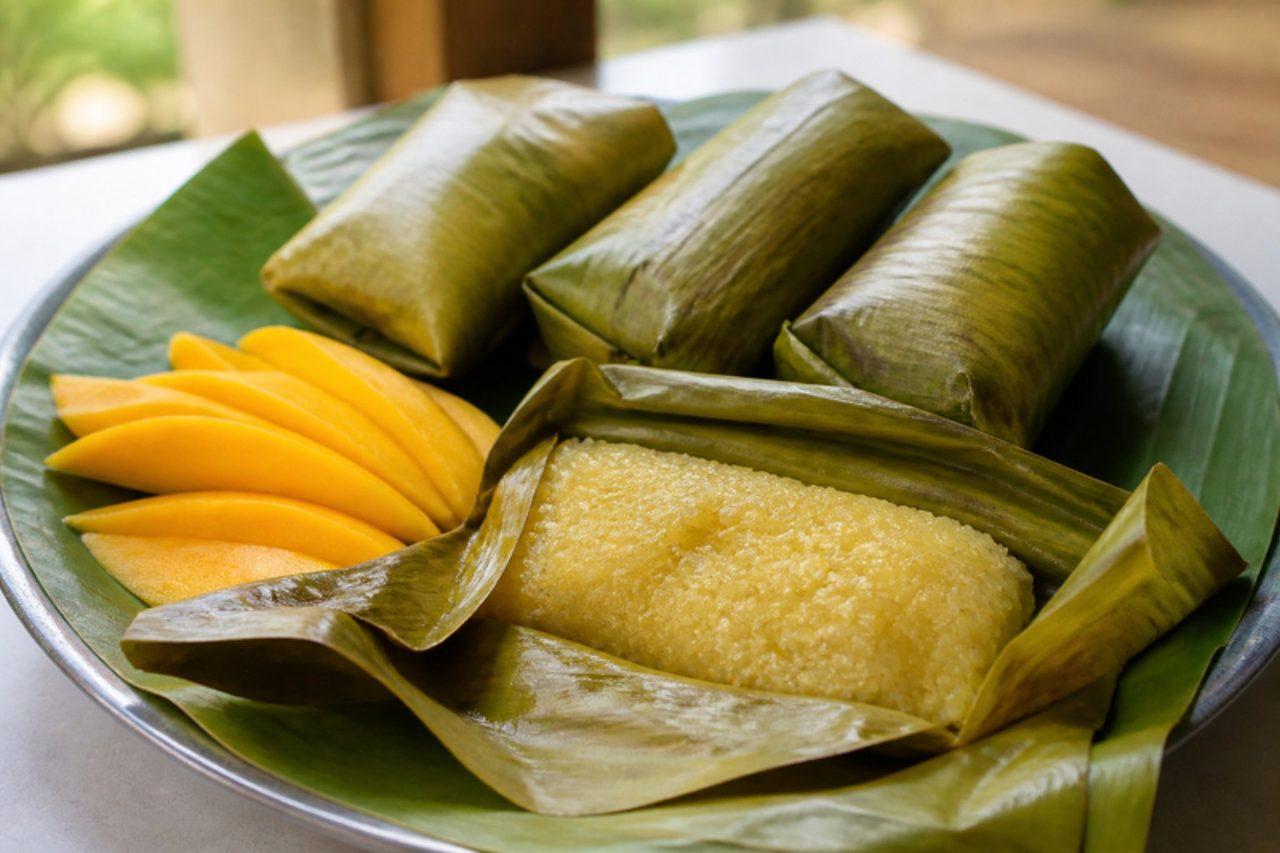
Budbud kabogMillet in coconut milk

Budbud is the Visayan name for sticky rice rolls steamed in banana leaf, and the famous kabog version from Tanjay, Negros Oriental, uses millet instead of rice. The millet is cooked thick in coconut milk and sugar, rolled into banana leaves and steamed until it sets into a soft, slightly grainy log. In Dumaguete it is breakfast with ripe mango and a cup of tablea hot chocolate. Chef's tip: wilt the banana leaves briefly over a flame or in hot water so they fold without splitting.

by KrazyBadal 0 views

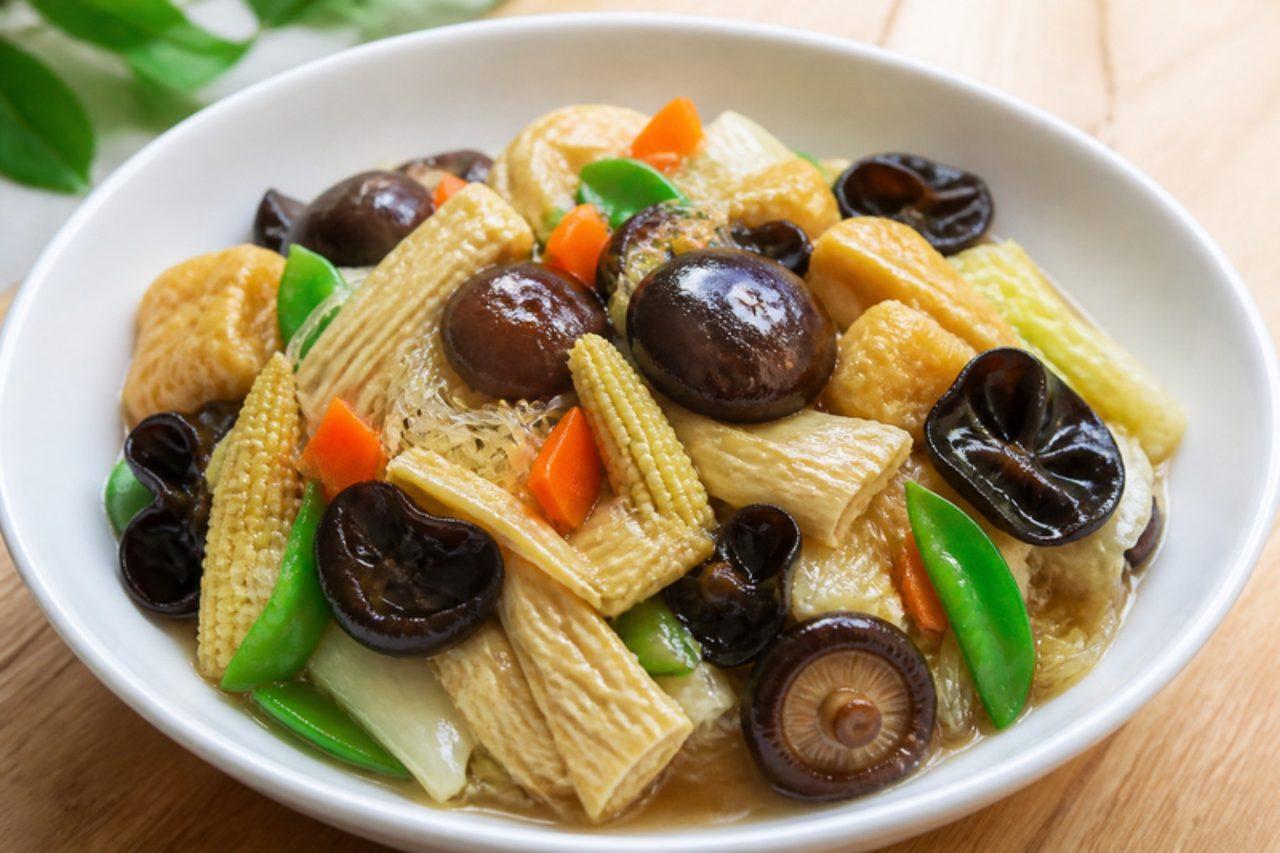
Buddha's delight (luohan zhai)Braised mushrooms, tofu and vegetables

Luohan zhai is the vegetarian dish of Chinese Buddhist temples, and many families cook it on the first day of the Lunar New Year, when eating meat is traditionally avoided. Recipes vary from house to house, but most combine dried shiitake, wood ear fungus, tofu puffs, tofu skin, napa cabbage and glass noodles, braised in one pot in a light, savoury sauce. It's light, colourful and full of different textures. Chef's tip: keep the shiitake soaking water; strained, it makes the base of the sauce and gives far more flavour than stock.

by KrazyBadal 0 views

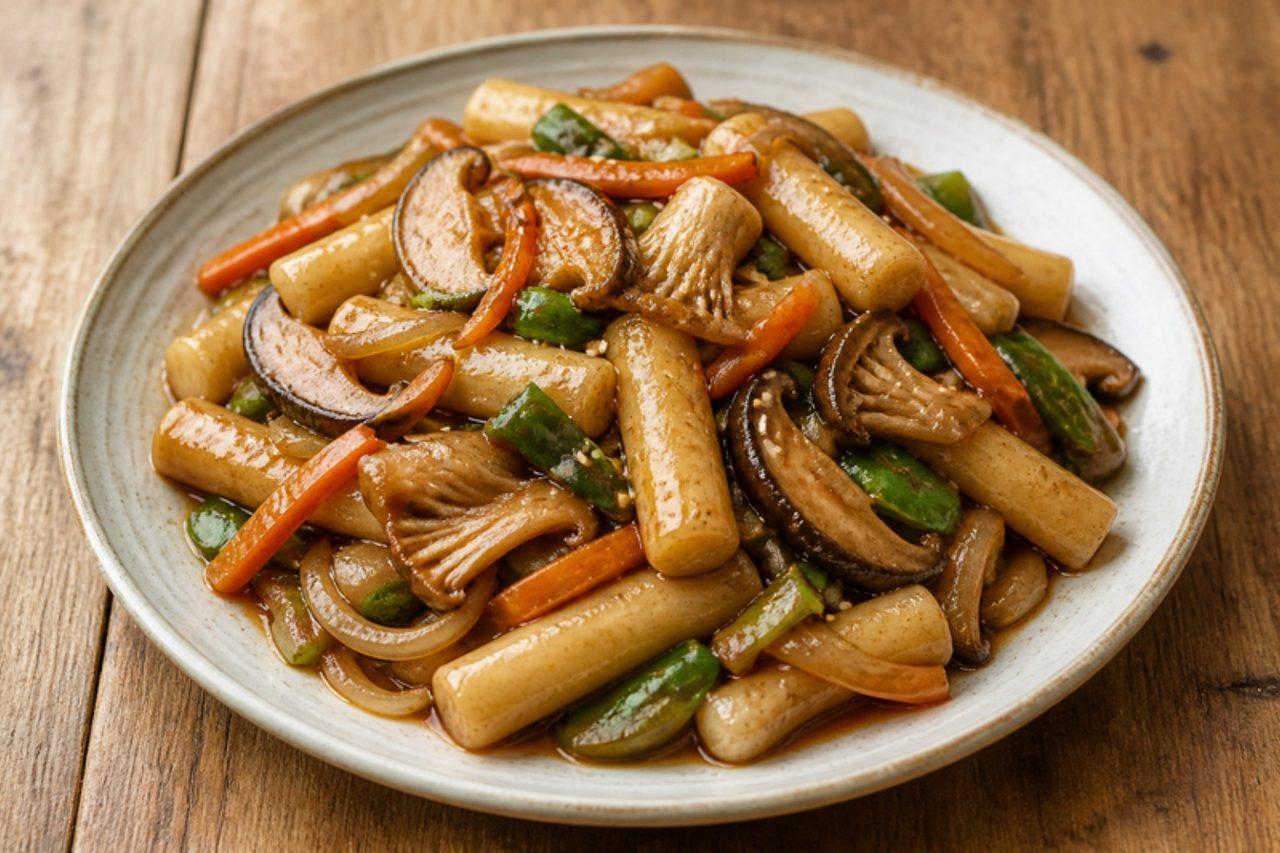
Gungjung tteokbokkiSoy rice cakes with mushrooms

Long before red gochujang tteokbokki took over Seoul's street stalls, the Joseon palace kitchens served gungjung tteokbokki (궁중떡볶이): chewy cylinders of rice cake tossed in a glossy soy and sesame glaze with mushrooms, peppers and onion. It is mild, savoury-sweet and fragrant with toasted sesame, which makes it the version Korean parents cook for children and for anyone who can't take heat. The court recipe used beef; shiitake and oyster mushrooms carry the same savoury depth here. Eat it warm as a snack or alongside rice and kimchi. Chef's tip: soften the rice cakes in hot water before they meet the pan, or the outsides scorch while the centres stay hard.

by KrazyBadal 0 views

Ayam rica-ricaChicken in fresh chilli paste

Rica means chilli in the Manado dialect, and North Sulawesi cooks are not shy with it. Ayam rica-rica turns up at Minahasa family parties and church gatherings, a heap of chicken pieces coated in a coarse, scarlet paste of fresh chillies, shallots and ginger, finished with tomato, spring onion and a fistful of lemon basil. It's hot, bright and fresh rather than deep and stewed, with a sticky sauce that clings to the meat. Serve it with lots of steamed rice and a cooling cucumber salad. Chef's tip: blend the paste coarse, with as little water as possible; a wet, smooth paste steams instead of frying and never gets that glossy, toasty edge.

by KrazyBadal 0 views

Ayam pongtehChicken and potato braise

Melaka's Peranakan (Nyonya) kitchens cook ayam pongteh for family dinners and for the Chinese New Year reunion table: a dark, gentle braise of chicken and potatoes that has no chilli at all. Its savour comes from taucheo, salted fermented soybeans, fried with a lot of shallots and garlic, sweetened with palm sugar and coloured with dark soy. The gravy is thin, glossy and moreish, and the potatoes drink it up until they are soft enough to crush with a spoon. Spoon it over plain rice with sambal belacan on the side for anyone who wants heat. Chef's tip: pound the shallots rather than blending them to a purée; slightly coarse shallots melt into the gravy and give it body.

by KrazyBadal 0 views

Chin chinCrunchy fried dough bites

Every December, Nigerian kitchens turn into small factories of chin chin, crunchy little cubes of sweet fried dough packed into big plastic tubs for Christmas visitors, weddings and the long drive back to the village. The dough is enriched with butter, egg and evaporated milk and scented with nutmeg; cut small and fried, it shatters with a satisfying crunch. It keeps for weeks, so families make kilos at a time. Chef's tip: roll the dough evenly thin, about 5 mm, so every piece fries through to a crisp centre at the same time.

by KrazyBadal 0 views

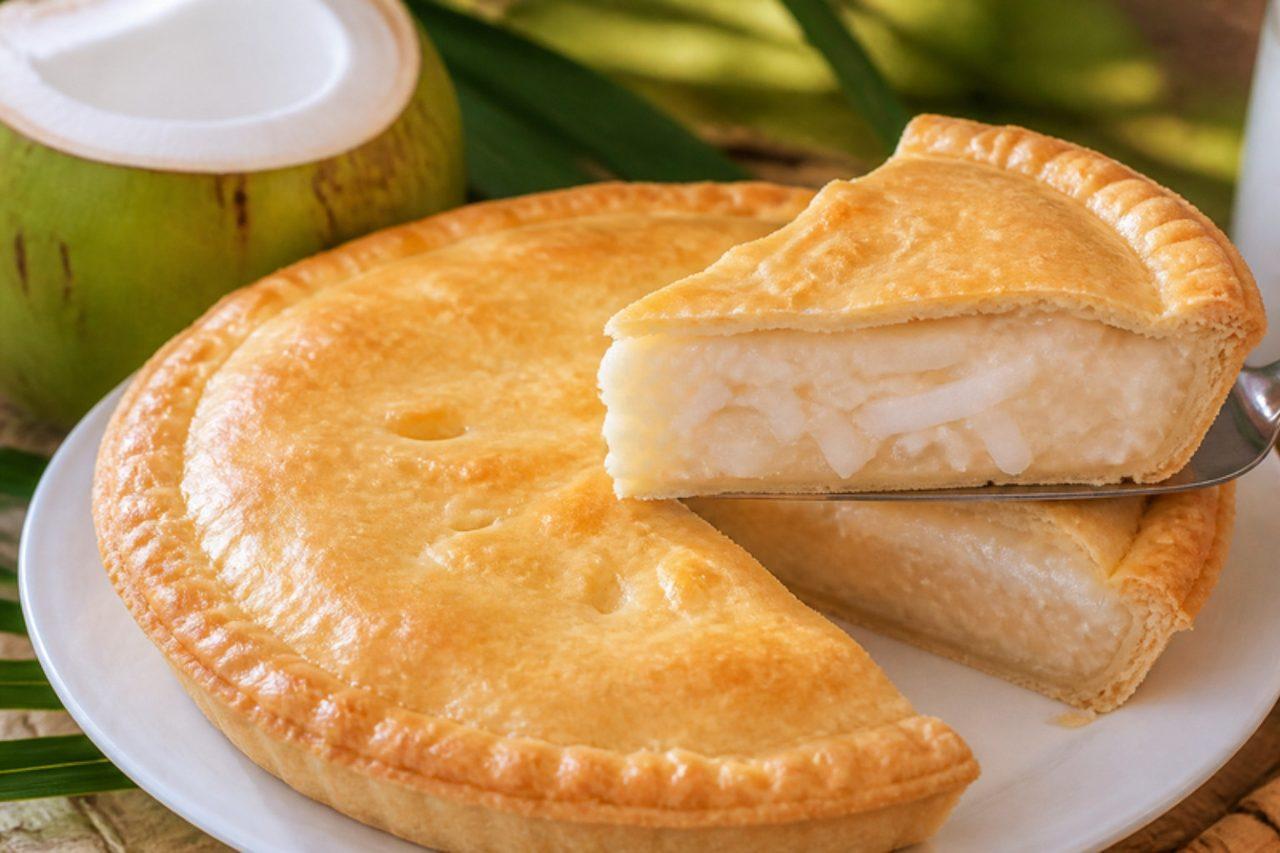
Buko pieYoung coconut pie

Drive the old highway through Los Baños and Calauan in Laguna and roadside shops sell buko pie in white boxes by the stack, warm from the oven. The filling is tender strips of young coconut set in a creamy custard made with the coconut's own water and milk, sealed in a short, buttery crust. It is a pasalubong, a gift you bring back for people at home. Chef's tip: use only the soft, spoonable flesh of young coconuts; hard mature coconut turns the filling chewy.

by KrazyBadal 0 views

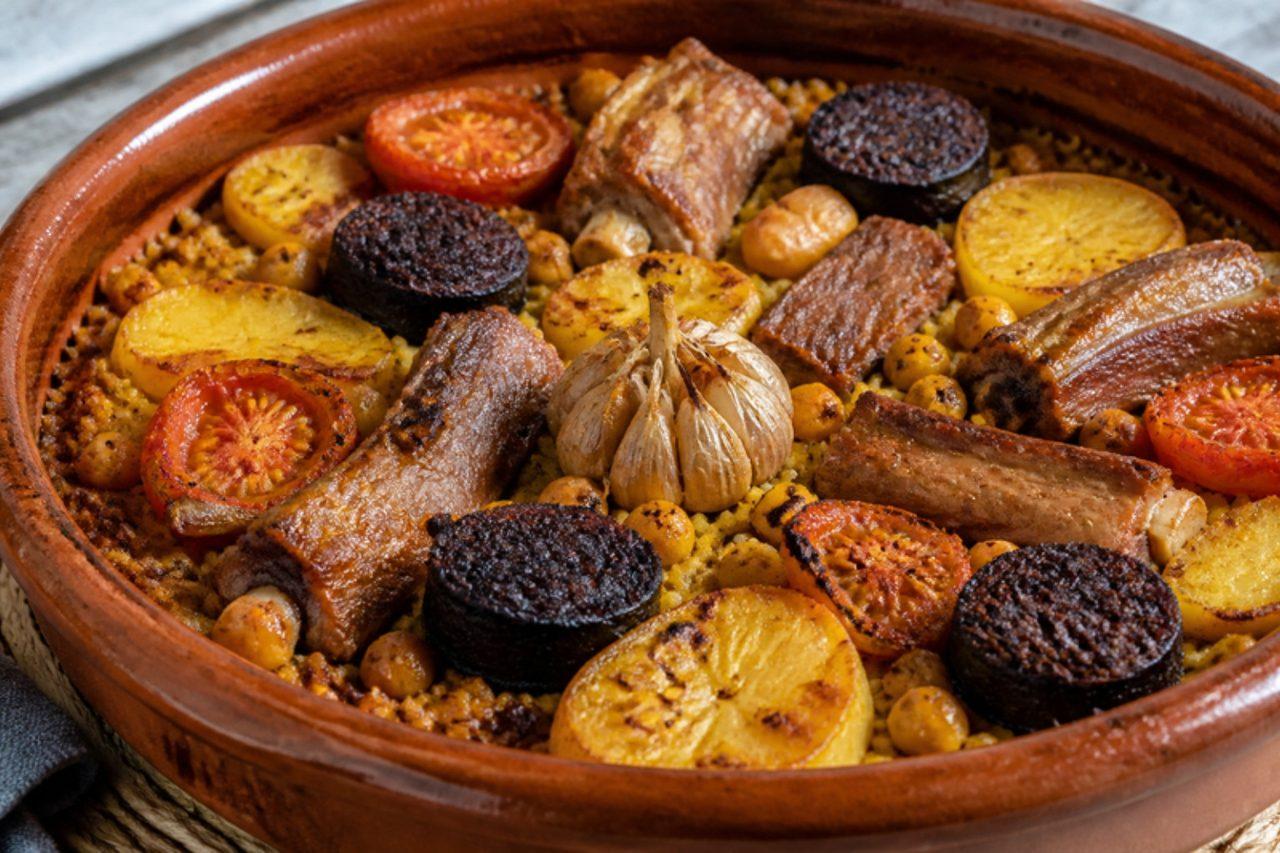
Arroz al hornoBaked rice with chickpeas and pork

Arroz al horno (arròs al forn in Valencian) is the oven rice of Valencia and Xàtiva, traditionally made the day after a big pot of cocido, using its leftover chickpeas and broth. Families once carried the clay dish to the village baker's oven; today it is baked at home in a wide, shallow earthenware cazuela. Pork ribs, morcilla (Spanish onion blood sausage), slices of potato, chickpeas and a whole head of garlic sit on top of the rice, which bakes into a dry, tender layer full of flavour. Use any ovenproof dish about 30 cm across and 5 cm deep if you don't have a cazuela. Chef's tip: have the stock at a rolling boil when you pour it in, then get the dish into the hot oven within seconds; a lukewarm start leaves the rice chalky in the middle.

by KrazyBadal 0 views

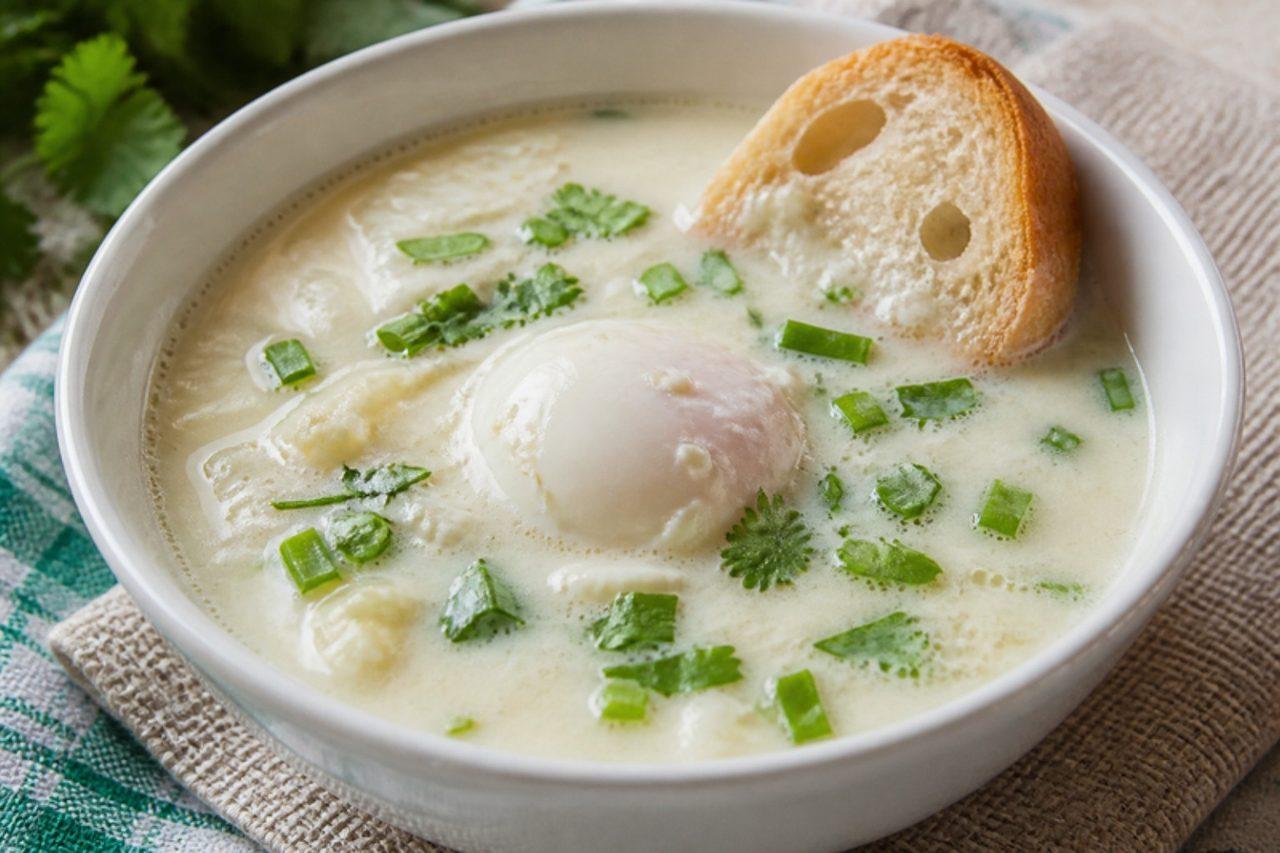
ChanguaMilk and egg breakfast soup

Changua is the breakfast soup of Bogotá and the high plains of Cundinamarca and Boyacá, where cold mornings call for something hot before work. Milk and water are simmered with spring onion, eggs are poached right in the pot, and the bowls get fresh coriander and pieces of stale bread or calado (dried toasted bread) that soften in the broth. It is gentle, creamy and filling. Chef's tip: keep the milk at a bare simmer; if it boils hard it can catch on the bottom and the eggs break apart.

by KrazyBadal 0 views

Showing 36 of 10,569 recipes

Show more recipes

Page 1,035 of 1,175