


Skip to content
Liangban mu'er
Featured recipe

Liangban mu'er

Wood ear mushroom salad

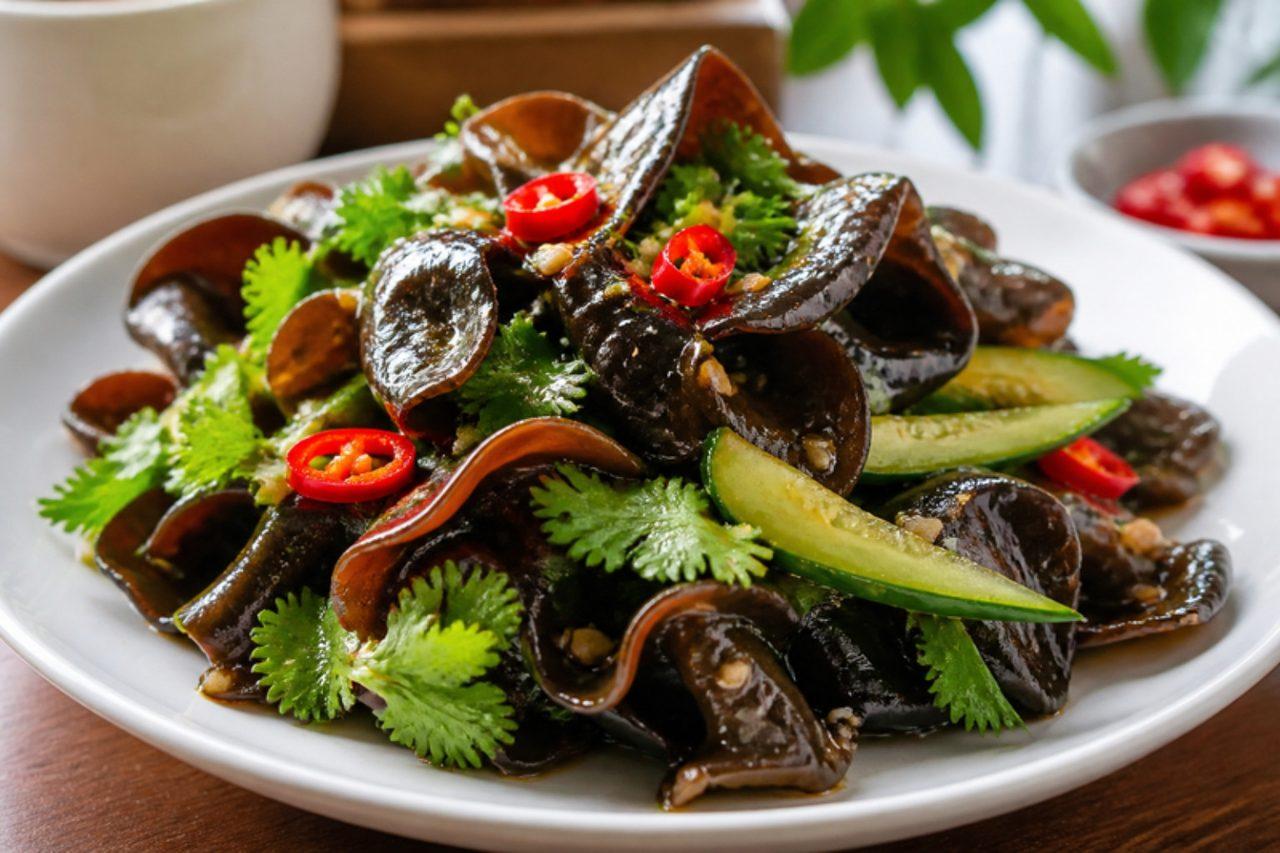
Every noodle shop and dumpling house in Beijing and Harbin has a fridge of liangcai, the cold dishes ordered alongside the main meal, and liangban mu'er is one of the most popular: black wood ear fungus, which grows wild in the northeastern forests, blanched and tossed with black vinegar, garlic, chilli and coriander. It has almost no taste of its own but a lovely crunchy, bouncy bite, and it soaks up the tangy dressing. A portion is about 60 kcal. The common mistake is soaking the dried fungus in hot water to save time; it comes out limp. Use warm water for 15 minutes, or cold water for an hour, for the best crunch. Chef's tip: plunge the blanched fungus straight into iced water; it firms up and stays snappy.

Read more 0 views

What to eat today?

Around the world

Today's trip: Persian

A new country every day, from every cuisine on the site.

Persian

Persian halva

Saffron rose flour halva 40 minMore from Persian (181) →

This week's collection

Kid-friendly dinners
772 recipes · a new collection every Monday

Coming up

All occasions →

Latest recipes

Green fig and saltfishGreen bananas with salt cod

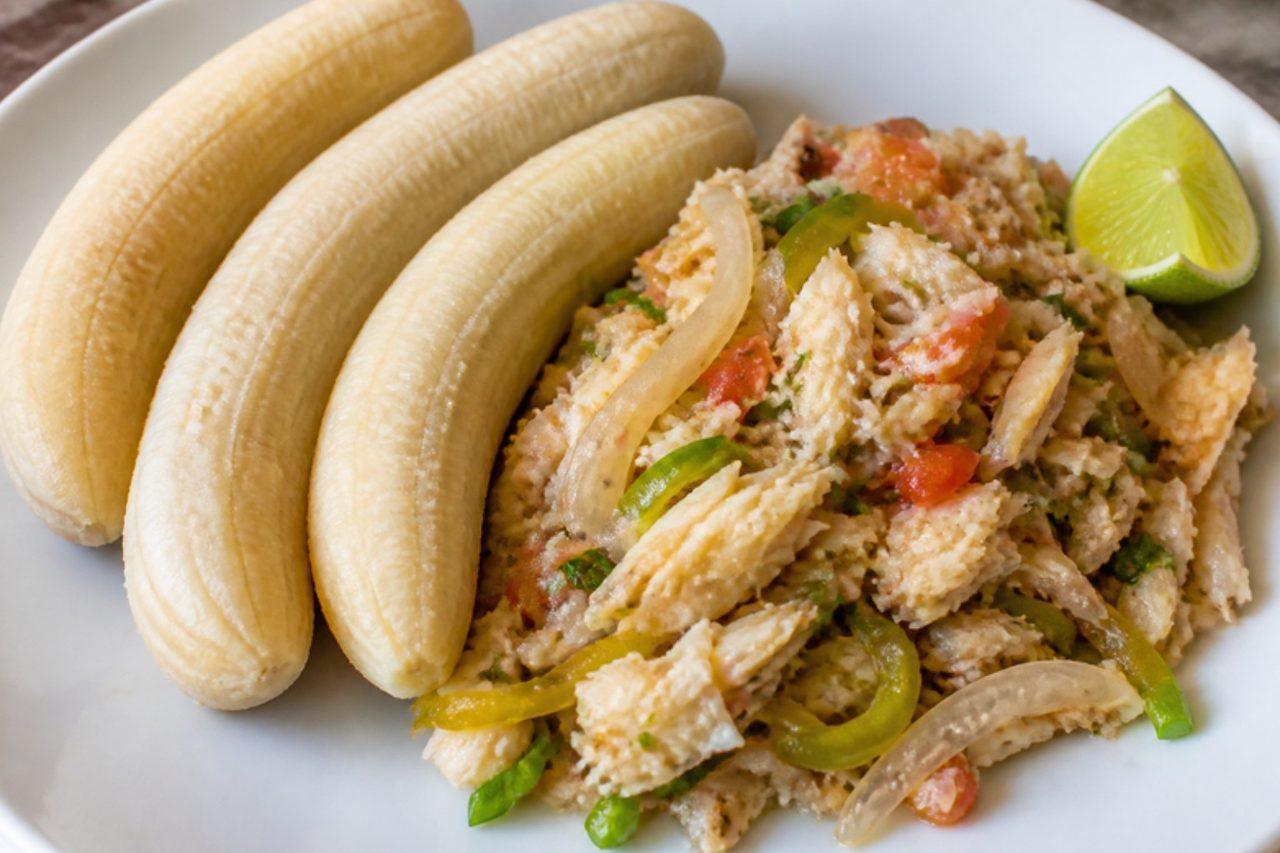
In St Lucia green bananas are called figs, and green fig and saltfish is the national dish: a Saturday lunch in Castries homes and the plate served everywhere on Jounen Kwéyòl, the island's Creole Day in October. The bananas are boiled until tender and mild, a little like potato, and served with salt cod sautéed with onion, sweet pepper, tomato, thyme and hot pepper. Add sliced avocado or cucumber on the side. The most common mistake is not soaking the saltfish long enough, which leaves the whole plate far too salty; taste a flake before you cook it. Chef's tip: rub oil on your hands (or wear gloves) before peeling the green bananas; the sap stains skin black.

by KrazyBadal 0 views


StollenFruit Christmas bread

Dresden has baked Christstollen for more than 500 years, and every December the city holds a Stollen festival with a giant loaf paraded through the old town to the Striezelmarkt. The loaf's shape, folded over and dusted white, is said to show the Christ child wrapped in swaddling cloth. It's a rich, dense yeast bread, heavy with butter, raisins, candied peel and almonds, brushed with melted butter straight from the oven and buried in sugar. It's baked weeks before Christmas and sliced thinly through Advent. Chef's tip: wrap it tightly and let it rest for at least a week before cutting; the flavours ripen and the crumb turns moist.

120 minGermanBaking
by KrazyBadal 0 views

DovgaHerb and yogurt soup

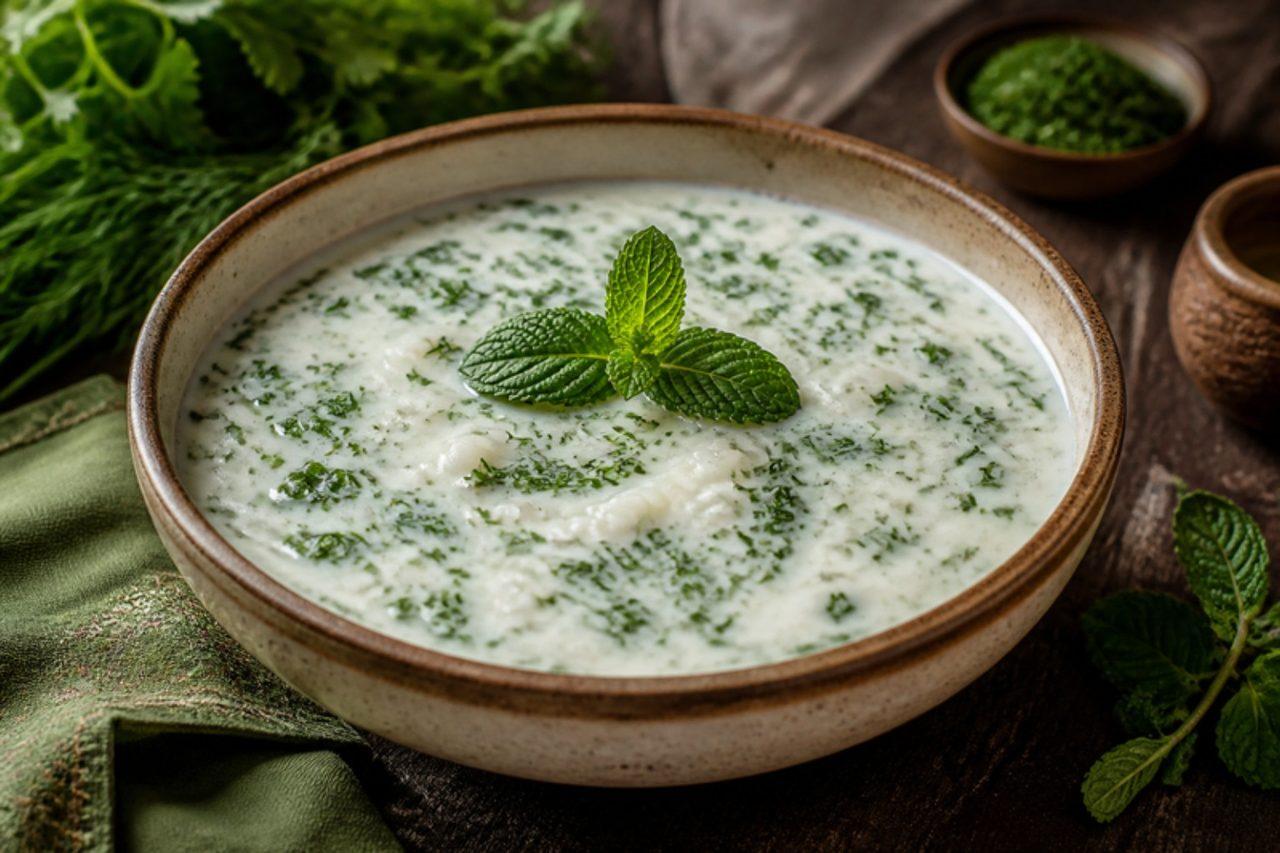
Dovğa is green, tangy and cooling, the soup Azerbaijanis drink cold from glasses on hot Baku afternoons and eat hot in bowls when the Absheron wind turns chilly. Yogurt is thinned, thickened with rice and egg, then packed with chopped spinach, dill, coriander, mint and sorrel, until the soup is more herbs than dairy. It is served at weddings and at Novruz to settle the stomach after rich food, and many cooks add chickpeas. Unlike Armenian spas, there is no fried onion or wheat; the flavour is all fresh herbs and sour yogurt. Chef's tip: add the herbs only once the yogurt is boiling steadily and stable; they wilt in seconds, and the colour stays bright green.

by KrazyBadal 0 views

Doro watSpicy chicken and egg stew

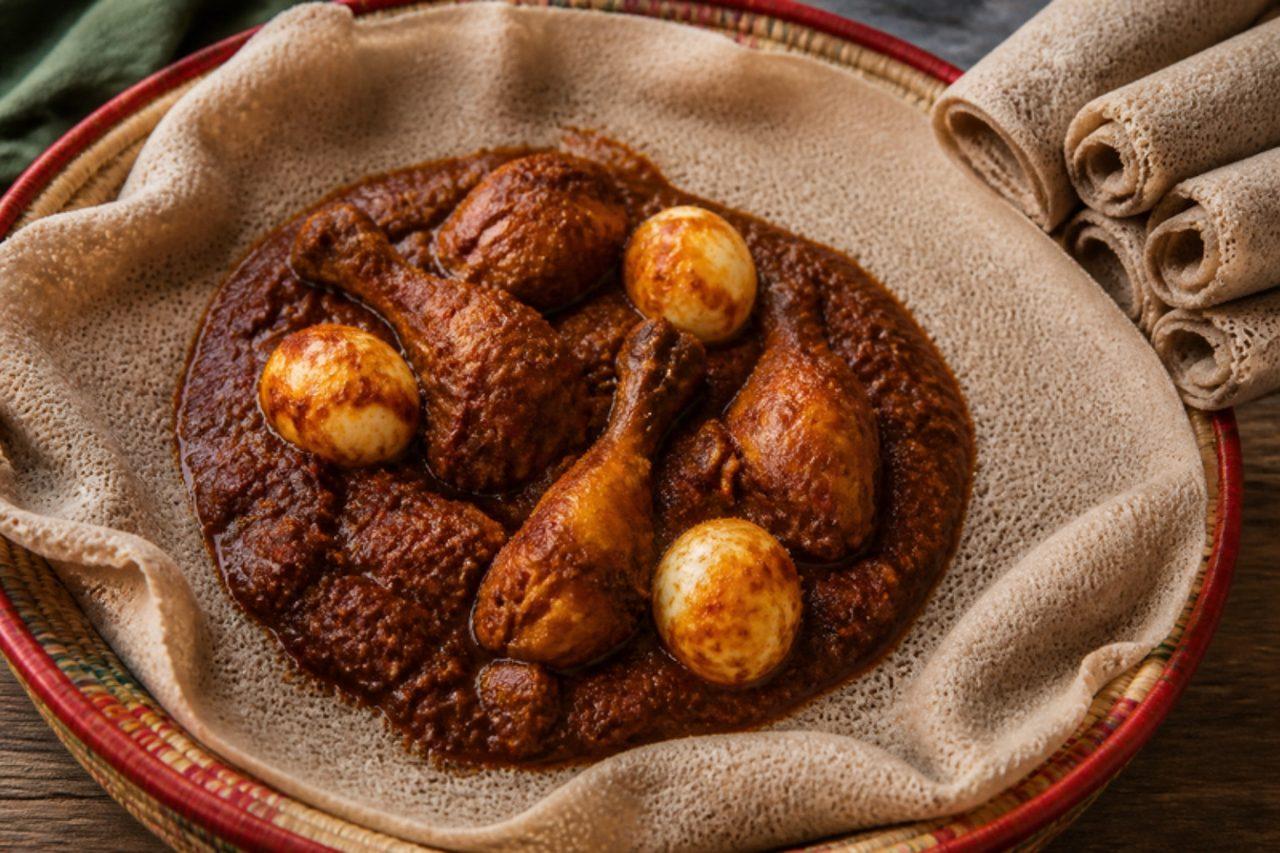
Ethiopian families make doro wat for the biggest days of the year, especially Genna (Christmas) and Fasika (Easter), when it breaks weeks of meatless fasting. Its secret is patience: a mountain of red onions is cooked down slowly with no fat at all until jammy and dark, then enriched with spiced butter and fiery berbere. Chicken pieces and whole hard-boiled eggs simmer in the sauce until it is thick, glossy and brick red, with a deep, smoky heat. Ladle it onto injera, with ayib (fresh cheese) alongside to cool things down. Chef's tip: score the boiled eggs lightly all over before adding them, so the sauce seeps right into the whites.

by KrazyBadal 0 views

Larb gaiSpicy chicken salad

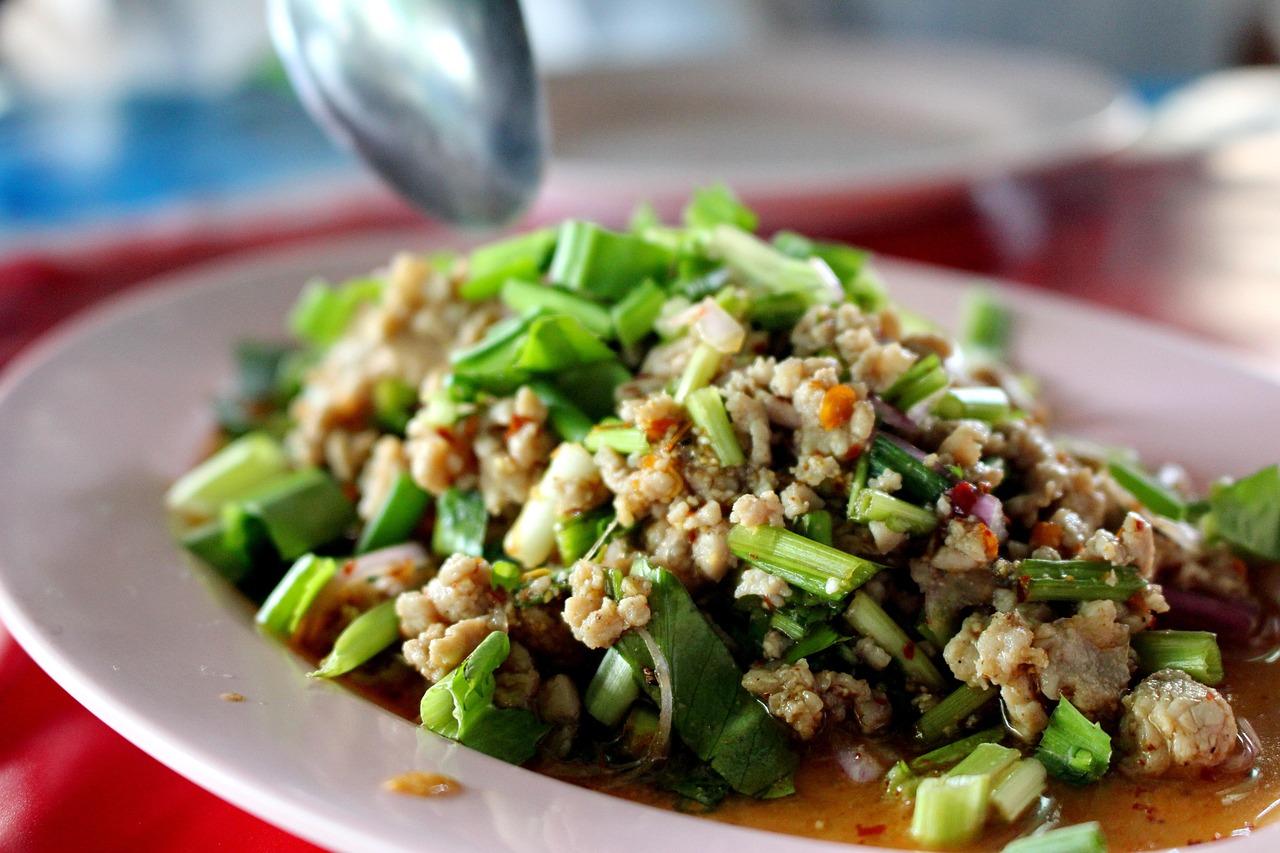
Out in the rice-farming provinces of Isan, a plate of larb turns up at almost every family meal and roadside som tam shack, always with a basket of sticky rice and a pile of raw greens. Warm minced chicken is tossed with fish sauce, plenty of lime, dried chilli and a fistful of mint, then finished with nutty, crunchy toasted rice powder. The result is bright, sour, salty and hot all at once, with a pleasing coarse texture. Wrap spoonfuls in lettuce, or eat it with sticky rice, cucumber and long beans. Chef's tip: toast your own rice powder; shop-bought tastes flat, and freshly ground grains smell like popcorn.

25 minThaiSaladsGluten freeSpicy
by KrazyBadal 0 views

Alicha wat (chicken)Mild turmeric chicken stew

Not every Ethiopian stew is fiery: alicha wat is the gentle, golden one, coloured with turmeric instead of berbere and seasoned with ginger, garlic and a few green chillies. Families across the country cook doro alicha when someone wants something soothing, when children are at the table, or as the mild partner to a spicy wat on a festive spread. The chicken simmers in a soft onion and spiced-butter sauce until tender, with a fragrant, buttery and slightly peppery flavour. Serve with injera or rice and a fresh tomato salad. Chef's tip: add the green chillies whole and fish them out before serving if you want flavour without heat.

by KrazyBadal 0 views

Lasaniya batakaGarlic potatoes

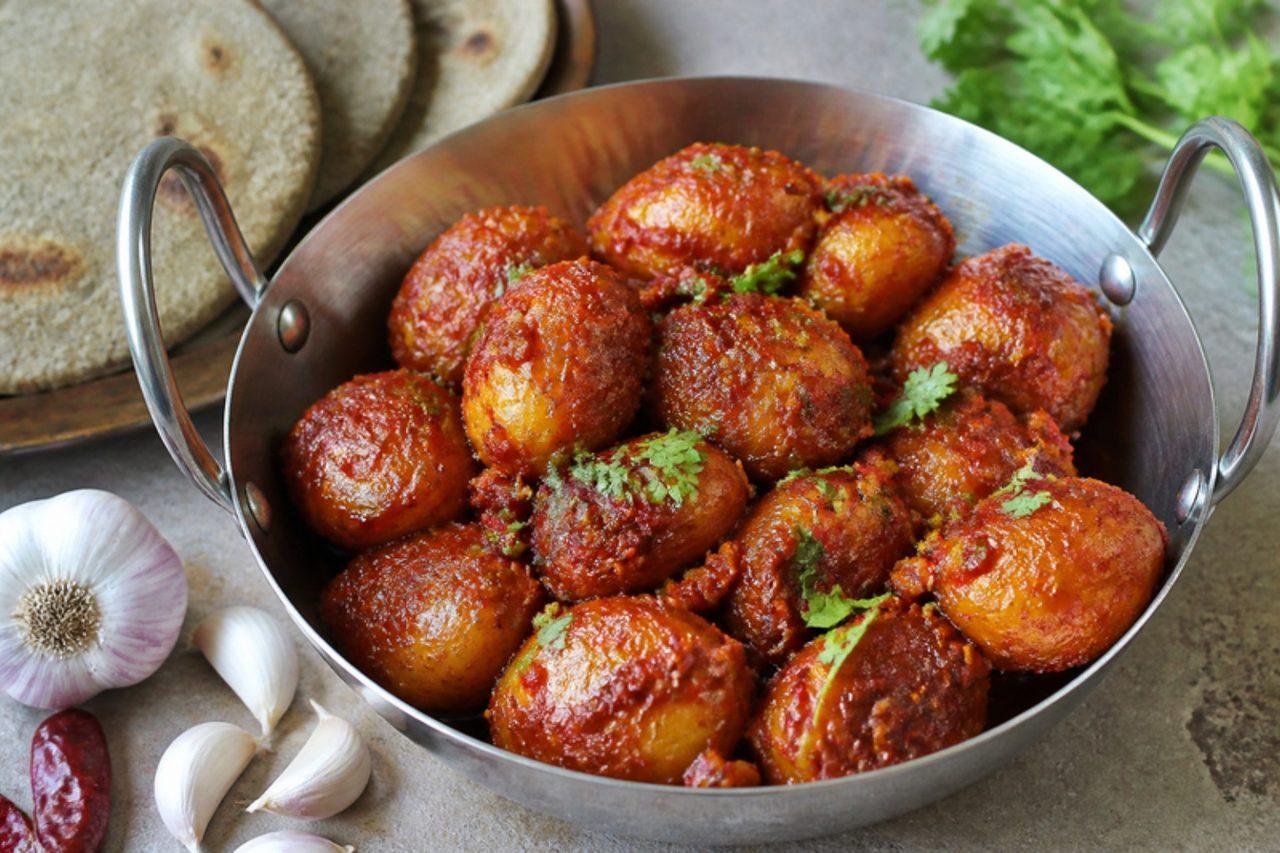
Lasaniya bataka is a dhaba favourite along the highways of Kathiawad, where it lands on the table next to bajra rotla, a lump of white butter, raw onion and a glass of chaas. Baby potatoes are boiled, lightly fried, then coated in a thick paste of pounded garlic and red chilli that has been cooked down until it smells sweet rather than sharp. It is hot, garlicky and a little tangy, the kind of side dish that turns plain flatbread into a meal. Make it for a winter lunch with Kathiawadi kadhi and khichdi. Chef's tip: pound the garlic and chilli in a mortar instead of blending; a slightly coarse paste clings to the potatoes and gives you little bursts of garlic.

by KrazyBadal 0 views

Lasary legiomaTurmeric pickled vegetables

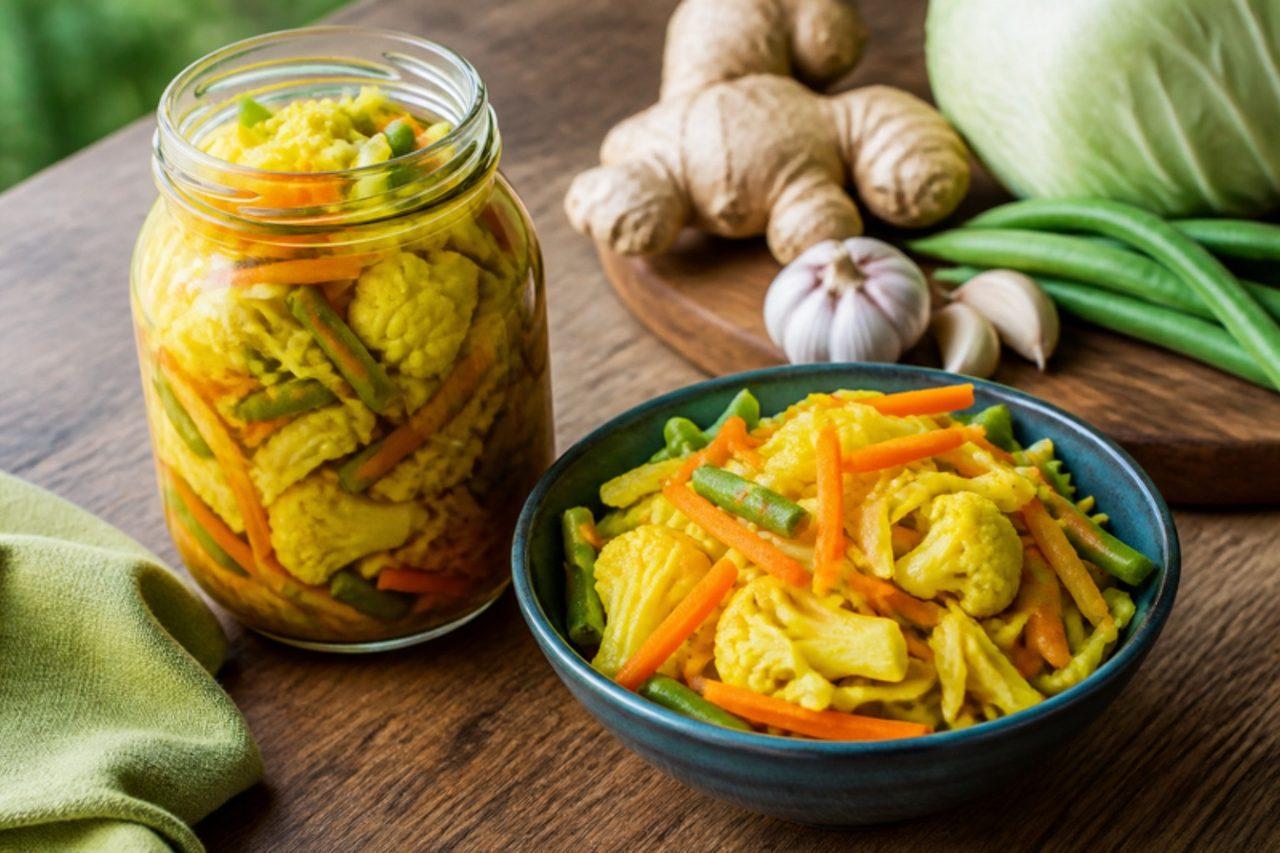
Lasary legioma, vegetable lasary, is a tangy, turmeric-yellow pickle of carrot, green beans and cabbage that sits on the table in Malagasy homes and hotelys (small canteens) to brighten rice and plain dishes. It is close to the achards of Réunion and Mauritius and is made in large jars to last the week. Chef's tip: blanch the vegetables for only a minute and cool them fast; they should stay crunchy, not cooked.

by KrazyBadal 0 views

Lasary voatabiaTomato and spring onion relish

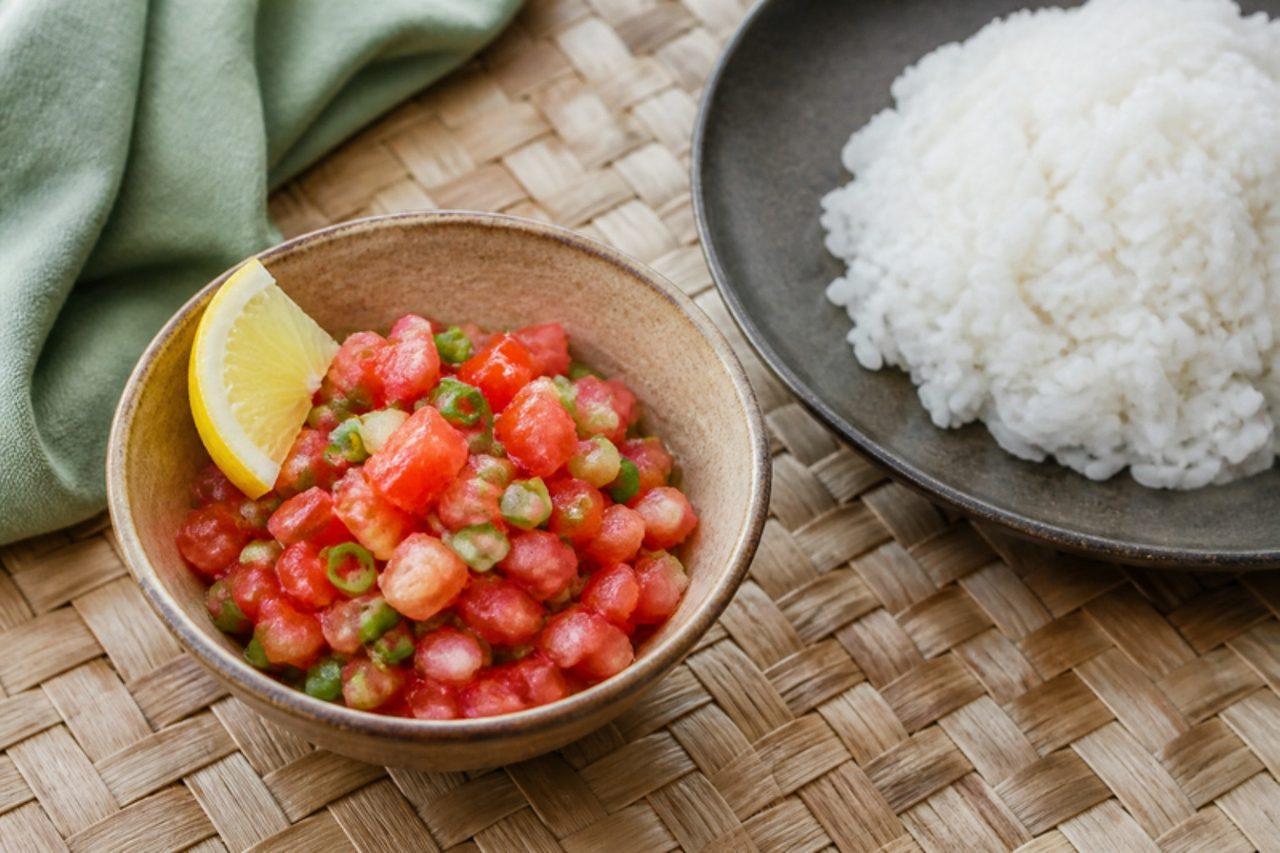
Lasary voatabia is the fresh tomato relish served beside the rice at almost every Malagasy meal, from Antananarivo's highland homes to the coast. Tomatoes and spring onion are chopped very small, sharpened with lime or vinegar and a little sakay (chilli), and spooned onto the rice to wake up broths like romazava. It is juicier and finer than a salad. Chef's tip: chop the tomatoes very small, almost to a pulp at the edges; the juice is meant to soak into the rice.

by KrazyBadal 0 views

DooghSalted yogurt drink

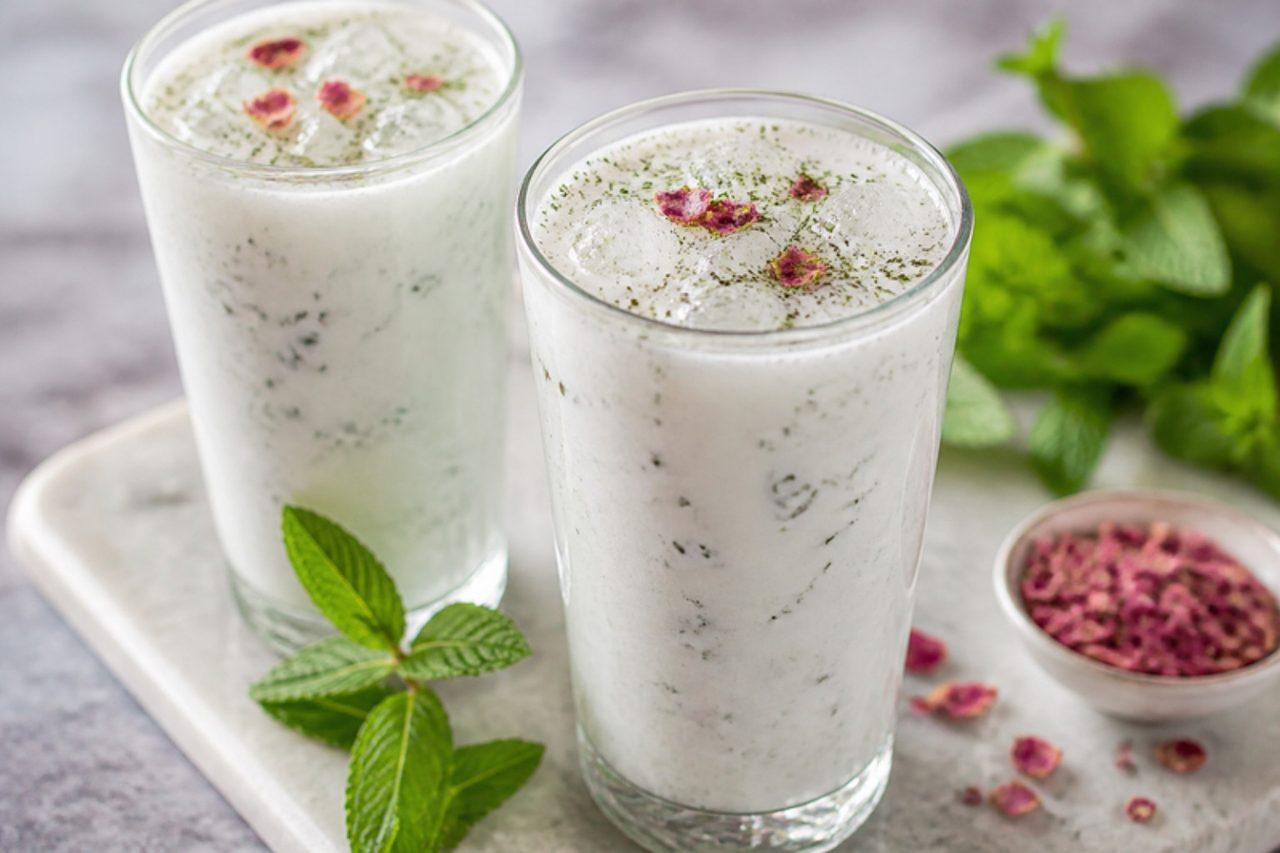
Doogh is the salty, fizzy yogurt drink served in tall glasses with lunch across Iran, and above all with kebab and rice at the chelow-kababi restaurants of Tehran. Bottled sparkling doogh from the mineral springs of Abali, in the mountains east of the capital, is the famous one; at home it is mixed from yogurt, cold water and soda water with crumbled dried mint, and sometimes wild pennyroyal (kakuti) or rose petals. Its bubbles and mint set it apart from plainer, still yogurt drinks. It is cooling and good with rich, herby food. Chef's tip: add the sparkling water last and stir gently, or the fizz disappears before it reaches the glass.

by KrazyBadal 0 views

Dongbei da la piMung bean sheet salad

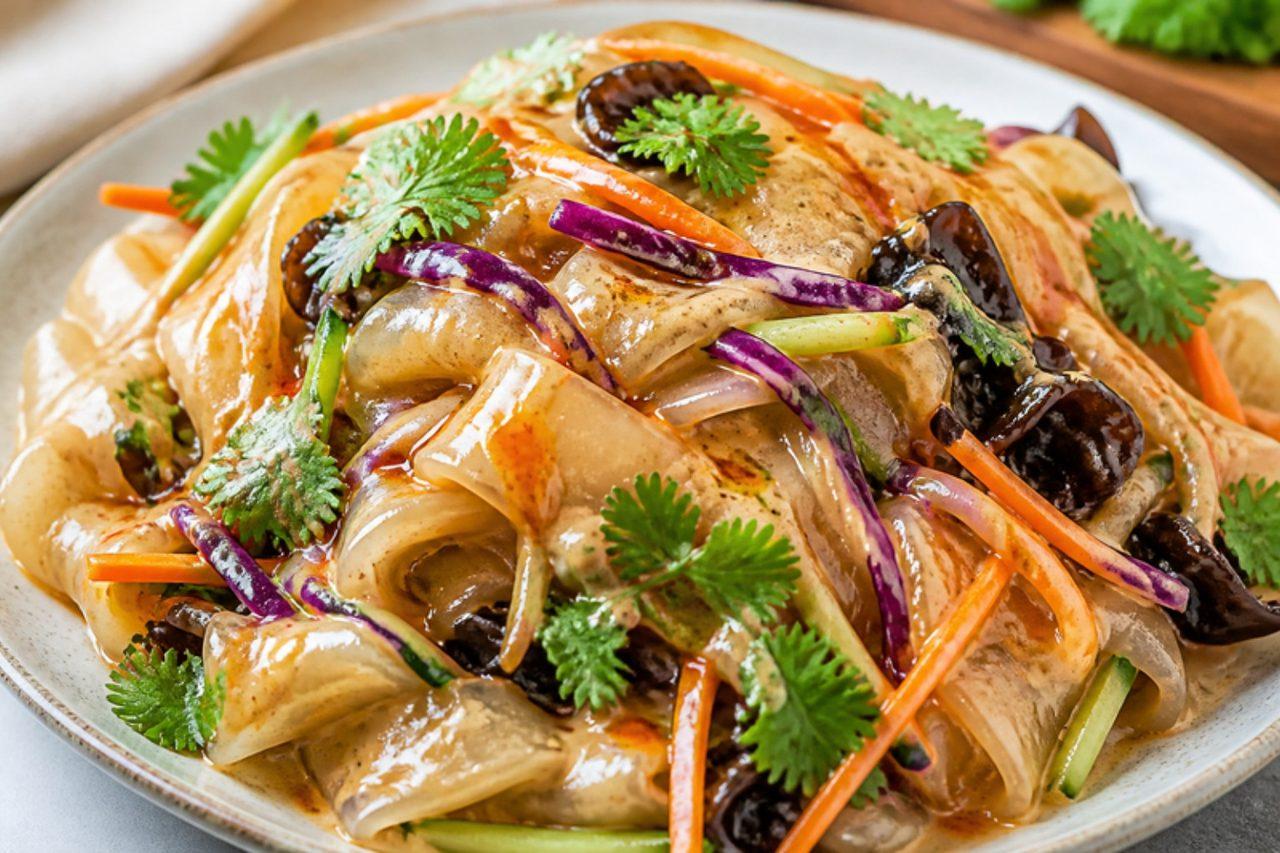
In north-east China, a big platter of this arrives at almost every family dinner and restaurant table, often next to the stews and dumplings. Wide, glassy sheets of mung-bean starch sit on a bed of shredded cucumber, carrot and cabbage, with a sesame, garlic and vinegar sauce and a dab of mustard poured over at the table. It's cool, slippery and crunchy. Look for dried la pi sheets or wide mung-bean noodles in Chinese supermarkets. Chef's tip: the sheet noodles must be fully cold before mixing, or they go soft and sticky.

by KrazyBadal 0 views

DomodaBeef and peanut stew

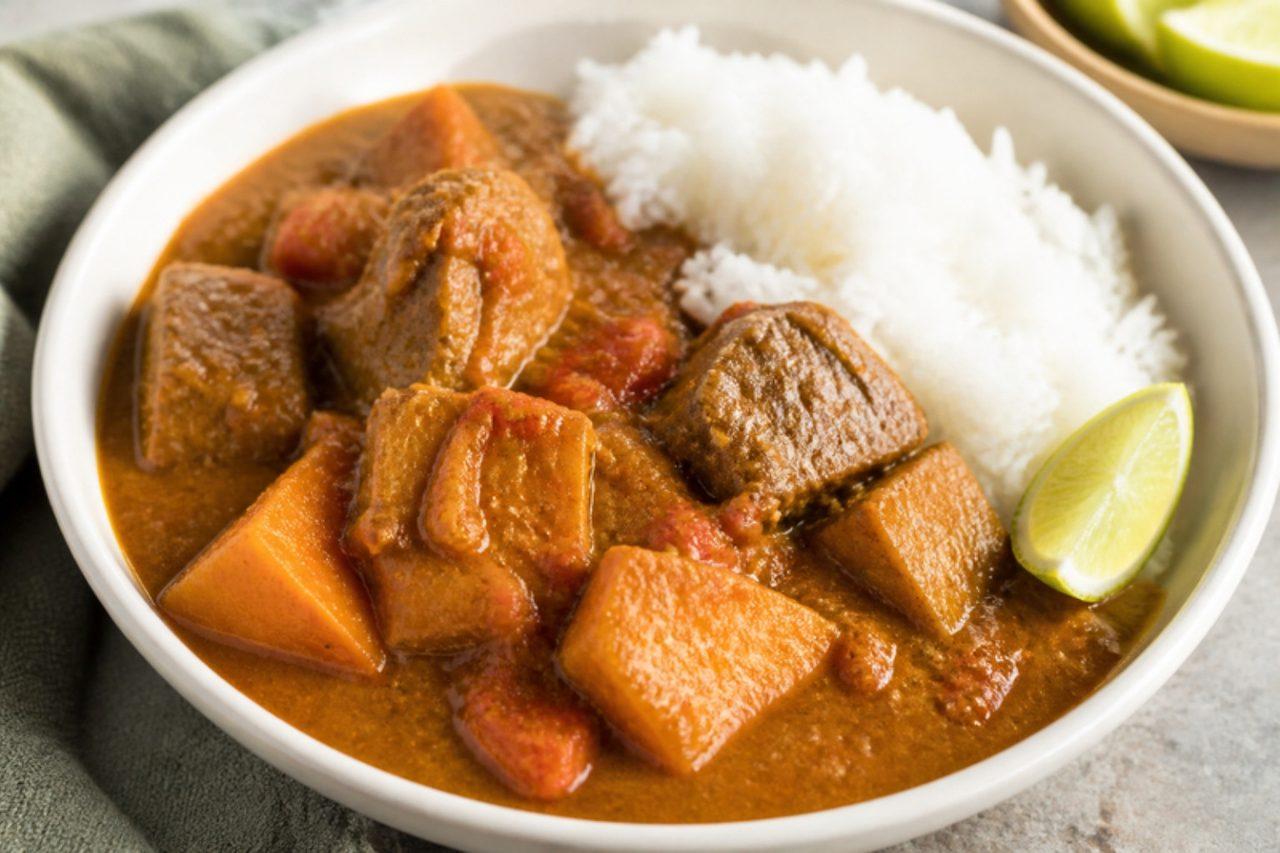
Domoda is the stew that most families in the Gambia, from Banjul to the riverside villages upcountry, cook several times a week. Beef is browned and simmered with tomato and onion, then smooth peanut butter is stirred in until the sauce turns thick, glossy and rich, with pumpkin and sweet potato melting into it. It is spooned over white rice with a squeeze of lime, and a scotch bonnet floats in the pot for whoever likes it hot. The mistake to avoid is adding the peanut butter too early and leaving it unstirred, as it catches and burns on the bottom; add it once the beef is nearly tender and stir often. Chef's tip: whisk the peanut butter with a ladle of hot broth before it goes in, so it melts smoothly instead of forming lumps.

by KrazyBadal 0 views

Domatesli bulgur pilavıTomato bulgur pilaf

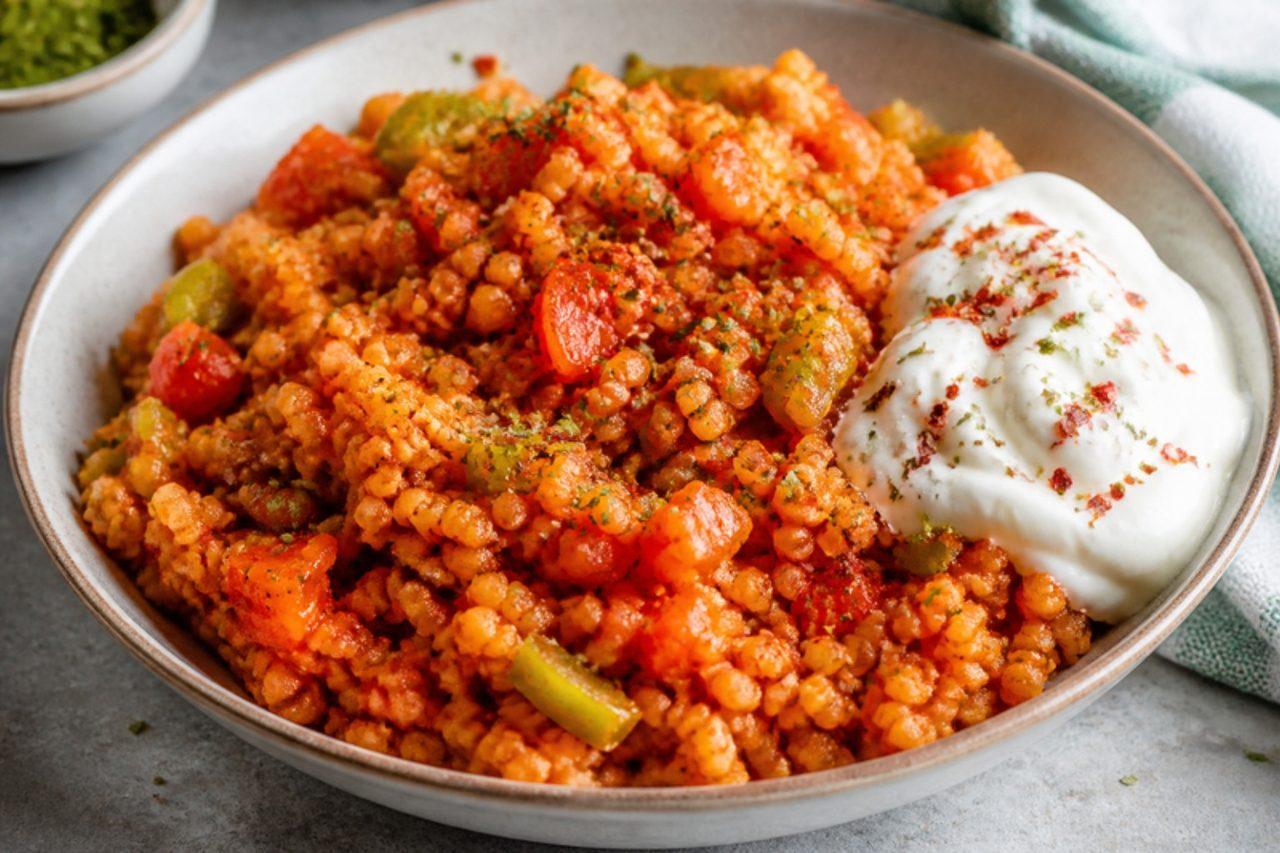
Across Turkey, from Anatolian village kitchens to Istanbul lunch counters (esnaf lokantası), a pot of bulgur pilaf sits beside beans, stuffed vegetables and yogurt as reliably as bread does. Coarse bulgur (pilavlık bulgur) is cooked with onion, sweet pepper paste, grated tomato and a green pepper until every grain is separate, tender and lightly reddish. It is nuttier and chewier than rice pilaf and ready in half an hour, which is why so many families make it on weeknights. Spoon it next to kuru fasulye, cacık or a simple salad, or eat a bowl on its own with a dollop of yogurt. Chef's tip: once the water is absorbed, lay a clean tea towel under the lid and let the pilaf rest off the heat for 10 minutes; the towel catches the steam so the grains turn fluffy instead of wet.

by KrazyBadal 0 views

GudegYoung jackfruit stew

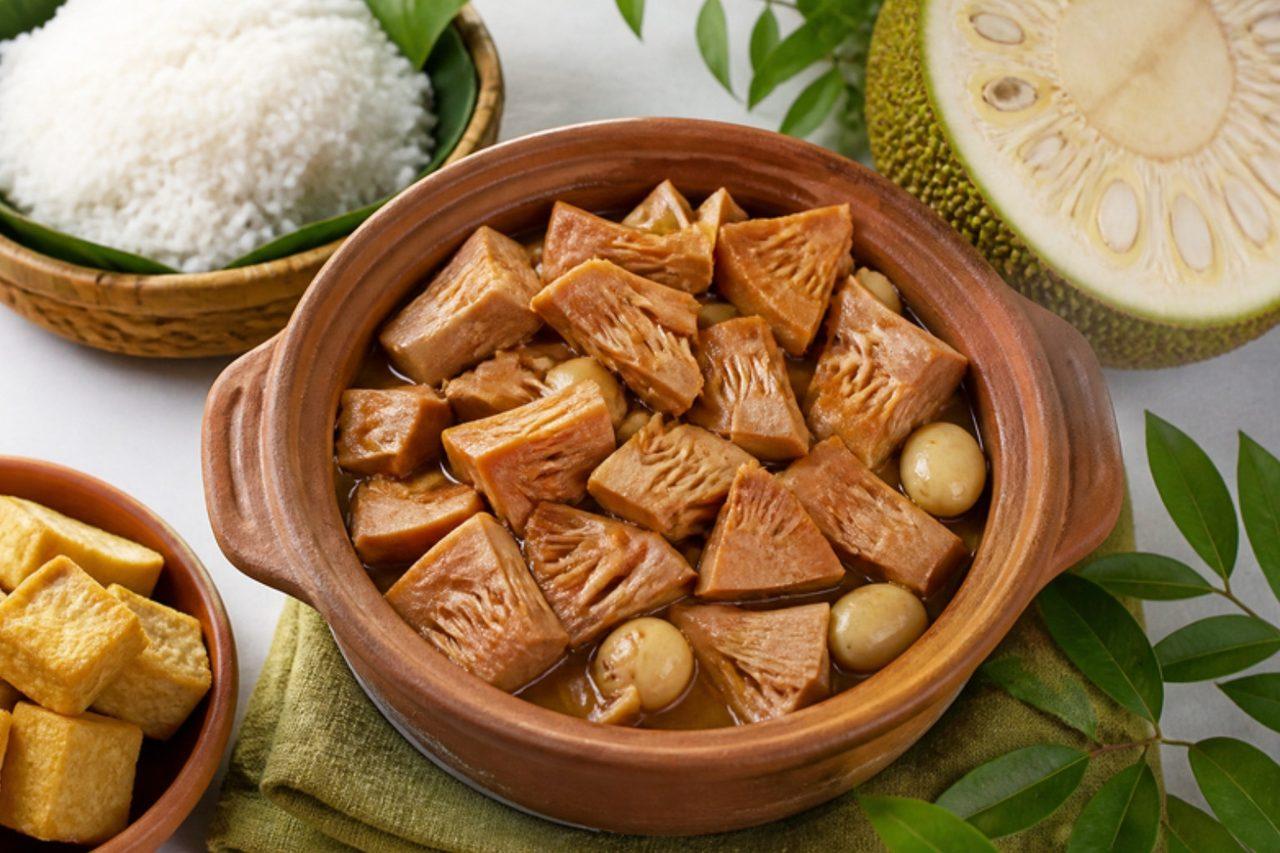
Gudeg is the signature of Yogyakarta: whole streets around Wijilan are lined with stalls selling it from dawn, and visitors carry it home in clay pots or woven baskets. Unripe jackfruit is cooked for hours with palm sugar, coconut milk, galangal and salam leaves until it turns reddish-brown, soft as pulled meat, and deeply sweet and savoury. The classic plate adds chicken, egg and spicy cattle-skin stew; this vegan plate pairs it with sticky-sweet tempeh and tofu and a sharp sambal to cut the sweetness. Chef's tip: let the pot cook down slowly until almost all the liquid is gone — drier gudeg keeps for days and tastes better on the second.

by KrazyBadal 0 views

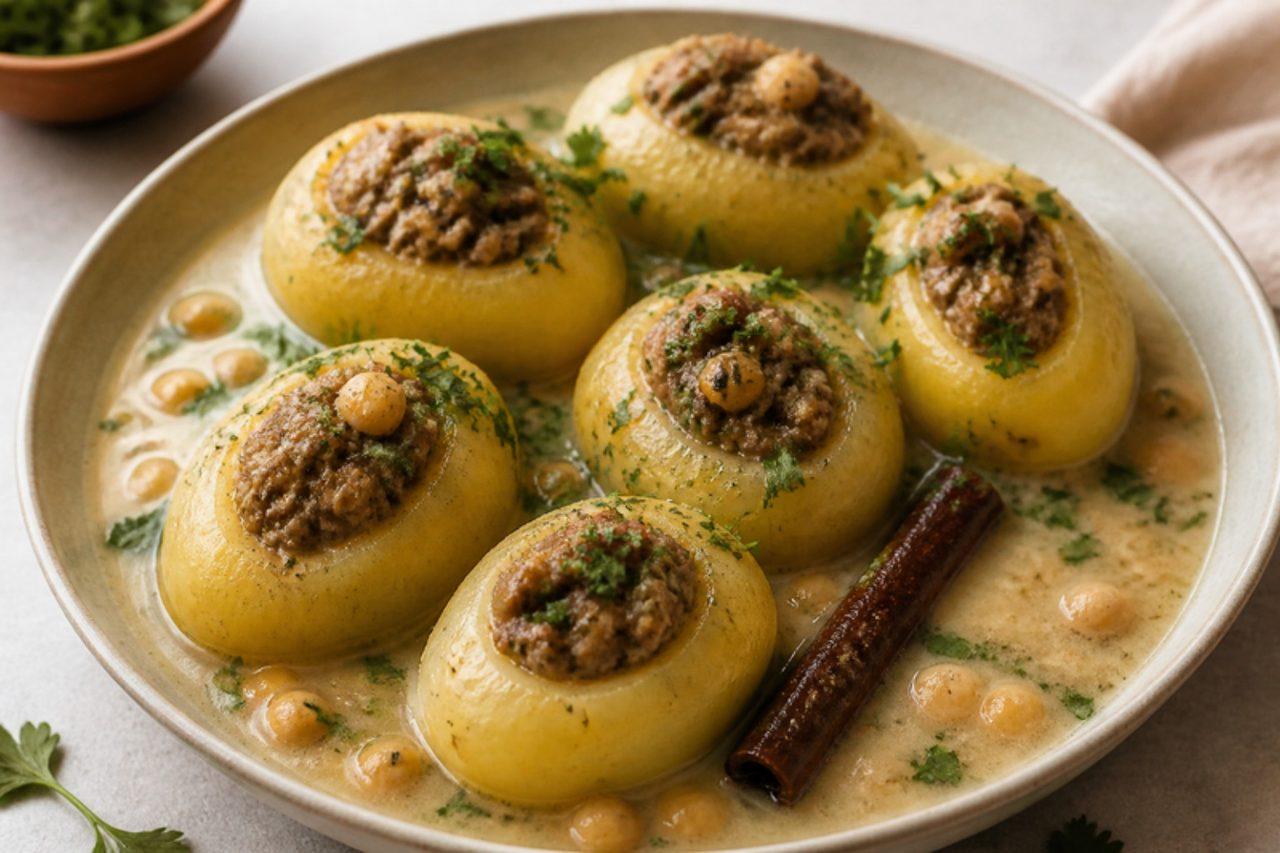
Dolma batataStuffed potatoes in chickpea sauce

Dolma batata belongs to the Algiers home kitchen, where it is a Ramadan favourite and a Friday dish: hollowed potatoes filled with beef mince, onion, parsley and cinnamon, fried until golden, then simmered in a pale sauce (marqa beida) of onion, chickpeas, black pepper and cinnamon. The sauce stays white because no tomato goes in. The mistake is hollowing the potatoes too thinly, so they split in the pot; leave walls about 1 cm thick. Chef's tip: fry the scooped-out potato flesh and add it to the sauce to thicken it.

by KrazyBadal 0 views

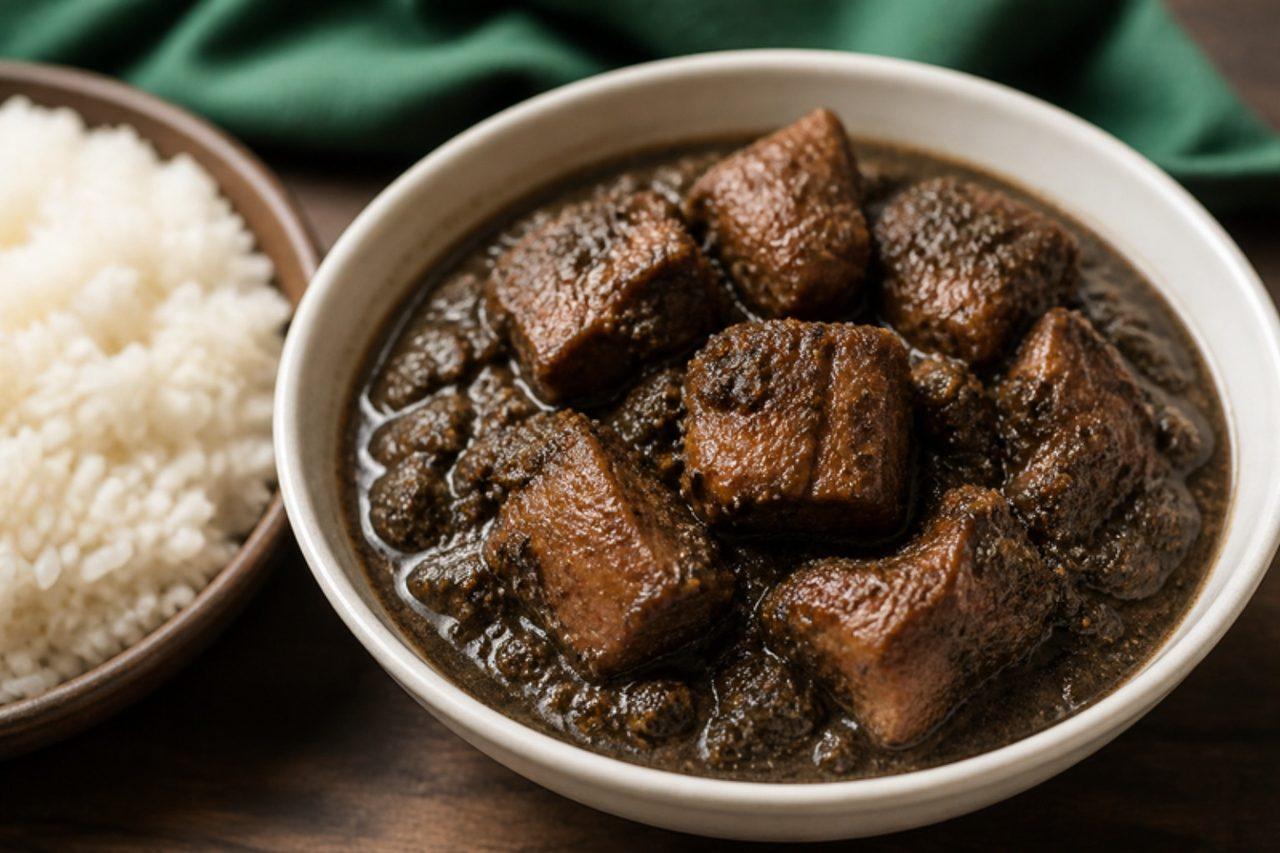
DohneiiongPork in black sesame gravy

The name says it plainly in Khasi: 'doh' is meat and 'neiiong' is black sesame. In the Khasi Hills around Shillong this near-black pork curry is cooked for family feasts and Sunday meals, and its roasted, nutty flavour is unlike any other curry in India. The sesame is toasted and ground into a paste that thickens the gravy and coats the pork. Serve with plain rice or jadoh. Chef's tip: pork belly gives the silkiest result; mix it half and half with shoulder if you prefer it less rich.

90 minIndianMeatGluten free
by KrazyBadal 0 views

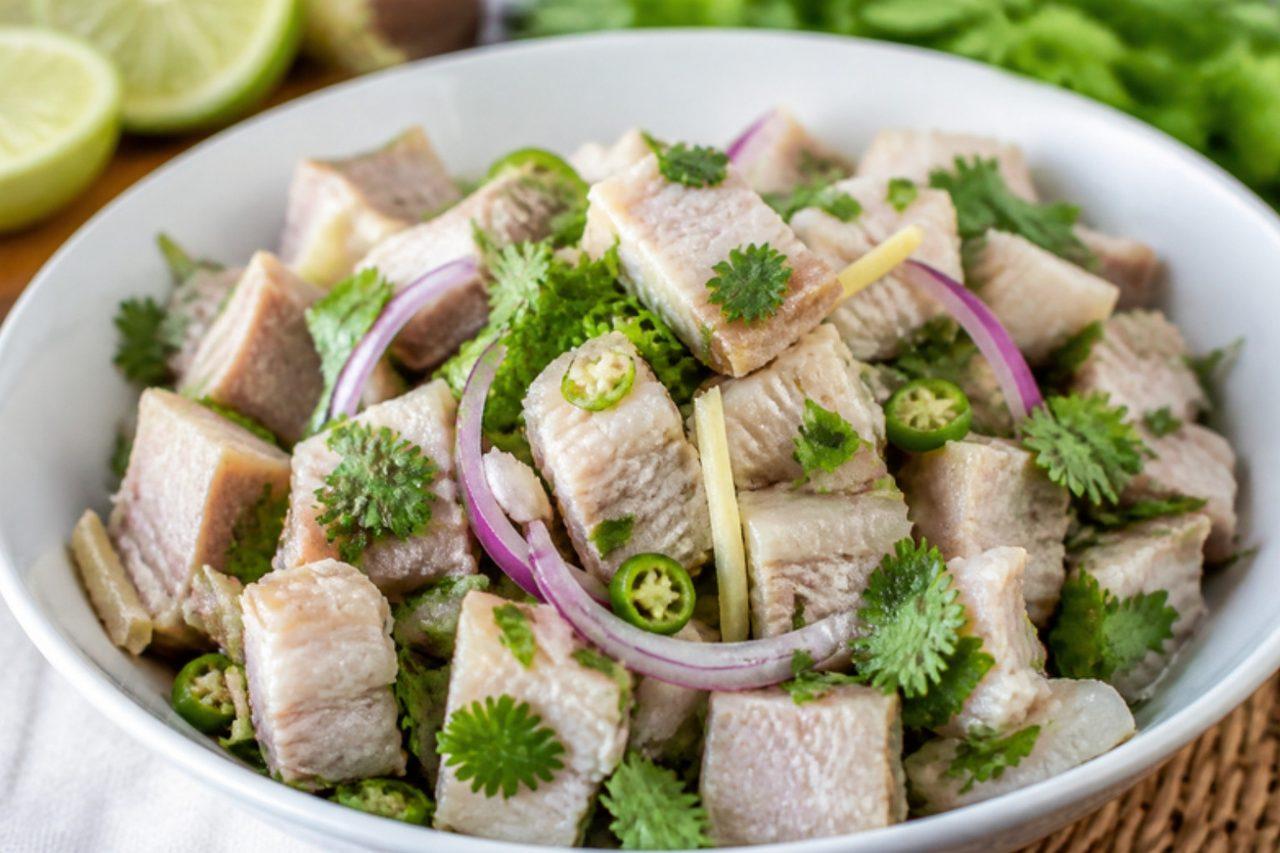
Doh khliehBoiled pork salad

Doh khlieh is the cool, sharp side dish that sits next to jadoh on almost every Khasi table in Meghalaya. Tender boiled pork is chopped small and tossed with raw onion, ginger, green chilli and lime, so it is fresh and fiery rather than rich. In Shillong it is eaten at lunch and at gatherings, and some families add boiled pork brain, which this version leaves out. Chef's tip: chop the pork while it is still slightly warm; it takes up the lime and ginger much better.

by KrazyBadal 0 views

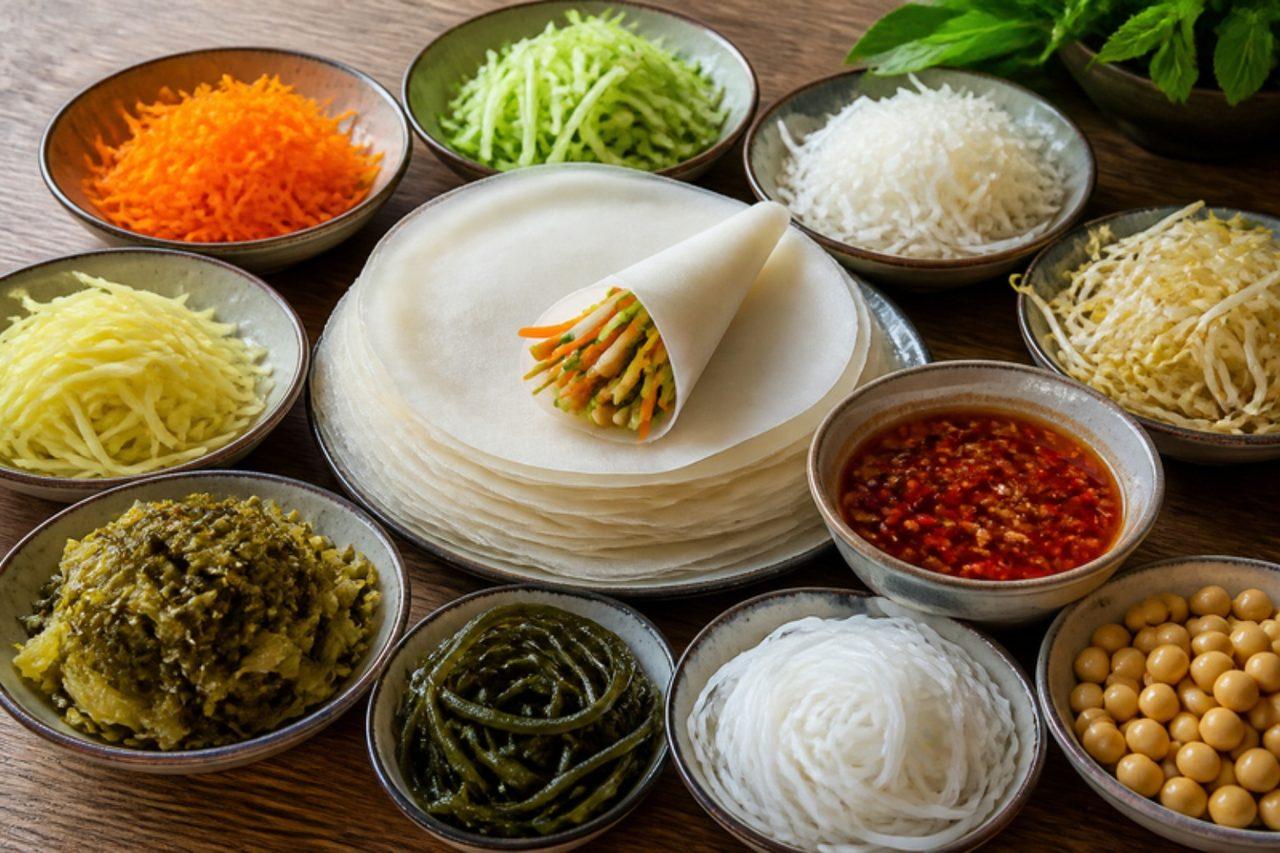
Guiyang si wa waPancake rolls with shredded vegetables

Guiyang's favourite street snack is a do-it-yourself meal: stalls set out twenty or more small bowls of shredded vegetables, and each person wraps a few strands in a pancake no bigger than a palm, folds it like a swaddled baby and pours in a spoonful of sour, chilli-flecked broth. It's light, crunchy and fun to eat with friends. Use as many fillings as you like; the more colours, the better. Chef's tip: shred everything as fine as you can, so the little parcels stay neat and each mouthful has several flavours.

by KrazyBadal 0 views

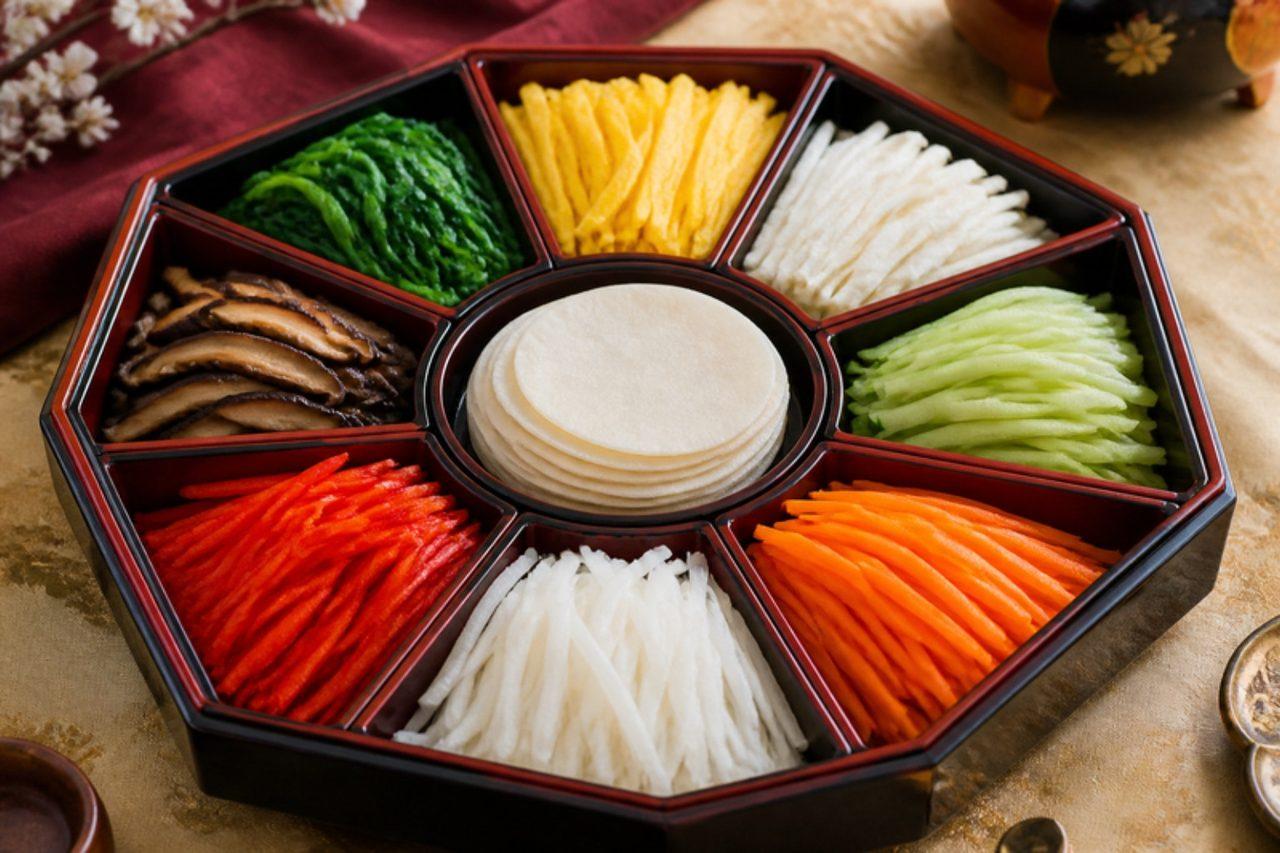
GujeolpanNine-section vegetable platter

Gujeolpan (구절판) takes its name from the octagonal lacquered tray it is served on: eight outer compartments of finely cut, separately seasoned fillings around a stack of paper-thin wheat crêpes in the middle. It was a dish of the Seoul royal court and noble households, and it still appears at weddings, 60th birthdays and Seollal tables, where everyone builds their own little rolls. Classic trays include beef; this one keeps all the colour with shiitake, wood ear, cucumber, carrot, peppers, radish and yellow and white egg. It takes patience rather than skill. Chef's tip: cut every filling into matchsticks the same length as the crêpes are wide, about 5 cm, so each roll closes neatly.

by KrazyBadal 0 views

Dobos tortaLayered chocolate caramel cake

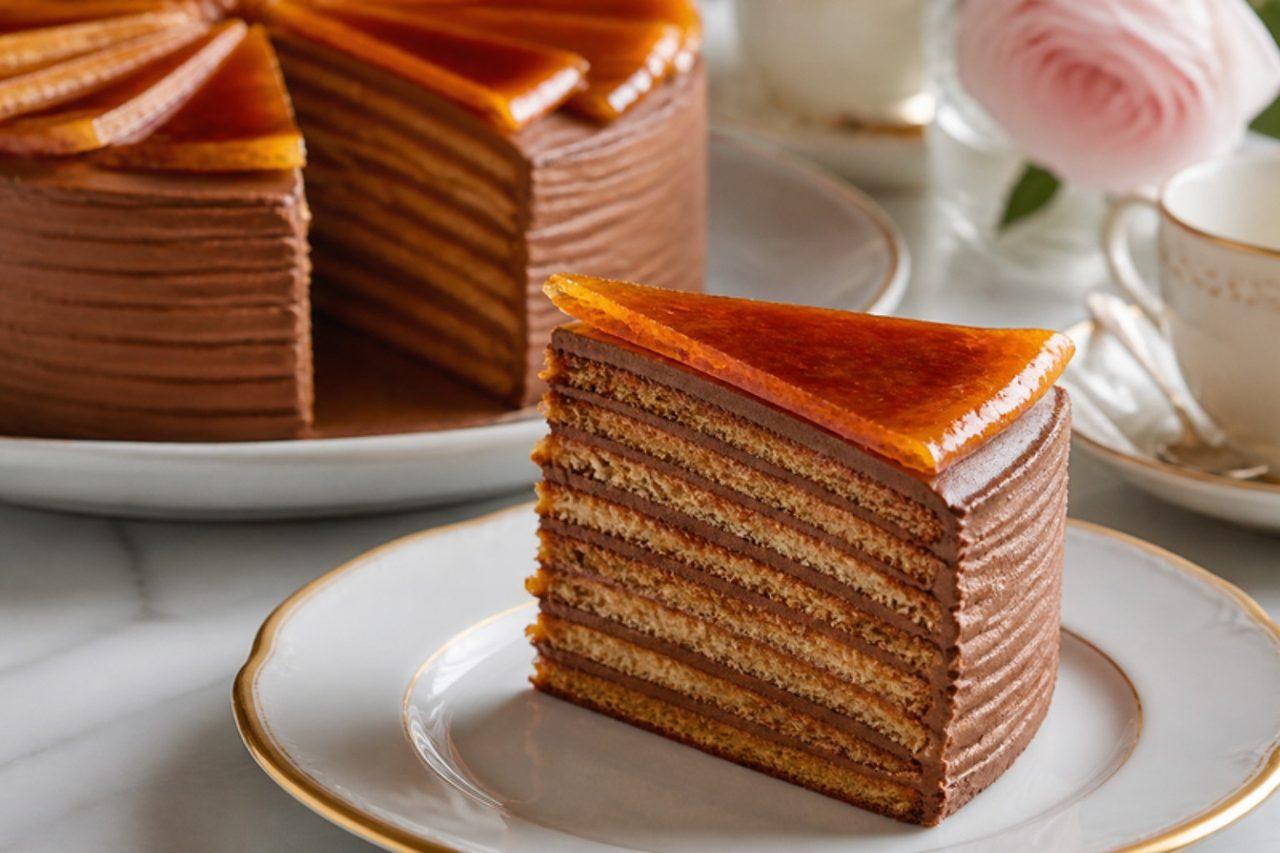
Dobos torta was created in Budapest in 1885 by the confectioner József C. Dobos, and it is still the cake Hungarians order in old coffee houses on Andrássy Avenue and bake for name days and big birthdays. Six thin sponge layers are stacked with a rich chocolate buttercream, and the top layer is glazed with hard amber caramel, cut into wedges and set at an angle like a fan. It is a project cake, but each stage is simple and the finished torte keeps for days. Chef's tip: mark the caramel into wedges with an oiled knife within the first minute; once it sets, it shatters instead of cutting.

by KrazyBadal 0 views

Diri kole ak pwaRice and red beans

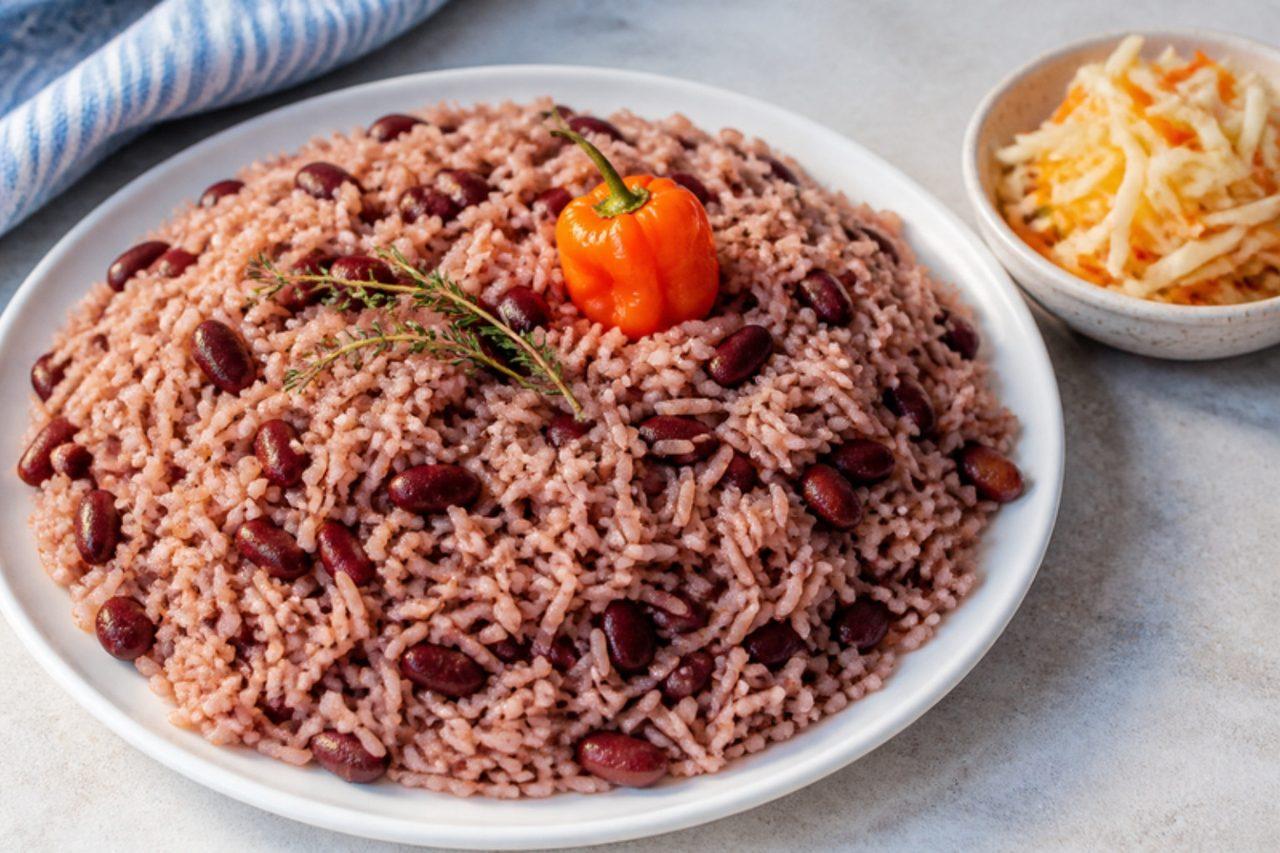
Diri kole ak pwa, rice 'stuck together' with beans, is the plate Haitians call their national dish, cooked in homes from Jacmel to Gonaïves and served most days of the week. Unlike rice and peas from elsewhere in the Caribbean, there's usually no coconut milk: red beans are simmered first, then their dark, savoury cooking liquid goes into the rice with fried epis, thyme and cloves, so the grains turn a rich reddish-brown and taste of beans all the way through. A whole scotch bonnet adds fruity heat without fire. Chef's tip: fry the drained beans in the epis until their skins blister and catch slightly; that browning gives the rice its deep, almost smoky taste.

by KrazyBadal 0 views

Gulai daun singkongCassava leaves in coconut gravy

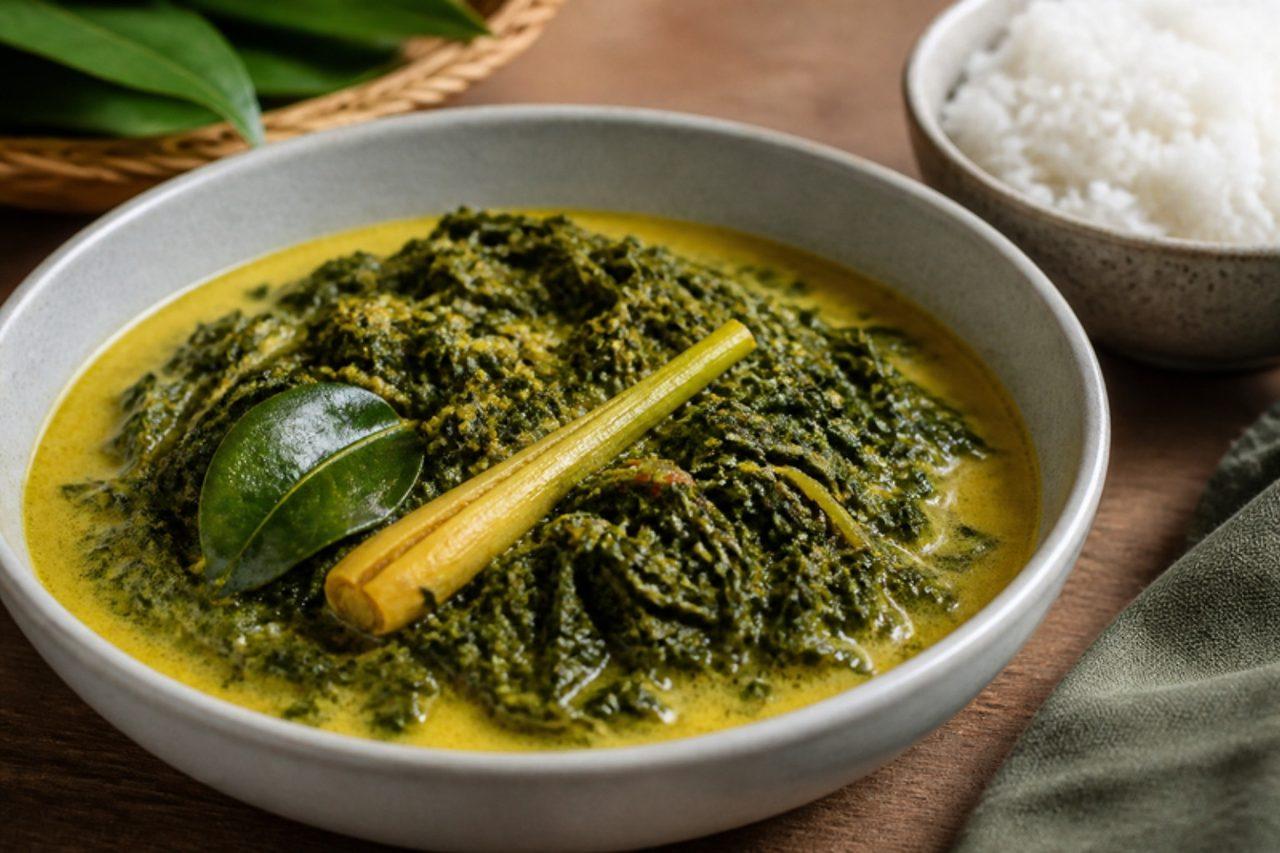
No Padang restaurant in West Sumatra is complete without a dish of gulai daun singkong: dark cassava leaves simmered until silky in a yellow coconut gravy fragrant with lemongrass, turmeric leaf and galangal. It is the cooling green on a table of rich, fiery plates, ladled over rice with sambal hijau. Restaurants sometimes add dried anchovies; this version doesn't. Frozen cassava leaves from Asian shops work well; kale is the best stand-in. Chef's tip: squeeze the boiled leaves hard before adding them, or the gravy goes thin and grassy.

by KrazyBadal 0 views

Gulai nangkaYoung jackfruit curry

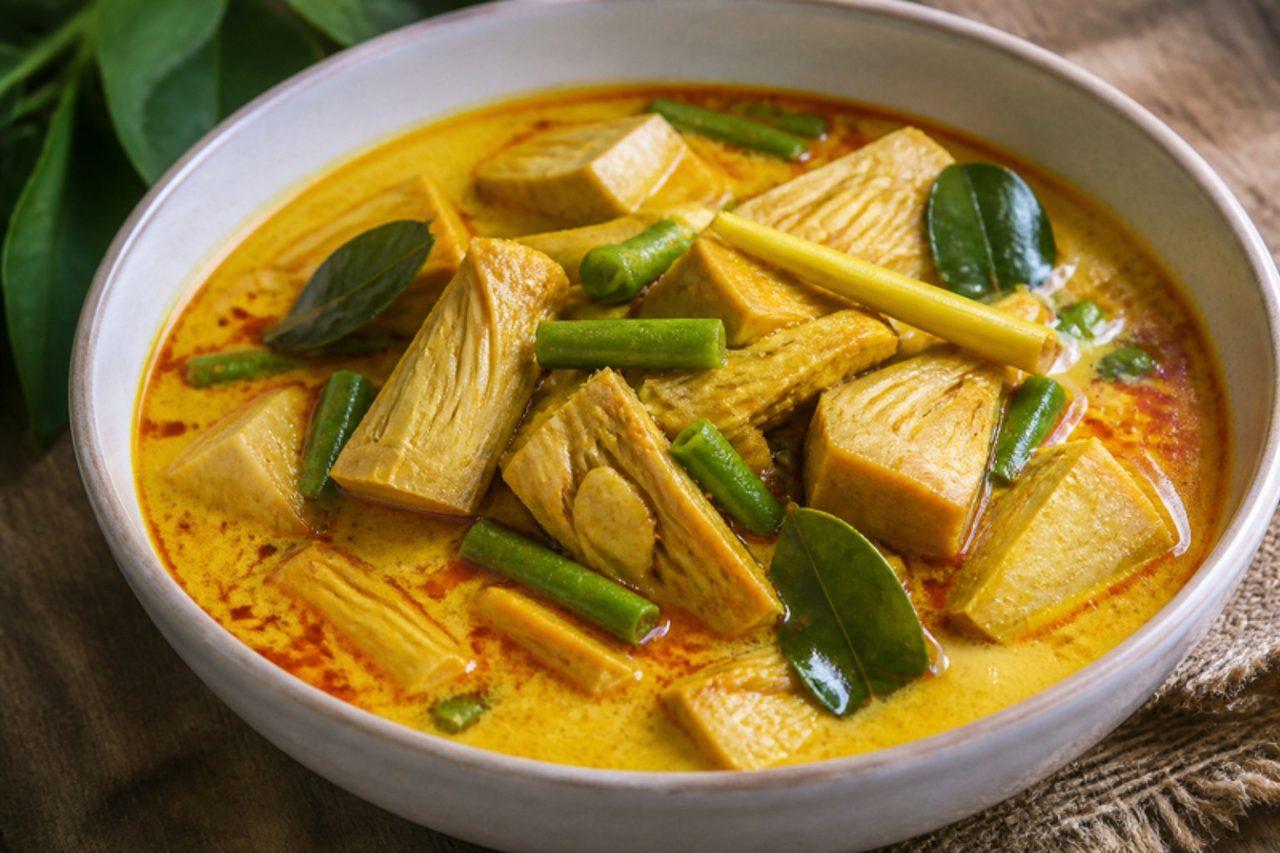
In a nasi Padang restaurant, where dozens of dishes are stacked in the window and brought to the table on small plates, gulai nangka is the bright yellow one that gets spooned over rice to moisten everything else. Young jackfruit and long beans simmer in a thin, golden coconut sauce with turmeric, chilli and lemongrass until the jackfruit is tender and full of sauce. It's lighter and saucier than rendang and cooks in under an hour, so Padang households make it on ordinary weekdays. Chef's tip: stir the pot almost constantly for the first few minutes after the coconut milk goes in — Padang cooks say it keeps the gulai smooth and stops it splitting.

by KrazyBadal 0 views

Diri djon djonBlack mushroom rice

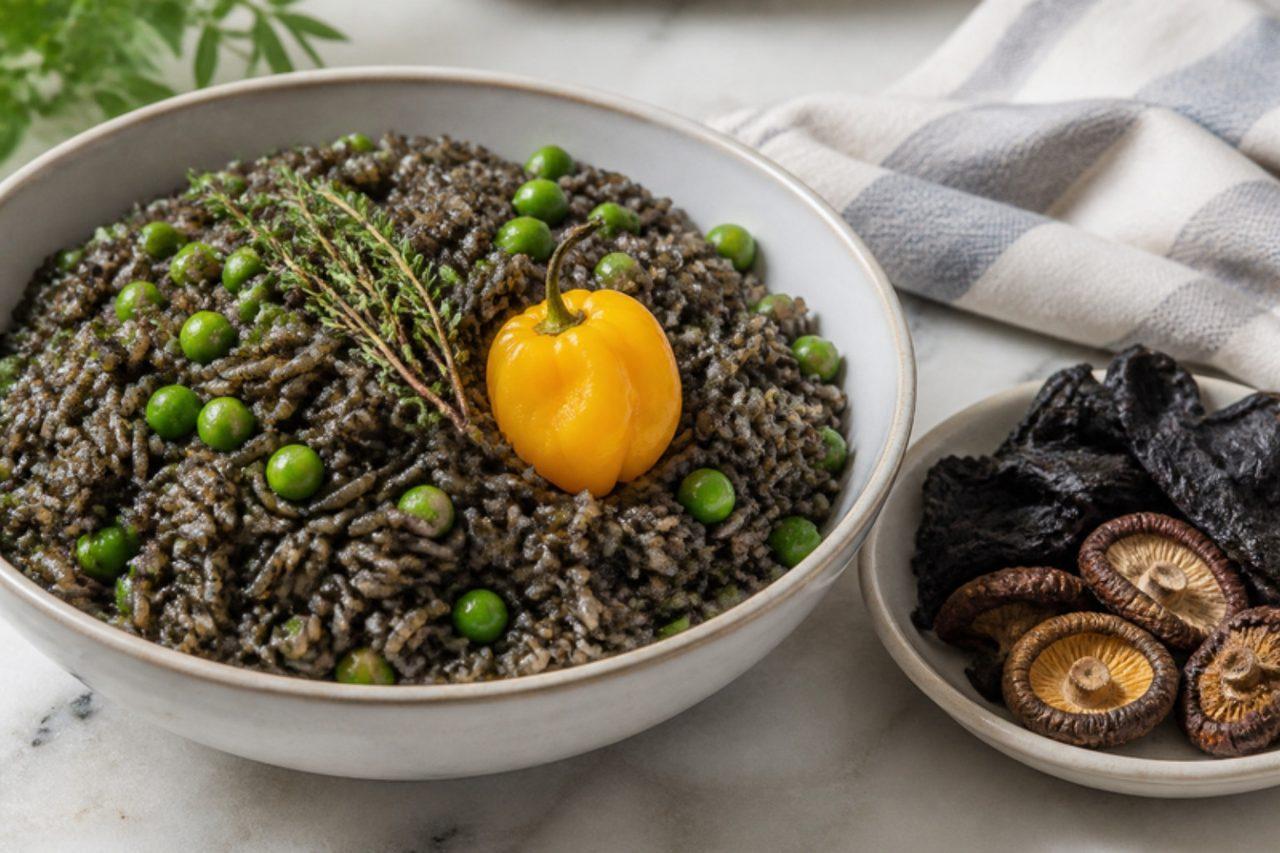
Diri djon djon comes from northern Haiti, around Cap-Haïtien, where the tiny black djon djon mushrooms are gathered and dried. Soaked in hot water, they give an inky liquid that turns rice a striking grey-black and makes it taste deeply earthy and savoury. It's the rice for weddings, baptisms and big Sunday lunches, cooked with epis, cloves and green peas or butter beans, a whole scotch bonnet laid on top for perfume. Dried djon djon is sold in Haitian and Caribbean shops and online. Chef's tip: avoid djon djon stock cubes, which are often made with chicken fat and add little real flavour; use the dried mushrooms, and add a few dried shiitake for even more depth.

by KrazyBadal 0 views

GulyáslevesBeef goulash soup

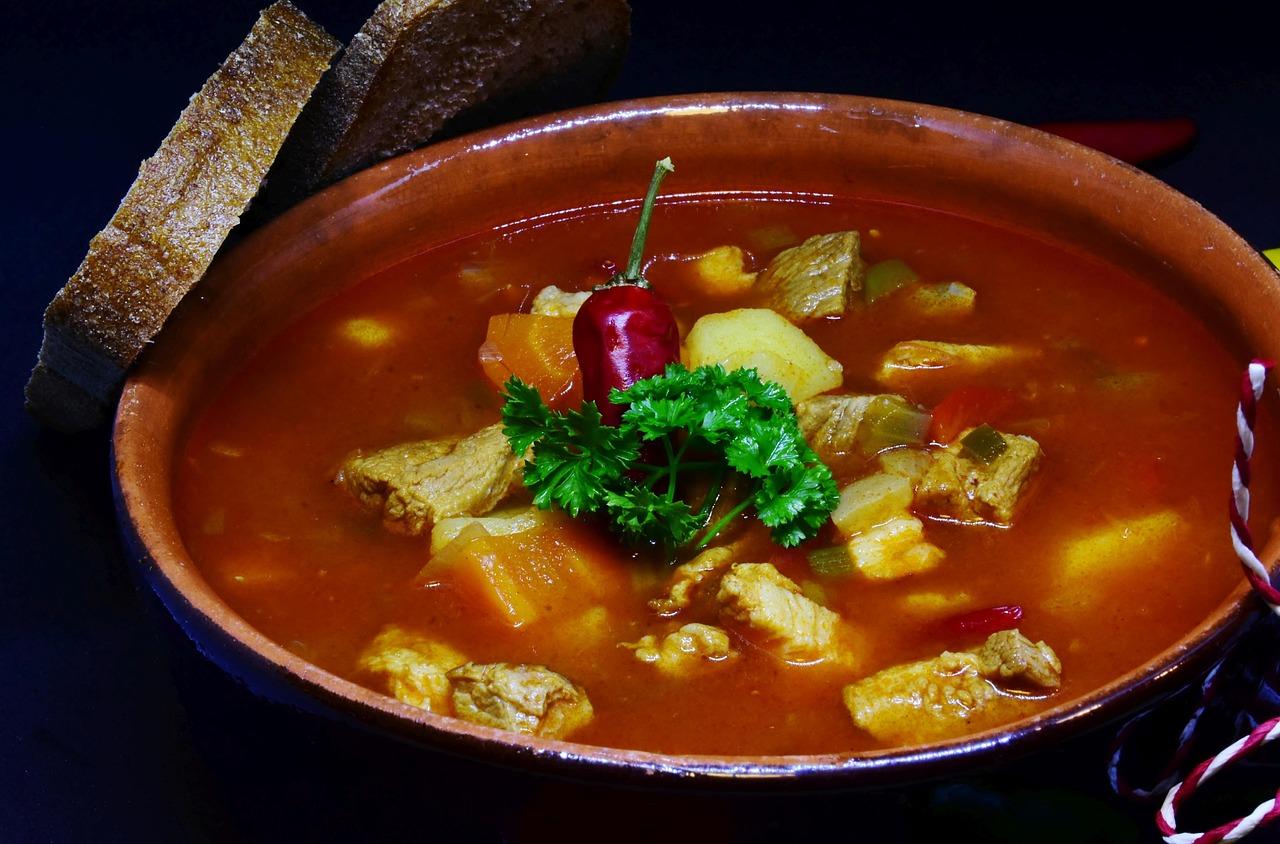
Real Hungarian goulash is a soup, gulyásleves, born in the cattle herders' kettles of the Great Plain and still cooked over open fires at summer festivals and in every csárda (country inn) between Budapest and Debrecen. Beef shin or chuck simmers with lots of onion, sweet paprika, caraway and green pepper until tender, then potatoes and carrots go in. It is brothy, rich red and gently spicy, eaten with fresh bread. Chef's tip: take the pot off the heat before adding the paprika; it burns in seconds in hot fat and turns bitter.

by KrazyBadal 0 views

DimlamaSteamed lamb and vegetables

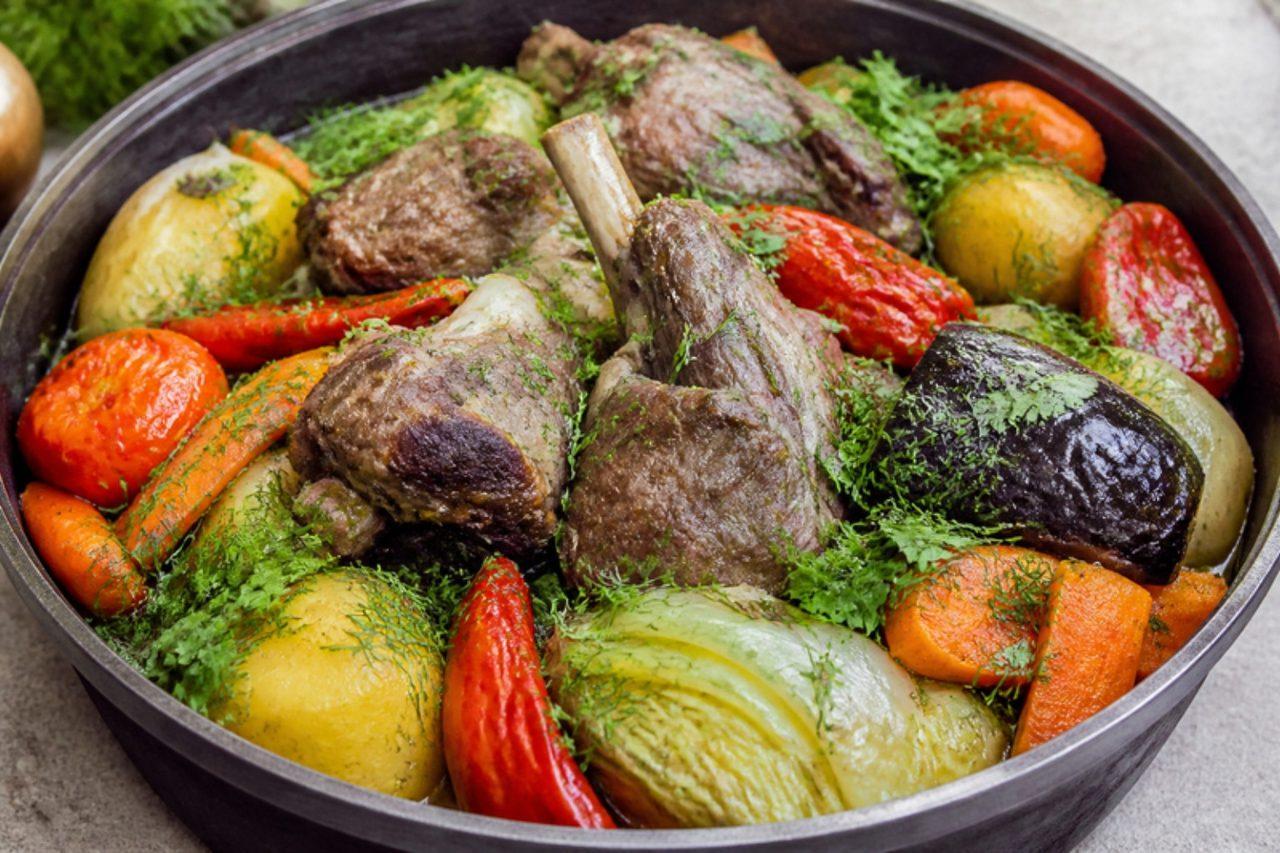
Dimlama is what Uzbek families cook at the end of summer, when the markets of the Fergana Valley are piled with cabbage, aubergine, peppers and tomatoes. Everything goes into one heavy pot in layers, lamb at the bottom, and the lid stays on for nearly two hours while the vegetables slowly give up their juice and become the sauce. There is no added water, so the flavour is deep and sweet. People eat it straight from shallow bowls with non bread. The biggest error is lifting the lid to check; the steam escapes, the vegetables stew dry and the bottom can catch. Chef's tip: seal the lid with a damp tea towel or a strip of foil so no steam gets out.

140 minUzbekMeatGluten free
by KrazyBadal 0 views

DibiGrilled lamb with mustard onions

In Dakar a dibiterie is a smoky little shop where lamb is grilled over charcoal and sold by weight, wrapped in paper with raw onion, mustard and a pinch of spice salt; people eat it late in the evening, often after prayers or a football match. At home you get close with lamb chops or shoulder steaks, a quick marinade and a very hot grill. The mistake is moving the meat too much: leave it until it chars and releases on its own. Chef's tip: toss the sliced onions with salt and vinegar while the lamb marinates; they soften and lose their harsh bite in 20 minutes.

by KrazyBadal 0 views

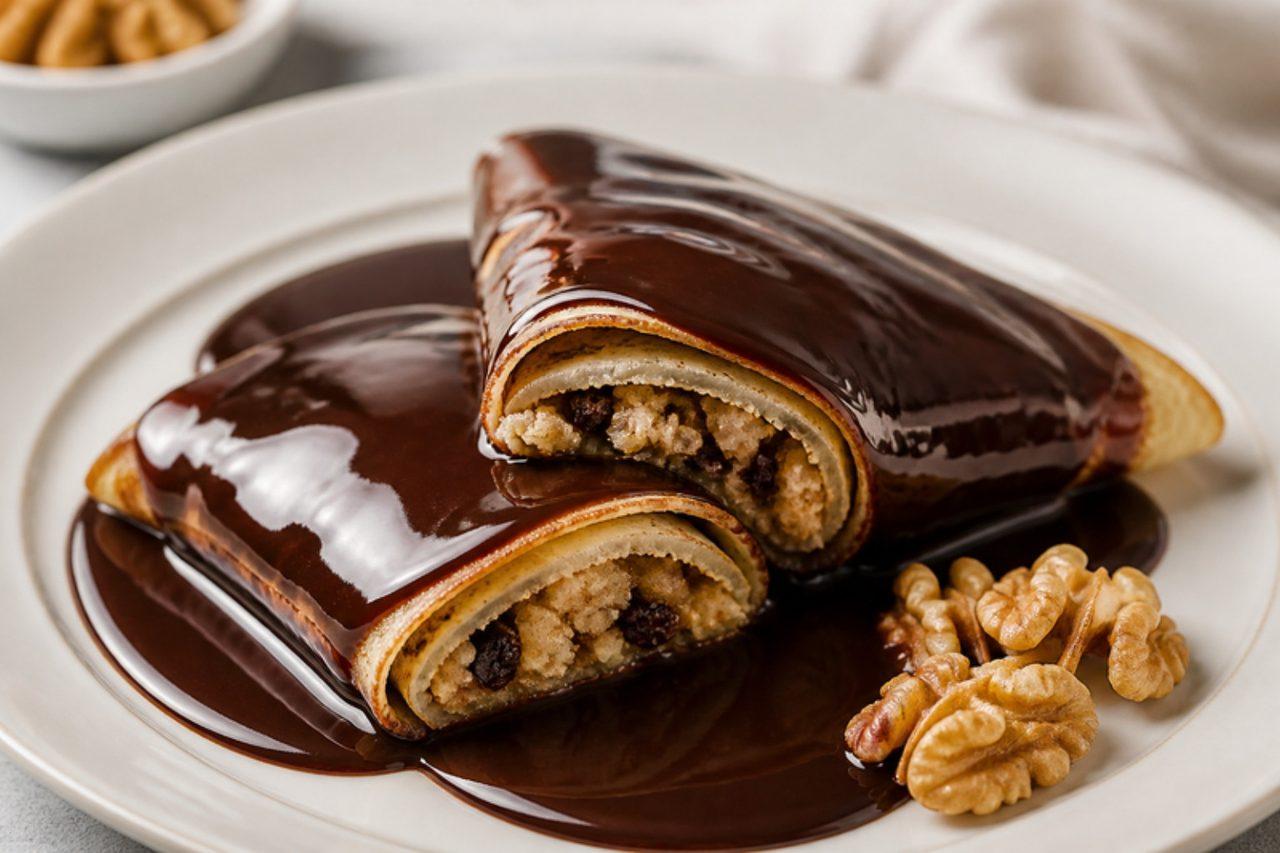
Gundel palacsintaWalnut pancakes with chocolate sauce

Gundel palacsinta is the festive pancake of Budapest, named after the Gundel restaurant by City Park, where it became the showpiece dessert of the mid-twentieth century. Thin Hungarian pancakes are filled with a rum-scented walnut and raisin paste, folded into triangles and drowned in a dark chocolate sauce, sometimes flamed at the table. Everyday palacsinta at home are simpler, rolled with apricot jam, cocoa sugar or sweet túró; this is the version for name days, Christmas and guests. Chef's tip: rest the batter for 30 minutes; the pancakes become thinner and more elastic and stop tearing when you fold them. Common mistake: overfilling, which makes the triangles burst open.

by KrazyBadal 0 views

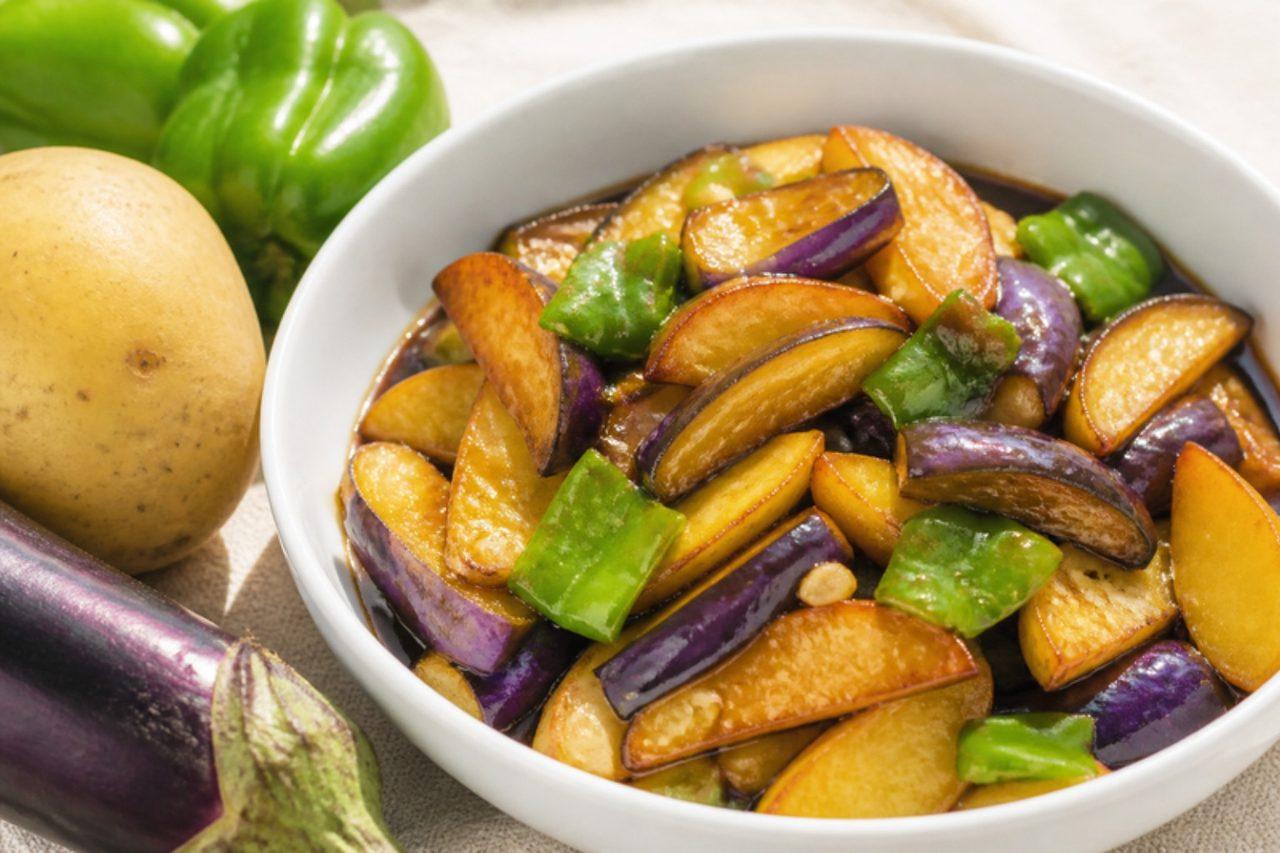
Di san xianPotato, aubergine and pepper stir-fry

Di san xian means 'three fresh things from the earth', and it is the best-known home dish of Dongbei, China's cold north-east, where potatoes, aubergines and peppers are the summer harvest. Each vegetable is fried until golden, then tossed in a sticky, garlicky soy glaze. It's rich and filling, and goes with rice or steamed buns. Chef's tip: fry the potato first and longest; it needs to be golden and fully tender before it meets the sauce, because it won't soften further in the wok.

by KrazyBadal 0 views

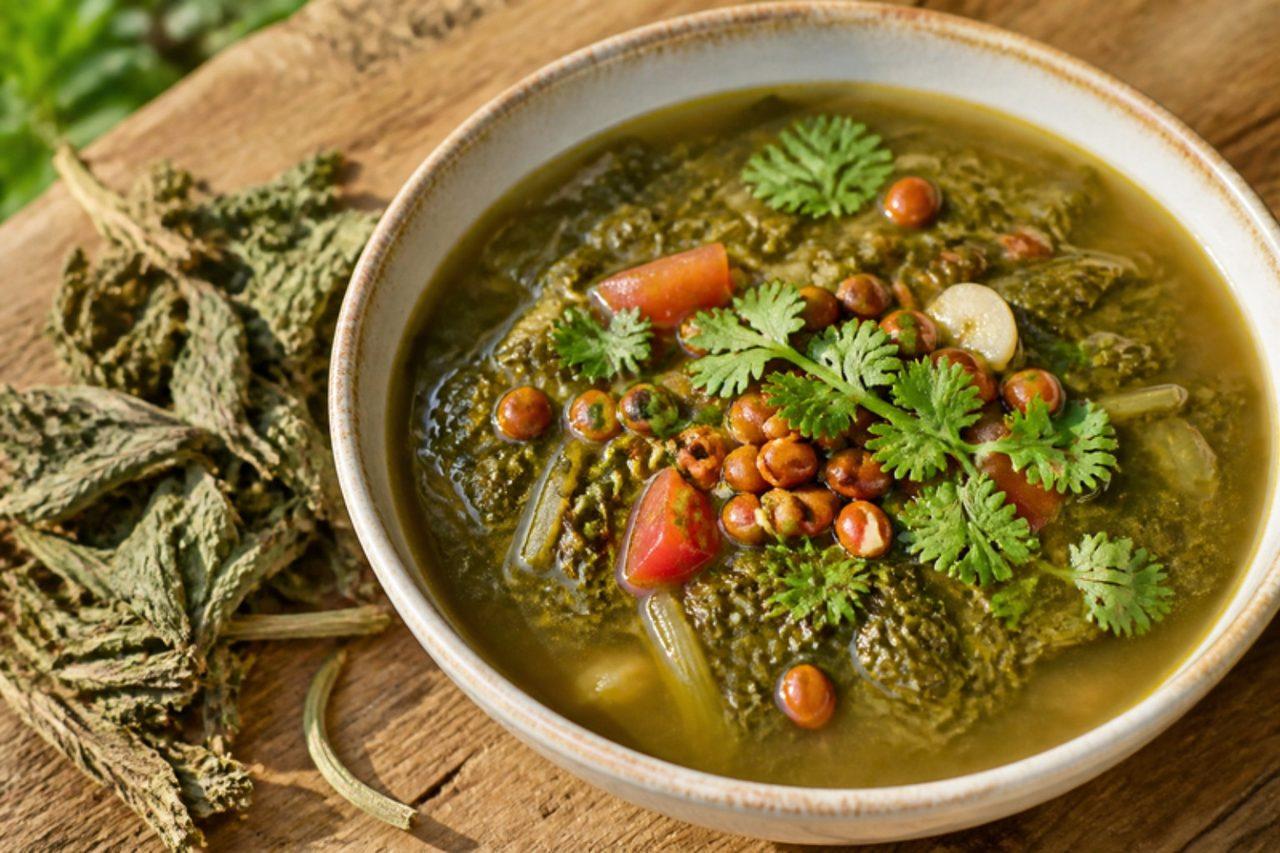
Gundruk ko jholSour fermented greens soup

In the terraced hill villages between Pokhara and Ilam, families pack mustard, radish and cauliflower leaves into clay pots after the autumn harvest, let them ferment for a week or two and then sun-dry them into gundruk. That dark, tangy leaf is the store cupboard of the winter months, and its most common use is this thin, sour soup (jhol), served on the side of dal bhat or with dhido, the stiff buckwheat or millet porridge of the hills. It tastes a little like a smoky, vinegary green tea and is light, warming and very cheap. A handful of roasted soybeans (bhatmas) is often thrown in for crunch. The mistake is to cook gundruk without soaking it first, which leaves it gritty and too sour. Chef's tip: squeeze the soaked leaves hard and fry them in the oil until they crackle before you add water; that frying gives the soup its toasty depth.

by KrazyBadal 0 views

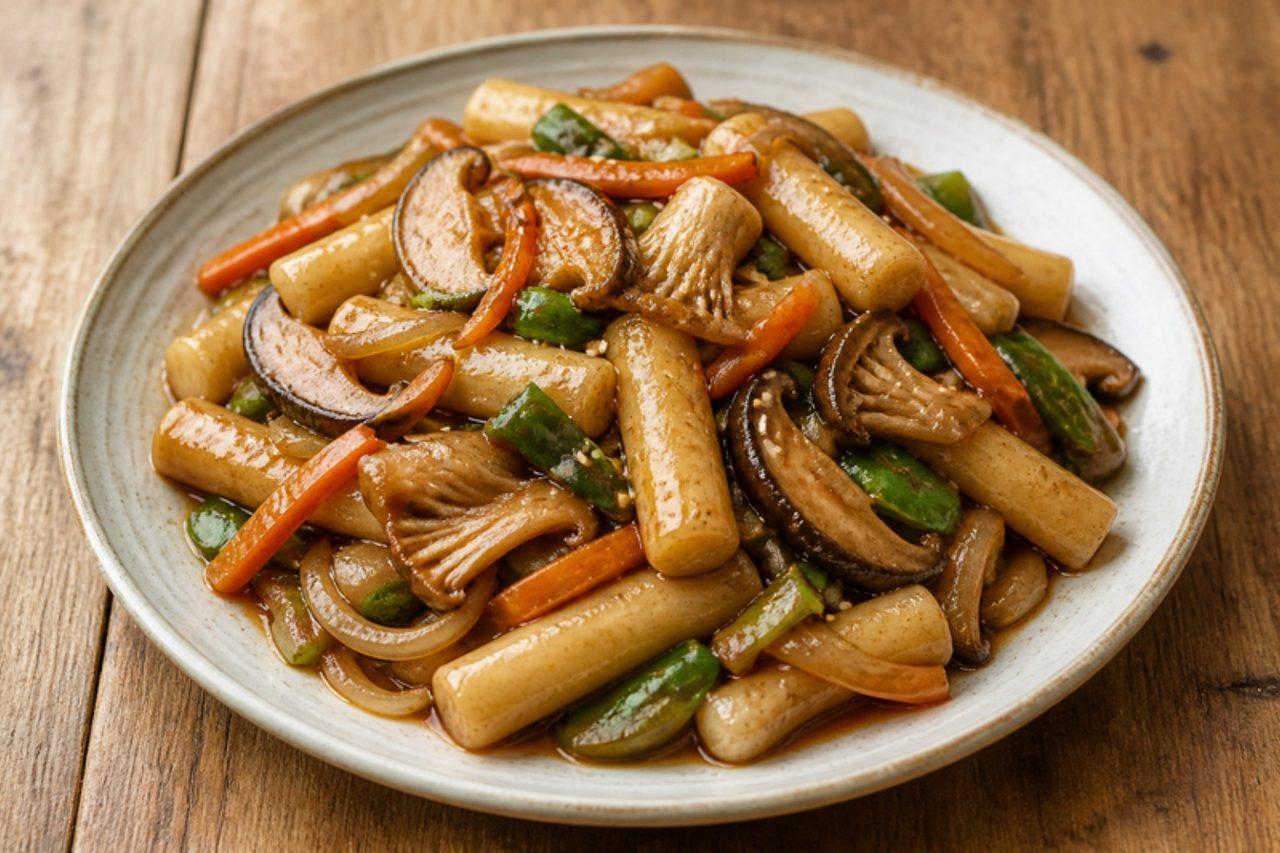
Gungjung tteokbokkiSoy rice cakes with mushrooms

Long before red gochujang tteokbokki took over Seoul's street stalls, the Joseon palace kitchens served gungjung tteokbokki (궁중떡볶이): chewy cylinders of rice cake tossed in a glossy soy and sesame glaze with mushrooms, peppers and onion. It is mild, savoury-sweet and fragrant with toasted sesame, which makes it the version Korean parents cook for children and for anyone who can't take heat. The court recipe used beef; shiitake and oyster mushrooms carry the same savoury depth here. Eat it warm as a snack or alongside rice and kimchi. Chef's tip: soften the rice cakes in hot water before they meet the pan, or the outsides scorch while the centres stay hard.

by KrazyBadal 0 views

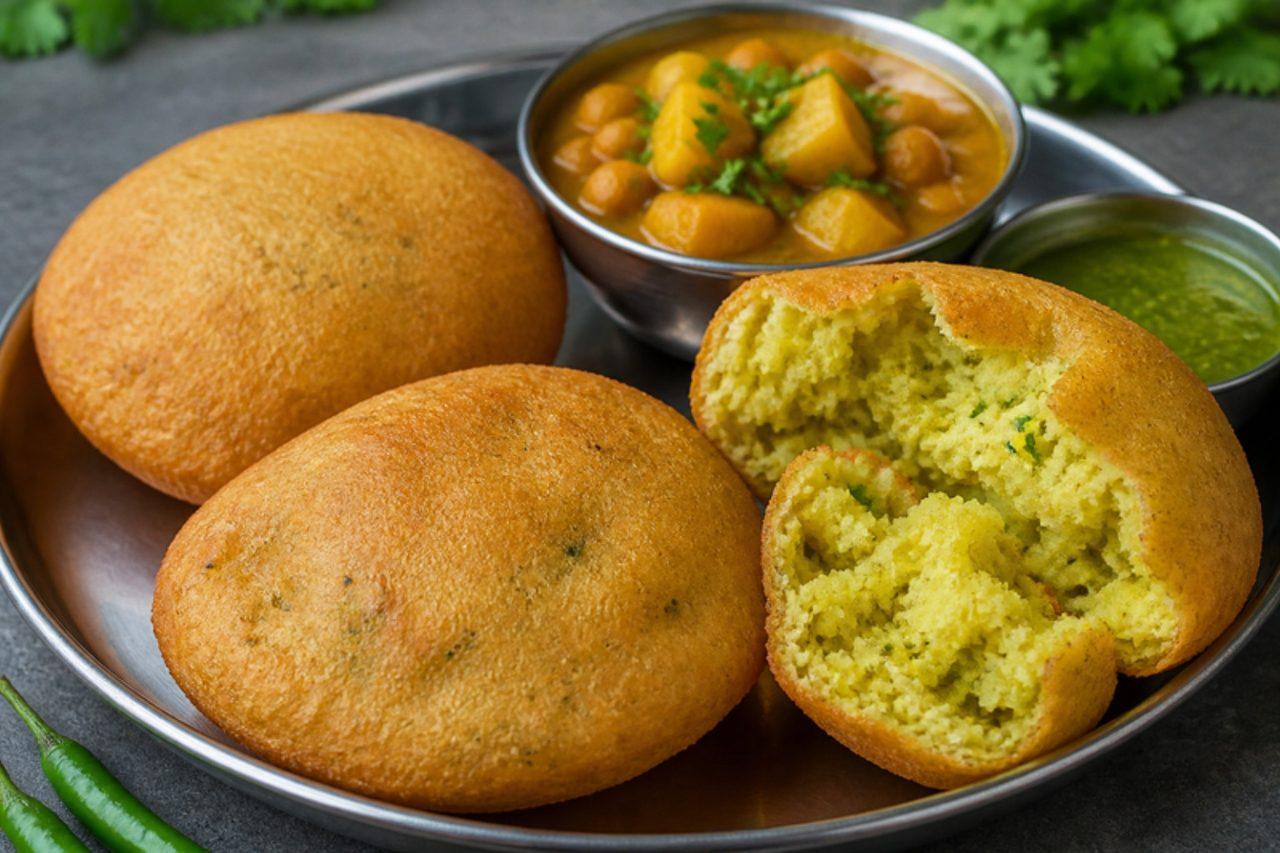
DhuskaFried rice and dal bread

Dhuska is the breakfast of Ranchi and the whole of Jharkhand, fried fresh at roadside stalls from early morning. Rice and chana dal are soaked, ground to a thick, slightly coarse batter with green chilli and ginger, and ladled into hot oil, where each round puffs up crisp outside and soft and spongy inside. It is eaten with aloo-chana ghugni or a thin potato curry and a sharp coriander chutney, and it is a must at Jharkhandi weddings and Karma festival. Chef's tip: beat the batter hard for a couple of minutes before frying; the trapped air makes it puff without any soda.

by KrazyBadal 0 views

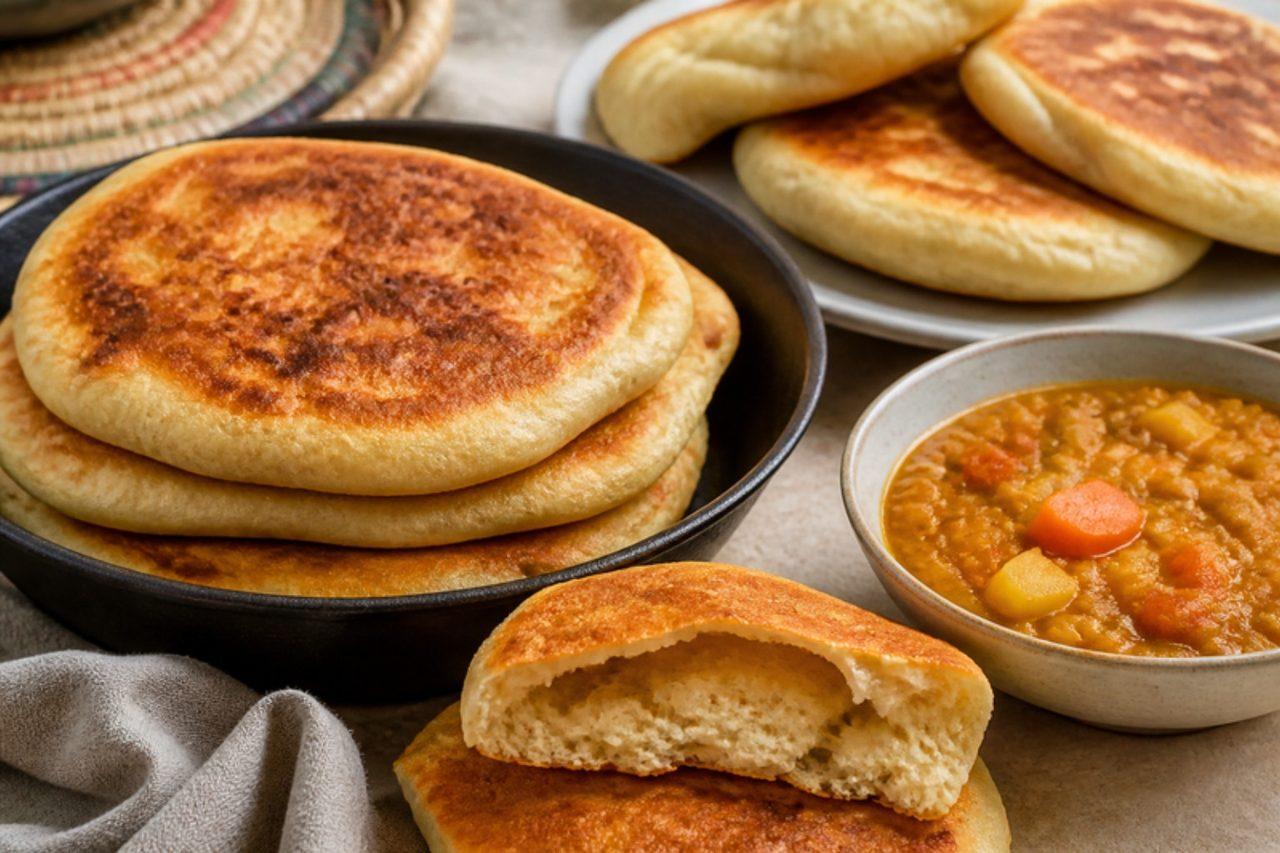
GurasaThick wheat flatbread

Gurasa is a thick, soft, round wheat bread from Sudan, especially the north and west (Darfur and Kordofan), cooked in a covered pan rather than an oven. It is torn and eaten with mullah, ful or salata aswad, and for breakfast with sugar and a little oil or butter. The dough is a loose, yeasted batter, closer to a giant crumpet than a flatbread. Chef's tip: cook it covered over a low heat; a hot open pan burns the base before the thick centre cooks.

by KrazyBadal 0 views

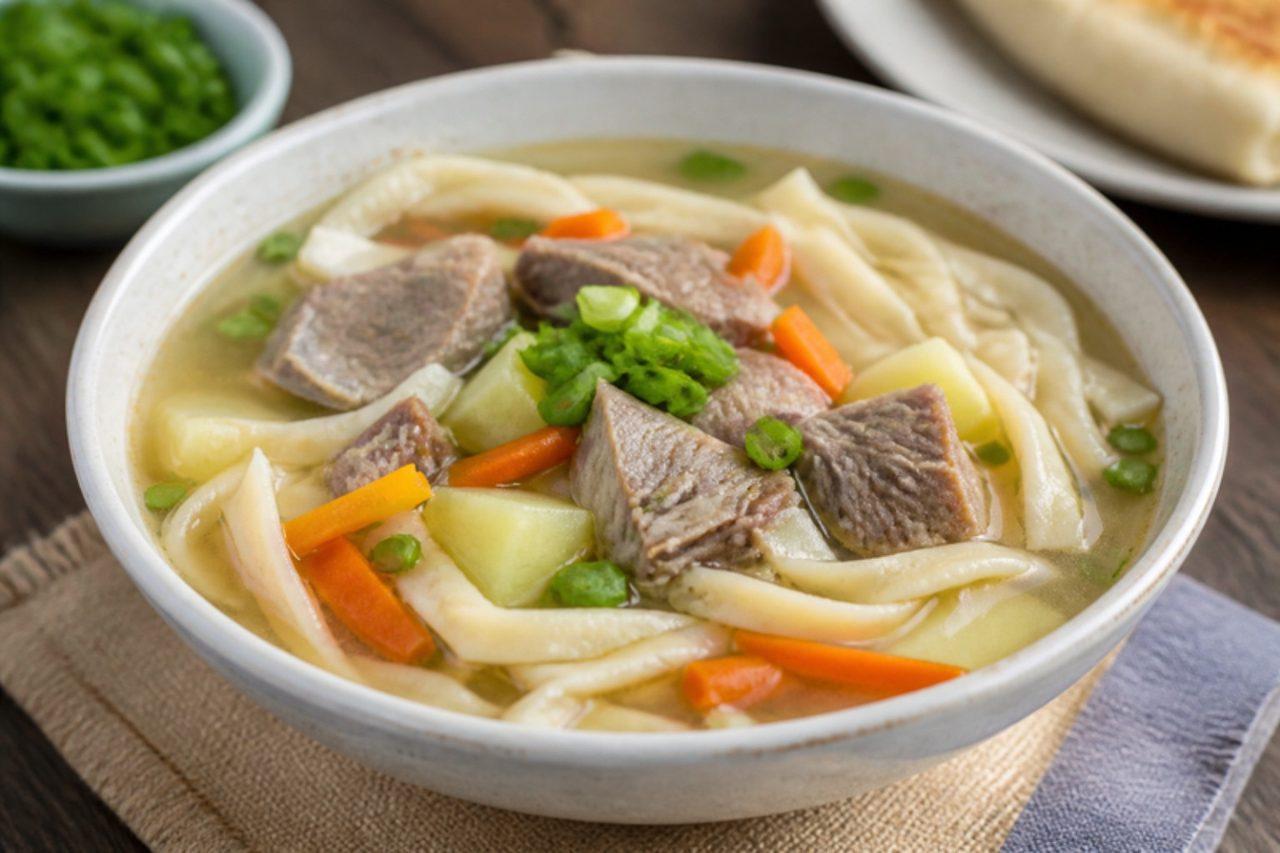
Guriltai shulMutton noodle soup

Guriltai shul is the soup Mongolians eat almost daily in winter, from Ulaanbaatar canteens to herders' gers: strips of mutton simmered with onion, carrot and potato, and thick hand-cut noodles cooked in the broth. It is simple, warming and filling in temperatures that drop far below freezing. The mistake is cooking the noodles too long, so they swell and turn the soup stodgy; they need only 6–8 minutes. Chef's tip: rest the noodle dough well so it rolls thin without springing back.

by KrazyBadal 0 views

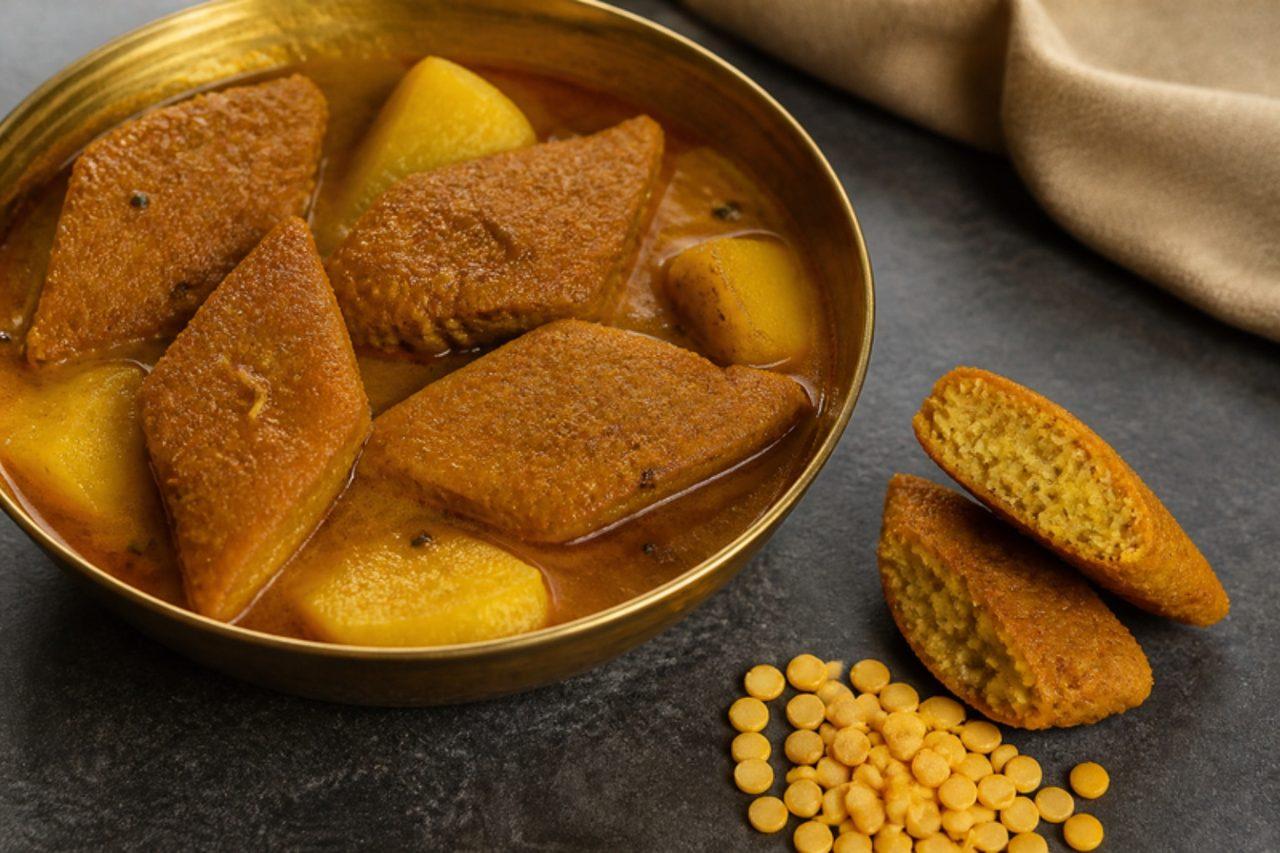
Dhokar dalnaLentil cakes in gravy

Dhokar dalna comes from the Bengali niramish (vegetarian) kitchen of widows and temple cooks, and it is still cooked in Kolkata homes for festive lunches and Saraswati Puja. Soaked chana dal is ground, cooked with ginger and asafoetida into a thick paste, set in a tray and cut into diamonds, which are fried and then dropped into a thin, fragrant gravy just before serving. The dhoka soak up the sauce like a sponge. Chef's tip: cook the dal paste until it leaves the sides of the pan in one mass; if it is too soft, the diamonds break in the gravy.

by KrazyBadal 0 views

Dharwad pedaCaramelised milk sweets

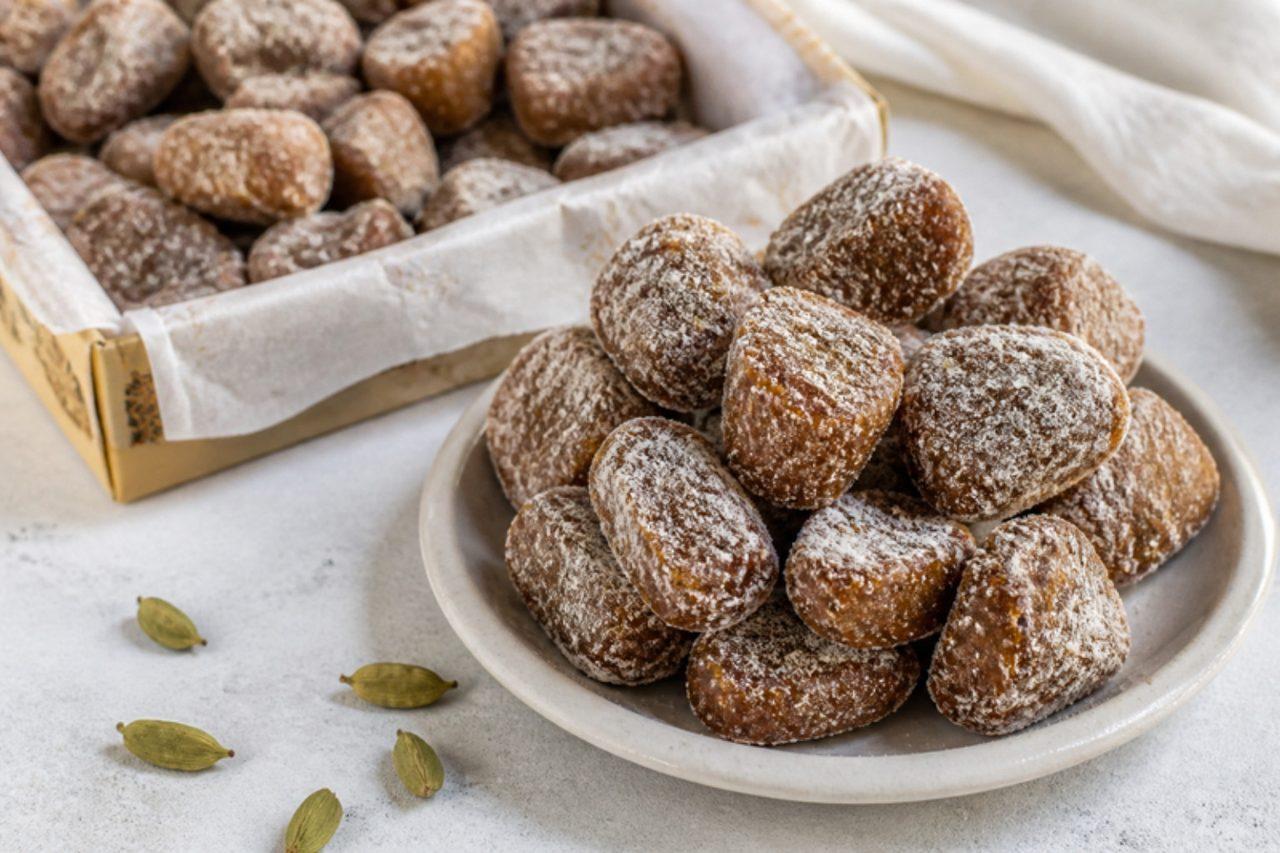
Dharwad peda has been made in this north Karnataka town for well over a century, first by families who came from Uttar Pradesh, and it now carries a geographical indication tag. Unlike pale, smooth pedas elsewhere, it is cooked slowly until the milk solids caramelise to a deep brown and a grainy, almost crumbly texture, then rolled in powdered sugar. Pilgrims and travellers carry boxes home from Dharwad and Hubballi, and families buy it for weddings and exam results. Chef's tip: let the cooked mixture cool for ten minutes before you add the sugar for rolling; added while too hot, the sugar melts and the pedas go sticky.

by KrazyBadal 0 views

Showing 36 of 10,569 recipes

Show more recipes

Page 1,038 of 1,175