


Skip to content
Chha gosht
Featured recipe

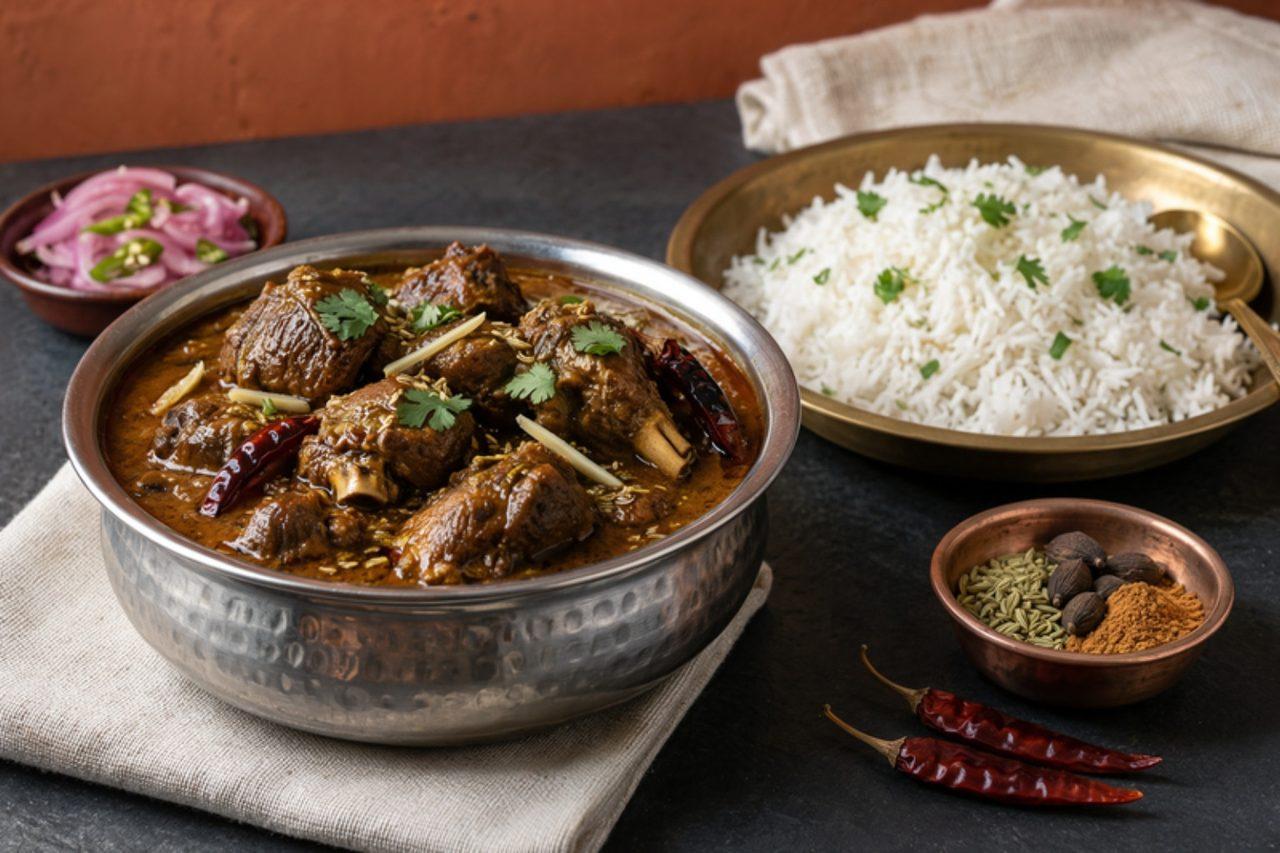
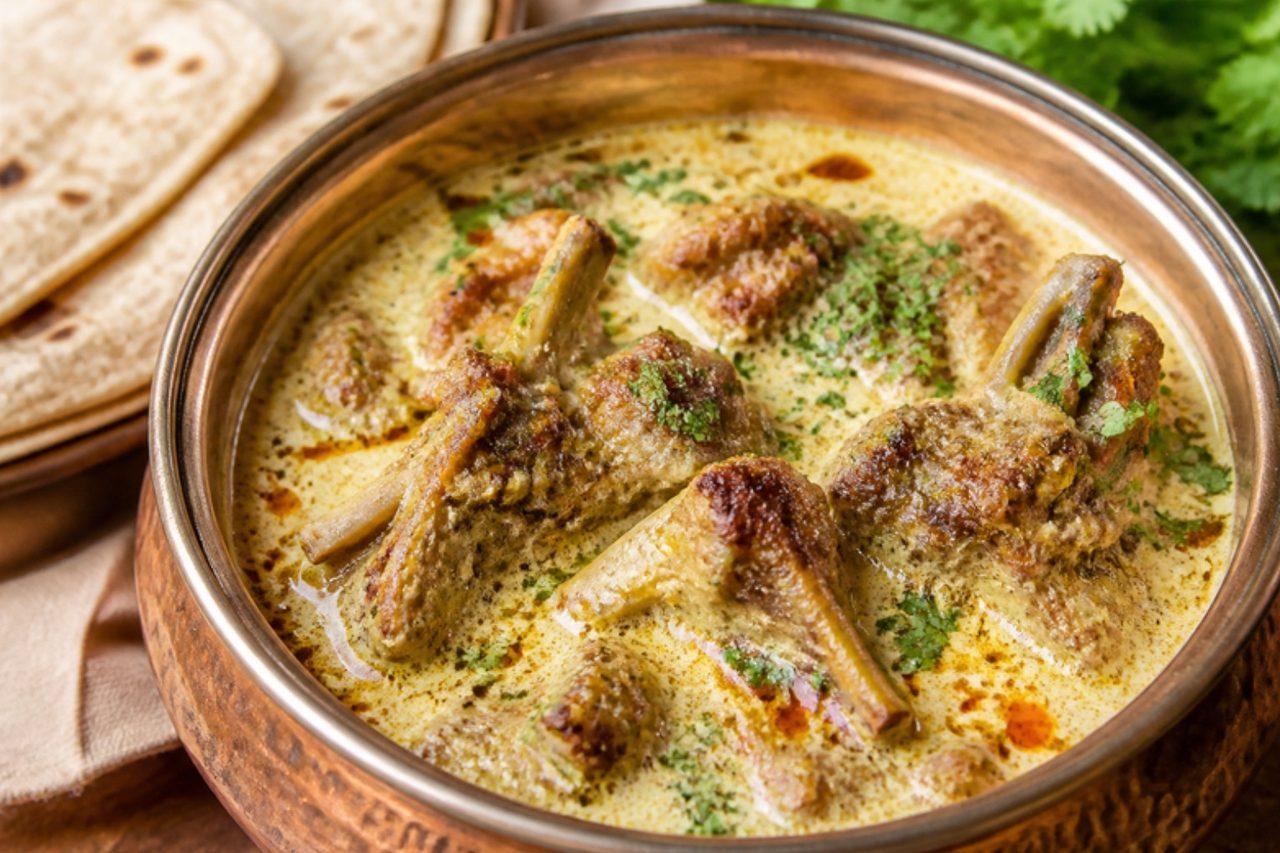
Chha gosht

Lamb in buttermilk gravy

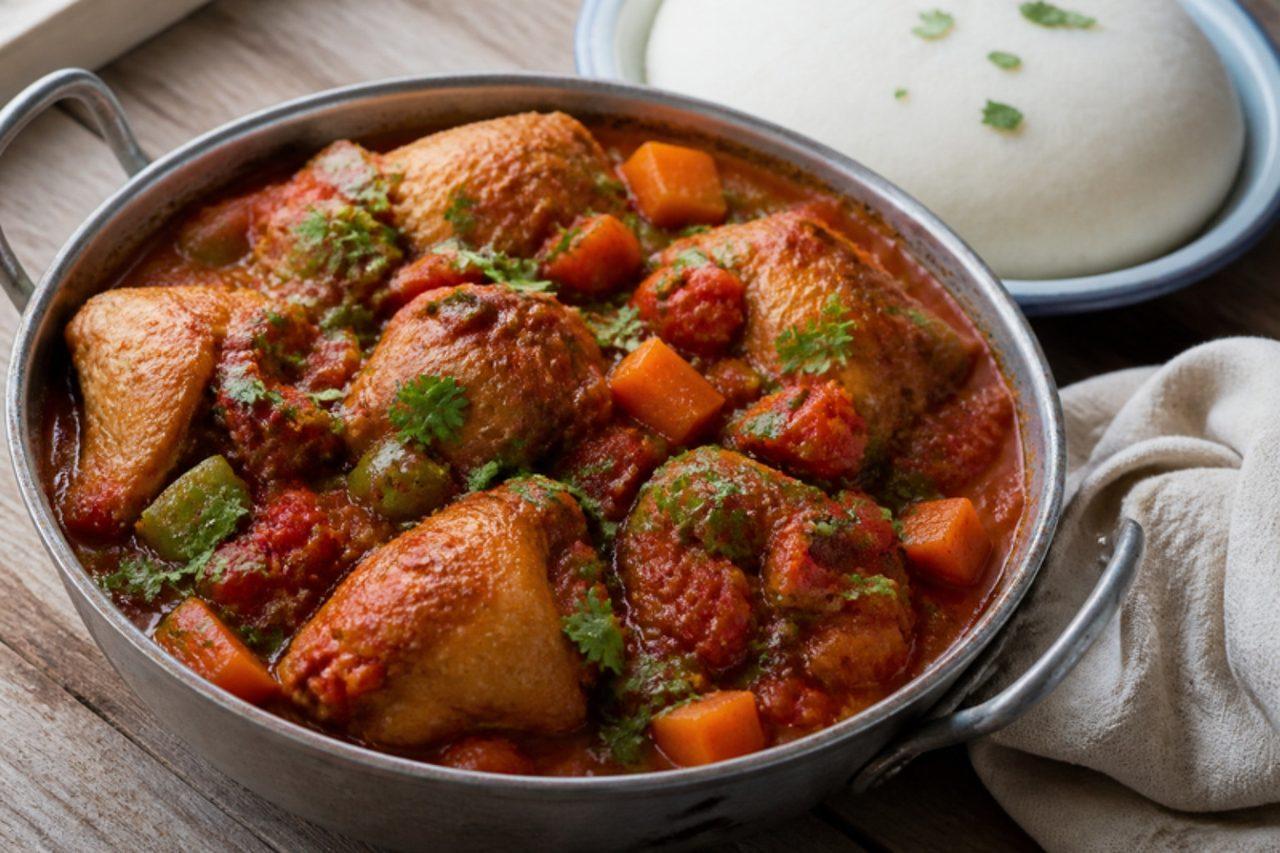
Up in the hill villages of Himachal Pradesh, where flocks are walked to summer pastures, lamb is often cooked in chhaachh, the thin buttermilk left after churning butter. Thickened with a spoonful of gram flour, it makes a pale, gently sour gravy that is milder and lighter than the red curries of the plains, and it is a favourite at dhams, the festive meals of the Kangra and Chamba valleys. Serve it with steamed rice or makki ki roti. Chef's tip: whisk the gram flour into the buttermilk until there are no lumps before it goes near the pot; once it hits the heat, any lumps stay lumps.

Read more 1 views

What to eat today?

Around the world

Today's trip: Paraguayan

A new country every day, from every cuisine on the site.

Paraguayan

Chipa

Cheese bread rings 50 minMore from Paraguayan (27) →

This week's collection

Kid-friendly dinners
537 recipes · a new collection every Monday

Latest recipes

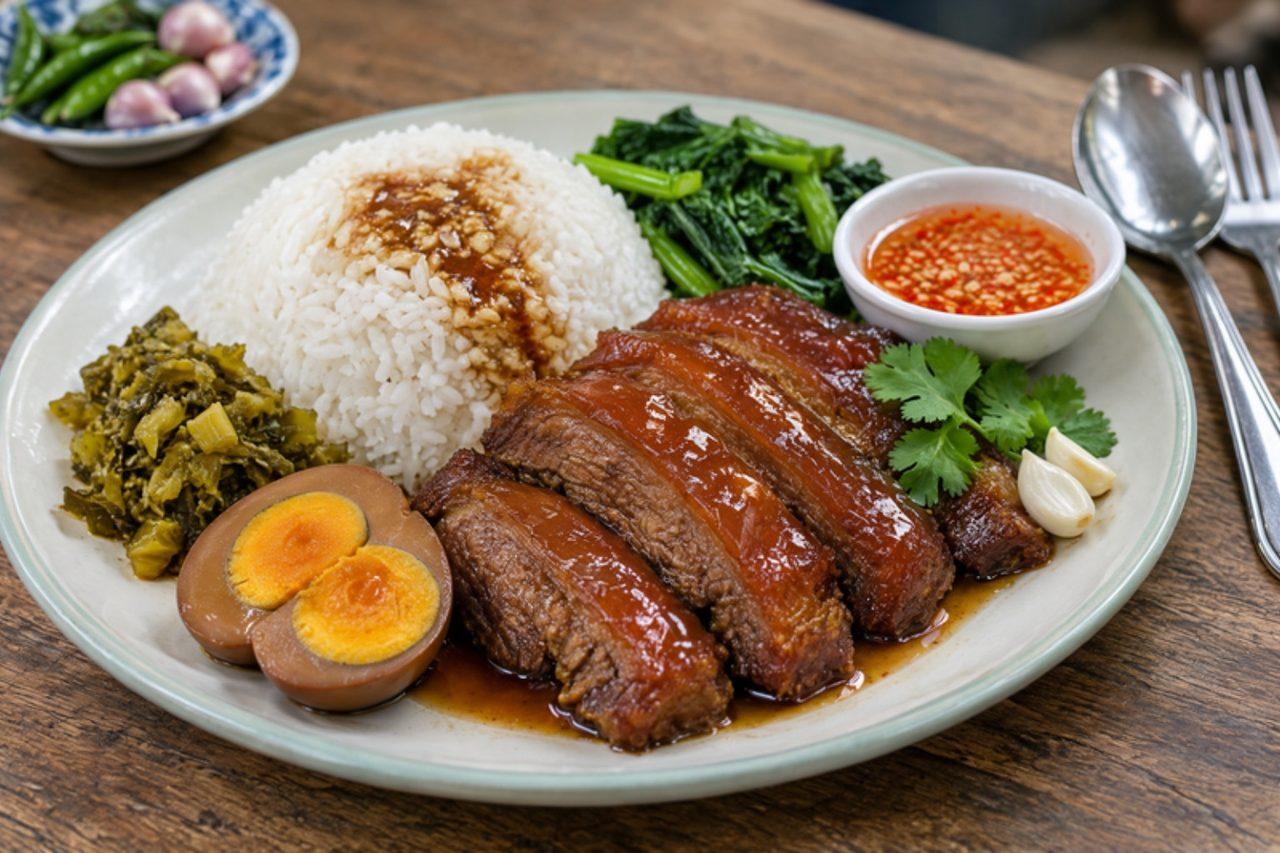
Khao kha mooBraised pork leg rice

Khao kha moo is Bangkok's great one-plate lunch, and the shophouses along Charoen Krung Road in Bang Rak have been simmering pork leg in the same dark, star-anise-scented pots for decades. Fresh pork hock is braised in soy, palm sugar and five-spice until the skin turns glossy and gelatinous and the meat falls away in tender strands. It is sliced onto jasmine rice with a soy-stained boiled egg, pickled mustard greens, blanched Chinese kale and a fierce green chilli and garlic vinegar to cut the richness. Chef's tip: keep the braise at a lazy simmer; a hard boil tears the skin and turns the meat stringy.

185 minThaiMeat
by KrazyBadal 0 views

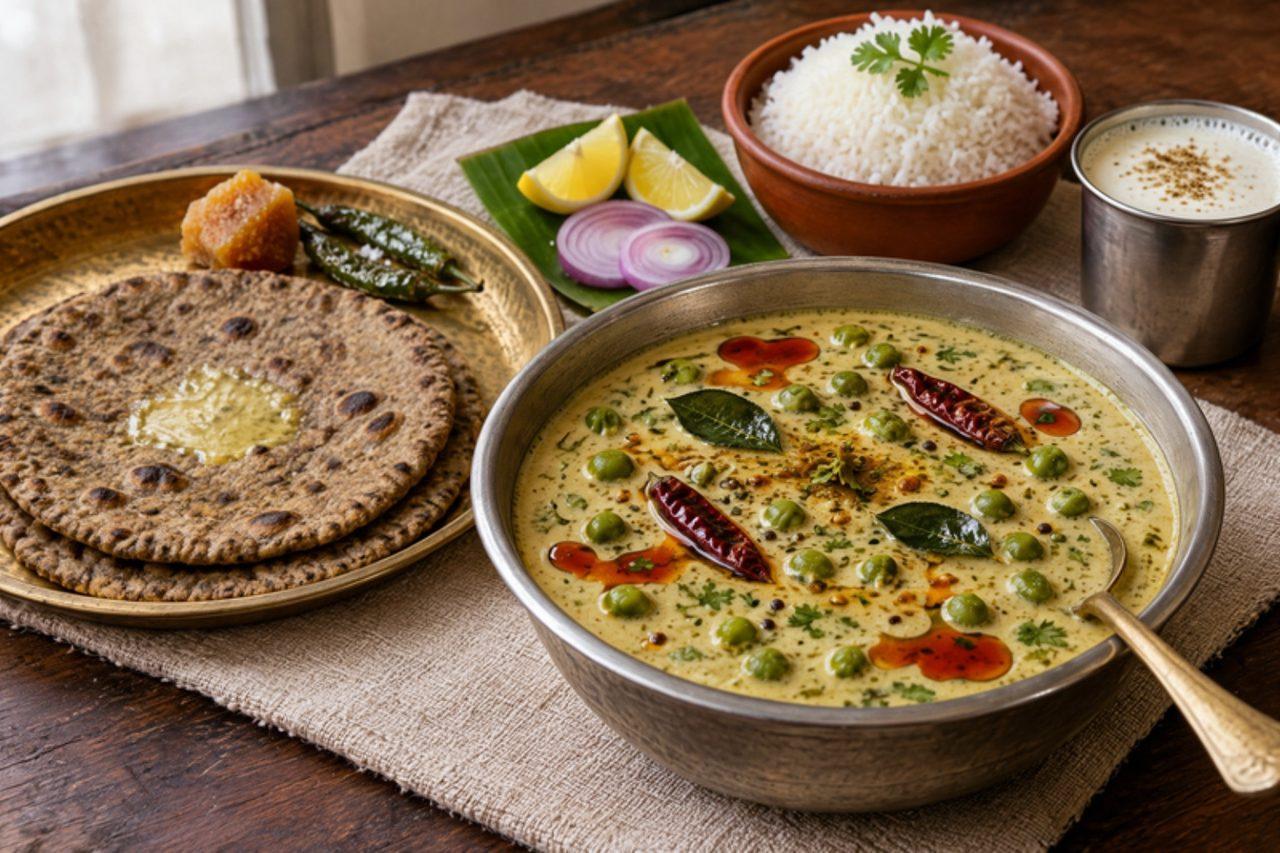
Khatta magGreen moong in sour yogurt

Khatta mag is weekday comfort across Gujarat, from Ahmedabad flats to Saurashtra farmhouses: whole green moong cooked soft and simmered in a tangy, kadhi-like gravy of yoghurt and gram flour with ginger, green chilli and a clove-and-cinnamon tempering. It is ladled over rice or eaten with bajra rotla, and many families cook it on Wednesdays, the day for moong. A little jaggery is optional. The usual mistake is pouring cold yoghurt into the hot pot without whisking it with gram flour first, which makes it split into curds. Slow-cooker: cook the soaked moong with 600 ml water on low for 5 hours, then stir in the yoghurt mix and cook on high for 30 minutes. Chef's tip: slightly sour, day-old yoghurt gives the best khatta flavour.

by KrazyBadal 0 views

Khatta meatMutton in sour pomegranate gravy

Khatta meat is a pride of Jammu's Dogra kitchens, cooked for family gatherings and the winter wedding season: mutton on the bone simmered slowly in mustard oil with fennel and dry ginger, then soured with ground anardana (dried pomegranate seeds) or lemon. The gravy is thin, tangy and deep red, eaten with plain rice. It has no curd or tomato; the sourness comes from the pomegranate alone. The common mistake is adding the anardana early, when it turns bitter during the long cook; stir it in for the last ten minutes. Chef's tip: grind the anardana fresh and soak it in a little hot water first, then strain, for a clean, fruity sourness without grit.

95 minIndianMeatGluten freeSpicy
by KrazyBadal 0 views

KhuriBuckwheat crepes with cheese

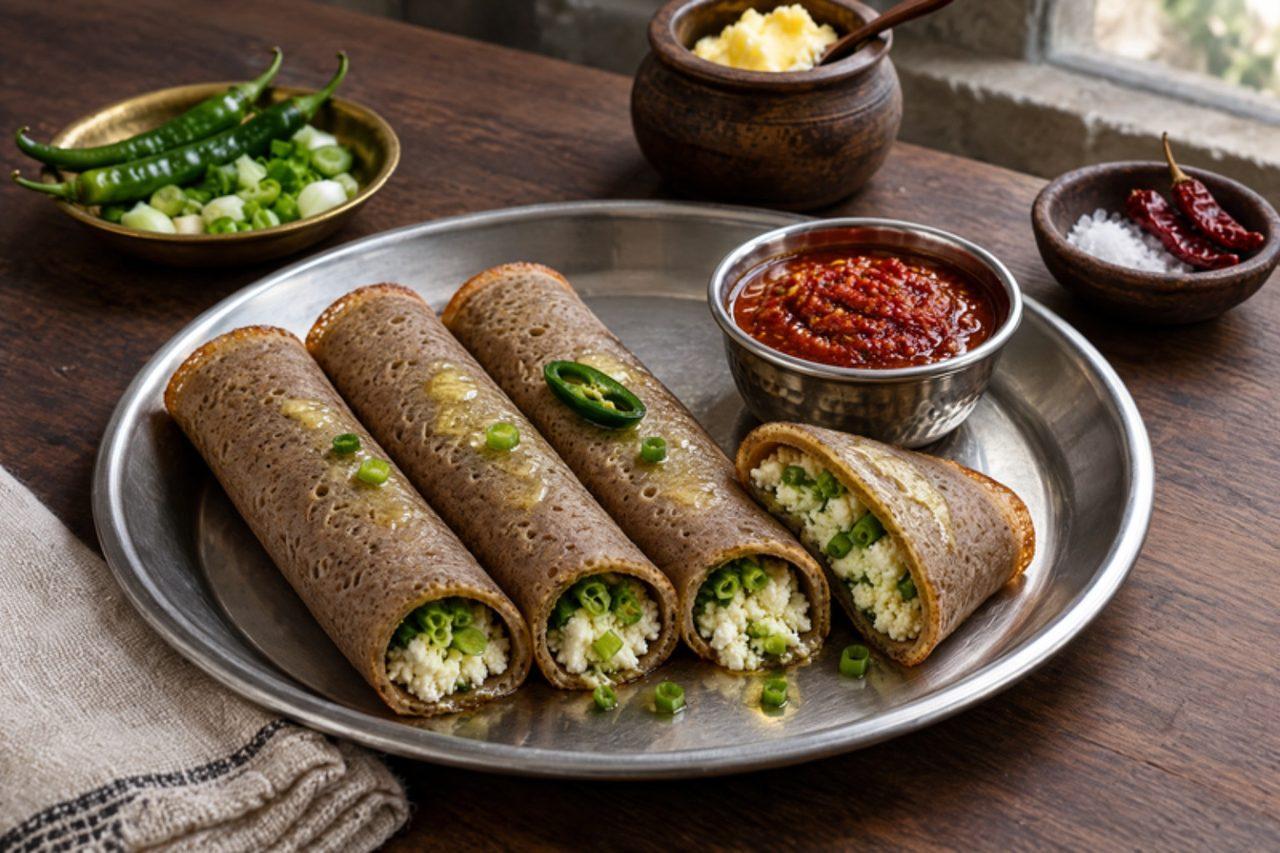
Khuri is a Sikkimese tea-time and breakfast dish from the buckwheat-growing villages of the north, where the thin grey-brown crêpes are filled with fresh cheese sharpened with chilli and spring onion, then rolled and eaten warm. It is often served with a fiery tomato achar. The batter needs to be thin enough to swirl, and the common mistake is flipping too early, before the edges lift by themselves, which tears the crêpe. Wheat flour in the batter helps it hold together, so these are not gluten free. Chef's tip: rest the batter for 20 minutes so the buckwheat hydrates and the crêpes come out supple rather than brittle.

by KrazyBadal 0 views

AkabenzCrispy fried pork

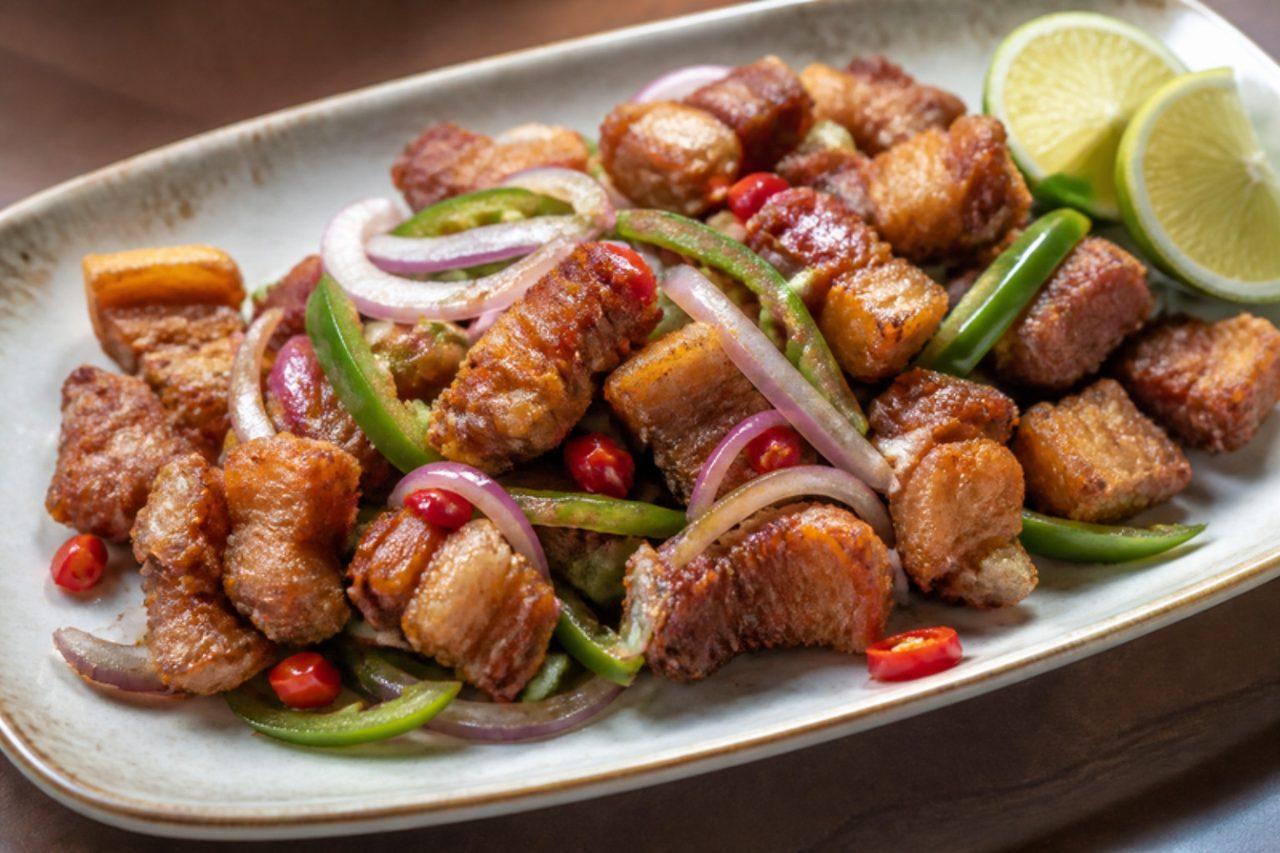
Pork is the star on Kigali's evening bar terraces, where friends share a plate of akabenzi; the name jokes that pork was once a luxury fit for a Mercedes-Benz owner. Chunks of pork shoulder or belly ribs are simmered until tender, then fried hard with onion and chilli until the fat crackles and the edges go crisp and caramelised, while the inside stays juicy. It comes with fried plantain or chips and a fiery chilli oil. The mistake is frying raw pork straight away: the outside burns before the middle cooks, so boil it first. The pork is cooked to well beyond 71 °C. Chef's tip: dry the boiled pieces thoroughly before they hit the oil, or they spit and steam instead of crisping.

by KrazyBadal 0 views

NjahiBlack beans mashed with banana

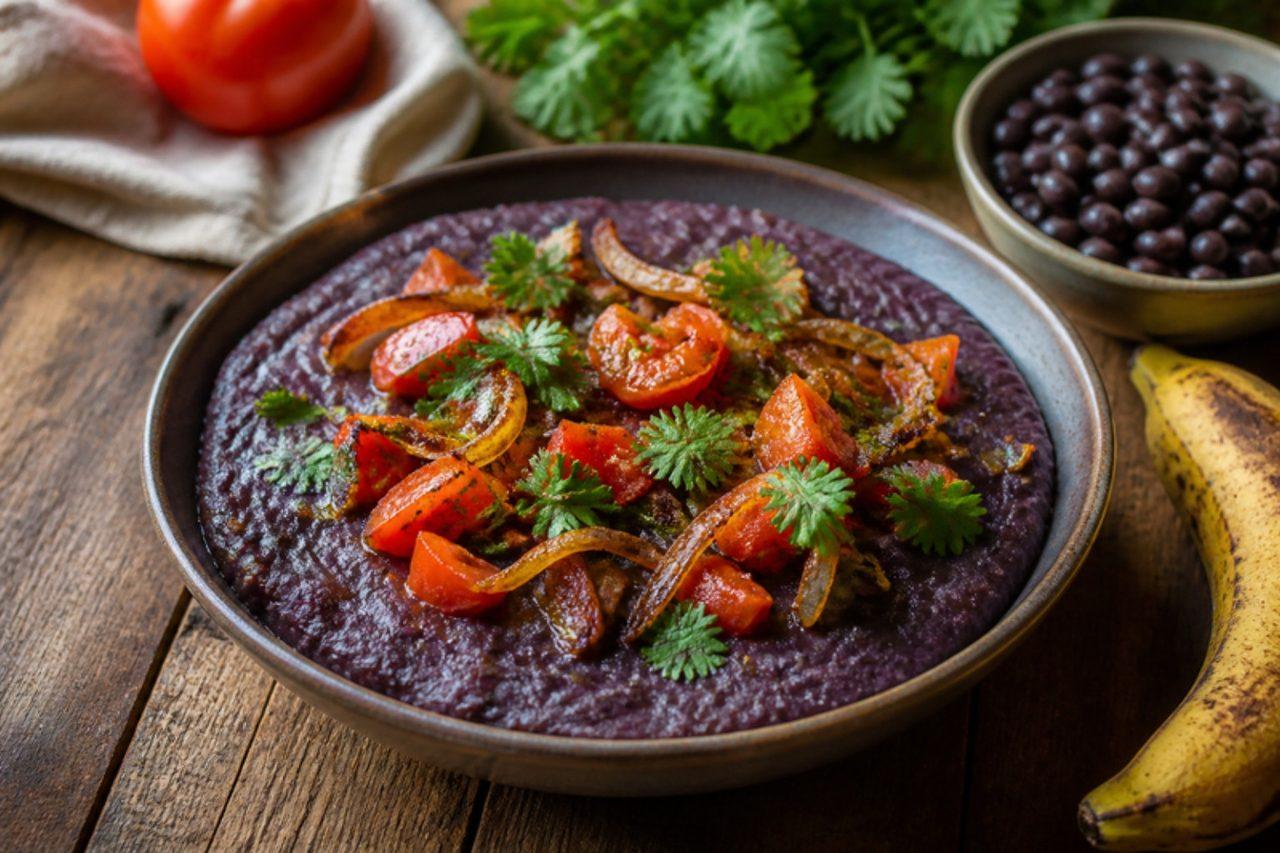
Kikuyu families in Kiambu, Murang'a and Nyeri cook a big pot of njahi for a woman who has just given birth, and visitors bring the beans as a gift; the dish is said to build strength and milk. The beans are small, glossy black lablab beans, simmered for a long time until creamy, then mashed with ripe bananas so the result is dark, soft and gently sweet against the savoury onion and tomato. Look for dried njahi at African grocers (sometimes labelled black dolichos or black lablab beans); black turtle beans are the closest swap and cook a little faster, but skipping the overnight soak is the classic error with either: unsoaked beans stay chalky even after hours. Eat it warm with a cup of tea, or as a main with greens. Chef's tip: choose bananas with brown freckles but still firm; overripe black ones make the mash taste like dessert.

by KrazyBadal 0 views

KilanjiRice crepes with coconut banana sauce

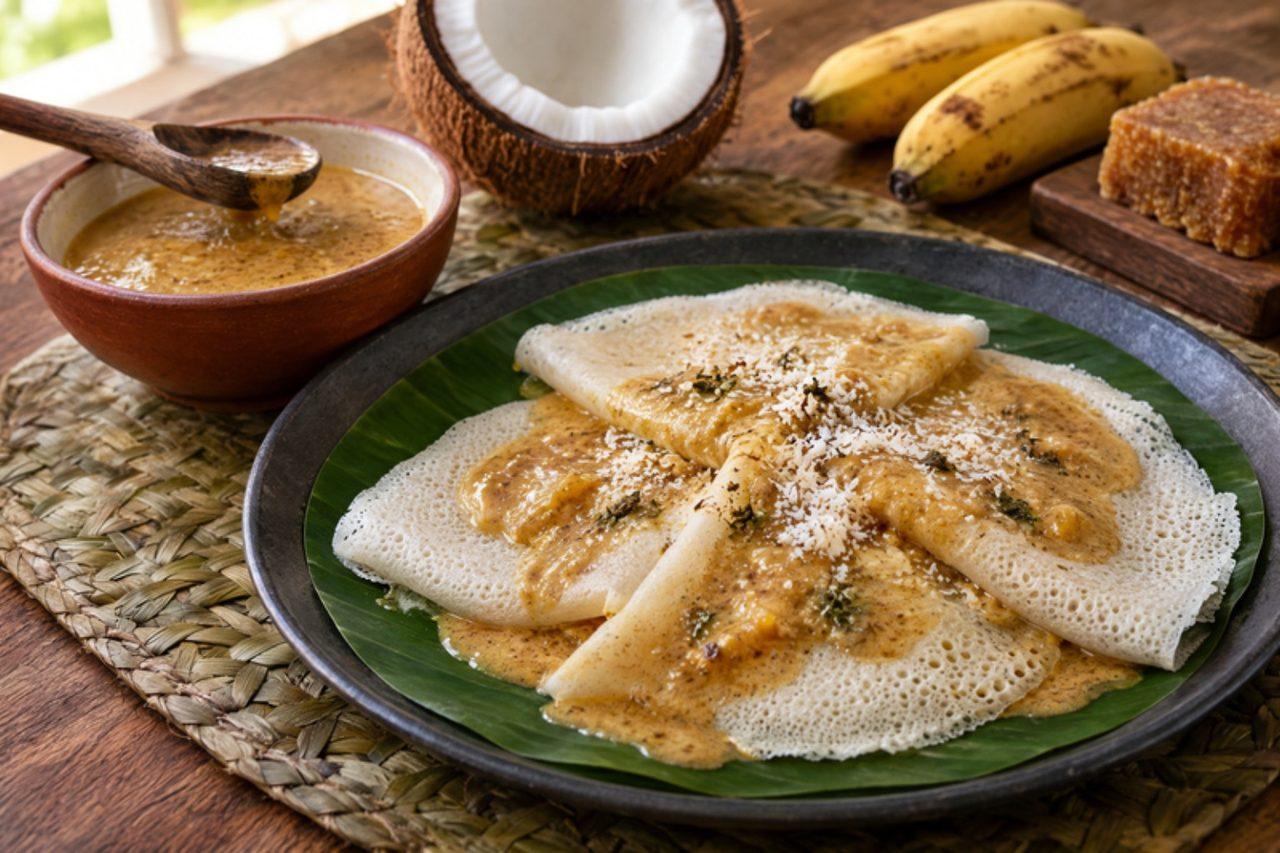
On the coral islands of Lakshadweep, kilanji is the treat for weddings, Eid mornings and a welcome guest. Thin, soft crepes of soaked rice and egg, or rice alone as here, are folded and drenched in a warm sauce of coconut milk sweetened with coconut jaggery and full of mashed ripe banana and cardamom. The islanders often add egg to the batter; this version keeps it vegan with a touch of cooked rice for softness. The common mistake is a gritty batter: the rice needs a full four hours' soak and a long, fine grind, or the crepes tear. Chef's tip: keep the sauce barely warm, never boiling, so the coconut milk stays silky.

by KrazyBadal 0 views

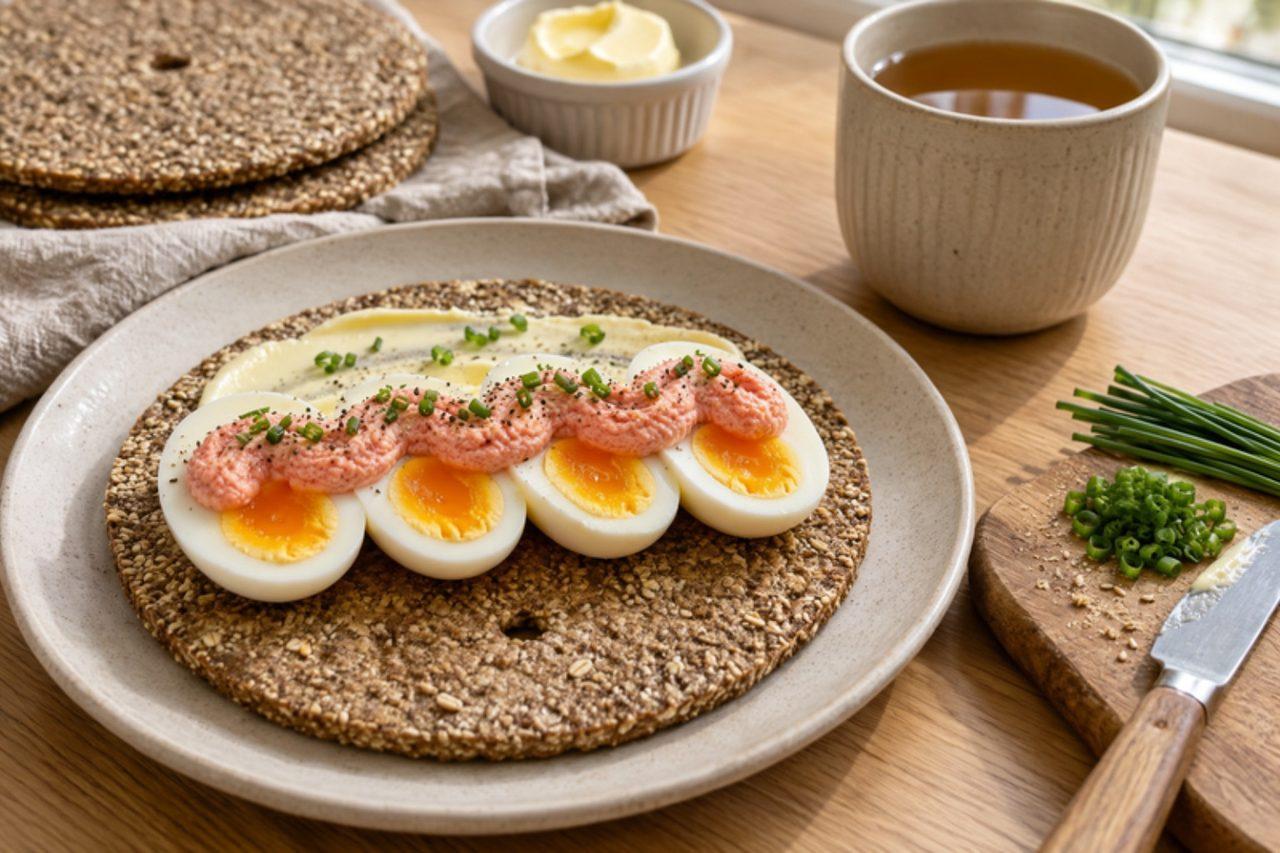
Ägg och kaviarBoiled eggs with fish roe spread

Open any fridge in Stockholm or Gothenburg and you'll find a blue tube of kaviar, a salty, smoky, slightly sweet spread of smoked cod roe, and at breakfast it goes on halved boiled eggs on crispbread or buttered bread. It's a combination Swedes love from childhood, eaten every day and at Easter. The kaviar is smoked and pasteurised, so it is safe for most people; boil the eggs fully for pregnant people and young children. The common mistake is over-boiling the eggs to a grey, chalky yolk; 8 minutes gives a set yolk that's still bright and slightly fudgy. Chef's tip: plunge the eggs into iced water straight away; they peel cleanly and the yolks stay sunny yellow.

by KrazyBadal 0 views

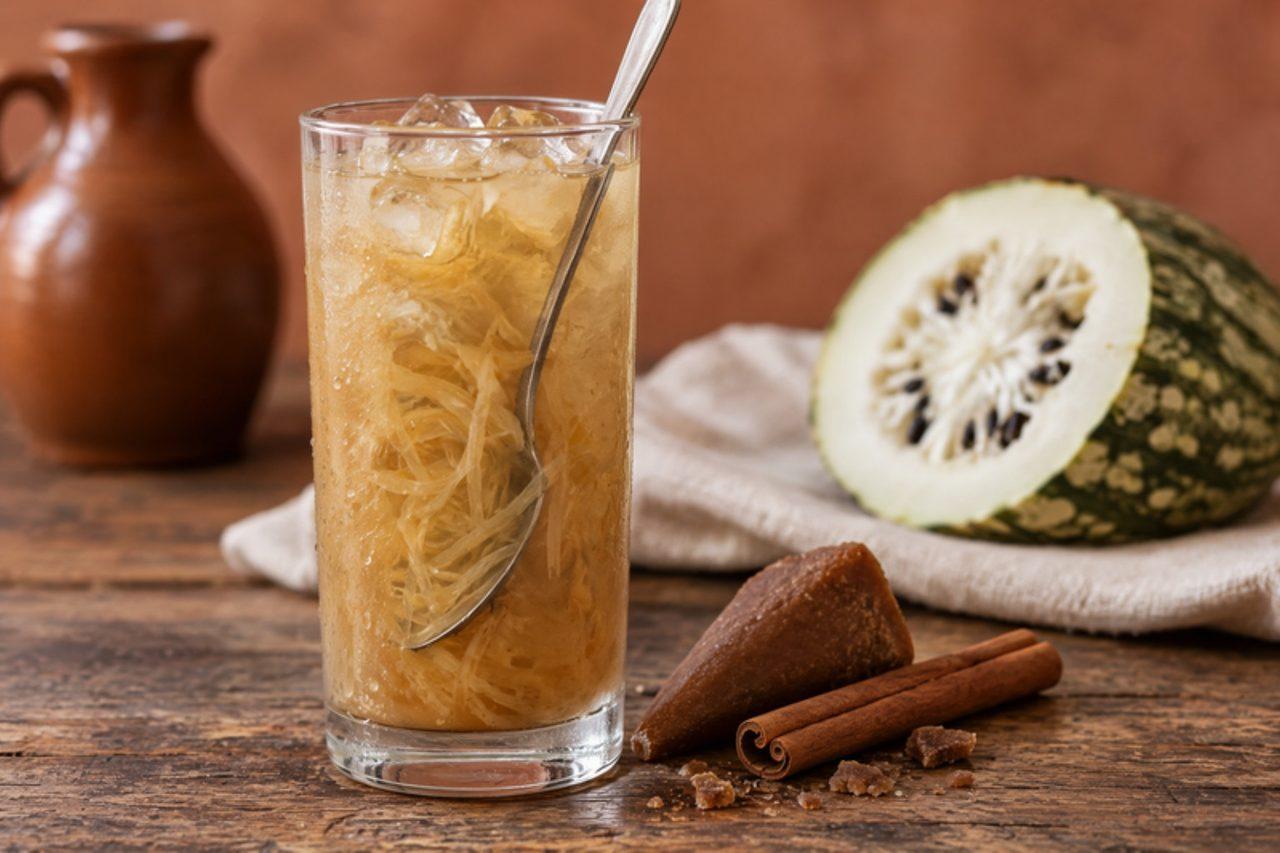
Agua de chilacayoteFig-leaf squash drink

When the big, mottled chilacayote squashes ripen at the end of the rains, cooks in Oaxaca's valleys and the Mixteca of Puebla turn them into a drink you eat with a spoon. The flesh is cooked with dark piloncillo and cinnamon until it falls into translucent threads, then cooled and loosened with water; in Oaxaca it is ladled out of clay jars at fairs, weddings and the Day of the Dead, often with a little pineapple. It tastes like cinnamon-scented panela, with soft, slightly crunchy strands that slide up the straw. The usual mistake is boiling it to mush; overcooked flesh goes cloudy and the strands disappear. Simmer gently and stop when the threads separate easily with a fork but still have a little bite. It is ready when the syrup is amber and the strands look glassy. Chilacayote is hard to find outside Mexico; spaghetti squash is the best substitute and gives the same threads. Keeps 3 days in the fridge. Chef's tip: grate a little orange zest into the pot in the last minute to brighten the piloncillo.

by KrazyBadal 0 views

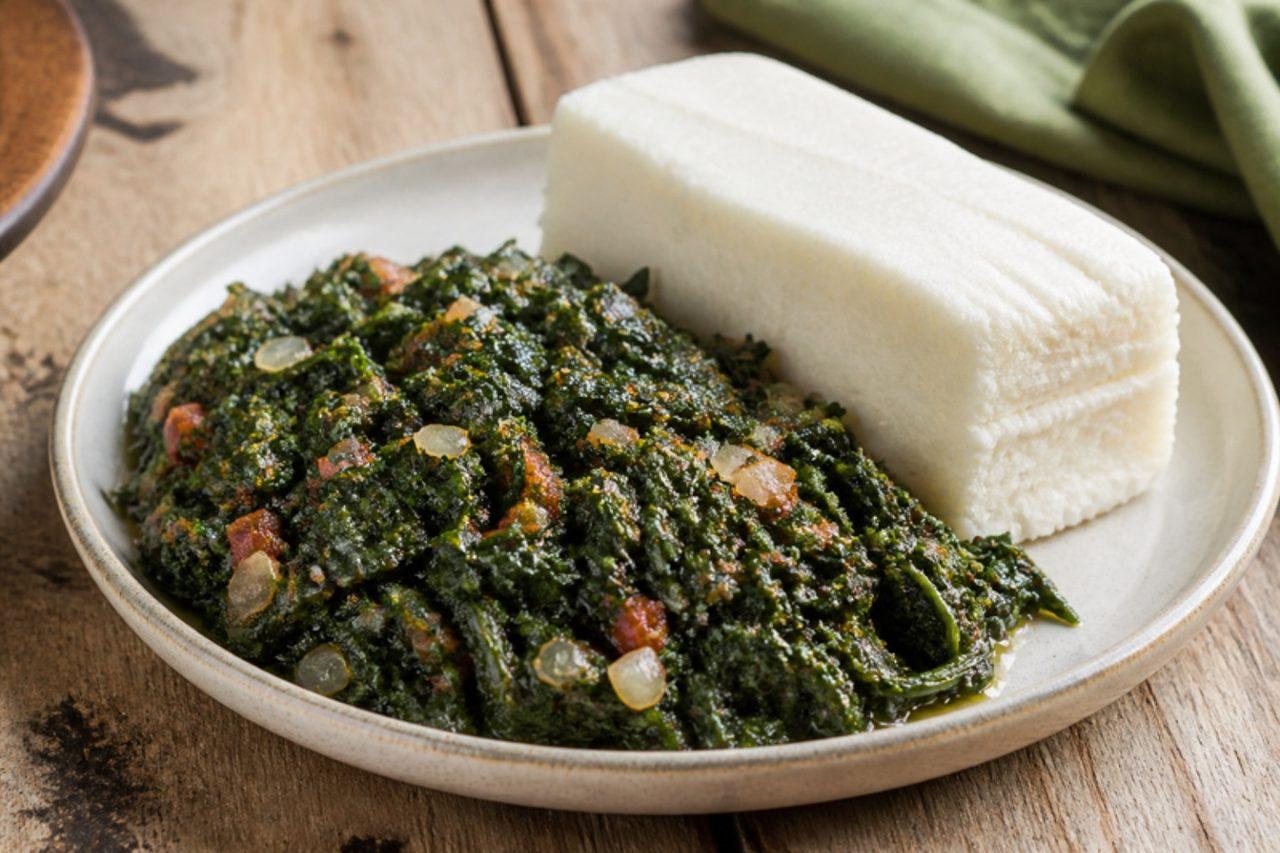
ManaguNightshade greens

Market women in Kisii and Kakamega sell managu in thick bunches, and in the hills it is the green that goes with ugali at almost every family dinner. The leaves of cultivated African nightshade are soft and pleasantly bitter, a bit like a stronger spinach, and here they are blanched, then cooked down with onion and tomato into a soft, savoury heap. At home many families stir in a spoon of cream at the end; to keep it vegan, use coconut milk as below; buy managu fresh or frozen from African grocers and never gather wild nightshade, as some kinds are poisonous. Using the boiling water as a sauce is a common error: always drain the first boil, or the dish stays harsh. Chef's tip: squeeze the drained leaves firmly in your fist before frying so the tomato flavour soaks in instead of being watered down.

by KrazyBadal 0 views

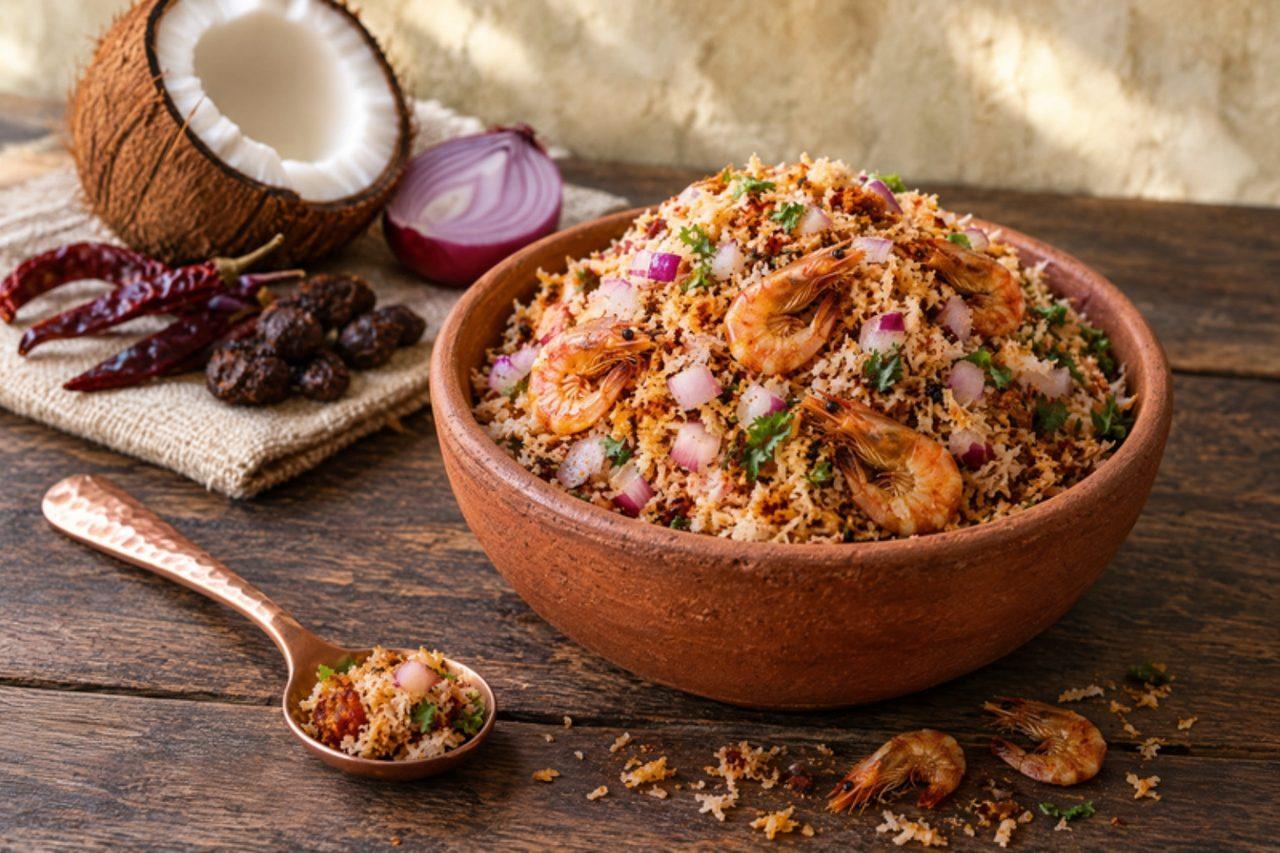
KismurDried prawn and coconut salad

Kismur is a dry, crunchy Goan side that turns a simple plate of rice and dal or pez into a feast, and it is made across Goan homes, Hindu and Catholic, especially in the monsoon when fresh fish is scarce. Dried prawns are toasted until crisp, then tossed with raw onion, grated coconut, chilli and a little tamarind, so it tastes salty, sour, sweet and smoky at once. The usual mistake is skipping the toasting: untoasted dried prawns taste fishy and chewy, while well-toasted ones smell nutty and snap. Chef's tip: rinse the prawns briefly and dry them well before toasting, which removes grit and excess salt.

20 minIndianFishGluten free
by KrazyBadal 0 views

Agra dalmothFried lentil snack mix

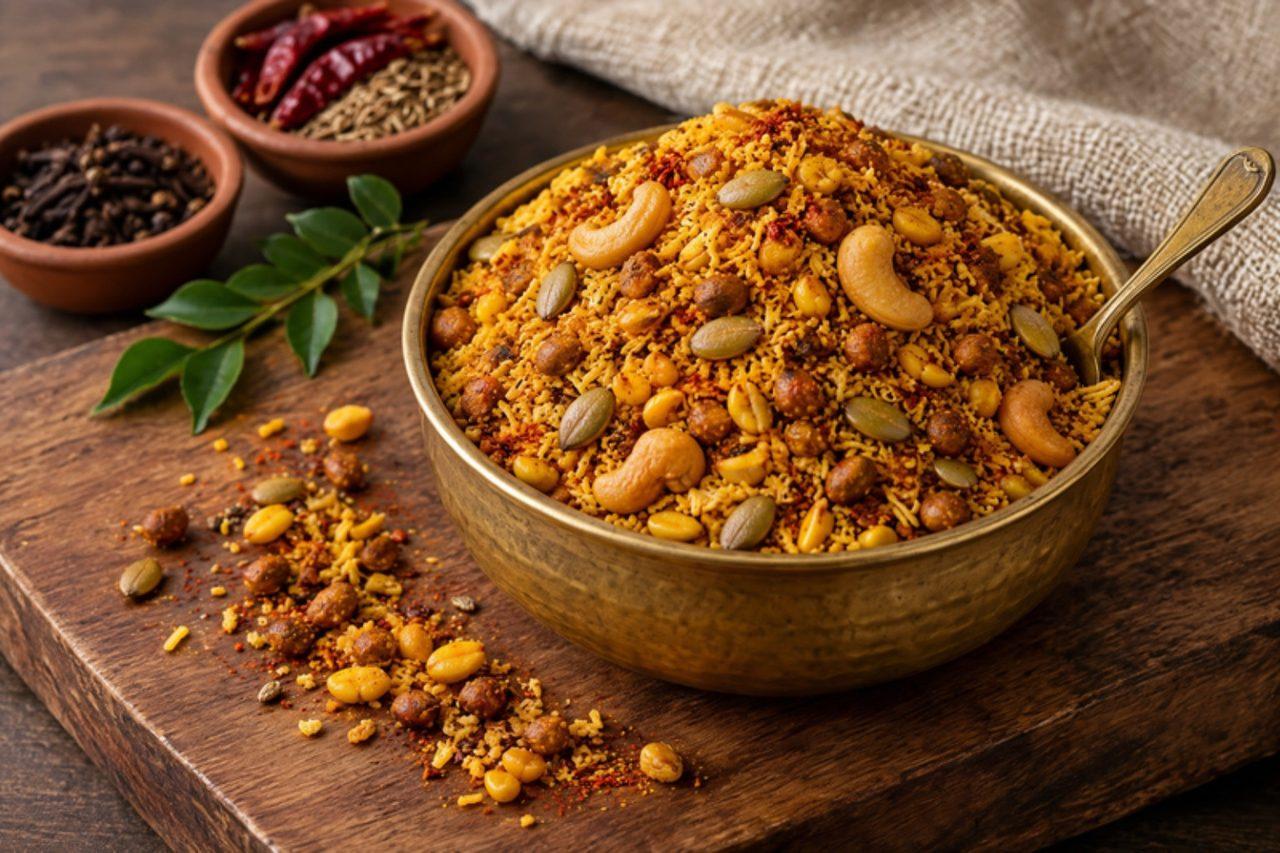
Agra is famous for two sweets and one namkeen, and dalmoth is the namkeen: soaked masoor and chana dal fried until crunchy and tossed with chilli, black salt, dry mango and a little sugar, sold in big tins near the Taj and packed for every train journey. It is eaten with tea in the afternoon and handed round to guests at Diwali. The dal is fried dry, without any batter coating. The common mistake is frying the dal straight from soaking water; any moisture makes the oil spit dangerously and the dal chewy, so dry it on a cloth for at least an hour. Chef's tip: fry the masoor and chana separately, as they need different times to turn crisp.

by KrazyBadal 0 views

KitozaSmoked dried beef strips

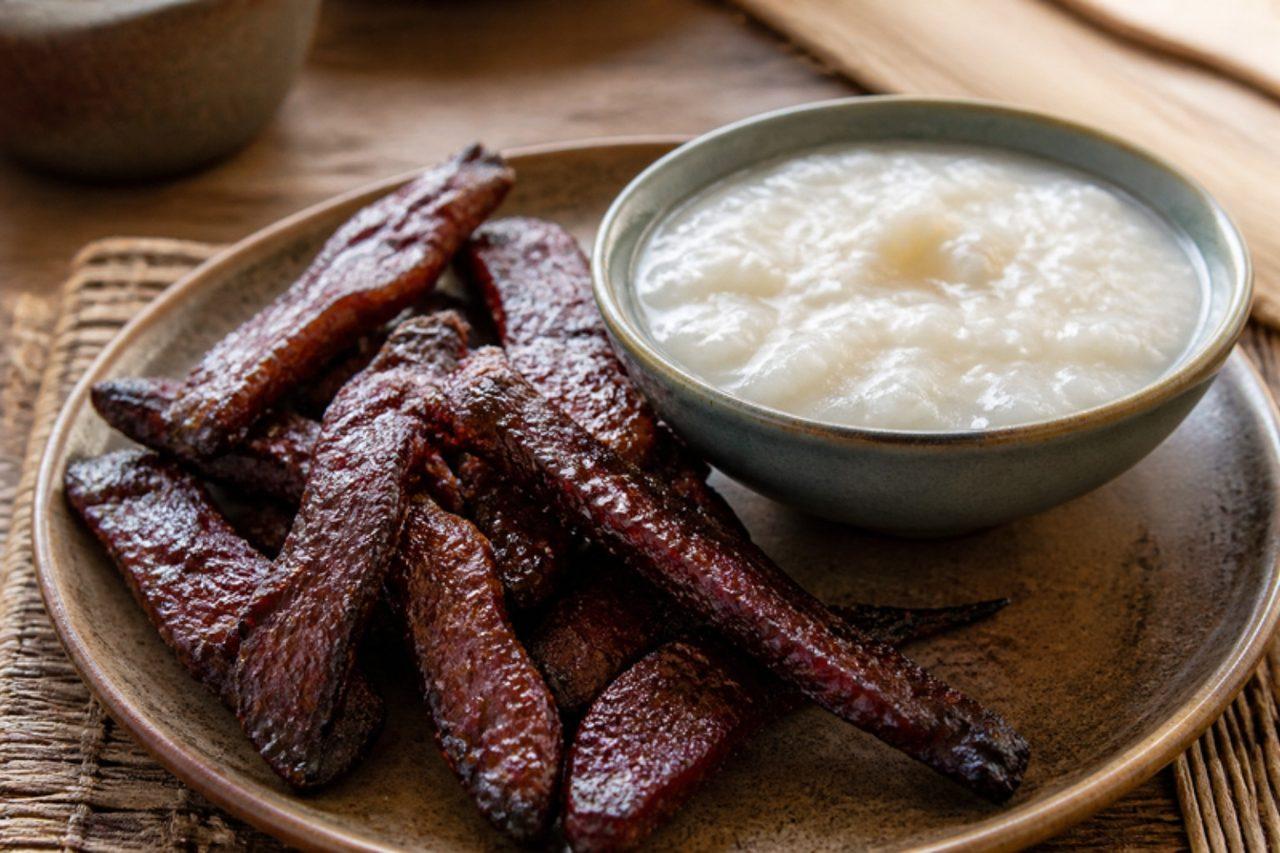
Butchers in the Highland markets of Antananarivo and Ambositra hang long, dark strips of kitoza above smoky fires, and households grill a few pieces each morning to eat with a bowl of soft rice. The meat is lean, cut with the grain, seasoned with salt, garlic, ginger and pepper, then dried until it is chewy and concentrated; a quick grill before serving gives it a smoky, salty crust. This home version uses beef in place of zebu and, for safety, cooks the strips to 71 °C in the oven before drying them slowly at a low heat. It is not for pregnant women, young children or anyone with a weakened immune system. The common mistake is cutting the strips too thick, which leaves them leathery outside and damp inside. Chef's tip: half-freeze the beef for an hour so you can slice it in even 5 mm strips.

175 minMalagasyMeatGluten free
by KrazyBadal 0 views

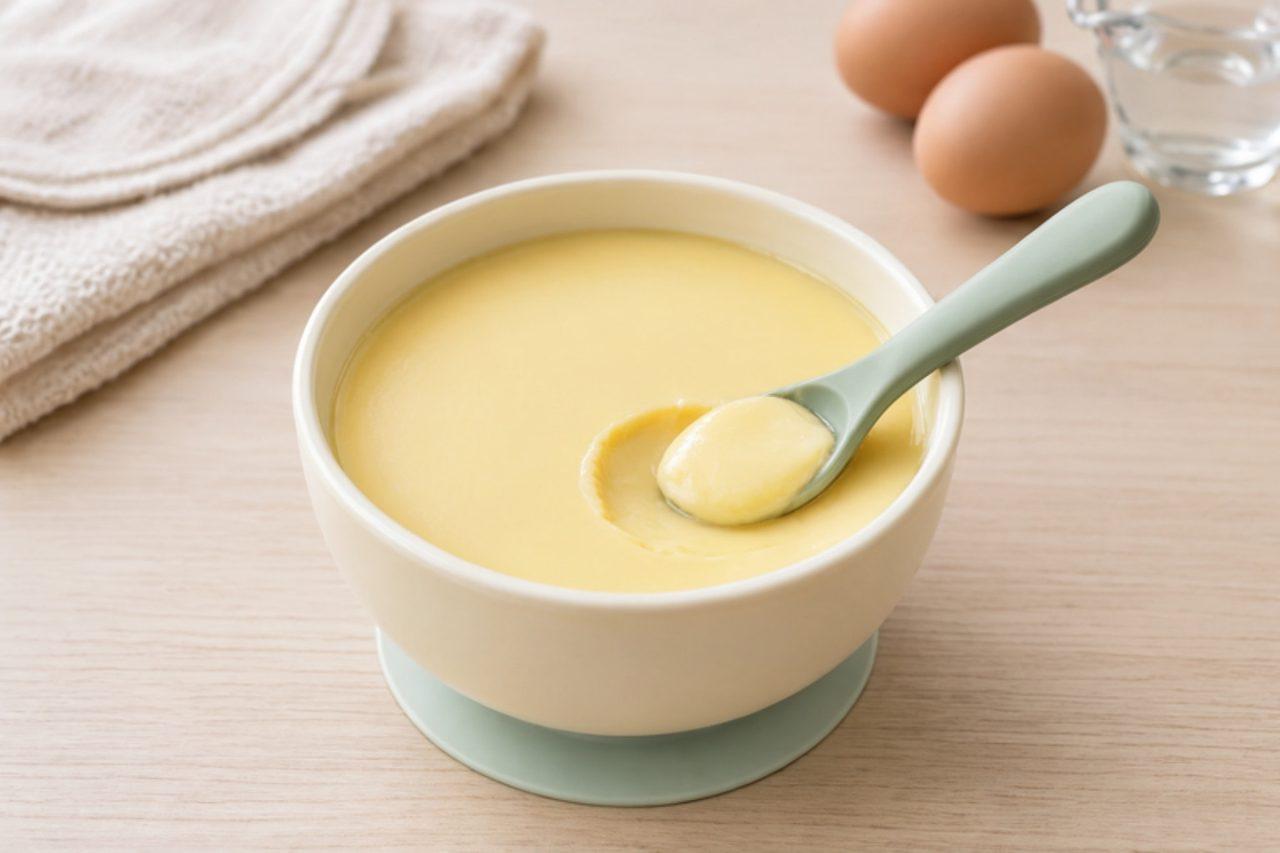
ÄggostEgg cheese

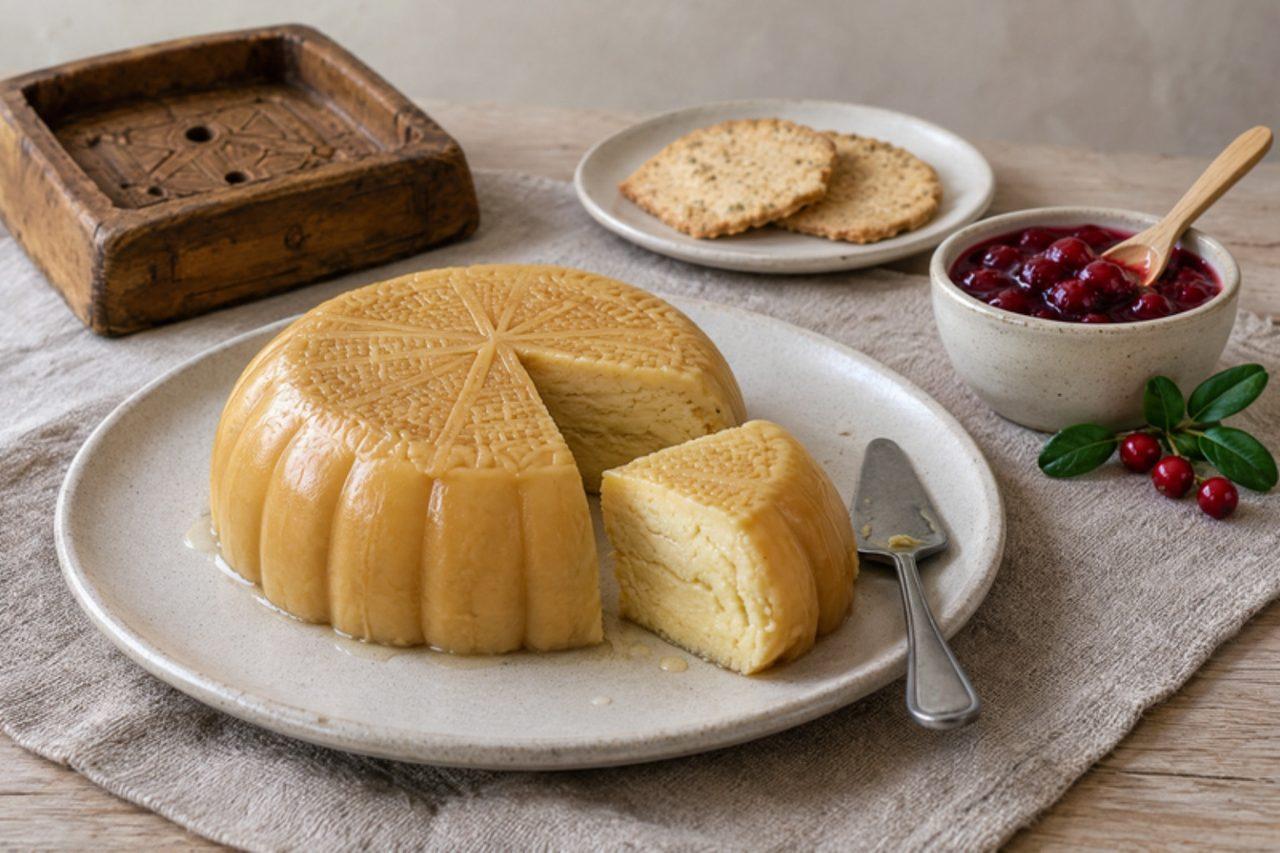
Äggost, egg cheese, belongs to the farm kitchens of Västergötland and Halland in west Sweden, where it is made for Christmas, Easter and midsummer tables and the leftovers become breakfast with cloudberry or lingonberry jam. Eggs and milk are heated until soft, sweet curds form, which are drained in a holed mould so they keep its pattern. It is creamy, mild and slightly sweet. The common mistake is rushing the heat: boiling the milk too hard makes rubbery curds, so keep it at a gentle simmer. Chef's tip: this version sets the curds with buttermilk, not rennet, so it is suitable for vegetarians; drain it overnight in the fridge for the firmest slice.

by KrazyBadal 0 views

Koay teow th'ngFlat noodle soup

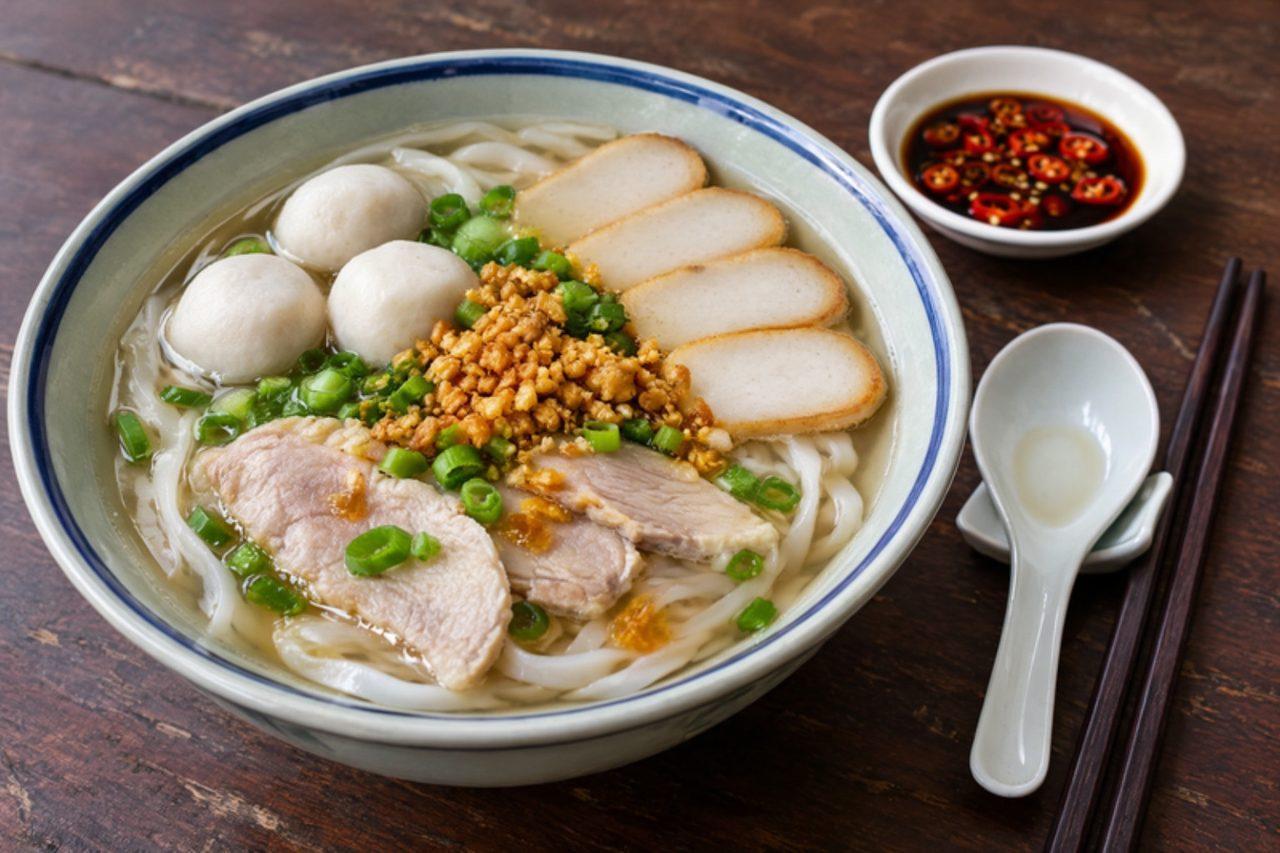
Koay teow th'ng is the gentle, clear noodle soup that Penang's Hokkien families eat for breakfast at the coffee shops of Kimberley Street and around the old George Town markets. The broth is simmered from pork and chicken bones, and the bowl holds silky flat rice noodles, bouncy fish balls, slices of fish cake, little nuggets of minced pork and lean pork slices, finished with fragrant garlic oil, a pinch of preserved cabbage and plenty of white pepper. Chef's tip: just warm the fresh noodles through; boiled, they break into short pieces.

by KrazyBadal 0 views

Ají amarillo pasteYellow chilli paste

In Lima's markets ají amarillo is sold fresh all year, and most Peruvian cooks keep a tub of this paste in the fridge the way others keep tomato purée: it is the golden base of causa limeña, ají de gallina, papa a la huancaína, chupe and the sauce for tiraditos. The chillies are seeded, de-veined and blanched in three changes of water, which tames the heat and the raw grassiness, then peeled and blended with oil into a thick, silky, saffron-orange paste. It tastes fruity and sunny, almost like apricot and passion fruit, with a rounded, medium heat. Abroad, buy whole frozen ají amarillo from Latin grocers; dried ají mirasol, soaked, gives a darker, earthier paste. Common mistake: skipping the peeling; the thin skins leave papery flecks and a bitter edge. It is ready when it is completely smooth and holds a soft peak like thick hummus. This is a low-acid paste: keep it in the fridge for a week or freeze it, never on the shelf. Chef's tip: freeze it in an ice-cube tray; one cube is about a tablespoon, just right for a pot of ají de gallina.

by KrazyBadal 0 views

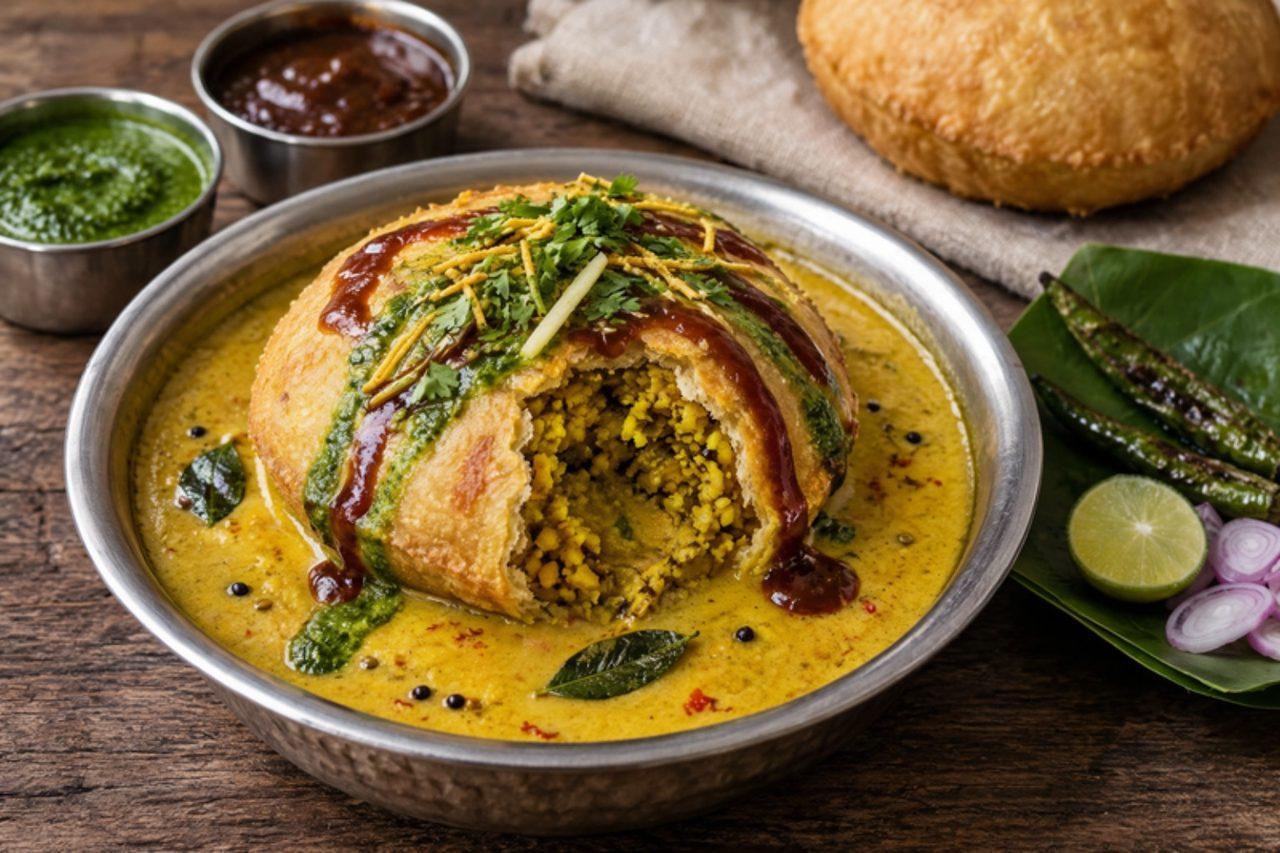
Ajmeri kadhi kachoriDal kachori in spiced kadhi

In Ajmer, near the dargah and in the lanes around Naya Bazaar, the breakfast crowd orders kadhi kachori: a crisp moong dal kachori broken open on a leaf plate and drowned in hot, thin, spicy kadhi, then topped with green chutney, sweet tamarind chutney and raw onion. The kachori soaks up the kadhi but keeps some crunch at the edges. The kadhi here is thinner and hotter than Gujarati kadhi, without sweetness. The common mistake is letting the kadhi boil hard before the gram flour cooks, which splits it; stir until it comes to the boil. Chef's tip: make the kachoris a day ahead and re-crisp them in a low oven, so only the kadhi is cooked fresh.

by KrazyBadal 0 views

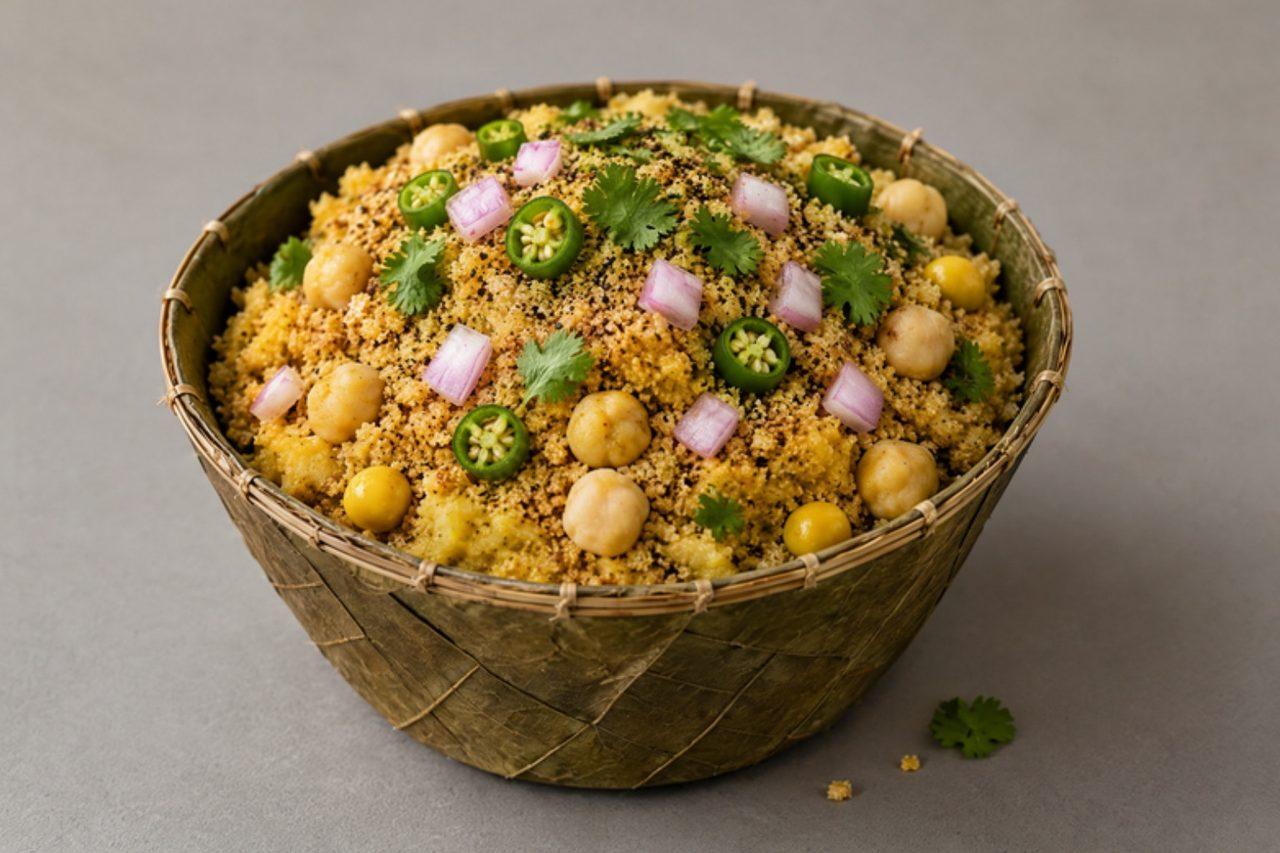
ChurmurCrushed puchka chaat

When you have eaten your fill of puchka at the stalls in Vivekananda Park or outside Gariahat market in the evening, the puchkawala will make you a churmur: the same crisp shells crushed into the same spicy potato filling with tamarind water, onion and coriander, served in a leaf bowl. It is part chaat, part crunchy salad, and puckeringly sour. Chef's tip: crush the shells into big shards, not crumbs, and fold them in last so some stay crisp.

by KrazyBadal 0 views

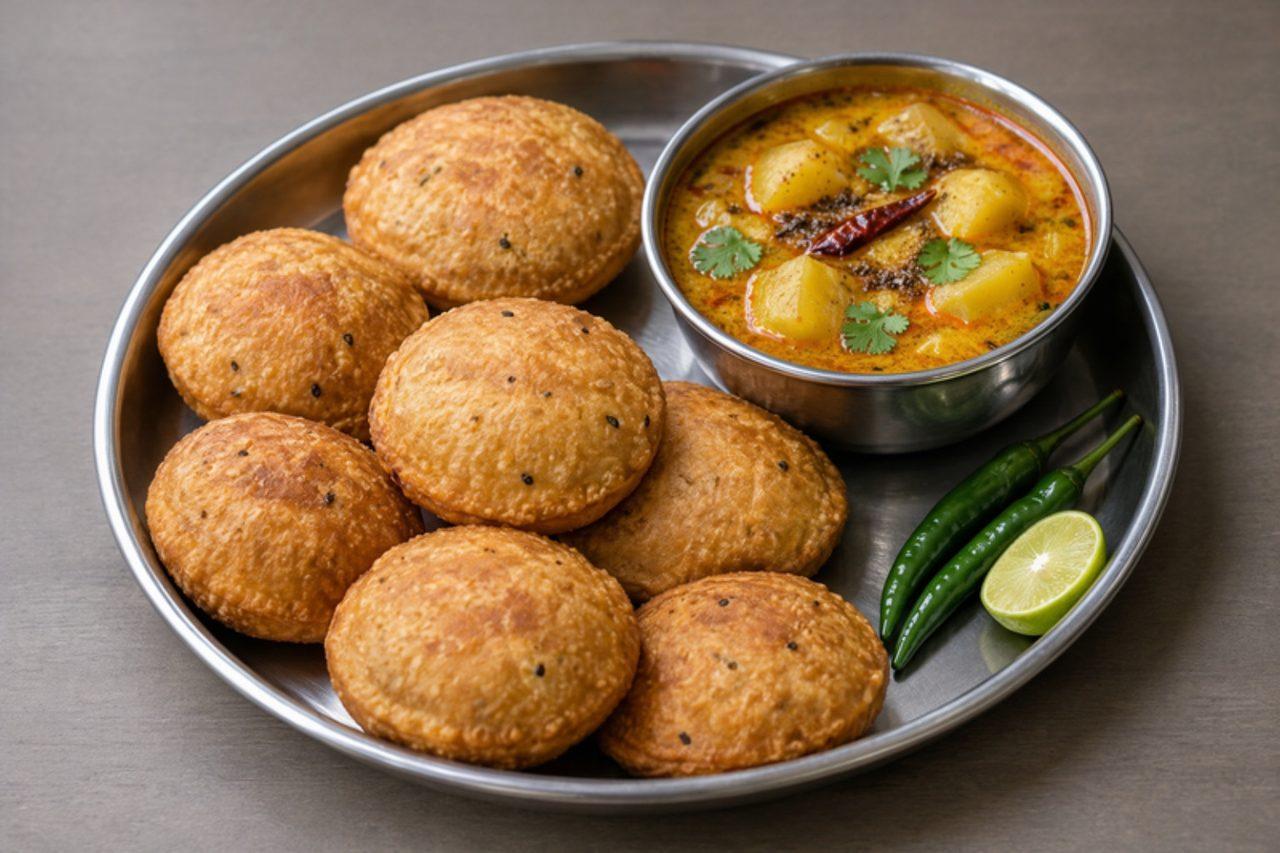
Club kachoriSmall spiced kachoris

In the narrow lanes of Burrabazar and Bowbazar, sweet shops start frying club kachori before eight in the morning for traders and office-goers, who eat four or five standing up with a ladle of thin, gingery potato curry poured into a sal-leaf bowl. The kachoris are small and puffed like balloons, with a thin layer of peppery ground urad dal inside the crust. Chef's tip: soak the dal ahead (from the night before is easiest) and grind it with almost no water, so the paste is thick enough to roll without breaking through.

by KrazyBadal 0 views

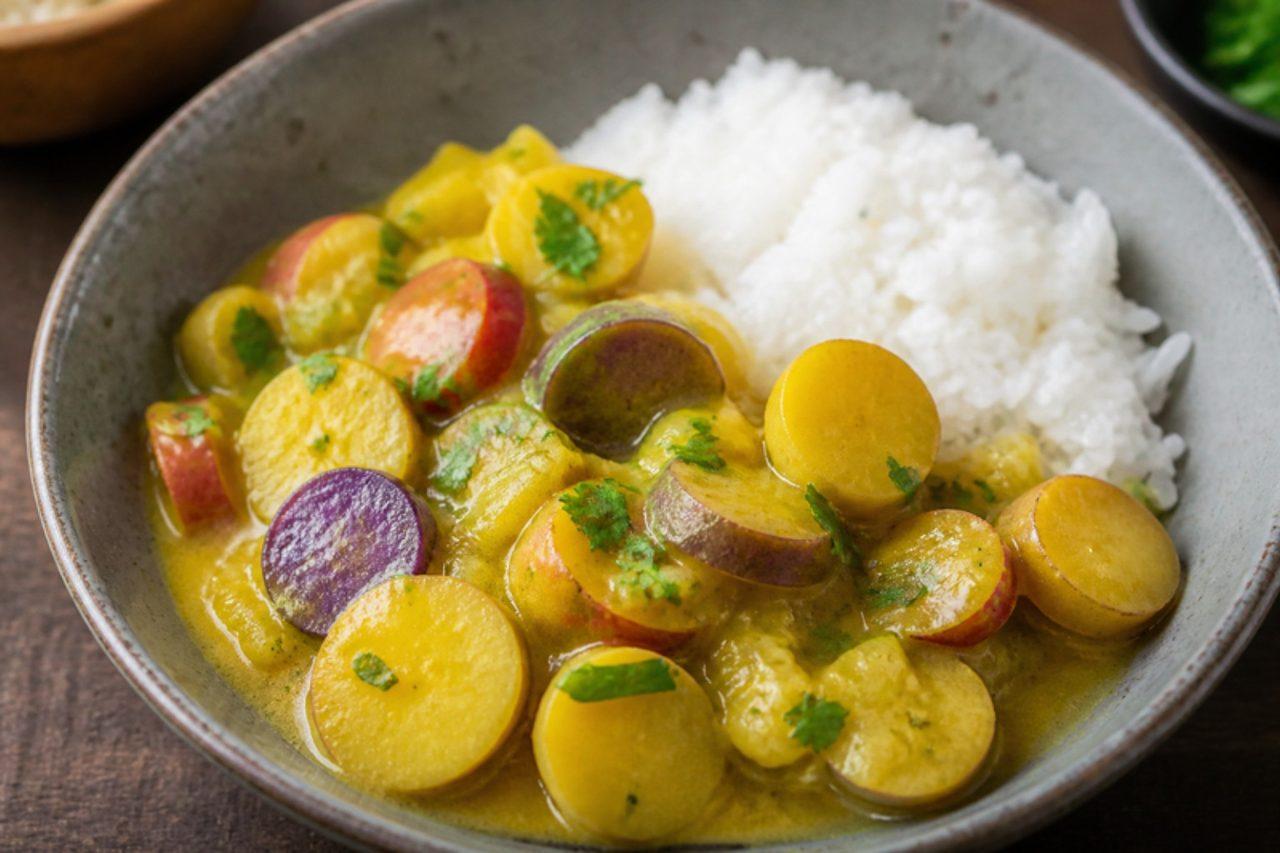
Ají de papalisaUlluco in yellow chilli

Papalisa, the glossy pink-and-yellow tuber called ulluco in Peru, has a crisp, slightly slippery bite that holds up beautifully in this ají from the La Paz highlands. The tubers are cut into fine sticks and stewed with onion, tomato and yellow chilli until tender, then served with white rice and a boiled potato. Highland cooks often add shredded dried beef; this vegan version keeps all the flavour with extra onion and cumin. Look for papalisa fresh or in jars in Latin American shops; waxy new potatoes cut the same way are a fair stand-in. The mistake most people make is skipping the soaking and rinsing, which leaves the sauce gummy. Chef's tip: cut the papalisa into matchsticks as thin as you can, so they soak up the chilli sauce like noodles.

by KrazyBadal 0 views

Kombu dashi for babiesKelp broth for babies

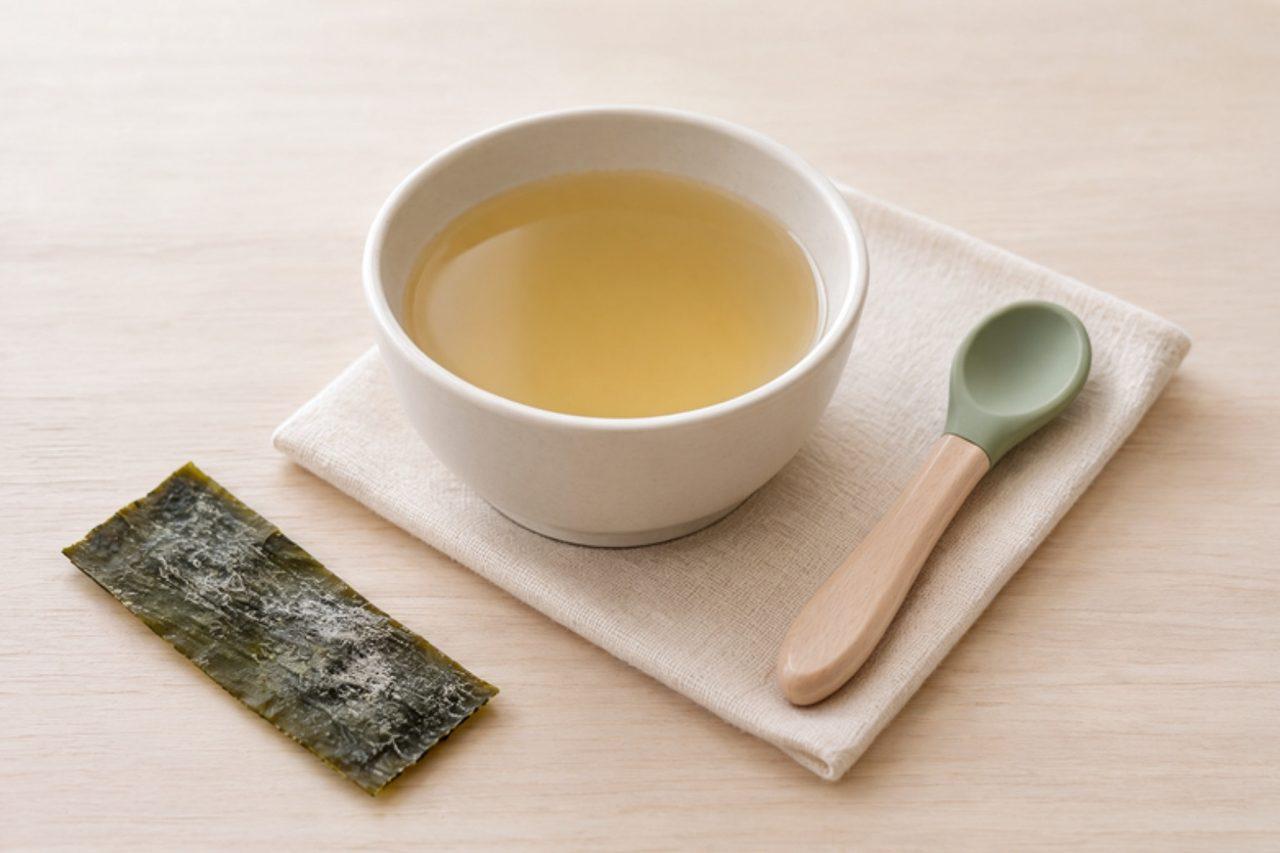
Kombu dashi is where Japanese weaning starts: the gentle, savoury water that thins jūbai-gayu (rice porridge) and vegetable purées, so babies learn umami instead of salt. Japanese parents make a jug every few days, and baby-food counters in Osaka department stores sell frozen cubes of it. Kombu is very high in iodine, so this broth is used a spoonful or two at a time to flavour a meal, a few times a week, never as a drink. Nothing else goes in: no salt, soy sauce, bonito or stock powder. It is free of the major allergens. Chef's tip: lift the kombu out just before the water simmers; boiled kombu turns slimy and gives a bitter, sea-weedy taste.

by KrazyBadal 0 views

Ají de tomate de árbolTamarillo chilli sauce

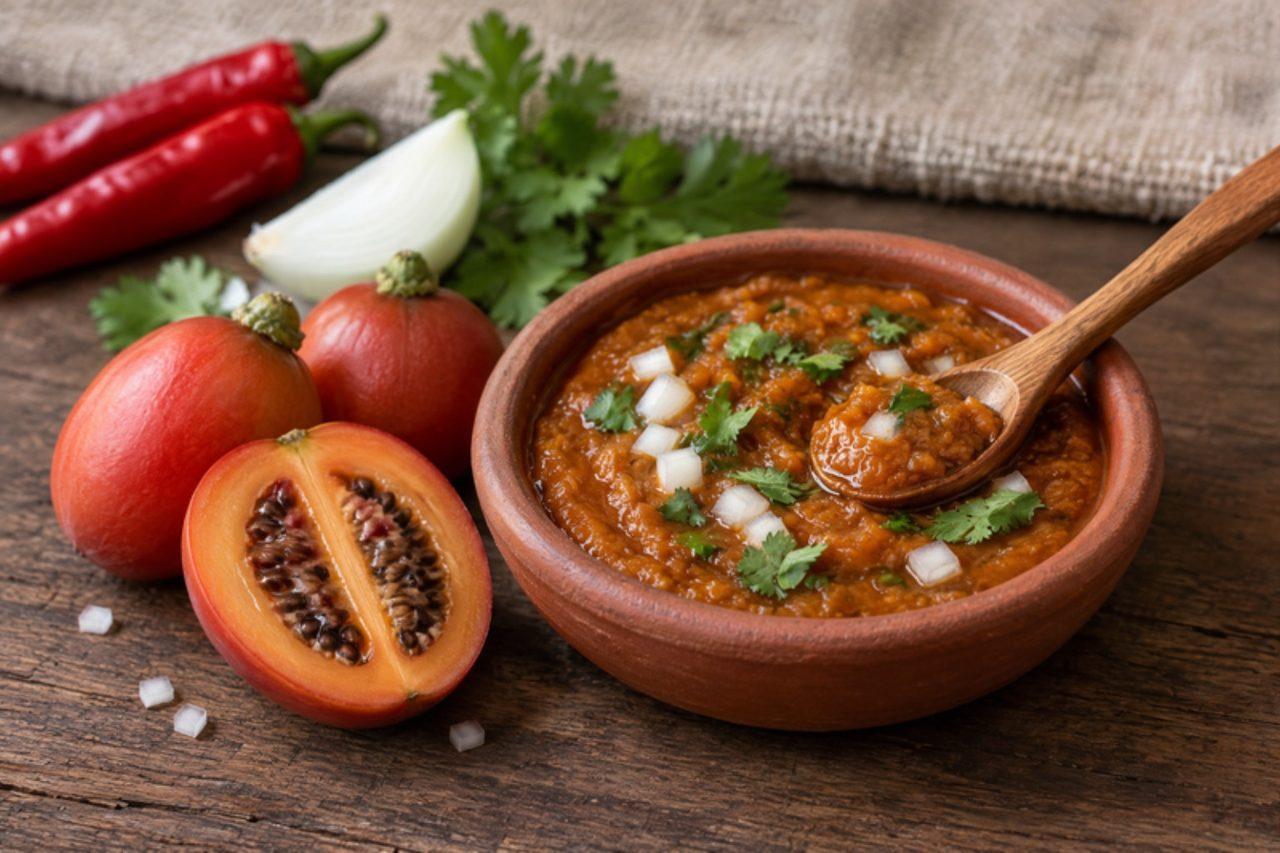
No Ecuadorian table in the Sierra, from Quito to Cuenca, is complete without a small bowl of ají, and the tamarillo version is the household favourite. Tomate de árbol, the egg-shaped, wine-red tree tomato, is blanched and peeled, blended with fresh hot chilli, salt and a little water, then finished with finely chopped onion and fresh coriander. It is spooned over locro de papa, llapingachos, empanadas de viento, hornado and fritada at the long Sunday family lunch, and onto everything at the street stalls of the Saturday markets. The flavour is tangy, fruity and slightly bitter-sweet, more sour than a tomato salsa, with a fresh bite of onion and a clean chilli heat. The common mistake is blending the tamarillos with their skins on, which makes the sauce bitter; blanch them until the skins split and slip off. It is ready when it is bright orange-red, loose and juicy, and the onion is still crisp. Abroad, tamarillos turn up in larger supermarkets; ripe plum tomatoes with the pulp of a passion fruit are the best stand-in. Chef's tip: rinse the chopped onion in salted water first, which tames its sharpness, as Ecuadorians do.

by KrazyBadal 0 views

Köménymagos levesCaraway soup with bread cubes

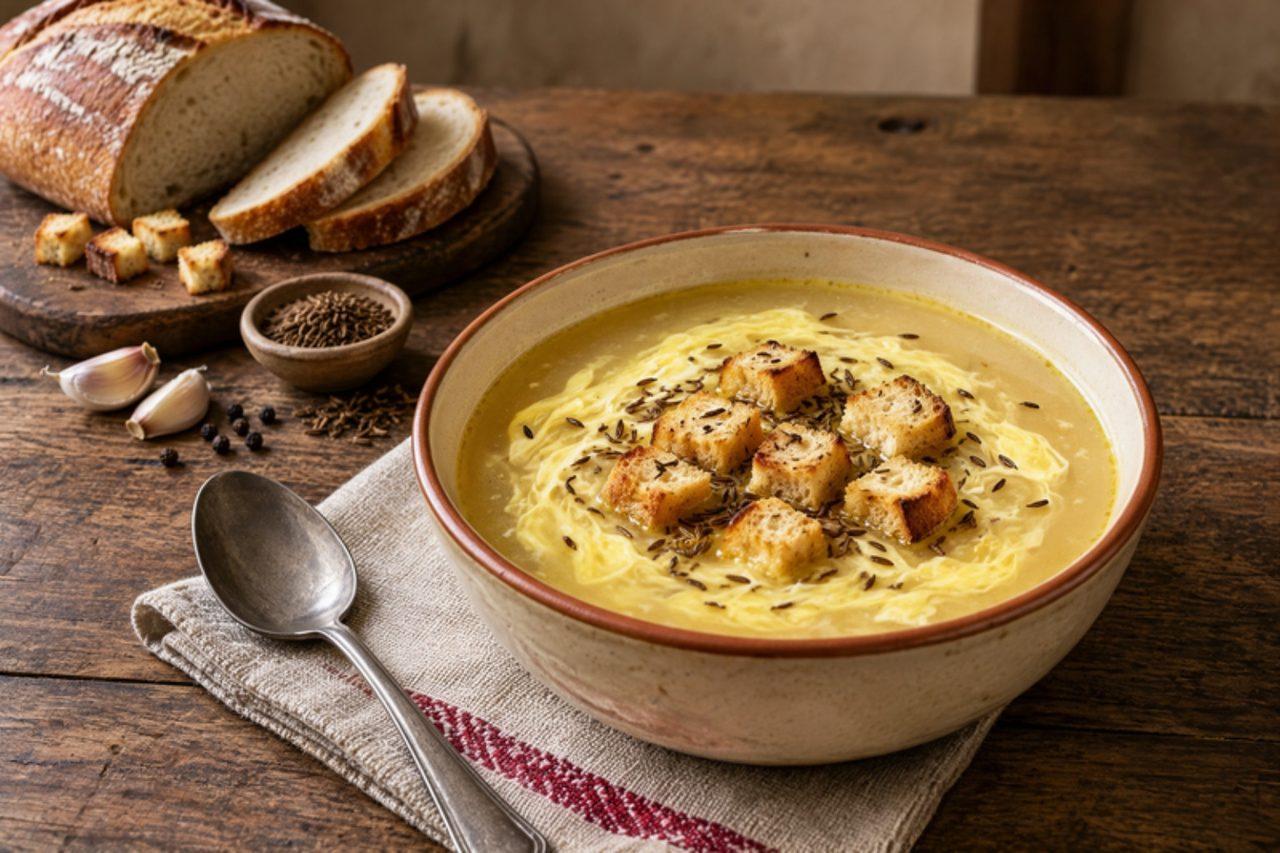
Köménymagos leves was the breakfast of Hungarian peasants and soldiers long before coffee arrived, and it is still made in villages on cold mornings and as a soothing soup after a big night. A dark roux of flour and fat is cooked with plenty of caraway and a touch of paprika, thinned with water and finished with beaten egg and crisp bread cubes. The common mistake is not browning the roux enough: pale roux gives a floury, grey soup, so keep stirring until it is the colour of hazelnuts. Chef's tip: add the paprika off the heat, just before the water, because paprika burns in seconds in hot fat and turns bitter.

by KrazyBadal 0 views

Akoho sy sakamalaoGinger and garlic chicken

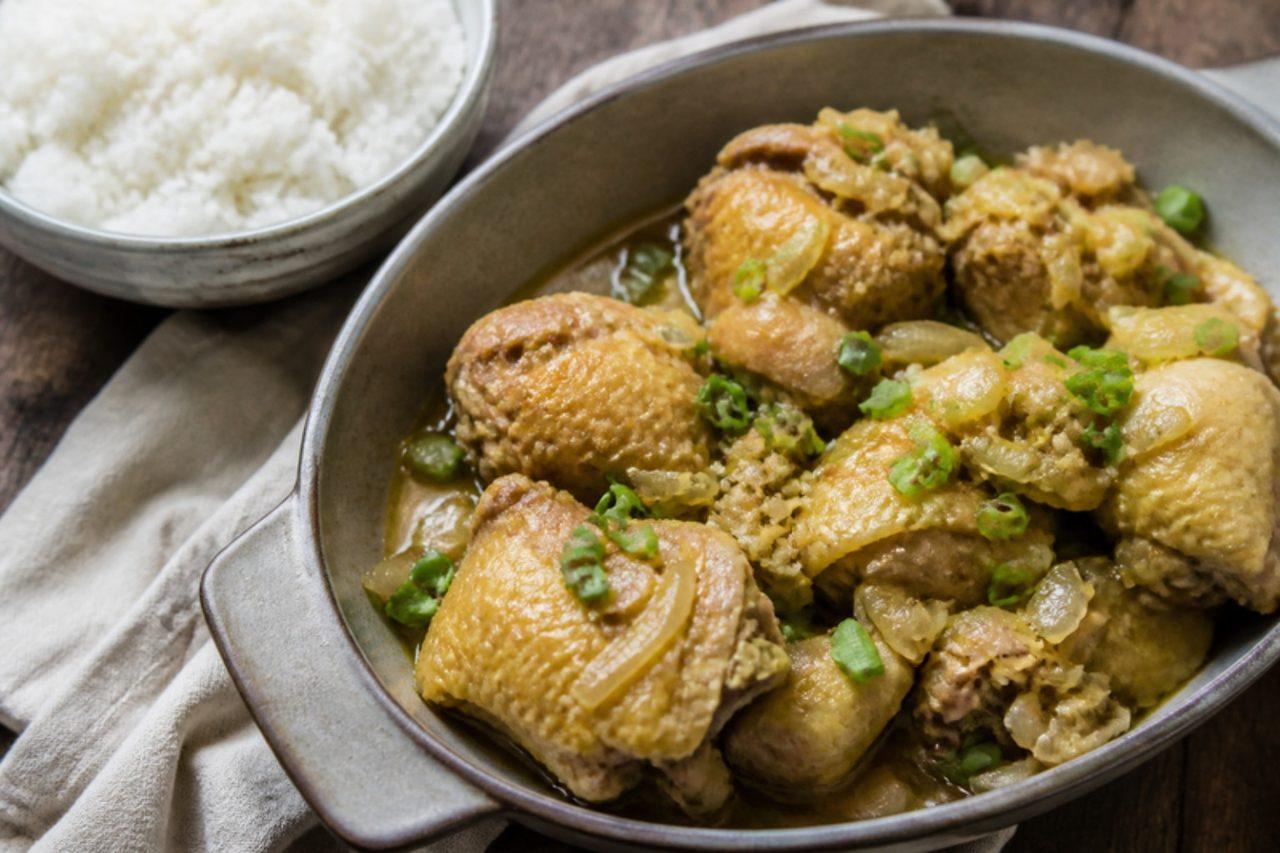
Sakamalao means ginger, and Malagasy cooks are generous with it: this everyday braise from family kitchens across the island uses a whole fist of the root, along with a full head of garlic and soft onions. Bone-in chicken is browned, then simmered gently in its own juices until the meat slides off the bone and the sauce turns golden, sticky and warming, with ginger heat that lingers rather than burns. Serve it with a big plate of rice, a dish of romazava greens or lasary, and sakay for anyone who wants more fire. Many people rush the onions; give them time to turn soft and golden, because they become the body of the sauce. Chef's tip: pound the ginger and garlic together into a coarse paste rather than slicing them, so they melt into the sauce and coat every piece of chicken.

by KrazyBadal 0 views

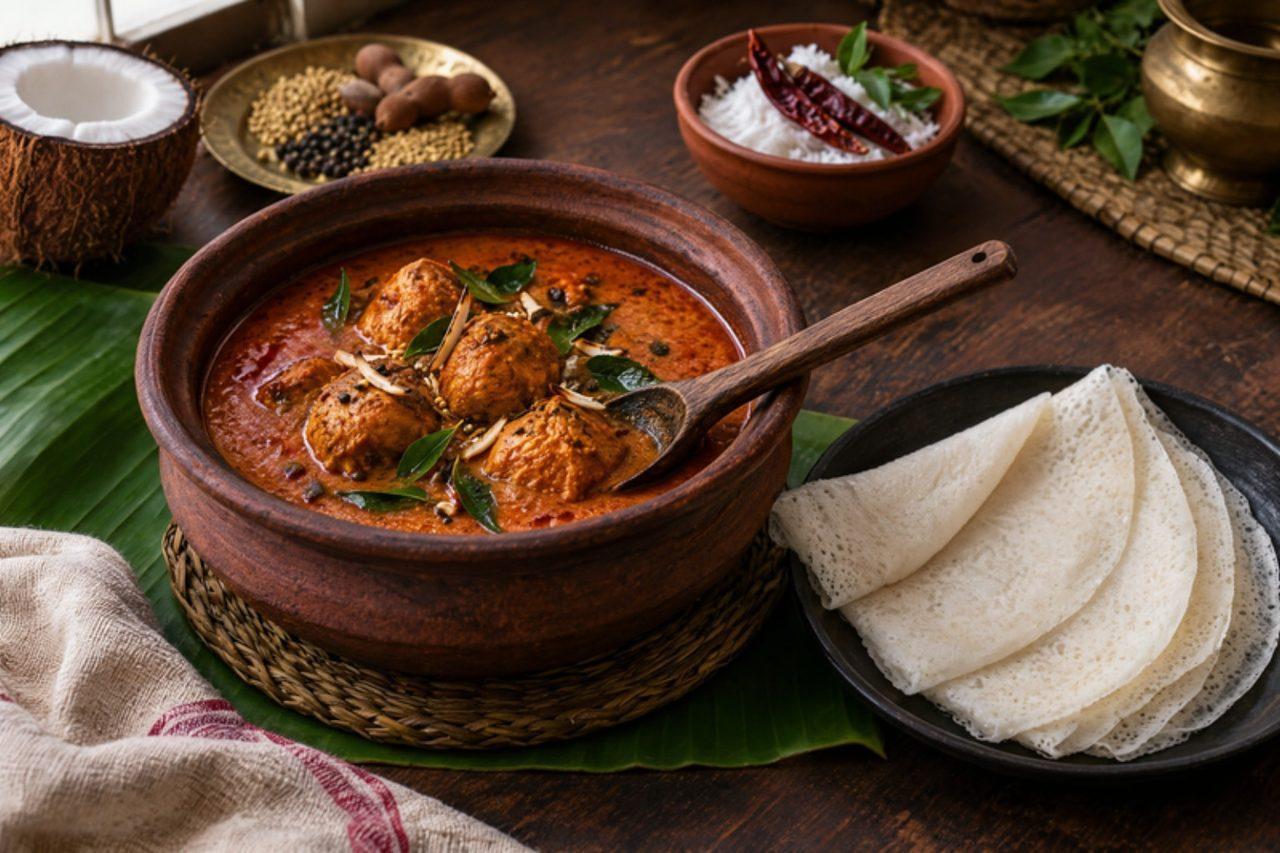
Kori gassiChicken in red chilli coconut gravy

Kori gassi is the Sunday chicken curry of Mangalore's Bunt community on the Karnataka coast, cooked for family lunches and festivals and traditionally eaten with paper-thin neer dosa. Byadgi chillies, coriander, cumin and a little fenugreek are roasted until fragrant, ground with coconut, garlic and tamarind, then simmered with chicken into a brick-red, gently sour gravy. This version uses less coconut than usual and is suitable as part of a balanced diet; serve it with brown rice, millet roti or a salad. About 360 kcal and 9 g carbohydrate per portion. The usual mistake is roasting the spices over a high heat: they scorch and turn the gravy bitter. Chef's tip: byadgi chillies give deep colour with gentle heat, so don't swap them for hot chilli powder.

by KrazyBadal 0 views

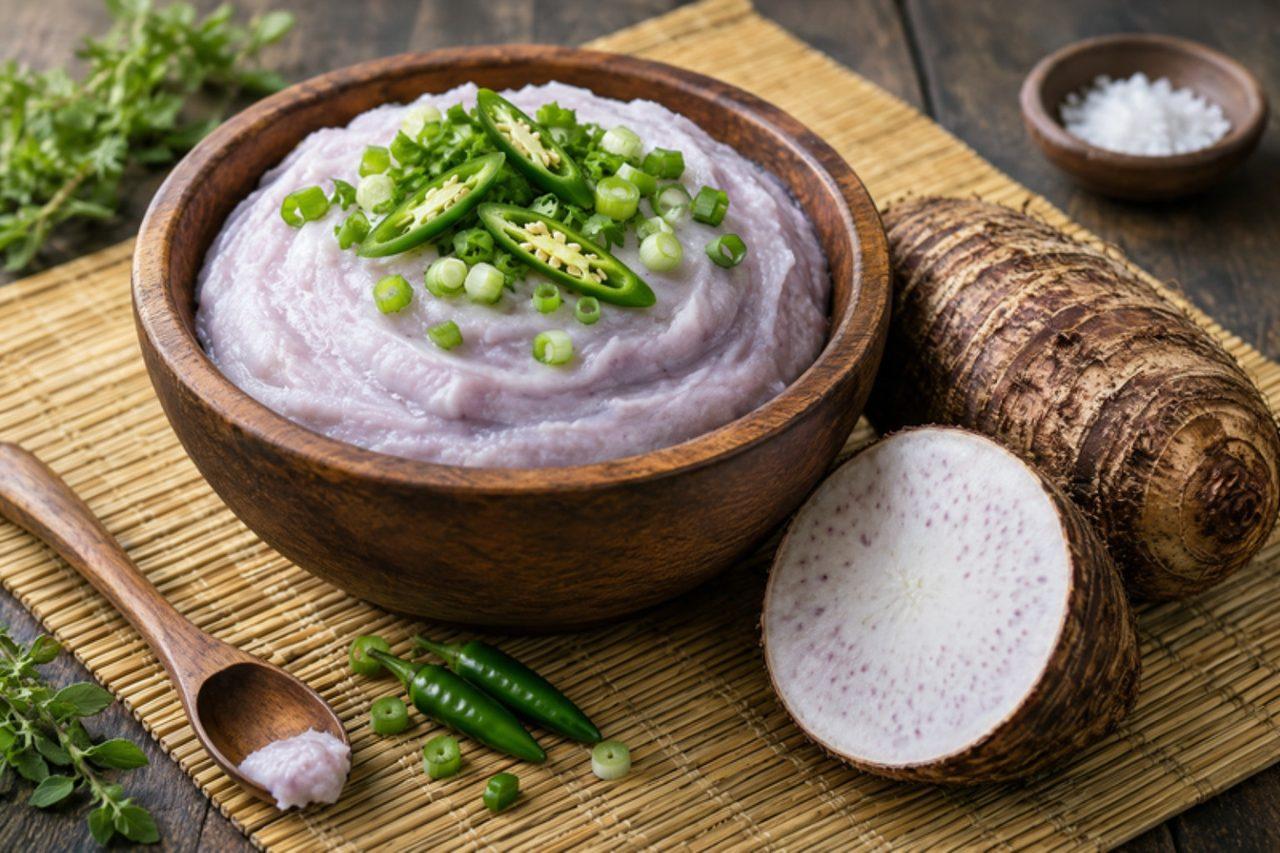
AkibiyeCreamy taro with fermented soybean

Akibiye is Sumi Naga comfort food from Nagaland: colocasia boiled until it melts into a thick, creamy stew, flavoured with chilli and axone, the fermented soybean that gives Naga cooking its deep savour. It is eaten with rice, especially in winter. For homemade axone, keep boiled soybeans wrapped in leaves at 30–40 °C for 3–5 days until sticky and pungent, then dry or use fresh; discard if black, green or pink mould appears or it smells rotten. The mistake is handling raw taro with bare hands, which itches; wear gloves or oil your hands. Chef's tip: bought axone, kinema or natto work well.

by KrazyBadal 0 views

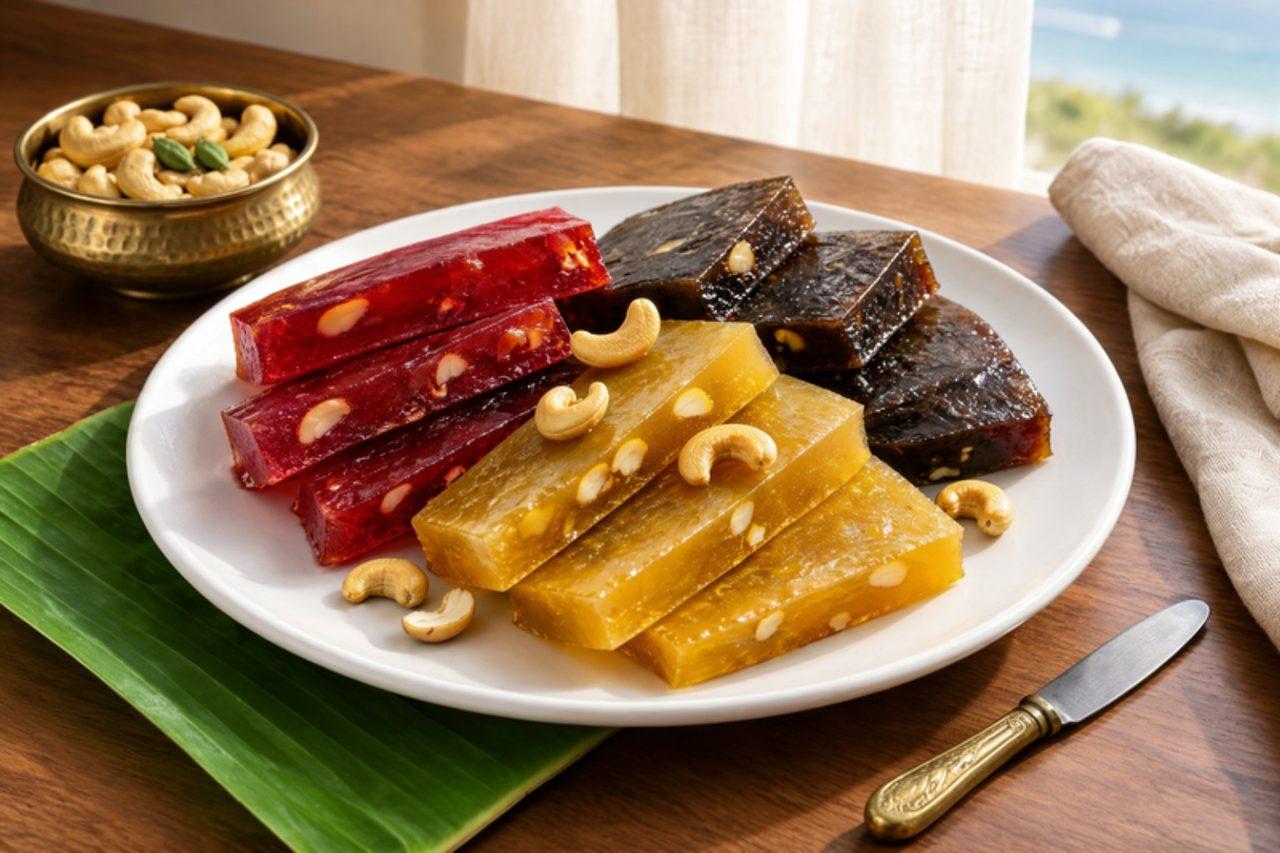
Kozhikode halwaCoconut oil halwa with cashews

Walk down SM Street, 'Mittai Theruvu', in Kozhikode and you pass shop after shop stacked with jewel-coloured slabs of halwa, which Malabar families have bought for Eid, weddings and visits since the Arab trading days. The classic is made from wheat-flour milk (or plain flour) cooked for a long time with sugar and coconut oil or ghee until glossy, chewy and translucent, studded with cashews. The common mistake is rushing the cooking: the halwa must be stirred until it stops sticking, turns transparent and the fat seeps out at the edges, or it sets soft and cloudy. Chef's tip: add the oil a spoonful at a time only after the mixture thickens, so it is absorbed rather than floating.

by KrazyBadal 0 views

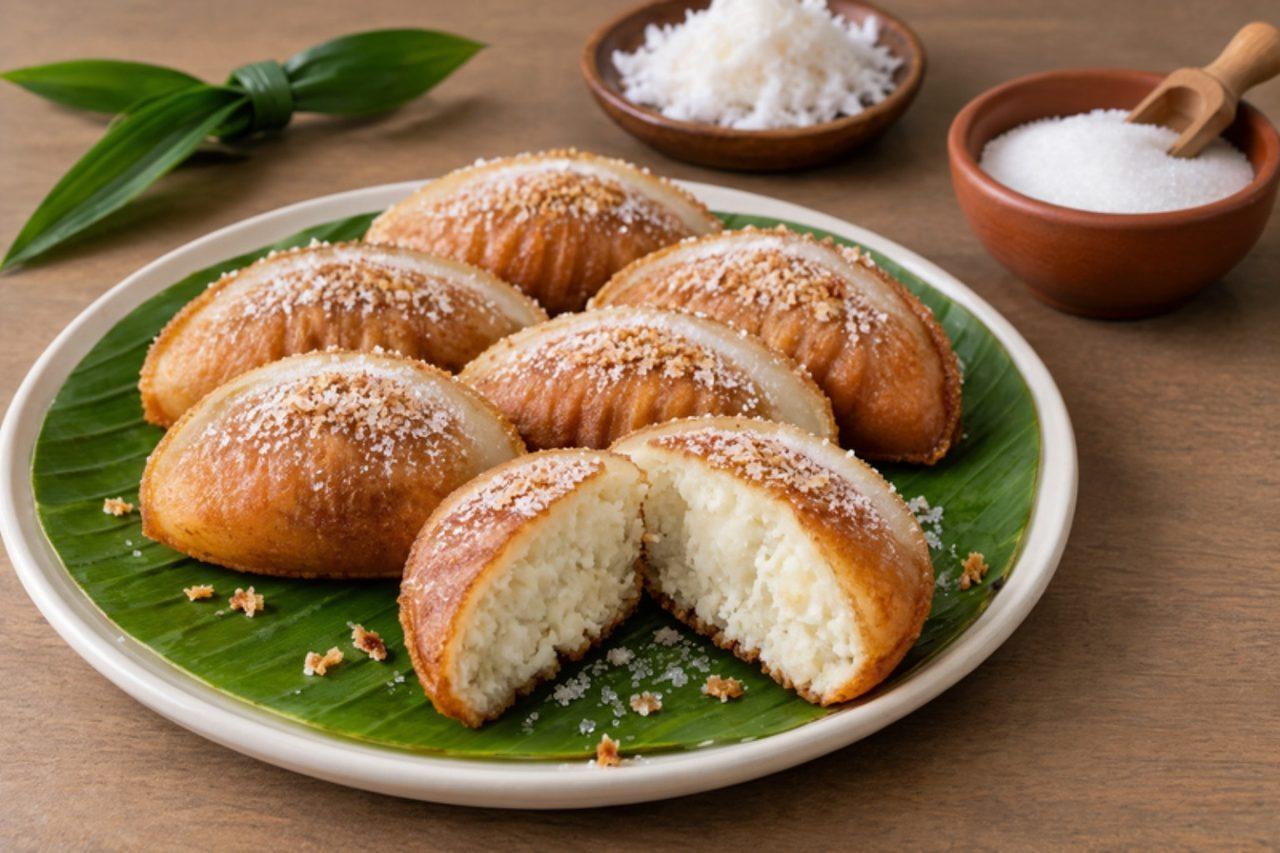
Kue pancongCoconut rice flour cakes

Kue pancong is a Betawi breakfast cake you smell before you see: vendors on Jalan Sabang and around Pasar Senen pour a coconut and rice-flour batter into blackened half-moon moulds over charcoal from first light, and office workers buy them by the paper bag with their morning coffee. The edges turn crisp and toasty, the middle stays almost molten and tastes of fresh coconut, and a scatter of sugar goes on just before they are handed over. At home, a takoyaki pan, an aebleskiver pan or a cast-iron kue cubit mould does the job. Chef's tip: grated fresh or frozen coconut gives the chewy, fibrous bite that defines pancong; desiccated coconut alone makes them dry.

by KrazyBadal 0 views

Kuku kienyejiFree-range chicken stew

On a Kalenjin homestead outside Eldoret or Kericho, a kienyeji (free-range) hen is the meal for a Sunday visit or a returning son, cooked slowly over a wood fire until the whole compound smells of it. These birds run about all their lives, so the meat is lean, firm and far more savoury than a supermarket broiler, and the yellow fat renders into a rich, garlicky tomato stew that is mopped up with ugali and sautéed managu or sukuma. Use a free-range or older boiling hen and give it time; rushing it, or using a young broiler and cooking it this long, are the two ways the dish goes wrong. A cup of mursik (fermented milk) often goes alongside in the Rift Valley. Chef's tip: start the jointed bird in a dry pot with the lid on; it gives up its own juices and fat, and that liquid is the base of the stew.

by KrazyBadal 0 views

Kumaoni kheere ka raitaCucumber raita

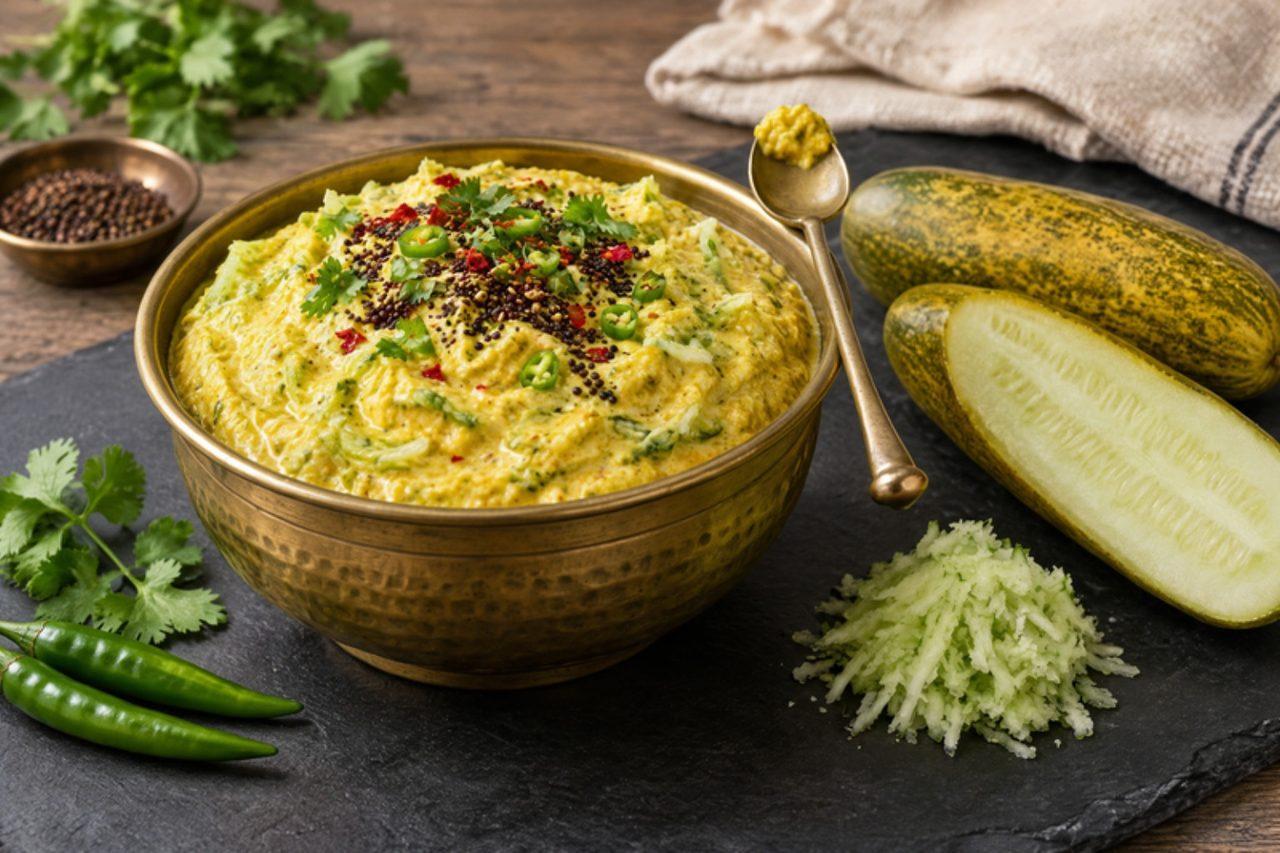
This yellow raita is the famous one of Kumaon, made from the fat, pale hill cucumbers of late summer and served at every wedding and Holi gathering. It gets its nose-tingling kick from freshly ground raw mustard seed, which is left to mellow in the curd for an hour, and its sunny colour from turmeric. It is eaten with rice, puris and pakodas. The common mistake is not squeezing the grated cucumber, which floods the raita and dulls the mustard. Chef's tip: make it at least an hour ahead and chill it; the mustard grows sharper and rounder as it rests.

by KrazyBadal 0 views

SingalFried semolina and banana spirals

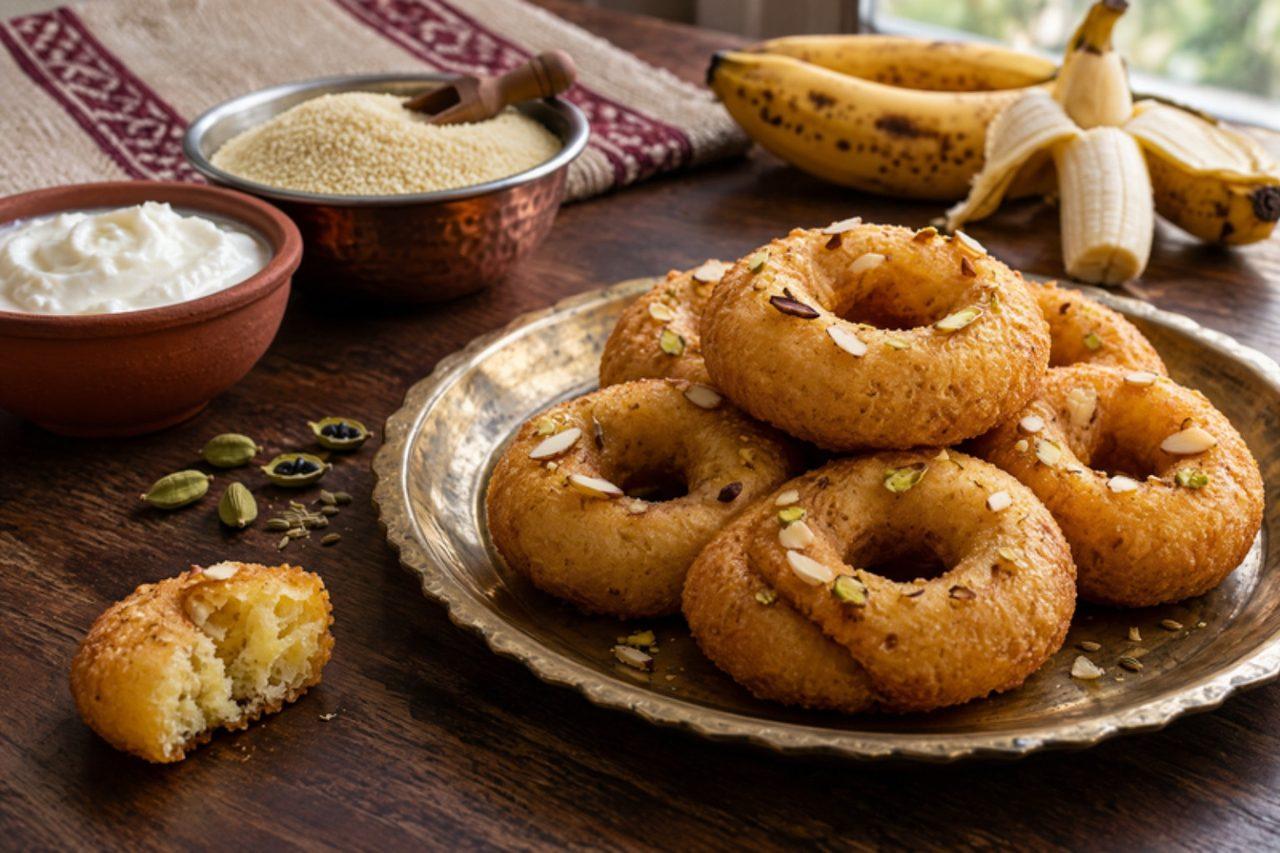
Singal (also called singhal) are sweet, spongy spirals from Kumaon, fried for Diwali, weddings and the Harela festival and offered at the temple before the family eats them. A thick batter of semolina, ripe banana, curd and sugar rests until the semolina swells, then it is piped or poured in a spiral into hot ghee or oil. The outside turns crisp and the inside stays soft like a doughnut. The common mistake is frying straight away; unrested batter spreads into flat, greasy shapes. Chef's tip: the batter is right when it falls from a spoon in a thick ribbon that holds its shape for a second.

by KrazyBadal 0 views

Anjeer pakFig and nut fudge

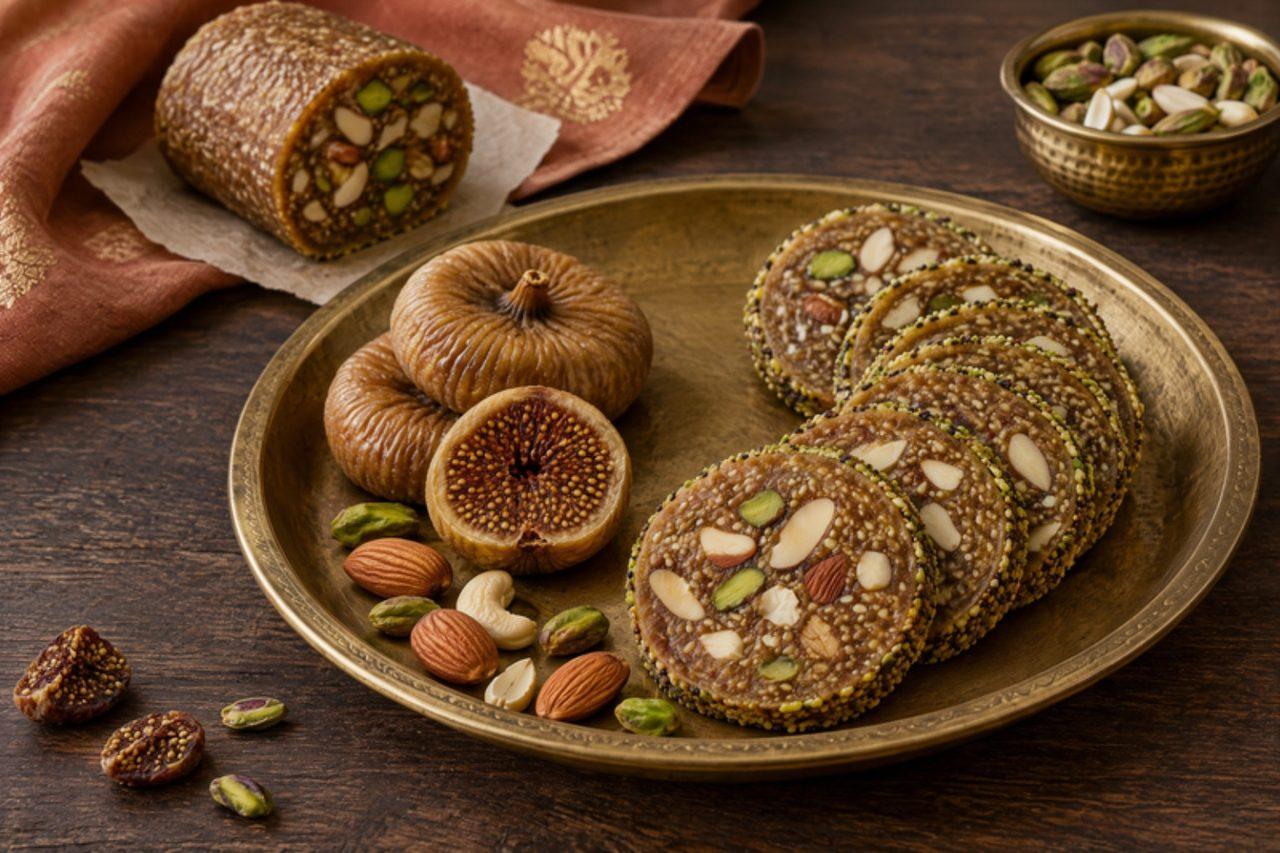
Gujarati families make anjeer pak for Diwali boxes and for fast days, when it gives quick energy without any grain or refined sugar. Soaked dried figs are cooked down in ghee into a thick jammy paste, mixed with toasted almonds, cashews and pistachios, and rolled into logs that slice into pretty pink-and-green rounds. It keeps for two weeks in the fridge. The common mistake is under-cooking the fig paste, which leaves the logs soft and sticky so they never slice cleanly. Chef's tip: keep stirring until the paste rolls into a ball that no longer sticks to the pan or your greased palm.

by KrazyBadal 0 views

Labouyi farinSpiced wheat flour porridge

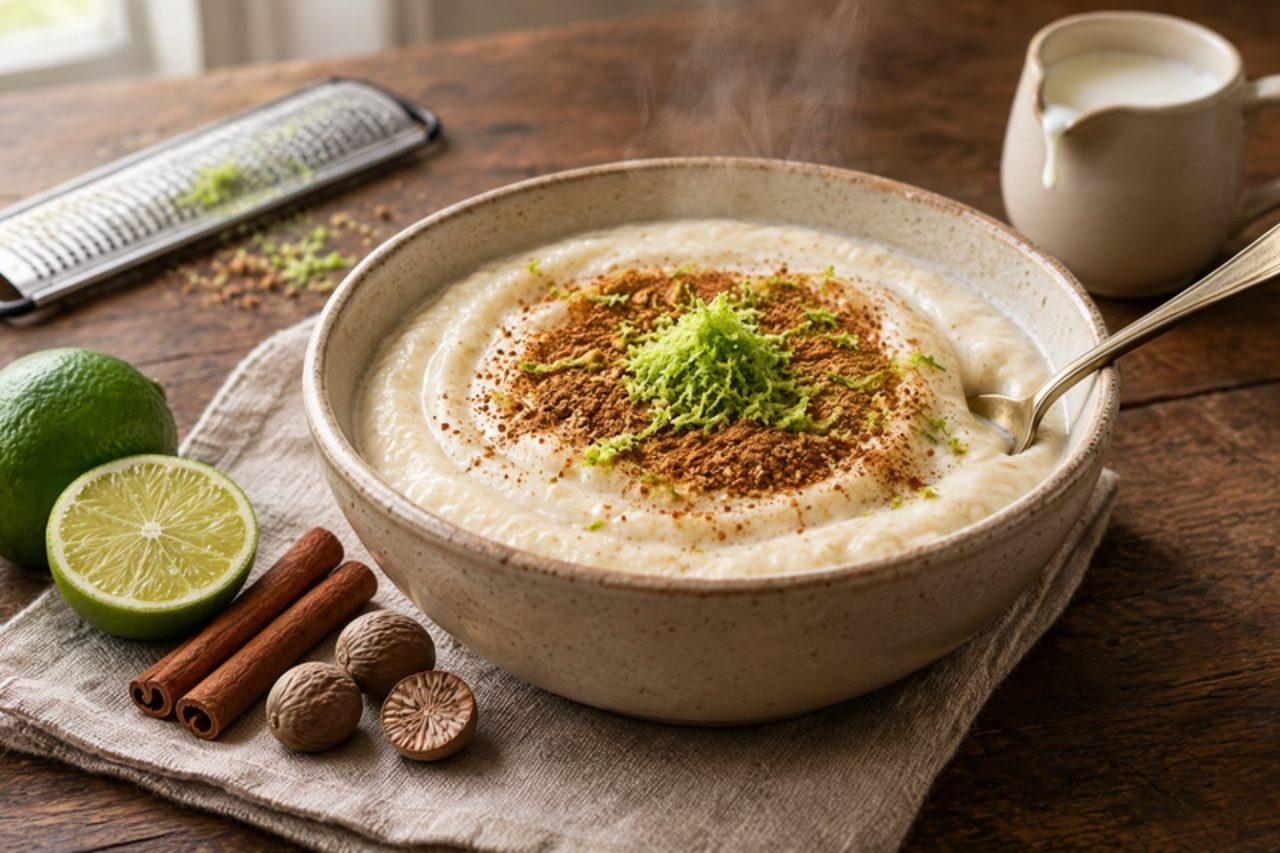
In Port-au-Prince and in towns across Haiti, a pot of labouyi farin is a cheap, filling breakfast that children grow up on: wheat flour simmered smooth with evaporated milk, cinnamon, nutmeg, star anise and a little lime zest, then sweetened and finished with vanilla. It should be pourable and silky, somewhere between custard and porridge. The common mistake is adding the flour straight to hot liquid, which makes lumps that never cook out; mix it into cold water first. Chef's tip: let it bubble gently for a full 10 minutes after it thickens, stirring, or it keeps a raw floury taste.

by KrazyBadal 0 views

Lahori kulfaKulfi with falooda

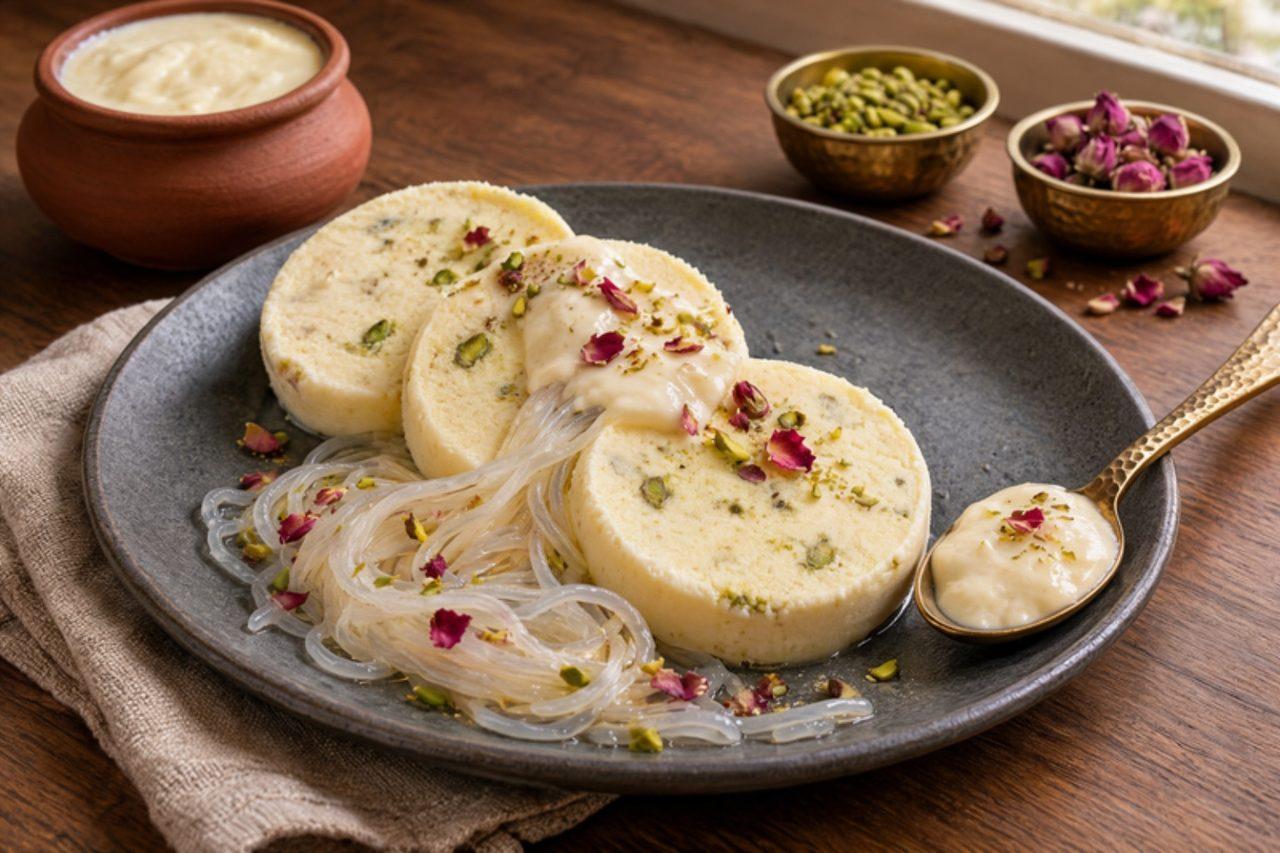
On hot Lahore nights, families stroll to Gawalmandi food street and the old shops near Anarkali for kulfa: a whole cone of dense, cardamom-scented kulfi is sliced into fat discs, laid over soft falooda noodles and spooned over with rabri, the thick sweetened milk. It is cold, chewy and creamy in every mouthful. Contains milk and tree nuts (pistachio and almond); the falooda noodles may contain wheat. Chef's tip: scrape the bottom and sides of the pan constantly as the milk reduces; one scorched patch flavours the whole batch.

by KrazyBadal 0 views

LakrorLeek and cheese pie

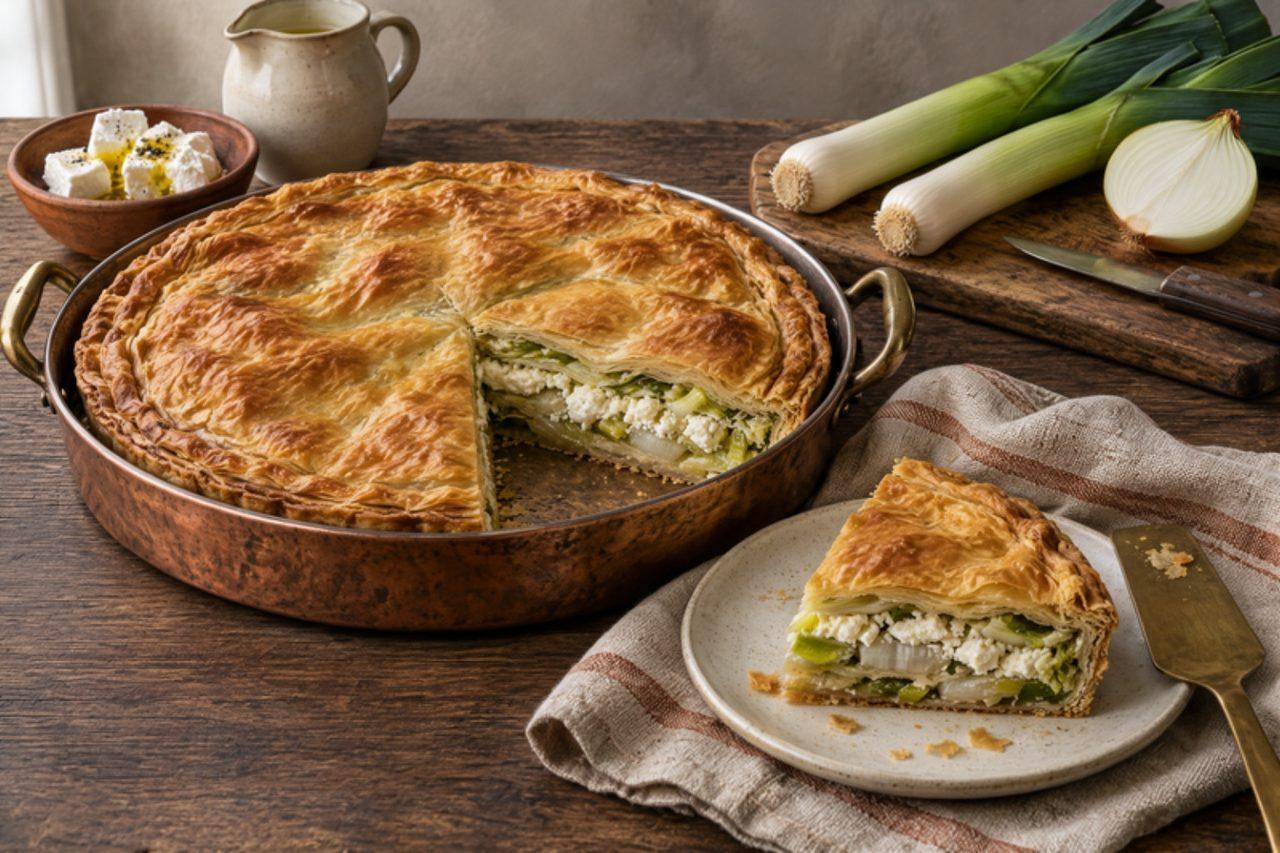
Lakror comes from the south of Albania, around Korçë, where it was baked in a round copper tray under a saç, a domed iron lid heaped with embers, and eaten for breakfast or carried to the fields. Thin rounds of homemade dough are layered with oil, then filled with leeks, onions and cheese, giving a pie that is crisp at the top and soft inside. At home, a very hot oven stands in for the saç. The common mistake is rolling the dough too thick: each round should be thin enough to see your hand through, or the layers stay doughy. Chef's tip: rest the dough balls for 30 minutes after kneading; relaxed dough rolls out thin without shrinking back.

100 minBalkanBaking
by KrazyBadal 0 views

Maangai thokkuGrated raw mango pickle

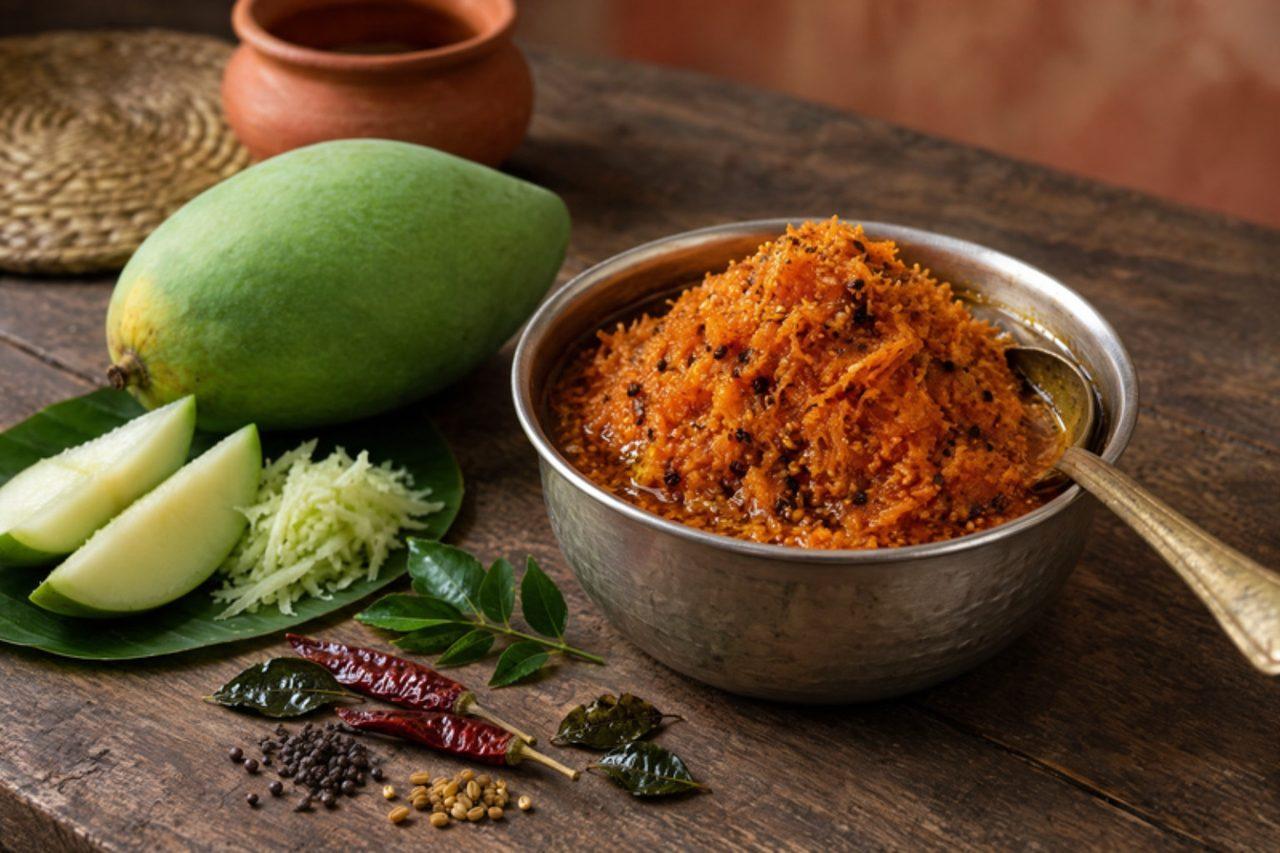
Thokku is the Tamil word for a pickle cooked down to a thick, spoonable mass, and maangai thokku is the one every Tamil Nadu home makes in April and May when the hard, sour Kili mooku (parrot-beak) mangoes are cheap. Grated mango is simmered in nallennai (gingelly oil) with chilli powder, salt and hing until it turns dark, glossy and jam-like, then finished with roasted fenugreek powder. It is sour first, then hot, with a nutty sesame taste and a little bitterness at the end. It is a classic partner for curd rice, a spoonful inside a dosa, or a travel companion with idli and lemon rice for train journeys. The usual mistake is grating the mango too fine or stirring it too little: a fine pulp sticks and burns. Use the large holes of the grater and keep stirring once it thickens. It is done when the mango has darkened, comes away from the pan in one mass and the oil oozes out around the edge. Kept in a dry jar under a film of oil it lasts about 2 weeks in a cool cupboard and 2 months in the fridge. Chef's tip: a teaspoon of jaggery at the end rounds off very sour mangoes without making the thokku sweet.

by KrazyBadal 0 views

Showing 36 of 7,762 recipes

Show more recipes

Page 107 of 863