


Skip to content
Benni cake
Featured recipe

Benni cake

Sesame caramel brittle

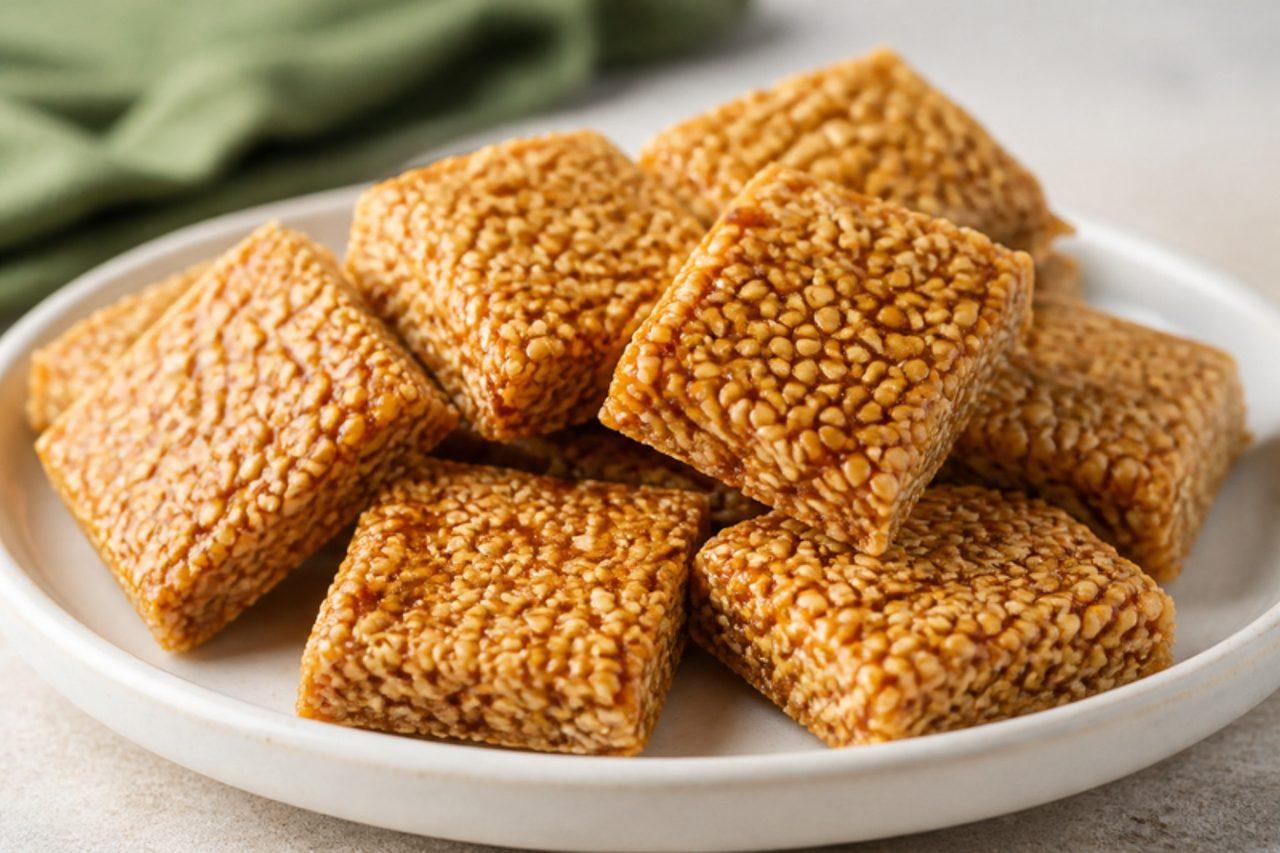
Benni is the Krio word for sesame, and benni cake is the crunchy sweet sold by hawkers on Freetown's streets and laid out on Christmas and party tables. Toasted seeds are stirred into hot golden caramel, pressed thin and cut into squares that snap cleanly and taste nutty, toasty and not too sweet. With only two main ingredients it comes together in twenty minutes, but caramel waits for nobody, so have everything ready before you start. Keep the pieces in an airtight jar, or humidity will make them sticky. Chef's tip: score the slab while it is still warm and pliable; once fully cold it shatters unevenly.

Read more 0 views

What to eat today?

Around the world

Today's trip: Persian

A new country every day, from every cuisine on the site.

Persian

Shir berenj

Rose water rice pudding 70 minMore from Persian (181) →

This week's collection

Kid-friendly dinners
750 recipes · a new collection every Monday

Coming up

All occasions →

Latest recipes

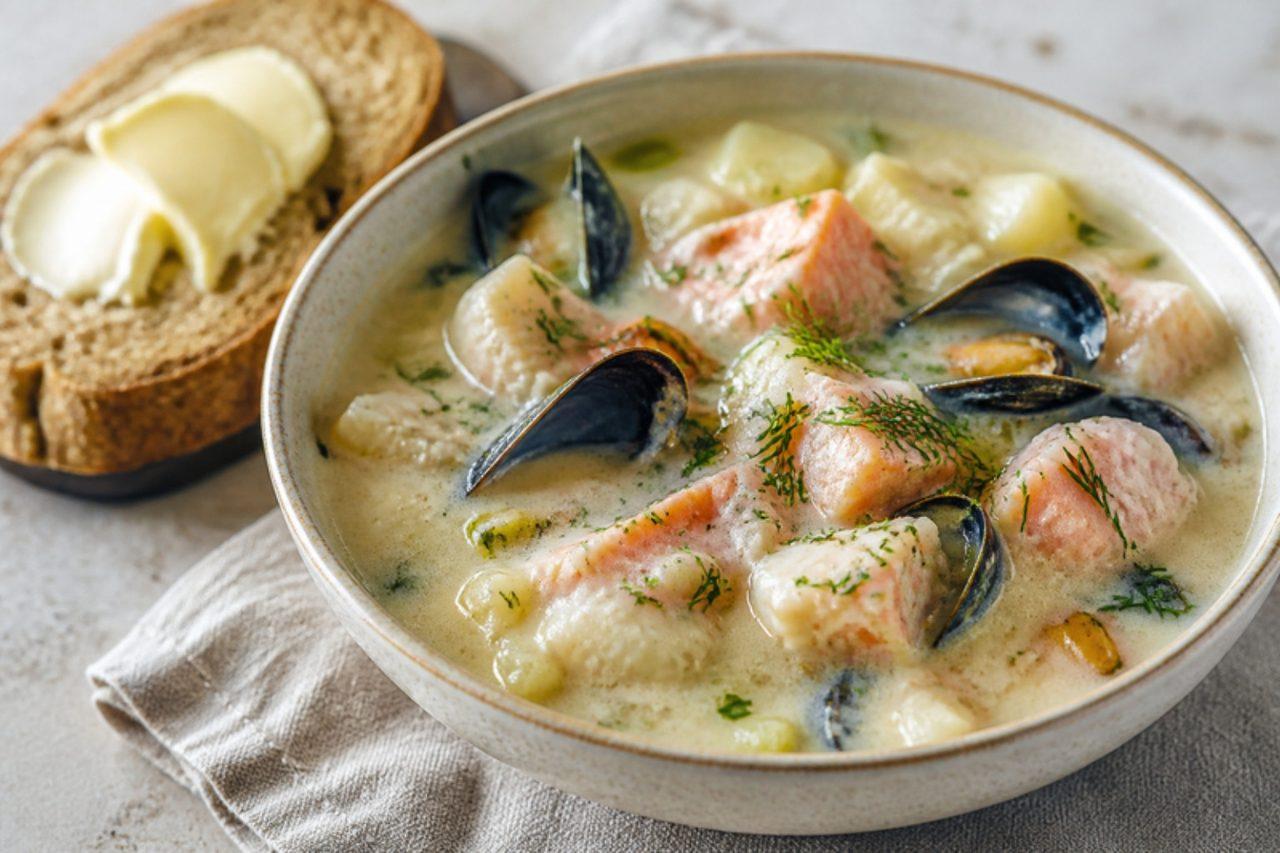
Irish seafood chowder

Along Ireland's west coast, from Galway Bay to the harbours of Kerry and West Cork, nearly every pub kitchen has its own seafood chowder, served with a thick slice of brown bread and butter. It is chunkier and smokier than the American kind: fresh mussels, a piece of smoked haddock or coley, salmon and white fish poached in a creamy base with leek, celery and potato, finished with dill. Chef's tip: add the fish in order of cooking time and take the pot off the heat as soon as it is just done; it keeps cooking in the hot soup.

55 minIrishSoups
by KrazyBadal 0 views

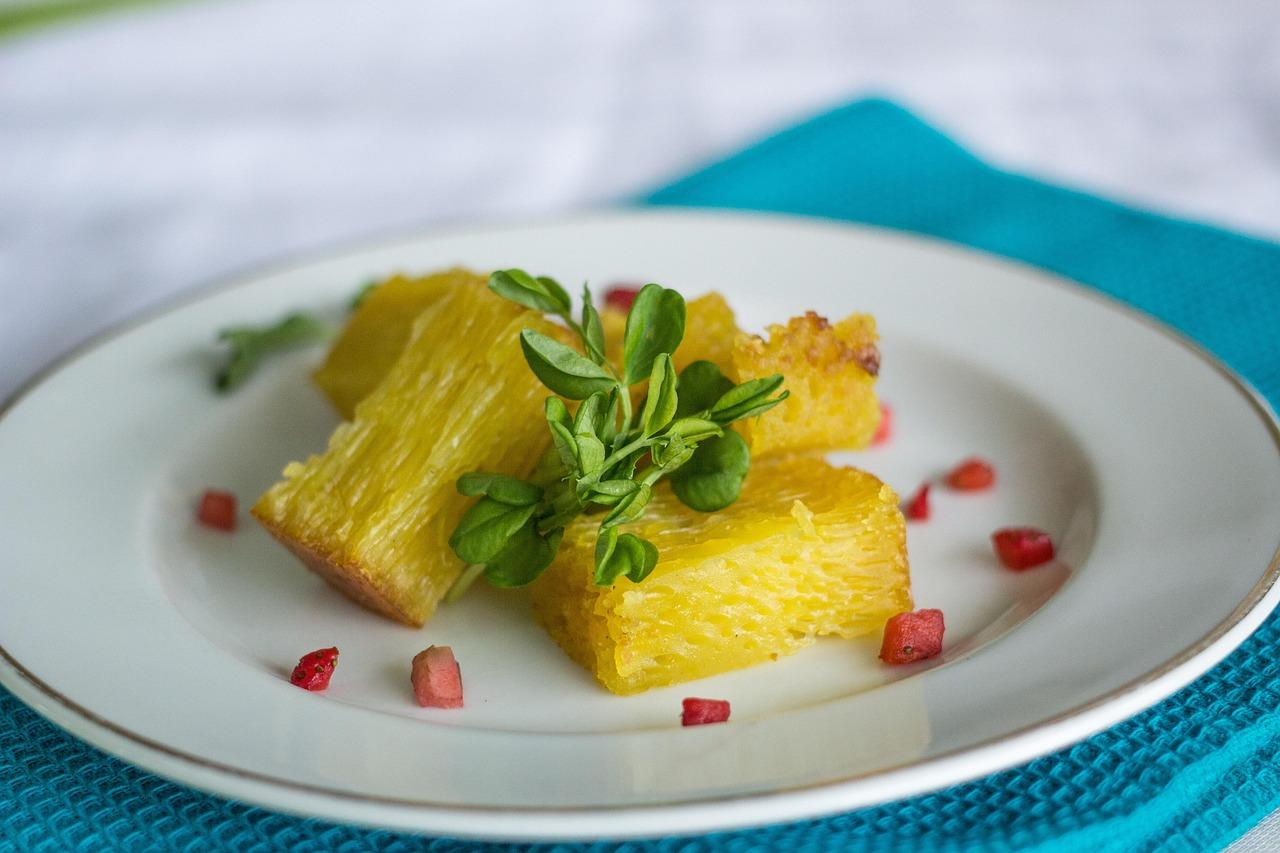
Bika ambonHoneycomb coconut cake

Despite its name, bika ambon belongs to Medan in North Sumatra, where shops on Jalan Majapahit sell it boxed for travellers to take home. A yeasted batter of tapioca, eggs and coconut milk bakes into a cake with a sticky, golden base and long vertical tunnels running through its yellow crumb, perfumed with lemongrass, pandan and lime leaf. It is chewy rather than spongy. Chef's tip: bake it with heat from the bottom first; that is what drives the bubbles upward into the honeycomb.

by KrazyBadal 0 views

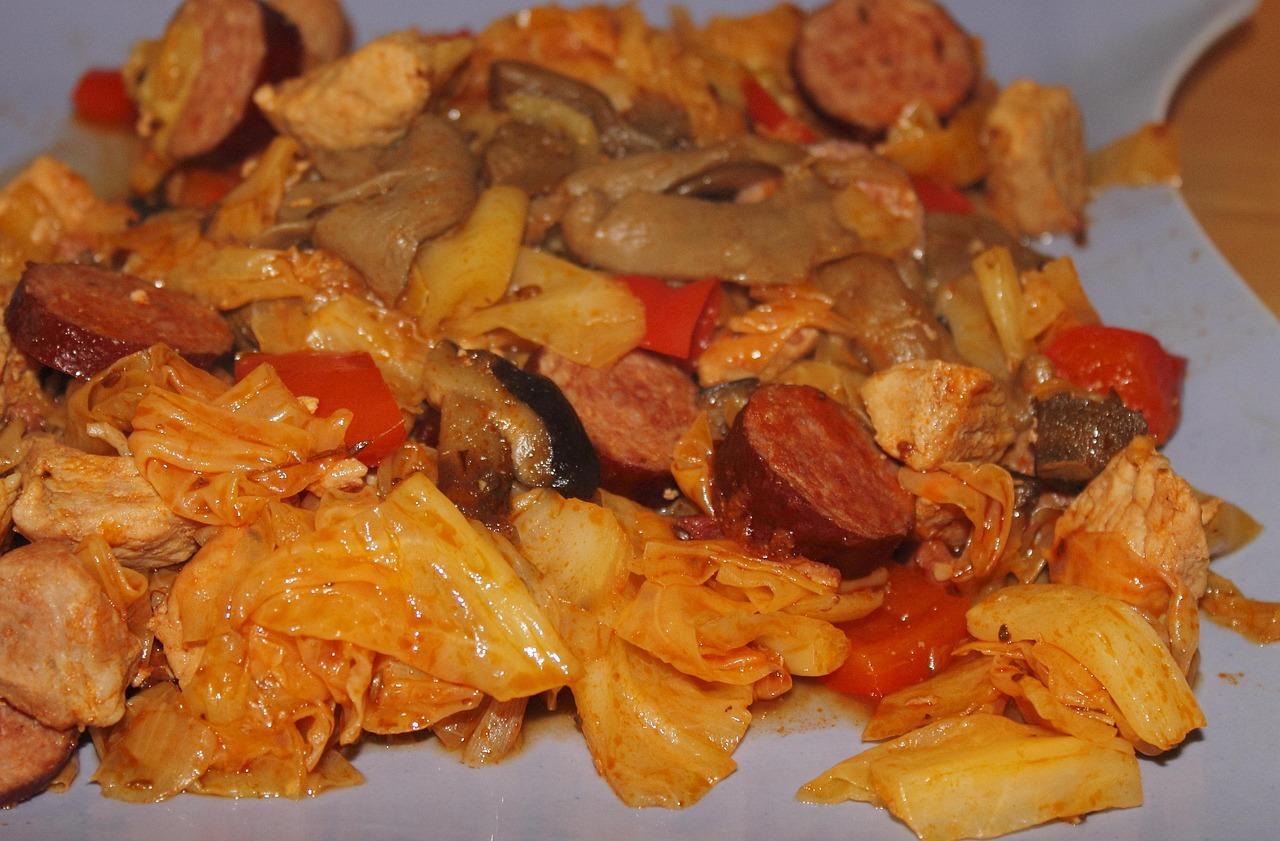
BigosHunter's stew with sauerkraut and pork

Bigos, the hunter's stew, is cooked in huge pots across Poland for Christmas, New Year and the long winter, and every family insists theirs is best on the third reheating. Sauerkraut and fresh cabbage stew for hours with pork shoulder, smoked kiełbasa and bacon, dried wild mushrooms, prunes, juniper and a splash of red wine; it is a pork dish through and through. The wine contains alcohol; for an alcohol-free version use 100 ml apple juice with 1 tbsp cider vinegar. Serve with rye bread or boiled potatoes. Chef's tip: taste the sauerkraut first; if it is very sharp, rinse it once in cold water and squeeze it dry.

240 minPolishMeatGluten free
by KrazyBadal 0 views

Kroeung (Khmer lemongrass paste)Lemongrass and galangal paste

Almost every Khmer kitchen, from Phnom Penh flats to village houses around Siem Reap, starts the day's cooking by pounding kroeung in a heavy stone mortar. This is the yellow kind, coloured with fresh turmeric and built on lemongrass, galangal, makrut lime leaf, garlic and shallot; it goes into amok, samlor korko, noodle curries and stir-fries. Homemade, it smells brighter and more citrusy than any jar, and a batch keeps for a week in the fridge or months in the freezer. Chef's tip: slice the lemongrass into paper-thin rounds across the grain before it goes near the mortar or blender; long fibres never break down and leave the paste stringy.

by KrazyBadal 0 views

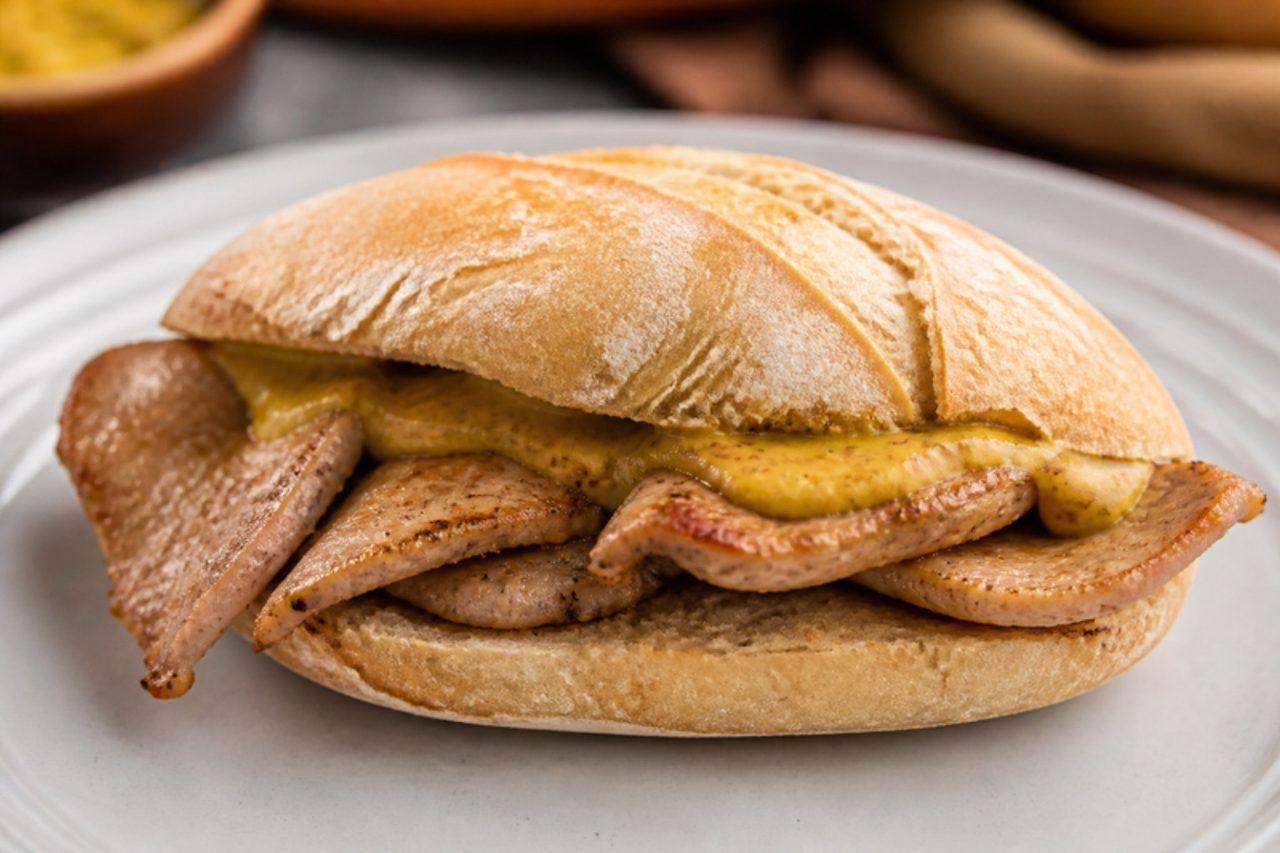
BifanaMarinated pork roll

Lisbon's standing-room snack bars, from the Baixa to the stalls outside football grounds, sell bifanas all day: thin pork steaks simmered in a garlicky, bay-scented sauce and pushed into a soft papo-seco roll with a smear of mustard. It's a pork sandwich, and the pork is traditionally marinated in white wine; for an alcohol-free version use chicken stock with a tablespoon of white wine vinegar. It makes a quick lunch or a late snack. Chef's tip: dip the cut side of the roll into the pan juices before filling it; that's how the bars make them so juicy.

by KrazyBadal 0 views

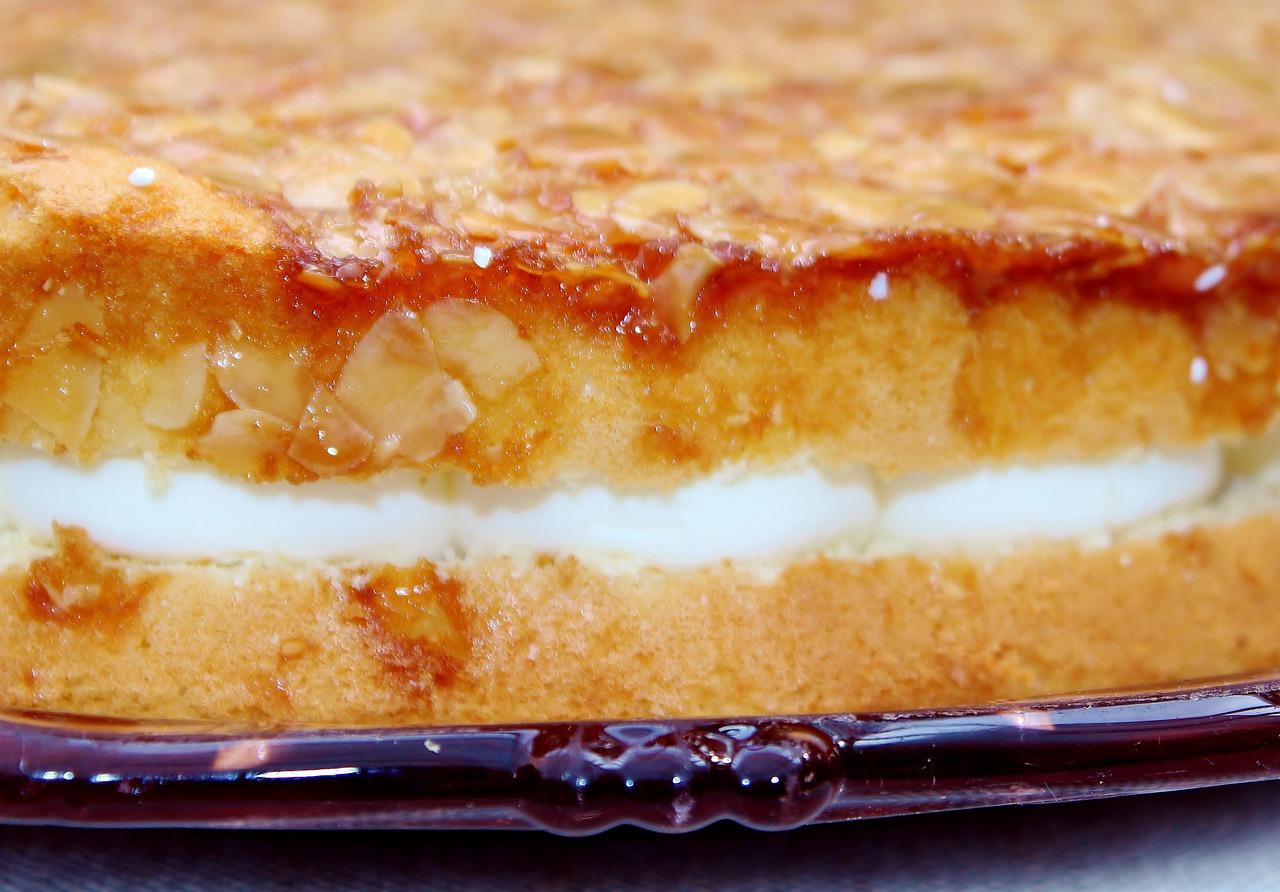
BienenstichHoney almond cake

Bienenstich, the 'bee sting', is a sheet cake found in every German bakery: a soft, buttery yeast dough baked under a crackling layer of almonds caramelised with butter, honey and sugar, then split and filled with vanilla cream. The story goes that a bee, drawn to the honey topping, stung the baker. It's a Sunday afternoon cake, at its best on the day it's made. This version sets the filling with cornflour custard folded with whipped cream, no gelatine. Chef's tip: cut the topping layer into portions before you put it back on the cream; the hard almond crust otherwise squeezes all the filling out when you slice it.

by KrazyBadal 0 views

Bicol expressPork in coconut milk and chilli

Bicol, the peninsula at the southern tip of Luzon, cooks almost everything in coconut milk with plenty of chilli, and Bicol express is the pork dish that carries the region's name all over the country (locals often call it sinilihan, 'with chillies'). Pork shoulder is cooked down in coconut milk until the liquid turns to oil and the meat is tender, then finished with coconut cream, long green chillies and a spoon of shrimp paste. It is rich, salty and properly hot. Serve it with lots of plain rice. Chef's tip: let the coconut milk reduce until it 'breaks' and you see the oil; that is when the sauce gets its toasty, deep flavour.

by KrazyBadal 0 views

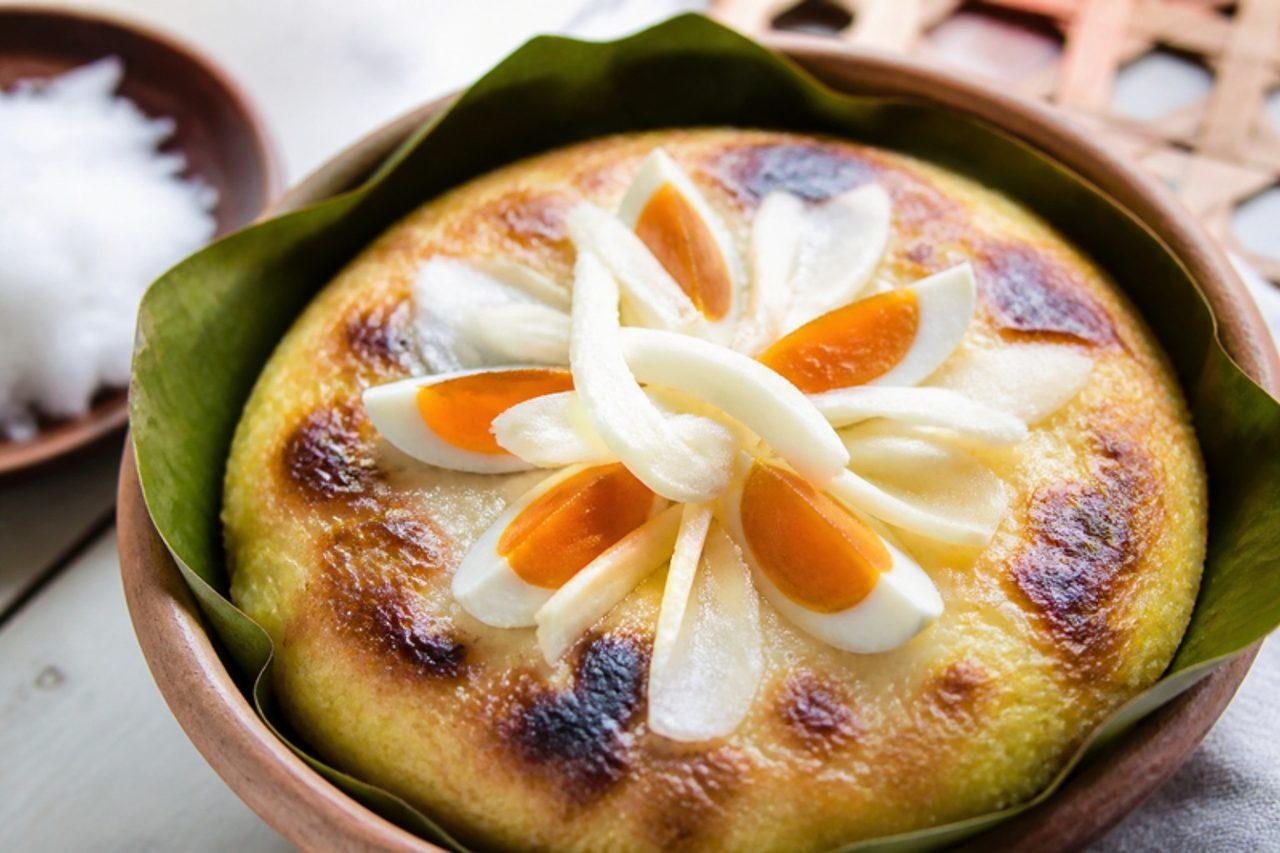
BibingkaCoconut rice cake

During the nine dawn masses of Simbang Gabi, from 16 to 24 December, vendors set up outside churches across the Philippines baking bibingka in clay pots with hot coals both underneath and on top. Churchgoers buy them on the way out at 5 am, still steaming in their banana-leaf liners, with a hot drink. The cake is made from rice flour and coconut milk, springy and slightly chewy, with a browned, buttery top covered in salty white cheese, slices of salted duck egg, sugar and grated coconut. This version bakes it in an ordinary oven and finishes it under the grill for that charred top. Chef's tip: warm the banana leaves over a flame for a few seconds until they turn glossy and supple; cold leaves crack and the batter leaks under them.

by KrazyBadal 0 views

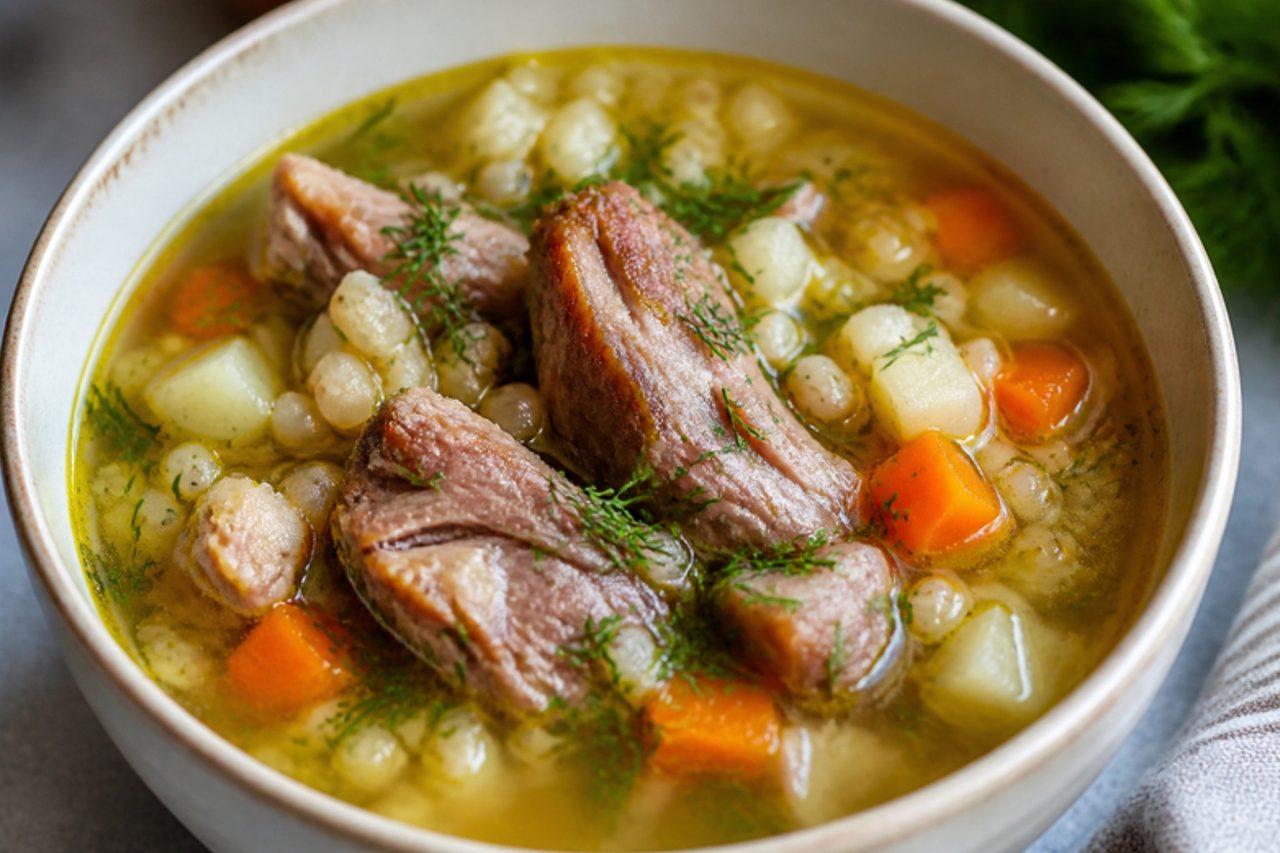
KrupnikBarley soup with smoked pork

Krupnik is a thrifty, warming soup from every Polish grandmother's kitchen, from the villages of Podlasie to city milk bars, and it is the soup people make when someone in the house has a cold. Pearl barley (kasza jęczmienna), carrot, celeriac, parsley root and potato simmer in a broth of smoked pork ribs, which gives it a gentle smoky depth; this version contains pork. Dried mushrooms add an earthy note. Chef's tip: rinse the barley well and add it early; it releases starch that gives krupnik its slightly creamy body.

by KrazyBadal 0 views

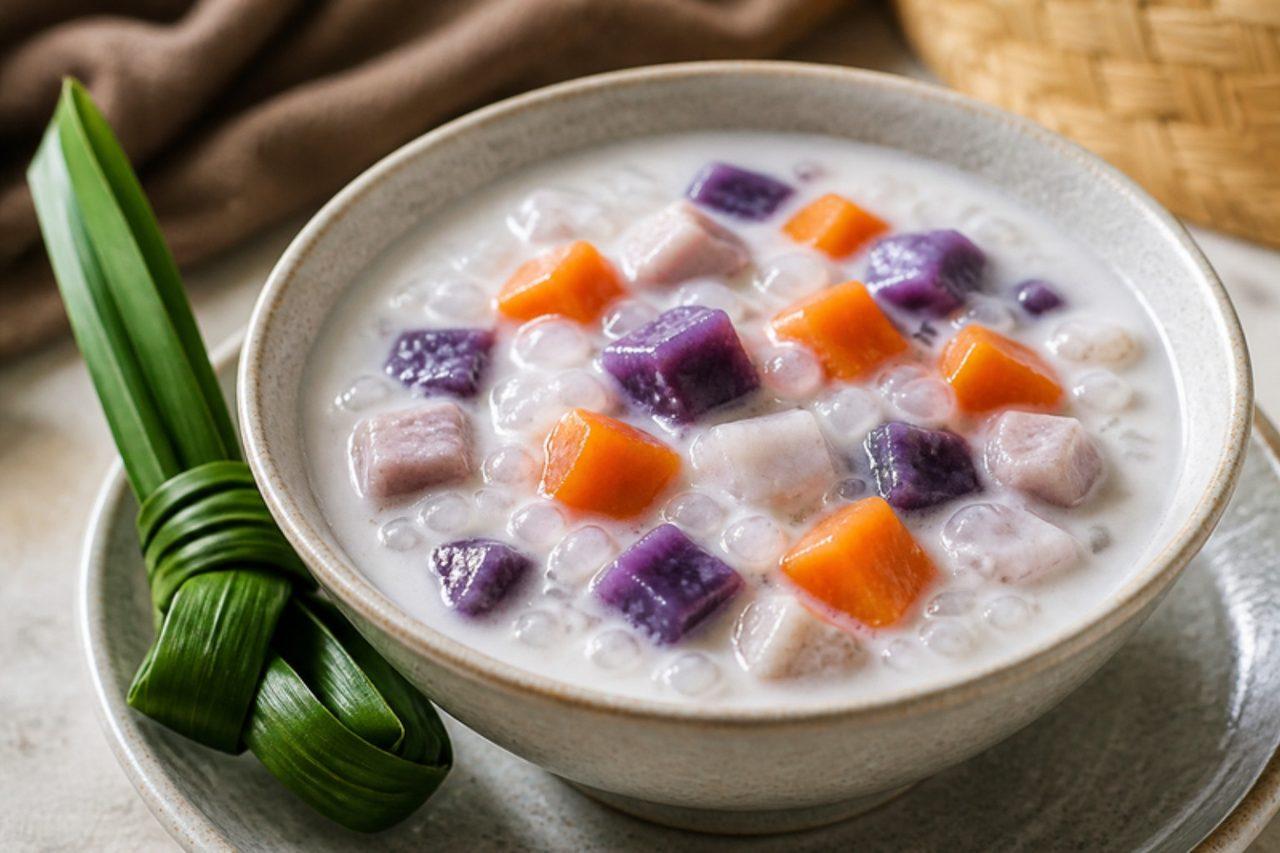
Bubur cha chaWarm coconut sweet potato pudding

Bubur cha cha is a Nyonya (Peranakan) dessert from Penang and Melaka, cooked in big pots for Chap Goh Meh, the fifteenth night of Chinese New Year, and eaten all year as a sweet soup after dinner or a mid-afternoon snack. Cubes of orange and purple sweet potato and taro float in pandan-scented coconut milk with tiny, glassy sago pearls; the colours are part of the charm. It's soothing, gently sweet and comforting, warm on a rainy evening or cold from the fridge in the heat. Chef's tip: a small pinch of salt in the coconut milk lifts the sweetness and stops it tasting flat.

by KrazyBadal 0 views

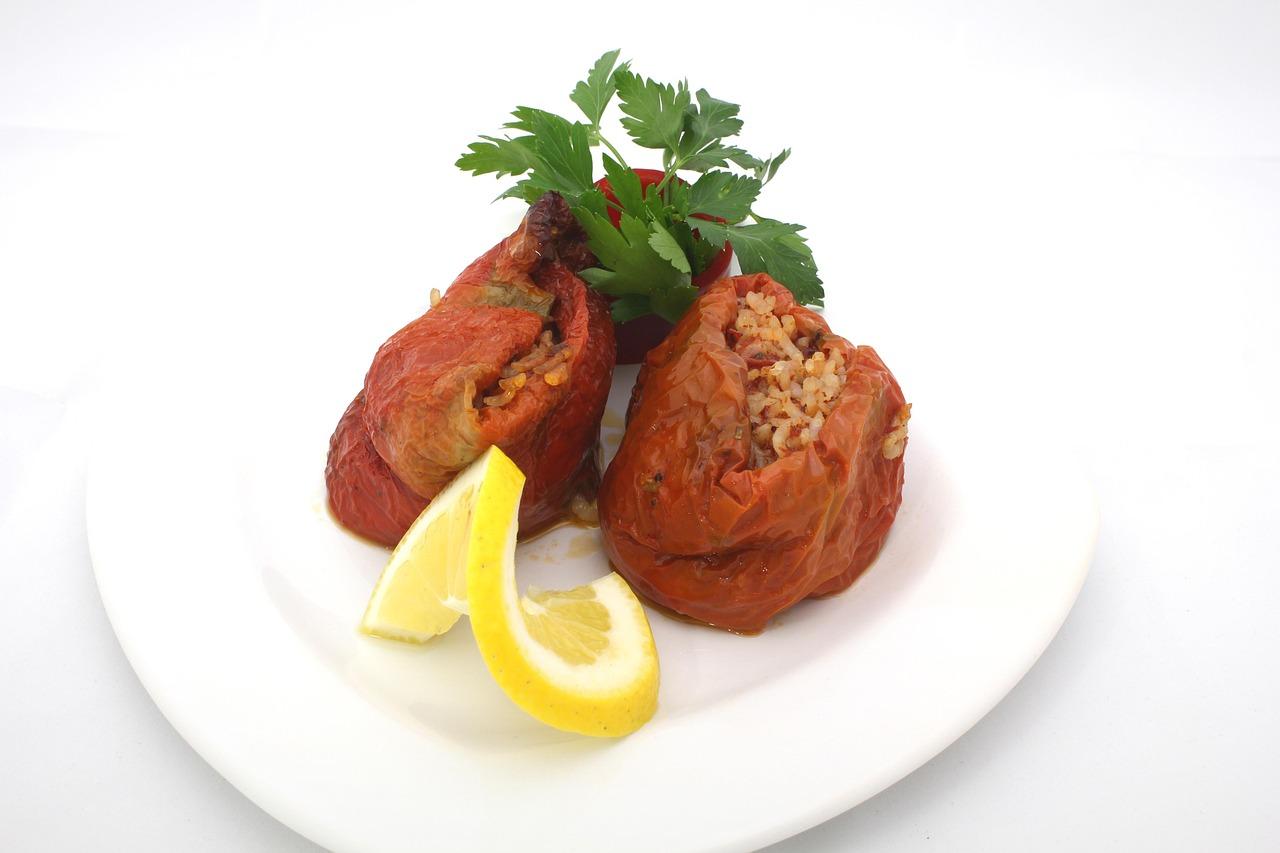
Biber dolmasıRice-stuffed green peppers

Biber dolması turns up in every corner of Turkey, from Istanbul meyhanes to village kitchens in central Anatolia, and the olive-oil version without meat is the one eaten cold at summer lunches or packed for picnics. Thin-walled green dolma peppers are filled with rice cooked with onion, tomato, pine nuts, currants and warm spices, capped with a slice of tomato and simmered until the peppers slump and wrinkle. A frequent mistake is packing the filling to the top: leave a finger of space so the rice can swell. Chef's tip: let the peppers cool completely in their pot; the filling firms up and the flavours of mint and allspice come through much more clearly than when hot.

by KrazyBadal 0 views

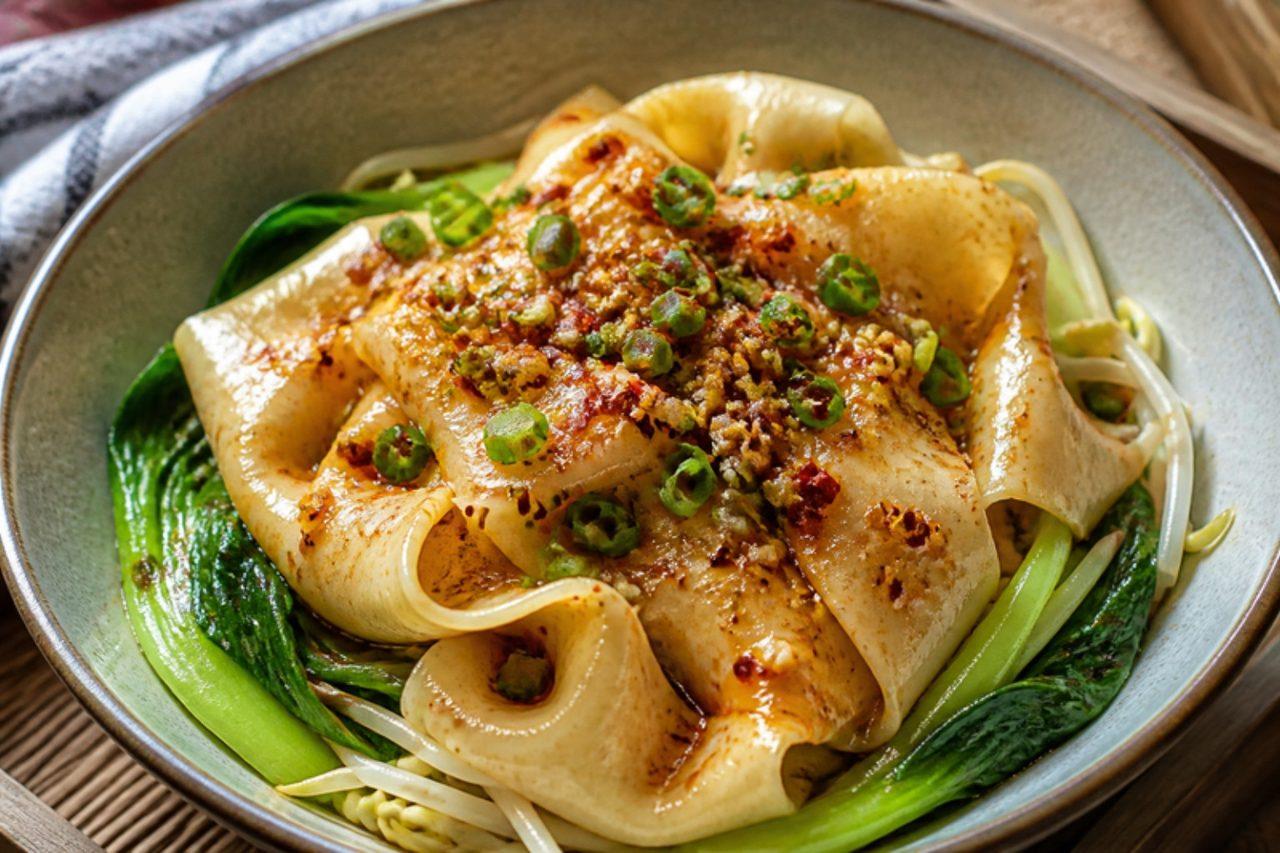
Biang biang noodlesHand-pulled belt noodles

Biang biang mian are the wide, belt-like noodles of Xi'an in Shaanxi, named, some say, after the slapping sound the dough makes as it's pulled and banged on the counter. The written character for biang is one of the most complicated in Chinese. Each noodle is as wide as a belt and chewy; the classic topping is chilli flakes, garlic and spring onion, sizzled with smoking hot oil, then splashed with vinegar and soy. Chef's tip: let the oiled dough pieces rest for at least 30 minutes, longer if you can; relaxed gluten stretches long and thin without snapping.

by KrazyBadal 0 views

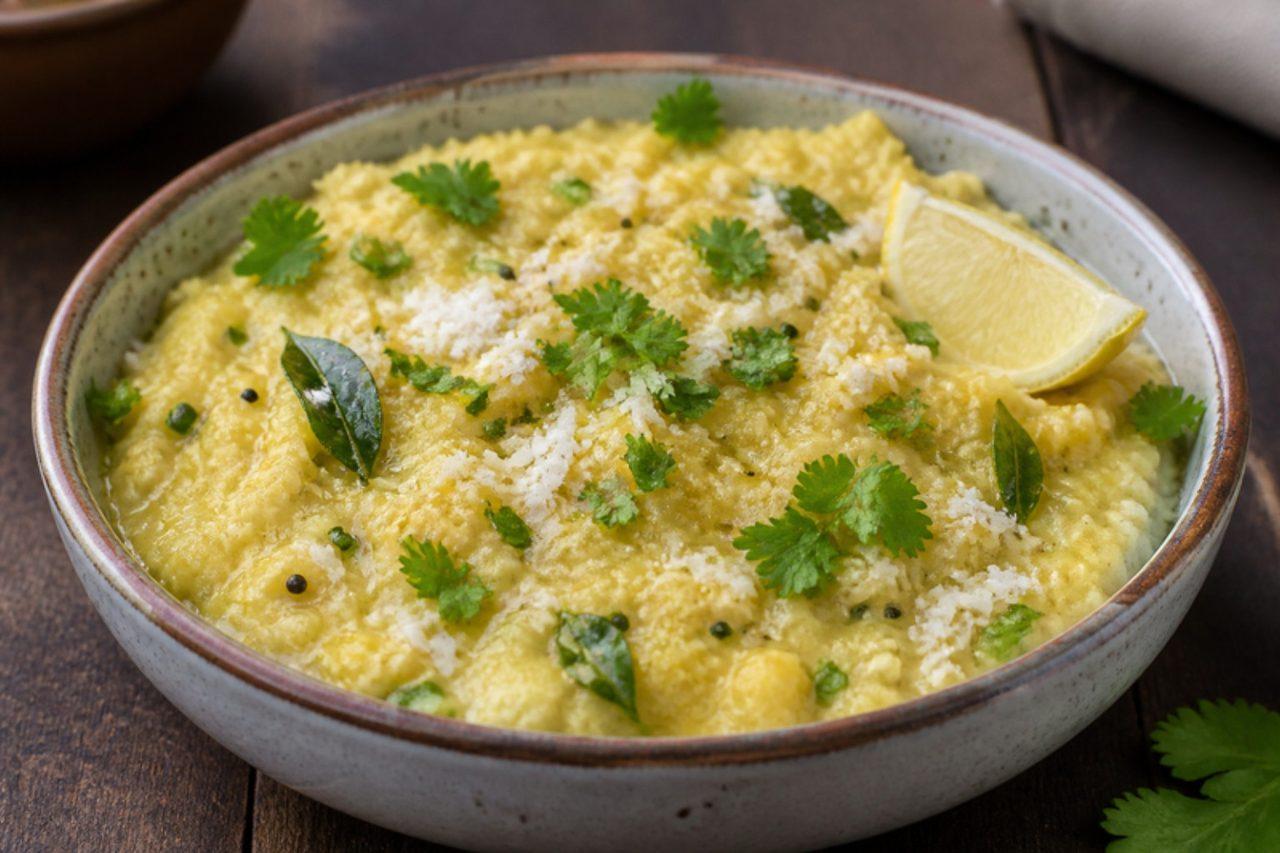
Bhutte ka keesGrated corn cooked in milk

Bhutte ka kees is a monsoon favourite from Indore in Madhya Pradesh, sold at the city's famous night market, Sarafa. Fresh corn is grated and cooked in ghee with mustard seeds and green chilli, then simmered in milk until it turns thick, creamy and gently sweet. A squeeze of lemon, fresh coriander and grated coconut finish it. Eat it hot with a spoon as an evening snack. Chef's tip: grate the corn off the cob on the coarse side of a box grater rather than blending it; you get juicy, starchy pulp that thickens the milk naturally.

by KrazyBadal 0 views

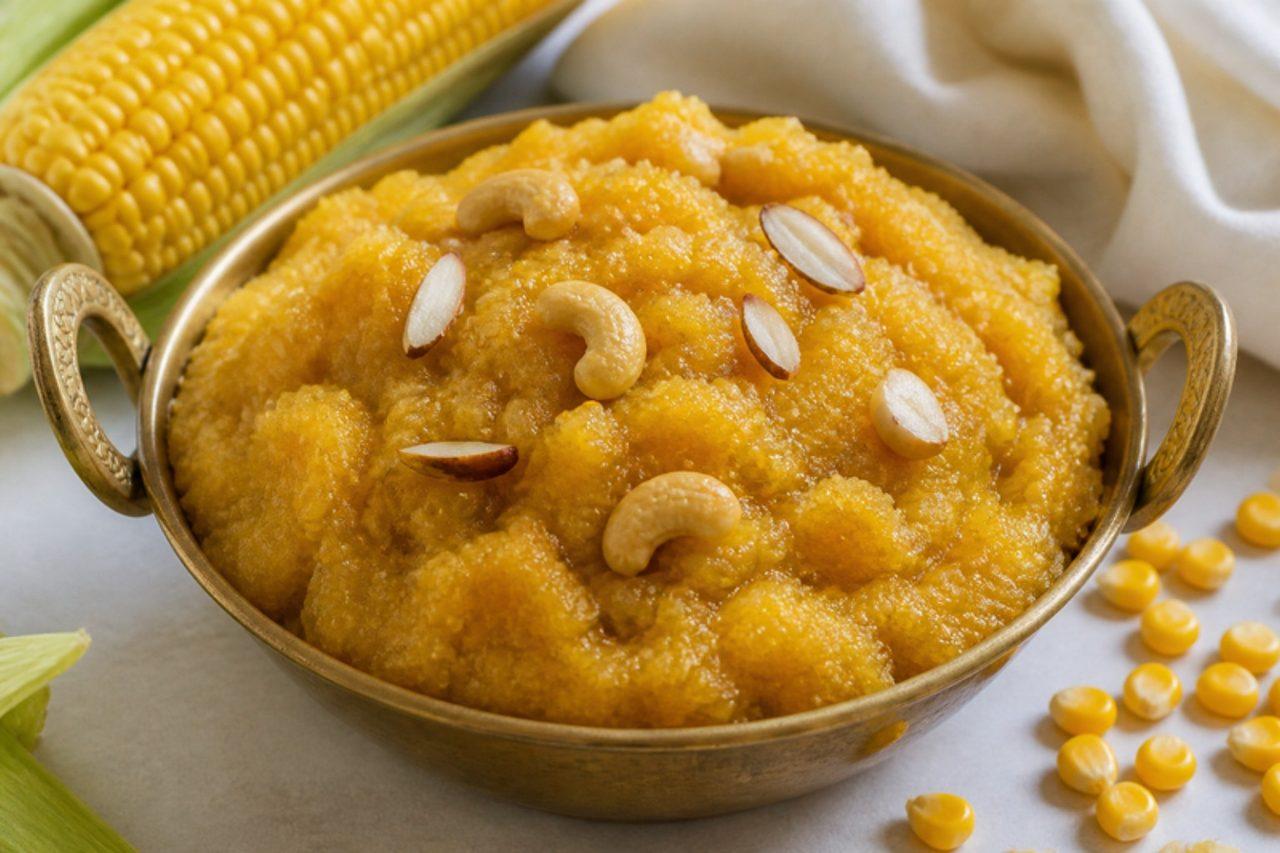
Bhutte ka halwaSweetcorn halwa

In monsoon Indore, when the fields around the city are full of tender maize, sweet shops turn the same corn into halwa: kernels ground coarsely, roasted in ghee until they smell like buttered popcorn, then cooked with milk and sugar until glossy. It is lighter and less cloying than many halwas, with a gentle bite from the corn. Families make it for guests and for small festivals, and it is just as good warm from the pan or at room temperature the next day. Chef's tip: grind the corn in short pulses to a coarse, porridgy texture; a smooth purée turns gluey and sticks.

by KrazyBadal 0 views

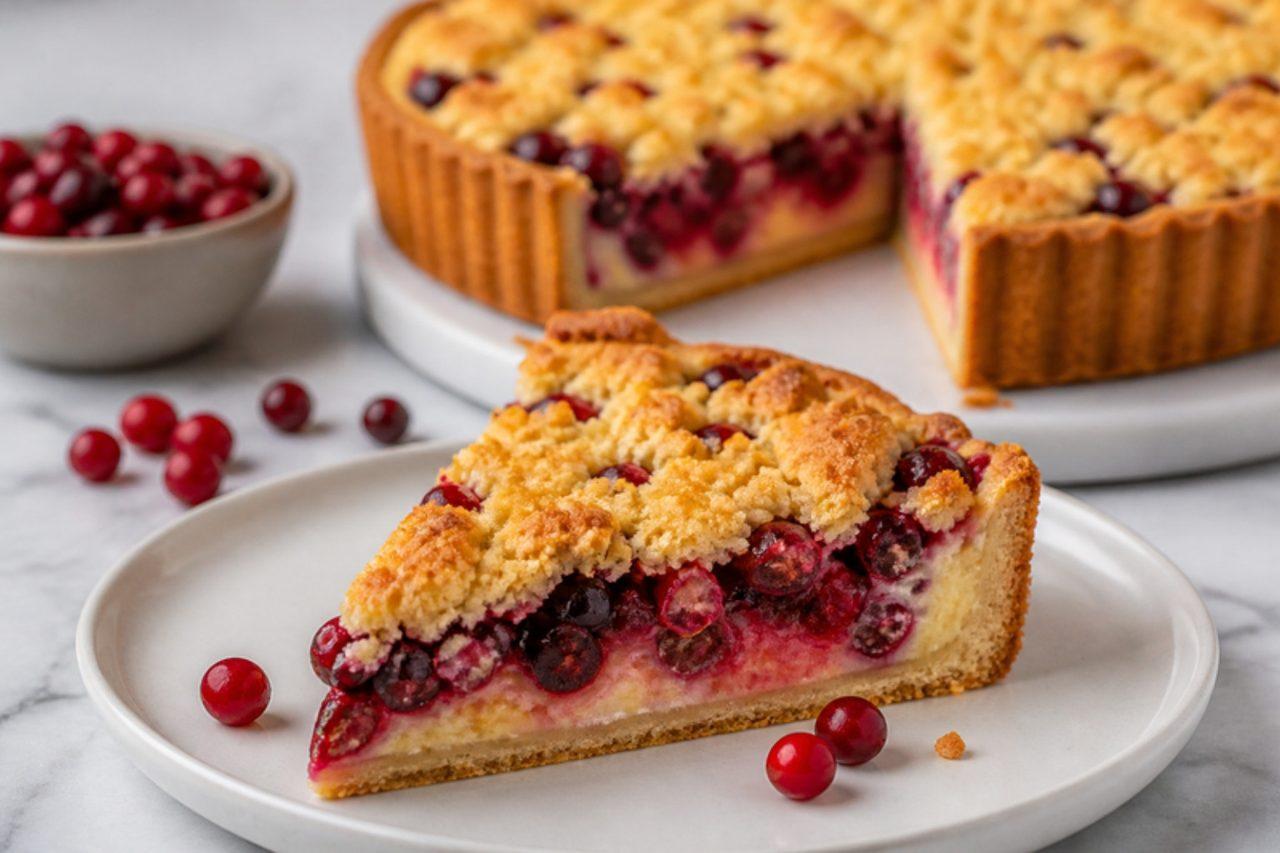
Kuchen de murtaBerry custard tart

Around Lake Llanquihue, in Frutillar and Puerto Varas, German settlers of the 1850s left Chile a love of kuchen, now served with coffee in every café of the south. The Chilean twist is the fruit: murta (Chilean guava), a small, red, perfumed berry that grows wild there in autumn. A buttery base holds the berries in a light custard under a crumble of butter and sugar. Outside Chile, cranberries with a few blueberries give a similar sharp-sweet balance. Chef's tip: blind-bake the base for 10 minutes first; a pre-set base stays crisp under the wet custard.

by KrazyBadal 0 views

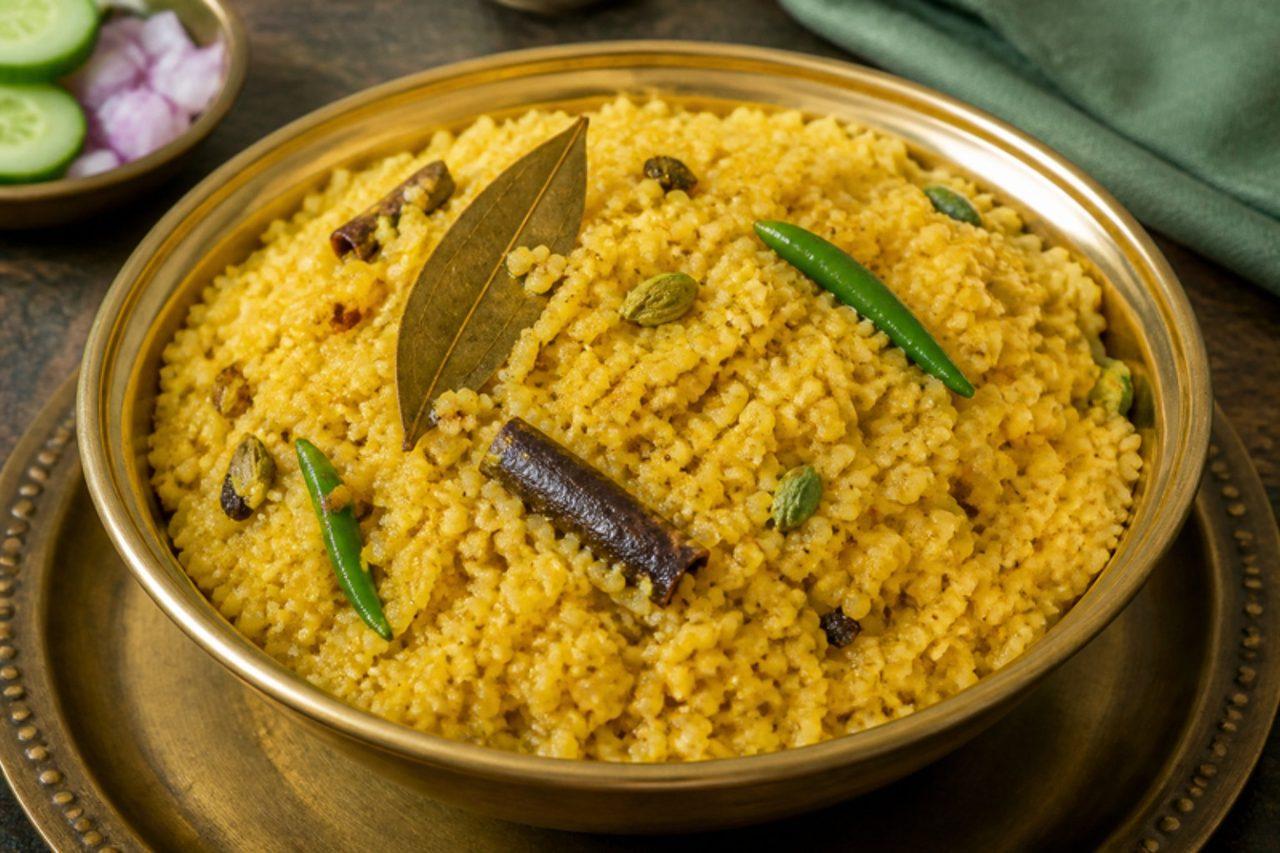
Bhuna khichuriFried rice and moong dal

In Dhaka, the first heavy monsoon downpour sends people home craving bhuna khichuri, and Eid mornings in old Dhaka often start with a pot of it too. Unlike the loose, porridge-like khichdi of north India, the Bangladeshi bhuna version is dry and fluffy: dry-roasted moong dal and short-grain rice are fried in ghee with onions and whole spices until fragrant, then cooked with just enough water so the grains stay separate. Serve it hot with begun bhaja, a bhorta or two and a spoon of pickle. Chef's tip: roast the moong dal in a dry pan until it smells like toasted nuts before you wash it; that roasted note is what makes this khichuri taste of Bangladesh.

by KrazyBadal 0 views

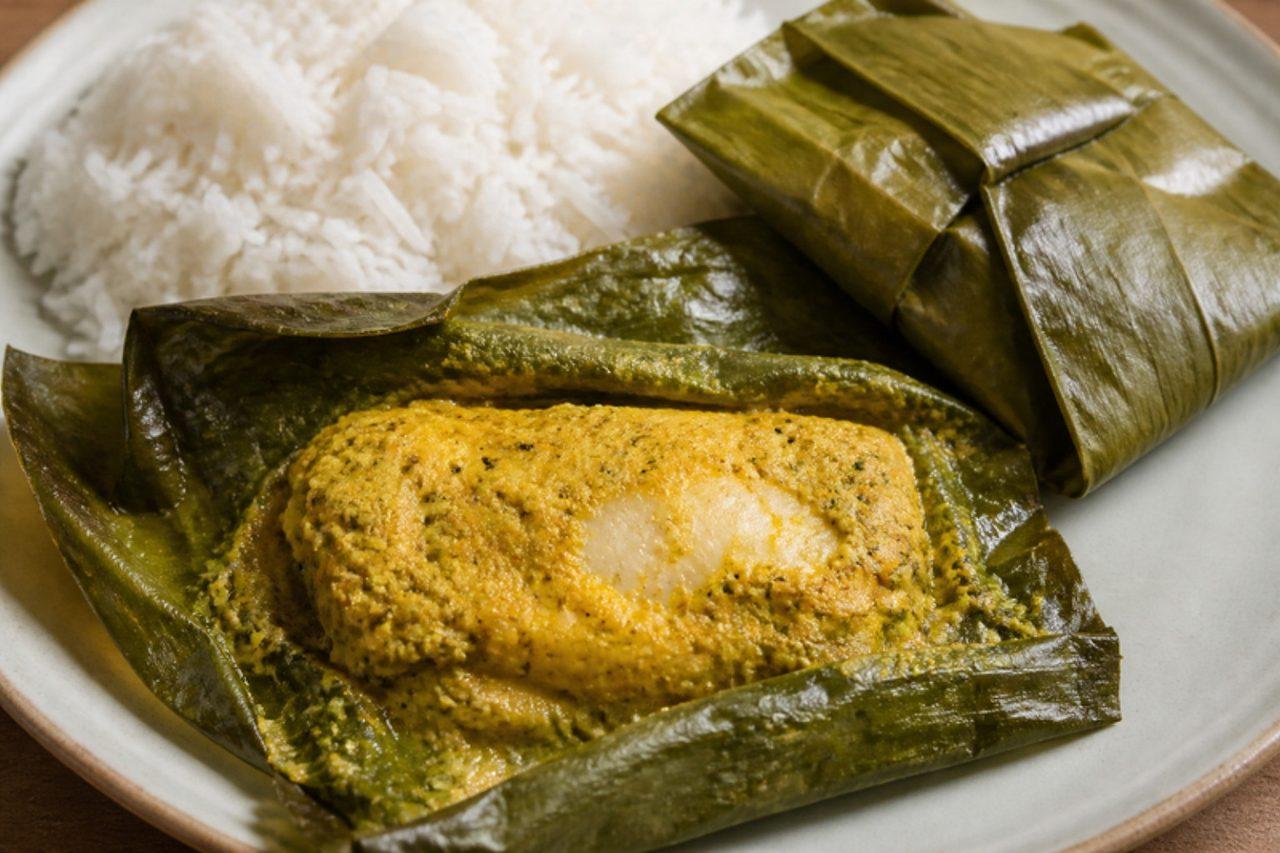
Bhetki paturiFish steamed in banana leaf

Paturi means 'wrapped in a leaf', and in Bengal the favourite fish for it is bhetki, the meaty barramundi of the Sundarbans estuaries. Fillets are coated in a sharp paste of mustard, coconut and green chilli, tied up in banana leaf and steamed or cooked on a griddle, so they come out moist and fragrant. It is a dish for celebration lunches in Kolkata and is unwrapped at the table over hot rice. Chef's tip: no banana leaves? Use baking paper inside foil; you lose a little aroma but none of the texture.

55 minIndianFishGluten free
by KrazyBadal 0 views

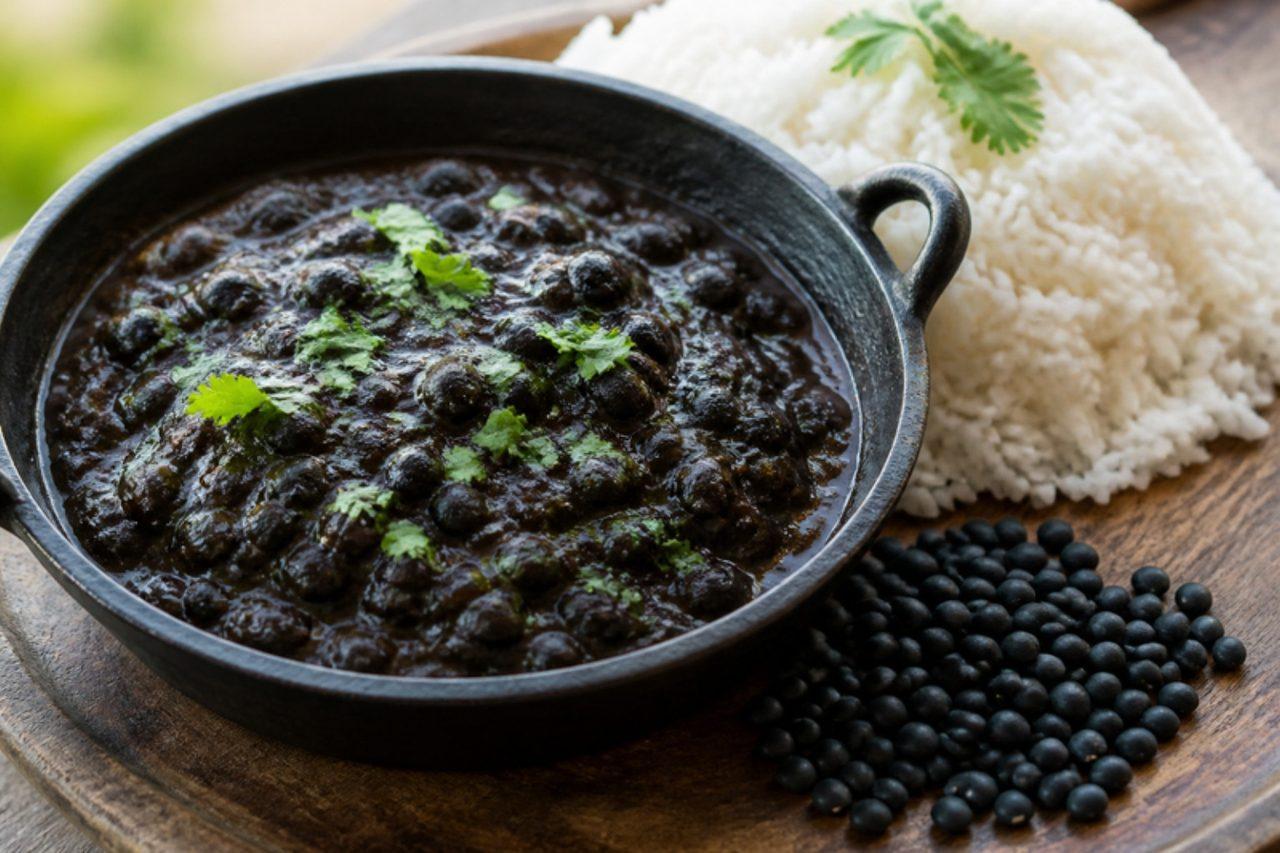
Bhatt ki churkaniBlack soybean curry

Black soybeans, called bhatt, grow on the slopes around Almora and Pithoragarh, and churkani is the everyday Kumaoni way of eating them: roasted in a dry iron pan until they crack, then simmered with garlic, ginger and a little rice flour into a thick, nearly black gravy. It's the kind of food that keeps people warm through a hill winter, eaten with steamed rice, a spoonful of ghee and a sharp radish raita. The roasting gives a nutty, almost smoky taste you won't get from boiling the beans. Chef's tip: cook it in an iron kadhai if you have one; the metal reacts with the beans and gives churkani its traditional dark colour.

by KrazyBadal 0 views

Bhapa pithaSteamed rice flour cakes

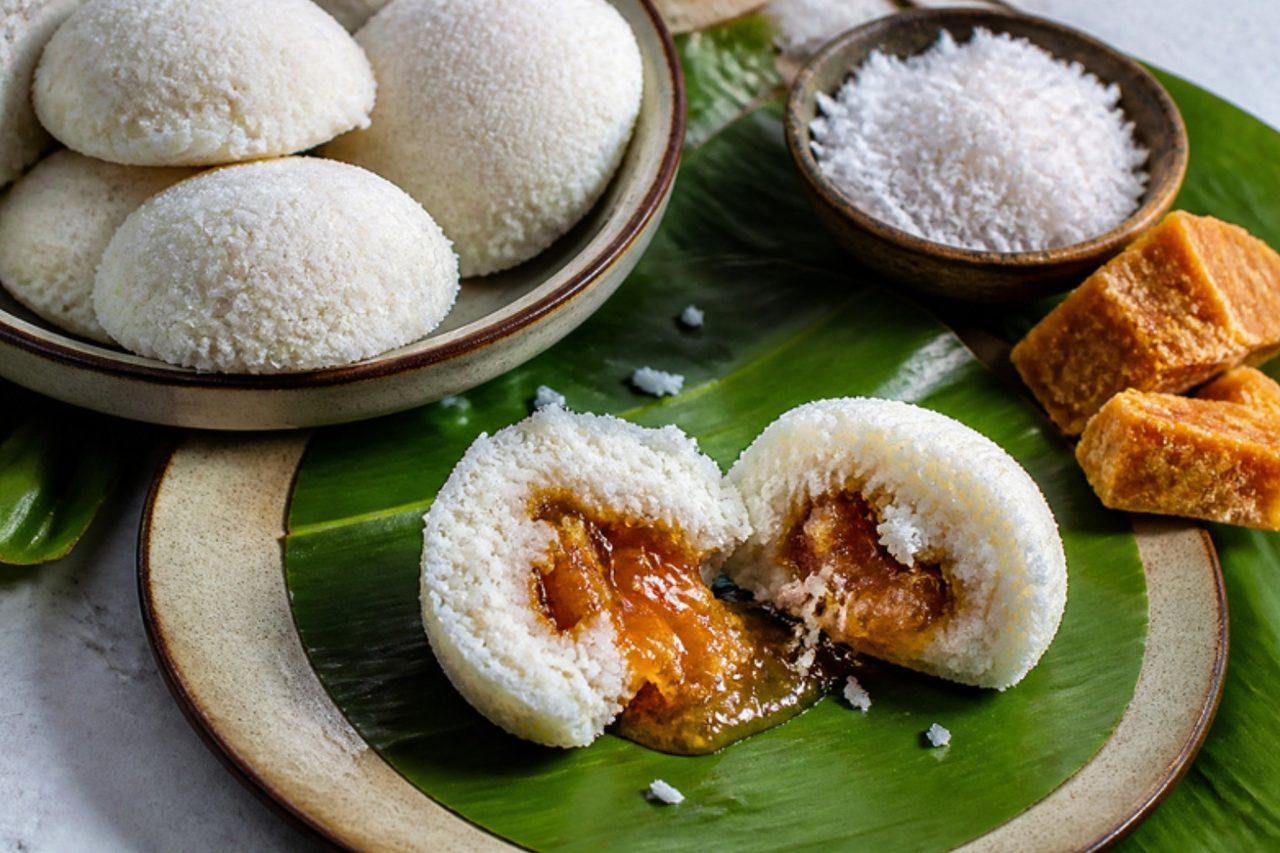
When the date palm sap starts flowing in early winter, small steaming pots appear on street corners all over Bangladesh, from Rajshahi to Dhaka's Karwan Bazar, selling bhapa pitha in the dark mornings. Damp, lightly salted rice flour is packed into a small bowl around a layer of grated coconut and khejur gur (date jaggery), wrapped in cloth and steamed over a narrow-necked pot until soft, fluffy and fragrant. Eat them warm, straight from the cloth. Chef's tip: the rice flour should feel like damp sand that just holds when squeezed; too wet and the cake turns gummy, too dry and it crumbles.

by KrazyBadal 0 views

Kueh pie teeCrisp pastry cups with jicama

Pie tee are thin, crunchy fried cups shaped like little top hats, made with a brass mould dipped in batter and plunged into hot oil. Peranakan cooks in Melaka and Penang fill them with finely shredded jicama and carrot braised in garlic, then top them with egg, coriander and a dot of sweet chilli sauce. They are a festive starter for Chinese New Year and weddings. Prawns usually crown each cup; this version uses fine strips of omelette. If you have no mould, shop-bought cups are fine. Chef's tip: heat the mould in the oil before each dip; a cold mould won't hold the batter.

by KrazyBadal 0 views

Beyaynetu (fasting platter)Fasting platter of vegan stews

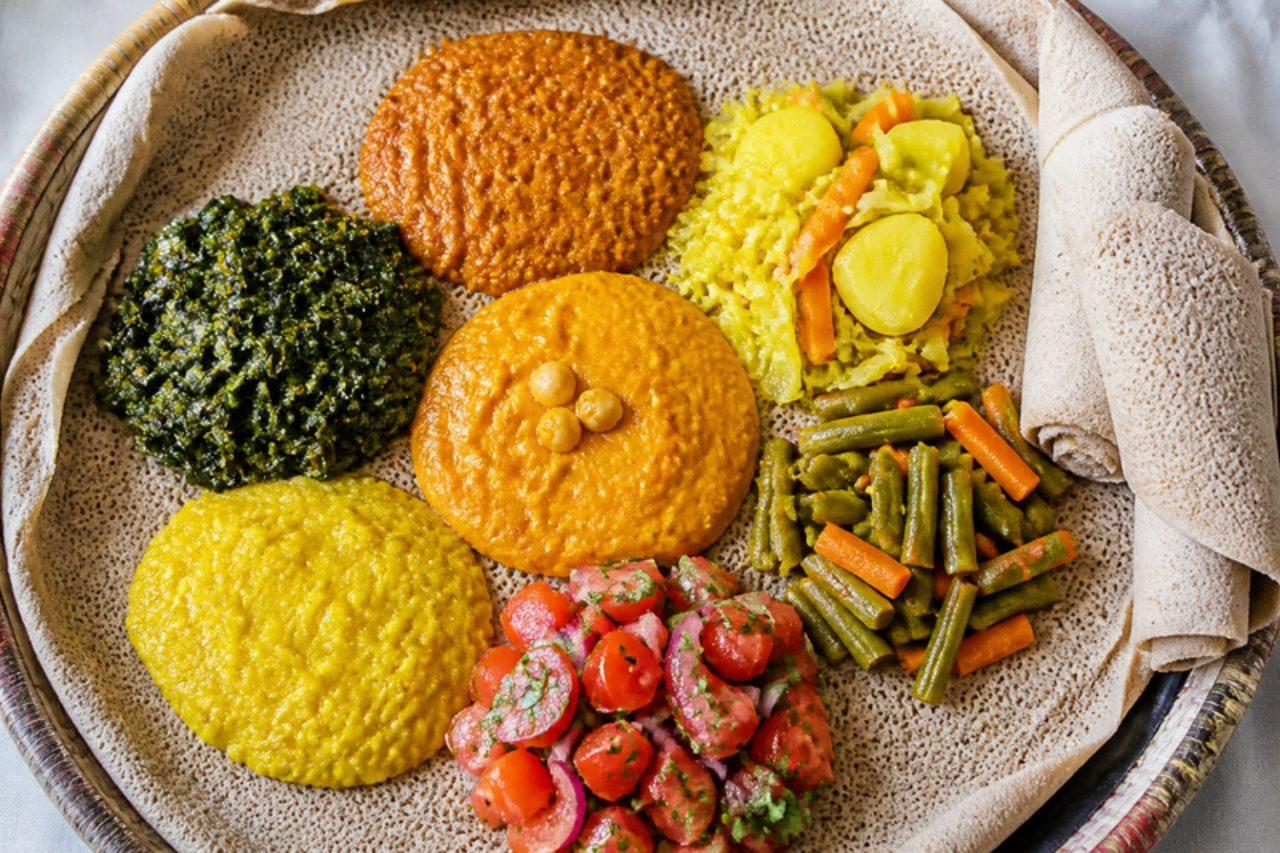
Beyaynetu means 'a bit of every kind', and on Wednesdays, Fridays and through the long Lenten fast it is what most of Addis Ababa orders for lunch: a round of injera covered with small heaps of different vegan stews and salads, each a different colour and spice level, with extra rolled injera on the side. At home it is a feast for sharing, built from dishes you can make ahead. This page shows you how to plan and assemble it, and gives the red lentil misir wat that sits at its centre; for the other dishes use our Shiro wat, Kik alicha, Gomen, Tikil gomen, Fosolia and Timatim salata recipes, and of course Injera. Chef's tip: balance the platter with two spicy red dishes, two mild yellow ones and two green or fresh ones, so every mouthful can be cooled or warmed.

by KrazyBadal 0 views

BeshbarmakBoiled lamb on noodle sheets

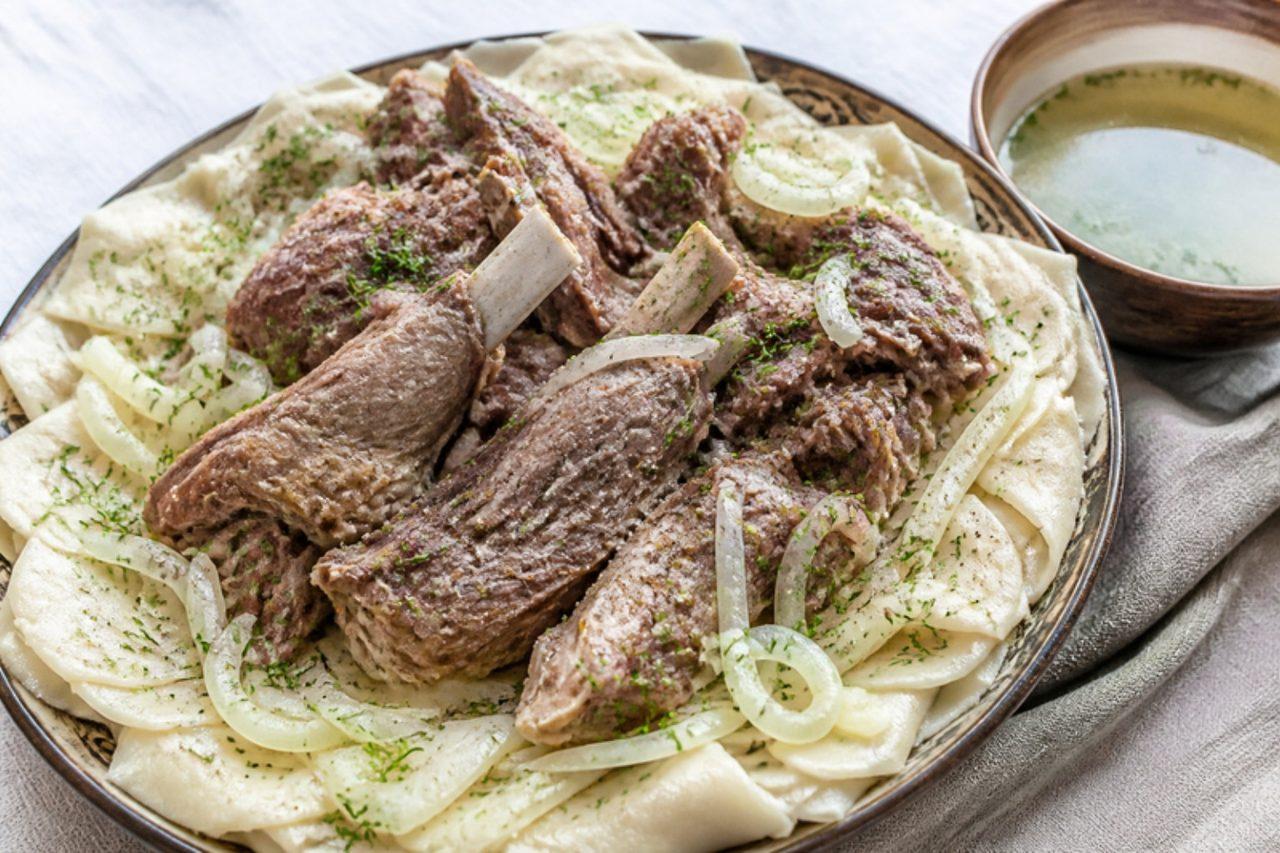
Beshbarmak, "five fingers", is the dish a Kazakh family puts on the dastarkhan for guests, weddings and Nauryz, traditionally eaten with the hand. Lamb (or horse meat in many homes) is simmered for hours, sliced and laid over wide squares of fresh noodle dough cooked in the same broth, then topped with soft onions in a peppery sauce. The broth, called sorpa, is drunk from bowls alongside. Cutting the noodles too thick is a common slip; they should be thin enough to be silky, not chewy. Chef's tip: keep a cup of the hot fat skimmed from the broth to cook the onion sauce; it carries all the lamb flavour.

210 minKazakhMeat
by KrazyBadal 0 views

BesaraVegetables in mustard garlic paste

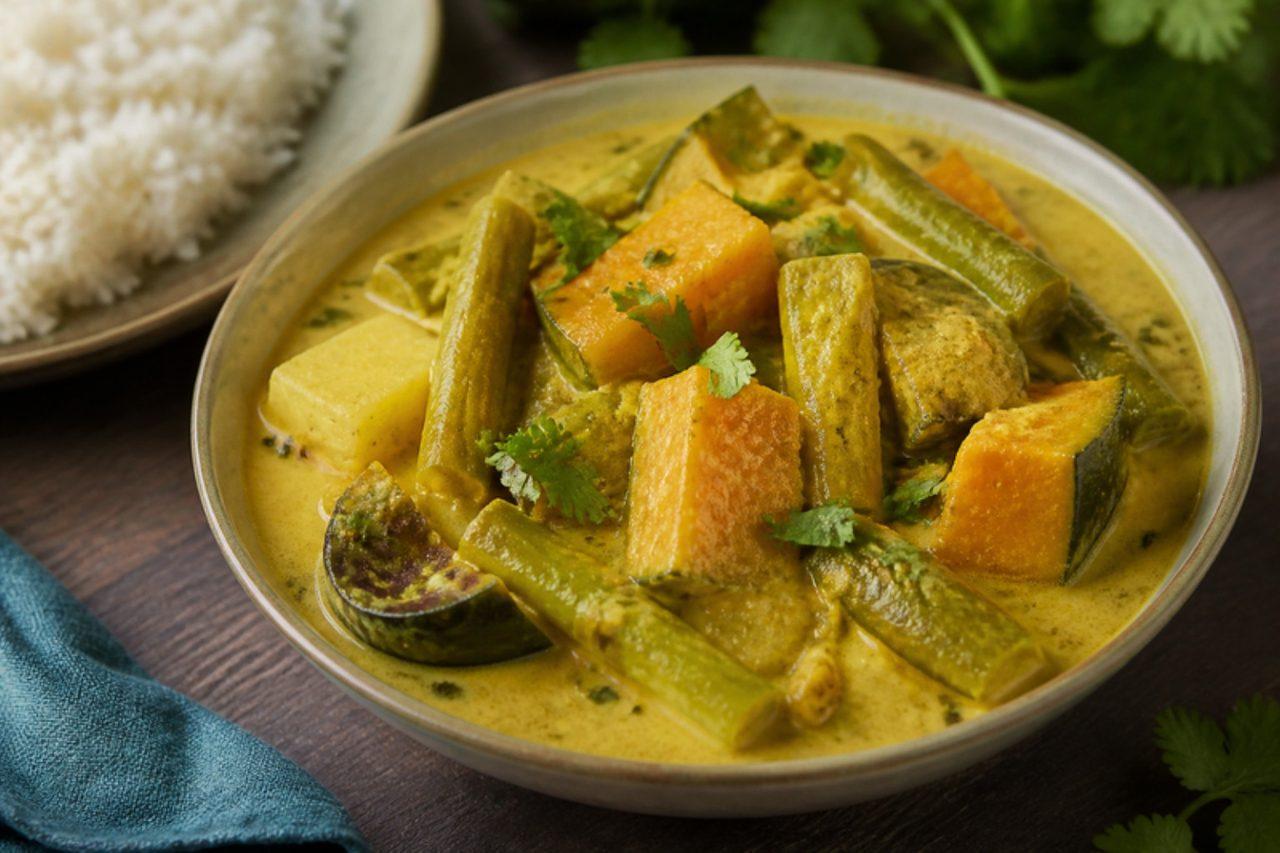
Besara means 'with mustard', and in Odisha it is the name of any dish cooked in a freshly ground paste of mustard seeds, garlic and green chilli. Fish besara is the best known; this is the vegetarian version cooked in Odia homes with pumpkin, potato, aubergine, raw banana and a few drumsticks, made sour with a little tamarind or dried mango. The mustard gives it a clean, sinus-clearing heat that is very different from a turmeric-and-chilli curry. Chef's tip: grind the mustard with a pinch of salt and a green chilli; this stops the paste turning bitter.

by KrazyBadal 0 views

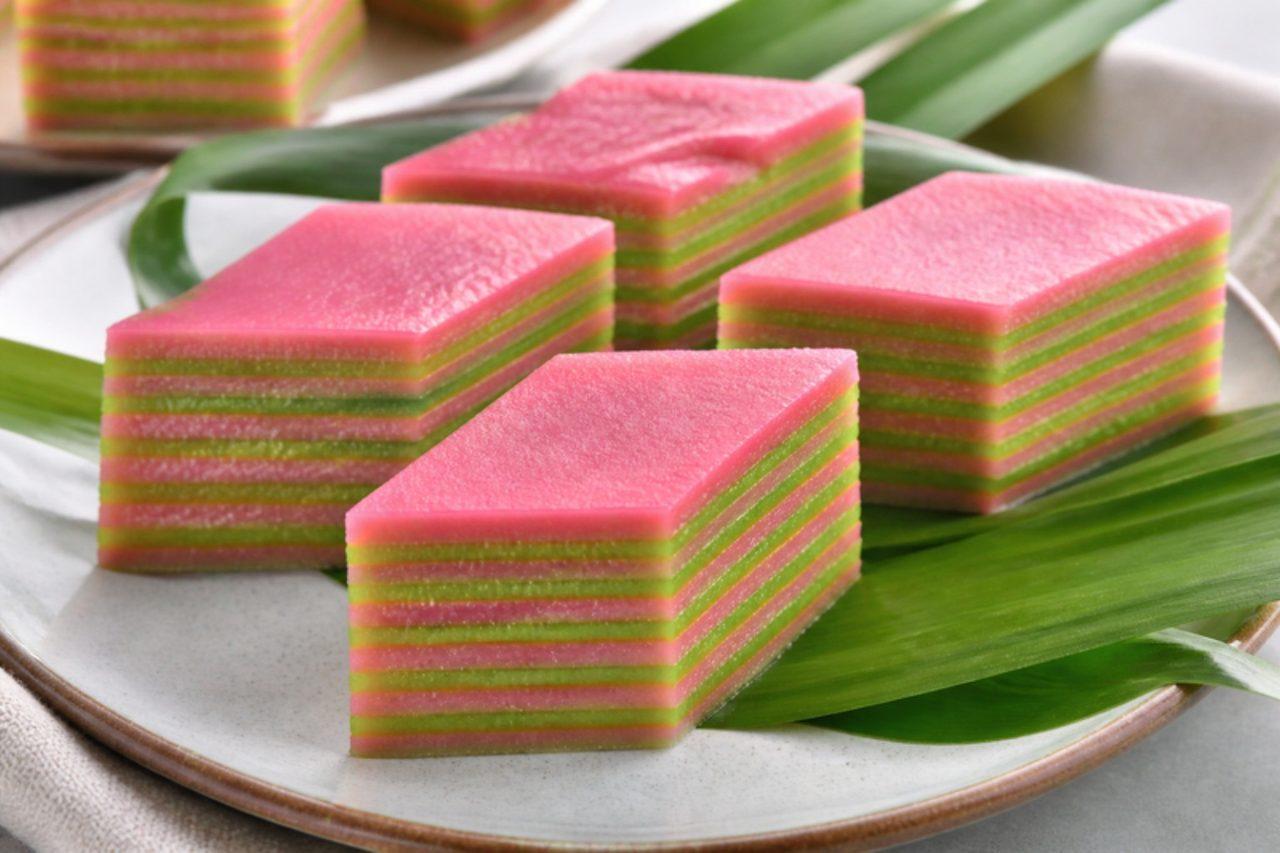
Kuih lapisSteamed layered coconut cake

Kuih lapis is the striped, bouncy cake piled on trays at Malaysian pasar malam (night markets) and laid out for guests at Hari Raya, Deepavali and Chinese New Year open houses. It's built from a thin coconut-milk batter of rice flour and tapioca starch, steamed one layer at a time, so each slice shows nine neat stripes, and children everywhere peel them off one by one. The texture is soft, springy and slightly chewy; the flavour is gentle coconut and pandan. It takes patience rather than skill. Chef's tip: steam the empty tin for 5 minutes before the first layer, so it sets evenly from the bottom.

by KrazyBadal 0 views

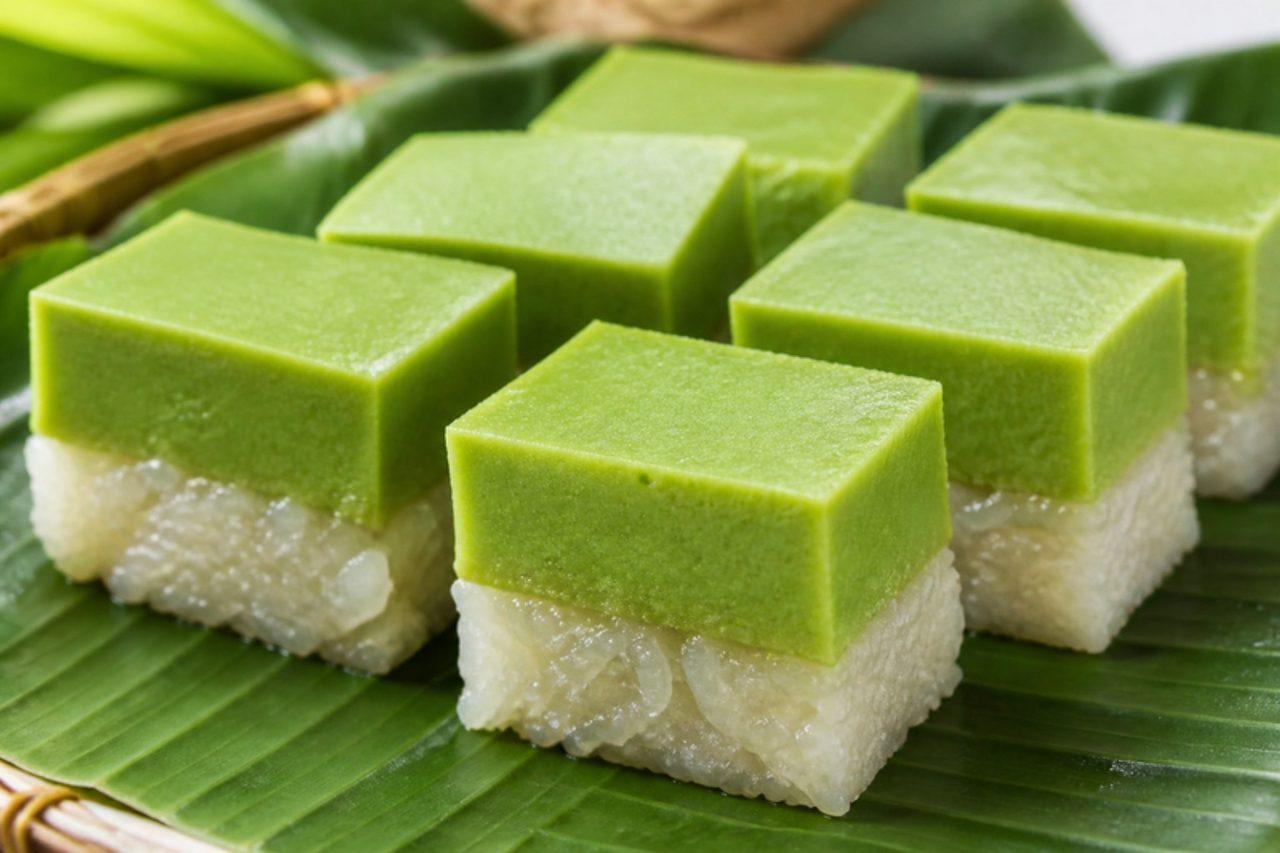
Kuih seri mukaSticky rice and pandan custard cake

Seri muka is one of the most loved kuih in Melaka and all over Malaysia, sold in neat diamonds at morning markets and Ramadan bazaars. The base is glutinous rice steamed in coconut milk and pressed firm; the top is a silky, green custard of pandan juice, eggs and coconut milk, steamed until it just sets. Each bite is salty-sweet, chewy then smooth. Chef's tip: rough up the top of the hot rice with a fork before pouring on the custard, so the two layers stick together instead of sliding apart.

by KrazyBadal 0 views

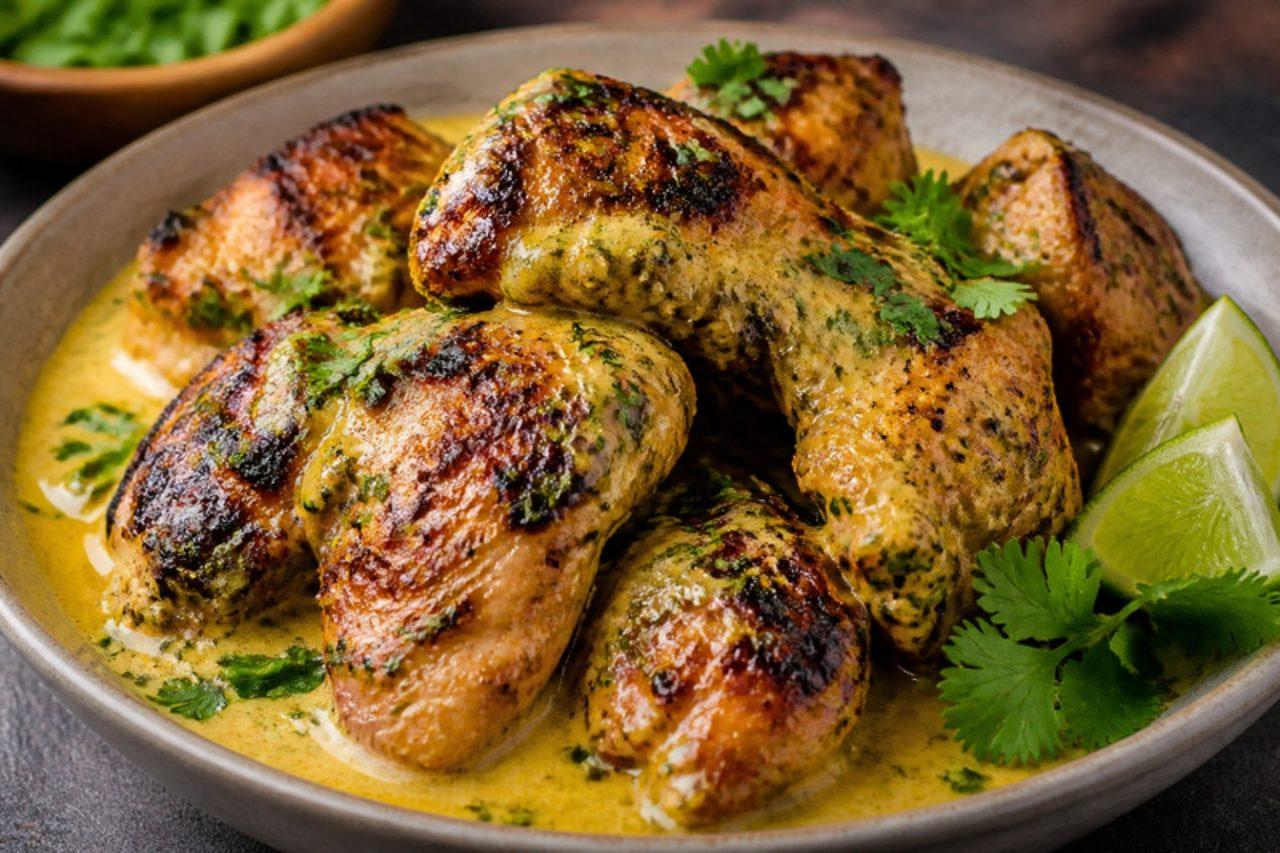
Kuku pakaGrilled chicken in coconut curry

Kuku paka is a Mombasa and Lamu speciality with Indian roots, cooked for weddings and Eid along the Kenyan coast: chicken is marinated in ginger, garlic and chilli, charred over charcoal or under a grill, then simmered in a smooth coconut sauce with turmeric and lime. The grilling gives the sauce its smoky note. The mistake is adding thick coconut milk too early and boiling it hard, so it splits; simmer gently. Chef's tip: add halved boiled potatoes or boiled eggs to the sauce, as many coast families do, to stretch it for more people.

by KrazyBadal 0 views

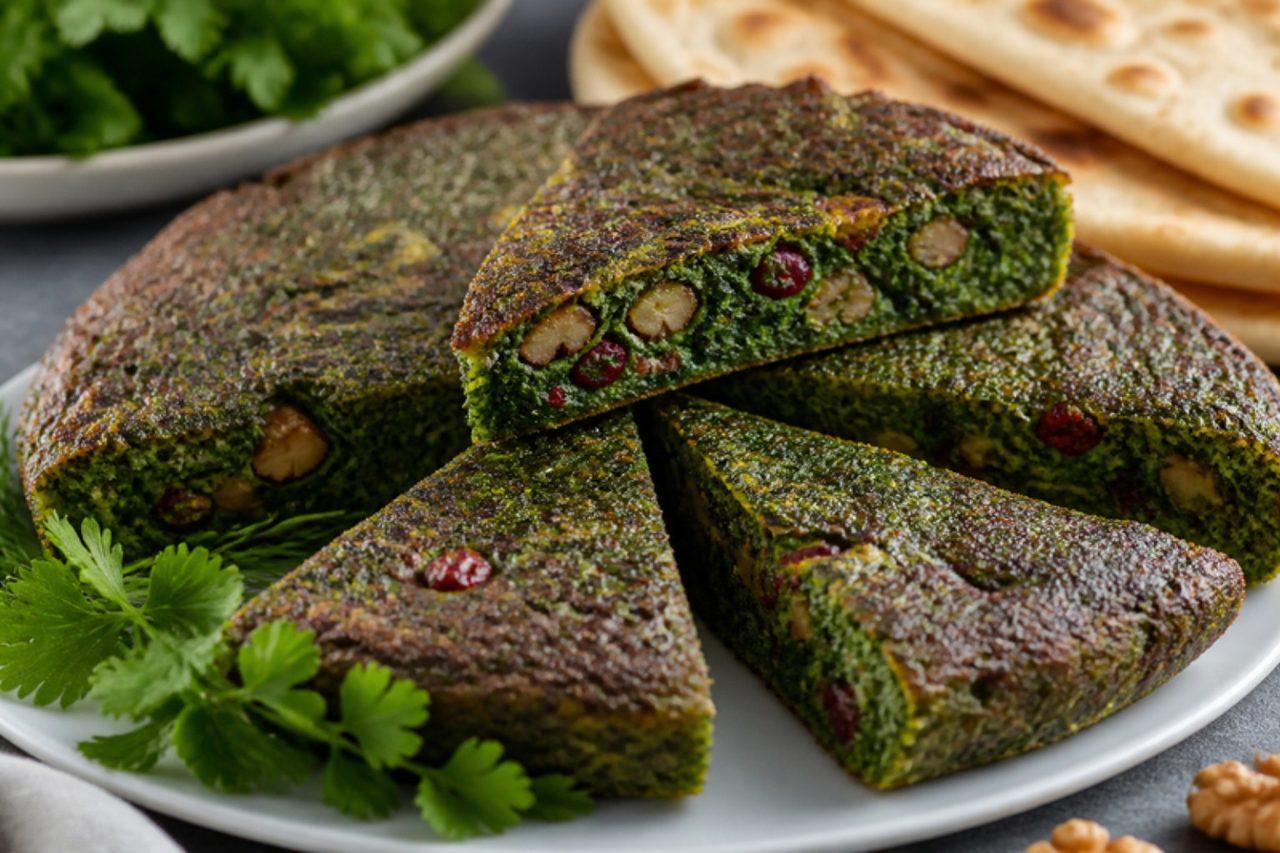
Kuku sabziHerb frittata

Kuku sabzi is a deep green, herb-packed egg cake that Iranian families make for Nowruz, the New Year on the first day of spring, often alongside sabzi polo. It is more herb than egg: just enough egg binds a heap of parsley, coriander, dill and chives, with crunchy walnuts and little sour barberries. It is eaten warm or cold, cut into wedges, tucked into lavash with yogurt and radishes, and it travels well to the Sizdah Bedar picnic thirteen days later. Chef's tip: cook it slowly with the lid on; high heat browns the base before the middle sets.

by KrazyBadal 0 views

Showing 27 of 10,495 recipes

Show more recipes

Page 1,045 of 1,167