


Skip to content
Doi chira
Featured recipe

Doi chira

Flattened rice with curd

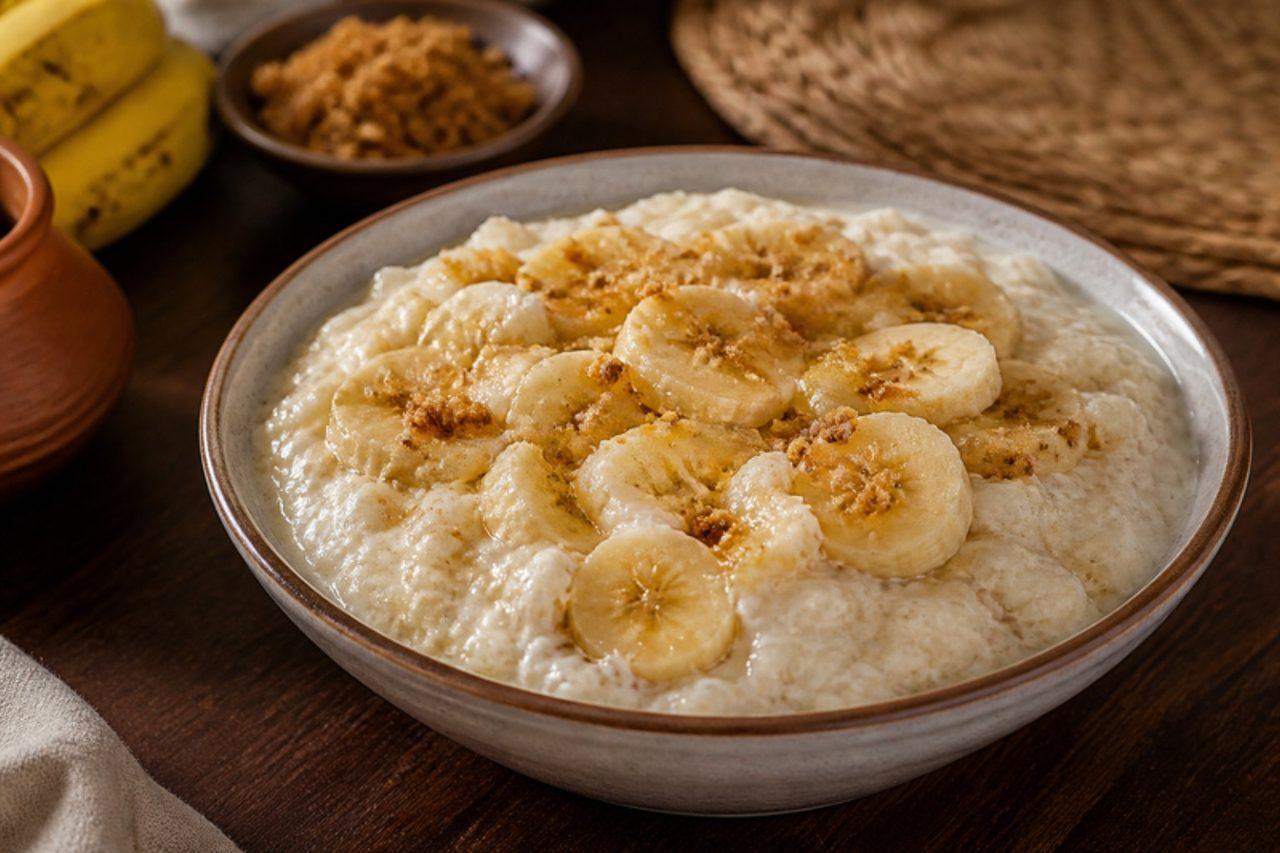
Nothing is cooked for doi chira, which is why it has been the breakfast of farmers and fishermen in Barisal for generations: flattened rice is rinsed, softened in thick, slightly sour curd and sweetened with jaggery or sugar, then mashed together with a ripe banana. The texture is soft and creamy with a little chew from the rice flakes, and the taste is cool, sweet and tangy. It is eaten on hot summer mornings, at village fairs and as part of the Pohela Boishakh spread, and it is a favourite of children and of anyone fasting who wants something gentle. The usual misstep is soaking the chira for too long, which turns it to paste; a quick rinse is all it needs before the curd does the rest. Chef's tip: use thick-cut chira, not the thin kind for frying, so the flakes hold their shape.

Read more 2 views

What to eat today?

Around the world

Today's trip: Persian

A new country every day, from every cuisine on the site.

Persian

Shir berenj

Rose water rice pudding 70 minMore from Persian (181) →

This week's collection

Kid-friendly dinners
750 recipes · a new collection every Monday

Coming up

All occasions →

Latest recipes

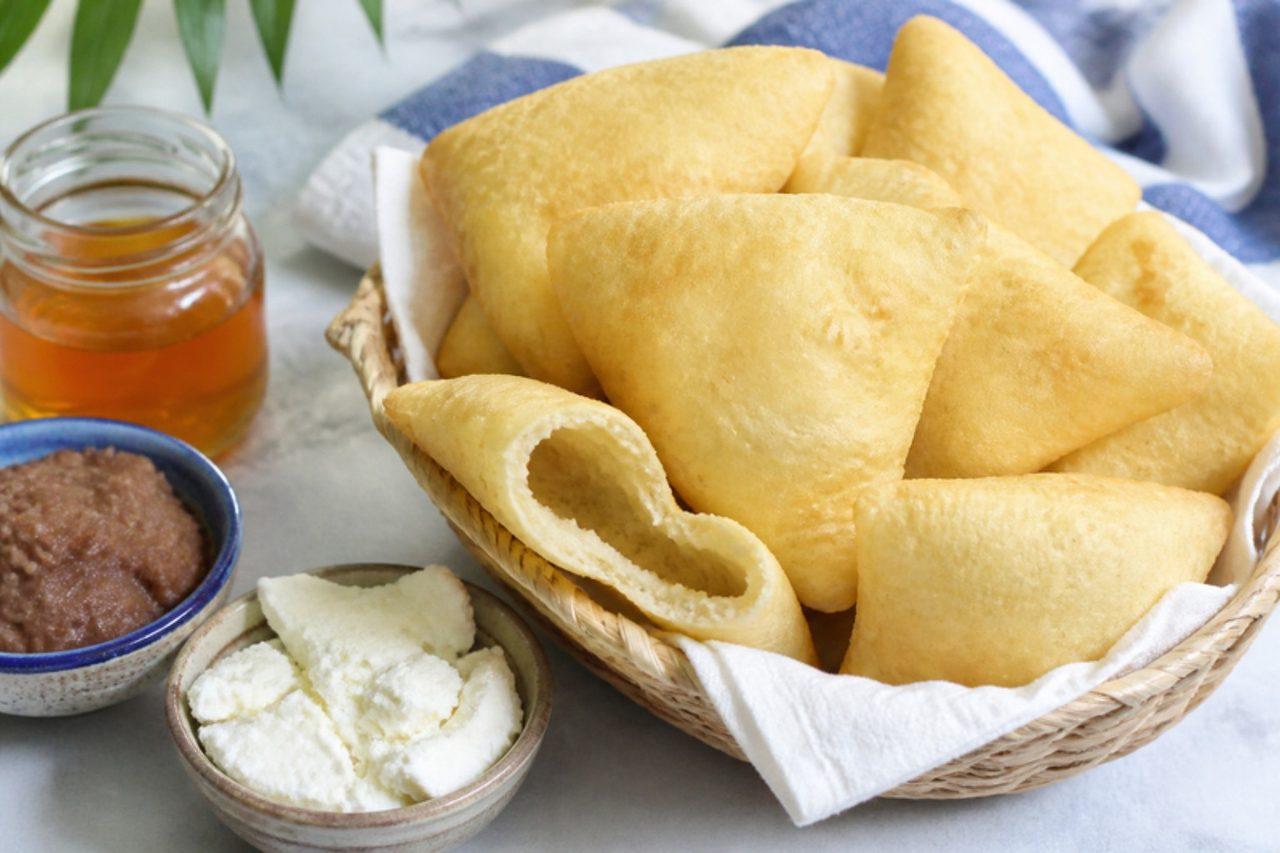
Fry jacksPuffed fried dough triangles

Fry jacks are the smell of a Belizean morning: in Belize City and the Cayes, breakfast spots fry these squares and triangles of dough until they balloon up hollow and golden. They come beside refried beans, scrambled eggs and cheese, or torn open and drizzled with honey or jam. They're lighter and puffier than a doughnut, crisp outside and chewy within. Chef's tip: roll the dough thin, about 3 mm, and slit each piece once in the middle; that's what makes them puff like a pillow.

by KrazyBadal 0 views
Fu champuruWheat gluten and cabbage stir-fry

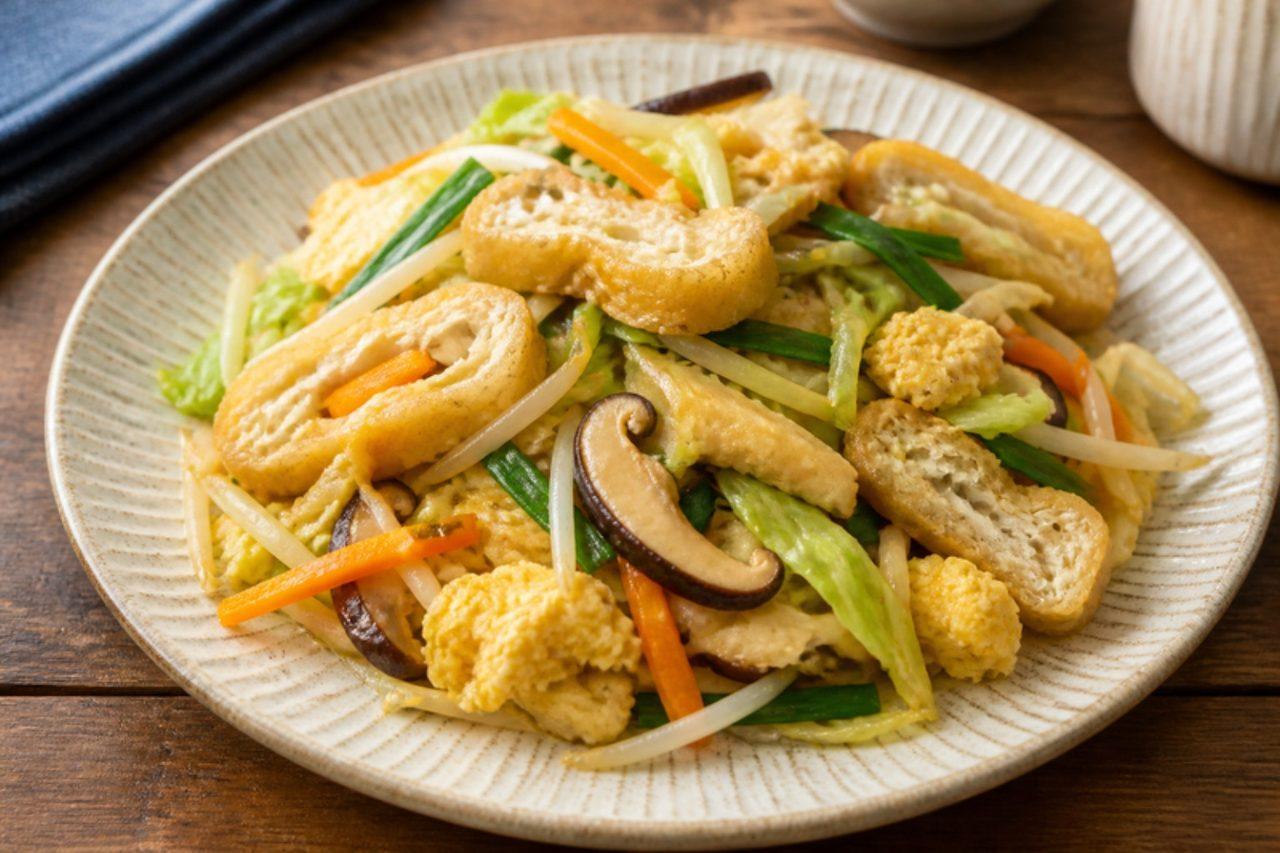
Champuru means 'mixed up' in Okinawan and is the islands' everyday stir-fry. Goya champuru with bitter melon is the famous one; fu champuru, made with chewy wheat gluten, is the gentle, child-friendly version many Okinawan families cook several times a week. The fu, large dried rings called kurumabu, is soaked, squeezed and dipped in beaten egg, so as it fries it turns soft, fluffy and golden, a little like French toast. Home cooks often add luncheon meat; ours is vegetarian, with shiitake for savouriness. Serve with rice and miso soup. Chef's tip: squeeze the soaked fu hard before adding the egg. Dry fu drinks up all the egg; wet fu turns soggy.

by KrazyBadal 0 views

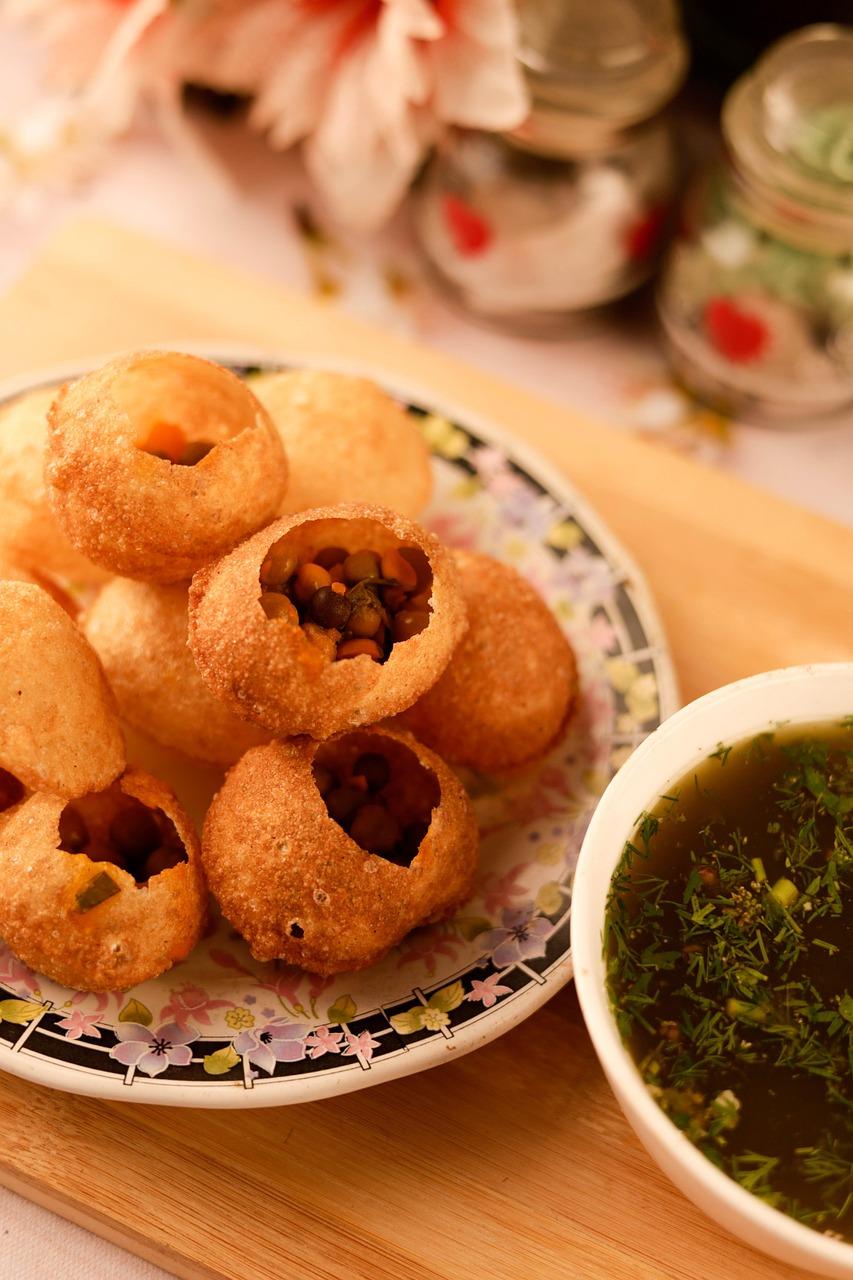
FuchkaFilled crisp shells

Fuchka is Bangladesh's answer to pani puri, but with its own character: in Dhaka the crisp shells are filled with a coarse mash of potato and yellow peas sharpened with raw onion, chilli and coriander, then dipped in or splashed with a sour tamarind water rather than a mint-heavy one. Stalls along Bailey Road and at every fair sell them by the plate of eight, often with a little extra chopped chilli for those who dare. Chef's tip: make the tamarind water ahead and chill it hard; ice-cold sour water against a crisp shell is what you're after.

by KrazyBadal 0 views

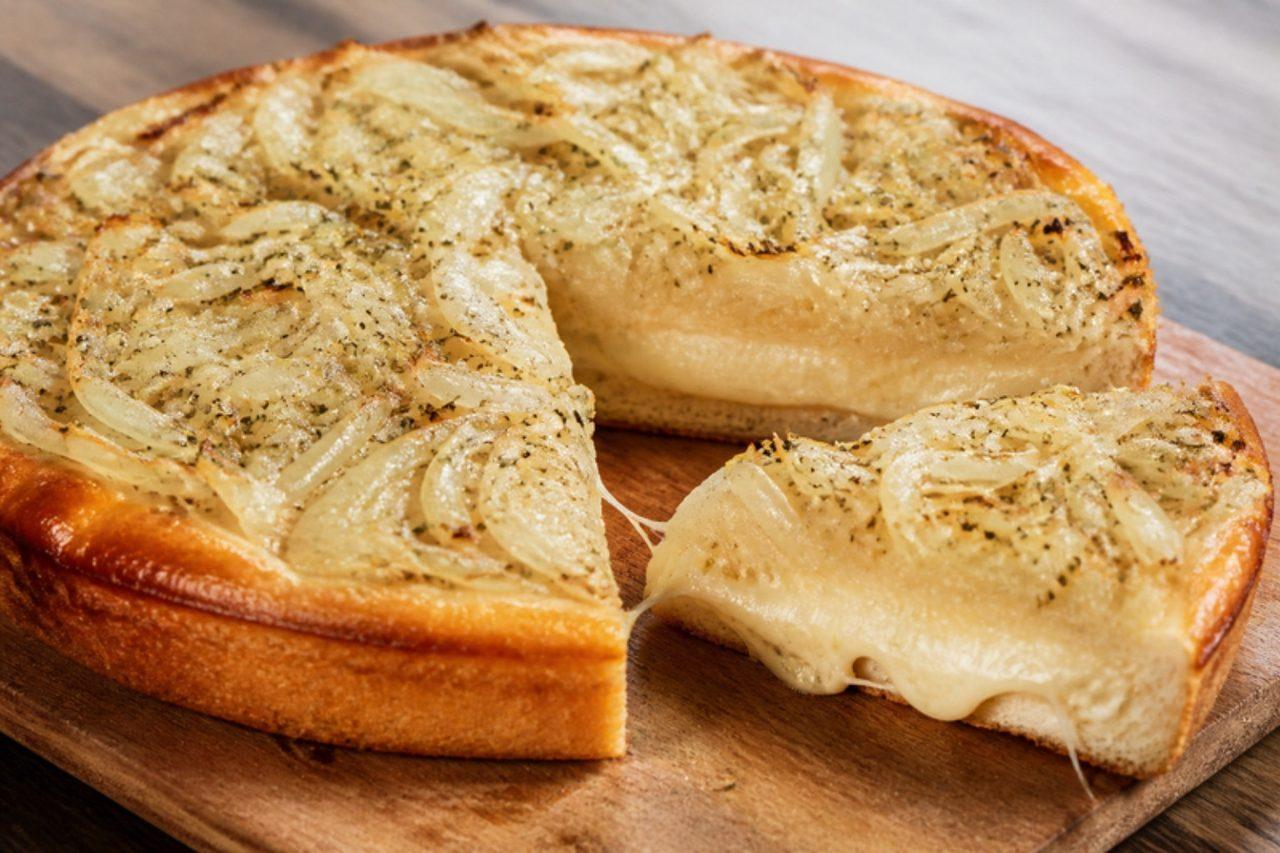
FugazzetaCheese-stuffed onion pizza

Fugazzeta is a Buenos Aires original from the pizzerias of the Corrientes and La Boca neighbourhoods, where Genoese immigrants' focaccia (fugazza) met mozzarella. A thick, soft pan dough is filled with a layer of mozzarella, sealed with a second layer of dough, then covered with a mound of thinly sliced onions and more cheese and baked until the onions are sweet and golden. It's a big, rich pizza to share. Use mozzarella made with vegetarian rennet. Chef's tip: salt the onions and squeeze them out before using; this keeps the pizza from going soggy.

by KrazyBadal 0 views

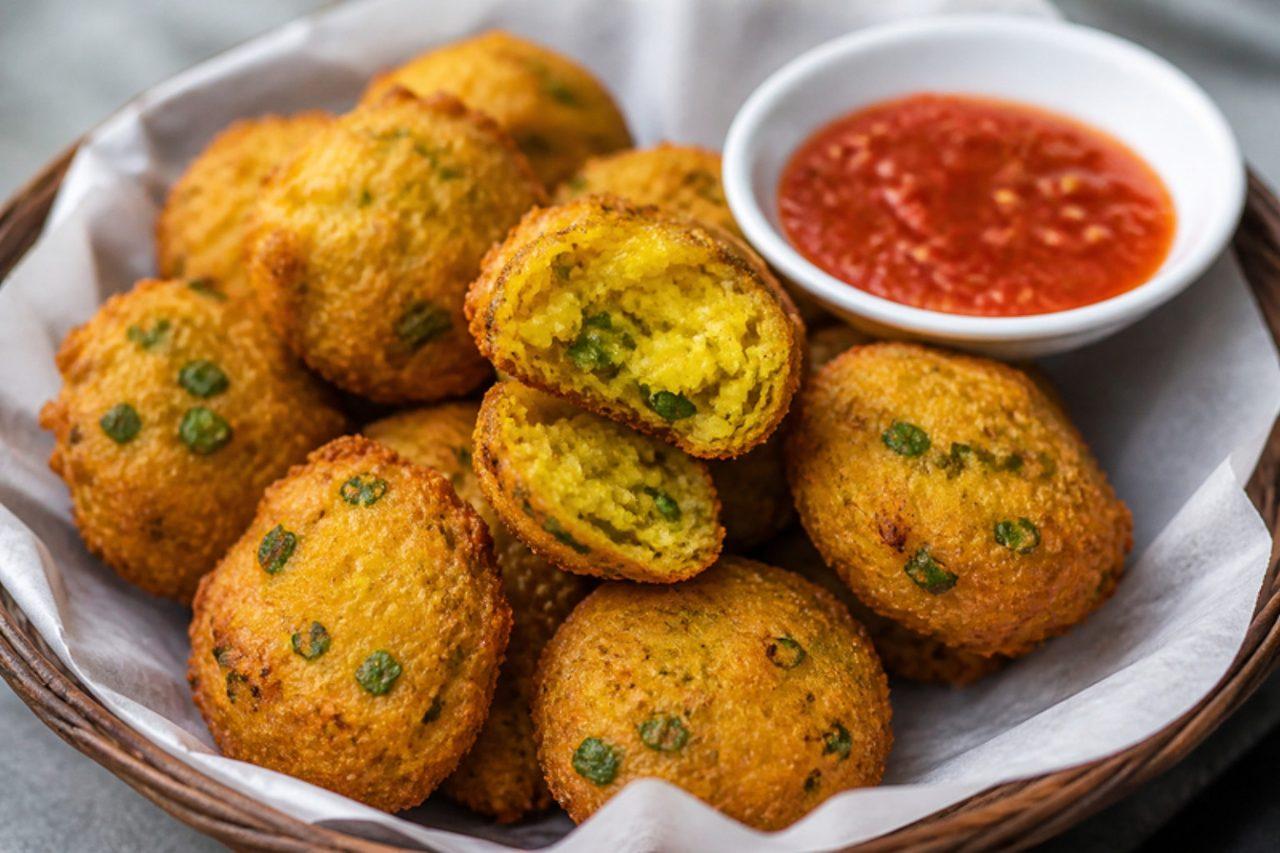
Gâteaux pimentsSplit pea chilli fritters

Gâteaux piments ('chilli cakes') are the snack of Mauritius, sold hot in paper bags at every bus station, school gate and market from Port Louis to Rose-Hill, and stuffed into buttered baguettes at breakfast. Yellow split peas are soaked, ground coarse with chilli, spring onion and coriander, and fried into small crunchy rounds. They are related to Indian vadas, brought by the island's Indian community. Chef's tip: grind the peas coarsely and without water; a smooth, wet paste makes dense, oily fritters.

by KrazyBadal 0 views

BagnetCrispy fried pork belly

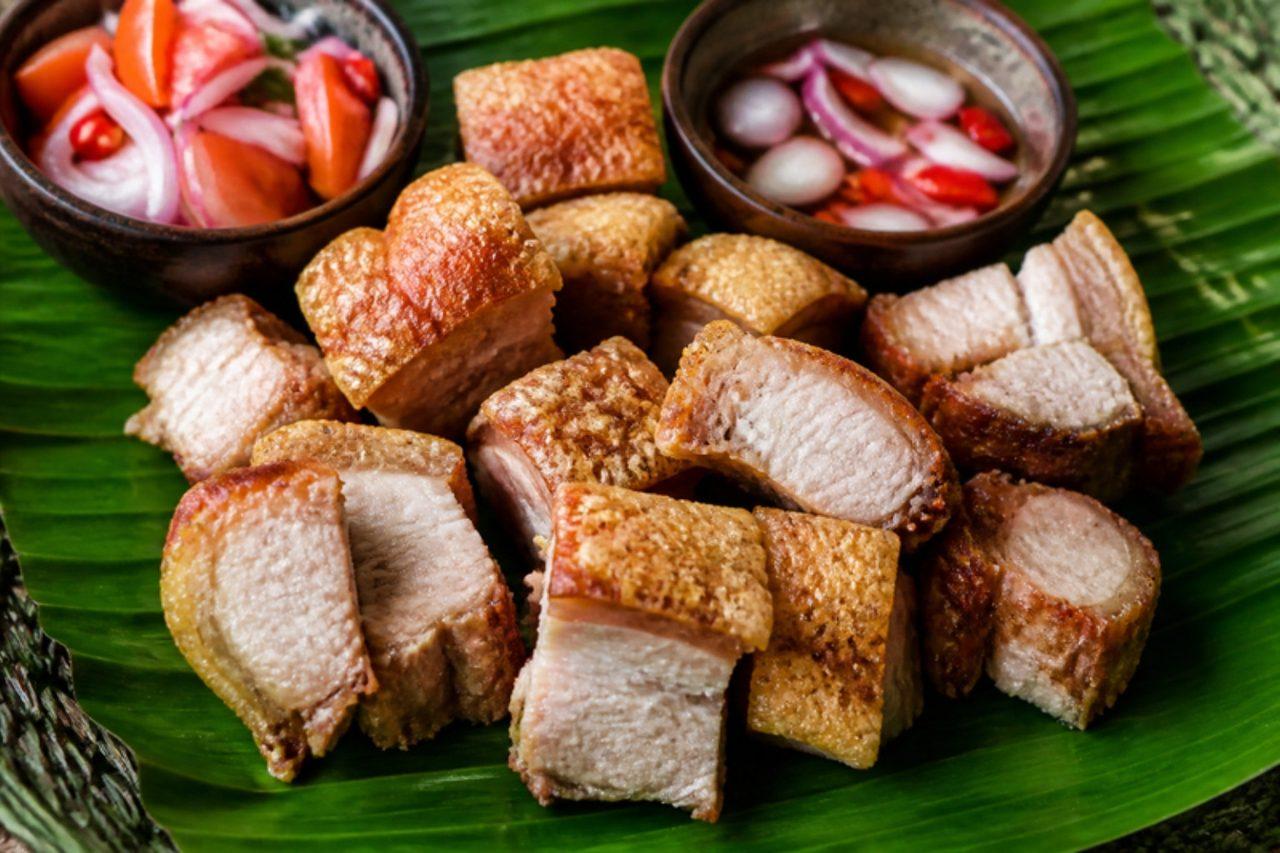
Up in Ilocos Norte and Ilocos Sur, in towns like Vigan and Batac, bagnet hangs in market stalls in golden slabs: pork belly that has been boiled, dried and deep-fried so the rind is puffed and crunchy all the way through. Ilocanos chop it into rice bowls, add it to pinakbet and dinengdeng, or eat it with sukang Iloco, the region's dark sugarcane vinegar. It is richer and crunchier than lechon kawali because it is fried twice. A tomato and onion salad with a little shrimp paste cuts the fat. Chef's tip: the second fry, in hotter oil after a rest, is what makes the rind bubble; skip it and you get chewy skin.

150 minFilipinoMeatGluten free
by KrazyBadal 0 views

Ful medamesWarm fava beans with garlic and lemon

Ful mudammas is breakfast on both sides of the Levant: Cairo's street carts ladle it from huge copper pots at dawn, and in Beirut and Damascus small ful shops serve it on Sunday mornings to queues of families. Small brown fava beans are warmed in their liquid, partly crushed, then dressed at the table with garlic pounded with salt, plenty of lemon and cumin, a pool of olive oil and a heap of chopped tomato and parsley. Scoop it with flatbread and eat it with raw onion wedges, radishes, olives and mint. The mistake most people make is draining the beans and dressing them dry; the cooking liquid is what makes ful creamy, so keep some. Chef's tip: mash only about a third of the beans, so the dish is part silky purée and part whole bean.

by KrazyBadal 0 views

Fungee and pepperpotCornmeal and okra with beef stew

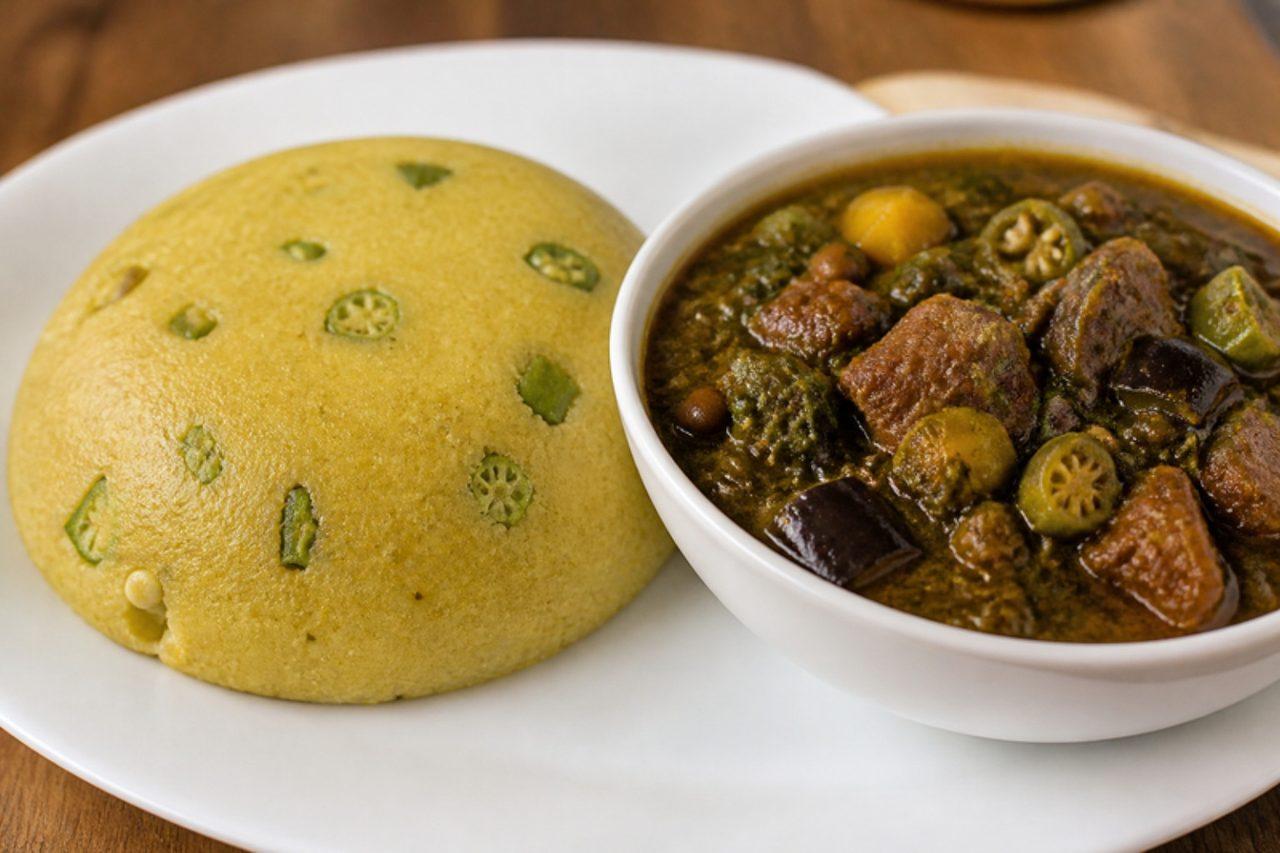
Antiguans eat fungee and pepperpot on Saturdays and on holidays like Independence Day in November, and grandmothers still turn the fungee with a flat wooden 'fungee stick'. Pepperpot is a thick stew of beef, spinach, aubergine, okra and squash cooked down until the vegetables melt together; many cooks also add salted pig tail, which is left out here. The fungee is a smooth cornmeal and okra mash, shaped into balls with a buttered bowl and served beside the stew. The mistake people make is tipping the cornmeal in all at once, which makes lumpy fungee; add it in a slow stream while stirring hard. Chef's tip: pour off half the okra water before adding the cornmeal and keep it hot; you can work it back in if the fungee gets too stiff.

by KrazyBadal 0 views

Khao man gaiChicken and ginger rice

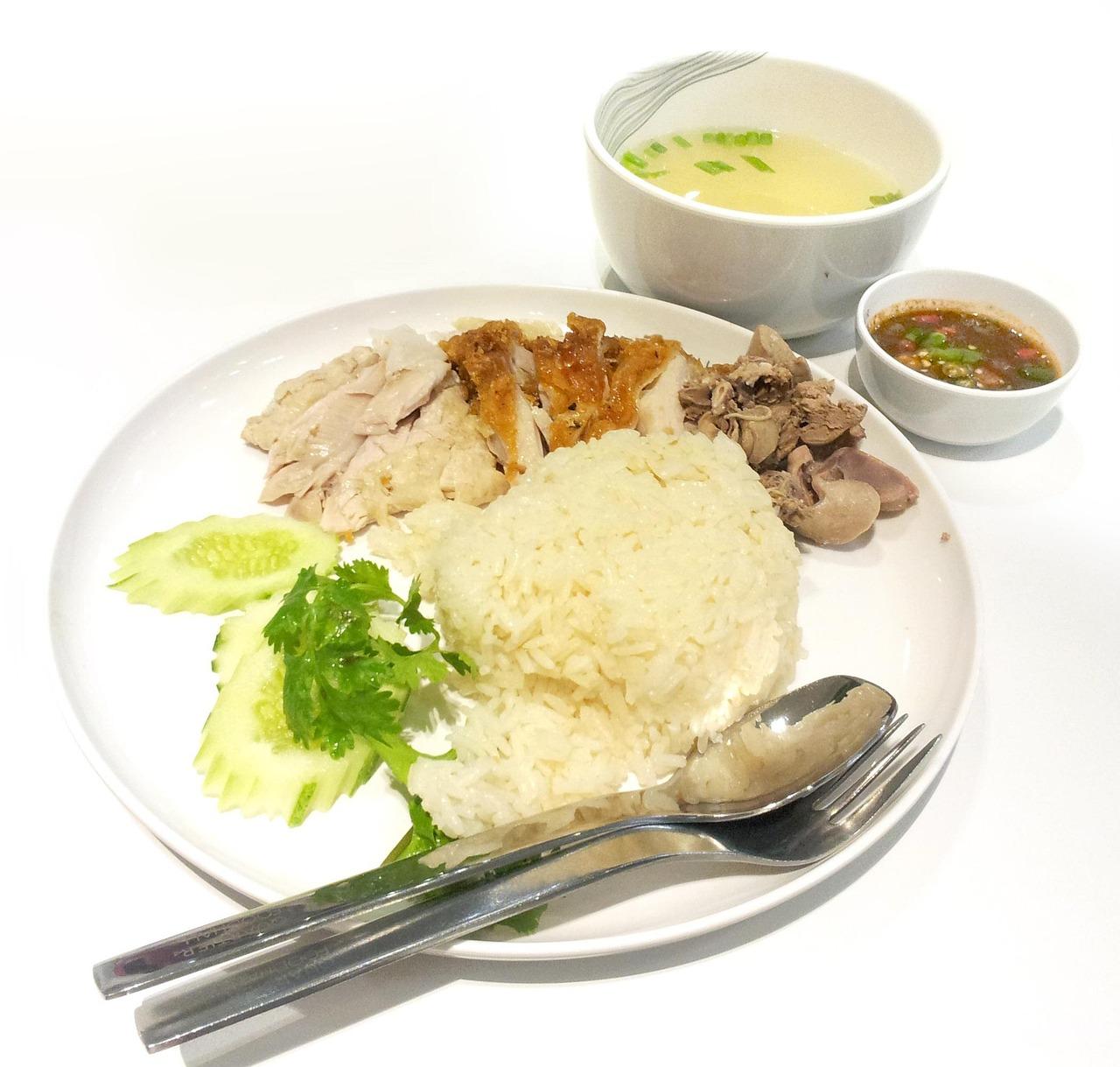
Around Pratunam market in Bangkok, the khao man gai stalls are easy to spot: a queue, pale poached chickens hanging in a glass cabinet, and a cook slicing with a cleaver at speed. Like its Hainanese ancestor, the dish pairs silky chicken with rice cooked in the bird's fat and broth, but the Thai plate stands apart for its sauce, a punchy mix of fermented soybeans (tao jiao), ginger, garlic, chilli and vinegar, and for the little bowl of clear broth with winter melon served on the side. Bangkok eats it for breakfast, lunch or a late supper, always with cucumber slices and coriander. Chef's tip: plunge the cooked chicken into iced water for 10 minutes; the skin firms to a jelly-like snap and the meat stays juicy.

by KrazyBadal 0 views

KurtDried salted yogurt balls

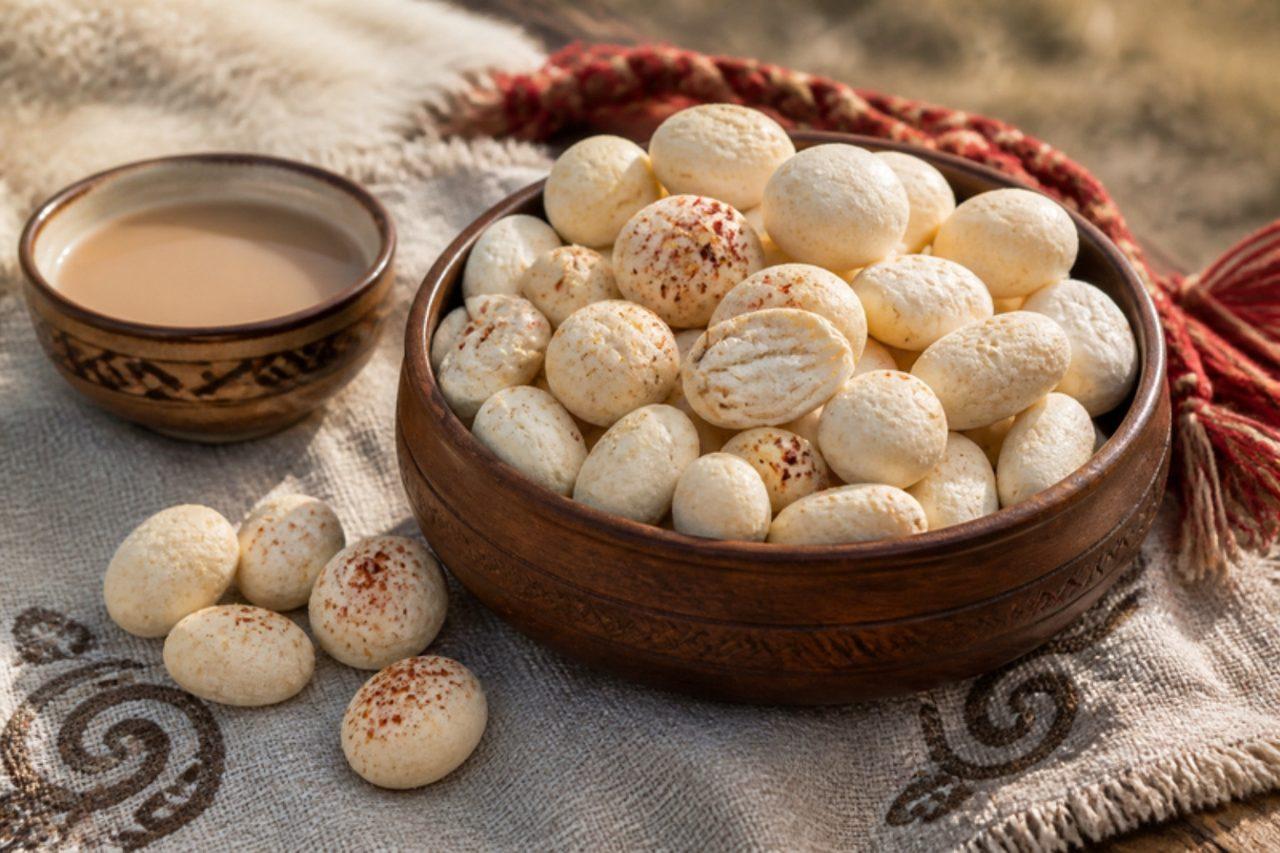
Kurt is the snack of the steppe: thick, salted yogurt pressed into balls and dried until rock-hard, so it keeps for months in a saddlebag. Herders in Kazakhstan and Kyrgyzstan make it in summer, when the animals give the most milk, and dry it on reed mats in the sun. Children suck on it like a sweet, adults crumble it into soups, or dissolve it in hot water to make a sour drink. Bazaars from Shymkent to Bishkek sell it in white, smoked and red-pepper versions. Chef's tip: drain the yogurt until it's as firm as cream cheese; if it's still wet the balls crack and turn mouldy before they dry.

by KrazyBadal 0 views

Kurthi dalHorse gram dal

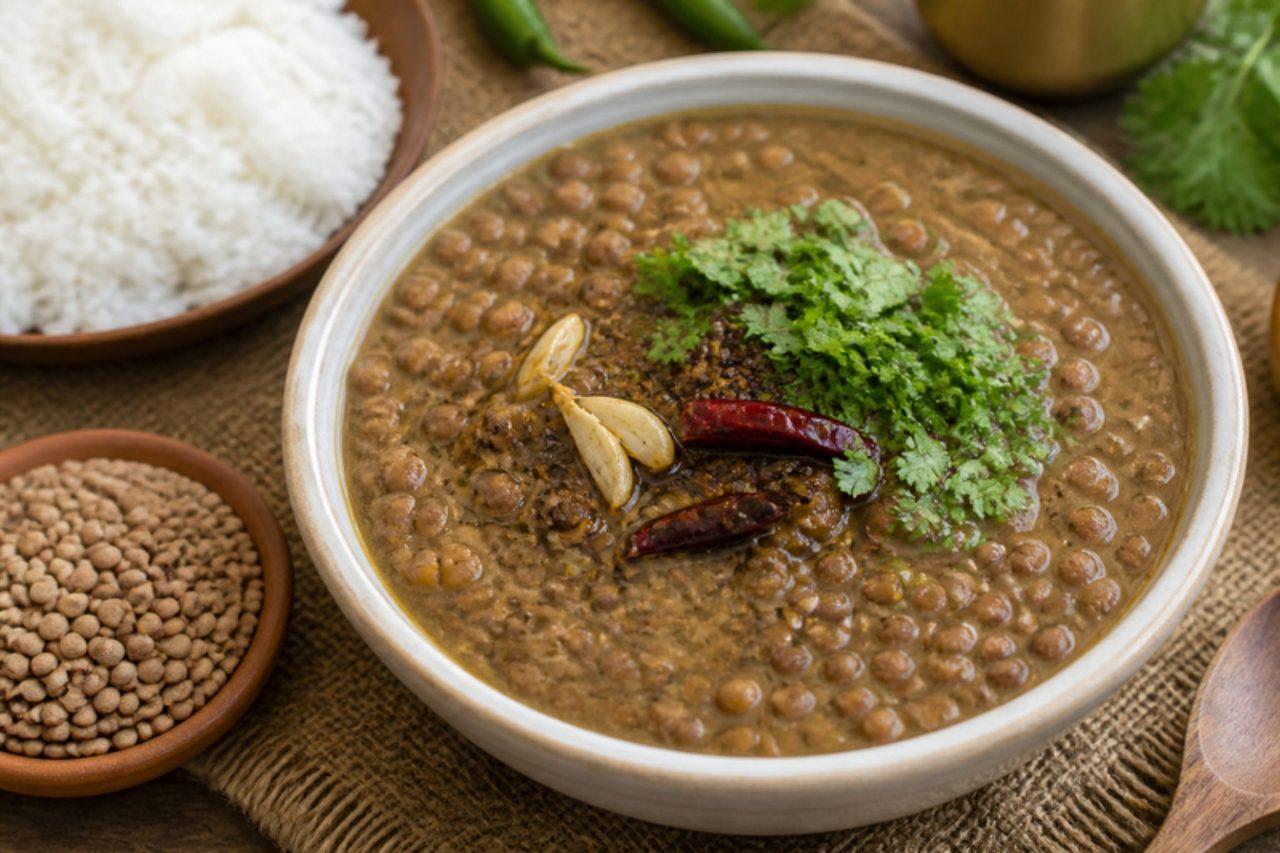
Kurthi, as horse gram is called in Jharkhand, grows on poor, dry upland soil where little else will, and it has fed the plateau's Adivasi and farming families for centuries. Cooked slowly into dal, it is dark, earthy and filling, with a slightly smoky taste, and it is eaten through the cold months with rice and a dry vegetable, as it is believed to warm the body. The tempering of garlic, dried chilli and smoking mustard oil is what makes it Jharkhandi. Chef's tip: mash a ladle of the cooked gram against the side of the pot; it thickens the dal without any flour.

by KrazyBadal 0 views

Ga kho gungGinger caramel chicken

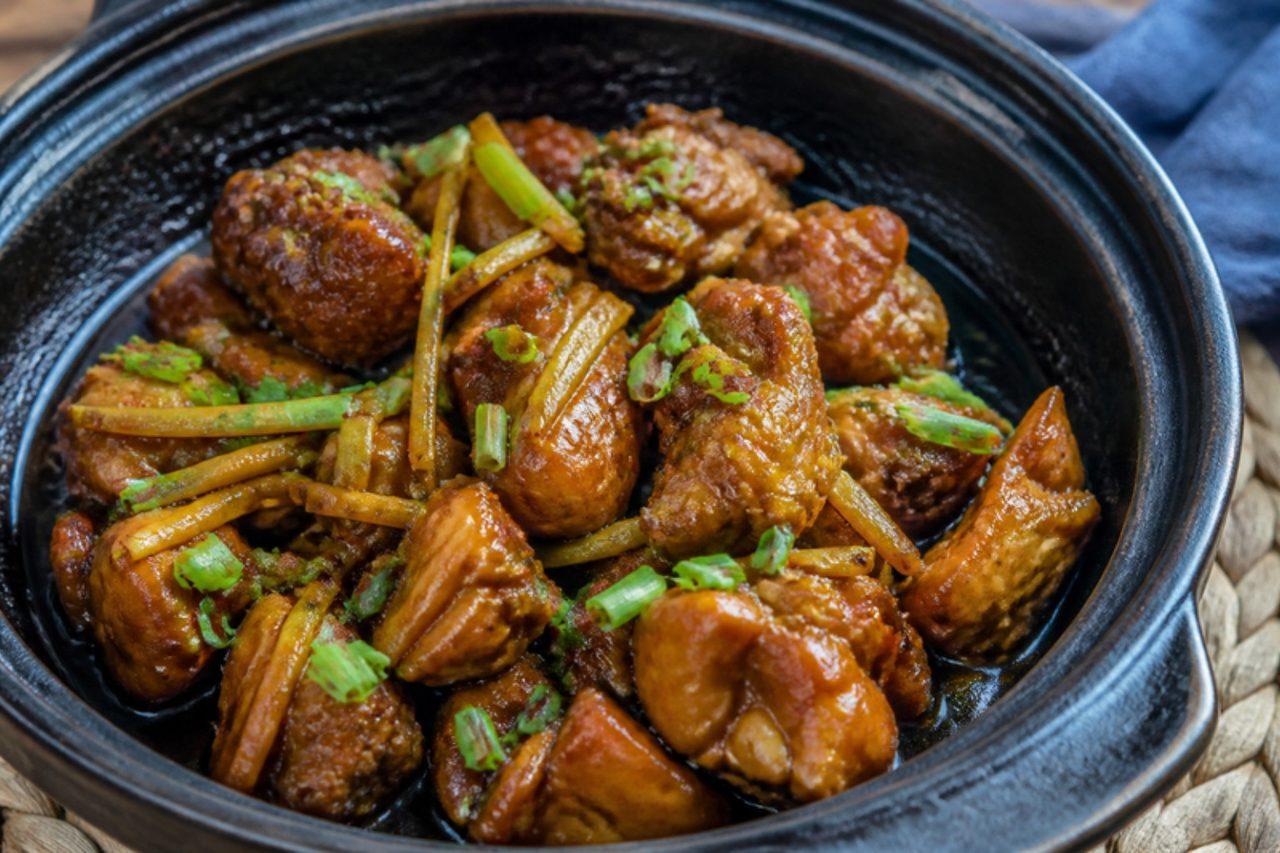
Across Vietnam, from Hanoi apartments to Mekong Delta farmhouses, a small pot of something braised in caramel and fish sauce sits on the family table at dinner with rice, a plate of boiled greens and a clear soup. This chicken version leans on ginger, cut into fine matchsticks so it turns soft and warming in the glossy, salty-sweet sauce. It's a favourite when the weather cools, traditionally cooked in a clay pot, though any heavy pan will do. It reheats well, so it's a good one for the next day's lunch. Chef's tip: take the caramel to the colour of strong tea, deep amber, before the chicken goes in; that slight bitterness is what keeps the dish from tasting sugary.

by KrazyBadal 0 views

KürtőskalácsChimney cake

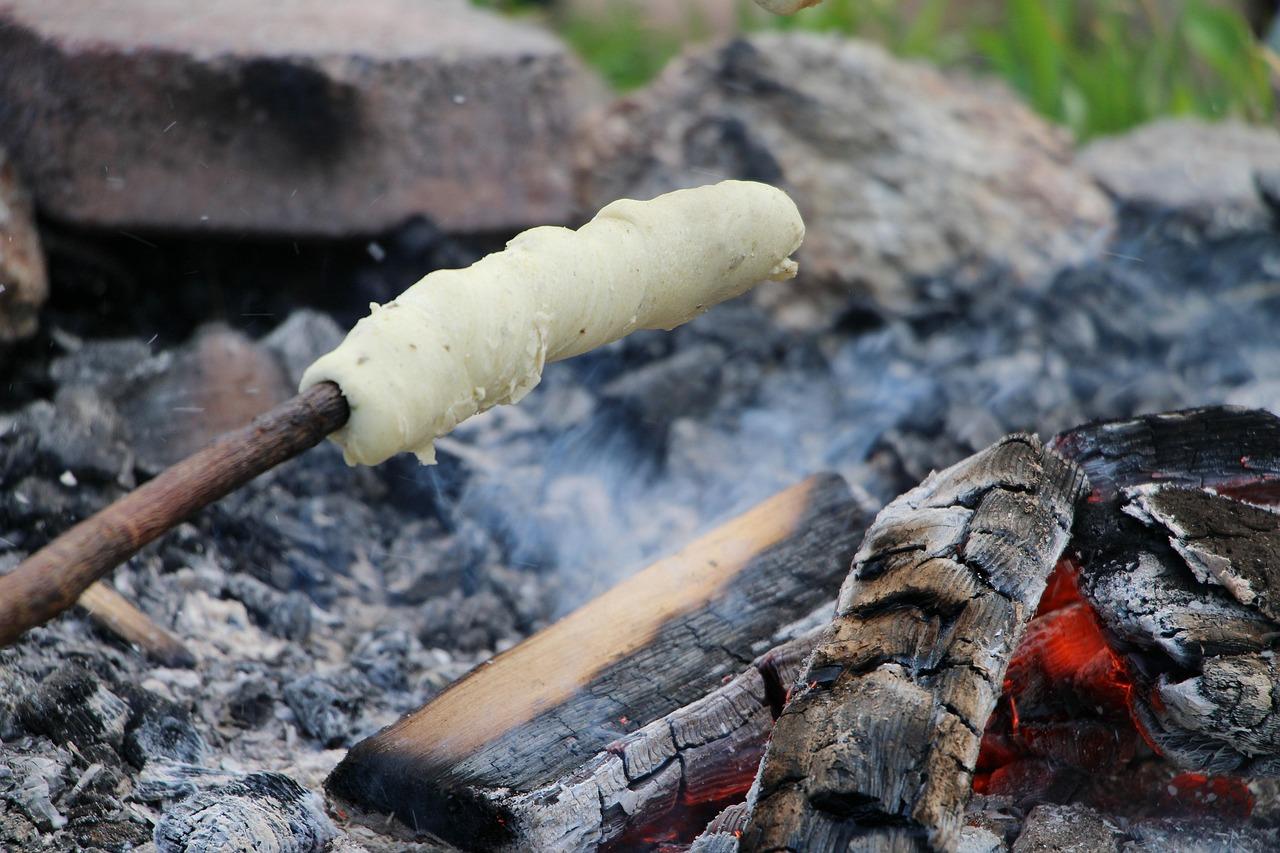
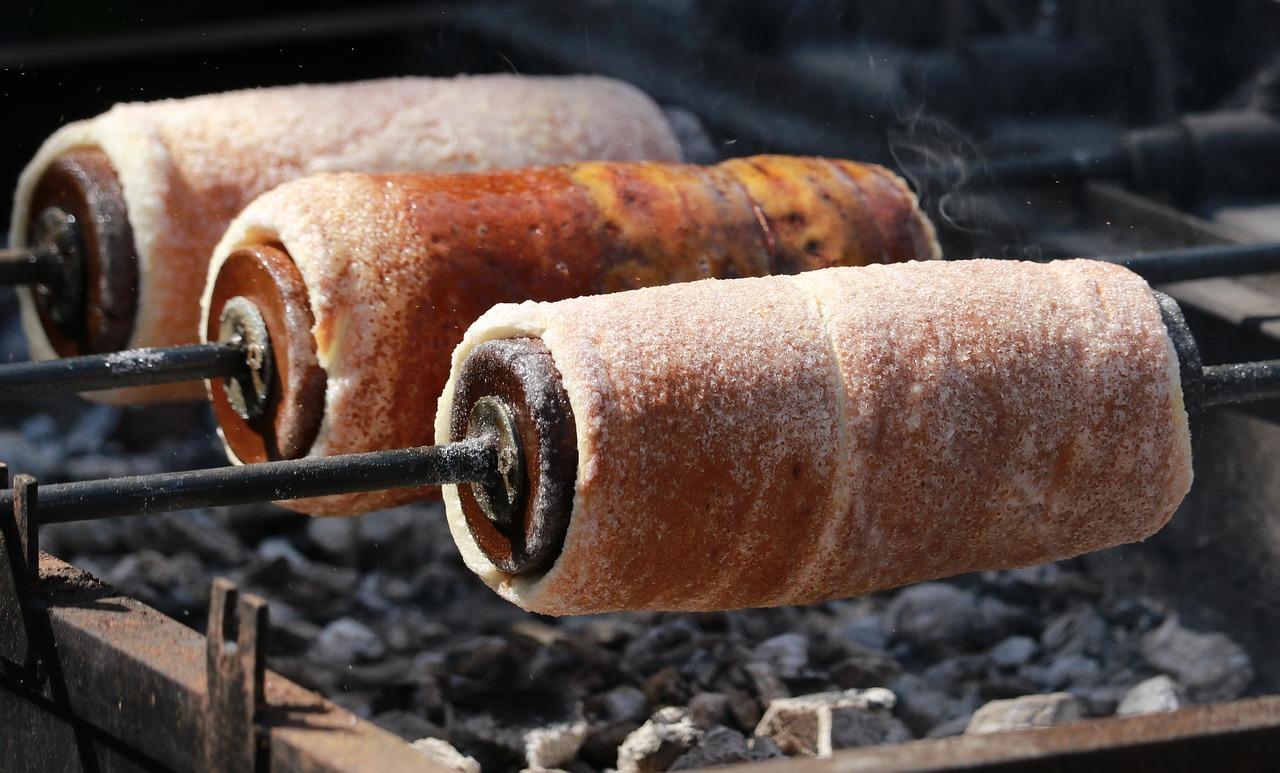
Kürtőskalács, or chimney cake, comes from the Székely Hungarian villages of Transylvania and is now sold at every Budapest Christmas market and summer festival, turning on spits over glowing coals. A strip of sweet yeast dough is wound around a wooden roller, rolled in sugar and baked until the sugar caramelises into a thin, crackling shell; you unwind the soft, steaming spiral as you eat it. At home you can bake it in the oven on foil-wrapped rolling pins or tins. Chef's tip: press the dough spiral firmly into the sugar before baking; loose sugar falls off, but pressed sugar melts into the glassy crust. A common mistake is leaving gaps between the strips, which makes the cake tear apart when you slide it off.

by KrazyBadal 0 views

Gado-gadoVegetable salad with peanut sauce

In Jakarta, gado-gado is lunch from a pushcart: the Betawi seller grinds the peanut sauce to order on a stone ulekan, then tips blanched greens, potato, tofu, tempeh and egg into it and mixes everything by hand. The name roughly means "mix-mix", and that is how it's eaten, with every vegetable coated in a sauce that's nutty, sweet from palm sugar, sour from tamarind and as hot as you ask for. It's a full meal on its own, crunchy with emping or rice crackers on top. Chef's tip: loosen the peanut sauce with warm water only at the end and stop when it coats a spoon like custard; too thin and it slides off the vegetables and pools on the plate.

by KrazyBadal 0 views

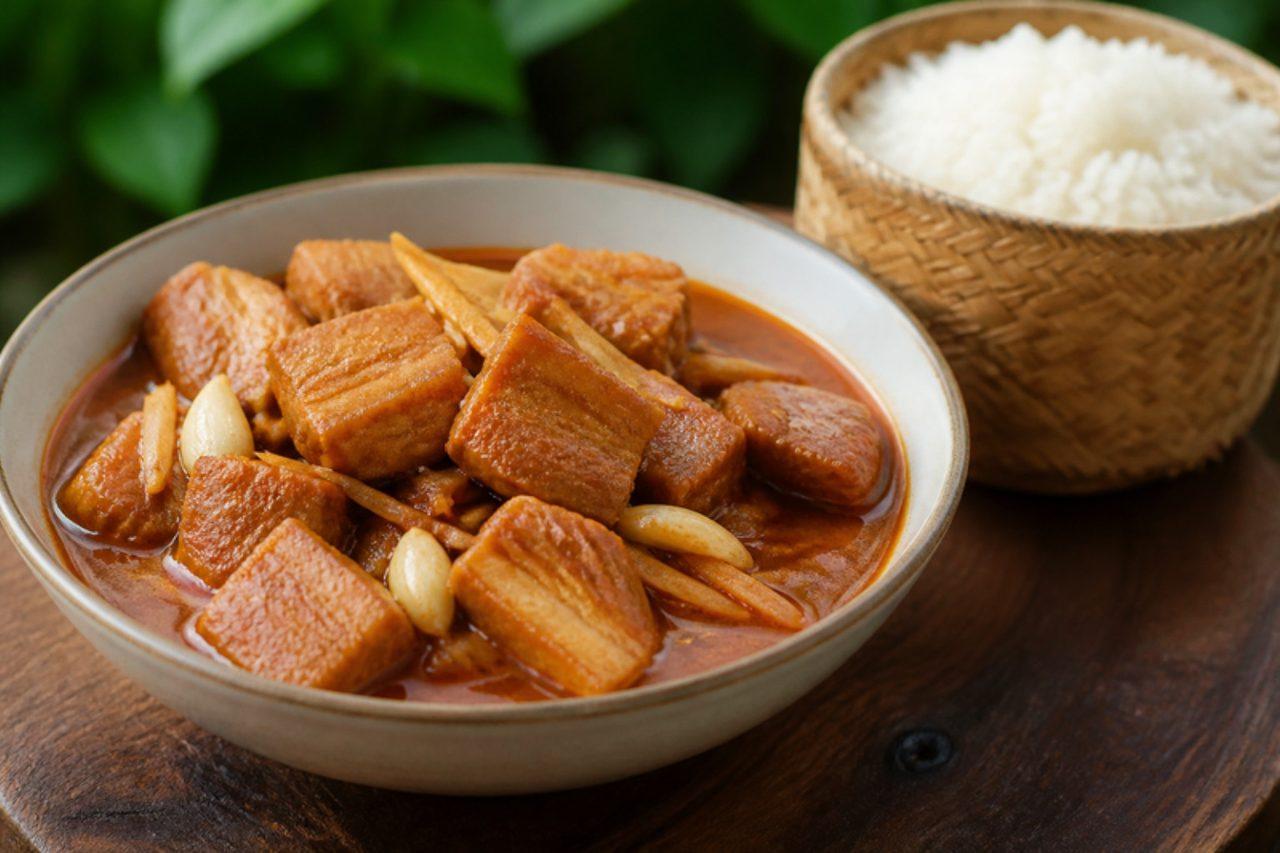
Gaeng hang layPork belly curry

Brought to Lampang and Chiang Mai by Burmese teak traders in the 1800s, this coconut-free curry is now the dish Northern families cook for temple fairs, weddings and Songkran, often a day ahead in a big pot. Chunks of pork belly and shoulder braise slowly until they almost fall apart in a dark, glossy sauce that tastes of ginger, garlic and warm spices, sharpened with tamarind and rounded with palm sugar. It should be thick enough to cling to the meat rather than soupy. Serve it with steamed jasmine or sticky rice and a crisp cucumber salad. Chef's tip: make it the day before; overnight in the fridge the flavours settle and the fat sets on top so you can lift some off before reheating.

120 minThaiCurriesGluten free
by KrazyBadal 0 views

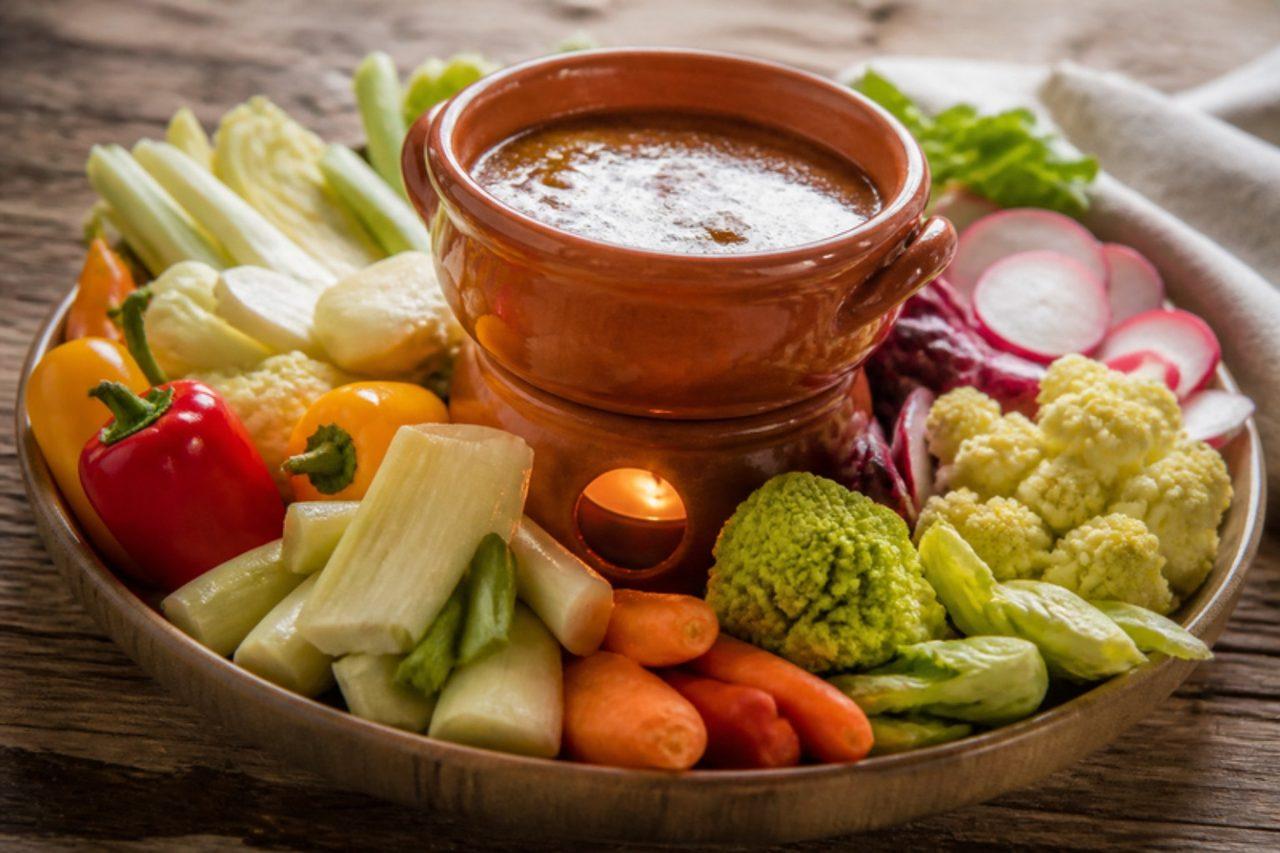
Bagna càudaWarm garlic and anchovy dip

When the grape harvest is over in the Langhe and Monferrato, Piedmontese friends gather round a terracotta pot of bagna càuda, the 'hot bath', kept warm over a little flame in the middle of the table. Everyone dips raw and cooked vegetables into it: peppers, cardoons, fennel, cabbage leaves, Jerusalem artichokes, boiled potatoes and beetroot. The sauce is mellow rather than fierce, because the garlic is poached in milk before it melts with anchovies into olive oil and a little butter, giving a rich, salty, nutty bath. Hunks of bread catch the drips, and a young red wine is the usual partner. Chef's tip: keep it hot but never bubbling, on a fondue burner or tea-light warmer; if it fries, the garlic turns bitter and the anchovies harsh.

by KrazyBadal 0 views

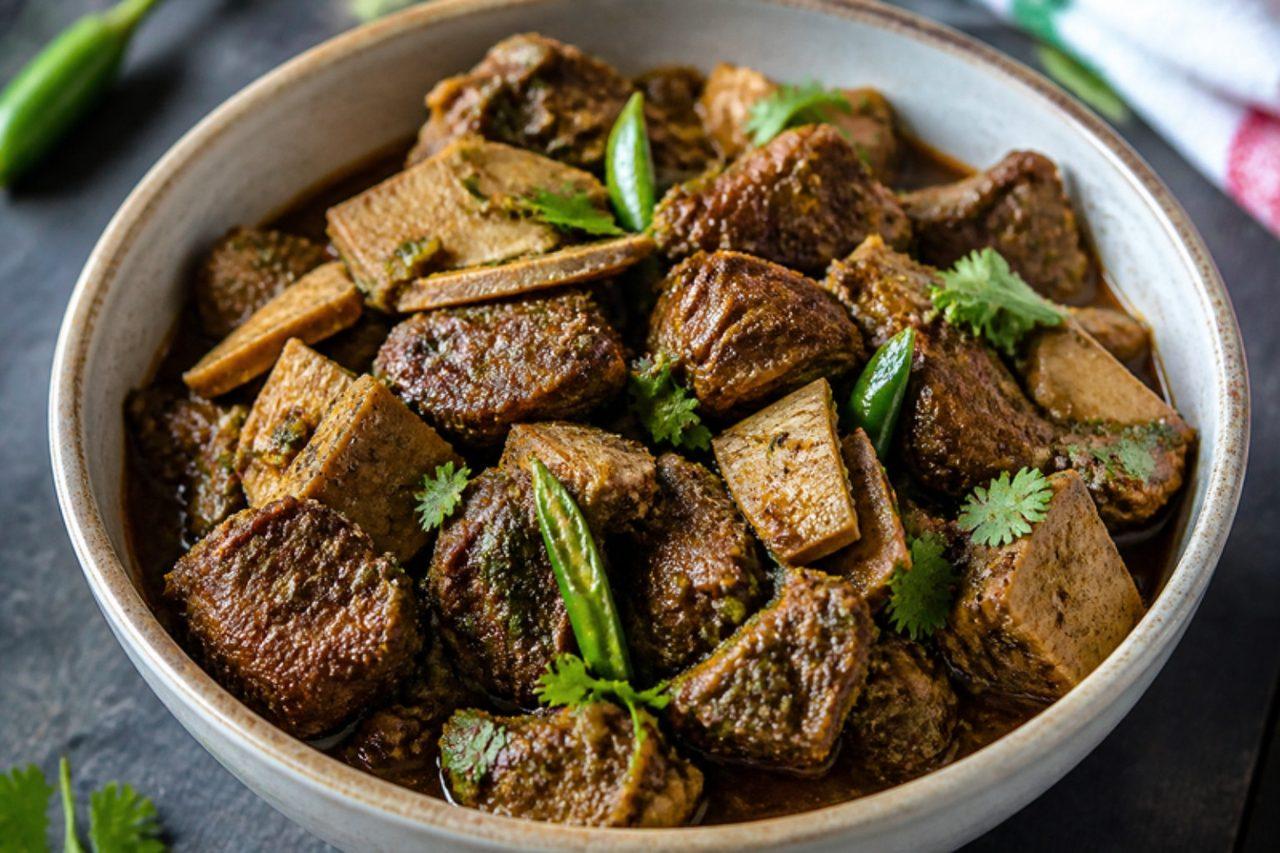
Gahori aru bahgajPork curry

Across upper Assam, among the Tai Ahom, Mising and many tea-garden families, pork with fermented bamboo shoot is the dish that turns any gathering into a feast. The bamboo shoot gives a sour, almost cheesy tang that cuts through the rich pork, and a little bhut jolokia (ghost pepper) brings slow heat. It is cooked with very little oil because the pork fat does the work, and is served with rice and a leafy side. Chef's tip: choose shoulder or belly with some fat on; lean loin turns dry and stringy here.

90 minIndianMeatGluten freeSpicy
by KrazyBadal 0 views

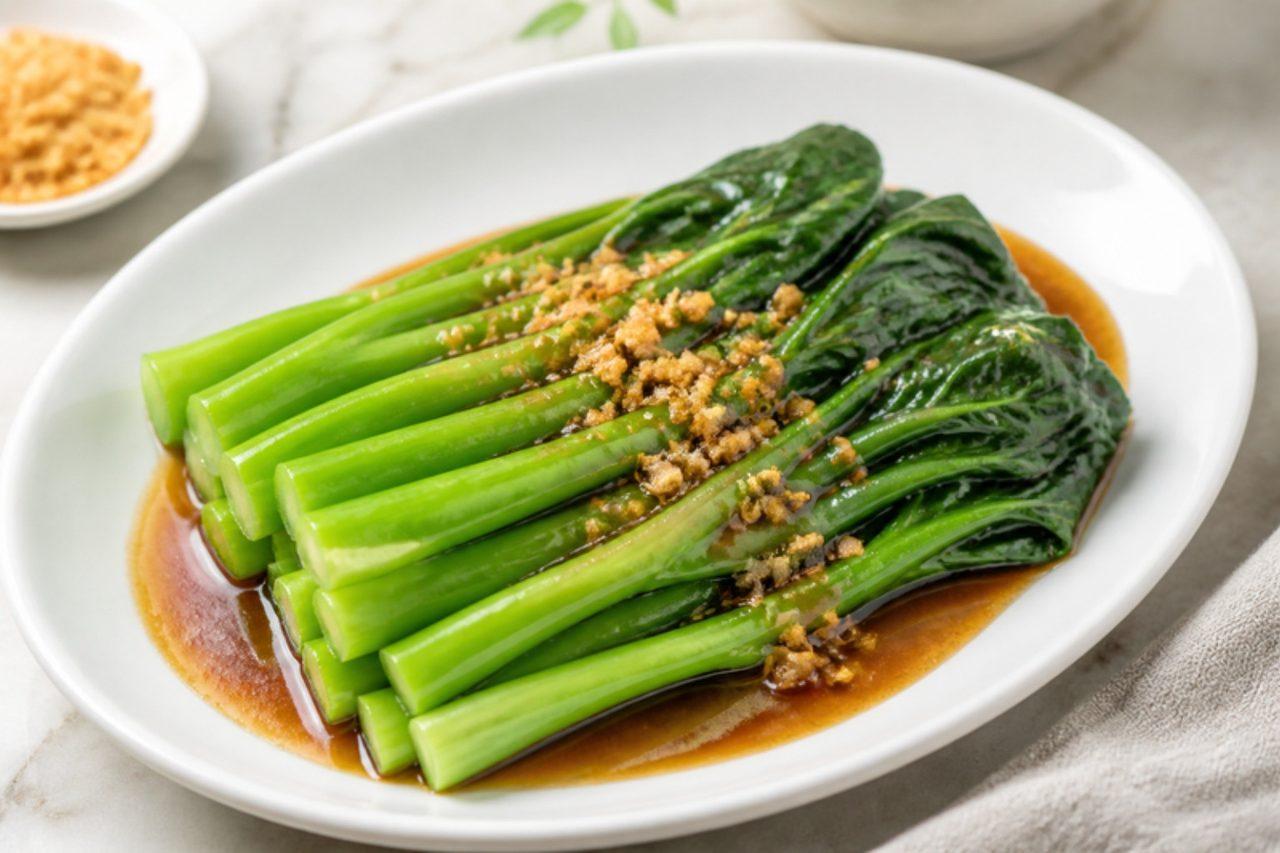
Gai lan with vegetarian oyster sauceChinese broccoli with mushroom sauce

Every Cantonese table needs a plate of greens, and gai lan (Chinese broccoli) is the favourite in Guangdong homes and Hong Kong cha chaan teng. The stems are thick, sweet and slightly bitter, the leaves soft. Restaurants blanch it and pour oyster sauce on top; here a mushroom-based vegetarian oyster sauce gives the same dark gloss and savouriness. Chef's tip: add a spoon of oil and a pinch of sugar to the blanching water; the oil keeps the greens bright and shiny, and the sugar softens the bitterness.

by KrazyBadal 0 views

Kuru fasulyeWhite bean stew

Kuru fasulye is close to a national dish in Turkey: a pot of white beans stewed in a red, paprika-scented sauce, eaten with rice pilaf, pickles (turşu) and raw onion at home and in the bean restaurants of Istanbul's Süleymaniye district. Many versions start with lamb or sucuk; this one leans on good olive oil, sweet and hot pepper paste and slow cooking, so the beans become creamy inside and the sauce silky and rich. It is a winter Friday-night staple for lots of families and tastes even better reheated the next day. Serve with domatesli bulgur pilavı or plain rice, a wedge of onion and crusty bread. Chef's tip: add the salt only once the beans are almost tender; salting at the start keeps the skins tough however long you cook them.

by KrazyBadal 0 views

Gai tod Hat YaiSouthern fried chicken

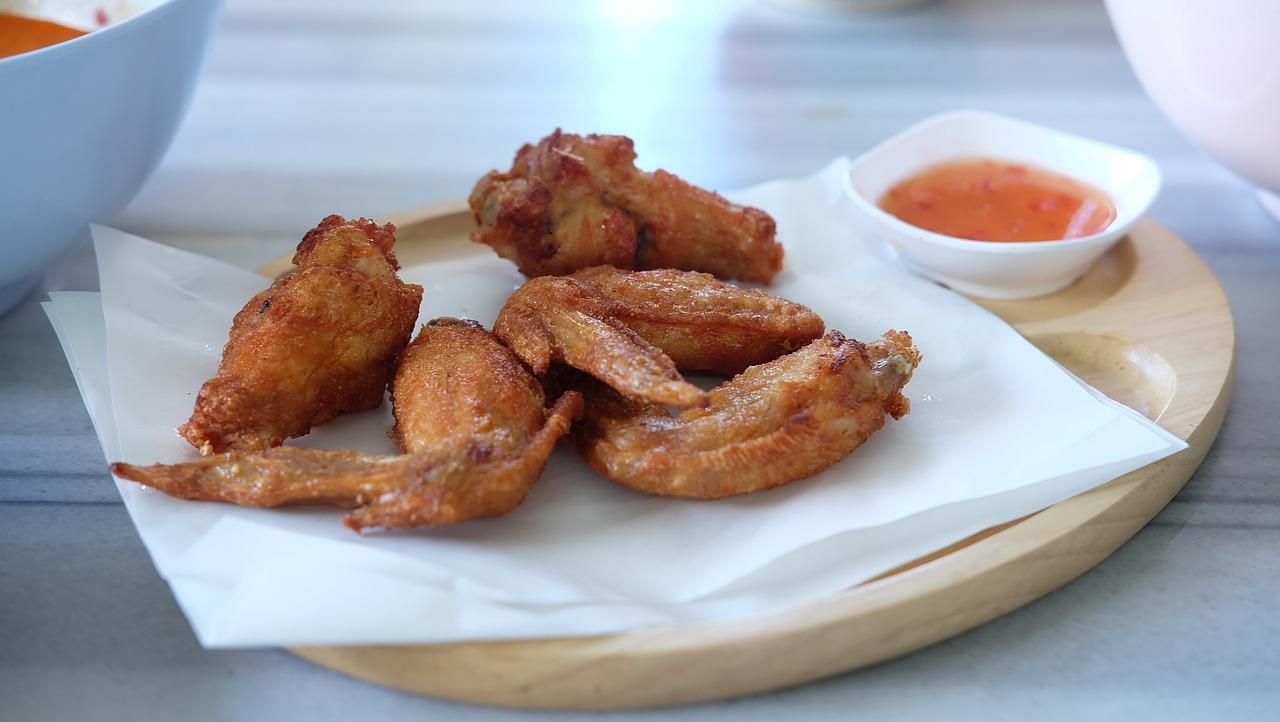
Hat Yai, the busy trading city in Songkhla province near the Malaysian border, gave its name to Thailand's best-loved fried chicken: pieces marinated with coriander root, garlic and white pepper, fried in a thin rice-flour coat until deep bronze, then buried under a drift of crisp fried shallots. Stalls there sell it from early morning with sticky rice and sweet chilli sauce, and Bangkok vendors copy it on every soi. The skin is light and crackly rather than bready, the meat aromatic and well seasoned, and the shallots add sweetness and crunch. Children love it with the sauce on the side. Chef's tip: marinate overnight in the fridge so the coriander root and pepper reach right to the bone.

by KrazyBadal 0 views

Gai yangGrilled lemongrass chicken

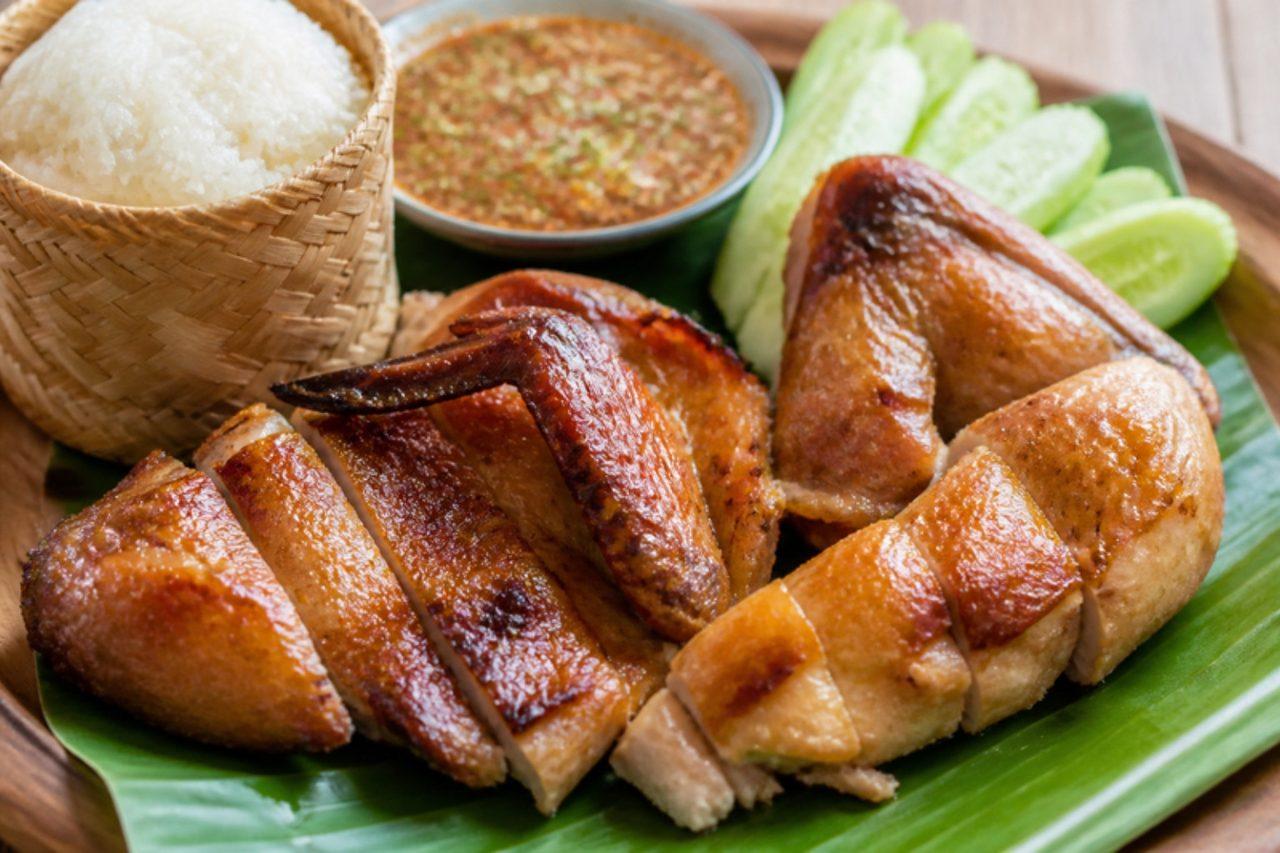
Bus stations and football matches across Isan have the same soundtrack: the crackle of chicken pieces clamped in split bamboo over glowing coals, and the thump of a pestle making som tam beside them. Gai yang is marinated in garlic, coriander root, white pepper and lemongrass, then grilled slowly so the skin turns lacquered and smoky while the meat stays juicy. Tear it apart with your hands and eat it with sticky rice, green papaya salad and a sour-hot jaew dipping sauce. Chef's tip: leave it in the marinade overnight in the fridge; the lemongrass and garlic need hours to get past the skin.

by KrazyBadal 0 views

Khao piak sen with mushroom brothRice noodles in mushroom broth

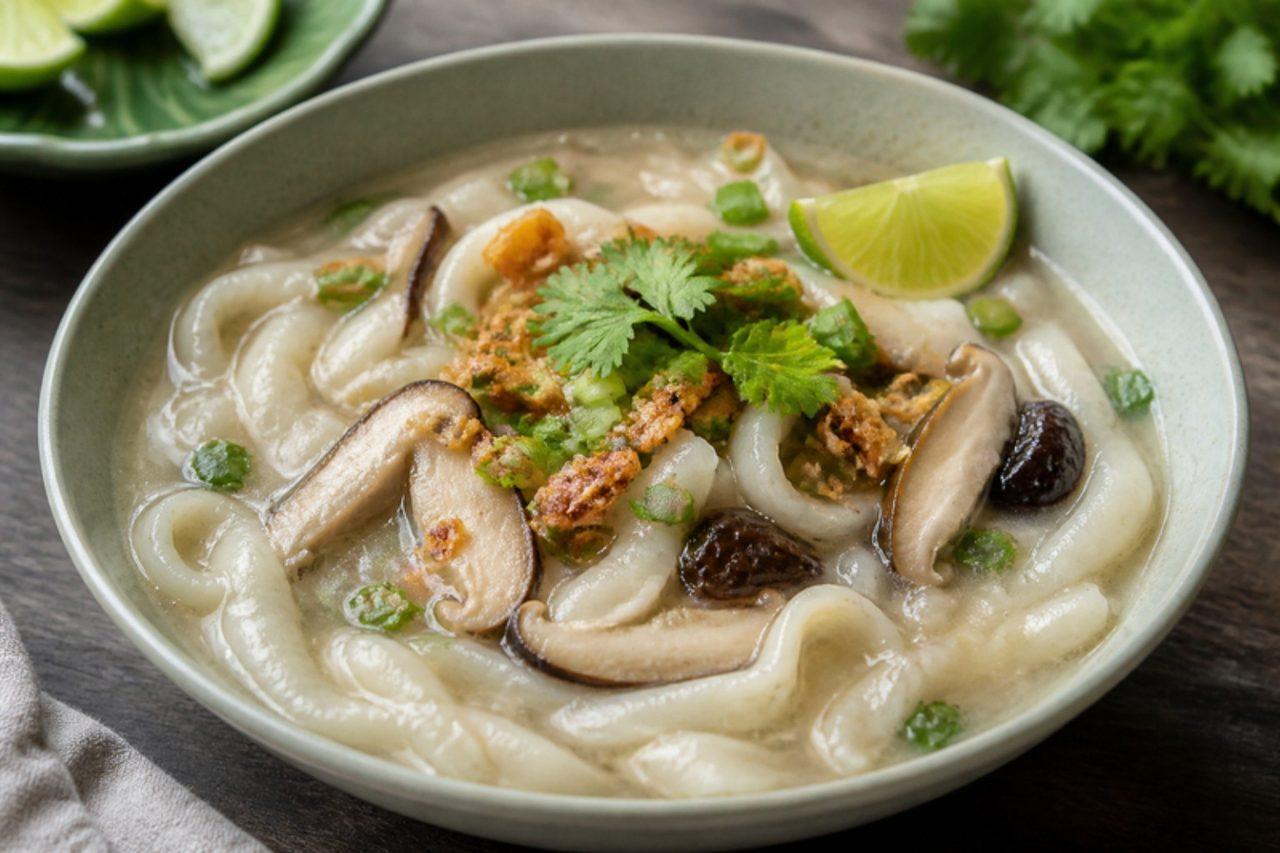
Khao piak sen is the soup Laotians crave on a cool morning or when they feel unwell, and roadside shops in Vientiane and Luang Prabang sell it from dawn. The noodles are cut by hand from a soft rice and tapioca dough and cooked straight in the broth, so their starch turns the soup thick, slippery and comforting. Instead of the usual chicken stock, this version builds a deep broth from dried shiitake, charred onion and ginger, and finishes it with crisp fried garlic, spring onion and coriander. Chef's tip: dust the cut noodles well with tapioca starch and keep them apart; they stick together into a clump in seconds if left in a pile.

75 minLaoSoupsVeganGluten free
by KrazyBadal 0 views

Khao poon with tofu and vegetablesCoconut curry noodle soup

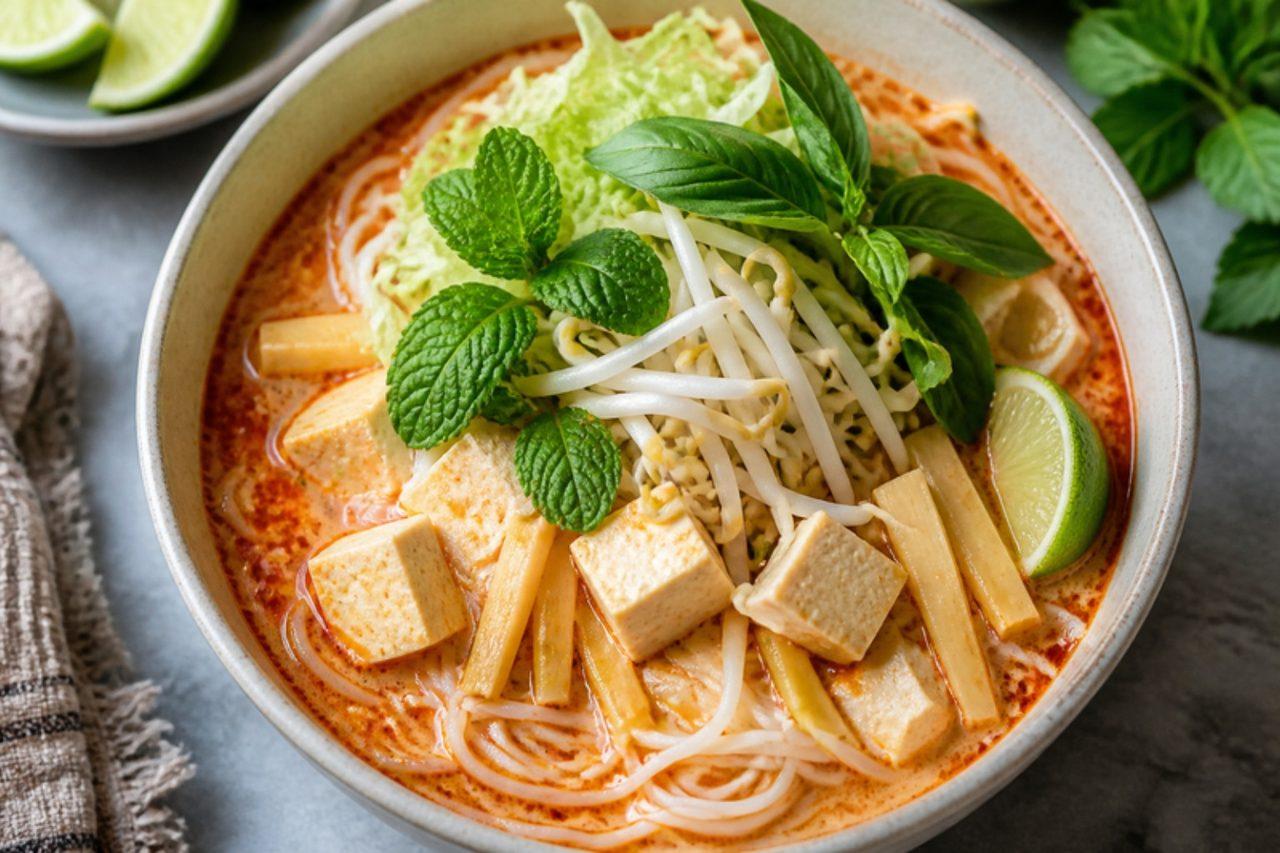
Khao poon is celebration food in Laos, ladled out at weddings, baci ceremonies and big family gatherings, and sold at morning markets in Vientiane by women with huge steaming pots. Fine round rice noodles sit under a spicy, red-tinged broth of coconut milk, lemongrass and galangal, and everyone adds their own shredded cabbage, banana blossom, beansprouts, mint and lime. The usual chicken or fish is swapped for golden fried tofu and bamboo shoots. Chef's tip: fry the red chilli paste in the coconut cream until oil seeps out in red drops on the surface; that's when the colour and heat are fully released.

by KrazyBadal 0 views

BaghrirThousand-hole semolina pancakes

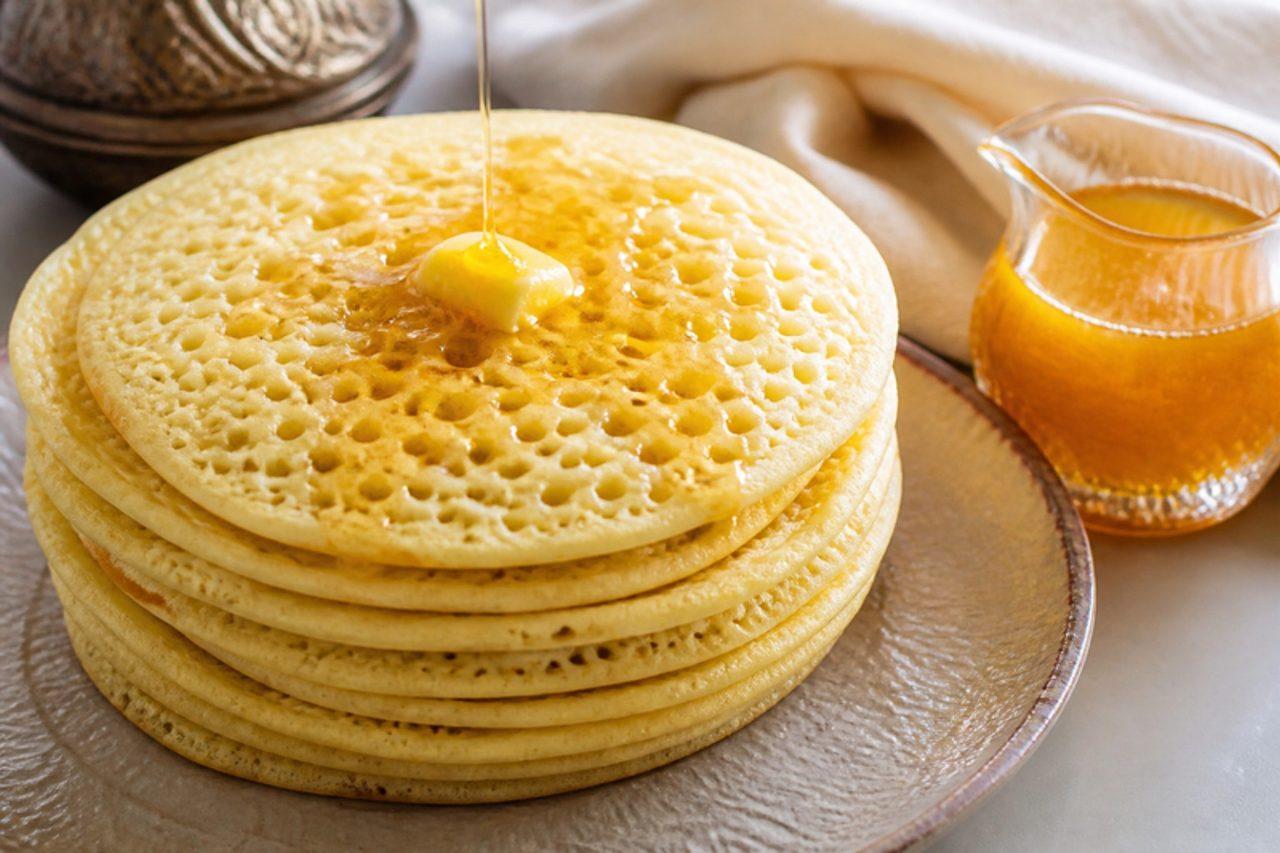
Baghrir are the spongy, lacy pancakes that Moroccan families make for breakfast on weekends and at Ramadan, when they are piled high at the iftar table. A smooth semolina batter is blended until thin, rested so the yeast and baking powder can work, then cooked on one side only: as it heats, hundreds of tiny holes open across the surface. The holes soak up the warm butter and honey poured over before serving. Chef's tip: the batter must be as thin as single cream; too thick and the holes won't break through to the top.

by KrazyBadal 0 views

Baghali poloDill and broad bean rice

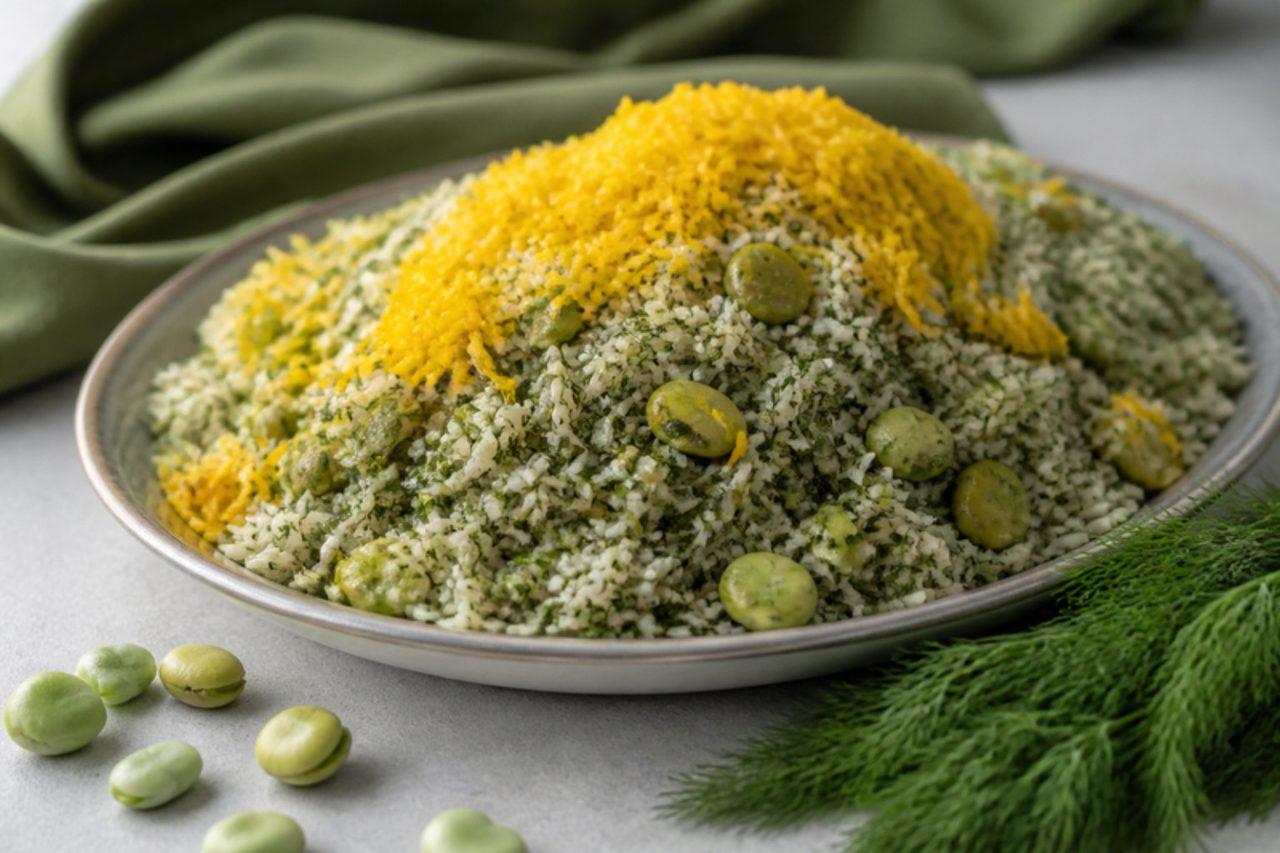
Baghali polo is the rice Iranians cook when fresh broad beans appear in the markets of Tehran and Shiraz in late spring, though frozen beans keep it on the table all year and it turns up at parties and weddings across the country. Bright green beans and plenty of dill are folded through steamed saffron rice, giving a soft, buttery, herb-heavy dish with sweet nuggets of bean in every mouthful. It is often served with lamb; at a vegetarian table pair it with a fried egg, mast-o khiar and a sharp salad. Chef's tip: peel the inner skins off the broad beans; the bright green centres are tender and sweet, the skins tough.

by KrazyBadal 0 views

GalaktobourekoSemolina custard in fillo

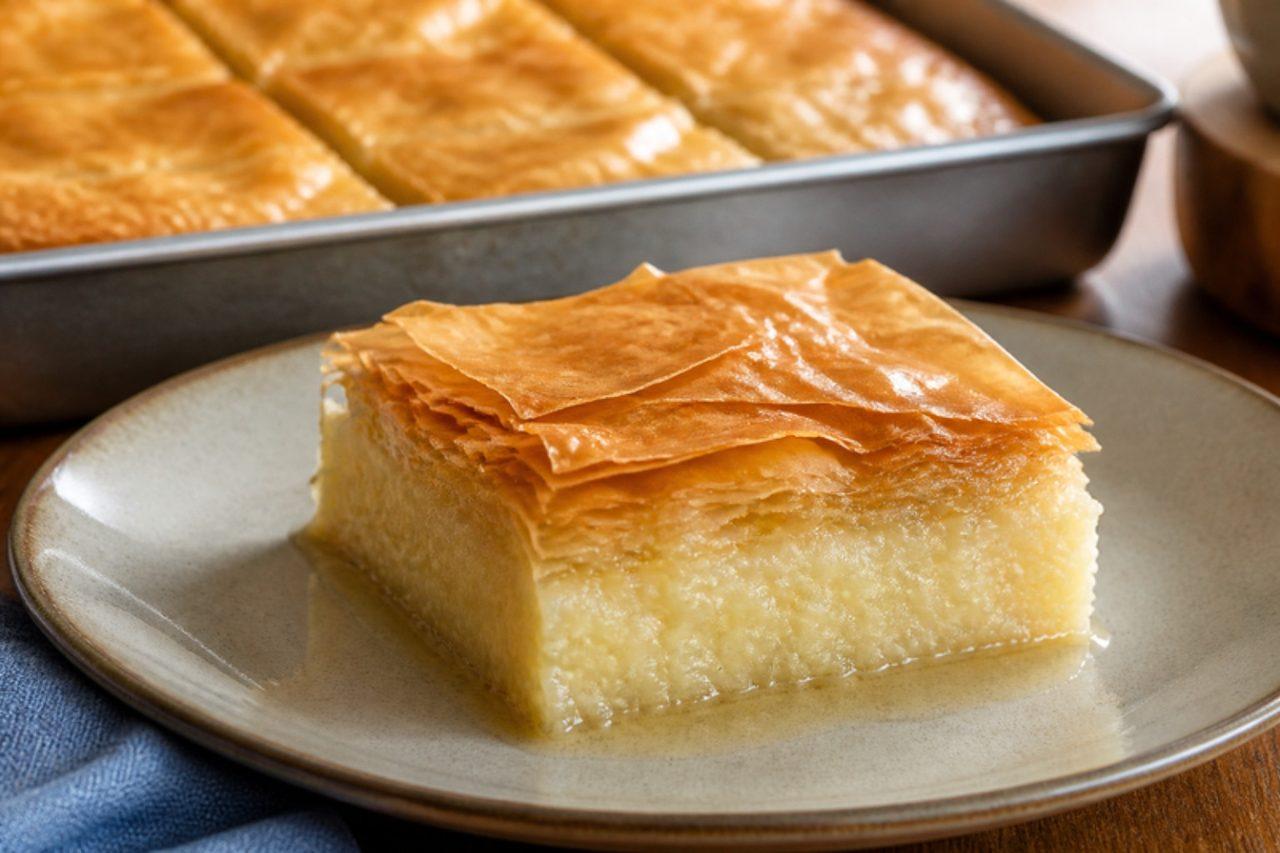
Galaktoboureko is the grand dessert of Greek pastry shops: a thick layer of silky semolina custard baked between sheets of buttered fillo, then soaked with cold lemon and cinnamon syrup the moment it leaves the oven. It's bought by the tray for Sunday lunches, name days and Easter, and eaten slightly warm or at room temperature with coffee. The top shatters, the syrup pools at the edges and the custard stays creamy. It takes patience but no special skill. Chef's tip: pour cold syrup over the hot pie (or hot over cold), never hot on hot; that common mistake leaves the pastry soggy instead of crisp.

by KrazyBadal 0 views

KharRaw papaya and lentil dish

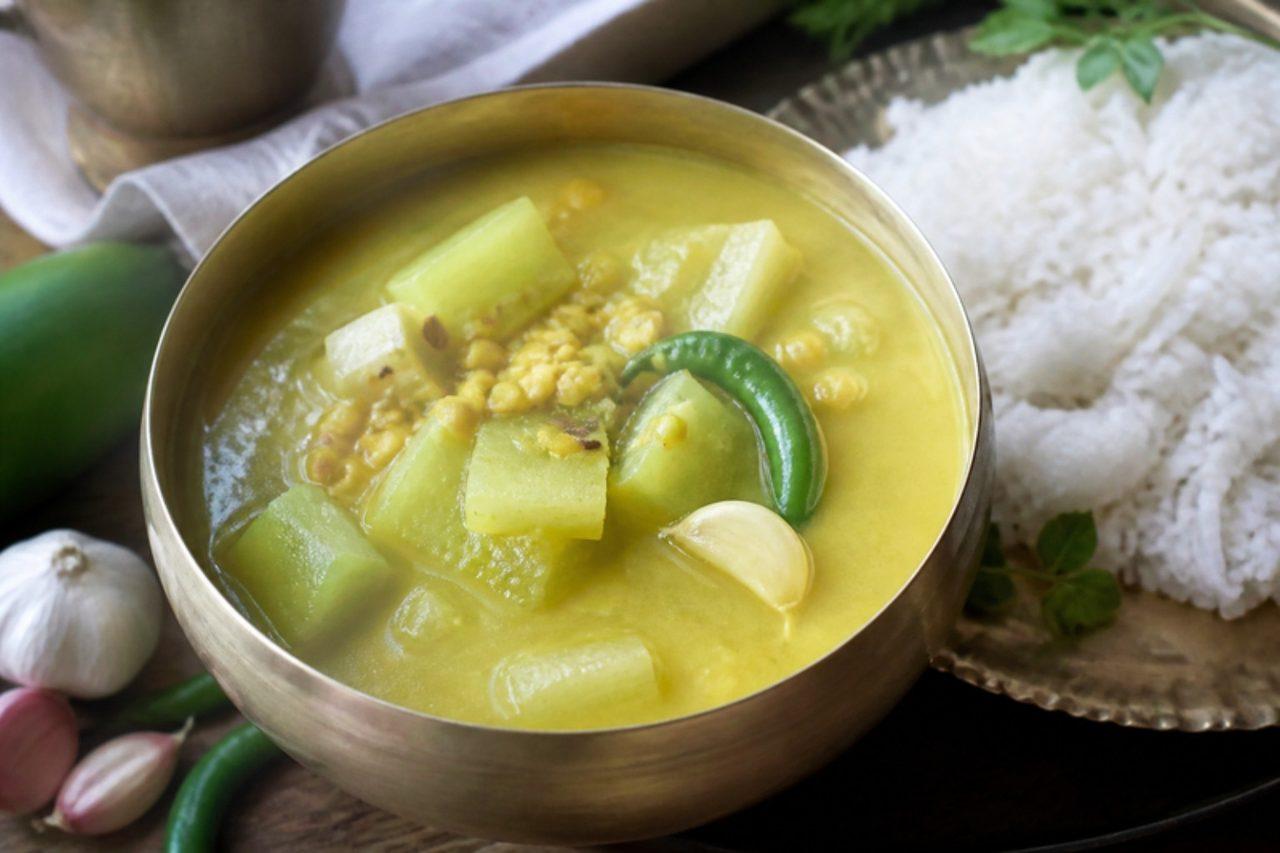
Every traditional Assamese lunch begins with khar, a mouthful of it mixed into the first ball of rice to settle the stomach. The defining ingredient is khar itself, an alkaline liquid filtered from the ash of dried bhim kol (seeded banana) peels; it gives the dish its soft, slightly soapy, earthy taste. Raw papaya and a handful of lentils are cooked in it with mustard oil, garlic and green chilli until silky. At home in Guwahati or Jorhat it is made several times a week. Chef's tip: outside Assam, use a small pinch of bicarbonate of soda in place of khar; too much tastes metallic, so start with ⅛ tsp.

by KrazyBadal 0 views

Showing 27 of 10,495 recipes

Show more recipes

Page 1,064 of 1,167