


Skip to content
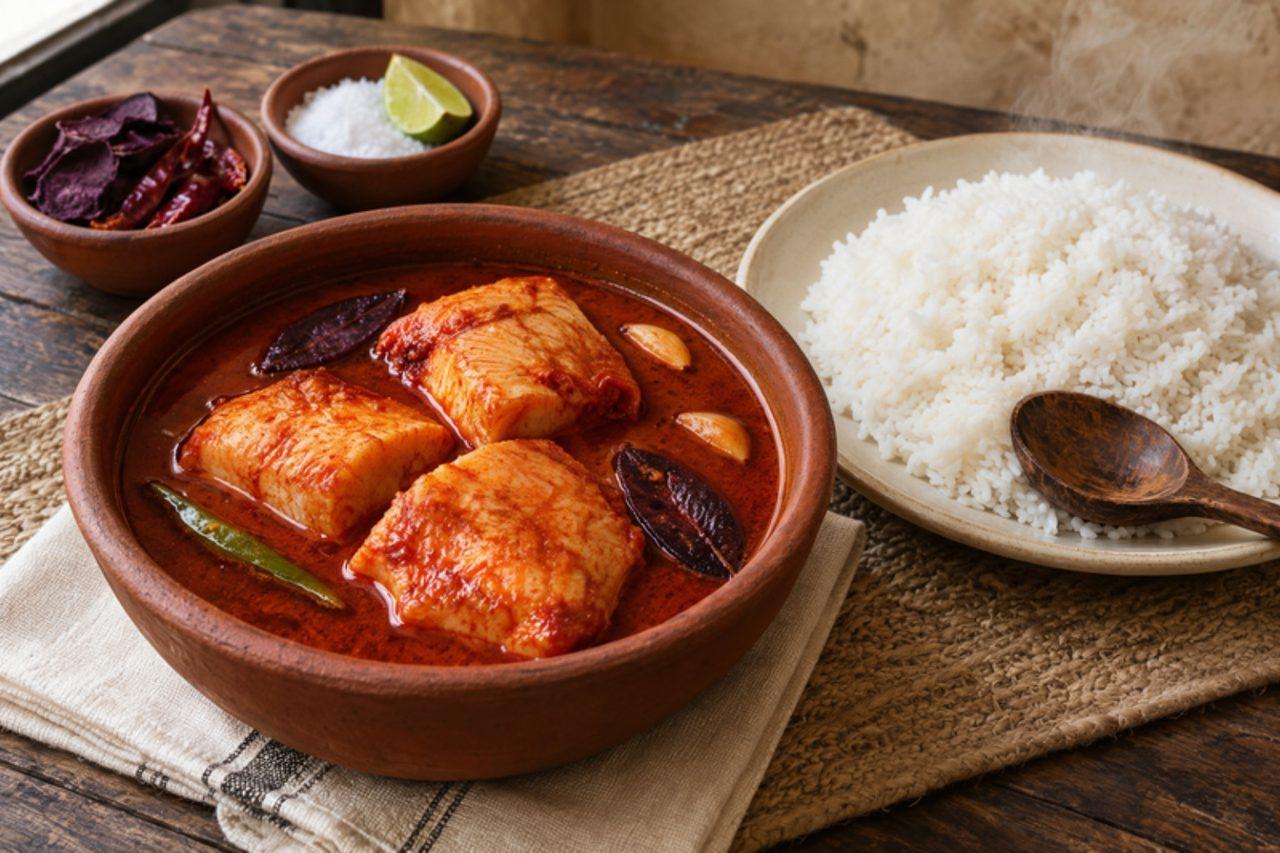
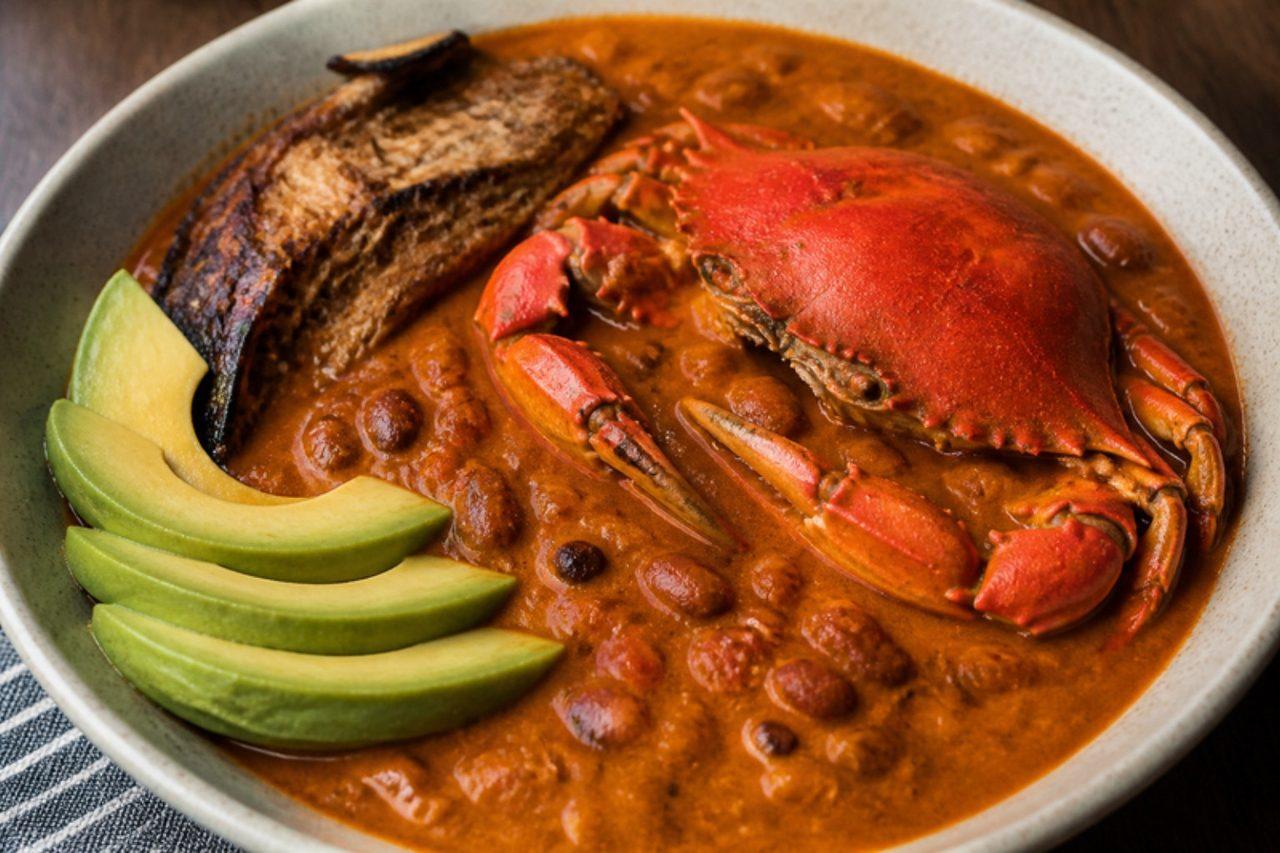
Aprapransa (Fante palm nut pottage with crab)
Featured recipe

Aprapransa (Fante palm nut pottage with crab)

A coastal Fante dish from Cape Coast and the Central Region, aprapransa is made for festive days and big family meals: palm-nut soup with crab and smoked fish is stirred with toasted corn flour until it becomes a thick, spoonable pottage, then finished with tender black-eyed beans. The texture is somewhere between a stew and a soft dumpling, the colour a deep orange-brown, and the toasted corn gives a nutty, almost biscuity flavour under the rich palm fruit. It is often served with sliced avocado. Live crabs must come from a good fishmonger; discard any that are dead or smell off. The usual mistake is adding the toasted corn flour all at once, which makes lumps; sprinkle it in while stirring. Chef's tip: toast the corn flour until it is evenly deep golden and smells like popcorn, then add it to the soup gradually while stirring, because tipping it in at once is how the pottage turns lumpy.

Read more 0 views

What to eat today?

Around the world

Today's trip: Persian

A new country every day, from every cuisine on the site.

Persian

Ash-e shalgham

Turnip and rice soup 65 minMore from Persian (131) →

This week's collection

Kid-friendly dinners
537 recipes · a new collection every Monday

Latest recipes

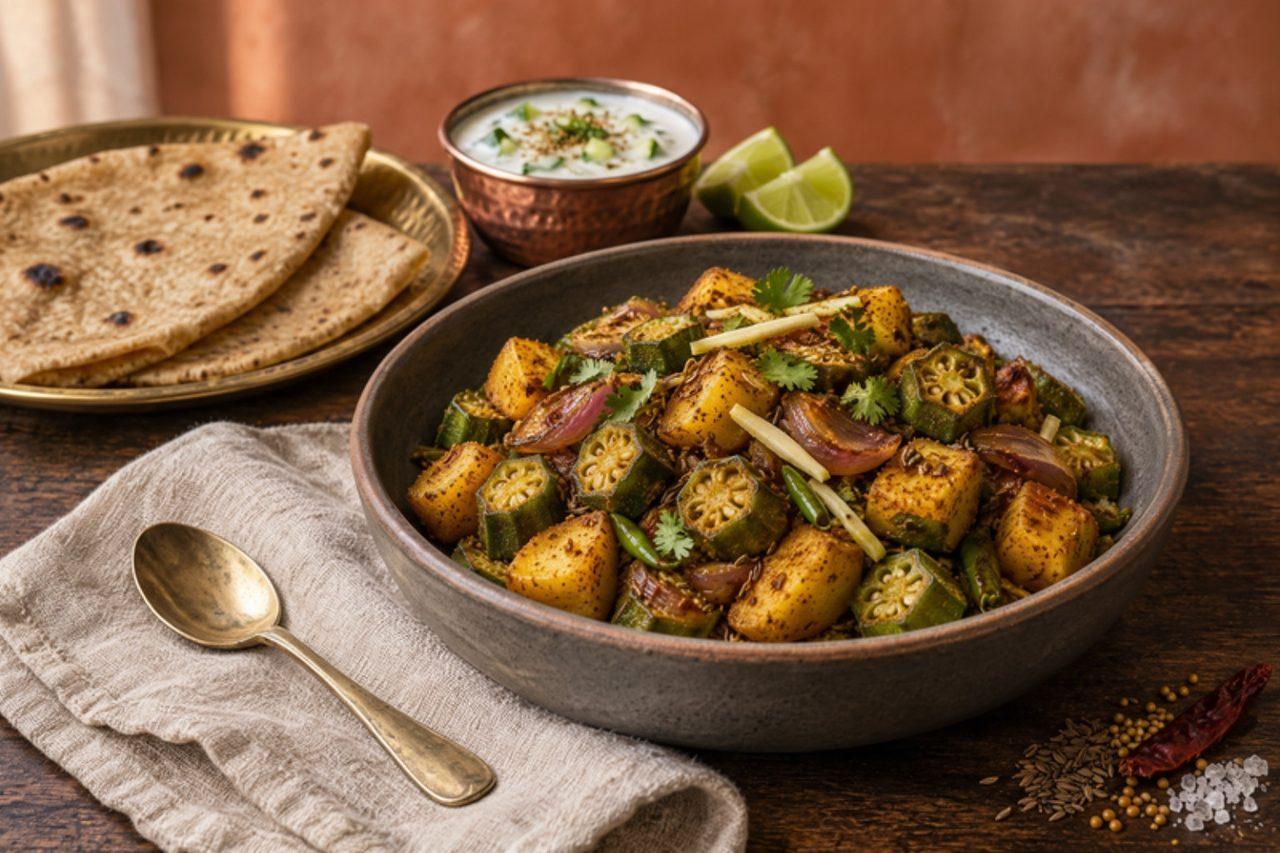
Aloo bhindiPotato and okra stir-fry

Aloo bhindi is the sabzi that Delhi children are happiest to find in their dabba with soft phulkas: okra fried until its edges crisp, potato cubes browned alongside, and sliced onion cooked sweet, all dusted with amchur and cumin. The single big mistake is washing the okra and cutting it wet, which releases slime that never cooks off. Wash it, dry every pod with a cloth and wait half an hour before slicing. Chef's tip: add the salt only at the very end; salt draws moisture out of the okra and makes it sticky.

by KrazyBadal 0 views
Aloo pitikaMashed potato with mustard oil

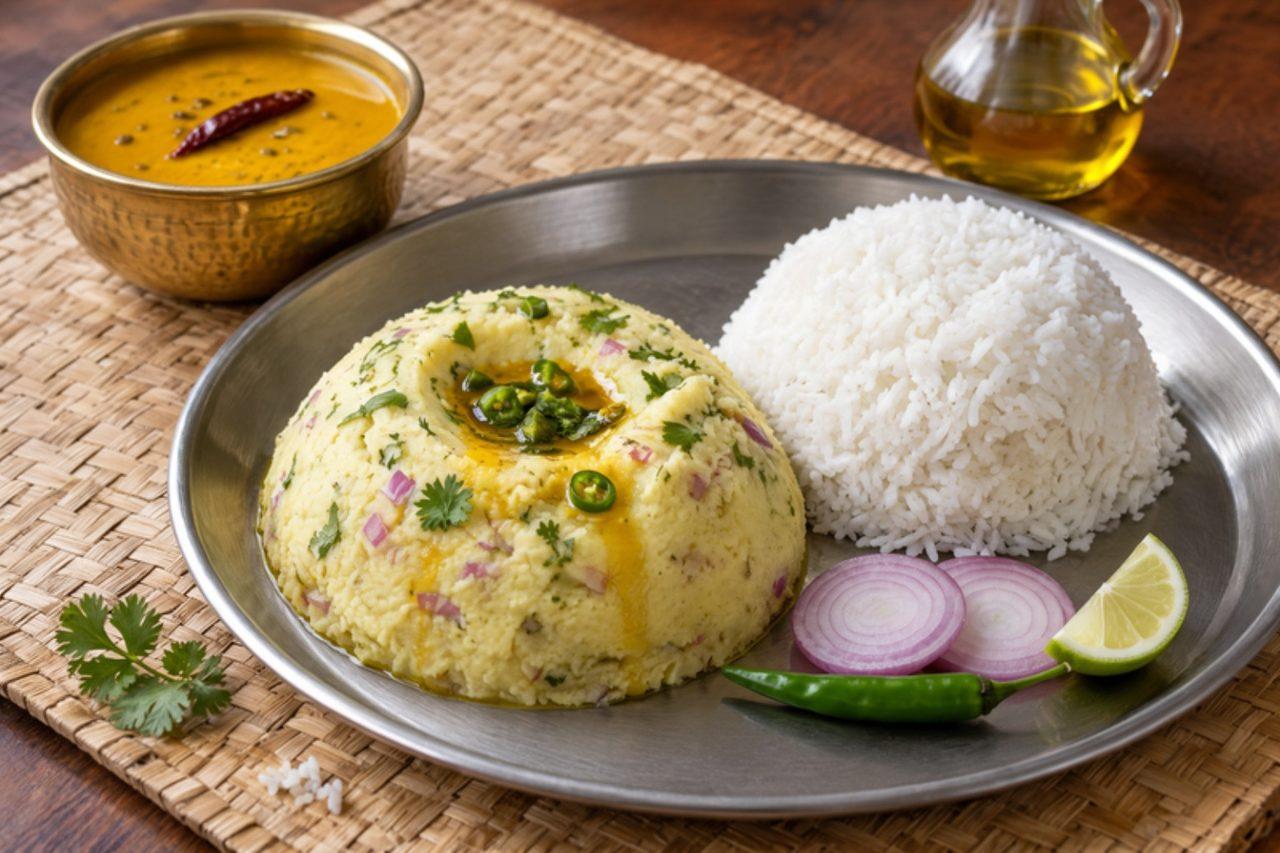
Aloo pitika is the first thing on many Assamese lunch plates, a rough mash of boiled potato sharpened with raw mustard oil, onion, green chilli and coriander, eaten with the first mouthfuls of rice and dal. Guwahati families make it daily, and in winter it may be mixed with roasted aubergine or a boiled egg. The usual mistake is making it smooth like a Western purée; it should be coarse and hand-mashed so the onion and chilli stay crunchy. Chef's tip: use pungent kachi ghani mustard oil and rub it in last, so its heat hits the nose.

by KrazyBadal 0 views

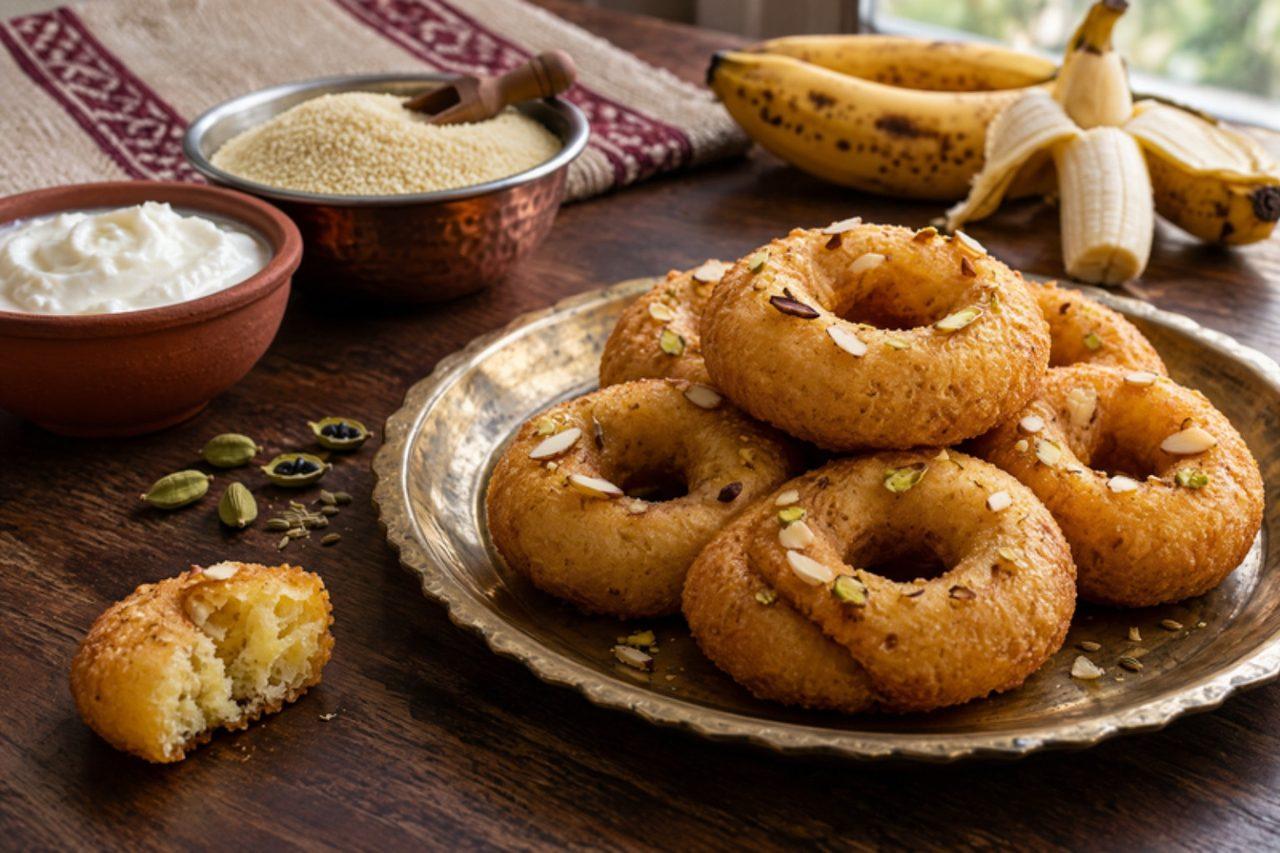
SingalFried semolina and banana spirals

Singal (also called singhal) are sweet, spongy spirals from Kumaon, fried for Diwali, weddings and the Harela festival and offered at the temple before the family eats them. A thick batter of semolina, ripe banana, curd and sugar rests until the semolina swells, then it is piped or poured in a spiral into hot ghee or oil. The outside turns crisp and the inside stays soft like a doughnut. The common mistake is frying straight away; unrested batter spreads into flat, greasy shapes. Chef's tip: the batter is right when it falls from a spoon in a thick ribbon that holds its shape for a second.

by KrazyBadal 0 views

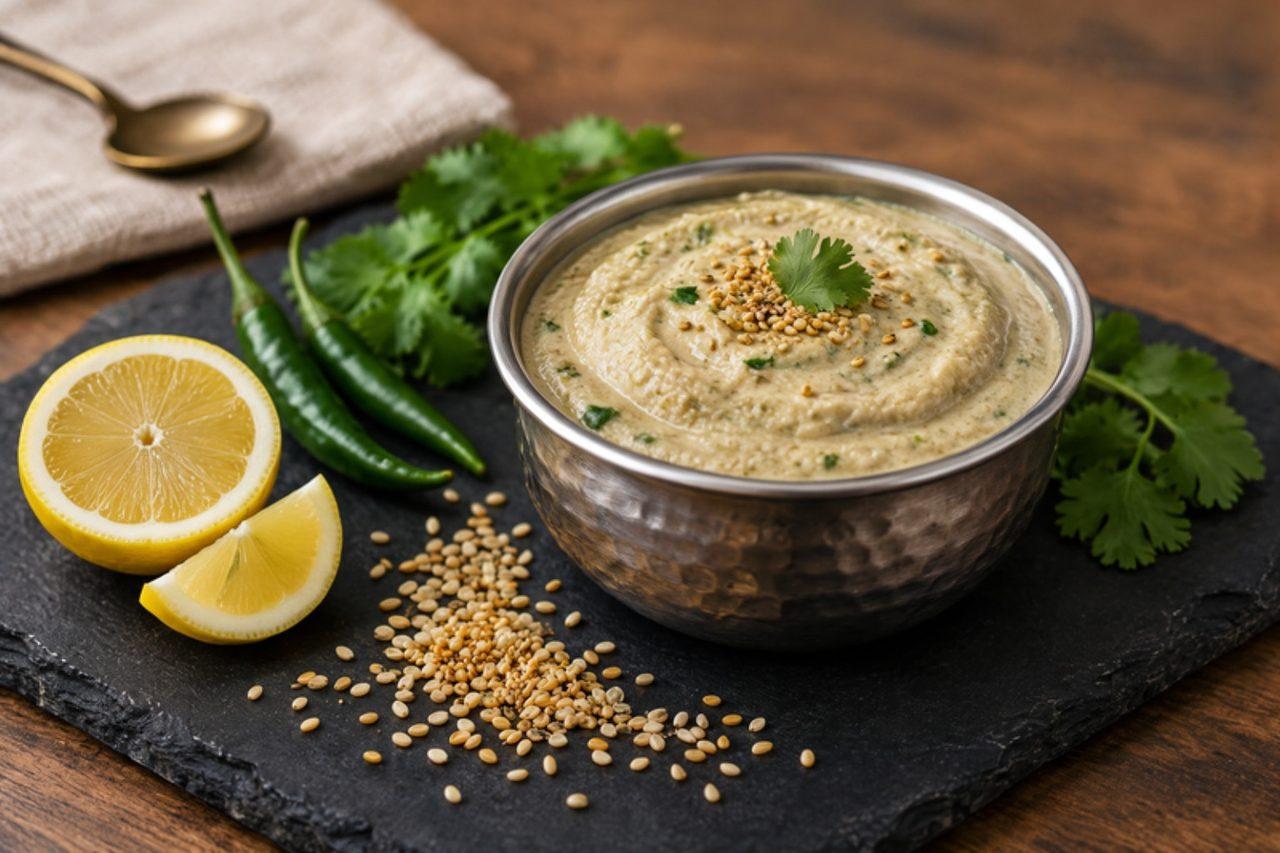
Til ki chutney (Kumaoni)Sesame chutney

This is the everyday sesame chutney of Kumaoni homes, ground on the sil-batta to go with mandua rotis, rice and dal, or the pakodas made for Harela and Ghughutiya. Unlike southern sesame chutneys, it has no coconut or tamarind: just toasted white sesame, green chilli, coriander and plenty of hill-lemon juice, so it tastes bright and nutty at once. It keeps for two days in the fridge. The most common mistake is burning the sesame, which only takes a few seconds too long and makes the chutney bitter. Chef's tip: pull the pan off the heat the moment the first seeds turn golden; they keep cooking in the hot pan.

by KrazyBadal 0 views

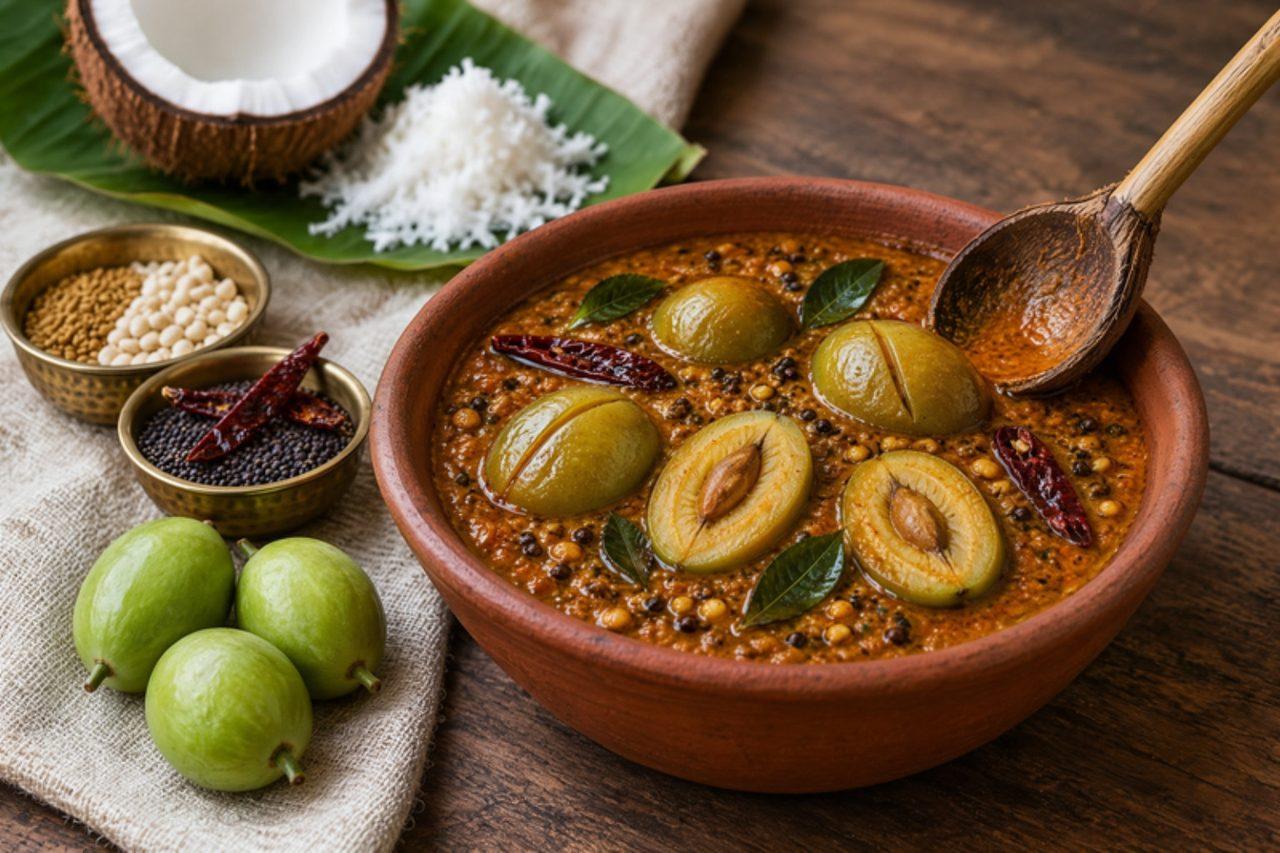
Ambadyachi udda methiHog plum coconut gravy

Udda methi is a Goan Saraswat curry named for its two roasted seasonings, urad dal and fenugreek seeds, and in the monsoon months the best version is made with tart green hog plums, ambade. The plums simmer whole in a coconut gravy that is sour, a little bitter, hot and faintly sweet from jaggery, and it is eaten with plain rice on rainy days or at a Shravan meal. The common mistake is burning the fenugreek: it should be roasted only until reddish, because dark seeds make the whole pot bitter. Raw mango works in place of ambade outside the season. Chef's tip: crush each hog plum lightly with a pestle before cooking so the gravy can soak into the flesh around the stone.

by KrazyBadal 0 views

Feijão de óleo de palmaPalm oil beans

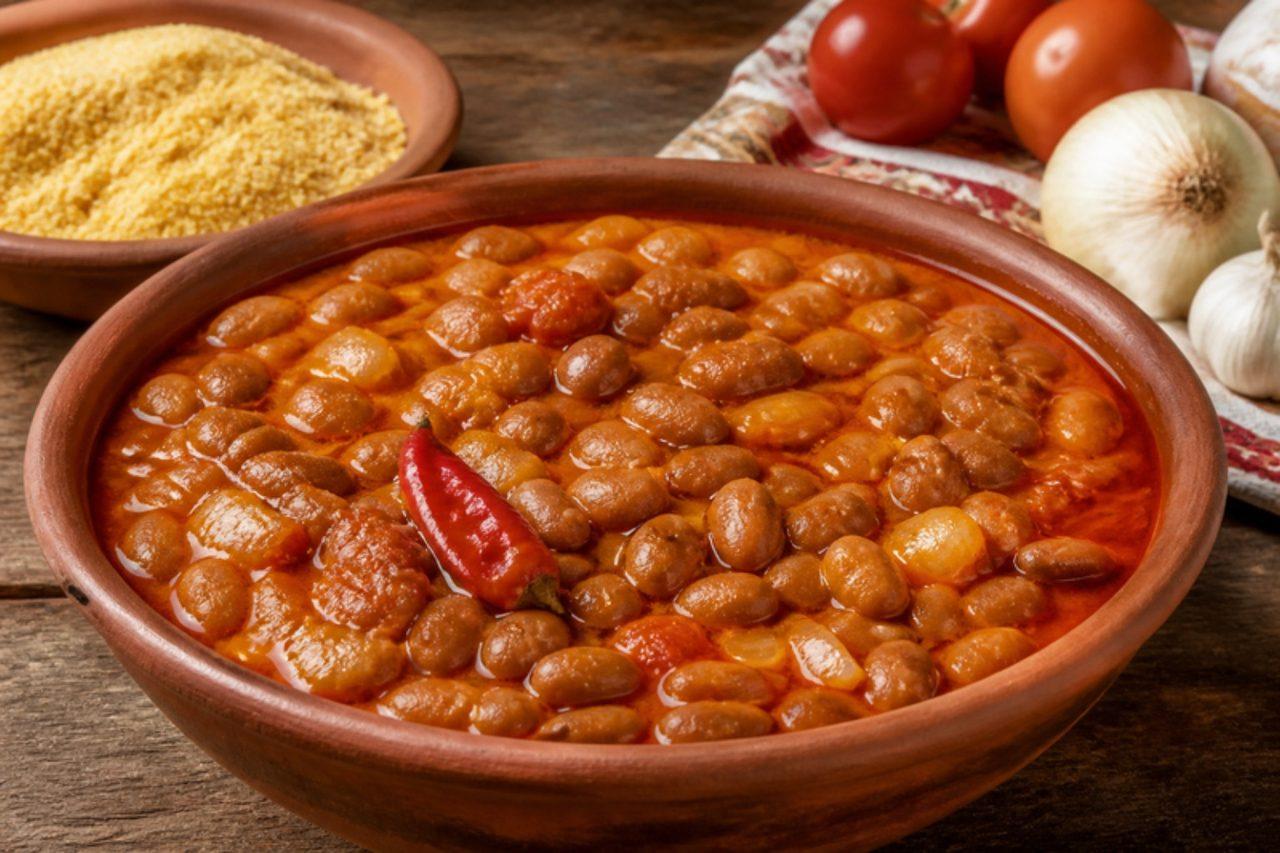
No Saturday table in Luanda feels complete without a pot of these beans next to the funge, and the deep orange colour of the dende oil tells you they are ready. Soft, creamy beans are simmered with onion, garlic, tomato and a generous pour of red palm oil until the broth thickens and every bean is coated, earthy, faintly smoky and rich. Serve them with funge de bombó (cassava) or funge de milho, with fried plantain, or with rice and greens. Buy unrefined red palm oil from an African grocer, ideally certified sustainable; it is not the same as the pale refined kind. Chef's tip: hold back the salt and tomato until the beans are truly soft, because both firm up the skins and are the usual reason a bean pot never gets creamy.

by KrazyBadal 0 views

Chikar cholayThick chickpea curry

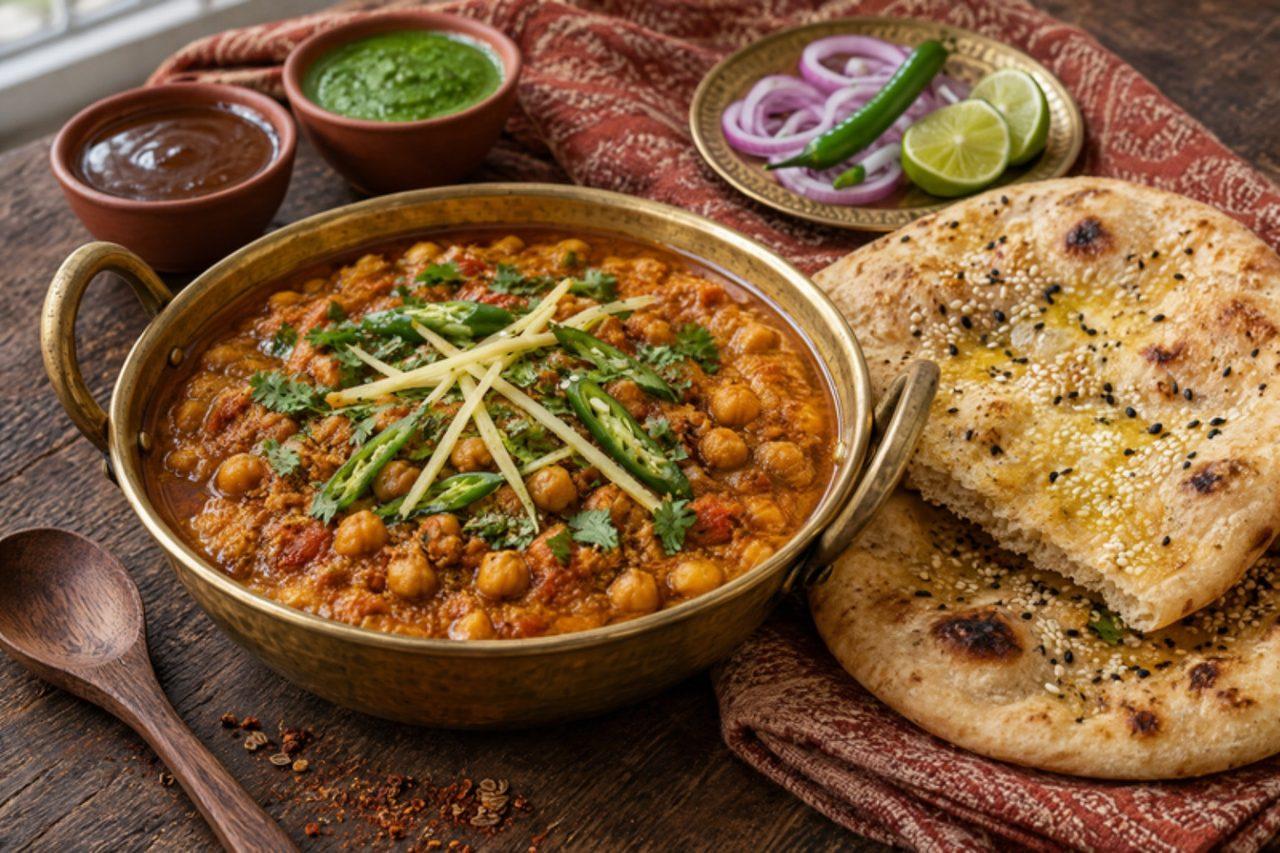
'Chikar' is Punjabi for mud, a fond joke about how thick these chickpeas are. In the old walled city of Lahore, around Lohari Gate and Gawalmandi, breakfast shops simmer huge pots from before dawn, mashing part of the chickpeas into the ghee and tomato until the whole lot clings like a paste; on Sunday mornings families eat them with fresh kulcha or puri, raw onion and lemon. Contains dairy (ghee). Chef's tip: boil the chickpeas until they squash with no resistance at all; firm ones never thicken into proper chikar.

by KrazyBadal 0 views

Lahori kulfaKulfi with falooda

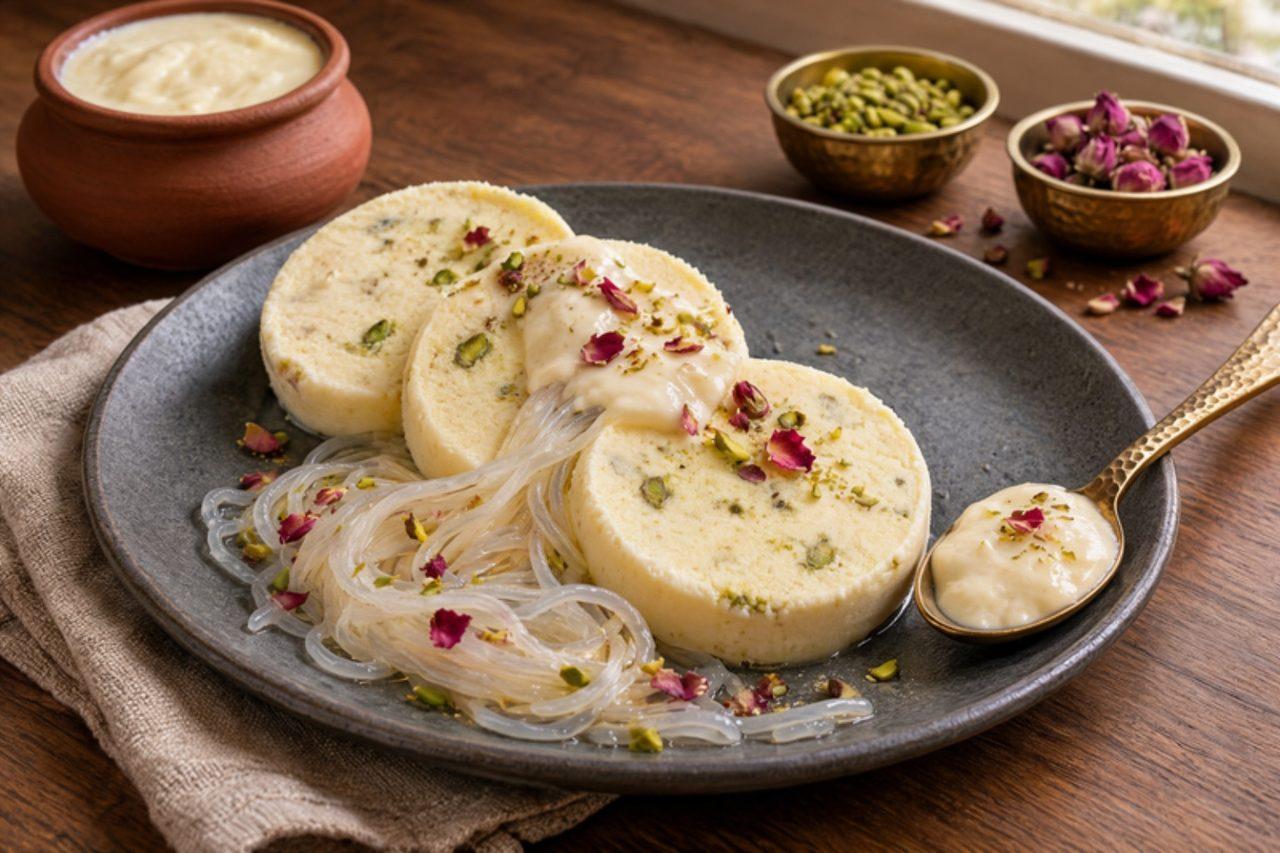
On hot Lahore nights, families stroll to Gawalmandi food street and the old shops near Anarkali for kulfa: a whole cone of dense, cardamom-scented kulfi is sliced into fat discs, laid over soft falooda noodles and spooned over with rabri, the thick sweetened milk. It is cold, chewy and creamy in every mouthful. Contains milk and tree nuts (pistachio and almond); the falooda noodles may contain wheat. Chef's tip: scrape the bottom and sides of the pan constantly as the milk reduces; one scorched patch flavours the whole batch.

by KrazyBadal 0 views

Chipotles en adoboSmoked jalapenos in adobo sauce

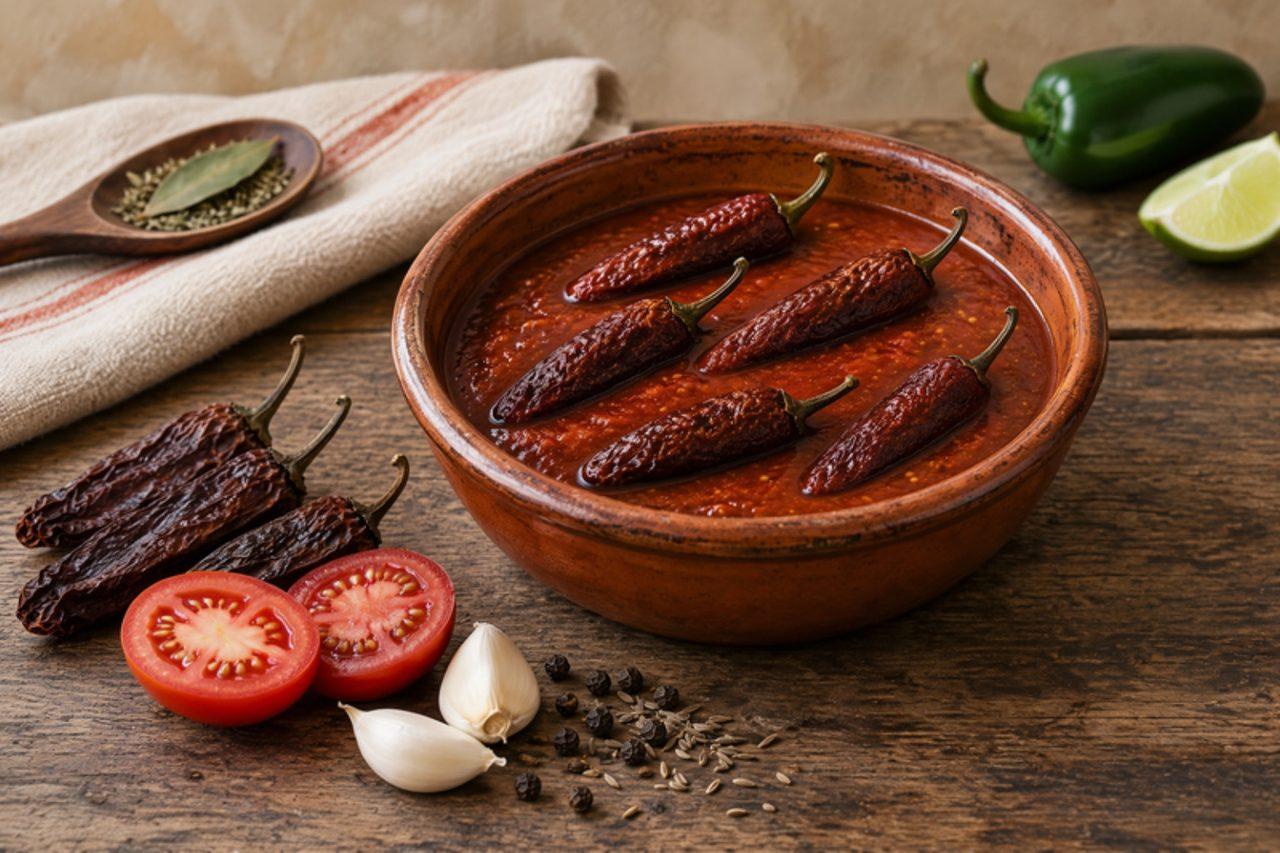
Chipotles are ripe jalapeños smoked slowly over wood until leathery; in Puebla and Veracruz the reddish, plump mora type is the everyday one, and the tan, leathery meco is prized for its deeper smoke. Simmered in a sweet-sour adobo of tomato, onion, garlic, vinegar and piloncillo, they become the soft, glossy chillies that go into tinga poblana, albóndigas en chipotle, bean soups and a quick chipotle mayonnaise. Homemade, they are smokier and less sugary than the tinned kind, with sauce that is brick red, tangy and thick enough to coat a spoon. Common mistake: toasting the dried chillies too long; a few seconds a side is enough, because scorched chillies make the whole jar bitter. This is a low-acid chilli preserve, so it is kept in the fridge or freezer, never canned in a water bath. It is ready when the chipotles are plump and soft enough to crush with a spoon and the adobo has reduced to a glossy sauce. Chef's tip: blend one or two chillies with their sauce and freeze it in an ice-cube tray, so you can add a single cube to a pot.

by KrazyBadal 1 views

Mkate wa mofaMillet and wheat flatbread

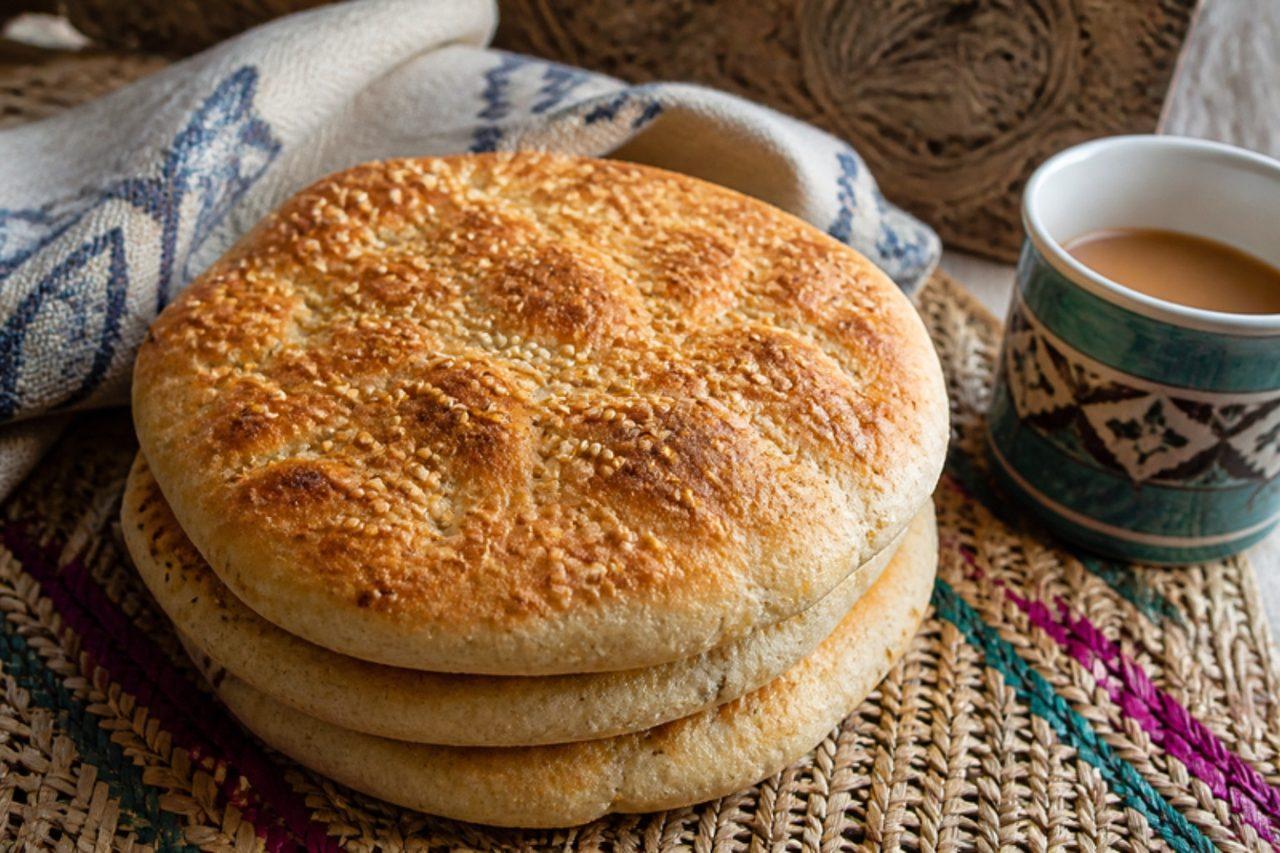
Before dawn in Lamu's narrow lanes, bakers slap rounds of mofa dough onto the hot walls of a clay oven, and by breakfast the breads are stacked in baskets beside glasses of spiced tea. The dough mixes millet and wheat flour with coconut milk, a little sugar and cardamom, then ferments overnight, so each bread comes out soft and slightly chewy with a tangy, nutty taste and a blistered top. Islanders eat them with tea, with fried fish, or split and dipped in a bean or coconut sauce. Without a clay oven, a heavy pan on the hob plus a hot grill gives the same blistering; just don't roll the dough thin like chapati, a common slip, because mofa should be about 1 cm thick and pressed out by hand. Chef's tip: wet your palms before shaping, as islanders do; the dough is soft and the water stops it sticking.

by KrazyBadal 0 views

Laphet yayBurmese milk tea

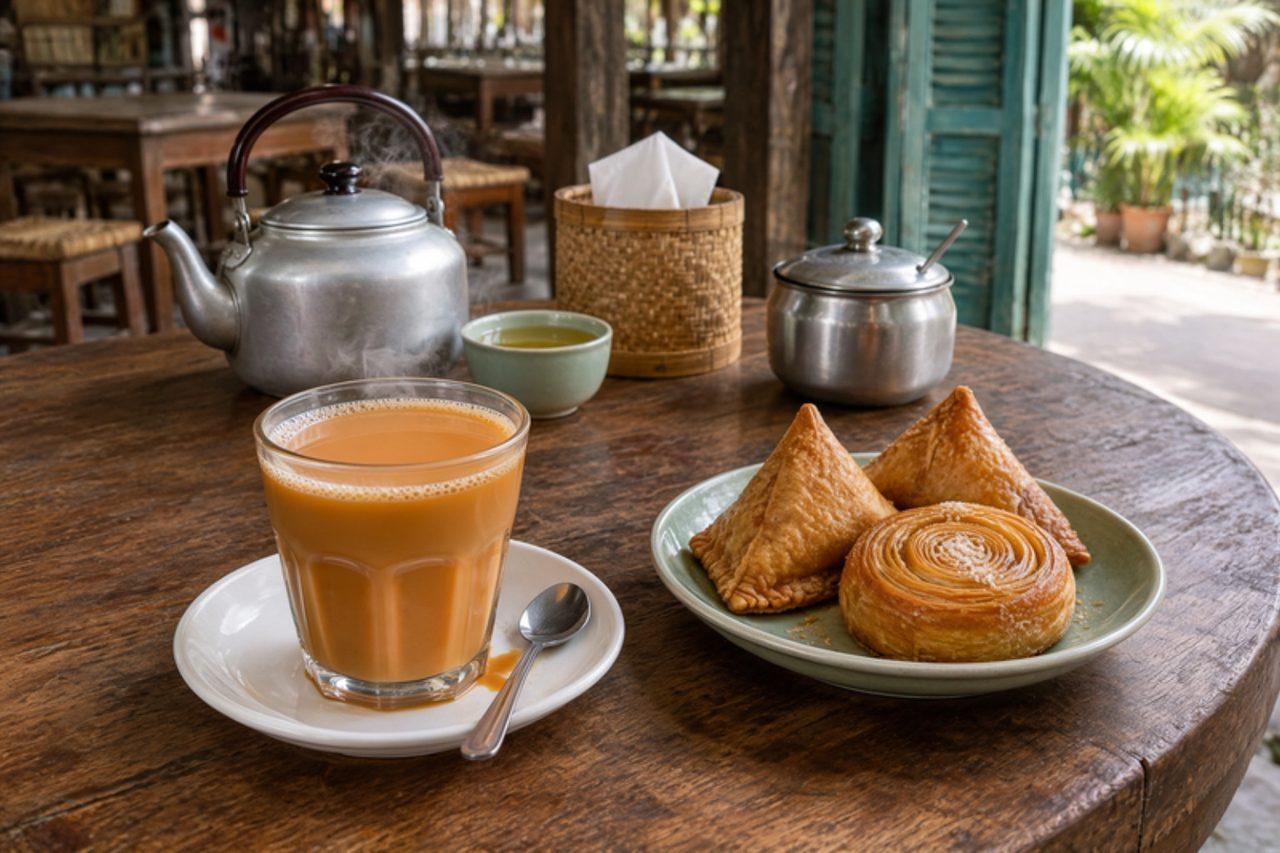
Burmese teashops, from the busy corners of Yangon to small-town Shan State, run on laphet yay: very strong black tea poured over condensed and evaporated milk, and customers order it by sweetness, from "pan pyar" (less sweet) to "cho seint" (extra sweet and creamy). It comes with samusa, palata or a bowl of mohinga. The mistake is weak tea: it must be brewed long and dark so it stands up to all that milk. Chef's tip: pour the finished tea from one jug to another from a height a few times; it cools slightly and gets the frothy top teashops are proud of.

by KrazyBadal 0 views

LasopyBlended vegetable soup

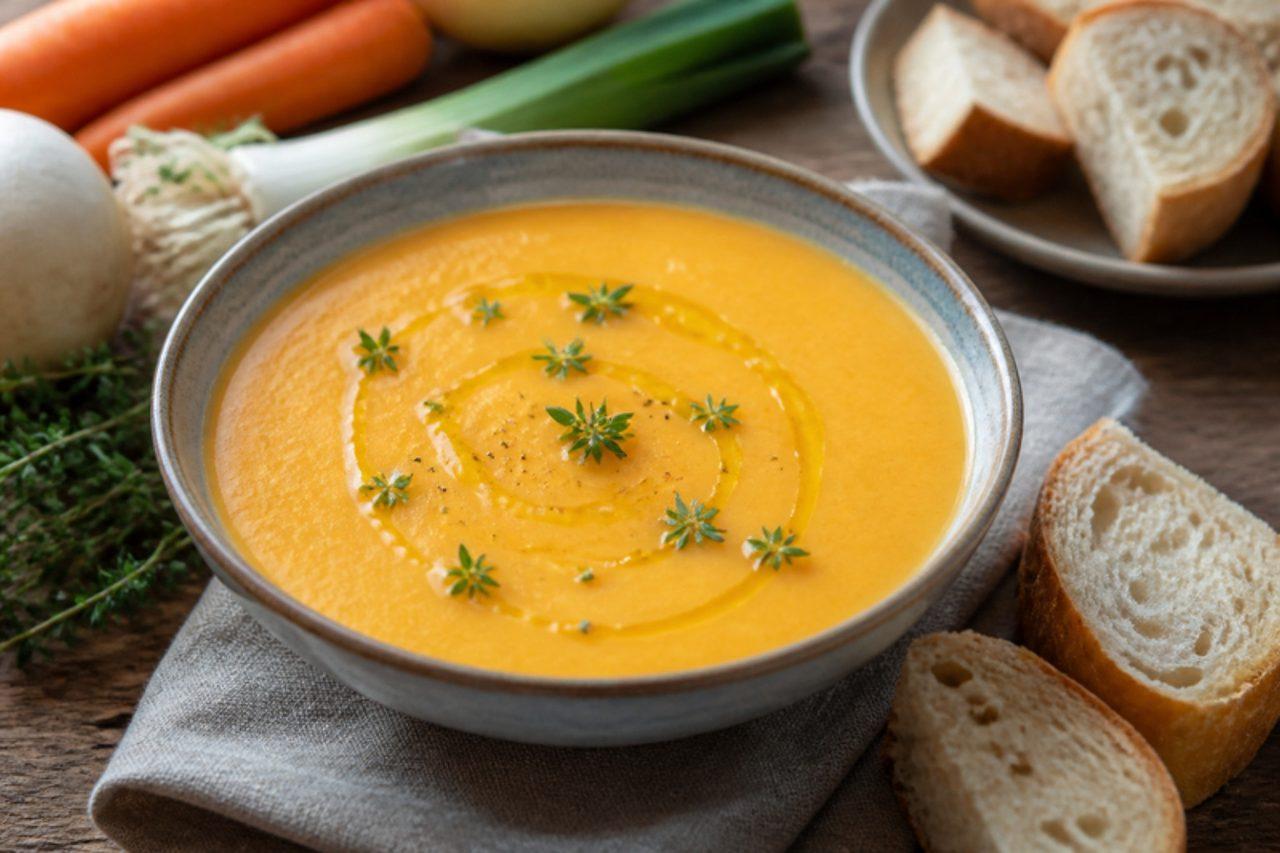
Highland evenings in Antananarivo can turn surprisingly cold, and that is when lasopy comes out, a smooth, pale-orange soup of carrot, leek, potato, turnip and green beans blended until velvety. Market cooks and grandmothers usually simmer it with beef bones; this version keeps it fully vegetarian, with the vegetables browned lightly first and a bay leaf and thyme for depth, so the water turns into a sweet, savoury broth on its own. It is often eaten with a handful of thin vermicelli cooked in it, or simply with bread, and a dab of sakay stirred in at the table. Leave the vegetables in big chunks: chopping them tiny makes them boil to mush before the flavour comes out. Chef's tip: hold back a ladle of cooking liquid and blend the rest, then thin to taste, because once lasopy is too watery there is no fixing it.

by KrazyBadal 0 views

AmbalSweet and sour pumpkin

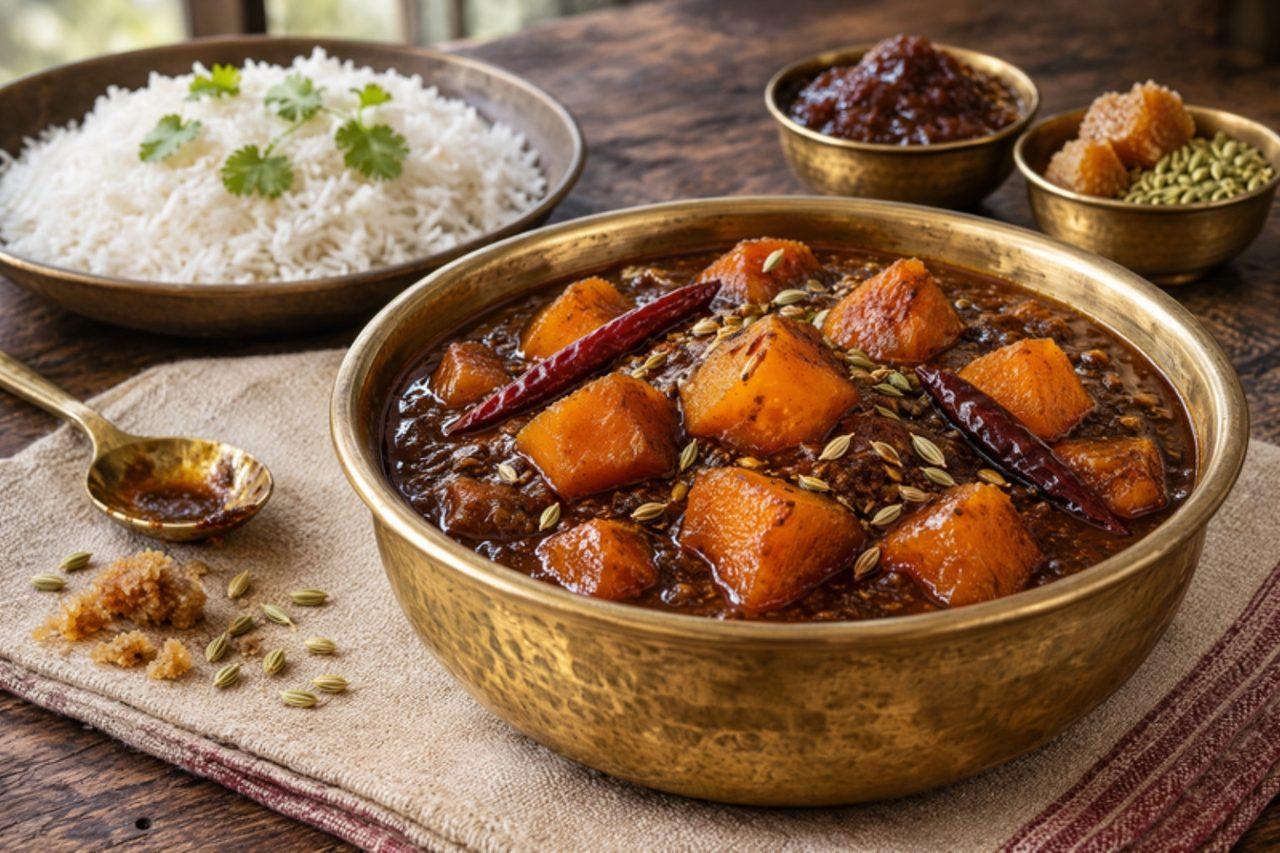
Ambal belongs to the Dogra dham of Jammu, the feast cooked by the hereditary siyan cooks for weddings and festivals and served on leaf plates in a fixed order. Yellow pumpkin is softened with fenugreek seeds and fennel, then simmered in a dark tamarind and jaggery sauce until it is sticky, sour and sweet at once, which is what the name, from 'amla' for sour, promises. It is eaten with rice alongside the dham's dals and madra. The common mistake is stirring hard once the pumpkin is soft, which turns it to mush; shake the pan instead. Chef's tip: let it rest an hour before serving, as the tamarind settles and the flavour deepens.

by KrazyBadal 0 views

Ambot tikSour-hot fish curry

Ambot tik means sour and spicy in Konkani, and that is exactly what this Goan Catholic curry is: firm fish, often shark or catfish in Goa (any firm white fish or kingfish at home), in a thin, brick-red gravy of Kashmiri and hot chillies ground with garlic, cumin, turmeric and vinegar, soured further with tamarind and kokum. It is a weekday lunch with rice, and many say it is better the next day. The common mistake is boiling the fish hard once it goes in, which breaks it into flakes before it reaches the plate. Fish is done when the flesh is opaque all the way through and flakes when pressed. Chef's tip: marinate the fish in salt and turmeric in the fridge for 15 minutes; it firms the flesh and seasons it to the bone.

45 minIndianFishGluten freeSpicy
by KrazyBadal 0 views

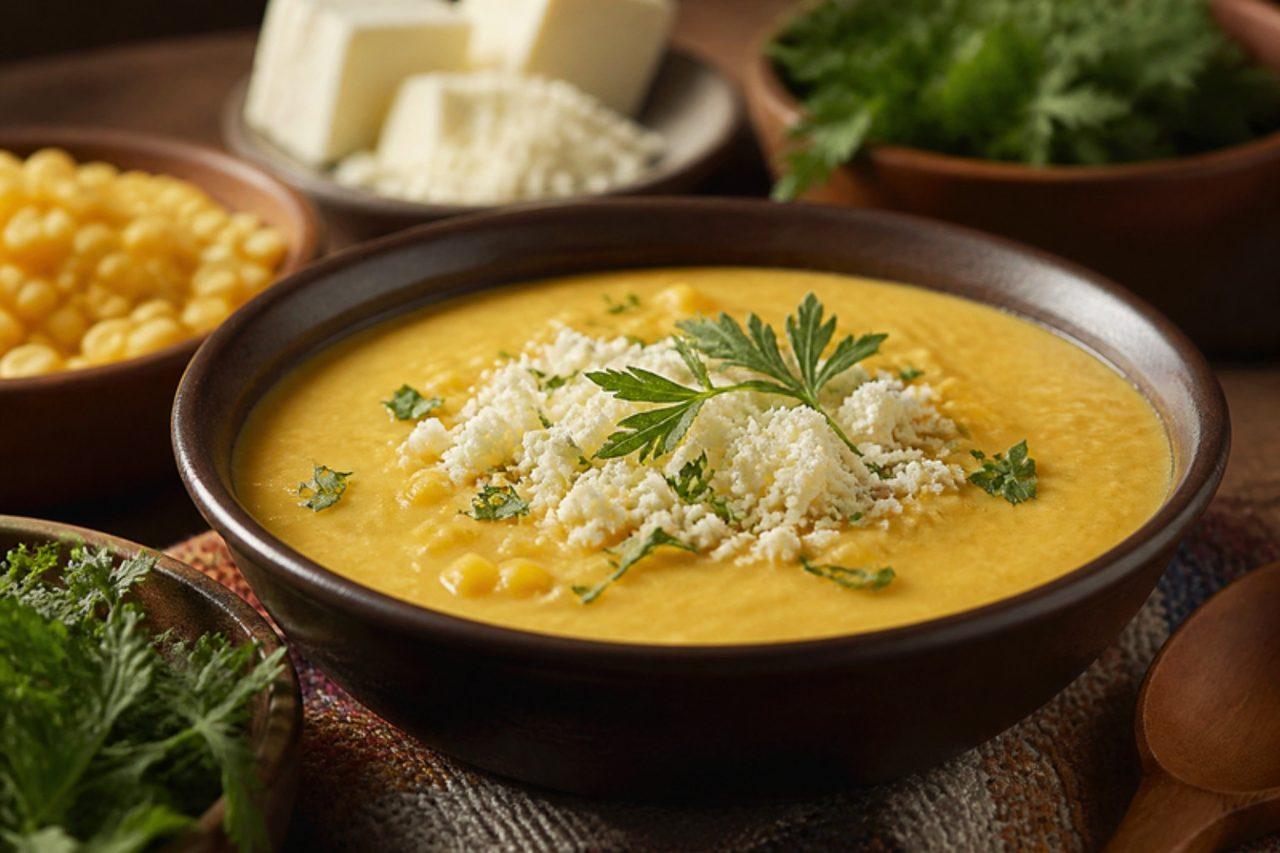
Lawa de chocloFresh corn soup

In the valley markets of Cochabamba and up into the cold highland towns, lawa de choclo is the soup that greets early risers: grated fresh corn simmered into a velvety, naturally sweet porridge-like broth with potato, melting cheese and a handful of herbs. Bolivian cooks use huacataya (black mint); mint and parsley together come close. Traditional queso fresco uses animal rennet, so pick a vegetarian fresh cheese if you need one. Most failed lawas are lumpy because the blended corn went into boiling liquid without stirring. Chef's tip: grate the kernels straight off the cob rather than cutting them; the milky pulp is what thickens the soup.

by KrazyBadal 0 views

Leche con plátanoBanana milk

Ask anyone who grew up in Chile, from Arica to Punta Arenas, what they drank after school and many will say leche con plátano. It is made in a blender in two minutes, usually at onces, the late-afternoon tea, alongside marraqueta rolls with butter or avocado, and it is the first thing many children learn to make by themselves. It is pale, foamy and thick enough to leave a moustache, tasting simply of sweet ripe banana and cold milk, sometimes with a pinch of cinnamon. The common mistake is making it ahead: within half an hour the banana turns the milk greyish-beige and the foam collapses, so blend it just before drinking. It is ready when it is completely smooth, light and frothy, with no banana lumps at the bottom of the jug. Use bananas with a few brown freckles: they are sweet enough that you may need little or no sugar. Chef's tip: slice and freeze overripe bananas, then blend them straight from the freezer; the drink comes out icy and extra thick without any ice.

by KrazyBadal 0 views

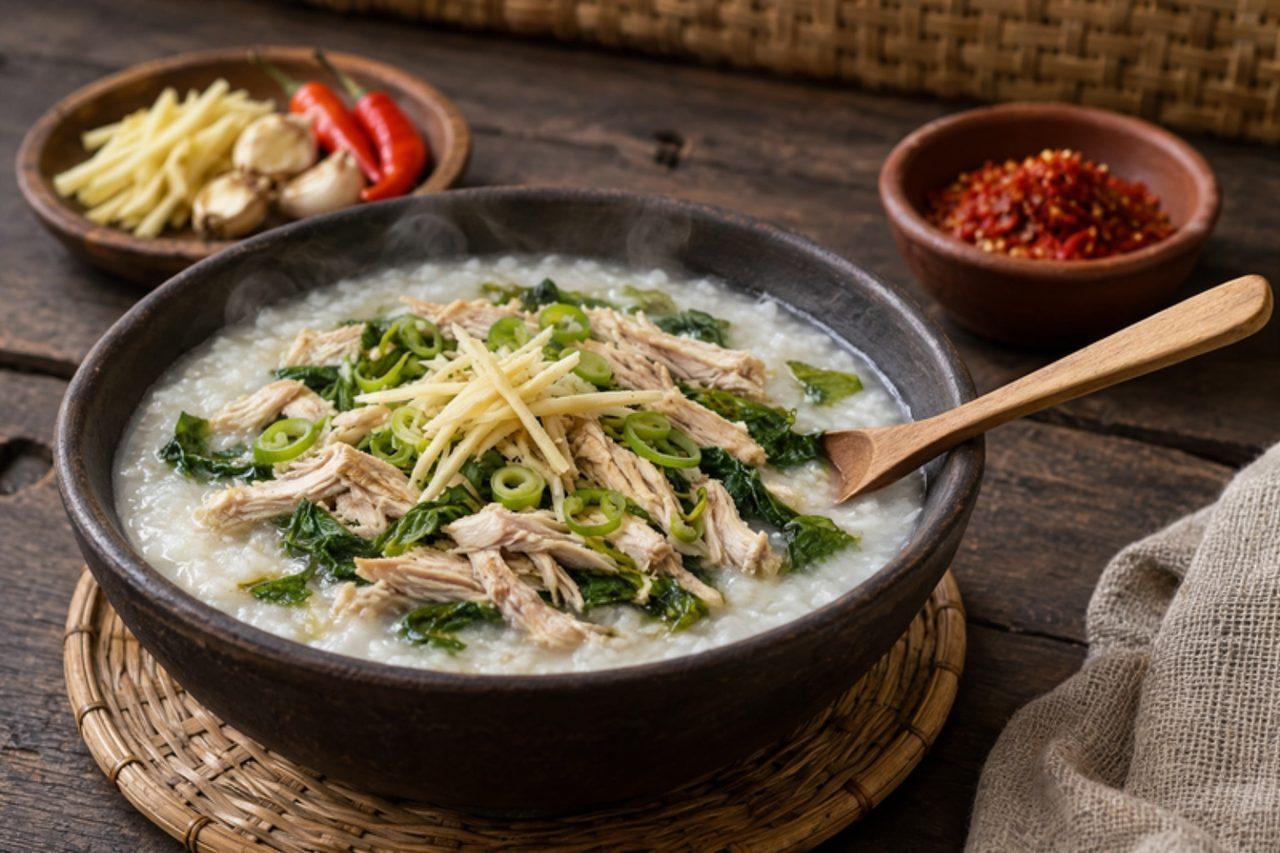
AmrusuRice porridge with chicken and greens

Amrusu is the Ao Naga porridge of Mokokchung in Nagaland, cooked for the sick, for cold mornings and for long community workdays: rice simmered with chicken, ginger, chilli and leafy greens until thick and soothing. It is filling yet light. Chicken must reach 74 °C; cook bone-in pieces until the meat pulls easily from the bone. The common mistake is adding the greens too early, so they turn grey; add them in the last few minutes. Chef's tip: lightly crush the rice in your hand before cooking for a creamier texture.

by KrazyBadal 0 views

LekkerbekjeBattered fried whiting

Lekkerbekje means "little treat", and at the haringkarren and fish stalls of the Albert Cuyp and Dappermarkt it is the other big seller next to raw herring: a whole fillet of whiting (or cod) dipped in batter and fried until the coating crackles. It comes in a paper tray with a lemon wedge and a spoon of remoulade, and Amsterdammers eat it for lunch on market days, standing at the counter. The batter here uses sparkling water instead of beer for lightness. Chef's tip: keep the batter ice-cold and mix it only just before frying; the cold against the hot oil is what makes it shatter.

25 minDutchFish
by KrazyBadal 0 views

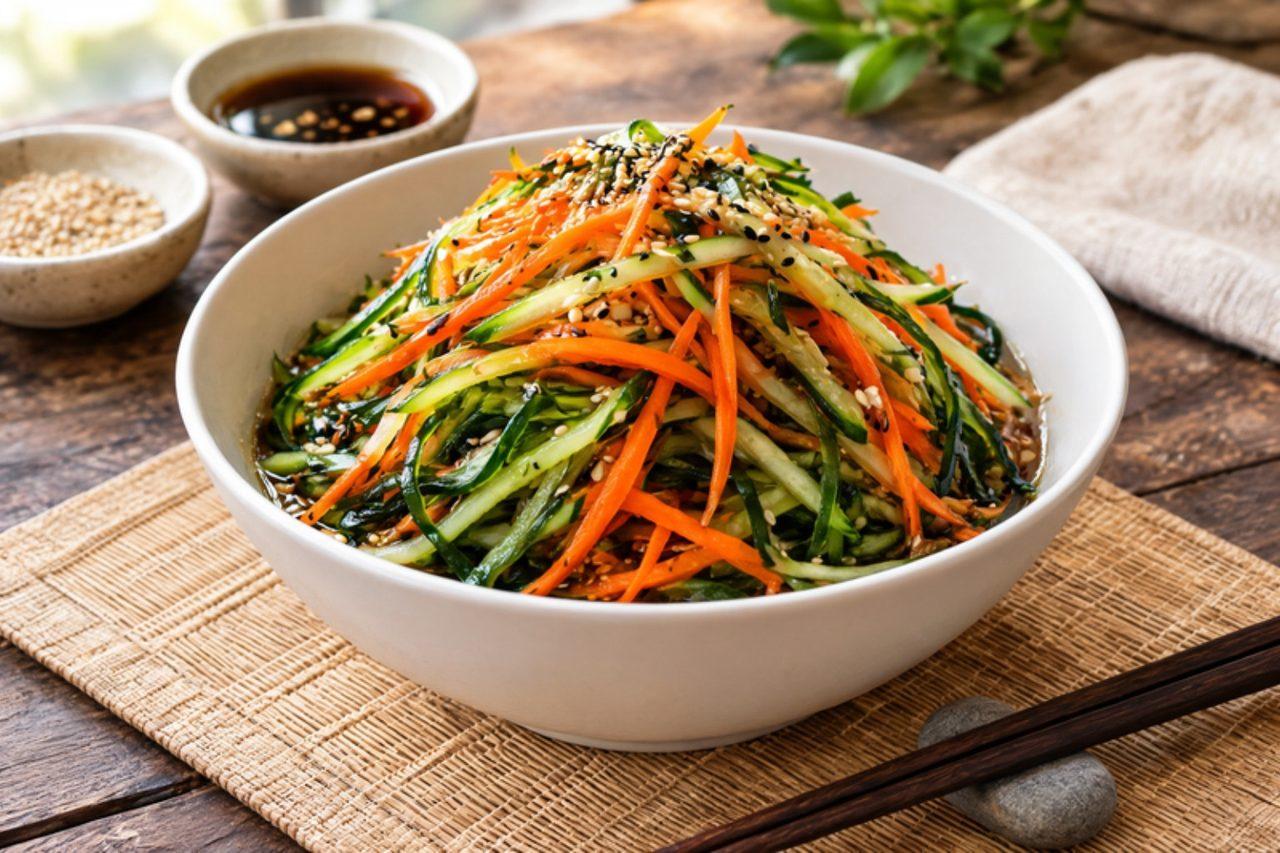
Liangban sansiCold three-shred salad

Liangban sansi, 'cold-tossed three shreds', is one of the most common cold dishes on Chinese family tables, made in summer and at Lunar New Year as a fresh plate among the richer dishes. Fine strips of carrot, cucumber and kelp (or tofu skin) are blanched where needed and dressed with garlic, rice vinegar, soy and sesame oil, giving a crunchy, bright, gently sour salad. Serve it beside steamed fish or tofu. It is suitable as part of a balanced diet. About 70 kcal and 7 g carbohydrate per portion. The usual mistake is cutting the shreds thick and uneven, which makes the salad clumsy and the dressing slides off. A pinch of sugar in the dressing is optional; a sweetener works too. Chef's tip: soak dried kelp strips until soft and blanch them for one minute with a splash of vinegar so they lose their sliminess.

by KrazyBadal 0 views

Liangban zhusunCold bamboo shoots

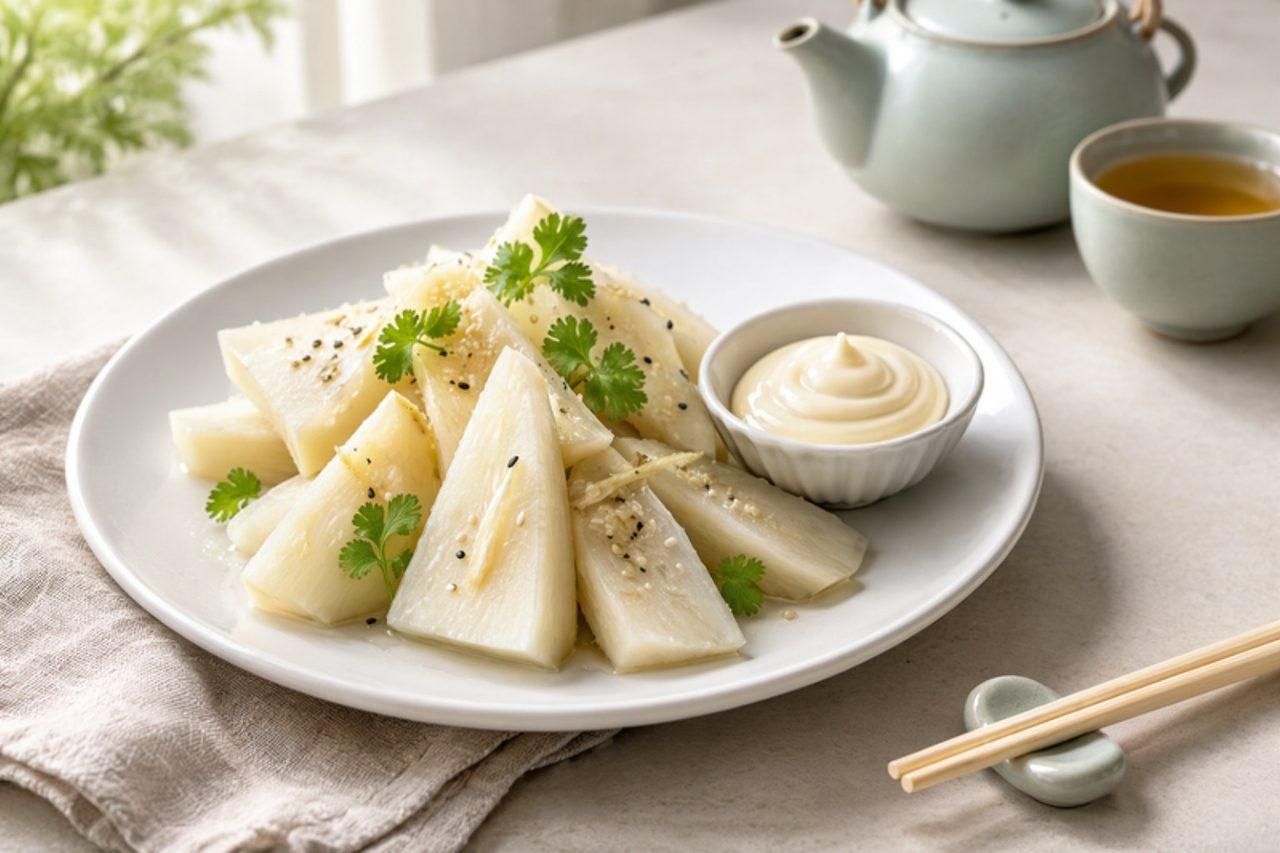
From May to August, sweet green bamboo shoots arrive in Taiwanese markets from the hills around Taipei and Tainan, and families boil them whole and chill them as a cool summer starter or side. The ivory shoots are crisp, juicy and almost sweet, cut into wedges and eaten plain, with a little mayonnaise in the Taiwanese way, or with soy sauce and sesame oil. Suitable as part of a balanced diet. About 70 kcal and 6 g carbohydrate per portion with a little mayonnaise. Fresh bamboo shoots must always be fully cooked: raw shoots contain natural compounds that are unsafe until boiled. The usual mistake is peeling them before boiling, which makes them bitter; boil them in their husks. Chef's tip: start them in cold water and let them cool completely in their cooking water, which keeps them sweet and tender.

by KrazyBadal 0 views

CaluluDried and fresh fish stew

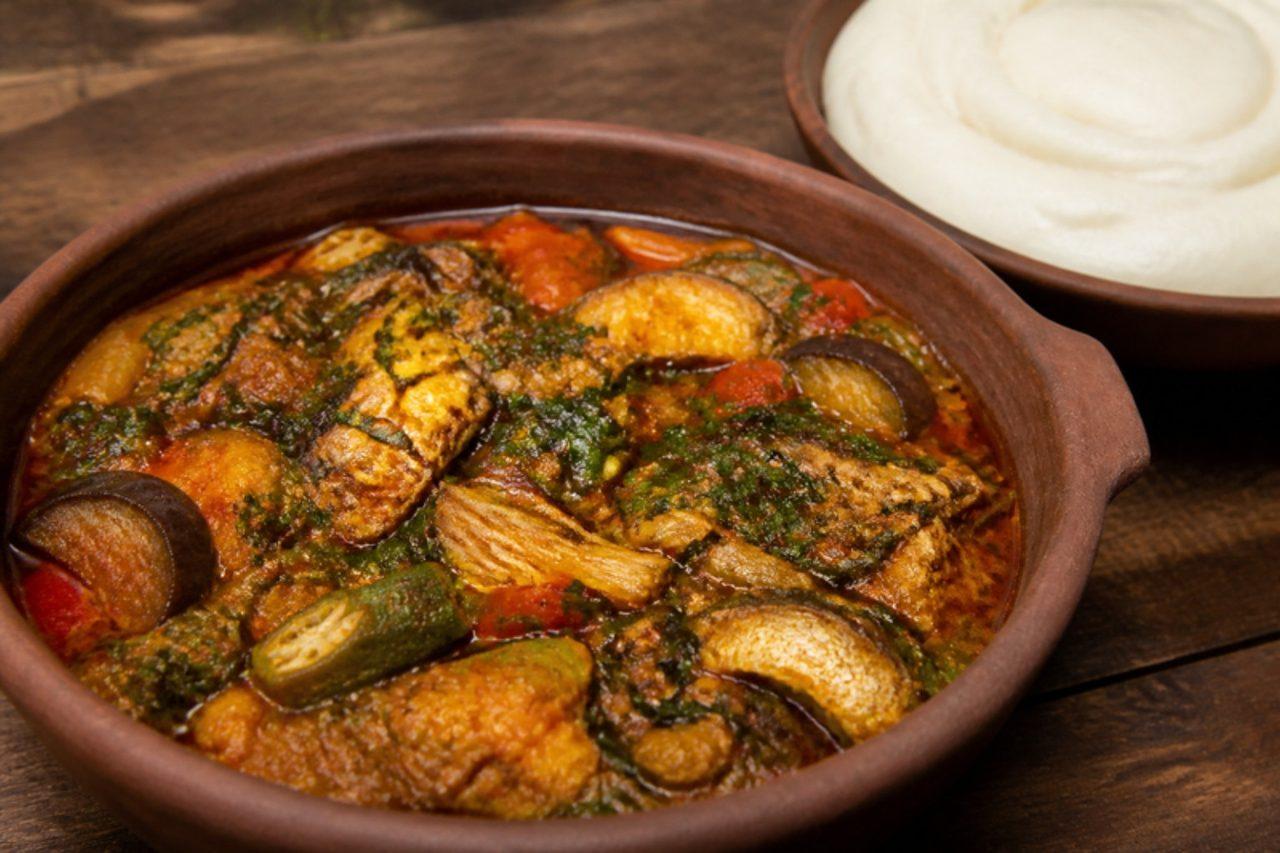
Calulu is what Luanda families cook when the whole family comes for Sunday lunch, and the Ilha's fish sellers know the order by heart: a piece of dried fish for depth, a firm fresh fish for sweetness. The two are layered in a pot with onion, tomato, okra, aubergine and sweet potato leaves, then simmered in red palm oil until the sauce turns silky from the okra and tastes of the sea, smoke and greens all at once. It is served with funge, feijão de óleo de palma and a little hot sauce. Salted dried fish needs a long soak to draw out the salt, so start it the day before; skipping that step is the classic way to ruin the pot. Chef's tip: lay the fresh fish on top and leave it alone, shaking the pot rather than stirring, so the pieces stay whole.

by KrazyBadal 0 views

Lok lokBoiled skewers with dipping sauce

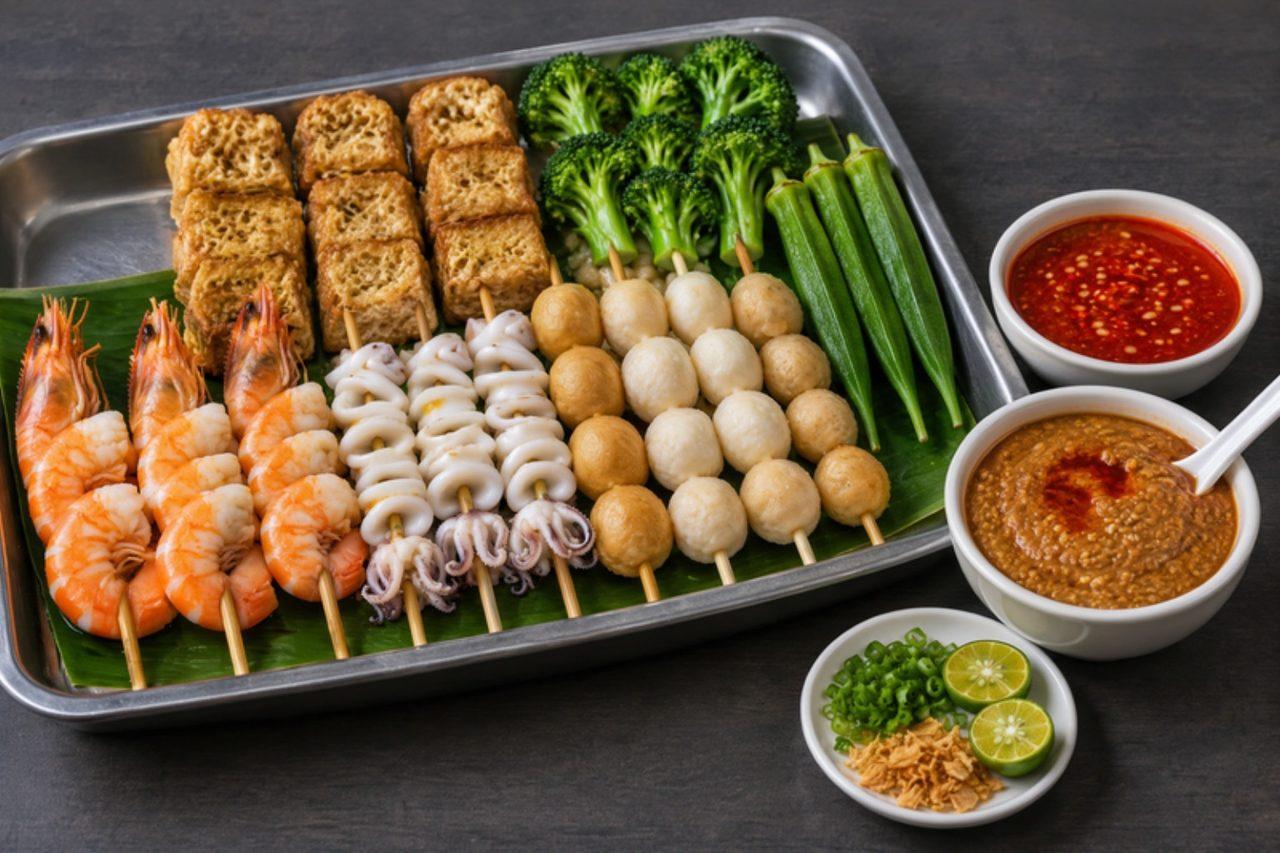
Late at night along Gurney Drive and in the back lanes of George Town, the lok lok vans open their side doors to reveal racks of colourful skewers: tofu, quail eggs, okra, mushrooms, fish balls, prawns and squid. You pick what you like, dunk it in a pot of bubbling water at the counter, then dip it in thick peanut satay sauce or sweet chilli sauce and pay by the colour of the stick. It makes a fun DIY supper at home, especially with children. Chef's tip: keep the water at a rolling boil and cook a few skewers at a time, so the seafood cooks through quickly.

by KrazyBadal 0 views

Lomo a lo pobreSteak with chips, onions and eggs

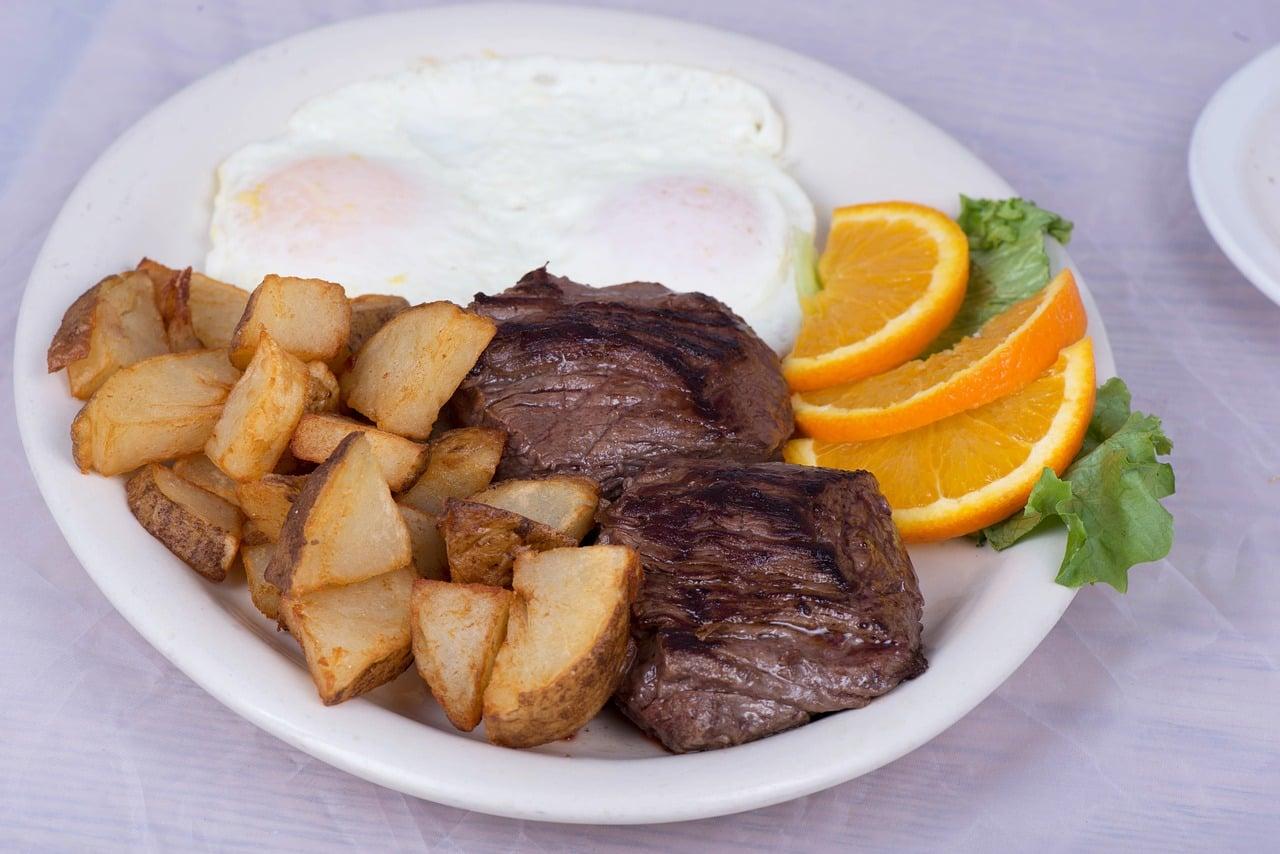
Lomo a lo pobre, 'poor man's steak', is a joke in its name: it is the most generous plate in any Santiago fuente de soda, a thick beef steak buried under a pile of chips, soft fried onions and two fried eggs. It is weekend lunch food, and truck drivers' food on the Panamericana. Getting the timing right is the trick; cooks who fry the onions fast end up with burnt, bitter strips. Start the onions first and give them a full 25 minutes on a low heat. Chef's tip: double-fry the chips, first at 160 °C and then at 190 °C, so they stay crisp under the eggs. For anyone pregnant, very young or vulnerable, fry the eggs until the yolks are firm.

by KrazyBadal 0 views

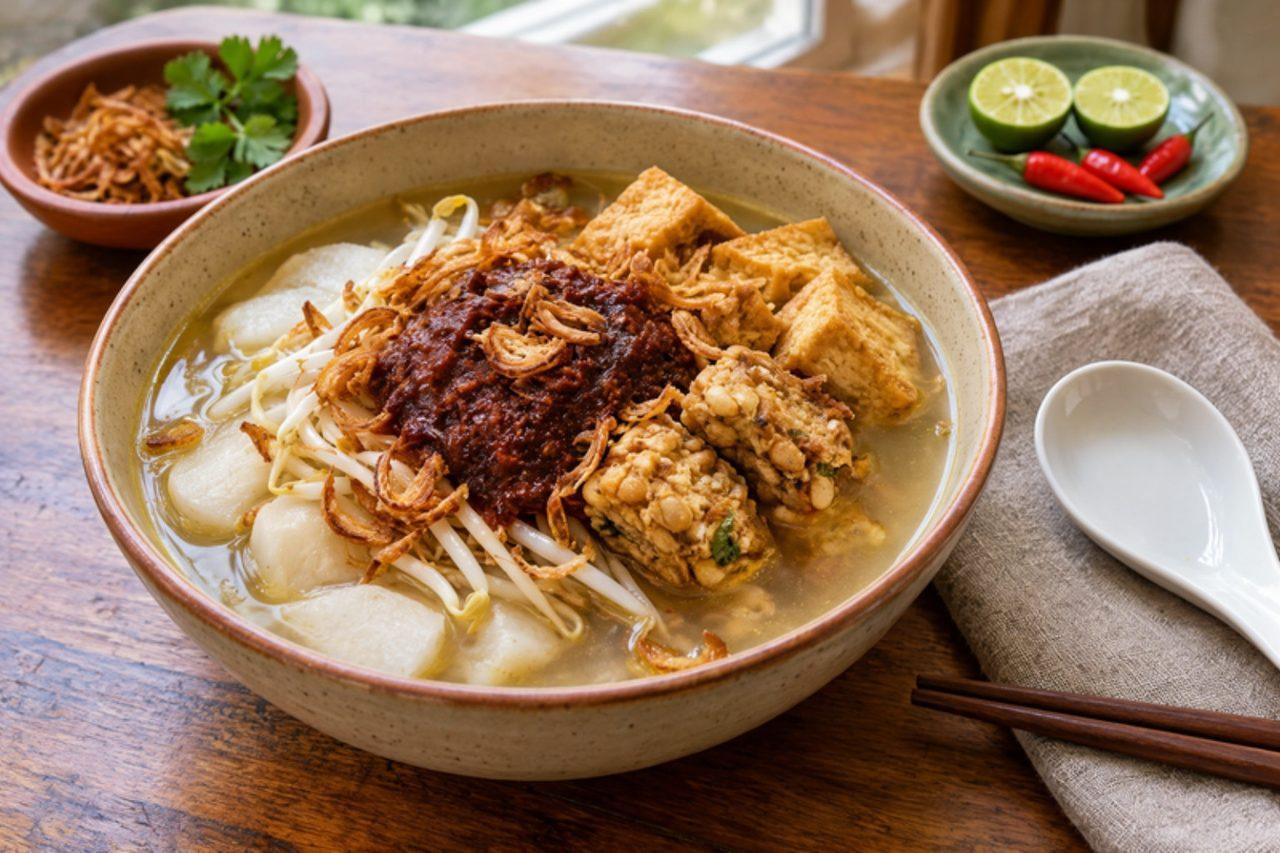
Lontong balapRice cakes and tofu in broth

Lontong balap is Surabaya's morning bowl, named after sellers who once raced (balap) each other to market with their heavy carts. Slices of compressed rice cake are piled with blanched bean sprouts, fried tofu and lentho, little fritters of black-eyed beans and cassava, then soaked with a light garlicky broth and a spoon of sambal mixed with petis, the dark, sweet shrimp paste of East Java. Eat it with skewers of sate kerang if you like. The common mistake is boiling the sprouts too long; they should keep a snap. Chef's tip: stir the petis into the sambal with a little hot broth first, so it melts into the bowl instead of sitting in a sticky blob.

by KrazyBadal 0 views

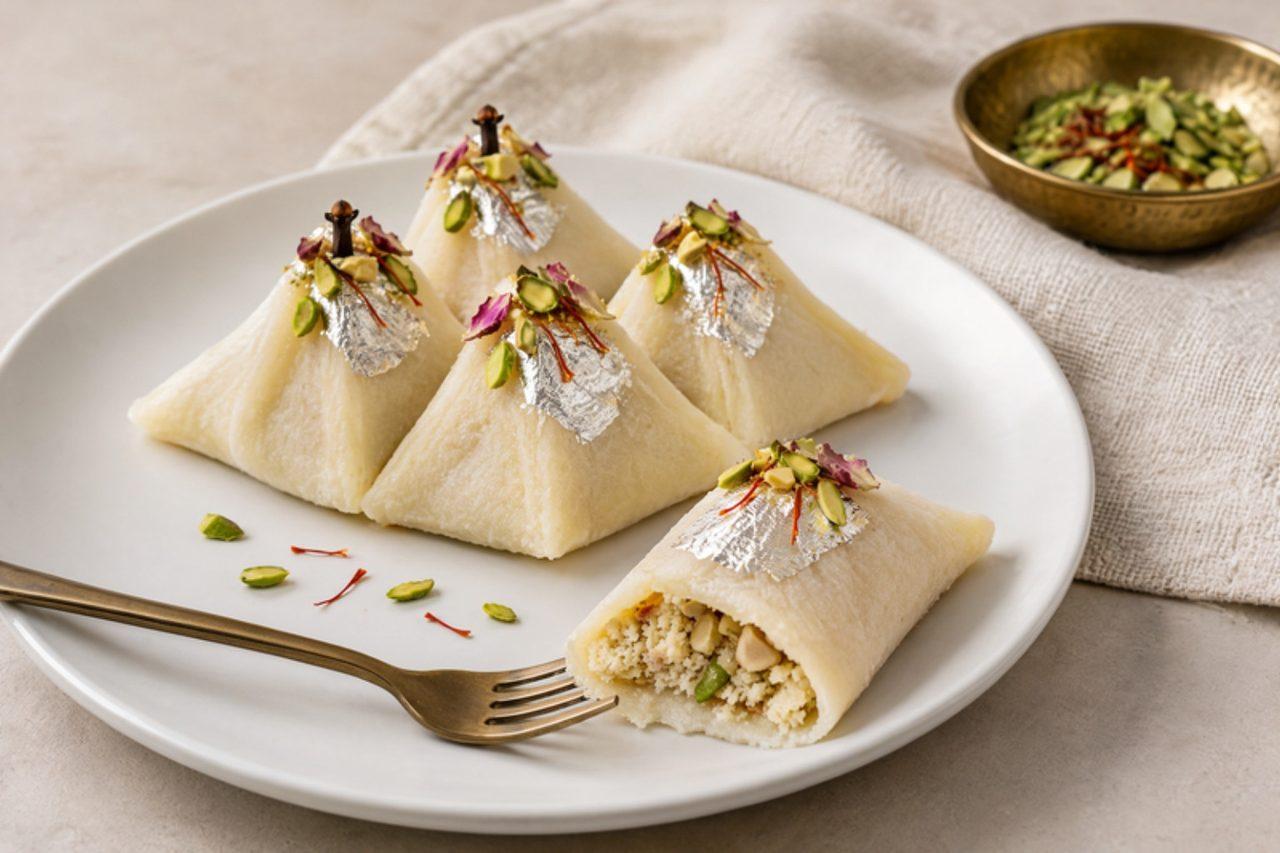
Malai giloriFolded milk cream sweets

Malai gilori is one of Lucknow's most delicate sweets, sold by the old sweet shops of the Chowk, where it is made from thick sheets of malai lifted from huge pans of slowly heated, cooled milk. Each square is folded into a triangle like a gilori of paan around a filling of khoya, sugar, cardamom and chopped nuts, sometimes finished with silver leaf. It melts in the mouth and is eaten at weddings, at Eid and on winter evenings. The home method needs a wide pan and a night in the fridge. If you use silver leaf, buy one certified vegetarian. Contains milk and tree nuts. Chef's tip: once the milk has simmered, do not stir or even move the pan; the cream sheet needs to form undisturbed.

by KrazyBadal 0 views

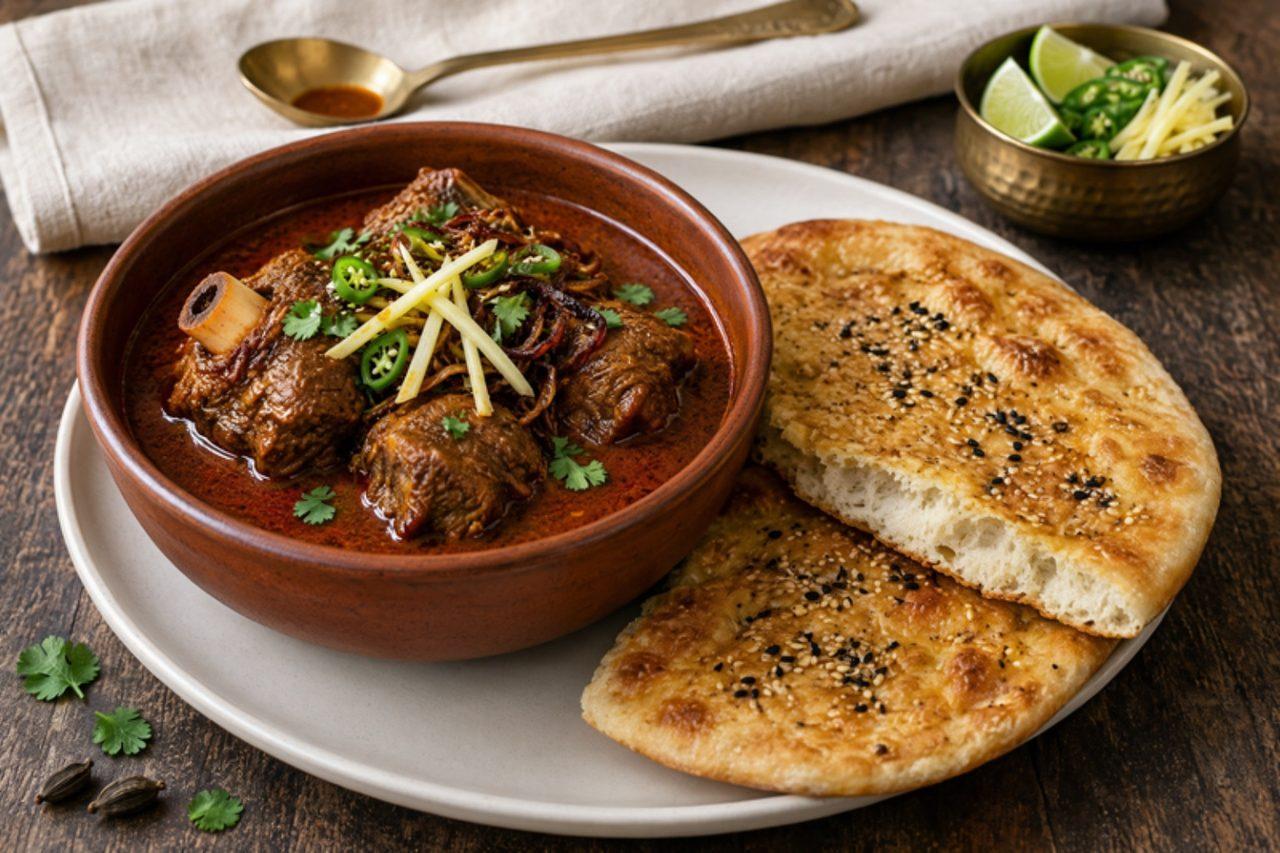
Nihari kulchaSlow-cooked mutton shank with bread

Nihari, from the Arabic word for morning, is Lucknow's great breakfast: around Akbari Gate and the Chowk, old shops simmer mutton shanks overnight in a deep pot of spiced, ghee-glossed gravy and serve it from dawn, especially during Ramadan, with soft, faintly sweet Lucknowi kulcha. The meat falls from the bone, the marrow melts into the gravy, and every bowl is finished at the table with shredded ginger, green chilli and lemon. Chef's tip: keep it at the barest simmer; a rolling boil makes the meat tight and stringy.

300 minIndianMeat
by KrazyBadal 0 views

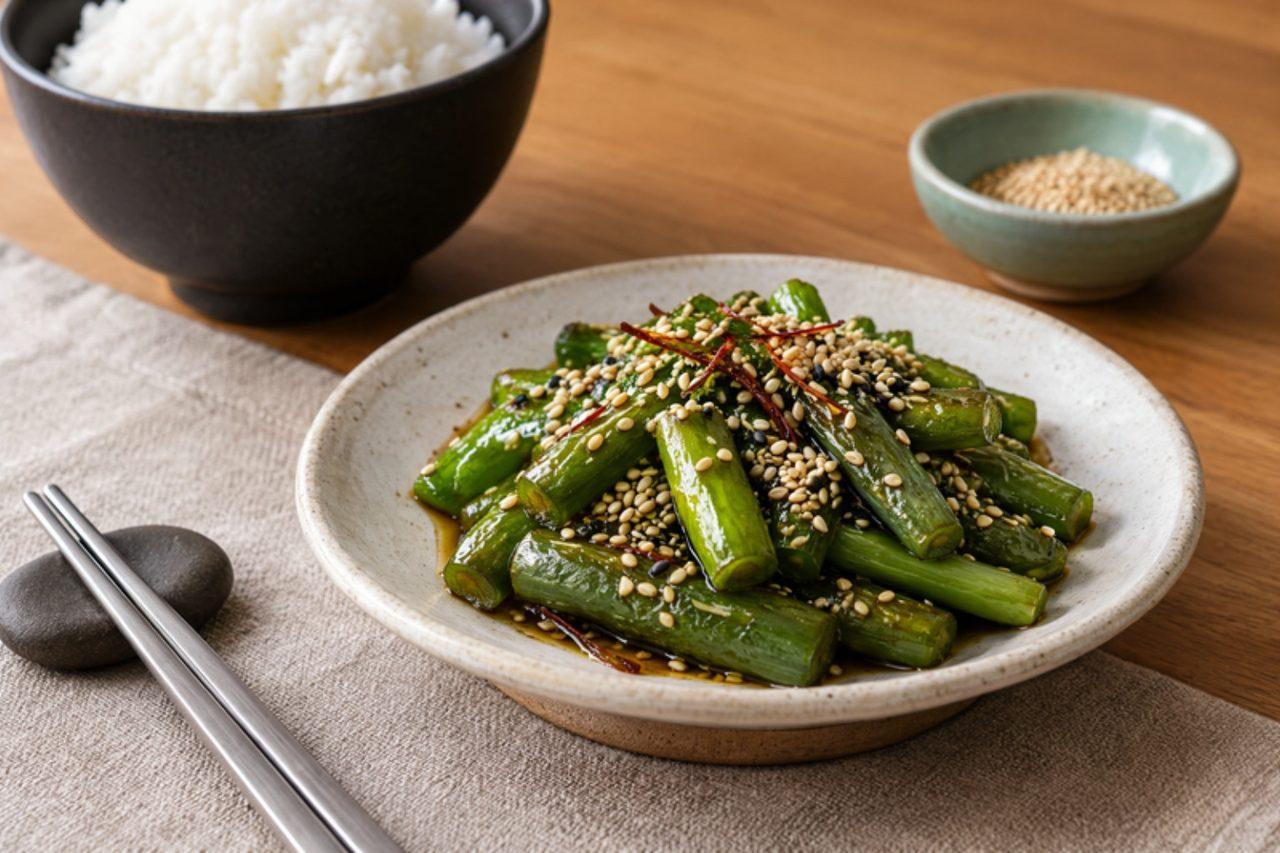
Maneuljjong bokkeumGarlic scape stir-fry

In late spring Korean markets sell thick bundles of garlic scapes, the curly green shoots of the garlic plant, and they become maneuljjong bokkeum, a sweet-salty, glossy banchan that keeps for days and is a dependable dosirak side. The scapes taste of mild garlic and stay pleasantly snappy. The common mistake is glazing them too early, before they are tender, so the syrup burns and the scapes stay woody. Chef's tip: fry the scapes in oil first until they turn bright green and slightly blistered, then add the sauce and toss for only a minute.

by KrazyBadal 0 views

Showing 27 of 7,762 recipes

Show more recipes

Page 109 of 863