


Skip to content
Polos curry
Featured recipe

Polos curry

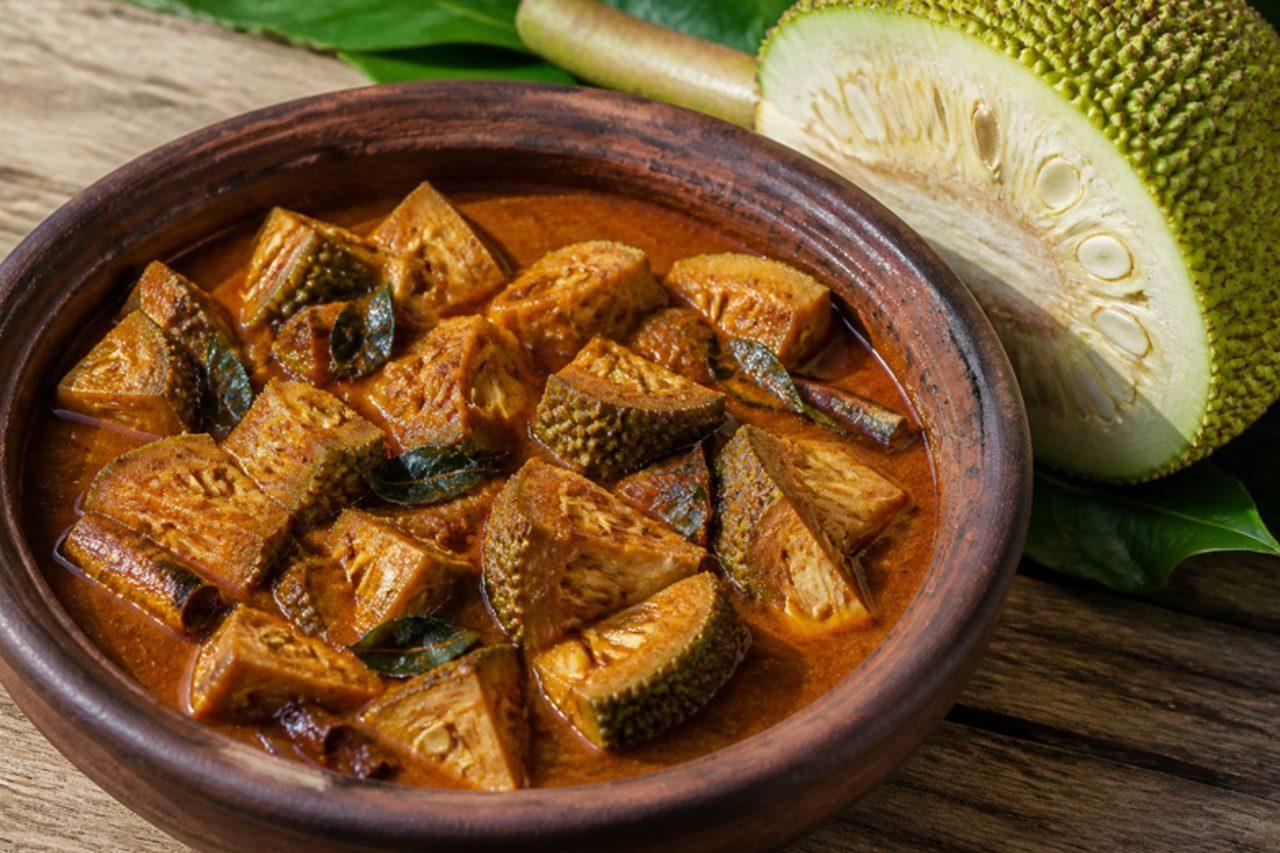
Young green jackfruit curry

Polos is the tiny unripe jackfruit picked in the Western and Sabaragamuwa provinces long before it sweetens, and cooked low and slow it becomes one of the island's most loved festival curries, especially at Sinhala and Tamil New Year in April and at wedding lunches. The firm, pale flesh soaks up a very dark roasted curry powder, garlic, ginger, goraka (a smoky souring fruit) and coconut milk until it turns almost black-brown and tastes rich, sour and meaty. Fresh polos is hard to find abroad; tinned young green jackfruit in brine works well. A frequent mistake is not cooking it long enough, which leaves it squeaky; the pieces must be soft enough to break with a spoon. Chef's tip: oil your hands and knife before cutting fresh jackfruit; the sticky white sap washes off oiled skin but not dry skin.

Read more 2 views

What to eat today?

Around the world

Today's trip: Peruvian

A new country every day, from every cuisine on the site.

Peruvian

Tacacho

Mashed roasted green plantain balls 35 minMore from Peruvian (111) →

This week's collection

Kid-friendly dinners
772 recipes · a new collection every Monday

Coming up

All occasions →

Latest recipes

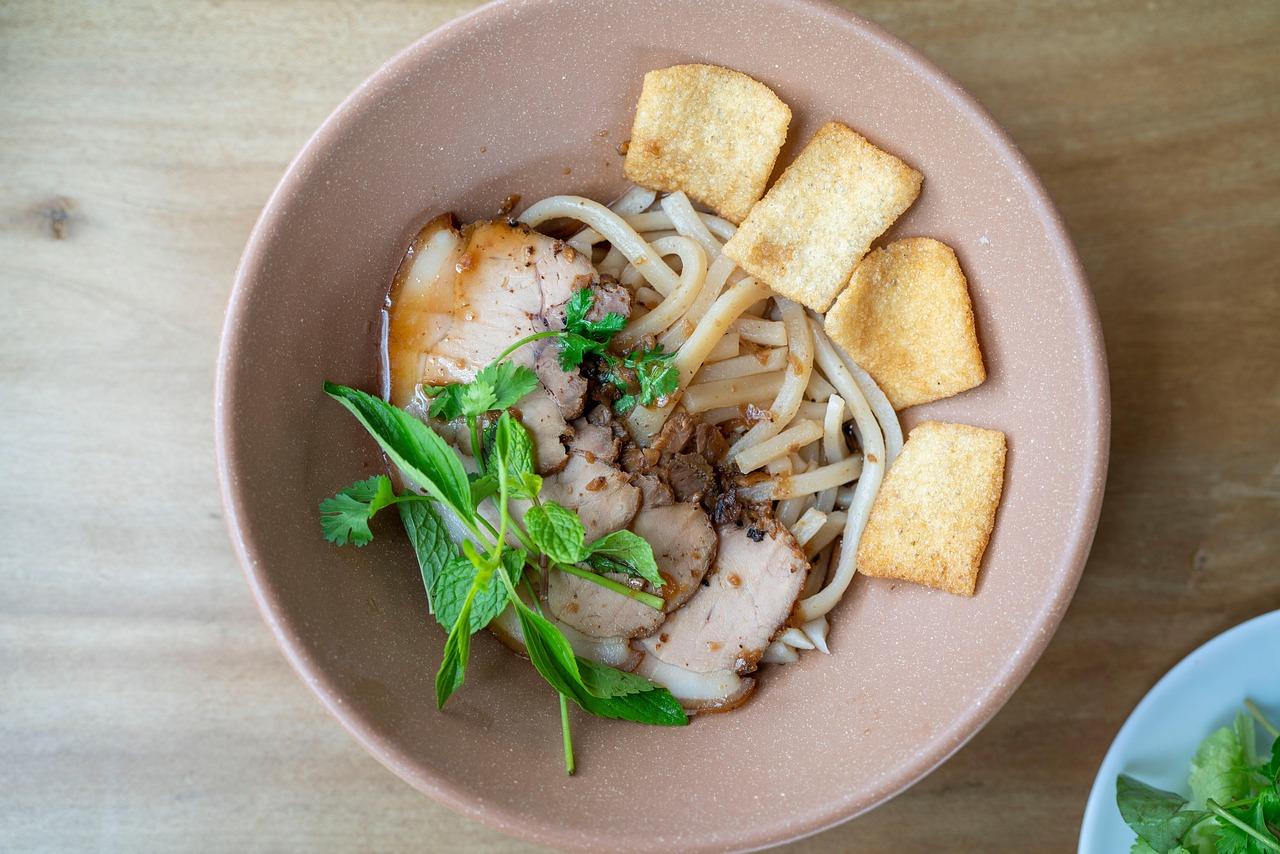
Cao lauPork and noodle bowl

You will really only find proper cao lầu in Hội An, the old trading port on Vietnam's central coast, where it's sold in small family eateries and along the riverside at lunch. The noodles are yellowish and unusually chewy, made with lye water that locals traditionally link to the town's ancient Bá Lễ well. They come almost dry, topped with slices of sweet five-spice pork, raw greens and crisp squares of fried dough, with just a spoonful of the pork juices. Because the real noodles are very hard to buy outside Hội An, this home version uses thick udon noodles, which give a similar bouncy chew; it is a substitute, not the original. Chef's tip: rinse the cooked udon in cold water, then dip briefly in hot water just before serving, so they are warm but firm.

by KrazyBadal 0 views

Bazin with lambBarley dough with lamb stew

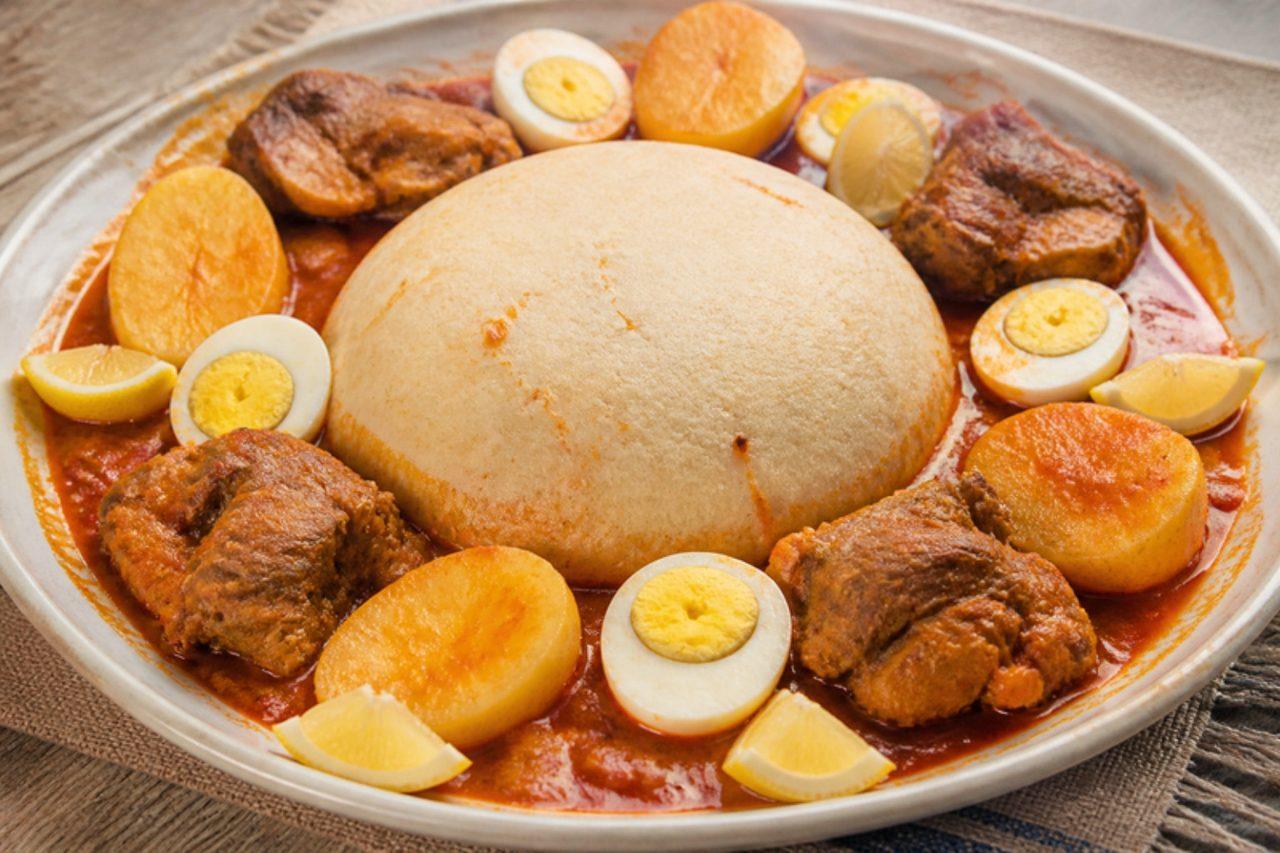
Bazin is the traditional festive dish of Libya, especially in Tripoli and the western mountains: a smooth, firm dome of barley-flour dough set in the middle of a wide dish, surrounded by a spicy lamb stew of tomato, chilli and turmeric, with hard-boiled eggs and potatoes. Everyone eats from the same plate with the right hand, pinching off dough and dipping it in the sauce. The mistake is not beating the dough hard enough: it should be pounded until completely smooth, or it tastes floury. Chef's tip: beat the dough with a wooden spoon, adding cooking liquid a spoonful at a time, until it pulls cleanly away from the pot.

150 minAfricanMeatSpicy
by KrazyBadal 0 views

Cape Malay koesistersSpiced syrup doughnuts

Koesisters are Cape Town's Sunday-morning ritual: in the Bo-Kaap and on the Cape Flats, families buy or make a batch to eat with tea after the week's work is done. They are nothing like the plaited, crunchy Afrikaner koeksister. These are soft, cake-like, oval dumplings flavoured with cinnamon, cardamom, ginger, aniseed and naartjie (tangerine) zest, fried, briefly boiled in a thin syrup and rolled in desiccated coconut. Chef's tip: fry them over a moderate heat so they cook through to a fluffy centre before the outside turns dark; they should be a rich brown, not black.

by KrazyBadal 0 views

BaursakPuffed fried dough

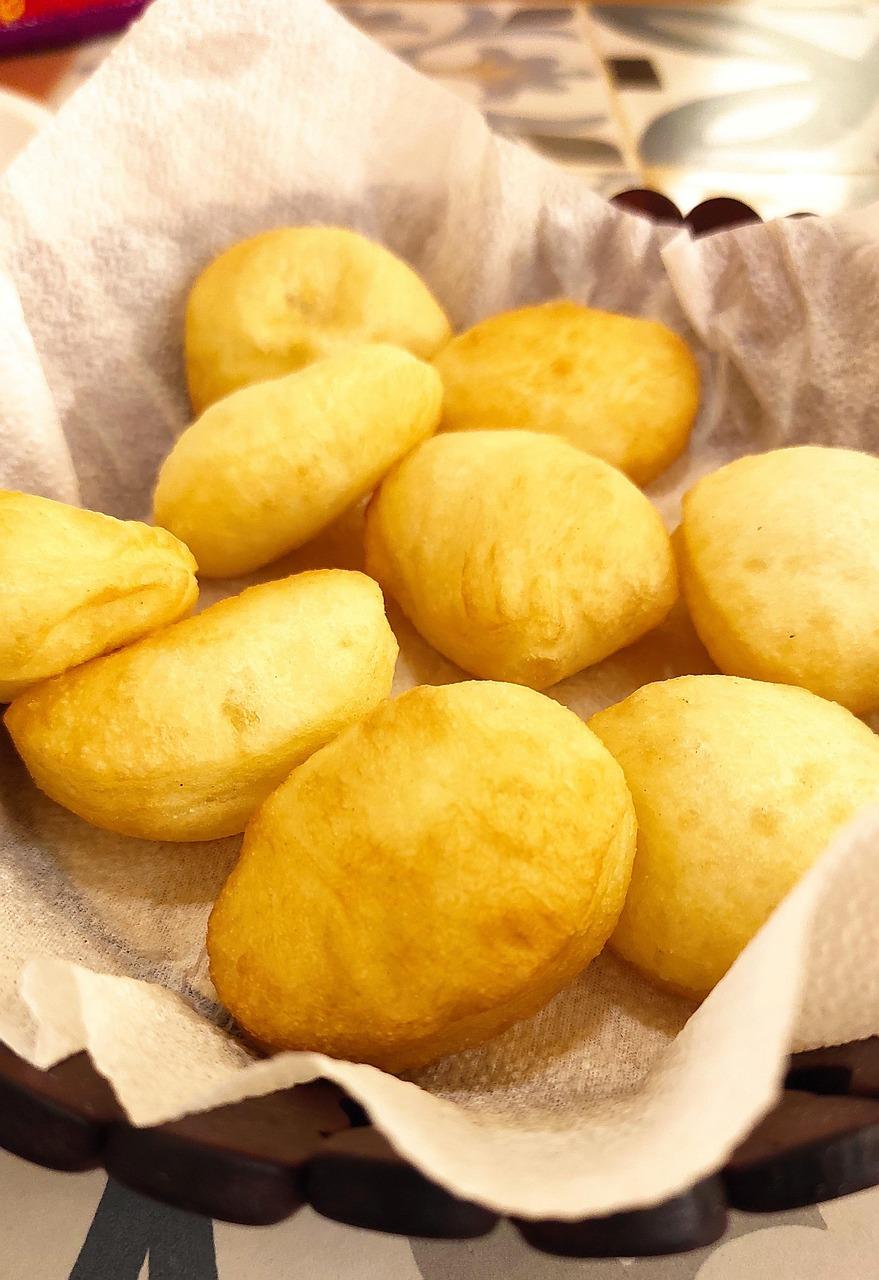
No Kazakh dastarkhan, the cloth spread with food for guests, is complete without a heap of baursak: soft, hollow pillows of yeasted dough fried until they balloon. They are scattered over the table at weddings, at Nauryz in March and at funerals, where the smell of frying baursak is said to reach the departed. In Almaty families fry hundreds at a time and eat them through the evening with milk tea, butter, jam or honey. Kyrgyz and Turkmen households make almost identical versions. Chef's tip: roll the dough just 1 cm thick and keep the oil hot; thin dough in hot oil puffs into a hollow ball, thick dough stays bready.

by KrazyBadal 0 views

CaponataSweet and sour aubergine stew

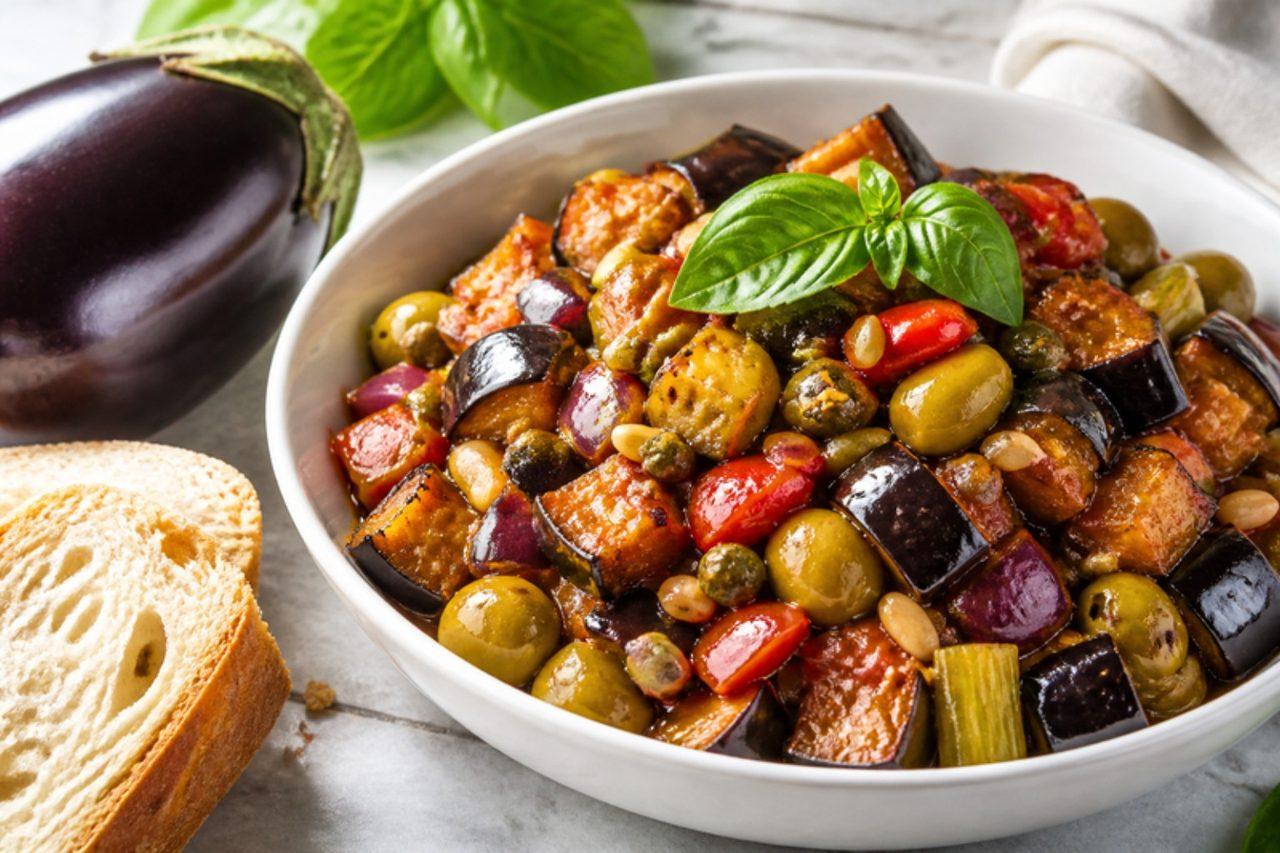
Caponata is the agrodolce dish of Sicily: cubes of fried aubergine, crisp celery, green olives and capers in a glossy tomato sauce sharpened with vinegar and softened with a little sugar. Palermo families keep a bowl in the fridge through late summer and eat it at room temperature as an antipasto, a side or on bread, and many say it is best on the second day. The sweet-sour balance shows the Arab influence on Sicilian cooking. Chef's tip: blanch the celery for 2 minutes before frying; it keeps a pleasant crunch without tasting raw.

by KrazyBadal 0 views

CapunsChard parcels of herby dough

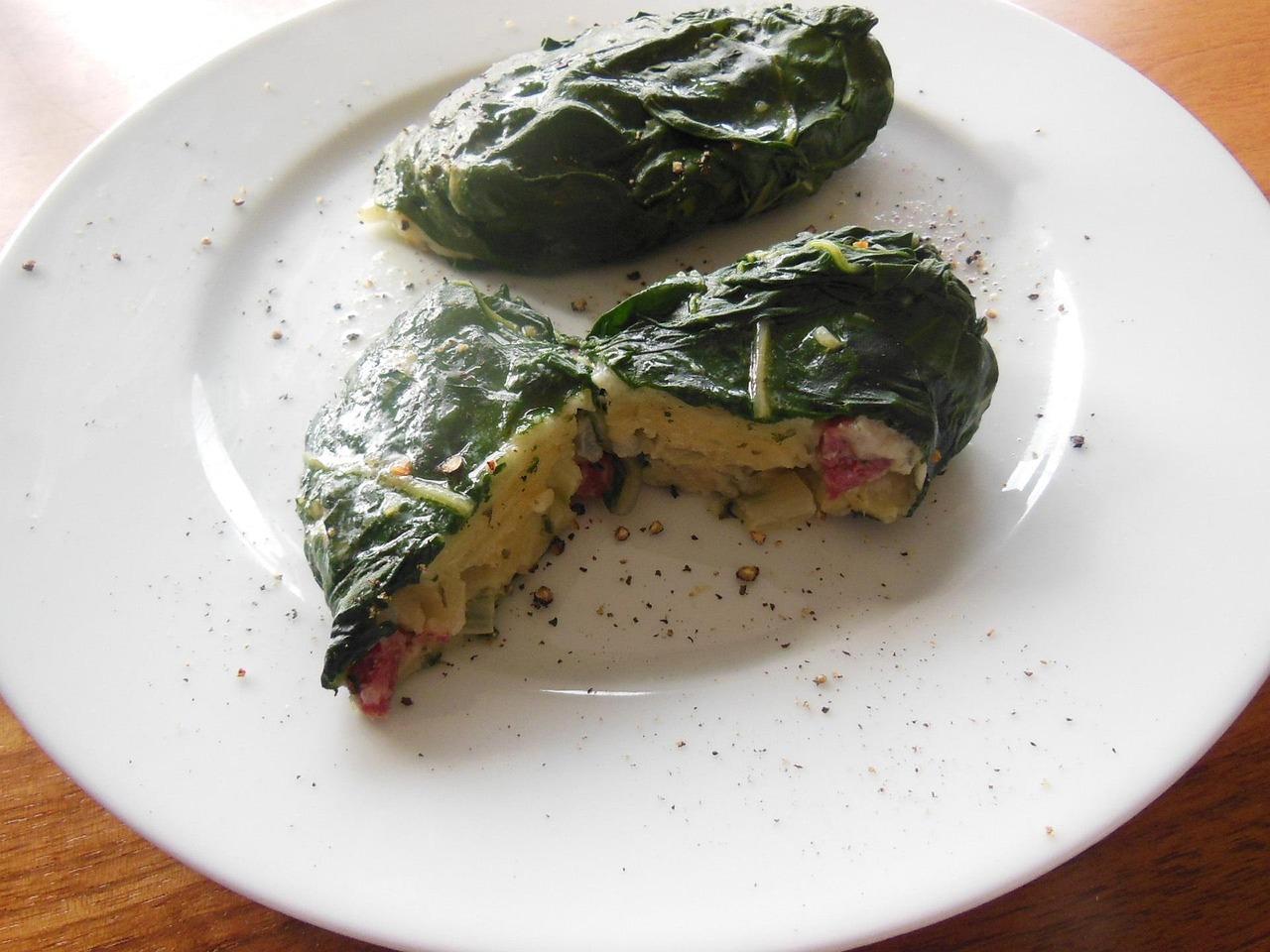
Capuns come from the valleys of Graubünden, where every village in the Surselva and Engadin has its own way of making them, and they are cooked on cold evenings and for festivals in mountain inns. A soft spätzle batter flavoured with herbs and little cubes of air-dried salsiz sausage and bacon is wrapped in chard leaves, then the parcels are poached in a mixture of milk and stock and finished with butter and grated mountain cheese. The salsiz and bacon are pork. Most first attempts fail because the dough is too runny to wrap; it should drop slowly off a spoon, like very thick porridge. Chef's tip: dip the chard leaves into boiling water for just 10 seconds so they turn supple enough to roll without tearing.

80 minSwissMeat
by KrazyBadal 0 views

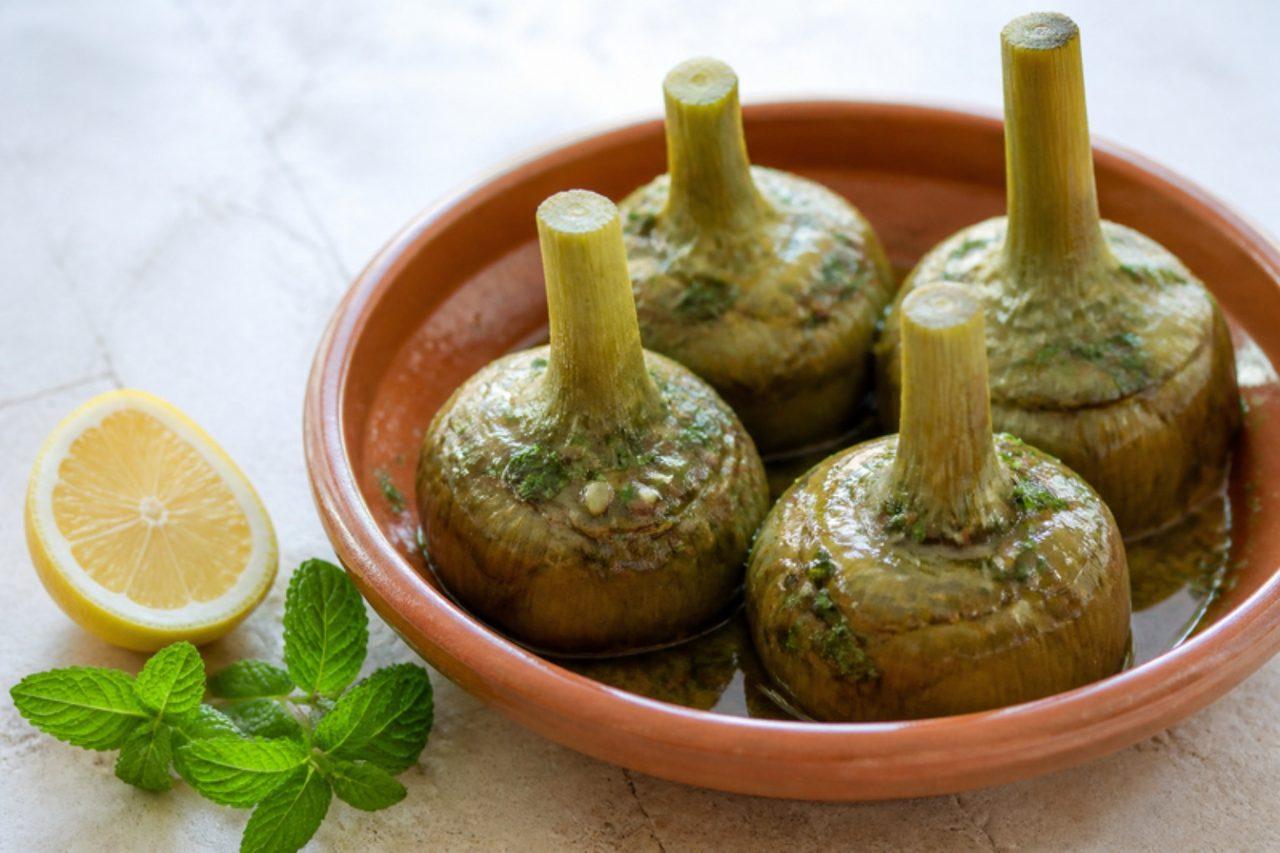
Carciofi alla romanaBraised artichokes with mint

Every spring, from February to April, Roman market stalls pile up round, thornless romanesco artichokes (cimaroli), and trattorie serve them alla romana: stuffed with wild mint, parsley and garlic and braised stem-up in oil and water until meltingly soft. They are eaten warm or at room temperature as a contorno, often next to their crisp cousins, carciofi alla giudia. Any large globe artichoke works at home. Chef's tip: braise them upside down, stems in the air and tightly packed, so the hearts sit in the liquid and the stems steam to the same tenderness.

by KrazyBadal 0 views

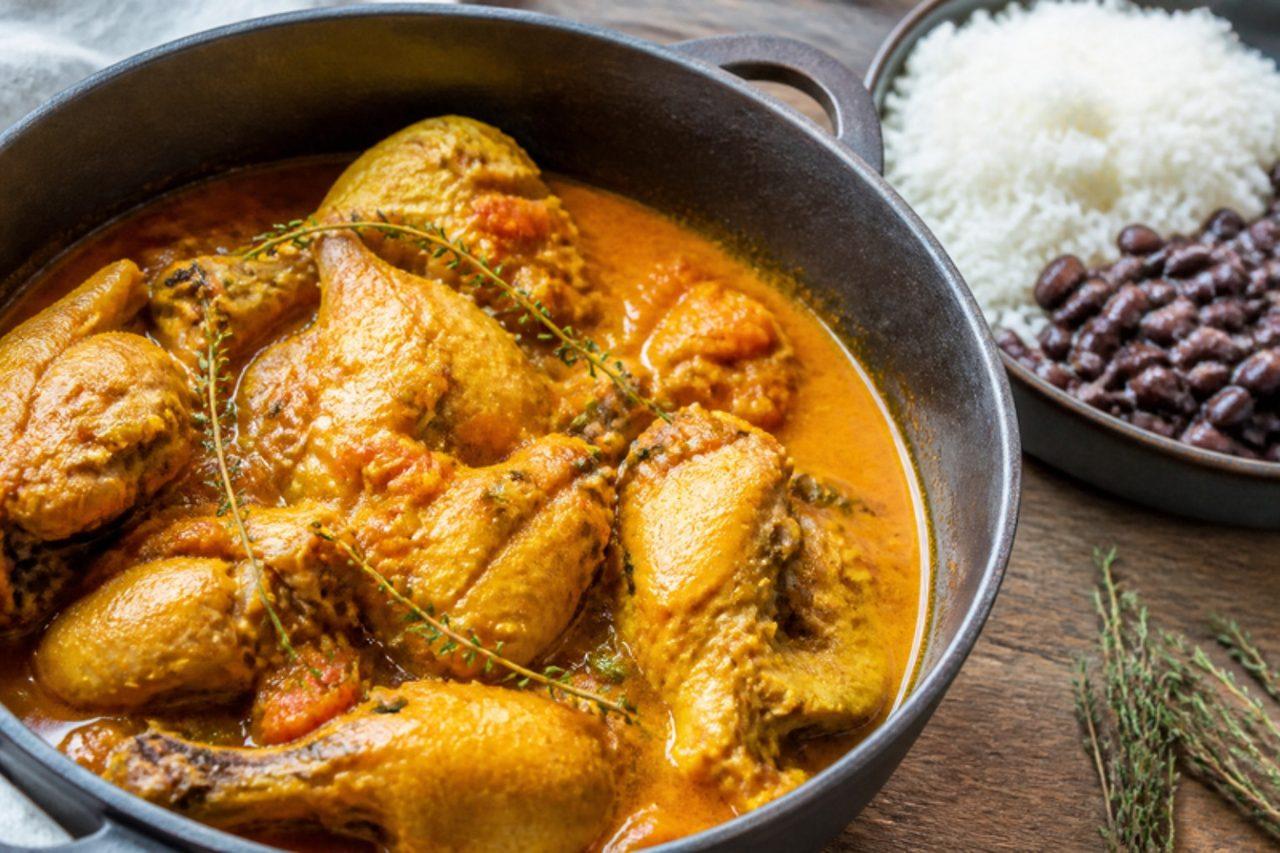
Cari pouletChicken curry

In Réunion a cari is any stew cooked with turmeric (called "safran" on the island), garlic, ginger, onion, tomato and thyme, and cari poulet is the dish families cook on Sundays in Saint-Denis and the mountain villages, often in a big cast-iron pot over a wood fire. It is served with white rice, red beans or lentils, and a fiery rougail on the side. The mistake is adding water too early: let the chicken brown and the tomatoes melt first, then add only a little. Chef's tip: thyme is essential in Réunionnais cooking; add it whole and fish it out before serving.

by KrazyBadal 0 views

CarimañolasYuca fritters stuffed with beef

Carimañolas are torpedo-shaped fritters of mashed yuca filled with savoury minced beef, a breakfast and party snack in Panama City and along the Caribbean coast in Colón, often eaten with a cup of coffee or a spoon of hot sauce. The yuca dough is soft and smooth, the outside crisp after frying. The mistake is working the yuca dough while it is cold; mash and shape it while still warm, when it is smooth and pliable. Chef's tip: wet your hands with a little oil or water as you shape them so the dough doesn't stick.

by KrazyBadal 0 views

Showing 9 of 10,569 recipes

Show more recipes

Page 1,079 of 1,175