


Skip to content
Tazukuri (candied baby sardines)
Featured recipe

Tazukuri (candied baby sardines)

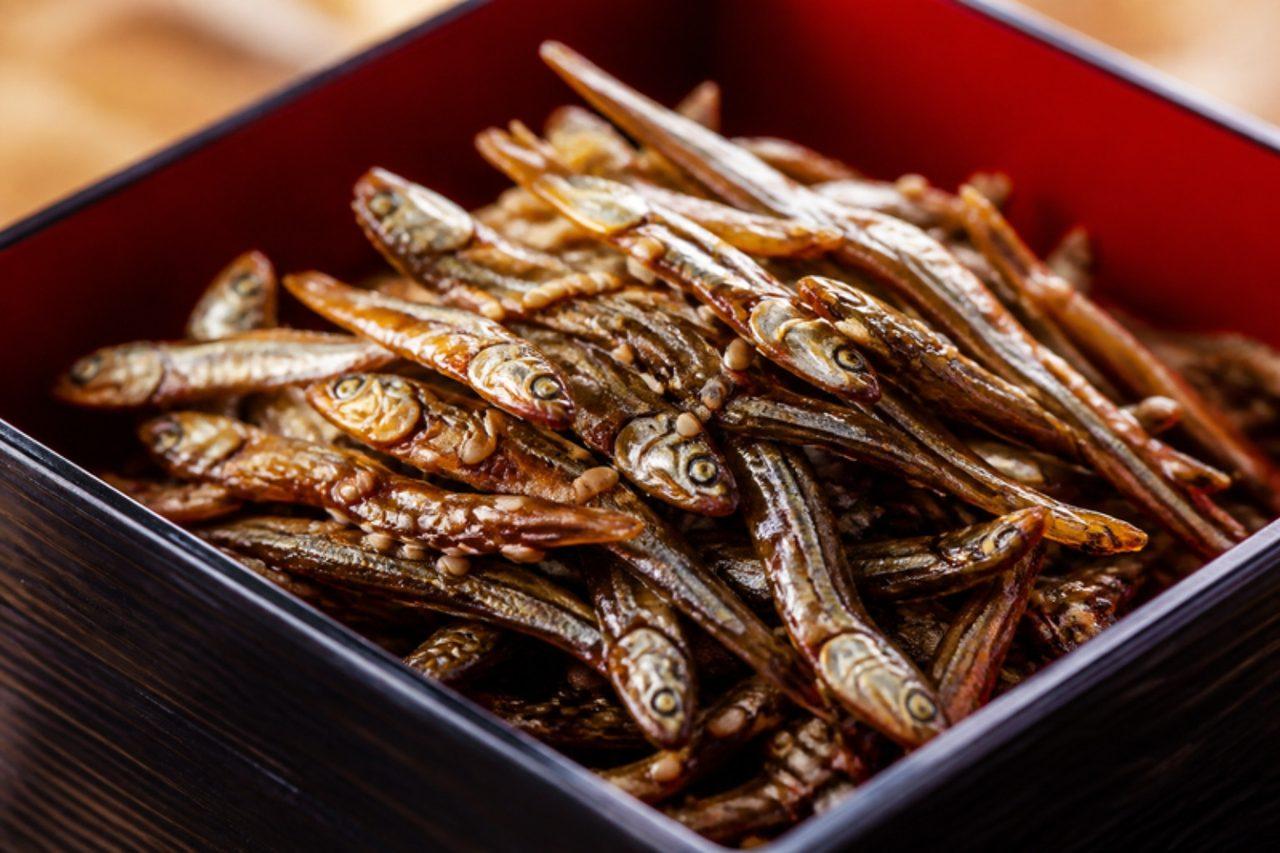
Tazukuri means 'making rice paddies': in old Japan small sardines were spread on fields as fertiliser, and these glazed little fish became a New Year wish for a rich harvest; they are one of the three essential osechi nibbles with black beans and herring roe. Toasted dry until they snap, then tossed in a sweet-salty glaze, they are crunchy, savoury and moreish, with a nutty sesame finish. The glaze includes mirin, a sweet rice wine; for no alcohol use 1 tbsp water and 1 extra tsp sugar. Serve a small heap in the osechi box, with green tea, or over hot rice. Chef's tip: toast slowly until one fish snaps cleanly in half; chewy sardines never turn crisp later.

Read more 0 views

What to eat today?

Around the world

Today's trip: Persian

A new country every day, from every cuisine on the site.

Persian

Shir berenj

Rose water rice pudding 70 minMore from Persian (181) →

This week's collection

Kid-friendly dinners
750 recipes · a new collection every Monday

Coming up

All occasions →

Latest recipes

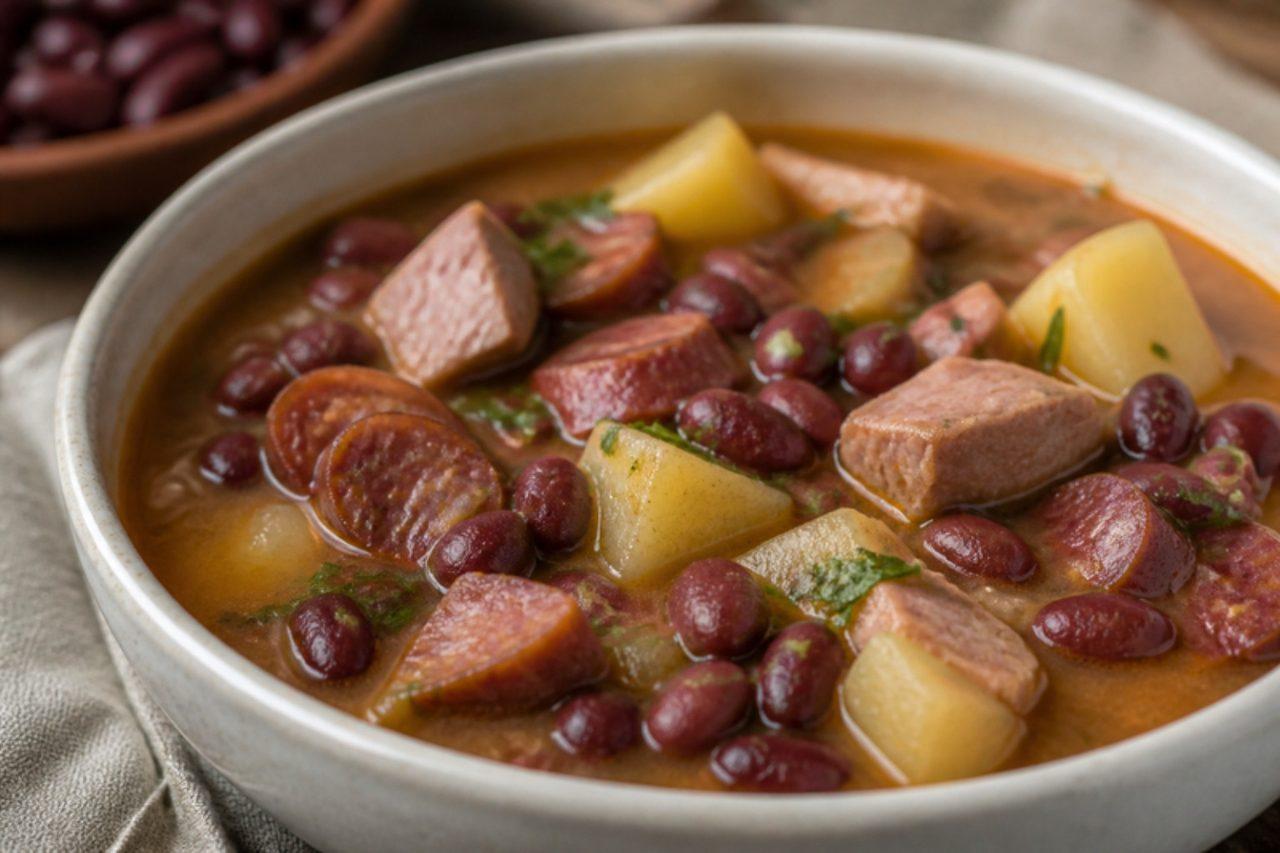
Sopa da pedraBean and pork soup

Almeirim, a market town in the Ribatejo, is the capital of this soup; its restaurants serve it every day, and each bowl arrives with a clean stone at the bottom, after the folk tale of a friar who 'made soup from a stone' by talking villagers into giving him everything else. This is a pork soup: red kidney beans simmer with chouriço, morcela blood sausage and a piece of pork belly, then potatoes, carrots and coriander finish it into a thick, hearty bowl. Chef's tip: cook the sausages whole and slice them at the end, so they stay juicy and don't turn the broth greasy.

by KrazyBadal 1 views

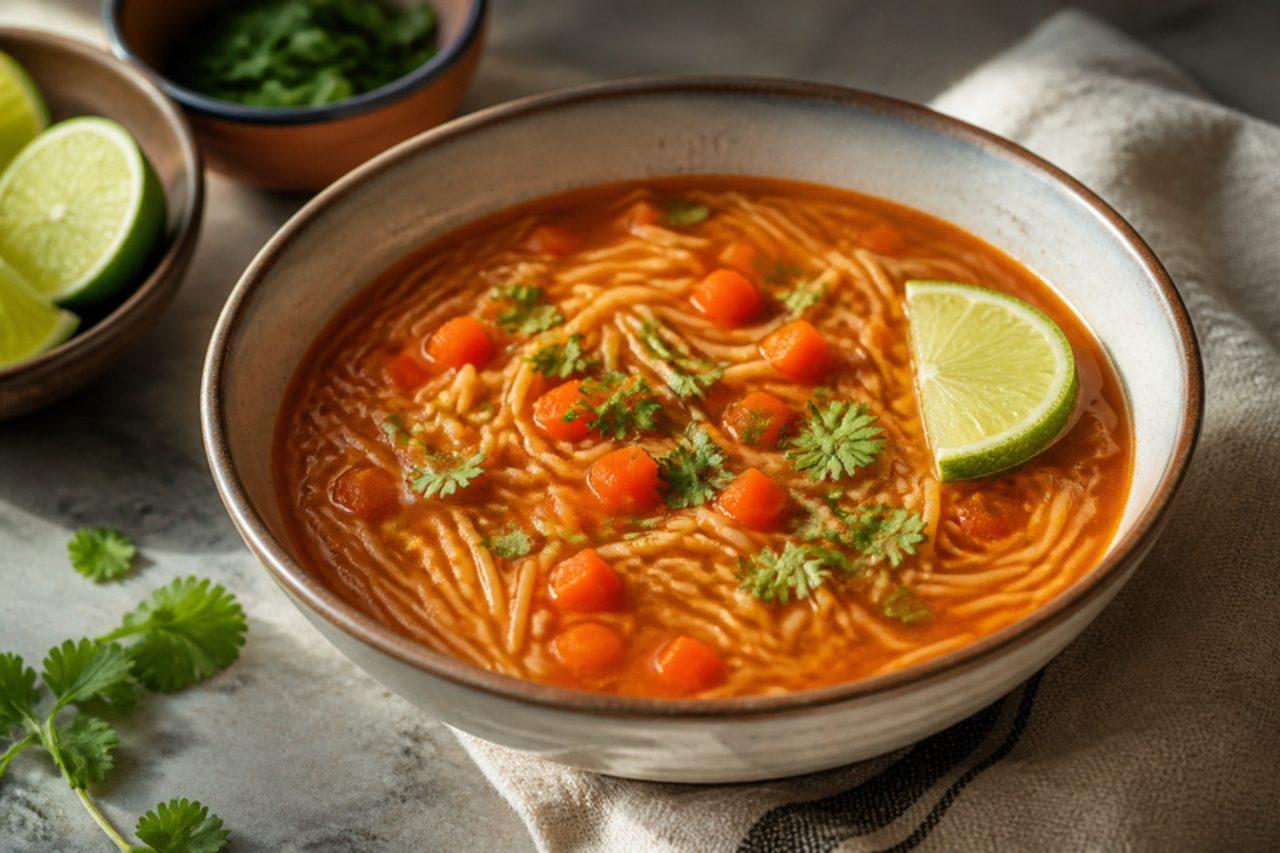
Sopa de fideoToasted noodle soup

Sopa de fideo is the soup almost every Mexican grew up on, served at home from Monterrey to Mérida as the first course of the midday meal. Thin fideo noodles (short broken vermicelli) are fried in oil until golden before the tomato broth goes in, which gives them a toasty, nutty flavour and stops them turning to mush. This version uses a vegetable stock, so it is vegan and very kind to small children. Serve it with lime, a little dried chilli for the grown-ups and bread or tortillas. Chef's tip: fry the noodles over a medium heat and keep stirring; they go from pale to golden to burnt in seconds, and you want the colour of a digestive biscuit.

by KrazyBadal 0 views

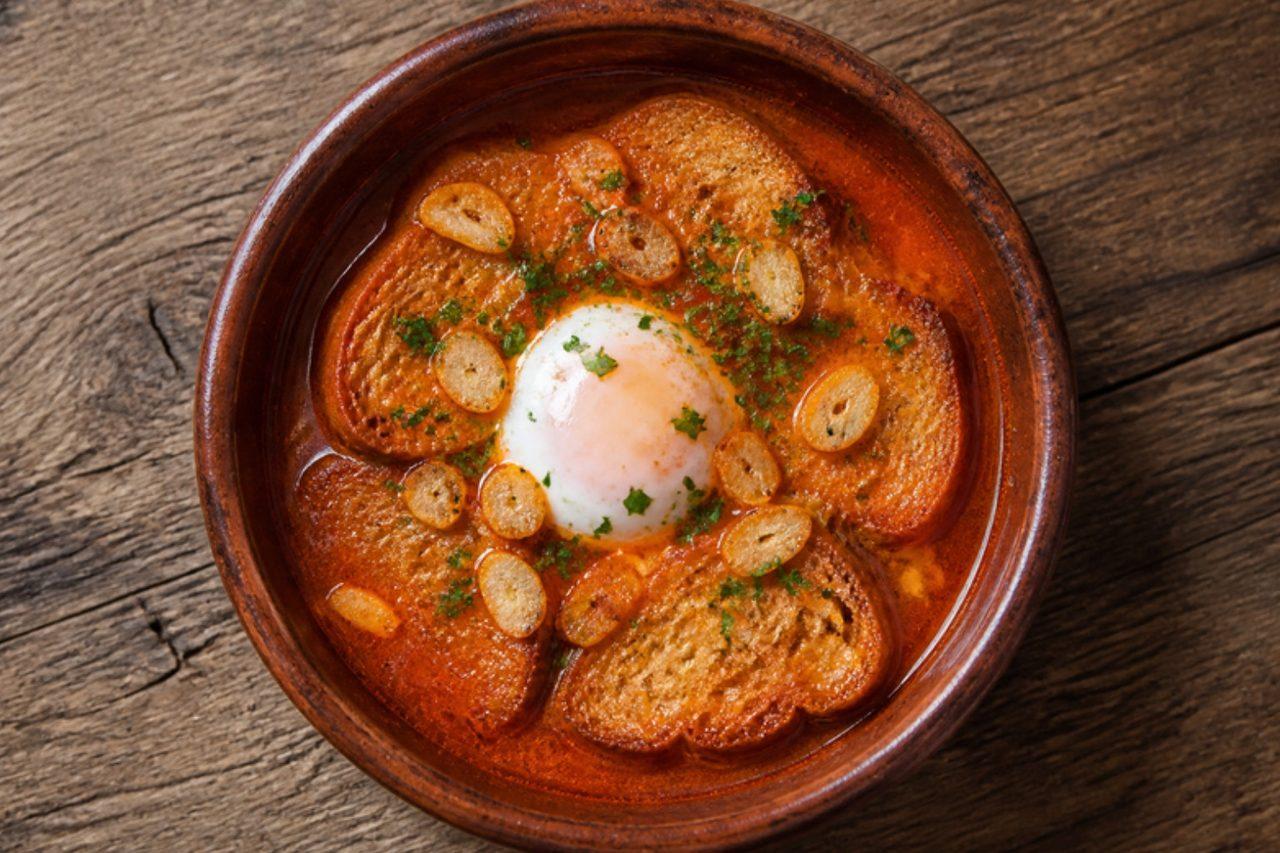
Sopa de ajoGarlic and bread soup

Sopa de ajo, also called sopa castellana, is the warming winter soup of Castile and León, from Segovia to Burgos: stale bread fried in olive oil with lots of garlic and smoky pimentón, simmered in stock and finished with eggs poached right in the soup. It was shepherds' and farmers' food, made from what was always in the kitchen, and is still eaten after a cold night out or on Ash Wednesday. Castilian cooks often add cured ham; this vegetarian version gets its depth from smoked pimentón and a good vegetable stock. Serve it in earthenware bowls, piping hot. Chef's tip: use bread that is truly stale and dry, and toast it in the garlicky oil until golden before adding the stock; fresh bread turns to mush, while toasted stale bread swells but keeps a little texture.

by KrazyBadal 0 views

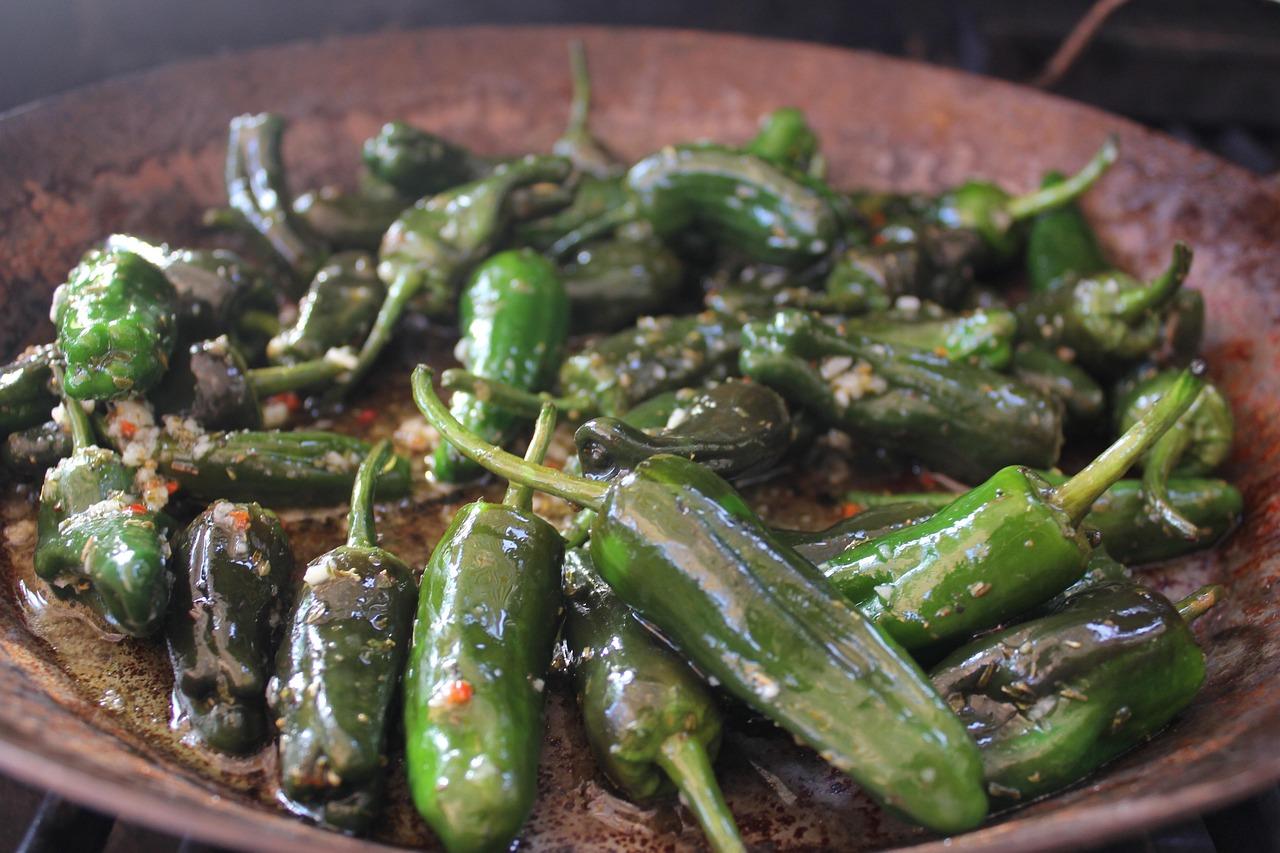
Pimientos de PadrónBlistered green peppers

Pimientos de Padrón come from Herbón, near the town of Padrón in Galicia, where they are fried whole in olive oil and showered with coarse salt. They are small, thin-skinned and mostly mild and grassy, but the Galician saying goes 'os pementos de Padrón, uns pican e outros non' (some are hot and some are not): roughly one in ten has a real kick, which is half the fun. They take five minutes and make the perfect tapa with a cold drink, tortilla or bread. Chef's tip: get the oil properly hot and leave the peppers alone for the first minute so the skins blister and puff; stewing them in lukewarm oil makes them soft and khaki instead of bright and blistered.

by KrazyBadal 0 views

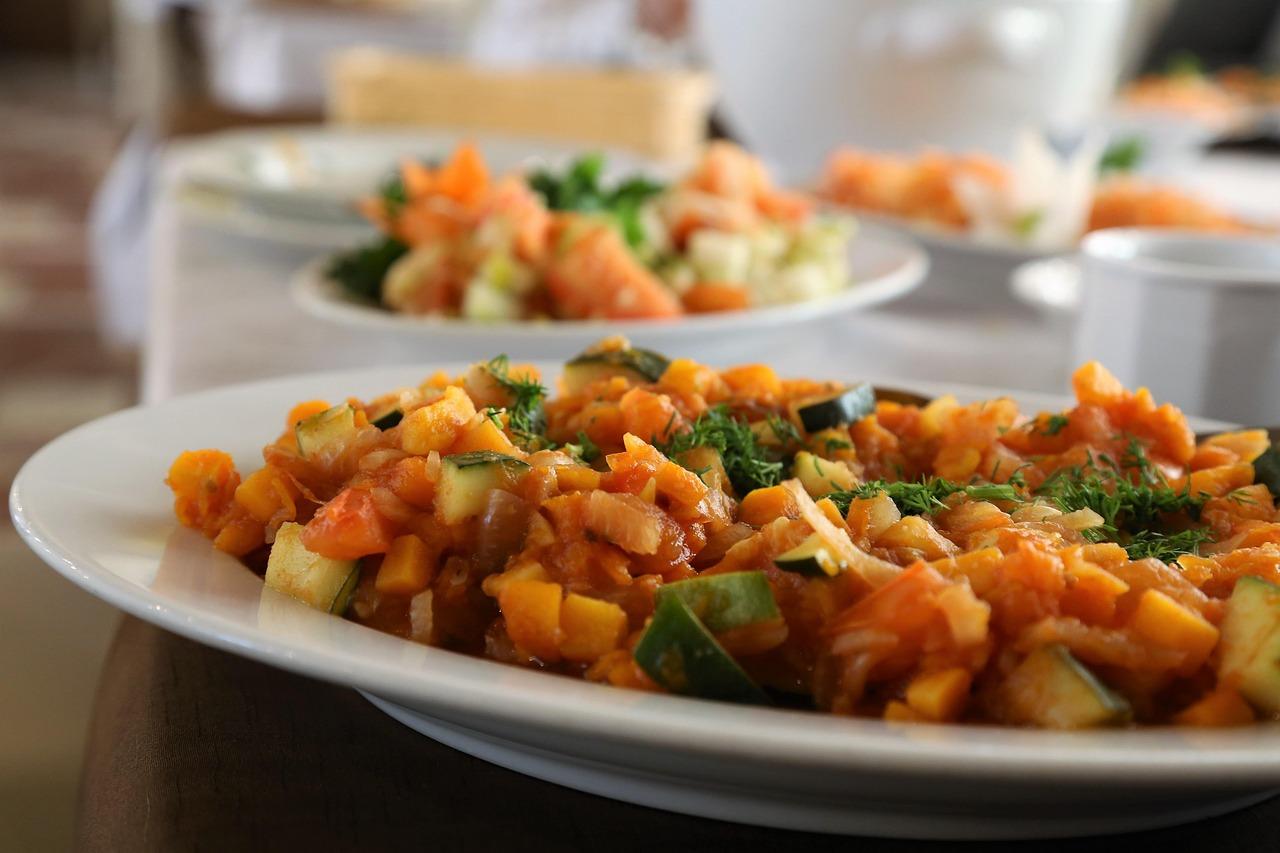
Pisto manchegoPepper, courgette and tomato stew

Pisto manchego is the summer vegetable stew of La Mancha, the high plains of Don Quixote country: onions, green and red peppers and courgette cooked slowly in olive oil, then simmered with fresh tomato until soft, sweet and jammy. Spain's answer to ratatouille is humbler and softer, with the vegetables cooked one after another rather than all at once. In La Mancha it is eaten with bread and very often topped with a fried egg; it is also served alongside rice or potatoes, or cold the next day as a tapa. Chef's tip: be patient with the onion and peppers; give them a full 15–20 minutes over a low heat until really soft and sweet before the tomato goes in, because that slow start is where pisto gets its deep, mellow flavour.

by KrazyBadal 0 views

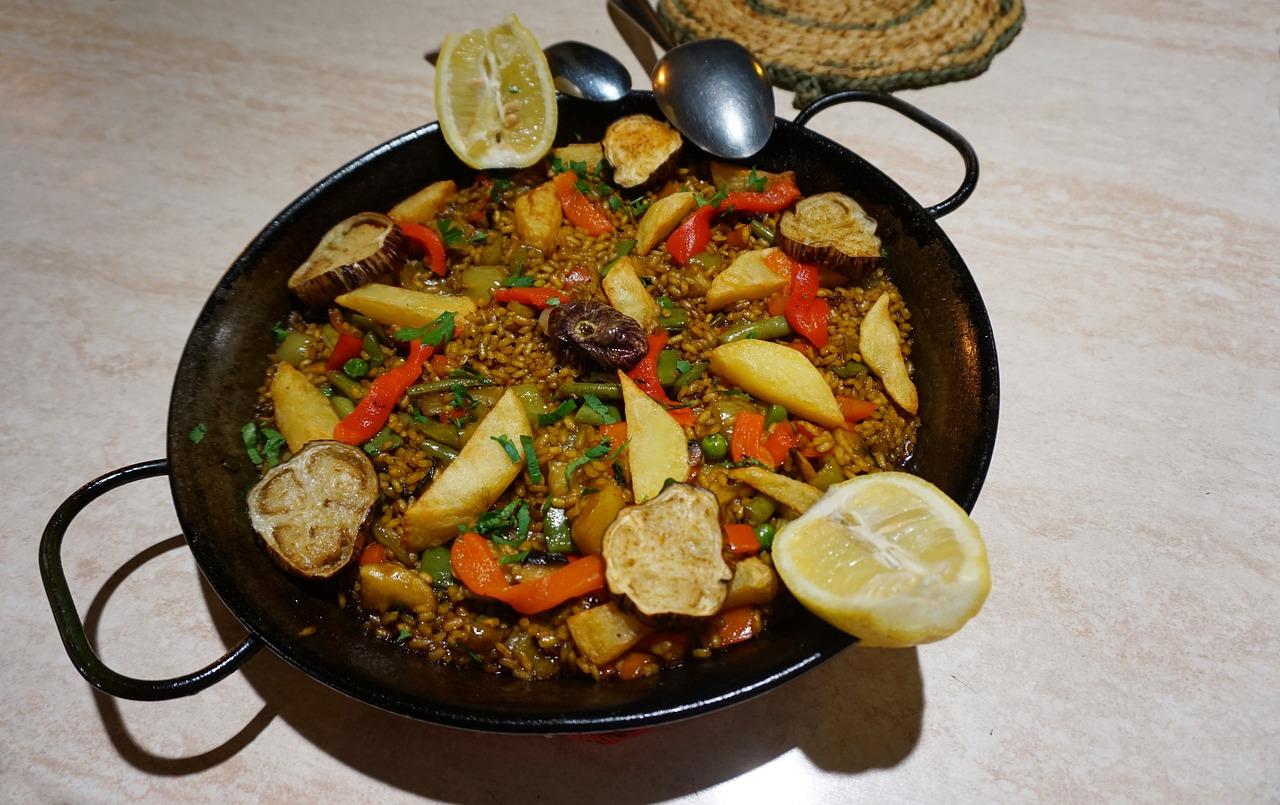
Paella de verdurasVegetable paella

Paella comes from the rice fields around the Albufera lagoon south of Valencia, where it was cooked over orange-wood fires in a wide, shallow pan. Valencians are strict about it: short round rice, saffron, sweet pimentón, flat green beans (ferraúra) and big white garrofó beans, and never any stirring once the rice is in. This all-vegetable paella keeps those rules and adds artichokes and red pepper, as the market gardeners of the Huerta do in spring. It is cooked and served in the same pan, straight onto the table. Chef's tip: listen for the socarrat at the end. Turn up the heat for the last 1–2 minutes until the rice crackles and smells toasty; that caramelised crust on the bottom is the best part of any paella.

by KrazyBadal 0 views

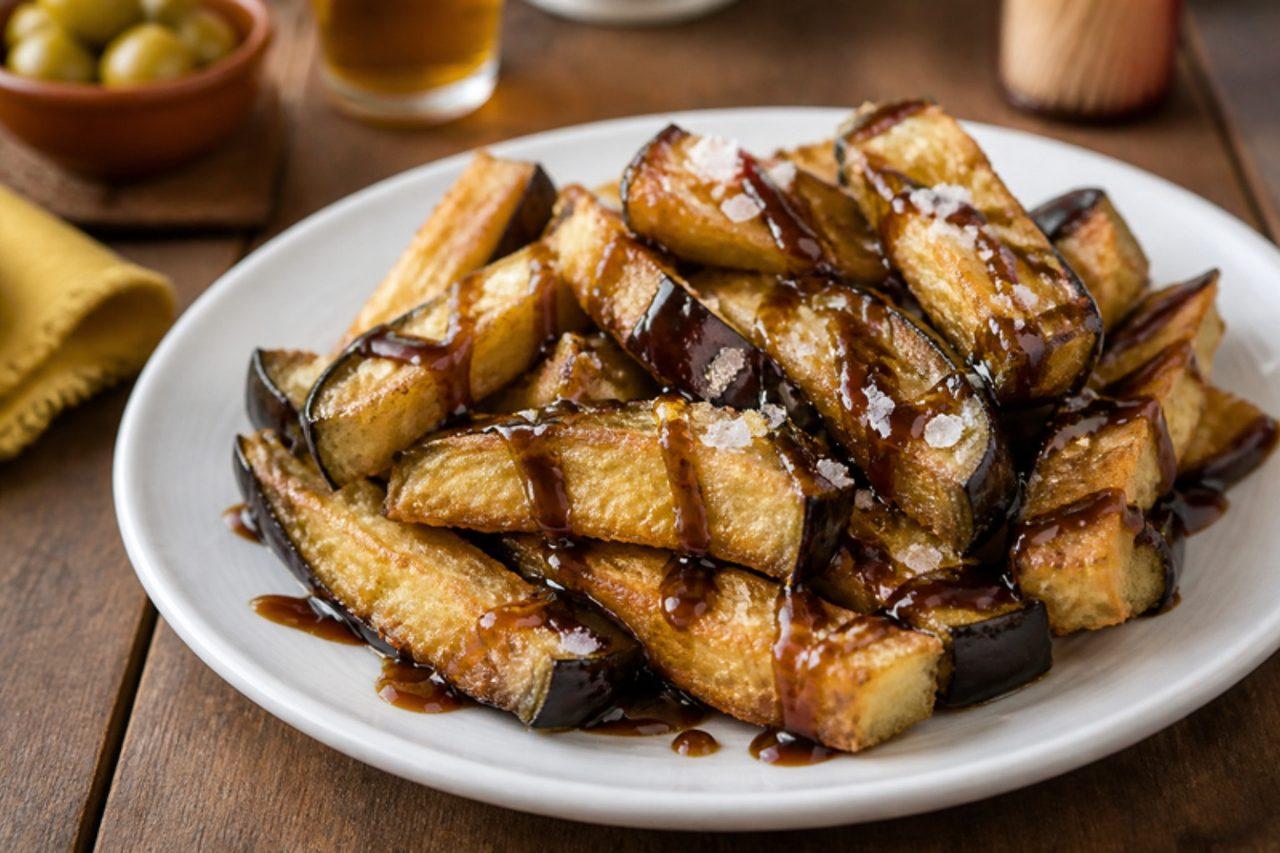
Berenjenas con miel de cañaFried aubergine with molasses

Berenjenas con miel are a classic tapa in Andalusia, especially in Córdoba, Málaga and Granada: thin batons or slices of aubergine, lightly floured and fried until crisp, then drizzled with dark, treacly miel de caña. Despite the name, miel de caña is not bee honey but sugarcane molasses, made in the last cane mill in Europe at Frigiliana on the Málaga coast, so the dish is naturally vegan. The contrast of salty, crunchy aubergine and bittersweet syrup is irresistible; serve it the moment it leaves the pan with a cold drink. Chef's tip: soak the aubergine in salted water (or milk, as many Andalusian cooks do) for 15 minutes and pat dry; it seasons the flesh, softens any bitterness and helps the flour cling so the coating stays thin and crisp.

by KrazyBadal 0 views

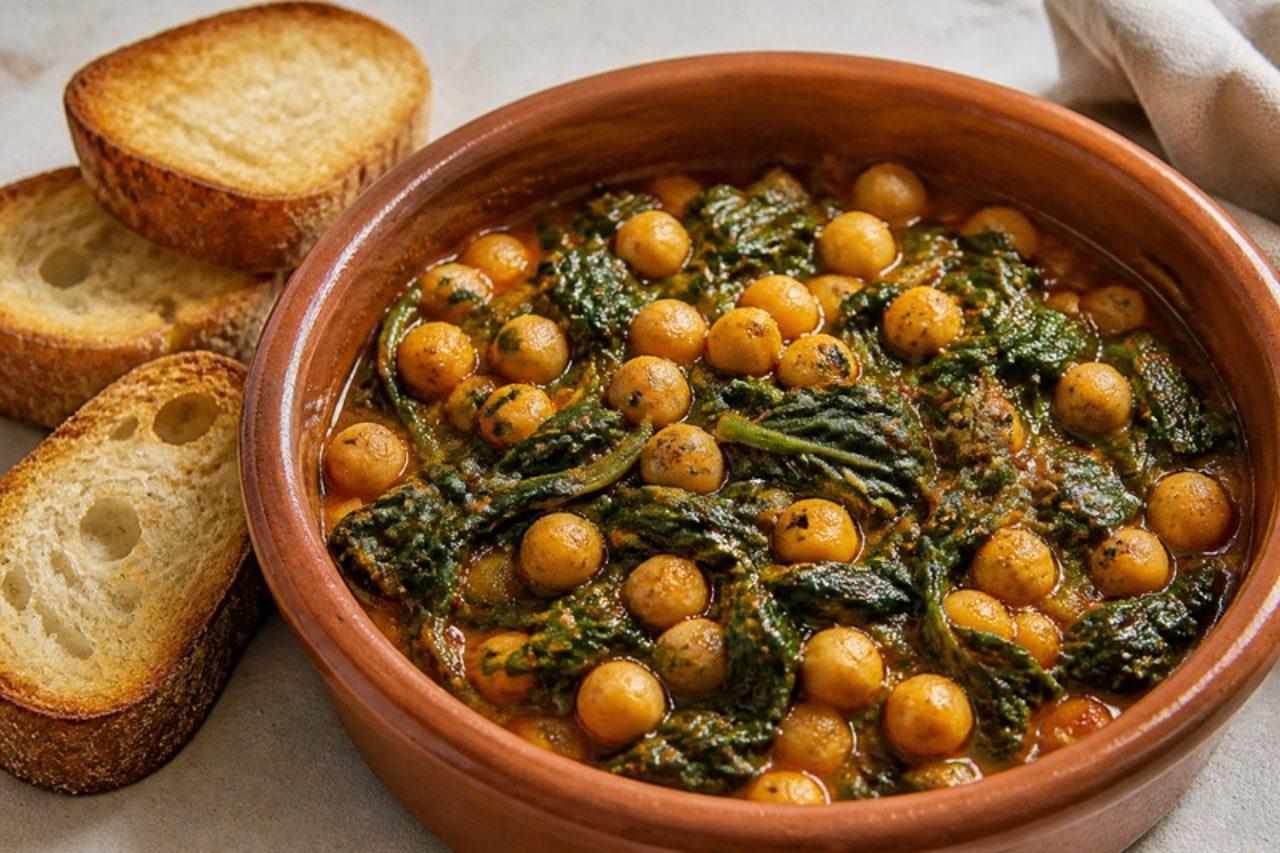
Espinacas con garbanzosSpinach and chickpeas

Espinacas con garbanzos is one of the great tapas of Seville, served in little earthenware dishes in the bars around the cathedral and the Triana market. It carries the city's Moorish past in its spices: cumin, smoked paprika and a little vinegar, with a sauce thickened by a paste of garlic and bread fried in olive oil, the old Andalusian trick called a majado. Earthy chickpeas, soft spinach and a sauce rich enough to mop up with bread make it a filling vegan supper too. It is traditional in Seville during Lent. Chef's tip: pound the fried bread and garlic with the spices and vinegar into a thick paste before it goes into the pan; this majado is what gives the dish its smoky, velvety sauce, so don't skip it.

by KrazyBadal 0 views

Gazpacho andaluzChilled tomato and cucumber soup

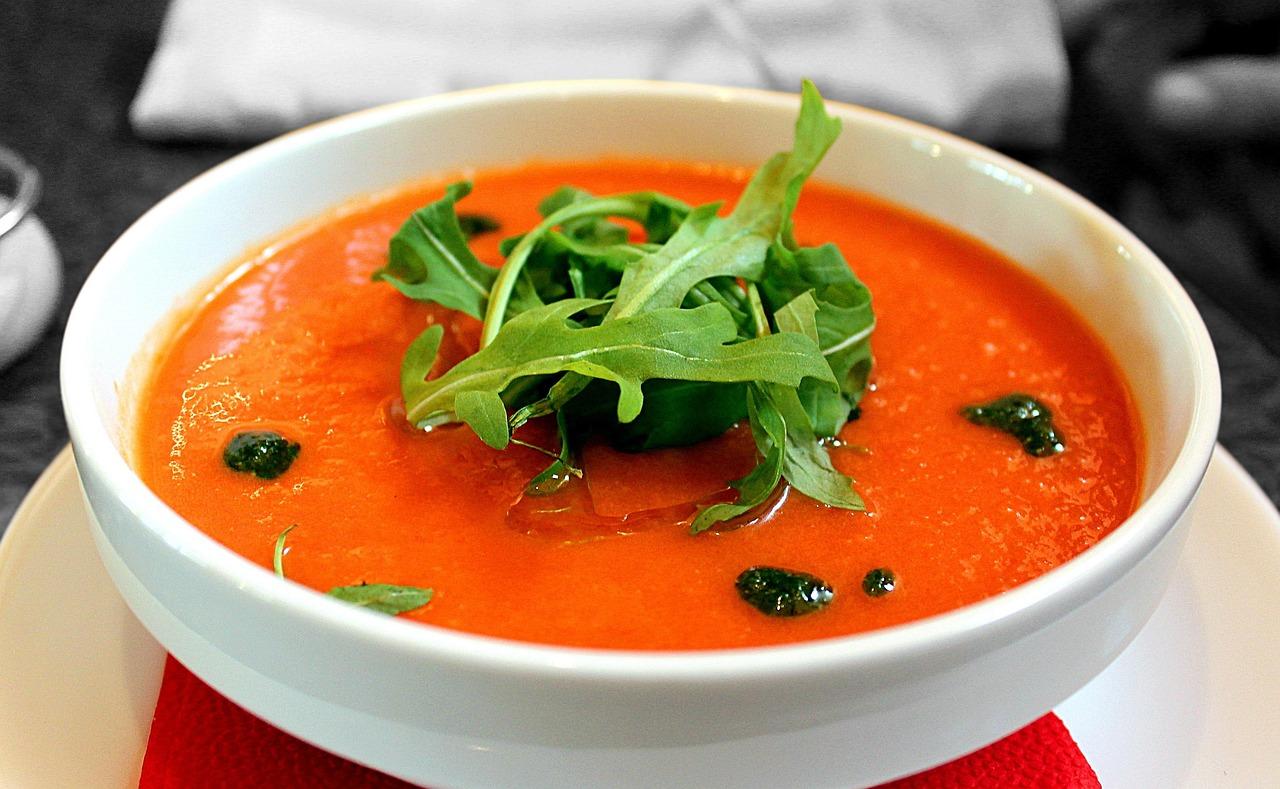
Gazpacho is the cold soup of Andalusia, drunk from a glass or eaten from a bowl through the scorching summers of Seville and Córdoba. It began as a farm workers' meal of bread, oil, garlic and vinegar pounded in a wooden bowl; tomatoes and peppers came later and turned it into the bright red, refreshing soup we know. Ripe tomatoes, cucumber, green pepper, garlic, sherry vinegar and plenty of olive oil are blended until silky and chilled hard. Serve it with tiny dice of cucumber, pepper and onion and a few crunchy croutons. Chef's tip: add the olive oil last, in a thin stream with the blender running; it emulsifies the soup to a creamy, pale-orange texture instead of leaving a slick of oil on top.

by KrazyBadal 0 views

Showing 9 of 10,495 recipes

Show more recipes

Page 1,087 of 1,167