


Skip to content
Paneer kathi roll with egg
Featured recipe

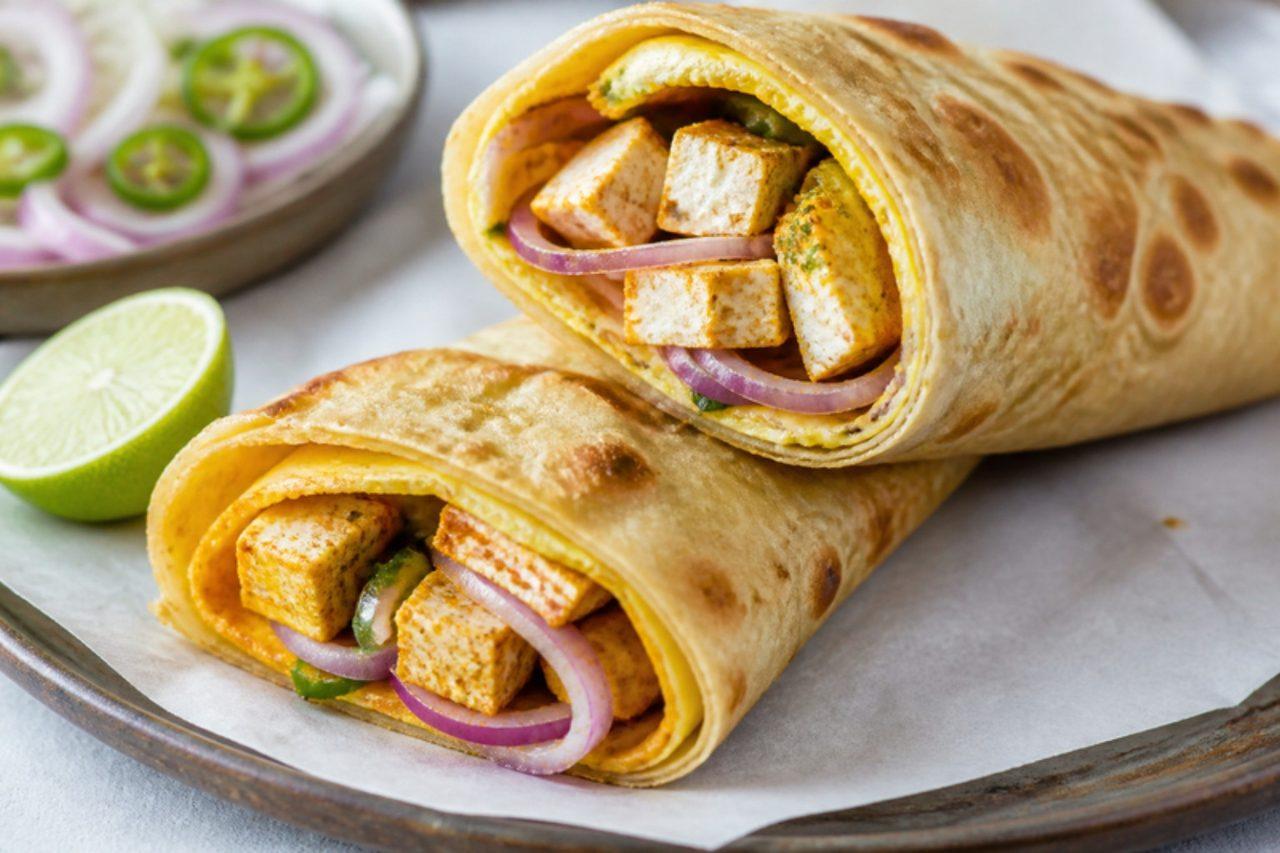
Paneer kathi roll with egg

The kathi roll was born on Park Street in Kolkata, where kebabs once came on bamboo sticks (kathi) and were later wrapped in a paratha so office workers could eat them walking. This is the egg-and-paneer roll the stalls on Park Street and Gariahat sell to vegetarians: a flaky, ghee-fried paratha with an egg cooked right onto one side, then rolled round charred paneer, raw onion, green chilli, lime and a squirt of chilli sauce. Chef's tip: wrap the bottom half in paper as soon as it is rolled; the steam softens the paratha just enough to hold together.

Read more 0 views

What to eat today?

Around the world

Today's trip: Paraguayan

A new country every day, from every cuisine on the site.

Paraguayan

Chipa

Cheese bread rings 50 minMore from Paraguayan (27) →

This week's collection

Kid-friendly dinners
537 recipes · a new collection every Monday

Latest recipes

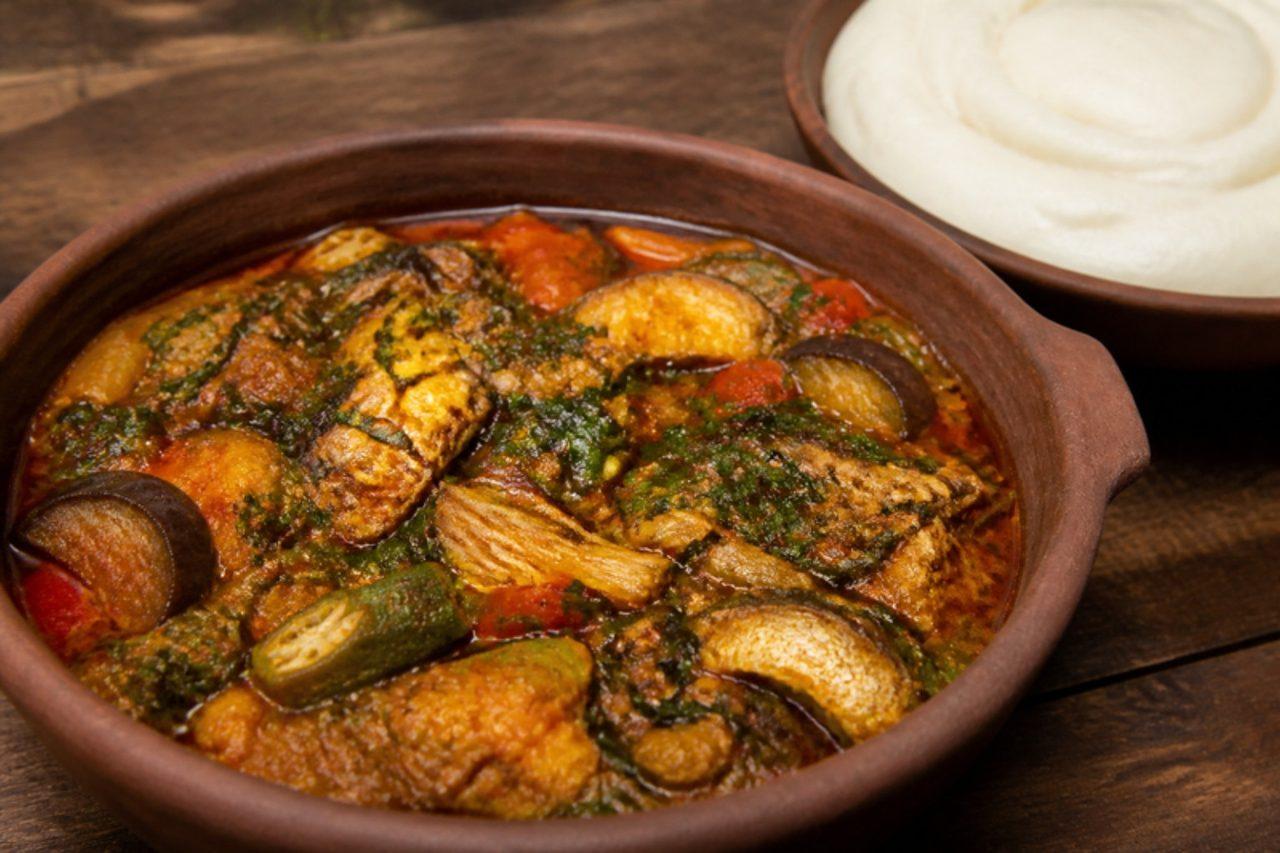
CaluluDried and fresh fish stew

Calulu is what Luanda families cook when the whole family comes for Sunday lunch, and the Ilha's fish sellers know the order by heart: a piece of dried fish for depth, a firm fresh fish for sweetness. The two are layered in a pot with onion, tomato, okra, aubergine and sweet potato leaves, then simmered in red palm oil until the sauce turns silky from the okra and tastes of the sea, smoke and greens all at once. It is served with funge, feijão de óleo de palma and a little hot sauce. Salted dried fish needs a long soak to draw out the salt, so start it the day before; skipping that step is the classic way to ruin the pot. Chef's tip: lay the fresh fish on top and leave it alone, shaking the pot rather than stirring, so the pieces stay whole.

by KrazyBadal 0 views

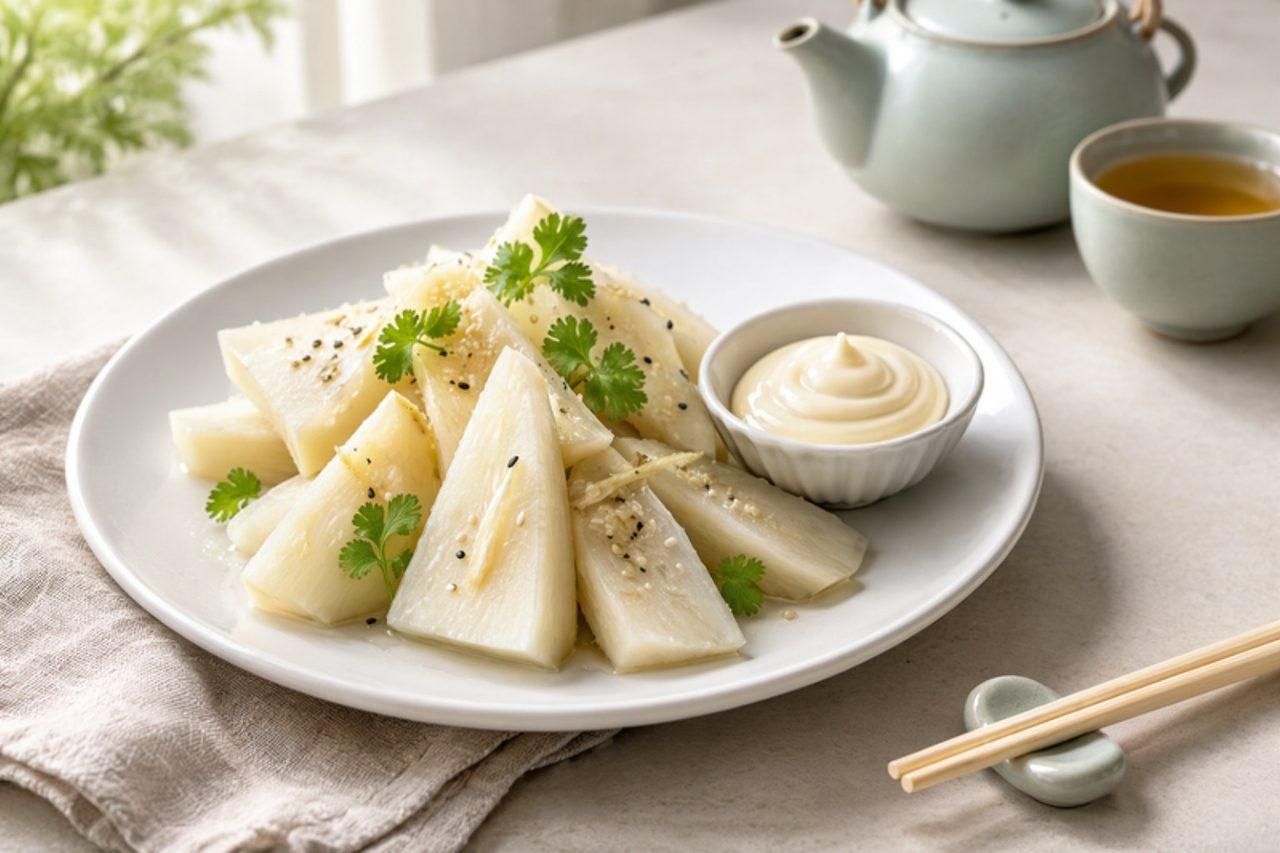
Liangban zhusunCold bamboo shoots

From May to August, sweet green bamboo shoots arrive in Taiwanese markets from the hills around Taipei and Tainan, and families boil them whole and chill them as a cool summer starter or side. The ivory shoots are crisp, juicy and almost sweet, cut into wedges and eaten plain, with a little mayonnaise in the Taiwanese way, or with soy sauce and sesame oil. Suitable as part of a balanced diet. About 70 kcal and 6 g carbohydrate per portion with a little mayonnaise. Fresh bamboo shoots must always be fully cooked: raw shoots contain natural compounds that are unsafe until boiled. The usual mistake is peeling them before boiling, which makes them bitter; boil them in their husks. Chef's tip: start them in cold water and let them cool completely in their cooking water, which keeps them sweet and tender.

by KrazyBadal 0 views

MoshOat and milk drink

In Guatemalan homes, mosh is what a mother hands a child on a chilly highland morning in Quetzaltenango or Huehuetenango: rolled oats cooked long and thin with water, milk, cinnamon and sugar, so it's drunk from a mug rather than eaten with a spoon. The common mistake is making it too thick like porridge; it should pour easily, so keep adding hot milk or water as the oats swell. Chef's tip: whisk it hard for a minute at the end; it breaks up the oats and makes the drink smooth and frothy.

by KrazyBadal 0 views

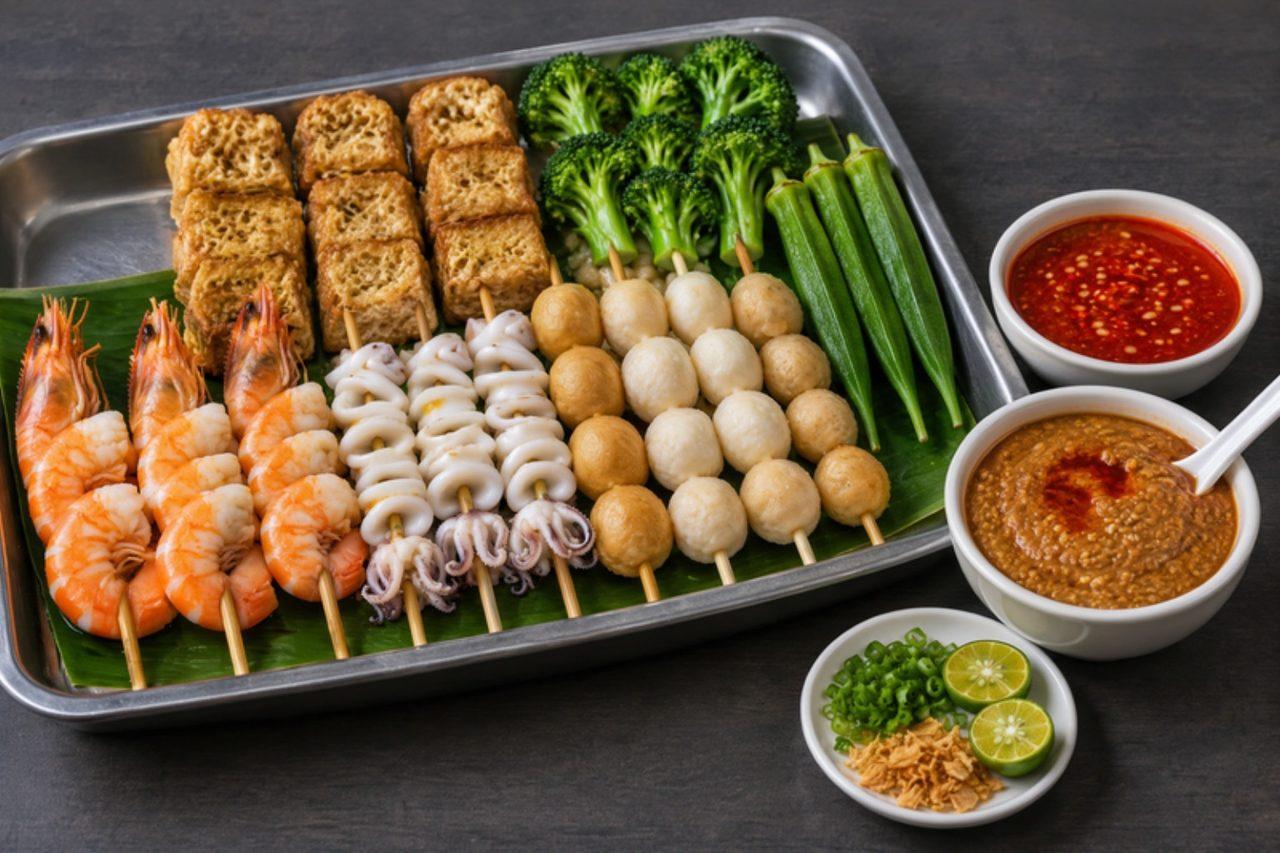
Lok lokBoiled skewers with dipping sauce

Late at night along Gurney Drive and in the back lanes of George Town, the lok lok vans open their side doors to reveal racks of colourful skewers: tofu, quail eggs, okra, mushrooms, fish balls, prawns and squid. You pick what you like, dunk it in a pot of bubbling water at the counter, then dip it in thick peanut satay sauce or sweet chilli sauce and pay by the colour of the stick. It makes a fun DIY supper at home, especially with children. Chef's tip: keep the water at a rolling boil and cook a few skewers at a time, so the seafood cooks through quickly.

by KrazyBadal 0 views

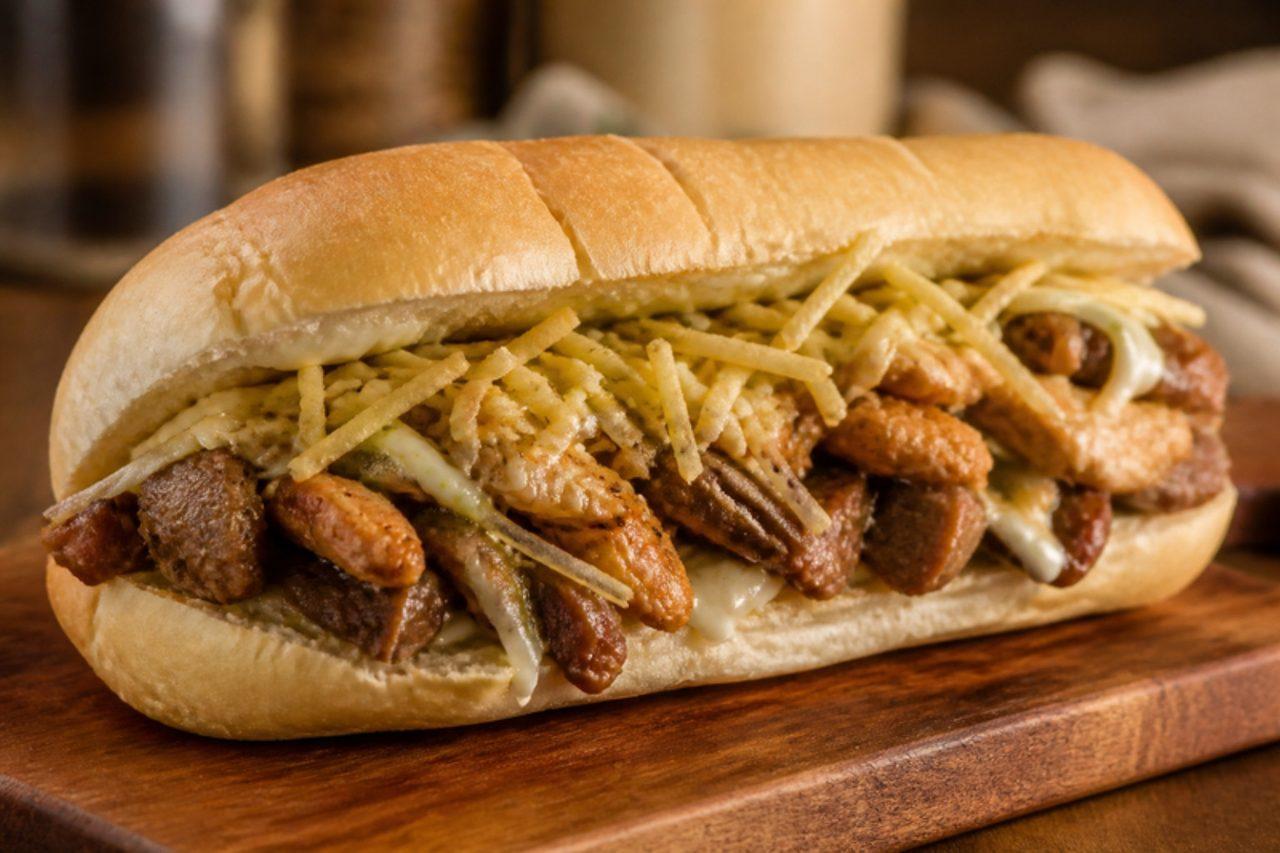
PepitoGrilled beef and chicken sub

When the bars close in Caracas, the queues form at the pepito stands of Las Mercedes and Altamira: long soft rolls stuffed with griddled strips of beef and chicken, grated cheese, lettuce and tomato, a crunchy handful of potato sticks and squiggles of garlic sauce, ketchup and mustard. It's messy, generous food, best eaten on the pavement. The common mistake is crowding the griddle, so the meat stews instead of searing. Chef's tip: cook the beef and chicken separately in a very hot pan, in small batches.

by KrazyBadal 0 views

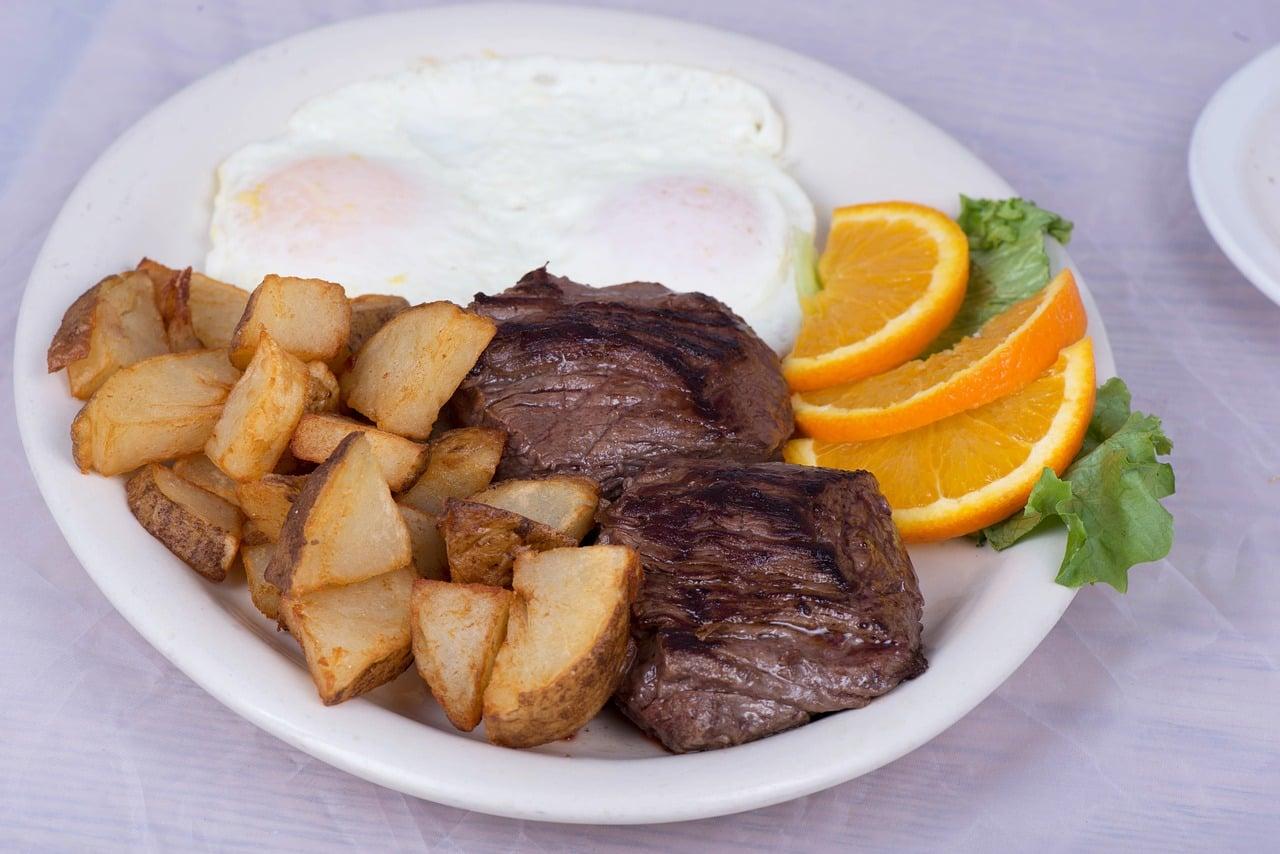
Lomo a lo pobreSteak with chips, onions and eggs

Lomo a lo pobre, 'poor man's steak', is a joke in its name: it is the most generous plate in any Santiago fuente de soda, a thick beef steak buried under a pile of chips, soft fried onions and two fried eggs. It is weekend lunch food, and truck drivers' food on the Panamericana. Getting the timing right is the trick; cooks who fry the onions fast end up with burnt, bitter strips. Start the onions first and give them a full 25 minutes on a low heat. Chef's tip: double-fry the chips, first at 160 °C and then at 190 °C, so they stay crisp under the eggs. For anyone pregnant, very young or vulnerable, fry the eggs until the yolks are firm.

by KrazyBadal 0 views

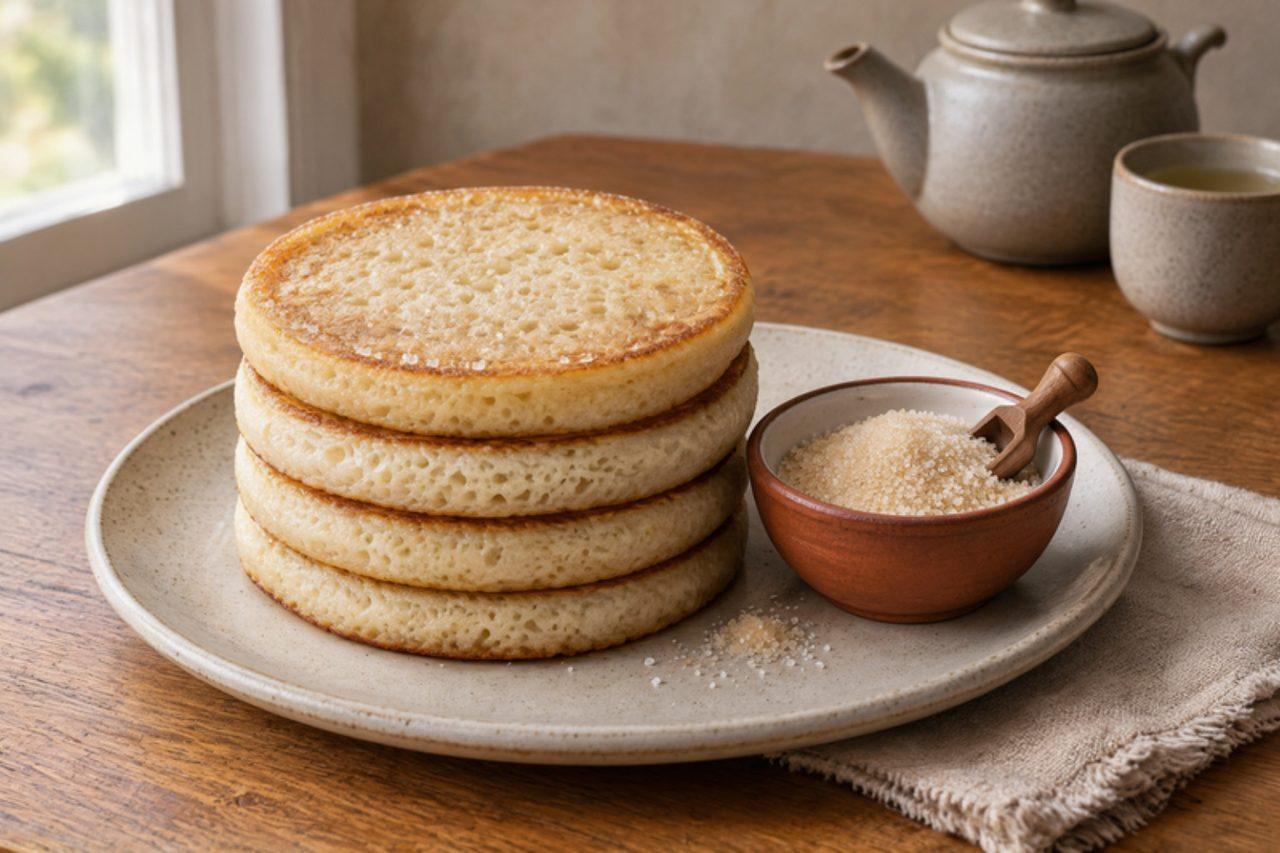
SinasirRice pancakes

Across Kano, Zaria and Niger, sinasir is a breakfast and snack food: a fermented rice batter poured into a small pan, covered and cooked on one side only, so the top stays soft and covered in holes like a crumpet while the base turns lightly golden. They are eaten warm with sugar, with groundnut oil and yaji, or alongside miyan taushe (pumpkin soup). Traditionally the rice is soaked and ground; this home version uses rice flour plus a little cooked rice for the same soft chew. The common mistake is flipping them: sinasir is meant to have a pale, holey top, so cover the pan and let steam cook it instead. Chef's tip: the batter is ready when it has doubled and looks bubbly; if it hasn't, give it longer rather than adding more yeast.

by KrazyBadal 0 views

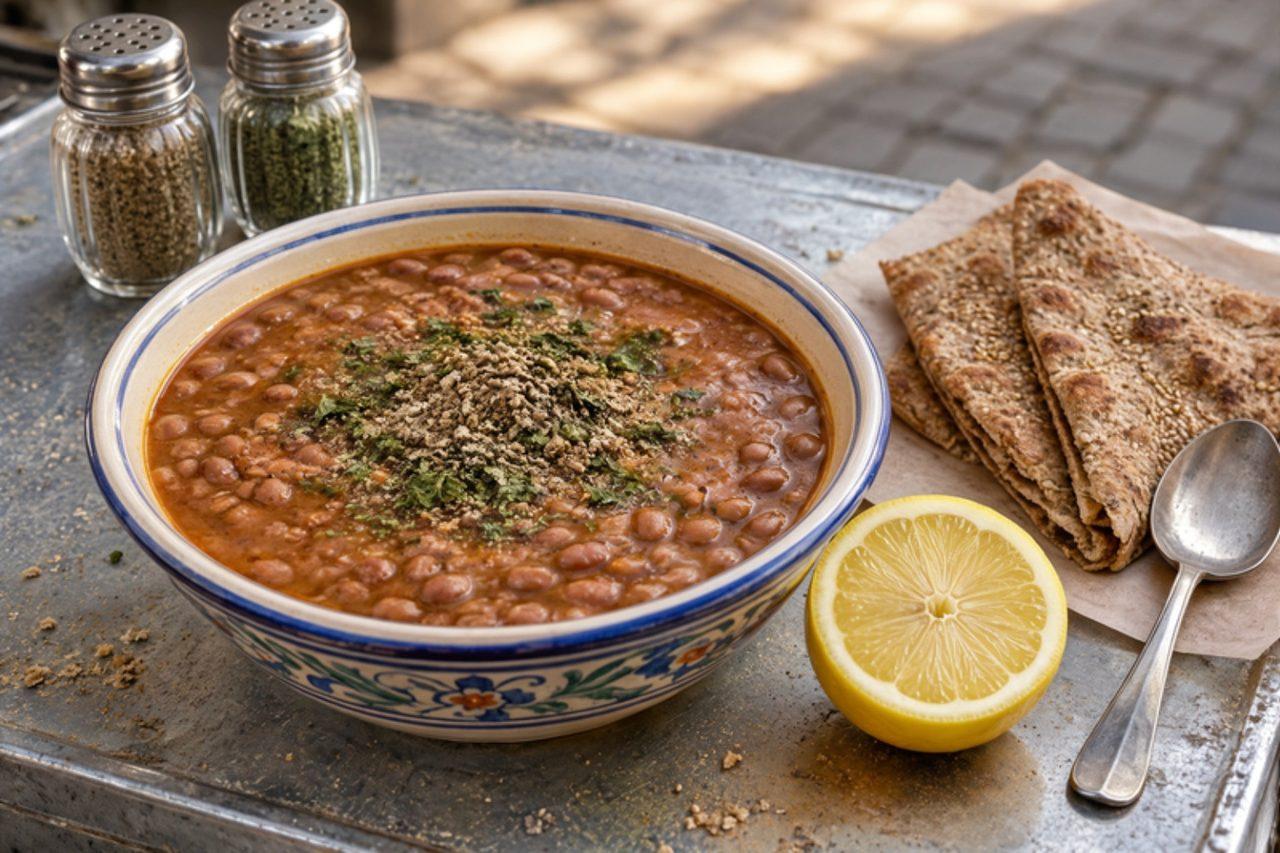
Lubia pokhteSpiced pinto beans

On cold winter mornings in Tehran, steam rises from street carts selling lubia pokhte: pinto beans simmered with a pinch of salt until soft as butter, ladled into a cup with some of their cooking liquid and sprinkled with golpar, the citrusy ground seed of Persian hogweed, plus a squeeze of lemon. It is cheap, warming and filling. The mistake is salting the water at the start; add salt once the beans are tender or the skins stay tough. Chef's tip: skim the foam in the first 10 minutes and keep the beans at a lazy simmer, never a rolling boil, so they stay whole but creamy inside.

by KrazyBadal 0 views

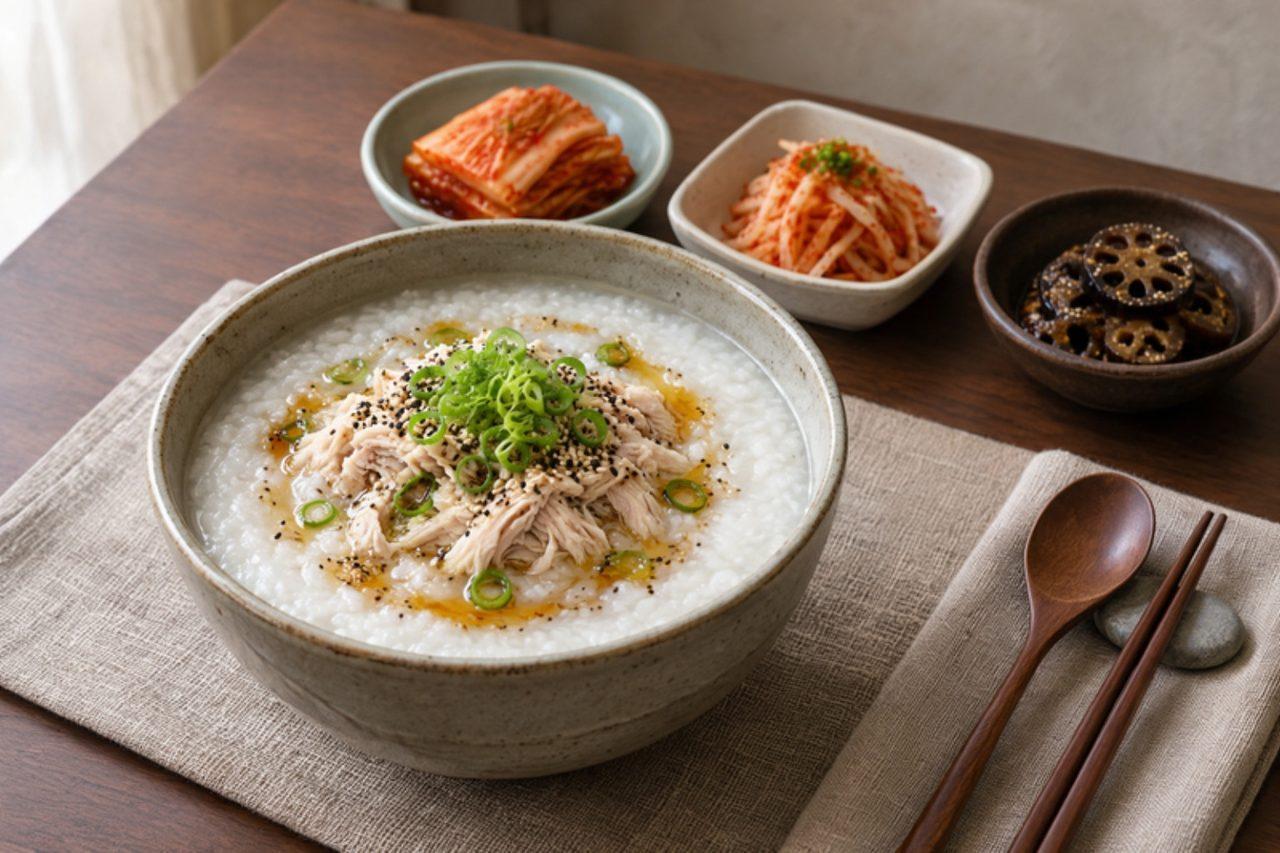
DakjukChicken and rice porridge

All over Korea, dakjuk is the bowl a mother makes on a cold morning or when someone is under the weather: chicken simmered with garlic and ginger, the meat pulled into shreds, and soaked rice cooked down in the broth until it turns into a soft, savoury porridge finished with sesame oil. It is eaten for breakfast or as a gentle lunch, with a little kimchi on the side. The usual mistake is boiling the chicken hard, which clouds the broth and toughens the meat; keep it at a lazy simmer. Chef's tip: fry the soaked rice in sesame oil for two minutes before the broth goes in, so the grains toast lightly and the porridge tastes nutty rather than flat.

by KrazyBadal 0 views

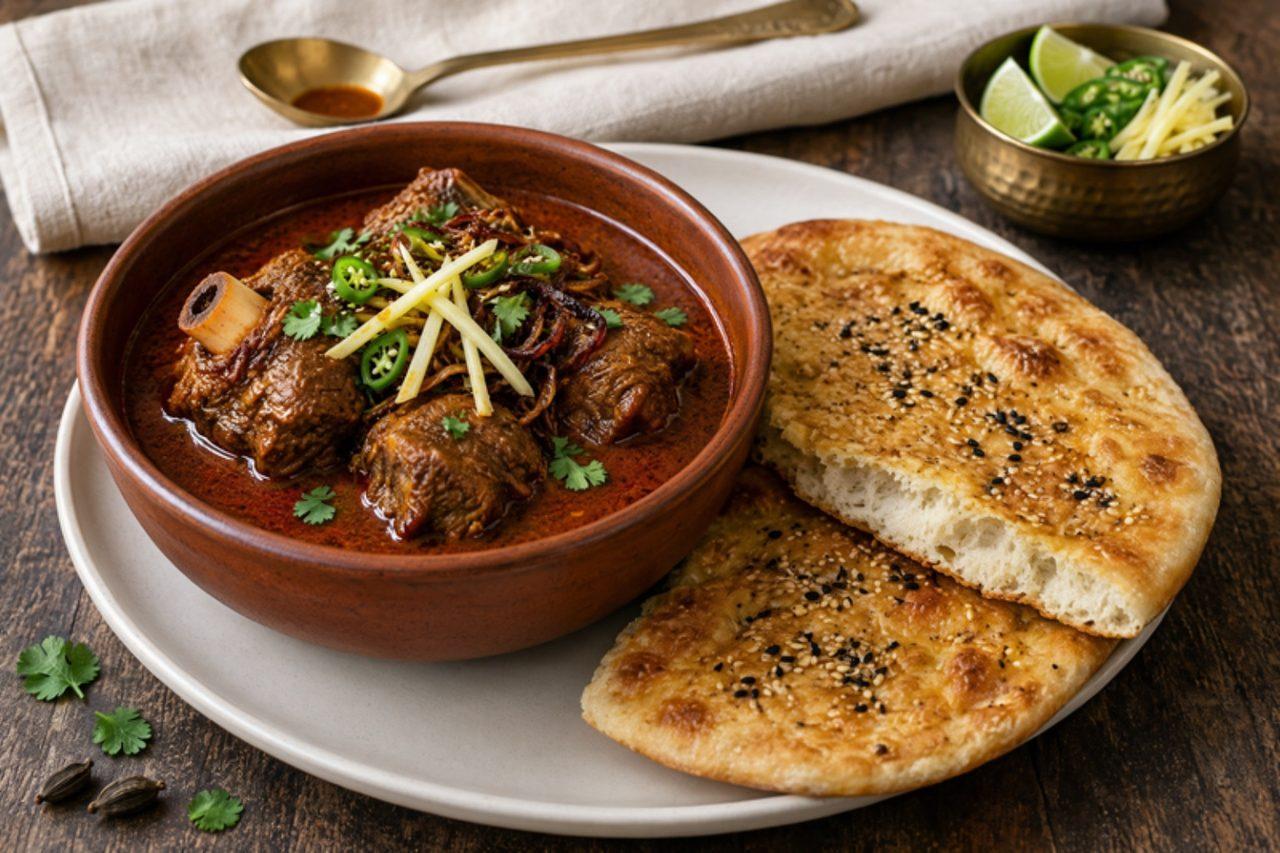
Nihari kulchaSlow-cooked mutton shank with bread

Nihari, from the Arabic word for morning, is Lucknow's great breakfast: around Akbari Gate and the Chowk, old shops simmer mutton shanks overnight in a deep pot of spiced, ghee-glossed gravy and serve it from dawn, especially during Ramadan, with soft, faintly sweet Lucknowi kulcha. The meat falls from the bone, the marrow melts into the gravy, and every bowl is finished at the table with shredded ginger, green chilli and lemon. Chef's tip: keep it at the barest simmer; a rolling boil makes the meat tight and stringy.

300 minIndianMeat
by KrazyBadal 0 views

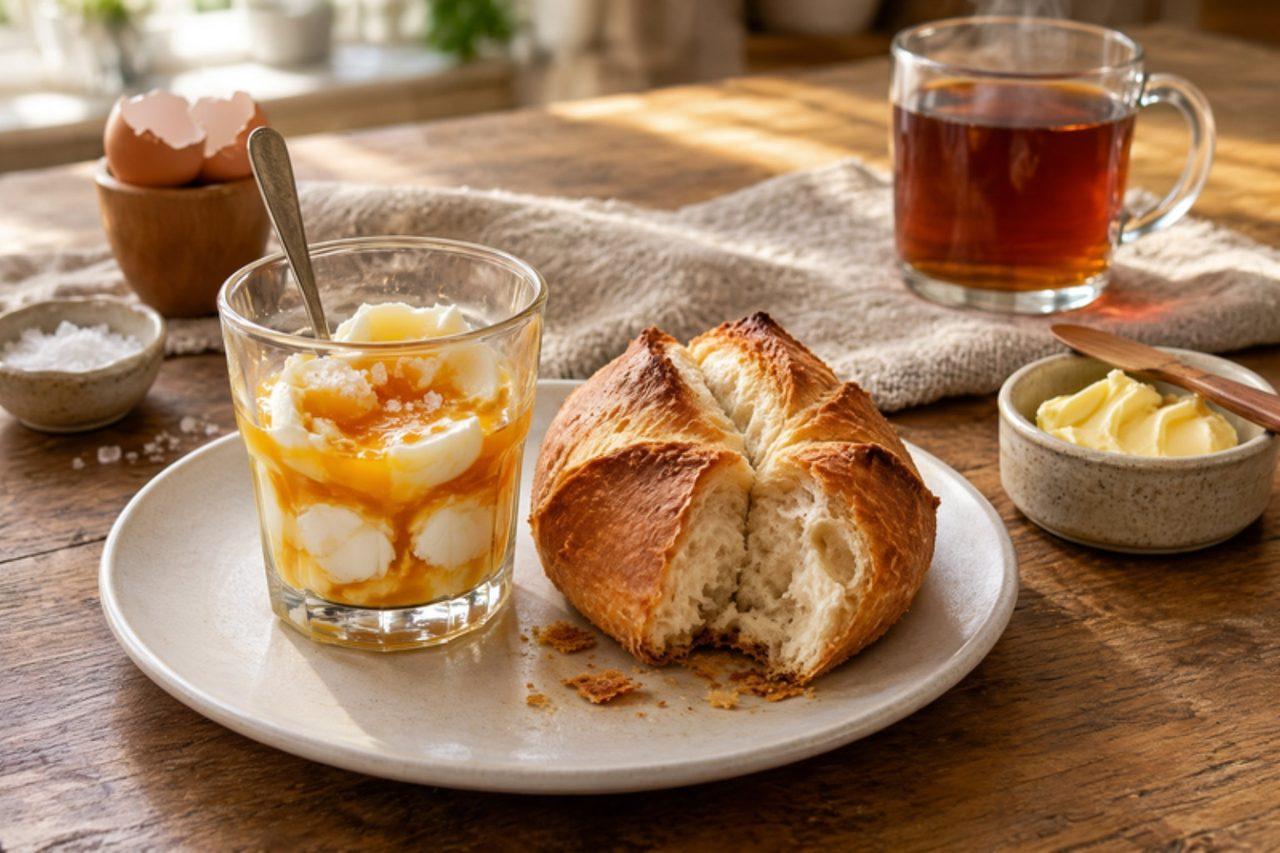
Huevos a la copaSoft-boiled eggs in a glass

In Chilean homes, huevos a la copa are a weekday breakfast and a sick-day comfort: eggs boiled until the whites are just set and the yolks still runny, then scooped out of their shells into a small glass (the copa), broken up with a spoon, salted and eaten with warm marraqueta for dipping. The common mistake is timing from cold water, which makes the result unpredictable; lower the eggs into water that is already boiling. Runny yolks are not suitable for pregnant people, young children, older or vulnerable people; for them, boil the eggs for 9–10 minutes until fully set. If you need it gluten free, serve with gluten-free bread. Chef's tip: a tiny knob of butter stirred into the hot egg in the glass makes it silky.

by KrazyBadal 0 views

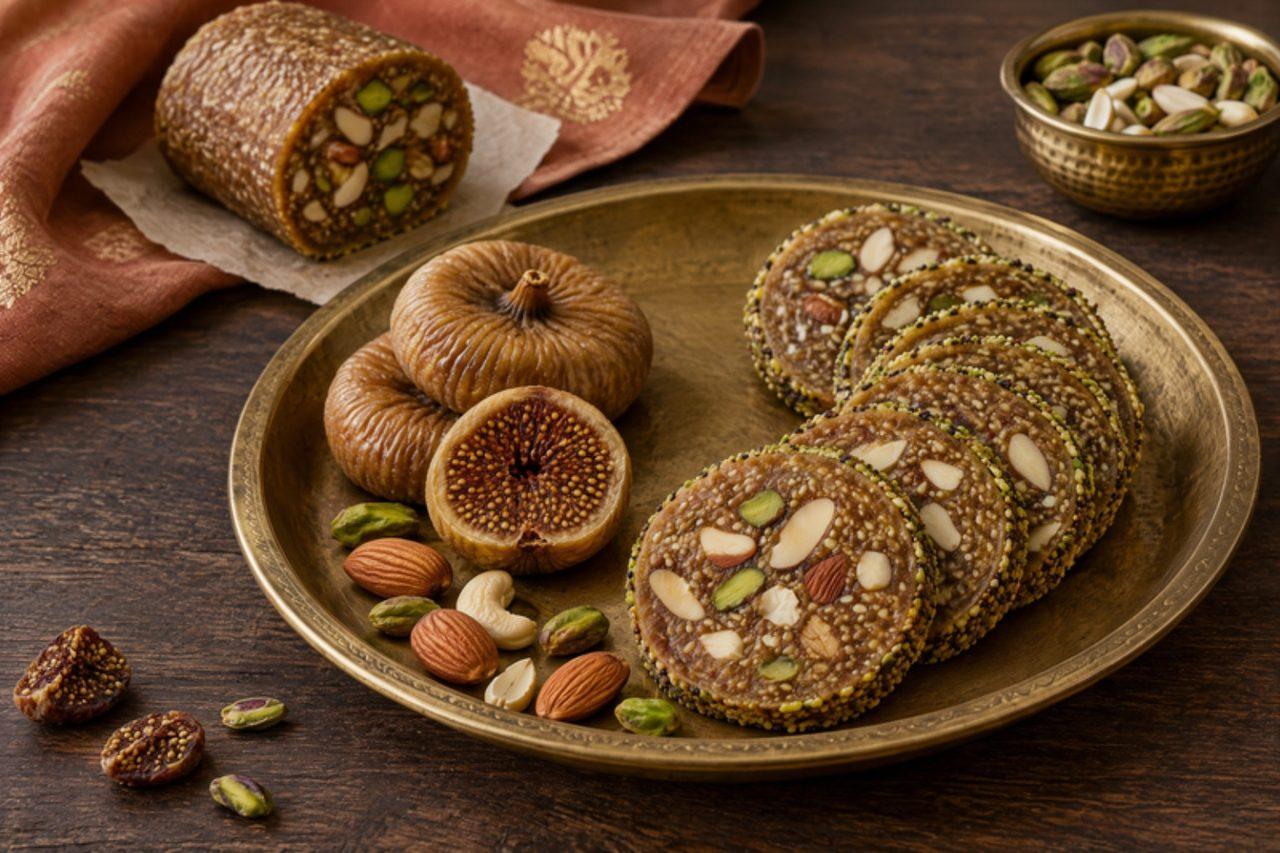
Anjeer pakFig and nut fudge

Gujarati families make anjeer pak for Diwali boxes and for fast days, when it gives quick energy without any grain or refined sugar. Soaked dried figs are cooked down in ghee into a thick jammy paste, mixed with toasted almonds, cashews and pistachios, and rolled into logs that slice into pretty pink-and-green rounds. It keeps for two weeks in the fridge. The common mistake is under-cooking the fig paste, which leaves the logs soft and sticky so they never slice cleanly. Chef's tip: keep stirring until the paste rolls into a ball that no longer sticks to the pan or your greased palm.

by KrazyBadal 0 views

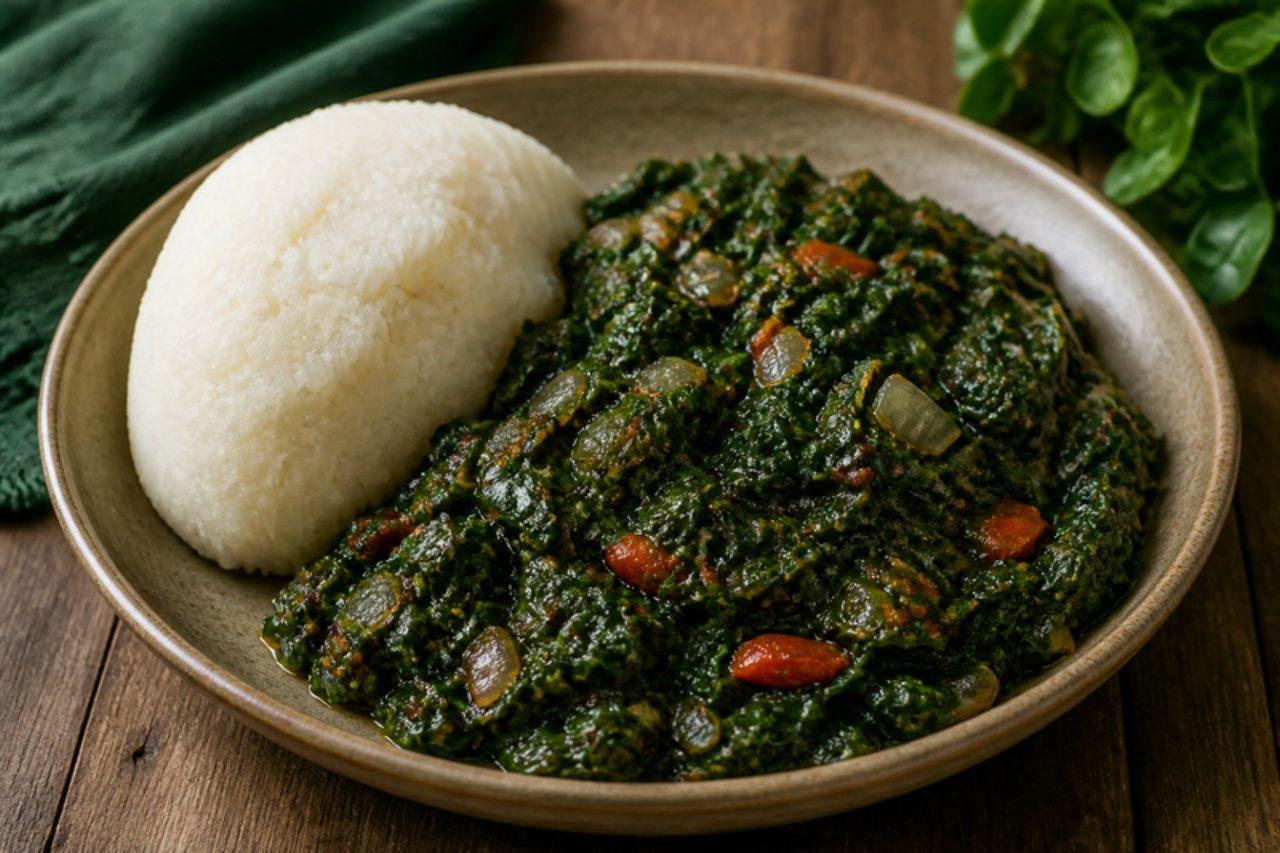
MrendaJute mallow greens

Luhya grandmothers in Kakamega and Bungoma say mrenda slides the ugali down, and they mean it: jute mallow leaves, cooked with a little soda, turn deliberately slippery and silky, a texture Western Kenya loves. The flavour is mild and grassy, lifted here with onion and tomato, and the greens are often mixed with cowpea leaves or eaten beside fish. Fresh jute mallow can be hard to find, but frozen chopped leaves sold as molokhia in Middle Eastern and African shops work perfectly. The traditional alkali is a lye filtered from ash; bicarbonate of soda stands in, and heaping it in is the mistake that leaves a soapy taste, so keep to a pinch. Chef's tip: stir with a wooden whisk or a fork in one direction as it cooks; Luhya cooks beat it this way to make the sauce smooth.

by KrazyBadal 0 views

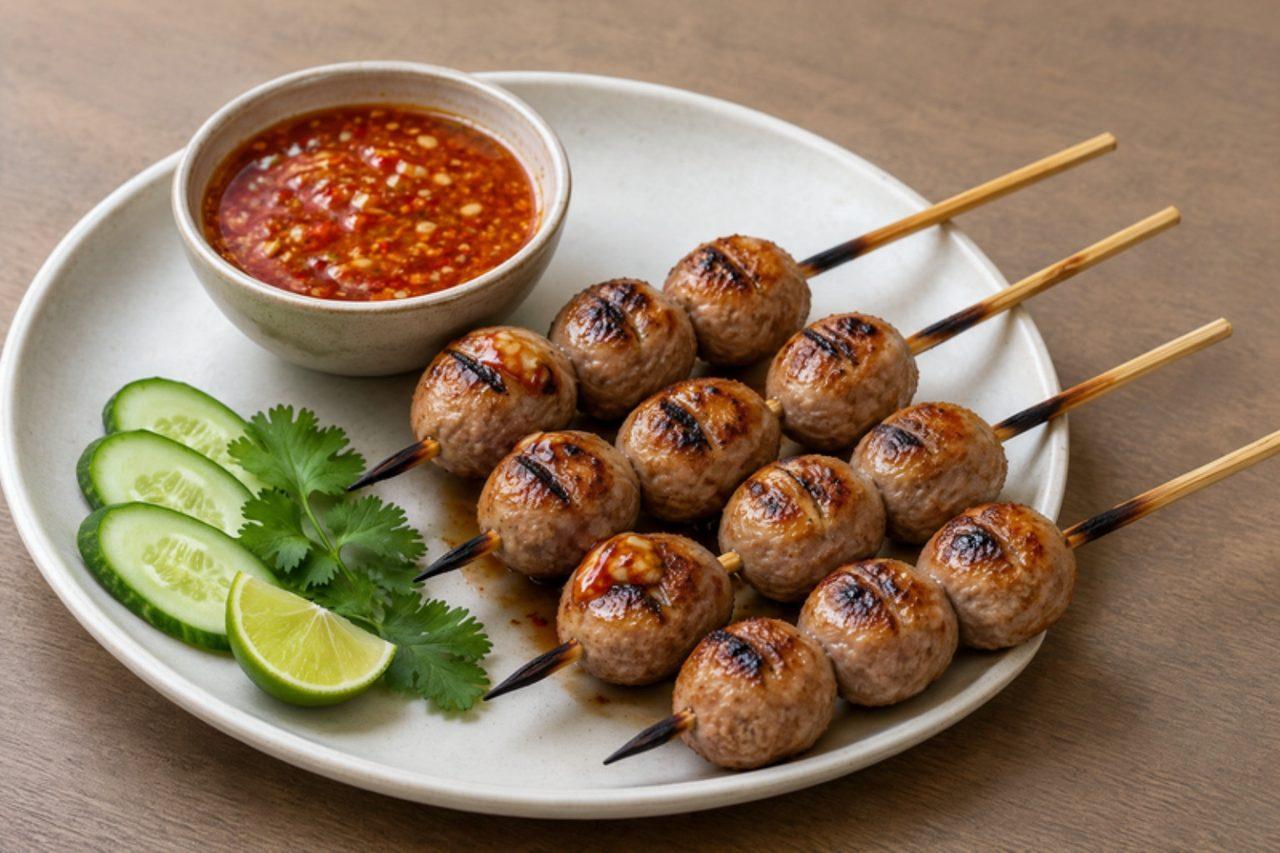
Luk chin pingGrilled pork ball skewers

Outside Bangkok's schools at going-home time, and all evening around Victory Monument, vendors fan little charcoal grills lined with skewers of luk chin, bouncy meatballs that are pulled off the coals, dunked in a tub of sticky sweet chilli sauce and handed over in a plastic bag. This home version makes the springy pork balls from scratch, poaching them first so they cook through before they char. Children love them; leave the chillies out of a portion of sauce for little ones. Chef's tip: process the pork with iced water until it turns into a sticky paste; that is what gives the balls their famous bounce.

by KrazyBadal 0 views

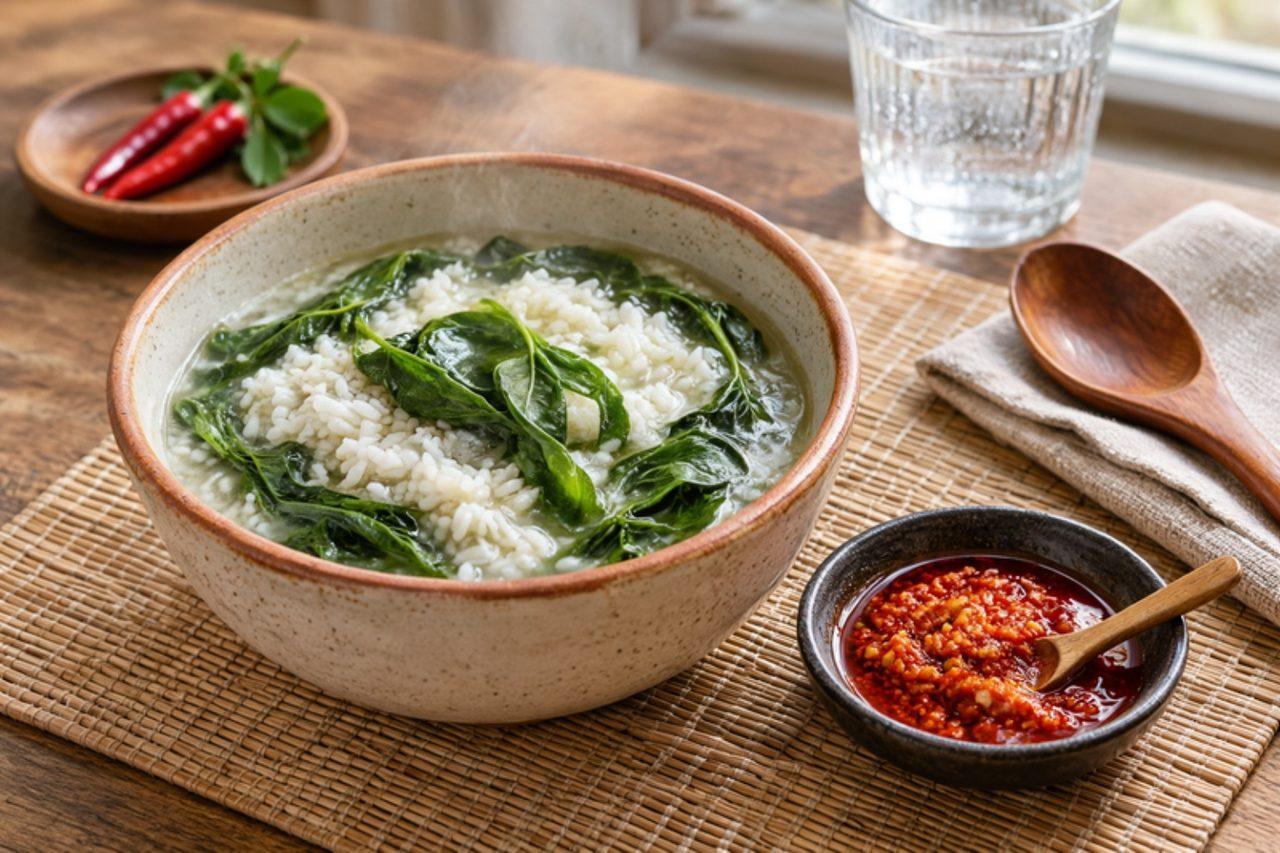
Vary sosoaRice soup with greens

In Antananarivo and across the highlands, the day starts with a bowl of vary sosoa: rice cooked with plenty of water until the grains are soft and loose in their milky cooking liquid, wetter than plain rice but not as smooth as congee. Stalls serve it with kitoza (dried meat), eggs or a spoon of fiery sakay; this vegan version tops it with garlicky greens and homemade sakay chilli paste. The common mistake is stirring it like risotto, which makes it gluey; stir only now and then. Chef's tip: make the sakay the day before; the ginger and chilli mellow overnight in the oil.

by KrazyBadal 0 views

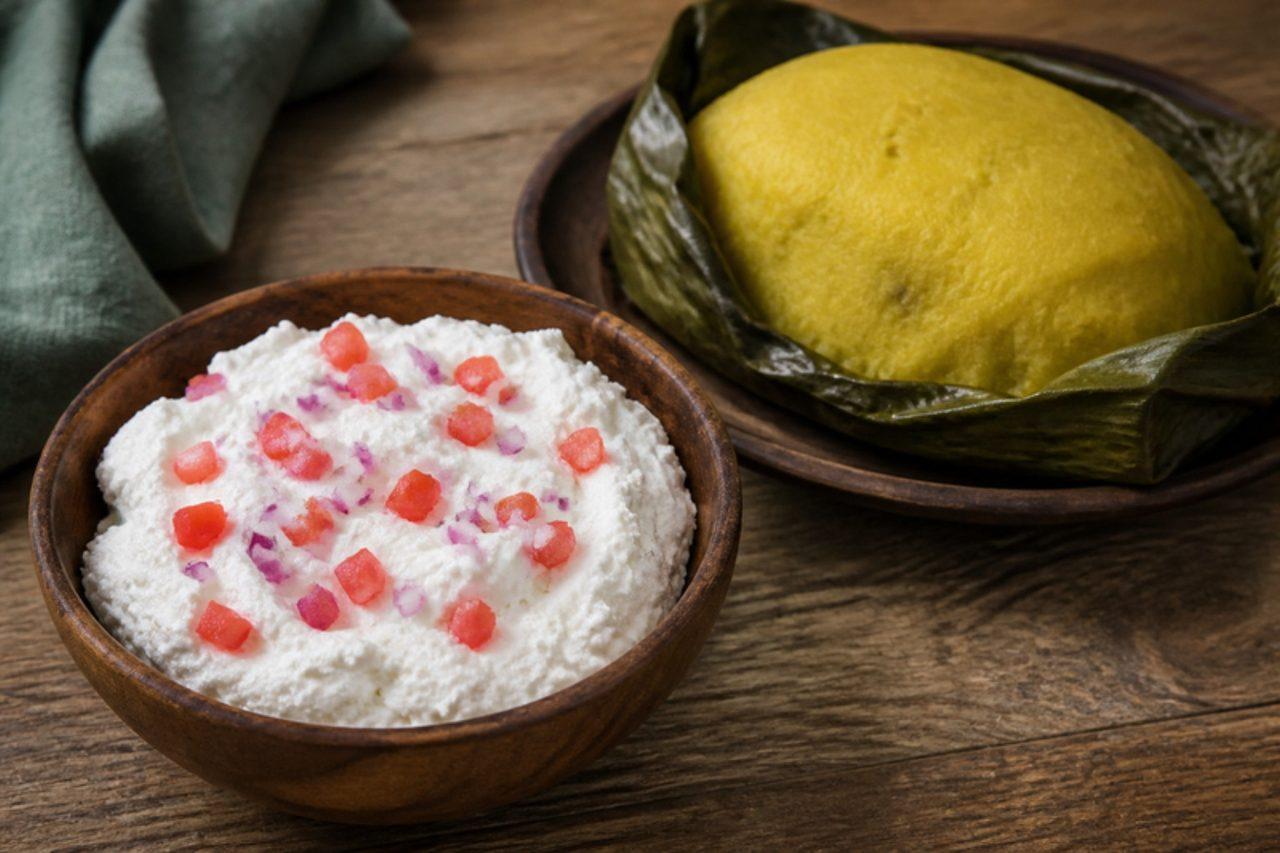
EshabweWhipped ghee sauce

Cattle-keeping families of Ankole in western Uganda serve this pale, fluffy sauce at weddings and introduction ceremonies, where making it well is a point of pride. Soft ghee is beaten by hand while cool salted water is added a spoonful at a time, until it turns from yellow to snowy white and as light as whipped cream, with a rich, buttery, salty taste. It goes over hot matoke, steamed sweet potatoes, katogo or kalo millet bread, and melts into them on the plate. It is vegetarian but not vegan, as it is made from cow's ghee. Chef's tip: everything must stay cool; if the ghee is warm or the water tepid it will never turn white, so chill the bowl and use water straight from the fridge.

by KrazyBadal 0 views

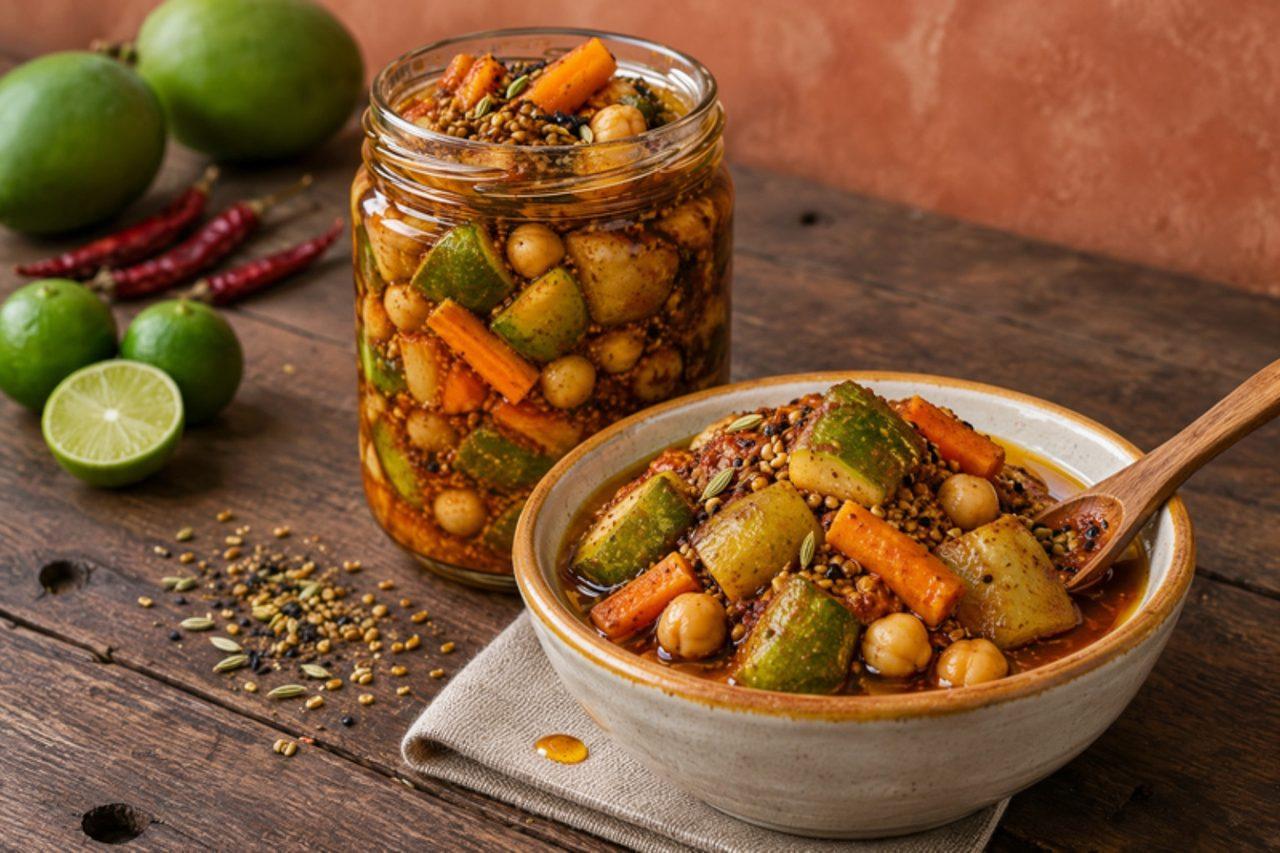
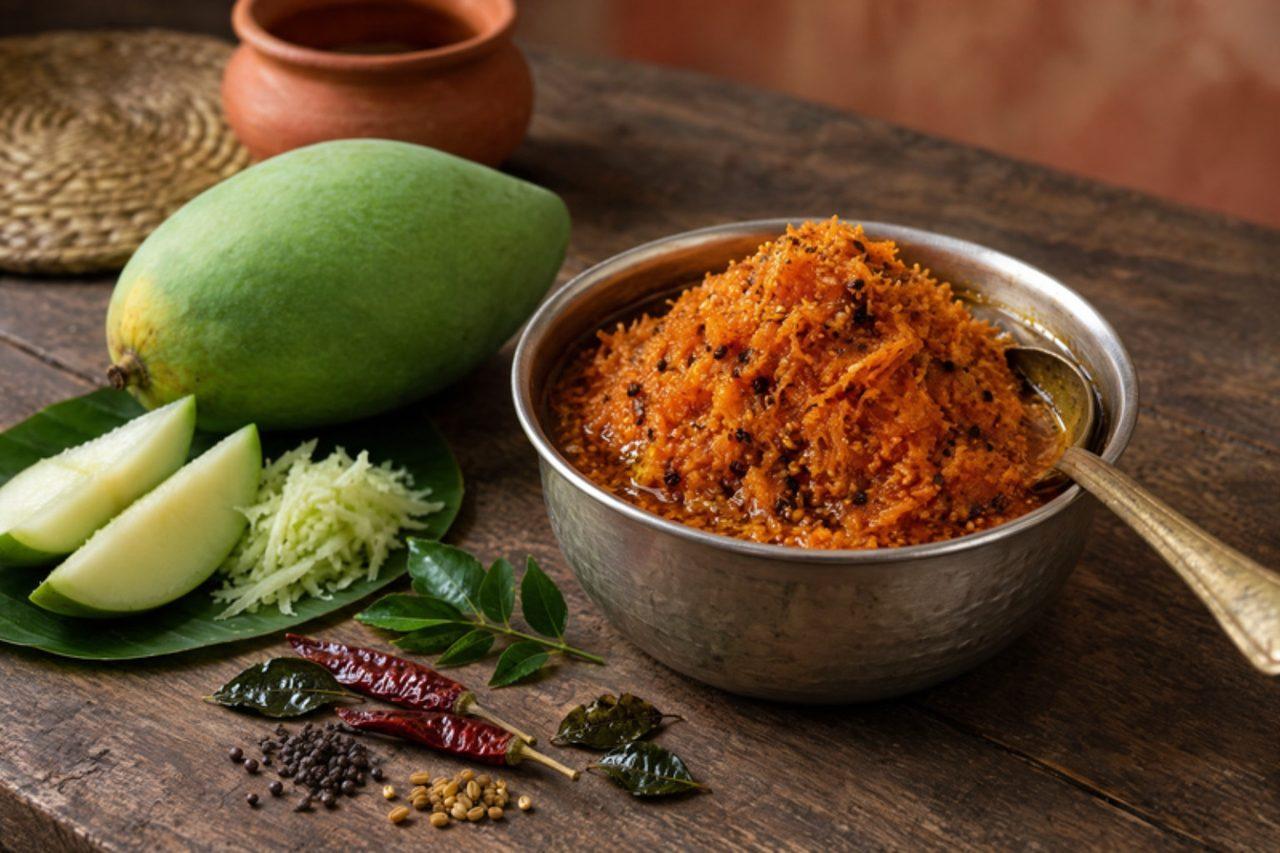
Maangai thokkuGrated raw mango pickle

Thokku is the Tamil word for a pickle cooked down to a thick, spoonable mass, and maangai thokku is the one every Tamil Nadu home makes in April and May when the hard, sour Kili mooku (parrot-beak) mangoes are cheap. Grated mango is simmered in nallennai (gingelly oil) with chilli powder, salt and hing until it turns dark, glossy and jam-like, then finished with roasted fenugreek powder. It is sour first, then hot, with a nutty sesame taste and a little bitterness at the end. It is a classic partner for curd rice, a spoonful inside a dosa, or a travel companion with idli and lemon rice for train journeys. The usual mistake is grating the mango too fine or stirring it too little: a fine pulp sticks and burns. Use the large holes of the grater and keep stirring once it thickens. It is done when the mango has darkened, comes away from the pan in one mass and the oil oozes out around the edge. Kept in a dry jar under a film of oil it lasts about 2 weeks in a cool cupboard and 2 months in the fridge. Chef's tip: a teaspoon of jaggery at the end rounds off very sour mangoes without making the thokku sweet.

by KrazyBadal 0 views

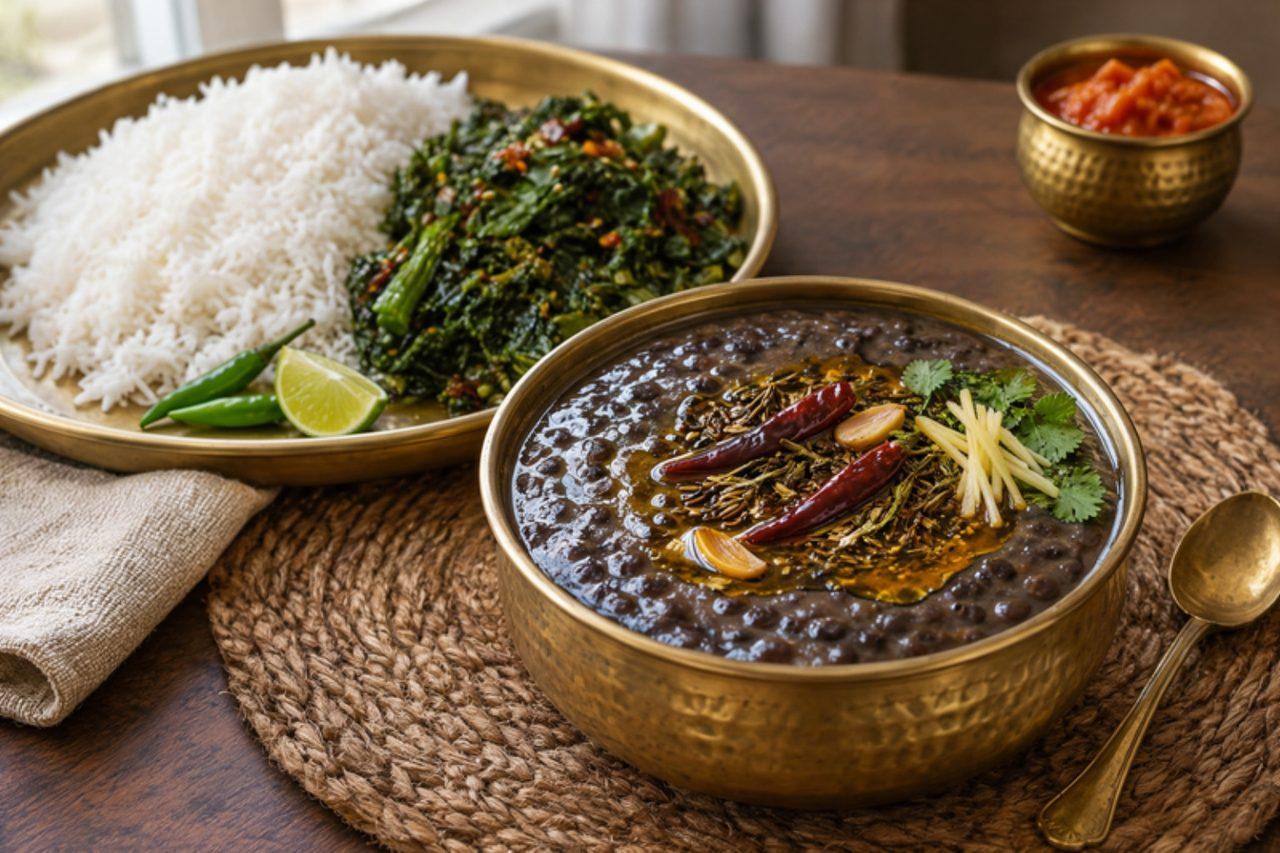
Mas ko dalBlack lentil dal

Mas ko dal, made from whole black urad, is the thick, dark dal of the Nepali hills, cooked in heavy pots in Kathmandu, Gorkha and the Newar towns, especially on cold days and for festival meals. Slow cooking makes it creamy and earthy, and the tempering of jimbu, garlic and cumin in hot mustard oil gives it the scent of the Himalaya. Eat with rice, roti or dhido. Suitable as part of a balanced diet, it is high in protein and fibre: about 250 kcal and 30 g carbohydrate per portion; brown rice or millet dhido suits it well. The usual mistake is not soaking the lentils, which leaves them hard and the dal thin; soak them overnight. Chef's tip: simmer the dal with a few ginger slices and mash it lightly with a wooden spoon at the end for the classic thick texture.

by KrazyBadal 0 views

Showing 18 of 7,762 recipes

Show more recipes

Page 110 of 863