


Skip to content
Puerto Rican piononos
Featured recipe

Puerto Rican piononos

Beef-stuffed plantain rings

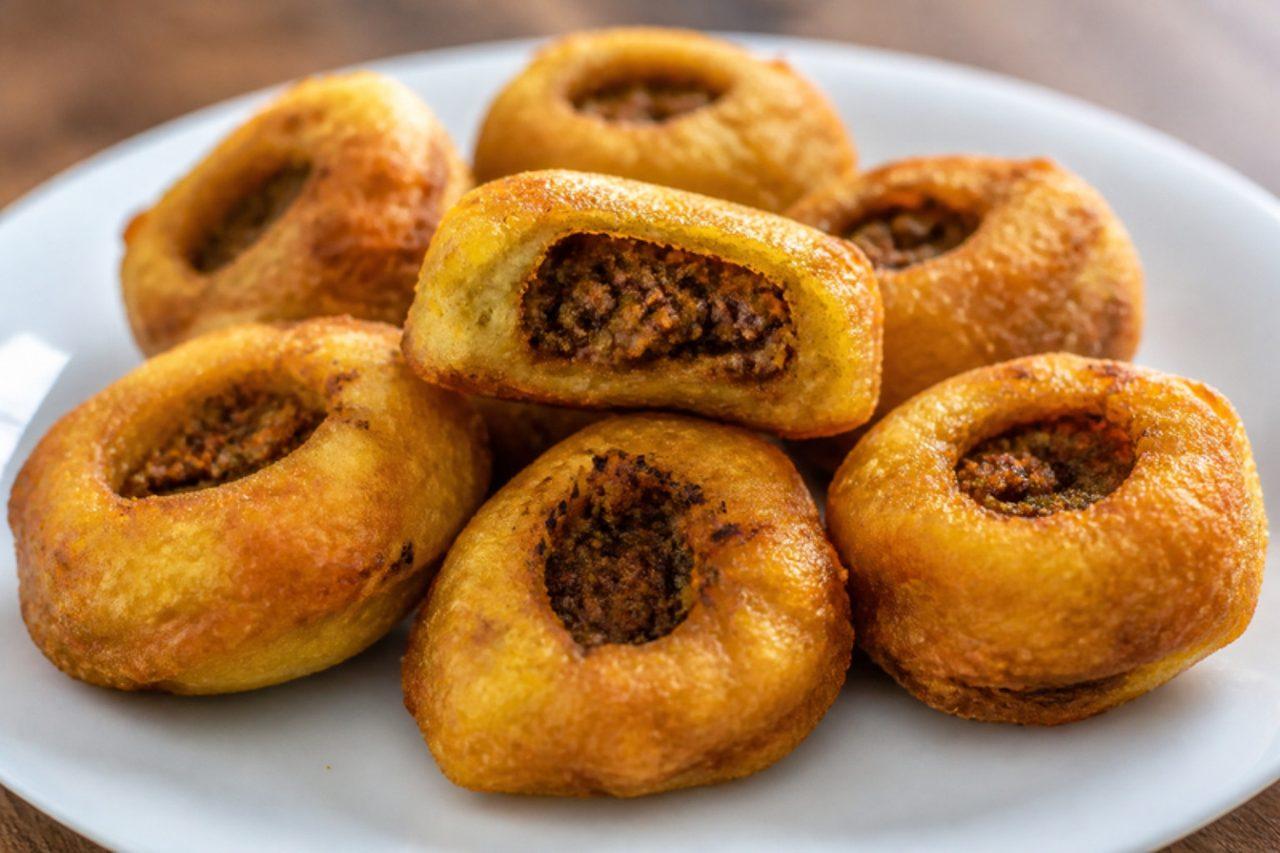
Around Loíza and in the frituras kiosks of Piñones, piononos are sweet-and-savoury rings of ripe plantain wrapped around beef picadillo, sealed with beaten egg and fried until golden. The sugar in very ripe plantain caramelises against the salty, olive-studded filling, and they are served hot as a starter or a whole lunch with salad. The common mistake is using yellow plantains that are only just ripe; they crack when bent, so wait until the skins are mostly black. Chef's tip: fry the plantain strips only until soft and pliable, not crisp, so they wrap round the filling without snapping.

Read more 0 views

What to eat today?

Around the world

Today's trip: Persian

A new country every day, from every cuisine on the site.

Persian

Persian halva

Saffron rose flour halva 40 minMore from Persian (181) →

This week's collection

Kid-friendly dinners
772 recipes · a new collection every Monday

Coming up

All occasions →

Latest recipes

Sopa de ajoGarlic and bread soup

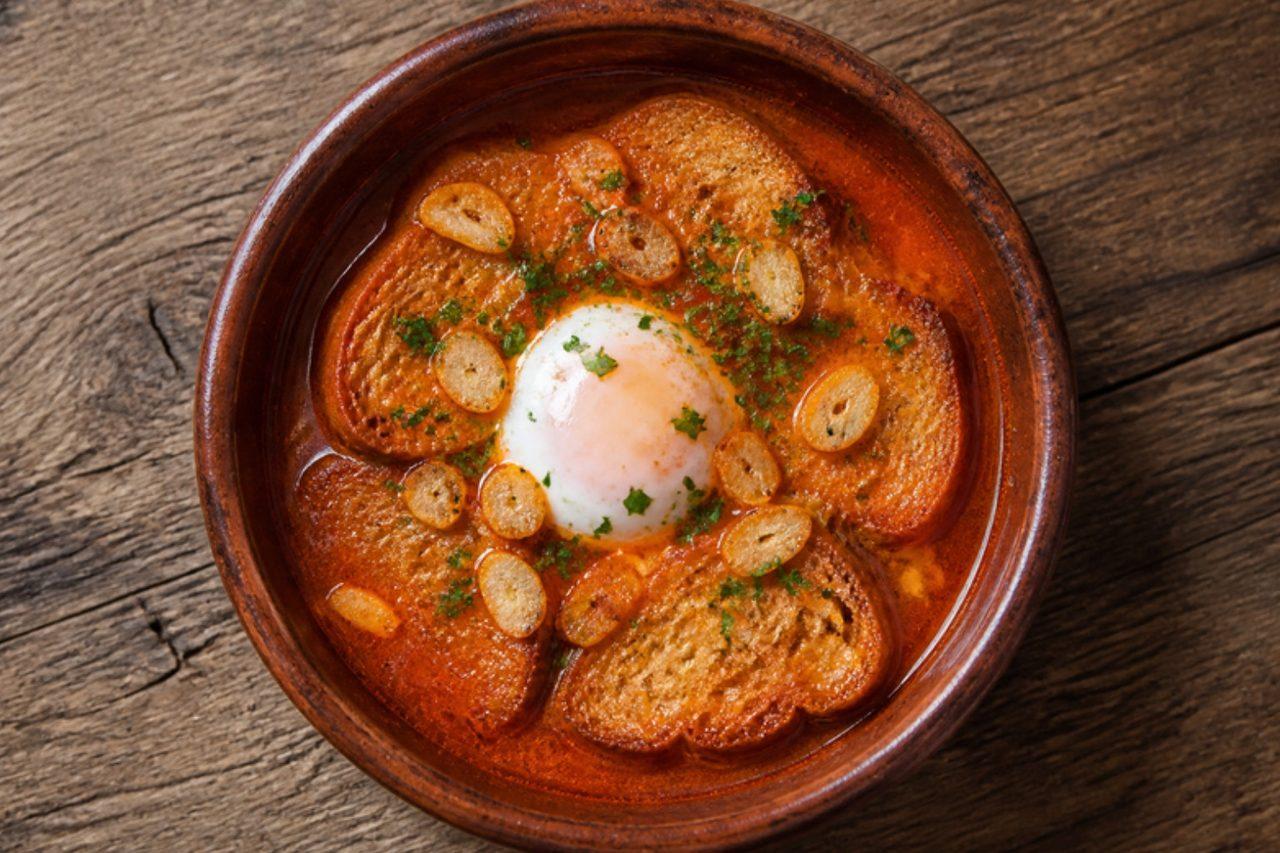
Sopa de ajo, also called sopa castellana, is the warming winter soup of Castile and León, from Segovia to Burgos: stale bread fried in olive oil with lots of garlic and smoky pimentón, simmered in stock and finished with eggs poached right in the soup. It was shepherds' and farmers' food, made from what was always in the kitchen, and is still eaten after a cold night out or on Ash Wednesday. Castilian cooks often add cured ham; this vegetarian version gets its depth from smoked pimentón and a good vegetable stock. Serve it in earthenware bowls, piping hot. Chef's tip: use bread that is truly stale and dry, and toast it in the garlicky oil until golden before adding the stock; fresh bread turns to mush, while toasted stale bread swells but keeps a little texture.

by KrazyBadal 0 views

Vegetarian feijoadaSmoky black bean stew

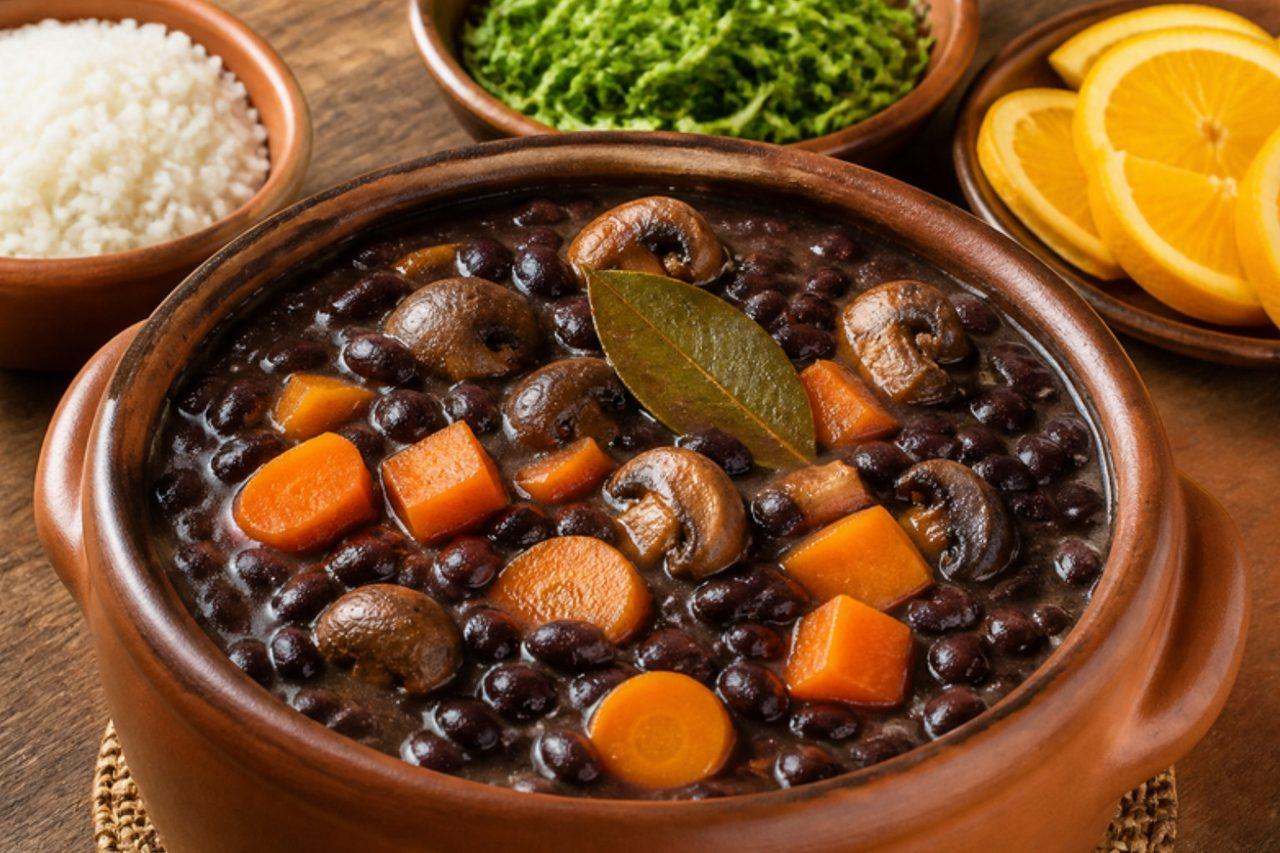
Feijoada is Brazil's national dish, the slow black bean stew that Rio de Janeiro and the rest of the country eat for long Saturday lunches. The classic version is loaded with smoked pork; this feijoada vegetariana gets its depth from well-browned mushrooms, smoked paprika and bay instead, with sweet potato melting into the dark, glossy broth. Serve it the proper way: white rice, couve à mineira, farofa and slices of orange to cut the richness. Chef's tip: once the beans are tender, mash a ladleful against the side of the pot and stir it back in. That's how Brazilian cooks get the thick, velvety caldo that coats the rice, rather than a thin soup.

by KrazyBadal 0 views

Vegetarian broken rice plateBroken rice with lemongrass tofu

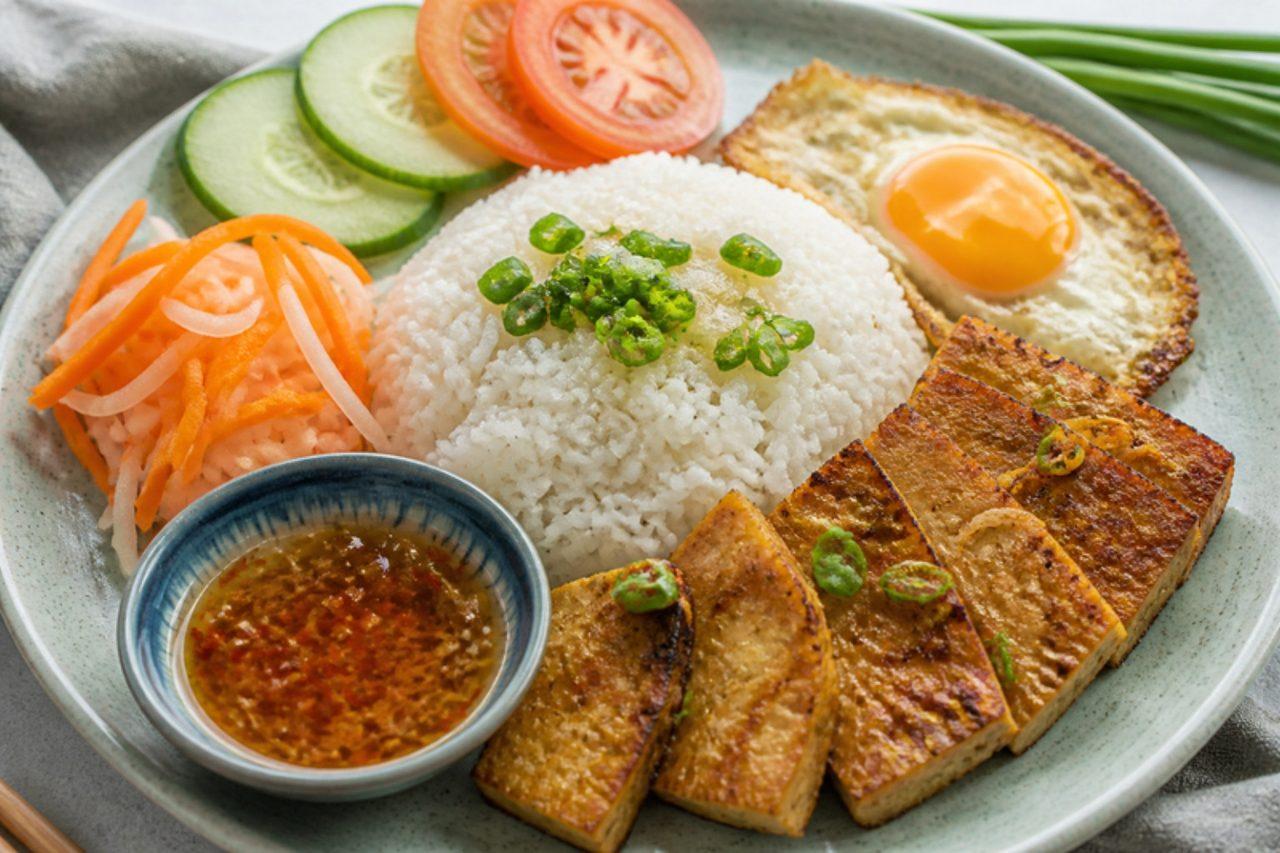
Cơm tấm, 'broken rice', is the breakfast and lunch plate of Saigon. Broken grains, once sold cheaply to the poor, cook up soft and slightly sticky, and street stalls serve them with grilled meat, a crisp-edged fried egg, spring onion oil, pickles and cucumber. This vegetarian plate has caramelised lemongrass tofu in place of pork. Every part goes with the sweet-sour nước chấm spooned over the top. Chef's tip: fry the egg in hot oil and spoon the oil over the white, so the edges go lacy and crisp and the yolk stays runny, Saigon-style; break it over the rice and it becomes part of the sauce.

by KrazyBadal 0 views

Vegetable phoVegetable rice noodle soup

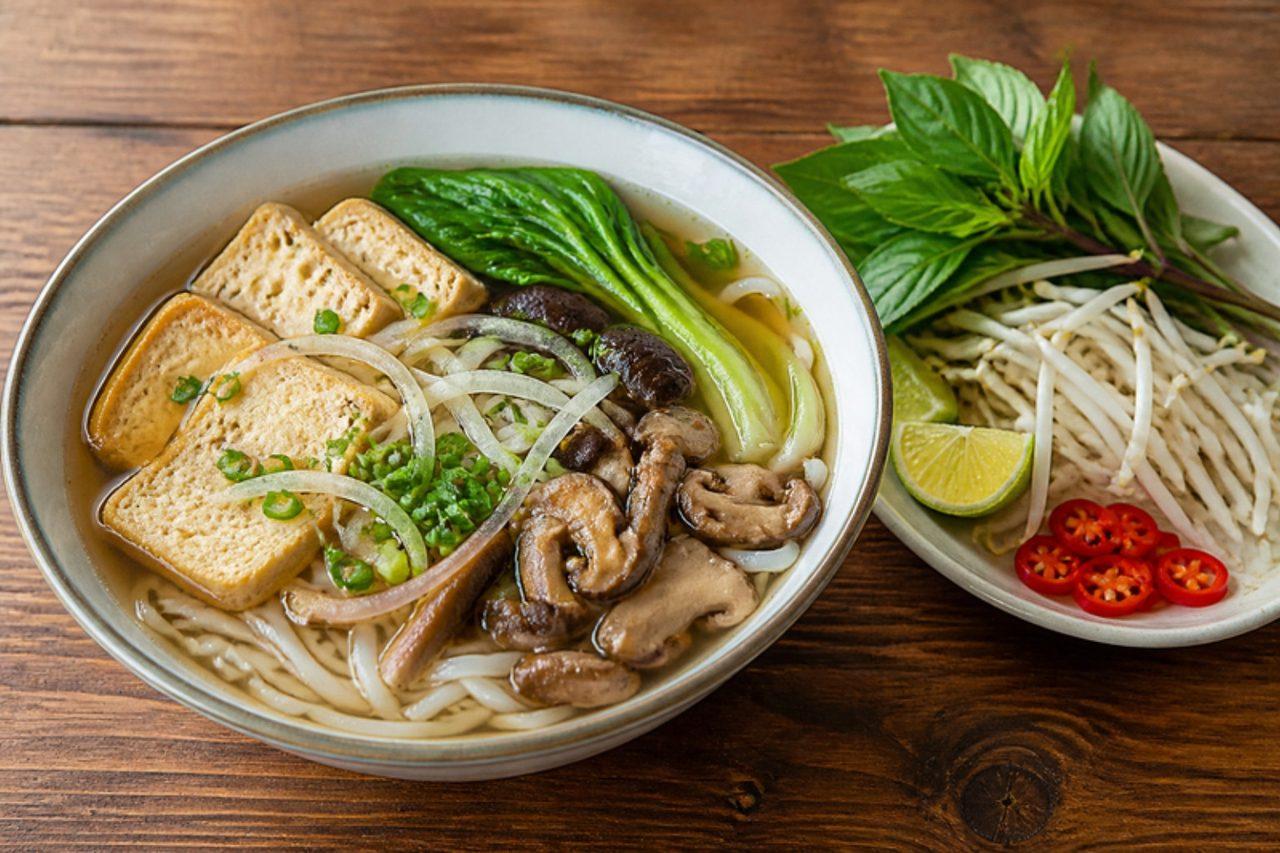
Pho began in the north, around Hanoi and Nam Định, and is now eaten all over Vietnam, often for breakfast. Phở chay is the Buddhist vegetarian version served in temple kitchens and chay restaurants: the deep, clear broth comes from charred onion and ginger, toasted star anise, cinnamon and cloves, simmered with daikon, carrot, sweetcorn and dried shiitake instead of beef bones. Silky flat rice noodles, golden tofu and mushrooms go in the bowl, and everyone adds their own bean sprouts, Thai basil, lime and chilli at the table. Chef's tip: char the onion and ginger until properly blackened in patches and toast the spices in a dry pan until they smell like warm Christmas cake; that smoky, perfumed base is what makes the broth taste like pho and not vegetable soup.

by KrazyBadal 0 views

Vegetarian sour soupTamarind and pineapple soup

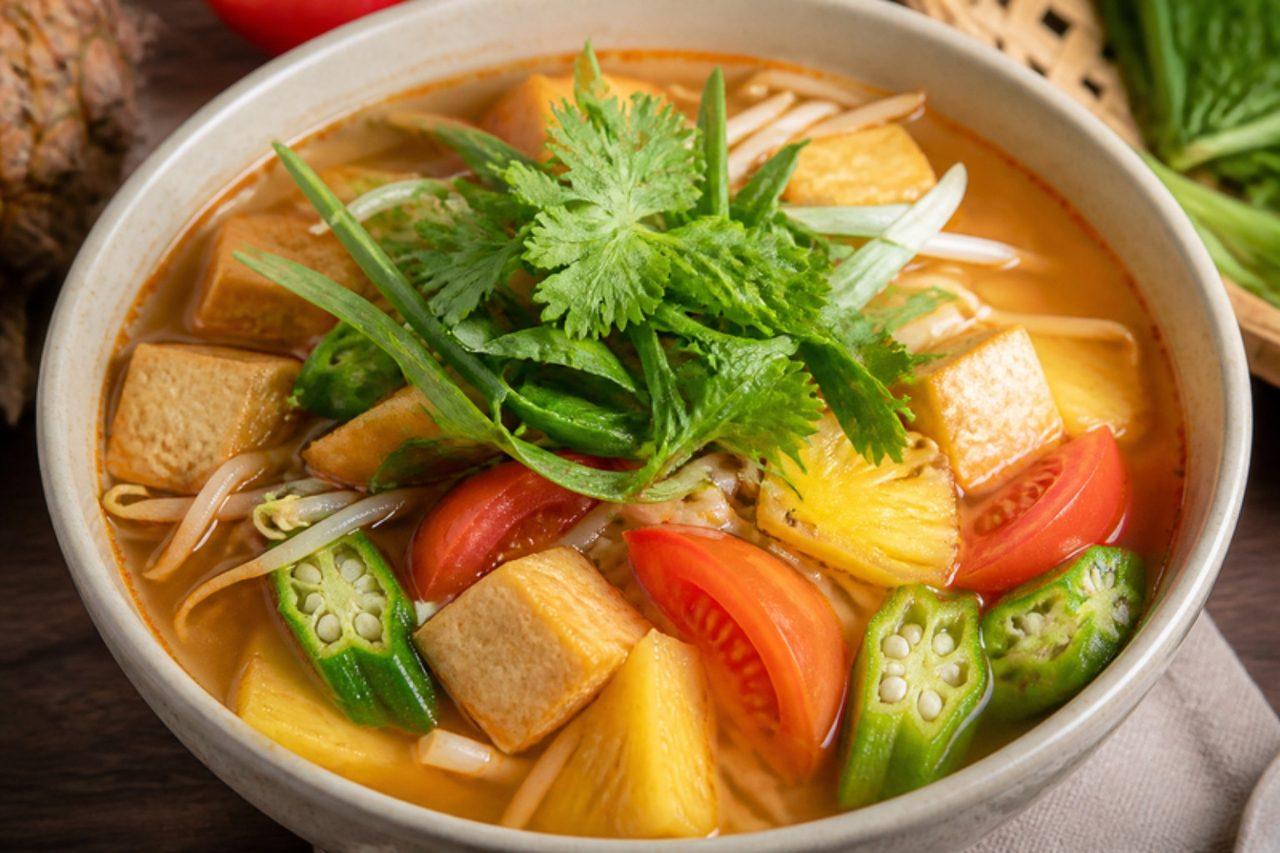
Canh chua, 'sour soup', is on the table at nearly every family meal in the Mekong Delta, served with plain rice. The broth is soured with tamarind and sweetened with pineapple and tomato, then filled with okra, celery-like taro stems, bean sprouts and lots of herbs. This vegetarian version uses fried tofu in place of fish. It is light, tangy and refreshing in hot weather. Chef's tip: fry the tomato with the shallot until it collapses before adding the liquid, so the broth turns rosy, then add the herbs and bean sprouts only off the heat and finish with garlic fried in oil, which gives the soup its southern fragrance.

by KrazyBadal 0 views

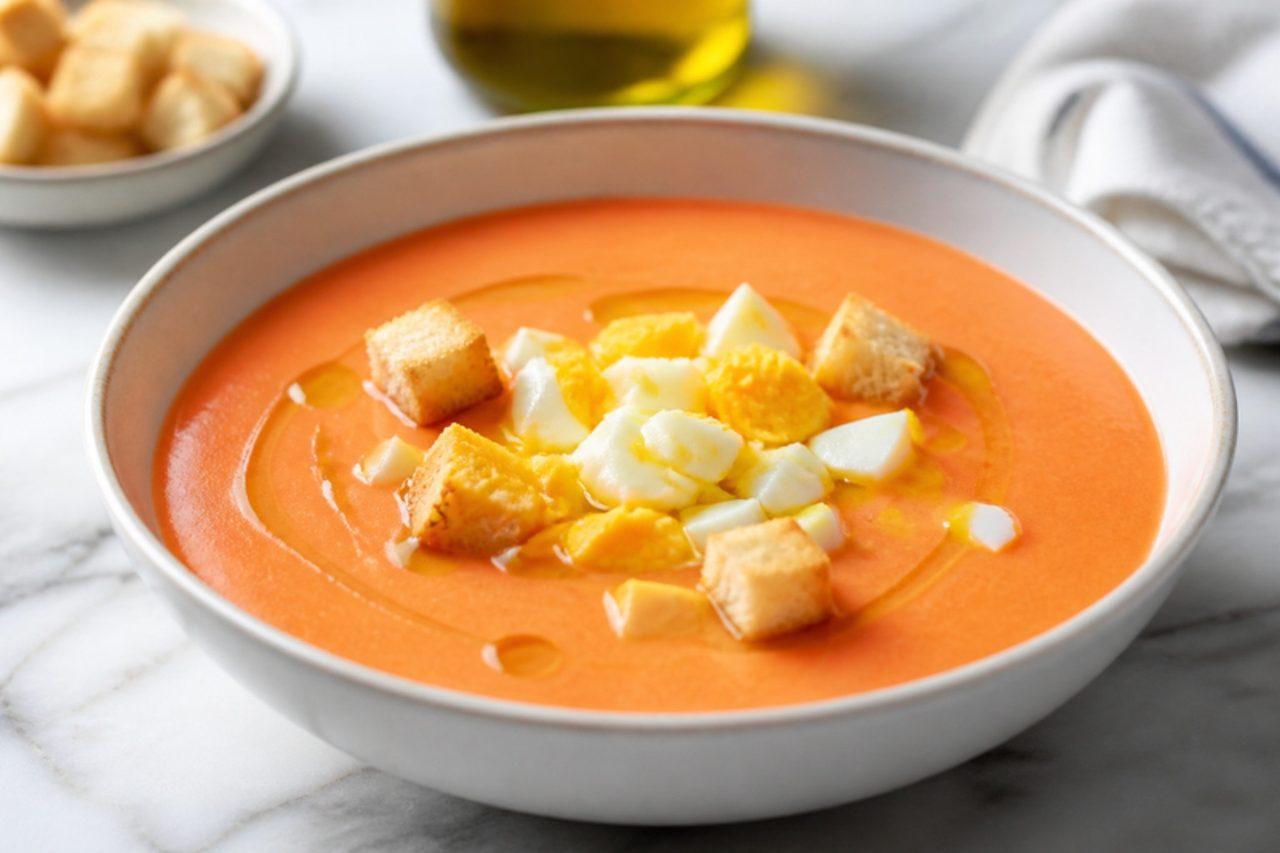
Salmorejo cordobésThick chilled tomato and bread soup

Salmorejo is Córdoba's answer to gazpacho: thicker, richer and simpler, made with just ripe tomatoes, bread, garlic, olive oil and salt, blended into a cream so dense a spoon almost stands up in it. In Córdoba it is served in a shallow earthenware bowl as a first course or tapa, topped with chopped hard-boiled egg and diced cured ham; this vegetarian version keeps the egg (leave it out for a vegan dish) and adds a few crunchy croutons and a thread of olive oil. Chef's tip: use bread with a dense, tight crumb, like a day-old Spanish 'pan de telera' or a firm white loaf; airy supermarket bread makes salmorejo thin and gluey.

by KrazyBadal 0 views

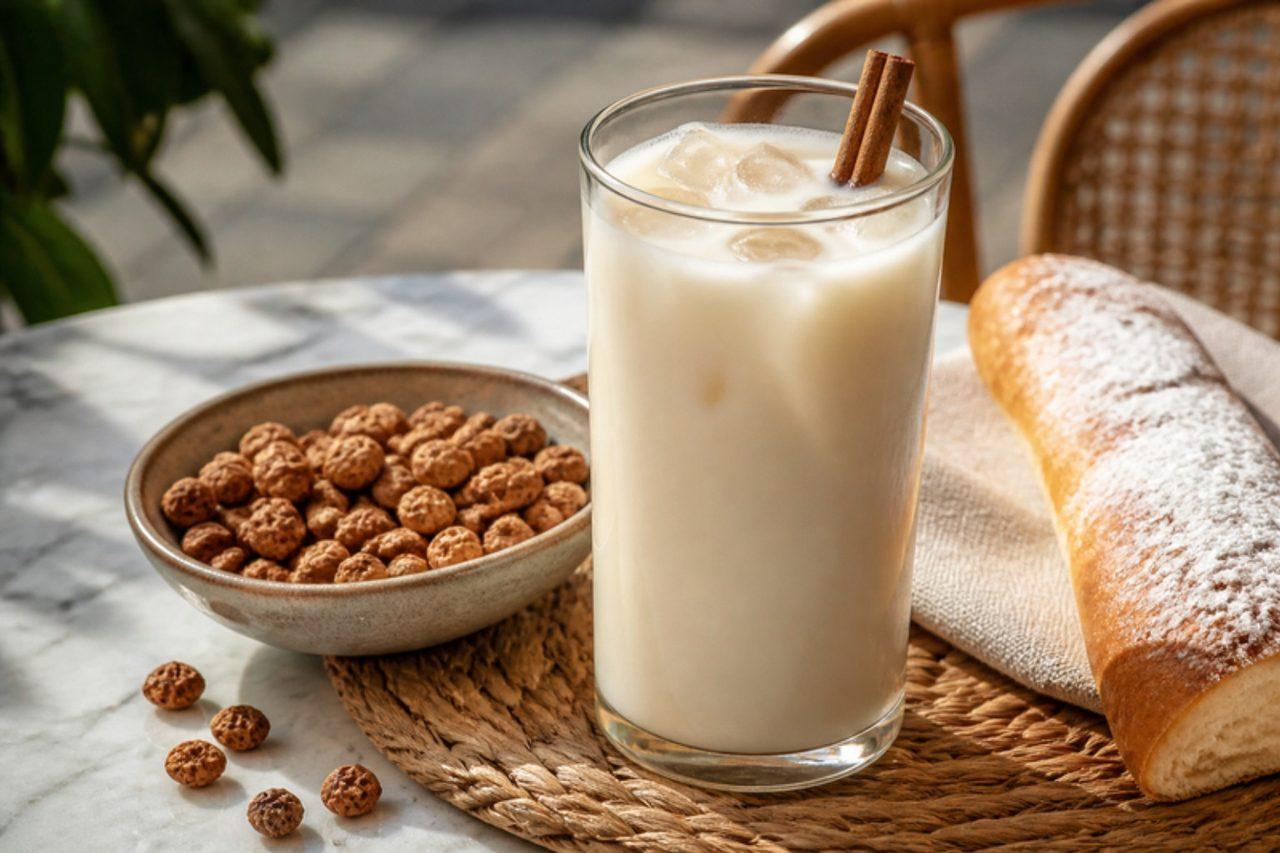
Horchata de chufaTiger nut milk

Horchata de chufa is the drink of Valencia's summer, sold ice-cold in the city's horchaterías with long, soft fartons pastries for dipping. It is made from chufas, or tiger nuts: small wrinkled tubers grown around the village of Alboraya just north of Valencia, which have their own protected designation of origin. Soaked, ground with water, strained and sweetened, they give a creamy, nutty, naturally dairy-free milk with a hint of cinnamon. Valencians drink it very cold, or half-frozen as 'granizada'. Chef's tip: soak the tiger nuts for a full 24 hours and change the water once; they must be plump and soft enough to blend into a fine pulp, or the horchata will be thin and taste of raw starch.

by KrazyBadal 1 views

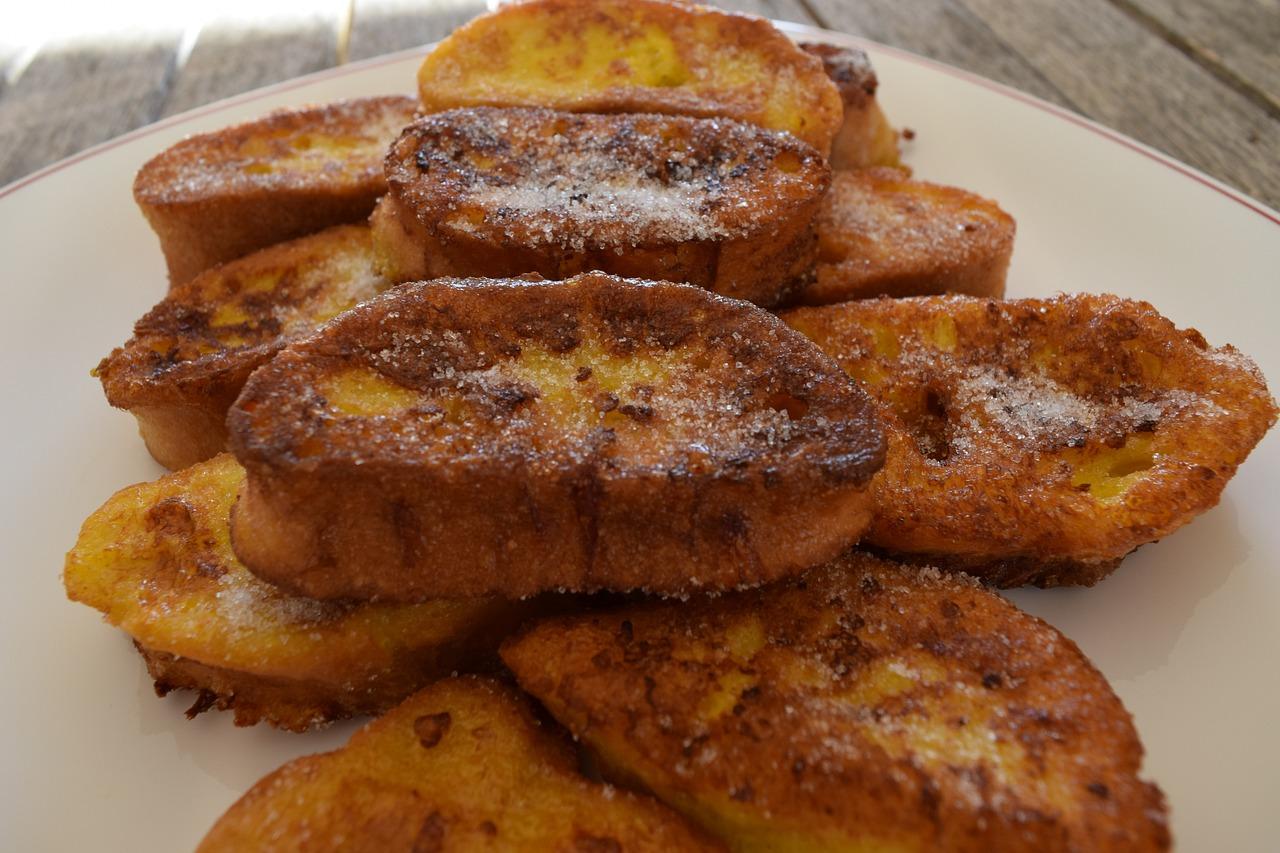
TorrijasCinnamon fried bread

Torrijas are the Easter sweet of Spain, eaten all over the country during Semana Santa and especially in Madrid and Andalusia, where bakeries pile them in their windows. Thick slices of day-old bread are soaked in milk infused with cinnamon and lemon peel, dipped in beaten egg, fried in olive oil and rolled in cinnamon sugar. They were born as a way to use up stale bread during Lent, and they are crisp outside and soft and custardy inside, like a richer, crunchier French toast. Eat them warm or cold, the next day they are even more set and sweet. Chef's tip: use a dense day-old loaf (a Spanish 'pan de torrijas' or a firm baguette) cut 2–3 cm thick, and soak just until saturated; fresh, airy bread falls apart and fries greasy.

by KrazyBadal 0 views

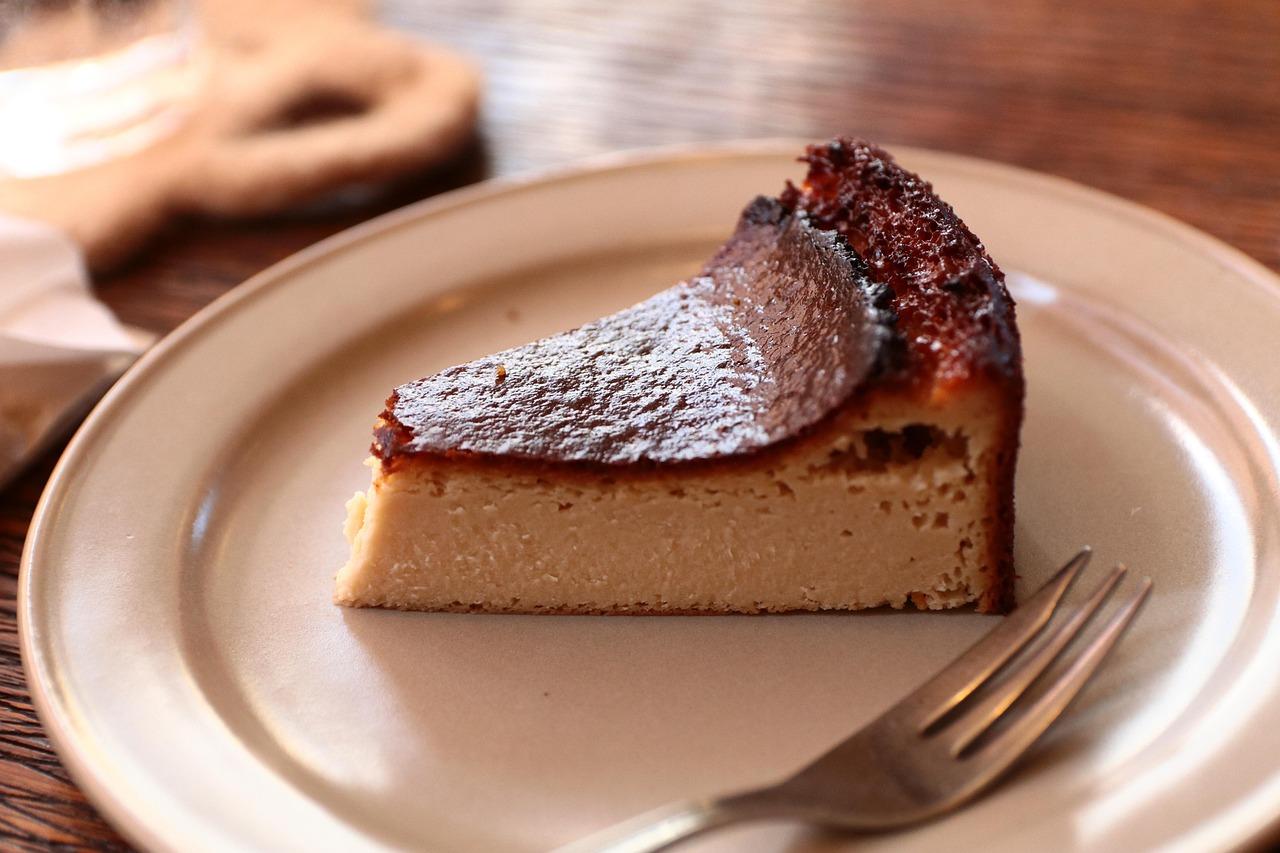
Basque burnt cheesecake

This crustless cheesecake was created in the early 1990s at La Viña, a pintxos bar in the old town of San Sebastián (Donostia) in the Basque Country, and is now famous around the world. It's baked very hot so the top caramelises almost black and the sides rise and crack, while the middle stays soft and creamy, almost runny. There's no base and no water bath, and the rough, rustic look is the point: it's lined with crumpled baking paper. La Viña uses a spoonful of wheat flour; cornflour does the same job and keeps it gluten free. Chef's tip: take it out of the oven while the centre still wobbles like a soft set custard; it firms up as it cools, and if it looks set in the oven, the middle will be dry instead of creamy.

by KrazyBadal 1 views

Showing 9 of 10,569 recipes

Show more recipes

Page 1,097 of 1,175