


Skip to content
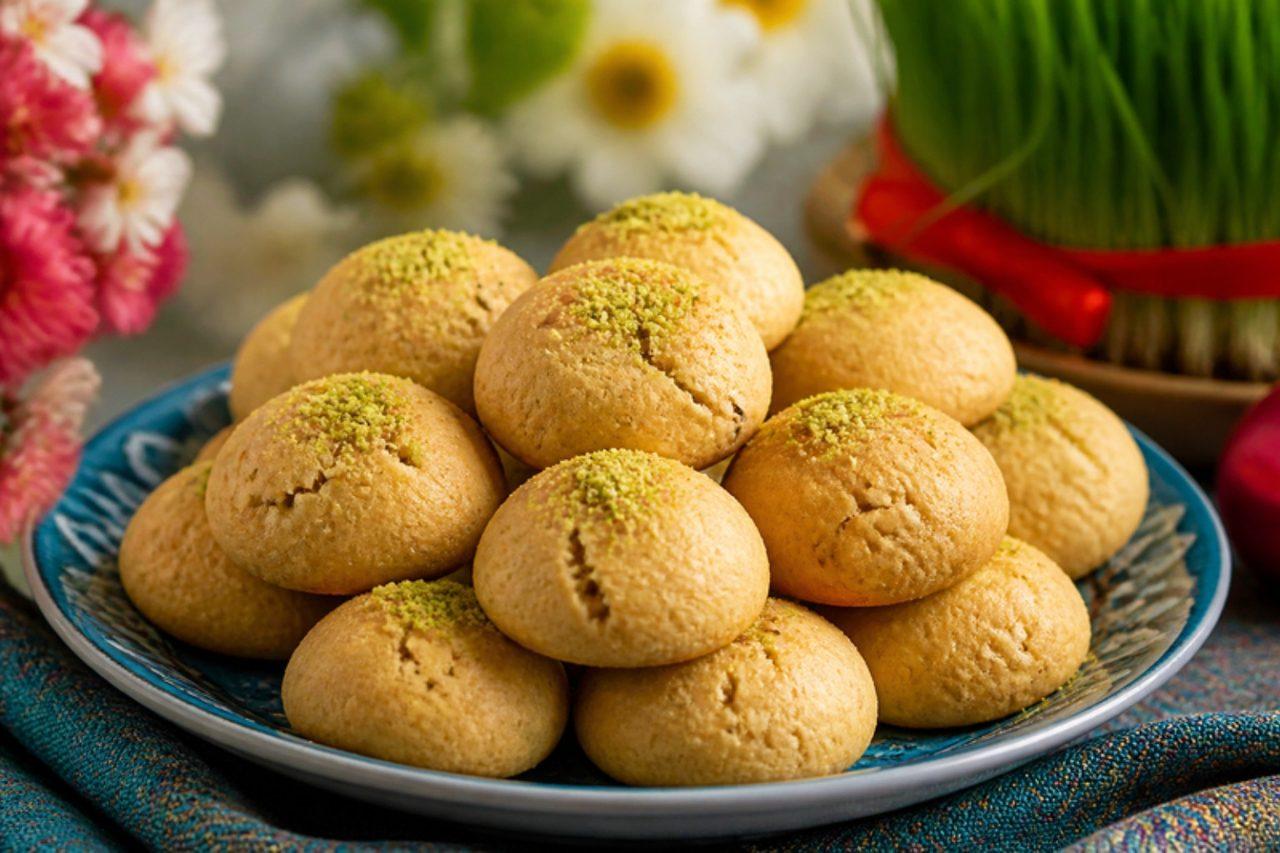
Nan-e gerdooyi
Featured recipe

Nan-e gerdooyi

Walnut cookies

In the run-up to Nowruz, when Tabriz, Tehran and Qazvin families are spring-cleaning and baking for the round of holiday visits, nan-e gerdooyi are among the first cookies to go into the tin. They are made with chopped walnuts held together by egg yolks and sugar, no flour at all, so they bake crisp at the edge and soft and chewy in the middle. A common mistake is grinding the walnuts to a paste; they should be chopped into small pieces so the cookies have texture and don't turn oily. Chef's tip: leave a good gap between them on the tray; they spread to about twice their size.

Read more 0 views

What to eat today?

Around the world

Today's trip: Peruvian

A new country every day, from every cuisine on the site.

Peruvian

Tacacho

Mashed roasted green plantain balls 35 minMore from Peruvian (111) →

This week's collection

Kid-friendly dinners
772 recipes · a new collection every Monday

Coming up

All occasions →

Latest recipes

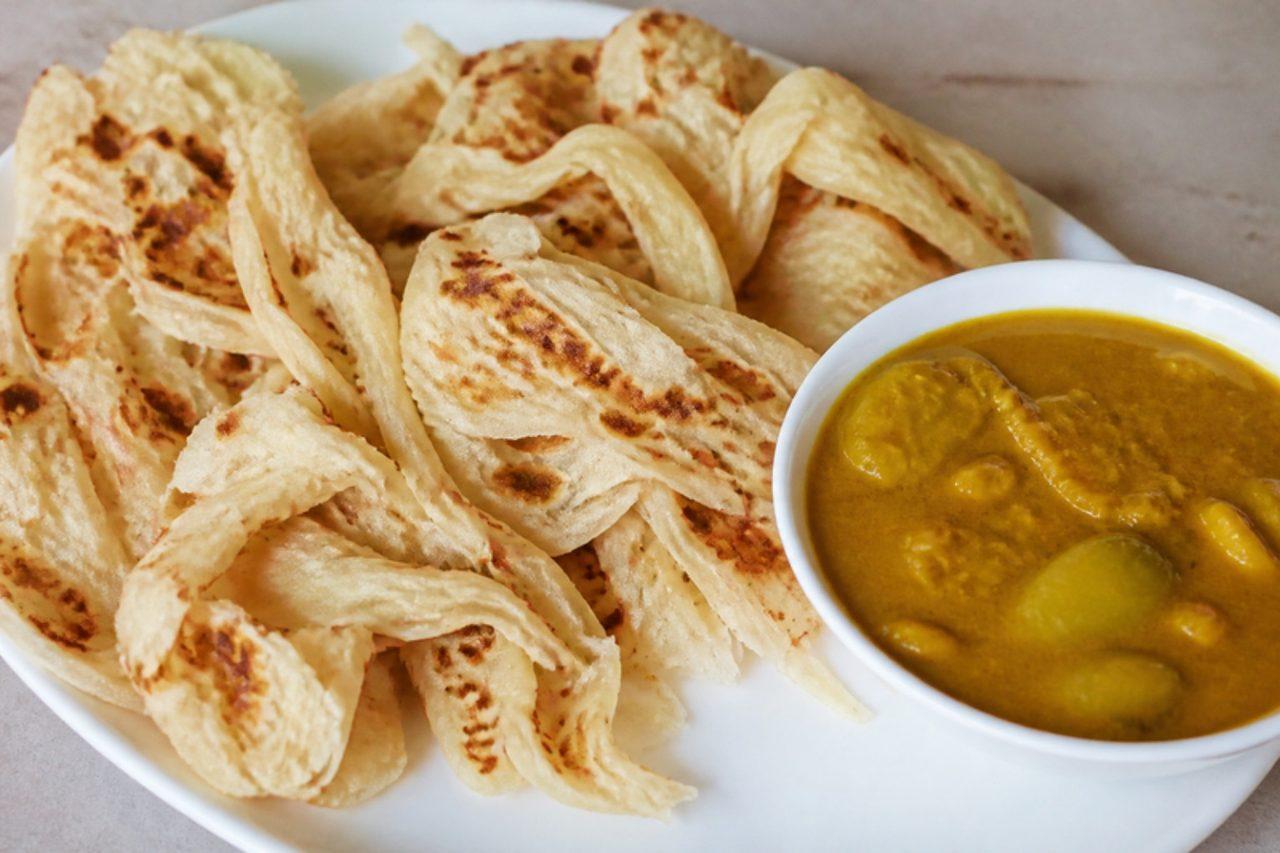
Buss-up-shutTorn paratha roti

Buss-up-shut is the paratha roti of Trinidad, so called because the torn, flaky pieces look like a 'burst-up shirt'. A soft dough is spread with butter and oil, rolled into a coil to build layers, cooked on a hot tawa, then clapped and beaten with wooden paddles until it breaks into soft, buttery, flaky shreds. It's served in roti shops across Trinidad for scooping up curries, and is always at Hindu weddings and Divali feasts. Chef's tip: beat the roti while it's still scalding hot. The steam inside is what separates the layers, so the moment it leaves the tawa, clap it between your hands (in clean oven gloves) or bash it with two wooden spatulas until it shreds.

by KrazyBadal 0 views

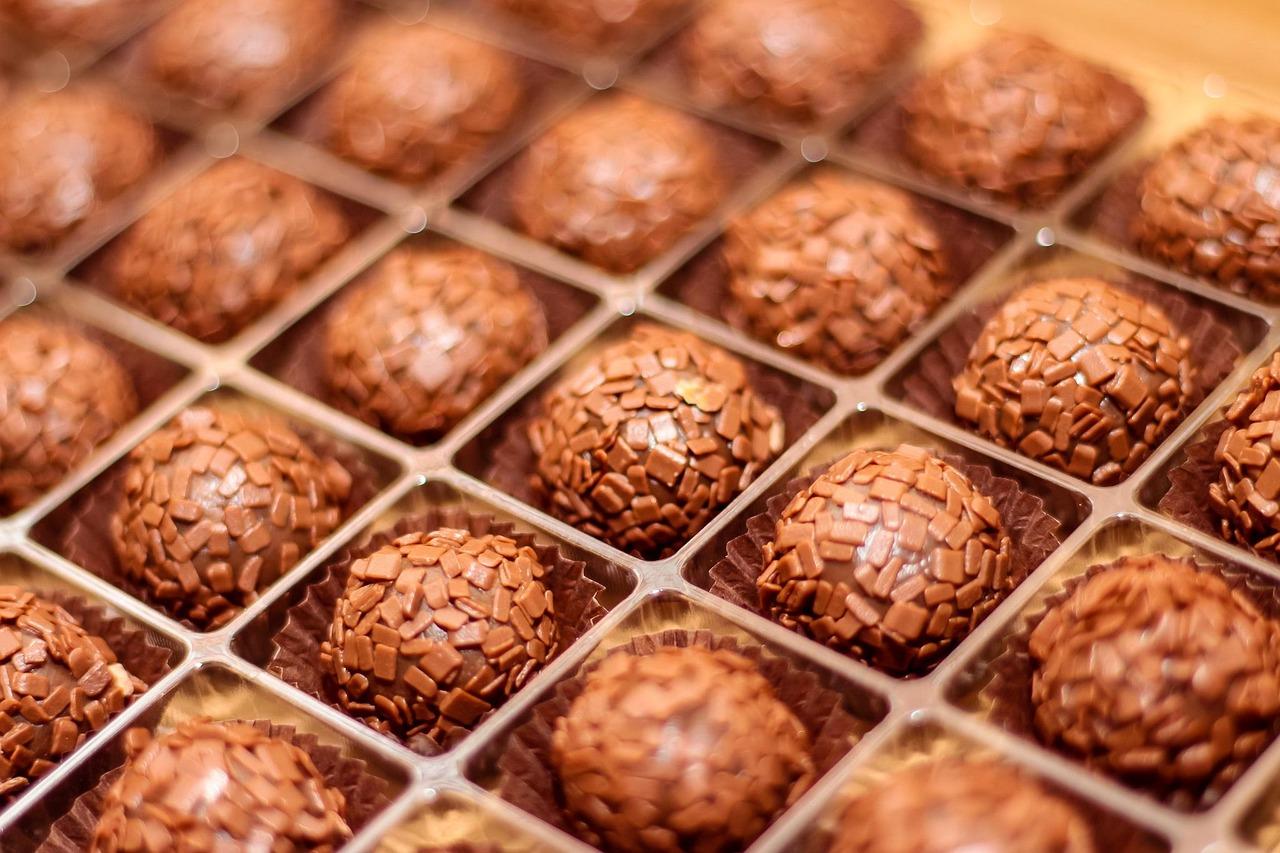
BrigadeiroChocolate condensed milk truffles

Brigadeiro is Brazil's favourite sweet: no birthday party anywhere in the country is complete without trays of them in little paper cases. Condensed milk, cocoa and butter are stirred in a pan until thick, then rolled into soft, fudgy balls and coated in chocolate sprinkles. It's said to be named after Brigadeiro Eduardo Gomes, an air force officer who ran for president in 1945. Chef's tip: learn the ponto (the doneness point). Tilt the pan and drag your spatula through the mixture: when it slides as one mass and you can see the pan base for 2–3 seconds before it closes up, it's ready. Undercooked brigadeiros won't hold a shape; overcooked ones turn chewy.

by KrazyBadal 0 views

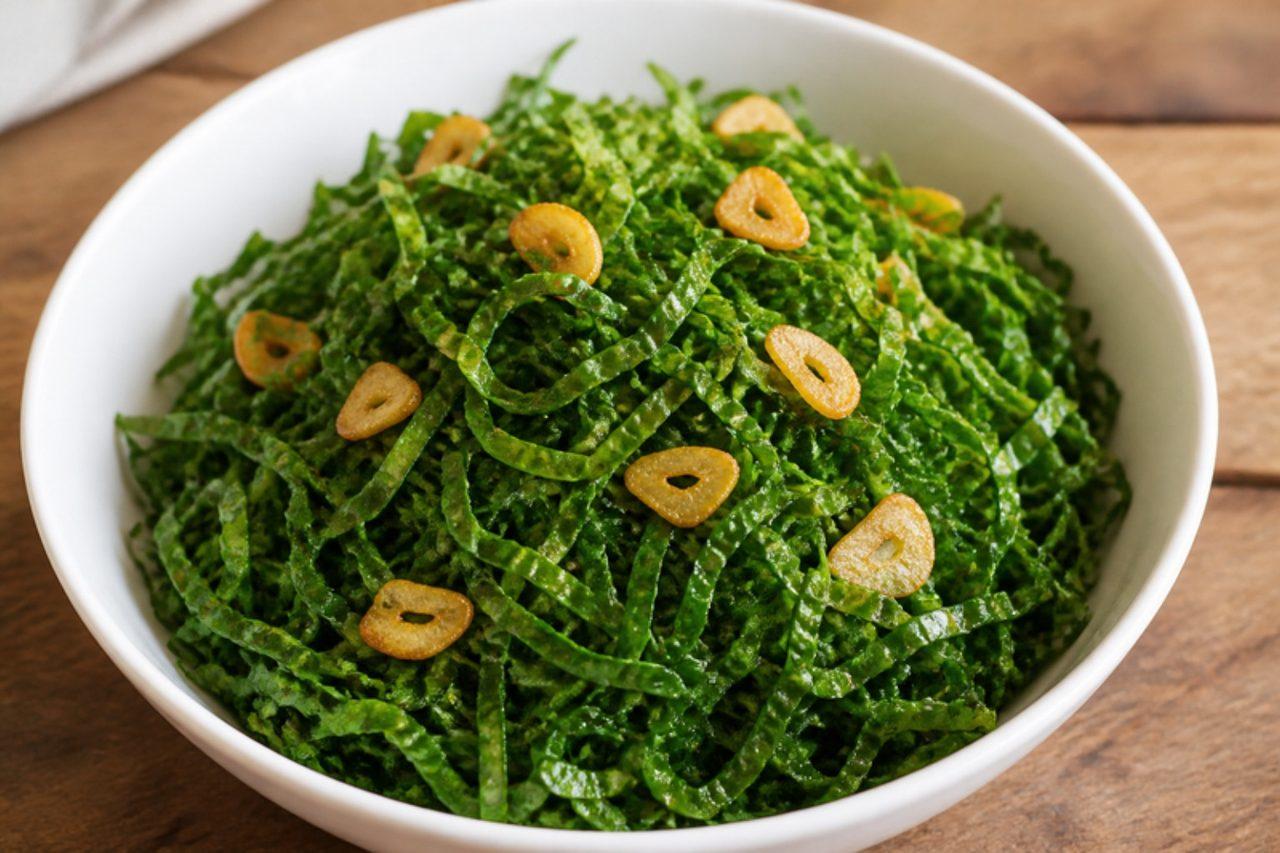
Couve à mineiraShredded garlic collard greens

Couve à mineira, from Minas Gerais, is the bright green side dish that goes with feijoada, tutu and plain rice and beans all over Brazil. Collard greens are rolled up like a cigar, sliced into fine ribbons and cooked for barely two minutes with garlic, so they stay vivid, tender and slightly crunchy. Chef's tip: the knife work is the whole recipe. Slice the rolled leaves as thinly as you possibly can (Brazilian cooks aim for threads 1–2 mm wide), then cook them fast over high heat with the lid off. Thick strips or a covered pan give you dull, soggy greens.

by KrazyBadal 0 views

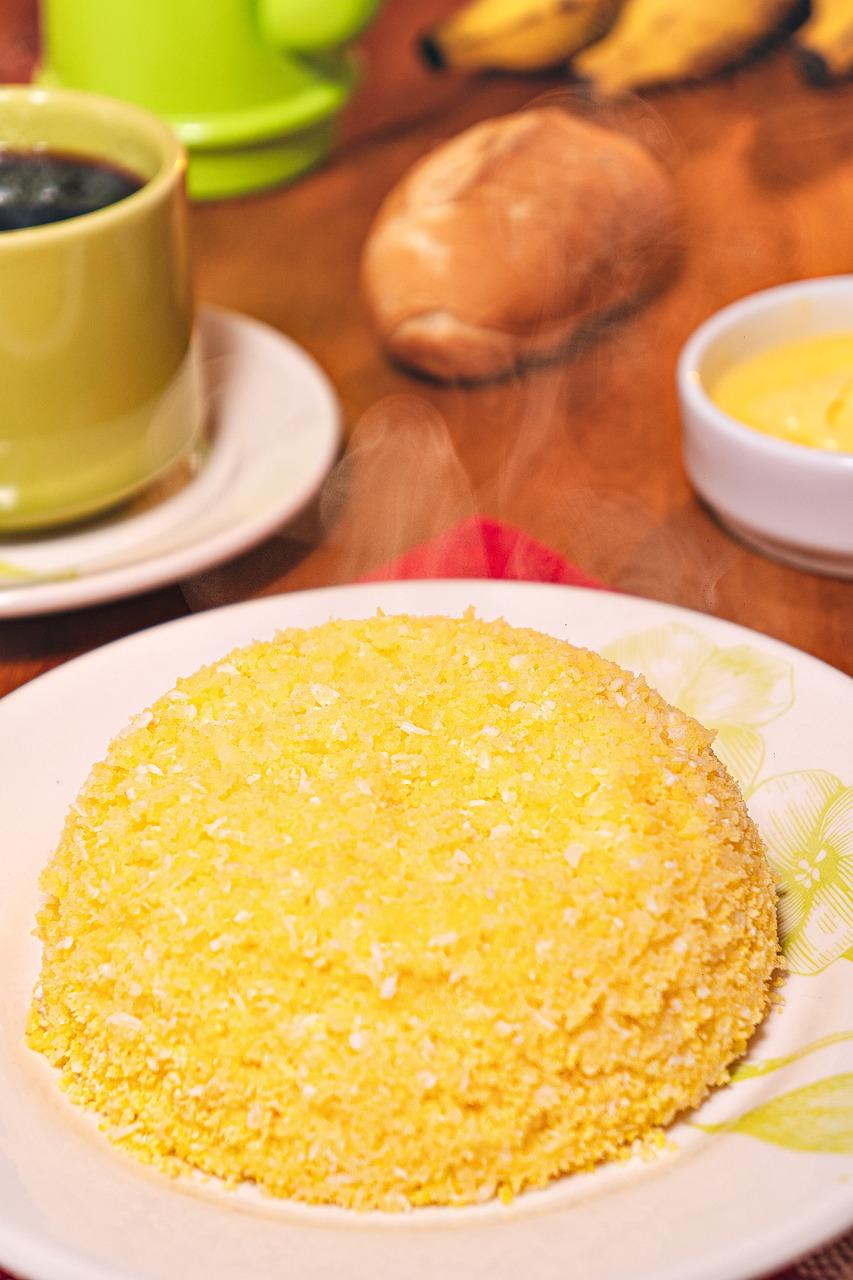
Cuscuz nordestinoSteamed flaked corn cake

Cuscuz nordestino has nothing to do with North African couscous: it's a soft, fluffy cake of steamed flaked maize (flocão), eaten every morning across the Northeast, from Pernambuco to Bahia. It's served hot in wedges with a melting slab of butter, often with fried egg, cheese or coconut milk poured over. It's traditionally steamed in a cuscuzeira, a two-tier steamer, but a steamer basket lined with a cloth works too. Chef's tip: let the corn soak up the salted water for 10 minutes, then pack it into the steamer loosely. Pressed down, it turns dense and heavy; loose, it steams into a light cake that still holds together.

by KrazyBadal 0 views

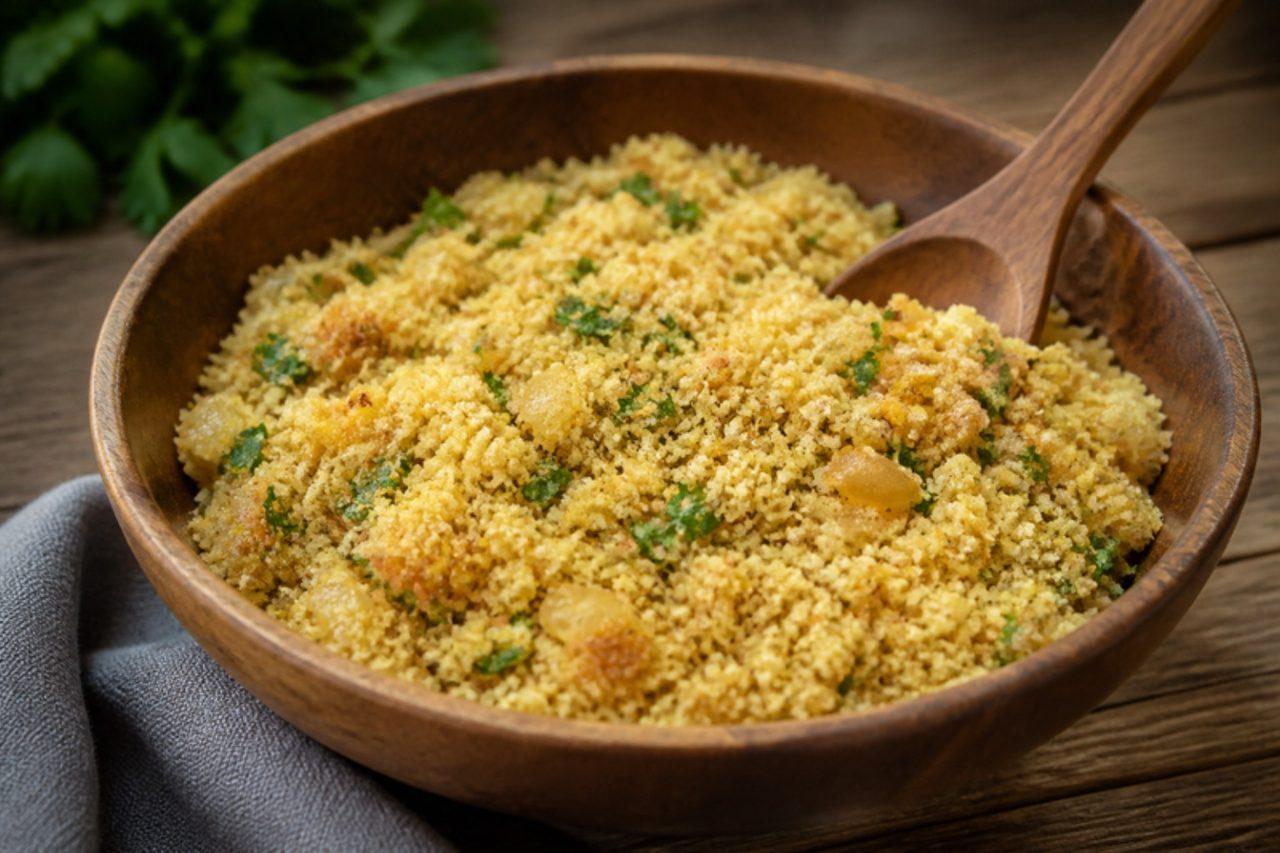
FarofaToasted manioc meal

Farofa is on the table at almost every Brazilian meal, from feijoada to Sunday barbecue: coarse manioc (cassava) meal toasted in butter or olive oil with onion and garlic until golden, sandy and nutty. Sprinkle it over beans, stews and moqueca to soak up the juices and add crunch. Bacon is common in the South-East; this butter version is the classic everyday one (use olive oil for a vegan farofa). Chef's tip: toast the manioc over a medium-low heat, stirring constantly, and go by smell and sound. It's ready when it smells like toasted hazelnuts and sounds dry and sandy against the spoon; high heat scorches it in seconds.

by KrazyBadal 0 views

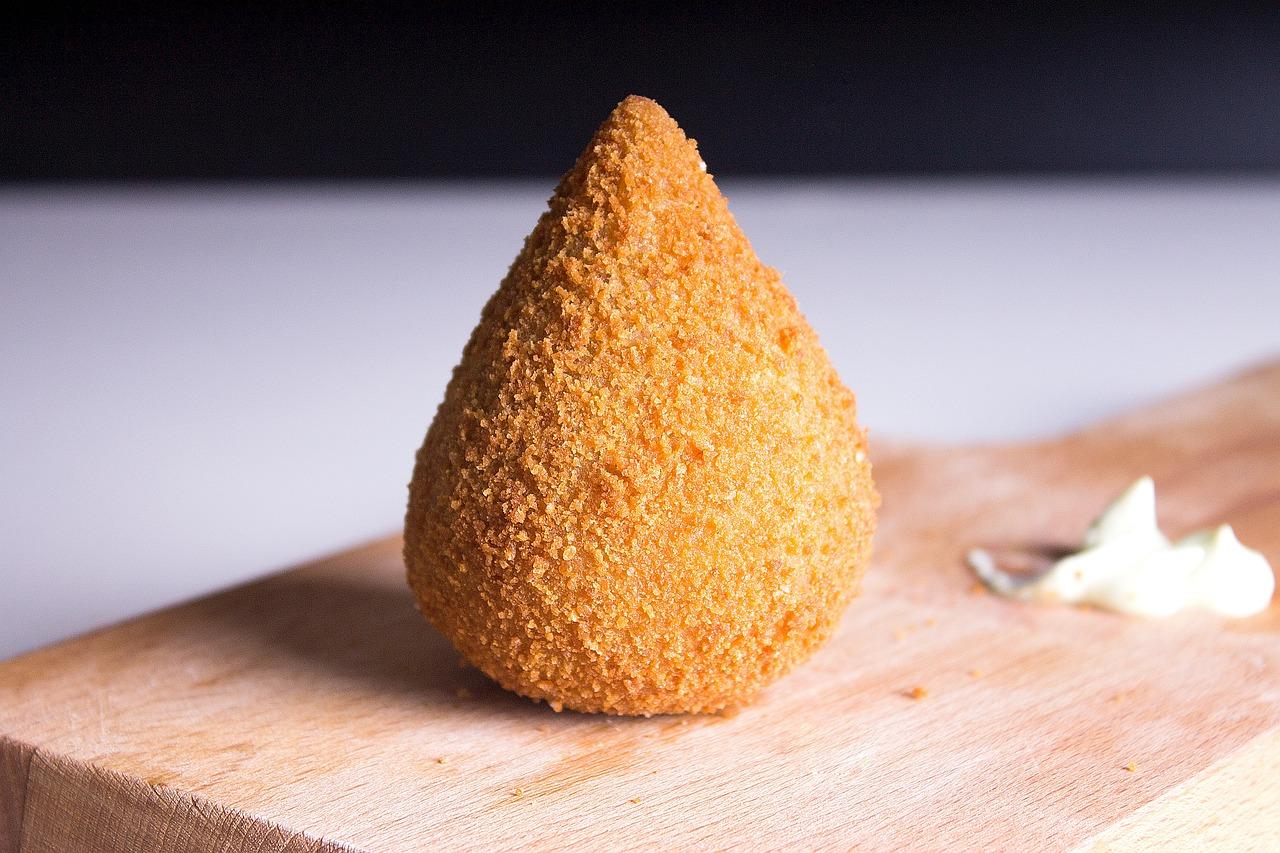
Heart of palm coxinhaHeart of palm croquettes

Coxinha is the king of Brazilian salgados, sold in every padaria and served at every birthday party, especially in São Paulo. The teardrop shape copies a chicken thigh, but coxinha de palmito, filled with soft heart of palm, tomato and creamy cheese, is a much-loved meat-free version. The dough is a cooked, savoury choux-like paste, rolled in breadcrumbs and fried until shatteringly crisp. Chef's tip: cook the dough until it comes away from the pan in one smooth ball, then knead it while still warm with oiled hands. Lumpy or under-cooked dough cracks in the fryer and lets the filling leak.

by KrazyBadal 0 views

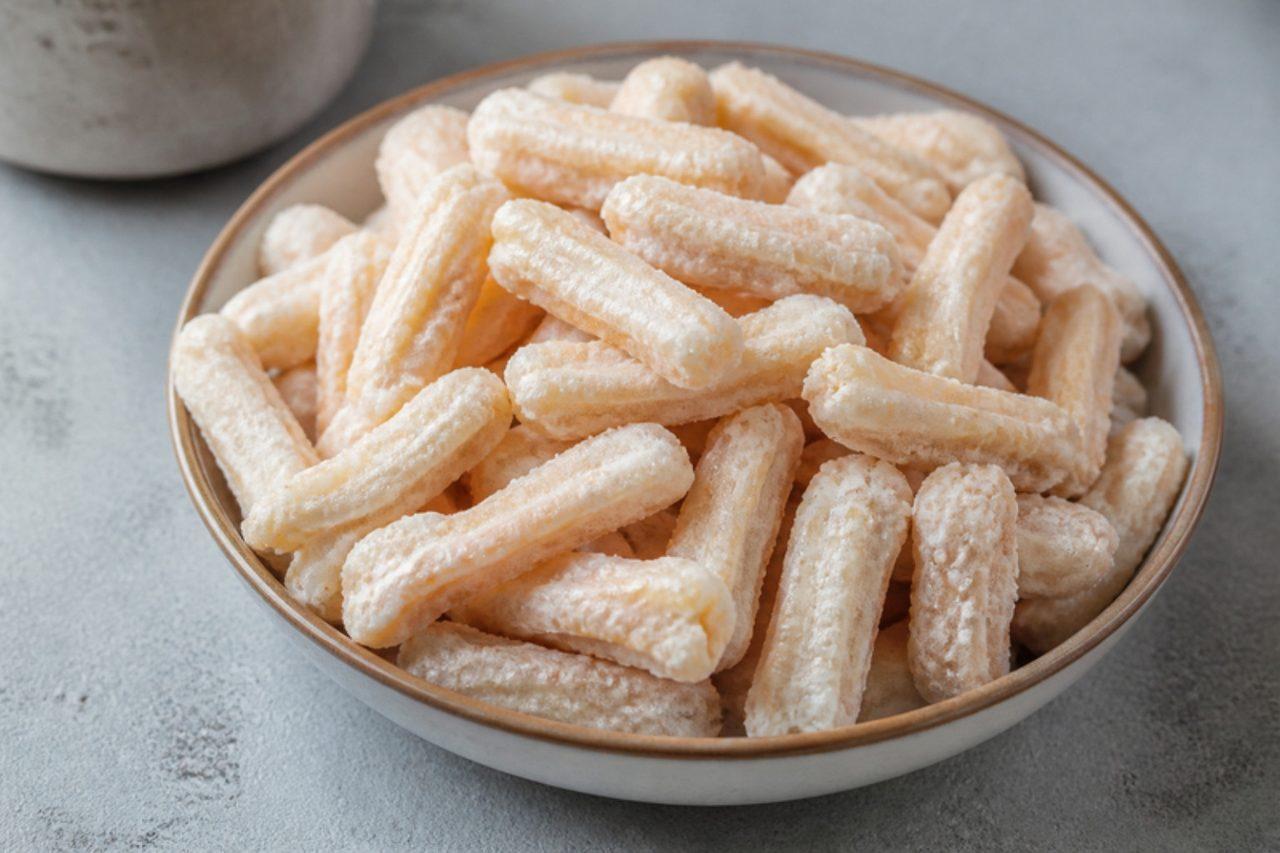
KurmaSweet fried dough sticks

Kurma is a crunchy Indo-Trinidadian sweet made for Divali, weddings and pujas, and sold in bags at roadside parlours in Central Trinidad. A rich dough flavoured with ginger, cinnamon and nutmeg is cut into thin sticks, fried until hard and golden, then tossed in a hot ginger sugar syrup until it dries into a frosty white coating. It keeps for weeks in a tin. Chef's tip: keep stirring the kurma in the syrup off the heat until the sugar suddenly turns opaque and sandy. That moment is the whole trick; stop too early and the coating stays sticky, and the 'frost' is what makes kurma kurma.

by KrazyBadal 0 views

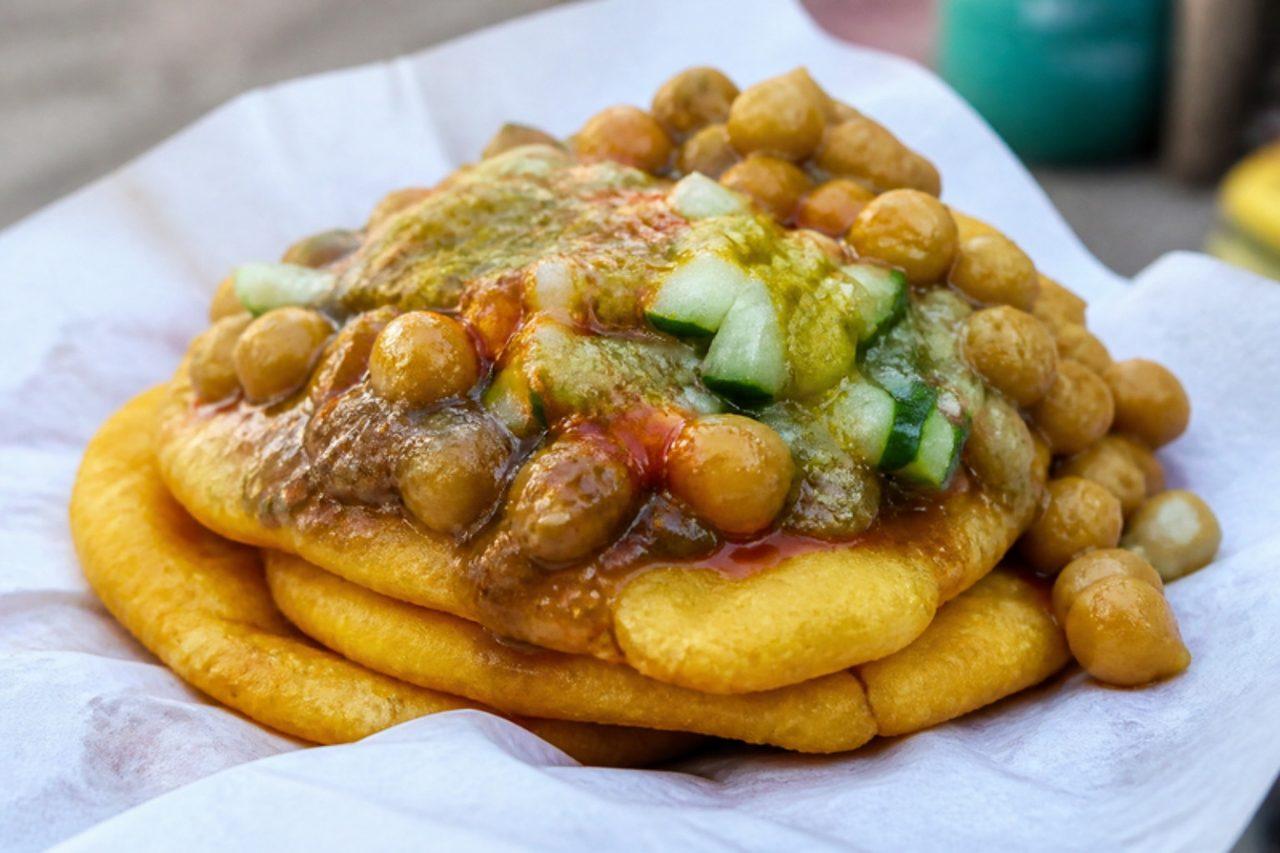
DoublesCurried chickpeas in fried bread

Doubles are Trinidad's favourite street food, sold from carts at dawn on corners from Curepe to San Fernando and said to have started in Princes Town in the 1930s. Two pieces of bara, a soft, puffy fried flatbread coloured with turmeric, are piled with soft curried chickpeas (channa), then spooned with sweet tamarind sauce, cool cucumber chutney, shado beni sauce and as much pepper sauce as you dare ('slight' or 'heavy'). They're messy, cheap and wonderful, eaten standing up from a square of paper. These are different from Indian chole bhature: the bara is light and yeasty, the channa is cooked very soft in Caribbean curry, and the toppings are sweet, sour and fiery all at once. Chef's tip: keep the bara dough very soft and wet, and handle it only with oiled hands. Stretch each ball thin over your fingers and slide it straight into the hot oil, so it puffs light and stays soft instead of turning into a crisp puri.

by KrazyBadal 0 views

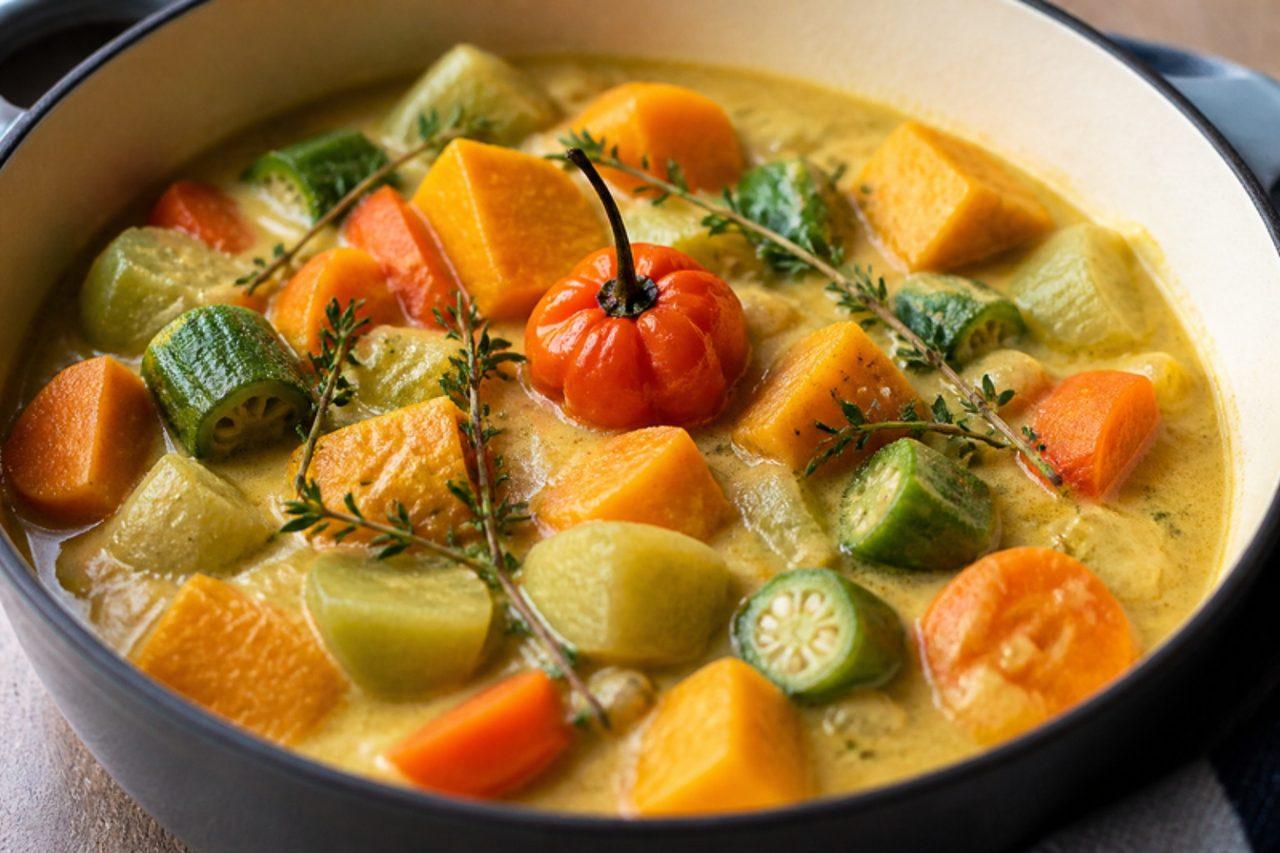
Ital stewPumpkin and sweet potato stew

Ital food is the cooking of the Rastafari, found from the hills of St Andrew to roadside Ital shops in Westmoreland and St Thomas. It is plant-based, close to the earth and traditionally made without added salt, built on fresh 'food' (ground provisions) and greens. This stew is golden and gently sweet, thickened by melting pumpkin and silky okra, with coconut milk, thyme and pimento giving warmth and a whole scotch bonnet giving fruity heat. Serve with rice and peas or boiled green bananas. Chef's tip: cut half the pumpkin very small and the other half in big chunks. The small pieces collapse into the coconut milk and thicken it naturally, while the big ones hold their shape.

by KrazyBadal 0 views

Showing 9 of 10,569 recipes

Show more recipes

Page 1,104 of 1,175