


Skip to content
Yaki nasu
Featured recipe

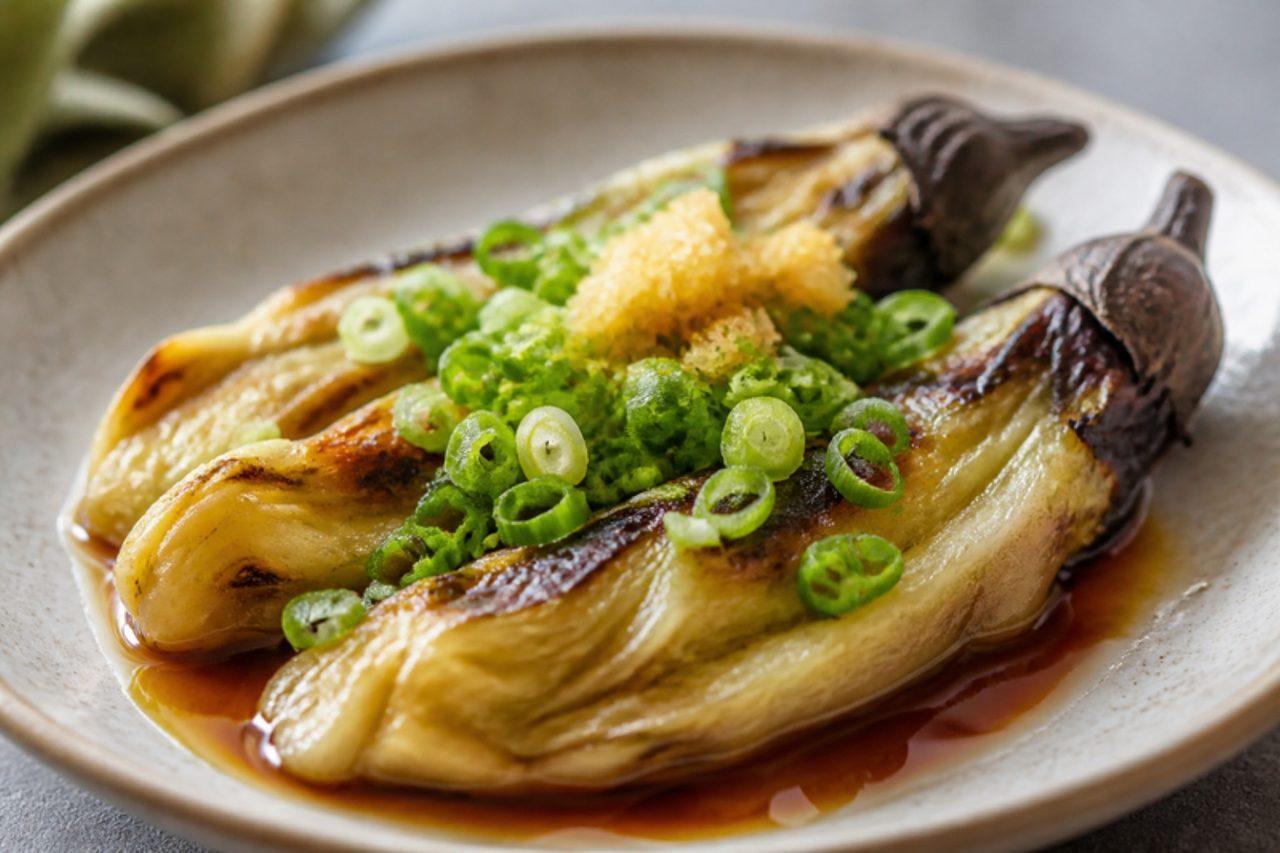
Yaki nasu

Grilled aubergine

Summer evenings in Japanese homes and izakaya often bring a plate of yaki nasu: whole aubergines blackened over a flame until the skin is burnt and the inside collapses into smoky, silky strands. Peeled while hot, they are served chilled or warm with grated ginger, soy and spring onion. The classic topping is bonito flakes; this vegetarian version uses toasted sesame and a kombu–shiitake dashi in the dressing instead. The common mistake is pulling the aubergine off the flame too early, leaving a firm, bitter centre; it should feel completely floppy. Chef's tip: plunge the charred aubergines into iced water for a few seconds only, which makes them easy to peel without washing away the smoky flavour.

Read more 0 views

What to eat today?

Around the world

Today's trip: Peruvian

A new country every day, from every cuisine on the site.

Peruvian

Tacacho

Mashed roasted green plantain balls 35 minMore from Peruvian (111) →

This week's collection

Kid-friendly dinners
772 recipes · a new collection every Monday

Coming up

All occasions →

Latest recipes

Gyeran mariRolled omelette

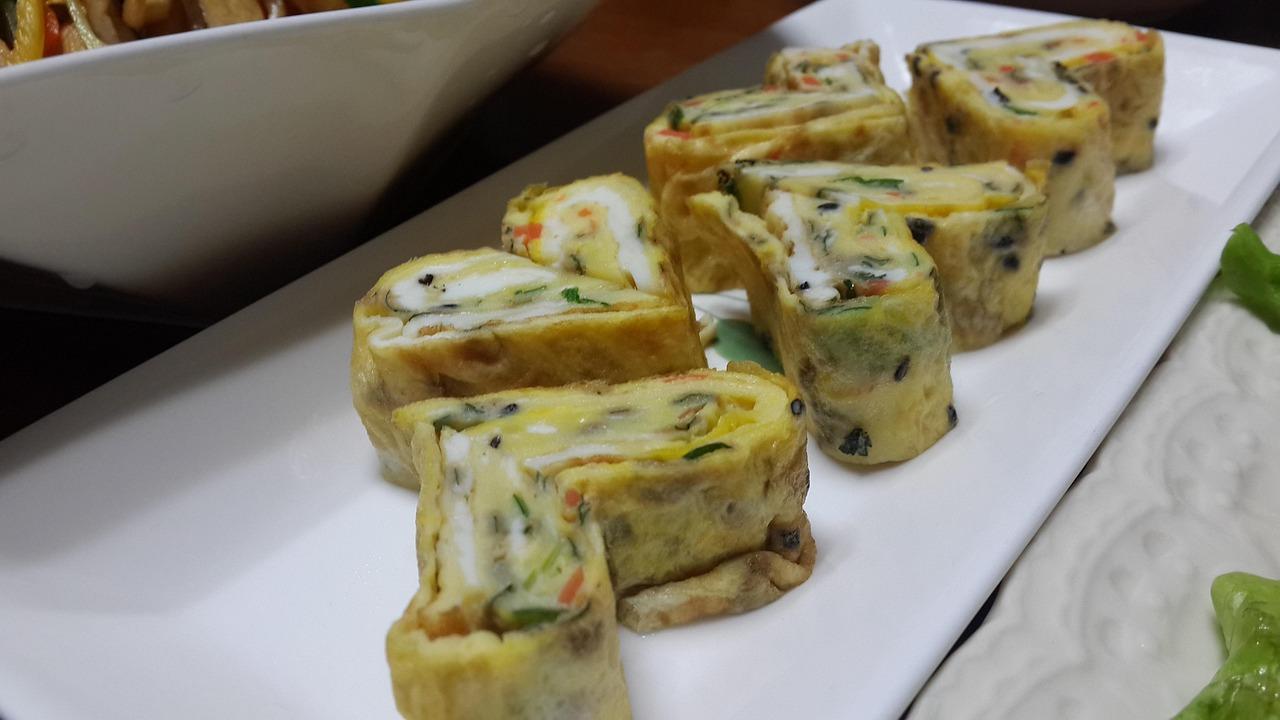
Gyeran mari (계란말이) is a Korean rolled omelette: beaten egg with finely chopped vegetables, cooked in thin layers and rolled up in the pan, then cut into thick slices that show a neat spiral. It is a much-loved side dish and lunchbox favourite nationwide, and children enjoy it with a little ketchup. The trick is a low heat, so the egg stays soft and yellow rather than brown. Serve warm or at room temperature with rice. Chef's tip: roll while the top of each layer is still slightly wet. The runny egg is the glue, and it keeps the roll soft and in one piece.

by KrazyBadal 0 views
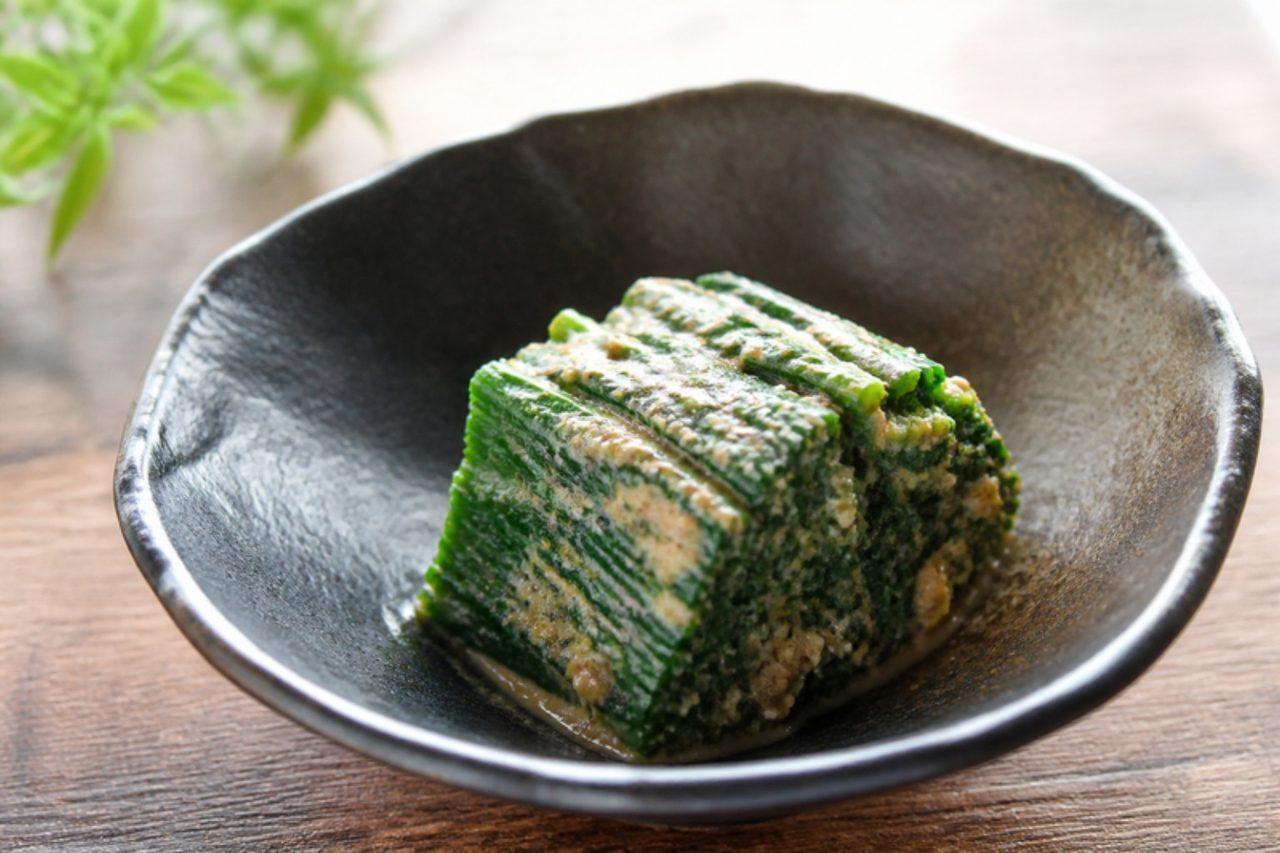
Horenso goma-aeSpinach with sesame dressing

Horenso no goma-ae (ほうれん草の胡麻和え) is one of the most common side dishes in Japanese home cooking and bento boxes. Spinach is blanched for a few seconds, squeezed dry and tossed in a nutty dressing of freshly toasted, crushed sesame seeds with soy and a little sugar. Toasting and grinding the seeds yourself makes all the difference. Serve as one of several small dishes with rice and miso soup. Chef's tip: toast and grind the sesame yourself just before mixing. Ready-ground sesame tastes flat; freshly ground seeds smell like roasted nuts and give the dish its rich flavour.

by KrazyBadal 0 views

Hiroshima okonomiyakiLayered cabbage and noodle pancake

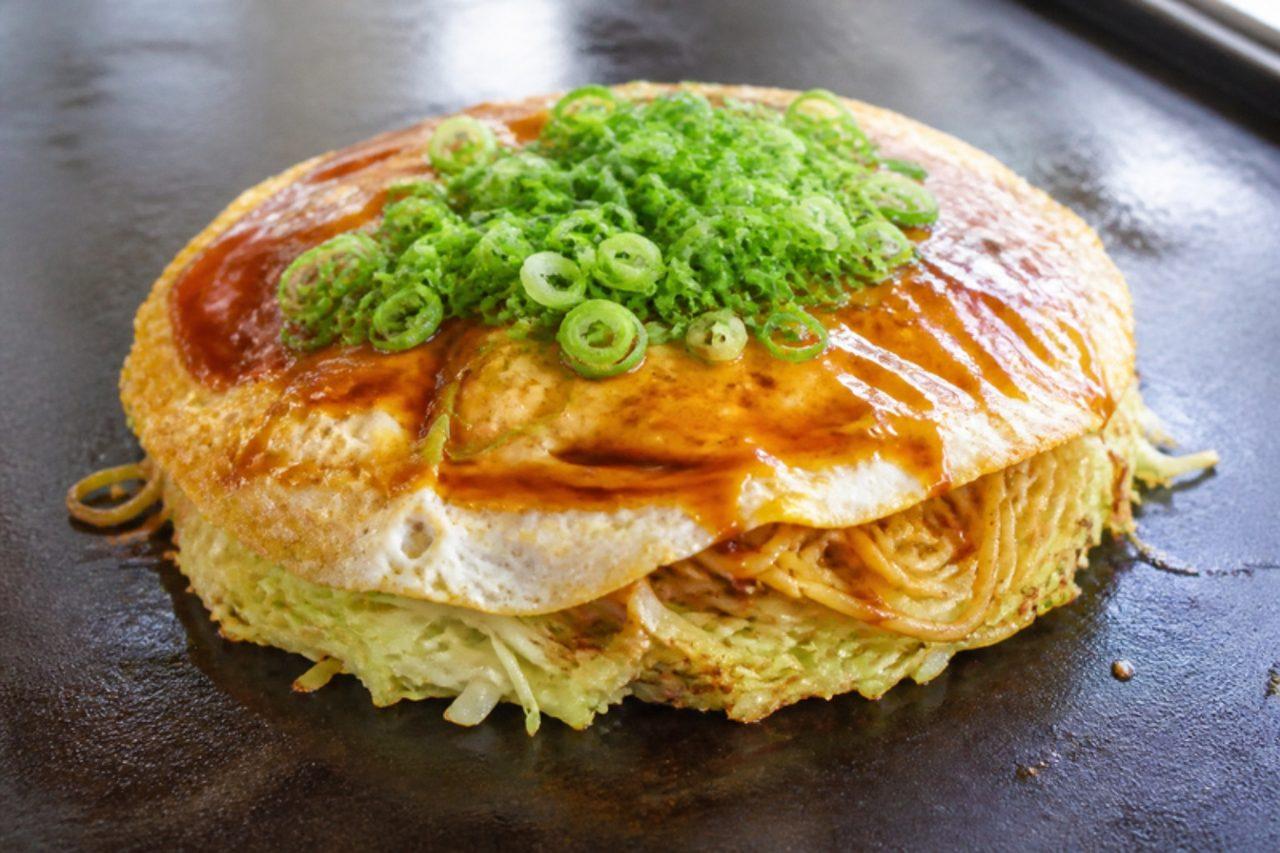
Hiroshima okonomiyaki (広島風お好み焼き) is built in layers rather than mixed: a thin crêpe, a tall heap of cabbage and bean sprouts, a layer of fried noodles and a fried egg, all pressed together on the griddle. It's the city's signature dish, and Hiroshima has hundreds of small okonomiyaki counters. Pork belly is the usual layer; this vegetarian version leaves it out and adds mushrooms. Take your time with the layering; it's worth it. Chef's tip: shred the cabbage as finely as you can and pile it high; it looks far too much, but it steams down by half under the crêpe, and that sweet, soft cabbage is the heart of the Hiroshima style.

by KrazyBadal 0 views

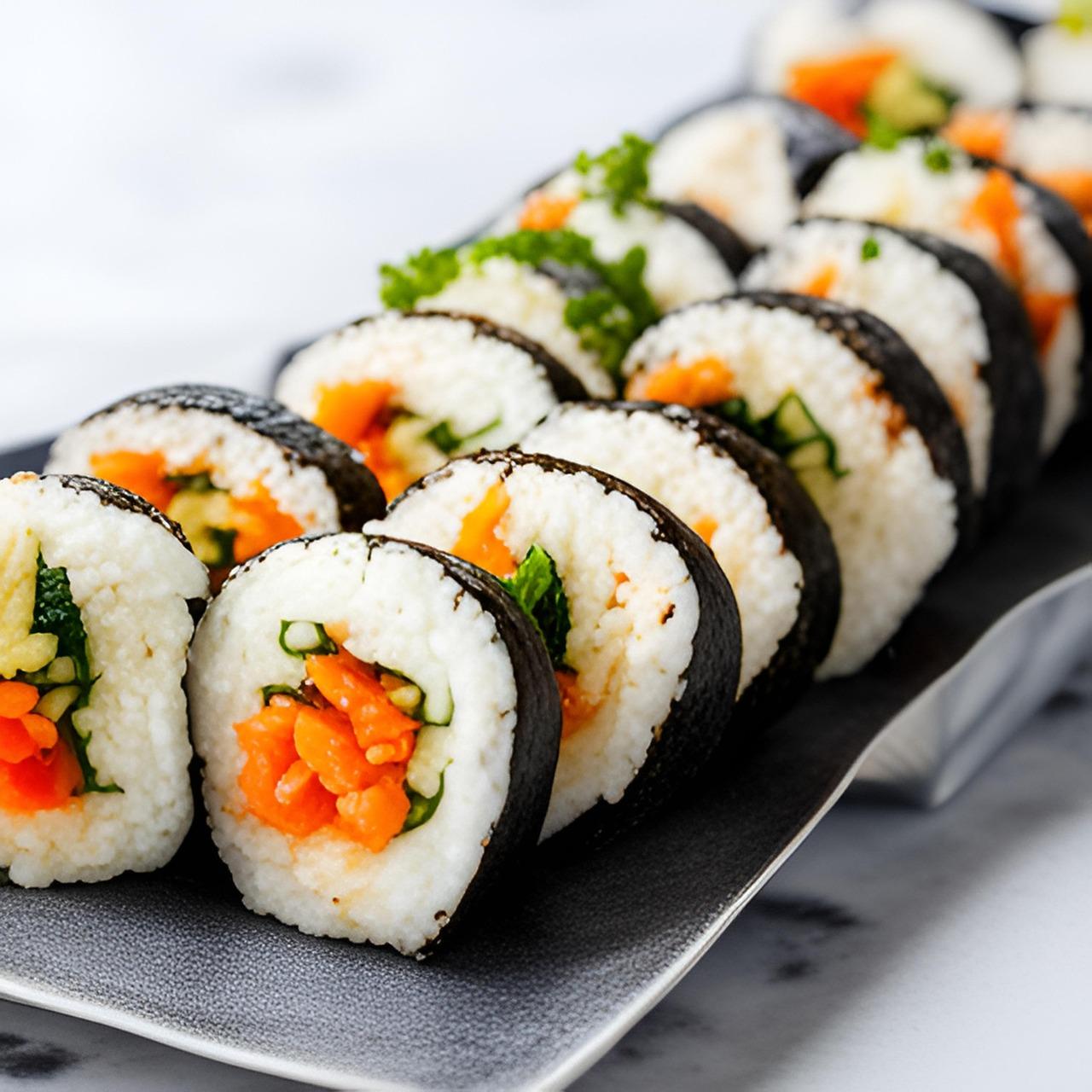
Gimbap

Gimbap (김밥) are rolls of sesame-seasoned rice and colourful fillings wrapped in roasted seaweed, then sliced into rounds. They are the classic Korean picnic and lunchbox food, sold on almost every street corner nationwide. Unlike sushi rice, gimbap rice is seasoned with salt and sesame oil rather than vinegar, so it tastes nutty and savoury. This vegetarian version is filled with omelette strips, garlicky spinach, carrot, soy-glazed tofu, cucumber and the bright yellow pickled radish called danmuji. They keep well for a few hours, so they are good to make ahead for a trip. Chef's tip: season the rice while it is warm and spread it thin, no more than a few grains deep. Thick rice and wet fillings are the two reasons rolls burst or go soggy.

by KrazyBadal 0 views

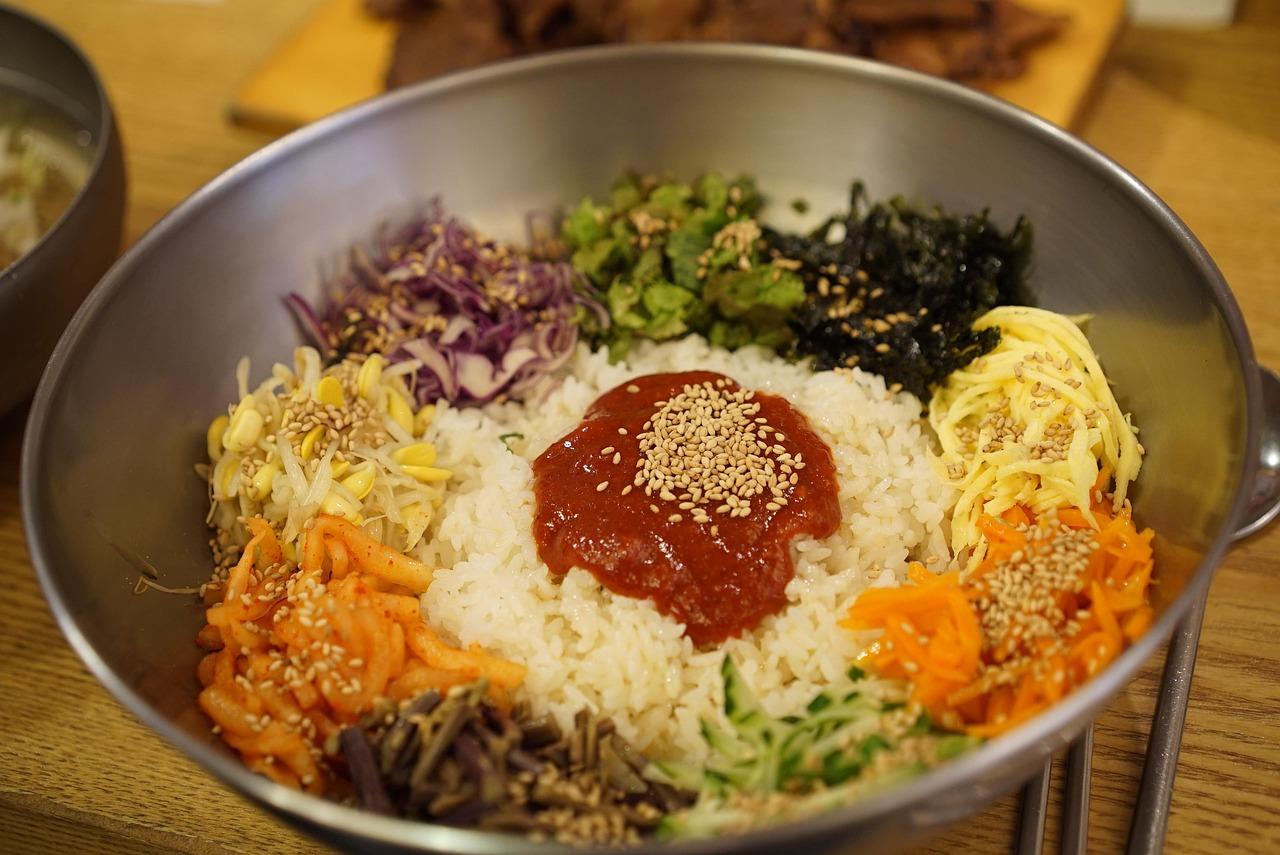
BibimbapRice bowl with seasoned vegetables

Bibimbap (비빔밥) means 'mixed rice': a bowl of warm rice topped with small heaps of separately seasoned vegetables, a fried egg and a spoonful of gochujang sauce, all stirred together at the table. The city of Jeonju in North Jeolla province is famous for it and serves it with a dozen or more toppings; this home version keeps five that are easy to find. Each vegetable is cooked on its own so it keeps its colour and texture, and the sauce brings sweetness, heat and a nutty sesame finish. Serve with kimchi and a light soup. Chef's tip: season every vegetable on its own, lightly, and taste each one. If each heap is good alone, the mixed bowl will be balanced; if they are all dressed alike, the bowl tastes flat.

by KrazyBadal 0 views

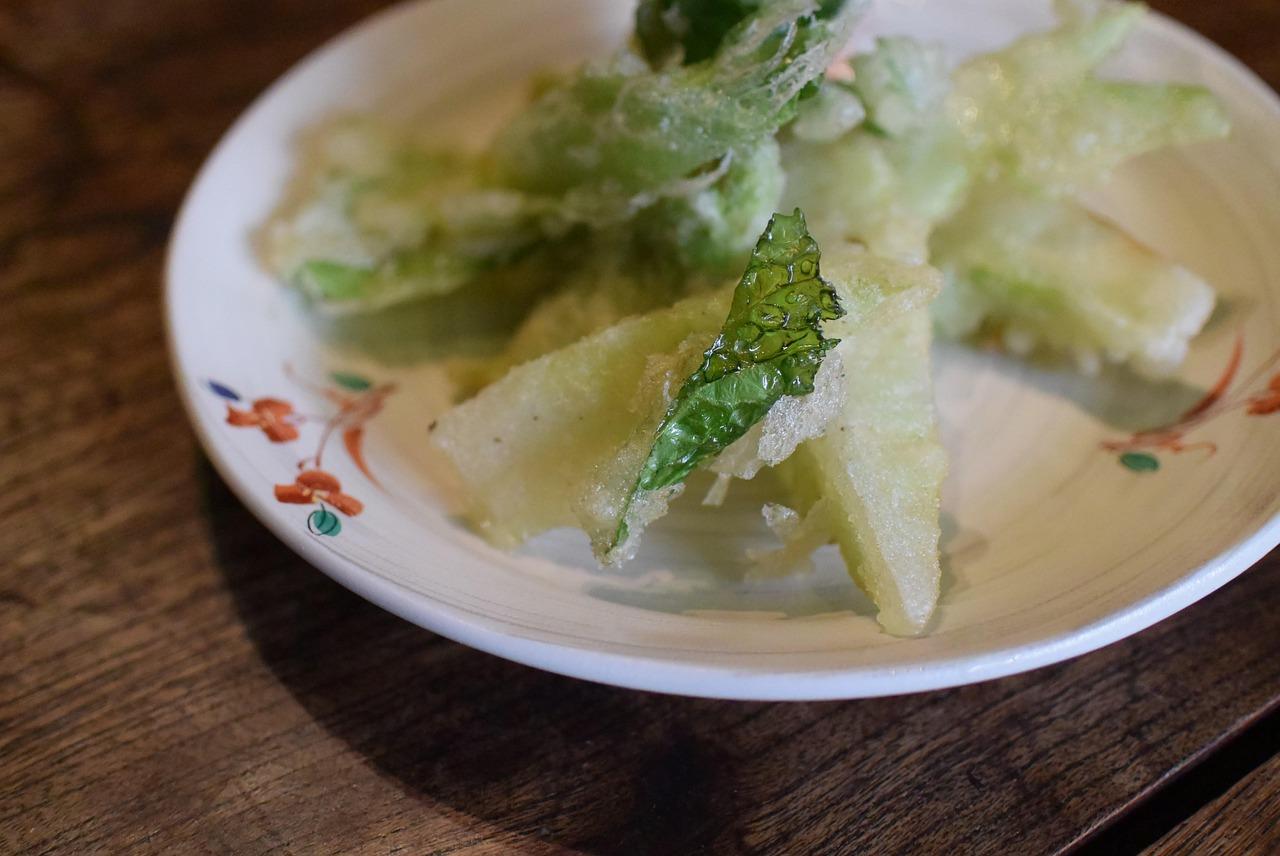
Vegetable tempura

Tempura (天ぷら) became a Tokyo street food in the Edo period, when stalls fried it to order by the city's riverbanks. The secret to the thin, lacy coating is an ice-cold, lumpy batter mixed at the last second and vegetables fried in small batches. Sweet potato, aubergine, pepper, shiitake and green beans all work well. Serve straight from the pan with a light dipping sauce and grated daikon. Chef's tip: keep everything cold. Use ice-cold water, mix the batter only seconds before frying, leave it lumpy, and stand the bowl in a larger bowl of ice. Cold batter hitting hot oil is what makes the lacy, crackly shell that Tokyo tempura masters prize.

by KrazyBadal 0 views

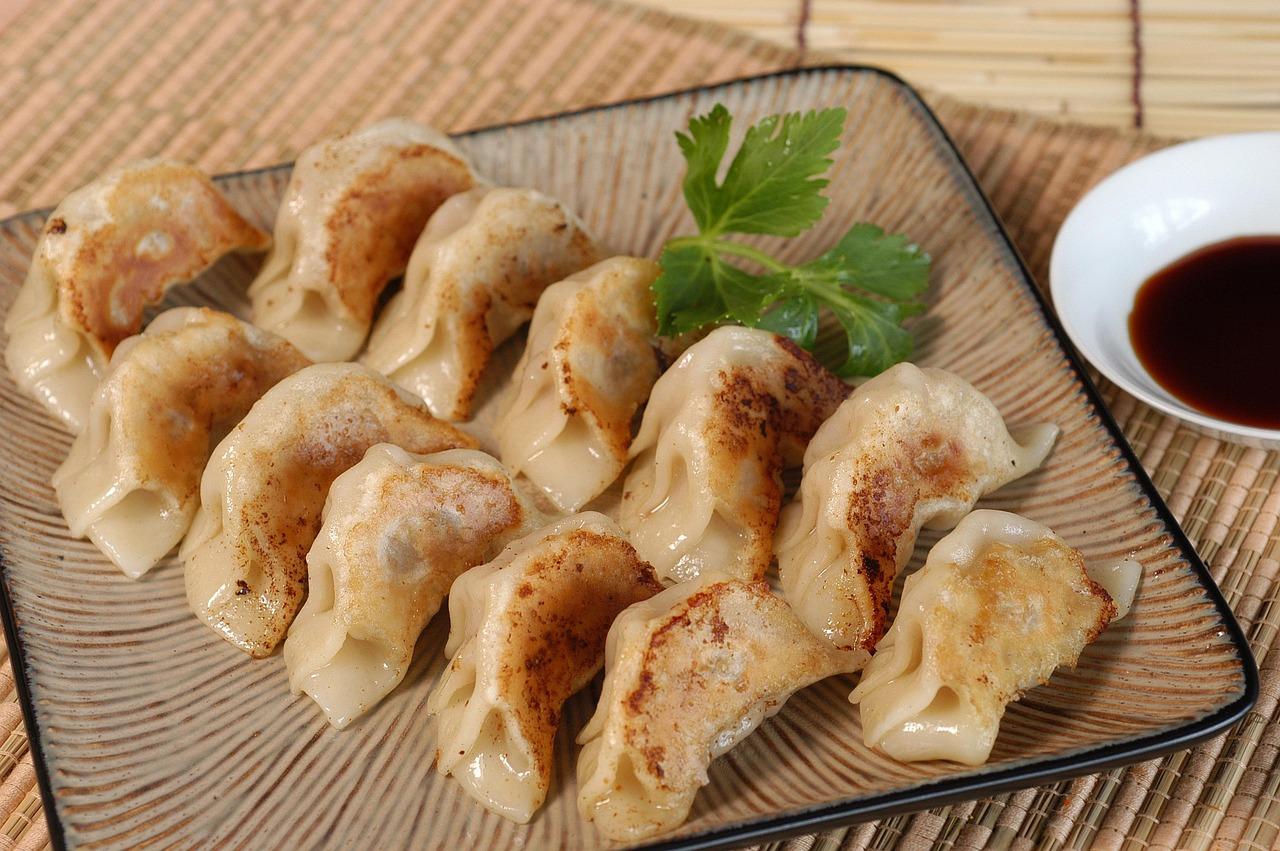
Vegetable gyoza

Gyoza (餃子) came to Japan from China and became a passion in Utsunomiya, a city north of Tokyo that calls itself the gyoza capital, with a gyoza statue outside the station. These vegetarian dumplings are filled with salted cabbage, shiitake, tofu and garlic chives. They're pan-fried and then steamed, so the bottoms turn crisp and golden while the tops stay soft. Shape a big batch and freeze some for later. Chef's tip: squeeze the salted cabbage really hard. Watery filling makes soggy, torn gyoza; a dry filling keeps the wrappers sealed and the bottoms crisp.

by KrazyBadal 0 views

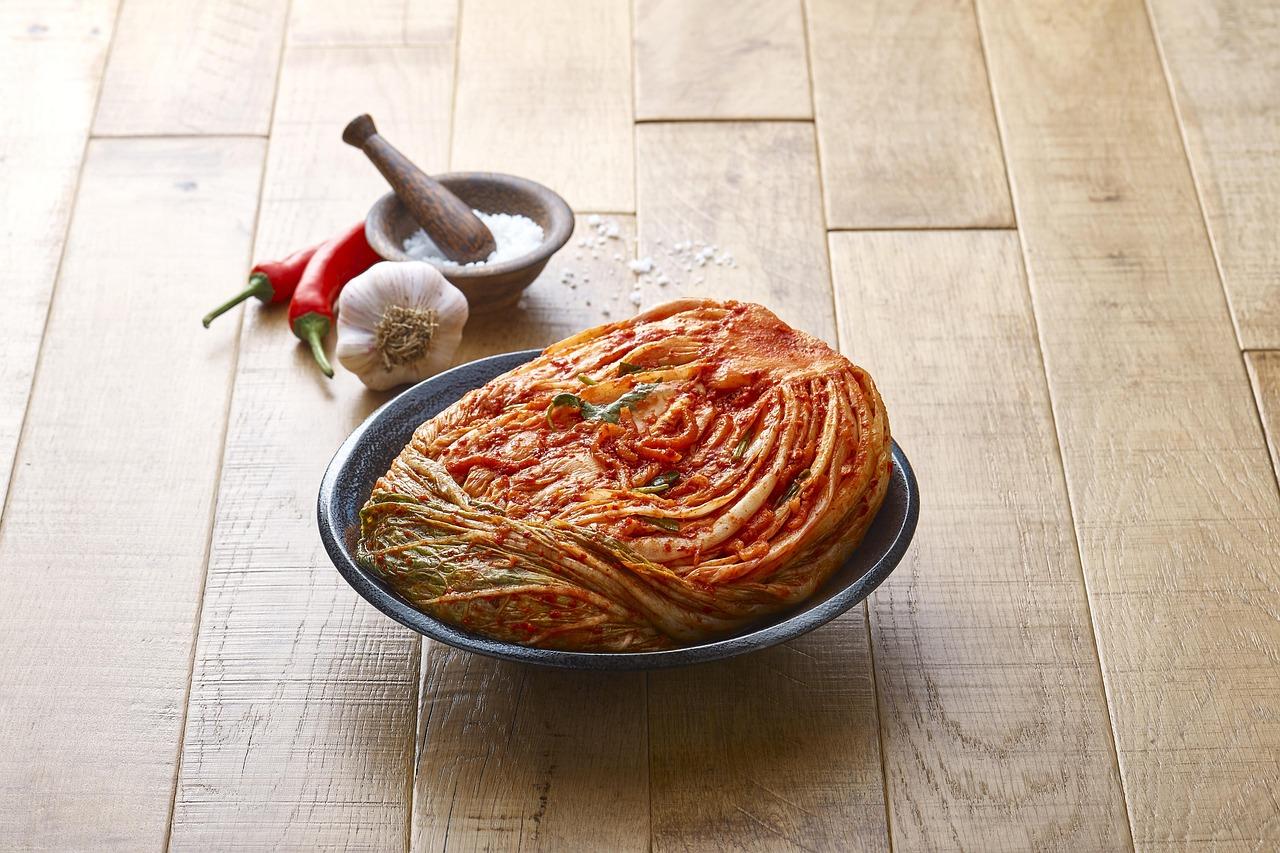
Baechu kimchiNapa cabbage kimchi

Baechu kimchi (배추김치) is the napa cabbage kimchi served at almost every Korean meal, from Seoul to Jeju. Salted cabbage quarters are rubbed leaf by leaf with a red paste of chilli flakes, garlic, ginger, radish and spring onion, then left to ferment until sour, fizzy and deeply savoury. Most recipes use fish sauce and salted shrimp; this one gets its depth from kelp stock and tamari, so it is vegetarian and gluten free. Eat it fresh after a day or two, or let it sour for a few weeks for kimchi fried rice, stews and pancakes. Salting takes about 2 hours, then allow 1–2 days for fermenting. Chef's tip: the salting is everything. Under-salted cabbage goes mushy and spoils; over-salted kimchi is harsh. Test a thick white stem: when it bends without snapping, rinse.

150 minKoreanBasicsVeganGluten freeSpicy
by KrazyBadal 0 views

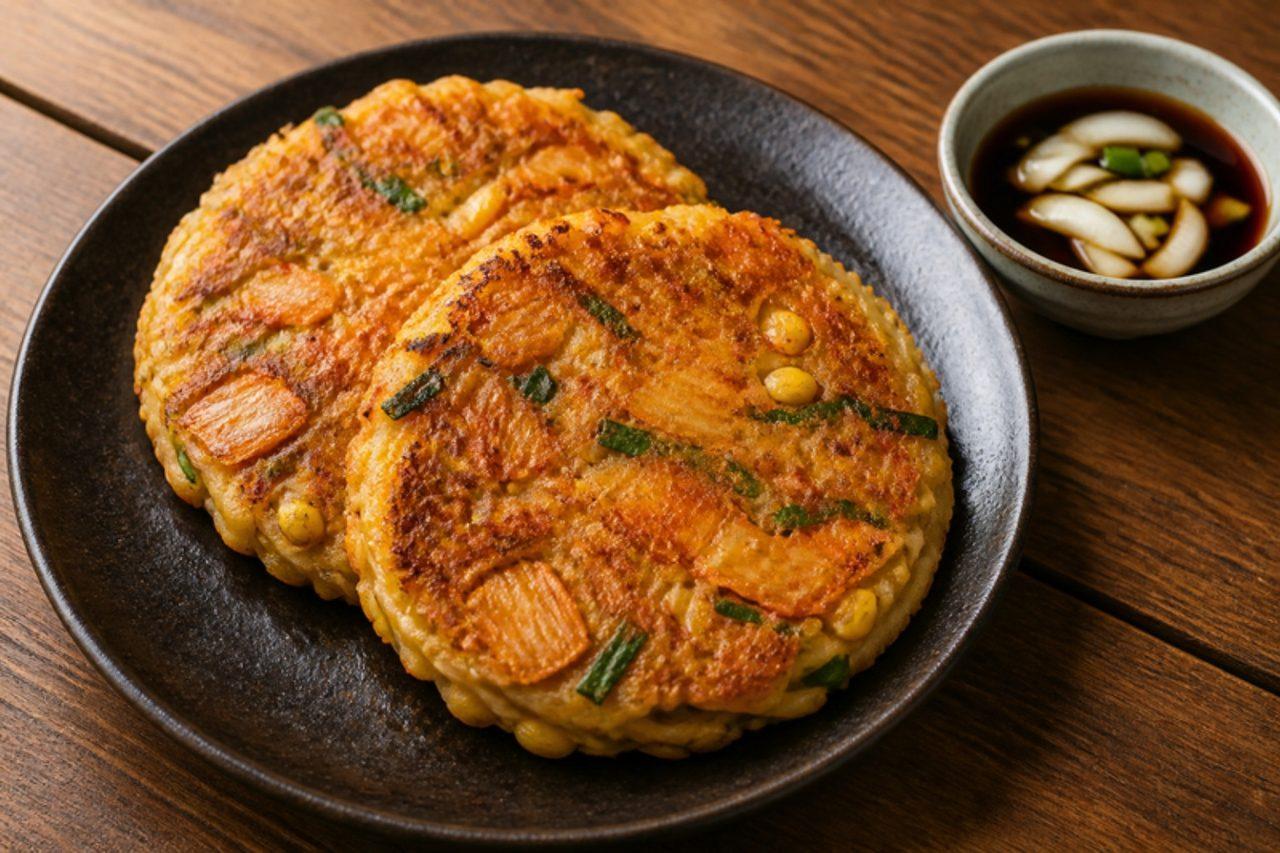
BindaetteokMung bean pancakes

Bindaetteok (빈대떡) are thick, crunchy pancakes made from soaked and ground mung beans mixed with kimchi, bean sprouts and spring onions, then fried in plenty of oil. They are the signature dish of Gwangjang market in Seoul, where stalls grind the beans in stone mills and fry the pancakes in front of you. Market versions often include pork; this one keeps the classic vegetables and is naturally gluten free and rich in protein. The outside turns deep golden and crisp while the inside stays soft. Serve hot with a soy and onion dip. Chef's tip: grind the beans coarse, not silky, and fry in more oil than feels right. The slight grit is what makes Gwangjang-style bindaetteok so crunchy outside and fluffy inside.

by KrazyBadal 0 views

Showing 9 of 10,569 recipes

Show more recipes

Page 1,108 of 1,175