


Skip to content
Tembleque
Featured recipe

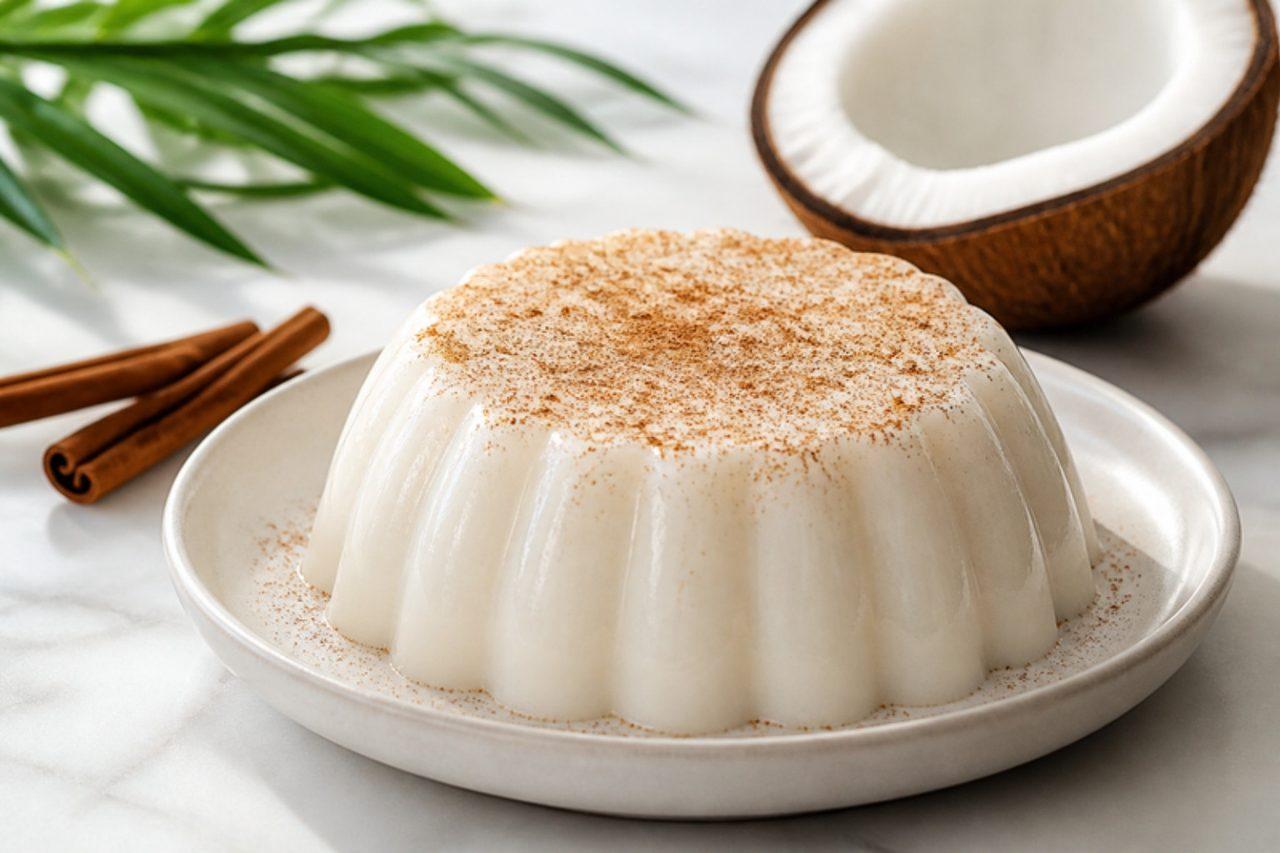
Tembleque

Coconut milk pudding

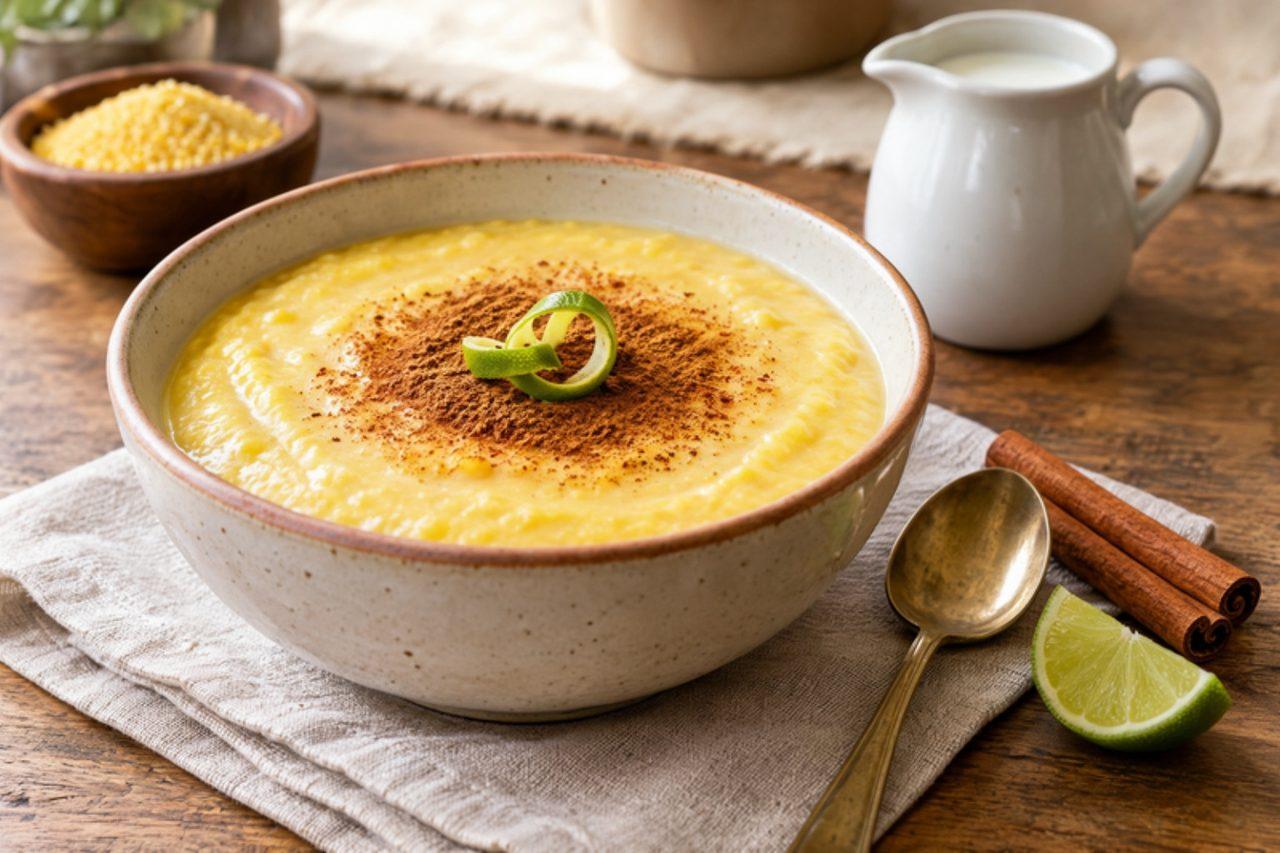
Tembleque gets its name from the way it shivers (tiembla) when you set it on the table, and in Puerto Rico it is the dessert of the Christmas season, from the parrandas of December through to the Three Kings in January. It's nothing more than coconut milk, sugar and cornflour cooked into a silky custard, poured into a mould and chilled until it holds its shape. It is cool, pure white, lightly sweet and tastes completely of coconut, with a blush of cinnamon on top. Chef's tip: use full-fat tinned coconut milk; light coconut milk sets thin and tastes watery.

Read more 0 views

What to eat today?

Around the world

Today's trip: Paraguayan

A new country every day, from every cuisine on the site.

Paraguayan

Buñuelos de algas

Sea lettuce fritters 35 minMore from Paraguayan (27) →

This week's collection

Kid-friendly dinners
537 recipes · a new collection every Monday

Latest recipes

KiburuBanana and bean mash

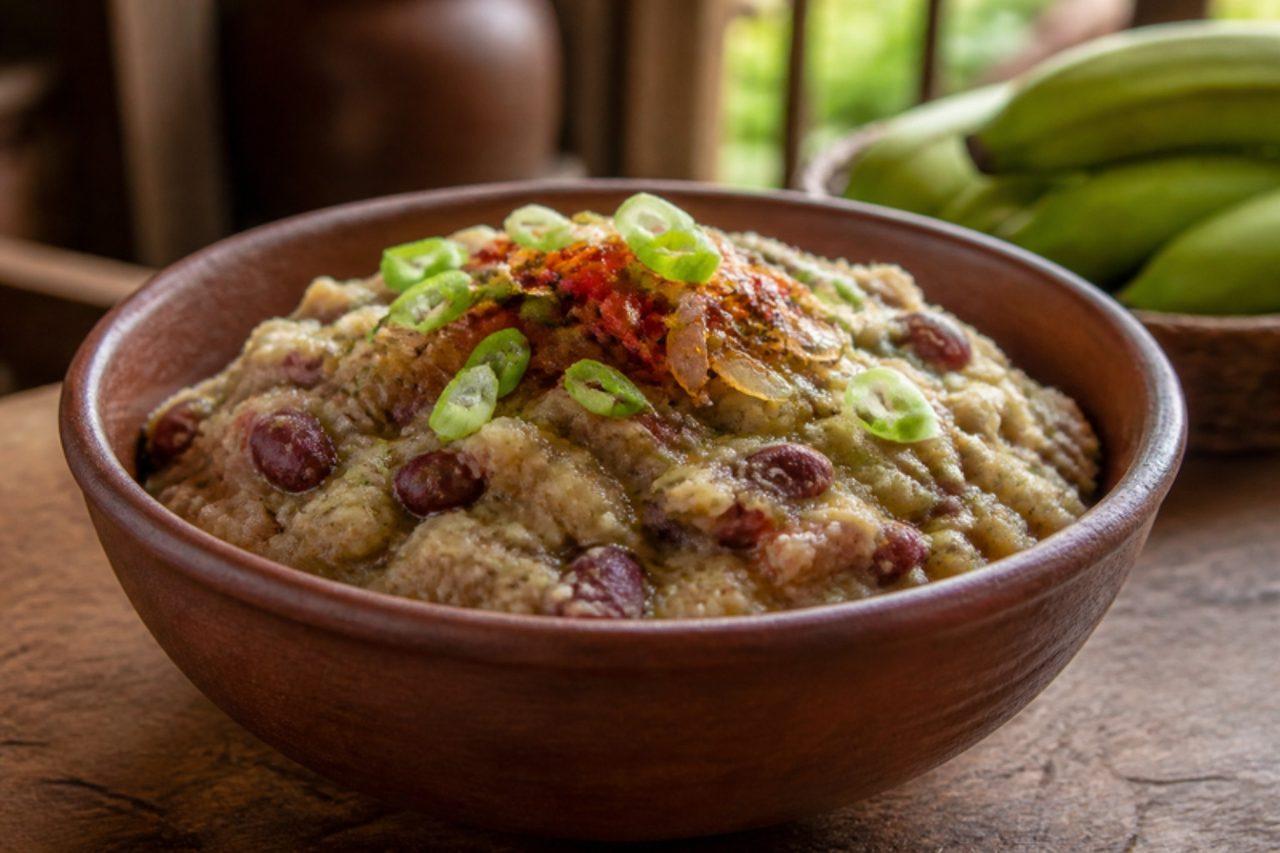
Chagga farms around Moshi and Marangu grow bananas and beans side by side under the coffee bushes, and kiburu brings them together in one pot: green cooking bananas simmered with red beans and onion, then mashed into a thick, rustic, pinkish mound. It is filling everyday food, mild, starchy and savoury, with whole beans still showing through, and it is eaten with a spoonful of tomato-onion relish, a bowl of greens or a mug of sweet milky chai on the side. Red kidney beans must be boiled hard for at least 10 minutes before simmering, because undercooked kidney beans can make you ill. Chef's tip: rub a little oil on your hands before peeling green bananas; the sticky sap stains skin and knives.

by KrazyBadal 0 views
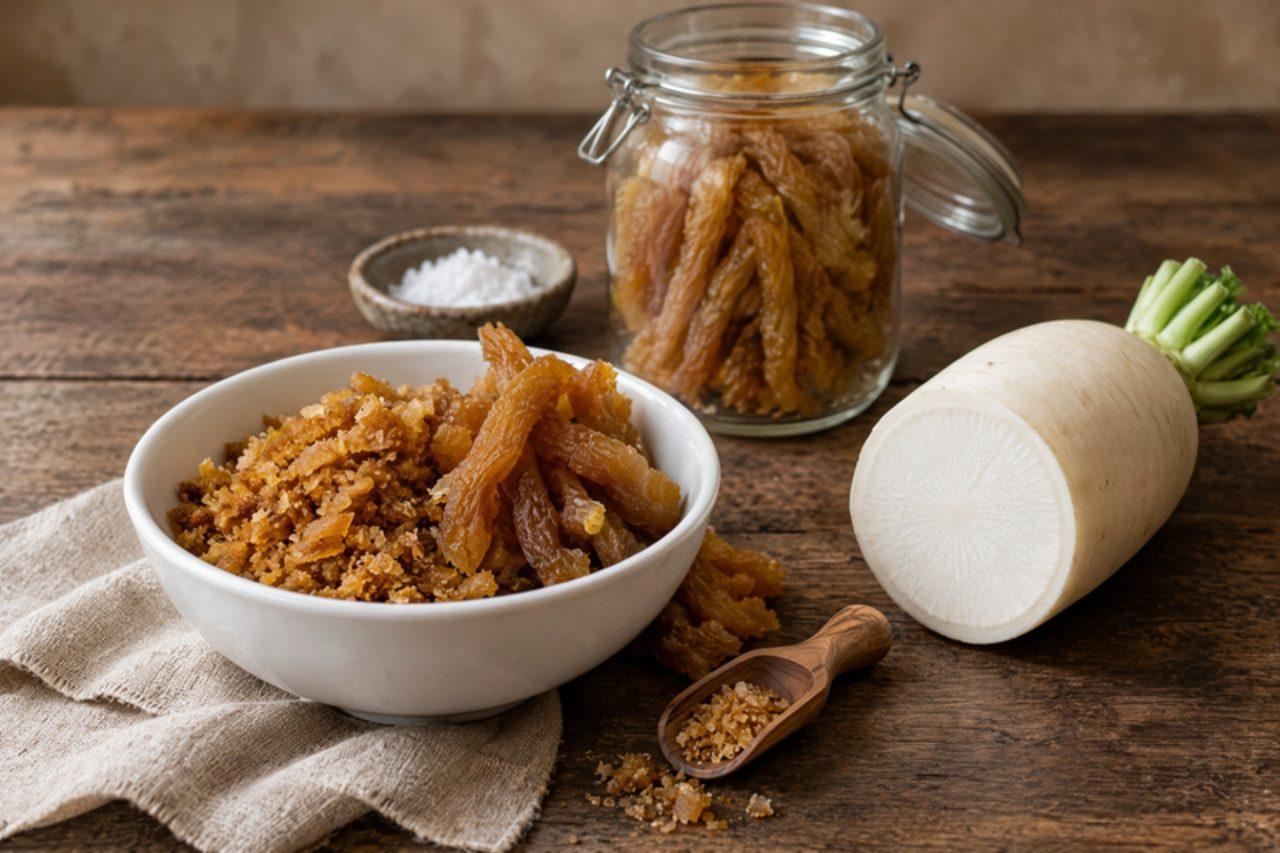
Chai pohPreserved radish

Chaozhou and Shantou on the Guangdong coast dry chai poh in the clear, breezy weeks after the winter radish harvest, laying white strips across bamboo mats on every flat roof. Repeated rounds of salting and drying turn juicy daikon into golden, chewy strips that are salty, sweet and faintly funky, and the Teochew diaspora carried it to Singapore, Malaysia and Thailand. Diced and fried until crisp, it goes into chai poh neng (preserved radish omelette), chwee kueh topping, congee and stir-fried kway teow. This home version uses a little sugar for the sweet style. Common mistake: drying the strips too fast in a hot oven; the outside hardens while the inside stays wet and spoils. Low and slow keeps the texture chewy-supple. It is ready when the strips are amber, flexible and leathery, have lost about 80% of their weight and feel dry, not tacky. Store in a clean airtight jar in the fridge for up to 6 months; discard if mould, slime or a sour, rotten smell appears. Chef's tip: soak the chopped radish for 5 minutes and squeeze before frying, then fry with a pinch of sugar until it smells toasty.

by KrazyBadal 0 views

KneippbrødWholemeal loaf

Open almost any Norwegian matpakke (the packed lunch wrapped in paper) and you will find slices of kneippbrød, a soft, lightly sweet loaf of sammalt hvete (wholemeal wheat) baked in a tin. Its fine crumb slices thin without crumbling, perfect for brown cheese, jam or cucumber at the school desk. The common mistake is adding too much flour while kneading because wholemeal dough feels sticky; the loaf then bakes dense and dry. Chef's tip: let the dough rest for 20 minutes after mixing, before kneading, so the bran softens and the dough turns smooth on its own.

by KrazyBadal 0 views

Boil-upPork bones with greens and kumara

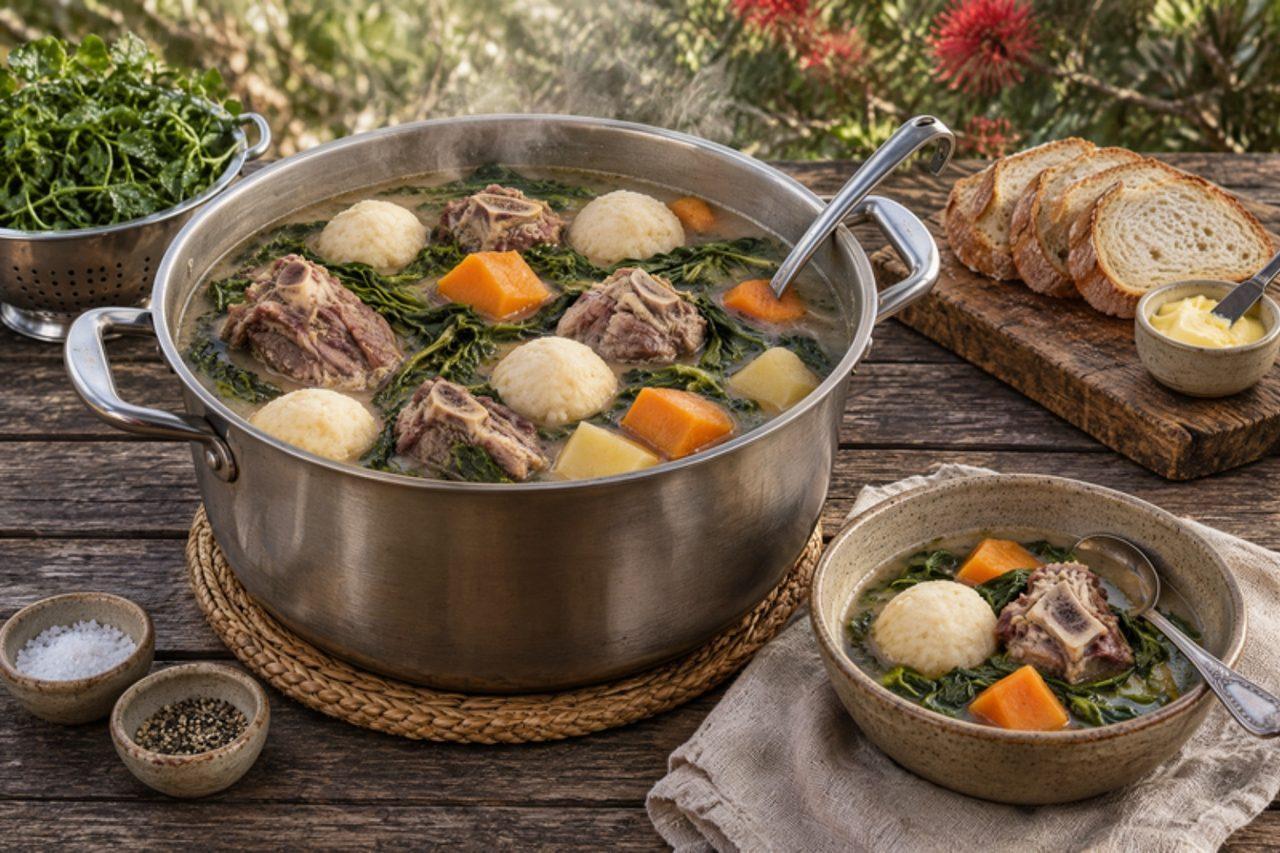
Boil-up is the great Māori one-pot of Aotearoa New Zealand, cooked on marae for hui, at whānau gatherings and on cold weeknights everywhere from Northland to the King Country. Pork bones and brisket are boiled for hours until the meat falls away, then potatoes, kūmara and handfuls of watercress or wild pūhā go in, and fluffy flour doughboys steam on top. The broth is drunk alongside, with buttered bread. The usual mistake is letting the doughboys sit in boiling liquid uncovered, which makes them heavy; once in, clamp the lid on and don't peek for 15 minutes. Chef's tip: skim the pot well during the first half hour and the broth stays clear and sweet rather than greasy.

by KrazyBadal 0 views

KalopsBeef stew with allspice

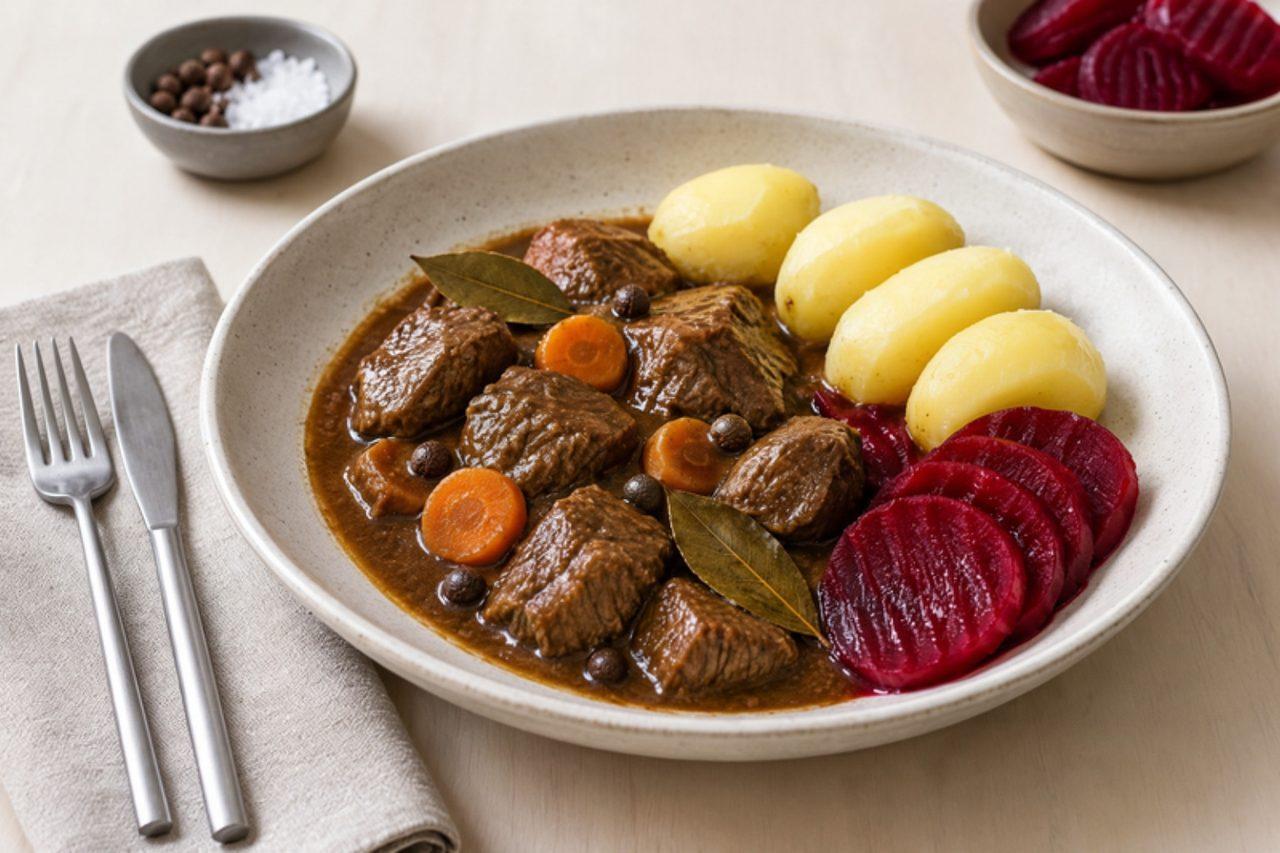
Kalops is the Swedish winter stew that fills kitchens from Skåne to Norrland on dark November weekends: chunks of beef chuck simmered slowly with onions, carrots, whole allspice and bay until the sauce turns brown, glossy and lightly peppery. It is always eaten with plain boiled potatoes and a spoonful of sweet pickled beetroot (inlagda rödbetor), whose sharpness cuts the richness. It reheats beautifully, so many families make it a day ahead. The usual mistake is crowding the pan when browning, so the beef steams grey and the sauce never gets its deep colour; brown in batches. Chef's tip: crush half the allspice berries lightly before they go in so the warm clove-like scent reaches the whole pot, but leave the rest whole for a gentler background note.

by KrazyBadal 0 views

Chamba chukhChilli and lemon paste

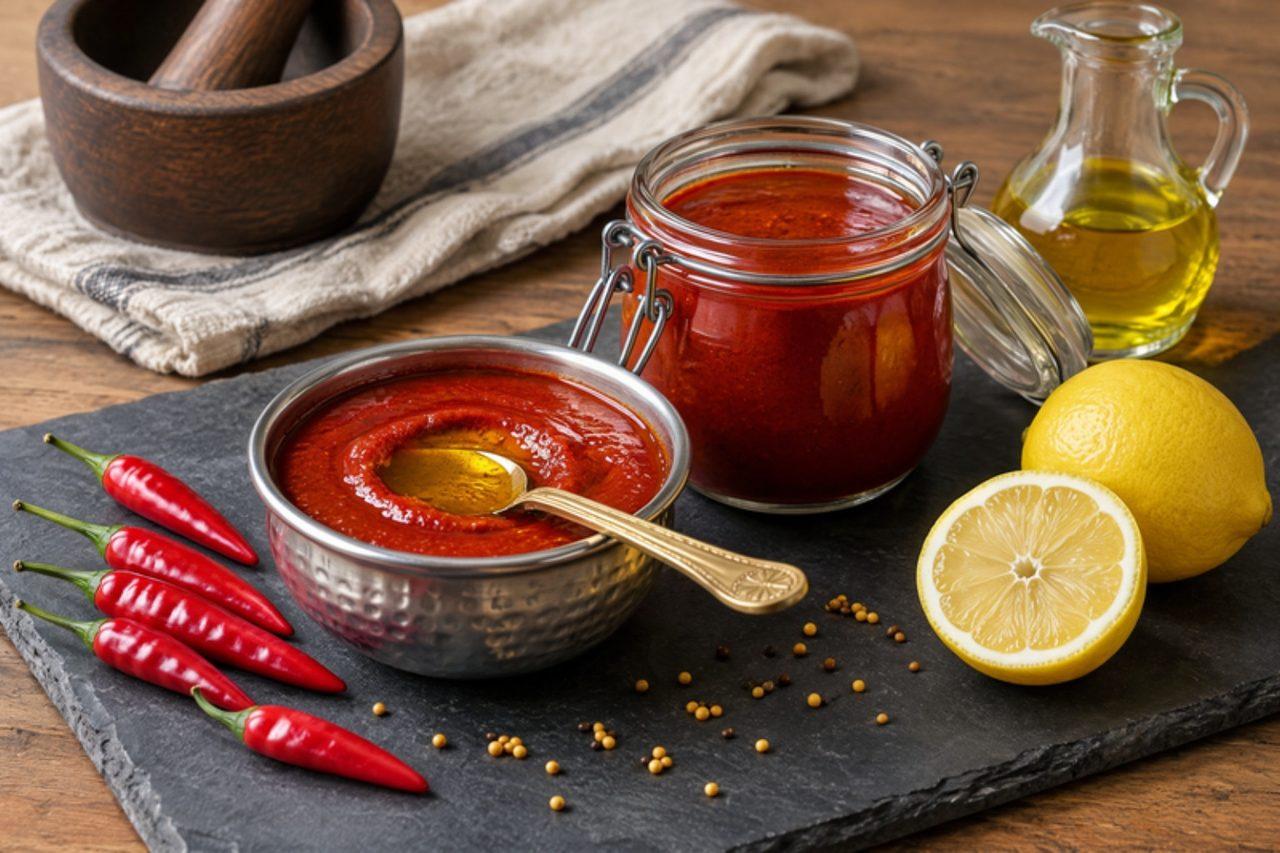
Chukh is the fiery condiment of Chamba in western Himachal, made at the end of summer when red and green chillies are abundant, and kept for months to brighten dal, rice and rajma through the winter. Chillies are lightly cooked in mustard oil, pounded with lemon juice and salt, and stored in glass jars under a film of oil. Just a dab is used at a time. The common mistake is leaving moisture in the jar, which lets mould grow; use a bone-dry, sterilised jar and a dry spoon. Chef's tip: wear gloves when handling this many chillies, and do not touch your eyes for hours afterwards.

by KrazyBadal 0 views

Popska yahniyaBeef and onion stew

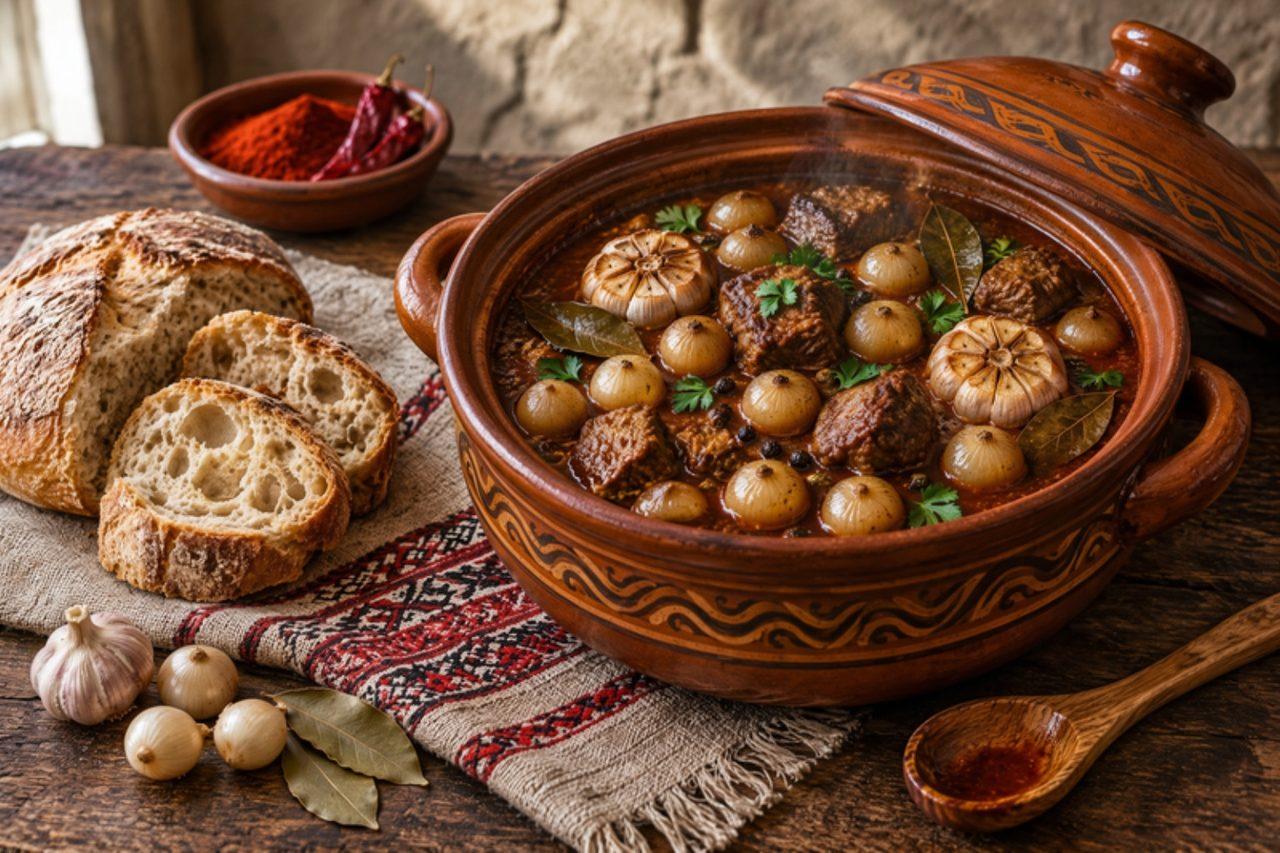
Popska yahniya, the 'priest's stew', is cooked across Bulgaria in autumn and winter, often in a clay gyuveche in the oven, and appears at name-day dinners in Plovdiv and Veliko Tarnovo. Beef is braised with a heap of small whole shallot-sized onions, garlic, paprika, red wine and a splash of vinegar until the onions are sweet and jammy and the sauce is glossy. The wine is part of the dish and some alcohol can remain after cooking; for an alcohol-free version use the same amount of beef stock plus 1 extra tablespoon of vinegar. Pork shoulder is a common alternative to beef. The usual mistake is letting the onions break apart: add them after the meat has had an hour, so they hold their shape. Chef's tip: blanch the onions for one minute in boiling water and the skins slip off in seconds.

by KrazyBadal 0 views

Sugarcane and cogon root drink

Ask a Hong Kong family what they drink at the first hint of a sore throat in autumn, or when the city's spring humidity sets in, and many will say jook je mao gun soi. Lengths of thin green bamboo sugarcane, split open, are simmered with dried cogon grass root and carrots, sometimes with water chestnuts and a few dried corn silks, into a pale amber broth that tastes of sugarcane, sweet carrot and a faint grassiness. It is drunk warm after dinner or chilled from the fridge during the day, and herbal tea shops sell it by the bottle for children who refuse the bitter stuff. The common mistake is skipping the splitting of the cane: whole sticks barely release any sweetness, and you end up adding sugar. Bash each piece with the back of a cleaver until it cracks lengthwise. The drink is ready when the carrots are soft, the liquid is clear and light amber, and it tastes naturally sweet. Bamboo cane and cogon root are sold as soup packs in Chinese grocers; ordinary purple or green sugarcane works too. It is traditionally drunk to 'clear heat', but it is a refreshment, not a cure. Chef's tip: add a few peeled water chestnuts for extra crunch-sweetness.

by KrazyBadal 0 views

Pathola currySnake gourd coconut curry

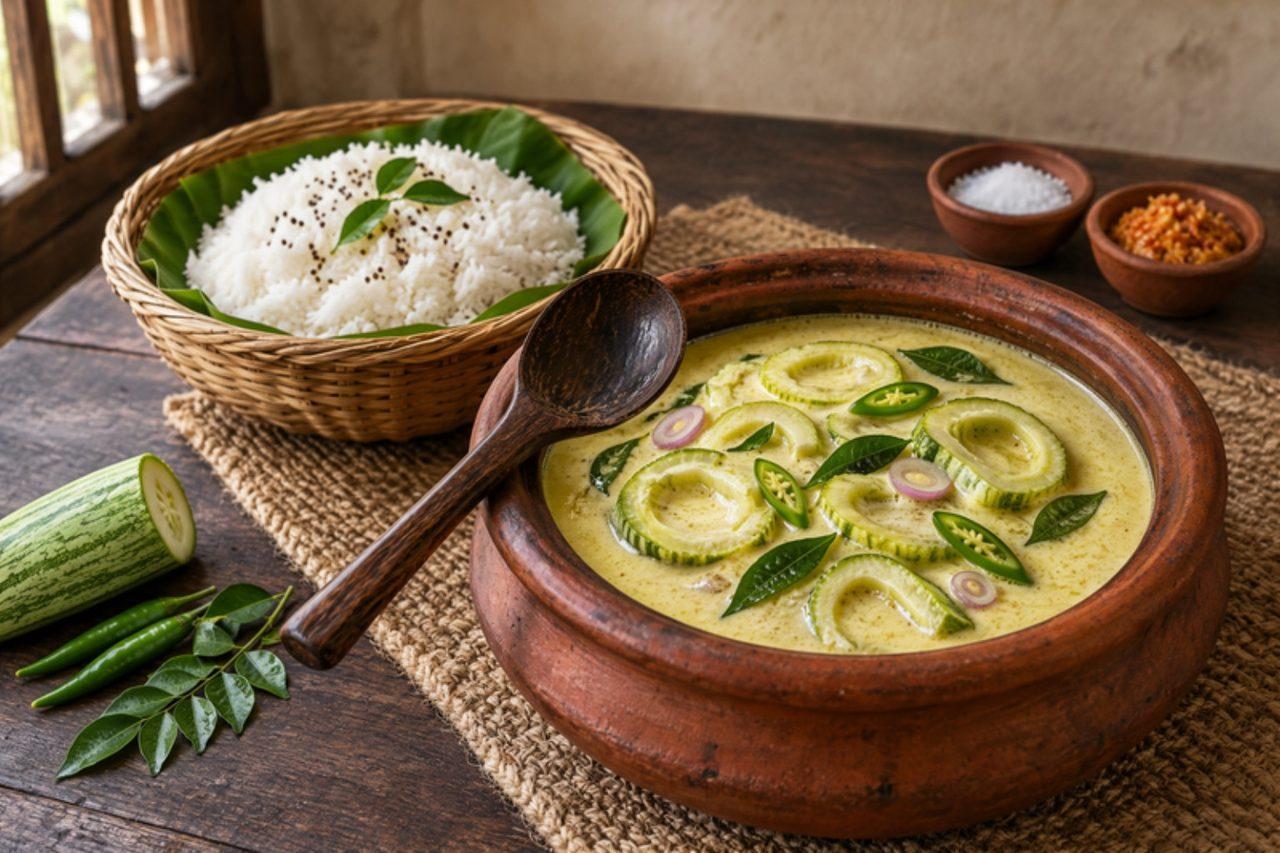
Pathola curry is a quick, gentle white curry from everyday Sri Lankan rice-and-curry lunches, especially loved in the south where snake gourd grows on trellises behind most houses. Thin half-moons of gourd simmer for a few minutes in coconut milk with turmeric, green chilli, curry leaves and a pinch of fenugreek, so they stay pale green, soft and juicy. Serve it with rice, dal and a fiery sambol. The usual mistake is overcooking, which turns the gourd watery and grey; pull it off as soon as it is translucent. Chef's tip: scrape the soft white pith and seeds out with a spoon; they water the curry down.

by KrazyBadal 0 views

Králík na smetaněRabbit in cream sauce

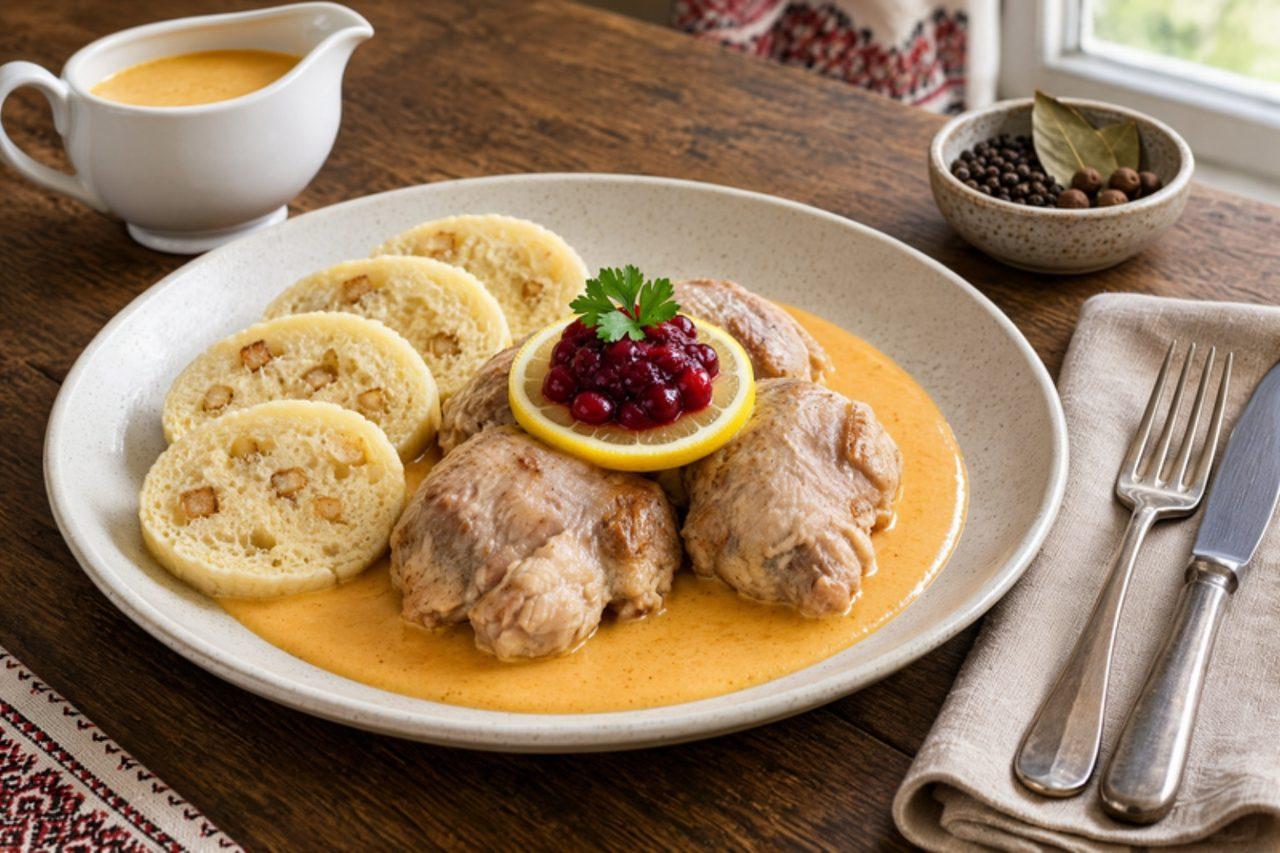
Králík na smetaně is a Sunday lunch in the Czech countryside, especially in Moravia and South Bohemia, where many families once kept rabbits in the yard. Rabbit pieces are braised with carrot, celeriac, parsley root and onion, then the vegetables are blended into a velvety cream sauce brightened with lemon and a pinch of sugar, much like the famous svíčková. It is served with sliced bread dumplings (houskové knedlíky) and a spoon of cranberry sauce. The usual mistake is boiling the sauce after the cream goes in, which can split it; keep it at a bare simmer. Rabbit is lean, so cook it gently and check that the meat comes easily off the bone. Chef's tip: blend the vegetables until completely smooth and pass them through a sieve for the silky sauce Czech cooks are proud of.

120 minCzechMeat
by KrazyBadal 0 views

ChapeaRed beans with plantain and sausage

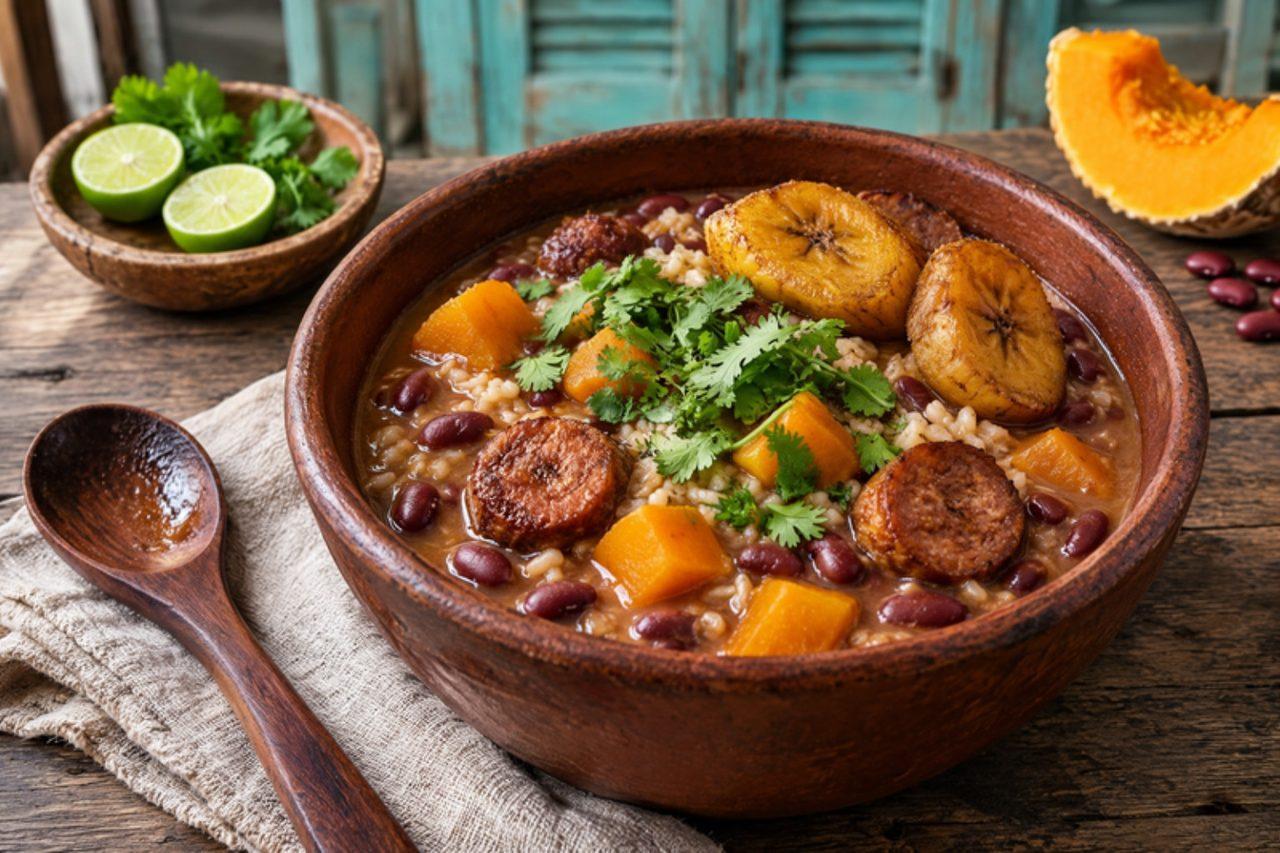
Chapea comes from the countryside of the Cibao and the south of the Dominican Republic, where it is cooked for big Sunday lunches and family gatherings: red beans stewed with auyama squash and ripe plantain, smoky pork longaniza or salami, then rice cooked right in the bean broth until it is soft and creamy, somewhere between a moro and a stew. The sweet plantain melts into the pot and gives the rice a gentle sweetness. Dried red kidney beans must be soaked and then boiled hard for 10 minutes before the gentle simmer, to destroy a natural toxin; tinned beans are already safe. The usual mistake is adding the rice to too little liquid, which leaves it hard; it should be swimming at first. Chef's tip: fry the sofrito until it smells sweet and the oil turns red before the beans go in, as that is where chapea gets its depth.

by KrazyBadal 0 views

Curried sausages

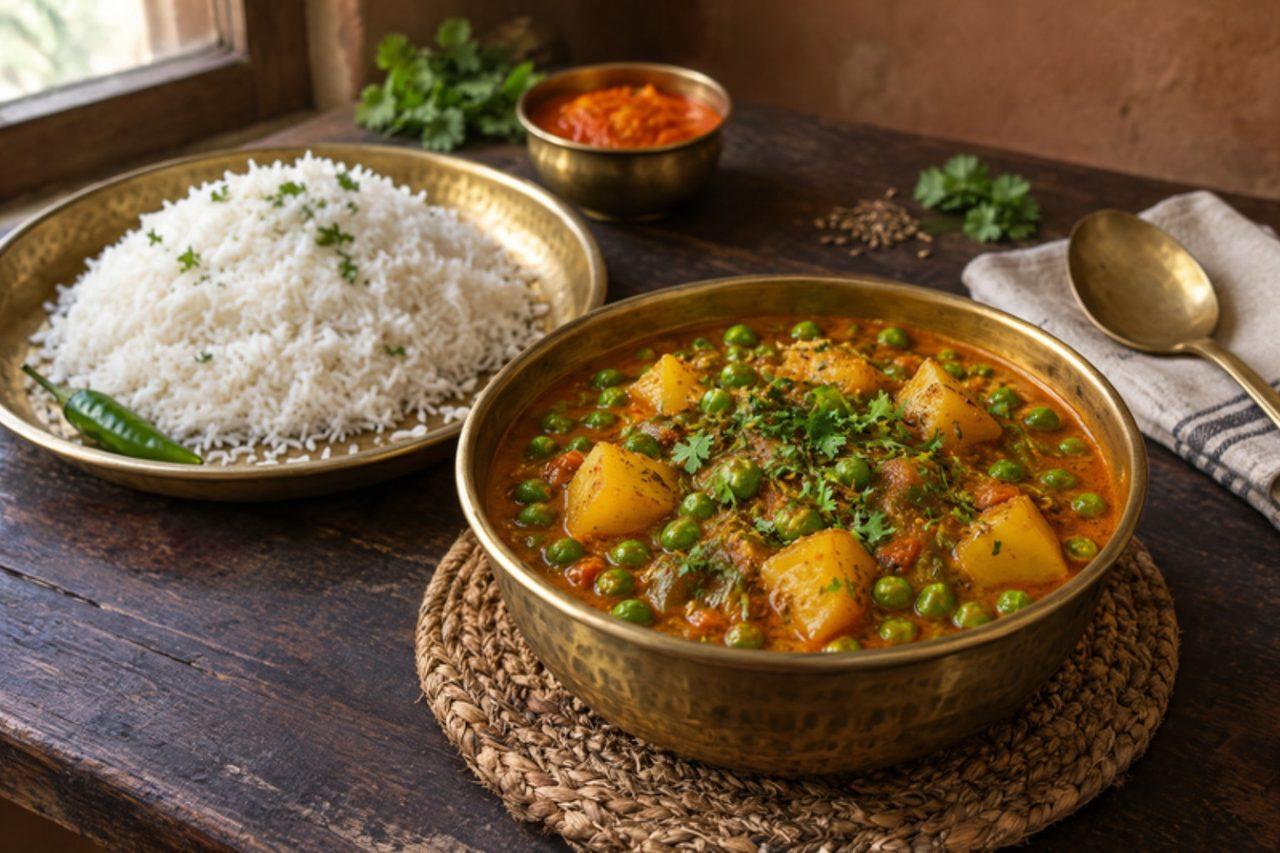
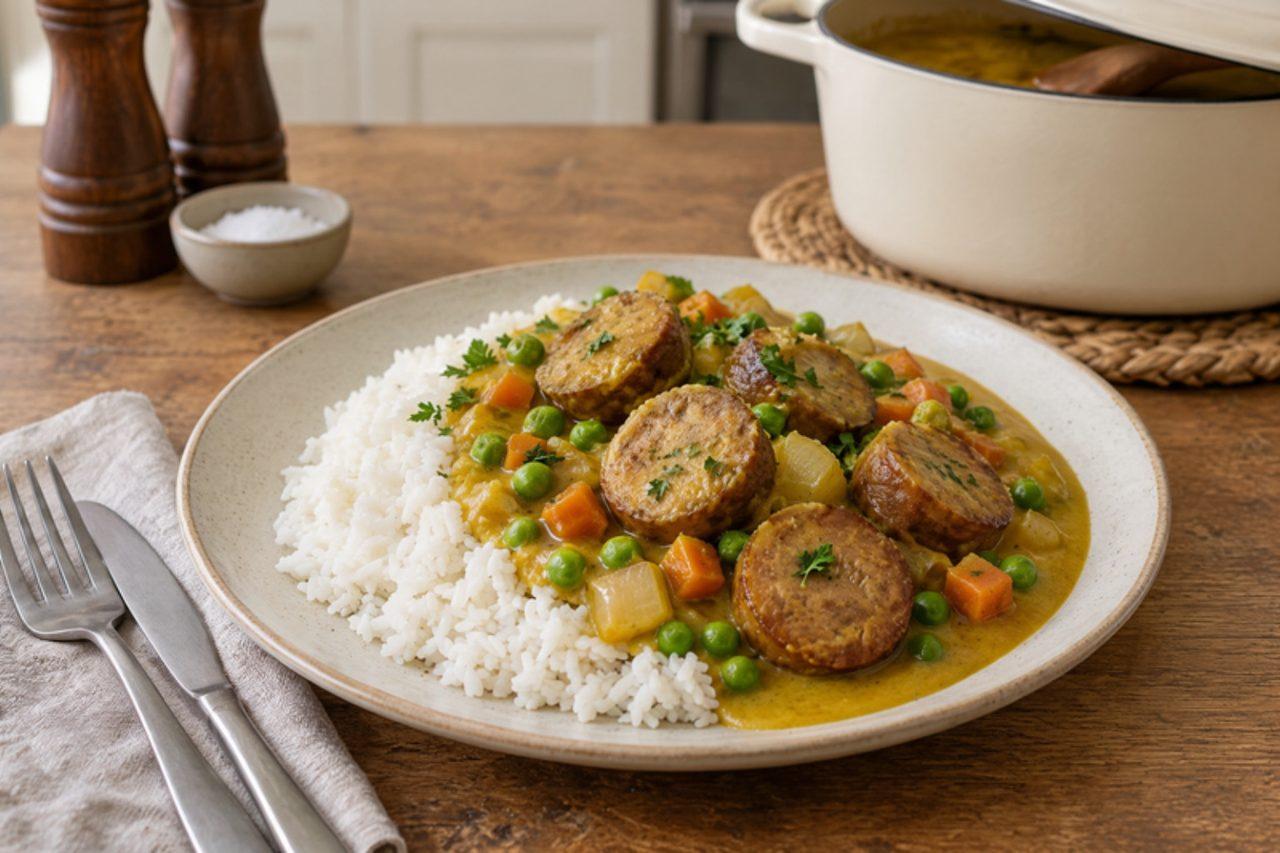
Curried sausages are pure Australian weeknight comfort, the dish generations of kids came home to in Sydney, Brisbane and country towns alike, usually made with thick beef or pork sausages and a tin of mild curry powder. The sausages are browned, sliced and simmered with onion, carrot, potato and peas in a gentle, slightly sweet curry gravy, then spooned over fluffy rice. The usual mistake is skipping the pre-cook: browning the sausages whole first keeps them juicy and gives the sauce its colour. Sausages, whether beef or pork, must reach 71 °C in the centre. Chef's tip: a grated apple simmered in the sauce is the classic Aussie trick for a rounded sweetness without extra sugar.

by KrazyBadal 0 views

PuliqueChicken stew in chile sauce

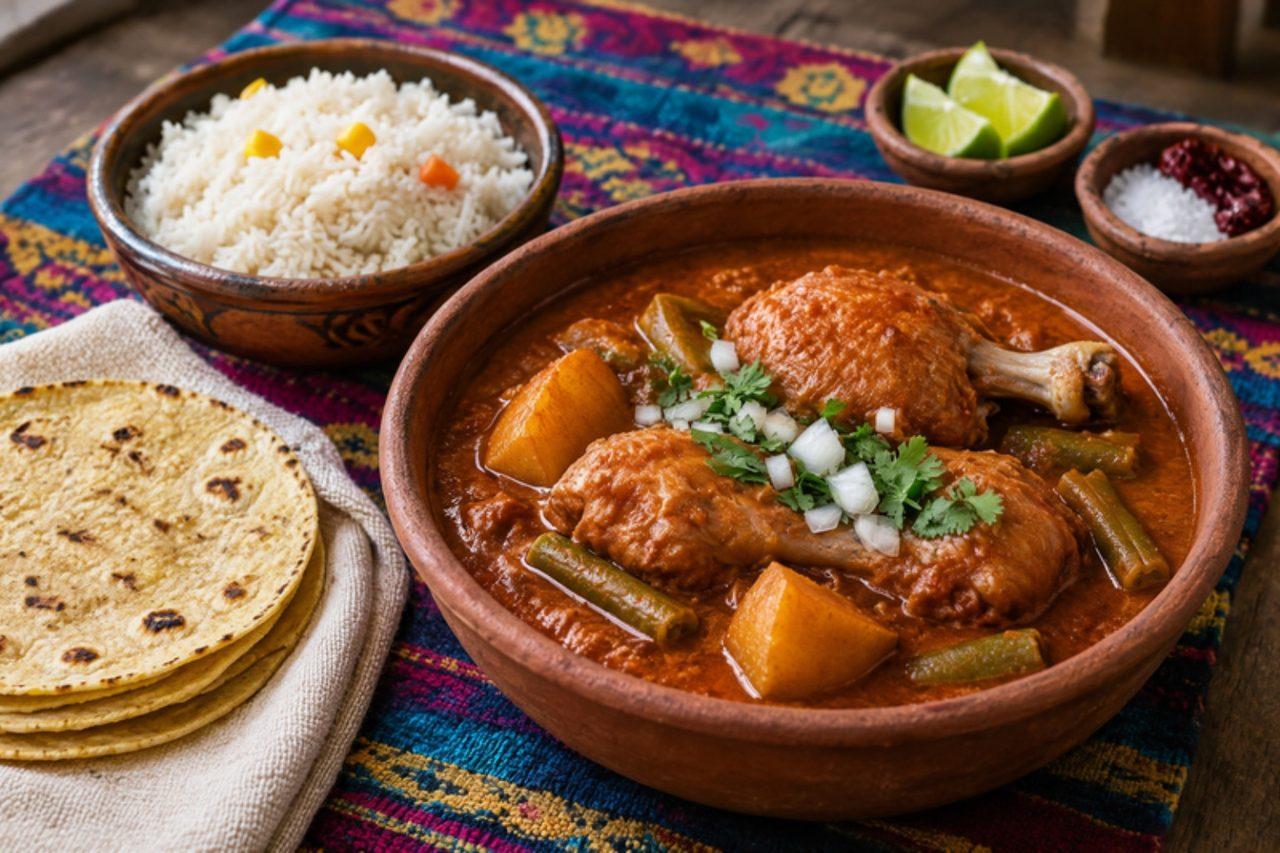
Pulique is a ceremonial stew of the Kaqchikel Maya around Chimaltenango and Sacatepéquez in the Guatemalan highlands, made for weddings, saints' days and cofradía feasts, and now cooked at home for Sunday lunch. Chicken simmers with potatoes, güisquil (chayote) and green beans, then a blended sauce of tomatoes, tomatillos, guaque chiles and toasted bread or masa thickens the broth into a smooth, brick-red caldo. Serve with rice and tamalitos or corn tortillas. The usual mistake is adding the masa straight in, which makes lumps; whisk it into some cool broth first. Chicken is done at 74 °C, when the juices run clear. Chef's tip: char the tomatoes and tomatillos in a dry pan until blackened in spots for the gentle smoky flavour of the highlands.

by KrazyBadal 0 views

MbakbkaPasta cooked in spicy lamb sauce

Mbakbka is the Tripoli family's go-to one-pot, made any day of the week and especially loved in winter: short pasta cooked directly in a spicy red sauce of lamb, tomato paste, chickpeas and bzar spice, so it drinks up the flavour and the starch thickens everything. The name echoes the bubbling sound the pot makes. The usual mistake is adding too little water: the pasta should be just covered when it goes in, and needs a stir every few minutes so it doesn't stick. For a vegetarian version, leave out the lamb and add a diced potato and courgette with the chickpeas, using vegetable stock. Chef's tip: let the pot rest off the heat for 5 minutes with the lid on, and the sauce settles into a thick, glossy coat.

by KrazyBadal 0 views

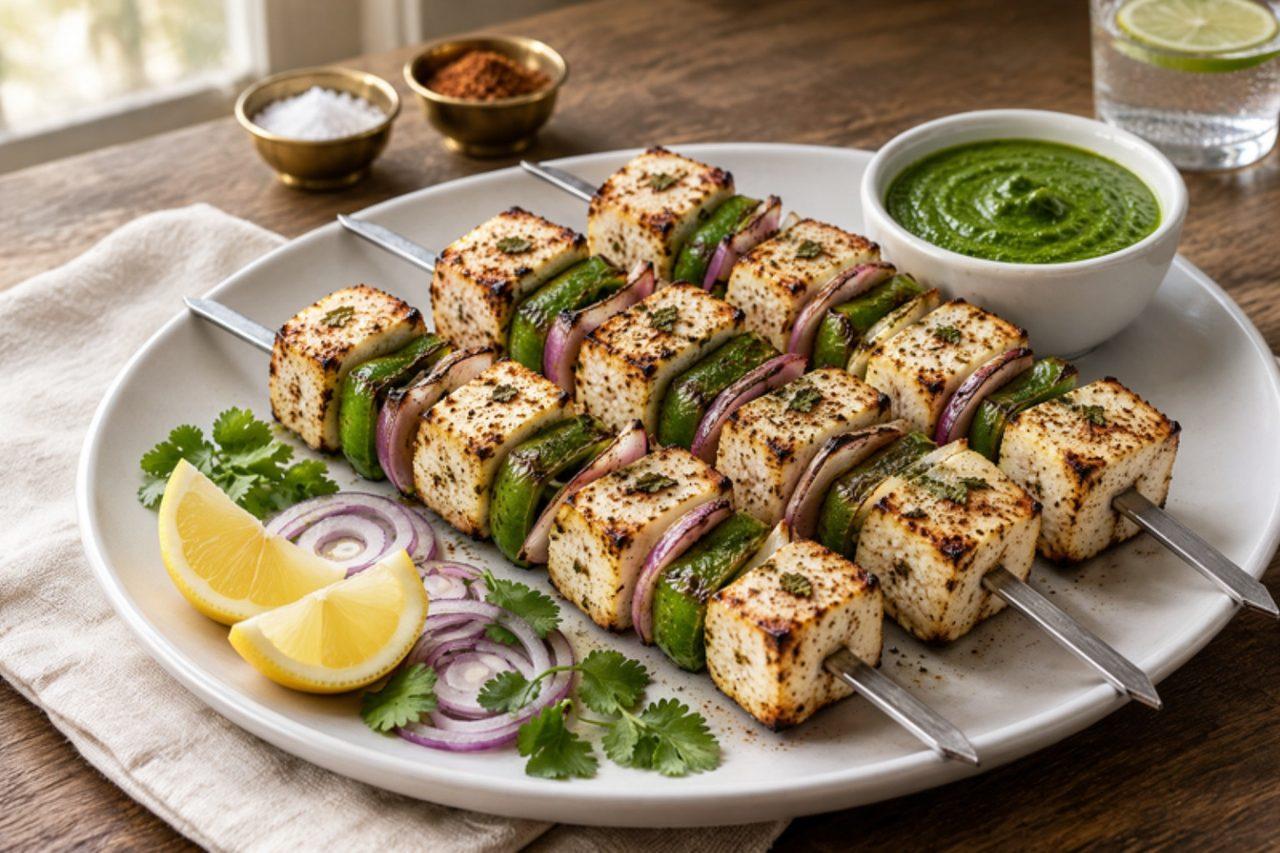
Paneer tikka

Paneer tikka is the vegetarian star of Punjabi dhabas and Delhi wedding buffets, and at home it is a weekend starter cooked under the grill or in a hot oven. Thick cubes of paneer, pepper and onion are coated in hung yogurt with ginger, garlic, chaat masala and roasted gram flour, then charred at high heat so the edges blister while the centre stays soft. Paneer set at home with lemon juice or vinegar uses no rennet; if you buy it, check the label. Serve with mint chutney and a big salad instead of naan. It is suitable as part of a balanced diet. About 330 kcal and 10 g carbohydrate per portion. The usual mistake is a runny marinade, which slides off; hang the yogurt for 20 minutes first. Chef's tip: marinate in the fridge for at least 30 minutes, and don't skip a final blast of high heat for the charred spots.

by KrazyBadal 0 views

MutakuraBeans, cowpeas and maize

Mutakura is old Zimbabwean country food, cooked in rural Mashonaland after harvest from the store of dried beans, cowpeas, groundnuts and maize kernels, and eaten as a filling lunch or snack, often at gatherings and ceremonies. Everything is soaked, boiled for hours until tender, then simply seasoned with salt, so the beans are creamy, the maize chewy and the groundnuts soft and rich. Suitable as part of a balanced diet. About 340 kcal and 45 g carbohydrate per portion. The usual mistake is cooking everything together from the start: the maize needs a long head start, and the dried red beans must be boiled hard for 10 minutes to be safe. A pressure cooker cuts the maize time to about 40 minutes. Chef's tip: soak everything overnight in separate bowls; the maize and groundnuts need it most.

by KrazyBadal 0 views

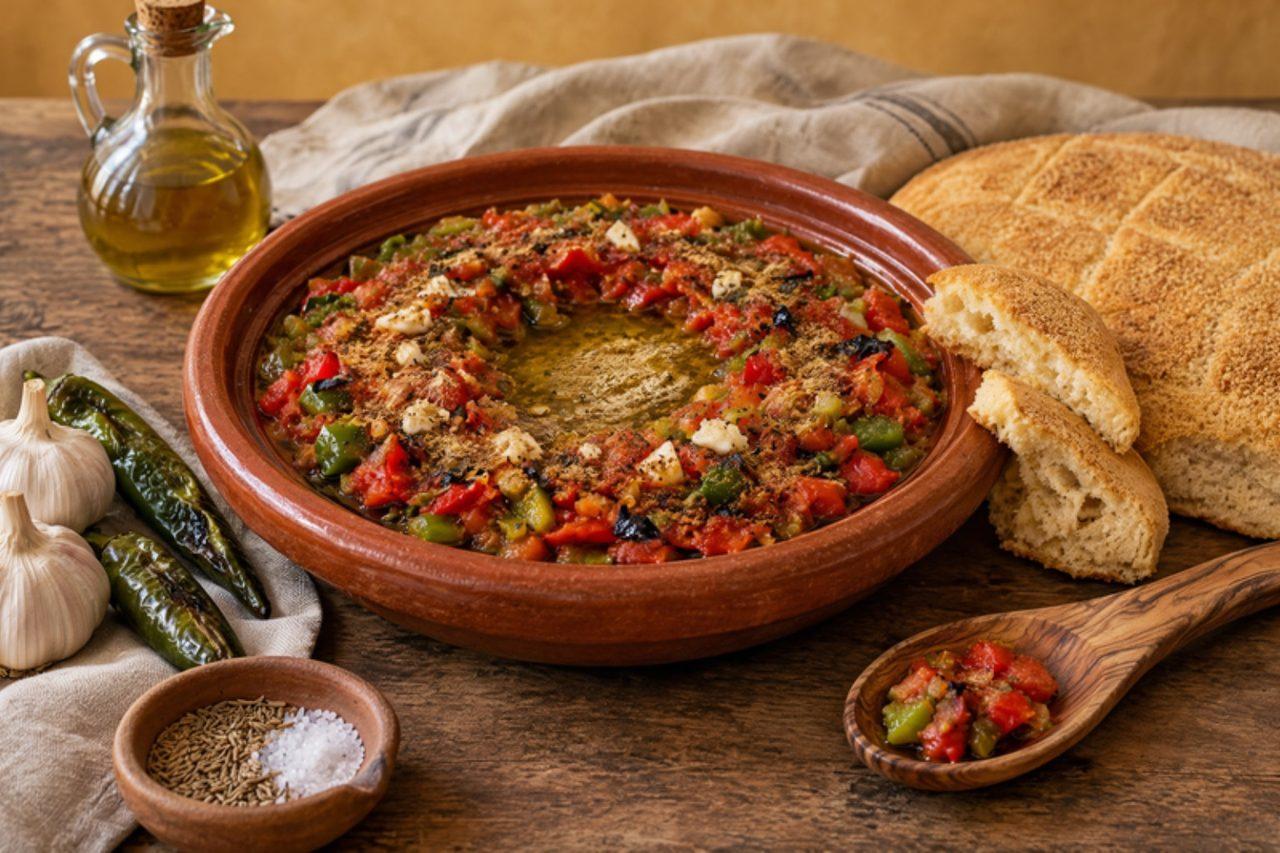
HmissGrilled pepper and tomato salad

Hmiss is an everyday cooked salad from Algiers, Oran and Constantine, made in summer when peppers are cheap, and it is set out with bread at the start of Ramadan iftars and family lunches. Green and red peppers and tomatoes are grilled until charred, peeled, chopped and then cooked briefly with garlic, cumin and plenty of olive oil, so it is smoky, soft and gently spicy. Serve it with bread, beside eggs, or with grilled fish. Suitable as part of a balanced diet. About 120 kcal and 10 g carbohydrate per portion. The usual mistake is chopping it to a purée in a blender: hmiss should keep some texture, so chop by hand. Chef's tip: grill a mild green chilli alongside the peppers for gentle heat without overpowering the sweetness.

by KrazyBadal 0 views

NazukiSweet cinnamon raisin bread

Nazuki comes from Surami, a town on the road west of Tbilisi, where roadside bakers slap the long, glossy loaves onto the hot walls of a tone oven and sell them still steaming to drivers. In Tbilisi you find them at the Dezerter Bazaar and from small tone bakeries in Sololaki and Vake, bought warm for breakfast or with afternoon tea. The crumb is soft and rich with milk, cinnamon, vanilla and raisins, and the crust is shiny and caramel-dark. This version bakes on a hot oven tray. It contains wheat, milk and egg. Chef's tip: preheat a heavy tray or baking stone for 20 minutes; the burst of heat from below imitates the tone wall and gives the loaves their rise.

by KrazyBadal 0 views

Showing 18 of 7,762 recipes

Show more recipes

Page 122 of 863