


Skip to content
All i pebre
Featured recipe

All i pebre

Eel and potato paprika stew

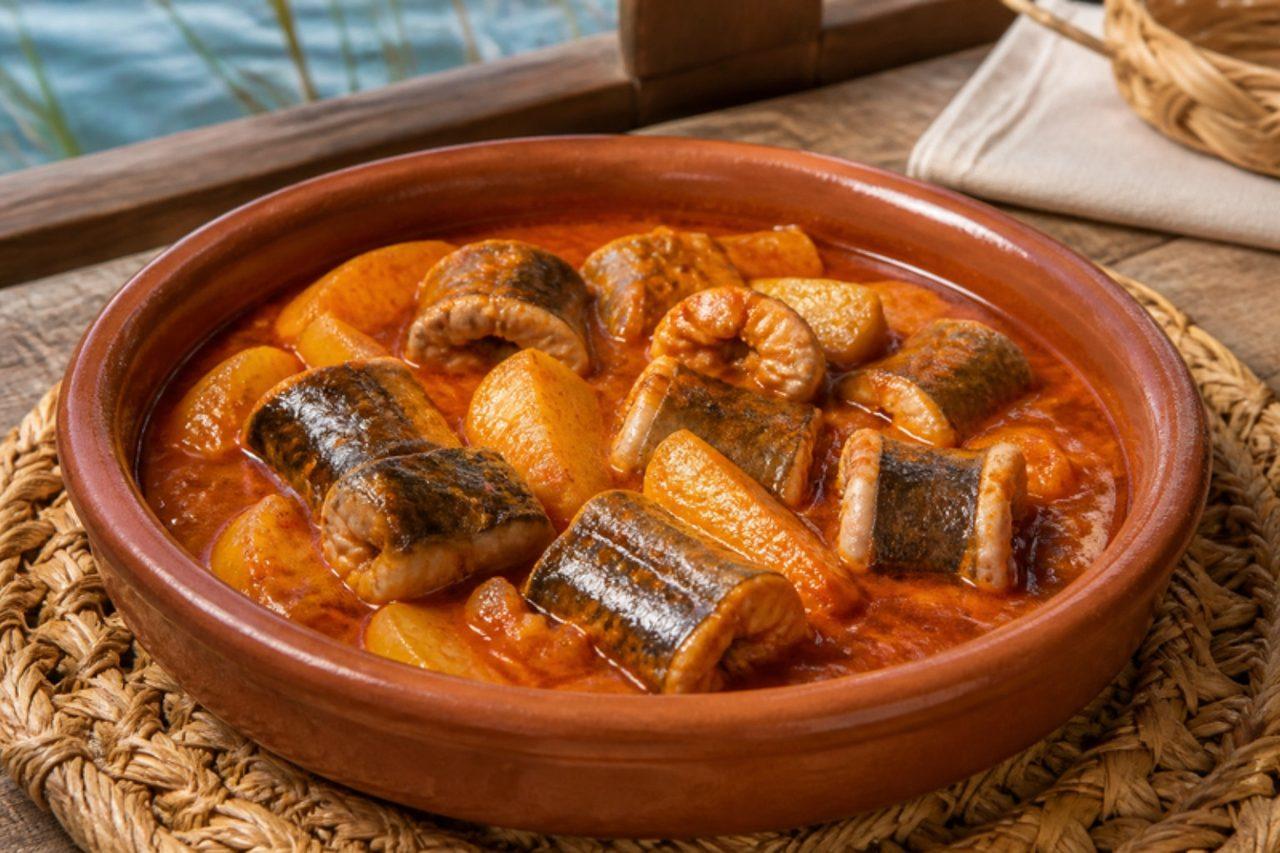
In El Palmar and the other villages around the Albufera lagoon south of Valencia, the restaurants that are famous for paella serve something older first: all i pebre, "garlic and pepper", a brick-red stew of lagoon eel and potatoes thickened with a pounded almond and fried-bread picada. It is rich, garlicky and gently hot, eaten with bread to mop up the sauce. Ask your fishmonger to skin and cut the eel, and handle it with gloves: raw eel blood is irritating, though harmless once cooked. If you can't find eel, monkfish or hake works well. A common mistake is letting the paprika burn; it turns bitter in seconds, so add it off the heat. Chef's tip: break the potatoes with a knife instead of cutting cleanly; the rough edges release starch and thicken the sauce.

Read more 1 views

What to eat today?

Around the world

Today's trip: Paraguayan

A new country every day, from every cuisine on the site.

Paraguayan

Chipa

Cheese bread rings 50 minMore from Paraguayan (27) →

This week's collection

Kid-friendly dinners
537 recipes · a new collection every Monday

Latest recipes

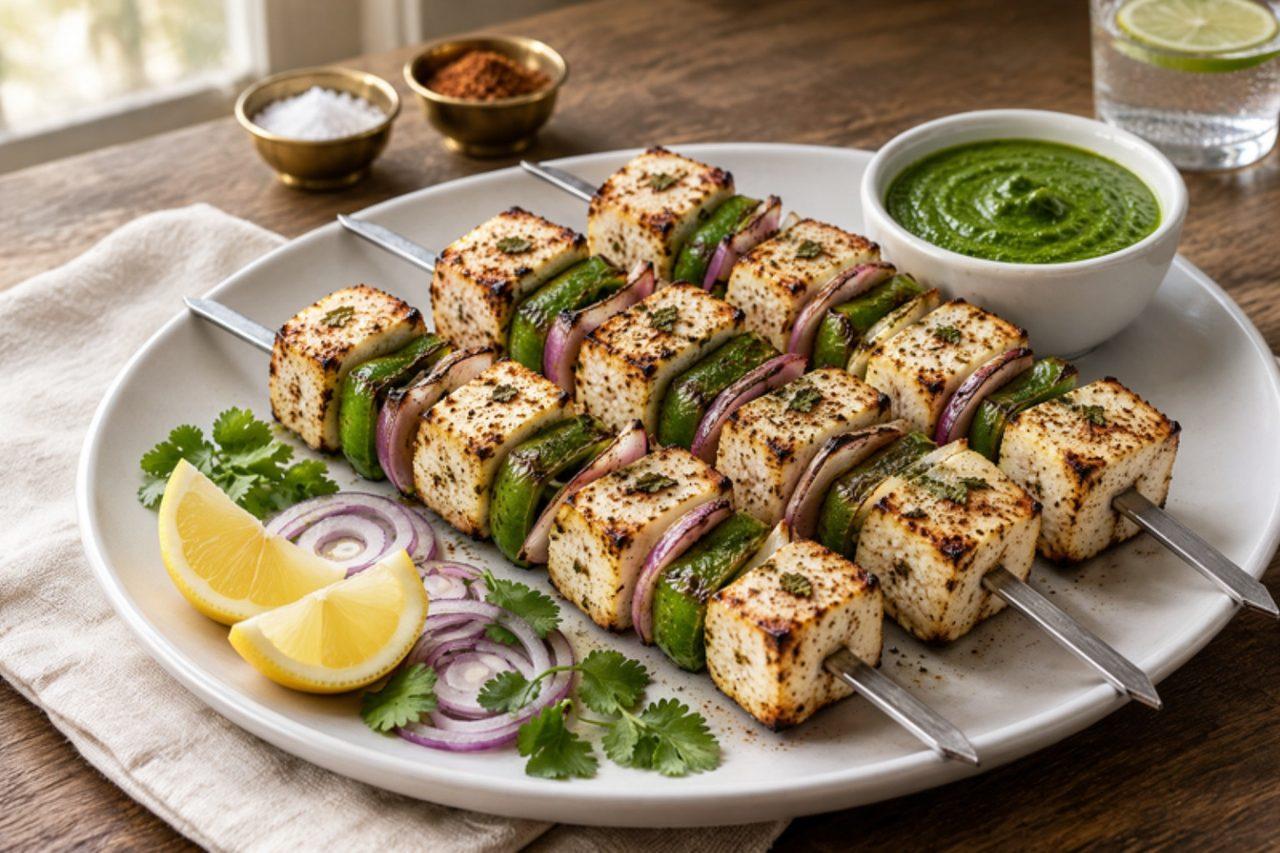
Paneer tikka

Paneer tikka is the vegetarian star of Punjabi dhabas and Delhi wedding buffets, and at home it is a weekend starter cooked under the grill or in a hot oven. Thick cubes of paneer, pepper and onion are coated in hung yogurt with ginger, garlic, chaat masala and roasted gram flour, then charred at high heat so the edges blister while the centre stays soft. Paneer set at home with lemon juice or vinegar uses no rennet; if you buy it, check the label. Serve with mint chutney and a big salad instead of naan. It is suitable as part of a balanced diet. About 330 kcal and 10 g carbohydrate per portion. The usual mistake is a runny marinade, which slides off; hang the yogurt for 20 minutes first. Chef's tip: marinate in the fridge for at least 30 minutes, and don't skip a final blast of high heat for the charred spots.


by KrazyBadal 0 views

Gogji razmaKidney beans with turnips

In the Kashmir valley, gogji razma is a winter comfort dish, made in heavy pots when turnips are sweet after the first snow and dried beans from Bhaderwah fill the store. Red kidney beans and turnip chunks simmer in a thin, red gravy flavoured with mustard oil, ground fennel, dried ginger and Kashmiri chilli, without any onion or tomato. Serve with a modest bowl of rice or a millet roti and a green salad. It is suitable as part of a balanced diet. About 300 kcal and 38 g carbohydrate per portion. The usual mistake is slow-cooking dried kidney beans without boiling them hard first; raw kidney beans are unsafe, so soak them overnight and boil hard for 10 minutes before simmering. Chef's tip: add the turnips only when the beans are almost soft, so they keep their shape and sweetness.

by KrazyBadal 0 views

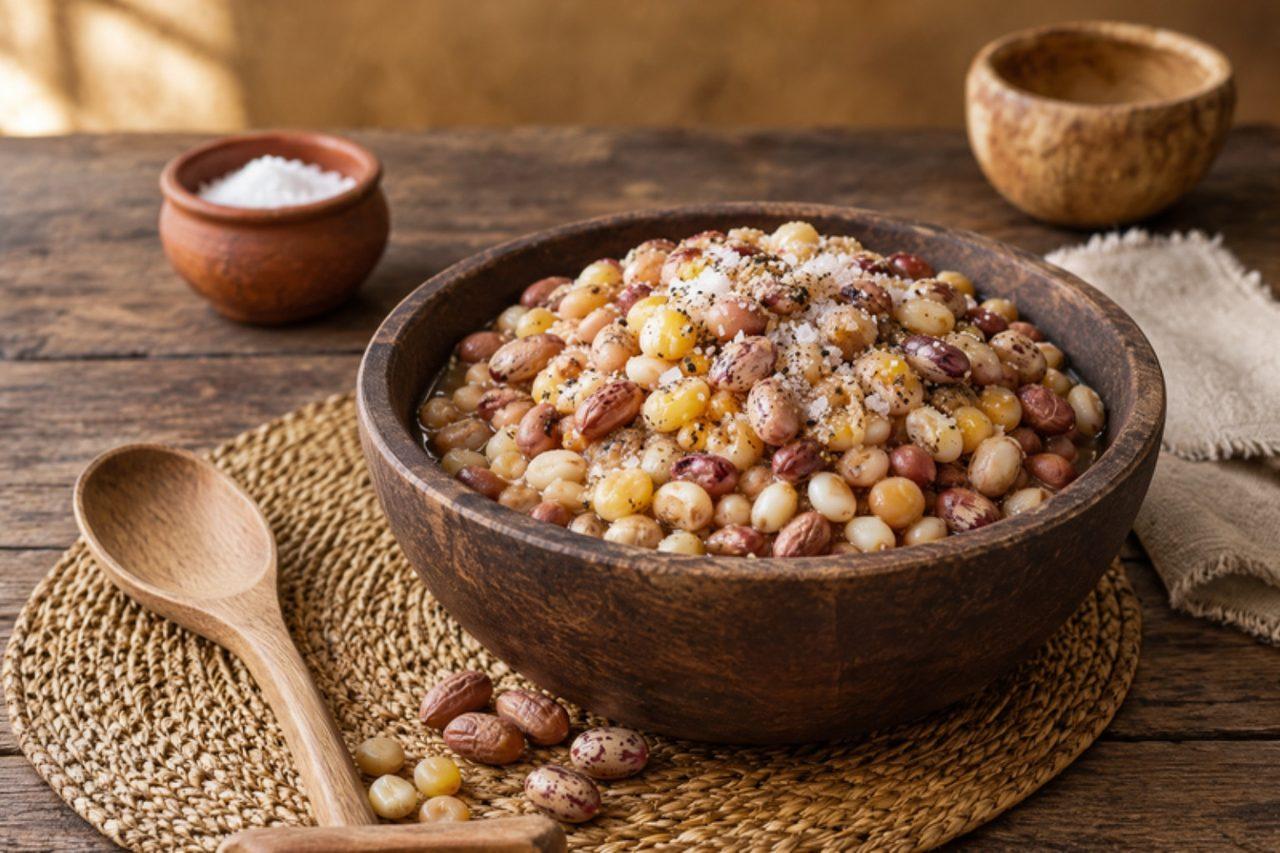
MutakuraBeans, cowpeas and maize

Mutakura is old Zimbabwean country food, cooked in rural Mashonaland after harvest from the store of dried beans, cowpeas, groundnuts and maize kernels, and eaten as a filling lunch or snack, often at gatherings and ceremonies. Everything is soaked, boiled for hours until tender, then simply seasoned with salt, so the beans are creamy, the maize chewy and the groundnuts soft and rich. Suitable as part of a balanced diet. About 340 kcal and 45 g carbohydrate per portion. The usual mistake is cooking everything together from the start: the maize needs a long head start, and the dried red beans must be boiled hard for 10 minutes to be safe. A pressure cooker cuts the maize time to about 40 minutes. Chef's tip: soak everything overnight in separate bowls; the maize and groundnuts need it most.

by KrazyBadal 0 views

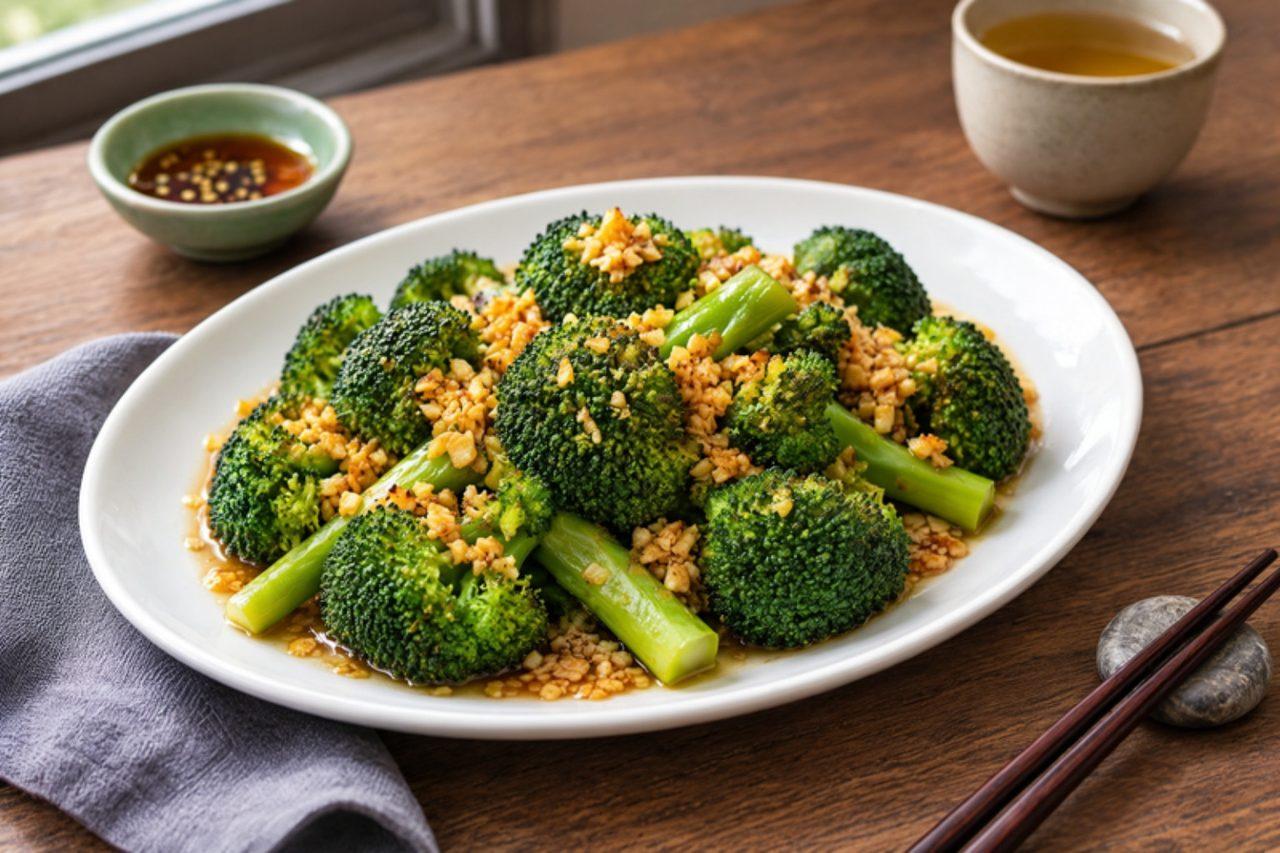
Suan rong xilanhuaGarlic broccoli

Garlic broccoli is on the menu of almost every Chinese home kitchen and family restaurant, from Guangzhou to Shanghai, as the quick green dish at a weekday dinner. The florets are blanched just until bright, then tossed in a hot wok with a big spoon of minced garlic and a splash of water, so they stay crisp, glossy and full of garlic flavour. Serve with tofu, fish or eggs and a modest portion of rice. It is suitable as part of a balanced diet. About 90 kcal and 8 g carbohydrate per portion. The usual mistake is adding the garlic to very hot oil before the broccoli, where it burns and turns bitter. Chef's tip: add a few drops of oil to the blanching water; it keeps the broccoli shiny and green.

by KrazyBadal 0 views

KneippbrødWholemeal loaf

Open almost any Norwegian matpakke (the packed lunch wrapped in paper) and you will find slices of kneippbrød, a soft, lightly sweet loaf of sammalt hvete (wholemeal wheat) baked in a tin. Its fine crumb slices thin without crumbling, perfect for brown cheese, jam or cucumber at the school desk. The common mistake is adding too much flour while kneading because wholemeal dough feels sticky; the loaf then bakes dense and dry. Chef's tip: let the dough rest for 20 minutes after mixing, before kneading, so the bran softens and the dough turns smooth on its own.

by KrazyBadal 0 views

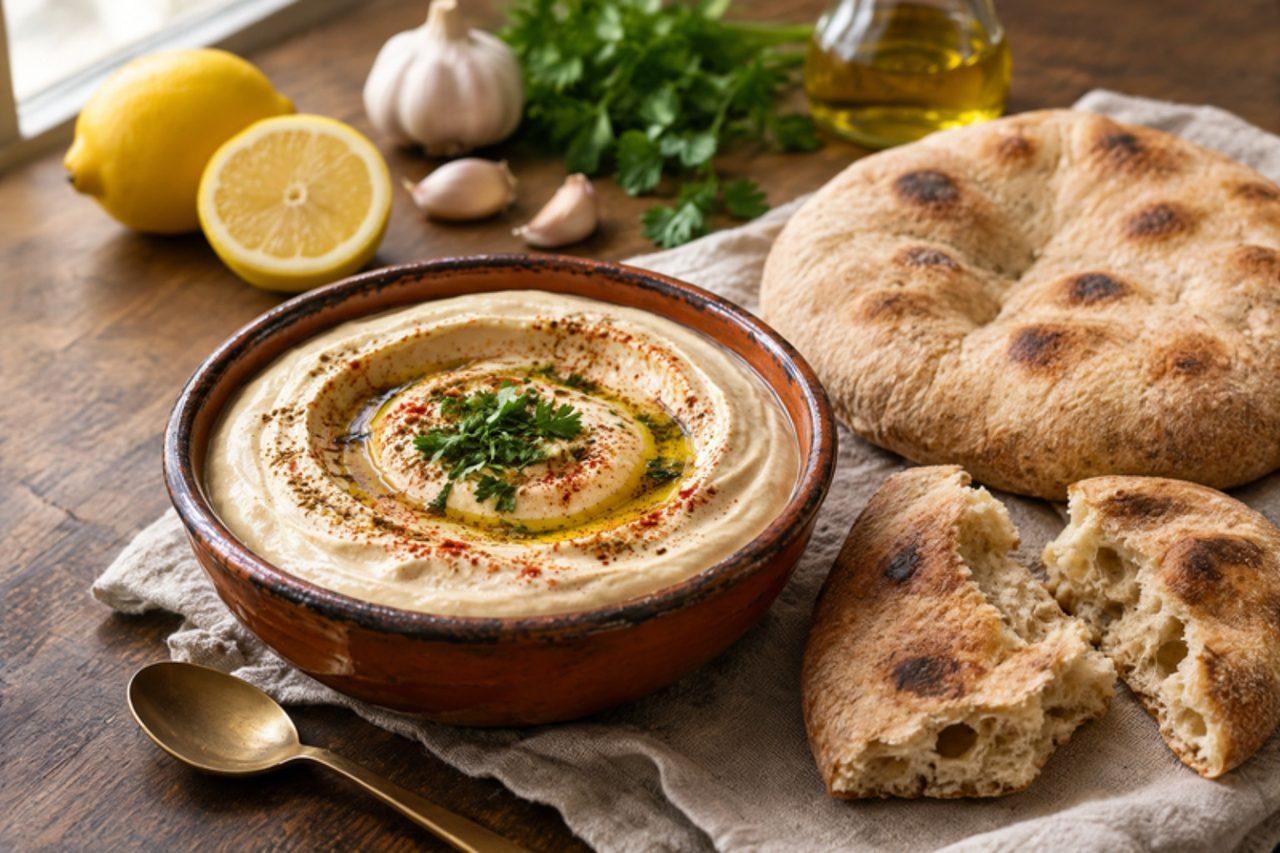
Salatet tahinaTahini sauce

No Egyptian table is complete without salatet tahina: in Cairo and Alexandria it is served with fried fish, grilled kofta, ful and falafel, and it is on every mezze plate at Friday lunch. Sesame paste is whipped with lemon juice, garlic, cumin and cold water until it turns pale, fluffy and creamy, with no sugar at all. Suitable as part of a balanced diet, it brings sesame protein and healthy fats with very little carbohydrate: about 150 kcal and 5 g carbohydrate per portion of 3 tablespoons. The usual mistake is panicking when the tahini seizes and goes thick after the lemon goes in; keep adding cold water a spoon at a time and it loosens into a smooth sauce. Chef's tip: use ice-cold water, which makes the tahina whiter and fluffier.

by KrazyBadal 0 views

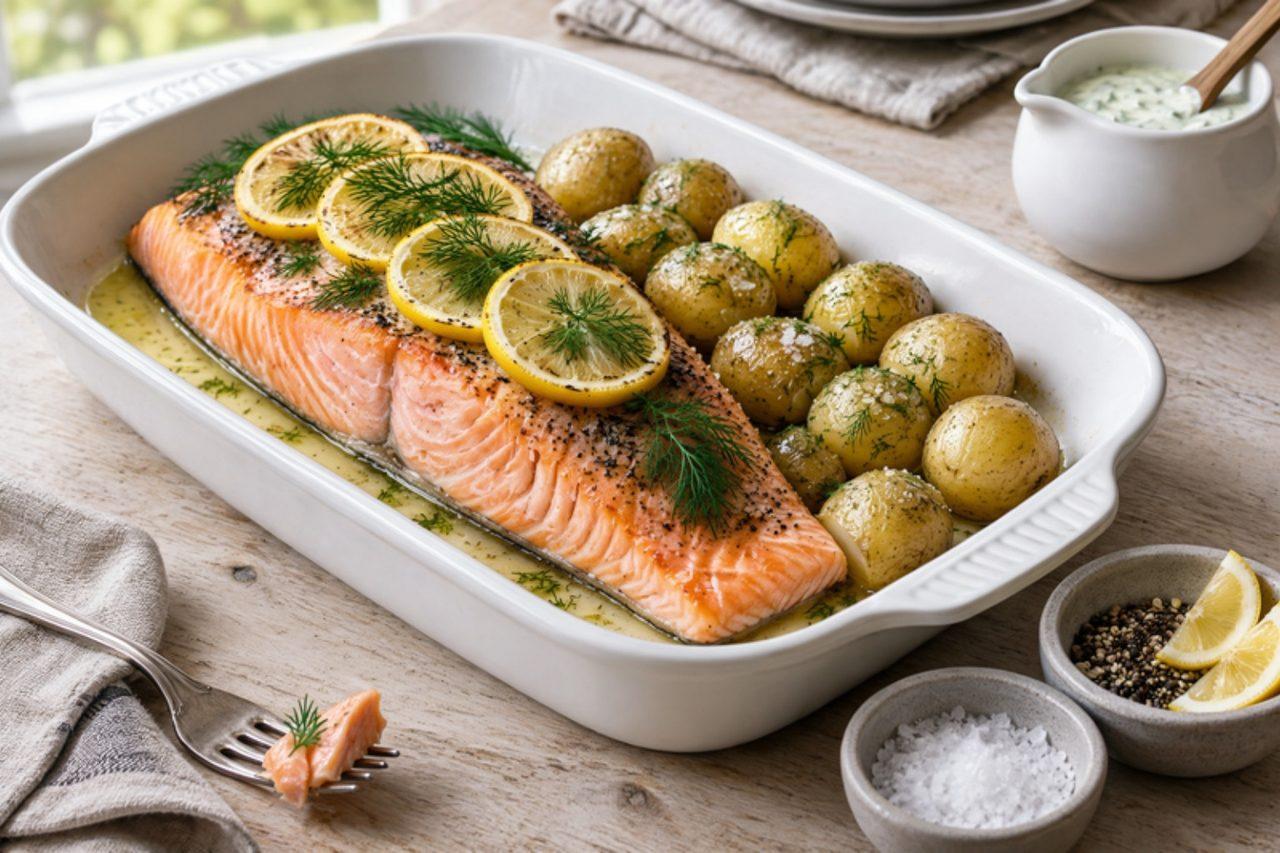
Ugnsbakad laxOven-baked salmon

Ugnsbakad lax is one of Sweden's most common weeknight dinners, made all year round but especially in summer when dill is everywhere, and it is on every school and workplace lunch menu. A thick side of salmon bakes quickly with lemon slices and plenty of dill, staying moist and pink in the centre. Oily fish, high in protein and suitable as part of a balanced diet; serve with a few boiled new potatoes and green beans or a cucumber salad. About 350 kcal and 2 g carbohydrate per portion. The usual mistake is baking it until it is dry and chalky, with white protein seeping out; take it out as soon as it flakes. Chef's tip: salt the salmon 15 minutes before baking so it seasons through and holds its juices.

by KrazyBadal 0 views

Agua de tuna (prickly pear drink)

Late summer is tuna season across the central highlands, from Hidalgo and the Estado de México down to Puebla's Teotihuacán valley, and that is when the big vitroleros in markets and taquerías turn shocking pink. Agua de tuna is just the cactus fruit blended with water, lime and a little sugar, strained, and poured over ice with lunch. Red tunas give a vivid colour and a taste between watermelon and pear; green ones make a paler, more herbal drink. It should be light and thirst-quenching, never syrupy. The commonest mistake is blending too long: the hard seeds crack and the agua turns gritty and slightly bitter. Pulse briefly, just enough to free the pulp, then strain well. It is ready when the liquid runs smooth through the sieve and tastes clearly of fruit with only a lift of lime. Handle unpeeled tunas with tongs or gloves: even 'cleaned' ones keep tiny glochids. Chef's tip: chill the peeled fruit before blending; cold pulp keeps its colour bright and needs less ice to dilute it.

by KrazyBadal 0 views

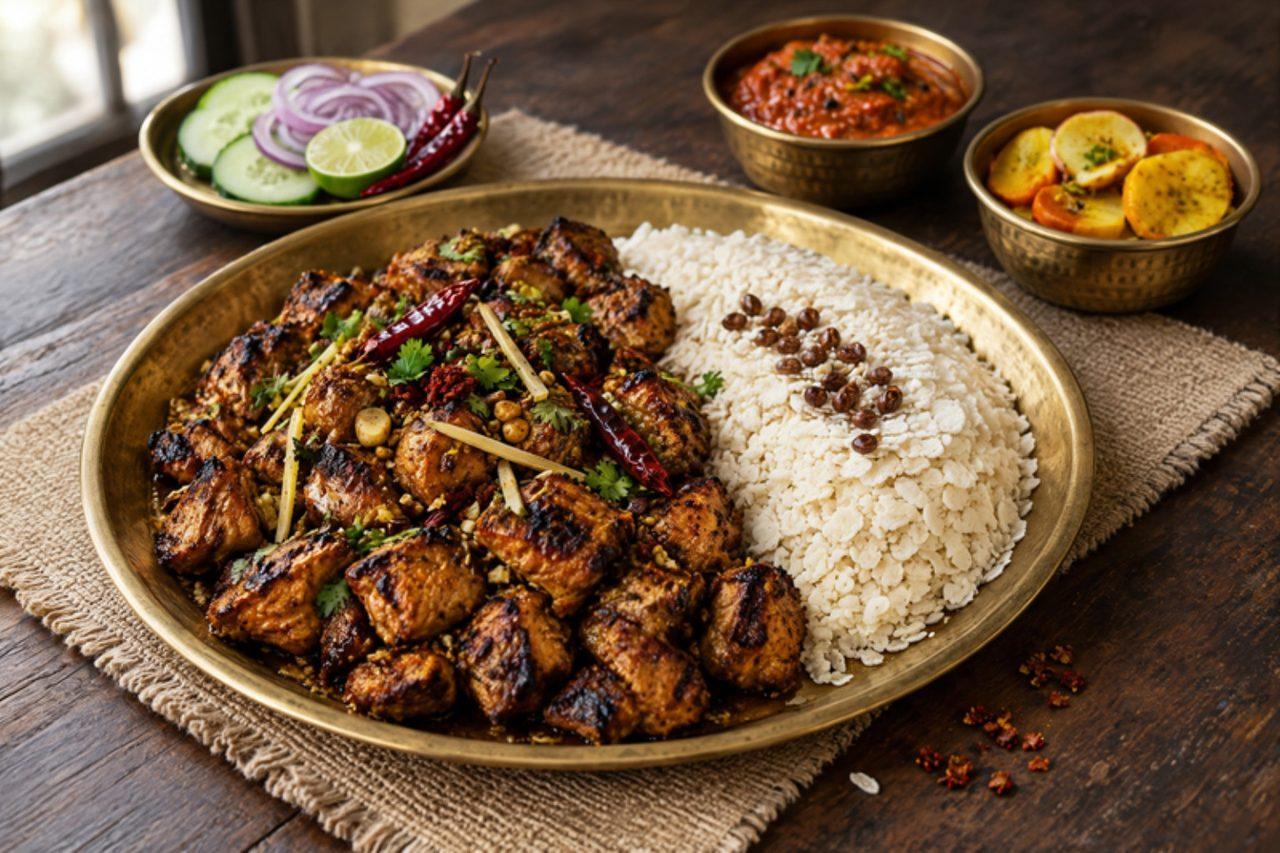
ChhwelaGrilled chicken with mustard oil

Chhwela (also called choila) is a Newar dish from the Kathmandu Valley, served at festivals, feasts and family gatherings, and today in every bar and snack house as a spicy side. Meat is grilled until smoky, cut small and tossed with a dressing of spices and fenugreek seeds fried in smoking mustard oil, plus raw garlic, ginger, chilli, timur pepper and lime. Buffalo is traditional; this version uses chicken, and lean beef works too. It is high in protein and suitable as part of a balanced diet; eat it with a salad of cucumber and radish rather than a big pile of beaten rice. About 290 kcal and 5 g carbohydrate per portion. The usual mistake is pouring the mustard oil on before it smokes, which leaves a raw, harsh taste. Chef's tip: grill the meat until well charred at the edges, because the smokiness is the point.

by KrazyBadal 0 views

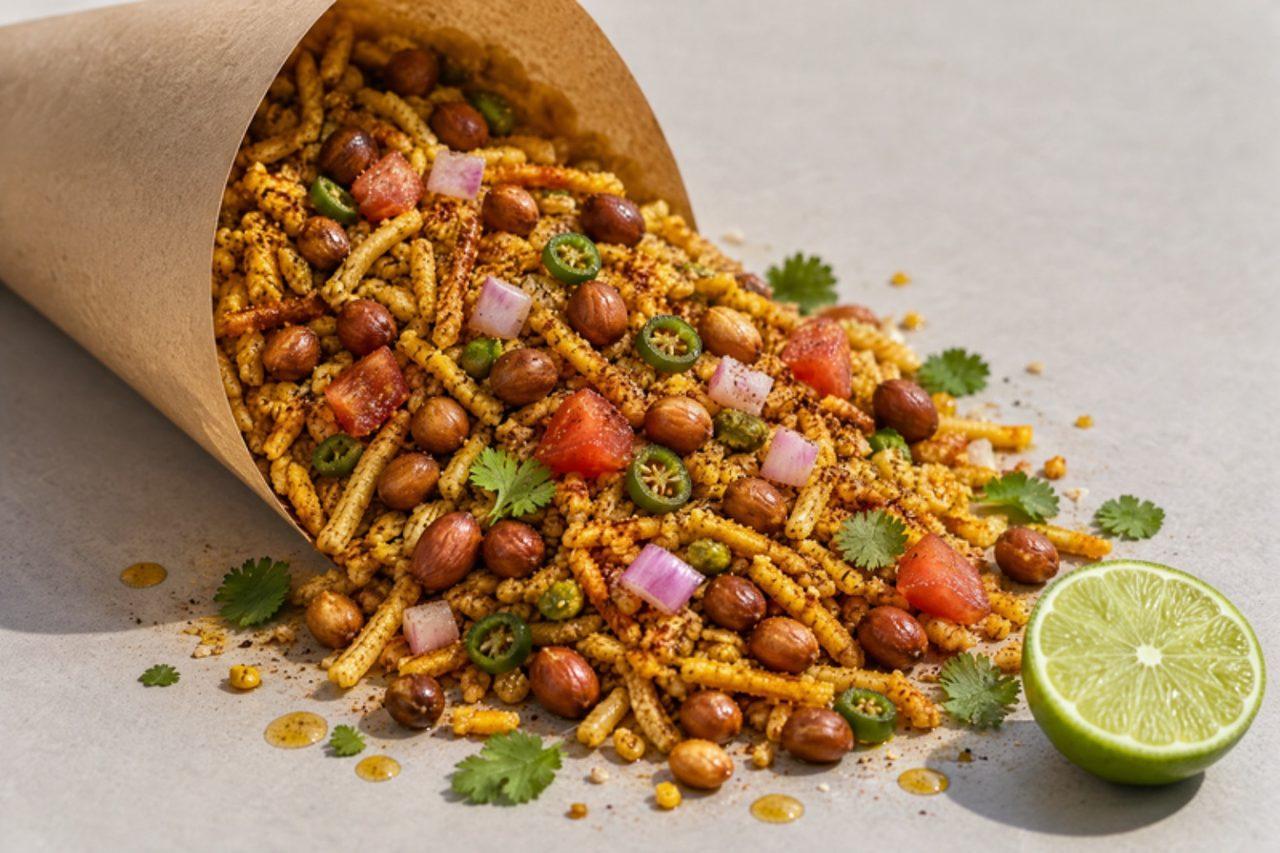
Chanachur makhaSpicy snack mix

In Dhaka, chanachur makha is made in seconds by vendors with a tin box and a lid: a scoop of the crunchy, spicy fried mix of lentils, gram flour sticks and peanuts is shaken with chopped onion, tomato, chilli and coriander, splashed with raw mustard oil and lime, and poured into a cone of newspaper. It is the snack of the launch terminal at Sadarghat, of Ramna Park and of evening chats outside every university hall. Shop chanachur usually contains peanuts and may contain wheat. Chef's tip: deseed the tomato; its juice is the fastest way to turn the crunch soft.

by KrazyBadal 0 views

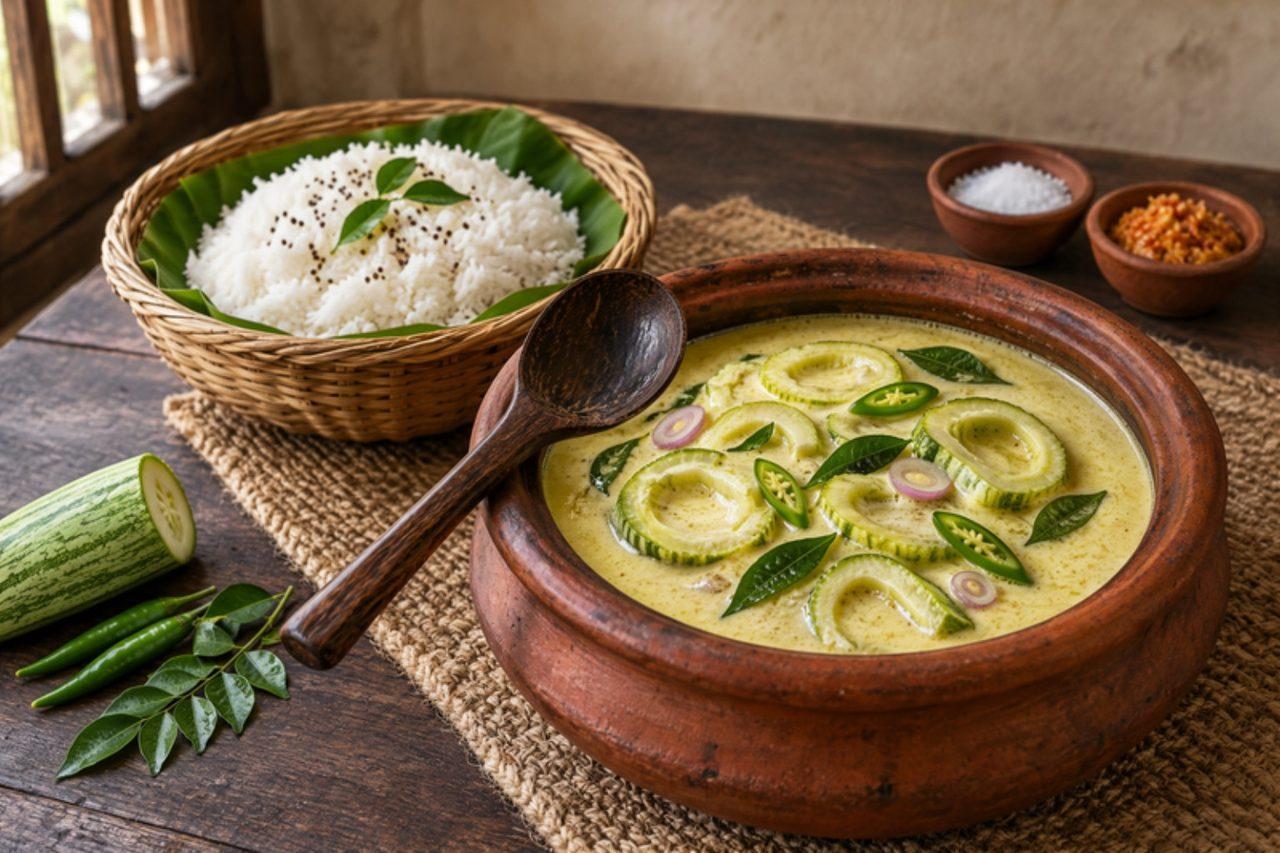
Pathola currySnake gourd coconut curry

Pathola curry is a quick, gentle white curry from everyday Sri Lankan rice-and-curry lunches, especially loved in the south where snake gourd grows on trellises behind most houses. Thin half-moons of gourd simmer for a few minutes in coconut milk with turmeric, green chilli, curry leaves and a pinch of fenugreek, so they stay pale green, soft and juicy. Serve it with rice, dal and a fiery sambol. The usual mistake is overcooking, which turns the gourd watery and grey; pull it off as soon as it is translucent. Chef's tip: scrape the soft white pith and seeds out with a spoon; they water the curry down.

by KrazyBadal 0 views

Leung cha (Cantonese herbal tea)

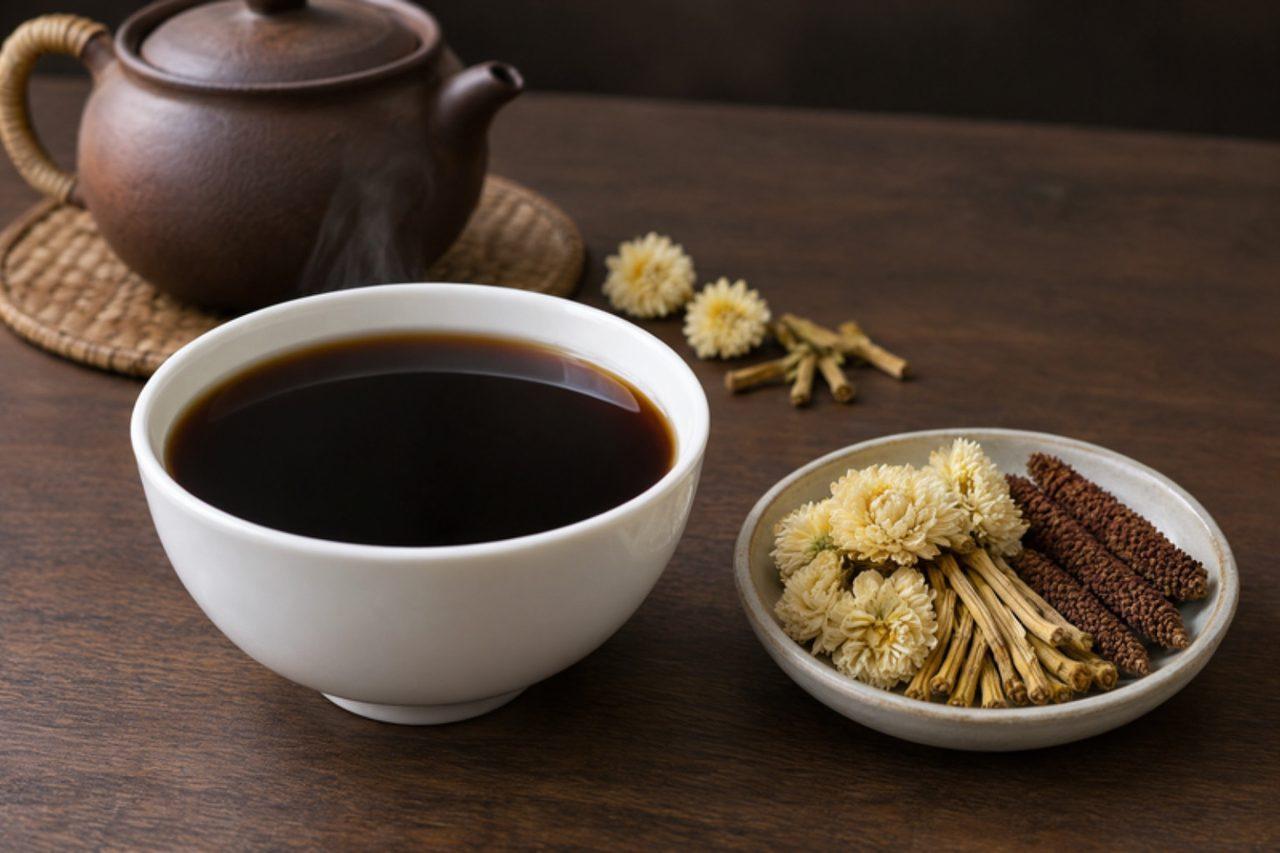
Across Guangdong and Hong Kong, the leung cha shop with its gleaming brass urns is a neighbourhood fixture. People drop in after a run of fried food, late nights or the heavy, humid weather of early summer, when Cantonese tradition says the body has too much 'heat', and down a bowl standing at the counter, then chase it with a dried plum. Brews range from the gentle 'five-flower tea' to fiercely bitter 24-herb mixes. This home version uses dried mesona (sin cho), prunella spike (ha fu cho), chrysanthemum and honeysuckle: dark brown, earthy and grassy, clearly bitter but rounded by the flowers and a little rock sugar. The common mistake is boiling everything together for an hour; the flowers turn harsh and muddy. Simmer the woody herbs first, add the flowers only for the last 10 minutes. It is ready when the liquor is the colour of strong tea and has reduced by about a third. It is traditionally drunk for comfort, not as medicine: skip it in pregnancy and check with a doctor if you take regular medication. Chef's tip: buy herbs pre-weighed as a packet from a Chinese herbalist, who will rinse-check them for grit and freshness.

by KrazyBadal 0 views

Agretti all'agroSaltwort with lemon

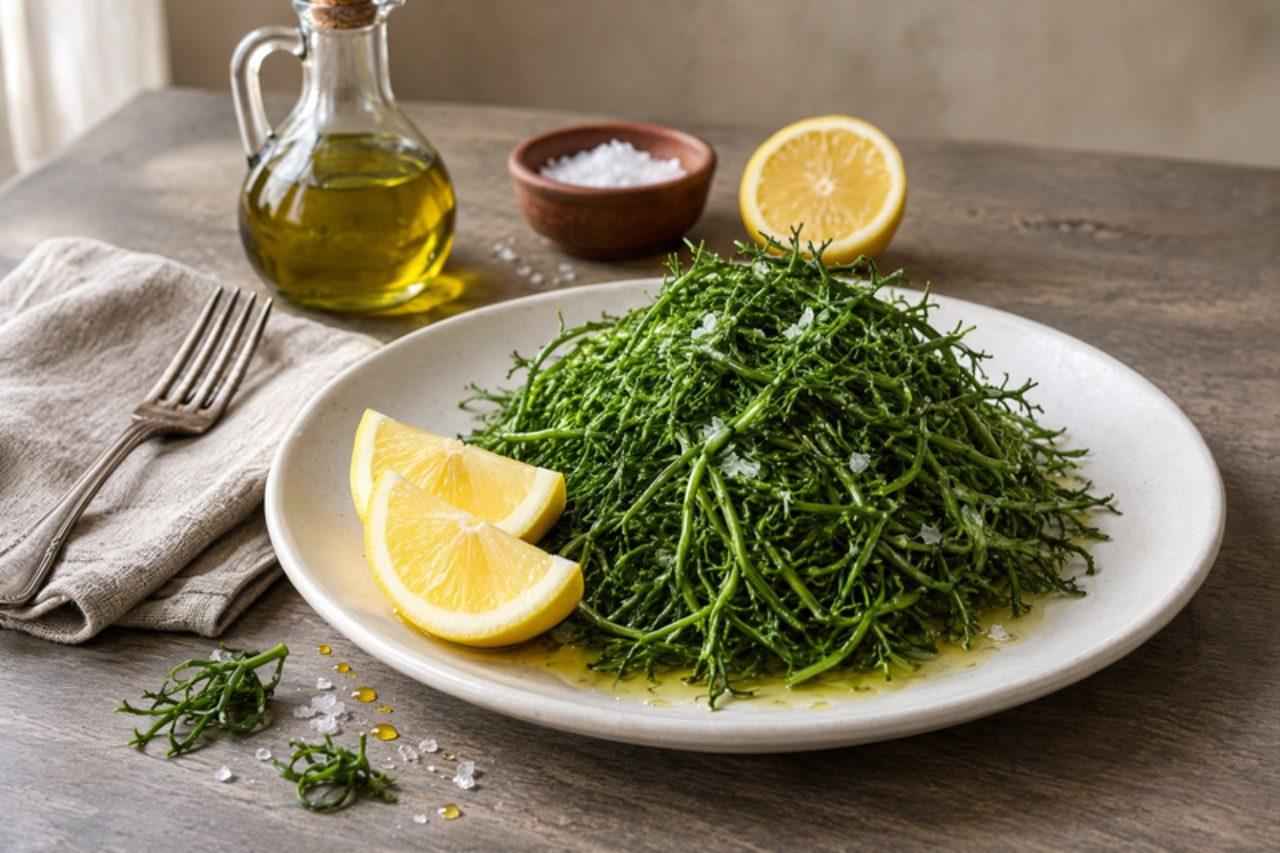
Agretti, also called barba di frate or 'monk's beard', appear in Roman and Tuscan markets for a short season in March and April, tied in bunches that look like thick chives. Blanched for a minute and dressed all'agro, with lemon and good olive oil, they are a juicy, slightly salty spring side for an egg dish, grilled fish or beans. Suitable as part of a balanced diet, they are almost free of starch: about 80 kcal and 3 g carbohydrate per portion. The usual mistake is overcooking them into limp threads; they should keep a crisp, spinach-like snap. Chef's tip: agretti are naturally salty, so taste before adding any salt at all.

by KrazyBadal 0 views

Masuri tey (rosehip tea)

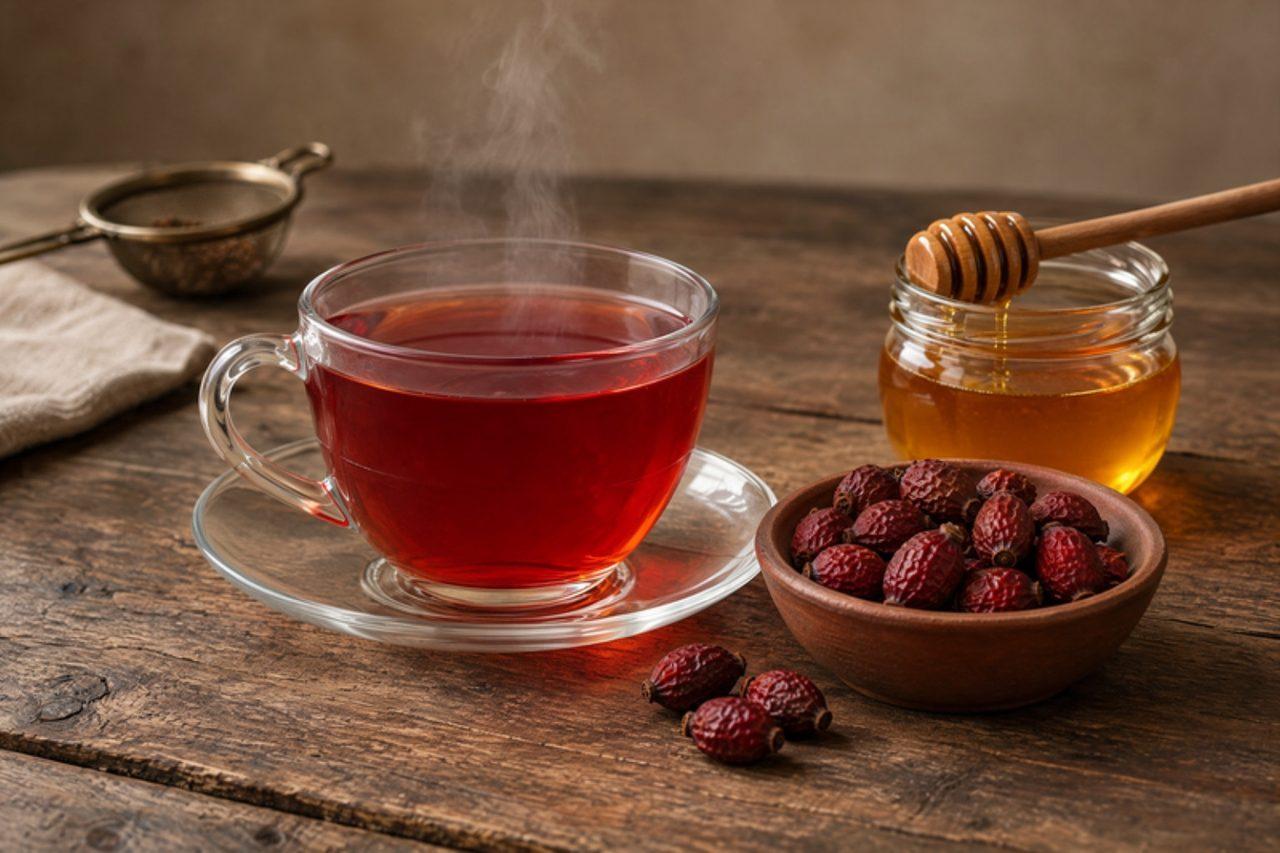
Each October, Armenian families walk the hillsides around Dilijan, Tavush and Syunik picking the bright red hips of wild dog roses, then string or spread them to dry on balconies. Through the long winter they go into masuri tey, often made in a big pot in the evening and kept warm in a thermos for the next day, and it is the drink grandmothers press on anyone with a cold, alongside a spoon of homemade jam. It is fruity and tart, like hibiscus crossed with apple, with a gentle tea-like body, and a spoon of honey rounds it out. The common mistake is not straining it well enough: crushed rosehips are lined with tiny irritating hairs that scratch the throat. Strain through a fine sieve lined with a cloth or coffee filter. It is ready when the tea is deep orange-red and clearly sour, and the hips have swollen and softened. Simmer gently rather than boiling hard for long. Honey keeps this out of the vegan list; use sugar if you prefer. Not suitable as a sweetened drink for babies under one year because of the honey. Chef's tip: steep it overnight in a thermos after simmering; the flavour doubles.

by KrazyBadal 0 views

Tandoori pomfret

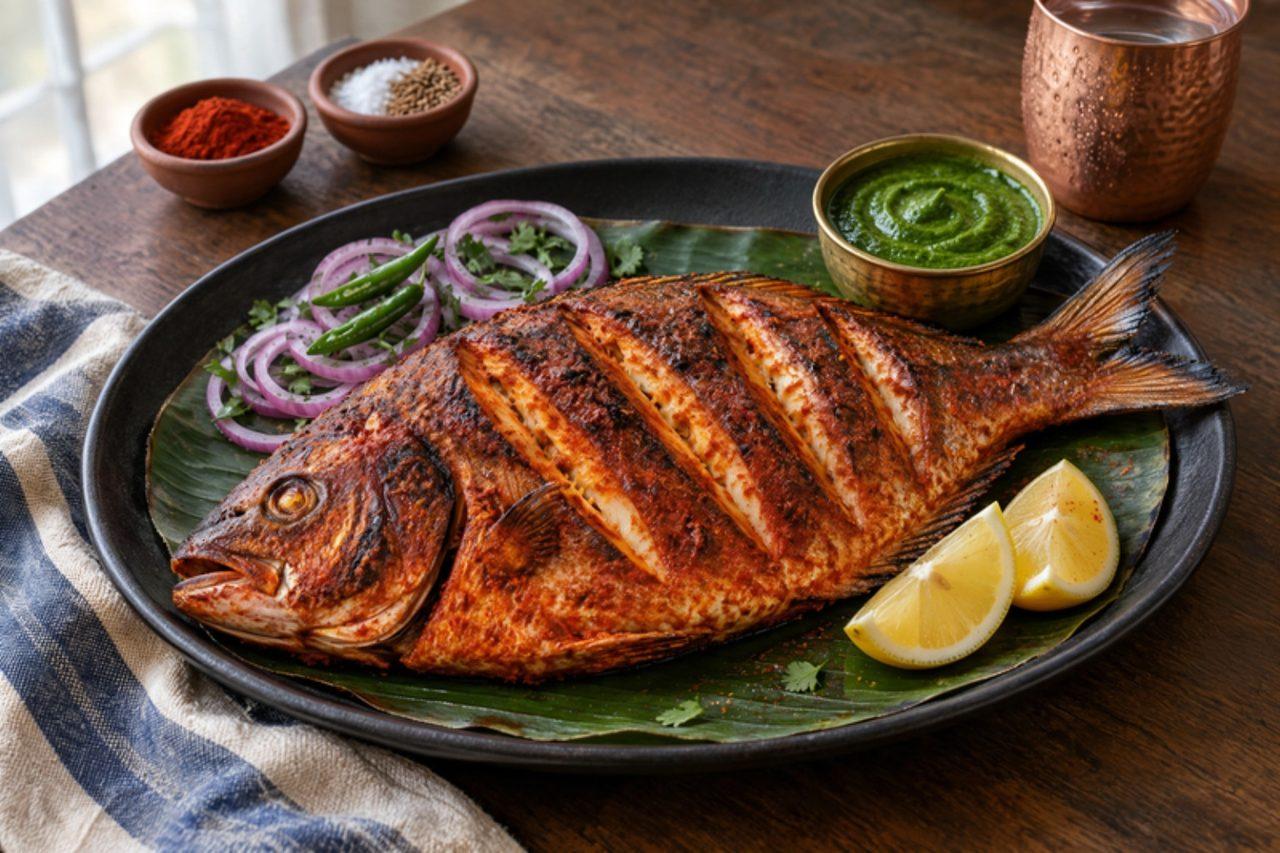
Tandoori pomfret is a fixture of Mumbai's coastal restaurants and Koli fishing families' feasts, especially in the cooler months when silver pomfret is at its best. Whole fish are slashed, given a lemon-and-salt first marinade, then coated in thick yogurt with ginger-garlic, Kashmiri chilli, ajwain and garam masala and roasted until charred at the edges and juicy inside. Suitable as part of a balanced diet: high-protein fish with no batter. About 280 kcal and 6 g carbohydrate per portion; serve with onion-cucumber salad and mint chutney. The usual mistake is using runny yogurt, which slides off and steams the fish; strain it first. Chef's tip: a spoon of roasted gram flour (besan) in the marinade helps it cling and char.

55 minIndianFishGluten free
by KrazyBadal 0 views

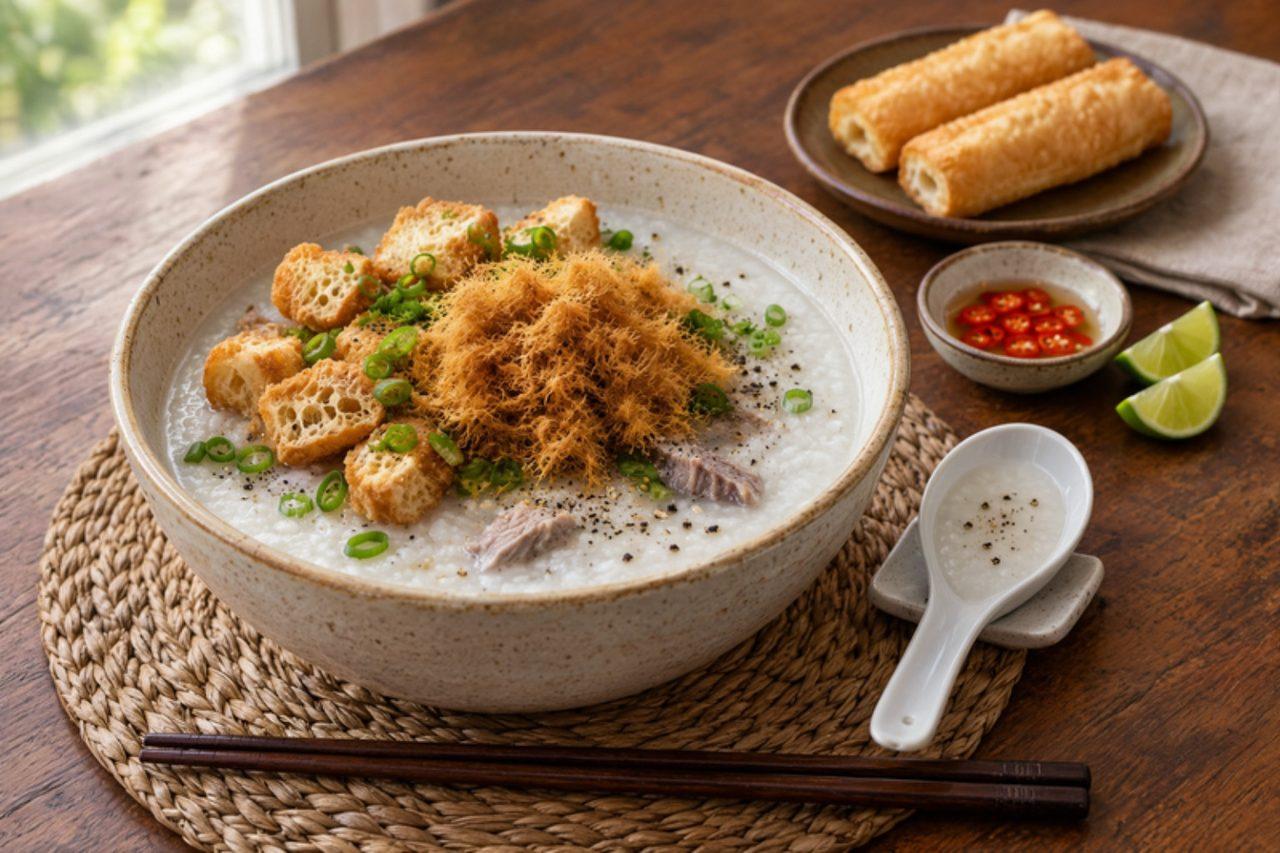
Cháo sườnRice porridge with pork ribs

On Hanoi street corners, cháo sườn sellers ladle out this porridge from first light, and children eat it before school with a heap of crisp quẩy (fried dough) and fluffy pork floss on top. Unlike whole-grain congee, the rice is ground first, so it cooks into a pale, silky cream flavoured by a long-simmered pork rib broth. The usual mistake is adding the ground rice to boiling broth all at once, which makes stubborn lumps; whisk it into a slurry first. Chef's tip: toast the rice in a dry pan until it smells like popcorn before you grind it, which gives the porridge its gentle nutty depth.

by KrazyBadal 0 views

Hongzao guiyuan cha (red date and longan tea)

Across southern China, from Fujian to Guangdong, a pot of red dates and dried longan is what mothers and grandmothers put on the stove when the weather turns cold, and it is the classic drink brought to new mothers during zuo yuezi, the month of rest after childbirth. It is also sipped through the winter in the afternoon, or offered to visitors at Lunar New Year because the red dates promise sweetness ahead. The tea is amber-brown, naturally sweet and fruity, with a caramel, smoky depth from the longan and a gentle warmth if you add ginger. The common mistake is simmering whole dates: their skins stay tight and the tea tastes thin. Slit or tear each date so the flesh can give up its sweetness, then simmer slowly. It is ready when the dates are puffed and soft, the longan has swollen and the liquid is the colour of weak tea and tastes of toffee. It is traditionally drunk for comfort and warmth, not as a medicine; it is high in natural sugar, so go easy if you watch your blood sugar, and goji can interact with blood-thinning medicines, so check with a doctor if you take them. Chef's tip: eat the softened fruit from the bottom of the cup with a spoon; nothing is wasted.

by KrazyBadal 0 views

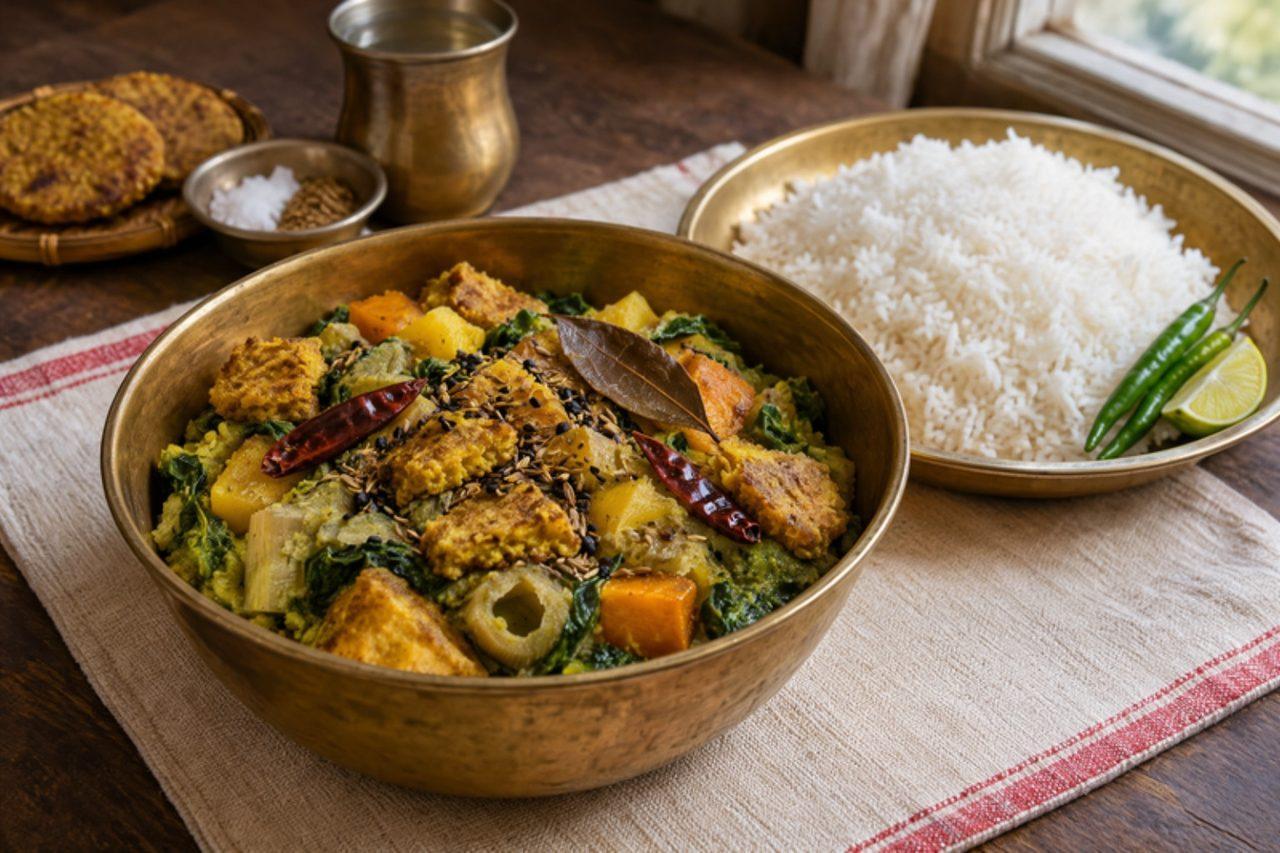
Chapor ghontoFried lentil cake vegetable curry

In West Bengal, chapor ghonto is the thrifty, comforting dish that turns up at weekday lunch and on the vegetarian days of the Durga Puja season. Soaked yellow peas are ground and fried into small savoury cakes (chapor), then broken into a slow-cooked mix of potato, pumpkin and banana stem tempered with panch phoron, ginger and a little sugar, until everything turns soft, jammy and lightly sweet. Eat it with plain rice and a squeeze of lime. The usual mistake is stirring the chapor in too early, so they dissolve into mush; add them in the last ten minutes. Chef's tip: soak the banana stem in water with a pinch of turmeric as you slice it and pull away the fibres that wind round your finger, or it stays stringy.

by KrazyBadal 0 views

Matzah

Matzah is the flat unleavened bread eaten at Passover, recalling the Israelites leaving Egypt in too much haste for their bread to rise, and in Israel and Jewish homes worldwide it is also eaten as a crisp everyday cracker with soups and dips. The dough is only flour and water; by tradition it is mixed, rolled and baked within 18 minutes so it cannot ferment. This home version follows that rhythm but is not certified for Passover use. There is no salt: about 0.0 g salt per sheet. The usual mistake is rolling too thick, which gives a tough, chewy bread; roll until you can almost see the counter through it. Chef's tip: prick the dough all over with a fork before baking so it stays flat and blisters evenly.

by KrazyBadal 0 views

Caipirinha

Brazil's national drink lives on every boteco counter in São Paulo, but it tastes best on a hot Saturday beside a pot of feijoada, or handed over from a beach vendor's cart. It is a short, rough-cut drink for adults only: a whole lime chopped into wedges, crushed with sugar right in the glass, packed with crushed ice and drowned in cachaça, the sugarcane spirit with a grassy, faintly funky edge that rum does not have. Each sip moves from sharp lime oil to cold sweetness to a warm cane finish, with a little crunchy sugar at the bottom to stir back up. The usual mistake is pounding the lime to a pulp: the white pith and the core turn bitter within minutes. Cut out the central white strip, press each wedge only until the juice runs and the skin smells of lime oil, then stop. It is ready when the sugar has mostly melted into a cloudy syrup and the glass frosts on the outside. Cachaça is strong, so sip slowly and drink responsibly. Chef's tip: roll the lime hard on the board before cutting and choose thin-skinned, heavy limes; a thick-skinned lime makes a bitter caipirinha however gently you muddle.

by KrazyBadal 0 views

Lagmi (fresh palm sap)

In the oases of the Tunisian south, in Gabès, Tozeur, Nefta, Kebili and on Djerba, palm climbers cut a small wound at the crown of an ageing date palm and hang a clay pot under it overnight. By sunrise it holds lagmi: cloudy, ivory-white sap, cool and sweet, with notes of coconut water and fresh dates. It is sold in recycled bottles at the roadside and drunk the same morning, because the wild yeasts in it begin to ferment almost at once. By afternoon it is fizzy and sour, and by the next day it has become an alcoholic palm wine, also called lagmi, which is a different drink altogether. The common mistake is buying more than you can drink by lunchtime or leaving it in the sun: keep it on ice from the moment you get it. Fresh lagmi is ready to drink when it is sweet, smells clean and milky, and only a few tiny bubbles rise; once it tastes sour or prickles on the tongue, it has started to turn. It is raw and unpasteurised, so pregnant people, babies, older people and anyone unwell should skip it. Outside the oases, fresh coconut water is the closest stand-in. Chef's tip: chill the glasses too; lagmi is at its best ice-cold.

by KrazyBadal 0 views

Twigim (vegetable and egg)

Twigim is the fried side of Seoul's bunsik stalls: a glass case of sweet potato, vegetable fritters, boiled eggs and squid in a thicker, crunchier batter than Japanese tempura. Around the student bars of Sinchon and in Tongin Market, people order a mixed plate in the evening and have the pieces snipped and drowned in tteokbokki sauce. Squid is the other classic; this version keeps it vegetarian. It contains egg and wheat. Chef's tip: fry everything twice, the second time hotter, the way the stalls do; it is the secret to batter that stays crisp under sauce.

by KrazyBadal 0 views

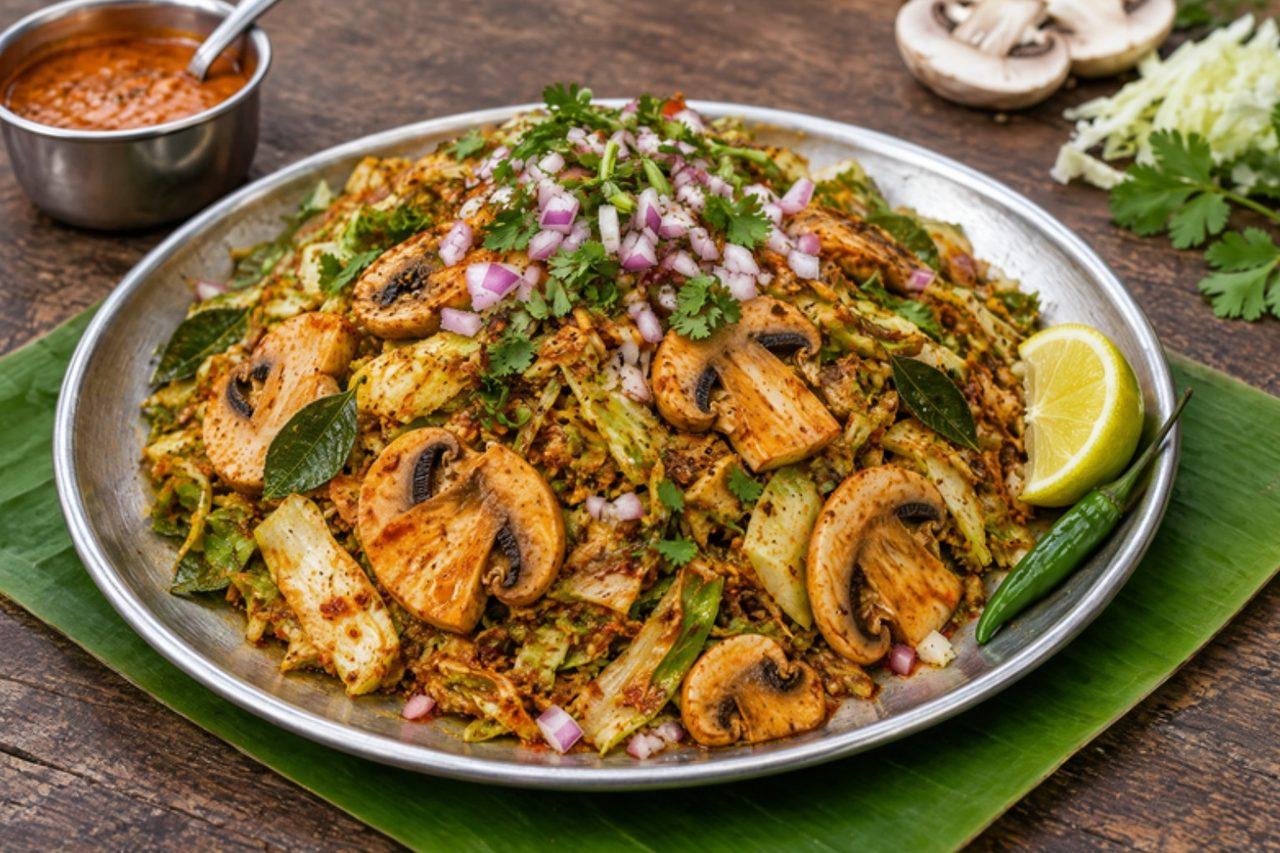
Mushroom kaalanCrisp fried mushroom

Kaalan is the Chennai evening snack you smell before you see: carts around Pondy Bazaar in T. Nagar and along Besant Nagar beach fry clumps of chopped mushroom and cabbage, then chop them with a steel scraper on a giant tawa into a dark, peppery masala and heap them on paper plates with raw onion and coriander. It is crunchy at first, then soft and spicy as the gravy soaks in. Contains wheat. Chef's tip: mix the batter only when the oil is hot; salted mushrooms start weeping water within minutes and the batter turns sloppy.

by KrazyBadal 0 views

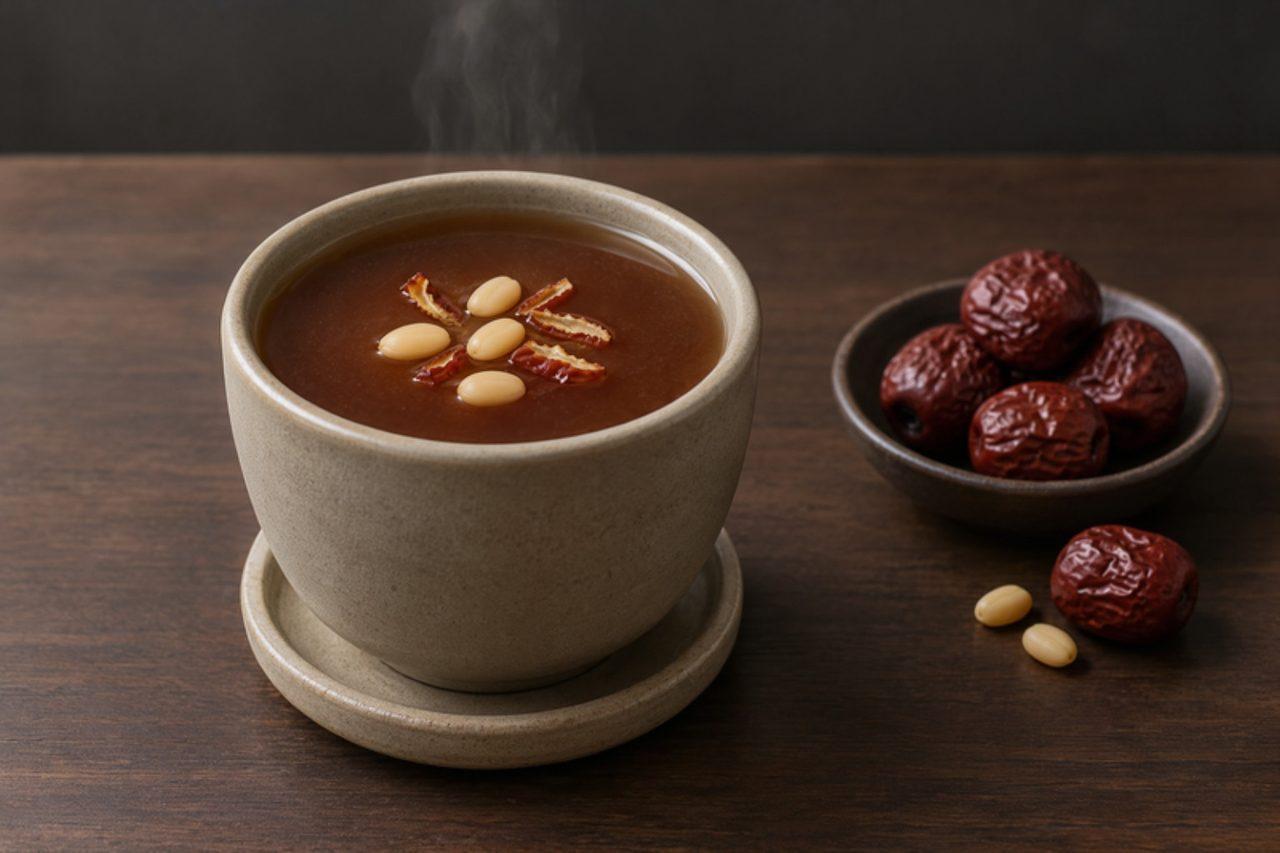
Daechu-cha (jujube tea)

Boeun county in North Chungcheong is famous for its large, sweet jujubes, harvested each October and sold at a lively autumn festival. Once dried, they become daechu-cha, the deep amber tea Korean traditional teahouses in Insadong and Jeonju serve from late autumn to early spring, topped with pine nuts. Long, slow simmering with ginger and a stick of cinnamon draws out a flavour like dates, caramel and baked apple; pressing the softened flesh through a sieve gives the tea its velvety, almost soup-thick body. It is traditionally drunk to warm up on cold nights. The common mistake is simply boiling whole jujubes and straining: the skins stay sealed, the tea comes out thin and pale, and most of the sweetness is thrown away. Slit each jujube, simmer until the flesh slides off the stone, then mash the pulp through the sieve. It is ready when the liquid has reduced by about half, is dark amber and lightly coats a spoon. Keep it covered in the fridge for up to 5 days and reheat gently. Chef's tip: a few slices of fresh ginger added in the last 20 minutes give a brighter heat than ginger boiled for the whole time.

110 minKoreanDrinksGluten free
by KrazyBadal 0 views

Akajiso juice (red shiso cordial)

Bunches of red shiso fill Japanese greengrocers for a few weeks in June and July, mostly bought to colour umeboshi. Gardeners from Kyoto's Ohara valley to Kantō boil the surplus into this cordial and keep it in the fridge for hot afternoons. Simmering pulls a murky purple-brown liquid from the leaves; the magic is the moment the vinegar goes in and the whole pan flushes a brilliant clear magenta. Diluted with ice water or soda water it tastes sweet-sour and herbal, like a cross between blackcurrant, mint and cinnamon. The most common mistake is simmering the leaves too long or with the stems: it turns grassy and bitter. Strip the leaves, boil them for five minutes only, until they have turned green and limp, then lift them out. The cordial is ready when it is jewel-bright and clear. Bottle it in a clean, sterilised bottle and keep it in the fridge for up to three weeks; discard if it fizzes, clouds or grows mould. No fresh red shiso nearby? Japanese and Korean shops sometimes sell it in summer, and it grows easily from seed. Chef's tip: freeze some as ice cubes to drop into sparkling water.

by KrazyBadal 0 views

Yuja-cha (citron tea)

Goheung, on the southern coast of South Jeolla, is Korea's yuja country: in November the groves turn gold and families slice the knobbly citrons for yuja-cheong, the honeyed preserve that becomes tea all winter. From December to March a spoonful in hot water is offered to guests, to students cramming late and to anyone with a scratchy throat, as it is traditionally drunk for colds. The tea is sweet, floral and sharp, with soft, chewy strands of peel that you eat at the end with a spoon. The common mistake is leaving the fruit damp or the pith too thick: wet fruit lets mould in, and thick white pith makes the preserve bitter. Scrub, dry completely and pare away any pith thicker than a few millimetres. The cheong is ready after a day or two, when the sugar has dissolved into a clear, glossy syrup around the peel. Keep it in the fridge for up to three months, always with a dry spoon; throw it away if you see fuzzy mould, smell alcohol or it bubbles. No yuja? Japanese yuzu is the same fruit; otherwise use 2 lemons and 2 mandarins. Chef's tip: soak the seeds in a little of the honey and add that liquid back for a silkier syrup.

by KrazyBadal 0 views

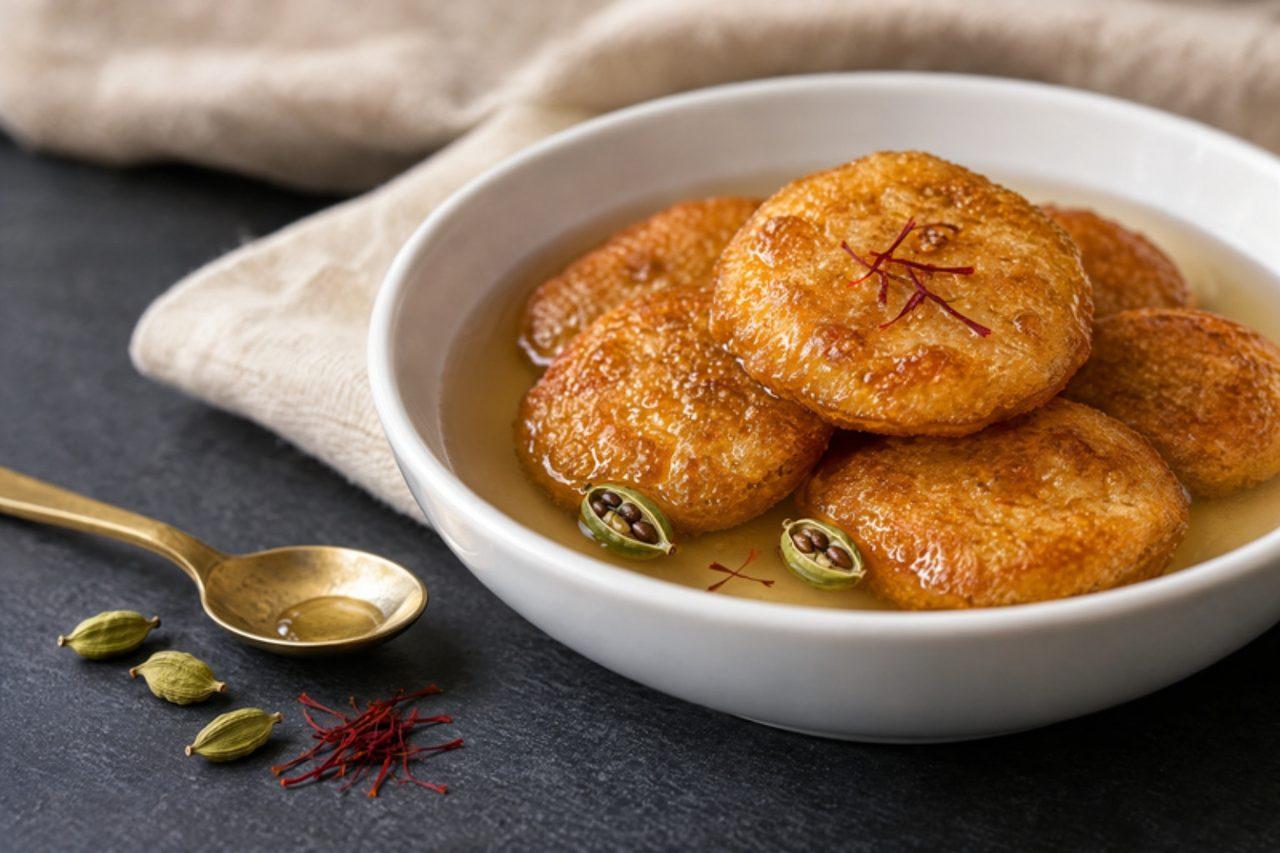
Chhena jhiliFried cheese patties in syrup

Chhena jhili comes from Nimapara near Puri in Odisha, where sweet shops fry these flat, oval chhena patties all day for pilgrims heading to and from the Jagannath temple. They are soft and spongy, golden-brown outside and creamy within, soaked in a thin syrup scented with cardamom, and are eaten at Rath Yatra, weddings and any good-news visit. The common mistake is using dry, crumbly chhena; it should be moist enough to press into a smooth patty without cracks, so hang it for no more than 30 minutes. Chef's tip: fry in ghee rather than oil for the true Odia flavour, keeping the heat gentle so the outside stays golden, not dark.

by KrazyBadal 0 views

Cabbage paratha

North Indian mothers turn half a cabbage into a stack of parathas for the morning tiffin: the cabbage is grated, salted and squeezed, then seasoned with ginger, chilli and dry spices and rolled inside wholewheat dough. Warm with butter it is a breakfast; rolled and wrapped in foil it travels to school with curd or pickle. The common mistake is skipping the squeeze, so the cabbage weeps through the dough and the parathas tear. Chef's tip: mix the spices into the cabbage only just before stuffing, because the salt keeps drawing out water the longer it sits.

by KrazyBadal 0 views

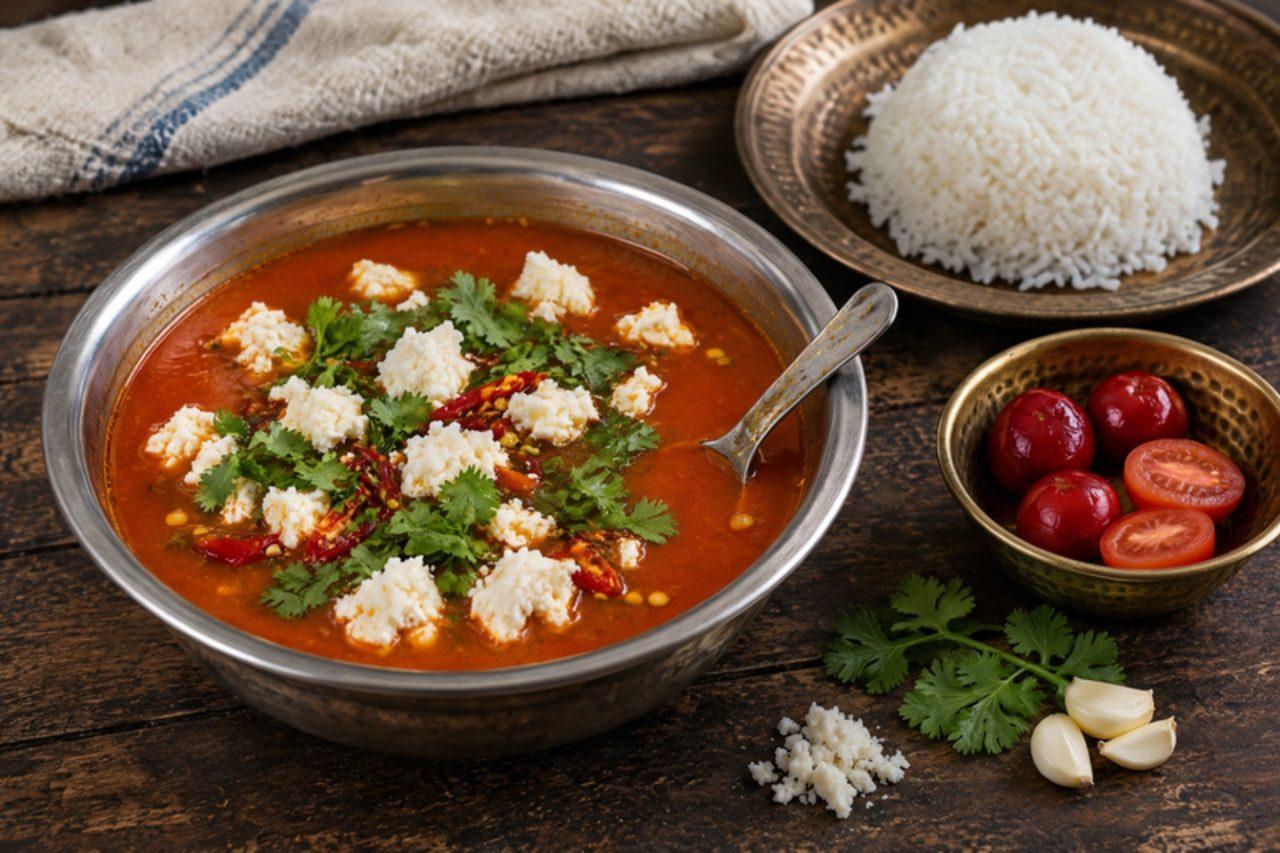
Chhurpi ko jholCheese curry

Soft chhurpi is the fresh, crumbly cheese that Sikkimese and Darjeeling hill families make by souring leftover buttermilk, and on cold, misty evenings it goes into this thin, fiery soup that is drunk from a bowl alongside rice. The broth is little more than tomato, onion, chilli and coriander, so the cheese has to be good: ricotta-like and mild. The most common mistake is boiling hard once the cheese is in, which makes it rubbery and the soup grainy; keep it at a gentle simmer. Chef's tip: if you cannot find chhurpi, drain fresh ricotta or crumble homemade paneer while it is still soft.

by KrazyBadal 0 views

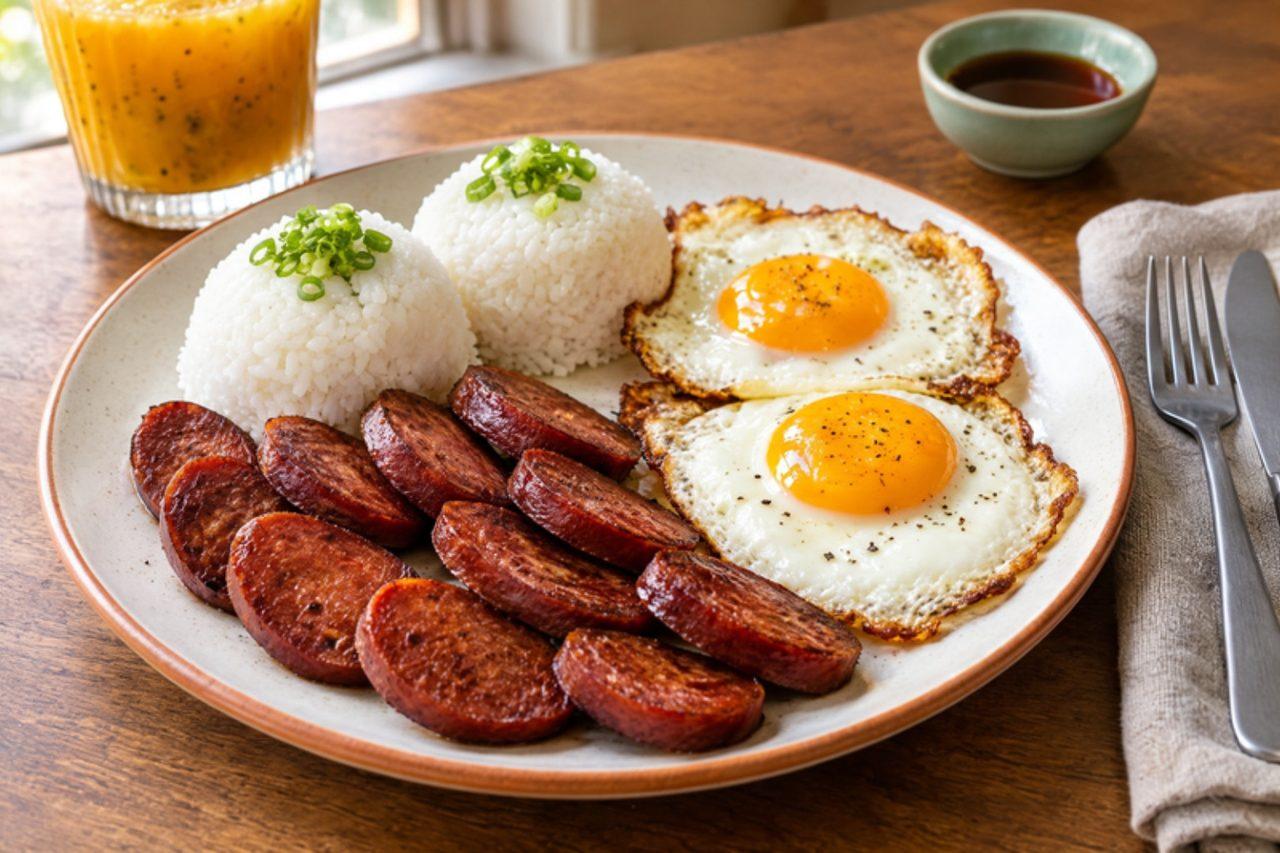
Portuguese sausage, eggs and rice

In Hawaii, a breakfast plate at a diner in Honolulu or Hilo, or at a drive-in on Maui, often means slices of smoky, garlicky, paprika-red Portuguese pork sausage (brought to the islands by Madeiran and Azorean immigrants in the 1800s) fried until caramelised, two eggs, and two scoops of short-grain rice. A splash of shoyu on the rice is optional. The common mistake is frying the sausage over a high heat so the sugar in it burns before it heats through; fry it steadily over a medium heat until sizzling and piping hot (71 °C if your sausage is uncooked rather than smoked). Cook the eggs fully set for pregnant people, young children, older or vulnerable people. Chef's tip: fry the eggs in the red fat the sausage leaves behind; they come out lacy and full of flavour.

by KrazyBadal 0 views

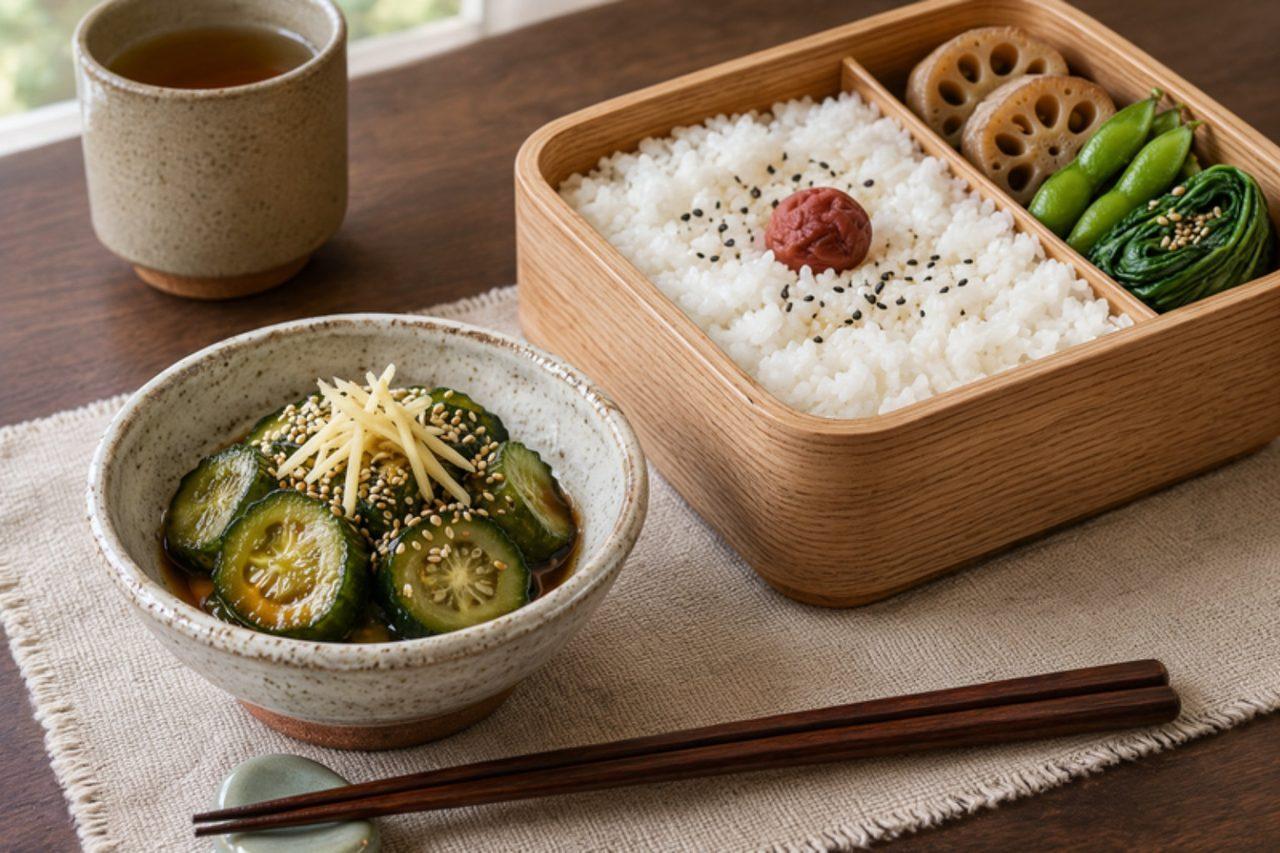
Kyuchan cucumber pickle

Kyuchan is the sweet-salty soy pickle that Japanese mothers tuck into the corner of a bento: thin coins of cucumber that stay crunchy for days thanks to an old trick of pouring hot pickling liquid over them several times. It brightens plain rice and cuts the richness of fried karaage-style dishes. The common mistake is simmering the cucumbers in the sauce, which makes them soft and grey; they should only ever sit in hot liquid off the heat. Chef's tip: squeeze the salted cucumbers really hard in a cloth, because every drop of water you remove is crunch you keep.

by KrazyBadal 0 views

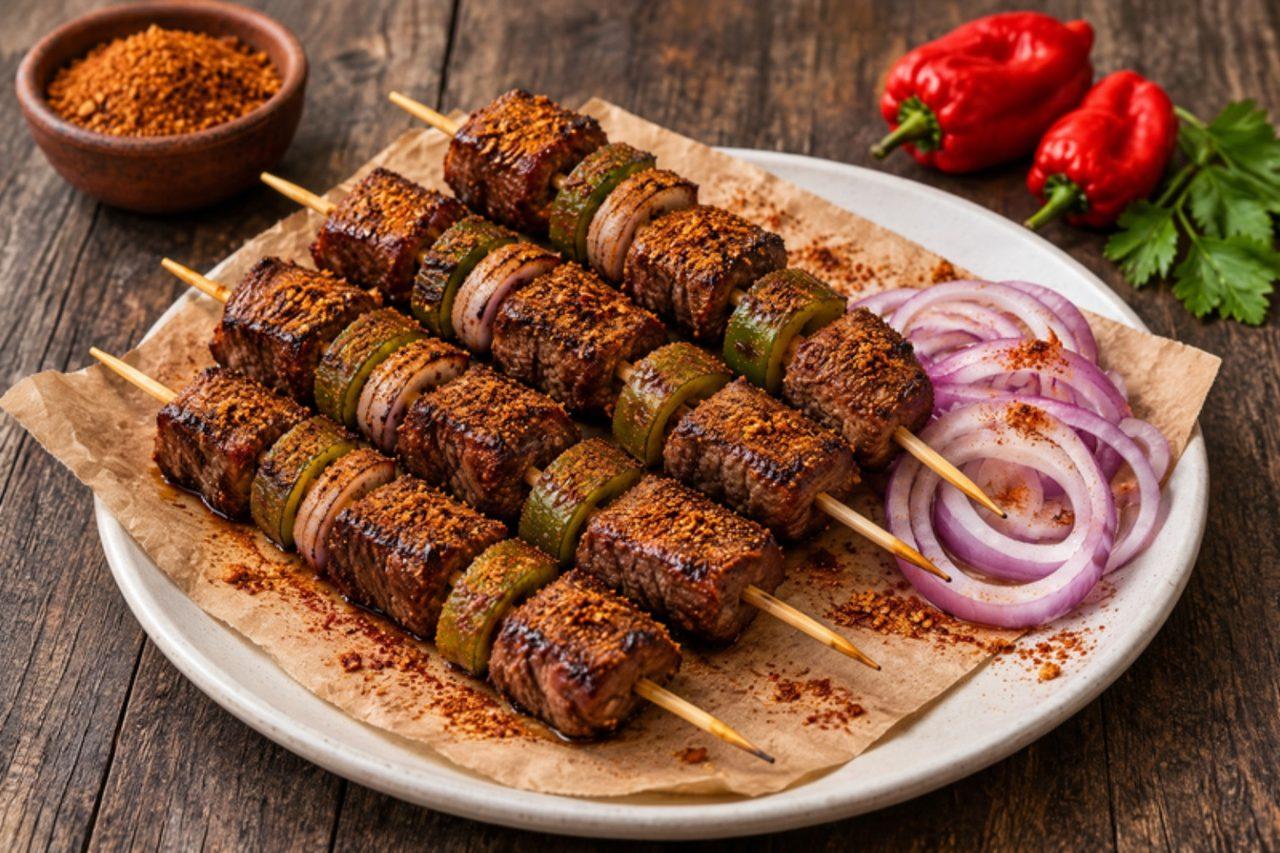
ChichingaSpicy peanut beef kebabs

As the sun goes down on Oxford Street in Osu, Accra, chichinga sellers fan their charcoal grills at the roadside and the smell of spiced beef and roasting peanuts pulls in the evening crowd. The skewers came south with traders from northern Ghana and are close cousins of Nigerian suya: chunks of beef rubbed with a hot powder of ground peanuts, ginger and chilli, grilled with onion and green pepper and eaten with a sprinkle of extra spice, sliced tomato and a cold drink. It contains peanuts. Chef's tip: dust on most of the peanut spice in the second half of grilling; over fierce coals it scorches if it goes on too early.

by KrazyBadal 0 views

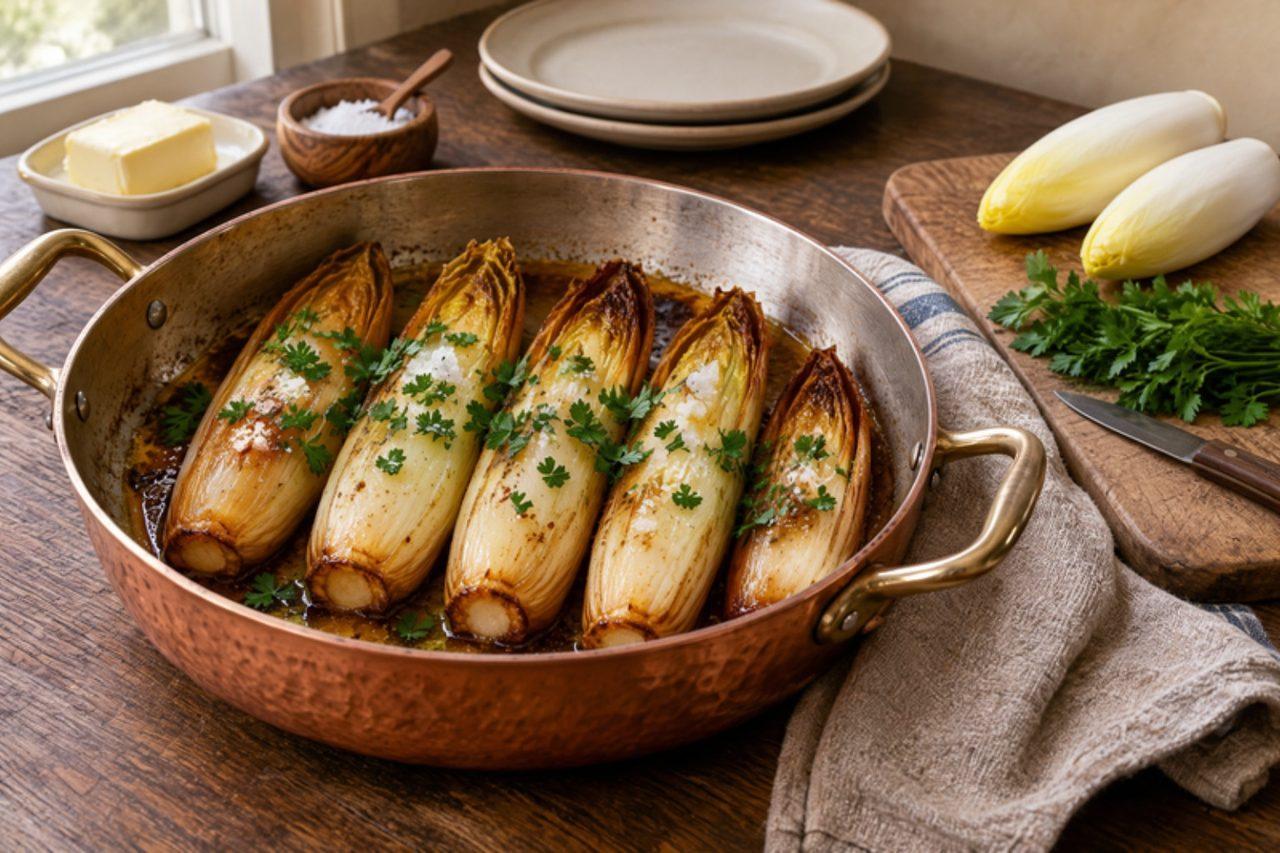
Chicons braisésBraised endives

Belgian endive, called chicon in Wallonia and witloof in Flanders, is grown in the dark around Brussels and eaten all winter, from November to March. Braised slowly in butter with a pinch of sugar and a squeeze of lemon, the pale heads turn golden, soft and gently caramelised, with only a whisper of their raw bitterness left. Serve them beside mashed potatoes and a fried egg, or as a side for a Sunday roast. The usual mistake is crowding the pan and boiling them in their own water, which leaves them grey and bitter. Chef's tip: lay the heads in a single layer and press a round of baking paper on top, so they steam gently and then brown in the butter once the juices cook off.

by KrazyBadal 0 views

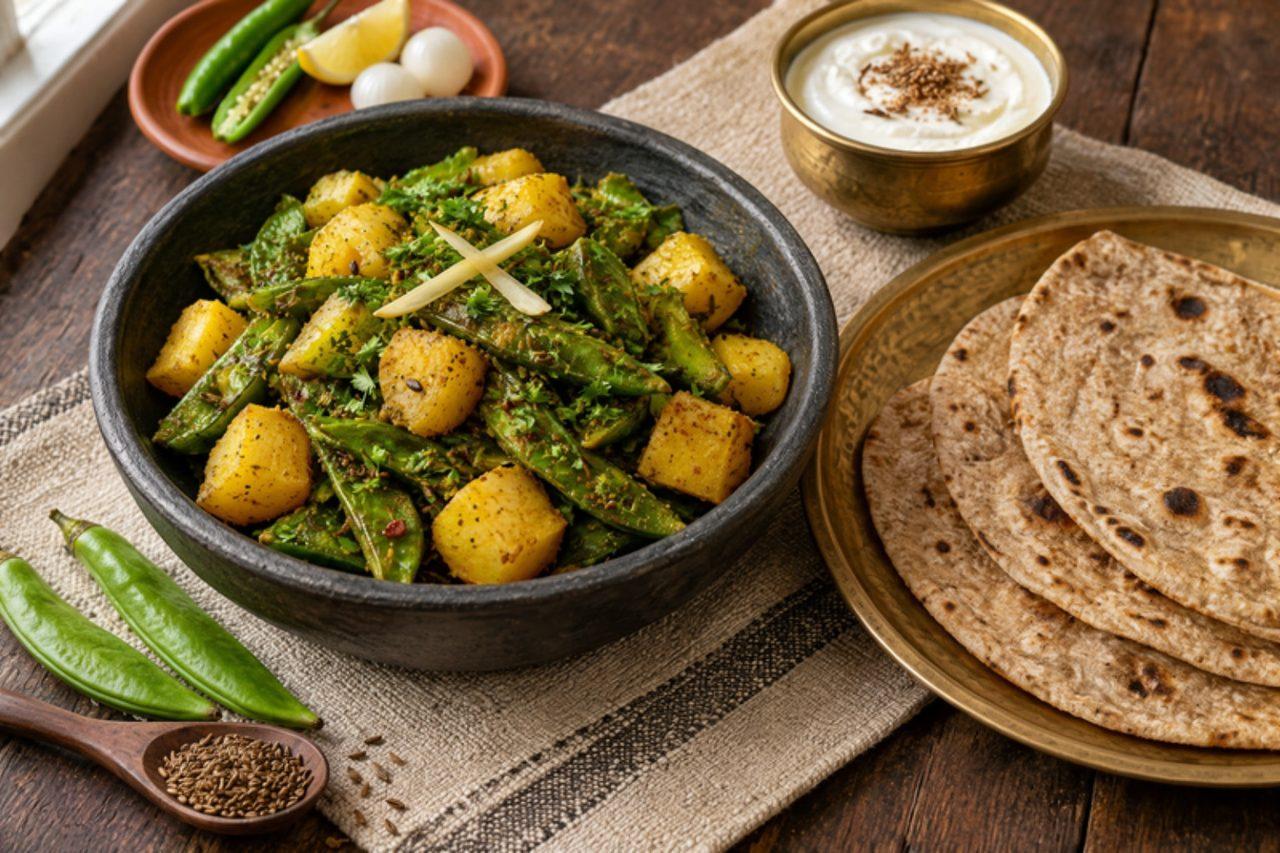
Sem ki sabzi (flat beans with potato)

When flat green sem pods fill the sabzi carts in Lucknow and Jaipur in winter, they go into this dry stir-fry with potato and a crackle of ajwain, the classic partner for paratha in an office dabba. The beans stay a little firm and sweet, the potato soaks up the spices, and nothing drips into the roti. The mistake is leaving the stringy edges on the pods; they never soften. Snap the tip and pull the string down each side before chopping. Chef's tip: cook covered for the first half to steam the beans tender, then uncover and turn up the heat so the potatoes catch and brown.

by KrazyBadal 0 views

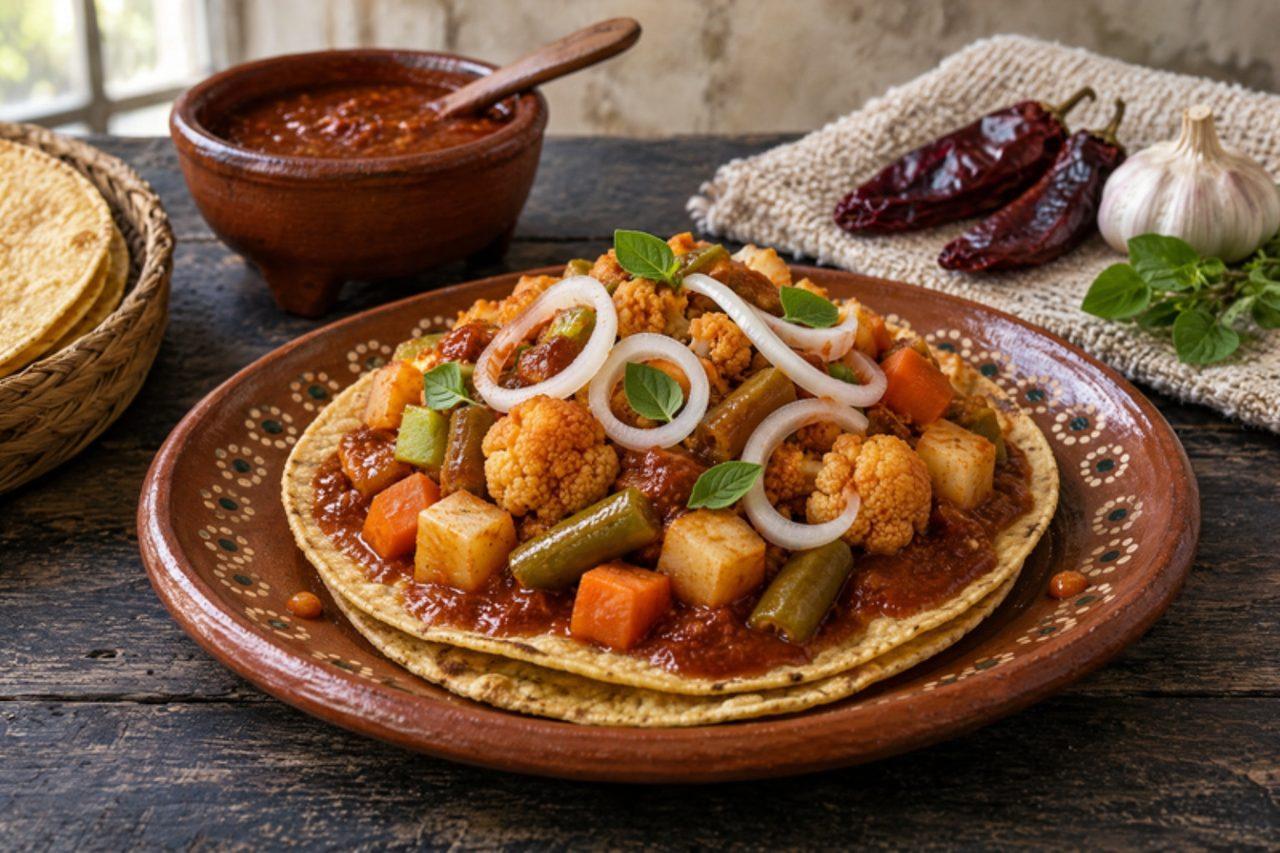
Chileajo de verdurasVegetables in guajillo garlic sauce

Chileajo is a cold dish of the Mixteca and the Oaxaca valley markets, sold from big clay bowls on Sundays and during Lent, and piled onto crisp tostadas at family fiestas. Potatoes, green beans, carrots, chayote, cauliflower and peas are cooked just tender and folded into a brick-red sauce of guajillo chiles, plenty of garlic, cloves and vinegar, then left to soak up its tangy, smoky heat. It keeps for days and improves as it sits. The usual mistake is overcooking the vegetables before they meet the sauce, so they turn mushy once mixed; they should still have a little bite. Chef's tip: toast the chiles only until they smell fragrant and blister, a few seconds a side; burnt chiles make the whole sauce bitter.

by KrazyBadal 0 views

OijiSalt-brined cucumber pickle

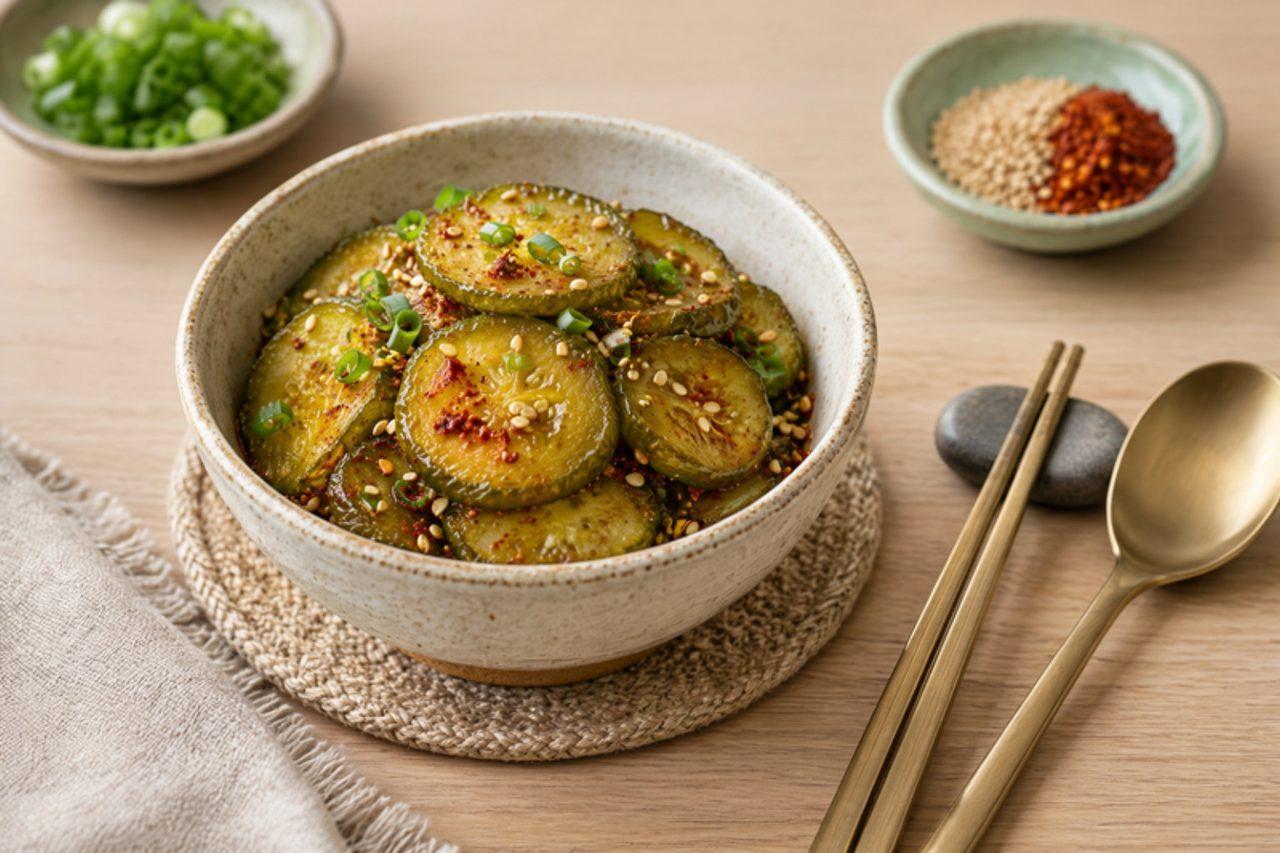
Oiji is the Korean way of keeping early-summer cucumbers into the dog days. In June, when short, thin-skinned pickling cucumbers flood markets from Seoul to the southern provinces, they are packed into a crock and covered with boiling salt brine, which keeps them crisp. A week later they are olive-gold, wrinkled and sour-salty. Nobody eats them straight: they are sliced, soaked and squeezed, then dressed as oiji muchim with chilli flakes, garlic and sesame, or floated in cold water with vinegar and spring onion as oiji naengguk, a cooling summer soup. Over rice on a hot afternoon, the crunch is everything. The brine is about 10% salt (200 g per 2 litres of water), strong enough to keep them all summer. The common mistake is leaving any cucumber above the brine; it softens and moulds, so weigh them down well. It is ready when the cucumbers are evenly yellow-green, wrinkled and firm, and the brine smells cleanly sour. Normal: cloudy brine and bubbles; bad: fuzzy coloured mould, mushy or slimy cucumbers, a rotten smell. Chef's tip: squeeze the soaked slices in a cotton cloth as hard as you can before dressing; the drier they are, the better they crunch.

by KrazyBadal 0 views

Showing 36 of 7,762 recipes

Show more recipes

Page 124 of 863