


Skip to content
Marquesitas
Featured recipe

Marquesitas

Cheese and cajeta crepes

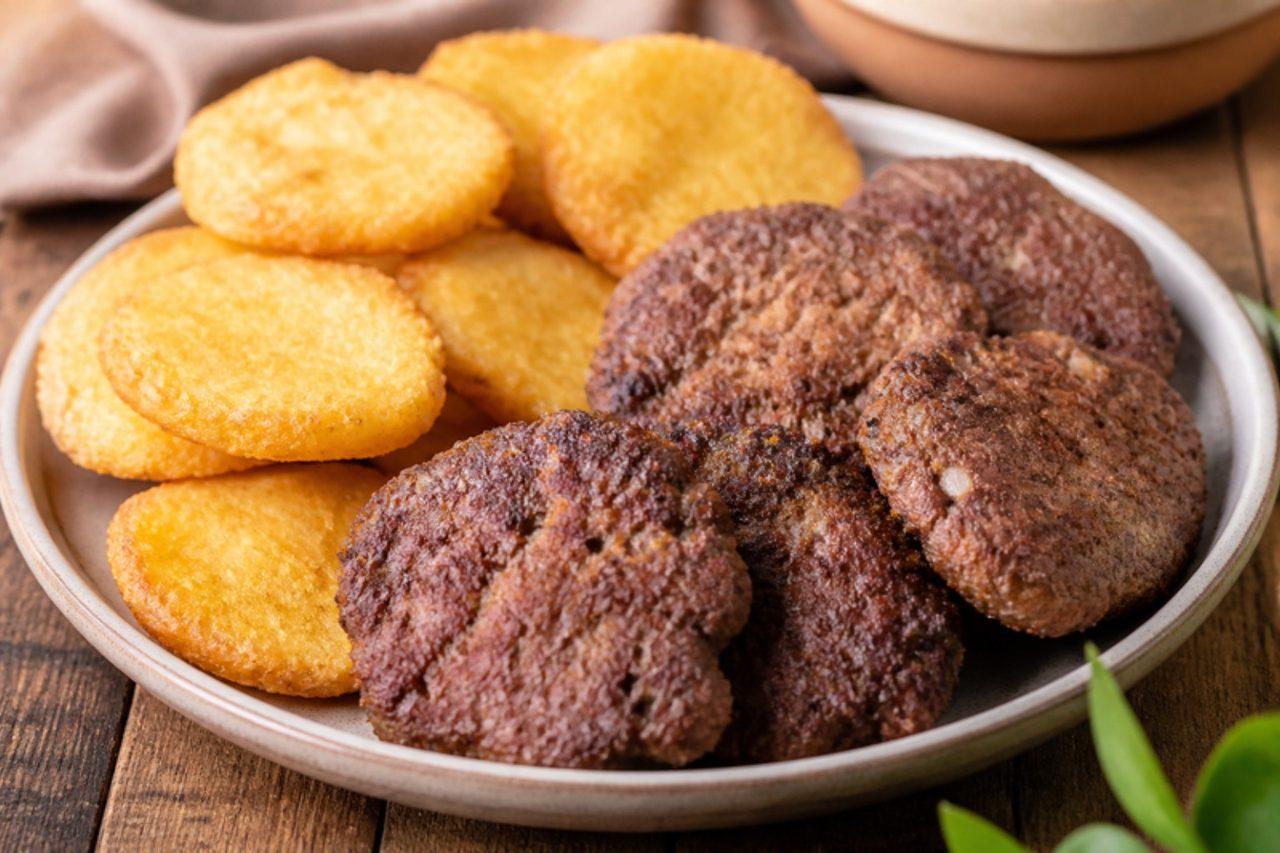
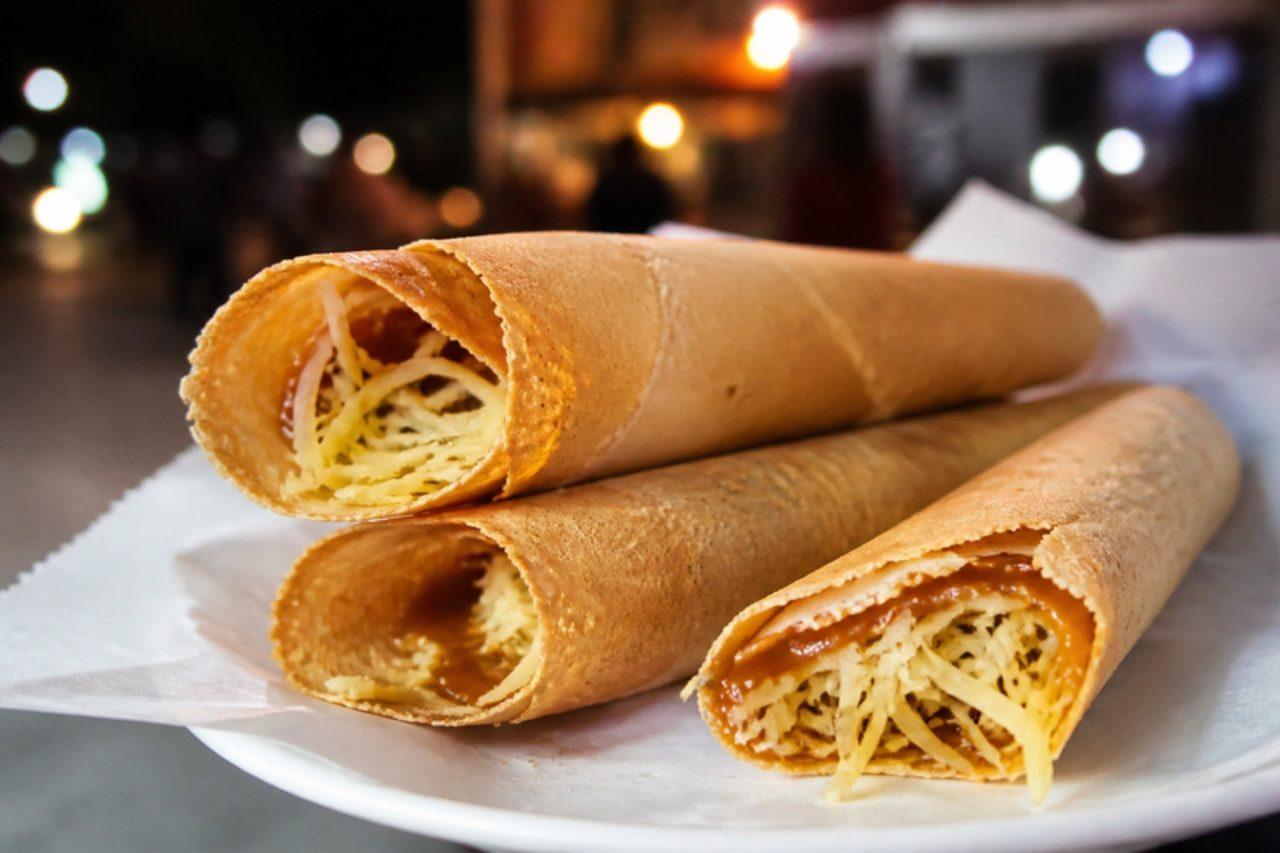
Evening in Mérida's Plaza Grande means the smell of marquesitas: thin batter pressed in hot hinged irons until crisp, then rolled like a cigar around grated Edam cheese and a sweet filling such as cajeta, chocolate-hazelnut spread or jam. Edam came to the Yucatán through the port trade with the Netherlands and became part of the local cooking, and the salty-sweet combination is the whole point. At home you can cook them in a thin, wide frying pan. Edam is usually made with animal rennet, so check the label or use a vegetarian Gouda-style cheese. Chef's tip: roll while the crêpe is still in the pan and hot; within seconds it hardens and will crack.

Read more 1 views

What to eat today?

Around the world

Today's trip: Paraguayan

A new country every day, from every cuisine on the site.

Paraguayan

Payaguá mascada

Cassava and beef patties 55 minMore from Paraguayan (27) →

This week's collection

Kid-friendly dinners
537 recipes · a new collection every Monday

Latest recipes

Chhena jhiliFried cheese patties in syrup

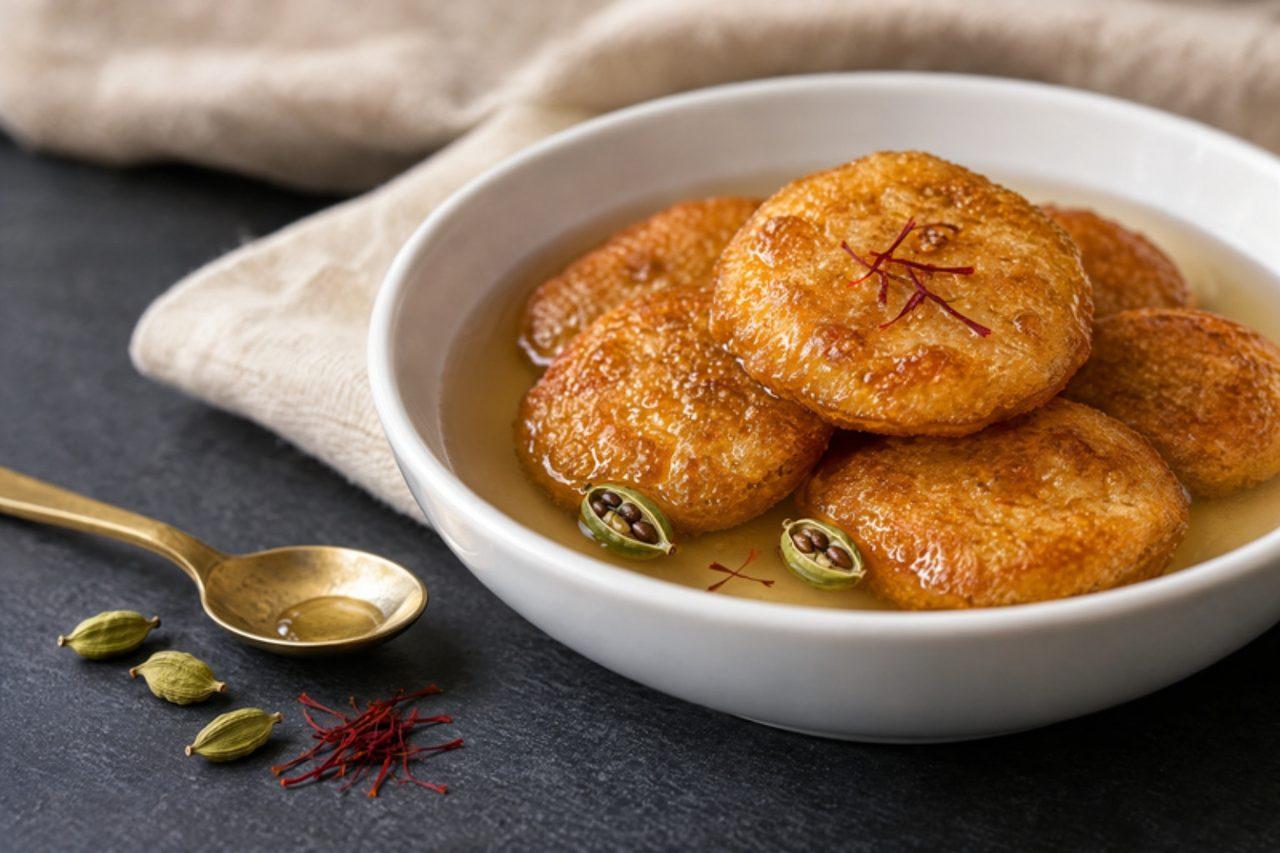
Chhena jhili comes from Nimapara near Puri in Odisha, where sweet shops fry these flat, oval chhena patties all day for pilgrims heading to and from the Jagannath temple. They are soft and spongy, golden-brown outside and creamy within, soaked in a thin syrup scented with cardamom, and are eaten at Rath Yatra, weddings and any good-news visit. The common mistake is using dry, crumbly chhena; it should be moist enough to press into a smooth patty without cracks, so hang it for no more than 30 minutes. Chef's tip: fry in ghee rather than oil for the true Odia flavour, keeping the heat gentle so the outside stays golden, not dark.

by KrazyBadal 0 views
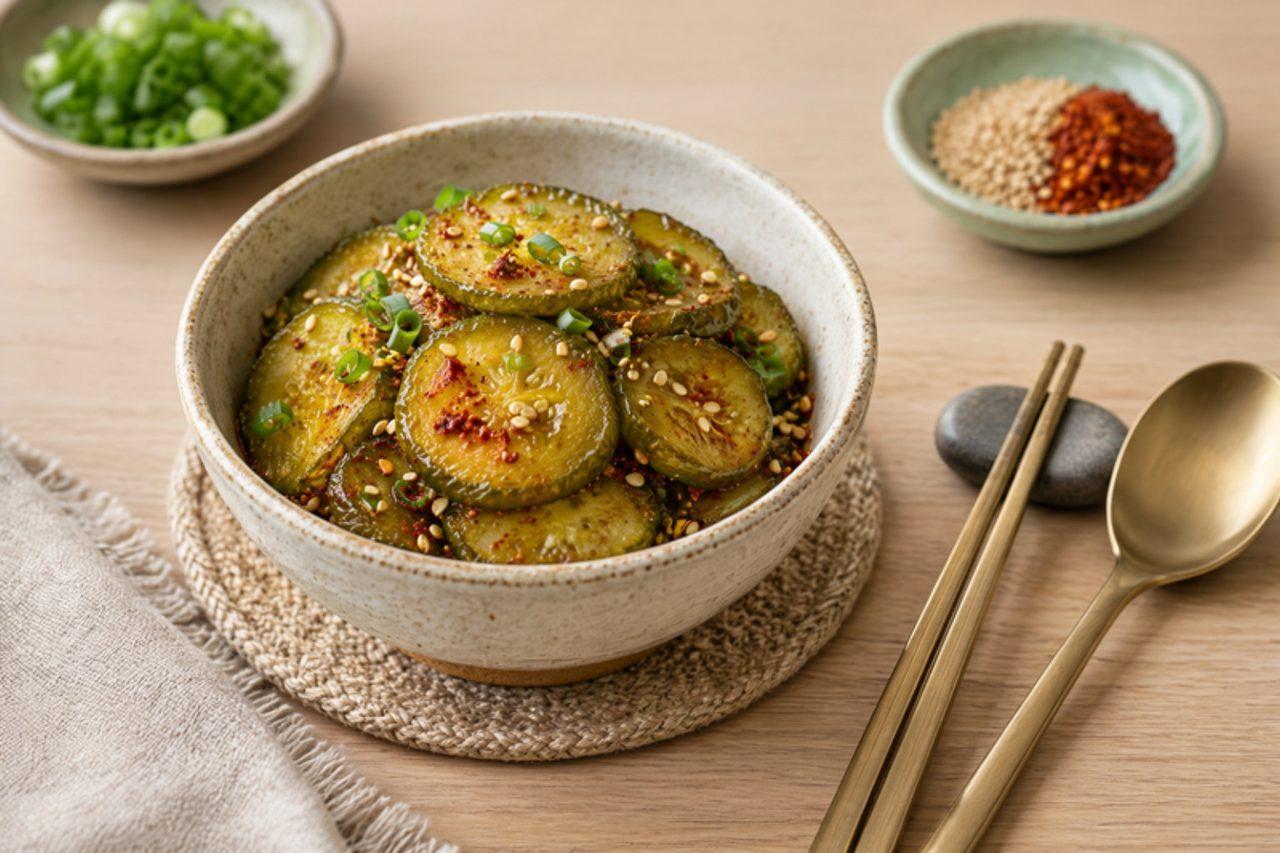
Kyuchan cucumber pickle

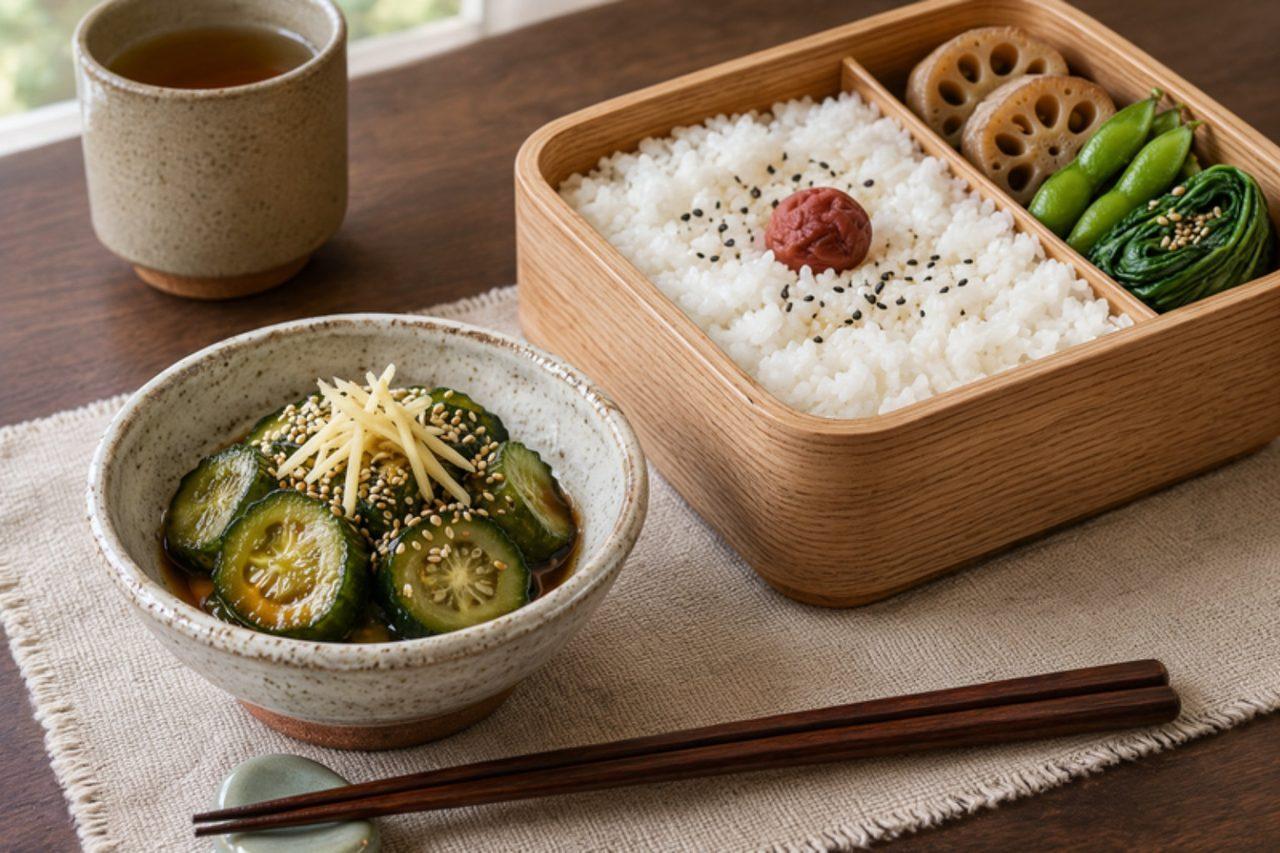
Kyuchan is the sweet-salty soy pickle that Japanese mothers tuck into the corner of a bento: thin coins of cucumber that stay crunchy for days thanks to an old trick of pouring hot pickling liquid over them several times. It brightens plain rice and cuts the richness of fried karaage-style dishes. The common mistake is simmering the cucumbers in the sauce, which makes them soft and grey; they should only ever sit in hot liquid off the heat. Chef's tip: squeeze the salted cucumbers really hard in a cloth, because every drop of water you remove is crunch you keep.

by KrazyBadal 0 views

Portuguese sausage, eggs and rice

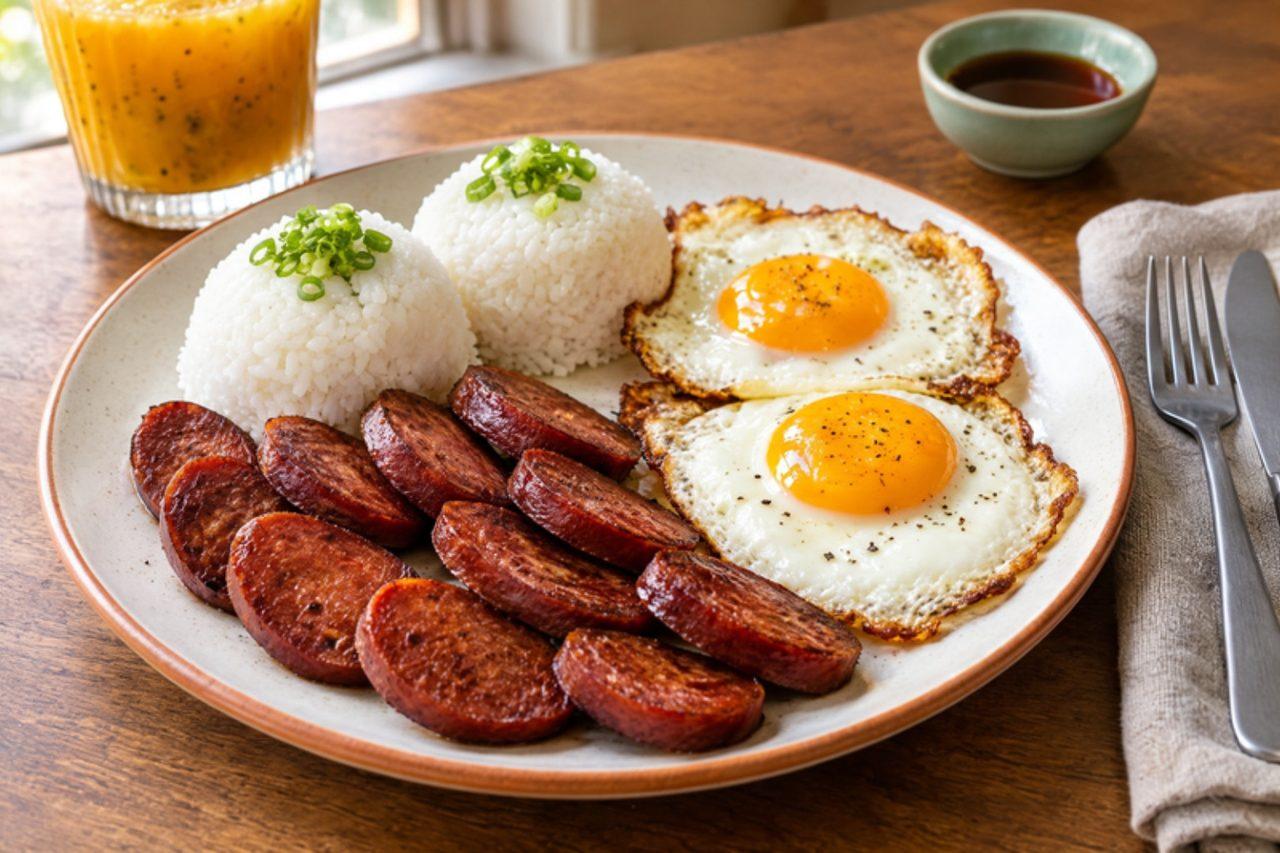
In Hawaii, a breakfast plate at a diner in Honolulu or Hilo, or at a drive-in on Maui, often means slices of smoky, garlicky, paprika-red Portuguese pork sausage (brought to the islands by Madeiran and Azorean immigrants in the 1800s) fried until caramelised, two eggs, and two scoops of short-grain rice. A splash of shoyu on the rice is optional. The common mistake is frying the sausage over a high heat so the sugar in it burns before it heats through; fry it steadily over a medium heat until sizzling and piping hot (71 °C if your sausage is uncooked rather than smoked). Cook the eggs fully set for pregnant people, young children, older or vulnerable people. Chef's tip: fry the eggs in the red fat the sausage leaves behind; they come out lacy and full of flavour.

by KrazyBadal 0 views

Chichi dangoCoconut milk mochi

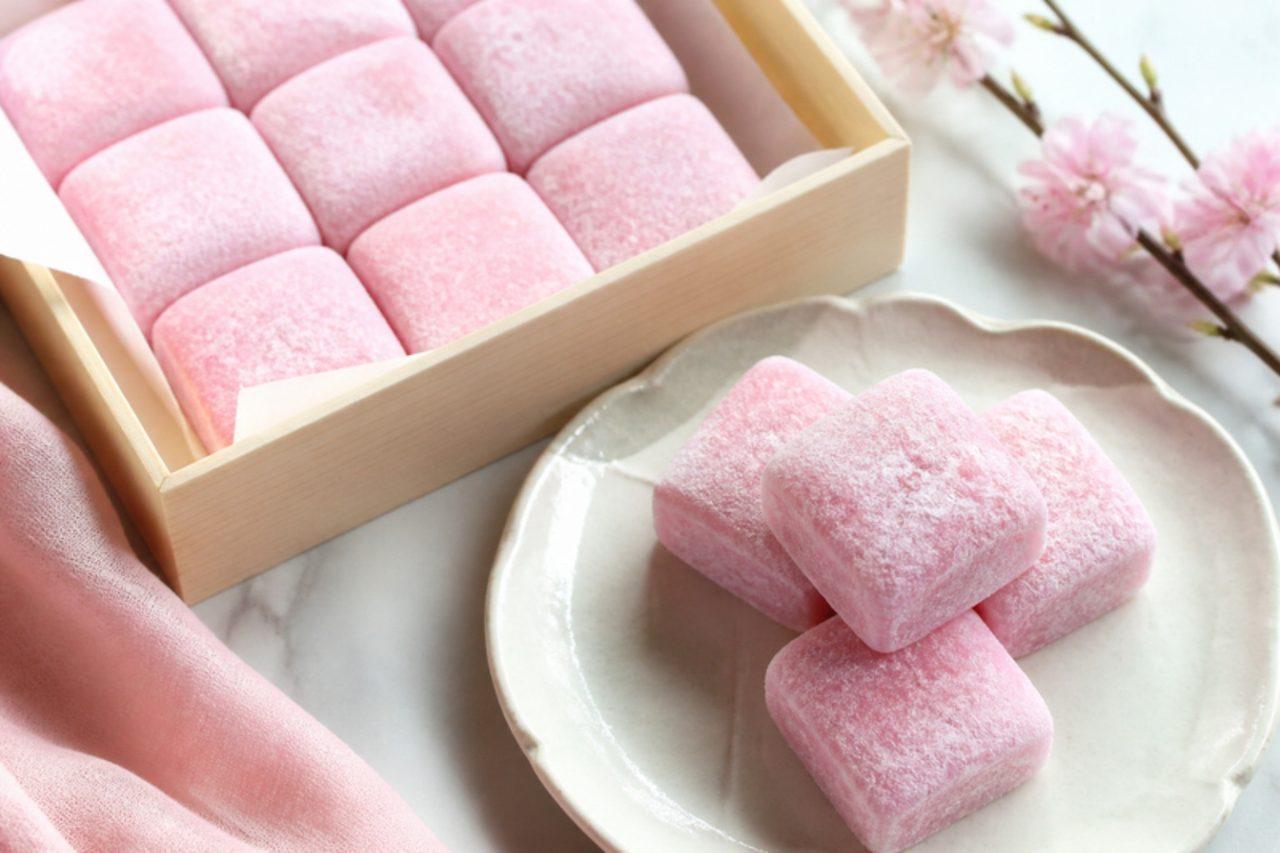
Chichi dango are the soft, pastel-pink mochi squares made for Girls' Day, birthdays and graduations in Hawaii's Japanese-American families, and sold in little boxes at manapua shops and crack seed stores in Honolulu. Mochiko (sweet rice flour) is mixed with coconut milk and sugar, baked until set, then cut and dusted with potato starch. They are chewy, milky and lightly sweet. A common mistake is cutting them warm with a dry knife, which tears them; cool fully and use a plastic knife dusted with starch. Chef's tip: wrap the tin tightly in foil while baking so the top stays soft and smooth.

by KrazyBadal 0 views

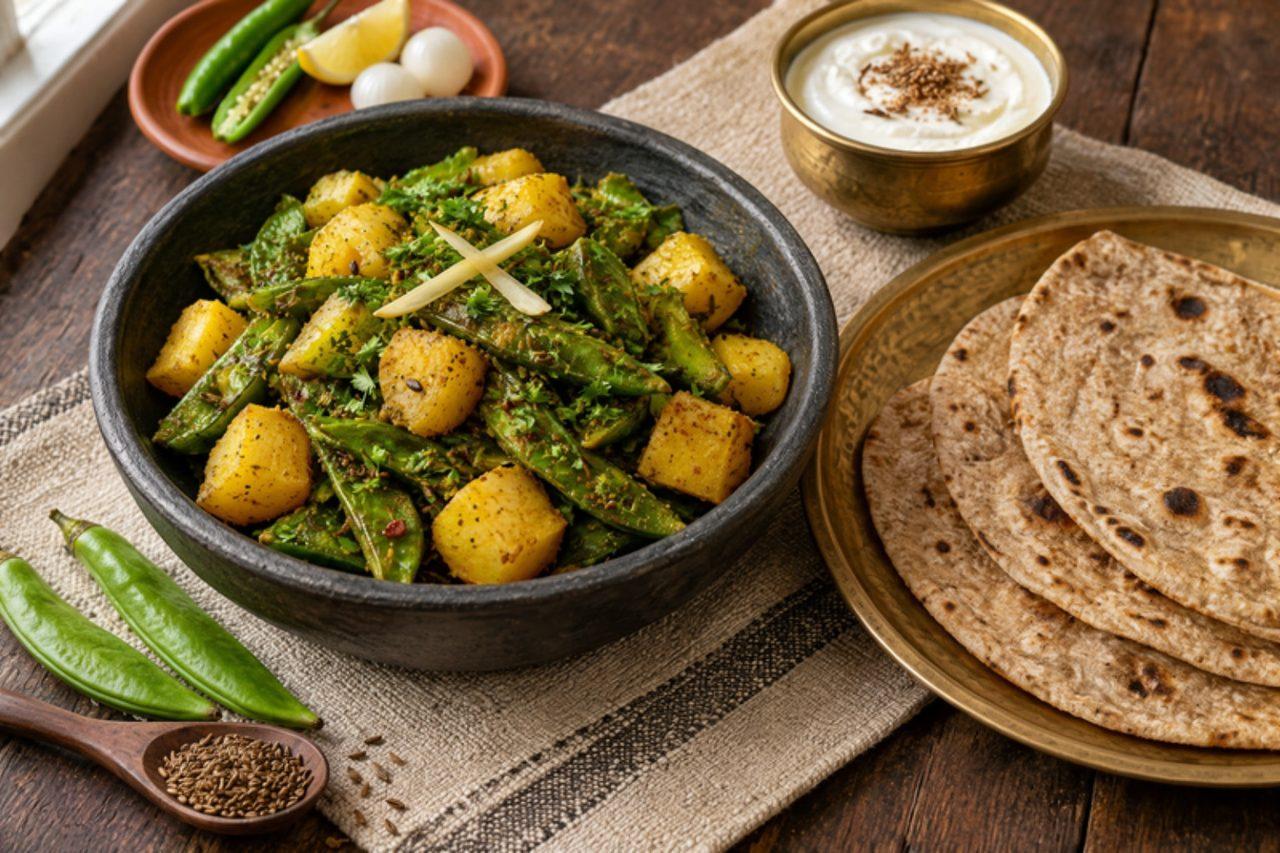
Sem ki sabzi (flat beans with potato)

When flat green sem pods fill the sabzi carts in Lucknow and Jaipur in winter, they go into this dry stir-fry with potato and a crackle of ajwain, the classic partner for paratha in an office dabba. The beans stay a little firm and sweet, the potato soaks up the spices, and nothing drips into the roti. The mistake is leaving the stringy edges on the pods; they never soften. Snap the tip and pull the string down each side before chopping. Chef's tip: cook covered for the first half to steam the beans tender, then uncover and turn up the heat so the potatoes catch and brown.

by KrazyBadal 0 views

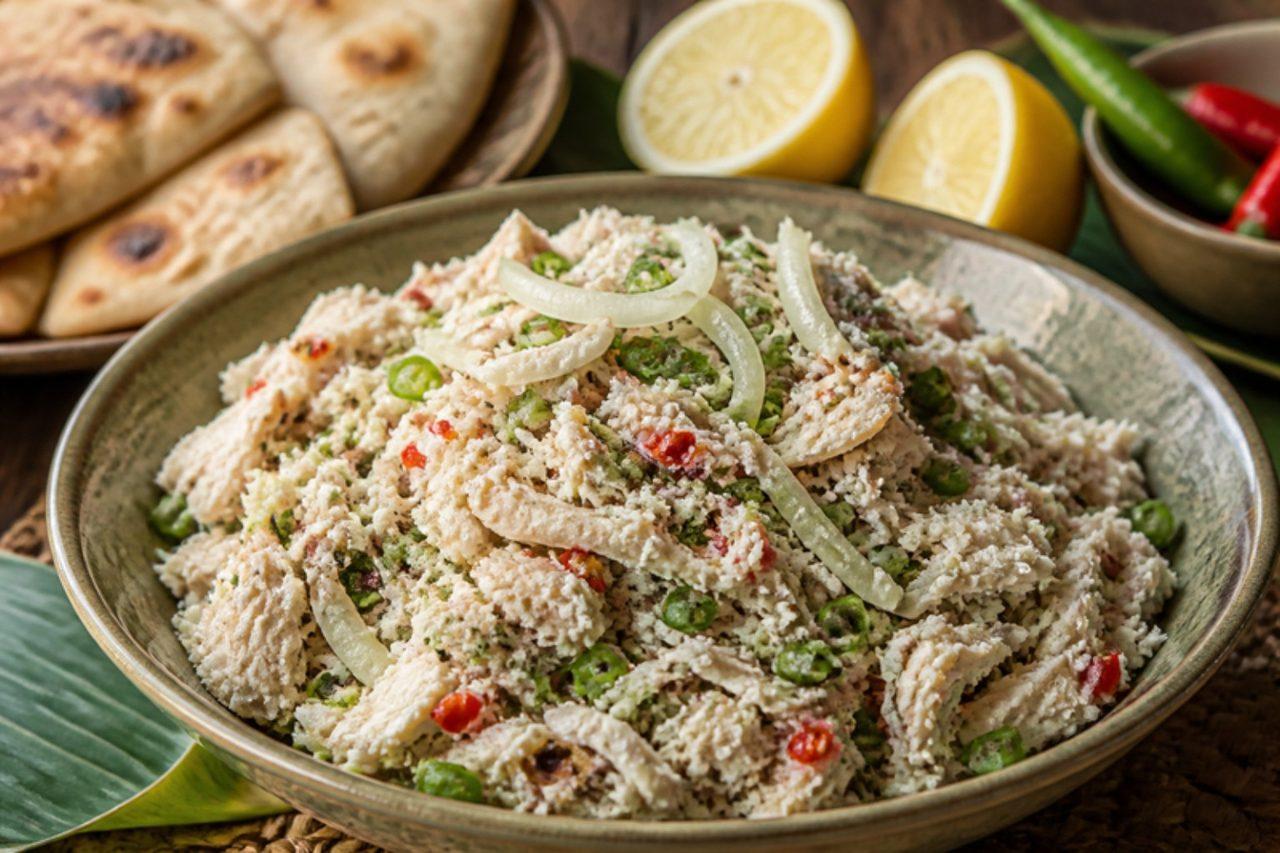
Chicken kelaguenGrilled chicken with lemon and coconut

Chicken kelaguen is the dish that tells you you're at a Chamorro fiesta in Guam or Saipan: grilled chicken chopped fine and tossed with lots of fresh lemon juice, onion, hot donne' peppers, salt and freshly grated coconut. It is eaten cold or at room temperature, scooped up with warm titiyas or alongside red rice. The chicken is fully grilled first; only some other kelaguen are lemon-cured raw. A common mistake is skimping on lemon; it should taste bright and sharp. Chef's tip: grill the chicken over charcoal for the smoky flavour that makes kelaguen special.

by KrazyBadal 0 views

Chicons braisésBraised endives

Belgian endive, called chicon in Wallonia and witloof in Flanders, is grown in the dark around Brussels and eaten all winter, from November to March. Braised slowly in butter with a pinch of sugar and a squeeze of lemon, the pale heads turn golden, soft and gently caramelised, with only a whisper of their raw bitterness left. Serve them beside mashed potatoes and a fried egg, or as a side for a Sunday roast. The usual mistake is crowding the pan and boiling them in their own water, which leaves them grey and bitter. Chef's tip: lay the heads in a single layer and press a round of baking paper on top, so they steam gently and then brown in the butter once the juices cook off.

by KrazyBadal 0 views

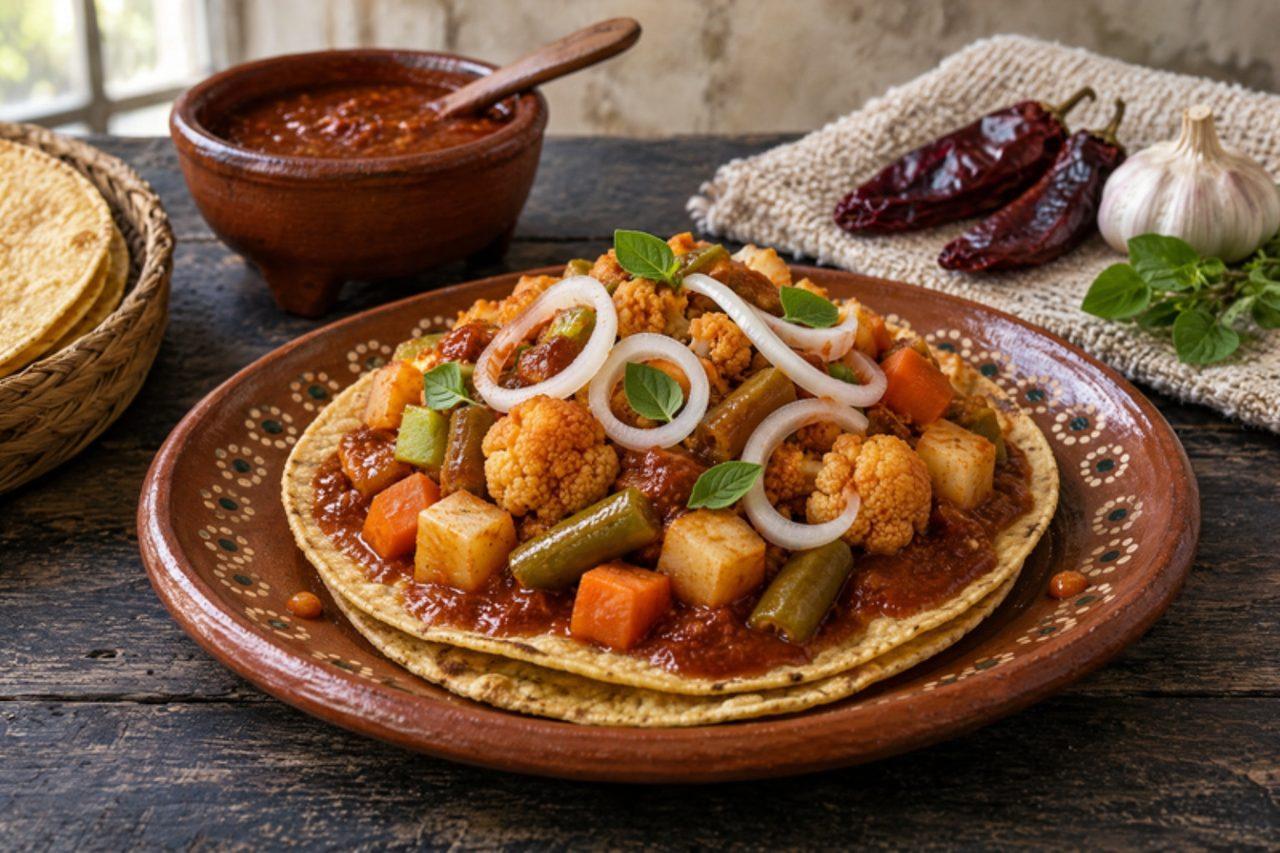
Chileajo de verdurasVegetables in guajillo garlic sauce

Chileajo is a cold dish of the Mixteca and the Oaxaca valley markets, sold from big clay bowls on Sundays and during Lent, and piled onto crisp tostadas at family fiestas. Potatoes, green beans, carrots, chayote, cauliflower and peas are cooked just tender and folded into a brick-red sauce of guajillo chiles, plenty of garlic, cloves and vinegar, then left to soak up its tangy, smoky heat. It keeps for days and improves as it sits. The usual mistake is overcooking the vegetables before they meet the sauce, so they turn mushy once mixed; they should still have a little bite. Chef's tip: toast the chiles only until they smell fragrant and blister, a few seconds a side; burnt chiles make the whole sauce bitter.

by KrazyBadal 0 views

OijiSalt-brined cucumber pickle

Oiji is the Korean way of keeping early-summer cucumbers into the dog days. In June, when short, thin-skinned pickling cucumbers flood markets from Seoul to the southern provinces, they are packed into a crock and covered with boiling salt brine, which keeps them crisp. A week later they are olive-gold, wrinkled and sour-salty. Nobody eats them straight: they are sliced, soaked and squeezed, then dressed as oiji muchim with chilli flakes, garlic and sesame, or floated in cold water with vinegar and spring onion as oiji naengguk, a cooling summer soup. Over rice on a hot afternoon, the crunch is everything. The brine is about 10% salt (200 g per 2 litres of water), strong enough to keep them all summer. The common mistake is leaving any cucumber above the brine; it softens and moulds, so weigh them down well. It is ready when the cucumbers are evenly yellow-green, wrinkled and firm, and the brine smells cleanly sour. Normal: cloudy brine and bubbles; bad: fuzzy coloured mould, mushy or slimy cucumbers, a rotten smell. Chef's tip: squeeze the soaked slices in a cotton cloth as hard as you can before dressing; the drier they are, the better they crunch.

by KrazyBadal 0 views

Showing 9 of 7,762 recipes

Show more recipes

Page 124 of 863