


Skip to content
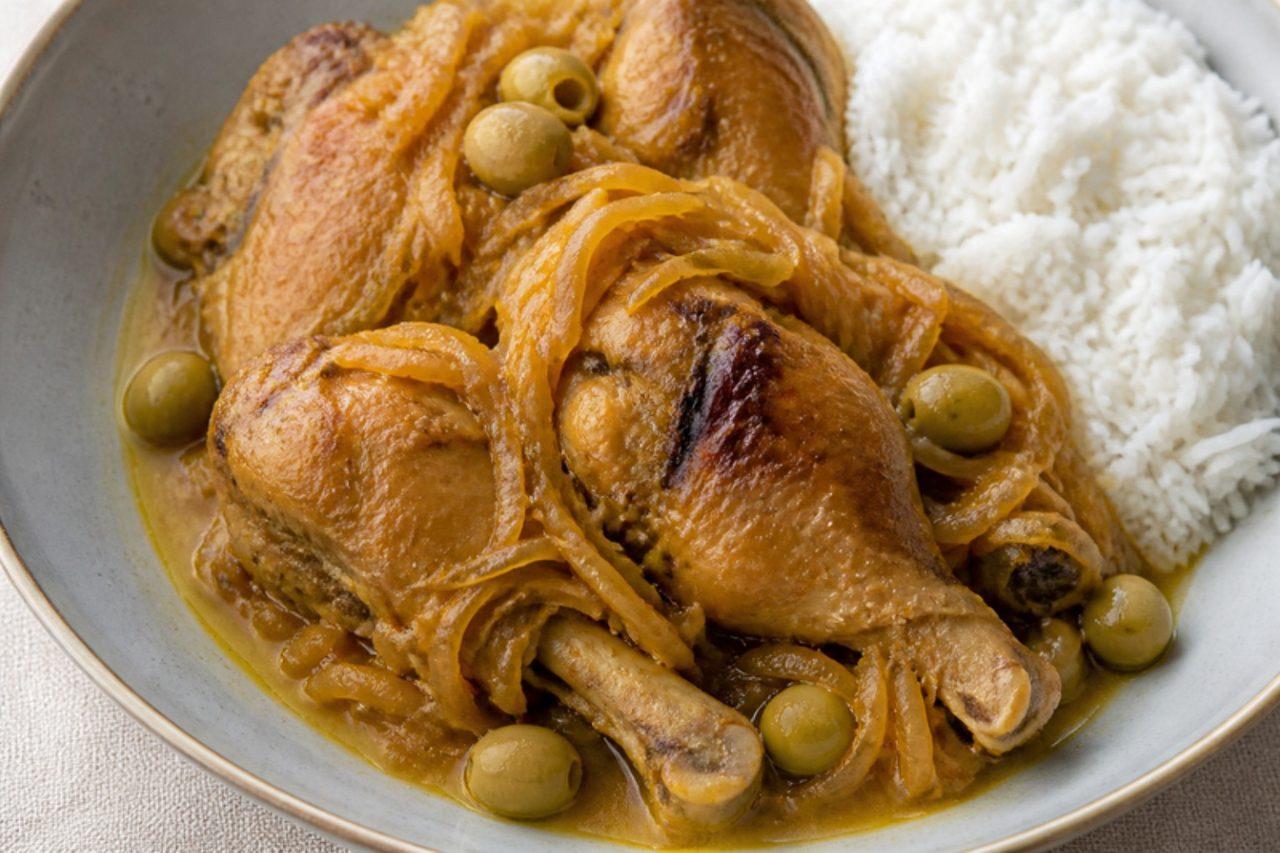
Yassa poulet
Featured recipe

Yassa poulet

Lemon onion chicken

Yassa comes from Casamance, the green, rice-growing south of Senegal, and has become the dish Dakar families cook for guests and naming ceremonies. Chicken spends a night in lemon juice, mustard and a huge pile of sliced onions, is grilled or browned until charred at the edges, then braised in those same onions until they collapse into a sharp, sweet, jammy sauce. It is served over plain white rice with a green olive or two on top. A common mistake is rushing the onions; if they are still crunchy the sauce tastes raw and harsh, so give them the full half hour. Chef's tip: keep the marinade, because it becomes the sauce; just boil it well with the onions so it is safe to eat.

Read more 0 views

What to eat today?

Around the world

Today's trip: Paraguayan

A new country every day, from every cuisine on the site.

Paraguayan

Buñuelos de algas

Sea lettuce fritters 35 minMore from Paraguayan (27) →

This week's collection

Kid-friendly dinners
537 recipes · a new collection every Monday

Latest recipes

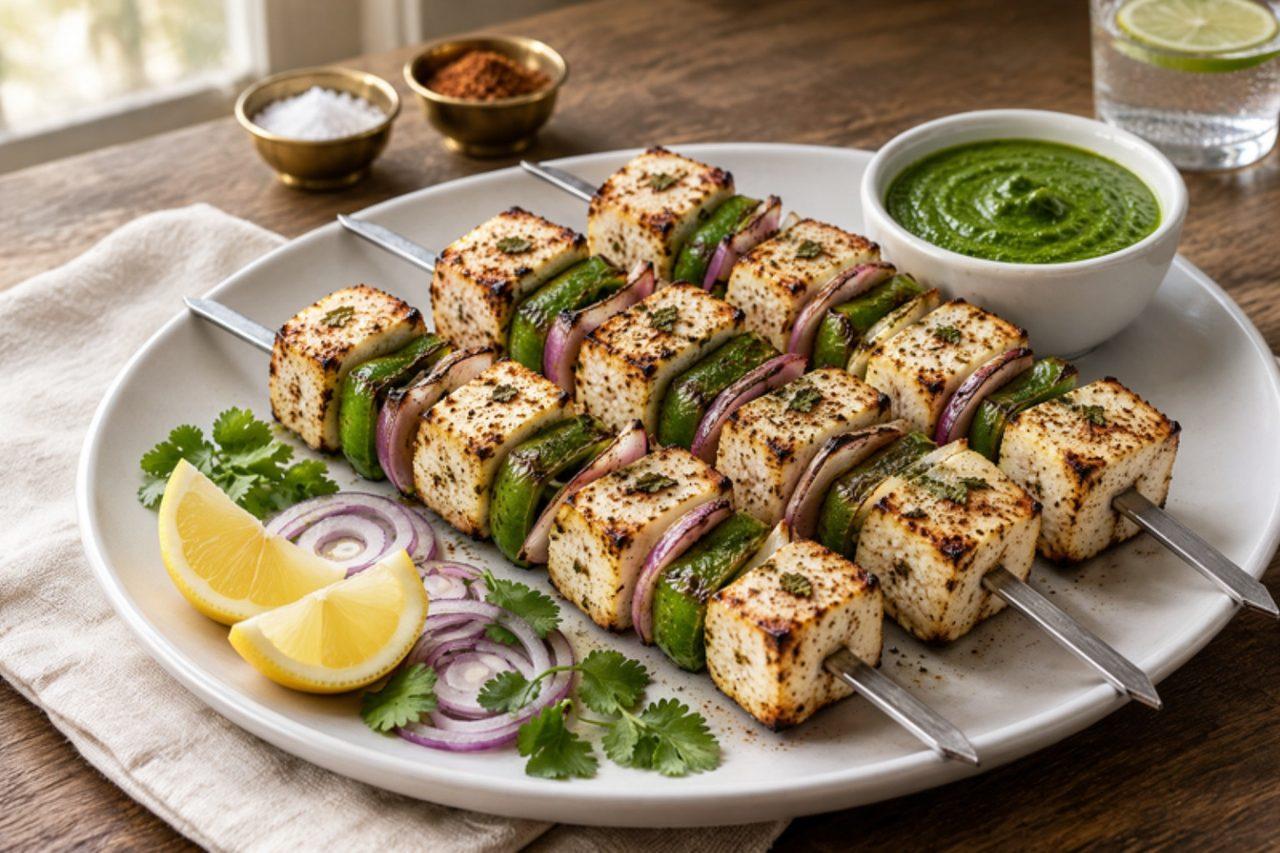
Paneer tikka

Paneer tikka is the vegetarian star of Punjabi dhabas and Delhi wedding buffets, and at home it is a weekend starter cooked under the grill or in a hot oven. Thick cubes of paneer, pepper and onion are coated in hung yogurt with ginger, garlic, chaat masala and roasted gram flour, then charred at high heat so the edges blister while the centre stays soft. Paneer set at home with lemon juice or vinegar uses no rennet; if you buy it, check the label. Serve with mint chutney and a big salad instead of naan. It is suitable as part of a balanced diet. About 330 kcal and 10 g carbohydrate per portion. The usual mistake is a runny marinade, which slides off; hang the yogurt for 20 minutes first. Chef's tip: marinate in the fridge for at least 30 minutes, and don't skip a final blast of high heat for the charred spots.

by KrazyBadal 0 views

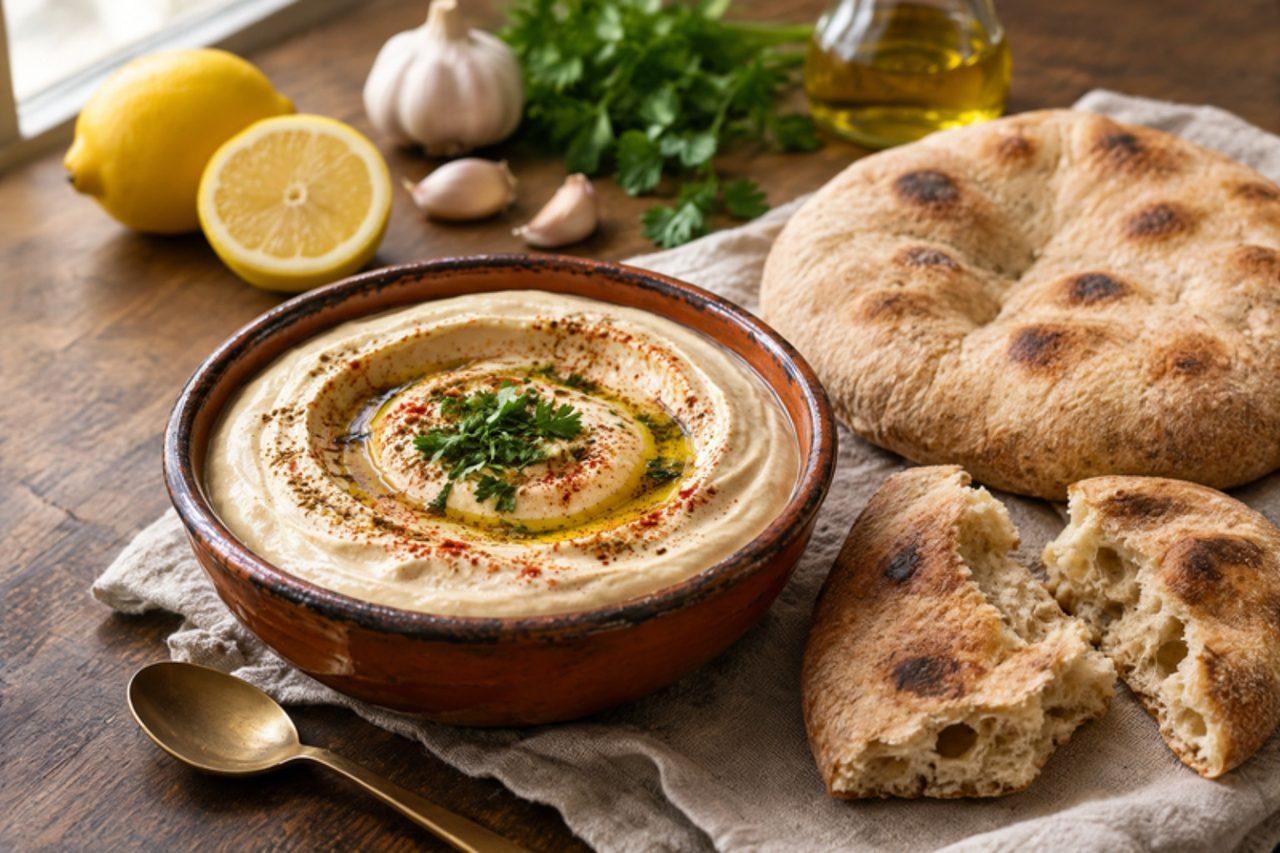
Salatet tahinaTahini sauce

No Egyptian table is complete without salatet tahina: in Cairo and Alexandria it is served with fried fish, grilled kofta, ful and falafel, and it is on every mezze plate at Friday lunch. Sesame paste is whipped with lemon juice, garlic, cumin and cold water until it turns pale, fluffy and creamy, with no sugar at all. Suitable as part of a balanced diet, it brings sesame protein and healthy fats with very little carbohydrate: about 150 kcal and 5 g carbohydrate per portion of 3 tablespoons. The usual mistake is panicking when the tahini seizes and goes thick after the lemon goes in; keep adding cold water a spoon at a time and it loosens into a smooth sauce. Chef's tip: use ice-cold water, which makes the tahina whiter and fluffier.

by KrazyBadal 0 views

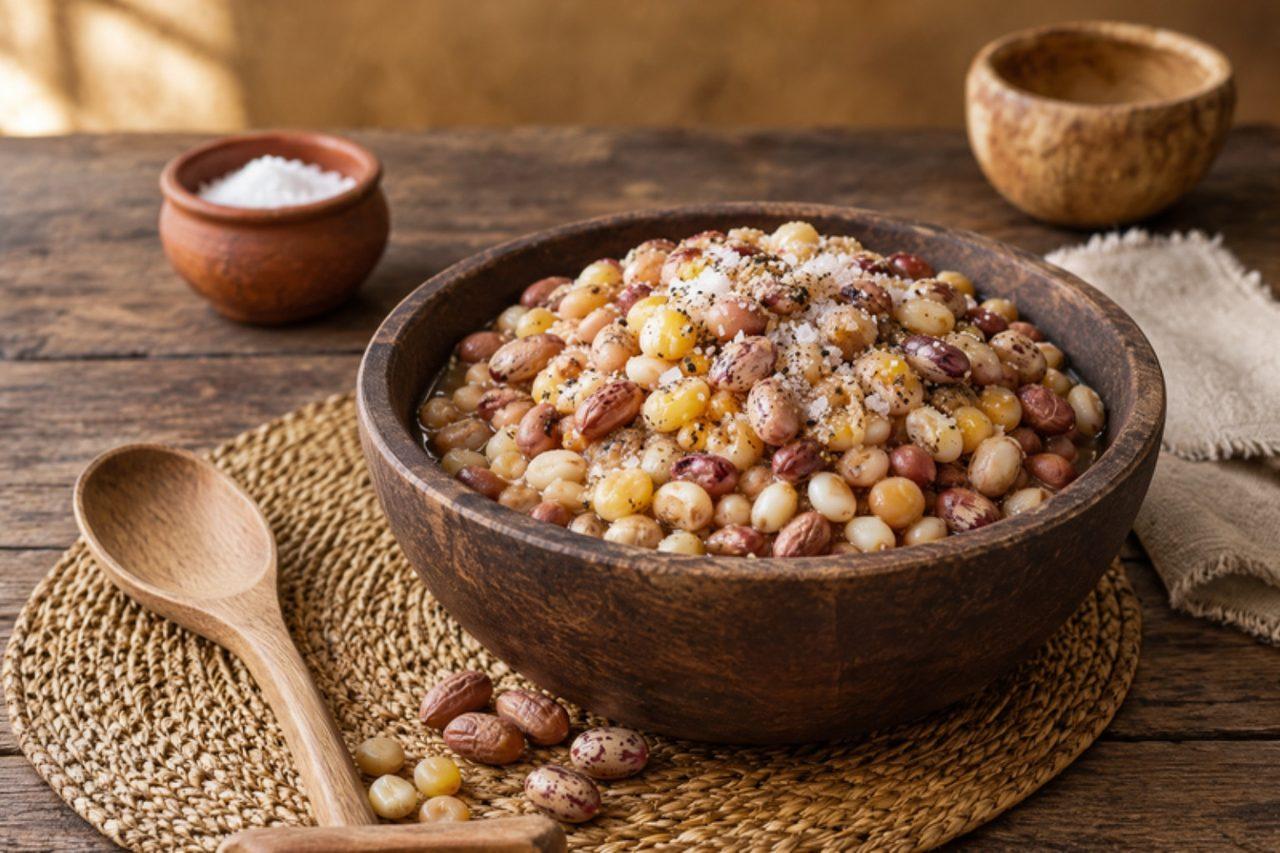
MutakuraBeans, cowpeas and maize

Mutakura is old Zimbabwean country food, cooked in rural Mashonaland after harvest from the store of dried beans, cowpeas, groundnuts and maize kernels, and eaten as a filling lunch or snack, often at gatherings and ceremonies. Everything is soaked, boiled for hours until tender, then simply seasoned with salt, so the beans are creamy, the maize chewy and the groundnuts soft and rich. Suitable as part of a balanced diet. About 340 kcal and 45 g carbohydrate per portion. The usual mistake is cooking everything together from the start: the maize needs a long head start, and the dried red beans must be boiled hard for 10 minutes to be safe. A pressure cooker cuts the maize time to about 40 minutes. Chef's tip: soak everything overnight in separate bowls; the maize and groundnuts need it most.

by KrazyBadal 0 views

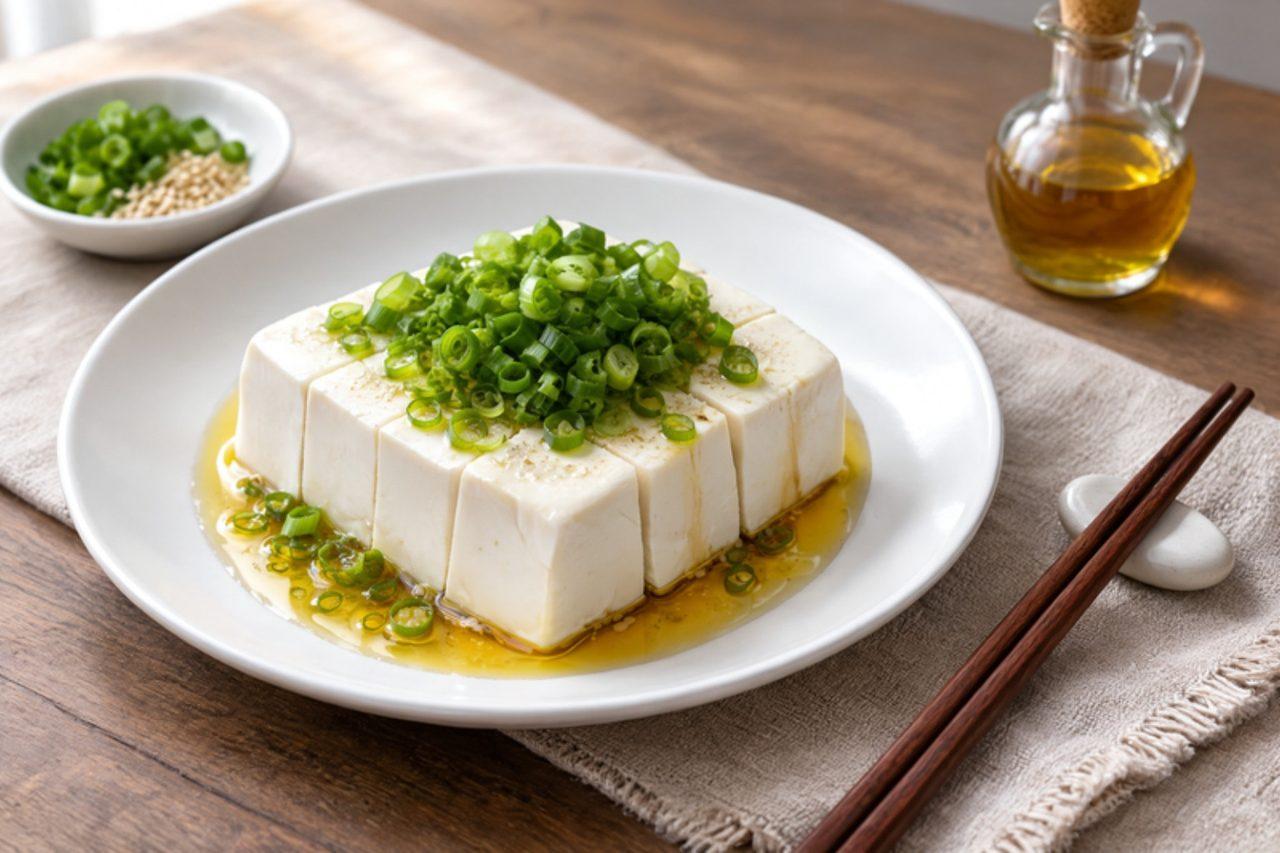
Xiaocong ban doufuCold tofu with spring onion

Xiaocong ban doufu is a northern Chinese home dish, especially popular in Beijing and Shandong on hot summer evenings, so simple that it has given Chinese a proverb about being clear as 'green onion and white tofu'. Soft tofu is blanched, cooled, cut into cubes and tossed with a heap of chopped spring onion, sesame oil and a little salt, so it is cool, silky and fresh. Serve it beside stir-fried vegetables and a little rice or a wholewheat bun. It is suitable as part of a balanced diet. About 120 kcal and 3 g carbohydrate per portion. The usual mistake is stirring hard so the tofu breaks into crumbs; fold it gently with a spoon. Chef's tip: blanch the tofu in salted water for a minute, which firms it up and takes away the raw beany taste.

by KrazyBadal 0 views

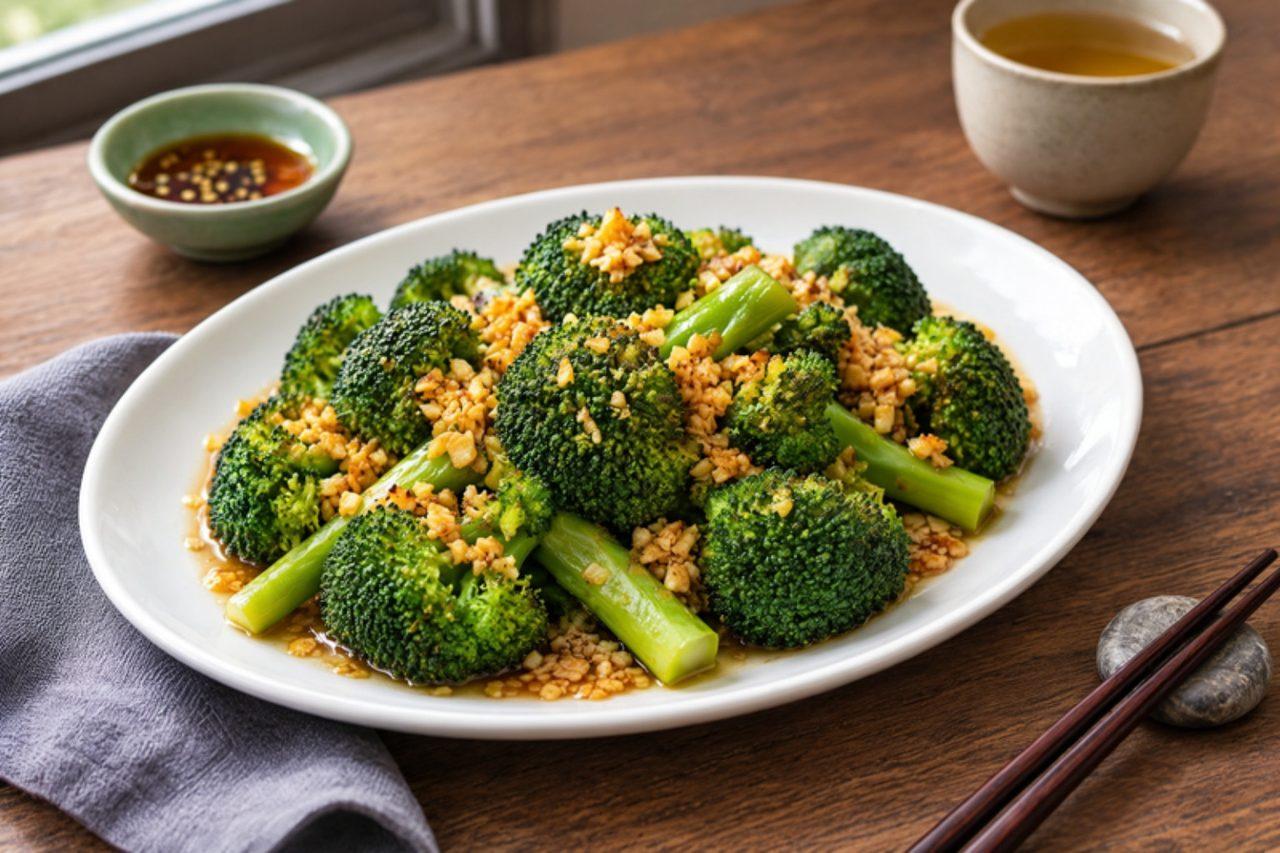
Suan rong xilanhuaGarlic broccoli

Garlic broccoli is on the menu of almost every Chinese home kitchen and family restaurant, from Guangzhou to Shanghai, as the quick green dish at a weekday dinner. The florets are blanched just until bright, then tossed in a hot wok with a big spoon of minced garlic and a splash of water, so they stay crisp, glossy and full of garlic flavour. Serve with tofu, fish or eggs and a modest portion of rice. It is suitable as part of a balanced diet. About 90 kcal and 8 g carbohydrate per portion. The usual mistake is adding the garlic to very hot oil before the broccoli, where it burns and turns bitter. Chef's tip: add a few drops of oil to the blanching water; it keeps the broccoli shiny and green.

by KrazyBadal 0 views

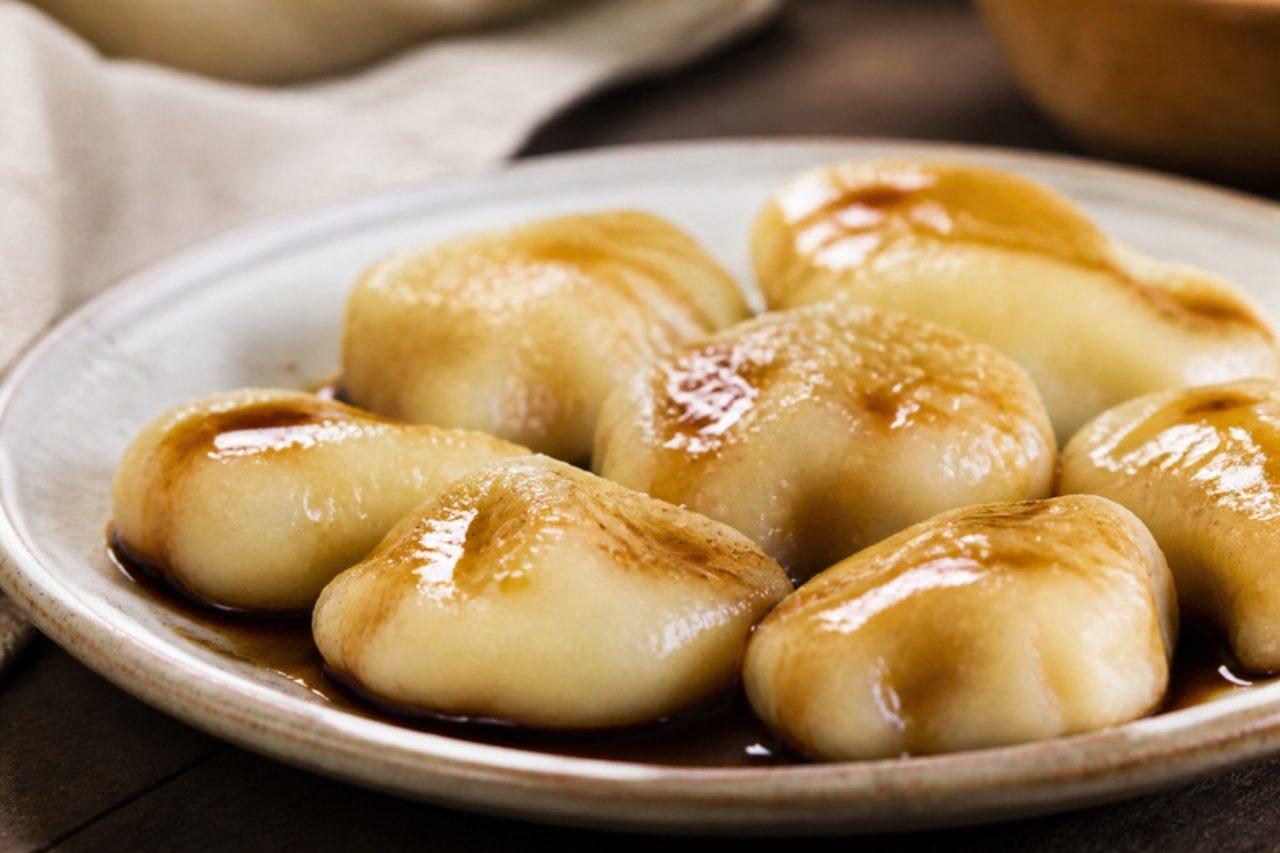
ChapalelePotato dumplings

Chapalele is milcao's softer island cousin: mashed potato kneaded with wheat flour, shaped into flat discs and boiled, so the outside is smooth and slightly chewy and the inside soft. On Chiloé they come out of the curanto, sit next to a stew, or are eaten warm as a pudding with sugar syrup. The classic mistake is adding too much flour to a sticky dough, which makes them heavy and stodgy; dust your hands instead. Chef's tip: use dry, floury potatoes and mash them while hot, and the dough needs far less flour. For a sweet afternoon plate, drizzle them with dark cane-sugar syrup (chancaca) or honey if you eat it.

by KrazyBadal 0 views

Leung cha (Cantonese herbal tea)

Across Guangdong and Hong Kong, the leung cha shop with its gleaming brass urns is a neighbourhood fixture. People drop in after a run of fried food, late nights or the heavy, humid weather of early summer, when Cantonese tradition says the body has too much 'heat', and down a bowl standing at the counter, then chase it with a dried plum. Brews range from the gentle 'five-flower tea' to fiercely bitter 24-herb mixes. This home version uses dried mesona (sin cho), prunella spike (ha fu cho), chrysanthemum and honeysuckle: dark brown, earthy and grassy, clearly bitter but rounded by the flowers and a little rock sugar. The common mistake is boiling everything together for an hour; the flowers turn harsh and muddy. Simmer the woody herbs first, add the flowers only for the last 10 minutes. It is ready when the liquor is the colour of strong tea and has reduced by about a third. It is traditionally drunk for comfort, not as medicine: skip it in pregnancy and check with a doctor if you take regular medication. Chef's tip: buy herbs pre-weighed as a packet from a Chinese herbalist, who will rinse-check them for grit and freshness.

by KrazyBadal 0 views

Ugnsbakad laxOven-baked salmon

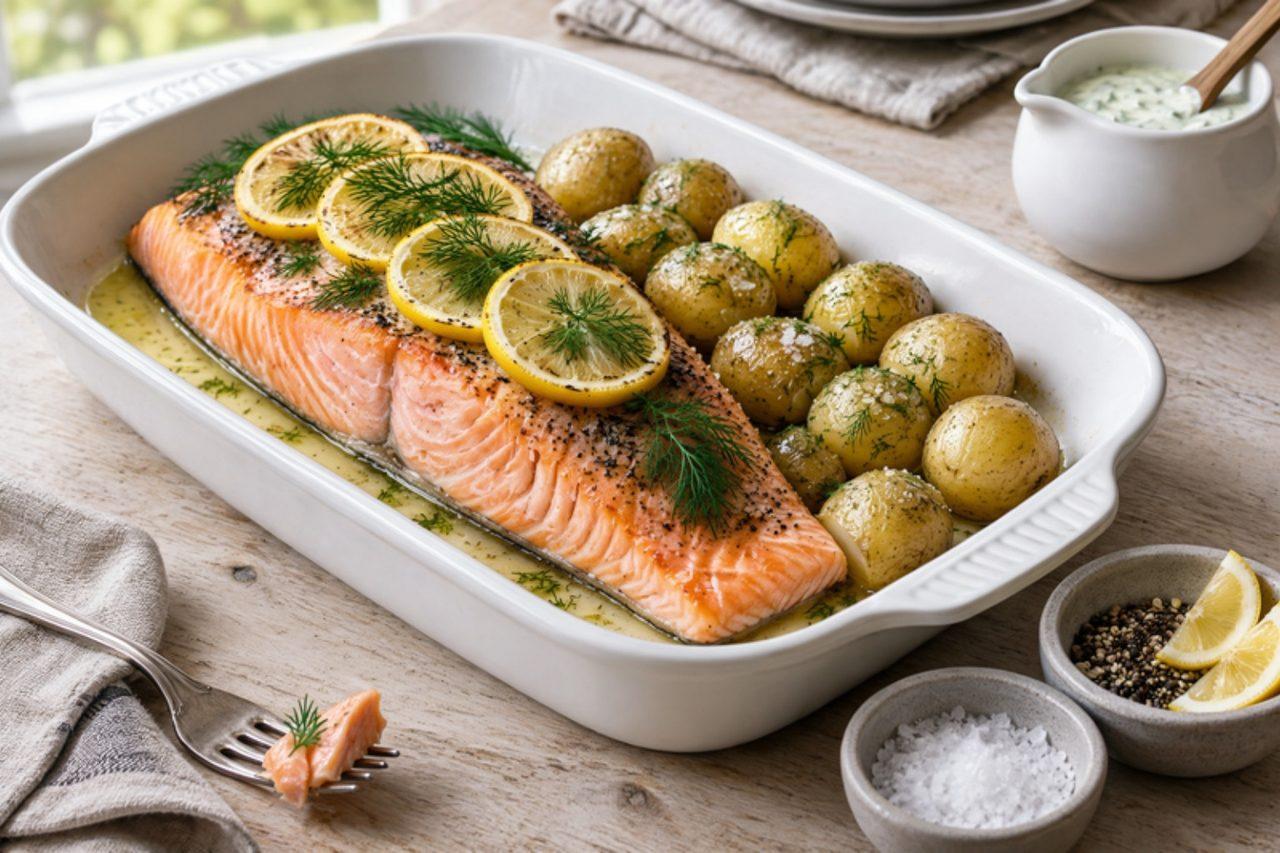
Ugnsbakad lax is one of Sweden's most common weeknight dinners, made all year round but especially in summer when dill is everywhere, and it is on every school and workplace lunch menu. A thick side of salmon bakes quickly with lemon slices and plenty of dill, staying moist and pink in the centre. Oily fish, high in protein and suitable as part of a balanced diet; serve with a few boiled new potatoes and green beans or a cucumber salad. About 350 kcal and 2 g carbohydrate per portion. The usual mistake is baking it until it is dry and chalky, with white protein seeping out; take it out as soon as it flakes. Chef's tip: salt the salmon 15 minutes before baking so it seasons through and holds its juices.

by KrazyBadal 0 views

ChhwelaGrilled chicken with mustard oil

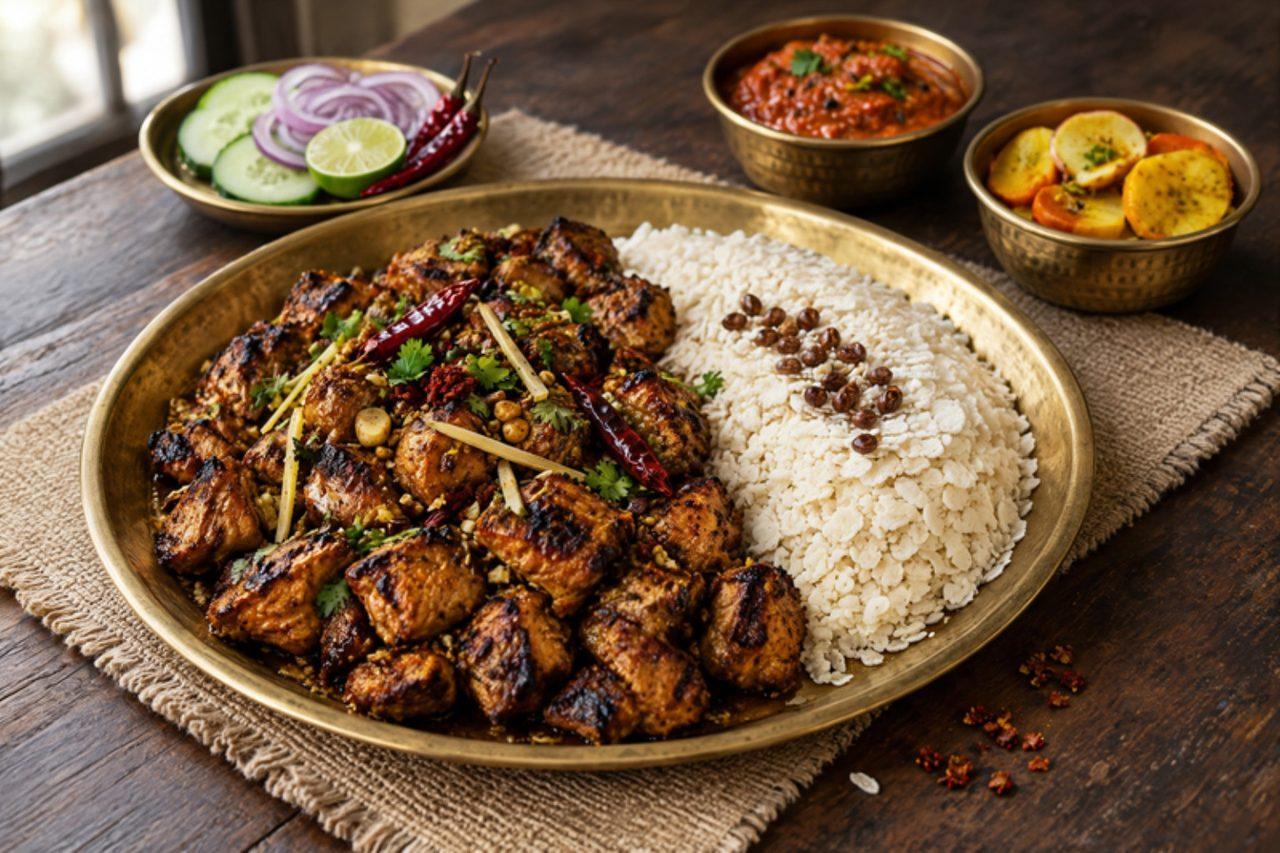
Chhwela (also called choila) is a Newar dish from the Kathmandu Valley, served at festivals, feasts and family gatherings, and today in every bar and snack house as a spicy side. Meat is grilled until smoky, cut small and tossed with a dressing of spices and fenugreek seeds fried in smoking mustard oil, plus raw garlic, ginger, chilli, timur pepper and lime. Buffalo is traditional; this version uses chicken, and lean beef works too. It is high in protein and suitable as part of a balanced diet; eat it with a salad of cucumber and radish rather than a big pile of beaten rice. About 290 kcal and 5 g carbohydrate per portion. The usual mistake is pouring the mustard oil on before it smokes, which leaves a raw, harsh taste. Chef's tip: grill the meat until well charred at the edges, because the smokiness is the point.

by KrazyBadal 0 views

Sugarcane and cogon root drink

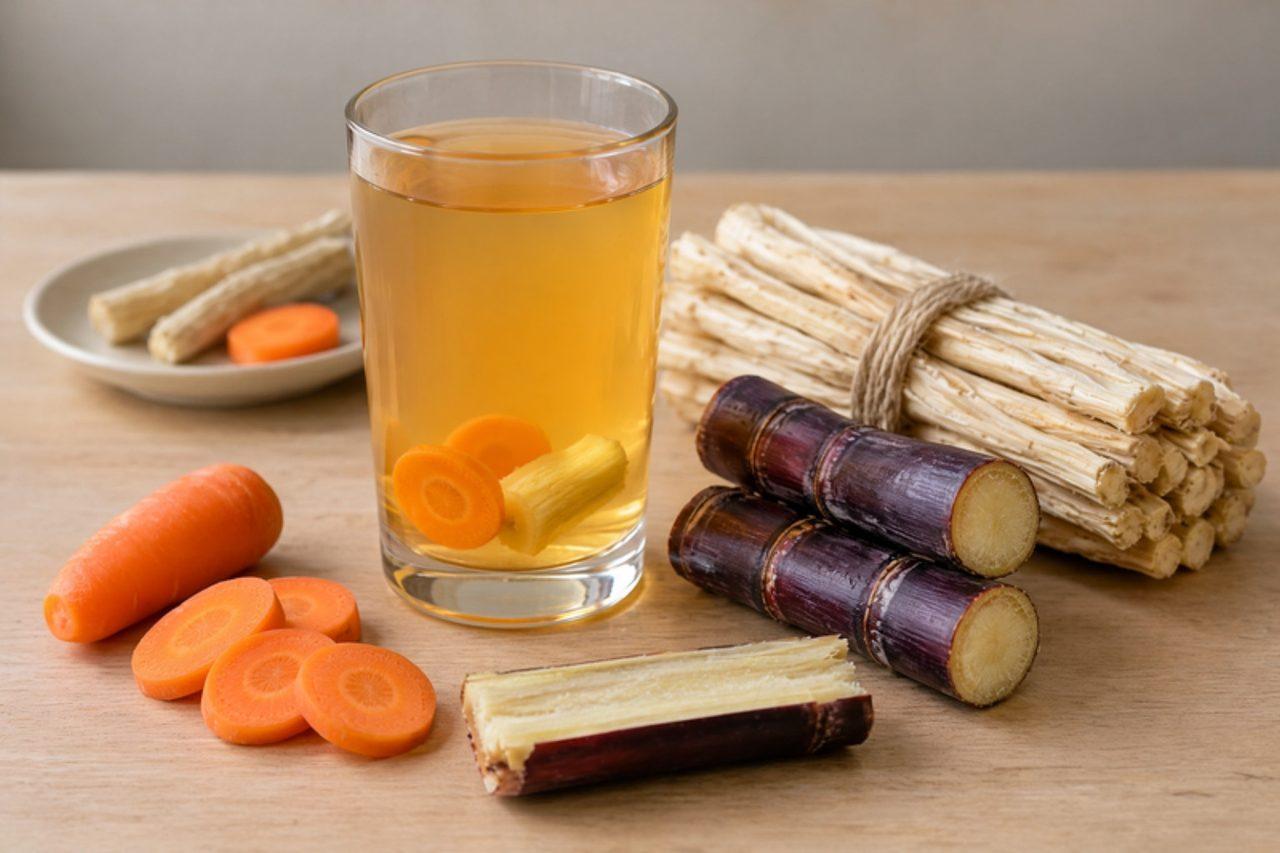
Ask a Hong Kong family what they drink at the first hint of a sore throat in autumn, or when the city's spring humidity sets in, and many will say jook je mao gun soi. Lengths of thin green bamboo sugarcane, split open, are simmered with dried cogon grass root and carrots, sometimes with water chestnuts and a few dried corn silks, into a pale amber broth that tastes of sugarcane, sweet carrot and a faint grassiness. It is drunk warm after dinner or chilled from the fridge during the day, and herbal tea shops sell it by the bottle for children who refuse the bitter stuff. The common mistake is skipping the splitting of the cane: whole sticks barely release any sweetness, and you end up adding sugar. Bash each piece with the back of a cleaver until it cracks lengthwise. The drink is ready when the carrots are soft, the liquid is clear and light amber, and it tastes naturally sweet. Bamboo cane and cogon root are sold as soup packs in Chinese grocers; ordinary purple or green sugarcane works too. It is traditionally drunk to 'clear heat', but it is a refreshment, not a cure. Chef's tip: add a few peeled water chestnuts for extra crunch-sweetness.

by KrazyBadal 0 views

Urts tea (wild thyme tea)

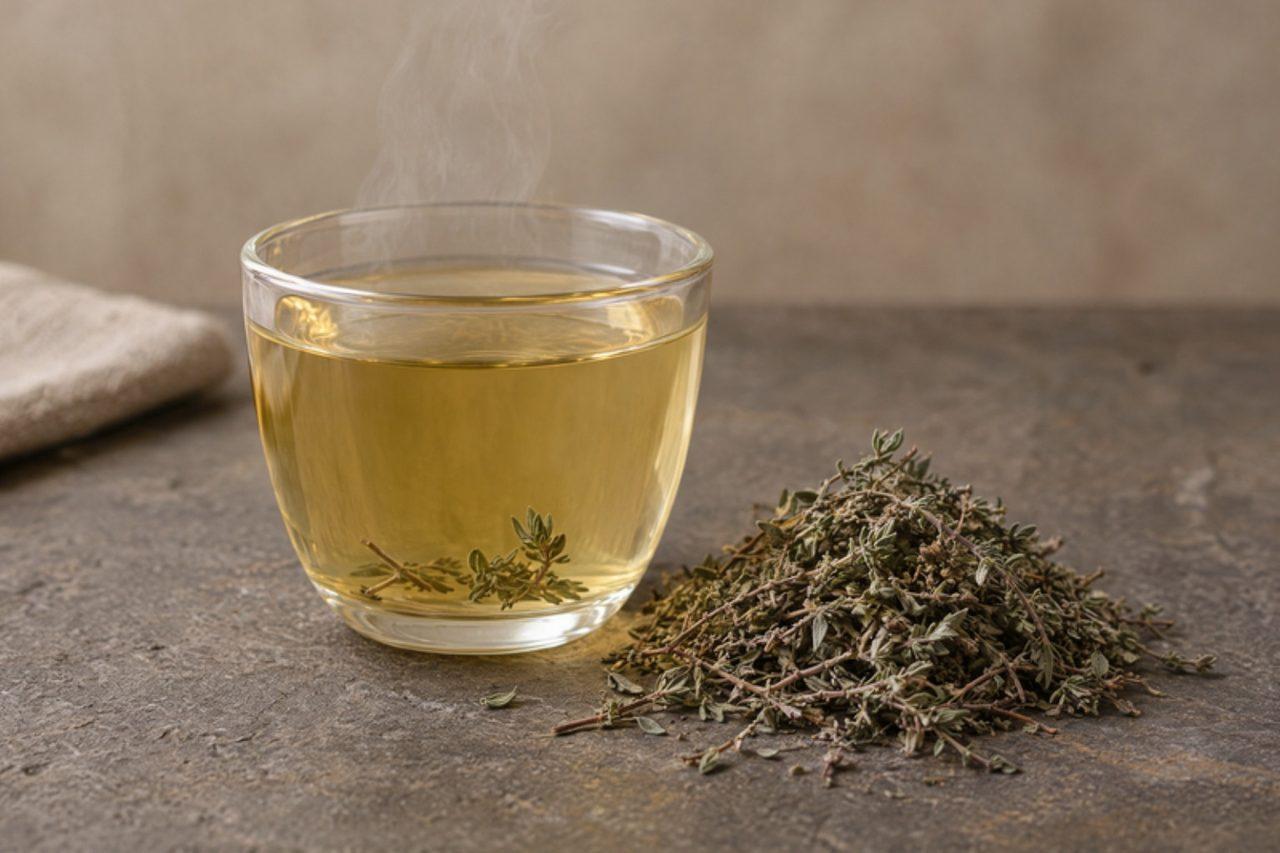
Urts, the wild thyme that carpets the summer meadows around Aragats and Lake Sevan, is picked in June and July when it flowers purple, then tied in bunches and hung to dry. Every Armenian market sells it, and it is the tea served in village homes after a heavy khorovats lunch, in the evening before bed, or with a plate of dried fruit and gata on a winter visit. It brews to a pale gold, smells of summer hillsides and tastes softly peppery and herbal, a little like oregano and lemon. The common mistake is boiling the herb: it turns harsh and medicinal and loses its sweet, floral notes. Pour on water just off the boil and cover the pot so the aromatic oils stay in the tea. It is ready after 5–7 minutes, when the colour is light gold and it smells of thyme the moment you lift the lid. Outside Armenia, use dried wild thyme or a mild garden thyme with flowers, about two-thirds the amount. It is traditionally drunk for a tired stomach or a cough; drink it in normal amounts and check with a doctor if you are pregnant or on medication. Chef's tip: add a few dried mint leaves or a sprig of dried rose petals for a village blend.

by KrazyBadal 0 views

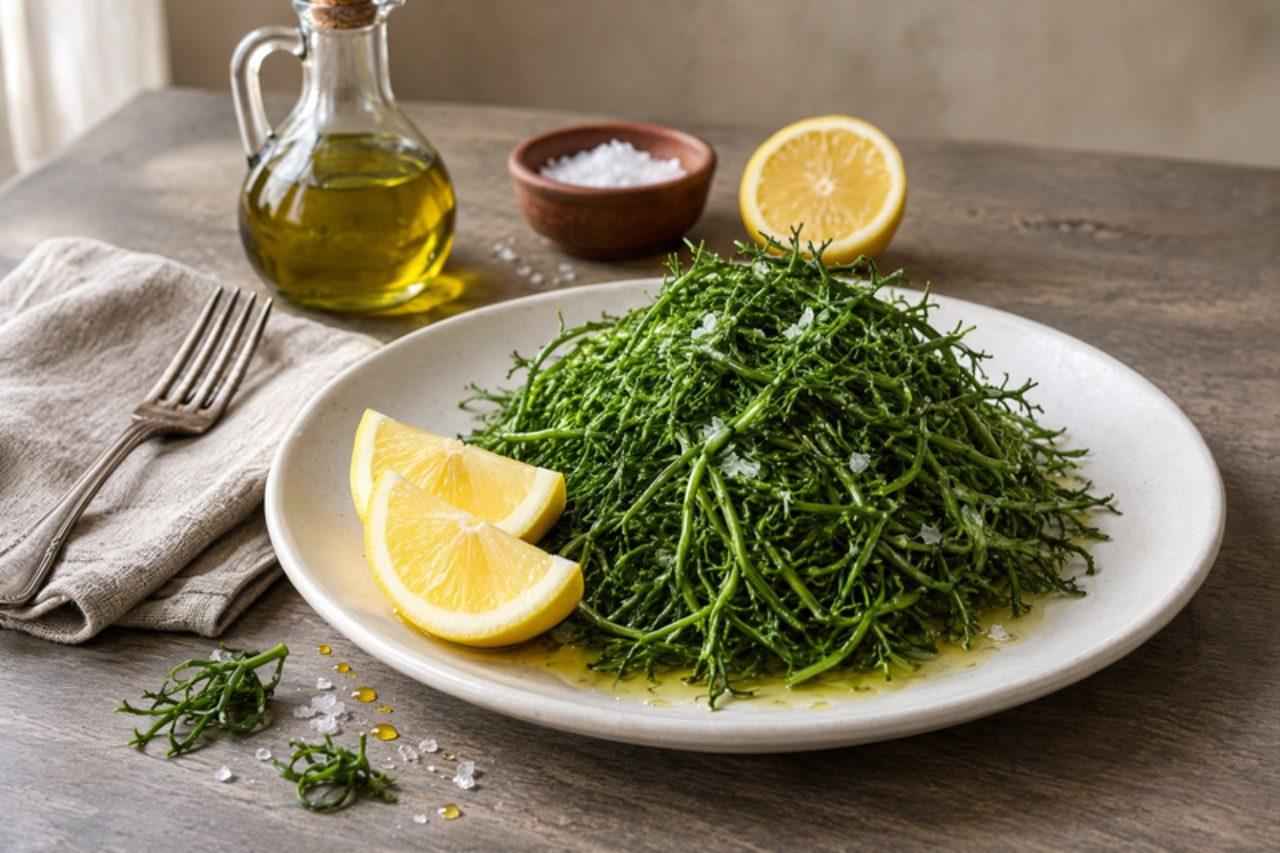
Agretti all'agroSaltwort with lemon

Agretti, also called barba di frate or 'monk's beard', appear in Roman and Tuscan markets for a short season in March and April, tied in bunches that look like thick chives. Blanched for a minute and dressed all'agro, with lemon and good olive oil, they are a juicy, slightly salty spring side for an egg dish, grilled fish or beans. Suitable as part of a balanced diet, they are almost free of starch: about 80 kcal and 3 g carbohydrate per portion. The usual mistake is overcooking them into limp threads; they should keep a crisp, spinach-like snap. Chef's tip: agretti are naturally salty, so taste before adding any salt at all.

by KrazyBadal 0 views

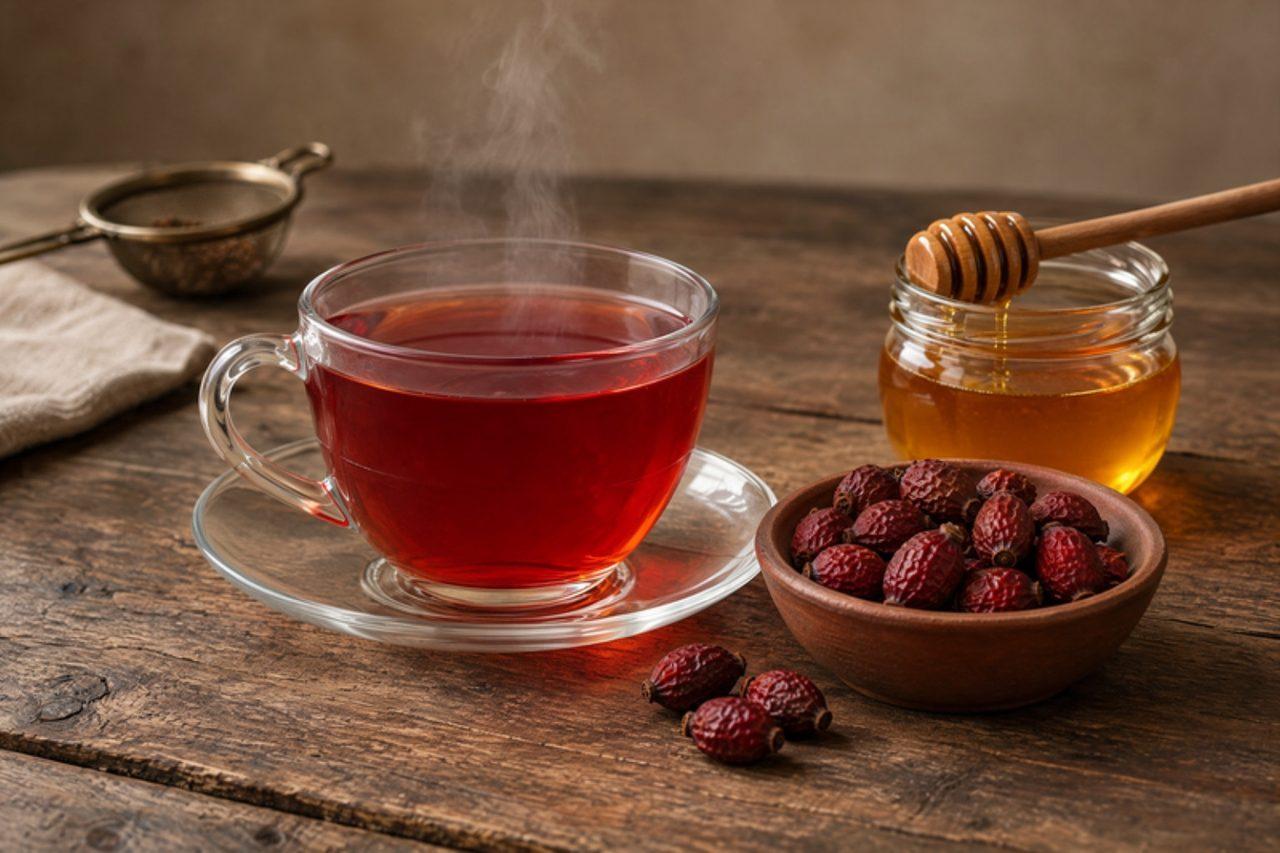
Masuri tey (rosehip tea)

Each October, Armenian families walk the hillsides around Dilijan, Tavush and Syunik picking the bright red hips of wild dog roses, then string or spread them to dry on balconies. Through the long winter they go into masuri tey, often made in a big pot in the evening and kept warm in a thermos for the next day, and it is the drink grandmothers press on anyone with a cold, alongside a spoon of homemade jam. It is fruity and tart, like hibiscus crossed with apple, with a gentle tea-like body, and a spoon of honey rounds it out. The common mistake is not straining it well enough: crushed rosehips are lined with tiny irritating hairs that scratch the throat. Strain through a fine sieve lined with a cloth or coffee filter. It is ready when the tea is deep orange-red and clearly sour, and the hips have swollen and softened. Simmer gently rather than boiling hard for long. Honey keeps this out of the vegan list; use sugar if you prefer. Not suitable as a sweetened drink for babies under one year because of the honey. Chef's tip: steep it overnight in a thermos after simmering; the flavour doubles.

by KrazyBadal 0 views

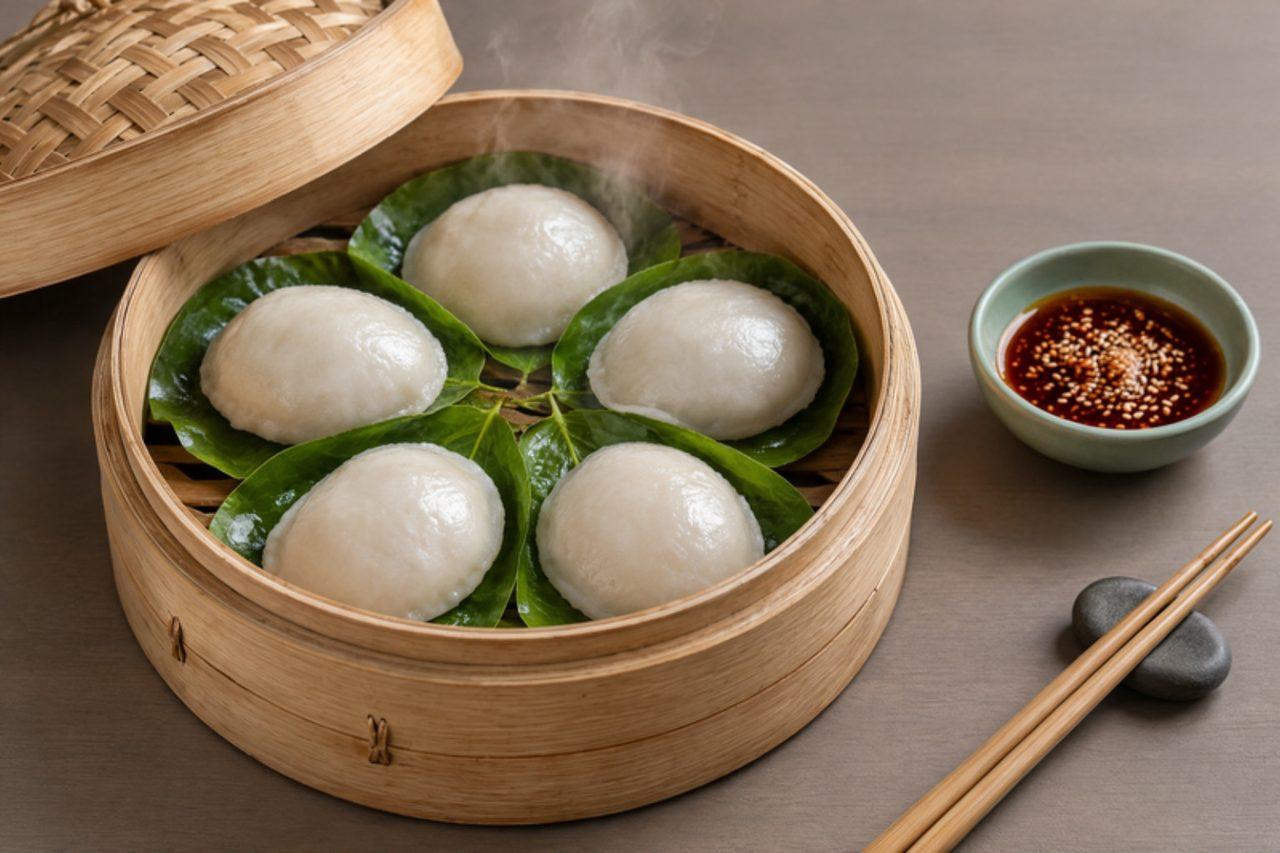
Ye er baSesame sticky rice dumplings

Ye er ba, "leaf cakes", come from Xinjin on Chengdu's southern edge and are sold all over the city in snack restaurants and teahouses, including the busy tea gardens of People's Park, at breakfast and through the afternoon. Each dumpling is wrapped in a leaf, which keeps it moist and adds a faint green fragrance as it steams; the skin is soft and stretchy, the filling a sweet, nutty black sesame paste. Traditional fillings use lard; this version uses coconut oil and is vegan. It contains sesame. Chef's tip: keep the dough as soft as an earlobe; dry dough cracks and the filling leaks out.

by KrazyBadal 0 views

Twigim (vegetable and egg)

Twigim is the fried side of Seoul's bunsik stalls: a glass case of sweet potato, vegetable fritters, boiled eggs and squid in a thicker, crunchier batter than Japanese tempura. Around the student bars of Sinchon and in Tongin Market, people order a mixed plate in the evening and have the pieces snipped and drowned in tteokbokki sauce. Squid is the other classic; this version keeps it vegetarian. It contains egg and wheat. Chef's tip: fry everything twice, the second time hotter, the way the stalls do; it is the secret to batter that stays crisp under sauce.

by KrazyBadal 0 views

Matzah

Matzah is the flat unleavened bread eaten at Passover, recalling the Israelites leaving Egypt in too much haste for their bread to rise, and in Israel and Jewish homes worldwide it is also eaten as a crisp everyday cracker with soups and dips. The dough is only flour and water; by tradition it is mixed, rolled and baked within 18 minutes so it cannot ferment. This home version follows that rhythm but is not certified for Passover use. There is no salt: about 0.0 g salt per sheet. The usual mistake is rolling too thick, which gives a tough, chewy bread; roll until you can almost see the counter through it. Chef's tip: prick the dough all over with a fork before baking so it stays flat and blisters evenly.

by KrazyBadal 0 views

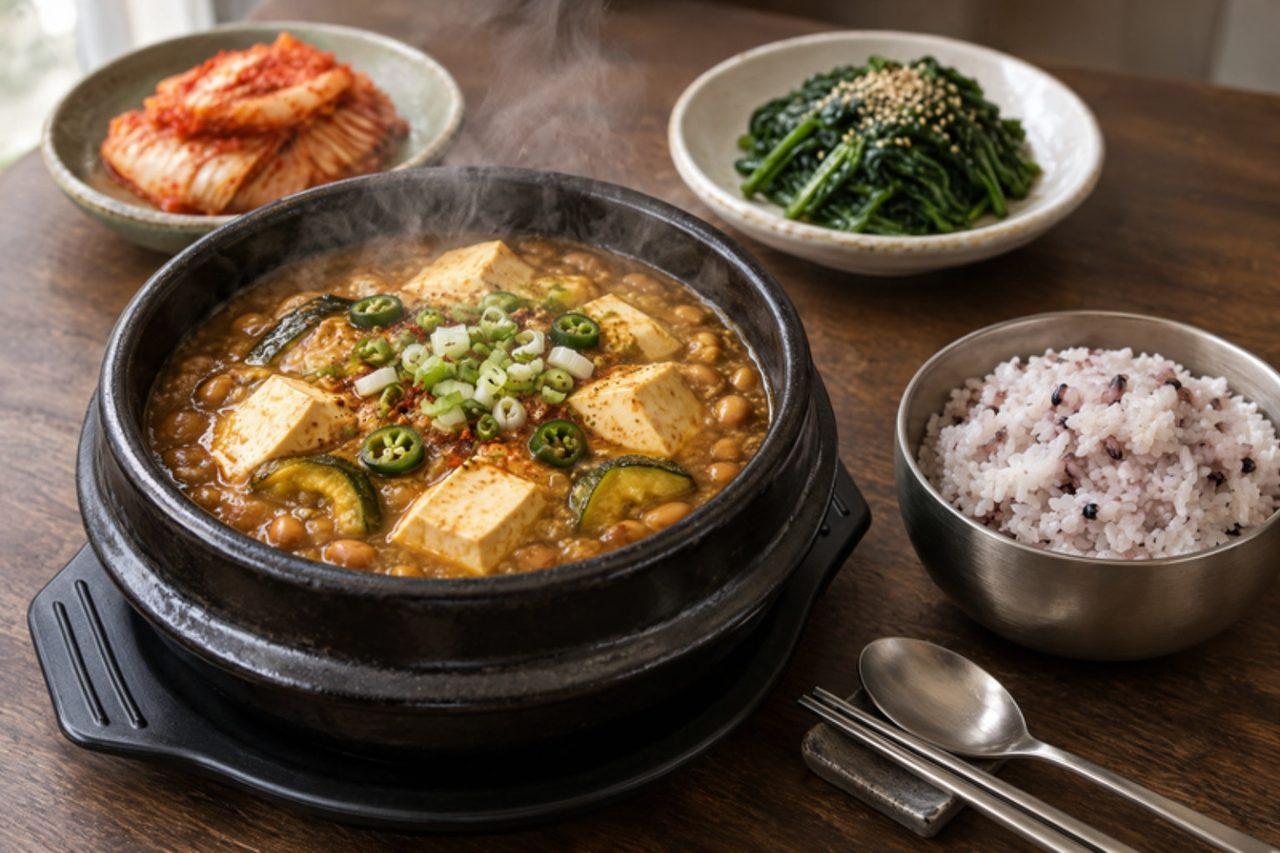
Cheonggukjang jjigaeFermented soybean stew

Cheonggukjang is a sticky, quick-fermented soybean paste made over two or three days in a warm room, and in Korean homes it becomes a bubbling winter stew, cooked in an earthenware pot and set in the middle of the table with rice and banchan. Its smell is famously strong, but the taste is nutty and deeply savoury, with tofu, courgette, onion and greens simmered in an anchovy-kelp stock. Suitable as part of a balanced diet: it is high in plant protein and fibre. About 230 kcal and 14 g carbohydrate per portion; eat it with a small bowl of mixed-grain rice. The usual mistake is boiling the cheonggukjang for a long time, which makes it bitter and dulls its flavour; it goes in for the last few minutes. Chef's tip: mash a spoon of doenjang in with it for a rounder, saltier base.

by KrazyBadal 0 views

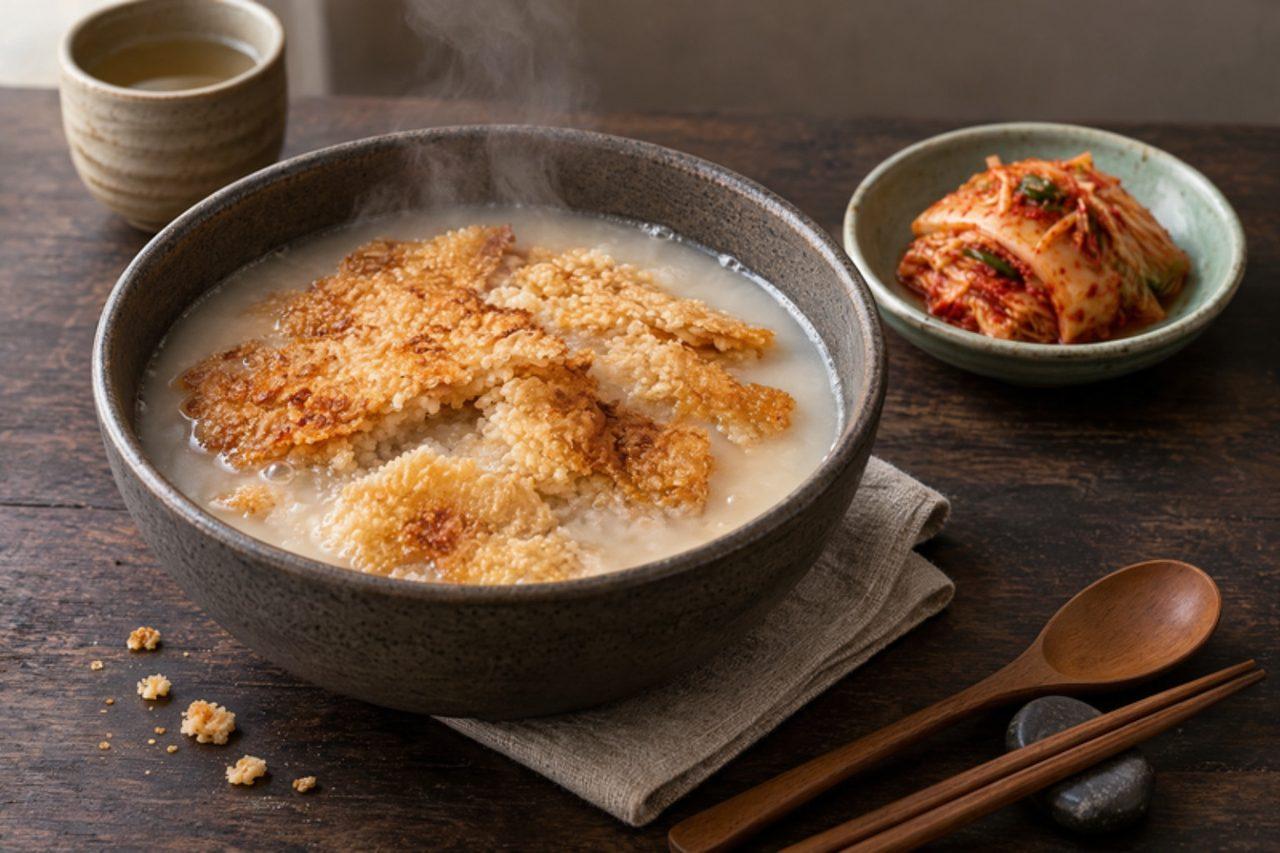
Nurungji porridgeScorched rice porridge

Every Korean home knows the golden crust that sticks to the bottom of the rice pot, and on cold mornings it is simmered in water into nurungji, a nutty, soothing porridge that tastes faintly of toast. Grandmothers serve it with kimchi and a few banchan for breakfast, or as a gentle meal after a heavy night. You can buy dried nurungji sheets in Korean shops, but it is easy to make your own from leftover rice. The common mistake is pulling the crust too soon: pale rice gives a flat, starchy porridge, so wait until it is deep gold. Chef's tip: break the crust into pieces before simmering but keep a few larger shards back and add them in the last minute, so the bowl has soft and slightly crunchy bits.

by KrazyBadal 0 views

Showing 18 of 7,762 recipes

Show more recipes

Page 123 of 863