Skip to content
Bsissa
Featured recipe

Bsissa

Roasted barley flour with olive oil

A tin of bsissa sits in many Tunisian kitchen cupboards, from Tunis flats to farmhouses in the south: a finely ground flour of roasted barley, roasted chickpeas and spices such as coriander, fennel and aniseed. In the morning a few spoonfuls are worked with olive oil and something sweet into a nutty, crumbly paste, or stirred with water into a thick drink, and it keeps you going until lunch. Travellers and pilgrims once carried it for the road. Roasting your own flour takes 15 minutes and makes a jar that lasts weeks. Sugar and dates keep it vegan; some families use honey. Chef's tip: roast the flours separately over a low heat and stir constantly; the moment they smell like toasted biscuits and turn light tan, tip them out of the pan.

Read more 2 views

What to eat today?

Around the world

Today's trip: Paraguayan

A new country every day, from every cuisine on the site.

Paraguayan

Cocido quemado

Burnt sugar mate drink 14 minMore from Paraguayan (27) →

This week's collection

Kid-friendly dinners
537 recipes · a new collection every Monday

Latest recipes

ChichemeCold cracked corn drink

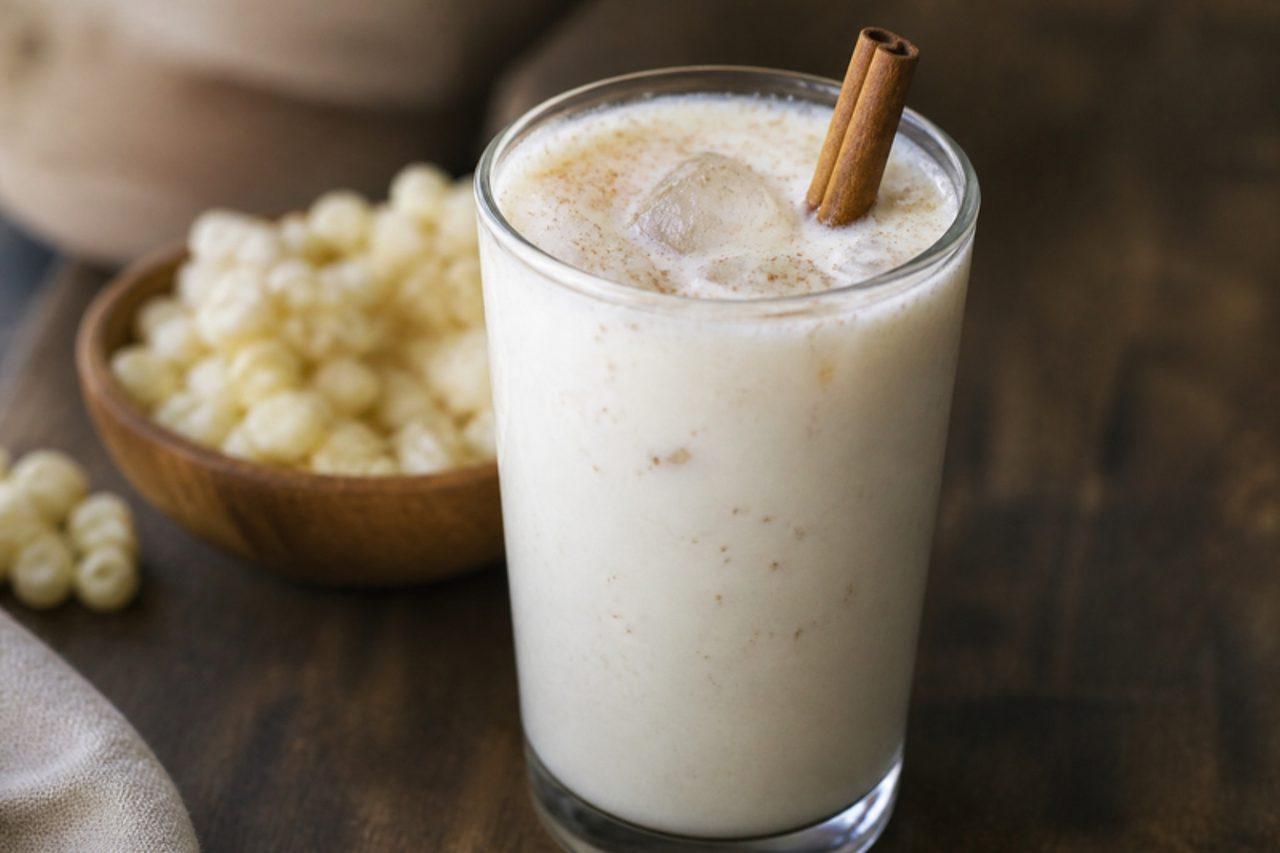
Chicheme comes from La Chorrera, just west of Panama City, where it is sold by the glass at the town's fairs alongside bollos and chorizo, and it is now drunk all over the country on hot afternoons. Cracked white corn is cooked until soft and swollen, then mixed with sweetened milk, cinnamon and vanilla and served very cold, so every sip has chewy grains in it. Undercooked corn is the classic mistake; the kernels must be soft right through or the drink feels gritty. Chef's tip: soak the corn overnight, and it cooks in under an hour instead of two.

by KrazyBadal 0 views
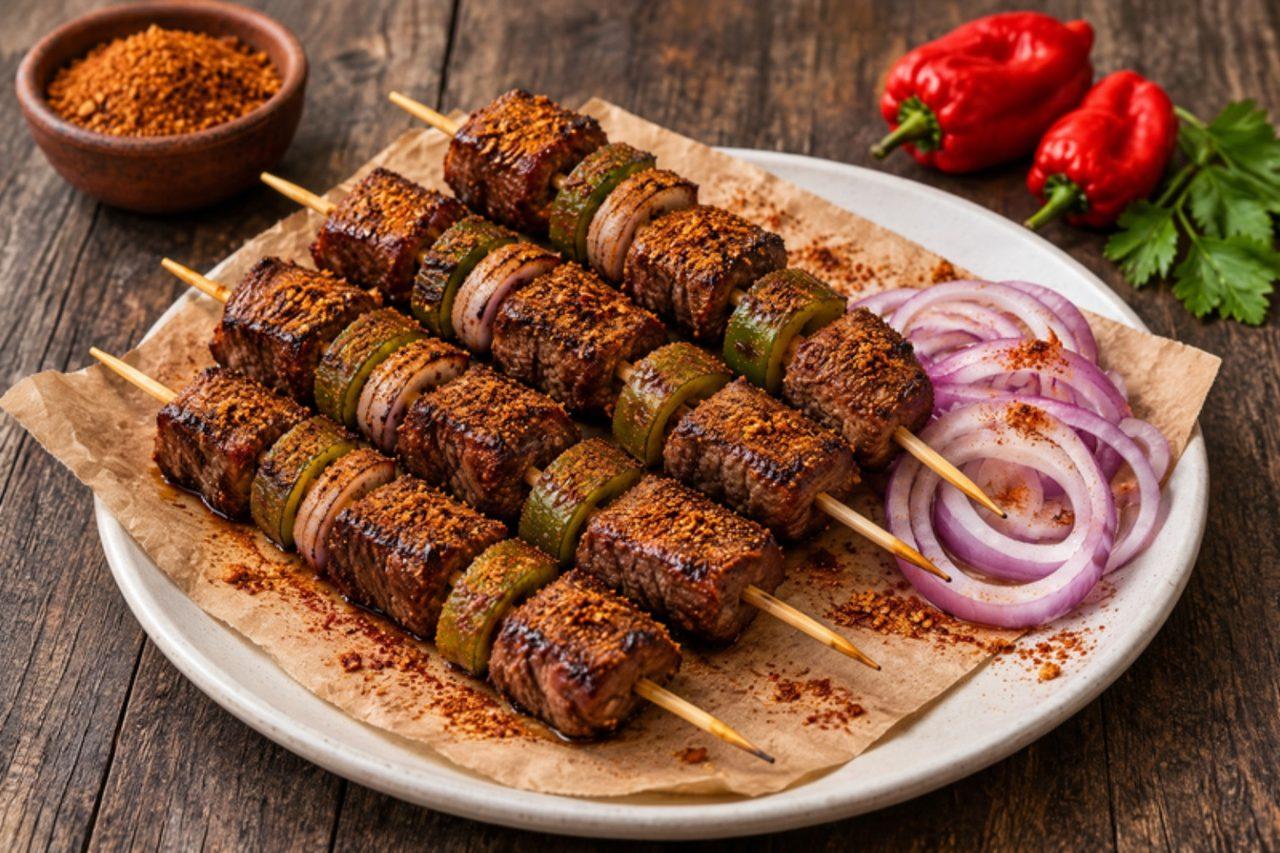

ChichingaSpicy peanut beef kebabs

As the sun goes down on Oxford Street in Osu, Accra, chichinga sellers fan their charcoal grills at the roadside and the smell of spiced beef and roasting peanuts pulls in the evening crowd. The skewers came south with traders from northern Ghana and are close cousins of Nigerian suya: chunks of beef rubbed with a hot powder of ground peanuts, ginger and chilli, grilled with onion and green pepper and eaten with a sprinkle of extra spice, sliced tomato and a cold drink. It contains peanuts. Chef's tip: dust on most of the peanut spice in the second half of grilling; over fierce coals it scorches if it goes on too early.

by KrazyBadal 0 views

Chicken kelaguenGrilled chicken with lemon and coconut

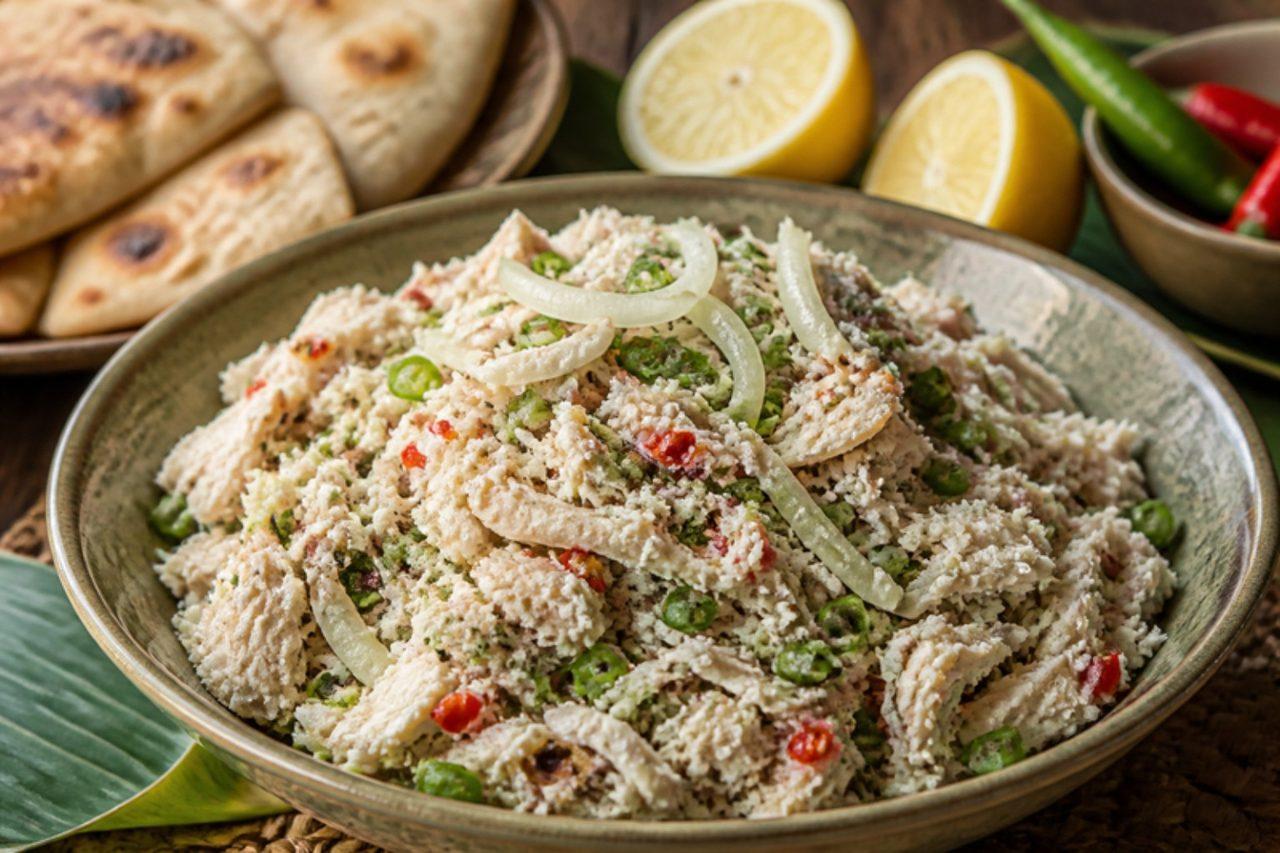
Chicken kelaguen is the dish that tells you you're at a Chamorro fiesta in Guam or Saipan: grilled chicken chopped fine and tossed with lots of fresh lemon juice, onion, hot donne' peppers, salt and freshly grated coconut. It is eaten cold or at room temperature, scooped up with warm titiyas or alongside red rice. The chicken is fully grilled first; only some other kelaguen are lemon-cured raw. A common mistake is skimping on lemon; it should taste bright and sharp. Chef's tip: grill the chicken over charcoal for the smoky flavour that makes kelaguen special.

by KrazyBadal 0 views

Chileajo de verdurasVegetables in guajillo garlic sauce

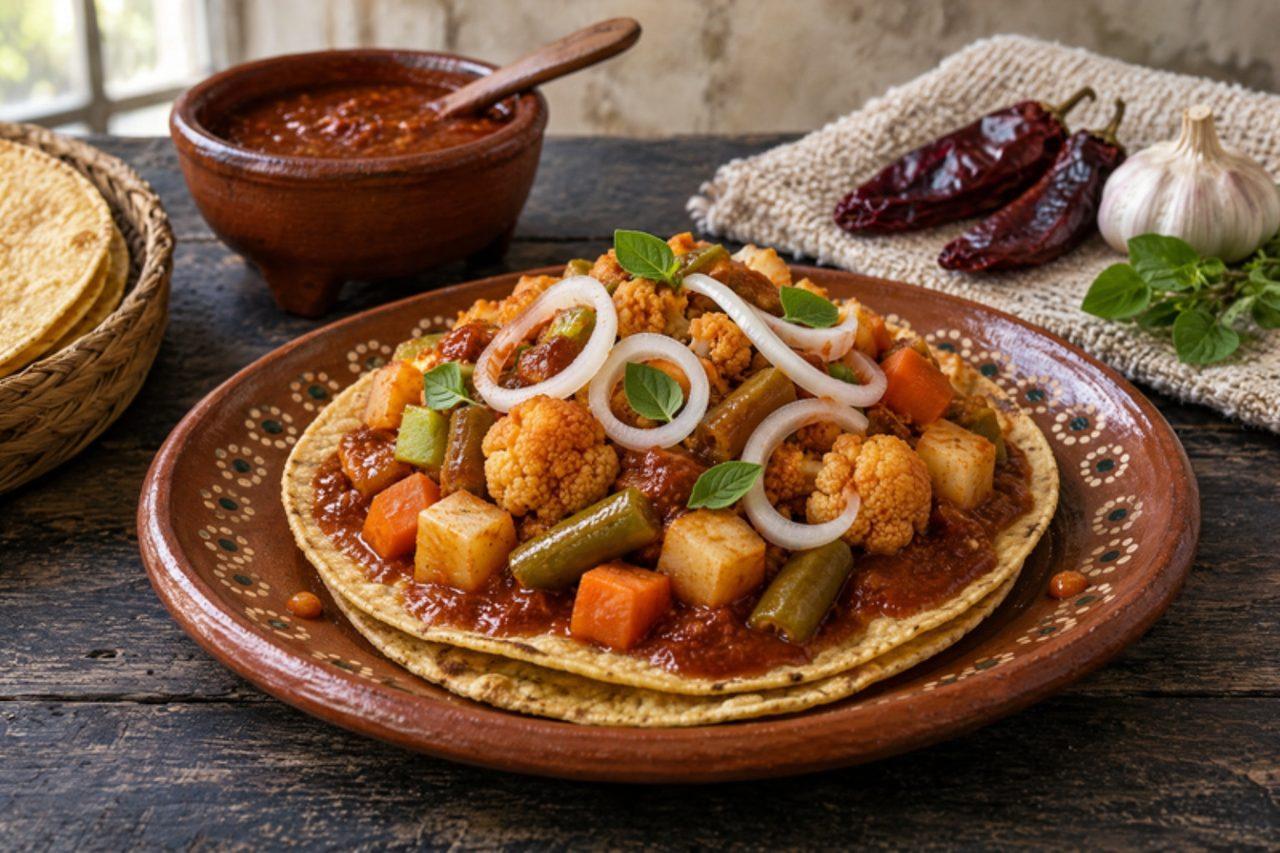
Chileajo is a cold dish of the Mixteca and the Oaxaca valley markets, sold from big clay bowls on Sundays and during Lent, and piled onto crisp tostadas at family fiestas. Potatoes, green beans, carrots, chayote, cauliflower and peas are cooked just tender and folded into a brick-red sauce of guajillo chiles, plenty of garlic, cloves and vinegar, then left to soak up its tangy, smoky heat. It keeps for days and improves as it sits. The usual mistake is overcooking the vegetables before they meet the sauce, so they turn mushy once mixed; they should still have a little bite. Chef's tip: toast the chiles only until they smell fragrant and blister, a few seconds a side; burnt chiles make the whole sauce bitter.

by KrazyBadal 0 views

ChilenitosDulce de leche biscuit sandwiches

Chilenitos are small, fragile sweets from the bakeries and convent traditions of Chile's countryside: two paper-thin, crisp biscuits sandwiched with manjar and coated on top with a glossy white meringue. They are a fixture of once, christenings and the sweets table at weddings. The biscuits must be rolled almost transparent; thick dough gives a hard, dry chilenito. Chef's tip: use an Italian meringue (whites whisked with hot sugar syrup); it sets smooth and shiny and the eggs are cooked by the syrup, so it is safe to serve to everyone.

by KrazyBadal 0 views

ChilreBuckwheat pancakes

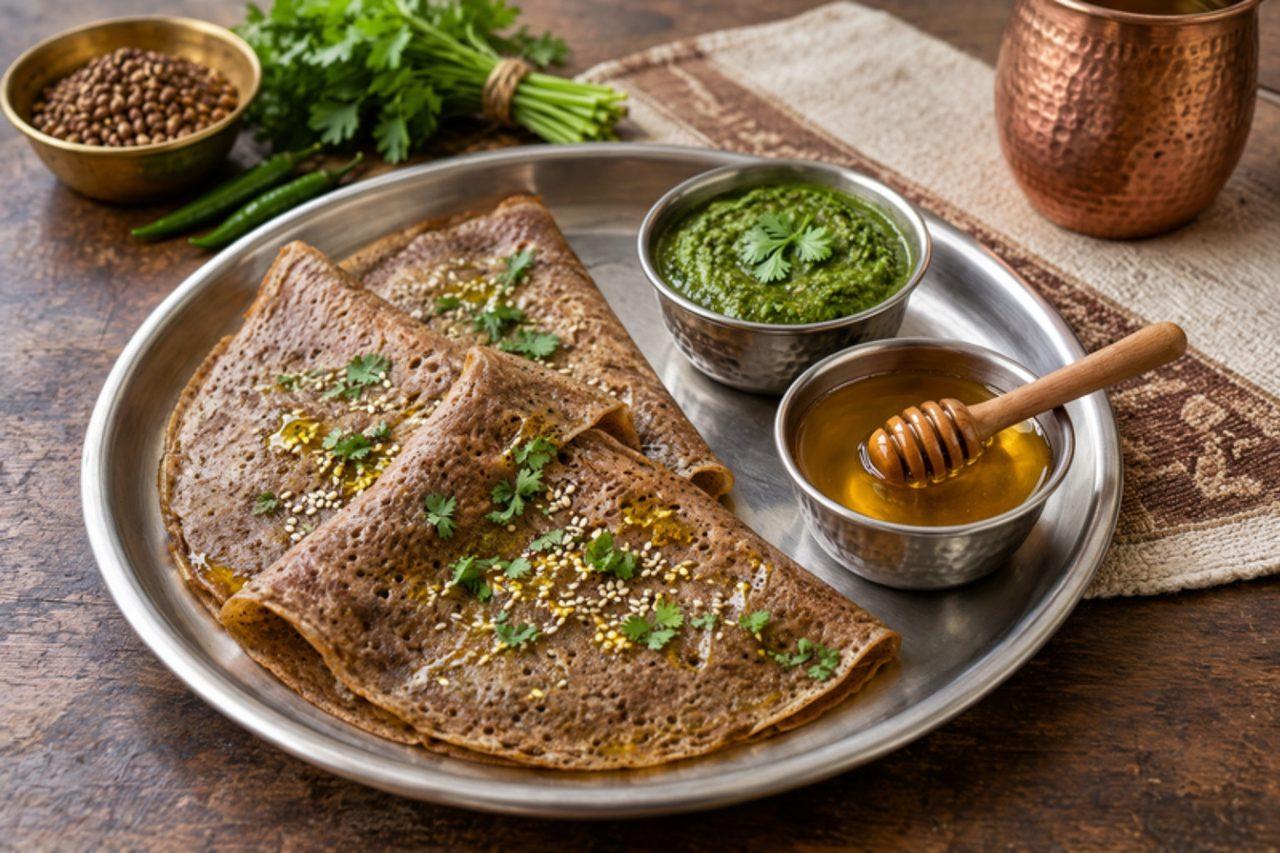
In the upper hills around Shimla and through Kinnaur, buckwheat (kuttu or ogla) grows where wheat struggles, and chilre are its everyday form: thin, lacy pancakes poured on a hot griddle for breakfast or a late-afternoon snack. They are eaten with a sharp mint-and-walnut chutney, or sweet with honey, and are naturally gluten free when made with pure buckwheat. The common mistake is making the batter too thick, so the chilre come out stodgy; it should pour like single cream. Chef's tip: let the batter rest 15 minutes so the buckwheat swells, and wipe the pan with an oiled cloth rather than pouring oil, for even, lacy pancakes.

by KrazyBadal 0 views

Chintakaya pachadiGreen tamarind pickle

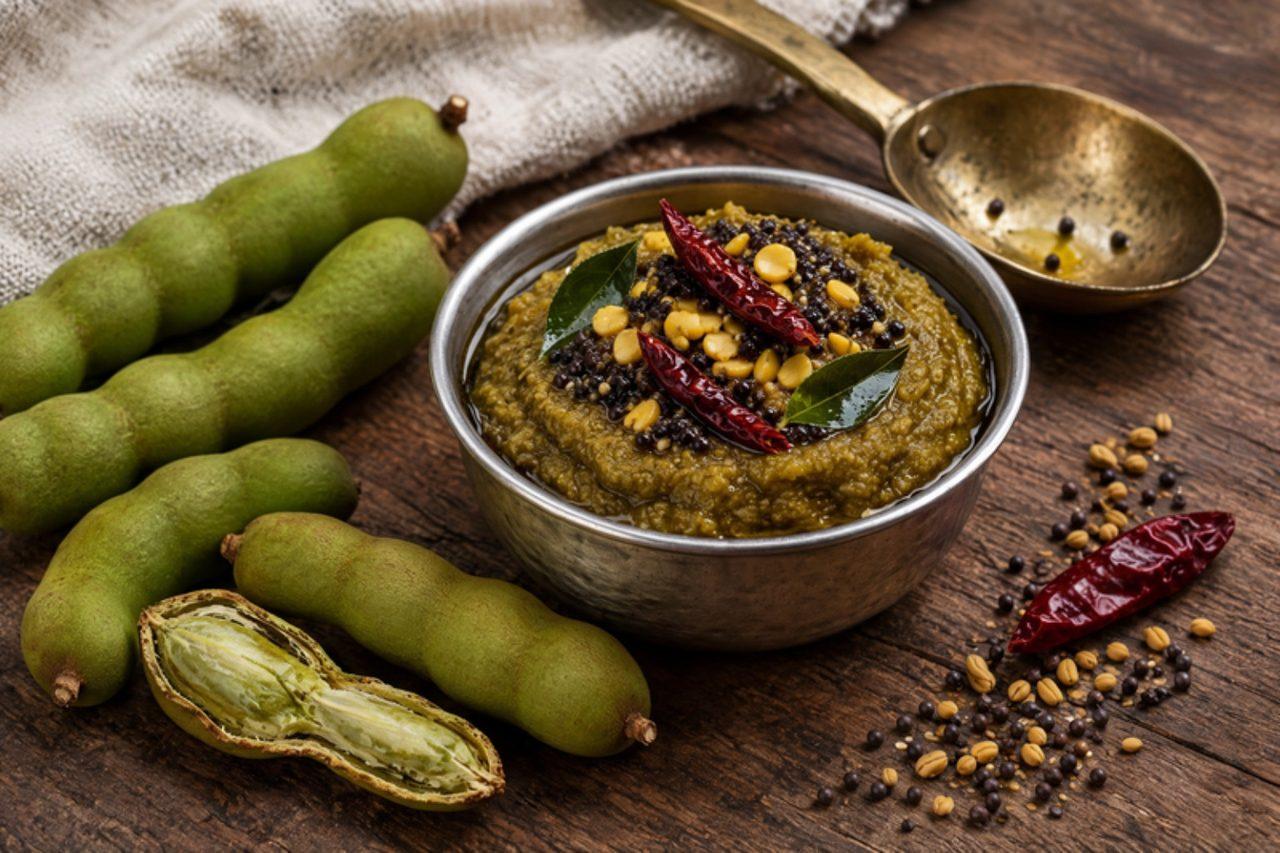
In Telangana and coastal Andhra, the tamarind trees hang heavy with tender green pods from December to February, and every household that can lays in a jar of chintakaya before the pods ripen and turn brown. The raw pods are pounded with salt and turmeric and left to mature into a sharp, olive-green base that keeps for the whole year. Small portions are then ground with chillies and finished with a crackling tadka whenever the family wants it. The taste is pure, mouth-puckering sourness with a fresh, almost apple-like green note, very different from ripe tamarind. Mix it into hot rice with sesame oil, or eat it with jonna rotte (sorghum flatbread) and raw onion. The common mistake is to let wet pods into the jar: wash the tamarind the day before, then spread it to dry completely. The salted base is very acidic and roughly 15% salt, so it keeps in a cool cupboard; the finished pachadi with chillies belongs in the fridge and is best within 3 weeks. It is ready when the paste is coarse, dark green and smells sharply sour. Chef's tip: roast dried chillies for a smoky winter version, or use green chillies for a brighter, fresher heat.

by KrazyBadal 0 views

Chirimoya alegreCherimoya in orange juice

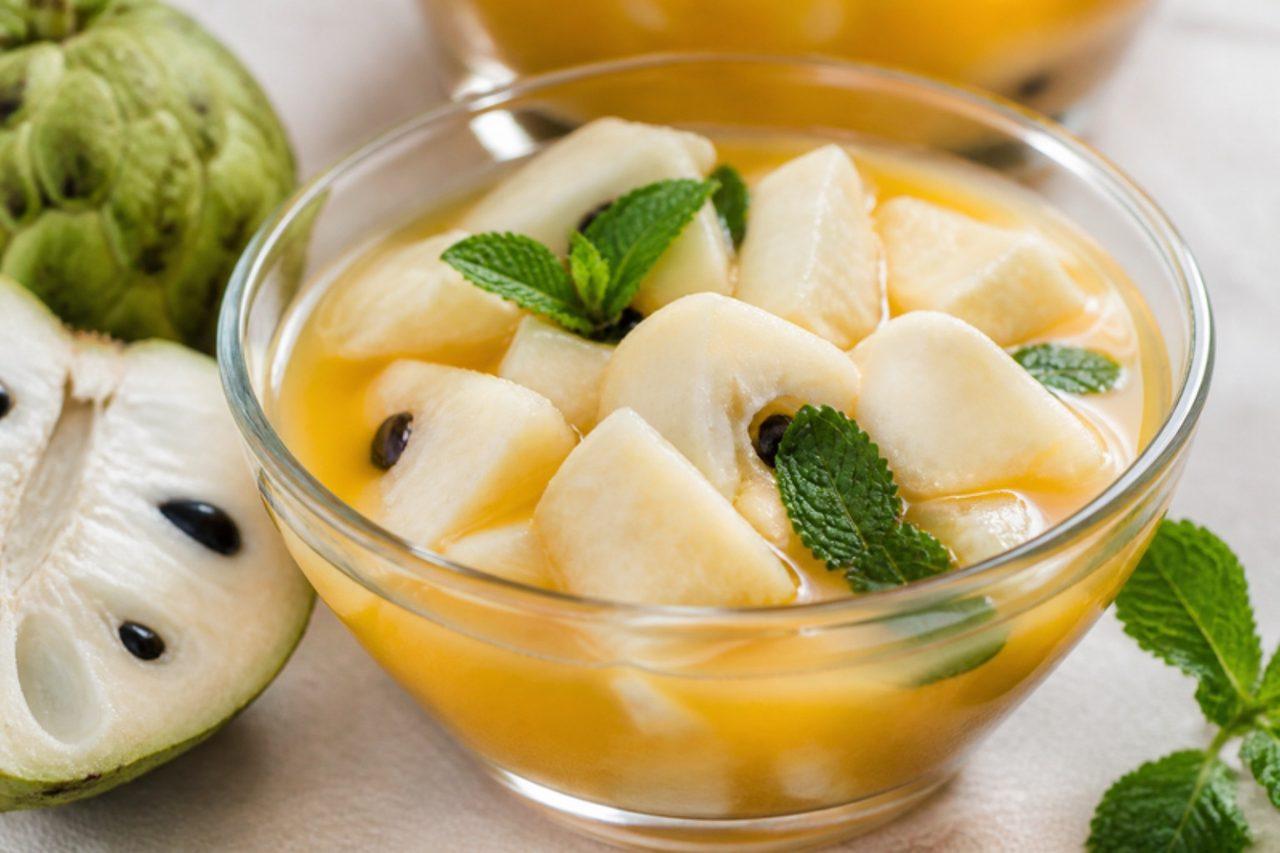
Chileans call it 'happy cherimoya': ripe custard-apple pulp dropped into fresh orange juice and served ice-cold. It turns up as the summer dessert after a big lunch in the Central Valley and in the Aconcagua valley, where much of Chile's cherimoya grows. The fruit should be soft like a ripe avocado; a hard one tastes starchy. The most common mistake is preparing the fruit ahead without juice, so it turns brown and loses its perfume: drop each piece straight into the orange juice. Remove every black seed, as the seeds must not be eaten or crushed. Chef's tip: squeeze the oranges yourself and taste before you sweeten; good juice often needs no sugar at all.

by KrazyBadal 0 views

ChirmolCharred tomato and mint salsa

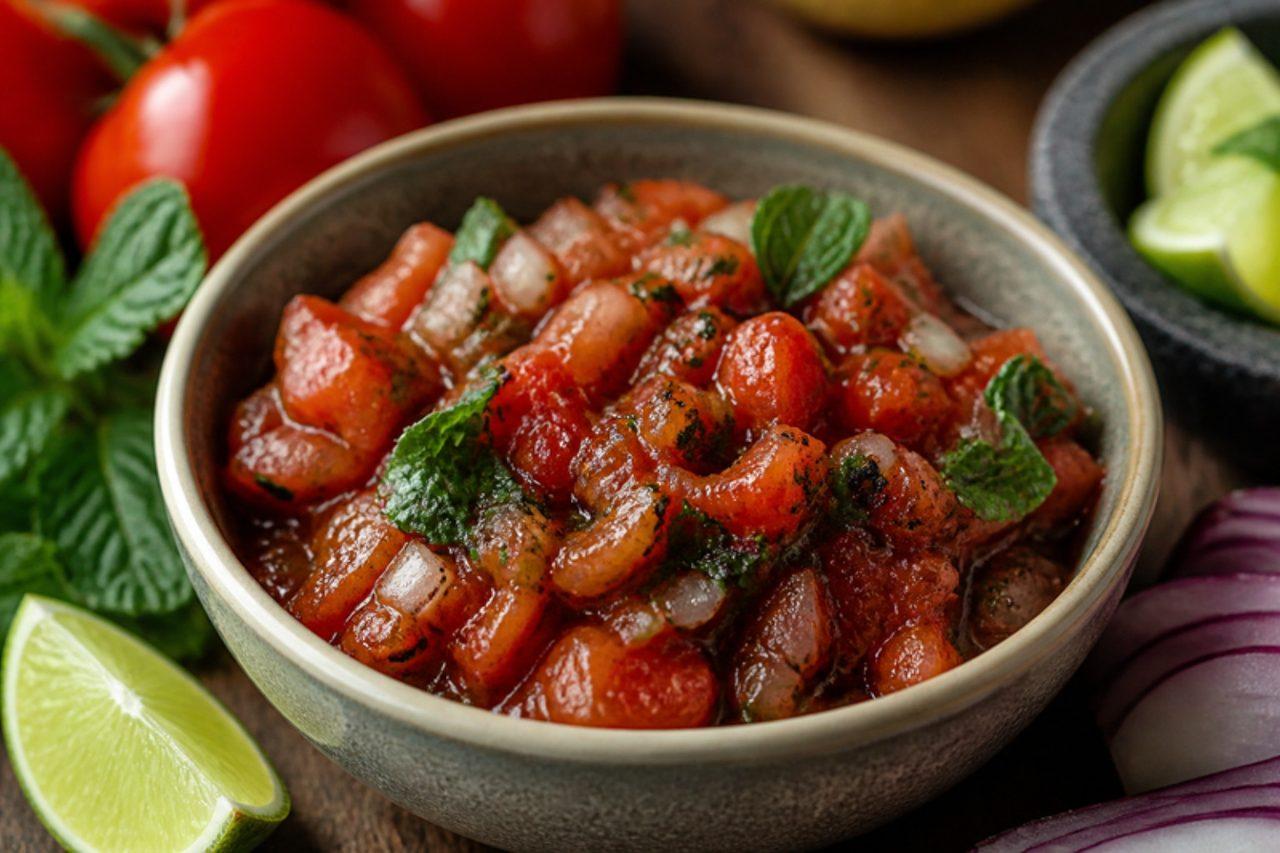
Wherever Guatemalans light a grill for Sunday carne asada, a bowl of chirmol sits beside it. The tomatoes are blackened on a comal until their skins split, then crushed with raw onion, lime and fresh mint, which is the herb that sets it apart from Mexican salsas. It is smoky, sharp and loose, meant to be spooned over grilled meat, black beans, eggs or plain rice. A common mistake is blending it smooth; chirmol should be chunky and juicy, crushed by hand or with a fork. Chef's tip: leave some of the charred skin in; those black flecks carry most of the smoky flavour.

by KrazyBadal 0 views

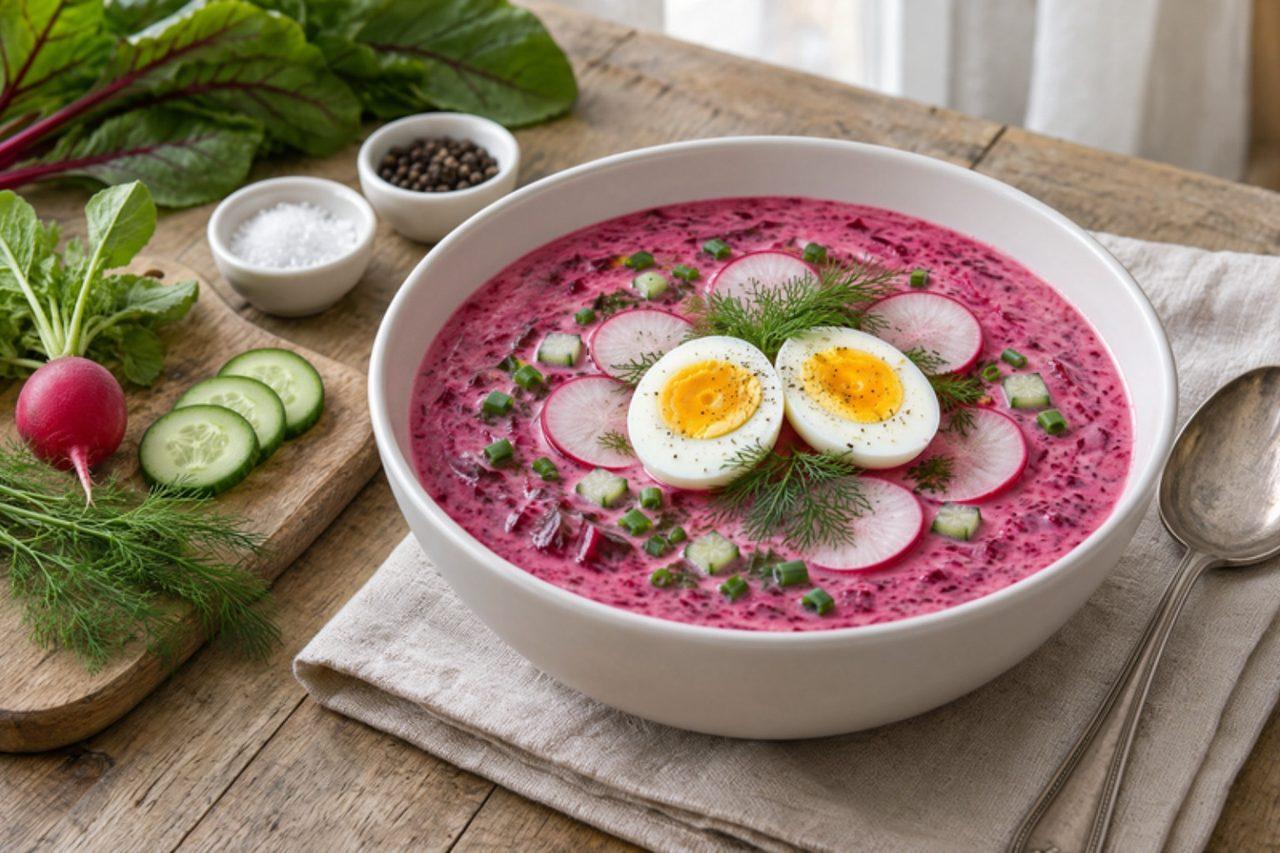
Chłodnik litewskiChilled beet leaf soup

In Podlasie and the lake country of north-east Poland, chłodnik is the soup of hot June and July days, when young beets are pulled with their leaves still tender. The beet greens and baby beets are cooked briefly, chilled, then stirred into kefir with cucumber, radish, spring onion and lots of dill, so the soup turns shocking pink, tangy and cold. It is served as a starter or a light lunch with half a hard-boiled egg in each bowl. Suitable as part of a balanced diet. About 170 kcal and 13 g carbohydrate per portion. The usual mistake is mixing the kefir into warm beets, which makes it split and dulls the colour, so chill them completely first. Chef's tip: add a squeeze of lemon to the cooking beets; the acid keeps the colour a vivid pink instead of brownish.

by KrazyBadal 0 views

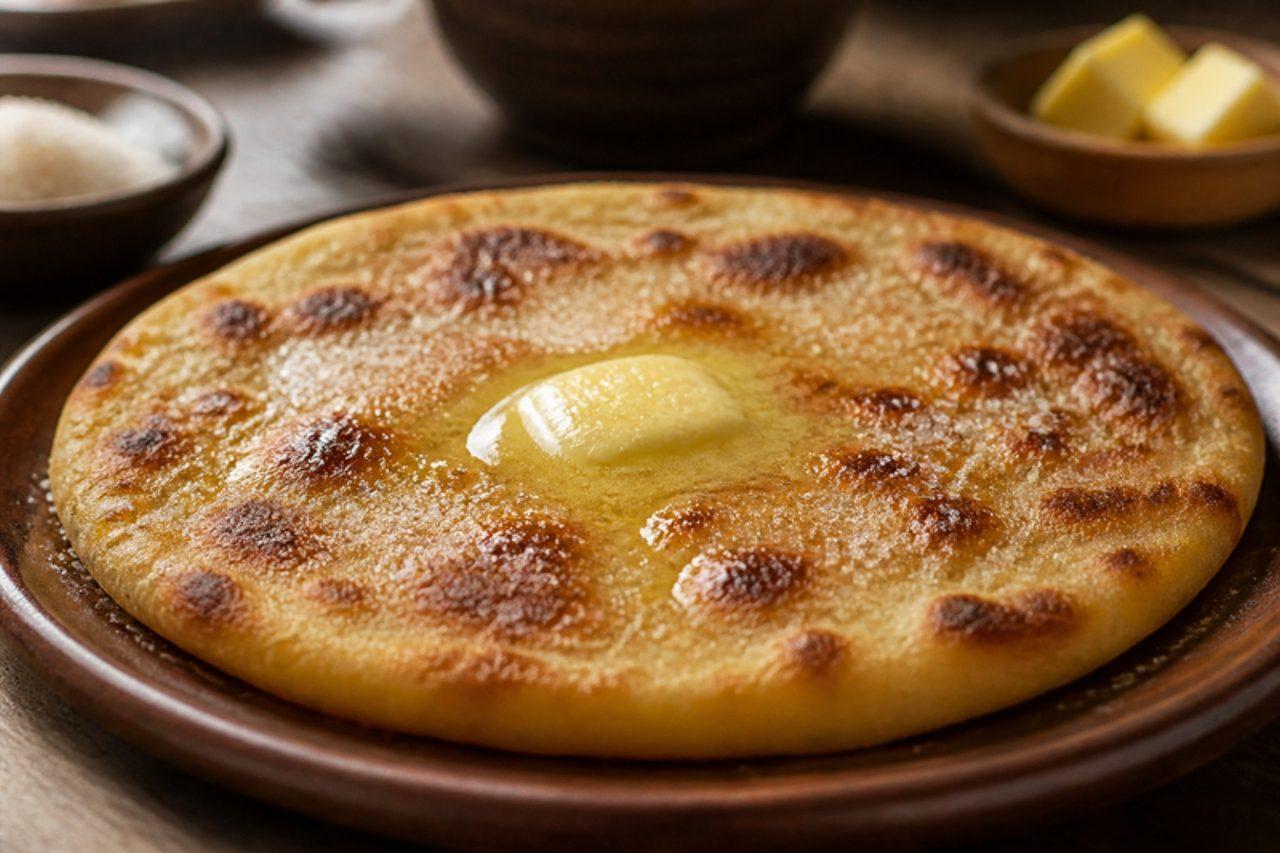
ChochocaPotato flatbread

On Chiloé, chochoca is a feast-day sight: potato dough wrapped round a thick wooden pole and turned slowly in front of the fire until it browns, then sliced off, filled and rolled up. Islanders often fill it with pork crackling; this vegetarian version uses butter and sugar, or cheese. Without a fire pit, roll the dough into thin rounds and cook them on a hot griddle, which gives the same chewy, toasty bread. The usual mistake is a wet dough: squeeze the grated potato really dry or the sheets tear. Chef's tip: if you have a barbecue, wrap the dough round a foil-covered rolling pin or thick metal pipe and turn it over glowing coals for the true smoky crust.

by KrazyBadal 0 views

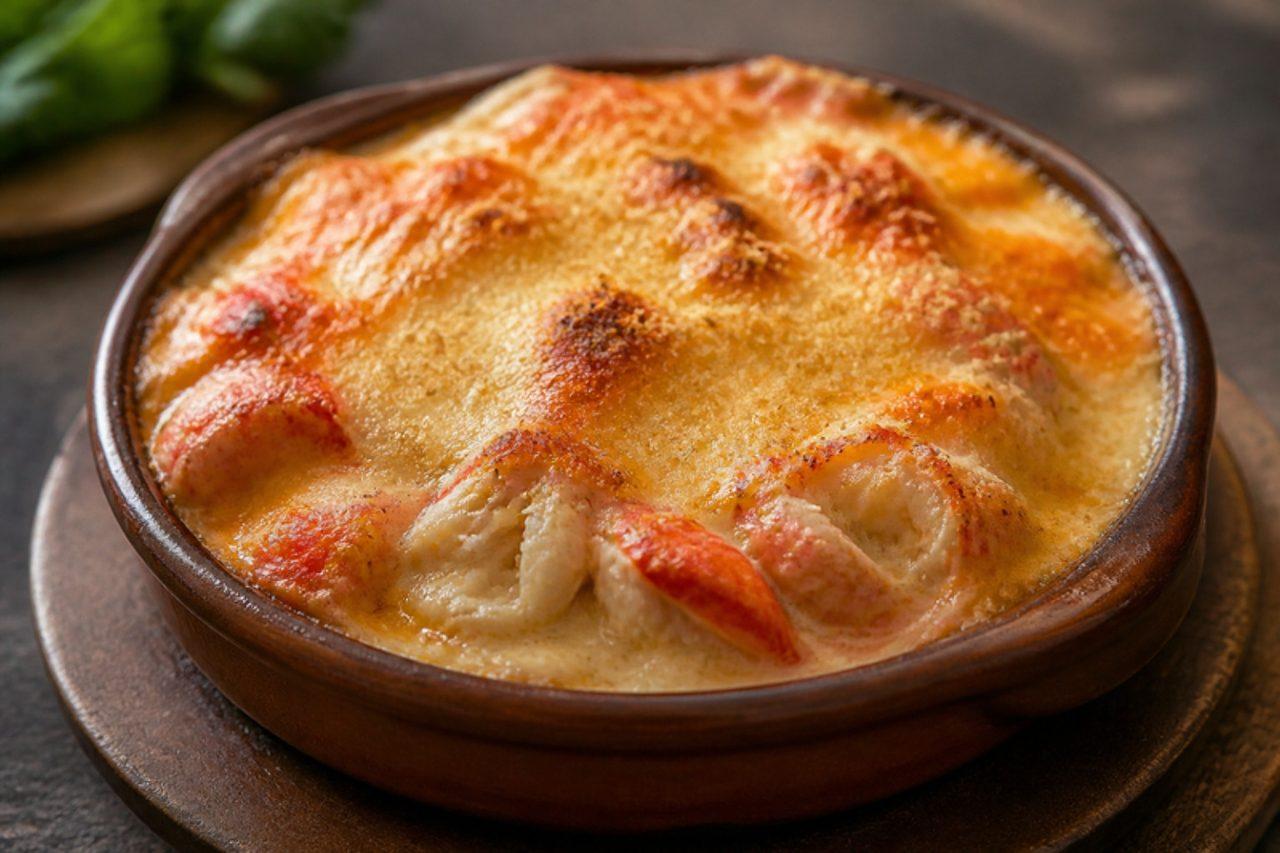
Chupe de centollaKing crab and cheese stew

In Punta Arenas and Puerto Natales, at the bottom of Chile, centolla (southern king crab) is the pride of every restaurant, and chupe is how it is served on a cold Magallanes evening: a soft, spoonable stew of crab meat cooked with bread, milk and stock until creamy, then topped with cheese and browned for a minute. It is looser than a crab gratin and eaten with a spoon. Any good cooked crab meat works. The usual mistake is boiling it fiercely once the cheese and cream go in, which makes the chupe grainy; keep it at a gentle bubble. Chef's tip: add the crab right at the end, just to heat through, so the big pieces of king crab stay whole and sweet.

by KrazyBadal 0 views

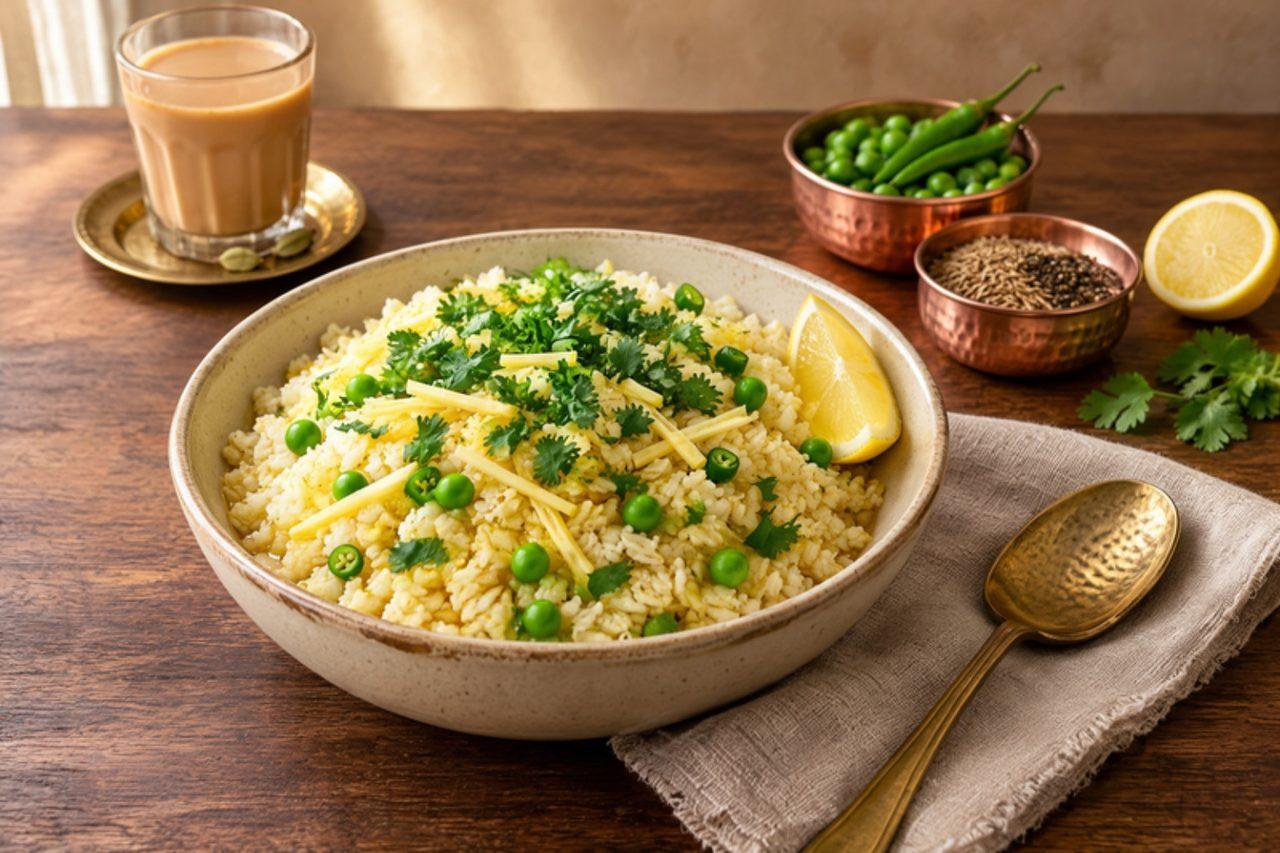
Chura matarFlattened rice with peas

When fresh peas pile up in the markets of Varanasi and eastern Uttar Pradesh in winter, breakfast becomes chura matar: thick flattened rice tossed in ghee with sweet green peas, ginger, green chilli and a pinch of sugar, finished with lemon and coriander. It is softer and richer than poha, and is often eaten on the ghats with a cup of chai. The mistake is soaking the chura in water; it turns mushy. Rinse it quickly in a sieve and let it rest, and it softens just enough. Chef's tip: crush half the peas lightly with the back of a spoon in the pan so they coat the rice and make each mouthful sweeter.

by KrazyBadal 0 views

Churma na ladvaWheat crumb and jaggery balls

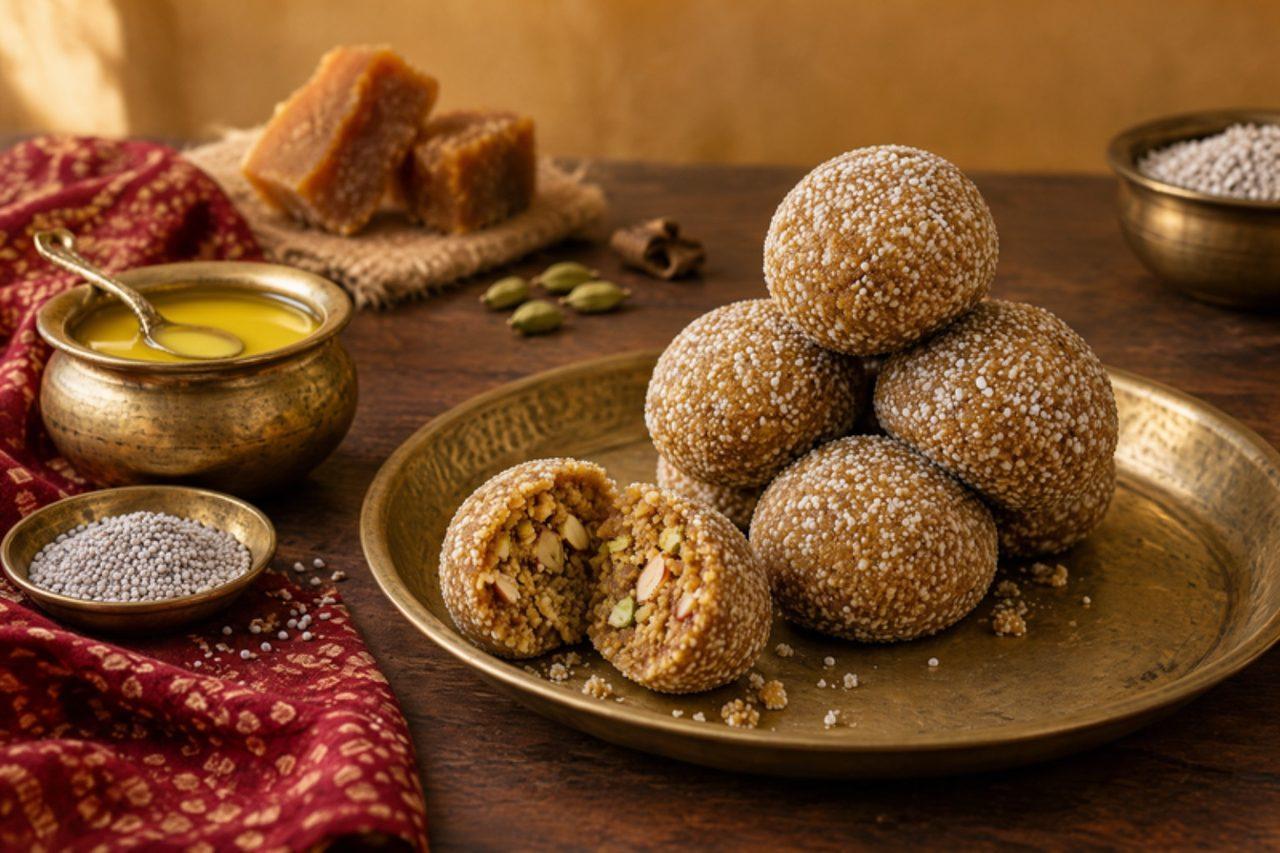
Churma na ladva are the laddus that sit beside Ganesh at Chaturthi in Kathiawad and fill the sweet course at Gujarati weddings, big rough-edged balls with a sandy crumb and a coat of white poppy seeds. Coarse wholewheat dough is shaped into fist-pressed muthiya, fried slowly in ghee until crisp right through, ground to crumbs and bound with jaggery melted in ghee, nutmeg and cardamom. The mistake that ruins them is frying the muthiya too fast: the outside browns while the inside stays doughy and the crumbs turn gummy. Chef's tip: break one muthiya open before you take the batch out; it should be dry and biscuit-like right to the centre.

by KrazyBadal 0 views

ChutagiWheat pasta in vegetable soup

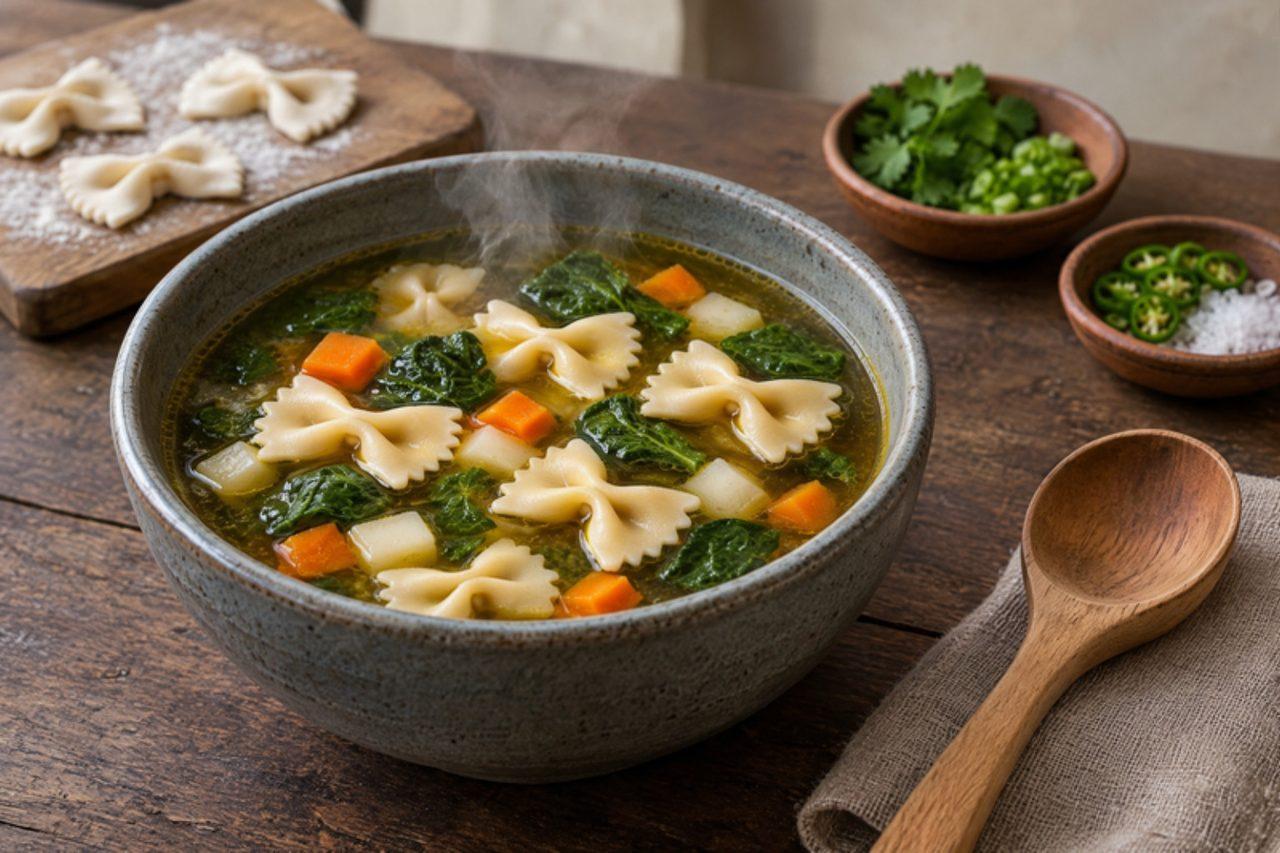
In Leh and the villages along the Indus, chutagi is the one-pot supper of the long winter: little hand-pinched bow-ties of wheat dough dropped into a broth of turnip, carrot, onion and greens. Families sit around the stove pinching the dough together while the pot comes to the boil, and the soup is eaten piping hot, often with a spoon of chilli paste on the side. The broth is light but the pasta makes it filling. The usual mistake is rolling the dough too thick, which leaves the centres of the bows doughy; roll it about as thin as a coin. Chef's tip: let the shaped bows dry on a floured tray for ten minutes before they go in, so they hold their pinched centre instead of opening up in the pot.

by KrazyBadal 0 views

LupisSticky rice with coconut sugar

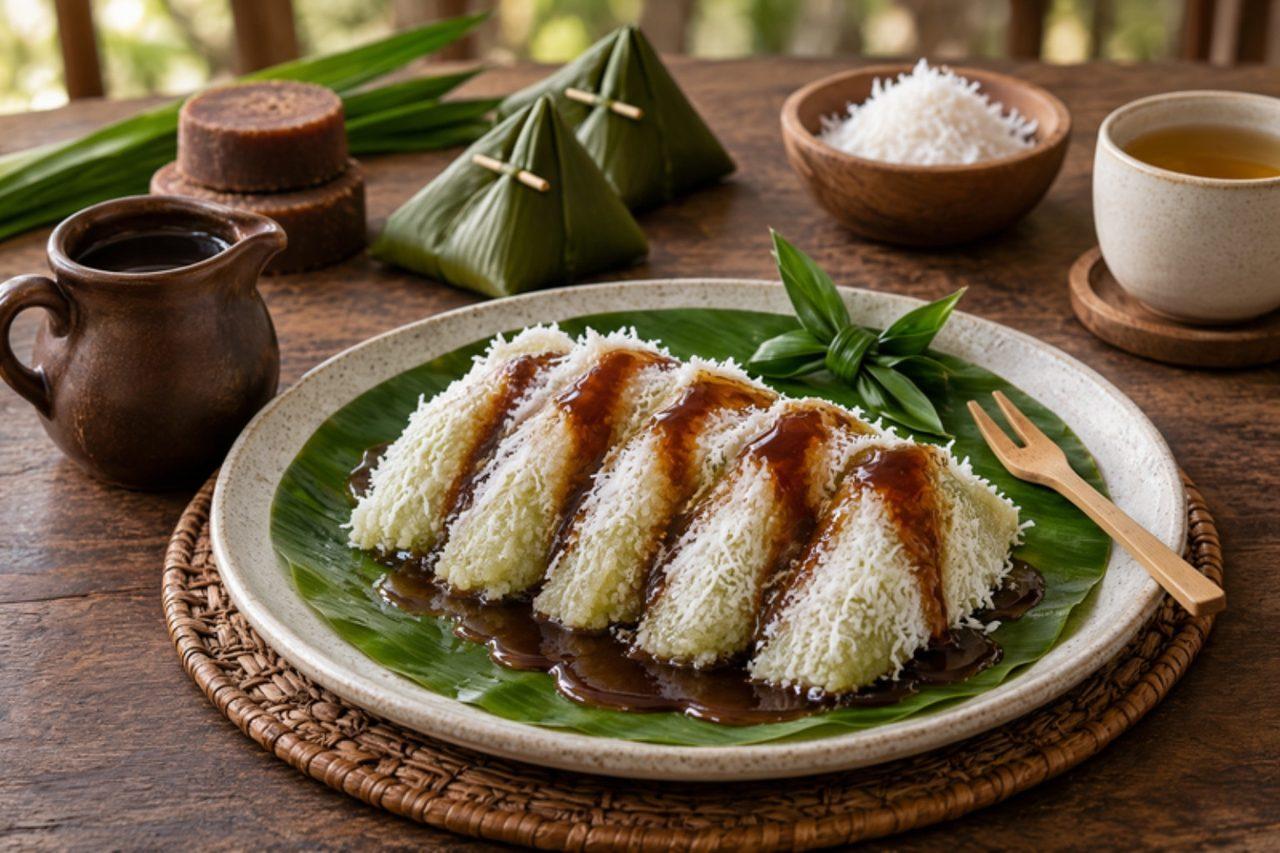
At morning markets across Central and East Java, vendors unwrap banana-leaf triangles of chewy sticky rice, roll them in fresh grated coconut and drench them in dark palm sugar syrup, all served on a square of leaf. Lupis is breakfast and snack at once, eaten with sweet tea. The common mistake is packing the leaves too full: the rice swells as it cooks, so fill each cone only two-thirds, or the parcels split and turn watery. Chef's tip: steam the grated coconut with a pinch of salt for 5 minutes before using it; it keeps longer and the salt sharpens the caramel taste of the syrup.

by KrazyBadal 0 views

Cocido quemadoBurnt sugar mate drink

Cocido is how Paraguay starts the day: in Asunción, in the villages of Guairá and Itapúa, and in school kitchens, a pot of burnt yerba is brewed and poured into cups with chipa, the cheesy cassava bread, or with a hard galleta. The old way is to drop a glowing piece of charcoal into a pot with yerba and sugar and stir until the sugar burns. On a home stove you caramelise them together in a dry pan instead, which is safer and gives the same smoky, toffee-like taste. The drink is clear amber-brown, with roasted, slightly bitter mate notes over burnt-sugar sweetness; with milk added it becomes cocido con leche, creamy and coffee-coloured. Yerba mate contains caffeine, so treat it like a cup of coffee. The common mistake is letting the sugar go black: it turns acrid and bitter. Pull it off the heat when the caramel is deep amber and the yerba smells toasted, not burnt. It is ready when the liquid is a clear dark amber and tastes of toffee and smoke. Chef's tip: the water will spit fiercely when it hits the hot caramel, so pour it in from the side, at arm's length.

by KrazyBadal 0 views

DoteyakiMiso-simmered beef tendon

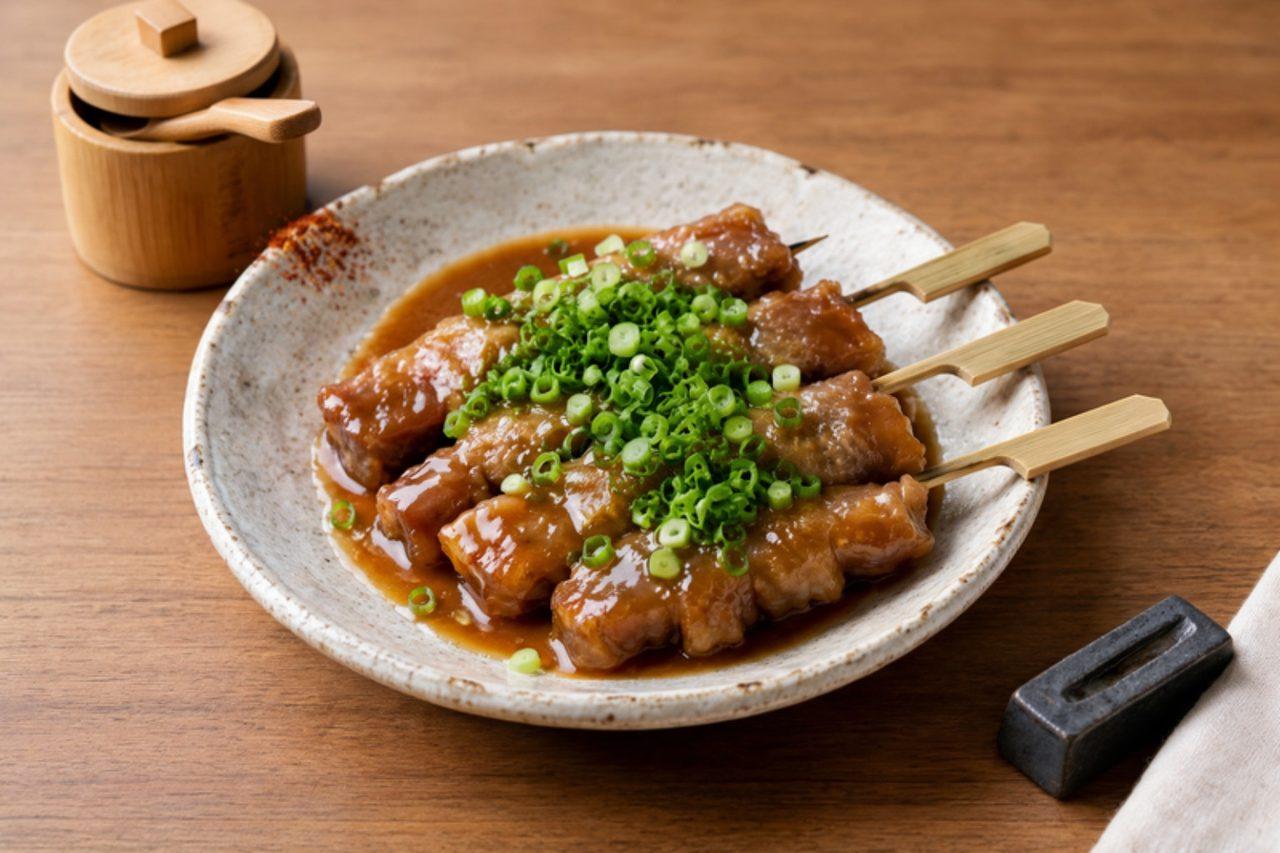
Walk along the narrow Jan-Jan Yokochō alley in Shinsekai, under the Tsūtenkaku tower, and every kushikatsu counter has a long shallow tray of doteyaki bubbling at the front. Beef tendon is simmered until it wobbles, then stewed slowly in a glossy sauce of white miso, sugar and mirin, and it is eaten from the afternoon on, piled with raw spring onion and a shake of shichimi. The sauce contains mirin, which contains alcohol; for an alcohol-free version use 60 ml water, 1 extra tablespoon of sugar and 1 teaspoon of rice vinegar instead. Chef's tip: blanch the tendon twice and rinse it well, or the sauce turns cloudy and tastes of the butcher's shop.

180 minJapaneseMeat
by KrazyBadal 0 views

Showing 18 of 7,762 recipes

Show more recipes

Page 125 of 863