


Skip to content
Koloocheh Fuman
Featured recipe

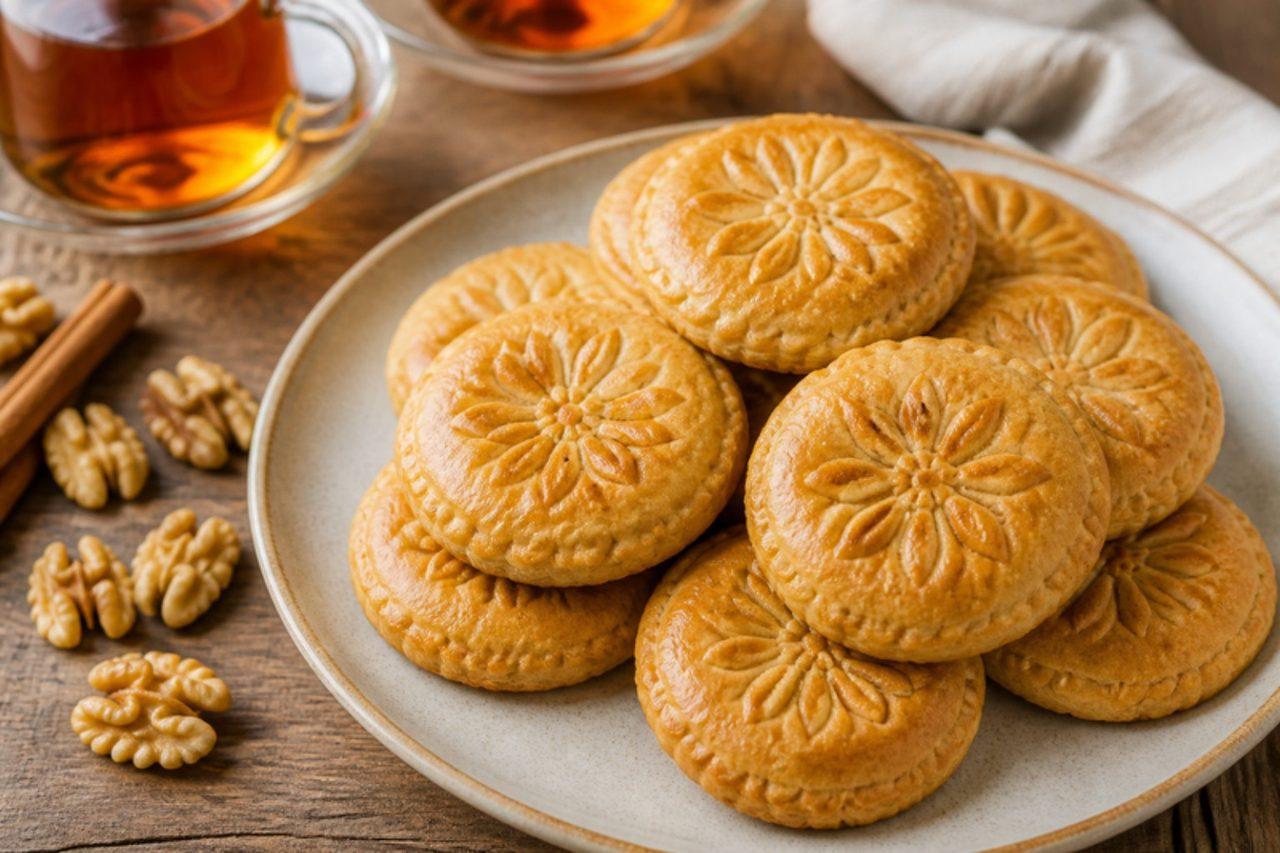
Koloocheh Fuman

Walnut-filled cookies

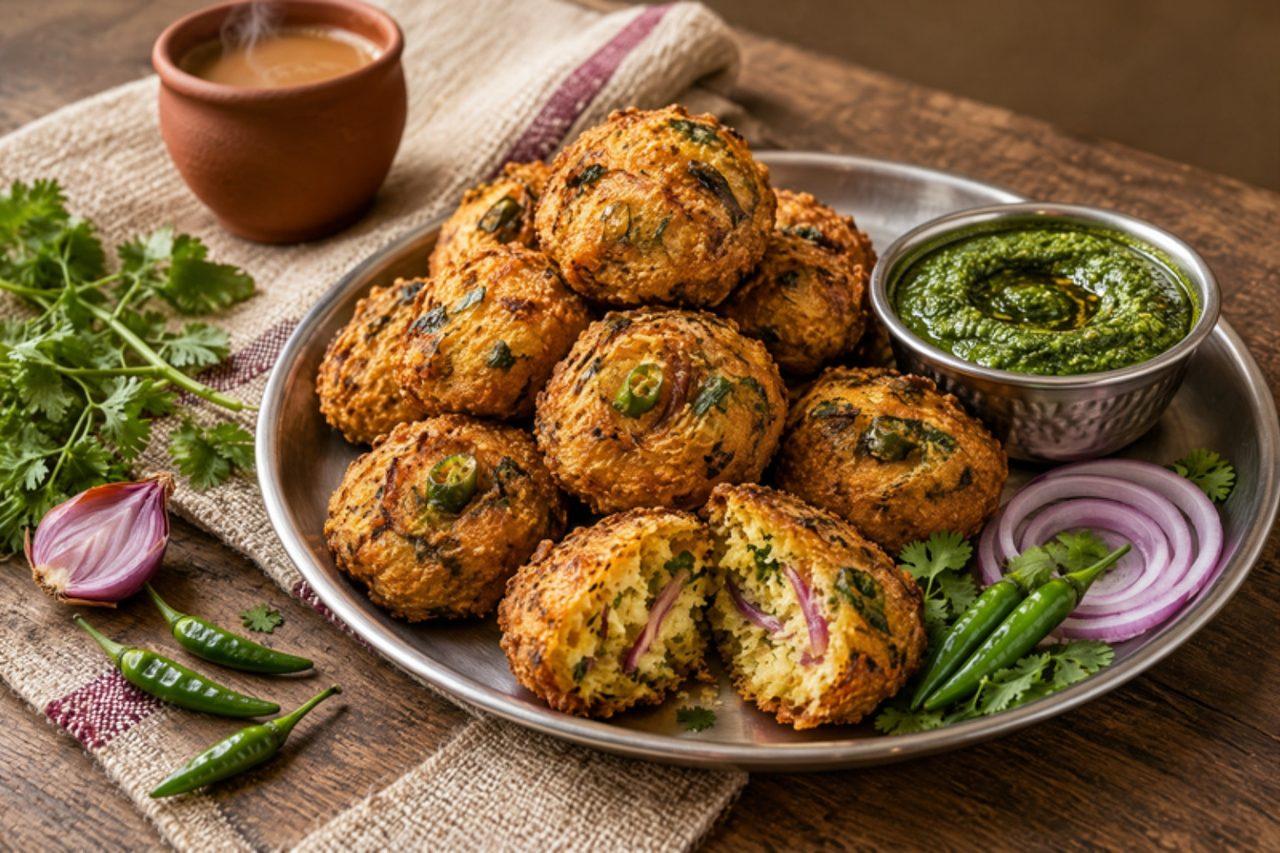
On the road from Rasht up to the hill village of Masuleh, the little town of Fuman is lined with bakeries selling koloocheh: thick round cookies, crisp outside and cake-like inside, filled with ground walnut, sugar and cardamom and stamped with a pattern on top. Travellers buy them by the box for tea, and they are a favourite gift at Nowruz. A common mistake is overworking the dough, which makes them tough rather than tender and crumbly. Chef's tip: chill the filled discs for 15 minutes before stamping and baking, so the pattern stays sharp and the walnut filling does not burst through.

Read more 0 views

What to eat today?

Around the world

Today's trip: Paraguayan

A new country every day, from every cuisine on the site.

Paraguayan

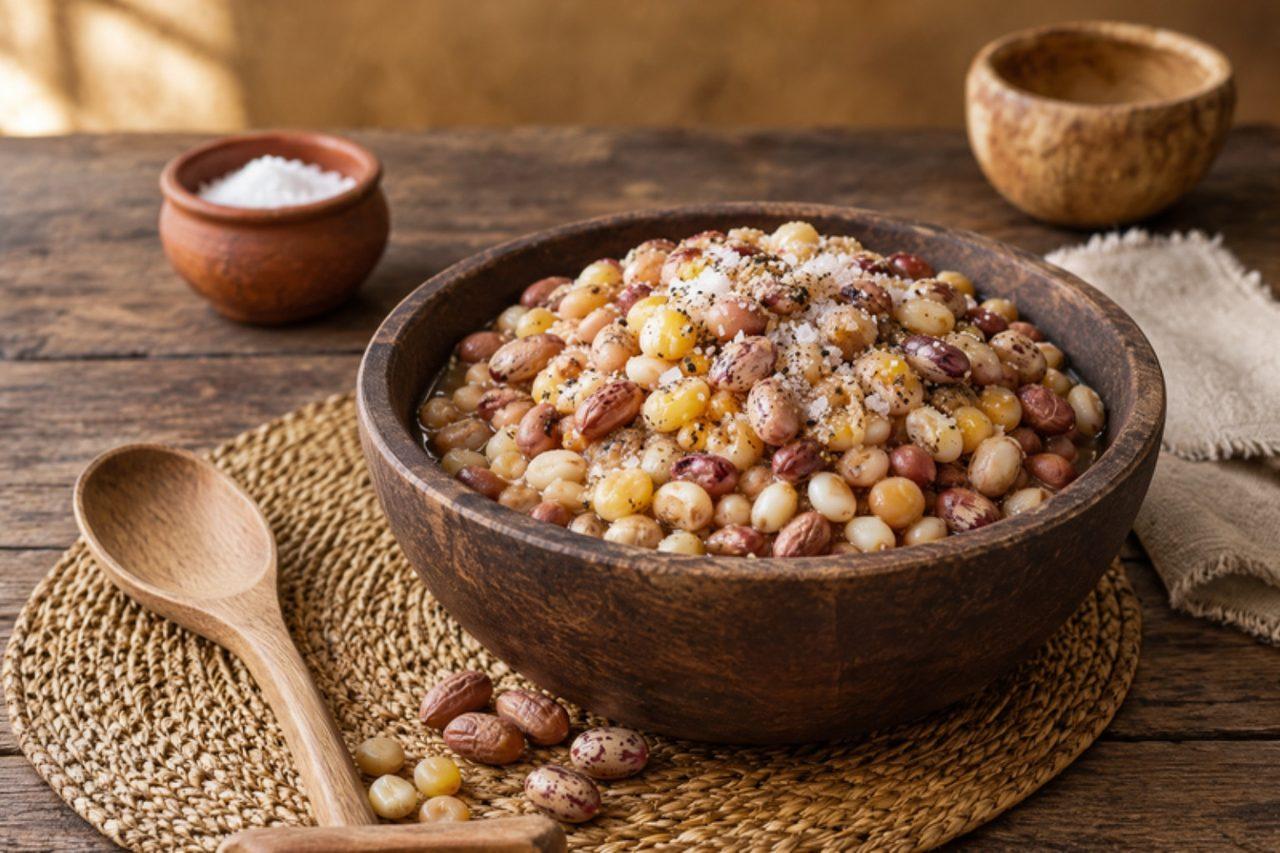
Buseca

Tripe and white bean stew 185 minMore from Paraguayan (27) →

This week's collection

Kid-friendly dinners
537 recipes · a new collection every Monday

Latest recipes

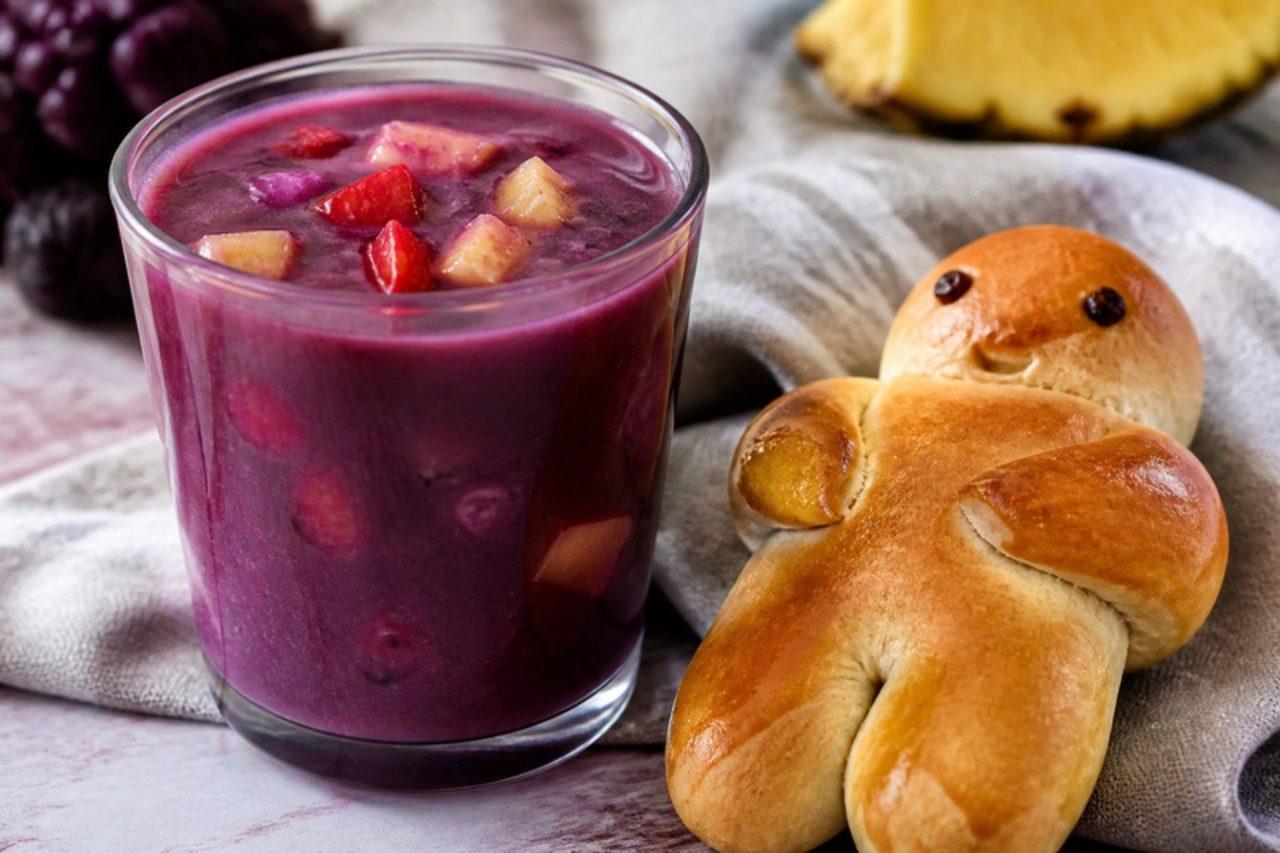
Colada moradaPurple corn and berry drink

Every year in the days before 2 November, the Día de los Difuntos, Quito's kitchens and bakeries fill with the smell of colada morada: a warm, spoon-thick drink of purple corn flour cooked with blackberries, blueberries, pineapple and a bundle of fragrant herbs and spices. It is deep violet, sweet-tart and full of chopped fruit, and it is always served with guaguas de pan, the bread babies, often shared with family at the cemetery. The most common mistake is stirring the corn flour straight into hot liquid, which makes lumps: whisk it into cold water first. Chef's tip: lemon verbena and lemongrass give the authentic perfume; if you can find naranjilla or a few orange leaves, add them to the spice pot too.

100 minAndeanDrinksVeganGluten free
by KrazyBadal 0 views

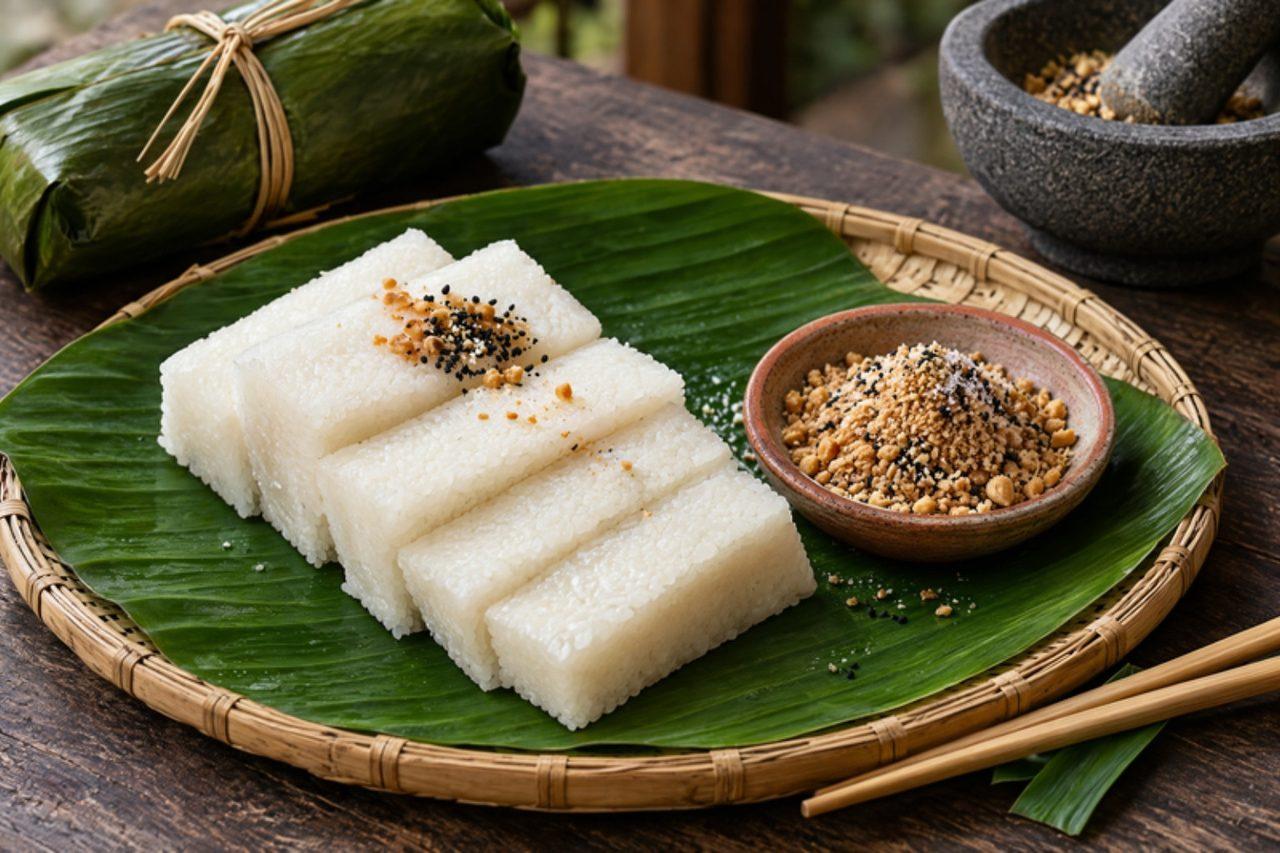
Cơm nắm muối vừngRice blocks with sesame salt

Before trains, buses and school trips, families in northern Vietnam press warm rice into firm, dense blocks and wrap them in banana leaf or paper with a twist of muối vừng, toasted sesame and peanut salt, for dipping. It is humble, filling and keeps its shape for a whole day's journey. Peanuts and sesame are both allergens. The common mistake is using cold or loose rice, which will not stick; it must be pressed hot. Chef's tip: mix a handful of sticky rice into ordinary jasmine rice before cooking, and the blocks hold together firmly without being gluey.

by KrazyBadal 0 views

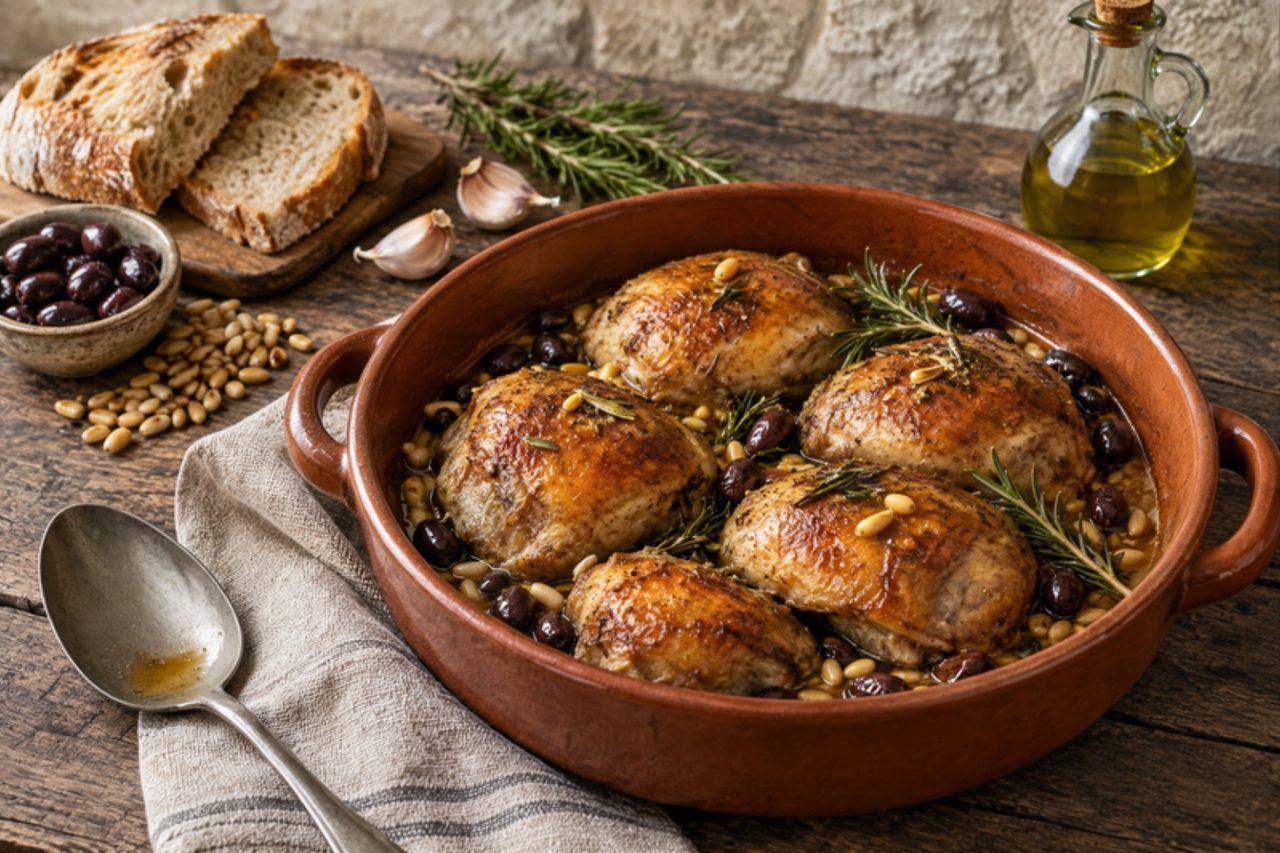
Coniglio alla ligureRabbit with olives and pine nuts

Coniglio alla ligure is the Sunday dish of the Ligurian hills behind Genoa and Imperia, where rabbits were raised in every farmyard and olives and pine nuts came from the slopes around the house. Rabbit pieces are browned in olive oil, splashed with white wine and braised with garlic, rosemary, thyme and bay, then finished with small black olives and toasted pine nuts until the sauce is glossy and fragrant. Serve with roast potatoes or bread. This recipe uses wine; for an alcohol-free version use 150 ml chicken stock with 1 tbsp white wine vinegar. The usual mistake is cooking the lean rabbit too fast, which makes it dry and stringy; keep the heat low and the pot covered. Chef's tip: ask the butcher for the liver and add it, chopped, for the last 5 minutes to enrich the sauce.

by KrazyBadal 0 views

CorvichePlantain and peanut fish fritters

Along the Manabí coast and in Guayaquil's afternoon snack stalls, corviches are torpedo-shaped fritters with a crisp, peanut-rich green-plantain crust and a filling of fish cooked with onion, pepper and cumin. They are eaten hot with pickled red onion and a dash of chilli, often for breakfast or as an afternoon bite. Peanuts are a major allergen. The usual mistake is making the plantain shell too thick, which leaves raw starchy dough inside; keep it about 1 cm and fry at a steady 170 °C. Chef's tip: grate the plantain on the finest holes of a box grater; a fine grate makes a smooth dough that seals without cracks.

by KrazyBadal 0 views

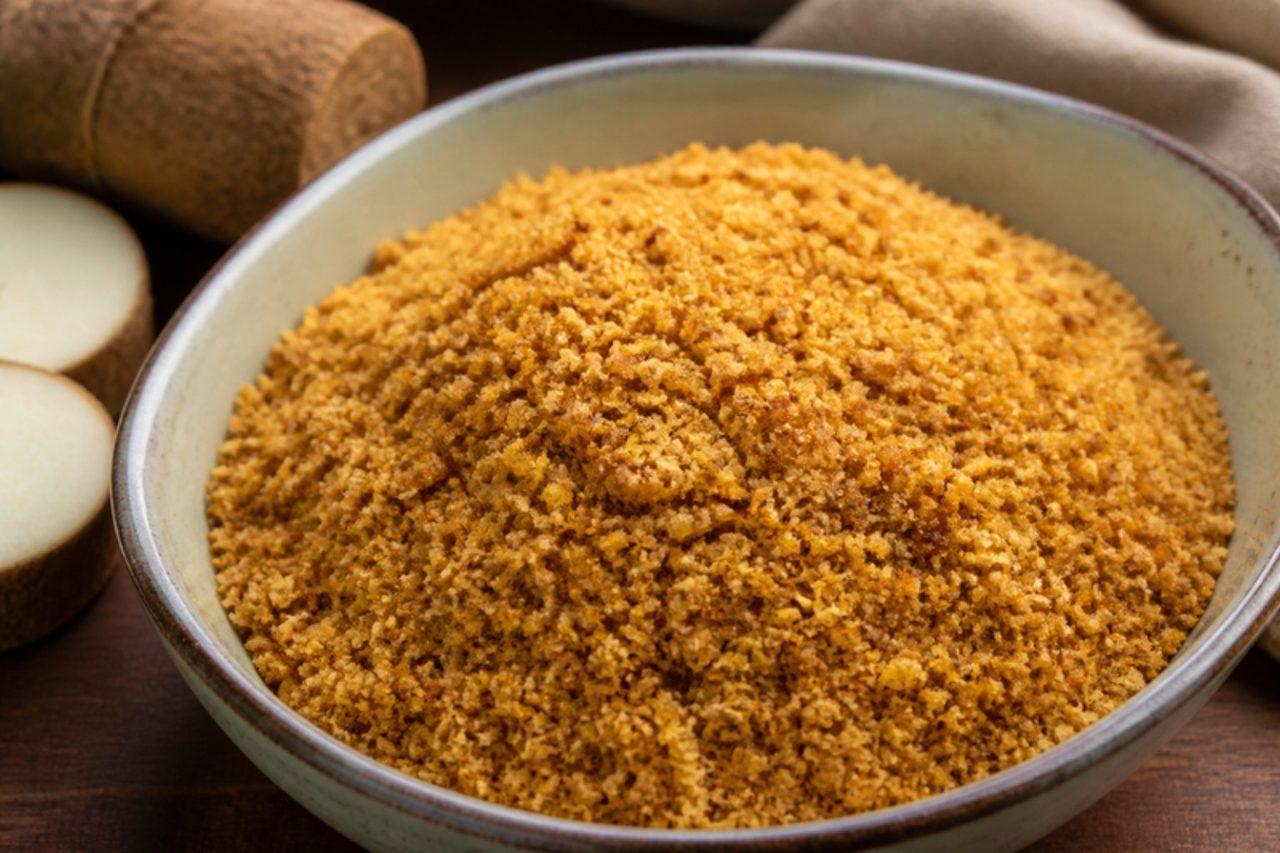
CouacToasted cassava meal

In French Guiana couac is on the table at almost every meal, sprinkled over fish in sauce, stirred into stews or soaked in water with sugar as a snack, and it is still made in the carbets (open-sided sheds) of Amerindian and Maroon villages along the Maroni river. Traditionally it is made from bitter cassava, which is poisonous until its juice has been pressed out and the meal roasted for hours. This home version uses only sweet cassava (yuca), and still presses out and discards all the juice and toasts the meal until fully dry, because cassava must never be eaten raw. The usual mistake is a heat that is too high: the outside scorches while the inside is still damp. Chef's tip: stir almost constantly over a medium-low heat; the couac is done when it rattles in the pan, smells nutty and a grain snaps cleanly between your teeth.

by KrazyBadal 0 views

Da chang bao xiao changSausage in a sticky rice bun

'Big sausage wraps small sausage' is one of the most photographed snacks at Shilin and Raohe night markets in Taipei. A plump, garlicky glutinous-rice sausage is grilled until crisp, split like a hot-dog bun and stuffed with a sweet Taiwanese pork sausage, pickled cucumber, sliced raw garlic, basil and a smear of sauce. This home version shapes the sticky rice in cling film instead of casing, so you do not need intestines. The Taiwanese sausage is pork and must be cooked through. Contains soy and peanuts. Chef's tip: chill the steamed rice log overnight; it slices and grills cleanly and holds its crust.

by KrazyBadal 0 views

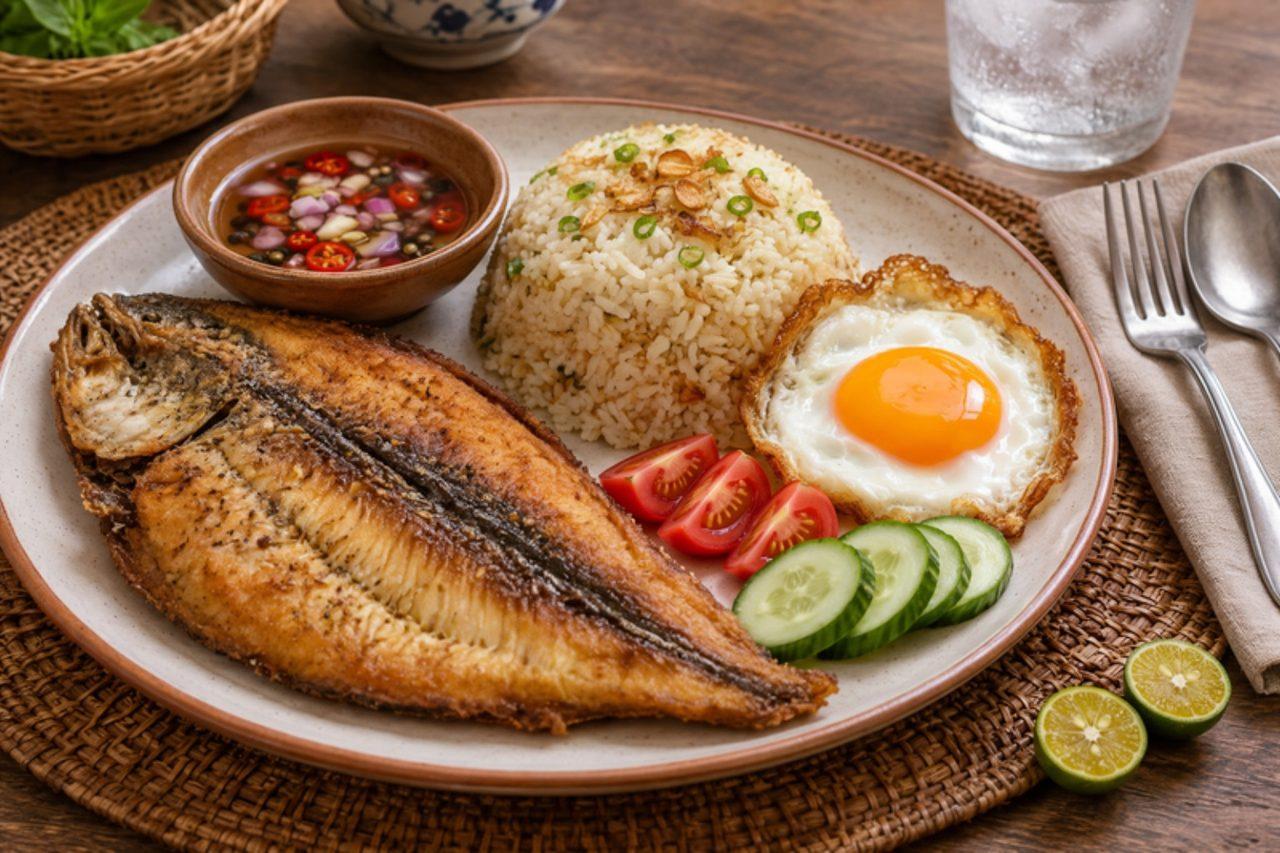
Daing na bangusMarinated fried milkfish

Bangus (milkfish) is the national fish of the Philippines, and daing na bangus, butterflied and soaked overnight in vinegar, garlic and pepper, then fried until the skin shatters, is a favourite morning plate from Pangasinan to Manila. It comes with garlic rice, a fried egg and a dip of spiced vinegar. Buy it boneless (deboned bangus) from Filipino shops, or use mackerel fillets. The usual mistake is putting the wet fish straight into the oil, which spits and stops it crisping. Chef's tip: pat the fish completely dry and fry skin side down first, pressing gently, without moving it for five minutes.

by KrazyBadal 0 views

Dal dhokli for toddlersWheat dumplings in dal for toddlers

In Ahmedabad pols and Surat kitchens dal dhokli is the Sunday one-pot lunch: diamonds of spiced wheat dough cooked straight in tangy toor dal. This toddler version, for children from 12 months, keeps the soft pasta-like pieces small, leaves out the chilli, peanuts and cloves, and uses only a pinch of jaggery so the dal stays sweet-sour the way Gujarati families like it. It is cooked in oil, so it is dairy free and vegan. It contains wheat (gluten); there is no milk, egg, nuts or soya. Chef's tip: roll the dough thin, about 2 mm; thick dhokli stay chewy in the middle.

by KrazyBadal 0 views

Dal panniyeMaize flour breads baked in leaves

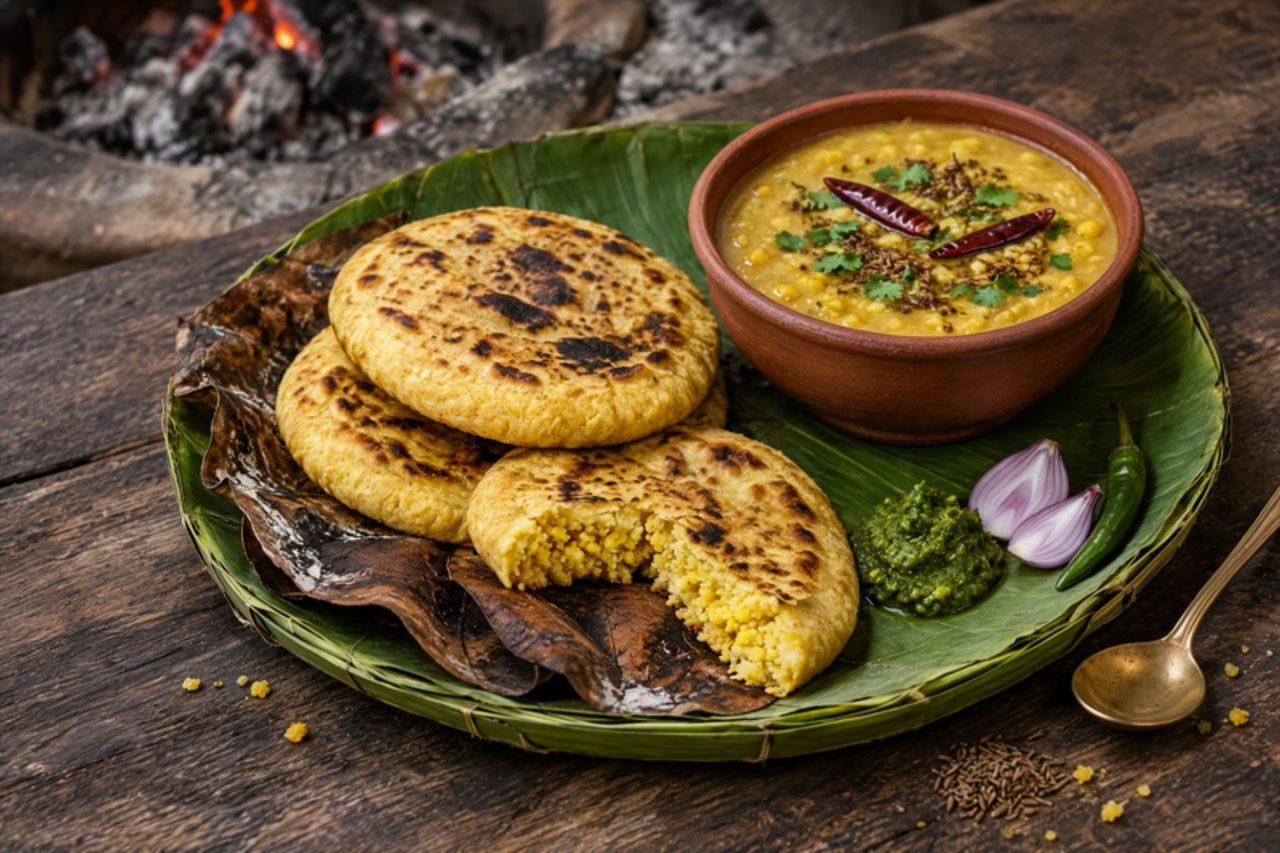
Panniye are the festive breads of the Bhil communities of Jhabua and Alirajpur in western Madhya Pradesh, made for weddings, Bhagoria and harvest gatherings. Thick maize-flour discs are pressed between palash or banana leaves and baked over cow-dung embers until smoky and crisp outside, then served with a garlicky dal and ghee. At home you can bake them on a tawa and finish in the oven. The common mistake is rolling the dough too thin, so it dries out and cracks before it cooks through. Chef's tip: knead the maize dough with warm water and a little curd and let it rest; it holds together much better.

by KrazyBadal 0 views

Dalimbi usalSprouted field bean curry

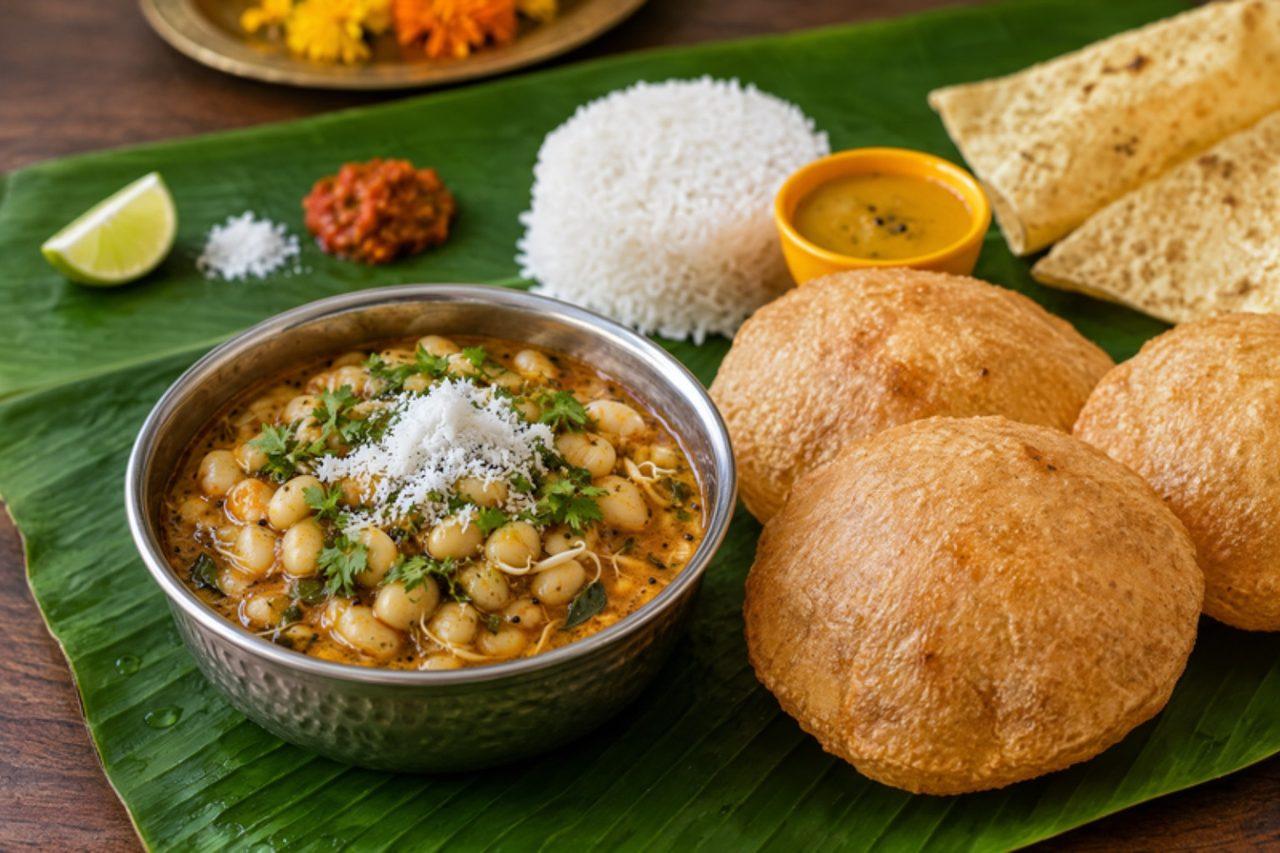
In Konkan and Pune homes, dalimbi usal is a festival dish, cooked for Ganesh Chaturthi, weddings and thread ceremonies and served on the thali beside puran poli and rice. Dalimbi are dried field beans (val) that are soaked, sprouted and peeled; the work takes two days but turns them creamy and sweet. They are simmered gently with fresh coconut, goda masala, kokum and a little jaggery, without onion or garlic. Field beans must always be cooked until fully soft; never eat them raw or half-cooked. The usual mistake is boiling them hard, which bursts the soft peeled beans into mash; keep the simmer gentle. Chef's tip: soak the sprouted beans in warm water for 30 minutes before peeling, and the skins slip off with a pinch.

by KrazyBadal 0 views

Daniwal kormaMutton in yogurt and onion gravy

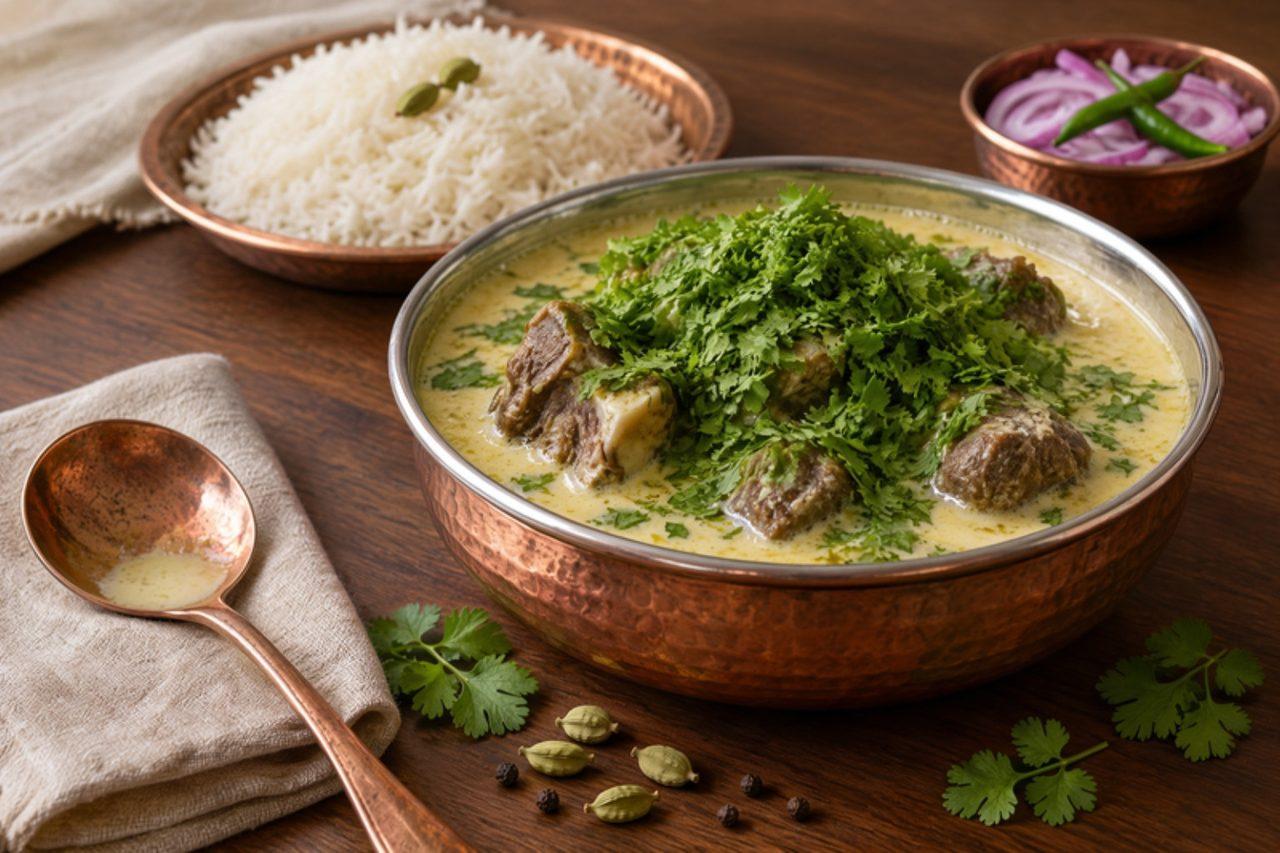
Daniwal korma is one of the gentler dishes of the Kashmiri wazwan, the many-course Muslim wedding feast cooked by the waza, and it is also a favourite for Eid lunches at home. Mutton is cooked with fried onion and whisked yogurt, scented with cardamom and fennel, and finished with a great fistful of fresh coriander, 'daniwal', that turns the pale gravy green-flecked and fresh. It is served with plenty of rice. The common mistake is adding cold yogurt to a hot pan, which makes it split; whisk it smooth and stir it in off the heat. Chef's tip: fry the onions dark gold, then grind them to a paste with the yogurt for a silky, nutty gravy.

95 minIndianMeatGluten free
by KrazyBadal 0 views

Dhana ni panjiriRoasted coriander and coconut sweet

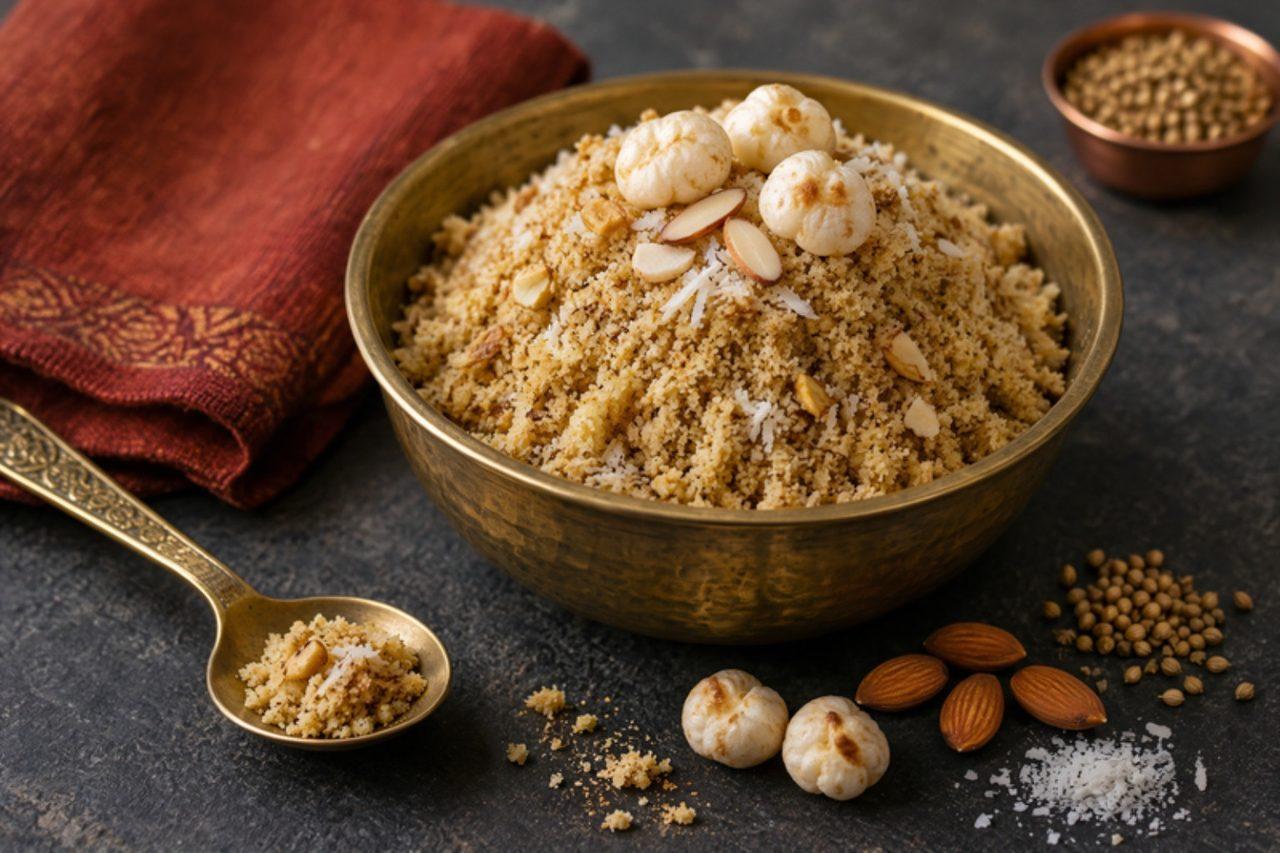
At midnight on Janmashtami, when Gujarati and Rajasthani families sing to baby Krishna, the prasad handed round is this fragrant panjiri of ground coriander seeds roasted in ghee and mixed with powdered sugar, coconut, makhana and dry fruit. Because it contains no grain, it is also eaten by those who keep the Janmashtami fast. It tastes warm, sweet and surprisingly floral. The common mistake is roasting the coriander powder on high heat; it burns in seconds and turns bitter. Chef's tip: grind the seeds yourself just before roasting, and stop when the kitchen smells like warm citrus, not toast.

by KrazyBadal 0 views

Diabolo mentheMint syrup and lemonade

Ask anyone who grew up in France about diabolo menthe and they will remember sitting on a café terrace after school, or on holiday in Brittany or the Vendée, with a tall glass of startling green fizz and a straw. It is simply sirop de menthe, the sweet mint syrup sold in every French supermarket, topped up with limonade, which in France means a clear, lightly sweet, lemony fizzy drink. Grenadine makes a diabolo grenadine, lemon syrup a diabolo citron. It tastes cool, minty and sweet, like a liquid mint sweet, with a sharp sparkle. The common mistake is pouring the syrup on top of the lemonade: it sinks in a dense layer and you drink plain fizz followed by pure syrup. Put the syrup in the glass first and pour the lemonade down the side so it mixes as it rises. It is ready when the glass is an even mint-green from bottom to top and still fizzing hard. Café ratio is about one part syrup to seven parts lemonade. Chef's tip: for a homemade syrup, steep a big handful of fresh mint in hot sugar syrup for 30 minutes and strain; it will be pale gold-green rather than emerald, and tastes fresher.

by KrazyBadal 0 views

DobladitasFolded lard breads

In the south of Chile, from Concepción down through Temuco and Chiloé, dobladitas are baked for breakfast and the evening once: rounds of a lard-enriched dough brushed with more melted pork lard, folded in half and in half again, and baked until the layers puff and flake apart. Eat them warm, pulled into their layers, with tea and butter (or margarine to keep them dairy free), jam or avocado. The lard is pork fat. The common mistake is using cold, hard lard for brushing; it must be melted and warm, so it soaks between the layers and makes them separate. Chef's tip: roll the folded pieces only lightly, just to seal the layers; pressing hard squeezes the lard out and they bake up tough.

by KrazyBadal 0 views

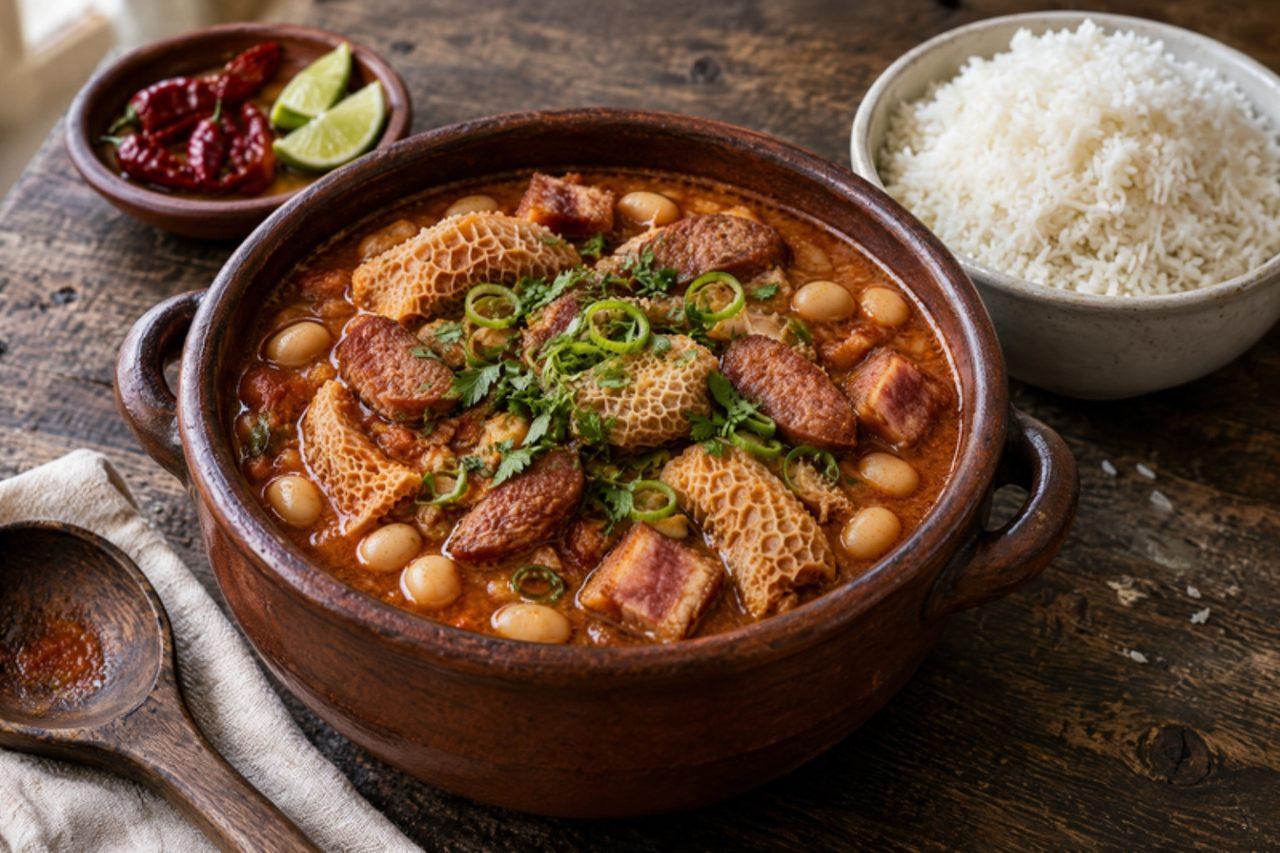
DobradinhaTripe and white bean stew

Dobradinha came to Brazil with Portuguese settlers and is now a Saturday lunch in botecos and family kitchens from São Paulo to Minas Gerais, eaten with white rice and a splash of hot pepper sauce. Cleaned honeycomb tripe is simmered until tender, then stewed with white beans, smoked pork sausage (linguiça), bacon, tomato and plenty of green seasoning until thick and savoury. This recipe contains pork. The usual mistake is undercooking the tripe: it must be soft enough to cut with a spoon before the beans go in, or it stays rubbery. A pressure cooker does the tripe in 35 minutes. Chef's tip: blanch the tripe with a squeeze of lime first; it freshens the smell and the colour.

by KrazyBadal 0 views

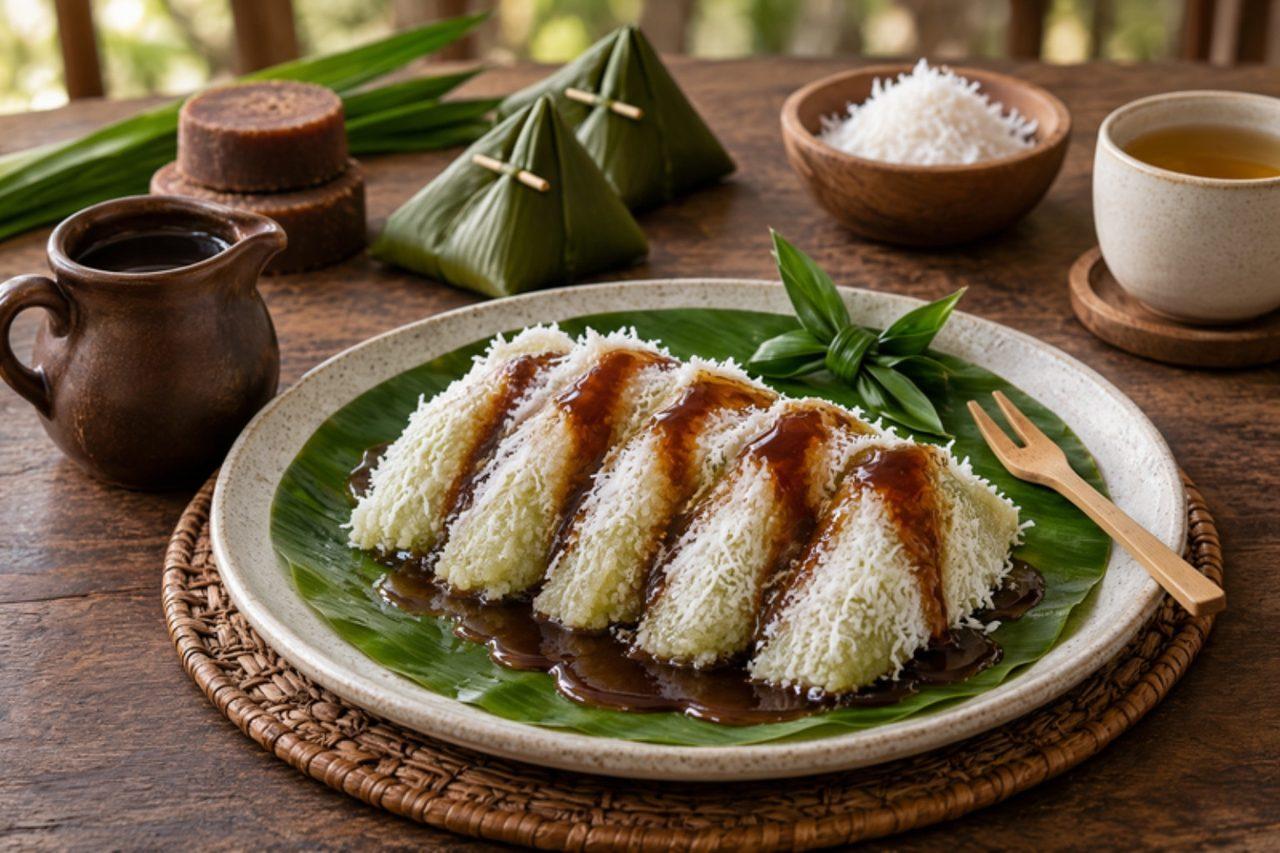
LupisSticky rice with coconut sugar

At morning markets across Central and East Java, vendors unwrap banana-leaf triangles of chewy sticky rice, roll them in fresh grated coconut and drench them in dark palm sugar syrup, all served on a square of leaf. Lupis is breakfast and snack at once, eaten with sweet tea. The common mistake is packing the leaves too full: the rice swells as it cooks, so fill each cone only two-thirds, or the parcels split and turn watery. Chef's tip: steam the grated coconut with a pinch of salt for 5 minutes before using it; it keeps longer and the salt sharpens the caramel taste of the syrup.

by KrazyBadal 0 views

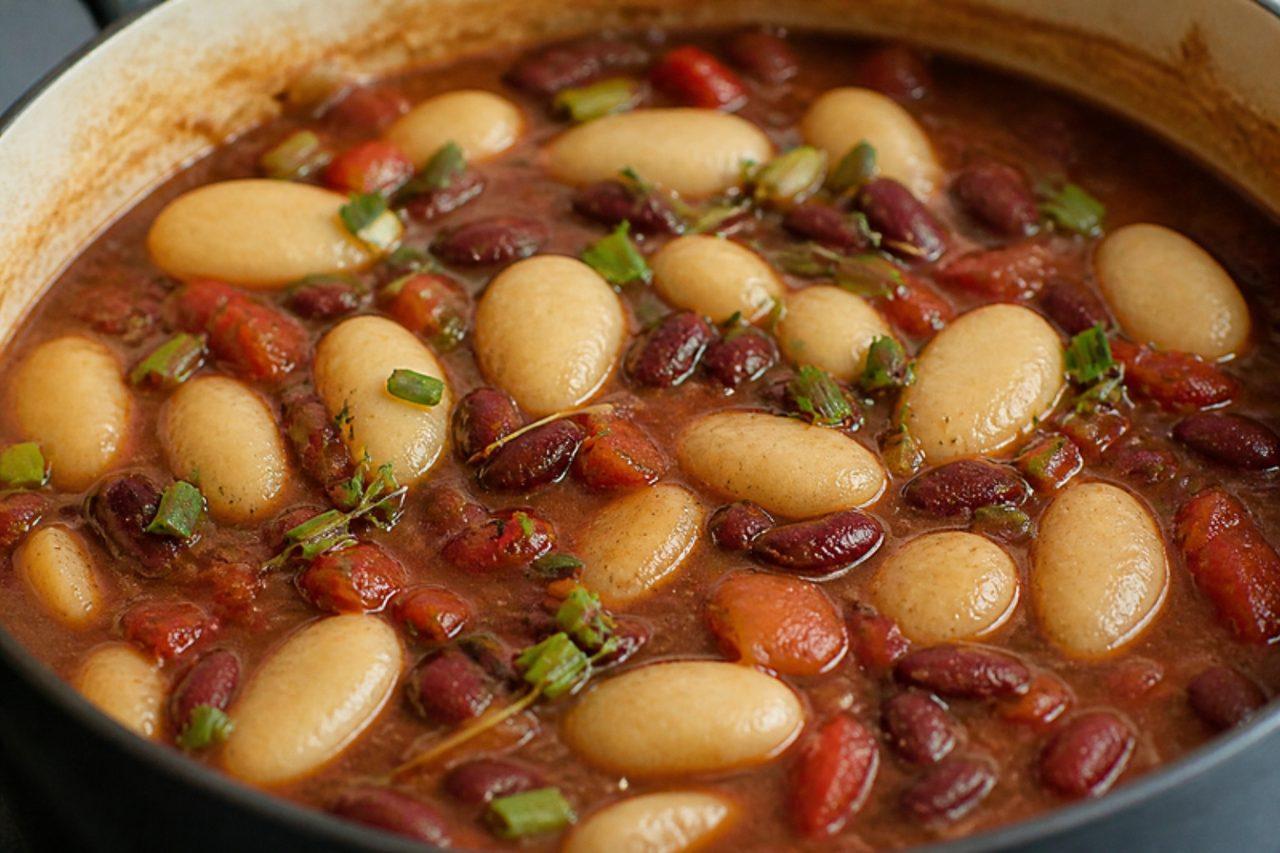
Dombrés aux haricots rougesFlour dumplings in red beans

Dombrés are the small rolled flour dumplings that Guianese Creole cooks in Cayenne and Saint-Laurent-du-Maroni drop into a pot of red kidney beans, so they swell and soak up the herb-scented sauce. In French Guiana and the Antilles the beans are often cooked with salted pork tail or smoked meat; this version leaves out the meat and uses smoked paprika, onion, chives, thyme and cloves for depth, making a hearty vegan dinner with rice. Dried kidney beans must be boiled hard for 10 minutes before simmering to destroy a natural toxin, so don't skip that step or cook them in a slow cooker from raw. Dumplings that fall apart are the usual problem: keep the dough firm and the pot at a gentle simmer once they go in. Chef's tip: roll each dombré between your palms into a small torpedo; that shape cooks evenly and holds together.

by KrazyBadal 0 views

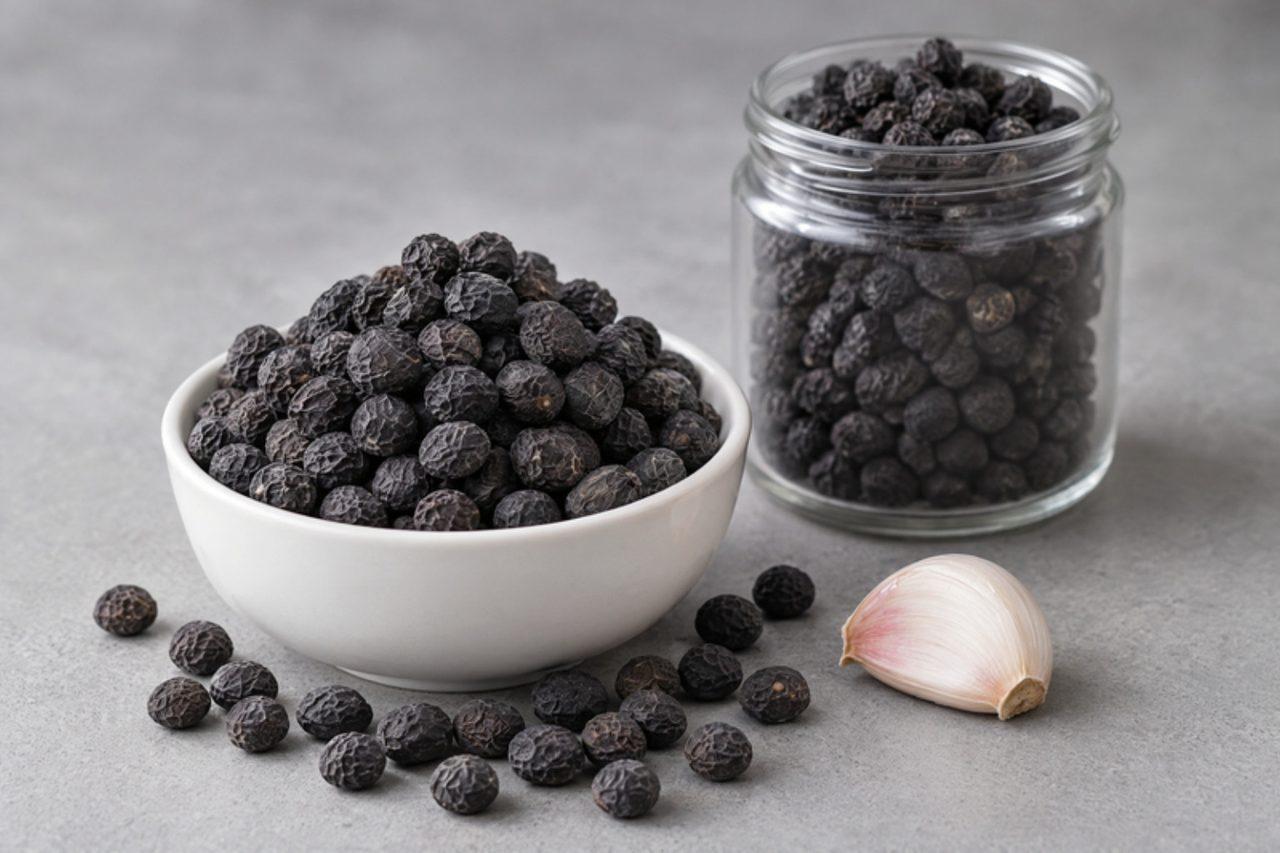
DouchiFermented black beans

Yangjiang in western Guangdong and Liuyang in Hunan are the two great douchi towns, and both traditionally make their fermented black beans in the dry season, when beans can be moulded indoors and dried in the sun without spoiling. Cooked black soybeans are covered until a yellow-green koji mould grows over them, then washed, salted, packed and fermented for weeks before drying. The result is wrinkled, soft-chewy beans with an intense salty, savoury, almost chocolate-dark flavour. A spoonful steamed with spare ribs or a whole fish, stir-fried with bitter melon or pounded into Hunan's chilli dishes seasons the whole plate. At home, buying koji spores (Aspergillus oryzae) is far more reliable than waiting for wild moulds. Common mistake: letting the beans sit wet or warm in a sealed container during the moulding stage; they must breathe at 28–32 °C. Good koji smells sweet and chestnut-like; discard any batch with black, pink or bright coloured mould, slime or a rotten smell. Keep the salt as given. It is ready when the beans are dark, wrinkled and dry outside but supple within. Store dried douchi in the fridge for 1 year. Chef's tip: rinse and lightly crush the beans before cooking.

by KrazyBadal 0 views

DrachenaBaked egg and milk custard

Drachena belongs to the old peasant cooking of northern Russia, from Arkhangelsk to Vologda, where it was baked in the cooling Russian stove on Sunday mornings. Eggs are whisked with milk, a little sour cream and flour, poured into a hot buttered pan and baked until puffed, golden and wobbly, somewhere between an omelette and a soufflé. It is eaten warm, plain or with sour cream. The common mistake is opening the oven early; the drachena collapses if it gets a draught before it is set. Chef's tip: heat the buttered dish in the oven before pouring in the batter, so it starts to set and rise from the bottom at once.

by KrazyBadal 0 views

Manipuri boraGram flour fritters

Bora are the crisp fritters that Meitei families fry for evening tea, for guests and for festivals like Cheiraoba, using whatever is in season: onion and herbs, gourd flowers, or tender greens. The batter is gram flour with a little rice flour, so they stay crisp. The common mistake is a thick batter that makes doughy fritters; it should just coat the vegetables. Fill the pan no more than a third deep with oil, test it with a drop of batter (it should rise in 2–3 seconds) and never leave it unattended. Chef's tip: mix the batter just before frying so the vegetables don't weep and make it watery.

by KrazyBadal 0 views

Dubki wale alooHing-scented potato curry

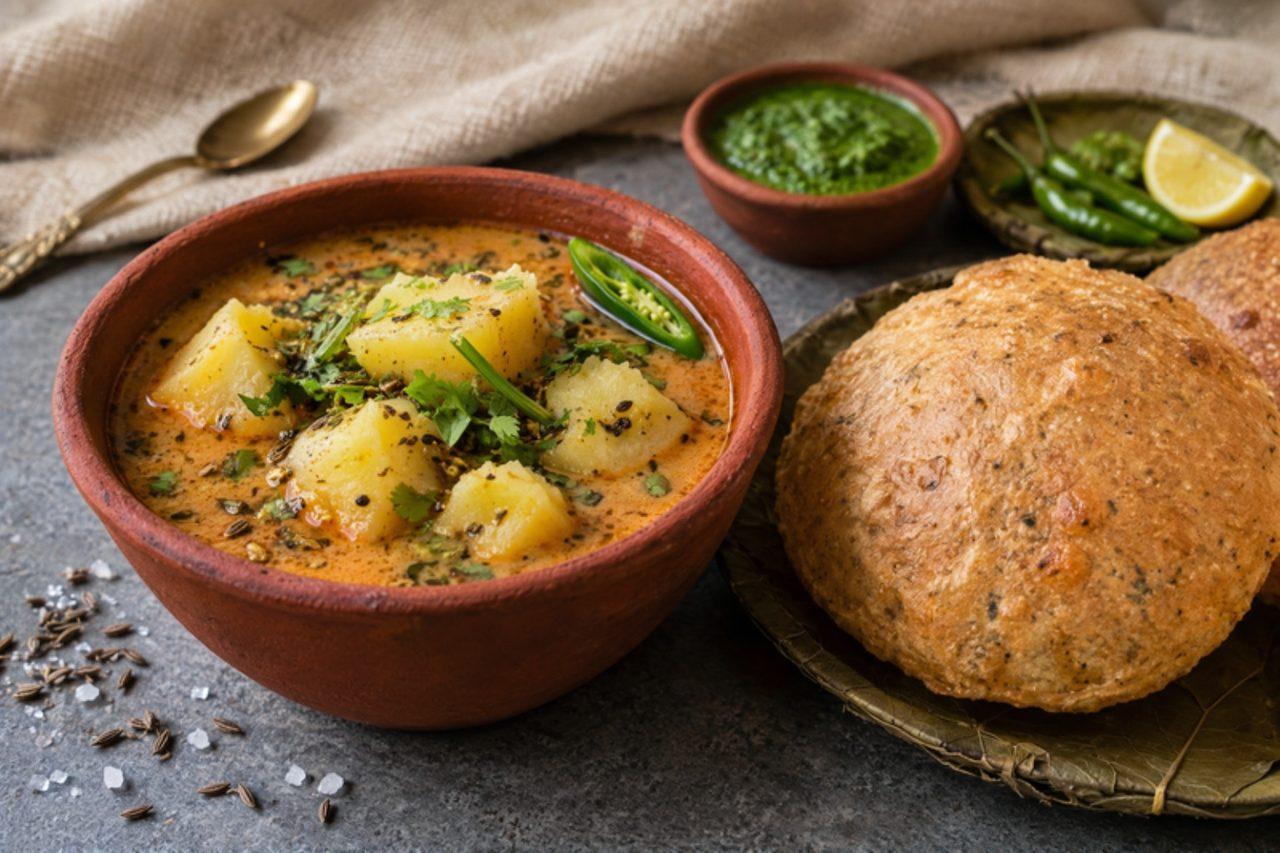
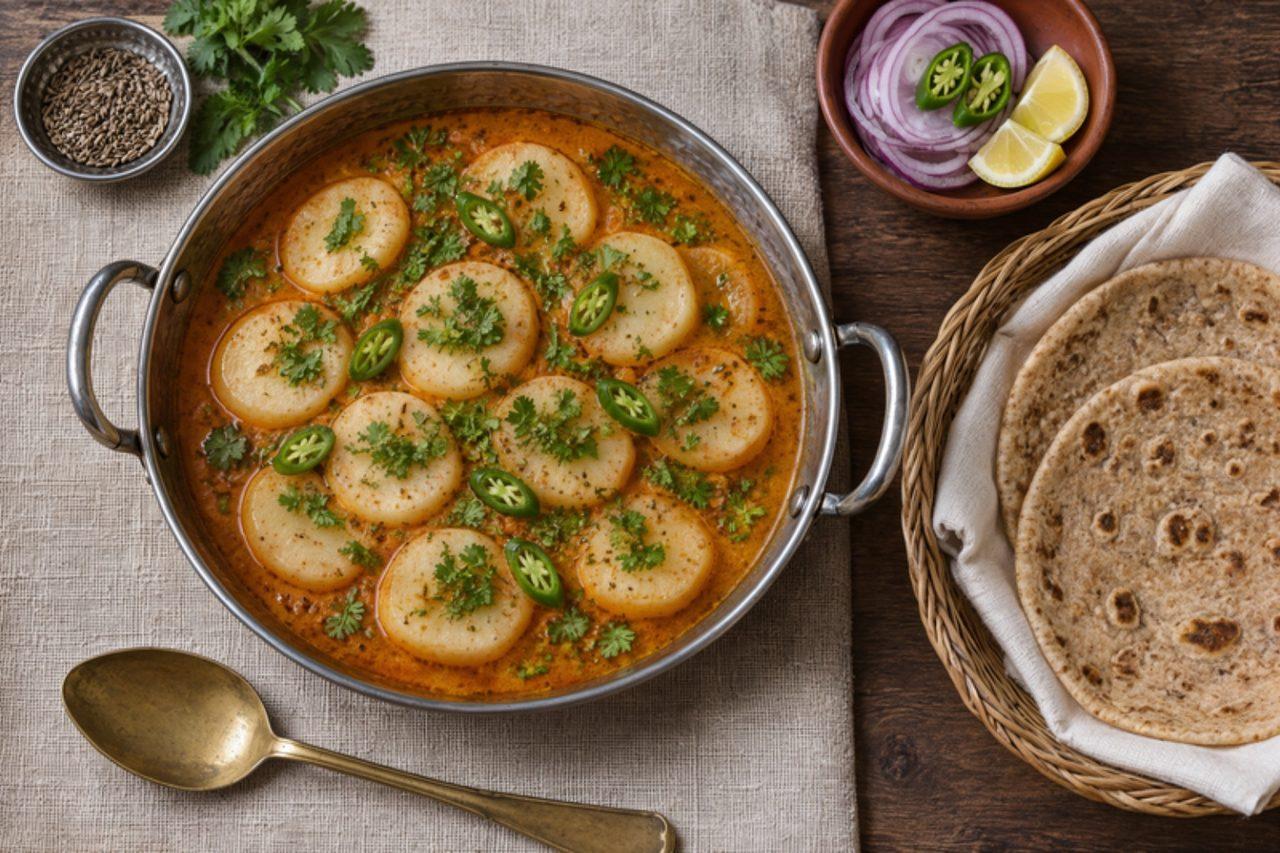
In the lanes of Mathura and Agra, breakfast is bedai or kachori with dubki wale aloo, a thin, peppery potato curry with so much gravy the puri can take a dip, or dubki. Its flavour comes from hing, crushed coriander seed and fennel rather than onion or garlic, which suits the Vaishnav kitchens of Braj and Holi mornings. The common mistake is making the gravy thick; it should run, so add enough water and mash only a few potatoes to give it body. Chef's tip: crush the boiled potatoes by hand into rough pieces rather than cubing them; the jagged edges soak up the spice.

by KrazyBadal 0 views

Dudh pithaRice dumplings in milk

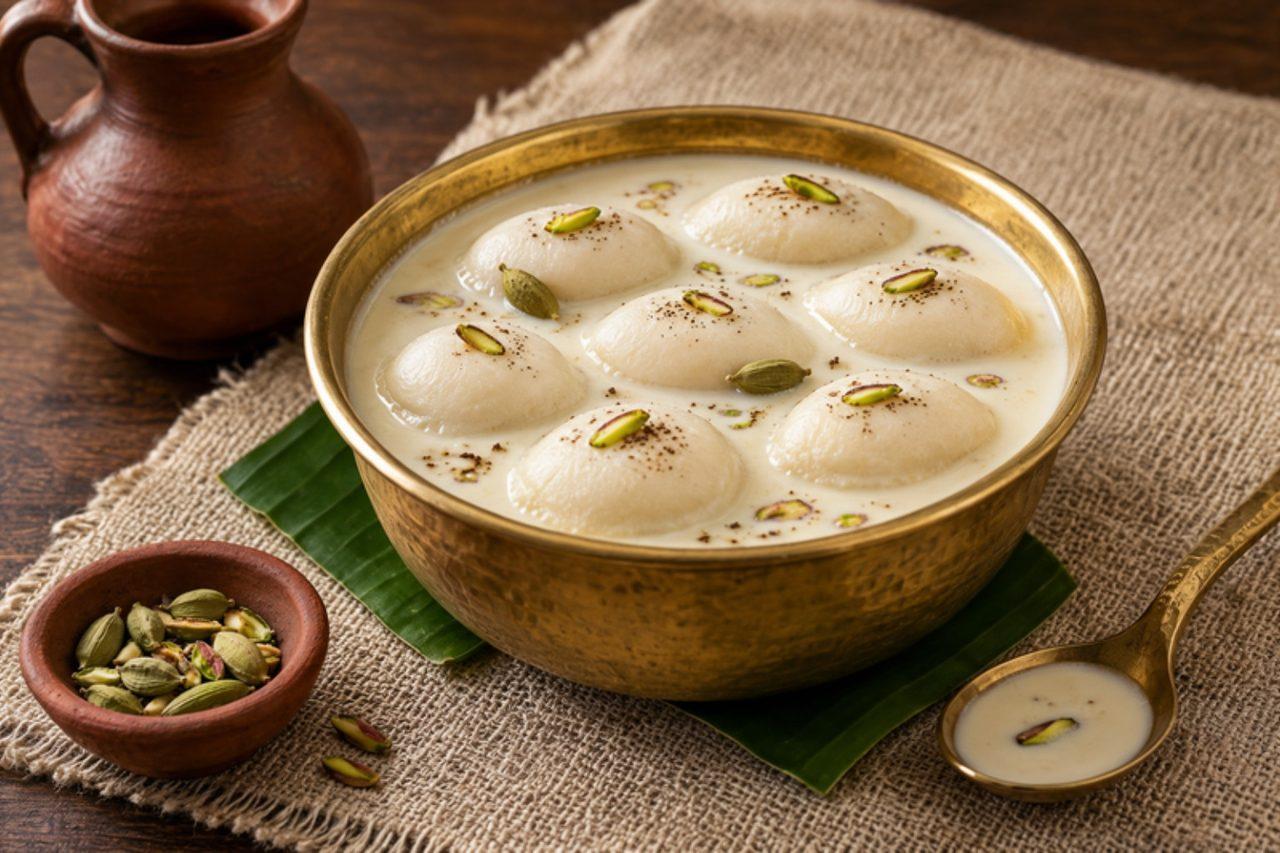
Dudh pitha is made in Jharkhand and Bihar for Makar Sankranti, Sohrai and winter evenings, when the new rice is milled: small rice-flour dumplings are stuffed with coconut and jaggery (some families use spiced chana dal instead) and simmered in milk until it thickens around them. It is eaten warm from a bowl with a spoon. The common mistake is adding jaggery straight to boiling milk, which can curdle it; sweeten the milk with sugar and keep the jaggery inside the dumplings. Chef's tip: shape the dumplings while the dough is warm and keep your palms greased, so the edges seal without cracking.

by KrazyBadal 0 views

Dulce de lechosaPapaya in clove syrup

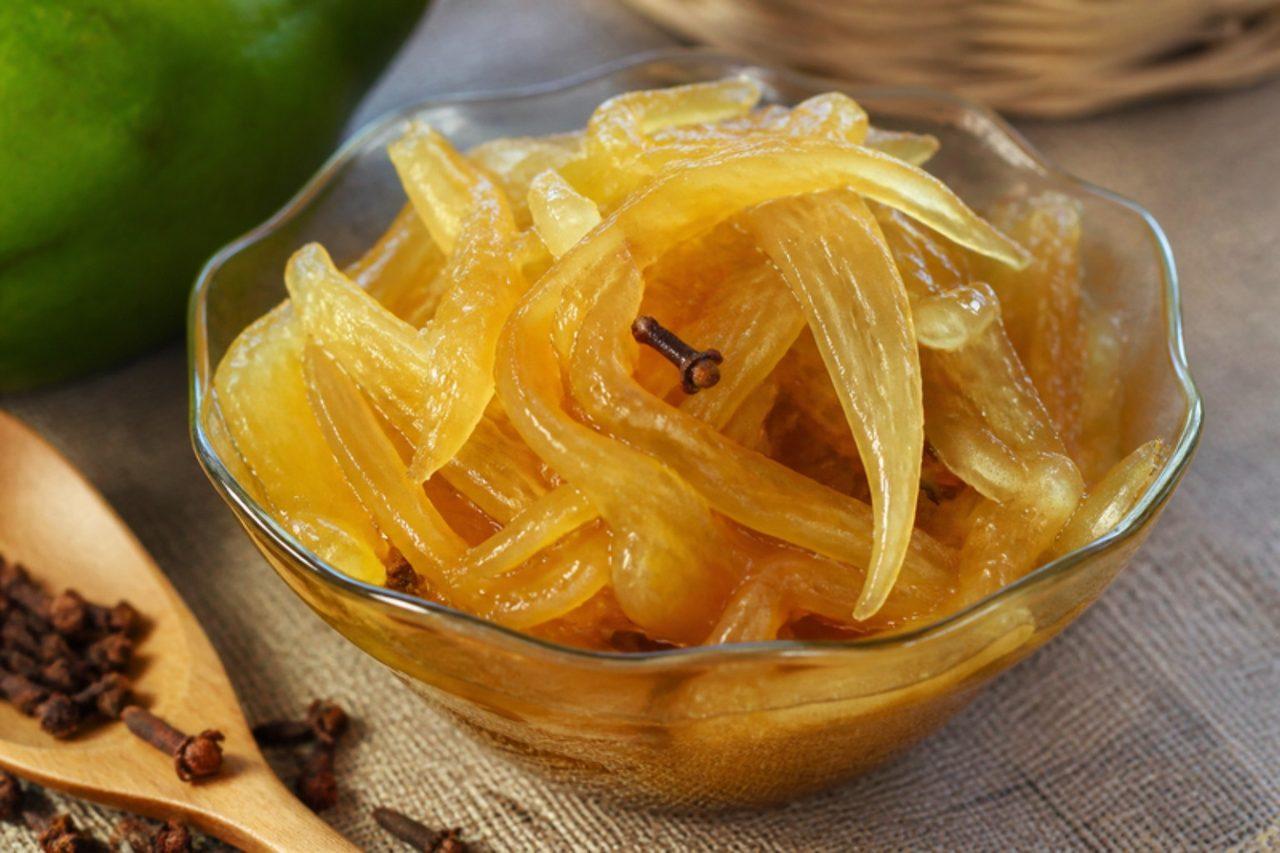
No Venezuelan Christmas plate is complete without a spoonful of dulce de lechosa beside the hallaca, pan de jamón and ensalada de gallina: strips of green papaya simmered in a dark panela syrup with cinnamon and cloves until translucent, sweet and gently chewy. Families make big jars in mid-December to share. The common mistake is cutting the strips too thin, so they fall apart in the syrup. Chef's tip: soak the strips in water with bicarbonate for 30 minutes first; it firms them so they keep their shape.

by KrazyBadal 0 views

Arvi ka salanColocasia in tangy gravy

Arvi ka salan is a Lahore and Karachi home curry, cooked on weekday evenings when the vegetable seller has a basket of small, hairy colocasia roots. The roots are boiled, peeled and simmered in a loose, sour gravy of onion, tomato, ajwain and a squeeze of lemon, so the slightly slippery arvi soaks up the spice and turns creamy at the centre. Eat it with hot roti or plain rice and a little raw onion. The usual mistake is undercooking the arvi: half-cooked colocasia leaves an itchy, scratchy feeling in the throat, so it must be soft all the way through. Chef's tip: once the boiled arvi is peeled, press each piece flat with your palm before it goes into the gravy, so the rough edges thicken the sauce.

by KrazyBadal 0 views

Kaju pulao (cashew pulao)

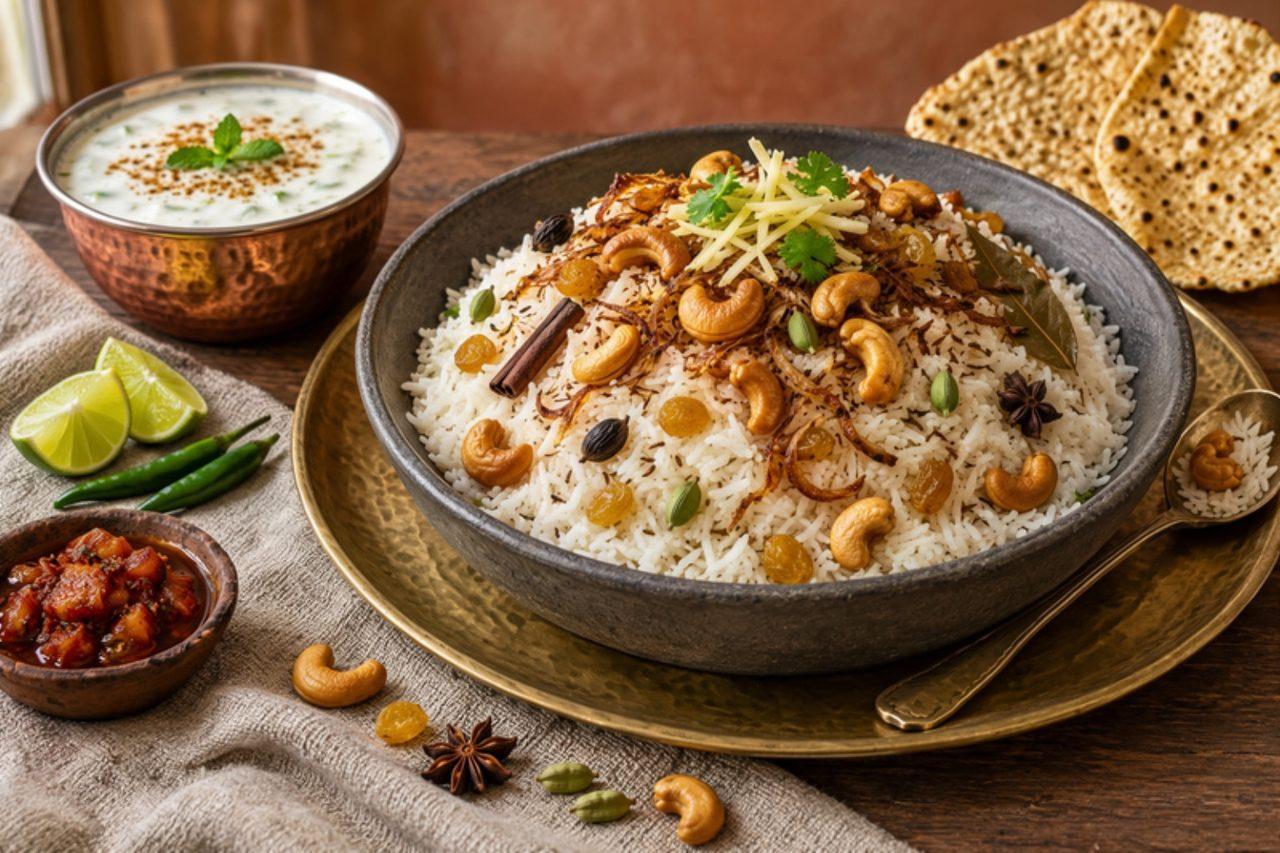
Kaju pulao is the "special" tiffin of Mumbai and Hyderabad homes, packed for a birthday at school or a festival day at the office, yet it takes no more effort than plain rice. Basmati is cooked with whole spices and golden onion in ghee, and a generous handful of cashews fried separately until crisp is folded through at the end. The mistake is cooking the cashews with the rice, which leaves them soft and pale; fry them on their own and add them last. Chef's tip: stop frying the cashews when they are light gold; they keep darkening in the hot ghee after you lift them out. Contains milk (ghee) and cashews.

by KrazyBadal 0 views

Karawila curryBitter gourd coconut curry

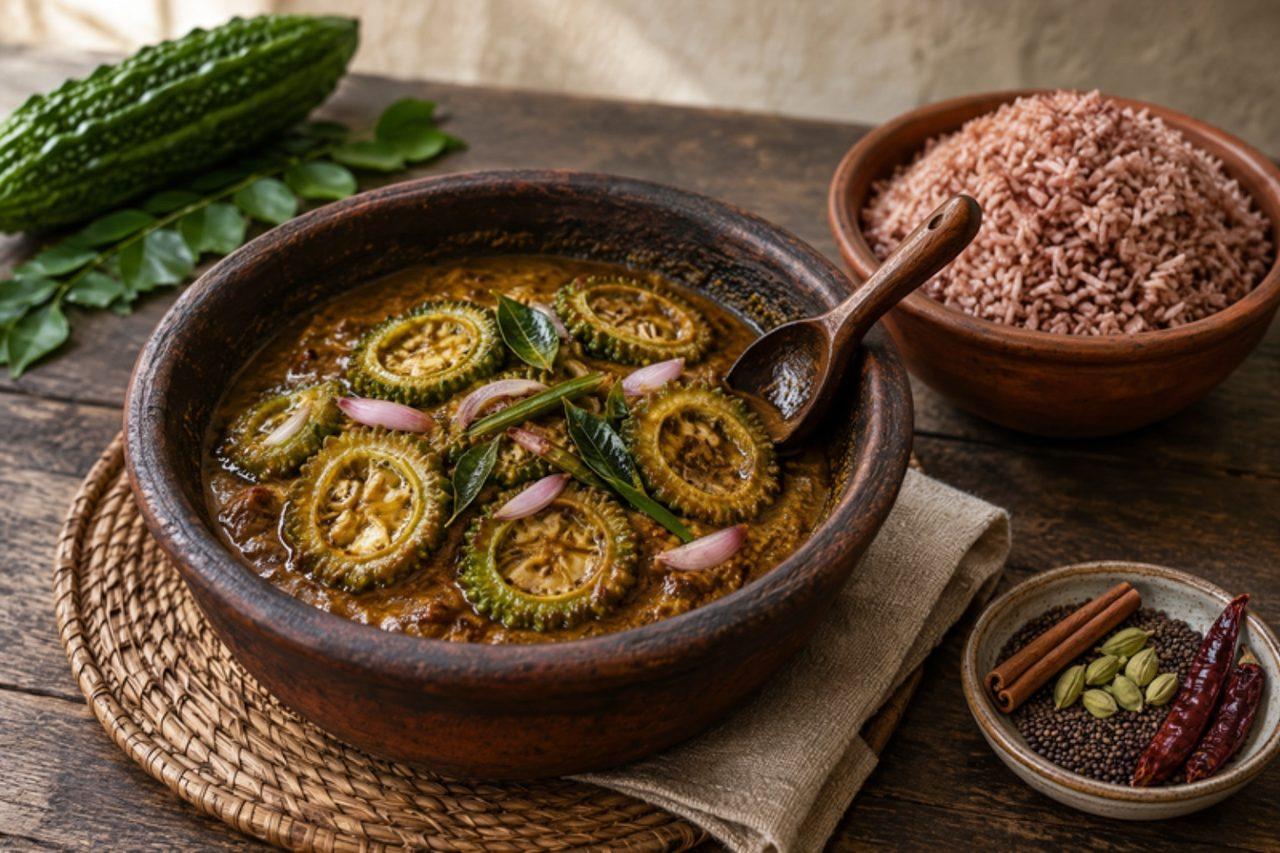
Bitter gourd is a favourite of older Sri Lankan cooks, and karawila curry appears on weekday tables across the island alongside rice, dal and a mild white curry to balance its bite. The gourd is salted, squeezed and lightly fried, then stewed in coconut milk with roasted curry powder, tamarind and a touch of sugar, so it becomes dark, glossy and pleasantly bitter rather than harsh. The usual mistake is skipping the salting and squeezing, which leaves the curry fiercely bitter. Chef's tip: fry the gourd until the edges are brown before it meets the coconut milk; the browning softens the bitterness more than sugar does.

by KrazyBadal 0 views

Duo jiaoFermented chopped chillies

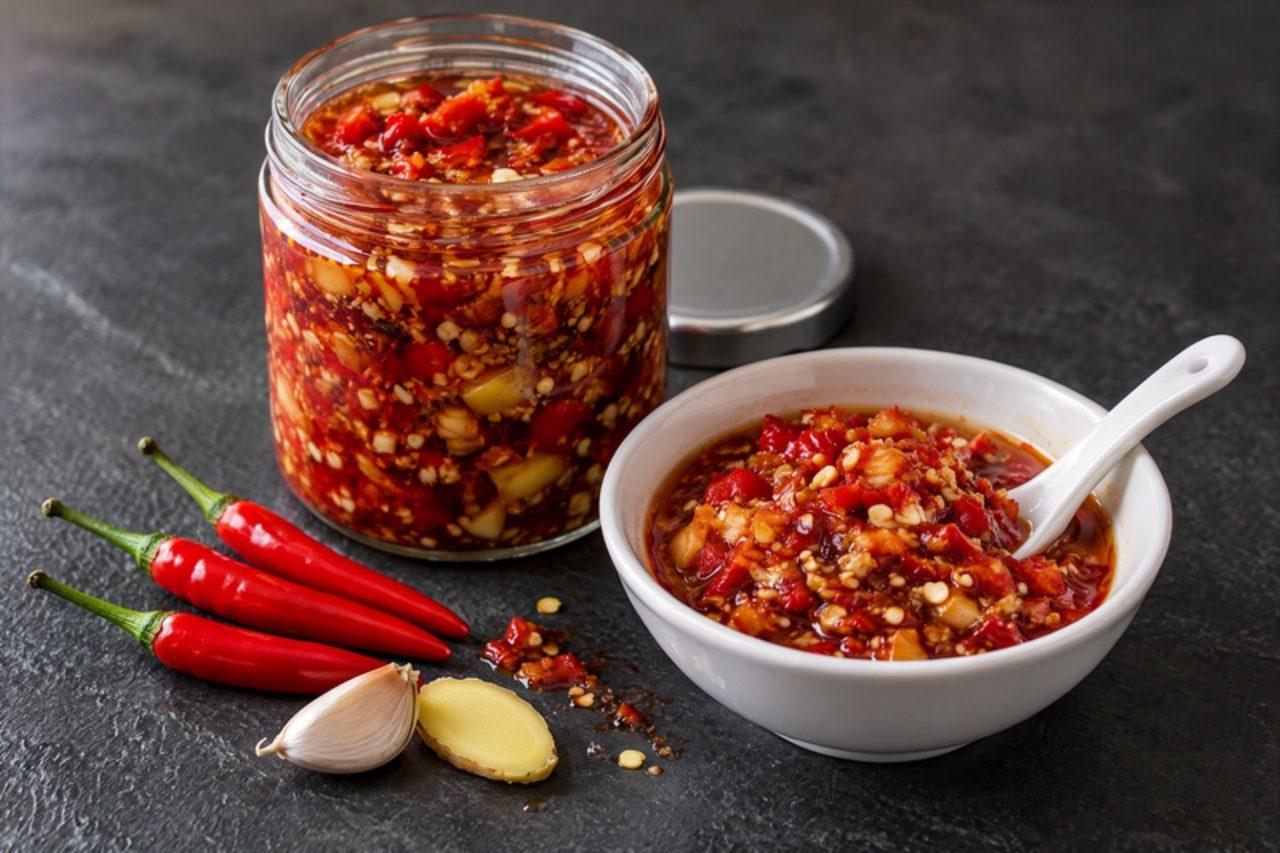
In late summer, Hunan kitchens ring with the thud of two cleavers chopping heaps of red chillies, the sound of duo jiao (chopped chilli) being made for the year. Chillies, garlic and ginger are chopped coarse, salted heavily and packed into jars to ferment for about a week, until the heat turns rounder, slightly sour and fruity. Spread thickly over steamed fish fillets, stirred into stir-fried pork or eggs, or spooned over steamed taro, it brings colour as much as fire. Common mistake: chopping it to a smooth paste in a blender; the texture should be rough, pieces the size of rice grains, so pulse briefly or use a knife. Normal ferment signs are a few bubbles, a sour smell and a little liquid rising; a fuzzy coloured mould or a rotten smell means discard. It is ready after 5–7 days at cool room temperature, when it tastes tangy rather than raw. Because it contains garlic and ginger and is a low-sugar paste, it then lives in the fridge for up to 3 months, or in the freezer for a year. Chef's tip: wear gloves and open a window; a kilo of chopped chillies is fierce.

by KrazyBadal 0 views

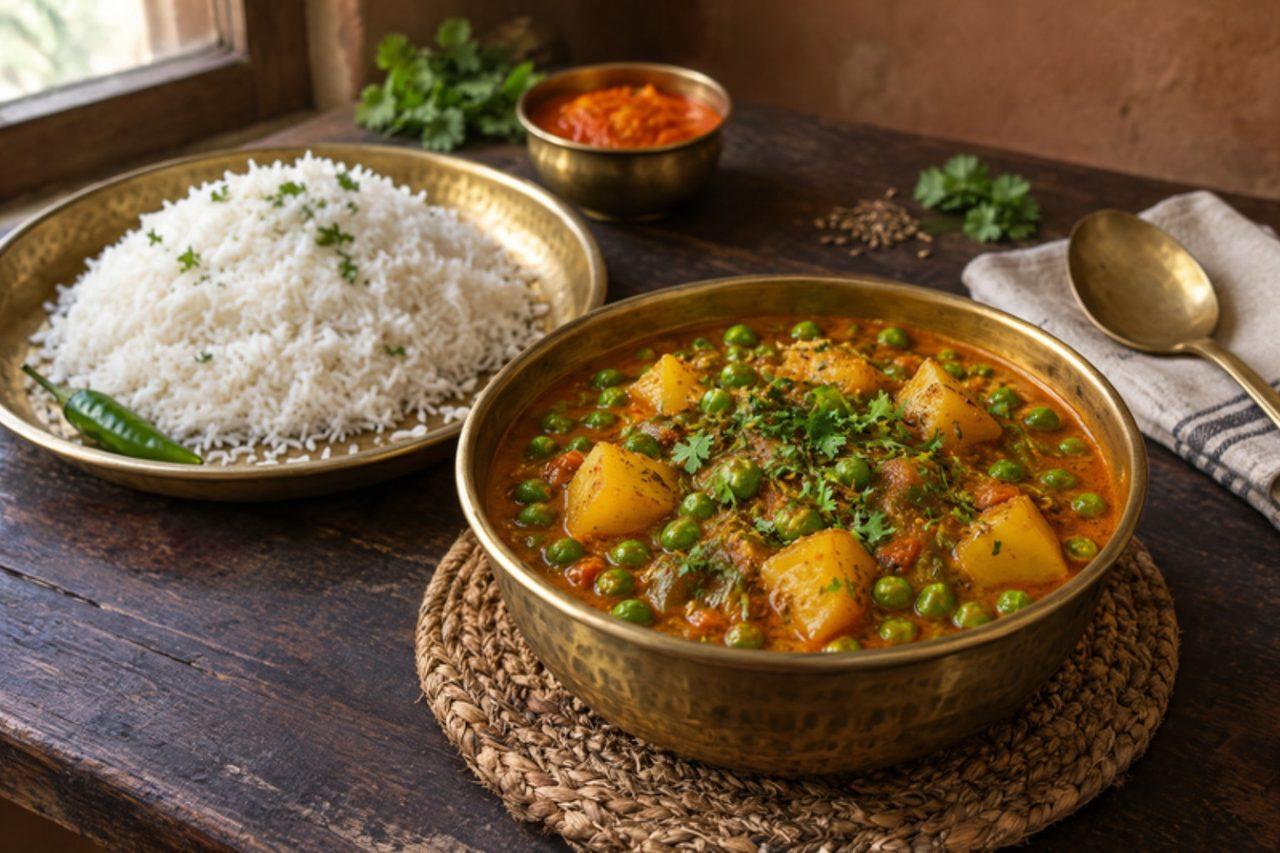
Kerau ko tarkariGreen pea and potato curry

Kerau ko tarkari turns up on Nepali tables in winter, when fresh peas are cheap in Kathmandu's Asan market, and it is a favourite in children's tiffin boxes with beaten rice or roti. Potatoes and peas are simmered with cumin, tomato and a little timur pepper until the potatoes start to break and thicken a soft, golden gravy. It is mild enough for children and goes with rice, roti or sel roti. The usual mistake is adding the peas with the potatoes: fresh peas go grey and mushy, so add them once the potatoes are half cooked. Chef's tip: crush a few potato pieces with the back of the spoon at the end; it gives the gravy body without cream.

by KrazyBadal 0 views

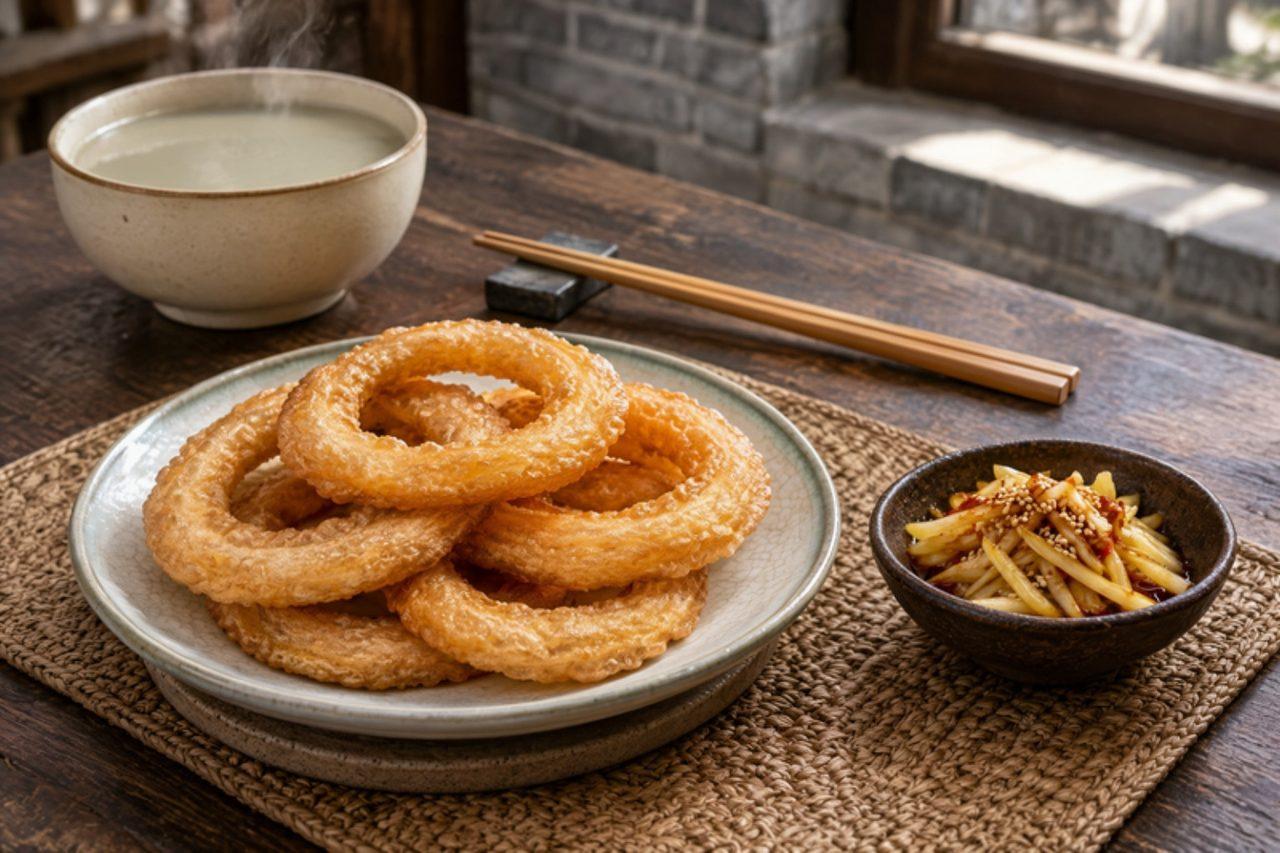
JiaoquanCrisp fried dough rings

Jiaoquan are the thin, shatteringly crisp fried rings that old Beijingers dunk into a bowl of sour douzhi, or tuck inside a sesame shaobing for breakfast. Street cooks use alum to make them puff; this home version uses baking powder and soda, with a long rest so the dough becomes stretchy. The mistake is cutting the rest short: tight dough will not stretch thin and the rings come out chewy. The dough needs about 3 hours in total, most of it hands-off. Chef's tip: keep the oil steady at about 170 °C and turn the rings constantly with chopsticks; they should stay pale gold, not brown, and sound hollow when tapped.

by KrazyBadal 0 views

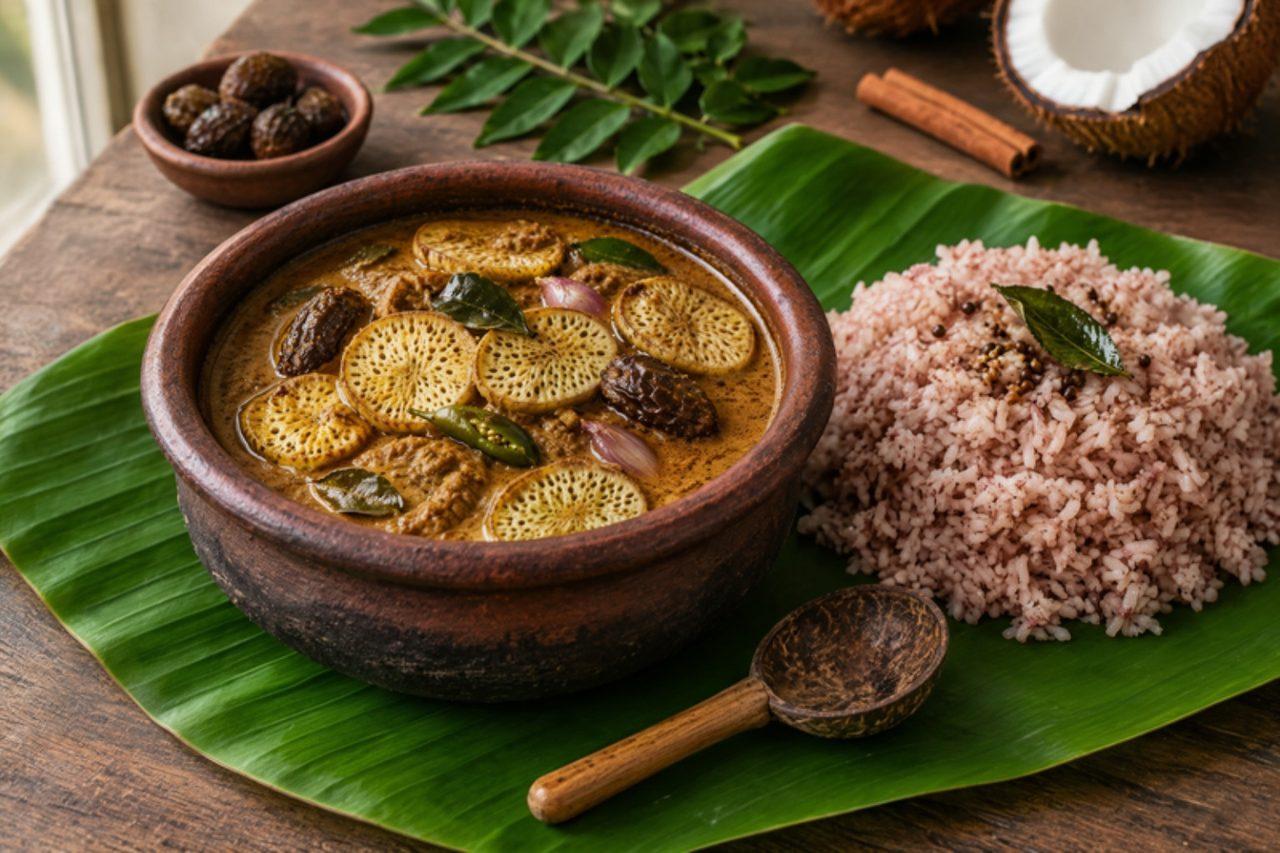
Kohila curryLasia root curry

Kohila (lasia root) grows in the marshy paddy edges of Sri Lanka's south and west, and kohila curry is a traditional village dish, eaten at home and served at New Year and almsgiving lunches. The thorny stems and roots are peeled, sliced into crunchy rounds and boiled in tamarind water to take away their itchy bite, then simmered with roasted curry powder, mustard and coconut milk until tender but still slightly crisp. Serve with red rice and a green mallung. The usual mistake is skipping the boil, which leaves an itch in the throat. If you can't find fresh kohila, use frozen sliced kohila from Sri Lankan grocers. Chef's tip: wear gloves to peel kohila and drop the slices straight into water so they don't darken.

by KrazyBadal 0 views

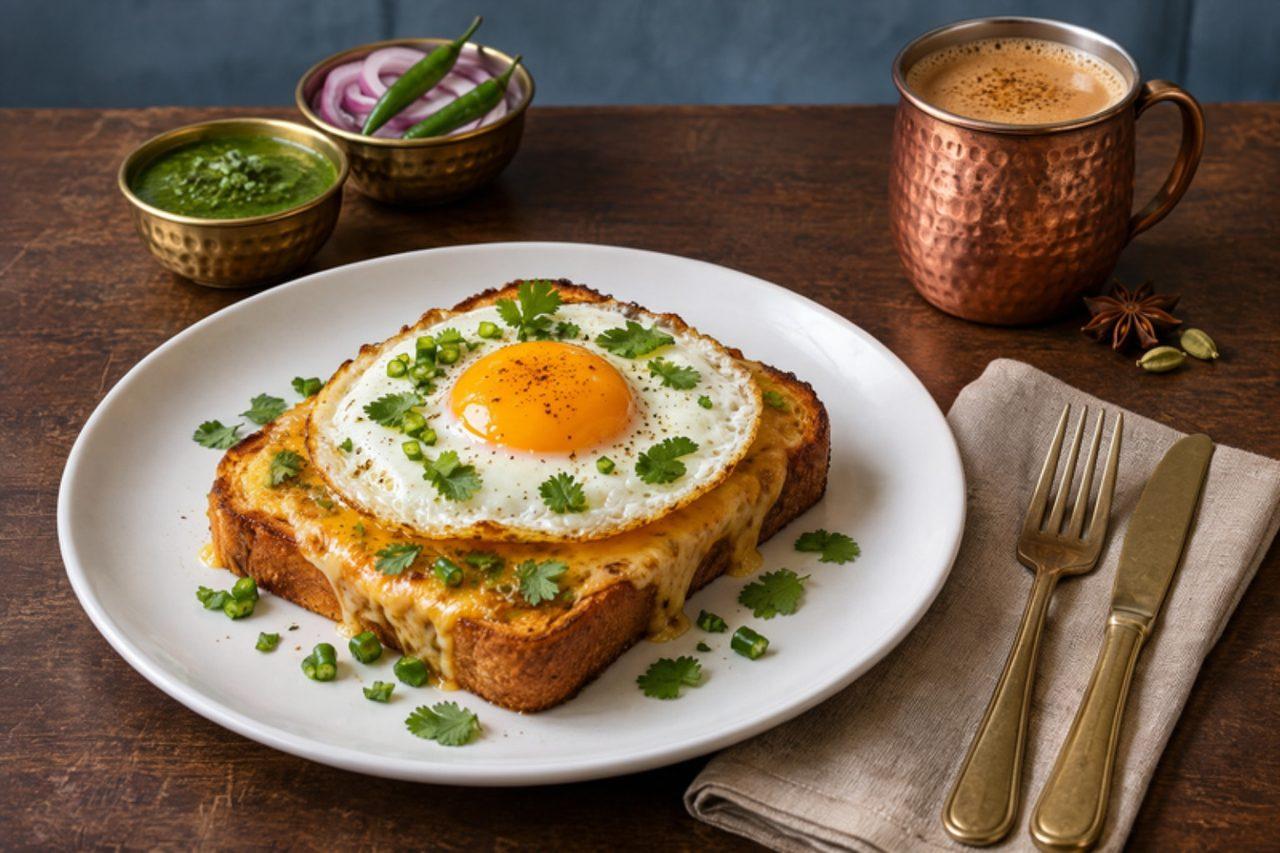
Egg kejriwalChilli cheese toast with egg

Egg kejriwal was born at the Willingdon Club in Mumbai, where a member from a vegetarian family ordered his eggs on cheese toast away from home, and the name stuck to the dish. Today it is a weekend breakfast in Mumbai cafés: toast spread with green chilli and mustard, smothered in melted cheese and crowned with a fried egg. The mistake is laying the egg on cheese that has not melted; grill the cheese first until bubbling. Cheddar is often made with animal rennet, so choose a vegetarian cheddar if needed. The yolk is traditionally runny; cook it until set for anyone pregnant, young children, older people or anyone with a weakened immune system. Chef's tip: mix the chopped chilli into the softened butter rather than scattering it, so the heat spreads evenly.

by KrazyBadal 0 views

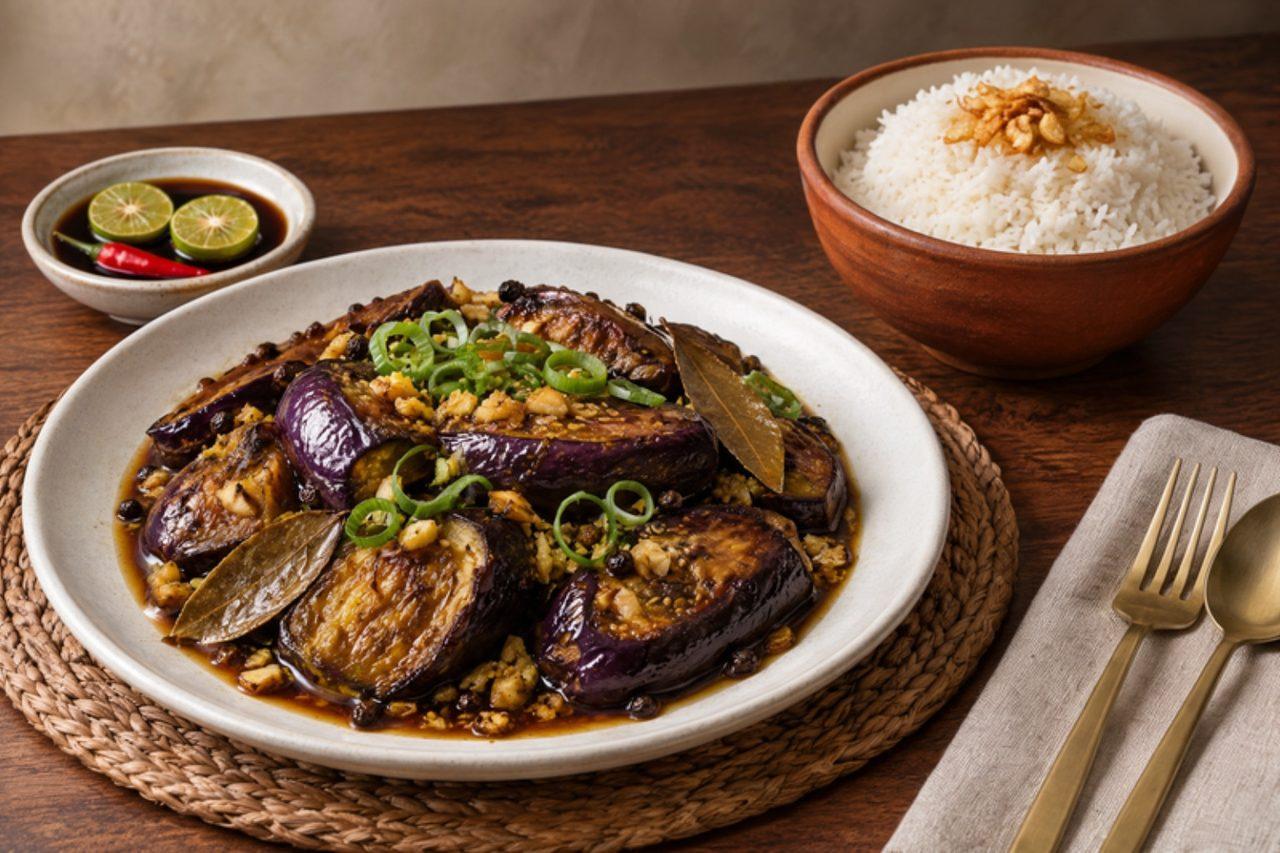
Adobong talong (aubergine adobo)

Adobo is a method in the Philippines, not a single dish, and when meat is short or it's Lent, Filipino families make it with long eggplant: fried until soft and browned, then simmered briefly in vinegar, soy sauce, garlic, bay and peppercorns. Like any adobo it tastes better the next day, which makes it a favourite for baon with rice. The common mistake is stirring as soon as the vinegar goes in; let it boil untouched for a minute first, or the sauce keeps a raw, sharp edge. Chef's tip: crush the garlic and fry half of it until golden to scatter on top at the end, for crunch.

by KrazyBadal 0 views

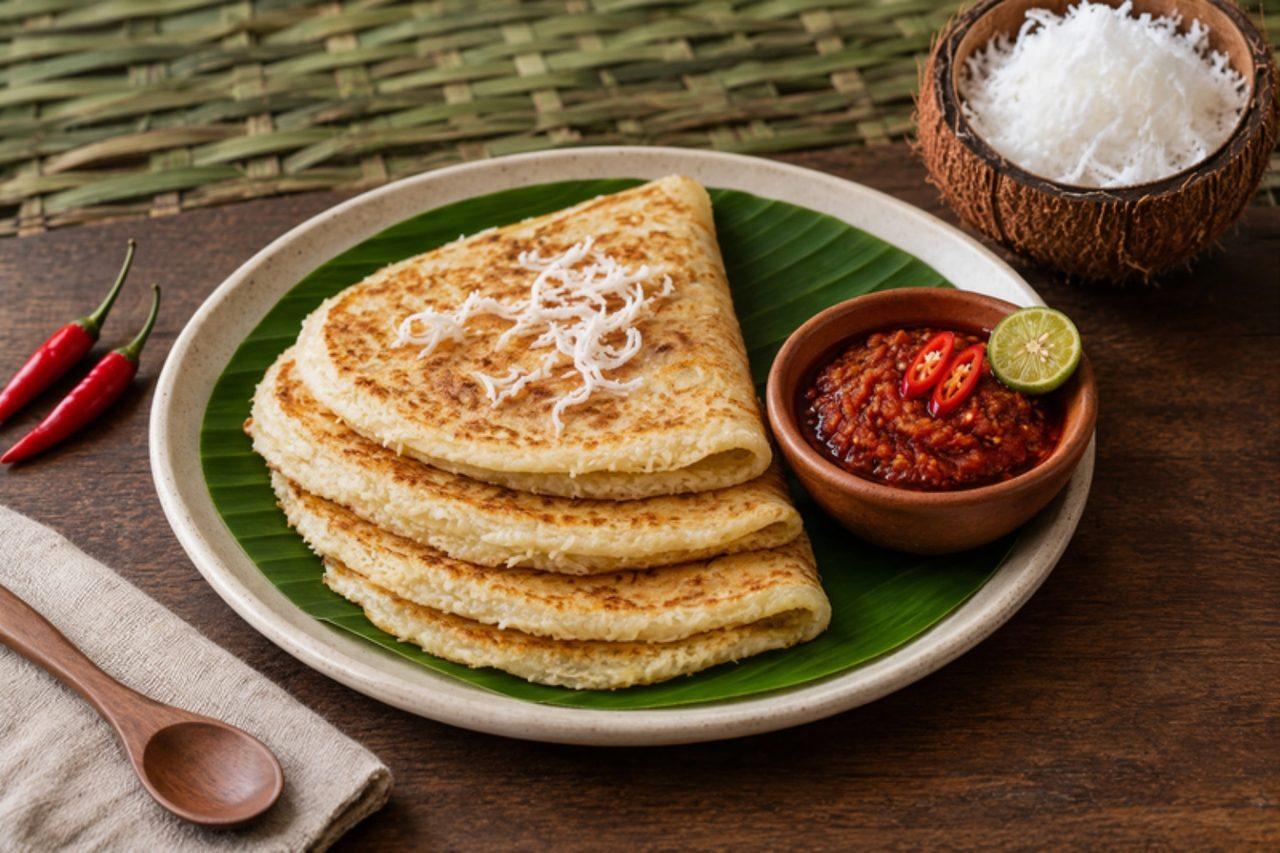
Lempeng kelapaThin coconut pancakes

On Malaysia's east coast, in Terengganu and Kelantan, lempeng is the morning flatbread nobody buys because every home can make it in minutes: flour, freshly grated coconut, salt and water, spread thin on a griddle. It is eaten warm, torn and dipped into sambal tumis or last night's fish or vegetable curry. The mistake is a thick batter; it should spread on its own into a thin round, or the middle stays doughy. Chef's tip: let the batter rest for 10 minutes so the coconut softens and the flour hydrates, which gives lempeng that bend without tearing.

by KrazyBadal 0 views

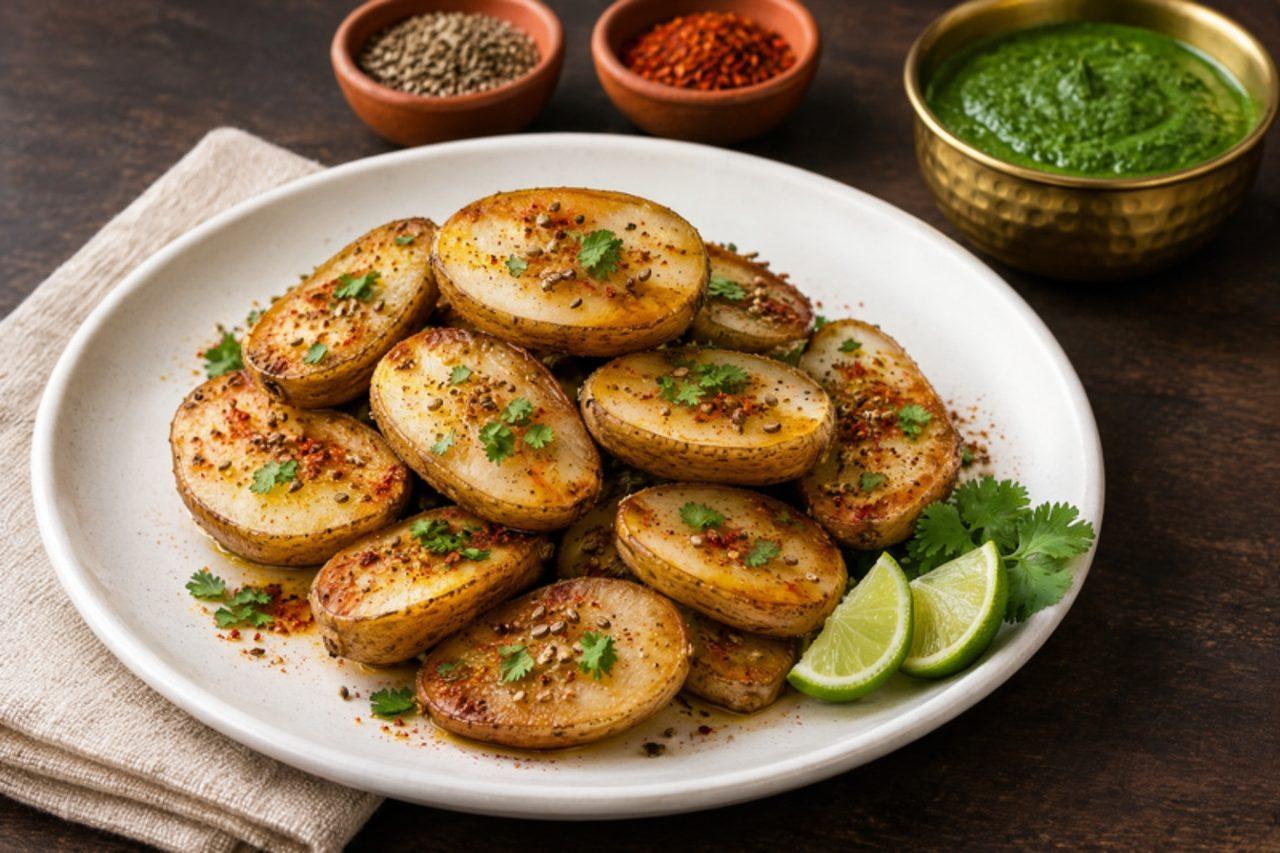
Ajwaini arbiPan-fried colocasia with carom seeds

Across Delhi, Punjab and Uttar Pradesh, arbi is the vegetable that goes into a dabba with ajwain rotis or plain phulkas: the small colocasia roots are boiled, flattened slightly and pan-fried with carom seeds, red chilli and dried mango powder until crisp outside and creamy inside. Ajwain is there for its flavour and because it is said to help digest the starchy root. The mistake is boiling the arbi too long: it turns slimy and falls apart in the pan. Cook it until just tender, then cool fully before peeling. Chef's tip: press each piece gently with your palm to crack it before frying; the cracks catch the spices and crisp up.

by KrazyBadal 0 views

EinspännerBlack coffee with whipped cream

The Einspänner is named after the one-horse carriages of old Vienna: coachmen waiting outside in winter supposedly liked their coffee under a lid of cream that kept it hot and stopped it slopping. Today it is served in a handled glass at classic coffee houses, a strong black mocha (a double espresso or Großer Brauner without milk) topped with a thick layer of cold, lightly sweetened whipped cream and a pinch of icing sugar. You do not stir it: you sip the hot, bitter coffee through the cold, sweet cream, so each mouthful is two temperatures and two textures. It is an afternoon or late-morning coffee, often with a slice of Sachertorte. The common mistake is runny cream that sinks and turns the drink into a milky latte; whip it until it just holds a peak and spoon it on gently so it floats. It is ready when the cream stands at least 2 cm above the coffee and slowly sinks at the edges. It is strong: a double shot of caffeine in one glass. Chef's tip: pour the coffee in first and wait ten seconds before adding the cream, so the crema settles and helps support the cap.

by KrazyBadal 0 views

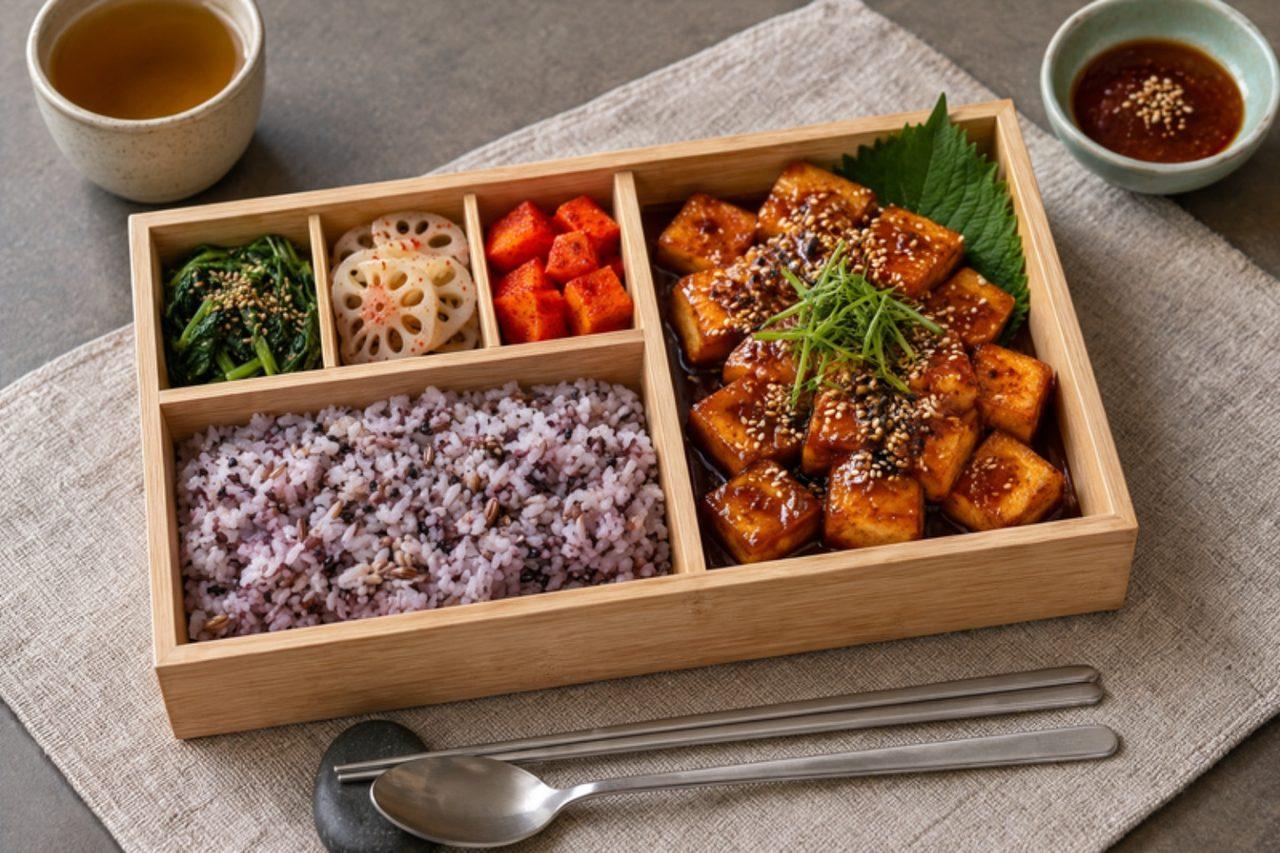
Dubu gangjeongSticky fried tofu cubes

Gangjeong usually means sticky glazed fried chicken, but Korean mothers make this tofu version for the dosirak because the starch coating stays crisp even after a morning in the lunchbox. The glaze is mild, sweet and garlicky, so children love it; add gochujang for the grown-ups. The common mistake is skipping the pressing, which leaves wet tofu that spits in the oil and goes soggy under the sauce. Chef's tip: let the fried cubes cool for two minutes before glazing, and boil the sauce to large, slow bubbles first, so it clings instead of soaking in.

by KrazyBadal 0 views

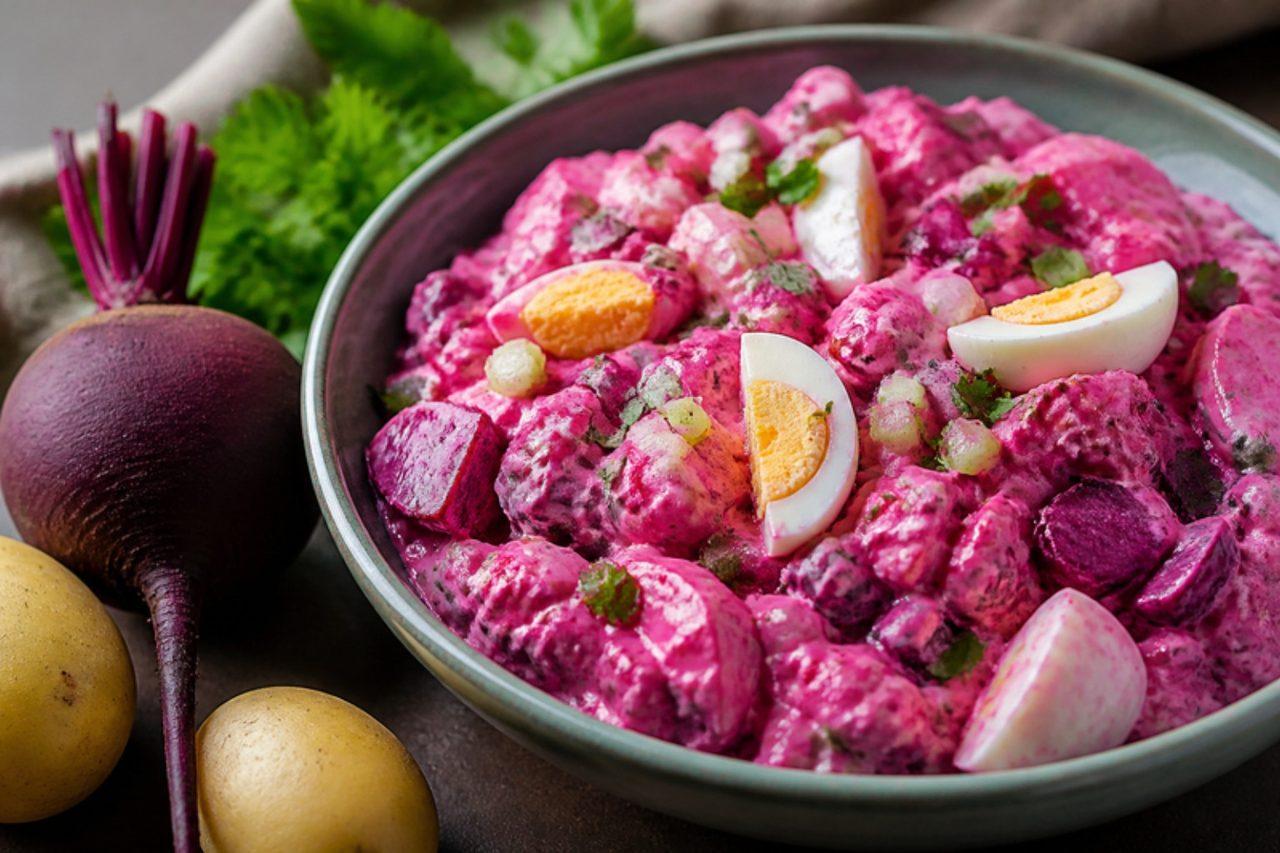
Ensalada de feriaBeetroot potato salad

No Panamanian Christmas, birthday or town feria table is complete without this bright pink potato salad: cubed potato, beetroot, chopped egg, onion and celery bound in mayonnaise, the beet staining everything a vivid rose. It is served cold next to arroz con pollo, tamales and roast meats. Overcooked potatoes are the usual mistake, turning the salad to mush; boil them whole and cube them once cool. Keep it chilled because of the eggs and mayonnaise, and don't leave it out more than two hours. Chef's tip: dress the warm potatoes with a little vinegar first; they absorb it and the salad tastes brighter.

by KrazyBadal 0 views

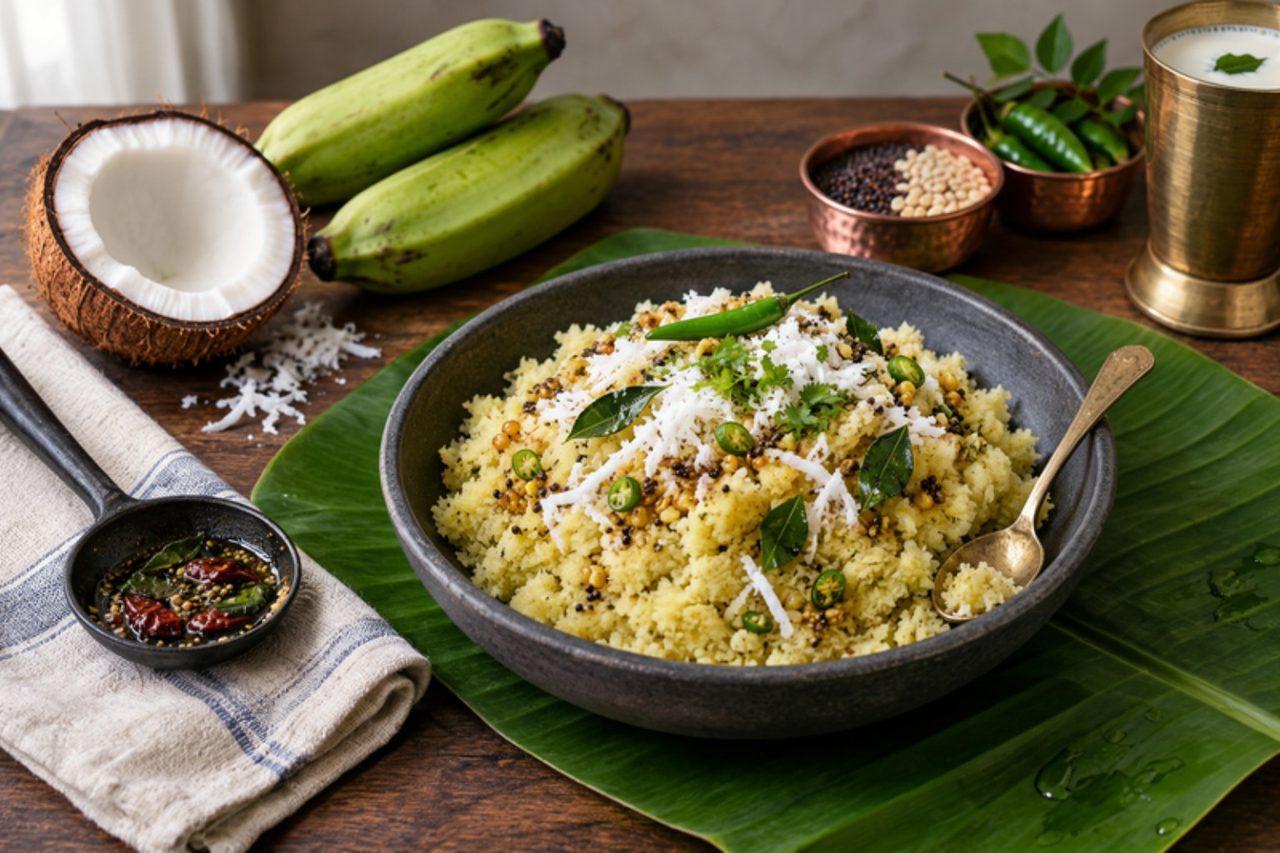
Vazhakkai podimas (raw banana podimas)

Podimas comes from Tamil Brahmin kitchens in Thanjavur and Chennai, where green plantain is boiled whole, grated into soft crumbs and tossed with a tempering of mustard, dal, ginger, green chilli and coconut, then sharpened with lemon. It is light and fluffy, and it sits happily next to sambar rice or rasam rice in a tiffin. The mistake is overboiling the plantain: it turns sticky and will not grate into crumbs. Pull it out as soon as a knife slides in with a little resistance. Chef's tip: grate it on the large holes of a box grater while still warm, then let it cool before tossing, so the shreds stay separate.

by KrazyBadal 0 views

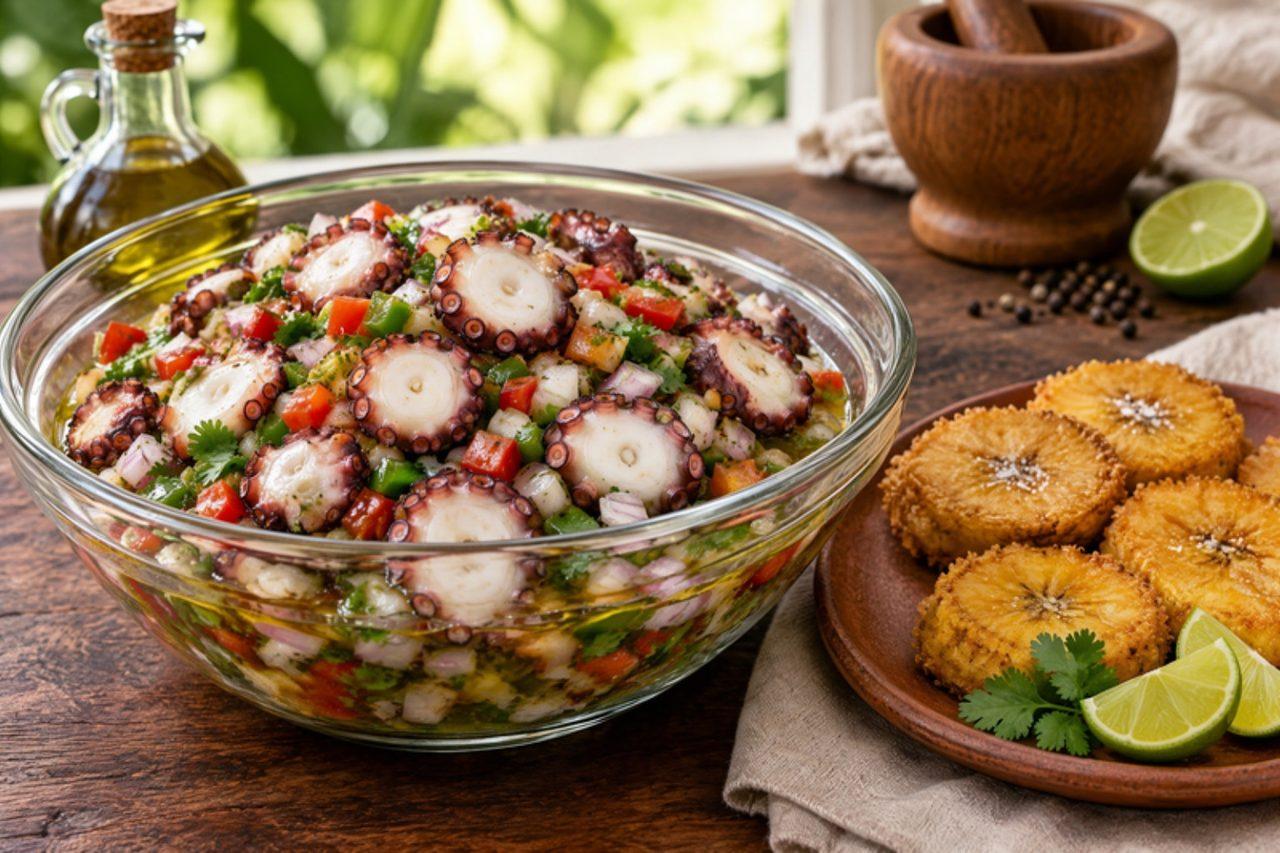
Ensalada de pulpoOctopus salad

Ensalada de pulpo is a beach-shack favourite of Puerto Rico, sold at the kiosks of Luquillo and Piñones and made at home for summer gatherings and Christmas parties. Tender octopus is cut into bite-sized pieces and dressed with sweet peppers, red onion, olives, cilantro, olive oil and vinegar, then chilled so the flavours soak in. Lean protein with no starch, suitable as part of a balanced diet; eat it with a green salad rather than tostones. About 260 kcal and 8 g carbohydrate per portion. The usual mistake is undercooking the octopus, which leaves it rubbery; it needs a slow simmer until a skewer slides easily into the thickest part of a tentacle. Chef's tip: buy octopus frozen, or freeze fresh octopus for a day, because freezing tenderises it.

by KrazyBadal 0 views

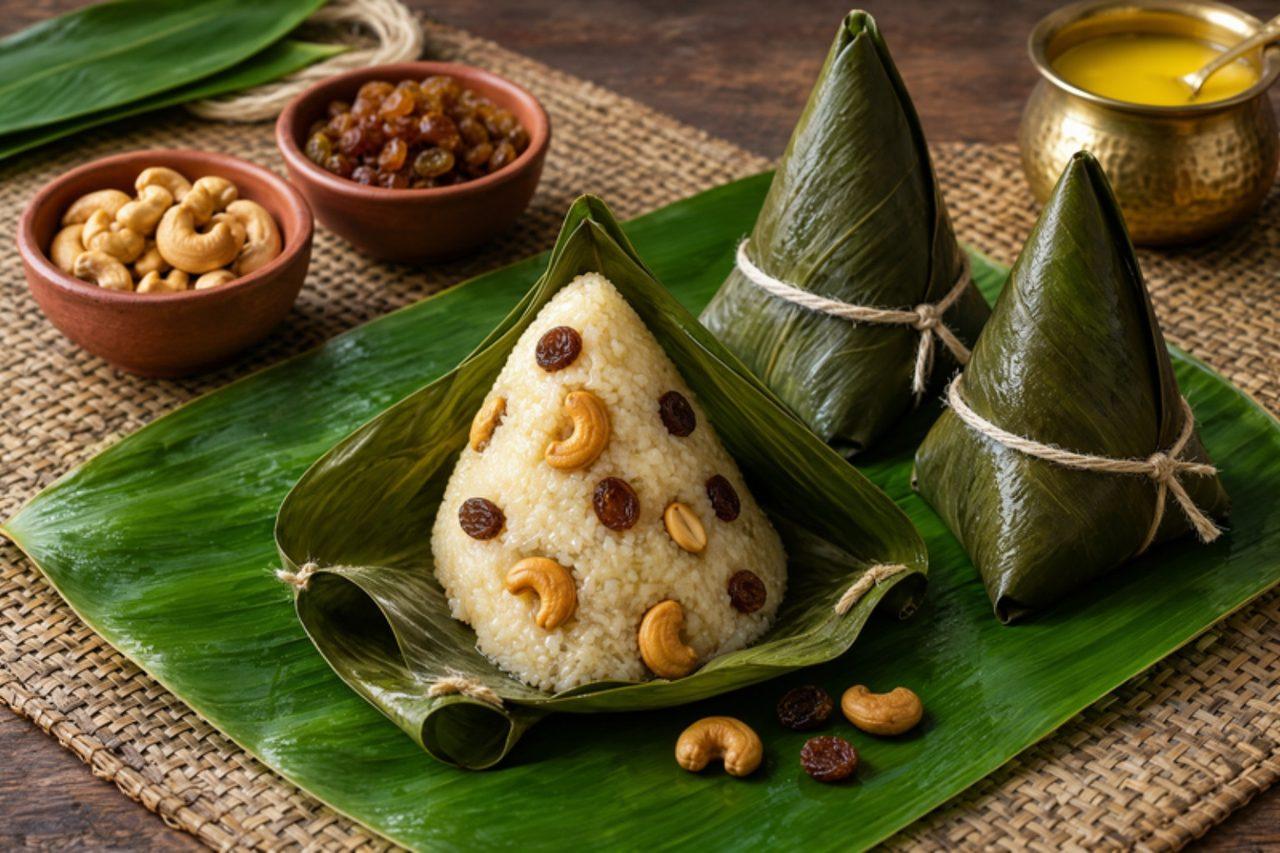
Awan bangwiSticky rice with nuts

Awan bangwi belongs to the Kokborok-speaking communities of Tripura, who make it for weddings, Garia Puja and New Year gatherings. Soaked sticky rice is mixed with ginger, cashews, raisins and a little ghee, folded into cones of leaf and steamed until glossy and chewy. The mistake to avoid is packing the cones too tightly: the rice swells and the leaves split. Banana leaf or turmeric leaf replaces the local leaf well. Chef's tip: soak the rice overnight; under-soaked grains stay chalky however long you steam them.

by KrazyBadal 0 views

Erizos con salsa verdeSea urchin with green salsa

On the docks of Punta Arenas and in the markets of Valparaíso and Puerto Montt, Chilean sea urchins are cracked open in front of you and their orange tongues (lenguas) piled on a plate with a sharp green sauce of onion, parsley, coriander and lemon. They taste of the sea, sweet and creamy, and are eaten raw with bread. Because the urchin is raw, this dish is not for pregnant women, young children or anyone with a weakened immune system. Buy urchins live or freshly packed roe from a licensed fishmonger, keep it at 0–4 °C and eat it the same day. The common mistake is drowning the delicate roe in lemon, which 'cooks' and toughens it. Chef's tip: spoon the sauce over just before eating. For a safer version, serve the same salsa verde over cooked, chilled prawns.

by KrazyBadal 0 views

Escabeche de pescadoFried fish in sweet-sour onion sauce

In Lima, escabeche de pescado belongs to the criollo kitchen of the old city: it turns up on Friday lunch menus, on buffet tables, and above all in Lent and Holy Week, when families eat fish and this dish can be made the day before. Fish is fried until golden, then covered in a warm sauce of thick-cut red onion softened in oil with garlic, ají amarillo, ají panca, cumin and vinegar, and left to cool so the flavours soak in. It is served cold or at room temperature with boiled sweet potato, hard-boiled egg and purple botija olives. It tastes tangy, sweet and gently fruity-hot, with crunchy onion over tender fish. The fish here is fully cooked, but because it is a cold seafood dish, pregnant people, babies, older people and anyone with weak immunity should eat it well chilled and within 2 days. Common mistake: stewing the onions until limp; they should only lose their raw bite. It is ready when the sauce has soaked a little into the fish and smells of vinegar and toasted chilli. Chef's tip: use thick fillets of corvina or bonito; thin fillets break under the sauce.

by KrazyBadal 0 views

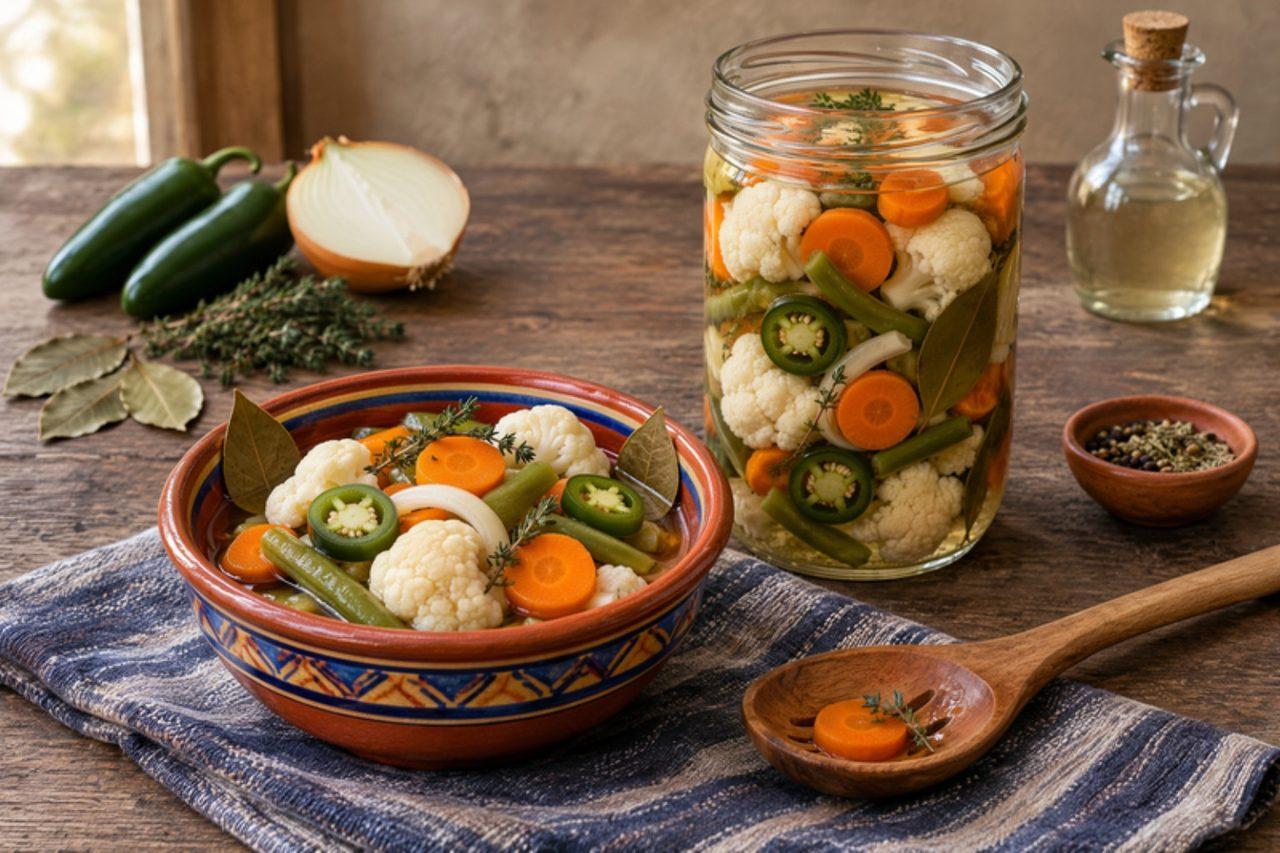
Escabeche guatemaltecoPickled vegetables

Guatemalan families keep a big jar of escabeche in the fridge for weeks: it goes into the bread rolls of shucos and panes con chile, beside fried fish during Lent and, above all, into fiambre, the enormous cold salad assembled for Día de Todos los Santos on 1 November. Carrots, cauliflower, green beans, onion and jalapeños are blanched just enough to lose their raw edge, turned briefly in oil with garlic, then left to soak in vinegar seasoned with thyme, bay, oregano, cloves and black pepper. The result is tangy, aromatic and only mildly hot, with vegetables that stay crisp-tender in a golden, lightly oily brine. The common mistake is boiling the vegetables until soft; they keep softening once the hot vinegar goes on, so blanch each one briefly and cool it at once in cold water. It is ready after a night in the fridge, when the carrots taste sour right through and the onion has turned soft, sweet and translucent. Chef's tip: blanch the vegetables one after another in the same pot, cauliflower first and carrots last, so the cauliflower stays snowy white.

by KrazyBadal 0 views

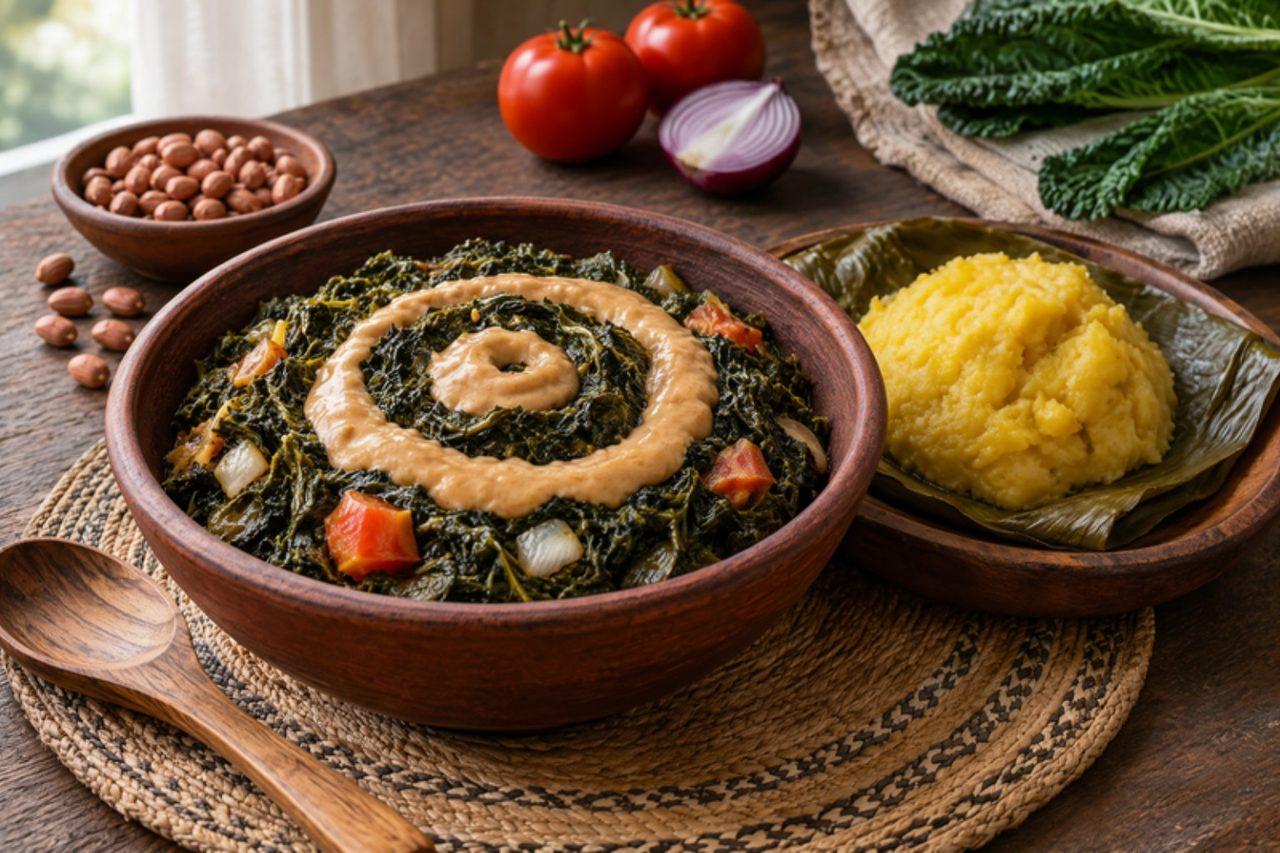
NakatiBitter eggplant leaves with tomato

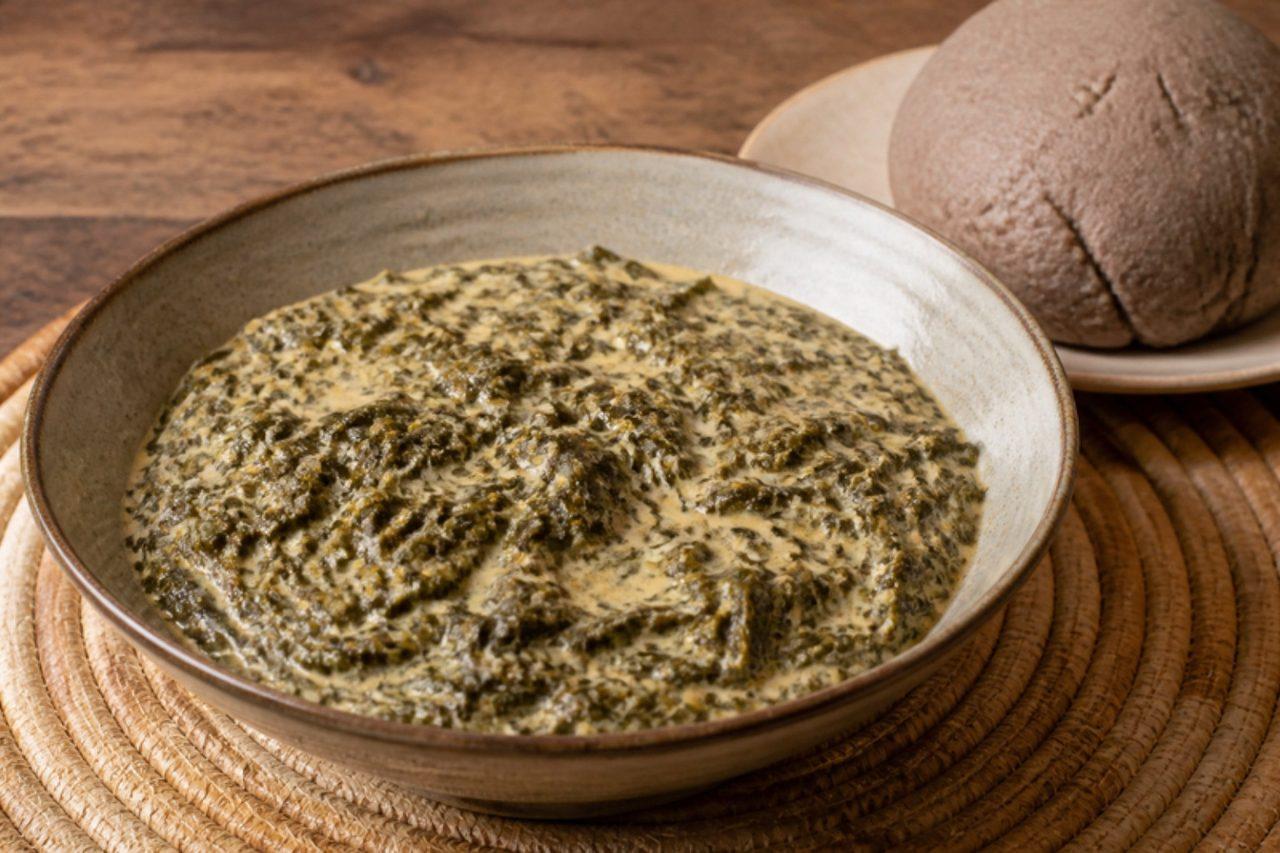
Nakati are the leaves of the African eggplant, and in Kampala and the Buganda countryside they are cooked as an everyday green beside matooke, posho or rice. The leaves are simmered down with onion and tomato until soft, then often enriched with a spoonful of groundnut paste that softens their pleasant bitterness and makes a creamy sauce. Look for nakati at African grocers; young spinach with a handful of kale is a good stand-in. The usual mistake is adding the groundnut paste too early, which lets it catch and burn. Chef's tip: loosen the groundnut paste with a little hot water before stirring it in, so it melts smoothly into the greens.

by KrazyBadal 0 views

Papayas en almíbarPapayas in clove syrup

Drive up the Elqui Valley from La Serena and every roadside stall sells jars of these: small, intensely fragrant mountain papayas (papaya chilena) poached until they turn amber and translucent. Families spoon them over vanilla ice cream, eat them with a slice of fresh cheese, or simply serve them chilled after Sunday lunch. Outside Chile, tinned Chilean papayas are easy to find, or use firm, under-ripe ordinary papaya, which holds its shape in the syrup. The usual mistake is boiling the fruit hard: it breaks up and clouds the syrup, so keep it at a lazy simmer. Chef's tip: once the fruit is cooked, lift it out and boil the syrup alone for 5 minutes, so it is thick enough to cling and keeps longer in the jar.

by KrazyBadal 0 views

Showing 45 of 7,762 recipes

Show more recipes

Page 128 of 863