


Skip to content
Mbesses (Kabyle semolina cake)
Featured recipe

Mbesses (Kabyle semolina cake)

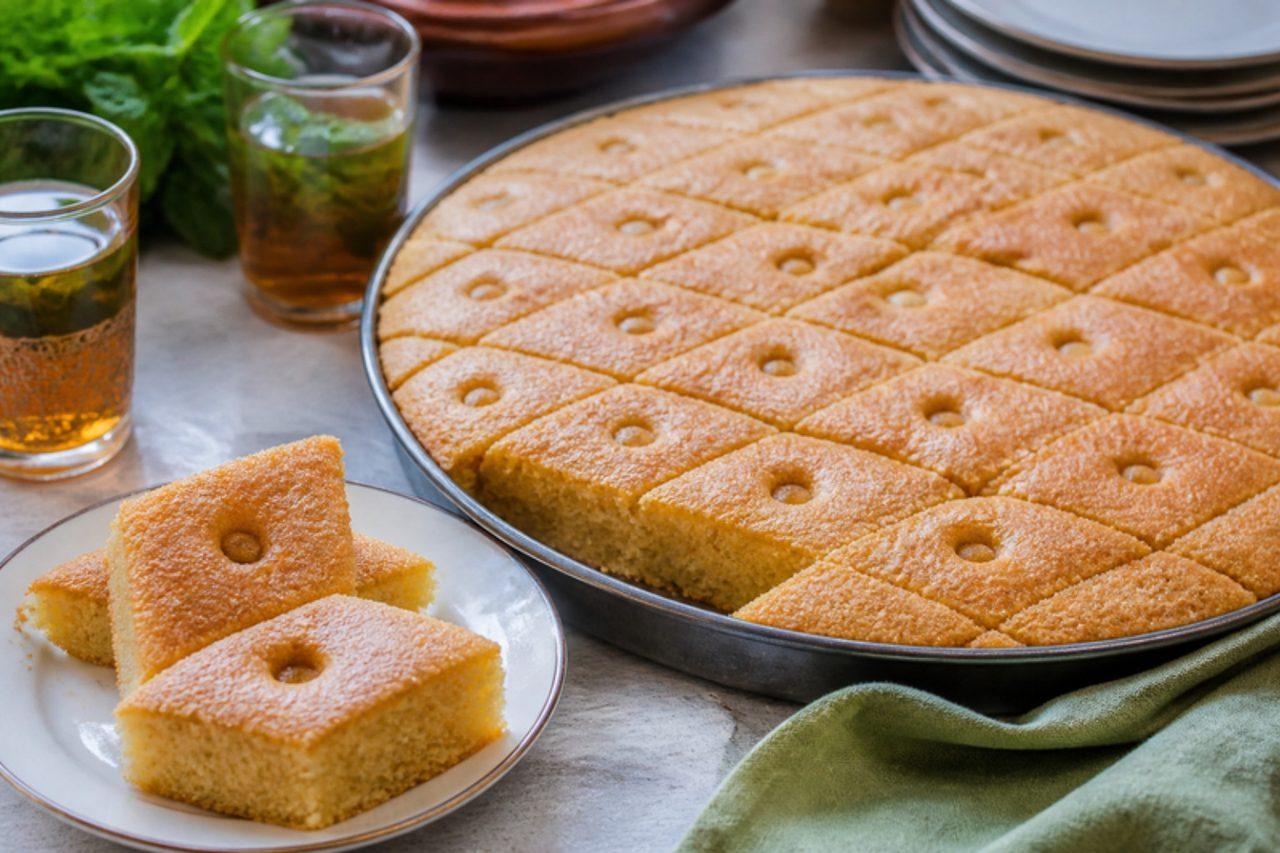
Somewhere between shortbread and cornbread, mbesses is the plain cake of Kabyle kitchens, a shallow tray of semolina rich with melted butter, lightly sweetened and baked until golden on top. The texture is sandy and tender, breaking into crumbs that taste of toasted grain and butter, with a hint of orange blossom. It is cut into diamonds and served with milky coffee in the afternoon, or offered to guests who drop by during Ramadan evenings. Some households scatter sesame or nigella seeds over the top before baking. Chef's tip: spread the mixture into the tray with a light hand; pressing it down hard is the most common mistake and gives a dense, heavy cake.

Read more 0 views

What to eat today?

Around the world

Today's trip: Paraguayan

A new country every day, from every cuisine on the site.

Paraguayan

Postre Massini

Custard sponge with burnt sugar top 80 minMore from Paraguayan (27) →

This week's collection

Kid-friendly dinners
537 recipes · a new collection every Monday

Latest recipes

Ensalada de feriaBeetroot potato salad

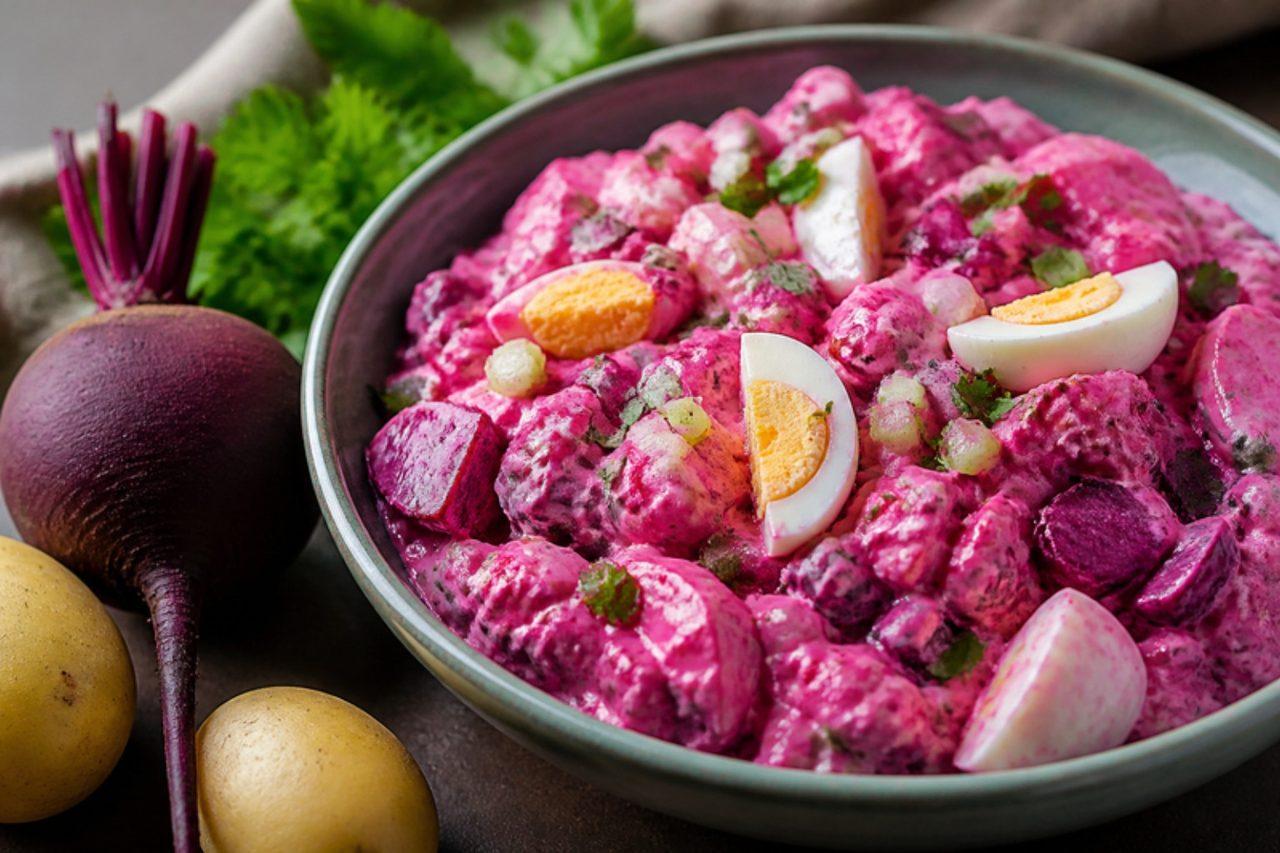
No Panamanian Christmas, birthday or town feria table is complete without this bright pink potato salad: cubed potato, beetroot, chopped egg, onion and celery bound in mayonnaise, the beet staining everything a vivid rose. It is served cold next to arroz con pollo, tamales and roast meats. Overcooked potatoes are the usual mistake, turning the salad to mush; boil them whole and cube them once cool. Keep it chilled because of the eggs and mayonnaise, and don't leave it out more than two hours. Chef's tip: dress the warm potatoes with a little vinegar first; they absorb it and the salad tastes brighter.

by KrazyBadal 0 views

Vazhakkai podimas (raw banana podimas)

Podimas comes from Tamil Brahmin kitchens in Thanjavur and Chennai, where green plantain is boiled whole, grated into soft crumbs and tossed with a tempering of mustard, dal, ginger, green chilli and coconut, then sharpened with lemon. It is light and fluffy, and it sits happily next to sambar rice or rasam rice in a tiffin. The mistake is overboiling the plantain: it turns sticky and will not grate into crumbs. Pull it out as soon as a knife slides in with a little resistance. Chef's tip: grate it on the large holes of a box grater while still warm, then let it cool before tossing, so the shreds stay separate.

by KrazyBadal 0 views

Ensalada de pulpoOctopus salad

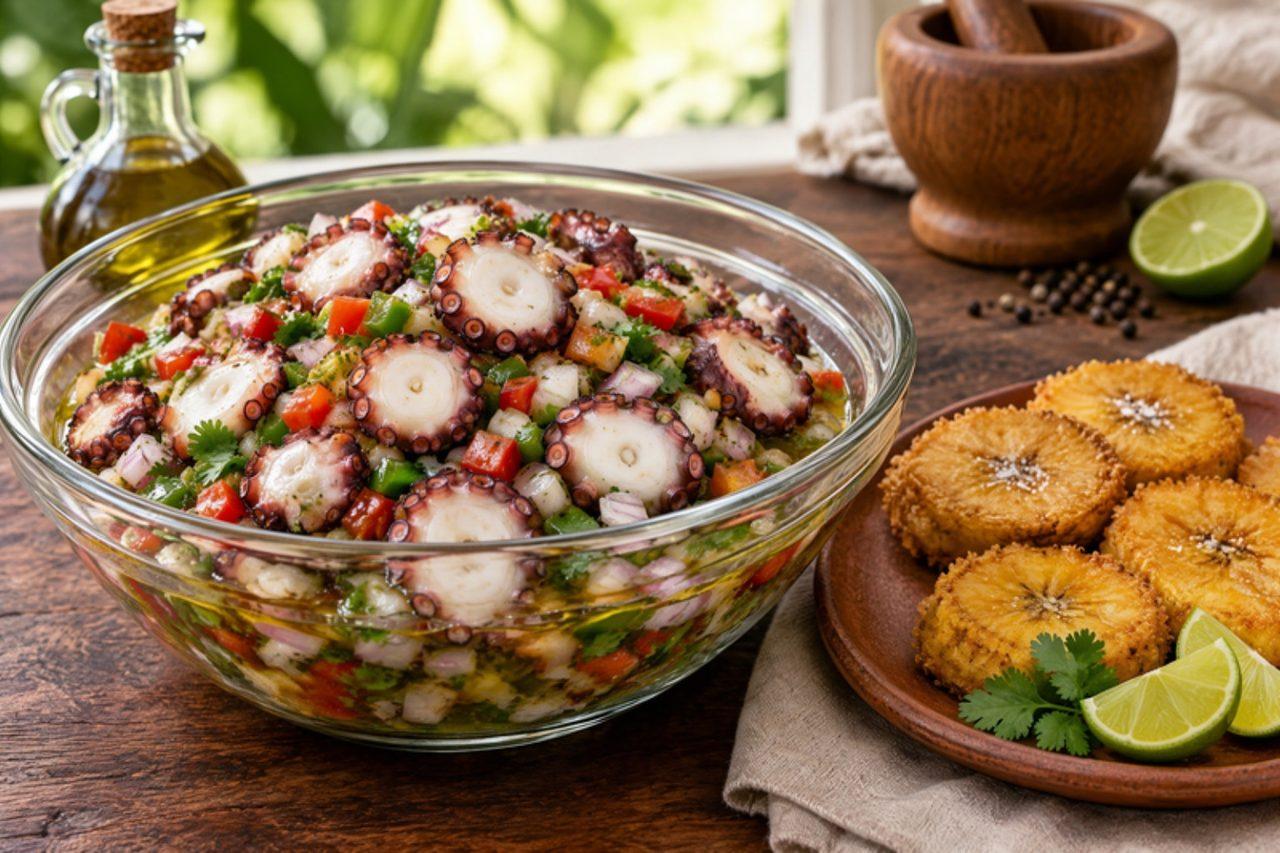
Ensalada de pulpo is a beach-shack favourite of Puerto Rico, sold at the kiosks of Luquillo and Piñones and made at home for summer gatherings and Christmas parties. Tender octopus is cut into bite-sized pieces and dressed with sweet peppers, red onion, olives, cilantro, olive oil and vinegar, then chilled so the flavours soak in. Lean protein with no starch, suitable as part of a balanced diet; eat it with a green salad rather than tostones. About 260 kcal and 8 g carbohydrate per portion. The usual mistake is undercooking the octopus, which leaves it rubbery; it needs a slow simmer until a skewer slides easily into the thickest part of a tentacle. Chef's tip: buy octopus frozen, or freeze fresh octopus for a day, because freezing tenderises it.

by KrazyBadal 0 views

Awan bangwiSticky rice with nuts

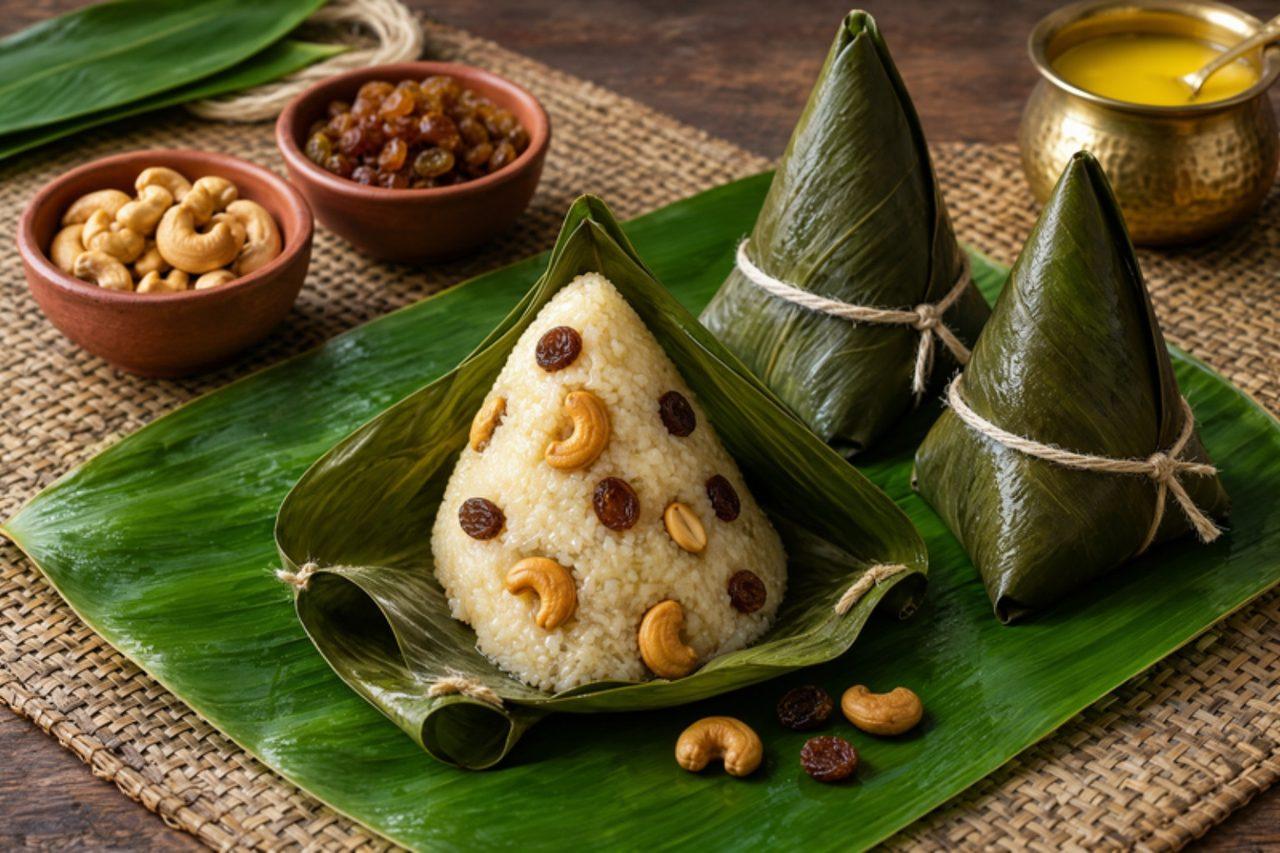
Awan bangwi belongs to the Kokborok-speaking communities of Tripura, who make it for weddings, Garia Puja and New Year gatherings. Soaked sticky rice is mixed with ginger, cashews, raisins and a little ghee, folded into cones of leaf and steamed until glossy and chewy. The mistake to avoid is packing the cones too tightly: the rice swells and the leaves split. Banana leaf or turmeric leaf replaces the local leaf well. Chef's tip: soak the rice overnight; under-soaked grains stay chalky however long you steam them.

by KrazyBadal 0 views

Erizos con salsa verdeSea urchin with green salsa

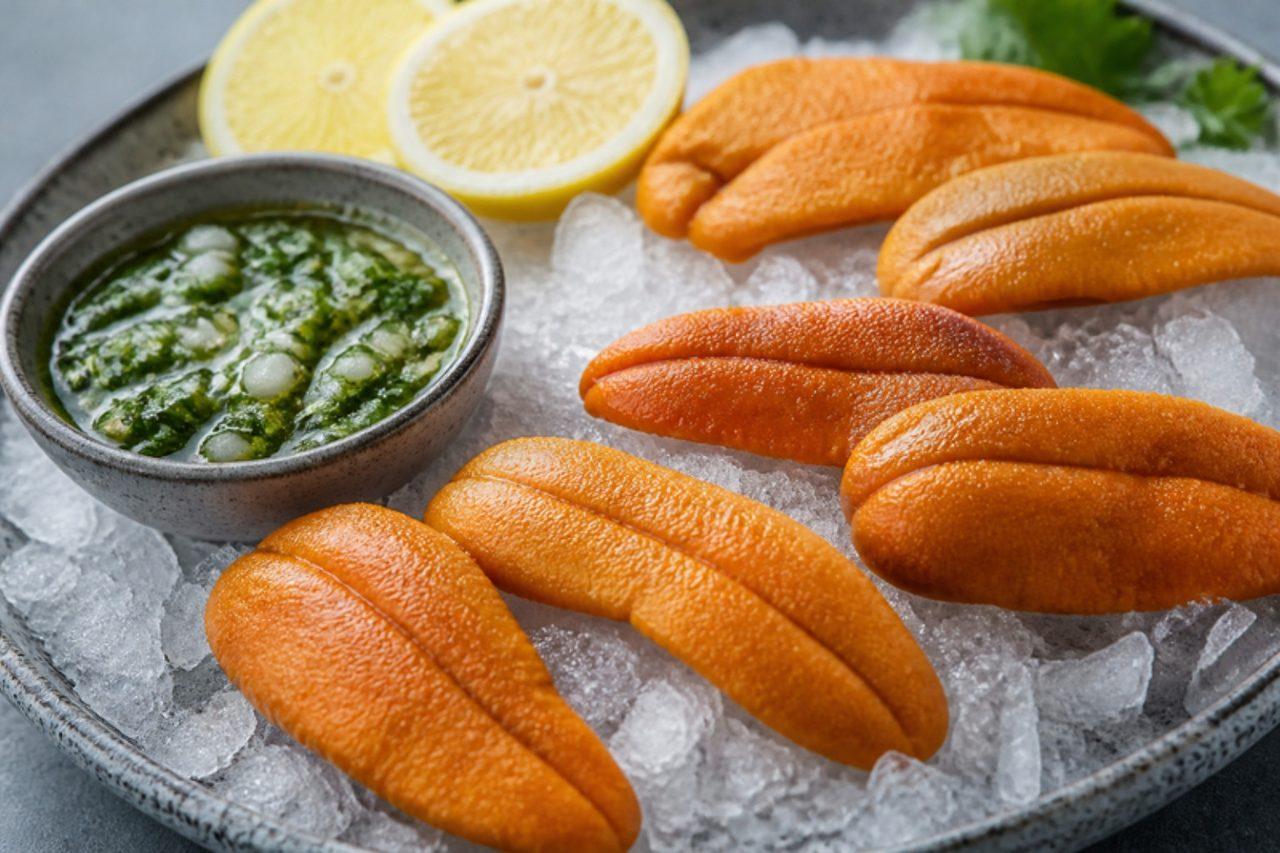
On the docks of Punta Arenas and in the markets of Valparaíso and Puerto Montt, Chilean sea urchins are cracked open in front of you and their orange tongues (lenguas) piled on a plate with a sharp green sauce of onion, parsley, coriander and lemon. They taste of the sea, sweet and creamy, and are eaten raw with bread. Because the urchin is raw, this dish is not for pregnant women, young children or anyone with a weakened immune system. Buy urchins live or freshly packed roe from a licensed fishmonger, keep it at 0–4 °C and eat it the same day. The common mistake is drowning the delicate roe in lemon, which 'cooks' and toughens it. Chef's tip: spoon the sauce over just before eating. For a safer version, serve the same salsa verde over cooked, chilled prawns.

by KrazyBadal 0 views

Escabeche de pescadoFried fish in sweet-sour onion sauce

In Lima, escabeche de pescado belongs to the criollo kitchen of the old city: it turns up on Friday lunch menus, on buffet tables, and above all in Lent and Holy Week, when families eat fish and this dish can be made the day before. Fish is fried until golden, then covered in a warm sauce of thick-cut red onion softened in oil with garlic, ají amarillo, ají panca, cumin and vinegar, and left to cool so the flavours soak in. It is served cold or at room temperature with boiled sweet potato, hard-boiled egg and purple botija olives. It tastes tangy, sweet and gently fruity-hot, with crunchy onion over tender fish. The fish here is fully cooked, but because it is a cold seafood dish, pregnant people, babies, older people and anyone with weak immunity should eat it well chilled and within 2 days. Common mistake: stewing the onions until limp; they should only lose their raw bite. It is ready when the sauce has soaked a little into the fish and smells of vinegar and toasted chilli. Chef's tip: use thick fillets of corvina or bonito; thin fillets break under the sauce.

by KrazyBadal 0 views

Escabeche guatemaltecoPickled vegetables

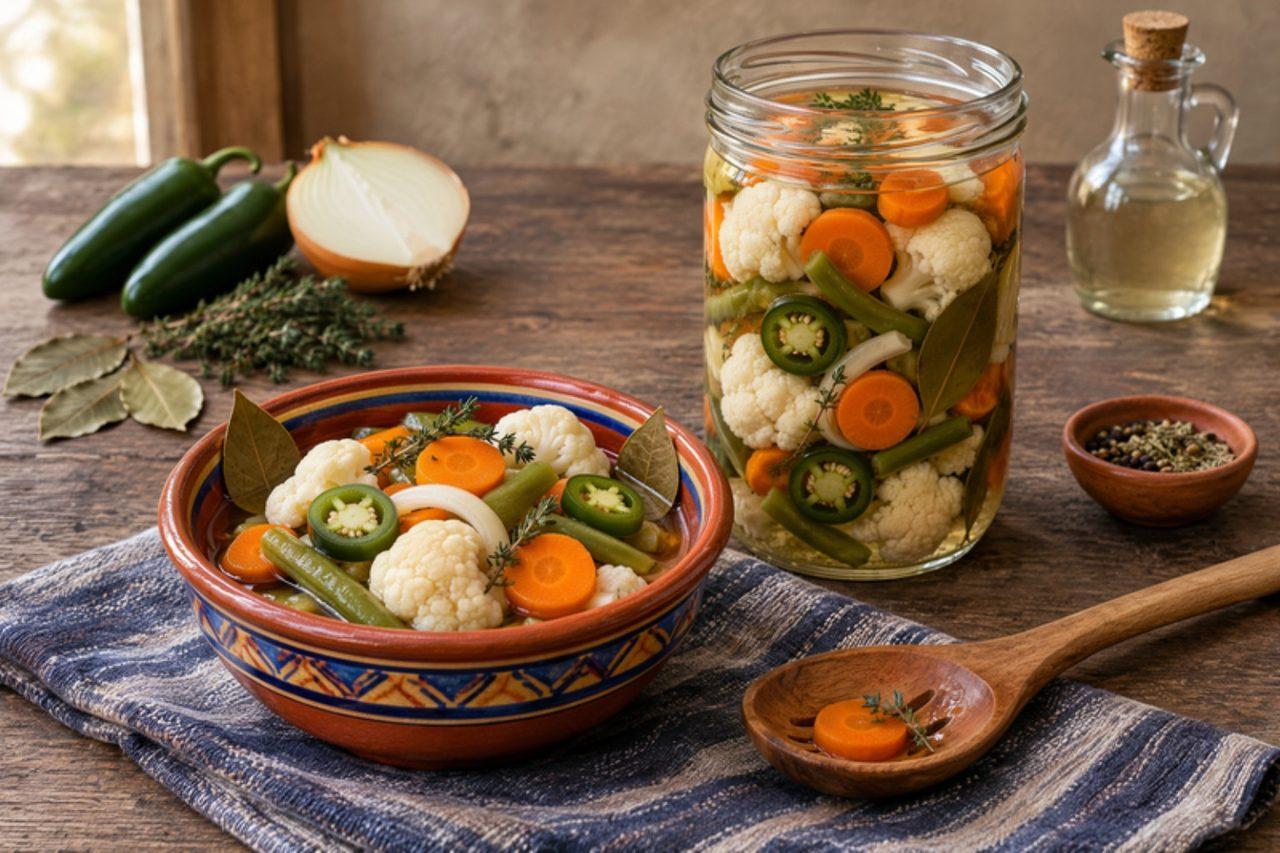
Guatemalan families keep a big jar of escabeche in the fridge for weeks: it goes into the bread rolls of shucos and panes con chile, beside fried fish during Lent and, above all, into fiambre, the enormous cold salad assembled for Día de Todos los Santos on 1 November. Carrots, cauliflower, green beans, onion and jalapeños are blanched just enough to lose their raw edge, turned briefly in oil with garlic, then left to soak in vinegar seasoned with thyme, bay, oregano, cloves and black pepper. The result is tangy, aromatic and only mildly hot, with vegetables that stay crisp-tender in a golden, lightly oily brine. The common mistake is boiling the vegetables until soft; they keep softening once the hot vinegar goes on, so blanch each one briefly and cool it at once in cold water. It is ready after a night in the fridge, when the carrots taste sour right through and the onion has turned soft, sweet and translucent. Chef's tip: blanch the vegetables one after another in the same pot, cauliflower first and carrots last, so the cauliflower stays snowy white.

by KrazyBadal 0 views

NakatiBitter eggplant leaves with tomato

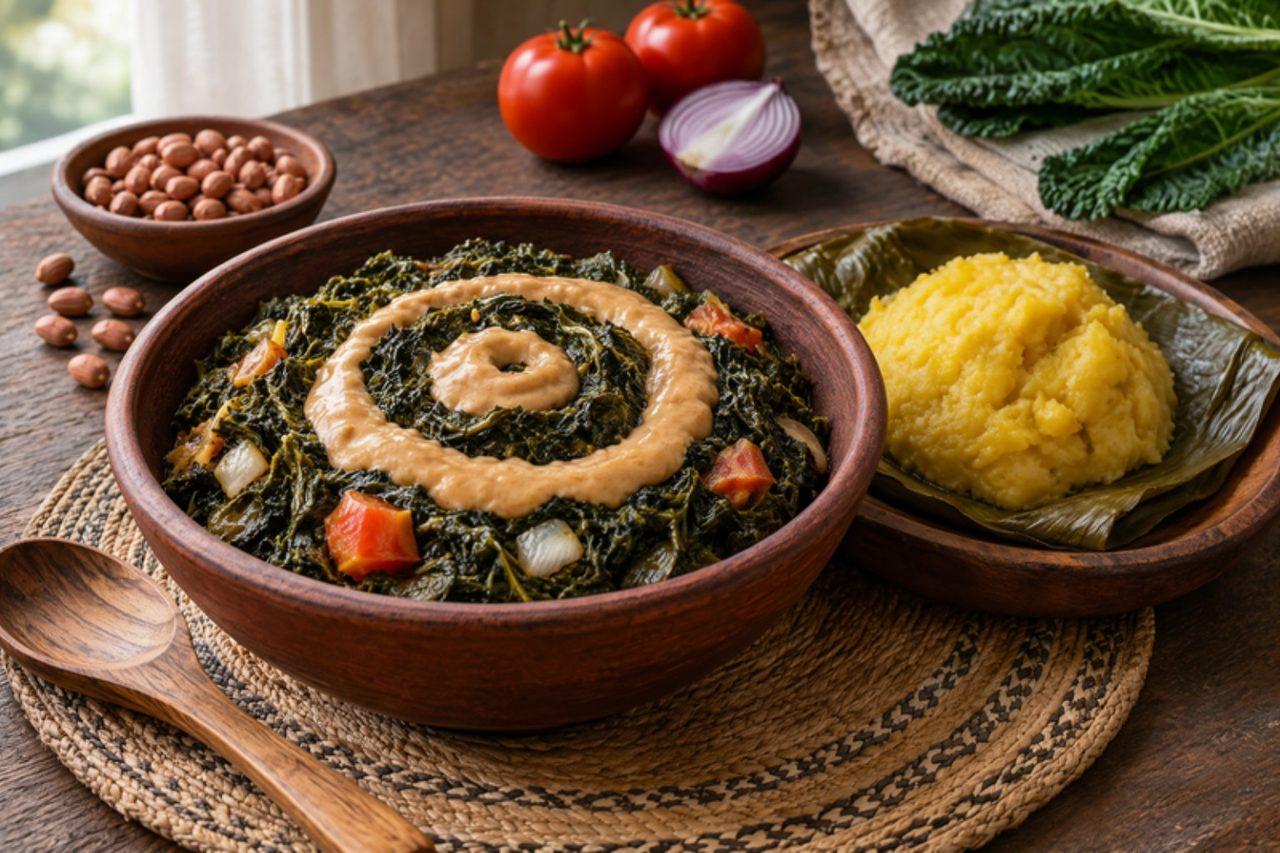
Nakati are the leaves of the African eggplant, and in Kampala and the Buganda countryside they are cooked as an everyday green beside matooke, posho or rice. The leaves are simmered down with onion and tomato until soft, then often enriched with a spoonful of groundnut paste that softens their pleasant bitterness and makes a creamy sauce. Look for nakati at African grocers; young spinach with a handful of kale is a good stand-in. The usual mistake is adding the groundnut paste too early, which lets it catch and burn. Chef's tip: loosen the groundnut paste with a little hot water before stirring it in, so it melts smoothly into the greens.

by KrazyBadal 0 views

Papayas en almíbarPapayas in clove syrup

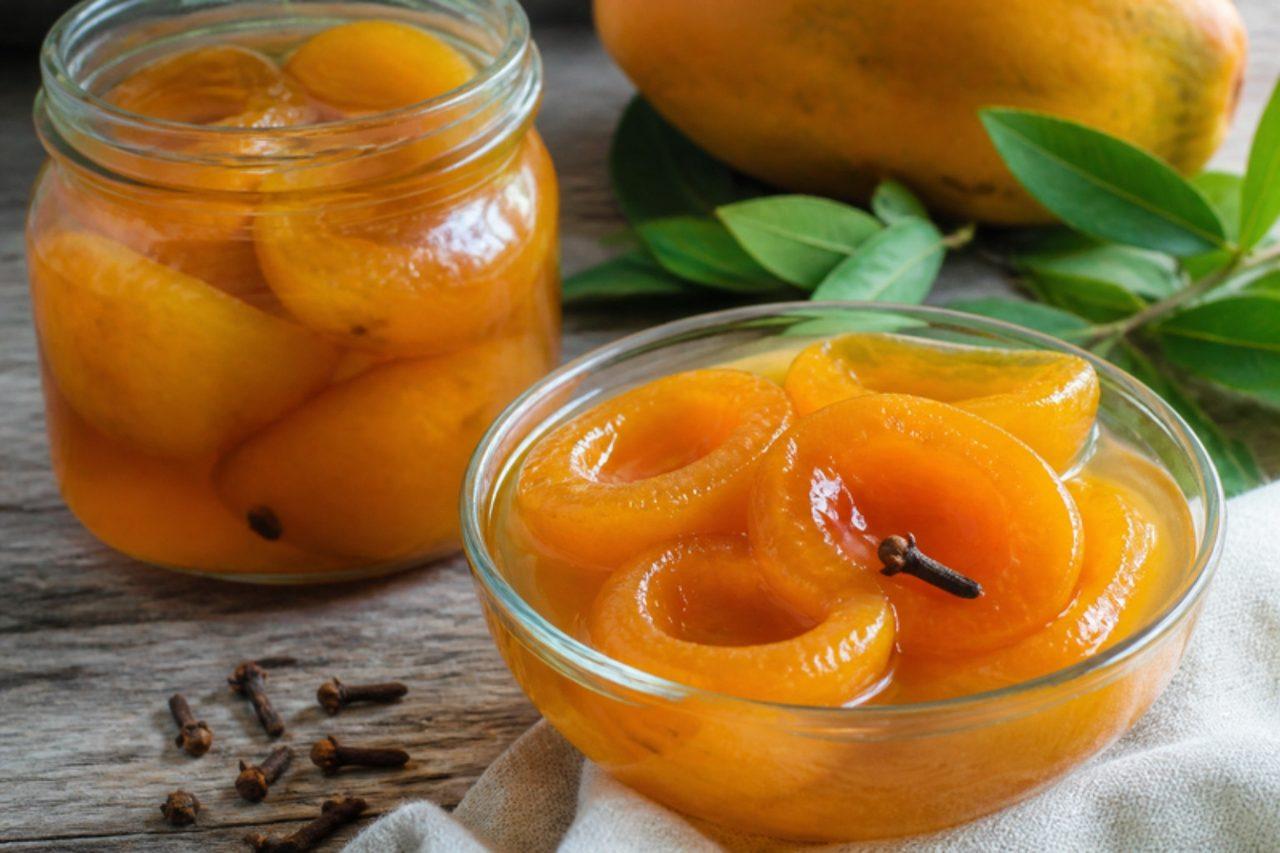
Drive up the Elqui Valley from La Serena and every roadside stall sells jars of these: small, intensely fragrant mountain papayas (papaya chilena) poached until they turn amber and translucent. Families spoon them over vanilla ice cream, eat them with a slice of fresh cheese, or simply serve them chilled after Sunday lunch. Outside Chile, tinned Chilean papayas are easy to find, or use firm, under-ripe ordinary papaya, which holds its shape in the syrup. The usual mistake is boiling the fruit hard: it breaks up and clouds the syrup, so keep it at a lazy simmer. Chef's tip: once the fruit is cooked, lift it out and boil the syrup alone for 5 minutes, so it is thick enough to cling and keeps longer in the jar.

by KrazyBadal 0 views

Showing 9 of 7,762 recipes

Show more recipes

Page 128 of 863